THE TELEPHEMERA YEARS: 1991 – part 4

Space Cats, 1991-92

Ah, telephemera… those shows whose stay with us was tantalisingly brief, snatched away before their time, and sometimes with good cause. They hit the schedules alongside established shows, hoping for a long run, but it’s not always to be, and for every Street Hawk there’s two Manimals. But here at STARBURST we celebrate their existence and mourn their departure, drilling down into the new season’s entertainment with equal opportunities square eyes… these are The Telephemera Years!

1991-92

As the 1991 Fall TV schedule was released, tears were no doubt shed when fans realised this would be the last time they would see such favourites as Who’s the Boss?, MacGyver, Jake and the Fatman, and The Golden Girls, although history no longer recalls how people felt in any respect about The Cosby Show. None of them were doing top ratings by the time they departed – one very good reason for such departures, obviously – but America was still wildly in love with Roseanne, Murphy Brown, Cheers, and Murder, She Wrote, as well as a brand-new show called Home Improvement about a man with a funny laugh.

Other new arrivals included The Commish on ABC, Evening Shade on CBS, the vastly underrated Herman’s Head on Fox, and a TV spin-off for Harry & The Hendersons, with Jay Leon easing into Johnny Caron’s seat on The Tonight Show ahead of everyone’d favourite David Letterman. Genre fans had it tough on the big four networks, with Twin Peaks having finished the previous year leaving Quantum Leap as the sole survivor, although Star Trek: The Next Generation was still airing new episodes in syndication. That’s what the grown-ups were watching, anyway, but what about the kids? This is the story of Saturday mornings in 1991…

Space Cats (NBC): Paul Fusco’s big break came when he surprised super-agent Bernie Brillstein with his ALF character at a meeting Brillstein didn’t even want to take, having Jim Henson already on his books. ALF was hilarious and irreverent, and Brillstein wasted no time in setting Fusco up with writer Tom Patchett to round out ALF’s story before pitching a show to NBC’s Brandon Tartikoff.

ALF ran for four seasons, and enjoyed two animated spin-offs between 1987 and 1989, its ninety-ninth and final episode airing on March 24th 1990. NBC had originally greenlit a fifth season but withdrew their support, leaving a cliffhanger ending that was eventually tidied up in the 1996 TV movie Project ALF. The network didn’t completely abandon Fusco, though, and went ahead with a new show, this time aimed squarely at their Saturday morning kids TV block.

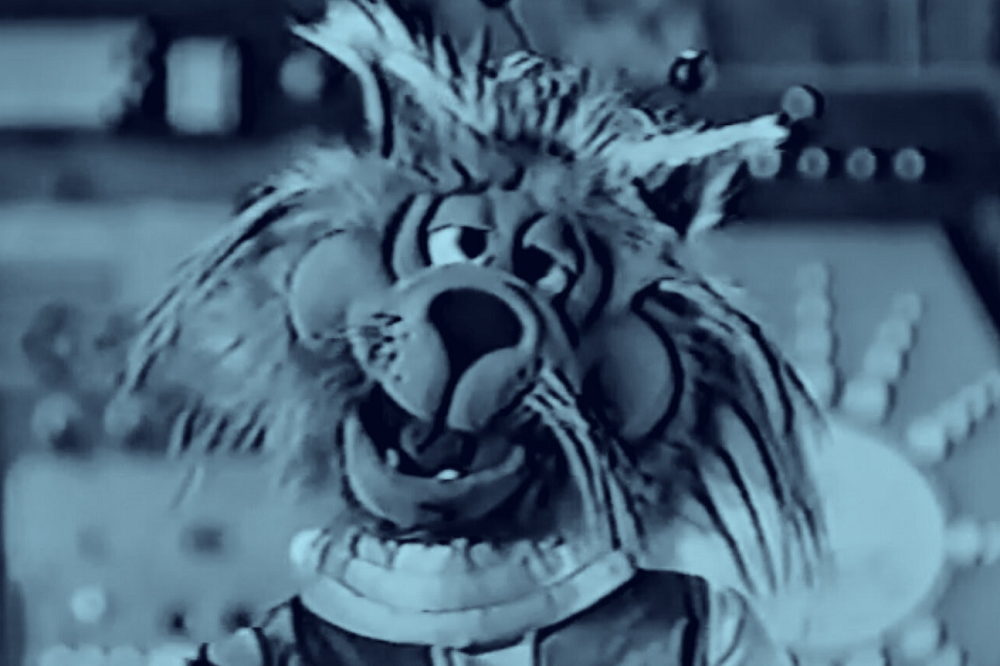
Produced in partnership with Marvel Animation (rather than DIC, who made the ALF cartoons), Space Cats was a mixture of Fusco’s puppetry and traditional animation, with a typical episode starting and finishing with the puppet characters topping and tailing the animated adventures of the titular cosmic felines. The Space Cats come from the planet Triglyceride-7 – which is ruled by a being named DORC (Disembodied Omnipotent Ruler of Cats) – and are under the command of Captain Catgut (voiced, like ALF, by Fusco).
Space Cats, 1991-92

Each episode would see the Catgut puppet receive his orders from DORC (the head of a green-skinned Charles Nelson Reilly, floating in a black void) and relay them to Scratch, Sniff, and Tom, his crew. Their missions included investigating why a beloved children’s clown is promoting violence on his TV show, why a has-been superhero has returned to action and is committing crimes, and why beautiful women are turning ugly, an adventure which introduced a female Space Cat, Yvette Meow.

A first season of thirteen episodes was produced, debuting in September 1991, but any prospect of a second season was scuppered when the network decided to abandon its commitment to Saturday morning programming. For a while, the show was seemingly lost, a rare occurrence for a 1990s show, and it has never received a home video release. With the advent of YouTube, some episodes have resurfaced, but three remain completely lost. That sounds like a case for the Space Cats?

Hammerman (ABC): Known primarily for his energetic dancing and his parachute pants, Stanley Kirk Burrell first adopted his MC Hammer alter-ego in 1986 when, having already established successful independent record label Bustin’ Records, he recorded his debut album, Feel My Power. Signed to Capitol Records two years later, his career was boosted by the release of his second album, Let’s Get It Started, before 1990’s Please Hammer Don’t Hurt ‘Em exploded him all over the globe.

The third album was accompanied by a movie – the imaginatively titled Please Hammer Don’t Hurt ‘Em: The Movie – which saw him return to his former neighbourhood to sort out some drug dealers, but his clean-cut image and a rudimentary approach to sampling brought a backlash from critics and rival rappers. That didn’t seem to bother Hammer one bit and the next step was obviously a Saturday morning cartoon.
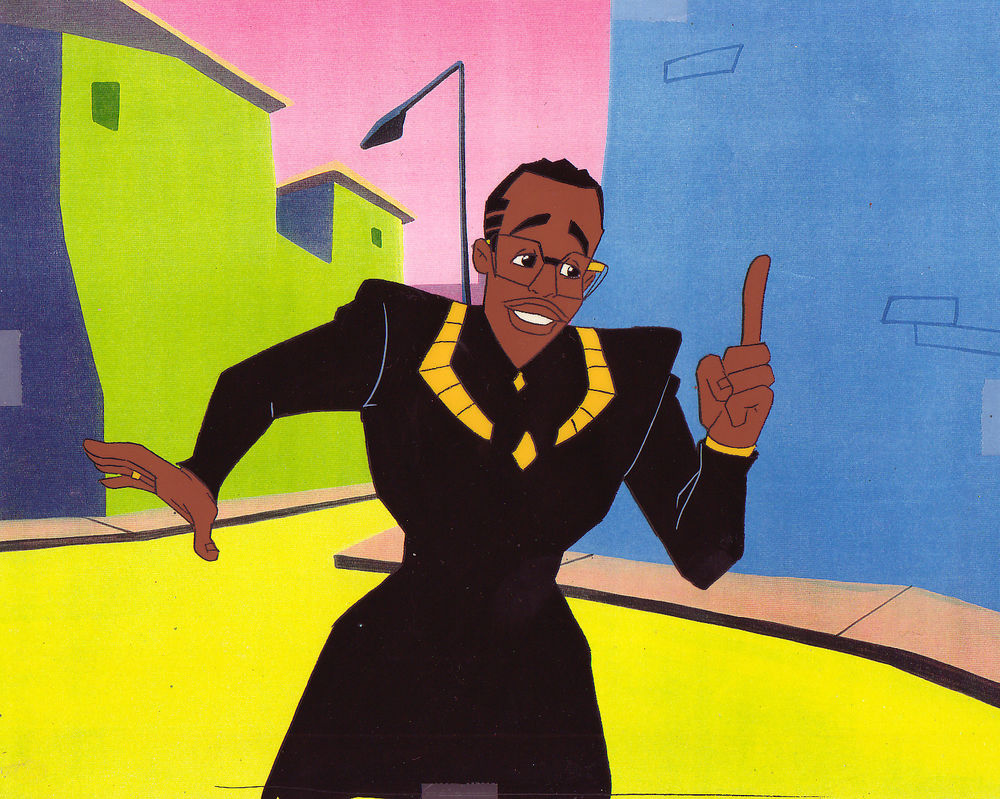
Hammerman, 1991-92

Produced by DIC Entertainment, Hammerman finds young Stanley Burrell working at a youth centre, where he finds a pair of magical dancing shoes that transform him into a superhero. The shoes formerly belonged to his “Gramps,” who used them to become Soulman; with Gramps’s advice, Hammerman faces such threats as Defacely Marmeister (who brings graffiti to life), Boss Grindenheimer (putting children to work), and Paula Bunion (shoe obsessive).

Even for a show aimed at children, Hammerman was panned by critics and didn’t attract viewers in enough quantity to survive beyond a thirteen-episode run, standard for the Saturday morning cartoons of its time. That’s a shame because if it had been a success, we might have got similar outings for NWA, Public Enemy, and 2 Live Crew, and you can only imagine what shape a Sir Mix-a-Lot cartoon might have taken…

Riders in the Sky (CBS): For many of us, a network passing on your idea for a sitcom for being too derivative of The Beverly Hillbillies would lead to a serious rethink about the events in our lives that brought us to that point. For Alan Sacks (co-creator of Welcome Back, Kotter and producer of skatesploitation yarn Thrashin’), though, it just meant retooling the idea for an even less-demanding audience and turning it into a Saturday morning children’s show.

Sack’s big idea was for a show based around Riders in the Sky, a cowboy-themed music and comedy act that had been performing since 1977 and whose long-running Riders Radio Theater was broadcast on NPR between 1988 and 1995. A three-piece consisting of Ranger Doug, Woody Paul, and Too Slim, the Riders were inducted into the Grand Ole Opry in 1982 and enjoyed five seasons of their Tumbledweed Theater show, one of The Nashville Network’s foundation shows.
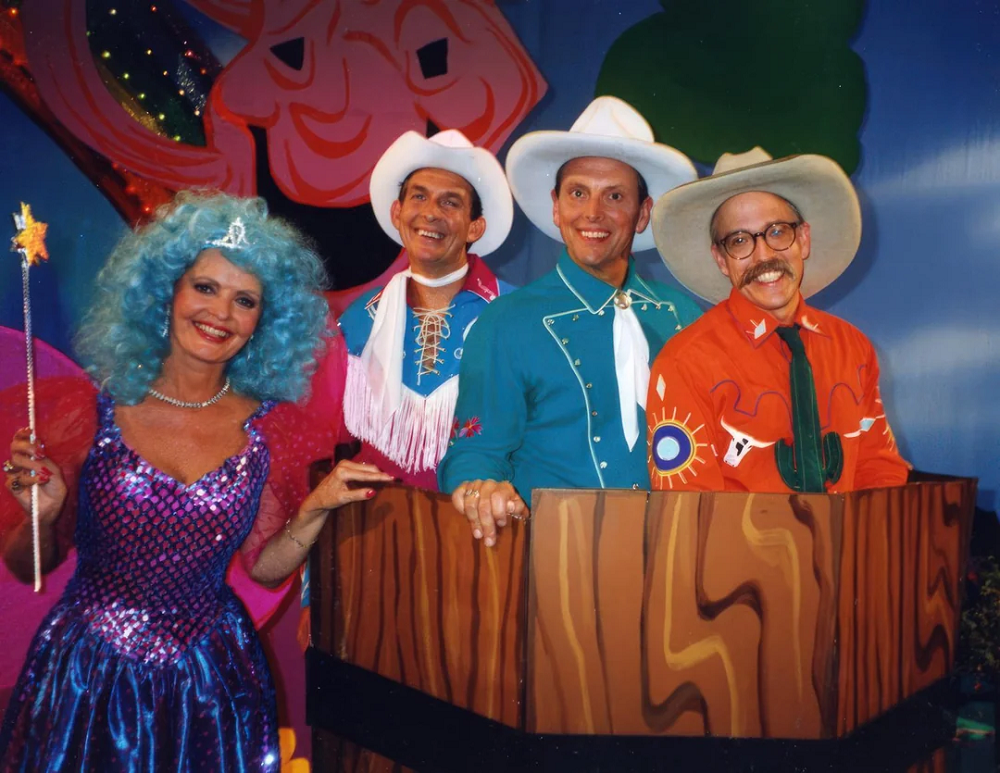
Riders in the Sky, 1991-92

All Sacks had to do to convince CBS to sign off on his show was to invite them to see the Riders play live but the network – at least according to Sacks and the Riders themselves – then made a crucial error. Seeking some experienced hands to guide the project, CBS brought in Tommy Lynch, who oversaw eight seasons of children’s variety showcase Kids Incorporated that gave Stacy Ferguson, Martika, Mario Lopez, and Jennifer Love Hewitt their first breaks. Looking to steer Riders in the Sky towards “Pee-wee’s Playhouse meets the Wild West” territory, Lynch hired writer Pee-wee veteran George McGrath to write the shows, whereas all the Riders’ previous outings had been self-penned. Fred LaBour, aka Too Slim, would later say, “Everything we’ve had a hand in writing had been a success, we didn’t have a hand in that, and it wasn’t.”

Riders premiered on September 14th 1991 and the group released a tie-in album, Harmony Ranch, named for their home on the show. A supporting cast of humans and puppets (provided by the Puppet Studio, more Pee-wee ­alumni) was introduced, but constant schedule changes didn’t allow the show to build a regular audience and CBS cancelled the show after just one season. The shows have never been released on home video due to a complicated rights situation, but Riders in the Sky still perform several times a month at the Grand Ole Opry.

ProStars (NBC): Michael Jordan and Wayne Gretsky are undoubted legends of basketball and ice hockey, respectively; household names who are among the first that come to mind when thinking of their sports. Bo Jackson, while not at the level of the other two, was a genuine two-sport superstar in baseball and football, and – thanks to Nike – appeared in just about every commercial break during 1989 and 1990 with their “Bo knows” catchphrase.

So, when DIC Entertainment’s Andy Heyward (together with actual British noble Douglas Booth) was putting together an animated show focussing on the four big US sports, the three stood out as natural contenders to become larger-than-life superheroes. The show was originally pitched to be part of a block of children’s programming on sports network ESPN, but when those plans were abandoned, NBC picked up the show for its Saturday morning schedule.
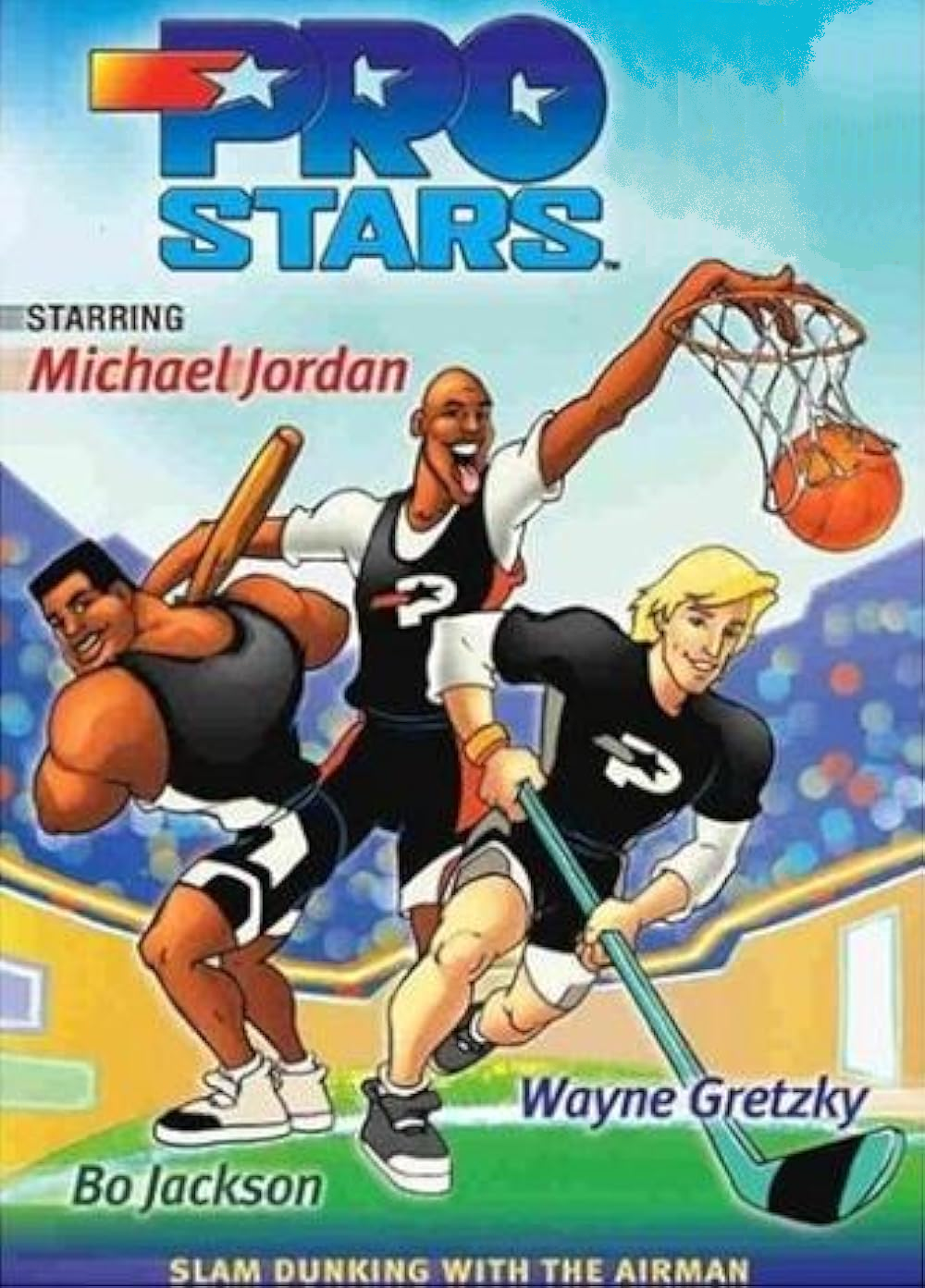
ProStars, 1991-92

Debuting on NBC on September 14th 1991, each episode of ProStars began with live-action footage of the stars, always seemingly filmed separately but with some effort made, at least, to make it look like Gretsky and Jackson were in the same room. The animated action would then proceed, passing on life lessons and solving Scooby Doo-style mysteries in the name of good sportsmanship, and with voice actors Dorian Harewood, Townsend Coleman, and Dave Fennoy performing the parts of Jordan, Gretsky, and Jackson.

Across the thirteen episodes that made up the first season, the ProStars fought mad scientists Clockwork Delorange and Dr Lobe, the Ghost Riders of St Vitus, rainforest destroyer Captain Nemo Ipanema, and wild biker Gargantus, all under the direction of Mom, their very Jewish mother stereotype boss and her assistant, Denise. Sadly, and unlike their pro-sports careers, ProStars was a one-season wonder despite decent ratings, another victim of NBC’s decision to focus on live-action shows such as Saved by the Bell on Saturday mornings.

Next time on Titans of Telephemera: We’re taking a deep dive into the works of Lou Scheimer’s Filmation studio!

Check out our other Telephemera articles:

The Telephemera Years: pre-1965 (part 1, 2, 3, 4)

The Telephemera Years: 1966 (part 1, 2, 3, 4)

The Telephemera Years: 1967 (part 1, 2, 3, 4)

The Telephemera Years: 1968 (part 1, 2, 3, 4)

The Telephemera Years: 1969 (part 1, 2, 3, 4)

The Telephemera Years: 1970 (part 1, 2, 3, 4)

The Telephemera Years: 1971 (part 1, 2, 3, 4)

The Telephemera Years: 1973 (part 1, 2, 3, 4)

The Telephemera Years: 1974 (part 1, 2, 3, 4, 5)

The Telephemera Years: 1975 (part 1, 2, 3, 4)

The Telphemera Years: 1976 (part 1, 2, 3, 4)

The Telephemera Years: 1977 (part 1, 2, 3, 4)

The Telephemera Years: 1978 (part 1, 2, 3, 4)

The Telephemera Years: 1980 (part 12, 3, 4)

The Telephemera Years: 1981 (part 1, 2, 3, 4)

The Telephemera Years: 1982 (part 1, 2, 3, 4)

The Telephemera Years: 1983 (part 1, 2, 3, 4)

The Telephemera Years: 1984 (part 1, 2, 3, 4)

The Telephemera Years: 1986 (part 1, 2, 3, 4)

The Telephemera Years: 1987 (part 1, 2, 3, 4)

The Telephemera Years: 1989 (part 1, 2, 3, 4)

The Telephemera Years: 1990 (part 1, 2, 3, 4)

The Telephemera Years: 1991 (part 1, 2, 3)

The Telephemera Years: 1992 (part 1, 2, 3, 4)

The Telephemera Years: 1995 (part 12, 3, 4)

The Telephemera Years: 1997 (part 1, 2, 3, 4)

The Telephemera Years: 1998 (part 1, 2, 3, 4)

The Telephemera Years: 1999 (part 1, 2, 3, 4)

The Telephemera Years: 2000 (part 1, 2, 3, 4)

The Telephemera Years: 2002 (part 1, 2, 3, 4)

The Telephemera Years: 2003 (part 1, 2, 3, 4)

The Telephemera Years: 2005 (part 1, 2, 3, 4)

The Telephemera Years: 2006 (part 1, 2, 3, 4)

The Telephemera Years: 2007 (part 1, 2, 3, 4)

The Telephemera Years: 2008 (part 1, 23, 4)

The Telephemera Years: O Canada! (part 1, 2, 3, 4)

Titans of Telephemera: Irwin Allen

Titans of Telephemera: Stephen J Cannell (part 1, 2, 3, 4)

Titans of Telephemera: DIC (part 1, 2)

Titans of Telephemera: Hanna-Barbera (part 1, 2, 3, 4, 5)

Titans of Telephemera: Kenneth Johnson

Titans of Telephemera: Sid & Marty Krofft

Titans of Telephemera: Glen A Larson (part 1, 2, 3, 4)

Titans of Telephemera: Quinn Martin (part 1, 2)

Titans of Telephemera: Ruby-Spears

STARBURST’S Buxton Fringe Festival Picks 2024

Buxton Fringe 2024

Since 1980, The Buxton Fringe has brought amazing fringe shows to Derbyshire, England. This year’s Fringe runs from July 3rd to the 21st and will host shows you can’t find anywhere else. We took a quick look at some shows that might appeal to STARBURST readers.  


Tiptree: No-One Else’s Damn Secret But My Own
James Tiptree Jr was a celebrated a science fiction author whose life ended in tragedy. Tiptree was the pen name of Alice Sheldon, a fact that, once revealed, rocked the sexist SF community. Jenny Rowe’s stunning one-woman show is a deep dive into the life of this celebrated SF novelist and explores themes of love, feminism, gender, depression and grief. This show is also part of the science fiction convention, Glasgow 2024.

The Temple
Michael Sabbaton is the master of one-man shows that explore themes of cosmic horror, combining incredible soundscapes and staging to create something truly unique.

The Temple is the tale of a cursed First World War U-boat crew that discovers incredible and impossible things beneath the sea. It is a must-see for fans of horror theatre. Watch the trailer here.

Music & Myth (Legends From The Celtic Isles)
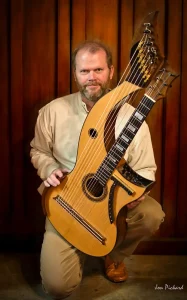
And now for something completely different; celebrated musician Jon Pickard uses music and video to convey audiences back to ancient times. Winner of the Solo Instrumental Fringe Award 2021, lovely music and visuals tell ancient tales in a way reminiscent of the past. You can find out more about Jon and his harp guitar here.

Edy Hurst’s Wonderfull Discoverie of Witches in the Countie of Himself
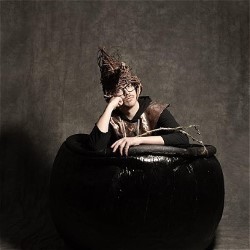
Edy Hurst’s latest comedy show uses ’90s bangers and a huge cauldron to explore modern concerns. A look into both neurodivergence and the Lancashire witch trials by way of the Vengaboys, Hurst is one of the hottest comedy acts on the scene today. Check him out in Buxton before he travels up to the Edinburgh Festival Fringe. Check out the trailer here.


Annie & Angela’s Dumbgenz & Dragqueenz
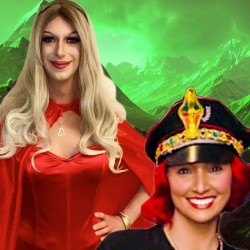
Described as a musical comedy that journeys into Swords and Sassery, join Anne and Angela as they enter a parallel dimension. Hilarity ensues. Expect camp, genre-friendly silliness.

Find out more about The Buxton Fringe here


STARBURST’s Durham Fringe Picks 2024

Durham Fringe 2024

Now in its fourth year, The Durham Fringe Festival brings fringe theatre to scenic Durham in the North East of England.

Running from July 24th to 28th, it has steadily earned a reputation as a solid festival with some great shows. It’s also a handy stop on many a shows’ journey to Edinburgh, as actors and the like get to grips with new shows, as well as a place for touring shows to do their thing.  Let’s take a look at a handful of shows that might appeal to STARBURST readers.

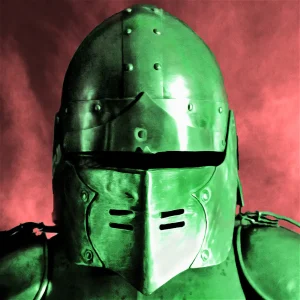
green Knight Durham Fringe

The Green Knight
The Green Knight is a classic Arthurian tale in which a monstrous warrior seeks to destroy the incredibly strong Sir Gawain. This version is told from the perspective of Gawain’s young wife and is a one-woman show performed by the critically acclaimed Debbie Cannon. With direction from Flavia D’Avila and additional dramaturgy from Jen McGregor, this is one to catch, especially if you missed it at 2022’s Edinburgh Fringe.

Hellcats Durham Fringe

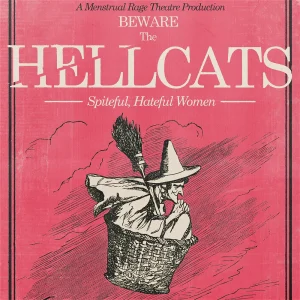
HELLCATS
Subtitled ‘Spiteful Hateful Women’ and produced by Menstrual Rage Theatre, HELLCATs is a raw look at the 17th-century English Witch Trials. With crops failing in the fields and people getting very sick, someone has to be to blame, and anyone could be a witch. Described as lively, loud and fiercely chaotic, this show explores how rumours and fear can damage a community. You can also find the production’s crowd-funder here.

AsYou like it Durham Fringe

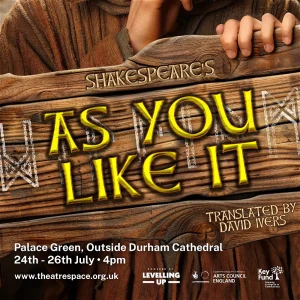
As You Like It AD793
Shakespeare, but with Vikings! A modern verse take on Shakespeare’s As You Like It, set in AD793 as a group of Anglo-Saxons hide in the Arden forest. Expect the usual comedic romantic fun with some surprise twists.

Fragments of Poe. Not a show about telly tubbies

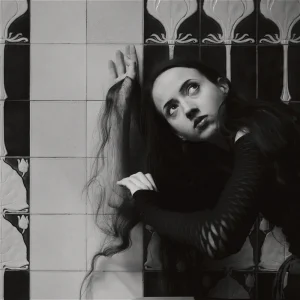
Fragments of Poe
As STARBURST readers know, Edgar Allan Poe is the grandfather of modern Gothic horror. Fragments of Poe combines dance, music, and Aubrey Beardsley’s aesthetic style with film and projection to create a unique exploration of Poe’s work. A trailer of the show can be found here.

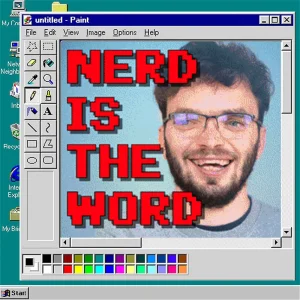
nerd is the word durham fringe

Nerd is the Word
Neil Harris blends his comic timing with his computer programming skills to create a stand-up routine that is incredibly nerdy. This is a fun and delightful exploration of what makes video games work, and at the same time, is pretty funny.

Full booking information (as well as venue information) can be found on the Durham Fringe Festival website.

The Best Bingo Scenes Ever in Movies

Bingo is one of the popular games that has been adopted by movies because of the excitement it brings to viewers. Although many people think that it is only appealing to senior citizens, the socialization it provides makes it exciting to people of different ages.

Like in the movies, bingo is a good way to catch up with friends as well as make new friends. People learn how to play bingo either in the bingo halls or on popular online bingo sites.

Bingo has made its way to the movies in different genres, from slapstick comedy to sci-fi films. For that reason, this article will be opening up some of the best scenes in movies that have been created courtesy of bingo.

Big Momma’s House (2)

This movie is full of comedy action that will leave you in stitches the entire time. It is the second installment of the film “Big Momma” where FBI Agent Malcolm disguises himself as an old lady to solve an important case.

In this installment, Agent Malcolm takes on the disguise of Big Momma and goes as undercover nanny in the house of a suspected criminal. He is looking for desperately needed evidence.

Big Momma decides to go to a retirement home so as to investigate the mystery surrounding one of the residents in connection to his case. It is during this undercover mission that Big Momma participates in the daily bingo sessions of the home and wins every game he plays.

One of the funniest scenes in the movie is when Big Momma helps one of the residents’ cheats at the game.

This movie explores the love of bingo by the older generations. At the same time, the movie shows how also the younger generation enjoys bingo as Big Momma takes the children he is babysitting to the bingo sessions.

Mama’s Family (1983)

This television series that ran from 1983 to 1990 is a spin-off of a comedy sketches known as “The Family.” The sitcom revolves around the life of the Harper family being led by the head of the clan, Thelma Harper.

In the second episode of the series, Thelma, who lives with her sister, wins a $3 million prize in a bingo game. However, she is not able to collect her winnings until she can be able to speak English.

The feat of learning English becomes tough as she adopts an orphan boy who turns out to only speak the Spanish language. This episode attracted a large following and a good rating, but the show was cancelled after six seasons.

Bad Grandpa

This comedy film is about Johnny Knoxville, who goes undercover and turns himself into a grandpa using prosthetics. Johnny plays an elderly man in charge of taking his grandson to his father’s house.

Just like skits presented on the Jackass TV show, Bad Grandpa involves pranks made on unsuspecting bystanders, with real stunts and real reactions. One of the pranks in the film involves a bingo scene, which stands out as one of the notable scenes in the movie.

In the prank, Knoxville is playing a game of bingo then starts drinking ink from a bingo marker. This freaks out other players even as he continues to play as though nothing has happened.

The sheer ridiculousness of this scene makes it very profound, earning it a spot among the best bingo scenes in movies.

What Bingo Players Can Learn

Despite these bingo scenes being part of scripted movies, they portray how bingo can bring people together. All the movies showcase how friendships can be made and sustained just by being in a social gathering and playing bingo.

Conclusion

Bingo has become one of the most popular games globally because of how easy it is to learn and the social connections is makes. The game has gone on to provide some of the best movie scenes that have been seen in TV history.

These movie scenes also show that bingo can be played and enjoyed by people of all ages despite the popular opinion that it is only enjoyed by the elderly. The game has been shown to create social connections between people of different ages.


STARBURST Father’s Day Gift Guide 2024

With Father’s Day just around the corner, we thought we’d use the date as an excuse to suggest some cool things to get for the Starburst reading father in your life. Or just use this as a list of things you may want to treat yourself to. Of course, the best gift you could possibly wish for is a subscription to STARBURST Magazine.

Assuming you already have one of those (and why wouldn’t you?), let’s take a look at some quick, last-minute gift ideas.

Weird Science Limited Edition

If you’re a certain age, you’ll have very fond movies of this ’80s sci-fi classic directed by the brilliant John Hughes. This is an unforgettable movie featuring Kelly Le Brock as the genie-like Lisa and the lovely folk at Arrow Video have packaged it all into a Limited Edition 4K Ultra HD for your viewing pleasure.

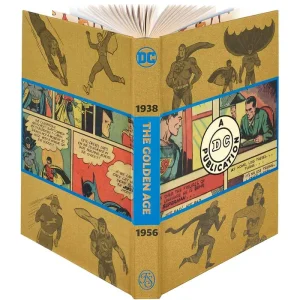
DC Comics: The Golden Age

Trust the Folio Society to create a perfect gift for DC comics fans. This gorgeous book comes with a 68-page replica of Action Comics #1, a slipcase and a beautifully bound book compiling the first issues of all the iconic DC heroes.

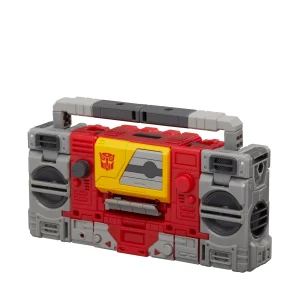
Transformers The Movie Blaster & Eject

Fans of the ’80s Transformers comics will have fond memories of Blaster, the Autobot cassette player, and his little ally Eject. Hasbro has a lovely version of this heroic character on Habro Pulse. You, too, can now re-create the Decepticon Shuttle Ambush scene from Transformers the Movie.

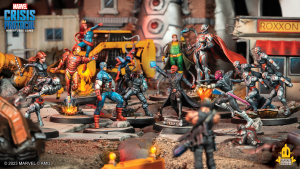
Marvel Crisis Protocol Earth’s Mightiest Core Set

A double whammy of Marvel comic books and miniature model making, Crisis Protocol is a miniatures battle game that uses small units (superheroes) in a detailed skirmish game. It’s perfect for older geeks; the games run quickly, the models are very detailed, and, importantly, they are fun to paint. This is just enough of a time-sink with plenty of rewards.

Savyll’s Non-Alcoholic Cocktails

As we age, sometimes we just want the flavour of a cocktail without getting completely blasted in the morning. Savyll’s offers a range of very nice canned beverages that taste great without any alcohol. We found these surprisingly tasty, and of course, you may want to keep them cool, which brings us to our next item.

So Chill Mini-Fridge

Intended mostly for teens, Canal Toys do a version of their fun little mini-fridge in black, so you can pretend it’s a mature and sensible purchase. This is a perfect pick for a mancave or gaming set-up. It’s a little USB-powered fridge that can hold up to six canned drinks. It’s basically a powerful fan and heat sink that functions as air-conditioning for your drinks. It’s designed for cans rather than food storage and is very much a must-have party accessory.

Stormtrooper Space Race Low Alcohol

An officially branded Star Wars beer doesn’t exist, but the closest thing is Stormtrooper beer, which has the license to use the original Stormtrooper armour created by Shepperton Design Studio back in 1976 as the inspiration for its various ales and helmet-themed goodies. In addition to helmet-themed bottle openers, desk tidies, and beer mats, they do a strong range of decent beer, including a rather nice low-alcohol one. Another thing to stick in your mini-fridge.

Photo Creator Instant Pocket Printer

Another quirky gift choice is the Photo Creator Instant Pocket Printer. Again, aimed at younger folk, this is actually a very useful tool; it’s just that this set is very reasonably priced and comes with some good accessories. It’s a thermal printer that connects to your phone and can be used to print out silly pictures as well as actual photos. It comes into its own when you load it with sticky label thermal printer paper, turning this piece of childish fun into a useful and versatile label maker, as well as a way to create your own stickers. It doesn’t run out of ink (but needs special paper), fits in an everyday carry bag and is surprisingly practical.

Magic: the Gathering: Outlaws of Thunder Junction
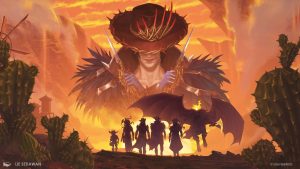
Steampunk Outlaw Cowboys, fighting Planeswalkers in the Magic: the Gathering cosmos? Sign us up, but you might want to use the Commander Decks, as they play right out of the box.

Playmobil Naruto Ichiraku Ramenshop

Who needs LEGO when you have Playmobil? You may not be able to run Naruto as quickly as you want any more, but this fun replica of the Ramen shop from Naruto is incredibly detailed and has a crazy amount of fun. It’s robust and cute and also comes with movable curtains, a counter with three chairs, a well-equipped kitchen, and a secret hideout on the roof, as well as a load of Playmobil Naruto heroes. The best thing they’ve done since the Klingon Bird of Prey.

Glasgow in 2024 Logo
Membership To Glasgow Worldcon 2024
Worldcon is the world’s longest-running science fiction convention, but really, it’s more of a conference for folk who take science fiction fandom seriously. If SF is truly your passion (so much so that it’s either your job or your all-consuming hobby), you would do well to attend. Joining in June also means you get to vote in the Hugo Awards and can access the Hugo Voter’s packet, a massive collection of electronic files for pretty much everything nominated for a Hugo Award this year, including books, video games, and movies. Buy one for the special SF geek in your life.


STARBURST’s Hollywood Fringe Picks For 2024   

The 2024 Edinburgh Fringe is almost here, but Scotland isn’t the only place you can find Fringe Theatre. The Hollywood Fringe is, of course, in Los Angeles, USA; who would have thought that a town famous for its many actors and performers would want their own fringe arts festival? The Hollywood Fringeruns from June 13th to the 30th.

Here’s our suggestion for shows you should check out if you just happen to be in the area.

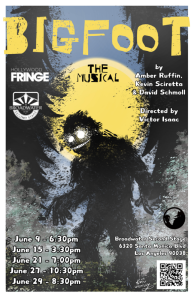
BIGFOOT! The Musical
These days it feels that all you need to put on a musical is an exclamation mark and a dream. Bigfoot! The Musical follows the story of a sweet kid with some serious issues. When the townsfolk finally discover quite how large he is, the gentle giant has to dodge corrupt mayors and angry townsfolk and somehow save the day. It’s a comedy (and maybe some social commentary) with songs and silliness, from the mind of Big Mouth’s Amber Ruffin.


space exploration because SPACE EXPLORATION because sPaCe eXpLoRaTiOn!!!
This is the story of Baby, whose husband handles diplomatic affairs in outer space. Pregnant, alone and a stranger in a stranger land, Baby embarks on a journey of discovery and self-reliance in this one-woman show. Science fiction as a backdrop to explore personal and social issues is exactly what we want, so if you get a chance to see this, let us know how it goes.  And moving on to something completely different, we have…

Bride of Blood
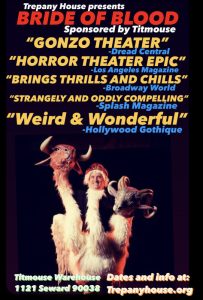
Described as the phantasmic adventures of King Solomon, this mix of puppetry and madness sounds like an unforgettable and potentially legendary show. With special effects from the legendary Frederik Fraleigh, this is one to catch whilst it’s on at the Titmouse Warehouse. (And yes, that Titmouse, the people who make all the cartoons STARBURST readers love.)

Norman Judd: A Life in Concert
Avant-garde generational comedy with slam poetry? Sounds like a perfectly strange take on some old ideas to us, orchestrated and directed by performance veterans.

FINAL GIRL: The Musical
Finally, there is a musical without an exclamation mark on the title. Heavily inspired by horror movies, Final Girl The Musical sees our protagonists use their knowledge of films to avoid their killer ex-boyfriend – with songs!

The Lord of the Rings: The Fellowship of the Ring: Extended Edition: Part 2
Comedian Riley Smith returns with the sequel to his previous show, Lord of the Rings: Fellowship of the Ring-Extended Edition, Part One. The Commedus Interruptus improv veteran returns to the fringe with more off-beat, Tolkien-inspired silliness.

You can find out more about the Hollywood Fringe here.


China Miéville • the book of elsewhere

China Mieville - photo credit Barney Cokeliss

China Miéville is a critically acclaimed and multi-award-winning writer of weird fiction, whose work includes Perdido Street Station, Railsea and Un Lun Dun. His latest novel is the book of elsewhere, has been written in collaboration with The Matrix actor Keanu Reeves. The novel is set in the world of the Reeves’ BRZRKR comic book series and follows an immortal warrior on a centuries-long journey of their condition. We caught up with China to find out more about the book…

STARBURST: How would you pitch the
book of elsewhere to an immortal warrior you just happened to be trapped in a lift with for half an hour?

China Miéville: This is the story of someone – perhaps not entirely like you and many of us – in something of an existential funk. He is an immortal warrior who has lived for aeons and is in search of a way to end his immortality and discover what he was made for. He works for the dark side of the US government doing their dirty work and gets snared into strange and unfathomable goings-on. He is tracked by an impossible adversary and uncovers betrayal and intrigue at every turn. All in the search for mortality and maybe something vaguely akin to peace.

And how would you describe it to a fan of John Wick movies who’s really getting into books?

This is a sequence of the fighty bits of the movies you like – and that I, too, like – all with an unlimited budget and made to look precisely how you envisage them in your head, and all strung together with the kind of more expansive and ruminative explorations of ‘the self’ that you don’t always have time for in – some – films. Hopefully providing both what you enjoy, and also surprising you with what you weren’t expecting.

the book of elsewhere is a collaboration; how does this change your usual process?

Utterly. From the word go, it was vital that Keanu and I could envisage ways forward that both honoured the subject matter and/but also did unexpected things with it, that you might be able to do best in a novel that we agreed on a narrative framework and that we both stood by the formulations and articulations. I’m quite sure in many cases, this could be extremely frustrating or boring. I know it could be a boring thing to say, but the opposite was the case when working with Keanu. Sometimes, you have the most interesting ideas when you play with someone else’s toys – especially when they are generous with them. That’s how it was working alongside him on this project.

Every project is unique; what were the new challenges with this book?

Initially, making sure I was the right person. That I connected with the original comic BRZRKR, and that I also could come up with ideas that treated it with respect in ways that Keanu approved of while also trying to do new things with it. So, the challenges were mostly early on to ensure that the framework and approach worked. Once we had worked together on that, the actual writing and the back and forth of editing was fairly smooth, not least because we’d worked hard to make sure we were on the same hymn sheet.

How does this book compare to King Rat in terms of getting it written?

I was a baby when I wrote King Rat – 24, publishing when I was 26. I had no idea how to write a book. In certain respects, that made it easier because I wasn’t second-guessing myself in the ways I do now. That’s not a bad thing to do, in many ways I think it makes me a better writer, but it can also make the process more cautious. At this point, I can barely remember how I found the writing of King Rat. Difficult I think – I find writing books difficult. But I don’t feel like a noob now, so it wasn’t stressful in the same way. And it was lovely – unexpectedly so – to work with a collaborator, which minimised the isolation of the writing process.

How far from Perdido Street Station is the book of elsewhere in terms of scope and storytelling?

Perdido Street Station was very much not just about world-creation but creation of a world that was intended to be vast and baroque and very different, so the scale is very different. the book of elsewhere is more focused: it is much more recognisably ‘our’ world, though, of course, with some oddities in it. It is also shorter, because it is trying to create a sense of pace and of the tying together of scattered threads, rather than, as with Perdido, trying to create something of a sense of wandering through a dreamscape. I’d say the scope is very different. As ever, though, I am quite possibly a bad judge of this as is, I think, often the case for writers about their own work.

If you could take a single monster from the world of fiction, and add it into a historical even changing that event, what would that be?

I mean, where to even start? For absolutely no reason, I’m going to say the Creature from the Black Lagoon, which is euryhaline – and can thus live in brine as well as freshwater -, emerges from the depths to meet Narcis Monturiol when he was testing his submarine, the Ictineo – 1 or 2, doesn’t matter to me. That meeting fosters Monturiol’s utopian sense of wonder, of trans-species as well as human solidarity and potential, he establishes good relations with the Creatures, continues his subaquatic researches, does not move to the political right in his later years, and helps to establish a radical underwater polity.

Do genre labels matter? Does saying that a story is science fiction, fantasy, or Young Adult change anything about the experience of reading that story?

It inevitably does so, given that those labels provoke different ideas – and thus reading protocols – in readers and writers. But these are all very fuzzy sets, so I think being relaxed about those protocols is a good strategy. Certainly, such genre labels aren’t scientific categories, and the attempt to border-guard their edges always seems doomed to me.

What one thing makes writing easier for you?

Keeping analogue notes.

If you could write for a popular franchise, such as Star Wars or Dungeons & Dragons, what stories would you tell in those worlds?

It would depend on the world, of course, but I think the sweet spot is to write something that ‘obeys the rules’, keeps fans of the franchise happy, but that is also a surprise. Such as when Kim Newman, as ‘Jack Yeovil’, wrote a Warhammer novel, not about a wizard or a warrior but… a playwright. The trick, of course, is to do something counterintuitive like that while still managing to give readers something they enjoy – even to their own surprise. So, I don’t know – a Star Wars novel about a painter who abhors violence? It might suck, of course, but it would be interesting to try.

What books are you recommending to friends at the moment?

Everything by Celia Dale, particularly A Dark Corner. It is not fantasy/SF/horror, precisely, but utterly brilliant and very frightening.

If you could rescue one work of art or media and have it survive until Earth’s sun dies, what would it be?

The 73,000-year-old piece of crosshatching found in the Blombos cave by researchers from the University of Bergen. I love crosshatching as an artistic technique, and the fact that it goes back tens of thousands of years before most ‘cave art’ is giddyingly exciting to me.

What’s next for you?

I have just handed in a long novel I’ve been working on for 20 years. That’ll come out in the next year or so.

The Simpsons or Futurama?

If I can choose the era, Simpsons (early). If I have to take pot luck, Futurama.

Krakens or Giant Sharks?

Krakens. Obviously.

Doctor Who or Doctor No?

Doctor Who if it’s the Fourth Doctor.

Truth or Beauty?

Can I have Awe?

You can pre-order the book of elsewhere today. It will be released on July 23rd, 2024. Pre-order details can be found here.

THE TELEPHEMERA YEARS: 1991 – part 3

Tag-Team, 1991-92

Ah, telephemera… those shows whose stay with us was tantalisingly brief, snatched away before their time, and sometimes with good cause. They hit the schedules alongside established shows, hoping for a long run, but it’s not always to be, and for every Street Hawk there’s two Manimals. But here at STARBURST we celebrate their existence and mourn their departure, drilling down into the new season’s entertainment with equal opportunities square eyes… these are The Telephemera Years!

1991-92

As the 1991 Fall TV schedule was released, tears were no doubt shed when fans realised this would be the last time they would see such favourites as Who’s the Boss?, MacGyver, Jake and the Fatman, and The Golden Girls, although history no longer recalls how people felt in any respect about The Cosby Show. None of them were doing top ratings by the time they departed – one very good reason for such departures, obviously – but America was still wildly in love with Roseanne, Murphy Brown, Cheers, and Murder, She Wrote, as well as a brand-new show called Home Improvement about a man with a funny laugh.

Other new arrivals included The Commish on ABC, Evening Shade on CBS, the vastly underrated Herman’s Head on Fox, and a TV spin-off for Harry & The Hendersons, with Jay Leon easing into Johnny Caron’s seat on The Tonight Show ahead of everyone’d favourite David Letterman. Genre fans had it tough on the big four networks, with Twin Peaks having finished the previous year leaving Quantum Leap as the sole survivor, although Star Trek: The Next Generation was still airing new episodes in syndication. Those are all shows that got a full series order, though: what about the ones that fell at that final hurdle? This is the story of 1991’s unsold pilots…

Power Pack (NBC): First appearing in 1961, the Fantastic Four were regarded as the first family of comic books, although the family unit wasn’t exactly nuclear, despite their cosmically radiated origins. Twenty-three years later, Marvel comics presented a brand-new title featuring a super-powered family but with a twist: these superheroes were all children

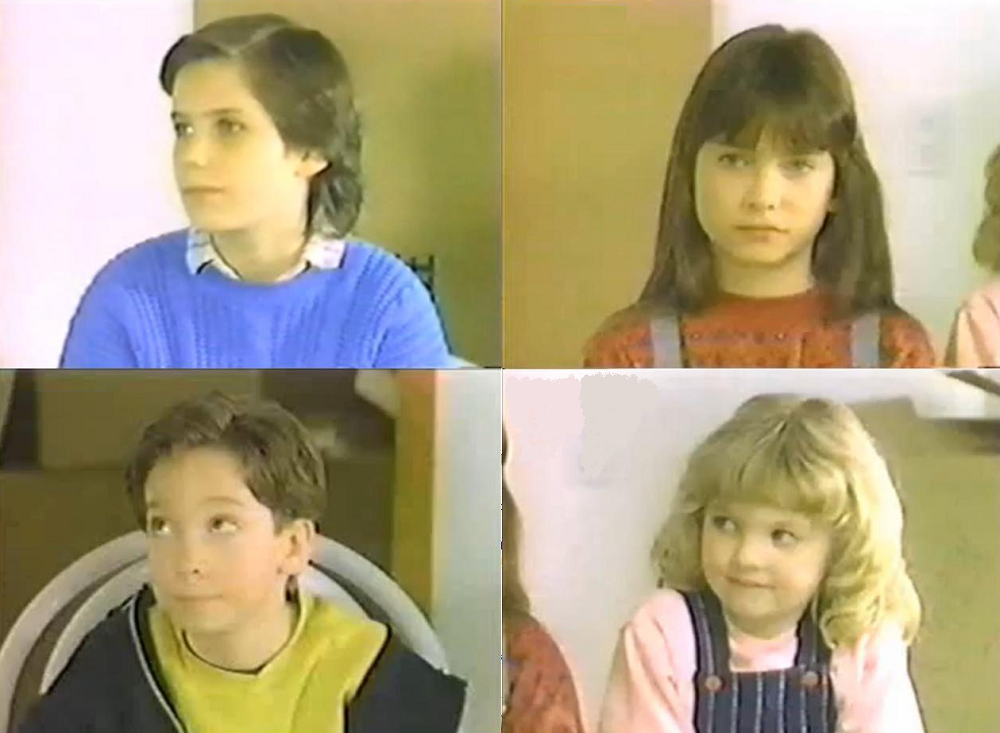
Power Pack was created by Louise Simonson and June Brigman, four children aged between five and twelve who are given powers by a dying alien so that they can save their parents from some other, evil aliens. The series was well-received and ran for six years, finishing with #62, resetting the status quo after quite a journey for the young protagonists.

Other than a Summer Special in 1991, Power Pack wouldn’t appear again in comics until 1994, when Alex – the oldest of the Powers siblings – joined the cast of New Warriors. No sooner had their original comic book been cancelled, though, than work began on bringing the team to TV, with New World Entertainment (which had purchased Marvel Comics in 1997) partnering with Canadian production company Paragon, best known for Alfred Hitchcock Presents.

Power Pack, 1991-92

Scripted by rookie writer Jason Brett from Simonson and Brigman’s original concept, a thirty-minute pilot was made with the intention of selling it to NBC for their Saturday morning schedules. Minor changes were made to the team, with some powers tweaked for better/cheaper television and the Powers parents now not being aware of their children’s extra-curricular activities. The young cast was mostly newcomers, and the wider ensemble was drawn from the ranks of Canadian television bit-parters.

NBC weren’t interested in the story of the quartet’s search for the ghostly Dr Mobius, but Fox picked up the pilot as a one-off Saturday morning special, airing it several times in the early 1990s, but didn’t take up the option of a series. Power Pack returned to comics in June 2000 as a mini-series, just as news broke that the property was among fifteen that was part of a joint agreement to develop feature films between Marvel and Artisan Entertainment, but only The Punisher and Man Thing saw the light of day before Artisan was sold to Lion’s Gate in 2003.

Tagteam (ABC): In the late 1980s, both “Rowdy” Roddy Piper and Jesse “The Body” Ventura sought to escape the rigours of a professional wrestling career and turned to acting, something the vast majority of the American public were convinced they had been doing all along in their grappling days. Piper snagged the lead roles in Hell Comes to Frogtown and John Carpenter’s They Live, while Ventura was cast alongside Arnold Schwarzenegger in Predator and The Running Man, but neither were able to fully break away from the squared circle.

The next logical step, then, was to combine the two, and the perfect vehicle came long in the form of Tagteam, a pilot scripted by Robert McCullough, who had moved from production duties on the likes of Falcon Crest, Ohara, and Star Trek: The Next Generation to trying his hand at screenwriting. Originally conceived as a solo vehicle for Ventura, Piper was added at the suggestion of both men, who were working for Vince McMahon’s World Wrestling Federation at the time.

Tag-Team, 1991-92

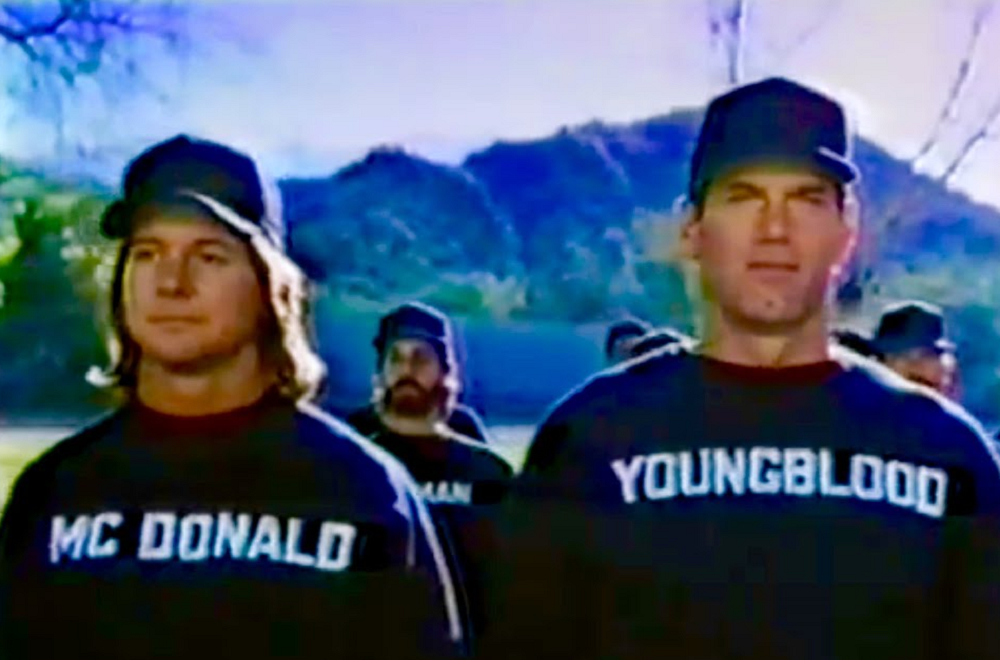
Bobby “The Body” Youngblood and Scotsman “Tricky” Rick McDonald (guess who plays who) are two journeyman professional wrestlers who are ordered to take a dive in a championship match by their unscrupulous promoter’s wife or they will be blackballed. Baulking at such heresy, they go on to beat the Samurai Brothers. In actuality, the match featured Piper and Ventura against the WWF’s Orient Express, was shot at a WWF show, and would be the last match Ventura ever wrestled, but the result is the same and they are fired from the only jobs they’ve ever known.

After trying out many new careers (with hilarious results), the pair help stop a robbery at a grocery store and decide to become policemen, entering a police academy they seem far too old for, but winning over the captain with their loveable antics. This, then, is our show, two misfit cops (probably) using wrestling manoeuvres to take down criminals.

It’s thin gruel but, at least according to Ventura, ABC picked up the series for thirteen episodes, but before filming could commence, an unrelated lawsuit between Disney (who owned) ABC and Tagteam producers Carolco led to a six-month delay. By the time that was settled, Ventura had left the WWF acrimoniously and that departure finally put paid to any prospect of a Tagteam series. ABC did show the pilot, however, in January 1991, and it is preserved for all eternity on YouTube, should you wish to see the future Governor of Minnesota in action.

Tagget (USA): Daniel J Travanti earned two Emmy Awards for his portrayal of Captain Frank Furillo in Hill Street Blues, the heart and soul of the popular police procedural, but found post-Hill Street fame hard to come by. A recovering alcoholic, like his most famous character, Travanti grabbed a handful of roles in thrillers and legal dramas in the wake of the show’s 1987 finish, but it wasn’t until 1990 that he was offered another lead role in a potential series.

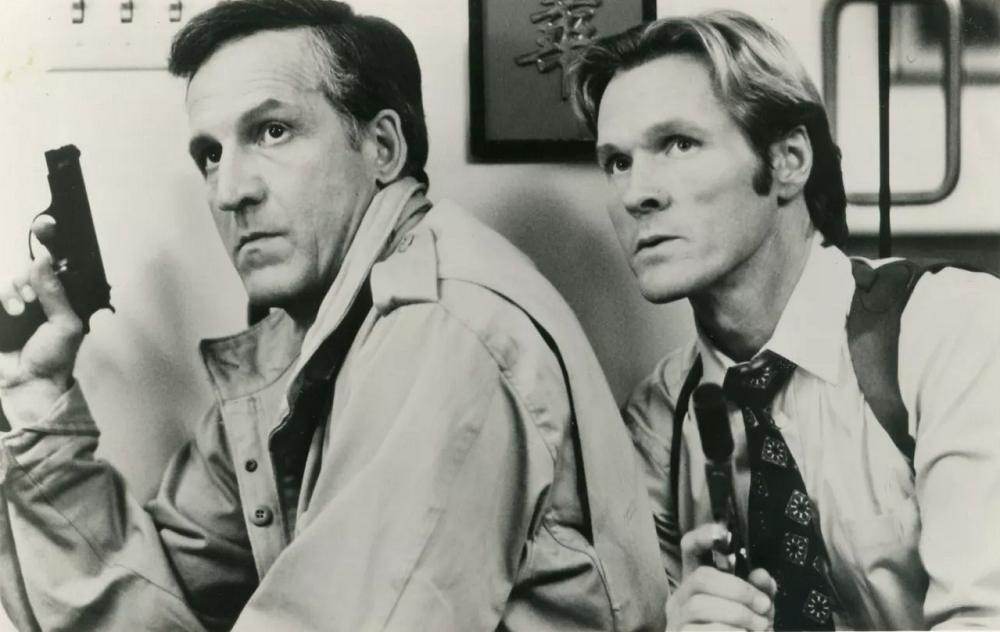
Based on a novel by Irving A Greenfield, John Tagget is a veteran of the Vietnam War, carrying both physical and mental scars from his time in the jungles of Indochina. Despite his disabilities, he is the owner of a successful electronics firm but begins to suffer painful flashbacks to the war and, when attempting to find out why, finds himself the target of former colleagues in the intelligence agencies. With the help of former Russian agent Yuri (William Sadler, best known as Death in Bill & Ted’s Bogus Journey), Tagget unravels a mystery that only he may have the answer to.

Tagget, 1991-92

Alongside Travanti and Sadler is a solid cast that includes Peter Michael Goetz, Roxanne Hart, and Stephen Tobolowsky, all doing decent work under Richard T Heffron’s direction. That said, and despite its unusually positive portrayal of those with both physical and emotional disabilities, it’s tough to see where Tagget might have gone had it been taken to a full series, although Edward Woodward had just finished his run as The Equalizer and there was a gap for a former intelligence agency veteran helping out the common man on the schedule.

Nevertheless, despite an airing as a TV movie in February 1991, the USA Network passed on taking Tagget to series, and it was later released on VHS under the name Dragonfire. Travanti did eventually secure another recurring role, leading the Missing Persons crew in their search for, well, missing persons, although that lasted for just a single season in 1993-94.

Krofft Late Night (ABC): Experienced hands at freaking out the kids of the 1960s and 1970s, Sid and Marty Krofft’s focus increasingly turned to adults in the 1980s and beyond, attempting to transfer their kaleidoscopic creations into prime time. Variety shows such as Fol-de-Rol, Pink Lady & Jeff, and Sid & Marty Krofft’s Red Eye Express met with a mixed response, none of them making it past one-off specials.

In 1987, no doubt inspired by the success of Spitting Image in the UK, they created DC Follies, a satirical look at American politics built around the titular bar and its clientele, latex caricatures of political figures such as Ronald Regan, Oliver North, and Henry Kissinger, alongside wider celebrity lampoons. DC Follies lasted for two seasons of twenty-two episodes each and was nominated for two Emmy Awards, although ratings dipped during the second season and the Krofft’s thoughts naturally turned to a follow-up show.

Krofft Late Night, 1991-92

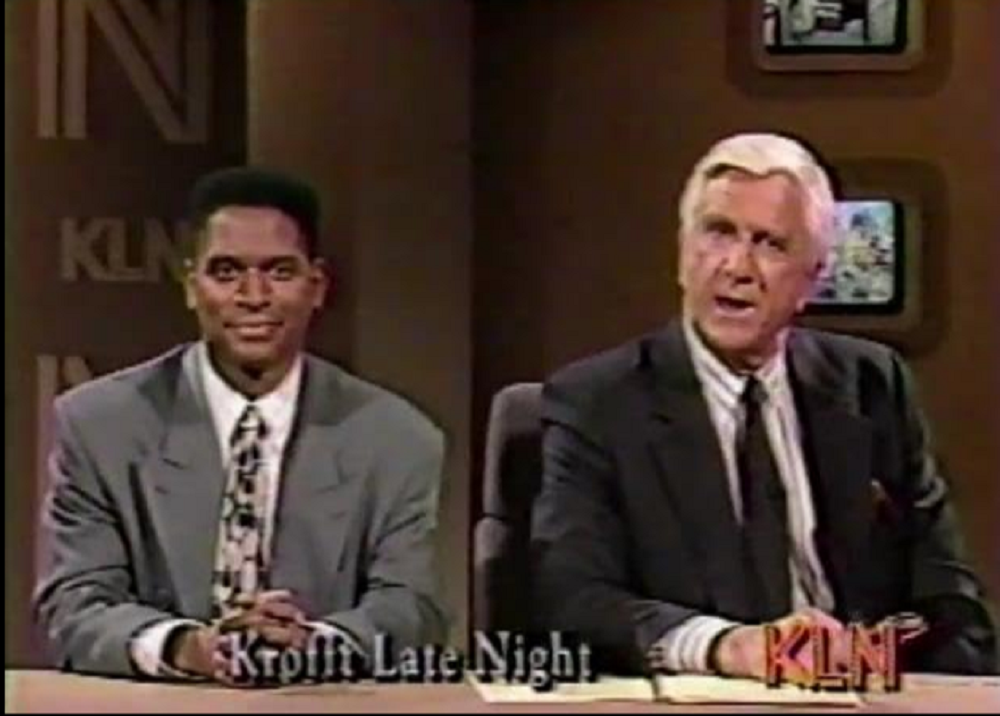
Sticking with the arena of current affairs, they created KLN, a news show as seen through the eyes of its anchorman. The role of Leslie Peters went to Leslie Nielsen, fresh off lacklustre Exorcist parody Repossessed and about to play Frank Drebin for the third time in Naked Gun 2½: The Smell of Fear, who would present topical jokes with the aid of the Krofft’s puppets, many of whom were recycled from DC Follies, in an odd mix of the Weekend Update from Saturday Night Live and the aforementioned Fluck and Law grotesquerie.

The hour-long pilot was shown on April 5th 1991 in the slot usually reserved for Rick “Disco Dick” Dees and his Into the Night (which wouldn’t last the season), but ABC saw nothing much of value in the concept. Like Sid and Marty Krofft in general, the idea seemed much better suited to a bygone era, and it was to be the pair’s last production for network TV.

Next time on The Telephemera Years: Saturday mornings in 1991 were really freaking weird, man!

Check out our other Telephemera articles:

The Telephemera Years: pre-1965 (part 1, 2, 3, 4)

The Telephemera Years: 1966 (part 1, 2, 3, 4)

The Telephemera Years: 1967 (part 1, 2, 3, 4)

The Telephemera Years: 1968 (part 1, 2, 3, 4)

The Telephemera Years: 1969 (part 1, 2, 3, 4)

The Telephemera Years: 1970 (part 1, 2, 3, 4)

The Telephemera Years: 1971 (part 1, 2, 3, 4)

The Telephemera Years: 1973 (part 1, 2, 3, 4)

The Telephemera Years: 1974 (part 1, 2, 3, 4, 5)

The Telephemera Years: 1975 (part 1, 2, 3, 4)

The Telphemera Years: 1976 (part 1, 2, 3, 4)

The Telephemera Years: 1977 (part 1, 2, 3, 4)

The Telephemera Years: 1978 (part 1, 2, 3, 4)

The Telephemera Years: 1980 (part 12, 3, 4)

The Telephemera Years: 1981 (part 1, 2, 3, 4)

The Telephemera Years: 1982 (part 1, 2, 3, 4)

The Telephemera Years: 1983 (part 1, 2, 3, 4)

The Telephemera Years: 1984 (part 1, 2, 3, 4)

The Telephemera Years: 1986 (part 1, 2, 3, 4)

The Telephemera Years: 1987 (part 1, 2, 3, 4)

The Telephemera Years: 1989 (part 1, 2, 3, 4)

The Telephemera Years: 1990 (part 1, 2, 3, 4)

The Telephemera Years: 1991 (part 1, 2)

The Telephemera Years: 1992 (part 1, 2, 3, 4)

The Telephemera Years: 1995 (part 12, 3, 4)

The Telephemera Years: 1997 (part 1, 2, 3, 4)

The Telephemera Years: 1998 (part 1, 2, 3, 4)

The Telephemera Years: 1999 (part 1, 2, 3, 4)

The Telephemera Years: 2000 (part 1, 2, 3, 4)

The Telephemera Years: 2002 (part 1, 2, 3, 4)

The Telephemera Years: 2003 (part 1, 2, 3, 4)

The Telephemera Years: 2005 (part 1, 2, 3, 4)

The Telephemera Years: 2006 (part 1, 2, 3, 4)

The Telephemera Years: 2007 (part 1, 2, 3, 4)

The Telephemera Years: 2008 (part 1, 23, 4)

The Telephemera Years: O Canada! (part 1, 2, 3, 4)

Titans of Telephemera: Irwin Allen

Titans of Telephemera: Stephen J Cannell (part 1, 2, 3, 4)

Titans of Telephemera: DIC (part 1, 2)

Titans of Telephemera: Hanna-Barbera (part 1, 2, 3, 4, 5)

Titans of Telephemera: Kenneth Johnson

Titans of Telephemera: Sid & Marty Krofft

Titans of Telephemera: Glen A Larson (part 1, 2, 3, 4)
Titans of Telephemera: Quinn Martin (part 1, 2)

Titans of Telephemera: Ruby-Spears

Frederick Fraleigh • BRIDE OF BLOOD

Headshot_Frederick Fraleigh

Frederick Fraleigh is a master of creature SFX. His credits include The Dark Crystal: Age of Resistance, Avengers: Infinity War, Captain America: Civil War, X-Men: Apocalypse, The Cabin in the Woods, Men in Black 2 & 3, Hellboy 1 & 2, Lady in the Water, Evolution, and Bicentennial Man. His current project (alongside Re-Animator: The Musical’s Amit Itelman) is called Bride of Blood, which is currently in residence at the Titmouse Warehouse in LA. We caught up with Frederick to find out more…

STARBURST: How would you pitch Bride of Blood to a fan of the Muppets?

Frederick Fraleigh: Bride of Blood is a play that takes the audience on a journey with King Solomon through time and space. On his quest to unlock the mystery of an ancient scripture, he encounters supernatural creatures. Bride of Blood utilises costumes and puppets to bring them to its audience.

What challenges did building props for a show at the Titmouse Warehouse present?

Most of the building of props and the creature, Asmodeus, took place in my one-bedroom apartment.  It was a bit of a challenge to construct such large pieces in my living room.

How different is making a show for the Hollywood Fringe from making something for a big production such as The Dark Crystal: Age of Resistance?

Working on a show like Bride of Blood is very different from working on a big Hollywood production. Everything is condensed and more simplified. There are way fewer people involved and way less money. There is one creative source, which was Amit Itelman. On smaller productions on the Hollywood fringe, everything comes together, mainly due to the sacrifice and devotion of the crew.

Amit and Frederick Hand of Fire

How did Bride of Blood come about?

Amit and I have a friend in common. Our friend Jeff mentioned to me that he was building a prop for Bride of Blood and that there was much more to be made.  I was intrigued and met with Amit to learn about the play and see his drawings. I took on the construction of the demon, Asmodeus. Later, I made a giant hand made of fire.

What is your all-time favourite fabrication project? How long did it take to build?

Among the many creatures, puppets, superheroes and costumes for the stage that I have made, one project stands out as my favourite. It was not for a movie or anything like that. It was for real life. I was asked to fabricate a prosthesis for a burn victim. The recipient was a young woman who had suffered a major burn in her infancy, resulting in significant tissue loss in her lower extremities. I hand-made a few sets of leggings that filled in her missing anatomy, giving her a natural, balanced physique.

What advice would you give the 16-year-old version of yourself

I would love to be able to impart some knowledge upon my 16-year-old self.  I would urge him to learn as much as he can from creative people around him and not to be afraid to ask questions.

And what advice would you give a young, horror-obsessed Ray Harryhausen fan looking to get into fabrication and SFX?

I grew up watching movies that inspired me to be an artist. One thing led to another, and I went down the path which led me to my current career. For me it was The Dark Crystal, Star Wars, and all of the Ray Harryhausen movies.  To be honest, getting into the special effects industry is not as easy as it used to be. There is less of a calling for creature fabrication. There is a lack of movie-making in general.  I think that we can all notice the shift of the desire for physical FX to digital FX.

Asmodeus Final_1 (Actor Tom Ballatore)

If you could take a single monster from the worlds of fiction and make it real, what would it be?

I love the idea of taking a monster from fiction and making it real. There are so many to choose from.  If I could, though, I wouldn’t bring any of them into our reality. How would they behave, be received, and what would happen to them? As much as I would love to see Godzilla, the Rancor, Pumpkinhead, Falkor, Totoro, they are the most real and vibrant in my imagination.

What one thing makes creating easier for you?

When I am creating something, I must have an understanding of what I am doing and why I am doing it. If I am making something for myself, I need only to follow my own intuition or my gut.  When I create something for someone else, I need their input and vision.

What books are you recommending to friends at the moment?

When it comes to books, my favourites are not novels. I’m talking about books that show how things are made, human anatomy, animals, nature, insects, puppets, masks, sculpting, drawing, architecture, dinosaurs, samurai armour, and so much more.

What’s next for you?

I am steadily working at Spectral Motion on multiple projects. These are for theme parks and stage performances. I can’t wait to get back to making monsters for movies again.

Dragons or Spaceships?

Dragons

Skeletons or Zombies?

Maybe dragon zombies

Doctor Who or Doctor No?

Neither

Truth or Beauty?

Truth

Laura Langrish • THE KEY OF DREAMS

Laura Langrish is a writer for Lemon Difficult, the UK-based immersive experience company behind The Locksmith’s Key and Key of Dreams. We caught up with Laura to find out more about The Key of Dreams.

STARBURST: How would you pitch The Key of Dreams to someone who likes big parties?
Laura Langrish: We do say The Key of Dreams is a revel. If you like big parties for the people, there are a lot of social elements. There can be up to 30 guests plus the actors and crew in the house – but the house is huge so it doesn’t feel crowded. There’ll be things to work at collaboratively, social dining – especially the amazing banquet dinner, and maybe even the odd party game.

I would also say, if you’re like me, and go to big parties because your partner or friend is going, there are quiet places to get away for a while and even a library – that’s my kind of party!

Where do you start when it comes to writing an event like this?
My focus is and will always be the stories. The joy of working on a show like this is that there is the capacity for lots of stories, and guests can explore and experience a range of them as the interest takes them.

As humans, we look for connections and often find them even where they don’t exist. I like to pull on narrative threads from the real world, and working in a place like Treowen, there is so much history to play with. I take these histories, and elements of folklore, and in this case, the plethora of weird fiction, and weave them together to create something new and exciting.

This leads to starting with a lot of what I enjoy, which is the nerdy research bit. You wouldn’t believe the amount of documents I create that are not a part of the show. While I would never refer to it, or consider it to be ‘world-building’, it does help everyone who is involved in the creative process (writers, actors, composers, artists) know when and how all the pieces fit. I also get to spend a huge amount of time reading historical and genealogical records, which I enjoy more than I thought!

How different is Key of Dreams from Locksmith?
We learned so much working on Locksmith’s Dream – which is still running and I am very proud of – and saw the ways in which some of the aspects that the guests enjoyed could be extended and developed.

The interconnected nature of the stories, the interactions with the characters and the feeling of consequence were all things that felt meaningful and enjoyable. We, therefore, set out with those ideas being at the core of the KoD experience. With Locksmith’s Dream, a large part of the experience is following a narrative to its end and discovering the outcome and the object at its heart. While learning the story is satisfying, and the objects are wonderful – they are a fixed point, although the outcomes for characters are affectable. For Key of Dreams, we decided to make the stories actually ‘unfinished’. As a guest, you will follow the story through its progression over the course of the day. However, how they end, who they affect and what the outcome of them will be is up to the decisions you make and the actions you take during the Hour when ‘The Door is Open’. The following morning, the guests and characters will have to face the choices that they have made and observe the outcomes of their actions.

What was the most challenging part of the production?
The nature of making everything interconnected means that it’s really difficult to ‘finish’ one thing, as everything relies on something else. Additionally, as the scope of this production is pretty vast, we have a bigger team than previously working on it. So, trying to coordinate directors, writers, puzzle designers, props and costuming, composers and actors is a real challenge!

As with Locksmith’s Dream, each individual part of the production is delightful; the stories are great, the props are beautiful, the soundscapes and effects are magical (composed and produced by the incredibly talented Ben Reid) and the actors are phenomenal. But the real magic happens when all of it comes together and it becomes more than the sum of its parts.

How is a script for this different from a theatrical script?
A theatrical script gives you words and stage directions, the order and manner of the things that happen. That is not something that works for a production where the audience has so much agency. Parts of the story are scripted, and the structure of the overall experience is mapped out. But the actors are mostly provided with stories to learn and understand, backstories to internalise, an understanding of their world views, and how they feel about the other characters and the stories. They have to know ‘if that, then this’ scenarios throughout the experience.

This is a challenge and we have a phenomenal team that pull it off so well. Having written scripts for short-form content, it is wonderful to hear your words living in the body of another. It is quite another feeling altogether to create a world for a day and see it inhabited and really living, where I don’t know what combination of choices will occur and therefore, even as a writer, how it will end this time.

Does horror always need to be personal to work?
I think there does need to be a personal connection, but that doesn’t necessarily have to be personal to you. In a horror story, the nature of the horror might not be something that you might find immediately scary for a variety of reasons. However, if you’ve made a connection with and developed empathy for the main character, you can understand why they would feel fear, and that way, you experience that vicariously.

At The Key of Dreams, that is at least partly the aim. There are characters present in the house through the actors and those that exist in the stories that you uncover. The recognition of the terrible things that happen to them and the reasons that are discovered should develop that creeping sense of dread.

In a show where you are involved so deeply, the stakes have to feel real and believable. At no point would you believe that the fate of the world really rested in your hands. However, you can genuinely affect the character that you sat with at dinner last night and choose to help them or not, and witness at least part of the result of your choices.

What’s next for you?
I’d like to say sleep, but I know that is not how my brain works! I’m already booked to attend a writing conference event the weekend after the shows.

Other than that, I’ve got a Key of Dreams epistolary subscription that I’ve been working on that we will be launching as a subscription in which subscribers will receive monthly letters and ephemera which develop the world further for those who have attended events and can also be a way into the world for those who have not. We’ve also been working with a fabulously talented puzzle designer on a boxed narrative puzzle experience, which is very exciting – so keep an eye out for that.

What other works would you like to adapt?
Honestly, I’d love to do something with the Rusty Quill team, particularly around The Magnus Archives, I think that could be wonderfully atmospheric. Ivan is keen to create a Lovecraftian Wind in the Willows. As someone with teenagers who are desperate to be involved, and I’m aware that several of our guests are in the same situation, I’d certainly be interested in developing a family experience.

Why Lovecraft? Why are his stories still so popular?
While many of Lovecraft’s works are ‘of their time’, the ideas explored are still very relevant. Lovecraft was writing in a time of great change and discovery. While many of his fears – of which he had a great many – are things we would now be very unhappy about using, his idea of being afraid of the unknown, of power that you can not understand let alone fight, is still a fear that everyone understands today. In a world of secretive governments, terrible disease and the vast unknown of space, that we now have an idea about just how vast and unknowable the universe is, cosmic dread is a real thing that people can identify with.

Simpsons or Futurama?
Simpsons probably

Bats or Rats?
BATS no doubt

Truth or Beauty?

Truth all the way – even though it can be scary.

You can find out more about Lemon Difficult here.