Steve Henderson | THE MANCHESTER ANIMATION FESTIVAL

Steve Henderson is the editor and co-owner of skwigly.com, the UK’s biggest online animation magazine and community. He’s also the Director of the Manchester Animation Festival, the UK’s largest Animation Festival dedicated celebration of the animated art form.

STARBURST: What is your top tip for anyone looking to get a career in animation?

Steve Henderson: My top tip for anyone looking to get a career in animation is to hold on to that passion. Working in the animation industry isn’t like any other nine-to-five job. You take it with you absolutely everywhere. And if you don’t love it, then it’s not right for you. Also, look beyond the role of an animator or a director because the animation industry is huge, and there are lots of different roles that people can take. So you might not necessarily be good at drawing, but you might be incredibly well organised. Well, in that case, why not be a production manager? You might not be good at drawing, but you might have a passion for storytelling. Well, in that case, why not be a writer? There are lots of jobs in animation. But people often think about the people who can draw, the directors, etc and those guys are wonderful. However, there’s more to animation than animating.

How did the Manchester Animation Festival come about?

The festival was founded by myself, Jen Hall, Bill Lawrence, who founded the Bradford Animation Festival, and Deb Singleton, who was the director of the Bradford Animation Festival. Deb took me under her wing for the first few years at the Manchester Animation Festival before she retired, and I’m very lucky to have the three of them teach me so much about the world of film festivals. Bill and Jen are still teaching me to this day, it’s fair to say. MAF started on the final night of the Bradford Animation Festival.

People were coming up to me and Jen and asking what we were going to do about the closure of the Bradford Animation Festival because the animation crowd at BAF felt a little bit homeless. Jen and I didn’t know how to answer it that evening. But over the course of the year, we got together with Bill and Deb, and within a few short months, we established the idea of a festival in Manchester. Manchester is an obvious choice.

Bradford doesn’t have much of an animation history. But Manchester has this incredible legacy, as well as HOME, which is an amazing venue, which we thought, ‘well, that’ll be perfect for an Animation Festival. It also has this incredible history of Cosgrove Hall. So it all just came together. We decided we wanted to do a screening and see where we go from there, just start small. But gradually, the festival snowballed, and we had people contact us wanting to be a part of the festival and wanting to deliver masterclasses. And so, before we knew it, the festival has grown into something that incorporated workshops, masterclasses, and panel discussions and took on a life of its own. And before we knew it, the first Manchester Animation Festival was here.

What are you looking forward to most with the Manchester Animation Festival?

That’s a really difficult question. We have over 100 events at MAF this year. It’s like asking a mother to pick their favourite child. But I’ll have a go. We’re really proud of what we’ve been able to do over the years at the festival, and we have some incredible panels, workshops, and masterclasses this year. We’ve got Juan Pablo Reyes Lancaster Jones, who is coming over from America to deliver a talk on Disney’s upcoming blockbuster ‘Wish’. It’s superb to have the team behind Netflix’s Chicken Run: Dawn of the Nuggets come to deliver a behind-the-scenes masterclass on that and give us a screening of the film.

We’re also delighted to welcome Industrial Light and Magic (ILM), Passion Pictures, Kugali, and many more for workshops, panels, and master classes. But as ever, I always look forward to meeting people and discussing what they enjoyed about the festival. I look forward to hearing what films they enjoyed from our short film selection, what feature films they enjoyed, and which ones they think might win the competition. I enjoy hearing about what’s going on in the industry as part of our Industry Day. And I look forward to the conversations taking place at our Animated Connections Conference, which focuses on education and training.

And I look forward to seeing families engage in worldwide animation as part of our Family Day. And also working with our fantastic team here at MAF, so Jen and Greg. We just have such a great time working on putting the festival on, and it’s a joy to see it all come together with them. So what I’m looking forward to most is just the buzz, the atmosphere, the people, and people getting excited about animation.

What’s been the most interesting challenge so far when it comes to the festival?

Putting on an event the size of MAF is always a challenge. But it is a challenge that we always relish because we love animation, and we love showcasing animation. So, the outcome is worth any of the struggles. But our main challenge is not putting on the event. Our main challenge is getting people to understand animation.

When people think of animation, the first thing they might think about is probably something that keeps the kids quiet. So that could be an all-singing, all-dancing American CGI film, or it could just be a kid’s TV show. And those are brilliant, obviously. But there’s a lot more to animation than that. Our mission as a festival, our challenge as a festival, is to get people to understand that animation is everywhere. Animation is international.

And it is full of incredible ingenuity and variety. And so, whilst people might go to a film festival and come away culturally enriched, we want people to understand that they can do the same at an Animation Festival. Our challenge is to get people to understand to look beyond the simple answer when it comes to animation.

If I can’t make it to the festival, what’s the next best thing?

If you can’t make it to the festival in person, we have a brilliant online selection which features over 12 hours of content from the festival. You can catch up on some of our major talks, including Magic Light Pictures at 20 (The Gruffalo, Room on the Broom). We’ve got Nimona’s Fearless Journey with ND Stevenson talking about his journey making the film from a comic. We have a studio talk from Kugali, riding the waves of the changing world. We have online Q and A’s with directors. And as well we have the best of the festival in terms of the short films. So, over 12 hours worth of content as well as all these amazing things to offer as part of our online package.

Is there anything else that you’re working on that you want to tell the world about?

MAF 2024. It sounds like a flippant answer, doesn’t it? But MAF 2024 will be our 10th edition of the festival. We’re excited to have been embraced by the animation industry for ten editions. And we’re looking forward to putting on our biggest and best yet. Every year, we tend to excel, and we’ve got big, exciting plans for MAF as we go into the future.

The Manchester Animation Festival runs from November 12th to 17th on-site across Manchester and then continue online until the end of the month. Booking information can be found here…

The Psychology Behind Great Casino Players: Understanding the Mindset to Get More from Casino Games

When it comes to the world of casino games, being successful is not solely based on chance. Mindset plays a key factor and great players have a unique one that sets them apart from the others. Delve into the psychology of what makes a great casino player; explore the important traits that contribute to all their success.

Strategic Thinking

An important trait if not the first, is to learn how to think strategically. Understanding that every move you make can and will have consequences is critical and so one should carefully consider all options before making a move. Every decision is important, whether it’s choosing which game to play, deciding when or what to bet on or determining the best strategy, strategic thinking is very critical to one’s success.

Remaining Clear-Minded

Emotions can run high in a casino environment, with the excitement and adrenaline often clouding judgment. Great casino players can remain clear-minded and not get swept up in the emotion of the game. They stay focused on their strategy and make rational decisions based on logic rather than impulse.

Quick Decision Making

Quick decision-making is essential, especially in the fast-paced world of casino games. To become a great player one should possess the ability to analyze and make decisions on the fly in real-time. This skill will allow one to assess the current state of play, anticipate the most potential outcomes and choose an effective path of play.

The ability to think on one’s feet gives one a vital competitive edge, as adaptation to changing circumstances and split-second decision-making can greatly impact the game. This is a key characteristic that makes exceptional players in various sports and games.

Patient Mindset

When it comes to gambling being patient is extremely important. Great casino players understand that not every hand or spin will result in a win. What adds to their greatness is having the will to wait for the right opportunity to jump in. They know success comes to those who are willing to weather the storm that comes with playing casino games.

Good Bankroll and Money Management Skills

Managing one’s bankroll is crucial for long-term success in casino games. This is another trait that is needed in an experienced player, understanding the importance of good money managing skills, setting and sticking to the limit of their spending.

By effectively managing one’s bankroll, one can make sure that they don’t risk losing more than they can afford. Setting a budget for gambling, determining the amount of money one is willing to allocate to playing and strictly sticking to that limit. Knowing when to walk away and take a break from a losing streak or a reached predetermined spending limit is vital to having success.

Basic Math Skills

Being a math genius is not a requirement but having basic math skills will definitely boost your chances. An experienced player has a solid understanding of probabilities and odds. This allows them to make sound and informed decisions during games.

You don’t have to be a Casino Royale card counting expert, but the ability to calculate potential payouts and asses risk-reward ratios will give you a much-welcomed advantage.

Keen Observation and Memory

Observation and memory are key skills for any casino player. One has to have a keen eye for detail, be able to pick patterns and behaviors and quickly use that to their advantage. Training one’s memory will help recall past outcomes and make needed adjustments.

In conclusion, the psychology behind being a great casino player is a combination of strategic thinking, calm and clear-mindedness, quick-fire decisions, patience, good bankroll management, basic math skills and observation accompanied by a solid memory. These traits will build confidence that will help one along the path of success.

THE TELEPHEMERA YEARS: 2002, part 2

Birds of Prey, 2002

Ah, telephemera… those shows whose stay with us was tantalisingly brief, snatched away before their time, and sometimes with good cause. They hit the schedules alongside established shows, hoping for a long run, but it’s not always to be, and for every Street Hawk there’s two Manimals. But here at STARBURST we celebrate their existence and mourn their departure, drilling down into the new season’s entertainment with equal opportunities square eyes… these are The Telephemera Years!

2002-03

If you can take anything away from a glance at the top rating shows from the year’s Fall TV season in the US, it’s that America loved crime that year. And football, of course, along with reality shows and the ever-present “Must See TV” Thursday night NBC juggernaut of Friends, Scrubs, Will & Grace, Frasier, and ER. CSI: Crime Scene Investigation ruled the roost, drawing almost 20% more viewers than second-place Friends, while CSI: Miami, Law & Order, Law & Order: SVU, Law & Order: Criminal Intent, and Without a Trace all taking minor places.

It was a rough year for genre TV, with Touched by an Angel, Futurama, Farscape, Sabrina the Teenage Witch, and Buffy the Vampire Slayer all airing their final seasons, but surely Joss Whedon’s new show Firefly would more than make up for those losses and enjoy a long run? The wonderful Oz finished its run on HBO and was replaced by a little show named The Wire, but what of those shows that didn’t make such a lasting impact on the collective imagination of the American people? This is the story of four more shows from 2002 that fell before their time…

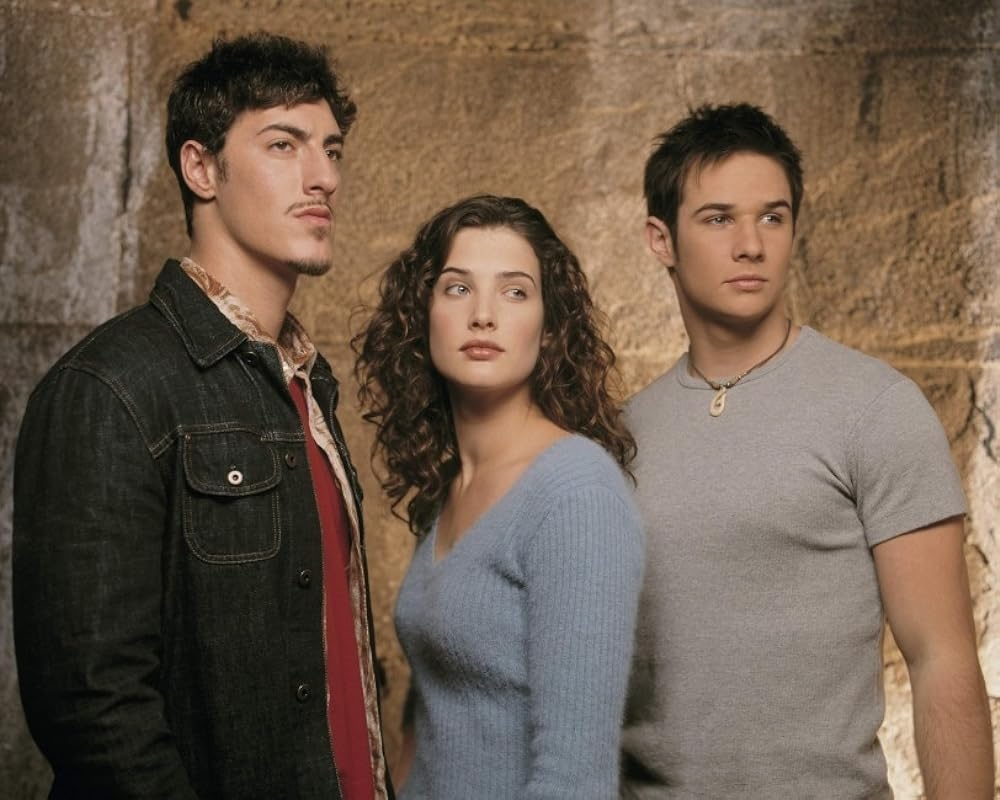
Veritas: The Quest (ABC): Imagine if Indiana Jones was cool… That’s the pitch behind Veritas: The Quest, the story of a disaffected teen played by Halloween: Resurrection’s Ryan Merriman. Nikko Zond discovers that ever since his mother disappeared, his archaeologist father is working for an agency known as Veritas, searching for the truth behind the world’s greatest mysteries.

Although he initially tries to leave well alone, Nikko gets increasingly drawn into his father’s world of ark raids, doom temples, and last crusades, almost as if his destiny was being controlled by some kind of… dial? It wasn’t all one-way traffic from inspiration to execution, however; six years before Indiana Jones 4, in episode three, Nikko is guided by a man only he can see to find the location of a crystal skull, only to discover that a reconstruction of the face the skull belonged to reveals his mystery guide.

Veritas: The Quest, 2002

Veritas: The Quest was created by Patrick Massett and John Zinman, who had written the screenplay for 2001’s Lara Croft: Tomb Raider, and – yes – the show wore its influences proudly on its sleeve, throwing in a dose of Croft and The Mummy to boot, but it was a fun and pacy affair. It helped that its mostly Canadian crew included a decent cast headed by Alex Carter, with Cobie Smulders in her first regular role.

Introduced by ABC on Monday nights in January 2003 as the latest in a string of shows that occupied that slot, the network never seemed completely happy with the show, failing to give it much of a boost with advertising during its most popular shows. The first episode drew over nine million viewers against King of Queens and Fear Factor, but that had fallen to just five-and-a-half million by episode seven and the decision was made to cancel the show, removing it from the schedules after episode nine had aired, the remaining four completed episodes airing in June 2003.

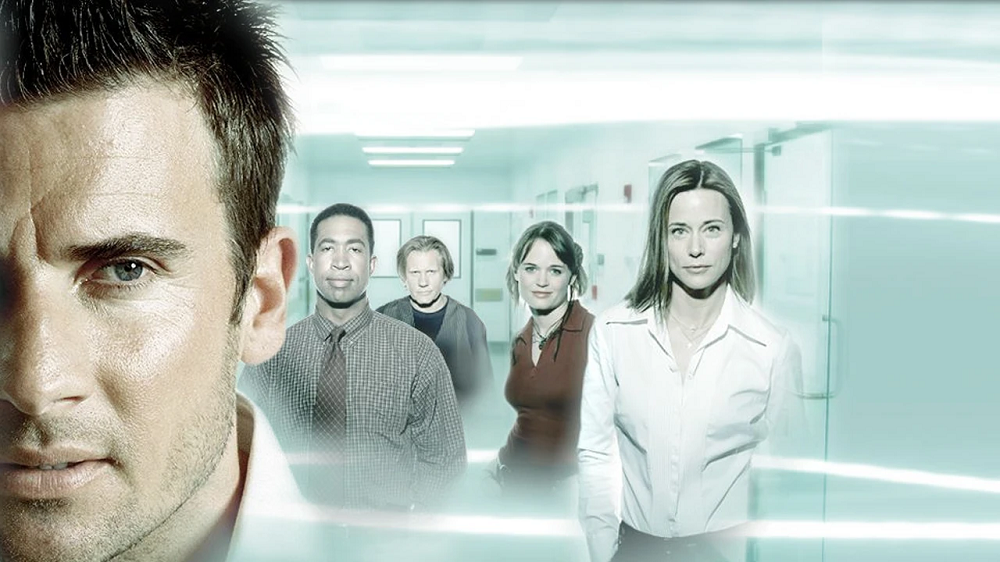
John Doe (Fox): I’d expect that waking up naked on an island of the coast of Seattle could be disorienting at the best of times but in John Doe, one of Fox’s bright new hopes for the 2002 Fall TV season, Dominic Purcell’s eponymous protagonist also has to deal with having absolutely no idea who he is or how he got there. What he does seem to know is EVERYTHING ELSE, as in the sum total of human knowledge.

Doe uses his newfound skills to help the Seattle police solve crimes, all the while searching for clues as to who he really is, and what the mysterious scar on his chest might mean. Watching his every move is a shadowy body known as the Phoenix Organization, who seem to think that Doe is very important to the future of the world.

John Doe, 2002

The show earned positive reviews when it debuted, with many critics and fans especially praising both Purcell’s performance and the quality of the scripts, most of which were written by creators Brandon Camp and Mike Thompson. The pair were new to writing, having sold their first script just a year before – the Kevin Costner near-death experience yarn Dragonfly.

The pilot drew almost ten million viewers, but figures had almost halved by the final episode, which ended with a doozy of a cliffhanger. The ratings decline meant Fox declined to renew the show for a second season, leaving not only that cliffhanger but the question of Doe’s identity unresolved, although Camp and Thompson did later reveal the broad strokes to Entertainment Weekly magazine (hint: it involved a near-death experience, this time without Kevin Costner).

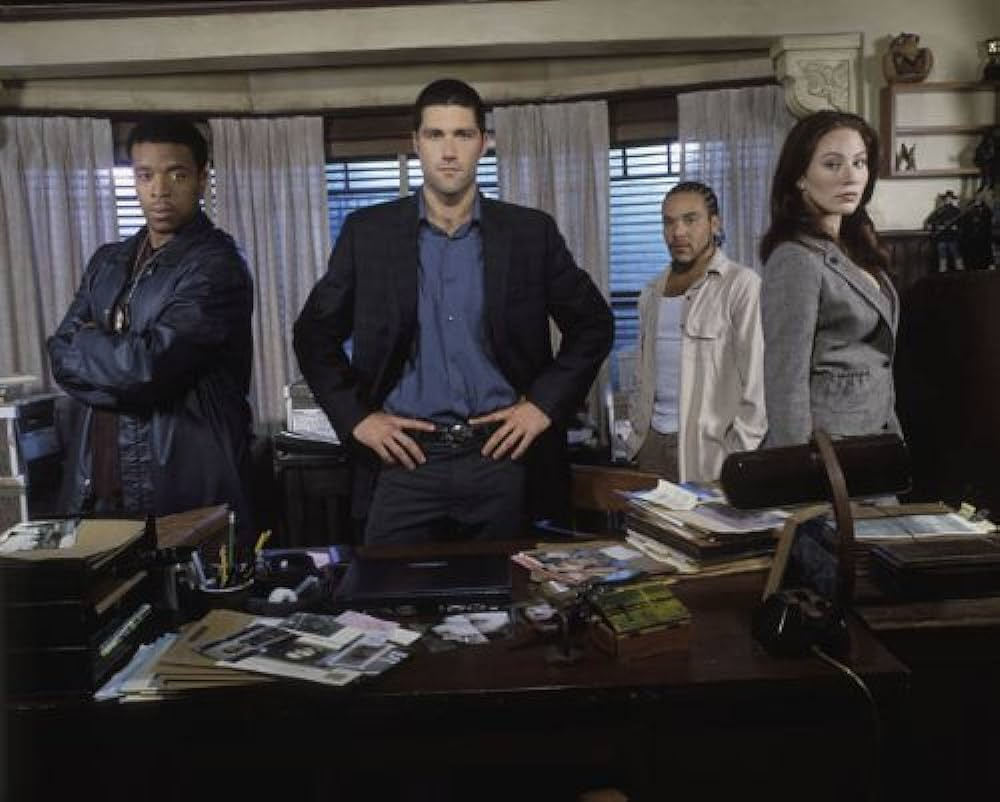
Haunted (UPN): Two years before Matthew Fox found himself stranded on a mysterious island with a polar bear, a smoke creature, and Evangeline Lilly, he was being Haunted. Fox played Frank Taylor, a former police officer whose life – and marriage – was torn apart by his son’s abduction. Becoming a private investigator specialising in cases involving missing children, Taylor is almost killed in a car crash while chasing a suspect but finds afterwards that he can communicate with the dead.

Frank’s new gift comes with a curse – the visions he receives from the spirits are often confusing and frightening – but he realises that they’re all designed to lead him to where he needs to be to get his job done. That’s if the malevolent dead – including the man he was chasing before his accident – don’t succeed in leading him astray…

Haunted, 2002

It’s an intriguing concept but it failed to find an audience, despite a promising start. Those who did watch it, though, loved it, praising the depth of Fox’s performance and the rich tableau painted by cinematographer Gordon Lonsdale. That wasn’t enough to save Haunted from the axe, however, and UPN pulled the plug after just seven episodes had aired, replacing it in the schedule with re-runs of the sitcom Girlfriends.

Co-creator Andrew Cosby later co-created quirky soap A Town Called Eureka for Sci-Fi in 2006, and that channel began showing Haunted a year later, finally screening the last four episodes which had sat unviewed for five years. A DVD of the complete series was released in 2010, with a Blu Ray following in 2018 from Kino Lorber, finally allowing fans to enjoy their favourite lost show in all its glory.

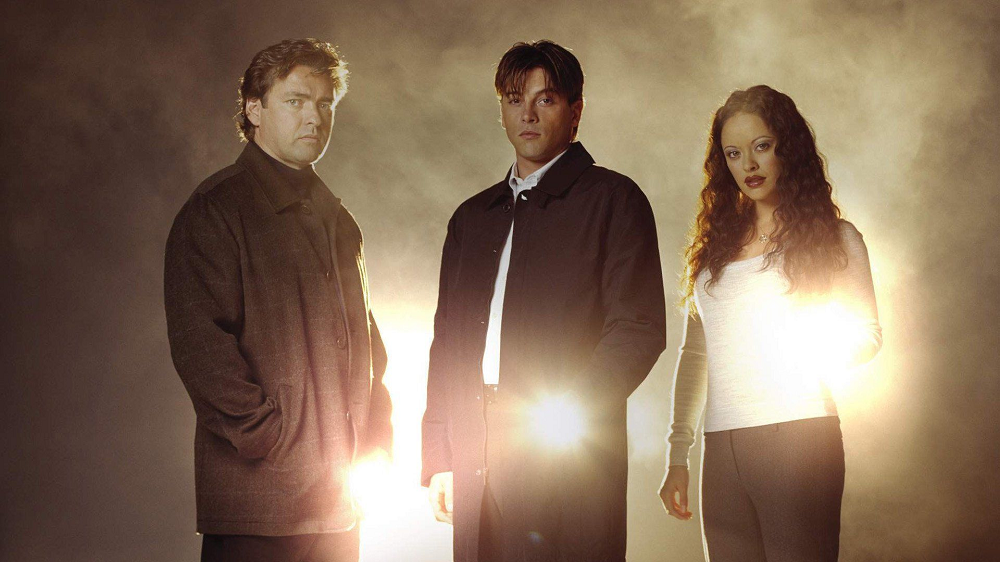
Birds of Prey (The WB): With Batman largely the province of the silver screen, DC’s television efforts often have to get round the thorny problem of there not being a Batman in Gotham if they want to tell stories involving its other denizens. They sometimes set the shows before Bruce Wayne became Batman, as in the case of Gotham, but more often they go for a scenario where Batman is no longer around to fight crime, usually as the result of some mysterious disappearance (although 2022’s Gotham Knights went one better and killed him off the first episode). Birds of Prey took the latter path, opening in New Gotham City several years after Batman has apparently abandoned his watch.

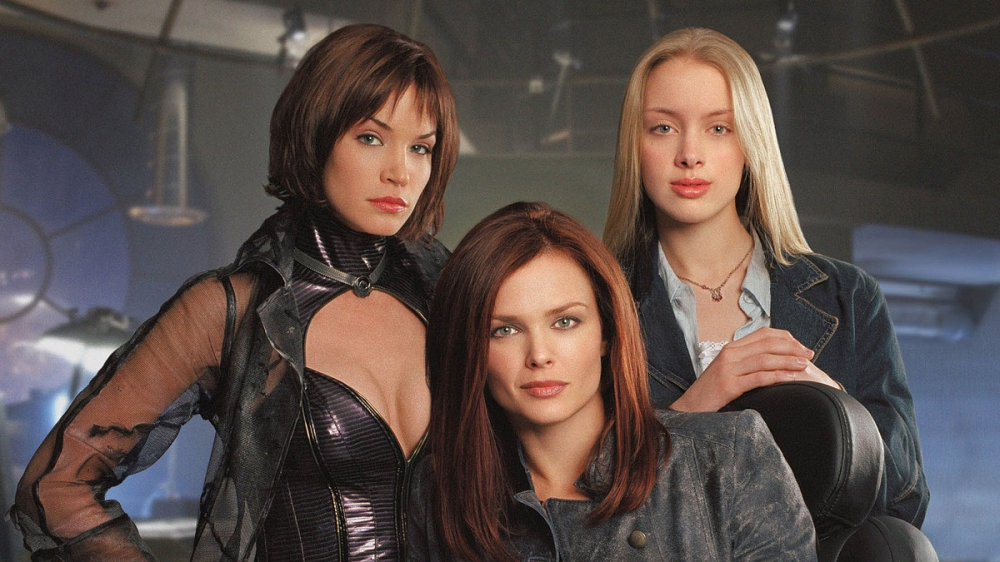
In his stead, Oracle – Barbara Gordon, daughter of the erstwhile Commissioner –ensures the city’s safety, controlling things from a secret location in the New Gotham Watchtower. Barbara (Starship Troopers’ Dina Meyer) had previously fought crime alongside Batman as Batgirl but, in a storyline lifted from the comics, she had been paralysed by The Joker, leaving her physically unable to fight.

Birds of Prey, 2002

She recruits the Ashley Scott’s metahuman Huntress (the daughter of Batman and Catwoman) and Black Canary (Rachel Skarsten), also a metahuman but with the ability to emit a piercing cry. Together they work with Detective Jesse Reese of GCPD to fight such superhuman threats as Slick, Darkstrike, Clayface, and a certain Dr Harleen Quinzell (played by Mia Sara, although Sherilyn Fenn took the role in the unaired pilot).

Owing to the insertion of footage of Michael Keaton and Michelle Pfeiffer in the opening credits, the show was assumed to share a continuity with the Tim Burton Batman movies and the series got off to a strong start on Wednesday nights, finding a youthful audience despite strong competition from The Bachelor and The West Wing. However, in a story that should be familiar if you’ve read this far, ratings steeply declined and the decision was made to cancel the show, it’s thirteenth and final episode watched by only forty percent of the audience the opener achieved. It did have a brief life after its demise, however, when the “Arrowverse” crossover Crisis on Infinite Earths featured Scott reprising her Huntress role on the designated Earth-203, shortly before it was destroyed.

Next time on The Telephemera Years: 2002’s unsold pilots, including monster smashers, young knights, and geeks!

Check out our other Telephemera articles:

The Telephemera Years: pre-1965 (part 1, 2, 3, 4)

The Telephemera Years: 1966 (part 1, 2, 3, 4)

The Telephemera Years: 1967 (part 1, 2, 3, 4)

The Telephemera Years: 1968 (part 1, 2, 3, 4)

The Telephemera Years: 1969 (part 1, 2, 3, 4)

The Telephemera Years: 1971 (part 1, 2, 3, 4)

The Telephemera Years: 1973 (part 1, 2, 3, 4)

The Telephemera Years: 1974 (part 1, 2, 3, 4, 5)

The Telephemera Years: 1975 (part 1, 2, 3, 4)

The Telephemera Years: 1977 (part 1, 2, 3, 4)

The Telephemera Years: 1978 (part 1, 2, 3, 4)

The Telephemera Years: 1980 (part 12, 3, 4)

The Telephemera Years: 1982 (part 1, 2, 3, 4)

The Telephemera Years: 1983 (part 1, 2, 3, 4)

The Telephemera Years: 1984 (part 1, 2, 3, 4)

The Telephemera Years: 1986 (part 1, 2, 3, 4)

The Telephemera Years: 1987 (part 1, 2, 3, 4)

The Telephemera Years: 1989 (part 1, 2, 3, 4)

The Telephemera Years: 1990 (part 1, 2, 3, 4)

The Telephemera Years: 1992 (part 1, 2, 3, 4)

The Telephemera Years: 1995 (part 12, 3, 4)

The Telephemera Years: 1997 (part 1, 2, 3, 4)

The Telephemera Years: 1998 (part 1, 2, 3, 4)

The Telephemera Years: 2000 (part 1, 2, 3, 4)

The Telephemera Years: 2002 (part 1)

The Telephemera Years: 2003 (part 1, 2, 3, 4)

The Telephemera Years: 2005 (part 1, 2, 3, 4)

The Telephemera Years: 2006 (part 1, 2, 3, 4)

The Telephemera Years: 2008 (part 1, 23, 4)

Titans of Telephemera: Irwin Allen

Titans of Telephemera: Stephen J Cannell (part 1, 2, 3, 4)

Titans of Telephemera: DIC (part 1, 2)

Titans of Telephemera: Hanna-Barbera (part 1, 2, 3, 4, 5)

Titans of Telephemera: Kenneth Johnson

Titans of Telephemera: Sid & Marty Krofft

Titans of Telephemera: Glen A Larson (part 1, 2, 3, 4)

Titans of Telephemera: Quinn Martin (part 1, 2)

Titans of Telephemera: Ruby-Spears

Gambling in the Sci-Fi Cinematic Universe: How We Imagine Casinos in Futuristic Cinematography

The clinking of chips, the whir of spinning roulette wheels, the digital dings of slot machines—these are the familiar sounds that fill the cavernous halls of modern-day casinos. Yet, as we cast our eyes to the future through the imaginative lens of science fiction cinema, we can’t help but wonder how the gambling experience will evolve.

Sci-fi movies have long been a playground for the extrapolation of current trends into dazzling future possibilities, and the realm of gambling is no exception. Here’s how sci-fi movie creators portray gambling.

Bitcoin Table Games: The Futuristic Idea of Fun

An important trend on the horizon is the rise of cryptocurrency casinos. There are many Bitcoin table games that you can play right now, but films like “Ready Player One” give us a glimpse of digital currencies in use, where value transfers are seamless and borders are irrelevant.

The concept of cryptocurrency casinos isn’t just a figment of the cinematic imagination. It has real-world analogues in online platforms that are currently reshaping the landscape of gambling. These platforms leverage the security and anonymity of cryptocurrencies like Bitcoin and Ethereum, enticing players from around the globe who are looking for a more private and secure way to indulge in their favourite pastimes.

Other Trends & Innovations

In the futuristic casinos depicted in science fiction films, we often witness an intermingling of species and beings from across the universe, each bringing their unique games of chance and skill to the table. These establishments are grandiose arenas, lit by neon and pulsing with energy, where fortunes can be won or lost at the touch of a holographic button.

One striking innovation predicted in many sci-fi narratives is the integration of virtual reality (VR) and augmented reality (AR). Imagine slipping on a headset or stepping into an AR casino where every sensory detail mimics the most luxurious gambling establishments on Earth, yet with the limitless possibilities of the digital realm. Players could compete in epic tournaments spanning galaxies or face off against AI-driven dealers that adapt to their play style.

Science fiction movies often push the envelope of technological sophistication and grandeur, hinting at what future gambling dens might look like. “Star Wars: Episode VIII – The Last Jedi” introduces us to the Canto Bight casino, a playground for the galaxy’s elite, and a haven for exotic games of chance. It’s a rich source of inspiration for imagining the confluence of different technologies and alien cultures that could feature in future gambling spaces.

To Sum Up

As we dream of the casinos of tomorrow, drawing on the vibrant images portrayed in sci-fi films, it’s clear that technology will continue to redefine the boundaries of gambling. Whether it be through VR and AR, cryptocurrency transactions, or even AI croupiers, the future promises to make the bettor’s experience more immersive, diverse, and exhilarating than ever before.

In the end, while the mediums and methods may evolve, the thrill of the gamble remains timeless—a human pursuit of risk and reward that transcends the ages, whether on Earth or in the farthest reaches of the cosmos.

Why are online pokies so popular in australia + 5 most popular pokie games

Australia, known for its vast landscapes and diverse wildlife, is also home to a fervent passion for online pokies. These digital slot machines have become a staple in the country’s gambling culture, captivating players with their enticing features and immersive gameplay. We delve into the reasons behind the popularity of Aussie online pokies and explore the top five games that have captured the hearts of Aussie players.

Accessibility and Convenience

One of the primary factors contributing to the widespread popularity of online pokies in Australia is the convenience they offer. Unlike traditional brick-and-mortar casinos, online pokies can be accessed from the comfort of one’s home or on the go through mobile devices. This accessibility eliminates the need for travel, allowing players to indulge in their favorite games without the constraints of time or location.

The rise of high-speed internet and advanced technology has further facilitated the seamless integration of online pokies into everyday life. The ability to play at any time, coupled with the convenience of instant access, has undoubtedly contributed to the massive appeal of these digital slot games.

Varied Game Selection and Themes

Online pokies come with many themes and variations, catering to a diverse range of player preferences. Whether it’s classic fruit machines, adventurous narratives, or movie-themed slots, there is a game for everyone. The variety in themes and gameplay keeps players engaged and excited, providing a dynamic and ever-evolving gaming experience.

Australian players, like their counterparts worldwide, appreciate the creativity and innovation displayed by game developers. The ability to explore different worlds and storylines through the medium of online pokies adds an extra layer of entertainment, making the gaming experience more immersive and enjoyable.

Generous Payouts and Jackpots

A significant draw of online pokies is the potential for substantial payouts and life-changing jackpots. Many online slot games feature progressive jackpots that accumulate over time, reaching staggering amounts. The prospect of hitting the jackpot and winning a significant sum of money fuels the excitement and keeps players coming back for more.

Australian players, like any others, are drawn to the thrill of chasing big wins. The possibility of turning a modest bet into a life-altering fortune is a nice proposition that continues to attract players to online pokies. This element of unpredictability and the promise of substantial rewards add to the overall appeal of these digital slot games.

Interactive Features and Engaging Gameplay

Modern online pokies go beyond the simple pull-and-spin mechanism of traditional slot machines. They incorporate interactive features, engaging graphics and sophisticated animations to enhance the overall gaming experience. Bonus rounds, free spins and other in-game features add an extra layer of excitement and anticipation, keeping players on the edge of their seats.

The interactive and engaging nature of online pokies aligns with the preferences of players who seek more than just the chance to win money. The entertainment value of these games, coupled with the potential for financial gain, creates a compelling combination that resonates with Australian players.

Top 5 Most Popular Pokie Games in Australia

Mega Moolah

Mega Moolah, developed by Microgaming, is a progressive jackpot slot known for its record-breaking payouts. The African safari theme, coupled with the potential to win one of four progressive jackpots, has made Mega Moolah a favorite among Australian players seeking the thrill of a massive payday.

Gonzo’s Quest

Developed by NetEnt, Gonzo’s Quest takes players on a journey with a Spanish conquistador in search of the lost city of gold. The game’s innovative Avalanche feature, where symbols fall into place rather than spin, adds a unique twist to the gameplay. This, combined with free falls and multipliers, has contributed to Gonzo’s Quest’s widespread appeal.

Queen of the Nile

Aristocrat’s Queen of the Nile is a classic among Australian players, featuring an ancient Egyptian theme and iconic symbols. The game’s simplicity, coupled with the potential for significant wins, has secured its place as a beloved choice for both novice and seasoned players.

Thunderstruck II

Another creation from Microgaming, Thunderstruck II, is a sequel to the immensely popular Thunderstruck. With Norse mythology as its theme, the game boasts impressive graphics, a variety of bonus features and a captivating storyline, making it a top choice for those who appreciate a well-crafted gaming experience.

Starburst

NetEnt’s Starburst is a visually stunning and fast-paced slot game that has gained immense popularity in Australia. With vibrant colors, expanding wilds and a cosmic theme, Starburst offers a visually appealing and engaging experience for players of all levels.

Conclusion

The popularity of online pokies in Australia can be attributed to a combination of factors, including accessibility, diverse game selection, potential for generous payouts, engaging gameplay and the social aspect of community engagement. As technology continues to advance, online pokies will likely remain a cornerstone of Australia’s gambling culture, providing entertainment and excitement for players across the country.


Christos Nikou | FINGERNAILS

jessie buckley and riz ahmed in fingernails

Director-writer Christos Nikou, known for his acclaimed debut Apples, returns for his sophomore effort with Fingernails, a science-fiction romance starring Jessie Buckley, Riz Ahmed, Jeremy Allen White and Luke Wilson.

In Fingernails, Anna (Buckley) and Ryan (White) have found true love. It’s been proven by a controversial new technology to determine ultimate compatibility in romantic relationships. There’s just one problem: Anna still isn’t sure. When she then takes a position at a love testing institute, she further questions her connection with her supposed soulmate as she gets to know her co-worker Amir (Ahmed) and begins to develop a powerful connection with him. “I founded this institute to take the risk out of love,” explains Duncan (Wilson), company founder and Anna’s employer, at one point. “No more uncertainty, no more wondering if you’ve chosen the right partner, no more divorce.”

Ahead of its general release and while showing at London Film Festival, STARBURST sat down with Greek filmmaker Christos Nikou to discuss his latest work, his musings on love in the modern age, and finding chemistry between his lead actors.

Having authored the screenplay as well as directed the film, can you tell us about where you found inspiration and what sparked the key concepts for Fingernails?

Christos Nikou: I started writing it when I was trying to understand, what is love, and why is love so difficult? And especially, why is love so difficult nowadays? Why can I not fall in love like in the past, and what is wrong with me? At that point, I was also trying to understand the people around me and why they were going only through dating apps.

I begun thinking about how people would use their fingers to swipe left and right in order to find their perfect match; about how there was an algorithm to success in love instead of seeking it through more organic ways.

director christos nikou behind the scenes of fingernails

It’s interesting that you identify technology as one of the reasons for people’s growing loneliness and difficulty finding connection, when the film is actually devoid of most modern technology like phones and the Internet. What went into that decision?

Christos Nikou: Because we’re trying to make a direct comment on technology, the only technology device in the field had to be this test machine. Everybody goes into this one-room test machine to find the answers they’re looking for… It’s a much more powerful statement to talk about the impact of technology amidst a complete absence of modern technology. Everything is in the mind of the character – we wanted the film to feel more timeless, and the only real connection to our time is with the reference to Hugh Grant, because Hugh Grant is the only one who knows what love is.

In that spirit, can you speak on the visual tone and aesthetic of Fingernails? It’s particularly interesting that despite medical procedures taking place at the Love Institute with the removal of nails, the environment is completely opposite to the white, sterile environment of a hospital. In fact, it’s very warm and welcoming – what was the intent there?

Christos Nikou: We shot the film on 35mm in order to create something that was visually timeless. I like to think it looks like a move that was shot at the end of the 90s and put in a shoebox, almost like a prophecy. I also don’t think that conceptual stories should be clinical or distant. They need to be very, very grounded.

Were fingernails always going to be the body part used for testing?

Christos Nikou: When we were discussing this amongst writers, and Sam Steiner suggested that it be something taken from the heart, so that you’re taking a big risk to have your love tested. Then we wanted to make a comment about how everything goes through our fingers, and how our phones are extensions of that. Even when [in the film] they’re holding those certificates that state they’re 100% in love, it looks a little like the bandages are wedding rings. Like it’s a status thing to prove to the whole world that, oh look, we are in love. And losing a fingernail makes you feel a little bit more vulnerable, like your fingers aren’t protected. You’re sacrificing something and feeling the physical pain of love, so we thought that was the best thing to take as part of the test.

jeremy allen white and jessie buckley in fingernails

One of the key reasons why this film works so well has to be the chemistry between Jessie Buckley and Riz Ahmed. Did you know straight away that they would work well together? And what conversations did you have with them about their characters?

Christos Nikou: I always loved how Jessie surprises me, and Riz is a complete chameleon. And they’re both, in all their performances, very warm. Even if the film goes into very dark places, like Menthey’re always very warm on screen. And even though neither of them have done anything romantic before, I almost knew that they would have great chemistry. And I was right.

Building the chemistry was very easy because of who they are. But I was also playing this song before shooting every scene, so everyone was listening or singing along to the same song before the camera was rolling. So everyone on set is connected that way, and it helps everyone be on the same frequency.

And as a last question, we’re very excited to hear about your next project. What can you tell us?

Christos Nikou: I wanted to make a movie flowing a group of extras playing in famous movies. It’s about how we all try to be the protagonists in our lives. It’s an allegory on social media, how people are trying to lift themselves from the background to find their own role in this life.

Fingernails releases in select cinemas and on Apple TV+ from November 3rd.

Watch the trailer here.

THE TELEPHEMERA YEARS: 2002, part 1

The Twilight Zone, 2002

Ah, telephemera… those shows whose stay with us was tantalisingly brief, snatched away before their time, and sometimes with good cause. They hit the schedules alongside established shows, hoping for a long run, but it’s not always to be, and for every Street Hawk there’s two Manimals. But here at STARBURST we celebrate their existence and mourn their departure, drilling down into the new season’s entertainment with equal opportunities square eyes… these are The Telephemera Years!

2002-03

If you can take anything away from a glance at the top rating shows from the year’s Fall TV season in the US, it’s that America loved crime that year. And football, of course, along with reality shows and the ever-present “Must See TV” Thursday night NBC juggernaut of Friends, Scrubs, Will & Grace, Frasier, and ER. CSI: Crime Scene Investigation ruled the roost, drawing almost 20% more viewers than second-place Friends, while CSI: Miami, Law & Order, Law & Order: SVU, Law & Order: Criminal Intent, and Without a Trace all taking minor places.

It was a rough year for genre TV, with Touched by an Angel, Futurama, Farscape, Sabrina the Teenage Witch, and Buffy the Vampire Slayer all airing their final seasons, but surely Joss Whedon’s new show Firefly would more than make up for those losses and enjoy a long run? The wonderful Oz finished its run on HBO and was replaced by a little show named The Wire, but what of those shows that didn’t make such a lasting impact on the collective imagination of the American people? This is the story of four near- (and not so near-) misses from 2002…

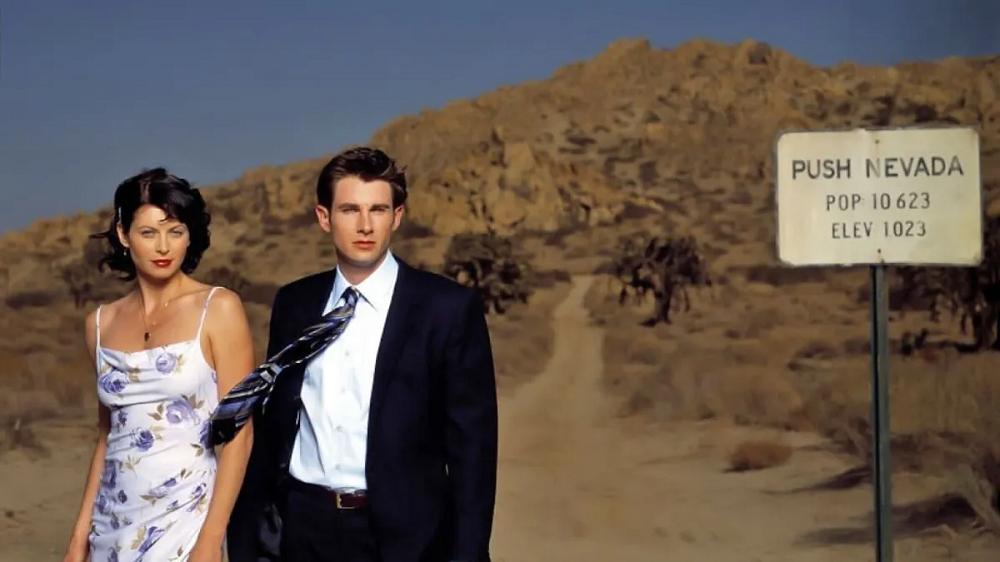
Push, Nevada (ABC): There have been plenty of mystery shows that have invited the viewer to play along with the detectives and try to guess the guilty party, so much so that it’s an unwritten rule of the genre and shows that eschew it tend not to last too long. What’s rare, though, is a show that invites the viewer to solve to mystery before the detectives, prove it, and win a million dollars for doing so.

That was the unusual premise behind Push, Nevada, a show created by Ben Affleck and Sean Bailey, who Affleck had worked with on Project Greenlight. The show starred Jim Prufrock as an IRS agent dispatched to the fictional town of Push, Nevada, to investigate an accounting error made by the local casino. Beginning his investigation, he realises there is something sinister going on in Push and, ignoring warnings to leave, begins to delve deeper into the shadowy Watermark corporation.

Push Nevada, 2002

Each episode would plant several clues for viewers to decode, with a dedicated phone number set up for watching sleuths to stake their claim. If all went according to plan, the final clue would be revealed during the thirteenth and final episode, broadcast on December 5th 2002. Of course, all did not go according to plan and low ratings caused the network to pull the plug after just seven episodes had aired.

Federal regulations, however, meant that the competition had to reach its conclusion and so, four days after the seventh episode had aired, the remaining six clues were revealed during Monday Night Football, which must have made for strange viewing for regular gridiron fans. The prize was eventually won by New Jersey resident Mark Nakamoto, who called just two minutes after the final clue had been revealed, collecting $1,045,000 for his efforts. The remaining six episodes have never aired but you can see the first seven on YouTube if you want to play along…

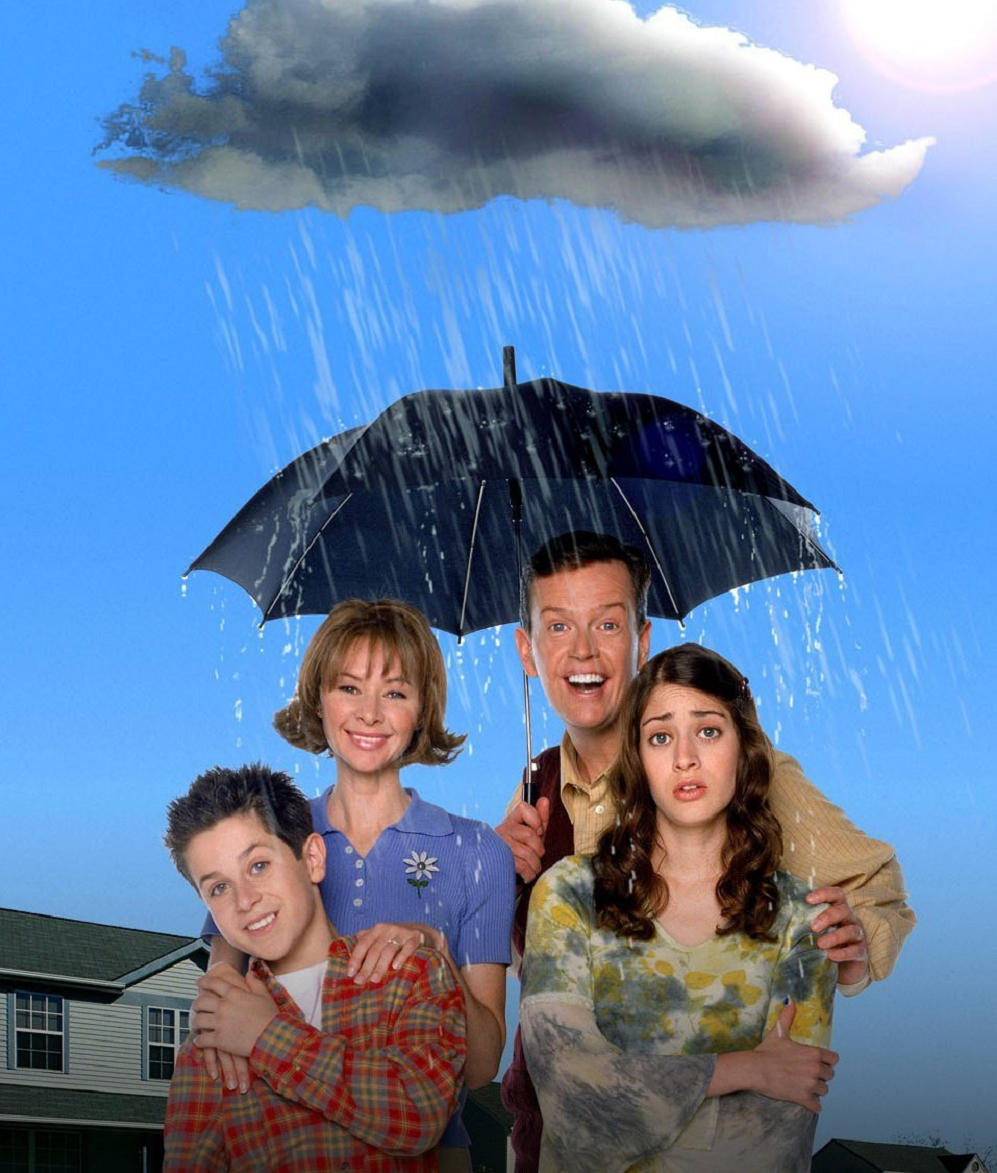
The Pitts (Fox): Mike Scully and Julie Thacker met on The Simpsons, where Scully was showrunner from 1997 and Thacker a producer. They married in 1999 and started working together on a series of pitches for potential Fox shows, with The Pitts earning a seven-episode order as a Spring replacement in April 2003. The pitch was that The Pitts were an ordinary American sitcom family who suffer from incredibly bad luck, explored through a series of fantastical plots that would be treated no differently to your average sitcom scenario.

So, when daughter Faith loses her chance to star in a rock music video it is not because she has a huge zit, it is because a metal pipe gets stuck in her head. And when Bob hires a babysitter for the kids and it turns out she happens to be an ex-girlfriend, it is less an uncomfortable reunion and more that he stood her up on prom night and she has dedicated her life to revenge.

The Pitts, 2003

Dylan Baker, probably best known either for his film debut in Plains, Trains and Automobiles (or as the tortured paedophile in Todd Solondz’s Happiness), played dad Bob, with Six Feet Under’s Kellie Waymire as wife Liz, and Freaks and Geeks’ Lizzy Caplan and newcomer David Henrie completing the nuclear family. Although the pilot did decent ratings for a Fox show of the time, figures for subsequent episodes fell off quite steeply and the network pulled the plug after just five episodes had aired, leaving two unshown. They were later shown when The Pitts aired in the UK and all seven episodes can be seen on YouTube.

In 2007, it was announced that Fox were looking to bring The Pitts back as an animated show, with Baker and Caplan agreeing to reprise their roles and voice their characters. Sadly, Waymire had died in November 2003 at the age of thirty-six from a heart attack, so Julie Penney was cast as her replacement, and Andy Milonakis stepped in for Henrie, who was starring in Wizards of Waverly Place. Unfortunately, the pilot failed to impress Fox bosses and the plug was pulled on the project in July 2008.

The Twilight Zone (UPN): The original series of The Twilight Zone ran from 1959 to 1964 and practically gave birth to science-fiction and horror television as we know it. So influential was Rod Serling’s show – and so lucrative were the re-runs in syndication – that it wasn’t until 1983’s movie adaptation that any attempt to re-do the show was made. Although the making of that film was beset by disaster, the box office take led to a TV revival, with CBS airing three seasons of stories between 1985 and 1989.

Nothing ever goes away in television, of course, and by 2002 it was time to try again and, this being the early 2000s, the dial was turned up to extreme with a theme tune provided by Jonathan Davis of nu-metallers Korn, and subjects tackled including terrorism, sexuality, and racism, the latter of which had, of course, been expertly tackled in the original series’ The Monsters Are Due on Maple Street and other episodes. Introducing each episode in place of Serling was Forest Whitaker, with the cast including the likes of Jake Busey, Brian Austin Green, Shannon Elizabeth, Patrick Warburton, and Usher.

The Twilight Zone, 2002

The show premiered on UPN on September 18th 2002, with an episode directed by Star Trek veteran Allan Kroeker, and the first few episodes saw Jason Alexander as a suicidal Death, Katherine Heigl travel back to 1889 Austria to assassinate baby Hitler, and Portia di Rossi as a woman who finds she can see through the eyes of her husband’s murderer. Probably the most eagerly anticipated episode was February 19th’s “It’s Still a Good Life,” which saw Bill Mumy reprise his role from 1961’s “It’s a Good Life” as a man with terrible powers who discovers his daughter might be even worse.

Unusually for the time, the first season consisted of forty-three episodes, lasting through May 2003, but reception of the update was mixed, with critics and viewers alike less than enthused, although fans of the original found a lot to like. UPN opted not to renew the show for a second season and New Line released the complete series on DVD in September 2004. The Twilight Zone would return for a fourth incarnation in 2019 from horror auteur Jordan Peele and although it lasted for two seasons, the total episode count was the lowest yet, at just twenty.

Miracles (ABC): When the NFL season ends in January, it’s not just dedicated fans who find there’s a gap in their lives, it’s also TV schedulers, rushing to fill a slot that had been a guaranteed ratings banker for the last four months. In 2003, the job of replacing ABC’s Monday Night Football fell in part to Miracles, pitched as “a spiritual version of The X-Files” by creators Richard Hatem and Michael Petroni.

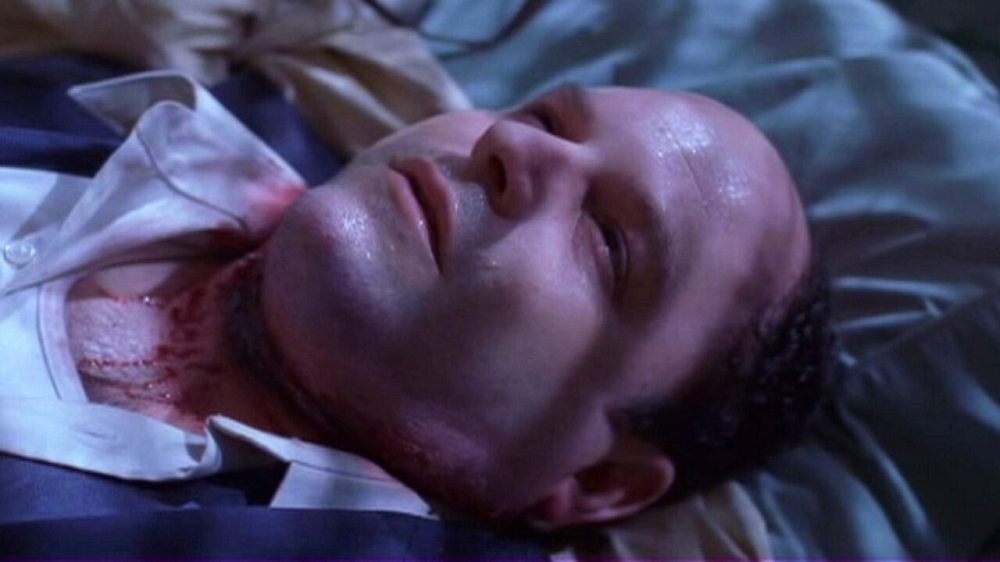
Hatem, who had scripted The Mothman Prophecies the year before, was sent the script to look at by Spyglass Entertainment (the people behind The Sixth Sense), and mistakenly thought he was being asked to rewrite it, which he did. The new script, which combined Petroni’s original ideas with Hatem’s polish, was further developed by Hatem and Spyglass’s Suzanne Patmore and Megan Wolpert, heavily influenced by the true story of Herbert Thurston, a clergyman who investigated spiritualism during the 1920s and 1930s.

Miracles, 2002

Skeet Ulrich was cast as Paul Callan, a former inestigator for the Catholic church who resigned after the church dismissed his report on a genuine faith healer (who healed Callan’s own life-threatening injuries). Now working for secretive organisation Sodalitas Quaerito, Callan teams up with the agency’s founder Alva Keel (Angus McFayden) and former police officer Evelyn Santos – played by General Hospital regular Marisa Ramirez – to investigate strange religious occurrences and solve an overarching mystery of which he may be a very big part of himself.

After debuting in a splash of publicity, the series was often pre-empted by reports on the Iraq War and patchy ratings led ABC to cancel the show when just six episodes had aired. A fan campaign led to the final seven episodes being aired in November and December 2003 but the network were unwilling to greenlight a second season and no other channel seemed interested in picking the show up. The full series was released on DVD in April 2005 but there never was any kind of resolution to the show’s big storyline, although Hatem did have outlines for future episodes.

Next time on The Telephemera Years: More flops from 2002, including Harley Quinn’s pals, the Birds of Prey!

Check out our other Telephemera articles:

The Telephemera Years: pre-1965 (part 1, 2, 3, 4)

The Telephemera Years: 1966 (part 1, 2, 3, 4)

The Telephemera Years: 1967 (part 1, 2, 3, 4)

The Telephemera Years: 1968 (part 1, 2, 3, 4)

The Telephemera Years: 1969 (part 1, 2, 3, 4)

The Telephemera Years: 1971 (part 1, 2, 3, 4)

The Telephemera Years: 1973 (part 1, 2, 3, 4)

The Telephemera Years: 1974 (part 1, 2, 3, 4, 5)

The Telephemera Years: 1975 (part 1, 2, 3, 4)

The Telephemera Years: 1977 (part 1, 2, 3, 4)

The Telephemera Years: 1978 (part 1, 2, 3, 4)

The Telephemera Years: 1980 (part 12, 3, 4)

The Telephemera Years: 1982 (part 1, 2, 3, 4)

The Telephemera Years: 1983 (part 1, 2, 3, 4)

The Telephemera Years: 1984 (part 1, 2, 3, 4)

The Telephemera Years: 1986 (part 1, 2, 3, 4)

The Telephemera Years: 1987 (part 1, 2, 3, 4)

The Telephemera Years: 1989 (part 1, 2, 3, 4)

The Telephemera Years: 1990 (part 1, 2, 3, 4)

The Telephemera Years: 1992 (part 1, 2, 3, 4)

The Telephemera Years: 1995 (part 12, 3, 4)

The Telephemera Years: 1997 (part 1, 2, 3, 4)

The Telephemera Years: 1998 (part 1, 2, 3, 4)

The Telephemera Years: 2000 (part 1, 2, 3, 4)

The Telephemera Years: 2003 (part 1, 2, 3, 4)

The Telephemera Years: 2005 (part 1, 2, 3, 4)

The Telephemera Years: 2006 (part 1, 2, 3, 4)

The Telephemera Years: 2008 (part 1, 23, 4)

Titans of Telephemera: Irwin Allen

Titans of Telephemera: Stephen J Cannell (part 1, 2, 3, 4)

Titans of Telephemera: DIC (part 1, 2)

Titans of Telephemera: Hanna-Barbera (part 1, 2, 3, 4, 5)

Titans of Telephemera: Kenneth Johnson

Titans of Telephemera: Sid & Marty Krofft

Titans of Telephemera: Glen A Larson (part 1, 2, 3, 4)

Titans of Telephemera: Quinn Martin (part 1, 2)

Titans of Telephemera: Ruby-Spears

Halloween walk through London Horror History: An American Horror Tour Guide in London

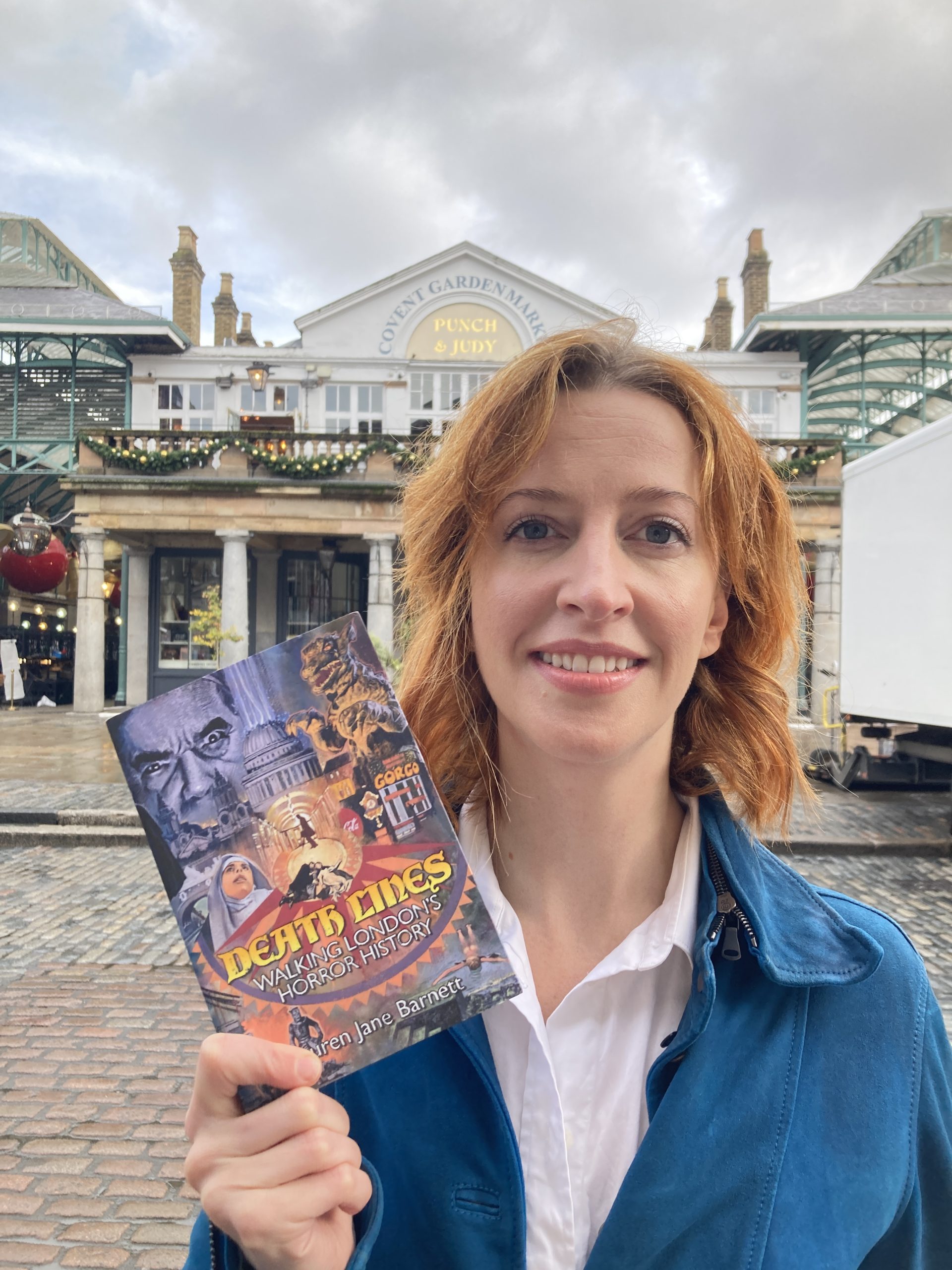
On a surprisingly sunny Saturday morning in October, STARBURST was invited by writer and horror film location expert Lauren Jane Barnett to brave the crowds of Covent Garden and embark on a tour through central London, stopping at streets and buildings where scenes from many legendary horror movies were set and/or shot over the years, covering classics like Dracula (31), Scream and Scream Again, and Corridors of Blood to the more obscure likes of Womaneater and Tony, revered masterpieces (An American Werewolf in London, Hellraiser), even quirky Ringo Star curio Son of Dracula gets a mention.

Lauren’s tour, titled Terror in the Crowds-Exploring Horror Cinema Amidst the Bustle of CoventGarden, is an enthralling, fact-loaded amble through the crowds, conducted as part of the decade-old London Month of the Dead, which consists of a number of capital-based horror-themed events occurring throughout October. Lauren’s walk gives a fascinating insight into movies made in the area while also elaborating on their cultural significance, relevance today, and historical context of the time.

Lauren goes into greater detail about the movies (and much more) in her brilliant book Death Lines: Walking London’s Horror History, which includes insights into other London-based horror productions not touched on in the tour. The book is an absolute must for horror film and London history fans, made great by concise prose penned with professional precision and the heart of a true horror fan.

After the tour, STARBURST had the honour of catching up with Lauren for a quick interview and cheeky pint in Covent Garden’s Bow Tavern pub, where Alfred Hitchcock shot some of his penultimate film, Frenzy (also covered in Lauren’s book/tour). The pub is where the film’s protagonist, Richard Blaney (Jon Finch), worked and is now partly plastered with posters, promotional stills and photos from the production.

After getting in the beverages, we climbed the creaky, narrow staircase to the top of the pub, away from the roaring Saturday bustle and tourist hoards, to talk all things London horror lore with Lauren and learn how a young American came to the UK fired with a desire to write, perform and relay/pass on all she has learnt and loved about horror over the years, to both film fans and anyone with a passing interest in London’s macabre, past. As a bonus, Lauren also told us about how her writing the book led to her landing a film role alongside horror legend Linnea Quigley.

STARBURST: Tell us a bit about your background; how did you come to be here in the UK, doing what you’re doing? 

Lauren Jane Barnett: I grew up mostly in North Carolina, on the East Coast of America. Not a super popular place but it was nice for a small town. My parents passed away when I was 18 so I lost track of applying for grad school. Then my teacher told me I still had time to apply in England, so I applied to do an MA in art history and acting here. I also applied to sell art on cruise ships and got into Sotheby’s, which was great! On the back of that, I ended up doing a PhD. I was really interested in dead body photography and how that has changed over the years. From Victorian-era death photography to the response to AIDS in the ’90s, so ended up writing my thesis on that.

When did you start doing the London horror walks? 

While waiting for my Visa, I was bored and didn’t know the area well, so I started going on a lot of the London walks. I also loved horror movies and noticed there weren’t any horror walks back in the day, in 2013/2014. One of my friends suggested I do one, so I did and started writing them down. I’d then rotate them, so I wasn’t always doing the same one. It got to the point where I’d written down about twelve or thirteen, so I pitched it as a book idea to Strange Attractor Press, and they loved it. They’d done walk books in the past and love horror movies, so they told me to go for it. I then picked my favourites and went from there.

Have you always been a horror film fan? 

Yes! In my family, the joke is that I’ve been watching horror films since the womb because my parents loved Alfred Hitchcock. My older brother Chris, who I am really close to, is eight years older than me and was watching those early ’90s late ’80s horrors. My parents were really blasé about what he watched and eventually said, “Well, if Lauren can handle it, she can, and if she can’t, she’ll leave the room”, so I got into it at a really young age and watched films like A Nightmare on Elm Street and The Evil Dead. I think it was good that I watched them with my brothers as they were always joking around and laughing at bits, so I never felt too scared as I was in a very friendly environment, not on my own in some dark cinema somewhere.  

Do you have any memories of scenes your saw as a kid that struck a chord, scared, and stayed with you while igniting your love for horror? 

One of those memories is from a really old-school Boris Karloff film called The Man Who Changed His Mind. Karloff’s character has the ability to swap his brain with others. I remember this scene where a woman thinks she’s talking to her boyfriend but really isn’t. It isn’t shock-scary, but I’ve since found the thought of talking to someone, but you don’t know who it is, extremely creepy. The other film was Halloween because, if you’re a young girl growing up in America, you’re going to be a babysitter. I remember being a babysitter at thirteen and was so terrified after watching that film I took a knife from our kitchen and put it in my backpack, so if Michael Myers came to the house, I was ready. That film had a really strong impact on me, but I loved it. I am still someone who gets scared easily, but I love that because it makes me feel brave without being in danger.

What led to you deciding to combine your horror passion and London history into a book? 

I was at a pub with some friends. I told them I was thinking about writing a book and asked what they thought. At the time, I was thinking about writing more of an academic book as I was doing my PhD, but someone suggested merging it with the writing I had done for my walks. I got really excited by that because I realised that anyone could do the walk using my book as a guide when they wanted to. My American family could also do it too, online, so my brother got on Google Maps and did the online version using my book as a guide. It’s really cool that you can share that with people remotely, anywhere now.

Did you have a specific interest in London and the history and horror of the city before you came here, or did it happen after you arrived? 

I always loved horror and had seen and loved films like Frenzy and all the Hammer Horrors, but I also love the feeling you get when you’re watching a movie and recognise a place you know. While watching The Devil Rides Out, someone mentioned a hotel, and I thought, “Oh wow, I know that – it’s in Mayfair” and had walked by it recently, so I think it was that novelty combined with the excitement of having recently moved to London that excited me about it.

We feel very nostalgic when seeing somewhere we know on screen, but how it was in the past. That is partly what made your work so interesting to us. 

I know, it’s so cool if you’re living in a city and then suddenly see footage of it from many years ago. So many horror films have become great time capsules, offering glimpses into the past. I know we had Frenzy on our walk, but if you look at a film like The Haunted House of Horror, there’s a wonderful scene set in Carnaby Street, and you get to see that in the sixties. It’s definitely a new reason to seek out and discover or rewatch old movies.

Was writing the book a learning process for you, or did you start it armed with the knowledge you needed? 

The thing that surprised me was that I had, very early, thought, “Oh, I’ve done a couple of walks, but I know there are about 80 more films”. Then, I ended up compiling a list of about 153. There are so many more films than I realised once I started digging.

So you could write a sequel? 

I could write a trilogy! Not necessarily just about films that are solely London-focused, but horror films set here because it’s England’s base city. There are films that are all about London, but the ones I got weirdly interested in and ended up including in the book but didn’t originally intend to were those that would recreate London elsewhere. That was something I went back and forth about a lot because I initially thought, “Well, it’s not London, so maybe I shouldn’t take people to these places”, but it’s interesting to take people to a building and let them know that while the film might have said it was this place, it wasn’t. Then, let them know why and get them to think about it. From Hell is a really good example. In that, Cleopatra’s Needle was recreated using CGI because they couldn’t afford to film there for real. What I want to know is why they didn’t use a stock shot instead of digitally recreating it. I don’t know the answer, but it’s a good question.

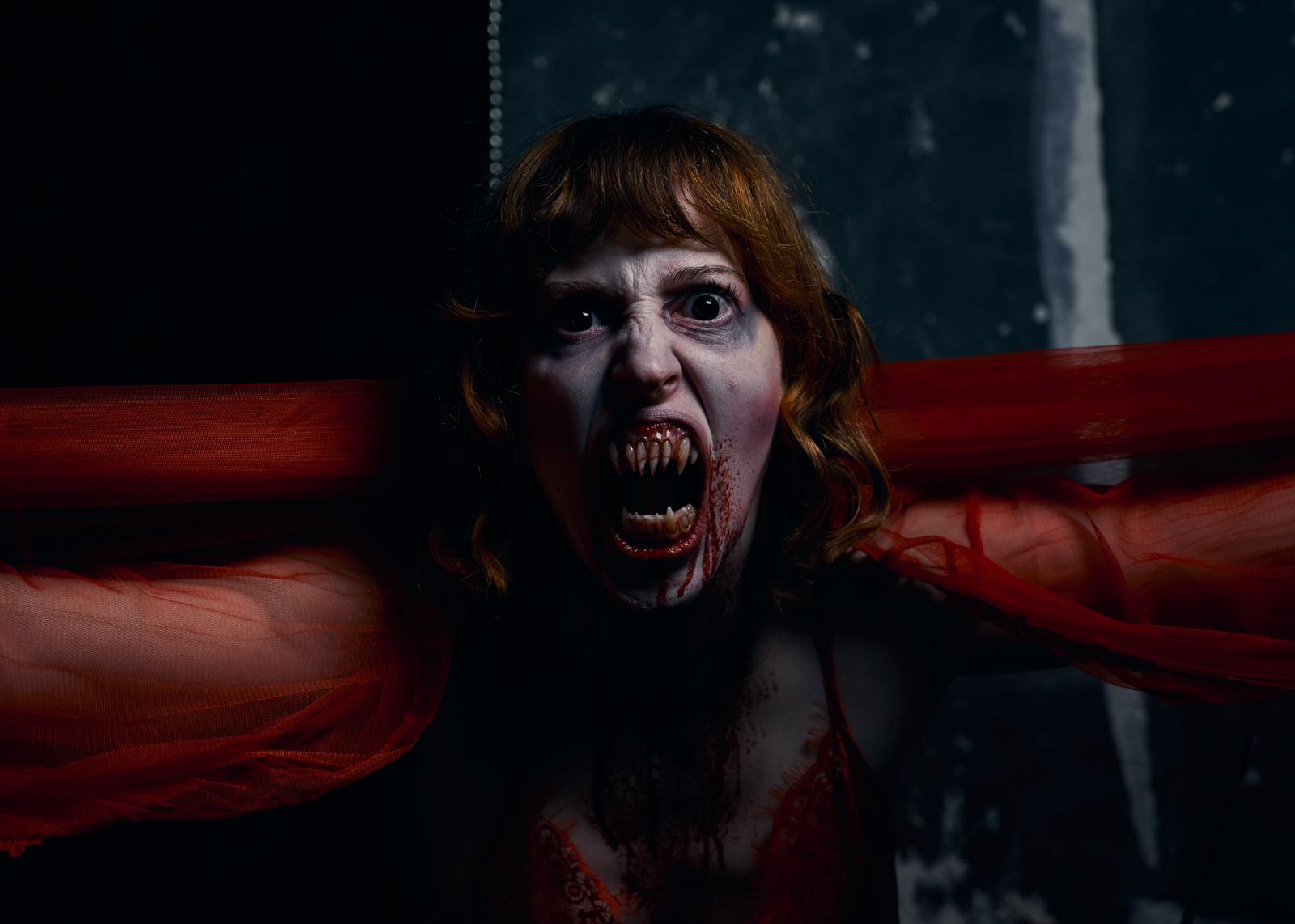
photo: David Ince / makeup: Tequila Carter (also main image)

Where do you think British horror is going, and how do you think the history of London will be incorporated into horror films in the future?  

The thing that seems to be happening in horror, in general, is it’s telling a lot of old stories in unique ways. There was this recent re-telling/re-think of the classic ghost story called His House, which incorporated a lot of the modern refugee world of London into it. Even though London has a long history of immigration, His House gave a very modern look of that, which made it really interesting. Then you have the likes of Saint Maud, which brought back that Hammer Horror tradition of the Christian good but twisted it to make us wonder how much is in the protagonist’s mind and how much is real. You also have a lot of films which make a purpose of looking into the past, like Last Night in Soho, which, in that case, definitely isn’t a bad thing, but I do like it when horror movies break away from conventions and focus on trying to do something new.

You are also involved in horror filmmaking. Can you tell us a bit about that? 

Yes, the weird little world of horror movie-making is where I have the most fun. I am acting in writer/director Tony Mardon’s film, The Witches of the Sands, which is completely off-the-wall bonkers with loads of pastiche and references to old horror. The film is very much about how extreme your response is to something and engaging the audience on that level. A bit like James Edward Newton’s films Katernica and Black Lizard Tales. Very different and very weird. Focused on making you feel and the emotion of the audience. It’s very interesting how Tony also combines different elements into the horror, like comedy and Gothic twee, but in a really unique way, making it more about the emotional journey that leads you to becoming afraid. It sounds a bit abstract, and I don’t know how big of a market it will end up having, but that’s where I am seeing the most interesting stuff in modern British horror at the moment. 

How did you get into the acting and film production side? 

When I came to London, I met Tony at DarkFest while promoting my book. He was also promoting a short film he made called Libra. We were introduced by Pauline Peart, an actress who was in The Satanic Rites of Dracula. We got talking about our love of horror, and he asked me if I wanted to be in his film, and I said, “Yes, please”. Since then, it’s been a lot of fun, and I’ve met a lot of different, interesting people. I also do a podcast called the London Horror Movie Club with my older brother, who got me into horror. In that, I talk about London, horror, and film locations. We also interview various people working on indie horror productions.

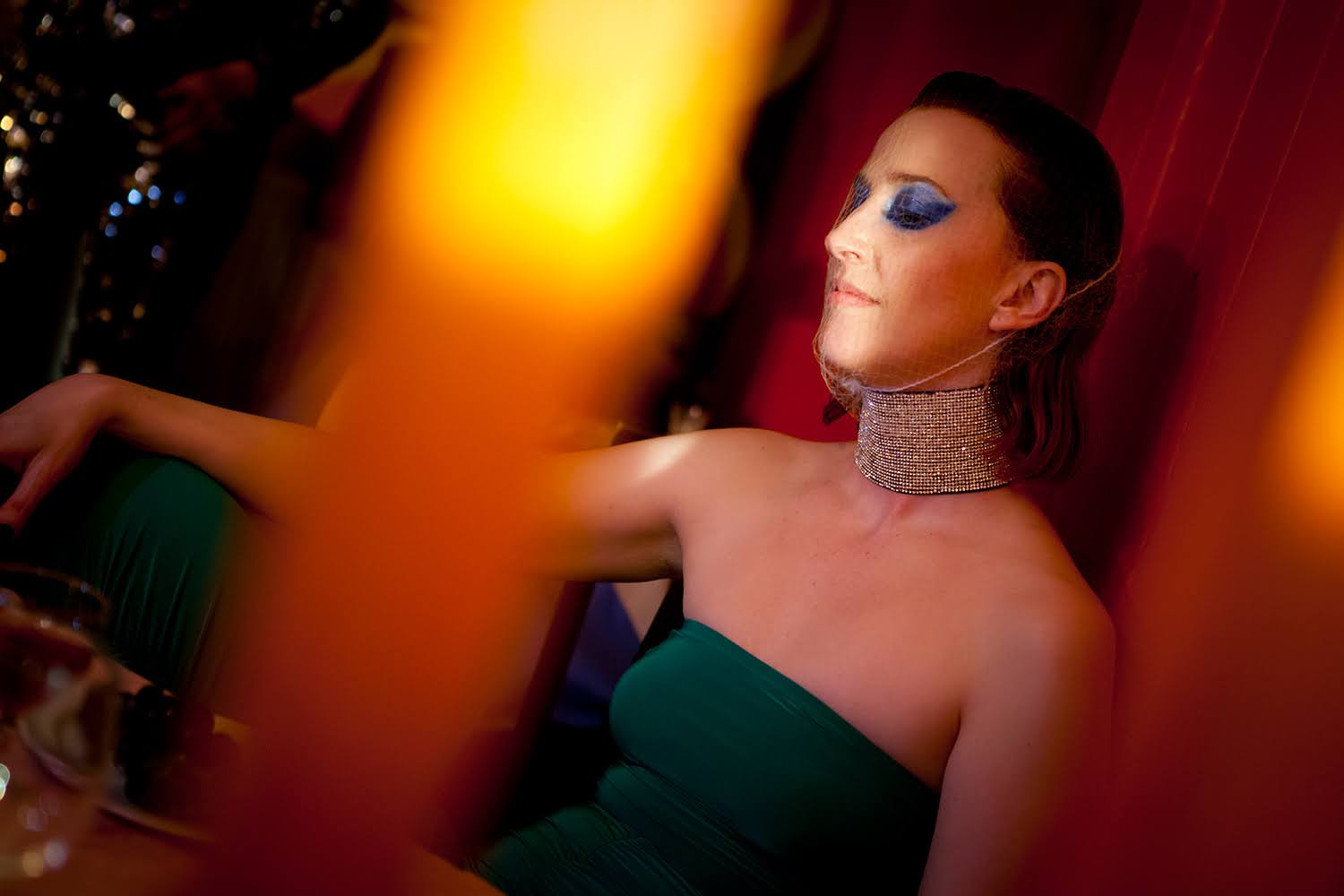
Lauren in The Witches of the Sands

So what’s next for you, more acting and writing? 

Tony and I are working on a book about the history of plant horror. I’ll be coming at that from the academic side, and Tony will detail all the filmmaking practicalities, so it will combine history with production insights. That’s been a fun one to work on so far. We have gone all the way back to Werewolf of London (1935), which features this plant that ends up being the cure for lycanthropy. We’ll also cover weird mushroom horror, some Japanese horror, and other tons of great stuff. I’m really excited about it.

DEATH LINES: WALKING LONDON’S HORROR HISTORY is available now. 


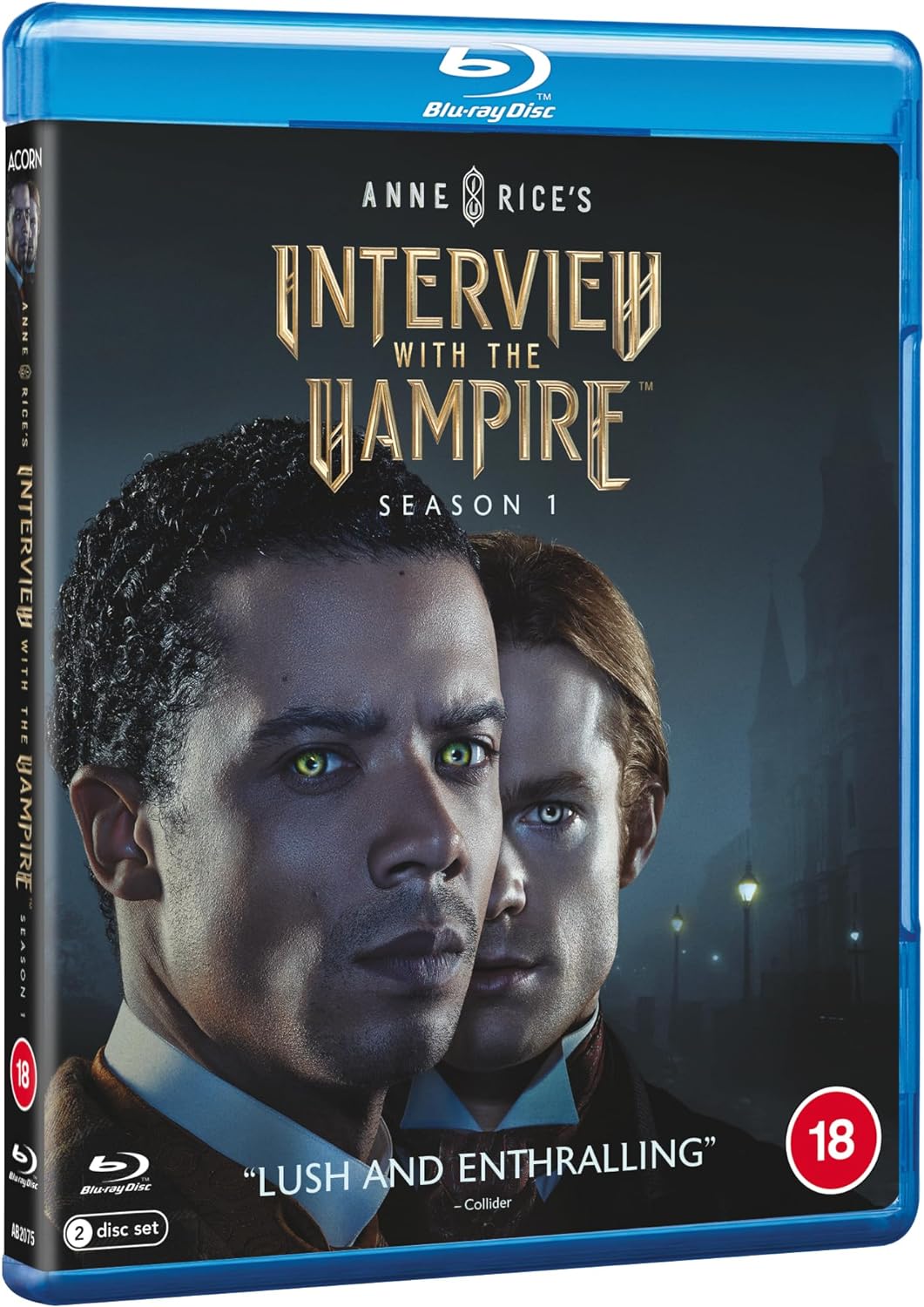
[ENDED] Win ANNE RICE’S INTERVIEW WITH THE VAMPIRE Season 1 on Blu-ray!

The classic Anne Rice novel is now a hit TV series, and we have one copy of Interview with the Vampire to give away on Blu-ray. Just read on and enter below…

Anne Rice’s Interview with the Vampire is a blood-soaked saga of immortality, love and revenge starring Jacob Anderson (Game of Thrones), Eric Bogosian (Succession) and Sam Reid (The Newsreader). This contemporary adaptation breathes new life into Rice’s revolutionary Gothic novel and marks the thrilling first instalment of AMC’s emerging Immortal Universe series based on her lauded The Vampire Chronicles.

Now, hot on the heels of its BBC Two transmission that started on October 12th, this seven-part series is set to make its home entertainment bow. Anne Rice’s Interview with the Vampire Season One comes to Blu-ray and DVD on November 6th, and each episode will also be available to purchase digitally 24 hours after its transmission, courtesy of Acorn Media International.

The series showcases an ensemble of exceptional talent. Not only is it created by Boardwalk Empire’s Rolin Jones, but is executively produced by a host of stars, including award-winning producer Mark Johnson (Breaking Bad), Christopher Rice, the late Anne Rice and award-winning director Alan Taylor (Game of Thrones) – who also directs the first two episodes. With a second season on the horizon, now is the perfect time to delve in and witness their talent first-hand.

In modern-day Dubai, vampire Louis de Pointe du Lac (Jacob Anderson) sits down with renowned journalist Daniel Molloy (Eric Bogosian) to share the story of his life – or rather, his afterlife – which begins in the hustle and bustle of 20th-century New Orleans. There, challenged by the constraints as a queer Black man in 1900s America, Louis finds it impossible to ignore the irresistible allure of Lestat de Lioncourt’s (Sam Reid) offer of the ultimate escape: a chance to outmanoeuvre the confines of mortality and join him as his vampire companion.

But Louis’ new powers come at a precious price, and the introduction of Lestat’s latest creation – the child vampire Claudia (Bailey Bass, Avatar: The Way of Water) – propels them on a path of revenge and redemption spanning decades.


a Rafflecopter giveaway

ANNE RICE’S INTERVIEW WITH THE VAMPIRE is available on Blu-ray and DVD from November 6th.


Damien Leone | TERRIFIER 2

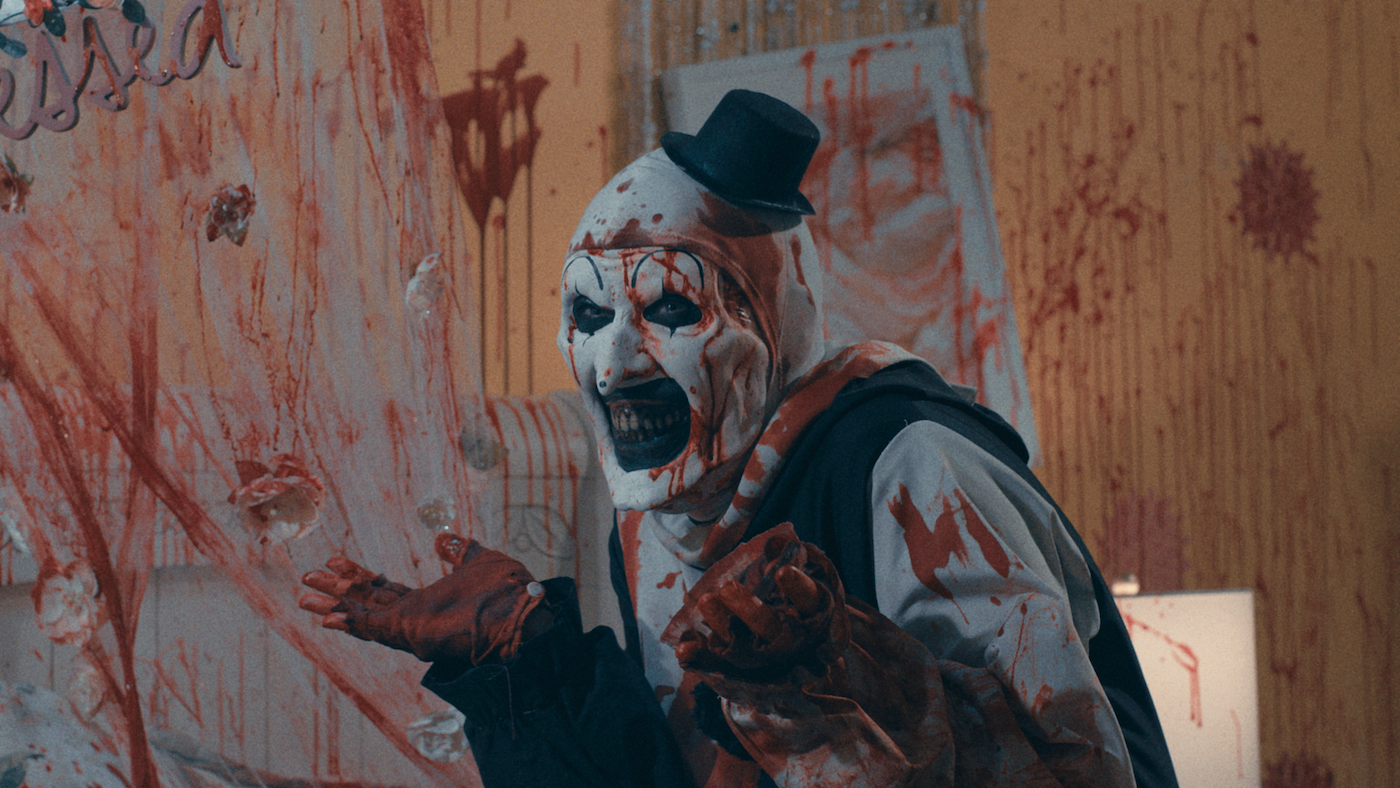
Brace yourself for our favourite killer clown’s cutthroat comeback – Art the Clown is bringing his bag of guts and gore to scare up screams in theatres once more. This November sees the US theatrical re-release of the slasher sensation Terrifier 2, which unleashes a special blood-curdling surprise – an exclusive teaser for the next instalment! We sat down with the mastermind behind the murderous mayhem, director Damien Leone, to slice open the secrets of the saga’s next chapter and find out who Art could team up with…

STARBURST: With a new Terrifier film on the way, what details can you give us so far? How gory are you going to get with it?

Damien Leone: Oh, as gory as you can imagine! And then some! We always have to one-up the previous instalment, especially now, because the expectations just grow and grow. People are really expecting us to make them vomit the next time around. I’m going to do my best to make you throw up in the theatre this time! We’re also continuing to follow the journey of Sienna [Laura LaVera] and her brother Jonathan [Elliott Fullam], and this metamorphosis, so to speak. How they’re dealing with the trauma and the events of Terrifier 2 and how that’s affected their lives, and seeing how Art gets out of the situation that we last left him in. We’ll explore what that evil entity is that brought back Art and why Sienna was sort of appointed to combat him and all those things. It’s going to be exciting, but it’s tonally shifting back to the atmosphere of the first Terrifier in terms of being a more gritty, dark, grindhouse slasher film, and I want this to be the scariest one so far. I want to see if I can balance those this time around. It should be fun!

Think Freddy vs. Jason; who would Art’s rival be in the horror universe if you were to make this sort of meta film?

I have two answers for that. I think I would love to see Art team up with, more than fight, Freddy because I think Art is kind of a silent Freddy. They have a very similar, charming, sadistic black sense of humour. I think the jokes that the two of them could do and play off each other would be fantastic. They’re both operating in these supernatural realms, so there is a way to have them cross paths. But I would love it if maybe Art fought Ash from The Evil Dead, and I’m thinking Ash in his prime in Evil Dead 2 would be amazing because he’s one of my favourite heroes, my favourite horror protagonist. That would be really cool.

With Halloween coming up, what’s your go-to film is for the season?

Oh my gosh, it’s so it’s so cliché, but nothing embodies Halloween for me like the original Halloween. I feel like this movie shaped what Halloween is and how we perceive it. It’s just an unmatched atmosphere that the movie was able to capture. It just does something so nostalgic to me. I love watching that whole franchise this time of year. It’s like part of my ritual.

We completely agree. We’re big fans of Halloween 3 – that’s our go-to!

One of the best Halloween atmospheres in that movie! It’s almost impossible to capture that nowadays in movies; there’s just something so magical and they nailed it. I always throw that one on as well.

TERRIFIER 2 is in select US cinemas from November 1st. You can read more from Damien Leone in the upcoming Issue 484 of STARBURST – available from November 30th here.