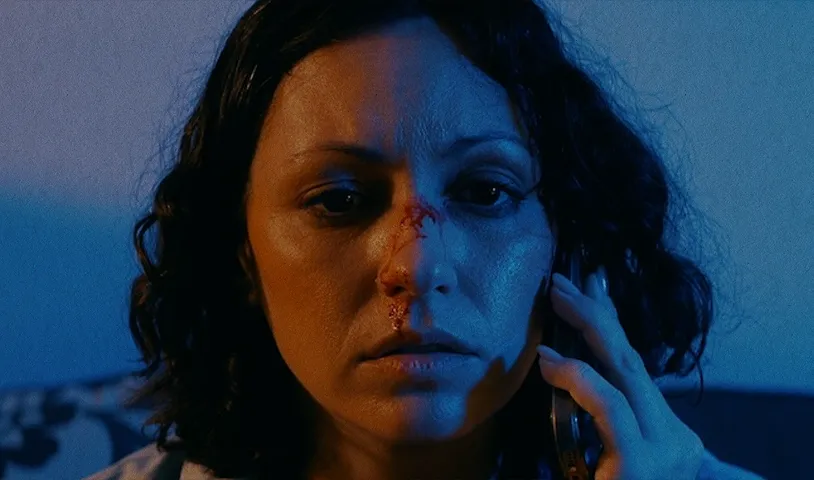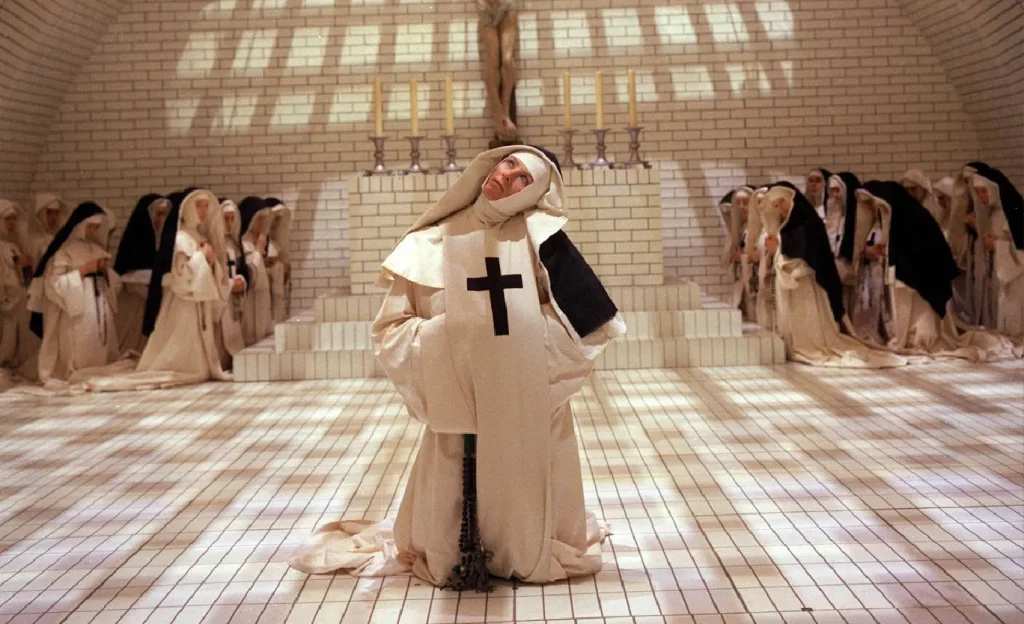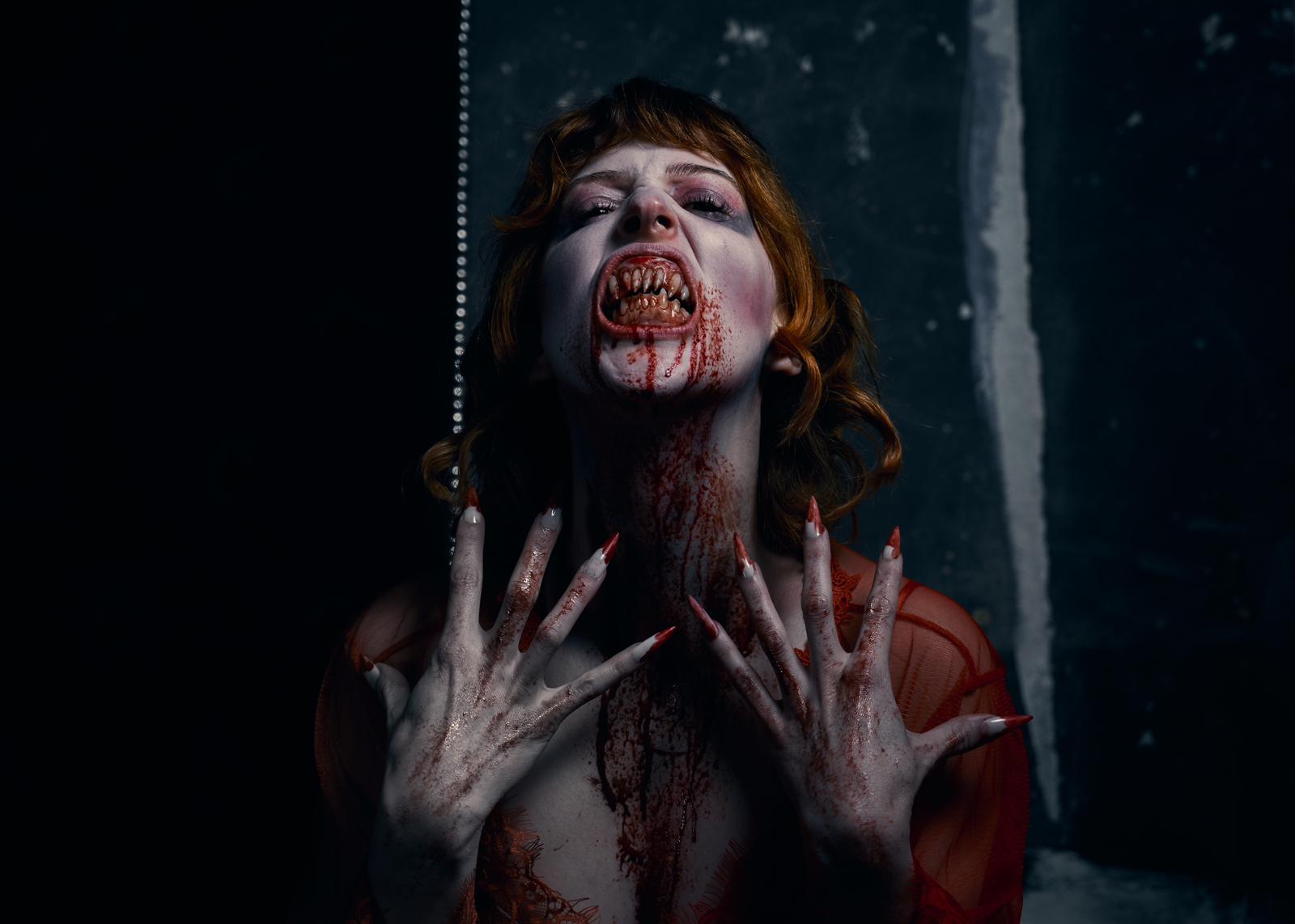
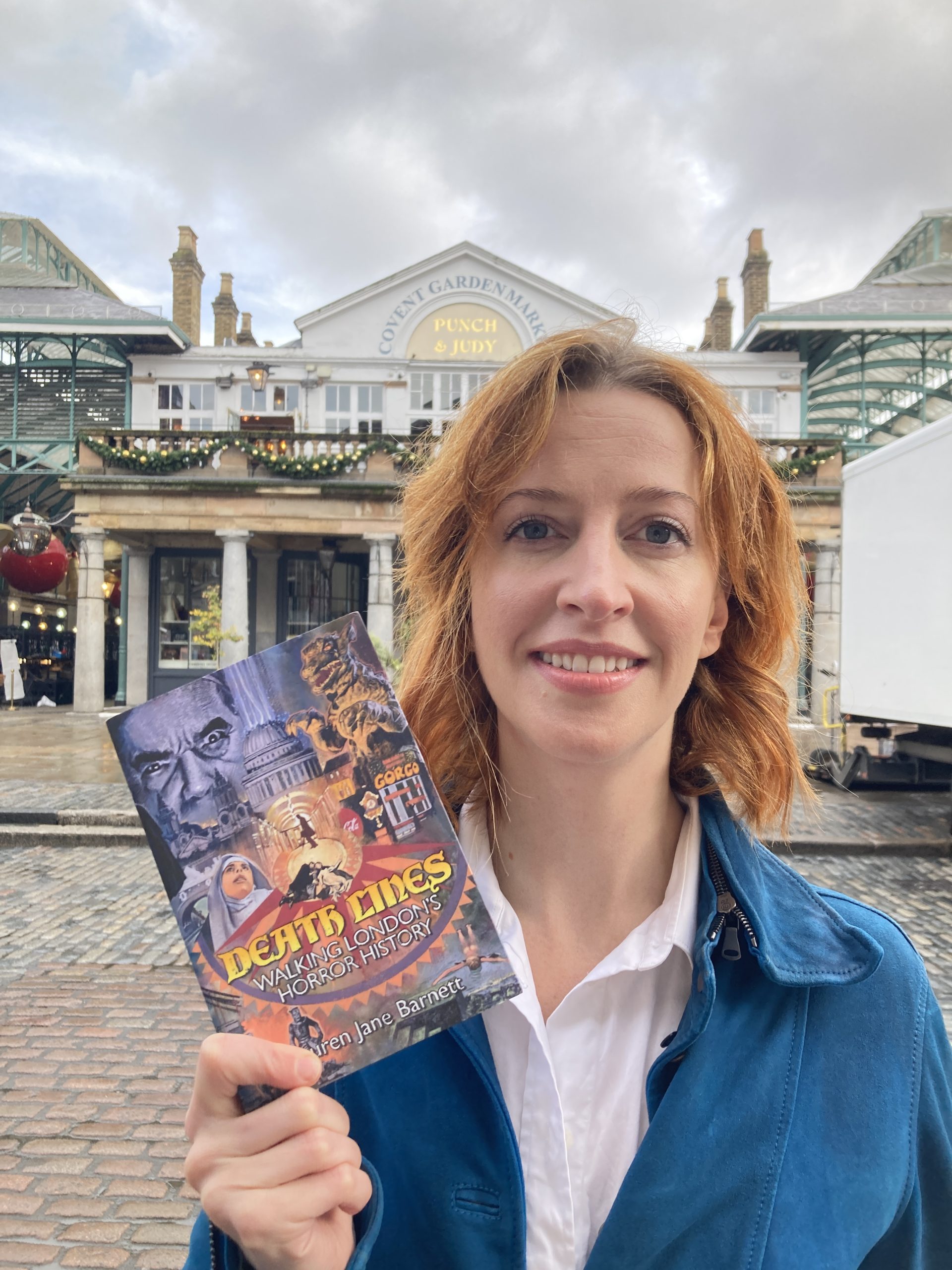
On a surprisingly sunny Saturday morning in October, STARBURST was invited by writer and horror film location expert Lauren Jane Barnett to brave the crowds of Covent Garden and embark on a tour through central London, stopping at streets and buildings where scenes from many legendary horror movies were set and/or shot over the years, covering classics like Dracula (31), Scream and Scream Again, and Corridors of Blood to the more obscure likes of Womaneater and Tony, revered masterpieces (An American Werewolf in London, Hellraiser), even quirky Ringo Star curio Son of Dracula gets a mention.
Lauren’s tour, titled Terror in the Crowds-Exploring Horror Cinema Amidst the Bustle of CoventGarden, is an enthralling, fact-loaded amble through the crowds, conducted as part of the decade-old London Month of the Dead, which consists of a number of capital-based horror-themed events occurring throughout October. Lauren’s walk gives a fascinating insight into movies made in the area while also elaborating on their cultural significance, relevance today, and historical context of the time.
Lauren goes into greater detail about the movies (and much more) in her brilliant book Death Lines: Walking London’s Horror History, which includes insights into other London-based horror productions not touched on in the tour. The book is an absolute must for horror film and London history fans, made great by concise prose penned with professional precision and the heart of a true horror fan.
After the tour, STARBURST had the honour of catching up with Lauren for a quick interview and cheeky pint in Covent Garden’s Bow Tavern pub, where Alfred Hitchcock shot some of his penultimate film, Frenzy (also covered in Lauren’s book/tour). The pub is where the film’s protagonist, Richard Blaney (Jon Finch), worked and is now partly plastered with posters, promotional stills and photos from the production.
After getting in the beverages, we climbed the creaky, narrow staircase to the top of the pub, away from the roaring Saturday bustle and tourist hoards, to talk all things London horror lore with Lauren and learn how a young American came to the UK fired with a desire to write, perform and relay/pass on all she has learnt and loved about horror over the years, to both film fans and anyone with a passing interest in London’s macabre, past. As a bonus, Lauren also told us about how her writing the book led to her landing a film role alongside horror legend Linnea Quigley.
STARBURST: Tell us a bit about your background; how did you come to be here in the UK, doing what you’re doing?
Lauren Jane Barnett: I grew up mostly in North Carolina, on the East Coast of America. Not a super popular place but it was nice for a small town. My parents passed away when I was 18 so I lost track of applying for grad school. Then my teacher told me I still had time to apply in England, so I applied to do an MA in art history and acting here. I also applied to sell art on cruise ships and got into Sotheby’s, which was great! On the back of that, I ended up doing a PhD. I was really interested in dead body photography and how that has changed over the years. From Victorian-era death photography to the response to AIDS in the ’90s, so ended up writing my thesis on that.
When did you start doing the London horror walks?
While waiting for my Visa, I was bored and didn’t know the area well, so I started going on a lot of the London walks. I also loved horror movies and noticed there weren’t any horror walks back in the day, in 2013/2014. One of my friends suggested I do one, so I did and started writing them down. I’d then rotate them, so I wasn’t always doing the same one. It got to the point where I’d written down about twelve or thirteen, so I pitched it as a book idea to Strange Attractor Press, and they loved it. They’d done walk books in the past and love horror movies, so they told me to go for it. I then picked my favourites and went from there.
Have you always been a horror film fan?
Yes! In my family, the joke is that I’ve been watching horror films since the womb because my parents loved Alfred Hitchcock. My older brother Chris, who I am really close to, is eight years older than me and was watching those early ’90s late ’80s horrors. My parents were really blasé about what he watched and eventually said, “Well, if Lauren can handle it, she can, and if she can’t, she’ll leave the room”, so I got into it at a really young age and watched films like A Nightmare on Elm Street and The Evil Dead. I think it was good that I watched them with my brothers as they were always joking around and laughing at bits, so I never felt too scared as I was in a very friendly environment, not on my own in some dark cinema somewhere.
Do you have any memories of scenes your saw as a kid that struck a chord, scared, and stayed with you while igniting your love for horror?
One of those memories is from a really old-school Boris Karloff film called The Man Who Changed His Mind. Karloff’s character has the ability to swap his brain with others. I remember this scene where a woman thinks she’s talking to her boyfriend but really isn’t. It isn’t shock-scary, but I’ve since found the thought of talking to someone, but you don’t know who it is, extremely creepy. The other film was Halloween because, if you’re a young girl growing up in America, you’re going to be a babysitter. I remember being a babysitter at thirteen and was so terrified after watching that film I took a knife from our kitchen and put it in my backpack, so if Michael Myers came to the house, I was ready. That film had a really strong impact on me, but I loved it. I am still someone who gets scared easily, but I love that because it makes me feel brave without being in danger.
What led to you deciding to combine your horror passion and London history into a book?
I was at a pub with some friends. I told them I was thinking about writing a book and asked what they thought. At the time, I was thinking about writing more of an academic book as I was doing my PhD, but someone suggested merging it with the writing I had done for my walks. I got really excited by that because I realised that anyone could do the walk using my book as a guide when they wanted to. My American family could also do it too, online, so my brother got on Google Maps and did the online version using my book as a guide. It’s really cool that you can share that with people remotely, anywhere now.
Did you have a specific interest in London and the history and horror of the city before you came here, or did it happen after you arrived?
I always loved horror and had seen and loved films like Frenzy and all the Hammer Horrors, but I also love the feeling you get when you’re watching a movie and recognise a place you know. While watching The Devil Rides Out, someone mentioned a hotel, and I thought, “Oh wow, I know that – it’s in Mayfair” and had walked by it recently, so I think it was that novelty combined with the excitement of having recently moved to London that excited me about it.
We feel very nostalgic when seeing somewhere we know on screen, but how it was in the past. That is partly what made your work so interesting to us.
I know, it’s so cool if you’re living in a city and then suddenly see footage of it from many years ago. So many horror films have become great time capsules, offering glimpses into the past. I know we had Frenzy on our walk, but if you look at a film like The Haunted House of Horror, there’s a wonderful scene set in Carnaby Street, and you get to see that in the sixties. It’s definitely a new reason to seek out and discover or rewatch old movies.
Was writing the book a learning process for you, or did you start it armed with the knowledge you needed?
The thing that surprised me was that I had, very early, thought, “Oh, I’ve done a couple of walks, but I know there are about 80 more films”. Then, I ended up compiling a list of about 153. There are so many more films than I realised once I started digging.
So you could write a sequel?
I could write a trilogy! Not necessarily just about films that are solely London-focused, but horror films set here because it’s England’s base city. There are films that are all about London, but the ones I got weirdly interested in and ended up including in the book but didn’t originally intend to were those that would recreate London elsewhere. That was something I went back and forth about a lot because I initially thought, “Well, it’s not London, so maybe I shouldn’t take people to these places”, but it’s interesting to take people to a building and let them know that while the film might have said it was this place, it wasn’t. Then, let them know why and get them to think about it. From Hell is a really good example. In that, Cleopatra’s Needle was recreated using CGI because they couldn’t afford to film there for real. What I want to know is why they didn’t use a stock shot instead of digitally recreating it. I don’t know the answer, but it’s a good question.
Where do you think British horror is going, and how do you think the history of London will be incorporated into horror films in the future?
The thing that seems to be happening in horror, in general, is it’s telling a lot of old stories in unique ways. There was this recent re-telling/re-think of the classic ghost story called His House, which incorporated a lot of the modern refugee world of London into it. Even though London has a long history of immigration, His House gave a very modern look of that, which made it really interesting. Then you have the likes of Saint Maud, which brought back that Hammer Horror tradition of the Christian good but twisted it to make us wonder how much is in the protagonist’s mind and how much is real. You also have a lot of films which make a purpose of looking into the past, like Last Night in Soho, which, in that case, definitely isn’t a bad thing, but I do like it when horror movies break away from conventions and focus on trying to do something new.
You are also involved in horror filmmaking. Can you tell us a bit about that?
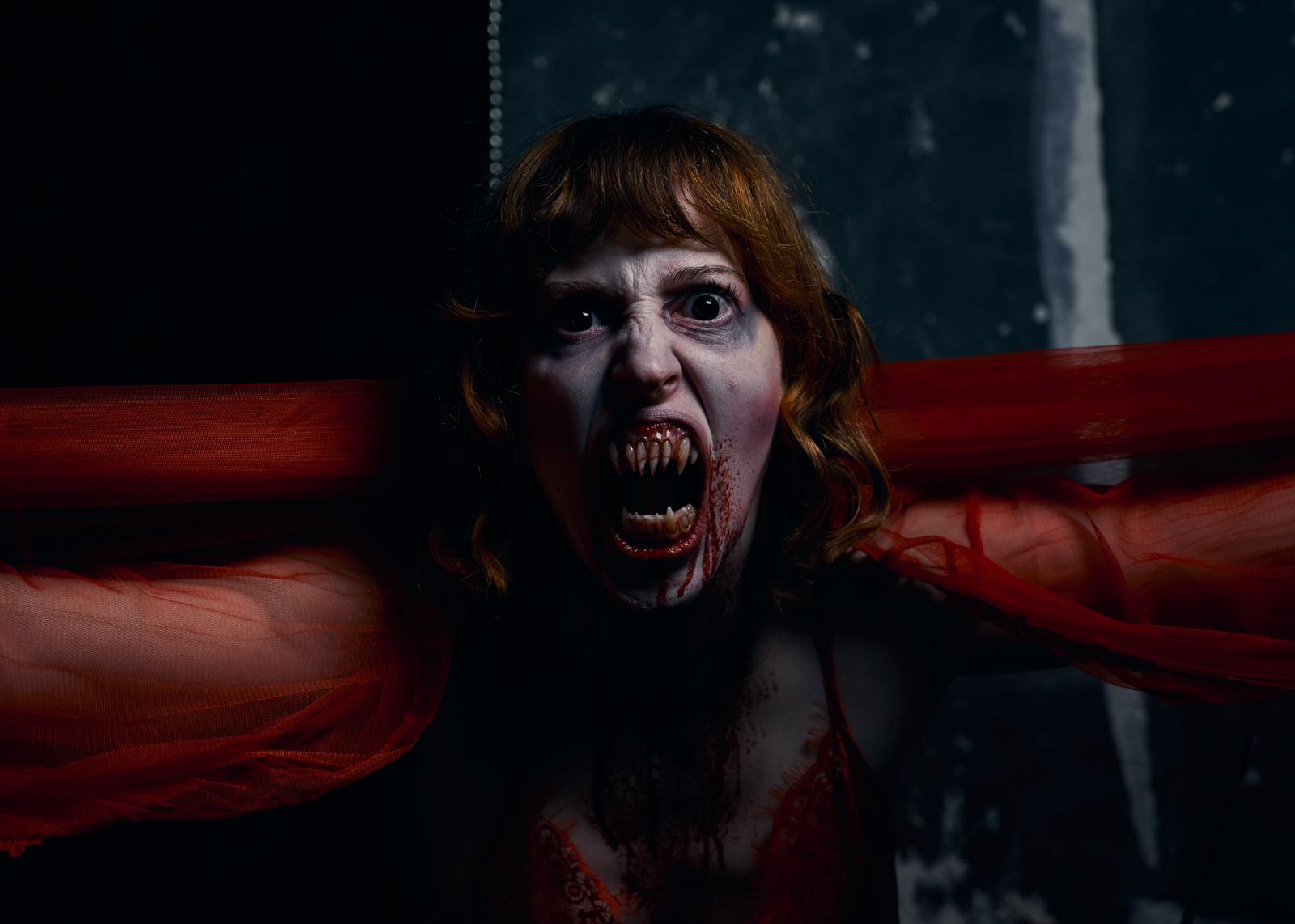
Yes, the weird little world of horror movie-making is where I have the most fun. I am acting in writer/director Tony Mardon’s film, The Witches of the Sands, which is completely off-the-wall bonkers with loads of pastiche and references to old horror. The film is very much about how extreme your response is to something and engaging the audience on that level. A bit like James Edward Newton’s films Katernica and Black Lizard Tales. Very different and very weird. Focused on making you feel and the emotion of the audience. It’s very interesting how Tony also combines different elements into the horror, like comedy and Gothic twee, but in a really unique way, making it more about the emotional journey that leads you to becoming afraid. It sounds a bit abstract, and I don’t know how big of a market it will end up having, but that’s where I am seeing the most interesting stuff in modern British horror at the moment.
How did you get into the acting and film production side?
When I came to London, I met Tony at DarkFest while promoting my book. He was also promoting a short film he made called Libra. We were introduced by Pauline Peart, an actress who was in The Satanic Rites of Dracula. We got talking about our love of horror, and he asked me if I wanted to be in his film, and I said, “Yes, please”. Since then, it’s been a lot of fun, and I’ve met a lot of different, interesting people. I also do a podcast called the London Horror Movie Club with my older brother, who got me into horror. In that, I talk about London, horror, and film locations. We also interview various people working on indie horror productions.
So what’s next for you, more acting and writing?
Tony and I are working on a book about the history of plant horror. I’ll be coming at that from the academic side, and Tony will detail all the filmmaking practicalities, so it will combine history with production insights. That’s been a fun one to work on so far. We have gone all the way back to Werewolf of London (1935), which features this plant that ends up being the cure for lycanthropy. We’ll also cover weird mushroom horror, some Japanese horror, and other tons of great stuff. I’m really excited about it.
DEATH LINES: WALKING LONDON’S HORROR HISTORY is available now.