Charlie Stemp • DRACULA A COMEDY OF TERRORS

Charlie Stemp is an award-winning actor best known for his work on London’s West End. His previous work includes Half-A-Sixpence, Snow White, Mamma Mia and Robin Hood. He’s due to appear as vampire hunter Jonathan Harker at the Menier Chocolate Factory in their production of Dracula, A Comedy of Terrors. The new show ( which has transferred from Broadway to the West End) is a comedic take on Bram Stoker’s classic, which features a Gen Z pansexual Count Dracula in the midst of an existential crisis.

We caught up with Charlie to find out more about the show.

How would you pitch Dracula A Comedy of Terrors to a fan of the Twilight movies?
If you’re a fan of the Twilight movies, you’ll recognize how the intense, almost possessive love between the characters can feel a bit unhealthy at times. In Dracula: A Comedy of Terrors, we explore that theme. We also delve into the idea of eternal love and what it really means to have love that lasts forever.

And how would you pitch it to an elderly relative who has heard of the Rocky Horror Picture show?
I would pitch this show to elderly relatives who are familiar with The Rocky Horror Picture Show by saying it’s very similar, but with a mix of Mel Brooks’ humor, a touch of RuPaul’s Drag Race, and, of course, plenty of comedy.

Why Dracula?
Well, I’ve always loved the original Dracula movie from when I was a kid. I used to watch it with my grandad, so this show feels like a blast from my childhood. It’s a chance to revisit that and create something similar but with the added magic of some incredible actors, especially James, who plays Dracula in the show. He’s fantastic and absolutely gorgeous.

Mel Brooks is apparently a source of inspiration for this show; what elements of Mel’s work inspired you, and which of his works is similar to this?
Mel Brooks is definitely an icon of mine, and Young Frankenstein stands out as a major inspiration. It’s such a brilliant movie and show. I’ve watched it at least five times in preparation for this musical—it’s been incredibly influential for me throughout the process.

If you could sit one of the characters from the books down and have a word with them, who would it be and what would you say?
I would definitely choose my own character, Jonathan Harker, and tell him to try and take a chill pill. He seems incredibly anxious and overwhelmed, so I’d want to sit him down and help him work through some of his stresses.

You play multiple roles in this; which is the most ridiculous and which is the hardest to do?
I play multiple roles in the show. The most ridiculous one is when I play three characters at once with two puppets. It’s definitely a tricky moment, but also hilarious—it’s one of the highlights of the show.
Dracula A Comedy of Terrors James Daly and Charlie Stemp Matt Crockett


What works of horror fiction inspire you?
Well, to be honest, I think I’ve already mentioned it, but Young Frankenstein by Mel Brooks is a huge inspiration. It’s such a fantastic blend of comedy and horror all at once.

How did you prepare for this production?
I don’t do much preparation beforehand, apart from maybe watching some comedy shows. I prefer to get in the room and figure things out as I go along

If I’ve never been to The Menier Chocolate Factory, what should I expect from the venue?
I would describe this venue as very small, very intimate, and absolutely fantastic.

Is there merch?
I’m not sure if there’s merch, unfortunately. You’ll have to ask them, as I haven’t been there yet. But if there is, I’m definitely hoping for Dracula fangs, capes, and all the classic bits!

And if you could take one artwork/piece of media/ thing and ensure that it would survive for thousands of years, what would it be?
If I could take one piece of artwork or media and ensure it would survive for thousands of years, I’d definitely choose my suit from the show. It’s absolutely fantastic, and I think it deserves to last through the ages!

Simpsons or Futurama?
Simpsons, no question.

Werewolves or Wizards?
Definitely wizards. I’m just so curious, you’d have to be bonkers to have that much   power and still be a nice person!

Truth or Beauty?
I’m definitely going to go with truth. Because there’s beauty in the truth.

Dracula, A Comedy of Terrors runs at the Menier Chocolate Factory until May 3rd 2025. Book tickets here. 

Online Casino Games That Are Really Fun To Play

Online casino revenue in New Zealand is expected to reach $2.89 billion by the end of this year. Online casinos in New Zealand – and everywhere else for that matter – offer a wide variety of exciting games that you can play for real money. While all casino games involve an element of luck, many also require skill and strategy if you want to make money from your gaming habit. Some games are easy to learn while others take more time to master. Here are some of the most fun online casino games to try out.

Slots

Slots are by far the most popular casino games online – try this online casino to see what the latest games offer players. They require no skill, just the luck of the spin. Slots are easy to play and lots of fun. All you need to do is press the spin button and watch the reels align to form winning combinations. There are thousands of unique slot themes featuring different graphics, bonus rounds, and jackpots. Popular titles include:

  • Starburst – Features cascading reels and high payouts. This cosmic-themed slot is a favorite.
  • Book of Dead – This Egyptian adventure slot has expanding reel features for big wins.
  • Mega Moolah – Boasts massive progressive jackpots that can pay out millions.
  • Buffalo – A classic slot with stacking wilds for huge payout potential.

Slots are a pure entertainment experience that offer excitement on every spin. With so many options, you’re sure to find some slots that you really enjoy playing.

Blackjack

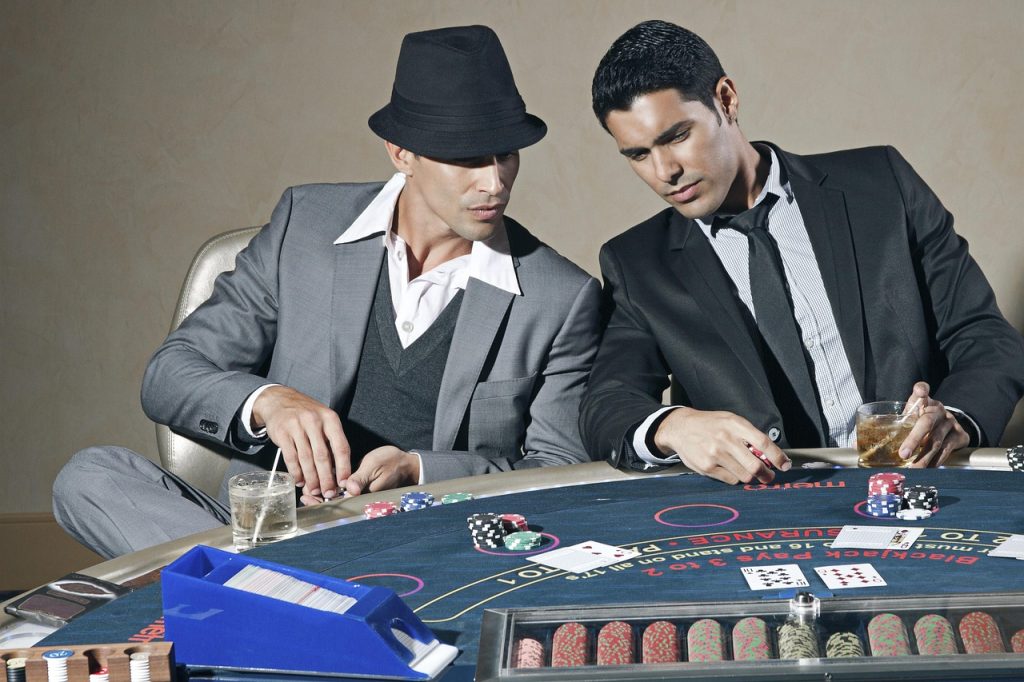
Blackjack is a classic casino card game that involves both luck and skill. The objective is to get card combos totalling 21 or as close to it as possible without going over. You compete against the dealer to see who gets closest to 21. Blackjack offers favourable odds and low house edge, especially if you learn optimal strategy.

Key skills include knowing when to hit, stand, split, or double down on your hand. Good blackjack players can gain an edge over the house. Blackjack is intellectually stimulating and there’s always more strategy to learn. Popular variants include:

  • Classic Blackjack – The original version most people are familiar with.
  • European Blackjack – Played with two decks with some slightly different rules.
  • Blackjack Switch – An innovative version where you can switch cards between two hands.

Blackjack provides an optimal mix of luck, skill, and social interaction at the table.

Roulette

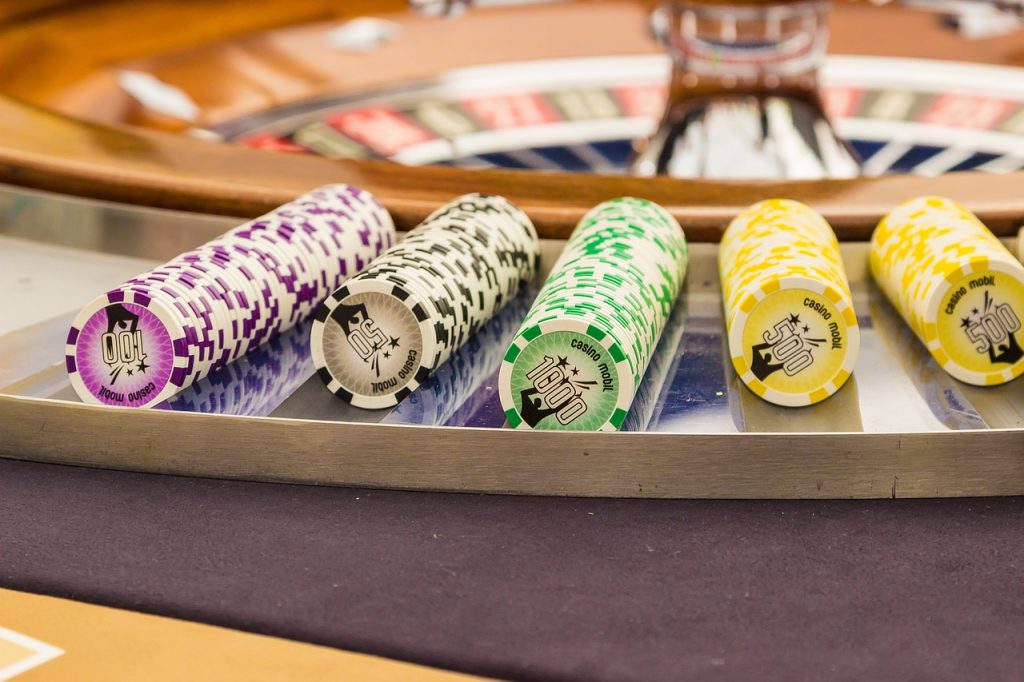
In roulette, a ball is spun around a wheel with numbered pockets and you bet on where it will land. It’s completely random, requiring no skill, but very exciting to play. Roulette offers multiple betting options so you can make it as simple or complex as you want. Some of the bets include inside bets, where you wager on a single number or small range of pockets; outside bets on categories like red/black, even/odd, dozens, columns, and call bets, where you announce a bet rather than placing chips.

With elaborate betting grids and the hypnotic motion of the wheel, roulette creates an elegant casino atmosphere. Watching the ball bounce around before settling into a pocket creates anticipation and excitement.

Poker

Poker has exploded in popularity over the past couple decades. This skill-based card game lets you take on other players in contests of strategy, psychology and luck. The countless poker variants give you lots of options:

  • Texas Hold’em – The most popular version using community cards.
  • Omaha – Similar to Texas Hold’em but you get four hole cards.
  • Seven-Card Stud – Get a combination of face-up and face-down cards.
  • Caribbean Stud – Play against the dealer for the best five-card hand.

Online poker rooms offer tournaments with huge prize pools and even allow you to play anonymously. You can bluff, make calculated risks, and test your nerve playing for high stakes. For poker lovers, casinos offer endless enjoyment.

These are just a few of the fun and exciting online casino games you can play. Whether you like simple slots, strategic card games, or high-risk high-reward roulette spins, top casinos have something for everyone. With real money at stake, online casino games provide pulse-pounding entertainment. Just be sure to gamble responsibly and within your budget. But if you play it smart, online casino games can be awesomely entertaining.

Season 3 of White Lotus has Broken a Viewership Record

White Lotus has broken a new record for the series, drawing in 4.2 million viewers for a single episode. Season Three’s sixth episode has beaten the record set by the finale of Season Two, showing that the new season is quickly picking up steam and attracting new viewers from across the world. HBO has also announced that the episodes are pacing 5 million viewers ahead of the previous season.

The Rise in Popularity of the Anthology Format

White Lotus has been a standout show for some time, due to its anthology format. Each season shows a new set of characters with a new setting. Even though there’s a lot of change between seasons, the underlying format is the same, meaning it always resonates with viewers. This concept is present in other forms of media too, including music. Lord of the Lost has recently announced a trilogy album, called Opus Noir. Each album will be individual, but when listened to as a whole, offers a consistent theme and experience to the listener. In iGaming, if you try the Big Bass Day at the Races slot, you will notice that the game has familiar graphics to other games within the series. With that said, it has an individual theme that can be explored and enjoyed by new players. You also have a host of familiar features, including free spins and Scatter symbols, along with the iconic Fisherman, who also makes an appearance. In other verticals, like literature, you can look at this collection by Masterclass to find more examples, showing how far-reaching and successful the concept is, and what an impact it has had on the media as a whole.

When you break it all down, it’s not hard to see why the concept works, and by adopting it for the White Lotus TV show, it’s not only been possible to create a successful series but to also make sure that it’s a compelling narrative that provides a consistent experience to seasoned viewers, as well as a gateway to people who may be new to the show.

White Lotus is Consistently Breaking Viewership Records

The show features engaging narratives, as well as unexpected plot twists that help to keep people engaged. Positive reviews are also helping to build buzz for the show, encouraging even more viewership from people who would have otherwise not given it a shot. Other factors that are helping to contribute to White Lotus’ success include the episodic weekly format, as this not only builds anticipation, but also goes a long way when it comes to engagement. With the show experiencing a 14% increase in views over the last few episodes, it’s clear that significant moments within the show are direct contributors to whether or not people tune in for the next episode drop.

Season two’s fifth episode featured a big moment for the characters, and as a result, led to an increase in viewers that created a domino effect, which led all the way through to the season finale. With the show having a tried-and-tested format, it’s no surprise to see that it is consistently breaking records, and is proving to be a hit with fans across the world.

Garrett Millerick • JUST TRYING TO HELP

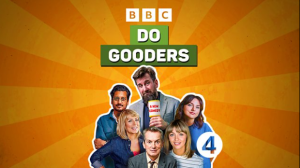
Garrett Millerick is  world reknowned and critically acclaimed stand-up comedian who’s stand-up appearances include the likes of Conan.   His sitcom Do Goodersstarring Jack Dee and Meera Syal is returning to the BBC for a second season and his stand-up show Needs More Space was a highlight of 2024’s Edinburgh Festival Fringe.  We caught up with him to find out more about his show  Just Trying To Help, which has been specially  filmed by 800 Pound Gorilla , and can be watched for free here. We caught upm with Garrett to find out more.

How would you pitch “Just Trying to Help” to someone who thinks the ZX Spectrum was the pinnacle of technology?
I guess I’d have to start by extolling the possibilities offered by online video streaming, as I think you’re probably going to struggle to watch it on a ZX Spectrum. Then we could have a lively debate about there being more to life than ‘Jet Set Willy’. But if we could get that out of the way, I think there is a lot on the show for you to enjoy.

Everyone is always convinced that technology peaked when they were young. The Spectrum wasn’t the pinnacle of technology, it was just what was around the last time that the world didn’t feel like such a strange and confusing place. You’re just grabbing onto your youth and making unhealthy projections. But that’s ok; everyone does that to some extent or another, but it’s not going to cure what’s wrong with you; you’re depressed and living in the past. Laughter is one of the best ways of starting to address depression. 

So, I think it’s not just a good idea for you to watch my show, it’s a medical necessity. You’ll have fun; there are a lot of jokes in there about how technology has ruined the world. And you can take those jokes at face value if it makes you feel better.

Why should I see this show? Where can I see this show?
For ages, the only way you could see this show was by leaving the house. But I’m painfully aware of all the nightmarish obstacles that must be overcome to engage in that sort of activity. So we filmed it, so now you can have all the benefits of an evening out, without the inconvenience. It’s an incredibly cost-effective proxy, too, because it won’t cost you anything. It’s available to watch on YouTube and numerous other video streaming platforms. A list of which can be obtained by heading to the link at the end of this article. It’s also available as an audio album, so if you’re sick of podcasts and can’t find an audiobook that grabs you, you can have some stand-up to accompany your morning dog walk.


What other shows on 800lb Gorilla would you recommend?
Pierre Novellie, Fern Brady, Chris MacArthur-Boyd, Helen Bauer, Dan Muggleton, Alfie Brown. The list is almost endless. They have an incredible catalogue of artists from all over the world.


What do you mean by “Remember You Are Mortal?”
The Auriga was a slave in ancient Rome. They were tasked with a really important job: to stand behind the emperor, whispering this phrase in his ear during triumphant parades. I have a bit of fun picking apart the god-like status that tech billionaires play in our society at the end of the show. It occurred to me that it might be an idea to bring back the lost art of having a quiet word in someone’s ear. It just might help matters.

What’s your favourite gag from the show?
There’s a joke about Artex in the middle of the show. It doesn’t really thematically relate to the rest of the show, but it was the only joke I wrote during the first lockdown. So, it’s basically in there for tax purposes. I’m rather fond of it. 

Is the current news cycle a boon or a nightmare for satirists?
Satirists might be responsible for the current news cycle. The prevalence of comics acting like self-appointed politicians over the last few decades seems to have muddied the line between politics and comedy. Politicians have taken that muddied line and run with it to a point that has proved to be unhelpful.

Has Social Media ruined comedy?
No. It’s changed distribution and consumption patterns. That makes it easier for some things to break through and more challenging for others. That’s quite exciting. More people watched this special in one night on the internet than saw it over a month at the Edinburgh Festival. That’s great. It wouldn’t exist as a show if I hadn’t been able to work on it in a live space because that’s the art form. But I can move on now and make a new show, and this one can live on through the distribution networks that exist now. And people who see clips of this show on social media can go and watch the show or come and see me live. Or they can swipe onto something that’s more their cup of tea and not end up buying a ticket for something they won’t like. It’s an exciting time to be working.

Has AI ruined science fiction?
No, not at all. AI is like a science fiction tribute act. The people who built it are clearly huge fans of dystopian nightmares but maybe not the most attentive consumers of parables. 

What’s the toughest part of the writing process for you?
Starting. Once you’re off and running, everything slots into place. Getting off and running is like that movie Castaway. Where Tom Hanks can’t leave the island because there is this massive wave that keeps slamming him back on the shore. After a few years, he works out how to build a sail out of an old, battered piece of discarded rubbish, and it finally gets him over the wave and onto the high seas. Being a writer is like that; you’re constantly looking around for old pieces of battered rubbish to see if they’ll help you fly. 

What other projects would you like to work on?
I’m currently writing the second series of my sitcom Do Gooders. That’s been a dream project of mine for quite some time, so it was lovely to get to do it last year. So, getting to go back and do a second series of it is perfect. That’ll keep me busy till the winter. Then I’ve got an idea for another stand-up show brewing that I’ll probably start road testing before Christmas.

Simpsons or Futurama?
An impossible question. The first nine series of The Simpsons is the greatest sitcom ever written. Utterly flawless. It’s not really the same thing anymore. I may be falling into your ZX Spectrum trap here, but that era of the Simpsons was an important influence during my formative years. When it changed into something that was less my cup of tea Futurama came along and blew me away. Then it went away, and they brought it back, and it wasn’t the same. I think what I’m trying to say is that the world is big enough for both The Simpsons and Futurama but probably would have benefited from just slightly less of each. 

Vampires or Werewolves?
I have no opinion on this. I just wish they’d settle their differences and learn to live in peace. 

Truth or Beauty?
When we abandon truth, the world becomes ugly. So again, you can’t have one without the other.  But then again, if a friend presents you with an ugly baby and says ‘isn’t he beautiful’ it doesn’t always pay to tell the truth. It’s complicated. 


You can watch ‘Just Trying To Help’, Garrett’s new stand-up special on 800lb Gorilla’s YouTube channel here: https://www.youtube.com/watch?v=OBL2WPmoklY , and learn more about Garret on his website, https://www.garrettmillerick.com


Beyond Sci-Fi: Future of Interactive Entertainment

Interactive entertainment is changing rapidly, inspired by science fiction, and expanding beyond traditional formats. This shift goes beyond technology, reshaping how audiences engage with content and creating immersive experiences that blend reality with imagination. As interactivity grows, new opportunities emerge for both creators and consumers. Let’s explore this transformation’s key drivers and interactive entertainment’s future.

The Rise of Immersive Technologies

Immersive technologies like virtual reality (VR) and augmented reality (AR) are at the forefront of this transformation. These platforms immerse users in engaging and interactive experiences, transporting them into fantastical realms once confined to science fiction novels. For instance, VR allows users to enter a virtual casino, engaging with games in a lifelike setting that enhances the thrill of playing for real money.

These technologies are significant because they create a sense of presence and participation. Unlike traditional gaming, which offers a passive experience, VR and AR enable players to become active participants in the narrative. This shift fosters a stronger emotional connection between the user and the content, making every action feel significant.

As developers continue to innovate, these technologies are expected to become more accessible and sophisticated, offering richer experiences. This evolution caters to the gaming industry and holds the potential to revolutionise educational and training environments, providing invaluable practical, hands-on experience.

Storytelling in Interactive Entertainment

The narrative is a vital component of interactive entertainment, and its evolution shapes how stories are told and experienced. In gaming and other entertainment platforms, storytelling has moved beyond linear paths, embracing branching narratives and user-driven storylines. This transition allows users to dictate the course of action, providing a personalized experience that changes with each playthrough.

Interactive storytelling creates a dynamic relationship between the narrative and the user, where choices impact the outcome and character development. This engagement fosters replayability and deeper investment in the content. Even real cash online slot games have changed to incorporate narrative elements, with themed adventures, character progression, and storylines that unfold as players advance through bonus rounds and special features.

As this form of storytelling develops, more sophisticated narratives are anticipated, challenging and captivating users. Interactive storytelling is not just limited to gaming; it’s increasingly employed in marketing and educational content, offering a more engaging way to connect with audiences.

Social Connectivity and Multiplayer Experiences

Social connectivity is another key aspect shaping the future of interactive entertainment. Multiplayer platforms and social media integration enable users to connect and interact globally, fostering a sense of community and shared experience. This aspect is particularly relevant in an era where digital interactions constitute a significant part of social life.

Social connectivity transforms solitary experiences into communal ones, allowing players to collaborate, compete, and share their successes and failures. For instance, an online casino game that lets players team up or compete against others in real time introduces unpredictability and camaraderie.

With advancing technology, these multiplayer experiences are set to become even more integrated and complex, enhancing the collective enjoyment of interactive entertainment. The potential for social VR experiences is vast, promising innovative ways for people to meet and interact, creating virtual gatherings that feel as personal as in-person events.

The Role of Artificial Intelligence

Artificial intelligence (AI) plays a crucial role in shaping the future of interactive entertainment. AI-powered systems can adapt to user behaviour, offering personalised experiences and challenging gameplay that evolves with the player’s skills and preferences. This adaptability ensures the content remains engaging and provides unique experiences tailored to individual users.

AI’s advantage in interactive entertainment is its ability to create responsive environments that react to real-time player decisions. This capability allows games and experiences to offer more realistic and immersive interactions, keeping users engaged and invested.

An AI-driven virtual casino game can adjust its difficulty and challenges based on the user’s skill level, making the pursuit of real money both challenging and rewarding. As AI technology advances, its integration into interactive entertainment will further enhance the depth and complexity of user experiences. This capability is being explored in educational tools, allowing for tailored learning experiences that adapt to individuals’ needs and progress.

Ethical Considerations and Future Implications

While the future of interactive entertainment is promising, it is crucial to address its ethical implications. As technologies advance, issues surrounding privacy, data security, and the potential for addiction require attention. Balancing innovation with responsibility is essential to ensure that interactive entertainment remains a positive and enriching user experience.

Understanding these ethical considerations is vital as they influence technology development and implementation. Developers must prioritise user privacy and consent to protect personal data.

Additionally, creating awareness about the potential for addictive behaviours can help users enjoy these experiences responsibly. Addressing these challenges is key to unlocking the full potential of interactive entertainment while safeguarding users’ well-being. This ethical approach is necessary as the line between virtual and real-world interactions continues to blur, impacting how individuals perceive and interact with technology daily.

STARBURST’S New York City Fringe Festival Picks 2025

The New York City Fringe (formerly known as the Frigid Festival) has been around since 2007 and brings together five theatres across the city.  Over at Starburst Towers, we took a quick look at the programme and picked out five shows that we thought were worth checking out.

The New York City Fringe runs from Wednesday April 2nd  through Sunday April 20th.  You can find out more by following this link.

Jackie & Allison Into the Multiverse

When the show is described to us as ‘clown-fuelled’, we do worry if the local clowns are in danger. Regardless,  Jackie & Allison Into the Multiverse is apparently a clown-fuelled adventure into bizarre universes that gives the audience a chance to escape their failures. Presumably, the show uses unleaded clowns. This looks like an evening of excellent sketch, improv and physical comedy from Jackie Skinner and Allison Villaseñor, two thus far award dodging comedians with very promising talent. Worth checking out.

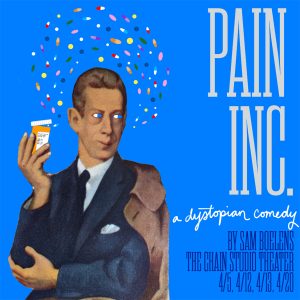
Pain Inc.
Pain Inc. is the story of a dystopian future in which a pill reserved for the rich can be inserted at birth to prevent humans from getting any bad feelings. And now the rich are very, very bored. Warning: may contain metaphor.


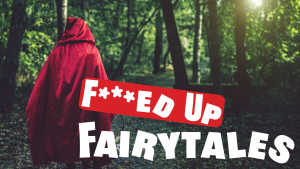
F ed Up Fairytales
The Rising Sun Performance Company are a celebrated, award-winning group of artists who have created a show about fairytales with a twist. Each night, the audience gets to decide the direction of the show. A combination of drink, good company, brilliant improv and clever interaction breathes new life into these old stories. Recommended. 


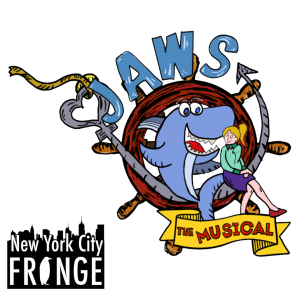
JAWS: the Musical!
People keep trying to make this classic love story happen, and yes, Jaws the Musical is apparently a love story. This high-energy spoof features fast-paced comic lunacy and songs such as “Fishing the Great White Way” and “At Night He Swims Home To Me”.

the Kobold Show!
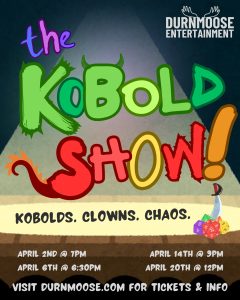
Who doesn’t like Kobolds? Be they little lizard beasties or dog-like creatures (or both)? This dice-powered comedy improv show combines fantasy with silliness. It’s also clown fuelled, apparently, with carbon-neutral clowns, so that is all right.

You can find out more about the venues, other shows and ticket information here.

David Howard Thornton • SCREAMBOAT

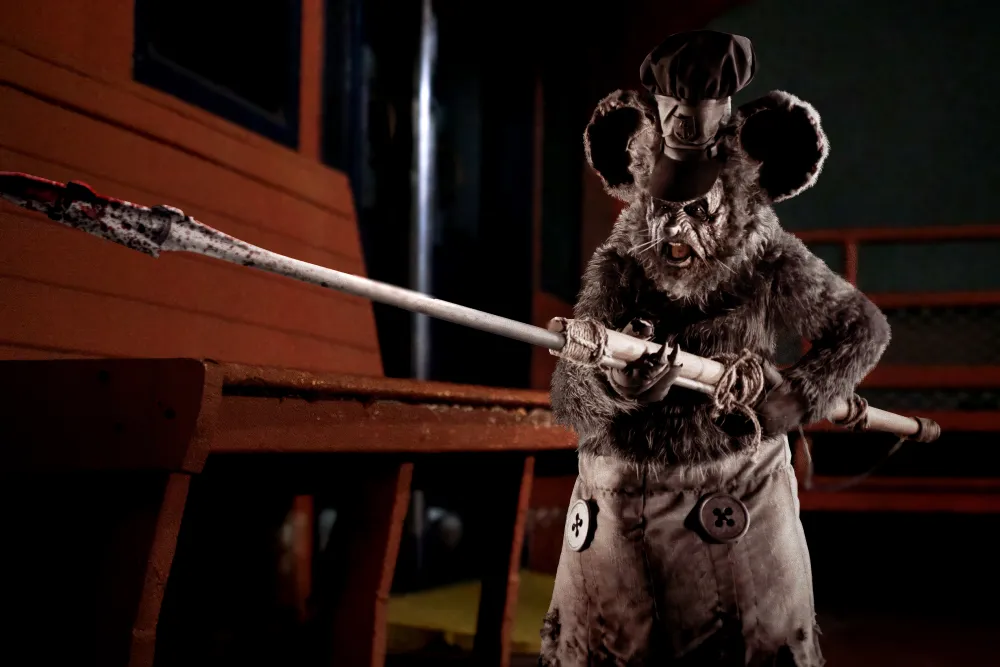
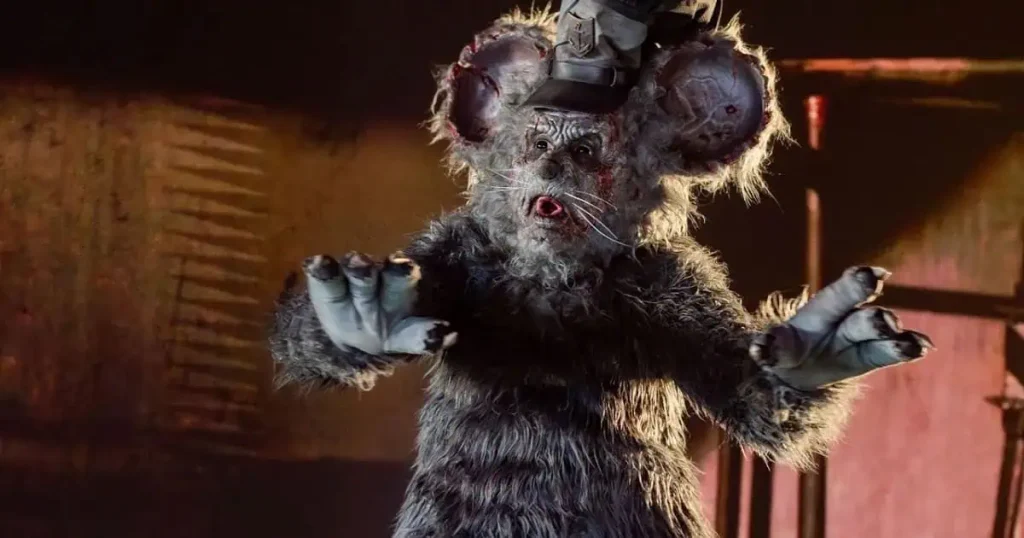
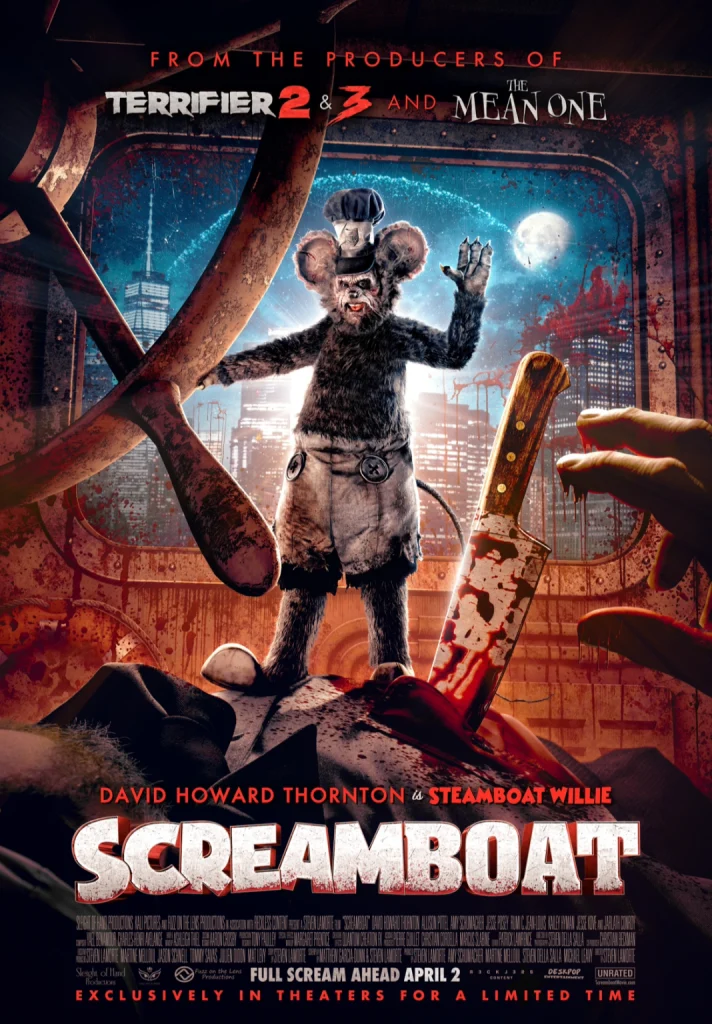
DAVID HOWARD THORNTON has massacred his way through three TERRIFIER movies as the brutal Art the Clown, but his murderous days are far from over! He can now be seen causing havoc as the mischievous mouse who goes on a rampage on a New York City ferry in SCREAMBOAT, based on the now-public domain Disney animation, Steamboat Willie. Thornton joined us recently to tell us all about his latest killing spree…

STARBURST: It looks like you had a blast filming Screamboat!

David Howard Thornton: It was a lot of fun. I’ve worked with a lot of that team before, so it was great to return and work with Steve [LaMorte, director] and Amy [Schumacher, who plays Amber]; I love working with those guys. It’s just like going back to school again… but a fun school! I had a blast doing it, and especially being able to tackle a character like this.

We can imagine that the costume was cumbersome, though…

Yeah, a lot was going on. It didn’t let you breathe very well, it was very hot. But once you’re in the moment, you forget about how uncomfortable you are. You learn to deal with the heat and all that goes along with it, and just have fun with it.

What inspiration did you take on when getting into the role of Screamboat Willie?

First of all, of course, the original animated short. I went back and rewatched it several times just to get the basic gist of the character down. Back then, Willie didn’t really speak, so I focused on his movements. There’s a certain style they had in the old black and white films, where you didn’t have a lot of dialogue, so you had these characters bopping around to the music at all times. That’s what I wanted to add to the character – this peppy, fun nature. And for this version, he had to be feral, like a rat. So I put a little bit of animal in him. For other inspirations, I threw a little bit of Bugs Bunny in there – which is kind of funny when you think about the Disney, Warner Bros rivalry. I threw in a little bit of Chucky and Leprechaun as well, who are both diminutive but very mischievous characters, and have that campiness. Those types of movies that are pure camp! You just lean into the joke and hope the audience understands what you’re trying to do with it.

How does Screamboat Willie differ from other characters you’ve played?

I would say the biggest difference is the size – that changed everything with the kills. I couldn’t throw people around as I do as Art or as Player Two in Stream. That diminutive size changes everything. I’m having to use what looks like huge objects, but to the normal person it’s like a screwdriver, or using a small piece of rebar as a huge sword. I was finding new ways to do fun kills as a three-foot-tall mouse. We focused on forced perspective on set, which was a lot of fun to deal with, but it was definitely different. There were times where I was in the room with an actor, but I was very far away from them, so it made me look tiny, like when I’m sawing off the captain’s head. But I didn’t film with the other actors too much. They filmed everything first, and then I had to act like they were there; they digitally projected everything around me.


When we saw your true size in the film, our jaws dropped! We were bamboozled into thinking you were going to be human height!

It’s such a silly concept when you think about it, and that’s what I loved about it. We just leaned into this preposterous idea that this tiny mouse is going around on a boat and killing people. I love that kind of quirkiness in movies.

I know that you have mime training, but how do you get yourself into the zone of playing these silent characters?

For my whole life, I’ve been watching a lot of silent comedies. I love that style, especially Mr Bean. Rowan Atkinson was a huge, huge inspiration to me. I watched Mr Bean episodes relentlessly, over and over, as a teenager. I always loved that style of acting, those silent, mischievous characters, so it just comes to me naturally.

You’ve recently been cast as the Joker in horror short Jokers Wild, which is a speaking role. Would you want to branch out and try more speaking roles?

Yes, I would love to do more. Though it is nice not having to memorise lines, I will be truthful there! I do love to speak – I am quite the Chatty Cathy in real life – but it just depends on the type of role. Joker is that type of role I would love to play more of, because I love his witticisms. He’s a very witty character, a master wordsmith, I love the monologues he gets. Hopefully someone will give me a chance, specifically James Gunn!

Jokers Wild (2025)

Are there any other stories or characters that you’d like to get involved with?

I know Goofy’s eventually going to become public domain, so that would be a fun one to tackle. And it’s not in the public domain, but I would love to reboot The Mask. I would love to do those old comics, like the original Dark Horse Comics, where they were violent, gory, and over the top. The Mask would actually lend itself very well to a TV series, because different people take on the mask over the course of the comics, so you have different versions of that character. You have the villainous version, the murderous version, the heroic version, and I think that would be a lot of fun to do.

There’s a lot of similarity in your physical performance to Jim Carrey in The Mask, so that sounds like it would be a home run of a role for you!

Oh, thank you. Also, I always like to put this out there, because I know there’s probably gonna be another few seasons before they get to the characters, but I am a big One Piece fan and I would absolutely love to play Brook or Caesar Clown. Maybe one day I could get cast in it. Who knows!

Is there anyone you’d love to work with, alive or dead? That dream collaboration.

Oh, definitely one of my inspirations, Robin Williams. I think he would have been an amazing person to work with and learn from. I like to work with actors I can learn from and build my skillset from. That’s what was wonderful when I toured with How the Grinch Stole Christmas: The Musical. I was Stefan Karl’s understudy as the Grinch, and that was a masterclass in physical comedy for me. I wish he was still with us, because I would love to work with Stefan again. I would love to work with Doug Jones; that would be so much fun as well. There’s a lot of great people out there!

SCREAMBOAT WILLIE will open in selected cinemas on April 2nd in the US and April 4th in the UK, with a digital release coming soon.

THE TELEPHEMERA YEARS: 1972, part 1

Ghost Story, 1972-73

Ah, telephemera… those shows whose stay with us was tantalisingly brief, snatched away before their time, and sometimes with good cause. They hit the schedules alongside established shows, hoping for a long run, but it’s not always to be, and for every Street Hawk there’s two Manimals. But here at STARBURST we celebrate their existence and mourn their departure, drilling down into the new season’s entertainment with equal opportunities square eyes… these are The Telephemera Years!

1972-73

The 1972 season would turn out to be a disastrous one for ABC, with no shows in the top twelve, which was evenly shared between CBS and NBC. Marcus Welby, MD – which had been the number three show of the 1971-72 season – was their highest placing show, with their next best effort coming in at number seventeen. ABC did have two promising new shows making their bow in Kung Fu and The Streets of San Francisco, but it would be another few years before the Alphabet Network could hold its own in the race for ratings. The sitcom still ruled the roost, with All in the Family, and The Mary Tyler Moore Show all doing good business for CBS, alongside new arrivals Maude and Bridget Loves Bernie (which would end up having just a single season despite good ratings due to threat from the Jewish Defense League over its inter-faith couple).

For NBC, Sanford and Son was a strong number two to Archie Bunker in the ratings, while The NBC Sunday Mystery Movie – a “wheel” show with four rotating features – gave audiences another taste of Columbo, McCloud, and McMillan & Wife, alongside less popular newcomer Hec Ramsey. Other new arrivals included The Bob Newhart Show, M*A*S*H, and The Waltons, with Bonanza, Mission: Impossible, The Mod Squad, and Rowan and Martin’s Laugh-In all entering their final seasons. Those were all shows that people remember, though: what about those that didn’t make such an impact? This is the story of five of the 1972-73 season’s misses…

The NBC Wednesday Mystery Movie: Banacek (NBC): The NBC Mystery Movie launched in September 1971 as a “wheel” show with three rotating features. Two of them had been launched previously, with Peter Falk appearing as Columbo in two pilot movies shown in February 1968 and March 1971, and McCloud launching with a pilot and a six-part series in 1970, but the third spoke – McMillan and Wife – was all new. The show was a success, with over thirty million viewers and was moved to Sunday nights, where it added a couple of million more on a more competitive night. The move left a gap in the Wednesday night schedule, though, and what better to fill it with than more of the same? Thus, the renamed NBC Sunday Mystery Movie was joined by The NBC Wednesday Mystery Movie from September 13th 1972 and an all-new wheel show needed all new features.

Initially, the show launched with just two: Banacek and Madigan. Banacek had debuted in a pilot show as a TV movie in March 1972 and starred George Peppard as Thomas Banacek, a Polish American private detective which a knack for solving seemingly impossible thefts for an insurance company. Peppard hot shot to fame as Paul Varjak opposite Audrey Hpeburn’s Holly Golightly in Breakfast at Tiffany’s in 1961, dubbed the next big thing and subsequently appearing in How the West Was Won, The Carpetbaggers, The Blue Max and other smash hits. A five-picture deal signed with Universal in 1967 was less fruitful and by 1970 he was beginning to become frustrated with the lack of goods scripts he was offered. Turning to television instead, he agreed to star in Banacek but first had to undergo a trial for rape, a charge he was acquitted of in February 1972.

Banacek was created by Anthony Wilson, who wrote for shows including Combat, The Fugitive, and Land of the Giants, before co-creating Cade’s County, a Western/crime drama starring Glenn Ford that ran for one season on CBS in 1971. Banacek gave Peppard the chance to play the hero after a decade of steely-eyed villains, quipping with his driver/assistant Drury (Ralph Manza) and always with an apposite Polish proverb at the ready. Other regular cast members included insurance company boss Cavanagh (played by George Murdock), bookseller and regular source of information Felix Mulholland (Murray Matheson), and Christine Belford as Carlie Kirkland, Banacek’s sometime rival and love interest.
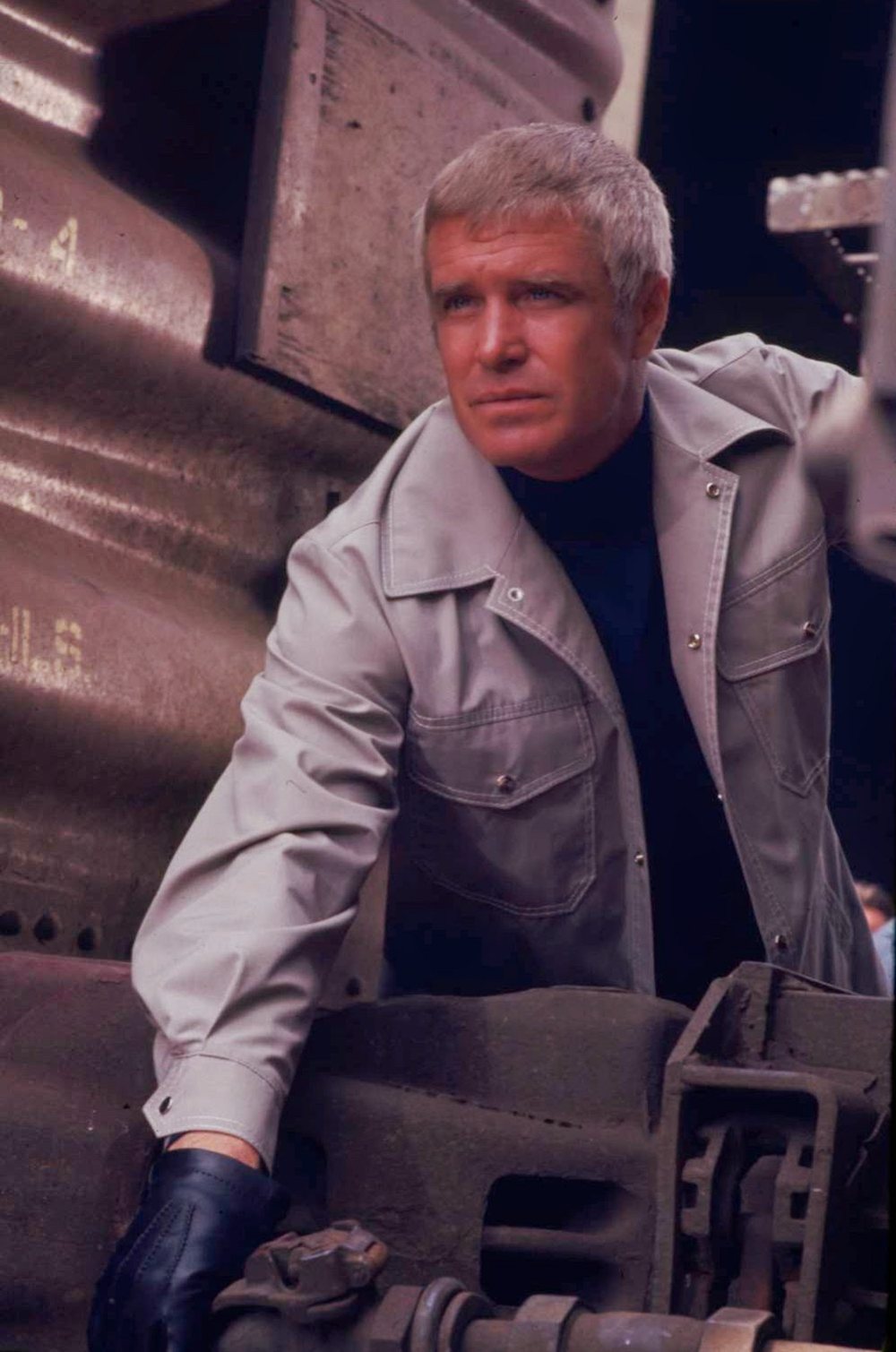
The NBC Wednesday Mystery Movie, 1972-73

One of Wilson’s main influences in creating Banacek was The Thomas Crown Affair, a 1968 Steve McQueen flick that saw Faye Dunaway play a game of cat and mouse with Steve McQueen’s titular thief after being hired by the insurance company of the bank he robbed. Like the film, Banacek was set in Boston (although location filming took place in Los Angeles) and exterior shots of Banacek’s house used the Second Harrison Gray Otis House in the city, also used for Thomas Crown’s house in the movie, when the budget did stretch to some Boston location filming.

Madigan, meanwhile, was a pipe-smoking veteran New York policeman, whose crime-solving remit often involves trips to Europe in pursuit of clues and criminals. Richard Widmark had first played Dan Madigan in a 1968 theatrical feature of the same name, directed by Don Siegel (who would go on to make Dirty Harry), and signed on for his first regular TV role having been nominated for an Emmy for his performance in a TV movie – Vanished! – a year earlier. No mention was made of the character having died at the end of the movie.
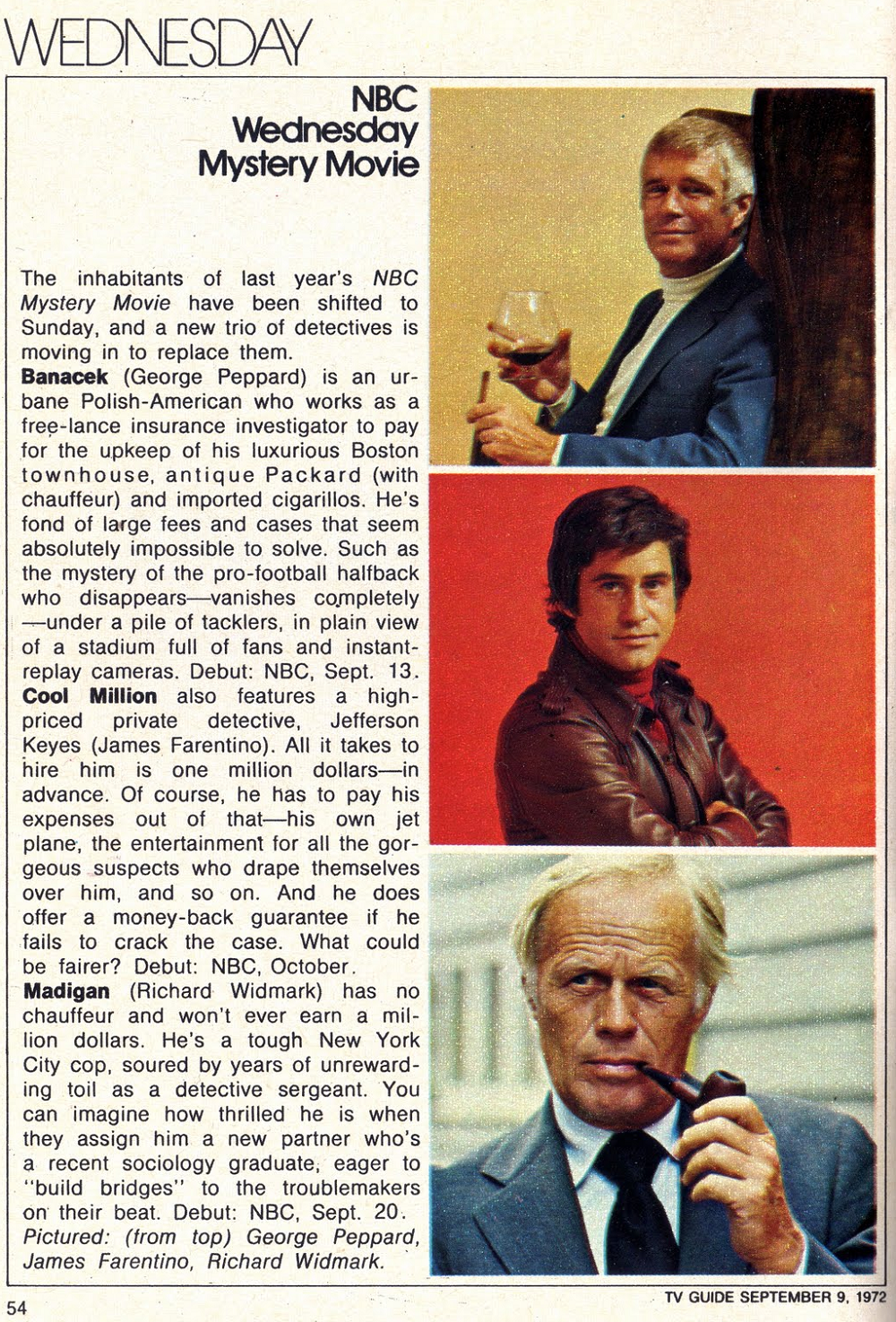
The NBC Wednesday Mystery Movie, 1972-73

After eight weeks, the pair were joined by Cool Million, another private detective show, this time created by Larry Cohen. Jefferson Kayes, the protagonist of Cool Million, was also a private detective, but that’s where the similarities with Banacek ended. Jefferson Kayes – played by James Farentino in his first title role – was an ex-CIA man who offered his services to anyone who could afford his $1 million fee, which gave the show its name. With receptionist Elena (Adele Mara) the only other regularly recurring character, Cool Million relied on guest stars such as Barbara Bouchet, Wilfrid Hyde-White, and Ray Milland, and producer Roy Huggins also leaned heavily on talented directors he’d worked with on shows such as Alias Smith and Jones, The Bold Ones, and The Outsider to bring a stylish edge to matters.

Going up against the ABC Wednesday Movie of the Week, The NBC Wednesday Mystery Movie was less effective than its predecessor. Cool Million bowed out at Christmas after just five cases for Jefferson Kayes, with Madigan going just one further, even if he did get to visit Lisbon, London, and Naples during his short tenure as a globehopper. Banacek was the most popular of the three, its eight episodes rating above its companion shows, and that saw it given a second chance when The NBC Wednesday Mystery Movie returned in September 1973, this time accompanied by two new features in the shape of Faraday & Company and Tenafly. Ratings were still nowhere near what NBC would have liked, and even a switch to Tuesday nights – with a subsequent name change to The NBC Tuesday Mystery Movie – in January 1974 didn’t help things. By the end, Banacek was just one of two features, alongside The Snoop Sisters which had arrived in late December 1973, with the other two having been jettisoned when the showcase switched days.

Taken in isolation, Banacek received good reviews and the ratings for its episode were considerably higher than any of the others in the NBC Wednesday Mystery Movie slot. As such, NBC greenlit the show for a third season, although the midweek wheel show was axed and it’s probable that Banacek would have been added to the successful Sunday trio, which would be expanded to four features in September 1974. However, before production could begin, Peppard walked away to prevent his ex-wife Elizabeth Ashley receiving more of his earnings during their divorce settlement and took a year off acting before returning in Doctor’s Hospital n September 1975.

Love Thy Neighbour (ABC): Vince Powell and Harry Driver got their start writing material for comedian Harry Worth in 1960. Worth’s BBC show – Here’s Harry – ran for five years and during that time the pair also wrote for ITV soap Coronation Street and its sitcom spin-off Pardon the Expression, which starred Arthur Lowe. It was at ITV that they entered a purple patch, creating George and the Dragon for Sid James and Peggy Mount, mismatched rag-trade comedy Never Mind the Quality, Feel the Width, and the long-running Nearest and Dearest and Bless This House, a résumé to match that of Clement and La Frenais, Galton and Simpson, or Croft and Perry.

In April 1972, a new Powell and Driver show debuted on ITV based around a white, working-class couple in the London suburbs faced with the then very modern dilemma of black people moving in next door. Love Thy Neighbour starred Jack Smethurst and Rudolph Walker as the warring husbands, while wives Kate Williams and Nina Baden-Semper get on well. Almost immediately, the show attracted criticism for its clumsy handling of the race divide, although the insults and ignorant statements uttered by Smethurst’s Eddie were often met with derision from his wife or shown to be completely overblown.
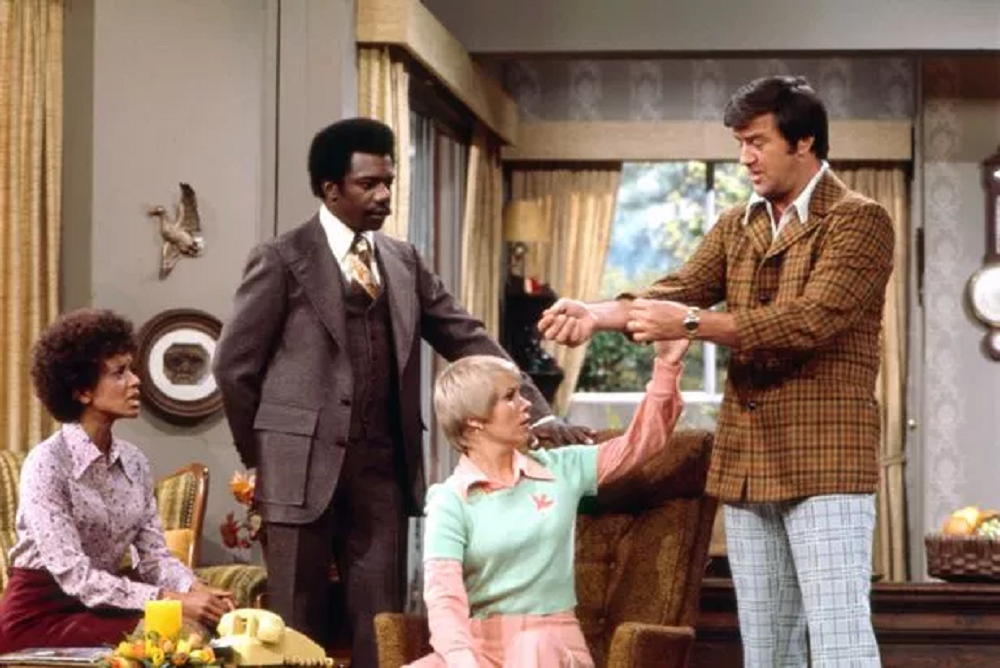
Love Thy Neighbor, 1972-73

Despite the controversy, Love Thy Neighbour was hugely successful and ran for eight seasons (and a big screen movie adventure), followed three years after it ended by a spin-off, also called Love Thy Neighbour, which saw Eddie relocate to Australia. Surprisingly, the racism was toned down for its down under translation, something that was also done for an earlier attempt to take the show international. Debuting in June 1973 as Summer replacement for The Odd Couple, Love Thy Neighbor was ABC’s latest attempt to translate a successful British show for American audiences in search of an All in the Family-sized hit. Thicker Than Water – an adaptation of Powell and Driver’s Nearest and Dearest with Julie Harris and Richard Long in the Hylda Baker and Jimmy Jewel roles – had premiered on ABC two days, the network having tried out A Touch of Grace (For the Love of Ada) in January.

Adapted by veteran TV writer Arthur Julian, Love Thy Neighbor saw redneck Charlie Wilson (Ron Masak) and his lovely wife Peggy (Joyce Bulifant) meet new neighbors Ferguson and Jackie, played by Harrison Page and Janet MacLachlan. Hilarity ensues because Ferugson and Jackie are black and Charlie is bigoted. Ferguson is also quick to blame race for his misfortunes and – gasp – is also a Republican. After six episodes, Thicker Than Water was cancelled and Love Thy Neighbor was moved to Wednesdays, lasting for another six episodes before the 1973-74 season started in earnest. With ratings low even for a Summer replacement, it did not return for another outing, but that didn’t stop ABC trying again a few years later with On the Rocks (Porridge) and The Rear Guard (Dad’s Army) before finally hitting big with Three’s Company, an adaptation of Man About the House in 1977.

Ghost Story (NBC): If William Castle had his way, he would be forever remembered as the director of Rosemary’s Baby, one of the greatest psychological horror movies of all time. In 1967, before it was even published, he’d obtained the rights to Ira Levin’s novel – which went on to be the highest selling horror novel of the 1960s, with over four million copies sold – and secured a deal with Paramount Pictures. However, the studio insisted that he only produce, hiring noted sex criminal Roman Polanski in his place, and although the movie made Castle rich, he would forever be remembered as the king of the gimmick.

Ah, yes, those gimmicks! Working as an independent filmmaker, Castle produced some of the most sensational thrills to ever hit American theatres. Accompanied by such gimmicks as Emergovision, Perceptovision, and Illusion-O, Castle sold the likes of The House on Haunted Hill, The Tingler, and 13 Ghosts to an America yearning for more than their traditional movie fix. All good things come to an end, though, and by the 1970s the gimmicks were played out. After 1968’s Project X and the Rosemary’s baby disappointment, Castle directed just one more movie, 1974’s Shanks, also writing and producing Bug for Jeannot Szwarc. He died in 1977 having suffered a heart attack but is remembered by directors John Waters and Robert Zemeckis (who has remade two of Castle’s films and calls him his favourite director), as well as being immortalised on the screen in 1993’s Matinee, where John Goodman’s character was based on him.

At first glance, Castle’s work in television was minimal. He directed several shows between 1956 and 1958, also working as a producer on The Adventures of McGraw and Men of Annapolis, but soon returned to his first love, the cinema. Apart from, that is, 1972’s Ghost Story

Ghost Story, 1972-73

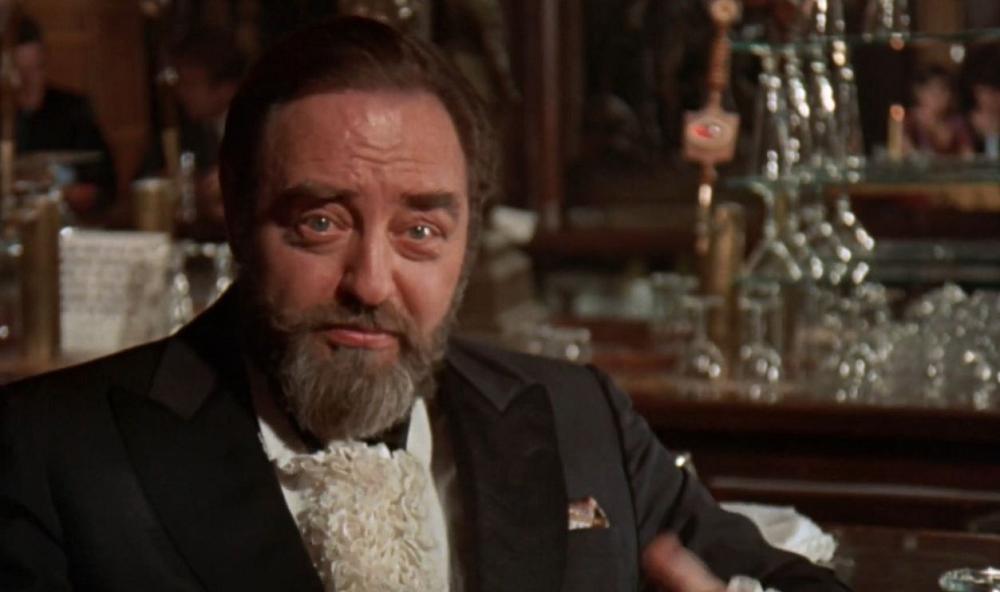
Hearing that NBC were looking for an anthology series along the lines of The Twilight Zone and Night Gallery, the latter of which was pulling in good numbers in the youth demographic, Castle pitched them a show. Dealing exclusively in the supernatural, each episode of Ghost Story would be hosted by British actor Sebastian Cabot (Giles French in Family Affair) as Winston Essex, the owner of the haunted Mansfield House hotel. Essex would introduce the evening’s story and return for a closing monologue, imparting some wisdom or warning based on what we’d just seen, all filmed at the supposedly haunted Hotel del Coronado near San Diego, California.

A pilot – “The New House,” starring David Birney and Barbara Parkins as a couple who buy a house built on the site where an innocent woman was hanged, only for the woman’s spirit to gradually possess their baby – aired on March 17th 1972 and did well enough that NBC greenlit a series to debut as part of their Fall 1972 line-up. Castle was given an executive producer credit, with day-to-day control in the hands of Joel Rogosin, a veteran of such shows as Surfside 6, The Virginian and Longstreet. Rogosin assembled a team of writers that included Hammer regular Jimmy Sangster, Psycho’s Robert Bloch, I Am Legend‘s Richard Matheson (who penned the pilot and provided the story for another episode), and the Star Trek team of Harlan Ellison and DC Fontana. Directors including Richard Donner, Leo Penn, and Paul Stanley, TV veterans all but bringing a very cinematic feel to the show.
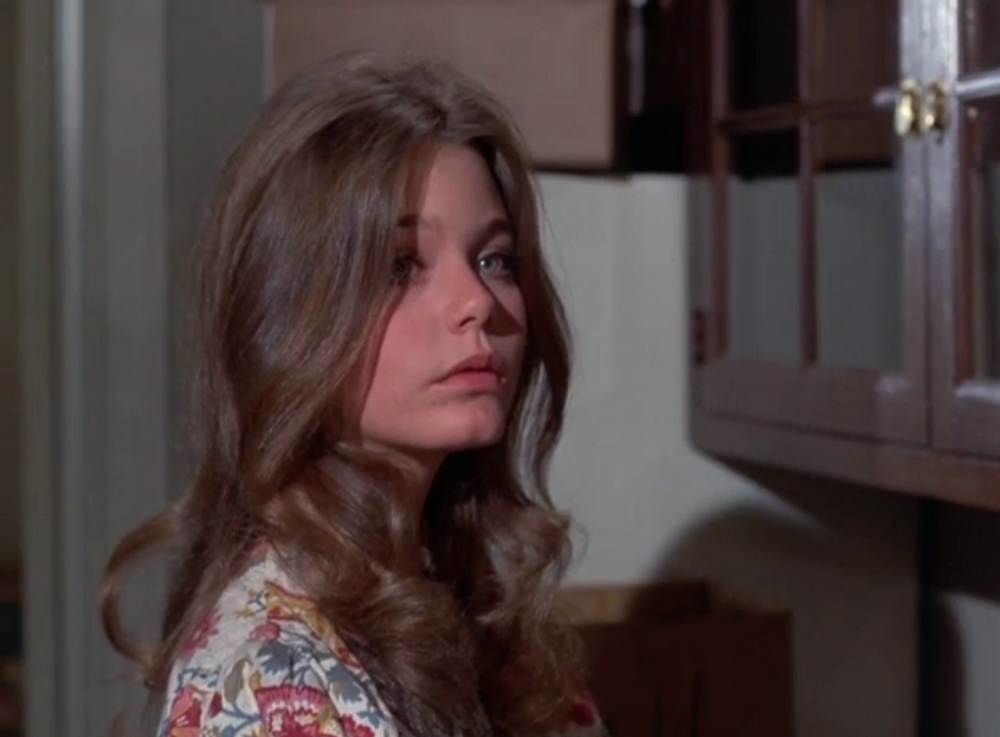
Circle of Fear, 1972-73

Ghost Story premiered at 9pm on September 15th 1972, part of a new look Friday night line-up led off by uber-popular UK transfer Sanford and Son, and also including fellow new arrivals The Little People and Banyon. Ahead of its debut, a tie-in record album featuring a children’s ghost story and branded with the Ghost Story logo was released on Peter Pan Records. The opening few episodes featured stories that involved prophetic television sets, the ghost of a sea captain, a possessed vacation home, and an evil doppelgänger, and they struck a consistent tone, intended to scare and chill where Night Gallery could be whimsical at times. Cabot aside, the anthology format afforded plenty of guest stars, with Birney and Parkins joined by Karen Black, Angie Dickinson, Doug McClure, Jason Robards, Gena Rowlands, Stella Stevens, Rip Torn, and a young Jodie Foster as the series wound through its first thirteen episodes.

Ratings, though, were less than NBC had hoped for, especially as The CBS Friday Night Movies and Room 222 on ABC – which also aired at 9pm – were beating it week after week. With a break coming up for Christmas, the show was renamed and retooled, with Cabot given the elbow as Circle of Fear would have no opening and closing monologues. Other than that, it was business as usual, with stories by Ellison, Fontana, and Sangster (as well as Bill S Ballinger, The Sixth Sense co-creator Anthony Lawrence, and Tales of Tomorrow’s Mann Rubin) putting the likes of John Astin, Susan Dey, Patty Duke, Leif Garrett, Janet Leigh, Martin Sheen, and David Soul in peril. Supernatural shenanigans included curses, potions, witches, and a door to a mysterious forest, as well as a heap more hauntings, but the changes did little to improve Circle of Fear’s ratings, which remained beneath the threshold for renewal, albeit at the higher end.

After a combined twenty episodes, the show was put on hiatus while a decision was made over its future, returning a month later to air the final two episodes once it had been decided to let it go quietly into the night. Ironically, it would be joined by Night Gallery, which had been retooled for its third season in September 1972 and subsequently lost a third of its ratings. As time has worn on, both shows have picked up new fans, especially after Sony made the complete run of Ghost Story and Circle of Fear available as a manufacture on demand DVD in 2012. William Castle’s legacy remains his gimmick-filled schlock horrors of the 1950s and 1960s, but there’s also significant affection for the anthology show that he sparked into life.

Anna and the King (CBS): Based on Margaret Landon’s 1944 novel Anna and the King of Siam, The King and I premiered on Broadway in March 1951 and ran for three years, the fourth longest-running Broadway musical of all time. With songs from Richard Rodgers and Oscar Hammerstein (who already had Oklahoma!, Carousel, and South Pacific under their belts), the musical made a star of Yul Brynner, although he was only the pair’s second choice behind Rex Harrison, who had played the King in an earlier, non-musical adaptation of Landon’s novel. Hammerstein also wrote the “book,” as a musical’s script is known, adapting Landon’s story of a governess who falls in love with the King of Siam (now known as Thailand), although their positions mean their love can never manifest.

The Broadway show led to a 1956 film, again with Brynner in the starring role but with Deborah Kerr ins place of Gertrude Lawrence. The movie, replete with Rodgers and Hammerstein’s songs, was the fifth highest grossing film of 1956 and earned Brynner an Academy Award for Best Actor, one of five in total. Brynner was propelled to movie stardom, but for every hit – The Ten Commandments, The Brother Karamazov, The Magnificent Seven – there was a miss, with The Journey, The Sound and the Fury, and Taras Bulba all losing money. By the 1970s, he was reduced to making Spaghetti Westerns and supporting Kirk Douglas in The Light at the Edge of the World, but his most famous role was about to return.
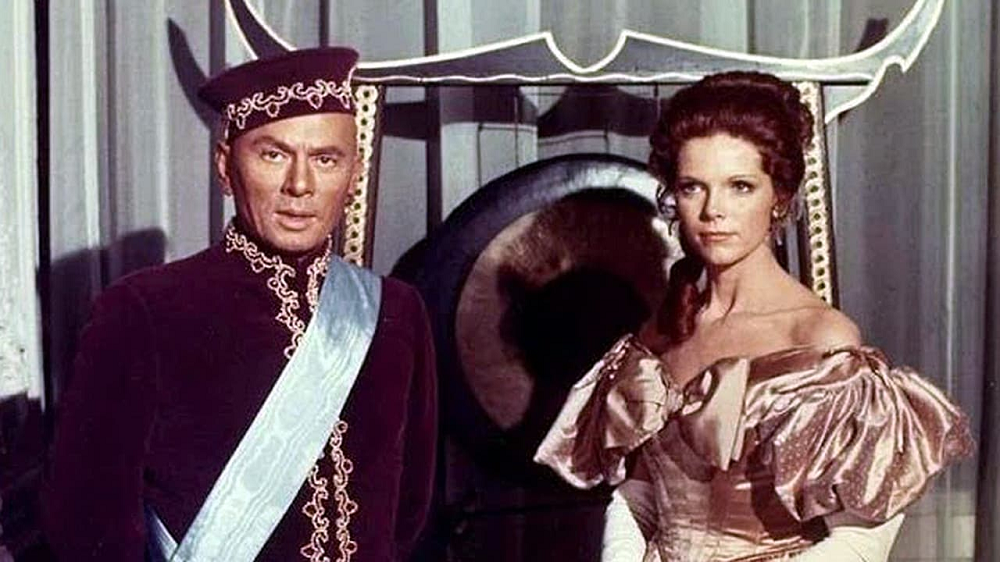
Anna and the King, 1972-73

Bill Idelson and Harvey Miller had produced Love, American Style for ABC, having crossed paths while scripting The Andy Griffiths Show spin-off Gomer Pyle, USMC. Working on that unconventional comedy anthology sowed a seed of an idea for a TV version of the famous old musical, but this time they were going to make Anna someone the audience could identify with, an all-American girl, although the setting remained the Siam of 1862. Curiously, then, Idelson and Miller cast Samantha Eggar – a British actress who received an Oscar nomination for her breakout role in The Collector before starring opposite Harrison in Dr Doolittle – in the role, her accent explained away by coming from Boston. Opposite her, as the King, was Brynner, clearly enjoying himself in a low-pressure environment (as he had in outrageous cop flick Fuzz earlier that year, and uncredited in drag in Peter Sellers’s The Magic Christian).

There was just one problem: the show did not have access to Rodgers and Hammerstein’s original score, songs such as Shall We Dance? And Getting to Know You, and the audience’s familiarity with the source material – or at least the 1956 film version of it – left little room for innovation, although Landon felt it moved sufficiently away from her original story to launch a lawsuit for copyright infringement. Viewers stayed away – the show was CBS’s lowest rating of any they aired that season – and the axe fell after just thirteen episodes, ironically freeing up Brynner to make Westworld, one of his career-defining roles.

Search (NBC): Airing on February 21st 1972 as part of NBC Monday Night at the Movies, Probe starred The Legend of Wyatt Earp‘s Hugh O’Brian as Hugh Lockwood, a private eye working for the high-tech World Securities Corp organisation. Designated Probe One, Lockwood was outfitted with cybernetic implants which allowed the team at Probe Control to monitor and supply him with information he might need to complete his mission. At the behest of VCR Cameron, Probe’s director of operations (played by Burgess Meredith), Lockwood is sent on a mission to find a cache of gems looted by Hermann Goering during World War II, accompanied by gemstone expert Harold Streeter (an underused John Gielgud).

With a cast that also included Alfred Ryder, Lila Skalia, and Elke Sommer, Probe was enough of a success that NBC ordered a series, retaining Lockwood, Meredith, and Playboy model Angel Tompkins from the pilot. They were forced into a change of title to Search because Probe was already being used for a show on PBS hosted by Albert Burke, but Lockwood’s designation as Probe One remained. Creator Leslie Stevens began his career writing for anthology shows in the mid-1950s, contributing to the likes of Kraft Television Theatre and Playhouse 90 before creating two shows for ABC – Stoney Burke in 1962 and The Outer Limits (originally titled Please Stand By) in 1963. Although he was uncredited at the time, The Outer Limits earned the writer enough influence to direct his first feature, 1966’s Incubus, which starred William Shatner and was filmed entirely in Esperanto, an artificial language created in 1887 by LL Zamenhof.
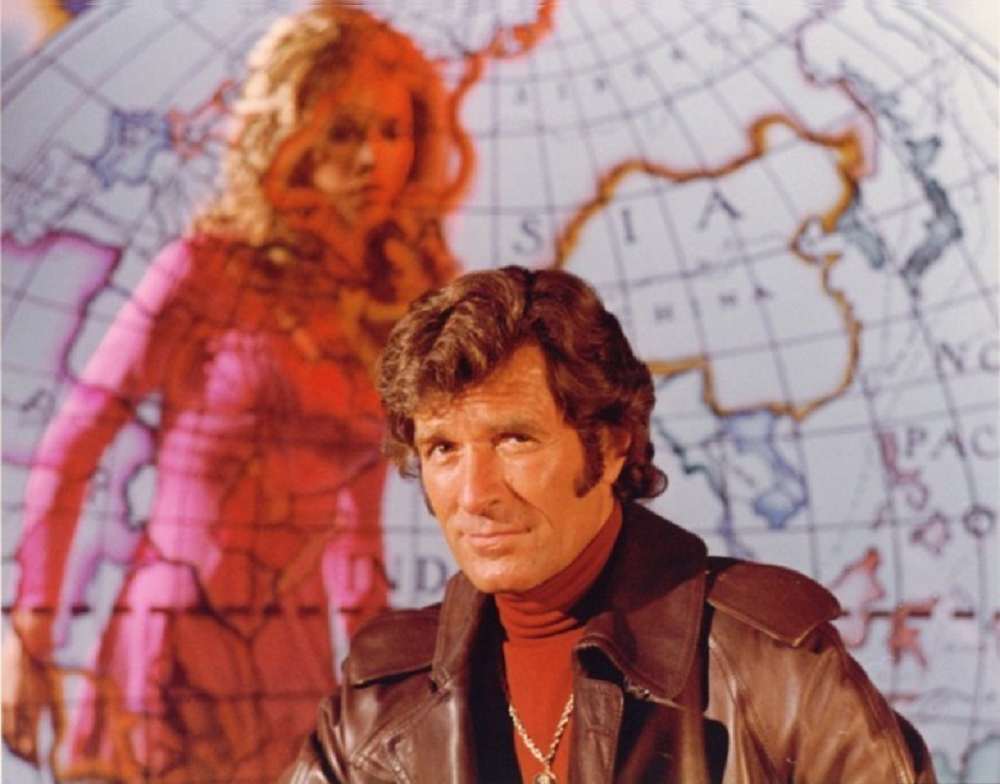
Search, 1972-73

Search was given the anchor slot on NBC’s Wednesday night drama line-up that also included Adam-12 and The NBC Wednesday Mystery Movie. The series brought additions to the cast, including Tom Hallick as Meredith’s number two, The Virginian‘s Doug McClure as “back-up” Probe CR Grover and Tony Franciosa (who’d worked with Stevens on the first season of The Name of the Game) as Nick Bianco, head of Probe Control’s Omega Division, which dealt with organised crime. Each episode would feature one of the three on assignment, cases including the mysterious disappearance of an official from the State Department, a coup with an organised crime family (and the death of the Probe originally assigned to the case), and a scientist from the Eastern Bloc who wants to defect.

Beginning on September 13th 1972, the twenty-two-episode series saw plenty of guest stars appear, including Bill Bixby, Sebastian Cabot, Rhonda Flemming, and Stephanie Powers, and there was an early turn for Cheryl Ladd – credited as Chery Stoppelmoor (and you can see why she changed that) as Probe technician Amy Love in three episodes. The final episode – a CR Grover adventure – aired on April 11th 1973 but the ratings just weren’t strong enough to warrant renewal. Stevens, though, continued to work in television, allegedly writing the original script for Battlestar Galactica and coining the term “bottle episode.” He would also contribute to the reboot of The Outer Limits in 1996.

Next time on The Telephemera Years: More of 1972’s less successful affairs, including MEN!

Check out our other Telephemera articles:

The Telephemera Years: pre-1965 (part 1, 2, 3, 4)

The Telephemera Years: 1965 (part 1, 2, 3, 4)

The Telephemera Years: 1966 (part 1, 2, 3, 4)

The Telephemera Years: 1967 (part 1, 2, 3, 4)

The Telephemera Years: 1968 (part 1, 2, 3, 4)

The Telephemera Years: 1969 (part 1, 2, 3, 4)

The Telephemera Years: 1970 (part 1, 2, 3, 4)

The Telephemera Years: 1971 (part 1, 2, 3, 4)

The Telephemera Years: 1973 (part 1, 2, 3, 4)

The Telephemera Years: 1974 (part 1, 2, 3, 4, 5)

The Telephemera Years: 1975 (part 1, 2, 3, 4)

The Telephemera Years: 1976 (part 1, 2, 3, 4)

The Telephemera Years: 1977 (part 1, 2, 3, 4)

The Telephemera Years: 1978 (part 1, 2, 3, 4)

The Telephemera Years: 1979 (part 1, 2, 3, 4, 5, 6)

The Telephemera Years: 1980 (part 12, 3, 4)

The Telephemera Years: 1981 (part 1, 2, 3, 4)

The Telephemera Years: 1982 (part 1, 2, 3, 4)

The Telephemera Years: 1983 (part 1, 2, 3, 4)

The Telephemera Years: 1984 (part 1, 2, 3, 4)

The Telephemera years: 1985 (part 1, 2, 3, 4)

The Telephemera Years: 1986 (part 1, 2, 3, 4)

The Telephemera Years: 1987 (part 1, 2, 3, 4)

The Telephemera Years: 1988 (part 1, 2, 3, 4, 5)

The Telephemera Years: 1989 (part 1, 2, 3, 4)

The Telephemera Years: 1990 (part 1, 2, 3, 4)

The Telephemera Years: 1991 (part 1, 2, 3, 4)

The Telephemera Years: 1992 (part 1, 2, 3, 4)

The Telephemera Years: 1994 (part 1, 2, 3, 4)

The Telephemera Years: 1995 (part 12, 3, 4)

The Telephemera Years: 1996 (part 1, 2, 3, 4)

The Telephemera Years: 1997 (part 1, 2, 3, 4)

The Telephemera Years: 1998 (part 1, 2, 3, 4)

The Telephemera Years: 1999 (part 1, 2, 3, 4)

The Telephemera Years: 2000 (part 1, 2, 3, 4)

The Telephemera Years: 2001 (part 1, 2, 3, 4)

The Telephemera Years: 2002 (part 1, 2, 3, 4)

The Telephemera Years: 2003 (part 1, 2, 3, 4)

The Telephemera Years: 2005 (part 1, 2, 3, 4)

The Telephemera Years: 2006 (part 1, 2, 3, 4)

The Telephemera Years: 2007 (part 1, 2, 3, 4)

The Telephemera Years: 2008 (part 1, 23, 4)

The Telephemera Years: O Canada! (part 1, 2, 3, 4)

Titans of Telephemera: Irwin Allen

Titans of Telephemera: Stephen J Cannell (part 1, 2, 3, 4)

Titans of Telephemera: DIC (part 1, 2)

Titans of Telephemera: Filmation (part 1, 2)

Titans of Telephemera: Hanna-Barbera (part 1, 2, 3, 4, 5)

Titans of Telephemera: Kenneth Johnson

Titans of Telephemera: Sid & Marty Krofft

Titans of Telephemera: Glen A Larson (part 1, 2, 3, 4)

Titans of Telephemera: Quinn Martin (part 1, 2)

Titans of Telephemera: Rankin/Bass

Titans of Telephemera: Ruby-Spears

Titans of Telephemera: Aaron Spelling (part 1, 2, 3, 4)

Titans of Telephemera: Sunbow

Adrian Munsey • WONDERLAND: SCIENCE FICTION IN THE ATOMIC AGE

Sky Art’s documentary-style series Wonderland returns to TV on the 3rd of April, with  Science Fiction In The Atomic Age.  The show features some incredible experts in the field including John Clute, Professor Farah Mendlesohn, multi-award winning Tade Thompson, and Professor Mark Bould.  The show is written, narrated, produced and directed by Adrian Munsey, who we caught up with to find out a bit more about the show.

Has science fiction changed that much over the last 80 years?

It certainly has. Recently ideas about climate disaster, dystopia and the sense of an ending have come to the fore.


Have events like Worldcon and San Diego Comic Con really influenced the history of Science Fiction?

Incredibly influential, though as an outside observer I am not what you could call an insider.


What has been the greatest shift in the history of sci-fi?

For me it would be questions about what is outside and what is inside.


If I knew nothing about science fiction, what is the most important thing I would learn from this show?

The scale of human imagination and the various and differing ways it is expressed.


Does Science Fiction really predict the future, or is there just so much of it that some of it is bound to stick?

Definitely in so many ways – but I don’t want to give away the themes of the series!  Though I would add that it may get things wrong as well.


What is the funniest moment in the show?

When we quote HG Wells’s epitaph – “I told you so – you fools!”


What can you tell us about your next forthcoming project?

It will either be about Partition in the Modern world or something called Does It Have to Be Like This?or perhaps something on Crime Fiction.

Episode One, Mary Shelley To Issac Asimov airs on Sky Arts . You can find out more about the channel here.

Milanka Brooks • Black Mirror – USS Callister: Into Infinity

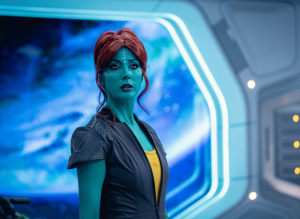
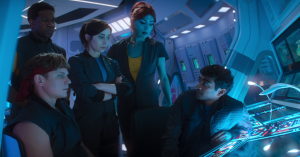
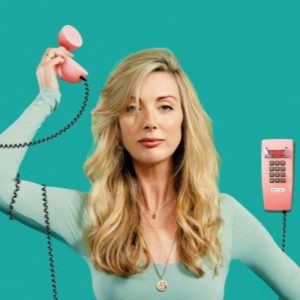
Milanka Brooks is an English actress known for her work on movies such as Do Not Disturb and Gun Shy, audio dramas such as Doctor Who: The Ninth Doctor Adventures and TV shows such as Boy Meets Girl and Black Mirror. Milanka has reprised her role as Elena Tulaska in Black Mirror’s first ever sequel episode, USS Callister: Into Infinity. We caught up with her to find out more.

Why do you think Black Mirror fans were so keen to see USS Callister again?

Black Mirror is full of dark, twisted, and often devastating stories, but USS Callister gave audiences a rare glimmer of hope because, thanks to our new Captain Nanette Cole, we escaped, and we survived! Well, some of us… That’s a pretty rare thing to happen in the world of Black Mirror. The question then becomes if we’ll truly find freedom after breaking through Daly’s firewall, or, as we enter this massive multiplayer universe, have we instead entered a new nightmare? Also, the first episode tapped into so many big topics like gaming, VR, power dynamics and genetic engineering. Those themes are still hugely relevant today. So, I would say the social relevance, the genius writing and the thrill of seeing how these characters will cope in Infinity the game created the drive for USS Callister II.


What are the challenges in playing a blue-skinned alien?

Well for starters, needing to look like I’ve hardly aged, but it’s been seven years in reality, was quite the challenge! But I have to say, when you’re covered in blue makeup it hides a lot of wear and tear pretty well. The makeup process has always been one of my favourite parts of the job. The incredibly talented makeup department were not only seamless at creating Tulaska’s look day after day, but they did it with such grace and humour that my early mornings were always a joy. Even when it rained. The runners would help a little more than usual on those days, because I can’t hold anything with my hands being blue. That includes umbrellas, cutlery and cold water bottles. The list goes on. It really does take a village! Once I made it to set each day, I found that inhabiting Tulaska once more came a little too naturally. I may not be quite as unimpressed by things in real life, but that feeling forever sits somewhere inside of me ready to come out as soon as I’m back on the ship dressed for a space rave.

What’s your favourite gag from the show?

I don’t think I can say without entering spoiler territory! Let’s just say there’s a brilliant mix of tension, absurdity, and someone getting completely humiliated, which Charlie Brooker writes so brilliantly.

Why has science fiction and fantasy become so popular again?

Sci-fi and fantasy just reflect the world we live in. These days reality feels stranger than fiction, so genres like these give us a way to explore bigger issues. They create thrilling and fun stories for audiences. And let’s be honest, who doesn’t love a good spaceship battle or a wizard?

If you could do Doctor Who (again), what would you want play?

Someone delightfully evil. Villains always have the most fun. Or maybe a Time Lord who’s been living off-grid for a while and then comes back to see what’s happened to the world since she’s been gone. Possibly the state of the world she returns to makes her become villainous, simply for survival.

Has AI ruined science fiction?

I believe AI has made science fiction more relevant. The scary part is how quickly sci-fi ideas are becoming reality. Sci-fi has always been about human stories and human connection. Real emotion is pretty hard to replicate.

Is the current news cycle a boon or a nightmare for satirists?

I would say it’s a bit of both. The news is so far-fetched oftentimes that satire almost writes itself. Reality trumps fiction. So, I guess it can be hard to parody something that already feels like a Black Mirror episode.

Are you coming to the Edinburgh Fringe again?  What bits of it are you looking forward to?

I would love to! There’s truly nowhere like it. An entire city taken over by such a wide range of artists and audiences, all coming together to listen to and share their stories. The mix of seeing friends’ shows, discovering something totally unexpected, and just surviving the madness is what makes it special. Once I’m over the exhaustion and adrenaline from last year (it takes a while, trust me!) I’ll be heading back for sure.

What other projects would you like to work on?

White Lotus. White Lotus. White Lotus. But seriously though, I’d love to do more film, especially indie films with bold, complex characters. And I’m moving into writing for TV, which is really exciting. I love stories that mix comedy and drama, the way life truly is. And I would love to do some more theatre. Now that I have experienced live audiences again, I would jump at the opportunity to do more of that. Existing on the peripheries of failure moment to moment is so exhilarating and like no other medium in acting. There’s no second take. If there’s a bigger cast than a one-person show though, that’d be great, I’d love the occasional break from talking…

What can you tell us about forthcoming work?

I’m bringing my one-woman show, Mum and I Don’t Talk Anymore, to Los Angeles, New York, and London in May this year, which I couldn’t be more excited about. And I’m developing a TV show based on the lead characters; myself and my mum. It’s a three-generational, female-centric comedy. Gavin & Stacey meets Better Things, with a huge dollop of Absolutely Fabulous. Eastern Euro style.

Simpsons or Futurama?

Futurama. The jokes are sharp, and it has so much heart. Plus it’s sci-fi, so I’m fairly biased.

Deathstars or Dragons?

Dragons. Always dragons. Even in space. Space dragons.

Truth or beauty?

Truth. But if it comes well lit, double win.

The seventh series of Black Mirror comes to Netflix on the 10th of April 2025. 

You can find out more about Milanka Brooks here and follow them on Instagram here.