Brendan Fehr | THE BEST MAN

Brendan Fehr best man

by Andrew Dex

Set during a wedding, a team of ex-special forces must protect themselves from a wave of terrorists inside a hotel resort, and at the heart of the plot – and the action – is Final Destination‘s Brendan Fehr. STARBURST catches up with Brendan to discuss what The Best Man was like to work on whilst revealing how he brought his character Bradley to life alongside a talented cast!

STARBURST: How did you get involved with this movie?

Brendan Fehr: One of the line producers I’d worked with before, who I’d kept in touch with, said, “I’m doing a movie in New Mexico”. He knew I was there, and he was like, “I’m going to send it to you, and if you like it, then I think we can make it happen!” So I read it and I said, “Yeah, something with Luke Wilson and Dolph Lundgren, little shoot ’em up, let’s go do it!”

What do you remember the most from reading the script for the first time? What stood out to you?

Well, the first thing was, “Oh, I’m the best man? That’s cool”. When he sent it to me, he said, “It’s for the role of Bradley”, and I was like, “Alright, how soon am I going to die in this thing?” Between Luke and Dolph, I was thinking, “Do I die on page nine? Or do I make it to the second act!” No spoilers, but I’m there for a while! I think for me, it’s an action movie; they’re going to have the classic shoot ’em ups, running around, and fights and all of that stuff. Those always look great, you leave those to the stunt coordinators, and you do your best to make them look real. Editing helps a little bit. But for me, I looked at it and thought that it was an interesting relationship with the maid of honour. Me talking with other actors, as a character in the scenes is a lot more enjoyable than doing fights or stunts. Fights and stunts are very cool to watch when they’re done well, and they can add to a movie, but as an actor, they’re somewhat unfulfilling to me. They’re satisfying in the end, but doing them is very unsatisfying. It’s just piece by piece, little by little, and you build this thing. Whereas, interacting with another character, whether you’re amicable or whether you’re butting heads, or whatever the case may be, that’s kind of the fun stuff for me.

It’s an interesting idea, where a wedding turns into a hostage situation. What do you think the wedding side of the story does for an action movie like this? Like, maybe it makes the viewer care for the characters more?

Yeah, no story works if you don’t care about the characters, so that’s where I always put my focus; you know, as I said, I’ll leave the actiony stuff to everybody else because you could have the coolest stunts in the world, and the last thing you want is for the audience to go “I hate this character, I just hope he doesn’t make it through that stunt” My job is to create a relationship with the other characters, and then with the audience, whether they’re supposed to love me or hate me, or go back and forth. So I think with the wedding, and my character in particular, his back story is a great jumping-off point for how he arrives at the wedding, and then he hooks up with the maid of honour, and then the ambush takes place. I just had a lot of fun working with Scout Taylor-Compton on that and us trying to establish that chemistry because it’s got to kind of come quickly, it’s not like the whole movie is about us and our relationship, as we had too much shooting and fighting to do in the middle. So that kind of relationship has got to happen relatively quickly, and I think that it does in the movie. We had great chemistry, and she was wonderful to work with. We talked about every scene. We were super collaborative. We both had the attitude that no ideas are too dumb, even when the ideas were really dumb. It was a safe space to try them, and then we tried them, and we were like, “That was dumb. We shouldn’t do that.” It was a lot of fun to work with her because that’s when it’s easiest to do your best work when you feel comfortable, and you can throw anything out there.

You filmed much of the movie at the Inn of the Mountain Gods. Can you elaborate on what it was like to work there, and maybe why you think that location worked so well!?

It’s kind of in the mountains of New Mexico. It’s a beautiful place. I’d been there before. I filmed a little bit of Wander there as well. Yeah, so we ended up at the Inn of the Mountain Gods, which has some great golf courses, and I’m a big golfer. But I didn’t get to golf at this particular juncture. It’s always interesting shooting in a casino. It’s just got that vibe, we didn’t shut the whole thing down, but we could shut certain areas off. Casinos have just got that vibe of late nights, and there’s drinking. You get a whole cast of characters in there, walking around. It added a little air of excitement, I guess, you’re always hearing the noises of the machines, and you just want to make sure that you don’t waste your money at the craps table!

Going on from that, can you tell us about what it was like to work with your director Shane Dax Taylor?

Shane was great. I’d never met or worked with him before, but we got along really well. The movie is run and gun, but the filming was run and gun as well. Given the time frame of what we had to shoot and accomplish, he didn’t get flustered or frustrated. It was a real undertaking. We didn’t have a lot of time to shoot,, we tried to pack a whole lot in, just maintaining an even keel and being there for any questions we had. He left us to our own devices in terms of the characters that we had created. I think he liked what everyone was bringing to the table. My thing with every director I have is just like, “Mould me, I’m going to bring something to it. If it’s really bad, let me know, and if it’s close but not quite there, let’s talk about it, and let’s try to shape this into something, and get the best we can out of me”. I’m a real open book for that, so if I had any questions, he was always open. It was great that way, a good working relationship.

Saban Films will release THE BEST MAN in US theatres, on-demand and digitally on April 21st, 2023.

George Mann | STAR WARS: THE BATTLE OF JEDHA

george battle jedha

by Ed Fortune

George Mann is a highly prolific and well-regarded author known for both his critically acclaimed original fiction and tie-in work. We caught up with him to find out more about Star Wars: The Battle Of Jedha

STARBURST: What is the elevator pitch for The Battle of Jedha?

George Mann: On the Pilgrim Moon of Jedha, everything is about to go wrong. Jedi Master Creighton Sun and Jedi Knight Aida Forte are there to oversee what should be nothing more than the simple ratification of a peace treaty between the warring worlds of Eiram and E’ronoh. But when a terrorist attack kills one of the ambassadors, it’s the first step on the road to utter failure. With the strange sect known as the Path of the Open Hand also present and stirring dissent in the streets, it’s only a matter of time before the conflict erupts, and the city of Jedha will never be the same again.

This story seems to connect various bits of the Star Wars narrative to each other. How difficult was this to do?

It was perhaps the most challenging Star Wars story I’ve written to date because of the way it interacts with so many other bits of storytelling, picking up threads from the adult, young adult, and middle-grade High Republic novels, as well as the Marvel comics and the Star Wars Insider stories. It’s very much a linchpin moment at the heart of Phase II, putting the characters on the trajectory they need to be on for the big finale that’s coming soon.

So, there was a lot of coordination and a fair amount of tweaking and reworking to ensure I was picking up all the threads that needed developing and leaving things at exactly the right place they needed to be for the other writers. Doing that while still delivering a complete and, hopefully, satisfying story was a real juggling act!

How does this all tie into Tales of Enlightenment?

One of the key things that had already been established about Jedha in this era was that there was going to be a bar that was a bit like Rick’s bar in Casablanca, a place where everyone is welcome – a neutral ground. I knew immediately that this bar and its locals were going to play a large part in the audio story, but when I was offered the opportunity to write a series of short stories also set in the bar, I thought it was a great opportunity to feature the same set of locals. That way, the stories could interweave with the audio, and the two projects could shed light on each other. So in Star Wars: Tales of Enlightenment, you get to see some alternate perspectives on events, characters or themes that play a significant part in the wider story of Jedha in this era.

As you mentioned, as well as the script book, there’s the audio drama; which should people choose?

It was important for us to offer both. Reading the script and listening to the drama are two different experiences. The story was written to be heard, but some people struggle with audio dramas, and for them, we wanted to ensure they still had a way to engage with and experience the story. Others like to read the script alongside the performances to gain a little insight into the lines and the atmospheric effects. I don’t think the two formats are mutually exclusive, and neither is the ‘right’ way to enjoy the story. We’re all about offering options here!

The Star Wars: High Republic series has a lot of authors creating work for it; how much negotiation is required to make the series fit together smoothly?

There’s an excellent spirit of collaboration between the various writers on the team. We all discuss the stories and outlines we’re working on, checking details with each other where needed. Negotiations don’t often come into it, because we all want what’s best for the stories and don’t tend to be precious. In fact, my experience is one of generosity, really. The overall picture is very ably pulled together by the Creative Director of Lucasfilm Publishing, Michael Siglain. He works ceaselessly to keep us all on the right track!

What Star Wars stuff – other than the ones you’re connected to – are you really enjoying?

I LOVED Andor. What an amazing story, with such stunning performances, writing, and directing. I can’t wait for Season Two!

The book does interesting things with the Force and Force users. Can you tell us more about this approach?

How can you write a story about Jedha without delving into the Force and Force users at least a little bit? In truth, it was always the plan to explore this side of the story. What’s interesting about Jedha at this point in the timeline is that the Jedi aren’t revered at all. They don’t even have a temple or outpost on Jedha. They’re just another sect of Force users like all the others on Jedha. And that’s a hugely interesting angle to come at the Jedi from. Couple with that, we have the Path of the Open Hand and their mission to ‘free the Force’ – a completely alternative perspective on the Force. So, in many ways, the entirety of Phase II is underpinned by these questions. What Jedha does is allow us to explore that in a microcosm, to juxtapose the Jedi and the Path of the Open Hand against other Force sects, and in doing so, hopefully come to understand them better.

What part of the Star Wars universe would you like to explore next?

There are tons still left to explore in the High Republic! I’d love to revisit the Pathfinders. And to explore some of the characters from Phase I, too. Marchion Ro is such a great villain. Beyond that, I’d love to write more about the ancient Sith, and Qui-Gon.

If you could have a real working holocron, what would be in it?

Books! Lots and lots and lots of books!

And if you could take one Star Wars thing and ensure that it would survive for thousands of years, what would it be?

If I could only choose a single thing, I think it would have to be the original movie. That’s where it all started, and it’s still the guiding compass of what Star Wars is. I hope future generations can keep on being inspired by it, just as I was.

Star Wars: The Battle Of Jedha is out now.

THE TELEPHEMERA YEARS: 1978 – PART 2

David Cassidy - Man Undercover, 1978

Ah, telephemera… those shows whose stay with us was tantalisingly brief, snatched away before their time, and sometimes with good cause. They hit the schedules alongside established shows, hoping for a long run, but it’s not always to be, and for every Street Hawk there’s two Manimals. But here at STARBURST we celebrate their existence and mourn their departure, drilling down into the new season’s entertainment with equal opportunities square eyes… these are The Telephemera Years!

1978-79

The 1978-79 season was a time for goodbyes, with the final episodes of All in the Family, The Amazing Spider-Man, Good Times, Starsky & Hutch, Welcome Back Kotter, and Wonder Woman all making grown men cry. Still, ABC’s massive comedy line-up – they filled the top five slots in the ratings chart with their hit sitcoms – must have been some succour, with Mork & Mindy the number three show in its debut season.

Other new shows included Three’s Company spin-off The Ropers, a put-upon Judd Hirsch in Taxi, lessons in harmony with Diff’rent Strokes, and radio station fun with WKRP in Cincinnati. Fans of telefantasy were treated to The Dukes of Hazzard, BJ and the Bear, and space opera in Battlestar Galactica, alongside their regular doses of Charlie’s Angels and CHiPs. But those were the shows that people remember from 1978 – what about those that only enjoyed brief lives? This is the story of four more shows that fell at the first hurdle…

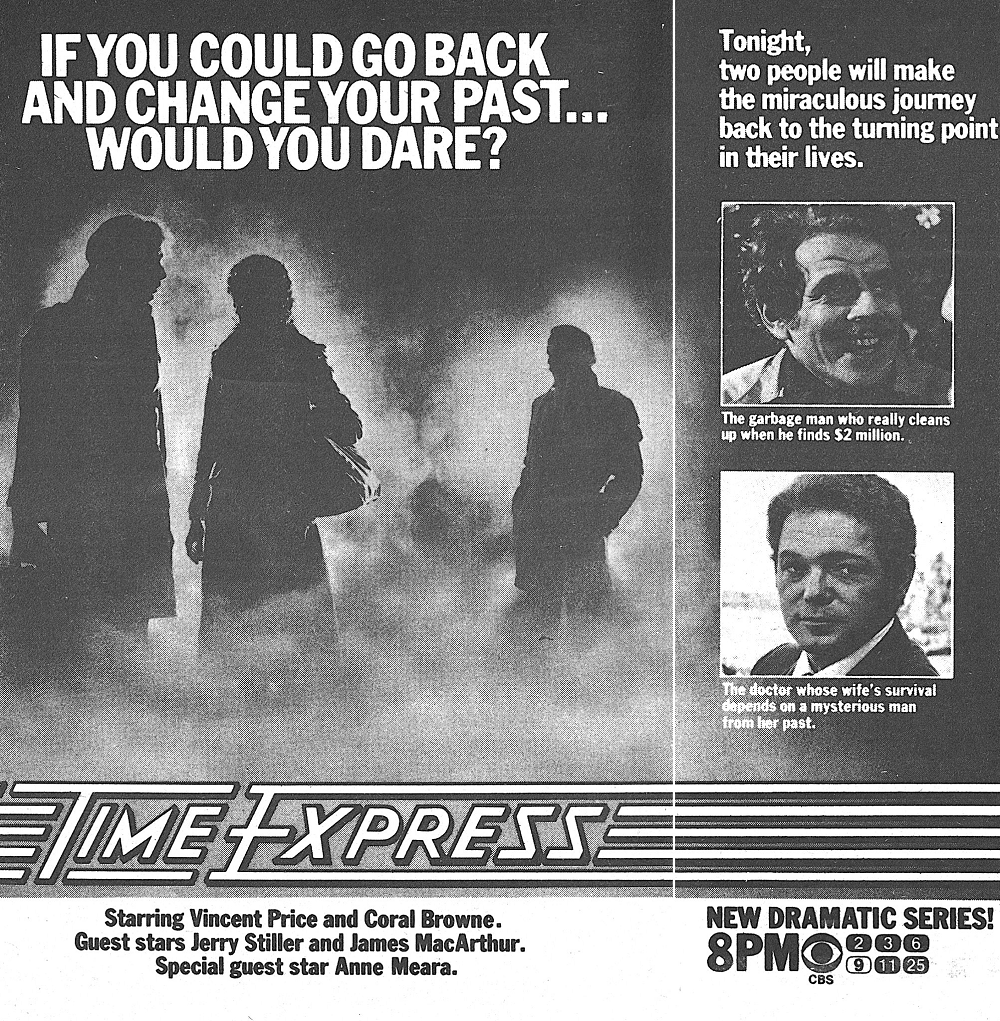
Time Express (CBS): Having walked away from Charlie’s Angels when the producers wanted to turn their creation into a run of the mill action show, Ivan Goff and Ben Roberts spent time looking for a new project. After bringing Logan’s Run to TV in 1978, the veteran writing duo again turned to science-fiction for their follow-up, the story of a mysterious train that would carry passengers to a point in their lives when a key decision was made, in order that they could have a do-over.

Time Express starred Vincent Price and Coral Browne as Jason and Margaret Winters, the hosts of the Time Express in the same way that Ricardo Montalban oversaw Fantasy Island. Indeed, Time Express had much in common with that show (and with the less fantastic Love Boat), with each episode presenting two passengers with the chance to fix whatever they think is wrong with their lives, aided by train driver William Phillips and conductor James Reynolds.

Time Express, 1978

The real stars, though, were the guests passing through the train terminal each week, and the first episode saw Jerry Stiller’s businessman given the chance to return $2 million he found in a bin in 1969, and James MacArthur’s doctor an opportunity to visit 1967 to search for his wife’s long-lost brother. Subsequent episodes featured Richard Masur, Robert Hooks, and Steve Kanaly, all from the world of soaps which reveals the audience that Time Express was pitched at.

For whatever reason, that audience wasn’t watching, and the show was pulled after just four episodes aired as a test in the Spring of 1979, any prospect of a full season for Fall 1979 running out of, well, time. It was the last show that Goff and Roberts worked on together, although they did write a screenplay for The Legend of the Lone Ranger in 1981, retiring to live on their Charlie’s Angel money, although it is not known if they used it to open a time-travelling railway franchise.

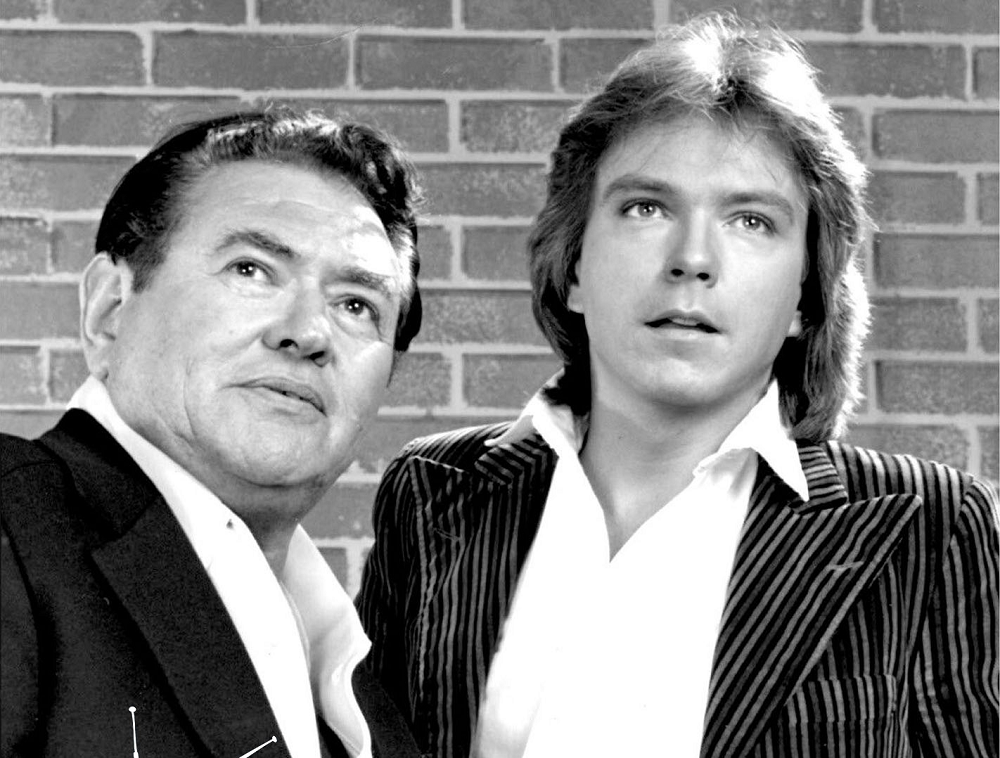
David Cassidy: Man Undercover (NBC): After The Partridge Family ended in 1974 and his post-Partridge pop career had stalled, David Cassidy came back to TV in May 1978 as a guest star in a special two-hour episode of crime anthology drama Police Story. Once a regular on the hit parade, both with The Partridge Family and as a solo artist, Cassidy was still clinging to teen heartthrob status in 1978 and despite only one of his last thirteen singles charting (at #105), he could still be found on the covers of teen magazines. Besides, weren’t his original teen fans now grown women interested in something a bit more substantial, anyway?

In “A Chance to Live,” the final episode of Police Story’s fifth season, Cassidy played Dan Shay, an undercover policeman in Los Angeles. Sent undercover into a high school to sniff out a narcotics ring, relying on his useful looks to pass as a student. Although Police Story was all but cancelled, reactions to the episode were good enough that a Dan Shay show – David Cassidy: Man Undercover – was commissioned, debuting on Thursday nights in November 1978.

David Cassidy - Man Undercover, 1978

With only homespun detective drama Barnaby Jones on CBS as any real competition in its time slot, NBC expected Man Undercover to clean up in the ratings, especially with the borderline sensational stories that opened the series. In the first four episodes alone, Shay had to deal with the prospect his boss might be a vigilante, a baby-making ring at a local college, and an outlaw motorcycle gang, with subsequent cases involving serial killers, prostitution, and drugged-up teens. The Partridge Family this wasn’t!

The show was created by Larry Brody and Richard Fielder, two veterans of the TV scriptwriting game. Belying their long career on more traditional shows, Man Undercover was fresh, innovative, and edgy – a 21 Jump Street ten years before that show arrived. However, it just couldn’t find an audience, even with Cassidy on board, and was pulled from the schedules after just ten episodes had aired. There’s never been a home video release, and it’s not available for streaming, but there are episodes on YouTube that are well worth your time, even if you were more of a Leif Garrett fan…

Detective School (ABC): Diff’rent Strokes debuted in November 1978 and it was hard to find anyone who didn’t love the story of a rich white man taking in two poor young black boys who taught him as much about life as he did them about table manners. The show was the first time creators Jeff Harris and Bernie Kukoff had been given the chance to create something over of their own after a decade of working on staff at ABC and the smash hit opened the door for another of their creations, Detective School.

Initially intended for Fall 1979, the new show instead premiered as a late-season replacement in July 1979, usually a quiet time for TV as people enjoy being outdoors. The first episode introduced Nick Hannigan (played by Barney Miller’s James Gregory), a veteran private detective who supplements his income by teaching others the tricks of his trade. His class are a hapless bunch, including Douglas Fowley as Robert Redford (not the actor, to much hilarity). Melinda Naud as a lingerie model, Taylor Negron as a disco dancer, and LaWanda Page as a loud-mouthed housewife.

Detective School, 1979

Keen to impress, the aspiring dicks get into all kinds of trouble but usually end up solving the case, whether they knew there was one to be solved or not! The first three episodes garnered encouraging, if not spectacular, ratings and the series resumed as had been initially planned in September 1979 with a story that saw the gang infiltrate the Bulgarian embassy to rescue a ballet dancer.

Unfortunately, it was moved from Tuesday to Saturday night, up against a CHiPs on NBC which was pulling in over twenty-million viewers. With that kind of competition, even a show as heartwarming as Detective School (and with the unique gimmick of the studio audience applauding the detectives when they unmasked the culprits) wasn’t going to fare well and it lasted for just two months, finishing with a thirteenth episode that saw the students taken hostage in a bank.

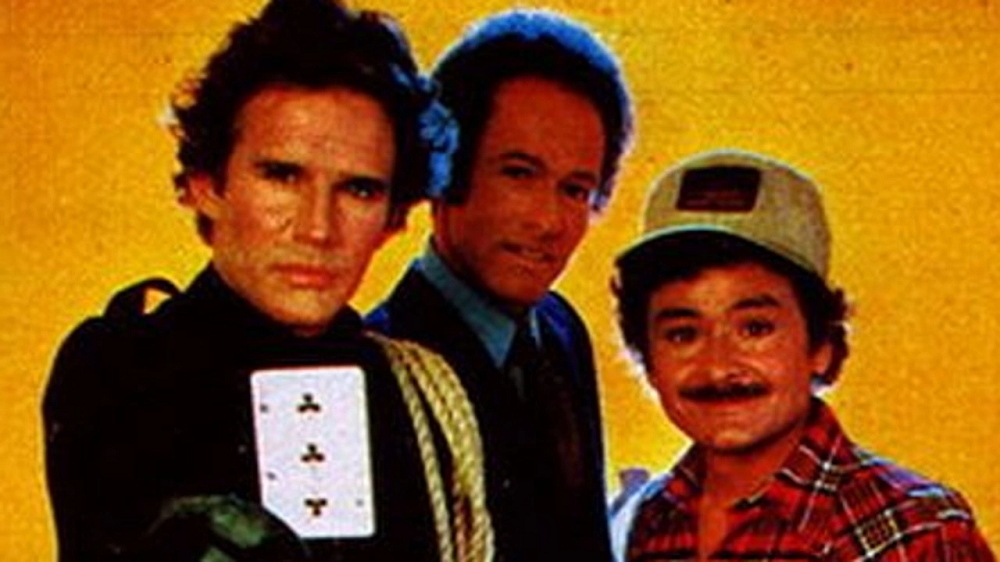
Sword of Justice (NBC): There are few better names in all of television than Dack Rambo. It’s a fact. Don’t even bother trying to argue against it. As cool a name as that is, the actor it belonged to had a tough time escaping a niche he’d fallen into as a result of his first big break in the western drama The Guns of Will Sonnett. Put simply, Dack was a cowboy and even non-western roles he was offered as a guest star never strayed too far from that lawless concept. An adventure show created by Michael Gleason and Glen A Larson, Sword of Justice was Dack’s chance to escape his fate.

He was Jack Martin Cole, a rich playboy who had been framed and wrongly imprisoned for embezzlement. On his release, he dedicated himself to vengeance, targeting those who played a role in incriminating him, leaving behind a three of clubs (the number of years he spent in jail) as a calling card. Cole was aided in his endeavours by Hector Ramirez (Bert Rosario), his former cellmate and a petty criminal with a good heart, and the calling cards he left were collected by FBI special investigator Arthur Woods, a former lawyer who had defended Cole at trial and was motivated by his wrongful conviction to form a federal task force to take down white collar crime.

Sword of Justice, 1978

Sword of Justice debuted with a two-hour episode on Sunday September 10th 1978, with the rest of the series airing on Saturdays at 10pm. The villain of the first story was played by Larry Hagman, ironic since the show was put up against CBS’s Dallas (and Fantasy Island on ABC). Even a chance to see the real bad guys taken down wasn’t enough of a draw for ordinary American folk and just nine episodes aired before it was replaced in the schedules by The Rockford Files, another show about an innocent ex-con.

The remaining filmed episode was shown in July 1979, by which time Dack had returned to guest star roles, not finding any kind of settled home until Dallas in 1985, where he played cousin Jack Ewing. In 1991, Dack Rambo revealed he was HIV positive and was bisexual. Three years later, at the age of 52, he died of complications from AIDS. He still has one of the best names in all of television.

Next on The Telephemera Years: Benedict Cumberwho? Dr Strange and other curiosities…

Check out our other Telephemera articles:

The Telephemera Years: 1966 (part 1, 2, 3, 4)

The Telephemera Years: 1968 (part 1, 2, 3, 4)

The Telephemera Years: 1969 (part 1, 2, 3, 4)

The Telephemera Years: 1971 (part 1, 2, 3, 4)

The Telephemera Years: 1973 (part 1, 2, 3, 4)

The Telephemera Years: 1975 (part 1, 2, 3, 4)

The Telephemera Years: 1977 (part 1, 2, 3, 4)

The Telephemera Years: 1978 (part 1)

The Telephemera Years: 1980 (part 12, 3, 4)

The Telephemera Years: 1982 (part 1, 2, 3, 4)

The Telephemera Years: 1984 (part 1, 2, 3, 4)

The Telephemera Years: 1986 (part 1, 2, 3, 4)

The Telephemera Years: 1987 (part 1, 2, 3, 4)

The Telephemera Years: 1989 (part 1, 2, 3, 4)

The Telephemera Years: 1990 (part 1, 2, 3, 4)

The Telephemera Years: 1992 (part 1, 2, 3, 4)

The Telephemera Years: 1995 (part 12, 3, 4)

The Telephemera Years: 1997 (part 1, 2, 3, 4)

The Telephemera Years: 2000 (part 1, 2, 3, 4)

The Telephemera Years: 2003 (part 1, 2, 3, 4)

The Telephemera Years: 2005 (part 1, 2, 3, 4)

The Telephemera Years: 2008 (part 1, 23, 4)

Titans of Telephemera: Irwin Allen

Titans of Telephemera: Stephen J Cannell (part 1, 2, 3, 4)

Titans of Telephemera: DIC (part 1, 2)

Titans of Telephemera: Hanna-Barbera (part 1, 2, 3, 4, 5)

Titans of Telephemera: Kenneth Johnson

Titans of Telephemera: Sid & Marty Krofft

Titans of Telephemera: Glen A Larson (part 1, 2, 3, 4)

Titans of Telephemera: Quinn Martin (part 1, 2)

Titans of Telephemera: Ruby-Spears

THE TELEPHEMERA YEARS: 1978 – PART 1

Mrs Colombo, 1979

Ah, telephemera… those shows whose stay with us was tantalisingly brief, snatched away before their time, and sometimes with good cause. They hit the schedules alongside established shows, hoping for a long run, but it’s not always to be, and for every Street Hawk there’s two Manimals. But here at STARBURST we celebrate their existence and mourn their departure, drilling down into the new season’s entertainment with equal opportunities square eyes… these are The Telephemera Years!

1978-79

The 1978-79 season was a time for goodbyes, with the final episodes of All in the Family, The Amazing Spider-Man, Good Times, Starsky & Hutch, Welcome Back Kotter, and Wonder Woman all making grown men cry. Still, ABC’s massive comedy line-up – they filled the top five slots in the ratings chart with their hit sitcoms – must have been some succour, with Mork & Mindy the number three show in its debut season.

Other new shows included Three’s Company spin-off The Ropers, a put-upon Judd Hirsch in Taxi, lessons in harmony with Diff’rent Strokes, and radio station fun with WKRP in Cincinnati. Fans of telefantasy were treated to The Dukes of Hazzard, BJ and the Bear, and space opera in Battlestar Galactica, alongside their regular doses of Charlie’s Angels and CHiPs. But those were the shows that people remember from 1978 – what about those that only enjoyed brief lives? This is the story of four shows lost before they ever got chance to find their true selves…

Salvage 1 (ABC): Although he’d later raise senior citizens’ heart rates as down to earth lawyer Matlock in the legal drama of the same name, Andy Griffith shot to fame after starring in the Elia Kazan film A Face in the Crowd, afterwards becoming one of TV’s most beloved characters as small town sheriff Andy Taylor in The Andy Griffith Show. Despite The Andy Griffith Show never placing lower than seventh in the Nielsen ratings, Griffith found life after Mayberry tough; despite ending the show to move into feature films, he instead delivered a parade of lacklustre TV movies and short run series, all the while looking for that next special role.

We’ll never know if Griffith thought Harry Broderick, the protagonist of the 1979 series Salvage-1, could achieve the same status as Taylor but he attacked the role with his trademark charm regardless. The owner of Jettison Scrap & Salvage Co., Broderick has a dream – he wants to be the first to salvage the detritus left on the Moon by the Apollo missions and constructs a special craft, The Vulture, to achieve that aim. Joining him are former astronaut Skip Carmichael (Broadway actor Joel Higgins) and glamorous NASA fuel scientist Mel Slozar, played by Trish Stewart, best known for The Young and the Restless. FBI agent Jack Klinger (The Dirty Dozen’s Richard Jaeckel) keeps an eye on the team, eventually developing a grudging respect for Broderick.

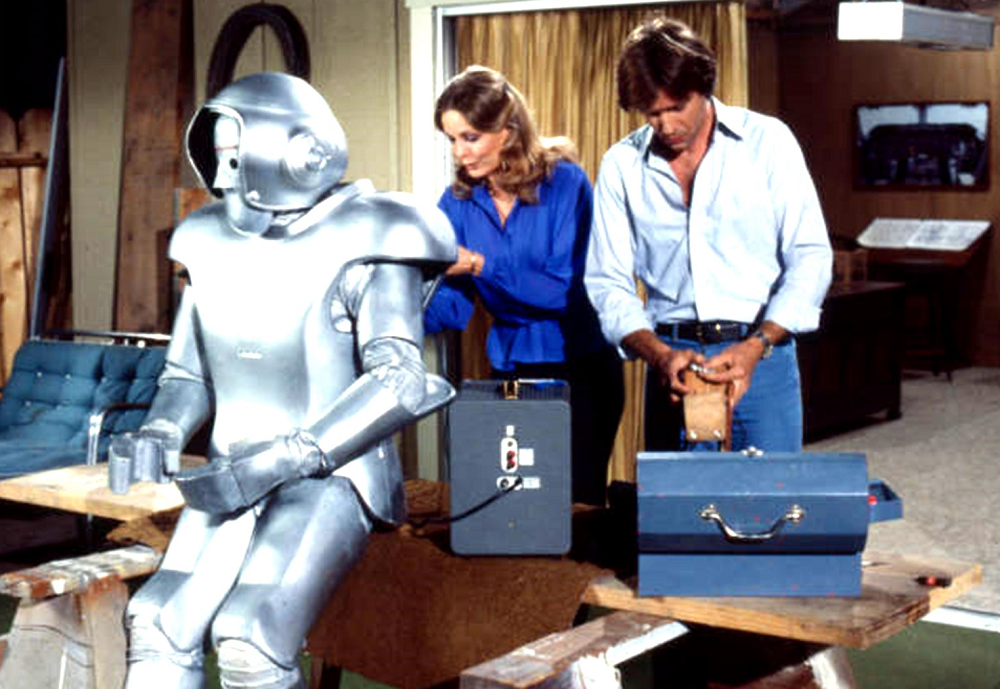
Salvage-1, 1978

The Moon mission was the subject of the pilot episode, shown to good ratings on January 20th 1979 and immediately followed by a regular slot on Monday nights. In the course of that twelve-episode season, the team encountered a giant ape, a Japanese soldier still fighting World War Two, shapeshifting aliens, and a seemingly friendly robot with secret orders to kill! This was heady stuff, a far cry from the cases that Griffith solved as Taylor, and the show placed forty-eighth in the year-end rankings, earning a tentative second season for the Fall 1979 season.

It soon became clear that the network had lost faith in the show, delaying its return until early November and then yanking it from the schedules after just two episodes had aired (admittedly to lacklustre viewing figures). Six episodes had been filmed by that point but the other four – with much more mundane storylines than the fantastic first season (which had noted sci-fi author Isaac Asimov as scientific advisor) – went unaired, although they were shown in some ITV regions in the UK in 1981. It took Griffith another seven years to find the next role that truly fitted him and he spent a decade playing the mature legal eagle, an act of career salvage that Harry Broderick would be proud of.

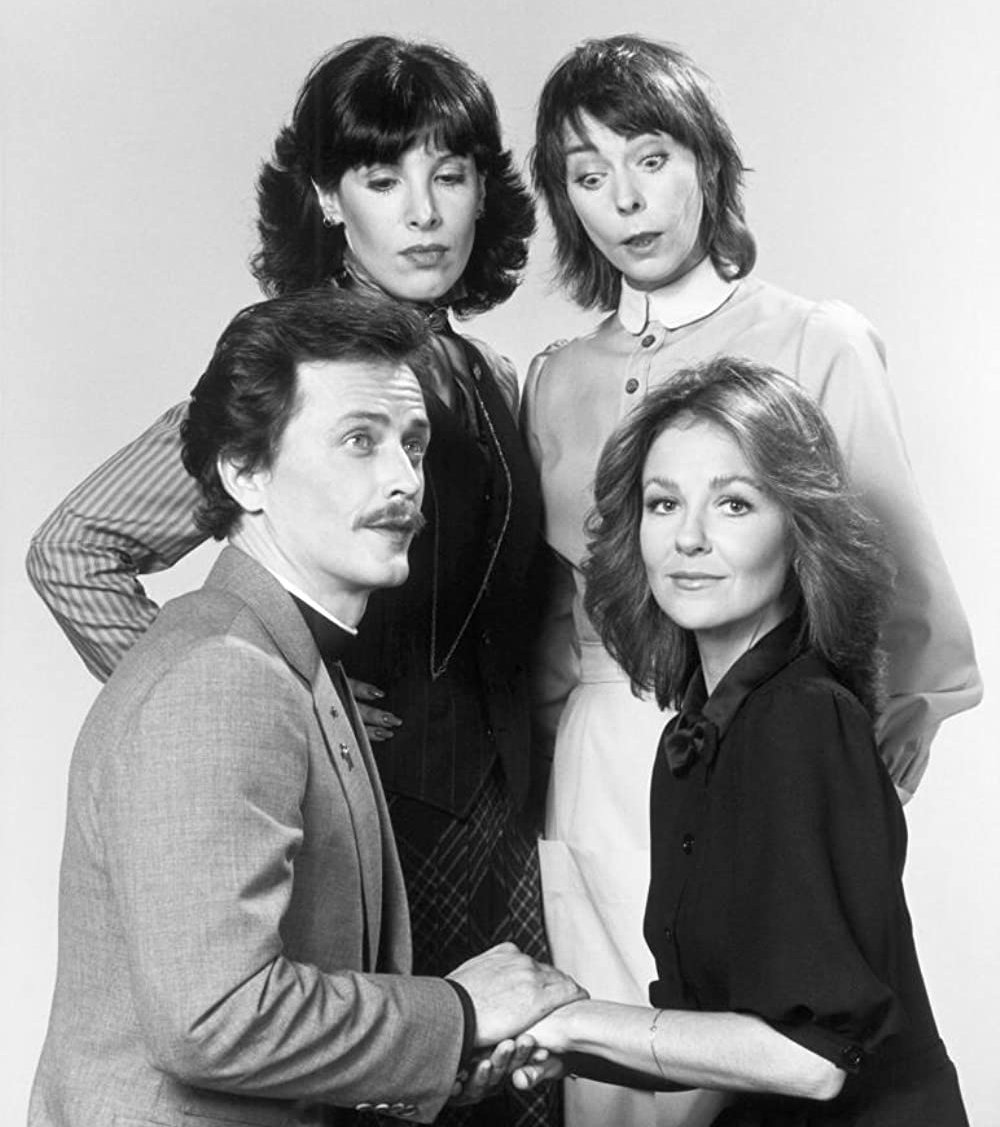
Highcliffe Manor (NBC): A mid-season replacement for Bernie Casey vehicle Harris and Company (the lowest rating show of the season, lasting just four episodes and itself a mid-season replacement for the cancelled Project UFO), the titular Highcliffe Manor was an old mansion on an otherwise deserted island off the coast of Massachusetts. So far, so Gothic, but the creepiness of Highcliffe was played for laughs in a sitcom created by TV veteran Robert Blees (who also wrote amphibian terror movie Frogs, starring Ray Milland).

Highcliffe Manor was filled with all manner of misfits, from mad scientist Frances and bionic man Bram Shelley to womanising preacher Reverend Glenville, all overseen by Helen Blacke, the widow of the owner of the sinister Blacke Foundation. The Donna Reed Show’s Shelley Fabares starred as Helen, with capable backing from James McHattie and future Olympic volleyball gold medalist Christian Marlowe.

Highcliffe Manor, 1979

The show was unusual for a sitcom of the time, with a developing story arc that saw Helen Blacke uncover the secrets of the Manor and its occupants, half of which want to do away with her for their own sinister ends. A young Ernie Hudson as Mr Blacke’s former assistant Smythe seems to have his own agenda, but the scripts – mostly by former Mary Hartman, Mary Hartman head writers Eugenie Ross-Leming and Brad Buckner – aimed for somewhere between intriguing and funny, landing nowhere near either.

Only six episodes were ordered and it was hoped that good ratings in its Thursday night slot – unfortunately up against hit ABC comedy Angie – might secure a full second season order. The fact that you’ve never heard of this show – and that it’s a part of this series – tells its own story, however, and no second season was forthcoming. Buckner and Ross-Leming would go on to executive produce both Lois & Clark: The New Adventures of Superman and Supernatural, two shows with a much more successful mix of drama and comedy, sadly resisting the temptation to tie up Highcliffe Manor’s loose plot lines in either show.

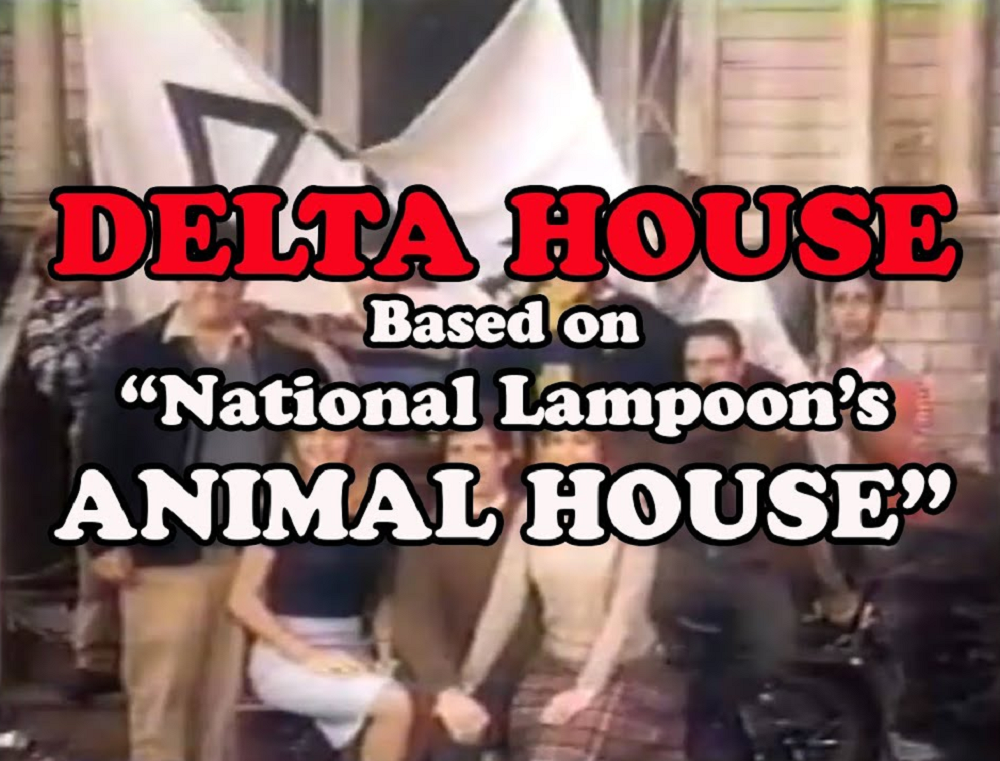
Delta House (ABC): The first movie to carry the National Lampoon presents… designation, and based on stories published in the magazine about the college experiences of its writers, Animal House was a surprise hit in 1978, bringing the gross-out humour of Saturday Night Live’s John Belushi to a wider audience and exposing the shenanigans found in college fraternity houses across the United States.

Belushi’s John “Bluto” Blutarsky had joined the army by the time the ABC spin-off Delta House hit the air in January 1979, but his brother Jim – aka “Blotto” – was there, played by Josh Mostel after Jim Belushi turned down the role. John Vernon reprised his role as crusty old Dean Wormer and Stephen Furst, Bruce McGill, and James Weddoes also returned from the movie, their characters promoted to principal protagonists with several new actors cast as the other members of the Delta Tau Chi fraternity.

Delta House, 1979

Delta House premiered on January 18th 1979 and was given a Saturday night slot as a mid-season replacement for small town police comedy Carter Country. Thirteen episodes were ordered, airing weekly through April, and it was hoped that this would whet the appetite for a full slate the following season. Of course, adhering to television network stands and practices meant the TV show couldn’t quite capture the anarchy of the original, although the writing team – including National Lampoon’s John Hughes and Ted Mann, both of whom would go on to bigger things in Hollywood – gave it the old college try.

Hijinks involving the Cuban missile crisis, switching houses with the uptight Omegas, and the distracting presence of The Bombshell (a young Michelle Pfeiffer in only her second role) all provide reasonable distraction but there’s something intangible missing. Viewers felt the same and Delta House came in at seventy-eighth for the year – level with the departing Welcome Back, Kotter and even lagging behind the ludicrous Supertrain – and, with Belushi’s death in 1982 stymying any future sequels, that was the last the world heard from Delta Tau Chi.

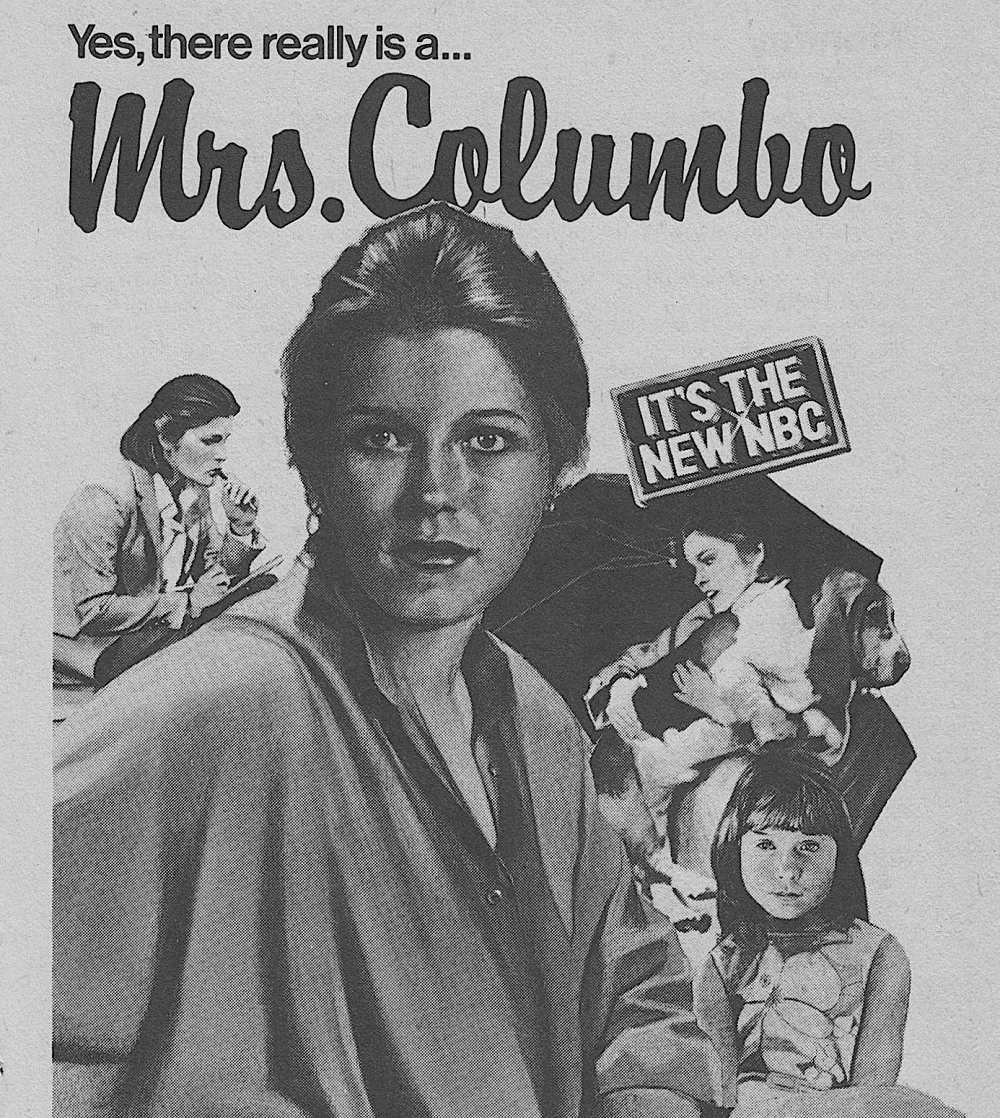
Mrs Columbo (NBC): Throughout the initial ten-year run of Columbo movies, the eponymous detective’s wife was often referred to but never seen, the subject of a humorous quip or a useful tool in the solving of a crime. Episodes of Columbo aired as part of The NBC Mystery Movie slot and when that was cancelled in 1977, creators Richard Levinson and William Link felt the time was right to say goodbye to the dishevelled detective, agreeing to make five final episodes that aired as special presentations.

NBC executive Fred Silverman, however, wanted a few “one more things” and, against the wishes of Levinson and Link, greenlit a spin-off series featuring Mrs Columbo, who – to explain Peter Falk’s absence – was in the process of a divorce. Casting Kate Mulgrew as Kate Columbo, Silverman tasked final season producer Richard Alan Simmons with coming up with a premise that could lengthen the life of the Columbo franchise.

Mrs Colombo, 1979

In Simmons’s pilot episode, which aired on February 26th 1979 as a replacement for David Cassidy: Man Undercover, Kate Columbo is a news reporter with a nose for a mystery, solving crimes and raising her daughter, Jenny (future alternative rock violinist Lili Haydn). The casting of Mulgrew also angered Levinson and Link as she was just twenty-four at the time, compared to Falk’s fifty-something detective

Ratings for the five-episode first season were poor and in an attempt to save the show the character was retooled as Kate Callahan, her ex-husband now a completely different policeman named Philip Columbo, and the title changed to Kate the Detective (and still later to Kate Loves a Mystery). The second season began on October 18th 1979 but just six episodes aired before the plug was pulled (a seventh was filmed and aired the following Spring). Lieutenant Columbo did eventually return in 1989, although Levinson had died two years earlier. As a play to the gallery, a 1990 episode of the show was titled “Rest in Peace, Mrs Colombo,” although her eventual fate in left in question.

Next on The Telephemera Years: journeys through time, incognito heartthrobs, and a school for dicks…

Check out our other Telephemera articles:

The Telephemera Years: 1966 (part 1, 2, 3, 4)

The Telephemera Years: 1968 (part 1, 2, 3, 4)

The Telephemera Years: 1969 (part 1, 2, 3, 4)

The Telephemera Years: 1971 (part 1, 2, 3, 4)

The Telephemera Years: 1973 (part 1, 2, 3, 4)

The Telephemera Years: 1975 (part 1, 2, 3, 4)

The Telephemera Years: 1977 (part 1, 2, 3, 4)

The Telephemera Years: 1980 (part 12, 3, 4)

The Telephemera Years: 1982 (part 1, 2, 3, 4)

The Telephemera Years: 1984 (part 1, 2, 3, 4)

The Telephemera Years: 1986 (part 1, 2, 3, 4)

The Telephemera Years: 1987 (part 1, 2, 3, 4)

The Telephemera Years: 1989 (part 1, 2, 3, 4)

The Telephemera Years: 1990 (part 1, 2, 3, 4)

The Telephemera Years: 1992 (part 1, 2, 3, 4)

The Telephemera Years: 1995 (part 12, 3, 4)

The Telephemera Years: 1997 (part 1, 2, 3, 4)

The Telephemera Years: 2000 (part 1, 2, 3, 4)

The Telephemera Years: 2003 (part 1, 2, 3, 4)

The Telephemera Years: 2005 (part 1, 2, 3, 4)

The Telephemera Years: 2008 (part 1, 23, 4)

Titans of Telephemera: Irwin Allen

Titans of Telephemera: Stephen J Cannell (part 1, 2, 3, 4)

Titans of Telephemera: DIC (part 1, 2)

Titans of Telephemera: Hanna-Barbera (part 1, 2, 3, 4, 5)

Titans of Telephemera: Kenneth Johnson

Titans of Telephemera: Sid & Marty Krofft

Titans of Telephemera: Glen A Larson (part 1, 2, 3, 4)

Titans of Telephemera: Quinn Martin (part 1, 2)

Titans of Telephemera: Ruby-Spears

[ENDED] Win a Copy of WINNIE-THE-POOH: BLOOD AND HONEY on Blu-ray and DVD!

win winnie the pooh blood and honey

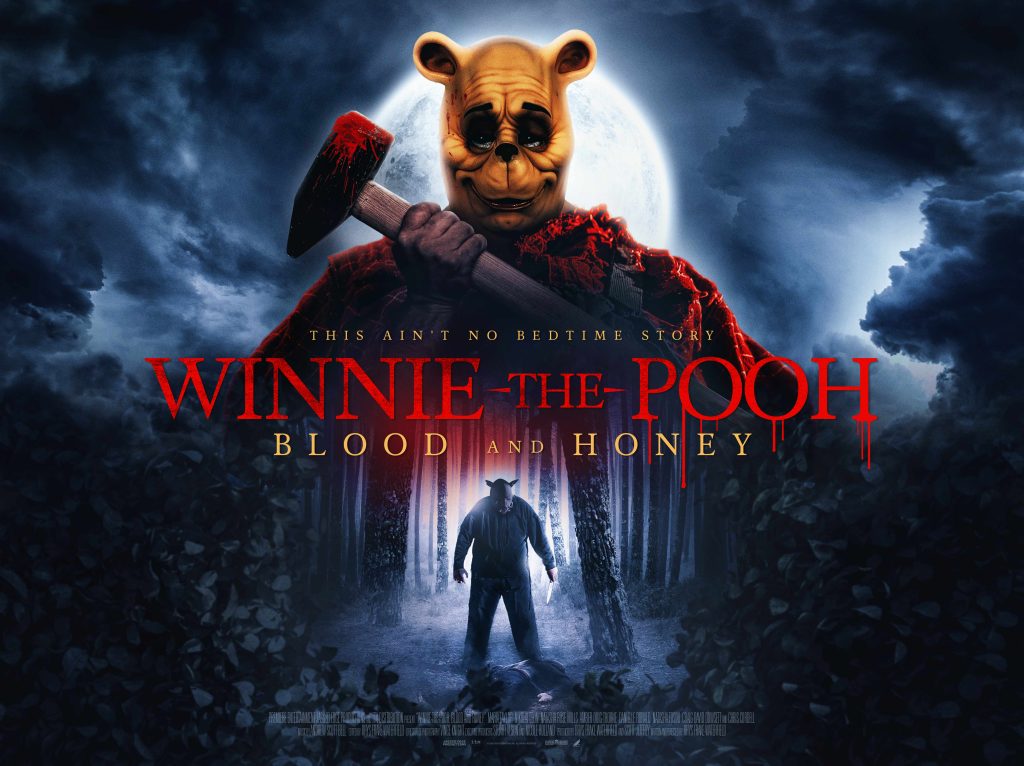
One of the most shocking, controversial films of the year, Winnie-the-Pooh: Blood and Honey, is heading to Blu-ray and DVD on April 17th, and we have a pair of Blu-rays and a pair of DVDs to give away. Read on, and enter below…

win winnie the pooh blood and honey

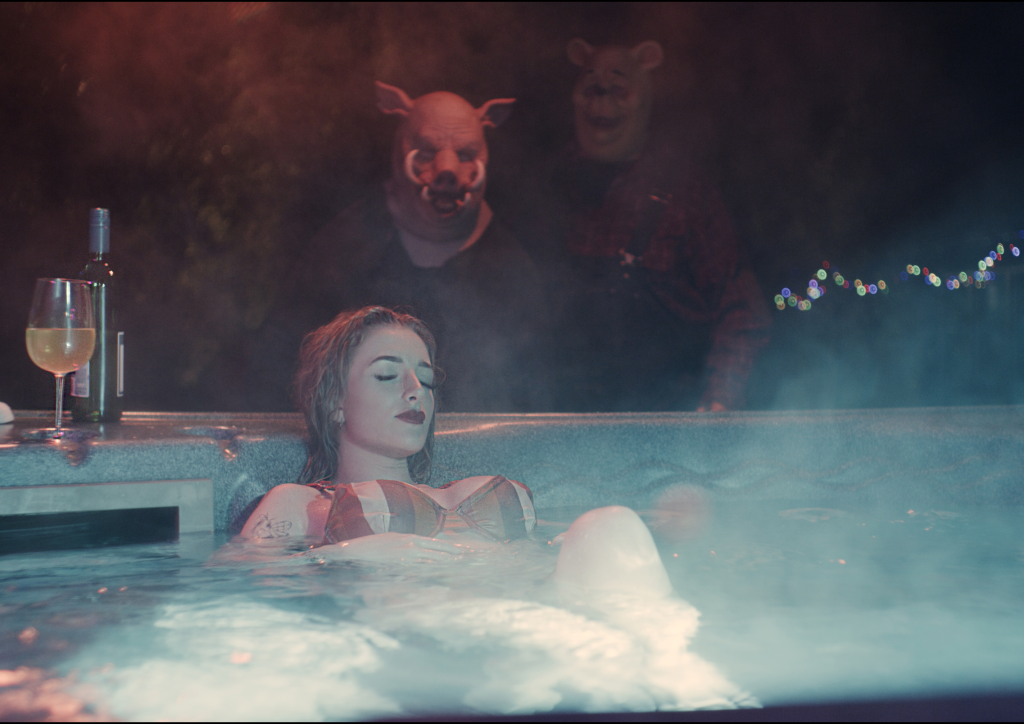
Written and directed by Rhys Frake-Waterfield, the film hit the headlines when its trailer hit last year as it reimagines A.A. Milne’s classic, loveable bear as a human-hating killing machine. This one’s certainly not for kids!

Synopsis:

During childhood, Christopher Robin befriended Winnie-the-Pooh, Piglet and their friends, played games and fed them. But as he grew older, the visits stopped, leaving them increasingly hungry and desperate, eyeing Eeyore as food. Now Christopher has returned to the forest with his new wife hoping to introduce her to his old friends. But it sends Pooh and Piglet on a murderous scavenger hunt for human flesh when they antagonise a group of college girls on a rural cabin vacation. Will Christopher still get Pooh back on the right track?

a Rafflecopter giveaway

Own WINNIE THE POOH: BLOOD & HONEY on Digital now, and on Blu-ray and DVD from April 17th.


[ENDED] Win THE CITY OF LOST CHILDREN on 4K UHD

win city of lost children

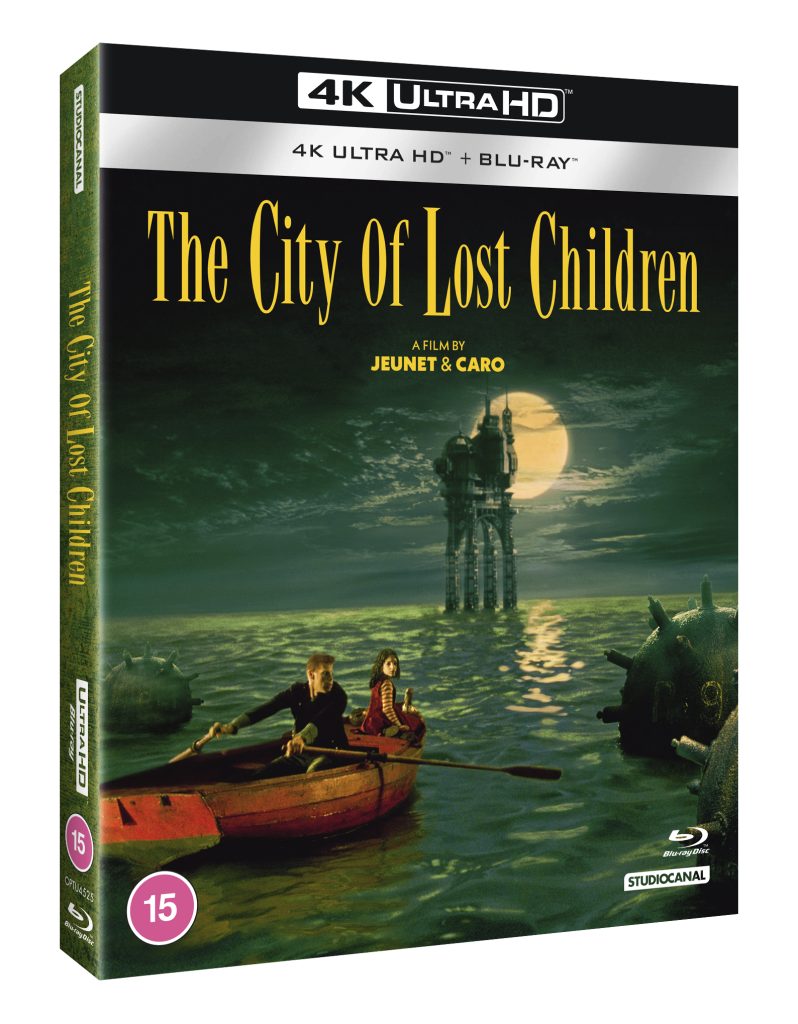
The City of Lost Children has been released by Studiocanal as part of their Cult Classics collection and to celebrate its 4K UHD debut, we have a copy to give away to one lucky reader! Enter below…

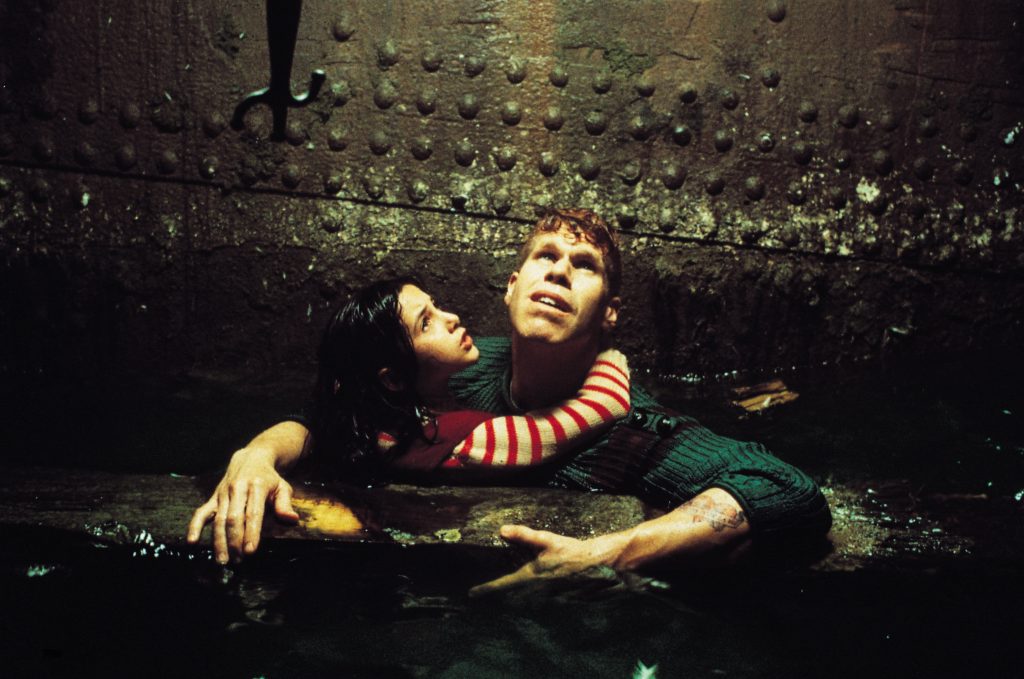
The film is a dazzling fantasy adventure from Jean-Pierre Jeunet and Marc Caro, creators of the critically acclaimed 1991 cult hit Delicatessen. They bring their surreal vision to the story of Krank, a tormented scientist who sets about kidnapping local children in order to steal their dreams and so reverse his accelerated ageing process. When Krank’s henchmen kidnap his brother, local fisherman and former circus strongman One (Hellboy’s Ron Perlman) sets out on a journey to Krank’s nightmarish laboratory, accompanied by a little orphan girl called Miette (Judith Vittet).

With stunning visuals from Oscar-nominated cinematographer Darius Khondji (Se7en, Evita), costumes from Jean Paul Gaultier (The Fifth Element) and a haunting score by the late Angelo Badalamenti (Twin Peaks) featuring Marianne Faithfull, The City of Lost Children cemented Jeunet and Caro’s reputation as filmmakers with a unique vision. Production designer Jean Rabasse won the prestigious César in 1996 for his stunning work on this film, while the film was nominated for the Palme d’Or at the 1995 Cannes Film Festival.

22A43432

Co-director Jeunet went on to make the box office hit Alien: Resurrection (1997) and the sensational Amélie (2001), starring Audrey Tautou, nominated for five Oscars, winner of two BAFTAs and winner of four French Césars. He also made A Very Long Engagement with Tatou, which was nominated for two Oscars.

INCLUDED WITH THE CITY OF LOST CHILDREN:

New Interview with directors Jean-Pierre Jeunet and Marc Caro

The making of THE CITY OF LOST CHILDREN

Behind the scenes

Interview with designer Jean Paul Gaultier

Audio commentary with director Jean-Pierre Jeunet

a Rafflecopter giveaway

The City of Lost Children is available on 4K UHD, Blu-ray, and DVD from Studiocanal. Click here to buy now.


[ENDED] Win an iTunes Voucher for Action Thriller THE KILLER

win the killer

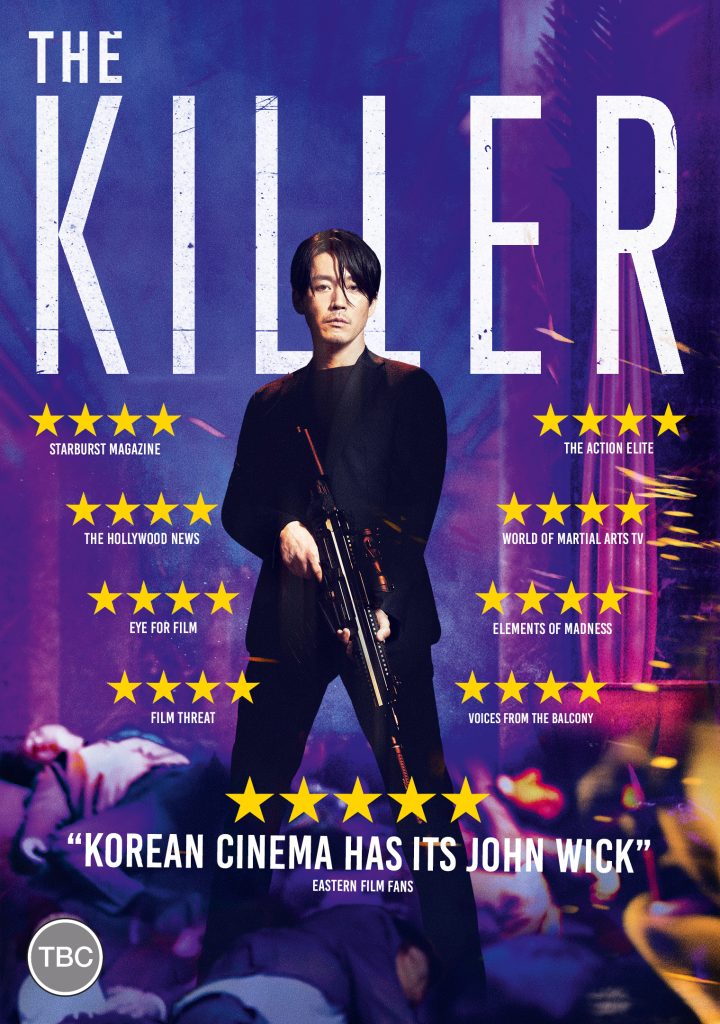
Move over, John Wick; you’ve got nothing on The Killer, the new South Korean action flick, which is available now on digital and will be hitting Blu-ray and DVD from April 17th. We have iTunes vouchers to give away to three lucky readers. (Please note: entrants must be over 18 and from the UK only.) Just watch the trailer and read on before entering the competition below…

Ui-gang (Jang Hyuk, The Swordman) is a legendary hitman who has decided to retire from the business and pursue legitimate work. When his wife takes a trip, she requests Ui-gang to look after her travel companion’s 17-year-old daughter, Yoon-ji (K-pop star Lee Seo-young aka Anne from GWSN). Ui-gang reluctantly agrees, but when the girl with a wild streak falls afoul of gangsters, Yoon-ji finds herself kidnapped and in a situation more dangerous than she ever imagined. However, while the girl is in over her head, her captors will also find themselves with more than they can handle when Ui-gang begins tearing the city apart to get her back.

The Killer is a cool, stylish and fast-paced thriller from acclaimed director Choi Jae-hoon (The Swordman) and adapted from the popular novel The Girl Who Deserves to Die. The incredible action scenes further cement the elite reputation of South Korean cinema.

a Rafflecopter giveaway

Trinity CineAsia presents The Killer on Digital now and Blu-ray and DVD April 17th.

[ENDED] Win a Copy of ASSASSIN on DVD

win assassin on dvd

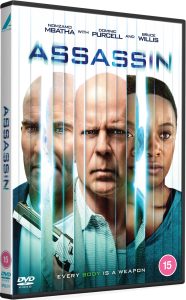
High-tech, high-concept thriller Assassin hits DVD and digital on April 3rd and we have three copies to give away.

Assassin stars Bruce Willis and Nomzamo Mbatha (Coming 2 America) in a futuristic tale of hitmen, deadly drones, and wormbots! It’s directed by Jesse Atlas and also stars Dominc Purcell (Legends of Tomorrow), Mustafa Shakir (Luke Cage), and Andy Allo (Pitch Perfect 3).

Synopsis:

A private military operation invents futuristic microchip tech that enables the mind of an agent to inhabit the body of another person to carry out covert, deadly missions. But when an agent is killed during a secret mission, his wife takes his place in an attempt to bring the man responsible to justice.

a Rafflecopter giveaway

Assassin is available on DVD and digital platforms, including Google, iTunes, Sky, Amazon, Rakuten and Virgin from April 3rd.


The Most Famous Horses To Win The Liverpool Hurdle

Liverpool Hurdle

by Ben Bradley

The Grand National Festival is one of the biggest events in the horse racing calendar, attracting thousands of spectators and punters from all over the world. The Festival actually takes place over three days, bringing together some of the best in the business as far as National Hunt racing is concerned — culminating with the famous Grand National steeplechase on Saturday.

However, one of the most important races of the Festival takes place a day earlier, with the Liverpool Hurdle. First run in 1974, the Liverpool Hurdle has become an integral part of the Festival, attracting some of the finest hurdlers in the business and providing a true test of skill, stamina, and jumping ability. While it may not quite be the same spectacle as the National, those checking the early odds for Liverpool Hurdle will know how exciting this year’s race looks to be.

Last year’s winner Sire Du Berlais, who pipped Cheltenham stalwart Flooring Porter as well as Champ to first place, will want to win successive races under Gordon Elliott. Just one year away from the race’s 50th anniversary, this year will see the likes of Dashel Drasher and Willie Mullins-trained Klassical Dream all try and give the usual suspects a run for their money on day two at Aintree.

Run over a distance of three miles and one furlong, the Liverpool Hurdle is a true test of a horse’s speed, stamina, and jumping ability. With thirteen hurdles to be cleared along the way, the race is a real challenge for both horse and jockey, and has seen some of the greatest hurdlers in the business go head-to-head over the years.

As one of the standout events of the Grand National Festival, the Liverpool Hurdle always attracts a strong field of runners, with some of the finest trainers and jockeys in the sport vying for the top spot. Over the years, the Liverpool Hurdle has become an important race in its own right, attracting some of the top trainers, jockeys, and horses in the business.

One such horse is Baracouda, who won the race in 2001 and 2003. Trained by Francois Doumen, Baracouda was a two-time winner of the Stayers’ Hurdle at the Cheltenham Festival, and is widely regarded as one of the greatest hurdlers of all time.

Another famous horse to have won the Liverpool Hurdle is Inglis Drever, who took the race in 2007. Trained by Howard Johnson, Inglis Drever was a three-time winner of the Stayers’ Hurdle. It’s been 15 years since he and Denis O’Regan took to the course in the Long Distance Hurdle at Newbury, but it’s testament to his longevity and success that he is still being mentioned to this day.

Other notable winners of the Liverpool Hurdle include Bobs Worth, who won the race in 2013, and Grand National winner Many Clouds, who reigned supreme in 2015. Both horses were trained by the legendary Chelmsford-based trainer Oliver Sherwood, who has enjoyed tremendous success in the sport over the years, and went on to win consecutive Nationals with Many Clouds, after he retained the crown in 2016.

When it comes to jockeys, there are a few names that stand out as being particularly successful in the Liverpool Hurdle. Ruby Walsh, for example, has ridden three winners of the race over the years, including Inglis Drever in 2007. AP McCoy, widely regarded as one of the greatest jockeys of all time, has also tasted pervious success in this race, riding Black Jack Ketchum to victory in 2006.


Andy Votel | THE DEVIL

by NICK SPACEK

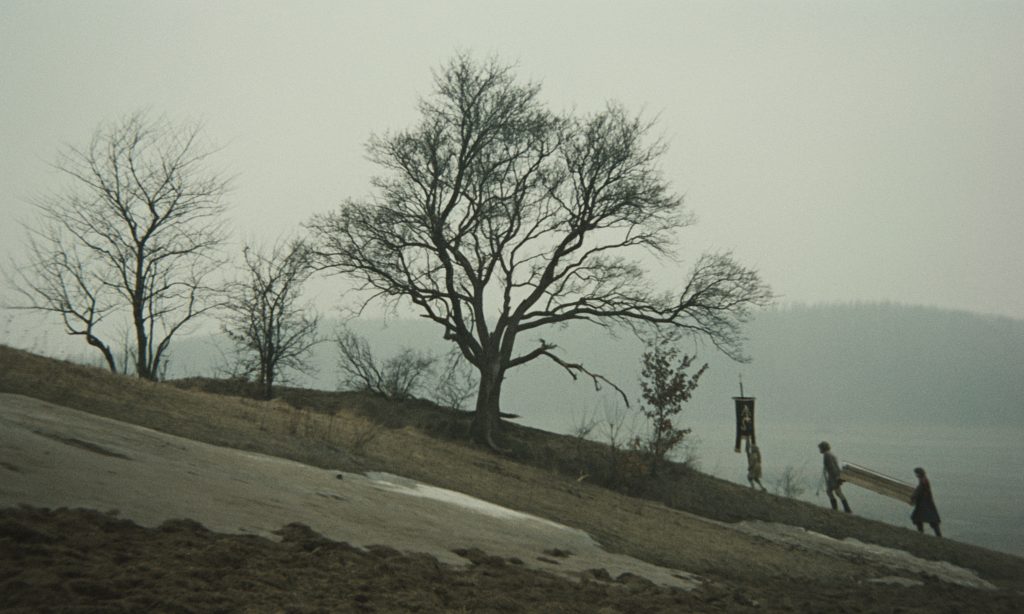
Musician Andy Votel is a talented DJ and archivist whose work with his label, Finders Keepers, has regularly unearthed long-lost music from the hinterlands of experimental, avant-garde, and beyond, frequently tied to the world of film music. As mentioned in the most recent print edition of STARBURST, Finders Keepers unearthed the “bloodline of Eastern European kosmische and groundbreaking, grinding cinematic psych rock” with the release of the Andrzej Korzyński score to Żuławski’s 1972 film, Diabeł (aka The Devil).

“Sourced from the elusive original master tapes with the full cooperation of the CeTA archives in Wroclaw in collaboration with GAD Records,” this release is a fuzzed-out, echoplex-resplendent score sure to make all but the most hard-hearted film music and stoner rock fans drool with delight, and comes just in time for the massive rediscovery of Polish director Andrzej Żuławski via the release of his 1981 film Possession on horror streamer Shudder.

Additionally, on March 29th, Votel will perform a live score of music to a screening of The Devil as part of the Kinoteka Polish Film Festival in London. The music will comprise Korzyński’s scores for Żuławski’s most iconic films as well as other Polish music of the 1970s. We spoke with Andy Votel all about it ahead of Wednesday’s performance…

STARBURST: The music which you release, as well as that which you spin, covers a wide swathe of genres and locales. Where did you first start in this worldwide journey of musical discovery?

Andy Votel: I’ve always been fascinated with vinyl from a very young age. Touching the record player in our family home was forbidden in the 1980’s so I developed a fascination. Through hip hop I learned to deconstruct music and looked for the finest obscure ingredients. My modus operandi was to leave my comfort zone so I decided to not buy any English language music for many years. An art school trip to Poland in 1993 introduced me to Polish, Hungarian, Czech, Russian, and East German music. As a DJ, I’ve been lucky enough to travel the world buying records from every continent, which eventually teaches you a lot of cultural and creative lessons through art, film, design etc.

When did you first discover something you knew needed to be heard by more people?

My first ever records and remixes all included samples from records and films that I felt needed to be decontextualised. I have felt like this all my life. My initial source library for unusual samples and sounds eventually got so large and nuanced that I started to make mixtapes and compilations. I learned to manufacture records working as a designer for Grand Central, then ran my own label Twisted Nerve, so Finders Keepers was born from that experience. The first record, L’Enfant Assassin De Mouches, was the perfect record to launch the label because it resembled a very erratic mix-tape within itself. Almost like an entire label on one disc with multiple styles of music. It is the perfect template for the label’s discography.

Diabeł by Andrzej Korzyński

The records Finders Keepers reissues sometimes represent years of work by the time they appear. How much patience does this job require?

Anyone who is serious about record collecting and finding rare records will understand that patience is the key component. In an era where people expect music and art at the click of a switch, it might be hard to understand. Finding records and searching for one particular piece of old music can take years, and you have to hope that your tastes don’t change. Finding original artists and master tapes and rights holder is no different. But, the first records we released on FK 18 years ago are still in print to today, so we like to specialise in “timeless’ music or records that are so unique that they stand the tests of time or evade trends.

In addition to performing at festivals, do you get to travel in order to bring these reissues to life?

Yes.

Your performance at the festival will see you paying homage to Andrzej Korzyński by remixing both that composer’s work, as well as that of other Polish musicians. How do you stay true to the original musical themes of The Devil, while also crafting something new?

I don’t intend to stay true to the themes, I prefer to decontextualise the music and the films and view and project it from a different perspective, like a hall of mirrors. It is important for me to retain some cultural aesthetics though, and by strictly using Polish music this also presents a challenge which is a great breeding ground for creativity and experiments, as well as happy accidents. I believe this is how Korzyński and Zulwaski’s relationship worked when they made these collaborations up to 50 years ago.

When crafting mixes, is it easier to work within a theme, or does that create new challenges?

It’s certainly not easier, but it’s more fun, and more challenging. I have so many avenues at my disposal now, so as long as you have an open mind, you can apply a concept to most mixes and collages. I think it’s unfortunate when projects are not conceptual, it’s a lost opportunity. Although I do enjoy spontaneity too. I have a radio show called Randomonium which is strictly concept-free and spontaneous.

Along those lines, how familiar does one need to be with a film in order to craft a new score from component parts as it plays?

For me personally, you have to be very familiar, but I only really work with films that I know and love. Again it is great to improvise, but my scores are painstakingly crafted… ideally you would find the correct balance in between. The film scores for Jean Rolling by Francois Tusques are completely improvised, and most of the soundtrack work a treat, before Jean Rolling had to edit it. You need to edit, I think that is the key to a good collage.

The Devil + Live Music will screen as part of the Kinoteka Polish Film Festival on March 29th. Details on that show here.