THE TELEPHEMERA YEARS: 1989 – PART 4

The New Adventures of He-Man, 1989

Ah, telephemera… those shows whose stay with us was tantalisingly brief, snatched away before their time, and sometimes with good cause. They hit the schedules alongside established shows, hoping for a long run, but it’s not always to be, and for every Street Hawk there’s two Manimals. But here at STARBURST we celebrate their existence and mourn their departure, drilling down into the new season’s entertainment with equal opportunities square eyes… these are The Telephemera Years!

1989-90

America loved to laugh in 1989, with CBS’ sole hit show 60 Minutes the only non-comedy show to make a top ten dominated by NBC’s The Cosby Show, A Different World, and Golden Girls, and ABC’s Roseanne and The Wonder Years. Waiting in the wings were both The Simpsons and Seinfeld (making their debuts on Fox and NBC, respectively), while Kids in the Hall was arriving on HBO for some weird, surreal fun (and gayness).

Kids in the Hall wasn’t as weird as TV would get in 1989 with Twin Peaks bursting onto ABC, although even that show – and its slightly less weird and definitely warmer (if not weather-wise) cousin Northern Exposure – might have been outdone by the sight of SO MUCH SPANDEX over on American Gladiators. Friday the 13th: the Series and Freddy’s Nightmares were both bowing out of first-run syndication, but horror anthology fans were treated to HBO’s Tales from the Crypt as a more than adequate replacement. Away from all that adult stuff there was also serious business being done on Saturday mornings…

Ring Raiders (syndication): Ring Raiders was a short-lived range of toys from Matchbox, looking to enhance their range of toy cars with a series of toy planes, only with a gimmick. These planes were attached to a ring which, when worn by the lucky owner, would enable the planes to achieve a semblance of flight, albeit flight closely attached to a human hand.
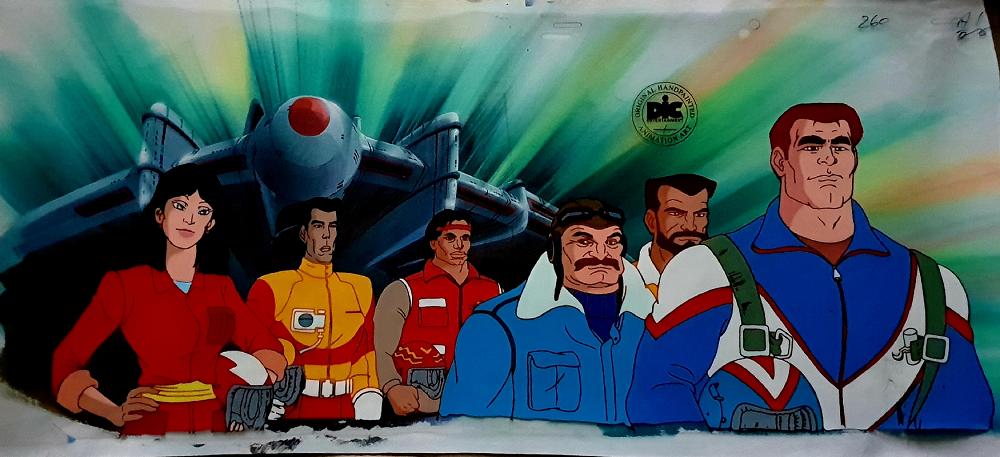
Ring Raiders, 1989

As was the way with such things, DIC Entertainment were brought on board to produce an animated series to help sell the toys, staffer Phil Harnage coming up with a backstory for the series which told of the ongoing battle between the evil Skull Squadron and the heroic Ring Commanders in the far-flung future of 1998. The Ring Commanders are a selection of history’s greatest pilots, plucked from their own times to save the world of the future; can Victor Vector lead the to victory against Scorch’s sinister forces?

Ring Raiders debuted as a syndicated mini-series, a tried and tested method of establishing whether a show had the legs or the audience for a full series order. Five episodes aired weekly in the US in September and October 1989, with a UK comic book heralding Ring Raiders’s debut on ITV. However, by the time the sixth issue of the comic book was released, the toyline and cartoon were shelved, fuel only for puerile schoolyard jokes about sphincters.

Rude Dog and the Dweebs (CBS): Rude Dog was created as a clothing mascot by Brad McMahon, while under contract to Sun Sportwear in 1986. A white bull terrier with attitude, he appeared on surf and skate clothing, although Sun never quite achieved the visibility of Ocean Pacific, Vision Streetwear, and their other major competitors. Seeking to remedy this, Sun partnered with Marvel Productions to produce a Saturday morning cartoon, with Rude Dog joined by a gang, the Dweebs. The Dweebs weren’t much of a gang, to be fair, but they were good for comedy set-ups and enjoyed an ongoing rivalry with both dogcatcher Herman and evil cat Seymour.
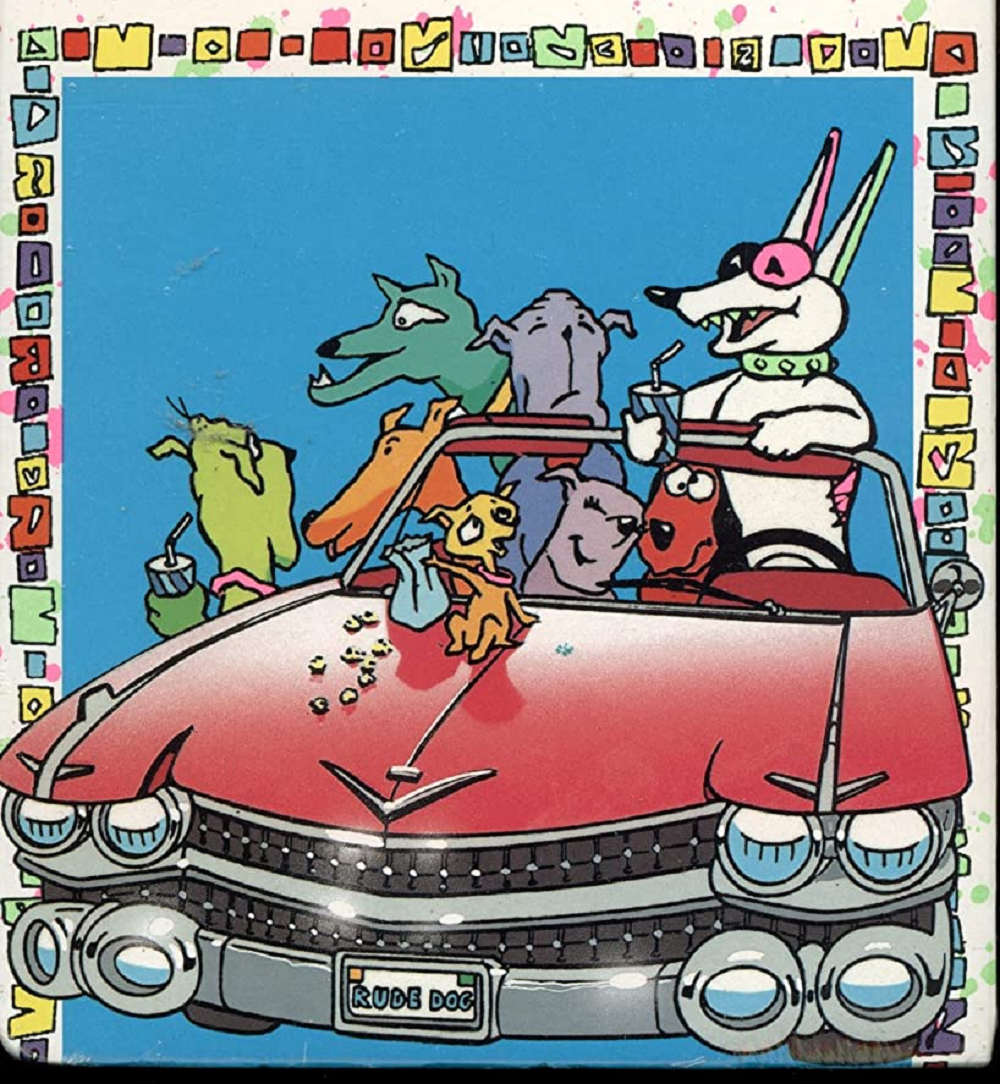
Rude Dog and the Dweebs, 1989
Radical! Rude Dog and the Dweebs, 1989

The show was made under the watchful eye of Hank Saroyan, the award-winning creator of Muppet Babies, and he recruited a who’s who of cartoon scripters and voice-over artists, with the ubiquitous Peter Cullen and Frank Welker performing several roles, alongside Rob Paulsen’s New York accented Rude Dog. Thirteen episodes were produced, each with two stories per week, and CBS threw the show into their Saturday morning line-up from September 1989, opposite new arrival Saved by the Bell on NBC.

Despite his outrageously cool persona, kids just didn’t seem to identify with Rude Dog or the Dweebs, and there was no season two for McMahon’s creation. The show remains the property of Marvel (and thus now Disney) but there is no sign of it on streaming services. However, if you want to see one of the shows that was declared “an animated atrocity” by pop culture site io9 in 2014, there’s plenty up on YouTube.

Captain N: The Game Master (NBC): Back in 1989, videogames hadn’t quite ruined kids’ entertainment the way they went on to do and TV sought to build partnerships with the videogame properties that would ensure both sides made the most of both old and new forms of screentime. Japanese giant Nintendo were particularly keen to have their characters beamed into the homes of American kids on Saturday mornings and engaged DIC Entertainment to produce a series of shows based on their properties.
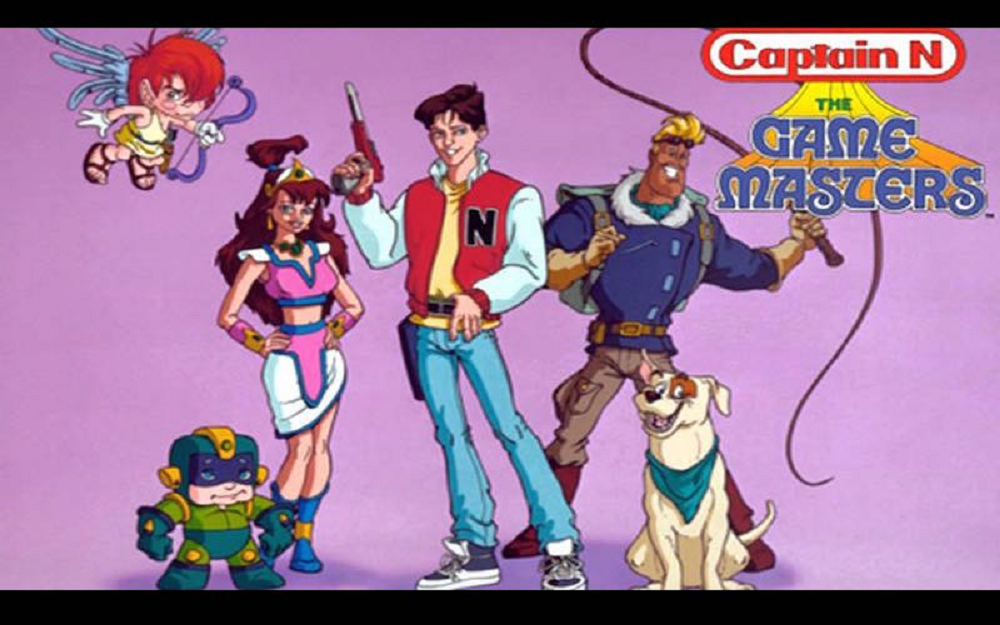
Captain N, 1989

Captain N: The Game Master was produced by DIC Animation City and Saban Entertainment, starring a character that had first appeared in Nintendo Power magazine. Created by magazine editor Randy Studdard, Captain N was intended to be a company mascot outside the existing game characters, but the hero was further developed by DIC to be ordinary teenager Kevin Keene, zapped into the world of videogames while playing Mike Tyson’s Punch Out and looked to by heroes such as Mega Man and Kid Icarus to help them free Videoland from Mother Brain’s tyranny.

Characters from games such as Castlevania, Donkey Kong, Dragon Warrior, Kid Icarus, Mega Man, Metroid, and The Legend of Zelda made appearances throughout the series, with a thirteen-episode first season doing well enough to earn second and third seasons, aired as a block with first The Adventures of Super Mario Bros 3 and then Super Mario World. A comic book adaptation (with some major differences and a more serious tone) was produced by Valiant Comics as part of their Nintendo Comics System anthology in 1990 but otherwise the character has lain mostly dormant ever since, waiting for his Super Smash Bros call.

The New Adventures of He-Man (syndication): Mattel’s Masters of the Universe line was a massive success for the company, aided in no small part by He-Man and the Masters of the Universe, Filmation’s Saturday morning cartoon which provided toy-hungry kids with a walking advert (and readymade characters and storylines) for the hot new action figure line. By 1987, the five-year-old line was retired, with sales dwindling and the big-screen adaptation falling flat despite a brilliant performance by Frank Langella as Skeletor. It was a perfect time for a rebrand, then, and after two years off the shelves a new range of He-Man action figures was ready to go, this time with a space setting to differentiate them from the sword and sorcery of the original line.
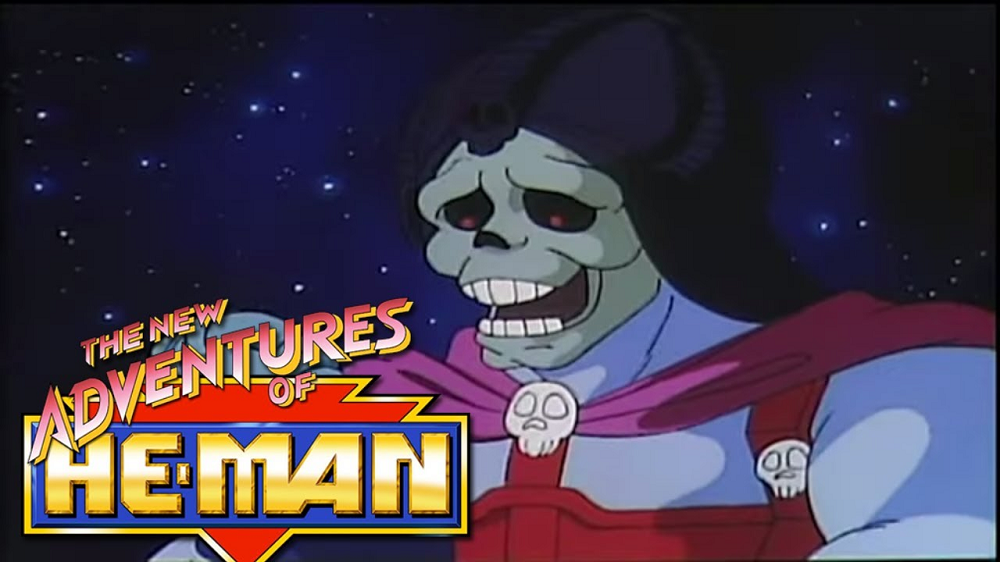
The New Adventures of He-Man, 1989

There was a hitch, however, as Filmation had shut down a year earlier and so a new animation partner was sought, with Jetlag Productions – formed by former DIC Entertainment head Jean Chalopin – winning the race to provide what seemed to be a brand-new storyline with little connection to the original. He-Man found himself summoned to the far future and the planet of Primus, brought by the Galactic Guardians to help them fend off the evil mutants from the neighbouring planet Denebria. Unfortunately, Skeletor is able to follow him, inveigling himself into the inner circle of Flogg, leader of the evil mutants, and thus the battle is joined anew.

Jetlag produced sixty-five episodes for the syndicated market, even managing to tell a full story with a definite end, a rarity for the time. At the end of the final episode, the Guardians succeed in driving the mutants away, Skeletor flees in an escape pod with sexy female mutant Crita, and He-Man presumably staying on Primus to hang out with his new pals. The cartoon was given a lukewarm reception and the toyline disappeared from shelves until 2001, when a more traditional rebrand was launched. Over the years, fan theories and official canon have aligned, with the 1989 show’s characters released in the original toy style, until Kevin Smith’s Masters of the Universe: Revelation in 2021 formally brought the new show into the main continuity.

Beetlejuice (ABC): Only Tim Burton’s second full-length film as a director, Beetlejuice firmly established the quirky style for which the auteur would become known, its protagonists firmly falling on the gothic side of life, even if they did enjoy differing states of being alive. Michael Keaton’s Betelgeuse was a ghostly con-artist, fleecing newly-deads Alec Baldwin and Geena Davis as they hire him to exorcise their house of living people.
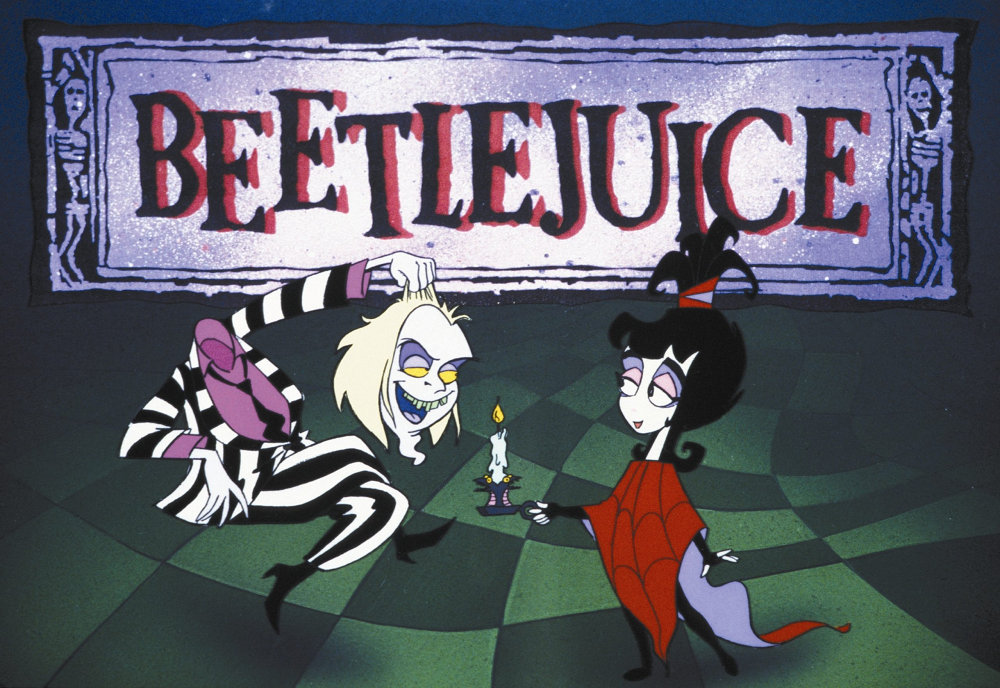
Beetlejuice, 1989

Despite the film’s PG-13 rating, the main character proved a surprise hit with younger kids who thrilled to his wacky antics, and a series of videogames and a toyline was soon greenlit by Warner Bros executives eager to cash in on the surprising new addition to their character bank. It wasn’t long, then, before an animated series was pitched and Canadian studio Nelvana were given the job of bringing it to air. The cartoon jettisoned the Baldwin and Davis characters to focus on the escapades of Beetlejuice and his best goth pal Lydia (played by Winona Ryder in the original movie).

Nelvana brought in a primarily Canadian voice cast, with Stephen Ouimette in the title role and Alyson Court as Lydia, and across four seasons, the pair got into scrapes in both the human world and Netherworld, encountering all manner of spooky beings and situations, with Beetlejuice always looking for a way to work an angle and con the dead and the living. A total of ninety-four episodes were produced, with all manner of merchandising accompanying the show, although a range of action figures specific to the cartoon was halted while in production by Kenner, fans having to make do with movie figures including Exploding Beetlejuice, Headless Adam Maitland, and Hungry Hog with Corncob Accessory.

The Super Mario Bros Super Show! (syndication): Some casting decisions are just perfect. Once in the role, you can’t imagine anyone else playing the character, and especially not Bob Hoskins. Yes, whoever decided that Captain Lou Albano, formerly of the WWF and Cyndi Lauper video fame, would get to be Mario in The Super Mario Bros Super Show! deserves an award. A better journalist could probably find out who it was but that’s not why we’re here.
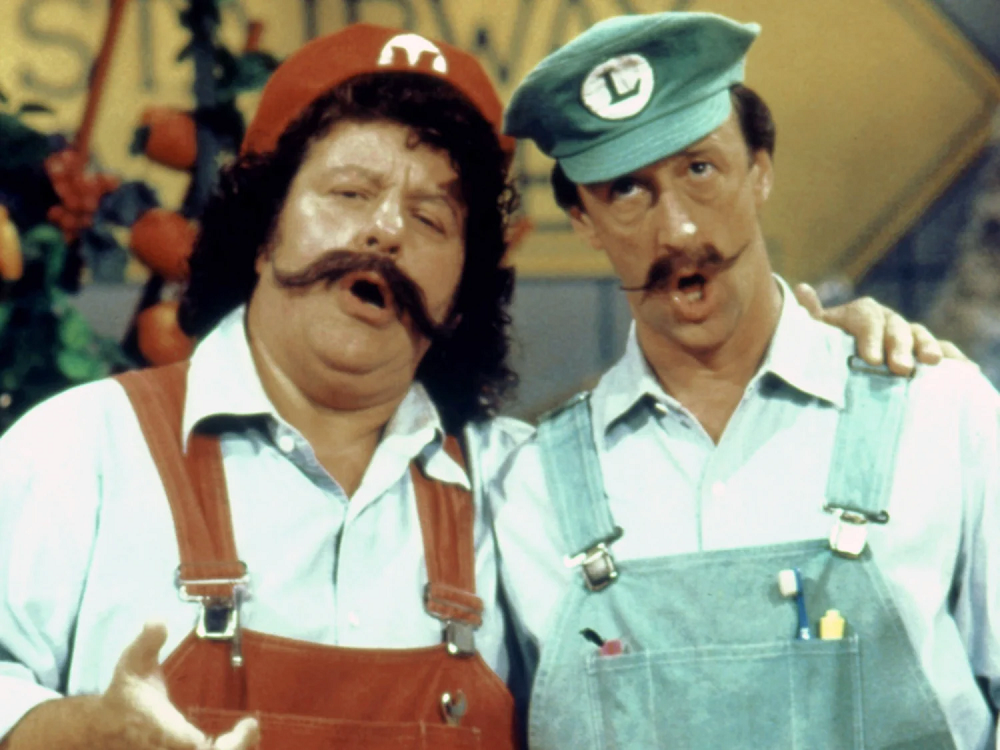
The Super Mario Bros Super Show!, 1989

Shown each weeknight for thirteen weeks from September 4th 1989, The Super Mario Bros Show! featured the animated adventures of everyone’s favourite plumbing duo as they do battle with King Koopa to save Princess Toadstool, Toad, and the rest of the Mushroom Kingdom (except on Fridays when The Legend of Zelda took centre stage). The cartoons were topped and tailed by live-action sequences featured Albano and Danny Wells as Mario and Luigi, enjoying a relationship that wouldn’t have been out of place in an Abbott and Costello or Laurel and Hardy short. The live action segments would often be loosely related to that day’s action and often feature guest stars, with Lauper, Albano’s wrestling pals Roddy Piper and Sgt Slaughter, and the likes of Nicole Eggert and Danica McKellar making pre-Baywatch and Wonder Years appearances.

The reaction to the live action segments was mixed, although its target audience of kids must have loved the slapstick element, and they were gone when the show returned for the Fall 1990 season . Confusingly retitled The Adventures of Super Mario Bros 3 to cash in on the current instalment of the videogame series, it was all animated, all the way. After a brief spell working the insane Herb Abrams and the UWF, Albano returned to the WWF in 1994, still looking every inch the Italian-American plumber he would have become in an alternate universe.

Next on The Telephemera Years: We jump back to 1978 and meet Columbo’s wife!

Check out our other Telephemera articles:

The Telephemera Years: 1966 (part 1, 2, 3, 4)

The Telephemera Years: 1968 (part 1, 2, 3, 4)

The Telephemera Years: 1969 (part 1, 2, 3, 4)

The Telephemera Years: 1971 (part 1, 2, 3, 4)

The Telephemera Years: 1973 (part 1, 2, 3, 4)

The Telephemera Years: 1975 (part 1, 2, 3, 4)

The Telephemera Years: 1977 (part 1, 2, 3, 4)

The Telephemera Years: 1980 (part 12, 3, 4)

The Telephemera Years: 1982 (part 1, 2, 3, 4)

The Telephemera Years: 1984 (part 1, 2, 3, 4)

The Telephemera Years: 1986 (part 1, 2, 3, 4)

The Telephemera Years: 1987 (part 1, 2, 3, 4)

The Telephemera Years: 1989 (part 1, 2, 3)

The Telephemera Years: 1990 (part 1, 2, 3, 4)

The Telephemera Years: 1992 (part 1, 2, 3, 4)

The Telephemera Years: 1995 (part 12, 3, 4)

The Telephemera Years: 1997 (part 1, 2, 3, 4)

The Telephemera Years: 2000 (part 1, 2, 3, 4)

The Telephemera Years: 2003 (part 1, 2, 3, 4)

The Telephemera Years: 2005 (part 1, 2, 3, 4)

The Telephemera Years: 2008 (part 1, 23, 4)

Titans of Telephemera: Irwin Allen

Titans of Telephemera: Stephen J Cannell (part 1, 2, 3, 4)

Titans of Telephemera: DIC (part 1, 2)

Titans of Telephemera: Hanna-Barbera (part 1, 2, 3, 4, 5)

Titans of Telephemera: Kenneth Johnson

Titans of Telephemera: Sid & Marty Krofft

Titans of Telephemera: Glen A Larson (part 1, 2, 3, 4)

Titans of Telephemera: Quinn Martin (part 1, 2)

Titans of Telephemera: Ruby-Spears

Space as the Ultimate Sci-Fi Entertainment Focus

space Ultimate Sci-Fi Entertainment

By Ben Bradley

We make no secret of our love of science fiction at Starburst Magazine, having enjoyed thousands of tales and ideas over our lifetime as fans. Watching movies, reading books, and playing games have all been a part of this. Of course, as fans, it’s impossible not to notice how much attention certain topics, themes, and concepts tend to stand out above the rest. Space just happens to be the biggest example of this in science fiction, connecting to so many of our favourite stories.

Big and Small

Space as a topic in science fiction reaches every level of entertainment, from the big names to the small games. On a smaller scale are the illustrations we see from online casinos, many of which lean on space for inspiration. If you click here to play slots online, you can see that games like Starburst (no relation), Star Spinner, and Stars Ablaze are just a few of the huge range of space-themed titles on offer. Playable over desktops and laptops, these titles are huge hits that blend science fiction and science fact into imaginative releases many players have enjoyed for years. Starburst in particular (again, no relation), is one of the most popular online slots of all time.

Star Wars” (CC BY-ND 2.0) by Da Da Z

Heading for the biggest scale, it’s hard to overlook the success of Star Wars in practically every type of media available. From origins in movies to now non-canon expanded universe novels, games, and even discontinued slot games, Star Wars is an unstoppable force. It’s also a series that fully understands the place of space as an essential toybox for ideas. Like casino games, the basic concepts might not hold up to real scientific scrutiny, but it doesn’t matter.

Space is Imagination

Before humanity had conquered the planet, we were much more willing to accept the ideas of monsters and magic hiding at the fringes. Exploration into the unknown shone a light into these dark corners, revealing that as fascinating as our planet can be, it’s not home to real magic. Space, as the final frontier, has few such constraints. It’s a place of wonder, where anything might be possible, and this is what makes it a perfect fit from slot games to major movies.

Earth orbits the sun, just one star in a galaxy consisting of over 100 billion. In the observable universe, there are between 100 and 200 billion galaxies. Beyond the observable universe, well that we don’t know of, and might never. In other words, space represents a practically infinite canvas from which to draw inspiration, applicable to any medium we want.

Space” (Public Domain) by US Department of State

Space as starting place for entertainment means we can let our imaginations run wild, where technology and alien biology provide an excuse to fall back on old ideas of magic and supernatural entities. Whether the backing of a small slot game series or one of the biggest movie franchises in the world, the flexibility we derive from stars and the gaps between them is the final resting place for fiction on the broadest scale. We might never travel between them as a species, but the same limits aren’t bound in our imaginations, so in what we think of, anything is possible.

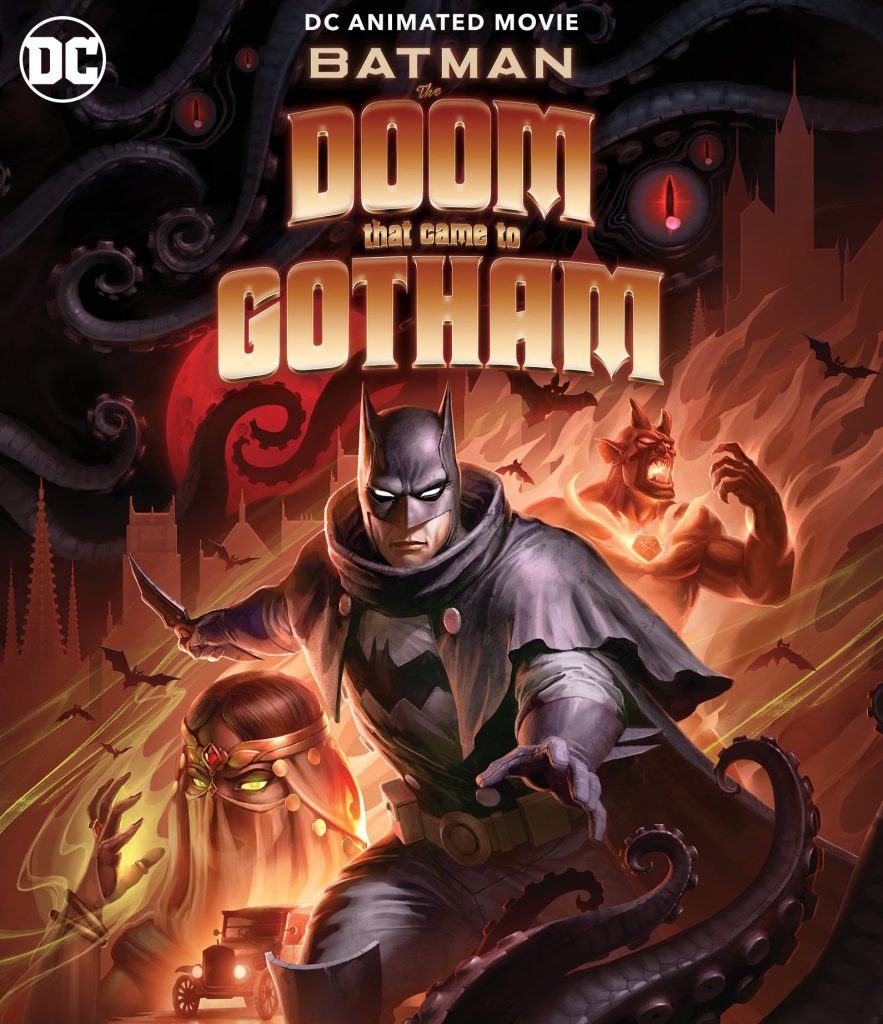
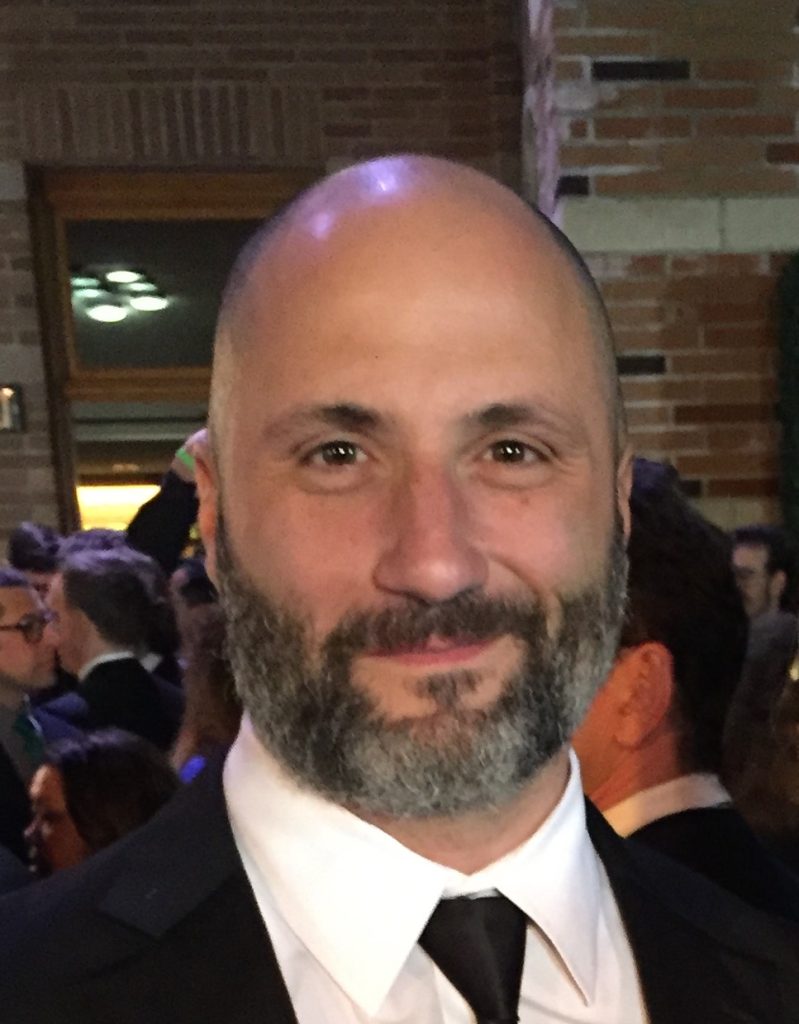
Patrick Fabian | BATMAN: THE DOOM THAT CAME TO GOTHAM

by ED FORTUNE

Patrick Fabian is best known for his role as Howard Hamlin in cult crime-drama Better Call Saul, as well as Cotton Marcus in 2010’s found footage horror, The Last Exorcism, and Alastaire in RomZomCom Eat, Brains, Love. His voice acting roles include The Death of Superman and Reign of the Supermen DC Animated features, but we recently caught up with him to discuss his role as Harvey Dent in the latest DC animated movie, The Doom That Came To Gotham…

STARBURST: What should we expect from The Doom That Came To Gotham?
Patrick Fabian: All your favourite characters from Batman in a completely different world! You’ll be surprised how some of them act, and you should be delighted at what they do.

And what drew you to the project?
DC animation is so cool. And anytime you get a chance to be a part of it, you want to say yes, and I was lucky enough to be a part of The Reign of the Supermen and be Hank Henshaw, Cyborg Superman. When this came around, I was lucky enough to get asked to do Harvey. Of course, I said yes because nothing’s more exciting than the changes coming from those DC animators’ art.

How familiar were you with the source material?
You know what, not a ton. I sheepishly have to admit I’m not a comic book head – I’m not caught up on everything. A great thing about being part of these projects is that I’ve started to read more. But I was not familiar with The Doom That Came To Gotham and this whole Elseworlds situation, which I found to be really cool. I love the whole supernatural take, the whole H.P. Lovecraft into the field to everything. And I think it’s fun to go ahead and sort of take characters out for a spin and in a different realm. I think the audience will really dig it.

How did you find that the mix between Lovecraftian cosmic horror and DC comic books?
It’s funny, it’s tough to blend stuff like that, isn’t it? Because there’s such a familiarity with the world that you’ve already established with DC, right, everybody thinks they know what’s going on. But in the end, there are characteristics of the characters that get to stay the same while allowing us to see other ways of who they are. I like the fact that Batman is so reality-based but gives in to the supernatural quality of it. I love that we see Harvey Dent, mostly in this as the good guy, and the whole Two-Face part of it doesn’t really come up until towards the very end.

As an actor, what is it like to play Harvey Dent/Two-Face? You’re kind of being asked to do two roles for the price of one…
You should be my agent! Maybe we should go back to Warner Brothers and renegotiate, I don’t know [laughs]. Playing Harvey Dent is awesome because you do get to go ahead and be two people. What I like about this film is that Harvey is running for mayor, and he’s a good guy, he’s upstanding and optimistic and helpful.

You’ve played lawyer roles before, not just Harvey Dent but also Howard Hamlin. How do you get into those roles?
It’s funny what you draw on. In the case of Better Call Saul, I drew a lot on my father. Because my father was a very upstanding man and a good guy who would do the right thing. And we could have an argument about whether that was the case for Howard Hamlin, but for Harvey, he isn’t just a lawyer. There is this outward show of wanting to help the city, but like any politician, there’s a healthy dose of ego that’s involved there – a healthy dose of ‘only I can solve it’ sort of idea. And I think that leads ultimately to the downfall of many people, and it’s true for Harvey.

We touched on Lovecraft earlier, we’re guessing you’re more a fan of horror than superheroes?
It’s funny, The Doom That Came To Sarnath was one of the first H.P. Lovecraft things that I ever read. A friend of mine gave me a book of short stories. And I remember there was an illustration – obviously very Lovecraftian, as it were – but as a kid, it was so spooky and scary. I love horror and dark stuff. Nothing would make me happier if you said the rest of my career from here on in was set in the moonlight bathed in blood!

What’s your dream project?
I’ve been fortunate enough to be a working actor for like 30 years. And what that means is that you’re able to do a lot of different things. I’d like to be the sheriff in a western; I’d like to be the guy with the badge on – I haven’t done that yet! That would be fun.

So if DC decided to do more with Jonah Hex, you’d be interested?
That’d be great – I would love to do Jonah Hex! If DC call, my answer is yes, whatever they want me to do. That’s the truth. The good thing about being a working actor is you never know what’s going to happen next. By saying yes to things you find yourself in New Zealand, kissing Xena, the warrior princess, beating up the bad guys! You find yourself on a boat playing a ship captain and jumping into the ocean. Life is an adventure.

What’s next for you?
I just got done doing an independent film called The Way We Speak, and I’m the lead of that. It’s sort of a cultural, political theatre, and it’ll be out sometime, hopefully next year.

BATMAN: THE DOOM THAT CAME TO GOTHAM is out from March 27th on Blu-ray and digital.

Jase Ricci | BATMAN: THE DOOM THAT CAME TO GOTHAM

by ED FORTUNE

Jase Ricci is a writer and producer best known for Tangled: The Series (2017) and 2012’s Teenage Mutant Ninja Turtles. He’s also the creative force behind Batman: The Doom That Came To Gotham, the latest feature from DC Animation. We recently spoke with him to find out more…

STARBURST: How would you pitch this movie to someone who doesn’t know either Batman or H.P. Lovecraft?
Jase Ricci: It’s funny because I think one of the benefits of the Elseworlds projects is that they are very niche. This is a mix of Batman and Lovecraft. And if you don’t know Batman or Lovecraft, you probably want to figure out Batman and Lovecraft first! Not that it’s not accessible to general audiences, but I do feel like it is a little more niche, and it doesn’t have the same effect If you’re not familiar with how a Lovecraft story goes to the world or how a Batman story goes. I think if you’re looking for a Batman story and you’re not familiar with Lovecraft, you’re still going to enjoy it, but you’ll enjoy it more if you have that niche appetite.

When writing an Elseworlds story like this, how do you keep it ‘Batman’?
Well, fortunately, we had a really strong creative team element that kept us in check. And being a lifelong fan of Batman, I feel pretty confident that I know the characters. There’s a beauty to something like Batman. Is Adam West Batman? Yes. Michael Keaton? Yes. Is Christian Bale? Yes. Is Kevin Conroy? Yes. Every version of Batman is Batman. He’s one of the most identifiable characters in the world, so he’s so malleable in many ways. There are so many different versions of Batman that when you’re working on an Elseworlds project like this, you have that latitude in the room to sort of push Batman to a place he has not been before. As long as you have those touchstone elements and that familiarity.

Jase Ricci

In H.P. Lovecraft’s mythos, the characters always end up crazy. How do you do that here? Batman’s already crazy!
Good question. Denial. You’re right because I think the point of this story is that he’s still the hero. He has this almost otherworldly bat vision at the very start of his journey to becoming Batman. But he blocks it out of his mind. He embraces logic in order to hide from it. And it’s not until he lets go of that semblance of sanity – that says through logic and reason believe in the rationale – that he lets himself fall into the insanity. It’s not about him going crazy, it’s about him realising he’s crazy! It’s a really cool twist on your expectations of a Lovecraftian story.

Is kid-friendly horror a thing you like to do?
Yeah, I really hit my groove with a bunch of projects that are marrying my love of sci-fi, horror, and Teenage Mutant Ninja Turtles. And, you know, one of the greatest things ever was we had Jeffrey Combs in this project as Kirk Langstrom. He’s been a hero of mine forever. He was actually the Rat King in an episode that I wrote for Ninja Turtles. And whenever I can, I look for projects with horror elements, or there are episodes of Teenage Mutant Ninja Turtles where I can fit in a horror element -werewolves and ghosts and stuff like that. I think it’s fun to cross genres!

BATMAN: THE DOOM THAT CAME TO GOTHAM is out from March 27th on Blu-ray and digital.

Top 3 slots games we tried in 2023

top 3 online slots 2023

By Ben Bradley

Playing new online slots from the comfort of your own home or on your mobile device has become a popular pastime. Our online slot experts at Starburstmagazine.com have spent over a decade playing at the top online slot sites, making them the authority on the matter.

With the slot game market constantly being updated, new online slots are released on a regular basis. However, not all of them are worth playing. So, our dedicated slot experts spend their time each week playing the latest games to recommend only the best real money slots.

It is our mission to bring you the 3 finest online slots that have entered the market, providing you with access to the most rewarding slot games available. So, don’t waste your time with subpar slots – trust our experts to provide you with the top online slots to play for real money. Let’s get started with Starburst.

Starburst slot game

Starburst is an iconic online slot game developed by NetEnt, one of the leading providers of gaming software. This captivating title boasts an interesting space theme with gems and cosmic symbols that light up the screen.

Starburst slot game is simple; it features five reels, three rows, and 10 paylines that pay both ways. There are no free spins or bonus rounds involved. However, it does boast an expanding wild feature that can appear on reels 2, 3, and 4. When activated, this wild expands to cover the entire Reel and awards you with a free re-spin.

Starburst’s popularity can be attributed to its impressive RTP (return to player) rate of 96.09%. On average, players should win back 96.09% of their initial wagers over time. Furthermore, with a maximum payout of 500x your bet amount available in this game, lucky winners could potentially walk away with substantial wins.

Starburst’s straightforward design and the captivating gameplay make it a perfect choice for both new and experienced fans alike.

Big Bass (Bonanza) Online Slot

Big Bass, pragmatic Play’s popular online slot, has seen many variations since its initial release. The latest addition to this favourite series is Big Bass (Bonanza) – Keeping It Reel. It is sure to delight both regular and new slot players alike with its captivating game mechanics and classic artwork.

This game boasts classic reel symbols such as fishing rods, bait, tackle, and Big Bass scatter symbols, which activate the bonus round. What sets Big Bass Bonanza – Keeping it Reel apart is its progressive pot, which collects all uncollected fish money symbols during free spins. This pot can be won by landing a Golden Wild symbol. However, be wary, as any fish that escapes the net will reduce its size significantly! Thus, it is such an unpredictable jackpot for this game’s fans.

With a maximum win of 10,000x and 96.07% RTP, this 5-reel, 10-row slot is highly volatile but seems to pay out more frequently than expected. When we were trying this game, we were always watching who can catch one of the big fishes and win big.

When you experience Big Bass (Bonanza) – Keeping It Reel, you will see why this slot game has become one of the popular Big Bass series favourites. This title will become more popular thanks to its eye-catching artwork, intriguing mechanics, and potential for big payouts!

Propaganda Online Slot

Elk Studios are known for their inventive game mechanics and interesting slots, and with Propaganda, they’ve done it again. Set in a dystopian society with masked characters hiding their happiness, this inspiring title sees them launch a Revolution of Love to fight for freedom.

This 6-x-6 cluster slot offers many interesting features such as wilds that split and merge to form new wilds when winning combinations are formed. After each explosion, the symbols disappear, leaving way for new ones in an avalanche style. Plus, Elk Studios’ Wild Strike feature randomly adds wilds or multiplier wilds for even greater gameplay.

Propaganda offers a unique experience that players must simply jump in and play to fully appreciate it. With an RTP of 95% and a maximum win potential of 10,000x your stake, Propaganda could potentially reward you with a payout of up to PS1,000,000.

Propaganda Revolution of Love from Elk Studios is a one-of-a-kind slot game. This revolutionary title boasts innovative mechanics and captivating gameplay. Once a fan plays this game, they immediately learn play why it’s one of the best new slots on the market!

Takeaway

In conclusion, online slot games have become a popular form of gaming for many players, providing the opportunity to win real money from their own homes or on their mobile devices. Please share your thoughts in the comments section, and tell us which game you prefer the most.

THE TELEPHEMERA YEARS: 1989 – PART 3

The Trial of the Incredible Hulk, 1989

Ah, telephemera… those shows whose stay with us was tantalisingly brief, snatched away before their time, and sometimes with good cause. They hit the schedules alongside established shows, hoping for a long run, but it’s not always to be, and for every Street Hawk there’s two Manimals. But here at STARBURST we celebrate their existence and mourn their departure, drilling down into the new season’s entertainment with equal opportunities square eyes… these are The Telephemera Years!

1989-90

America loved to laugh in 1989, with CBS’ sole hit show 60 Minutes the only non-comedy show to make a top ten dominated by NBC’s The Cosby Show, A Different World, and Golden Girls, and ABC’s Roseanne and The Wonder Years. Waiting in the wings were both The Simpsons and Seinfeld (making their debuts on Fox and NBC, respectively), while Kids in the Hall was arriving on HBO for some weird, surreal fun (and gayness).

Kids in the Hall wasn’t as weird as TV would get in 1989 with Twin Peaks bursting onto ABC, although even that show – and its slightly less weird and definitely warmer (if not weather-wise) cousin Northern Exposure – might have been outdone by the sight of SO MUCH SPANDEX over on American Gladiators. Friday the 13th: the Series and Freddy’s Nightmares were both bowing out of first-run syndication, but horror anthology fans were treated to HBO’s Tales from the Crypt as a more than adequate replacement. All those shows secured places on the schedule for 1989 and beyond but what about those that didn’t? This is the story of 1989’s unsold pilots…

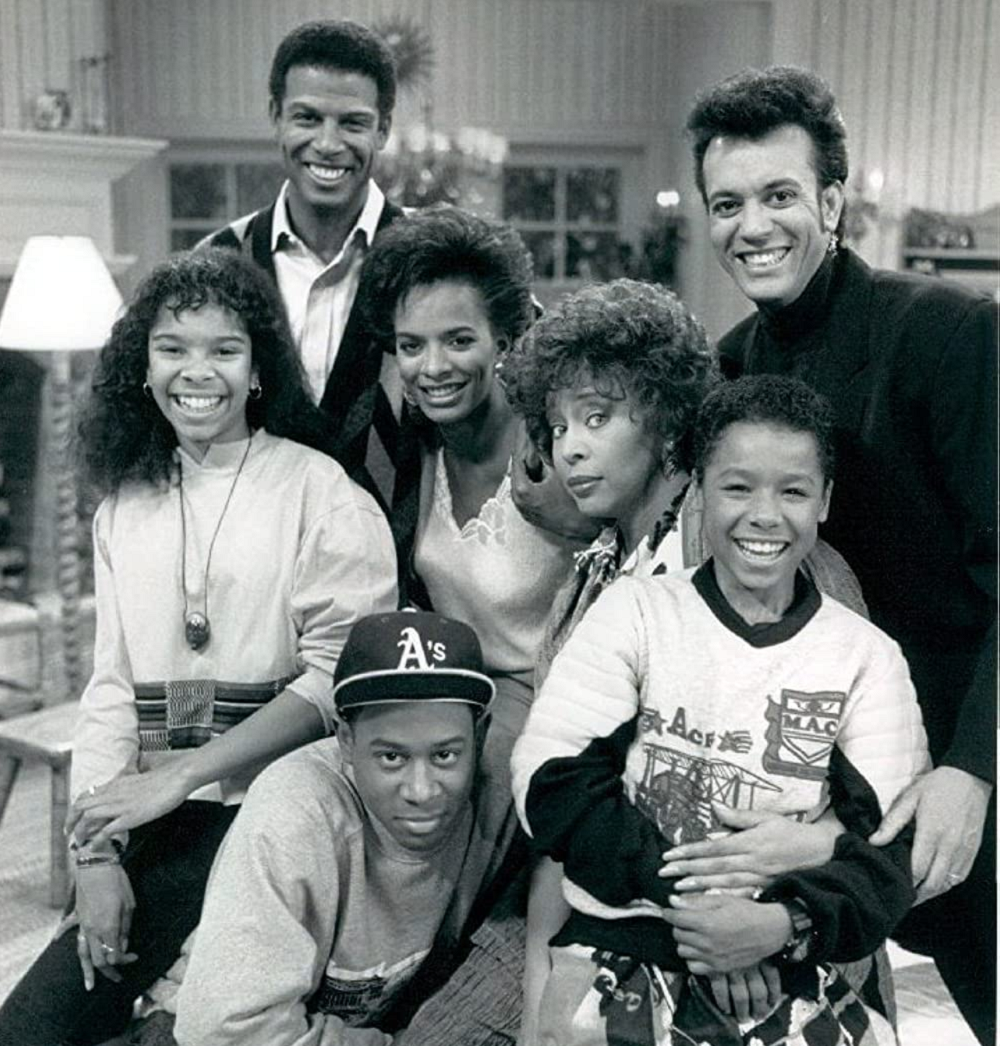
A Little Bit Strange (NBC): Free Spirit wasn’t the only family sitcom featuring a witch to be pitched for the Fall 1989 season but A Little Bit Strange was a little bit different. Sadly still rare for the late 1980s, it had an all-Black cast – including a young Martin Lawrence – and tipped the usual “witch in a family of normal people” trope on its head by introducing its sole non-magical character to a family of witches…

Hill Street Blues‘s Michael Warren played Ben Masterson, a newly re-married man who brings his wife home to meet his family for the first time. Ben is a warlock, his daughter Tasha (Cherie Johnson) a witch, grandma’s a psychic, and so on. Yes, this is The Munsters seen through the eyes of Marilyn, with Vanessa (Coming 2 America) Bell’s character – also a Marilyn – our proxy into the world of (Black) magic, although she mostly seems to be the target of Tasha’s cruel pranks.

A Little Bit Strange, 1989

The show was the brainchild of former Family Ties scripter Stephen J Curwick (who also wrote Police Academy 5 and 6) and poet Sharee Anne Gorman, developed by Punky Brewster creator David W Duclon, with a pilot episode directed by Jack Shea, who had helmed over one hundred episodes of The Jeffersons, US TV’s first big Black sitcom.

The pilot aired on NBC on April 23rd 1989 in the slot usually filled by ALF and 227 but ratings were not what they had hoped, with critics calling the show over-gimmicky. America just wasn’t ready for a show about African-American monsters, it seemed, although Duclon’s next work on Family Matters did introduce the world to Urkel, so the jury is still out on that.

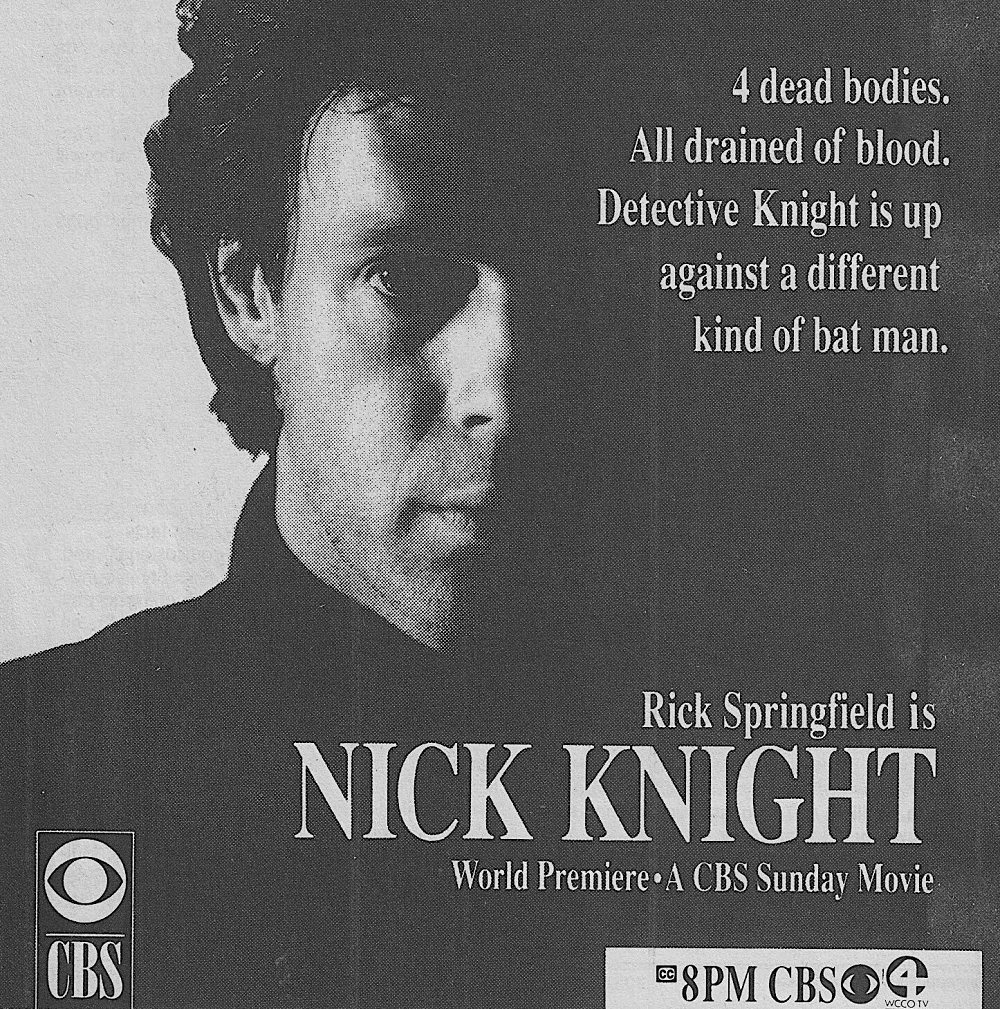
Nick Knight (CBS): To say Rick Springfield had an interesting career is something of an understatement. A teen music star in his native Australia, Springfield moved to the US in 1972, earning his first stateside hit single with “Speak to the Sky”, following it up with the album Beginnings, which reached number 35 on the Billboard charts. His Us label marketed Springfield as a teen pop star in the mould of David Cassidy but further musical success eluded him as he instead concentrated on acting, making guest appearances on a number of shows and projects, including Saga of a Star World, which was later tweaked to become Battlestar Galactica.

In 1981, he was cast on General Hospital, reigniting his career and leading to a string of hit singles and albums including “Jessie’s Girl” and “Don’t Talk to Strangers”, but found himself falling out of fashion by the end of the decade, turning once more to acting. Nick Knight saw him star as the eponymous detective, a vampire working the night shift for the LAPD. Knight is tired of his life, of hundreds of years of fighting the urge to kill, wanting nothing more than to return to human again.

Nick Knight, 1989

As the pilot opens, Knight’s moping is interrupted by the discovery of four dead bodies, all drained of blood and seemingly the work of… a vampire! Can Nick Knight work alongside his new partner (John Hughes regular John Kapelos) and thwart his eternal nemesis LaCroix? Well, that’s the basis for a series, isn’t it? Except Nick Knight didn’t get picked up. The pilot aired as a TV movie in August 1989 but CBS were less than happy with the results and put the project back on the shelf.

Springfield moved on to other projects, eventually turning up as DC Comics’ Human Target in 1992, and creators Barney Cohen and James D Parriott continued to tweak their premise. In 1992, CBS went back to the pair and ordered a series to be produced in Canada, retitled Forever Knight. Only John Kapelos returned from the original cast, with Geraint Wyn Davies in the title role, and the series eventually ran for three seasons, his final showdown with LaCroix left deliberately ambiguous…

The Gifted One (NBC): That The Gifted One is such a slow burn of a pilot is both a gift and a curse. It was unusual to see a premise given such room to breathe – the story here is of a young boy who develops fantastic abilities and then goes on a search for his birth mother – but the lack of urgency and cautious build obviously turned network executives off ordering a full series.

Peter Kowanko plays Michael Grant as he reaches adulthood and the parents who raised him pass away. Michael is prodded by government scientists to discover how he is able to do such seemingly magical things – healing pets, scaring bullies, being good at baseball – and they discover that he is able to use 100% of his brain, unlike most of the human race (insert snark here). The government are obviously interested in using Michael’s abilities but the pilot, which was aired as an NBC Sunday Night Movie in June 1989, ends with him escaping the government with the help of the doctor who switched him at birth.

The Gifted One, 1989

You’d imagine that a full series would have seen Michael moving from town to town, helping out people in trouble and slowly piecing it all together, with John-Rhys Davies’s Dr Boardman hot on his trail, but NBC passed on a full series order, perhaps fearing it might be too similar to Highway to Heaven, which had just ended its run on the network, or The Incredible Hulk, which they were trying to relaunch.

The Gifted One was the sole result of a writing partnership between Lisa James and Richard Rothstein, with James returning to the theatre afterwards. Rothstein returned to work on The Hitchhiker, the show he co-created for HBO, later scripting Universal Soldier for Jean-Claude Van Damme and Dolph Lundgren to smoulder in. Kowanko pretty much retired after the show failed to find a place on the schedule, with just three further credits to his name, and it was last reported that he was living an ordinary family life in Utah, something Michael Grant could only had dreamed of…

Adventures in Babysitting (CBS): If you were the right age in 1987 when Adventures in Babysitting (or A Night on the Town in the UK) hit cinemas, Elisabeth Shue’s turn as put-upon babysitter Chris was nothing short of a hormone explosion. With younger children catered for by Maia Brewton’s spunky helmet-wearer Sarah, teenage boys were taken care of by fifteen-year-olds Brad and Darryl, hopelessly in love/lust with the babysitter they are destined never to know in the manner they’d prefer.

Of course, it’s a comedy and actually pretty funny, and everyone does learn some lessons by the end, and it was probably this that made CBS think there was a potential series in the concept, ordering a pilot for consideration for the Fall 1989 season. By this point, Shue was off making the Back to the Future sequels and so Jennifer Guthrie was cast as Chris in her first TV role. The part of Brad went to Joey Lawrence, who had captured hearts on NBC’s Gimme a Break!, with Brian Austin Green (soon to star in Beverly Hills 90210) as his friend Daryl and Courtney Peldon filling Brewton’s helmet as Sara.

Adventures in Babysitting, 1989

As with the original movie, the pilot episode – a standard twenty-two-minute sitcom affair written by The Sopranos and Boardwalk Empire’s Greg Antonacci – finds an excuse for Chris to take the kids out of the house, getting into a confrontation with a pair of hoodlums, but making it back home before the Andersons notice their kids are AWOL.

A full series of this stuff might have worn out its welcome, but we never got to find out, despite the pilot getting a decent 6.9 rating on its sole airing in July 1989. Guthrie, Lawrence, and Green moved on to Parker Lewis Can’t Lose, Blossom, and 90210 in the next couple of years, probably thankful that Adventures in Babysitting never made it to series. The film was reported to get a remake as Further Adventures in Babysitting in 2010, with Raven-Symoné as Disney’s choice for the main role, but it wasn’t until 2016 that another version appeared, with a pair of babysitters played by Sabrina Carpenter and Sofia Carson.

The Trial of the Incredible Hulk (NBC): Before the Marvel Cinematic Universe was even a twinkle in Kevin Feige’s eye, comic book fans had to exist on meagre rations. The arrival of Superman in 1978 was a revelation, a page-to-screen adaptation done the right way at last after years of comics being treated as the lowest form of popular culture. As excitement grew for the release of Superman, Marvel Comics licensed several of its characters for TV shows, with The Amazing Spider-man the first fruits of an agreement that would also see Captain America and Dr Strange reach the small screen.

The biggest success story was The Incredible Hulk, running for five seasons on CBS between 1978 and 1984. Sure, the television Hulk wasn’t quite the imposing specimen seen in the comics (although Lou Ferrigno will forever be the first image that comes to mind for a lot of ol’ greenskin’s fans) and the storylines were more akin to Kung Fu than those conjured up by Roger Stern and Sul Buscema in the four-coloured version, but this was a serious entry into the annals of TV history, a long-running show that retained many fans long after its cancellation.

The Trial of the Incredible Hulk, 1989

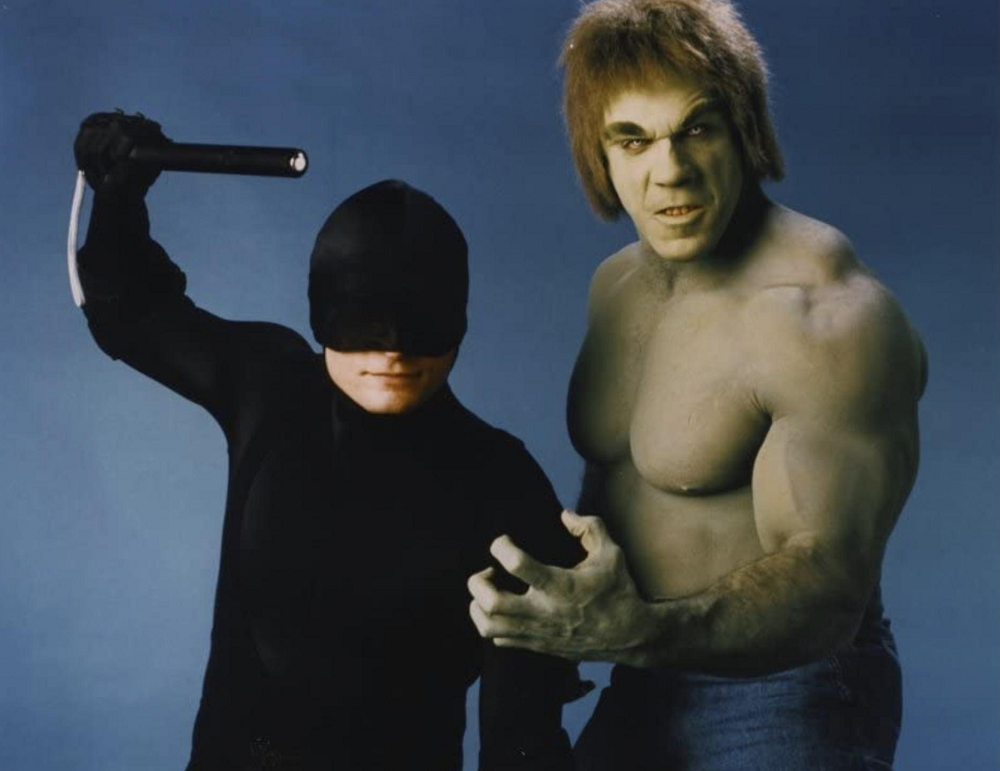
It was no surprise then that, in the wake of Tim Burton’s big-screen Batman blockbuster, The Incredible Hulk was taken out of mothballs and revived for a TV movie in 1988. Intended as a possible backdoor pilot for a Thor TV show, as well as a precursor to a revived series for the jade giant, The Incredible Hulk Returns brought Ferrigno back to the role that made him (semi-) famous, with Bill Bixby also back as David Banner, the tortured Dr Jekyll to the Hulk’s Mr Hyde. The Incredible Hulk Returns was a major success and immediately led to the greenlighting of a second TV movie, this time guest-starring blind lawyer turned crimefighter Daredevil!

Rex Smith was cast as Matt Murdock, with John Rhys-Davies a semi-convincing Wilson Fisk, but the plot was too Banner-heavy; The Hulk barely appears outside a dream sequence, and it is Banner and Daredevil who take down the Kingpin in the final act. The special again garnered good ratings but it was clear that momentum had been lost and there would be no series spinning out of the TV movie for either Daredevil or The Hulk. The Hulk was given a third special – The Death of the Incredible Hulk – in February 1990, which did what it said on the tin, and Bixby’s death from prostate cancer removed any possibility of a surprise resurrection.

Next on The Telephemera Years: What the kids were watching in 1989… Rude Dog!

Check out our other Telephemera articles:

The Telephemera Years: 1966 (part 1, 2, 3, 4)

The Telephemera Years: 1968 (part 1, 2, 3, 4)

The Telephemera Years: 1969 (part 1, 2, 3, 4)

The Telephemera Years: 1971 (part 1, 2, 3, 4)

The Telephemera Years: 1973 (part 1, 2, 3, 4)

The Telephemera Years: 1975 (part 1, 2, 3, 4)

The Telephemera Years: 1977 (part 1, 2, 3, 4)

The Telephemera Years: 1980 (part 12, 3, 4)

The Telephemera Years: 1982 (part 1, 2, 3, 4)

The Telephemera Years: 1984 (part 1, 2, 3, 4)

The Telephemera Years: 1986 (part 1, 2, 3, 4)

The Telephemera Years: 1987 (part 1, 2, 3, 4)

The Telephemera Years: 1989 (part 1, 2)

The Telephemera Years: 1990 (part 1, 2, 3, 4)

The Telephemera Years: 1992 (part 1, 2, 3, 4)

The Telephemera Years: 1995 (part 12, 3, 4)

The Telephemera Years: 1997 (part 1, 2, 3, 4)

The Telephemera Years: 2000 (part 1, 2, 3, 4)

The Telephemera Years: 2003 (part 1, 2, 3, 4)

The Telephemera Years: 2005 (part 1, 2, 3, 4)

The Telephemera Years: 2008 (part 1, 23, 4)

Titans of Telephemera: Irwin Allen

Titans of Telephemera: Stephen J Cannell (part 1, 2, 3, 4)

Titans of Telephemera: DIC (part 1, 2)

Titans of Telephemera: Hanna-Barbera (part 1, 2, 3, 4, 5)

Titans of Telephemera: Kenneth Johnson

Titans of Telephemera: Sid & Marty Krofft

Titans of Telephemera: Glen A Larson (part 1, 2, 3, 4)

Titans of Telephemera: Quinn Martin (part 1, 2)

Titans of Telephemera: Ruby-Spears

MULGRAVE AUDIO: AUDIO DRAMA FOR THE HAUNTED GENERATION

Simon Perkins' Lurgy

In June 2017, Bob Fischer wrote a feature for Fortean Times magazine entitled “The Haunted Generation.” Concentrating primarily on the television of the 1960s, 1970s, and 1980s, Fischer’s piece exploded the fringe hauntology theory into the mainstream (or at least a far less fringe version of it), perfectly explaining just why a seemingly disparate collection of original sources had resonated with those of a certain age.

As well as looking at some more contemporary filmmakers influenced by the classic texts, Fischer also shined a light on the small scene of musicians making music that either sounded like it should have soundtracked such fare or invoked similar pattern recognitions (as feature in our latest issue), and can be found compering live performances by some of the scene’s standouts, as well as compiling his own Haunted Generation Radio Shows for discerning Mixcloud listeners.


Mulgrave Audio

Now, though, Fischer’s gone a step further and embarked on adding to the already considerable weight of new material intended to conjure the spirit of that fuzziest of epochs by co-founding Mulgrave Audio, a multi-media exercise in creating something new but old, something original yet familiar.

Joined by fellow northeasterners Andrew Orton (who also provides Mulgrave’s retro design aesthetic) and Andrew T Smith, Fischer himself has scripted the label’s first release, the hour-long Simon Perkins’ Lurgy, the story of a 15-year-old with a mysterious ailment trapped at his gran’s house where his only company is what passed for daytime TV in 1974.

Starring local teenager Ethan Warren as Simon, the drama also features former continuity announcer (and BBC Radiophonic Workshop alumnus) Roger Limb. A two-hander that feels both claustrophobic and expansive, the piece has a Play for Today feel to it, dipping into the fantastic but still feeling very grounded in its period setting.

Bob Fischer and Ethan Warren in the studio

“As a child in the 1970s, I was obsessed with the telly and often fantasised about the presenters speaking to me personally through the crackly speakers of our rented TV set,” explains Fischer. “The play is an attempt to take that feeling to its illogical extremes! And although Simon is very much a fictional character, it was tremendous fun incorporating lots of my own memories of the era. I hope we’ve created a play that evokes the feel of the mid-1970s. Skiving off school and pushing cold fish fingers around your dinner plate, while watching strange Open University modules on BBC2…”

With a score by Ben Hopkinson, channel idents and theme music by Bristol duo The Twelve Hour Foundation, and additional music from Limb himself, Simon Perkins’ Lurgy is also firmly rooted in the music scene that Fischer has become such a champion of. A logical progression, then, and one worth keeping an eye on.

Simon Perkins’ Lurgy is released on April 25th 2023 and is available to pre-order now from mulgraveaudio.co.uk.

THE TELEPHEMERA YEARS: 1989 – PART 2

Sunset Beat, 1990

Ah, telephemera… those shows whose stay with us was tantalisingly brief, snatched away before their time, and sometimes with good cause. They hit the schedules alongside established shows, hoping for a long run, but it’s not always to be, and for every Street Hawk there’s two Manimals. But here at STARBURST we celebrate their existence and mourn their departure, drilling down into the new season’s entertainment with equal opportunities square eyes… these are The Telephemera Years!

1989-90

America loved to laugh in 1989, with CBS’ sole hit show 60 Minutes the only non-comedy show to make a top ten dominated by NBC’s The Cosby Show, A Different World, and Golden Girls, and ABC’s Roseanne and The Wonder Years. Waiting in the wings were both The Simpsons and Seinfeld (making their debuts on Fox and NBC, respectively), while Kids in the Hall was arriving on HBO for some weird, surreal fun (and gayness).

Kids in the Hall wasn’t as weird as TV would get in 1989 with Twin Peaks bursting onto ABC, although even that show – and its slightly less weird and definitely warmer (if not weather-wise) cousin Northern Exposure – might have been outdone by the sight of SO MUCH SPANDEX over on American Gladiators. Friday the 13th: the Series and Freddy’s Nightmares were both bowing out of first-run syndication, but horror anthology fans were treated to HBO’s Tales from the Crypt as a more than adequate replacement. Those shows all made a lasting impact on viewers, but what of those that didn’t? Here are four more failed shows from the 1989-90 season…

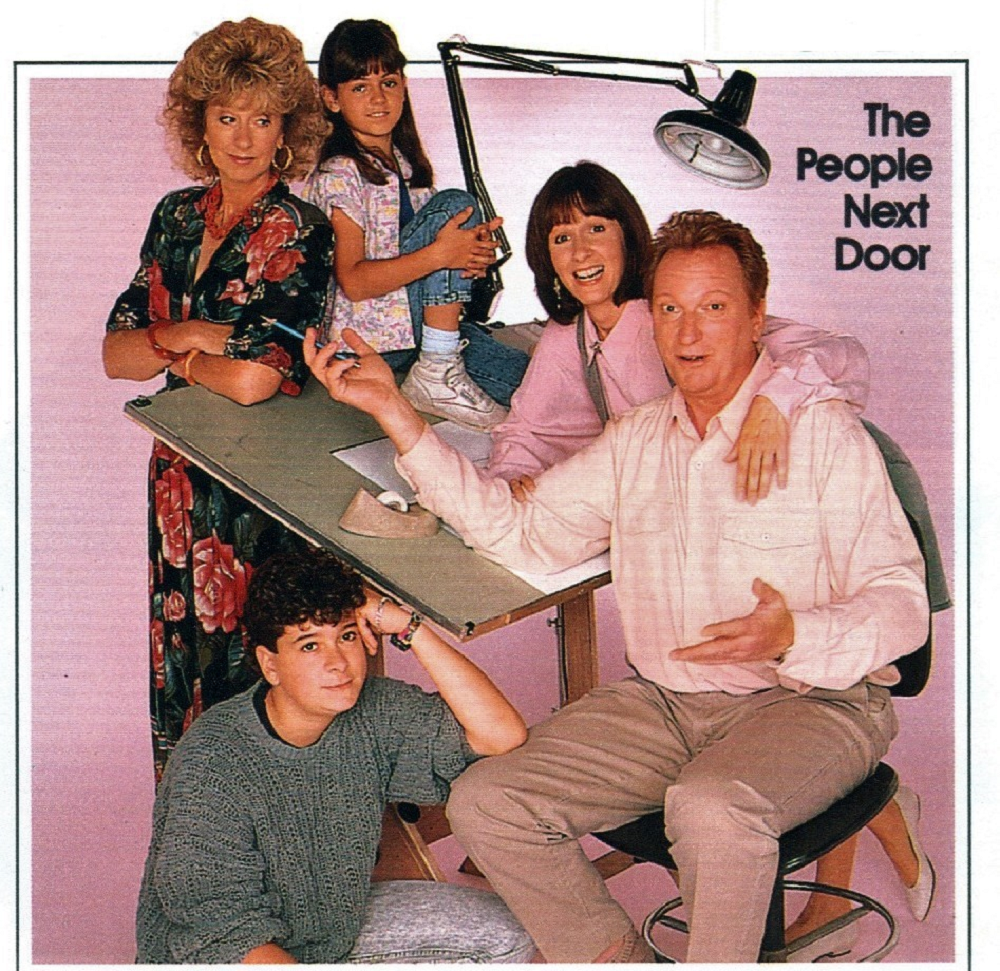
The People Next Door (CBS): When it comes to unlikely partnerships, that of Wes Craven and Bruce Wagner – a horror director and a humour writer published in The New Yorker and Vanity Fair – is striking, although it’s a matter of record that Craven read Wagner’s unproduced script They Sleep by Night and convinced him to rework it into Nightmare on Elm Street 3: Dream Warriors. What they did next is even more surprising…

The People Next Door starred Jeffrey Jones (Ferris Bueller’s Day Off, Beetlejuice, Howard the Duck, and more) as Walter Kellogg, a cartoonist whose imagination is so vivid that his creations often come to life, causing trouble for his new wife Abigail (Mary Gross) and two young children from a previous marriage. The People Next Door was also the name of Walter’s syndicated cartoon strip, which was loosely based on Gary Larson’s The Far Side.

People Next Door, 1989

The show opens on Walter and Abigail’s wedding day, with Walter’s children urging him to tell Abigail about the whole coming to life thing, and then pitches into a series of stories that involve Abigail’s sister dating a man who is a figment of Walter’s imagination, Walter wanting another child (with predictable results), and literal ghosts of the past. Busy making Shocker, Craven handed producing duties over to former Webster helmers Madeline and Steve Sunshine, who scripted the first two episodes and brought in sitcom veteran JD Lobue to direct.

Given a Monday night slot opposite MacGyver, but with Major Dad as a lead-in, there were high hopes for Craven and Wagner’s show, especially with Jones, Gross, and former St Elsewhere favourite Christina Pickles on board, but just five episodes aired before CBS pulled the plug, earning the show the distinction of being the first show cancelled that season. The other five completed episodes remained unaired and nothing much remains of the show, save for a few teaser trailers on YouTube.

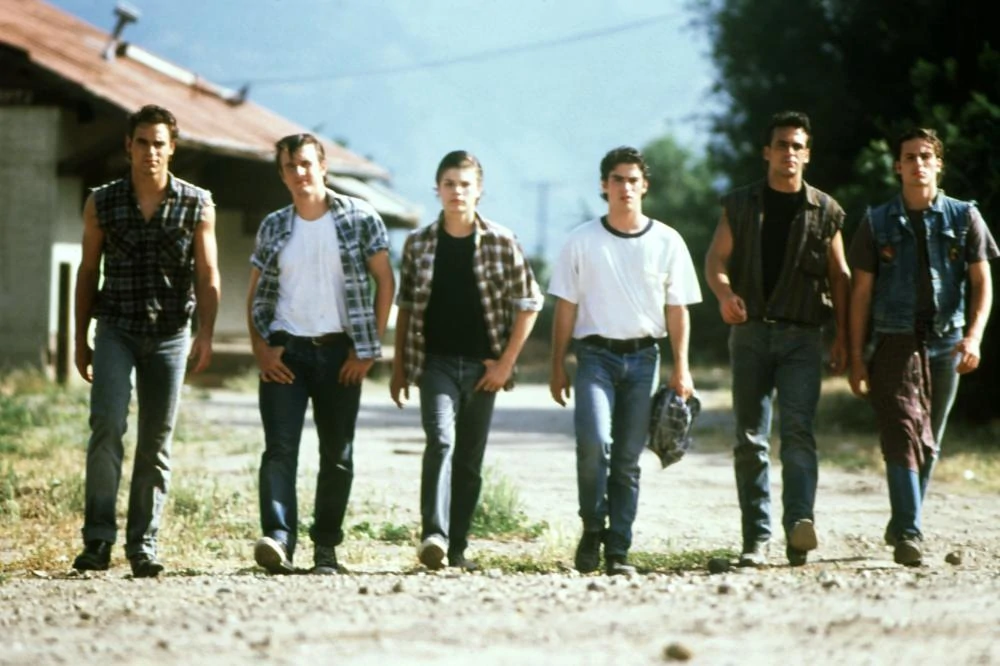
The Outsiders (Fox): Often credited with creating the YA market, SE Hinton’s 1967 novel The Outsiders was a coming-of-age classic, the story of Ponyboy Curtis and two rival gangs, the Greasers and the Socs. In the early 1980s, Francis Ford Coppola received a petition from a school librarian, asking him to make a film of the book, sparking the development of 1983’s The Outsiders and birthing the “Brat Pack” with a cast that included Tom Cruise, Matt Dillon, Emilio Estevez, C Thomas Howell, Rob Lowe, Ralph Macchio, and Patrick Swayze.

Just three years old as 1989 turned to 1990, the Fox network was already earning a reputation for bringing shows to air that were edgy and different, having earned their first successes with 21 Jump Street and Married… with Children, and The Outsiders was thought perfect. Brought to Fox by Hinton, Joe Byrne, and Jeb Rosebrook, the story picked up where the movie – and novel – left off, with Ponyboy and Sodapop living with older brother Darry, looking to turn their lives around.

The Outsiders, 1989

With the cast of the original movie now too old to resume their roles (not to mention most of them having become massive stars), the roles of the Curtis brothers went to Robert Harvey and newcomers Jay R Ferguson and Jay Kestner, with Kim “Heathers” Walker stepping into Diane Lane’s shoes as Cherry, and Heather McComb – discovered by Coppola for his New York Stories segment – as Scout, a love interest for Ponyboy.

The pilot episode – which began with a shot for the Coppola movie of Dallas being shot by police – was Fox’s highest rating drama to that date but the series lost viewers at an alarming rate, shedding well over half of lead-in Married… with Children’s viewers. The first season of thirteen episodes ended on July 22nd 1990 but there was no sign of a second, the show forever destined to be remembered as giving Leonardo di Caprio his first serious drama role. All the episodes can be found on YouTube if you want another chance to stay gold…

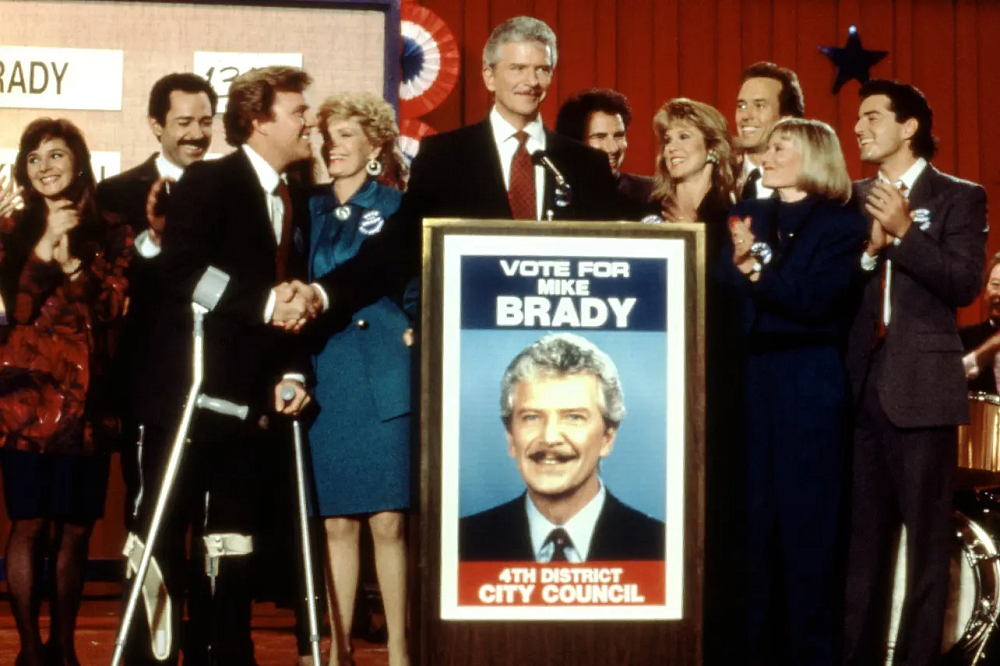
The Bradys (CBS): The Brady Bunch was one of those rare TV shows that becomes an American institution, running for six seasons from 1969 to 1974. Its opening titles became a meme long before we knew what one of those was and its story of a blended family – albeit a very white blend – made stars of its main performers. In 1981, an attempt to recapture the charm of the show was made with The Brady Girls Get Married, the original cast returning to tell the story of Marca and Jan’s weddings and which turned into a weekly sitcom, The Brady Brides.

The Brady Brides lasted just ten episodes, but nobody was quite ready to give up on the Brady family just yet. Creator Sherwood Schwartz talked CBS into airing another reunion special – A Very Brady Christmas ­– and a decent reception for the one-off led to a series, the lessons of The Brady Brides seemingly forgotten. In February 1990, The Bradys debuted on Friday nights on CBS as a mid-season replacement for the cancelled Max Monroe: Loose Cannon (which itself was a mid-season replacement for the cancelled Snoops).

The Bradys, 1990

This time, the stories skewed more towards drama than comedy, more fitting for its hour-long runtime, but still featured the updated exploits of Bradys and their now grown-up children. Robert Reed and Florence Henderson returned as Mike and Carol Brady, with only Maureen McCormick missing from the original cast, Marcia now played by Leah Ayres. Key plotlines saw Mike run for political office, Greg become a doctor, Mike have his motor racing career ended by a crash which leaves him a paraplegic, Jan unable to conceive, and Marcia become an alcoholic. This was not your usual sitcom revival and producer Barry Berg should be commended for not chasing the nostalgia dollar.

Unfortunately, viewers didn’t want their Bradys to be dramatic past the odd Very Special Episode and the show was put on hiatus after six episodes had aired, with production intended to resume for the Fall 1990 season. However, as the decision to bring the show back was delayed and further delayed, Robert Reed fell ill, dying of complications from HIV in Match 1992. The Bradys was his last final starring role.

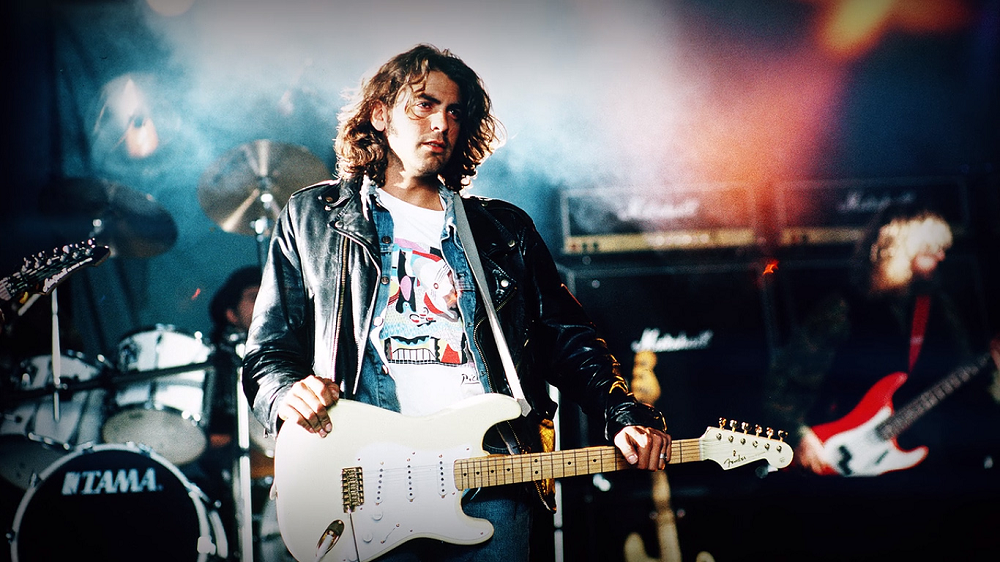
Sunset Beat (ABC): The six episodes that The Bradys were given to prove their worth isn’t unusual in the history of failed shows but it’s a rare show that falls off air after just two airings, at least for anything other than crass content or the death of its principals. Sunset Beat was such a show, yanked by ABC after just two weeks when it didn’t live up to even the low ratings record established by HELP, the show it replaced on Saturday nights.

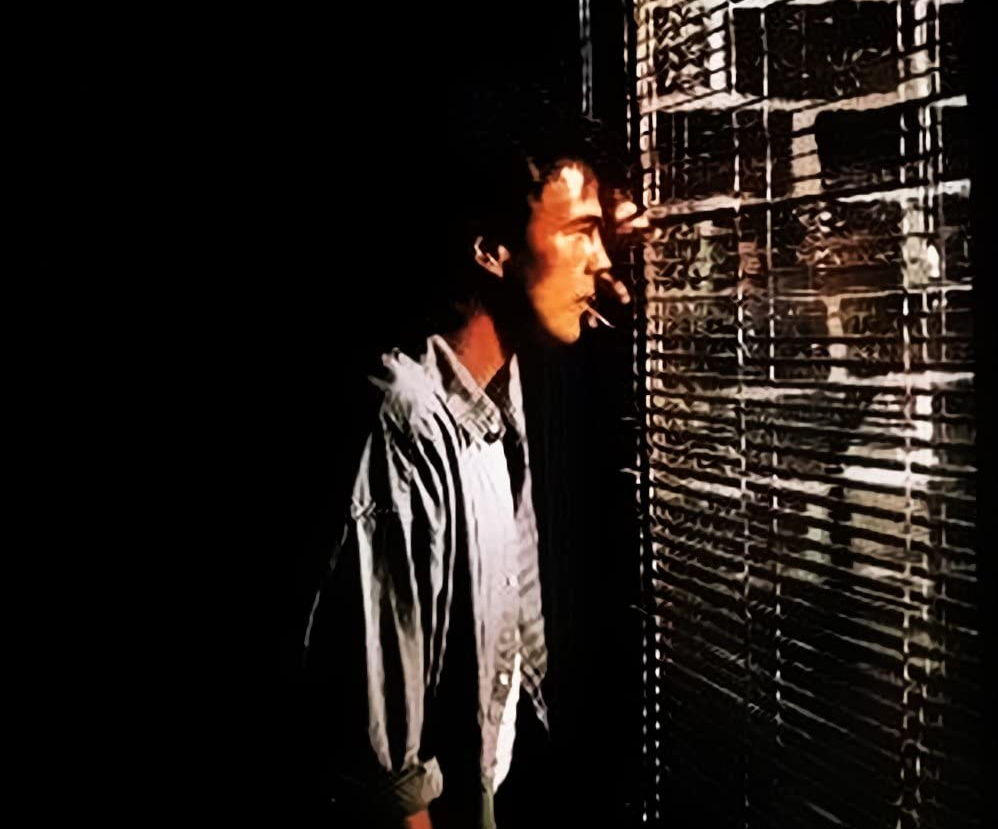
Starring George Clooney with nice hair, Sunset Beat told the story of a group of Los Angeles police officers working undercover as a motorcycle gang. Alongside Clooney’s guitar-playing smoulder factory Chris Chesbro were Michael “son of Dom” DeLuise, Markus Flanagan, and Erik King, all under the control of Back to the Future’s Mr Strickland, James Tolkan.

Sunset Beat, 1990

Produced by Mark Ovitz, brother of future Disney head honcho Michael, and written by Hardcastle and McCormick creator Patrick Hasburgh, the pilot episode opens with Clooney playing a very 1980s rock gig and goes on to involve a truck full of cash that belongs to Peter Schmidt, a man who once spent time in an insane asylum for pretending to be Hitler, who poisons three elephants at the local zoo, and who then tattoos “we want the money back” on the deputy mayor’s chest.

The first episode ends with Clooney firing his gun into a helicopter’s fuel tank, causing an explosion that his crew believe has killed him (spoiler: it hasn’t) and, weirdly, that kind of action didn’t convince ABC that this was a show with a future. Episode two aired as planned but there was a hole in the schedules come episode three, its slot filled by re-runs of a flopped Elvis biodrama. Six episodes were produced in all, with the remaining four aired as gap-fillers in the Summer of 1992, and the first two episodes were edited together and released as a VHS movie which you can see on YouTube. In German.

Next on The Telephemera Years: The shows that didn’t make it to air, including our first sight of Daredevil!

Check out our other Telephemera articles:

The Telephemera Years: 1966 (part 1, 2, 3, 4)

The Telephemera Years: 1968 (part 1, 2, 3, 4)

The Telephemera Years: 1969 (part 1, 2, 3, 4)

The Telephemera Years: 1971 (part 1, 2, 3, 4)

The Telephemera Years: 1973 (part 1, 2, 3, 4)

The Telephemera Years: 1975 (part 1, 2, 3, 4)

The Telephemera Years: 1977 (part 1, 2, 3, 4)

The Telephemera Years: 1980 (part 12, 3, 4)

The Telephemera Years: 1982 (part 1, 2, 3, 4)

The Telephemera Years: 1984 (part 1, 2, 3, 4)

The Telephemera Years: 1986 (part 1, 2, 3, 4)

The Telephemera Years: 1987 (part 1, 2, 3, 4)

The Telephemera Years: 1989 (part 1)

The Telephemera Years: 1990 (part 1, 2, 3, 4)

The Telephemera Years: 1992 (part 1, 2, 3, 4)

The Telephemera Years: 1995 (part 12, 3, 4)

The Telephemera Years: 1997 (part 1, 2, 3, 4)

The Telephemera Years: 2000 (part 1, 2, 3, 4)

The Telephemera Years: 2003 (part 1, 2, 3, 4)

The Telephemera Years: 2005 (part 1, 2, 3, 4)

The Telephemera Years: 2008 (part 1, 23, 4)

Titans of Telephemera: Irwin Allen

Titans of Telephemera: Stephen J Cannell (part 1, 2, 3, 4)

Titans of Telephemera: DIC (part 1, 2)

Titans of Telephemera: Hanna-Barbera (part 1, 2, 3, 4, 5)

Titans of Telephemera: Kenneth Johnson

Titans of Telephemera: Sid & Marty Krofft

Titans of Telephemera: Glen A Larson (part 1, 2, 3, 4)

Titans of Telephemera: Quinn Martin (part 1, 2)

Titans of Telephemera: Ruby-Spears

THE TELEPHEMERA YEARS: 1989 – PART 1

Ah, telephemera… those shows whose stay with us was tantalisingly brief, snatched away before their time, and sometimes with good cause. They hit the schedules alongside established shows, hoping for a long run, but it’s not always to be, and for every Street Hawk there’s two Manimals. But here at STARBURST we celebrate their existence and mourn their departure, drilling down into the new season’s entertainment with equal opportunities square eyes… these are The Telephemera Years!

1989-90

America loved to laugh in 1989, with CBS’ sole hit show 60 Minutes the only non-comedy show to make a top ten dominated by NBC’s The Cosby Show, A Different World, and Golden Girls, and ABC’s Roseanne and The Wonder Years. Waiting in the wings were both The Simpsons and Seinfeld (making their debuts on Fox and NBC, respectively), while Kids in the Hall was arriving on HBO for some weird, surreal fun (and gayness).

Kids in the Hall wasn’t as weird as TV would get in 1989 with Twin Peaks bursting onto ABC, although even that show – and its slightly less weird and definitely warmer (if not weather-wise) cousin Northern Exposure – might have been outdone by the sight of SO MUCH SPANDEX over on American Gladiators. Friday the 13th: the Series and Freddy’s Nightmares were both bowing out of first-run syndication, but horror anthology fans were treated to HBO’s Tales from the Crypt as a more than adequate replacement. Those are the hit shows, though; what shows didn’t tickle the fancy of 1989’s viewers?

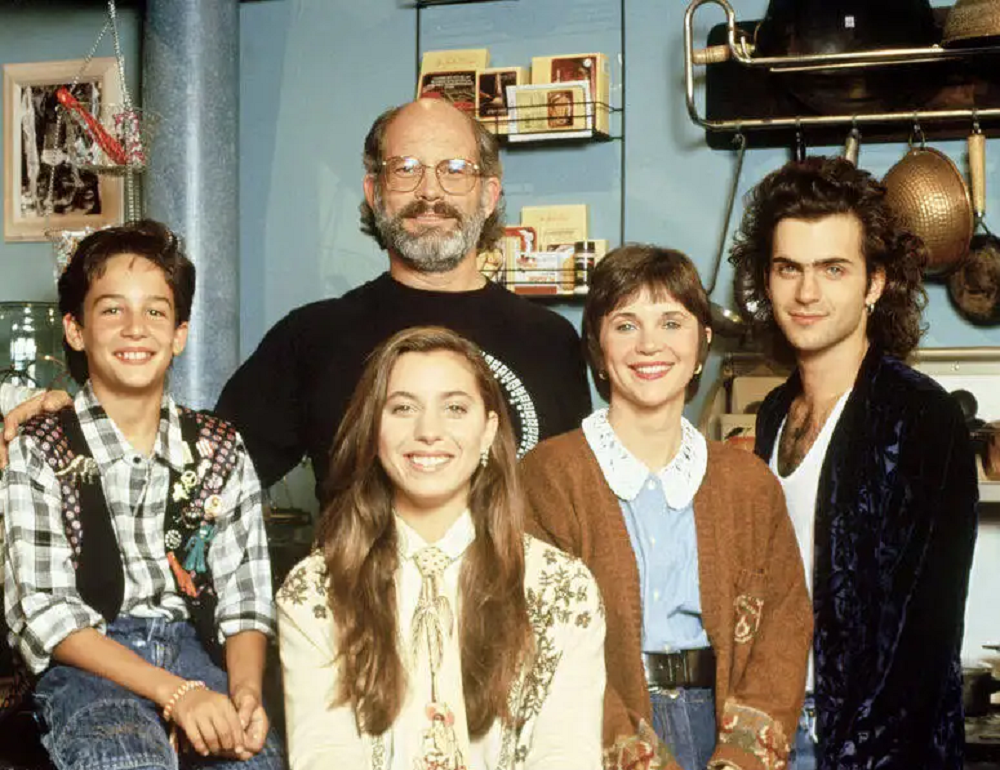
Free Spirit (ABC): Free Spirit was created by rookie writers Steven Vail and Leslie Ray, the latter of whom would go on to write for The Fresh Prince of Bel Air and Full House, and create The Wayan Bros (the 1995 TV show rather than the actual brothers). It starred Connie Bohrer as Winnie, a good witch who is summoned by Gene, a ten-year-old who wishes for someone to help him bowl. Winnie is soon employed as the family’s housekeeper as it turns out that Gene’s parents have recently divorced and there’s a gap in his family that can only be filled by a good-natured supernatural being, even if she does hide the fact that she is a witch from his father.

Free Spirit was conceived as a vehicle for Bohrer, who had earned rave reviews for her turn in Judge Reinhold bodyswap comedy Vice Versa, with professional cute youngster Edan Gross – who plays Gene – expected to be the next Fred Savage. Completing the cast were Franc Luz as Gene’s father, and Alyson Hannigan and Paul Scherrer as his older siblings. Hannigan had just starred in My Stepmother is an Alien and so was thought perfect for the role of the teen child to a weird (pseudo) mother, although not so perfect that she was the first choice for the role, with Shonda Wipple having filled the part for the unaired pilot.

Free Spirit, 1989

The basic premise of the show saw Winnie use her powers to help the family, often causing more trouble than good, and then having to fix the situation before Dad realises she is a witch. Love spells, teen drama, and the arrival of a warlock who has been courting Winnie for 150 years and how wants to marry her are among the usual domestic sitcom fare, with guest stars like Teri Austin, Seth Green, Florence Henderson, and Robert Reed arrive on an almost weekly basis to boost the show’s appeal beyond its natural demographics.

Still, it was all for nothing as the ratings for Free Spirit started out low and didn’t get any better, with critics polled by Electronic Media voting it the worst show on television for the 1989-90 season. Things were so bad that the final episode – starring Charles in Charge’s Josie Davis as Winnie’s mischievous younger sister – didn’t air in the US, although foreign markets showed the full run. Bohrer never did find the right vehicle for her talents – although Veronica Mars fans will remember her fondly as Lianne, Veronica’s runaway mother – and Gross never quite became the next anything, although he enjoyed a good living from voiceover work until retiring from the business at the turn of the millennium.

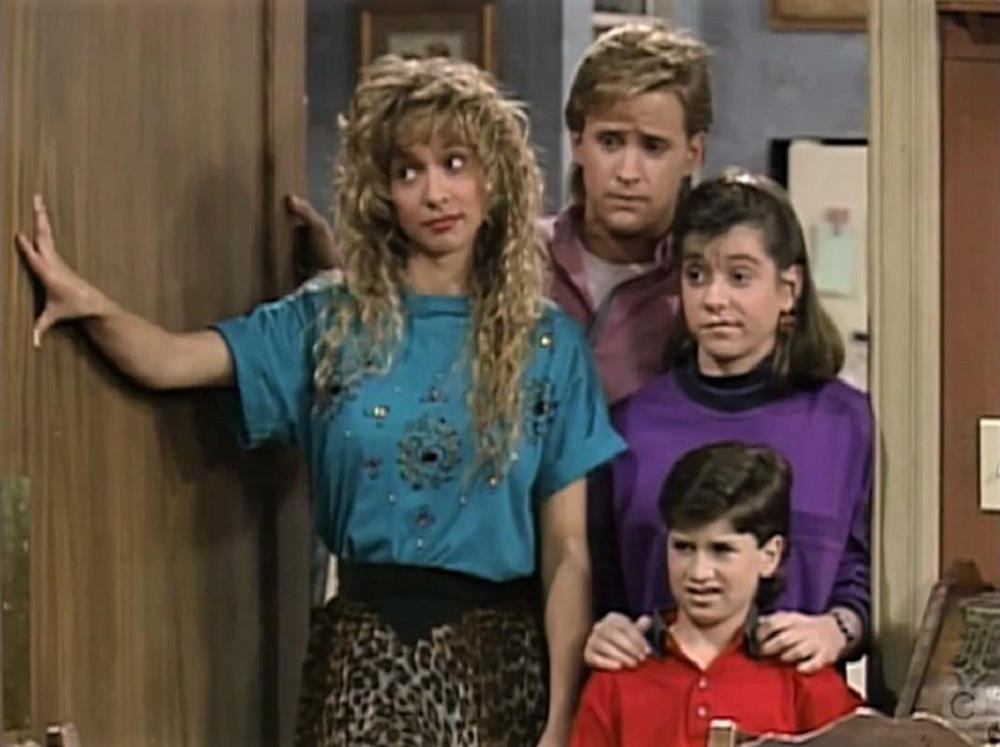
Normal Life (CBS): Based on the life of outsider rock star Frank Zappa, Normal Life starred his real-life children Moon Unit and Dweezil as their fictional counterparts, the much more sensibly named Tess and Jake Harlow. Barney Miller’s Max Gail played Max Howard, the Zappa cypher who was a writer rather than a rock star, allowing for some tension to arise out of Jake wanting to become a rock star himself.

Although the show was supposed to depict an unconventional family, it soon fell back on sitcom tropes, with mother Anne – played by Laverne and Shirley’s Cindy Williams – interfering in the lives of her three children (Josh Williams played third child Simon, Frank’s other children Ahmet and Diva presumably unwilling to be involved). The cast was completed by Bess Myer as Tess’s best friend Prima, and Jim Staahl as Dr Bob, with a guest appearance from a young Leah Remini.

Normal Life, 1990

Creator Ian Gurvitz was a young up and comer expected to do great things after cutting his teeth on The Wonder Years, but Normal Life fell flat, failing to take advantage of the show’s major selling point, the extraordinary life of Frank Zappa, a man who had a statue erected in his honour in Lithuania, a country he never visited, and who had recently been given the job of Czechoslovakia’s “Special Ambassador to the West on Trade, Culture and Tourism” by the country’s first post-Communist leader, Vaclav Havel.

In turning musician Zappa into writer Howard, and then sidelining him to present the travails of a family which didn’t turn out to be so different to many others featured on similar shows, the show failed to find an audience and there was never a chance of a second season. Gurvitz created two other shows that failed to find much traction before finding success as executive producer on Ted Danson vehicle Becker, but his best value is probably to be found in his book Hello, Lied the Agent, a story of his time in TV development hell.

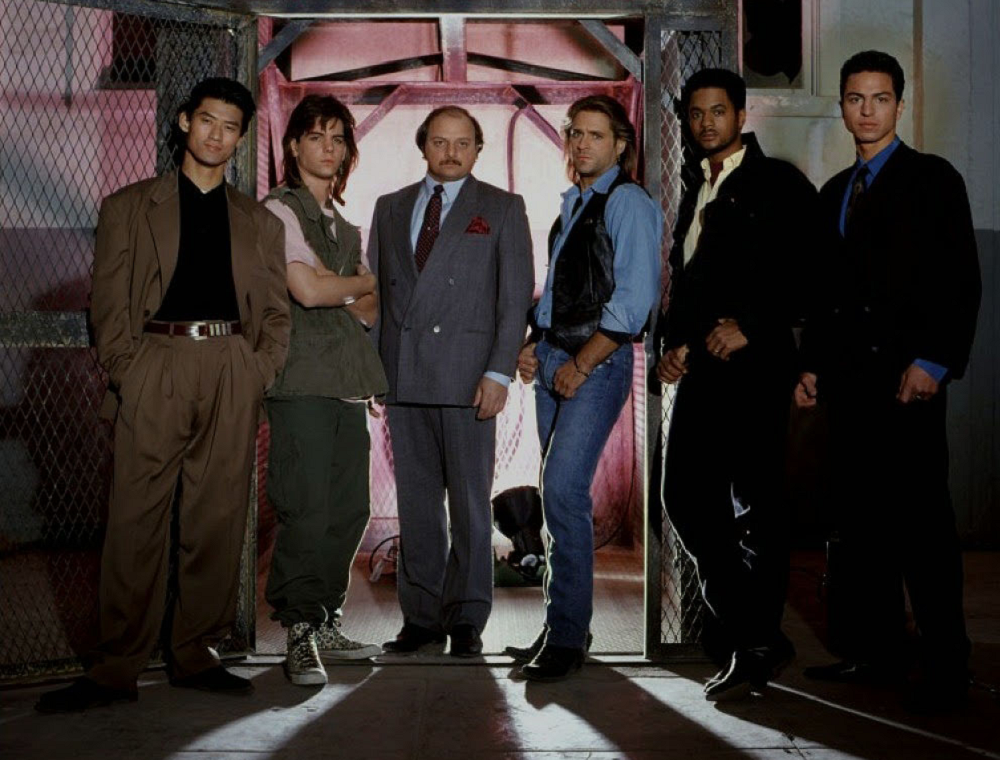
Nasty Boys (NBC): Originally a TV movie from the pen of journalist and Hill Street Blues scripter David Black, Nasty Boys told the story of the real-life narcotics division of the North Las Vegas police, who had come to public attention with their unorthodox methods and brutal raids. The Nasty Boys name was given to them by Las Vegas criminals, and they took to it with aplomb, even producing rap songs under that name to try and prevent teens from falling prey to the temptations of drugs.

Dick Wolf – a writer-producer with Masquerade, Hill Street Blues, and Miami Vice on his résumé – brought the film to full series, landing a Friday night slot that had already been vacated by two failed cop shows, Hardball and True Blue. NLVPD officers Larry Bradley and Jimmy Jackson – the men responsible for the rapping – provided stories for the production crew to develop into scripts, and the show opened with the death of the captain from the TV movie having been murdered, the future of the department uncertain without him.

Nasty Boys, 1989

Benjamin Bratt, Don Franklin, Craig Hurley, Jeff Kaake, and James Pax reprised their roles from the film as five undercover cops whose real names are unknown to all but their immediate superior, Dennis Franz’s Krieger. Given free range to bring their prey to justice, they fall foul of internal politics, imposters (the Nasty Boys’ uniform is completed by black ski masks to protect their anonymity), and enjoy a trip to Los Angeles to take down an Australian drug ring.

With the Janet Jackson song “Nasty” as its theme song (albeit a cover version with altered lyrics), Nasty Boys earned a cult following but wasn’t renewed for the 1990-91 season as NBC were limiting the amount of shows they bought from outside studios and preferred to throw their weight behind another Dick Wolf production, Law and Order. The thirty-year history of that franchise might have proved NBC’s decision to be the right one but there’s another world where Nasty Boys: Special Victims Unit is just entering its twenty-third season, its investigations of sex-based crimes slightly undermined by those black ski masks…

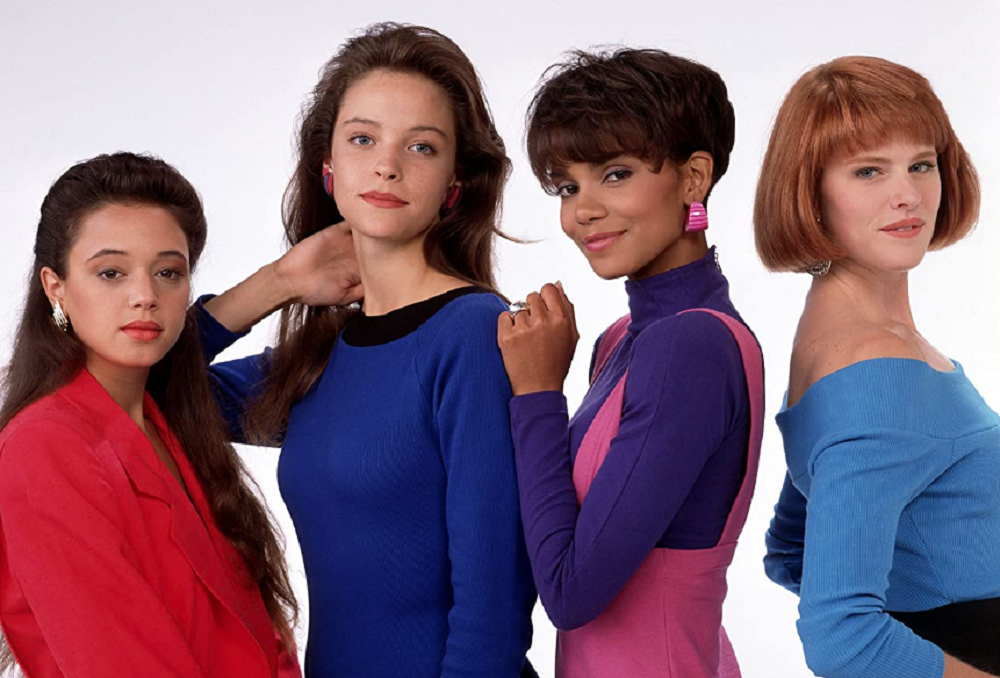
Living Dolls (ABC): Towards the end of season four of Who’s the Boss?, Tony Danza’s live-in housekeeper struggles with the fact that his daughter Samantha wants to be a model and, of course, is so heavy handed in his approach to dissuading her that she ends up wanting it even more. As the plot develops in season five, a March 1989 episode sees Angela arrange for Sam to visit a modelling school where she runs into an old friend, Charlie (although this is the first time we meet her, obviously). Charlie is unhappy at the school but Sam’s enthusiasm for modelling turns her around and Who’s the Boss? viewers were left wondering whatever became of her…

Until September 1989, that is, when Living Dolls appeared on the Fall 1989 schedules, with the further adventures of Leah Remini’s Charlie at the modelling school operated by Angela’s old friend Trish. Several changes were made to the cast from the backdoor pilot, with Halle Berry and Deborah Tucker replacing Vivica A Fox and Melissa Willis, while David Moscow took over the female gaze slot previous filled by Jonathan Powers.

Living Dolls, 1989

Charlie even made another appearance on Who’s the Boss?, aired the same week, setting up the first episode of Living Dolls with a story of her being abandoned by her mother and thus in need of Trish’s surrogate parenting, and the new show premiered immediately afterwards, thereafter moving to Saturday nights. The show did not find favour with critics and was the only new show to receive an F grade from People magazine’s season preview. It wound up finishing 88th in the season’s ratings list, with only weak emergency services drama HELP earning less viewers on the three main networks.

Leah Remini went on to almost land the role of Monica in Friends, star in Kings of Queens, and have a very public battle with Scientology, but the real find was, of course, Halle Berry, who made her acting debut here. Strangely enough, her acceptance speech for the Best Actress Oscar in 2001 for Monster’s Ball made no mention of Living Dolls

Next on The Telephemera Years: More of 1989’s flops, including cartoonists, ponyboys, and Bradys…

Check out our other Telephemera articles:

The Telephemera Years: 1966 (part 1, 2, 3, 4)

The Telephemera Years: 1968 (part 1, 2, 3, 4)

The Telephemera Years: 1969 (part 1, 2, 3, 4)

The Telephemera Years: 1971 (part 1, 2, 3, 4)

The Telephemera Years: 1973 (part 1, 2, 3, 4)

The Telephemera Years: 1975 (part 1, 2, 3, 4)

The Telephemera Years: 1977 (part 1, 2, 3, 4)

The Telephemera Years: 1980 (part 12, 3, 4)

The Telephemera Years: 1982 (part 1, 2, 3, 4)

The Telephemera Years: 1984 (part 1, 2, 3, 4)

The Telephemera Years: 1986 (part 1, 2, 3, 4)

The Telephemera Years: 1987 (part 1, 2, 3, 4)

The Telephemera Years: 1990 (part 1, 2, 3, 4)

The Telephemera Years: 1992 (part 1, 2, 3, 4)

The Telephemera Years: 1995 (part 12, 3, 4)

The Telephemera Years: 1997 (part 1, 2, 3, 4)

The Telephemera Years: 2000 (part 1, 2, 3, 4)

The Telephemera Years: 2003 (part 1, 2, 3, 4)

The Telephemera Years: 2005 (part 1, 2, 3, 4)

The Telephemera Years: 2008 (part 1, 23, 4)

Titans of Telephemera: Irwin Allen

Titans of Telephemera: Stephen J Cannell (part 1, 2, 3, 4)

Titans of Telephemera: DIC (part 1, 2)

Titans of Telephemera: Hanna-Barbera (part 1, 2, 3, 4, 5)

Titans of Telephemera: Kenneth Johnson

Titans of Telephemera: Sid & Marty Krofft

Titans of Telephemera: Glen A Larson (part 1, 2, 3, 4)

Titans of Telephemera: Quinn Martin (part 1, 2)

Titans of Telephemera: Ruby-Spears

Rahul Kohli | NEXT EXIT

Rahul Kohli NEXT EXIT

By Andrew Dex
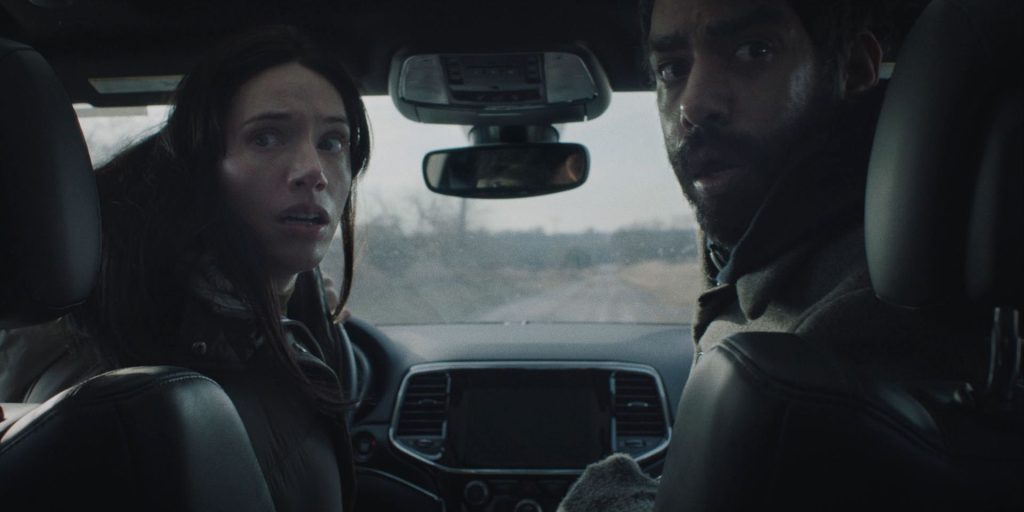
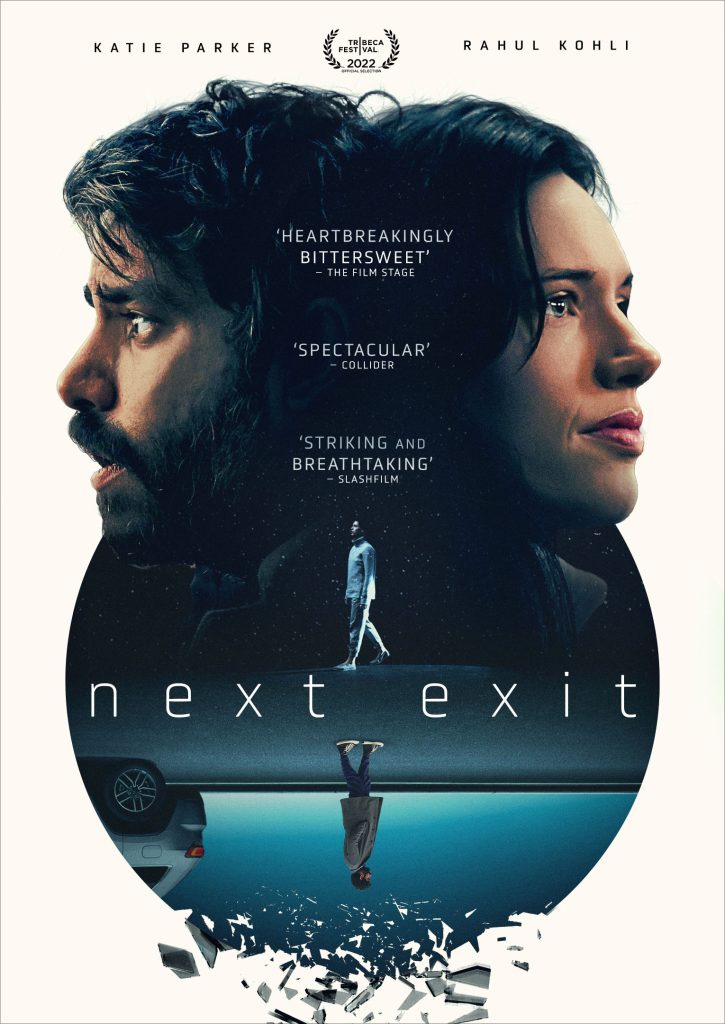
Based in a world where the afterlife has been scientifically proven by a company called Life Beyond, two broken strangers, Teddy (Rahul Kohli) and Rose (Katie Parker) descend upon a car ride through America to a very important appointment. One that will take them from this life, to what Life Beyond declares to be next. The ironic thing is that life isn’t always about the destination, it’s about the journey, and Next Exit is a perfect example of that. From iZombie, Midnight Mass and now NEXT EXIT, it’s clear that Rahul Kohli can’t escape the afterlife! STARBURST caught up with Rahul to discuss his character Teddy, what it was like to work with Mali Elfman, and much more!

**This interview contains some distressing subjects*

STARBURST: As this is Mali Elfman’s directorial debut, could tell us about what she was like to work with, and just what you think she brought to the process overall?

Rahul Kohli: The quickest way to answer that, and the best compliment I can give is it never felt like I was working with someone on their first feature. Mali was as capable and incredible and supportive as anyone else I have worked with who’ve been doing it for X amount of years. So Mali has an amazing future ahead of her, and yeah, it’s her film, it’s a very personal film, it’s something that not only did she direct but obviously she wrote. It’s a story that’s been kind of, permeating in her head for a long time. She has a deep connection to both Teddy and Rose, Mali is fantastic.

As well as being the director, she’s the writer for Next Exit. What was is like to work with someone who was in charge of so much of the movie. Did she just have this concrete plan of what was going to happen every single day?

Actually, no. I’ve been fortunate enough to work with people who are responsible for the material as well as directing. Mike Flanagan [Midnight Mass] is a good example of that. Obviously I’ve now worked with Flanagan a bunch, and there’s something, maybe it’s something that Mali and Mike both share, and it’s not super common to others, but in my experience, when you’re working with someone who wrote and directed something, they’re less precious. They’re actually more collaborative. You’re speaking to the person who wrote this character, who is directing you in the moment, and can see the scene physically play out and understand where changes need to be made now. To get it on its feet. There’s no red tape, you’re directly speaking to the same person and saying “Hey, is it OK if it goes this way?” Whereas, sometimes you’ll speak to one person who agrees with you and then that person speaks to the writer and they don’t necessarily agree with either of you, and that’s when you get a lot of conflict, and you have to kind of fight for it, whereas with someone like Mali or Mike they’re like “I love that, do it. Elevate the material, bring something new to it. Take it somewhere else.” It speaks to their confidence and their artistry.

Let’s talk about Teddy; when you first meet him, you notice that he kind of hides everything behind humour. Is that fair to say, and also, just for you maybe, how would you describe him on a surface level to someone who hasn’t seen the film?

That’s absolutely Teddy. Teddy will verbal diarrhoea on you and make you laugh. The thing with Teddy and Rose is that they’re both holding bags of shit. They both have demons, they are both in trouble, but they wear it very differently, and they wear different types of armour, they have different buffs. Rose’s is a barb wire do not cross, do not trespass sign on a fence. Teddy’s is “If I keep talking at you, and get you talking about X, Y, Z, and make you laugh, then we are avoiding the situation. We’re talking about everything but” and that in itself is another version of armour. That was him.

NEXT EXIT

We read that you didn’t do as much prep for this role as you normally would on other projects. Can you elaborate on why you approached the movie this way, and what you think that it brought to Next Exit?

I have a habit of taking romance out of things. This is where I get very English, and working class about stuff, because I am, that’s my background. I undersell, I always have. The truth is that I did exactly what was required for Teddy, and I said that to Mali. That comment I made was said in front of Mali, and it was said without, it wasn’t a protest type, arrogant thing to say, it was more so that I wanted to bring something to this that I had not been able to do in other stuff. I wanted to be super free and loose with it. I had just worked on a character that required so much discipline, so much prep work. I had many consultants, dialect coaches and I was riding around with the LAPD, doing all of the things that, you know, the awards lot like to hear, and that’s what needed to happen. It wasn’t showy, I needed to do that much work in order to get Sheriff Hassan in Midnight Mass working for me. I wanted the next job to be the opposite of that. I’m still an artist at the end of day, I never want it to feel like a job, so the next thing I wanted to do, I wanted to try, “What if I didn’t do that? What if I didn’t wear a huge costume, and disappear behind a character, and an accent. And what if I was raw, and I showed up, and we trimmed all of the fat of acting, and we just lived in the moment, and I reacted to what was being said there and then. If I felt like saying something that wasn’t in the script, then I’m going to say it”, and that’s what I meant by I didn’t prep, in that respect. It was by design, I wanted Teddy to feel real, I wanted it to feel grounded, because that’s what I felt I wanted to bring to this project, and Mali knew that I was taking that approach, and if Mali didn’t want me to do it, then we wouldn’t have worked together. That was just my interpretation and it was something I wanted to experiment with.

You’ve worked in similar circles as Katie Parker before, but never this much right? What was it like to work directly opposite her, and what do you think that she brings to the character of Rose? 

Yeah Katie and I have a bit of history, I first knew her as Rose McIver’s roommate while we were making iZombie, so that’s how I know Katie, and when we did The Haunting of Bly Manor, we never had a scene together. She was in the episode that none of us were in, but there was enough familiarity that we were comfortable, and we knew each other straight away, and could have a long conversation about our mutual people, and stories. So we already got on, but in terms of actors, we had two very different approaches, and it worked. It makes sense now that it worked, I had just come off of a show, I was in one of the first shows where people were employed during a pandemic. Midnight Mass started right in the thick of the pandemic, it was setting the blueprint for how shows are made in the pandemic, that’s how early we were into that. So, by the time I had wrapped, I didn’t feel like I’d really had an isolated COVID period. I was straight back into work, all be it a new kind of work, whereas Parker wasn’t, and not a lot of the crew were either, it was their first job back. So there was a very different energy between the two of us. I was very much like, hitting my momentum, and I was just off on it, I had that energy of “What shot are we doing? Let’s do it!” I was already in that mode. So, we were coming at it with very different energies. Parker was bearing a huge weight of Rose, which, you know, she had to go to places emotionally that Teddy didn’t have to necessarily, or at least on the surface didn’t have too. Parker approached Rose with a ton of prep a ton of discipline, and professionalism. And I approached it with a ton of stupidity. Not wanting to bury my head in the script. I would rather just mess around, and get us talking and bantering in the car. It was similar to Rose and Teddy, we found a way to connect, I got Parker to start mucking around. When it came to the serious stuff, we were both there for each other. It became a very strong relationship.

We’ve never seen a road trip quite like this, what do you think being isolated in a car for such a long time brings to an intense story like Next Exit?

 It definitely aided with the journey. We were physically going on that road trip anyway, we were doing it for real while we were filming. We started off in Albuquerque, we’re in that car, stopping off at motels, sleeping at the motels we were filming at on locations, and then driving in that car, making our way through America down to California. What it did was, and at the end of the day, Parker and I, we were always in that seating position, it never really changed, we were always in that car with our snacks hidden under our chairs, and we just bonded, and it aided in making those two people connect, and feel real. After a while, especially when you’re on the roads, the crew disappear, because Parker is really driving. Mali is on a walkie talkie travelling in a car behind. Not only are you scene partners, it becomes your entire world. You two are now just in this car together. No one else is around, and you’ve just got the scene, and you’re getting direction through a walkie talkie. Your trust, and support for one another grows exponentially.

NEXT EXIT

The turning point in this movie is when Teddy and Rose start to talk about ways they’ve attempted to take their own life in the past. It felt like they were on the same page from that moment. Do you have a similar moment in the movie, that you think massively changed the dynamic that we saw in the beginning? 

I think it happens a little bit sooner than that, when they run over someone. I think that’s the first time they look at each other, and I think in that moment, they kind of snap out of where they’re going, and are now just two people in this situation together. That allows then for them to have that conversation about the various attempts they have both made. And funnily enough, I’m pretty sure that that was one of the first scenes we shot. The first day. I think we did that first, which was weird. So, I think we started off with the fun connecting scene, and the running over, the priest, all of that was day one, and then we worked some scenes backwards and went back to the hostile stuff.

Next Exit, Midnight Mass, and, of course, Ghostbusters all deal with the afterlife. So, as you are an atheist, how interesting it is for you to be so submerged in stories like that? What do you take from diving head first into the afterlife as an actor?   

It’s weird. It’s chosen me. iZombie, zombies, The Haunting of Bly Manor, ghosts, Midnight Mass, vampires. More ghosts. I don’t know what’s happening, I’m not doing it, it’s not like I pick projects where I’ll only talk to them if it’s got werewolves or vampires in it. It’s just something that’s kind of happened. Even this isn’t my first indie feature, and it just so happens to have ghosts in it. Yeah, it’s weird, but I’ve broken that streak now, I think. Honestly, it doesn’t benefit or hinder me really, my own personal beliefs. The only thing it does, is that it’s a bit of a party pooper when almost all press junkets, for nearly all my work revolves around “Do you believe in ghosts? Do you believe in an afterlife?” which is the go to thing with my Mike Flanagan projects, and with Mali and Ghostbusters, and I kind of have the thud of “No, I don’t believe in anything”. That’s the only time it affects me, as I don’t have an interesting answer for when we do press!

Next Exit is out now on digital.        

NEXT EXIT