Simon Kinberg | INVASION

SIMON KINBERG IINVASION

Simon Kinberg is a British-American filmmaker who has been involved in some of the most notable films of the 21st century including The Martian and the X-Men film franchise. Now, he has turned his talents to the small screen in creating, writing and producing Invasion for AppleTV+. The show tells the story of an alien attack through the eyes of various people around the world.

Simon took some time to discuss Invasion, science fiction, and what really keeps him up at night…

STARBURST: Throughout your career, you’ve worked largely in science fiction. What do you think it is about the genre that keeps audiences engaged, and also keeps you coming back for more?

Simon Kinberg: For me, I know that it’s two things. Firstly, science fiction offers an opportunity to explore really deep, complex characters, themes and issues within the delivery mechanism of something incredibly entertaining. There’s a Trojan Horse aspect of science fiction where you get to smuggle in these really interesting and nuanced characters, or maybe political issues while the audience is being entertained. The other aspect of science fiction for me, and this is true for almost everyone, is the question of what do we not know? It’s something that obsesses me, and at least interests everyone. What do we not know about the afterlife? What do we not know about space? What do we not know about other lifeforms? What do we not know about other dimensions we can’t see yet? What do we not know about the 90% of our brains that we’re not yet using, but maybe will evolve into using? How is it that only a few hundred years ago we thought Earth was the centre of the universe or galaxy? How is it that we thought the Earth itself was flat? All of the leaps in science that have happened over a short expanse of time, and even shorter when you think about what’s happened in the last year or two in terms of our DNA, or iPhones, or the Internet. I just think that ‘what’s next?’ and ‘what do we not know?’ are the types of questions that keep me up at night and keep people thinking, and I think to create the need for faith and religion, and all that keeps us safe in an unknowable universe and existence.

Given what you’re talking about there, about the unknowable, how much of a challenge is it to base a show like Invasion in reality?

It’s always a challenge to maintain realism in science fiction, whether it was when making The Martian or The X-Men movies. And it is a challenge with Invasion. The way to do it is to make it feel that its happening to real people, to create characters that are nuanced and flawed and vulnerable the way we all are. And to maintain the personal crises that are going on in their lives throughout the story; to not veer the story into becoming about the aliens. The story is about real people dealing with something unknowable in a relatable way. When you do that, I think you draw the audience in, caring about characters and have them thinking ‘that’s what I would do’ if this was happening to them. And watching what happened tragically over the past year and a half made me feel that is true to humanity, that we do struggle with the unknown and it is a magnifying glass on what is the best and the worst in our natures.

It’s interesting you mention The Martian as with that film there is the constant threat that he’s on an ‘alien world’ and at any time, anything could be disastrous. With Invasion, Earth should be safer, and yet there is a real sense of dread and terror building. How do you balance the horror and sci-fi elements across a whole series without fully tipping over into one or the other?

It’s a very tricky balance to not tip over into science fiction and alien genre horror, but to maintain the sense that the terror is out there, and its building, and that there are mysterious, unknowable things that slowly become more knowable. And yet maintaining new mysteries; as you discover one thing something new pops up. That’s part of the fun of writing in a genre and in science fiction specifically. You want to constantly draw the audience in to try and figure out what the mystery is, and once they figure it out it leads to a deeper and more complex mystery. And so, when I look at the television shows that were inspiring to me, it’s shows like Lost that ran extremely well for many episodes and many seasons. You cared about the characters, and you were drawn into the mystery. That’s what I’ve really tried to do with Invasion, to have characters you’re drawn in by and to have the terror and the mystery of what’s happening to the world be experienced in the first person through these characters. As opposed to the third-person perspective where there’s a huge mega-shot of an alien ship blowing up global landmarks. And if it was to be a huge alien ship blowing up a global landmark it would be experienced how you or I would experience it. Which is likely we wouldn’t be there. We would be seeing it on television.

To conclude, we wanted to ask you about H.G. Wells’ War of the Worlds, and that you were inspired by the Orson Welles radio play. Given that there have been two recent television versions of the book, and while this isn’t directly one there are obvious nods, what did you want to bring to Invasion that was distinct and different?

I love H. G. Wells’ novel, and I was inspired by the radio play, but more from the effect of the radio play. The realism that he created with that, the reality he created with that, was so effective that many, many people believed it was an actual newscast. I know people watching the show will know that it’s fiction, but I wanted to create that same sense of reality as much as I could. For me, from any iteration of War of the Worlds, that was the biggest inspiration. That way that Orson Welles was able to create a sense of real terror and real truth at the same time, and that it moved people in a way that was more than watching at arm’s length. I wanted to draw people into this show in the same way he did with that play.

Invasion starts on AppleTV+ on October 22nd. 

Edi Gathegi |THE HARDER THEY FALL

Edi Gathegi harder fall

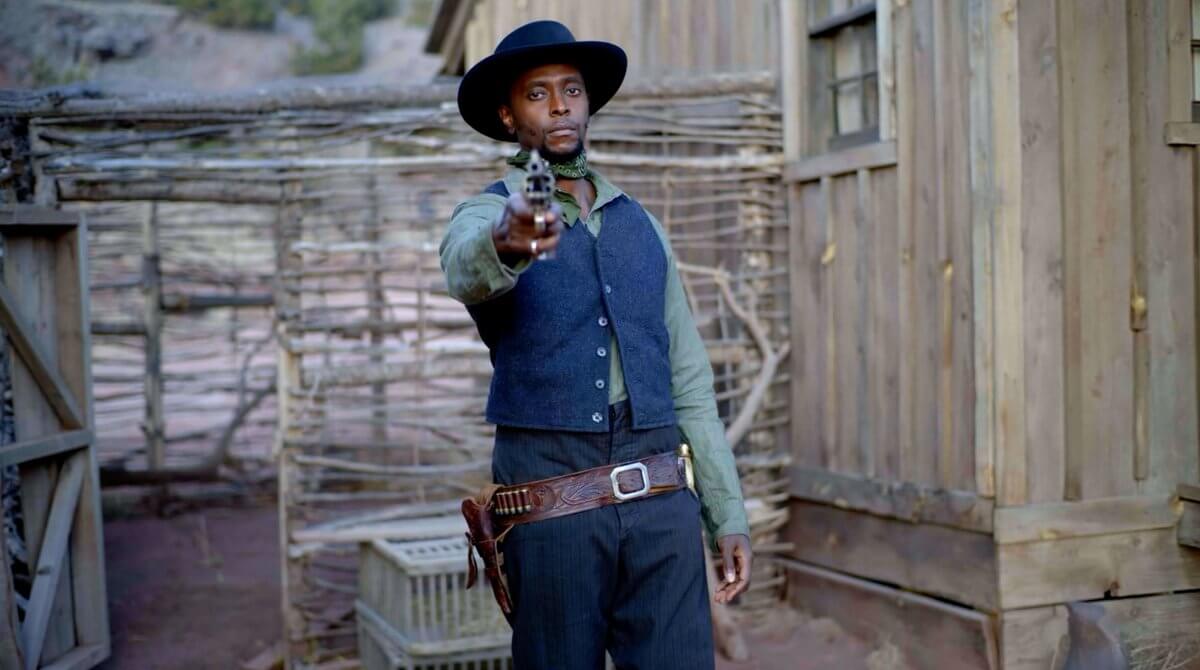
Fast-paced, action-packed, and stacked with a long list of legendary actors, The Harder They Fall, and shake up what we can expect from the Western genre going forward. Holding up the guise of Bill Pickett is none other than Edi Gathegi (X-Men: First Class), who is here to tell STARBURST everything you need to know about this re-purposed take on a classic character and what being a part of a refreshing Western like this means to him!

STARBURST: What originally attracted you to playing the character of Bill Pickett?

Edi Gathegi: I was really interested in an all-black Western, and it’s the most obvious aspect of the script.

Bill Pickett was a real-life cowboy, so I was wondering how much research you did into his life before filming, and also, how did you go about bringing your own approach to playing him?

The wonderful thing is with this film, it has a lot of characters that are real historical figures, but they’ve been repurposed for the telling of our tale. So what that gives us the opportunity to do as artists is to merge a creation with people who really existed. So, that was a lot of fun. Blending the two. Because of the shutdown, we had a lot of time to live in this world. We got shut down for several months, so the research just kept going. I read everything that there was and that I could get my hands on Bill Pickett and the time period. That’s always fun, it’s always a great advantage when you have time to dig in before you get to the acting bits, and actually get on set.

This version of Bill Pickett has been described as “hot-tempered”, but for you, how would you say that he compares overall to the original Bill?

There are many different accounts of who Bill Pickett was, and how he was. “Hot Tempered” is true, but there are a lot of hot-tempered people in this film, who are all outlaws. I would say that among them, I might be the cooler head that prevails! There’s a lot of energy, and Bill Pickett is sort of the eyes. He watches over the group. Makes sure that everybody is safe, and well taken care of. He is “Hot Tempered” but that’s just because we all have heat inside of us.

Were you a fan of Westerns growing up at all? If so, what particular memories do you have of this huge movie franchise?

I can’t say that Westerns are my favourite genre, but because of my involvement in this project, I learned to gain a much stronger appreciation for the Western genre. I think part of that has to do with the fact that I never saw myself in Westerns. People of colour have been erased from that area of storytelling. That’s why I am so grateful for a movie like this existing so that the younger version of me can actually look up to this and say “Yeah, I know we were there!” We are finally getting to see it being represented on the screen.

From Idris Elba through to Regina King on the “bad guy” crew, what was it like to work opposite these actors on the “good guy” crew, and what do you think they brought to the movie?

The film is about the good guys pitted up against the bad guys. We are all outlaws, but there’s the protagonist and the antagonist. So we didn’t work a lot with the bad guys, but they were there. I had this idea that I didn’t want to interact with the bad guys at all because they’re the bad guys and I wanted to stay in my zone. The actors are so talented, so cool, and so humble. And so gracious, that you can’t help but like them, and you like them in the movie too! Their mission isn’t altogether outlandish, there’s a lot of merit to what they’re trying to do. Even as a bad guy crew!

Also, with so many great actors involved, for you, was there someone in particular that you just really enjoyed the chance to finally collaborate with on-screen?

I didn’t have any scenes up close with Regina, but I have been a fan of hers for as long as I can remember, she’s just equally a beautiful person as she is an artist. LaKeith Stanfield, he and I shared a couple of moments on screen but got close off-camera. I think he is a very special young artist. RJ Cyler is my little brother. I think that our off-camera relationship translates to on-camera. He is going to be a brother for life.

Leading on from this, what was director Jeymes Samuel like to work with, and what do you think that he has brought to this western in particular?

Well, this whole project came from his head, and he has lived with it for perhaps a decade. I say this all the time, but when somebody has that clear a vision for their own baby, you just trust them. It doesn’t make sense to not trust the person who has put it all together. So my job as an actor was to just get out of the way and help him tell his story.

Do you know anything about how the look/costume design for this particular Bill Pickett came together? If the crew were focused on any certain ideas when creating him maybe?

I love limitations and we are limited in a Western genre. It takes place in the late 1800s, so there’s only going to be certain things that are available to you. So that’s obviously a very specific place to start from. I know that they didn’t want to overlap character looks. I know that colour was a big conversation, where you can have pops of colour. The idea was that the film was going to be highly stylised and have a beautiful pallet. It was about what colour pops in Bill’s wardrobe, and we sort of landed on the colour that is represented in Bill’s book. So when you read Bill Pickett’s book, that yellow that I fell in love with, ultimately made it into the movie, and I was very happy about that.

You’ve worked in a Western setting before, Justified being just one example, so for you as an actor, what do you enjoy the most about being in this gritty world?

Horses! These majestic beasts are so elegant and powerful. Every actor says that they can ride a horse on their resume, every actor can juggle, speak 100 languages. How much of that is true? I know that I had horseback riding on my resume before I actually rode a horse. So now that I can actually say that I can ride a horse. I love the cowboy camp, learning how to ride a horse, and learning how to shoot the Winchester rifle. That part of the process was a joy and a gift.

Also, going on from that, how would you say that this Western in particular compares to any others before it? What makes it stand out on its own?

My ambivalence towards Westerns is rooted somewhat in the fact that they are very slow-moving. The pace of a Western is perhaps not for everybody. This is a Western for the 21st century. It’s got energy, and tremendous violence, but the violence is justified because of the time period. It’s energetic, and it has some of the best actors working.

There’s a bit of a Quentin Tarantino feel to the trailer. Would you say that that is a fair comparison? And also, what other influences do you think have been channelled into this movie?

I believe that the director is a big fan of cinema, so there are a lot of influences, and drawing off great filmmakers. There are moments in the movie where I go “That’s totally Tarantino!” and I just think that it’s a love letter to Westerns, to black people, and to history that has been forgotten. It’s a love letter to creativity because it is real characters are re-purposed in a made-up story. So this movie is a love letter to all of those elements. A couple of the original cast members had to pull out due to COVID, and the filming schedule also suffered a slight delay, so for you as an actor, what was it like to actually work on a major movie through an unpredictable time like this?

I refer to it as the sword of Damocles hanging over our heads. At any given moment you don’t know if Netflix is going to call a meeting and say “Everybody go home, nobody is getting paid, we’ve been shut down” In one respect it was very difficult emotionally because you just didn’t know if we were going to be able to finish telling this story, and share it with the world. But, we did it, and that’s a miracle as far as I can tell. We made the movie during a pandemic, and Netflix lead the charge. We were one of the first big movies that shot during a pandemic and they did everything right. We were testing all of the time, practically every day. They had all of the safety measures in place. I would say just the fact that this movie exists, and that we shot it during that time is miraculous.

Tough question time. Looking back on the movie, what was the most rewarding scene for you to be a part of as an actor, and why?

We shot the opening scene, that introduces Bill Pickett and Jim Beckwourth, their first scene essentially, we shot last. We arrived in New Mexico in February, and we wrapped in December. So we were there pretty much a better part of a year, minus the shutdown. So shooting the introduction to the character after almost a year was cathartic in a way. There’s a lot of emotion, and you’re just carrying the need to tell this story, or to get this story started that whole time. I believe that there’s that spiritual energy/DNA that you’re carrying through the whole process. That scene was special. You had to hold that scene with you from the beginning because in chronological order this scene has already happened, but we don’t actually get to shoot it until the end. That scene is my favourite of Bill Pickett’s.

The Harder They Fall is in cinemas from October 22nd and hits Netflix on November 3rd.

Short and Shocking with the BFI

shocks bfi

The second volume of forgotten short films is set to be released by BFI Flipside so we caught up with the team behind the SHORT SHARP SHOCKS releases to find out what we can expect…

STARBURST: Could you describe your roles within the BFI?

Vic Pratt: I work for BFI video publishing so I’m producing the disc. We all share an affinity for the sort of strange, weird, obscure, curate’s egg, off-the-critical-radar type of films that Flipside embodies. I used to be in the curatorial department of the BFI, but I’ve sidestepped over into video publishing.

Josephine Botting: I’m a curator of fiction. The curatorial team, essentially, are gatekeepers for the National Film Archive collection. We liaise with donors, bring stuff in, and then we put stuff out the other end when it’s kind of ready to go. I work mostly with fiction films between the ‘30s to the ‘90s. That’s my area of interest.

William Fowler: I’m a curator in the archives as well. And I’m in the fiction department with Jo. I have a specialist focus on artists and experimental film, but I have wider personal interests and I’ve been involved with BFI and working on various different DVDs with Vic and Jo for some time now.

How do you choose a Flipside film?

VP: I think there are certain key factors in evidence when you’re choosing a flipside film. Usually, we try and do stuff that is not massively familiar to the outside world. We’re not in the mainstream, we’re sort of uncharted territory. It’s all British and it’s generally stuff that comes out of the BFI archives in some way or another. We go for films that may have been critically disdained or derided upon their original release and through the years. Stuff that probably exists outside of the established canon of British filmmaking classics. We try in what we release to provide entertainment but also to tell a story. The idea is to give us a kind of alternative history of British cinema and television.

JB: I think stuff that you find interesting or that piques your interest, or that speaks to you in some way about a side of British cinema that people don’t often see.

WF: They may not be brilliant from start to finish – many of them are – but it may be that there are key performances in them or an unusual type of film or a certain person that’s working in an idiom that they don’t normally work, or key scenes that are just really fantastic. The idea that the rest of the film has to be brilliant has perhaps prevented certain films from getting the type of attention they deserve. So it can be looking at something in quite a few different ways and sometimes they haven’t historically gotten the attention they deserve. I think there’s been a bit of a change there beyond the film culture that this sort of material is more accepted. I think what’s always fascinating for us as these between-genre films that will try and hook on to some element of a thriller or horror thing but then do something else at the same time. That kind of awkwardness of the film sometimes can actually be a point of appeal, whereas in the past maybe people were put off by that.

It was quite strange when we saw the BFI started releasing exploitation films and things like that, which we really love.

JB: Yes, it acts as a sort of acts as an antidote to all the constant recycling of David Lean and Powell and Pressburger that gets done, doesn’t it? That’s what it feels to me.

WF: I wonder whether the fact it’s a combination this is different stuff you don’t know about but then it’s also the BFI. It gives a bit of authority or gives certain people permission to be interested in things that they might have not approached. I guess it’s a curiosity and a level of trust, maybe.

VP: I think it’s really fascinating how many of the films that we’ve been celebrating got totally torn to pieces by the BFI on their first release. If you look back through the pages of Monthly Film Bulletin, they’re like ‘this dreadful piece of old rubbish; like watching paint dry, etc.’, you know, calling it horrible exploitation. I think to redress that balance, to try and puncture some of that pompous bubble of organisational critique is part of what we’re trying to do here, I remember when Stanley Long came in to introduce Primitive London at the South Bank back in about 2007, he rolled up in his huge black Bentley and he was so delighted because at last the establishment had given him his five minutes in the sunshine and he said, “If only Mary Whitehouse could see me down” as he stood at the front of the stage. It was quite incredible just to shake up the box a bit on how we look at stuff. I think it’s really important to celebrate all those weird bits that don’t quite fit neatly into the puzzle.

Mingoloo

This is the second volume of Short Sharp Shocks. The first one was a great mix of films, as is this one. How did you choose the films for the second one?

VP: Well, a lot of it comes down to what you can clear the rights for. I remember when we put the first one out, you know, like various people would write in on the Facebook page and say things like “why isn’t this or that on there” and “missed opportunity BFI”, and you know, it’s not that we don’t know that film exists, It’s just that it’d cost is an absolute arm and a leg to licence it, you know, or there are other ones where you can’t possibly licence it because they’re never going to let you licence it. Then there are other ones where we’d love to licence it but there’s no material, or we don’t know who has the rights. So there are all kinds of hoops you have to jump through. So I guess what we have to find the balance between is where we spend the money. Do we spend the money on massive rights clearances or do we spend the money on getting lovely new HD remasters, which we tried to do across the set. We work a lot with people who maybe have retained the rights in their films, like Ian F.H. Lloyd, who directed Face of Darkness, which is a much-vaunted missing title of the ‘70s. He retained the rights in his film, so we were able to go to him and luckily, he’d kept all his 35mm elements so we could go straight back to that and rescan it in HD, so that was great. So we thought, oh hang on, that’s a bit long but then we thought oh we all think it’s kind of weird and wonderful anyway so let’s put it in there. It was the same with Robert Bierman, who has The Dumb Waiter on this set. He retained all the rights and had 35mm that we could use. This was the case also with Mark of Lilith, where the filmmakers there had retained all the rights in their film and they still had film material. So I guess some of it is born out of practical necessity where we go.

JB: I think what I really like about this collection is the personalities of the filmmakers really comes through with the films. Theodore Zichy is somebody I’m a big fan of now, we had two of his shorts on the first collection and his third – Mingoloo – is on this set. John Gilling [best known now for his Hammer films] has got a really interesting film in there [Escape from Broadmoor]. And as Vic mentioned, both Bierman and Ian Lloyd are people who had quite a strong personal vision and express it through those films that maybe didn’t make another film or didn’t make a lot of other films. I think that for me is a really key element of this particular collection.

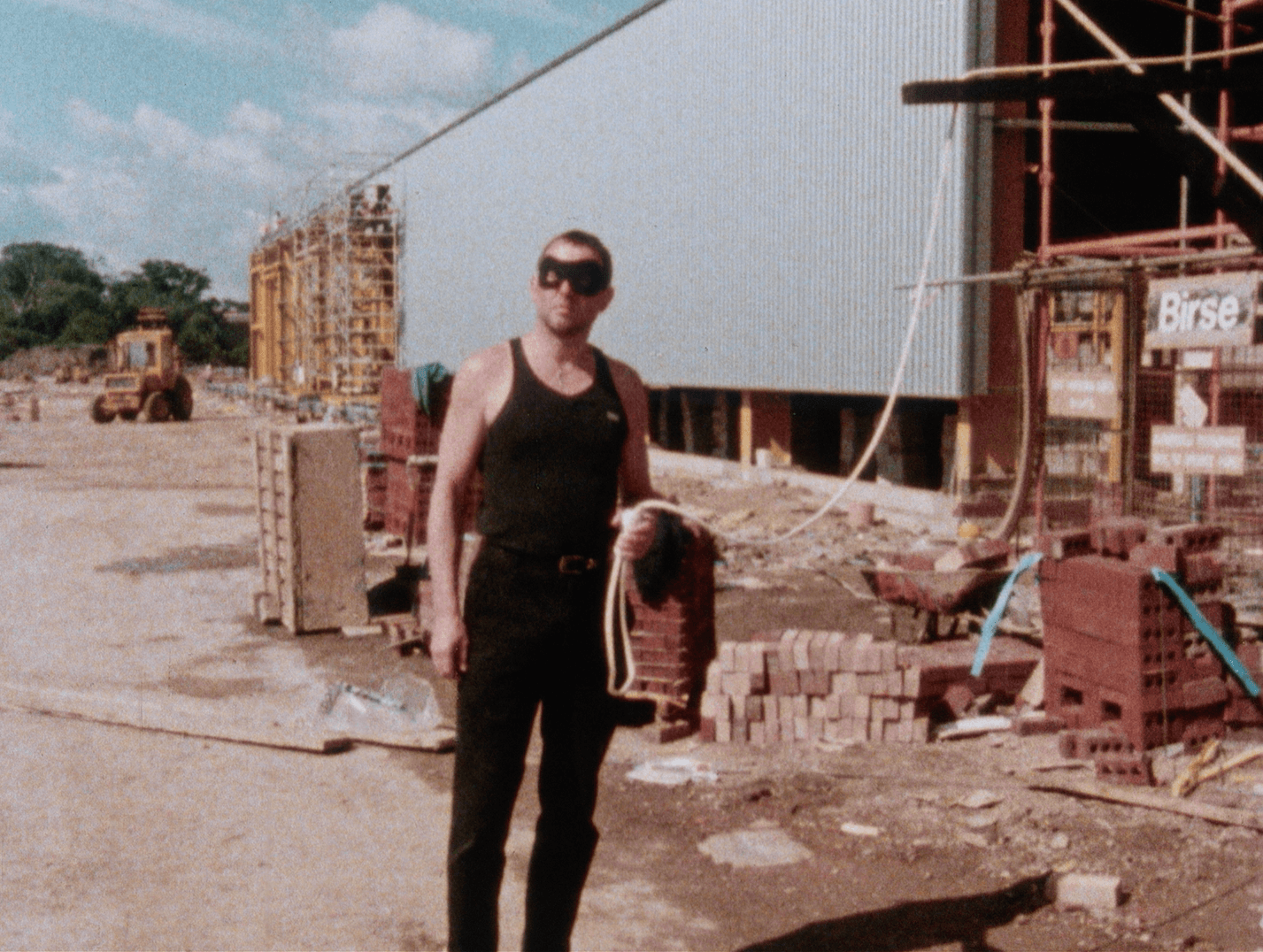
WF: As the others said, the different shapes and different perspectives, that’s the Flipside thing. If it was all more traditional horror films one after the other, all of which exists in the same context of the film that we wouldn’t really be doing our job so well really. I think the fact that we’ve even got one that’s a construction site safety film called Hangman, which is an amazing piece of filmmaking. It’s interesting to see these films and think, “Wow, these people could have been action directors”. When you make films in that context it really has to deliver what you set out to do. It has to be convincing within the context of trying to demonstrate safety in building sites. It’s nice to say that variety, I suppose. People have different preferences for different eras, but it’s interesting because then you start to see these larger patterns in the film industry and where opportunities lie. Was it that people were making these safety films because they couldn’t really make any other types of films? The sound man on Hangman also worked on The Lake in the previous set, so you’ve got this crossover of people who work in certain genre fields, because of their skills in this gig economy, people crossover.

The Dumb Waiter

VP: Yeah, everything is connected, you just see these names and if it’s not the same person, it will be their son or the son of their son, it’s like a weird generational business. I really like in this set particularly that we’ve gone really far back and really far forward; we’ve gone right to the end of that short filmmaking era. I’m really happy that we’ve got these early quiz crime films, which are really fascinating artefacts riffing on the popularity of the whodunit. We’ve got that weird road safety film that Jo picked. It’s really amazing, with a very strange and ethereal quality. It’s supposedly about road safety but hints and all kinds of darkness in just in three minutes.

JB: And this was made for the Wanstead local council. Clearly, somebody on the council had a very vivid imagination and created this really very strange three-minute film, which does much more than it says on the tin, really.

VP: All these films, as we suggested, are marked by a singular vision; there’s something going on, people are not just going by the numbers and doing what you have to do they’re adding something extra in there. And even if you think, “I don’t really like that”, surely you’ll see something in it that’s fascinating.

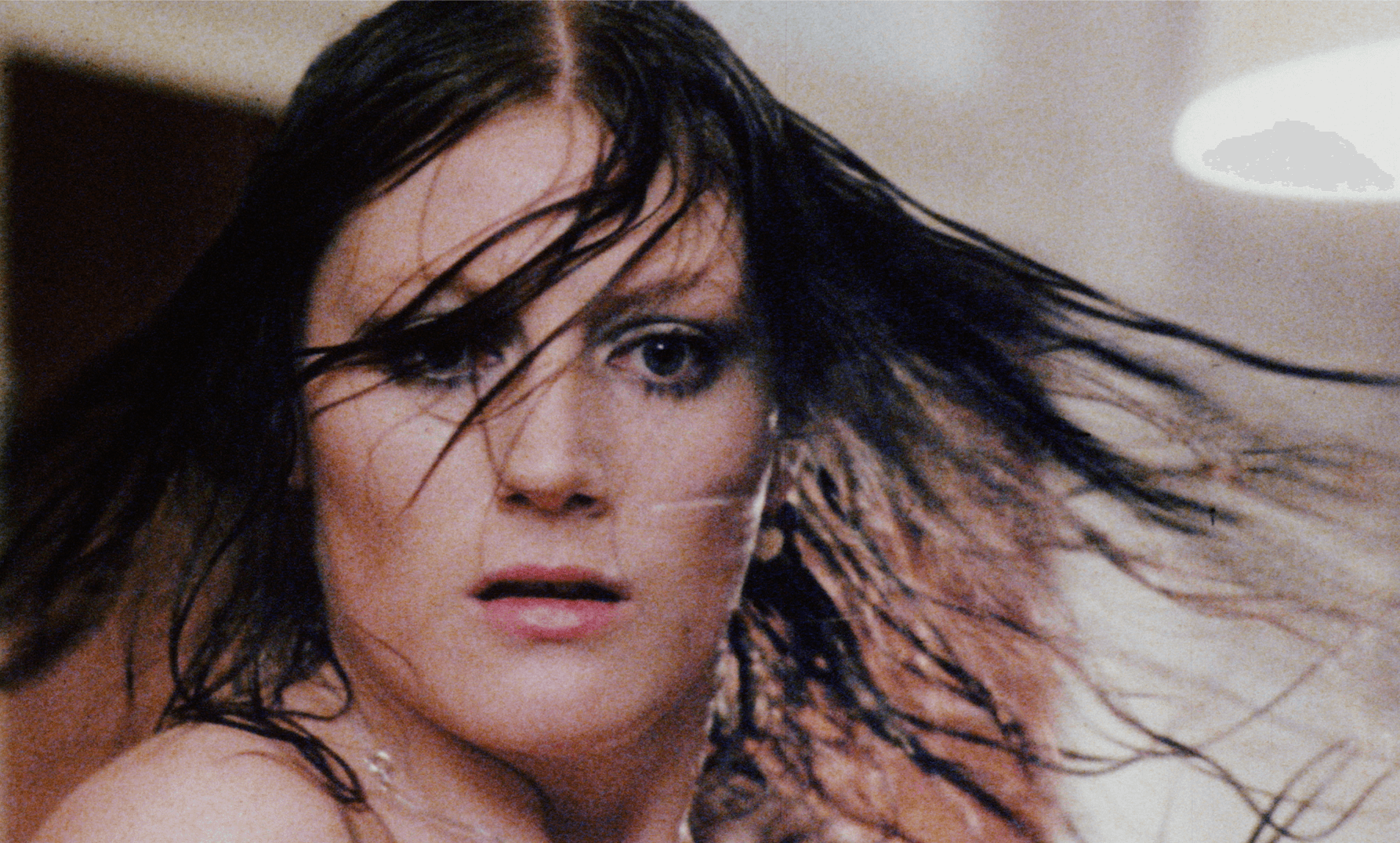
WF: If you’re particularly interested in horror-thriller films then you’ll find these very individualistic takes cut into the original source material and shows you something about horror thriller films. I think different films turn the volume up to different levels so something that’s interesting is the horror genre and the Gothic genre has an innately queer thing going on. People talk about Dracula having a homosexual angle with Jonathan Harker and Dracula and people speculate the Bram Stoker himself was gay and these connections with Henry Irving, but these things don’t always get discussed and it’s interesting, in the case of Mark of Lilith, which is on the set, that really goes into that, and looks at it also from a feminist perspective as well. It looks at the kind of mutability of the vampire and larger race politics and combined hard didactic reflections on that with some actually really quite atmospheric scenes shot in and around London so it shows that the core DNA from some of this stuff can be picked over and bought out in different ways or the volume gets turned up in different context. You get the sense with a larger matrix around something and maybe even it’s quite challenging for different views are only drawn to certain types of work.

Hangman

VP: I think that’s one of those things that will be a divisive work in terms of what people take away from that, but I think it’s really great that it’s there because it allows people to open up new debates within their minds about what is the nature of the Gothic; what is the nature of the vampire.

WF: Many people are sort of nostalgic about the happy accident of watching TV late at night and seeing a short before a feature film that you didn’t know that you were going to see. We have those much less and we can’t claim the way exactly doing that with this set, but people will get to see things they’re not going to choose to see with a different content and that doesn’t happen so often now. Many people who are interested in these kinds of films fetishise that so it’s nice to have some sense of revisiting that maybe.

VP: Doing it in a sort of object-based way as well. I still like having objects like LPs, comic books, books, DVDs, Blu-rays, VHS, 9.5mm reels I got still got all this stuff in my garage. I know you know you can see some 30th generation copy of The Dumb Waiter on YouTube right now but isn’t it nice to have things looking lovely in a beautiful set with a booklet which has stuff all about it and it looks really great with the Graham Humphreys artwork on the front there. To actually choose to be given a selection of things. I used to love it when people used to make a tape for me with all their favourite tracks on it, and I would play it over and over. It would say something about them and about you and about their relationship to you and I think that’s what makes this so special. It’s filled with love and with care and attention, in high resolution with proper curation, and writing about it with love and respect and care even if it’s the most insignificant little film. So I guess that’s what it’s about for me. I really like to share that enthusiasm and joy and fun that there is in all this stuff. I think is a great thing.

Face of Darkness

What are your favourite films in this collection?

VP: They are all our children, we love each one!

JB: It’s not necessarily about loving them, isn’t it? But I really hope that even if people don’t like all the films, they at least find something interesting in them and that’s what Vic was saying about curation, they are all interesting. I think that’s why it’s good to have several of us choosing because I think one person’s selection, might be a little bit more narrow. I’m really pleased that we’ve gone back further back in time because the ‘70s and ‘80s were the eras of that type of film really. And that’s not to say there was loads of them but they were being made because they got shown as part of the programme in cinemas. But going back further they’re a little bit harder to find. So for me, the Theodore Zichy film Mingoloo was my most exciting viewing because I’ve been wanting to see that for ages and it’s very strange indeed. And Theodore was a fascinating character; a Hungarian racing driver and leg photographer, and his autobiography is full of his sexual encounters! He’s just such a bizarre character and these little interludes he had in the cinema in the ‘50s and ‘60s are really interesting so that was a real pleasure to uncover those.

WF: I’m really pleased to see Mark of Lilith, not least because the film is very rare, the negative has been lost. At the beginning of lockdown, I got to help with recovering the copy of the film through eBay, where somebody who had the film for a very long time had decided to sell it. I accidentally noticed it a week after the auction deadline passed, and then got to speak to someone in Ireland, who had got hold of the print so it’s been quite a long journey for that film. I think that’s something that is off the beam of most people who are interested in looking at this area.

VP: I’m really pleased that at last, we’ve got a physical release of the Cinebox film of Screaming Lord Sutch. It’s an amazing bad taste collision between Joe Meek madness and rock and roll nuts of Lord Sutch craziness. It’s in colour and you can’t see so many of those early ‘60s British pop artists anymore. All those old episodes of Oh Boy! and stuff are all gone and films of Billy Fury and all those great early British rockers have been chucked away. And here we have these brilliant full colour 16mm films of people like Lord Sutch and that’s great.

JB: The history of Cinebox is really interesting as well.

VP: Yeah, Cinebox was this proto-video jukebox thing and would make a great set of its own, and we’ve got a great collection of the BFI The other real discovery for me is Face of Darkness, which me and William saw at a screening about 15 years ago. We made a note of it then that we should do something with it one day if we ever can. For a first film, I think Ian Lloyd’s got such an amazing range of brilliant ideas; maybe too many – perhaps the pacing is wrong and Ian himself says it’s very much a first film, he jammed in too much. But there’s so much good, strange stuff in there, and a real evocative sort of medievalism about it given they had zero budget. So I guess that’s my favourite discovery of the set.

What would be the ideal run on from this? Would there be another one?

VP: I would hope that we might be able to continue in this vein, I can’t confirm at this point, but if this one does well I would hope that there would be the possibility for further ventures along this route in the future. I will say that the doors are not closed to future stuff of this sort.

The BFI Short Sharp Shocks Volume 2 Blu-ray is released on October 25th. Vic Pratt and William Fowler’s book The Bodies Beneath is highly recommended for fans of offbeat cult British cinema. It’s available from all good bookstores, published by Strange Attractor.

They’re here already! You’re next, You’re next…!

they're here body snatchers

A look back at Invasion of the Body Snatchers


“I warn you that what you’re starting to read is full of loose ends and unanswered questions. It will not be neatly tied up at the end, everything resolved and satisfactorily explained. Not by me it won’t anyway. Because I can’t say I really know exactly what happened or why, or just how it began, how it ended, or if it has ended, and I’ve been right in the thick of it.”

So began the first-person narrative of Doctor Miles Bennell in Jack Finney’s story The Body Snatchers, which was serialised in Collier’s magazine in 1954, and published in book form the following year.

It was inevitable that Finney’s story, a masterpiece of tension, would be adapted as a film in short order. It was the right story at the right time, lending itself to a reputation as being a political allegory, a thinly veiled tale of Communist infiltration. The infamous McCarthy hearings had left America in a deep state of paranoia that their very way of life was under threat of subversion from the other side of the Iron Curtain during the Cold War years. And it’s easy to see how that metaphor could be applied in those times, particularly with the original film. Director Don Siegel, who would go on to direct Dirty Harry, isn’t known for his liberal stances. But he would maintain that he wasn’t directing an anti ‘red under the bed’ parable, in his mind, the ‘pod people’ were more akin to Hollywood film executives who felt nothing for the art and were only interested in the bottom line. Author Jack Finney, however, denied and decried any association with writing an anti-communist story. He has emphatically stated in interviews at all he wanted to write was “a damn good read”.

The film starts with a visibly distraught and dishevelled Doctor Miles Bennell being admitted to a hospital, where he starts to tell his story. Our setting is the town of Santa Mira in California. An idealised version of post-war suburban America. Santa Mira is all white picket fences, everyone is friendly. It’s a utopia of peace, harmony and contentment. But something is wrong. There’s a ripple in the calm and cosy Norman Rockwell small-town American dream. Dr Bennell (Kevin McCarthy) has been summoned back from a medical conference due to an emergency. His office has been inundated with patients needing to see him urgently. They won’t say why, but they have to see him.

On his way from the railway station, Bennell can’t help but notice that the fruit and vegetable stand that has been trading by the side of the road has fallen to neglect and disrepair very quickly. Narrowly avoiding running the proprietor’s son over, he notices that the child’s mother is vacant and listless.

Back at the office, all is quiet. No patients. Everybody seems to be going about their business until Becky (Dana Wynter), Bennell’s high school sweetheart arrives to ask him to stop by the house. Her cousin Wilma is convinced that Uncle Ira isn’t Uncle Ira! The child who ran out into the road in front of his car earlier is brought to the doctor’s office in a state of near hysteria, claiming that his mother isn’t his mother. Outwardly, things look fine, but something’s missing. Something’s very wrong.

The mystery deepens when a couple of friends Jack Bellicec (King Donovan) and his wife Teddy (Carolyn Jones) call Bennell to their house. They’ve found a body. But the body is lacking in detail. There are no wrinkles, no scars. Bennell asks them to keep the body overnight for observation, but later in the evening, as the couple sleep, the body begins to take on the characteristics of Jack, including a cut to the hand he’d suffered earlier.

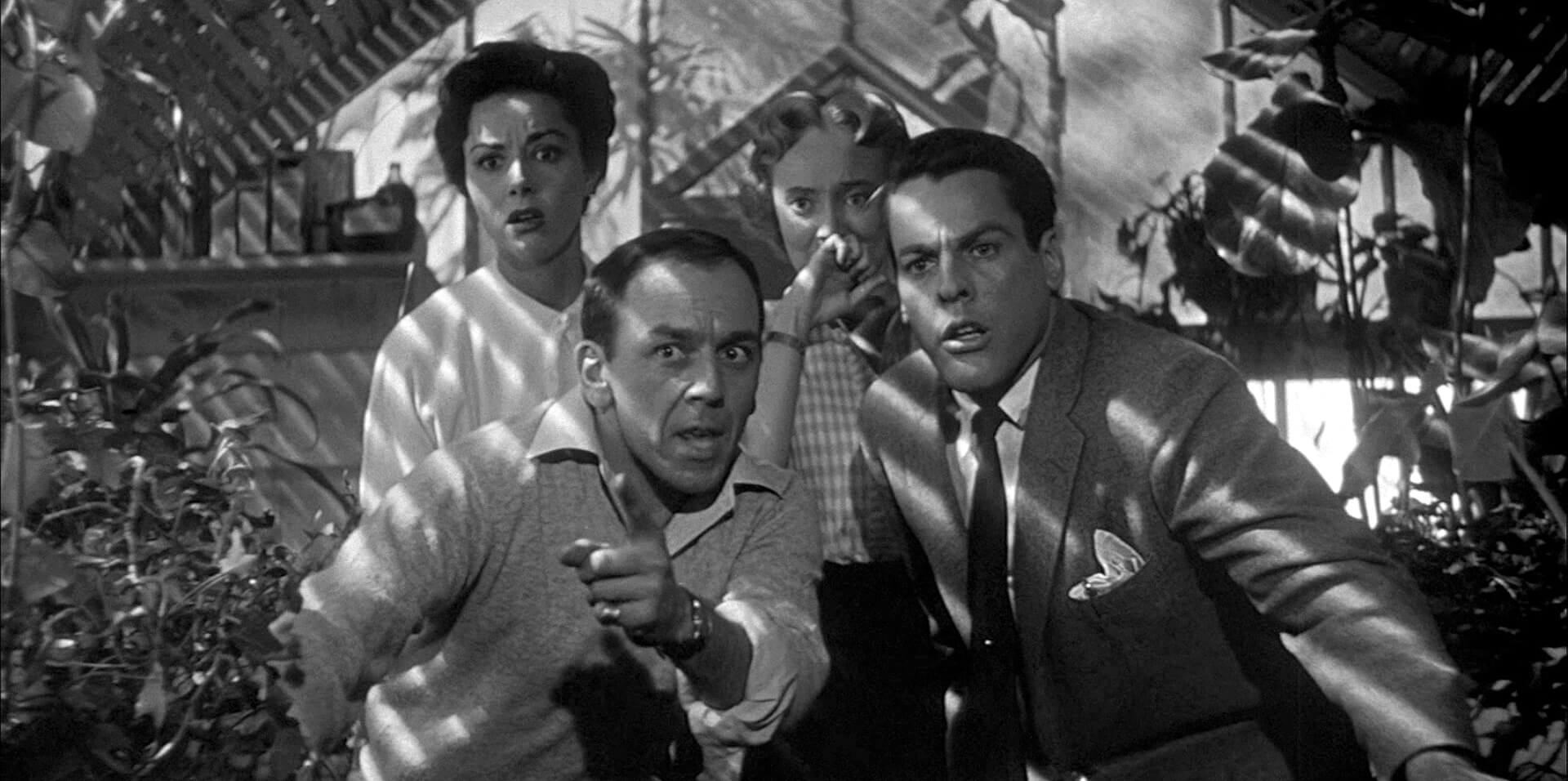
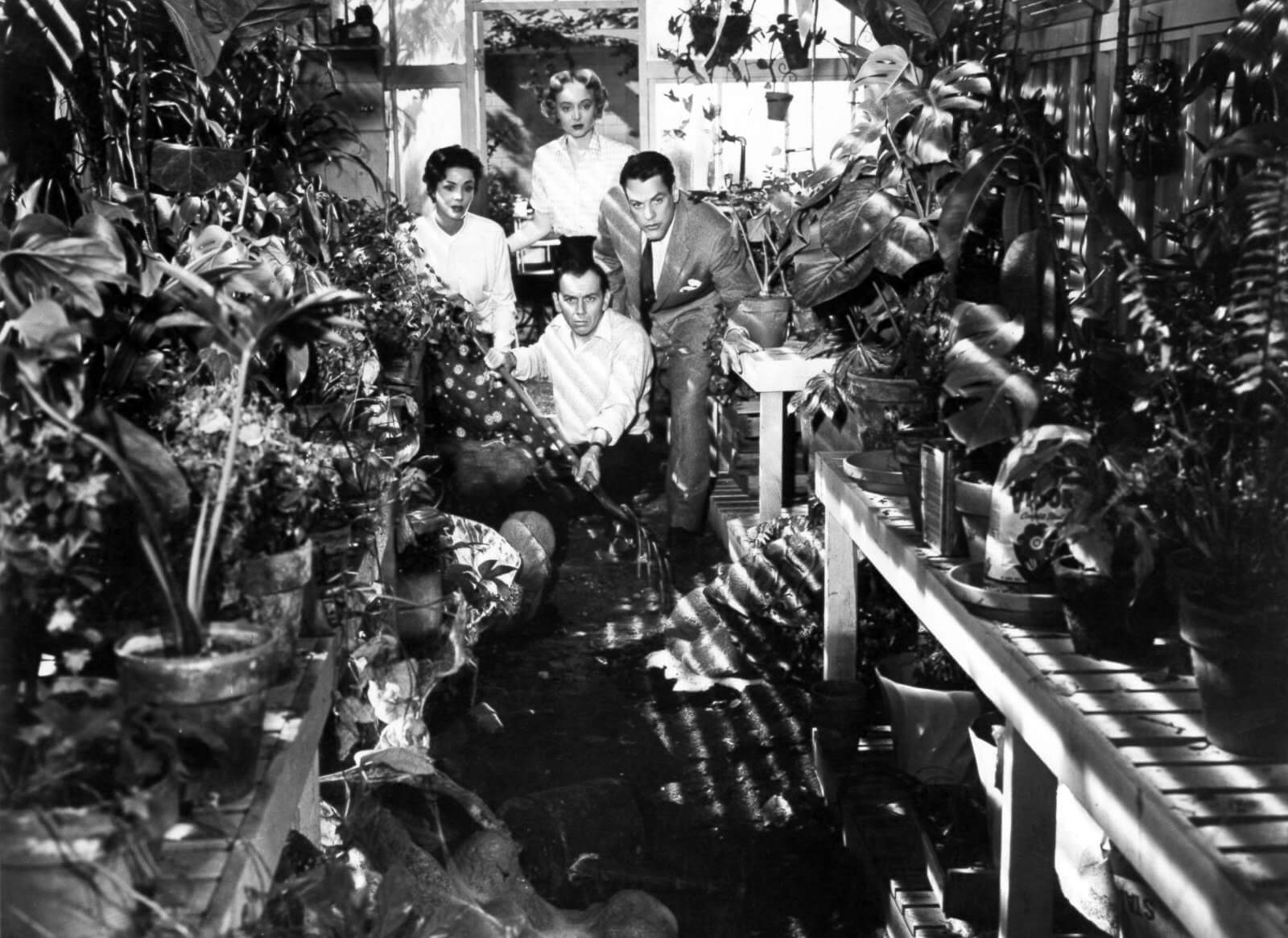
Fleeing to Bennell’s house, they tell him the story. Fearing for Becky’s safety, he drives to her home, where he saw her father acting suspiciously, pottering in the cellar earlier in the evening. In the cellar is something that is rapidly becoming Becky. Rousing a very drowsy Becky from her bed, he takes her to his home. The invasion is well underway, and the invaders are taking over with stealth and efficiency. The method of this usurping of suburban normality is revealed when Miles discovers four large seed pods growing in his greenhouse. As he watches, each disgorges a near-complete replica of each of the four of them, which are quickly destroyed.

The film plays on two primal fears. It’s theorised that the alien seedpods have been floating around in space, and have come to Earth, where they find that we humans are easy targets when we’re asleep. The fear of not waking up is a well-known one and literally plays into the red under the bed phrase, implying that the threat is always closer than we think. In this case, our families and friends could be the ones plotting our taking over, because ‘they’ look just like ‘us’. The inhumanity and lack of empathy of the pod people is brought sharply and chillingly into focus when we hear a mother, about to place a pod in her baby’s cot says calmly, “Soon, there’ll be no more tears”.

However identical we may look, the second primal fear that the concept plays strongly to is the loss of self. The pod people actually replace us. They have our appearances, they have our memories – but they don’t have our spark, our emotions or soul. They are like unfeeling automatons. Incapable of love, jealousy or rage – but have a hive-like need for conformity, which everybody must be like them. And this is how the film plays so powerfully into the fears and suspicions of fifties’ America who were already unnerved by Senator McCarthy’s hearings.

This loss of self, or having an alien intruder possibly standing right next to you became a potent sci-fi trope in the films of the fifties. It had been explored to an extent with Invaders from Mars (1953) and It Came from Outer Space (1954). In the former, a child sees his parents taken over by invading Martians, but it’s all just a dream – or is it? It all depends on which version you see. In the latter, the humans are duplicated temporarily while the aliens repair their crashed spaceship, so it’s not an invasion. I Married a Monster from Outer Space (1958) is another powerful entry that can easily be added to the list of potential anti-Communist propaganda. A young newly married man is possessed by an alien, here to test the waters for a full-blown invasion. His wife begins to suspect something is wrong, their puppy knows for sure and the poor mutt is killed. Is there anything more un-American in white picket fence Eisenhower era America than killing a poor dog?

Bennell discovers how truly hopeless his situation is when he tries to call for help, but the telephone operator is a pod person. The friendly couple who run the gas station have been taken over and place a couple of pods in the back of Bennell’s car, the police have similarly been overcome. Even Jack and Teddy Bellicec have succumbed. Within a handful of days, Bennell and Becky are the only normal people left in Santa Mira.

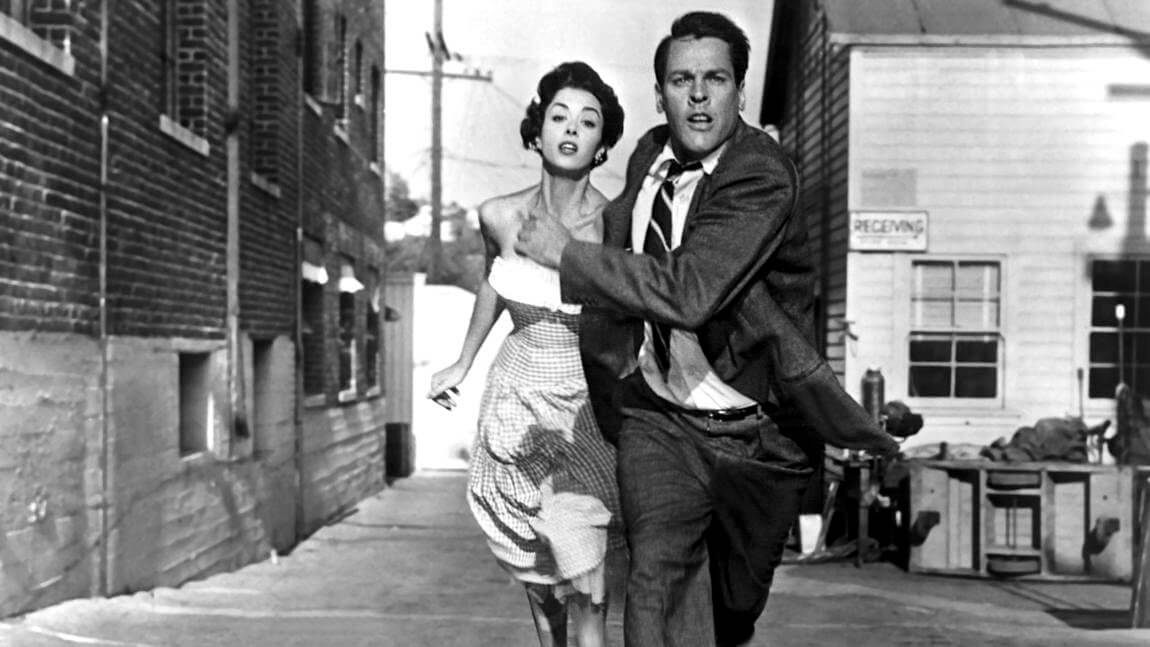
Fleeing for their lives, Becky and Bennell are chased by the entire town population in a reversal of similar scenes of enraged villagers in the old monster movies of the thirties. Thinking they’re finally safe, Bennell discovers a large plantation of the seed pods, and also discovers that in the handful of minutes he’s been gone – he has lost Becky.

Panic-stricken, he makes his way to the nearby freeway, where he’s dismissed as drunk as he screams a repeated warning that it’s already too late. Picked up by the police, Bennell is taken to the hospital presumably for psychiatric evaluation when reports come in of a crash on the highway involving a truck carrying large seed pods. Is the invasion over? We don’t know. Certainly, we’ve lost one small town’s entire population and who knows where else the pods landed. This differs from the book, where it’s established that the pod people cannot reproduce via procreation and have a life of only around five years. Their plan is to basically use up all of Earth’s resources and move on to another planet, leaving behind only a barren husk. Pretty much what we humans are doing, only in the book, the pods decide to abandon their mission.

The 1956 version of Invasion of the Body Snatchers is released on BFI Blu-ray on October 25th.


THE TELEPHEMERA YEARS: 1987 – PART 1

Once a hero telephemera 1987 marvel comics

Ah, telephemera… those shows whose stay with us was tantalisingly brief, snatched away before their time, and sometimes with good cause. They hit the schedules alongside established shows, hoping for a long run, but it’s not always to be, and for every Knight Rider there’s two Street Hawks. But here at STARBURST we celebrate their existence and mourn their departure, drilling down into the new season’s entertainment with equal opportunities square eyes… these are The Telephemera Years!

1987-88

The late 1980s were dominated by sitcoms, style, and sitcoms with style, with the rump of Dallas, Dynasty, Moonlighting, and Miami Vice butting up against Who’s the Boss?, Cheers, The Cosby Show, and Family Ties. For the genre fans there was such diverse fare as MacGyver, Max Headroom, ALF, and Highway to Heaven, and the new Fox network was making waves with 21 Jump Street, It’s Garry Shandling’s Show, Married… with Children, and The Tracey Ullman Show, which featured a certain dysfunctional family taking their nascent steps.

The new season brought us The Wonder Years, thirtysomething, and a monster called Full House, while the weird romantic monster story of Beauty and the Beast began its four-year run, descending further and further into fantasy lore. But what first appeared on US screens in the Fall season and didn’t make the same impact? This is the story of four shows whose time had not yet come…

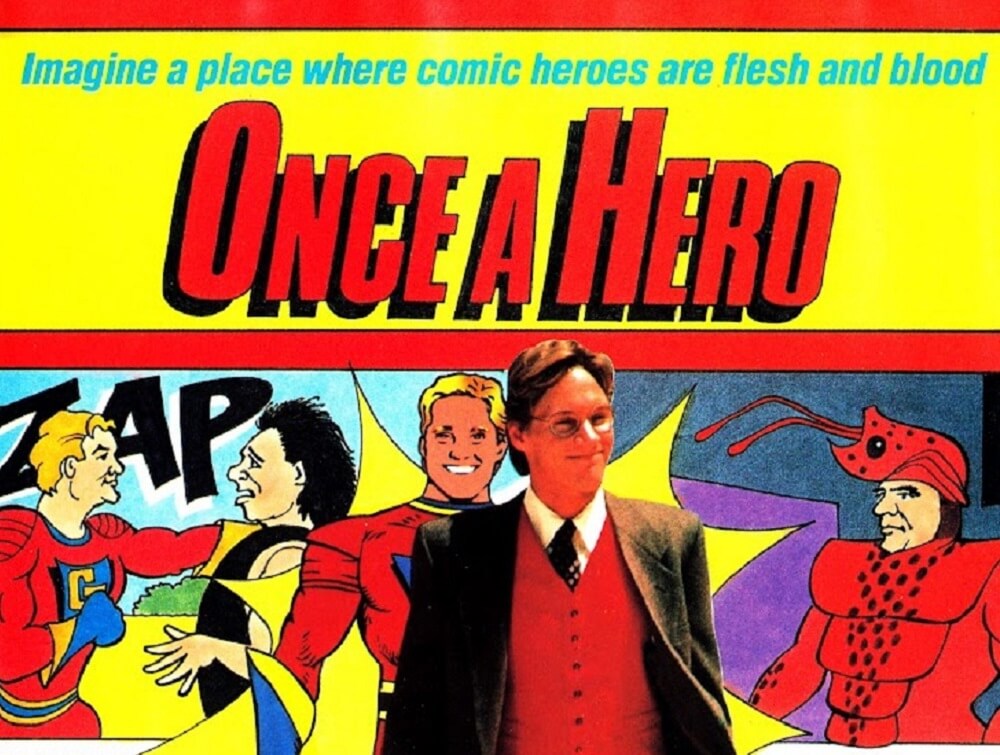
Once A Hero (ABC): Once A Hero was a triple-treat for comic book fans; not only was it about a superhero – Captain Justice! – but the hero actually existed in our world and there was a tie-in comic book from Marvel, written by JM DeMatteis and with art from Steve Leialoha!

Once a hero telephemera 1987 marvel comics

The series premise had comic book creator Abner Bevis (Milo O’Shea, Barbarella’s Durand Durand) run out of ideas for his Captain Justice comic, to the extent that the moribund storylines were even noticed by the denizens of the fictional Pleasantville where the series was set. This prompted Captain Justice to travel to our world, where he found himself powerless but still determined to fight crime, and reports of his antics revitalised both Bevis and interest in the comic.

Producer Ira Steven Behr (who would go on to write many Star Trek: Deep Space Nine episodes) initially cast Jim Turner as the eponymous hero, with the idea that he looked too small to ever become a super-hero but an initial pilot with Turner just didn’t work and so Jeff Lester (who’d only had one recurring role to that point) was given the job. Robert Forster was Gumshoe, a private detective from Pleasantville who also crossed over and was hot on the Captain’s tail.

The show was due to premiere on September 19th 1987 but some local ABC stations took one look and decided to air a re-run of Star Trek: The Next Generation instead. Those that did decide to air the show backed out after only three episodes had been aired, although seven were produced. The Marvel comic was cancelled after two issues and neither this world nor Pleasantville has been troubled by Captain Justice ever since.

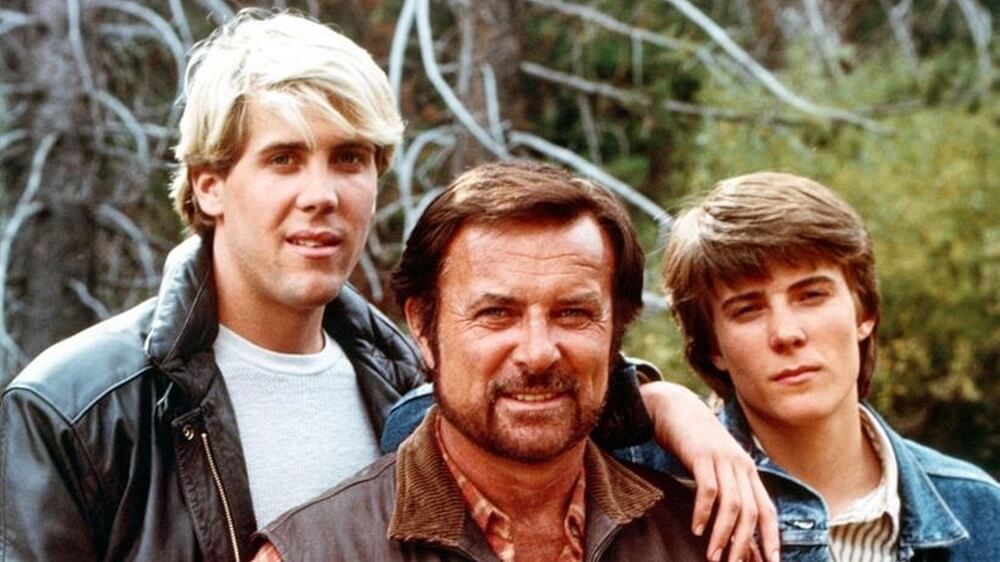
High Mountain Rangers (CBS): Created by Robert “Wild Wild West” Conrad, in association with jobbing screenwriter David J Kinghorn, High Mountain Rangers starred, erm, Robert Conrad as Jesse “Top Gun” Hawkes, a veteran search and rescue officer in the mountains of Nevada. Accompanied by his two sons Matt and Cody (played by Conrad’s sons Christian and Shane), the ex-marine comes out of retirement to hunt down his old nemesis and DANGER ensues.

Executive produced by Conrad’s daughter Joan, High Mountain Rangers exploded onto screens in a blaze of publicity as a TV movie in April 1987, earning the show a place in the schedules as a mid-season replacement in January 1988, where it ran on Saturday nights, and it tied a mission of the week with an ongoing storyline, with only Pat Morita’s Ohara as any dramatic competition.

telephemera 1987 high mountain rangers conrad

Ratings, however, were not great and, after the twelve ordered episodes had been shown, the show was quietly cancelled, although a spin-off – Jesse Hawkes – saw the family relocate to the urban environs of San Francisco for a six-show run in Spring 1989.

The pilot was released on VHS but there’s been clamour for a DVD release of the full series, although it can be found piecemeal on video sharing sites. Conrad tried again in 1995 with High Sierra Search and Rescue, but audiences still weren’t ready for rugged wilderness action and it was cancelled after just eight episodes had aired.

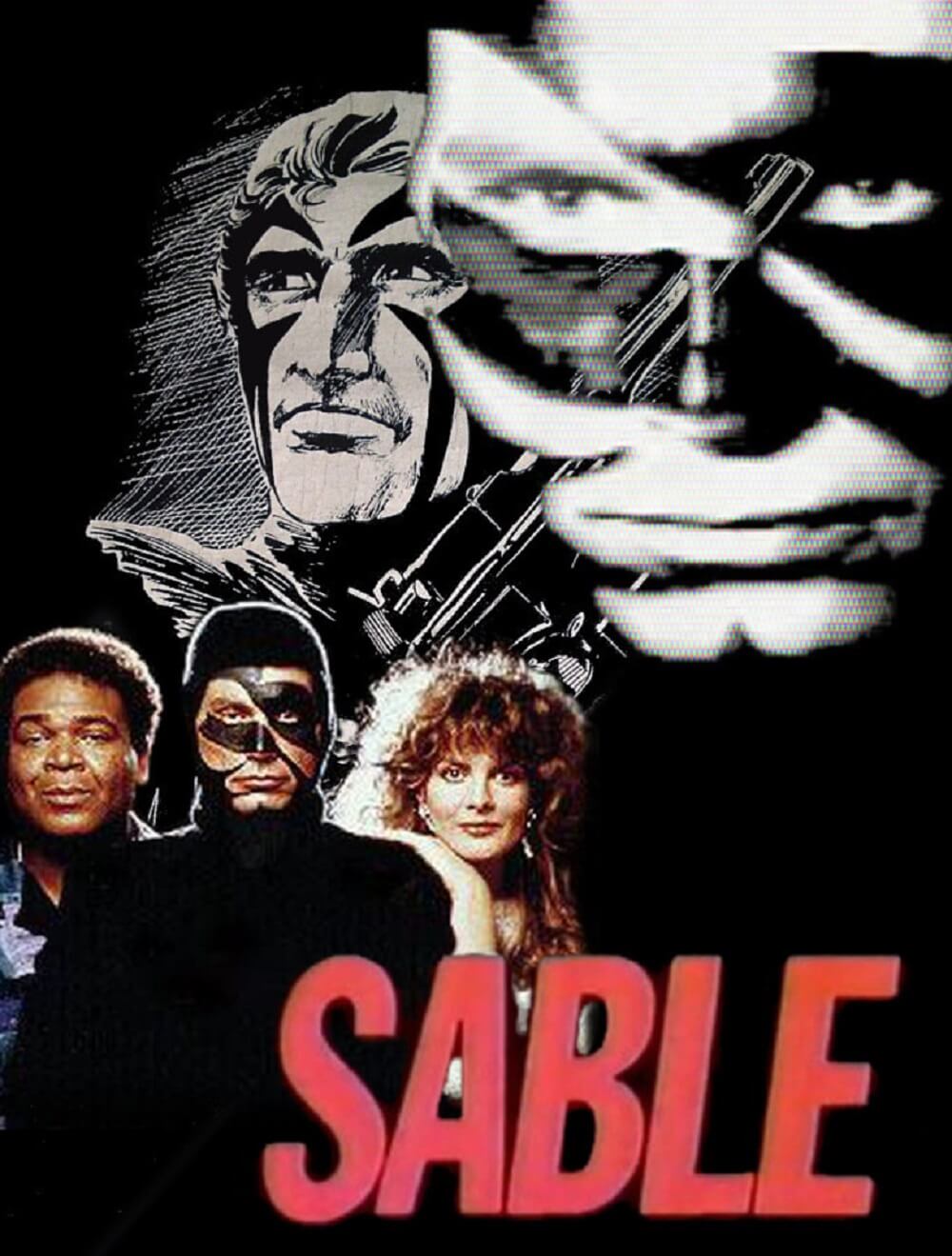
Sable (ABC): Based on the First Comics series Jon Sable: Freelance by Mike Grell, Sable debuted on November 7 1987, earlier than had been planned as a replacement for the ill-fated Captain Justice. Played by character actor Lewis Van Bergen in his first starring role, Jon Sable was a retired hunter whose family had been killed in Africa.

telephemera 1987 sable grell

After avenging the deaths of his loved ones, and assisted by blind sidekick Cheesecake, Sable returns to the US where he works as a children’s author by day, mercenary vigilante by night, available for hire and looking to right wrongs.

Ken Page was good value as Cheesecake, and Rene Russo had her first acting gig as Eden Kendall, Sable’s literary agent with whom he enjoyed a no-strings relationship. There was also an early appearance by Lara Flynn Boyle in the debut episode, “Toy Gun.”

Unfortunately, British producer Gary Sherman (who was responsible for 1972’s Death Line) was unable to translate the comic book to the screen and the show received mixed reviews and tepid ratings. Cancelled after just seven episodes had been filmed and aired, Sable was consigned to the bookshelves once more.

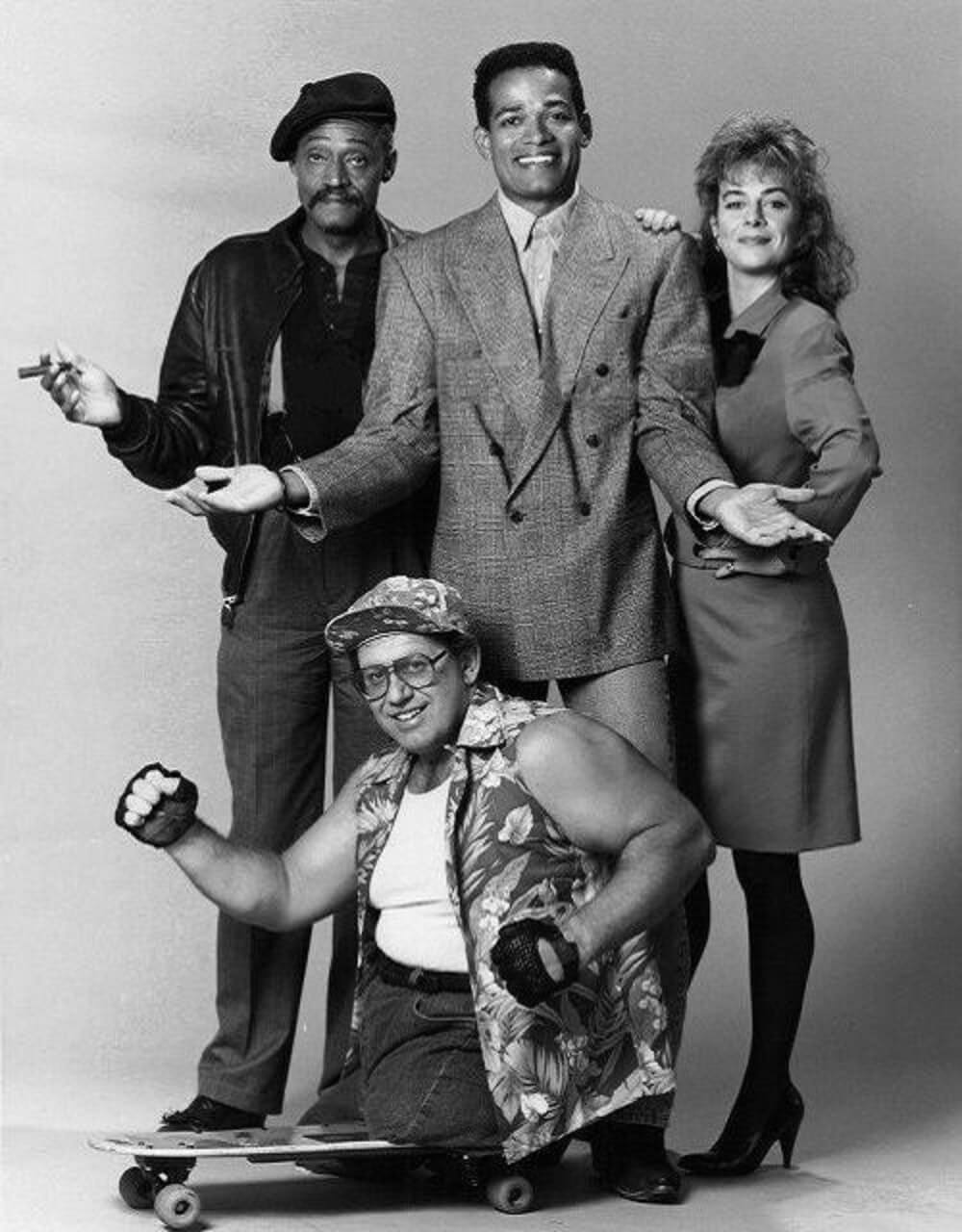
Sonny Spoon (NBC): From the pen of the prolific Stephen J Cannell, Sonny Spoon might seem like a show out of its time, concerned as it was with a streetwise black private investigator who uses his hip wiles and disguise skills to solve crimes. Assisted by the beautiful Assistant DA, Carolyn Gilder (Terry Donahoe), Sonny Spoon was the cat that won’t cop out when there’s danger all about.

Mario Van Peebles starred as Sonny, with his dad Melvin as Mel, a bar owner who passed on clues and advice, and there was also help from Johnny Skates, a legless Vietnam veteran who used a skateboard to get around.

telephemera 1987 sonny spoon

The meat of the show often revolved around Sonny’s ability to impersonate a variety of tropes from central casting – priests, Arabs, Rambo… – and the first run of episodes, which aired as a mid-season replacement for The Highwayman in Miami Vice’s old slot, did well enough that a second season was ordered. However, just six episodes into that sophomore run, the show was cancelled.

Too early for the blacksploitation revival of the 1990s, Sonny Spoon may have fared better in syndication but it was never considered and hasn’t been released on home video. Worse still, the usual video sharing sites are pretty much bare of anything but clips. One day Cannell will be given the plaudits he deserves but until then Sonny Spoon remains deeply undercover.

Next on The Telephemera Years: More short-lived telefantasy, including dicks, wolves, and probes!

Check out our other Telephemera articles:

The Telephemera Years: 1966 (part 1, 2, 3, 4)

The Telephemera Years: 1968 (part 1, 2, 3, 4)

The Telephemera Years: 1969 (part 1, 2, 3, 4)

The Telephemera Years: 1971 (part 1, 2, 3, 4)

The Telephemera Years: 1973 (part 1, 2, 3, 4)

The Telephemera Years: 1975 (part 1, 2, 3, 4)

The Telephemera Years: 1977 (part 1, 2, 3, 4)

The Telephemera Years: 1980 (part 12, 3, 4)

The Telephemera Years: 1982 (part 1, 2, 3, 4)

The Telephemera Years: 1984 (part 1, 2, 3, 4)

The Telephemera Years: 1986 (part 1, 2, 3, 4)

The Telephemera Years: 1987 (part 1, 2, 3, 4)

The Telephemera Years: 1990 (part 1, 2, 3, 4)

The Telephemera Years: 1992 (part 1, 2, 3, 4)

The Telephemera Years: 1995 (part 12, 3, 4)

The Telephemera Years: 1997 (part 1, 2, 3, 4)

The Telephemera Years: 2000 (part 1, 2, 3, 4)

The Telephemera Years: 2003 (part 1, 2, 3, 4)

The Telephemera Years: 2005 (part 1, 2, 3, 4)

The Telephemera Years: 2008 (part 1, 23, 4)

Titans of Telephemera: Irwin Allen

Titans of Telephemera: Stephen J Cannell (part 1, 2, 3, 4)

Titans of Telephemera: Hanna-Barbera (part 1, 2, 3, 4, 5)

Titans of Telephemera: Kenneth Johnson

Titans of Telephemera: Glen A Larson (part 1, 2, 3, 4)

Titans of Telephemera: Quinn Martin (part 1, 2)

Mercenaries: Everything About a New Hearthstone Mode

hearthstone

In Hearthstone, based on the Warcraft series, a new PvE mode, called Mercenaries has been released recently. Let’s find out what’s good about the new mode, and understand if this feature makes Hearthstone one of the new eSports games available at tonybet.co.uk/in-play or if it’s not so important for users.

What’s up With Blizzard


Blizzard is going through bad times now – a major scandal over working conditions for women is far from over, players are slowly losing interest in Overwatch and its sequel, there haven’t been any big releases in a while, and waiting for Diablo IV is getting tiresome. But that’s all down to the management and marketing departments, and the developers themselves continue to do their own thing. And here comes yet another proof of their skills, but it’s a sad one.

Basic Things About Mercenaries


First, a little about the mode itself, which in fact could be called Hearthstone 2. The player must assemble a squad of six mercenaries, including legendary Warcraft characters like King Lich, Jaina, and Diablo. Each of the warriors has its own level of training, abilities and equipment, and experience is gained in hikes in stages from their base to the boss. Each stage is a battle where you decide what your warriors will do and then watch them do it. Naturally, the rewards in battles and boosters are mercenary coins for which you can pump them up. You can also fight other players.

Mode has long been touted, the result is not disappointing. Mercenaries are fun and addictive. Besides, they have a strong advantage over the classic mode. You only need six fighter cards for a squad deck so that the collection element becomes friendlier. Battles are noticeably faster, PvE does not force a rush, etc. Hearthstone developers have not only shielded the new mode from their old mistakes but also collected all the best that was in their game.

Of course, gathering all the best into one pile, the developers got a great update. Mercenaries is the culmination of Hearthstone’s long history. It’s got familiar faces and mechanics, perfect for getting back into the game after a long break and immersing yourself in a new mode.

Bottom Line


Blizzard isn’t in great shape right now, it’s getting harder and harder to believe in a good outcome. Because of the scandals, some people have stopped playing altogether, and others may decide not to go back to the old games. Hearthstone is slowly deflating, and considering that the developers had to scrape together what’s already been released to create something new, we can only conclude that we won’t see anything better.

Mercenaries is a unique mode. It’s such a reminder that developers actually still can do something great. But no matter how good Mercenaries is, it’s hard to get rid of the feeling that we’re listening to the final chord of the Hearthstone symphony, and the developers only have to finish the composition with dignity and leave to write a new one.


Five Films to Check Out on Horror Channel This Week – 181021

horror check

Here are five great reasons to tune into Horror Channel this week….

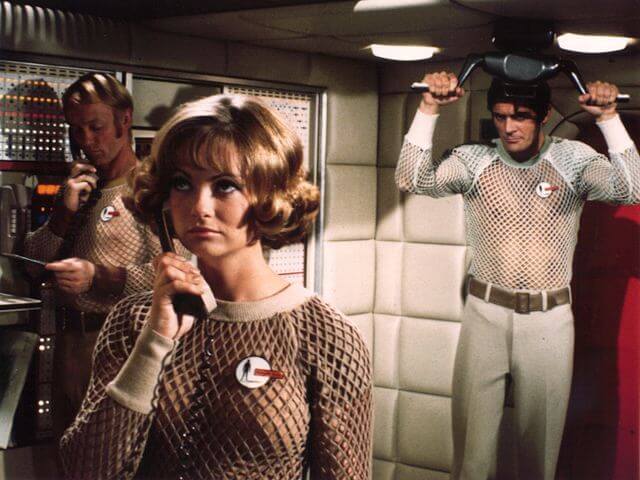
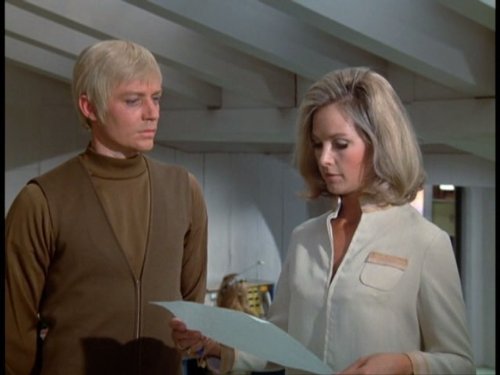
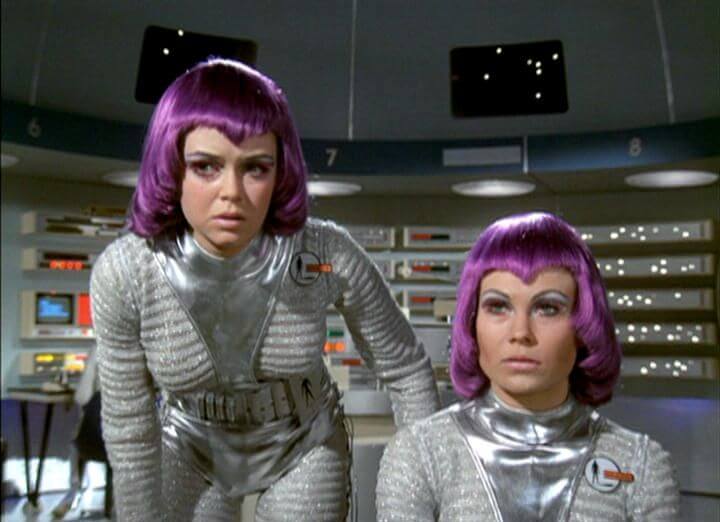
Wednesday October 20th, 6pm – UFO

Gerry and Sylvia Anderson’s live-action series makes its way on to Horror Channel as part of the weekday Sci-Fi Zone. Find out more about the series here.

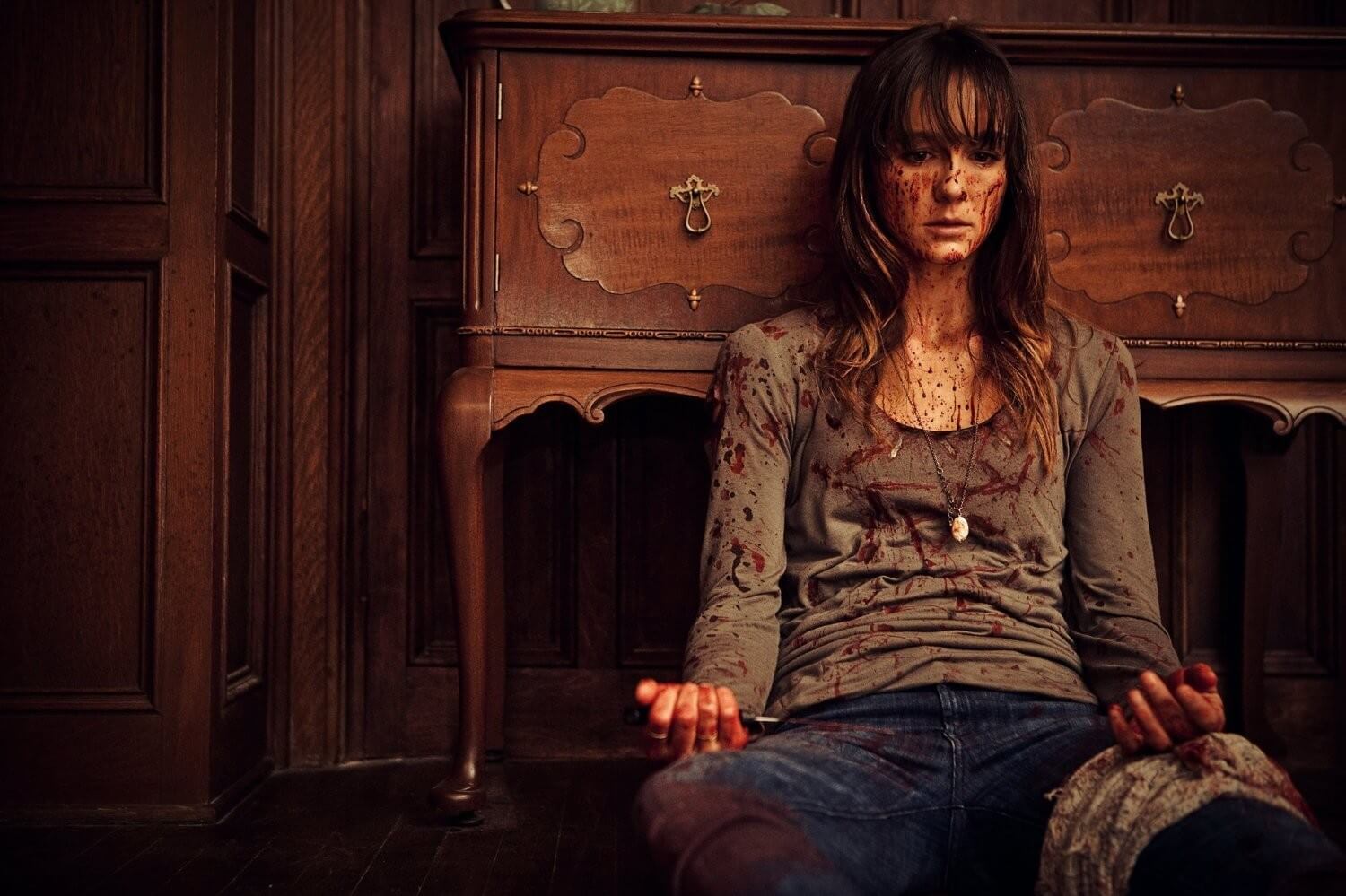
Thursday October 21st, 10.50pm – You’re Next (2011)

Adam Wingard (Godzilla vs Kong) directs this fabulous spin on the home invasion subgenre. The brilliant cast includes Sharni Vinson, AJ Bowen, Joe Swanberg, and Barbara Crampton.

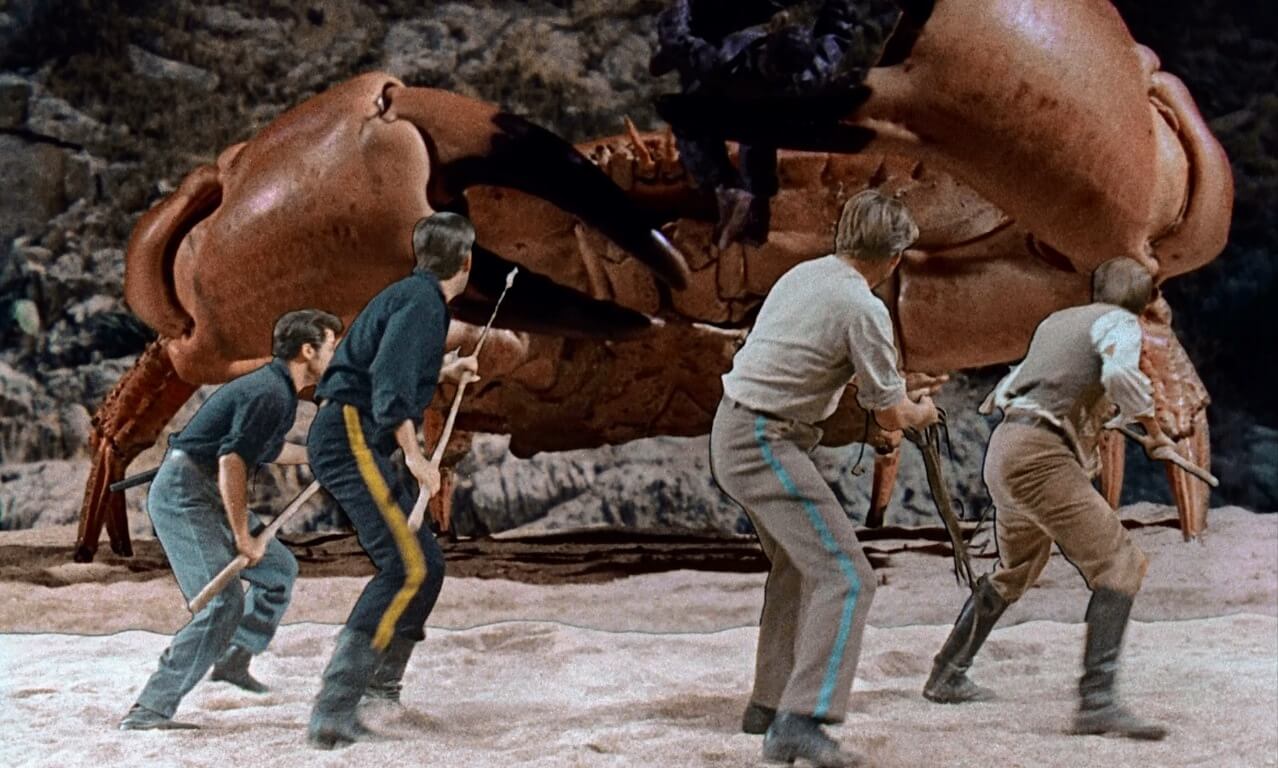
Friday October 22nd, 4pm – Mysterious Island (1961)

Based on the novel by Jules Verne, this fantasy adventure boasts stop-motion effects by the legendary Ray Harryhausen – recommendation enough for any film. This one has Herbert Lom as Captain Nemo who helps a group of castaways. (Also screening on Saturday morning at 8am.)

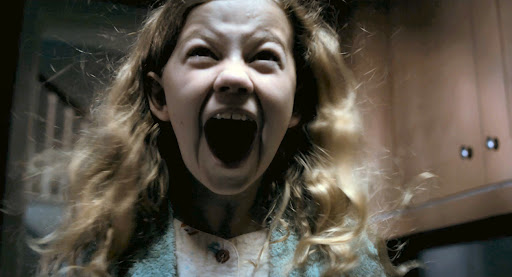
Saturday October 23rd, 9pm Mama (2013)

Director Andy Muschietti expands on his fantastic short film with his debut feature. A pair of abandoned young girls who have been brought up by an entity they call ‘Mama’ are brought into civilisation by their uncle.

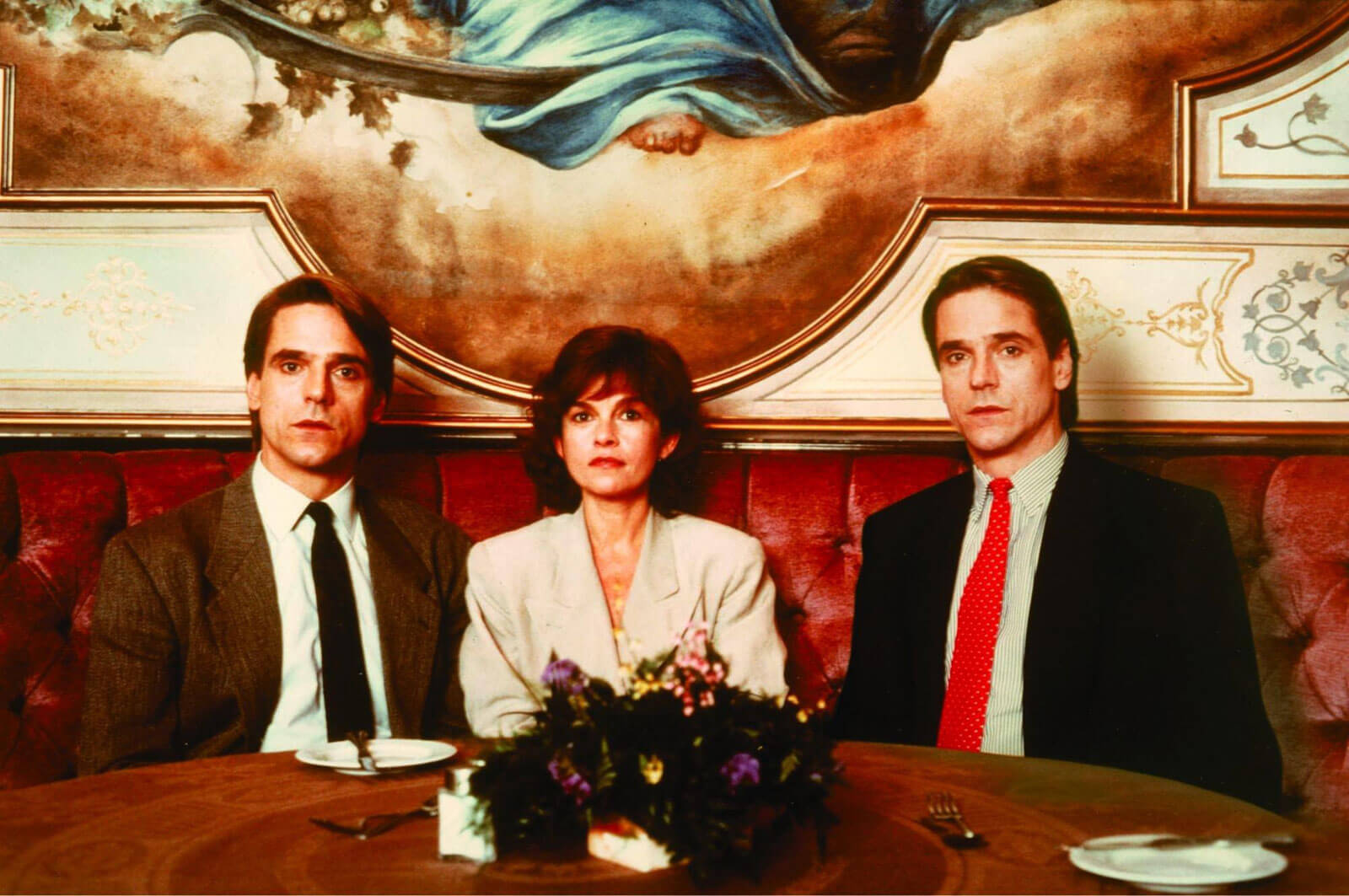
Sunday October 24th, 9pm – Dead Ringers (1988)

David Cronenberg’s excellent psychological thriller has Jeremy Irons playing a pair of twins who work as gynaecologists and share much more than their profession.

Tune into Horror Channel on Sky 317, Virgin 149, Freeview 68, Freesat 138.

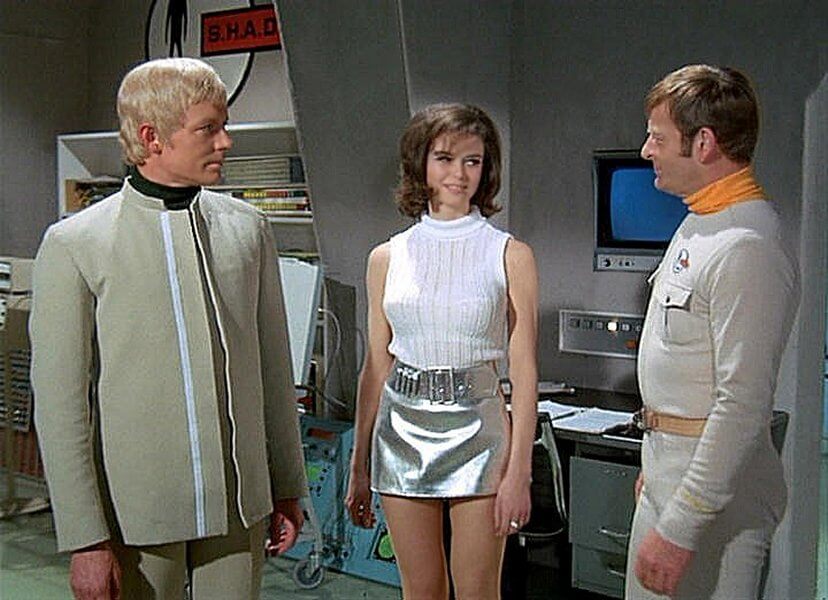
UFO: Stand By For SHADO

shado ufo

Classic Gerry and Sylvia Anderson series UFO lands on Horror Channel in October, so we take the opportunity to look at the history of the series…

IDENTIFIED

In January 1969, an incredible era of British television came to an end when the puppet studios of Century 21 Productions were closed down. The final Supermarionation TV series produced by the company, The Secret Service, had a far shorter lifespan than its predecessors, lasting only 13 episodes compared to the usual 30-40 episode length from past efforts. The exact story as to why The Secret Service came to a premature end may never be known. Puppetmaster Gerry Anderson often told the story of showing the first finished episode to ITC’s Lew Grade, the financial backer of his work during this era, and Grade’s reaction being less than positive.

Stanley Unwin’s trademark gobbledygook language of Unwinese, utilised as part of the show’s premise, is the given reason for the show’s ultimate failure. However, one can’t help but wonder why Lew Grade would have commissioned such a series when he must have known full well what he was signing up for. Given Gerry’s long-held ambitions during this time to move permanently away from the super marionettes that had given him great success and greater frustration, one wonders if The Secret Service’s polarising set-up was a deliberate, tactical shot in the foot made to convince Grade that the era of Supermarionation was over. It had been three years since Grade brought the axe down on Thunderbirds and nothing produced since had quite managed to overtake that juggernaut’s popularity. Still, Anderson remained focused, resolute, determined to make the next big thing. During the same month the puppet studios finished, January 1969 brought with it the finished script for the first episode of Century 21’s new venture – UFO.

Century 21 Productions were no strangers to filming in live-action at this point. The much-maligned Crossroads to Crime and the thematic precursor to UFO, Doppelgänger, had given Gerry and Sylvia and their crew some tangible experience in working with humans. Numerous live-action inserts of hands and feet are scattered throughout the Supermarionation shows, and The Secret Service can really be described as only half being filmed in Supermarionation. But UFO marked more than the great leap forward into working with humans rather than puppets. Everything about UFO is more sophisticated than what had come before. Targeting a more adult audience than the puppet shows had done, UFO remains a thematically robust, narratively engaging and sometimes quite emotional and bleak entry in British sci-fi, propelled by a renewed vigour in the special effects department, more complex story-telling and commanding performances from its cast.

INTERCEPTORS, IMMEDIATE LAUNCH

The masterful nature of UFO partly lies in the simplicity of its premise. In terms of how the story of UFO is established, the series does nothing that past Supermarionation shows had already toyed with, to the point where it hasn’t escaped fans’ notice that it’s essentially a live-action redressing of Captain Scarlet and the Mysterons. Set in the then-futuristic timeline of 1980, the planet Earth is oblivious to a secretive and slow-moving alien invasion of humanoid creatures coming to Earth and robbing human beings of their organs. To combat this cryptic menace, SHADO is formed by the world’s governments, an acronym for Supreme Headquarters Alien Defence Organisation. Armed with a fantastic fleet of futuristic vehicles, Moonbases and personnel, SHADO uses all of its might to regularly defend the Earth from a bizarre and unpredictable war of nerves. SHADO’s line-up of vehicles is essentially a military version of International Rescue. The sea-faring Skydiver with its Fireball Junior/MEV-esque Sky 1, the ground-based, pod vehicle-styled SHADO Mobiles, Moonbase Interceptors, Lunar Modules, and further classic craft help to reflect the global and cosmic reach of SHADO, designed by Anderson regulars Derek Meddings and Mike Trim.

Armed with this simple premise, the everlasting enjoyment in watching UFO isn’t a case of what’s going on, but rather, how it’s going on. Throughout the 26 episodes that make up the series, UFO routinely took advantage to explore the human fallout of a single military outfit forced with the impossible task of fighting a war they can’t predict. It’s not enough for these aliens to simply send their craft into Earth’s atmosphere on a path of destruction – mind control and blackmail are utilised too, while the consequences triggered by the alien attacks causes human friendships and romances to be scuppered in equal measure. This logic helps to contextualise one of the more lacking elements of the series, which is how we never really learn much of the alien race themselves who choose Earth as their planet to discreetly invade and harvest the biological make-up of humanity. They have no title, no distinction, no genuine identity. While it’s understandably frustrating that we come away from the series no wiser as to the alien’s origin, the emphasis on the human side of things is evident that this was a creative choice on Gerry and Sylvia’s part (along with Reg Hill) to focus on the difficulties faced by SHADO in fighting this war, along with script editor Tony Barwick, a regular collaborator since Thunderbirds having served that role on Captain Scarlet, Joe 90, and The Secret Service.

At the centre of this maelstrom is Commander Ed Straker, the leader of SHADO. With a smouldering performance from Ed Bishop (who’d previously lent his vocal talents for Captain Blue), Straker’s relentless yet weary determination to lead his organisation to victory in saving humanity is given palpable impact by Bishop’s delivery. The human tragedy of UFO is crystallised within this character, with numerous episodes dedicated to showing how his commitment to SHADO leads to the breakdown of his former life. Episodes Confetti Check A-O.K. and A Question of Priorities show him to be a former family man in his previous role in the US air force, yet the exhausting formation and demanding duties of SHADO tears his marriage down, culminating in the accidental death of his son. Bishop’s performance is an undisputable high-point of UFO.

Unintentionally enhancing Ed’s position as the main character of the show is the revolving door of supporting characters, brought on by actors either leaving the series during its making or the temporary shut-down of production during the series’ run. The making of UFO initially spanned from April 1969 to the year’s end at MGM-British Studios. A five-month wait was endured when the studio closed down, during which time series regulars George Sewell (Colonel Alec Freeman) and Gabrielle Drake (Lt. Gay Ellis) no longer became available. During this downtime, the show underwent a tonal change. Episodes were now flourishing into much wilder scenarios, embracing a much stronger sci-fi ambition, which Bishop would later recall in a 1982 interview with Starlog as an improvement of the series. “The acting, the dialogue, the cutting were all a lot quicker,” he recalls, “and the storylines much stronger”. The later days of UFO gave us such gems as Mindbender, Timelash, The Long Sleep, and Reflections in the Water. Themes of time manipulation, living bombs, and drug-taking populated these episodes, making UFO go out in a blaze of manic glory while still maintaining its sombre attitude.

REFLECTIONS IN THE SERIES

With Gerry Anderson’s thematic vision and Sylvia Anderson’s sharp, vibrant eye for appealing visuals in production design, UFO fired, mostly, on all cylinders. Not every episode is a classic, not every character is memorable and not every plot point is fully explored, but UFO is unshakeable in being one of the best things Gerry Anderson ever did. Speaking to this very magazine in 1979, Gerry commented fondly on the series, describing it as “ahead of its time”. Pre-production on a proposed second series, tentatively titled UFO: 1999, were scuppered when the show’s ratings dipped in America, forcing Gerry and his team to transform their efforts into an entirely new affair, resulting in Space: 1999.

There’s something bittersweet in how the final work from Century 21 Productions was the kind of TV series Gerry had harboured a long-gestating desire to make throughout his initial Supermarionation career. For all of Gerry’s and Century 21’s efforts, UFO didn’t initially meet with much fanfare. Gerry recalled in his 2002 biography how critics didn’t entirely slate the series, but clearly had trouble accepting this new, live-action venture from a producer so tied to his puppet roots. Broadcasters were equally perplexed by this more adult offering from an enterprise famed for their marionettes, resulting in UFO being thrown around different timeslots in a cursed effort to find a suitable audience. The passage of time has managed to cement that audience for UFO, albeit to primarily a cult status. From the thrilling practical effects to the morose stories, UFO remains one of the strangest and most compelling sci-fi sagas Gerry Anderson ever made.

UFO screens weeknights as part of Horror Channel’s Sci-Fi Zone from Wednesday, October 20th. Tune in on Sky 317, Virgin 149, Freeview 68, Freesat 138.

[ENDED] Win RESIDENT EVIL RETRIBUTION & THE FINAL CHAPTER on 4K Ultra HD

win resident

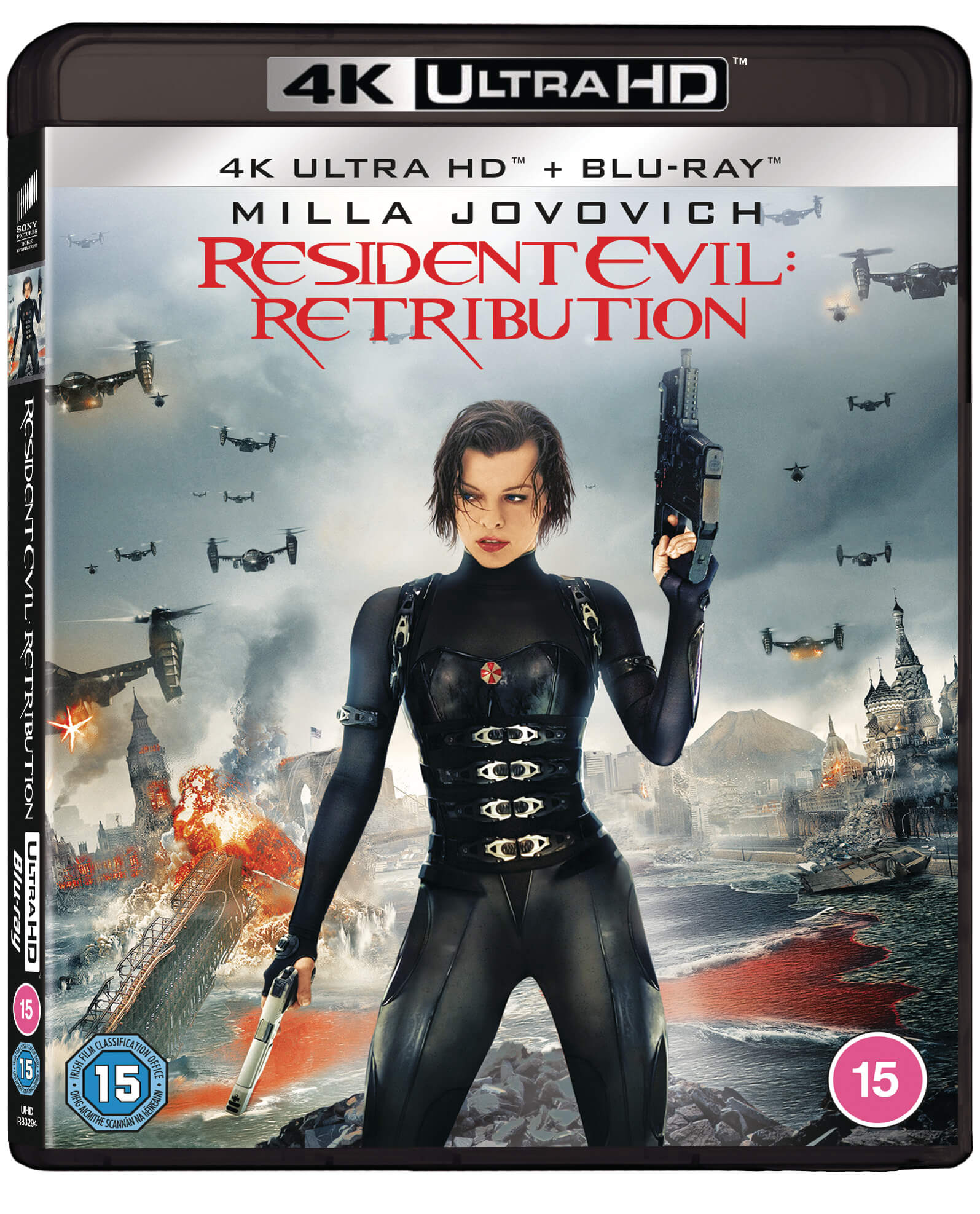
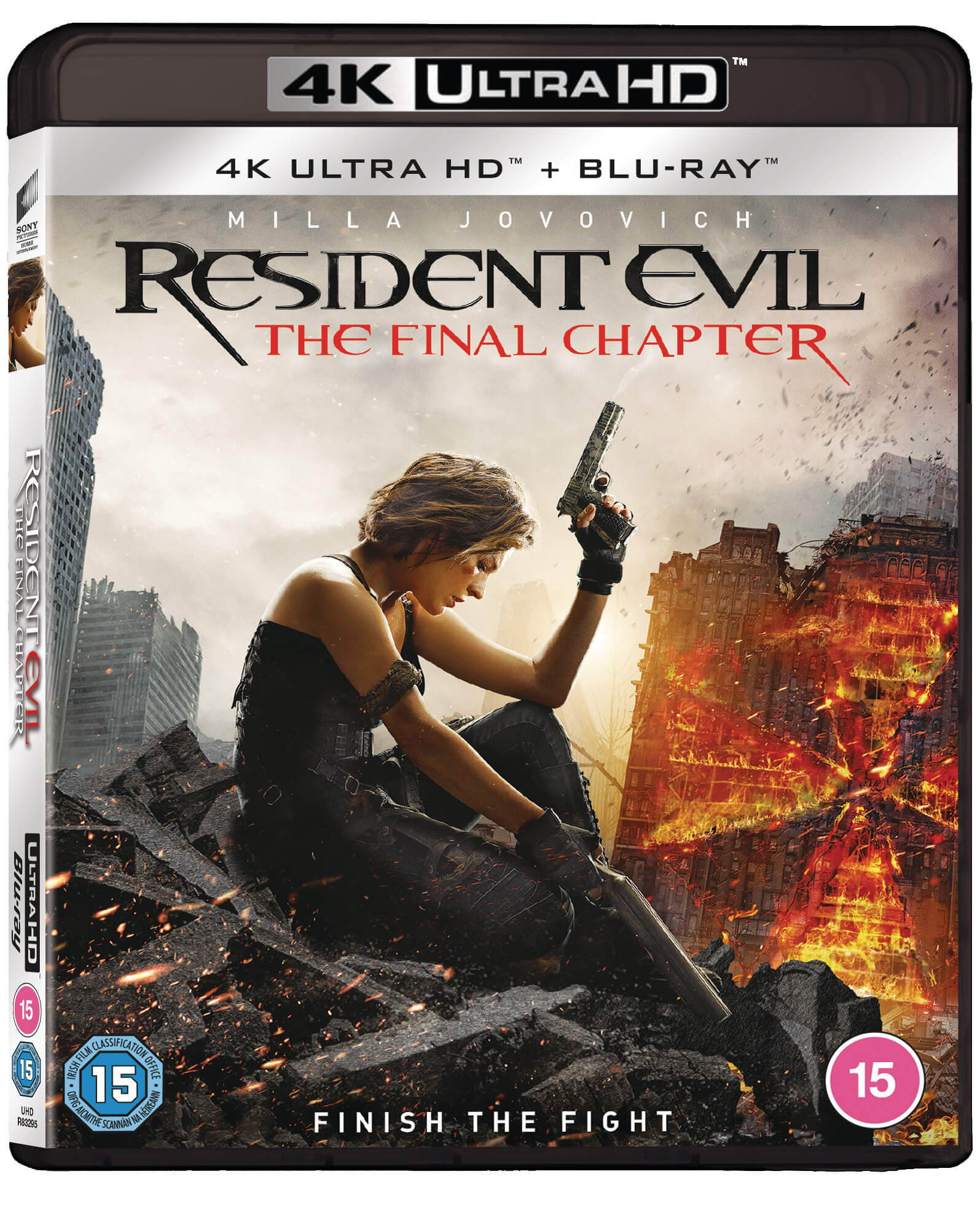
Resident Evil: Retribution and Resident Evil: The Final Chapter are Released On 4k Ultra HD™ on Monday, October 18th, 2021 and we have two copies of both films to give away for two lucky readers to win. Just read on and enter below…

Resident Evil: Retribution

The Umbrella Corporation’s deadly T-virus continues to ravage the Earth, transforming the global population into legions of the flesh-eating Undead. The human race’s last and only hope, Alice (Milla Jovovich), awakens in the heart of Umbrella’s most clandestine operations facility and unveils more of her mysterious past as she delves further into the complex. Without a safe haven, Alice continues to hunt those responsible for the outbreak; a chase that takes her from Tokyo to New York, Washington, D.C. and Moscow, culminating in a mind-blowing revelation that will force her to rethink everything that she once thought to be true. Aided by newfound allies and familiar friends, Alice must fight to survive long enough to escape a hostile world on the brink of oblivion. The countdown has begun.


Resident Evil: The Final Chapter

Picking up immediately after the events in Resident Evil: Retribution, humanity is on its last legs after Alice is betrayed by Wesker in Washington D.C. As the only survivor of what was meant to be humanity’s final stand against the undead hordes, Alice must return to where the nightmare began – Raccoon City, where the Umbrella Corporation is gathering its forces for a final strike against the only remaining survivors of the apocalypse. In a race against time, Alice will join forces with old friends, and an unlikely ally, in an action-packed battle with undead hordes and new mutant monsters. Between regaining her superhuman abilities at Wesker’s hand and Umbrella’s impending attack, this will be Alice’s most difficult adventure as she fights to save humanity, which is on the brink of oblivion.

a Rafflecopter giveaway

All six live-action films are now available separately on 4K Ultra HD™ with new bonus material including hours of new special features with rare archival featurettes.

Resident Evil: Retribution / Resident Evil: The Final Chapter are both out now on 4K.

[ENDED] Win INJUSTICE on Blu-ray™

win injustice

INJUSTICE IS AVAILABLE ON DIGITAL, DVD & BLU-RAY™ OCTOBER 19th

win injustice

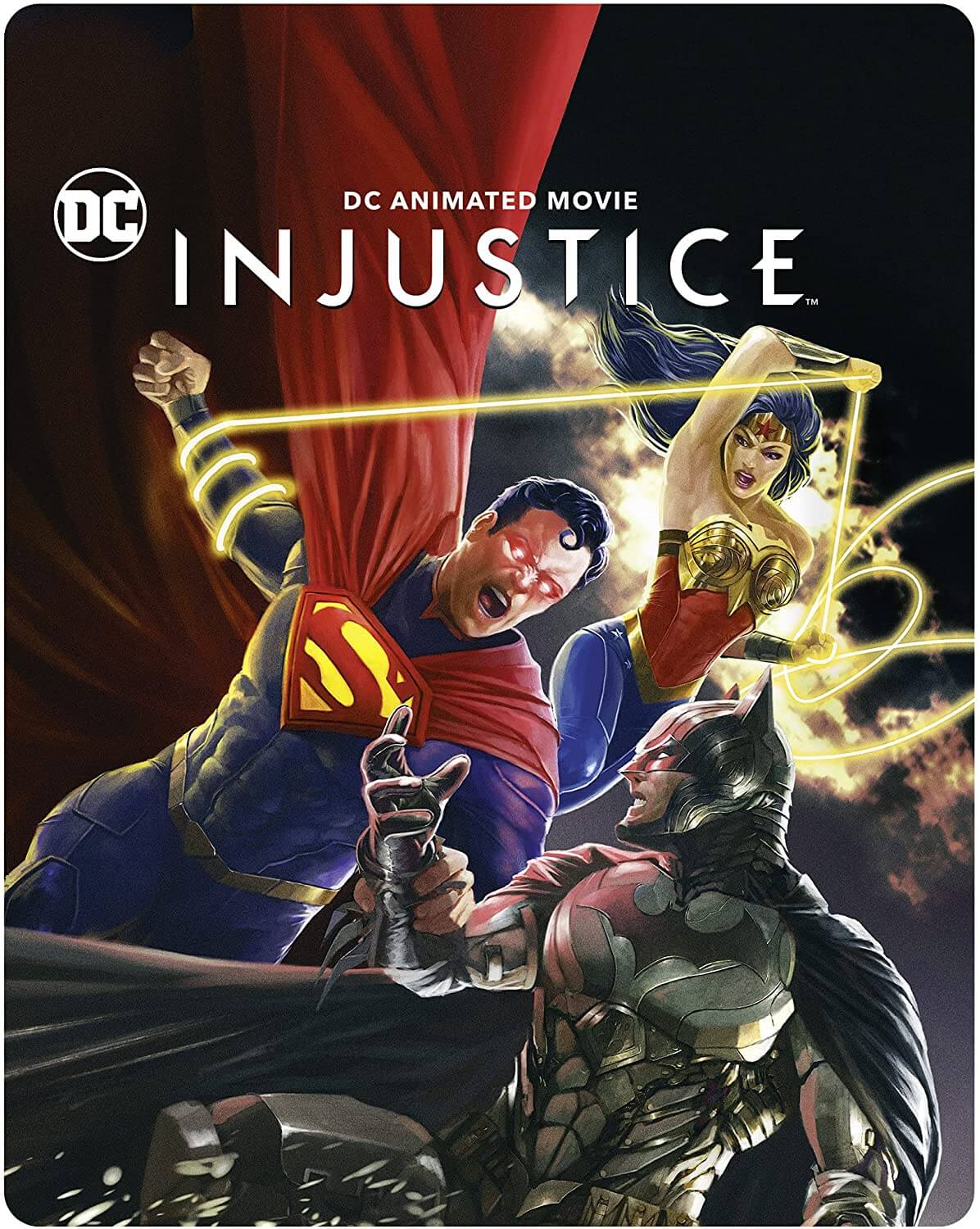
Injustice is the unmissable DC animation inspired by video game Injustice: Gods Among Us and the best-selling DC graphic novel Injustice: Gods Among Us: Year One, and you could win a copy on Blu-rayTM!

The animated film, Injustice finds an alternate world gone mad – where The Joker has duped Superman into killing Lois Lane, sending the Man of Steel on a deadly rampage. Unhinged, Superman decides to take control of the Earth for humanity’s own good. Determined to stop him, Batman creates a team of like-minded, freedom-fighting heroes. But when Superheroes go to war, can the world survive?

Justin Hartley (This is Us, Smallville) and Anson Mount (Star Trek Discovery, Hell on Wheels) lead the Injustice all-star cast as Superman and Batman, respectively, in an all-new DC Animated Film. Produced by Warner Bros. Animation, DC and Warner Bros. Home Entertainment, the feature-length animated film is set for release on Blu-ray, DVD and Digital on 19th October.

For your chance to win a copy of Injustice on Blu-rayTM, simply answer the following question:


Which actor plays Superman in INJUSTICE?

A) Anson Mount

B) Brandon Micheal Hall

C) Justin Hartley


Send your answer with the header ‘Injustice’ along with your details to

[email protected] to arrive before midnight on October 24th.