David Gordon Green | HALLOWEEN KILLS

Michael Myers in Laurie Strode's burning house in Halloween Kills Halloween Ends trilogy

Writer-director David Gordon Green returns to the Halloween franchise with Halloween Kills, the second instalment in his planned trilogy of films. After Laurie Strode (Jamie Lee Curtis), her daughter Karen (Judy Greer), and her granddaughter Allyson (Andi Matichak) leave Michael Myers caged in the basement of Laurie’s burning house, Michael survives and manages to free himself. With Laurie gravely injured, the people of Haddonfield take it upon themselves to band together and hunt the monster terrorising their town.

Ahead of its release, STARBURST spoke with David Gordon Green about returning to the franchise, collaborating with John Carpenter, upping the story’s stakes and the action, and Halloween Kills’ contemporary relevance.
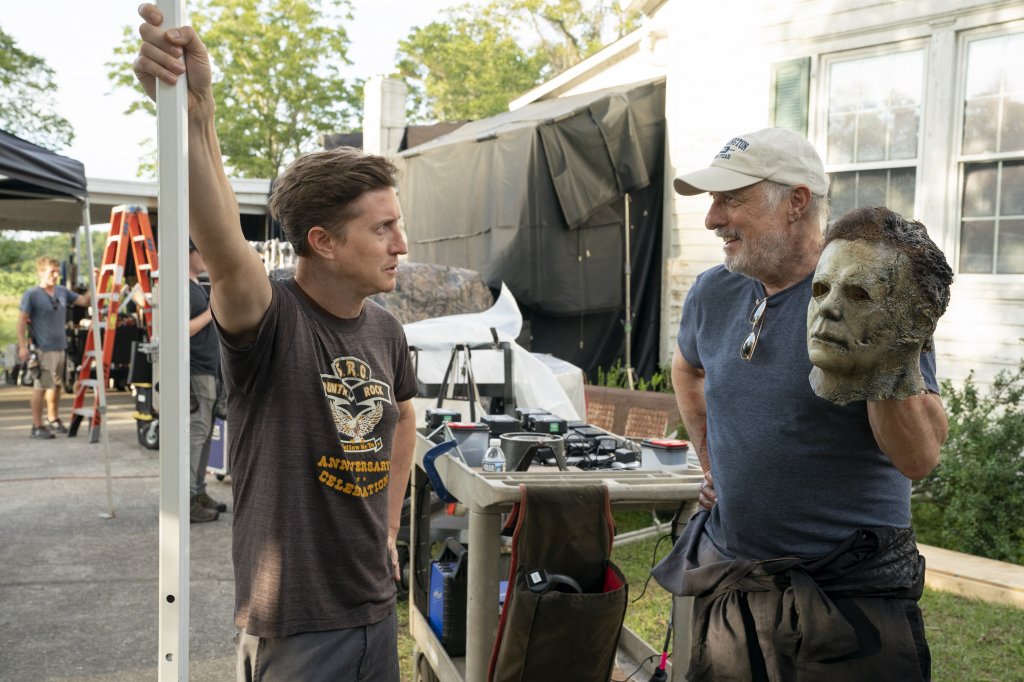
David Gordon Green behind the scenes of Halloween Kills

This is now your second venture into the horror genre, following on from Halloween. What did you learn then, that you applied directing Halloween Kills?

David Gordon Green: I learned that what works about Halloween is its simplicity. And if we learned anything from the 2018 version, it’s that bringing together Michael and Laurie in that kind of confrontation between good and evil is what makes it so compelling. And then I ignored all of that and we turned that simplicity into a complex ensemble of chaos, and took the theme of fear as it relates to that intimate connection between Laurie and Michael, and we spun it out to permeate the entire community of Haddonfield!

Speaking on that broadening scope though, Halloween Kills is admittedly less intimate than its predecessor. How do you balance keeping the soul of the original, which is a very domestic piece of violence, with the need to expand the story and keep things from feeling repetitive?  

David Gordon Green: What you’re asking is actually an impossible task. The only think that I could say is that you have to do – or at least, what myself and my co-writers Danny McBride and Scott Teems do – is write from a place of love and appreciation, where we are honouring John Carpenter and Debra Hill’s characters and using them as a springboard to expand that world’s mythology.

And I’m just really lucky to have John Carpenter and Jamie Lee Curtis along for the ride. They’re not just consultants on the film – Jamie, she’s my very close friend and collaborator in this character, and John is a wonderful collaborator for the score as well as being the godfather of the screenplay, making sure that we don’t fuck it up too much. That’s a really amazing way to be able to work.

I sent John the latest draft of Halloween Ends two nights ago, and hopefully soon I’ll have some notes from him. And I’m always excited about that: sometimes it’s a curveball, other times it’s an inspiration. And I’m looking forward to the continuation of those relationships. To some degree, they’re why I wanted to make movies in the first place, and to get in the ring with your heroes is understandably amazing.
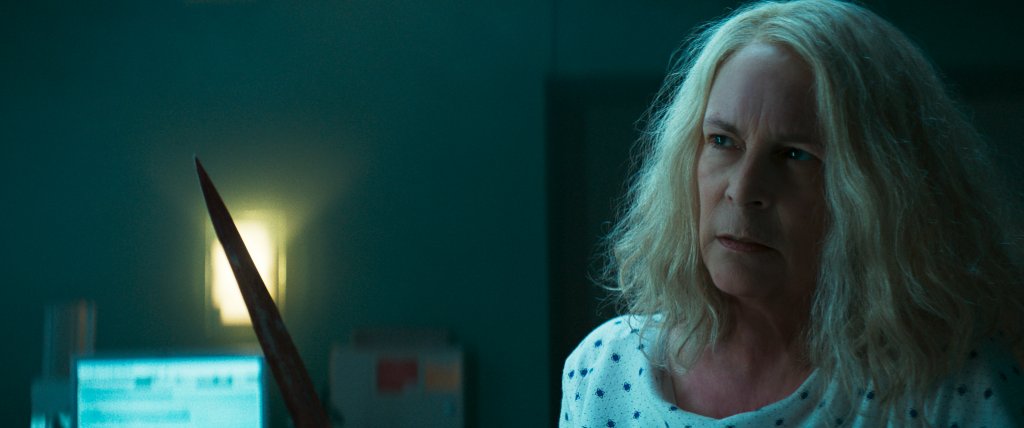
Jamie Lee Curtis as Laurie Strode in Halloween Kills

If you’re still finalising Halloween Kills now, you must have been relieved when plans were scrapped to film both films back-to-back.

David Gordon Green: I mean, I’ll still be finalising the story when I’m sound mixing. I’m a very open person, always evolving the story, always out to better what’s there. I’m very glad I didn’t do two movies at once because that would be exhausting – and these movies are exhilarating.

Part of the continuity established between Halloween and Halloween Kills is the intergenerational tensions between Laurie, Karen, and Allyson. Why was it important to keep that thread throughout?

David Gordon Green: Well, it’s one of the classic narrative momentums to find characters that we love, that have different objectives and different psychologies, and therefore have different approaches. They disagree, they butt heads, there’s conflict, and then it’s about how do we resolve that and come together, how do we join forces and overcome evil?

Would it be fair to say that Halloween Kills also sets up Allyson to take up that fight, almost as though she is taking on her grandmother’s mantle?

David Gordon Green: Yeah. And I think, if there’s one thing that Laurie has taught her daughter and granddaughter, it’s how to be a survivor. There is a strength of character there between those three generations of women and I love to study that, I love to challenge that and expand on that. And putting Laurie and Karen and Allyson to the next task is always a thrill to write and even when we’re writing it, we don’t know where it’s gonna go and we don’t know who’s gonna live or die.

By its very nature, this is a heavy film. But an interesting bit of levity comes from the dynamic between the characters of Big John and Little John [Scott MacArthur and Michael McDonald, respectively]. What was their role in bringing some tonal balance to Halloween Kills?

David Gordon Green: So, there’s nothing comedically written about Big John and Little John. But these are characters that come and go relatively quickly, without a whole lot of time to develop – I wrote both those roles for these specific actors. Michael and Scott are friends of mine and I just thought their chemistry would be interesting. I knew their beautiful humanity and that we could find a very unexpected journey to take these two characters on. Those were the days on set where I would be glowing with smiles, just because their sensitivity and sense of humour on set is really wonderful. And you know, there’s not any jokes or anything other than some wiseass conversations that they have. They like to sit around, smoke weed, watch Minnie and Moskowitz, and I think there’s just a pleasure we get from seeing characters be this affectionate.
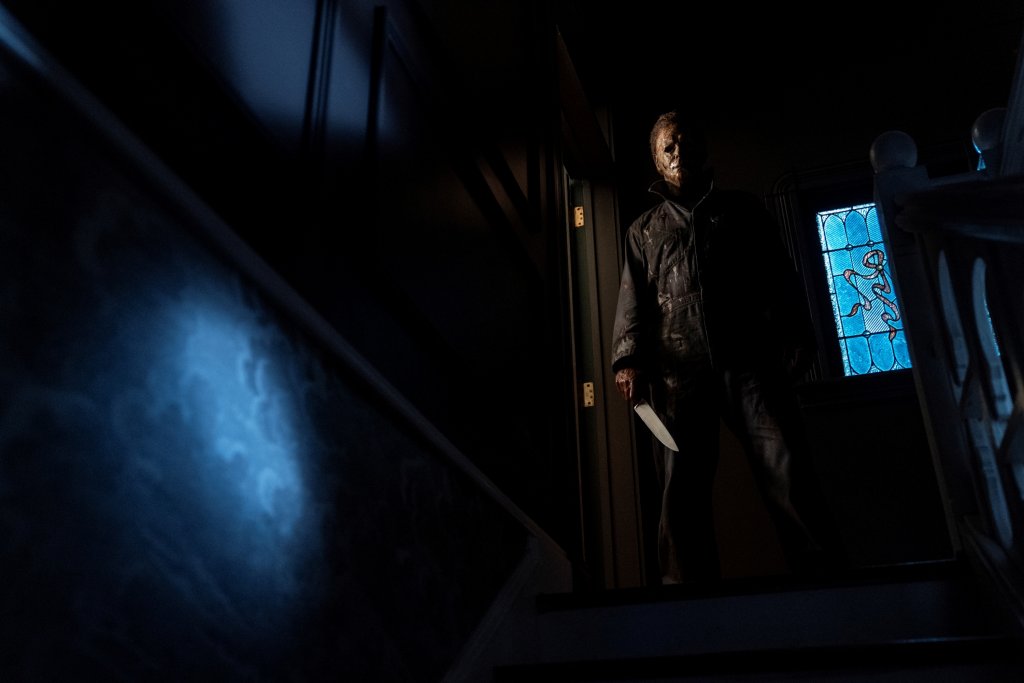
Halloween Kills sees Michael Myers return, directed by David Gordon Green

I guess part of the comedy comes from the slightly absurd, mundane nature of their conversations being set against the escalating violence happening around them.

David Gordon Green: Yeah, they walk on set and everything immediately feels light, and lifted up. They’re great.

Speaking of those characters, they reside in what was the Myers house. What was the importance of revisiting that location?

David Gordon Green: There was nothing important. It was just selfish geek pleasure. But then at the same time, it serves as an engine for Michael – I do feel like in our 2018 storyline, it’s important to have something that drives him from A to B. And for us to be able to understand how important his home is to him, that it’s serving as a beacon… to see the house’s significance as it was to him in 1978, has value. But selfishly, I just wanted to walk into that house and hang out.

As a director, you can just do whatever.

David Gordon Green: I try! I try, until people yell at me. And then I don’t.

You’ve said before that Halloween Kills is about how fear spreads virally. Could you expand on that a little?

David Gordon Green: I mean that it’s one thing to look into the face of someone who tried to do you harm and that brings you anxiety, and you’re afraid of; it’s another thing to wake up the next day and tell someone what happened, and then them have anxiety for you. And then it’s another thing for that person to go and tell the community about what happened to you, and to tell them that we should all be afraid and on guard.

And the way that it’s communicated will be either represented or misrepresented. It can be very helpful and effective – and I hope good word of mouth spreads virally about Halloween Kills, that everyone and their mother goes and enjoys the show with some popcorn. But sometimes, the drawback to that is that people can say things that aren’t necessarily true, and then an evolution of the telephone game starts to happen. Misunderstanding happens and conflict is created.

It seems a very prescient theme to be exploring.

David Gordon Green: Exactly. It is strange that we made the movie two years ago, and yet it seems more relevant now than when we were filming it.

That’s the sign of good social horror, I think.

David Gordon Green: I like that!
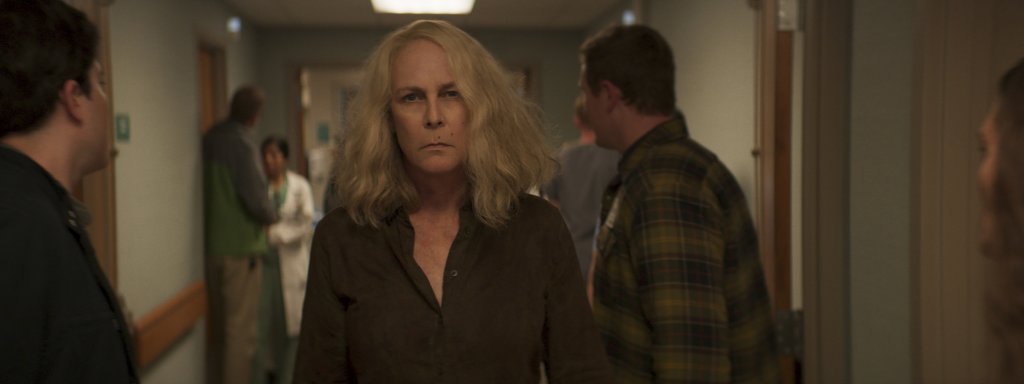
Jamie Lee Curtis as Laurie Strode in Halloween Kills

And because this is a lot bigger and conflict involves the whole town, and you also explore this mob mentality, were you at all worried about losing that very intimate brand of horror which you get from a one-on-one, prey versus predator dynamic? How did you ensure it didn’t become an out-and-out action flick?

David Gordon Green: It’s a good point. Then, I think to some degree it did become out-and-out action [laughs]. Again, there’s several things I had in mind when I envisioned this movie: I said I didn’t want it to be gory, and I said I didn’t want it to be funny, and I said I didn’t want it to be an action movie. Yet in a lot of ways, it is all three of those things. So I tried to engineer a sense of tension, but there’s not many quiet scenes in this movie.

There are a few cat-and-mouse stalking situations, like Michael chasing Lindsey [Kyle Richards] through the woods or Big John and Little John looking for someone in their house. But there are very few moments of two people in a room talking, and there’s very little in terms of the traditional, domestic slasher movie clichés. It’s a bigger, more aggressive movie with more momentum, and I think at a point, the action genre does step into the slasher movie. I think that’s okay – I don’t know, I haven’t really studied what an audience brings to this movie yet. I’ve seen it with a crowd twice now, and I’ve really enjoyed watching two very different audiences go through that. But I feel like as I get to know the movie and as it’s unleashed and released, we’ll get to learn more about our movie and its effectiveness or lack of effectiveness, and it’ll be something to think about for the next one.
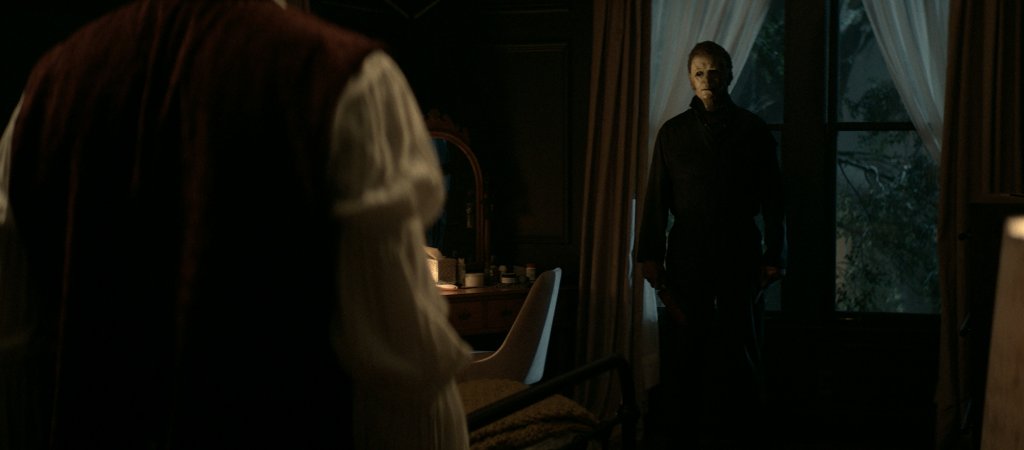
Michael Myers or The Shape in David Gordon Green's Halloween Kills 2021

In fairness, the mob becomes another source of terror that almost rivals the fear Michael Myers elicits when on screen. How did you make those two sources of violence and horror feel different from one another, so as to avoid a pile-on of indistinct scary scenes?

David Gordon Green: It is a parallel action to some degree of those two approaches to terror, and it is a big of a pile-on… I don’t know. To me, the mob mentality is horrific and equally, it’s tragic. There’s a line that Sheriff Barker [Omar Dorsey] has where he says, “now he’s turning us into monsters.” And I believe that’s one of the great dangers of our culture today – when we find a collective with a common mindset, very often it’s a wonderful, supportive, celebratory congregation.

Yet other times, when people feed off of each other and that tribal mentality does start to permeate, and particularly when something happens that supercharges a crowd, it can be really dangerous and really scary. And even sitting on production, standing in the hallway at that hospital, being stampeded by people that were there – in theory between “action” and “cut”, we were just going to be documenting the flow of bodies in this abstract sea of people. But when you say “cut”, they would be so electrified that it took a long time before it went quiet again. With every take, it would take minutes to get that adrenaline under control and come back down.

Just as a last question, I recall your co-writer Danny McBride saying ahead of Halloween’s release that the two of you didn’t want to turn Michael Myers into some supernatural being that couldn’t be killed. Yet in this one it does feel like you lean into suggestions of an otherworldly evil in this villain. Did you feel you had to compromise on that as part of heightening the scale of the film, or does it also work to highlight how shared fear feeds into an abstraction of evil?

David Gordon Green: The answer is both of those things. I do feel like Michael is a human form that can be killed. I do feel like he is extremely resilient and doesn’t feel pain, perhaps, like you and I would feel pain. But I also feel like he, as the shark in Jaws has, transcended. It’s like keeping millions of people out of ocean waters… I think Michael Myers has transcended from mortal man and into this cosmic status, to scare the fuck out of people around the world every night.

Halloween Kills releases in cinemas October 15th. 


THE TELEPHEMERA YEARS: 2008 – PART 4

telephemera batman brave bold 2008

Ah, telephemera… those shows whose stay with us was tantalisingly brief, snatched away before their time, and sometimes with good cause. They hit the schedules alongside established shows, hoping for a long run, but it’s not always to be, and for every Knight Rider there’s two Street Hawks. But here at STARBURST we celebrate their existence and mourn their departure, drilling down into the new season’s entertainment with equal opportunities square eyes… these are The Telephemera Years!

2008-09

With Lost about to start its fifth season, and despite Heroes spluttering into its third and final run, 2008 was a golden time for fans of genre TV, with Pushing Daisies, Ghost Whisperer, Reaper, Smallville, Supernatural, and Medium all coming back for the Fall TV season. Sure, American Idol and Dancing with the Stars dominated the ratings, and the various CSIs ensured that crime procedural fans were never short of a mystery to solve, but the various science-fiction and fantasy shows (along with genre-adjacent fare like The Big Bang Theory, Prison Break, Chuck, and Family Guy) kept freaks and geeks glued to their TV sets all year long.

2008 also saw some intriguing new shows like JJ Abrams’s Fringe and the wonderful Parks and Recreation make their debuts, both of which would enjoy multi-year runs and varying degrees of critical acclaim, but all those shows were for adults. This is the story of the new shows the young (and young at heart) were watching in 2008…

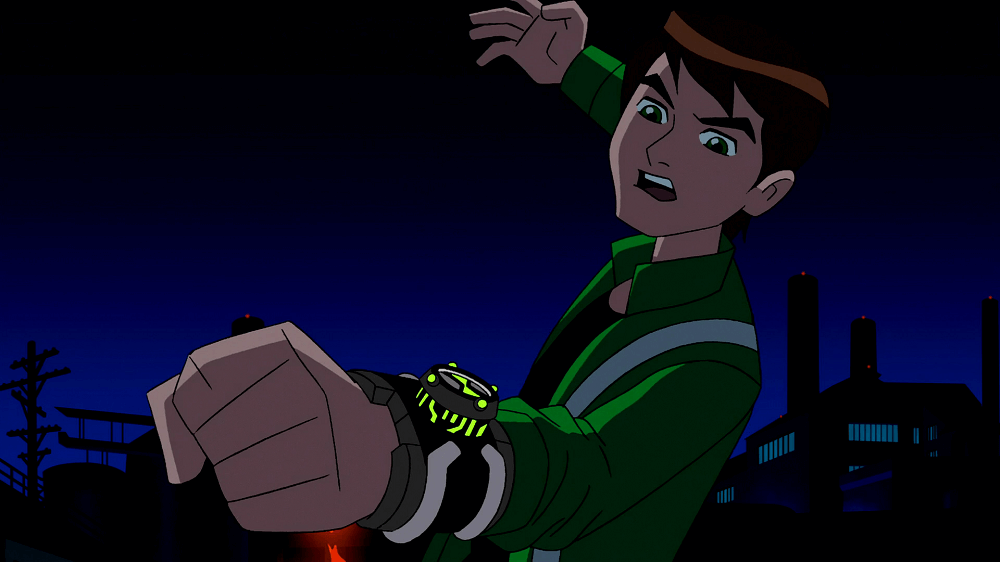
Ben 10: Alien Force (Cartoon Network): Set five years after the original Ben 10 series, Ben 10: Alien Force found an older Ben Tennyson facing more serious threats than ever before, but still with the ability to call on the attributes of alien races using his Omnitrix device.

telephemera 2008 ben 10 alien force

Developed by series creators Man of Action (comic book writers Joe Casey, Joe Kelly, Duncan Rouleau, and Steven T Seagle), Alien Force was much darker in tone than the original series, with more deaths and less humour, and fulfilled the Power Rangers mission of reinventing the series every few years to sell new toys.

Alien Force was followed by Ultimate Alien, and then Omniverse, each ageing Ben further and increasing the stakes, before rebooting the series in 2015 as plain old Ben 10 once more. Man of Action continue to pump out clever animated toy fodder, and are currently enjoying an international hit with Power Players.

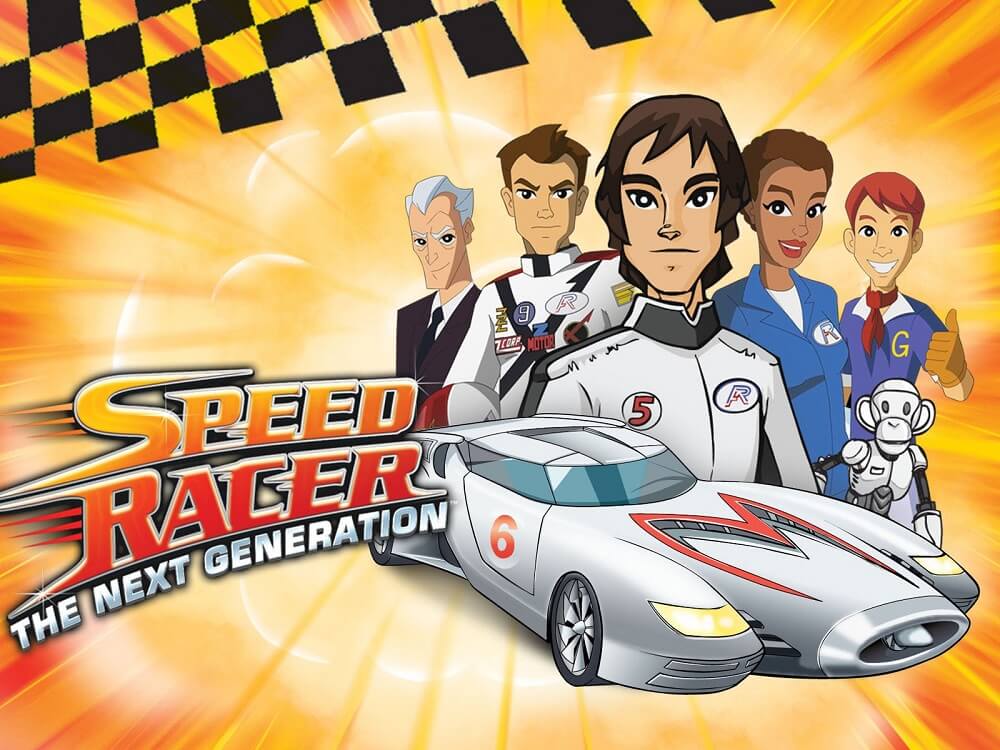
Speed Racer: The Next Generation (Nicktoons): Speed Racer – or MachGoGoGo as it was known in Japan – was a sensation when it first appeared in 1966, brought to the US a year later by Trans-Lux Television, who had enjoyed an earlier hit with their translation of Tetsujin 28-go (known as Gigantor in the west), and thrilled a generation of kids with its mixture of auto-racing and cool.

In 2008, Kappa Mikey creator Larry Schwartz decided the time was right for a reboot, this time based around the adventures of an orphan named for the original Speed Racer, who enrols in Racer Academy, where he discovers he is actually the missing Speed’s son!

telephemera 2008 speed racer next generation

With much of the story centring on his rivalry with his newfound brother X, fifty-two episodes over two seasons were produced, with the mystery of what happened to Speed Sr going unresolved, and Speed Jr still tackling the obstacles put in his way by the faculty of the academy.

The series tied in with a live-action version of the original story, starring Emile Hirsch and Christina Ricci, and directed by the Wachowskis, and received a comic book tie-in of its own, but forty years is a long time in the imagination of children and the concept lacked wheels. The franchise has lain dormant ever since, although the original 1960s series is available to watch on Funimation.

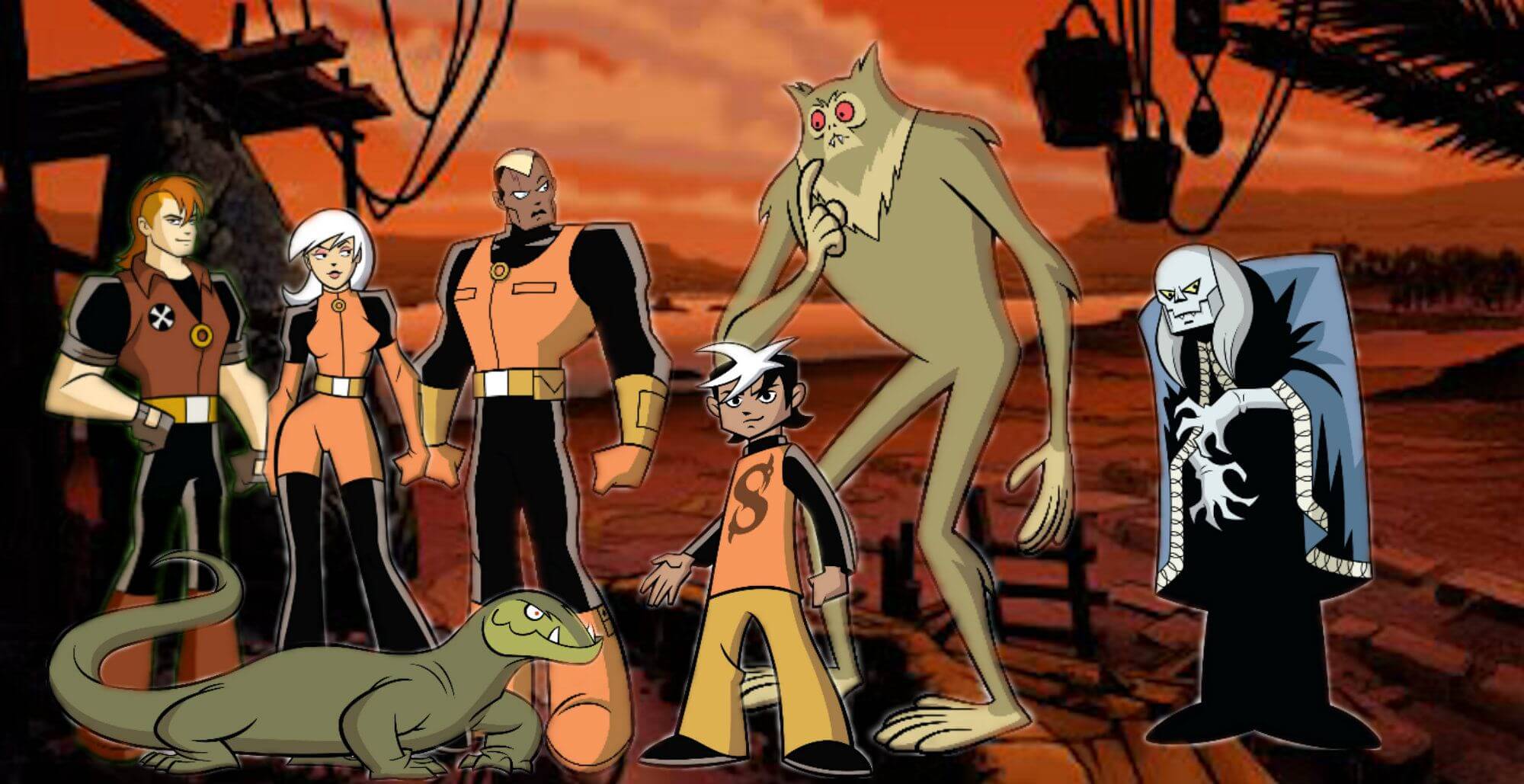
The Secret Saturdays (Cartoon Network): Developed by Canadian cartoonist Jay Stephens, who had scored an earlier hit on Discovery Kids with Tutenstein, The Secret Saturdays featured the titular family on their mission to prevent the truth about mysterious animals – known as cryptids – reaching the world at large.

telephemera 2008 secret saturdays

Inspired by Stephens’s love of both cryptozoology and 1960s Hanna-Barbera action series such as Johnny Quest and Space Ghost, the show centred on the audience’s proxy character, 11-year old Zak, who is able to tame even the wildest cryptid, travelling the world with his parents and their menagerie of weird creatures.

Up against the menace of the megalomaniacal VV Argost, The Secret Saturdays’ adventures filled thirty-six episodes across two seasons, and even appeared in an episode of Ben 10: Omniverse, where it is revealed they inhabit the same universe. After the show finished its run, Stephens returned to his first love of comics, and is promising new episodes of Jet Cat & Friends will appear very soon…

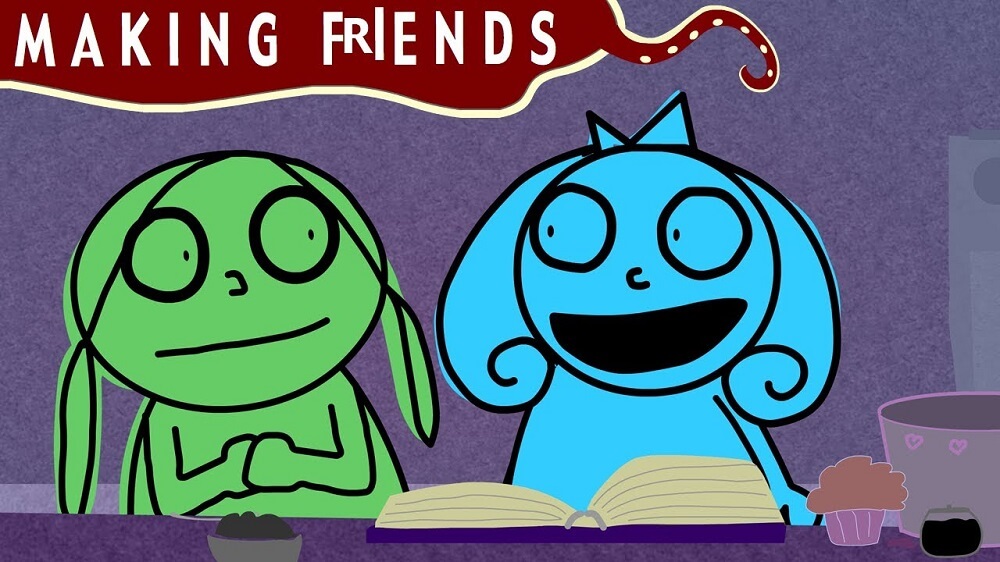
Making Fiends (Nicktoons): The first Nickleodeon show to be based on a web series, Making Fiends was the brainchild of Amy Winfrey, who would go on to direct several episodes of Bojack Horseman, and told the story of Vendetta, a green-skinned little girl with the power to make horrible creatures.

Terrorising the town of Clamburg with her fiends, Vendetta has the whole place cowering in fear until the arrival of Charlotte, a cheery new girl in school who insists on making Vendetta her friend. Each episode finds Vendetta creating new horrors to torment Charlotte, who manages to turn the monsters into helpful little souls, further earning Vendetta’s ire.

telephemera 2008 making fiends

Slightly lighter in tone than the successful web series, Nicktoons aired just six episodes of Making Fiends before pulling it off the air, despite positive reviews from the critics and apparently good ratings. Winfrey has remained diplomatic about the affair ever since, although Nickleodeon retains the rights to the show.

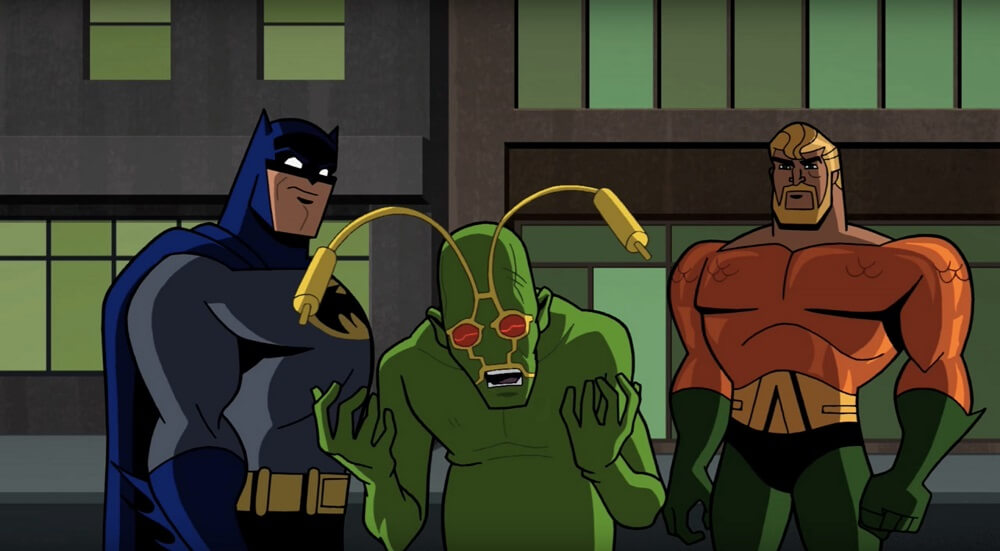
Batman: The Brave and the Bold (Cartoon Network): After turning the American animation industry on its head with the groundbreaking Batman: The Animated Series, no future Batman cartoon could possibly compete. So, when it was decided to bring the character back to TV in 2008, a completely different approach was taken: fun.

Batman brave bold telephemera 2008

Batman: The Brave and the Bold reached back to the Caped Crusader’s camp 1960s era, specifically mining the comic books of the same name, where writer Bob Haney paid scant regard to continuity or characterisation if it got in the way of a good story. Teaming Batman with a different hero in each episode, the new cartoon was bright and breezy and very funny, just what was needed after two decades of grim and gritty Dark Knight Detective.

Over three seasons, Batman teamed with all manner of DC Comics heroes, both big and small, from Superman to Prez, Wonder Woman to GI Robot, and beyond, all wrapped up in a tidy package by James Tucker and Teen Titans Go! producer Michael Jelenic. Nothing lasts forever, however, and in 2013 it was replaced by Beware the Batman, a grittier look at Batman’s early years aimed at grounding the character in line with Christopher Nolan’s movie version.

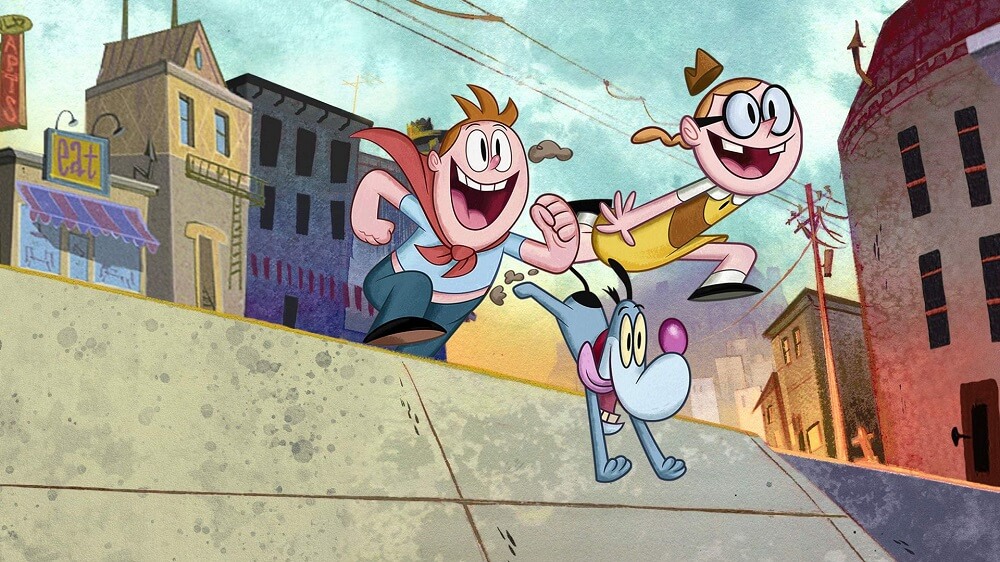
The Mighty B! (Nicktoons): In 2008, the same year she began starring as Lesley Knope in Parks and Recreation, Amy Poehler was one of the brains behind another new series, this time on Nicktoons. Based on Bessie Higgenbottom, a girl scout character Poehler developed for the improv troupes Upright Citizens Brigade and Second City, the cartoon followed her on her mission to collect every badge, which she believes will make her a superhero.

telephemera 2008 mighty b poehler

Working with Poehler, The Mighty B! was brought to life by the husband and wife team of Erik Wiese and Cynthia True, who had worked on CatDog and Spongebob Squarepants for the network, who shepherded forty episodes to screen across two seasons in 2008 and 2009.

The show was a hit with young girls and critics, who thought it unusual and perfect for a girl-oriented show, scoring double the ratings of its rival show on Cartoon Network and winning a Daytime Emmy for Outstanding Individual Achievement in Animation. The show ended with Bessie celebrating her friendship with best friend Happy, still short of becoming a superhero but having become an inspiration for nine-year-olds everywhere. It’s a nice show.

Next on The Telephemera Years: we’re zooming back to 1987, where the oldest rookies, werewolves, and Norman Bates await!

Check out our other Telephemera articles:

The Telephemera Years: 1966 (part 1, 2, 3, 4)

The Telephemera Years: 1968 (part 1, 2, 3, 4)

The Telephemera Years: 1969 (part 1, 2, 3, 4)

The Telephemera Years: 1971 (part 1, 2, 3, 4)

The Telephemera Years: 1973 (part 1, 2, 3, 4)

The Telephemera Years: 1975 (part 1, 2, 3, 4)

The Telephemera Years: 1977 (part 1, 2, 3, 4)

The Telephemera Years: 1980 (part 12, 3, 4)

The Telephemera Years: 1982 (part 1, 2, 3, 4)

The Telephemera Years: 1984 (part 1, 2, 3, 4)

The Telephemera Years: 1986 (part 1, 2, 3, 4)

The Telephemera Years: 1987 (part 1, 2, 3, 4)

The Telephemera Years: 1990 (part 1, 2, 3, 4)

The Telephemera Years: 1992 (part 1, 2, 3, 4)

The Telephemera Years: 1995 (part 12, 3, 4)

The Telephemera Years: 1997 (part 1, 2, 3, 4)

The Telephemera Years: 2000 (part 1, 2, 3, 4)

The Telephemera Years: 2003 (part 1, 2, 3, 4)

The Telephemera Years: 2005 (part 1, 2, 3, 4)

The Telephemera Years: 2008 (part 1, 23, 4)

Titans of Telephemera: Irwin Allen

Titans of Telephemera: Stephen J Cannell (part 1, 2, 3, 4)

Titans of Telephemera: Hanna-Barbera (part 1, 2, 3, 4, 5)

Titans of Telephemera: Kenneth Johnson

Titans of Telephemera: Glen A Larson (part 1, 2, 3, 4)

Titans of Telephemera: Quinn Martin (part 1, 2)

[ENDED] Win THE SINGING RINGING TREE on Blu-ray

win singing ringing

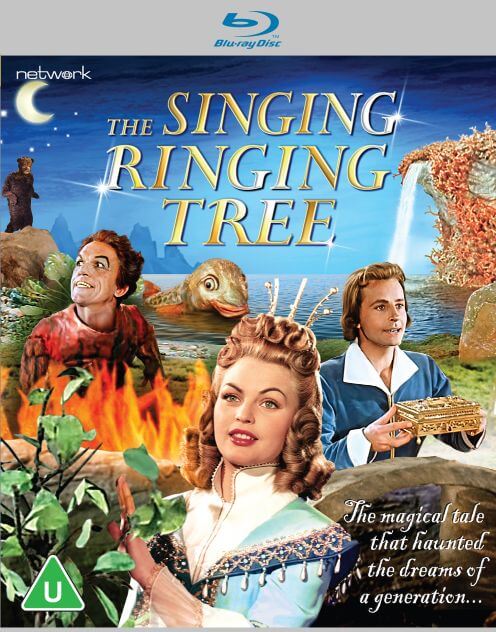
We’ve got a competition that’ll give readers of a certain age the heebie-jeebies. Network is releasing The Singing Ringing Tree, the classic film that has enthralled and disturbed kids of all ages for years, on Blu-ray. To be in with a chance of winning a copy, just read on and enter below…


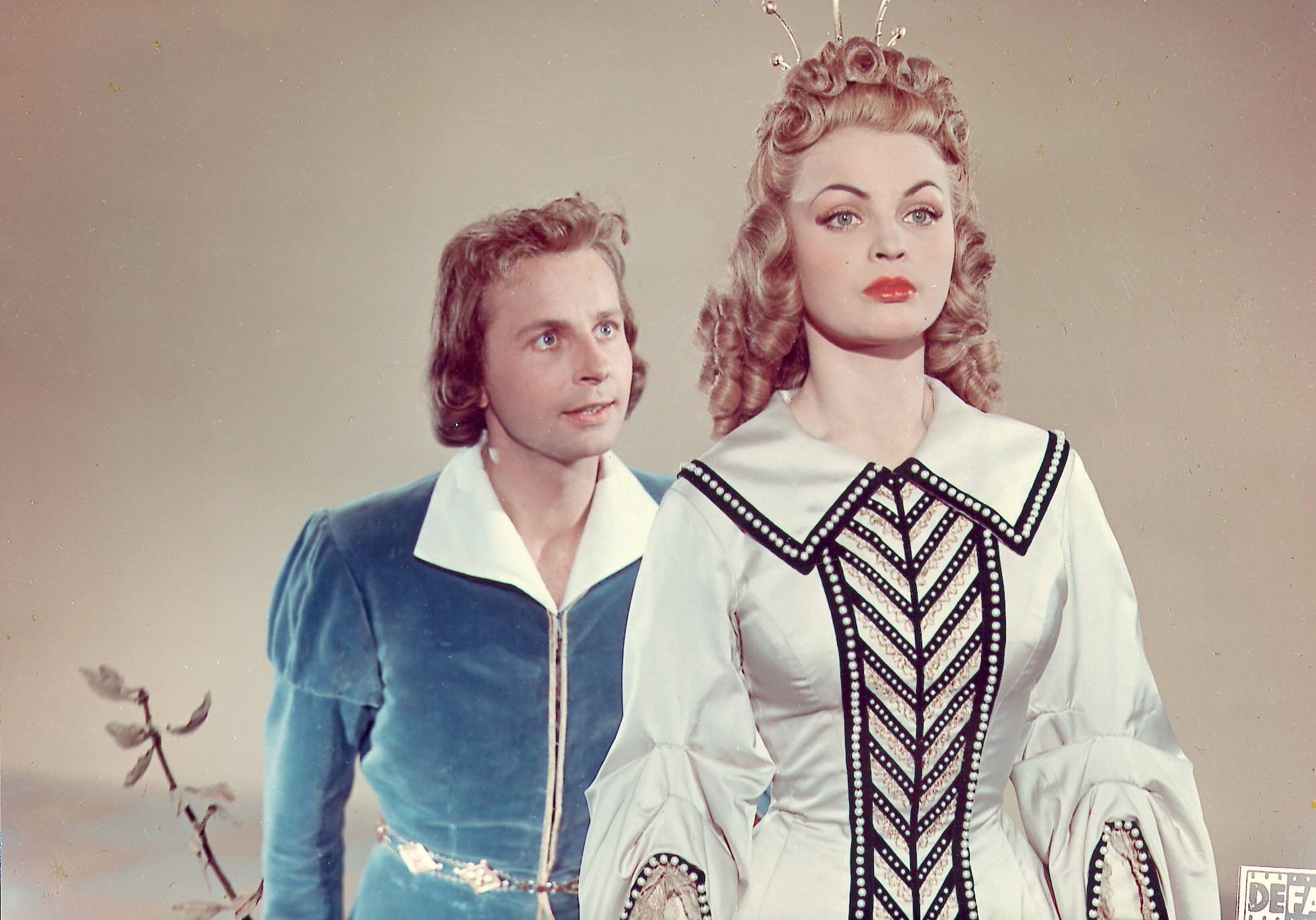
A surreal fairytale featuring the world’s first communist princess, a bizarre fish and a malevolent dwarf that haunted the nightmares of generations of children from the mid-’60s onwards, The Singing Ringing Tree is presented here in high definition for the first time.

To win the love of a beautiful but arrogant princess, a prince must find The Singing Ringing Tree. His quest leads him to a magical garden ruled by an evil dwarf, who allows the prince to take the tree on condition he wins the princess’ love before sunset. If he fails, the prince will be transformed into a bear!

Based on a story by The Brothers Grimm, fantasy masterpiece The Singing Ringing Tree was a sensation on its 1957 theatrical release in East Germany, which seared itself on the imaginations of a generation of UK youth after its BBC transmission in December 1964.

Special Features: • Widescreen theatrical version with German audio or alternative music-only soundtrack • Full-screen version with English narrated soundtrack or alternative French and Spanish soundtracks • Interview with a Princess: a 2003 interview with ‘The Princess’ Christel Bodenstein • Image gallery • Limited edition booklet by cultural historian Tim Worthington

a Rafflecopter giveaway

The Singing Ringing Tree is released on UK Blu-ray on October 18th from Network

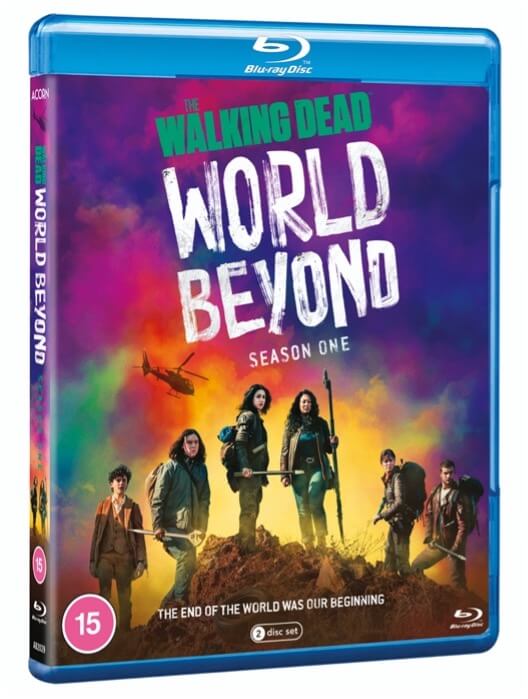
[ENDED] Win THE WALKING DEAD: WORLD BEYOND Season One on Blu-ray

win world beyond

One lucky reader can win The Walking Dead: World Beyond Season One on Blu-ray in our ace competition! Just read on and answer the question below…

Cultural phenomenon The Walking Dead expands its scope with a next-generation spin-off World Beyond, a new series exploring the lives of four teenagers raised in a post-apocalyptic world. The Walking Dead: World Beyond arrives on Blu-ray, DVD and digital on October 11th, 2021, courtesy of Acorn Media International.

Set in Nebraska, 10 years after the zombie apocalypse, smart high school student Iris Bennett (Aliyah Royale – The Red Line, War Paint), and her rebellious adopted sister Hope (Alexa Mansour – Unfriended: Dark Web, Loco Love), are forced to set off on a dangerous journey, along with two friends, the intellectual Elton Ortiz (Nicolas Cantu – The Good Place, The Powerpuff Girls) and a shy transfer student with a mysterious, violent past, Silas Plaskett (Hal Cumpston – Bilched, Nine Perfect Strangers).

Leaving the safety and comfort of home to brave dangers, known and unknown, living and undead on an important quest, the teens are pursued by both those who wish to protect them and those who wish to harm them including Elizabeth Kublek (Julia Ormond – The Curious Case of Benjamin Button, My Week with Marilyn). A coming-of-age story unfurls across dangerous terrain, challenging everything they know about the world, themselves and each other. Some will become heroes. Some will become villains. But will they find the truths they seek in the World Beyond?

a Rafflecopter giveaway

The Walking Dead: World Beyond is out now on DVD, Blu-ray, and digital from Acorn Media International.

Five Films to Check Out on Horror Channel This Week – 111021

horror picks

Here are five great reasons to tune into Horror Channel this week….

Tuesday October 12th, 11am – Robot Overlords (2014)

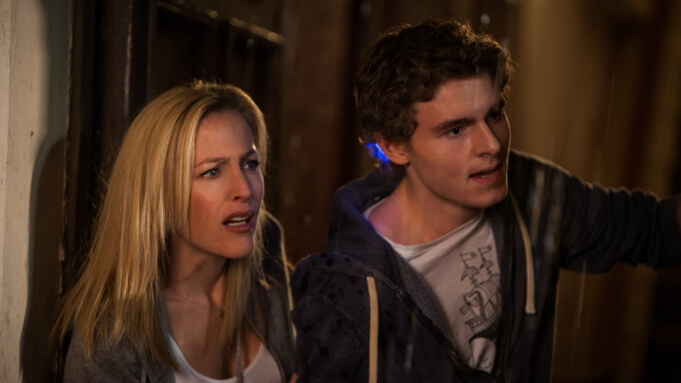
Fabulous British indie sci-fi starring Gillian Anderson, Callan McAuliffe, and Ben Kingsley. The effects are stunning and it’s a great action-packed film that all the family can enjoy. (Also screening Saturday at 3pm.)

Wednesday October 13th, 9pm – The ‘Burbs (1989)

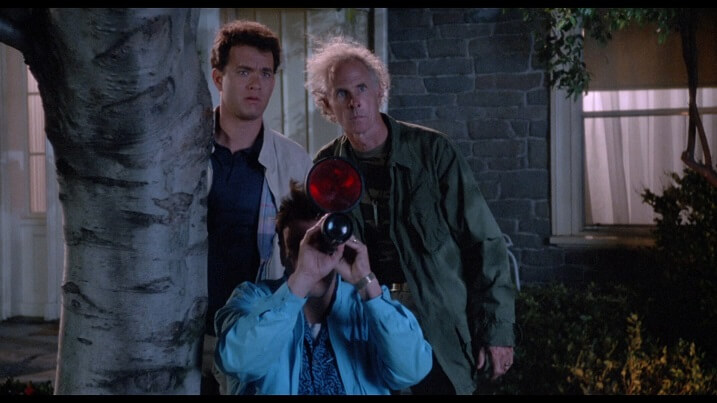
Joe Dante’s superb black comedy involves a normal American suburb that becomes a hotbed of suspicion and conspiracy when a strange family move in down the street. The all-star cast includes Tom Hanks, Bruce Dern, Corey Feldman, and Carrie Fisher.

Thursday October 14th, 10.45pm – Child’s Play 3 (1991)

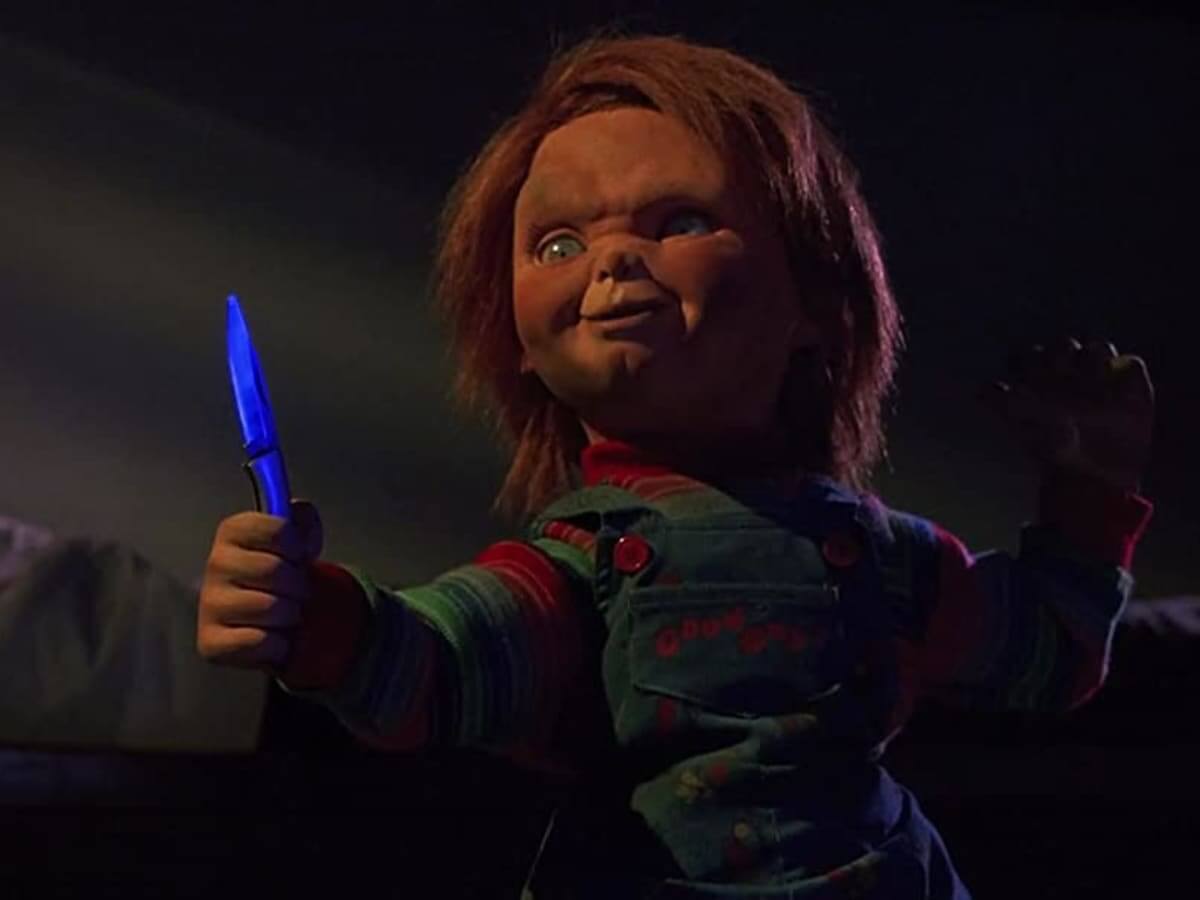
Chucky is back in this controversial entry into the ever-popular franchise. Don Mancini provides the script but hands the director’s chair over to Jack Bender. Wanna play?

Friday October 15th, 1pm – 13 Ghosts (1960)

The master of ballyhoo William Castle directs this classic, fun chiller. Not to be confused with the gory re-imagining, Castle’s film is suitable for most ages. Originally released with a ‘ghost viewer’, which allowed audiences to choose whether to see the spirits or not. Watch out for Margaret Hamilton – the Wicked Witch of the West herself – as the housekeeper.

Sunday October 17th, 6.30pm – Journey to the Far Side of the Sun (1969)

Gerry and Sylvia Anderson made the break from Supermarionation to live-action with this brilliant feature. Starring Roy Thinnes (The Invaders), Ian Hendry, and Patrick Wymark, it was originally entitled Doppelgänger and features a space mission that returns to a parallel version of Earth.

Tune into Horror Channel on Sky 317, Virgin 149, Freeview 68, Freesat 138.

Is Sony’s New “Venom, Let There Be Carnage” Going to End Up on Netflix?

venom netflix

Venom: Let There Be Carnage is about to be released after a long wait for the sequel and a very positive response to the trailers. People are excited to see Tom Hardy return with the alien symbiote and even more so to see just how deranged Woody Harrelson can make the alien’s psychotic equivalent, Carnage.

But will it be playing on Netflix? Will a streaming service once again take views from the cinemas? Or to put it another way: can we watch it in our pyjamas? Read on to find out.

(Source : Pixabay)

Venom: Let There Be Carnage


By far the most beloved villain in Spider-Man’s impressive roster of bad guys, Venom is a complicated soul who has gone through many incarnations over the years. In the comics and animated television show he has been everything from a ruthless and bloodthirsty alien with a need to bring out the worst in people, to a tamed wild animal loyal to his host. Unfortunately, for a long time, Sam Raimi’s producer-interference-filled threequel was the only depiction we had of Venom so we had to do with an inaccurate-no-matter-what-version-you’re-going-for, Topher Grace playing the alien symbiote.

And when Sony released their version, there were a lot of surprised backhanded compliments of “No, really, it’s good.”

This version of Venom and Eddie Brock, who was no longer a petulant rival of Peter Parker but a local hero always looking to do the right thing, blended well together, with the charm of their relationship being the way they bickered like an old married couple, meeting somewhere in between bloodthirsty alien and tamed loyal pet.

And now the sequel is coming, with the only other villain in Spider-Man’s history that could beat Venom: Carnage.

So where can we watch it? Is it going to be available at home?

Streaming vs Cinema


Fortnite, GGPoker, National Theatre, Twitch and many others have embraced the streaming experience. You no longer have to be there: you can be there virtually, and that’s just where the argument for streaming vs cinema starts.

You’ll see comments in favour of streaming services like Netflix saying, “There’s no talking”, “I didn’t have to go anywhere”, “I watched it in my jammies” and those are all valid points in favour of streaming. And that’s all without mentioning the price tag, which for the short moment, is likely to be cheaper, or entirely free, at home. But there are moves to change that, with Disney releasing Marvel movies for £30 on top of their monthly subscription service fee.

Directors throughout Hollywood are busy expressing their disdain for this change, since they’ve likely just spent their whole careers trying to make the ultimate cinema experience. Like, epic space drama Dune’s director Denis Villeneuve, who will have fans watching his movie, on the big screen, yes, but also the small with HBO Max and the same release date.

None of this is likely to entirely destroy the industry. The cinema has survived the talkies, colour television, the VCR, the internet, and other evolutions in entertainment. Fortunately for the industry, the cinema offers something that simply cannot be replicated at home. Whether it’s the communal feeling of a shared experience, or just an entirely black room free of distractions, who’s to say right now.

As for Venom? Well, he’s already graced our small screens once with his origin story, which was sitting amongst the Netflix catalogue until around about the time that marketing for the sequel started. It’s likely, yes, the original Venom movie and its sequel will be back at some point, but for now, there is no mention of abandoning the 90-day head start usually obligated to cinemas in favour of Netflix or any other streaming service.

Well, we know one thing for sure: Venom: Let There Be Carnage will hit UK cinemas on Friday, October 15th, 2021.

[ENDED] Win a Classic British Horror Blu-ray Bundle from Network

classic british horror

We’ve teamed up with Network – home of great cult classic movie and TV series – to give one lucky reader a chance to win a bundle of two classic British horror releases new to Blu-ray. Read on and enter below…

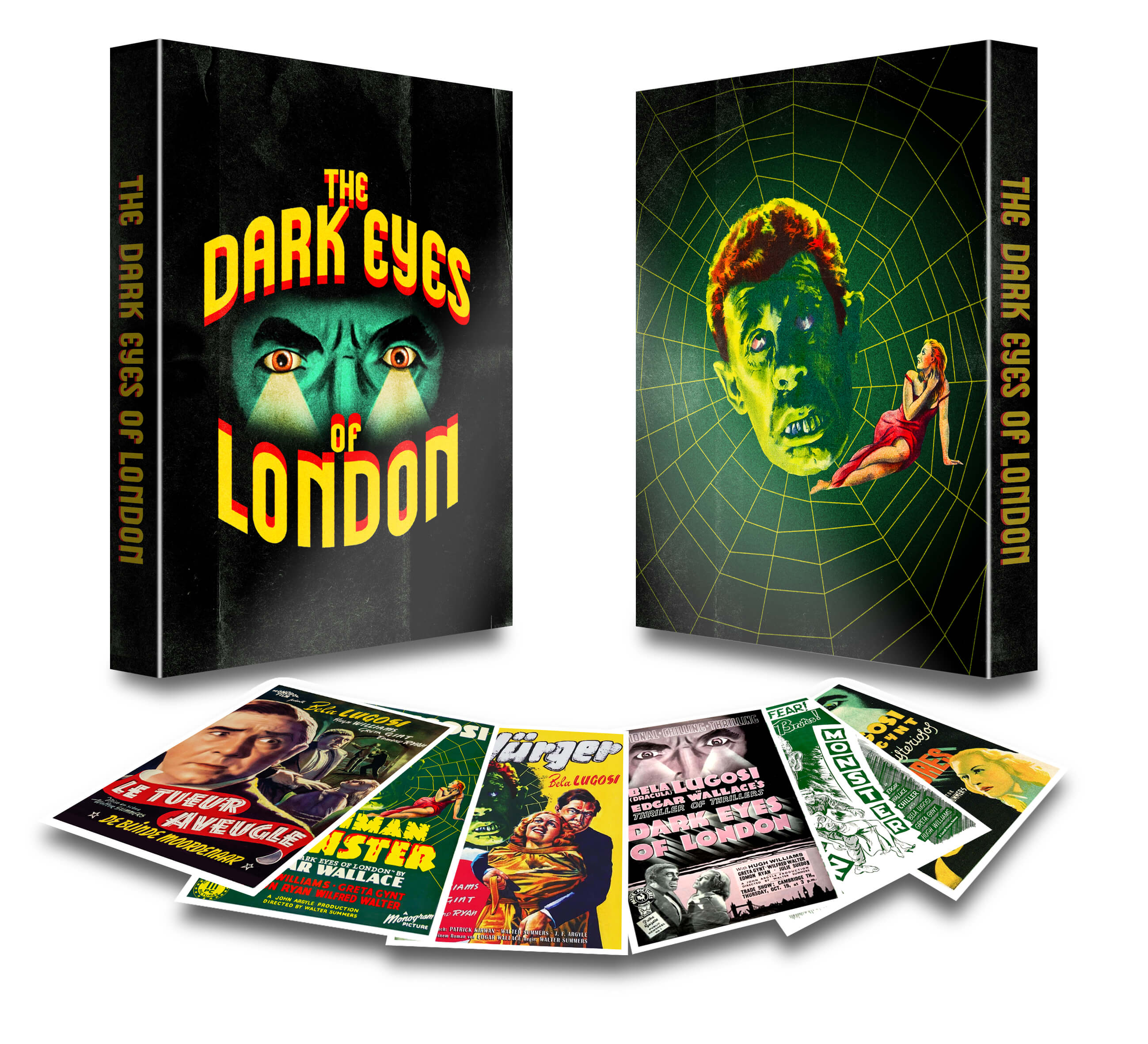
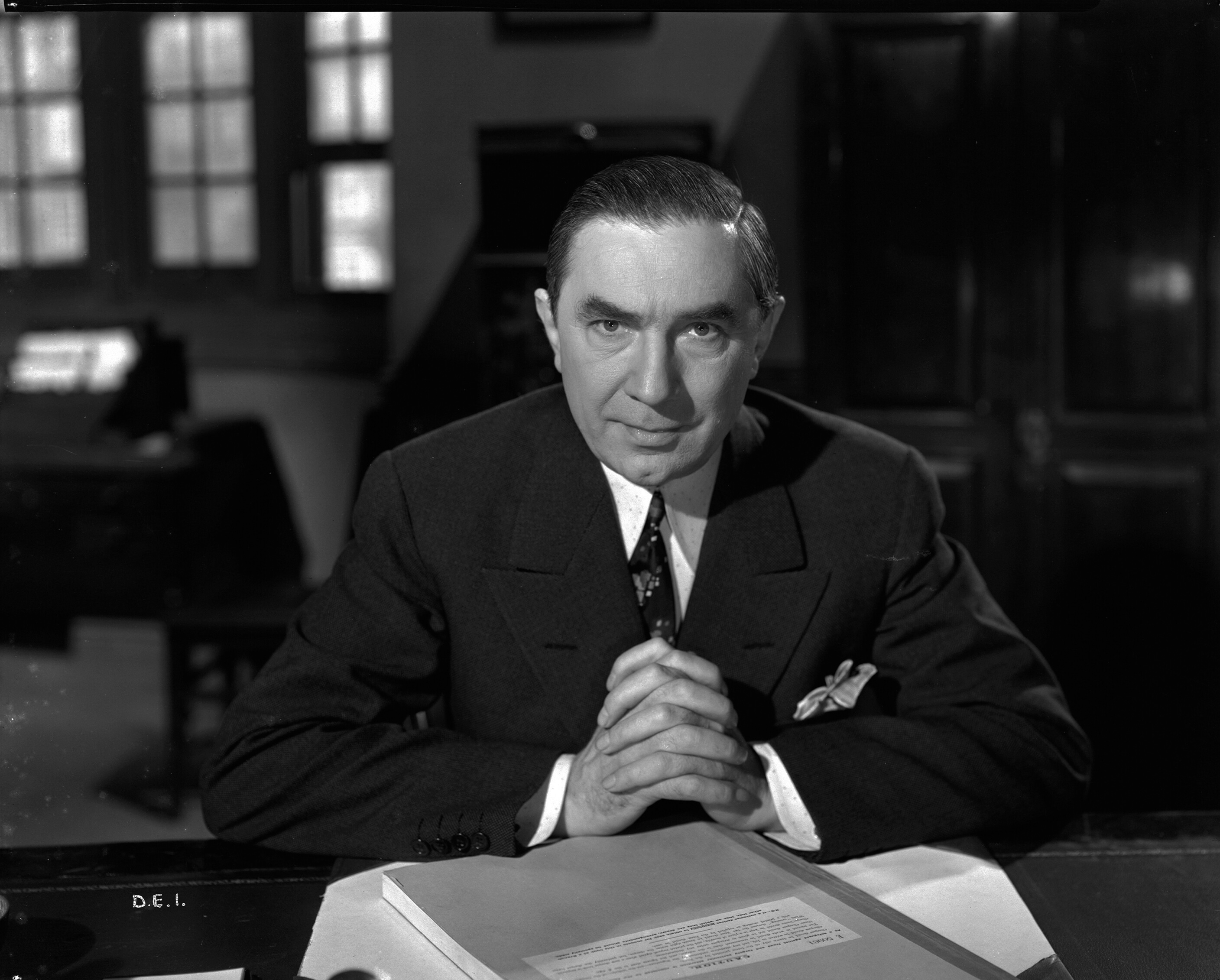
THE DARK EYES OF LONDON (1939) The early British horror masterpiece and a worthy successor to his work on the Universal Monsters movies, screen icon Bela Lugosi takes centre stage as a demented scientist on a killing spree in The Dark Eyes of London, the first British film to receive the ‘H’ censor rating for being ‘Horrific for Public Exhibition’. Adapted from a novel by Edgar Wallace, this landmark British film is featured here as a brand-new high definition remaster from original film elements in its original theatrical aspect ratio.

Special Features • Brand-new audio commentary with Kim Newman and Stephen Jones • Kim Newman and Stephen Jones discuss Lugosi’s work in the UK at the Edgar Wallace pub in London • US titles • US trailer • Image gallery • Limited edition booklet written by Adrian Smith • Limited edition O-card (Blu-ray exclusive) ON BLU-RAY AND DVD OCTOBER 11th • Limited edition poster postcards (Blu-ray exclusive)

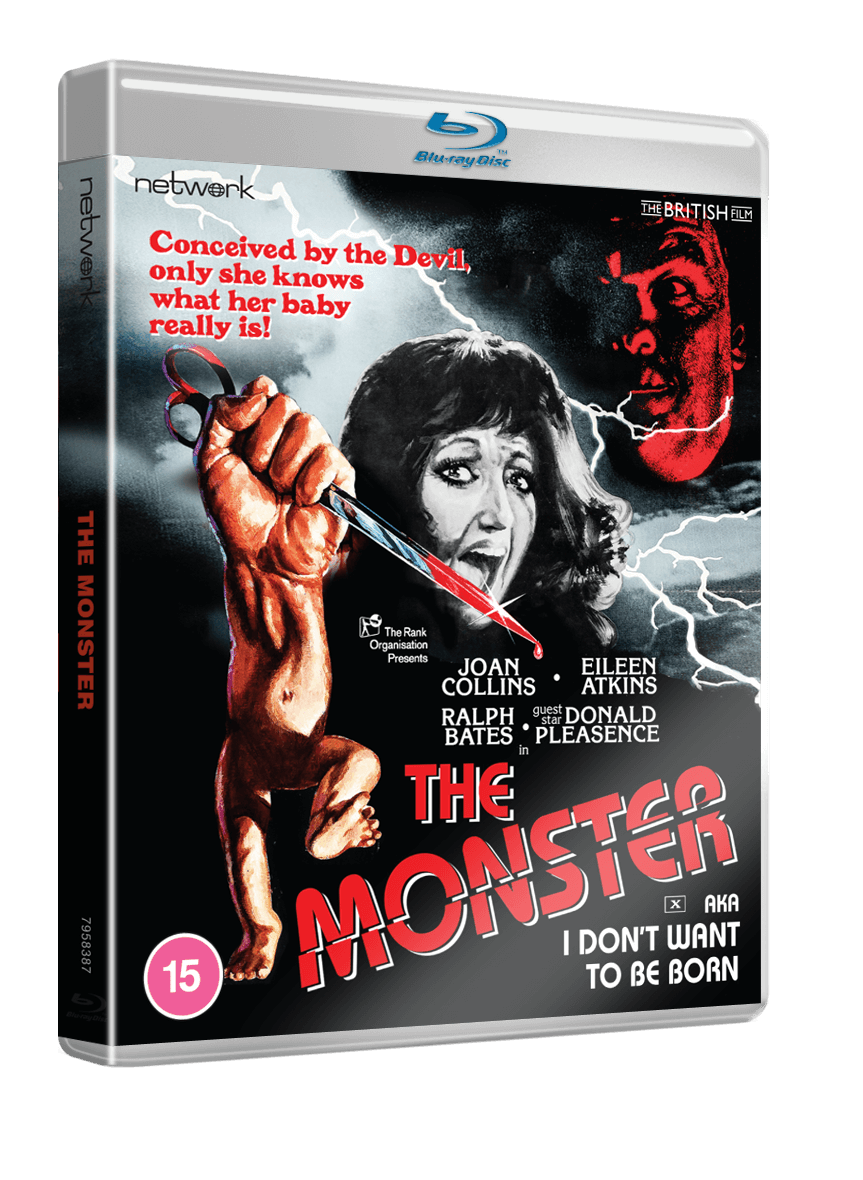
THE MONSTER aka I DON’T WANT TO BE BORN (1975) Joan Collins gives an unforgettable performance as a stripper cursed by a sinister dwarf to give birth to a demonic child in this classic 1970s exploitation horror directed by Hammer/Amicus veteran Peter Sasdy (Director, Countess Dracula, Taste the Blood of Dracula). Co-starring Eileen Atkins, Ralph Bates, Donald Pleasence and Caroline Munro, The Monster (aka I Don’t Want to be Born) is featured here as a brand-new high definition remaster from original film elements in its original theatrical aspect ratio. Special Features • Brand-new audio commentary from the cult Second Features podcast team • Theatrical trailer • Alternative I Don’t Want to be Born titles • Image gallery • Limited edition booklet written by Adrian Smith

a Rafflecopter giveaway

The Dark Eyes of London and The Monster are available on Blu-ray and DVD on October 11th from Network

Matilda Lutz | ZONE 414

matilda lutz zone 414

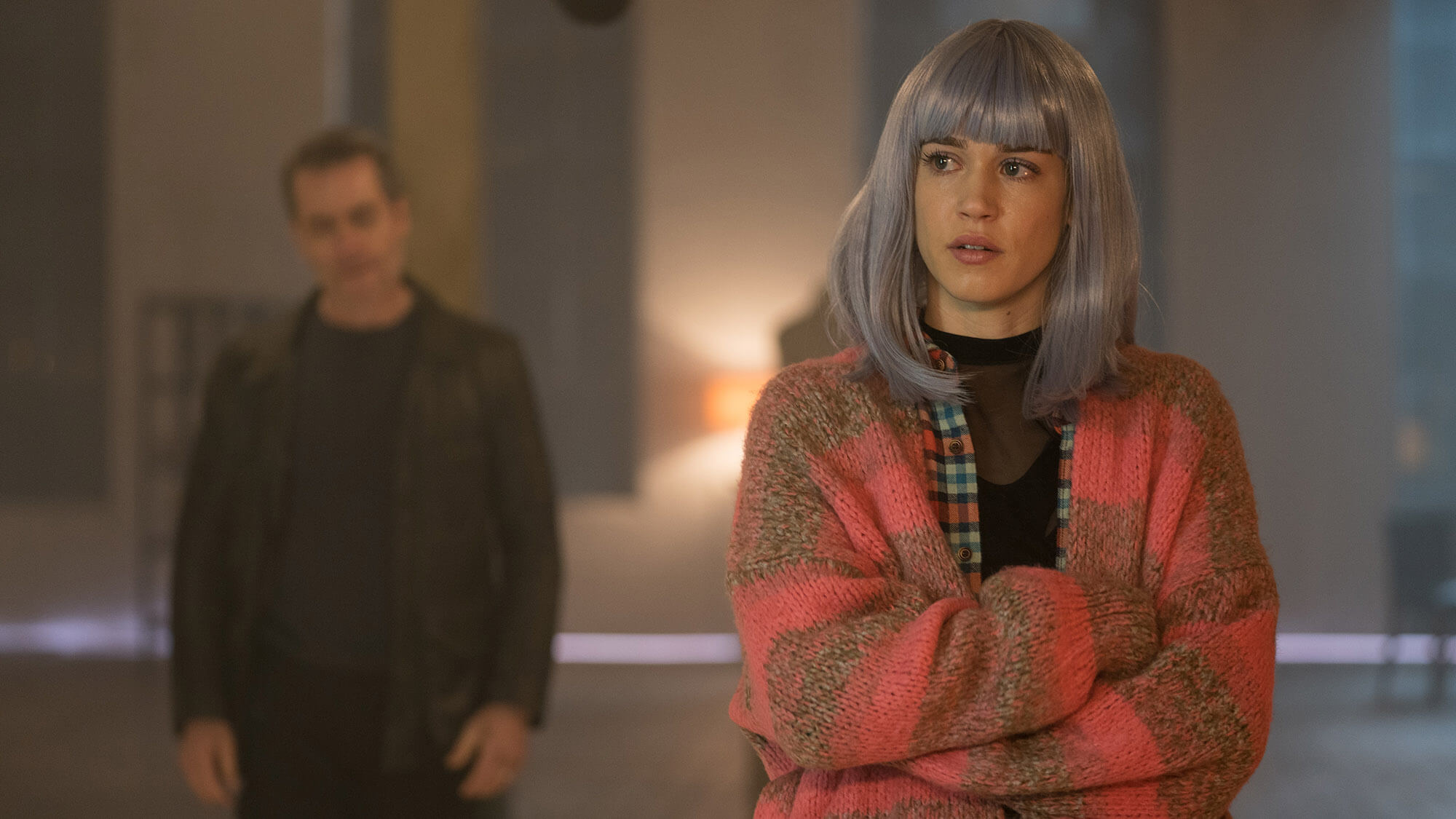
From a human hunting mission in Revenge, to a terrifying outing in A Classic Horror Story, Matilda Lutz is no stranger to playing characters that have to survive in a savage environment, and now, as AI creation Jane she is taking on something just as brutal in the gritty, cyberpunk-infused Zone 414. Alongside retired detective David Carmichael (Guy Pearce), they descend into the heart of the ‘City of Robots’ to find a famous missing person, and as the duo attempt to piece together this disappearance, they also try to answer crucial questions about themselves. We caught up with Matilda to find out all about her time as Jane, and what scares her the most about this deranged, yet very realistic idea!

STARBURST: Let’s talk about Jane; she seems sad and depressed, and maybe, just wants to know what it feels like to have a human relationship. How would you describe the characteristics of Jane?

Matilda Lutz: She wants to leave the city of robots. That’s her main goal. She wants to leave this dark, weird, and classist world. She’s struggling at the same time with the fact that she has emotions. She feels things, even though when she’s not programmed to feel. So that’s her struggle, understanding if she is human or not. That was pretty much what went into creating the character. I wanted her to always have a feeling that you’re not really sure if she’s human or not. That went from, when I started researching about Jane, I basically found out that there are real accounts with digital influencers that I had no idea about. Real influencers; with real agents; that make real money. They’re singing and going shopping, and going to fashion shows. Because of society today where you have all of these people putting filters on, Photoshop, all these kind of really pampered, beautiful worlds. Then you see this, and you’re like “Wow”. It’s almost like the world is flipping, androids are becoming human, and humans are becoming more robotic, in a way, and perfect physically. And the world they live in is perfect. It seems like there are no problems. So that’s what I wanted to bring to her. The fact that she’s a robot wanting to be a human, and she herself doesn’t know if she is or not.

Zone 414 itself reminded us of Blade Runner, with that noir-cyberpunk type of style. How would you describe Zone 414, and what attracted you to working in this world?

I like the fact that it’s scary. It’s a scary world because we are getting to a place where I hope it’s not going to get any further. I wouldn’t want to live in a city of robots. It’s scary. That’s what attracted me. The fact that we could explore that subject in these scenes. When I heard that Guy Pearce was playing David Carmichael, to me it was a dream come true. I’m a big fan of his. I really wanted to work with him, and then Andrew Baird had a very strong visual point of view of the film. That’s what attracted me to the project.

What would you say really scares you the most about the idea of Zone 414? Like, if this millionaire’s playground was real, and on Earth right now, what would worry you the most about it?

Well, first of all, you’re not able to recognise if robots are robots, or if humans are humans. That’s scary. I really got scared when I saw these accounts. Some of the videos and pictures that I was looking at, I knew that it was fake because they told me it was a fake influencer. Not because I could see it, so that’s scary. Then the fact that humans get to a point where they need android companionship, because they are so lonely and so disconnected from the world and themselves, that they need to go to a city and pay a robot to have companionship. That’s pretty scary to me.

There’s a great scene where you really get stuck into David’s past and David tries to figure out what Jane really wants. What was this scene in particular like to work on, and how important do you think it is for showing the relationship between the two?

That’s the first scene we shot, without rehearsal. That was scary in a way for me. The first days on set are always scary because you’re getting to know everyone and you’re still feeling the vibe. I met Guy for the read a few days before, but we didn’t really know each other. I think it’s a very important scene, it’s the scene where Jane uses her programme to hit David, and at the same time, she gets caught in her own game. Where she is using something to hit him, but at the same time, she knows that he is the one who can possibly take her out of Zone 414. So she feels trapped in the situation. She’s trying her best to get out of the City of Robots because her first option was that she thought the client was going to buy her out, and when she’s checking in they tell her “No, the client doesn’t want to see you anymore. He’s satisfied.” She thought it was her shot to get out. She starts realising in her apartment when David first arrives that he might have feelings for her, he might care for her. That’s what hits her first. It hits her, like if she was human, that someone can care for her, besides wanting what they want. She knows that David isn’t there for her, she knows that David is there for Melissa, and at the same time he is showing care for Jane and wanting to help her. So that’s the double thing. She sees David wanting to help her, but at the same time she is using her programme to hit him in certain ways, like talking about his wife, and she puts music on in the hotel room that’s meaningful to David. In that scene she starts talking about his past.

As you go through Zone 414, you meet a lot of interesting but damaged characters. So other than Guy Pearce as David, is there another actor that you really enjoyed working opposite?

Jonathan Aris – he is amazing! I loved working with him. He is such a gentle professional; a very detailed actor. The hard part of my scene with him was staying still and not blinking an eye but still feeling, because he says, “I know you can feel me”. So, that was a technically hard scene. I could feel fear, I was scared of his voice, and the way he was moving. That to me was a really strong scene for myself as well. You see Jane stopping because of a controller, but at the same time it’s like what happens when you are in a position of psychological or physical harassment, whatever the violence is when you’re surprised by it, and you don’t expect it, that’s kind of like what your body does. You freeze, you don’t know what to say or do. You don’t feel like leaving, you feel guilty. That to me was showing how that really happens. It’s almost like you’re frozen. She’s frozen because she’s an android, but that’s what really happens sometimes. So that to me was really strong emotionally.

Finally, why should STARBURST readers check out Zone 414?

I hope you have fun watching it! I hope we connect more to the world and ourselves, and we stop being on our phones.

Zone 414 is available on digital download now. Read our review here.

THE TELEPHEMERA YEARS: 2008 – PART 3

telephemera 2008 virtuality

Ah, telephemera… those shows whose stay with us was tantalisingly brief, snatched away before their time, and sometimes with good cause. They hit the schedules alongside established shows, hoping for a long run, but it’s not always to be, and for every Knight Rider there’s two Street Hawks. But here at STARBURST we celebrate their existence and mourn their departure, drilling down into the new season’s entertainment with equal opportunities square eyes… these are The Telephemera Years!

2008-09

With Lost about to start its fifth season, and despite Heroes spluttering into its third and final run, 2008 was a golden time for fans of genre TV, with Pushing Daisies, Ghost Whisperer, Reaper, Smallville, Supernatural, and Medium all coming back for the Fall TV season. Sure, American Idol and Dancing with the Stars dominated the ratings, and the various CSIs ensured that crime procedural fans were never short of a mystery to solve, but the various science-fiction and fantasy shows (along with genre-adjacent fare like The Big Bang Theory, Prison Break, Chuck, and Family Guy) kept freaks and geeks glued to their TV sets all year long.

2008 also saw some intriguing new shows like JJ Abrams’s Fringe and the wonderful Parks and Recreation make their debuts, both of which would enjoy multi-year runs and varying degrees of critical acclaim, but there were also shows that never got the chance to find their audience, cancelled before they’d even been shown to the public. This is the story of 2008’s unsold pilots…

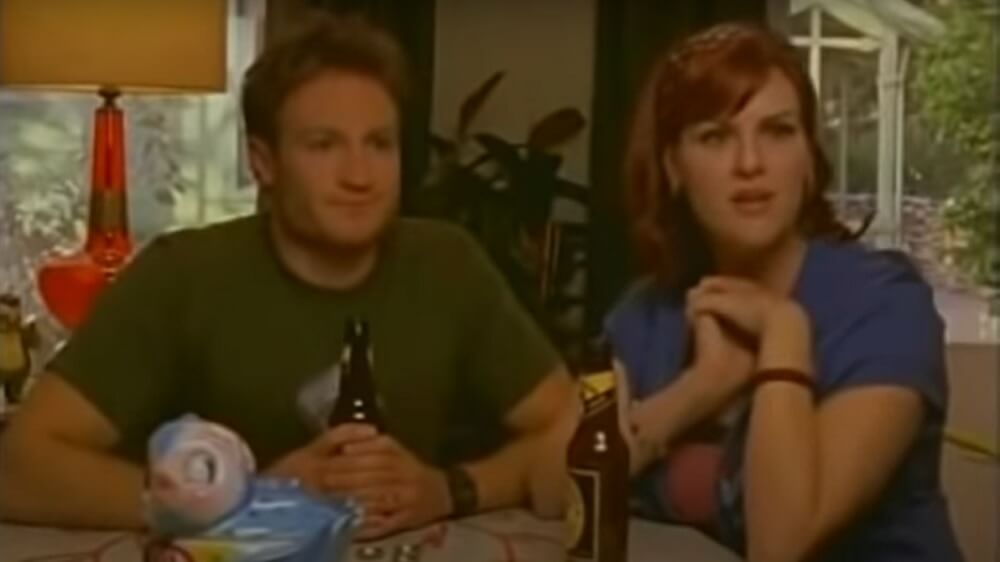
Spaced (Fox): In 2007, having just completed the middle part of the Cornetto trilogy and with his name attached to a big screen adaptation of the comic book hit Scott Pilgrim, Edgar Wright was hot stuff in Hollywood. Having initially made his name with the Channel 4 sitcom Spaced in 1999, the natural step for Fox was to remake the show for an American audience…

telephemera spaced 2008

Wright had been approached about a transatlantic transfer soon after Spaced had become a hit but had shrugged off interest because he felt that the show’s central conceit – people living small lives in suburban London, acting out bits of their favourite Hollywood films – would not make any sense on American TV, where they’d have to lose the swearing and drugs, and Mike’s obsession with guns wouldn’t be anything  strange.

Regardless, Fox brought in McG to executive produce the show and hired Will & Grace veteran Adam Barr to retool the script, completely sidelining Wright and original series writers Simon Pegg and Jessica Stephenson. Worse, in promoting the project, they focussed on Wright and Pegg, due to their involvement in Shaun of the Dead and Hot Fuzz, ignoring Stephenson’s role in creating the show.

A pilot episode was produced, with The Librarians’ Josh Lawson as Ben and Sara Rue as Apryl, the strangers posing as a married couple in order to rent an apartment, but it was soon clear that it would not work as a series, just as Wright had predicted all those years before. You can see clips from the pilot on YouTube, and it’s worth a look if only to see what a mess they made of it, before going back to your DVD boxset of the original.

The Oaks (Fox): In a reversal of the usual formula, The Oaks was an original US idea for a show which failed to get beyond a pilot episode but which was taken over to the UK and resulted in two full series, Marchlands and Lightfields.

Created by Desperate Housewives writer-producer David Schulner, The Oaks was the story of a house, told in three different time periods from 1968 to 2008, and the restless spirit that haunts the families that live there in a series of interconnected stories. With hidden secrets and resentments adding mystery to the house’s unsettling air, The Oaks would have played out its story across time and in a deeply-involving manner.

Unfortunately, Fox didn’t see the potential in the premise and opted not to pick up the pilot for a full series, shelving the project entirely with the pilot going unseen. Undeterred, Schulner sold the concept to ITV in the UK in 2011, with a Swiss remake following in 2015, and the full story played out in the Yorkshire of 1944, 1975, and 2012, the mystery of a young girl’s death finally revealed.

Virtuality (Fox): If nothing else, Fox could never be accused of not taking a punt on new projects, and in greenlighting a pilot for a new series from Battlestar Galactica remake’s Ronald D Moore – with Peter Berg on board as director – they must have been pretty confident they had a hit on their hands.

Virtuality told the story of the crew of the Phaeton, a ship searching for a hospitable planet after Earth becomes uninhabitable, only for their virtual reality entertainment system to go haywire, threatening the mission and injecting a mystery man into their midst…

telephemera 2008 virtuality

With a pre-Thrones Nikolaj Coster-Waldau starring as Commander Frank Pike, a nod to the Star Trek franchise Moore and co-writer Michael Taylor had cut their teeth on, the pilot puts all the pieces in place for the ultimate capsule show, but Fox declined to take it to series, instead airing the pilot as a TV movie in June 2009.

Virtuality was the first in a series of failed projects for Moore and it wasn’t until Outlander in 2014 that he managed to recreate the success of his Battlestar franchise, enjoying a multi-year run for the time-traveling bodice-ripper which is about to enter its sixth season on Starz.

Pretty/Handsome (FX): Six years before the success of Transparent, FX attempted to bring a show about a transgender parent to the air, with Joseph Fiennes in the starring role as Bob Fitzpayne, a father of two who realises he needs to come out as a transwoman.

telephemera 2008 pretty/handsome

Created by Ryan Murphy, who had touched on transgender issues in his cosmetic surgery drama Nip/Tuck, Pretty/Handsome was optioned for a pilot after FX were impressed with Murphy’s original script, entitled 4oz (the average weight of a removed penis), and while gender issues are at the heart of the story it’s a well-rounded take on what was becoming a hot button topic, told with sensitivity and humour.

Unfortunately for Murphy, FX didn’t believe that advertisers would back a show with such a divisive subject  and he was forced to come up with another new project, creating a little-known show called Glee in an attempt to make the most family-friendly show he could imagine. Pretty/Handsome aired as a TV movie in June 2008 but it doesn’t seem to be available anywhere. With Murphy inking a deal with Netflix, it might be time to revisit this old project…

Next time on The Telephemera Years: What were the kids watching in 2008? Why, Speed Racer and Batman, just like their parents…

Check out our other Telephemera articles:

The Telephemera Years: 1966 (part 1, 2, 3, 4)

The Telephemera Years: 1968 (part 1, 2, 3, 4)

The Telephemera Years: 1969 (part 1, 2, 3, 4)

The Telephemera Years: 1971 (part 1, 2, 3, 4)

The Telephemera Years: 1973 (part 1, 2, 3, 4)

The Telephemera Years: 1975 (part 1, 2, 3, 4)

The Telephemera Years: 1977 (part 1, 2, 3, 4)

The Telephemera Years: 1980 (part 12, 3, 4)

The Telephemera Years: 1982 (part 1, 2, 3, 4)

The Telephemera Years: 1984 (part 1, 2, 3, 4)

The Telephemera Years: 1986 (part 1, 2, 3, 4)

The Telephemera Years: 1987 (part 1, 2, 3, 4)

The Telephemera Years: 1990 (part 1, 2, 3, 4)

The Telephemera Years: 1992 (part 1, 2, 3, 4)

The Telephemera Years: 1995 (part 12, 3, 4)

The Telephemera Years: 1997 (part 1, 2, 3, 4)

The Telephemera Years: 2000 (part 1, 2, 3, 4)

The Telephemera Years: 2003 (part 1, 2, 3, 4)

The Telephemera Years: 2005 (part 1, 2, 3, 4)

The Telephemera Years: 2008 (part 1, 23, 4)

Titans of Telephemera: Irwin Allen

Titans of Telephemera: Stephen J Cannell (part 1, 2, 3, 4)

Titans of Telephemera: Hanna-Barbera (part 1, 2, 3, 4, 5)

Titans of Telephemera: Kenneth Johnson

Titans of Telephemera: Glen A Larson (part 1, 2, 3, 4)

Titans of Telephemera: Quinn Martin (part 1, 2)

Win AMERICAN GODS SEASON 3 On Blu-ray

win american gods

THE EPIC FANTASY DRAMA BASED ON
THE BEST-SELLING NOVEL BY NEIL GAIMAN


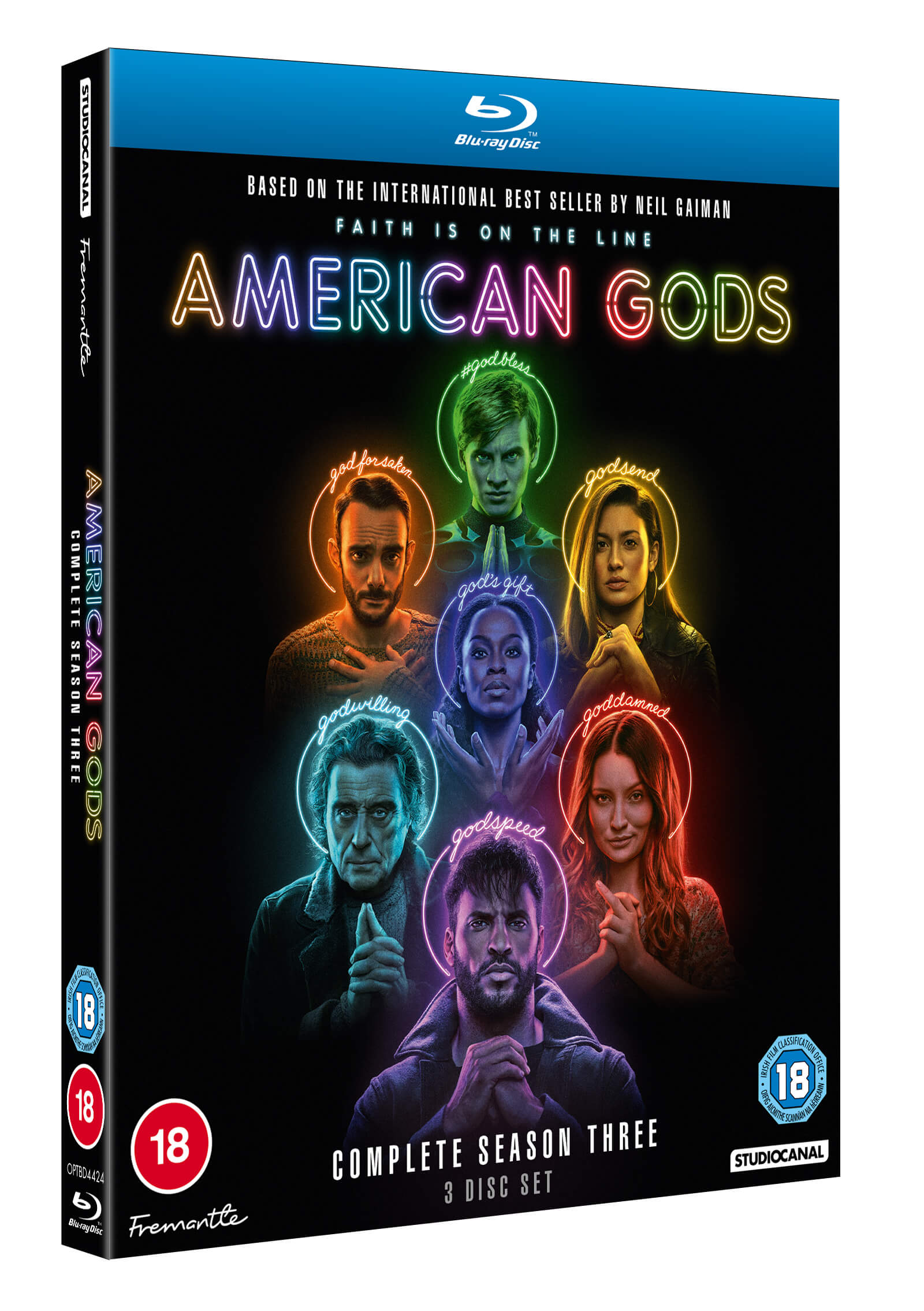
To celebrate the release of the third season of the beautiful and psychedelic fantasy drama AMERICAN GODS on DVD and Blu-ray we have a box set to give away. Just read on and enter below…


Ricky Whittle returns as ex-con Shadow Moon, a man pulled into the service of the mysterious Mr Wednesday, played by Ian McShane – only to discover that not only is his charismatic but un-trustable boss actually the Norse All-Father god Odin, he’s also…  Shadow’s father.

In Season Three, Shadow angrily pushes this apparent destiny away and settles in the idyllic snowy town of Lakeside, Wisconsin – to make his own path, guided by the gods of his black ancestors, the Orishas. However, he’ll soon discover that this town’s still waters run deep, and dark, and bloody, and that you don’t get to simply reject being a god. The only choice – and a choice you have to make – is what kind of god you’re going to be.

To be in with a chance of winning, just answer the question below:


Who wrote the novel on which American Gods is based?

A) Alan Moore

B) Neil Gaiman

C) Stephen King


Email your answer labelled AMERICAN GODS to [email protected]


AMERICAN GODS SEASON 3 AVAILABLE ON DVD, BLU-RAYTM & DIGITAL DOWNLOAD NOW