[ENDED] Win Hilarious Sci-Fi Cop Show CODE 404 Series One and Two Box Set On DVD

code 404 win

We’ve teamed up with Acorn Media International to give three lucky readers a chance to win the Code 404 Series One and Two Box Set on DVD. Just read on and enter below…

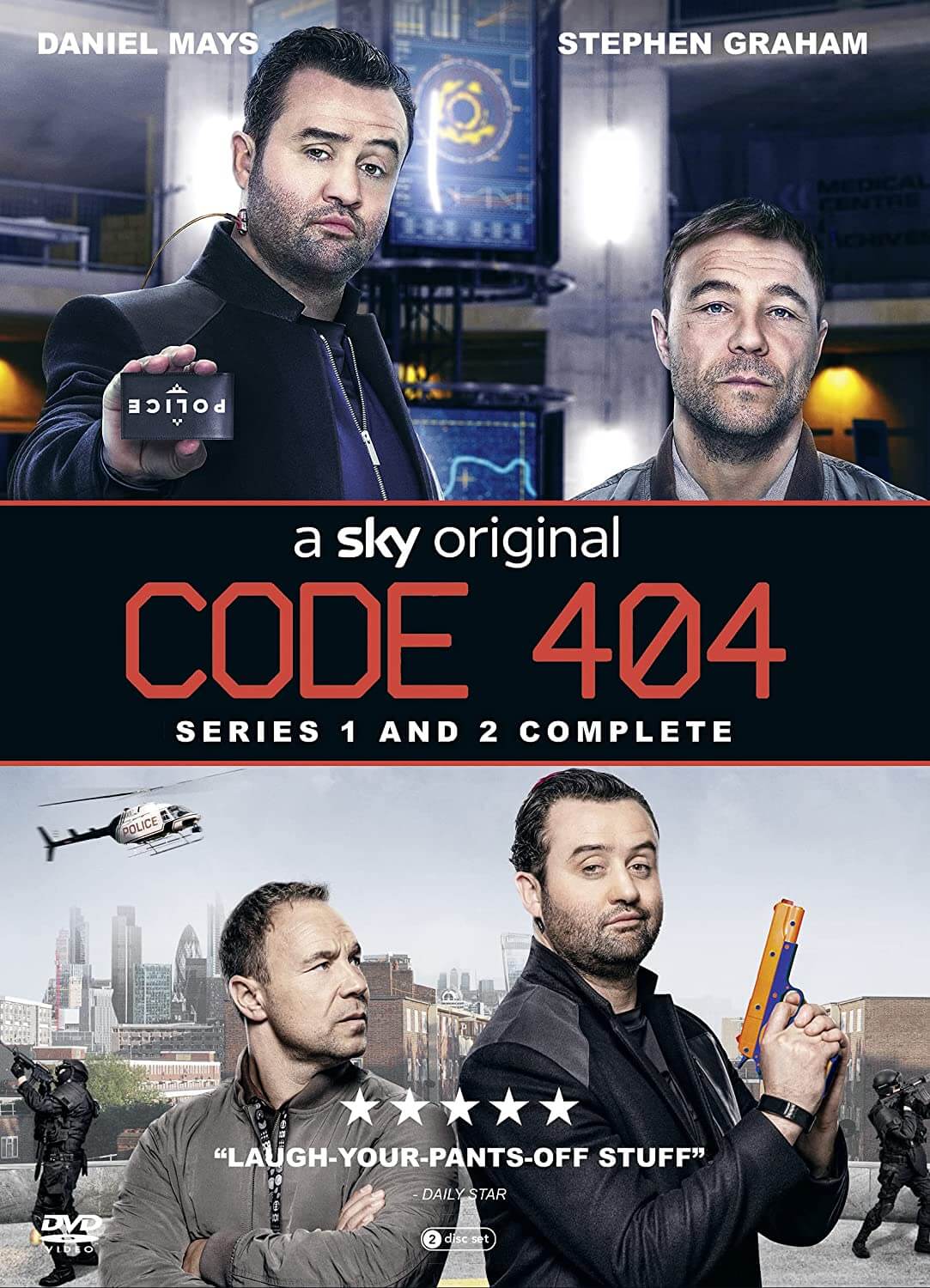
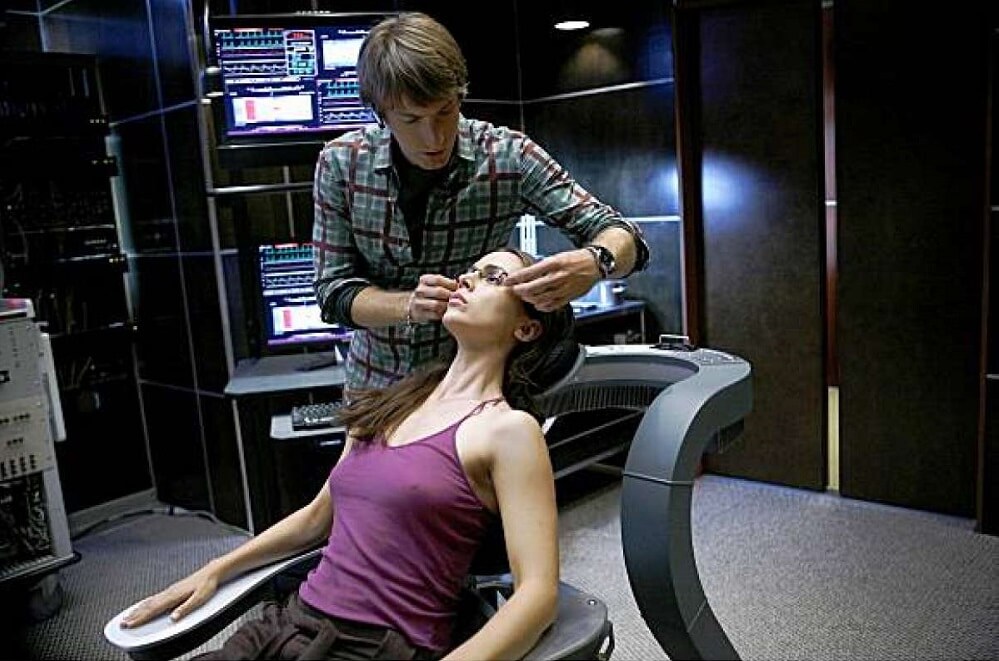
Two British acting greats and Line of Duty alumni Stephen Graham and Daniel Mays, the ultimate acting dream team,  return for a second hilarious series of Code 404, that sees them taking a detour from serious drama to tackle the buddy cop genre… like never seen before. This side-splitting sci-fi, cop-show mash-up takes things to a whole new dimension.

Following its run on Sky Comedy, Code 404 Series Two arrives on digital alongside the Series One and Two Box set on October 11th, from Acorn Media International.

Picking up where series one left off, series two brings Detective Inspectors Roy Carver (Graham Line of Duty, The Irishman) and DI John Major (MaysTemple, Good Omens) back together for more comedy capers, criminal-catching, and a 20-year-old cold-case which throws the pair straight into action. The AI-driven Major struggles with the pressures of an impending divorce from his wife (Anna Maxwell-Martin Motherland, Line of Duty), the return of his long-lost father, and strange glitches. Much to DI Carver’s concern, Major’s problems seem more serious than something a quick reboot can solve, and are likely signs of his AI failing. It looks like the dynamic duo are in for even more trouble than before…

The new series features brand new characters alongside the raucous returning cast, British comedian Meera Syal (Broadchurch, The Kumars) is Elizabeth Churchland, and Clive Russell (Game of Thrones, Ripper Street) stars as John’s father Clifford Major.

In the first series, we meet DI Carver and DI Major, the top crime-fighting duo in the Met’s Special Investigation Unit. When an undercover sting goes horribly wrong, Major is gunned down on the job and killed. How will the SIU function without him? Well, it doesn’t have to.

As an ‘asset’ considered too valuable to lose, his body is fast-tracked into an experimental Artificial Intelligence project to bring him back from the dead. The only problem is, Major 2.0 may look like and sound like the original, but something has been lost in translation – his crimefighting instincts have completely deserted him. Somehow, Major’s error-strewn hunches and Carver’s scrambling to make good allow them to just about scrape by. Not to mention in the year since his death, Major’s wife has moved on, and her new boyfriend causes Major some major problems…

a Rafflecopter giveaway

CODE 404 Series 2 is on digital and DVD from October 11th

Five Films to Check Out on Horror Channel This Week – 041021

horror picks

We’ve got five great reasons to tune into Horror Channel this week….

Tuesday October 5th, 11am – Monster! (1999)

Great retro fun as a creature featured in the films that are screening at a small town’s movie festival materialises from the screen. Directed by the late John Lafia (Child’s Play 2).  Also showing on Sunday at 3pm.

Wednesday October 6th, 9pm – Village of the Damned (1995)

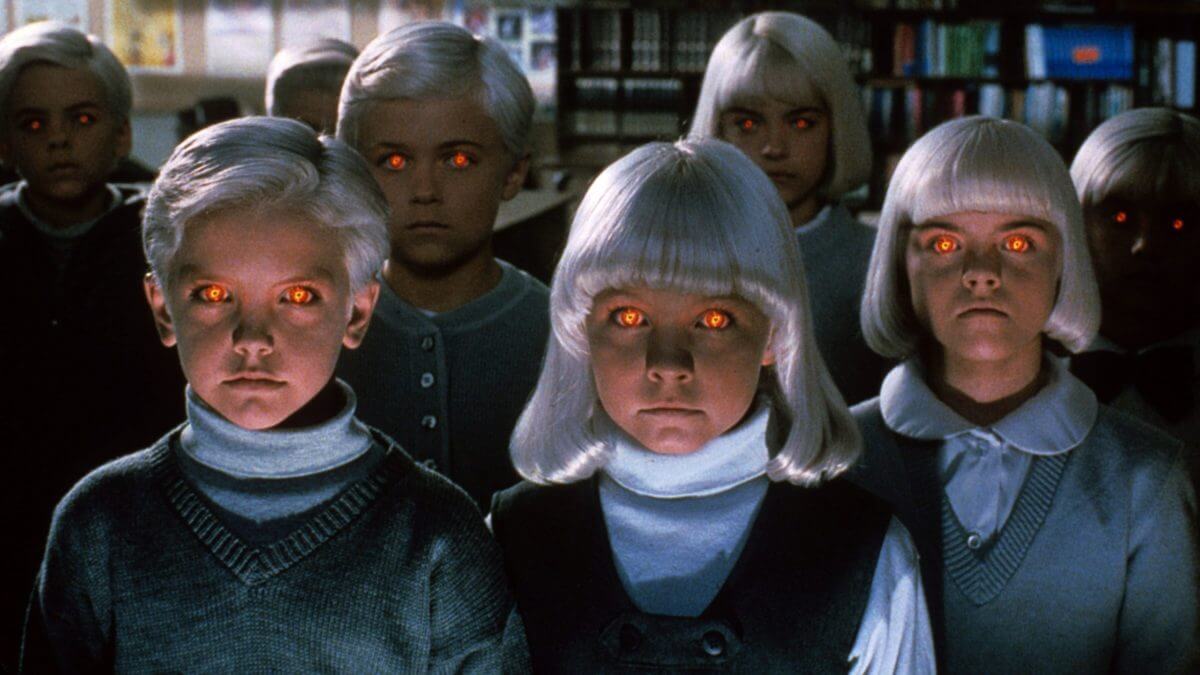
A double bill of John Carpenter films kicks off with this creepy remake of the classic novel The Midwich Cuckoos by John Wyndham. Christopher Reeve, Mark Hamill, and Kirstie Alley star. Followed at 10.55pm by Ghosts of Mars (2001).

Thursday October 7th, 10.50pm – Hostel Part III (2005)

What happens in Vegas stays in Vegas, particularly if you’re a member of the Elite Hunting Club. An unfortunate bachelor party falls four of the torturous group. Directed by Sam Raimi regular Scott Spiegel.

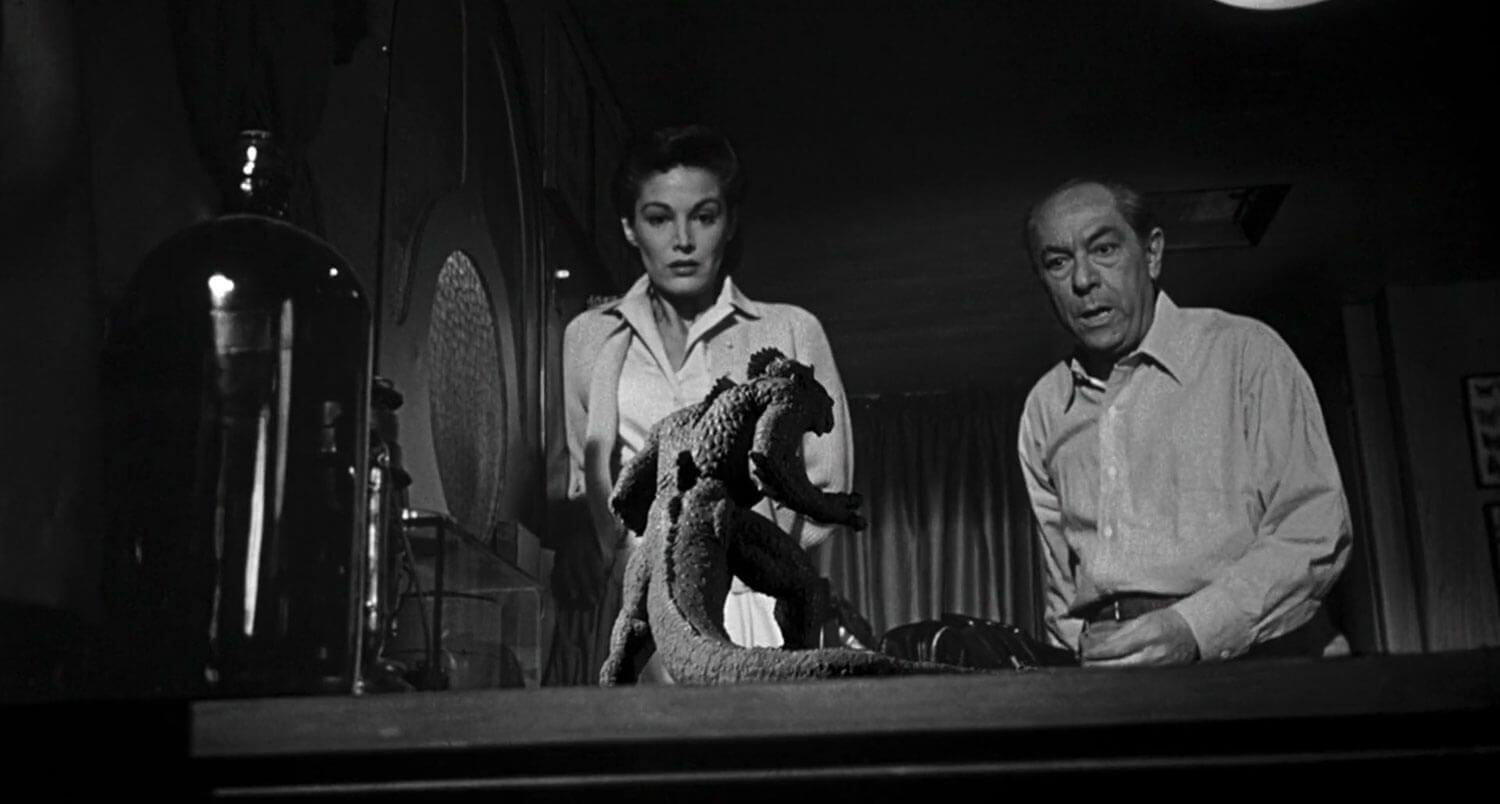
Friday October 8th, 1pm – 20 Million Miles to Earth (1957)

Classic monster action containing the brilliant stop-motion effects and creature design of Ray Harryhausen. This one has the Ymir, a creature from another planet that grows to grand proportions and terrorises Italy.

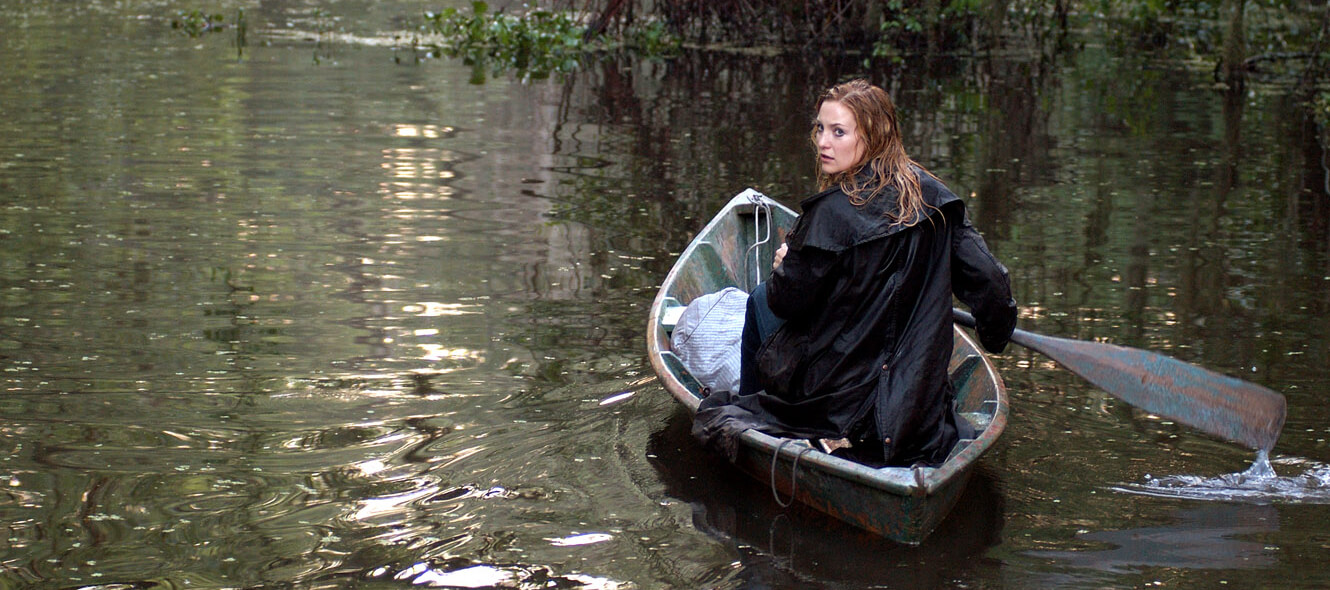
Saturday October 9th, 9pm – The Skeleton Key (2005)

Kate Hudson takes a job as a nurse on a plantation and discovers a secret past involving rituals and the supernatural. Directed by Iain Softley (Hackers).

Tune into Horror Channel on Sky 317, Virgin 149, Freeview 68, Freesat 138.

THE TELEPHEMERA YEARS: 2008 – PART 2

telephemera 2008 dollhouse whedon

Ah, telephemera… those shows whose stay with us was tantalisingly brief, snatched away before their time, and sometimes with good cause. They hit the schedules alongside established shows, hoping for a long run, but it’s not always to be, and for every Knight Rider there’s two Street Hawks. But here at STARBURST we celebrate their existence and mourn their departure, drilling down into the new season’s entertainment with equal opportunities square eyes… these are The Telephemera Years!

2008-09

With Lost about to start its fifth season, and despite Heroes spluttering into its third and final run, 2008 was a golden time for fans of genre TV, with Pushing Daisies, Ghost Whisperer, Reaper, Smallville, Supernatural, and Medium all coming back for the Fall TV season. Sure, American Idol and Dancing with the Stars dominated the ratings, and the various CSIs ensured that crime procedural fans were never short of a mystery to solve, but the various science-fiction and fantasy shows (along with genre-adjacent fare like The Big Bang Theory, Prison Break, Chuck, and Family Guy) kept freaks and geeks glued to their TV sets all year long.

2008 also saw some intriguing new shows like JJ Abrams’s Fringe and the wonderful Parks and Recreation make their debuts, both of which would enjoy multi-year runs and varying degrees of critical acclaim, but there were also shows that came and went, snuffed out before they could grab a hold on the popular imagination. This is the story of four more of 2008’s TV failures…

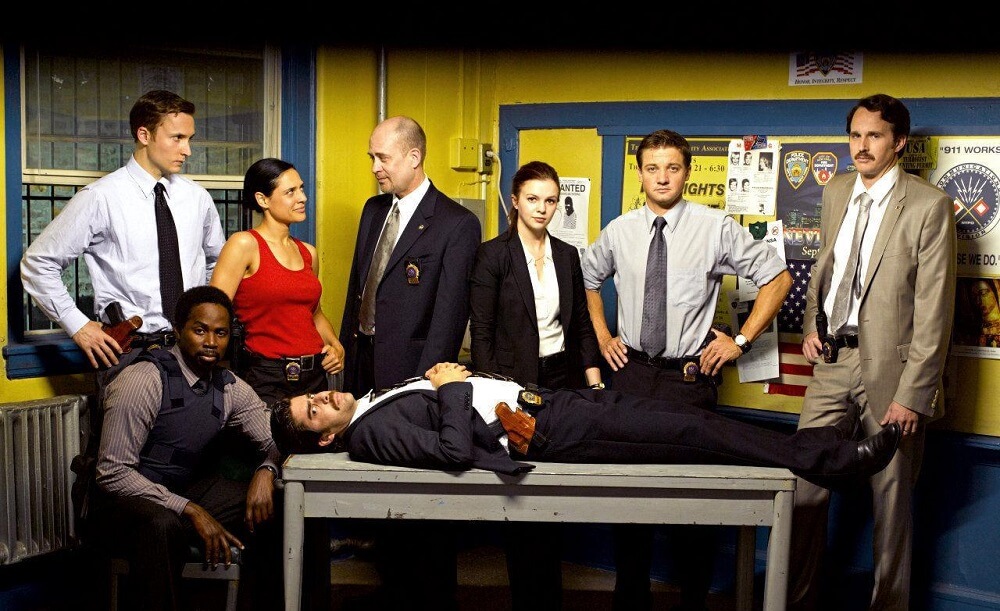
The Unusuals (ABC): Following the misadventures of the NYPD’s fictional 2nd Precinct, The Unusuals centred around Detective Casey Shraeger, whose wealthy background is a secret to all except Sergeant Brown, who recruits her for his team believing that – since money is not an issue for her – she is only in the job to do genuine good.

telephemera 2008 unusuals

The story begins the night Amber Tamblyn’s Shraeger is assigned to partner Jason Walsh (Jeremy Renner), a night when Walsh’s ex-partner is killed. The two set about trying to solve the murder of the corrupt officer, encountering the rest of the 2nd Precinct’s unusual detectives, which include an ex-bank robber, a paranoiac, someone who speaks of themselves in the third person, and – with Adam Goldberg in fine form – a detective with a brain tumour who is prone to hallucinations.

Created by Noah Hawley, The Unusuals aired as a mid-season replacement for the cancelled US version of Life on Mars, given a ten-episode run which intercut the case of the week element with precinct-wide character development, and its mix of drama and surreal humour was a refreshing take on the police procedural genre.

Sadly, the show wasn’t renewed for a second season, and can only be viewed through a VPN-assisted visit to the Crackle streaming service, which is a shame because it deserved more, not least some kind of resolution to its characters’ various subplots. At least Hawley would go on to find success with his quirky visions on Fargo and Legion, the roots of which can be found seeded throughout The Unusuals.

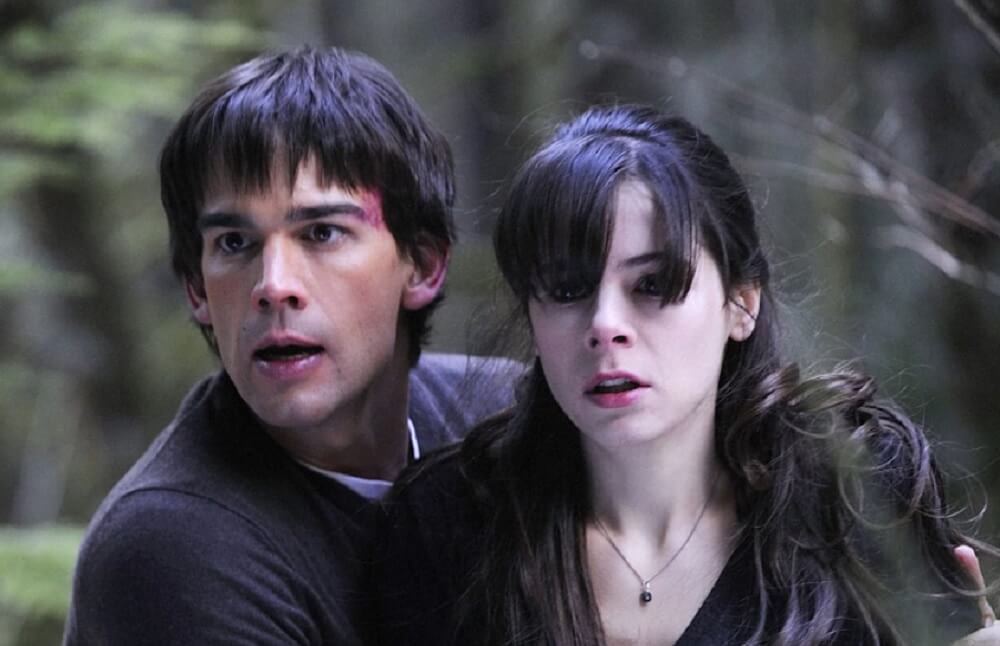
Harper’s Island (CBS): A complete story told in thirteen episodes, Harper’s Island was a mid-season replacement for the science-based mystery show Eleventh Hour, and leant heavily into psychological horror, an unusual theme for a Thursday night prime-time show.

When the show beings, Sherriff’s daughter Abby Mills returns to the island where she grew up, and from where she was sent away seven years before after her father managed to stop the rampage of a spree-killer whose victims included his wife, Abby’s mother. Back for the wedding of her childhood friend, Abby walks straight into a mystery as the island again becomes the scene of some horrific murders, and everyone is a suspect…

telephemera 2008 harper's island

Elaine Cassidy is charismatic as Abby, the centre of a mystery which has its roots in what happened to her parents seven years before, and Ari Schlossberg – who was given the chance to bring the show to air after writing the Robert De Niro thriller Hide and Seek – crams in a lot of plot into its thirteen episodes, and couples it with an accompanying web series called Harper’s Globe centring on the island’s eponymous newspaper, with journalist Robin Matthew as its principle.

Ratings were decent, if not spectacular, but fell steadily throughout its run, and any chance of a second series was lost when the finale drew just forty percent of the pilot’s audience share. Strangely, you can watch the show on the BBC’s iPlayer, twelve years after it aired on BBC Three, and if you’ve got a day spare, it’s worth a look.

Dollhouse (Fox): Joe 90 was the penultimate puppet production from Gerry and Sylvia Anderson’s classic Supermarionation era, and told the story of a young special agent who would have the tools he needed for each mission downloaded into his brain, despite him being an actual child.

In the Spring of 2009, Joss Whedon decided to follow up successful bloodsucker shows Buffy the Vampire Slayer and Angel (and the cut down in its prime Firefly) with his own take on the premise, this time featuring a group of young people who would receive the same treatment, only this time – because edgy – they would be used for crimes and sexy encounters.

telephemera dollhouse 2008 whedon

With Buffy veteran Eliza Dushku as its protagonist, Dollhouse was not only the series name but also the headquarters where the various “dolls” reside between missions. Dushku’s Echo upsets the status quo by being able to remember aspects of any previous personalities she’s been given, and it’s this that the moral quandary of the show is built around, tied to an investigation by an FBI agent who gradually becomes aware of the Dollhouse and its sinister purpose.

Whatever Whedon followed Buffy with was bound to come under intense scrutiny, and while the premiere episode rated well, particularly among women and younger adults, it soon tumbled down the ratings, with a mixed response from both critics and Whedon’s fans. Despite that, a second season was ordered, which was better received by critics but fared even worse with wider TV audiences, and it was cancelled, with Whedon promising to continue the show through comic books and choosing to enter the Marvel Cinematic Universe instead.

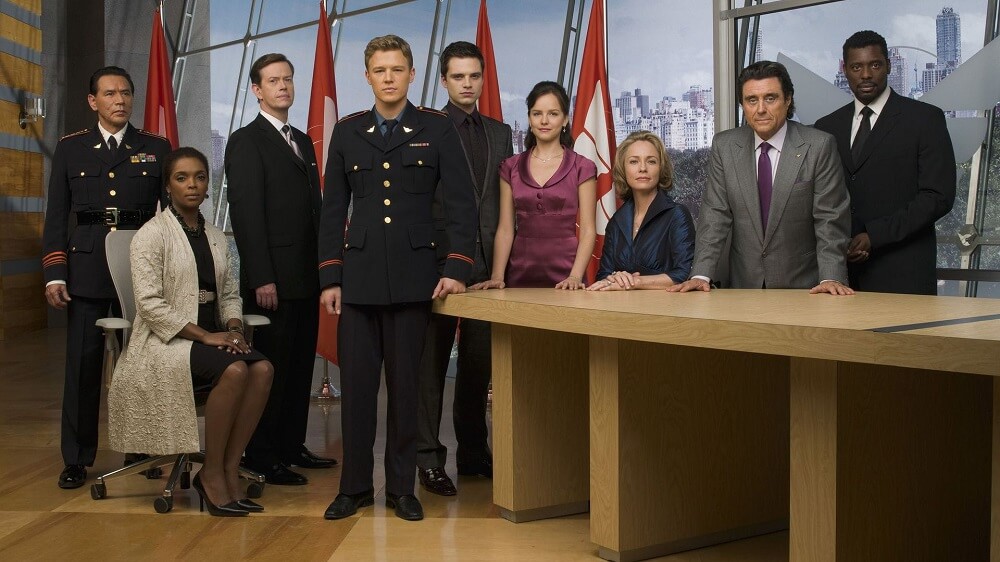
Kings (NBC): Kings loosely retells the biblical story of King David, only set in a world which mirrors our own, at least technologically and politically. As King of the United Kingdom of Gilboa, Silas Benjamin believes he is divinely-anointed to rule the country he formed by uniting the warring kingdoms of Gilboa, Carmel, and Selah two decades before.

telephemera 2008 kings mcshane

The question of his successor forms the meat of the story as his son, the closeted homosexual Prince Jack, is rescued from behind enemy lines by a Gilboan soldier named David Shepherd, who – in case you needed it ramming home – destroys a Goliath-class tank in the process.

David is brought into the King’s inner circle, where he is soon in the middle of a power struggle between those who favour the king’s son and those who represent the interests of Gilboa’s most powerful business, the Crossgen corporation controlled by the queen’s brother. By the end of the first season, David revealed in visions to be the rightful next king of Gilboa, has been framed as an enemy of the state, and has fled to a rival kingdom. What will happen next? Don’t read the bible, it’s full of SPOILERS!

Ian McShane is great as King Silas, with Susanna Thompson as his queen and the real power behind the throne, and while Christopher Egan is likeable as David, much of the modern observer’s interest comes from Sebastian Stan as Prince Jack. The show was given a Sunday evening timeslot but did not garner the ratings its considerable budget required and was moved to Saturdays for its fifth episode, before being put on hiatus for two months. It returned to finish its run in the dead months of June and July but all momentum had been lost and it never returned for a sophomore outing.

Next time on The Telephemera Years: those shows that didn’t make it to series, including one that made Edgar Wright furious

Check out our other Telephemera articles:

The Telephemera Years: 1966 (part 1, 2, 3, 4)

The Telephemera Years: 1968 (part 1, 2, 3, 4)

The Telephemera Years: 1969 (part 1, 2, 3, 4)

The Telephemera Years: 1971 (part 1, 2, 3, 4)

The Telephemera Years: 1973 (part 1, 2, 3, 4)

The Telephemera Years: 1975 (part 1, 2, 3, 4)

The Telephemera Years: 1977 (part 1, 2, 3, 4)

The Telephemera Years: 1980 (part 12, 3, 4)

The Telephemera Years: 1982 (part 1, 2, 3, 4)

The Telephemera Years: 1984 (part 1, 2, 3, 4)

The Telephemera Years: 1986 (part 1, 2, 3, 4)

The Telephemera Years: 1987 (part 1, 2, 3, 4)

The Telephemera Years: 1990 (part 1, 2, 3, 4)

The Telephemera Years: 1992 (part 1, 2, 3, 4)

The Telephemera Years: 1995 (part 12, 3, 4)

The Telephemera Years: 1997 (part 1, 2, 3, 4)

The Telephemera Years: 2000 (part 1, 2, 3, 4)

The Telephemera Years: 2003 (part 1, 2, 3, 4)

The Telephemera Years: 2005 (part 1, 2, 3, 4)

The Telephemera Years: 2008 (part 1, 23, 4)

Titans of Telephemera: Irwin Allen

Titans of Telephemera: Stephen J Cannell (part 1, 2, 3, 4)

Titans of Telephemera: Hanna-Barbera (part 1, 2, 3, 4, 5)

Titans of Telephemera: Kenneth Johnson

Titans of Telephemera: Glen A Larson (part 1, 2, 3, 4)

Titans of Telephemera: Quinn Martin (part 1, 2)

[ENDED] Win Halloween Anthology BAD CANDY on DVD

win bad candy

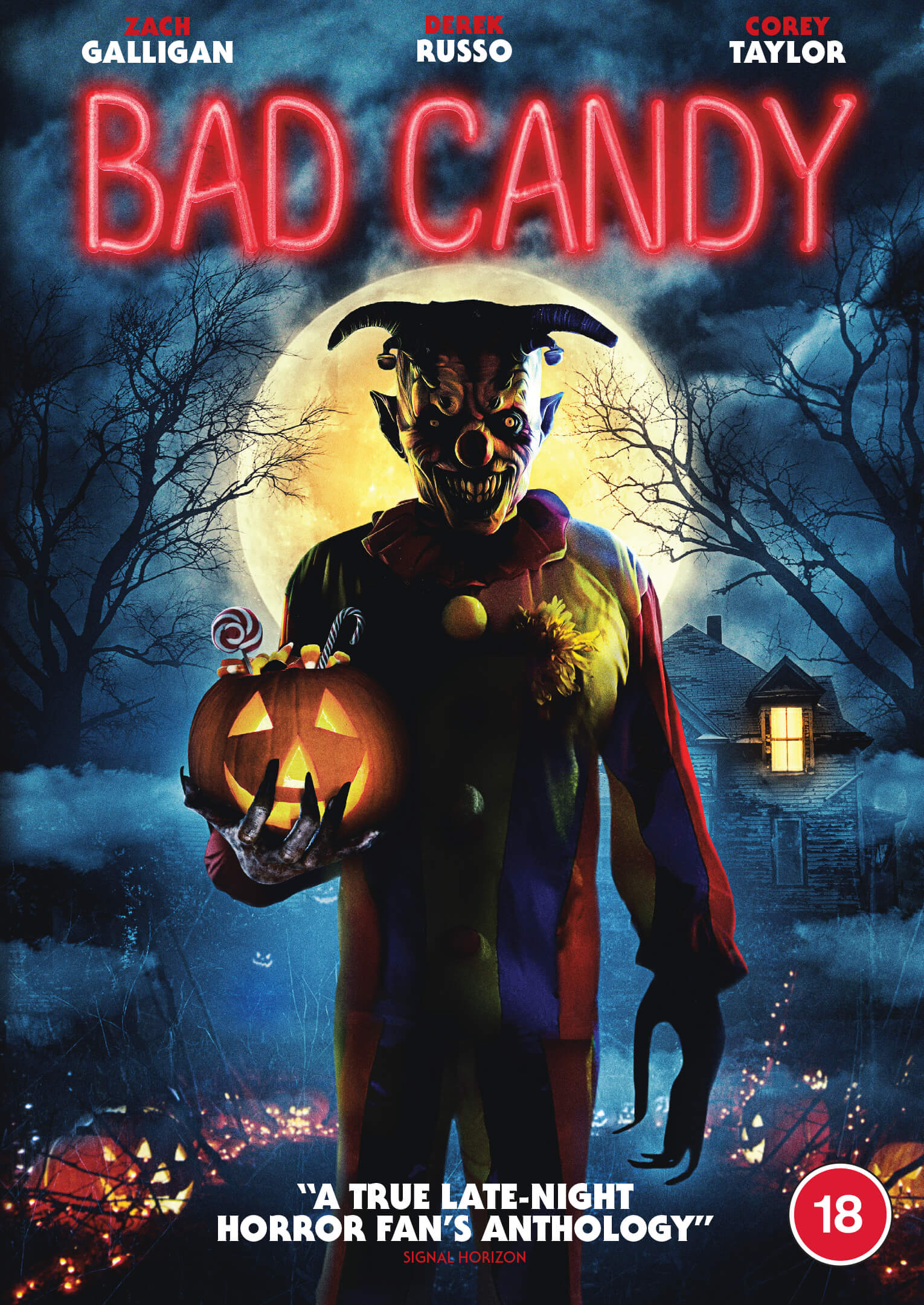
As our favourite time of the year approaches, we’ve got a chance for three lucky readers to win a copy of anthology shocker Bad Candy on DVD. Just watch the trailer, read on, and enter below…

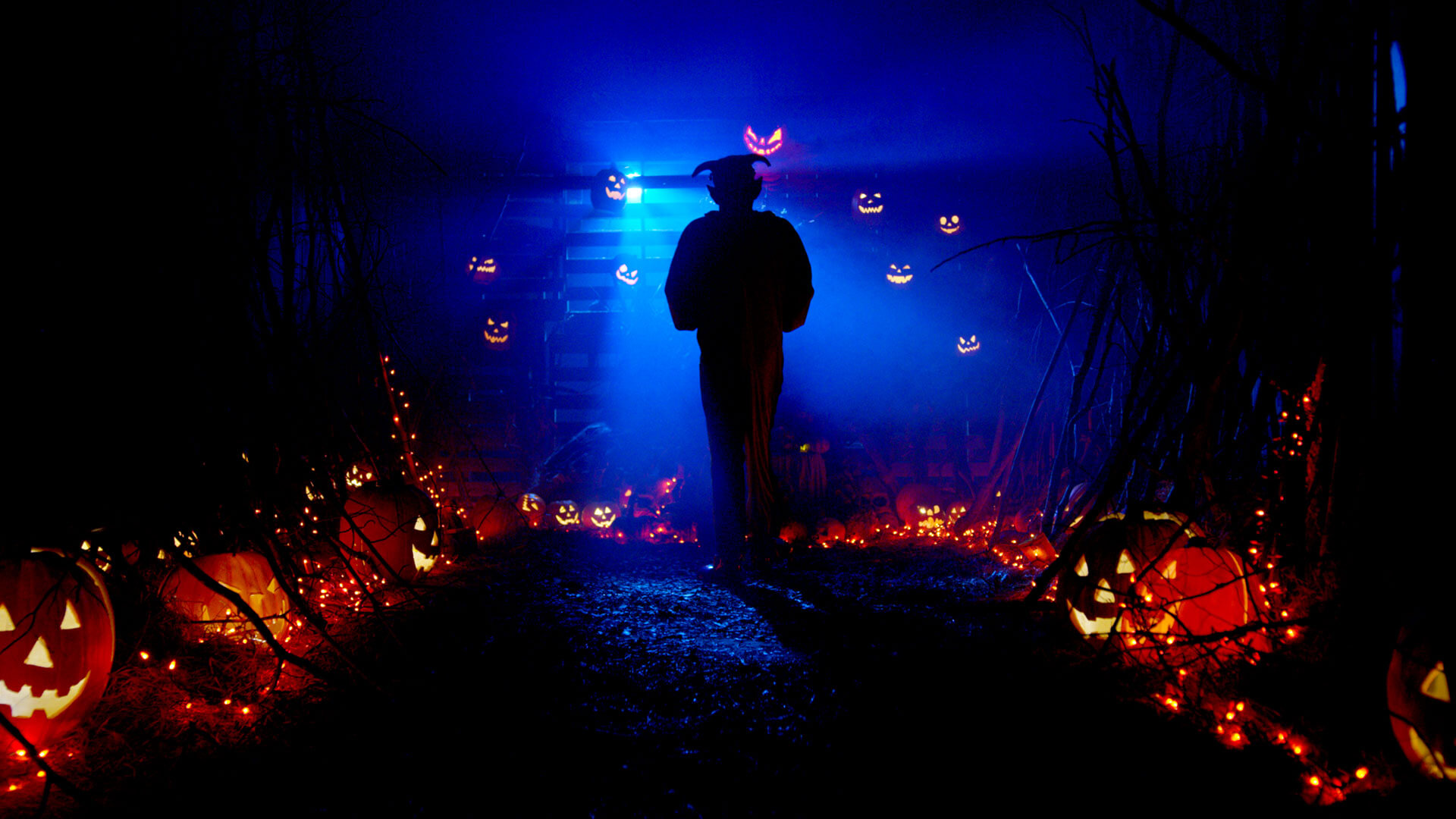
Sink your teeth into Bad Candy, a Halloween horror anthology featuring Slipknot’s Corey Taylor and Gremlins star Zach Galligan spinning six terrifying tales with plenty of tricks and treats up their blood-splattered sleeves!

As the autumn sun fades, the dark clouds of a pitch-black Halloween night begin to settle over the small American town of New Salem. The annual Fright Fest show is underway on the local radio station, on which two full-on shock-jocks begin to retell local legends of terror from yesteryear, bringing them to life before your bloodshot eyes. In this small town, it’s a grisly end for most, but will a few good souls survive to see another dawn?

Bad Candy has proved a big hit on the international horror festival circuit picking up Best Feature at Fright Night Film Fest, Freakshow Horror Film Festival and the Atlanta Horror Film Festival. The film also played at the UK’s FrightFest in August.

a Rafflecopter giveaway

Kaleidoscope Entertainment presents Bad Candy on DVD and Digital October 4th.

Five Films to Check Out on Horror Channel This Week – 270921

horror week

Here are five great reasons to tune into Horror Channel this week….

Tuesday September 28th, 9pm – Final Girl (2015)

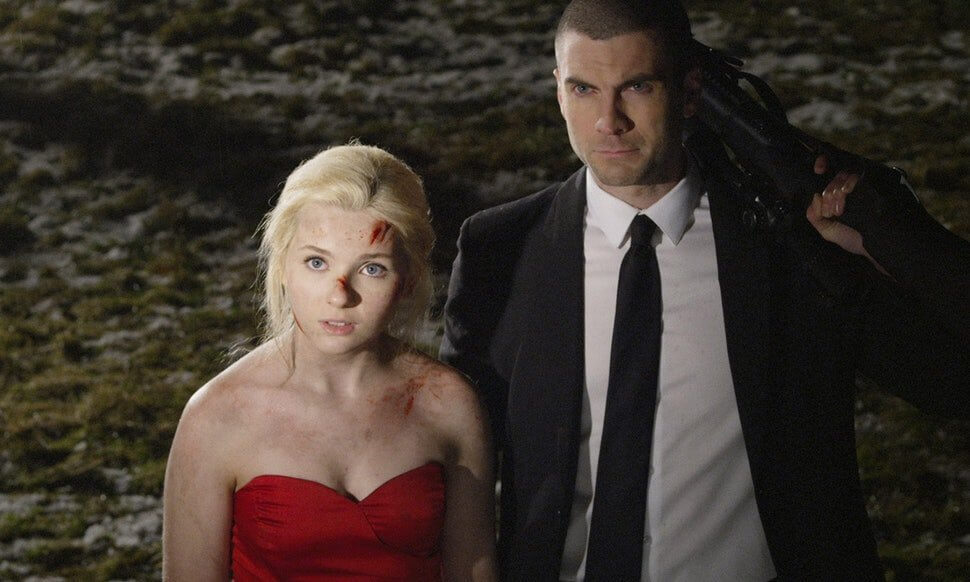
Abigail Breslin (Scream Queens) plays an orphan trained from an early age to confront and kill a group of teenagers who hunt their dates.

Wednesday September 29th, 11.15pm – Attack of the Adult Babies (2017)

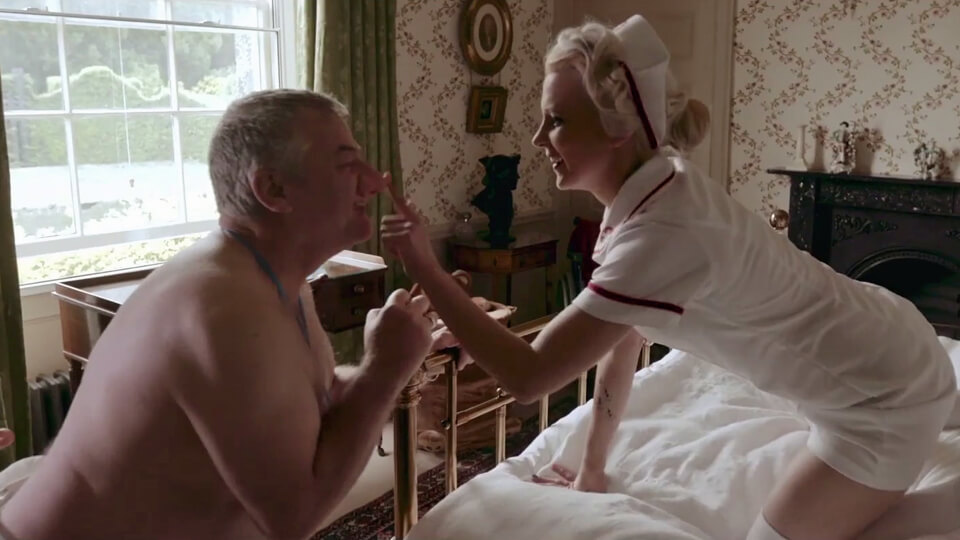
Director Dominic Brunt (Before Dawn, Evie) delves into the ludicrous with this scatological comedy-horror. While trying to recover some documents, a family uncovers a bizarre secret society of rich men who like to dress as babies. If you have an off-the-wall sense of humour, you’ll love this.

Thursday September 30th, 9pm – Land of the Dead (2005)

Two decades after he presented Day of the Dead to the world, George A. Romero continued his series of zombie movies. Dennis Hopper is fantastic as the ruthless leader of a protected area of Pittsburgh.

Friday October 1st, 1pm – The Giant Claw (1957)

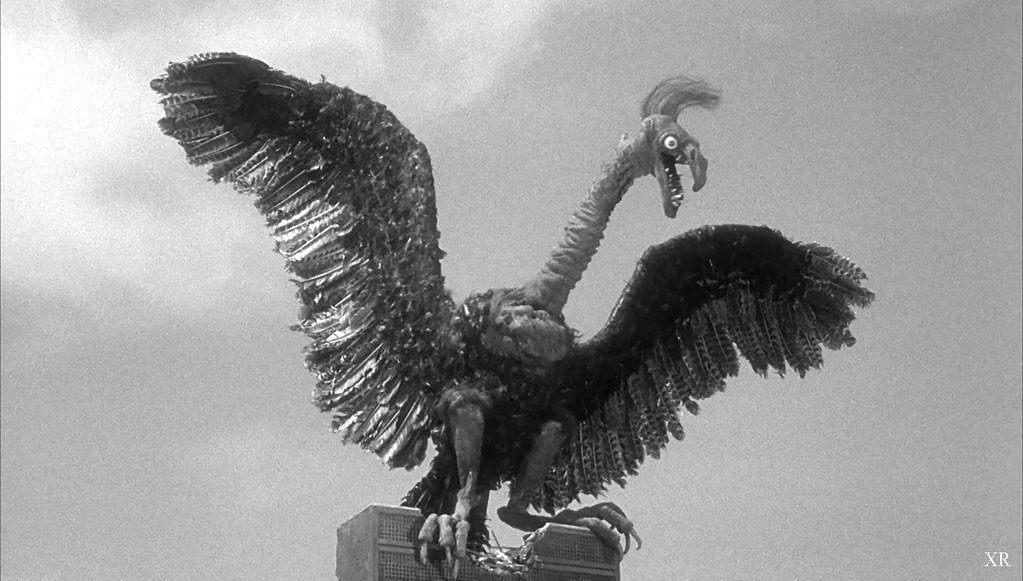
Sometimes you’ve got to take old films for what they are: campy fun. This atomic age classic features the Earth coming under threat from a massive, crowing turkey. Sit back and have some fun.

Saturday October 2nd, 22.45pm – Abattoir (2016)

Dayton Callie (Fear the Walking Dead) builds a haunted house in which every room has hosted a murder. Directed by Darren Lynn Bousman (Spiral).

Tune into Horror Channel on Sky 317, Virgin 149, Freeview 68, Freesat 138.

[ENDED] Win Arrow Video’s CHILDREN OF THE CORN TRILOGY 4K/Blu-ray

win children corn

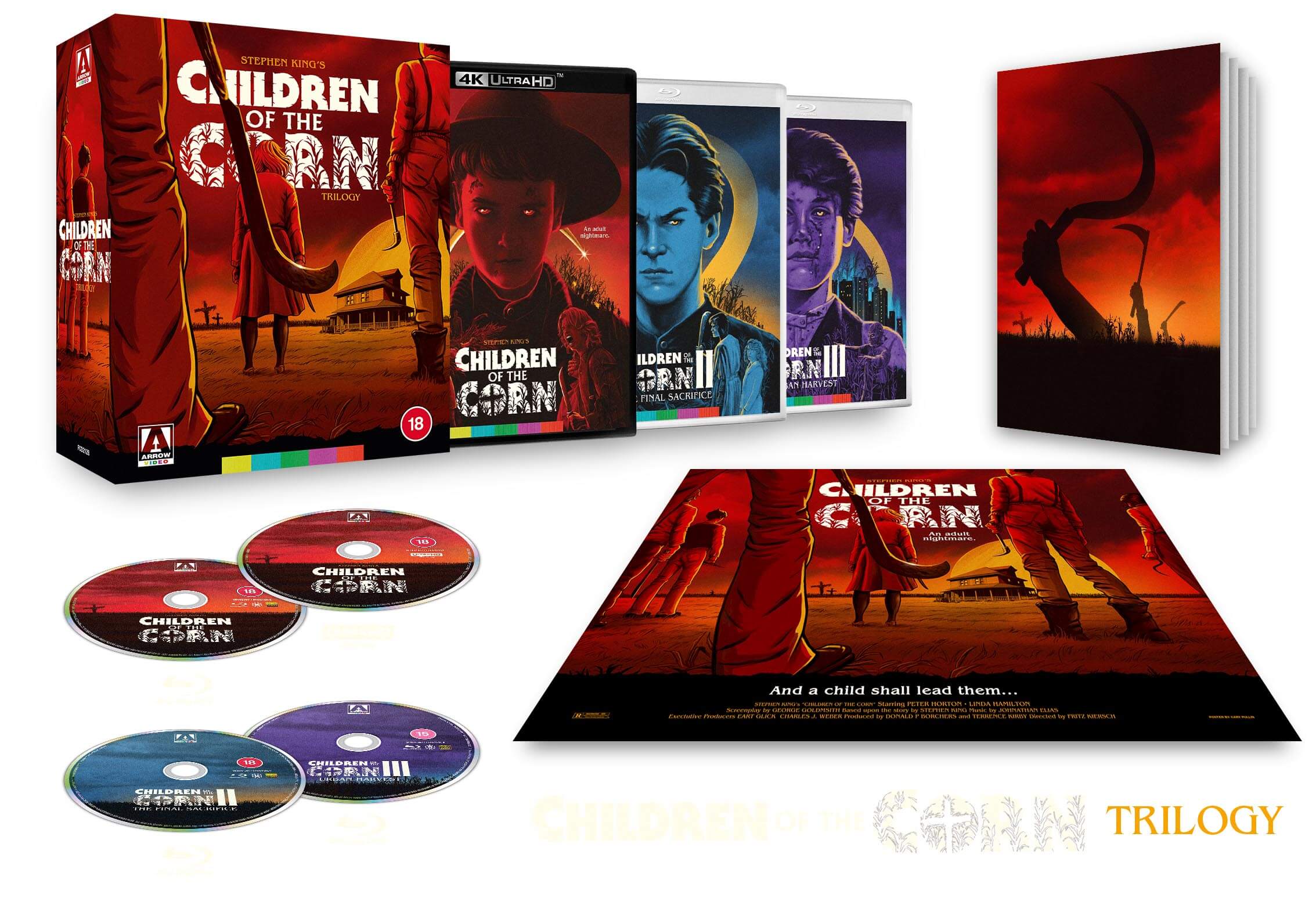
We’ve teamed up with Arrow Video to give one lucky reader a chance to win the Children of the Corn Trilogy box set! The set includes the first film in 4K UHD! Just read on and enter below…

Best-selling author Stephen King sowed the seeds for a bumper crop of horror films with his classic collection Night Shift. But few would sprout into the kind of franchise that Children of the Corn would grow to be.

In the cult classic original a young couple (Linda Hamilton and Peter Horton) find themselves stranded in the small town of Gatlin, Nebraska where they meet a religious cult of children led by the mysterious Isaac and the unhinged Malachi and learn the blood-curdling secrets of He Who Walks Behind the Rows. Meanwhile in Children of the Corn II: The Final Sacrifice, the well-meaning locals of nearby Hemingford adopt the children who survived the original terror, but all is not as it seems. A new harvest is about to begin. Finally, Children of the Corn III: Urban Harvest brings terror to the big city, as two orphaned boys from Gatlin are taken into foster care in Chicago, where He Who Walks Behind the Rows begins to walk again!

LIMITED EDITION CONTENTS

  • High Definition Blu-ray (1080p) presentations of all three films
  • 4K (2160p) UHD Blu-ray presentation in Dolby Vision (HDR10 compatible) of Children of the Corn
  • Alternate cuts of Children of the Corn II: The Final Sacrifice and Children of the Corn III: Urban Harvest
  • DTS-HD MA 5.1 and 2.0 audio options for all three films
  • Optional English subtitles for the deaf and hard of hearing
  • 60-page perfect-bound book featuring new writing by John Sullivan, Lee Gambin, Stacie Ponder, Craig Martin and Guy Adams
  • Reversible sleeves featuring original and newly commissioned artwork by Gary Pullin

DISC 1 – CHILDREN OF THE CORN (BLU-RAY / 4K UHD BLU-RAY)

  • Brand new 4K restoration from the original camera negative by Arrow Films
  • Audio commentary with horror journalist Justin Beahm and Children of the Corn historian John Sullivan
  • Audio commentary with director Fritz Kiersch, producer Terrence Kirby and actors John Franklin and Courtney Gains
  • Harvesting Horror: The Making of Children of the Corn – retrospective piece featuring interviews with director Fritz Kiersch and actors John Franklin and Courtney Gains
  • It Was the Eighties! – an interview with actress Linda Hamilton
  • Return to Gatlin – brand new featurette revisiting the film’s original Iowa shooting locations
  • Stephen King on a Shoestring – an interview with producer Donald Borchers
  • Welcome to Gatlin: The Sights and Sounds of Children of the Corn – an interview with production designer Craig Stearns and composer Jonathan Elias
  • Cut from the Cornfield – an interview with the actor who played “The Blue Man” in the fabled excised sequence
  • Theatrical Trailer
  • Disciples of the Crow, a 1983 short film adaptation of Stephen King’s short story

DISC 2 – CHILDREN OF THE CORN II: THE FINAL SACRIFICE (BLU-RAY)

  • Two versions of the film: the International Cut, and the US Theatrical Cut with additional CGI and an alternate audio mix (via seamless branching)
  • Brand new audio commentary by critics Matty Budrewicz and Dave Wain
  • Brand new audio commentary by critic Lee Gambin, in conversation with director David Price
  • A New Harvest, a brand new interview with director David Price
  • Sowing the Seeds of Terror, a brand new interview with co-screenwriter A.L. Katz
  • Framing Fear, a brand new interview with cinematographer Levie Isaacks
  • Workprint version of the film
  • Stills gallery
  • Theatrical Trailer

DISC 3 – CHILDREN OF THE CORN III: URBAN HARVEST (BLU-RAY)

  • Two versions of the film, the R-rated US Cut and the Unrated International Cut with extended ending (via seamless branching)
  • Brand new audio commentary by critics Matty Budrewicz and Dave Wain
  • Corn in the City, a brand new interview with screenwriter Dode Leveson
  • Corn in the USA, a brand new visual essay by author and critic Guy Adams
  • Early treatments, versions of the story from the development process
  • Stills Galleries
  • Theatrical Trailer
Extras are subject to change.


a Rafflecopter giveaway


The Children of the Corn Trilogy 4K/Blu-ray box set is released on September 27th.

FOUNDATION: Lee Pace, Jared Harris, David S. Goyer & More On Adapting Asimov’s Sci-Fi Epic

Leah Harvey as Salvor in Isaac Asimov's Foundation

David S. Goyer attempts a feat that has long been thought impossible: to adapt Isaac Asimov’s monumental Foundation series into a visual medium. The audacity of such a project should be enough to warrant praise but, almost unbelievably, Goyer pulls it off with an assured flourish.

The premise of Foundation is that, in the waning days of a future Galactic Empire, mathematician Hari Seldon develops a theory of psychohistory, a mathematical sociology. Using statistical laws of mass action, Seldon can essentially predict the future of civilisation. He foresees the imminent fall of the Empire, followed by a Dark Age lasting 30,000 years. Although the Empire’s fall cannot be stopped, Seldon suggests a plan by which “the onrushing mass of events must be deflected just a little” to eventually limit this Dark Age of humanity to a mere millennium. It involves the creation of the Foundations: two groups of scientists and engineers settled at opposite ends of the galaxy, whose mission it is to preserve the spirit of science and civilisation in a compendium of all human knowledge. These so-called Encyclopaedia Galactica would then become the cornerstones of a Second Galactic Empire.

From the breath-taking cinematography and the show’s unwavering loyalty to the spirit of the novels, to its top tier cast and agile writing spanning planets and generations, there’s as much to respect about Foundation as there is to love.
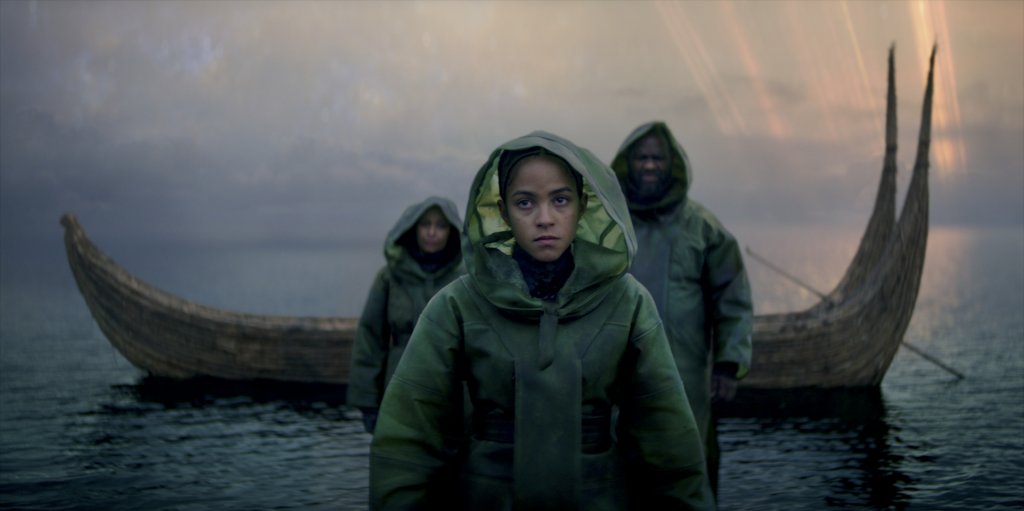
Lou Llobell as Gael in Foundation

STARBURST had the pleasure to speak with the people who made the series possible: David S. Goyer, writer extraordinaire (you can thank him for the Blade trilogy, Christopher Nolan’s Dark Knight trilogy and Man of Steel, to name but a handful), Lee Pace (The Hobbit, Guardians of the Galaxy, The Fall) who plays the Emperor Brother Day, Jared Harris (Chernobyl, The Terror, Mad Men) as  psychohistorian Hari Seldon, and relative newcomers Lou Llobell (Voyagers) and Leah Harvey, who bring to life Gaal Dornick and Salvor Hardin, respectively.

“Of course, there were sacred cows,” states Goyer. “I had to identify the core elements that make Foundation, the core characters, the themes; and I presented those to the Asimov estate to make sure we were on the same page.” Robyn Asimov, Isaac Asimov’s daughter, serves as executive producer on the show. “Any cursory reader of the books will understand that it could never be a line-for-line adaptation,” Goyer continues. “A lot of the books are about philosophy, about ideas, dialectics, and most of the action happens off-screen or in between sentences. And as this is a visual media medium, of course, we were going to dramatise those events.”

Expectedly, considering the novels’ stature in the science fiction canon, this isn’t the first time that studios have tried to adapt Foundation to film or television. Those who tried though, failed; Goyer’s series is the first time we will see Asimov’s epic saga adapted to the screen. “I think one of the differences between this attempt and prior attempts is that most of the prior attempts were movies,” the showrunner muses. “I myself was offered the opportunity to adapt Foundation twice before in my career, but I passed on it because I didn’t feel it could be condensed into two and a half hours, or even three films. Yet with the advent of these big, novelistic shows that we’re seeing on streaming, the medium and the audience have now evolved to a place where an adaptation of Foundation is possible.”

Jared Harris praises the ways in which Goyer balances Foundation’s grand ideas with its softer, character-driven moments. “It’s fantastically well structured and he’s dealing with some really big ideas; one on hand, something like the first scene can be as mundane as introducing a character and on the other, you have in mind these giant ideas and themes… those are fun things to play with.”

“The scale was always going to be big,” says Goyer. “It is intergalactic, but it’s also very intimate. For me the key was always grounding it in emotion. For every scene, whether we’re in the writers’ room or on set rehearsing, I wanted to make sure that if we strip away the spaceships, the robots, the nanotechnology, that the scenes still work as pure dramas.”
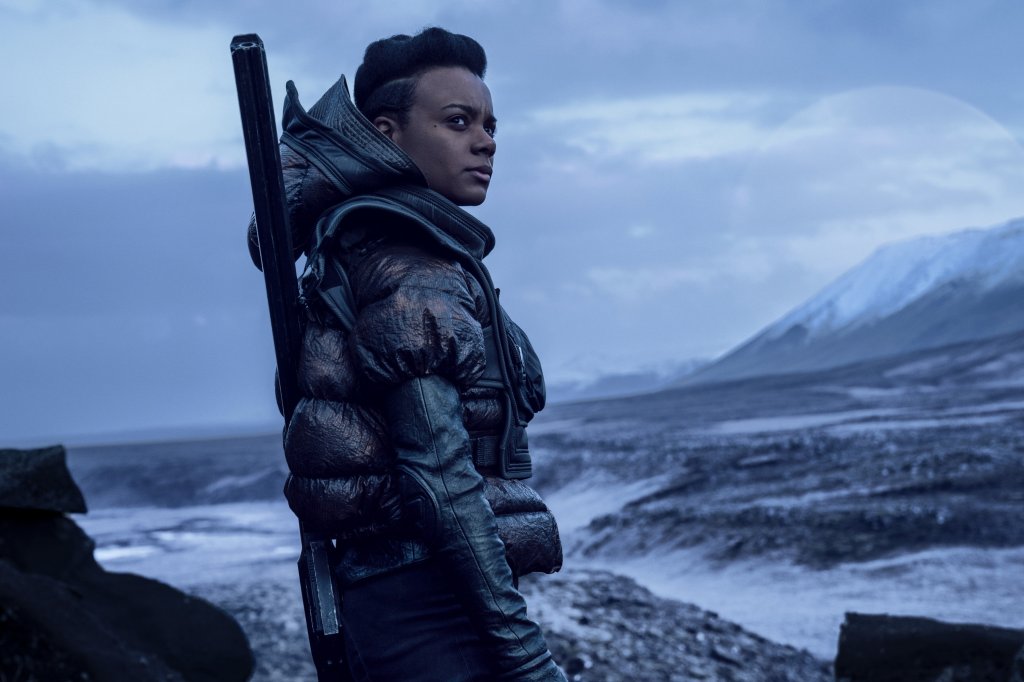
Leah Harvey as Salvor in Foundation series

Even as Foundation stays loyal to Asimov’s story and ideas, adapting the tomes to television involved a number of narrative changes. For one, the inclusion of a wholly new character (or three): the Emperor Cleon, so little seen or discussed in the series, is here replaced with a genetic dynasty. Clones of the Emperor who rule as one individual for millennia and who call themselves Brothers Dawn, Day, and Dusk – played from youngest to oldest by Cooper Carter, Cassian Bilton, Lee Pace and Terrence Mann. Goyer explains that “because the show is so anthological, we needed to find a way for some of these characters to last over the course of 1000 years – and that’s what led me to the genetic dynasty.”

“In the books, Hari Seldon predicts the fall of the Empire,” he continues. “It’s an empire that’s existed on 10,000 worlds for over 10,000 years. They’re powerful, they’re resistant to change, they’re rigid. So, I tried to think, ‘What would be the purest expression of that theme?’ One man cloning himself over and over again and imposing his ego upon an entire galaxy. And that was a plot device that then led me to all sorts of wonderful character moments with the Cleon’s, because the show is also about legacy. They’re all desperate to individuate and to leave their mark on the galaxy, and the tragedy of them is that they’re all living in the shadow of Cleon the First. So even though they’re monsters, that plot device allowed us to tell stories that make it possible for the audience to empathise with them.”

Even the grandest themes can be made relatable when centred on complex, human characters. As Lee Pace says, “what I think is so interesting about this riddle posed about inherited power, is not the office of a God that [the Brothers] hold. It’s these individuals who are approaching it, and I think about it very much like how an actor approaches a role. I think, there’s Day looking at Dawn, who is the youngest of the dynasty, and Day is telling him: ‘These are the lines, this is the blocking, these are the costumes you’ll wear. It is imperative for the safety of the galaxy that you are exactly like me, that you believe what I believe, that you are an identical copy of me.’ And I believe Day looks at Dusk, the outgoing Emperor, and thinks, ‘You’ve made a lot of mistakes here. And now that I’ve got the power, I’m going to do it right. I’m going to be stronger, I’m going to be braver, I’m going to be distinguished among this line of clones.’ And that’s the contrary idea. When the fantasy is that they’re the same person. You see it in the first episode, when Hari Seldon delivers his mathematical certainty that the Empire will fall and all three of these Emperors respond in very different ways.”
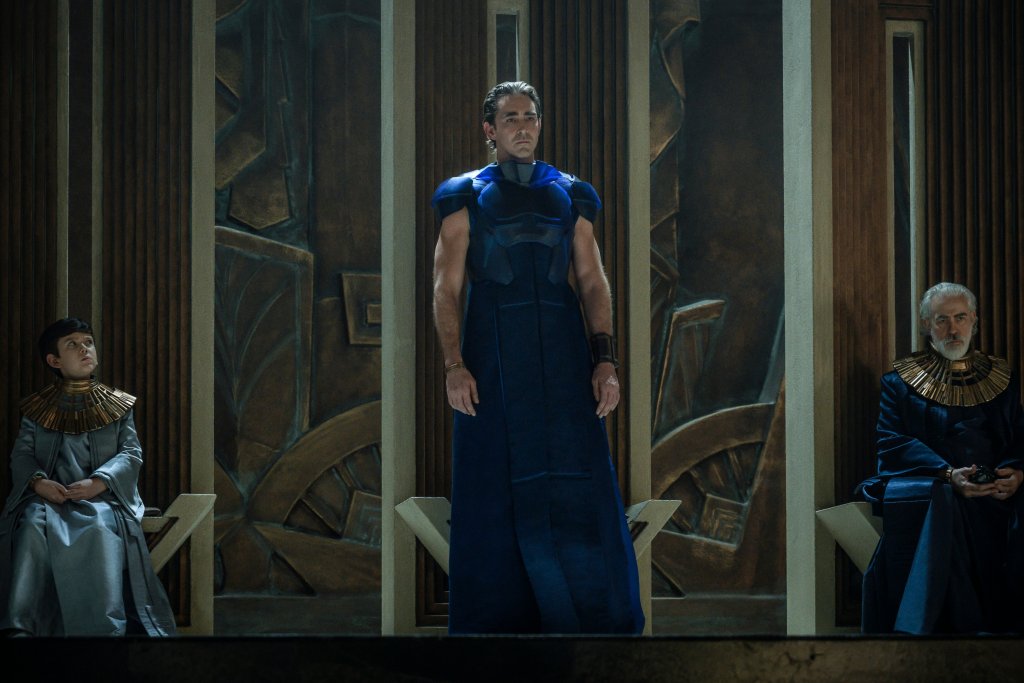
Lee Pace as Brother Day in Foundation series

“What was hard was the idea of sharing a role with other actors and figuring out how we could find a commonality between us,” Pace continues. “We’d play this game where we would physically mirror each other, try to catch each other’s cadence, copy gestures, etc. But when it really becomes interesting is finding how these characters are different, because I believe what the story teases out is not only their individuality – and maybe these are the same thing – but their humanity. There’s an individual sentience that they start to discover. The fantasy is that they are a God that lives forever, that they are one person, when in fact they’re human beings who will live and die. It’s yet another riddle; this show is about everything and nothing. It’s about the biggest thing, and the smallest thing. It’s about what it means to be human, how do you react to change, how do you grapple with the power you hold?”

It’s all part of an unspoken mantra for Foundation: the key to the story is for viewers to feel for and relate to the characters, for those figures to be fallible and fragile. For example, one of the things Harris wanted to address was “how to avoid there being a reliance on using the character as a mouthpiece for his theory, or as an expositional device. I wanted to figure out a way to make the character seem human, seem real and fully fleshed, and have stakes in the moment. You’re playing a character who supposedly knows how everything will turn out. There’s nothing at stake for someone like that, so I discussed with David in great detail what Hari Seldon knew and what he didn’t. I was more interested in what he didn’t know, because that’s where the character is fallible and vulnerable.”

The other way in which the series updates Foundation is by changing the genders of some of its key characters. Asimov, despite being a master of speculative science fiction, still had a mostly all-male cast of characters, so for the show, Gaal and Salvor were written as women. When Leah Harvey was asked how this changed their approach to the character of Salvor (though they first auditioned for Gaal, Harvey revealed), they responded: “It’s interesting because I guess that being non-binary, I see gender as something that’s nothing and everything at the same time. I’ve had experiences playing characters in Shakespeare who are typically male, and my experience doing that is that it doesn’t really change anything. Playing a man or playing a woman, what does that even mean? In my mind, I’m playing a character who has a vision for themselves, has aspirations, fears, goals, has loves and hates. And that’s what character is.”
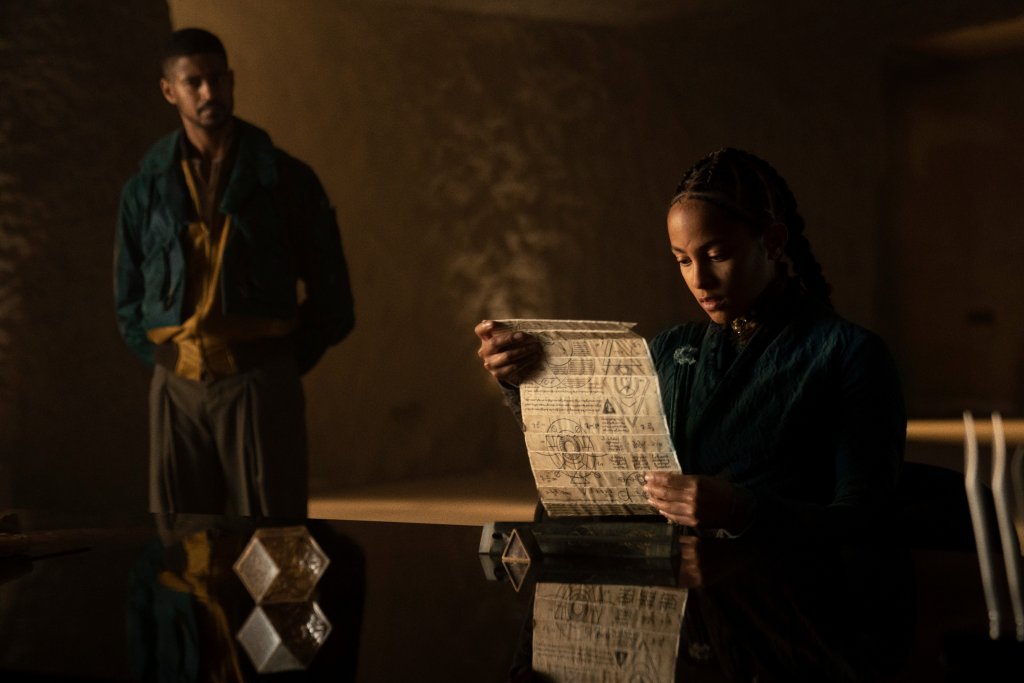
Alfred Enoch and Lou Llobell in Apple Series Foundation from David S. Goyer

“The writers created this character who’s really three-dimensional, who has been pulled from the books and made modern, who has been made so that she represents people all over the world,” they continue. “And I get the opportunity to put that across in my own way. I’m excited for people to meet Salvor.”

Meanwhile, Gaal is the character through whom the audience discovers the world of Foundation. Acting as an anchor amidst the vertiginous world-building, Llobell explains that her character fulfils a similar role as many iconic fantasy heroes: “Harry in Harry Potter gets thrown into a world he knows nothing about, and then has to deal with everything that comes with it. Gaal has the same journey, Frodo from The Lord of the Rings is kind of the same. I didn’t particularly think about them when I created this character but, looking in hindsight, it’s pretty cool that Gaal is amongst these characters.”

“How often do you get a character who experiences so much, and really has to delve into seeing who she is, finding out who she is and discovering parts of herself that she probably had no idea existed?” Llobell questions. “She comes from a tiny rural planet on the outskirts of the galaxy and all of a sudden, gets thrown into the hustle and bustle of Trantor, and meeting Hari and all these new, fascinating people. She throws herself into it and she’s open to a lot, and is still hopeful about the future, which is such a joy to experience.” All this undoubtedly makes Gaal the perfect chronicler character, in the books as in the show. “She is thrown into this whirlwind of a story, and she goes with it because she believes in the math. The truth is what drives her… Ultimately, she’s driven and pretty amazing. She goes on such a huge journey, but it’s one that’s relatable.”

That hope Gaal sustains is crucial to buoying a story in which the collapse of civilisation is inevitable. “I think her ability to trust so easily is a strength of hers, but it also gets her heart broken so many times. Just like the amount of hope she has – it’s a good thing overall, but it’s also to her own detriment,” states Lloubell. According to Harris, Gaal and Hari Seldon have that in common. “I don’t see him as tragic,” the actor explains. “I see him as hopeful. I see him as somebody who’s prepared to make sacrifices to achieve his goal but, in the end, it’s a hopeful prospect because he perceived a way of surviving.”
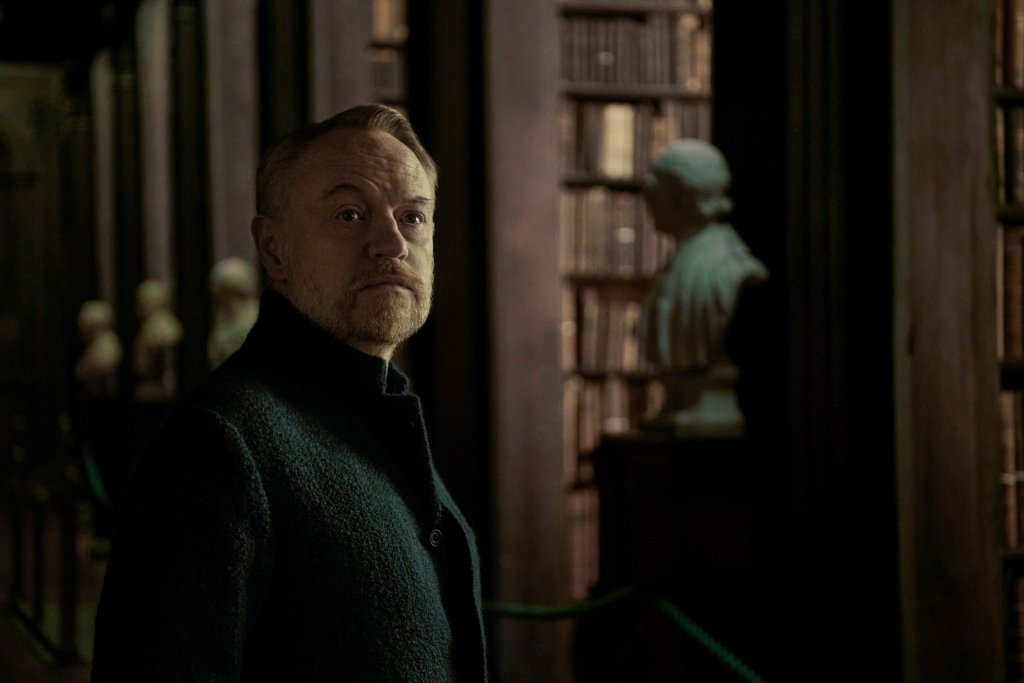
Jared Harris as Hari Seldon in Isaac Asimov's Foundation series

With science fiction so far removed from our reality, particularly for larger-than-life characters such as Hari Seldon and the Emperor, Harris and Lee Pace both found it important to source inspiration from real life. “I’m playing a series of men who, for a certain time in their lives, inherit the role of the Emperor of the galaxy,” says Pace. “Which is this absurd idea that one person could have control over the entire Milky Way Galaxy and have power of life and death over trillions of people, to control which planets prosper, which ones suffer. So, when approaching a character so absurdly abstract, I wanted to do some research to ground it – doing research is one of my favourite things that I get to do as an actor. Obviously, I looked at the Roman emperors that inspired Isaac Asimov to write this story, but I also looked at the Chinese dynasties, at the Incas for whom Emperors were basically Gods. I had a really great read of Kapuściński’s book “The Emperor” about the last emperor of Ethiopia, Haile Selassie. I found him particularly interesting.”

Harris, of course, is no stranger to bringing complex figures to the screen. “When you’re working on shows like Chernobyl or The Crown, you obviously have a historical record that you can access that can help you ground yourself in the reality of the story, and give you references to the character,” he explains. “With something like this, it’s a much more obviously imaginative process, but you still need references. To try to figure out Hari Seldon’s mindset, I went and did a lot of research into past scientists, men and women who made breakthrough discoveries. And the thing I realised was that on some level, they probably had huge egos and high opinions of themselves, but it’s also possible that they found their intellect isolating. There weren’t many people who could understand what they understood, which led me to understand what a rare thing Gaal represents for Hari: he finally has someone who understands him and can speak his language.”

Even something as seemingly outlandish as psychohistory, Harris found ways to tether it to reality: “One of the things I was considering when thinking of how to treat the proposition of psychohistory, and that made it very easy to accept, was what Cambridge Analytica have done. They’ve taken massive sets of data and crunched it, and they’ve been able to predict or manipulate the behaviour of individuals with it. That doesn’t seem to me like such a giant jump from what Hari Seldon was proposing.”
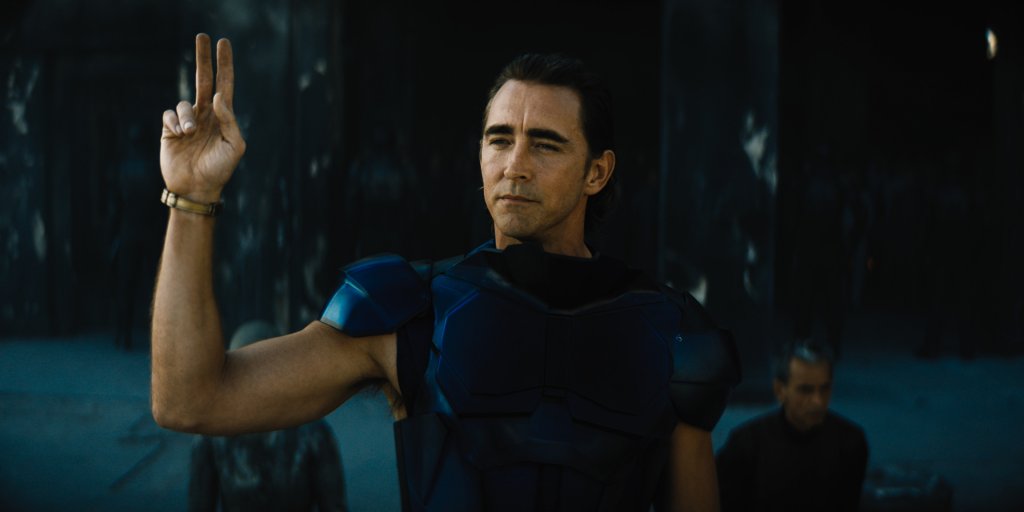
Lee Pace as Brother Day in Foundation

Beyond Foundation’s characters working as points of contact for the viewer though, there’s also a lot to explore and relate to thematically. As Pace sees it, “one of the opportunities you get with speculative fiction is that we can explore the experience of humanity outside the context of Earth in the 21st century. These are characters who are in the far, distant future on planets you couldn’t see even on the clearest night, and yet it’s about us. It’s about us right here and now. We examine what it means to be human, what the cycles are that we continually find ourselves in, our relationship to change and to power. What does math quantify? It can count the minutes, but can it record everything between those minutes, or does spirituality better answer those questions? What we’re attempting with Foundation is to open an investigation and bring the audience on the journey with us… I think this gives us the opportunity to engage in a discussion of our collective values without the triggers that put us in those circular discussions we always seem to find ourselves in, in the contemporary world.”

Harris’ view is perhaps more cynical. Speaking about Seldon, explains that “the character is another one in a long line of scientists who’ve made discoveries that were inconvenient to the power structure, and who would rather they shut up or disappear. That seems to be a familiar story in the human story. It’s depressing that this fact is a truism: that we continually ignore the advice of people who spend their life studying something, who are able to give us heads up. We make it very difficult for them to succeed, I guess because we’re afraid of the truth and would rather ignore it until it becomes impossible to ignore. It does feel like, as a race of people, we have this 11th hour habit where we wait until the last possible moment to do something.”

Still, even with the cyclical nature of histories, Goyer still believes there’s hope to be found. “The whole point of Foundation is that history repeats itself, that humanity is cyclical, and that a lot of the challenges that are confronting us now are not unique. They’re challenges that humanity has faced before. And so, I’d like to believe that we could learn from some of our past mistakes, and that was Asimov’s hope. I think the world could use a message like Foundation right now.”

Foundation begins streaming on Apple TV+ on September 24th. Read our review of the first two episodes.

HOST Star HALEY BISHOP Spills the Beans on Zoom Horror Flick

host star haley bishop

To mark the film’s one-year anniversary, STARBURST caught up with the lead actor of 2020’s most revolutionary horror film…

If you’d told Haley Bishop at the beginning of 2020 that there’d be a global pandemic which would shut down nearly the entire world, that she’d end up making a movie entirely over a computer with some of her best friends, and that that movie would go onto be one of the most critically lauded of the year, she’d probably have laughed in your face. And yet, that’s exactly what happened.

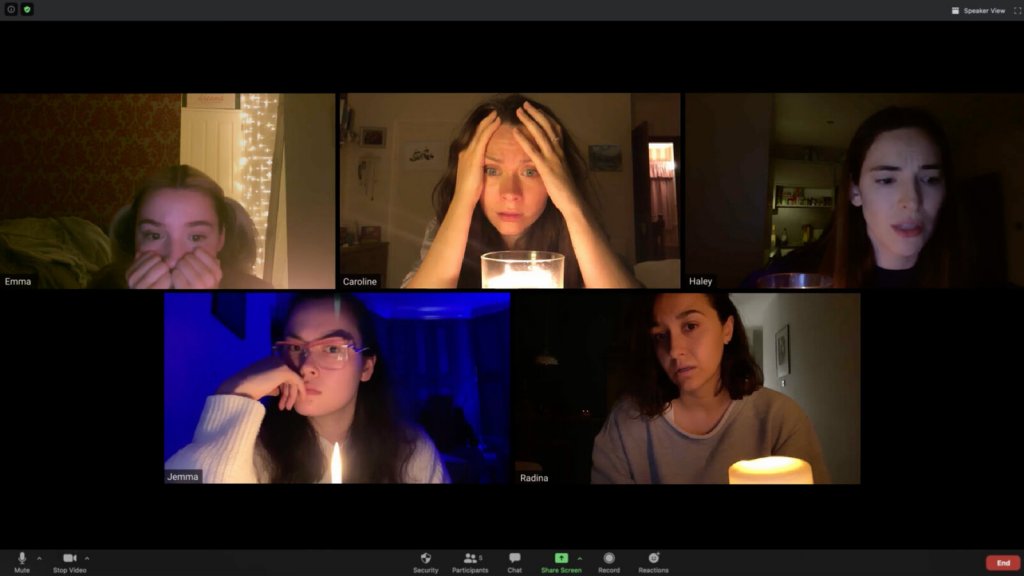
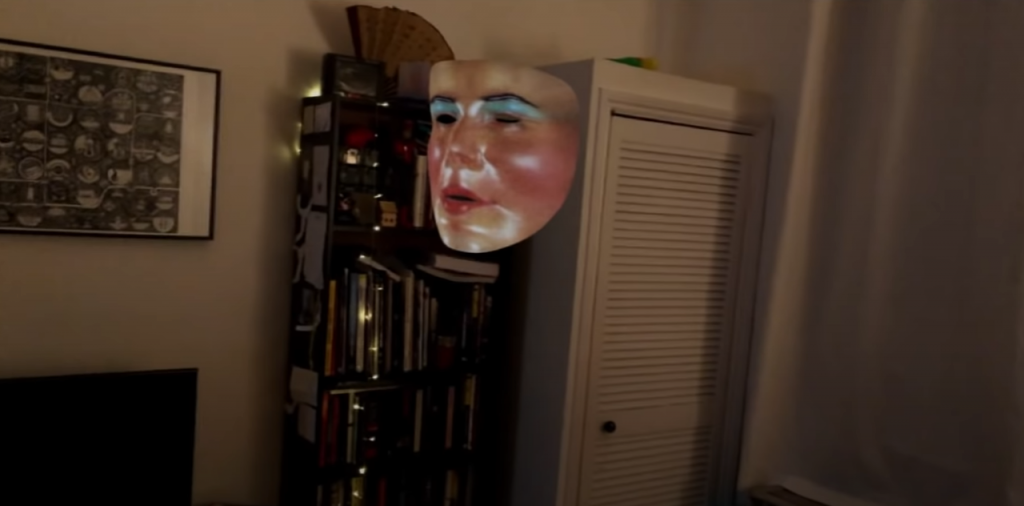
Released on Shudder last summer, Rob Savage’s Host tells the story of a group of friends (led by Haley, with all actors playing fictionalised versions of themselves) stuck in lockdown who hold a séance over Zoom instead of their usual quizzes. But things quickly go awry when the spirit the group invites into their meeting turns out to be malignant, and starts picking off the group one by one…

When Haley speaks to STARBURST in early June, it thankfully isn’t over Zoom. She’s taken some time out of her busy filming schedule to speak to us over the phone, and is only too happy to spill all her insider info about Host.

A natural chemistry

One year on from the film’s release, Haley remains “very proud” of the work done on Host. “I wasn’t a massive horror fan before shooting Host,” she says, “because I get scared very easily, and just watching it, it’s still scary to me.” She certainly isn’t alone: earlier this year Host made our list of ‘Ten Essential Shudder Originals & Exclusives’ because of how terrifying it is, and it’s one of only a handful of genre movies to have been given a stunning Blu-ray release by Second Sight. We honestly can’t give it enough praise – but what was it like to make a whole film entirely over Zoom?

“So strange!” Haley admits. “We were lucky in the sense that I’ve known Rob Savage for about six years now since we did [the short film] Dawn of the Deaf, and so there’s a nice shorthand there. So that was interesting, because it is weird, not having somebody there in the space to come and have a chat and whatnot. But then [again], being on Zoom, for [Rob] as a director, opened up all these possibilities, because we would run long takes as we were filming. And because we were on Zoom, we could use the chat function where Rob could then send us little messages, or lines to say, or notes as we were going along. And because there are quite a few of us on the screen at one time, it was okay for us to … take a second, read what he had written to us, and then implement the note or the lines.”
So how did that impact the way Host was filmed day-to-day? “It actually made us do really long takes because he couldn’t direct us without actually having to stop what we were doing: when you do the scene [virtually], you just kind of do everything simultaneously. It wasn’t as hard as we all thought it was going to be. Like I said, our own personal relationship and shorthand we have with him were really helpful.”

That shorthand, Haley feels, was an essential factor in both aiding the shoot and making the film as good as it could possibly be. “I definitely don’t think Host would have been made, and turned out as well as it did, had there not been the friendship between everybody involved,” she says – and she means everybody. The five main women of the film are all friends in real life, and have all worked with Rob before; the group have also known producers Jed Sheperd and Douglas Cox for years, and even VFX supervisor Steven Bray is a friend.

This is something that “made the whole process really collaborative, because we all trust each other as artists,” which “gave us real freedom to play.” This was especially useful in selling to the audience the idea of a group of friends who care about each other in such a short space of time (the film clocks in at a tight 56 minutes). “The friendships,” Haley says, “would have been a lot more of a struggle had we not just been used to improvising and messing around with each other for the years leading up [to Host].”

Haley isn’t the only one who feels this way: her co-stars absolutely agree with her. Speaking to Second Sight for the aforementioned Blu-ray, Emma Webb, Radina Drandova and Caroline Ward all feel that getting to work with a group of friends was one of the most exciting aspects of making the film, and Edward Linard (who was the only member of the core cast not to be part of that pre-existing friendship group) notes that “it was fun to just bounce off each other and roll with it, and I think it shows throughout the film – the chemistry and the conversations all feel so natural.”

Where we’re going, we don’t need … scripts

These pre-existing relationships also allowed for a lot of improvisation during filming – something that worked hugely in the cast’s favour, as they didn’t have a script: only an outline of each act. As Haley explains, “Jed and Rob and Gemma [Hurley, co-writer] wrote a beautiful treatment for us that said, ‘Okay, your character starts at point A, and then by the end of the scene, they’re at point B.’”

This meant that basically every line of dialogue in the movie is some level of improv: Edward notes that Rob would give the group notes in-between takes to dial up certain aspects of conversation or emotions, which resulted in the girls mercilessly laying into Jinny (Teddy’s on-screen girlfriend) prior to her appearance in the film, but while she was still present on the Zoom call. Thankfully, everything was taken in good spirits (pun intended).

Those good spirits were certainly needed on set, as it turns out none of the cast were aware of the specifics of anyone else’s death. Haley explains this was a deliberate move on Rob’s part, as he “redacted all the deaths in the treatment … so we could all have more authentic reactions to them when they happened.” Yikes – if you thought it was scary watching all those deaths play out in the final film, just imagine what it was like being there to shoot them!

Strangely enough, Haley agrees with STARBURST about which deaths we found the scariest: Caroline’s demise she describes as “terrible,” because “she’s so sweet and lovely,” while the deaths of Radina and her boyfriend Alan are the most shocking, she feels. “When Alan drops from the ceiling,” she says, “that throws me every time. I’m always like, ‘I know it’s coming!’ but it’s just such a shock.” Caroline, if you remember, disappears for a little while so only her virtual background is visible, before her bloody face is repeatedly slammed into her laptop in the film’s most brutal and visceral scare (Caroline also says that flinging herself at her laptop repeatedly was “the most exercise I’ve done in months!”). Radina, meanwhile, is searching for Alan, who’s gone missing, only to find him when he drops from the ceiling right behind her with a clatter, and the demon that’s haunting the group hunts Radina down before she can escape her flat.

Speaking of stunts, all the stuntwork in Host was planned out in the reverse order to a usual film, due to the Covid situation. Rob and co worked closely with Lucky 13 Action to figure out what stunts were actually possible, and then wrote the story and deaths around what they could physically do. When filming Alan and Radina’s death scene, this resulted in Lucky 13’s Nathaniel Marten being hung from the ceiling for an increasingly long period of time as the dialogue before the drop became longer and longer.

Watching the final film, you’d have no idea how much VFX work went into it: according to Haley there are 65 different VFX shots scattered throughout the movie, which VFX supervisor Steve Bray says is down to there being more stunts than usual in a film of this sort. Much of his team’s work, he says, was removing rigging and wires from the background, in order to “make the shots feel more organic.”

In need of a friend

That the film feels so organic is said by many, including us here at STARBURST, to be one of its greatest strengths – and all involved are quick to agree. Producer Jed Sheperd feels that the best part of the film is the core performances, while Rob is quick to admit that “this project wouldn’t have been able to happen if we couldn’t have put that much trust in the actors.”

Haley modestly agrees, but also feels there’s an element of relatability that really sells the core cast as friends. “These girls were doing all the same things that everyone else was doing,” she explains, “so you find that, even though we don’t get a ton of backstory and find out a lot about them, individually, they’re very relatable characters.” She also points out that the usual criticism levelled at found-footage movies (the age-old ‘why are they still filming this?’) doesn’t really apply to Host.

“That’s the only way we’ve been communicating with anybody – what are they gonna do, run out to an empty, scary street?” she laughs. “I think there’s this believability that they would have stayed on Zoom with each other and tried to help and stay connected, because that’s the only way the world was staying connected at the time, and I think that resonated a lot with fans.”

Given how isolated everyone is throughout the movie, one of the film’s strangest moments comes not from a demonic scare, but from seeing more than one person on-screen at once. When Jemma hikes it over to Haley’s flat at the end of the movie (a real-world possibility, as the two live very close to each other), it’s the only time we see anyone from the group interact in person – an odd experience both for the audience and the actors.

Haley explains that it was “very weird seeing each other for the first time after … almost two months since we’d seen any friends. And it was even weirder, because it was at a time when you just couldn’t hug anybody, [so] we had to be really careful with Covid and be masked up and stay six feet apart.” Though social distancing rules meant the two couldn’t “goof off” together like they would on a normal set, it was still nice for each of them to see a friend – even if Haley had to rip her kitchen apart with fishing wire to do so.

Host 2: Electric Boogaloo?

Speaking of the film’s final scene, Haley has a theory behind the ending – and even an idea for a possible sequel. She notes that we never actually see Haley or Jemma die like we do the other characters, because the Zoom meeting cuts out right as the demon jumps at the pair. Here at STARBURST, we’d taken that to mean the demon had killed them – but Haley has a much better idea.

“I like to think that we were somehow able to fight off the demon, or we wake up and don’t know what happened, but somehow we’ve survived,” she explains with a tangible excitement. “Then maybe we can go on living our lives, and all of a sudden we’re starting to be haunted again in another way, and we have to refight the demon eventually. I hope that Jemma and I go on to live long, prosperous lives,” she laughs.

So is Host 2: Cruise Control on the cards then? Not anytime soon, sadly: the success of the first film has meant that Rob Savage is now a very busy man. He’s currently in the middle of a three-picture deal with Blumhouse (the excellent minds behind the likes of Get Out, The Invisible Man, and the latest slew of Halloween films), and he also has projects in the works with StudioCanal and genre legend Sam Raimi.

Even so, Haley is keen for a sequel at some point in the future. “I hope we do [it] eventually,” she tells us, “just because I’m curious [to see] what happens to my character, but I think it might be another year or so before that’s even a possibility with [Rob’s] schedule.” There’s also the issue of the ongoing easing (or total lack of) Covid-19 restrictions in the UK – will audiences want to watch another film set on Zoom during a pandemic when they’re all back out in the real world? Haley isn’t too sure.

It’s hard to strike that balance, she explains: “Do [audiences] really want to watch a sequel that’s on a Zoom screen again? [Or] are we now all thirsty for proper films [with] props and costumes, and, you know, the creating of the world?” Still, Haley is never one to say never – and given how huge the original was, we can’t imagine Shudder would say no to a follow-up a year or two down the road.

From hosts to ghosts

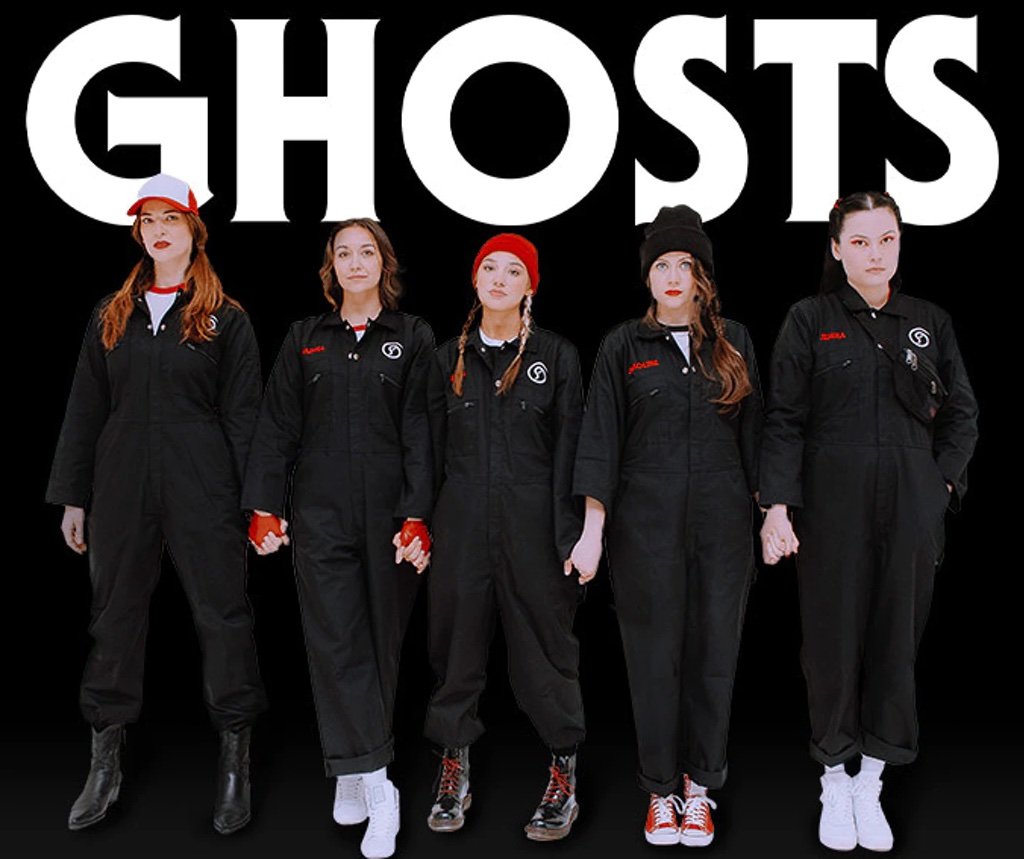
In the more immediate future is the gang’s next project: a live-action videogame by the name of Ghosts. Though not part of the “Host Cinematic Universe” (as Haley puts it), the Host girls are reuniting with Jed Sheperd for the horror game that sees them playing what Haley describes as “little ghost hunters” in a haunted house facing off against an entity known as the Long Lady.

Due for release on consoles in February next year, it’s something of a gamble for the team: the idea of a live-action videogame was popular in the 1990s but has dropped off since, and current rumour has it that the game will only be playable at certain times during the night. This doesn’t bother Haley, though: perhaps with the success of Host, there’s evidence of an appetite among horror fans for movies and games that do things differently.

“It’s exciting,” she says, and “should be another new way of building something – we just like to keep reinventing the wheel, I guess!” You can say that again, Haley.

HOST is available now on Shudder and Blu-ray, while GHOSTS is scheduled for release in February 2022

Three Best Scorsese Films from the ‘90s

scorsese

Martin Scorsese is undoubtedly one of the best film directors to have ever been involved in the industry and that is an easy statement to get behind because of the number of awards he has won and the quality films he continues to produce.

In a career that has spanned seven decades, the 78-year-old has managed to earn over 90 nominations at the Academy Awards, over 90 nominations at the BAFTAs and over 60 at the Golden Globes, with several victories having been achieved in various categories.

Of course, over Scorsese’s stellar career, there has been a handful of several exceptional films that he has created, although some would look to the 1990s period as one of the best eras regarding the blockbusters that he provided movie fans and cinemagoers at the time.

We look at the three best films he created in the ’90s and make our point as to why we feel each one has to be considered the best of that decade.

Casino

Created in 1995 and perhaps considered to be in the middle of Scorsese’s stunning career, Casino is one of the best films that the director managed to produce in the 90s because of its ability to bring in several various elements that can be seen in many of his other films, whilst also making things as realistic as possible.

The film follows a story that involves a mobster who manages to take over a Las Vegas casino after being sent to the Sin City area to oversee the family’s crimes. The scenes portrayed within the film make it incredibly realistic, as they feature several different things that would typically be spotted at a casino when playing a game of blackjack, such as the chips, the playing cards, the betting tables and so much more.

Casinos have obviously gained popularity around the world, although it could be suggested that this film has played a role as the 90s is a theme that many developers will appear to throw back to as a form of nostalgia for bettors. Many modern-day players look at games such as the Starburst slot because of the simplicity it provides, offering refreshing throwback elements of the ’90s, which are scarce in today’s modern titles.

Goodfellas

When speaking about the best films from the 1990s that Scorsese created and produced, it would be sacrilege not to mention Goodfellas as one of them; although it only does just fit into the decade as it was released in 1990.

Nonetheless, there is an argument that the movie changed the entire perception and altered the standard that monster movies should follow as the director showed that this type of movie could be shown as tragedies just as effectively as those that had come before it.

Furthermore, Scorsese also managed to bring a lighter side to the film with the use of comedy at times, which is something that had never been used in a genre that would have always been considered serious and nothing else.

Cape Fear

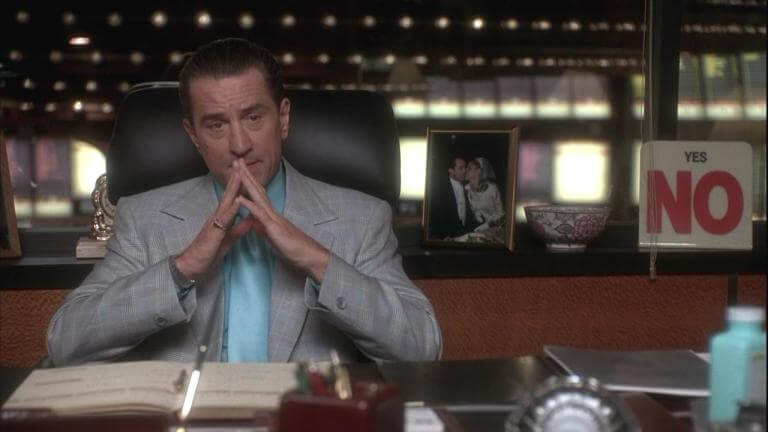
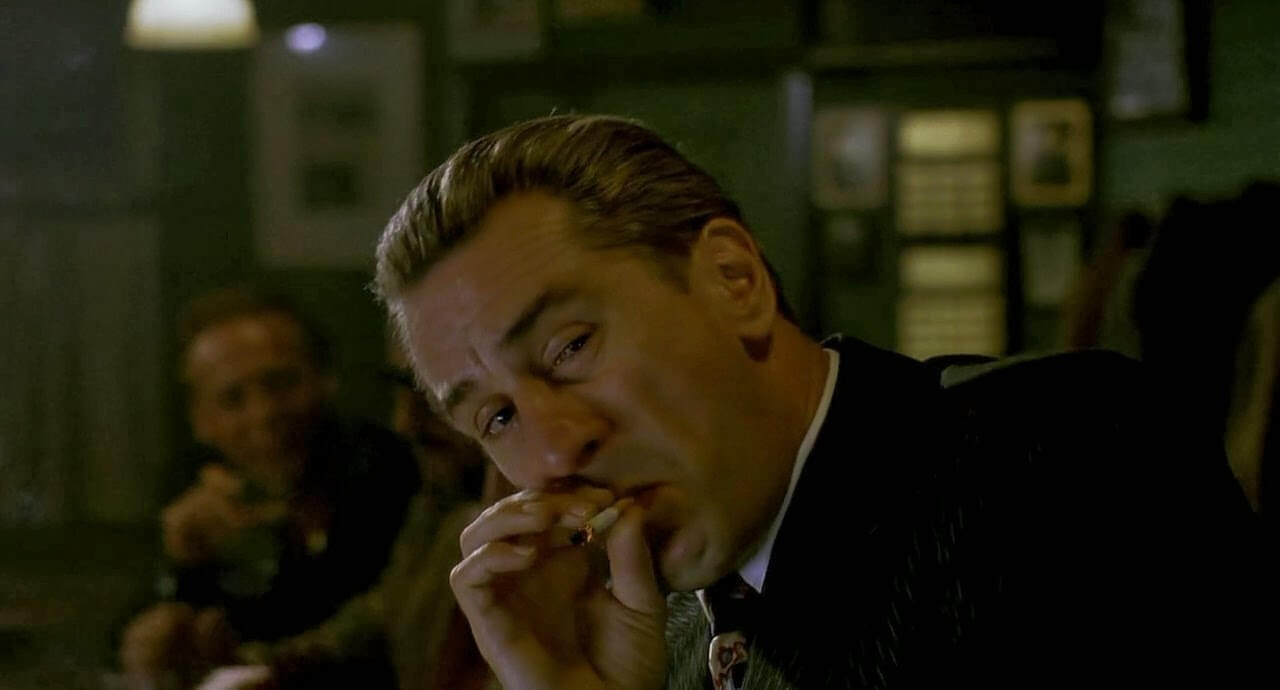
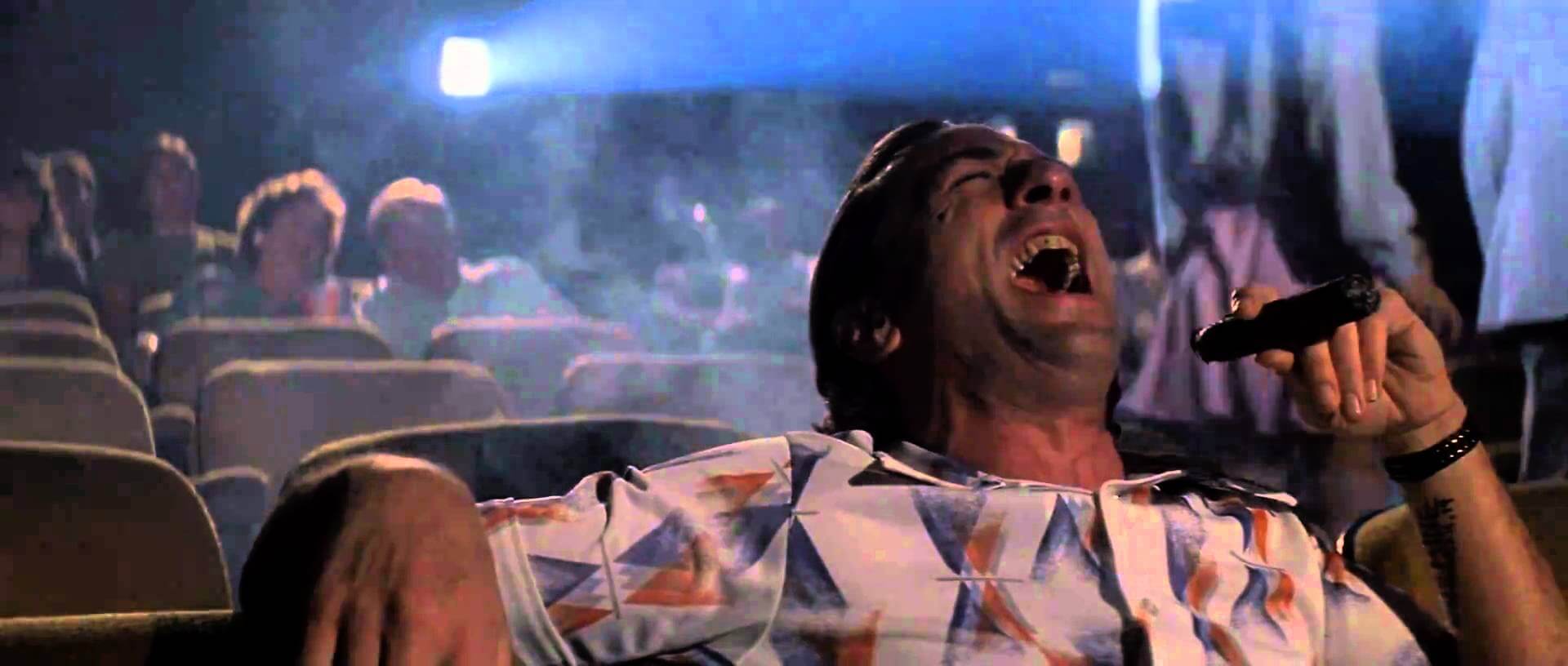
Robert De Niro is a favoured actor of Scorsese’s, as he likes to use the actor for many of his films and it is easy to see why, as De Niro successfully plays the role that is required with real effectiveness. This is clear with his portrayal of Max Cady in the 1991 film, Cape Fear.

De Niro gave everything to the role, including damaging his own teeth by filling them down and having them restored after completion, whilst Scorsese arguably managed to capture a lot of the feelings that were being had in America at the time. The film shows a conflict between Cady and his court-appointed lawyer who he feels did not do enough to keep him out of prison, which is something that many will feel is relatable today.

William Bulter | TAWDRY TALES

william butler

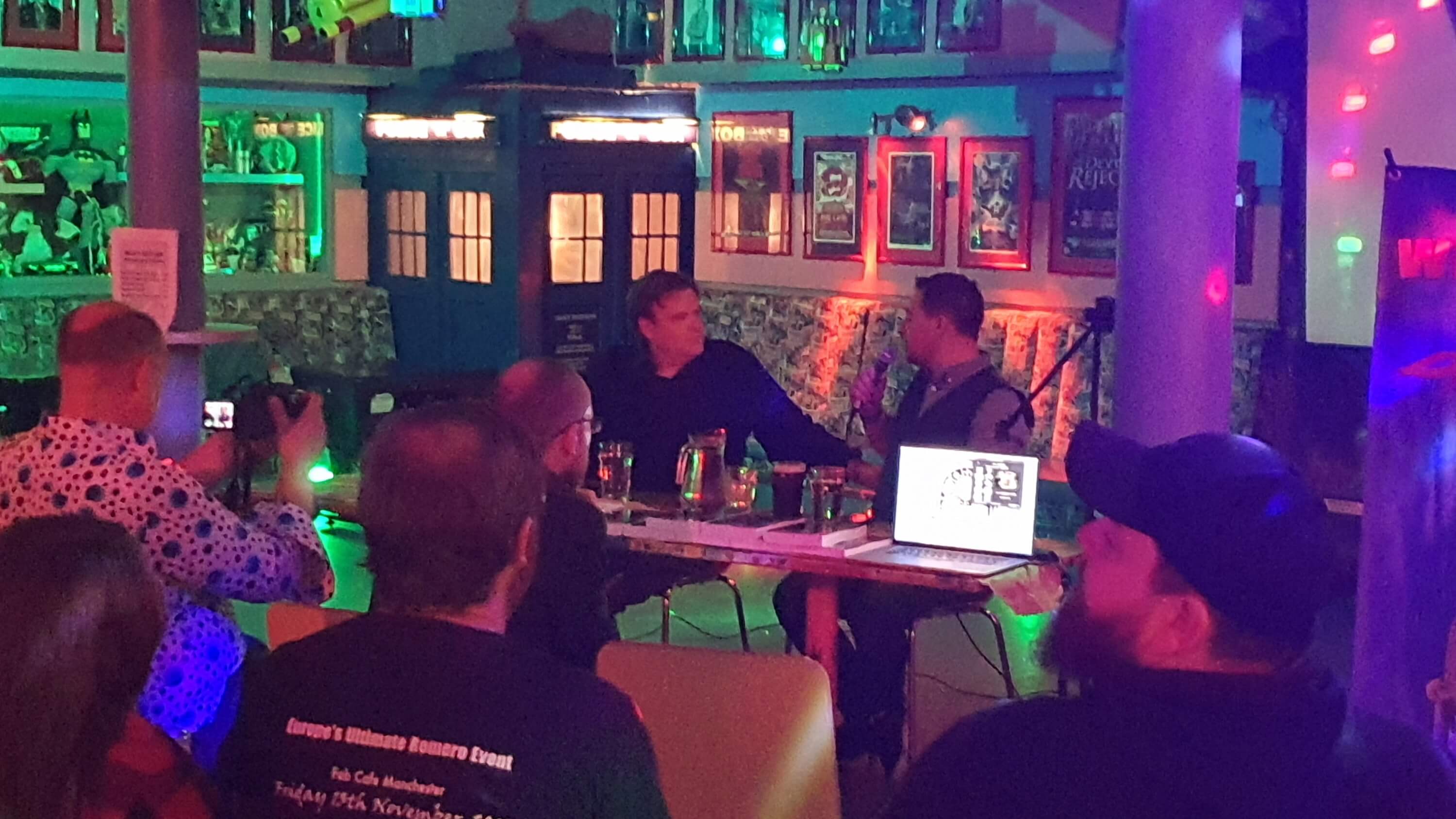
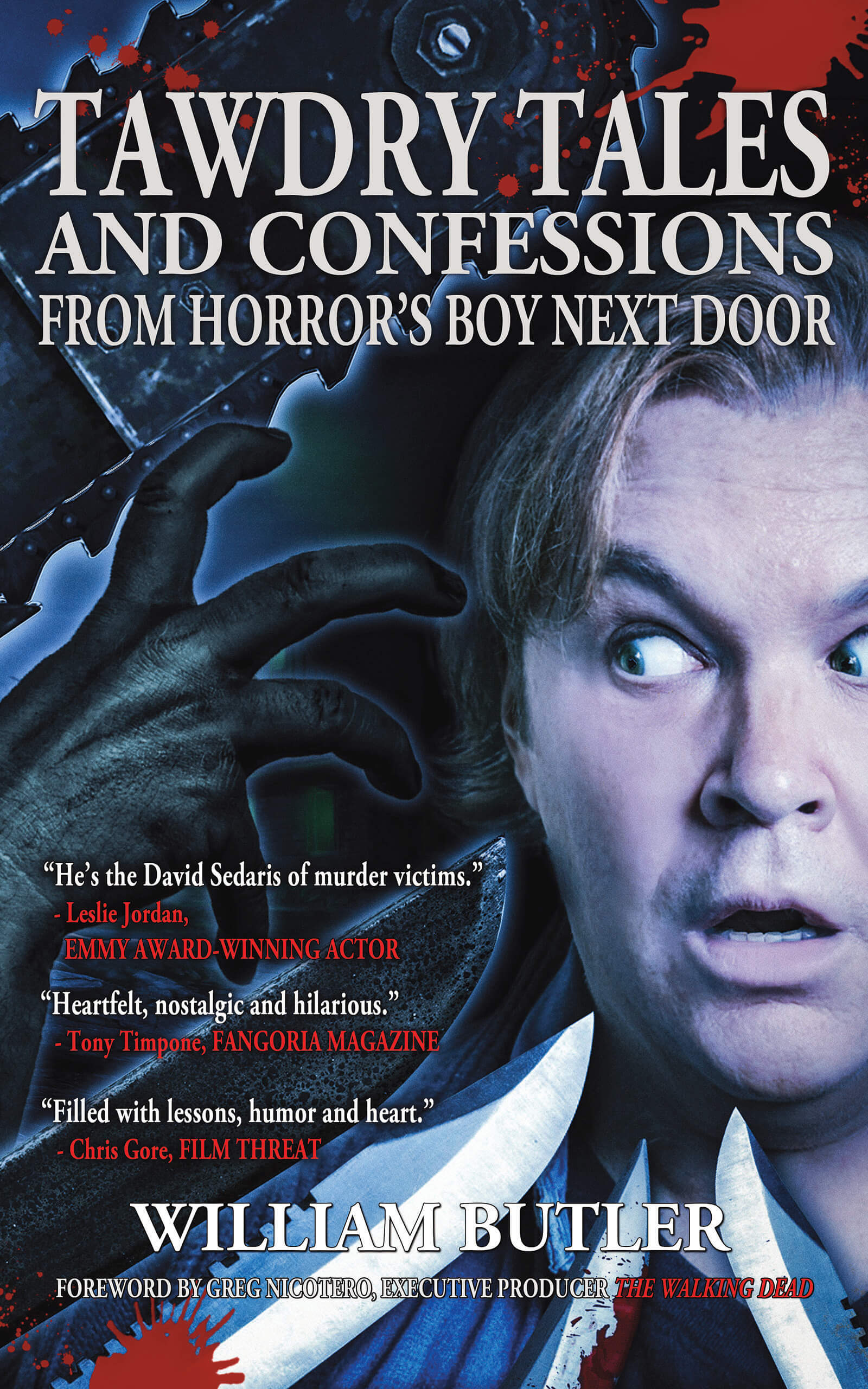
Cult film star William Butler has faced off against Jason, Freddy, Leatherface, Ghoulies, and zombies and has written and directed numerous films over the years. He’s just published a book of his exploits entitled Tawdry Tales and Confessions from Horror’s Boy Next Door. We caught up with him at Manchester’s FAB Café to discuss his career and why he wanted to write his story…

STARBURST: How did you start in the business?

William Butler: Well, my parents worked for Barnum and Bailey Circus and the carnival and fair circuit, so I was around show business. We did catering for all of those companies like The Ice Capades when I was little, so I was around showbiz from a very young age. I was absolutely mesmerised by how important the people seemed. How exhausted they could be, but then when it came time to turn it on, I was always mesmerised when it became showtime how much energy they had. Then I started doing theatre when I was a little kid. When I was around 17, I decided to take the gamble and move to Los Angeles, and my first break was sweeping the floors in John Vulich’s Makeup Effects Lab. He did Troll, Re-Animator, and From Beyond, so I worked on all those films as a slime jockey, painting slime on all the hand puppets. Before I knew it, I lived in Rome for five years, working for Empire Pictures. I became friends with Charles Band, and he’s like, “What do you want to do with yourself” I said, “I want to become an actor”. So Charles and John Buechler shoved me in that direction. Not that I even knew what I was doing, but they, they sort of did and, and that’s how I got started and bridged the gap from painting special effects and sliming special effects to performing on camera for about 14 years before I switched to writing and directing.

Just being on the set of things like From Beyond and Army of Darkness must have been incredible.

I just saw Ken Foree at the Texas Frightmare, and we looked at each other like, “We’re the luckiest people on the planet”. Not only was I working with Stuart Gordon, who ended up being like a mentor and one of my closest friends, but we’re working on a film that we can tell was good while we were making it. We still to this day don’t think life has ever been that good because when Charlie Band had lots of money, he didn’t spare any expense. So we moved to Rome, and he put us in the best hotel and paid for it and paid for the catering, and here we are, these dumb 20-year-olds that love horror films. It was an amazing time. By that time Army of Darkness came along, I was acting. So I agreed to help paint the skeletons because I wanted to see Patty Tallman, who was playing the Witch, and the big pit set, which was a real pit, believe it or not! So yeah, I cheated, and I was like, “Oh yeah, I’ll paint skeletons for you”. I just wanted to go and hang out on that one. I am the luckiest horror film geek in the world because I watched the first Friday the 13th at the drive-in, and then I ended up being in one! It seems impossible for some farm boy from Fresno to crack the code somehow! I think there’s something to be said about the law of attraction – I willed it to happen.

You’re probably the only person who’s been on-screen with all the significant horror icons: Freddy, Leatherface, Jason, and zombies!

Yeah, and some of the cheaper icons as well, like the Ghoulies and the Watchers! The only thing I’m waiting for is for someone to invite me to have Michael Myers kill me, and then that’s it, I’ll have the whole collection!

William Butler at FAB Cafe, Manchester

What was it like working on Tom Savini’s Night of the Living Dead?

It was incredible. Viggo Mortensen and I were roommates at the time, and Viggo was doing Young Guns 2. So I went to New Mexico with Viggo and his little newborn baby – his wife at the time was a rock star, and she was on tour – so he took the baby to New Mexico, and I was going to watch the baby while he was filming and then next thing you know I was also in the movie! So, while we were filming the movie, I got this call from John Vulich. He said, “I just read the script for Night of the Living Dead, and there’s a part in it that you’re perfect for. I was like, “Oh wow, but I’m going to be here for a couple of months.” He asked if I had my camcorder. Tom Savini had seen my picture and saw that I had been in one of the Chainsaw Massacre movies, and he thinks I might be good. So they sent the script through the mail, then Viggo directed me in my audition tape, and we sent it to Tom. Then Tom called me and said, “Actually, I think you’re good for this”. I just kept thinking I’d never get it. And then, by the time we went back to LA, my agent called me and said, “They want to book you, and they want you to go to Pittsburgh”. I was very intimidated by Tom Savini and very, very intimidated by Tony Todd, who is such a great actor. I was just so happy to make it past day two. I thought, “Well, they’re going to fire me!” I had to do that six-page monologue that goes on and on, right when I come up from the basement – on my first day. George Romero was sitting close to me, like three and a half feet away on an apple box, watching me and all I was thinking was, “He’s going to fire me when I’m done”. But he gave me the thumbs up, so I thought, “Okay, I guess I’m doing a good job.” You know, the older I get, I appreciate the work that I did when I was younger, there are always things that you think you can do better but the older I get. At the time, I thought it was the ugliest person in the room; well, I wasn’t ugly. Why didn’t anyone tell me? I also thought I was a horrible actor, but I wasn’t. I was just as good as anybody else. I guess it comes with age.

Do you get imposter syndrome then?

Yes! Trust me; I’m having it right now and having it on this tour. I just said it last night! The older you get, when it comes to appreciating how much I starved myself and how much I worked out and changed my whole life to try to fit into that category of the boy next door, and that was not an easy task for me. I’m very proud of all the work that I do. Now I’m happy to be a lazy, fat, old writer, director. You know, you’re a writer, it’s like, “Yeah well, I’m a writer; I’m fucking brilliant, you can’t take that away from me, it’s the one thing I absolutely love”. Seriously, when I was an actor, I was starving for 14 years because you have to. Even then, they tell you to lose more weight.  I love being a writer and filmmaker because they can’t take your writing ability away from you. They can take your career away if you’re an actor; if you get fat and don’t think you should be fat, you can be a 100-year-old man as long as you’re still writing; you get better and better.


How did you move into writing and directing?

I had been starring in movies like one after the other as the lead. And then I started to realise that I had been in all the horror franchises, which I loved and was very proud of, but Hollywood did not know what to do with me because they were like, “Well, he’s the horror guy”. So I thought what I’d do was shift gears. I will have these roles in TV shows and movies called under five, which is you do five lines and under. And I said I would do under-fives in anything but horror films. So I got a lot of auditions for TV shows and sitcoms, where there were five or fewer lines. I loved acting so much, and I worked very, very hard to become an actor. But my whole life, I’d been a writer. I’ve been writing for National Lampoon magazine before it started sucking. So I thought I was willing to bet somebody would let me direct a horror film because I know at the very, very least what not to do. I remember I was auditioning for Murphy Brown, and the casting director was horrible, and she cut me off in the middle of an audition; she snapped her fingers and took a phone call. And then she slammed the phone down and was like, “go ahead”. And I said, “I think I’m done with this whole thing”. So I walked across the Warner Brothers lot and called my parents, and I said, “Would you be terribly upset if I started writing and directing instead of acting?”, My parents were like, “We’ve been waiting 15 years for you to say that!”

How did you come to write a book?

Well, I do a lot of comedy shows in Los Angeles – or I did before the plague hit. All I was doing was reading from my diaries, and they were pathetic. I was talking about being in love, talking about being addicted to drugs, all sorts. One day I was sitting at home, and the company behind Alamo Drafthouse instant messaged me: “Hi, we were at your show on Wednesday night, and we were wondering if you would be interested in writing a book”. I said, “Who in the hell wants to read a book by William Butler?” They’re like, “We think your stories are hilarious”. Well, they are hilarious, but I don’t think enough people in my middle-shelf-of-fame that I achieved will care. They said, “We’ve already done the numbers, and we know that every bookstore in America – at least in their genre section – will carry three or four books, and that’s enough to sell 20,000 books, and that’s what we need to do”. So okay! They gave me an advance, and I think that initially, they wanted it to be very fluff, just for each movie that I did, but as I started writing, I just loved it. I love it more than anything I’ve ever done. I purged every horrible, awful truth about myself, about the career, about some of the people I’ve worked with, and I have to say out of my 35 years in entertainment, it’s by far the most satisfying thing that I ever did. So then my book went to number one in the category of Film and Television when it came out. I can’t believe it. It’s insane.

What have you got lined up next?

I’m so excited. Well, I just did Baby Oopsie Parts One and Two for Charlie Band under protest. I did not want to do it! But he made it part of my deal for this new thing I will tell you about. I tried every trick in the book to get him not to let me do it. I said, “I want the lead leading lady to be 500 pounds”, and he’s like, “Okay”, “I want a whole new, fully-articulated puppet that’s like nothing that you’ve ever seen”. “Okay, we’ll pay for it” “Goddammit!” So then I wrote this crazy movie inspired by a TV movie called, The Girl Most Likely To with Stockard Channing.

We know it, yeah.

When she was fat, and everyone was mean to her. Then she’s in an accident and gets plastic surgery and gets pretty. Then she kills every one. I thought if we get some housewife type who everyone’s picking on, she’s a doll hoarder, and she restores one doll, and then the doll starts killing everyone and eventually, she starts liking it. Well, it turned out really funny I’m incredibly proud of it, which is hilarious because I did not want to be doing it while I was doing it. So, it turned out great, and now we’re doing four more of them. That allowed me to do this other thing that I’m doing right now, which I’m so proud of. So, as you know, I worked on From Beyond. Charlie asked, “What do you want to do?” I said, “I want to do something that’s from the Empire days. It’s pretty ballsy, but can we do something that’s inspired by the Resonator, the machine in From Beyond?” He cried, “You are asking for it! The fans are going to kill you!” So I wrote this TV series called The Resonator Miskatonic U. We did two episodes, and it was the highest rating thing that Full Moon Features have ever done. We made a beautiful Resonator. At the beginning of the episode, we made it very clear that Stuart Gordon inspired it; it’s not trying to rip him off. So while I’m here in England, I’m going to write four more episodes, and in writer language you as you know, that means a one half of one episode, and they’ll have a lot of coffee when they get home and write four episodes in a weekend.

I’m also on tour promoting this book, which is the proudest thing ever; I’m so happy that when I die, this book will be left behind because if anyone reads it, it will tell you, number one: that absolutely anything can happen. I am the last person on earth who should have gone around the world three times, star in movies, been skinny, been rich, been fat, been poor, slept in his car, slept in a $3 million house. I have tasted it all, and I’m so glad to have left that in the book to inspire anybody else that has just thought, “Well, could I try it? I don’t know?” The answer is yes; you should absolutely try it. Yeah, and all you have to do is know that it’s possible and make it possible.

William Butler’s UK book tour concludes at The Phoenix Artists Club in London on September 26th. You can order the book here.