A Selection of the Worst Sports Movies of All Time

worst sports movies

Over the years, sports movies have come in all shapes and sizes. It is a genre that watchers of both movies and sport can take to, especially as it gives fans an insight into how things work behind the scenes at a sporting organisation or for a professional athlete. There have certainly been some memorable reviews on specific movies over the years, with some sporting creations offering inspiration while others follow the lives of sporting heroes and their successes in a particular sport.

On the whole, it is a genre that has served up numerous iconic movies from a variety of different sports. For example, Rocky, which topped this list of the 100 greatest sports movies, is a true classic thanks to its underdog story of a boxer who achieves the impossible. It captivated audiences from the off. Not all sports movies get it right like the creators of Rocky did, though. In fact, over the years, the genre has been on the receiving end of some horrific productions which failed to really hit the mark. Whether it’s a baseball-playing dog or a horrifically bad racing car release, not every sports-themed movie has been well received. Below is a look at some of the worst of them.

The Next Karate Kid

 With a score of just 7% from Rotten Tomatoes, it should come as no surprise to see The Next Karate Kid kicks thing off. Oscar-winner Hilary Swank’s performance in the movie was a rare highlight in what is a title which really failed to live up to expectations, especially when you factor in some of the other Karate Kid movies which are truly iconic. Even Mr Miyagi can’t have been proud of this one.

Ed

Starring Friends actor Matt LeBlanc, Ed attempted to match the legendary sitcom’s humorous offering with a baseball classic. Instead, we were treated to a baseball horror show. LeBlanc, who plays a minor league baseball pitcher, teams up with a chimp third baseman in what is a movie that really offers little in terms of comical value. Its 0% Rotten Tomatoes score pretty much sums it up, although the fact the movie made $6.2 million on a $24 million budget highlights its failures even more.

Slap Shot 2: Breaking the Ice

If you haven’t seen Slap Shot 2: Breaking the Ice, then don’t worry – you really aren’t missing anything. It might have been 25 years between the original and the second instalment of the movie, but it was probably best left alone given the final outcome. Following the story of an ice hockey team based in West Virginia, this is a comedy in which you’ll struggle to laugh. Even the famed Hanson brothers couldn’t turn this one around.

(Image via https://twitter.com/MoviesTVNetwork)

The Bad News Bears Go To Japan

The first instalment of The Bad News Bears went down extremely well when it was released in 1976, but the follow-up to it left fans utterly annoyed at just how bad it was compared to its previous edition. A score of 6% on Rotten Tomatoes highlights its abysmal offering perfectly, with the Japan-based version of the film offering no redeeming qualities whatsoever, especially for fans of baseball.

Caddyshack II

This over-the-top ’80s sequel upset quite a few people, and it’s entirely understandable as to why once you sit down and watch it. The outfits in the movie might be excellent, but everything else alongside it certainly isn’t. Despite turning a country club into an amusement park and witnessing a golf battle to win the property back, there really isn’t much to work with in Caddyshack II. Watch the first one and then leave it there, basically.

Other bad sports movies include Major League II, The Benchwarmers, Air Bud: Seventh Inning Fetch, and Juwanna Mann.

(Main image via https://twitter.com/framefound)

THE TELEPHEMERA YEARS: 2008 – PART 1

telephemera 2008 life on mars

Ah, telephemera… those shows whose stay with us was tantalisingly brief, snatched away before their time, and sometimes with good cause. They hit the schedules alongside established shows, hoping for a long run, but it’s not always to be, and for every Knight Rider there’s two Street Hawks. But here at STARBURST we celebrate their existence and mourn their departure, drilling down into the new season’s entertainment with equal opportunities square eyes… these are The Telephemera Years!

2008-09

With Lost about to start its fifth season, and despite Heroes spluttering into its third and final run, 2008 was a golden time for fans of genre TV, with Pushing Daisies, Ghost Whisperer, Reaper, Smallville, Supernatural, and Medium all coming back for the Fall TV season. Sure, American Idol and Dancing with the Stars dominated the ratings, and the various CSIs ensured that crime procedural fans were never short of a mystery to solve, but the various science-fiction and fantasy shows (along with genre-adjacent fare like The Big Bang Theory, Prison Break, Chuck, and Family Guy) kept freaks and geeks glued to their TV sets all year long.

2008 also saw some intriguing new shows like JJ Abrams’s Fringe and the wonderful Parks and Recreation make their debuts, both of which would enjoy multi-year runs and varying degrees of critical acclaim, but there were also shows that came and went, snuffed out before they could grab a hold on the popular imagination. This is the story of four of 2008’s TV failures…

Life on Mars (ABC): When Life on Mars hit British screens in 2006 it was one of those rare treasures, a series with a fantasy conceit that became a massive mainstream success, and so it was no surprise that producers in the US were interested in transporting the series across the Atlantic.
telephemera 2008 life on mars

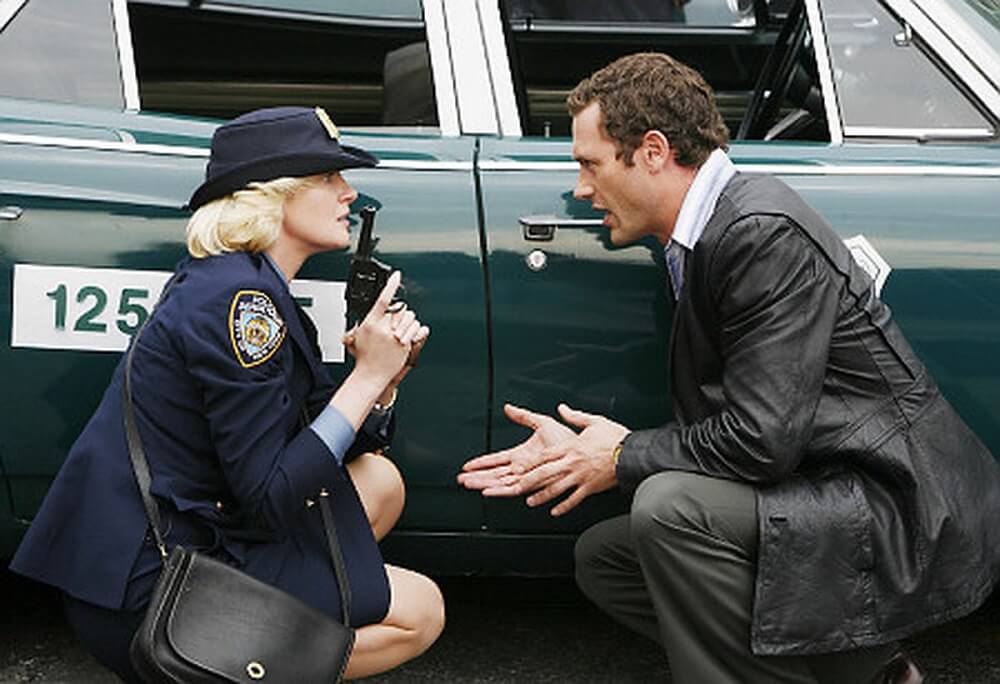
A collaboration between original series producers Kudos and 20th Century Fox, the US version kept the same premise, as Detective Sam Tyler is hit by a car and wakes up in 1973, but transplanted the location from Manchester to Los Angeles, where Sam finds himself drawn into the orbit of the charismatic Gene Hunt. After viewing the pilot, ABC ordered changes, moving the show to New York and changing some of the more enigmatic elements of the British show’s mystery for presumably less-curious US viewers.

 Jared O’Mara is no John Simm, but works gamely with the second-hand material, and Harvey Keitel takes an entirely different approach to Philip Glenister’s unreconstructed copper, and even with all the changes the resulting effort should have been an automatic success, with Grey’s Anatomy as its lead-in, but ratings were lacklustre. After initially ordering an extra four episodes on top of the original thirteen-episode run, ABC decided to cancel the show, giving the crew enough time to craft an ending to the series.

Instead of the British show’s incredibly bleak denouement, the US show got literal, with Sam’s 2008 and 1973 life being a dream he was having while on board a mission to the actual Mars, supposedly because the US producers felt the original ending was not strong enough. The complete series is available on DVD but unless you’re a Keitel completest, you may as well just re-watch the BBC version in all honesty.

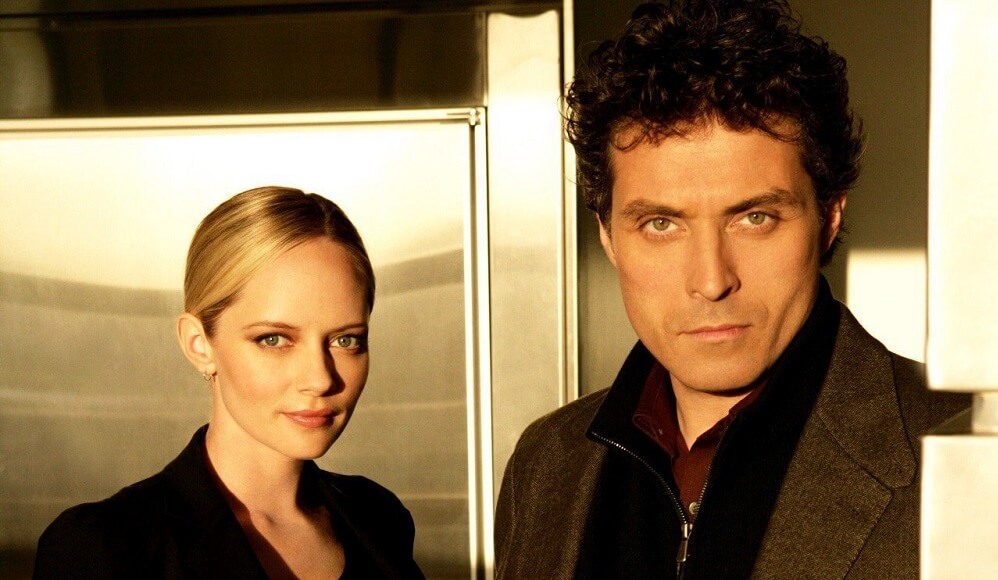
Eleventh Hour (CBS): Another adaptation of a British show – this time the four-episode Channel 4 production Dark Matter Eleventh Hour starred Rufus Sewell as Dr Jacob Hood, a Special Science Advisor for the FBI charged with investigating crimes of a weird, scientific nature.

Patrick Stewart had played (of course) Ian Hood in the original, and gave the role a gravitas that Sewell could not match, and to his credit he took the character in a different direction, more Monk than Quatermass, and was backed up by the wonderful Marley Shelton as FBI agent Rachel Young, chaperoning the scientist through their investigations.
telephemera 2008 eleventh hour

With a huge-for-TV budget and CSI as a lead-in, hopes were high for the show as Hood investigated cloning, diseases, flesh-eating bacteria, and other cases torn from the pages of New Scientist, but audiences just weren’t interested, much preferring the exploits of the Fringe science team on Fox.

Eighteen episodes were made, and aired, before CBS pulled the plug, with a campaign from a hardcore fan group being unsuccessful in persuading another network to pick up the show. The problem was that it probably wasn’t fantastic enough, too grounded in boring real science to thrill its audience, but if you’re curious (and can be bothered to jump through VPN hoops) the entire series is available to stream on Vudu.

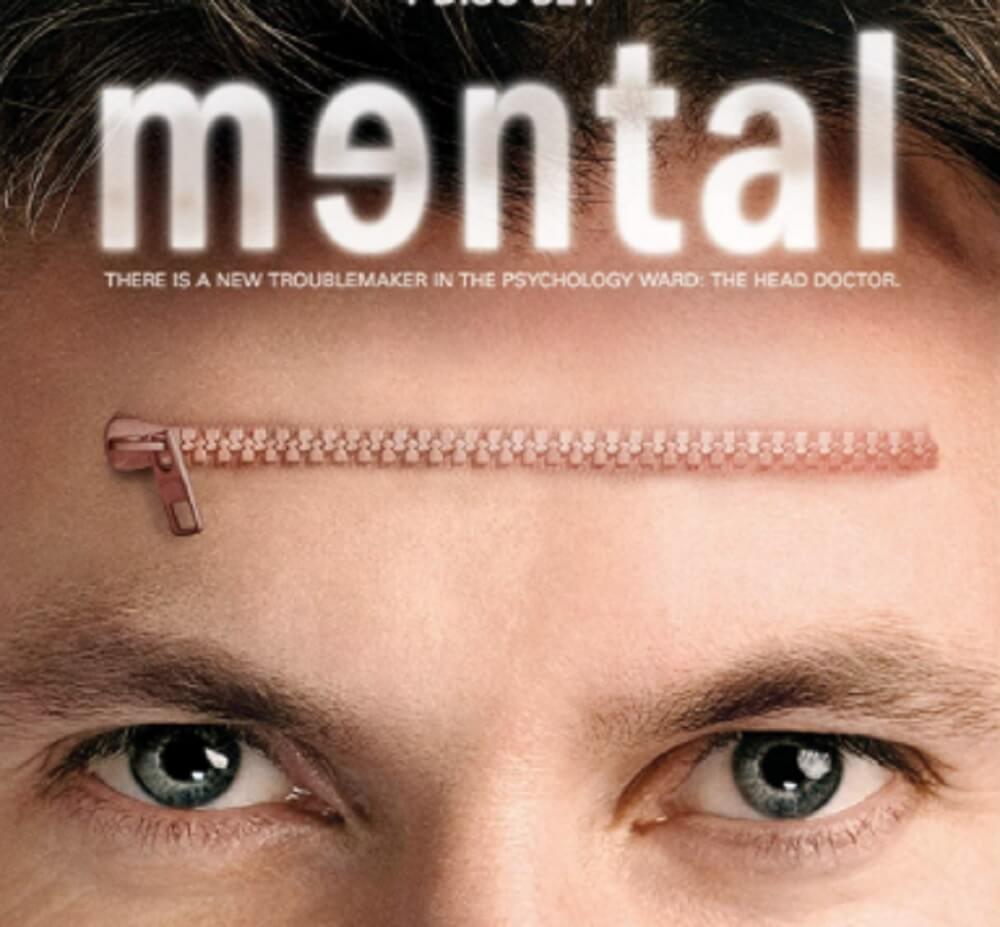
Mental (Fox): Quirkily stylised as M?NTAL:, this Fox series looked to Colombia (the source of the then-popular original series of Ugly Betty) rather than the UK for its inspiration, and was actually filmed in Bogotá, although the locations represented Los Angeles rather than the South American city.
telephemera 2008 mental m3ntal:

Mental starred Chris Vance as Dr Jack Gallagher, a psychiatrist who uses unorthodox methods to cure his patients, all the while searching for a solution to his twin sister’s own mental illness, and the show injected some fantastic elements to express how Gallagher was getting through to his cases, shot in a unique telenovela style.

Although the show had its champions, its biggest weakness was that it wasn’t House, MD, which was in the middle of its eight-season run and took a similar approach to eccentric doctoring, and after its initial bad ratings got even worse, Fox cancelled the show after just five episodes had aired.

Thirteen episodes were produced, and these aired in international markets, as well as being released on a DVD, alongside an alternative pilot, and it might be worth checking out for the guest patients which included Bella Thorne and Silas Weir Mitchell.

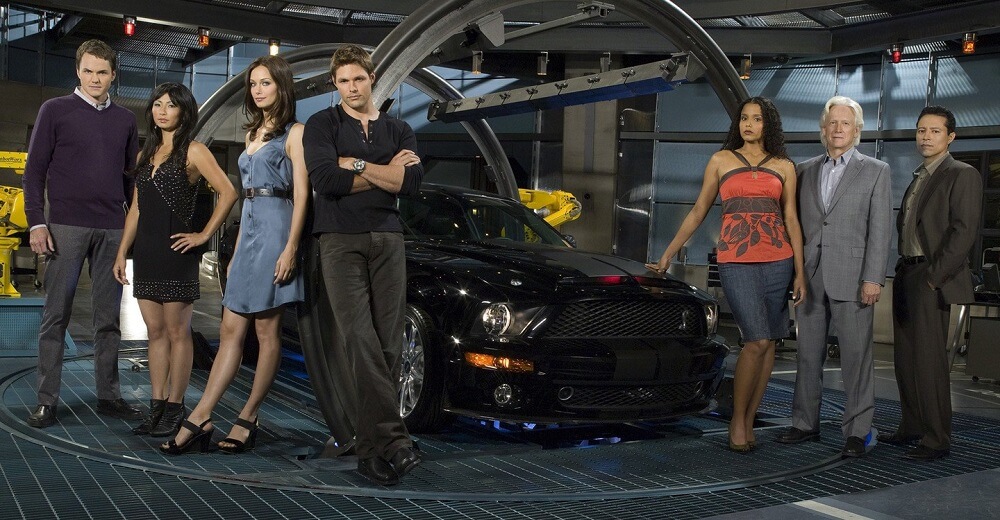
Knight Rider (NBC): When Ben Silverman became chief programmer for NBC in 2007, his first thoughts were to look back to the network’s biggest hits of the past, feeling the time was right for Knight Rider to make its return to the airwaves. Sealing a deal with the Ford Motor Company, Silverman’s new KITT was a Ford Mustang (voiced by Val Kilmer after it was pointed out that original choice Will Arnett advertised Ford’s rivals) and driving it was the estranged son of the original Knight Rider

Thankfully ignoring everything that had come after the original show, the 2008 Knight Rider concentrated on what made the original great, or at least it did after audiences reacted negatively to its original government-backed premise, and any mystery over whether Justin Breuning’s Mike Traceur was really the son of Michael Knight was quickly resolved with a hand wave.
telephemera 2008 knight rider

After originally ordering a full season of twenty-two episodes, NBC reduced that to just seventeen by December 2008, and replaced it in the schedules with reality show The Chopping Block after the produced episodes had aired, with no prospect of a second series.

In 2016 it was announced that yet another reboot of the original Glen A Larson series was in pre-production but, even allowing for the global pandemic which disrupted television production during the last two years, it seems that the project is dead in the water, at least for now. The complete 2008 series was released on DVD but if it’s man and car action you’re after, you’re better off with the original series.

Next time on The Telephemera Years: more 2008-09 TV failures, with misfit cops, mysterious islands, and Josh Whedon’s Joe 90

Check out our other Telephemera articles:

The Telephemera Years: 1966 (part 1, 2, 3, 4)

The Telephemera Years: 1968 (part 1, 2, 3, 4)

The Telephemera Years: 1969 (part 1, 2, 3, 4)

The Telephemera Years: 1971 (part 1, 2, 3, 4)

The Telephemera Years: 1973 (part 1, 2, 3, 4)

The Telephemera Years: 1975 (part 1, 2, 3, 4)

The Telephemera Years: 1977 (part 1, 2, 3, 4)

The Telephemera Years: 1980 (part 12, 3, 4)

The Telephemera Years: 1982 (part 1, 2, 3, 4)

The Telephemera Years: 1984 (part 1, 2, 3, 4)

The Telephemera Years: 1986 (part 1, 2, 3, 4)

The Telephemera Years: 1987 (part 1, 2, 3, 4)

The Telephemera Years: 1990 (part 1, 2, 3, 4)

The Telephemera Years: 1992 (part 1, 2, 3, 4)

The Telephemera Years: 1995 (part 12, 3, 4)

The Telephemera Years: 1997 (part 1, 2, 3, 4)

The Telephemera Years: 2000 (part 1, 2, 3, 4)

The Telephemera Years: 2003 (part 1, 2, 3, 4)

The Telephemera Years: 2005 (part 1, 2, 3, 4)

The Telephemera Years: 2008 (part 1, 23, 4)

Titans of Telephemera: Irwin Allen

Titans of Telephemera: Stephen J Cannell (part 1, 2, 3, 4)

Titans of Telephemera: Hanna-Barbera (part 1, 2, 3, 4, 5)

Titans of Telephemera: Kenneth Johnson

Titans of Telephemera: Glen A Larson (part 1, 2, 3, 4)

Titans of Telephemera: Quinn Martin (part 1, 2)

Five Films to Check Out on Horror Channel This Week – 200921

check horror

Here are five great reasons to tune into Horror Channel this week….

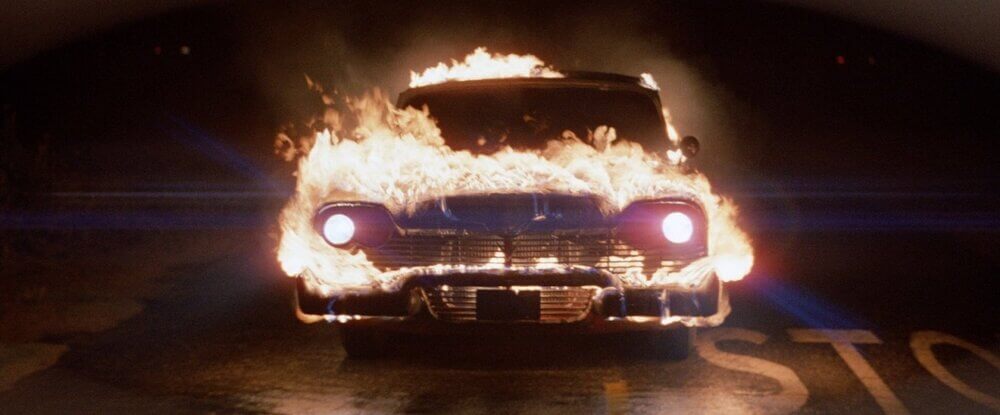
Tuesday September 21st, 9pm – Christine (1983)

John Carpenter’s classic adaptation of the Stephen King novel in which a 1958 Plymouth Fury becomes a little too attached to its owner and the car’s jealousy has an adverse effect on Arnie (Keith Gordon). Great fun.

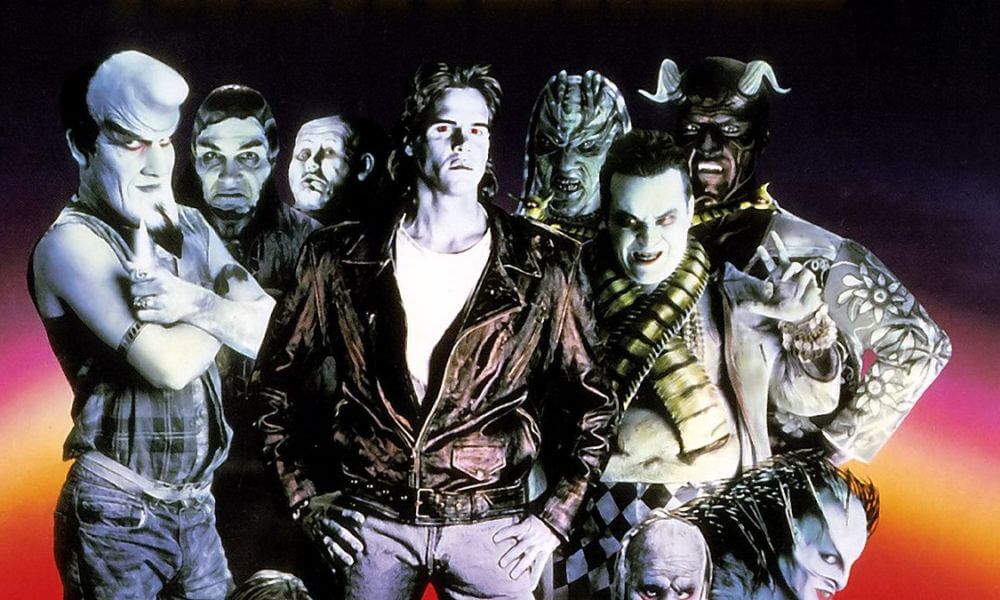
Wednesday September 22nd, 9pm – Nightbreed (2019)

Clive Barker returns to directing with this adaptation of his own novella Cabal. Aaron (Craig Sheffer) is made to think he’s a serial killer by his doctor (played by David Cronenberg) and ends up in a commune of outcasts known as the Nightbreed.

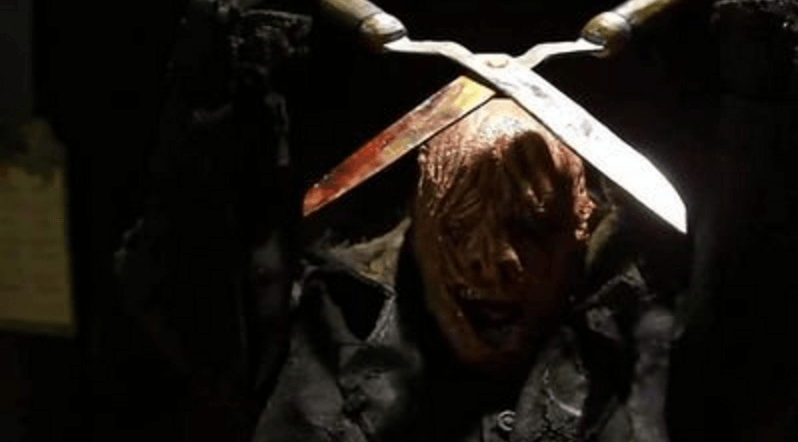
Thursday September 23rd, 12.50am – The Burning (1981)

It’s a standard setup for a slasher movie: a prank goes wrong and leaves a summer camp’s caretaker with horrific scars. Years later, he returns to Camp Blackfoot to exact his bloody revenge. This is a fantastic film, which was on the video nasty list at one point. Well worth staying up for.

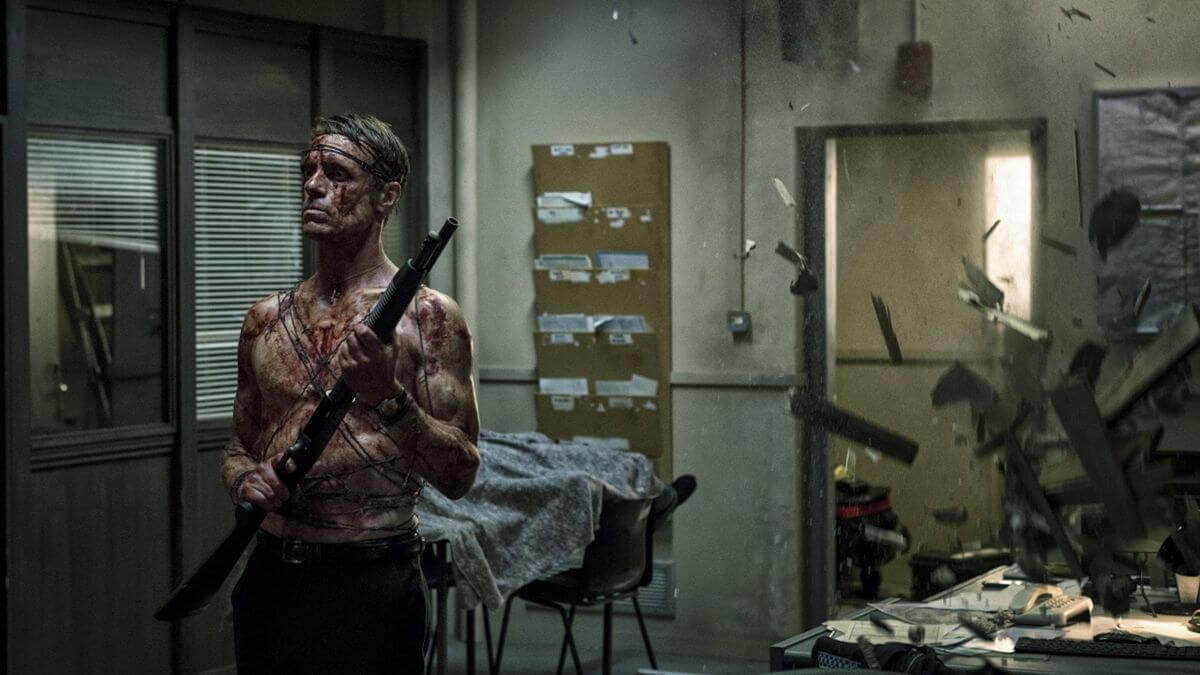
Saturday September 25th, 10.40pm – Let Us Prey (1985)

Pollyanna McIntosh (The Woman) stars as a highland police officer trapped in a nightmare situation when a stranger (Liam Cunningham, Game of Thrones) is brought to her station. A fantastic mix of supernatural and spiritual horror leads to a bloody and fiery climax.

Sunday September 26th, 9pm – Pacific Heights (1990)

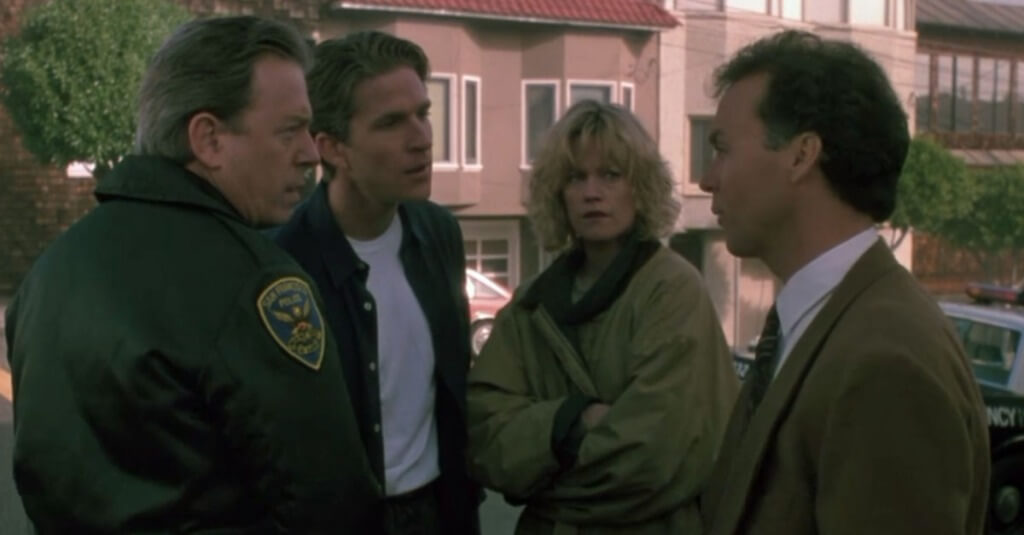
John Schlesinger’s superb psychological thriller has Michael Keaton becoming the tenant from hell when Matthew Modine and Melanie Griffith rent out their apartment to the seemingly upwardly mobile Keaton.

Tune into Horror Channel on Sky 317, Virgin 149, Freeview 68, Freesat 138.

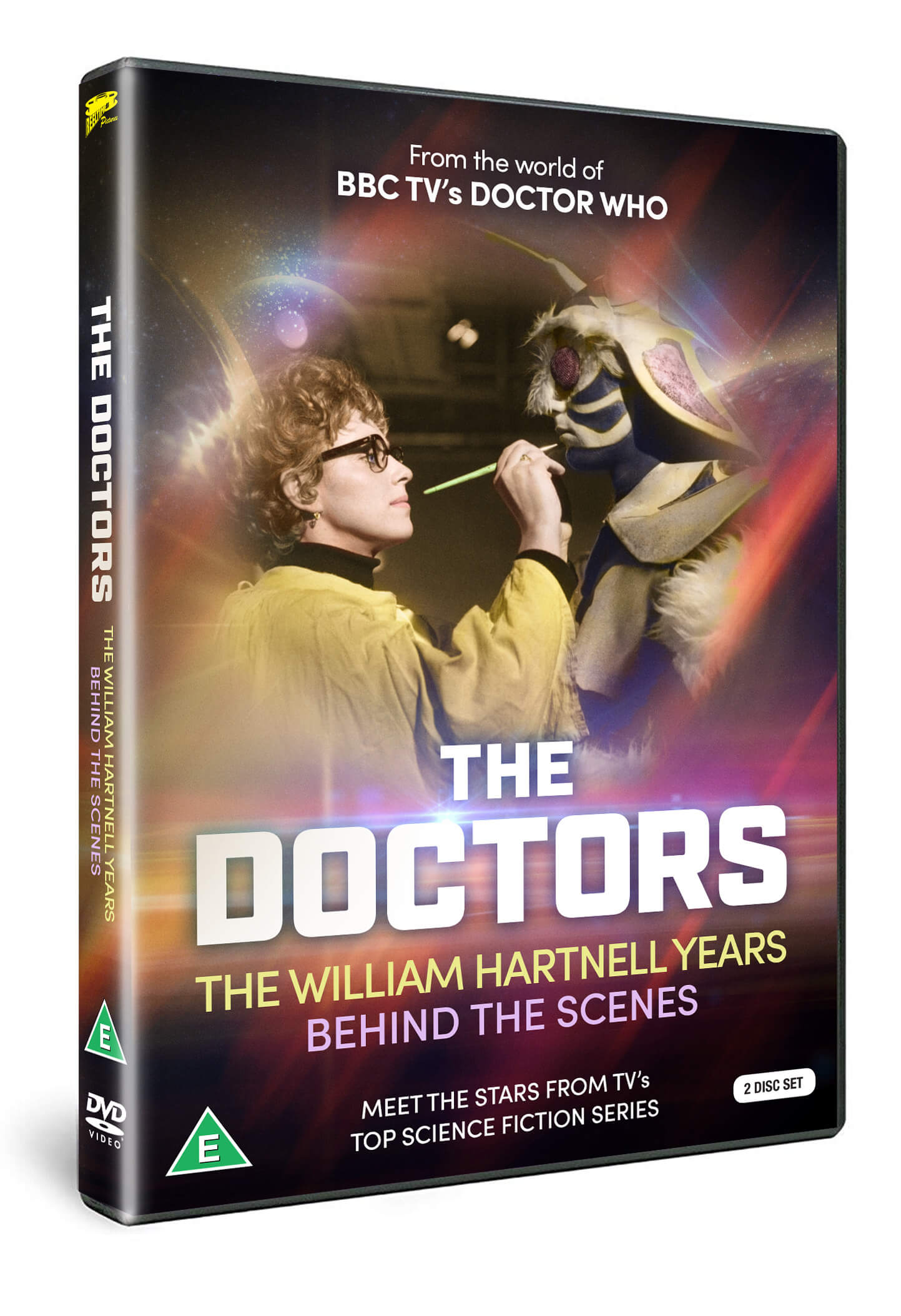
[ENDED] Win THE DOCTORS: THE WILLIAM HARTNELL YEARS BEHIND THE SCENES on DVD

win hartnell behind

Three lucky readers could win a copy of The Doctors: The William Hartnell Years Behind the Scenes on DVD – just read on and enter below!

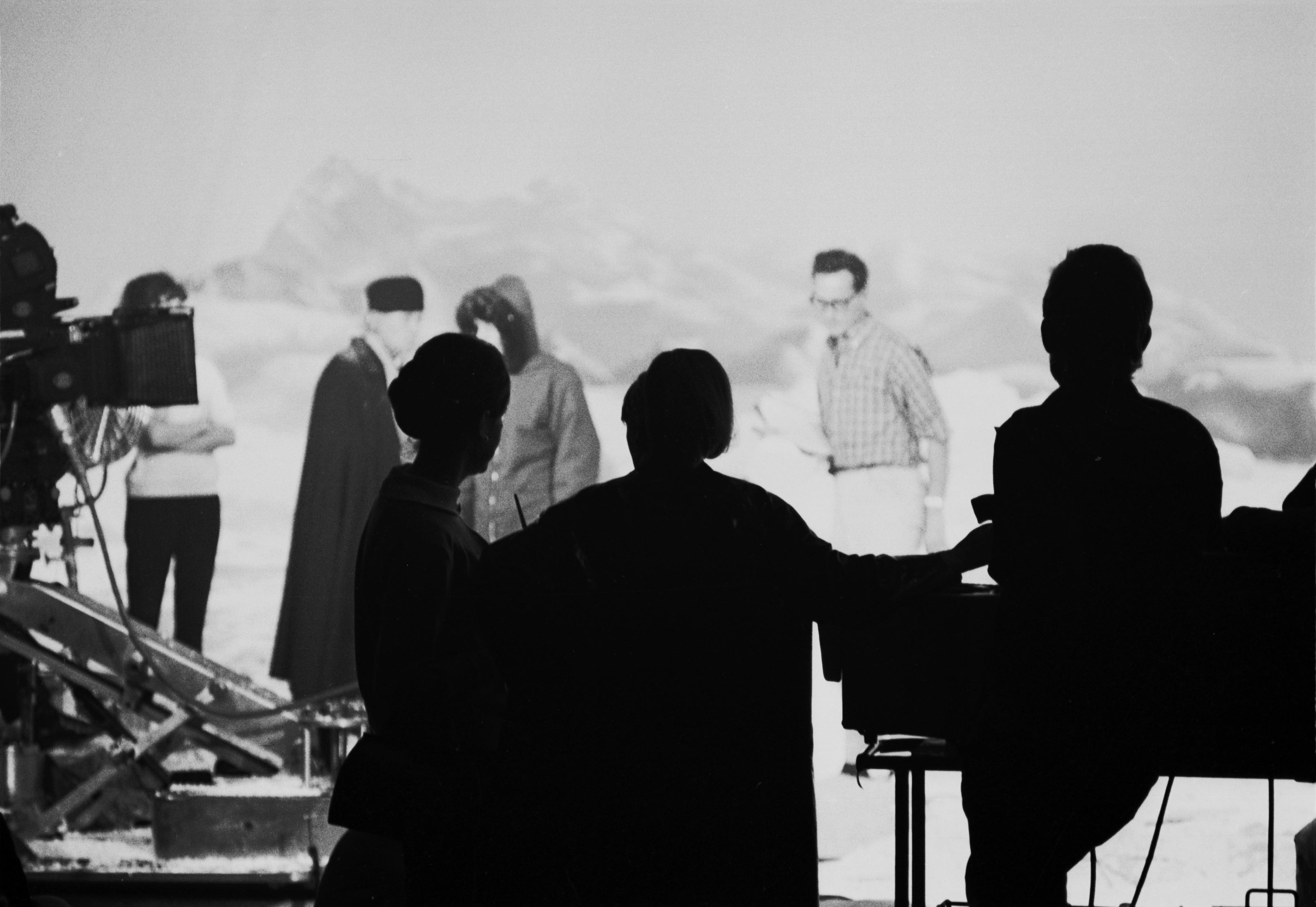
The Doctors: The William Hartnell Years Behind the Scenes contains interviews with the team who created history by bringing the Doctor’s ground-breaking first incarnation to television screens. Hear from Verity Lambert (Producer), Waris Hussain (Director), Donald Tosh (Script Editor), Tristram Cary (Composer), John Wiles (Producer), Dennis Spooner (Writer) and Paul Erickson (Writer), plus bonus interviews with actors Lyn Ashley, Suzanne Carroll, John Cater, Edward De Souza, and Fiona Walker!

For all Doctor Who fans, this special collector’s edition features over five hours of pure nostalgia, which will give you a whole new insight into the making of your favourite science fiction series!

a Rafflecopter giveaway

The Doctors: The William Hartnell Years Behind the Scenes is limited to 1000 copies and is available on 2-disc DVD – order now.

Jacob Chase | COME PLAY

To celebrate the recent VOD release of the horror film Come Play, we sat down with writer/director Jacob Chase to talk about the legend of Larry and adapting his short film into a feature.

STARBURST: Congratulations on the film. This is a feature-length version of your short film LARRY from 2017.

JACOB CHASE: Thank you so much. Yes, I shot the short film and had no idea it would become a feature film – I feel very lucky that I got to make this.

Did you at least have a plan to eventually make it into a feature?

It sort of evolved naturally – I made the short to prove I could make something suspenseful and get together with my friends to make another short – I happened to have this monster costume in my garage from a haunted house I used to run.

When you’re making a short film, you’re trying to do it as cheaply as possible so the costume came in handy [laughs]. Of course, I look up to those filmmakers who’ve taken the leap from short to feature in the past like Andy Muschetti with Mama and David F. Sandberg with Lights Out – but never in my wildest dreams did I think it would happen to me. I focused on making a cool short and luckily people responded to it and I got the opportunity to expand it.

Let’s talk about Larry himself – obviously, the design was based on the monster costume you had, but how did he evolve when going from short to feature?

Creating the monster started as something I made with foam and latex, etc, including me on stilts walking around scaring people for the short – so for the feature I wanted to keep a similar silhouette so as the creature evolved, Larry evolved too and it was important to me that he wasn’t just a creepy monster but was also someone who was pained and lonely in their internal psyche – so I developed the look with the Jim Henson Creature Shop who ultimately made Larry.

I always wanted him to be a practical monster because I love practical effects, especially in horror movies as it really lends itself to making you more afraid because its really there but also I was going to be working with young actors so giving them something to act off of to get genuine reactions. It was an incredible challenge but awesome to watch all the puppeteers work with the creature on set. A brilliant team effort.

We mentioned how Larry is more than just a monster, he’s also a physical representation of loneliness amongst other things (we really connected with that), was that core narrative always the plan to adapt?

Yes, it’s certainly expanded in the feature but I do think the seeds of that idea are planted in the short. I set the short in this parking lot with a simple guy working as an attendant as that is a job that seems really lonely – I’ve never had that job but I’ve often thought that it seems lonely so that connection between the character and Larry has always been there.

I was very much inspired by Frankenstein – a monster who people are afraid of but he’s just trying to find his place in the world. I wanted Larry to be something that people would be scared of and also empathise with and I think we achieved that from his mythology, the way he interacts with characters and the sound design.

Larry interacts with the world through technology, specifically the Tablet that Oliver, the lead character, owns. How was it bringing that relatable realism to life with the cast?

I think modern horror movies are using whatever is around us to scare you and what may have been in the past a VHS tape is now a phone or tablet – for me, it was wanting to get the technology out of the way as quickly as possible and making it primarily about the monster.

I would do things like shoot a scene through the device so that we would forget we were in the tablet world and instead be in the monster looking out. I think all three stars, Ahzy, Gillian and John, all really embraced this wonderful mixture of technology and the practical monster. We all use our devices all the time so I don’t think we can say ‘technology is bad’, but it can also be used for good [laughs] – a very helpful communication device, in the terms of Oliver within the story, but it can also be used to spread hate and evil – we all connected to that on a human level.

COME PLAY is out now on VOD the UK and US.

ATOMIC BLONDES (AND BRUNETTES)

Ahead of Lashana Lynch joining the 00 ranks in NO TIME TO DIE, we take a look at the finest female spies in pop culture. Nobody does it better than these lethal ladies…

One of the biggest rumours swirling around No Time To Die is that Captain Marvel star Lashana Lynch’s character Nomi will be revealed as MI6’s new 007, following James Bond’s retirement from Her Majesty’s Secret Service in Spectre. The first trailer confirmed her status as a 00, but it didn’t specify that all-important third number, leading some to believe EON has caved into the angry, ill-informed backlash and assigned Nomi a different designation. Let’s hope this isn’t the case, but either way, the Bond franchise is introducing another capable heroine to run rings around ol’ Jimbo, which is always a good thing. Hopefully, Nomi will be worthy of a place among cinema and TV’s greatest female secret agents. Here are STARBURST’s ten best…

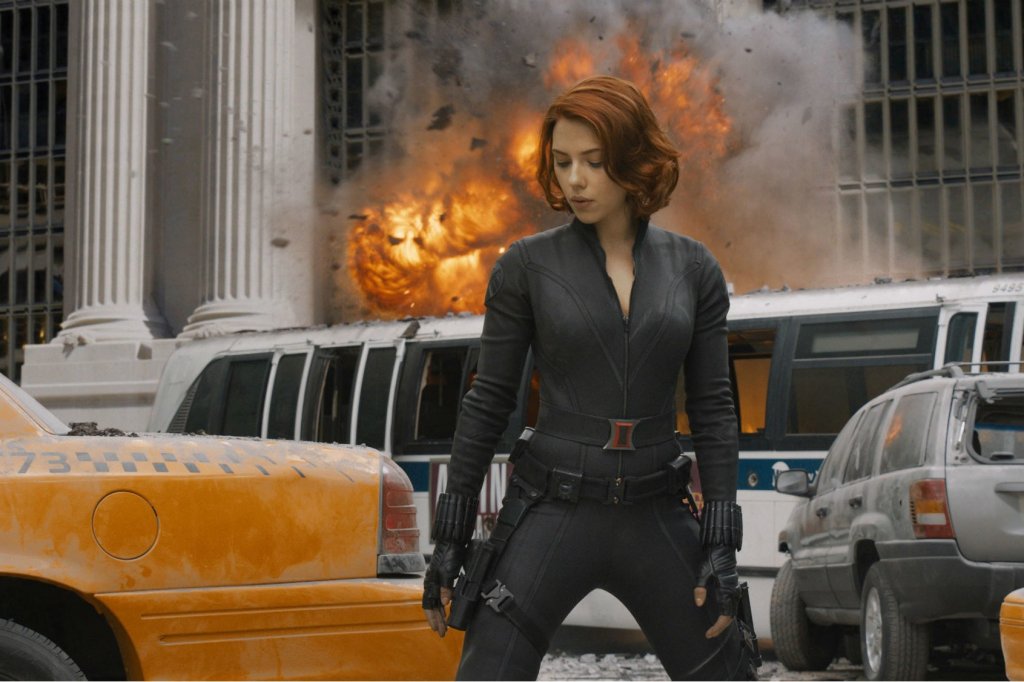
BLACK WIDOW
(Scarlett Johansson, MCU)

Co-created by Stan Lee for the page in 1964 and debuting on the silver screen in 2010, Black Widow has got to be the most famous female spy in the genre, with ScarJo’s red-headed Russian ex-assassin arguably rivalling Bond for brand recognition nowadays. Alongside Earth’s Mightiest Heroes, Natasha Romanoff has battled – and bested – aliens, robots, and gods. She sacrificed her life in Avengers: Endgame, but this May’s Black Widow will finally give the heroine her own standalone vehicle, taking the form of a prequel shedding some light on her pre-superhero past.

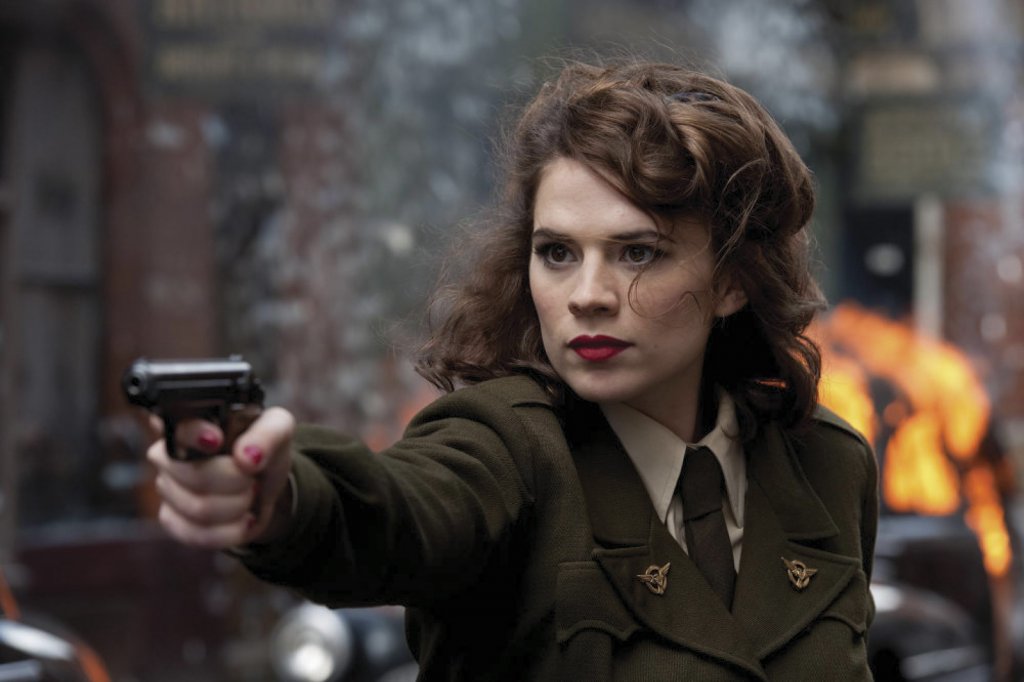
PEGGY CARTER
(Hayley Atwell, MCU)

Peggy Carter, Captain America’s first love, was created for the comics in 1966, but it’s really the screen version who arrived in 2011 that fans fell in love with. So much so that Hayley Atwell’s heroine became the first woman to lead a piece of the MCU with 2015’s Agent Carter. The much-missed short-lived series showcased Peggy’s ingenuity, tenacity and sense of humour as she uncovered a deadly Russian conspiracy in post-war New York. Though it was nice to see her in Endgame, a Disney+ revival would be much appreciated

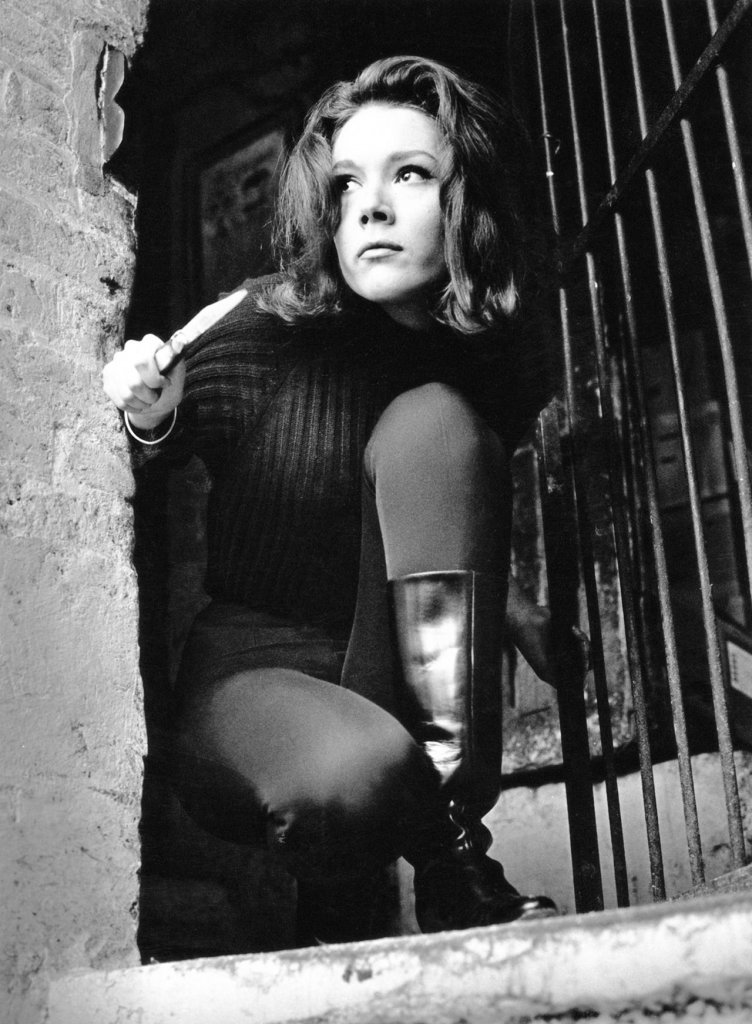
EMMA PEEL
(Diana Rigg, The Avengers)

From the Avengers to… The Avengers. Though Honor Blackman’s Cathy Gale shouldn’t be overlooked either, Diana Rigg’s Emma Peel isn’t just the standout of all John Steed’s partners but is a bonafide icon of the swinging sixties. Mrs Peel was a hugely feminist character for the time – possessed of genius-level intellect and a master martial artist, she would just as often save Steed as the other way around. There’s a reason Diana Rigg later played Tracy, the only woman to marry James Bond, in On Her Majesty’s Secret Service.

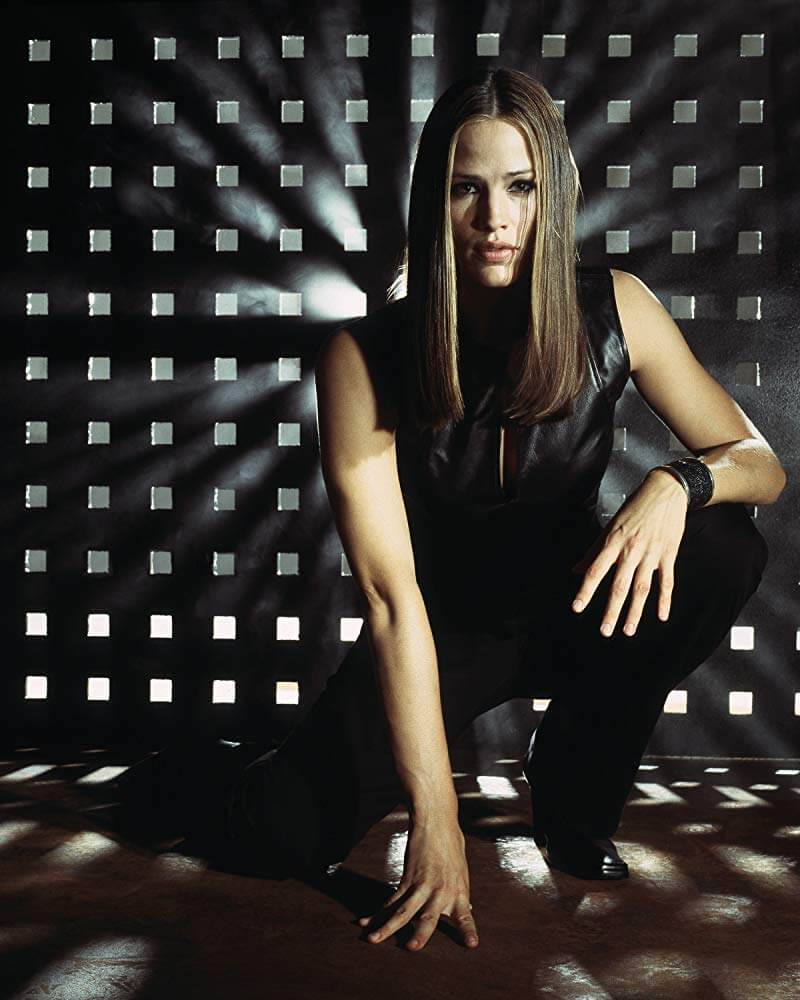
SYDNEY BRISTOW
(Jennifer Garner, Alias)

Before he gave the Star Wars saga its first female lead, J.J. Abrams created acclaimed 2000s action series Alias, starring a never-been-better Jennifer Garner as Sydney Bristow, one of TV’s best spy characters, male or female. Known for her never-ending procession of wigs and proficient combat skills, Sydney’s spy career is notable for her knack for juggling multiple identities – she initially acts as a double agent for the CIA while working for the corrupt SD-6, alongside keeping her job a secret from her friends. It’s not for nothing Abrams has said Sydney remains his favourite character of his own creation

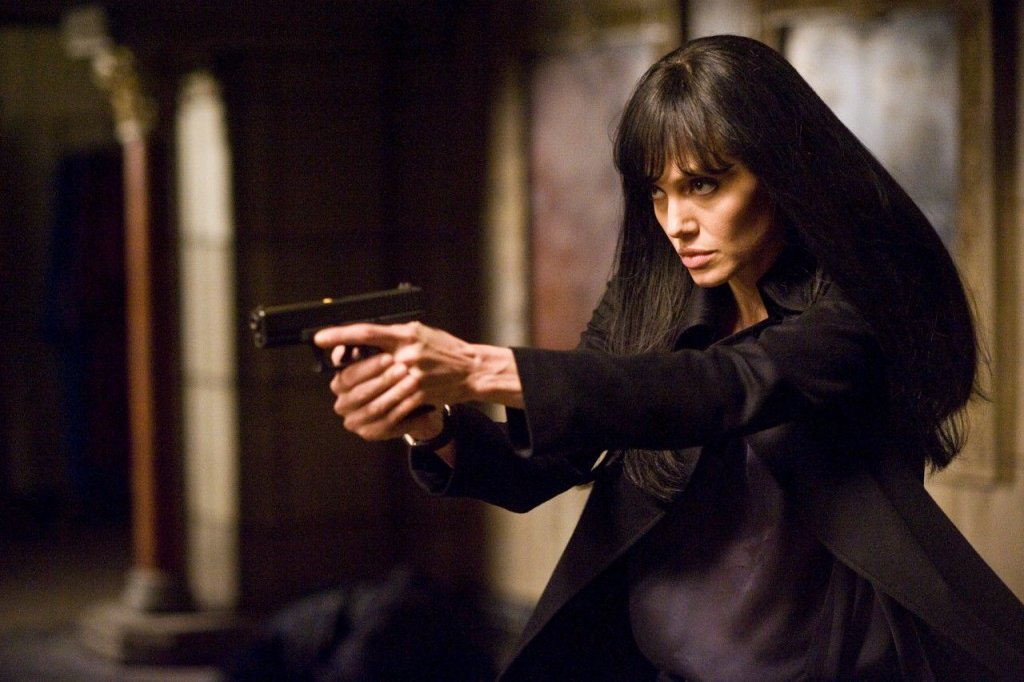
EVELYN SALT
(Angelina Jolie, Salt)

2010’s Salt probably wouldn’t have made much of an impact if it wasn’t for Angelina Jolie coming aboard the project. Originally intended as another Tom Cruise vehicle, the script was ultimately rewritten for the actress, with protagonist Edwin Salt morphing into Evelyn Salt, supplying us with one of cinema’s most noteworthy female spies of the modern era in the process. The plot’s fairly standard stuff for the genre – Salt is a CIA operative framed as a Russian double agent who must clear her name – but Jolie is as excellent as always

CARRIE MATHISON
(Claire Danes, Homeland)

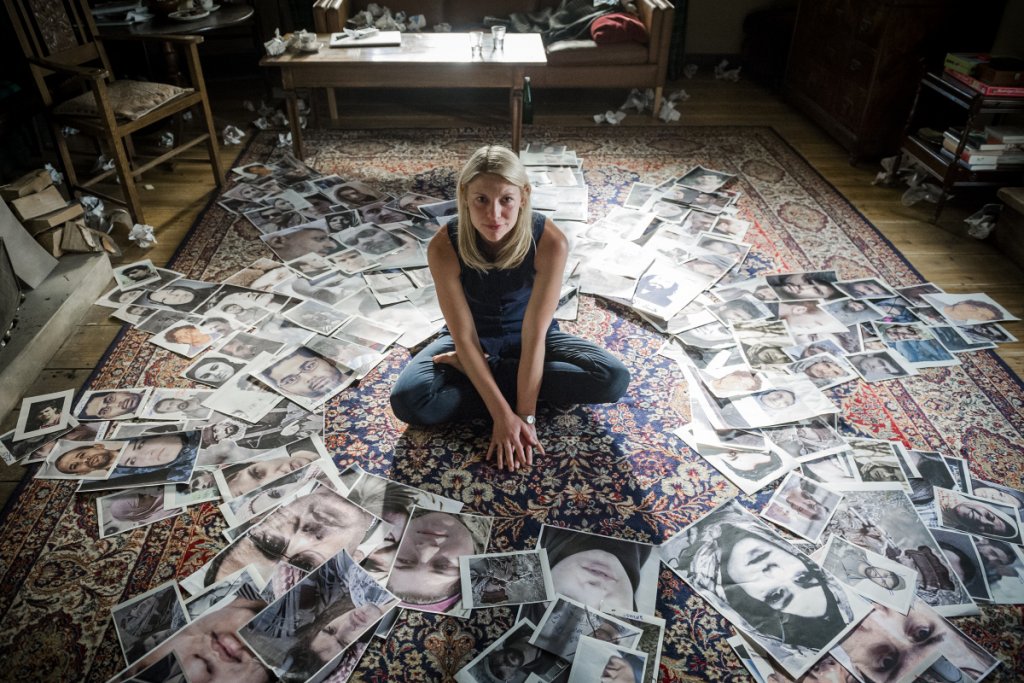
Spy fiction remains largely rooted in the narrative tropes established during the Cold War, so Homeland stands out for being an espionage thriller series that brings the genre up to date. Claire Danes, especially initially, gave one of the best leading TV performances of the 2010s as Carrie Mathison, a CIA agent who suspects American war hero Nicholas Brody (Damian Lewis) of being turned by al-Qaeda. The show is certainly well past its prime these days, but Carrie, with her bipolar disorder and obsessive personality, should still be celebrated as a refreshingly complex female protagonist

ELIZABETH JENNINGS
(Keri Russell, The Americans)

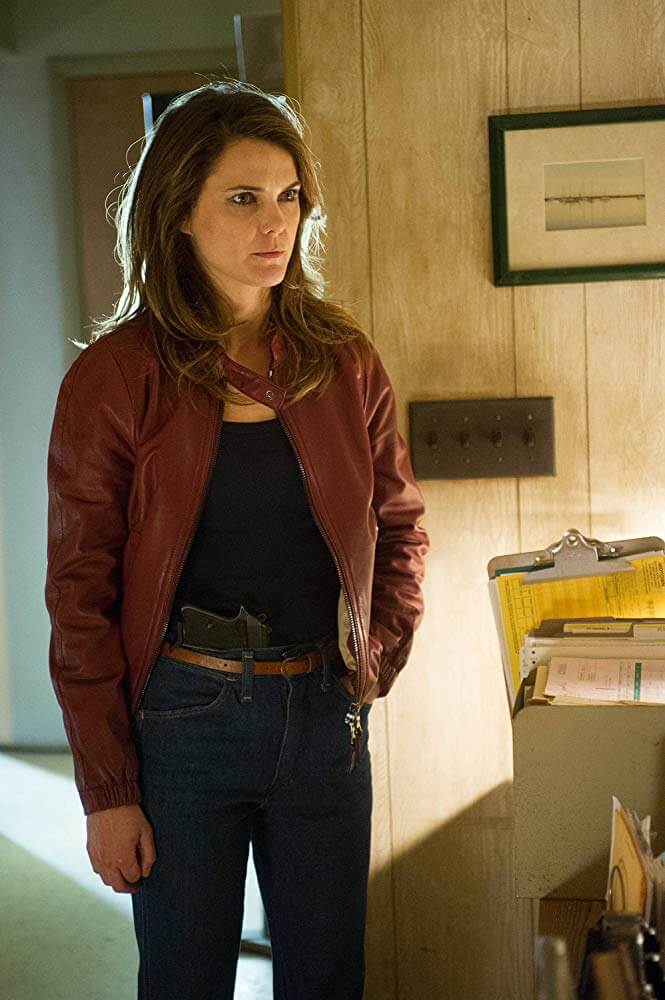
What did we say about spy fiction still being obsessed with the Cold War? The Americans is one of the most successful throwbacks to the era, though, with its canny blending of international politics and the characters’ interpersonal relationships and multiple lives. Matthew Rhys and Keri Russell star as Philip and Elizabeth Jennings, an outwardly ordinary couple living in Reagan’s America who are actually incognito KGB agents. While Philip’s commitment to his cause is less secure, Elizabeth is a ferociously passionate communist who is willing to do anything to destroy the Western way of life

ILSA FAUST
(Rebecca Ferguson, Mission: Impossible)

The Mission: Impossible franchise didn’t have the best female representation until 2015’s Rogue Nation gave us Ilsa Faust. Rebecca Ferguson was on sparkling form as the former assassin who Ethan Hunt and his team can never be sure if they can trust. After she returned in Fallout, fans now couldn’t imagine the series without her. And, sure enough, Ferguson has been confirmed for the next two instalments – which will also feature Agent Carter’s Hayley Atwell as an additional female lead. Win-win

LORRAINE BROUGHTON
(Charlize Theron, Atomic Blonde)

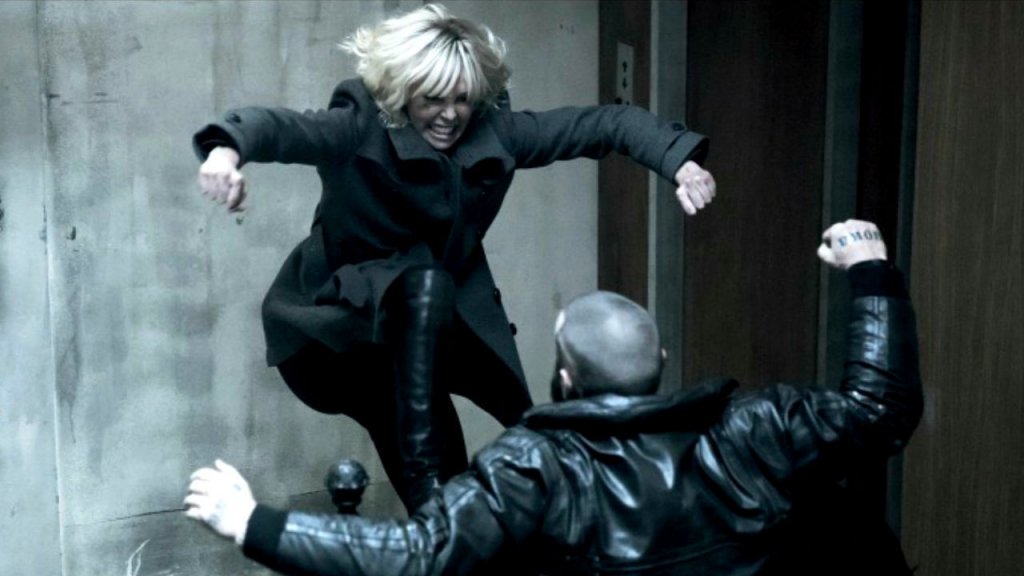
Prior to No Time To Die’s Nomi, Atomic Blonde’s Lorraine Broughton – as played by the one and only Charlize Theron – was the closest thing we had to a female 007. She’s one of MI6’s top spies, she’s great in a fight and, most importantly, she’s highly promiscuous – Sofia Boutella’s French agent Delphine is the ‘Bond Girl’ of the piece. The good news is a sequel is in the works, heading to an unknown streaming service, with a John Wick crossover also mooted

EVE POLASTRI
(Sandra Oh, Killing Eve)

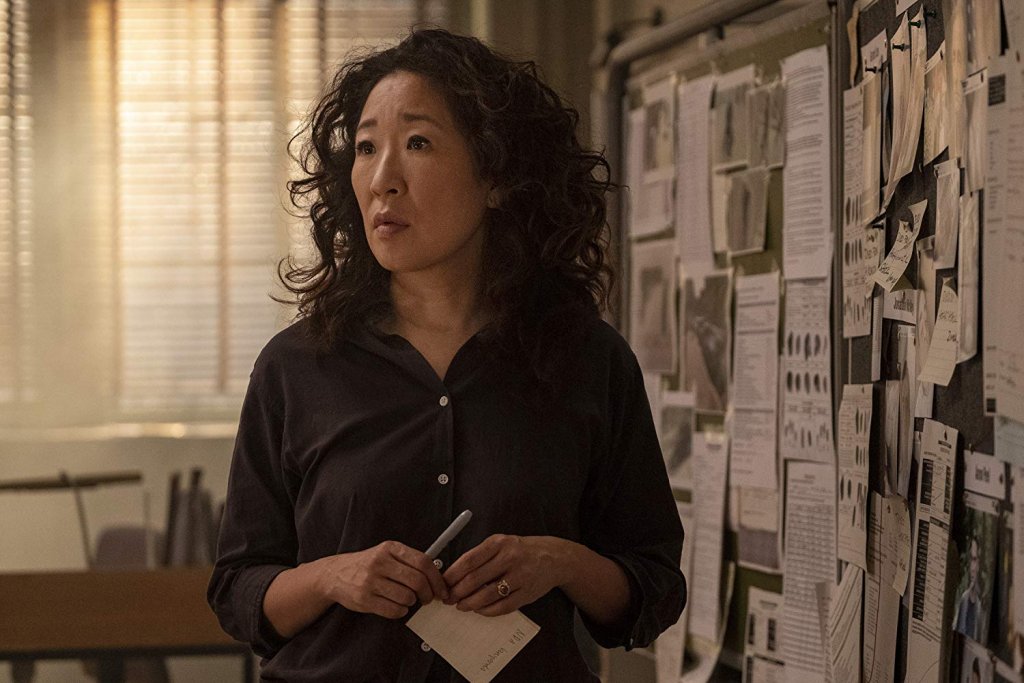
Jodie Comer’s Villanelle is rightly lauded as the breakout character of Killing Eve, but let’s not overlook the treat that is Sandra Oh’s Eve Polastri. There are a lot of highly capable female spies on this list, and we love ‘em, but it’s refreshing to have a character like Eve – an ordinary woman who becomes increasingly out of her depth as she struggles to control her obsession with Comer’s wily assassin and discovers a dangerous thrill-seeking side to her personality.
NO TIME TO DIE hits cinemas on September 30th

Have we missed the mark and omitted one of your favourites? Let us know via our social channels!
[This article was originally published in issue 470, March 2020]


TITANS OF TELEPHEMERA – IRWIN ALLEN

City Beneath the Sea titans telephemera irwin allen

Ah, telephemera… those shows whose stay with us was tantalisingly brief, snatched away before their time, and sometimes with good cause. Dedicated miners of this fecund seam begin to notice the same names cropping up, again and again, as if their whole career was based on a principle of throwing stuff at the wall and seeing what sticks. What’s more, it isn’t all one-season failures and unsold pilots, there’s genuine gold to be found amongst their hoards; these men are surely the Titans of Telephemera!

TITANS OF TELEPHEMERA: IRWIN ALLEN

The film career of Irwin Allen can be divided into two distinct periods, from his early fantasy adventure era at Twentieth Century Fox between 1960 and 1962, and the pioneering disaster movies of the 1970s, which included The Poseidon Adventure and The Towering Inferno. In between, he produced a quartet of television series for ABC and CBS that broke new ground for the science-fantasy genre on the small screen, with Lost in Space in particular becoming a fondly remembered classic of the type. What’s often undocumented, however, is that there were other projects he tried to bring to TV; this is the story of Irwin Allen’s voyages to the bottom of the barrel…

Man from the 25th Century (CBS, 1968): James Darren had played Tony Newman in Allen’s The Time Tunnel, a two-season Möbius strip of a show that ended its run in 1967, and he was tapped by the producer to star in his next project as Robert Prentiss, the man actually from the twentieth century.

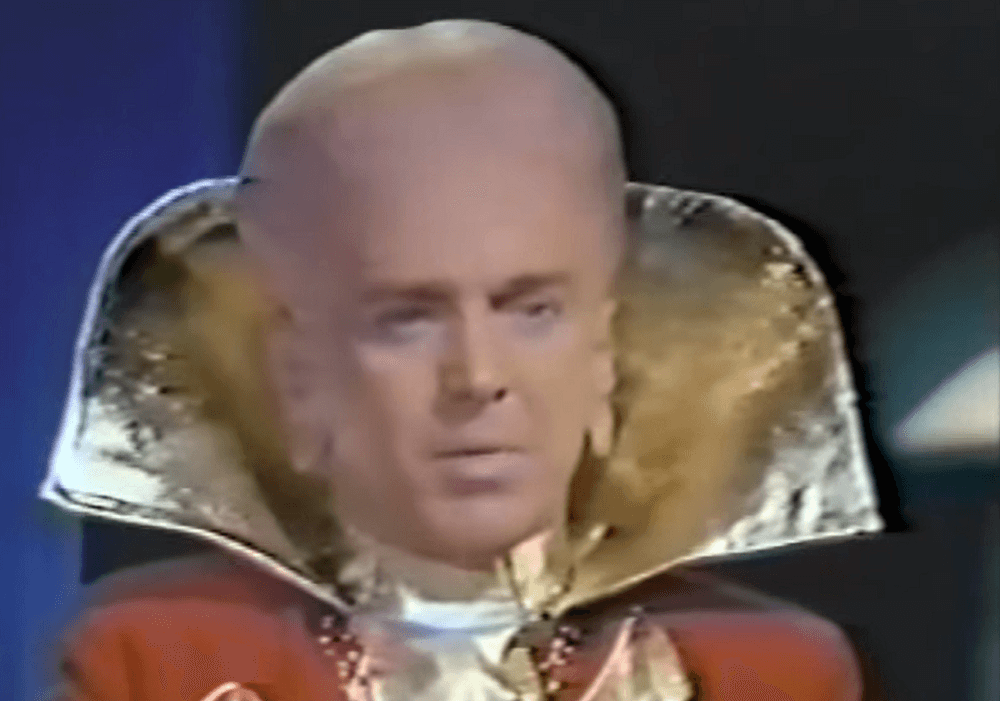
In Allen’s treatment, Prentiss was abducted by aliens whose technology was five-hundred years more advanced than humanity, and returned to Earth with instructions to destroy Project Delphi, which had developed a system to prevent alien invasions. However, Prentiss realises he cannot trust the aliens and so – armed with the knowledge he’s gained from his captors – teams up with Delphi to keep the skies clear of invaders.

Man from the 25th Century titans telephemera irwin allen

A seventeen-minute test film was produced for CBS, but they passed on a full show, also deciding to cancel Lost in Space, which had been tweaked into a parody of itself and was probably ready to be put out to pasture, clearing their schedules of sci-fi.

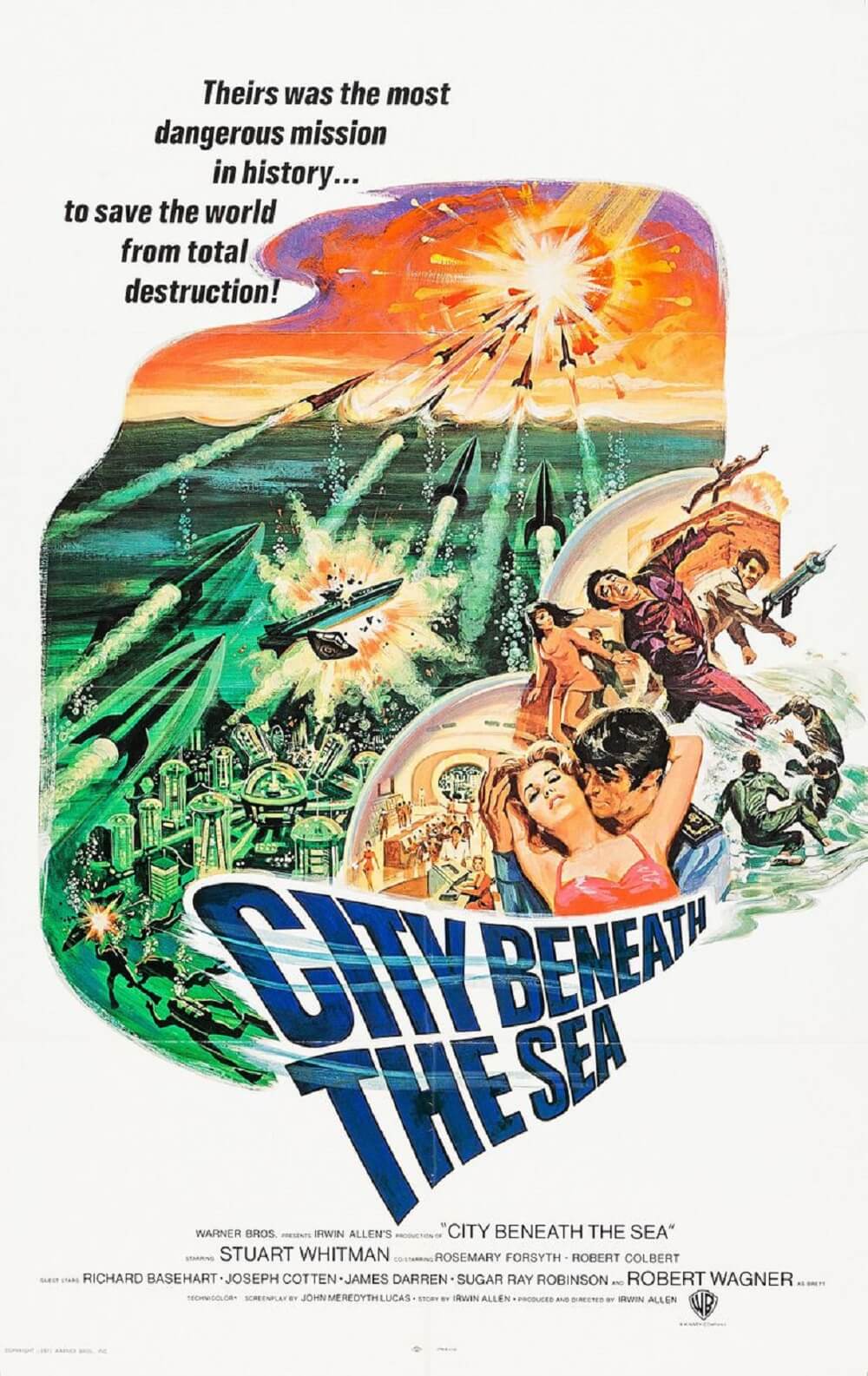
City Beneath the Sea (CBS, 1971): Allen enjoyed his first TV hit with Voyage to the Bottom of the Sea, which used the sets from his earlier film hit of the same name and ran on ABC for four seasons between 1964 and 1968. In 1971, with the last of his TV hits – Land of the Giants – having come to an end, Allen returned to the ocean for a very different concept.

City Beneath the Sea titans telephemera irwin allen

Initially a ten-minute test film, City Beneath the Sea was turned into a two-hour pilot starring Stuart Whitman (of Those Magnificent Men in Their Flying Machines fame) as a US Navy admiral brought out of retirement to take command of an underwater city in the futuristic year 2053.

Much of the tension in the pilot surrounded the transfer of the US gold reserves from Fort Knox to Pacifica, the titular metropolis, but after being shown as a TV movie in January 1971 there was little interest in bringing the treatment to full series, and Allen instead stayed underwater for The Poseidon Adventure.

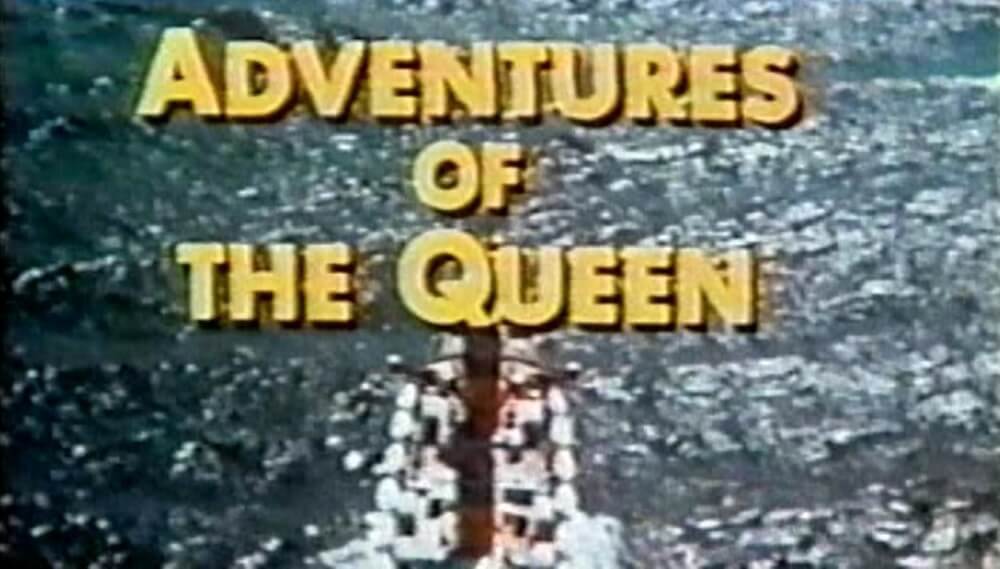
Adventures of the Queen (CBS, 1975): With The Towering Inferno an Oscar-nominated box office smash, Allen returned to his beloved TV rather than follow it up with another film, developing Adventures of the Queen for CBS in 1975.

titans telephemera irwin allen adventures queen

The Queen in question was an ocean-going cruise ship captained by Robert Stack’s Captain James Morgan, and in the John Gay-written pilot alone he had to deal with hidden bombs, suicidal passengers, and a billionaire that had to be placated.

Intended as a series for the 1975-76 season, the pilot episode of Adventures of the Queen aired as a TV movie in February 1975, but CBS once again declined to pick it up for a full series, especially as Twentieth Century Fox were picking up the $1 million dollar bill for the project.

Time Travelers (ABC, 1976): The third of his series of his mid-1970s projects for Twentieth Century Fox (the second being The Swiss Family Robinson, the only one picked up for series), Time Travelers saw Allen return to the theme of his favourite show from his classic era, again sending scientific agents hurtling through time to avoid catastrophe.

titans telephemera time travelers irwin allen

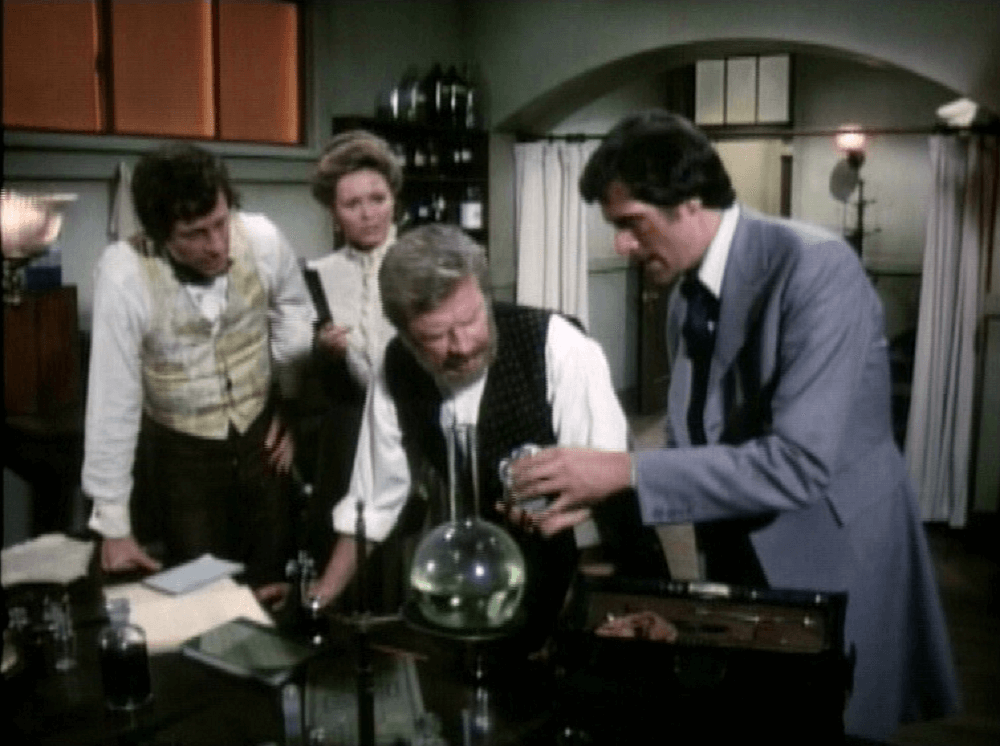
This time it’s Sam Groom and Tom Hallick who are unstuck in time, on a mission to find a cure for a deadly disease which had been lost during the Great Chicago Fire of 1871. Assisted by a former NASA physicist, they – spoiler! – manage to travel back, find the cure, and return home in time to save the life of the virus’s latest victim.

After being spurned by CBS three times, Allen took the pilot to ABC, who had greenlit The Swiss Family Robinson, and they aired it as a TV movie in March 1976. However, they too declined to pick it up for a series, this time because of litigation from the author Charles Willard Byrd, who claimed that Rod Serling had stolen the story from his 1959 novel A Time to Live.

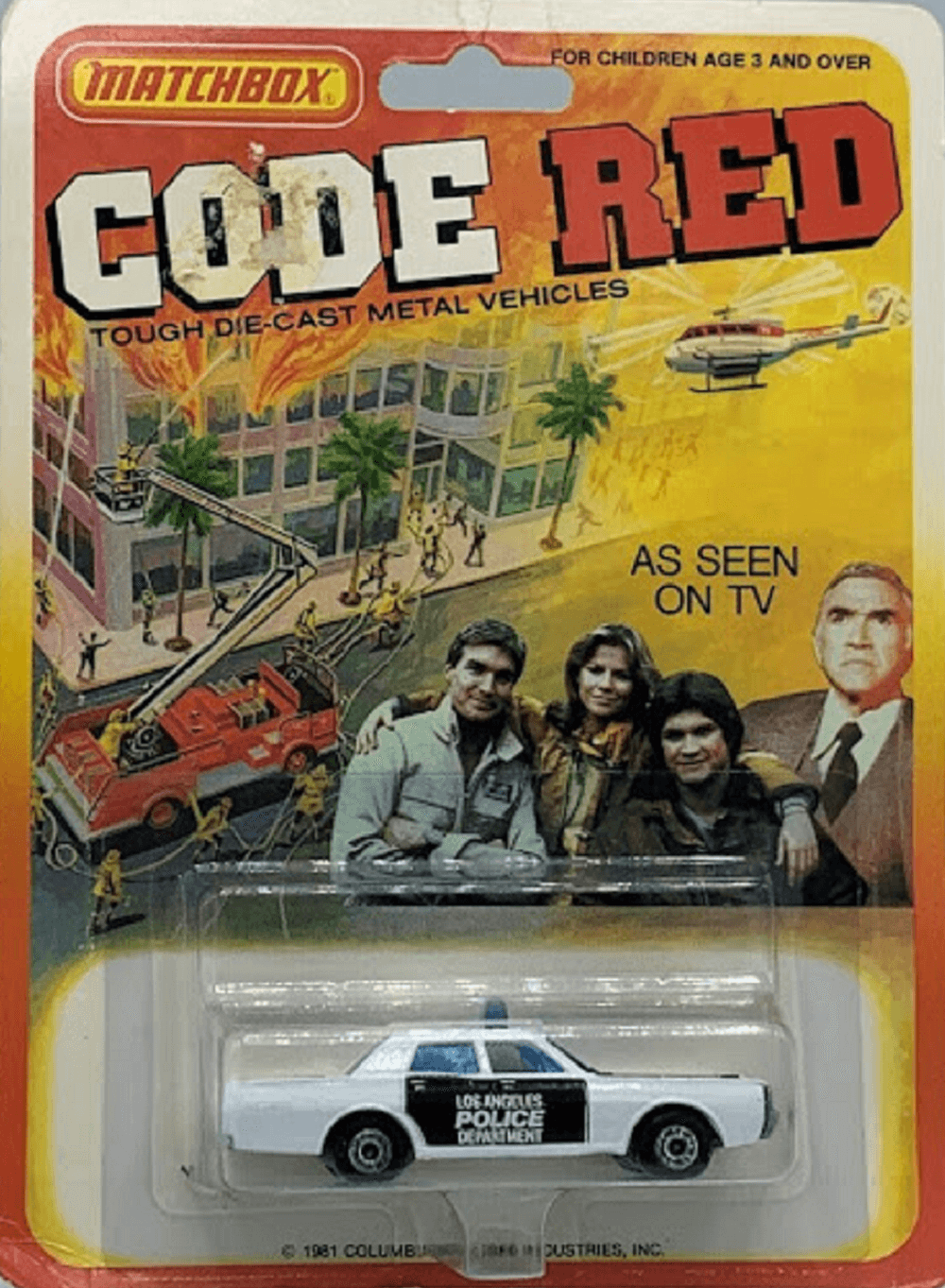
Code Red (ABC, 1981): Although his recent TV excursions had not been a success, Allen still had three disaster movies left on his contract with Twentieth Century Fox, but when new management at the studio cancelled those films, he upped and left for Warner Bros, creating a string of successful disaster flicks for the studio, before making his only non-Fox TV series for Columbia in 1981.

titans telephemera code red irwin allen

Code Red starred Lorne Greene, fresh off Battlestar Galactica, as Los Angeles  Fire Chief Joe Rorchek, who worked alongside his sons (played by Andrew Stevens and Sam Jones), as well as the city’s first female firefighter. Added to the saved-from-melting pot was Adam Rich, another son, who was a member of the Firefighter Explorers branch of the Boy Scouts of America.

Five years later, UK audiences would thrill to the adventures of firemen in London’s Burning but despite being given a prime slot on Sunday evenings, the US public preferred to tune in to 60 Minutes on CBS for a taste of real-life drama instead. Production was shut down after just seventeen episodes had aired, with the remaining two episodes dribbling out over the Spring and Summer of 1982, and Allen returned to one-off projects.

His final success was a big-budget TV version of Alice in Wonderland in 1985, which he planned to follow up by giving Pinocchio the same treatment, but ill-health forced his retirement before he could complete preparation for the project. He died in 1991 from a heart attack, at the age of seventy-five, having created a wealth of disposable fluff that filled many a rainy afternoon for millions of people.

Next: We’re back in the time machine as we set the controls for 2008!

Check out our other Telephemera articles:

The Telephemera Years: 1966 (part 1, 2, 3, 4)

The Telephemera Years: 1968 (part 1, 2, 3, 4)

The Telephemera Years: 1969 (part 1, 2, 3, 4)

The Telephemera Years: 1971 (part 1, 2, 3, 4)

The Telephemera Years: 1973 (part 1, 2, 3, 4)

The Telephemera Years: 1975 (part 1, 2, 3, 4)

The Telephemera Years: 1977 (part 1, 2, 3, 4)

The Telephemera Years: 1980 (part 12, 3, 4)

The Telephemera Years: 1982 (part 1, 2, 3, 4)

The Telephemera Years: 1984 (part 1, 2, 3, 4)

The Telephemera Years: 1986 (part 1, 2, 3, 4)

The Telephemera Years: 1987 (part 1, 2, 3, 4)

The Telephemera Years: 1990 (part 1, 2, 3, 4)

The Telephemera Years: 1992 (part 1, 2, 3, 4)

The Telephemera Years: 1995 (part 12, 3, 4)

The Telephemera Years: 1997 (part 1, 2, 3, 4)

The Telephemera Years: 2000 (part 1, 2, 3, 4)

The Telephemera Years: 2003 (part 1, 2, 3, 4)

The Telephemera Years: 2005 (part 1, 2, 3, 4)

The Telephemera Years: 2008 (part 1, 23, 4)

Titans of Telephemera: Irwin Allen

Titans of Telephemera: Stephen J Cannell (part 1, 2, 3, 4)

Titans of Telephemera: Hanna-Barbera (part 1, 2, 3, 4, 5)

Titans of Telephemera: Kenneth Johnson

Titans of Telephemera: Glen A Larson (part 1, 2, 3, 4)

Titans of Telephemera: Quinn Martin (part 1, 2)

Five Films to Check Out on Horror Channel This Week – 130921

horror check

Here are five great reasons to tune into Horror Channel this week….

Tuesday September 14th, 9pm – The Stepfather (2009)
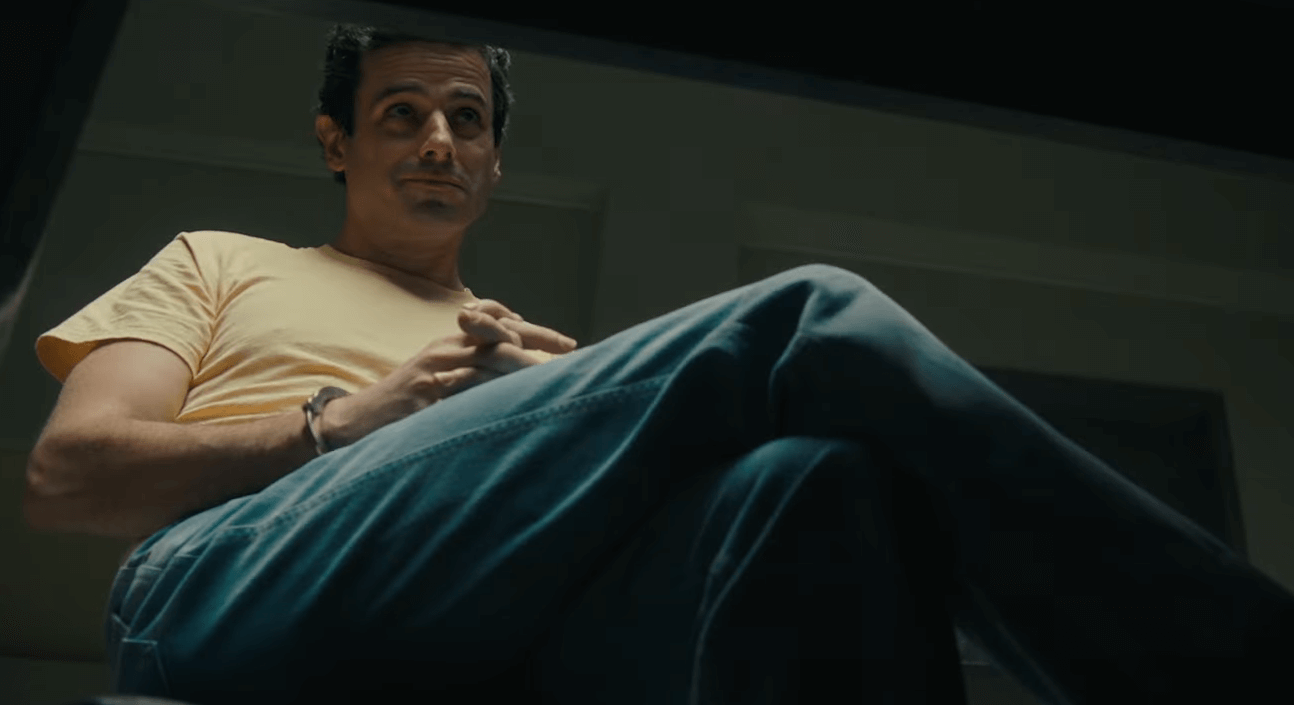
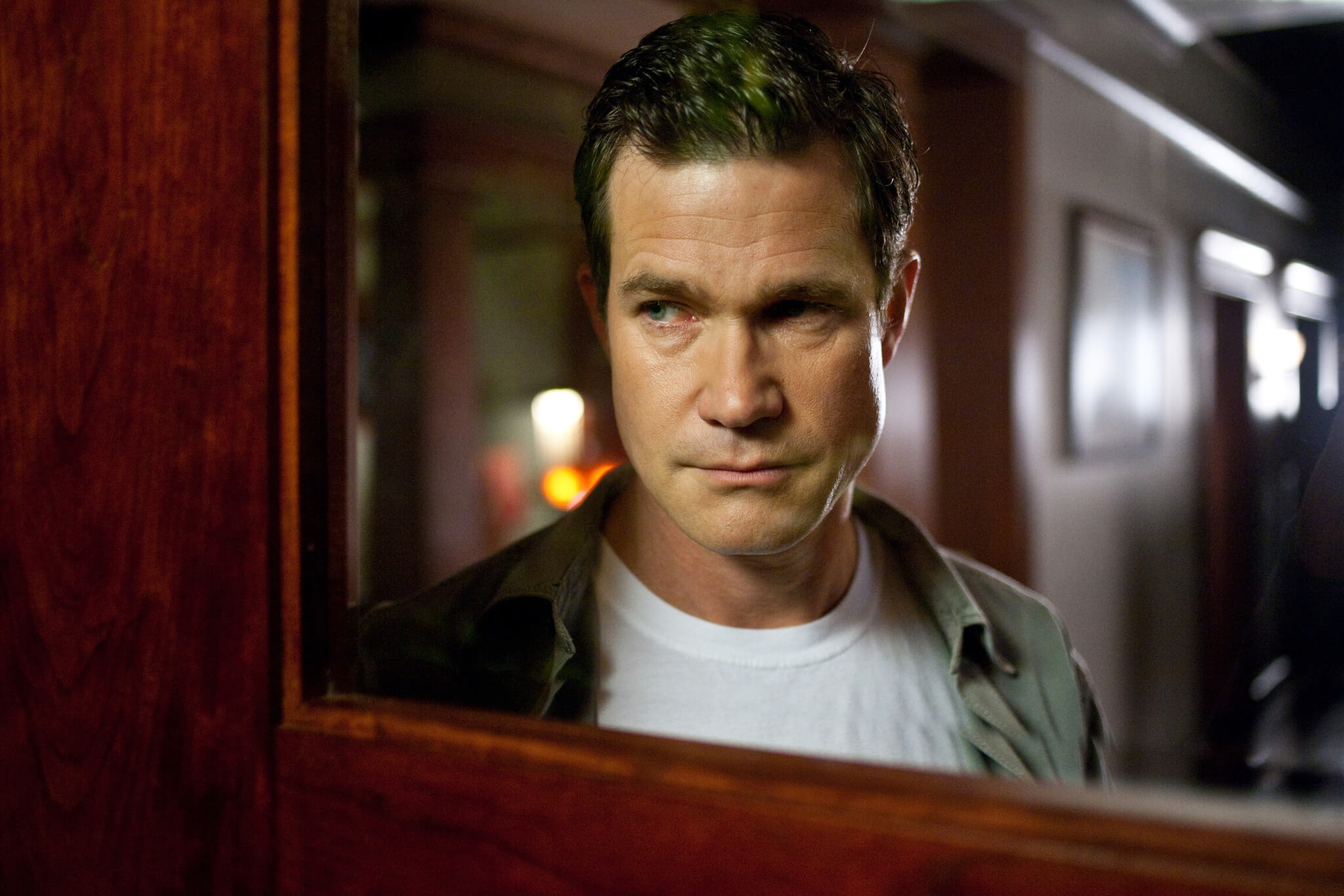
A psychopath (Dylan Walsh) leaves a trail of murder as he passes himself off as a widower to prey on more victims. Not before gaining their confidence and marrying them, though. A remake of the 1987 film

Wednesday September 15th, 10.50pm – Itsy Bitsy (2019)

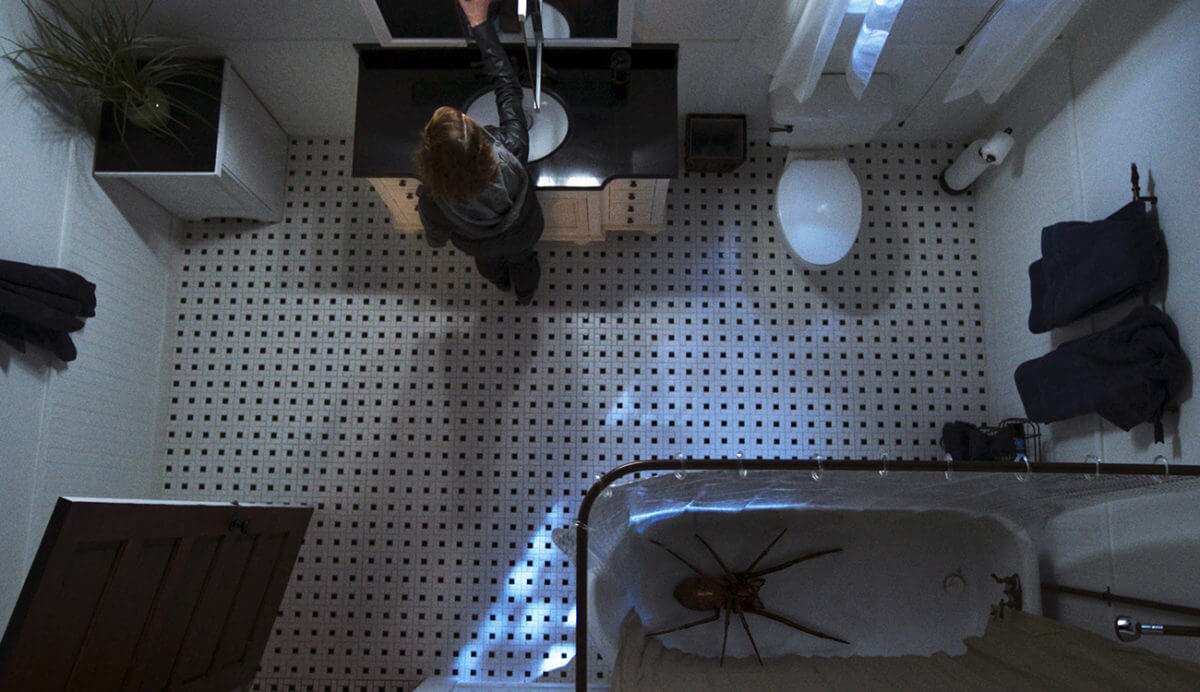
This is not your average giant spider movie, as the giant arachnid is actually the embodiment of an ancient entity. Stars Bruce Davison, Denise Crosby, and Eileen Dietz (the face of the demon in The Exorcist).

Friday September 17th, 9pm – G-Loc (2020)

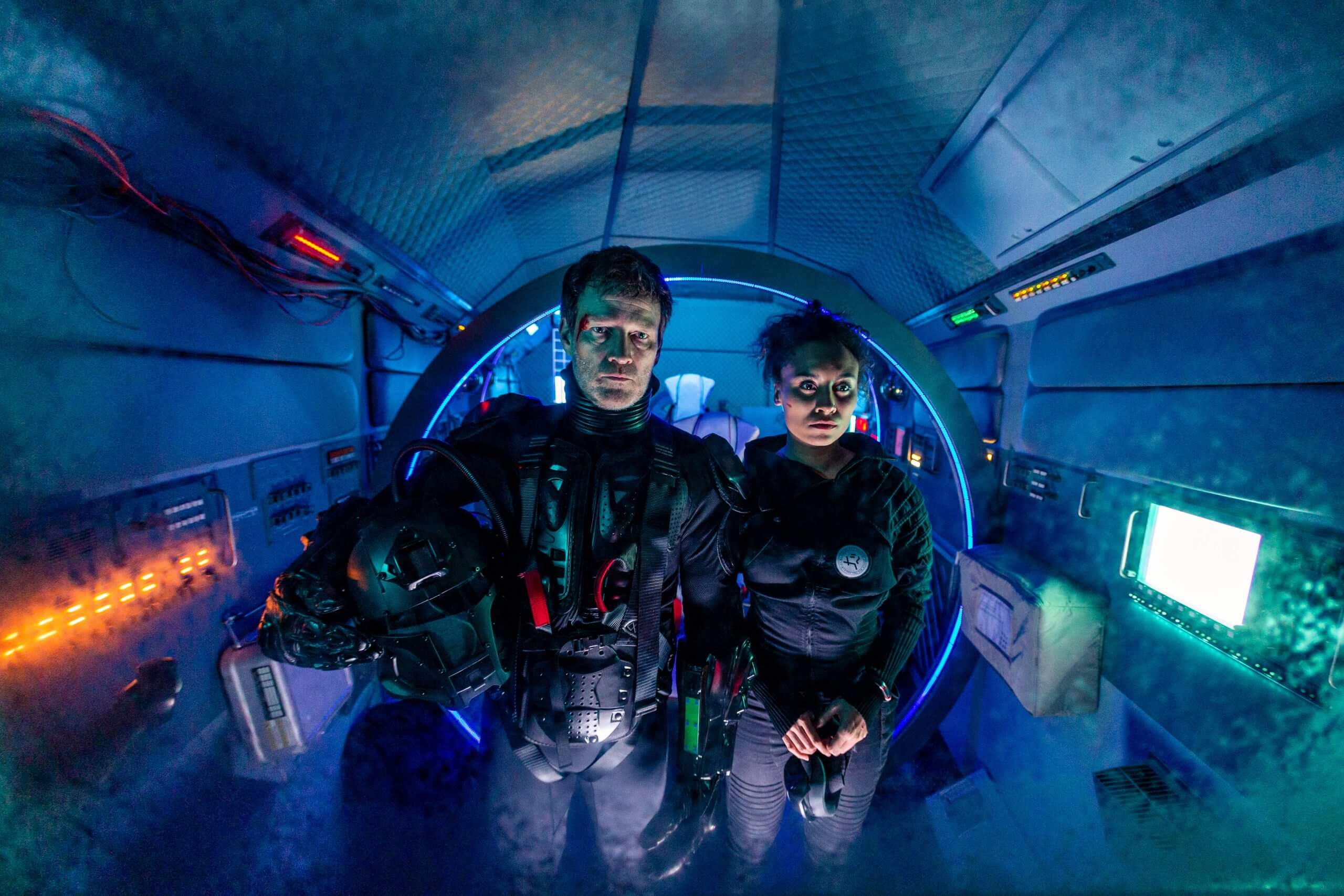
An escape mission from Earth to the new settlement of Rhea is in jeopardy when the crew of a Rhea supply ship decide to stop accepting new refugees. The UK TV premiere of this remarkable low budget sci-fi from writer/director Tom Paton starring Stephen Moyer, Casper Van Dien, Tala Gouveia, and John Rhys-Davies.    

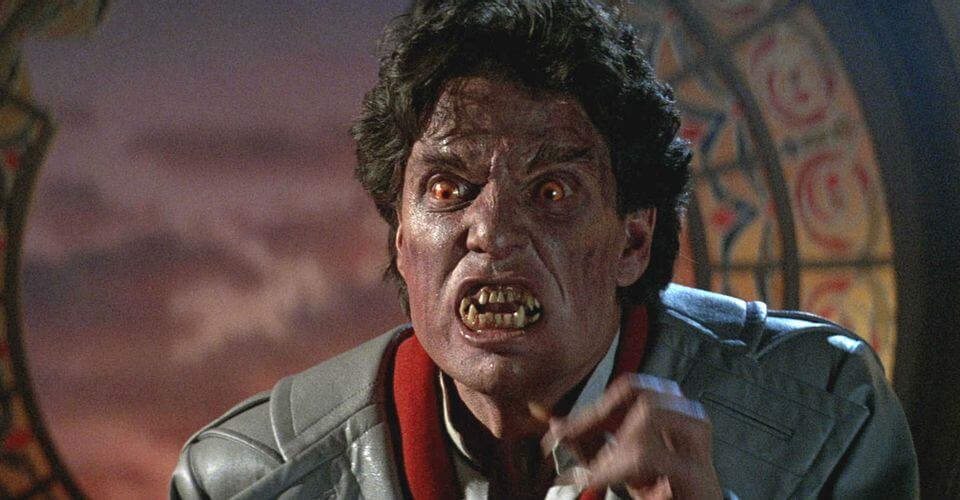
Saturday September 18th, 9pm – Fright Night (1985)

Tom Holland’s superb comedy-horror in which William Ragsdale plays Charley Brewster who believes his next-door neighbour (Chris Sarandon) is a vampire. Roddy McDowall is superb as the TV horror host who is roped into helping the youngster. A genuine classic.

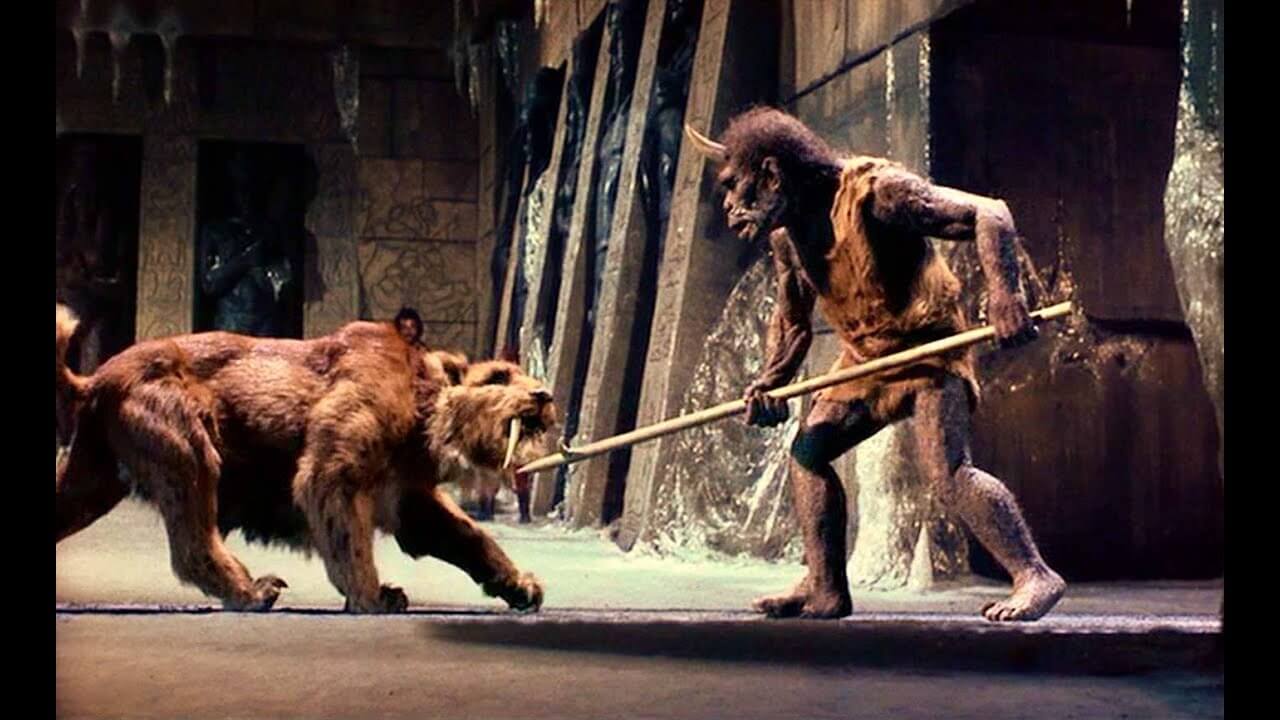
Sunday September 19th, 4.55pm – 8.50pm – The 7th Voyage of Sinbad (1958) / Sinbad and the Eye of the Tiger (1977)

A double bill of films featuring the stop-motion creations of the legendary Ray Harryhausen. Settle back for an early evening of swashbuckling adventure and terrifying creatures.

Tune into Horror Channel on Sky 317, Virgin 149, Freeview 68, Freesat 138.

Luke Kirby | NO MAN OF GOD

luke kirby

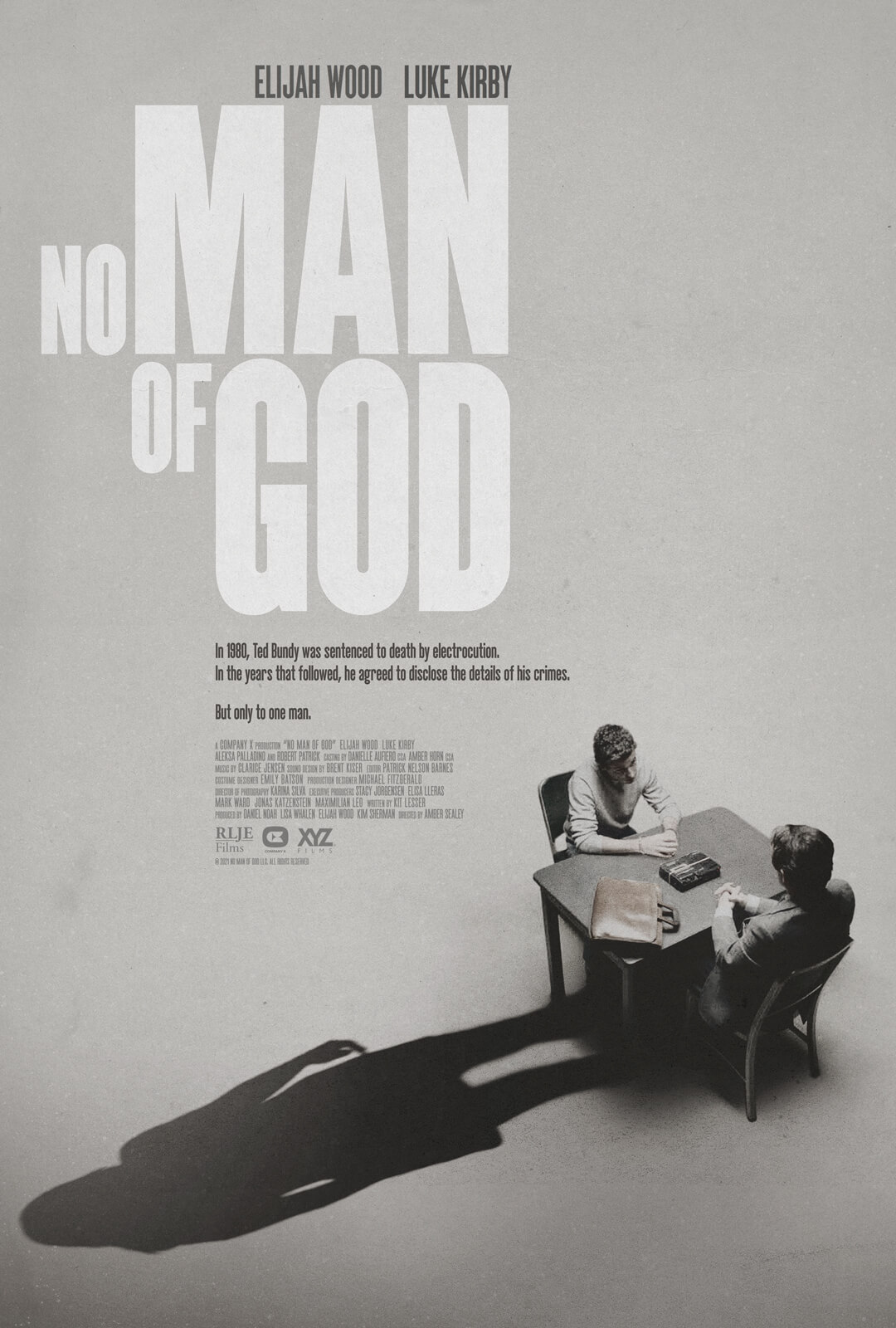
No Man of God is based on the book written by Bill Hagmaier, an FBI agent who struck up a relationship with serial killer Ted Bundy while the latter was on death row. Actor Luke Kirby plays the notorious murderer opposite Elijah Wood. We caught up with him to discuss the role…

STARBURST: What was it that attracted you to the role?

Luke Kirby: Honestly not much. More than anything I felt a sort of repulsion, because of the nature it. One does wonder about the potential for things like this to be made overly salacious or sensationalised. There’s clearly a market for this kind of stuff that can exist in the realm of the ghoulish, but given that this is about a real history, there’s a delicacy that I feel needs to be dealt with. And so when I read the script, it read very smoothly and had a swiftness to it that was appealing, but I still felt a reluctance to get involved. Then after meeting Amber Seeley, our director, she and I were able to have a great meeting. It was a day before New York went into lockdown, I happened to be in Los Angeles, so we were able to meet. I got to shed all of my hesitations and fears with her and it turned out that she shared some of them and had a really fantastic take on how to deal with this material in a way that was clearly driven by intrigue to the story, but also felt like she was going to address some of the other feelings that we had alongside it, and try to figure out how to parallel those forces together. So it was just a matter of adopting her as an authority and following her wherever she demanded we go.

What sort of preparation did you do for the role?

There’s obviously a lot of footage of this guy. You know he was clearly somebody who had an appetite for the camera and was an early arbiter of self-promotion and seems to fancy himself a bit of a strange celebrity and clearly loved the malleability of optics. He’d love to try to manipulate them as much as he could so that was the best research that I could do in terms of any mannerisms or the physicality of those things that can inform the early stages of things. Then there were numerous documentaries, and Bill’s book has some appeal because of their relationship. But it was a matter of how much I could consume or stomach in a day’s work. We were in lockdown and I came out to Los Angeles to shoot the film was put into a two-week quarantine, so I really didn’t have much else to do so I just went into a dark room every day and came back out dismayed lacking in appetite, and went on to the next day.

Was it hard to shake the character after the day’s filming?

These things do loom for the duration of the work. But I feel like if you’re doing things safely and responsibly, they don’t loom in a way that’s detrimental or damaging. Thankfully, I had my wife alongside me and she has a wonderful sense of humour and we were able to observe the absurdity of the whole thing. While we were there, there were wildfires around the corner from us, so Los Angeles was filled with smoke and with Covid, everywhere we looked seemed to ring ‘End of Days’. That kind of alarm and we couldn’t help but laugh that this was how we were choosing to spend the time: invested in this kind of this person who reaped so much havoc and was so monstrous towards other people. So yeah, little degrees of humour helped and then when we finished it, in some ways it really confirmed that this man was gone and any sort of shadow that that lurked at the bedroom door for the duration of the shoot was gone.

What was Elijah like to work with?

Awesome. He’s also a tremendous actor and a great dance partner. He also carries a great sense of humour. When you’re doing something like this, looking into something that has so many opportunities for repulsion, you want to balance it out, he was just a great, fun person to be around.

What was it like working under the Covid restrictions?

In some ways, I think we were granted a bit of a gift because of the size of the show. It was a small crew and small cast. All of my stuff was shot in one room. So it made a lot of the protocols easy to follow. And because we’re such a small group of people, it made it easier in terms of testing and stuff. It was one of the first things that were shot in LA, so it really felt like an experiment. For us, I think more than anything, it just satisfied an itch that had been present and increasing over the four months prior, because we’d all been living much more restrictively under the mandates of the lockdown and so it was the first time we got to be around people aside from our family in months. It was just a joy to be around new people and get to get to know them and ask them questions about what they liked and what is life like where you live, like that kind of thing. It was very fun and I think in some ways informed the story, certainly from my perspective, of a man living in isolation, just delighting in the opportunity to be with someone who felt like they were going to listen to them.

Did you read Bill’s book before going into the role?

No, I didn’t read anything Bill has written but I spoke with him over the phone a couple of times and he was a great resource. A very kind and generous man. It informed a couple of things: just being able to hear the voice of somebody who was present for the life that we’re trying to make real just affirmed a humanity that I wouldn’t have otherwise been sure was there. It also was great to have him as a resource for making sure everything that we were doing was authentic. There were aspects of the script I think that on the page felt sort of overzealous, but Bill was there to kind of say that was what happened.

Why do you think that serial killers have a cult following and some people idolise these idiots?

I don’t know what that’s about. I sometimes wonder about its relationship to the doldrums of reality. I wonder about the yearning that we may have to feel more excited when more endangered in life. I know that whenever I absorb that kind of story or material, like if I’m watching a true-crime TV show or something, taking the dog out for a walk always feels a little more precarious than it would have otherwise. I think it awakens something kind of old, an old sensation of what it is to be awake to the danger. But in terms of the personality stuff and the celebrity aspect of it, that’s a real peculiarity. I just don’t know, I find it a little odd but you know, hero-worship of any kind is odd; celebrity of any kind is really peculiar.

You played Lenny Bruce recently as well [in the Amazon series The Marvelous Mrs Maisel]. Was there a difference in your approach with the two characters?

While they’re obviously very different, they share a thing that there were real men with books written about them and all that sort of stuff. The biggest difference for me is where I felt if I had any responsibility at all, which was with Lenny. My biggest concern was that we would do anything that would hurt his daughter, and she came on as a support. She has been been very supportive about the work that we’ve done and with this movie, I didn’t really feel that kind of responsibility to any legacy, because it’s not really a legacy, It’s a wake of destruction. I didn’t have that concern; I had other concerns, obviously because there are people who are still reeling from loss as a result of this person, and that’s a conflict that I still live with.

101 Films present No Man of God on digital platforms from September 13th. You can read our review here and our interview with director Amber Sealey here.

Amber Sealey | NO MAN OF GOD

amber sealey

Fresh from the UK premiere at this year’s FightFest, the superb film No Man of God is heading to digital platforms. We caught up with the director, Amber Sealey, to find out about the film that looks at the relationship between FBI agent Bill Hagmaier (Elijah Wood) and mass murderer Ted Bundy (Luke Kirby).

STARBURST: What was it that made you want to make a film about Bill Hagmaier’s book?

Amber Sealey: Well, the script existed before I came on, and SpectreVision, the production company, already knew the story they wanted to tell because it was a part of Bundy’s life that hadn’t really been told before. How Bill Hagmaier related to Bundy in there, you know the whole forming of their friendship and we felt like Bill’s life story had never really been told. From my side of it, I just felt like this was a perspective that I hadn’t seen on the Bundy story before and it was a way of both looking at Bundy and looking at Bill and also looking at our own interest in this kind of film and this kind of story.

Bill was an executive producer on the film; how hands-on was he during the production?

He wasn’t hands-on, but he was very involved in terms of giving us information. He was a wonderful resource and a friend, and he was there to give information and support. He was very much like “this is not my world. This is not my business. You guys go and do what you do and want to do”, and so he was really great. So, in that sense, he was the best subject, because he didn’t put in place any demands. He gave us his recordings, photos, and videos and I had so many long phone calls with him, so he was just really like a great resource and friend.

What were those tapes like to listen to?

Not fun. There’s a lot of them; each time Bill and Bundy would sit down, they were talking for two to three hours at a time. It was hard to listen to. It was obviously really interesting, I felt like it was just really raw. You’re getting to know Bill and Bundy so much from those recordings, both how they are professionally and personally. It was interesting but I wouldn’t call it pleasant.

We can imagine. How did you go manage to cleanse your system afterwards as it must be something hard to listen to?

Wow, good question. I should have maybe done some lighting of candles or things. I think that the thing that was cleansing was that at the end of each day, I was coming home to my kids and my husband and our home and that was very cleansing. I think because our industry had shut down because of the pandemic for the six months before we got to film – we were originally in prep when we got shut down – and the fact that we were getting to be up and filming again was really life-affirming for many of us when we came together on set. That was the first time that we had all been with anyone else outside of our homes in like six or eight months. We were feeling like our industry might survive, so that was a nice counterbalance to the subject matter of the film. The subject matter was so painful and so dark and atrocious, so we have this other side of it.

Your film is probably the only one that doesn’t glamorise Bundy, you allow the horrendous things to come out of his own mouth rather than show them. You’ve got Luke Kirby, who is a very handsome man yet it still shows him as a monster. How intense were those scenes to film?

Yeah, it was certainly emotionally intense for all of us. It was really important to me from the beginning that it was not about recreating his crimes. I have no interest in seeing that and that’s been done before, and I didn’t see the purpose of it. I think it was really important to me to show how I saw him when I listened to his tapes and I watched the videos that are out there of him. I see a deeply insecure, really narcissistic guy and certainly as you say, you know, Luke is a good-looking person and people always say Bundy’s good looking, but I find him just average looking. I think Luke is certainly more handsome than Bundy is! But Luke is such a good actor that I still wanted to cast him. We tried to ugly him up a little bit so you know, we couldn’t maybe make him as unattractive as Bundy was. I was not at all interested in glorifying Bundy or making him appear as a kind of rock star, sexy super-smart charismatic guy like some have done. I don’t see that, I see him as average intelligence, I see him as really desperate to please. He wants everyone to like him. He’s always trying to perform for whatever room he’s in. So that’s who I saw when I did the research and that was really important to the writer as well. Luckily, Luke could still tap into that insecurity and desperation and portray that really well.

What was the biggest challenge during filming?

Probably the pandemic. I was like ‘no one’s going to die on my watch!’ When you’re the director, and for the producers as well I feel this but we all feel like, you know, it is our job to keep everybody safe and I was not down with anyone getting sick. We worked really hard to ensure everybody’s safety. We stopped filming every 15 minutes and we re-ventilated the room so we only picked locations that had both ingress and egress to flush out the air. We also had an amazing health and safety manager and we hired air specialists; we just constantly made sure we had fresh air in any location, and we had everything outside that we could possibly have outside. We were really strict about all the health and safety measures, and I’m really proud of it, no positive cases. This was before vaccines, it was eight months into the pandemic. So that was the thing that scared me the most honestly, you always care so much about your cast and crew and keeping them safe. At the same time, we had crazy wildfires out here in California where we were filming. So the air was really in danger, both in terms of the air quality from the fires and also the pandemic so that was intense

That must have taken up a lot of the budget too.

It did, for sure. Now people understand that that’s going to take up something like 30% of your budget, which will be spent on testing and PPI. That’s just the new reality of filmmaking but for us it was we were a really low budget film so we certainly had to make some different creative choices, because we had a lot less money to spend on the production. So even though it was maybe a bummer that we couldn’t have more cars in the background or something in a scene that if it meant we could properly test everyone and properly mask everyone, then it was worth it.

You’ve touched on this slightly but what were Luke and Elijah like to work with?

So great, I just can’t say enough good stuff about them. I love the two of them. They’re both so just kind, humble, smart, and talented and I’m not making this up, they’re just wonderful, wonderful people, really good guys.

Why is it do you think people are fascinated by serial killers?

I think it’s a bunch of different things. It can both be healthy and unhealthy that we’re interested in serial killers, I think it’s unhealthy that we know Ted Bundy’s name and we don’t know the names of all his victims. It’s unhealthy that we put so much time and focus and attention on him certainly and I’m as guilty of it as the next person because I also made a movie about him. So that’s unhealthy. On the other hand, I do like to think that there is something at the core of our interest in serial killers. It’s like when you’re driving on the freeway and you see a car accident and you turn to look. I think that interest in turning to look comes from a place of worry and concern about other humans, I think we’re going “Oh no, what happened to them?” I don’t think we’re looking going, “Oh, I hope I get to see something really gory”. I think we’re thinking we hope it doesn’t happen to us. So it comes from a place of concern about other people. And I think being interested in serial killers, is connected to that. And I also think we like to feel love and sadness and fear, and horror films or serial killer films make us feel fear and feeling those things sometimes make us feel really alive. It’s a human thing to want that emotion and to want to be entertained in that way. One thing I was trying to do with this film was point out that we have this interest in this person and it’s curious that someone could be so evil, and we want to understand so hopefully, it doesn’t happen again. And at the same time, we hope that interest in him will just die down, and we can start making films about other more interesting people. I’m also really trying to point the camera back at us and say why are we interested in these people and why are we looking at him so much and not looking at the victims or not looking at the woman in the room, what does it feel like for her? She’s the one who knows what it’s like to walk down a dark alley and hear footsteps behind her and get scared; half the story is hers.

How easy was it to go from acting to directing?

It was easy for me, it was a seamless long process. I was living in England at the time and I was acting and was really inspired by the Dogme 95 films that were happening in Europe, and I just wanted to make a no-budget movie with my friends and that’s what I did. I acted in it my first two films, and so it was kind of an organic process. And as I became more and more of a director, the acting sort of fell away. I mean, acting is my first love, I’ll always love it. If friends ask me to be in things, I’ll happily do it but I don’t audition or pursue acting in the way that I used to.

101 Films present No Man of God on digital platforms from September 13th. You can read our review here and our interview with actor Luke Kirby here.