No Time To Die: Set Design In The Craig-Era Bond Movies

no time

Although his time is coming to an end, Daniel Craig has been one of the longest-serving actors to play James Bond in the history of the 007 series. What a journey it’s been! From the recent smash hit “No Time to Die” to earlier classics such as “Skyfall” and “Casino Royale”, Craig has been on board for over a decade.

Set design, meanwhile, has exceeded expectations. The set design during the Craig-era Bond movies is considered by some to have been the best yet. The exquisite casino shots in the 2006 hit “Casino Royale” are one example, while everything from the recreated Cuba to the interior design in “No Time to Die” has also been praised.

This is something to be expected given that Craig has been the most recent Bond, and that the period of his five Bond films coincided with the period of the latest set design innovations. However, it’s also a testament to the hard work that set designers across the franchise have put into making it work.

This news post will look at some of the top set design decisions made by designers during some of Craig’s Bond portrayals.

Early Days: “Casino Royale”

“Casino Royale” was widely praised by critics after its release, not least because it managed to showcase the very best in production values, set design and filming style all at once. The shots of the Casino Royale in Montenegro where the game of Texas Hold’em poker takes place were particularly praised for their authenticity.

It’s no exaggeration to say that they looked like something you might find at one of the many CasinoSource gaming destinations.

However, it’s sometimes been said that these casino interior shots and others in the film looked so good not because of the set design itself but because of the cinematography. The camera’s dynamism was particularly profound in this film, and the lighting was significantly enhanced compared to previous Bond shots.

However, more than that, the set design also significantly improved and appeared to take on a more realistic aesthetic. In short, the elements worked together to create a high stakes gambling atmosphere on camera – which viewers and critics alike loved.

Big Boost: “Skyfall”

“Skyfall” was one of the tensest Bond movies that Craig participated in. One of the most memorable moments was the point at which Bond actually does fall out of the sky – giving the film its name. For the set designers, this proved to be a tough ask.

They needed to locate a bridge that allowed them to capture this terrifying, life-threatening moment properly – but they were pushed for time.

In the end, they found the Varda Railway Bridge in Turkey, but it was only through a stroke of real luck that they managed to get there. Due to the production firm MGM experiencing financial challenges, they may not have found the iconic on-location set in time.

Recent Successes: “No Time to Die”

One of the hallmarks of the set design in “No Time to Die” is a classic Bond trope: the fact that it takes place in locations across the globe. Everywhere from Denmark to Jamaica feature as on-location places, with Bond eventually coming home to what feels like the centre of the spy world – the hustle and bustle of London.

For the set designers involved, this posed a challenge like no other. One part of the storyline was supposed to happen in Cuba, but the political situation in real, modern-day Cuba meant that it was difficult to get permission to film there.

Instead, Jamaica was chosen as a stand-in. The production team had to send a designer to Cuba in advance to notes on the architecture’s appearance and what a pedestrian would see while walking the streets. This was later replicated almost perfectly.

Some of the set design successes for this film, however, were more mundane. Q’s flat in central London was kitted out with a range of gadgets to reflect the character of the researcher: science-focused, and precise about absolutely everything.

In summary, it’s no understatement to say that the set designers who have collaborated with Bond movie producers in the last few years have done an excellent job both in terms of interior set design and also on-location shoots.

With successes like the gorgeous gambling interiors of “Casino Royale” and the terrifying bridge scene of “Skyfall” under their belts, there’s plenty for them to be proud of. The main thing that most Bond watchers will now be considering, of course, is just what will come next in the franchise – and what set design achievements are likely to follow.

THE TELEPHEMERA YEARS: 1987 – PART 3

Ah, telephemera… those shows whose stay with us was tantalisingly brief, snatched away before their time, and sometimes with good cause. They hit the schedules alongside established shows, hoping for a long run, but it’s not always to be, and for every Knight Rider there’s two Street Hawks. But here at STARBURST we celebrate their existence and mourn their departure, drilling down into the new season’s entertainment with equal opportunities square eyes… these are The Telephemera Years!

1987-88

The late 1980s were dominated by sitcoms, style, and sitcoms with style, with the rump of Dallas, Dynasty, Moonlighting, and Miami Vice butting up against Who’s the Boss?, Cheers, The Cosby Show, and Family Ties. For the genre fans there was such diverse fare as MacGyver, Max Headroom, ALF, and Highway to Heaven, and the new Fox network was making waves with 21 Jump Street, It’s Garry Shandling’s Show, Married… with Children, and The Tracey Ullman Show, which featured a certain dysfunctional family taking their nascent steps.

The new season brought us The Wonder Years, thirtysomething, and a monster called Full House, while the weird romantic monster story of Beauty and the Beast began its four-year run, descending further and further into fantasy lore. But what first was supposed to make the screen in the Fall of 1987 but failed to make it past the pilot? This is the story of five unsold shows…

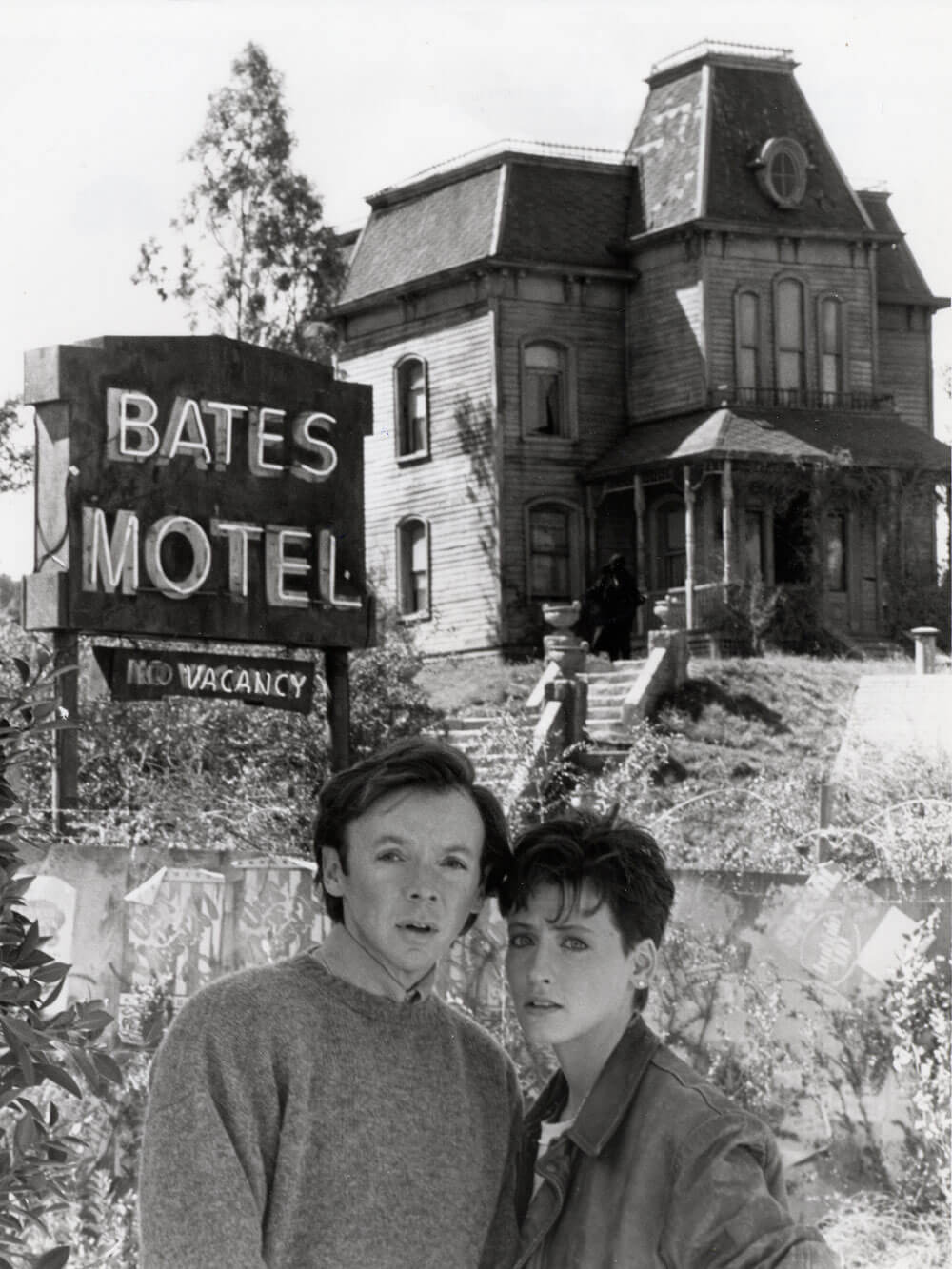
Bates Motel (NBC): Ignoring both Psycho II and Psycho III, Bates Motel picks up twenty-odd years after the events of the original movie, with Norman Bates having spent the intervening period in an asylum, where he befriends a disturbed young patient named Alex West (Bud Cort from the sublime Harold and Maude). Bates dies while incarcerated and West is surprised to learn upon his release that he has inherited the Bates Motel…

telephemera 1987 bates motel

With help from teenage runaway Willie (Lori Petty) and a local handyman, West gets the hotel up and running but patrons are scared away by rumours of hauntings and, well, that business from all those years before. A pilot was shot for the show, which had twin storylines of fake and real ghosts, and it was intended that the series would become an anthology of sorts, with people checking in to be helped – or punished – by the hotel’s resident spooks.

However, NBC declined to pick the project up for a full series, airing the pilot as a TV movie in July 1987, and the Psycho franchise would mostly concentrate on reboots and remakes from that point on. You can watch the pilot on YouTube and like everything featuring Bud Cort it’s a curious gem of a thing.

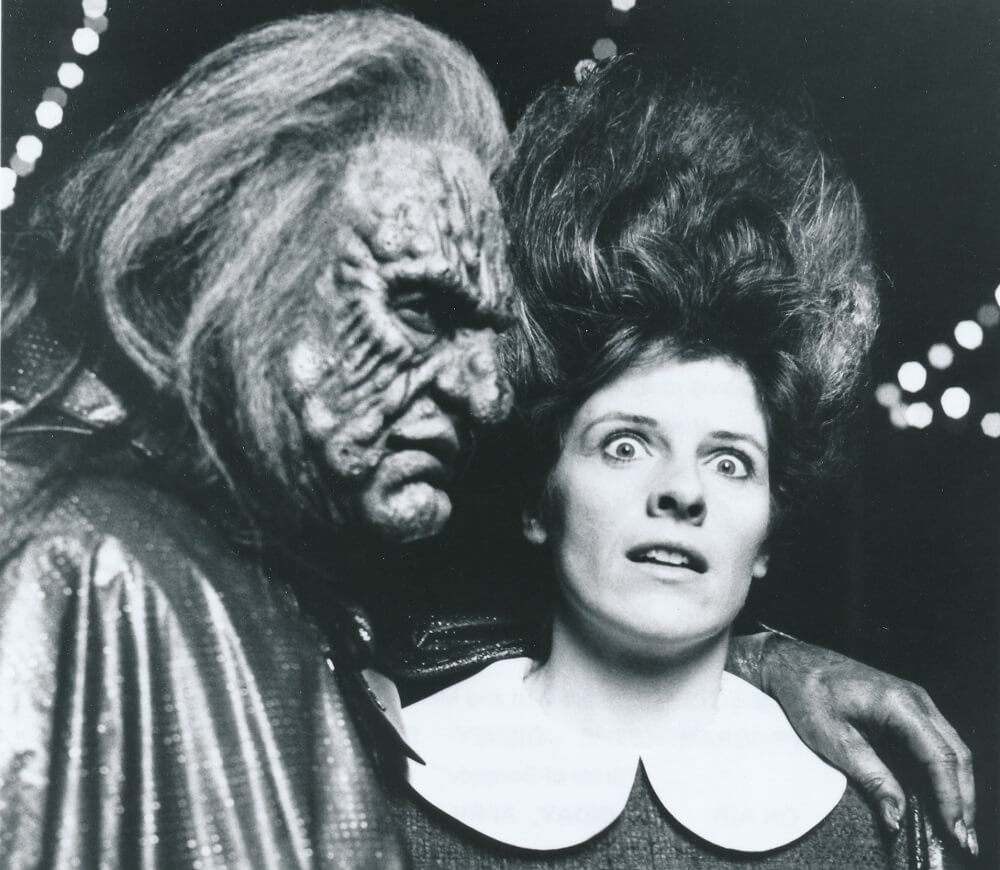
Bride of Boogedy (ABC): In 1986, as part of The Disney Sunday Movie slot on ABC, a forty-five-minute short film called Mr Boogedy delighted family audiences with its story of friendly and not-so-friendly colonial-era ghosts. A year later, ABC ordered a full-length sequel, with an eye on an eventual TV series, called Bride of Boogedy, returning to the town of Lucifer Falls and the ghosts that inhabit the Davis family home.

telephemera 1987 bride of boogedy

The titular evil ghost from the first film is back (once again played by stage veteran Howard Witt), causing trouble for the whole town as he searches for his lost love, and only the Davis kids and helpful spirit Jonathan can stop him. Director Oz Scott and writer Michael Janover returned for the sequel but despite charming kids once more as part of The Disney Sunday Movie, nothing more was ever heard of Boogedy or the other denizens of Lucifer Falls.

Both films are available to stream on Disney+ and Scott has since enjoyed a long career in television directing, mostly for ABC. Janover went into teaching screenwriting at UCLA and the pesky kids turned up in such diverse fare as Married… With Children and the 1997 horror flick Wishmaster.

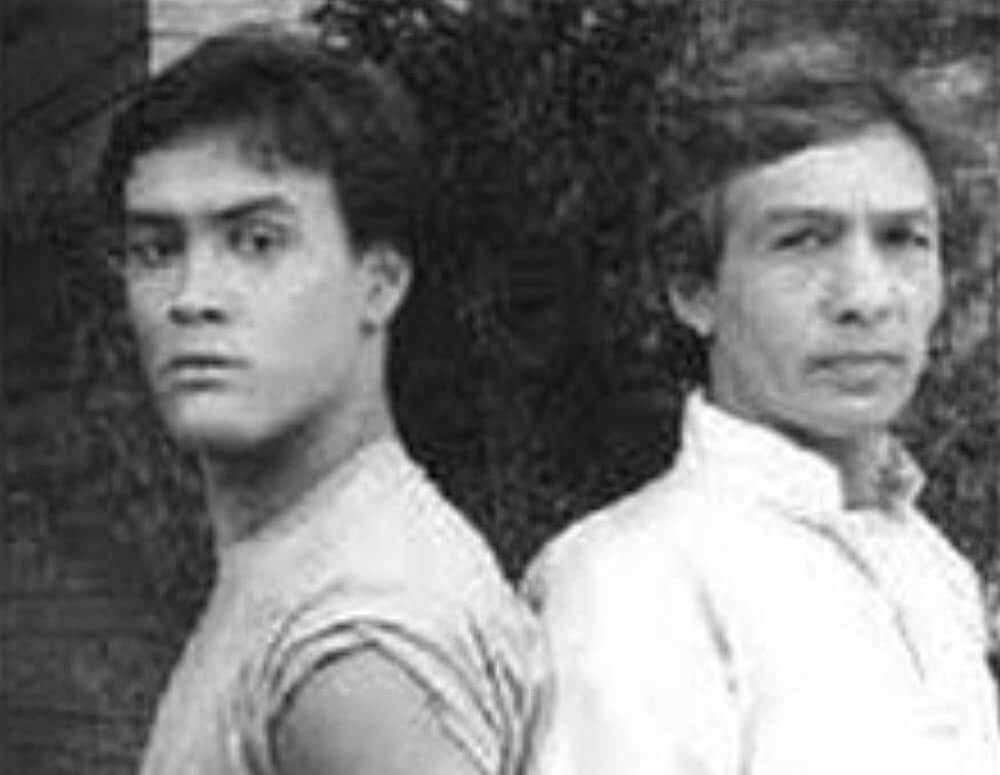
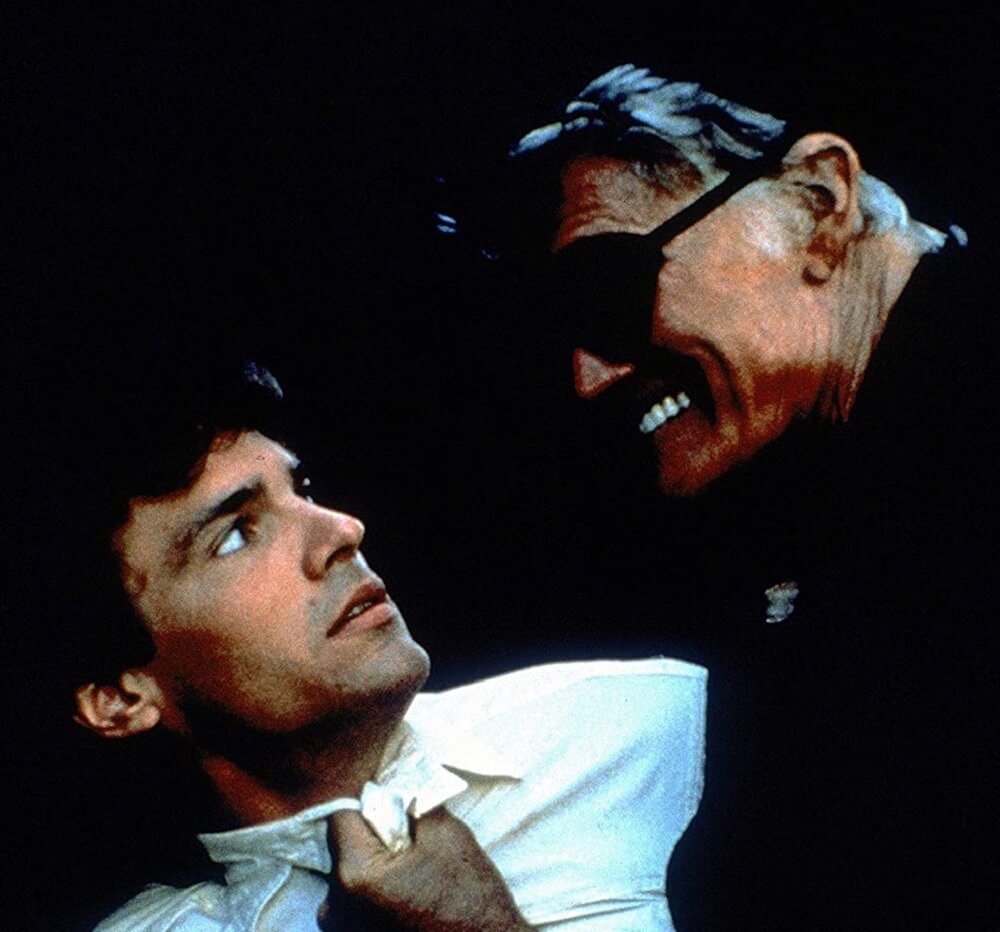
Kung Fu: The Next Generation (CBS): Fifteen years after the original series made its bow, Kung-Fu: The Next Generation followed the adventures of Kwang Chai Caine’s great-grandson (also named Kwang Chai Caine) and his son, Johnny. Estranged from his father, Johnny (played by Brandon Lee) has reluctantly fallen into a life of crime, egged on by his pal Mic (the ever-watchable Miguel Ferrer), and is caught red-handed by the police.

telephemera 1987 kung fu next generation brandon lee

Instead of locking him up, the police call in Caine, a pillar of the community, and entrust him with his son’s keeping, sure that he will pass on the teachings of his ancestor – who appears as a ghost at one point – and set him on the straight and narrow.

Although they repeat the error of the first series and cast a white man as Kwang Chai Caine (Israeli actor David Darlow), the inclusion of Lee was a positive and hopes were high that the next generation star would front a successful series. A sixty-minute pilot was aired in June 1987 as part of The CBS Summer Playhouse but critics found it “just plain boring” and the eventual series never materialised.

Peggy Sue (ABC): Peggy Sue Got Married was a 1986 Francis Ford Coppola movie starring Kathleen Turner that suffered from its similarities to the concurrently-released Back to the Future but still earned enough plaudits (and money at the box office) that it was considered a success.

The proposed series would have followed Turner’s character Peggy Sue Bodell as she relived her teenage years, aware that the slightest deviation from how things were could change how things will be (and no doubt deciding to do it anyway).

With the movie’s writers Jerry Leichtling and Arlene Sarner on board, Columbia Tristar put the project into development but it never got as far as the pilot stage. Leichtling and Sarner found it difficult to follow up their big hit and it wasn’t until 1990 that they received their next writing credit, on The Earth Day Special.

Cameo by Night (NBC): An unusual concept, which played on the burgeoning popularity of the hard rock renaissance led by Bon Jovi and Guns ‘n’ Roses, Cameo by Night saw a timid police secretary go undercover as Cameo, a sultry rock fan, to solve a series of murders that had plagued the local scene. Sela Ward, who had come to notice in the short-lived naval drama Emerald Point NAS, plays the dual role, aided by Thomas Ryan as Sorry Eddie, and under the auspices of Justin Deas’s Detective Bellflower.

telephemera 1987 cameo by night

Written by a pre-X-Files Chris Carter, the pilot episode of Cameo by Night aired as part of NBC Sunday Night at the Movies, and despite gaining decent ratings – the slot was usually to be found in our around the top twenty rating shows of the season – it was passed over for consideration as a series, possibly due to the limited nature of Cameo’s undercover activities.

Carter, of course, soon found fame and fortune (although non-X-Files successes were few and far between), while Ward would go on to win awards for her soap work and have a recurring role in House, but you’ll struggle to see their early work in this picture, which has all but vanished. The brief, erm, cameos you can find look quite exciting though…

Next on The Telephemera Years: Saturday morning cartoons! Including mice and miaow-munchers!

Check out our other Telephemera articles:

The Telephemera Years: 1966 (part 1, 2, 3, 4)

The Telephemera Years: 1968 (part 1, 2, 3, 4)

The Telephemera Years: 1969 (part 1, 2, 3, 4)

The Telephemera Years: 1971 (part 1, 2, 3, 4)

The Telephemera Years: 1973 (part 1, 2, 3, 4)

The Telephemera Years: 1975 (part 1, 2, 3, 4)

The Telephemera Years: 1977 (part 1, 2, 3, 4)

The Telephemera Years: 1980 (part 12, 3, 4)

The Telephemera Years: 1982 (part 1, 2, 3, 4)

The Telephemera Years: 1984 (part 1, 2, 3, 4)

The Telephemera Years: 1986 (part 1, 2, 3, 4)

The Telephemera Years: 1987 (part 1, 2, 3, 4)

The Telephemera Years: 1990 (part 1, 2, 3, 4)

The Telephemera Years: 1992 (part 1, 2, 3, 4)

The Telephemera Years: 1995 (part 12, 3, 4)

The Telephemera Years: 1997 (part 1, 2, 3, 4)

The Telephemera Years: 2000 (part 1, 2, 3, 4)

The Telephemera Years: 2003 (part 1, 2, 3, 4)

The Telephemera Years: 2005 (part 1, 2, 3, 4)

The Telephemera Years: 2008 (part 1, 23, 4)

Titans of Telephemera: Irwin Allen

Titans of Telephemera: Stephen J Cannell (part 1, 2, 3, 4)

Titans of Telephemera: Hanna-Barbera (part 1, 2, 3, 4, 5)

Titans of Telephemera: Kenneth Johnson

Titans of Telephemera: Glen A Larson (part 1, 2, 3, 4)

Titans of Telephemera: Quinn Martin (part 1, 2)

Five Films to Check Out on Horror Channel This Week – 011121

horror five

Here are our picks for what to watch on Horror Channel this week….

Wednesday November 3rd, 4pm – Asteroid-A-Geddon (2020)

The Asylum is back with another CGI-fest. With a title like that, it’s hard not to be drawn into this but surprisingly, there’s also a decent premise. The Earth is in peril once more as a giant asteroid is heading our way and the scientists can’t decide what to do. (Also screening Thursday at 11am and Sunday at 3pm. )

Thursday November 5th, 9pm – Odd Thomas (2013)

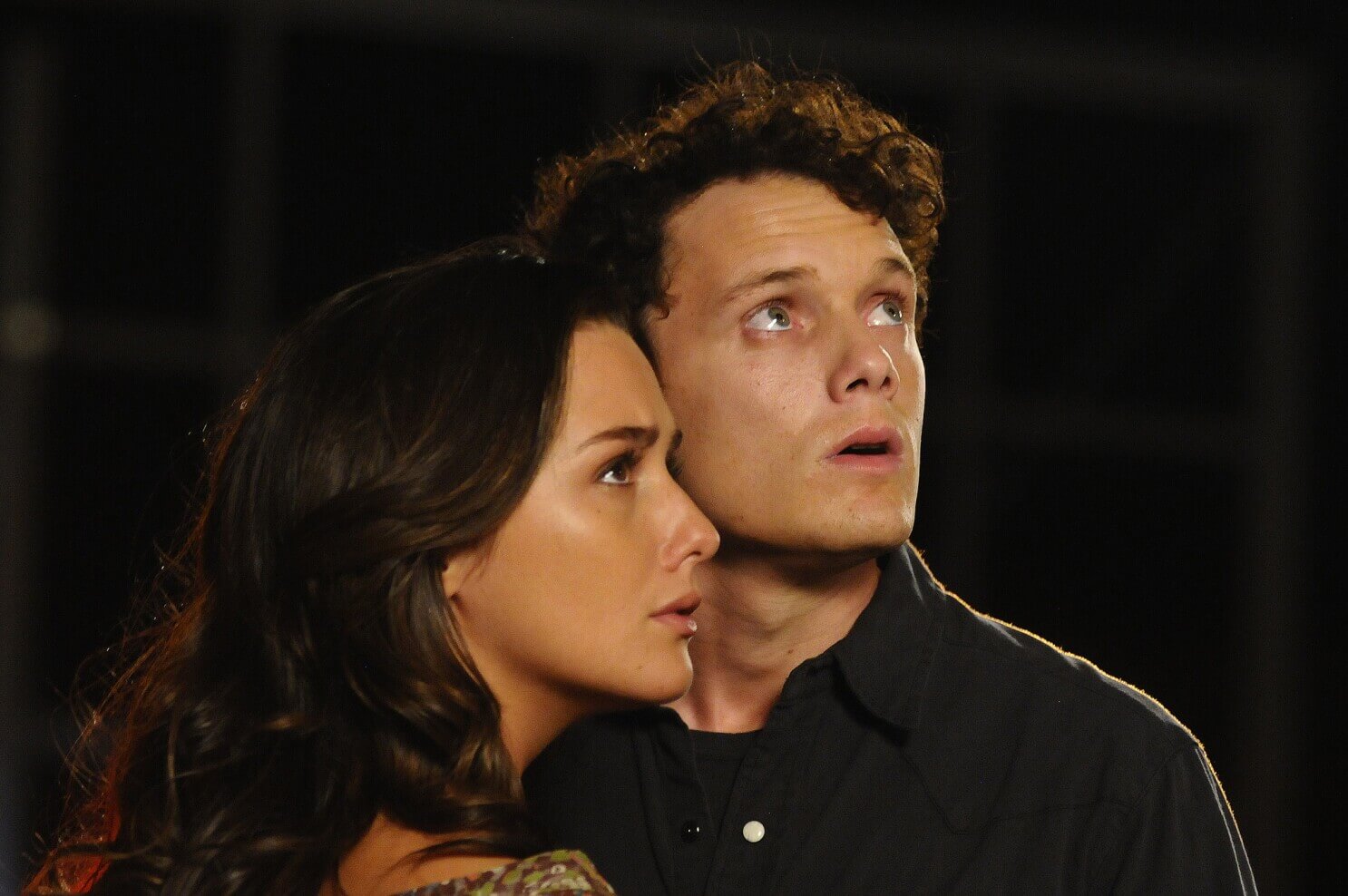
The late Anton Yelchin plays the titular character in this adaptation of Dean Koontz’s classic novel. Odd is a psychic who can see dead people and must use his power to save the city.

Friday November 6th, 11pm – Piercing (2018)

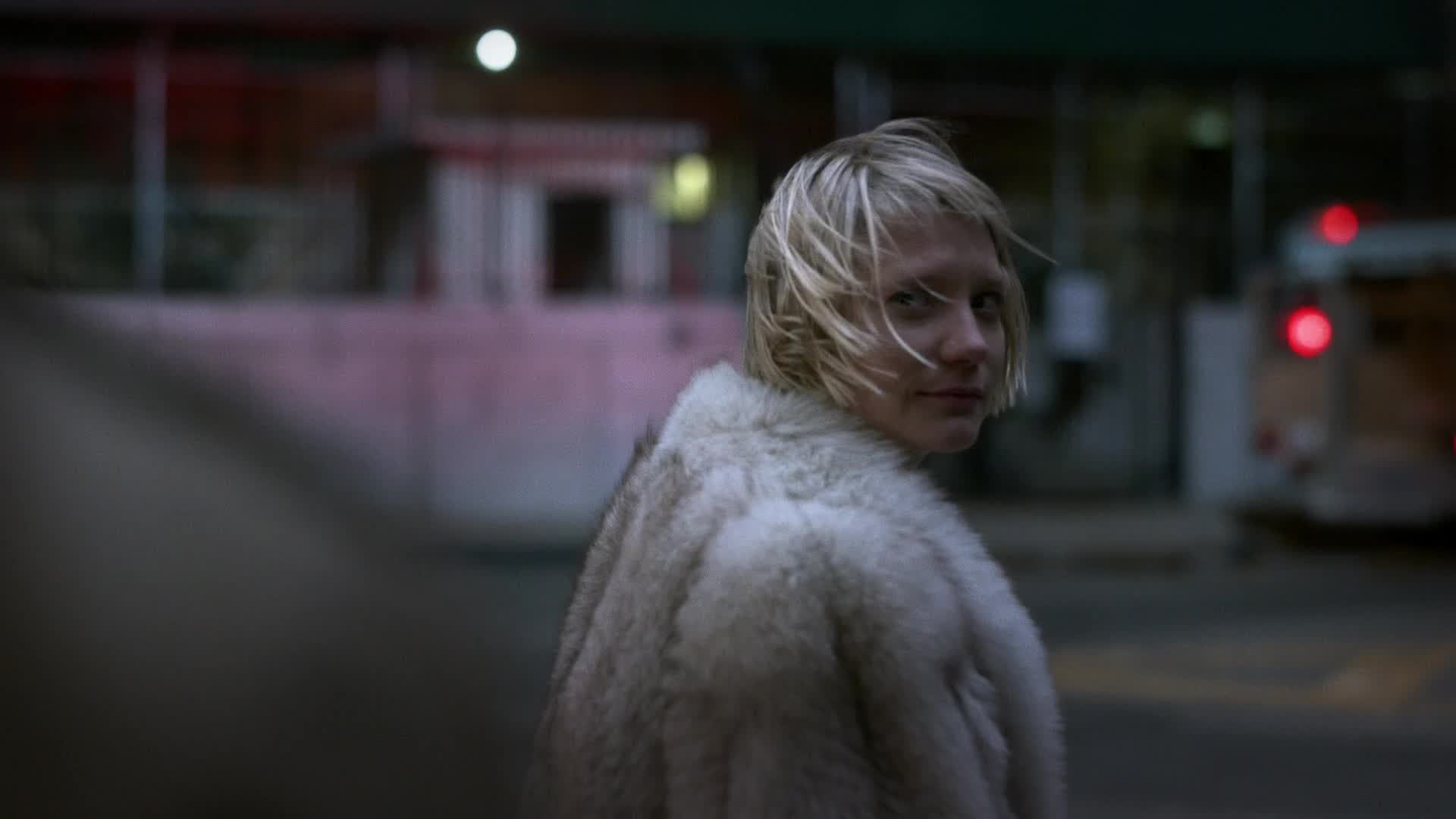
Superb disturbing thriller from Nicolas Pesce, who gave us the equally brilliant The Eyes of my Mother. Christopher Abbott plays a businessman who rents a hotel room with the intention of killing a prostitute (Mia Wasikowska).

Saturday November 7th, 9pm – Vacancy (2007)

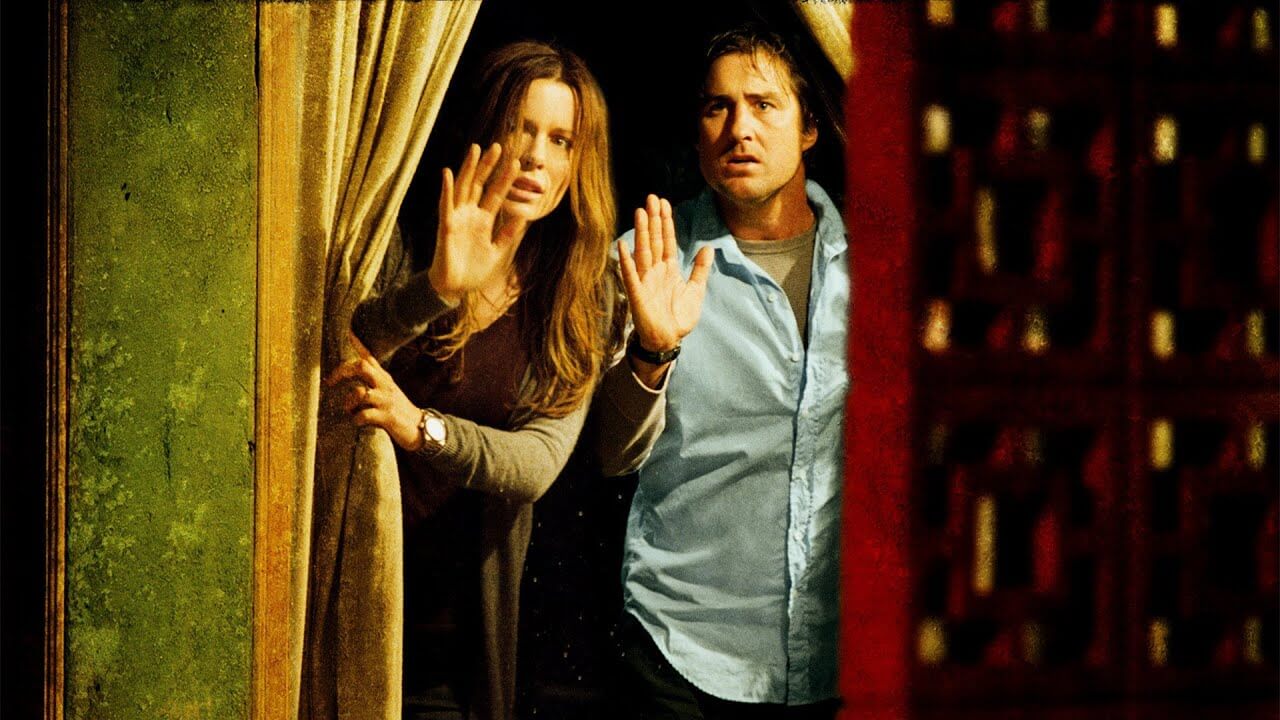
Kate Beckinsale and Luke Wilson star as a couple at the end of their relationship who are forced to stay at a remote motel when their car breaks down. Obviously, they have a lovely stay. Oh, wait, wrong film…

Sunday November 8th, 10.35pm – Videodrome (1983)

David Cronenberg’s brilliantly prescient body horror stars James Woods as a TV programmer who delves into the murky underworld of a forbidden transmission. Long live the new flesh.

Tune into Horror Channel on Sky 317, Virgin 149, Freeview 68, Freesat 138.

Scott Cooper | ANTLERS

SCOTT COOPER INTERVIEW - ANTLERS

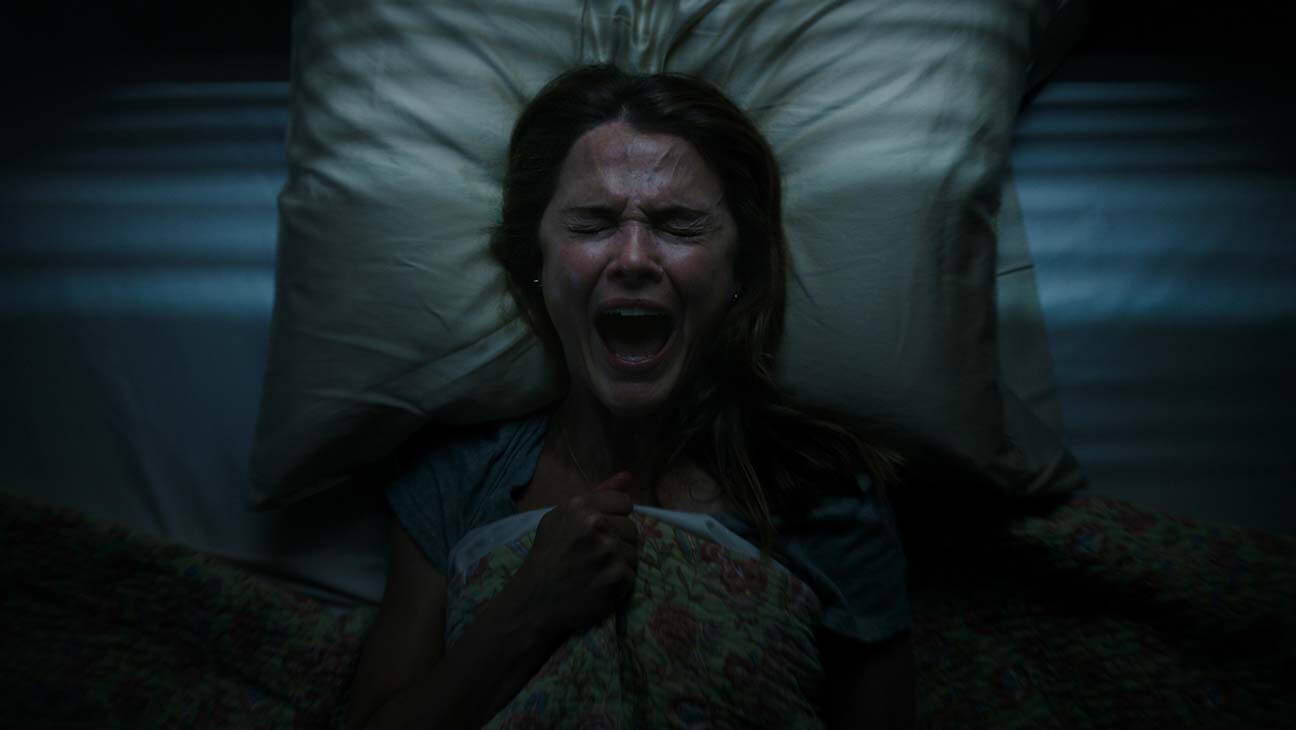
Scott Cooper is an American director, writer and producer. His latest film Antlers is perhaps a departure from his previous works including Hostiles and Black Mass, being a fantasy horror involving the mythical Wendigo. Scott took some time to talk with STARBURST about bringing the creature to life, working in different genres, and his dark sensibilities.

STARBURST: It’s been a strange 18 months since Antlers was originally due for release…

Scott Cooper: Yes, and I’m so thankful that we’re finally releasing it into the cinemas as I believe horror should be experienced communally.

Your films have a grandeur to them; the visuals being just as important as the story you’re telling.

The atmosphere, the location, how I place the actors in the frame. And in this particular film, we shot on a large format camera. This is a story about a young boy with very big problems and the way I placed him in the frame is best experienced on that giant screen. All very deliberate.

A lot of your films are grounded, often in a not altogether pleasant reality. And there is a sense of that here with the decaying town. But Antlers is a fantasy horror. Was that a change for you, a challenge against your instincts?

I think the great danger for a filmmaker is in doing safe work; continuing to make the same film over and over. I have no interest in that. That’s why I made a musical drama with Jeff Bridges, a rust-belt drama with Christian Bale and Casey Affleck. It’s why I made a gangster film with Johnny Depp and Benedict Cumberbatch. It’s why I made a western with Christian Bale. And now this. I always like to be in an uncomfortable space as a filmmaker. I also know that this is my first immersion into the supernatural, but I wanted it to feel very grounded. So, I looked at another filmmaker who I greatly admire and who has been a mentor for me over the years, and that’s William Friedkin. And if you look at, say, the French Connection. And then he makes a film like The Exorcist, which also deals with family grief and the supernatural. But what’s so scary about the film as a parent is that it’s played so realistically. So, I ask myself ‘how can I use that as a barometer?’ Or Kubrick’s The Shining? Or Ridley Scott’s Alien? Or Nicolas Roeg’s Don’t Look Now? All that deals with the supernatural in a very grounded environment. And I would not have made this film if it wasn’t for Guillermo del Toro. Firstly, he approached me and said ‘Scott, your last three films have been horror films, and nobody knows it. Would you consider directing a horror film?’ And I said yes. I love the genre. Some of my earliest remembrances are of seeing films I shouldn’t be seeing at a young age with my older brother. It’s another challenge for me. But I wanted to hold up, as I’ve kind of done in my previous films, a dark mirror to the fears and anxieties we’re facing as Americans. And we’re facing a lot of them. How do I do that? And also merging with the supernatural. And because Guillermo is the foremost monster and creature creator, I knew that he would be able to help me in the execution, of the practical production of the Wendigo. Also, in terms of making that feel as haunting and realistic as possible. But for me, the scariest things are some of the themes that run through it: the generational trauma, familial abuse and addiction crisis. Our maltreatment of Native Americans. All of those things course through my other work. Let’s be honest, Guillermo and I are very different filmmakers, our sensibilities are very different. It’s a miracle that any of this works. But I’m very proud of the film, and I think it’s another step in my maturation as a filmmaker.

Having watched your earlier films there was a question over whether when the time came, would Antlers move into true fantasy, or would there be something else going on. Your other films do deal with human darkness. With what you’ve done here was it then about being respectful of the myths and beliefs of the native people?

As you can see in Hostiles, Native American people and causes are very important to me. I worked with Native American advisors on that film and certainly here. As a white, Anglo-Saxon protestant telling a story that deals with indigenous folklore, it was critical that I looked to experts. Chris Eyre, who was also a consultant on Hostiles, worked with me here. But so did Grace Dillon, who is a professor at Portland State University, and she is the foremost authority on the Wendigo in North America and has written extensively on it. So, from my screenplay to the creation of our creature, all through shooting and post-production, she was incredibly generous with her time and expertise. And I would never have made the film without Guillermo and someone like Grace Dillon to guide me through what this folklore means to indigenous cultures. It was a real challenge.

That’s interesting because the Wendigo doesn’t have a great deal of descriptive clarity.

According to Professor Dillon, the Wendigo manifests itself in many different ways, but first and foremost it’s a spirit. It’s a very antlered creature that has deer-like qualities. And we wanted to pay homage to that antlered creature for sure. But we chose to make our Wendigo represent the destruction of our natural resources, so it felt like it was born out of a mine, out of iron and ore and coal. Which is what the exoskeleton looks like and has embers and a glowing heart. But it also represents the destruction of our bodies through addiction. And it represents greed, and greed doesn’t have to be voracious about money but can be about natural resources and about narcotics. About taking something from someone else, that doesn’t belong to you. And that can emerge in familial abuse, which we realise through Keri Russell and Jesse Plemons’ characters. That we see through the abuse Lukas has endured. That all courses through in a very subtle way, but also reminds us that the Wendigo lives in all of us. That pain and misery run through everybody and eventually it will come out. You can’t escape it.

That’s interesting because when you watch your films, you get the sense there is a lot of guilt, suffering, dark souls. Is that something that appears naturally when you’re writing or is it something you seek out?

It’s everything you just expressed. One of my tenets as a filmmaker is that, if I can see myself in my work others will see themselves. As opposed to going to therapy, as I probably should, I tend to put it into my work. Or I tend to put it into my characters or my scenarios. The great musician Eddie Vedder, who wrote some music for Out of the Furnace, said that if you don’t write that stuff down it’ll just eat you up, and that’s true. So, I put it into my films and that’s therapeutic for me. My films can be divisive as they deal with some tough subject matter. Not everyone is willing or open to exploring that, and I’m completely fine with that. A legendary American director who shall remain nameless said to me that ‘if everyone likes your film it’s probably not very good.’

That’s interesting because, and forgive me, but Black Mass felt like the lesser of your films because perhaps there was less of you in there. Because you were dealing with a true story. With Antlers, you can go anywhere. And to get the performance from the child actors, when they have to convey so much horror.

I have had children in all my films apart from Out of the Furnace. Including my own kids who are in Hostiles. I’m quite familiar with child actors. But I never use ones who have acting coaches and agents. I have no interest in those kids because they don’t take direction, they’re camera ready, I want kids who feel like they’ve experienced some life. I want kids who can convey non-verbally, who have a rich interior life. And Jeremy Thomas and young Sawyer Jones absolutely do that. They’re shouldering the burden at too young of an age. As a young boy who lives by duty and self-preservation. In dealing with these dark themes, doing a film with a 7-year-old and a 12-year-old was incredibly challenging, as I had to constantly remind them this is a big sandbox we’re playing in, this is all make-believe. They were in dark attics, in cold dark mines, and faced with a big Wendigo. Themes that are too big for any child to deal with. And they give such heart-wrenching performances. For me, it’s as good as anything I’ve seen this year. Because it isn’t acting.

Antlers probably has the best character survival rate for your films; you do kill a lot of your cast off. Not to spoil other films, but the end of Hostiles is bold and dramatic and dark. There is a dark sensibility.

And I’m a generally light guy so I don’t know where that comes from! But I will say that from the philosopher Thomas Hobbes, there is a Hobbesian viewpoint in my films where life is nasty, brutish and short.

It’s definitely short! We wanted to speak about the Wendigo. It looks like there was a lot of in-camera effects, and presumably, there is an influence from Guillermo. Was that difficult to do on set as much is in darkness?

It was tough because it’s also a big creature. Dorian Kingi was the actor inside the Wendigo and it was heavy and laborious to move, so it was largely practical but with some CGI enhancement. I don’t have a lot of experience, but visual effects have come a long way and assimilating the two was quite successful. For someone who has never had that in their films this kept me up at night, to make it look a real as everything around it.

You’ve said before you have a script you want to make, The Pale Blue Eye?

I’m making it now. It surrounds a series of murders at a military academy with a young cadet who would later become renowned as Edgar Allan Poe. And as a Virginian, with a lot of Poe literature around me growing up, I’ve always been fascinated by him. And he is the godfather of crime and horror fiction.

Antlers is out now in cinemas.

[ENDED] Win Criterion’s GODZILLA – THE SHOWA-ERA FILMS 1954 – 1975 Collection

win godzilla showa-era

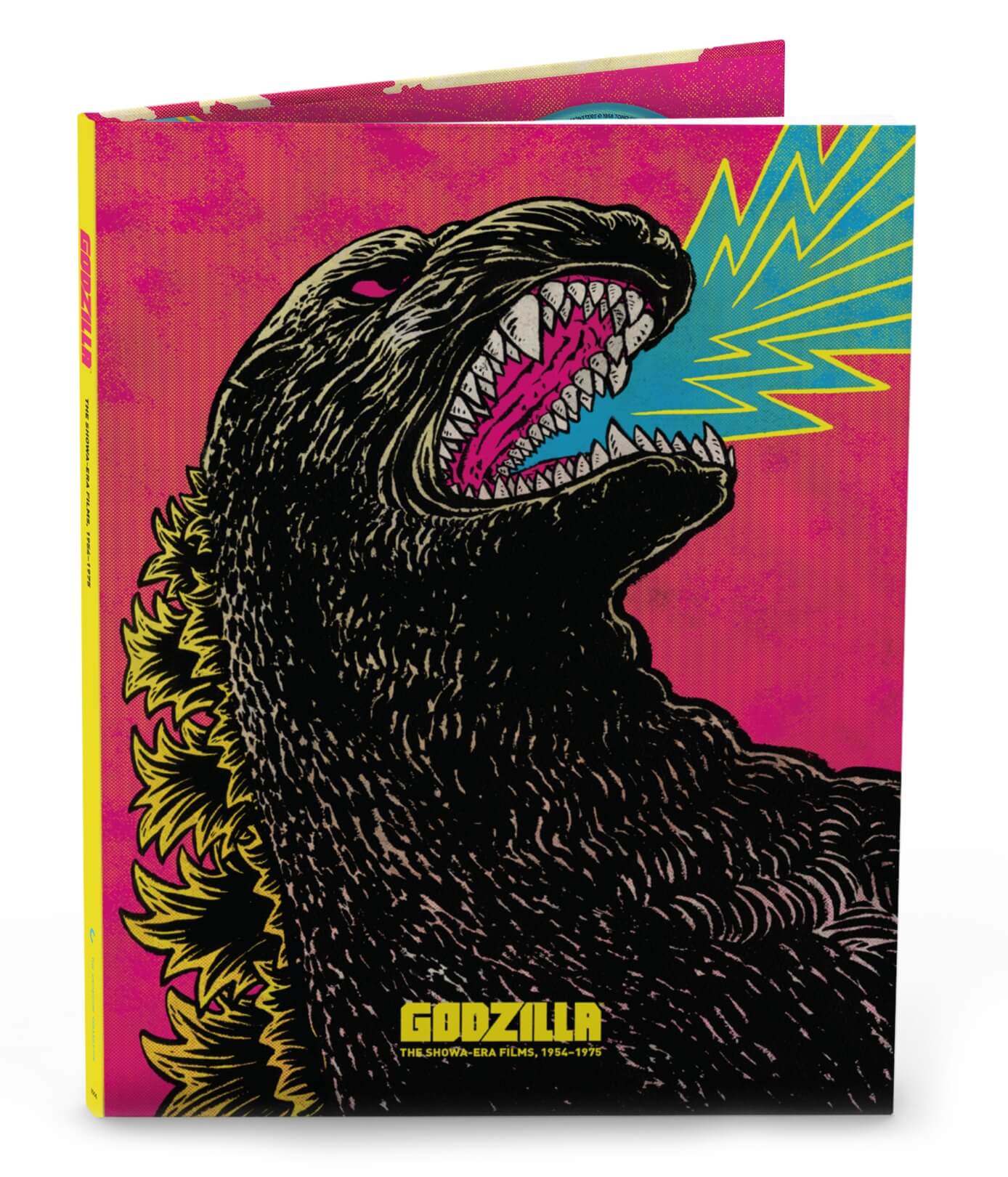
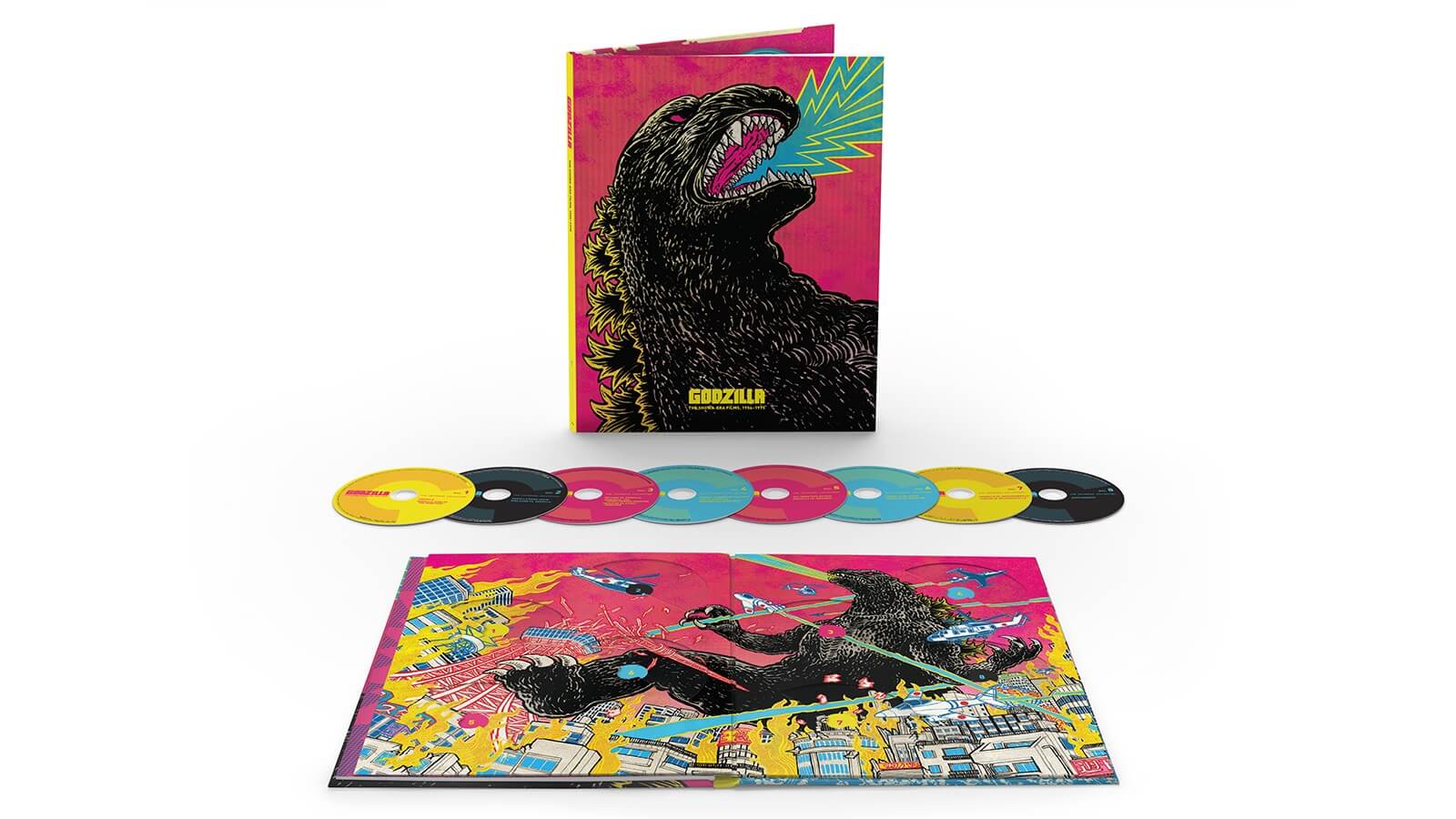
To celebrate Godzilla’s 67th birthday in November, we’ve teamed up with Criterion Collection to give one lucky reader a chance to win the mammoth Godzilla – The Showa-era Films 1954 -1975 on Blu-ray! Just read on and enter below…

Collected here for the first time all fifteen Godzilla films of Japan’s Showa era, in a landmark set showcasing the technical wizardry, fantastical storytelling, and indomitable international appeal that established the most iconic giant monster the cinema has ever seen. The set also includes a lavishly illustrated deluxe hardcover book.

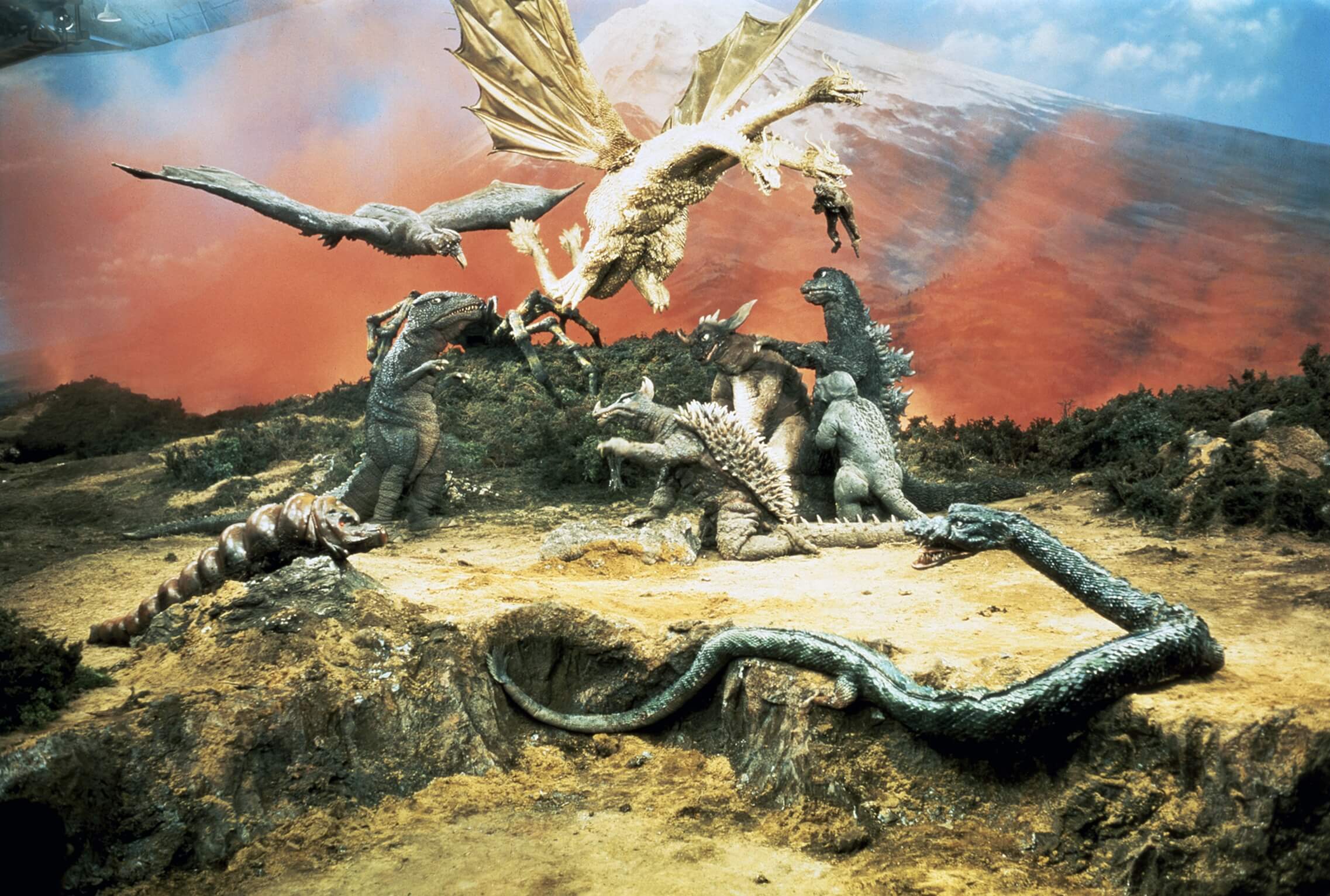
IN 1954, an enormous beast clawed its way out of the sea, destroying everything in its path – and changing movies forever. The arresting original Godzilla soon gave rise to an entire monster movie genre (kaiju eiga), but the King of the Monsters continued to reign supreme: in fourteen fiercely entertaining sequels over the next two decades, Godzilla defended its throne against a host of other formidable creatures, transforming from a terrifying symbol of nuclear annihilation into a benevolent (if still belligerent) Earth protector. Collected here for the first time are all fifteen Godzilla films of Japan’s Showa era, in a landmark set showcasing the technical wizardry, fantastical storytelling, and indomitable international appeal that established the most iconic giant monster the cinema has ever seen.

GODZILLA – THE SHOWA-ERA FILMS, 1954–1975 available now on Criterion Collection Blu-ray

INCLUDES 15 FILMS:

GODZILLA™ (DIR. ISHIRO HONDA 1954)

GODZILLA™ RAIDS AGAIN (DIR. MOTOYOSHI ODA 1955)

KING KONG VS. GODZILLA™ (DIRS. ISHIRO HONDA, THOMAS MONTGOMERY 1963)

MOTHRA™ VS. GODZILLA™ (DIR. ISHIRO HONDA 1964)

GHIDORAH™, THE THREE-HEADED MONSTER (DIR. ISHIRO HONDA 1964)

INVASION OF ASTRO-MONSTER (DIR. ISHIRO HONDA 1965)

EBIRAH™, HORROR OF THE DEEP (DIR. JUN FUKUDA 1966)

SON OF GODZILLA™ (DIR. JUN FUKUDA 1967)

DESTROY ALL MONSTERS (DIR. ISHIRO HONDA 1968)

ALL MONSTERS ATTACK (DIR. ISHIRO HONDA 1969)

GODZILLA™ VS. HEDORAH™ (DIR. YOSHIMITSU BANNO 1971)

GODZILLA™ VS. GIGAN™ (DIR. JUN FUKUDA 1972)

GODZILLA™ VS. MEGALON™ (DIR. JUN FUKUDA 1973)

GODZILLA™ VS. MECHAGODZILLA™ (DIR. JUN FUKUDA 1974)

TERROR OF MECHAGODZILLA™ (DIR. ISHIRO HONDA 1975)

THE EIGHT-DISC BLU-RAY SPECIAL EDITION COLLECTOR’S SET FEATURES

  • High-definition digital transfers of all fifteen Godzilla films made between 1954 and 1975, released together for the first time, with uncompressed monaural soundtracks
  • High-definition digital transfers of Godzilla, King of the Monsters, the 1956 U.S.-release version of Godzilla; and the 1962 Japanese-release version of King Kong vs. Godzilla
  • Audio commentaries from 2011 on Godzilla and Godzilla, King of the Monsters featuring film historian David Kalat
  • International English-language dub tracks for Invasion of Astro-Monster, Son of Godzilla, Destroy All Monsters, Godzilla vs. Megalon, Godzilla vs. Mechagodzilla, and Terror of Mechagodzilla
  • Directors Guild of Japan interview with director Ishiro Honda, conducted by director Yoshimitsu Banno in 1990
  • Programs detailing the creation of Godzilla’s special effects and unused effects sequences from Toho releases including Destroy All Monsters
  • New interview with filmmaker Alex Cox about his admiration for the Showa-era Godzilla films
  • New and archival interviews with cast and crew members, including actors Bin Furuya, Tsugutoshi Komada, Haruo Nakajima, and Akira Takarada; composer Akira Ifukube; and effects technicians Yoshio Irie and Eizo Kaimai
  • Interview with critic Tadao Sato from 2011
  • Illustrated audio essay from 2011 about the real-life tragedy that inspired Godzilla
  • New English subtitle translations
  • Trailers
  • PLUS: A lavishly illustrated deluxe hardcover book featuring an essay by cinema historian Steve Ryfle, notes on the films by cinema historian Ed Godziszewski, and new illustrations by Arthur Adams, Sophie Campbell, Becky Cloonan, Jorge Coelho, Geof Darrow, Simon Gane, Robert Goodin, Benjamin Marra, Monarobot, Takashi Okazaki, Angela Rizza, Yuko Shimizu, Bill Sienkiewicz, Katsuya Terada, Ronald Wimberly and Chris Wisnia

a Rafflecopter giveaway

Godzilla Showa Era Films is available now and enjoy 10% off at Amazon until November 7th!

[ENDED] Win DEEP RED Arte Originale on Arrow Video 4K UHD

win deep red

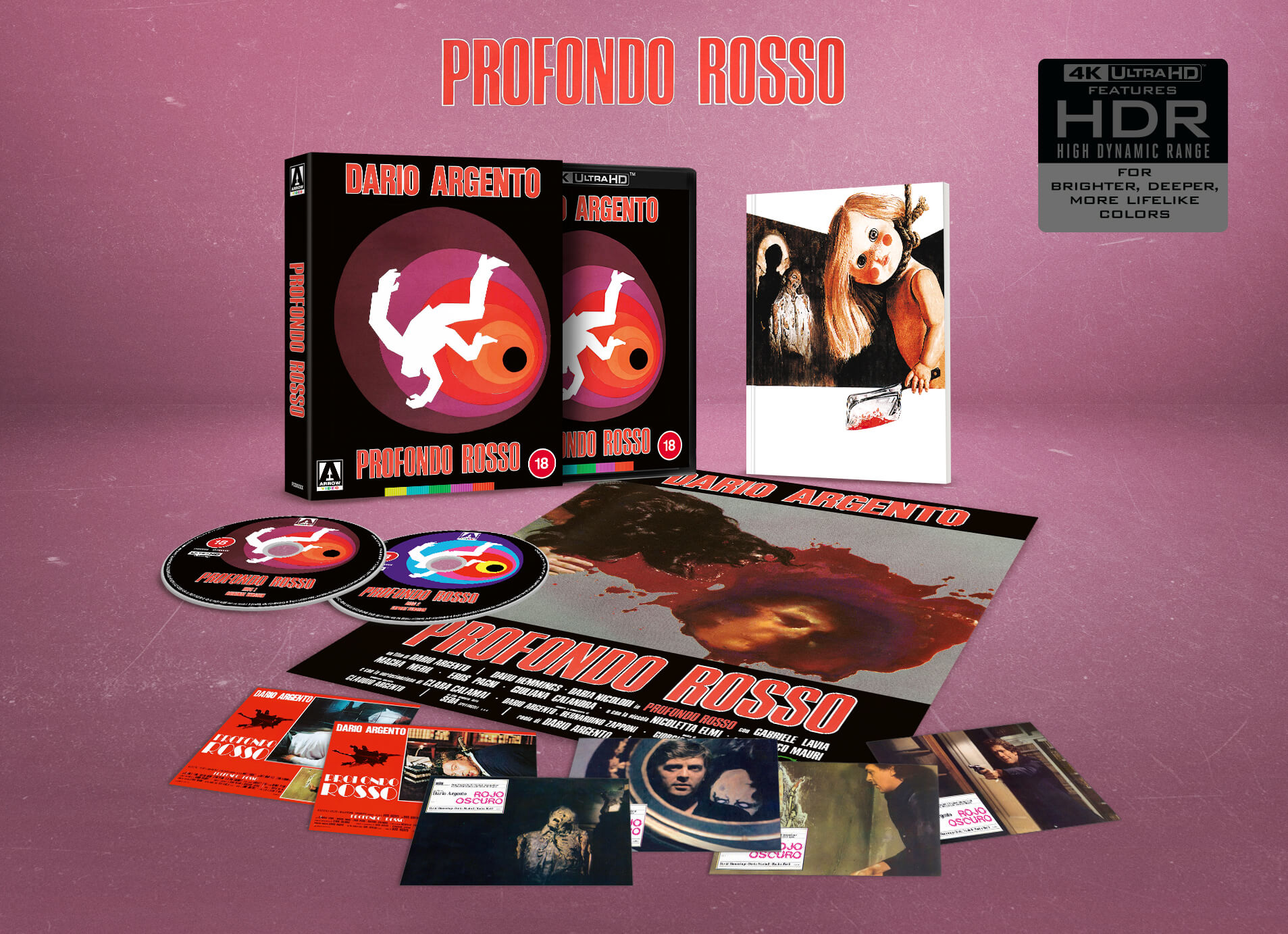
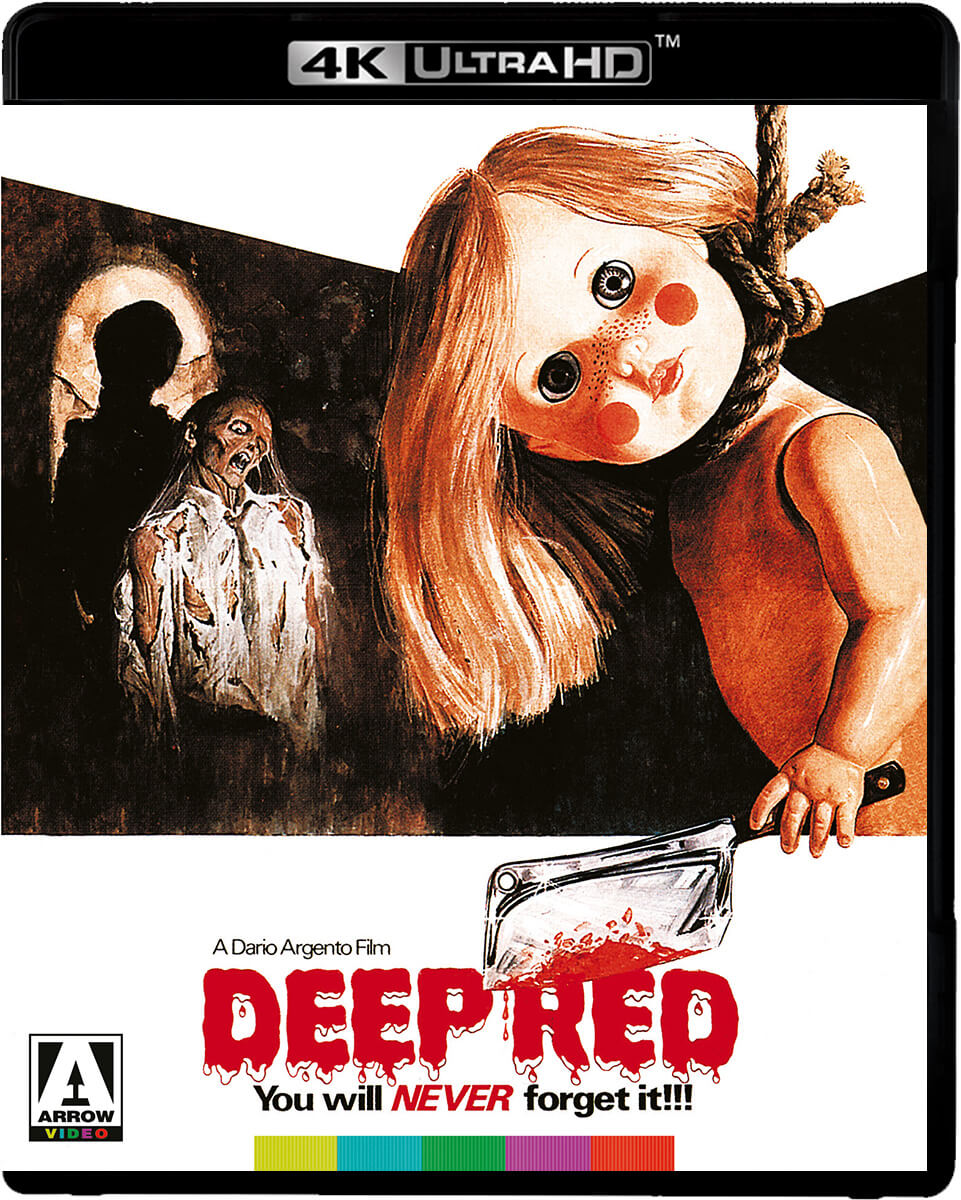
We’ve got a chance for one lucky reader to win a copy of Arrow Video’s Deep Red Arte Originale on 4K UHD. Just read on and enter below…

From Dario Argento, maestro of the macabre and the man behind some of the greatest excursions in Italian horror (Suspiria, The Bird with the Crystal Plumage), comes Deep Red – the ultimate giallo movie.

One night, musician Marcus Daly (David Hemmings, Blow Up), looking up from the street below, witnesses the brutal axe murder of a woman in her apartment. Racing to the scene, Marcus just manages to miss the perpetrator… or does he? As he takes on the role of amateur sleuth, Marcus finds himself ensnared in a bizarre web of murder and mystery where nothing is what it seems…

Aided by a throbbing score from regular Argento collaborators Goblin, Deep Red (aka Profondo Rosso and The Hatchet Murders) is a hallucinatory fever dream of a giallo punctuated by some of the most astonishing set-pieces the sub-genre has to offer.

4K ULTRA HD BLU-RAY LIMITED EDITION CONTENTS

  • New 4K restoration of both the original 127-minute Italian version and the 105-minute export version from the original negative by Arrow Films
  • 4K (2160p) UHD Blu-ray presentations of both versions in Dolby Vision (HDR10 compatible)
  • Limited edition packaging with reversible sleeve featuring two original pieces of poster artwork
  • Illustrated collector’s booklet featuring writing on the film by Alan Jones and Mikel J. Koven, and a new essay by Rachael Nisbet
  • Fold-out double-sided poster featuring two original pieces of poster artwork
  • Six double-sided, postcard-sized lobby card reproduction artcards

DISC 1 (4K ULTRA-HD BLU-RAY) – DEEP RED: ORIGINAL VERSION

  • Restored original lossless mono Italian and English soundtracks★
  • Optional lossless 5.1 Italian soundtrack
  • English subtitles for the Italian soundtrack
  • Optional English subtitles for the deaf and hard of hearing for the English soundtrack
  • New audio commentary by critics Troy Howarth and Nathaniel Thompson
  • Archival audio commentary by Argento expert Thomas Rostock
  • Almost three hours of new interviews with members of the cast and crew, including co-writer/director Dario Argento, actors Macha Méril, Gabriele Lavia, Jacopo Mariani and Lino Capolicchio (Argento’s original choice for the role of Marcus Daly), production manager Angelo Iacono, composer Claudio Simonetti, and archival footage of actress Daria Nicolodi
  • Italian trailer
  • Image galleries

DISC 2 (4K ULTRA-HD BLU-RAY) – DEEP RED: EXPORT VERSION

  • Restored original lossless mono English soundtrack
  • Optional English subtitles for the deaf and hard of hearing
  • Archival introduction to the film by Claudio Simonetti of Goblin
  • Profondo Giallo – an archival visual essay by Michael Mackenzie featuring an in-depth appreciation of Deep Red, its themes and its legacy
  • Archival interviews with Dario Argento, Daria Nicolodi, Claudio Simonetti and long-time Argento collaborator Luigi Cozzi
  • US theatrical trailer

★The English audio track on this original cut has some portions of English audio missing. English audio for these sections was never recorded for these scenes. As such, they are presented with Italian audio, subtitled in English.

Director: Dario Argento

Cast: David Hemmings, Daria Nicolodi.


a Rafflecopter giveaway


Deep Red Arte Originale is out now on Arrow Video 4K UHD. Buy it directly from Arrow

Pedro Bromfman | FAR CRY 6

pedro far cry 6

Composer Pedro Bromfman is best known for his collaborations with directors José Padilha and Alex Winter, but his work on the score for the latest instalment in the long-running Far Cry series, Far Cry 6, will likely bring his musical talents to an even-broader audience. The first-person shooter takes place on the island of Yara, wherein the player must attempt to help topple a dictatorship, in the role of a guerilla fighter. The game’s vast landscape and multiple regions allowed Bromfman to really branch out and explore, so it was a joy to speak with the composer about his work on the game.

STARBURST: This is the sixth instalment in a series that’s been going on for so long – nearly 17 years. Even though all of the instalments are very different and unique, did you explore any of those before working on this game?

Pedro Bromfman: Not at all. I mean, I had heard about the franchise. I knew what Far Cry is, and I have a PS4 and I have an X-Box and I do play some games – especially the ones I’m working on or that I worked on – but I’m not a gamer per se. I didn’t grow up as a gamer. I had never played Far Cry and I purposefully decided I didn’t want to be influenced and I didn’t really want to hear what musically other composers had done.

This is such a different world from all the other Far Crys. I mean, it takes place in a Caribbean island. The setting is so different and the music we wanted to do was so different that I didn’t even want to go back and be influenced at all. The good thing about this is that I was brought in so early that most of the missions hadn’t even been thought out or hadn’t been developed and there was no music at all – referenced music – that was sent me. It was really a blank slate that we were able to figure out what the music needed to be. I wanted to have as, as little influence as possible, as far as other melodies, other themes that have been used in Far Cry – other sounds and things – to be able to just start from scratch as if it’s something new, even though it is part of however many years it’s been going on for.

In addition to your score, there is an entire soundtrack of other music that’s part of this world. How involved were you with that or did that work to influence you at all?

There were some references that were sent back to me. Our concept of the whole thing is my part of the music – which is probably three and a half hours of music for the game – my side is what tells the story, the narrative of Yara and the characters and the character themes and the cinematics and the main missions that were specifically scored to sound a certain way.

It’s basically the sound that brings the player into the game. The sounds that the players are listening to, but that the Yarans aren’t aware of. Then, there’s all this other music, like street music from like street bands throughout the game, music that they listen to on the radio, ome of the regime music that are like the national anthem and all the military marches that people are listening to on the streets constantly. This is the diegetic music. This is music that the Yarans are listening to. My music is like the subconscious of the whole thing, of the island.

But what happened is, when we were creating this sounds early on, like I said, we worked on the themes and there was no other music we listened to or anything else. I think I was the first one putting music to Yara, but as we evolved, there were bands being brought in. There’s a band in the game that’s called Máximas Matanzas and it’s a hip hop group. As they were making some of the music, Eduardo [Vaisman, audio director] would feed me some of that music too, because we wanted the central region to be more urban-influenced and have some hip hop elements. So I was listening to some of that music, just to get ideas and see what I could incorporate to make that whole region sound cohesive and borrow elements from other music that they’d be listening to in that region. But other than that, there’s very little back and forth between the different parts of the music.

I was really working with the main themes and the character themes and trying to develop what the sound of each character and the sound of each region. We have three main regions: Eastern, the central, and the Western region. We try to really treat each region – while having a cohesive sound for the score – but have each region really stand out on its own.

Then, you’d be able to tell musically when you’re listening to something – that you’d be able to feel which region you’re in, just from listening to the music in the background, in each mission and things like that. That’s what we tried to do. I think some of my score, you feel it more than you actually are singing along to it, although there are some iconic melodies and some beautiful pieces that stand out.


Talking to other composers who’ve worked on games, they say the hardest part when you’re playing a game is that you’re immersed in this world sometimes for literally 24 or 48 hours, depending on how many replays or missions you do, so the real challenge is creating music that people can hear over and over and over again. As you’re trying to work your way through certain areas,you might die and then come back and you’re going to be hearing this music a couple of times. What is that challenge like for for you and did it help to have done a couple of games prior to Far Cry 6?

Yes, I think so. I think that the mechanics of writing for games – some aspects of it are very different from working in film and TV. I think not only working on games, but also working on series that goes on for several episodes – so it’s like 10 hours – it’s more like a game. You’re able to have an arc, you have a lot more characters, you’re able to give more melodies to each character. That’s definitely, definitely an important plus that has helped me do it.

I think there’s a few things to unpack from what you talked about: you have the cinematics, which is the area of a video game that’s very similar to working on TV or a movie, right? I think in this game, you’ll have probably an hour and a half of cinematics or two hours of cinematics, altogether. I think I scored 50 minutes or so of cinema, so it’s almost a film within a game with all the backstories.

When you’re scoring a cinematic, they give me an edited version that’s usually locked and I know it’s always going to play that way, so when I do the music we know where the music needs to come in ,where it needs to grow, what it needs to say. When it comes out, every time a player plays the game, it’s going to play that same way, but then when you’re in the open world and when you’re dealing with missions is what is when what you talked about comes into play.

A player can play stealth mode through the whole mission and not really disturb all of the enemies and make them all come after you, so that’s only going to trigger one specific piece of music. Or ,you can go into full combat right away and have 30 people shooting at you. How do you make these things interesting? ‘Cause they can take two minutes or less skilled player can take 10 minutes.

It’s all about being able to create loops, bubble pieces, but also divided into stems or different tracks that, stacked on one another, vary the intensity and also to give variation, when a new element comes in that you haven’t heard in the first two minutes. Then that element becomes the part of the music and then another element drops out and another element comes in, trying to create interesting music that the player can play for for 12 minutes without being bored and saying, “It’s just the same thing over and over again.”

The expanded Far Cry 6: Complete Music is out this week from Ubisoft.

Shamier Anderson | INVASION

shamier anderson invasion

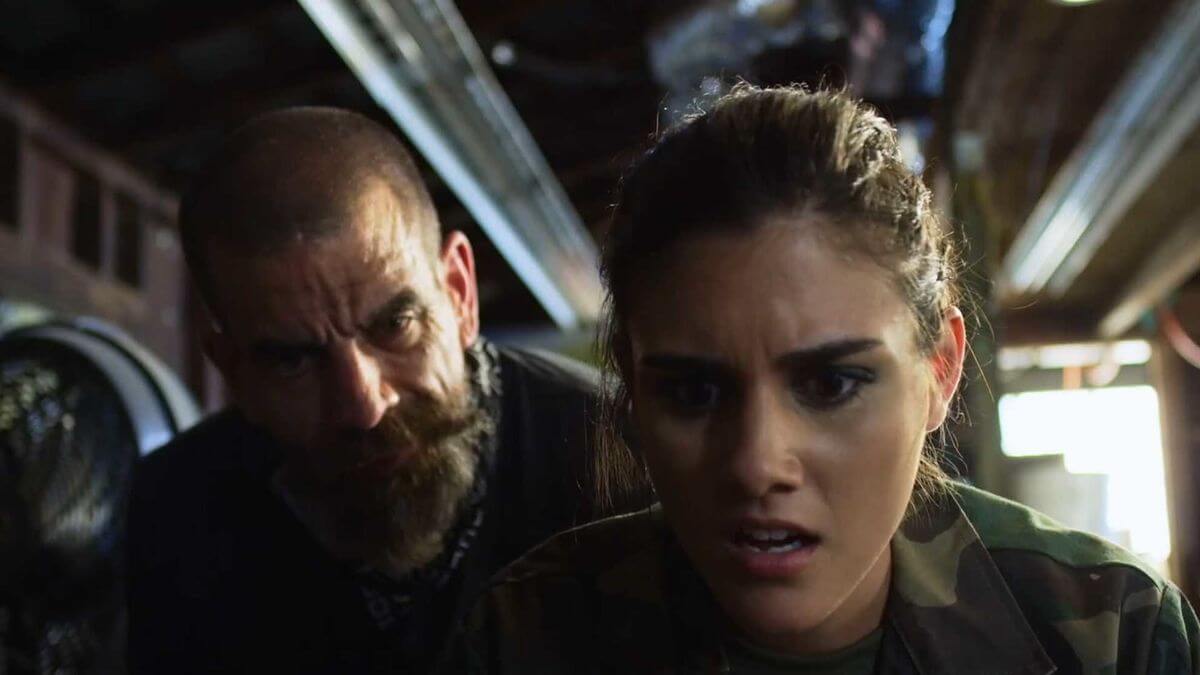
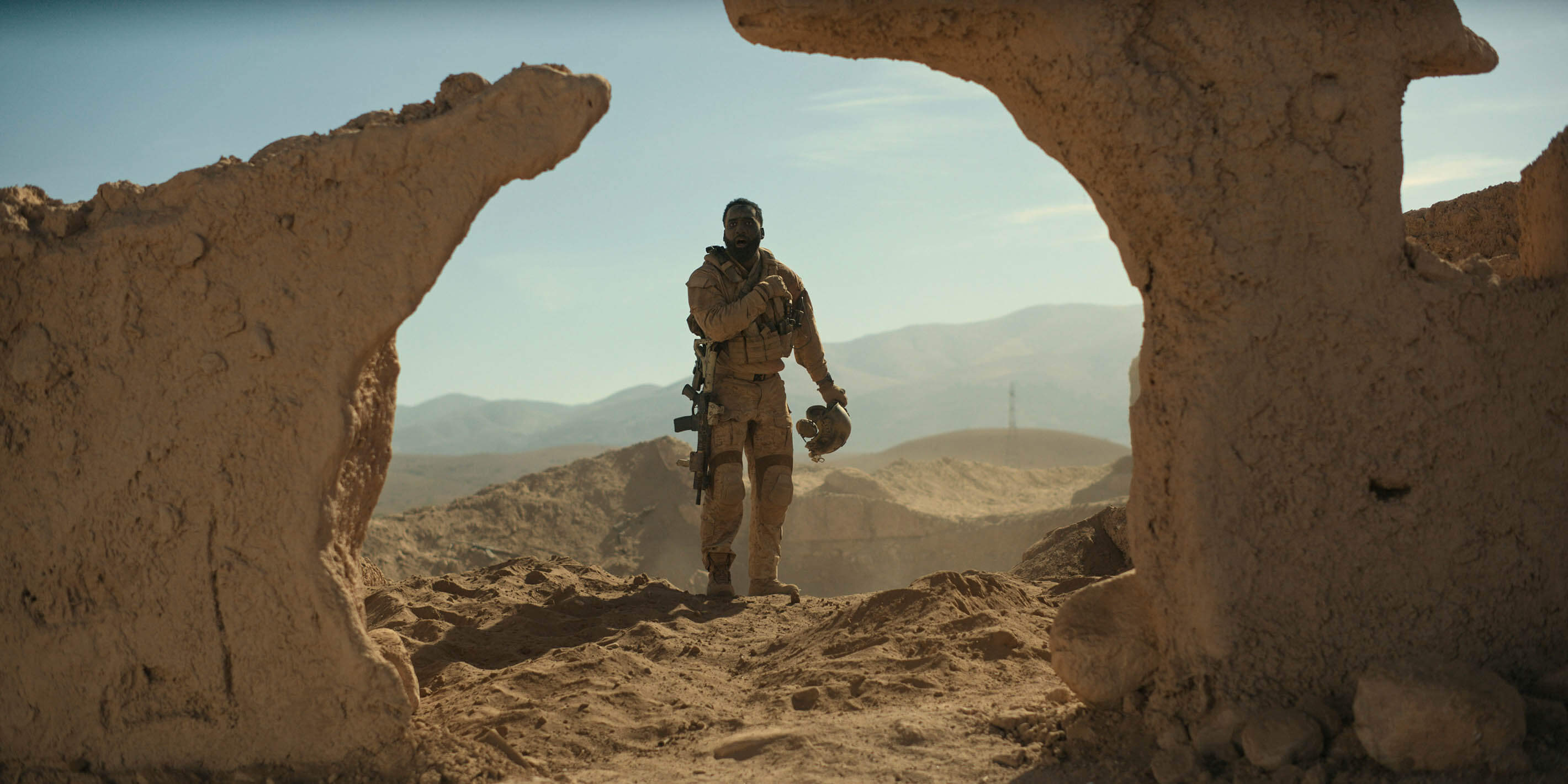
From H.G. Wells’ initial story, to Steven Spielberg’s major motion picture, to Howard Overman’s recent vision, it’s clear that audiences can’t get enough of the exhilarating War of the Worlds setting! This week, and under the title of Invasion, Apple TV will add to this diverse, legendary anthology with their modern twist on this classic Sci-Fi narrative! Told through complex characters based all over the world, this is a relentless retelling perfectly suited for a TV series format. Holding up the decorated navy seal segment as Trevante Cole in Afghanistan is Shamier Anderson (Stowaway/Awake/John Wick: Chapter 4)! STARBURST talks with the man himself to discuss the characteristics of Trevante, what Invasion was like to be a part of, and MUCH more!”


STARBURST: How familiar were you with the sci-fi story of The War of the Worlds before entering the project? Do you have any memories of it?

Shamier Anderson: Yeah, I was young when the Tom Cruise movie came out, but I was definitely familiar. Obviously, Tom Cruise is a legend. I’d be lying to you if I said that I did not watch that movie 1001 times before getting this job. It’s cool.

How would you describe your character Trevante Cole to someone that hasn’t seen the show, and how would you say that he fits into the show altogether?

Trevante is somebody who is very complex. He is a Navy Seal, and a decorated military veteran.  He has been in Special Forces for a very long time. He has a very complex past, a rich past, and he is from Florida. Not to give away too many spoilers, but this is a coming of age story for him. He starts to understand himself as this show evolves. It’s important to say that there’s a parallel and similarity with mankind, when something happens to us, that’s when we start to wake up to certain things. Certain things are awakened. We see that in Trevante’s journey in this series. Regardless of the sci-fi, extra-terrestrial elements, regardless of if you like Navy Seal/Military movies or not, this is a human experience that you get to feel through Trevante’s lens, and that’s what made me fall in love with him, and this character.

The characters in the show are based all over the world, so other than an alien invasion, what would you say really connects them all? Is there something in particular that they all have in common?

Something in particular that they all have in common is fear, let’s start with that. Everybody is scared of what’s going on. I think it’s clear as day that everybody is in fear of what is going on, but there’s also a wanting for love and understanding. I think that’s something that we see throughout. Everything is rooted in love, even down to the kid’s storyline. Billy Barratt’s character wanted to be liked. I think that’s something that’s a very interesting through-line that makes this story palatable, universal to those who may not be familiar to this genre.

Also, by having the story told from multiple locations all across the globe, what do you think that does for the show itself? We got a sense of realism from it being told this way.

Yeah! One of my favourite films is Babel by Alejandro G. Iñárritu, I love that film; I think it’s incredible. Along with Crash as well, and the different perspectives. I love those types of films, they get me excited. By doing this approach the creators at Apple TV have brought marketability to the show. They’ve been able to go into different territories. I love that they are unapologetic, I love that in the Japanese storyline; we’re just with the Japanese folks. We’re in their world, with their culture, and their language. When we’re in London we hear their rhetoric, their slang. When you’re with Trevante, with his seals, and his buddies, you’re in that shorthand. You get to see, from a fly on the wall point of view, the audience so to speak, gets to be immersed in these different perspectives throughout the series. Which also opens up our mind as the viewer, to be able to see that we are a lot more connected than we think. We are not so different, despite, race, creed, language, and those types of things. I love stories and shows like that, as it really offers another perspective outside of your own.

With a combination of modern warfare and The War of the Worlds influences, I was wondering what kind of research you did when it came to approaching your character?

I did a lot of research. A lot, more than you know! I actually went to school for criminology. I wanted to be a police officer at one point in time before I got the acting bug. So law enforcement, and understanding policy, those things were really fascinating to me growing up. So I just had an interest already, at the forefront, approaching this part. But I had to understand the nuances of playing somebody in Special Forces. It was important for me to work with a gentlemen by the name of Remi Adeleke, who is an ex-Navy Seal, and an incredible human being. He has an incredible story. He was brought on board, and he put me through boot camp, from the training, to the psychophysical aspect, to just being a Seal, and what it meant to be a Seal. That was really important to me, in my process. As we got to set, I wanted to maintain a lot of that training, so I would be up earlier before everybody else, I would be on set before everybody else, I’d be working out; I’d be sleeping in the desert. I’d be doing all of these things that would inform my character, and help me with the process. All of it was rooted in anxiety to be honest, it wasn’t me trying to be pretentious, or trying to be like this ‘actory’ person, it was just, I didn’t want to fuck up. So to speak. So that was where that came from, but also, giving the role justice and understanding that this is important to a lot of people, who serve currently today.

anderson invasion

At this point audiences have seen a few versions of The War of the Worlds. Can you elaborate a bit more on what else makes Invasion stand out from what has come before it?

We pay respects, and we give respects to those incredible films, because they’re all singular in their approach, and I don’t think it’s even a conversation as they’re in their own lane. However, I think what makes Invasion different is this ensemble. I think this ensemble is different, and the fact that we’re telling the story in 2021. The fact that I’m a part of this ensemble cast, which I’m really proud of, being a Canadian boy from Toronto, which is really cool. But I think understanding the younger perspective, which I think is really cool, I’m a big fan of Billy and India, and that storyline. I just think that there are a lot of elements in this version of The War of the Worlds. Everyone may think it’s the same thing, but it’s definitely its own beast. This version offers a fresher perspective.

Also, what were Simon Kinberg and David Weil like to collaborate with, and what do you think they have brought to Invasion overall?

Those two guys are titans! I definitely felt like a fly in a cup of milk, with those two beasts. To be able to work with those two is just like, “Wow!” Andrew Baldwin, our show-runner, who is on the ground, he was the ultimate collaborator. I mean, I’ve shot a lot of films and TV shows, and this one takes the cake when it comes to the collaborative aspect of this show. Allowing me to bring my nuances, ingredients to this guy, along with supporting their ideas, and them supporting mine, it was just amazing. I look forward to hopefully doing more Invasion with them, or more shows with them. This was one of the best experiences in my life, truly.

Obviously you worked on Stowaway recently as well, so I did want to ask, what do you enjoy so much about working in a sci-fi setting/story?

I just love the green screens! Ha, no, it just happened to be that way. I don’t seek these things out, and say that they have to be sci-fi. I just like great stories that are entertaining with great actors, that’s just pretty much it. If something happens next week, and it’s like “Hey, we’re doing this comedy that makes sense!” then I’ll do the comedy. If sci-fi makes sense for the next ten years, then let’s do some sci-fi. However, for me, it’s just great stories. I just love great stories.

Invasion is currently streaming on AppleTV+.


THE TELEPHEMERA YEARS: 1987 – PART 2

telephemera 1987 werewolf fox

Ah, telephemera… those shows whose stay with us was tantalisingly brief, snatched away before their time, and sometimes with good cause. They hit the schedules alongside established shows, hoping for a long run, but it’s not always to be, and for every Knight Rider there’s two Street Hawks. But here at STARBURST we celebrate their existence and mourn their departure, drilling down into the new season’s entertainment with equal opportunities square eyes… these are The Telephemera Years!

1987-88

The late 1980s were dominated by sitcoms, style, and sitcoms with style, with the rump of Dallas, Dynasty, Moonlighting, and Miami Vice butting up against Who’s the Boss?, Cheers, The Cosby Show, and Family Ties. For the genre fans there was such diverse fare as MacGyver, Max Headroom, ALF, and Highway to Heaven, and the new Fox network was making waves with 21 Jump Street, It’s Garry Shandling’s Show, Married… with Children, and The Tracey Ullman Show, which featured a certain dysfunctional family taking their nascent steps.

The new season brought us The Wonder Years, thirtysomething, and a monster called Full House, while the weird romantic monster story of Beauty and the Beast began its four-year run, descending further and further into fantasy lore. But what first appeared on US screens in the Fall season and didn’t make the same impact? This is the story of four more shows that couldn’t find an audience…

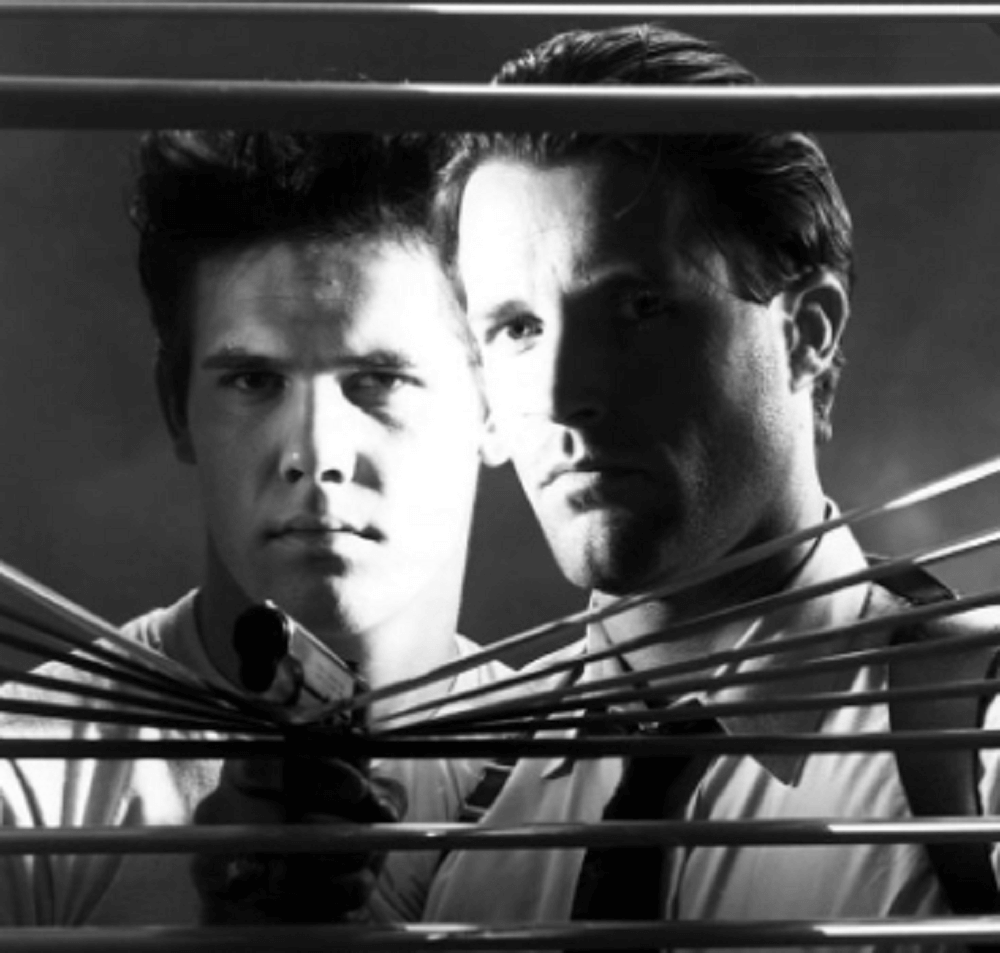
Private Eye (NBC): 1987 would seem to be an odd time to launch a crime noir TV series but Anthony Yerkovich – who created Miami Vice before handing it off to the credit-stealing Michael Mann – disagreed, offering NBC first dibs on his new show about a private dick in 1950s Los Angeles.

Michael Woods, who made his name in soaps and miniseries, starred as Jack Cleary, an ex-cop who was ran out of the police for being too virtuous in a city on the take. After years of drowning his sorrows, Cleary sets himself up as a Private Investigator, acquiring the assistance of spunky secretary Dottie (punker Lisa Jane Persky) and a young street hustler straight out of The Wild One, played by a young Josh Brolin.

telephemera 1987 private eye

With an overarching mystery of who murdered Cleary’s brother, the show cut a stylish swathe across Friday nights, with an incredible soundtrack of period songs and original music from Chris Isaak and Joe Jackson, but was unable to trouble ABC/s 20/20 or Falcon Crest on CBS for what meagre viewers weren’t out carousing.

Just thirteen episodes aired before it was yanked from the schedules, replaced – ironically – by Miami Vice, and it has never been released on any kind of home video or streaming service. The whole series can be found on YouTube, however, and is very much worth some of your precious private time.

Werewolf (Fox): If nothing else, the newly-created Fox network was willing to take a chance on a less-than-straightforward show, and Werewolf – which premiered on Saturday nights in July 1987 before being bounced around the schedules – certainly fitted the bill.

telephemera werewolf 1987 fox

Created by the aptly-named Frank Lupo (who co-created The A-Team with Stephen J Cannell), Werewolf told the story of Eric Cord (John J York in his first starring role), a young werewolf on a quest to rid himself of his curse by killing the originator of his bloodline, Janos Skorzeny (played by Chuck Connors in his final TV role).  While hunting Skorzeny – named for the vampire from The Night Stalker – Cord is himself hunted by a bounty hunter named Joe Rogan, and later discovers that Skorzeny wasn’t the original werewolf and has to find that monster!

A two-hour pilot was followed by twenty-eight half-hour episodes, finishing its run in May 1988, but there wasn’t sufficient interest in a second season for Cord to resume his journey (although Sky One did show the whole series in the UK a year later).

The complete series was released on DVD in France in 2020 but a planned US release was cancelled because they couldn’t obtain the rights to three songs featured in the show; video sharing sites have pretty much the full run, however.Lupo moved on to Something Is Out There, a show about a victim of crime who turns out to be an alien, but that’s a story for another time…

JJ Starbuck (NBC): Another of Stephen J Cannell’s lesser-known delights, JJ Starbuck starred Dale Robertson as Jerome Jeremiah Starbuck, a self-made billionaire who is aboard an offshore oil rig when his wife and son decide to pay him a surprise visit. Their plane crashes on the way and Starbuck is left without his two most valuable assets, despite the billions he has in the bank.

Handing control of his company over to a trusted pal, Starbuck takes off in his 1961 Lincoln Convertible (which plays “The Heart of Texas” when you press the horn), traveling from small town to small town, helping out the people he finds there like a latter-day Boomer or Kwai Chang Caine.

telephemera jj starbuck 1987

Starbuck started off on his own but an injury to Robertson while at home left him unable to perform certain key tasks and he was given an assistant and driver, EL “Tenspeed” Turner from Cannell’s 1980 miss Tenspeed and Brownshoe, played by that show’s Ben Vereen.

Sixteen episodes were produced, airing initially on Tuesdays opposite Moonlighting and Jake and the Fatman, before moving to Saturdays and then back to Tuesdays for its final run. It was Robertson’s last starring role before retiring in 1994, ending a career which had begun in 1948 and seen him appear in both Dallas and Dynasty.

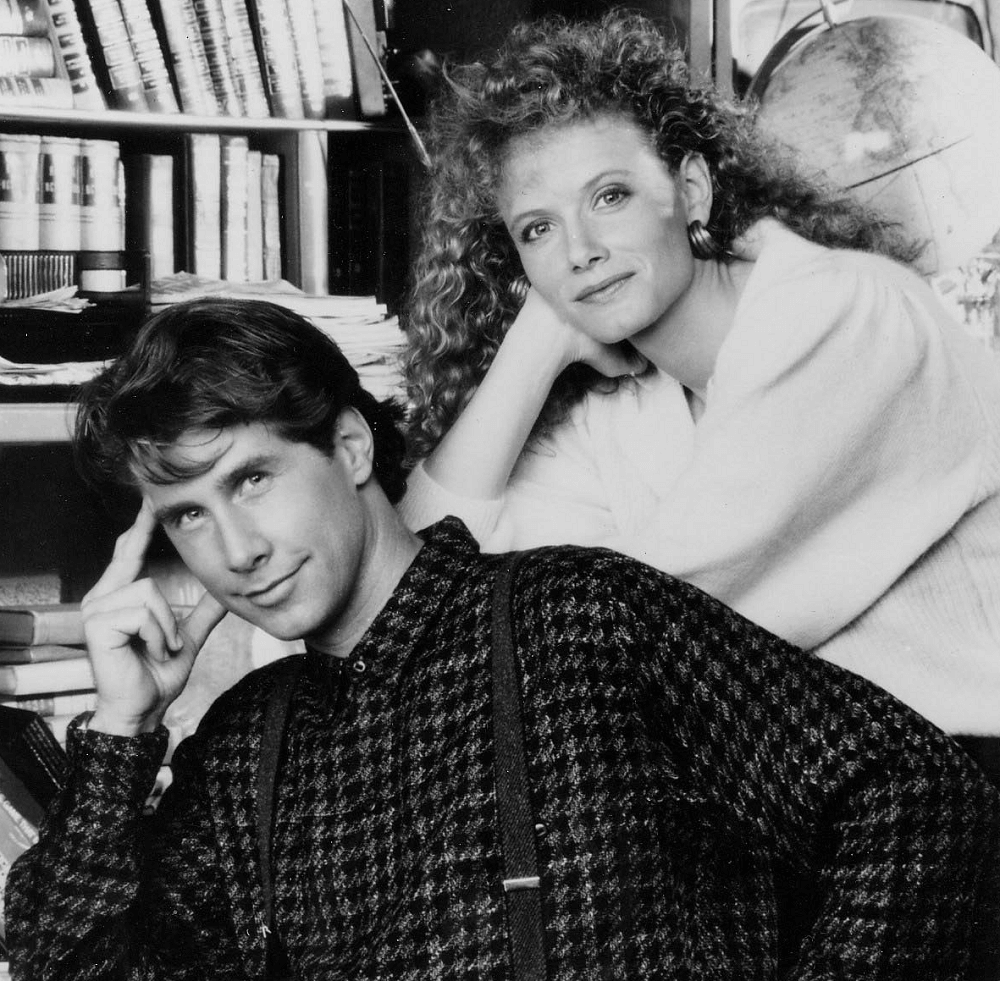
Probe (ABC): Out-and-out sci-fi was rare on television in the 1980s, especially that co-created by genre legend Isaac Asimov, but Probe was a bold attempt to bring a crusading science-based crime-solver to the air, with mixed results. Asimov’s co-creator was Michael I Wagner, a veteran of Hill Street Blues, who added humanity to Austin James, the series protagonist, in amongst all the hard science.

telephemera 1987 probe

Played by Parker Stevenson (Frank Hardy from The Hardy Boys), James was a genius-level intellect who used his various inventions to solve mysteries and was often called in by the local police to help solve crimes that left them puzzled. With an assistant provided by the company he founded (and then barely acknowledges), James uses his eidetic memory and lateral thinking skills to catch crooks, despite his lack of social skills.

Probe began its run as a mid-season replacement on Thursday nights, in a sitcom slot battered in the ratings by the number one and two rated shows, The Cosby Show and A Different World. It fared little better than its precedents and just six episodes were aired after the two-hour pilot, and was itself replaced by Max Headroom.

Still, Probe is fondly remembered by those who did manage to avoid the attentions of Bill Cosby, and it was well-reviewed by the critics. It has never been released on DVD but YouTube is your friend if you want to check it out. By turns a proto-Monk and X-Files, there’s a lot to recommend it.

Next on The Telephemera Years: the shows that didn’t make the air in 1987, including brides, bashers, and Norman Bates!

Check out our other Telephemera articles:

The Telephemera Years: 1966 (part 1, 2, 3, 4)

The Telephemera Years: 1968 (part 1, 2, 3, 4)

The Telephemera Years: 1969 (part 1, 2, 3, 4)

The Telephemera Years: 1971 (part 1, 2, 3, 4)

The Telephemera Years: 1973 (part 1, 2, 3, 4)

The Telephemera Years: 1975 (part 1, 2, 3, 4)

The Telephemera Years: 1977 (part 1, 2, 3, 4)

The Telephemera Years: 1980 (part 12, 3, 4)

The Telephemera Years: 1982 (part 1, 2, 3, 4)

The Telephemera Years: 1984 (part 1, 2, 3, 4)

The Telephemera Years: 1986 (part 1, 2, 3, 4)

The Telephemera Years: 1987 (part 1, 2, 3, 4)

The Telephemera Years: 1990 (part 1, 2, 3, 4)

The Telephemera Years: 1992 (part 1, 2, 3, 4)

The Telephemera Years: 1995 (part 12, 3, 4)

The Telephemera Years: 1997 (part 1, 2, 3, 4)

The Telephemera Years: 2000 (part 1, 2, 3, 4)

The Telephemera Years: 2003 (part 1, 2, 3, 4)

The Telephemera Years: 2005 (part 1, 2, 3, 4)

The Telephemera Years: 2008 (part 1, 23, 4)

Titans of Telephemera: Irwin Allen

Titans of Telephemera: Stephen J Cannell (part 1, 2, 3, 4)

Titans of Telephemera: Hanna-Barbera (part 1, 2, 3, 4, 5)

Titans of Telephemera: Kenneth Johnson

Titans of Telephemera: Glen A Larson (part 1, 2, 3, 4)

Titans of Telephemera: Quinn Martin (part 1, 2)

Five Films to Check Out on Horror Channel This Week – 251021

five horror

As we lead up to Halloween, it’s all about the classics with our picks for what to watch on Horror Channel this week….

Wednesday October 27th, 8pm – Star Trek: The Original Series

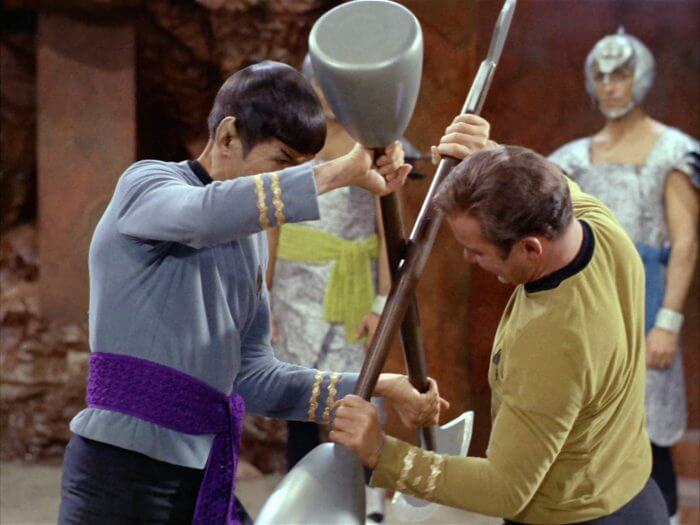
The second season of the classic Trek series begins with the episode Amok Time, in which Spock returns to Vulcan for a wedding. A key episode for a number of reasons, not least the introduction of the ‘Vulcan salute’, a fantastic duel between Kirk and Spock, and the first appearance of Walter Koenig as Pavel Chekov.

Thursday October 28th, 11.10pm – The Brood (1979)

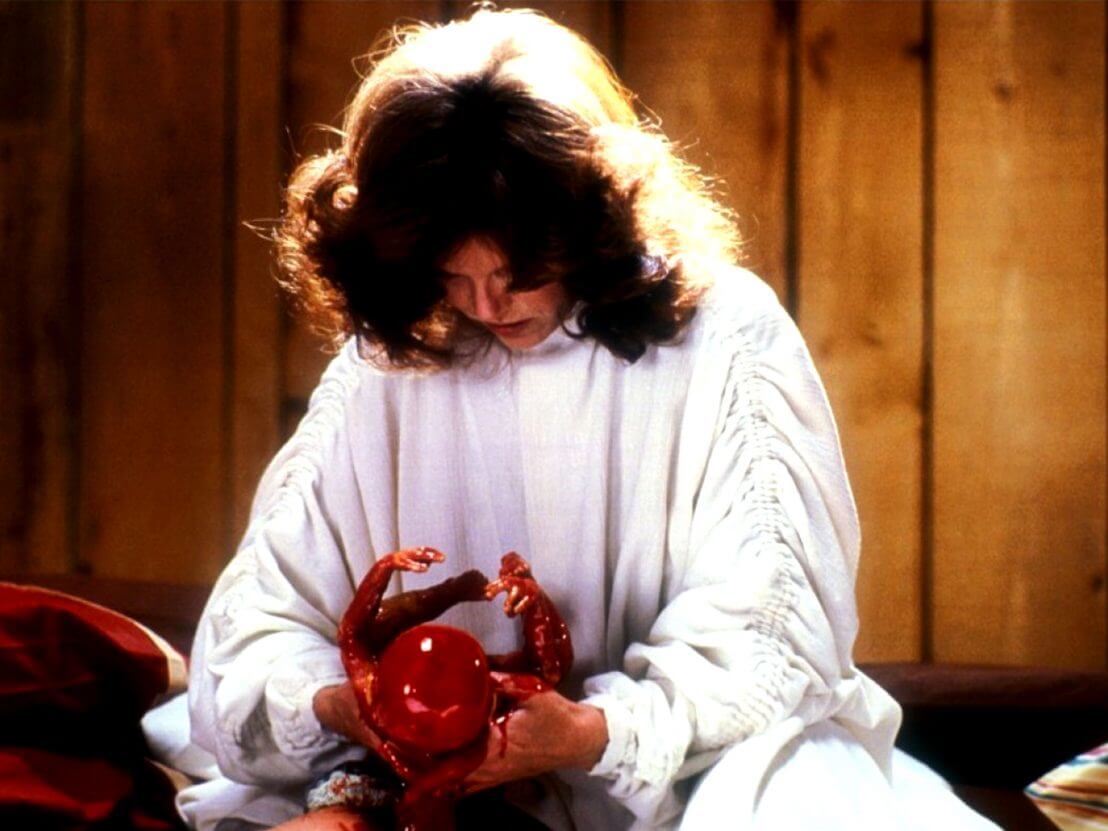
The master of body horror, David Cronenberg, presents another brilliantly icky example of psychological and visceral terror. Art Hindle and Samantha Eggar attend a therapy camp held by controversial psychotherapist Oliver Reed. Would you trust your mind and body to Olly?

Friday October 29th, 1pm – Night of the Demon (1957)

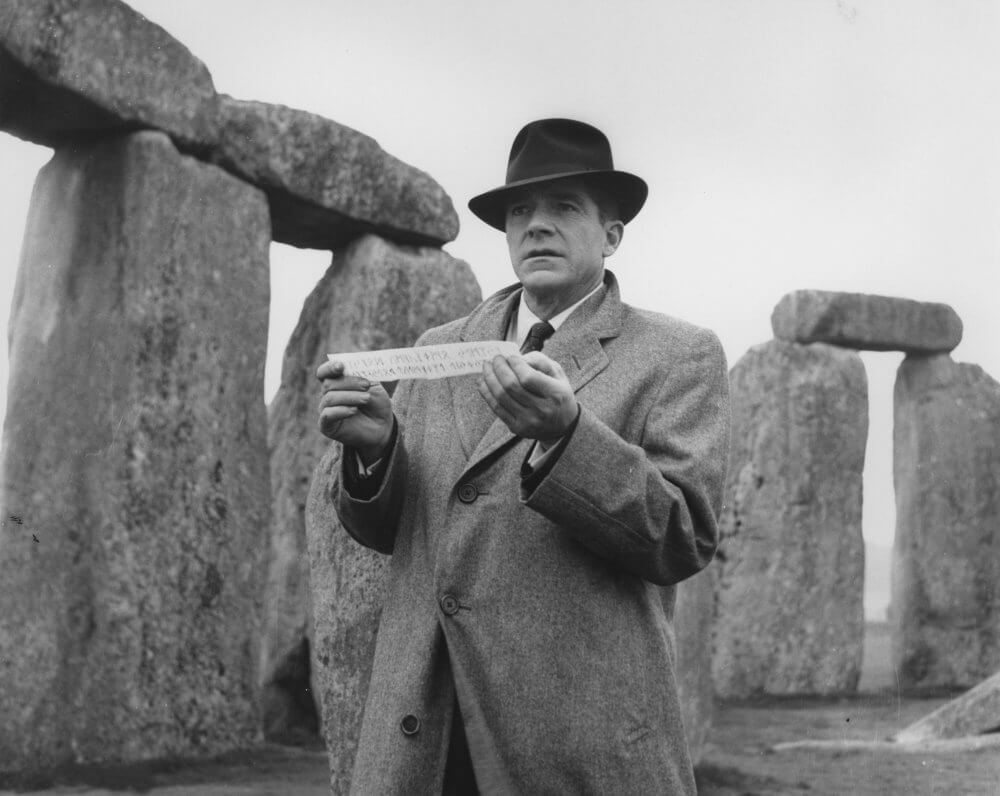
A masterclass in horror from director Jacques Tourneur. Dana Andrews is Holden, an American doctor, attending a conference in England to expose a cult leader Karswell (played brilliantly by Niall MacGinnis). Using an occult parchment bearing some runes, Karswell sets a date for Holden’s death. “It’s in the trees… it’s coming…!”

Saturday October 30th, 1pm – 8.20pm Classic Horror Halloween

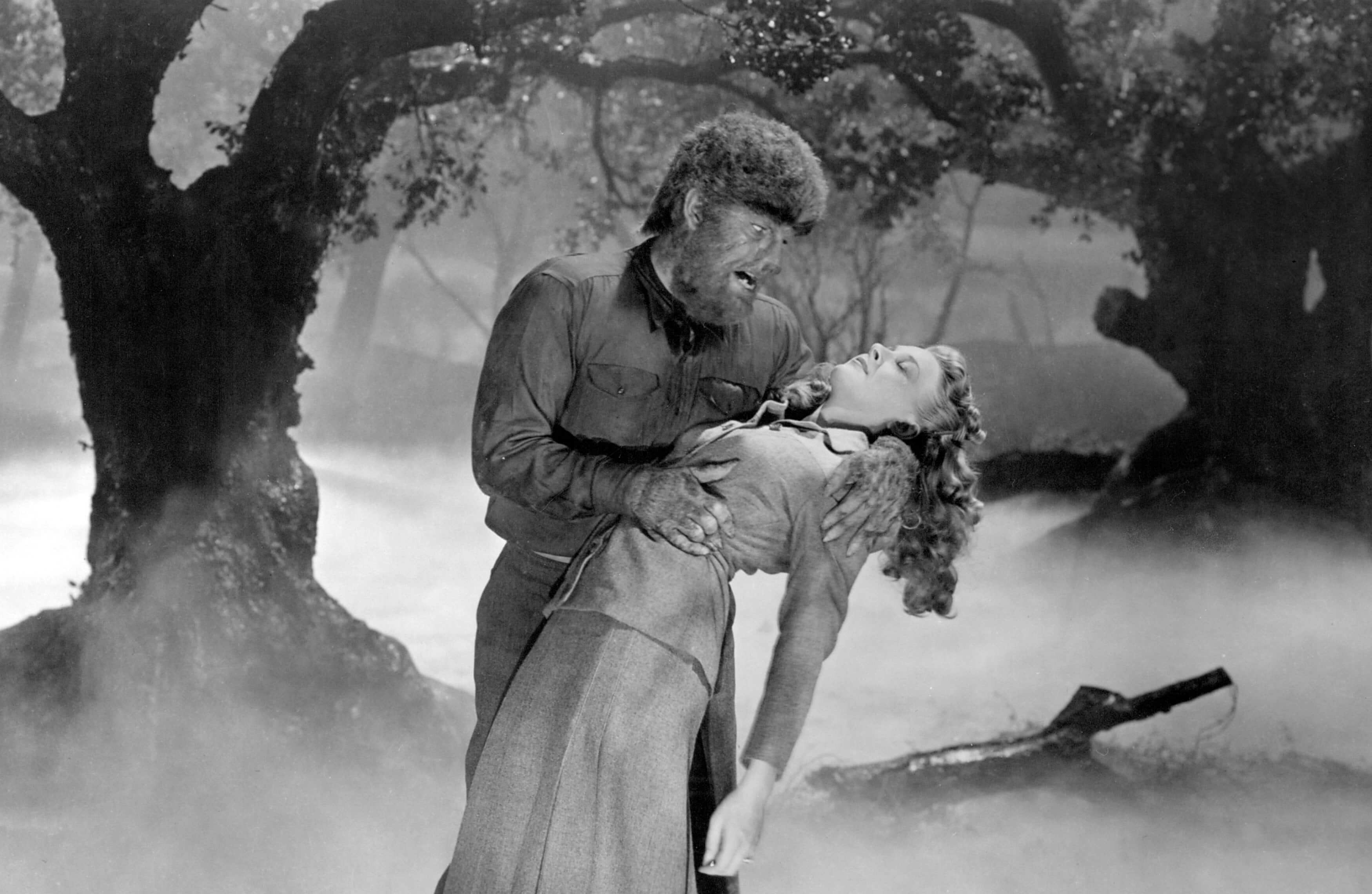
A real treat for fans of vintage terror as Samhain is given over to the Universal monsters. For Saturday afternoon/evening you can be in the company Dracula (1931), Frankenstein (1931), Bride of Frankenstein (1935), The Wolf Man (1941), and Frankenstein Meets the Wolf Man (1943)

Sunday October 31st, 2pm – 9.30pm – Classic Horror Halloween

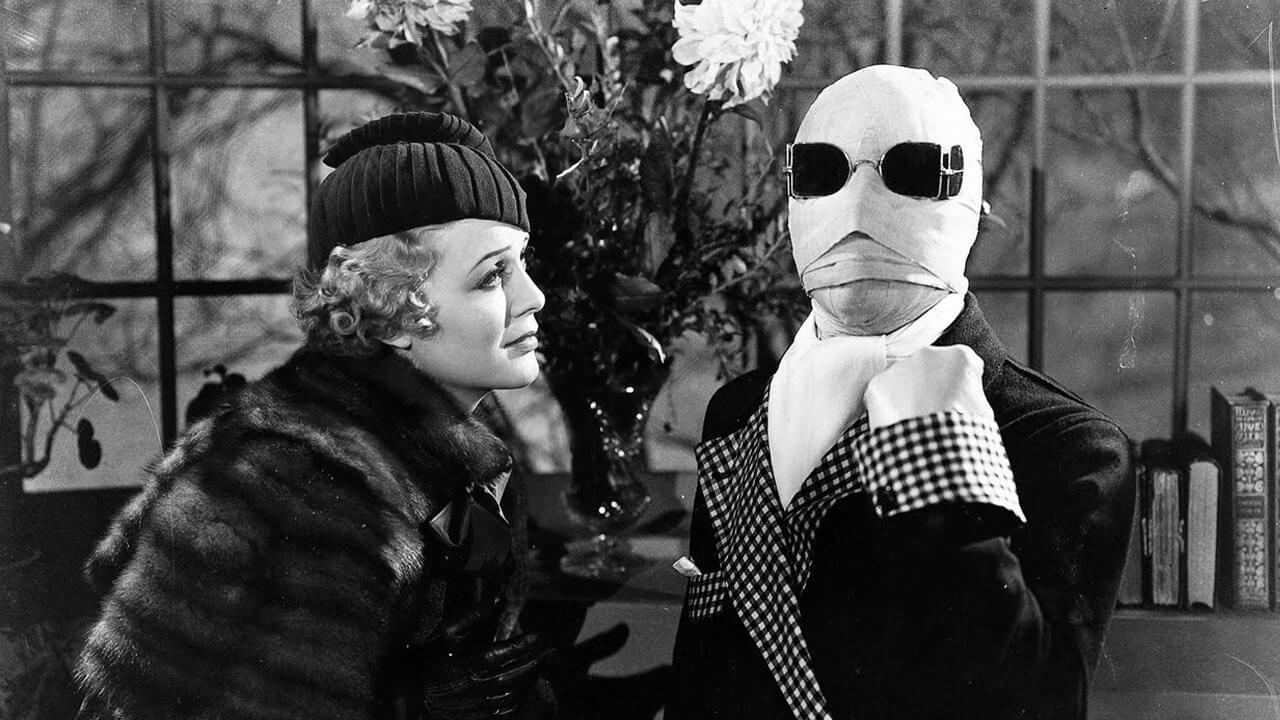
For the big day itself, we can enjoy The Invisible Man (1933), The Mummy (1932), The Mummy’s Hand (1940), Creature from the Black Lagoon (1954), and Revenge of the Creature (1955). Unmissable entertainment.

Tune into Horror Channel on Sky 317, Virgin 149, Freeview 68, Freesat 138.