[ENDED] Win Three Italian Crime Classics From STUDIOCANAL

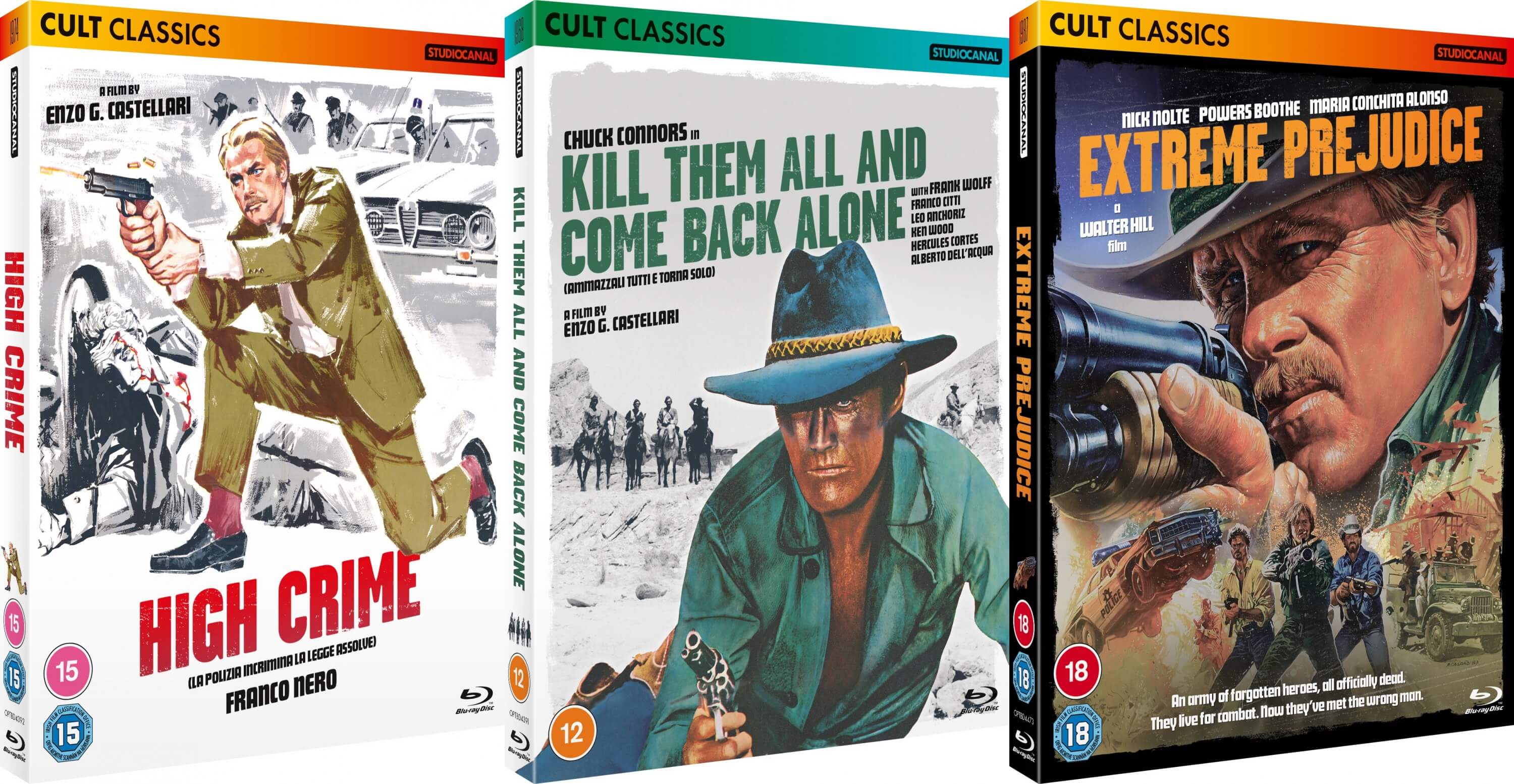
STUDIOCANAL presents the brand-new restorations of two classics from legendary director Enzo G Castellari (THE INGLORIOUS BASTARDS) – the stunning Poliziotteschi crime thriller HIGH CRIME (1973), starring Franco Nero (Django) and said to have been inspired by BULLITT; and iconic Spaghetti Western KILL THEM ALL AND COME BACK ALONE (1968), starring Chuck Connors (Branded). And a new release of the superb action thriller EXTREME PREJUDICE starring Nick Nolte (48 Hours) and Powers Boothe (Southern Comfort), directed by Walter Hill (The Warriors). All are available to buy on Blu-ray for the first time and on DVD and Digital from June 6th!

To celebrate, we are giving away a Blu-ray of each film to one lucky winner!

Just answer this question:

Which Enzo G Castellari film did Quentin Tarantino use as the name for one of his own movies?

A) Pulp Fiction

B) Inglorious Basterds

C) Jackie Brown

Send your answer to [email protected] labelled ‘Italian Classics’ to arrive before 23.59 on June 22nd.


Studiocanal italian classics


Five Films to Check Out on Horror Channel This Week – 300522

horror channel assault

There are some more great movies and TV shows this week on Horror Channel. Here are our picks….


space 1999


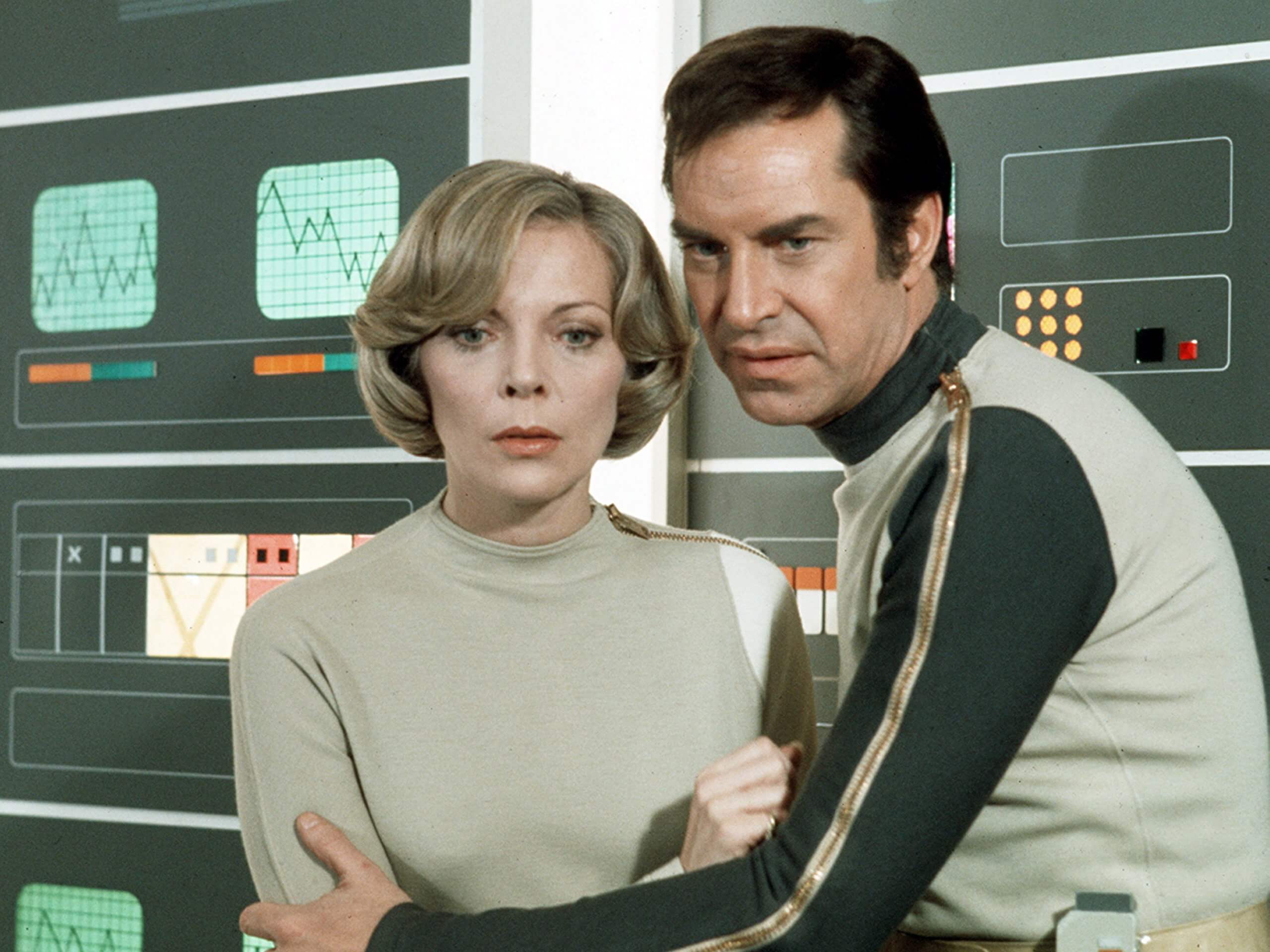
Monday May 30th, 7pm – Space: 1999 – Season 1 Episode 1

Another chance to catch the adventures of the crew on Moonbase Alpha as the Moon is thrown out of orbit. Martin Landau and Barbara Bain star alongside some high-profile special guests including Hammer legends Peter Cushing and Christopher Lee (although not in the same episode, sadly).


the last days on mars


Tuesday May 31st, 9pm – The Last Days on Mars (2013)  

Ray Donavan’s Live Schreiber stars in this sci-fi horror film set in the 2040s on a Martian research base where something is going very wrong…


demon eye


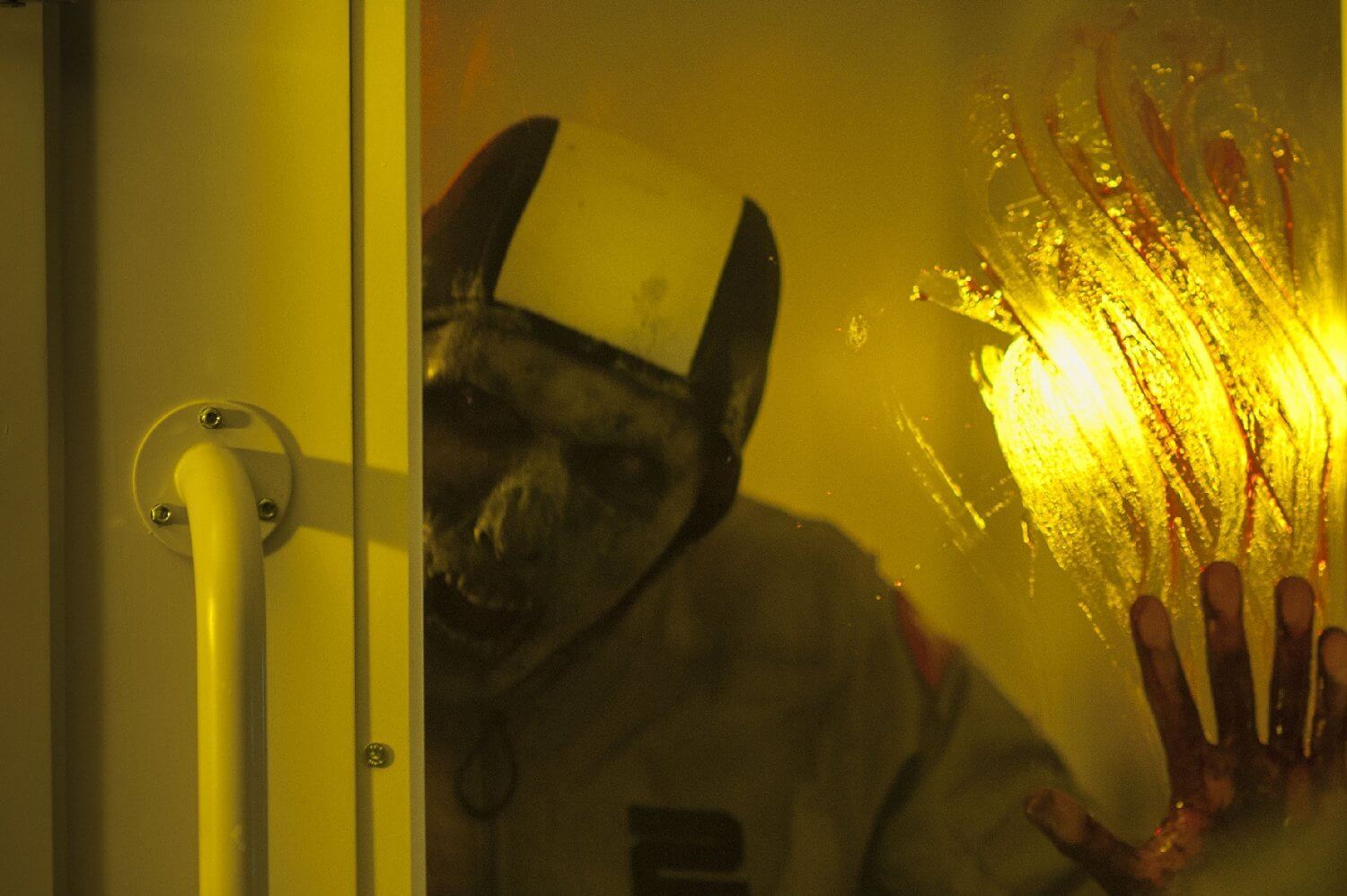
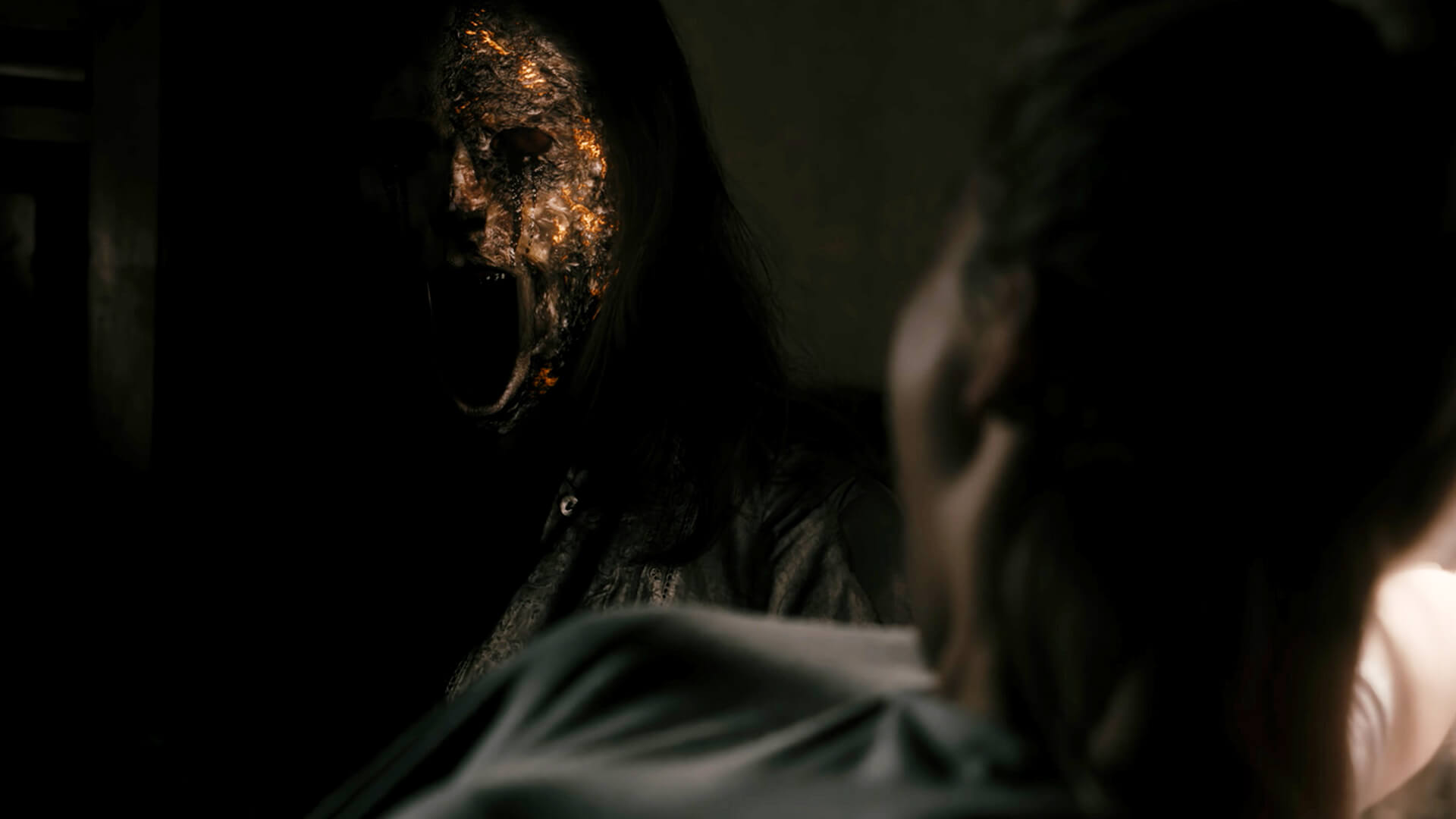
Friday June 3rd, 9pm – Demon Eye (2019)

A woman unlocks a pair of demons when she visits her late father’s country home. West End star Darren Day is a surprising addition to this low budget British chiller.


assault on precinct 13


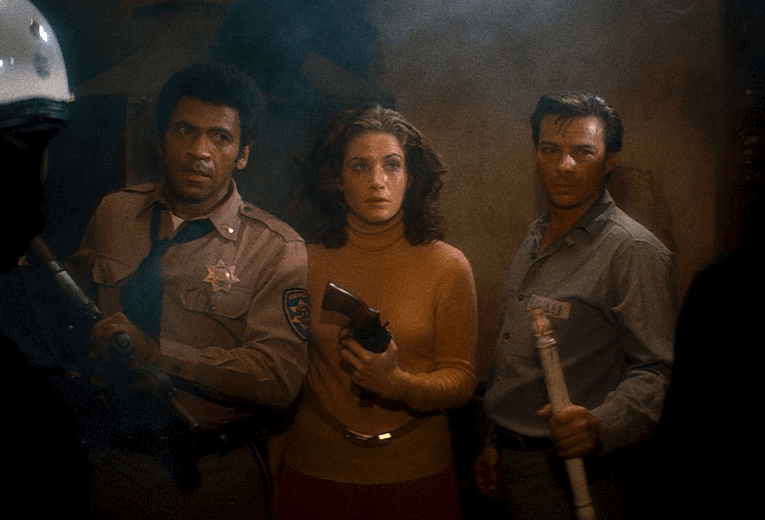
Saturday June 4th, 9pm – Assault on Precinct 13 (1976)

John Carpenter’s superb, tense action thriller sees a pair of criminals team up with a highway patrolman and a secretary to fend off a marauding street gang. As usual, Carpenter’s score is a standout.


giant claw


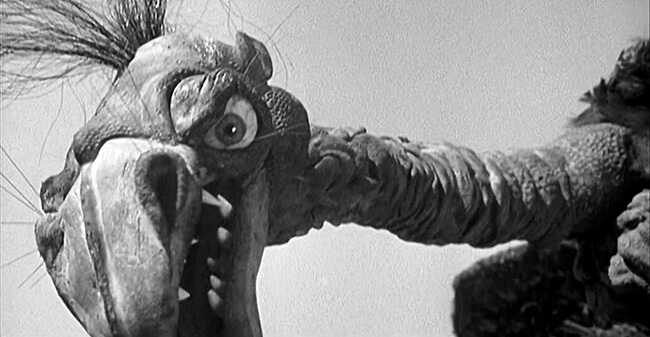
Sunday June 4th, 9pm – 12.05am The Vintage Vault

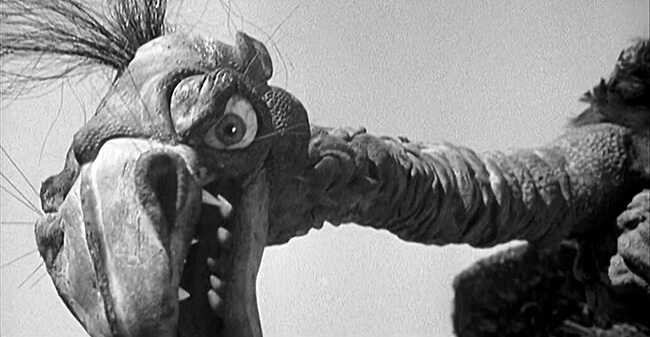
Horror Channel is celebrating the Golden Age of genre cinema with a season of double bills. There are more fifties chills this week with 20 Million Miles to Earth (1957), which boasts special stop-motion effects from Ray Harryhausen. This is followed by The Giant Claw (1957), in which a giant bird from outer space terrorised the world. This is definitely one to watch with a few beers!

Tune into Horror Channel on Sky 317, Virgin 149, Freeview 69, Freesat 138.

Deborah Chow | OBI-WAN KENOBI

Deborah Chow interview for Obi-Wan Kenobi Disney+ Star Wars series

*This interview with Obi-Wan Kenobi series helmer Deborah Chow has been edited and condensed. For her full interview with STARBURST, look out for our print magazine Issue 478, available in stores and to order online from June 2nd.*


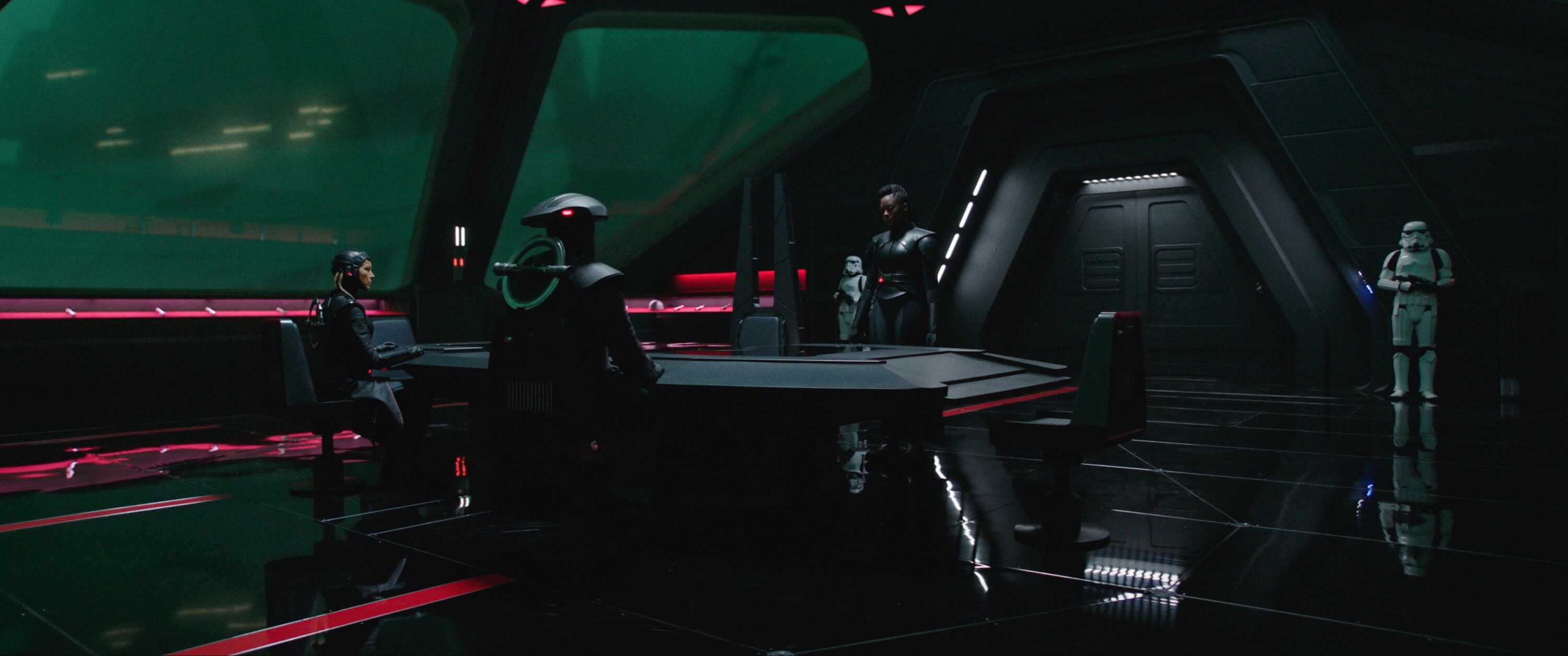
Ten years have passed since Obi-Wan Kenobi faced his greatest defeat – the downfall of his best friend and Padawan, Anakin Skywalker, who was corrupted to the dark side. A few lost limbs, third-degree burns and dead Jedis later, and an understandably depressed Obi-Wan is on the run from the newly risen Empire and its Jedi-hunting foot soldiers.

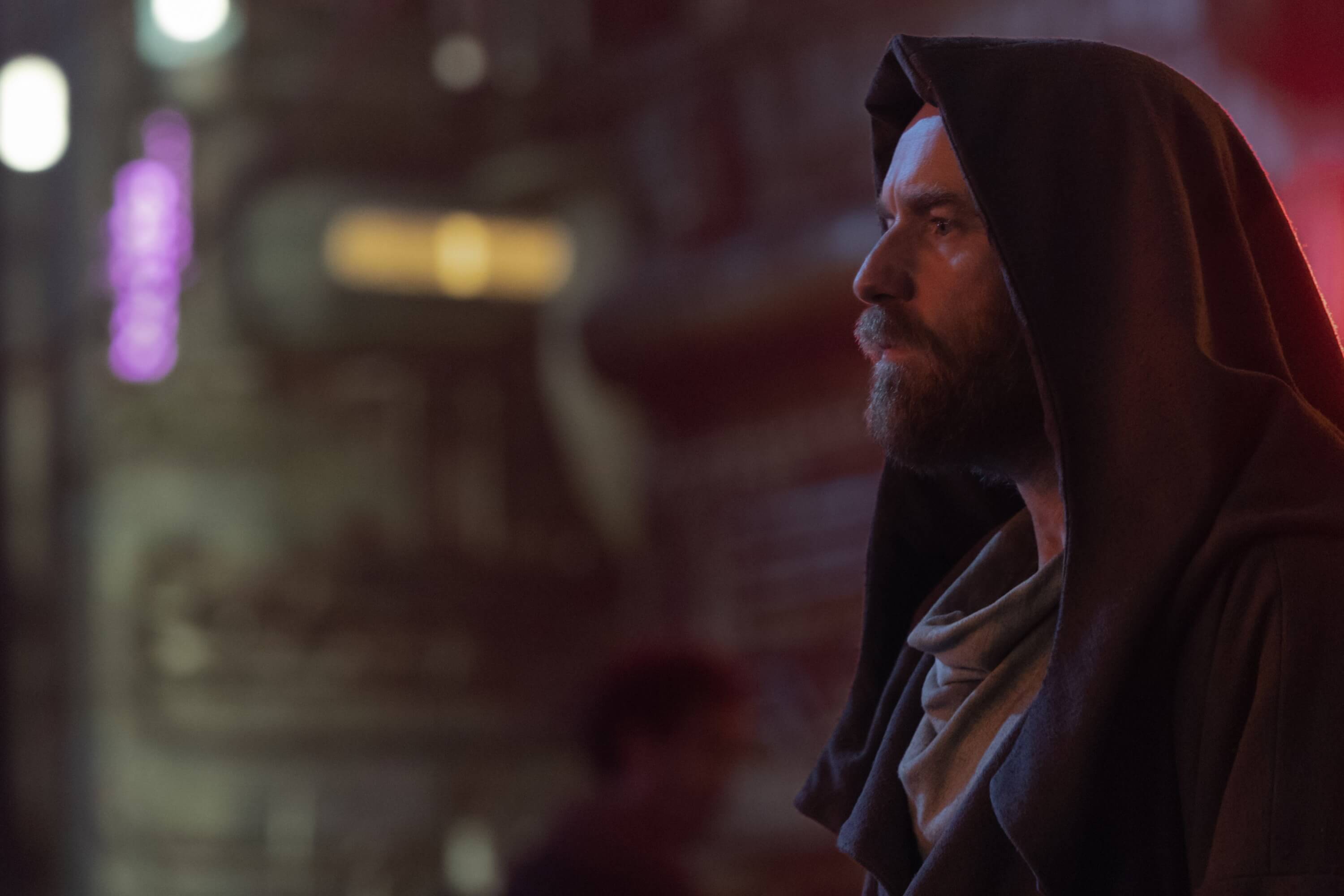
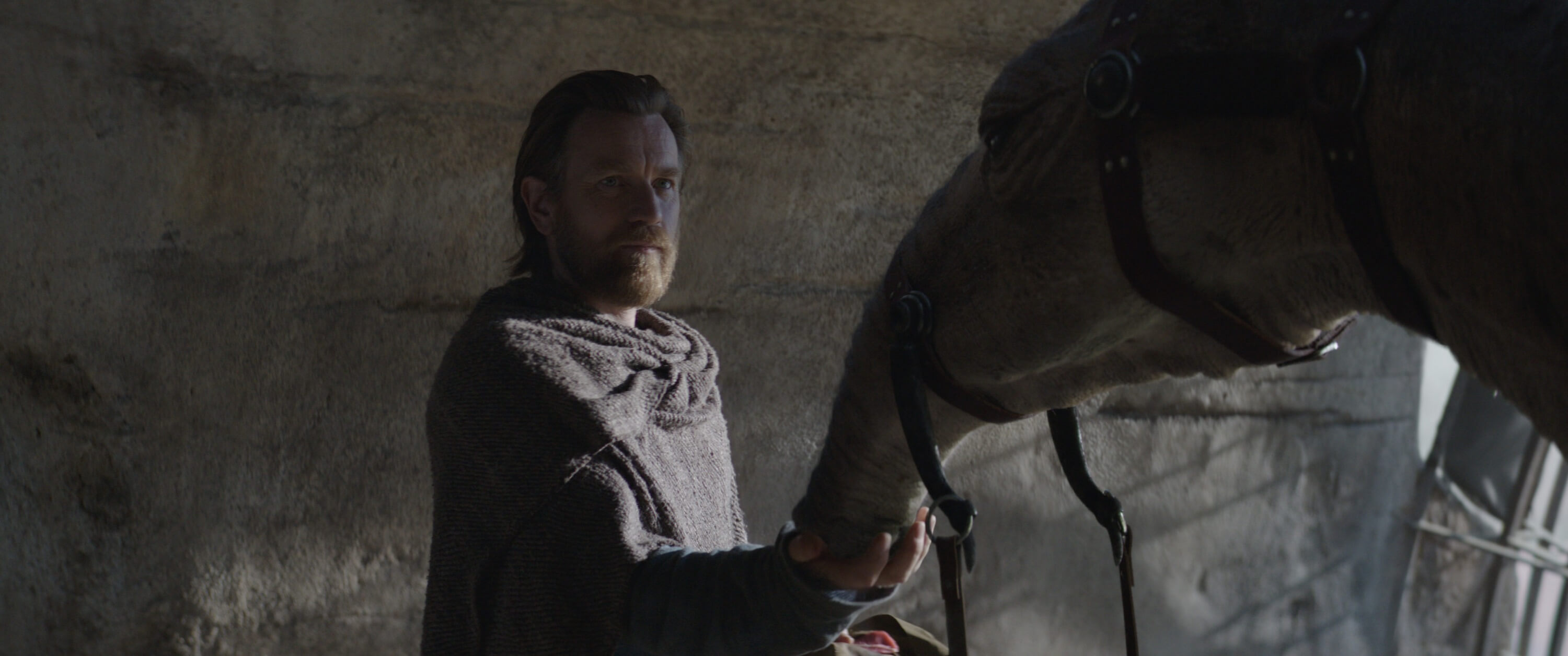
This is when fans reunite with the iconic Jedi Master in Obi-Wan Kenobi: post-Revenge of the Sith and pre-A New Hope, at the midpoint between two titanic trilogies. “One of the fundamental questions of the series for us was to figure out how Obi-Wan went from standing on the banks of Mustafar in such profound pain, to the calm and peace of Sir Alec Guinness in A New Hope,” series helmer Deborah Chow tells STARBURST. “There’s obviously something that happened to the character in those twenty years, a story that needed telling. For me, it presented a really interesting opportunity to explore that psychology and tell a character-driven story.”

Ewan McGregor as Obi-Wan Kenobi in Deborah Chow Star Wars series


It’s been a long road to the Disney+ limited series. Seventeen Earth years since fans last saw Ewan McGregor don the cloak; seventeen years since Hayden Christensen rose from the ashes (and dry ice) to become one of pop culture’s most emblematic figures; seventeen years since Joel Edgerton and Bonnie Piesse held baby Luke Skywalker in their arms and watched the suns set on Tatooine.

Rumours of McGregor’s return to the franchise began to swirl following Rogue One’s success, when Lucasfilm began active development on an Obi-Wan standalone feature to be directed by Stephen Daldry. Those plans proved short-lived. The box office bombing of Solo: A Star Wars Story was quick to ensure any further Star Wars projects were carbon-frozen and shelved – that is, until the Rise of Disney+. Bob Iger, Disney’s CEO at the time, announced that the House of Mouse was entering the streaming race; with the news came a new hope for the future of Star Wars.

With a whole new release strategy in place and a format change to a limited series, it was finally time for the rise of Obi-Wan Kenobi. Cut to August 2019, as Ewan McGregor stepped onto the D23 Expo stage to announce his glorious return. The bag of credits, as they say, was secured.

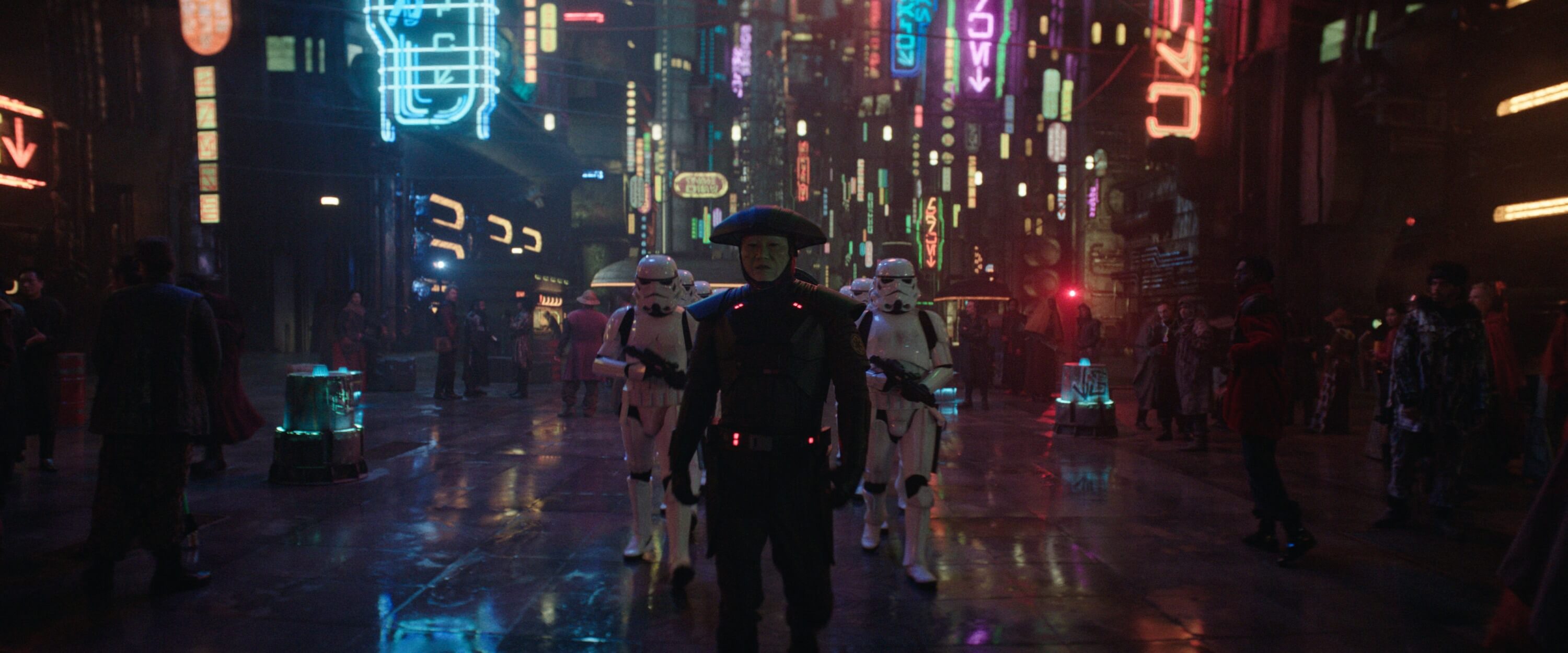
Moses Ingram as an agent of the Empire in Star Wars series Obi-Wan Kenobi


A month later, it was announced that The Mandalorian director Deborah Chow had boarded the project. “I was just a few months out from finishing Mandalorian,” she recalls. “I was still very much in a Star Wars headspace.” Chow, who is also known for directing episodes of American Gods, Better Call Saul, and Jessica Jones, was tapped by the studio to helm the entire series from start to finish. “I was obviously very excited at the prospect of taking on such a big project, but also a little daunted by the iconic nature of the character,” she confesses.

At the time, Hossein Amini was still attached as head writer, having been hired back when Kenobi was intended for the big screen. President of Lucasfilm and executive producer Kathleen Kennedy would later decide that Amini’s scripts were too dark, stating in an interview with Entertainment Weekly that she wanted the show to be a “hopeful, uplifting story”. Hence, the production was delayed from mid-2020 to 2021, while writer Joby Harold was brought on to make the required rewrites.

“It’s not just the story of Obi-Wan the Jedi, but also of Obi-Wan the man. And I think one of the huge benefits of doing a limited series is that we have more space to explore that across six episodes than we ever would in a feature,” says Chow of the project’s many changes and developments. “So that internal journey was something we were really trying to explore over the course of the series, starting with him in a very dark place and then gradually rebuilding him. And in terms of what Kathy said, for me, Obi-Wan has always been a character that epitomises the light side of the Force. There’s a warmth, a humanity, and a sort of wit to him that is lovely. That’s why I don’t think you can tell a story about Obi-Wan without some hope in it.”

Ewan McGregor returns to his role as Obi-Wan Kenobi


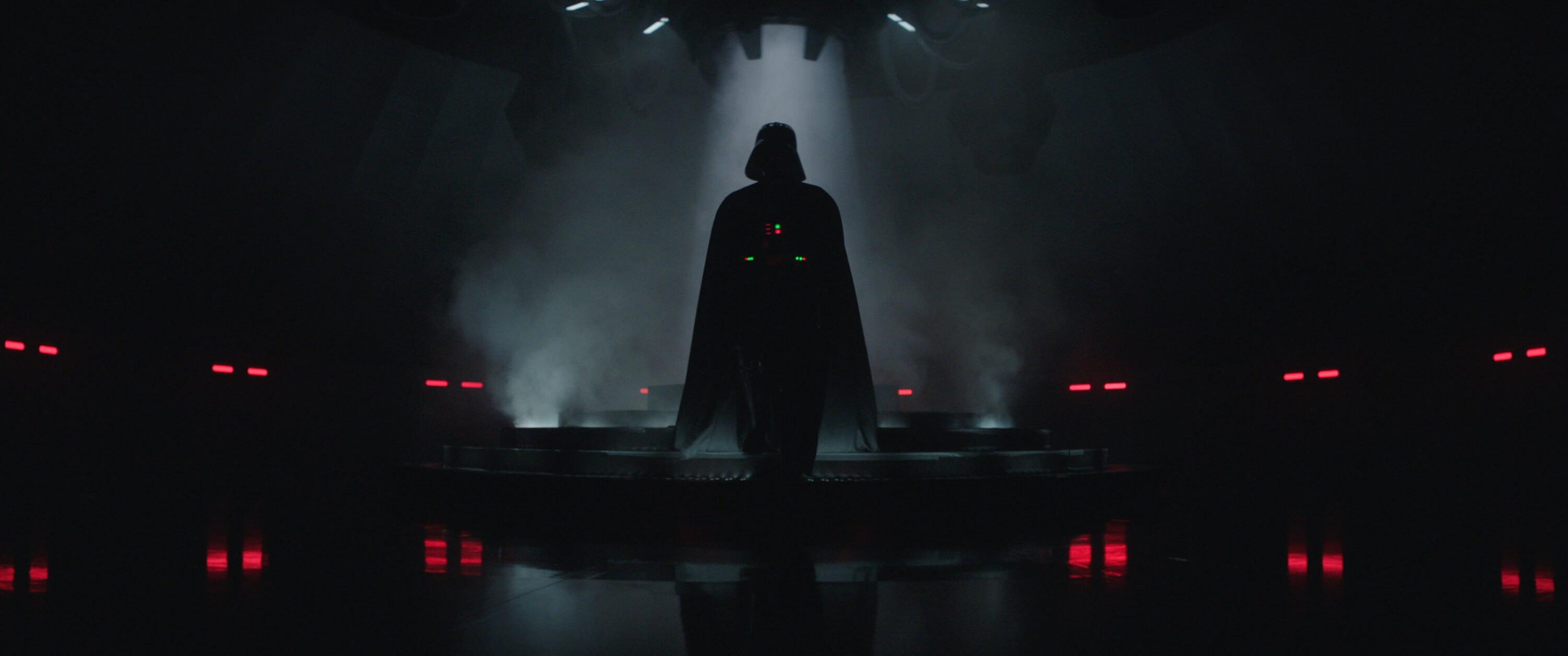
One thing has remained constant since the series’ earliest iteration, however: the roaring excitement for the potential – and later confirmed – return of a certain hard-breathing, helmet-wearing baddie. “Through the development period, obviously we had many discussions about many things, including whether or not we should bring in Vader… If we looked at Obi-Wan’s life and looked at where he was in the timeline coming out of Revenge of the Sith, then Anakin/Vader is an integral part of his story and his psychology. That, for us, is why we decided to bring him back into this story.”

But Deborah Chow wasn’t satisfied merely fulfilling every Star Wars fan’s dream. No, nothing less than total fandom meltdown would do. Cue – Hayden Christensen’s return.

After the 2005 release of Revenge of the Sith, Christensen famously stepped back from the limelight and bought a farm in the Canadian countryside; though he kept acting in a handful of not-so-successful films, the actor seemed content to keep a much lower profile than what he’d enjoyed during his involvement in the prequel trilogy. Then in 2016, any lingering hope that Christensen might one day return as Darth Vader looked to be dashed when Rogue One brought in former boxer Spencer Wilding and stunt man Daniel Naprous to depict the Sith Lord.

Deborah Chow discusses bringing Hayden Christensen back as Darth Vader in Obi-Wan Kenobi series


But if Ewan McGregor was going to return as Obi-Wan, could anyone but Christensen really portray his friend-turned-nemesis? “I met with Hayden,” Chow recalls. “We’re both from Toronto, so I met with him just outside of the city. It was actually a lovely way to meet him because we were very far from everything else, and it was just the two of us. We just talked about the project and what we were trying to do with it at this point in the timeline, where the character was, and just started there with him.”

Just like that, Darth Vader and Obi-Wan were reunited. “I think it was exciting for everyone,” says Deborah Chow of their return. “The first time we brought Vader to set, there was definitely a moment of silence among the crew. These are such iconic characters, and those actors have become an important part of the fabric of the Star Wars universe… they’ve long been a part of everybody’s lives, and to actually have them standing in front of you is something that took a moment to get used to, that’s for sure!”

Despite Vader’s towering presence, however, there is never any doubt about the series’ focal point: “The focus is Obi-Wan Kenobi. It’s his series, and it is about him in the biggest way. All the secondary characters are an honest part and consequential part of his story, otherwise they wouldn’t fit into that structure.” Chow goes on: “[Ewan] has such a strong presence and he’s just such a good actor. And there’s something of him in this role that just feels like such an organic, perfect fit; he holds the show in such a major way… It’s definitely his story, his series. For me, he’s the soul of the show.”

Obi-Wan Kenobi Star Wars series is inspired by westerns and samurai films, says Deborah Chow


And as for what viewers might expect from Obi-Wan Kenobi as a stylistic whole, fans of Deborah Chow ’s contributions to The Mandalorian have every reason to be excited. “For me, I’ve always viewed Star Wars as belonging to a lineage of Westerns and Samurai films,” Chow muses. “There’s a method of storytelling in those genres that works really well for that world; the Western tropes are obviously very present in both Mandalorian and Obi-Wan, so I was looking to a lot of those cowboy Western classics. But more importantly, I was looking at ones that had a little bit more of a gritty, poetic feel to them – ones like The Proposition or The Assassination of Jesse James by the Coward Robert Ford. And from the Samurai film side, especially given the feel of [Obi-Wan’s] time period, I was frequently looking to various Akira Kurosawa films…

“It very much feels that in many ways, Obi-Wan is the last Samurai. He carries that attitude, that grief, that feeling of being part of something that’s been lost in a changed world.” But between darkness and defeat… hope survives.

Obi-Wan Kenobi debuts on Disney+ on 27th May with the first two episodes. Further episodes will release weekly on the platform.

RIDING PILLION – THE TOP 10 SIDEKICKS!

We all love a hero. Some of us are holding out for one. Some don’t need another one. But those poster boys and girls are the reason we fall in love with films and stories that keep us coming back for more. However, those stars can’t take on the world’s villains by themselves, so here is a run-down of our TOP TEN FAVOURITE SIDEKICKS – those characters that seem to get the bum’s rush when it comes to celebrating them and their achievements…


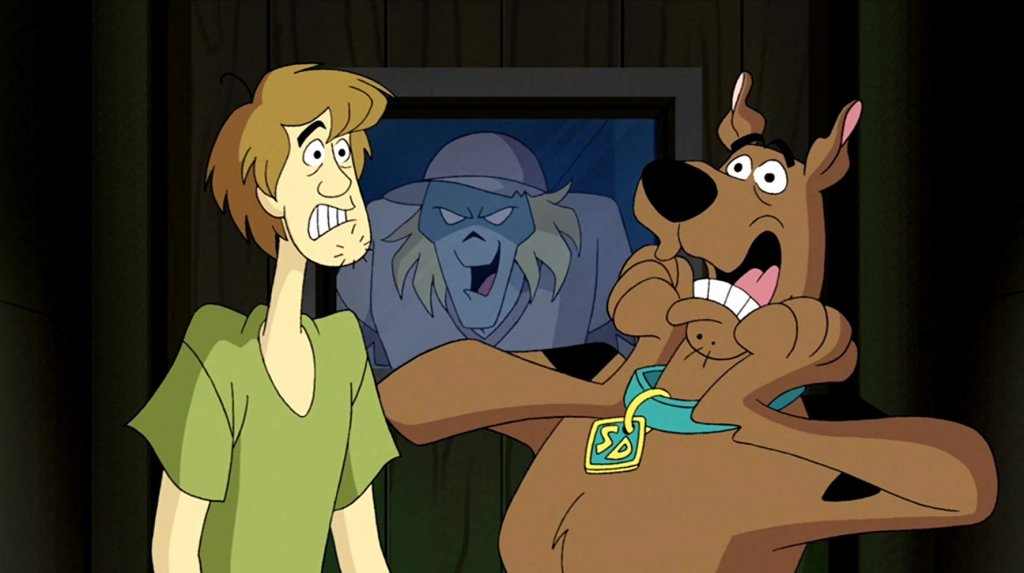
10. SHAGGY & SCOOBY DOO (SCOOBY DOO)

If you take a step back and take a hard look at the team who drive around in the Mystery Machine solving ghostly crimes (spoiler: it’s normally the person you most expect) then it’s clear that the brains belong to Fred, Velma, and Daphne. Shaggy and Scooby are pretty much comedy relief, although they usually, through their pure dumb luck, end up helping to unmask the villain of the week. (The only entry on here where one of the sidekicks is actually also the name of the show, if they spent as much time looking into the clues as they do their Scooby Snacks, the team would be the best detective agency in the world and Daphne probably wouldn’t be kidnapped as much!)

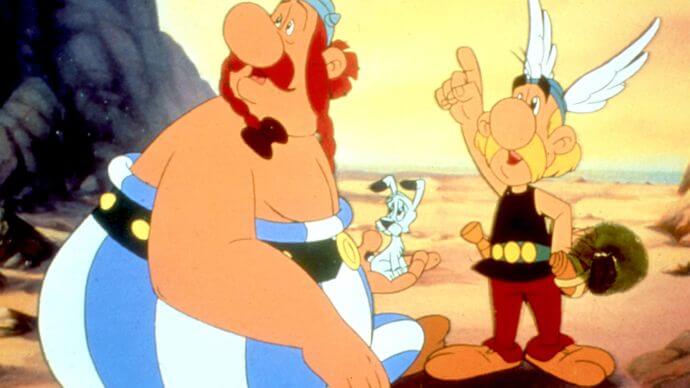
9. OBELIX (ASTERIX)

The slightly rotund sidekick to Gaulish warrior Asterix has had his fair share of adventures, falling into a cauldron of magic potion when he was a baby, resulting in his superhuman strength. This makes up for his lack of smarts, although his penchant for beating up Roman legionaries and stealing their helmets, and accidentally damaging things because he is not entirely aware of his own strength means that the pair get into plenty of scrapes with those crazy Romans. He’s an affable chap and loves his dog, Dogmatix, very much – just don’t call him fat.


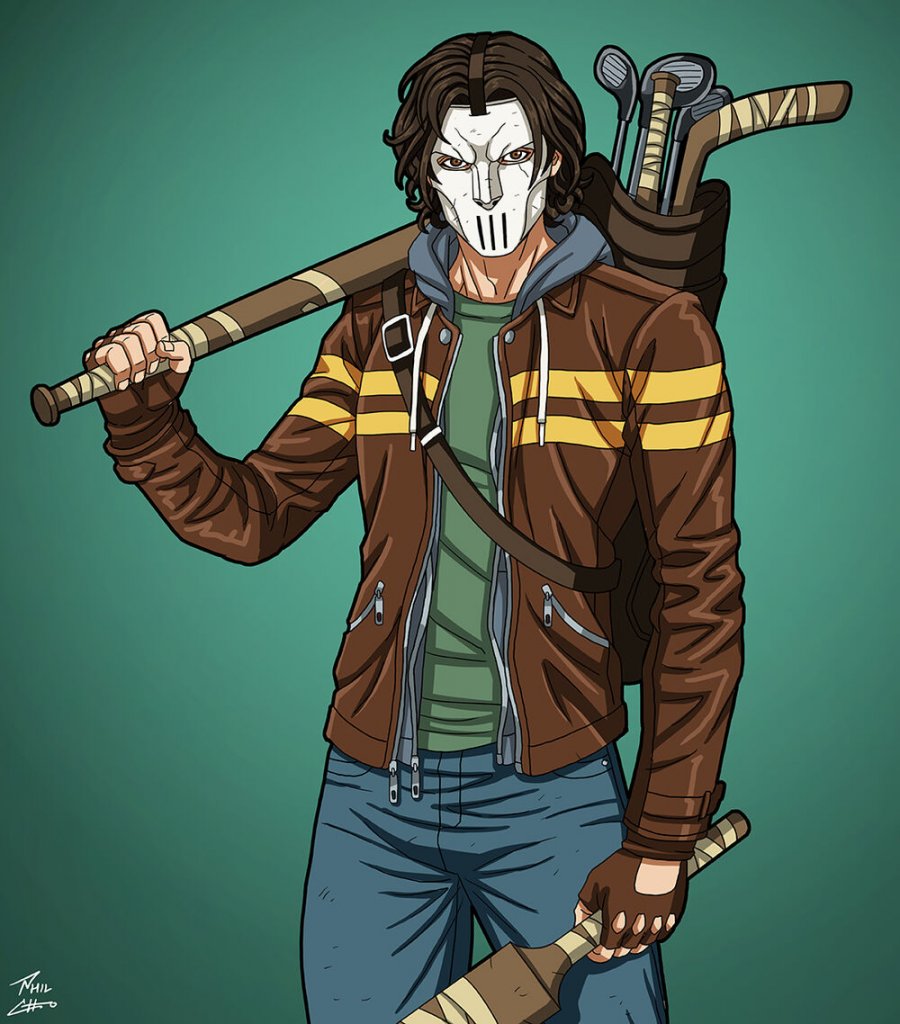
8. ARNOLD BERNID ‘CASEY’ JONES (TEENAGE MUTANT NINJA TURTLES)

A supposed parody of vigilante characters from other comics, Casey Jones quickly became a fan favourite sidekick of the Italian Renaissance named reptiles. Using mostly sports equipment as weapons and wearing a hockey mask, Jones refuses to sit on the sidelines and takes his vigilante justice seriously, meting out punishment to those who deserve it. His violent tendencies do sometimes put him on a collision course with Master Splinter’s pupils, but that hasn’t stopped him romancing April O’Neil, or becoming part of the team.


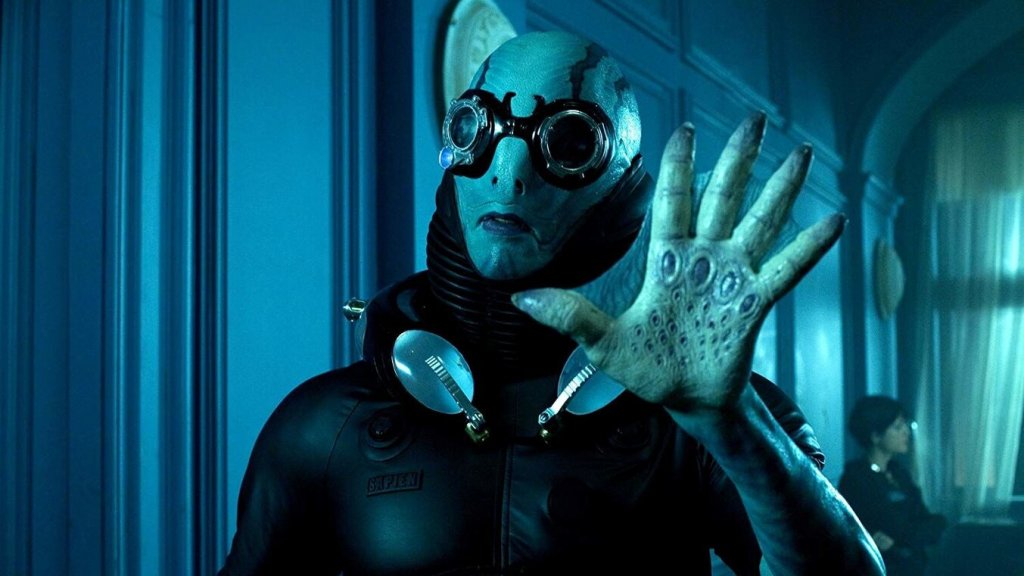
7. ABE SAPIEN (HELLBOY)

Working at the B.P.R.D., Abe’s abilities may not match Hellboy’s brute strength, but he can breathe underwater, swim very fast, is an excellent marksman and skilled at hand-to-hand combat, whilst also having psychic intuition. These powers combined make him a formidable sidekick on nearly every mission, as is his apparent ability to be potentially immortal. Not bad for someone who was literally floating in a tank when he was found – just don’t expect him to solve a Rubik’s Cube!


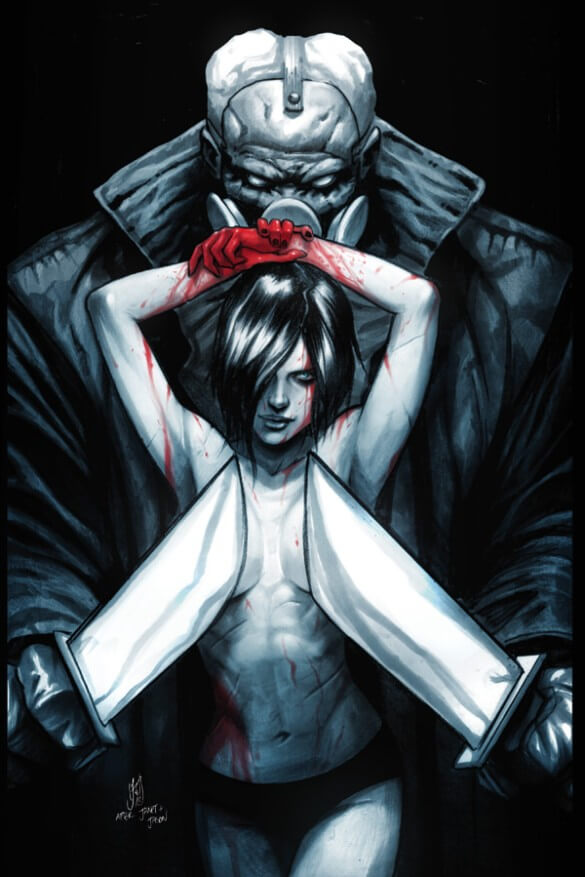
6. VLAD (HACK/SLASH)

When they first met, Vlad and Cassie Hack were not exactly best friends, with Cassie mistaking him for a slasher. To be fair, he fits the bill visually: imposingly large, carrying meat cleavers and wearing a gas mask, so you can understand her confusion. Naive to the point of bordering on innocent, Vlad nonetheless has the brawn to weigh in on any battle, regardless of the foe. He sees himself as the protector of Cassie as she battles against the slashers of the comic book world. You can’t even keep him down for long, Vlad coming back to life, and to the side of Cassie, in Hack/Slash: Resurrection.


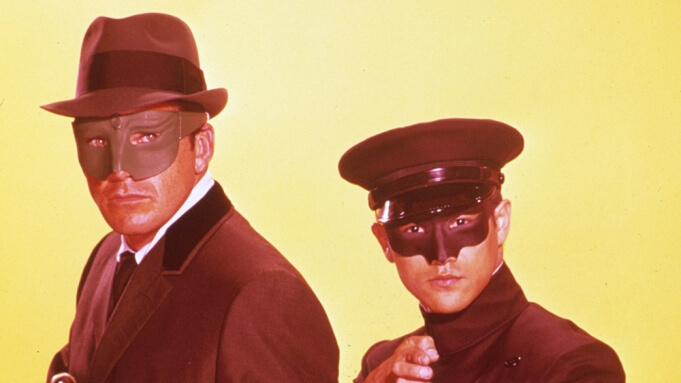
5. KATO (THE GREEN HORNET)

No, not Peter Seller’s flatmate in the Pink Panther movies (not tonight, he’s washing his hair!) but the valet to Britt Reid’s Green Hornet. Having saved Kato’s life at some point in the past, Britt’s faithful companion is always there to assist on his vigilante adventures. The character had a complicated history surrounding his heritage, having been presented as Japanese, Korean, and even Filipino, there is no confusion when it comes to his abilities in a fight. This is only clarified further when you remember that Kato was played by none other than Bruce Lee in the ‘60s TV show.


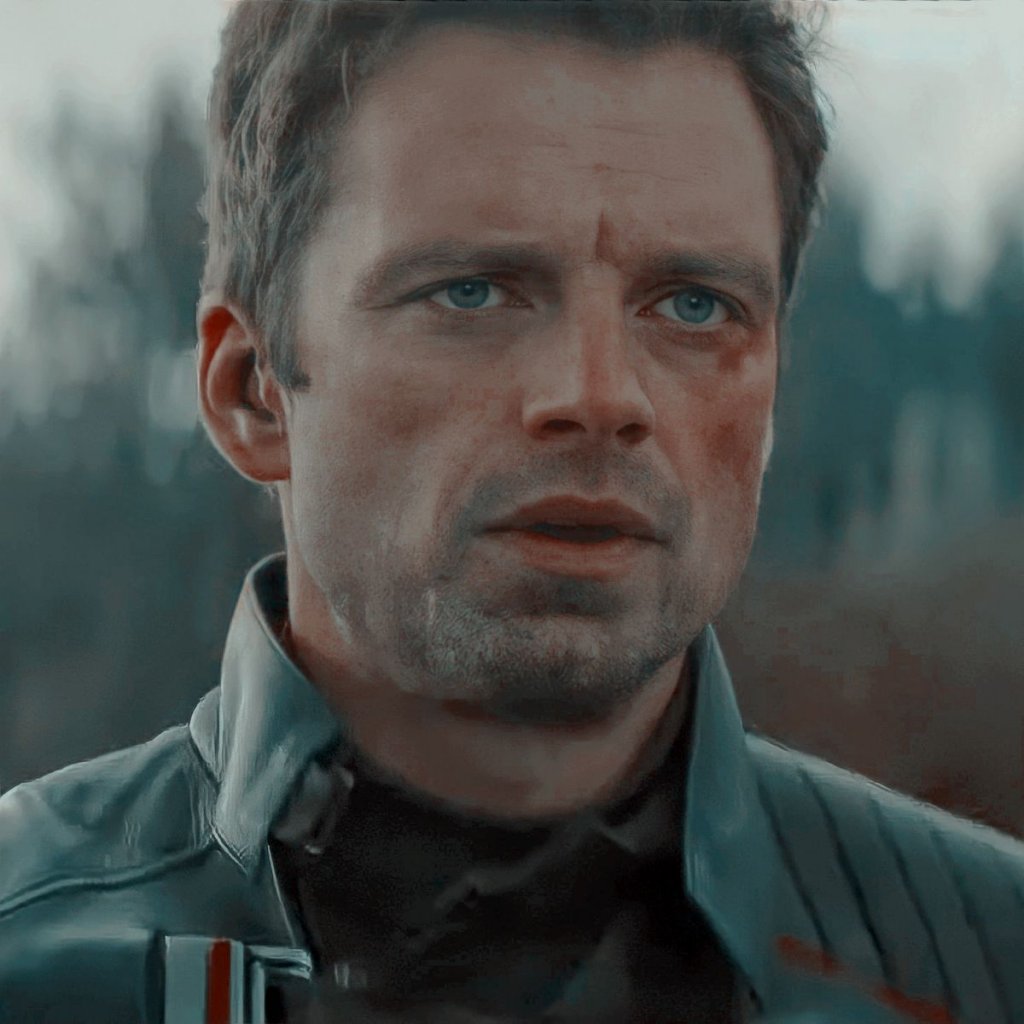
4. JAMES BUCHANAN ‘BUCKY’ BARNES (CAPTAIN AMERICA)

On the other side of the DC/Marvel divide, we have Bucky Barnes. Somewhat ironically, Bucky was the one who looked out for Steve Rogers before he beefed up to become Captain America. Later, becoming the sidekick to Cap, Bucky was a resourceful pal who Steve thought had perished before coming back into his life as an antagonist in the form of the lethal Winter Soldier. Captain America, the pinnacle of doing what is right, was torn when he had to choose between his old friend and his morals. Luckily, the Winter Soldier was converted to the good guys and even ended up picking up the mantle of his old friend, albeit not in the MCU. That arm of his would make him MVP in a baseball team, no doubt.


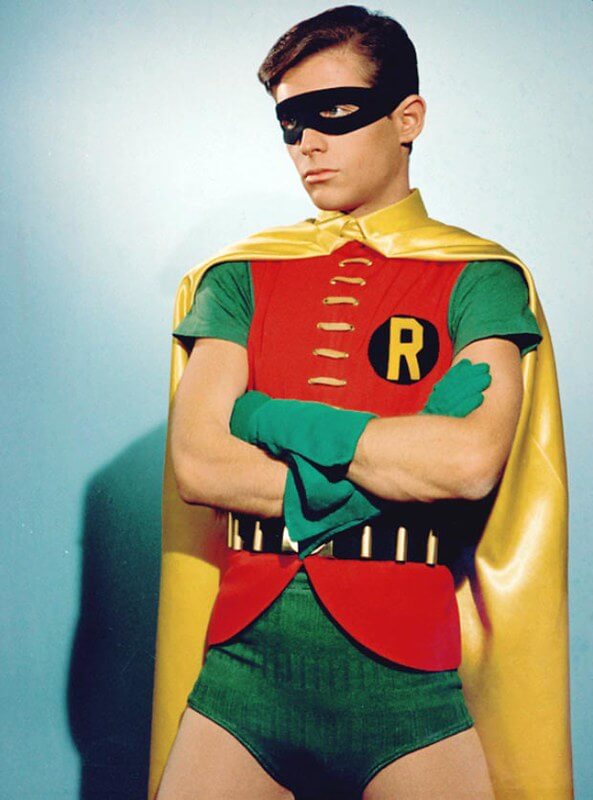
3. ROBIN (BATMAN)

Talking of wonders, this list probably would be incomplete – and we wouldn’t hear the end of it, we’re sure – without Dick Grayson, or any of the various other wards who took up the mantle after him. Although Batman was reluctant to take on a sidekick, and would see his worst fears brought to life (or is it death?) thanks to the actions of his arch-nemesis, when The Joker killed the Jason Todd version, the dynamic duo have been connected in the consciousness of comic book fans for so long, that Robin could be considered to be the archetypal sidekick. Holy hole in a doughnut, Batman!


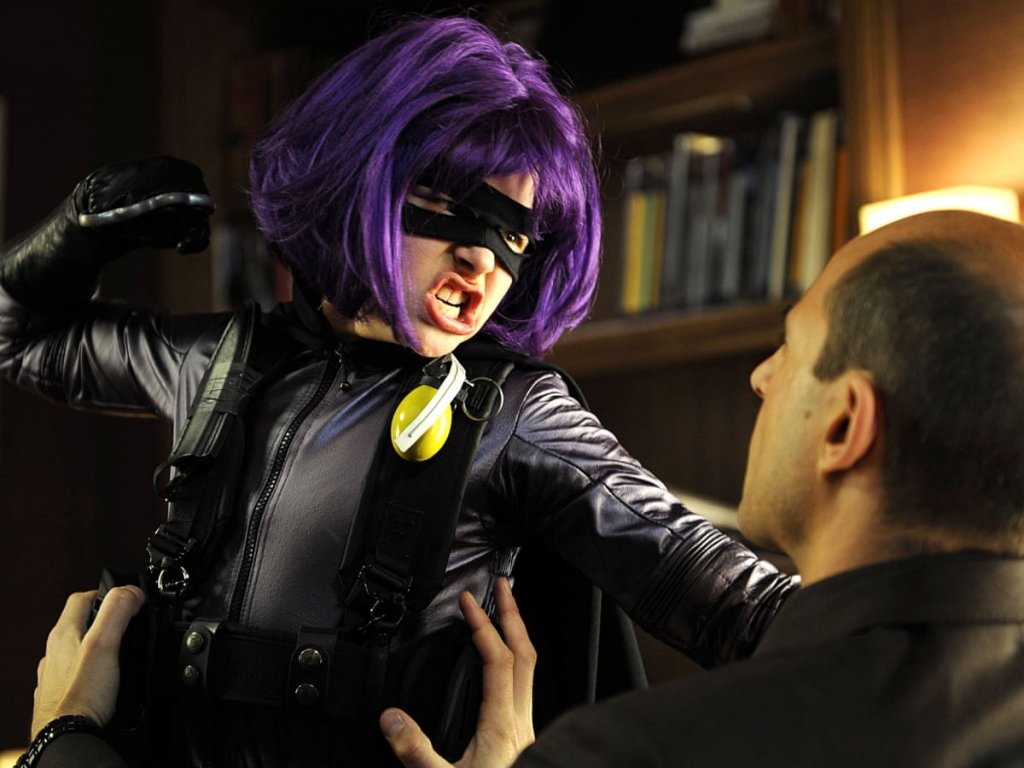
2. HIT-GIRL (KICK-ASS)

It could be argued that Mindy McCready is actually a partner to Kick-Ass after her father, Big Daddy, dies, considering that Dave Lizewski is relatively untrained and unprepared compared to the pre-pubescent, sweary tyke. However, the fact that she is so young – although she grows up to be a force of her own – makes Mindy our favourite Girl Wonder. If you do end up in a fight with her and manage to survive, she’s the only sidekick on this list where taking her for ice cream after would probably smooth things over.


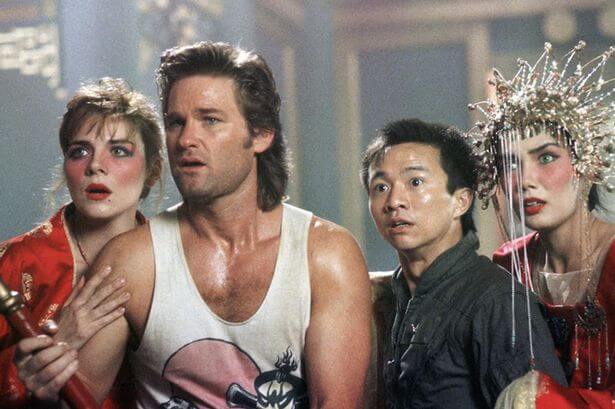
1. JACK BURTON (BIG TROUBLE IN LITTLE CHINA)

Everyone seems to think that Jack Burton is the main character in John Carpenter’s insanely fun Big Trouble in Little China, but take another look. The owner of the Pork Chop Express was actually the sidekick all along, backing up Wang Chi as he attempts to rescue his one true love, the green-eyed Miao Yin, from the clutches of David Lo Pan. As the events unfold, Jack finds himself more and more confused, caught up in a street gang war, battling against an ancient prophecy that he doesn’t understand, and falling in love. The very fact that he accidentally knocks himself out right at the beginning of the big, final battle, added to nearly every one of his ideas backfiring, cements his place at the top of this list. He’s a reasonable guy, who has just experienced some very unreasonable things.


If you think we’ve missed anyone or want to want to add your own, reach out to us on Twitter @STARBURST_MAG

THE TELEPHEMERA YEARS: 1984 – PART 4

The Telephemera Years, 1984: Pole Position

Ah, telephemera… those shows whose stay with us was tantalisingly brief, snatched away before their time, and sometimes with good cause. They hit the schedules alongside established shows, hoping for a long run, but it’s not always to be, and for every Street Hawk there’s two Manimals. But here at STARBURST we celebrate their existence and mourn their departure, drilling down into the new season’s entertainment with equal opportunities square eyes… these are The Telephemera Years!

1984-85

Dallas and Dynasty ruled the roost in 1984 and, with shoulder-pads and campy drama very much the in-thing, the only serious competition to the twin towers of glitzy soap opera came from NBC’s new hit sitcom The Cosby Show. Unable to compete with their competition when it came to over-the-top power struggles, the Peacock Network opted for humour and action, with Family Ties and The A-Team leading the charge behind Bill Cosby’s jumpers, and new shows like Remington Steele, Miami Vice, and Hunter making their bows.

With only The Fall Guy doing decent numbers other than JR Ewing and crew, both Moonlighting and Who’s Boss began long runs on ABC, while CBS unleashed Jessica Fletcher’s decade of mayhem in Murder, She Wrote, earning over twenty million viewers in its debut season. Genre fans were particularly poorly served in 1984, with just Airwolf, Knight Rider, and V: The Series providing even a low-level of sci-fi escapism, but if you were willing to dip into kids’ TV then Saturday mornings were a whole lot more spectacular! This is the story of some of 1984’s lesser-known cartoon classics…

Turbo Teen (ABC): On the surface, Turbo Teen is your run of the mill Saturday morning cartoon show, an adventure featuring kids and cars (and a kid that turns into a car). But even a cursory glance beneath the hood reveals something a little darker, veering into the realms of body horror, and that’s before you factor in the strange relationship the title character has with the US government…

Teenager Brett Matthews is happily driving his red sports car along a mountain road when a thunderstorm causes him to crash into a secret government laboratory, where he and his car are exposed to experimental rays that fuse the two together. Quite how this ordinary teen owns a sports car, and just what the scientists were doing in that laboratory before the accident is anyone’s guess but now Brett has the ability to change into his car. But only when he gets hot. And if he gets cold? Back to Brett.
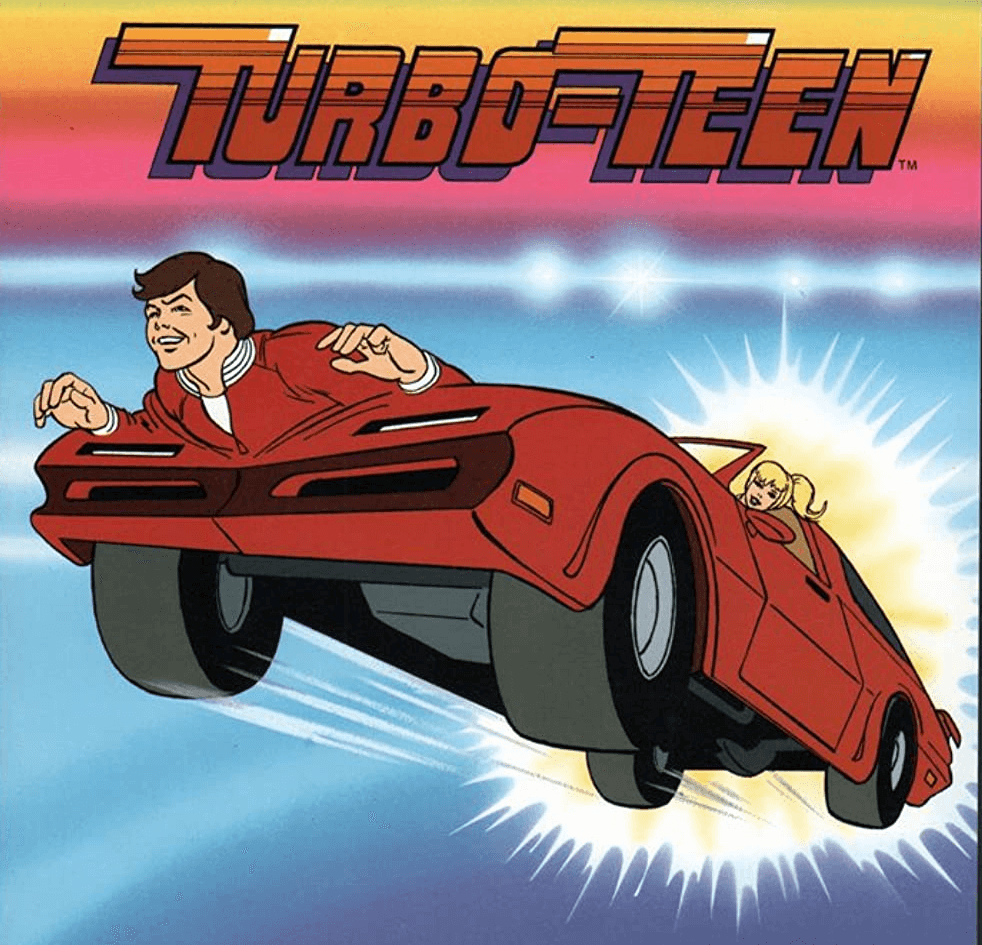
The Telephemera Years, 1984: Turbo Teen

Brett, his girlfriend Pattie (a freelance reporter!), his best friend Alex, and the obligatory dog, Rusty, form a crime-solving team, all the while chased by the sinister Dark Rider (voiced by Frank Welker) and occasionally mistakenly hunted by the government who seem happy to destroy him, despite the fact that he’s, you know, a human inside that car.

Ruby-Spears produced thirteen episodes of the show, debuting on ABC in September 1984, but once the original order had run its course, there was little clamour for any more. Despite appearing to be idiots, children can spot a dud a mile off and want to identify with a main character; rich boy Brett, his dilletante girlfriend, and the painful-looking transformations from boy to car (and back again) just didn’t cut it.

Pole Position (CBS): More cars, this time from DIC Enterprises and on CBS, and with three kid heroes for the price of one! Pole Position started in tragedy as the Darrett family, a team of undercover crime-fighters touring the US as the Pole Position Stunt Show, was torn apart when the parents were killed in a car crash; with their wheelchair-bound uncle now in charge, the remaining children – Tess, Dan, and young Daisy – must continue the family work!
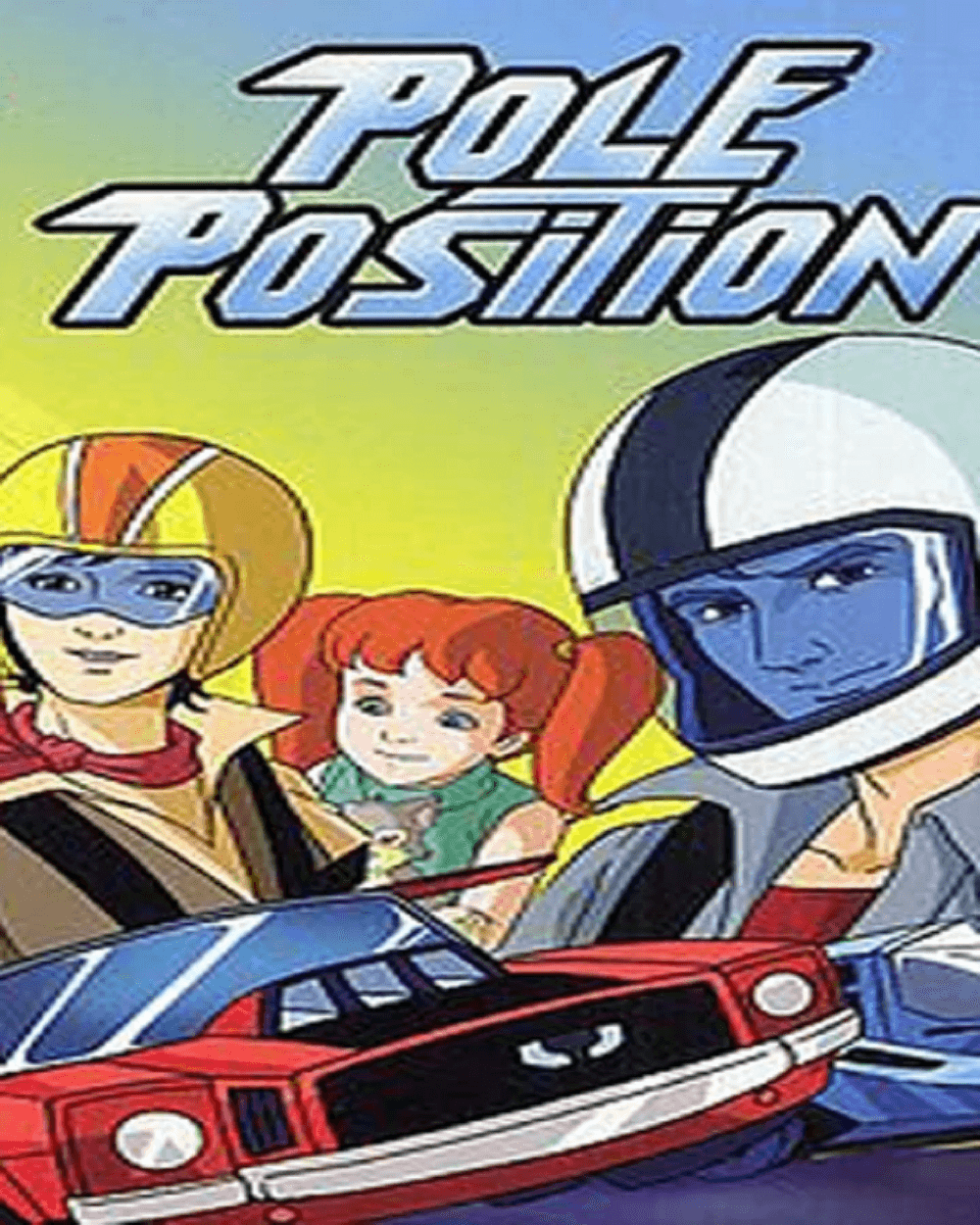
The Telephemera Years, 1984: Pole Position

Very loosely based on the Atari game of the same name, and with a rocking theme tune by Shuki Levy and Haim Saban, Pole Position was a surprisingly involved show, with rogue agents, genetic scientists, and pandemics all featuring in the thirteen-episode series. This perhaps points to its production in Japan by ArtMic, who would soon move on to produce Bubblegum Crisis and others, and – weird comic relief creature Kuma aside – has a flavour of those Japanese cartoons that treat their child audience with some respect.

Still, this isn’t Akira and, once the show had finished its run, that audience simply moved on to whatever came next. The complete series was released on DVD in the UK – where the show had aired as part of Going Live! on the BBC on Saturday mornings – in 2008, but the US got a more complicated release, with just ten episodes released as part of a combo pack with COPS and Jayce and the Wheeled Warriors, and the remaining three coming as part of a ten-disc TV Toons to Go set. Regardless, you know where you can watch it if you want to scratch that “only their uncle knows” itch.

Mighty Orbots (ABC): There’s nothing telephemeric about The Transformers, and I’m sure you all remember The Challenge of the Gobots, even if it’s only because you got them for Christmas that one time when you were expecting Optimus Prime, but what about Mighty Orbots?

Yes, there was a third giant robot show hitting Saturday morning screens in 1984, the story of six robots created by the Galactic Patrol to fight the alien menace of Lord Umbra and his SHADOW organisation. Created by Barry Glasser, who worked for Japanese animation studio Tokyo Movie Shinsa as a US representative, Mighty Orbots was produced in Japan under the direction of Osamu Dezaki, the co-founder of the Madhouse studio in Tokyo, a man with some serious anime chops.
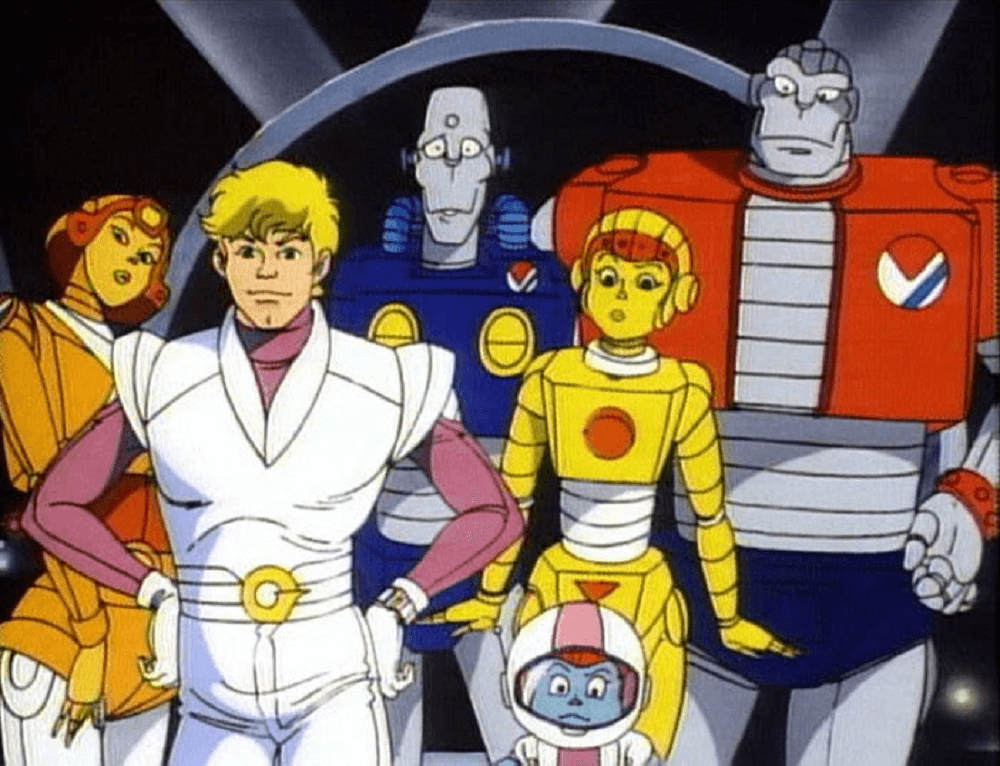
The Telephemera Years, 1984: Mighty Orbots

Unusually for US kids’ cartoons (but more common in Japan), Mighty Orbots had a finite end, its thirteenth episode definitively destroying the SHADOW homeworld, but any chance of a successor show was put paid to by a lawsuit from Tonka who claimed the Orbots were causing confusion with their Gobots franchise, despite there being no Orbots toys available in stores.

There’s one way the two can’t be confused, however; in terms of show quality, history has been kinder to Mighty Orbots than Challenge of the Gobots, and it remains one of Saturday morning TV’s hidden gems. A DVD is available through the Warner Archive, an admirable project which looks to ensure that even the most obscure TV show of your youth is available to relive today.

Kidd Video (NBC): It’s 1984 and MTV is massive, bleeding into every facet of American life and earning the ire of Tipper Gore and the Parents Music Resource Center. Even cereal-munching kids weren’t safe from the pervasive threat of rock and roll, and Kidd Video highlighted the dangers to wary parents. Well, parents of kids who found themselves sucked into an animated world ruled over by The Master Blaster at any rate…

Kidd, Carla, Ash and Whizz are a rock band, practising in Kidd’s garage until they are kidnapped by The Master Blaster to become musical slaves in his home dimension. Escaping with the help of a fairy named Glitter, they try to free their new world from Master Blaster’s domination, all the while trying to find a way home to their own world.
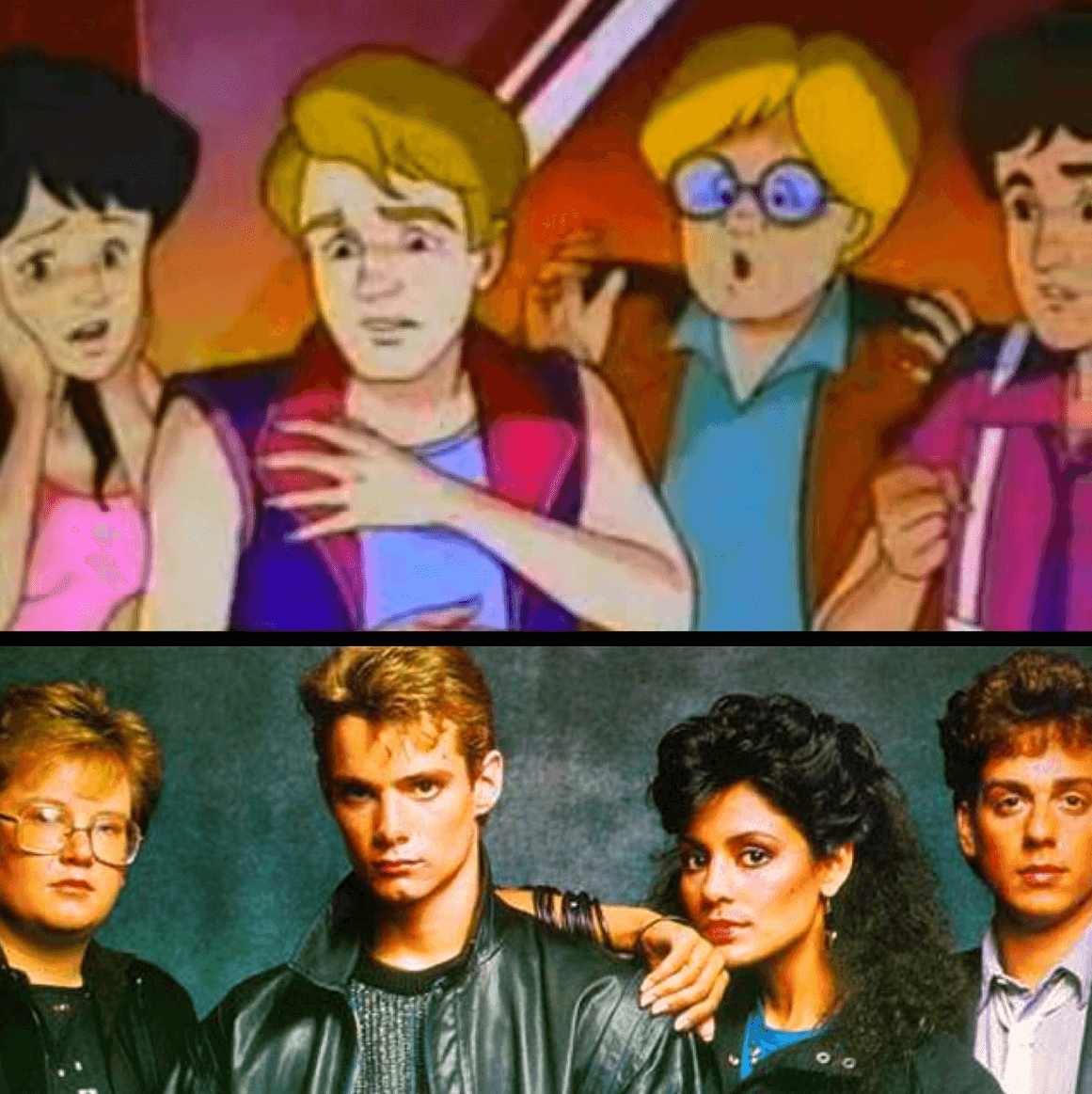
The Telephemera Years, 1984: Kidd Video

Each episode featured an action scene set to a popular song of the time – Duran Duran, Hall and Oates, Lionel Ritchie, Aha, and more were all used on the show – and ended with a song from the live-action Kidd Video band, written by Shuki Levy and Haim Saban; these songs were collected in an album released in Israel in 1987 where the show was a huge hit.

As is the way with such shows, the kids never found their way home, with the final episode of season two – “Who’s in the Kitchen with Dinah?” – given over to important matters like love potions and automated pizza delivery. As far as we know, they’re still there, Kidd’s kids still trying to heal the world with song, occasionally getting together to jam with the Dungeons & Dragons gang.

Wolf Rock TV (ABC)/ Pryor’s Place (CBS): If there’s one thing you can guarantee kids will love, it’s the personalities that their parents like, right? This is the only possible explanation for the existence of both Wolf Rock TV and Pryor’s Place, although at least Richard Pryor was still a current movie star in 1984, unlike the inexplicably famous Wolfman Jack.
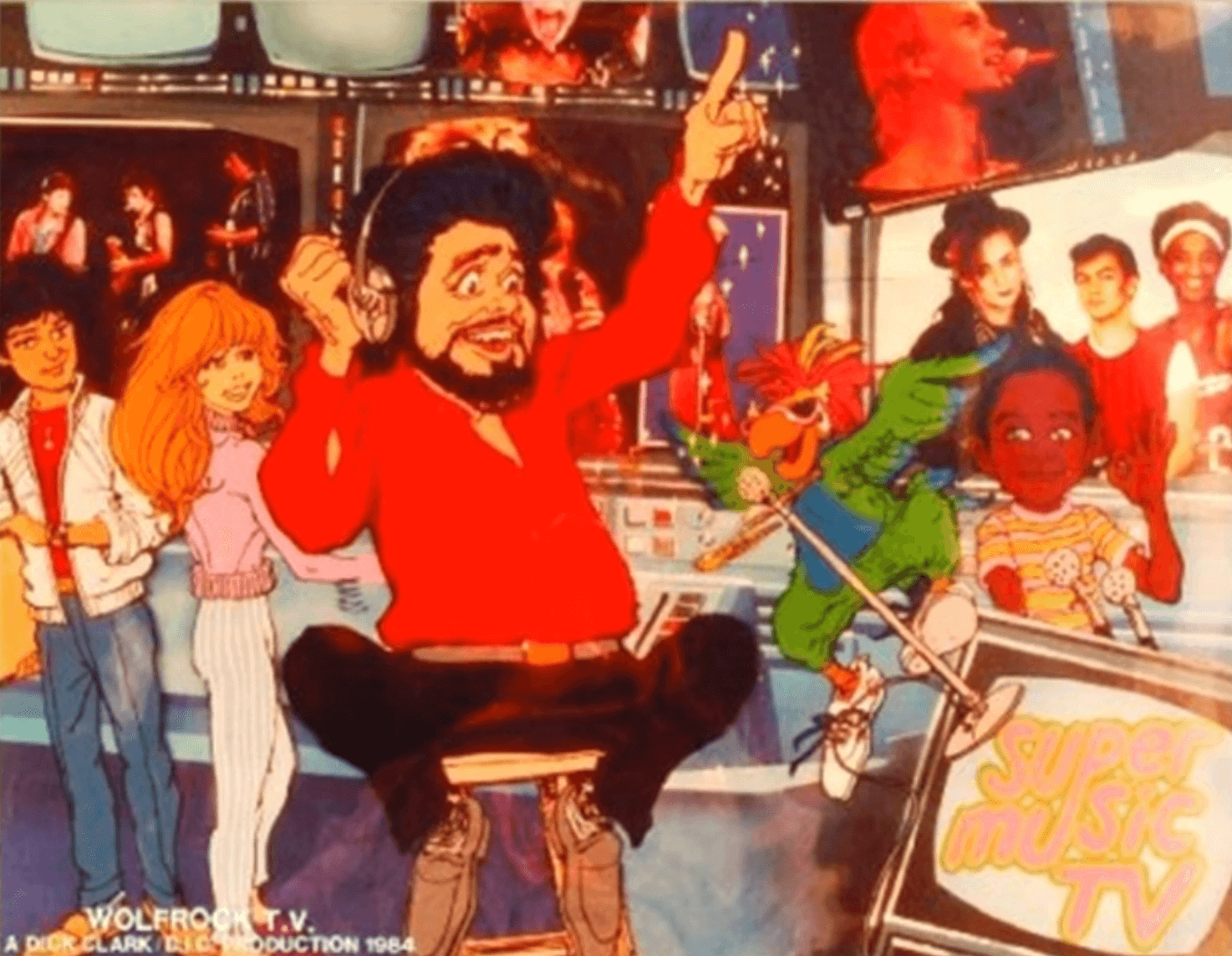
Wolf Rock TV was an animated show starring the rock and roll DJ, who had become a household name in the early 1960s, as much because of the powerful and pervasive signal of the XERF station that carried his show as for his outrageous persona. George Lucas used him in American Graffiti in 1973, itself a paean to the olden days, and Wolf Rock TV saw him hosting a music show with the help of three teenagers and an annoying comedy parrot, much to the chagrin of station manager Mr Morris (who is clearly in the wrong job).

Over on CBS, sweary comic Richard Pryor was bizarrely the host of a live-action children’s show with puppets, a slightly more grown-up version of Sesame Street, with an invited audience of kids interacting with various characters played by Pryor. The show was the dreamchild of Sid and Marty Krofft, who had given the world HR Pufnstuf and more in the psychedelic era, and was an attempt to impart some life lessons – education by the back door, the worst kind – in-between theme music by Ray Parker Jr.
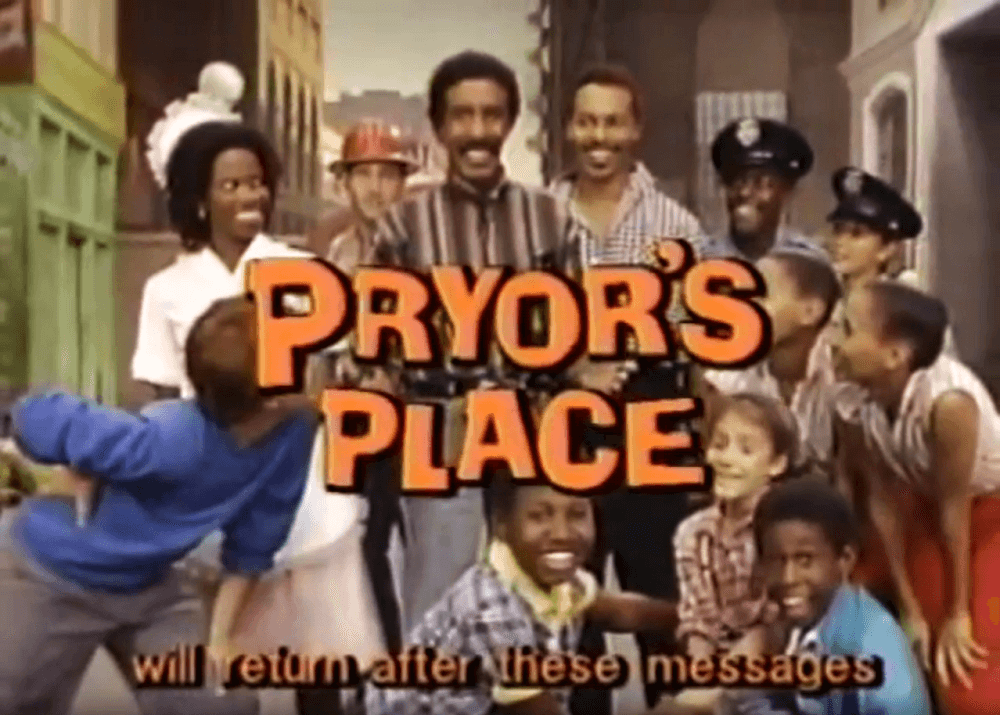
The Telephemera Years, 1984: Pryor's Place

Wolf Rock TV lasted just seven episodes before low ratings caused it to be yanked from the air, but Pryor’s Place finished its initial thirteen-episode run. There was no second season, though, as Pryor moved on to film Brewster’s Millions. Sid and Marty next turned up with DC Follies in 1987, their spin on Spitting Image with Fred Willard, as they sought to find a post-1970s niche for their creations. 

Next time on The Telephemera Years: If it’s 2005 then it must be at least half a dozen shows cruelly taken before their time… and one deservedly so!

Check out our other Telephemera articles:

The Telephemera Years: 1966 (part 1, 2, 3, 4)

The Telephemera Years: 1968 (part 1, 2, 3, 4)

The Telephemera Years: 1969 (part 1, 2, 3, 4)

The Telephemera Years: 1971 (part 1, 2, 3, 4)

The Telephemera Years: 1973 (part 1, 2, 3, 4)

The Telephemera Years: 1975 (part 1, 2, 3, 4)

The Telephemera Years: 1977 (part 1, 2, 3, 4)

The Telephemera Years: 1980 (part 12, 3, 4)

The Telephemera Years: 1982 (part 1, 2, 3, 4)

The Telephemera Years: 1984 (part 1, 2, 3, 4)

The Telephemera Years: 1986 (part 1, 2, 3, 4)

The Telephemera Years: 1987 (part 1, 2, 3, 4)

The Telephemera Years: 1990 (part 1, 2, 3, 4)

The Telephemera Years: 1992 (part 1, 2, 3, 4)

The Telephemera Years: 1995 (part 12, 3, 4)

The Telephemera Years: 1997 (part 1, 2, 3, 4)

The Telephemera Years: 2000 (part 1, 2, 3, 4)

The Telephemera Years: 2003 (part 1, 2, 3, 4)

The Telephemera Years: 2005 (part 1, 2, 3, 4)

The Telephemera Years: 2008 (part 1, 23, 4)

Titans of Telephemera: Irwin Allen

Titans of Telephemera: Stephen J Cannell (part 1, 2, 3, 4)

Titans of Telephemera: Hanna-Barbera (part 1, 2, 3, 4, 5)

Titans of Telephemera: Kenneth Johnson

Titans of Telephemera: Glen A Larson (part 1, 2, 3, 4)

Titans of Telephemera: Quinn Martin (part 1, 2)

Five Films to Check Out on Horror Channel This Week – 230522

horror channel check out

There are some more great movies this week on Horror Channel. Here are our picks….


butterfly room


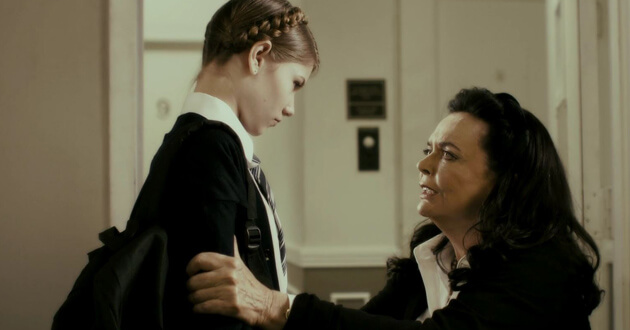
Wednesday May 25th, 9pm – The Butterfly Room (2012)

Fabulously creepy terror as horror legend Barbara Steele stars as a bipolar spinster who collects butterflies and becomes attached to a neighbour’s daughter (Heather Lankenkamp). Watch out for Twin Peaks’ Ray Wise, I Spit on Your Grave’s Camille Keaton, Friday the 13th’s Adrienne King, Halloween’s P.J. Soles, Return of the Living Dead’s James Karen and Gremlins director Joe Dante.


doomwatch


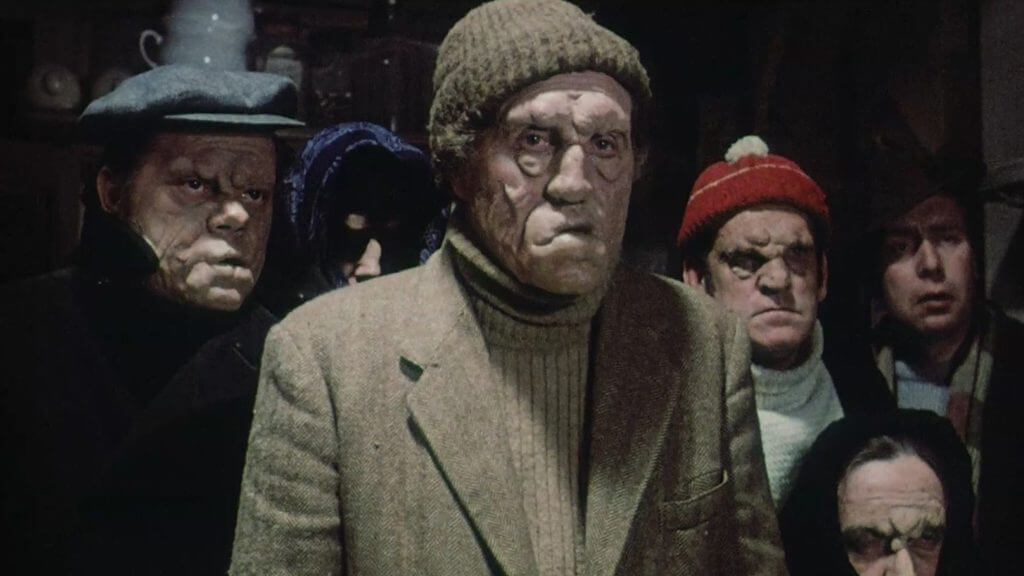
Thursday May 26th, 4pm – Doomwatch (1972)  
Based on the BBC TV series, this eco-thoughtful film covers the dangers of contaminated chemicals in the sea. Starring Ian Bannen and Judy Geeson, it was directed by Hammer regular Peter Sasdy (Countess Dracula).


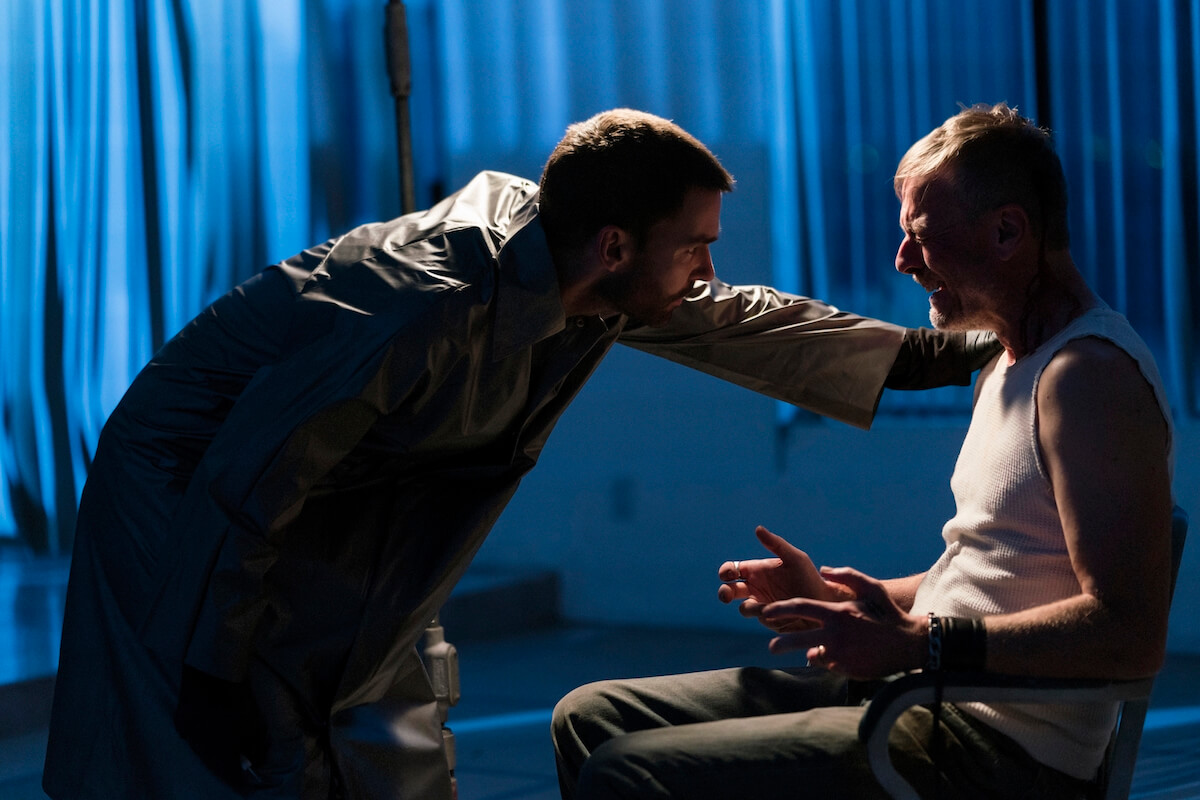
Saturday May 28th, 10.50pm – Bloodline (2018)

A social worker (American Pie’s Seann William Scott) has a sinister side-line of murder in this brooding psychological tale of terror.


daleks invasion earth


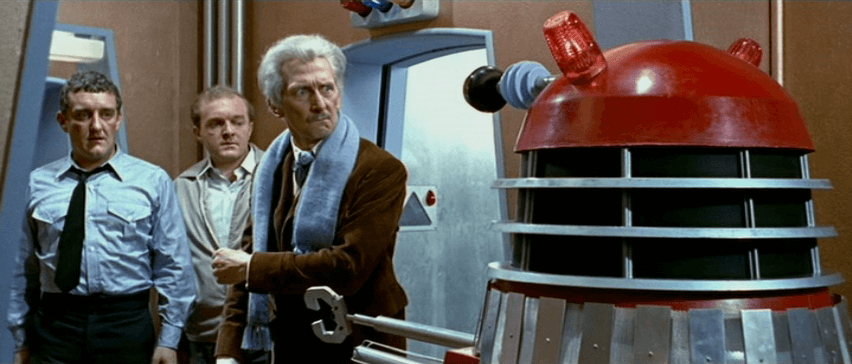
Sunday May 29th, 3pm – 6.20pm – DALEK Double Bill

Peter Cushing is Dr Who in this double whammy of colourful, big-screen action as the Time Lord is redesigned as a kindly grandpa. He’s still pitted against his deadly foes, however. Dr Who and the Daleks (1965) is followed by Daleks’ Invasion Earth 2150 A.D. – TV favourites Roy Castle and Bernard Cribbins are along for a ride.


giant claw


Sunday May 29th, 9pm – 12.10am The Vintage Vault

Horror Channel is celebrating the Golden Age of genre cinema with a season of double bills. There are more fifties chills this week with Earth vs the Flying Saucers (1956), which boasts special stop-motion effects from Ray Harryhausen. This is followed by The Mole People (1956), in which B-movies stalwart John Agar comes face-to-face with a subterranean race. Watch out for Alan Napier (Alfred in the ‘60s Batman series!).

Tune into Horror Channel on Sky 317, Virgin 149, Freeview 69, Freesat 138.

What is it About Superhero Movies That Draws us in so Deeply?

What is it About Superhero Movies That Draws us in so Deeply?

Popular culture has long been dominated by superhero stories. At Starburst Magazine, we have commended the leading superhero movies that are dominating the industry, and it seems that the superhero culture shows no sign of slowing down. Every one of us appreciates their commitment to keeping people safe. But what makes us so obsessed with them? If you’ve ever wondered why people enjoy superhero movies so much, this article will help you understand.

They Show us The Best of Humanity

We all enjoy reading stories in which a superhero saves the day or the planet. Superheroes are unusually “human”. They are continuously doing good with their skills and abilities. From a psychological standpoint, we regard ourselves as the superhero travelling through human experiences and overcoming all obstacles. Moreover, they are presented with the most difficult difficulties of their lives and may still make decisions for themselves while rescuing the planet. Additionally, they deal with loss and grief, which causes everyone to sympathise with them. Superhero stories give everyone hope and motivation that doing good in the world is possible despite all odds.

They Offer an Escape from Reality

Simply put, these movies are entertaining. Marvel Cinematic Universe and DC Comics are the biggest names when it comes to providing thrilling movies. They offer a mini-vacation from your life, for at least two hours. Viewers often recognise themselves in the films they see. This makes the film more compelling and bonds the audience with the characters. Similar to how everybody on this planet has their own tale and distinct background that guides them into who they are now, every character’s genesis story is what draws audiences in.

Of course, extraterrestrial planets and inhuman powers appeal to us since we don’t see them in our everyday lives. The disjunction between our everyday lives and the world of the superhero allows us to live virtually through them. As a result, when our reality gets too terrible to face, we may escape to the realm of superheroes.

They are for All Ages

Contrary to common assumptions, superhero comics and movies are not just for youngsters. Superhero stories allow everyone to enjoy something from their youth. The superhero movies we see today are based on comic book characters from the 1930s through the 1990s. Superman first appeared in a comic book in 1938, and Batman has been around since 1939. In fact, many superhero fans even plan their free time and holidays around visiting the different filming locations, with a popular location being New Zealand, where `Marvel: The Avengers was partly filmed.

So, whilst you’re on your way to New Zealand to see your favourite superhero location, why not immerse yourself in the world of these superheroes by watching their films, reading their books, or playing their games. There are even Marvel-themed casino games and online slots available at a variety of New Zealand-based casino sites. As well as fantastic online slots, they also have more traditional online casino games, such as blackjack and roulette. These sites provide generous welcome bonuses, allowing you to enjoy your favourite games alongside a fantastic offer. To guarantee that you’re playing at reliable and trustworthy sites, make sure you choose only top-rated casinos that have been reviewed by experts, such as those listed on Casino Reviews. Keep in mind that this isn’t the only method to experience the superhero universe. With old and new movies still being so popular, we are sure that superheroes will be around for generations to come.

They Remind us There Is Always Someone Like Us

Somewhere, whether in the pages of a comic series or graphic novel, on the screen of a television or computer, or in a movie theatre, there is a superhero who thinks like us. They are either silly or snarky, like us. Or they are sullen and grumpy, as we often are. Whatever our personality is, there is a superhero somewhere who is similar. And, when heroes evolve, we recognise ourselves in their appearance. It matters a lot that our idols be similar to us, whether in personality, appearance, or both. It signifies that we share certain characteristics with them.

They Show us Nobody is Perfect

Even the most powerful, quickest, and finest superheroes are not without flaws. They make mistakes from time to time. They cause harm to those they love and fail to save those they have promised to defend. They make errors and must bear the consequences. They, like us, are occasionally obliged to apologise. Because they, like us, aren’t flawless. And if we can forgive them for their flaws, perhaps we can forgive ourselves and everyone else.

[ENDED] Win THE TERROR: INFAMY on Blu-ray

the terror: infamy

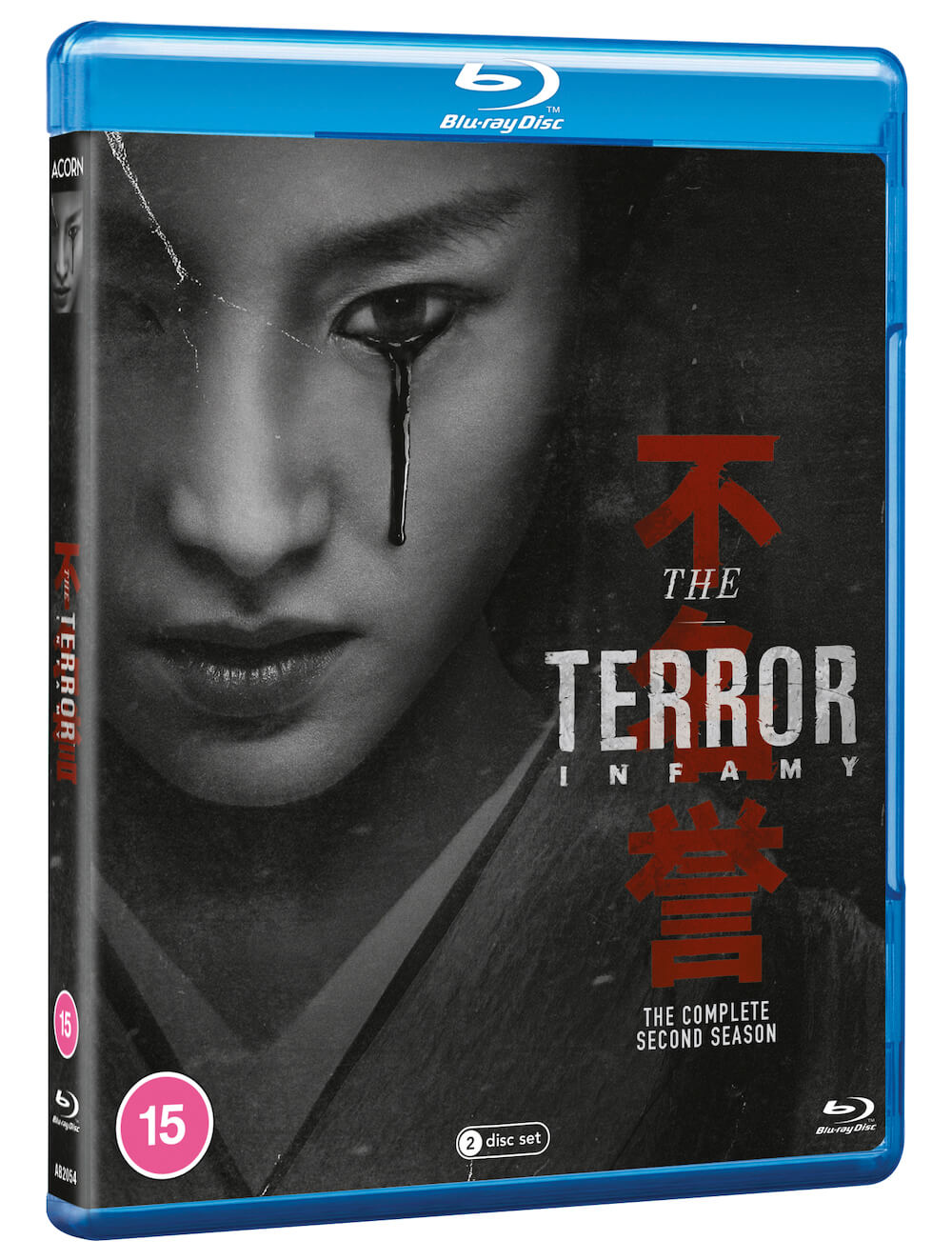
Lauded series The Terror garnered international acclaim from critics and viewers alike and now with a brand-new premise and setting but with the same stunning production values and gripping story lines, the second series The Terror: Infamy has hit our screens. Following its run on BBC2, the series is set for its Blu-ray, DVD, and digital release from Acorn Media International on May 23rd. The Terror One and Two Box set will also be available on Blu-ray and DVD. We have a copy of the Blu-ray to give away. Just read on and enter below…


the terror: infamy blu-ray


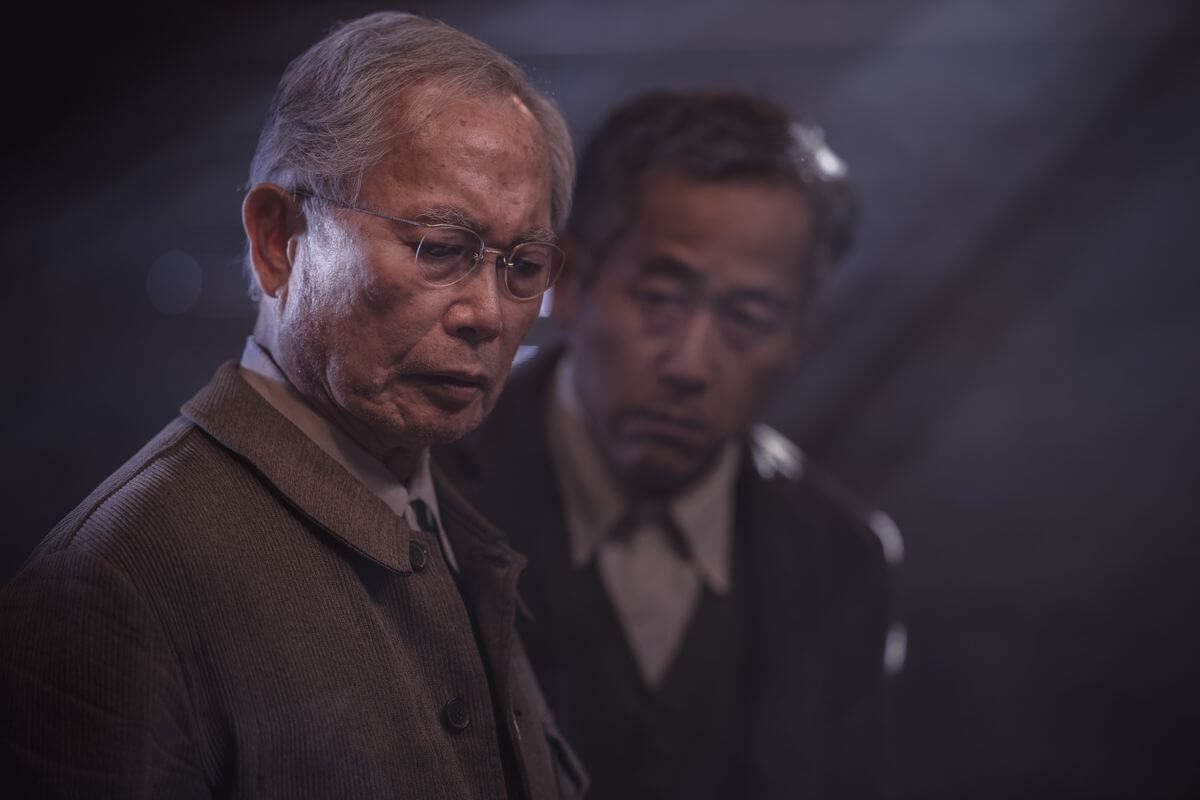
The Terror: Infamy is a thrilling supernatural series set against the backdrop of World War II and the Japanese internment camps and boasts powerful performances from an outstanding cast of international talent. The line-up includes a stand-out turn from renowned actor George Takei (Star Trek) who himself spent time in an internment camp as a child and acted as a historical consultant on the drama.

Chester (Derek MioGrey’s Anatomy, Geek) lives with his family on Terminal Island, a few miles south of Los Angeles, just off the coast of California. He and his father, Henry (Shingo UsamiUnbroken), are fishermen but Chester seeks more. He’s in love with a Spanish-American student named Luz Ojeda (Cristina RodloMiss Bala, Too Old to Die Young) and doesn’t understand why his immigrant mother, Asako (Naoko MoriTorchwood) and father choose to remain confined to a small swath of the big world – especially after travelling so far in the pursuit of freedom.

In the aftermath of Pearl Harbour, the family’s comfortable life is about to change forever as they’re forcibly uprooted and shipped off to an internment camp, where fear lurks in both supernatural and human form.


the terror: infamy


A string of relentless, brutal and bizarre deaths haunts the community, and Chester and his family are menaced by a mysterious and murderous shapeshifting entity. What spirit lies behind The Terror, and can the family overcome it and save those dearest to them?

Craftily weaving a semi-historical narrative with modern parallels, co-creators Max Borenstein (Godzilla) and Alexander Woo (True Blood) deliver an enthralling and potent exploration of monstrosity – both mythical and man-made. The Terror: Infamy is an unsettling, compelling and captivating must-watch.


a Rafflecopter giveaway

The Terror: Infamy is available on DVD and Blu-ray from May 23rd.

Sarah Appleton & Phillip Escott | The Found Footage Phenomenon

found footage interview

With Rob Savage’s recent Host and the ongoing Paranormal Activity franchise – yes, an eighth film is on its way – the found footage genre shows no signs of running out of battery. So, to make sure you’re up to date filmmakers Sarah Appleton and Phillip Escott have produced The Found Footage Phenomenon, a documentary detailing the history and evolution of the sub-genre. Sarah and Phillip took some time to talk to us about their film and why the genre is so important.

STARBURST: What was the genesis of this project; were you found footage fans to begin with?

Phillip Escott: The genesis stemmed from a disc I was producing for Second Sight, of Lake Mungo for a Blu-ray release. Sarah is a huge found footage fan and she found out it was in the works. We had to make a documentary for the Blu-ray on found footage films, and while a great idea it was a bit big for the extras as we’d already locked a lot. So, why not think bigger so we did.

Sarah Appleton: Yeah, I was super disappointed as Lake Mungo is one of my favourites and I really wanted to work on it.

Where did you want to start to explore the history, as it seems every generation has their own found footage beginning?

SA: We didn’t want it to be just a list, so it was less about that and more about looking at it as a technique and a genre. We always knew it would start with Cannibal Holocaust, and Phil already knew a lot about that film. For me, I learned a lot about the pre-2000 period during this process. As a fan I definitely came to it more after the Paranormal Activity era.

PE: The history was what always appealed to me as it’s interesting how found footage has kept the horror genre relevant. If you look back it’s always done that. During the research phase it was interesting to see what happened before Cannibal Holocaust, some of the texts and things such as the War of the Worlds radio show, how creative people have always been fucking with people via the real or not approach.

So, did you then compile a list of people you want to speak to regarding different styles, and was there anyone you couldn’t get to speak to?

PE: We found that many people were available (because of lockdown). We wanted the wholly trinity: Ruggero Deodato, Eduardo Sánchez and Oren Peli. The three bastions if you will, the guys who gave the genre new life. But the one person we couldn’t get was one of the directors of Man Bites Dog, as we wanted to cover that a little more.

SA: Yeah, because that was one of the early ones. The films that were before the ‘big boom’ are interesting as they invented so much. That’s why I was so happy when we got Dean Alioto (writer and director of The McPherson Tape) as that film is such an enigma, this weird thing that no-one saw.

One thing that comes through is that it seems everyone who makes a found footage film is so open and honest, but also humble. No-one claims to take credit for influencing the genre and yet each one does.

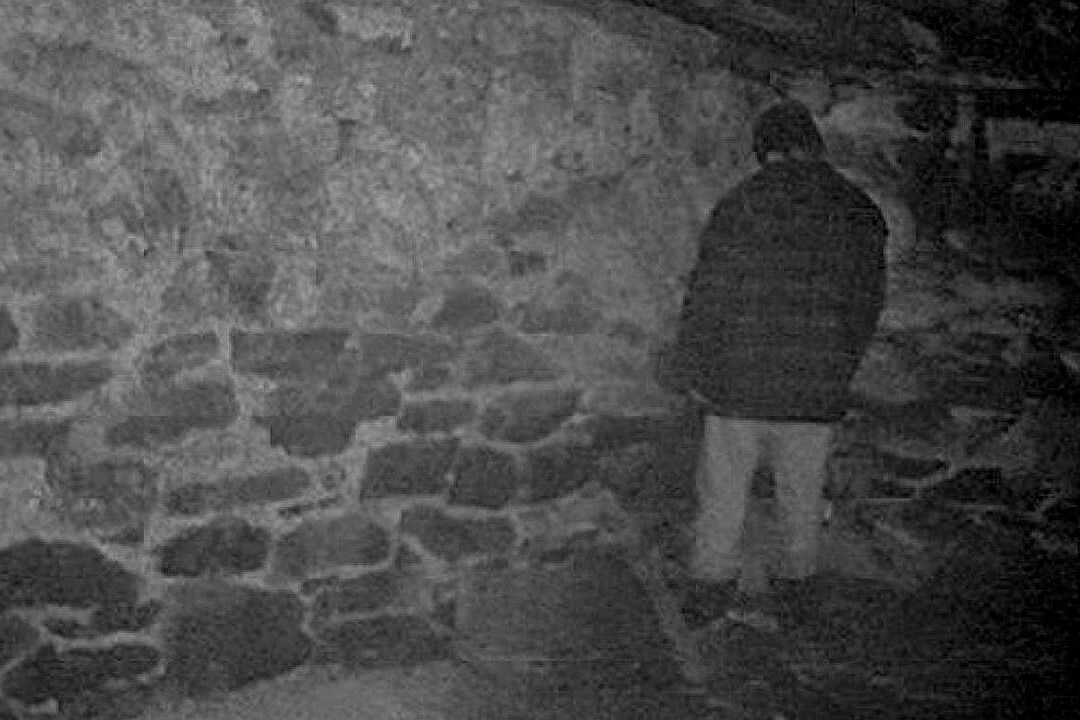
SA: A lot of people from earlier on had no idea what was to come, so it’s easier with hindsight to look back and see who invented found footage. With Dean Alioto, he kind of did the first home movie but as no-one saw it, it must just be in the zeitgeist. With The Blair Witch Project and The Last Broadcast they came at the same time but they didn’t know each other or anything. So, I guess it’s why people are reluctant to claim credit.

PE: I think it helps that a lot of the filmmakers are big film and horror fans, so they enjoy talking about other people’s work and films as well as their own.

SA: It is nice to ask filmmakers about other films when they’re fans. You can’t do that in other genres. I guess they are humbler about it, and they’re interested where other people took the genre after them.

Sarah Appleton & Phillip Escott


Going back to The McPherson Tape, it’s a significant film in found footage history, but for anyone who isn’t as versed in the genre it could be quite a tough watch.

PE: Yeah, I think it’s also a product of its time. He only had $6,000, and it’s interesting that today you could make a much more polished film for that amount than you could in the late 80s. So, he was hindered by the technology but his passion for the craft is what carries it through. That’s its greatest asset, that intensity as Dean understood what works in horror.

SA: I don’t know if it’s entertaining anymore but it is super interesting if you’re interested in the history and technology of where found footage came from. If you just want to see some aliens, then maybe not.

Do you think that the realism, in films such as The McPherson Tape is what divides fans and critics?

PE: Yeah, I think that the true crime element, of something claiming to be true and then the audience being clearly lied to is a thing. I think it comes down to the individual.

SA: It depends on what you like. Personally, I love the reality. With horror, I prefer something set in the real world rather than fantasy so that’s what appeals to me. But I get that’s not everyone.

Do you think that the parameters of what constitutes found footage are changing as filmmakers need to push the boundaries?

SA: I really think that found footage doesn’t have to be a tape that’s been found and watched. Mockumentaries are found footage as they’re pertaining to be true and real, and that’s what I think the definition is. So, in that sense when you get films such as Host where you have an online platform, are we supposed to think it was found on someone’s hard drive and now we’re watching it? I’m not sure.

PE: It’s evolution. Back in the days of The Blair Witch Project it had to be literally found reels of film. As technology advances the sub-genre advances. It’s moved from VHS and film and not into streaming and digital.


Did you get the sense that there’s a ‘lightning in a bottle’ moment for these guys as few either return to the genre or replicate their initial success?

PE: A lot of it comes down to them having not having enough money to make a ‘real’ film. The sub-genre is perfect for student and low-budget filmmakers. It’s a format that allows you to get your foot in the door.

SA: But as much as they are accessible to make, they’re hard. I always refer to the example of Frankenstein’s Army. I know a lot of people haven’t seen it but it’s amazing how they did the long takes with the monsters, and the director said he had no idea how tough it was actually going to be.

Often found footage films can cause controversy, such as Cannibal Holocaust and Hate Crime, which is still banned in the UK. Why do you think that is? Do you think it’s the subject matter or perhaps how immersive they can be?

PE: Yeah, I mean, who wants to sit down and watch some Neo-Nazis terrorise a Jewish family for 90 minutes? There are lines that average filmmakers and audiences won’t cross. Sometimes films like Hate Crime, and also August Underground, only appeal for shock value, to see how far they’re going to go. It will close off a whole section of the audience, but some will be into it and get it and love it. It’s a risky move but can pay off.

What would you consider the underrated films of the genre, the ones that have passed people by somewhat?

SA: We included some of our favourites alongside those films that did something new and different. There are a few I like that we didn’t get to talk about. For example, My Little Eye which came out in 2001, we just couldn’t tangent off to it, but I really like the reality television side of found footage. The Houses October Built I love for the entertainment value.

PE: For me, it was more of the non-horror films we couldn’t get in such as Spinal Tap.

How important is found footage to the genre?

PE: I would say it’s vital. It’s our generation’s slasher film. In the ’70s and ’80s, you didn’t need much money, just some friends, and you can go make a slasher film. Now, it’s some friends and a decent camera and you can go off into the woods and make a found footage film. If you’re talented it will shine through. While that doesn’t mean everyone should make a movie, everyone can.

SA: That’s what makes horror so different and so special as you can’t do that with another genre. Horror is so different to everything else as it’s so accessible and has such a huge fanbase.

The Found Footage Phenomenon is out on Shudder now. Read our review here.


THE TELEPHEMERA YEARS: 1984 – PART 3

telephemera years 1984 command 5

Ah, telephemera… those shows whose stay with us was tantalisingly brief, snatched away before their time, and sometimes with good cause. They hit the schedules alongside established shows, hoping for a long run, but it’s not always to be, and for every Street Hawk there’s two Manimals. But here at STARBURST we celebrate their existence and mourn their departure, drilling down into the new season’s entertainment with equal opportunities square eyes… these are The Telephemera Years!

1984-85

Dallas and Dynasty ruled the roost in 1984 and, with shoulder-pads and campy drama very much the in-thing, the only serious competition to the twin towers of glitzy soap opera came from NBC’s new hit sitcom The Cosby Show. Unable to compete with their competition when it came to over-the-top power struggles, the Peacock Network opted for humour and action, with Family Ties and The A-Team leading the charge behind Bill Cosby’s jumpers, and new shows like Remington Steele, Miami Vice, and Hunter making their bows.

With only The Fall Guy doing decent numbers other than JR Ewing and crew, both Moonlighting and Who’s Boss began long runs on ABC, while CBS unleashed Jessica Fletcher’s decade of mayhem in Murder, She Wrote, earning over twenty million viewers in its debut season. Genre fans were particularly poorly served in 1984, with just Airwolf, Knight Rider, and V: The Series providing even a low-level of sci-fi escapism, but TV land was full of big thinkers with even bigger ideas, even if those shows didn’t always make it to air. This is the story of 1984’s never weres…

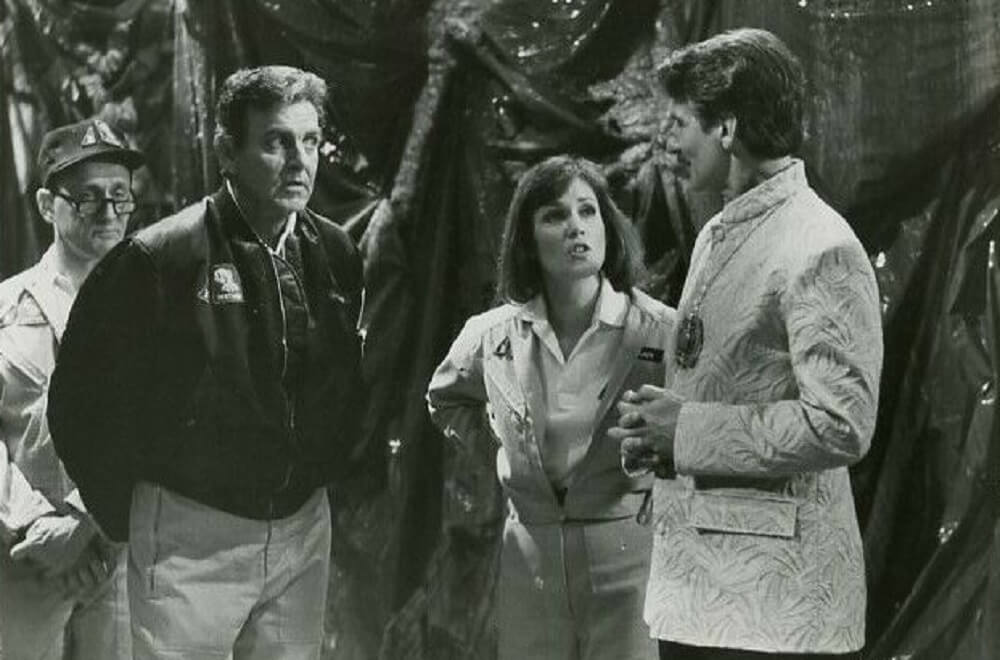
Earthlings (ABC): Created by Reinhold Weege, who had introduced Night Court to the world in January 1984, Earthlings was a story about a bunch of astronauts who survive a crash on a distant planet and have to eke out a living in their strange new surroundings. What would presumably lend itself to drama was played more for comedy, and never more so than when Leonard Frey’s alien drops his trousers to reveal an invisible patch where his genitals should be.

telephemera years 1984 earthlings

Surprisingly, then, it was not picked up for a series by ABC, who aired the pilot in July 1984 in the middle of Happy Days re-runs, despite some decent work from Mike “Mannix” Connors and Dan Hedaya as two of the stranded crew of the space shuttle Destiny, and James Cromwell, Michael D Roberts, and Ilene Graff (who would bounce back in the long-running Mr Belvedere the following year) as their passengers.

Unfortunately – for Night Court completists, at least – there’s nothing of the show anywhere on the internet. Weege wrote a few episodes of his hit show into the late 1980s and then had one last tilt at adding to his legacy with Nikki and Alexander, a girls-meets-boy comedy about a New Yorker who lets a homeless Russian woman move into his apartment. It wasn’t given a slot on the 1989 schedules, and he retired from the business, just forty-years old.

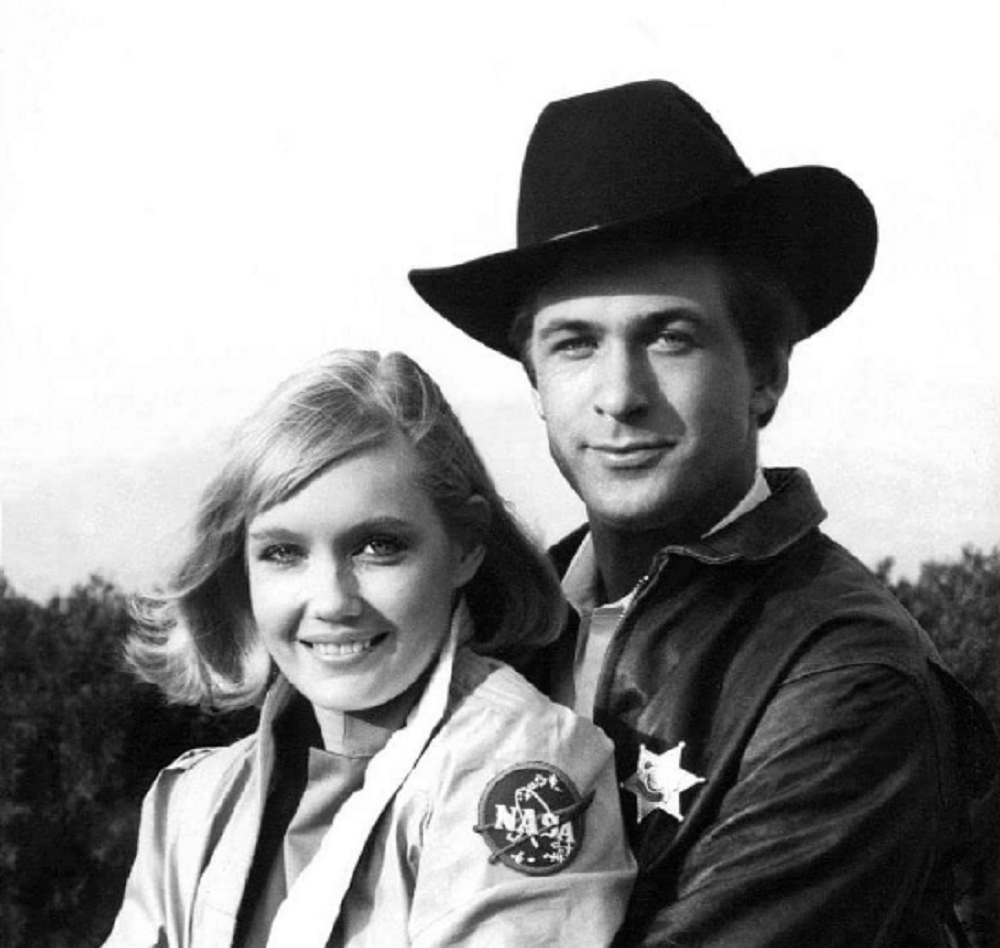
The Sheriff and the Astronaut (CBS): Set in the fictional Carrow County, The Sheriff and the Astronaut starred a young Alec Baldwin (in only his third role) and Ann Gillespie in the title roles, as Baldwin’s small-town sheriff enlists the aid of his spacefaring love interest to solve the quirky crimes that fall across his desk.

telephemera years 1984 sheriff astronaut baldwin

Created by Gerald di Pego, who’d scripted Sharky’s Machine for Burt Reynolds from William Diehl’s novel, The Sheriff and the Astronaut  was the kind of show that would have found a comfortable niche audience in the wake of Twin Peaks, a proto-Northern Exposure or Picket Fences, but CBS didn’t see enough in the pilot – aired between episodes of Magnum, PI in May 1984 – to sign the cast and crew up for a full series, and so we never got to see Baldwin and Gillespie solve anything past their initial case, let alone develop the “will they, won’t they” story peering from under the surface.

Baldwin, of course, shot to fame (and later quite literally shot to infamy), but Gillespie found starring roles harder to come by, with just a long stint in Beverly Hills, 90210 sticking out on her resume, but she did enjoy a multi-episode run in Star Trek: Deep Space Nine which should at least serve her well on the convention circuit, in between gigs as an episcopal priest. Di Pego continued working as a jobbing writer, delivering the scripts for two of the TV movies that revived The Incredible Hulk in the late 1980s, as well as the John Travolta superpowers flick Phenomenon (and its lesser-known 2002 sequel).

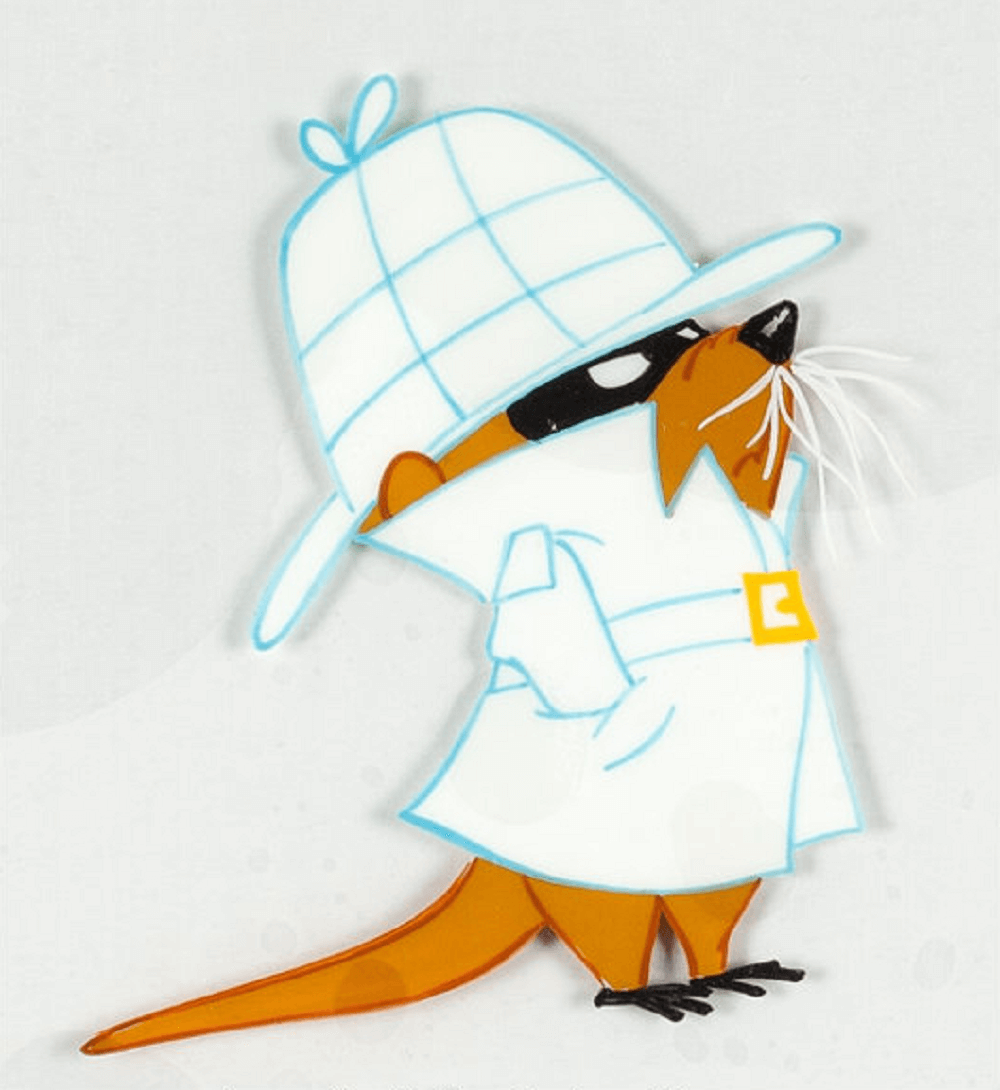
The Ferret (NBC): So, let me get this straight: a top-secret agent had disappeared, setting off a torrent of international crime, and the only person who can fill his shoes is his son, a no-good jazz musician?!? Yup, that’s the plot of The Ferret, written by Blake Edwards a year after his final Pink Panther movie and which had once been touted as a replacement for the Clouseau series after Peter Sellers had refused to play the character in any more movies.

telephemera years 1984 ferret blake edwards panther pink

The Ferret was initially announced in 1979 as part of a three-film deal with Orion Pictures that birthed 10 and SOB. In the wake of Sellers’s death, Dudley Moore was mentioned as a potential star, but Edwards re-tooled it for TV instead, with Steve Guttenberg cast as Sam Valenti, given the codename The Ferret after the original, his father (Sam Loggia), vanishes.

Guttenberg, who’d broken through with his role as Eddie in Barry Levinson’s Diner, is no doubt game – and had just finished filming the first Police Academy film, but it’s easy to imagine Sellers and Moore in the role, all bumbling charm and pratfalls. The pilot aired as an NBC Movie of the Week in the Summer of 1984 but no further exploits for The Ferret were forthcoming, and Edwards moved on to romantic comedies starring Bruce Willis and John Ritter, before one final Pink Panther affair, Son of the Pink Panther with Roberto Benigni in 1993.

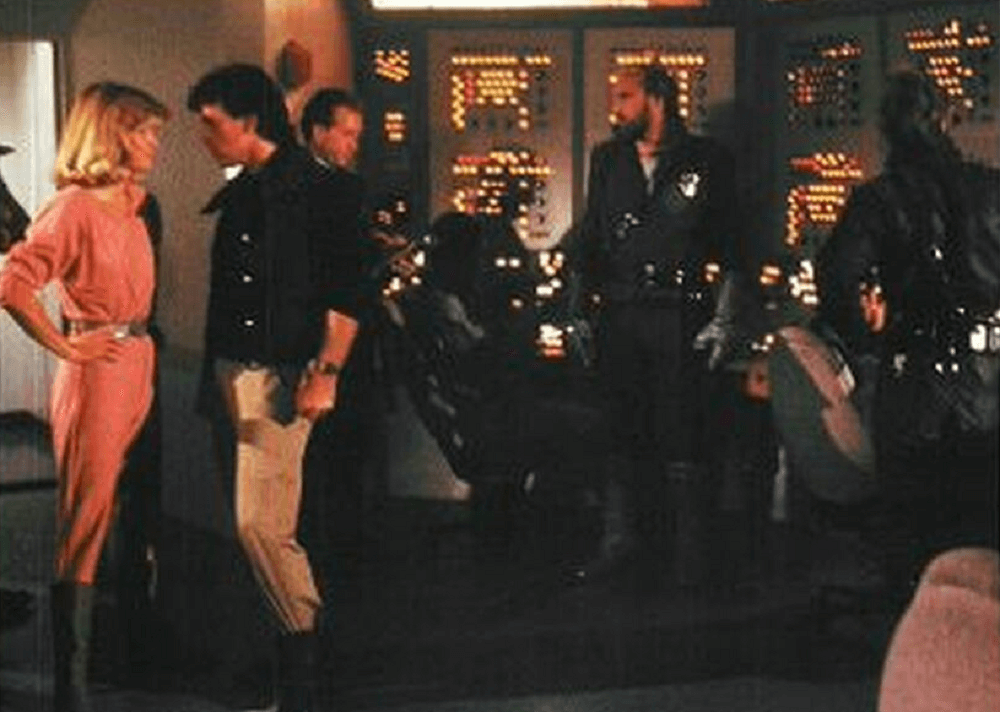
Cobra (ABC): Released as a TV movie in 1986 under the name CONDOR, Cobra (not to be confused with the GI Joe baddies or the 1986 Sylvester Stallone actioner) starred Ray Wise – who will always be Leland Palmer to us – as Christopher Proctor, a tough special agent for the Los Angeles Police Department who is given a new partner for a top-secret mission to hunt down master terrorist The Black Widow.

telephemera years 1984 cobra condor

The twist? Proctor’s new partner in the far-flung year of 1999 is a robot, and he hates robots. But wait, she’s a beautiful female robot, played by twenty-year old Wendy Kilbourne (who went on to co-star in Midnight Caller and not much else of note), and together, Proctor and the robot – Lisa to her friends – have to stop The Black Widow before she can detonate a nuclear bomb and blow up Hollywood!

It’s silly, stupid stuff and lots of fun, with Carolyn Seymour having a great time as the villain of the piece, but was sadly not picked up for a full series, the latest in a middling line of cops with robot partners shows that stretched from Get Smart!, to Holmes and Yoyo and Mann and Machine, and beyond. It’s on YouTube.

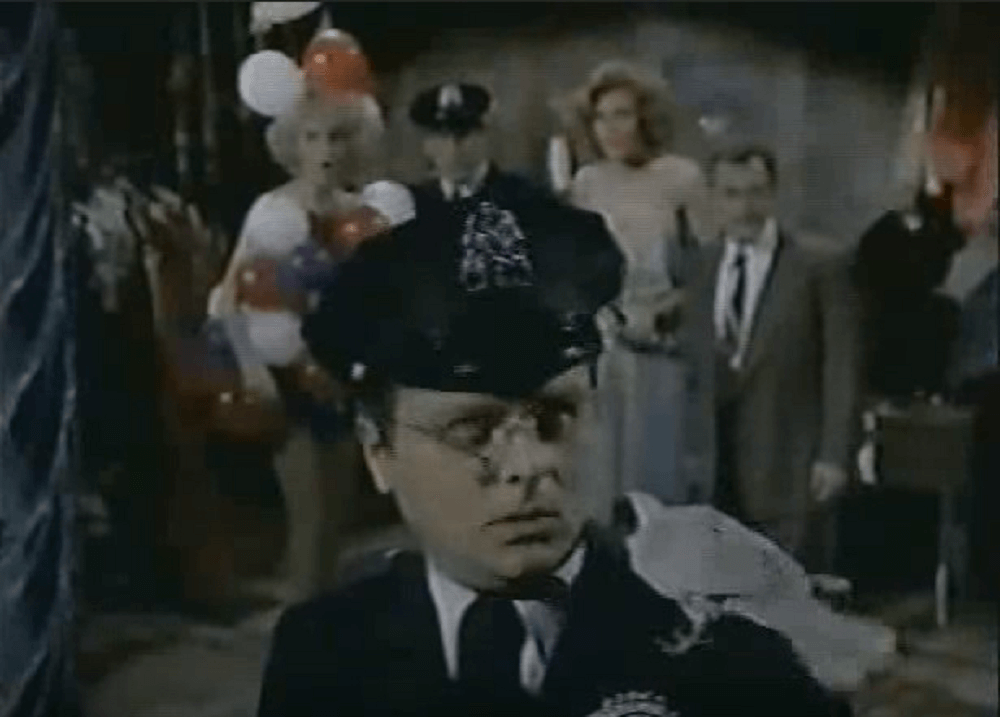
W*A*L*T*E*R (CBS): The third spin-off from the über-popular M*A*S*H (after Trapper John, MD and 1983’s AfterMASH, which had told the post-war adventures of Colonel Potter, Klinger, and Father John at a hospital in Missouri), W*A*L*T*E*R caught up with the former Radar, Walter O’Reilly, as he adjusted to civilian life as a policeman in St Louis.

telephemera years 1984 walter mash

Gary Burghoff reprised his role from the parent series and the pilot finds him being interviewed for a magazine story on the former members of the 4077th, enabling him to explain what has happened in the time jump between M*A*S*H/AfterMASH and the presumably current day setting of the new spin-off. Radar had appeared in a double-episode story of AfterMASH, after which a pilot was ordered for his own show, which did not feature any other original cast members.

The pilot aired as a special presentation on July 17th 1984, pre-empted on the West Coast by the Democratic National Convention, and has never been shown since, but is available to watch on YouTube, where you can see for yourselves that Radar’s undoubted charm just doesn’t lend itself to a feature attraction. But for a few roles, Burghoff retired after the failure of W*A*L*T*E*R, spending his time collecting stamps and devising useful inventions, such as a toilet seat lifting handle and a new kind of fishing rod.

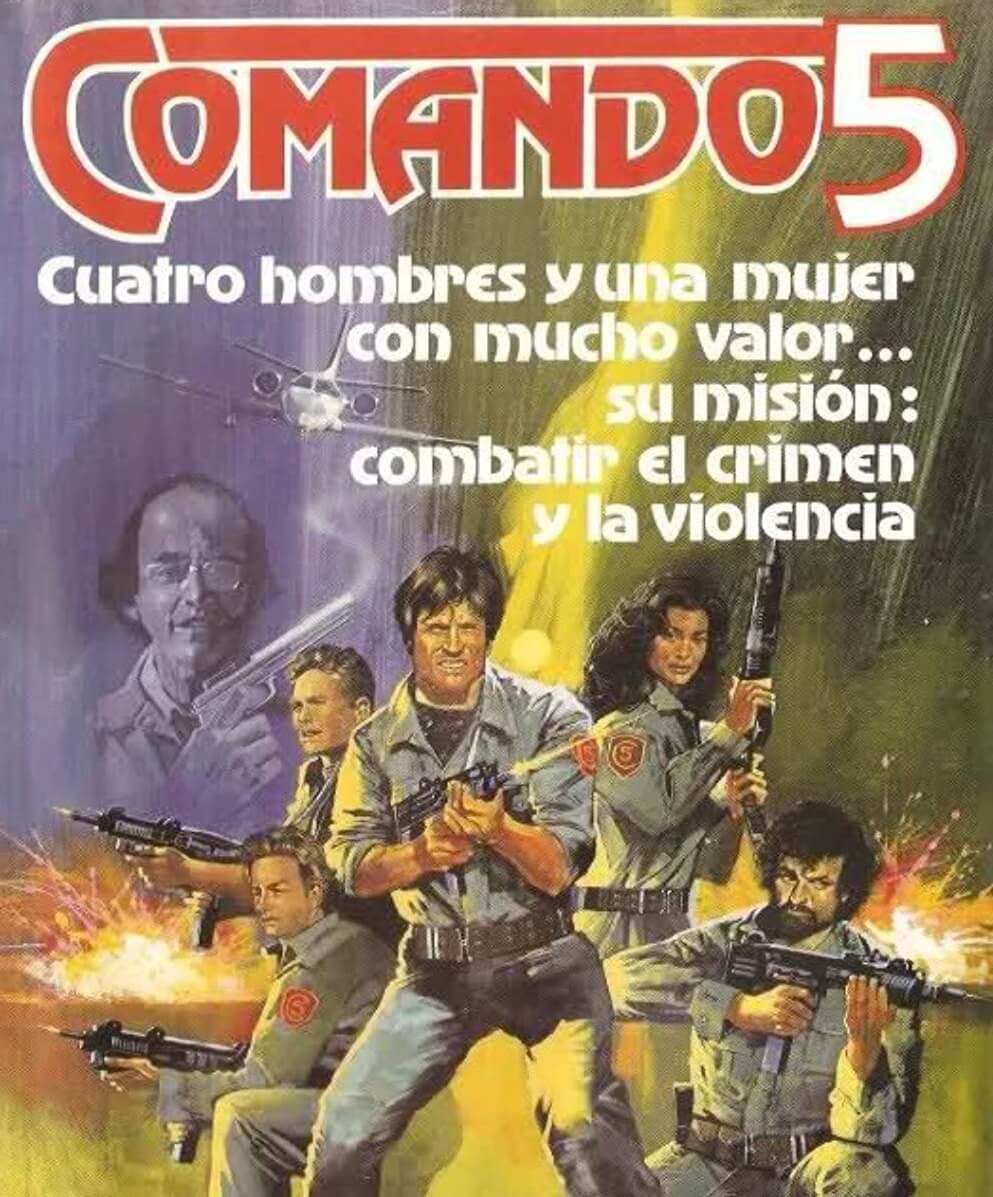
Command 5 (ABC): Colonel Blair Morgan is exactly the kind of soldier the modern world could do without, one who is so thirsty for combat action that he heeds the call of a shadowy government agency looking to put together a team of crime-fighters to be sent into areas that are ill-equipped to handle the ruthless criminals that ply their trade there.

telephemera years 1984 command 5

Morgan recruits four other loose cannons to form Command 5; in the pilot they are sent to take down a merciless gang of bikers that have kidnapped two civilians and are threatening to kill them if their comrades aren’t released from prison. Needless to say, stuff gets shot up, blown up, and f****d up, and the good (?) guys triumph in an absolutely dreadful (and occasionally nonsensical) morality play.

Former All My Children cast member Stephen Parr was cast as Morgan, backed up by Wings Hauser, former Oakland Raider John Matuszak, William Russ, and – look, one of them is a girl – Sonja Smits (about who little needs to be said except that she was in a show called Cybergeddon), with the whole thing corralled by director (and owner of the greatest name on this page) EW Swackhammer. ABC decided not to greenlight a full series, but the TV movie is still available to watch on YouTube so diehard “Fivies” should not give up hope…

Next time on The Telephemera Years: Saturday morning body horror!

Check out our other Telephemera articles:

The Telephemera Years: 1966 (part 1, 2, 3, 4)

The Telephemera Years: 1968 (part 1, 2, 3, 4)

The Telephemera Years: 1969 (part 1, 2, 3, 4)

The Telephemera Years: 1971 (part 1, 2, 3, 4)

The Telephemera Years: 1973 (part 1, 2, 3, 4)

The Telephemera Years: 1975 (part 1, 2, 3, 4)

The Telephemera Years: 1977 (part 1, 2, 3, 4)

The Telephemera Years: 1980 (part 12, 3, 4)

The Telephemera Years: 1982 (part 1, 2, 3, 4)

The Telephemera Years: 1984 (part 1, 2, 3, 4)

The Telephemera Years: 1986 (part 1, 2, 3, 4)

The Telephemera Years: 1987 (part 1, 2, 3, 4)

The Telephemera Years: 1990 (part 1, 2, 3, 4)

The Telephemera Years: 1992 (part 1, 2, 3, 4)

The Telephemera Years: 1995 (part 12, 3, 4)

The Telephemera Years: 1997 (part 1, 2, 3, 4)

The Telephemera Years: 2000 (part 1, 2, 3, 4)

The Telephemera Years: 2003 (part 1, 2, 3, 4)

The Telephemera Years: 2005 (part 1, 2, 3, 4)

The Telephemera Years: 2008 (part 1, 23, 4)

Titans of Telephemera: Irwin Allen

Titans of Telephemera: Stephen J Cannell (part 1, 2, 3, 4)

Titans of Telephemera: Hanna-Barbera (part 1, 2, 3, 4, 5)

Titans of Telephemera: Kenneth Johnson

Titans of Telephemera: Glen A Larson (part 1, 2, 3, 4)

Titans of Telephemera: Quinn Martin (part 1, 2)