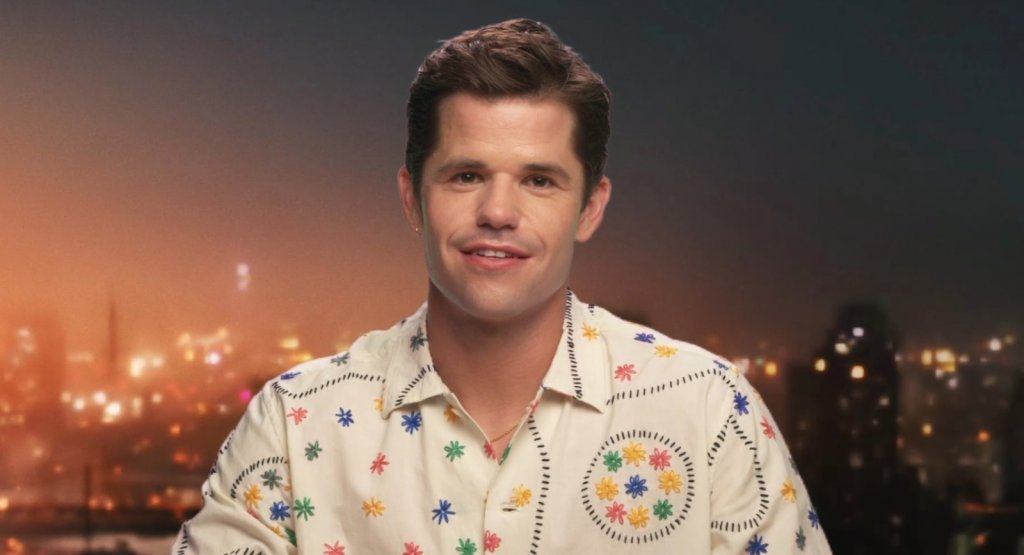
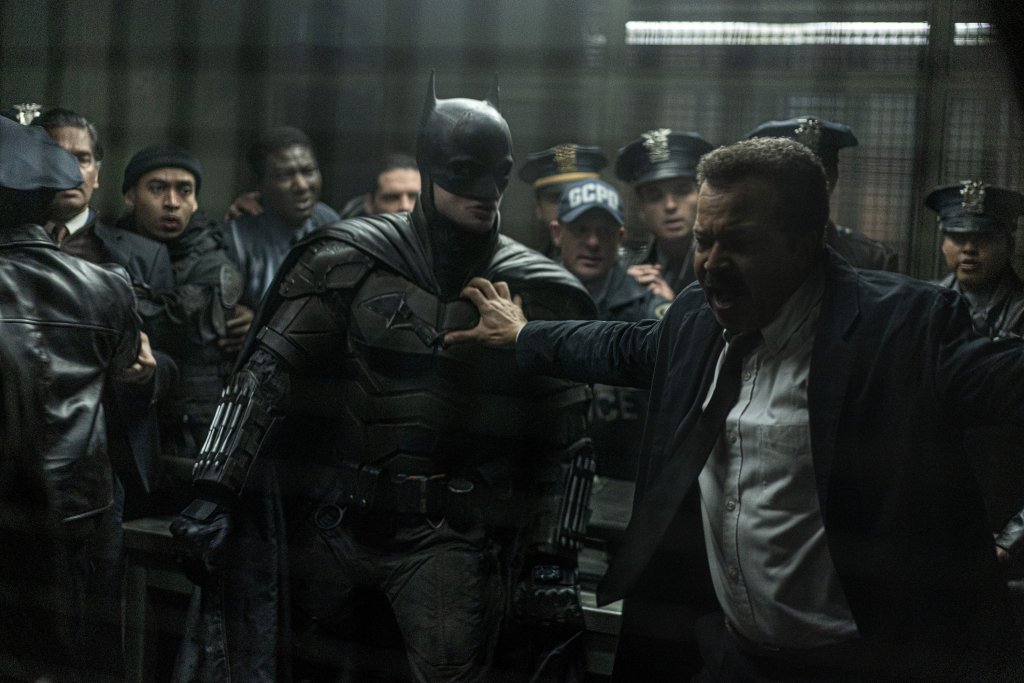
Sam Riegel – EXANDRIA UNLIMITED: CALAMITY

Sam Riegel

Sam Riegel is best known for his work as a cast member on hit D&D show Critical Role.  The voice actor is also well known for roles including Dontello in 2003’s Teenage Mutant Ninja Turtles and as Phoenix Wright in the Ace Attorney games.
Sam joins Dungeon Master Brennan Lee Mulligan along with players Travis WillinghamMarisha Ray , Aabria IyengarLou Wilson and Luis Carazo in Critical Role’s latest campaign, Exandria Unlimited: Calamity. We caught up with him to find out more.

How would you pitch Exandria Unlimited: Calamity to the Sam Riegel from 2008?

I would start by saying “Yo man, you might want to buy some Bitcoin when it gets invented next year. Cool. Now that we got that straight…” and go on to explain that you would eventually get so comfortable playing D&D with your friends that you could have IMMENSE amounts of fun playing a game knowing you’re gonna die. I would pitch the show as one part Greek tragedy, one part Fantasy-Sci-Fi, one part psychological character study… and terribly addictive.

How different is Brennan’s DM-style from Matt? Does that change any choices you make when playing your character?

Brennan’s style meshes with Matt’s in a lot of ways – both are skilled at rolling with anything you throw at them and never seem overwhelmed. Both are excellent at playing NPCs, and both LOVE juicy lore. I would say Brennan kept pushing and prodding us in ways that probably have less to do with his style, and more to do with the fact that we had an enormous story to tell in just 4 episodes. That sense of urgency never let up – and was thrilling to experience.

Does the lore difference between Calamity and Bell’s Hells take any getting used to?

Calamity is a 4-part series, and as such, we had to get ALL the lore out pretty much immediately. The Bells Hells campaign doesn’t have a ticking clock, so the players are free to explore more, follow wild side quests, and make way more mistakes. Both are rewarding – just in different ways.

Are there any character options that you’ve considered too wacky for Critical Role?

I really want to play a brain in a jar. Dunno when that’s gonna happen. But I’m gonna do it.

Why are we seeing so many comedians and actors play D&D these days?

I actually think we’re seeing so many EVERYONE play D&D these days, and RPG’s in general. It’s a phenomenon that folks from all walks of life are getting into. The reason we see actors and comics streaming their games is only because those are the ones who are most comfortable doing it in the public eye. But I know teachers, oil rig workers, and even NFL Football Players who love playing these games too. It’s so fun!

What was the last movie you saw that you’d recommend to Starburst readers, and why?

“Coda” was just a wonderful movie. And it has a cappella music in it too. Bonus! My kids and I also watched the original “Jurassic Park” movie and DAMN it’s just a nonstop thrill-ride. Also, on TV, please go check out “Kids in the Hall”. And if you’ve got some time left over, why not “The Legend of Vox Machina”?

Exandria Unlimited: Calamity airs Thursday evenings at 7pm Pacific (that’s Friday 3am British Summer Time)  on Critical Role’s Twitch (twitch.tv/criticalrole) and YouTube (youtube.com/criticalrole) channels. VOD is available immediately for Twitch channel subscribers and will be available on Critical Role’s YouTube channel the following Monday. It is also available via SpotifyApple Podcasts, and Google Podcasts.

[ENDED] Win DR WHO AND THE DALEKS Blu-ray Box Set & Poster

dr who and the daleks win

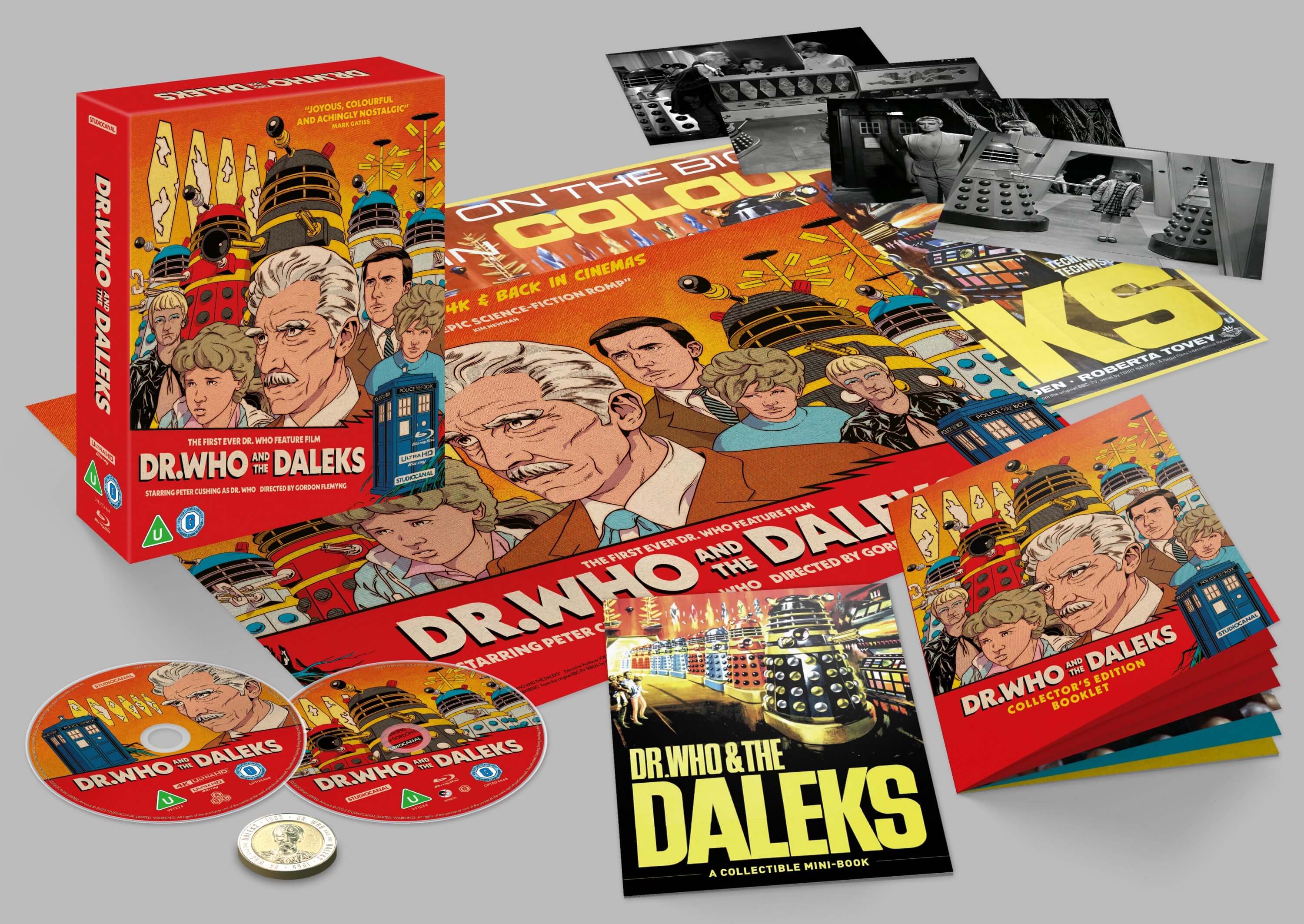
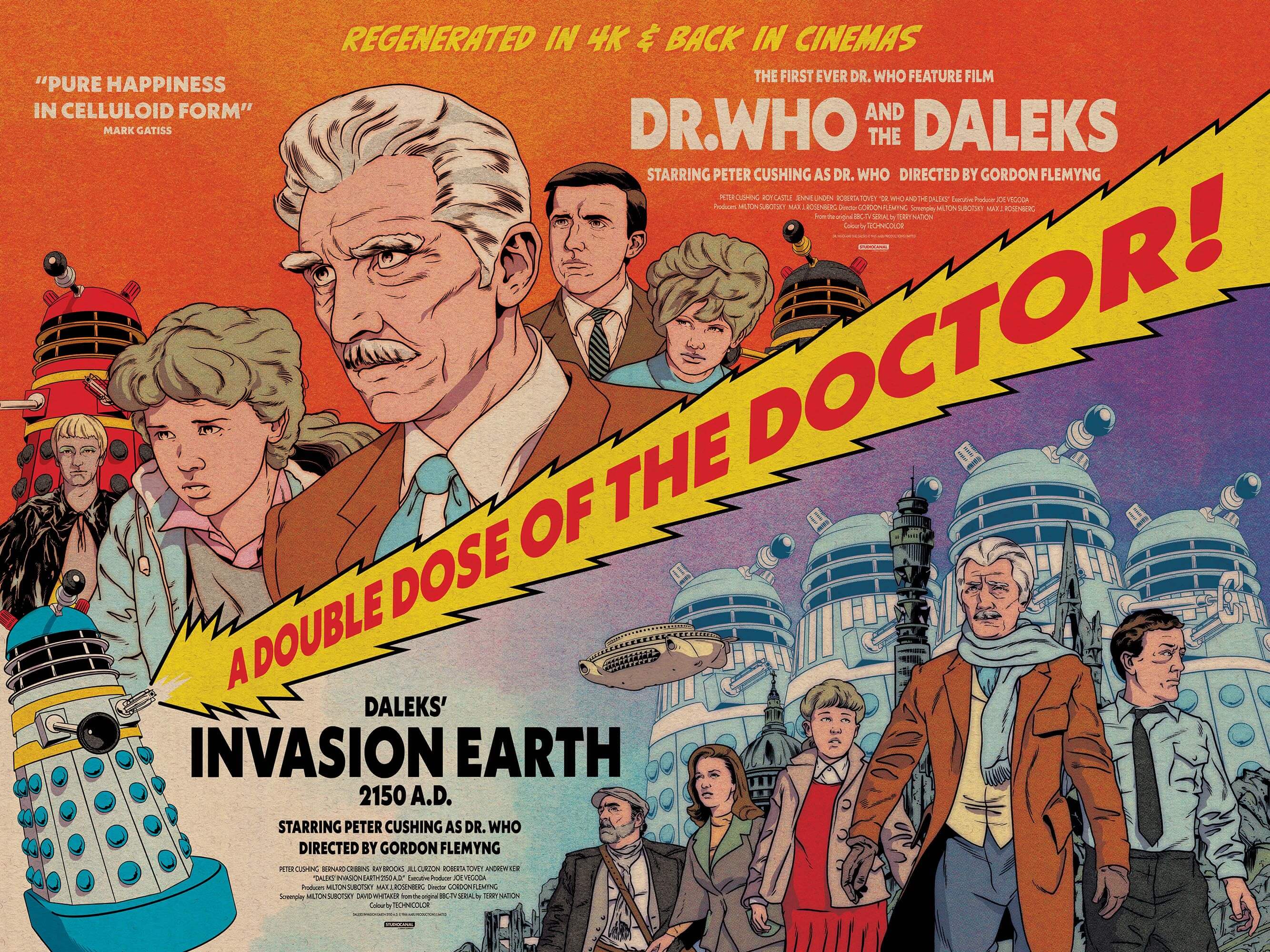
We’ve managed to secure a cool package including the 4K restoration of the classic ‘60s film Dr Who and the Daleks as well as a limited edition poster for the double bill of the film with the sequel Daleks: Invasion Earth 2150AD (check cinemas for screenings!). Just read on and enter below….


dr who and the daleks


Time-travelling scientist Dr Who (Peter Cushing) and his companions (Roberta Tovey, Roy Castle, and Jennie Linden) are unwittingly transported to a faraway planet where they’re captured by mutant alien creatures, the Daleks. Exposed to radiation sickness, our heroes must help their captors gain access to an antidote, but in doing so may put the rest of life on the planet in danger. This spin-off, created early on in the life of the popular TV show, allowed viewers to see the Doctor’s deadliest enemies in colour and on the big screen.


dr who and the daleks poster


a Rafflecopter giveaway


Dr Who and the Daleks is released as a 4K Blu-ray box set on June 20th. Pre-order your copy now.

THE TELEPHEMERA YEARS: 2005 – PART 2

Threshold, 2005

Ah, telephemera… those shows whose stay with us was tantalisingly brief, snatched away before their time, and sometimes with good cause. They hit the schedules alongside established shows, hoping for a long run, but it’s not always to be, and for every Street Hawk there’s two Manimals. But here at STARBURST we celebrate their existence and mourn their departure, drilling down into the new season’s entertainment with equal opportunities square eyes… these are The Telephemera Years!

2005-06

If you weren’t a fan of singing and dancing, or crime and medical dramas, the top-rated shows for the 2005-06 season made for grim reading, with just the bonkers fun of Desperate Housewives and Monday Night Football (which, depending on the result, could also be a criminal or medical matter) breaking the dominance of American Idol, Dancing with the Stars, CSI: Crime Scene Investigation, and the rest. For genre fans, Lost was building its mysteries with a second reason doing almost ten million viewers a week, but Alias – JJ Abrams’s other weekly slice of goodness – was coming to the end of its run on ABC.

Alias wasn’t the only show finishing up, with That 70s Show, Malcolm in the Middle, and Will & Grace all leaving sitcom fans heartbroken, while Joey would also face the axe at season’s end. The WB was losing Charmed but Supernatural was just starting its billion-season run for the channel, and genre fans were particularly well catered for with BEN 10, Ghost Whisperer, Kyle XY, and Masters of Horror all kicking off across the schedules. But what of the shows that didn’t trouble the Nielsen counters? This is the story of four more of 2005’s doomed prospects…

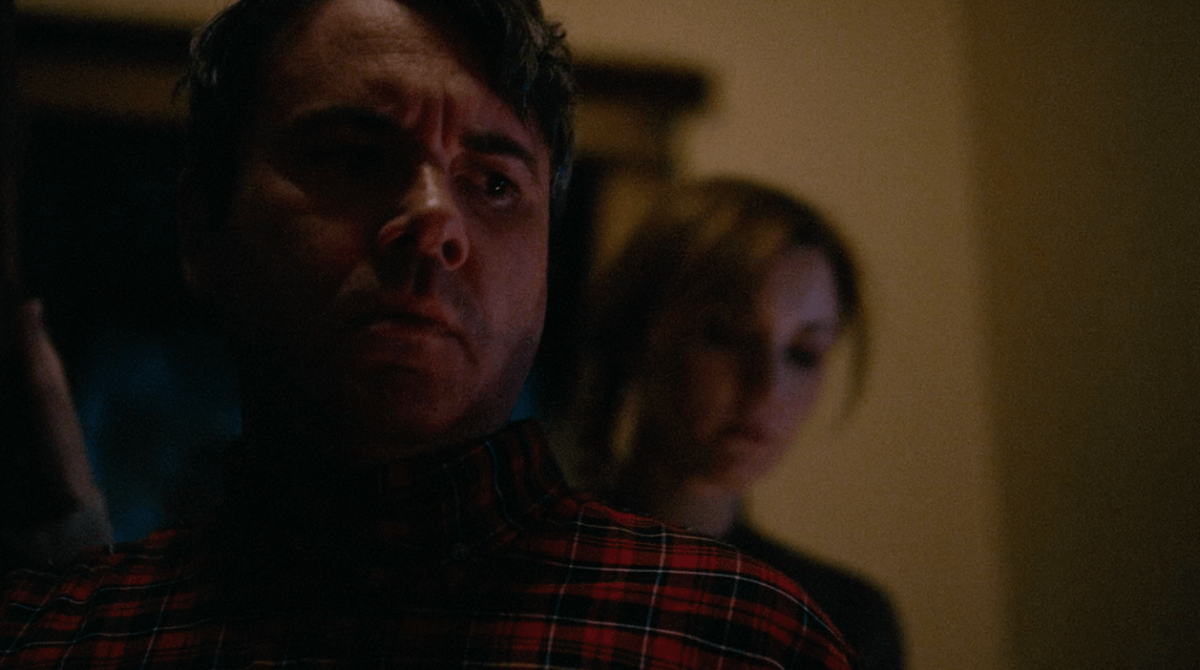
Invasion (ABC): Created by Shaun Cassidy, whose American Gothic had been cruelly snatched away before its time in 1996, Invasion was an attempt to bring Invasion of the Bodysnatchers into the present day, with the inhabitants of Homestead, Florida, under threat of replacement by water-dwelling alien infiltrators who lurk in swamps and flooded areas left in the wake of a disastrous hurricane.

Unfortunately for Cassidy, Hurricane Katrina hit just a few weeks before the show’s debut and advertising was tweaked to avoid any mention of the very human, post-storm drama in favour of ALIENS! ALIENS! ALIENS! Soap opera veteran William Fichtner was cast as Sheriff Tom Underlay, tasked with keeping the town together after disaster strikes, and together with wildlife officer Russ Varon (Third Watch‘s Eddie Cibrian) and UFO enthusiast Dave Groves (Tyler Labine) he begins to notice that strange things are afoot and some of the townspeople – including his wife, Mariel – are somehow different.
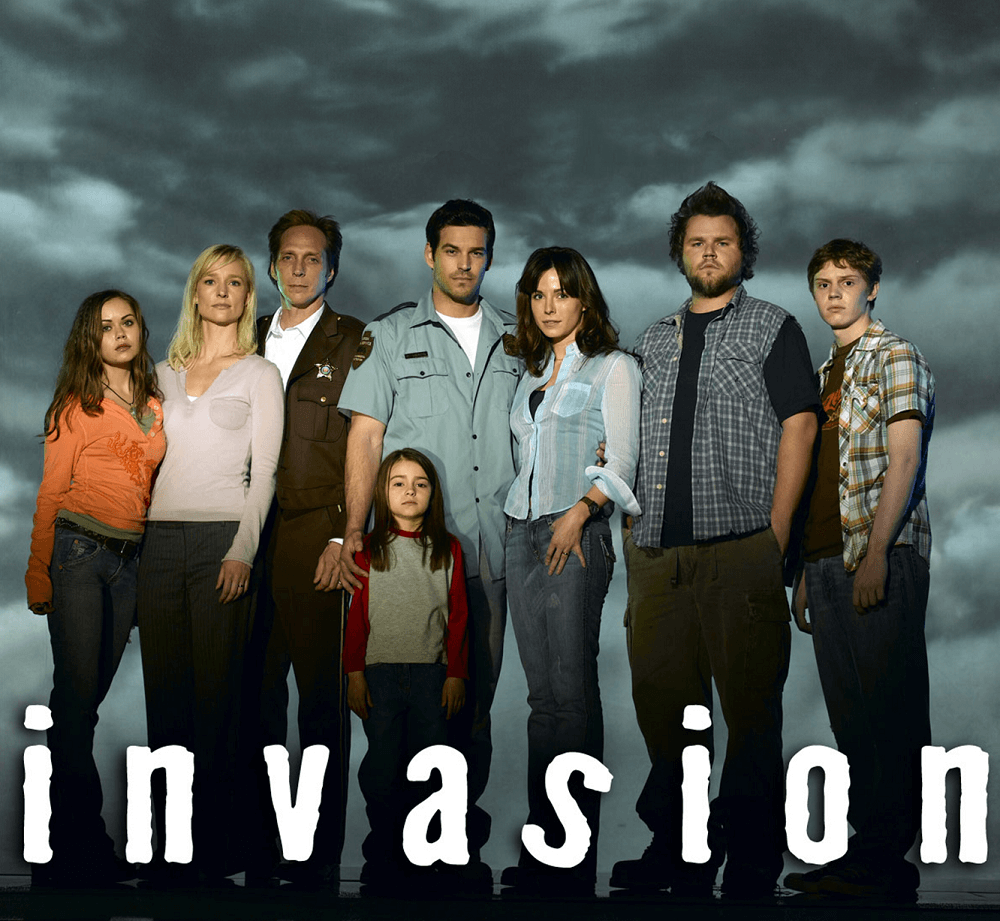
Invasion, 2005

Critically acclaimed and much missed since, Invasion’s main problem was its early success. Seventeen million viewers tuned in after Lost to see the premiere, but ratings were half that by episode ten, although nine million viewers could still be regarded as respectable. It didn’t help that CBS had CSI: NY in the same time slot, and that was doing thirteen million viewers, and the decision was made to put the show on hiatus until the New Year. When it returned, it had lost all momentum and suffered another hiatus period before finishing its twenty-two-episode run in May 2006, with little prospect of a second season.

Cassidy had five seasons planned and intended the story to develop into a battle between invasion and evolution, with the townspeople adapting to and even melding with the aliens, whose motives would have been slowly revealed. Unfortunately, US TV rarely gives creators that amount of time, especially if their shows are not a hit straight out of the gate, and we’ll never get see how things ended. Still, the one season we did get is still worth a watch and is available on DVD. Somewhere, though, these Shaun Cassidy shows make it to their denouement and that place is glorious.

Killer Instinct (Fox): Detective Jack Hale is a maverick, railroaded out of every department he’s ever been assigned to, with an abrasive attitude and unorthodox methods only matches by the fact that his father is a convicted serial killer. Perfect, then, for the newly created Deviant Crimes Unit, formed to track down the perpetrators of unusual crimes in San Francisco.

That’s the starting premise of Killer Instinct, created by CSI producer Josh Berman and starring Johnny Messner as Hale. Debuting on Fox on September 23rd, the pilot saw Hale investigate a series of deaths of young women, killed after being paralysed by spider bites, and continued on with cases involving transplant revenge, the serial killing of sex offenders, Egyptian mythology, and violent videogames.
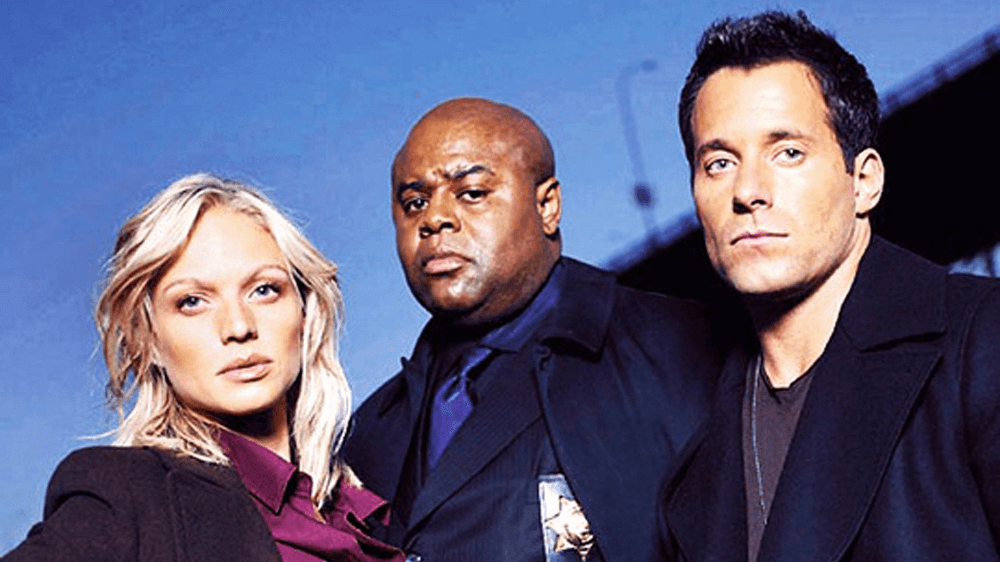
Killer Instinct, 2005

Hale works for Detective Inspector Cavanaugh (Chi McBride), whose decision it is if each crime is deviant enough for them to investigate, and has to contend with Kristin Lehman’s Detective Danielle Carter, his by-the-book, analytical colleague (and possible love interest). The chemistry between all of the principals – and Ramon de Ocampo and Jessica Steen in guest roles – is great, and the weekly crimes were different and interesting enough to ensure that Killer Instinct was not your typical police procedural.

Which is probably why it was cancelled after just nine episodes, with a further four unaired. Given a tough Friday night timeslot, it struggled from the off, with many dismissing it as just another spin-off of CSI; ironically, if that were true, it might have fared better in the ratings. The show has never been released on DVD, and is unavailable for sharing anywhere, but you can check it out on YouTube and judge for yourself just how deviant the crime of its early cancellation was.

Threshold (CBS): It’s not too difficult to imagine that the US government, and many others around the world, has a series of protocols prepared for any eventuality, although the haphazard response to the COVID-19 pandemic has increased that difficulty a little of late. Threshold was built around the woman who creates those protocols, Carla Gugino’s Dr Molly Caffrey, and the enactment of the title protocol when it becomes clear that first contact with aliens has taken place.

The series begins with a US Naval vessel encountering a UFO, killing most of the sailors on board. A videotape of the incident surfaces, showing the crew dying horribly but revealing that a few escaped, perhaps irrevocably altered on a genetic level by a strange subsonic frequency emitted by the UFO.

Caffrey puts together a team that includes Brent Spiner’s microbiologist, Rob Benedict’s aerospace engineer, and a mathematics and linguistics expert played by Peter Dinklage, who true to form is an alcoholic womaniser. With freelance paramilitary operative Sean Cavennaugh (Brian van Holt) as their muscle, the team operates so secretly that only the President knows of their existence.
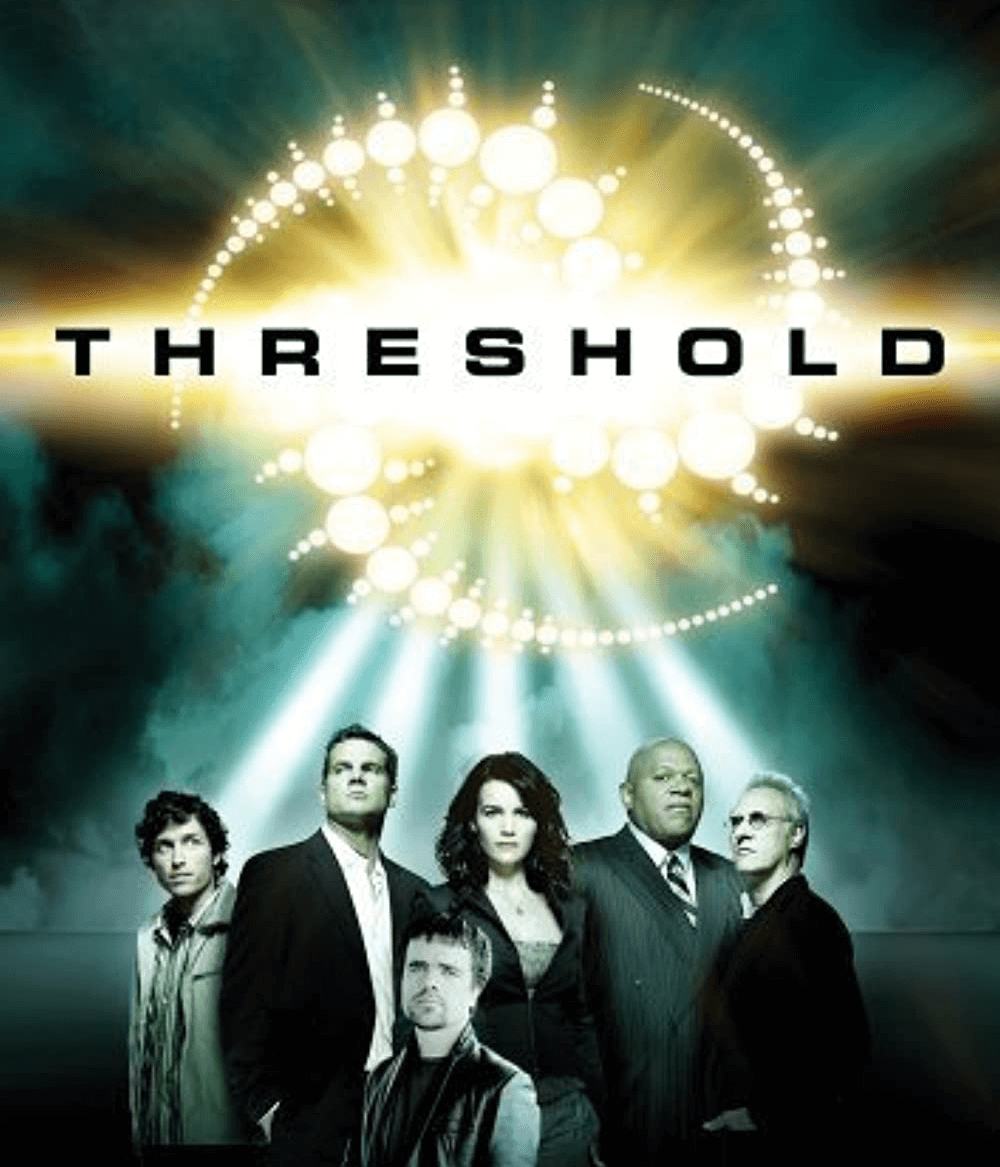
Threshold, 2005

It’s a solid premise, with an engaging central mystery – just what do these aliens want, how are they going to get what they want, and who is helping them to do it? – and a brilliant cast, but it just didn’t attract the viewers CBS were hoping for, even though they had dumped it in the Friday night graveyard slot. News that the show was cancelled came during filming of the thirteenth episode, and a sequence was tacked on to the episode’s story to give some kind of closure, that the good guys would eventually win but that it would take a decade and cost Caffrey her life.

That final episode aired on February 1st 2006, and a featurette on the subsequent DVD release revealed the plots for the next three seasons that had been planned by show creator Bragi F Schut, with the series title changing each year to reflect the level of alien infiltration, from Threshold to Foothold to Stranglehold.

The Book of Daniel (NBC): When a network calls its latest show “edgy”, “challenging”, and “courageous”, you’d be forgiven for expecting the worst, and The Book of Daniel certainly gives off a desperate air of WE ARE CONTROVERSIAL, at least on the surface. Aidan Quinn plays the Reverend Daniel Webster, a small-town cleric hooked on painkillers, whose wife is an alcoholic and whose children are, variously, gay and dealing drugs and Chinese.

Daniel’s only friend in the world is Jesus. No, literally Jesus, as in the traditional Western interpretation of the actual son of God from that Bible thing. And this Jesus, well, he’s not your average Jesus, he’s unconventional and has a very different opinion as to just what some passages of the Bible might mean, while also reminding Daniel how far he’s come.
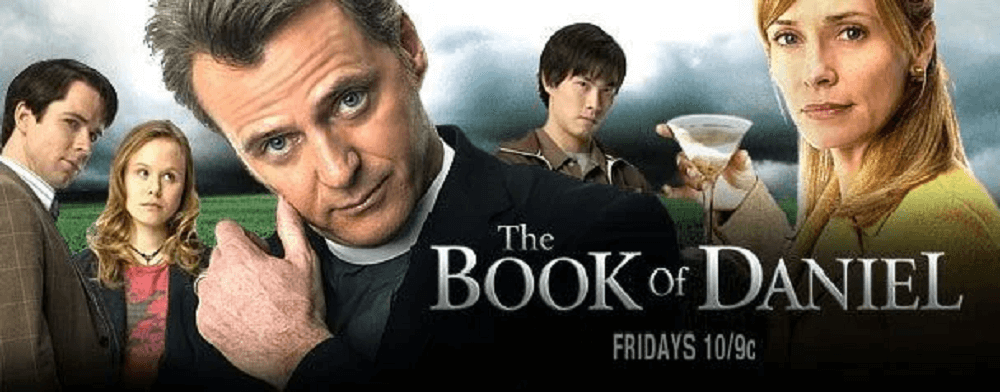
The Book of Daniel, 2006

Some Christian groups hated the show, considering it sacrilegious, while those who would ordinarily enjoy such sport were put off by the show appearing to be too religious, and the end result was that the network found it difficult to sell adverts, some affiliates refused to air the show, and those that did reported low ratings. After just five episodes had aired, with another three produced but not shown, NBC cancelled the show without explanation.

The complete series was given a DVD release later in 2006, now long out of print, but its controversial nature kept it from being re-run after its initial airing. Those few fans it did garner were vocal about the show, ensuring that it earns rave reviews on sites such as IMDB and praising it was funny and smart and brave. It’s on YouTube so why not judge for yourself?

Next on The Telephemera Years: 2005’s unsold pilots, including comic book adaptations and sitcom heresy!

Check out our other Telephemera articles:

The Telephemera Years: 1966 (part 1, 2, 3, 4)

The Telephemera Years: 1968 (part 1, 2, 3, 4)

The Telephemera Years: 1969 (part 1, 2, 3, 4)

The Telephemera Years: 1971 (part 1, 2, 3, 4)

The Telephemera Years: 1973 (part 1, 2, 3, 4)

The Telephemera Years: 1975 (part 1, 2, 3, 4)

The Telephemera Years: 1977 (part 1, 2, 3, 4)

The Telephemera Years: 1980 (part 12, 3, 4)

The Telephemera Years: 1982 (part 1, 2, 3, 4)

The Telephemera Years: 1984 (part 1, 2, 3, 4)

The Telephemera Years: 1986 (part 1, 2, 3, 4)

The Telephemera Years: 1987 (part 1, 2, 3, 4)

The Telephemera Years: 1990 (part 1, 2, 3, 4)

The Telephemera Years: 1992 (part 1, 2, 3, 4)

The Telephemera Years: 1995 (part 12, 3, 4)

The Telephemera Years: 1997 (part 1, 2, 3, 4)

The Telephemera Years: 2000 (part 1, 2, 3, 4)

The Telephemera Years: 2003 (part 1, 2, 3, 4)

The Telephemera Years: 2005 (part 1, 2, 3, 4)

The Telephemera Years: 2008 (part 1, 23, 4)

Titans of Telephemera: Irwin Allen

Titans of Telephemera: Stephen J Cannell (part 1, 2, 3, 4)

Titans of Telephemera: Hanna-Barbera (part 1, 2, 3, 4, 5)

Titans of Telephemera: Kenneth Johnson

Titans of Telephemera: Glen A Larson (part 1, 2, 3, 4)

Titans of Telephemera: Quinn Martin (part 1, 2)

Brennan Lee Mulligan – EXANDRIA UNLIMITED: CALAMITY

Brennan Lee Mulligan

Brennan Lee Mulligan is a comedian and Dungeon Master, best known for his work on comedy channels such as College Humour and Dropout TV, as well as his own D&D show, Dimension20.   He is currently the Dungeon Master for Critical Role’s short series, Exandria Unlimited: Calamity, which sees  Sam RiegelTravis Willingham, Marisha Ray , Aabria Iyengar, Lou Wilson and Luis Carazo deep dive into the lore of Critical Role world. We caught up with him briefly to find out more.

How would you pitch Exandria Unlimited: Calamity to an old friend who hasn’t played D&D since THACO was still a thing ?

This is a four-part tragedy mini-series set in the ending of a Great Age of the world, about the choices that made that tragedy possible, with high level characters that intuitively want higher numbers instead of lower numbers and have an easy flow-sheet of when and where they add specific modifiers to their rolls.

How different is Calamity from Dimension 20?

Different in terms of objective more than execution, I would say. The big secret between these two shows is that Critical Role and Dimension 20 each love comedy and drama with all their hearts and feature them both pretty heavily. The only difference is the objective, I would say. Moments of levity in Calamity exist plentifully and are cherished, because at the end of the day, we know that our objective is to tell a tale of woe.


What was the hardest thing about running a campaign set in Exandria?

The team at Critical Role was so immensely supportive, and Matt so generous with his time, that I can’t in good conscience say that any part of this experience was hard. I might use the word “humbling” in its place: It was an honor to participate in something this beloved and immense; My greatest goal was to show the players at that table the respect  I hold for the years of hard work and love that they’ve poured into this world, and the gratitude I felt in getting to play in that world with them.

When creating the show, was there ‘no we can’t do that’ moment? What was it and did you do it anyway?

I opened every episode by reminding the audience that Exandria is not a globe but a cube and that if you walk to one of the eight corners of the cube you can jump into outer space where the gods live and tag one of them and get their job and that’s how the Raven Queen ascended, but they cut all of that out because they don’t want you to know the truth!


If you could run your own PC in this campaign, what would it be and why?

In Calamity? Oh MAN! I wish I could take a turn playing each PC’s character, because they’re all perfect. If I couldn’t do that, I’d definitely play an aeormaton.

What is the future of TTRPGs? Is it okay to pronounce TTRPG as ‘Titterpig?’

Titterpigs, by virtue of existing in the moment of their genesis due to the unique, irreplicable interactions of friends and loved ones engaging in a dual-reality of metanarrative bonding and extemporaneous story-telling, bear additional value to a culture which struggles at time to find connection, coherence and authenticity. No man can see the future, but the horizon of Titterpigs is bright indeed.

Exandria Unlimited: Calamity airs Thursday evenings at 7pm Pacific (that’s Friday 3am British Summer Time)  on Critical Role’s Twitch (twitch.tv/criticalrole) and YouTube (youtube.com/criticalrole) channels. VOD is available immediately for Twitch channel subscribers and will be available on Critical Role’s YouTube channel the following Monday. It is also available via SpotifyApple Podcasts, and Google Podcasts.

Five Films to Check Out on Horror Channel This Week – 060622

fog horror channel

Hopefully, you’re all refreshed following the extended weekend for the Jubilee celebrations. As always, there’s plenty to look forward to this week on Horror Channel. Here are our picks….


echoes of fear


Tuesday June 7th, 11.05pm – Echoes of Fear (2018)

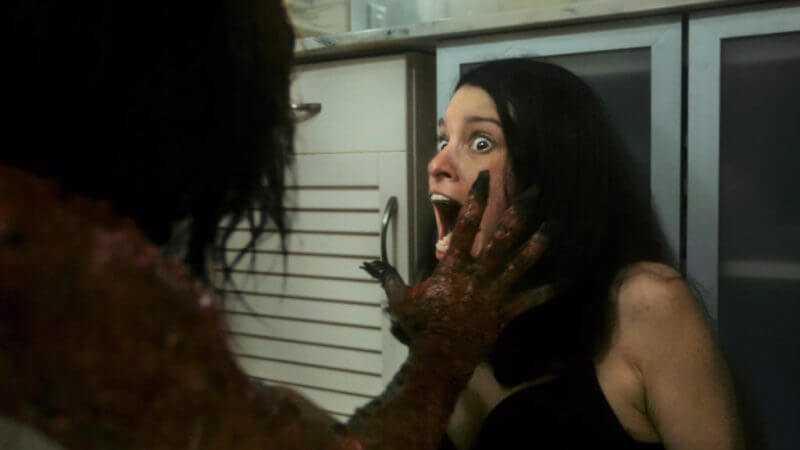
A young woman inherits her grandfather’s house but finds evil lurks within. Fun haunted house shenanigans in this film from Brian and Laurence Avenet-Bradley.


mercy black


Wednesday June 8th, 9pm – Mercy Black (2019)  

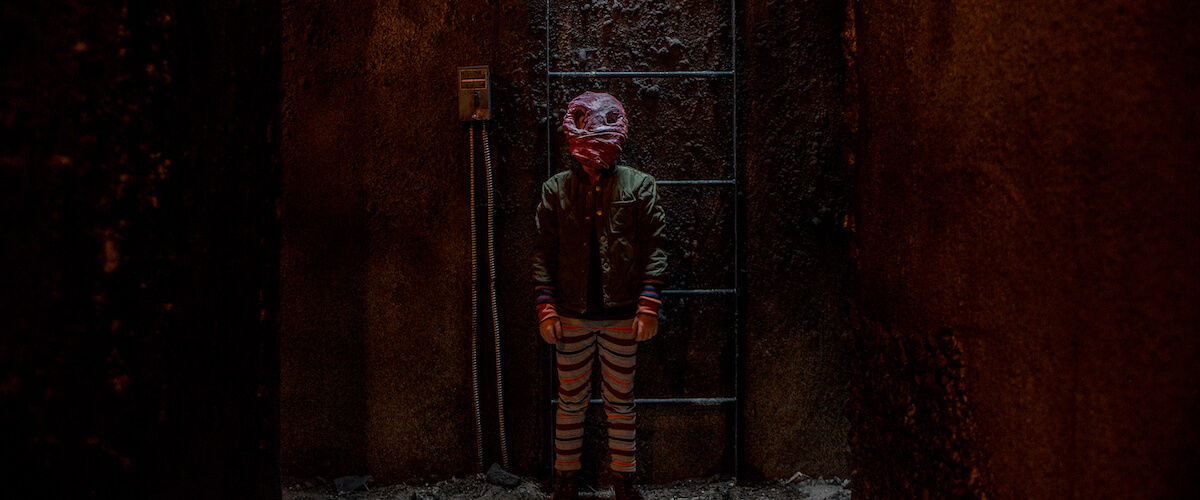
An institutionalised woman is released into her sister’s care, but is still obsessed with the urban legend of Mercy Black.

night drive


Friday June 11th, 11.45pm – Night Drive (2019)

A rideshare driver (AJ Bowen) picks up a fare that turns his night upside down. This is fabulous fun and unmissable! Read our interview with Bowen and co-director Meghan Leon here.


the fog


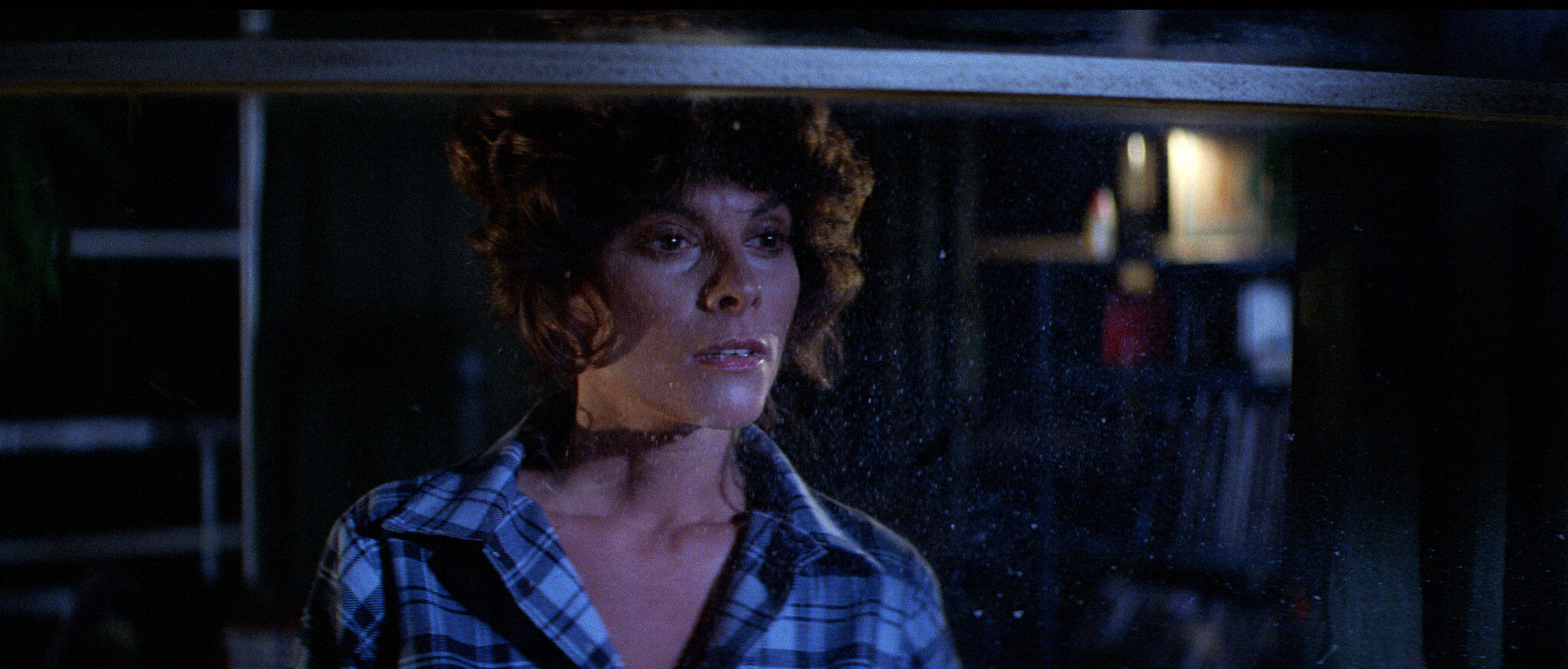
Saturday June 12th, 9pm – The Fog (1980)

John Carpenter’s brilliant ghost story set in the sleepy harbour of Antonio Bay, which becomes under siege by something that’s in the imposingly eerie fog. Starring Adrienne Barbeau, Jamie Lee Curtis, her mum Janet Leigh, and the erstwhile Tom Atkins.


deadly mantis


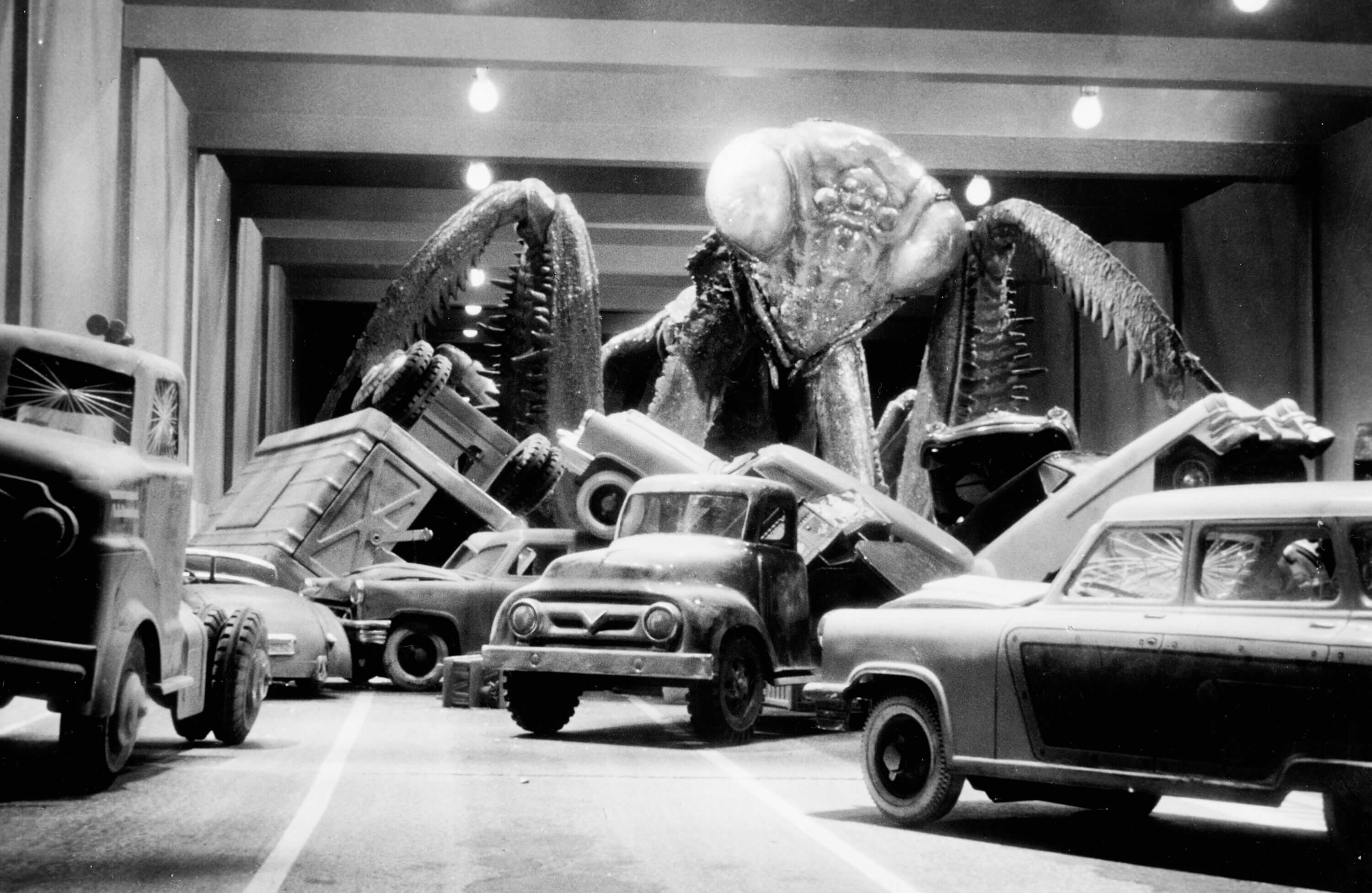
Sunday June 13th, 9pm – 12.05am The Vintage Vault

Horror Channel is celebrating the Golden Age of genre cinema with a season of double bills. There are more fifties chills this week with The Monolith Monsters (1957), where a meteorite brings destruction to a desert town. This is followed by The Deadly Mantis (1957), in which a giant prehistoric praying mantis terrorises the US.

Tune into Horror Channel on Sky 317, Virgin 149, Freeview 69, Freesat 138.

Tahmoh Penikett | GENZEROES

Tahmoh Penikett headshot for GenZeroes series interview

Battlestar Galactica, Dollhouse and Supernatural star Tahmoh Penikett recently spoke with STARBURST about his latest project, the first ever NFT-integrated live action series, titled GenZeroes. 

GenZeroes is a sweeping sci-fi series set two centuries in the future, after Earth has been left in ruins by a marauding alien species who stole the majority of the planet’s natural resources. Left in the wake of their destruction are 10 factions, each one with their own philosophy on how humanity should begin again.

Though Earth’s population is at its smallest since the Stone Age, thanks to the abandoned alien machines, the human race has never been more technologically advanced. Medicine, travel, and most importantly weaponry, are at such an advanced stage they would be thought of as pure science fiction today. But even as our technological achievements evolved exponentially, as always the slowest to evolve is our own nature. With humanity at stake, and each faction jockeying for control using the most advanced technology in our history, alliance and betrayal are still the most potent weapons.

As Penikett explains below, GenZeroes is not restricted to a single form of media. Season 1 will alternate formats between webisodes and comics. The even-numbered episodes will be 5-10 minute webisodes, and the odd-numbered episodes will be released as online comics. All chapters of GenZeroes are free to access via the show’s website.

For more on GenZeroes, hit up the official site.

Watch our interview with Tahmoh Penikett below or on our YouTube channel: 


Tomer Capone & Karen Fukuhara | THE BOYS

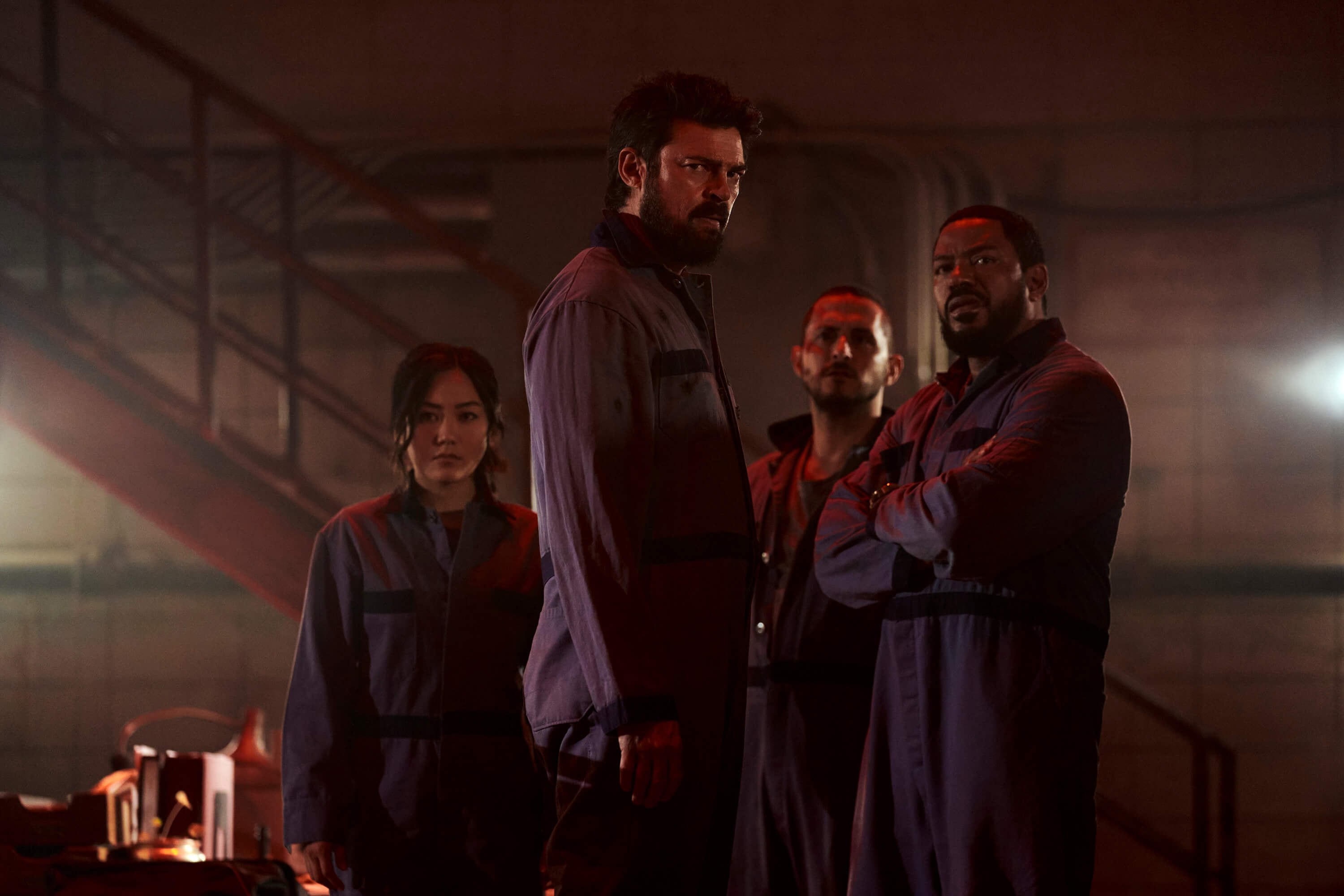
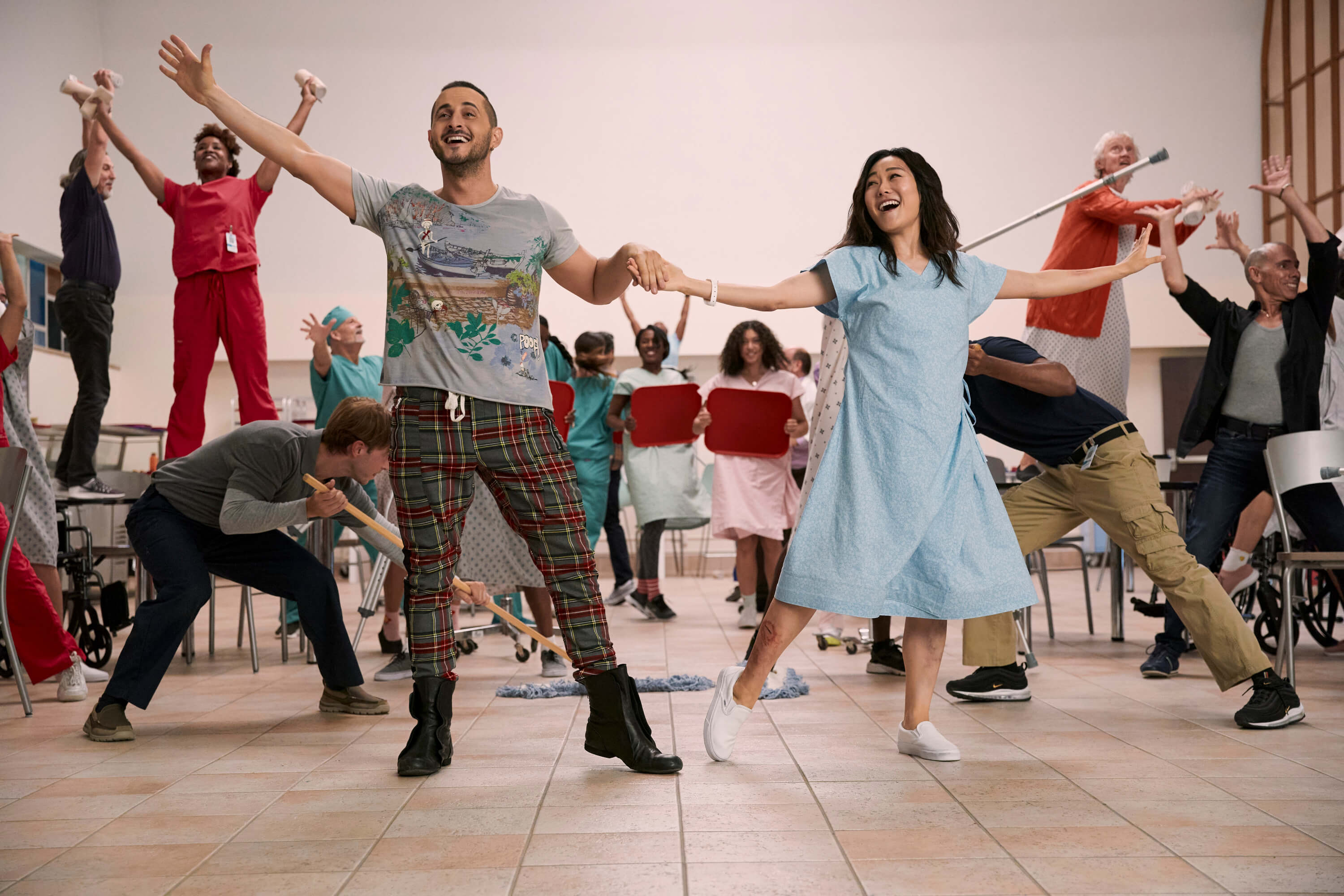
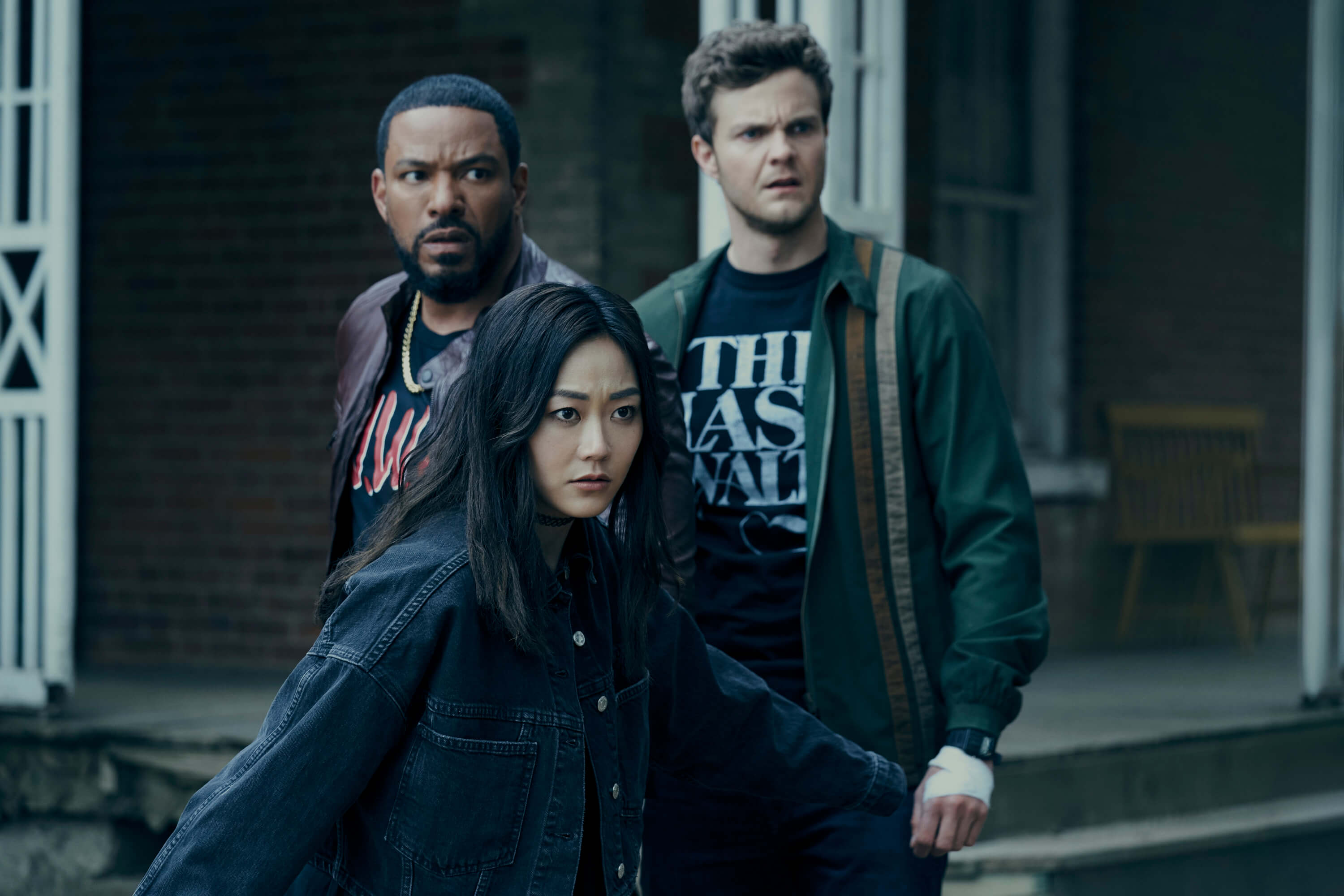
Tomer Capone as Frenchie and Karen Fukuhara as Kimiko/The Female in The Boys

You may be excited for The Boys season 3, but you’re most definitely not ready. After a too-long hiatus, Eric Kripke’s maniacal superhero satire returns June 3rd with even more mayhem, exploding body parts, and superhero orgies.

In anticipation of our favourite rag-tag team’s return, STARBURST sat down with Tomer Capone and Karen Fukuhara – aka Frenchie and Kimiko – to chat about their characters’ evolving relationship, sliding a musical number into the R-rated show, and what hardships season 3 might have in store for the two fan favourites.

We catch up with you both a year after the events of season 2. What have your characters been up to in that time?

Karen Fukuhara: This season starts off in a wonderful, lovely place for both the characters. Frenchie and Kimiko have gone dancing, he’s introduced her to all the greatest restaurants in town, and all the musicals – and yeah, we start in a really happy place. Kimiko is really trying to figure herself out in terms of what it’s like to be a normal woman in this world. That quickly takes a hard turn, but they started off in a really good, healthy, happy, tranquil place.

That can’t last!

Tomer Capone: [Laughing] No, but it was a really refreshing way just to open up the season. Those two are basically constantly running, hiding, and getting themselves into trouble. So just for us as actors, coming back to those characters from an optimistic point of view was refreshing. Yeah, things go shit sideways very quick, but we did have a little gap. Coming back to that was a lot more refreshing than returning to the characters when they’re both so depressed.

And one of the most beautiful things in terms of kicking off this season is the fact that Frenchie and Kimiko can really communicate. I mean, the second season ended with Frenchie asking Kimiko to teach him how to sign. And now he’s learned, and it just takes the relationship to another level.

And how was it for you, Karen, to finally have access to this means of expression as an actress?

Karen Fukuhara: One thing that I really want people to know is that sign language, is a language. Although it’s not verbal, it’s a language that people speak on Earth, and it’s just as powerful as any other language. And in terms of the show and Kimiko teaching Frenchie, that allows them to deepen their relationship.

And it’s not just about learning a language and communicating on a superficial level; it’s more about her letting him in and being more comfortable with allowing others to touch her at her core. I think she’s been very protective of that in the past, and the only person that could do that was Kenji. With him gone, she had to learn to be okay with having another human understand her.

With this season, what kind of character arcs can we look forward to for Kimiko and Frenchie? No spoilers, obviously.

Tomer Capone: Oh là là!

Karen Fukuhara: It’s a roller coaster of emotion. When there’s a high, there’s definitely a low.

Tomer Capone: The answer is so elusive and so slippery. When I read this season, it was like every episode is opening a new Pandora’s Box. It really backs them into corners that they’ve never been in and puts their relationship to the test.

More than anything, I always saw Kimiko and Frenchie as the outsiders of The Boys family – you know, they’re both foreigners. Being French in an American world, being silent in a speaking world… and then this time around, after figuring out who they are themselves, now we’re trying to figure out their place in The Boys family. And that’s a very, very interesting, down-to-earth subjects to explore in a show that tackles so many big things.

And I love what Karen said about signing. It’s a language and it’s loud. I think that’s part of what makes Kimiko and Frenchie the heart of the show. It’s those little things that are actually the biggest things, and I wished we paid more attention to that. I’m very excited for those small bits getting into their relationship and their place in the world. And then, of course, there’s all the crazy shit that is going on, because it is The Boys. And yeah, man, we’re going dancing!

Everyone is very excited for the dancing! We only see the tiniest clip in the trailer, and already people can’t wait to see you in action. What was the preparation like for that whole sequence?

Karen Fukuhara: It was awesome. We worked with a wonderful dance coach named Amy [Wright] and she came up with all these crazy moves that were so difficult to learn and challenging, but so worth it in the end! I’ve got to give Tomer a lot of credit because – yes, the choreographer can come up with a number of fancy moves that are all wonderful, but it takes a lot for it to become your own and to put the character’s twist into the moves. You should’ve seen him as Frenchie dancing. There are so many little moments in there where you just think, “Oh, that’s such a Frenchie thing to do.” And he would come up with all these crazy, fun ideas. [Turning to Tomer] You did such an awesome job with the dance.

Tomer Capone: I know, thank you. [Laughs] Definitely the most fun part apart it was that we had this big number, and we got to put our characters into it. What I really loved about it, just in terms of how it goes into the show, is how it reflects everything going on within Kimiko. She’s such a defiant character in terms of physicality and in terms of her power, and the shift between the fighting Kimiko to this dancer is so beautiful.

And in terms of working on it, it was hard – very hard. And saying that, Karen would also have to learn her fighting sequences between learning her dance moves, which was crazy. But we really supported each other; it was day in, day out, and we really wanted to do something special with it. We danced everywhere, man! Between sets, at birthday parties, we were like, “We wanna show you our dance moves!”.

We watched a lot of oldies like Fred Astaire, and we’d take it to Amy and be like, we want to try that. It’s beautiful. And think about it, we’re in a show where practically every day we get covered in bloods and guts, and whatnot, and salty tears. And then you have this day with thirty dancers behind you, and there’s flowers, and music is playing… it was an experience. It was a cute one, and it was so much fun.

It’s been a few years of knowing each other now – so from your characters’ perspective, what draws Frenchie and Kimiko together, and what do they love about each other?

Karen Fukuhara: I think for Kimiko, Frenchie is someone who never gives up on her. Even in the moments when she doesn’t feel confident in herself, he is. He supports her and is a dear friend to her. And I think that’s what bonds her to him, because he believes in her more than she believes in herself.

Tomer Capone: I think it’s this calming energy they have on each other, and it’s exactly like what Karen just said. I really like it when Frenchie always thinks he’s on top of things, and you think he knows what he’s talking about and knows what to do, and then Kimiko goes, “No, you don’t know jack shit”. And he’s like, “I don’t? Yeah, I don’t”. It’s a back-and-forth kind of thing.

And I love that Frenchie thinks he’s got so much to teach her. If you want to throw it to real life, I always saw myself as Karen’s mentor in terms of backgammon. I taught Karen how to play backgammon and she was my little grasshopper. And then I said, “It’s amazing. Look at this, I created a little backgammon monster!”.

But guess what? The backgammon monster is owning my ass. That’s just a perfect reflection of the Frenchie-Kimiko relationship.

Working off the assumption that you both make it to the end of the season – and I don’t want to hear otherwise – where would you guys like to see your characters go?

Tomer Capone: No spoilers!

Karen Fukuhara: Honestly, I’d hate to answer this question because I feel like anything I come up with won’t be as good as the writers’. They do such a wonderful job and you just think, this is brilliant.

Tomer Capone: That’s true. They do such a good job, and they always surprise us.

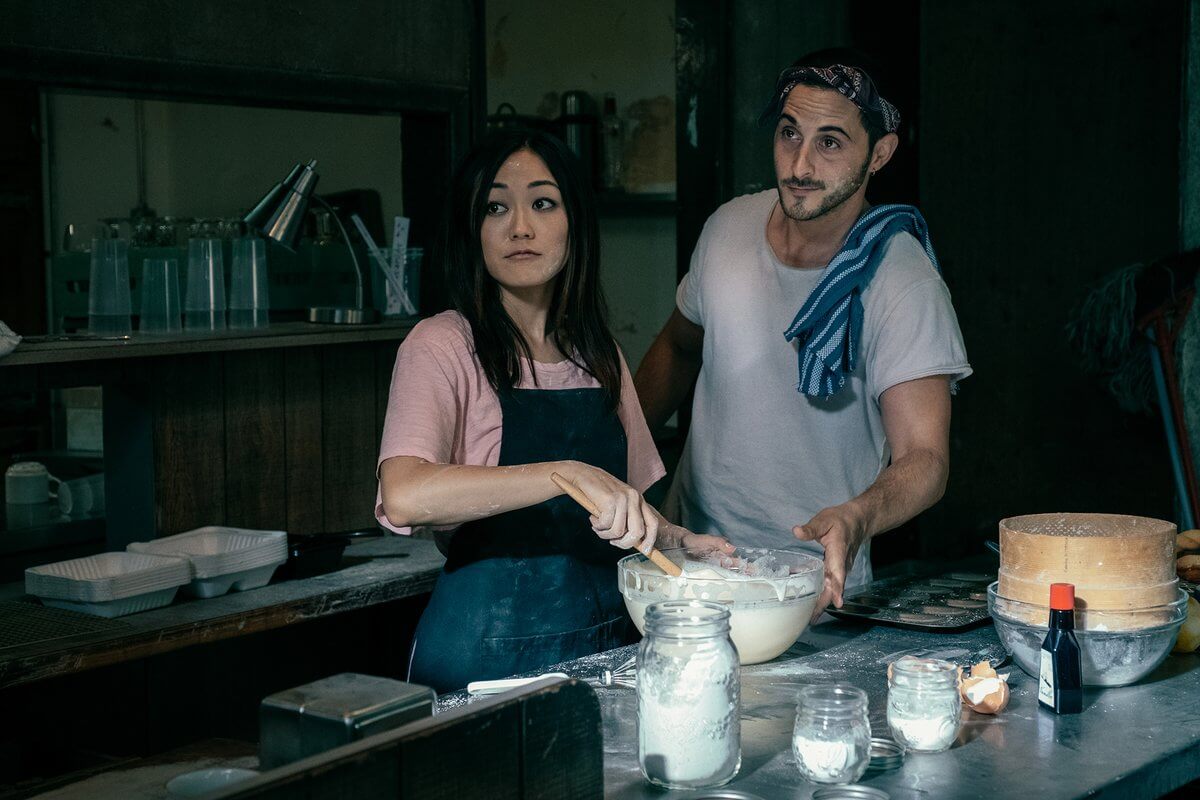
Karen Fukuhara and Tomer Capone as Kimiko and Frenchie in season 2 of The Boys

I can’t imagine how some of the scenes must read on the page.

Karen Fukuhara: I think what’s beautiful in the writing is, a lot of it sounds like someone is speaking to you – the scripts are written in a very conversational tone. I think in the script for the end of season 2, it said like, “See you next season, motherfucker!”. [Laughs] Or like there’ll be a scene with Hughie and it’ll say, “Hughie is covered in blood… again”.

Tomer Capone: It’s an interactive kind of reading, kind of like a comic book. It’s so good.

And finally, aside from the dance number, is there anything you’re particularly excited for people to see or that you found very challenging this season?

Tomer Capone: We do have a really hard scene towards the end. We always like to talk about the good stuff, so we talk about the dance – but we also had a day which was very hard for me emotionally. I can’t give away any spoilers, but me and Karen were looking to each other constantly, trying to hold on. We were in a weird place, and those characters are really going to go through it. In this specific scene, they really need each other but can’t reach each other.

Karen Fukuhara: It’s funny, isn’t it? I feel like on that day when both our characters are really going through their struggles, we really felt it. Even when the cameras were not rolling. There was something between us that felt so weird – that was the hardest day on set, for sure.

The first trio of episodes for The Boys season 3 releases on Prime Video Friday 3rd June, with subsequent episodes dropping weekly.

For everything you need to know about what to expect from this season, read here, and check out the full trailer here.

THE TELEPHEMERA YEARS: 2005 – PART 1

Surface, 2005

Ah, telephemera… those shows whose stay with us was tantalisingly brief, snatched away before their time, and sometimes with good cause. They hit the schedules alongside established shows, hoping for a long run, but it’s not always to be, and for every Street Hawk there’s two Manimals. But here at STARBURST we celebrate their existence and mourn their departure, drilling down into the new season’s entertainment with equal opportunities square eyes… these are The Telephemera Years!

2005-06

If you weren’t a fan of singing and dancing, or crime and medical dramas, the top-rated shows for the 2005-06 season made for grim reading, with just the bonkers fun of Desperate Housewives and Monday Night Football (which, depending on the result, could also be a criminal or medical matter) breaking the dominance of American Idol, Dancing with the Stars, CSI: Crime Scene Investigation, and the rest. For genre fans, Lost was building its mysteries with a second reason doing almost ten million viewers a week, but Alias – JJ Abrams’s other weekly slice of goodness – was coming to the end of its run on ABC.

Alias wasn’t the only show finishing up, with That 70s Show, Malcolm in the Middle, and Will & Grace all leaving sitcom fans heartbroken, while Joey would also face the axe at season’s end. The WB was losing Charmed but Supernatural was just starting its billion-season run for the channel, and genre fans were particularly well catered for with BEN 10, Ghost Whisperer, Kyle XY, and Masters of Horror all kicking off across the schedules. But what of the shows that started the season full of hope but didn’t make it past their initial order of episodes? This is the story of four of 2005’s lesser glories…

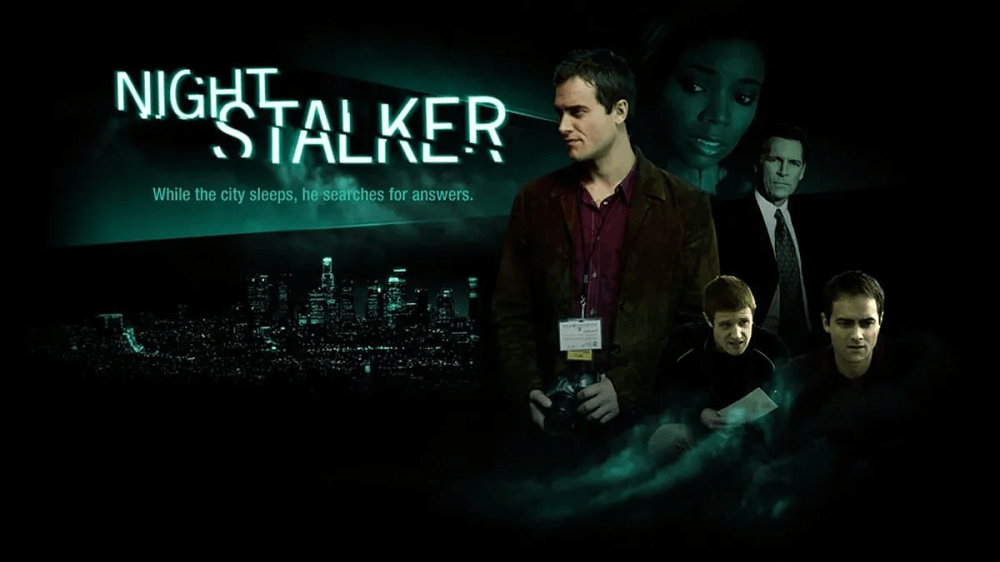
Night Stalker (ABC): Kolchak: The Night Stalker was a fondly remembered but short-lived 1974 series that starred Darren McGavin as a newspaper reporter drawn to the strange and supernatural and was heralded as a major influence on Chris Carter when he created The X-Files in 1993. In 1998 and 1999, McGavin appeared in The X-Files as Arthur Dales, a former FBI agent who’d been amongst the first to attempt to investigate the so-called X-Files, but in 2005 the connection between the shows grew when ­X-Files producer Frank Spotnitz decided to reboot the original show.

Irish actor Stuart Townsend – Dorian Grey in The League of Extraordinary Gentlemen – was cast as Kolchak, driven by the unsolved murder of his wife to investigate mysterious happenings in Los Angeles, bringing him into contact and conflict with cults, immortals, serial killers returning from beyond the grave, and lots of other things that are less exciting than they sound.

Night Stalker, 2005

The original show wasn’t afraid to portray real monsters, but the reboot left so much room for doubt that viewers were often left wondering whether what this Kolchak was investigating was supernatural at all, and the addition of Gabrielle Union – although perfectly fine in her role as Perri, the newspaper’s other, sceptical reporter – was an attempt to replicate the formula of The X-Files but without the chemistry that made that show such a success.

Ten episodes were filmed before the network pulled the plug on Night Stalker, and only six of them aired. The other four were released to buy on iTunes and eventually reunited as a full season run on DVD, which also featured unproduced scripts for a further four episodes. In 2012, Disney announced a feature film – with Johnny Depp as Kolchak, and Edgar Wright in the director’s chair – but nothing more has been reported since. Maybe Kolchak could investigate what happened to it..?

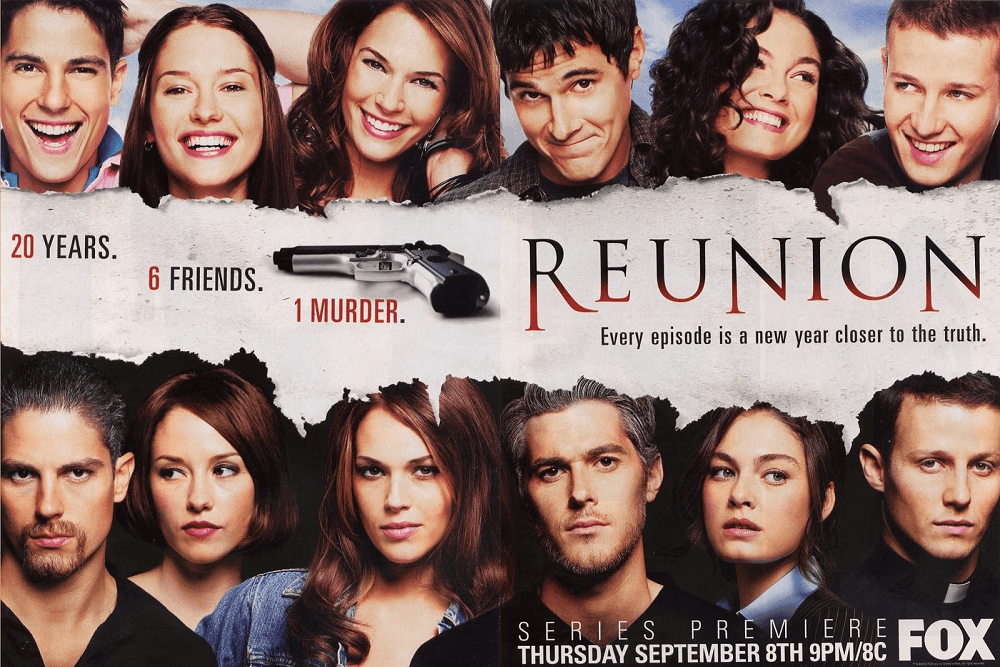
Reunion (Fox): Reunion was only meant to last for one season, just twenty episodes to tell its story from start to finish, but it didn’t even make it that far, despite a very intriguing premise. On the night of their twenty-year high school reunion, one of the Class of 1986 from a high school in Bedford, New York, is murdered and each episode the show focusses on a year in their lives, moving forward from 1986 to the present day.

Creator Jon Harman-Feldman had just finished two seasons of Tru Calling when he brought Reunion to air, and employed a similar cast of young, good-looking actors to tell his decades-spanning story. Six main characters were introduced – spoiled rich kid, high school sweetheart, jealous friend, computer geek, hot girl, and troubled deep one – played by Dave Annable, Alexa Davalos, Will Estes, Sean Faris, Chyler Leigh, and Amanda Righetti, and it wasn’t until episode six that viewers found out which one had been murdered.

Reunion, 2005

The interpersonal drama was thick, with each character being given ample reason to kill the rest, and such incidents as drink-drive car crashes, unwanted pregnancies, and the Gulf War, and the dirty world of politics and Hollywood all finding their way into the narrative as we learn more about these people and why Detective Marjorino might not be the best person to investigate the crime.

Sadly, at least for those who wanted to find out who the killer was, the series was cancelled after just nine episodes, having failed to hold the audience from its lead-in, The OC. A further four episodes went unaired, with the remaining seven unfilmed, but all thirteen produced episodes were shown in Brazil, after which the channel inserted a narration explaining that the murderer was the spoilt kid’s father. It is uncertain if this was Harman-Feldman’s own solution to the mystery but you can try and work it out yourself on YouTube.

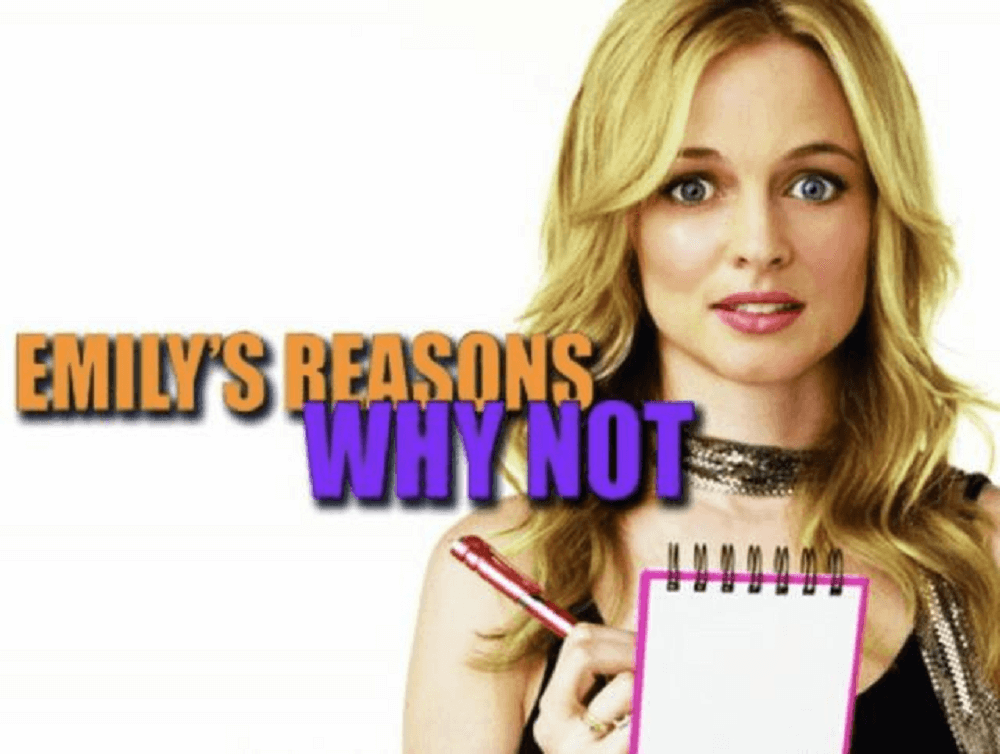
Emily’s Reasons Why Not (ABC): From shows cruelly taken before their time to a show lucky to get to air, cancelled after a single episode and never spoken of again… Based on a novel by Carla Gerlach, Emily’s Reasons Why Not starred Heather Graham as an editor of self-help books who is unsuccessful in helping herself to find a man. After one disastrous date too many, Emily decides to list the reasons why she shouldn’t be with prospective partners, arguing that if she can get to five then she should break up with them.

So far, so bleh, right? Emily has help in compiling her lists from her best friends Nadia and Josh, and this is where we hit problems: Josh is gay. There’s nothing wrong with that, of course, but Josh is very gay. Josh is so stereotypically gay that it becomes offensive and, as if that weren’t enough (remember Will & Grace, Jack and all, was finishing its eighth season), the rejected boyfriend in the pilot episode was also a closeted gay man, whose lack of traditional sexual experience is explained by his gayness, and whose hobby – jiu-jitsu – is described as “the gayest sport there is” by another of Emily’s exes.

Emily's Reasons Why Not, 2005

Of course, it might just be that the network just didn’t warm to Graham or Emily, but there are precious few examples of a show cancelled so soon after its debut, especially one given such a fanfare heralding its arrival, with tens of millions of dollars reportedly spent on promotion. The official announcement was that ABC president Marvin Jacobs considered the show lacklustre and unlikely to improve but the true reason may never be known.

The full series – such as it was, with a further five episodes in the can that went unaired – was released on DVD in 2012, but if you don’t want to spend money on finding out just why this never became the new Sex and the City, you can at least “laugh” at the jiu-jitsu sketch on YouTube…

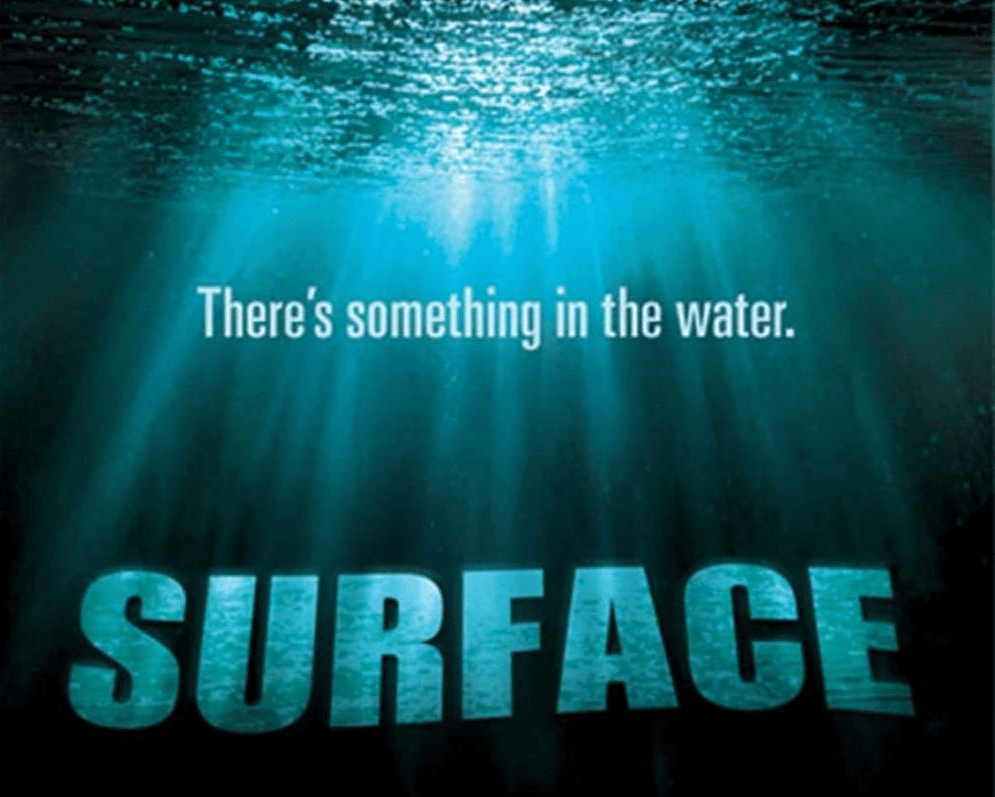
Surface (NBC): Like buses, you wait ages for one water-based alien mystery show to come along and a slew arrive, with Surface beating Invasion to air by four days in the race to sea which show would sink or swim… Created by twin brothers Josh and Jonas Pate, who had created Good vs Evil for the USA Network, Surface opened with a series of strange things happening around the world, all centred on the sea.

In the North Pacific, oceanographer Laura Daugherty (Lake Bell) is attacked by an unknown life form that appears out of the ocean floor, while 14-year-old wakeboarder Miles seemingly encounters the same creature off the coast of North Carolina and a Louisiana fisherman sees his brother dragged to his death by something in the water. The three stories slowly collide as a shady government agency clearly knows more than it is revealing to the public, and Daugherty is fired when she tries to dig too deep. What is in the water, and where did it come from?

Surface, 2005

Whether by accident or design – and the enforced five-week hiatus between episodes ten and eleven leans towards the latter – the first season of Surface ends in a satisfactory place to end the series as a whole, although the Pate brothers did plan for a second season and more, which would have dealt with the public exposure of this new species and how American society coped with the effects of the finale’s tsunamis.

The core cast are good value as the conspiracy builds but the audience just wasn’t there to justify a show with such an expensive budget and NBC brought it to an end with just fifteen episodes to tell the story. It sold well overseas, where ITV2 aired it in the UK, and was released on DVD as a complete series, but it’s largely forgotten today, with the Pate brothers now best known for Outer Banks, their teen mystery drama on Netflix, which has been renewed for a third season later in 2022.

Next on The Telephemera Years: More 2005 shows taken before their time, including more seagoing aliens and the Deviant Crimes Unit!

Check out our other Telephemera articles:

The Telephemera Years: 1966 (part 1, 2, 3, 4)

The Telephemera Years: 1968 (part 1, 2, 3, 4)

The Telephemera Years: 1969 (part 1, 2, 3, 4)

The Telephemera Years: 1971 (part 1, 2, 3, 4)

The Telephemera Years: 1973 (part 1, 2, 3, 4)

The Telephemera Years: 1975 (part 1, 2, 3, 4)

The Telephemera Years: 1977 (part 1, 2, 3, 4)

The Telephemera Years: 1980 (part 12, 3, 4)

The Telephemera Years: 1982 (part 1, 2, 3, 4)

The Telephemera Years: 1984 (part 1, 2, 3, 4)

The Telephemera Years: 1986 (part 1, 2, 3, 4)

The Telephemera Years: 1987 (part 1, 2, 3, 4)

The Telephemera Years: 1990 (part 1, 2, 3, 4)

The Telephemera Years: 1992 (part 1, 2, 3, 4)

The Telephemera Years: 1995 (part 12, 3, 4)

The Telephemera Years: 1997 (part 1, 2, 3, 4)

The Telephemera Years: 2000 (part 1, 2, 3, 4)

The Telephemera Years: 2003 (part 1, 2, 3, 4)

The Telephemera Years: 2005 (part 1, 2, 3, 4)

The Telephemera Years: 2008 (part 1, 23, 4)

Titans of Telephemera: Irwin Allen

Titans of Telephemera: Stephen J Cannell (part 1, 2, 3, 4)

Titans of Telephemera: Hanna-Barbera (part 1, 2, 3, 4, 5)

Titans of Telephemera: Kenneth Johnson

Titans of Telephemera: Glen A Larson (part 1, 2, 3, 4)

Titans of Telephemera: Quinn Martin (part 1, 2)

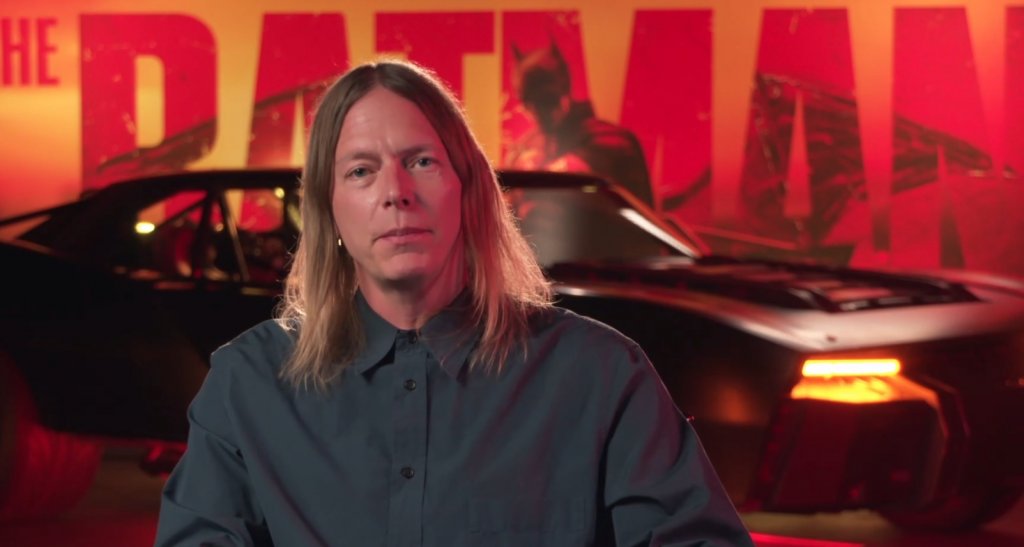
James Chinlund l THE BATMAN

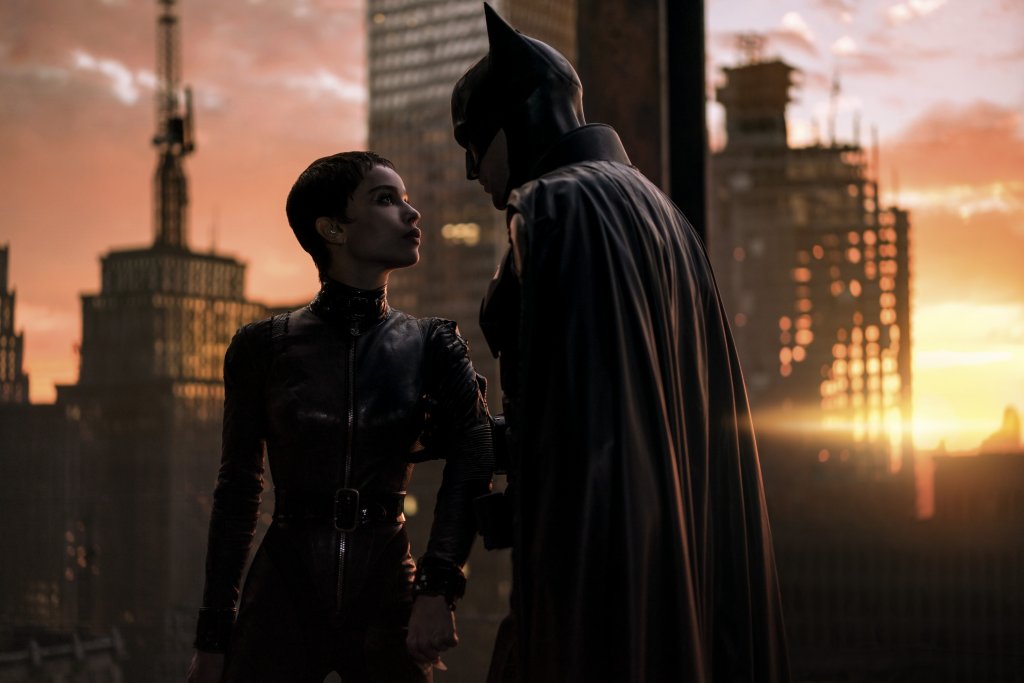
After enjoying an acclaimed collaboration on DAWN OF THE PLANET OF THE APES and WAR FOR THE PLANET OF THE APES, production designer JAMES CHINLUND was once more paired with director MATT REEVES to create a Batman movie that serves comic book fans while simultaneously feeling relentlessly real. STARBURST talks in-depth with James to uncover how the tone, look, and feel of THE BATMAN came together, from Gothic ornament, StageCraft technology, right through to the iconic Batmobile itself…

STARBURST: What do you remember about first being told you’d be working on The Batman?

James Chinlund: When I first heard that I was going to be doing it, I was gripped with intense fear and anxiety. There had been so many amazing iterations of the film that had came before us, and so many iconic pieces of design. Matt and I were both just really trying to figure out “Where’s the space, where’s our space? How can we find new space, that’s simultaneously familiar for the fans, but also our own.” So, we got right down to it, and it’s a testament to Matt’s vision and leadership that he found this take on Bruce Wayne. That was the key for us to start cracking into the design in a new way.

James Chinlund

You have obviously worked with Matt Reeves before, what is he like to collaborate with?

Matt and I had worked on two Planet of the Apes films prior to this, and we just had an amazing collaboration. On Dawn of the Planet of the Apes, I was actually hired by a different director who had left and so we were in limbo waiting, and then Matt came in and we were under pressure. He was writing while we were designing, we were on a short schedule and we needed to mount the world. We found ourselves to be very in sync, in terms of that take. It actually produced this amazing collaboration, that I had never had before, which was working with the director during the writing process, so we were talking about the ape civilisation, how they could build, what sort of spaces they could inhabit, and how those systems might weave their way into the script, and he would come to me with problems he had, like “I’m trying to get this character to move from this to this, and where could that be?”. It was just an amazing time of free-flowing communication and ideas that we carried forward into the next films. We did that on War for the Planet of the Apes, and we certainly did it on The Batman. So I mean he is just a master, and I think he is an incredible writer. It’s just a great gift to be able to work with someone like that.

There’s certainly the Gothic feel to the backdrop of the movie, but what other influences did you want to pour into the look and feel of the film?

We wanted the film to feel familiar to the fans. I grew up a Batman fan, that was my guy, absolutely. The Gothic take for us was trying to figure out a way to deliver that Gothic feeling without necessarily having everything be pure Gothic architecture. Which simply doesn’t exist in America, the cities in America are full of a variety of architecture that happens throughout time. So I think we were looking at different ways of expressing Gothic ornament, whether that’s through decay, or spindly shapes of antennas and things like that. Lots of different tools that we were developing to express those sort of spooky shapes. Without it necessarily feeling like you had stepped into a comic book world.

How did you and Matt go about making a Batman movie that felt so grounded and realistic?

I’d say that it starts with the script, and Matt’s take. He had a really smart take on Bruce, so seeing Bruce as this sort of DIY character, who wasn’t leaning into Wayne Industries for all of its bells and whistles. He was sort of down there in the garage doing it himself, saying “This is my mission, what do I need, I need a car! What is that car going to be, how can I build this car?” it was just him against the world. I think that really allowed us to expose his process, and the thoughts that he was having, as he was designing his character, and those are reflected in his car, in the Batcave, in the design of the costume, all of those things. I think that that was the initial part of the fabric that we started to knit the rest of the world together with.

Can you elaborate on what it was like to use VR technology in the making of the film?

On The Lion King, which is the film that I did before this, I had the incredible opportunity to work with Jon Favreau and his team. His goal was to basically create a film that felt entirely live-action. So in order to do that, we built the world of The Lion King in the computer. So this was the first film that had ever been shot entirely in VR. And so for me, it was sort of a two-year university course in VR tech. We had always been designing in the computer, but this was the first time that I had actually gone into the space, and experienced it like that. So I was very excited, coming off of that project, to bring those tools to Matt and show him what was possible. We designed the entire world of Gotham in the computer and he was basically able to walk into the spaces in VR. We had the entire camera system, and all of the lenses set up and he would work with animators and previs artists setting figures, running action sequences, and then running cameras. Basically, he was able to storyboard and shot list the whole film before we had built anything. So it was just an amazing tool for all of us in terms of being more efficient about what we build and also helping him get a real sense of what he was going to encounter on set.

On top of this, you also brought in StageCraft technology, which obviously went down extremely well on The Mandalorian. How fun was that technology to work with, and what do you think it brought to the movie?

Greig Fraser is an absolute master first of all on many levels. He had learnt so much on The Mandalorian, breaking those tools, and figuring out those systems, similar to my experience on The Lion King I think Greig was really excited to bring those tools over to The Batman and share those with Matt and the team. Obviously, it creates incredible opportunities for you. Long sequences at dawn and dusk, then also just the beauty of the light that you can generate from those films. We knew that we wanted it to be super low light, right on the edge of falling into inky blackness, I think Greig was really excited about the opportunities that that tech afforded him for like a realistic look. Which was in sync with our overall plan for the sets. Lighting as much as possible with practicals, really letting the light come from the set itself. It was a really tight integration between our departments to capture that.

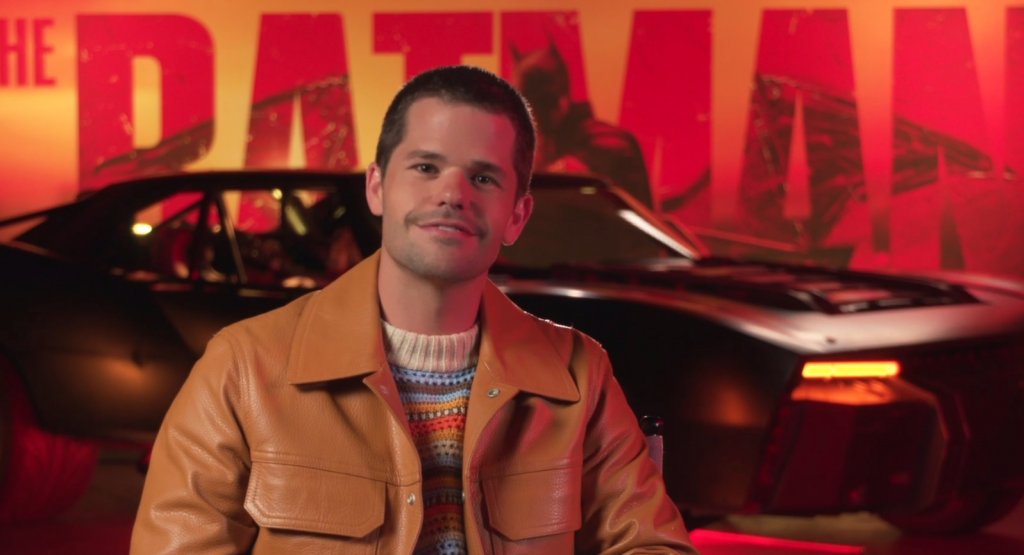
We spoke to The Twins [Max & Charlie Carver] recently, so to sort of tie these interviews together, I wanted to discuss The Iceberg Lounge set with you? What were the main influences behind it, and how did you really want it to come across in the film?

As a young person, I spent a tremendous amount of time in nightclubs in New York. So I was excited about being able to represent that in a way that felt again grounded and real, and something familiar to me. So it was an amazing opportunity. It was also an incredible collision of narrative threads that were coming together. We had the Riddler’s perspective, Falcone’s, 44 Below, we had the club itself, the street outside with the diner. So there are a lot of threads that needed to come together spatially, as well as narratively. In terms of influences, I think I had been to a party at the Brooklyn Bridge Anchorage at one point, and was just blown away by that space, but also I was inspired by a story about Robert Moses, who was the architect of the freeway system in New York City, and he was this kind of nefarious character who had like destroyed all of these neighbourhoods by building expressways through them, and the legend is that his office was underneath the toll plaza of the Triborough Bridge, and there was a tube that ran from the tolls through his office, and all of the cash that came in the tolls was flowing through his office into a vault below, that he used to pay for his own security team. It was just an amazing idea for a bad guy lair that I had held onto. There’s a moment in the script where the lights go out in Falcone’s place, and I was excited about the idea that the lights from the roadway would be lighting up that fight scene. It was a really pivotal piece of geography in the film, and it allowed us to create this beautiful anchor, which was the Tricorner Bridge, that is the centre of that set.

For me personally, I got a Mad Max-style feel from this version of the Batmobile, would you say that’s fair, and also, can you tell us how the look for this version of the Batmobile came together?

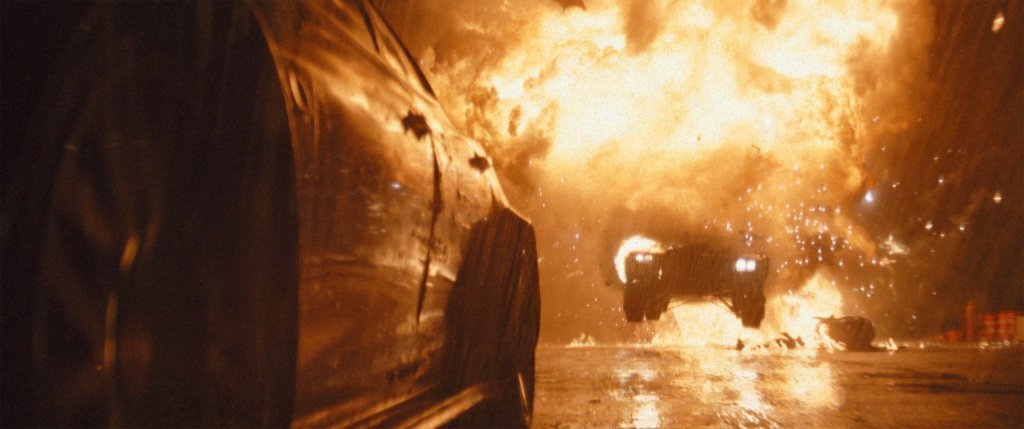
First of all, I have maximum respect for Mad Max and all vehicles from those films. I just think it’s amazing how many ideas those filmmakers can pack into all of their props and vehicles, it’s just unbelievable. But I’m actually hopeful that ours is a bit more refined than Mad Max. I’d say for us, the comparison that I will cop to, and what I love about Mad Max is those are entirely bespoke vehicles, and each person’s car reflects their character, they’re making choices in terms of what they need out of the car, they may strip it down to make it lighter, or add extra armament, depending on what they’re trying to do. And that’s certainly the way we approached the design of the Batmobile, we wanted to create a car that was mission-specific, so everything on the car is related to some need that Batman has. It’s not there for design, it’s there for a purpose, and I also think that there is something about the toughness of a Mad Max car, and the toughness of our car. Basically, the main sort of superpower of the Batmobile is that it can charge through anything. It’s got this massive steel bumper and steel frame that runs through it, and obviously, you see in the chase sequence that they really take advantage of that superpower. So yeah, those would be the comparisons that I do see.

What was the most rewarding set for you to work on within The Batman, and why? 

I think Wayne Tower for me was one of the most exciting spaces. It allowed us to really expand on Bruce’s character through some of those choices, I think we are really trying to reflect him as an urban Batman as opposed to a suburban Batman. It always bugged me that Batman would come into the city and fight crime, and then go back to his mansion in the country, to sort of recover. I really loved the idea of anchoring him in the heart of the city, and so Wayne Tower allowed us to do that. It was also just an incredible playground for us to be able to explore different versions of Gothic ornament, and really create this overall feel for his backstory, and then obviously the connectivity with the Batcave below. The idea that it was this old private train station that the Wayne’s had built way back when, and it had sort of been lost in time. It allowed us to create a world that felt plausible, and grounded, and at the same time it elevated the fantasy of Batman, and all the kinds of dreams we have as kids when we think about what his life might be like, and so I hope we ticked all of those boxes.

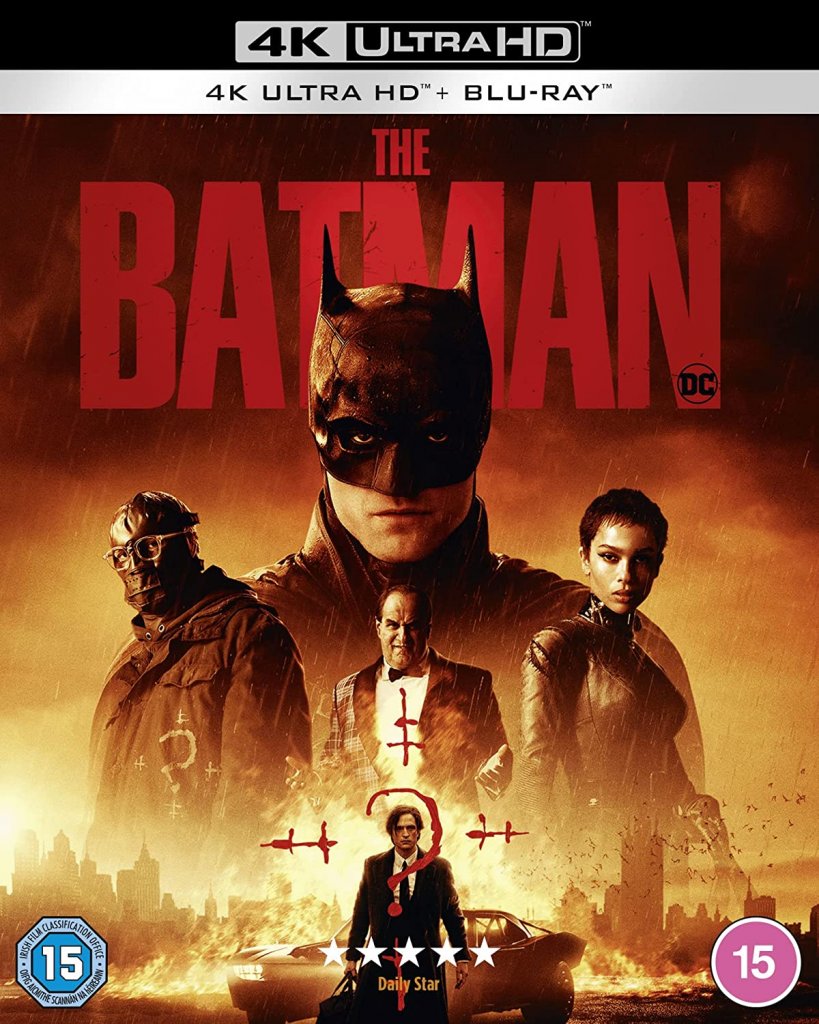
THE BATMAN is available to own on Digital Download right now and 4K UHD, Blu-ray, and DVD from June 13th.

Max & Charlie Carver l THE BATMAN

Tasked with being bouncers of the legendary Iceberg Lounge, The Twins (MAX & CHARLIE CARVER) do their best to keep a ruthless Batman at bay throughout the latest movie iteration of this classic DC character. STARBURST catches up with the acting duo to reflect on their time being submerged within that gritty and scarily realistic Gotham lifestyle alongside director Matt Reeves and opposite Robert Pattinson himself, while also discussing how they approached playing The Twins…

STARBURST: So growing up, how much of a Batman fan were both of you, and did you have a particular favourite?

Charlie: I’d say we were big Batman fans. I remember having a compilation of one of the first anthologies, a giant printed book of Batman comics. My favourite Batman movie up until this one was Batman & Robin.

Max: You loved Poison Ivy! I’ve got to say, then as a teenager I remember watching Batman Begins, The Dark Knight, the Christopher Nolan trilogy. That to me was groundbreaking in its own way, where it just felt like the genre got completely elevated, all of a sudden there was so much depth and weight to these characters. Then to speak to The Batman himself [Robert Pattinson], I remember reading what I could of this script, and just going “Oh wow, this is groundbreaking, next-level” So to  get to be a part of this most recent one, I still can’t believe it.

Max Carver

Leading on from that then, what do you guys remember the most about your first day on the set of The Batman?

Max: It was a trip, we get driven to set, at some oil refinery way east of London. Zoë Kravitz is there, Rob’s there, the whole crew’s there. Then all of a sudden this guy walks up and he’s got this limp, and he’s like “Hey, how are you? Good to see you!” and I was like “Who’s this guy, why is this guy on set, why are they letting him talk, we are all supposed to be quiet listening to Matt right now! Who’s this schmuck, walking around, just making all this noise?” and only after about five minutes did I realise “Oh, that’s Colin Farrell” I didn’t even recognise him in the flesh, I had no idea. I thought it was someone’s friend or agent, I had no clue what was going on.

Charlie: He loved it though, he was trolling all of us, and then he would just drop right into his Irish accent, that makeup was next-level.

Charlie Carver

Can you elaborate on The Iceberg Lounge, what was it like to work within this huge, highly detailed set, and to just be so submerged in that Gotham lifestyle? 

Charlie: So The Iceberg Lounge was like a compilation of a couple of different locations, there was this amazing gigantic set that they built on the Warner Bros. backlot at Leavesden, and then I think the interior was at this place called Printworks in London, which is used as a dance space. We got in there and you kind of marvel at the size of the thing, and then we found out that we would be learning how to jump off these three-story balconies, so it went from genuine excitement to excited fear.

Max: What I loved about this rendition of Gotham, was that it was so accessible. Like we were saying earlier, with Batman & Robin it was kind of these otherworldly places that we were going to. This was like “I can imagine walking into The Iceberg Lounge right now, seeing the Penguin there and thinking I probably shouldn’t look at him, and attract too much attention” it just felt real. Everything felt very grounded.

Perfect! So we must of course ask, what do you remember the most about working opposite Robert Pattinson, and what do you think that he brings to this legendary character? 

Charlie: First of all Robert is just such a nice guy, what a great leader for the cast, and he is funny. It is interesting on set as you’re toggling between these really intense, dramatic action scenes, and then cut is called and Rob is just like warm, and lovely, and awesome. With his Bruce Wayne, it’s interesting, it’s this sort of flip where there’s this really wounded depth to Bruce, and Bruce is really only more himself when he is The Batman, and I think what’s so cool about this character’s journey through the movie is you see him realise that this persona of Bruce might come in useful in future films and stories. But I’ve never seen The Batman in so much pain, with the family story.

Max: It’s the first Batman where I felt like I could cry watching this person Bruce carry around this kind of wound, and for me, the romance between him and Catwoman had this special, almost childhood bond, which they shared throughout. There’s something really kind of wonderful, and childlike underneath this rainy Gotham that’s dark and “I am vengeance”, this incredible detective story. There was something that spoke to a real love underneath everything. And I think we see that at the end of the film, him discovering that.

So how did you both approach playing The Twins, was there something that maybe either of you really wanted to bring to how the characters came across on screen? 

Charlie: I think we were surprised and excited to get to do it. Matt just found something innately humorous about our dynamic, so we had to trust that that was there. Then the real fun was getting to build these characters with wardrobe and hair and makeup. Suddenly your eyebrows are getting shaved off; you’re getting a neck tattoo, and you’re like “I look tough!”

Max: Yeah, we don’t look that tough in real life! But there is something as well, I remember through the audition process, we had kind of read through these gritty 70s detective films like The French Connection, so you show up on set, and you meet the director, and you’re like “Hey Matt!” and he’s like “I’m so glad you guys are here” and we say, “What do you think?” and he’s like “You guys are just so funny” and you’re like “Wait, what?” So that’s where at a certain point you just trust the director, you do what you do best, you kind of immerse yourself in this world, like you said with The Iceberg Lounge, working for the Penguin, the Falcone Crime Family, etc. You have that behind you, and then you’ve got to trust the vision of the director, and fortunately, I think we got one of the best, maybe of all time. So, it wasn’t that hard.

Tough question time then, if It hasn’t already been covered, what was the most rewarding process when it came to being involved with The Batman, and why? 

Max: I’ll say what’s rewarding is when you’re in the process of making a film, you might have twelve different set-ups for one scene, and you might have all these takes that you do, and you kind of imagine what the end result will be, but it’s put together long after you’ve been on set. So to actually see that first sequence of The Iceberg Lounge, where Batman punches, knocking us out, and then walking into The Iceberg Lounge on this one shot, with all of the fighting – to see it actually put together is so rewarding, because you just go “Wow, all this stuff we had to do, all these individual parts got seamlessly put together to create this incredible experience for the audience”, and at the end of the day, that’s what is most rewarding for me.

Charlie: Ditto!

Obviously the sequel to The Batman has been announced, so if the Twins do return, what would you want to see from them?

Max: I think what was cool is that there are several scenes where we are rolling with the Penguin, we are driving to this drops deal, we were there, kind of always in the background, wherever the Penguin was we were like his shadows, and I loved working with Colin, so I would love to be more involved in that underworld element.

Charlie: Yeah it’ll be exciting to see how the Penguin evolves, and therefore, how everyone around him might evolve with him. So I don’t know if that means more status and power or a different look, but if the twins come back it could be fun to see what’s changed.

Final question. This Batman has gone down extremely well, so for you guys, why do you personally think that is? 

Max: I feel like this Batman really honoured Batman’s origins as a detective. It was such a different take. And I think what was wonderful about it, was just how grounded it was, how accessible it was. There have been other iterations of Batman which I enjoyed, which were, like I said, otherworldly, and fantastical. This felt like I could walk right off the lot, into Los Angeles and just run into Bruce Wayne, I could run into the Riddler. I remember we were even shooting stuff while something political happened in the world, going “Wait we’ve just shot something that felt just like this, this is crazy, it’s very much here”.

Charlie: What’s special about it is, Matt had such a vision, and he was so steeped in the mythology, and I think maybe he and the movie acknowledged in a way how weird it is that this billionaire is dressing up as a Bat. So when you have that kind of awareness of the story, that this is what that person has chosen to do with their free time, and with their life, then everything kind of organises itself around that, and like Max was saying there’s a level of believability and humanism in it that I think sets this Batman apart. Plus there’s a reverence for great filmmaking.

THE BATMAN is available to own on Digital Download right now and 4K UHD, Blu-ray, and DVD from June 13th.