Top Slots for Horror Movies Fans

zombie slots

A good horror movie can keep you in suspense until the very credits. The same can be said about slots on this topic. Slot machines of this genre do not have to be scary. The main requirement for them is the appropriate atmosphere. As a rule, such slots are made in gloomy colours, and the gameplay is accompanied by mysterious music, which further immerses the player in the appropriate atmosphere.

Those who have not yet appreciated the horror-themed slot machines at Zodiac Casino should not be afraid. Such devices allow you to tickle your nerves well. Although monsters and witches remain on the other side of the screen, the winnings may well become your reality.

There are plenty of horror-themed slots. But, among them, several games have already become classics and are highly popular among players. These games are required for playing for those who cannot imagine their life without mysticism.

zombie slots

1.  Zombies at the Door

The video slot appeared in online casinos in 2021 and is dedicated to the zombie apocalypse theme. The device has five reels and the same number of rows. Paid combinations can fall on 20 lines in the main mode. But during free spins, the number of directions increases to 60. The game is designed in the style of horror comics. After starting the machine, the user finds oneself in a shelter in which the main character — a bearded man — is hiding from the living dead.

2.  Voodoo Magic

Immersion into the dark atmosphere takes place on five reels with four rows of cells. Combinations can be collected in 40 directions. The action takes place in the laboratory of an experienced shaman: the main character conjures over a cauldron of boiling potion to the right of the playing field. Voodoo magic gives the user a chance to get up to 100,000 credits. The pictogram in the form of a gargoyle replaces most of the pictures. Most often, the wild falls out on a folded reel and occupies several vertical positions at once.

3.  Monster Manor

Vampires, zombies, mummies — all gathered on five reels with three rows to give the user thrills and generous payouts. In total, during the spins, you can get up to 250,000 credits. Combos can be collected on 50 lines.

After launching the video slot, the user finds oneself in a half-abandoned castle. There are two wilds in the slot. One of them is a black kitten icon. If there are several of them, additional payout multipliers are activated. The second wild symbol depicts a sorceress and appears stacked. The symbol of a bat hanging upside down acts as a scatter.

To sum up

Having studied the top scary slots, you can be sure that the providers set themselves the goal not to scare, but to entertain the user. The devices have exciting storylines and a variety of bonuses. You can spin their reels not only before Halloween. At any time of the year, slot machines of this genre will give vivid impressions.

Five Films to Check Out on Horror Channel This Week – 160522

revenge of the creature

There are some more great movies this week on Horror Channel. Here are our picks….


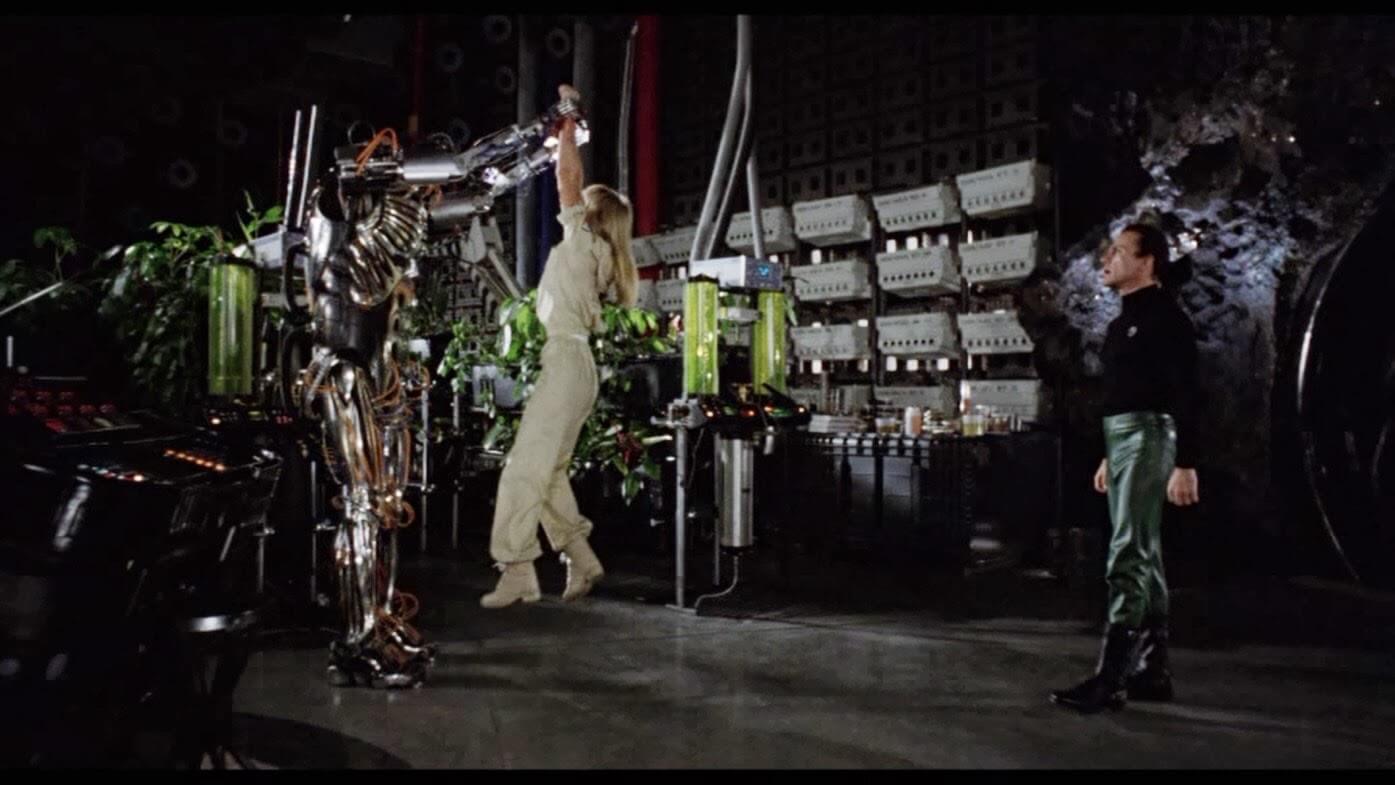
saturn 3


Tuesday May 17th, 11.10pm – Saturn 3 (1980)

Sci-fi terror as Harvey Keitel and his killer robot threaten Kirk Douglas and Farrah Fawcett on a distant space station.


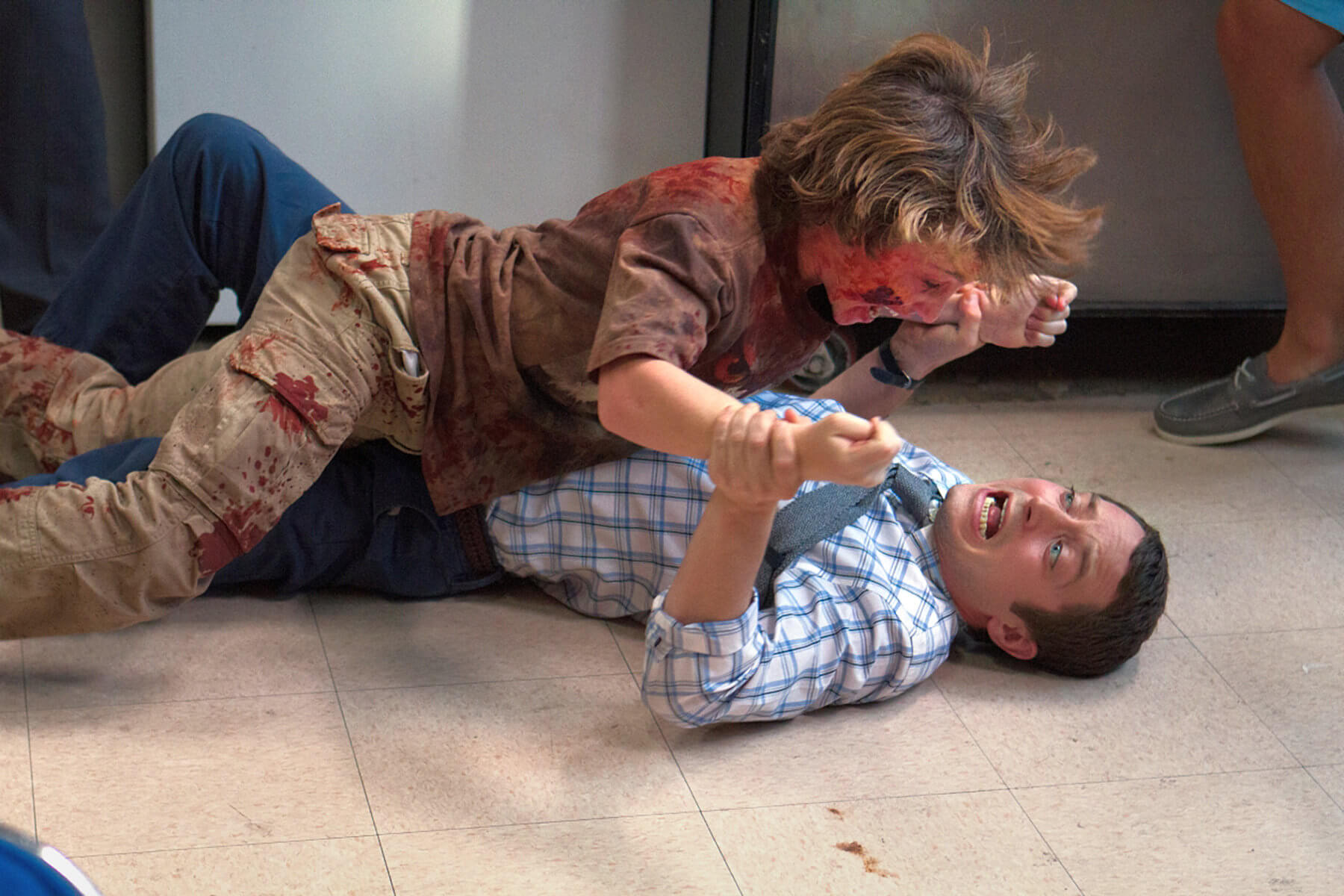
cooties


Wednesday May 18th, 9pm – Cooties (2014)  

Elijah Wood is a teacher trying to keep his colleagues safe when the kids all become bloodthirsty zombie-types


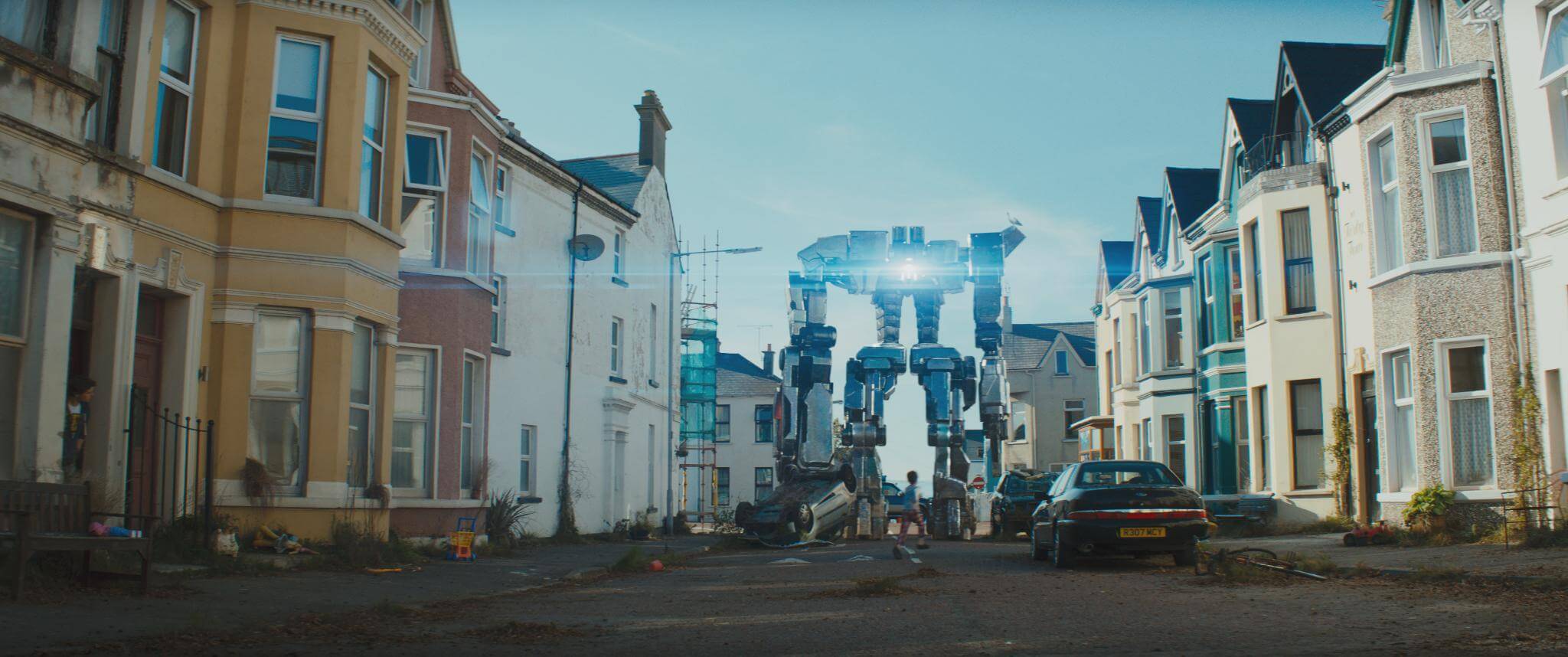
robot overlords


Friday May 20th, 4pm – Robot Overlords (2014)

Bad guy Ben Kingsley commands a horde of robots in this family-friendly sci-fi action-thriller. Gillian Anderson is there to help the locals fend off the menace. The film also boasts some rather spectacular effects considering its budget! Also showing on Saturday at 8am.


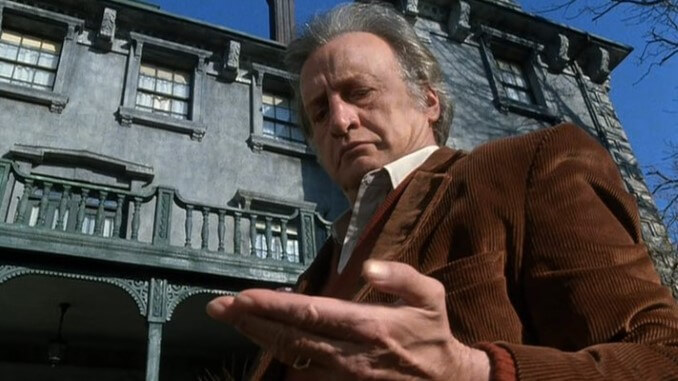
the changeling


Saturday May 21st, 9pm – The Changeling (1980)

George C. Scott stars in this classic supernatural horror as a composer who moves from New York to Seattle following the death of his wife and daughter, only he’s not alone in his new house.


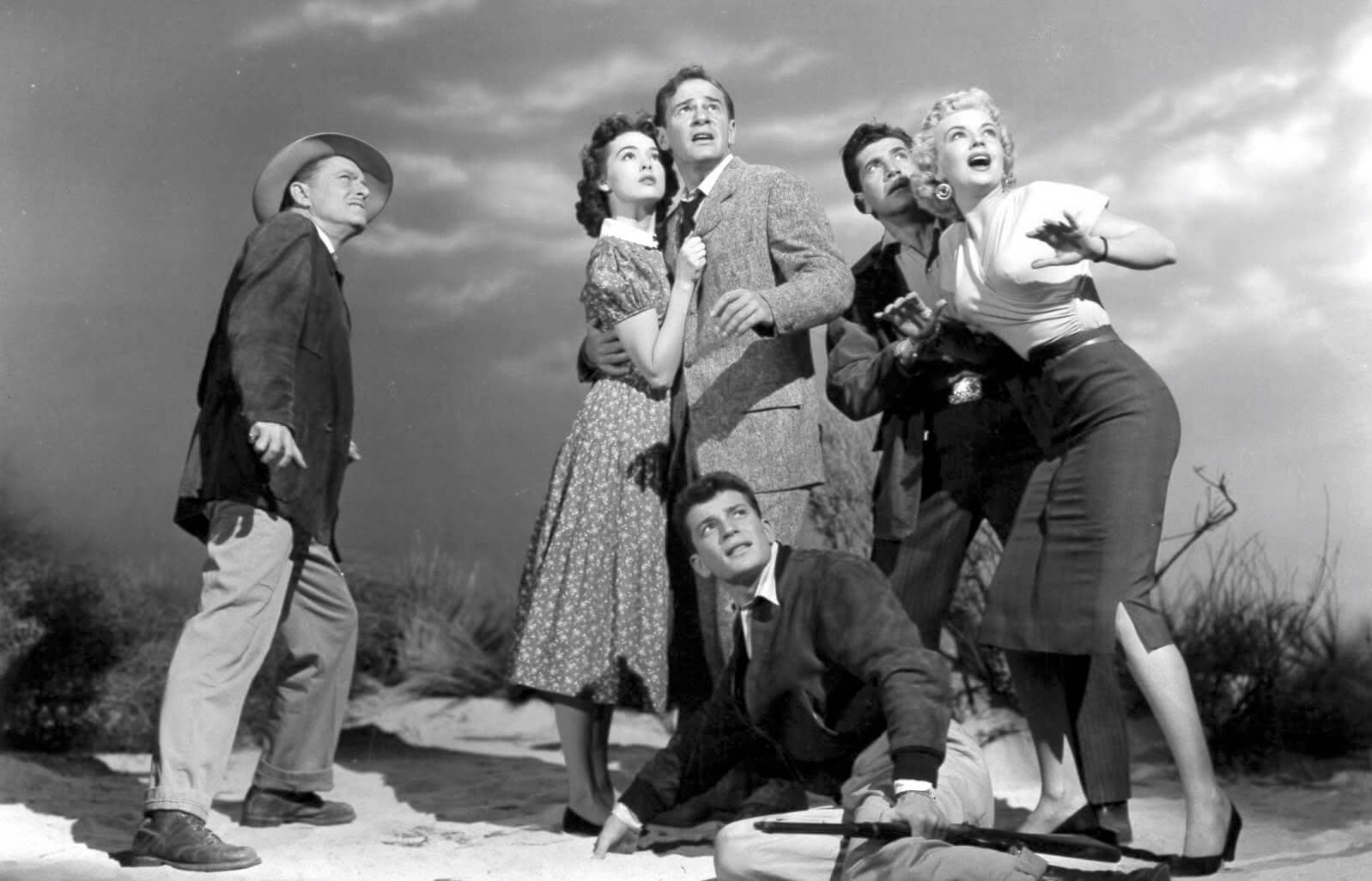
it came from outer space


Sunday May 22nd, 9pm – 12.10am The Vintage Vault

Horror Channel is celebrating the Golden Age of genre cinema with a season of double bills. There are more fifties chills this week with the Universal sequel Revenge of the Creature (1955), in which aliens take over the bodies of local folk in a desert town. This is followed by It Came from Outer Space (1953), where aliens land on Earth and take over the bodies of the residents of a sleepy desert town.

Tune into Horror Channel on Sky 317, Virgin 149, Freeview 69, Freesat 138.

The Power of the Internet Captured in Film

It’s impossible to deny that we are living in an increasingly digitised world. The majority of our social interactions are now made remotely, most of our work is carried out on screen, low skilled jobs are becoming automated and we’re as offended by an ‘unfriending’ as we are by a face to face fallout. One thing is for sure – the internet has changed our lives and it makes us wonder if maybe sometimes is better off staying home and trying out online roulette instead; after all, there are some pretty great deals available for new accounts. So, between these two worlds is up to filmmakers to decide whether it’s for better or for worse.

Runner Runner

Whilst there have been plenty of films that famously feature a casino as a backdrop, there are far fewer that feature an online casino as the centre of the plot. Runner Runner was a pioneering 2013 film, which sought to portray the life of a poker player more realistically. Richie Furst, played by non-other than Justin Timberlake, sets off on a life-changing adventure after finding out that his online poker opponent might not be treating him fairly.
The film has its twists and turns, but at the end of the day its a classic tale of good triumphing over evil, or more specifically Riche triumphing over ‘the wizard of odds’ Ben Affleck. If you’re looking for a wildly unpredictable film then this is not the one for you. However, if you like plenty of action, a chance to throw shade at those with a suspiciously luxury lifestyle, a handful of great casino scenes and the odd threat of being thrown to the crocodiles, then add it to your ‘to watch’ list immediately.

Catfish

Catfish made such a splash back in 2010 that it earned itself a television series. 10 years later, they’re 144 episodes in and showing no signs of stopping. What is it that made this film and series such compulsive viewing? Possibly the notion that whilst this isn’t quite a boat we’re all in, it’s probably only a short hop away.
The film begins with Nev Schulman receiving a drawing from an eight-year-old girl, with an explanatory email from her mother. The email correspondence between Nev and Abby begins and the two quickly form a bond. Romance blossoms and though the two don’t make plans to meet, when Nev is taken across the country with work, he drops in to find that Abby’s life is not quite as she made it out. The film ends relatively amicably all things considered, but it certainly drives home the lesson that not everyone that we speak to on the internet is necessarily exactly who they say they are.

The Social Network

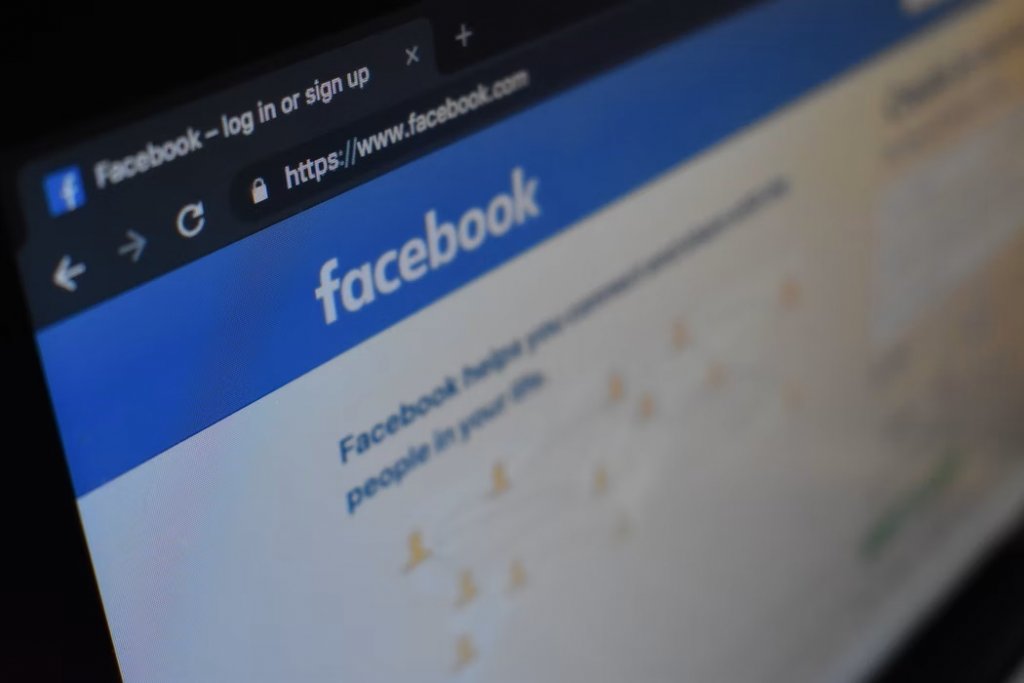
Facebook has become such a part of our everyday lives that The Social Network is a welcome opportunity to reassess its prevalence.

Interestingly this is another one that stars Justin Timberlake, this time alongside Jesse Eisenberg. These two take the roles of Eduardo Saverin and Mark Zuckerberg, respectively, the two men who are credited with creating Facebook. It seems almost unimaginable that pre-2004, Facebook was not in existence. Nowadays we thank it for allowing us to spend hours mindlessly scrolling through pointless videos and being able to have a nose into the lives of people we went to primary school with. The Social Network documents the creation of this controversial part of our 21st-century life.
This 2010 film cleverly discusses the ‘buzz’ around the invention of the social media giant, without getting caught too heavily in the ‘big brother’ way of thinking. It doesn’t skirt around issues of money or surveillance, or indeed loneliness; rather it tackles them head-on and that makes for a film that, despite being a decade old, truly stands the test of time. Whilst Facebook has moved on leaps and bounds, for better or for worse, the sentiment of the film remains timely and poignant.

The Circle

Although The Circle received mixed reviews after its release, the premise of the film is an important one. Adapted from the 2013 novel of the same name, the film deals with the issue of our compulsive oversharing in a world where our identity, privacy and data is more precious than ever. It’s a sinister thriller, which bridges the gap between dystopian and actually scarily possible all too easily. The film is based around a company called The Circle which stores enormous amounts of data about each person who holds an account. Whether it’s as innocuous as social media posts, as sensitive as medical history or as personal as familial messages, they have everything on you, allegedly for your own convenience.
Emma Watson plays the bright young new employee for The Circle, Mae, with Tom Hanks as the CEO. Her first days at work seem heady, filled with that new tech startup energy and endless youth. As the film progresses however, some of the things that are being asked of Mae start to feel a little unsettling. Her enthusiastic colleagues tell her of a system that protects children by inserting microchips into them; they question her on not sharing her father’s diagnosis on her social channels; they reveal a marble-sized camera that can be planted anywhere. Each revelation is made with a smile on the face and not a hint of malice, as though they truly believe that all of this is progress. With each hurdle presented to her, Mae slips further and further into this world of progress and in doing so becomes less and less likeable to the viewer. It’s a brave and bold move to create a heroine that gets sucked into the bad side, but in doing so it shows an important message: how hard it is to stand up for our rights when the people we are standing against truly believe that they are doing no wrong.

Lo and Behold, Reveries of the Connected World

Although it is more documentary than film, Lo and Behold, Reveries of the Connected World certainly deserved its place on the list. Directed and narrated by Werner Herzog, this documentary speaks to people who hold strong and often polarizing views on the internet. Undoubtedly there is a great deal of interesting content, from those who stay away from civilisation entirely in order to avoid electromagnetic waves, to others who believe the internet has the power to change the world for the better. What truly shines through though is Werner’s ability to marvel at everything that is wonderful about humans. His fantastic interviewing technique shows us glimpses into the mind of each of his interviewees. It’s wonderful to realise that a film that set out to be about the internet ended up being so much more about the human condition.

Ariel Marx | CANDY

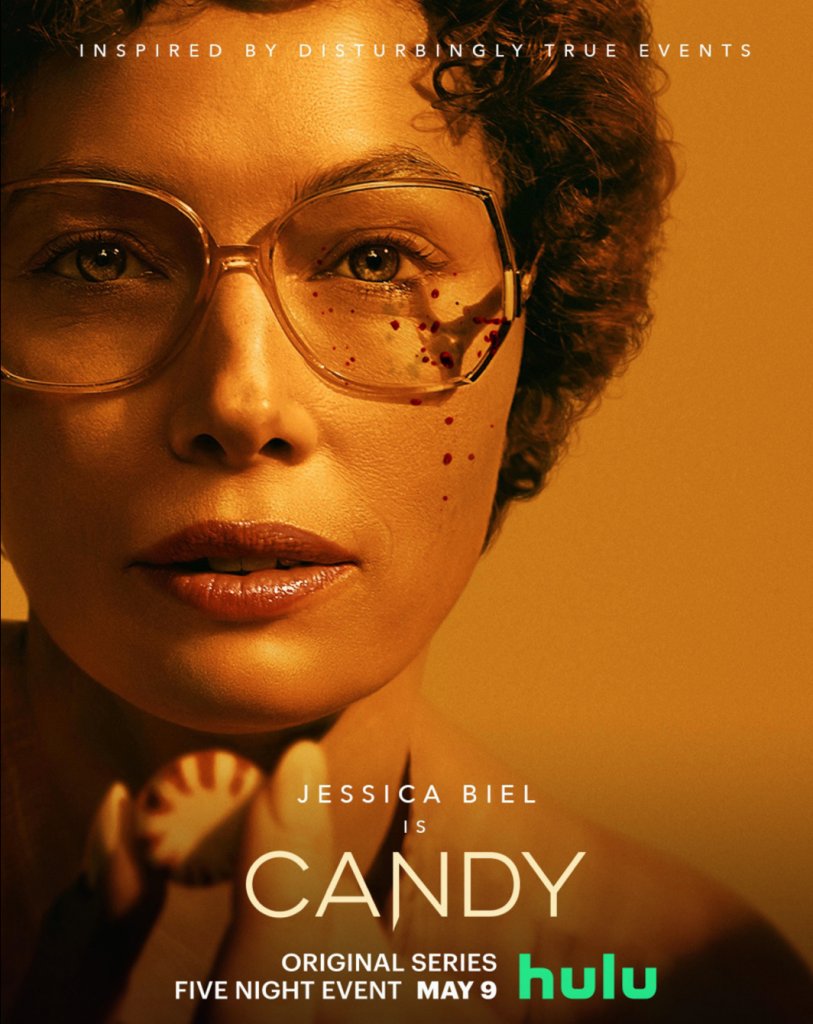
The new Hulu mini-series, Candy, is based on true events which happened over 40 years ago.

“On June, FRIDAY THE 13TH, 1980… in a small, bucolic town in Texas…
A loving, Christian mom named Candy murdered her friend Betty with an AXE.
Candy struck Betty 41 TIMES.”

Composer Ariel Marx’s score for the show looks to use the guiding principle of “oppressive sameness,” as she puts it, to craft the perfect music to mimic the feel of the town and the people who lived there – “simple, lush melodies that repeat themselves ad nauseam… dripping with unfulfilled potential” – counterbalanced by the violence, wherein Marx creates “unsettling sounds to feel Candy’s raw, detuned, animalistic rage in a blackout murder of music to break the monotony of the ‘sameness’.” It’s a lot to take in, much like the show itself, so we were excited to speak with composer Ariel Marx ahead of the show’s debut about Candy and her other work…

STARBURST: The music for Candy takes a journey that is quite impressive. What was it like for you, composing for a mini-series?

Ariel Marx: The beauty of television is that it’s an extended form. You have a lot of time to explore your ideas and a lot of really rewarding ways for reprisals and development and whatnot. With Candy, it’s such a complex story. I think Robin [Veith, creator] did such an incredible job exploring all of these different aspects of the time period – of what it was to be a housewife in the ’80s, the time period of what these women were going through, what it was to be a mother, what it was to be a working mother, what it was to be a bored housewife – all of these really, really complex emotional layers that I was able to dig into. It’s a really varied palate. A lot of it is very kind of fantasy, perfect-life driven. Then, on the other hand, it’s very severe and very “nerves are frayed” and at the end of one’s rope. The score gets quite violent, obviously – as the story does – but anyway, it was such an amazing opportunity to explore these hugely different ends up the spectrum, because the story really does that. It covers everything of their lives and how this happened.

You’ve done work for true crime mini-series and you’ve done work for what might be comedic drama, if you consider Shiva Baby in that realm. You’ve worked on American Horror Stories, so it seems like Candy encompasses elements of all of these things, where it is based on a true story, but it also has these very horrific elements, but it also starts out with a very deep friendship. Wherever did you start What was the thing you latched on to at first?

The very first theme that I composed is actually the theme that’s in the main titles. That was kind of like a first stab at, “What is this world?” Beyond the horror of it, there was a true, fully three-dimensional portrait of each of these people. The main entry into the pallet was through the lens of convincing one’s self that you have the perfect life and that you’re content but also, this theme also has elements of repetition and getting stuck in a loop and not being able to fully realize one’s potential. It’s very simple. It’s very lush, but it does get stuck. It’s like its rudders are stuck while still being beautiful. That was a main quality of the theme – of the intentions going right in and there were such wonderful nuggets in the script that I could draw from. There was this idea of oppressive that I really took to heart in terms of the aesthetic, in terms of the mundanity of every day feeling like the same, of the task being the same, and feeling like, how do you convince yourself you’re fulfilled with the status quo, floating on what’s comfortable. That [opening] scene illustrated all of these big ideas in terms of just wanting so badly to believe that you have everything you want, but you don’t, and how does the truth flip in? There are shards of darkness. Candy is so good at having a fixed smile and covering up her real emotion and really just proceeding as if everything’s normal, but there are cracks in her. How does that darkness and violence come through?

Because Candy is based on a true story, does that present difficulties for you or are you just trying to honour the story as it is on screen?

True crime is always tricky because you are accountable for these real lives and real tragedies. There’s a certain responsibility in everyone and in how they portray it because it does have consequences to the people who really lived through it and then by connection, my music is very deeply committed to honesty and I’m deeply committed to honouring all aspects of each of those characters.

With true crime, it can be easy to view it as a horrible accident on the highway that you look at briefly and then you move on but I think Candy does a really wonderful job at making you stay there in these characters and with these characters. The show – and then also, the music – was really devoted to, again, painting these three-dimensional characters and that Candy wasn’t just a vicious axe murderer.

There’s compassion in terms of, “How does a woman with no previous history of violence do this?” and “What led Betty to where she was with her own repression and her own overwhelming sense of duty as a mother and as a teacher?” I’m not painting these characters as one-dimensional, but really honouring that they’re fully-fledged human beings beyond the crime. That’s what we really tried to do with the music. It was never about making fun. It was never about making light. It was never about distancing you in a way that you didn’t connect.

CANDY is streaming now on Hulu in the US, and will arrive in the UK via Disney+ soon. For more on ARIEL MARX’s work, check out www.arielmarx.com

KATE HEARTFIELD – The Embroidered Book

Kate Heartfield is the author who’s works include The Magician’s Workshop and Armed in Her Fashion. Her debut novel won Canada’s Aurora Award, and her novellas, stories and games have been shortlisted for the Nebula, Locus, Crawford, Sunburst and Aurora awards. We caught up with her to ask questions about her latest mix of history and fantasy, The Embroidered Book.

How would you pitch The Embroidered Book to a big-shot Hollywood Movie producer who’s about to tuck into a big sandwich?

The Embroidered Book is a story about Marie Antoinette, queen of France, and her sister Charlotte, queen of Naples, as rival magicians. As teenagers, they’re sent to hostile courts to marry men they’ve never met, and over the coming decades, they’ll sacrifice everything to survive. Behind the actual wars and political earthquakes of the 18th century is a hidden world of magic and secret societies. It’s a book about how women wield power, and how history remembers – or misremembers – their achievements.

It’s quite a big book – why do we keep coming back to epic fantasy?

Big book, big hair, big dresses, big politics and big magic! I love short books too, but there’s something special about sinking into a world and staying there for a while. Stories are ultimately about change, and when that change is happening on the scale of something like the French Revolution, it takes some time to tell.

Why do we keep telling stories inspired by the French Revolution?

It’s such a fascinating period, and I think we can’t help but see the parallels to our own time. The 18th century was an age of marvels and a moment of such hope and possibility. Liberty, equality and fraternity were within our grasp – and yet it was also a time when science was being put to the service of racism and imperialism, and when demagogues used the hopes of the people to enrich themselves and set themselves up as tyrants.

It’s 2022, why are we still obsessed with Royalty?

It’s the dresses! Well, maybe it’s more than that. There’s a sense that a royal family belongs to everyone, somehow, and some comfort in that historical continuity (even when dynasties are broken or cobbled together). And I think there’s something grimly fascinating about the fact that the people who are in the best position to make things better – whether they’re royalty or just billionaires – usually don’t. Also, let’s face it, court politics are always fascinating to watch.

Why fantasy? Why Magic?

For me, looking at the world through a kaleidoscope is a way to get a new perspective. Fantasy shows us how truly weird reality is. And magic, to me, is the perfect metaphor for power. It expands and enriches those ‘what if’ questions that drive all fiction. And it’s a fun challenge to write.

Why does history based fantasy tend toward the grim and dark?

As Tom Stoppard’s Player said in Rosencrantz and Guildenstern Are Dead, ‘We can’t give you love and rhetoric without the blood. Blood is compulsory.’ There’s definitely some blood in The Embroidered Book, but there’s also a bright shining thread running through the novel: the love between two sisters. And there’s some romance too. To my mind, the best historical fiction holds a mirror to the full range of human experience.

What other periods of history fascinate you?

All of them! I seem to be drawn to periods of intense political, economic and social change: the Enlightenment, the Industrial Revolution, the Hundred Years War, the Renaissance, the transition from the Roman Empire to its successors. So far, my focus has been on Europe and (to a lesser extent) North America.

What other genres would you like to tackle?

My novella Alice Payne Arrives began in my mind as a mystery – but being me, I added a generous dose of time travel. At some point, though, it would be fun to write a classic murder mystery, without science fiction or supernatural elements.

Has the world of fantasy writing become more accessible?

At a fundamental level, I think all fiction is fantasy: it all asks to imagine a set of events that didn’t happen and might not ever happen. Of course, some plot elements place greater demands on our imagination than others! I do think that the world of fantasy has opened up to ever more readers in recent years – and I hope the continues to open up to more writers from all backgrounds. It’s an exciting time to be a reader.

What are you reading at the moment? What was the last book you enjoyed?

I’ve been doing a lot of research for my current work in progress, so I’ve been immersed in non-fiction. My most recent fiction reads were two science fiction novels, both of which I highly recommend: S.B. Divya’s Machinehood, and Light Years From Home by Mike Chen. Both of them have characters who will stay with me, and really fascinating and timely ideas and settings.

Apart from reading, what was the last good bit of media you experienced?

I’m late to the Peaky Blinders train but totally on board. What an amazing show with outstanding writing and performances. My favourite film from last year was The Green Knight, which was such a glorious interpretation of a very old and very weird story. I’ve also really been enjoying the series The Great, which is a completely off the wall look at female power in the 18th century, coming at some of the same themes as The Embroidered Book but from a different angle.

Dragons or Space-stations?

If I have to choose, dragons. But dragons on a space station is a very good story prompt.

Ball Gowns or Board Games?

I have gone bowling in a prom dress, but I have never played board games in a ball gown. Time to rectify that. I do play board games a lot, so that’s my pick, even though my kid beats me nine times out of ten.

Doctor Who or Doctor No?

Doctor Who! Number 11, for preference.

Truth or Beauty?

I think my queens, Charlotte and Antoinette, would fall on different sides of this one. I’m team Charlotte: Truth every time.

The Embroidered Book is out now, via all good book-sellers.

Composer Hesham Nazih Talks MARVEL’S MOON KNIGHT

Hesham Nazih Talks MARVEL'S MOON KNIGHT

Egyptian composer Hesham Nazih has worked on numerous scores in his native country, but his work for the recent Marvel Studios series, Moon Knight (streaming now on Disney+), marks his first foray into Hollywood. It’s a masterful collection of music, eclectic as the show which it soundtracks, jumping from fantasy to drama to action to psychological horror, sometimes all within the same episode. We spoke with Nazih via Zoom about the score to Moon Knight and what it’s like working for Marvel.

Watch the interview below:


THE TELEPHEMERA YEARS: 1984 – PART 2

telephemera years 1984 double dare

Ah, telephemera… those shows whose stay with us was tantalisingly brief, snatched away before their time, and sometimes with good cause. They hit the schedules alongside established shows, hoping for a long run, but it’s not always to be, and for every Street Hawk there’s two Manimals. But here at STARBURST we celebrate their existence and mourn their departure, drilling down into the new season’s entertainment with equal opportunities square eyes… these are The Telephemera Years!

1984-85

Dallas and Dynasty ruled the roost in 1984 and, with shoulder-pads and campy drama very much the in-thing, the only serious competition to the twin towers of glitzy soap opera came from NBC’s new hit sitcom The Cosby Show. Unable to compete with their competition when it came to over-the-top power struggles, the Peacock Network opted for humour and action, with Family Ties and The A-Team leading the charge behind Bill Cosby’s jumpers, and new shows like Remington Steele, Miami Vice, and Hunter making their bows.

With only The Fall Guy doing decent numbers other than JR Ewing and crew, both Moonlighting and Who’s Boss began long runs on ABC, while CBS unleashed Jessica Fletcher’s decade of mayhem in Murder, She Wrote, earning over twenty million viewers in its debut season. Genre fans were particularly poorly served in 1984, with just Airwolf, Knight Rider, and V: The Series providing even a low-level of sci-fi escapism, but there were some fantastic new shows set to debut in the Fall season and surely one of those would make its mark? This is the story of four more near-misses…

Wildside (ABC): Western shows had once ruled the world of TV, finally falling out of favour in the early 1970s when Bonanza breathed its last after a fourteen-season run, but by the mid-1980s they were a rare breed, although there had been attempts to revive the genre earlier, mostly reboots of Maverick but without James Garner in the title role.

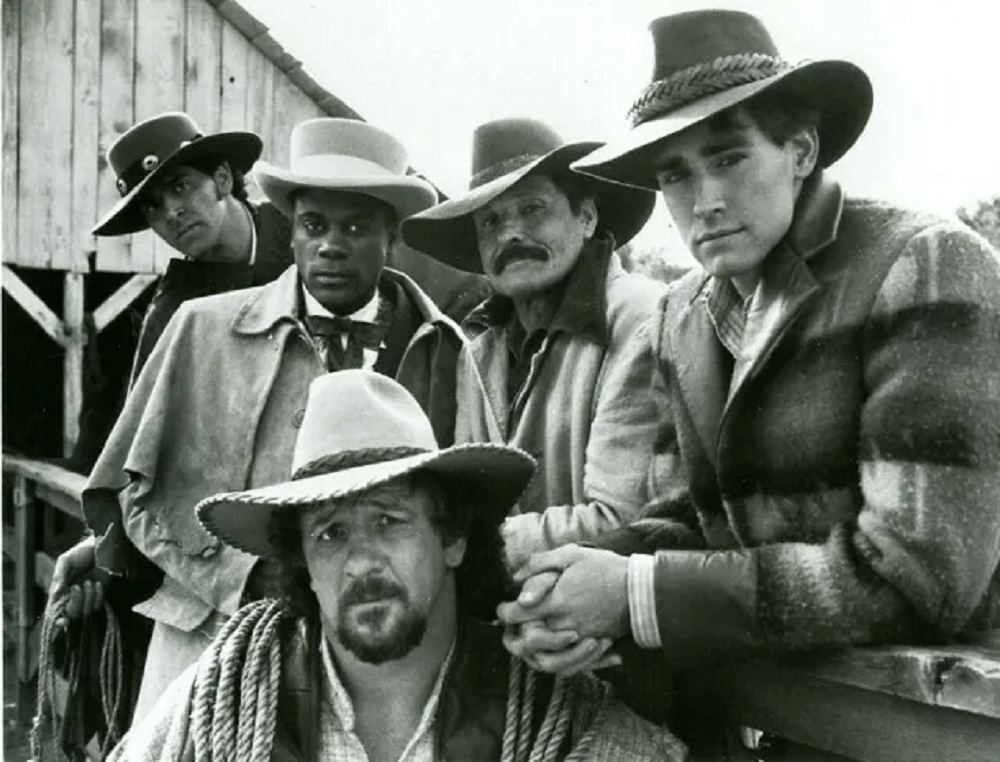
Wildside tried to make Westerns cool again, with the titular town being home to four of a five-strong gang of outlaws, now trying to go straight as legitimate businessmen, their fifth wheel having become Governor of California. A brooding William Smith, youthful John D’Aquino, Howard “Roots” Rollins, and professional wrestler Terry Funk played the four desperados, with Sandy McPeak as the Governor, and the quintet received able backing from J Eddie Peck and a young Meg Ryan.
telephemera years 1984 wildside

With their life of crime behind them, the men found themselves saving their small town in every single episode, which wore thin by the time episode three saw a band of rogue British soldiers try to drive out the townspeople to steal their oil rights, and just six episodes aired before the plug was pulled in April 1985, the show having debuted as a late-season replacement in March opposite The Cosby Show.

Later that year, Silverado became a box office hit, paving the way for the big screen Western revival that peaked with Young Guns (and Young Guns II), and maybe Wildside played a small part in that. Creator Tom Greene, obviously buoyed by working with Funk, went on to produce the Hulk Hogan vehicle Thunder in Paradise, which failed to do for powerboats what Wildside hadn’t done for Westerns.

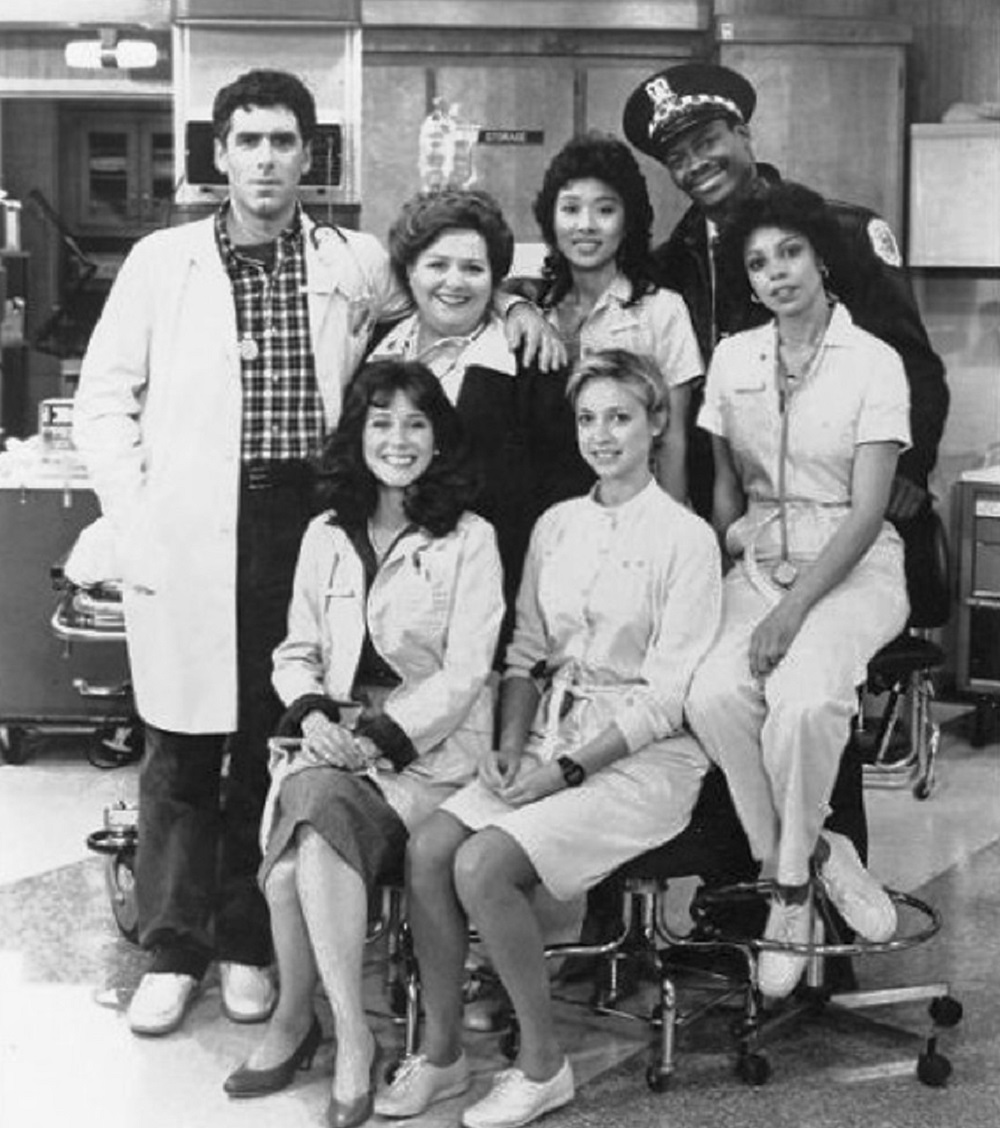
E/R (CBS): E/R is set in the Emergency Room of a Chicago hospital, where a cast of young and cool doctors mix their personal and professional lives, and it has both George Clooney and Mary McDonnell in it but it’s not the ER you’re thinking of. Rather, this is a sitcom that debuted on September 16th 1984, as part of a block with AfterM*A*S*H, and with a killer theme tune written by Jimmy Webb and performed by Lou Rawls.

The show developed out of a play written and performed by the Organic Theater Company of Madison, Wisconsin, that had originally been directed by future Re-Animator helmer Stuart Gordon and was adapted by the veteran writing partnership of Bernie Orenstein and Saul Turteltaub. Clooney came along halfway through the show’s single season run but McDonnell was there from the start, alongside Elliott Gould, Conchata Ferrell, Lynne Moody, Shuko Akune, and Bruce A Young as the local beat cop who is dating the ER’s receptionist.
telephemera years 1984 e/r

The pilot episode opened on Dr Eve Sheridan’s first night in the department, where she was played by Marcia Strassman. McDonnell would take the role going forward and, as with the slightly more serious NBC show of the mid-1990s, each episode advanced the ongoing storylines as well as introducing medical emergencies that either tugged at the heartstrings or tickled the funnybone.

Despite some good reviews from the critics, going up against The A-Team was too much to deal with and even a switch to Wednesdays didn’t save the show, which wasn’t renewed for a second season. E/R has never been released on home video, and there’s precious little of it on YouTube, save for the opening and closing credits, and some teaser trailers, so if you want to see Dr Doug Ross in his pre-fame days, you’re pretty much out of luck.

Code Name: Foxfire (NBC): This column has played host to a number of unlikely premises for TV shows, not all of them earning the plaudits or derision they were due, but Code Name: Foxfire noty only ranks highly in a list of preposterous elevator pitch concepts but also, it’s fair to say, received its just desserts.

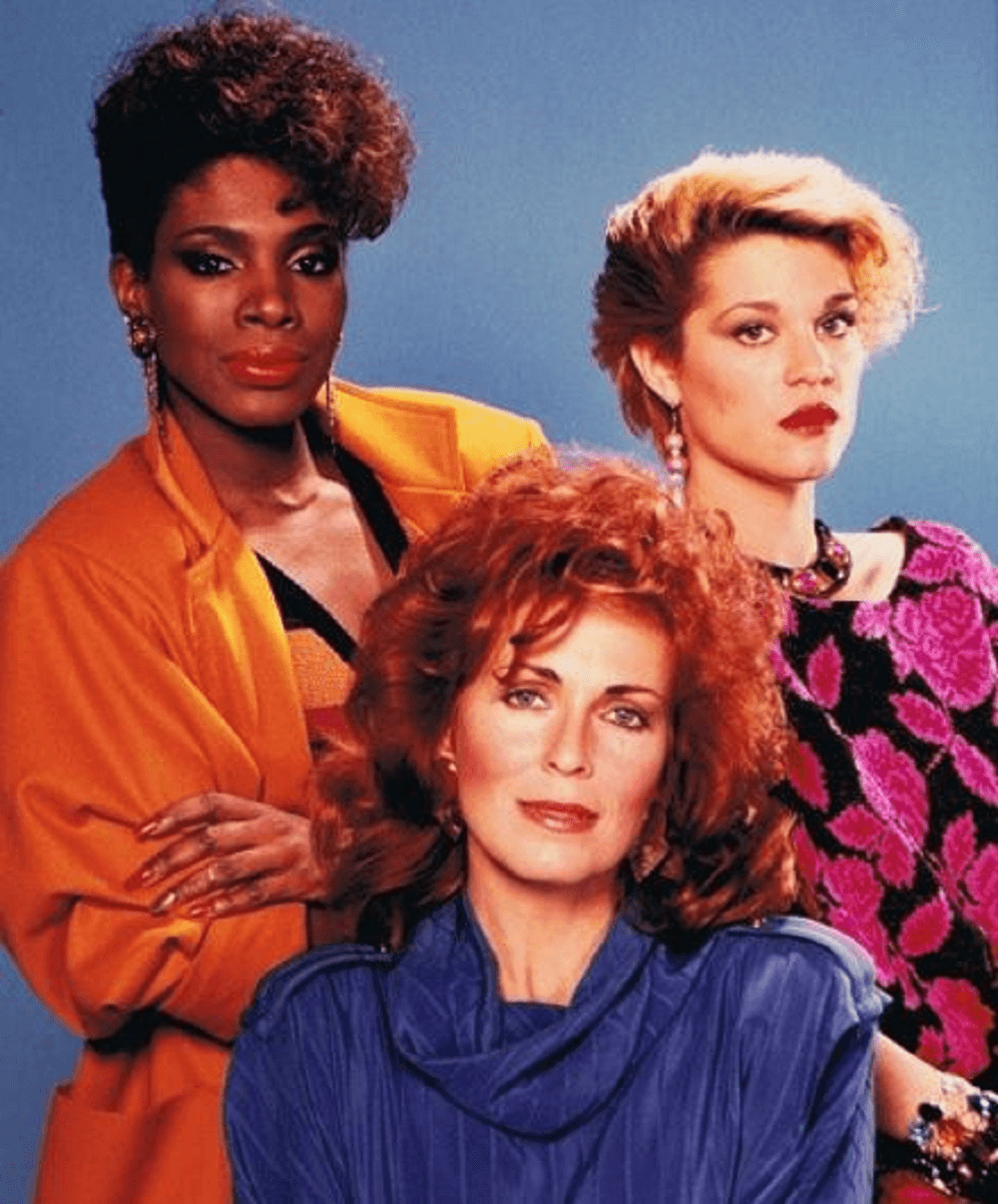
After David Raschke’s CIA agent goes rogue, selling his services to the highest bidder, the President of the United States puts his own brother (played by John McCook) in charge of assembling a task force to hunt him down. McCook’s John Hutchings is a drunk and a fool, but he somehow cobbles together an all-female squad, led by Liz Towne (Joanna Cassidy). Towne has served four years for a crime she did not commit after being framed by her ex – Raschke again – and she wastes no time assembling her own XX chromosome version of The A-Team.
telephemera years 1984

Sheryl Lee Ralph and Robin Johnson star as ex-con Maggie and punky Danny, respectively, and the pilot sees them stop a rogue missile from starting World War III, all with the help of a seaplane. It’s utterly ridiculous stuff from creators Richard Chapman, Bill Dial (a longtime Stephen J Cannell associate), and Joel Schumacher (who was presumably too busy making St Elmo’s Fire to notice what was going on here).

Just eight episodes aired before it was put out of its misery, with a month between the seventh and the last instalments, and nothing much remains of it anywhere except for the bonkers opening credits and a few clips. Treasure them and hope for a full release one day…

Double Dare (CBS): Post-Star Wars life proved to be tough for some of the cast, with only Harrison Ford truly capitalising on the fame he achieved as Han Solo, and that was certainly true for the series’ Lando Calrissian, Billy Dee Williams. After a clutch of failed TV pilots and a spell on Dynasty, Williams was given his first starring role, as professional thief Billy Diamond, spring from jail to work undercover for the San Francisco police.

Part of Diamond’s deal with Police Lieutenant Samantha Warner (played by Janet Carroll, Tom Cruise’s mum in Risky Business) is that his erstwhile partner Ken Sisko (Ken Wahl) joins him on the job, where they will use their burglary skills to solve crimes or something. Wahl had burst onto the scene as Richie, the leader of the titular gang in The Wanderers, before appearing with Paul Newman in Fort Apache, The Bronx, and was tipped for stardom.
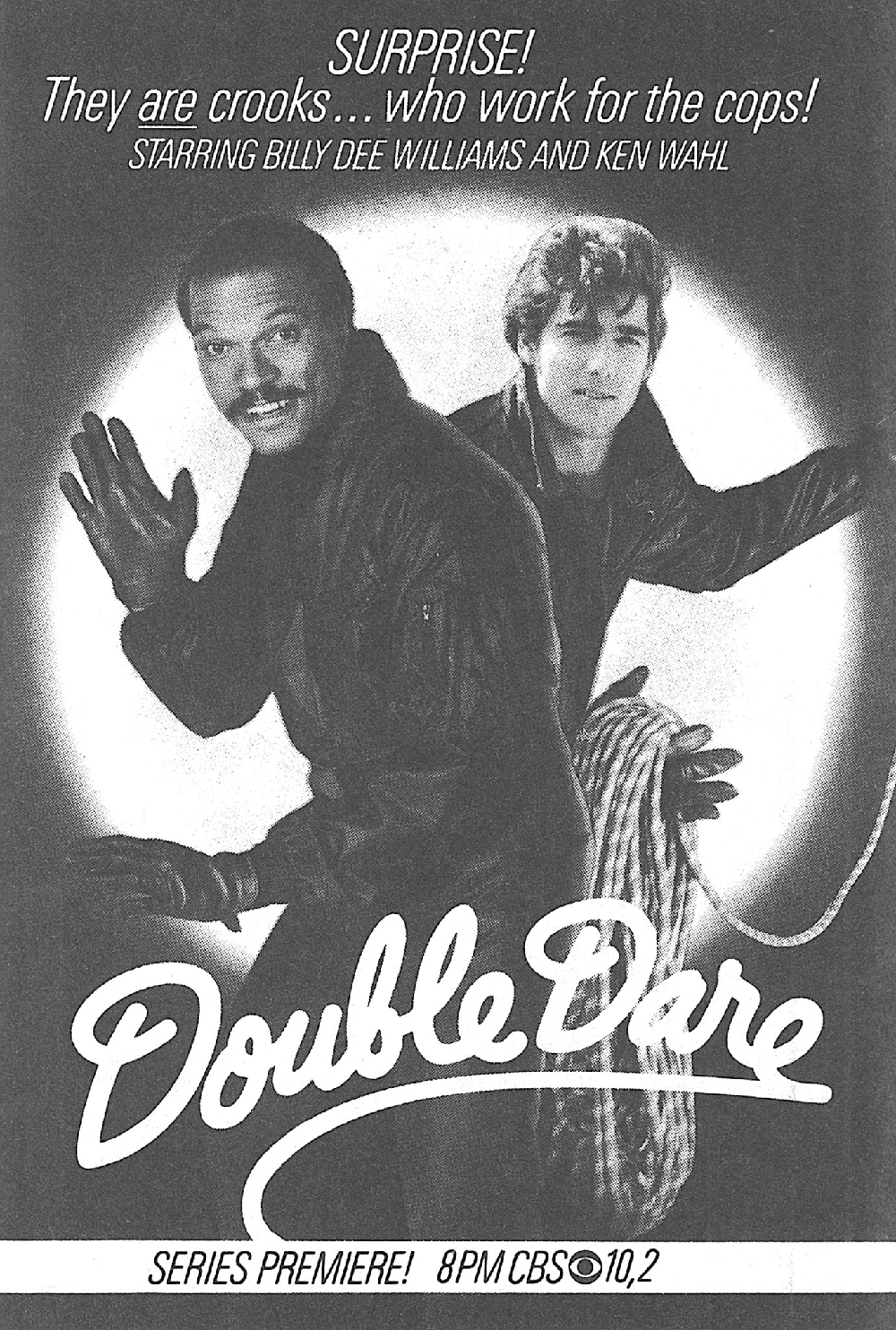
telephemera years 1984 double dare

A role in a cool, primetime cop show couldn’t hurt, even if he was recovering from a motorcycle accident that saw him need over eighty stitches in his head, but unfortunately the thin gruel on offer in Double Dare did little to help his career and, once the six episodes of Double Dare had limped over the line (a seventh remained unaired), his later career is notable only for a three-year stint in the CBS show Wiseguy.

As for Williams, a pattern of TV movie after TV movie was only interrupted by appearing as Harvey Dent in Tim Burton’s first Batman film, a role he lost to Tommy Lee Jones when the character fulfilled his Two-Face destiny in Batman Forever. Now, like his Star Wars co-star Mark Hammill, he makes his living from voice acting – as Lando Calrissian, naturally – and must wonder what might have happened if Double Dare had better scripts and wasn’t on against The Fall Guy and Highway to Heaven

Next on The Telephemera Years: Those shows that didn’t make it to air in 1984, including astronauts and ferrets!

Check out our other Telephemera articles:

The Telephemera Years: 1966 (part 1, 2, 3, 4)

The Telephemera Years: 1968 (part 1, 2, 3, 4)

The Telephemera Years: 1969 (part 1, 2, 3, 4)

The Telephemera Years: 1971 (part 1, 2, 3, 4)

The Telephemera Years: 1973 (part 1, 2, 3, 4)

The Telephemera Years: 1975 (part 1, 2, 3, 4)

The Telephemera Years: 1977 (part 1, 2, 3, 4)

The Telephemera Years: 1980 (part 12, 3, 4)

The Telephemera Years: 1982 (part 1, 2, 3, 4)

The Telephemera Years: 1984 (part 1, 2, 3, 4)

The Telephemera Years: 1986 (part 1, 2, 3, 4)

The Telephemera Years: 1987 (part 1, 2, 3, 4)

The Telephemera Years: 1990 (part 1, 2, 3, 4)

The Telephemera Years: 1992 (part 1, 2, 3, 4)

The Telephemera Years: 1995 (part 12, 3, 4)

The Telephemera Years: 1997 (part 1, 2, 3, 4)

The Telephemera Years: 2000 (part 1, 2, 3, 4)

The Telephemera Years: 2003 (part 1, 2, 3, 4)

The Telephemera Years: 2005 (part 1, 2, 3, 4)

The Telephemera Years: 2008 (part 1, 23, 4)

Titans of Telephemera: Irwin Allen

Titans of Telephemera: Stephen J Cannell (part 1, 2, 3, 4)

Titans of Telephemera: Hanna-Barbera (part 1, 2, 3, 4, 5)

Titans of Telephemera: Kenneth Johnson

Titans of Telephemera: Glen A Larson (part 1, 2, 3, 4)

Titans of Telephemera: Quinn Martin (part 1, 2)

MARIEKE NIJKAMP – At The End Of Everything 

MARIEKE NIJKAMP holding a sword. Credit: Karin Nijkamp

Marieke Nijkamp is a #1 New York Times bestselling author of novels, graphic novels, and comics, including This Is Where It Ends, At The End Of Everything, and The Oracle Code. Marieke’s short stories can be found in several anthologies. We caught up with her to talk about her recent book, At The End Of Everything.

So what is At The End Of Everything about? How would you describe it to some one who’s just started to get into genre fiction?

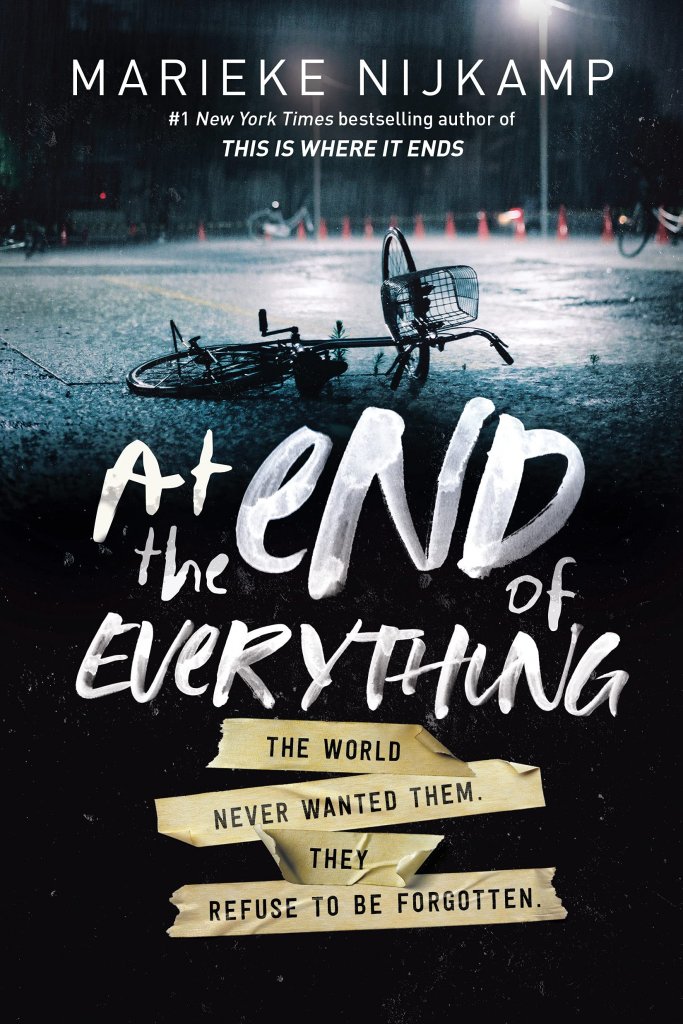
At The End Of Everything is a survival story about a group of teens in a juvenile correctional facility, who are left abandoned during an outbreak of the plague, and who have to learn to trust themselves and each other if they want to survive.

In terms of genre, it straddles the lines between current events and dystopia (basically: a familiar world, but everything is just a bit worse), so it’s very accessible to people who are just getting into genre!

When did you first come up with the premise for the novel?

January/February 2020, after I returned from a trip to the US. Obviously, everyone was already talking about Covid, but most of us—I think—didn’t quite know what was going to happen yet. And it fascinated me, and it scared me. I’ve studied history enough to not be too excited about the idea of living through historic times. But at some point, seeing what was happening sparked the idea for a story, because I was curious what an outbreak might mean for particularly vulnerable groups—such as the kids in the (very much fictional!) Hope Center.

How have current events affected the story?

I’d say current events affected the world around the story. Not so much the plot itself, but how the plague played out in the world, how people responded to it, how they talked about it, acted on it, a lot of those details were very much influenced by what I saw around me. And aside from that, a lot of anger at seeing and experiencing how people were left behind found its way into the story as well.

How different is At The End Of Everything from This Is Where It Ends?

I think, out of all my books, At The End Of Everything is closest to This Is Where It Ends. Both books follow a group of teens trying to survive the worst and finding ways to save each other in the process. They both have multiple narrators. And they’re both heart-breaking in their own way.


At The End of Everything Cover

Is there a different approach to writing a novel like this compared, to say, a tie-in book like Kith and Kin?

Not really, at least not in terms of process. Generally speaking, tie-in books require detailed outlines before you get to drafting, but I outline my original work too, so that comes naturally to me.

What character is the most fun to write?

In At The End Of Everything? Hm, I’d say Grace, because she’s so driven by anger. And she uses it for all the right reasons—most of the time—but she’s constantly balancing around that breaking point, and that was a really fun dynamic to tap into.

Which character seriously needs to have word with themselves?

Ha, so many. So let’s stick with Hunter, who is Hope’s resident bully. Where Grace wants to find a way to protect everyone, Hunter wants to take advantage of the situation by just getting out of there, which leads to a deadly situations.

Also, Emerson’s parents, for the cruelty of kicking their nonbinary teen out of the house.

If this was a graphic novel, what would be different?

Ooh, interesting. I think if this were a graphic novel, it would have a different main character than the three who currently headline the book. There’s a side character who spends a lot of time sketching, and I think she’d be perfect to tell this story from another perspective.

Is the genre world more accessible these days?

I love seeing how the genre world is expanding, both in terms of the stories told and the authors who are telling those stories. There is an absolute wealth of speculative fiction out there across all kinds of different media, and I don’t think there’s a better time to get sucked into the genre world.

Which writers inspire you?

Writers who tell their own stories passionately.

What tropes do you personally avoid the most?

I don’t generally set out to avoid any tropes (unless they’re harmful stereotypes, but that seems a given?). It really depends on the story what works and what doesn’t.

How would you describe your process?

My writing process is incredibly structured. The creation process is so very chaotic.

Simpsons or Futurama?

Honestly not that into either, but Simpsons wins purely for their dramatic re-enactment of The Raven.

Archer or Venture Bros?

Neither

Tigers or Spiders?

Tigers

Truth or Beauty?

Truth, no question.


At the End of Everything, published by Sourcebooks, is available to buy from all good bookshops instore and online.


This Is Where It Ends book cover Nijkamp, Marieke

CARLOS PALOMAR – The Official Star Wars Encyclopaedia

Carlos Palomar is best known to sci-fi fans for his work on the Star Wars Encyclopaedia series, a collector set of 90 individual books that cover the world of Star Wars. We caught up with Carlos to find out more.

Who is the new Official Star Wars Encyclopaedia for?

If you’d love to walk into the Moss Eisley Cantina while the band is playing that tune. Or if you’d like to leave Tatooine jumping into the hyperspace, this is for you. We like fantasy stories and we want to know more. This collection is a discovery on every page. Not books to be read cover to cover. You can open any of these books randomly and you will get something new, a surprise, a deeper knowledge that will make you enjoy Star Wars even more.

How long did it take you to produce the books?

More than 2 years. Behind these volumes there is a team of around 25 people only in De Agostini. There are some other people involved at Lucasfilm (and whose participation is essential for this unique project). We have different roles and different responsibilities (from the story group to the writers of graphic designers), but with one thing in common: we are true Star Wars fans.

What was the most interesting element of this job?

We discovered something new every single day. We tried to go deep in details and sometimes we debated about some details never defined before. Or (even better) things that will come but can’t be told yet. It is in those moments when you discover the greatness of sharing. You enjoy Star Wars twice when you share it.

We are critical, there are things we don’t like, there are things we would change, but at the end of the day we love the Dark side, we would love to be a part of the Starfleet crew, and we dream of having our own droid. Don’t you?

What was the most difficult?

Hmmmm, this is a tricky question. We have put a whole universe in the pages of these volumes! Nothing has been easy. The first challenge was differentiating lore from Legends content.

Then we had to face the challenge of how to organize the tons of information. But perhaps the biggest challenge was making all of that engaging and exciting.

And I must say that we have succeeded!

What’s your earliest memory of Star Wars?

At the cinema! The best way to enter this universe. With “A New Hope”. I was a kid and didn’t know what movie I was going to see.

That was a magical moment!! That film remained etched in our memory. It changed us as spectators.

 We left the cinema fighting with imaginary lightsabres and Williams’ music still playing in our heads.

What’s your favourite Star Wars fact that not a lot of people know?

Knowledge about Star Wars is very different. Everyone thinks they know Star Wars because it is a very powerful brand.

But when you scratch the surface you realized they know Darth Vader but they don’t know what a kyber crystal is. How many things are they missing?

This Encyclopedia has revealed many things to me that I did not know, but the most interesting thing is realizing that there are thousands of things yet to be discovered. Thousands of stories that are yet to be explained. For instance, what is the backstory of Darth Bane (a legendary Sith Lord)?

Why do we need a book on the shelf when Wookie-pedia exists?

Why go to the movies if YouTube already exists? Why cook at home if you can go to a restaurant? They are not exclusive. The books go beyond a quick reference.

Every time I look for something in the Encyclopedia I can’t stop reading more and more pages. This is a different experience and I encourage you to discover it.

How hard is it to get into this sort lore-keeping?

In the real world, History is often confused with Legends and Myths. When George Lucas created a Universe, it’s not a figure of speech. Star Wars is so big that the imagination has free reign to create and invent. And that’s fine, it enriches the imaginary. However, we had to work closely with the Story group at Lucasfilm, reviewing and identifying gaps or mistakes. If you’re not sure if something is legend, check here for information. This is History.

With the world of Star Wars ever expanding, how do you keep up?

Star Wars is constantly expanding. We update the content as much as possible, but always with verified information. In the Encyclopedia you will find Mando and Grogu (for instance) but how much information do we have about Din Djarin? Surely some surprises await us. There will be future storytelling ramifications. We have to be patient and wait.

What other pulp sci-fi are you into?

Some months ago I went back to Flash Gordon comics. And it is impossible not to find echoes in Star Wars. I like Doc Savage too. When we talk about Star Wars and sci-fi some other titles come to my mind (beyond pulp): Space Odyssey (Arthur C Clark) , Foundation (Isaac Asimov) or Bradbury and his Martian Chronicles…

How much does Star Wars owe to its pulp origins, now that it has decades of it’s own lore to draw on?

There would be no Star Wars without those origins. There is the seed that will later become this saga. In this there are also areas of truth and areas of legend. In any case, it takes a special talent to pick up the previous tradition and bring it to the height of the Star Wars universe.

The Star Wars™ Encyclopedia  can be found via Fanhome.

FRANCESCA GIBBONS – Beyond The Mountains

Photo of Francesca Gibbons. Photographer Credit Ed Miller

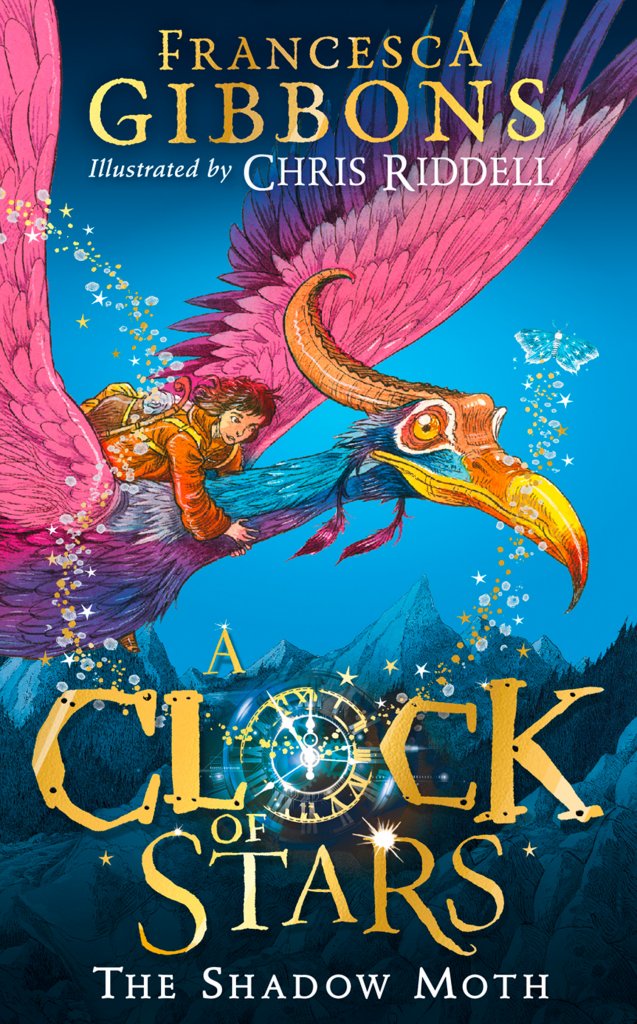
Francesca Gibbons is a critically acclaimed children’s author, best known for her debut novel, The Shadow Moth. Her new book, Beyond the Mountains continues the adventure from the first book and is illustrated by the award winning Chris Riddell. We caught up with her to find out more.


So what is Beyond The Mountains about? How would you describe it to a beloved but excitable young relative?

It’s the second book in the Clock of Stars series.

In the first book, we meet Imogen and Marie. They’re sisters and, like many siblings, they don’t always get along. They find themselves trapped in a magical world, populated by monsters and bears and a prince who lives in a tower.

In the second book, the sisters return to the magic world. But this time, Marie gets kidnapped. Imogen gives chase and the pursuit takes her beyond the mountains, to strange and dangerous lands… There are more monsters in this story – plus a very large and friendly cat.

Why a sequel?

In the first Clock of Stars book, the adventure is set within a valley and the mountains that surround it. It’s an insular and isolated place. I enjoyed writing in this kingdom, but I felt that the sisters were capable of more. In book two, I wanted to see how they coped on a bigger stage. I think I was curious to see what lay beyond the mountains too.

What character is the most fun to write?

Ah this is such a tough question. I enjoy writing them all, but there is something delicious about writing villains. Anneshka is my main “baddie”. She’s an aspiring queen with a bad attitude, who’s not afraid to have people killed. But she can also be pretty charismatic and I am much fonder of her than I should be.

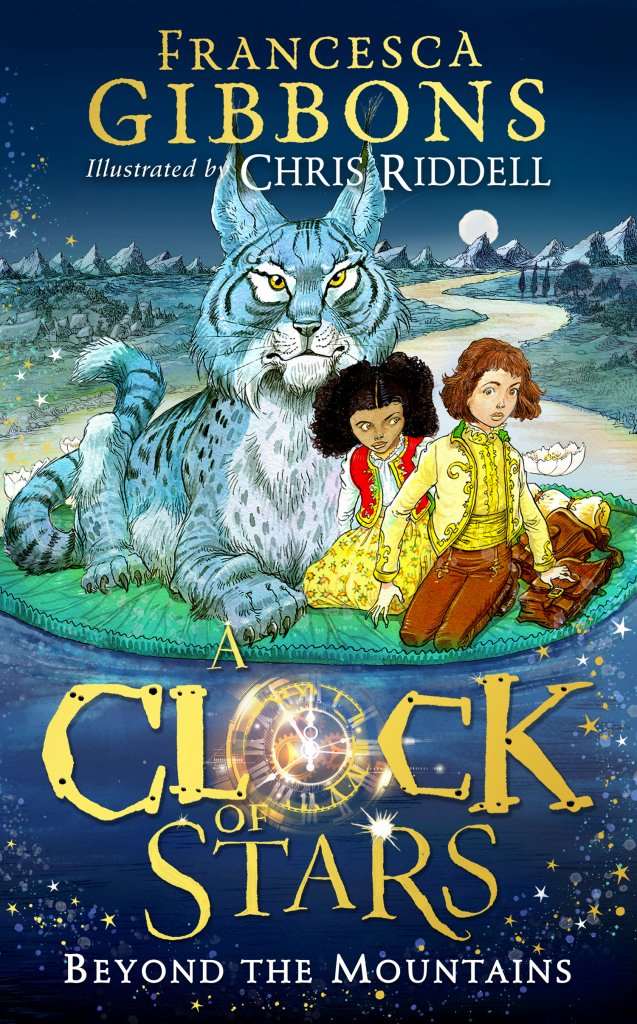
There is also a new character, called Princess Kazimira. She’s only a child, and she’s not all bad, but she has a real thing about giant cats (like the one on the front cover). Kazimira is desperate to have one as a pet. I may not agree with her methods, but I do understand her desire!

Chris Riddell’s art is gorgeous, did it change the way you see the characters in any way?

Yes! His work is so beautiful and detailed. He always brings the characters to life as they are on the page, and then adds an extra layer of imagination.

He made the velecours more colourful than I had imagined. They are the giant birds on the cover of book one. When I saw what he’d done I loved it so much that I went back and added it to the text.

Which character seriously needs to have word with themselves?

Many of the characters have things to learn, but Princess Kazimira is an extreme case. She needs to stop dressing up newts as dolls. And she’s got to stop stealing other people’s giant cats.

What would you say the biggest influence on this book is?

The Narnia books, for sure. I loved those stories growing up. They really spoke to my desire for escapism – and showed me how books can be portals too – taking you from your bed to the snow-swept forests of Narnia. I think escapism is really important.

Is the genre world more accessible these days?

I think accessibility for readers is linked to how accessible the industry is for writers. Many of the best fantasy books I’ve read this year have been written by authors from marginalized backgrounds – and it’s exciting to see more books like this being published. But you don’t have to look at many stats to see that there’s still a long way to go.

How does magic change a society?

I often think of magic as a metaphor for nature. So, in my mind, we already have magic all around us. When I’m writing, I’m just making that magic more obvious and having some fun with it.

Which writers inspire you?

I’m loving Jordan Ifueko. Her stories are epic, unpredictable and give me goosebumps… I’m also revisiting Garth Nix’s Old Kingdom series and have been totally blown away the humour, creepiness and clarity of that world. In non-fiction, I have a Robert MacFarlane obsession. I thought Underland and The Wild Places were both mind-bending books.

What tropes do you personally avoid the most?

The well-behaved child protagonist. She never has a naughty thought because even in her head she is good.

How would you describe your process?

Process is a grand word. But on a good day, it’s like making a patchwork blanket. I write a mini adventure. I try not to get freaked out by looking at the whole thing. I write another mini adventure. I stitch them together. Eventually, I hope to make a quilt.

Simpsons or Futurama?

Simpsons!

Star Wars or Star Trek?

I still get them mixed up?

Tigers or Spiders?

In my house… definitely spiders.

Truth or Beauty?

The truth is a beautiful thing. Unless you’re Boris, of course.


The first two books of the Clock of Stars series are out in paperback right now, and can be found from all good book merchants.