Five Films to Check Out on Horror Channel This Week – 090522

horror channel check

There are some more goodies in store this week on Horror Channel. Here are our picks….


wretched


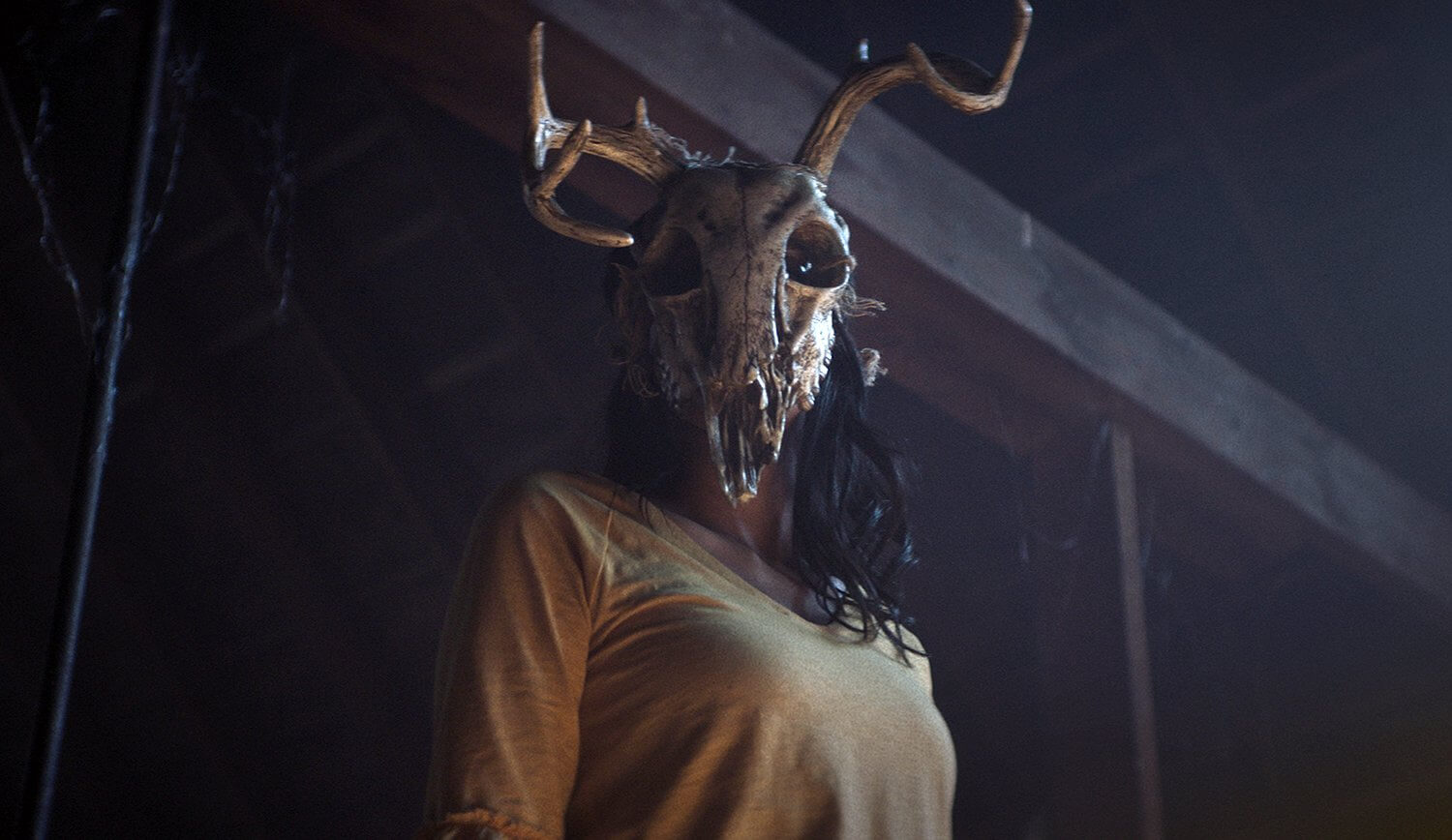
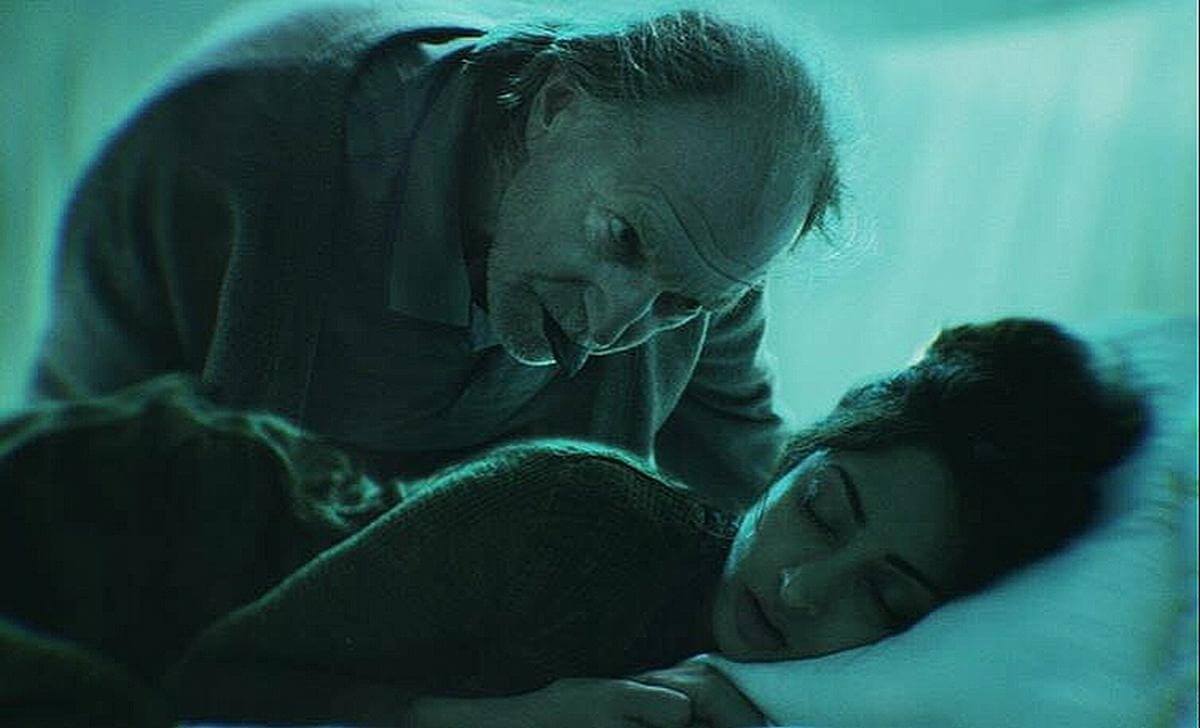
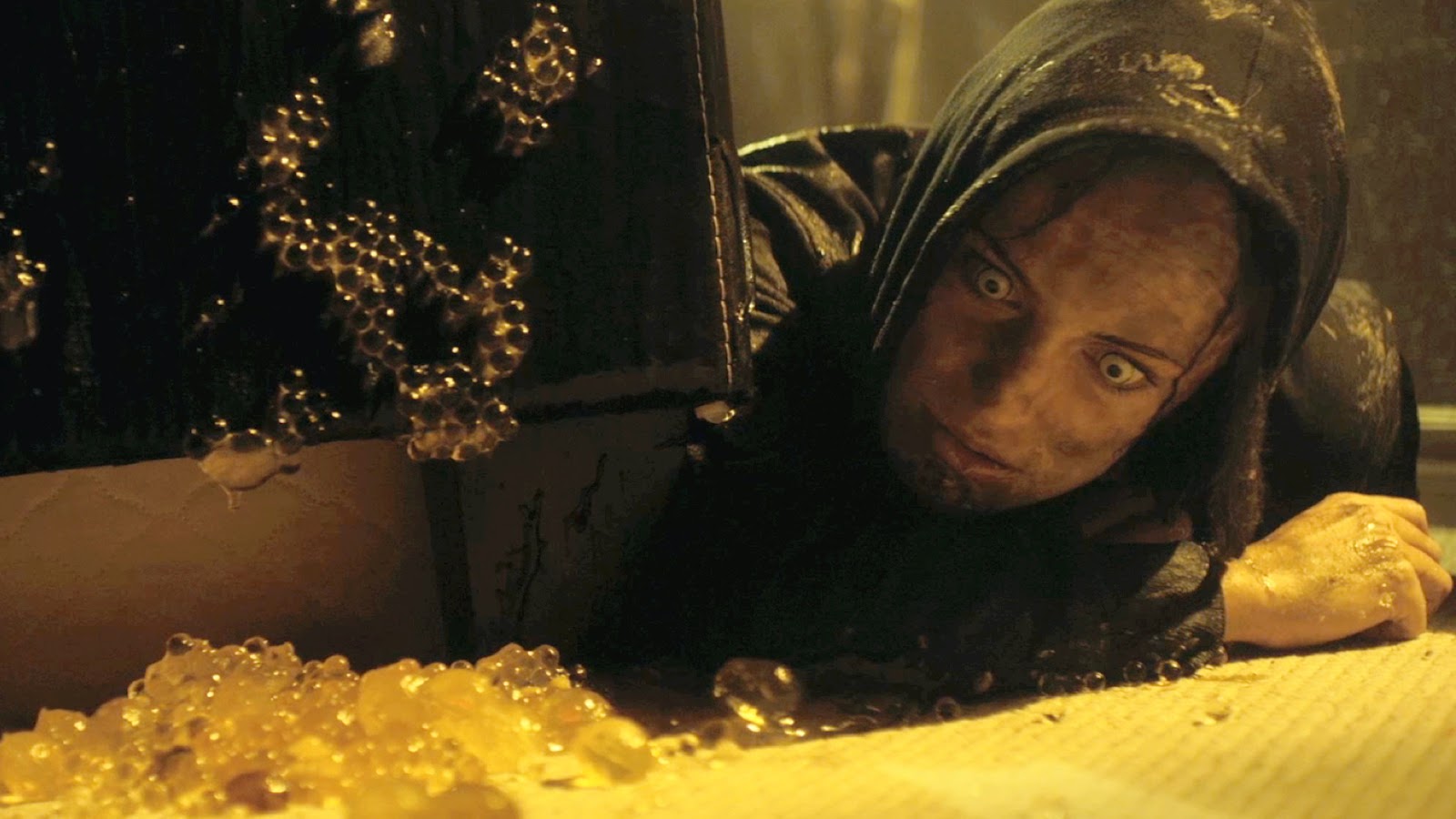
Tuesday May 10th, 9pm – The Wretched (2019)

What would you do if you think your next door neighbour is a witch? This film from the Pierce Brothers was a hit at the box office when it was released in the US during the COVID restrictions.


lake placid the final chapter


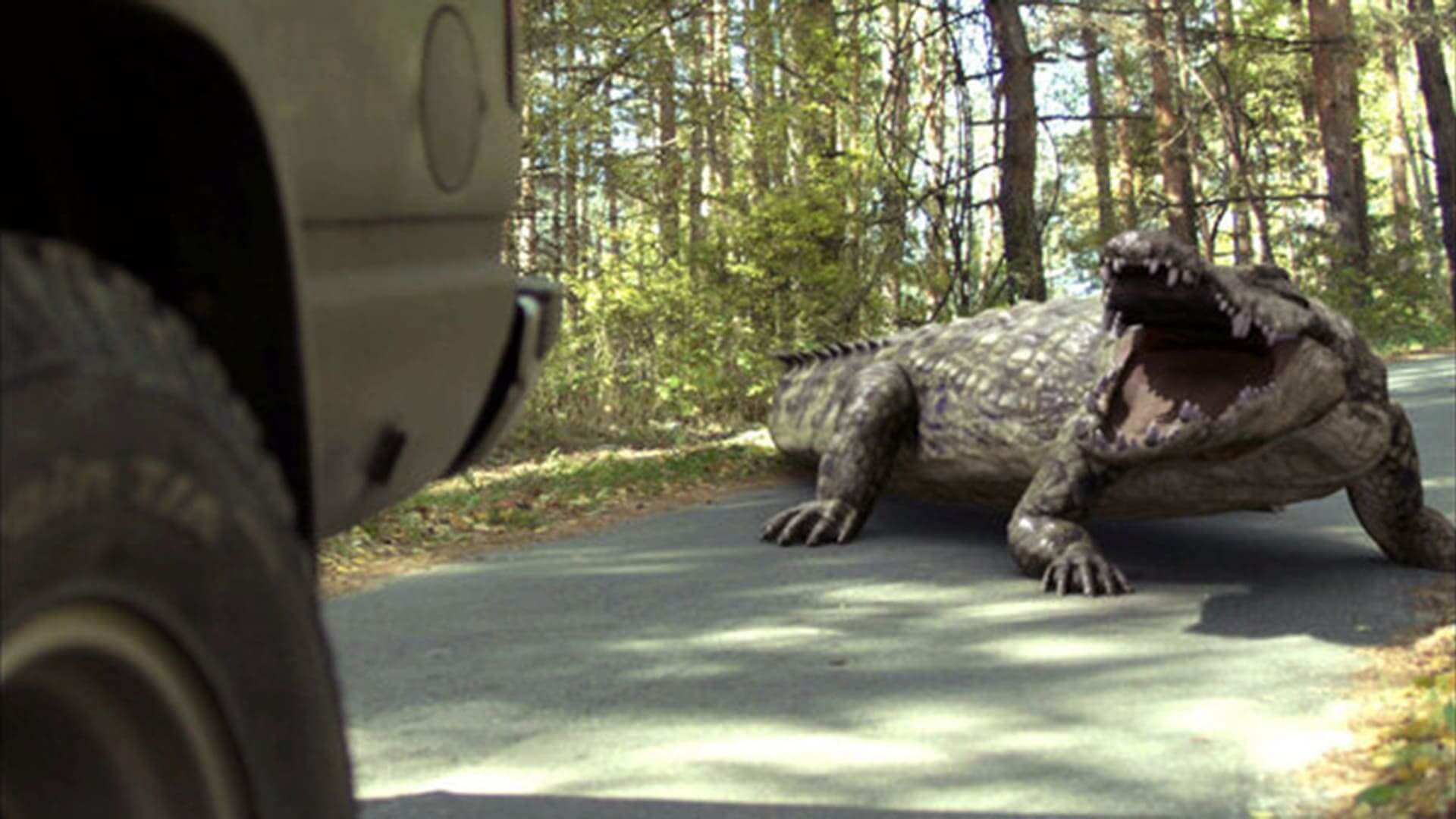
Friday May 13th, 9pm – Lake Placid: The Final Chapter (2012)  

More snappy trouble from the giant crocodiles of Black Lake, which is now used as a sanctuary for the toothsome beasts. What could possibly go wrong?


becky


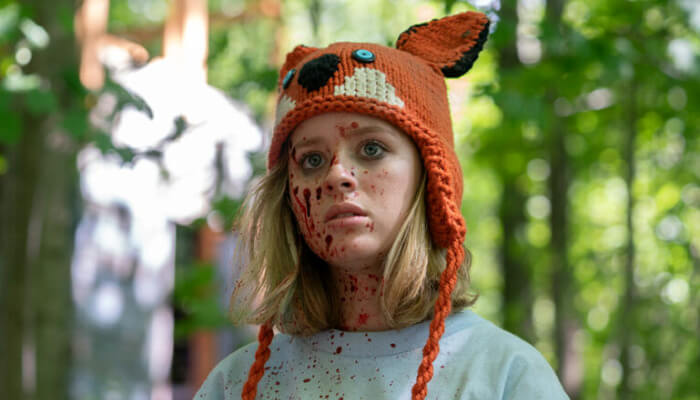
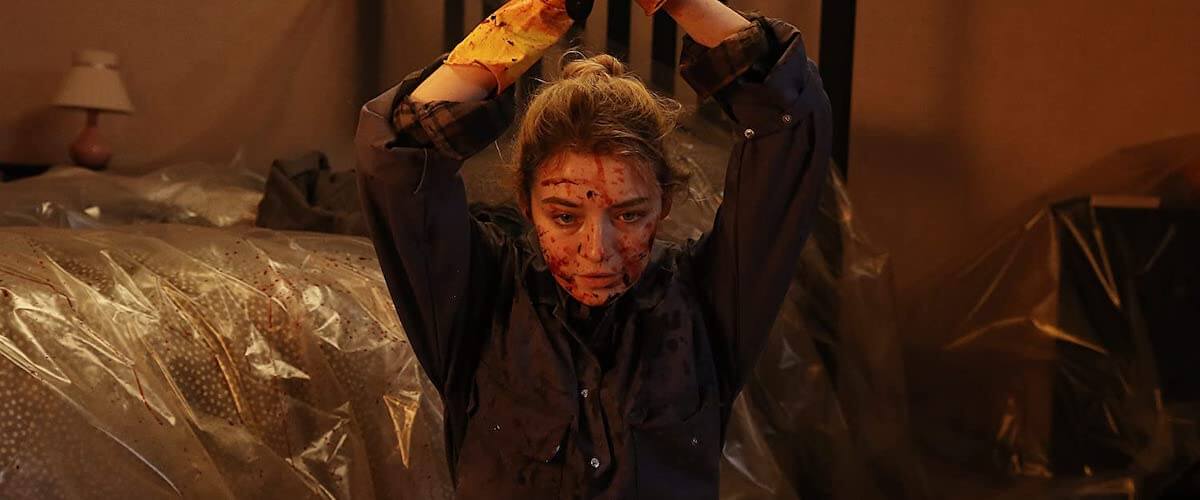
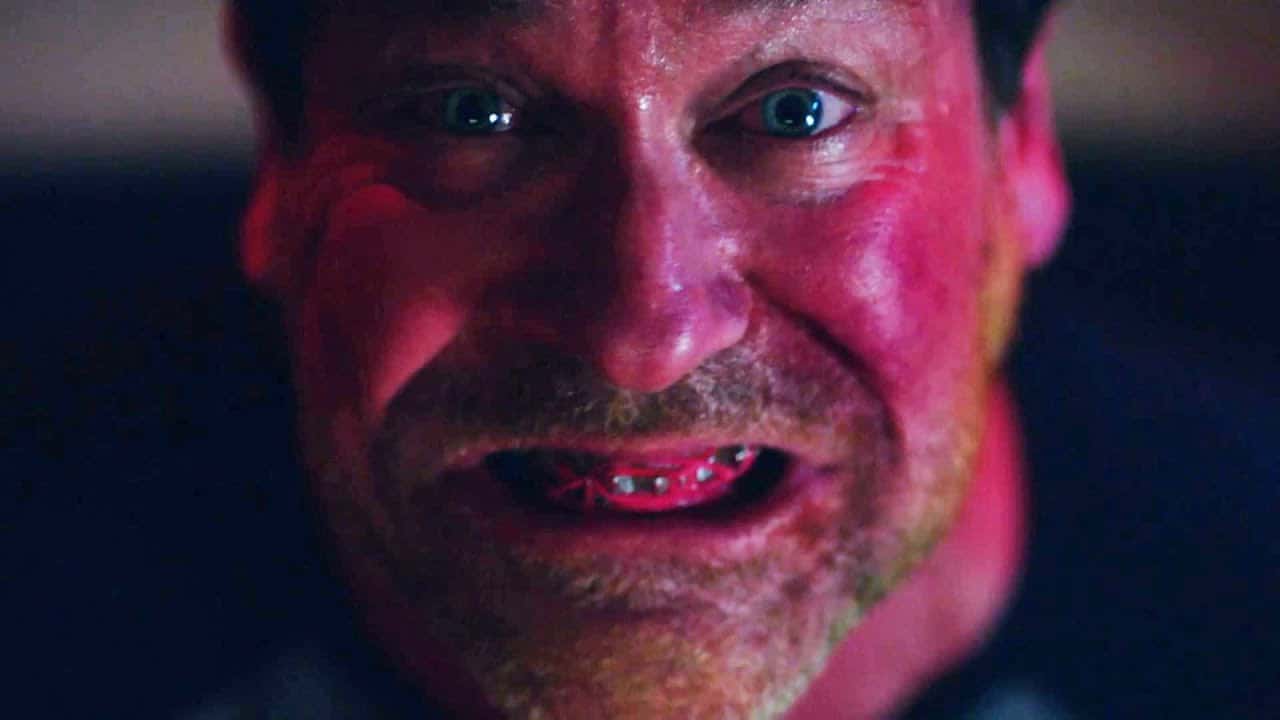
Saturday May 14th, 9pm – Becky (2020)

A teenager (Lulu Wilson) forced to go to a lake house with her father goes full-on John McClane when they are subjected to a home invasion in this fabulous blood-soaked thriller. Kevin James, best known for comedies is superb as the lead thug.


book of monsters


Saturday May 15th, 10.55pm – Book of Monsters (2019)

Low budget thrills abound when a birthday party goes wrong and a hoard of monsters descend and spoil the celebrations. This is an inventive, fun British film from Stewart Sparke is destined to be a cult favourite.


tarantula


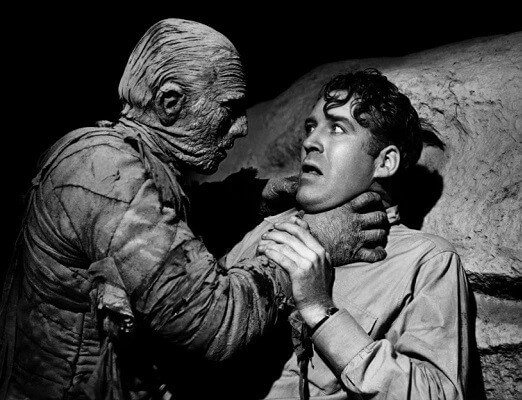
Sunday May 18th, 9pm – 10.50pm The Vintage Vault

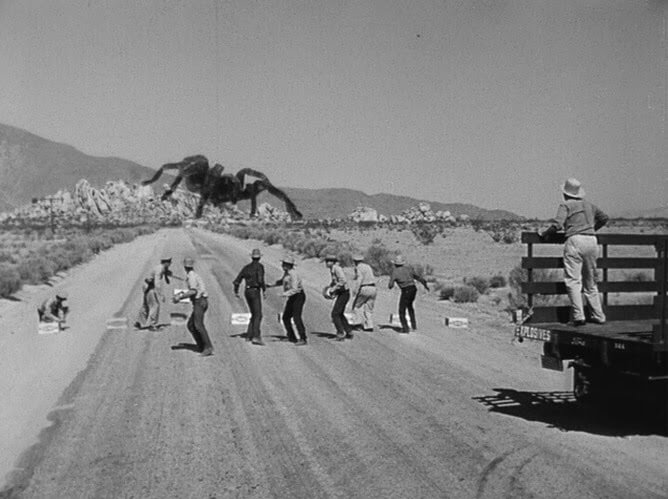
Horror Channel is celebrating the Golden Age of genre cinema with a season of double bills. This week we reach the fifties with the brilliant It Came from Outer Space (1953), in which aliens take over the bodies of local folk in a desert town. This is followed by Tarantula! (1955), where B-movie legend John Agar has to deal with a giant arachnid while a doctor (Leo G. Carroll – not over a barrel) contracts a bad case of acromegaly. Keep your eyes peeled for a young Clint Eastwood!

Tune into Horror Channel on Sky 317, Virgin 149, Freeview 69, Freesat 138.

[ENDED] Win Aussie Shocker WYRMWOOD: APOCALYPSE on Blu-ray!

wyrmwood apocalypse

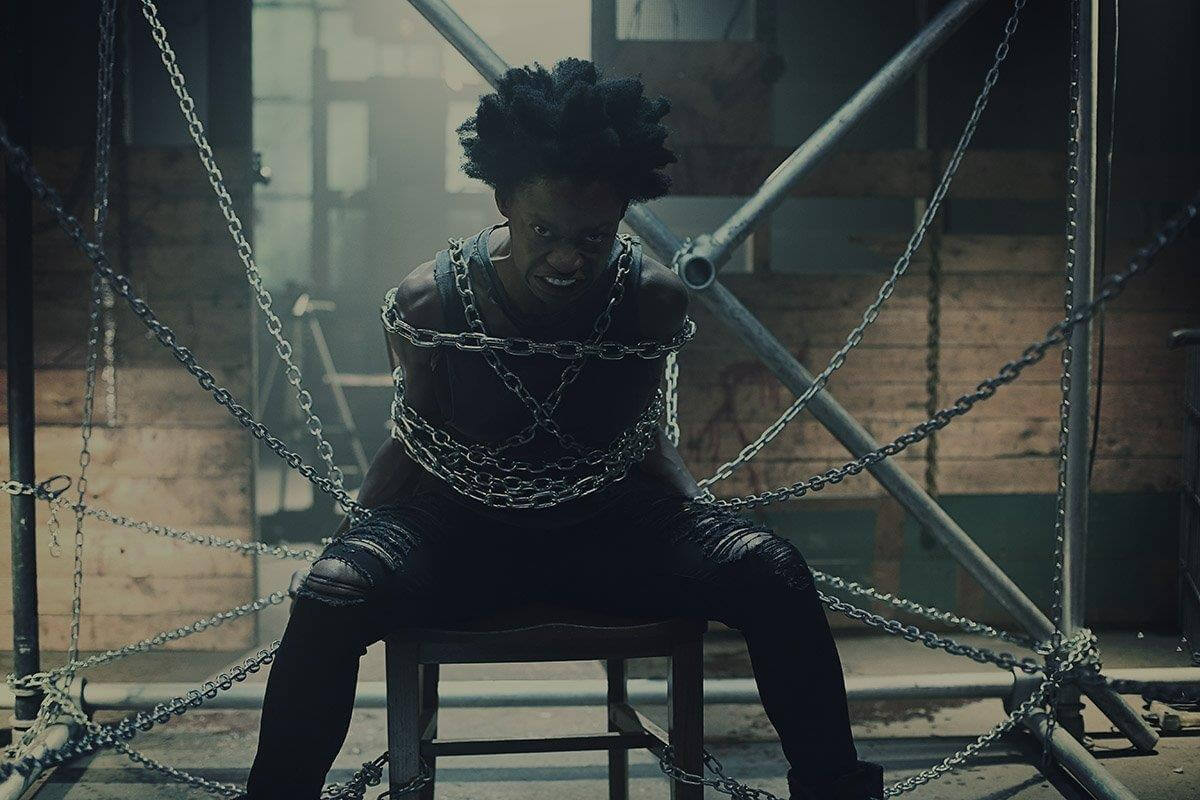
Having thrilled UK audiences – and sated horror fans’ thirst for bloody-bedlam on its UK premiere at FrightFest Glasgow, now Wyrmwood: Apocalypse is set for its Blu-ray, DVD, and digital release on May 16th from 101 Films. Wyrmwood: Road of the Dead and Wyrmwood: Apocalypse will also be available as a Blu-ray double set. We have a copy of Wyrmwood: Apocalypse to give away to one lucky reader – just read on, watch the trailer, and enter below…

Australian brothers Kiah and Tristan Roache-Turner have penned another gut-splattering sensation with this fantastically frenzied feature, so get set for a hellish, high-octane return to the Aussie outback for some outlandish, blood-oozing rampaging zombie action in Wyrmwood: Apocalypse, the highly anticipated sequel to cult-classic Wyrmwood: Road of the Dead.

wyrmwood apocalypse cover

In a zombie-infested Australian wasteland, hard-edged soldier Rhys (Luke McKenzie – Jack Irish) – who uses zombies as fuel for his barbie – dedicates his days to tracking down and capturing survivors of the zombie apocalypse for the Surgeon (Nicholas Boshier – The Moth Effect) in hope of finding a cure for the zombie plague. But all is not as it seems, and Rhys’ moralistic misadventures are much more macabre than he knows…

 a Rafflecopter giveaway

This playfully deranged zombie-action thrill-ride will leave audiences with little time to catch their breath, but plenty of time to savour the spectacle.

Wyrmwood: Apocalypse is gory good fun at its most explosive. Own it on Blu-ray, DVD, or digital from May 16th.


THE TELEPHEMERA YEARS: 1984 – PART 1

telephemera years 1984 street hawk

Ah, telephemera… those shows whose stay with us was tantalisingly brief, snatched away before their time, and sometimes with good cause. They hit the schedules alongside established shows, hoping for a long run, but it’s not always to be, and for every Street Hawk there’s two Manimals. But here at STARBURST we celebrate their existence and mourn their departure, drilling down into the new season’s entertainment with equal opportunities square eyes… these are The Telephemera Years!

1984-85

Dallas and Dynasty ruled the roost in 1984 and, with shoulder-pads and campy drama very much the in-thing, the only serious competition to the twin towers of glitzy soap opera came from NBC’s new hit sitcom The Cosby Show. Unable to compete with their competition when it came to over-the-top power struggles, the Peacock Network opted for humour and action, with Family Ties and The A-Team leading the charge behind Bill Cosby’s jumpers, and new shows like Remington Steele, Miami Vice, and Hunter making their bows.

With only The Fall Guy doing decent numbers other than JR Ewing and crew, both Moonlighting and Who’s Boss began long runs on ABC, while CBS unleashed Jessica Fletcher’s decade of mayhem in Murder, She Wrote, earning over twenty million viewers in its debut season. Genre fans were particularly poorly served in 1984, with just Airwolf, Knight Rider, and V: The Series providing even a low-level of sci-fi escapism, but there were some fantastic new shows set to debut in the new season and surely one of those would make its mark? This is the story of four of those shows…

Street Hawk (ABC): Threatening to do for motorbikes what Airwolf and Knight Rider had done for helicopters and cars, Street Hawk had all the trappings of a Glen A Larson or Stephen J Cannell show but in fact was the brainchild of Bruce Lansbury, Angela’s brother and the man who brought Wonder Woman and Buck Rogers to TV.

Lansbury commissioned Paul M Belous and Robert Wolterstoff (who had worked together on The Misadventures of Sheriff Lobo for Larson) to flesh out his idea for a crime-fighting motorcyclist, producing a two-hour pilot that was picked up by ABC, debuting as a mid-season replacement on Friday nights in January 1985 for a fourteen-episode run.

telephemera years 1984 street hawk

The theme music by Deutsche elektronische oddballs Tangerine Dream heralded the adventures of Jesse Mach, a former motorcycle cop injured in the line of duty who combines his day job as a public relations officer with night-time exploits riding the secret government project Street Hawk motorcycle, fighting crimes that only a man on a very hi-tech motorbike can solve.

Despite being sold to forty-two overseas markets, Street Hawk’s scheduling opposite Dallas didn’t help it to build anything near the audience its special effects budget desired and there were a few disappointed petrol heads when it failed to return for the 1985 Fall season, as well as kids in the UK sold on the show through their ERTL diecast replicas and teatime ITV broadcasts. The complete series has been released on DVD and is begging for a nostalgia movie remake.

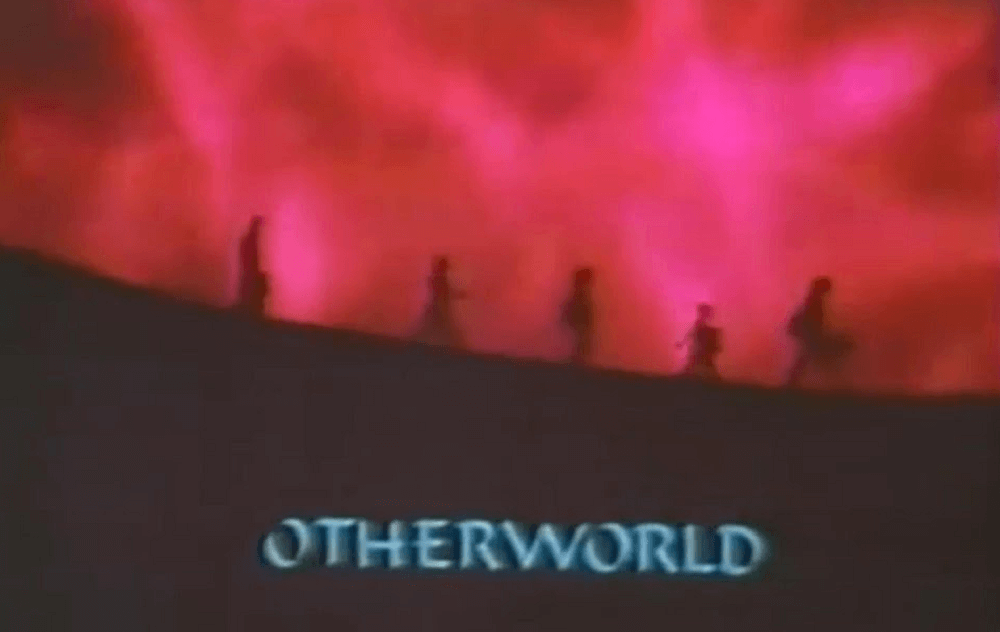
Otherworld (CBS): Otherworld was created by Roderick Taylor, the rock star turned screenwriter who’d enjoyed a surprise hit with the Michael Douglas political thriller The Star Chamber and was given the chance to write and executive produce his own project for CBS, selling them on the story of a family of tourists abandoned at the Great Pyramid of Giza who find themselves transported to a strange new world…

Sam Groom and Gretchen Corbett played the adults of the Sterling family, with Jonna Lee, The Karate Kid’s Tony O’Dell, and Chris “the younger brother from The Last Starfighter” Herbert as their kids, and their adventures on the planet Thel bring them into contact with freedom-yearning robots, the Zone Troopers, and – after the teenagers try to introduce rock ‘n’ roll to the new world – the Church of Artificial Intelligence.

telephemera years 1984 otherworld

Despite some stark differences, Thel is very much like the US of the 1980s, albeit with fewer freedoms; it is this that much of the conflict in Otherworld is built upon as the family attempt to assert the rights they take for granted, which is very much not the way in Thel! John Astin, Mark Lenard, and Vincent Schiavelli all make guest appearances throughout the series, which has episodes directed by Paul Michael Glasar and Taylor himself.

After debuting as a mid-season replacement on January 26th 1985, Otherworld ran for just eight episodes, a victim of a uninterested TV audience rather than any serious competition on other networks. It aired in the UK on the ITV network and has never been made available on home video, though most episodes seem available to watch on YouTube.

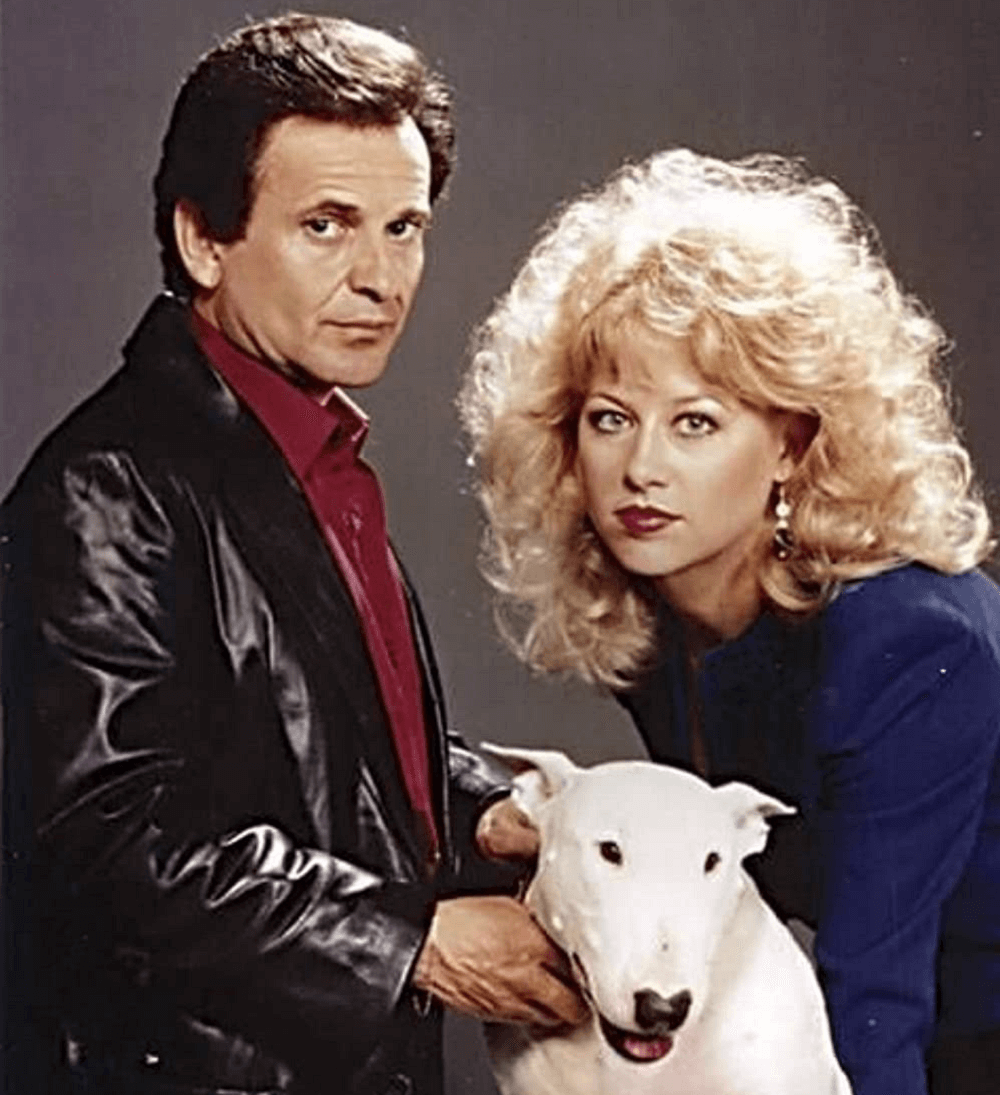
Half Nelson (NBC): Sometimes it seems like starring in two celebrated Martin Scorcese and Robert De Niro movies – for one of which you received an Oscar nomination for Best Supporting Actor – might not be enough for an actor, and that’s the only thing that can explain Joe Pesci’s presence in Half Nelson, a comedy drama from Glen A Larson that aired as a late season replacement on NBC in March 1985.

Pesci played Rocky Nelson, a former New York cop who moves to Los Angeles to pursue an acting career, paying his way by working as private security for the rich and famous. To be fair, Pesci looks like he’s having the time of his life in the show’s title sequence but as fun as the show – which was co-created by Quincy, ME co-creator Joe Shaw – you can’t help but wonder why Pesci’s here.

telephemera years 1984 half nelson

Still, he has decent backing from Dick Butkus, Victoria Jackson, Fred Williamson, and Bubba Smith (as well as Dean Martin as himself), and there are guest appearances by Julie Newmar, Cesar Romero, and John Saxon, but just six episodes were made and Pesci only ever made one more TV show, an episode of Tales from the Crypt in 1992 directed by Joel Silver.

Some enterprising soul has uploaded the complete series to YouTube and it’s worth a watch although it’s very 1985. Pesci’s next major role was in Michael Jackson’s Moonwalker, before zooming back into the public consciousness with Lethal Weapon 2, so perhaps Half Nelson isn’t so strange in hindsight.

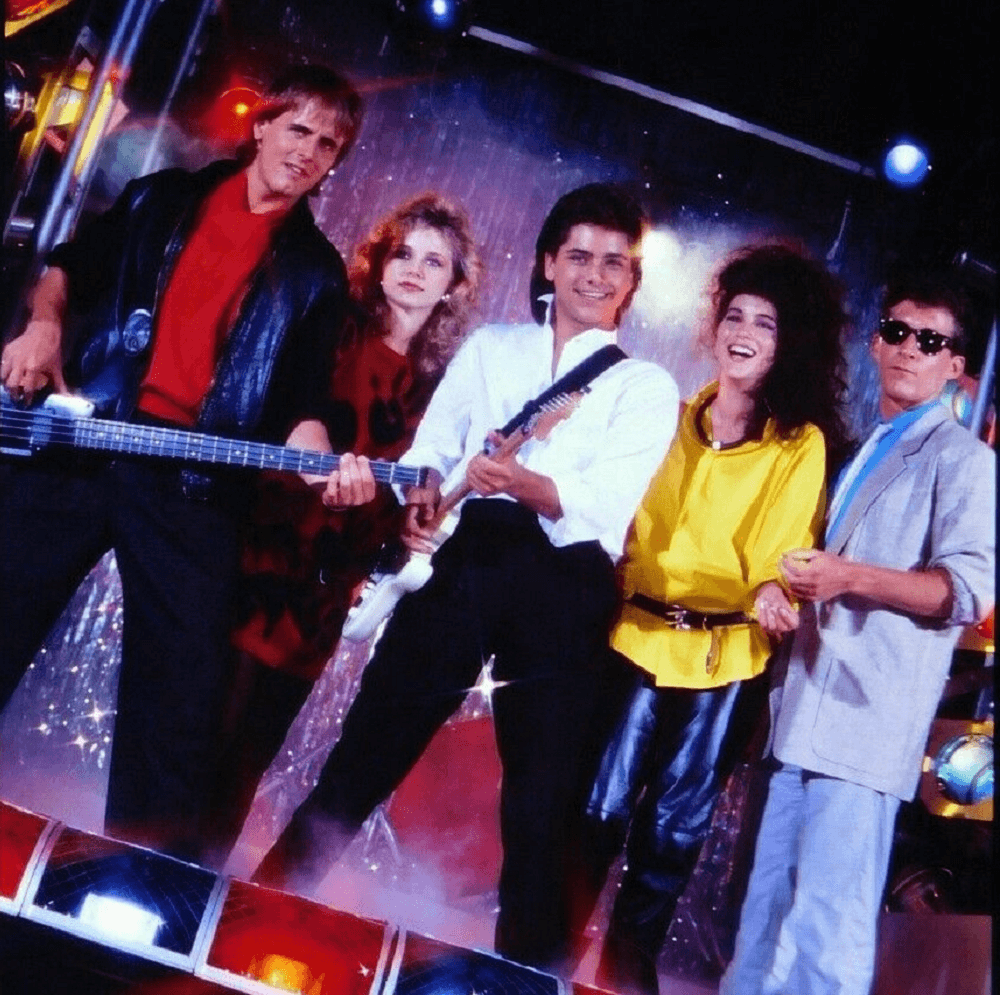
Dreams (CBS): One of CBS’s bright new hopes for 1984 and programmed in a block with Scott Baio vehicle Charles in Charge on Wednesday nights, Dreams was the rags to, well, rags story of a young rock band hoping to make it big and land that elusive record contract.

Created by comedian Andy Borowitz, who had also written for Archie Bunker’s Place and The Facts of Life, and with episodes directed by Bill Bixby, the show starred John Stamos – at that point best known for a spell on General Hospital – as Gino Minelli, who pulled together a band of aspiring musicians that also included Caine Devore, Jami Gertz, Albert Macklin, and rich girl Valerie Stevenson, whose voice Minelli hopes will rocket them to stardom.

telephemera years 1984 dreams

With a suite of songs written by Billy Steinberg and Tom Kelly – the duo responsible for “Like a Virgin,” “Eternal Flame,” and “True Colors” – Dreams was expected to be CBS’s youth hit of the season. With Highway to Heaven and The Fall Guy as its opposition, it wasn’t expected to meet much in the way of competition in its demographic but, as so often is the case with youth-oriented TV shows, that demographic didn’t necessarily have possession of the remote control.

Twelve episodes aired before the show was cancelled a week before Christmas, with the band still no nearer their end goal than when they had begun, although one of their songs – “Alone” – was later recorded by Heart and hit number one on the billboard chart. In another twist of fate, the name “Dreams” was already taken by a real band and the producers had to pay them for the rights; that band used the money to record their debut album under their new name, Extreme.

Next on The Telephemera Years: More 1984, and a walk on the Wildside…

Check out our other Telephemera articles:

The Telephemera Years: 1966 (part 1, 2, 3, 4)

The Telephemera Years: 1968 (part 1, 2, 3, 4)

The Telephemera Years: 1969 (part 1, 2, 3, 4)

The Telephemera Years: 1971 (part 1, 2, 3, 4)

The Telephemera Years: 1973 (part 1, 2, 3, 4)

The Telephemera Years: 1975 (part 1, 2, 3, 4)

The Telephemera Years: 1977 (part 1, 2, 3, 4)

The Telephemera Years: 1980 (part 12, 3, 4)

The Telephemera Years: 1982 (part 1, 2, 3, 4)

The Telephemera Years: 1984 (part 1, 2, 3, 4)

The Telephemera Years: 1986 (part 1, 2, 3, 4)

The Telephemera Years: 1987 (part 1, 2, 3, 4)

The Telephemera Years: 1990 (part 1, 2, 3, 4)

The Telephemera Years: 1992 (part 1, 2, 3, 4)

The Telephemera Years: 1995 (part 12, 3, 4)

The Telephemera Years: 1997 (part 1, 2, 3, 4)

The Telephemera Years: 2000 (part 1, 2, 3, 4)

The Telephemera Years: 2003 (part 1, 2, 3, 4)

The Telephemera Years: 2005 (part 1, 2, 3, 4)

The Telephemera Years: 2008 (part 1, 23, 4)

Titans of Telephemera: Irwin Allen

Titans of Telephemera: Stephen J Cannell (part 1, 2, 3, 4)

Titans of Telephemera: Hanna-Barbera (part 1, 2, 3, 4, 5)

Titans of Telephemera: Kenneth Johnson

Titans of Telephemera: Glen A Larson (part 1, 2, 3, 4)

Titans of Telephemera: Quinn Martin (part 1, 2)

Roulette Hall of Fame

roulette hall fame

Roulette is a game that has been played for centuries, whether that be in land-based casinos or, in most recent decades, online platforms. Where ever there is a game played, there are of course potential winners.

With this in mind, we wanted to dive into the Roulette Hall of Fame, and take a closer look at some of the players that have won big. Follow us as we step back in time to witness some of the luckiest Roulette players make winning history – and perhaps it might spur you on to play Roulette online to be in with a chance of claiming a victory of your very own!

Charles Wells

One evening in 1891, Charles Wells visited the world-famous Monte Carlo Casino Resort, where he enjoyed a few spins of the wheel. It was on this night that Wells ended up playing the game of his life, winning a staggering 23 out of 30 consecutive spins. In fact, he came close to bagging ₣1 million, and allegedly, he was the inspiration for the song ‘The Man Who Broke the Bank at Monte Carlo’.

Sometime after this game, Wells revisited the casino and unbelievably won another ₣1 million, again, purely down to luck.

Sir Phillip Green

Some would say that certain people seem to ooze luck, which, in this case, for billionaire fashion mogul Sir Phillip Green, might just be the case. During a trip to a London casino in December 2004, Green won a total of £2 million in one visit. However, Lady Luck was certainly on Green’s side when he paid yet another visit to the casino, just before 2004 drew to a close, where he ended up walking out with another £1 million, all from playing Roulette.

Pedro Grendene Bartelle

Whilst playing a game of French Roulette at Hotel Conrad, Punta del Este in Uruguay, Pedro Grendene Bartelle wagered most of his bets on number 32. Eventually, this tactic paid off, turning his $350 into a staggering $3.5 million.

Ashley Revell

You may have heard about Ashley Revell before, as his story is one that you’d think came from a movie script. Before taking a trip to Las Vegas in 2014, Revell decided to sell his house, his BMW and other belongings, adding all profits made to his life savings. When he got to Las Vegas, he staked every last penny on the Roulette table. In total, Revel placed a $135,000 wager on red. To his relief, the ball landed in a red pocketed compartment, doubling his wager.

Chris Boyd

Just like Ashley Ravell, Chris Boyd decided to stake every last penny he had on the Roulette table. Although there was something standing in the way of Boyd placing his $220,000 bet – most casinos have a strict betting limit and refused him to place such as large amount down at once. Luckily for Boyd, the Binion Horseshoe Casino allowed him to place such a large bet. Like Revell, Boyd walked out of that casino after doubling his wager.

Lady Luck certainly was on his side.

Five Films to Check Out on Horror Channel This Week – 020522

horror picks

Well, we’ve made it to May and there are lots of goodies in store this week on Horror Channel. Here are our picks….


good woman


Tuesday May 3rd, 10.40pm – A Good Woman is Hard to Find (2019)

A young mother, recently widowed, struggling to make ends meet tries to protect her children when a drug dealer forces entry into her flat to store his merchandise. Visceral and unflinching, this is a must-watch.


await further instructions


Wednesday May 4th, 9pm – Await Further Instructions (2018)  

Tensions are high at Christmas anyway, but this family have bigger problems when something locks them indoors and communicates via the TV. To read our set visit report for the film, head over here.


wired shut


Thursday May 5th, 9pm – Wired Shut (2021)

A writer is attempting to recover from jaw surgery that has left him with his mouth err… wired shut. There are more family tensions here as well as other dangers…


She Never Died


Saturday May 7th, 9pm – She Never Died (2019)

Sort-of sequel to the Henry Rollins-starrer He Never Died, this one focuses on Olunike Adeliyi, who has the same issues as Rollins’ character. She’s a recluse who has a taste for human flesh.


mummy's hand


Sunday May 8th, 9pm – 11.50pm The Vintage Vault

Horror Channel is celebrating the Golden Age of genre cinema with a season of double bills. First up tonight is The Mummy’s Hand (1940), which stars Tom Tyler as the resurrected Kharis, guarded by horror legend George Zucco. This is followed by Frankenstein Meets the Wolf Man (1943), the first of the Universal Monster team-ups. Lon Chaney Jr once again plays his signature hairy character, while Bela Lugosi is under the Frankenstein monster makeup.

Tune into Horror Channel on Sky 317, Virgin 149, Freeview 69, Freesat 138.

THE TELEPHEMERA YEARS: 1968 – PART 3

telephemera years 1968 star trek Assignment Earth

Ah, telephemera… those shows whose stay with us was tantalisingly brief, snatched away before their time, and sometimes with good cause. They hit the schedules alongside established shows, hoping for a long run, but it’s not always to be, and for every Street Hawk there’s two Manimals. But here at STARBURST we celebrate their existence and mourn their departure, drilling down into the new season’s entertainment with equal opportunities square eyes… these are The Telephemera Years!

1968-69

To twenty-first century eyes, the off-the-wall humour of Rowan and Martin may seem an acquired taste but the TV viewers of 1968 couldn’t get enough of their Laugh-In on NBC, outrating every other show on the list. Underneath, the final season of Gomer Pyle presented more of the incompetent side of the US military, which must have been a comfort to mothers of those poor unfortunates being drafted to fight in Vietnam, but there was succour to be found in warm blanket shows like Bonanza and Andy Griffith spin-off, Mayberry RFD, and Lucille Ball returned with a brand new show, Here’s Lucy.

Genre fans were well-catered for, even with The Avengers, I Spy, The Saint, and Star Trek all entering their final seasons, with Mission Impossible, Bewitched, and new hit The Mod Squad all doing well for ABC, while I Dream of Jeannie was a top thirty show for the peacock network, where Columbo made its bow. Other new shows of interest to those of a more fantastic bent were Irwin Allen’s Land of the Giants and spies meet cowboys actioner The Wild Wild West, but what of the projects that didn’t it past their first faltering steps? This is the story of 1968’s unsold pilots…

Missy’s Men (CBS): Imagine Three Men and a Baby without the weird kick-off of a baby being mistaken for a package of heroin, with the three men of the title being Korean war veterans, and with the baby being a young girl they brought home with them from Korea… that’s the plot of Missy’s Men, a prospective new series for the 1968 Fall TV season that fell at the first hurdle.

Dobie Gilis himself, Dwayne Hickman, was one of the trio of unprepared dads, along with Run Buddy Run‘s Jack Sheldon, and Daniel J Travanti, with Cherylene Lee, a fourth generation Chinese-American, racebending to play young Missy. The script, by Lucy Show veterans Edmund Beloin and Henry Garson, concentrated on the twin “fish out of water” experiences on display.

According to Broadcasting magazine, CBS rated the show as one of their top prospects for the 1968 line-up, but that promise was never realised, the thirty-minute pilot going unshown. Beloin and Garson secured a scriptwriting job on the similarly themed Family Affair, Lee retired from acting to attend to her studies, while Hickman and Sheldon drifted from bit part to guest appearance. Travanti, of course, found fame as Captain Furillo in Hill Street Blues.

Not even a still photograph from the set of Missy’s Men remains, let alone any clips, but the soundtrack score composed by Morton Stevens – who also wrote the theme music to Hawaii Five-O – exists in the CBS archive.

Assignment Earth (NBC): Most of the unfulfilled projects that appear in this segment of The Telephemera Years are standalone failures, the result of a poor concept getting its just desserts or a promising idea failing to catch the eye of the right network executive. Sometimes, though, these projects are born from existing shows; known as “backdoor pilots,” such ventures aim to capitalise on the popularity of the father show, spinning that goodwill into a ready-made audience for the new arrival.

“Assignment Earth” was the twenty-sixth episode of Star Trek’s second season, closing down a season that had already given fans such classic fare as “Mirror, Mirror” and “The Trouble with Tribbles.” The original storyline for the episode was adapted from a standalone pilot that attracted little attention, developed by Gene Roddenberry and Dark Shadows creator Art Wallace, and it was hoped that the retooling would again open the door for a possible spin-off show.

telephemera years star trek 1968 Assignment Earth

The hero of the piece was a man known as Gary Seven (Robert Lansing), one of a race of beings known as Supervisors, charged with overseeing the development of humanoid species across the cosmos. Accidentally captured by the USS Enterprise when they travel back to 1968 on a research mission, Seven warns them that they must release him immediately or risk the destruction of the Earth!

With the help of Kirk and Spock, Seven saves the day, preventing World War III from beginning and, in the course of events, he gains a new assistant, a CIA agent played by Terri Garr, and encounters a catwoman named Isis! The proposed spin-off would have seen Seven attempt to keep mankind safe, interfering when threats arose, but no such show arrived, even with the help of the voracious Star Trek fanbase. Gary Seven did, however, return in several novels and comic books tied to the Star Trek universe, including his own title from IDW in 2008, written and drawn by John Byrne.

European Eye (CBS): Robert Shaw wasn’t just Bruce’s final meal in Jaws, he also had a distinguished career in such flicks as A Man for all Seasons and The Sting, as well as a string of TV credits as long as the entrails that emerged from his bisected torso into the shark’s mouth. What’s less well known about Shaw is that he also wrote a few things, including half a dozen novels, several plays, and the script for this curious pilot.

European Eye starred Mark Miller as Paul Cameron, an American gumshoe living in London and specialising in helping foreign travellers in trouble. Filmed at CBS Studios in Los Angeles, the pilot was a co-production between 20th Century Fox and ITC, who recruited a cast of British actors to fill out the cast, including Barry Foster as Cameron’s police contact Inspector Shepherd, Michael Rennie as his boss, and dear old Irene Handl as Miss Dancy.

telephemera years 1968 European Eye

ITC would have expected a similar access to such transatlantic shows as The Baron and Man in a Suitcase but despite its wide-open premise it failed to impress CBS or any other network, and was broadcast on July 29th 1968, as part of CBS’s Premiere slot on Monday nights under the name “The Search.”

Miller moved on to The Name of the Game, an NBC drama about magazine publishing which lasted for three seasons(!), where he starred alongside Gene Barry, who would himself have an ITC dalliance in 1972 with The Adventurer.

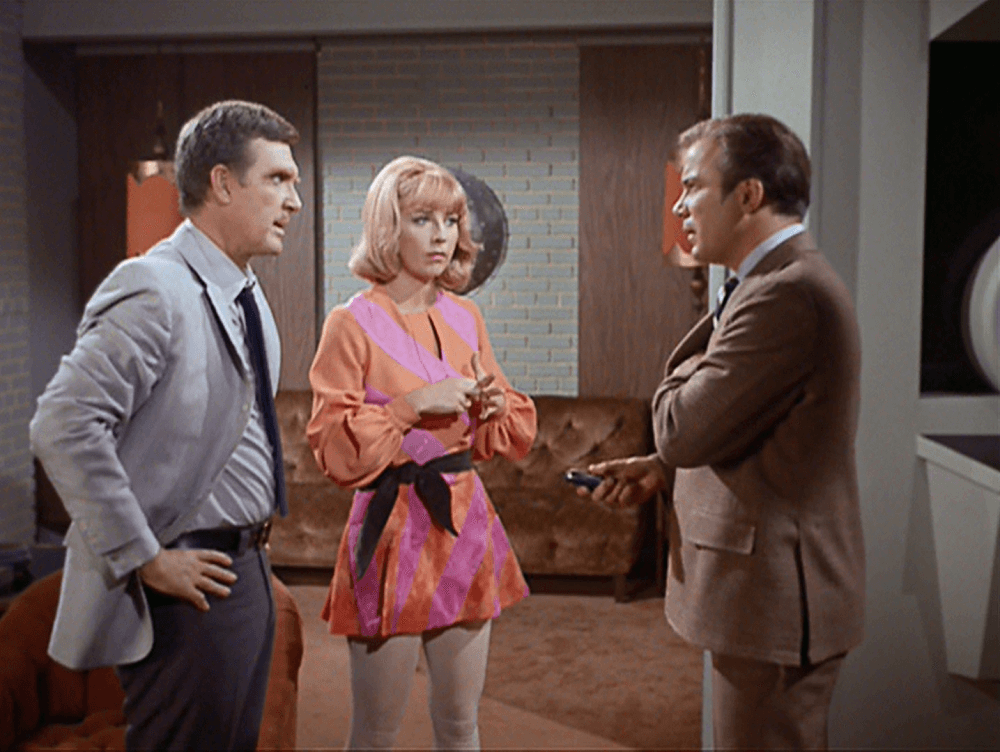
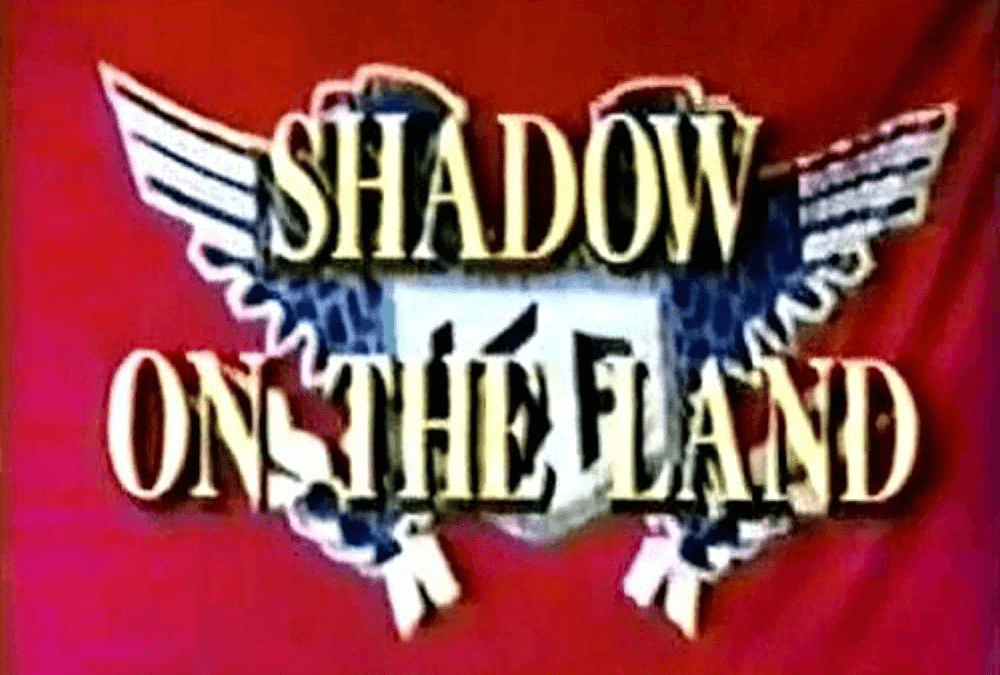
United States: It Can’t Happen Here (ABC): Also known as Shadow on the Land, this 1968 prospect took its cue from Sinclair Lewis’s legendary novel of a United States overrun by the forces of fascism, a timely reminder at the best of times and especially redolent at a time of worldwide protest against a pointless war that threatened to engulf much of Southeast Asia and was killing thousands of young American men in the name of anti-Communism.

Lewis was inspired by what was happening in Europe when he wrote the novel in 1935, and the film uses similar iconography to pound home the militaristic might of a US government which has taken a screeching turn to the right. Standing in its way are a band of hardy freedom fighters, the Society of Man, who free an imprisoned Lieutenant Colonel sympathetic to their cause, only to find that he has information on a false flag incident that could make them enemies of the people as well as the state.

telephemera years 1968 shadow on the land sinclair lewis

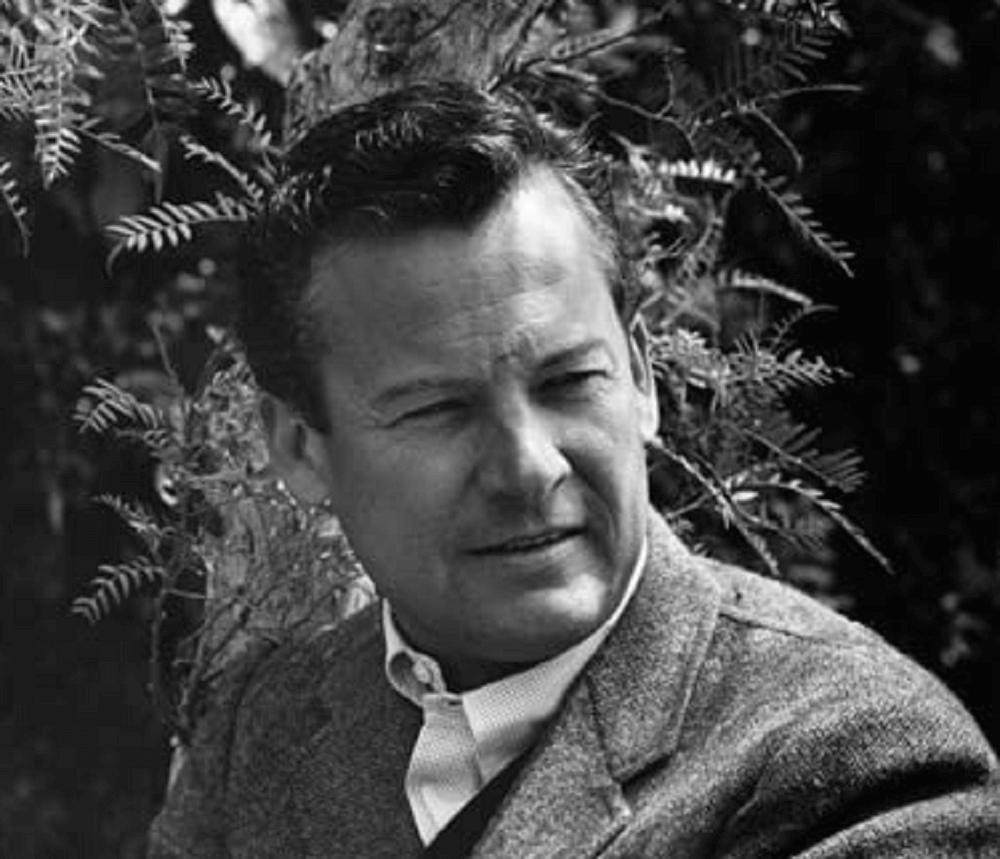
With John Forsythe playing against type as the big bad of the piece, and Gene Hackman on particularly good form as a conflicted priest, United States: It Can’t Happen Here made for compelling viewing and deliberately left an open conclusion to matters that could be picked up in the ensuing weekly series. As we know now, there was no ensuing weekly series, although whether this is because it wasn’t good enough, or that the concept was too incendiary, we shall never know.

The Incredible Hulk producer Kenneth Johnson made another attempt to bring Lewis’s concept to television in the early 1980s, but studio interference led to the imposition of invaders from outer space as the villains; his Storm Warnings project was eventually filmed as V. As Shadow on the Land, you can see the 1968 TV movie – which went out as part of CBS Friday Night at the Movies – on YouTube.

Next on The Telephemera Years:  Tiny people EVERYWHERE!

Check out our other Telephemera articles:

The Telephemera Years: 1966 (part 1, 2, 3, 4)

The Telephemera Years: 1968 (part 1, 2, 3, 4)

The Telephemera Years: 1969 (part 1, 2, 3, 4)

The Telephemera Years: 1971 (part 1, 2, 3, 4)

The Telephemera Years: 1973 (part 1, 2, 3, 4)

The Telephemera Years: 1975 (part 1, 2, 3, 4)

The Telephemera Years: 1977 (part 1, 2, 3, 4)

The Telephemera Years: 1980 (part 12, 3, 4)

The Telephemera Years: 1982 (part 1, 2, 3, 4)

The Telephemera Years: 1984 (part 1, 2, 3, 4)

The Telephemera Years: 1986 (part 1, 2, 3, 4)

The Telephemera Years: 1987 (part 1, 2, 3, 4)

The Telephemera Years: 1990 (part 1, 2, 3, 4)

The Telephemera Years: 1992 (part 1, 2, 3, 4)

The Telephemera Years: 1995 (part 12, 3, 4)

The Telephemera Years: 1997 (part 1, 2, 3, 4)

The Telephemera Years: 2000 (part 1, 2, 3, 4)

The Telephemera Years: 2003 (part 1, 2, 3, 4)

The Telephemera Years: 2005 (part 1, 2, 3, 4)

The Telephemera Years: 2008 (part 1, 23, 4)

Titans of Telephemera: Irwin Allen

Titans of Telephemera: Stephen J Cannell (part 1, 2, 3, 4)

Titans of Telephemera: Hanna-Barbera (part 1, 2, 3, 4, 5)

Titans of Telephemera: Kenneth Johnson

Titans of Telephemera: Glen A Larson (part 1, 2, 3, 4)

Titans of Telephemera: Quinn Martin (part 1, 2)

THE TELEPHEMERA YEARS: 1968 – PART 4

telephemera years 1968 wacky races

Ah, telephemera… those shows whose stay with us was tantalisingly brief, snatched away before their time, and sometimes with good cause. They hit the schedules alongside established shows, hoping for a long run, but it’s not always to be, and for every Street Hawk there’s two Manimals. But here at STARBURST we celebrate their existence and mourn their departure, drilling down into the new season’s entertainment with equal opportunities square eyes… these are The Telephemera Years!

1968-69

To twenty-first century eyes, the off-the-wall humour of Rowan and Martin may seem an acquired taste but the TV viewers of 1968 couldn’t get enough of their Laugh-In on NBC, outrating every other show on the list. Underneath, the final season of Gomer Pyle presented more of the incompetent side of the US military, which must have been a comfort to mothers of those poor unfortunates being drafted to fight in Vietnam, but there was succour to be found in warm blanket shows like Bonanza and Andy Griffith spin-off, Mayberry RFD, and Lucille Ball returned with a brand new show, Here’s Lucy.

Genre fans were well-catered for, even with The Avengers, I Spy, The Saint, and Star Trek all entering their final seasons, with Mission Impossible, Bewitched, and new hit The Mod Squad all doing well for ABC, while I Dream of Jeannie was a top thirty show for the peacock network, where Columbo made its bow. Other new shows of interest to those of a more fantastic bent were Irwin Allen’s Land of the Giants and spies meet cowboys actioner The Wild Wild West, but what were the kids watching as the 1960s raced to a climax? This is the story of 1968’s Saturday morning cartoons…

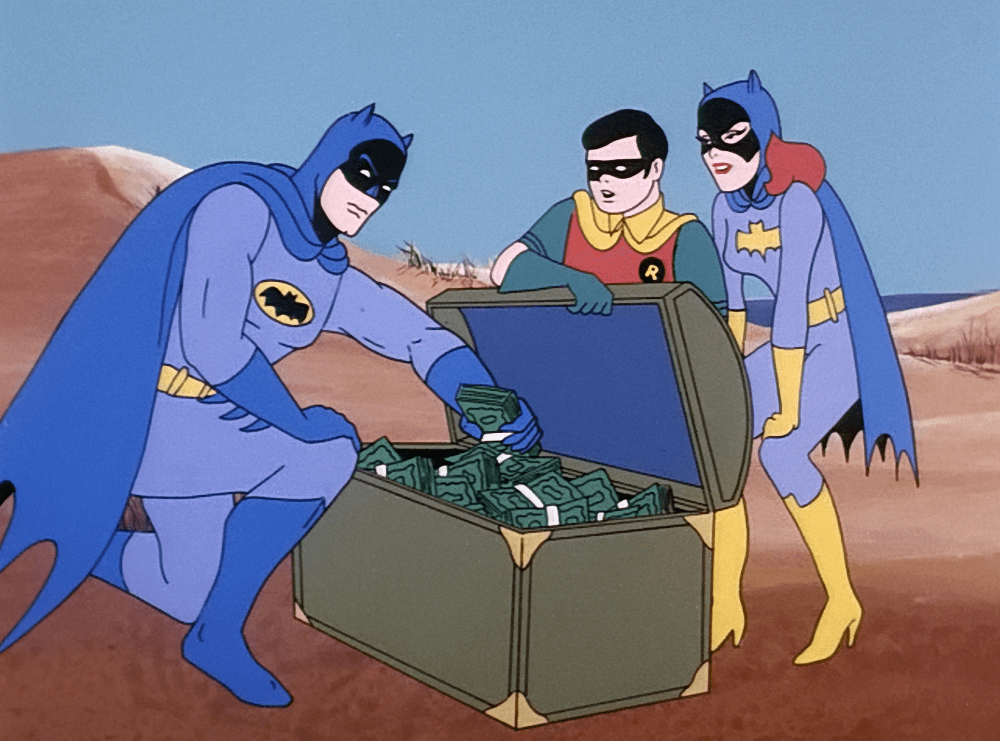
The Batman/Superman Hour (CBS): Marking the first appearance of Batman in animated form (Superman, of course, had been gloriously brought to life by the Fleischer brothers in the 1940s), The Batman/Superman Hour spun out of Filmation’s The Superman/Aquaman Hour of Adventure from 1967, and the studio had initially planned to expand the show by adding wacky hero Metamorpho to the mix. However, when the rights to Batman became available, they soon jettisoned any plans – and Aquaman – in favour of the Caped Crusader.

The role of Batman/Bruce Wayne went to Olan Soule, best known for a panoply of roles for Jack Webb’s Mark VII Productions, with Casey Kasem voicing Robin/Dick Grayson. The pair also voiced Alfred and Chief O’Hara, respectively, with all other parts being picked up by Jane Webb and Ted Knight.
telephemera years 1968 batman superman filmation

The tone of the Batman shorts – each episode of the two had one thirteen-minute story, split into two halves, and a separate six and half minute tale – was similar to the live-action show and matched the boy’s own adventure style of the accompanying Superman and Superboy shorts, with the seriousness of the Bronze Age of comics still years away.

For the 1969 season, Superman joined Aquaman on the scrapheap and the renamed Batman with Robin the Boy Wonder was shortened to just thirty minutes. Consisting of repackaged stories from The Batman/Superman Hour, the show only lasted for a single season, and it was 1973 before DC Comics’ heroes made their next TV appearance, when Super Friends made its bow.

Fantastic Voyage (ABC): In the 1966 sci-fi flick Fantastic Voyage, a CIA agent and his crew are shrunk to microscopic size and sent inside the body of a defecting Soviet scientist to repair an injury to his brain. Despite its scientific inconsistency, the film was a big hit for Twentieth Century Fox, more than doubling its considerable $5 million budget at the box office and making a star out of Raquel Welch. It stood to reason that Fox would want to capitalise on the success of the film and, rather than return to the often tricky and expensive techniques needed to bring the further adventures of the Combined Miniature Defense Force to the screen in live action, they decided to partner with Filmation for an all-new animated show.

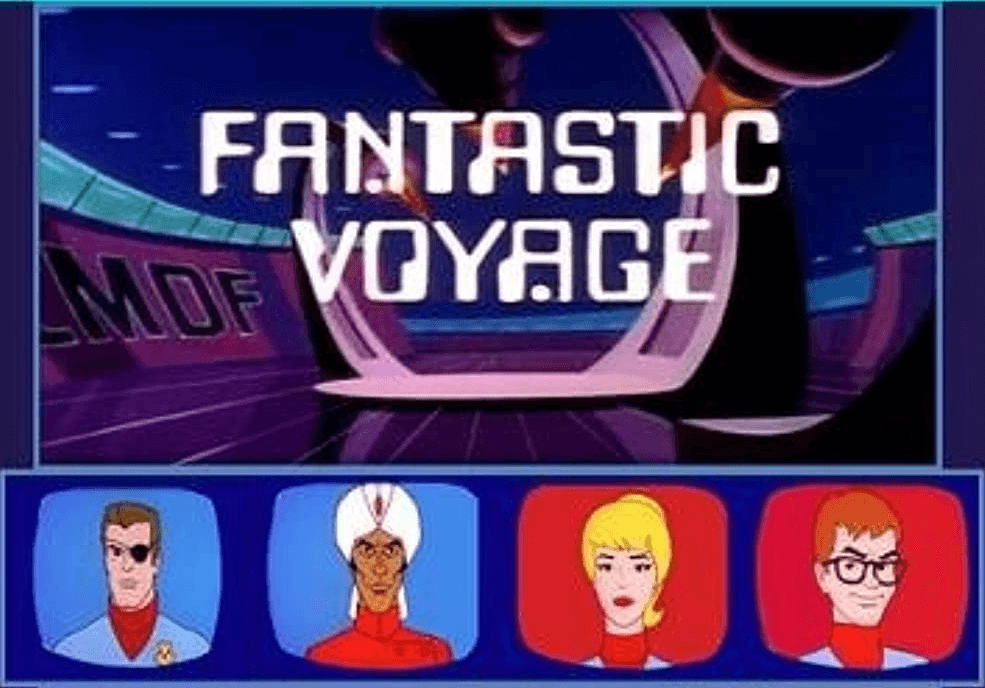
The TV version of the CMDF was comprised of just four adventurers – Commander Jonathan Kidd, biologist Erica Lane, scientist Busby Birdwell, and Guru, a “master of mysterious powers” – and each week they would be shrunk down to miniature size for a maximum of twelve hours, travelling inside droplets of water, mystical crystals, and Guru’s own brain, as well as combatting tiny aliens, tiny sentient plants, tiny living toys, and all manner of threats, the defeat of which always requires them to become very, very small.
telephemera years 1968 fantastic voyage

Filmation’s usual voice cast of Marvin Miller, Ted Knight, and Jane Webb were pressed into service, and seventeen episodes were produced, with all but the opening “The Gathering of the Team” designed to run in any order, as was the way with the vast majority of US animated shows at the time. “The Gathering of the Team” hit screens on September 14th 1968, slotted between Spider-Man and Journey to the Center of the Earth, and as part of a block which also included The Fantastic Four, giving American children a huge dilemma as to which channel to fix their dial to on Saturday mornings.

Just one season was produced, re-run in 1969, although Gold Key did produce two issues of a tie-in comic book and the Aurora Model Company manufactured a scaled facsimile of the Voyager craft used in the show. This hit stores shortly before the show was cancelled and was only produced in short runs, leading to high values on the collectors’ market today. The complete series was released on DVD in the UK in 2011.

Wacky Races (CBS): While not strictly Telephemera in that everyone remembers the show, Wacky Races was on the air for such a short amount of time that it risked falling into the same memory hole as many of the shows featured in this column. However, a mixture of extraordinary characters, some incredible joke set-ups, and a format that rewards repeated watching – because, seriously, who can remember who won what race? – gave it life beyond its seventeen-episode run.

The concept for Wacky Races was developed as part of the celebrity game show Hollywood Squares, and it was planned that the contestants would bet on which wacky racer would win the short race inserted into each episode. That idea was dropped but Hanna-Barbera thought the concept had legs and spun it off into its own show, which debuted on September 14th 1968.

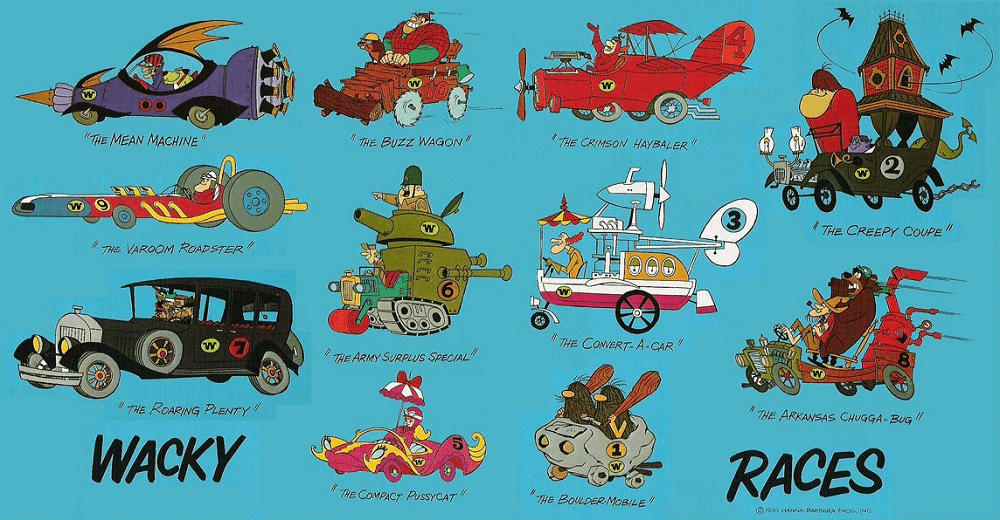
It would have simple – as with the later Laff-a-Lympics – to use Hanna-Barbera’s existing cast of cartoon characters as speedsters for the show but an all-new roster was created, giving the world such delights as The Slag Brothers, The Creepy Coupe, Penelope Pitstop, and – of course – Dick Dastardly and Muttley. The premise was simple: the competitors race an unusual, cross-country course (ala the 1965 movie The Great Race), and Dick Dastardly cheats only to have imminent victory snatched away at the last minute.
telephemera years 1968 wacky races

Across the thirty-four races (two per episode), Dastardly and Muttley failed to win a single event, with all of their rivals taking the chequered flag on three or four occasions. Some entrepreneurial sort worked out a league table, with points awarded for first, second, and third; The Slag Brothers in The Boulder Mobile, by virtue of a massive eight second places, take the crown from Rufus Ruffcut and Sawtooth in second.

The final episode aired on January 4th 1969, but the show lived on in almost constant repeats, making household names of Dastardly and Muttley, and providing Pitstop with the chance for her own spin-off show, The Perils of Penelope Pitstop, from which the villainous Hooded Claw became a playground impression to die for. Wacky Races was rebooted in 2017 on the Cartoon Network with a smaller cast across seventy-eight episodes but it failed to capture the charm of the original, a Hall of Fame TV show on any criteria.

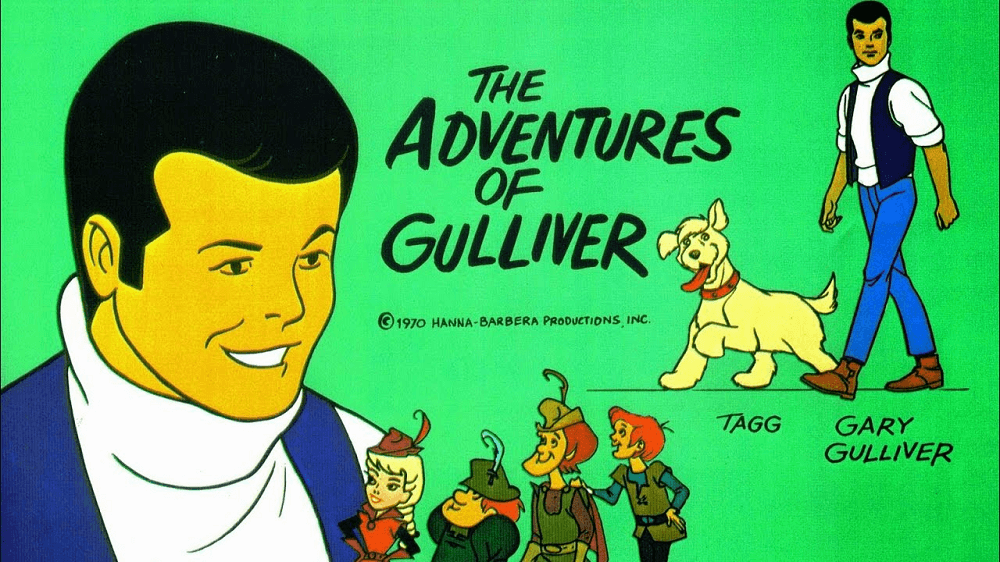
The Adventures of Gulliver (ABC): An attempt to update Jonathan Swift’s 1726 novel Gulliver’s Travels, The Adventures of Gulliver was Hanna-Barbera’s new animated adventure yarn for the 1968 Fall season. The star of the show was Gary Gulliver, out on a treasure hunting voyage with his dad, only to wind up shipwrecked with his dog Tagg on a mysterious island, which turns out to be Lilliput.

Those of you familiar with the original tale will know that Lilliput is inhabited by tiny people, and they initially regard Gary as a giant threat, later making friends with the boy behemoth when he rescues their king from an eagle. The Lilliputians give Gary shelter and promise to help him find his dad, kicking off seventeen episodes of high adventure and low ceilings.
telephemera years 1968 gulliver

Rather than take the customary approach of episodes that can be shown in any order, to make syndication easier, The Adventures of Gulliver has a continuing narrative, each episode bringing Gary tantalisingly closer to finding his father (and escaping the clutches of the mutinous cur that caused the shipwreck in the first place).

However, given there was no second season – and, really, these kind of shows never had second seasons – the story ends with Gary and Tagg still marooned on Lilliput, the young boy destined never to know the love of an adequately-sized woman. The Adventures of Gulliver did return in repeats and in 1970 it was cut into segments to be inserted into The Banana Splits and Friends Show (but that’s a story for another year…)

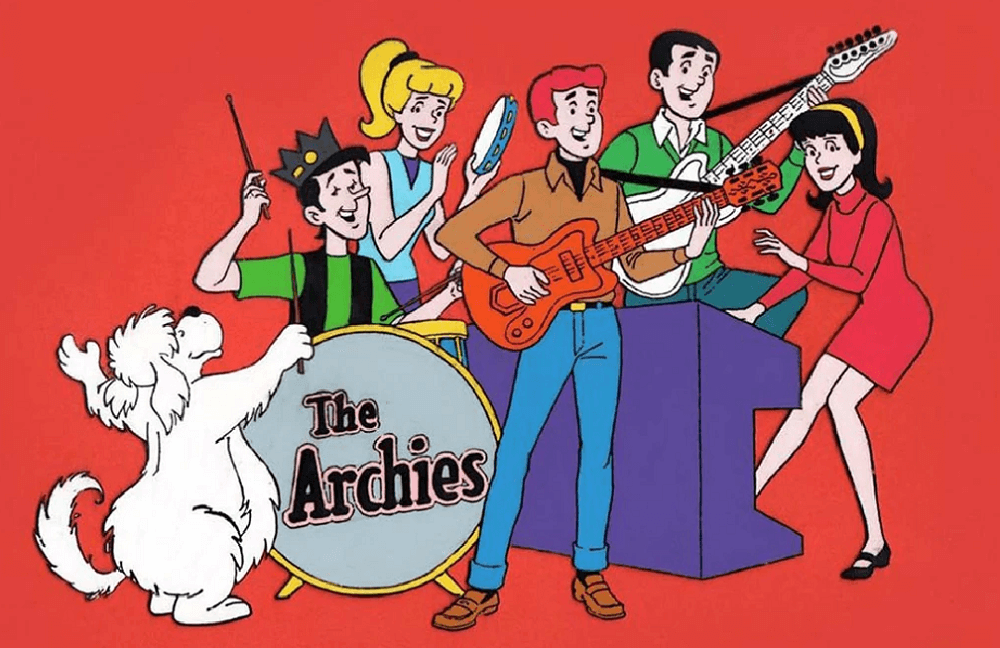
The Archie Show (CBS): You kids think you’re hip with your Riverdale, eh? What if we told you that Archie Andrews was running around on TV screens almost fifty years earlier, joined by Betty, Veronica, Jughead, and the rest? Okay, there’s no gang wars and serial killers, no demonic possessions and doomsday cults, no underground gambling dens and illegal prison fight clubs, but it’s basically the same, okay?

The Archie Show was a response to the success of The Monkees, with the Riverdale teens forming a band called The Archies. First appearing in the comic book Life with Archie in April 1967, the musical project would reach its apogee with “Sugar, Sugar,” a number one hit across the world and the first time an animated act had achieved that feat. In reality, the musicians playing on the record were paid session artists, with Ron Dante (of New York band The Cuff Links) on lead vocals.
telephemera years 1968 archie riverdale

The format of the show had two Archie segments separated by the “dance of the week” and the “song of the week,” and the show was a hit with young kids who laughed along with the gang, voiced by Filmation’s regular cast of voice artists, including Dallas Mackennon as Archie, and Jane Webb as Betty and Veronica. As in the long-running comic book series, much of the action revolved around Archie’s ongoing inability to choose between the girls and Jughead’s eating problem.

In 1969, the show was expanded to include Sabrina the Teenage Witch, and further retooled in 1970 with the addition of live-action segments. Its job to sell music to teens and tweens done by 1971, the Archie gang then took over a TV station for Archie’s TV Funnies. Filmation kept producing new Archie shows until 1978 and over eighty years after Bob Montana created the characters, the kids of Riverdale – now with added superpowers – keep finding their way into American homes.

Next on The Telephemera Years: It’s 1984, with motorbikes, fantasy, and George Clooney in E/R?!?

Check out our other Telephemera articles:

The Telephemera Years: 1966 (part 1, 2, 3, 4)

The Telephemera Years: 1968 (part 1, 2, 3, 4)

The Telephemera Years: 1969 (part 1, 2, 3, 4)

The Telephemera Years: 1971 (part 1, 2, 3, 4)

The Telephemera Years: 1973 (part 1, 2, 3, 4)

The Telephemera Years: 1975 (part 1, 2, 3, 4)

The Telephemera Years: 1977 (part 1, 2, 3, 4)

The Telephemera Years: 1980 (part 12, 3, 4)

The Telephemera Years: 1982 (part 1, 2, 3, 4)

The Telephemera Years: 1984 (part 1, 2, 3, 4)

The Telephemera Years: 1986 (part 1, 2, 3, 4)

The Telephemera Years: 1987 (part 1, 2, 3, 4)

The Telephemera Years: 1990 (part 1, 2, 3, 4)

The Telephemera Years: 1992 (part 1, 2, 3, 4)

The Telephemera Years: 1995 (part 12, 3, 4)

The Telephemera Years: 1997 (part 1, 2, 3, 4)

The Telephemera Years: 2000 (part 1, 2, 3, 4)

The Telephemera Years: 2003 (part 1, 2, 3, 4)

The Telephemera Years: 2005 (part 1, 2, 3, 4)

The Telephemera Years: 2008 (part 1, 23, 4)

Titans of Telephemera: Irwin Allen

Titans of Telephemera: Stephen J Cannell (part 1, 2, 3, 4)

Titans of Telephemera: Hanna-Barbera (part 1, 2, 3, 4, 5)

Titans of Telephemera: Kenneth Johnson

Titans of Telephemera: Glen A Larson (part 1, 2, 3, 4)

Titans of Telephemera: Quinn Martin (part 1, 2)

[ENDED] Win Controversial Shocker HENRY: PORTRAIT OF A SERIAL KILLER on 4K UHD from Arrow Video

win henry

Widely heralded as one of the greatest serial killer movies of all time, Henry: Portrait of a Serial Killer presents a bleak and unflinching dive into the mind of a mass murderer and we have one copy of the Arrow Video 4K UHD Blu-ray to give away! Just read on and enter below…

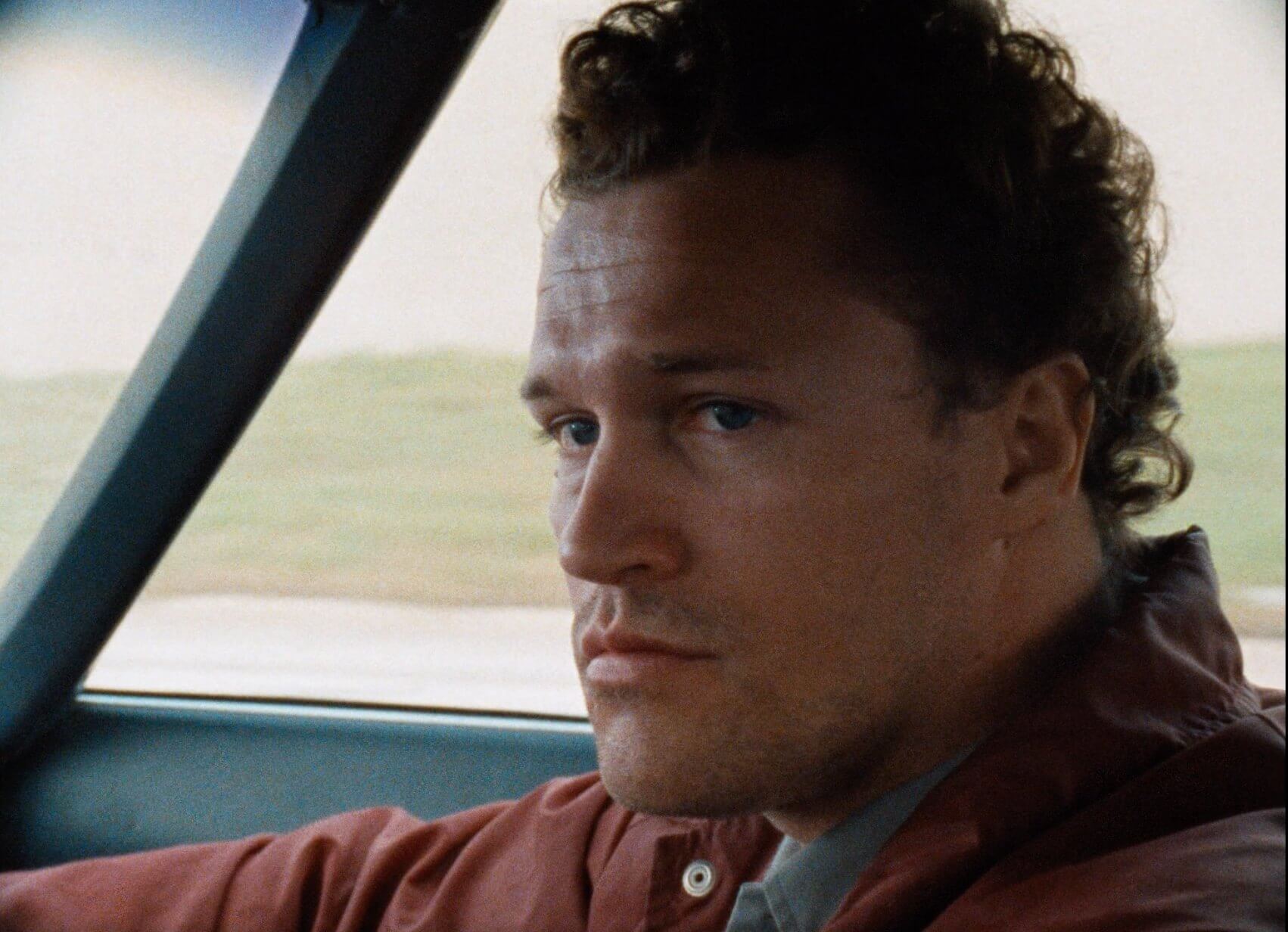
Recently released from prison, the nomadic Henry (Michael Rooker, Guardians of the Galaxy, The Walking Dead) finds a temporary abode in the rundown Chicago lodgings of a former jail acquaintance and small-time drug dealer, Otis (Tom Towles). Hiding behind his unremarkable employment as a pest exterminator, Henry leads a double life, prowling the streets by night on a brutal and apparently motiveless killing spree. As the bodies mount up, Otis finds himself inducted into Henry’s dark secret world, but when Otis’ sister Becky (Tracy Arnold) moves in, herself fleeing from an uncomfortable domestic situation, it quickly becomes apparent that two’s company, but three’s a crowd.

Based on the horrific true-life crimes of Henry Lee Lucas, the harrowing controversial debut feature from John McNaughton (Mad Dog and Glory, Wild Things) returns to the UK in its best-looking release ever, in a new 4K restoration supervised by the director himself.

4K ULTRA HD BLU-RAY LIMITED EDITION CONTENTS

  • Brand new 4K restoration from the original camera negatives, approved by John McNaughton
    • 4K (2160p) UHD Blu-ray presentation in HDR10
    • Original 2.0 stereo mix and 5.1 DTS-HD Master audio
    • English subtitles for the deaf and hard of hearing
    • Reversible sleeve featuring original and newly commissioned artwork by Eric Adrian Lee
    • Limited edition 60-page booklet featuring new writing by Shaun Kimber, Peter Vronsky, Alexandra Heller-Nicholas and Julian Petley
    • Booklet containing the original storyboards for Henry: Portrait of a Serial Killer
    • Double-sided fold-out poster
    • Six collector’s postcards (Limited Edition exclusive)

DISC ONE – FEATURE & EXTRAS (4K ULTRA HD BLU-RAY)

  • Brand new 4K restoration from the original camera negatives
    • 4K (2160p) UHD Blu-ray presentation in HDR10
    • Brand new audio commentary by John McNaughton & Steven A. Jones
    • Two archive commentaries by John McNaughton
    • Scene specific commentaries with John McNaughton and critic Nigel Floyd
    • Deleted scenes and outtakes
    • Original script
    • Original theatrical and 30th anniversary trailers
    • Image gallery

DISC TWO – BONUS DISC (BLU-RAY)

  • Portrait: The Making of Henry, a 50-minute behind-the-scenes documentary
    • In Defense of Henry, an appreciation by Joe Swanberg, Kim Morgan, Jeffrey Sconce, Joe Bob Briggs and Errol Morris
    • Twisting the Lens: The Diegetic Camera and Voyeurism in Henry, exclusive new documentary with John McNaughton, Adam Rockoff, Anna Bogutskaya and Jonathan Rigby discussing killers behind cameras
    • Henry vs. MPAA: A Visual History, the story of the struggle to get Henry into North American theatres
    • Henry at the BBFC with Stephen Thrower, discussing Henry’s troubled history at the hands of the British censors
    • John McNaughton on Henry: Portrait of a Serial Killer, exclusive new interview with John McNaughton and Stephen A. Jones, conducted at the time of Henry’s UK premiere in February 1990
    • Interview with John McNaughton, from 1998
    • It’s Either You… Or Them: An Interview with Joe Coleman, the artist behind Henry’s legendary original theatrical release poster
    • John McNaughton in conversation with Nigel Floyd, interview from 2003
    • In the Round: A Conversation with John McNaughton, conducted by Spencer Parsons in 2016

a Rafflecopter giveaway


Henry: Portrait of a Serial Killer is available on 4K UHD and Blu-ray from Arrow Video on April 18th. You can order your copy here: https://www.arrowfilms.com/blu-ray/henry-portrait-of-a-serial-killer-4k-ultra-hd-limited-edition/13633197.html

Remembering the last Champions League final to be held in Paris

champions league

For the final eight teams in this season’s Champions League, all roads lead to Paris. France’s national stadium, the Stade de France will play host to the final once more – and it’s an exciting prospect which could well see two giants of the Premier League standoff against each other for supremacy again. For those who bet on football, it’s Pep Guardiola’s Manchester City side who are the current favourites to lift the trophy.

But let’s cast our minds back to yesteryear and the last time the French capital hosted the final – where Barcelona and Arsenal locked horns, during the 2005-06 campaign. While fans of the Gunners may not like to be reminded of this defeat, it certainly marked happier times, playing in Europe’s premier club cup competition.

The background

Barcelona were playing in their fifth final, but only had a 25% win-rate – their only victory at this point being in 1992. However, Arsenal were making their Champions League final debut, having only previously reached as far as the quarter-finals.

Both clubs were unbeaten throughout their campaigns – with the Spanish giants topping Group C, and Arsenal, Group B. Frank Rijkaard’s side had overcome the likes of Chelsea, Benfica and Milan to reach the final. While Arsène Wenger’s Gunners conceded just two goals en route to Paris – and had beaten two Spanish sides in the knockout stages already, with 1-0 victories over Real Madrid and Villarreal.

However, Barca had been crowned La Liga champions two weeks previous – despite Deco playing down their chances.

The match

Arsenal started the match brightly, and lone striker Thierry Henry could have handed them an early lead on multiple occasions – but for some excellent reactions from Victor Valdés in the Barca goal.

At the other end, Jens Lehmann turned from hero to villain. He had already denied Ludovic Giuly and Deco the opportunity to score, but on 18 minutes, was given his marching orders. With Samuel Eto’o bearing down on goal, the Arsenal keeper rushed out and took him down outside the box. While Guily latched onto the loose ball and slotted home, Norwegian referee Terje Hauge had already blown up.

Lehmann was the first player to be sent off in a European Cup/Champions League final. Robert Pires was the unfortunate player to leave the field, as replacement goalkeeper Manuel Almunia took to the pitch.

And despite their man’s disadvantage, it was Arsenal who stunned the Spanish club, and took the lead on 37 minutes.  From a Carles Puyol foul on Emmanuel Eboué, Henry took the resulting free-kick, which met the head of defender Sol Campbell.

While the Gunners held out for the rest of the half and chances were few and far between in the second period, five minutes late in the game were to change everything.

With roughly 15 minutes left to play, Andrés Iniesta sent a through-ball down the left-hand side to Henrik Larsson, whose neat footwork set up Eto’o to equalise. Four minutes later, the Swede turned provider once more – playing a one-two with Juliano Belletti down the right this time, and the Brazilian nutmegged Almunia to hand Barca the lead.

Despite Wenger’s best efforts – and bringing on José Antonio Reyes for the final five minutes – Arsenal couldn’t find a leveller and the final in Paris finished Barcelona 2-1 Arsenal.

Of course, since then, Barcelona have won a further three finals. With this year’s competition hotting up, who will be playing in Paris next month?

Five Films to Check Out on Horror Channel This Week – 250422

horror picks

How is it nearly May already?  As always, there are lots of great movies and TV shows in store on Horror Channel. We’ve picked five that we think you shouldn’t miss…

Tuesday April 26th, 9pm – Bite (2015)

Icky body horror from director Chad Archibald (I’ll Take Your Dead). Elma Begovic plays a bride-to-be who is bitten by a strange insect while partying with her friends. When she returns home, she begins to mutate into something hideous and very dangerous!

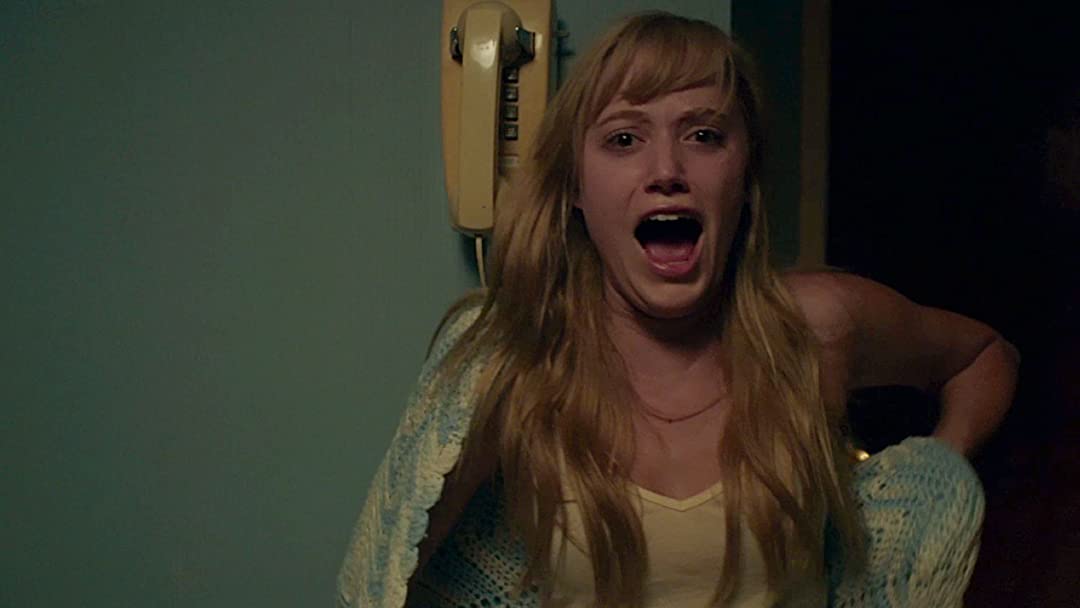
Wednesday April 27th, 10.40pm – It Follows (2014)  

David Robert Mitchell’s superior shocker stars Maika Monroe as a student who is stalked by a supernatural spectre when she loses her virginity.

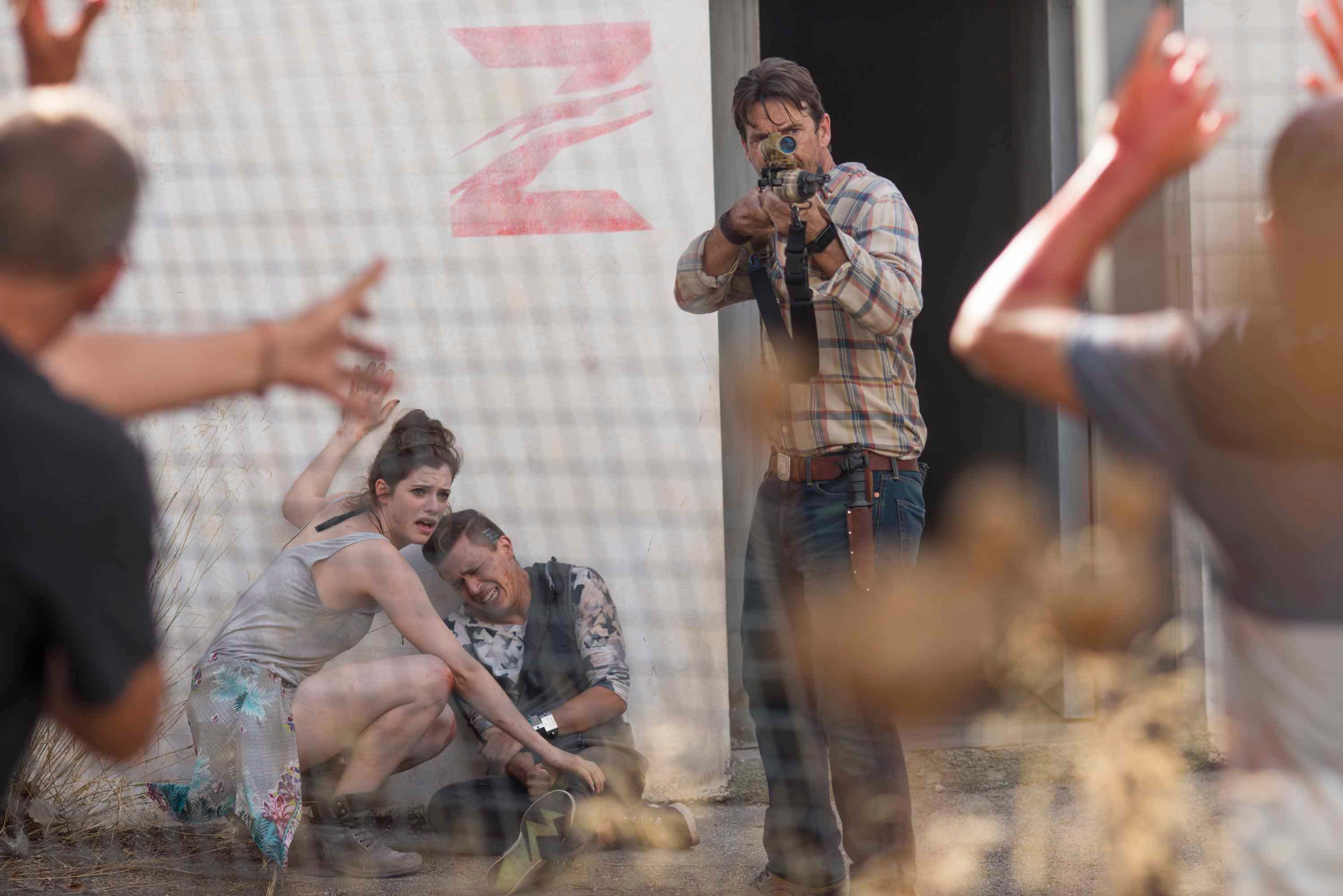
Thursday April 28th, 9pm – The Rezort (2015)

After a zombie apocalypse, what’s the best thing survivors could do? Head to an island where they can hunt the undead for fun, of course!

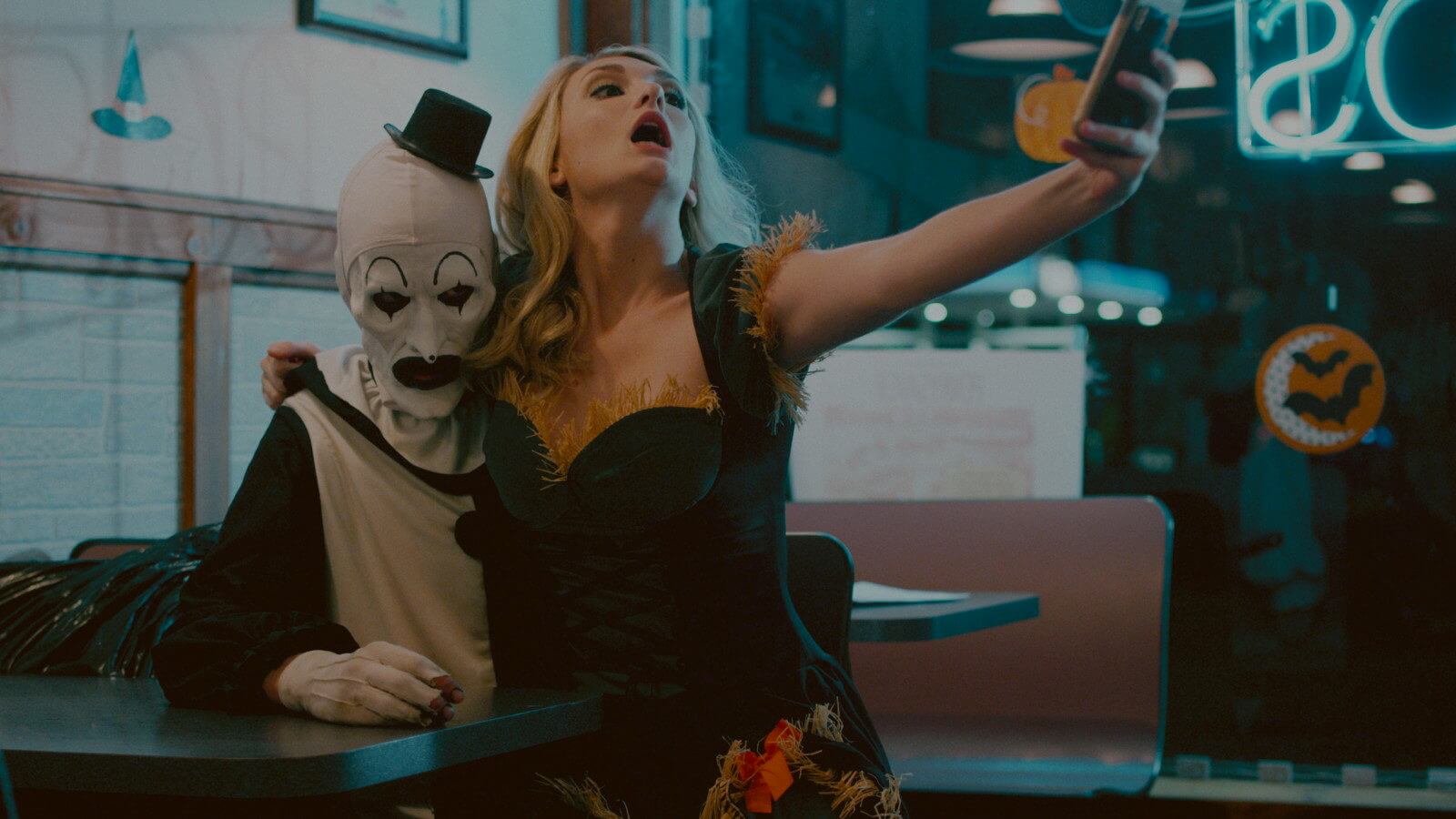
Saturday April 30th, 1.05pm – Terrifier (2016)

While we await the second coming of Art the Clown (or technically the third – find out more here), we can enjoy the gruesome, torturous nastiness on display here. Well worth staying up for.

Sunday May 1st, 9pm – 11.55pm The Vintage Vault

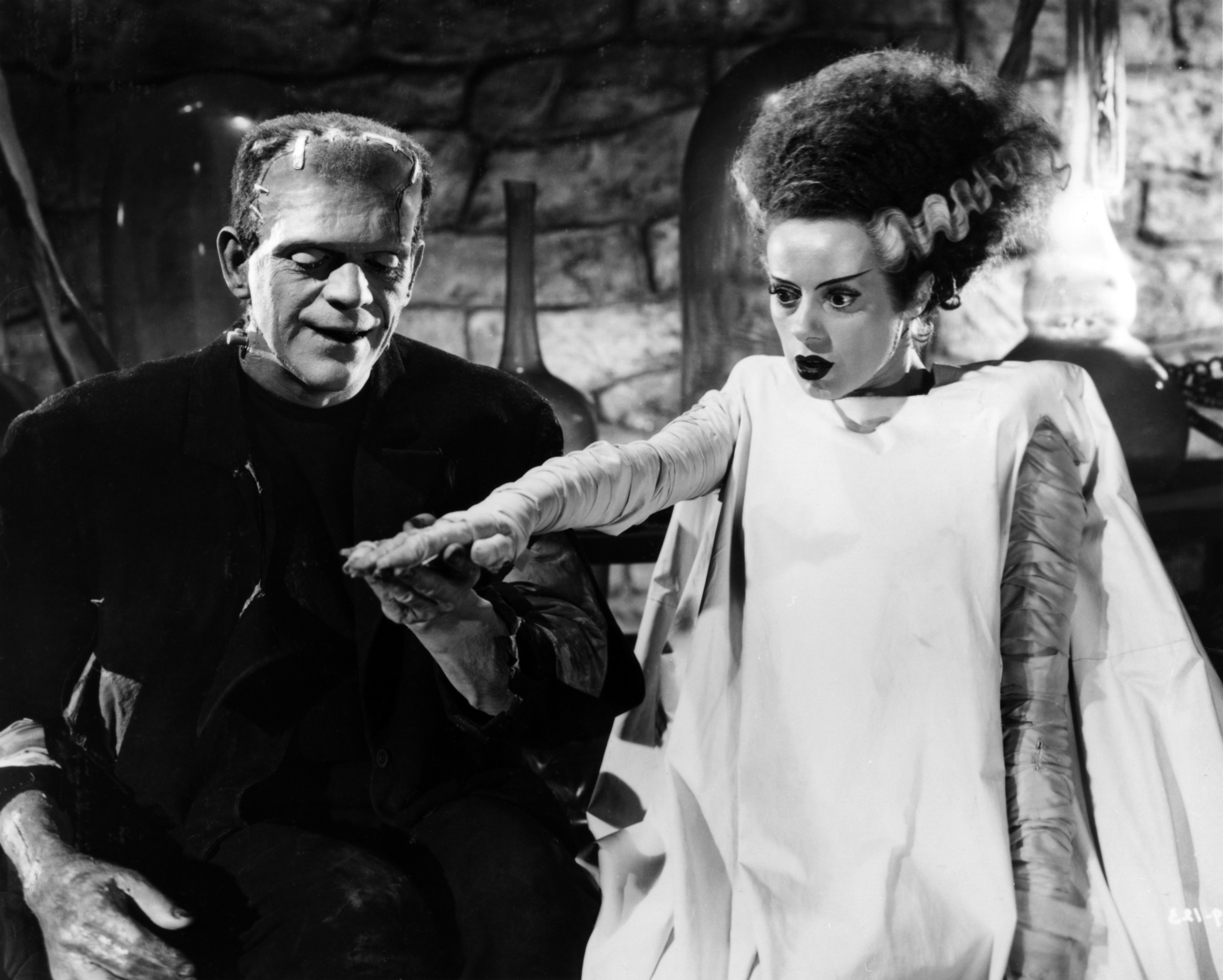
Horror Channel celebrates the Golden Age of genre cinema with a season of double bills. First up is a duo of movies from legendary director James Whale. The Invisible Man (1933) stars Claude Rains as the scientist who literally disappears. This is followed by Bride of Frankenstein (1935), in which Colin Clive makes a mate for his monster (Boris Karloff). Two stone-cold classics.

Tune into Horror Channel on Sky 317, Virgin 149, Freeview 69, Freesat 138.