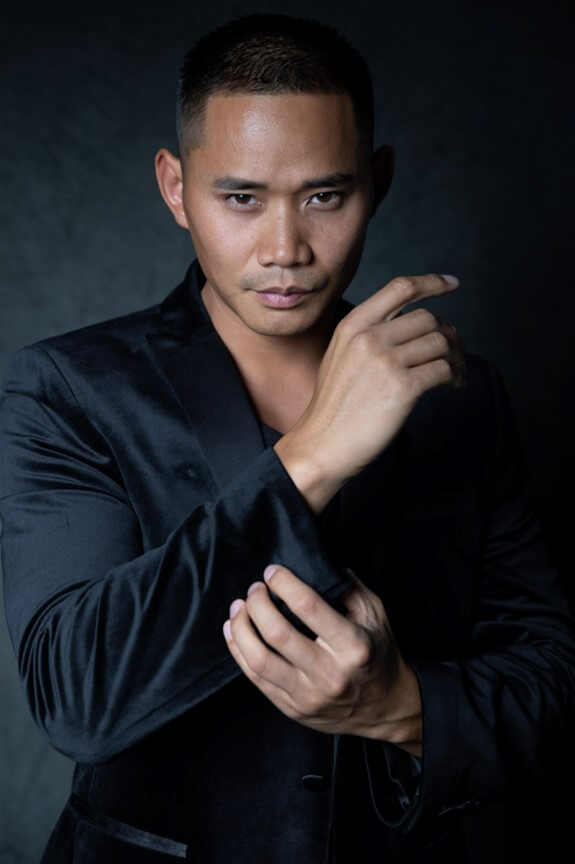
Actor David Cheung Talks Stunts, Andor and More

David Cheung andor

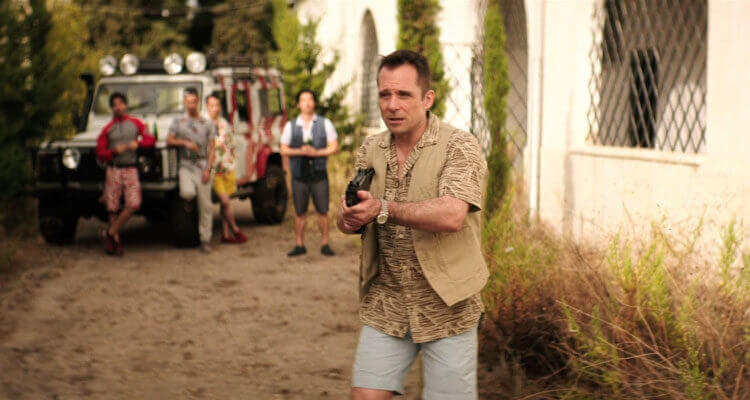
After appearing in a couple of episodes of the superb Star Wars series Andor, actor David Cheung is in demand. We caught up with the stuntman/actor who has also appeared in Willow, The Bubble, and Doctor Strange in the Multiverse of Madness to find out more about his work…


&nbsp

STARBURST: What influenced you to get into the industry?

David Cheung: My Chinese Grandfather was a martial arts teacher who taught me kung fu skills from a young age. I secretly always wanted to be like Bruce Lee and Jackie Chan. I fell into the industry by accident – I saw a casting looking for martial artists, and I thought I would give it a shot.

Why did you get into stunt work?

I was always looking for more action-packed and physically challenging opportunities. My stunt work has meant having the best time ever and meeting so many cool people.


When it comes to stunt jobs, what’s your favourite experience so far?

Being set on fire by Paul Bettany!

And have there been any dangerous stunt/fight scenes you’ve been in?

Yes, there’s always danger in fighting, but it’s always well-rehearsed and performed safely by a good team.

You appeared in a couple of episodes of An

dor; what was that like to work on?

The cast and crew were great, and I had the best time. Everyone was so nice and chilled.


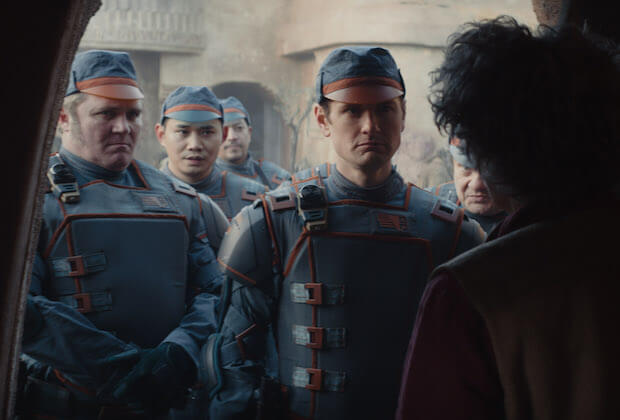
(Counterclockwise, from far left): Sergeant Mosk (Alex Ferns), Syril Karn (Kyle Soller) and Maarva (Fiona Shaw) in a scene from
Lucasfilm’s ANDOR, exclusively on Disney+. ©2022 Lucasfilm Ltd. & TM. All Rights Reserved.

What would be your dream role?

A Marvel character, the Asian James Bond or any superhero with amazing powers – I am all about action-packed roles.

Is there any advice you’d give to people looking to get into stunt work?

Train hard and smart. Don’t give up & stay positive. In life, we are always learning; mistakes teach us things. I made some mistakes in my early days of martial arts and sustained some minor injuries – it taught me to focus more!

What’s next for you?
Time will tell, as nothing is guaranteed in the film industry! But I’m excited to see what next year brings.

You can find out more about David at his website: www.davidcheungofficial.com


[ENDED] Win ‘70s Classic KING KONG on 4K UHD Steelbook

win king kong

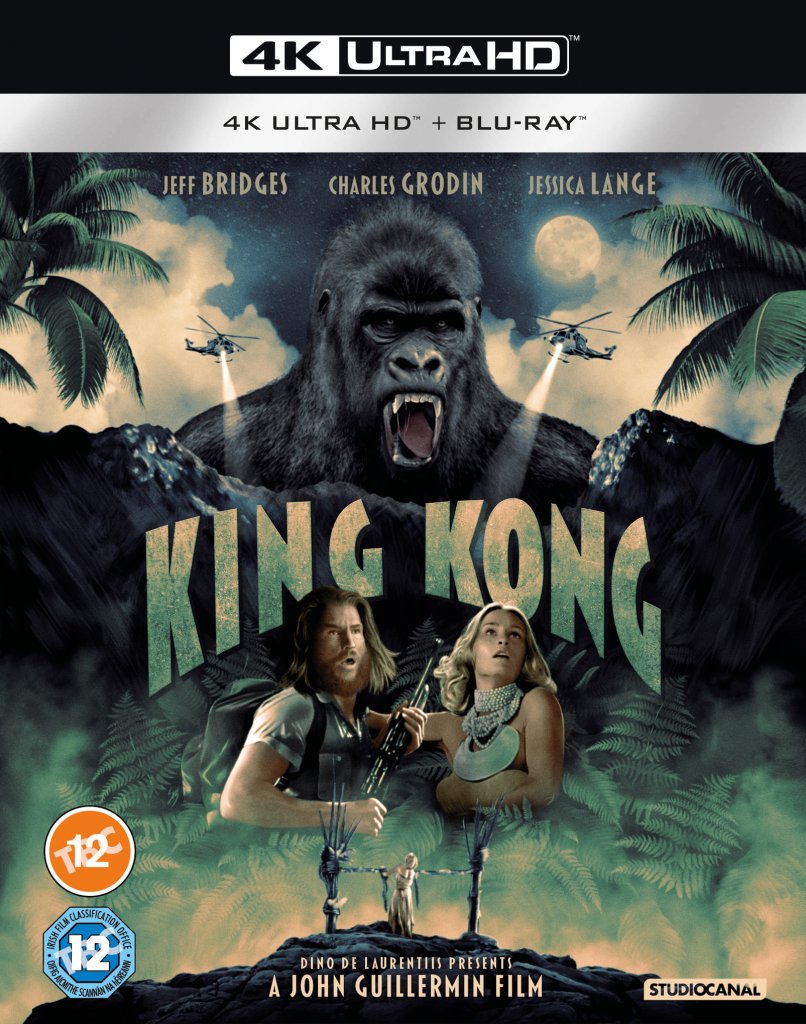
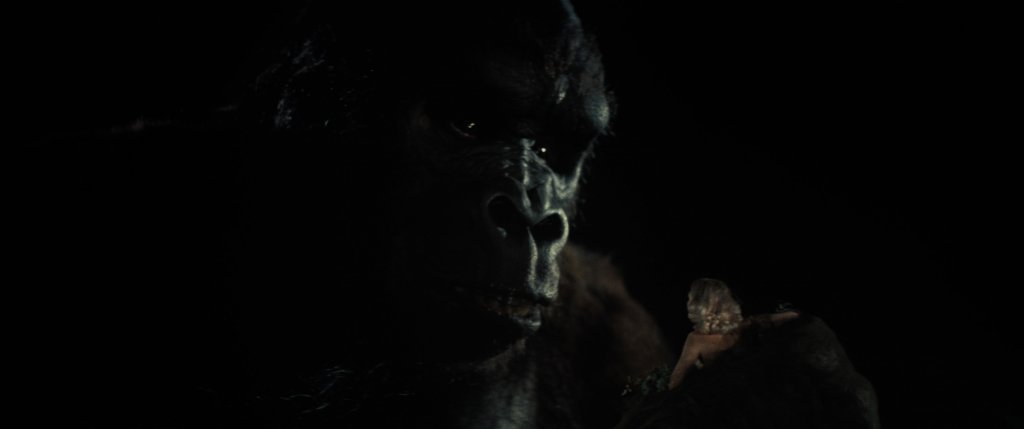
STUDIOCANAL has released the brand new 4K restoration of John Guillermin’s (Death on the Nile) Academy Award® Winning remake of the iconic Hollywood classic, KING KONG (1976) and we have two copies of the 4K UHD Steelbook to give away! Just read on and enter below…


Starring Jeff Bridges (The Big Lebowski, Crazy Heart, True Grit) and Jessica Lange (Tootsie, American Horror Story), and produced by Hollywood legend Dino de Laurentiis (Flash Gordon, Nights of Cabiria, Barbarella), this retelling of the classic monster adventure film went on to jointly win the Academy Award® for Best Visual Effects (Carlo Rambaldi, Glen Robinson and Frank Van der Veer), as well as receiving Academy Award® nominations for Best Cinematography (Richard H. Kline) and Best Sound (Harry W. Tetrick, William McCaughey, Aaron Rochin and Jack Solomon). Jessica Lange was also honoured as Best new Actress for her role at the Golden Globes that same year.

Now restored in 4K for the first time, STUDIOCANAL will re-release the film across 4K UHD Blu-ray, Blu-ray, DVD and Digital as well as a 4K UHD Steelbook.

New artworks have been created for the Home Entertainment releases by graphic designer Sophie Bland, and for the 4K UHD Steelbook release by Francesco Francavilla. The 4K UHD will include a limited-edition poster of Sophie Bland’s artwork.

SYNOPSIS
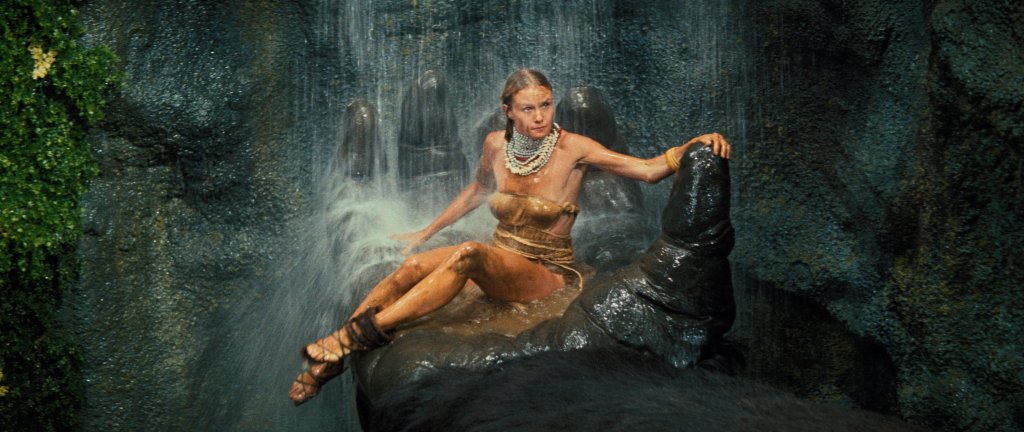
Fred Wilson (Charles Grodin), an employee of a large American oil company, has been charged with a mission to find new oil wells. With a chartered boat, he sets off on a journey to an uninhabited island in the South Pacific. On board is also a stowaway: the palaeontologist Jack Prescott (Jeff Bridges) has smuggled himself onto the ship, as he hopes to examine a rare species of monkey on this island. On the way, after a violent storm, the expedition also takes on board the shipwrecked Dawn (Jessica Lange), who is floating in a lifeboat at sea. When the ship anchors off the island, however, it turns out not to be as uninhabited as everyone once thought. The natives of the island perform a strange ritual to worship a larger-than-life ape named “Kong”. As soon as they catch sight of the blonde Dawn, they decide they have found their perfect offering.

ABOUT THE RESTORATION
This 2022 restoration is presented by STUDIOCANAL and Paramount Pictures. The 35mm original negative was scanned in 4K and colour graded by Paramount. The restoration and mastering was then carried out at L’Immagine Ritrovata, under the supervision of STUDIOCANAL. The purpose of this restoration was to give a new lease of life to the film for audiences to enjoy on the big screen, and eventually on the smaller screen. A 4K DCP was created, as well as a UHD HDR Dolby Vision master, to enhance the sharpness and brightness in cinemas which is not usually possible with a standard HD master. In addition there is a new, improved and cleaned up 5.1 audio.

STUDIOCANAL owns one of the largest film libraries in the world, boasting nearly 7000 titles from 60 countries. Spanning 100 years of film history. 20 million euros has been invested into the restoration of 700 classic films over the past 5 years.

4K UHD SPECIAL FEATURES:
• Extended TV broadcast cut (unrestored)

BLU-RAY SPECIAL FEATURES:
• Audio commentary with film historian Ray Morton
• Audio commentary with actor and makeup artist Rick Baker
• Interview with Barry Nolan
• Interview with Bill Kronick
• Interview with Scott Thaler and Jeffrey Chernov
• Interview with David McGiffert and Brian E. Frankish
• Interview with Jack O’Halloran
• Interview with Steve Varner
• Deleted Scenes
• Original Trailer

a Rafflecopter giveaway

KING KONG (1976) is out now on 4K Blu-ray, Blu-ray, and DVD now.

Five Films to Check Out on Legend This Week – 121222

legend blood mummy's tomb

As we deck our halls (or something like that) we look forward to another great week of films and TV on Legend. Here are our picks you shouldn’t miss this week…


Tuesday December 13th, 9pm – The Rezort (2015)

Would you like to have a safari holiday where, instead of hunting poor defenceless animals, your prey is zombies? Certainly sounds the better option to us! That’s the premise of this fun film from Outpost director Steve Barker.


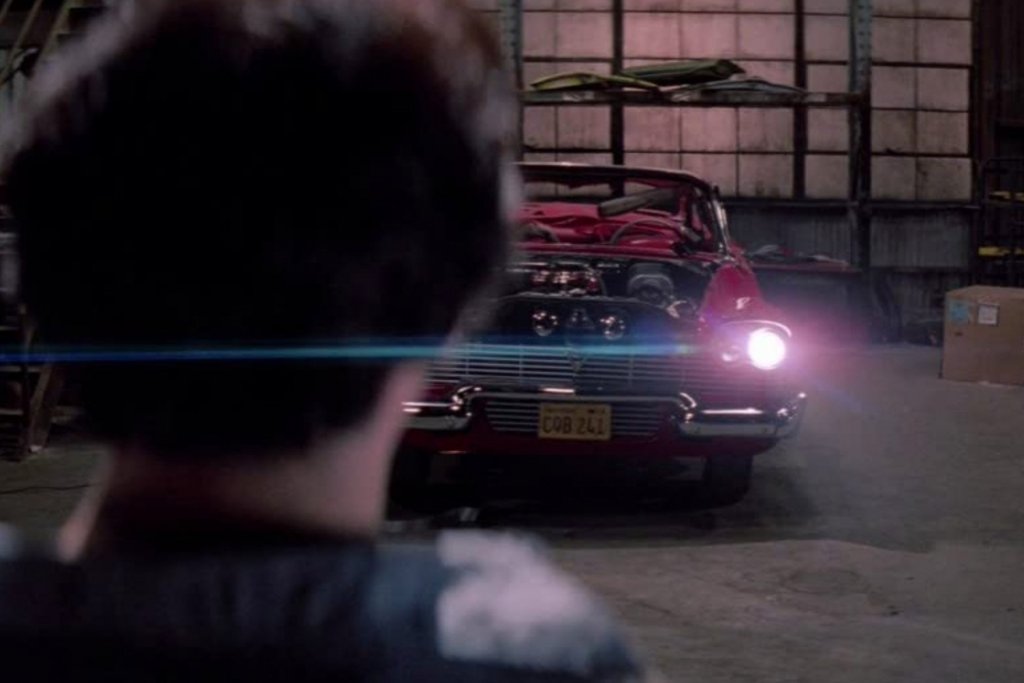
Wednesday December 14th, 9pm – Christine (1983)  

John Carpenter’s fabulous adaptation of the Stephen King novel stars Keith Gordon as the lad with a psychotic 1958 Plymouth Fury.


Friday December 16th, 1pm – Silent Running (1972)

Way ahead of its time in terms of the conservation theme, Douglas Trumball’s reflective and visually stunning movie is unmissable. Bruce Dern is the astronaut looking after an ecosystem in space with the help of his drones, Huey, Dewey, and Louie.


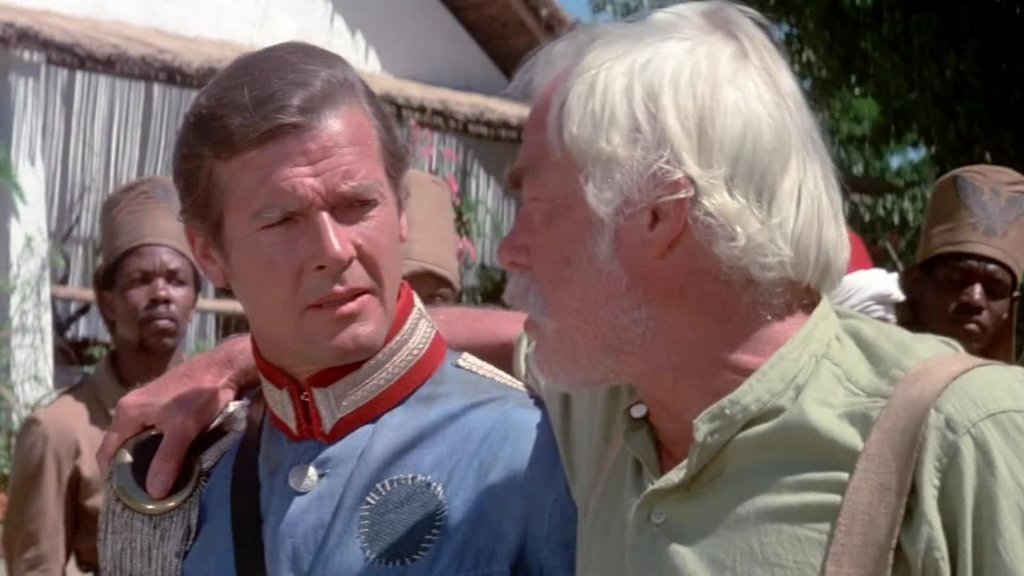
Saturday December 17th, 9pm Shout at the Devil (1976)

Fun African-set action and adventure with Lee Marvin and Roger Moore set on the eve of World War I, which interrupts the pair’s business dealings.


Sunday December 18th, 9pm – 12.45am The Vintage Vault

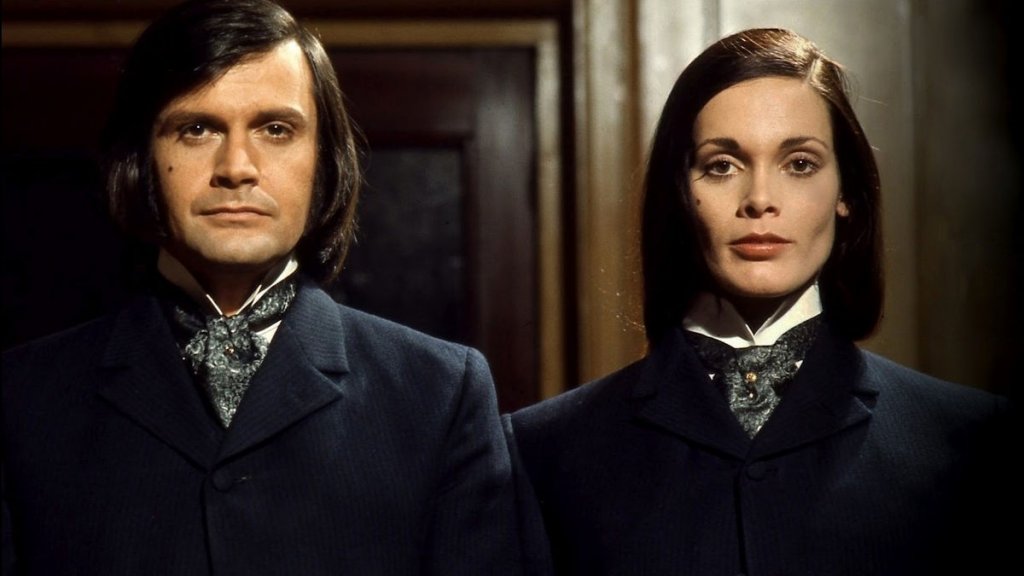
Legend continues to celebrate the Golden Age of genre cinema with a season of double bills. This week, there are a couple of latter-day Hammer offerings from 1971. Dr Jekyll and Sister Hyde is a gender-bending spin on the classic story with Ralph Bates and Martine Beswick. Next up is Blood from the Mummy’s Tomb, which is based on a Bram Stoker tale starring Valerie Leon and Andrew Kier.

Find out more information at https://www.legend-tv.co.uk/

Tune into Legend on Sky 317, Virgin 149, Freeview 41, Freesat 138.

England win opening test against Pakistan in dramatic fashion

england win

One thing that has become clear when watching the England cricket team play in recent months – is that ‘Bazball’ is here to stay. The term has been coined since former Black Caps international Brendon McCullum took over the coaching role earlier this year – and it alludes to their willingness to play an attacking and risk-averse brand of cricket.

Additionally, with Ben Stokes replacing long-time servant Joe Root as captain – it has ensured that a new era of English cricket has been sworn in. It has produced exceptional results, with England winning their four test matches over the summer – three of which came against a forever-improving New Zealand side, and another against the always dangerous India.

Stokes and company followed up their success with the red ball and defied the sports betting odds to reign supreme in the Twenty20 (T20) World Cup in Australia last month. With three formats and regular travel on today’s cricketing schedule, being a professional in the modern era is a taxing ordeal – which is why you could forgive England if they were to come out sluggish against Pakistan in their opening test in Punjab earlier this month.

However, they were anything but – defeating Pakistan in an absolute thriller to take a 1-0 lead in their three-game series in the subcontinent. After winning the toss and electing to bat on what was an unbelievably flat Rawalpindi wicket, England couldn’t have started their first innings any better, with their top three batsman Zac Crawley, Ben Duckett and Ollie Pope all registering centuries. Middle-order batsman Harry Brook picked up where his top-order left off, scoring 153 runs off just 116 balls to help set England’s highest ever score in Asia as they went on to amass a mammoth total of 657.

To the home team’s credit, they hit back immediately in their first innings at the crease – with Saqlain Mushtaq’s men too setting an eye-popping total of 579 courtesy of tons to Abdullah Shafique, Imam-ul-Haq and captain Babar Azam. While fans thought the game was almost certainly heading for a draw – England had other ideas.

After Crawley, Root and Brook all scored rapid-fire fifties at a combined average strike rate of 114.6, Stokes made the bold decision to declare in their second innings at tea at 264/7. As a result, Pakistan needed 343 runs to win off roughly 130 overs to win the game. Many felt that opened up the real risk of England losing – as they simply could have stayed at the crease for another session or two and settled for the draw.

However, the optimism and confidence Stokes and McCullum play with deserves praise – and it paid dividends yet again as they bowled Pakistan out for 268 and secured arguably their greatest test win overseas. Ollie Robinson and James Anderson starred with the ball, taking four wickets apiece.

For those who follow the sports betting tips, England are the favourites at 4/9 to win the series, while Pakistan are underdogs at 9/2.

THE TELEPHEMERA YEARS: 2000 – PART 3

This is How the World Ends, 2000

Ah, telephemera… those shows whose stay with us was tantalisingly brief, snatched away before their time, and sometimes with good cause. They hit the schedules alongside established shows, hoping for a long run, but it’s not always to be, and for every Street Hawk there’s two Manimals. But here at STARBURST we celebrate their existence and mourn their departure, drilling down into the new season’s entertainment with equal opportunities square eyes… these are The Telephemera Years!

2000-01

Although it had failed to find an adequate replacement for Seinfeld since that show was laid to rest in 1998, NBC’s Must-See Thursdays still dominated the non-factual portion of US TV audiences in the 2000-01 season, as both ER and Friends entered their seventh seasons with nice Dr Greene being diagnosed with terminal cancer, and Monica and Chandler getting married. Everybody still loved Raymond over on CBS, which otherwise had to rely on the power of Survivor to gain a decent ratings share.

The world prepared to say goodbye to Walker, Texas Ranger, Diagnosis: Murder, Xena: Warrior Princess, and Star Trek: Voyager, but genre fans could still comfort themselves with weekly doses of Buffy, Angel, Touched by an Angel, Futurama, The X-Files, and Roswell, and there was the promise of Dark Angel, Sabrina the Teenage Witch, Andromeda, and Sheena all making their debuts. All those shows live on in the memory of those that saw them but what about those that didn’t even get the chance to make an impact? This is the story of 2000’s unsold pilots…

Star Patrol! (Fox): In the wake of Galaxy Quest’s excellent spoof of the original Star Trek series, one of the stars of Star Trek: The Next Generation decided that if anyone was going to send up the adventures of a crew of misfits boldly going it would be him. With a pilot ordered by Fox, Jonathan Frakes – who’d shot to fame as Commander Riker on the 1987 sequel to the original series – signed up as the director of Star Patrol!, handing his officer’s uniform over to Captain Vance Omega, played by Charles Rocket.

Rocket had come through the Rhode Island underground scene, where he was a contemporary to David Lynch and Gus van Sant, earning his first big break on Saturday Night Live in 1980, although he was fired a year later for dropping an F bomb live on air. His career recovered to the point where he was a reliable guest foil in both film and TV, fittingly making an appearance on Star Trek: Voyager in 1999, and Omega would be his first lead role.

The rest of the Space Rangers, Omega’s crew abroad the UAP Icarus, included Paget Brewster, Sara Ramirez, and Pat Kilbane, with Eric Jungmann (who played a teenage – and human! – Salem in an episode of Sabrina the Teenage Witch) cast as Omega’s son, Stevie. The plot of the pilot episode saw Brewster’s Lieutenant Striker set up to take the fall for a drug smuggling operation by Jason Alexander’s Commander Pommerance but ends with Pommerance – who is now just a brain in a jar – kidnapping Stevie Omega, with the rest of the crew forced to give chase.
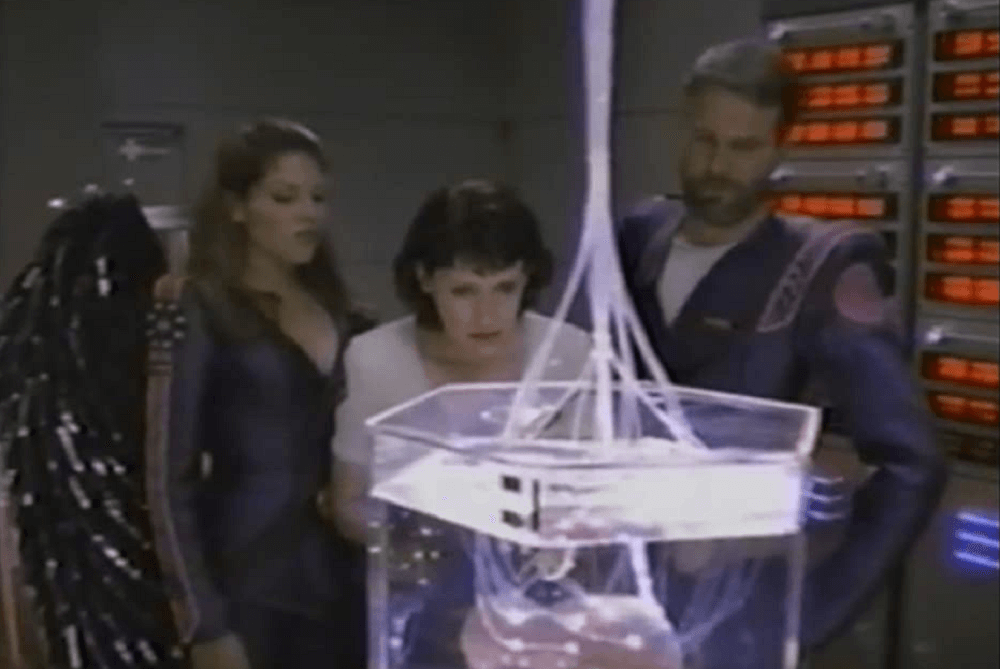
Star Patrol!, 2000

Of course, they never did catch him because the series was never taken to pilot, despite some decent special effects (by the SFX team behind Star Trek: Deep Space Nine) and some nice bones thrown to Trekkers in the script by the Keyes brothers. Star Trek fans would get their affectionate parody in 2017 with the embarkation of The Orville but if you want to see how it might have been done, Star Patrol! is on YouTube.

Super Nerds (Comedy Central): Ah, Super Nerds, the show that could have been The Big Bang Theory if only it hadn’t been utterly unfunny… Patton Oswalt, two years into his first regular role (on King of Queens), is Leslie, who works at The Dungeon Planet comic shop and wiles away the hours with his best friend Gayle, played by Brian Posehn. No subject is off limits for the two to banter about – as long as it pertains to comic books, sci-fi movies, and cosplayers – but their day is interrupted by the arrival of Sarah Silverman’s Gwen.

After a misunderstanding caused by Gayle trying to win an award for sleaziest man of the year, Gwen settles into the scene as another of their tribe, only one with lady parts and an attractive face. Turns out she has had an enormous crush on Leslie since they were at high school together and he once stood up for her. Leslie, of course, cannot form proper sentences around attractive women and therein lies the conflict. The cast is rounded out by comedy landlord Mr Vaskin, whose unseen brother Yorgei means Gayle can say “no, you’re gay!” a lot.
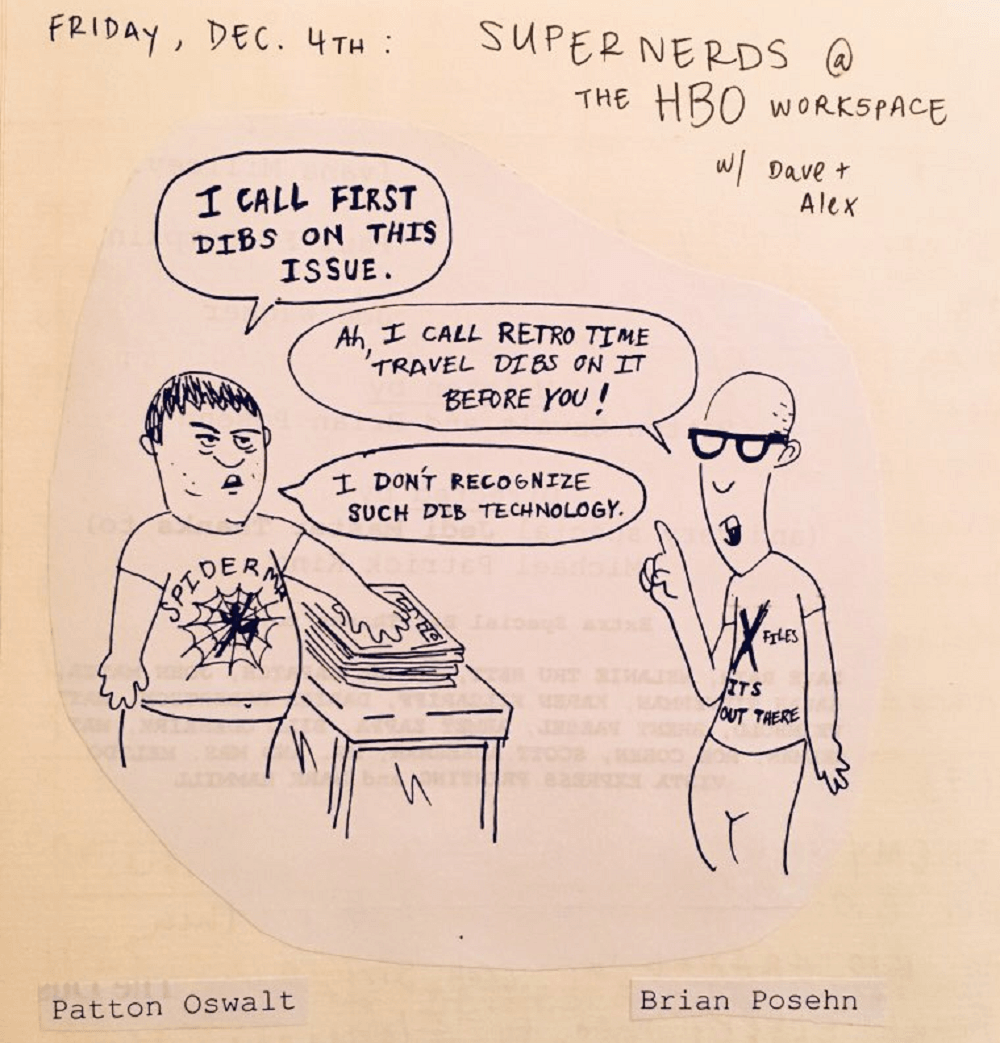
Super Nerds, 2000

Very much a product of its time, the warmth in the central premise of Super Nerds is sometimes lost in some edgy humour that pokes fun at fat people and the nerds themselves but there’s a authenticity behind it, which is no surprise given that Oswalt and Posehn – two self-confessed super nerds who have gone on to write actual Marvel comic books – were the creators responsible for the concept.

Comedy Central passed on a series and the show gathered dust until it was put online in 2011 and it’s still there on YouTube if you want to see what could have been. In an alternative world, it was the story of Leslie and Gwen – rather than Leonard and Penny – that might have had a ten-season run, although quite whether the world would have been ready for the Young Gayle spin-off is another story…

Hey Neighbor! (Fox): It’s not every show that leads with an announcement that just six actors will play the eighteen featured characters but Hey Neighbor! was a different prospect right from its inception. Created by Thomas Lennon, Robert Ben Garant, and Kerri Kenney-Silver, who had made a splash in 1993 with their MTV sketch show The State before sending up European variety shows with Viva Variety for Comedy Central, Hey Neighbor! was a sitcom that was a parody of a sitcom, full of the tropes of the medium but given a bizarre and knowing twist.

Michael Ian Black and Julia Campbell play Doug and Tammy – not their real names – who are entered into the witness relocation programme after witnessing a Mafia murder. Moved to the small town of Elwood, the pair start their new lives a whole world away from their previous existence as big city cultural types. Doug used to be an art critic but now he works in a copy shop, while Tammy at least gets to teach English at the local high school, but only because the principal has a thing for her and fires her predecessor to give her the job.
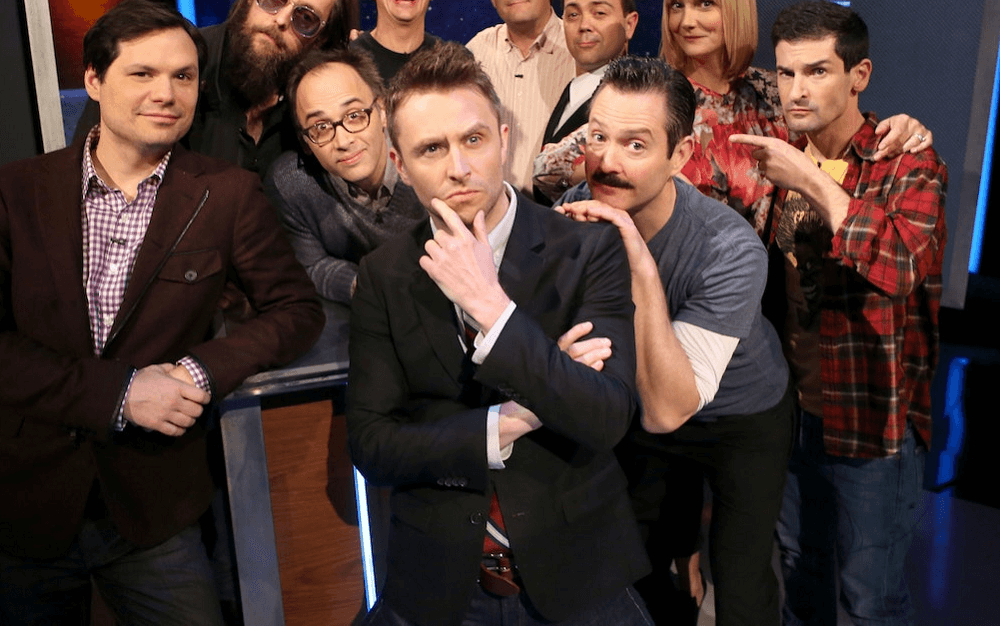
The cast of The State

Lennon and Kenney-Silver play the couple’s neighbours, a brash and offensive couple who are constantly invading their home without permission, and even when they seek respite at a local Greek restaurant the evening ends in chaos, violence, and possible death by fire. The actors (Jack Plotnick completes the sextet) do, indeed, play multiple roles, with Black even popping up as a pregnant high school student, but sometimes the intended parody was too broad and fell into, well, just being a sitcom.

Fox declined the take the show to series and Lennon, Grant, and Kenney-Silver began work on the police mockumentary that would become Reno 911, with Grant and Lennon scoring a massive crossover hit when they scripted Night at the Museum from Milan Trenc’s novel. There’s nothing so much as a set photo floating around the internet, and the pilot itself seems to have entered the witness relocation programme; someone check the Elwood branch of Blockbuster!

This Is How the World Ends (MTV): Gregg Araki exploded onto the arthouse cinema scene with his debut flick, Three Bewildered People in the Night, a love story about a video artist, her lover, and her gay friend made on a budget of just $5,000. He quickly became an integral part of what was dubbed the New Queer Cinema movement, with his Teenage Apocalypse trilogy of Totally Fucked Up, the Doom Generation, and Nowhere threatening to break him into the mainstream.

It was this that led to This is How the World Ends, an ambitious project for MTV that was given a budget of $1.5 million, way beyond anything Araki had worked with before. Despite the budget being cut in half before production began, Araki set to work on the pilot, which told the story of three teenagers trying to survive a dreamy yet stereotypical version of the American high school.
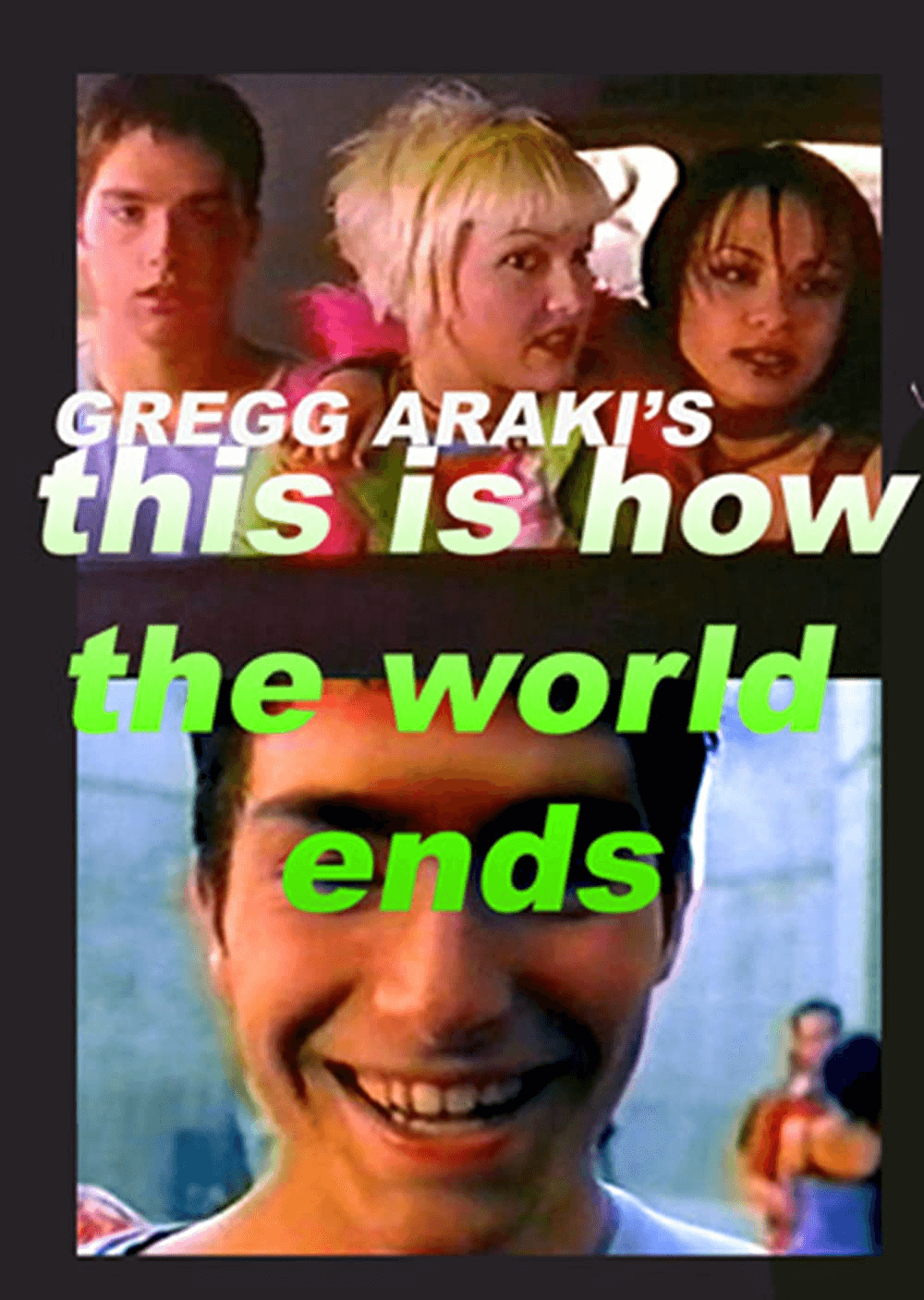
This is How the World Ends, 2000

Casper Van Dyke (Alan Simpson, with just two episodes of Freak and Geeks under his belt) is chasing the most popular girl in school but he also has a weird homoerotic thing with Miles (Tac Fitzgerald), who just happens to be sleeping with Casper’s mother. Meanwhile, Molly Brenner’s Sluggo finds her first love with Magenta, a goth witch, and Twin Peaks’s Michael Anderson pops up to remind you that this is a million miles away from Dawson’s Creek.

Despite MTV obviously wanting to position themselves as the hippest chancel around, Araki’s vision seems to have been too much for the network, who passed on what was sure to have been a controversial portrayal of queer, sexually active teenagers. You can decide for yourself on YouTube and it’s a must-see for fans of Araki’s oeuvre and for those who wish that their high school experience had been a little more trippy.

Next time on The Telephemera Years: What the kids were watching in 2000 (at least when they weren’t on their Heelys)…

Check out our other Telephemera articles:

The Telephemera Years: 1966 (part 1, 2, 3, 4)

The Telephemera Years: 1968 (part 1, 2, 3, 4)

The Telephemera Years: 1969 (part 1, 2, 3, 4)

The Telephemera Years: 1971 (part 1, 2, 3, 4)

The Telephemera Years: 1973 (part 1, 2, 3, 4)

The Telephemera Years: 1975 (part 1, 2, 3, 4)

The Telephemera Years: 1977 (part 1, 2, 3, 4)

The Telephemera Years: 1980 (part 12, 3, 4)

The Telephemera Years: 1982 (part 1, 2, 3, 4)

The Telephemera Years: 1984 (part 1, 2, 3, 4)

The Telephemera Years: 1986 (part 1, 2, 3, 4)

The Telephemera Years: 1987 (part 1, 2, 3, 4)

The Telephemera Years: 1990 (part 1, 2, 3, 4)

The Telephemera Years: 1992 (part 1, 2, 3, 4)

The Telephemera Years: 1995 (part 12, 3, 4)

The Telephemera Years: 1997 (part 1, 2, 3, 4)

The Telephemera Years: 2000 (part 1, 2, 3, 4)

The Telephemera Years: 2003 (part 1, 2, 3, 4)

The Telephemera Years: 2005 (part 1, 2, 3, 4)

The Telephemera Years: 2008 (part 1, 23, 4)

Titans of Telephemera: Irwin Allen

Titans of Telephemera: Stephen J Cannell (part 1, 2, 3, 4)

Titans of Telephemera: Hanna-Barbera (part 1, 2, 3, 4, 5)

Titans of Telephemera: Kenneth Johnson

Titans of Telephemera: Glen A Larson (part 1, 2, 3, 4)

Titans of Telephemera: Quinn Martin (part 1, 2)

Banking with the Bank of Dave

Banking with the Bank of Dave

In 2011, Dave Fishwick decided to open Burnley Savings and Loans to help small businesses and people in Burnley, Lancashire. His aim was to help them to secure loans that they would otherwise be refused by more established banking institutions typically found in our high streets. Fishwick’s fascinating story is now being made into a Netflix film starring James Bond actor, Rory Kinnear, in the primary character’s role.

Who is Dave Fishwick?

Born into a working-class family, their home had an outside toilet and his family didn’t own a television. Despite money being tight, both Dave and his brother received an abundance of love from their family and the wider community. His father had two jobs; one as a farm labourer and mill supervisor. His mother worked at the same mill. It was seeing their work ethic that inspired his own work ethos.

Dave became a self-made millionaire through hard graft. He did this by selling vans and minibuses. But, unlike a lot of people, he wanted people around him to do just as well. It was his passion for his local Burnley community that led him to fight the London financial industry. Dave believed he could help his community turn around its fortunes and thrive.

Fishwick set himself an objective to create a bank and lead it into profit within 180 days. It was this tenacity that led to him being the first person to be issued a banking licence in over 100 years. His local community remembers him as being the person that helped him when others wouldn’t.

Bank on Dave

Dave noticed banks were reluctant to help his customers. This was impacting his business to the point Dave decided to be proactive and help his clients. This proved to be very successful, and so he decided to open Burnley Savings and Loans. Initially known as Bank on Dave, until Dave got his banking licence, what it did was link savers to local businesses. Interest was charged at 8.9% and investors could make 5% on savings and any profits went to charity.

Applications were assessed by a bank manager with deep financial knowledge, rather than blanket algorithms that high street banks used. In the past ten years, Burnley Savings and Loans has lent nearly an astonishing £30 million and has a three-year waiting list for customers to open a savings account.

The people of Burnley trust Dave and his bank with their hard-earned money, and it’s clear to see why as it has approximately a 97% repayment rate. Banks are renowned for being secure institutions in our high streets. Even in games, they, or those that run them, often hold positions of responsibility.

For instance, The Banker, whereby teams represent a bank with their own balance sheet. The object of the game is to increase their balance and keep the bank in profit whilst balancing their payment obligations. Another game is Action Bank, which requires players to try to get to the vault via the slots to win the jackpot. There are plenty of prizes along the way, such as the player winning thirty free spins if they get 5 golden vault scatter symbols.


Source: Pixabay

Bank of Dave shows us that anything is possible if we strive to achieve it. From humble beginnings to being a millionaire, Dave Fishwick not only became a success, but he paid it forward and helped many people and small businesses in his community succeed too. Banks should be there to help everyone and Dave ensured this was true for those in Burnley.


Main image source: Unsplash

Five Films to Check Out on Legend This Week – 051222

legend the blood on satans claw

Well, we’re on to the last month of the year – where does the time go? As always, Legend has some cracking films and TV series to keep the winter blues away. Here are our picks you shouldn’t miss this week…


Tuesday December 6th, 11.45pm – Videodrome (1982)

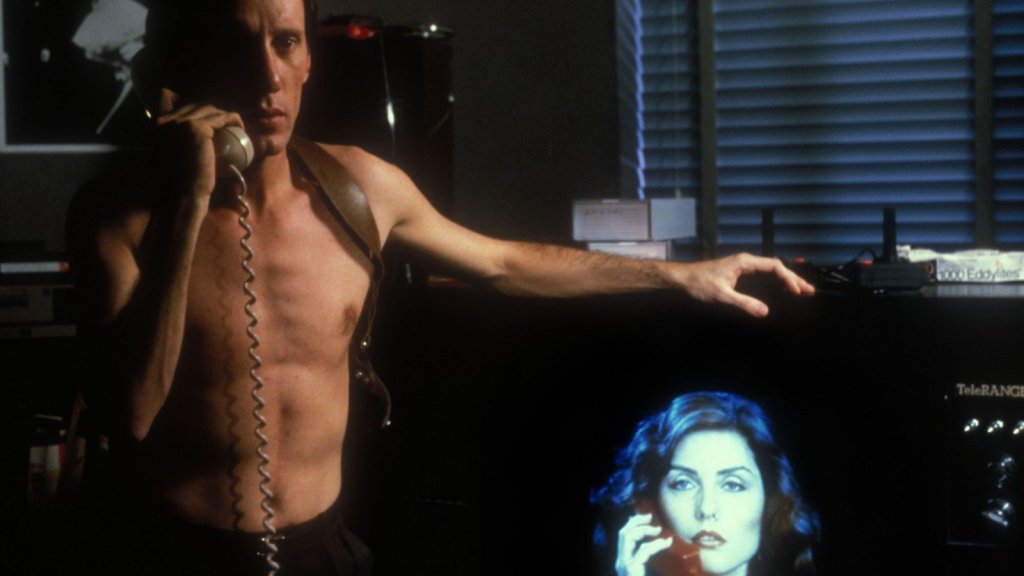
Writer/director David Cronenberg is at his most iconic with this twisted piece of body horror. James Woods is the TV exec who stumbles on a sadistic pirate broadcast that takes over his life. Also stars Blondie singer Debbie Harry.


Thursday December 8th, 10.50pm – John Carpenter’s Ghosts of Mars (2001)  

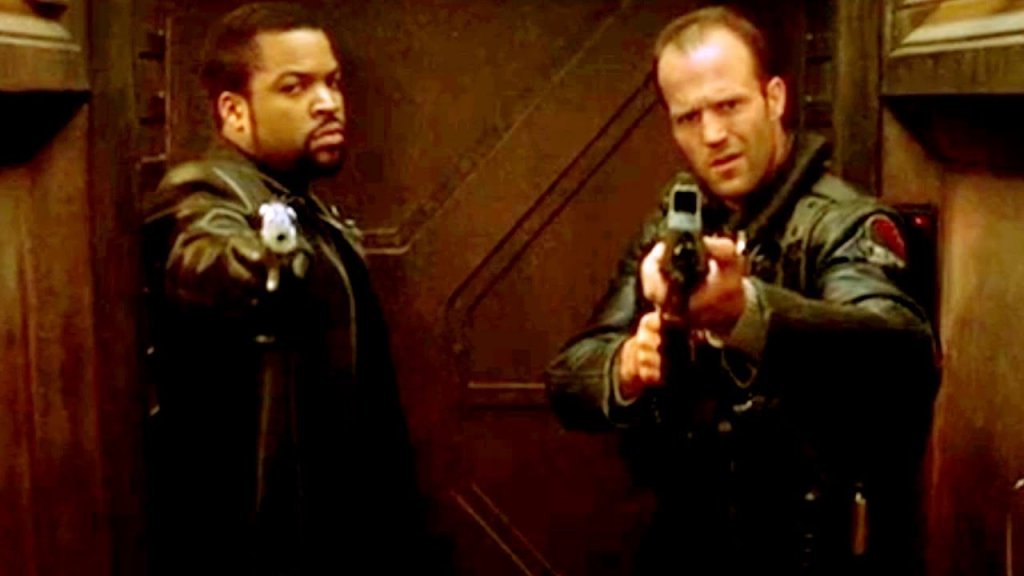
The horror master takes on a sci-fi bent with this action-packed movie starring Natasha Henstridge, Ice Cube, Jason Statham, and cult icon Pam Grier. Set on Mars in the 22nd century, the ghosts of the planet’s past come back to haunt the mining colony.


Friday December 9th, 9pm – The Internecine Project (1974)

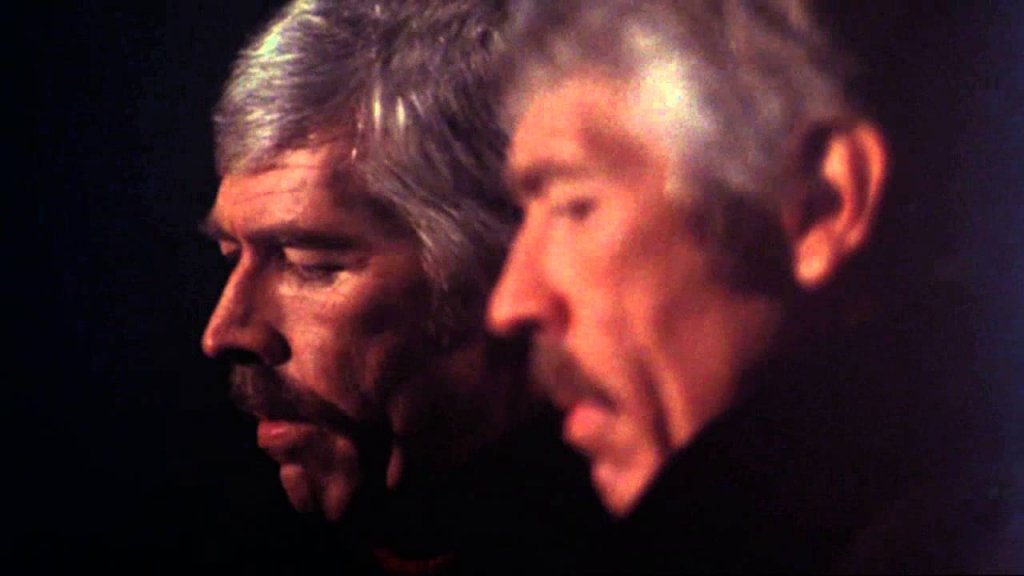
James Coburn is a success economist who is about to be promoted to work for the US president. The only thing he has to do is silence the four people who know about his shady espionage side hustle. Directed by Ken Hughes, best known for Chitty Chitty Bang Bang.


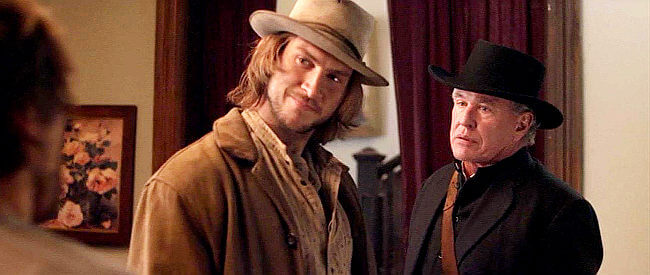
Saturday December 10th, 9pm Lonesome Dove (2014)

Starring Tom Berenger, this is based on the real-life story of the formation of the Lonesome Dove Church in Texas. Directed by Even Lambs Have Teeth’s Terry Miles.


Sunday December 11th, 9pm – 12.40am The Vintage Vault

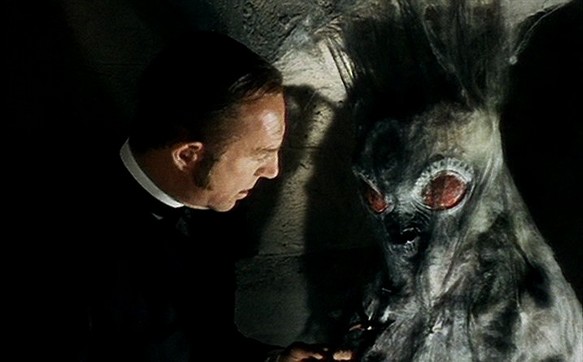
Legend continues to celebrate the Golden Age of genre cinema with a season of double bills. This week, Peter Cushing fights a giant moth in The Blood Beast Terror (1968) and there’s evil afoot in the folk horror classic The Blood on Satan’s Claw (1971), starring Linda Hayden, Wendy Padbury, and Patrick Wymark.

Find out more information at https://www.legend-tv.co.uk/

Tune into Legend on Sky 317, Virgin 149, Freeview 41, Freesat 138.

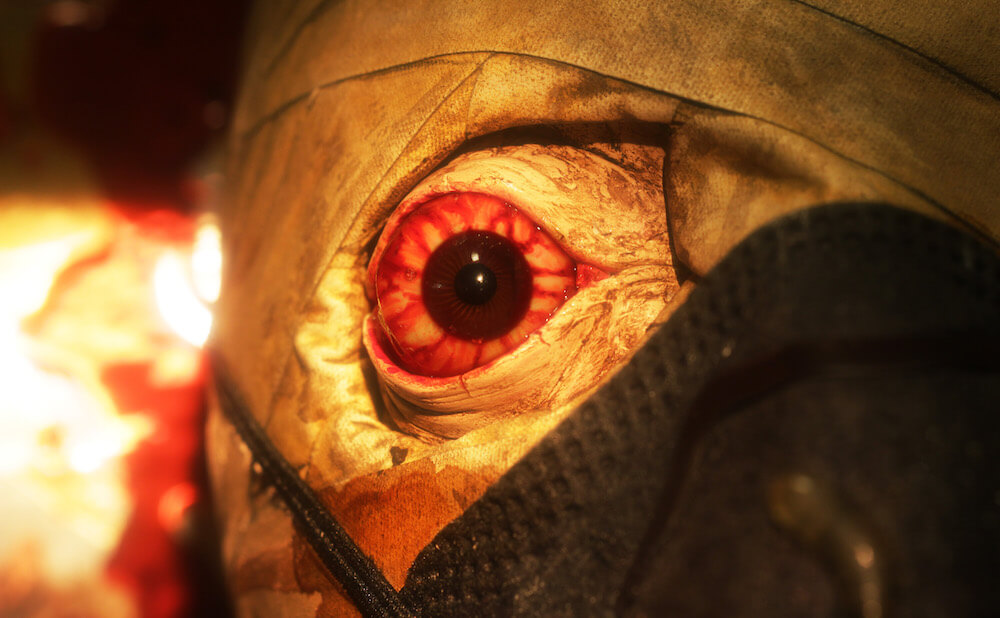
Phil Tippett Talks MAD GOD

mad dog phil tippett

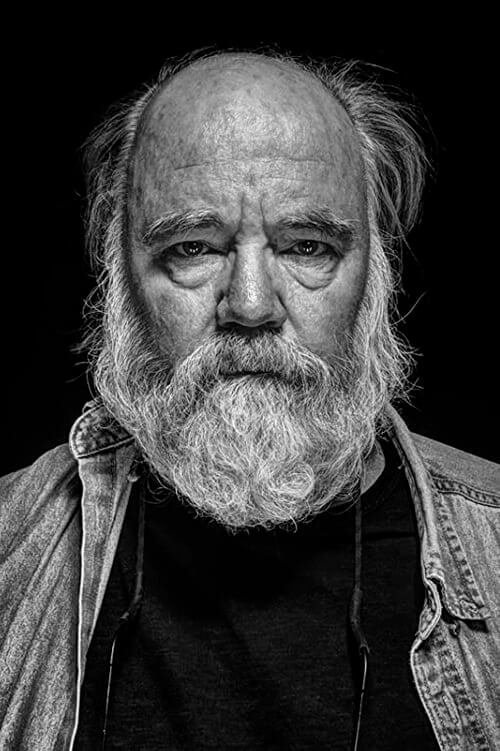
Phil Tippett is the special effects genius responsible for some of the most spectacular sequences in cinema history. After creating the chess game in the original Star Wars, he brought us AT-ATs and Tauntauns for The Empire Strikes Back and the Rancor for Return of the Jedi, which – as head of the creature shop – saw him win his first Oscar. He’d win a second for Jurassic Park, as well as creating other classic sequences, including Robocop’s ED-209 and the alien bugs in Starship Troopers.

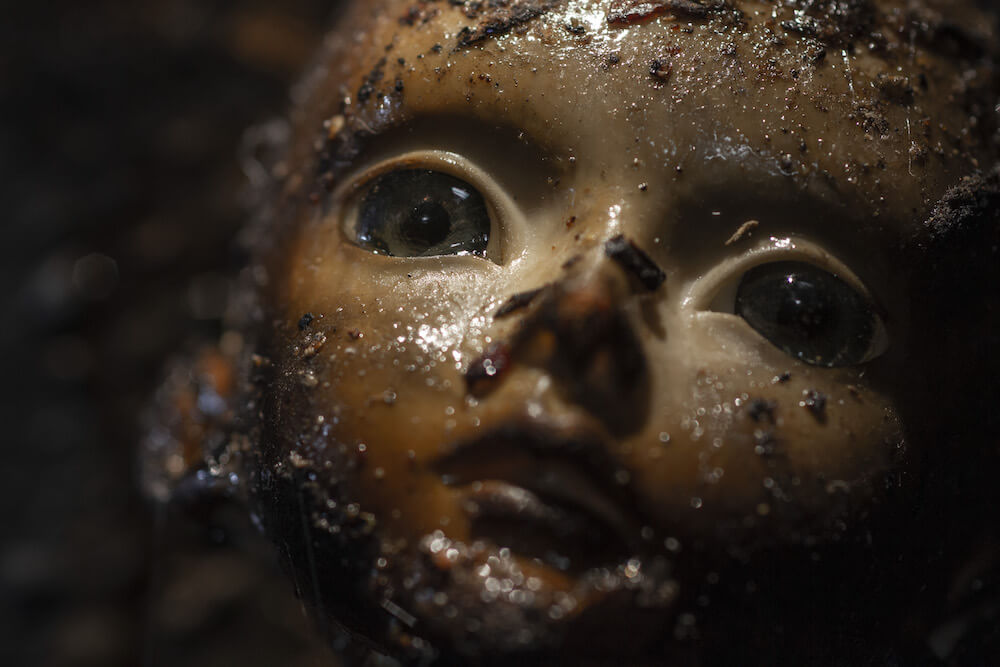
Throughout much of this period, Tippett has been working on his passion project, Mad God – a stunning, hellish stop-motion tour de force that he first conceived around the time of Jurassic Park. After that film’s stunning animatronic and CG dinosaurs, Tippett became pessimistic about the future of stop-motion, abandoning the project for years. He was finally persuaded by colleagues and friends to resurrect and complete his magnum opus.

Mad God took its toll on Tippett, which he also wrote and directed. Speaking to STARBURST as the film is released on Blu-ray, the astonishingly frank Tippett told us how the film nearly destroyed him.


STARBURST: Congratulations on the film. It’s genuinely unlike anything we’ve ever seen before. How does it feel to have it out there finally?

Phil Tippett: The people that I showed it to, who were friends, liked it. But, you know, they’d always have an addendum, which was like: “this is not a movie for everyone”. And the first two film festivals that I put it in rejected Mad God – Berlin was one – which sent me into a depression. That was like, okay, I wondered if it was going to go in this direction. And then we were invited to Locarno for the premiere of Mad God, and it just took off from there. It really surprised me, because I set myself up after Berlin for failure, of not being able to reach an audience. It gradually gained a momentum that is still gaining, and it’s about to open in Japan. And they’re doing a huge bunch of publicity. Mad God was really made for Japan.

Why do you say that?

They like weird stuff!


You started working on Mad God 30 years ago. Did your conception of the project change much over that period?

Yes, and no. I mean, it was all very much like a religious vision that really came all at once. There was a star that I was following. It was a classic Joseph Campbell’s hero’s journey where you go down without an objective. I mean, there’s no holy grail that you were seeking. But you will go down a path that will lead to another path that will lead to a gate that would lead to a forest where you get lost, and then there’s a talking crow… and then at some point, the hero dies and has to be reborn.

And that was literally my journey. Because at the end of this 12-year period when we rebooted, I just wore myself out and got exhausted and had some kind of synaptic snap. I had to go into the psych ward for a few days and it took me a few months to recover. It was just an overwhelming experience. Towards the end of it, I just hated working on it. My friends would afterwards let me know that I was disintegrating. I wouldn’t wash my hair; my clothes were all ripped and covered with paint. My hands had all been banged up from making sets and covered with bandages. I didn’t shower, and I went down that path, and it was kind of mentally disintegrating. It just took it all out of me.

It took a while to get over that, but that was the death. There was a rebirth. I think the real resurrection really came when Mad God took off. I was just so relieved that people didn’t hate it.

We’re sorry to hear you went through that. We’d heard you had some problems while you were making it but didn’t realise they were that severe. We hope you’re feeling a lot better now. We feel you’ve half-answered the next question. There’s some very disturbing imagery in the film. Where did that come from?

Well, when I was doing the research during that 20-year hiatus, Dante’s Inferno was an initial guide. And so structurally I knew I was going in a certain direction, which was down. And when I was a kid, maybe 10 or 12 years old, my dad was an artist. And he saw that I was drawing and sculpting all the time. I was friendly and had friends in high school and around that time, but there was nobody that was interested in what I was interested in. So, I just would close myself off in my room. And I was either practising animating on 8mm film or drawing or sculpting, and that’s what I did. I didn’t go to parties or dances and didn’t want to invest in girlfriends. Everything was a time suck for me. And that’s still the way it is today.

You don’t have much time in this life, and there’s a shitload of stuff to do. And so, you have to be very selfish to be an artist sometimes. And the whole disintegration process, you hear that time and time again with artists. Beethoven was a famous one who would just totally get lost in his work, became an alcoholic, and look like a homeless guy. The work owns you at that point in time, and you’re just doing what you’re told to do to complete the vision.


Mad God in some ways feels like a very deliberate throwback to cinema’s past with stop-motion, and there’s no dialogue in it. Was it an intentional throwback? And do you think that with the technology available to filmmakers nowadays, films have lost something?

Well, I’ve always admired silent film, and when sound came in, it destroyed a certain beauty that cinema had in terms of body acting and how one projected as opposed to, you know, blabbing a lot. So, when I set off to make Mad God, I knew that’s what I wanted to do, essentially make a silent film with sound and music.

You also challenged yourself because the film’s plot is deliberately vague. It definitely challenges the audience to think, doesn’t it?

Well, it always made sense to me. One thing leads to the next, which leads to the next, so you’re following a narrative arc, but it’s oblique, with a lot of hard right turns, and hard left turns. The structure’s Dante’s Inferno, where you just go down, down, down, down, down.

During the period that I was working on Mad God, I dreamt prolifically. Every night I would wake up, and the dreams were clear as a bell. Every morning I would write the dreams down in a large journal. And I could do six to ten pages in the morning, which took a few hours to do sometimes. That was really interesting to me, in that if you sit down at the table for breakfast with your family and say, “I had a really weird dream last night, it was about blah, blah, blah,” then you just forget, because it’s put in the category of that was a weird dream. But as I was writing this down, after a few months I went back and was rereading some of the dreams. And many of them have an innate structure, which was that there was a proposition at the beginning, and then in the second act, there was a great deal of uncertainty, and it was like a diversion. And then the third act, there would be a resolution to the first act’s proposition.

Although oblique, it was a cycle very much like the creative process, where there’s something that starts almost out of nowhere, like the creation of matter out of nothing. And then there’s a long period of unconscious thinking, where you’re just processing the first part. But it’s very abstract and doesn’t make a great deal of sense. And then in the third part, that unconscious period informs the third act, and what the proposition was in the first act. And that led me to agree with the concept that storytelling is innate in our DNA. That gave me strength and confidence, to know that even though this project was very oblique, it was in the same tradition of human storytelling that I’m sure was there pretty much at the inception of language.

Mad God is available on Blu-ray from December 5th.


Images: © 2021 Tippett Sudios Inc. https://madgodmovie.com


[ENDED] Win WORZEL GUMMIDGE: THE COMPLETE RESTORED EDITION on Blu-ray

win worzel gummidge on blu-ray

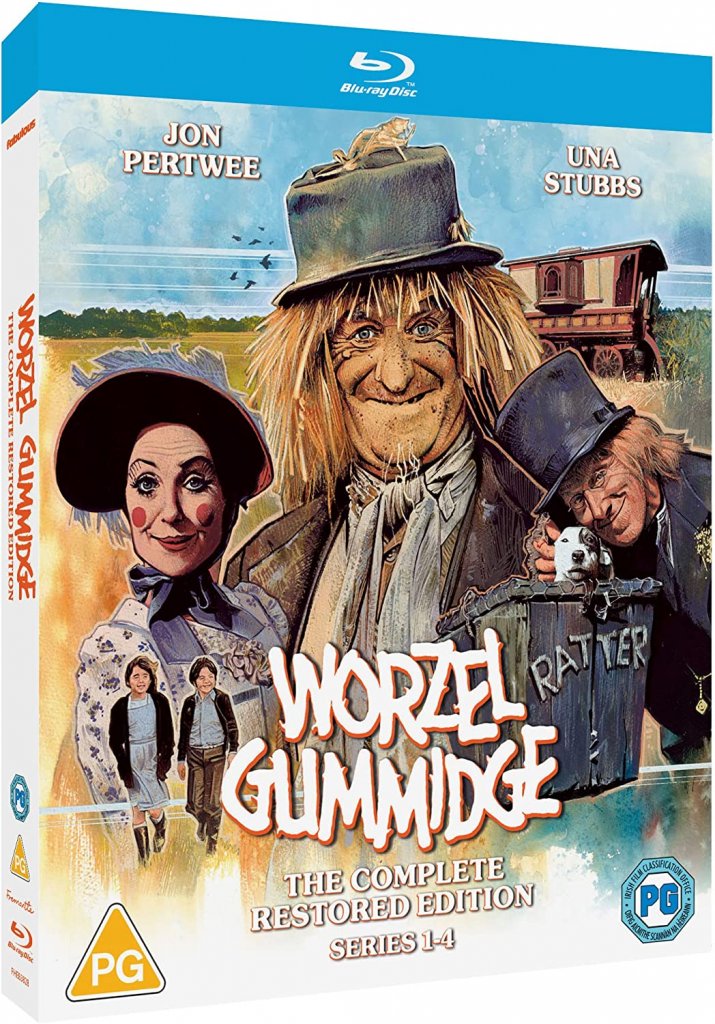
He may have haunted the nightmares of many a young ‘un back in the day (see our Accidental Damage list as part of the Splatter Royale feature in STARBURST #479), but Worzel Gummidge, the show and the character are still much-loved by many. Fabulous Films is releasing the complete restored edition of the series on December 19th. Available on Blu-ray and DVD, loaded with bonus features, and we have two copies to give away! Just watch the trailer, read on, and enter below… 

Well, I’ll be bum swizzled! Jon Pertwee’s loveable scarecrow Worzel Gummidge is getting a new lease of life, with a new high-definition restoration of the classic ITV family series. Enjoy for the first time the entire series now fully restored from the original 16mm negatives. Worzel Gummidge, The Complete Restored Edition has all 31 episodes and is packed full of an incredible 170 mins of bonus material, both old and new including all new audio commentaries with cast and crew and a double-sided poster of all new artwork by Graham Humphreys.

  • Worzel Gummidge originally ran for four series from 1979-1981, based on the books by Barbara Euphan Todd published between 1936 and 1963. The original TV series was produced by ITV’s Southern Television and starred Jon Pertwee, Una Stubbs and Geoffrey Bayldon.
  • Keith Waterhouse and Willis Hall (Billy Liar, Budgie) wrote the scripts. They originally intended to make it as a film with Jon Pertwee but they were unable to raise the money or the distribution. Pertwee asked them instead to write a pilot for television which both the BBC and Thames Television turned down before Southern Television picked it up. Although it was made as a children’s series, it quickly became a TV show the whole family could enjoy with Jon Pertwee stating that 65 per cent of the viewers were adults.
  • Cinematography was by Wolfgang Suschitzky (Get Carter) and Gerry Antiss (The Omen). James Hill, who won an Oscar for his short film Giuseppina, was the show’s producer/director. The series was nominated for seven BAFTA awards and was adapted into a hit West End musical.

The book’s author Barbara Euphan Todd was born in Arksey, near Doncaster, in 1890, but grew up in Soberton, in Hampshire – the county in which the series was predominately filmed. The main locations being near Winchester in the villages of Stockbridge, King’s Somborne, Michelmersh and Braishfield, along with Broughton for the fourth series.

       “[Worzel Gummidge] frightened the shit out of hundreds of children”

Jon Pertwee


The series immediately became a cult classic. Sadly when the production company lost the rights to Worzel Gummidge, the new owner chose to stop production.

Jon Pertwee who played the Doctor in Doctor Who from 1970 to 1974 said that Worzel Gummidge was his favourite role. In 1980, he recorded the theme for Worzel Gummidge and ‘Worzel’s Song’ reached 33 on the UK Singles Chart. Pertwee was buried with a Worzel doll on his coffin.

Guest stars included Billy Connolly, Bill Maynard, Barbara Windsor, Connie Booth, Mike Reid, Joan Sims and Lorraine Chase. Sean Pertwee played an uncredited role in series four episode The Jumbly Sale.

Aunt Sally has the same name as the traditional English throwing game dating back to the 17th century, like a coconut shy but players throw sticks or battens at a model of an old woman’s head. The World Aunt Sally Open Singles Championship (WASOSC) takes place annually at the Charlbury Beer Festival in Charlbury, West Oxfordshire.


Synopsis: Walking, talking scarecrow Worzel Gummidge lives on Scatterbrook Farm, where he stands in Ten Acre field. When children John and Susan move to the countryside, they learn that life is never dull with Worzel around. The restless scarecrow dreams of a life away from his post in Ten Acre Field and often wanders off into mischief. Whether getting his heart broken by the creaking fairground doll Aunt Sally (Una Stubbs) or disobeying his maker, the eccentric old Crowman (Geoffrey Bayldon), Worzel is lucky to have his young friends on hand to help rescue him from trouble.


Cast: Jon Pertwee, Una Stubbs, Geoffrey Bayldon, Jeremy Austin, Charlotte Coleman, Mike Berry, Norman Bird, Megs Jenkins.


Bonus Material: 9 all new audio commentaries with cast and crew, A Visit to Scatterbrook Farm with Jeremy Austin and Wayne Norman revisiting the original Hampshire locations, Isolated music and effects tracks on 6 episodes, Unearthed Southern Television promotional films released for the first time, An option to watch each episode with the original Southern TV curation and the original continuity from a Southern TV repeat of the Christmas special, BFI Restoration Preview – a panel discussion with Jeremy Austin, Mike Berry, Lorraine Chase, Wayne Norman and Sean Pertwee from the launch of the restoration, A Chat with Saucy Nancy – Barbara Windsor reveals her experiences of appearing several times throughout the series, A Visit to the Crowman – Geoffrey Bayldon recalls his fond memories of playing Worzel’s creator, Experience life through Worzel’s eyes with “Worzel Cam” featuring rushes from the original production, The abandoned episode ‘Worzel Gives a Lecture’ presented as an audiobook with Jon Pertwee, Barn Find – an insight into the discovery of the original Worzel film cans, Restoring Worzel – showing the process of bringing the original film negatives back to life, Revisiting Worzel – Jeremy Austin shares photos from his personal collection while behind the scenes during the audio commentaries, Outtakes – a couple of bloopers from the 2nd series, Worzel Audio Outtakes – cast and crew can be heard rehearsing key scenes from the 3rd series, Sounds Of Worzel – sound effects outtakes from 1981, Worzel on Location – rare 8mm footage of Worzel And The Saucy Nancy being made, Trailers and adverts – ITV publicity adverts shown across the network for the series and when Worzel went commercial for the TV Times, Extensive photo galleries for each series, Day by Yesterday with Jon Pertwee’s final appearance on Southern Television as Worzel, Day By Day Cast Interview – Worzel, Aunt Sally and the Crowman appear on the regional ITV programme to preview the series with predictably riotous results, Series guide booklet, A Double-Sided Poster of the All-New Artwork, And many other archive treats including: Una Stubbs and Geoffrey Bayldon on This Morning, Jerry Austin and Charlotte Coleman on Southern Gold, a rediscovered interview with Jon Pertwee on Robson’s People, Worzel in character on The Saturday Show, Aunt Sally visits Downing Street, Lorraine Chase on Day By Day, plus Worzel on the radio.


WORZEL GUMMIDGE: THE COMPLETE RESTORED EDITION is released on Blu-ray and DVD December 19th from Fabulous Films.


Inside WITCHFINDER GENERAL

Witchfinder General

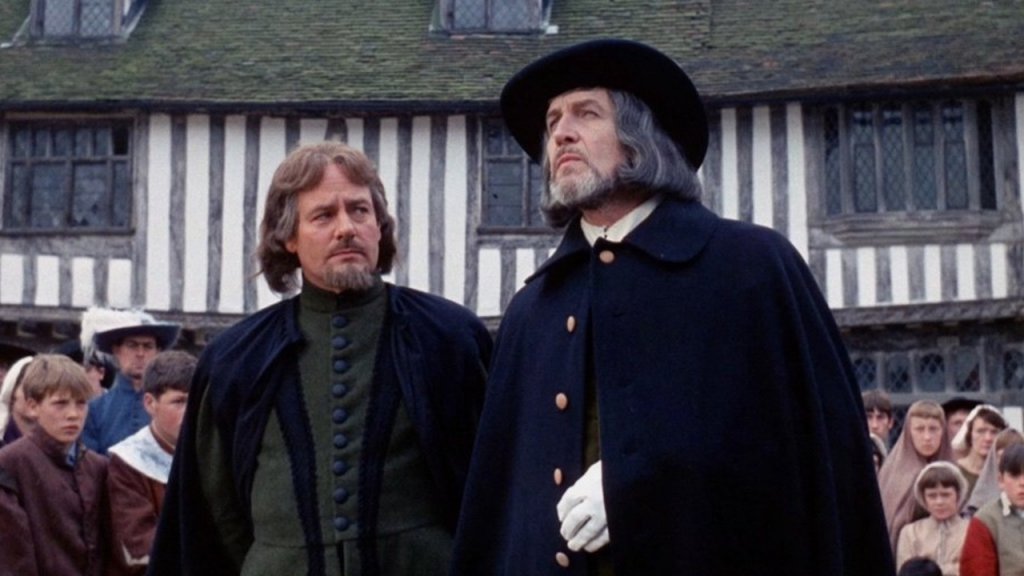
Witchfinder General (renamed The Conqueror Worm in the US), is an incredible piece of horror history, but still not as respected as it should probably be. Pick up any decent book on genre films, peruse any list of the Top 100 scariest films, and the 1968 British classic will appear.

Yet, there is something about Witchfinder General that has made it an evasive classic. Sure, there’s a Blu-ray release (hardly the benchmark of success but a useful barometer for a film’s availability) yet that release seems less fawned over than other folk horror titles. The Wicker Man (1973) has settled comfortably into long-term highly profitable cult status thanks to the impassioned cries of many popular film critics. Its charms are many. The Blood on Satan’s Claw (1971) and Mark of the Devil (1970) have bumper-pack releases crammed with retrospective glee and studious affection whilst Witchfinder General seems comparatively abandoned.

But then perhaps a film which reveals the horrors of the witch hunts is a harder sell than say, a folk musical with Christopher Lee and Britt Ekland. Or another Vincent Price/Edgar Allen Poe romp. Reeves and scribe Tom Baker (not that one) adapted the film from Ronald Bassett’s historically accurate novel of the same name about historical bogeyman Matthew Hopkins, deciding that a stark immersive period experience would prove more affecting than the familiar cosy feel of late ‘60s British horror.

It’s a film that has been left to grow its cult status of the infamous feud between Price and director Michael Reeves, not to mention Reeves’ untimely death (a barbiturate overdose) just nine months after the film’s release. Witchfinder General then represents Price’s rejuvenation and Reeve’s swansong. On both counts it delivers.


The Price of Pain

For many a Vincent Price fan, Witchfinder General is a shock to the system because it’s actually scary. And really dark. Like The Wicker Man, Witchfinder General is built on a foundation of disappointment and aggravation. Crossed words and crossed swords, locked horns and all that. Reeves was an up-and-coming director with two ambitious low-budget films under his belt, Price was a well-established performer tied under contract with American International Pictures. Reeves was self-assured and determined, Price was caught re-living a camp caricature cultivated through his numerous films with Roger Corman and William Castle. Reeves originally wanted Donald Pleasance and told Price as much. The filming seems to have been as gruelling as the finished product itself.

The atmosphere took a toll on Price whose confidence was severely knocked by the young upstart. Regular calls to the producer at AIP proved Price was depressed in the cold damp of Suffolk. There are numerous stories from the making of the film that prove the antagonistic relationship between a slightly bratty Reeve and a cornered Price. The producers demanded additional nude sequences for the German release of the film. The meddling had started with Price’s casting and lasted right up to the very moment it appeared in cinemas. For the US release, the film was retitled The Conqueror Worm after the Poe poem, and given a bookending narration from Price. The idea was to tie it into Price’s lucratively cheap Corman collaborations. Reeve’s shining chance at success became increasingly dirtied and his tensions with Price seem to have carried much of the pressure.

We can only assume the tensions worked in the film’s favour. Price’s characteristic flourishes, the eye-roll, the drop-dead one-liners, the persona of flamboyance, are all stamped out. What’s left is a detached performance, separate from many of Price’s most popular. For a horror icon, Price’s credits are skimpy on genuine chills, but what Witchfinder General delivers more than makes up for it. He’s a bastard. A total bastard. There are no fun contraptions, zesty turns of phrase, bitching, murderous wives, or LSD trips in sight. In a way, it honestly feels like Reeves dropped a depressed Price in the middle of nowhere with a pistol and said: “do your worst”.

Landscapes of Terror

One of the most impressive things about Witchfinder General is how good it looks. The vast foggy countryside of 1700’s England is an intriguing prospect; grim by some counts, idyllic by others. The opening shots of early morning sun through autumn trees, sheep in green pastures, and the looming silhouette of the gallows are haunting, to say the least. The tone is set right from the start: this is a film that corrupts the idyllic. The gallows, along with the opening hanging overseen by Price’s Hopkins, position the rowdy townsfolk as a kind of congregation rounded up under an awful ritual. People like Matthew Hopkins were able, as Reeves’ film suggests, to creep across England like a pestilence, exploiting fear wherever they went and delivering some perverted release through what was essentially sacrifice.

Witchfinder General is not a film about Matthew Hopkins, though. Reeves spends far more time with the young couple Richard (Ian Ogilvy, Reeves’ friend and star of his first two films) and Sara (Hilary Heath), star-crossed lovers doomed by the tide of misfortune Reeve’s film unleashes on them. Richard is a picture of English heroism, a soldier in Cromwell’s army and a romantic to boot. Sara is beautiful and innocent, the sweet niece of a lovable priest. The priest promises Richard he can marry Sara if he takes her away and keeps her safe. On his way back to join his regiment, Richard unknowingly points Hopkins and his aid in the direction of his beloved. Later, when Richard dispatches her to Lavenham (Suffolk) for her protection, he again finds out too late that Hopkins is bound for that village next.

So there’s an almost farcical element, a cruel omnipresent fate that douses the film in danger. It’s a doomed romance film, paired with a war film. There’s also a real sense of the westerns Reeves admired so much growing up. The vastness of the Utah plains is here translated as the green fields of England, wide-angle shots help give scope to a relatively small-scale story. When the movie turns into a revenge thriller, it embraces outlaw justice and takes even greater steps into western territory. Reeves was clearly a gifted filmmaker and his tight direction ensured the film rose above its potentially flat subject. The ambition is perhaps more apparent when considered against its contemporaries.

legend picks witchfinder general

A Time of Unrest

1968 is a strange year for horror. In the US, George A. Romero’s Night of the Living Dead kicked off the zombie genre whilst Rosemary’s Baby brought occult conspiracy to the contemporary city. In the UK, Hammer continued its success with relatively low-budget historical horror flicks anchored by big names. Euro Gothic was preparing to move into the sleek seedy world of giallo thrillers, which would, in turn, open the door for American slashers. One of Hammer’s finest films, The Devil Rides Out, would be released just months after Witchfinder General, but the studio would struggle for relevance in the paranoid world of ‘70s horror. Basically because their films didn’t scare anymore.

Witchfinder General is a kind of retrospective from a young voice just before the genre went through its rejuvenation. The ‘60s opened with an introverted psychological approach, characterised by POV-heavy flicks like Psycho, Peeping Tom, and Eyes Without a Face. They closed with a hyper-paranoid nihilism grown from a decade of shocking assassinations, horrific Vietnam coverage, and violent civil rights protest. Reeves utilised documentary realism to give his film a gritty edge over Hammer’s characteristically theatrical brand and that’s why it’s more terrifying than most of the house of horror’s output. It’s also perfectly constructed to get under the audience’s skin with a depressingly timeless tale of corruption and violence.

Though it might not seem it, Witchfinder General feels politically charged. It’s an angry film that looks to expose the feeble reasoning of genocidal zealots, nonsensical power structures, and age-old systems of belief. Reeves’ witch film never once steps foot in the realm of the supernatural, this is a film about paranoia and frenzy, scapegoating and delusion. Hopkins’ fateful judgements are based on his hatred of women and a suitably hypocritical puritanical streak, his right-hand man tortures seemingly for sadistic pleasure. Reeves’ film can barely be called a witch film since its concerns itself less with the potential supernatural and more on the dependable horrors of personal desire and fear.

Controversy

The graphic representation of violence is often historically accurate and gruelling to behold. Careful editing and unflinching brutality make the film as hard-hitting a horror now as it was in ‘68. Reeves is disgusted by the fact things like this actually happened, and he wants his audience to be just as horrified. It’s a perfect film about the horrors of war, its fallout, and the often murderously misguided voices of the masses.

At the time of its original screening, the film was considered a gratuitous venture and a tough sell for a non-horror audience. The palpable misery on screen proved a tough gamble and censors wanted Reeves’ passion project neutered. The witch burnings and torture sequences are nothing short of confrontational, and the BBFC predictably trimmed two minutes of content. Viewers might actually be surprised at the brutality on screen. From start to finish there’s a real tangibility to the violence thanks to great editing, acting, and sparingly used gore. Witchfinder General is hardly the torture porn film it is painted as, those credits remain with some of the sloppier witch hunt rip-offs that came in the following years, but its edge is surprisingly uncompromised by age. Controversy hid the film’s other qualities, but there’s surprising lack of fetishistic exploitation. It’s straight horror.

Legacy

Finally, one of Witchfinder General’s most important credits is its importance to the short-lived folk horror subgenre that it essentially kick-started. These films are rural by nature, usually focusing on an outsider’s disorientating experiences in small-town life. It’s a genre built on culture shock, historic evils, and the horrors of ritual.

The genre’s key films are a relatively small collection of late ’60s and early ‘70s tales of paranoia, conspiracy, and usually, the British countryside. The most famous include those aforementioned classics such as The Wicker Man and The Blood on Satan’s Claw as well as witch hunt films like Mark of the Devil. Together, the movies present an essay on history rearing its ugly head. The Wicker Man is frightening because it drags age-old unthinkable practices to the modern ‘civilised’ world. Witchfinder General is even more horrifying because not only do we know these things happened, they happened for a long time right across the world, never mind the relatively isolated brand of genocide Hopkins unleashed on rural England. Many of the more outright practices of folk horror films may be gone today, but the concept of ritual and scapegoating is far from dead.

So, of course, folk horror isn’t dead. Those filmmakers who grew up watching Witchfinder General and The Wicker Man have fed new life into British cinema by rekindling the fires of ancient ritual. Ben Wheatley’s work in A Field in England and, more importantly, Kill List reek of folk influence. In the US, Robert Eggers’ The Witch approaches similar folk themes with a dark Gothic twist and a suitable amount of grit. Witchfinder General may have been young Michael Reeves’ final film, but its impact is still being felt in genre cinema to this day.

WITCHFINDER GENERAL can be seen on LEGEND as part of the Vintage Vault on December 4th. Sky 148, Virgin 149, Freeview 41, and Freesat 137