BETWEEN LIGHT AND SHADOW: THE TWILIGHT ZONE TOP 20

Imagine if you will, television in its infancy. A wasteland of monochrome situation comedies, westerns, and cop shows. Now imagine Rod Serling, an accomplished and innovative writer of films, plays, and television announcing that he would devote his time to creating, developing, writing, executive producing, and introducing a weekly series of horror and science fiction stories with a clever twist or moral at the end of each episode. The end result was THE TWILIGHT ZONE, inarguably the most innovative and imaginative television show of its time, which garnered more than 18 million viewers during its first run. Since then, thanks to syndication and home video, the show has become woven into the fabric of pop culture all over the world, its original 156 episodes (92 of which were written by Serling over the series’ initial five years), constantly being shown somewhere in the world to this day, sixty-plus years after the debut transmission on October 2nd, 1959, and returns to UK screens via LEGEND to usher in the New Year. We at STARBURST submit, for your approval, this homage to one of our favourite TV shows, and there’s no better way to start than with Mr Serling’s famous introduction…

“You are travelling through another dimension, a dimension not only of sight and sound but of mind. A journey into a wondrous land of imagination. Next stop, the Twilight Zone!”

20. WORDPLAY (1985)

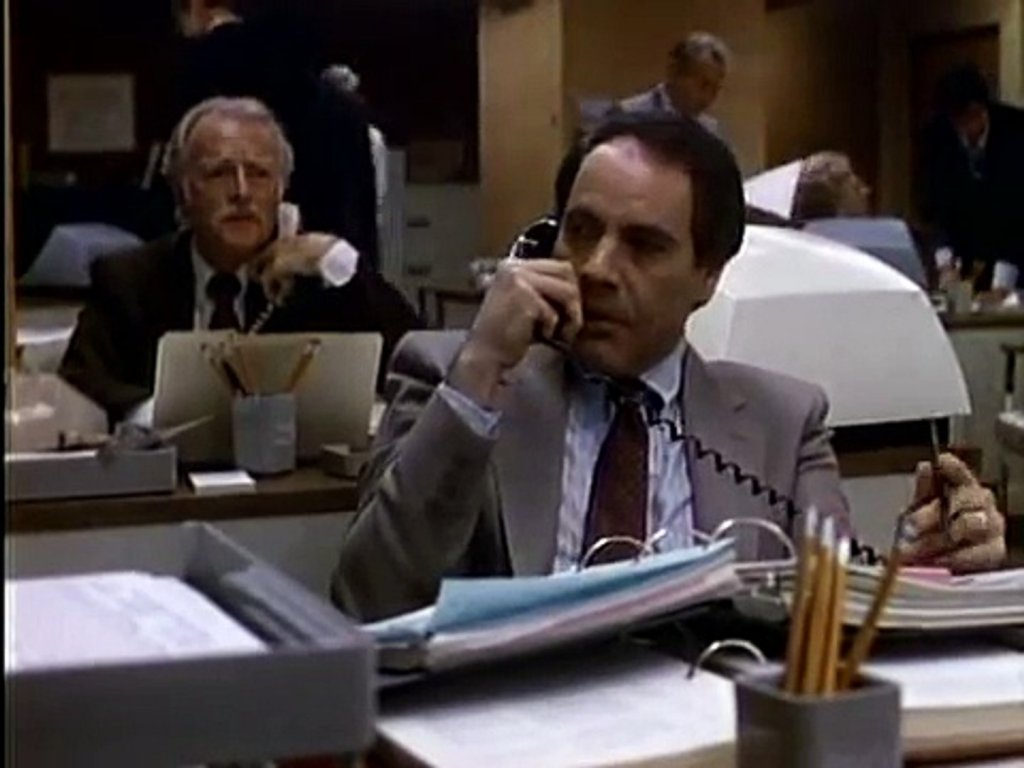
The opening credits of the 1980s Twilight Zone reboot immediately throw you back to the time TV started going through the night in the UK, and Wordplay – the first part of the new incarnation’s second episode – would have been one of the earliest things seen in that late-night slot. As statements of intent go, the first few episodes of the 1980s reboot are bold; Wordplay is directed by Wes Craven, and he would helm quite a few from that first season, along with other horror standouts like Tommy Lee Wallace and William Friedkin. Robert Klein is Bill Lowery, Wordplay’s protagonist, who wakes up one morning to discover that his friends, family, and workmates are beginning to drop unfamiliar words into their conversations; his neighbour refers to his dog as an ‘encyclopedia’, and a colleague asks him where he should take his date for ‘dinosaur’. The problem gets gradually worse until everything Lowery hears is gibberish. Fleeing home, he discovers his son is ill, and rushes him to the hospital, still bewildered. By the story’s end, Lowery is re-learning the language, with the help of his son’s ABC books. As well as being a sympathetic figure, Lowery is also a textbook example of someone suffering from receptive aphasia, and as such Wordplay is not only a chilling, worthy Zone tale but also a clever, real-world referend. | AB
19. LONG DISTANCE CALL (1961)

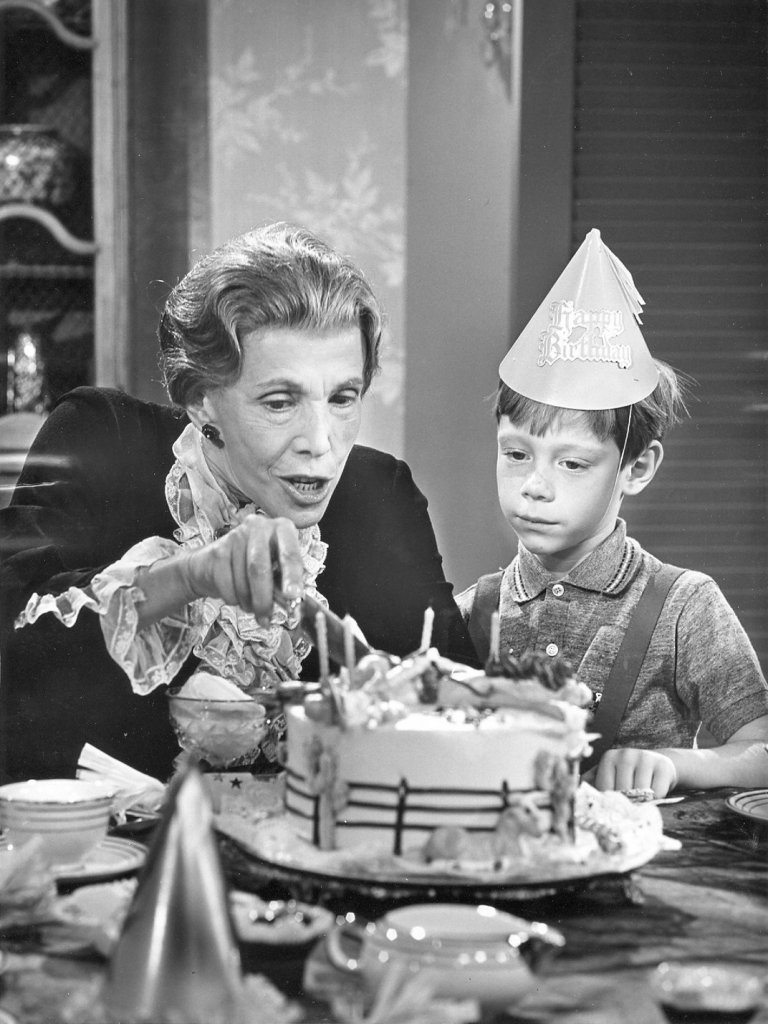
On Billy Bayle’s fifth birthday, his spooky grandmother gives him a toy telephone then rudely steals the birthday boy’s spotlight by dying. Billy appears to cope with the loss of his grandmother by constantly talking to her on said toy phone. His parents initial concern graduates to alarm when Billy says his grandmother’s lonely and wants him to visit *shudder*. What follows is a darker than usual tale of a dead pensioner apparently talking a five-year-old into offing himself in a variety of ways so she’ll have company. This very effective Season 2 chiller marks the first appearance of toe-headed Billy Mumy. He would later go on to star in two further entries, including revered classic It’s a Good Life in Season 3 and Season 5’s In Praise of Pip. This episode also marks the sixth and final time the show was ever shot on videotape. Switching to tape was a cost-cutting exercise by production company Cayuga, but the quality of the final product was, as Serling himself admitted ‘disastrous’. | ES
18. MIRROR IMAGE (1960)

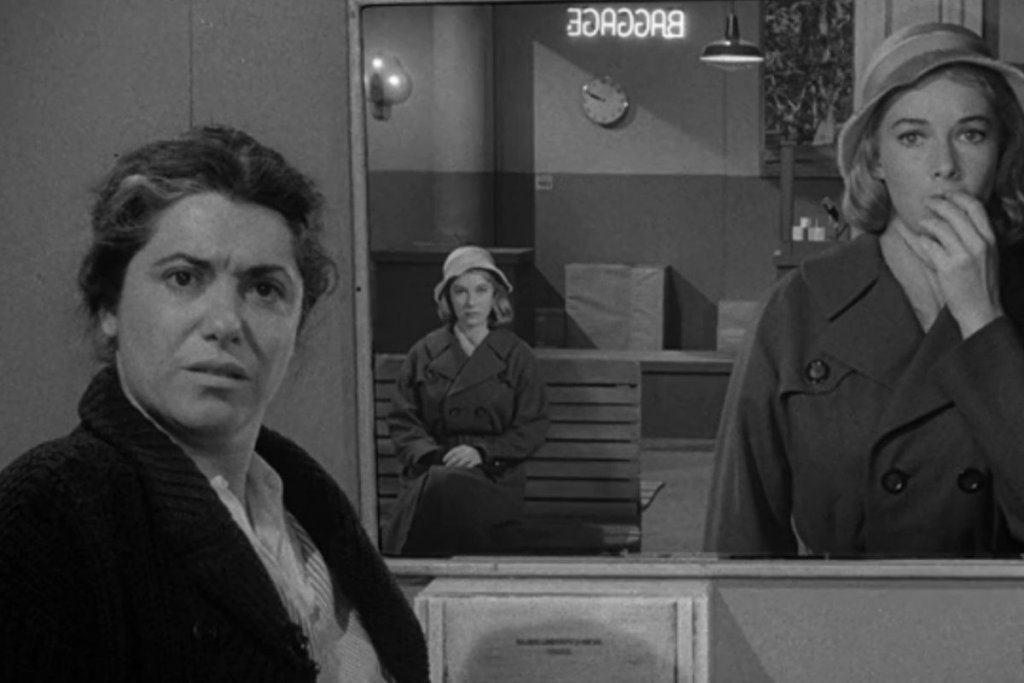
Millicent Barnes begins to suspect that all is not right when, while waiting for her delayed bus during an epic thunderstorm, her suitcase can’t be trusted to stay put, the pissy station manager insists she’s been pestering him when she’s done nothing of the sort and, most worryingly, while looking in the bathroom mirror, she sees a duplicate of herself sitting on the bus station bench. Any story dealing with doppelgängers is inherently unnerving, but even more so when their intentions, as with Mirror Image, are subtly implied as sinister. Interestingly, Serling’s inspiration for this episode occurred at an airport: he saw a man across the room wearing the same suit and top coat as him, carrying the same briefcase, and thought “if he turns around and it’s me, what will I do?” It wasn’t. Airing as the last episode before Season 1’s mid-season hiatus, Mirror Image is an underrated gem and a genuinely spooky tale of paranoia and loss of identity. | ES
17. FIVE CHARACTERS IN SEARCH OF AN EXIT (1961)

This creepy tale of five oddball types trapped in a room together is a little predictable to modern audiences, but that’s because it’s inspired so many similar works such as Cube and The Fictional Man. It’s the tale of a clown, hobo, ballet dancer, bagpiper, and an army major, all of whom wake up trapped in a mysterious metal cylinder. The five argue and bicker, and fail to co-ordinate an effective escape while bemoaning their existence. The twist is that they are actually toys, trapped in a toy barrel. | EF

16. KICK THE CAN (1962)

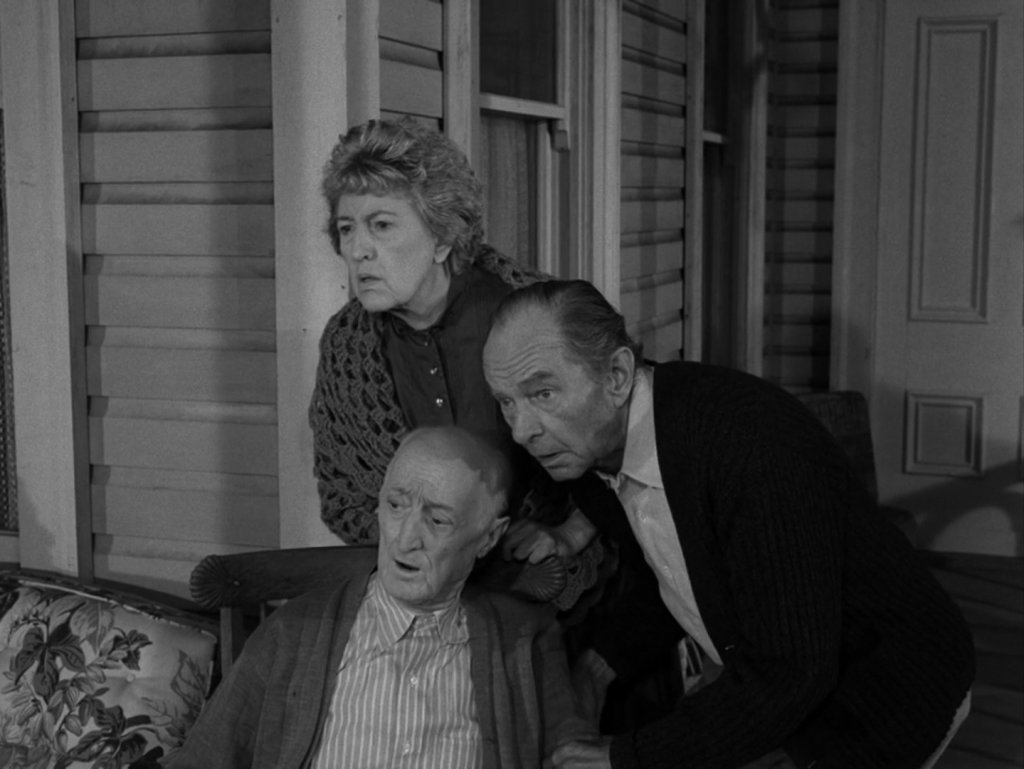
The secret to staying young is thinking young in this, the 86th episode. Ernest Truex stars as Charles Whitley, a man desperate to feel young. After seeing a group of children outside his care home, he believes the secret to youth might lie in playing childhood games again. After some debate, the other residents decide to join him outside for a late-night game of kick the can, where they’re magically restored to their childhood selves. The episode ends with Ben, Charley’s best friend who refused to come along, forlornly wishing he’d joined them. A painful lesson for him, a poignant warning to viewers about how to approach ageing. This episode was also adapted for 1983’s Twilight Zone: The Movie and directed by Steven Spielberg. Unfortunately, the change they make to the story – putting everything in the hands of a magical new resident rather than the characters coming to these important realisations on their own – made it one of the weaker segments. It was a disappointing way to pay homage to what many consider the best TZ episode of all time. Thankfully, the original is still available, just as relevant today as it was in 1962. | VB
15. AN OCURRENCE AT OWL CREEK RIDGE (1962)

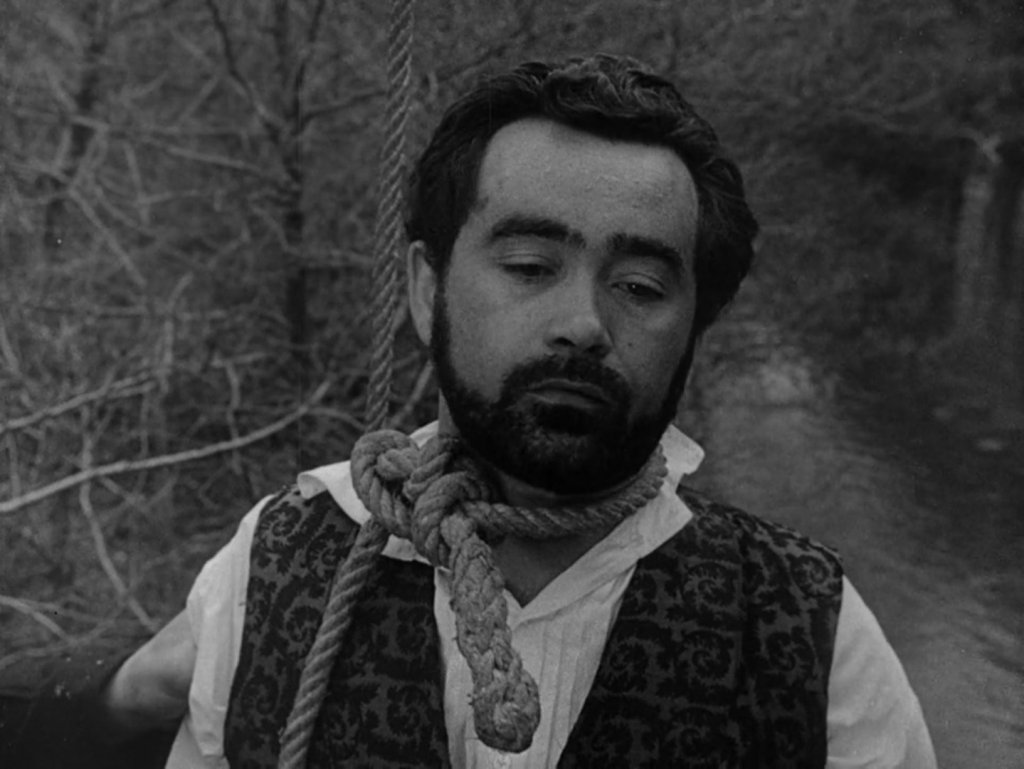
This was the only story that wasn’t made specifically for the show, being a French short film that had already won an award at the Cannes Film Festival in 1962, and won the equivalent Oscar the year later at the Academy Awards. Based on an 1891 short story by Ambrose Bierce, it involves a prisoner being hanged by Union troops. As he falls from the bridge, the rope around his neck snaps, allowing him to make his escape and hopefully return back to his loving wife. Naturally, this being The Twilight Zone, things are not that simple.| MU
14. AND WHEN THE SKY WAS OPENED (1959)

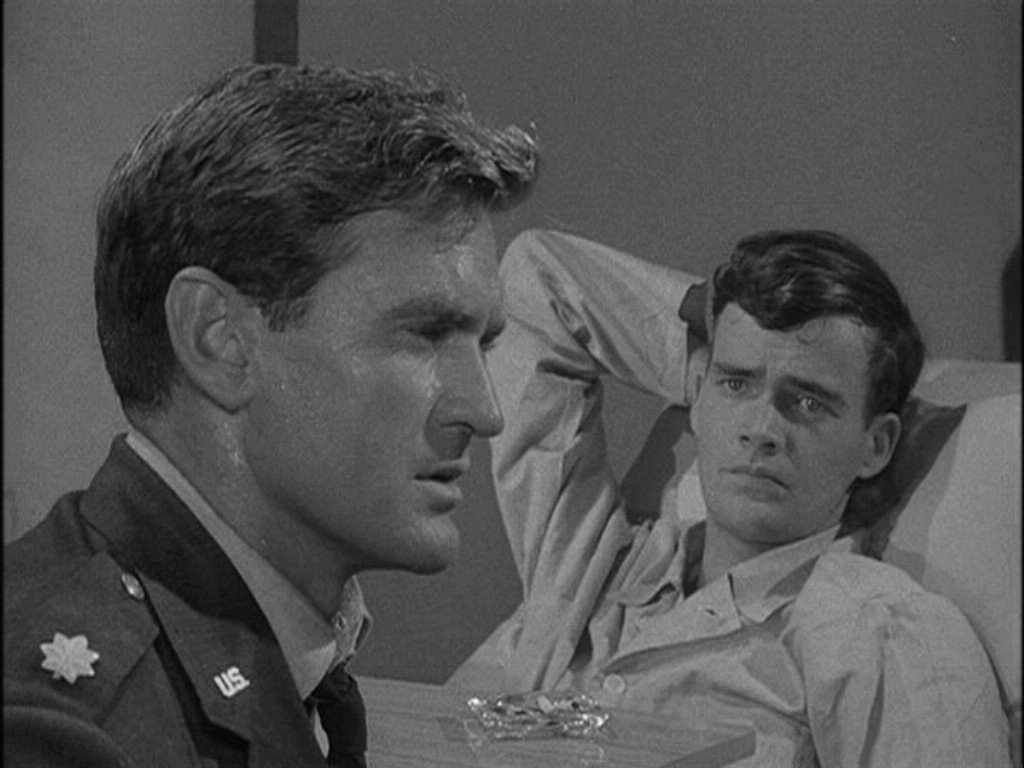
Three astronauts, Colonel Ed Harrington (Charles Aidman), Colonel Clegg Forbes (the great Rod Taylor), and Major William Gart (Jim Hutton), disappear for 24 hours off Mission Control radar in the experimental X-20 spacecraft, all surviving a crash in the Mojave desert. Alarmed by the vanishing of Harrington, a distressed Forbes tries to convince Gart that the third pilot existed, yet Gart has never heard of Harrington, stating that there were two, not three astronauts in the X-20. Forbes pleads with Gart, telling him that they are systemically being erased from humanity for going someplace they weren’t supposed to go and that something made a mistake for letting them come back. Rod Taylor owns this episode. His panic from figuring out the truth and the horrifying look in the mirror when he realises he’s next to vanish is truly chilling. Directed by Douglas Heyes from a script by master scribe Richard Matheson, the tension in this sci-fi mystery, much like the X-20 itself, moves at an impressive pace. | WSB
13. NIGHT CALL (1964)

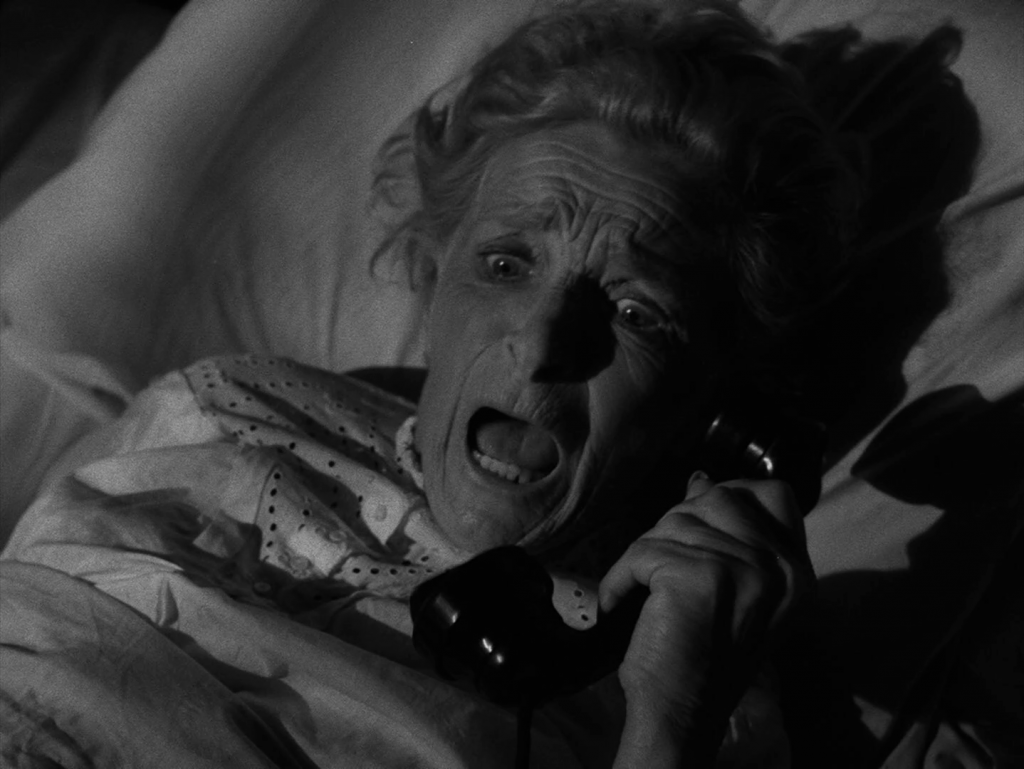
Elderly spinster Elva Keen (Gladys Cooper) is awoken by the shrill ringing of her telephone in the middle of the night. The line is so badly corrupted by static that she can’t discern a voice,and when it becomes a persistently disturbing occurrence, Elva complains to the telephone company with little result. As the nightly calls continue, she begins to hear a voice belonging to a man who seems to have some knowledge of her. Terrified, Elva tells whoever it is to leave her alone. When the telephone company reports they’ve located the unexpected source of the problem, Elva insists on visiting the site. It is there that she discovers the identity of the mysterious caller and heartbreakingly realises that she will never receive any more night calls. Night Call was based on Richard Matheson’s Long Distance Call, but as there had already been an episode by that title (see entry #19), the name was changed. Horror maestro director Jacques Tourneur (Cat People, I Walked with a Zombie, Night of the Demon) crafted a eerily effective episode. Who hasn’t been awakened by the disorientating, skin crawling terror of a late night phone call? It’s somehow scarier in black and white. | CJ
12. A STOP AT WILLOUGHBY (1960)

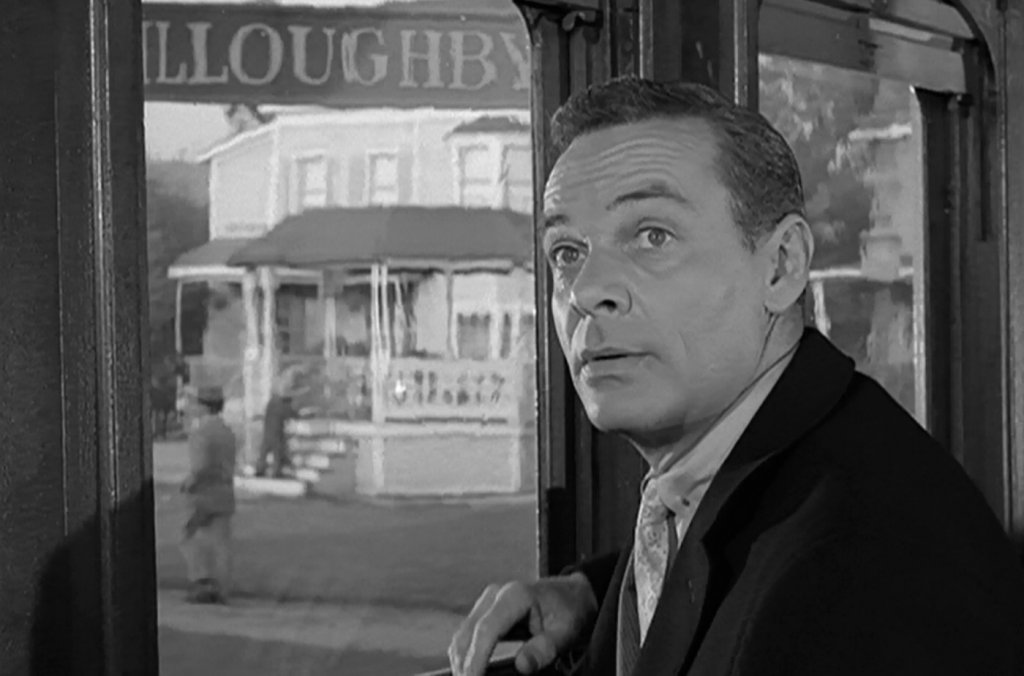
In this darker, often bleak counterpoint to Walking Distance (see entry #2) contemporary advertising executive Gart Williams is a man teetering on the edge of a chasm. He hates his boss, his job, his wife, and everything they have made him become, all that they expect of him. On his train journeys home, Williams begins falling asleep and waking up at the station stop in Willoughby, an idyllic town in the distant past of the 1880s that no one in real life has ever heard of. As the pressure mounts and Gart begins to crack, he becomes sure that the next time he wakes up in Willoughby, he will stay for good. Where Martin Sloan’s adventure is melancholy but lined with compassion, A Stop at Willoughby is uncompromising in its exploration of the fallacy that you can simply walk off a train into a better, happier life. Ambiguous and with a bruising end, it’s a sharp reminder that sometimes it’s too late for some of us to be anything else than what we are. But Serling could never write anything without hope and so it goes here: don’t retreat into fantasy or give up, change what you want to change now. Or be forever a part of The Twilight Zone. | JE
11. WHERE IS EVERYBODY? (1959)
A series opener that pulled no punches, Where is Everybody? explored what many of us fear the most: being totally, utterly alone. Serling was exposing universal truths about the human race and he was coming out swinging. The episode opens with a confused man waking up to find himself unsure of where or even who he is. (Side note: this is the only TZ episode filmed at Universal Studios and the ‘town’ he explores is the same set featured prominently in the Back to the Future films.) As he attempts to figure out what’s going on, he realises he’s totally alone. This fact quickly terrifies him and eventually reduces him to a blubbering mess. It’s then revealed he’s actually participating in a government experiment designed to test man’s ability to handle the solitude of single-manned space flight, an as yet unattained achievement in 1959. The themes of aloneness and loneliness are explored often throughout the series, as well as the concept of space travel. Just two years after this first episode aired, Soviet cosmonaut Yuri Gagarin became the first man to orbit the Earth, turning Serling’s (and everyone else’s) dreams into reality. | VB
10. THE HOWLING MAN (1960)

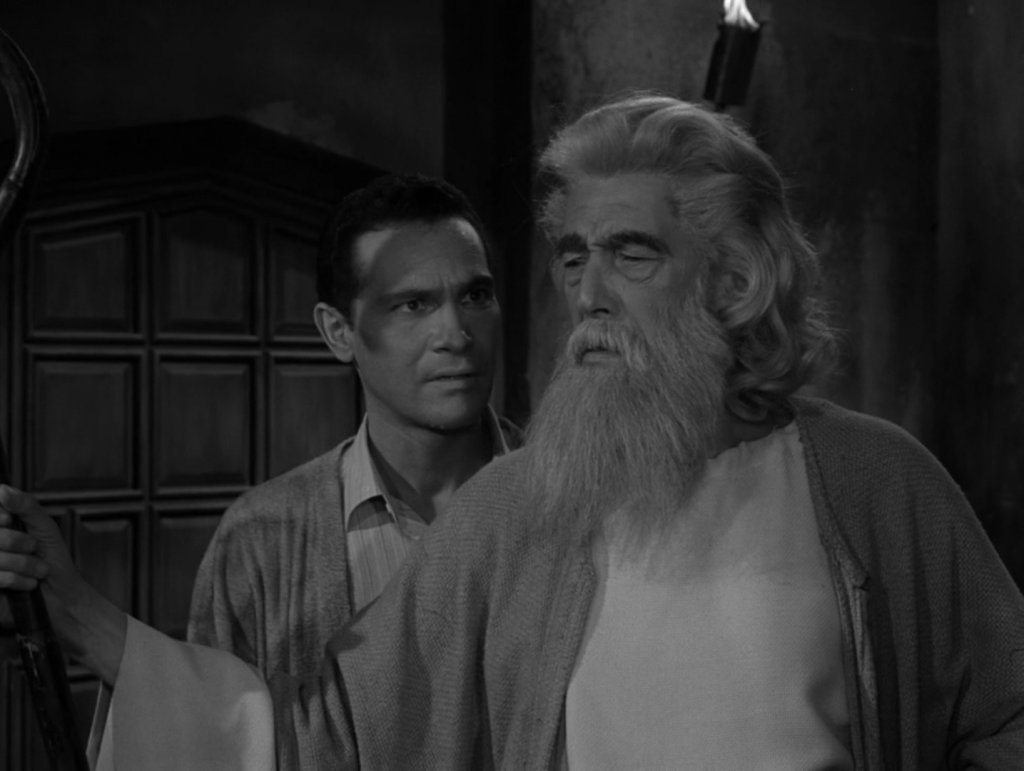
Shortly after the First World War, hiker David Ellington seeks refuge in an isolated monastery during a violent storm. The head of the order, Brother Jerome (John Carradine), tells Ellington that he cannot stay, before he collapses. When Ellington regains consciousness, a strange howling lures him deeper into the monastery where he discovers a raggedy man held prisoner. The prisoner informs Ellington that Brother Jerome is mad and refuses to let him go. When Ellington confronts Jerome the monk reveals the true nature of the howling man. Ellington then decides on a course of action that has dire consequences for the world. The Howling Man brims with atmosphere, with its crashing thunder, pounding rain and screaming wind effects, and director Douglas Heyes’ use of off-kilter camera shots expertly conveys Ellington’s delirium. Also impressive is the in-camera transformation of the Howling Man into his true form as he strides through the monastery. Adapted from Charles Beaumont’s short story, the author envisioned that the prisoner would be imprisoned by a cross upon his cell door. Fearful of a Bible Belt backlash, the producers substituted a cross with the ‘staff of truth’, over Beaumont’s objections. | CJ
9. IT’S A GOOD LIFE (1961)

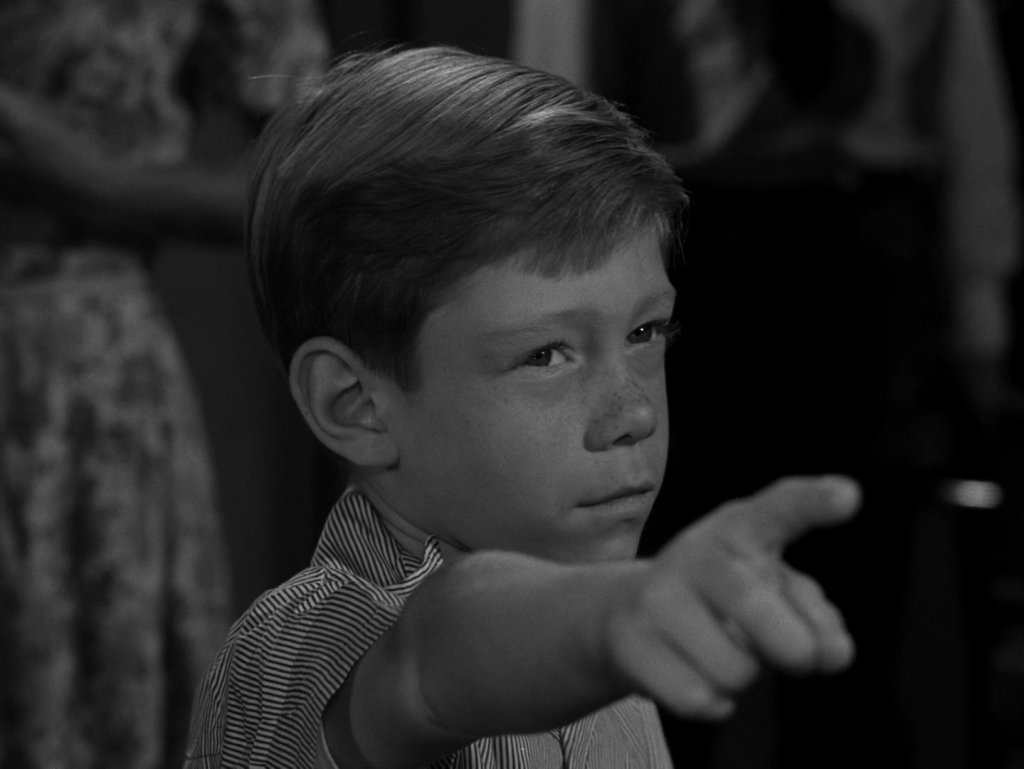
Stan Lee taught us that with great power comes great responsibility. In this episode from the third season, Rod Serling shows us that the opposite can be equally true with one of the series’ most chilling tales. One day, either the rest of the world disappeared leaving behind only the village of Peaksville in what used to be Ohio – or Peaksville itself was moved somewhere else. Why? Well, the noise and bustle of the rest of the world displeased the village’s most powerful resident, so he changed things more to his liking. Just as his elderly aunt’s singing earned the wrath that left her a vacant, empty husk. The residents of Peaksville have learned to think only happy thoughts, because this monster can read minds, resulting in bad, critical or incorrect thoughts being instantly punished. Such is life under the rule of Anthony Fremont (Billy Mumy), who has God-like powers. If Anthony wills it, it happens. There is no regret, no thought of consequence – only the instant gratification of Anthony getting his own way, because Anthony is only six years old and will send you “to the cornfield” without hesitation. You won’t be coming back. | RP
8. EYE OF THE BEHOLDER (1960)

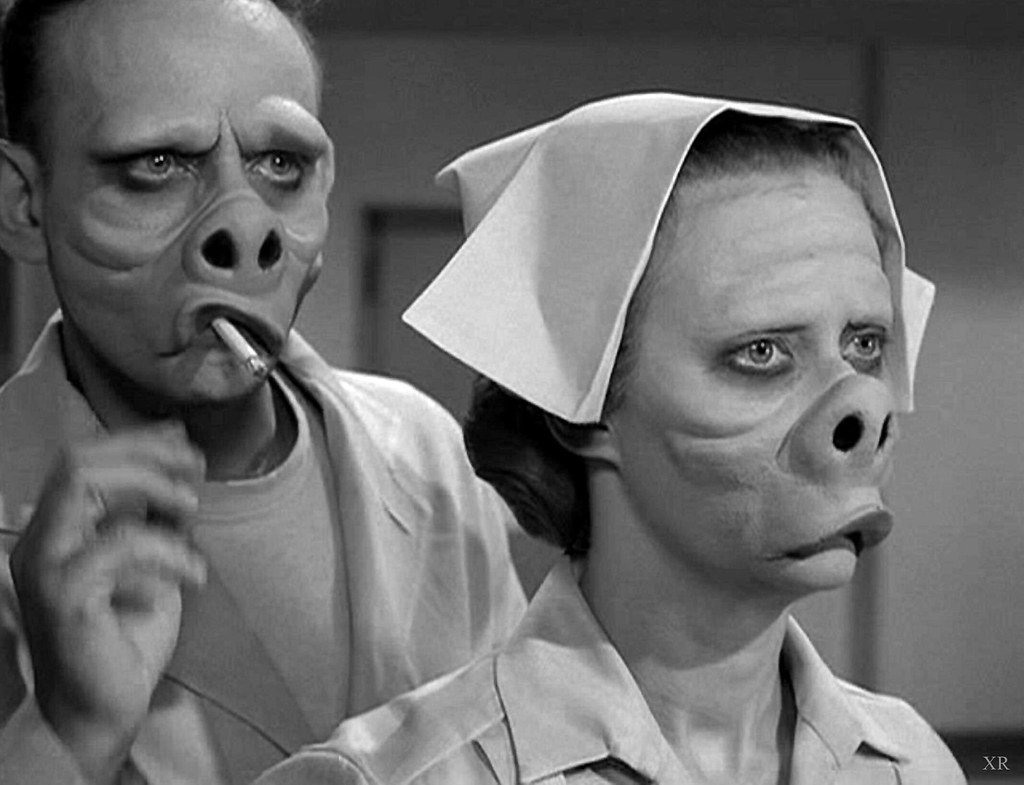
Alternatively known as ‘The One With The Pig People’, Eye of the Beholder is one of the finest TZ episodes for building a palpable sense of suspense and claustrophobia, with its shadowy hospital setting and its cast always kept just out of frame. The story follows an unfortunate young woman who we’re told has a hideous facial deformity. But when her bandages are finally removed, we discover that she looks conventionally attractive – and it’s everyone else in this world who’s hideous. It turns out these monstrous porcine features are the norm in a near future where conformity is compulsory. With some of the most inventive direction seen on the show, bolstered by Bernard Herrmann’s fantastic score, Eye of the Beholder is one of the most accomplished hours of the whole series. | CB
7. TO SERVE MAN (1962)

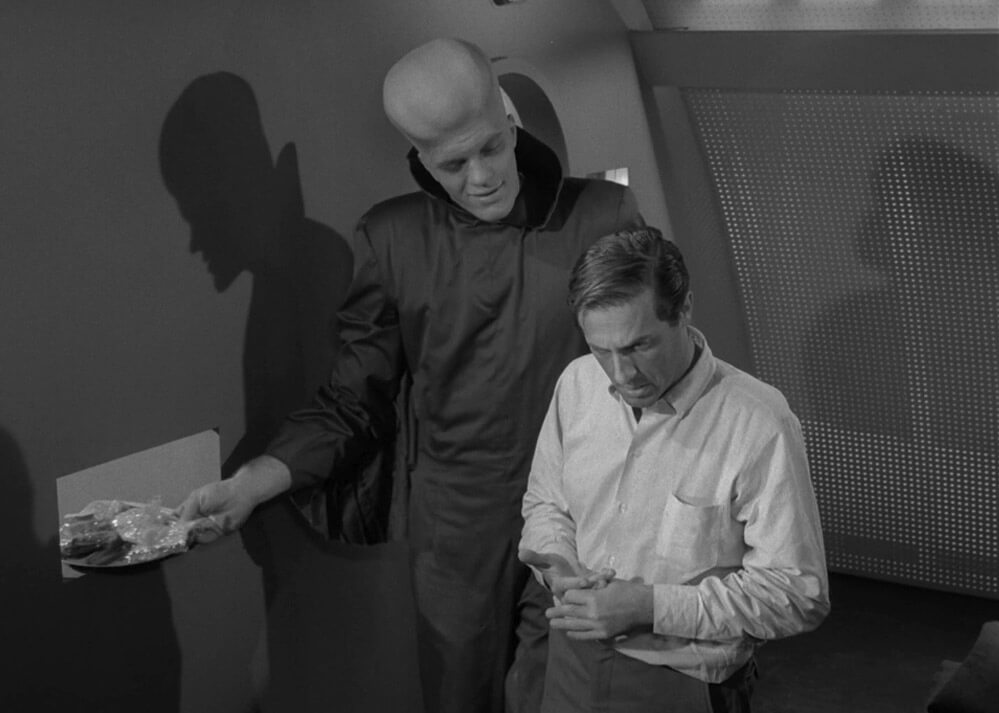
It’s a cookbook! It’s a cookbook! As with many Twilight Zone episodes, To Serve Man’s big twist has entered pop culture. You’ve no doubt seen it parodied across film and TV (most notably in The Simpsons’ first Treehouse of Horror), but, even if you know where it’s going, it’s still a standout example of the series. The alien Kanamits – led by James Bond’s Jaws himself, Richard Kiel – land on Earth and seemingly come in peace, offering advanced technology as a sign of friendship. Soon, many of the world’s problems are cured and travel to the Kanamits’ home planet is established. But the truth comes out when the real meaning of their book, To Serve Man, is translated. They don’t wish to serve humanity, but to serve us up for dinner. So, OK, it doesn’t make a whole lot of sense – how does that pun work in both English and the alien language? – but it’s still a classic slice of ‘60s sci-fi. | CB
6. THE HITCH-HIKER (1960)

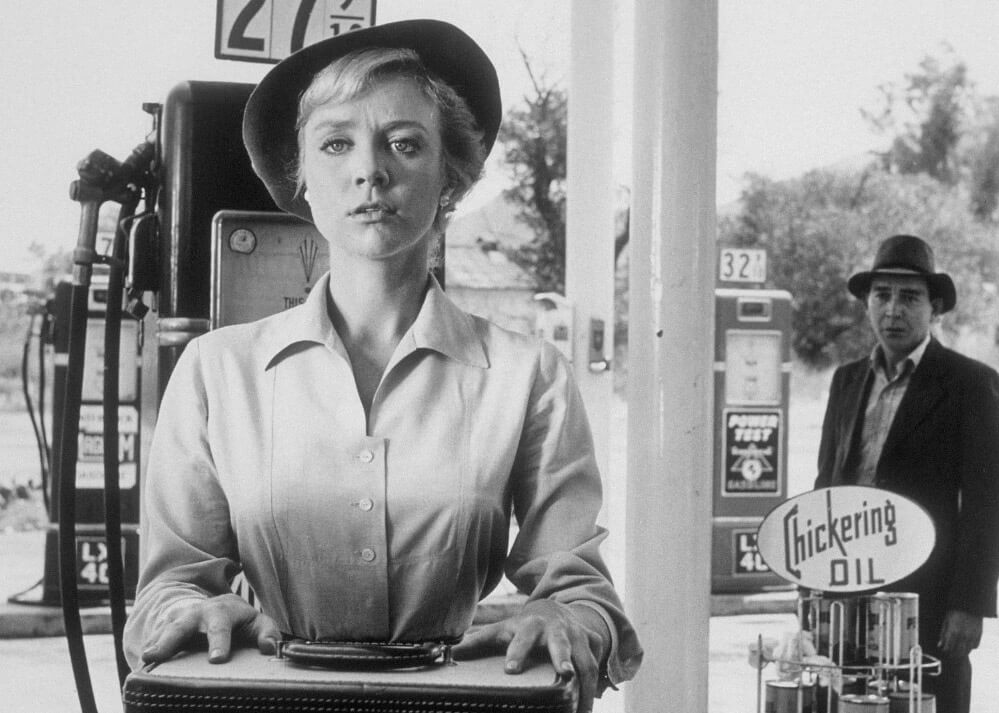
While driving cross country Nan Adams (Inger Stevens) becomes increasingly terrified when she keeps passing the same dishevelled man on the side of the road. No matter how fast she drives, no matter the distance she travels, the hitch-hiker is always ahead of her, patiently waiting. Rod Serling adapted The Hitch-Hiker from Lucille Fletcher’s original radio play, which itself had been broadcast several times, most notably on The Orson Welles Show (1941), Suspense (1942), and The Mercury Summer Theater (1946). Certain music cues composed by Fletcher’s former husband, Bernard Herrmann, for the 1946 radio production were re-used for this episode, while all the various radio productions had starred Orson Welles as Ronald Adams. Serling changed the gender of the protagonist from that of Ronald to Nan as he believed that viewers would have more empathy with a lone woman driving across America, and as anybody familiar with the radio productions will tell you, he was most assuredly correct. Inger Stevens perfectly conveys the escalating terror and vulnerability of Nan’s situation, while Leonard Strong’s deliberately languorous portrayal of the hitch-hiker is increasingly unsettling with each appearance, never more so than when he calmly declares “I believe you’re going… my way?” | CJ
5. NICK OF TIME (1960)

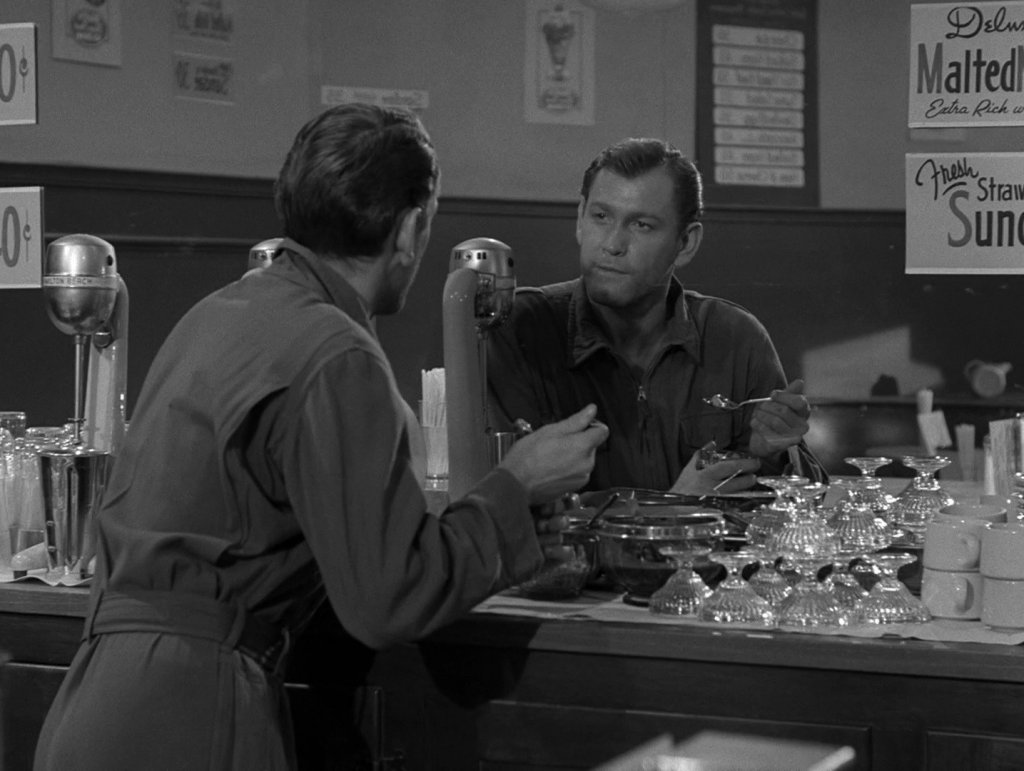
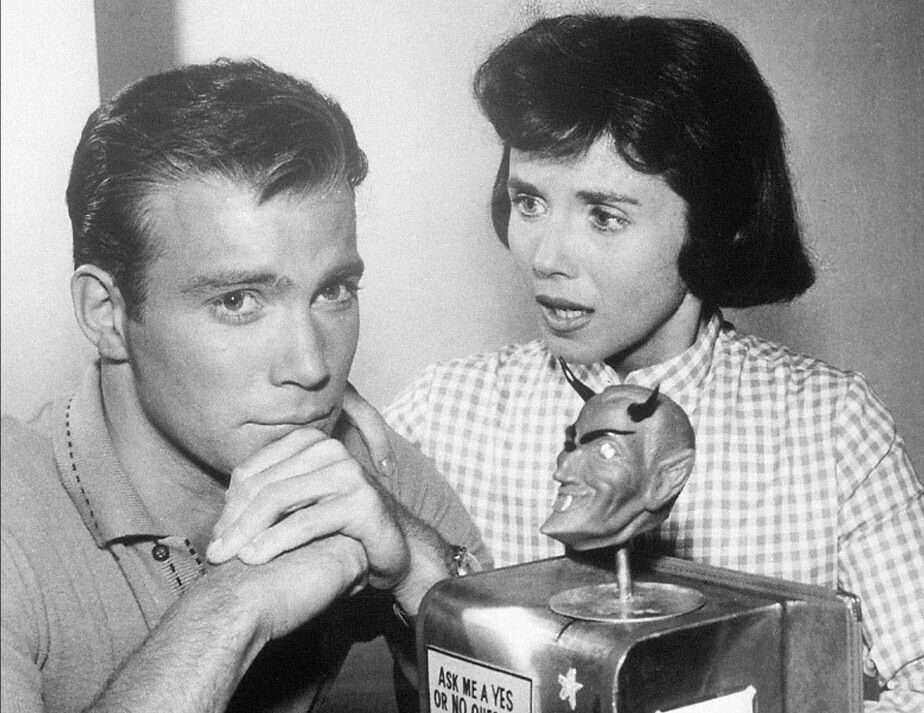
William Shatner made his first foray into that fifth dimension in this second season episode by Richard Matheson in a subtle and thought-provoking tale. The Carters, a young honeymooning couple, are passing through a small Ohio town en route to New York when they need to pull in for a quick repair to their car. Deciding to grab a bite to eat at a diner, Don becomes fascinated by a novelty napkin holder that, for a penny, dispenses fortune cards, predicting the future. Don is by nature a superstitious man and buys into what the cards tell him, as it seems to predict what will happen with an eerie accuracy. But are the cards really telling him his future, or is Don convincing himself that their vague generalities are somehow guiding his life? Don eventually becomes incapable of making any decision for himself about his career and future without asking the machine’s advice. His wife persuades him to walk away from the machine and live his life, his way. But waiting for the couple to leave the booth is another pair, who are anxiously waiting for the machine’s permission to leave town… | RP
4. THE MONSTERS ARE DUE ON MAPLE STREET (1960)

The Monsters Are Due on Maple Street, like all good (and bad) 1950s/’60s sci-fi, is not about aliens at all. Despite its central premise – that aliens have landed and there are some living amongst us – it is an analogy for the real red menace – not from Mars, but from the USSR. Yes, The Monsters Are Due on Maple Street is one of those stories, where liberal, pinko Hollywood fought back against the McCarthyite witch-hunts by hiding its message in plain sight. The twenty-second episode of the show’s first season, it begins early one summer evening on Maple Street, which could be a stand-in for any suburban street in the US of the time. Children are playing in the street, the men are fixing cars, and something flashes and roars overhead. Initially thinking it to be a meteor, the neighbours are soon convinced – by a child talking about something that happened in his comic books – that aliens have landed, and that some of their number are fifth columnists. The descent into madness is gradual, and then sudden; suspicion and conjecture brings about death and destruction. At its close, it is revealed that there were aliens, and that they manipulated the fear and panic, turning the neighbours against one another. As with many classic Zone stories, there are lessons that can still be learned. | AB
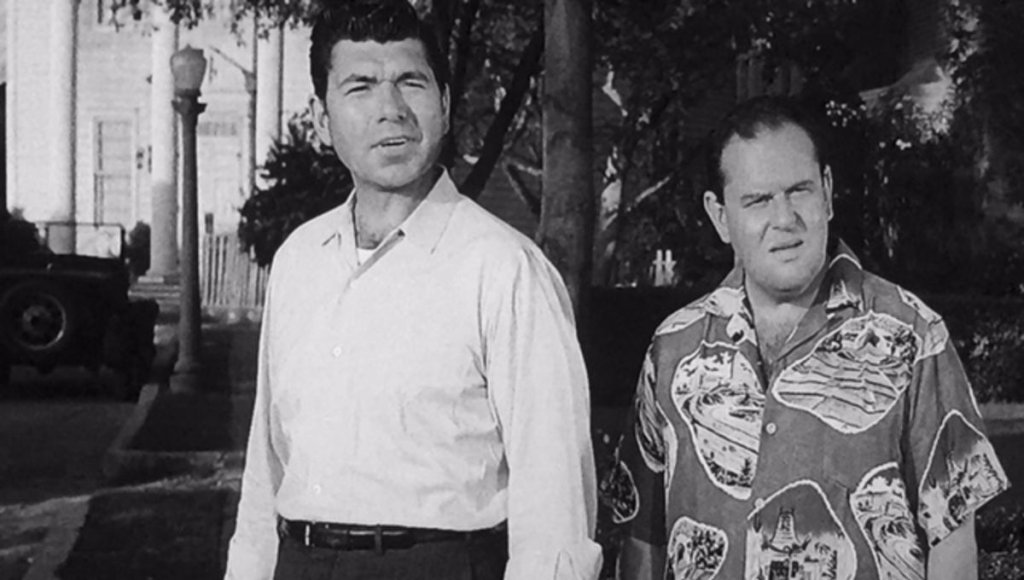
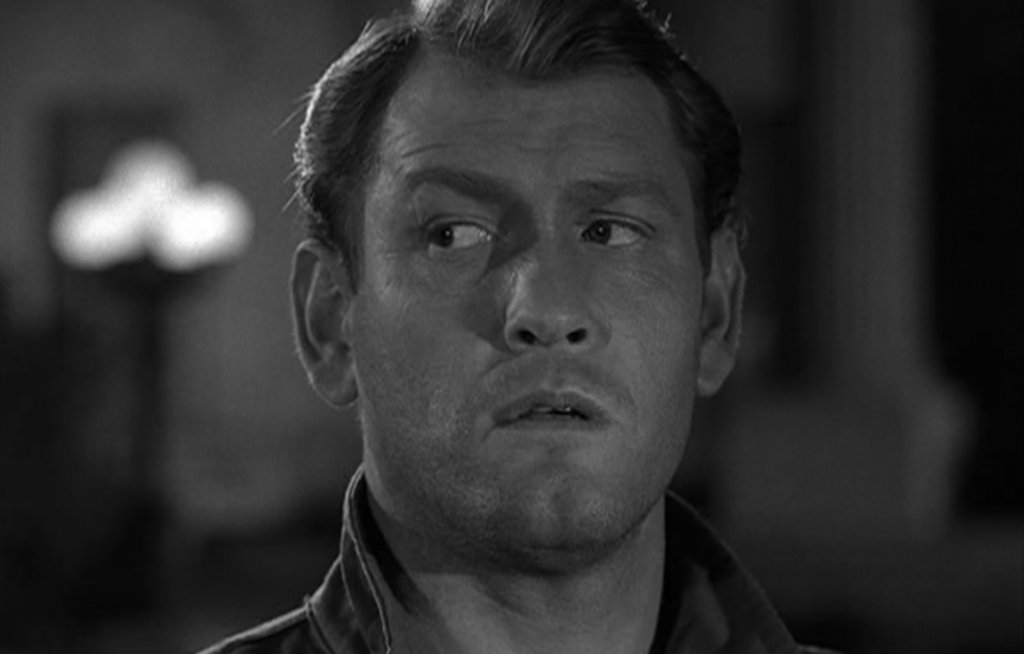
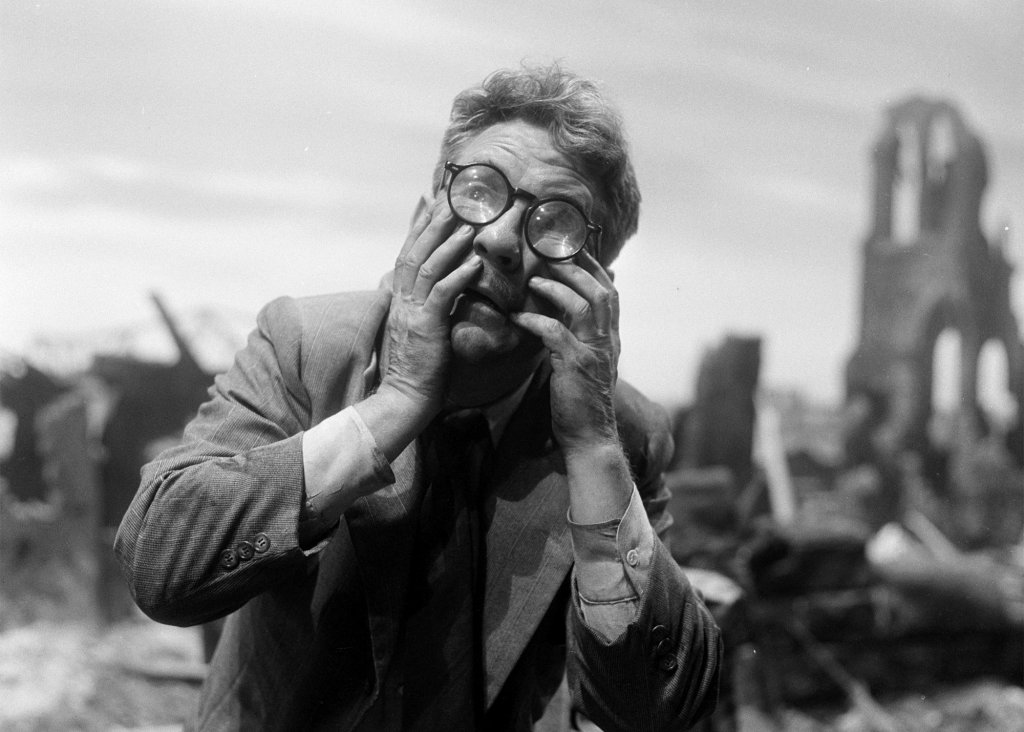
3. TIME ENOUGH AT LAST (1959)

The eighth episode of the original series, Time Enough at Last is the bibliophile’s worst nightmare and one of the most heartbreaking stories ever committed to screen. Scripted by series creator Rod Serling, Burgess Meredith is Henry Bemis, a henpecked bookworm whose life is made a misery by his wife, and by his boss at the bank where he works. All Henry wants to do is read, but life gets in the way – that and the cruel, book-destroying woman he’s somehow ended up with. One day, while stealing a few moments to read alone in the bank vault, a hydrogen bomb destroys the city, killing everyone in it; only Henry survives, due to the vault’s impenetrable walls. Emerging into the solitary existence he once craved, Henry discovers that the town library has also survived the bomb, and that all the books he ever wanted to read are waiting for him. Bliss! And then he trips and his glasses, without which he is practically blind, fall to the ground and smash, beyond repair. “That’s not fair! That’s not fair at all!” cries Henry, and it certainly is not. | AB
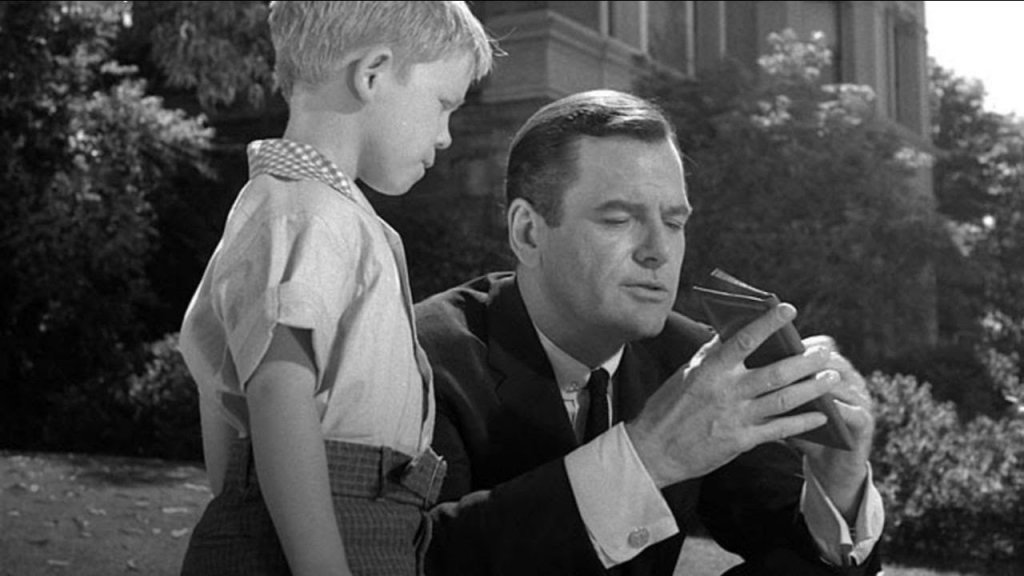
2. WALKING DISTANCE (1959)

Walking Distance tells of advertising executive Martin Sloan, a man crumbling under the relentless pressure of his big city adult life and compelled to drive back to the town he grew up in and hasn’t returned to since he was a boy, Homewood. When he arrives, it is as if the world has stopped spinning and everything is as it was when he was young. Sloan discovers that somehow, he has travelled back into the past – his past – and he is determined to stay in that simpler time, regardless of how impractical or even dangerous it may be. Rod Serling completely understood the attractions and dangers of nostalgia and in Walking Distance, he expertly explores our longing to go back home, as it were, to a time that felt emotionally easier and less battering than grown-up life, and how that impossible yearning for what has already been can damage our here and now, or what could be. It is a masterful piece of writing and married to outstanding acting, direction, editing and Bernard Herrmann’s beautiful score is a shining example of The Twilight Zone at its best: wonderfully, painfully human, and alive with wisdom and hope. | JE
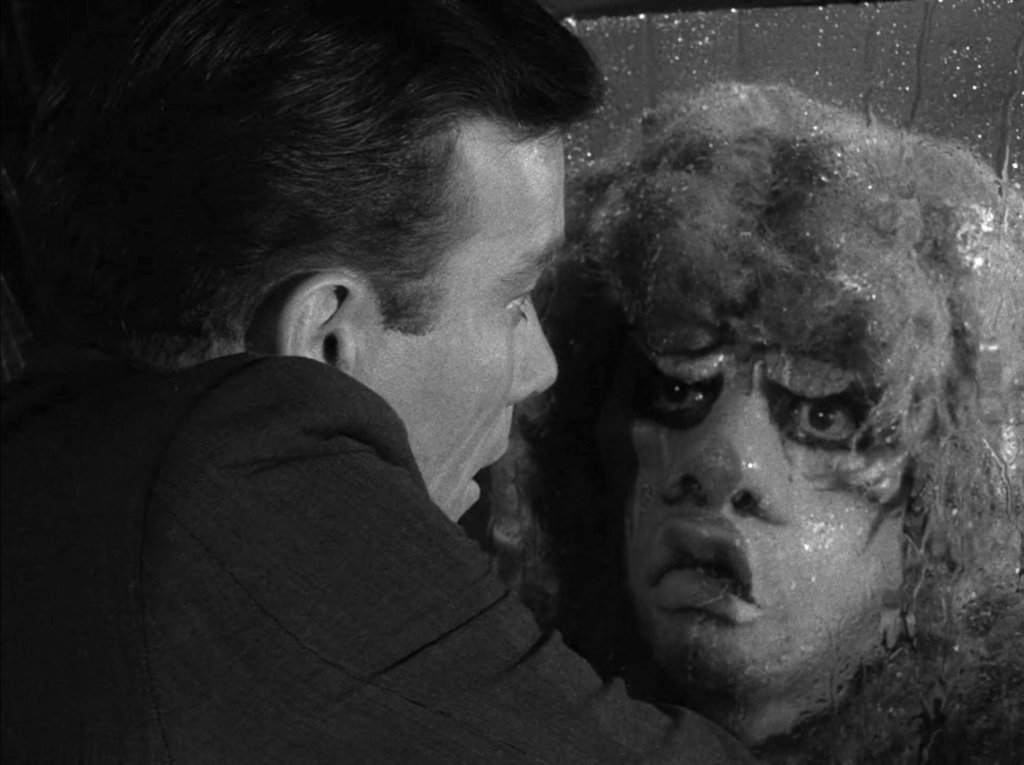
  1. NIGHTMARE AT 20,000 FEET (1963)

Written by Richard Matheson, this fifth season story is the best of the best. William Shatner stars as Robert Wilson, an anxiety-suffering air traveller who is on his way home from a sanitarium, following a mental breakdown that happened on a similar flight several months earlier. But whereas that flight concluded with Wilson’s breakdown, this one is just beginning. As he tries in vain to relax, the increasingly twitchy Wilson spots a furry creature making its way along the wing toward one of the engines. He tries to raise the alarm, but of course, nobody believes him. Nobody can see the gremlin on the wing apart from Wilson. Is it really there, or is it cunning enough to hide when Wilson draws attention to it? His wife is increasingly convinced Wilson is relapsing and becoming hysterical in the process – to the point of taking a gun and shooting at the creature, which is tearing away at the engine. Was it really there, or did the plane have a technical malfunction? As medical staff take Wilson away in a straitjacket, the engineers will soon spot claw marks on the wing… | RP
The Twilight Zone returns to our screens on Legend from January 1st, 2023. You can tune into Legend via Sky 148 / Virgin 149 / Freeview 41 / Freesat 137

Words: ROBIN PIERCE ALAN BOON CHRISTIAN JONES JAMES EVANS VANESSA BERBEN EARL STRYDER CHRISTIAN BONE • WHITNEY SCOTT BAIN ED FORTUNE MARTIN UNSWORTH

[This article was originally published in issue 465, October 2019.]

TITANS OF TELEPHEMERA: RUBY-SPEARS

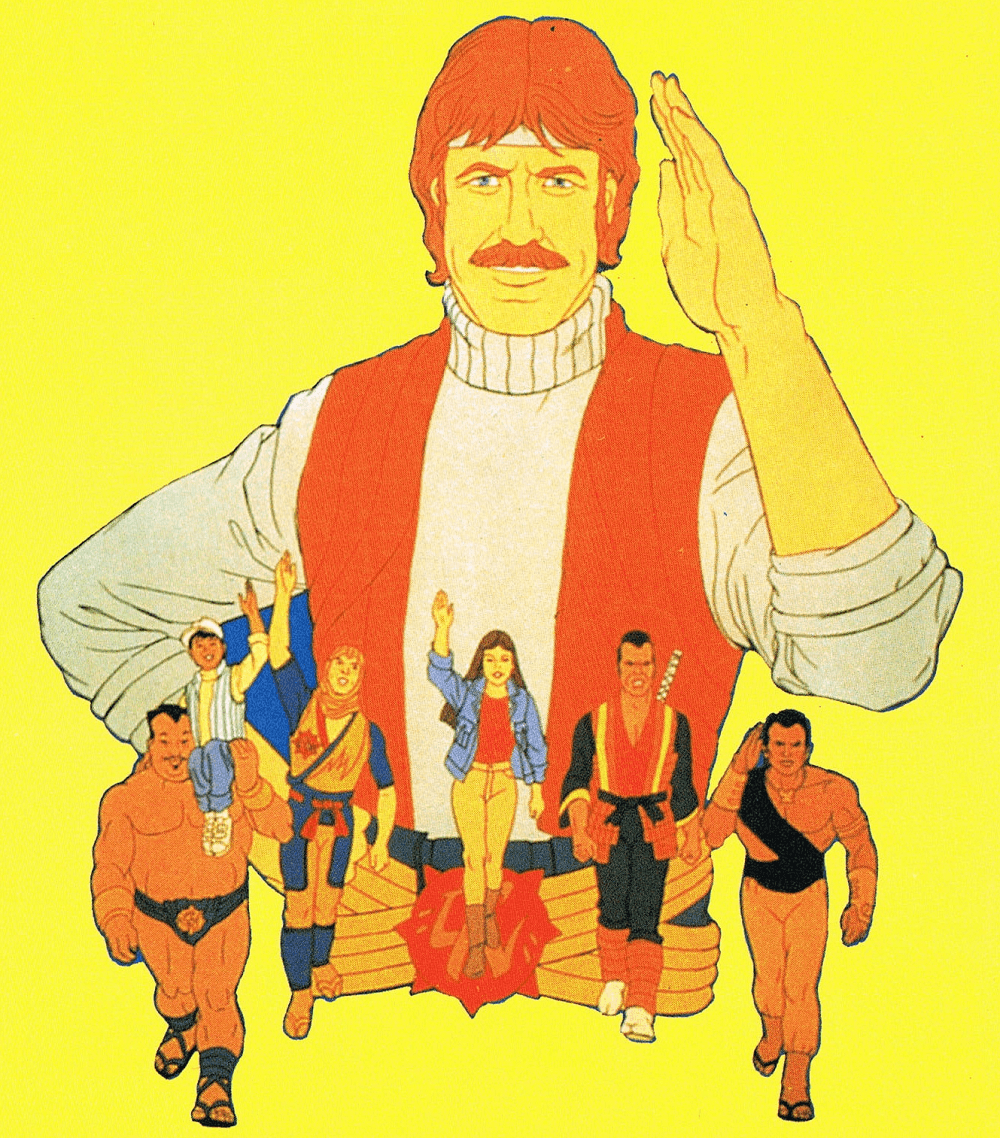
Chuck Norris: Karate Kommandos, 1986

Ah, telephemera… those shows whose stay with us was tantalisingly brief, snatched away before their time, and sometimes with good cause. Dedicated miners of this fecund seam begin to notice the same names cropping up, again and again, as if their whole career was based on a principle of throwing stuff at the wall and seeing what sticks. What’s more, it isn’t all one-season failures and unsold pilots, there’s genuine gold to be found amongst their hoards; these men are surely the Titans of Telephemera!

RUBY-SPEARS

Joe Ruby and Ken Spears met while employed as sound editors at Hanna-Barbera, teaming up to become writers for the studio. After working on such shows as The Herculoids, Space Ghost, and The Perils of Penelope Pitstop, the pair were asked to come up with a new show for Hanna-Barbera which would embody the spirit of hit comic book adaptation The Archies. After a lengthy working out period (see The Telephemera Years: 1969 – part 4), they eventually came up with Scooby Doo, Where Are You! but left Hanna-Barbera soon afterwards when it became clear they were not going to be promoted to associate producers.

Going freelance didn’t mean they stopped working for H-B – they scripted episodes of Help!… It’s the Hair Bear Bunch!,  The Funky Phantom, and Dynomutt, Dog Wonder amongst others – but they also wrote for DePatie-Freleng, producing The Barkleys, The Houndcats, and Bailey’s Comets. In 1977, while working at ABC where they were in charge of Saturday morning programming, Joe and Ken formed Ruby-Spears Productions at the request of ABC President Fred Silverman. Silverman was concerned that Hanna-Barbera had little competition for Saturday morning cartoons and thought that the market could bear a little shaking up; a year later, on September 9th 1978, the first fruits of the new studio hit the air…

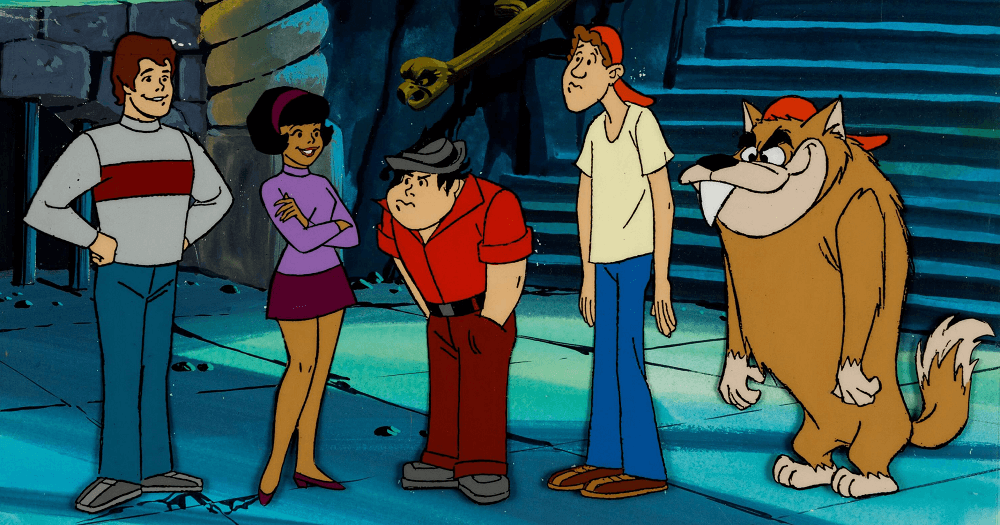
Fangface (ABC, 1978): A straight-up mix of Scooby Doo and I Was a Teenage Werewolf, Fangface was given the prized post-Scooby 8.30am slot on Saturday mornings on ABC, perfect for retaining an audience of mystery-hungry seekers of the supernatural. The titular lycanthrope was the hapless Sherman Fangsworth, the latest in a tradition that saw a werewolf born into his family every 400 years, cursed to turn hairy at the sight of a full moon but fully unaware of his dual nature.

“Fangs,” as he was known, travelled with three friends in a souped-up convertible they called the Wolf Buggy, solving mysteries in a fashion familiar to fans of Ruby-Spears earlier creation (or any number of clones that followed in its wake). Sherman and best pal Puggsy were based on Leo Gorsey and Huntz Hall from the 1940s comedy film series starring the Bowery Boys, but this anachronism was made up for the very modern Biff and Kim, assumed to be an interracial couple and very much the Fred and Daphne of the crew. The usual formula would find the team stumbling over a mystery that can only be solved by the transformation, often against his will, of Fangs into Fangface, a Tasmanian Devil-like force of nature who always leaves a trail of (non-violent, non-gory) destruction in his wake.

Fangface, 1978

With just the sight of a full Moon enough to trigger his transformations, the crew took to carrying around pictures of one, alongside a picture of a Sun to bring him back to human, and the first season of sixteen episodes saw them employ this tactic to help stop space spiders, dinosaurs, evil Swamis, and the king of Atlantis. Fangface leaned more towards the super-hero end of the scale, its villains leaning more towards James Bond-style schemes than scaring kids away from an abandoned theme park or trying to steal an inheritance.  This meant that, when it was renewed for a second season, it was as part of a package with Plastic Man, Mighty Man and Yukk, and Rickety Rocket as The Plastic Man Comedy/Adventure Hour (see The Telephemera Years: 1979, when we get there!).

The second season saw the introduction of Fangs’s baby nephew, who could also turn into a werewolf (dubbed Fangpuss) and who was similarly unaware that he – and his uncle – had such an ability. As usual, the addition of a new baby proved to be the death knell for the show, despite the team heading off the threats of mist monsters, evil scientists, amorous robot werewolves, and an alien filmmaker determined to blow Earth up as a special effect for his latest movie. Fangface was an inventive show that went beyond its derivative elevator pitch, but Ruby-Spears had little time to mourn its passing. As well as The Plastic Man Comedy/​Adventure Show, the Jack Kirby-designed Thundarr the Barbarian, and the cat and vampire dog show Heathcliff and Dingbat, they were about to be sold by parent company Filmways to Taft Broadcasting and become partner studios with… Hanna-Barbera.

Goldie Gold and Action Jack (1981): Although they both fell under the aegis of Taft Broadcasting, Ruby-Spears and Hanna-Barbera maintained their separate operations, and Joe and Ken got on with their twin attack on the 1981 Fall TV schedules, Alongside a retooled Heathcliff and Marmaduke, pairing everyone’s second favourite orange cartoon cat with the dog that stole Blondie’s strip from under her, they brought Goldie Gold and Action Jack to ABC, debuting on September 12th as part of an hour long block with the second season of Thundarr.

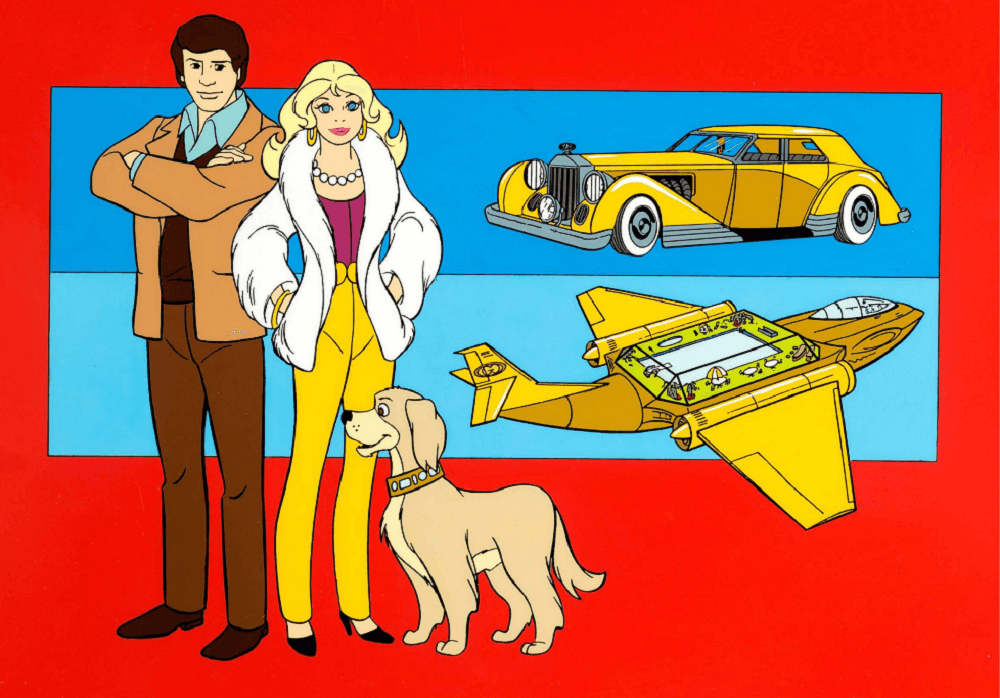
Goldie Gold was a beautiful heiress whose parents had left her a newspaper – The Gold Street Journal – when they died. Voiced by Judy Strangis (who’d played teen sidekick Dyna Girl in Sid and Marty Krofft’s live-action Electra Woman and Dyna Girl show), Gold travelled the world with her cocker spaniel Nugget and ace reporter boyfriend “Action” Jack Travis (Sonny Melendrez), always finding the story (and usually someone who needs their help). The show was developed by former Marvel Comics writer Steve Gerber, with Jack Kirby’s former assistant Mark Evanier and ex-DC Comics staffer Martin Pasko pitching in and was one of only a handful to star a female action hero, albeit one with a huge dollop of testosterone in Jack on the side.

Goldie Gold and Action Jack, 1981

Gerber had come on board the Ruby-Spears train with The Plastic Man Comedy/​Adventure Show in 1979 after growing disillusioned with comic books, and would stay with the studio through successive years, writing for The Scooby & Scrappy-Doo/Puppy Hour in 1982, and co-creating Mister T with Pasko in 1983 (and for details on that, check out The Telephemera Years when we make it to 1983). Sadly, like the female-fronted Jana of the Jungle (which Hanna-Barbera had brought to NBC in 1978), Goldie Gold and Action Jack lasted just a single season of thirteen episodes and has yet to be collected on DVD. The complete series has been uploaded to YouTube, however, and makes for fun viewing as you watch Goldie (and Jack) foil the plans of The Crystal Skull, a disembodied glove, a race of lizard-like mutants, and an undead king bent on turning Goldie into his queen.

For Ruby-Spears, while the new season did not bring more Goldie Gold and Action Jack, there was the new Scooby Doo show and Mork & Mindy on ABC, with 1983 bringing Rubik the Amazing Cube and The Puppy’s Further Adventures for the alphabet network, as well as Mister T and Alvin and the Chipmunks for NBC, and Saturday Supercade on CBS. 1984 had them debut Dragon’s Lair and body horror nightmare Turbo Teen but it was a pair of action shows on the schedule for 1985 that saw them enter a brand-new world: the toy tie-in…

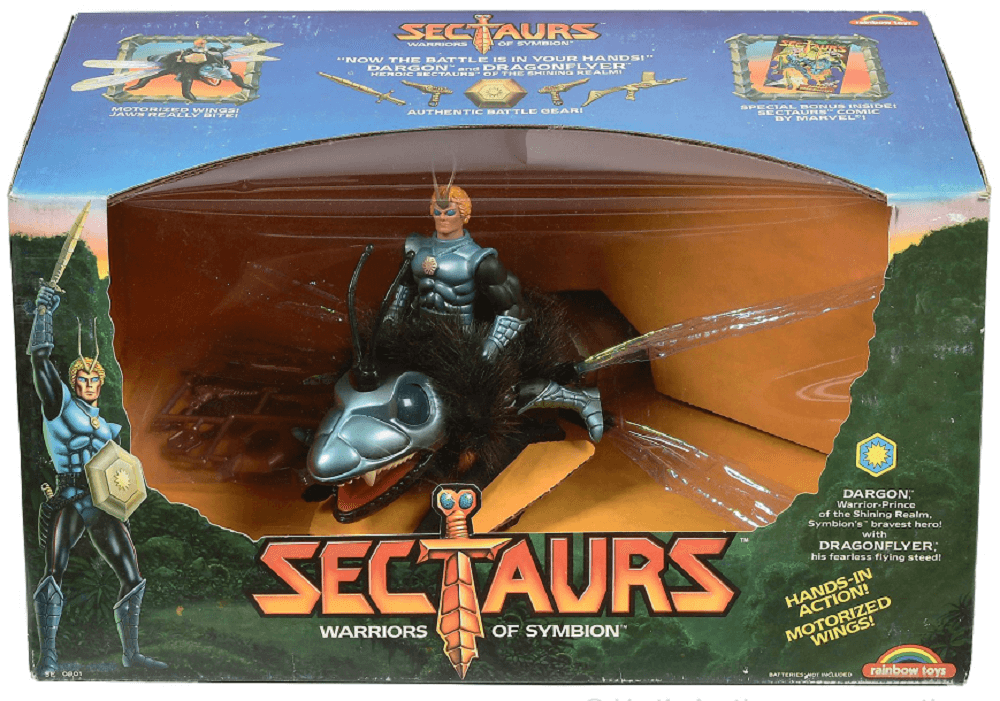
Sectaurs (syndication, 1985): Inspired by prime-time TV’s experiments with the format in the late 1970s, and by comic books’ adoption of shorter story runs in the early 1980s, it wasn’t uncommon for some animated series – especially those designed to sell an unproven action figure – to begin life as a mini-series. Both GI Joe and Transformers started out with limited runs to test the water, with both progressing to long-running, full-season stretches after kids tuned in (and bought toys) in droves, and in 1985 it was decided that Sectaurs, a line of insect-themed humanoid action figures from Coleco, should be given the same treatment.

Ruby-Spears were given the task of bringing these lumps of colourful plastic to life and hired Dan DiStefano (who’d cut his teeth on Sport Billy for DIC) to helm the project. DiStefano brought in He-Man and the Masters of the Universe writer Janis Diamond to help shape the mythology for the series, which told of an eternal battle between the Shining Realm of Prosperon – led by the noble Prince Dargon – and the evil Dark Domain of Synax, under the thumb of Empress Devora.

Sectaurs, 1985

Dargon was joined by the Heroic Sectaurs of the Shining Realm, all aboard insectoid steeds (replicated in action figure form by a unique glove puppet gimmick), combatting General Spidrax and his evil army, their story laid out across five episodes, the first of which – “Spydrax Attacks” – debuted on September 14th 1985. The show was sold in syndication by Worldvision Enterprises, accompanied by a Marvel comic book which launched in June, all ready to convince kids across America to badger their parents for something insectoid (or arachnoid, we don’t discriminate here at STARBURST) in their Christmas stockings.

Unfortunately, due to a combination of a higher price point than their competitors and the slightly scary nature of even the heroic characters, the action figure line failed to take off, meaning there would be no full series for Sectaurs. The comic book limped on through September 1986 and there have been attempts in recent years to revive the line by longtime fans, but no further installments in the story of the war between Prosperon and Synax have been told. Sectaurs: The Warriors of Symbion has never been released on DVD but it is available to watch on YouTube, allowing you to recreate the action on screen with your vintage action figures (or the 2021 re-imaginings from Zica Toys).

The Centurions (syndication, 1985): While Sectaurs failed to hit its mark with either a TV audience or the toy buying public, Ruby-Spears other entry into the toy tie-in market in 1985 earned much bigger rewards with both, perhaps because the two were designed to be symbiotic from the off. With initial designs by comic book legends Jack Kirby and Gil Kane, Centurions was a co-production of Ruby-Spears and Kenner Toys, animated in Japan by Studio 7. The five-part mini-series, which laid out the toy line’s basic story, debuted in syndication across five nights from April 7th 1986, sold – like Sectaurs – by ABC’s syndication arm, Worldvision Enterprises.

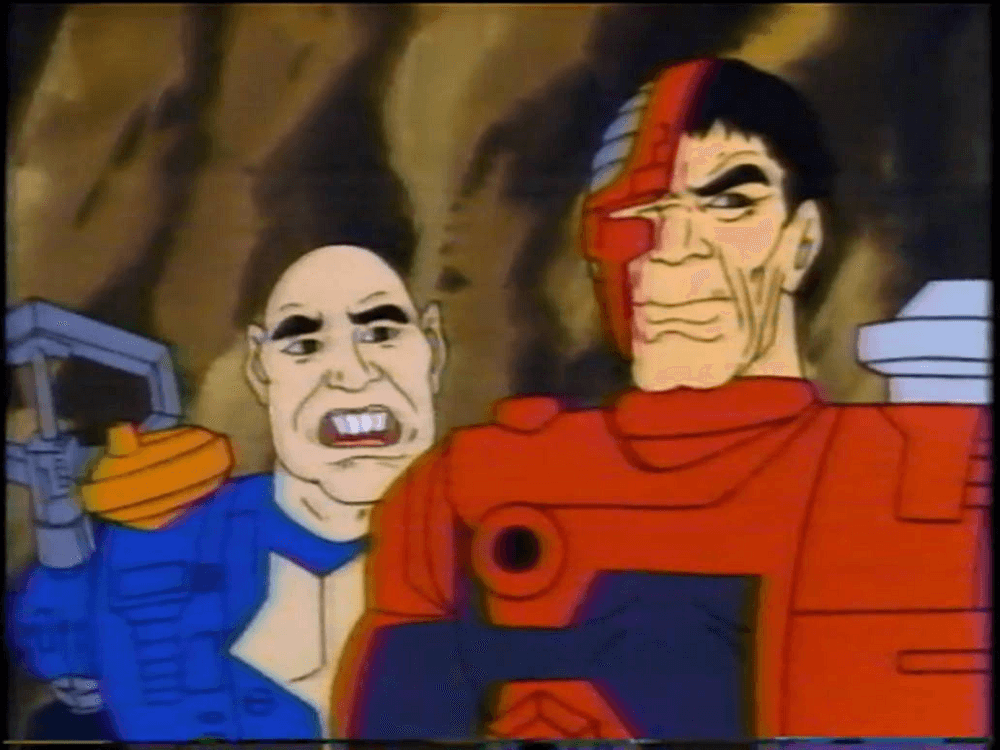
This time, the story of Max Ray, Jake Rockwell, and Ace McCloud – representing sea, land, and air combat specialities – and their battle with the evil cyborgs of Doc Terror proved popular, with the modular attachment gimmick that the toys embraced a novel addition to the action figure aisles. Ray, Rockwell, and McCloud were based on an orbiting space station, sent by operations manager Crystal Kane to combat Terror whenever he and his minions raised their heads. Each man wore a suit of armour which allowed them to attach any number of weapons and propellants, making them more than a match for their hybrid hostiles, shouting “POWER…. XTREME!” as they charged into action.

Centurions, 1985

The mini-series was such a success that a full series of sixty episodes was ordered, with Ted Pedersen, Steve Perry, and Michael Reaves – who’d written the lion’s share of the mini-series – being joined by a huge cast of writers, including former Marvel Comics editor-in-chief Gerry Conway and He-Man mainstay Larry DiTillio. The sixty-five-episode total took the show to the point where no further episodes needed to be produced, with enough to air one every weeknight for three months, the minimum requirement for a show to be syndicated under its own steam.

The cartoon series introduced further additions to the Centurions team but there were no figures produced beyond the basic assortment of our three heroes, Doc Terror, and henchman Hacker. Ruby-Spears job was done, succeeding where Sectaurs had failed. 1985 had also saw them produce successful cartoon spin-off It’s Punky Brewster but it was very much back to boy’s toys in 1986, with two larger than life characters lending their likenesses to tempt the nation’s children into (controlled) violence…

Chuck Norris: Karate Kommandos (syndication, 1986): As well as producing Lazer Tag Academy for NBC, the Ruby-Spears machine ground out two very similar shows in 1986 as Sylvester Stallone and Chuck Norris both became children’s cartoon stars. The story of the unlikely transfer of world-weary PTSD sufferer John Rambo into cartoon form is told in The Telephemera Years: 1986 – part 4 but Norris’s story is just as strange (and with added Ks).

Karate Kommandos was Chuck’s idea, selling Ruby-Spears on the concept of him as an action hero for Saturday morning cartoons, albeit one with an emphasis on not using combat skills unless absolutely necessary. Polished by Dan DiStefano, the Karate Kommandos treatment saw Chuck head up a government agency tasked with stopping Claw and his VULTURE organisation. VULTURE, of course, was an acronym but quite what it stood for – Violent Underground League of Terror, Uprising, Revolution, and Extermination? – was never revealed, and Claw was aided in his evil mission by Super Ninja.

Chuck Norris: Karate Kommandos, 1986

Standing in their way were Chuck himself, samurai Kimo, sumo Tabe, technology expert (and woman) Pepper, Pepper’s brother Reed (Chuck’s apprentice), and a child of uncertain heritage called Too Much. All wore a big K symbol on their outfits, with Tabe’s prominently displayed on his crotch, and over the initial five-episode mini-series they prevented VULTURE from kidnapping scientists, stealing a robot laser, and hacking a government satellite. The mini-series aired in syndication across five weeknights from September 15th 1986 and, if successful, it could be assumed that a full series would have followed. No such series did follow, despite each episode being top and tailed by a live-action sequence from Chuck, during which he would say his name an alarming amount of times.

There were no new Ruby-Spears shows on the docket for the Fall 1987 season, with the studio again being sold, this time to Carl Lindner Jr’s Great American Broadcasting, again in tandem with Hanna-Barbera. Police Academy: The Series and Superman (both 1988), Dink, the Little Dinosaur (1989), and Piggsburg Pigs! (for Fox in 1990) followed but it was clear that they heyday of the studio – with Joe and Ken winding down their involvement – was far behind them. In 1991, Ruby-Spears was spun-off into RS Holdings, with the library up to that point becoming part of Hanna-Barbera’s inventory, and although there was a brief renaissance with Wild West C.O.W.-Boys of Moo Mesa in 1993, the studio limped to a close in 1995 with just the syndicated Mega Man and Skysurfer Strike Force to add to its back catalogue

Joe Ruby and Ken Spears died within three months of each other in 2020, leaving behind a considerable legacy that began in the 1960s and hit its height in the 1980s, although they should always be remembered primarily for creating Scooby Doo, Where Are You! Their partnership with ABC in the 1970s and 1980s produced a cavalcade of fondly-recalled shows before the toy and syndication markets took hold, leading to sixty-five episodes of a cartoon about Rambo.

Next time on Titans of Telephemera: Does DIC really stand for Do It Cheap? Find out in the first of a two-part look at the people that brought you Inspector Gadget and more!

Check out our other Telephemera articles:

The Telephemera Years: 1966 (part 1, 2, 3, 4)

The Telephemera Years: 1968 (part 1, 2, 3, 4)

The Telephemera Years: 1969 (part 1, 2, 3, 4)

The Telephemera Years: 1971 (part 1, 2, 3, 4)

The Telephemera Years: 1973 (part 1, 2, 3, 4)

The Telephemera Years: 1975 (part 1, 2, 3, 4)

The Telephemera Years: 1977 (part 1, 2, 3, 4)

The Telephemera Years: 1980 (part 12, 3, 4)

The Telephemera Years: 1982 (part 1, 2, 3, 4)

The Telephemera Years: 1984 (part 1, 2, 3, 4)

The Telephemera Years: 1986 (part 1, 2, 3, 4)

The Telephemera Years: 1987 (part 1, 2, 3, 4)

The Telephemera Years: 1990 (part 1, 2, 3, 4)

The Telephemera Years: 1992 (part 1, 2, 3, 4)

The Telephemera Years: 1995 (part 12, 3, 4)

The Telephemera Years: 1997 (part 1, 2, 3, 4)

The Telephemera Years: 2000 (part 1, 2, 3, 4)

The Telephemera Years: 2003 (part 1, 2, 3, 4)

The Telephemera Years: 2005 (part 1, 2, 3, 4)

The Telephemera Years: 2008 (part 1, 23, 4)

Titans of Telephemera: Irwin Allen

Titans of Telephemera: Stephen J Cannell (part 1, 2, 3, 4)

Titans of Telephemera: Hanna-Barbera (part 1, 2, 3, 4, 5)

Titans of Telephemera: Kenneth Johnson

Titans of Telephemera: Sid & Marty Krofft

Titans of Telephemera: Glen A Larson (part 1, 2, 3, 4)

Titans of Telephemera: Quinn Martin (part 1, 2)

Five Films to Check Out on Legend This Week – 261222

legend twilight zone twins of evil

Happy Christmas to all and if you’ve not been making too merry, Legend has some more fab films and TV series to keep the spirits up. Here are our picks you shouldn’t miss this week…


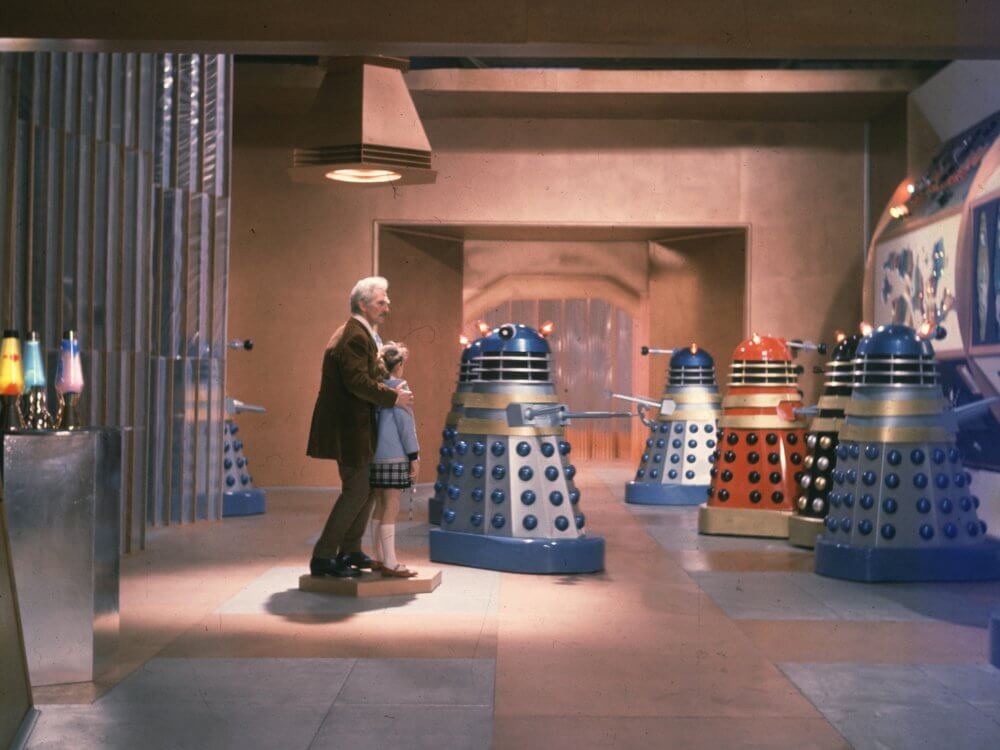
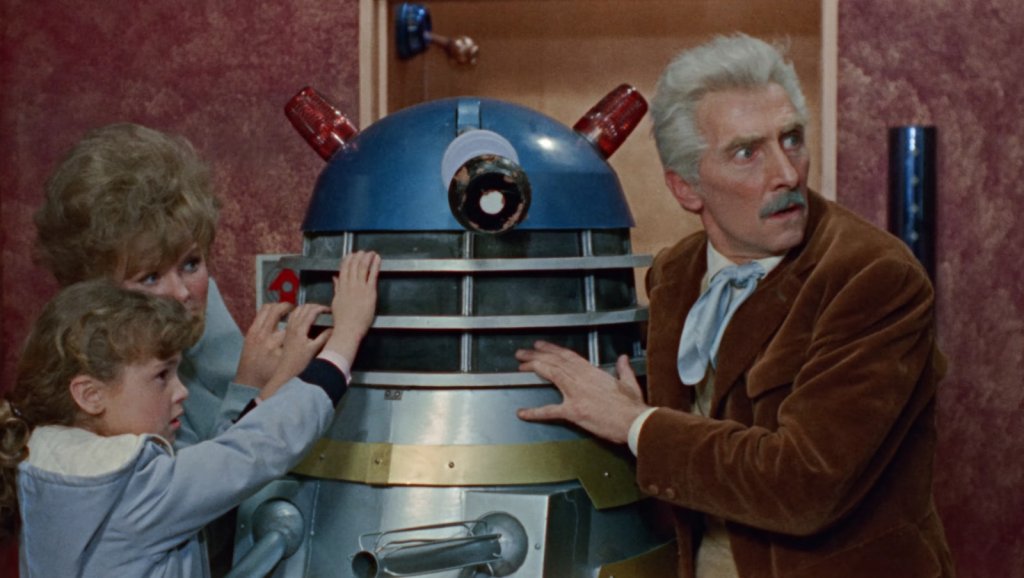
Monday December 26th, 1pm – Dr Who and the Daleks (1965)

Peter Cushing plays the big-screen alt-version of the famous Time Lord, reimagined here as a kindly old inventor. Produced by Amicus, this is visually lush and a whole load of fun. (Also screening on Sunday at 3pm)


Tuesday December 7th 1pm – Daleks’ Invasion Earth 2150 AD (1966)  

Cushing’s Doctor is back in this equally flash sequel. Bernard Cribbins, who sadly died this year, is along for the ride in this one – nearly forty years before he appeared in the regular BBC series. (Also screening on Sunday at 4.35pm)


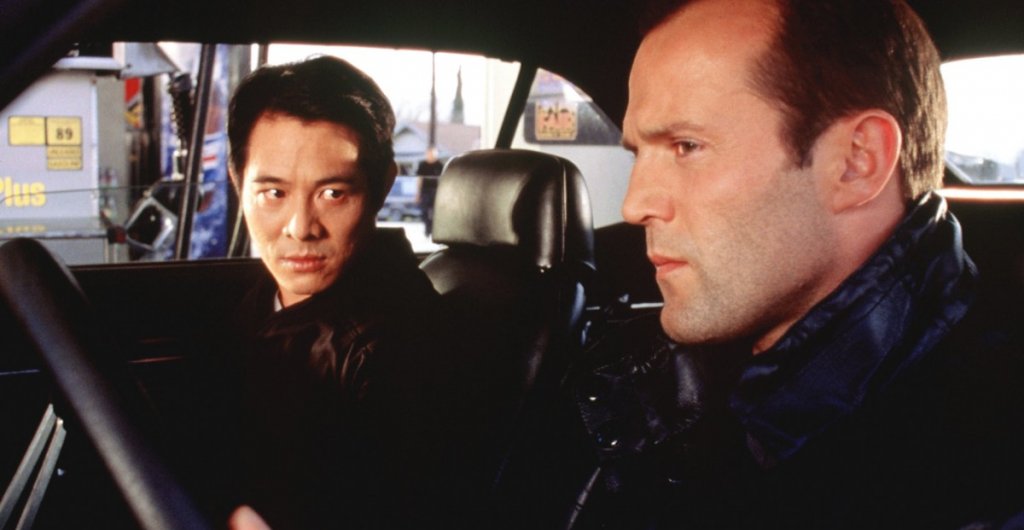
Saturday December 31st, 9pm – The One (2001)

Jet Li stars in this all-action sci-fi film in which a police officer must kill a parallel universe version of himself to become immortal. Our editor’s favourite muscle guy, Jason Statham, also stars. Directed by Final Destination’s James Wong.


Sunday January 1st, 8.30pm The Twilight Zone – Season 1 Episode 1

It might be a whole new year, but tonight, we’re transported back to 1959 for the very first episode of Rod Serling’s timeless masterpiece. This opening story, Where Is Everybody?, sets the tone perfectly.


Sunday January 1st, 9pm – 12.30am The Vintage Vault

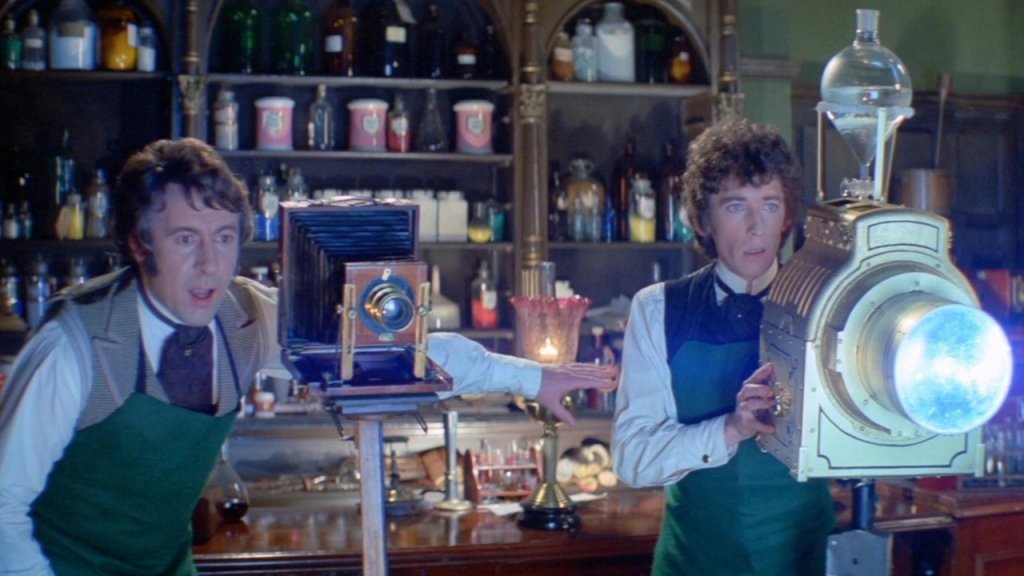
Legend continues to celebrate the Golden Age of genre cinema with a season of double bills. This week, Robert Powell stars in the channel premiere of the Victorian-set chiller The Asphyx (1972) in which a photographer tries to capture the moment the spirit leaves the body at death. This is followed by the Hammer classic Twins of Evil (1971), where Peter Cushing appears once more as a priest whose nieces fall under a vampire’s spell. Real-life twins Madeline and Mary Collinson play the titular sisters in the last of Hammer’s ‘Karnstein trilogy’ movies inspired by Sheridan Le Fanu’s Carmilla.

Find out more information at https://www.legend-tv.co.uk/

Tune into Legend on Sky 317, Virgin 149, Freeview 41, Freesat 138.

Jonathan Kasdan | Willow

jonathan kasdan willow interview

Ron Howard’s Willow remains one of Lucasfilm’s best, most underappreciated efforts. In a moviemaking landscape where reboots, remakes, and sequels dominate corporate and commercial interest, original stories comprise a precious minority of studio output. With that in mind, you’d think a Willow follow-up would have been a foregone conclusion. It wasn’t until last month, however, that writer and “Lucasfilm legacy character” Jonathan Kasdan brought the sequel to the 1988 classic to life.

The surname ‘Kasdan’ should ring many bells for sci-fi/fantasy fans. Jonathan’s father, Lawrence Kasdan, co-wrote the screenplay for The Empire Strikes Back (and other winners), an achievement that has endeared him to genre fans for decades.

Kasdan’s sequel series teems with characters and personalities that reflect a modern sensibility. It’s fun as hell, too. There’s action, monsters, and aplenty, but there’s also humour, heart, and an attention to detail that longtime fans will appreciate. Kasdan himself is a massive fan of the original Willow, making him a perfect fit for this project.

STARBURST recently sat down with Kasdan to discuss showrunning the Willow sequel series, wax poetic about the brilliance of Warwick Davis, and tease the possibility of a second season.

STARBURST: When you first started developing the Willow series, which elements of the original stuck out as must-haves in the sequel, and which ones were a bit less important or less vital to this particular story?

Jonathan Kasdan: Well, I was in love with the character of Willow. I thought that was the most important thing. I was in love with the character of Madmartigan. I knew those two were the reason that I wanted to do this. I knew that sort of in the absence of having Val, there needed to be something that could fill that space, but it couldn’t be a clone of Val, and you can’t recast Madmartigan ever. That’s undoable, and particularly while using Warwick. So we needed to fill that space, and the sort of answer we came up with was, what if we could surround him with some different kinds of characters that were as unusual to fantasy and as sort of irreverent as Madmartigan himself was in 1988? And that’s sort of what we’ve tried to do in filling out this group around him.

And then the other element of it that I was committed to keeping because it meant so much to me was the darkness and the scariness of the world, was the sense that once you went out there, you were in real danger from all manner of beasts and evil. So I wanted to keep the flavour of the movie and the story of Willow, Sorsha, and Madmartigan alive, but really focus the new series on Elora Danan and how she could evolve as a heroine in the tradition of Luke Skywalker and Harry Potter and so many great magicians-in-training.

Absolutely! One of the things that really stuck out in the first episode was the establishment of a mystery that the series really didn’t have to go with. “Which one of these new characters is Elora Danan?”

Yeah, that was how we wanted to design it, and there’s a great tradition in fairytales and in these myths of characters not knowing their full power, which is a metaphor for teenage years anyway. It’s sort of governing who you are and what you’re capable of, and we wanted to make that a very literal story here. And the way we came at it was this Three-card Monte game of who’s it going to be? And from the word go, you want your savvy audience member to think, “Well, it’s going to be one of these three. Which one is it?” And in Ruby and Erin and Ellie, we found the perfect three women to play that game with. And then they each ended up sort of taking on their own real significances as characters and as sort of the three pillars of this fellowship, if you will.

The new characters are excellent, and we love what you said about Madmartigan being kind of a ballsy character in many ways, and that a lot of these new characters rebel against their archetypes in really, really cool ways.

 Absolutely. Well, that’s a beautiful way of saying it, and exactly as intended, is that you want to take… And it’s not because of any bent except that we’ve reached a cultural moment where we’ve seen these stories so many times. You’re sort of just eager to see variations on how the Tarot deck is sort of lined up a little bit. At least I am. And it’s funny, as the reaction to the show has sort of happened over the last four or five days, you see that certain people are very enthusiastic about the idea of mixing up that Tarot deck, and other people are very offended by the idea of mixing up that Tarot deck, and it’s a great kind of… I sort of respect it all in a way, because it has an element of… You see the depth of people’s love for these stories and the kind of things that they’re passionate about and the kind of things that they’re open to, and it’s all sort of across the map.

 It’s got that epic flavour to it, but it’s got characters that you cannot see anywhere else.

 Yes, and I think that’s part of the magic of Star Wars too. It’s like he did something in the genre that no one had quite done before. And it does have a… I mean, he cast Mark Hamill in the lead role. It’s like, did you get a more California incarnation of a hero than that? And then he continued that tradition with Willow, I think, in a really nice way that sort of merges classical Tolkien elements with this much more contemporary, hip and, frankly, sexy worldview that doesn’t exist in Tolkienverse at all.

I think the lesson that my father gleaned from working with George Lucas as a young man… my dad’s interests were always in noir and darker, more complicated stories. But his career started working with Steven and George on Empire, Raiders, and Jedi. The sweetness and the heart that’s in all those movies really rubbed off on him in his career and then rubbed off on us as his kids, and there’s a real lineage to that, and I hope that that’s infused in this thing, but it’s certainly a humanity that comes from George in a very direct way.


This is more of a comment than a question, but it’s really cool that you have all these legacy characters in here, these new faces filling old roles, and that it’s meta in a way, because in Lucasfilm’s history, you’re a legacy character.

That’s the other big theme, I think, in all of George’s work is this generational struggle and these father figures and how we sort of reconcile the legacies of our parents a little bit, and for me, that’s always been a hilarious and ironic element of my relationship to this whole brand is that I’m sort of the archetypal guy wrestling with the legacy of his previous generations.

You add layers to Willow’s character that’s really special, where in the process did those layers came into play? Because there’s a moment where he casts a spell. And you can see all this uncertainty, and you can see this fear on his face because he’s been underestimated his entire life. Even Sorsha earlier in the series says, “You’re not the greatest ever.”

Totally. Well, I’ll tell you, one thing from the movie that I always loved and really stuck with me is that when he’s trying to transform Fin Raziel into her human form, you see he does this amazing thing where it has a physical toll on him, and at the end, he sort of clutches his arm in pain, and it was something I at least at eight had never seen done with magic before, where someone is actually… It made sense to me almost, dare I say, on a scientific physics level, that to give someone this much power would cost a person something. And that was one of the elements of the magic in Willow I always sort of loved and thought, “Well, okay, so if we’re going to revisit this character 20 years down the road, the physical toll of that would only be increased by age and weariness with the world.”

And I’ve certainly seen that in the filmmakers that I’ve known growing up beyond just my father, frankly, but the failures and the disappointments take their toll, and increasingly the idea of making a big movie becomes harder and more of a lift, and I thought there was a great metaphor for that in Willow, in that he has to manage his power and preserve it, conserve it for when he’s going to need it the most, and that he has this vision that he’s going to have to do a lot, and that he doesn’t have quite enough strength to do was always sort of built into it. And I liked the idea that the others were sort of doubtful of him early on, and then we get a cathartic demonstration of what he can do when he’s upset.

And Warwick Davis does such a great job. 

Yeah, and that’s something that is really authentic for Warwick, to be perfectly honest with you. It’s that he’s got… It’s not as easy as it was when he was 17, and he does feel the physical tolls of life and of being a little person and of all this, and of how hard he’s worked his whole life, and he brought a lot of that to the character, along with all his energies and enthusiasms and comedic genius, and I do think it deepens what Willow is in a meaningful way.

Absolutely. It’s been a joy watching him add even more depth to the role. Any update on the possibility of a Season Two? 

As soon as I’m done with you, I go back into a room full of writers, it’s not so much that we’ve been given a Season Two as that these things take so much planning that in order to be ready for a Season Two, they’re facilitating me going off and breaking it out, so yeah, we have a real plan for where we’d like to go, and hopefully… I think you’ll find, and maybe we’ll talk again when you do, that when you see where it ends up in episode eight, it’s very much designed for the story to continue and for Elora’s journey to go to new and more exciting places.


Willow is now streaming on Disney+.

[ENDED] Win a pair of tickets to THE LAST OF US Special Screening

win the last of us

To celebrate the brand new series of The Last of Us, available exclusively on Sky from January 16th, we are offering you the chance to win a pair of tickets to a special screening in Central London on January 11th.

The Last of Us takes place 20 years after modern civilization has been destroyed. Joel (Pedro Pascal – The Mandalorian), a hardened survivor, is hired to smuggle Ellie (Bella Ramsey – Game of Thrones), a 14-year-old girl, out of an oppressive quarantine zone. What starts as a small job soon becomes a brutal and heart-breaking journey as they both must traverse the U.S. and depend on each other for survival.

The Last of Us is written and executive produced by Craig Mazin (Chernobyl) and Neil Druckmann (The Last of Us video game).

Watch the trailer here:

To be in with a chance of winning the tickets, send an email headed ‘The Last of Us’ along with your contact details to [email protected] to arrive before January 2nd, 2022.

The Last of Us is available exclusively on Sky from January 16th.

#TheLastOfUs

@skyTV 

Terms and conditions:
This reward offers tickets which provide entry to the stated event only. Travel, accommodation, food and drink, spending money or any other hospitality are not included as part of this reward.
 
Sky may make audio/video recordings at events for promotional and marketing purposes such as promos and video content for broadcast, digital and/ or social platforms. Such recordings may include general “crowd shots” which by entering the promotion, you agree to participate in.
 
If an event is cancelled due to unforeseen circumstances or adverse weather conditions, we will not give any form of compensation, financial or otherwise.
SKY/STARBURST do not accept any responsibility for late or lost entries due to the Internet or email problems. Proof of sending is not proof of receipt. Entrants must supply full details as required on the competition page, and comply with all rules to be eligible for the prizes. No responsibility is accepted for ineligible entries or entries made fraudulently. Unless otherwise stated, the Competition is not open to employees of: (a) the Company; and (b) any third party appointed by the Company to organise and/or manage the Competition; and (c) the Competition sponsor(s). This competition is a game promoted STARBURST. STARBURST’s decision is final in every situation and no correspondence will be entered into. STARBURST reserves the right to cancel the competition at any stage, if deemed necessary in its opinion, and if circumstances arise outside of its control. Entrants must be UK residents and 18 or over. Entrants will be deemed to have accepted these rules and to agree to be bound by them when entering this competition. The winners will be drawn at random from all the correct entries, and only they will be contacted personally. Prize must be taken as stated and cannot be deferred. There will be no cash alternatives. STARBURST routinely adds the email addresses of competition entrants to the regular newsletter, in order to keep entrants informed of upcoming competition opportunities. Details of how to unsubscribe are contained within each newsletter. All information held by STARBURST will not be disclosed to any third parties

Podcast Recommendations for Nursing Students in Canada

nursing students

The healthcare system is evolving more and more today, with new procedures and treatments that make the life of patients easier. Being a nurse is such a noble job, as you commit to doing everything possible to help patients and support their recovery. However, being a nurse is not an easy thing to do. You have to deal with challenging patients. There might be moments when you need to do extra shifts. There might be moments when you feel stressed and overwhelmed like it was with the global pandemic. And as a nursing student in Canada, you go through college years that help you develop your skills a lot, but also expand your knowledge.

Getting a nursing education can turn out to be challenging at times, as you need to learn that lesson, attend those university classes, and meet the requirements of your teacher when it comes to assignments. We live in a multimedia world where you can get access to any information in an instant. You also have a lot of sources of information that can help you expand your culture and knowledge of nursing, so here are some podcast recommendations for nursing students in Canada.

Life in Scrubs

Being a nurse is noble, but it is not a noble thing. It is a podcast for nursing students that will inspire and motivate you to go beyond the challenges that lie ahead. To face them and to learn from every experience you will go through. Life in Scrubs is a podcast for nurses and students who want to learn more about the obstacles that will be present in their job and how to overcome them. It is a podcast by nurses, so you get valuable insight into the healthcare industry and what it really means to be a nurse.

They discuss a lot of subjects you may already have to write essays on. Assignments are part of college life in Canada, so expanding your knowledge on related topics is always useful. These assignments and essays can be challenging too, so whenever you need nursing assignment help, you can get it from professional writers. They are updated with the treatments and advancements in the healthcare industry, so they can support you in completing your essays.

Nursing Uncensored

During nursing school in Canada, you attend classes, go to lectures, and participate in workshops. All are intended to help you develop the set of skills that will support your success as a nurse. However, there is a lot of information to grasp and knowledge to acquire, so at times, it can feel too much. Nursing Uncensored is a podcast for students that combines information with humor.

And with storytelling too. So, you will listen to stories told about nurses, nurses that have had challenging patients, or have gone through events that taught them a lot. Sometimes, it is easier to remember a story rather than the information you read in a book, and this is what the Nursing Uncensored podcast is about. Learning more about treatments and advancements in the healthcare industry through storytelling.

The Gritty Nurse Podcast

The Gritty Nurse Podcast is developed in Ontario, Canada by two nursing professionals who are working in the field. It is one of the most helpful podcasts for Canadian students as they delve more into the challenges of the job, preparing nursing students for their life after college. They talk about hot topics in the healthcare industry, topics that are crucial to your cultural development as a nursing student in Canada.

Nursing with Lea

Being a nursing student is an enlightening experience, but it can be challenging at times. Tune in and listen to the podcast Nursing with Lea, which is specially designed for students in Canada. You will find out more about tips and tricks on how to complete your nursing assignments and manage your time during college. It also discusses topics such as communication in the healthcare system, research in nursing, and many more.

Final Thoughts

If you are a nursing student in Canada, you are probably looking for sources of information that can help you tackle college challenges better and more efficiently. At the same time, you want to know about the developments of the healthcare industry or just listen to stories from nurses, stories you can learn a lot from. Tune in and listen to these podcasts for students that will make your day better and help you expand your knowledge.


Image source: https://images.unsplash.com/photo-1593697820826-2e76c9720a99?ixlib=rb-4.0.3&ixid=MnwxMjA3fDB8MHxwaG90by1wYWdlfHx8fGVufDB8fHx8&auto=format&fit=crop&w=1170&q=80

TITANS OF TELEPHEMERA: SID & MARTY KROFFT

HR Pufnstuf, 1969

Ah, telephemera… those shows whose stay with us was tantalisingly brief, snatched away before their time, and sometimes with good cause. Dedicated miners of this fecund seam begin to notice the same names cropping up, again and again, as if their whole career was based on a principle of throwing stuff at the wall and seeing what sticks. What’s more, it isn’t all one-season failures and unsold pilots, there’s genuine gold to be found amongst their hoards; these men are surely the Titans of Telephemera!

SID & MARTY KROFFT

Sid and Marty Krofft were born in Montreal, Quebec, but their clockmaker father soon moved them to New York City, where Sid began working as a puppeteer, becoming a featured performer with the Ringling Brothers and Barnum & Bailey Circuses. In the 1940s, Sid took his puppet show overseas, accompanied by his father, and it was while he was in Paris that younger brother Marty began performing back home with Sid’s puppets. When Sid returned from Europe, the two started working together, creating the adult themed Les Poupées de Paris show and launching a puppet and costume workshop, creating mascots for Six Flags amusement parks amongst others.

In 1968 they were hired by Hanna-Barbera to design The Banana Splits for NBC, leading to the network giving the greenlight to the first of their own ideas, a light fantasy about an eleven-year-old boy, his talking flute, and his adventures on Living Island. The success of this show, launched with a one-hour special by The Banana Splits themselves, would make Sid and Marty Krofft the tiniest of telephemeric titans!

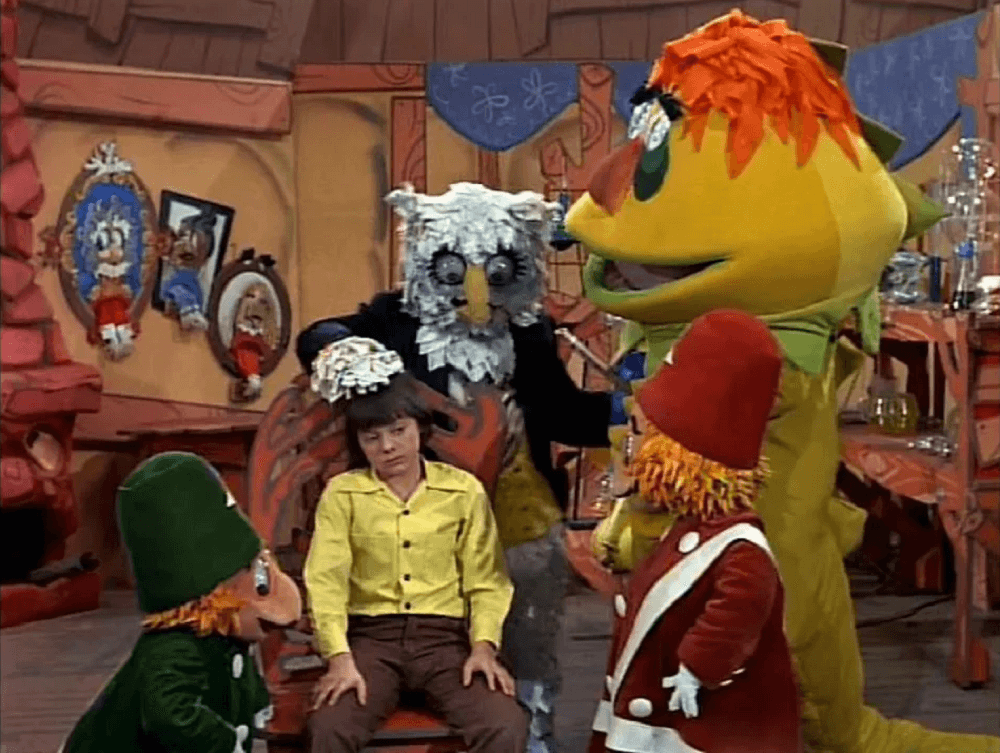
HR Pufnstuf (NBC, 1969): HR Pufnstuf began life as a commission from Coca-Cola for their pavilion at the 1968 World’s Fair in San Antonio, for which the Krofft brothers created a show called Kaleidoscope. The centrepiece of the show was an enchanted dragon who – alongside a wicked old witch, an ape, and a matador – wowed child visitors to the fair. The witch and the dragon, now anthropomorphised in what would become the Kroffts’ signature style, made it through to the new TV concept, with human boy Jimmy and his talking flute Freddy washing up on Living Island after taking a ride in a mysterious boat.

Unbeknownst to them, the boat belonged to the evil witch Wilhelmina W Witchiepoo and she had designs on the pair  but, luckily, they were met by the Mayor of Living Island, a friendly dragon named HR Pufnstuf. Jimmy was played by Jack Wild, who had shot to fame as The Artful Dodger in the 1968 movie Oliver! And who Sid Krofft had to take guardianship of while he was in the US to film the series. Stage actress Billie Hayes was cast as the sinister sorceress, and the physical role of Pufnstuf was portrayed by Roberto Gamonet but voiced by animation regular Lennie Weinrib, who specifically chose to give the Mayor a West Ohio accent. Weintraub also provided voices for some of the supporting cast, including Orson Vulture and Stupid Bat, giving character to the technicolour parade of puppets and costumes.

HR Pufnstuf, 1969

The central conceit was that Jimmy had to find his way home, despite enjoying his time on Living Island (where he celebrated his twelfth birthday). To do so, he aided Living Island regulars like Judy Frog, the Clock Family, and Dr Blinky in their battles against the hexing hag but, true to most series of this kind, he never did make it home before the end of the first season. And that was all she wrote, with the Kroffts describing the production of the show as a headache, eager to move on to their next project. There was a movie produced simultaneously with the series, released in 1970 (but without Weinrib’s voice talents), and a stage tour continued through to the mid-1970s, but the Kroffts’ overflowing box of creativity couldn’t be nailed shut and there was The Bugaloos to consider.

In 1977, Sid and Marty Krofft successfully sued the McDonald’s Corporation over their McDonaldland concept, with Mayor McCheese found to be particularly derivative of HR Pufnstuf himself. As a result of the judgment, McDonald’s had to take the characters out of circulation until they could be sufficiently retooled to be distinct from the Kroffts’ creations. HR Pufnstuf was shown in some ITV regions in 1972 but faded quickly from the popular imagination in the UK. It remains a cultural standby in the US, fondly remembered as a show which must have been influenced by hallucinogenic substances (a claim strenuously denied by the Kroffts) and made a curious appearance in erotic dream sequences that were part of the Amazon Prime show Goliath in 2018.

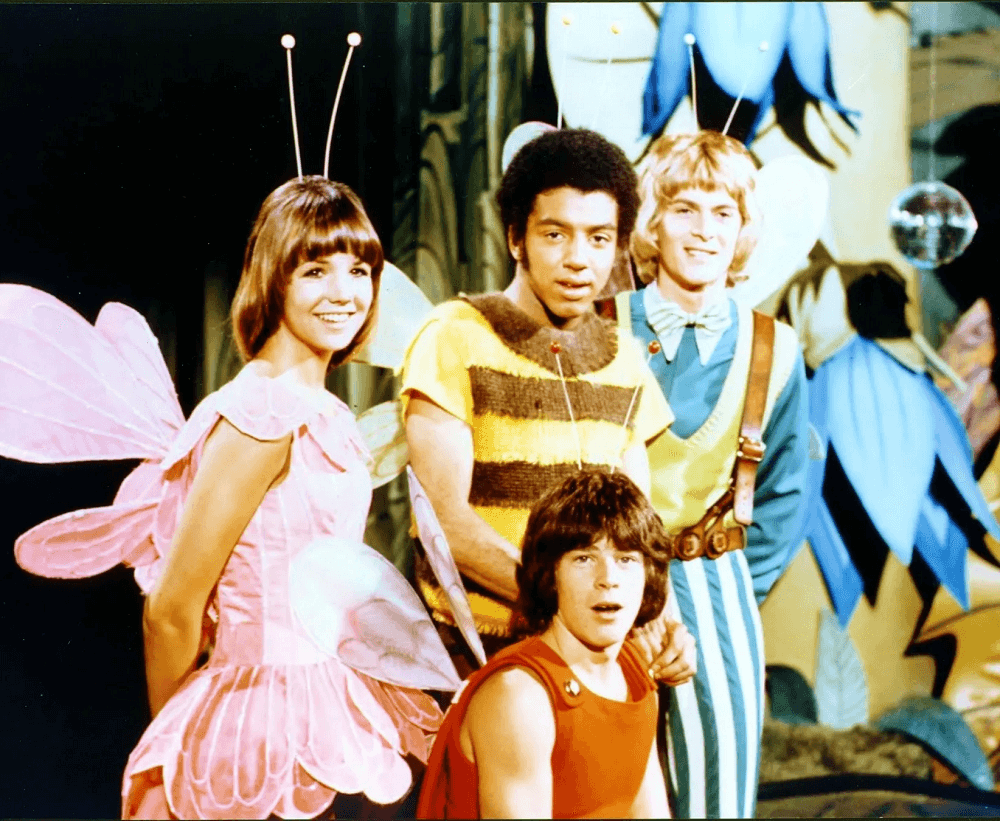
The Bugaloos (NBC, 1970): The Bugaloos arrived in September 1970, thirty minutes earlier on Saturday mornings than HR Pufnstuf (which was repeated later in the day for a double dose of Krofft weirdness). This time the action was set in Tranquility Forest, a fantasy setting that was home to the titular four-piece band, who all wore fairy wings. Despite the issues they’d faced with casting a Brit as Jimmy in their previous show, the Kroffts wanted British actors to play The Bugaloos and began an exhaustive audition process that included Phil Collins amongst those considered for a role.

In the end, Scottish musician John McIndoe got the role of IQ, the grasshopper leader of the band, with Wayne Laryea, John Philpott, and Caroline Ellis as bumblebee Harmony, ladybird Courage, and butterfly Joy, respectively. The quartet were flown to Los Angeles for filming, given minimal costumes that included insect wings, and set about making the seventeen-episode first season. The peril in the show was provided by Benita Bizarre, a bitter old crone set on silencing The Bugaloos for good, aided by her chauffeur Funky Rat and two living speakers named Woofer and Tweeter, all created by the Kroffts in their usual psychedelic style.

The Bugaloos, 1970

Martha Raye, who was known for the size of her mouth in proportion to her face, was cast as Benita, having impressed the Kroffts while playing the part of Boss Witch in the Pufnstuf movie, and she set about her task with obvious glee, employing such dastardly designs as stealing Joy’s voice with the Audio Dynamic Voice Switcher, convincing Courage that he is her nephew Melvin, and repeatedly kidnapping Sparky, a friendly firefly who becomes part of the band’s gang.

There was to be a second season, but the British cast got confused over dates and returned home before filming could begin, leading the ever-fidgetty Kroffts to move onto their next project early. That show – Lidsville, starring Butch Patrick as a young boy who falls into a world of living hats – debuted in September 1971 but failed to gain the traction the brothers’ earlier shows had, despite earning a comic book from Gold Key. Rather than rush into their next project, the Kroffts decided to take their time bringing it to life, a gamble that paid off in spades.

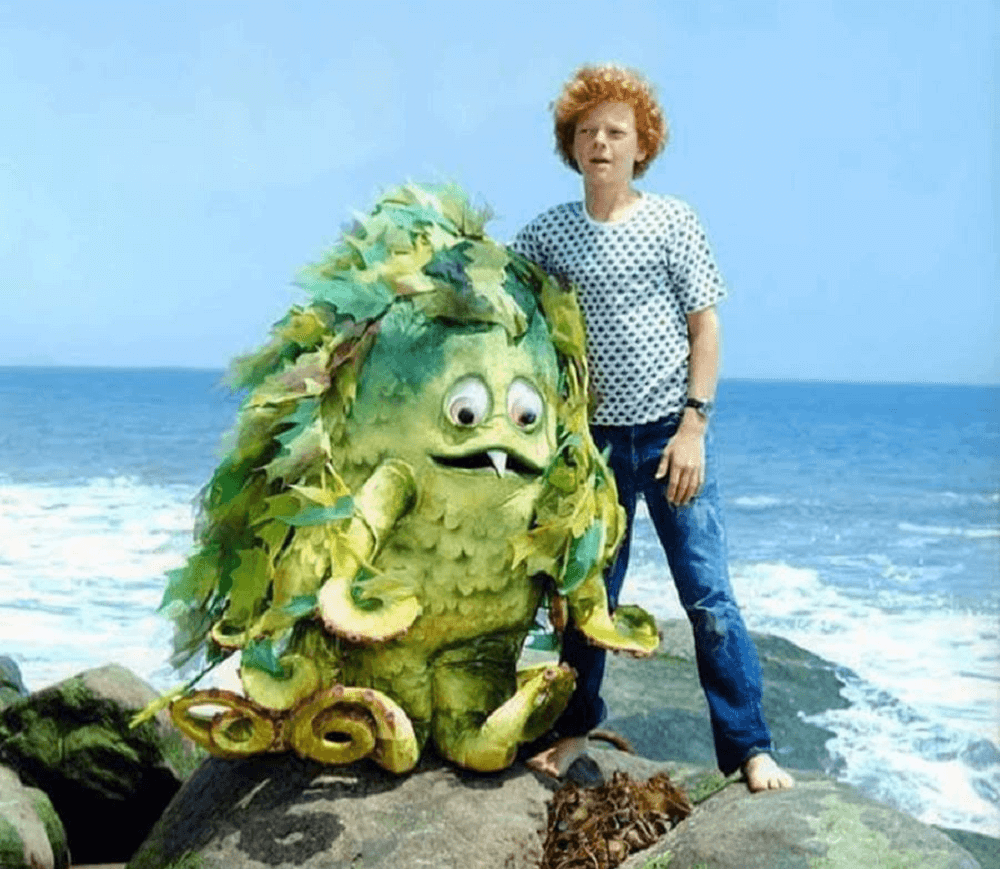
Sigmund and the Sea Monsters (NBC, 1973): Unlike the previous three Krofft shows, Sigmund and the Sea Monsters – which debuted in September 1973 after a year’s break for the brothers – was set in the real world, or at least an approximation of it. Rather than travel to a fantasy land, brothers Johnny and Scott Stuart (played by Family Affair’s Johnny Whittaker and Me and the Chimp’s Scott Kolden) discovered a friendly sea monster washed up on their local beach, taking him under their wing when they discover he has been kicked out of his family for failing to scare humans.

Sigmund Ooze, to give him his full name, was brought to life by dwarf actor Billy Barty (who had founded the Little People of America organisation in 1957) and voiced by Walker Edmiston. His family – headed up by Sweet Mama and Big Daddy Ooze – had not only rejected Sigmund for his less than monstrous ways, but they were also set on trying to harm Johnny and Scott, presumably with the intention (unstated) of eating them. The seventeen-episode first season saw them thwarted at every turn, with Sigmund learning valuable lessons about what it means to be part of a family that accepts him along the way.

Sigmund and the Sea Monsters, 1973

Episode sixteen – “The Wild Weekend” – saw Jack Wild appear as himself, coming to stay with the boys for a spell and helping them find the Ooze family’s pet lobster, Prince, capping off an inventive and fun first year for the show that was only made better when news broke that, for the first time, a Krofft show would be returning for a second season. Twelve further episodes began airing in July 1974, with HR Pufnstuf guest-starring as a result of the magic-gone-wrong of Sheldon, a sea genie played by Rip Taylor who was introduced for the sophomore outing.

The final new episode aired in November 1974 and the show was re-run on NBC afterwards, going into syndication in 1975 and becoming a part of The Krofft Superstars syndicated package from 1978. In 2015, it was announced that Amazon were to reboot Sigmund and the Sea Monsters, with a pilot following in June 2016. Starring Solomon Stewart and Kyle Harrison Breitkopf as Johnny and Scott, the concept was retooled to add David Arquette’s monster hunter Captain Barnabus. Six further episodes followed in September 2017 but Sigmund hasn’t been sighted since.

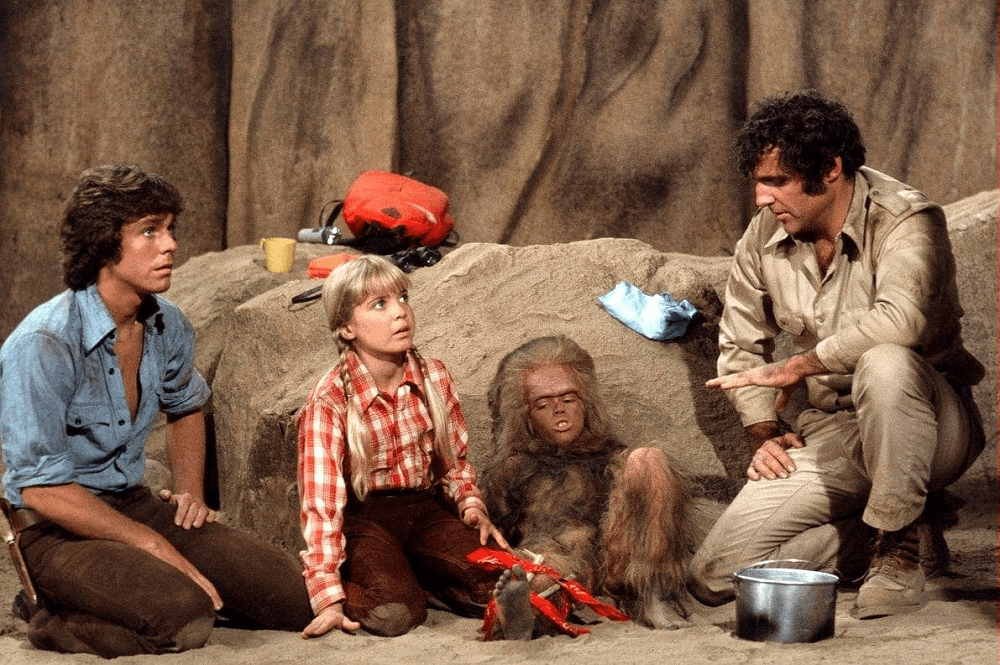
Land of the Lost (NBC, 1974): As the second season of Sigmund and the Sea Monsters got underway on NBC, the final touches were being put to the Kroffts’ new show for Fall 1974. More of a straight adventure yarn than the previous shows, Land of the Lost starred Spencer Milligan as Rick Marshall, an outdoorsman who is rafting with his children Will and Holly through the Grand Canyon, only to tumble over a waterfall and enter a dimensional portal. Transported to the Land of the Lost, Rick and his children have to navigate the various dangers they encounter – mostly dinosaurs, to be honest – and live alongside the apemen Pakuni and lizard-like Sleestak, two humanoid tribes who populate the titular world.

Land of the Lost was a huge leap forward for the Kroffts, with stop-motion and puppetry used for the dinosaurs and a series of rubber costumes and prosthetics created to bring the non-human characters to life. Furthermore, a linguist was brought in to create a realistic language for the Pakuni and Sleestak, and noted science-fiction writers Ben Bova, DC Fontana, and Larry Niven all contributed scripts for the first season of seventeen episodes. The final episode of season one, “Circle”, even revealed that Rick Marshall was unwittingly responsible for the creation of the portal that brought he and his family to this strange new world in a paradox that would have confused some of the show’s less sci-fi educated viewers.

Land of the Lost, 1974

In September 1975, Land of the Lost returned for a second season, with Theodore Sturgeon and Donald F Glut added to the writers’ pool, and the family again tried to return home, aided by a time-displaced native called Enik. The show was such a success that it was again renewed at the end of its thirteen-episode second season. Although Milligan opted out over a dispute about money. This obviously created problems for the narrative, swiftly resolved by having him return home off-screen by another mysterious portal, leaving his children behind; they are discovered by their uncle Jack, who stumbles through the original portal whilst on a search mission for the family, and Ron Harper smoothly stepped into Milligan’s shoes.

Season three consisted of another thirteen episodes and finished without the family finding their way home, which was unfortunate as it did not return for a fourth outing, stranding the Marshalls in their new world. In 1991, the series was rebooted on ABC, with the Porter family – dad Tom and kids Kevin and Anne – flung into a familiar-looking land inhabited by dinosaurs, Pakuni, and Sleestaks. Two seasons again left them stranded in the strange world at the end of its run, a fate not experienced by Will Ferrell’s version of Rick Marshall (and his kids this time) in the 2009 film version, which sadly flopped at the box office, making only two-thirds of its $100 million budget back.

The Lost Saucer (ABC, 1975): Buoyed by the success of Sigmund and Land of the Lost, the Krofft brothers had two new shows in production for the Fall 1975 season, both of which were due to air away from their NBC home. Far Out Space Nuts began on September 6th on CBS at 11am, with The Lost Saucer having debuted ninety minutes earlier over on ABC. This meant that a dedicated Krofft fan could watch two hours of action every Saturday morning, alongside other attractions such as Filmation’s The Ghost Busters.

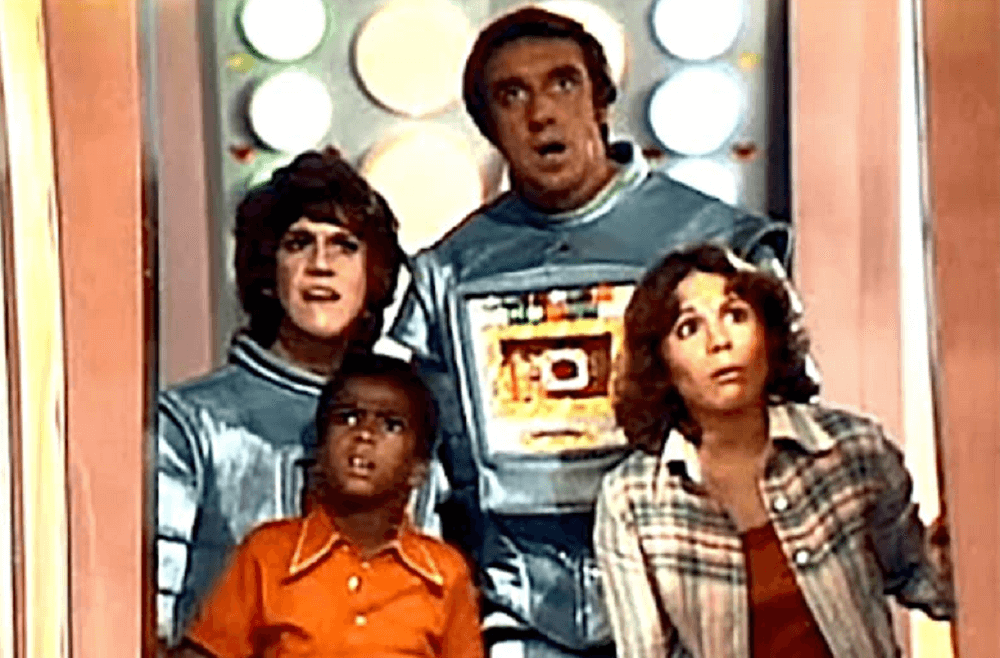
The Lost Saucer starred Ruth Buzzi and Jim Nabors as Fi and Fum, two androids piloting a time-traveling flying saucer. Landing on Earth in 1975, they meet young boy Jerry and his babysitter Alice, inviting them on board to check out their spaceship. Unfortunately for all concerned, the saucer begins to attract attention and the robots are forced to take off, accidentally becoming stranded in the time stream and unable to pinpoint a return home. All this means, however, that Fi and Fum are able to transport Jerry and Alice through time and space, visiting Earth and its colonies in the distant past and far future while trying to find their way home.

The Lost Saucer, 1975

Created by the Krofft brothers and Si Rose (who had also helped bring Sigmund to the screen), The Lost Saucer made great use of the brothers’ trademark creations, populating each episode with bizarre alien creatures, and each episode was designed to impart a lesson to its young audience. One episode had the foursome land in a time where humans had grown obese through laziness, another saw humans abandon their names for a string of numbers, and there was even time to visit Atlantis, where the saucer was turned into a TV studio for some reason.

Sixteen episodes aired between September and December 1975, one more than Far Out Space Nuts, but both shows were absent when the Fall 1976 schedules were published, although they did find their way into syndication. The Kroffts returned that year with The Krofft Supershow on ABC, as well as season three of Land of the Lost on NBC, but that’s a story for 1976’s The Telephemera Years. In many ways, Far Out Space Nuts and The Lost Saucer marked the end of the classic era for the brothers, and later attempts to do children’s variety, a Saturday morning show starring foul-mouthed comic Richard Pryor, and an adult sitcom that used the duo’s creations to ape popular figures of the late-1980s would all garner mixed results. For devoted fans of the pair, things were never better than that five year period between HR Pufnstuf and Land of the Lost’s debuts, a time full of inventive costumes, surreal situations, and a warmth that emanated out of the screen.

Next time on Titans of Telephemera: We switch over to animated action with the Ruby-Spears years!

Check out our other Telephemera articles:

The Telephemera years: 1966 (part 1, 2, 3, 4)

The Telephemera Years: 1968 (part 1, 2, 3, 4)

The Telephemera Years: 1969 (part 1, 2, 3, 4)

The Telephemera Years: 1971 (part 1, 2, 3, 4)

The Telephemera Years: 1973 (part 1, 2, 3, 4)

The Telephemera Years: 1975 (part 1, 2, 3, 4)

The Telephemera Years: 1977 (part 1, 2, 3, 4)

The Telephemera Years: 1980 (part 12, 3, 4)

The Telephemera Years: 1982 (part 1, 2, 3, 4)

The Telephemera Years: 1984 (part 1, 2, 3, 4)

The Telephemera Years: 1986 (part 1, 2, 3, 4)

The Telephemera Years: 1987 (part 1, 2, 3, 4)

The Telephemera Years: 1990 (part 1, 2, 3, 4)

The Telephemera Years: 1992 (part 1, 2, 3, 4)

The Telephemera Years: 1995 (part 12, 3, 4)

The Telephemera Years: 1997 (part 1, 2, 3, 4)

The Telephemera Years: 2000 (part 1, 2, 3, 4)

The Telephemera Years: 2003 (part 1, 2, 3, 4)

The Telephemera Years: 2005 (part 1, 2, 3, 4)

The Telephemera Years: 2008 (part 1, 23, 4)

Titans of Telephemera: Irwin Allen

Titans of Telephemera: Stephen J Cannell (part 1, 2, 3, 4)

Titans of Telephemera: Hanna-Barbera (part 1, 2, 3, 4, 5)

Titans of Telephemera: Kenneth Johnson

Titans of Telephemera: Glen A Larson (part 1, 2, 3, 4)

Titans of Telephemera: Quinn Martin (part 1, 2)

Five Films to Check Out on Legend This Week – 191222

legend beware brethren

It’s Christmas week and as always, Legend has some cracking films and TV series to look forward to. Here are our picks you shouldn’t miss this week…


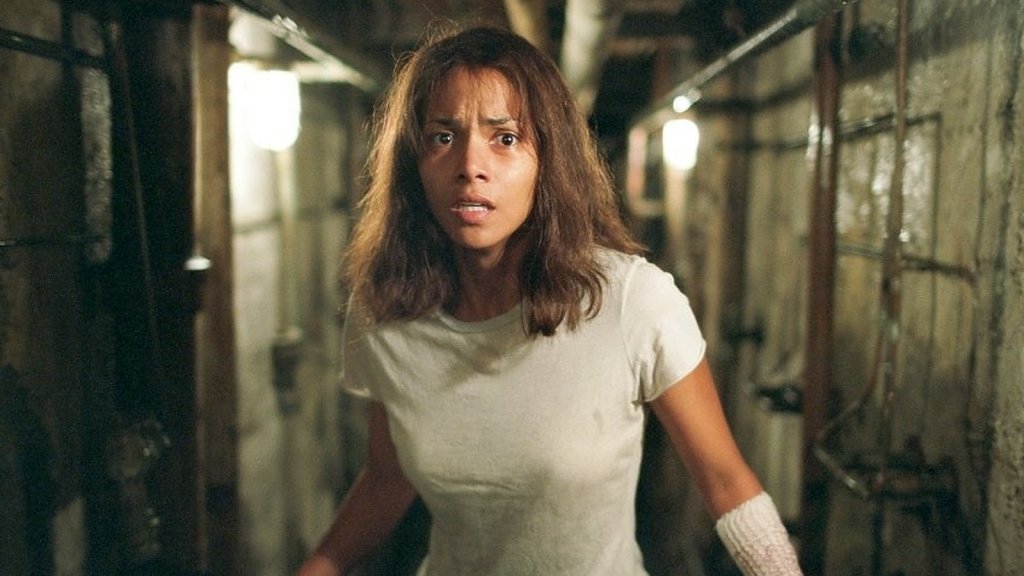
Tuesday December 20th, 9pm – Gothika (2003)

Halle Berry and Robert Downey, Jr star in this fabulous futuristic thriller in which a psychiatrist is accused of a murder she has no memory of.


Thursday December 22nd, 12.55am – Painkillers (2018)  

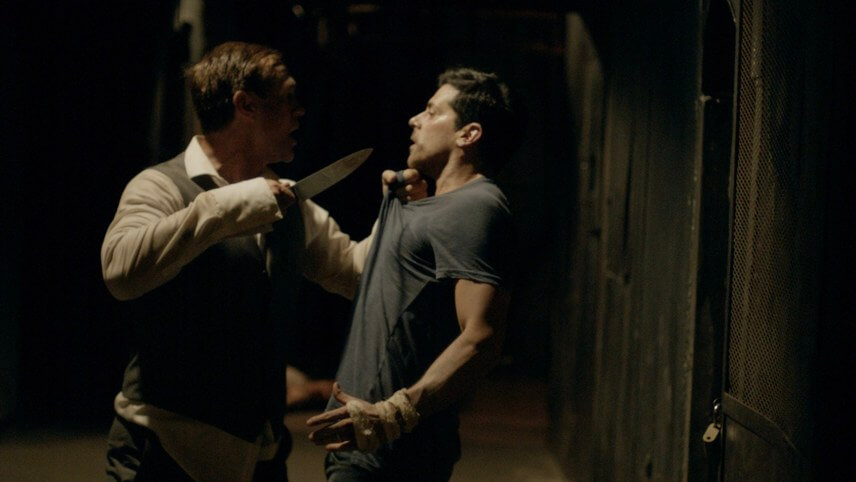
A great surgeon gets the taste for blood following the death of his son in a car crash.


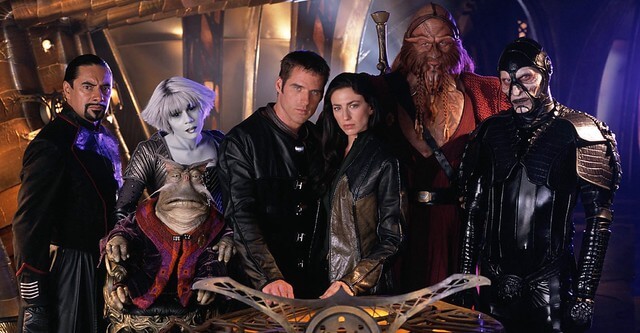
Friday December 23rd, 11am – 2.40pm – Farscape: The Peacekeeper Wars

A two-part coda to the fantastic series, seen recently on Legend, starring Ben Browder and Claudia Black. Crichton’s knowledge of wormholes still makes him a target while an intergalactic war ranges around him and Aeryon. All the usual characters return for this unmissable adventure.


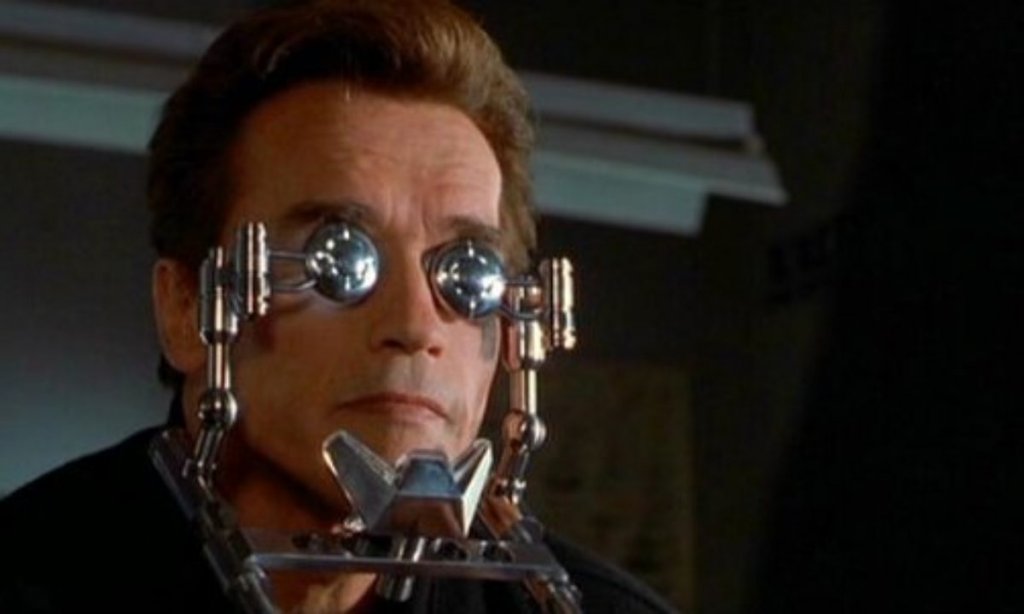
Saturday December 24th, 9pm The 6th Day (2014)

Arnold Schwarzenegger gets involved in a global conspiracy when he stumbles upon a clone of himself.


Sunday December 25th, 9pm – 12.40am The Vintage Vault

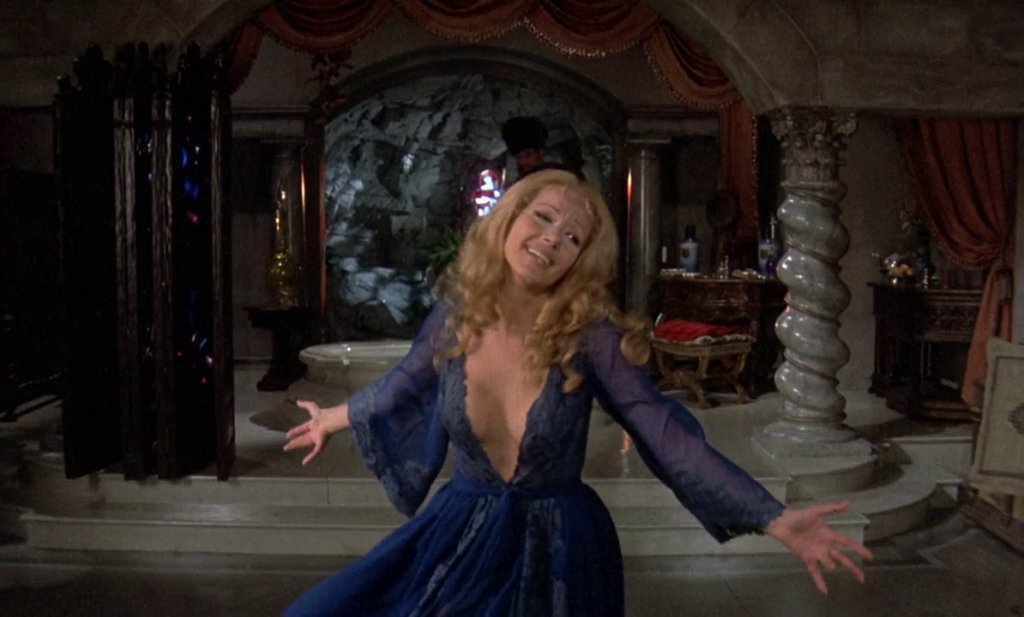
Legend continues to celebrate the Golden Age of genre cinema with a season of double bills. This week, Patrick Magee stars in the channel premiere of Beware My Brethren (aka The Fiend, 1972) in which Ann Todd gets sucked into a strict religious sect. This is followed by the Hammer classic Countess Dracula (1971), in which Ingrid Pitt bathes in the blood of virgins to keep her youthful appearance. As a Christmas Day treat, there are a host of classic horror and sci-fi films screening throughout the day.

Find out more information at https://www.legend-tv.co.uk/

Tune into Legend on Sky 317, Virgin 149, Freeview 41, Freesat 138.

Writer/Director Parker Finn Talks SMILE

parker finn smile

To celebrate the digital release of Smile we caught up with its writer/director Parker Finn to dig into its escalating nightmare approach and its unsettling tone, and for those that have seen it, we discuss the creative process of a rather scary family gathering! Smile is now one of the biggest horror movies of 2022…

STARBURST: You described this movie as an escalating nightmare, which does feel like. What was it like to capture that gradual progression from normal Rose to paranoid Rose? How did you achieve that? 

Parker Finn: You know it’s always a complicated set of logistics when you’re in production because you’re shooting everything out of order, and you’re trying to maintain that north star of what you’re hoping the film will be. But it was a lot of prep work in talking with the team around me and then just being in constant conversation with Sosie [Bacon] about how we were crafting the performance. We really wanted to track that character as she’s on this downward spiral and make sure that the audience was right there inside of all of that anxiety.

We also like that with Smile, you don’t feel safe in daylight scenes. Normally that’s a safe time in a horror movie, but with Smile, you’re constantly on edge. Was it intentional to make the audience feel this way from start to finish? And what does that bring to Smile

Yeah that was definitely intentional, I think that I love a scare during the daytime, or a sense of anxiety, however, like I said, we wanted to make sure that from the opening moments of the film would reach in, grab your spine and drag you forward unwillingly, all the way until the end.


Talking of not feeling safe. The cinematography and angled camera shots help a lot with that. How fun were those particular shots to work on with cinematographer Charlie Sarroff and when did you initially decide to bring those ideas in? 

They were a lot of fun to work on, we worked very hard to craft a specific visual language for the film. It required a lot of prep work when it came to how we were going to capture things. A whole lot of shot listing, and refining that over and over again, so we had a real plan going into production, and I couldn’t be more thrilled with the result.

There’s a great scene where Sosie Bacon’s character Rose is at a family birthday party, and it doesn’t go very well. How fun was that particular scene to put together, and how did you go about capturing that paranoid feeling?

That scene was a lot of fun, it was also an incredible challenge, working with a bunch of child actors, and tons of extras. Sosie has got to do something so incredibly difficult, in the middle of that scene, with all that stuff going on around her. I have to tip my hat to her because she just really brought it with that performance – throughout the whole film as well – but that scene, in particular, it’s just next level, and I hope that audiences react to it in the way we intended.

The best horrors are the ones that don’t give away all of their secrets straight away, and you’ve done that with Smile. How do you go about creating that fine line, of giving the audience those breadcrumbs along the way, whilst not giving away too much? 

Yeah, I love films that have a sense of mystery to them, like peeling back the layers and discovering what the movie actually is. Those always work really well for me as a fan, and that’s what I was hoping to do as a filmmaker. I really think that it’s part of the theme within the film, it’s what it is to be afraid of the unknown, that’s a very universal fear, and I wanted to capture that both in the plot elements, but also in the thematic elements as well. Just seeing if I could weave those things together in the character journey.

Finally, how do you want the viewer to feel after watching this movie? 

I hope that they are left smiling after the movie finishes!

SMILE is available to Download and Keep on December 14th and on 4K Ultra HD™, Blu-ray™, and DVD on December 26th.

THE TELEPHEMERA YEARS: 2000 – PART 4

Kong, 2001

Ah, telephemera… those shows whose stay with us was tantalisingly brief, snatched away before their time, and sometimes with good cause. They hit the schedules alongside established shows, hoping for a long run, but it’s not always to be, and for every Street Hawk there’s two Manimals. But here at STARBURST we celebrate their existence and mourn their departure, drilling down into the new season’s entertainment with equal opportunities square eyes… these are The Telephemera Years!

2000-01

Although it had failed to find an adequate replacement for Seinfeld since that show was laid to rest in 1998, NBC’s Must-See Thursdays still dominated the non-factual portion of US TV audiences in the 2000-01 season, as both ER and Friends entered their seventh seasons with nice Dr Greene being diagnosed with terminal cancer, and Monica and Chandler getting married. Everybody still loved Raymond over on CBS, which otherwise had to rely on the power of Survivor to gain a decent ratings share.

The world prepared to say goodbye to Walker, Texas Ranger, Diagnosis: Murder, Xena: Warrior Princess, and Star Trek: Voyager, but genre fans could still comfort themselves with weekly doses of Buffy, Angel, Touched by an Angel, Futurama, The X-Files, and Roswell, and there was the promise of Dark Angel, Sabrina the Teenage Witch, Andromeda, and Sheena all making their debuts. That’s what the grown-ups were watching, anyway, but what about younger viewers? This is the story of five new kids’ shows for the 2000 Fall TV season…

Los Luchadores (Fox): It’s easy to think of Saban Entertainment as just those guys behind Power Rangers but the company was formed in 1980 and enjoyed a string of animated hits before they ever got their hands on Japan’s Super Sentai series. Power Rangers wasn’t their only foray into live-action, either, with the likes of Big Bad Beetleborgs, Ninja Turtles: The Next Mutation, The Mystic Knights of Tir-nan-nog, and even Sweet Valley High all a result of Haim Saban’s entrepreneurial spirit.

In February 2001, Saban debuted Los Luchadores, a live-action show following the adventures of Lobo Fuerte, a veteran, masked Mexican wrestler. Lobo – played by Argentine actor Massimo Morone – leads the rest of Los Luchadores into action against The Whelp (a sentient chihuahua inside a powerful robot suit) and his evil forces that threaten Union City, while also having to deal with the incompetence of the city’s Mayor Potts.

Los Luchadores, 2001

While The Whelp is the series’ main antagonist, the show follows the familiar Saban formula of having Lobo face a rotating cast of underbosses and minions, with fight scenes choreographed to resemble those of Saban’s other hit shows. Over the course of sixteen episodes, Lobo – and his allies Turbine and Maria Valentine – deal with aliens, necromancers, spiderwomen, evil pirates, and mischievous dwarves, always managing to restore order to the very put-upon citizens of their city.

Los Luchadores was the brainchild of Shawn Williamson, a Canadian producer who had broken into the business producing specials for Shari Lewis and Lambchop, developed for TV by Brad Markowitz, who had written for Dark Skies and The Outer Limits, but it fell between two stools – too childish for superhero fans and not enough Power Rangers for Saban’s usual audience – and didn’t return for a second season. It received a DVD release in Italy, of all places, but is otherwise unavailable on home video; YouTube, as always, is your friend.

Lloyd in Space (ABC): Joe Ansolabehere and Paul Germain were old friends from UCLA who had reunited when Germain sold Rugrats to Nickelodeon and brought his old friend in as a staff writer. In 1997, they used their elementary school experiences to develop Recess, a massive hit for Disney that ran for sixty-five episodes over six seasons and even spawned a theatrically released movie (and three directo to video sequels).

In early 2001, they came back with Lloyd in Space, the story of the titular, green-skinned alien who lives on a space station with his mother – Commander Norah Li Nebulon – and little sister Francine, who has telekinetic and telepathic powers. As the show begins, Lloyd has turned thirteen and is facing the trials and tribulations of being an unpopular nerd at a high school which, despite being set in the far future and in space, is exactly like you’d imagine, except that the girl he crushes has six arms.

Lloyd in Space, 2001

Lloyd and his best friends – human Eddie, Blobullon Kurt, and Douglas the Cerebellian – find themselves in all manner of situations, with some light peril and lots of the awkwardness you’d expect of a coming-of-age show. The problem was that ABC scheduled Lloyd in Space like a regular Saturday morning cartoon, with an hour of Recess as a lead-in and a cartoon about a nine-year-old boy immediately afterwards. Still, it did well enough that a second season was ordered, this time moved it around the schedules to prevent it gaining a following.

ABC’s efforts to kill this lovely little show were in vain, however, and Lloyd in Space was given a third and fourth season – for an overall total of thirty-nine episodes – on in first run on the subscription Toon Disney channel. By the end of the series, Lloyd still hadn’t managed to get the girl (although she did secretly admit to liking him, too) but we’d all learned some valuable lessons, and isn’t that the point of these shows, anyway? Not currently available on Disney+, you can catch up with Lloyd’s adventures on a popular free video site.

The Zeta Project (Kids WB): no YT

When Bob Goodman developed a spin-off from an episode of Batman Beyond he’d written, he envisaged The Zeta Project having a dark tone reminiscent of classic episodes of Batman: The Animated Series. Goodman had also written for DC animated universe shows such as Superman: The Animated Series and The New Batman Adventures, and “Zeta” was his fifth story for the future-set Batman expansion.

The title character of “Zeta” was an assassin robot who had developed a conscience and the first episode of The Zeta Project finds him on the run from his National Security Agency bosses, who are eager to reprogram him. In saving the life of a fifteen-year-old runaway called Ro, Zeta acquires a sidekick and – more importantly – a friend, and the show would show him learning what it means to become human, with touches of Frankenstein and especially Blade Runner (given the future setting).

The Zeta Project, 2000

Unfortunately for Goodman, his bosses at Kids WB just saw a cool-looking robot and a teenage girl and wanted a lighter tone, forcing the creator to sacrifice much of his original vision, although the finished result was still too dark for the network’s liking, and they failed to push it beyond the minimum required. Regardless, The Zeta Project found an audience (helped by an appearance from Batman himself to establish the show as being firmly in the same universe) and did well enough that it was renewed for a second season, although that was as far as things got and there was no definitive conclusion to Zeta’s story.

Goodman did use the Z-8 robots (of which Zeta was just one, unusually sentient example) in episodes of Justice League Unlimited that he wrote in 2004 and latterly moved into live-action, producing and writing for Elementary and 9-1-1. The Zeta Project is not available as part of the suite of DC animated shows on HBO Max and there isn’t very much in the way of full episodes on video sharing sites. However, the full series is available as a manufacture-on-demand disc from Warner Archive and comes much recommended.

Time Squad (Cartoon Network): Otto Osworth, Buck Tuddrussel, and Larry 3000 (a robot) are from the far future of 100,000,000 AD, where they make their living as Time Cops, charged with going back in time to ensure that history stays on the correct path. Presaging Loki by twenty-odd years, this assumes that there is a correct path, but such concerns take a back seat in Time Cops to the bungling adventures of our cack-handed trio.

Created by Dave Wasson (a graduate of the production line at CalArts that also produced Tim Burton, Brad Bird, and John Lasseter), Time Squad was the first original Cartoon Network series to be produced at the network’s studios in Burbank, debuting on June 8th 2001. Pamela Adlon (Bobby in King of the Hill), Rob Paulsen (you name it!), and Mark Hammill made up the voice cast for the principal characters, with guest stars from across the animation industry, including – of course – Frank Welker.

Time Squad, 2001

The thirteen episodes – with two stories per show – took the threesome to Troy, Rome, Boston Harbour, and more, visiting the likes of Da Vinci (to stop him becoming a beatnik), Beethoven (he’s started a professional wrestling league), and Kublai Khan (a comic book collector). Always at the beck and call of their superior – who happens to be Buck’s ex-wife – they somehow manage to not mess things up enough to set history straight.

A second series of thirteen episodes continued the time-fixing adventures of the Time Cops but that was all she wrote, and Dave Wasson moved on to become an in-demand character designer and director,  returning to his own creations in 2015 with Star vs the Forces of Evil for Disney. Time Cops was released on DVD but it’s long out of print; there are some bits and pieces on YouTube but a full overview of just how important Otto, Buck, and Larry were to keeping our timeline safe is not available at this… time.

Kong: The Animated Series (Fox): Eyeing the success of Godzilla: The Animated Series, which had been spun out of the Dean Devlin and Roland Emmerich movie into two seasons of action on Fox Kids, the German company BKN International partnered with French animators Ellipse to produce this copycat show, featuring the giant ape from Merian C Cooper’s 1933 novel.

Sold initially to the French M6 network, BKN also managed to convince Fox Kids – which had just cancelled Godzilla – to carry their show, with a twenty-episode first season order. The premise of the show had Kong die from his injuries after falling from the Empire State Building, as in the original film, but a scientist Dr Lorna Jenkins managed to take DNA samples which she later used to recreate a clone of the beast. Many years later, she invites her grandson Jason to visit her on Kong Island but the invitation is unknowingly intercepted by an evil scientist bent on using Kong Island’s secrets for his own nefarious schemes…

Kong, 2001

As well as engineering a clone of a giant ape, Dr Jenkins has also invented the Cyber Link, a device which allows Kong and Jason to switch bodies, and they use this to not only stop the evil scientist but also fight off the forces of the demon Chiros! Yes, this is a busy show, full of densely-plotted intrigue and small amounts of peril, and Ellipse (best known for Doug and Babar) did a good job, even if the animation reeks of its early-2000s origins.

A second season continued Kong’s adventures, allowing Jason to switch minds with other large animals, too, and unlike most series of its kind, there was a definite conclusion, although a 2005 movie which took Kong to Atlantis was produced to cash in on the release of Peter Jackson’s King Kong remake. A 2006 sequel to that film followed but the limited success of the Jackson film meant that Kong returned to his island home once again.

Next time: It’s back to Titans of Telephemera as we begin a four-week kids’ TV special with the magic of Sid and Marty Krofft!

Check out our other Telephemera articles:

The Telephemera Years: 1966 (part 1, 2, 3, 4)

The Telephemera Years: 1968 (part 1, 2, 3, 4)

The Telephemera Years: 1969 (part 1, 2, 3, 4)

The Telephemera Years: 1971 (part 1, 2, 3, 4)

The Telephemera Years: 1973 (part 1, 2, 3, 4)

The Telephemera Years: 1975 (part 1, 2, 3, 4)

The Telephemera Years: 1977 (part 1, 2, 3, 4)

The Telephemera Years: 1980 (part 12, 3, 4)

The Telephemera Years: 1982 (part 1, 2, 3, 4)

The Telephemera Years: 1984 (part 1, 2, 3, 4)

The Telephemera Years: 1986 (part 1, 2, 3, 4)

The Telephemera Years: 1987 (part 1, 2, 3, 4)

The Telephemera Years: 1990 (part 1, 2, 3, 4)

The Telephemera Years: 1992 (part 1, 2, 3, 4)

The Telephemera Years: 1995 (part 12, 3, 4)

The Telephemera Years: 1997 (part 1, 2, 3, 4)

The Telephemera Years: 2000 (part 1, 2, 3, 4)

The Telephemera Years: 2003 (part 1, 2, 3, 4)

The Telephemera Years: 2005 (part 1, 2, 3, 4)

The Telephemera Years: 2008 (part 1, 23, 4)

Titans of Telephemera: Irwin Allen

Titans of Telephemera: Stephen J Cannell (part 1, 2, 3, 4)

Titans of Telephemera: Hanna-Barbera (part 1, 2, 3, 4, 5)

Titans of Telephemera: Kenneth Johnson

Titans of Telephemera: Glen A Larson (part 1, 2, 3, 4)

Titans of Telephemera: Quinn Martin (part 1, 2)