THE TELEPHEMERA YEARS: 1967 – PART 1

The Flying Nun, 1967

Ah, telephemera… those shows whose stay with us was tantalisingly brief, snatched away before their time, and sometimes with good cause. They hit the schedules alongside established shows, hoping for a long run, but it’s not always to be, and for every Street Hawk there’s two Manimals. But here at STARBURST we celebrate their existence and mourn their departure, drilling down into the new season’s entertainment with equal opportunities square eyes… these are The Telephemera Years!

1967-68

Is it 1967 or 1867, because cowboy dramas still have a big hold on US TV this year, with Bonanza and Gunsmoke joined by The High Chapparal, as well as a slew of lesser successful, rightfully-forgotten shows. Andy Griffith and Lucille Ball, of course, were still riding high at the top of the TV charts, with this being The Andy Griffith Show‘s swansong season, but there were sitcoms and variety hours galore to make America laugh while its sons died in a foreign war fought purely over political ideology.

It wasn’t just a dark time for anyone with a relative in Vietnam, there was also tragedy for superhero and sci-fi fans as Batman, The Invaders, Lost in Space, The Man from UNCLE, and Voyage to the Bottom of the Sea also reached the end of their runs, along with The Monkees (although Head was still waiting, tantalisingly, in November 1968). Never mind, Gentle Ben and Ironside arrived to alleviate the gloom, as well as a whole load of other shows that didn’t stick around in the popular memory. This is the story of four lesser-known delights from the 1967 TV garden…

The Flying Nun (ABC): The criteria of exactly what makes for Telephemera is fluid, encompassing shows that enjoyed half a season, a full season, or didn’t even make it to air. Sometimes that fluid seeps into spaces you wouldn’t ordinarily expect to find it, such as a three-season, eighty-two-episode series starring a young Sally Field that, for a time at least, was the punchline of many a joke about an unexpected arrival. But to the world at large, The Flying Nun has been forgotten, despite – or maybe because of – its strange premise…

As the show began in September 1967, Field’s Chicago girl Elsie Etherington arrives in Puerto Rico, where she will be joining the nuns of Convent San Tanco in San Juan. As part of an order devoted to charity and education, she adopts the name Sister Bertrille, dedicating herself to helping the poor people of this impoverished US colony. Oh, and she can fly. Well, flying might be a stretch but Bertille is so slight that the coastal winds of the Caribbean island enable her to lift into the sky, often at the point where flying might help her solve the problem of the week, aided by the wing-like wimple she wears as part of her nun’s uniform.
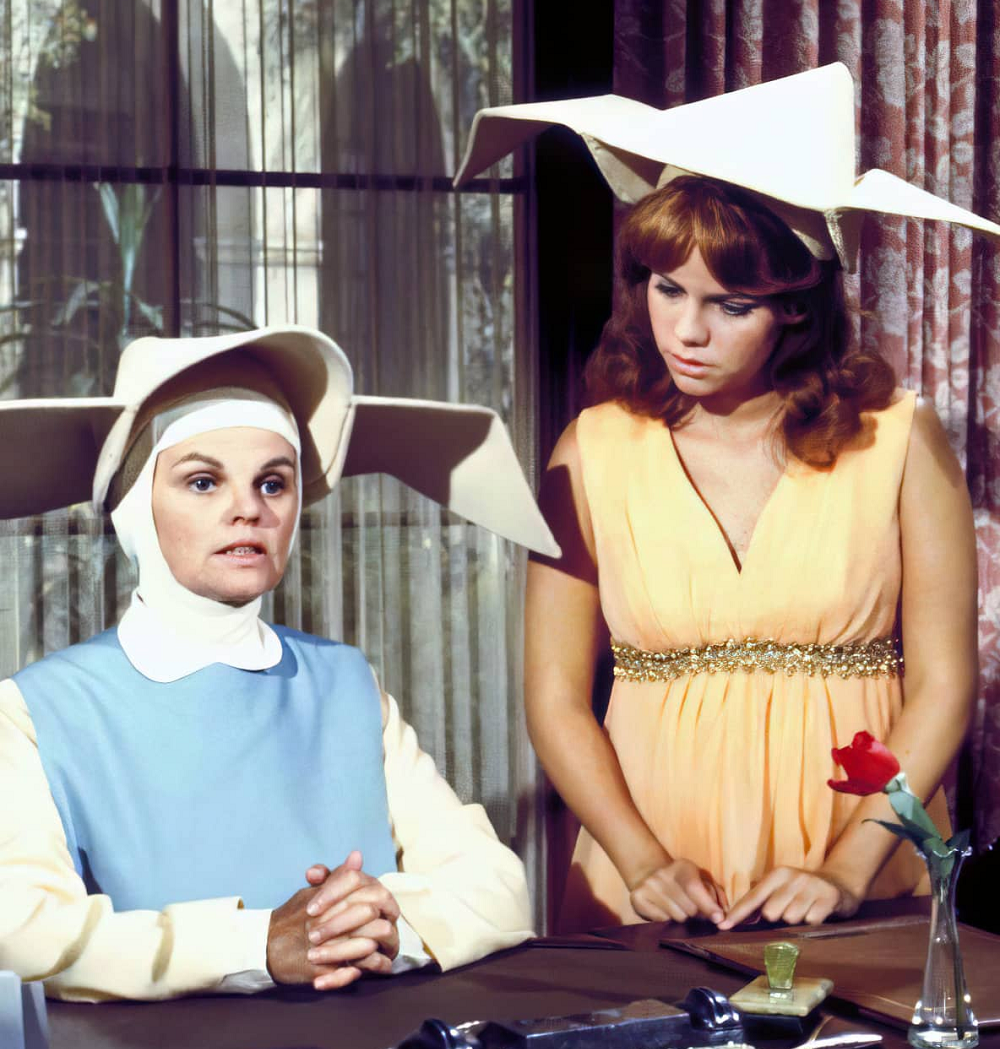
The Flying Nun, 1967

Field had found her way into the hearts of the American public with the sitcom Gidget and ABC sought to keep her on the air after its cancellation. She initially turned down this ridiculous show but was warned that it might mark her as being difficult to work with, the kiss of death for women in Hollywood at the time (and even now). Relenting, she took up the role as created by Bewitched producer Harry Ackerman and Max Wylie from Tere Ríos’s novel, The Fifteenth Pelican. The change of title from the source material, and a series of stunts designed to drive home the fact that THIS NUN FLIES, did little to assuage her worries but Field nevertheless sucked it up and made it through three seasons before the show was cancelled in April 1970.

The Flying Nun never earned spectacular ratings, not once cracking the top thirty shows, but did have a solid following, although coming last in its timeslot during its third season was the kiss of death for the show, much to a pregnant Field’s relief. The first two seasons were released on DVD in 2006 but The Flying Nun is not currently available anywhere to watch, except for YouTube, where some enterprising soul has uploaded enough of the show for anyone to handle.

Maya (NBC): Based on the 1966 movie of the same name, Maya was exactly the sort of boy’s adventure serial that proliferated the middle decades of the twentieth century, even if by 1967 it was beginning to look a little tired and exploitative. As in the movie, Jay North plays Terry Bowen, an American teen who finds himself out in the Indian jungle with only local boy Raji (Sajid Khan, unusually cast against using brownface) and an elephant named Maya for company.

In the movie, Terry argues with his father and runs away, joining Raji on her mission to deliver Maya – a sacred white elephant – to a hidden temple. The TV show switches things up and has Terry arrive in India to join his father, only to find him missing presumed eaten by a tiger. Running away to avoid deportation, Terry and Raji set off on a quest aboard Maya (now just a regular elephant) to find his missing father.
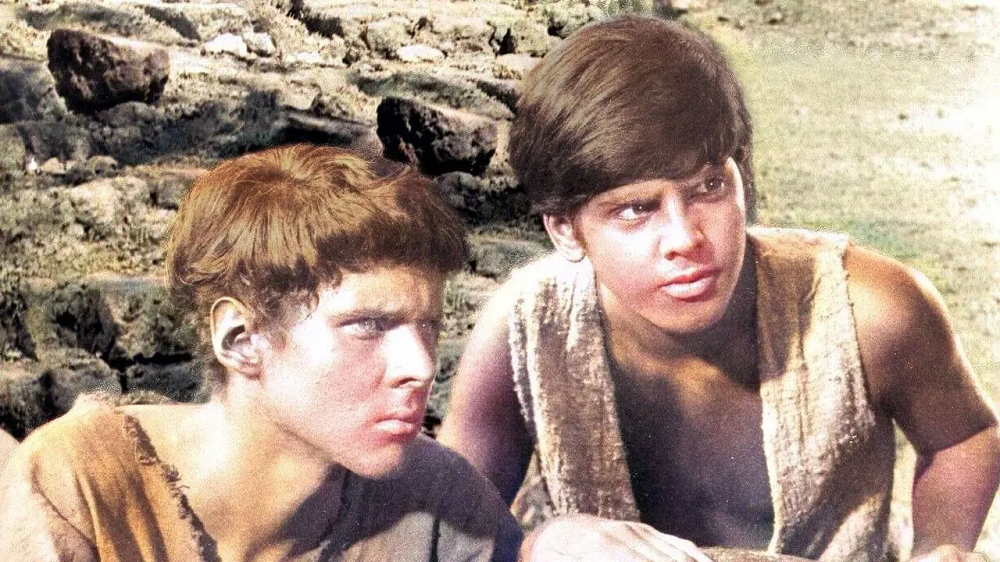
Maya, 1967

North had made his young name playing Dennis the Menace in the 1959 CBS show and the Maya film was the first time he’d managed to escape his typecasting as an annoying young child. The TV show was seen as a chance for him to move into more mature roles, a way station for an aspiring serious actor, and he enjoyed the acclaim that came with the role. Unfortunately, North’s teen idol status did not translate into ratings and the show was cancelled after just eighteen episodes, Terry’s dad still missing.

It’s a shame because Maya was filmed entirely on location and made good use of local actors in supporting roles, unusual for the time. Still, with Ron Ely setting pulses racing in Tarzan on the same network, it’s possibly a case that America already had its fill of jungle-based adventure. North’s career as an adult actor mostly failed to take off, despite some game tries interrupted by a spell in the Navy, and by the mid-1980s he was a regular talk show guest warning of the dangers of child stardom. Maybe it would have been different if he’d just found his dad…

He & She (CBS): Meta before much of the world even knew what that meant, He & She tells the story of Dick Hollister (stage actor Richard Benjamin in his breakthrough role), a cartoonist who must deal with the problems that come with his most successful strip Jetman being turned into a TV show, particularly the lead actor played by Jack Cassidy. Jetman was a thinly-veiled poke at the success of Batman, although there is nothing to suggest that Adam West was half the egotist that Cassidy’s Oscar North was.

Completing the cast was Paula Prentiss as Dick’s wife Paula, a social worker whose work life brought as much to the show as her husband’s, and a collection of wacky neighbours, including firefighter Harry, a proto-Kramer who would appear in their apartment via a gangplank from the firehouse across the street, played wonderfully by Kenneth Mars.
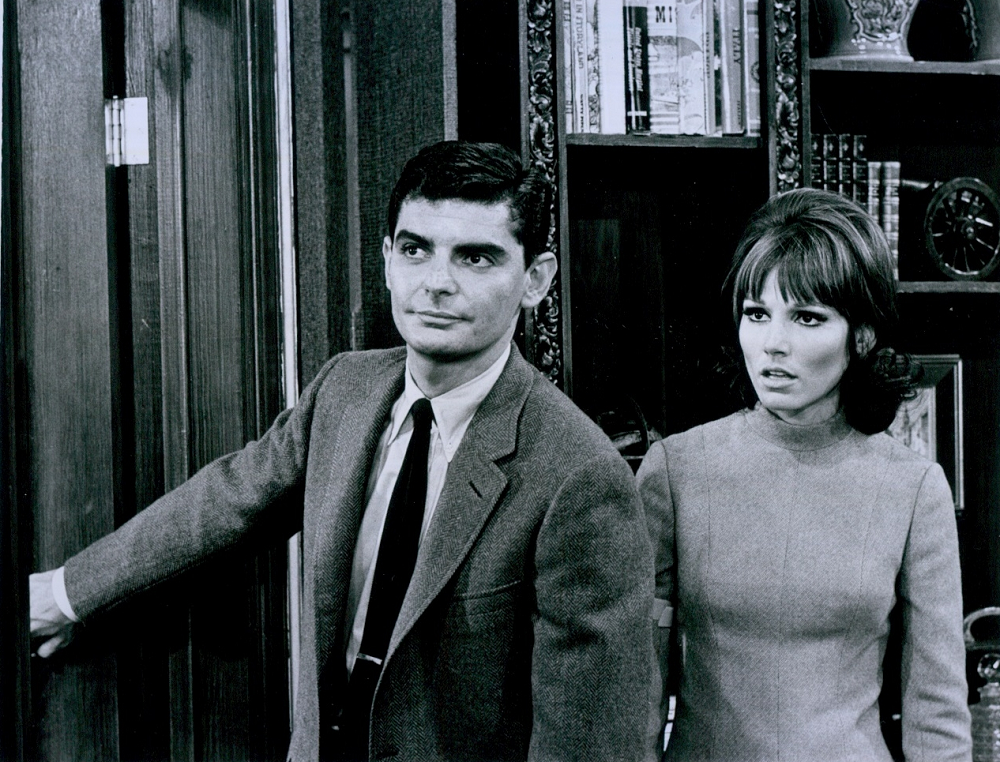
He & She, 1967

He & She was created by Leonard Stern, a writer-producer on Get Smart (and also one of the creators of the Mad Libs word game), who brought in The Munsters creators Chris Hayward and Allan Burns to oversee the series. Their mature approach to the sitcom, bringing in issues of the time to test the young couple, was something novel and would later find an audience with The Mary Tyler Moore Show, co-created by Burns and mining similar seams.

With Green Acres as its lead-in, He & She debuted on September 6th 1967, occupying a Wednesday night slot vacated by Gomer Pyle, USMC when it moved to Fridays, but never really managed to hold onto the audience delivered by the talking pig comedy, who were obviously not after comedy this sophisticated. There are plenty of episodes to be found on video-sharing sites and it’s well worth your time to track them down.

Garrison’s Gorillas (ABC): Everyone knew The Dirty Dozen was going to be a blockbuster hit when it was released in 1967 and it wasn’t just down to its star-studded cast. The rights to EM Nathanson’s novel had been snapped up in 1963, two years before it became a bestseller on publication, and the story of a group of convicts given the carrot parole if they helped the war effort against the Germans had an irresistible allure to an America unsure of just whether its soldiers could be called heroes any more…

Arriving just three months after The Dirty Dozen hit cinema screens, Garrison’s Gorillas took the same premise and gave it a slight twist for TV. These criminals weren’t the worst the US prison system had to offer, they were recruited for the skills that had gotten them into trouble in the first place. So Cesare Danova’s con man could be relied upon to talk the gang into any situation they required, safe cracker Rudy Solari was on hand to fix or destroy, cat burglar Christopher Cary could steal whatever they needed to complete their mission, and Native American switchblade expert Brendan Boone was their muscle.
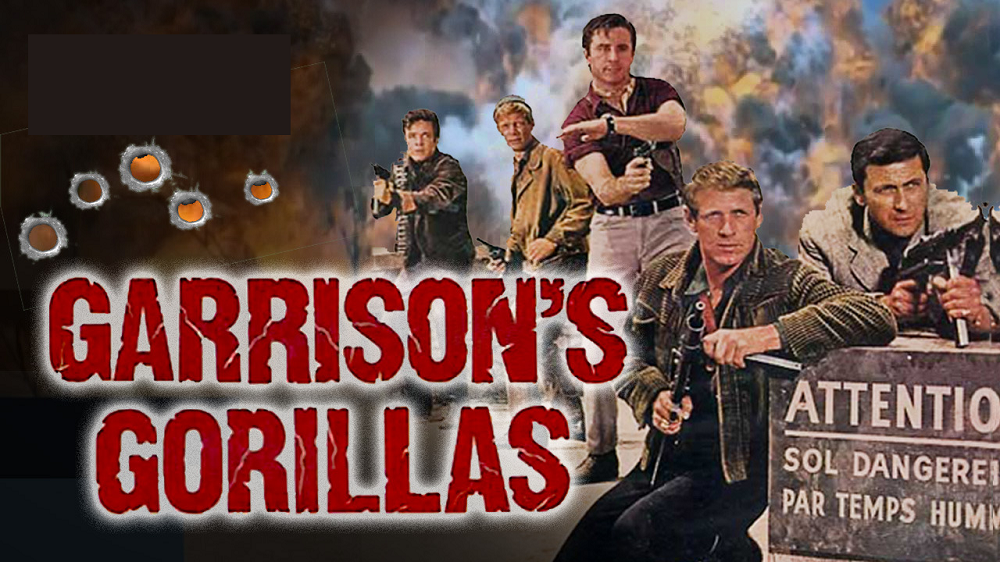
Garrison's Gorillas, 1967

Leading the group, and ready to execute them should they desert, was Lt Craig Garrison (Ron Harper, later one of the astronauts in Planet of the Apes), directing their activities from their base in London and recruiting other cons as the mission required it. The show didn’t have the raw power of The Dirty Dozen but did hit the mark for some, with TV Guide’s Cleveland Armory calling it “ludicrously one-sided, a second-hand idea, and third-degree violence, (but) a first-rate show.”

Weirdly, Garrison’s Gorillas gained a huge following in China during the 1980s when Communist Party officials were said to have rescheduled meetings around broadcasts of the show, but it remains largely forgotten in the West, despite guest appearances from the likes of Jack Klugman, Telly Savalas, John Saxon, and Larry Storch. Its twenty-six episode run is available to watch on the internet, however, uploaded – naturally – by a Chinese YouTuber.

Next time on The Telephemera Years: More forgotten fare from the Summer of love!

Check out our other Telephemera articles:

The Telephemera Years: 1966 (part 1, 2, 3, 4)

The Telephemera Years: 1968 (part 1, 2, 3, 4)

The Telephemera Years: 1969 (part 1, 2, 3, 4)

The Telephemera Years: 1971 (part 1, 2, 3, 4)

The Telephemera Years: 1973 (part 1, 2, 3, 4)

The Telephemera Years: 1975 (part 1, 2, 3, 4)

The Telephemera Years: 1977 (part 1, 2, 3, 4)

The Telephemera Years: 1978 (part 1, 2, 3, 4)

The Telephemera Years: 1980 (part 12, 3, 4)

The Telephemera Years: 1982 (part 1, 2, 3, 4)

The Telephemera Years: 1984 (part 1, 2, 3, 4)

The Telephemera Years: 1986 (part 1, 2, 3, 4)

The Telephemera Years: 1987 (part 1, 2, 3, 4)

The Telephemera Years: 1989 (part 1, 2, 3, 4)

The Telephemera Years: 1990 (part 1, 2, 3, 4)

The Telephemera Years: 1992 (part 1, 2, 3, 4)

The Telephemera Years: 1995 (part 12, 3, 4)

The Telephemera Years: 1997 (part 1, 2, 3, 4)

The Telephemera Years: 2000 (part 1, 2, 3, 4)

The Telephemera Years: 2003 (part 1, 2, 3, 4)

The Telephemera Years: 2005 (part 1, 2, 3, 4)

The Telephemera Years: 2006 (part 1, 2, 3, 4)

The Telephemera Years: 2008 (part 1, 23, 4)

Titans of Telephemera: Irwin Allen

Titans of Telephemera: Stephen J Cannell (part 1, 2, 3, 4)

Titans of Telephemera: DIC (part 1, 2)

Titans of Telephemera: Hanna-Barbera (part 1, 2, 3, 4, 5)

Titans of Telephemera: Kenneth Johnson

Titans of Telephemera: Sid & Marty Krofft

Titans of Telephemera: Glen A Larson (part 1, 2, 3, 4)

Titans of Telephemera: Quinn Martin (part 1, 2)

Titans of Telephemera: Ruby-Spears

Ivan Van Norman • TILL THE LAST GASP / DARRINGTON PRESS

Ivan Van Norman – TIL THE LAST GASP

by Ed Fortune

Ivan Van Norman is the co-owner of Hunters Entertainment and Head of Critical Role’s publishing house, Darrington Press. Ivan has been producing TTRPGs for quite a while now; we caught up with him to talk about the narrative duelling card game Till The Last Gasp and also about the future of Darrington Press.

STARBURST: How would you describe Till The Last Gasp to a family member who’s just starting to play board games?

Ivan Van Norman: It’s a storytelling game, which means it’s odd. It’s not a board game. And it’s not an RPG. Although it shares a lot of similar concepts with both, like a lot of shared DNA. The goal is to experience the story. Unlike a role-playing game, but similar to a board game, it’s actually a game you can win. There is a decisive winner to the duel at the end. And that is the process of actually seeing the game versus a role-playing game, which, as people might have heard of with D&D and other kinds of standard RPGs, it’s a game that is ongoing and ongoing and ongoing and requires a Game Master to help facilitate the story and this, you don’t need a Game Master at all. You just play between two people; two people sit and help collaboratively tell the story together. But there’s not that third-like adjudicator that you often see in role-playing games. So it’s a weird hybrid of both. I’m not saying it takes the best of both, and I’m not saying it takes the worst of both, but it is just a beautiful blend between trying to find a through line with the story but also having a decisive outcome at the end of it similar to a board game.

It seems very flexible in terms of story because you’ve got all sorts of different characters, which feel like they could be from anywhere. Is it set in a specific world?

Yeah, so it’s crazy. We call it a sandbox game, right, like it’s a tool chest. It’s like a kitchen sink genre game, right, because it doesn’t have a set world. It is like a tool belt. Till the Last Gasp honestly acts very much like a power tool in your storytelling utility kit. We have a lot of preset maps and genres and things inside of it. But the game is really designed to provide you with a system in which to tell a cool duel between two interested parties. One of the things that made the game so interesting to me is how seamlessly it fits into like a long-term campaign of D&D, Pathfinder, or Starfinder, or just as a standalone. You can play it in 90 minutes with a friend just to kind of hang out and play a cool duel, or it can be this beautiful, intricate sidebar or, you know, an offshoot of a major campaign. So that way, I think it has a crazy amount of utility, but it does not exist in like a preset world, which is what a lot of people are used to when it comes to both Darrington Press and Critical Role. They’re used to seeing Exandria and Exandria stuff and everything being in Matt’s world. 

This is an interesting departure for Darrington Press. It feels like it’s a bit of an experiment to see how far you can expand the genre.

Only time will tell. Yeah, yes, no, one of Darrington’s big goals has always been to explore stories and concepts outside of the world of Critical Role. There are a lot of great stories out there to tell. But you know, it doesn’t all have to be exclusively out of the wide-spanning world that is Matt and Exandria that now features other GMs such as Brennan and Aabria.

Till the Last Gasp is designed by Will Hindmarch and Alex Roberts, both of whom have done some very interesting work in the past. Did Darrington Press seek them out, or did they come to you?

Will came to me initially to kind of talk about the game and talk about something he wanted to do. And I have been a big fan of those games in the past, like I played, The Quiet Year, I played. Dialect. I helped help Spencer Stark create Icarus and Alice is Missing when I was with Hunters Entertainment. So I’m used to these non-GM facilitated storytelling games. It wasn’t a new concept for me, but I had never really seen a duelling one like this before. That being said, I’m a huge fan. Will brought it to me initially, but I’m also a huge fan of Alex Roberts’s work, especially For The Queen and a lot of these other storytelling titles as well, too. And I just really felt like it was a perfect pairing. Like, I’m a big fan of, like, when a design comes in, do you want to challenge the design to be better? Always, right? It’s very rare that you get a single designer that just hits it out of the park without ever having another designer come in. It’s because there is so much playtesting, so much iterating, and so much work; it basically isn’t their design anymore. So I’m always a big fan of like setting up designs in order to see how it suffers against other designer concepts, you know, again, long as they aren’t two different design philosophies competing against each other.

Till The Last Gasp does feel like a series of dramatic prompts, almost like tools for your inner actor. Is that the intended ‘style’ of Darrington Press games? Is there an intended style?

Yeah, so that’s an interesting question because it has been coming up a lot of, like, what’s Darington’s voice? And even though the company has been around for a few years already, I would say it’s still finding its voice; it still wants to discover who it is; it’s still very much in that, like, freshman year of college, I’m going to pick a major, but maybe I’ll change it in a year, kind of a vibe. That being said, the through line that we do have that is very clear to us is that we are here to tell stories. Whatever comes out, we want games that help tell stories and are very cinematic in the way they exist in your brain. We don’t just want to create games for people who want to do improv; I think those games are great, and I do enjoy them, but not everyone wants to play an active game, so I’m interested in seeing those games under our umbrella as well.

Darrington Press’ output is very good, but it does take its time to come out. What’s the process? Do you take lots of things and whittle them down until you have the final product, or is one idea that’s constantly being refined? Is it a perfectionist approach?

I think it’s a little bit of columns A, B, and C, right? Like you want to take your time with it, you want to make sure it’s good. We are very grateful to be in a process where we can go into a design and say, “Is it is it what we want it to be?” even after spending some time with it because creatively, stuff evolves and always does. Even during the pandemic, I wanted to try to meet as many designers as possible to talk about their games. And it is usually about finding the right one; one of the things that I’ve enjoyed as a producer over the years is just really identifying passion and opportunity in games. Because even though there’s a great opportunity, if there’s no passion, it will probably not see itself to the finish line. And vice versa, if you have a great game, but you’re not, you know, finding a creator or someone who’s really passionate about their process and their progress, you’re going to just run into issues and in, you know, hurdles and difficulties throughout the entire step that doesn’t make anybody happy. I found a lot of great games. And I found a lot of great designers. Sometimes we make it through to the point where we can work on stuff together. And that’s the stuff I get really excited about. But it takes time to do all of it. Like we, I’m really I’m happy that you’ve identified that we are a quality-over-quantity kind of company because that is definitely the cadence that I want to keep. I would prefer to put out really beautiful games that play well and are replayable and timeless.

You mentioned expansions; when should we be expecting them?
Well, that is, I like to leave that up to the market quite a bit in the fan base. You know, I think I think it’s a little bit of hubris to plan expansions for games that I don’t even know if people like yet. If Till The Last Gasp comes out, and it people are really soaking it up and really enjoying it, and I see a lot of content come out of that game and bringing stuff together, then, you know, hell yeah, we’re going to support that. But right course, we’re going to make sure that people are continuing to be heard if they’re enjoying that game in that process. At the same time, I’m always excited about the next game as well as the next opportunity.

What games are you enjoying?
I played a lot of Gloomhaven, kind of like, three or four years ago; I played it a lot. And we went through the campaign, and we played it over the course of, like, two years like I watched my, my small child, my small baby become a toddler and then become a child through the process of Gloomhaven. So, needless to say, we have Frost Haven in our house now.  I’m just a huge fan of a game that is so thoughtful in its process. That is a thoughtful game as far as how they do design and elements in there. But we also are enjoying My Father’s Work. I love that. I got the I got I played a bunch of prototypes, which, you know, I wish I could talk about, but I can’t. I did. We also played a delightful little game called that was called Deadwood 1876. It’s a card game of strategy and perceived luck. It’s from a company called Facade, and I actually never heard of them before. It’s a very wonderful kind of beer and pretzels party game for two to nine players. I was very impressed at how easy it was. It’s a party game without the referee style you get in party games. It’s good to see everyone else is doing it. Clever Girl is another one. It’s a solo game; you can play it by yourself right here. By Wretched and Alone. Basically, you play the human, and you play the Raptor. And you can do cooperative play, or you can play semi-competitive play where you know, you are, you are trying to survive against crushing odds that both the Raptor version and the human edition of the game.

Are we heading back into an era of wild invention when it comes to gaming?
There’s a game for every table, right? And there’s a game for every gamer. Because no matter what you enjoy, whether and this is why it’s like there are these archetypes that people were like people who just will not touch games out there, and you think about like, those kinds of tropes, and I want to challenge those tropes. That’s not a good business model. You don’t just go find that niche market and then try to serve as the niche market. But at the same time, personally, I think it’s very fun to say like, how do I get people who are traditionally not into games and find something that makes them delightful, but not, but not shoved, but like, Hey, this is the game for non-role players, right? I see a lot of those games right now. I see a lot of the people who are trying to make the role-playing game for not role players, and coming out of the gate with that kind of a statement, I think, is the wrong way of going about the game design, instead of just trying to say, hey, you know, I’m going to make it easy, right? Instead, you just need to say, well, what can make it delightful, right? How can I make an experience so pleasant? To enjoy? That kind of level of integration? That I am, that I just, I just, I want to buy it, right? Because that’s what’s more important, are they having so much fun they want to keep playing? Or do you just want to make it so easy that it’s not difficult to play? Right? That’s kind of two different attitudes towards it.

People like having fun, yeah?
I am coming, literally, from a world of seven-plus people all sitting and playing a game filled with joy, right? And an entire brand built around the joy of the game and the joy of the process. Right? And then, you know, people discovering that joy and wanting to buy into it, right? So I don’t think a UI UX experience needs to be any different than then watching people laugh and joke and find camaraderie and be, again, to use the word delightful around each other.

Till The Last Gasp is out now via all good games stores. And check out Darringon Press’s quick start rules for their forthcoming Candela Obscura game here.


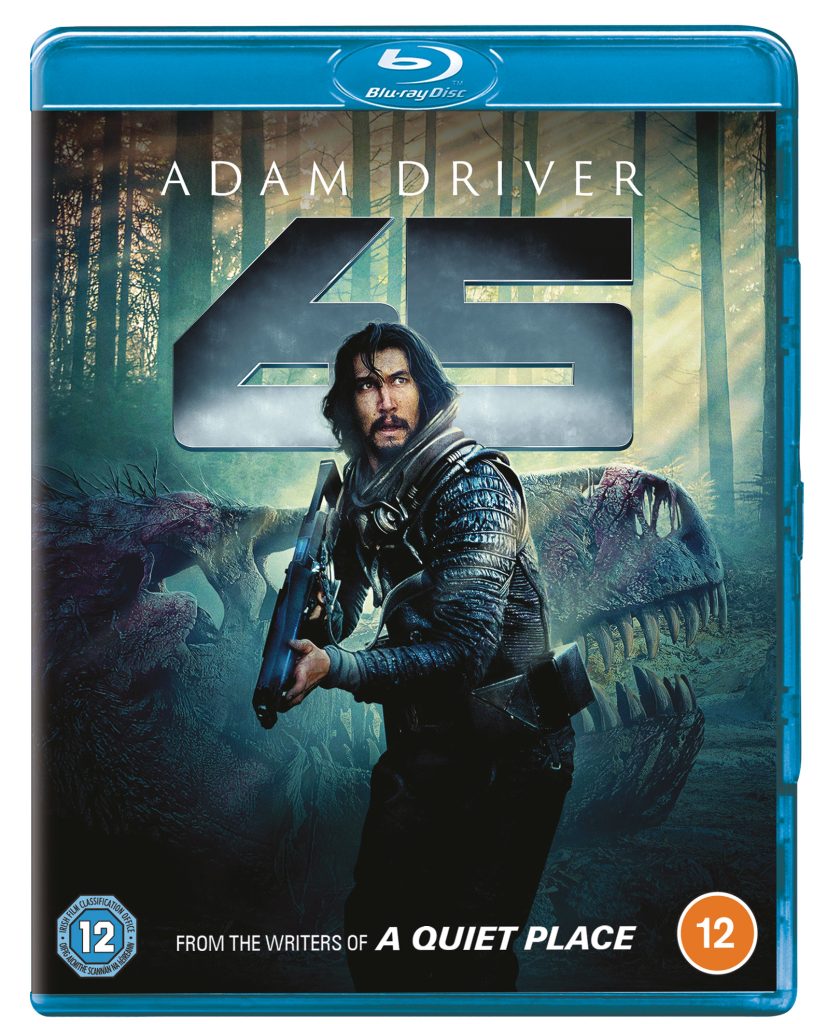
[ENDED] Win Sci-Fi Dinosaur Action Film 65 on Blu-ray

win 65 blu-ray

Adam Driver stars in 65, a sci-fi action film packed with dinosaurs, and we have two copies of the film to give away on Blu-ray. Read on and enter below…

Synopsis:

After a catastrophic crash on an unknown planet, pilot Mills (Adam Driver) quickly discovers he’s actually stranded on Earth…65 million years ago. Now, with only one chance at rescue, Mills and the only other survivor, Koa (Ariana Greenblatt), must make their way across an unknown terrain riddled with dangerous prehistoric creatures in an epic fight to survive.

From the writers of A Quiet Place comes 65, a sci-fi thriller produced by Sam Raimi, Deborah Liebling, Zainab Azizi, Scott Beck and Bryan Woods.

4K Ultra HD™, Blu-ray™ & DVD Bonus Materials:

–              Deleted & Extended Scenes

–              Creating The World Of 65

–              Primordial Planet

–              Final Showdown: Concepts To Screen

–              And More!

a Rafflecopter giveaway


65 is available to buy on digital now and to rent on digital, on 4K Ultra HD, Blu-ray and DVD on June 5th. 

THE TELEPHEMERA YEARS: 2006 – PART 4

Yo Gabba Gabba!, 2006

Ah, telephemera… those shows whose stay with us was tantalisingly brief, snatched away before their time, and sometimes with good cause. They hit the schedules alongside established shows, hoping for a long run, but it’s not always to be, and for every Street Hawk there’s two Manimals. But here at STARBURST we celebrate their existence and mourn their departure, drilling down into the new season’s entertainment with equal opportunities square eyes… these are The Telephemera Years!

2006-07

If you wanted to be an American Idol or go Dancing with the Stars, the top of the TV ratings for the 2006-07 season made pretty good reading, with the top five slots filled by these newfangled variety showcases. Underneath, crime and medical dramas thrived, but there was slightly more quirky available from Lost and new arrivals Heroes and Ugly Betty.

That wasn’t all as 2006 was FULL of new hits, whether it was The WB’s One Tree Hill, Smallville, and Supernatural, serial killer fun on Showcase with Dexter, or 30 Rock and Friday Night Lights on NBC. That slightly made up for the losses of The OC, Gilmore Girls, The Sopranos, Stargate SG-1, and Masters of Horror, all of which were taking their final laps this year. Those, of course, are the shows that managed to secure an audience but there were some that didn’t even make it series; this is the story of 2006’s unsold pilots…

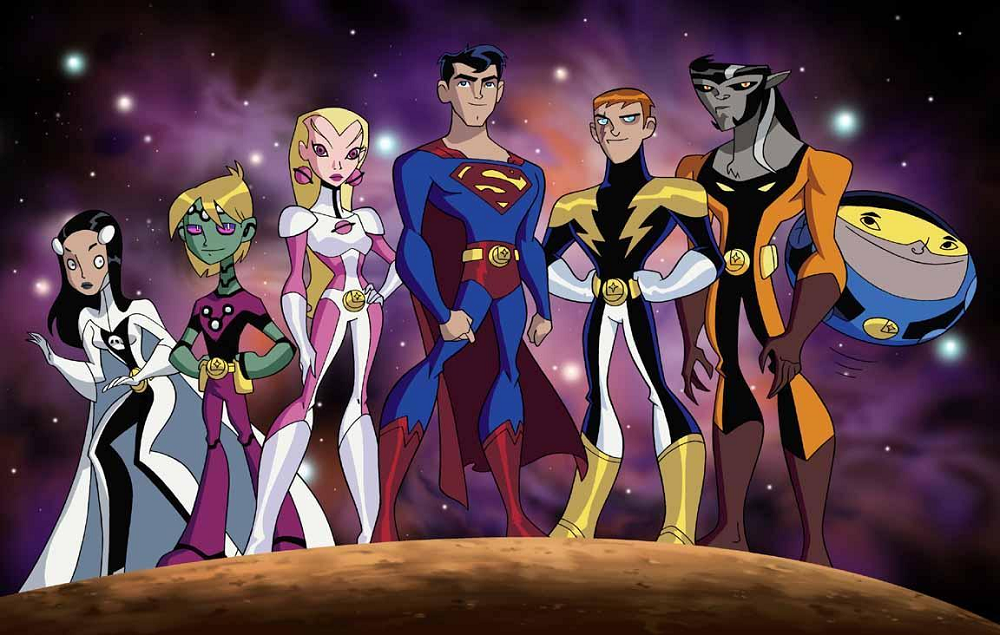
Legion of Super Heroes (Kids WB): In the season three episode of Justice League Unlimited, “Far from Home”, Supergirl travels to the thirty-first century and meets the Legion of Super Heroes, an intergalactic peacekeeping force made up of teenage superheroes. It was thought that this was a backdoor pilot for a possible Legion series but when the future teens did get their own series just nine months later, Supergirl was nowhere to be seen. In her place was Superman, a result of Warner Bros wanting a vehicle for the Man of Steel to coincide with Superman Returns hitting the big screen.

Superman – or at least his youthful Superboy incarnation – was no stranger to the Legion, their first appearance having come in Adventure Comics #247, then starring young Clark Kent, in 1958. A trio of young heroes inspired by legends of Superboy a thousand years in our future, the group grew into something so massive and complicated that it has had to be rebooted several times for its own good, but the Legion featured in the animated series that debuted on September 23rd 2006 was a more straightforward affair.

Legion of Super Heroes, 2006

The show started with a young Clark Kent, aware of his abilities but unsure what to do with them. He travels to the future where he is inspired to take up the mantle of Superman, joining Legionnaires including electric-powered Lightning Lad, telepath Saturn Girl, and the smartest person in the universe, Brainiac 5 (who just happens to be a distant descendent of Superman’s old enemy). During the first season, the Legion thwart the Fatal Five and the Sun Eater, and even find time to hold their customary – at least in the comic books – auditions for new members.

The thirteen-episode first season wrapped up in May 2007 and did well enough that Kids WB brought it back for another set of thirteen in September 2007, with Lightning Lord and the Dark Circle joining their list of nemeses. A third season was planned but the Kids WB slot was given over to 4Kids, which emphasised imported Japanese anime over homegrown cartoons, and so fans never got to see the culmination of Brainiac 5’s battle with the evil Brainiac 6. The complete series was released on DVD in 2020 and is a worthy addition to your DC Animated Universe collection. In comic books, the Legion were rebooted for a sixth time in 2019 but currently have no series of their own. It won’t be long, though, before someone else gets to do their vision of the thirty-first century!

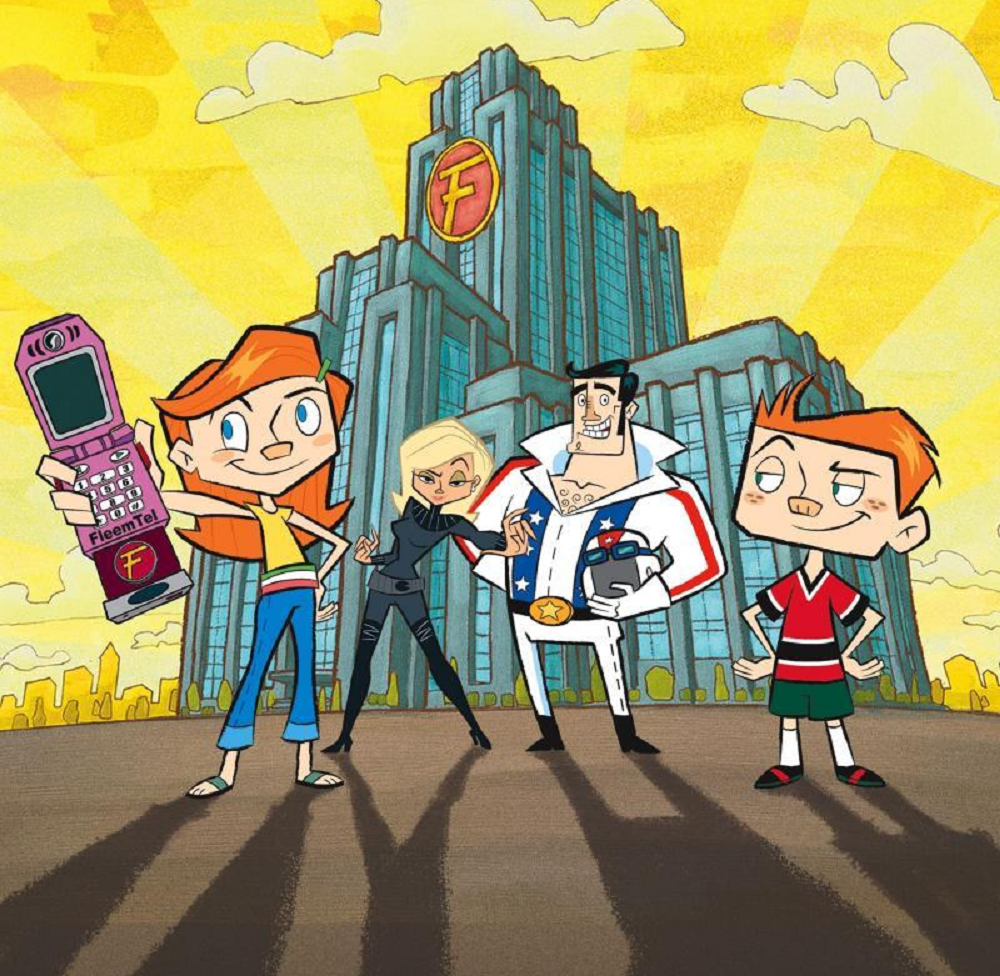
The Replacements (Disney Channel): Created by children’s book illustrator Dan Santat, The Replacements tells the story of Todd and Riley, two kids living in an orphanage who know nothing of their parents. Reading an old comic book, they come across an ad for the Fleemco ‘phone, which – for just $1.98 – will allow them to replace anyone or anything in their lives. The children immediately dial up new parents – secret agent K and stuntmaster Dirk Daring – and then use the ‘phone everytime they want to switch out something in their lives, usually with unseen consequences.

Santat and his team went into schools to survey young children to discover what they would want their parents to be if they could chose, with spies and daredevils the most popular answers, but was keen to ensure that – outside the switch of parents – each replacement would make things worse for the kids, in an effort to teach children to solve problems on their own.

The Replacements, 2006

A Walt Disney production, farmed out to Toon City in the Phillipines, The Replacements had a stellar voice cast, including Nancy Cartwright and Grey DeLisle as Todd and Riley, backed up by Tara Strong, Jeff Bennett, and Rob Paulson. The likes of Michael York, Jim Cummings, Bruce Campbell, and Zac Efron all made guest appearances, helping – or hindering – the kids as they sought to replace their baseball coach, the mayor, and their babysitter, introducing replacements like a robot security guard, a professional wrestler, and an orangutan…

Each episode of The Replacements featured two stories and the first season of twenty-one episodes aired between July 2006 and October 2007 on The Disney Channel, returning in March 2008 for a second, thirty-one-episode season which mostly reverted to one story per episode, although Todd and Riley still had mostly separate storylines. There was no third season, and The Replacements has all but disappeared, although season one was put on Disney + when it launched.

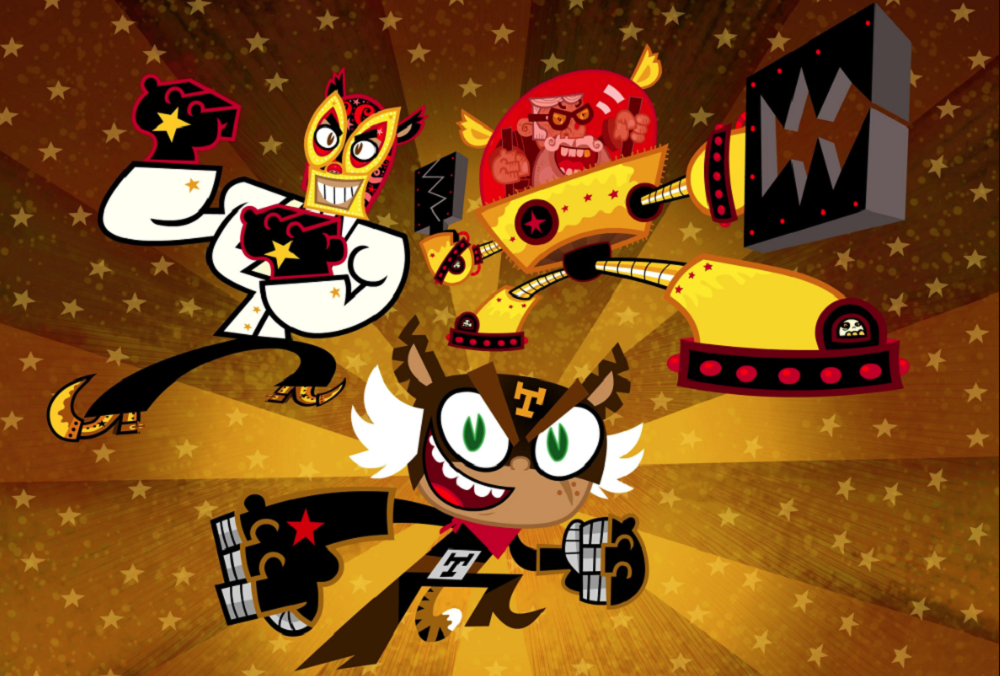
El Tigre: The Adventures of Manny Rivera (Nick Jr): Mexican cartoonist Jorge Gutierrez graduated from the California Institute of the Arts – alma mater to the likes of Brad Bird, John Lasseter, and Genndy Tartakovsky – in 2000, finding work in character design for shows such as ChalkZone and ¡Mucha Lucha! In 2001, he began work on a webtoon for Sony, Jorge Gutierrez’ El Macho, which drew on a variety of traditional Mexican influences, most chiefly the colourful lucha libre wrestling scene.

2001 was also the year he married Sandra Equihua and the two began work on what would eventually become El Tigre: The Adventures of Manny Rivera, creating an exaggerated version of their upbringing in Tijuana. Gutierrez’s own father inspired the character of White Pantera, Manny’s superhero dad trying to teach his son the tricks of his trade, with his army general grandfather providing the fuel for Puma Loco, Manny’s supervillain grandad who yearns to lure his grandson over to the dark side.

El Tigre, 2006

El Tigre debuted with a double episode on March 3rd 2007, with Poochini creator Dave Thomas directing or co-directing all but six of the fifty stories that ran over the next twenty-six episodes. The series was produced using the Adobe Flash animation which had become increasingly prevalent in the late 1990s during Gutierrez’s tenure at CalArts. It won Best Animated Television Production for Children at the 35th Annie Awards in 2008, and went on to win five Daytime Emmy Awards, including Outstanding Individual Achievement in Animation for Gutierrez, Equihua, art director Gerald de Jesus, and storyboard artist Eddie Trigueros.

In January 2008, Nickelodeon allowed viewers to choose the ending of the episode “The Good, The Bad, and the Tigre,” with Manny poised between choosing good or evil. Two endings were produced, one of which saw him turning evil and ruled the world forever. Luckily, viewers chose the right path and Manny continued his quest to learn from his father, at least until the series ended in September 2008. Gutierrez went on to produce outstanding Mexican afterlife movie The Book of Life, and award-winning Netflix fantasy Maya and the Three.

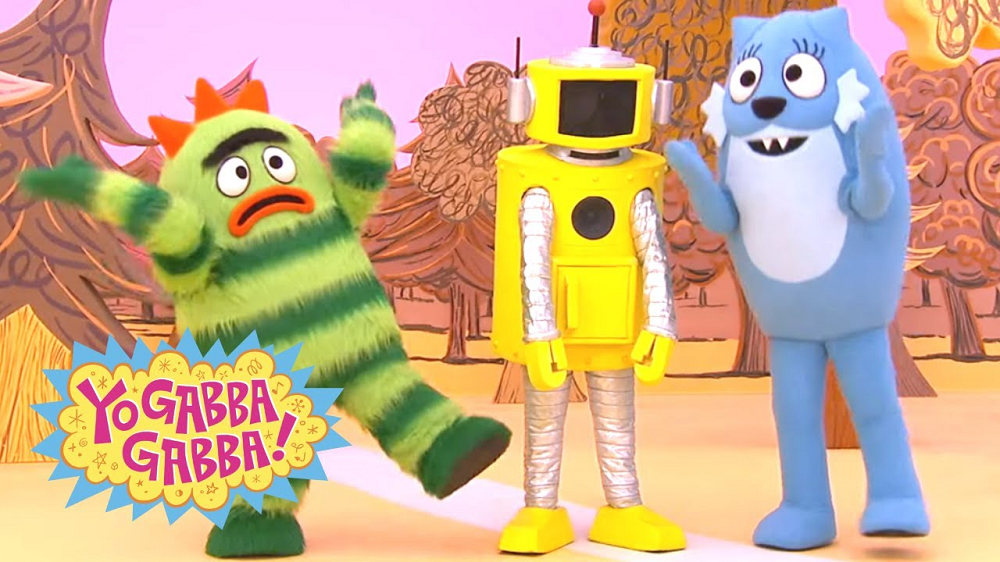
Yo Gabba Gabba! (Nickleodeon): On August 20th 2007, kids had their tiny minds blown by a new show debuting on Nickelodeon, a riot of colour and music which had to have been inspired by the imbibing of some very sugary sweets, at the very least. Titled Yo Gabba Gabba! and presented by an excitable man in an orange jumpsuit, the show aimed to teach life skills to its target audience of preschoolers in a fabulous way…

Yo Gabba Gabba! was created by Christian Jacobs and Scott Schultz, two cousins who had worked together on creative endeavours linked to Jacobs’s hyperactive punk rock band The Aquabats since 1994. They each had four children and wanted to find a way to bring the excitement of the rock shows they produced to educational television, inspired by the shows of their youth such as Sesame Street, The Electric Company, and Pee Wee’s Playhouse.

Yo Gabba Gabba!, 2006

Borrowing money to produce a pilot, Yo Gabba Gabba! failed to make much of an impact until it was uploaded to the internet, where it caught the attention of Jared Hess, the director of Napoleon Dynamite. He recommended it to Nickelodeon’s head of preschool entertainment, who ordered another pilot, eventually taking the show to series for a twenty-episode first season. Each show was presented by DJ Lance Rock (played by Lance Robertson, who had met Schultz when their bands played together) and a cast of colourful monsters (Muno, Foofa, Plex, Brobee, and Toodee), exploring the world through fun, music, and dance.

Key to the show’s appeal beyond its preschool audience was the appearance of guest stars, drawn from the worlds of TV, film, and music, and including Jack Black, Weezer, The Flaming Lips, and dozens more. Appearing on Yo Gabba Gabba! became a cool badge of honour and the hipster toy company Kidrobot even made toys of the monsters. Fifty-three episodes were produced between 2007 and 2011, with another thirteen dribbling out over the next four years, but such is the warmth that Yo Gabba Gabba! is held within the hearts of TV producers and the next generation of parents that a new series is planned for Apple TV+.

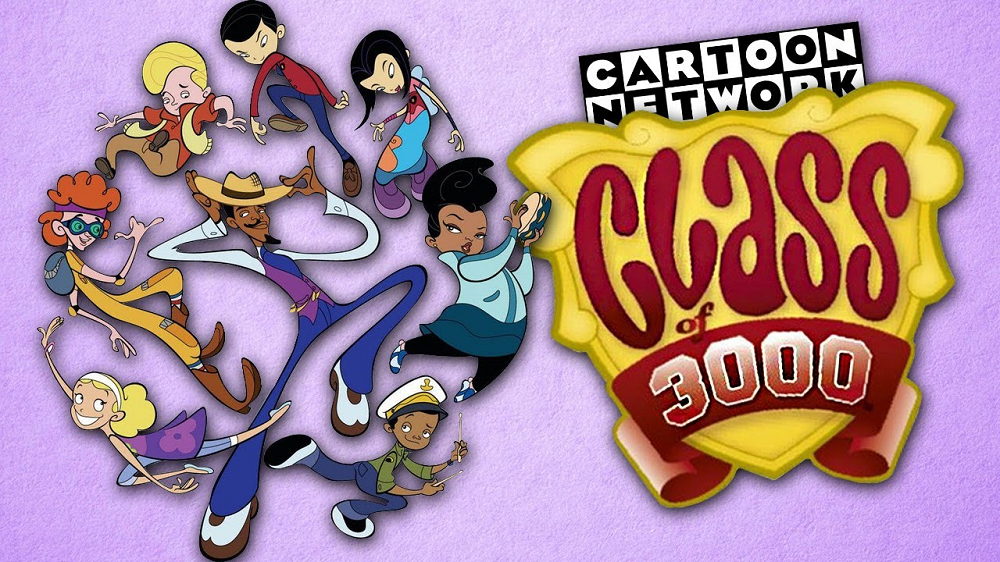
Class of 3000 (Cartoon Network): It wasn’t just Yo Gabba Gabba! that allowed musicians to flex their kid-friendly creative muscles during the 2006-07 season and Class of 3000 was the brainchild of André “3000” Benjamin of the rap group Outkast. Inspired by the duo’s 2003 double-album Speakerboxx/The Love Below (and particularly the latter half of the set which was primarily produced by Benjamin), TV producer Thomas Lynch and Mike Lazzo of Cartoon Network approached Benjamin to see if they could produce a show based on the album.

Benjamin, however, was more interested in developing a new show, starring a thinly veiled version of himself as a mentor to kids in Atlanta, his home city. The result was Class of 3000, starring Benjamin as music teacher Sunny Bridges, imparting life lessons to students at the fictional Westley School of Performing Arts. Benjamin hoped to highlight the value of music education, which was being squeezed out of schools in the US, and was chiefly inspired by Dead Poets Society.

Class of 3000, 2006

Each episode featured a new song from Benjamin related to that week’s storyline as Bridges sought to help his kids overcome issues such as freedom for giant drum-playing apes, living toxic waste, and turning blue, all neatly wrapped up by the end of each episode. A first season of thirteen episodes was followed by a second of fifteen just six weeks later, earning rave reviews from critics who praised its theme of music as something more valuable than its monetary value.

Sadly, a number of factors – lower than hoped for ratings, a high budget, and deadline problems with Benjamin and the songs he wrote for each episode – resulted in Class of 3000’s cancellation in  December 2007. It was possibly a victim of the 2007 Boston Mooninite panic, where promotional items for the Aqua Teen Hunger Force caused a series of bomb scares in the city, leading to the resignation of Cartoon Network chief Jim Samples, the man who had greenlit the show in the first place.

Next time on The Telephemera Years: We go waaaay back to 1967 when it was rare to find a hit show that wasn’t a Western…

Check out our other Telephemera articles:

The Telephemera Years: 1966 (part 1, 2, 3, 4)

The Telephemera Years: 1968 (part 1, 2, 3, 4)

The Telephemera Years: 1969 (part 1, 2, 3, 4)

The Telephemera Years: 1971 (part 1, 2, 3, 4)

The Telephemera Years: 1973 (part 1, 2, 3, 4)

The Telephemera Years: 1975 (part 1, 2, 3, 4)

The Telephemera Years: 1977 (part 1, 2, 3, 4)

The Telephemera Years: 1978 (part 1, 2, 3, 4)

The Telephemera Years: 1980 (part 12, 3, 4)

The Telephemera Years: 1982 (part 1, 2, 3, 4)

The Telephemera Years: 1984 (part 1, 2, 3, 4)

The Telephemera Years: 1986 (part 1, 2, 3, 4)

The Telephemera Years: 1987 (part 1, 2, 3, 4)

The Telephemera Years: 1989 (part 1, 2, 3, 4)

The Telephemera Years: 1990 (part 1, 2, 3, 4)

The Telephemera Years: 1992 (part 1, 2, 3, 4)

The Telephemera Years: 1995 (part 12, 3, 4)

The Telephemera Years: 1997 (part 1, 2, 3, 4)

The Telephemera Years: 2000 (part 1, 2, 3, 4)

The Telephemera Years: 2003 (part 1, 2, 3, 4)

The Telephemera Years: 2005 (part 1, 2, 3, 4)

The Telephemera Years: 2006 (part 1, 2, 3)

The Telephemera Years: 2008 (part 1, 23, 4)

Titans of Telephemera: Irwin Allen

Titans of Telephemera: Stephen J Cannell (part 1, 2, 3, 4)

Titans of Telephemera: DIC (part 1, 2)

Titans of Telephemera: Hanna-Barbera (part 1, 2, 3, 4, 5)

Titans of Telephemera: Kenneth Johnson

Titans of Telephemera: Sid & Marty Krofft

Titans of Telephemera: Glen A Larson (part 1, 2, 3, 4)

Titans of Telephemera: Quinn Martin (part 1, 2)

Titans of Telephemera: Ruby-Spears


Ghostbusters: Firehouse Starts Shooting – All The Latest News

Ghostbusters: Firehouse Starts Shooting

by Ben Bradley

It’s soon going to be time  to strap on your proton packs and prepare for an electrifying reunion as the Ghostbusters franchise gears up for its highly anticipated sequel, “Ghostbusters: Firehouse.” Fans of the franchise are almost literally buzzing with excitement as production for the film started in March 2023, marking the point of no return and confirming that the sequel is definitely happening. Directed by Jason Reitman and written by Gil Kenan, this next chapter promises to reignite the spirit of the beloved ’80s comedies while injecting new life into the iconic firehouse setting. With returning cast members, including the legendary quartet of Bill Murray, Dan Aykroyd, Ernie Hudson, and Sigourney Weaver, fans are in for a supernatural treat that combines nostalgia with fresh ghost-busting adventures.

The Firehouse Chronicles: Revisiting the Iconic Location

The famous firehouse holds a special place in the hearts of Ghostbusters fans as the headquarters of the original ghost-busting squad. Located in the heart of New York City, the historic (and very real) firehouse has become synonymous with the Ghostbusters franchise. In “Ghostbusters: Firehouse,” director Jason Reitman and writer Gil Kenan aim to pay homage to this legendary location, capturing its unique charm and significance to the Ghostbusters universe. This setting is not merely a backdrop; based on what we know, it’s set to become a character itself, representing the legacy and camaraderie of the team as they face new spectral challenges.

Reitman’s Vision: A Seamless Blend of Old and New

Jason Reitman, son of the original Ghostbusters director Ivan Reitman, possesses a deep understanding of the franchise’s DNA. Having grown up on the set of the Ghostbusters films, he developed a profound appreciation for their unique blend of comedy, action, and supernatural thrills. With “Ghostbusters: Firehouse,” Reitman aims to strike a delicate balance, blending the nostalgia that fans so loved about “Ghostbusters: Afterlife” with innovative storytelling and cutting-edge visual effects. He’s committed to capturing the spirit of the original films while introducing fresh perspectives and surprises that will keep audiences on the edge of their seats.

The Return of the Ghostbusters Legends

The excitement of fans  reached a fever pitch with the confirmation that Bill Murray, Dan Aykroyd, Ernie Hudson and Sigourney Weaver will be reprising their iconic roles in “Ghostbusters: Firehouse.” Murray’s deadpan wit, Aykroyd’s eccentric charm, and Weaver’s fierce determination became the pillars of the original Ghostbusters team, with Hudson adding gravitas. Their on-screen chemistry was a driving force behind the success of the 1984 classic original. Murray’s portrayal of Peter Venkman, the team’s irreverent (and unofficial) leader, remains one of the most beloved comedic performances in cinematic history. Aykroyd’s Ray Stantz, with his infectious enthusiasm for all things supernatural, became an endearing fan favourite. Weaver’s portrayal of Dana Barrett, the woman so often caught in the crosshairs of paranormal chaos, brought a touch of elegance and vulnerability to the franchise. Hudson’s role has been a little more understated over the years, but it’s to be hoped that more room will be found for his character of Winston Zeddemore this time around.

Adding to the Mix: Fresh Faces and New Ghostbusters

While the return of the original trio is cause for celebration, “Ghostbusters: Firehouse” also introduces a new generation of ghost-busting heroes. Reitman and Kenan have assembled a talented ensemble cast to join the ranks of the Ghostbusters, ensuring that the franchise continues to evolve while preserving the legacy of its predecessors. These fresh faces bring a diverse range of talent and perspectives, adding a new dynamic to the team dynamics and the Ghostbusters universe. Some – but not all – of the young cast of “Ghostbusters: Afterlife” have been confirmed for the film, including Finn Wolfhard and Mckenna Grace.

The success of “Ghostbusters: Afterlife” laid the table for both this sequel and a new range of “Ghostbusters” merchandise after an absence of many years. As well as action figures and video games, the past couple of years have seen the launch of a range of official Ghostbusters-branded online slots for fans of casino games. There are four of them in total, all produced by IGT, and they can be found at most big-name casino sister sites in the UK. Their presence is a testament to the enduring popularity of the franchise; casino websites only sell what’s hot, and so Ghostbusters has to be hot right now.

A Spooky Symphony: Ghosts, Gadgets, and Scares

Ghostbusters wouldn’t be complete without its array of supernatural spectacles, quirky gadgets, and heart-pounding scares. “Ghostbusters: Firehouse” promises to deliver all these elements in abundance. Reitman and Kenan have meticulously crafted a story that allows the Ghostbusters to face a new wave of paranormal threats, pushing the boundaries of their expertise and introducing audiences to thrilling encounters with ghoulish entities. From slime-covered ectoplasm to awe-inspiring spectres, the film will showcase the full range of the Ghostbusters’ spectral escapades.

To bring these supernatural elements to life, the production team has spared no expense. State-of-the-art CGI and practical effects techniques will be employed to bring together the real and the supernatural. The ghost-busting gadgets, from the iconic proton packs to the modified Ecto-1 vehicle, have been reimagined with modern touches while staying true to their roots.

Passing the Torch: Legacy and Continuity

“Ghostbusters: Firehouse” presents a unique opportunity to honour the legacy of the franchise while paving the way for its future. By blending the old with the new, the film establishes a bridge between generations of Ghostbusters fans. The torch is passed as the original Ghostbusters mentor and guide the next wave of ghost-hunting heroes, ensuring that the spirit of their iconic characters lives on. As much as we’d love the original cast to carry on forever, we all know they can’t. We’ve sadly already lost Harold Ramis, and the remaining three “OG” Ghostbusters aren’t getting any younger.

Looking Forward

“Ghostbusters: Firehouse” is poised to deliver a pulse-pounding, ectoplasm-fueled adventure that captures the essence of what made the original Ghostbusters films timeless classics. With Jason Reitman at the helm, it should remain authentic while simultaneously offering fans a fresh take on the beloved characters and their ghost-busting exploits. The return of the original cast should give those of us who are over thirty (and then some) something to look forward to, but they’re in there alongside a talented ensemble cast.

As the Ghostbusters reunite at the iconic firehouse, new and old fans alike can expect a supernatural spectacle filled with laughter, scares, and unforgettable moments. “Ghostbusters: Firehouse” is set to reignite the proton packs, call forth the ghosts, and remind us all why we fell in love with the Ghostbusters in the first place. Get ready to answer the call once again because when December 2023 rolls around, the Ghostbusters will be back, and they’re ready to save the world from things that go bump in the night yet again.

THE TELEPHEMERA YEARS: 2006 – PART 3

The Amazing Screw-On Head, 2006 2

Ah, telephemera… those shows whose stay with us was tantalisingly brief, snatched away before their time, and sometimes with good cause. They hit the schedules alongside established shows, hoping for a long run, but it’s not always to be, and for every Street Hawk there’s two Manimals. But here at STARBURST we celebrate their existence and mourn their departure, drilling down into the new season’s entertainment with equal opportunities square eyes… these are The Telephemera Years!

2006-07

If you wanted to be an American Idol or go Dancing with the Stars, the top of the TV ratings for the 2006-07 season made pretty good reading, with the top five slots filled by these newfangled variety showcases. Underneath, crime and medical dramas thrived, but there was slightly more quirky available from Lost and new arrivals Heroes and Ugly Betty.

That wasn’t all as 2006 was FULL of new hits, whether it was The WB’s One Tree Hill, Smallville, and Supernatural, serial killer fun on Showcase with Dexter, or 30 Rock and Friday Night Lights on NBC. That slightly made up for the losses of The OC, Gilmore Girls, The Sopranos, Stargate SG-1, and Masters of Horror, all of which were taking their final laps this year. Those, of course, are the shows that managed to secure an audience but there were some that didn’t even make it series; this is the story of 2006’s unsold pilots…

Aquaman (The CW): After five seasons of bringing small town superheroics to the small screen, Smallville producers Millar Gough Ink felt the time was right for another show following their successful pattern. They’d already introduced Bart Allen (aka Impulse) during season four and season five brought two more heroes from the wider DC universe in the shape of Cyborg and Aquaman. Something of a running joke to non-comic readers, Aquaman first appeared in November 1941 and was one of the few DC heroes to survive the end of the Golden Age of comics, his adventures published continuously through to the early 1960s. Like The Flash and Green Lantern, Aquaman was given a makeover as the Silver Age arrived, even earning a slice of animated action from Filmation in the late 1960s, but quips about fish-based powers saw him fade into the background.

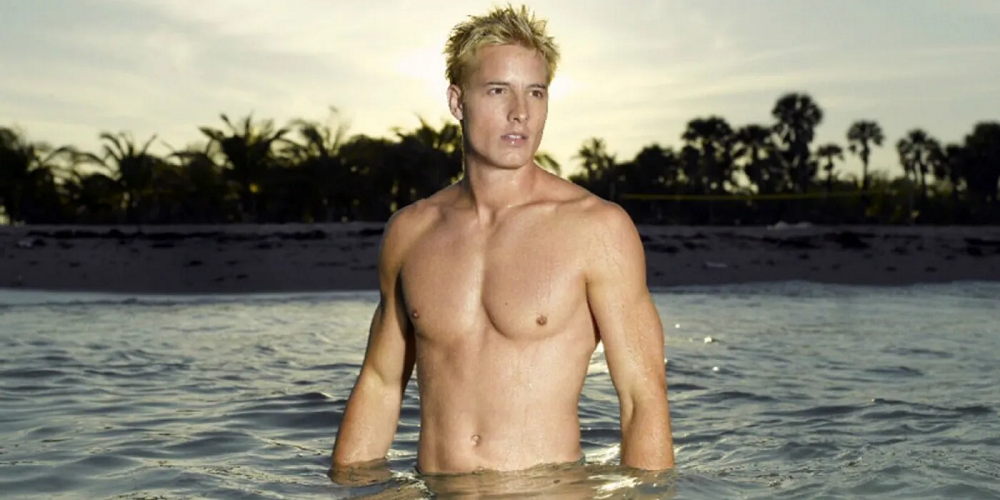
Aquaman underwent another reinvention in 1993 and it was this more serious tone that Smallville producers sought to bring to screen, along with some smouldering shots of a topless young man for the girls, gays, and theys in the audience. Casting former American Idol contestant Alan Ritchson in the role as an Arthur Curry out to protect the seas by any means necessary, his introduction was the highest rated episode in season five and a pilot for a solo series was ordered.

Aquaman, 2006

Miles Millar and Alfred Gough had previously considered a spin-off for Lois Lane but landed on Aquaman, although they did not consider it a spin-off proper, and a Smallville-style title tweak was in the offing. With Ritchson overlooked to emphasise that this was a different Aquaman, Will Toale was initially cast as Curry but they pivoted to soap opera actor Justin Hartley, filling out the cast with veterans such as Ving Rhames, Lou Diamond Phillips, and Adrianne Palicki as Nadia, a villainous siren determined to seize the throne of Atlantis.

It was expected that the pilot would be a shoo-in to be picked up by The WB but the channel underwent a merger with UPN, emerging as The CW, and the new network declined to bring the show to series, although they dangled the prospect of a mid-season pick-up before eventually passing altogether. Wanting the show to be seen, Millar and Gough arranged for it to be released digitally through iTunes, quickly becoming the most downloaded show and earning favourable reviews. With Aquaman dead in the water, Hartley was cast as Oliver Queen on Smallville, joining the Justice League as Green Arrow on that show, alongside Ritchson’s Aquaman. The Aquaman pilot was later released as a bonus on the animated Justice League: A Crisis on Two Earths.

Lipshitz Saves the World (NBC): You are an ordinary teenager, although you’re probably something of an outsider, if truth be told, and if anyone asked you whether you were important, you’d most likely tell them you were nothing. Life passes you by every day until one day Leslie Nielsen – played perfectly by, erm, Leslie Nielsen – comes to your house and tells you that you are “He,” the most important person in the world and possibly the only one who can save it…

This is how Lipshitz Saves the World begins and it becomes immediately clear that this is not your usual sitcom. For a start, Jack Carpenter is a wonderfully meek Adam Lipshitz, the most unlikely candidate for herodom who is given no wider information by Nielsen other than he must complete a series of tasks to gain the items and abilities he will need for the coming apocalypse. First up, get the hottest girl school to give him her bra, which contains a secret, and – and this is important – also feel her right breast.

Lipshitz Saves the World, 2006

Lipshitz was the creation of Dan Fogelman, a writer with a one-series sitcom – 2003’s Like Family – and the Pixar movie Cars under his belt. Fogelman had failed to get offbeat baseball comedy The 12th Man past the pilot stage a year before and was determined that Lipshitz would be like nothing else on the air; at that, at least, he succeeded. Joining Nielsen and Carpenter in the cast were Brooklyn Decker as the hot girl and Dawn of the Dead‘s Ty Burrell as the sinister Man in Red, who Nielsen tells Lipshitz he must avoid at all costs.

With a tagline of “Who’s the Shitz? He’s the Shitz,” the pilot went before NBC executives in July 2006 for consideration as a mid-season replacement, but they ultimately passed, feeling that Fogelman had made a show too weird for network TV. After writing several more films for Pixar, and enjoying success with the movies The Guilt Trip and Crazy Stupid Love, Fogelman would finally land another TV show with 2012’s The Neighbours and is probably best known now as the creator of heartwarming triplet comedy This Is Us but if you want to see what was too weird for NBC, Lipshitz Saves the World is on YouTube.

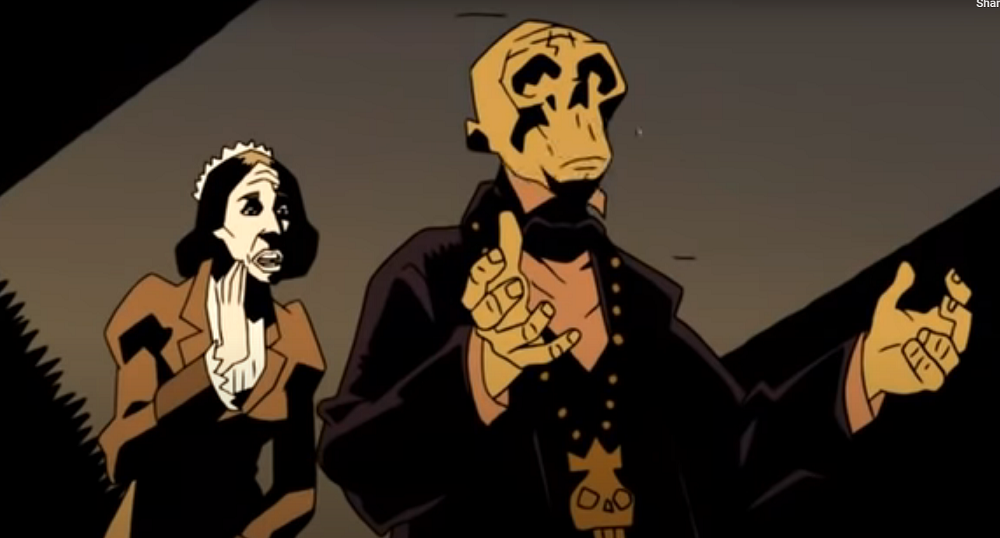
The Amazing Screw-On Head (Sci-Fi): While working on his magnum opus Hellboy, comic book auteur Mike Mignola would occasionally create side stories, spin-offs, and other flights of whimsy, and in 2002 he came up with the idea of The Amazing Screw-On Head. A robot living during the administration of Abraham Lincoln, the eponymous hero is called upon to save the world from Emperor Zombie, an occultist bent on using an ancient jewel with enormous supernatural power.

Mignola had been inspired to create the comic by the endless variations of Batman action figures, envisaging a hero who changed his head to suit specific missions, and a one-shot comic book was released by Dark Horse Comics to popular acclaim. One of those amused by the story was Dead Like Me‘s Bryan Fuller, who wrote a script based on Mignola’s story and acted as Executive Producer to get a pilot made for Sci-Fi, with animation duties provided by Chris Prynoski’s Titmouse Inc.


The Amazing Screw-On Head, 2006

Several changes were made for the TV show, with background stories given to most of the principals, and a tweak to make Emperor Zombie a former assistant of the Head who has killed the seven men who followed him in that role as an act of petty revenge. Patton Oswalt voices Mr Groin, the current man in the assistant position and he must ready the Head (Paul Giamatti) for battle with David Hyde Pierce’s Zombie, and the cast also featured Corey Burton, Molly Shannon, and Mindy Sterling in various roles.

The pilot aired on Sci-Fi’s website on July 12th 2006, alongside a survey to decide whether it should be picked up as a series. In November 2006, Mignola revealed that Sci-Fi had decided not to progress the show to series, and it was released on DVD in January 2007, as were two animated Hellboy specials, produced by Revolution Studios. Mignola had so far not produced any further Screw-On Head stories but there are several stories set in the same universe, collected as The Amazing Screw-On Head and Other Curious Objects by Dark Horse in 2010.

Ultra (CBS): Born to Filipino parents in California, Jonathan and Joshua Luna grew up as fans of the comic books they read whilst traveling between US bases with their military father. Returning to the US in their late teens for college, the brothers began to create their own comic books while studying for Fine Art degrees, selling one of their first creations as a blind submission to Image Comics in 2004.

Ultra: Seven Days told the story of superhero celebrity Pearl Penalosa (aka Ultra), who has been nominated for the 77th annual Superhero Awards after becoming a idol of abstinence. That this purity is purely accidental after a bad break-up is besides the point, and Pearl goes out to celebrate with fellow superheroes Olivia and Jennifer (or Aphrodite and Cowgirl in their other guises). They visit a fortune teller, who tells them that Pearl will find love within seven days, and this is at the forefront of her mind when she meets a man and sleeps with him on their first date.

Ultra, 2006

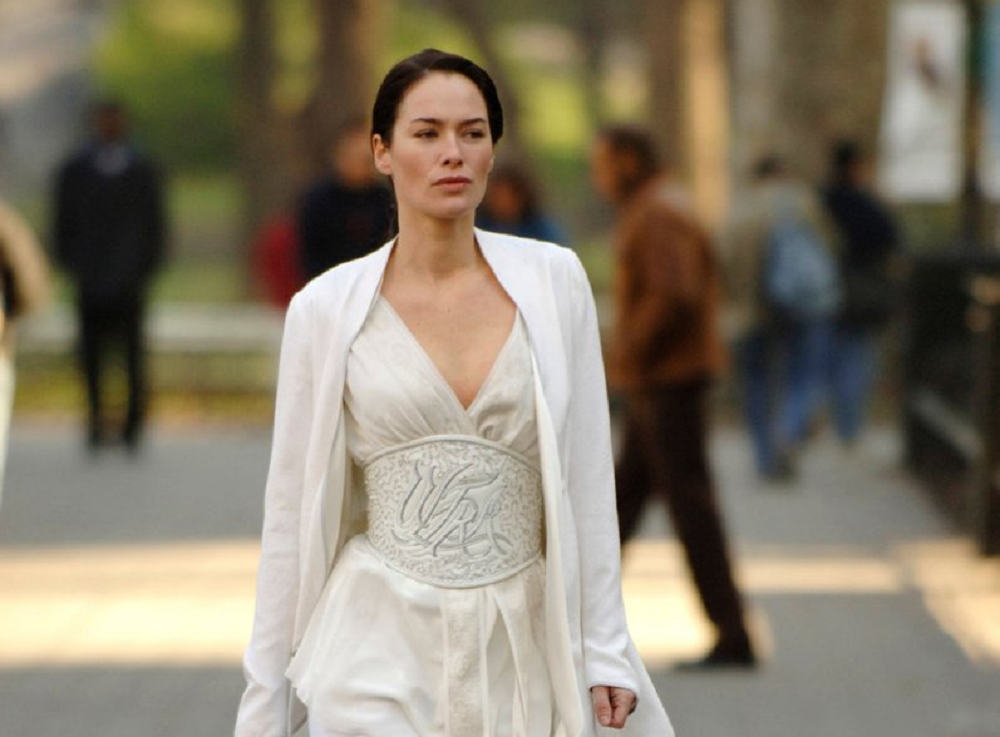
Unfortunately, the man sells pictures and stories of their night together to the media and this sets off a chain of events involving Olivia, Jennifer, and Pearl that culminate not in a climactic battle but in a story of friendship, celebrity, and sisterhood that met with rave reviews when the comic was released in August 2004. The Luna Brothers moved on to their next epic, Girls, but Ultra was optioned for TV by Barbara Hall, best known for Judging Amy and Joan of Arcadia. Hall sold CBS on a pilot and brought in Helen Shaver, a former TV actress who had moved behind the camera, as director.

English actress Lena Headey, soon to break through with 300, was cast as Penny Penalosa and the script removed Olivia and Jennifer altogether. Joshua Luna later described it as being “Ultra in name only” and the changes were either too much or not enough for CBS, who passed on taking the show to series. No footage and very few photos have ever been released from the pilot, which is probably for the best as the comic book remains the definitive Ultra statement. After Girls, The Luna Brothers produced The Sword (both through Image Comics) but then had a falling out, with Joshua making some accusations of controlling behaviour against his brother. They continue to produce comics individually.

Next time on The Telephemera Years: Oh, to be a kid in 2006! Yo Gabba Gabba! and Legion of Super Heroes are just two of the treats in our round-up of new kids’ shows!

Check out our other Telephemera articles:

The Telephemera Years: 1966 (part 1, 2, 3, 4)

The Telephemera Years: 1968 (part 1, 2, 3, 4)

The Telephemera Years: 1969 (part 1, 2, 3, 4)

The Telephemera Years: 1971 (part 1, 2, 3, 4)

The Telephemera Years: 1973 (part 1, 2, 3, 4)

The Telephemera Years: 1975 (part 1, 2, 3, 4)

The Telephemera Years: 1977 (part 1, 2, 3, 4)

The Telephemera Years: 1978 (part 1, 2, 3, 4)

The Telephemera Years: 1980 (part 12, 3, 4)

The Telephemera Years: 1982 (part 1, 2, 3, 4)

The Telephemera Years: 1984 (part 1, 2, 3, 4)

The Telephemera Years: 1986 (part 1, 2, 3, 4)

The Telephemera Years: 1987 (part 1, 2, 3, 4)

The Telephemera Years: 1989 (part 1, 2, 3, 4)

The Telephemera Years: 1990 (part 1, 2, 3, 4)

The Telephemera Years: 1992 (part 1, 2, 3, 4)

The Telephemera Years: 1995 (part 12, 3, 4)

The Telephemera Years: 1997 (part 1, 2, 3, 4)

The Telephemera Years: 2000 (part 1, 2, 3, 4)

The Telephemera Years: 2003 (part 1, 2, 3, 4)

The Telephemera Years: 2005 (part 1, 2, 3, 4)

The Telephemera Years: 2006 (part 1, 2)

The Telephemera Years: 2008 (part 1, 23, 4)

Titans of Telephemera: Irwin Allen

Titans of Telephemera: Stephen J Cannell (part 1, 2, 3, 4)

Titans of Telephemera: DIC (part 1, 2)

Titans of Telephemera: Hanna-Barbera (part 1, 2, 3, 4, 5)

Titans of Telephemera: Kenneth Johnson

Titans of Telephemera: Sid & Marty Krofft

Titans of Telephemera: Glen A Larson (part 1, 2, 3, 4)

Titans of Telephemera: Quinn Martin (part 1, 2)

Titans of Telephemera: Ruby-Spears

THE TELEPHEMERA YEARS: 2006 – PART 2

Jericho, 2006

Ah, telephemera… those shows whose stay with us was tantalisingly brief, snatched away before their time, and sometimes with good cause. They hit the schedules alongside established shows, hoping for a long run, but it’s not always to be, and for every Street Hawk there’s two Manimals. But here at STARBURST we celebrate their existence and mourn their departure, drilling down into the new season’s entertainment with equal opportunities square eyes… these are The Telephemera Years!

2006-07

If you wanted to be an American Idol or go Dancing with the Stars, the top of the TV ratings for the 2006-07 season made pretty good reading, with the top five slots filled by these newfangled variety showcases. Underneath, crime and medical dramas thrived, but there was slightly more quirky available from Lost and new arrivals Heroes and Ugly Betty.

That wasn’t all as 2006 was FULL of new hits, whether it was The WB’s One Tree Hill, Smallville, and Supernatural, serial killer fun on Showcase with Dexter, or 30 Rock and Friday Night Lights on NBC. That slightly made up for the losses of The OC, Gilmore Girls, The Sopranos, Stargate SG-1, and Masters of Horror, all of which were taking their final laps this year. Those, of course, are the shows that managed to secure an audience but there were plenty that didn’t; this is the story of more transient TV…

Masters of Science Fiction (ABC): In 2002, Critters 2: The Main Course director Mick Garris invited some friends to an informal dinner in Sherman Oaks, California, that ultimately led to the formation of the Masters of Horror. Comprising John Carpenter, Larry Cohen, Don Coscarelli, Joe Dante, Guillermo del Toro, Stuart Gordon, Tobe Hooper, John Landis, Bill Malone, and Garris himself, the original group led to further dinners involving the likes of Dario Argento, Wes Craven, David Cronenberg, Lloyd Kaufman, Robert Rodriguez, and Quentin Tarantino, giving Garris a huge cast to call upon when he pitched Masters of Horror as an anthology series to Showtime in 2005.

Masters of Horror was a huge success and production company Reunion Pictures managed to sell ABC on a sci-fi version, although they did not have access to Garris’s contact book and thus episodes were directed by Jonathan Frakes, On Golden Pond’s Mark Rydell, TV regular Darnell Martin, and Harold “Vision Quest” Becker, as well as Michal Tokin, nominated for an Oscar for writing The Player.

Masters of Science Fiction, 2007

What Masters of Science Fiction did have was access to stories based on some of the genre’s heavyweights, including Howard Fast, Robert A Heinlein, and the irascible Harlan Ellison, as well as an off-screen introduction to each episode by Stephen Hawking. The show was planned for the 2006 Fall season, but when the line-ups were released, there was no sign of the show amid rumours that ABC president Stephen McPherson had found it too highbrow for its intended audience.

The first episode eventually debuted on August 4th 2007 in a late Summer slot previously occupied by re-runs of America’s Funniest Home Videos, with subsequent episodes airing over the next three weeks. Episodes four and five of the six-episode series did not air, with the network offering no explanation, although all six were screened by Space in Canada. McPherson justified his decision by claiming the show was “very uneven” and “a little problematic,” although his judgment may be called into question by his departure from the network under a cloud of sexual harassment in 2010.

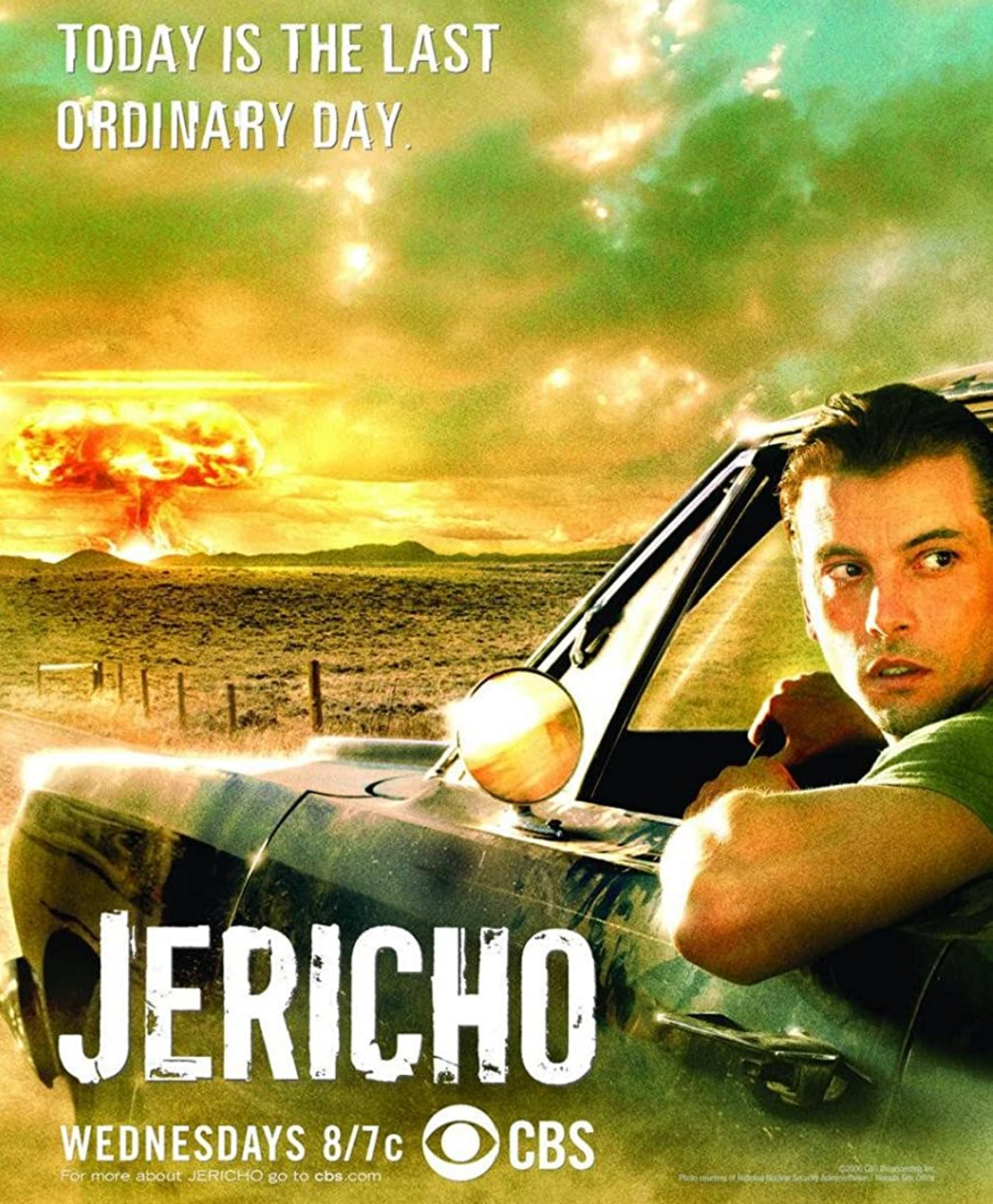
Jericho (CBS): In 2007, Jericho ranked number eleven on TV Guide’s Top Cult Shows Ever list, something that no true piece of telephemera should achieve, right? Except that at the time of that ranking, Jericho had just been cancelled and a massive fan campaign was underway to bring it back. Ultimately successful, the show was cancelled again just seven episodes into its second season, with no amount of fan furore able to bring it back this time.

Jericho was created by The Perks of Being a Wallflower author Stephen Chbosky, who was partnered with first time scriptwriters Josh Schaer and Jonathan E Steinberg when his agent suggested he move into TV. The story of the fictional town of Jericho, Kansas, and how its inhabitants scratch out a life in the aftermath of a nuclear attack, Jericho centred around Jake Green (Skeet Ulrich), a prodigal son returning to claim his inheritance in the ashes of his old hometown. The show premiered on September 20th 2006, occupying a slot on Wednesday nights on CBS that was also home to Criminal Minds and CSI:NY. Ratings for the first episode were positive and held up well through November 29th, when the show was put on hiatus for three months.

On its return, millions of viewers had found something else to do but producers were still confident they’d done enough to earn a second season. CBS disagreed, cancelling the show in May 2007, which is where the fans came in. Several fan groups combined their efforts to let the network know that they wanted their show back, ultimately sending twenty tons of peanuts – a reference to a throwaway line in the show – and thousands of e-mails to CBS, who responded by agreeing to bring the show back to finish the story. Returning in February 2008, this time on Tuesdays after Big Brother, ratings took another dive and t was announced that the series finale would air on March 25th 2008. The prospect must have been in the offing as two endings were filmed for that episode, one would which continue the series and one which would end it.

Fans renewed their efforts to bring the show back once more, but this time to no avail. Seasons three and four would eventually be released as comic books by Devil’s Due and IDW in 2009 and 2012, ending on a cliffhanger that, to this date, remains unresolved.

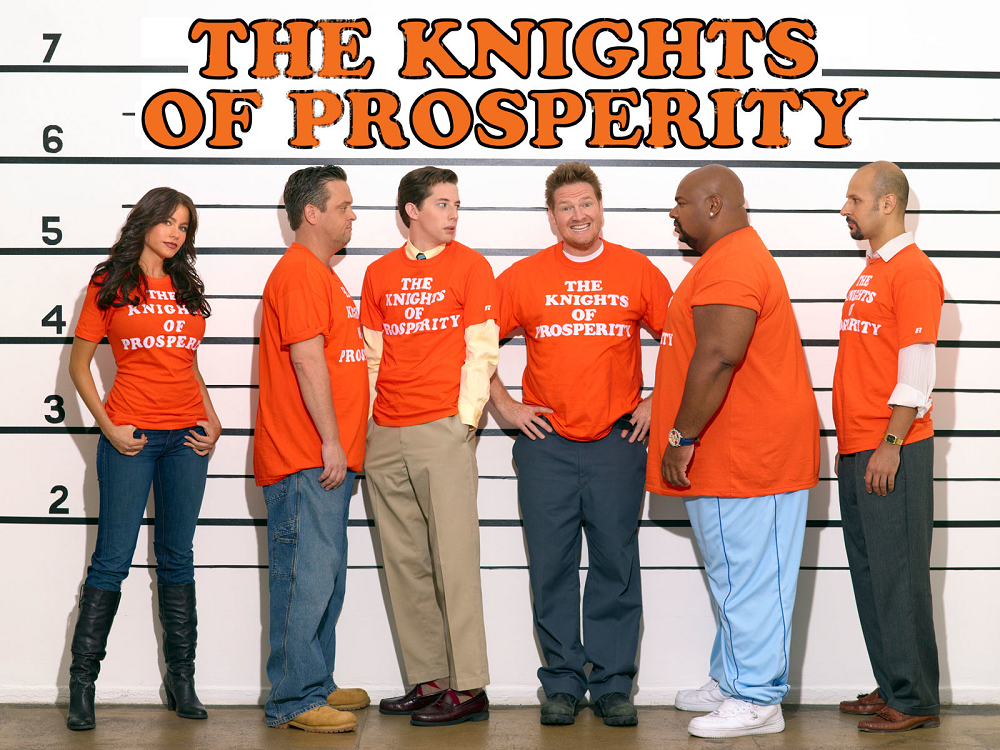
The Knights of Prosperity (ABC): Initially titled Let’s Rob Jeff Goldbum, the central conceit of Knights of Prosperity is that a group of thieves – the eponymous Knights – steal from celebrities. It’s a slight concept but one that allows for multiple celebrity guests to bump ratings, although the project hit a snag when Goldblum signed on with rival network NBC to make the drama Raines. With Mick Jagger in his place, and further title changes through Let’s Rob Mick Jagger and Let’s Rob… to its eventual moniker, the show was scheduled to premiere on October 17th 2006, with Dancing with the Stars as its equally star-studded lead-in on Tuesday nights.

Produced by David Letterman’s Worldwide Pants Incorporated, the Jagger heist took up the first eight episodes, with talk show host Kelly Ripa briefly the object of their attention before they settled on Ray Romano for their second sting. The Knights were led by Eugene Gurkin (Grounded for Life dad Donal Logue), who wants money to open a bar and assembles a six-person squad that includes Sofía Vergara, Kevin Michael Richardson, and Lenny Venito.

The Knights of Prosperity, 2007

The show was created by Josh Beckerman and Rob Burnett, fresh off a four-season run helming Ed for NBC, and hopes were high that this could be at least as successful as that show. However, two weeks before its debut, ABC announced that it would not be airing as planned, with a double episode of Dancing… in its place. Shelved in favour of concentrating their efforts on wedding sitcom Big Day, the show eventually debuted on January 3rd 2007, a mid-season replacement on Wednesday nights for time loop cop show Day Break.

The Jagger episodes – and that one-off flirtation with Ripa – aired through March but ratings were never what the network wanted, and a decision was made to pause production and go on hiatus, with the Romano episodes held over for a second season. However, it was quietly cancelled in the Summer and two of the four completed episodes of the second heist aired in August, with the other two put on the NBC website. As of writing, they still haven’t robbed Ray Romano.

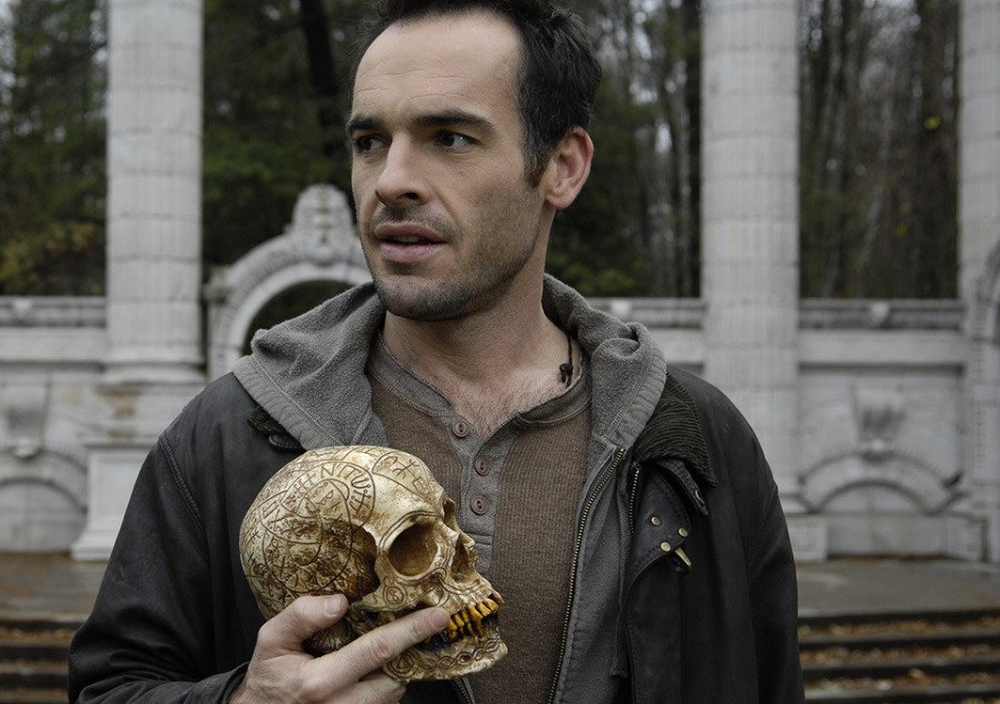
The Dresden Files (Sci-Fi): Based on the popular series of urban fantasy books by Jim Butcher, The Dresden Files starred English actor Paul Blackthorne as Harry Dresden, a wizard who helps Chicago police with cases that have supernatural undertones. Butcher created Dresden when he enrolled in a writing class and was given an assignment to write a story along the lines of Laurell K Hamilton’s Anita Blake: Vampire Hunter books, eventually selling the series to ROC publishing through Hamilton’s agent.

Five years after Storm Front – the first book in the series – was released, The Sci-Fi Channel optioned Butcher’s series for a two-hour TV movie, to be used as a pilot for an eventual series. Nicolas Cage came on board as executive producer and the pilot was adapted from Storm Front by Star Trek: Deep Space Nine veterans Hans Beimler and Robert Hewitt Wolfe. It was intended to air the pilot in the Summer of 2006, but a full series was greenlighted before it aired, and subsequent delays in the production process – including editing it down to an hour – resulted it in airing it in March 2007, as the show’s eighth episode.

The Dresden Files, 2007

“Birds of a Feather” – the show’s third episode – instead became the series premiere, debuting on January 21st 2007 in a weekly slot on Sunday nights. Blackthorne was joined in the regular cast by Valerie Cruz as Lieutenant Connie Murphy, a Chicago police officer who calls on Harry’s services, and by Terrance Mann as the voice of Bob, a thousand-year-old spirit who was sealed in his own skull when he died and helps Harry with supernatural research.

Ratings hit a high with episode two and were encouraging, if not spectacular, but it was with some disappointment that it was announced that there would be no second season, and fans led efforts to try and reverse Sci-Fi’s decision to no avail. However, Harry continues to appear in books written by Butcher – the seventeenth, Battle Ground, was released in September 2020 – and it wouldn’t need too much in the way of magical divination to see another TV adaptation coming along…

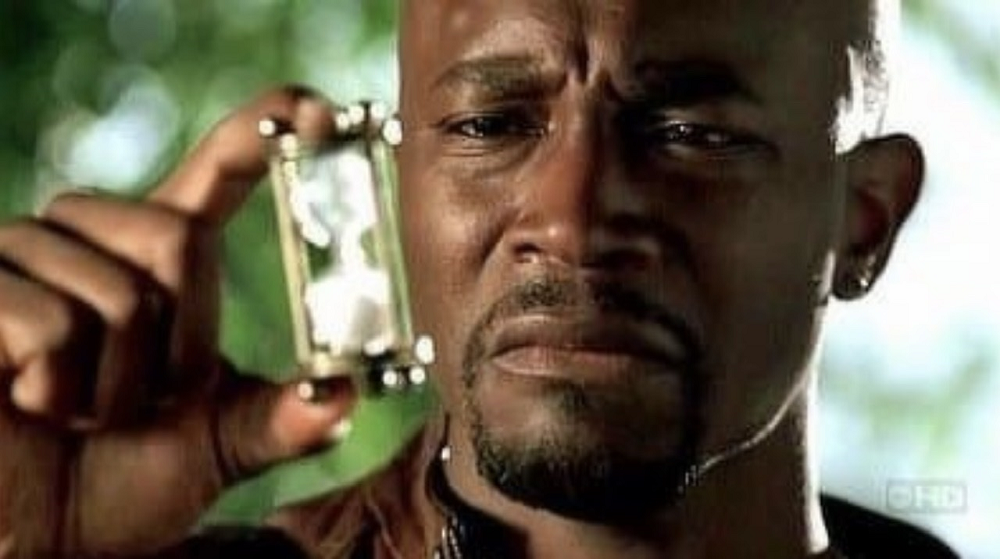
Day Break (ABC): Framed for the murder of Assistant District Attorney Albert Garza, Los Angeles police detective Brett Hopper (Taye Diggs) is caught in a time loop, repeating the fateful day over and over. Retaining his memories (and any injuries) from previous runs through, Hopper unveils a conspiracy against him and discovers that at least one other person might be looping with him…

Created by Paul Zbyszewski, a former Weakest Link link writer who had scripted heist drama After the Sunset in 2004, Day Break inherited the Wednesday slot vacated by Lost when it went on a mid-season hiatus during its third season, and it was hoped that a similar “mystery box” show would find success with that crowd.

Day Break, 2006

The first episode retained sixty percent of the viewers Lost was doing in that slot, but ratings halved in week two and further declined over the next few weeks, with a decision made to pull the show after just six episodes had aired. The remaining seven episodes were made available on ABC.com from January 2007, allowing the storyline to play out. The final few episodes were delayed, officially because of music rights for online screening, but it also meant that they were able to bring the series to a close, with new scenes possibly shot for that purpose.

Threads were left dangling for a second season, but Brett Hooper’s story was done. Diggs, who also acted as producer, remains proud of the show and it might just be a case of it being too early to find its audience, its non-linear story perfectly suited to the streaming era. Regardless, the show is available on DVD and can also be found on YouTube for those seeking a conspiratorial alternative to Groundhog Day.

Next time on The Telephemera Years: a screw-on head and a water-breathing fish lover are among four projects from 2006 that didn’t make it to air…

Check out our other Telephemera articles:

The Telephemera Years: 1966 (part 1, 2, 3, 4)

The Telephemera Years: 1968 (part 1, 2, 3, 4)

The Telephemera Years: 1969 (part 1, 2, 3, 4)

The Telephemera Years: 1971 (part 1, 2, 3, 4)

The Telephemera Years: 1973 (part 1, 2, 3, 4)

The Telephemera Years: 1975 (part 1, 2, 3, 4)

The Telephemera Years: 1977 (part 1, 2, 3, 4)

The Telephemera Years: 1978 (part 1, 2, 3, 4)

The Telephemera Years: 1980 (part 12, 3, 4)

The Telephemera Years: 1982 (part 1, 2, 3, 4)

The Telephemera Years: 1984 (part 1, 2, 3, 4)

The Telephemera Years: 1986 (part 1, 2, 3, 4)

The Telephemera Years: 1987 (part 1, 2, 3, 4)

The Telephemera Years: 1989 (part 1, 2, 3, 4)

The Telephemera Years: 1990 (part 1, 2, 3, 4)

The Telephemera Years: 1992 (part 1, 2, 3, 4)

The Telephemera Years: 1995 (part 12, 3, 4)

The Telephemera Years: 1997 (part 1, 2, 3, 4)

The Telephemera Years: 2000 (part 1, 2, 3, 4)

The Telephemera Years: 2003 (part 1, 2, 3, 4)

The Telephemera Years: 2005 (part 1, 2, 3, 4)

The Telephemera Years: 2006 (part 1)

The Telephemera Years: 2008 (part 1, 23, 4)

Titans of Telephemera: Irwin Allen

Titans of Telephemera: Stephen J Cannell (part 1, 2, 3, 4)

Titans of Telephemera: DIC (part 1, 2)

Titans of Telephemera: Hanna-Barbera (part 1, 2, 3, 4, 5)

Titans of Telephemera: Kenneth Johnson

Titans of Telephemera: Sid & Marty Krofft

Titans of Telephemera: Glen A Larson (part 1, 2, 3, 4)

Titans of Telephemera: Quinn Martin (part 1, 2)

Titans of Telephemera: Ruby-Spears
[ENDED] Win 4K UHD Action Bundle with PLANE

win plane 4k bundle

Action film Plane is now available on 4K UHD, Blu-ray, DVD, as well as digital. And to celebrate this, we have a bundle of classic action pictures in glorious 4K UHD, including Plane. To be in with a chance of winning, read on and enter below…

In the white-knuckle action movie Plane, pilot Brodie Torrance (Gerard Butler) saves his passengers from a lightning strike by making a risky landing on a war-torn island – only to find that surviving the landing was just the beginning.

When most of the passengers are taken hostage by dangerous rebels, the only person Torrance can count on for help is Louis Gaspare (Mike Colter), a convicted murderer who was being transported by the FBI. Discovering there’s more to Gaspare than meets the eye, it will be up to both men to rescue everyone.

Plane is directed by Jean-François Richet (The Emperor of Paris, Mesrine: Killer Instinct); Produced by Alastair Burlingham (Moonfall), Gerard Butler (Olympus Has Fallen), Marc Butan (Triple 9), Michael Cho (WeWork); Starring Gerard Butler (Olympus Has Fallen), Mike Colter (Luke Cage), Yoson An (Mulan), Daniella Pineda (Jurassic World: Dominion), Paul Ben-Victor (The Irishman).

Special Features:

  • This is Your Captain (11 mins)
  • Plane Clothes (8 mins)
  • Brace for Turbulence (18 mins)

a Rafflecopter giveaway

Lionsgate UK presents Plane on digital and on 4K UHD, Blu-ray and DVD.


[ENDED] Win a Terrifying Chucky Blu-ray Bundle!

win chucky

To celebrate the release of the upcoming horror documentary Living With Chucky, Lightbulb Film Distribution, in association with Universal Pictures, are delighted to be offering one lucky winner a bumper Chucky Bundle!

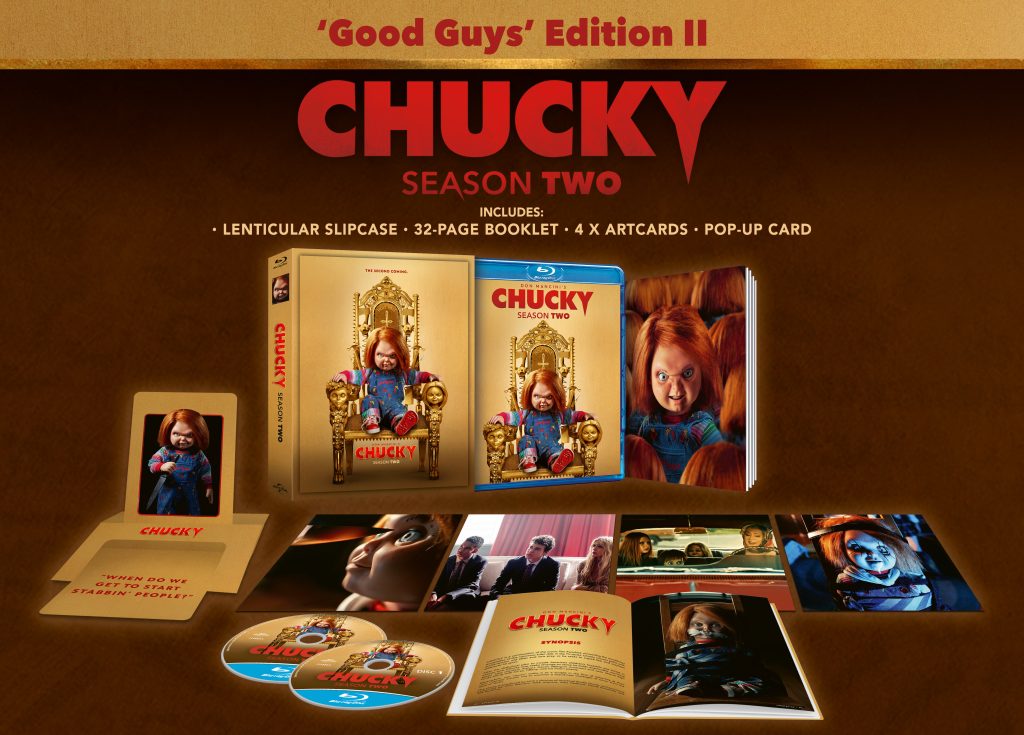
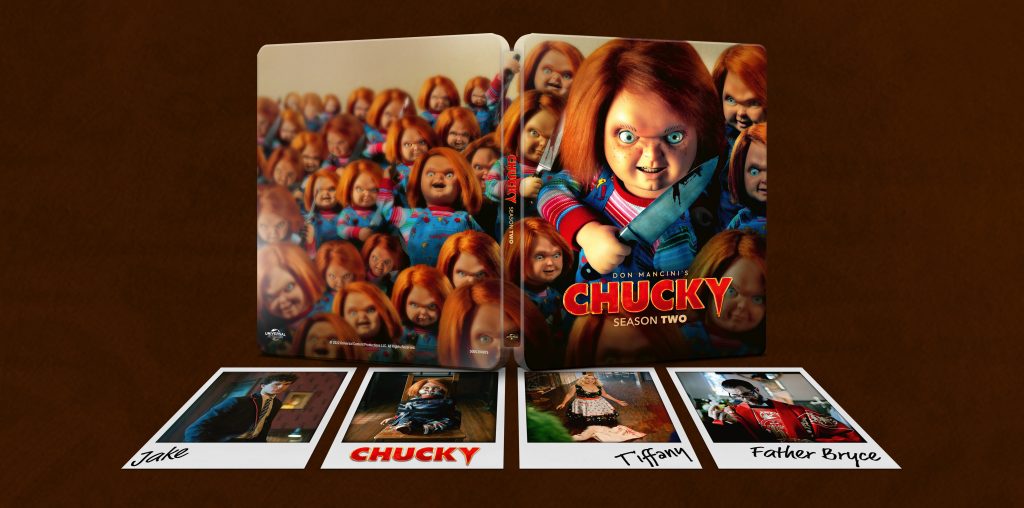
The winner will get their hands on Blu-ray copies of Living With Chucky and limited edition Chucky Season 2: Steelbook and Good Guys Edition II.

Living With Chucky explores the appeal and longevity of the Child’s Play franchise – and its iconic bloodthirsty doll. Filmmaker Kyra Elise Gardner, daughter of iconic special effects artist Tony Gardner, takes an in-depth look at the groundbreaking horror franchise. Featuring interviews with creator Don Mancini, Chucky’s voice actor Brad Dourif, and cast Jennifer Tilly, John Waters and many more!

Chucky Season 2 – Chucky is back! The notorious killer doll continues his onslaught of terror in Season Two of the hit horror series from franchise creator Don Mancini. 

Living With Chucky Extras

– Feature Commentary
– Trailer
– Candid Conversations
– Favourite Death Scene
– Reception from Families

Chucky S2 Blu-ray Good Guys Edition II Extras

– Lenticular Slipcase

– Chucky Pop-Up card

– 4 x Art Cards

– 32-page booklet

Chucky S2 Blu-ray Steelbook Extras

– Gloss finish & embossed Steelbook limited to just 2000 copies

– 4 x Polaroid Cards

– Slide this Steelbook into the ‘Good Guys Edition II’ to create the Ultimate Chucky set!

a Rafflecopter giveaway

Living With Chucky will be available in the UK & Ireland from April 24th across Digital Platforms & Blu-ray

‘Chucky Season 2 will be available on DVD and Blu-ray from May 15th, Good Guys Edition II and Steelbook also available for superfans.’

Reflecting on the 2023 Grand National

grand national

by Ben Bradley

When seeing that the favourite Corach Rambler triumphed in the Grand National, there’d be a temptation to assume that the race had been a relatively mundane affair. But anyone who watched the 2023 Grand National will know that it was a race that will live long in the memory.

Despite all the goings-on in the build-up threatening to overshadow the race, there was glory in the end for pre-race favourite in the horse racing betting Corach Rambler, as well as jockey Derek Fox and trainer Lucinda Russell, and nothing should take away from their achievements. But this was a Grand National like no other, so let’s take a look at what made it so memorable.

Pre-race delays

In the days leading up to the race, much was made about the prospect of animal rights protesters causing issues at Aintree, and indeed there were over 100 arrests made on the day of the Grand National as scores of protesters attempted to invade the racecourse.

All this led to the Grand National being indefinitely delayed, as security personnel cleared the area of intruders. The horses, who had been brought out for the traditional pre-race parade, were brought to the paddock, and the longer they were made to wait the more unsettled they became. Finally, the race was able to begin around 15 minutes after it was originally scheduled to.

A chaotic first circuit

It was clear that the delays caused some ill feeling among the horses and jockeys. From the moment the runners made their way to the starting point, it felt as though there were a lot of unsettled mounts, and that proved to be the case, with a plethora of fallers in the first circuit.

It’s not unusual for a handful of horses to fall in the early stages of the Grand National, but the chaotic nature of the stumbles meant the race was blown wide open, with several of the top favourites going down.

The behaviour of the loose horse who had unseated their respective riders also caused issues. With no one to guide them over the jumps, hesitation at some of the fences caused collisions and further falls.

The favourite storms home

Running safely in the midst of the chaos was pre-race favourite Corach Rambler. The Lucinda Russell-trained horse was riding the crest of a wave after securing a second successive win in the Ultima Handicap Chase at the Cheltenham Festival a few weeks earlier, and that’s why many were tipping the nine-year-old for big things at Aintree.

With Derek Fox in the saddle, Corach Rambler managed to steer clear of the fallers and loose horses, before powering clear in the final stages to win comfortably. There were a lot of happy punters around Cheltenham, as Fox and Russell celebrated their second Grand National triumph following One For Arthur’s triumph in 2017. Corach Rambler was the name on everyone’s lips.

“Those guys who went out to protest on course, they think it is about horse welfare,” Russell said after the race. “That horse loves his sport, he loves everything he does. He is kept in the best possible conditions, and I am just so delighted that he can run in a race like that, perform like that, and he has now got greatness. It is what he deserves.”