Five Films to Check Out on Horror Channel This Week – 190721

horror channel

As the country opens up from restrictions, here are some great reasons to stay inside. Our picks for the next seven days on Horror Channel…

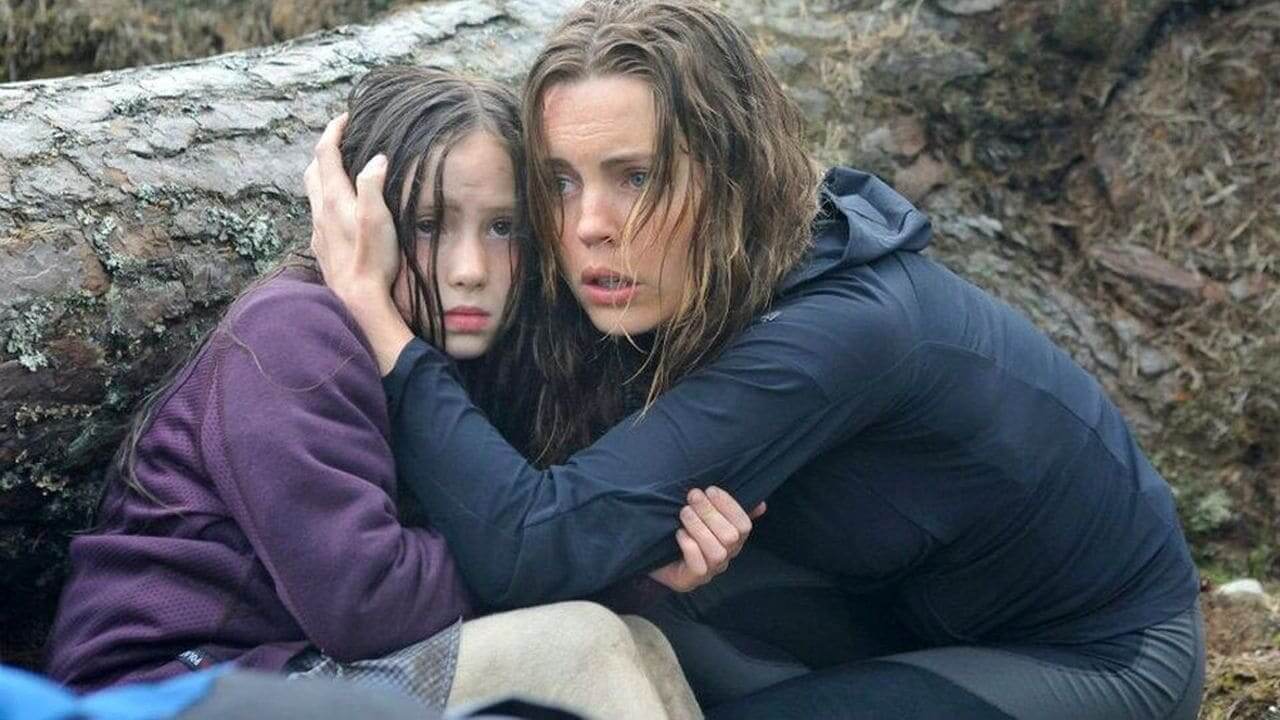
Tuesday July 20th, 9pm – A Lonely Place to Die (2011)

This is a fantastic thriller following a group of recreational mountain climbers who come under fire when they discover a young girl who has been buried alive miles away from civilisation. Stars Melissa George, Ed Speleers, and the always watchable Sean Harris.

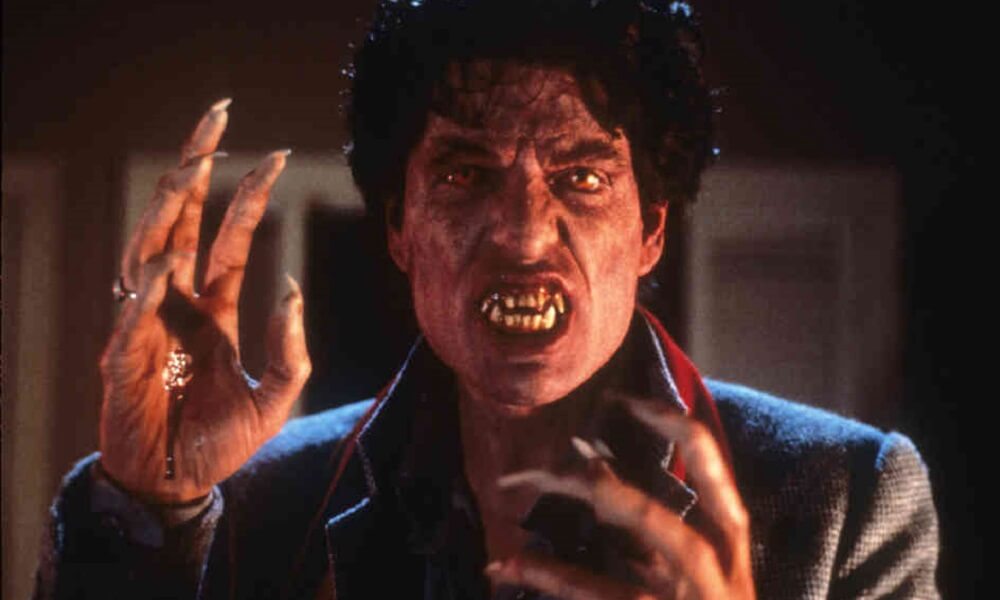
Wednesday July 21st, 10.55pm – Fright Night (1985)

Tom Holland’s much-loved directorial debut has Chris Sarandon as the vampiric next-door neighbour of Charley Brewster (William Ragsdale). Calling on his hero, horror TV host Peter Vincent (Roddy McDowell), he attempts to vanquish the evil in the midst of suburbia. Unmissable.

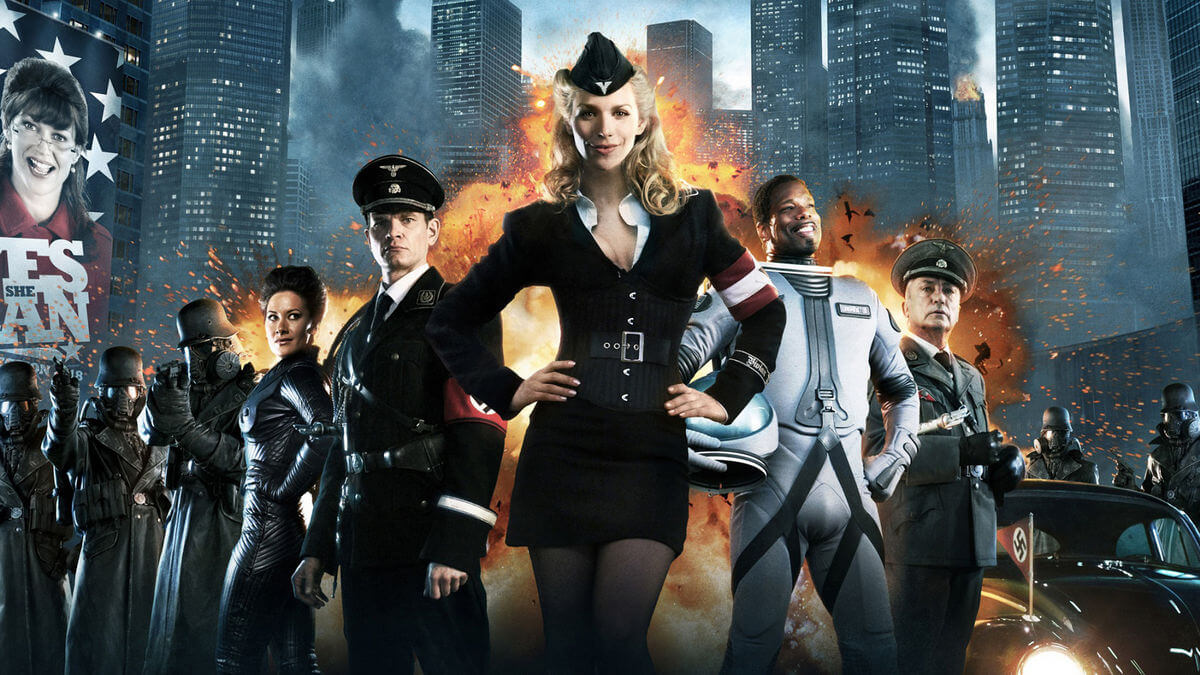
Friday July 23rd, 9pm – Iron Sky (2012)

Gloriously over the top and of very questionable taste, Iron Sky takes the Nazis to the far side of the Moon plotting and waiting for their return with a Fourth Reich. Hilarious and offensive in equal measure, it’s tons of fun.

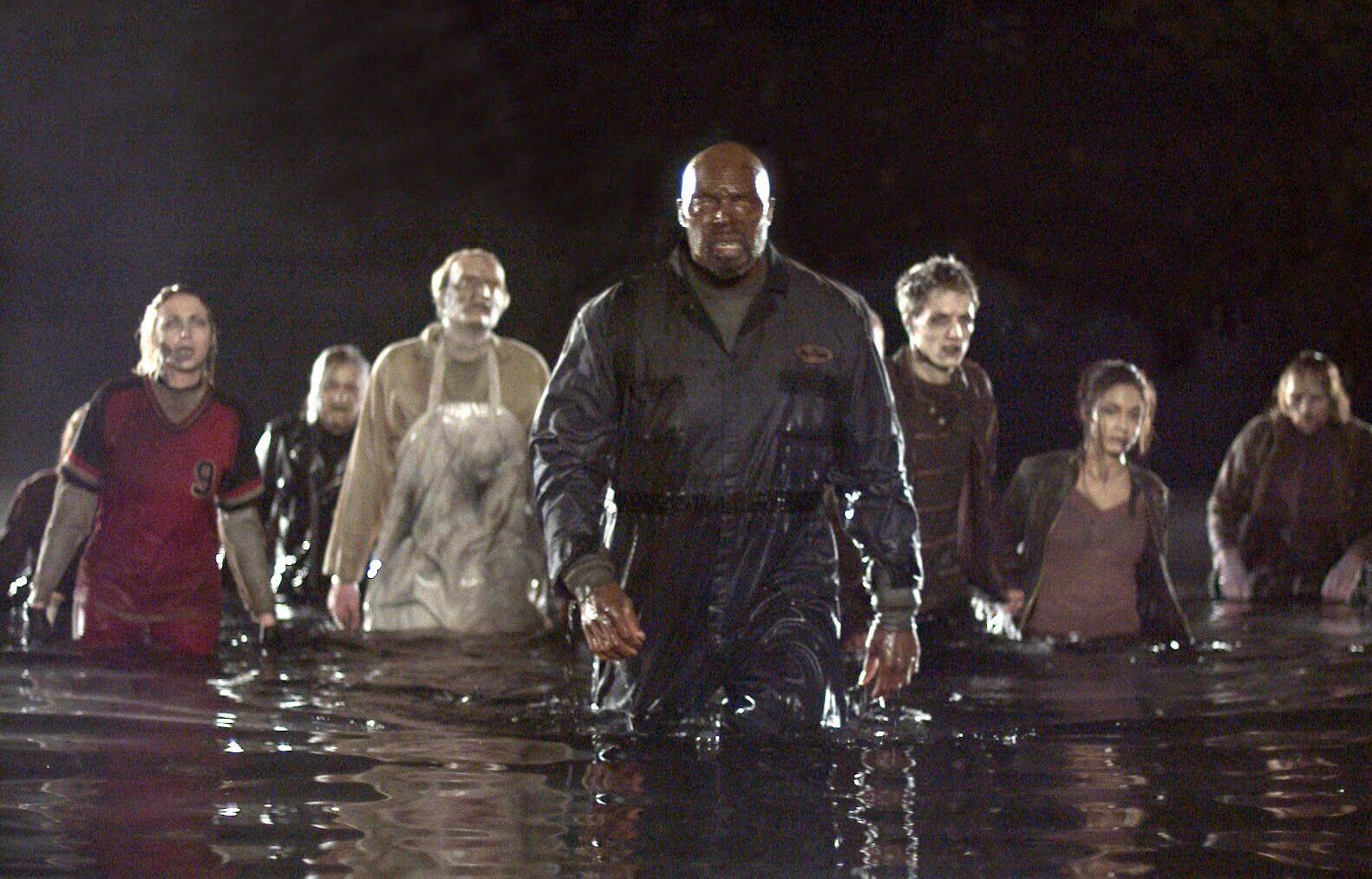
Saturday July 24th, 9pm – Land of the Dead (2005)

The late, great George A. Romero returns to his beloved zombie franchise with this bigger-budgeted affair. It continues the scathing social commentary of the original

trilogy and delivers more gruesome visuals. Stars Dennis Hopper and Asia Argento.

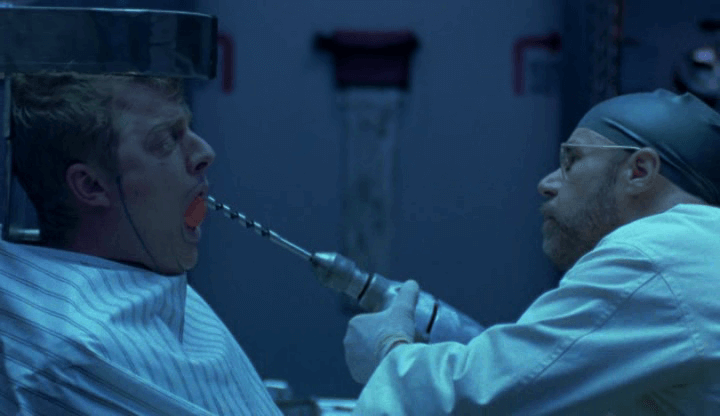
Sunday July 25th, 10.55pm – Hostel Part III (2011)

Sam Raimi alumni Scott Spiegel takes over the reins from Eli Roth and brings the Elite Hunting Club to the city of sin, Las Vegas. Although not as down and dirty as the first two films, it still delivers the gore quota.

Tune into Horror Channel on Sky 317, Virgin 149, Freeview 68, Freesat 138.

Top 10 Scary ’80s Kid’s Films

10 scary kids films

The 1980s – everyone’s favourite nostalgia playground, from bright colours and mullets to iconic films that continue to thrill, well into the 21st century. It also served up a dizzying array of dark kid’s films, some scary, some magnificent and some just ugly. Please find below the top 10 films that were only suitable for children in the decade of decadence…

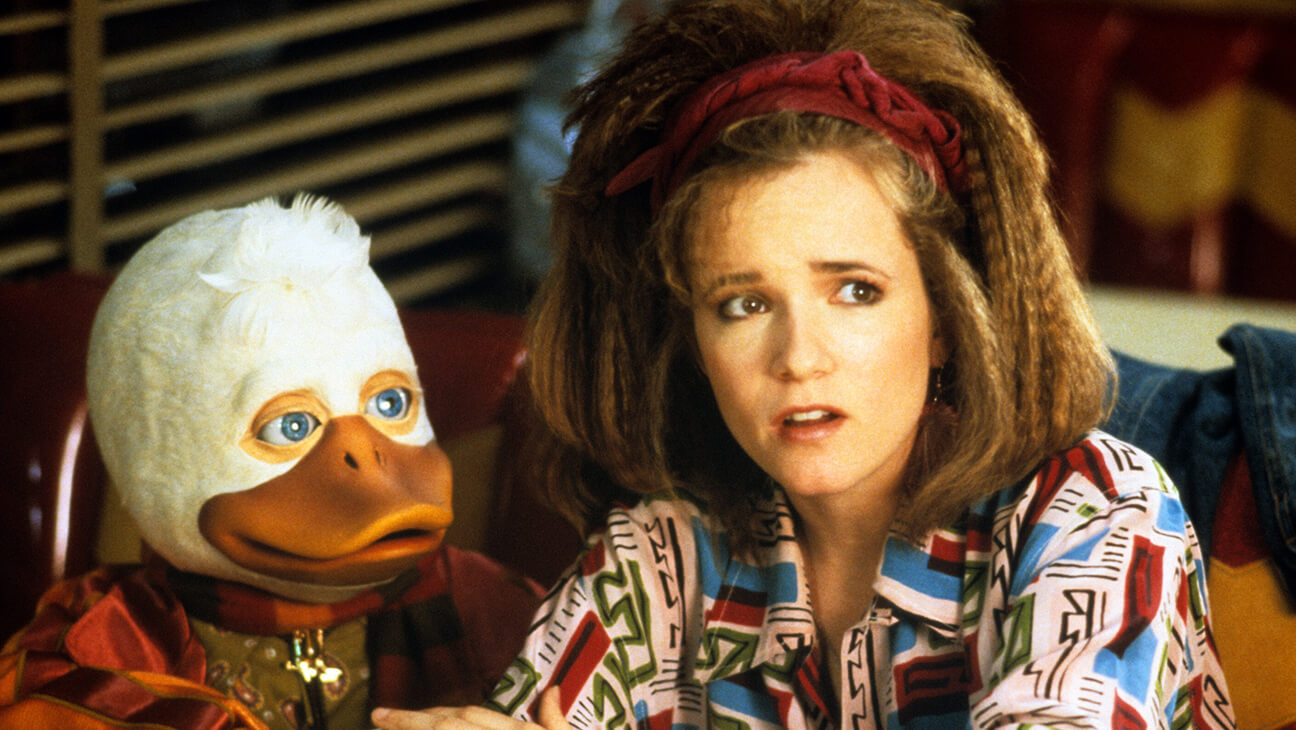
1. Howard the Duck (Dir: Willard Huyck, 1986)


Probably the most famous of the ‘80s oddities, this George Lucas produced film, based on the Marvel Comics character, was a huge flop. It’s suitably goofy and matches the feel of the period but failed to appeal to anybody. Howard (voiced by Chip Zien but played by multiple small actors and children) is dragged to Earth from Duck World by a laser beam (he smashes through a neighbouring apartment where we are treated to duck breasts – in a family picture!?), he then teams up with rock singer Beverly (Lea Thompson) and they mingle and even get in bed together, all of which takes up half of the film. Eventually, our antagonist arrives in the form of the Lord of the Universe, who inhabits the body of scientist Walter Jennings (Jeffrey Jones), all ending with a rock concert because, well, it was 1986. It was a strange idea to adapt such an obscure character, who is housed in a slightly unnerving looking costume. Some of the early jokes and situations are not suitable for children (the burgeoning romance between human and duck is just weird) however much of the film is too wacky for adults. On the DVD commentary, George Lucas said that in 20 years the film will be seen as a masterpiece, give it another 20 George.

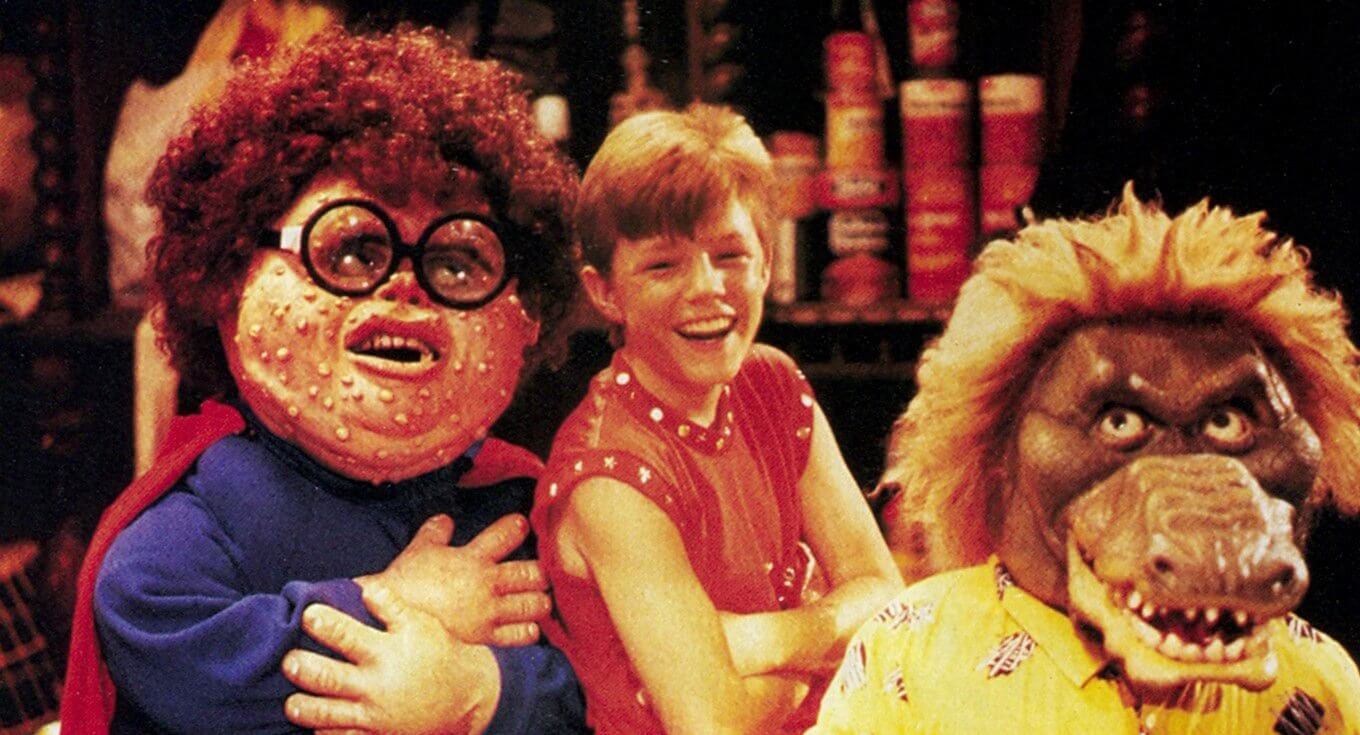
2. The Garbage Pail Kids Movie (Dir: Rod Amateau, 1987)


The fondly remembered sticker trading cards were popular enough for a feature film to be made, and even though the film is horrifying, it’s probably not in the way the filmmakers intended. Dodger (Mackenzie Austin) is being viciously bullied by older teenagers (in fact, they look like adults who are tormenting a young boy, including pouring sewage on him. What’s wrong with these guys!). He is saved by the Garbage Pail Kids, who appear to have come to Earth in a trash can spaceship and hang out in the antique store where Dodger works. The Kids are played by little people with animatronic masks, however, unlike the great work used on the 1990 Turtles film, only three years later, their faces hardly move, which makes for a petrifying experience. The actors look like they’re desperately trying to break out of these death masks. Much of the film consists of the Kids singing terrible songs and sewing clothes to help Dodger impress a sympathetic member of the gang, Tangerine (Katie Barberi), who turns out to be nasty anyway. The whole thing leaves you feeling unclean and revolted.

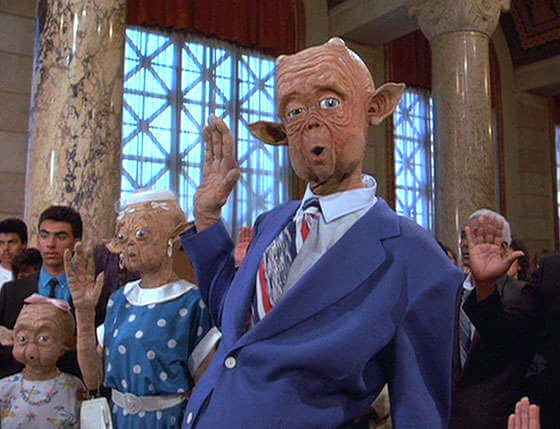
3. Mac and Me (Dir: Stewart Raffill, 1988)


This E.T. knockoff is mainly remembered for being an excuse to advertise McDonald’s and Coca Cola, representing everything that is wrong about the 1980s. When a group of aliens on a desert planet are accidentally sucked into a probe and returned to earth, the youngest alien hides out in a family’s minivan, coming to the attention of wheelchair-bound Eric (first-time actor Jade Calegory). The rest plays out like the Spielberg classic, with Eric naming him Mac (short for Mysterious Alien Creature) and agents on their trail, keen to exploit any powers Mac might have. The difference is that the aliens look awful, like life-size Boglins, most of the film is spent at a McDonald’s party, complete with an extended Ronald McDonald cameo and, most egregiously, the alien family are brought back to life with the power of Coca-Cola. Of course, many of the most successful cartoons of this period, including Transformers and GI Joe, were merely created to sell toys – the difference being that creativity was prioritised when imagining the worlds of Cybertron and Cobra-La. Mac and Me ended up, like so many Happy Meals, half-eaten and thrown in the bin.

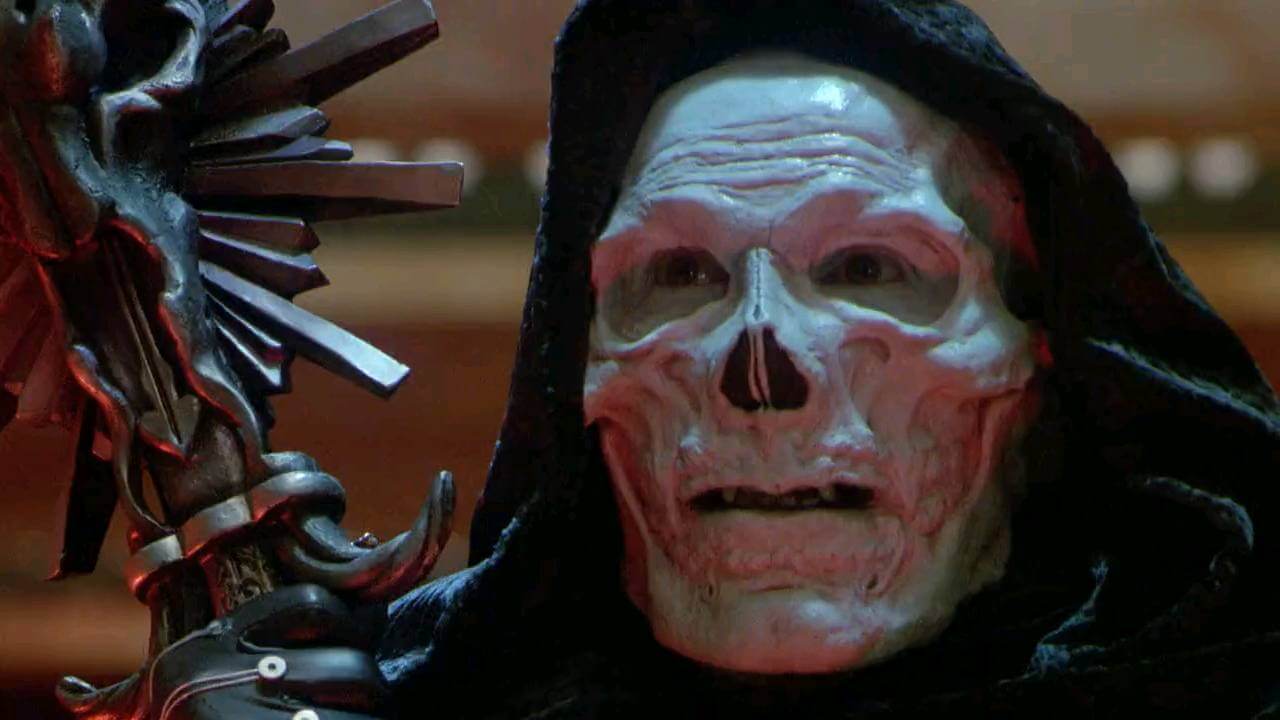
4. The Masters of the Universe (Dir: Gary Goddard, 1987)


This film represents the first time many children were disappointed in a movie, a hard task to accomplish. As news surfaced that He-Man (one of the most popular toy series and cartoon characters of the era) was getting his own feature film, most kids would have accepted anything. For the first five minutes, all seemed present and correct. We find He-Man (played by genre favourite Dolph Lundgren) battling Skeletor (Frank Langella) in the mythical land of Eternia but very quickly, the film’s McGuffin (the Cosmic Key) transports everyone to Earth. Yes, that’s right, it’s on this dark and drab-looking Earth that we remain for the rest of the picture, what a disappointment! The budget is low, the costumes shoddy, and the action poor. A young Courtney Cox, dealing with the death of her parents, also eats up most of the runtime. What no child could have known at the time, was the fact that this was one of the last efforts produced by Cannon Films (a low budget studio known for the Death Wish series, and brilliantly exposed in the documentary Electric Boogaloo: The Wild Untold Story of Cannon Films). Their attempt at sci-fi fantasy was a complete failure, managing to disappoint an undemanding core audience who wanted to love the film. No wonder Cannon folded shortly after.

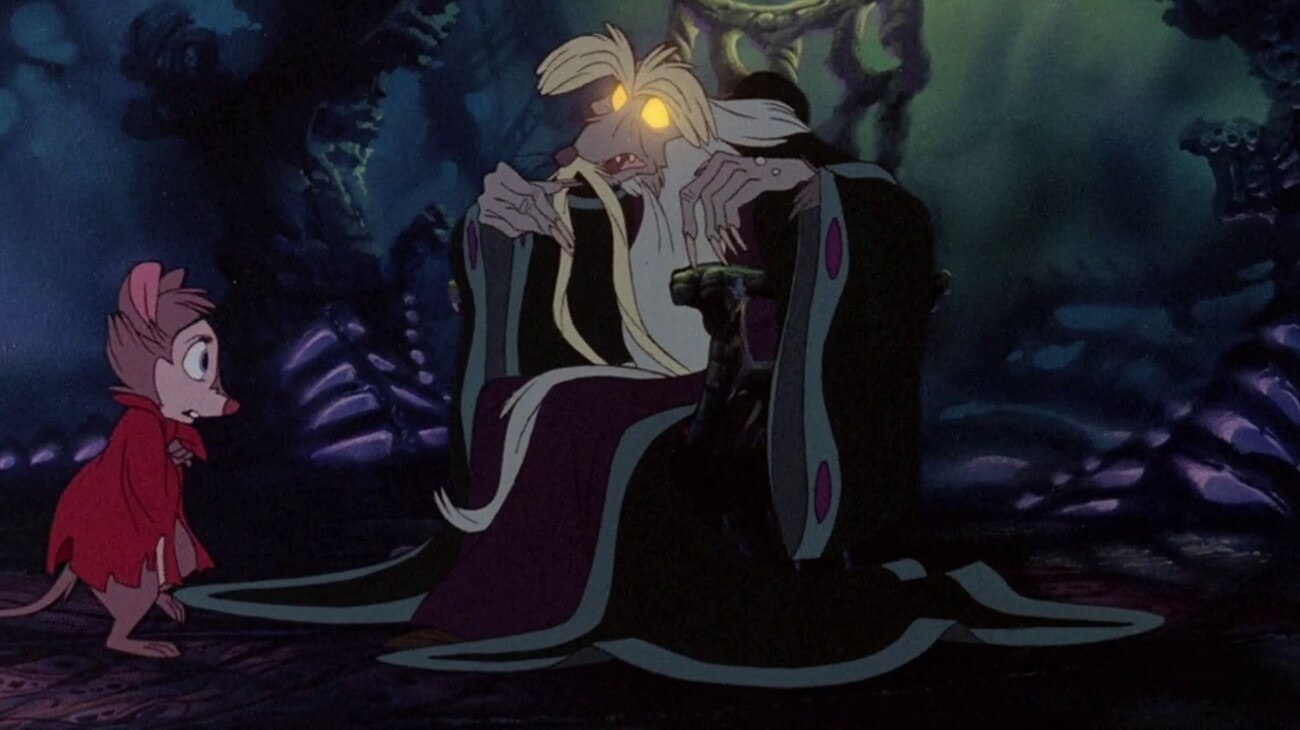
5. The Secret of NIMH (Dir: Don Bluth, 1982)


Don Bluth’s beautifully animated feature has Disney tropes but quickly leans into the darker side of humanity, with scary scenes and experiments on animals at the forefront of the plot. Based on the book Mrs. Frisby and the Rats of NIMH, the titular mouse is trying to save her home from being bulldozed and cure her son’s tuberculosis. Not only does she need to visit the Great Owl – a character that is terrifying to younger children, complete with booming voice and murderous intent (he kills two animals while they are speaking) – she must contend with the Rats of NIMH. When we find out this is an acronym for National Institute for Mental Health, we cross over into the horrors of the real world, where rats that have been experimented on have developed intelligence and created a society in a farmer’s rosebush. Of course, this is a refreshing and imaginative story to revisit, complete with wonderful hand-drawn animation, however, for little ones used to more sugar-coated affairs, The Secret of Nimh may prove too frightening.

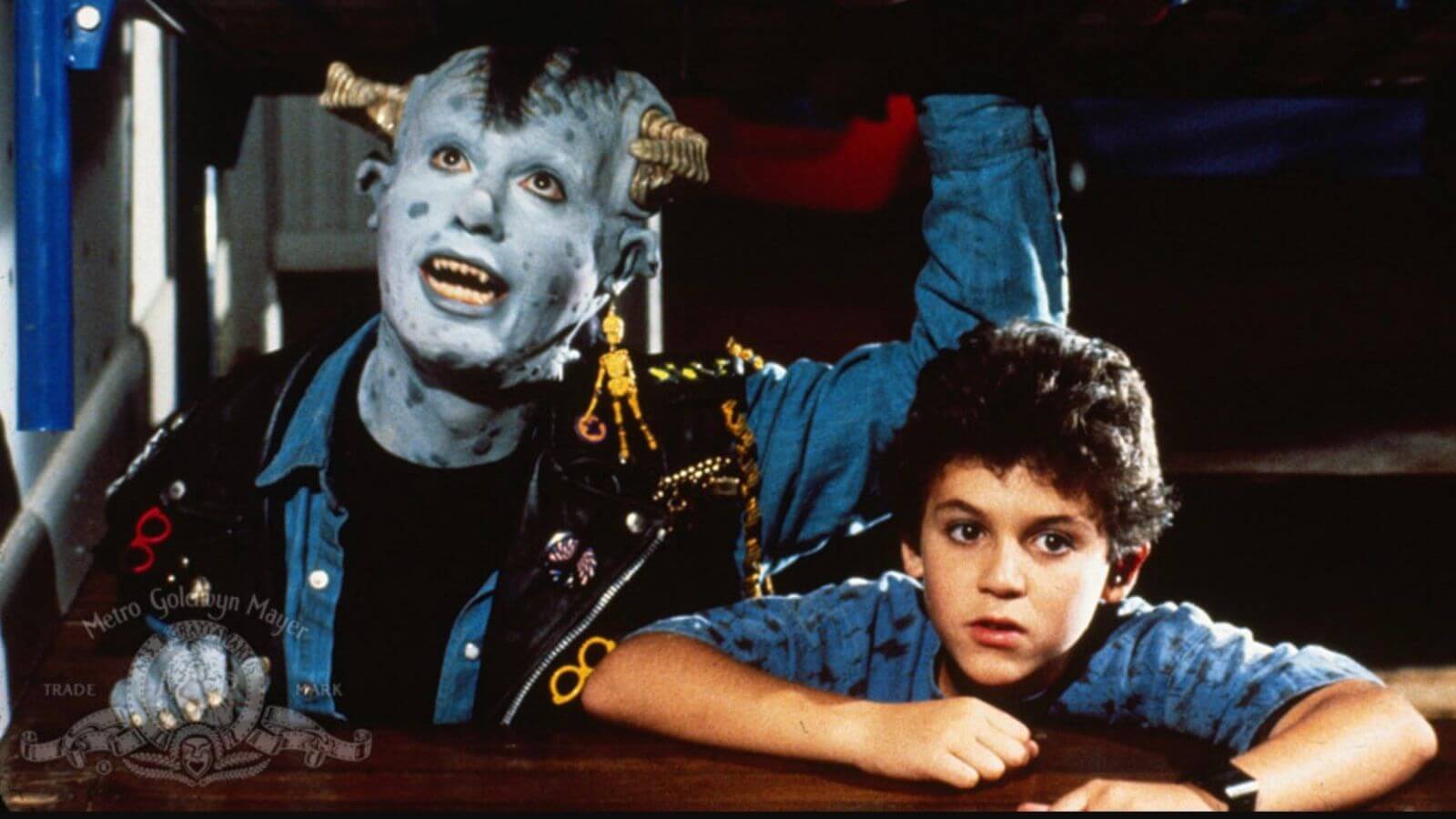
6. Little Monsters (Dir: Richard Greenberg, 1989)


Described as a ‘family comedy’, genre stalwart Fred Savage stars in this strange attempt to address monsters under the bed, something done with more heart in Pixar’s Monsters Inc. Brian and his brother Eric (played by Fred and real-life brother Ben) have moved to a new town and Brian is struggling. Enter Maurice, a blue, horned monster, who delights in playing pranks on children. Soon Brian is his best friend, introduced to the world under kids’ homes, which looks like a cheap studio lot. This includes making the school bully (Devin Ratray, or Buzz from Home Alone) eat cat food and drink his own piss. It’s a nasty scene but played with aplomb by Ratray. The Monsters look genuinely terrifying, capped off by Snik – a hunch-backed, smoking bully, who pulls off a child’s head at one point. An ‘80s oddity that doesn’t quite work for adults and certainly not for children.

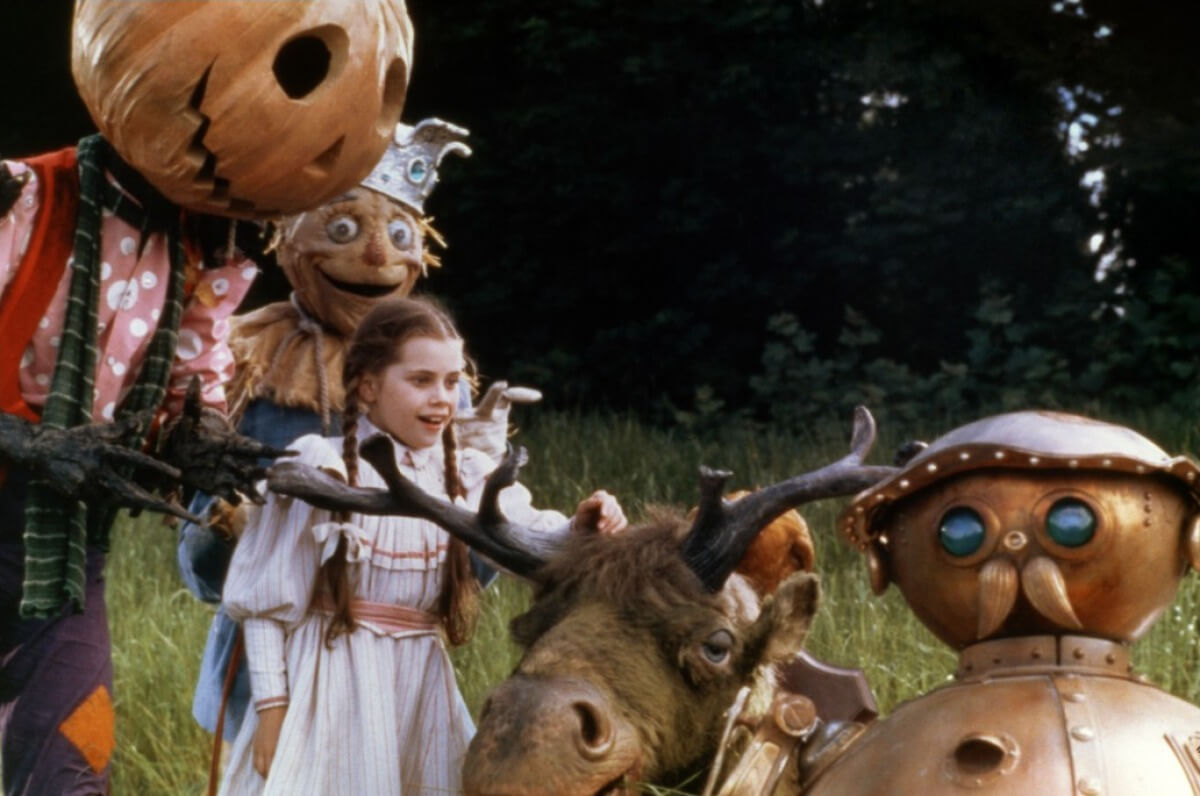
7. Return to OZ (Dir: Walter Murch, 1985)


Coming a whopping 46 years after the original, this is one of the largest gaps between sequels and it couldn’t be more different from the 1939 all-singing spectacular. Based on the books The Marvellous Land of OZ and Ozma of OZ by L. Frank Baum, this is a dark fantasy that only the ‘80s could deliver. Dorothy (Fairuza Baulk) is still dreaming about OZ but convinced she’s nuts, Aunt Em sends her to get shock treatment at a mental facility (wow, this is dark already!). After escaping in a storm, she finds herself back in OZ, which is in ruins, ruled over by the evil Nome King. Most things are terrifying about this film; from the Wheelers, who could be the villains in a Mad Max sequel to the Deadly Desert, which consumes all that touch it. However, the scariest scene features a witch named Mombi, who can swap her heads around. Dorothy trying to retrieve a key while screaming heads call for help is excruciatingly intense and chilling. Unsuccessful at the time, the film has gained a cult following for its unique special effects and truly imaginative premise. You’ll want to return to Oz again and again, but maybe without young children.

8. Legend (Dir: Ridley Scott, 1985)


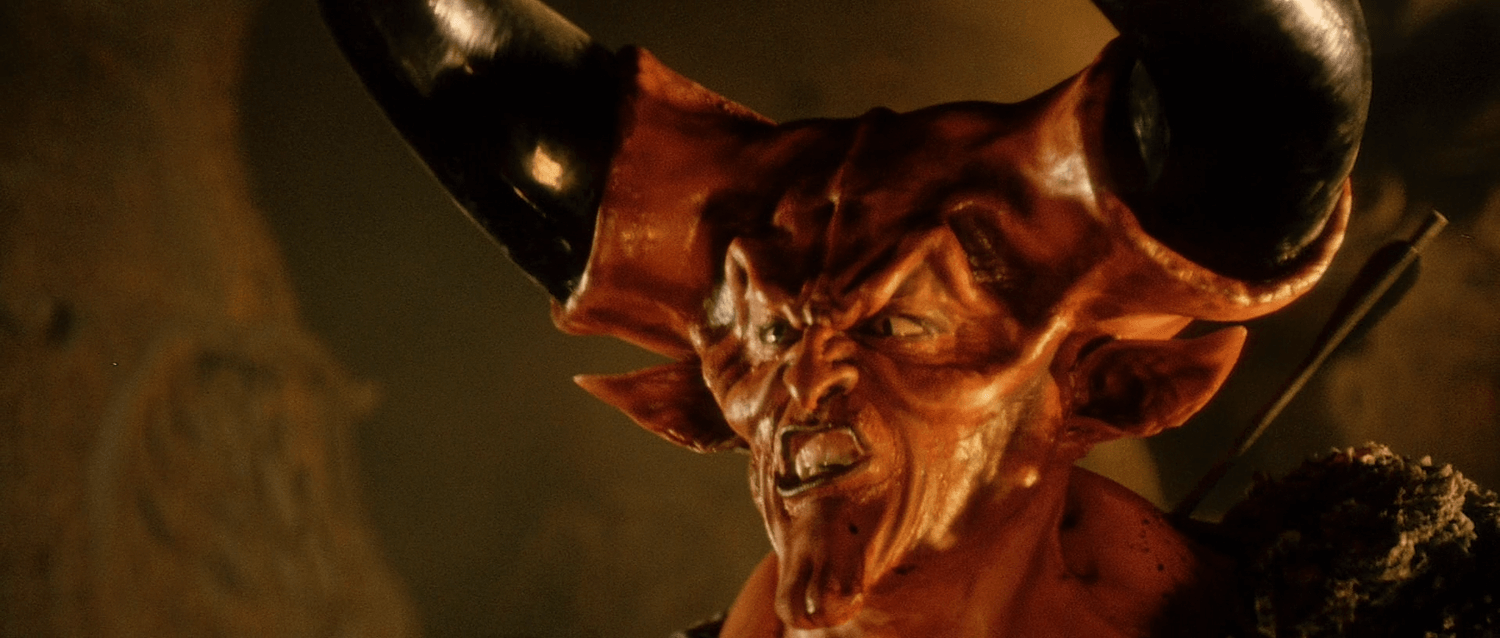
A fresh-faced Tom Cruise stars in Ridley Scott’s classic fantasy tale. It features the Lord of Darkness (a nightmare-inducing Tim Curry) stealing unicorn horns to plunge the world into an eternal winter, with Cruise’s Jack and Mia Sara’s Princess Lili determined to stop him. The film could come from any number of fantasy novels with a beautifully realised world, and dwarves and goblins aplenty. Although it was sold as a dark fantasy, the film was rated PG and watched by many an impressionable child on VHS. The star of the show must be Curry’s villain, his look, mannerisms, and presence were the embodiment of Satan to many wide-eyed children of the ‘80s. He is the ultimate antagonist and contains little of the campiness Disney came to use to make their villains less terrifying. Worthy of its cult status despite the surprisingly low guidance rating.

9. The Dark Crystal (Dir: Jim Henson and Frank Oz, 1982)


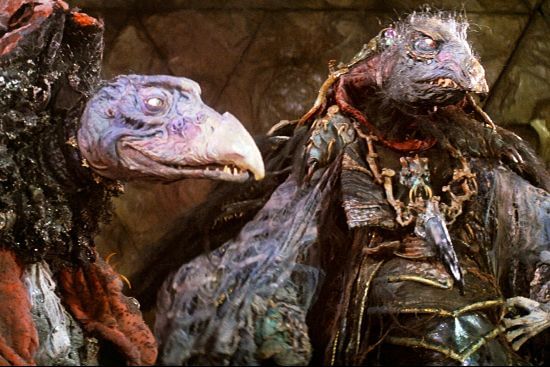
Jim Henson was keen to move away from his more child-friendly work with the Muppets to create something darker. The first result was The Dark Crystal – innovatively using puppets to create the mythical world of Thra. It is here that a Gelfling named Jen must find the titular crystal to fight back against the vulture-like Skeksis. Like many before it, the film wasn’t popular when it was first released but has again reached cult status, with a Netflix-produced prequel released in 2019. The Skeksis are especially gruesome and cruel, human-sized, decaying birds that have effectively committed genocide against the Gelflings, sucking out their lifeforce to gain immortality. Children and adults used to the fun that puppets could bring to their world were not ready for such a dark fantasy dealing with mature themes and dank places. It represents a unique period where physical creatures constructed by great minds had the ability to terrify.

10. Labyrinth (Dir. Jim Henson 1986)


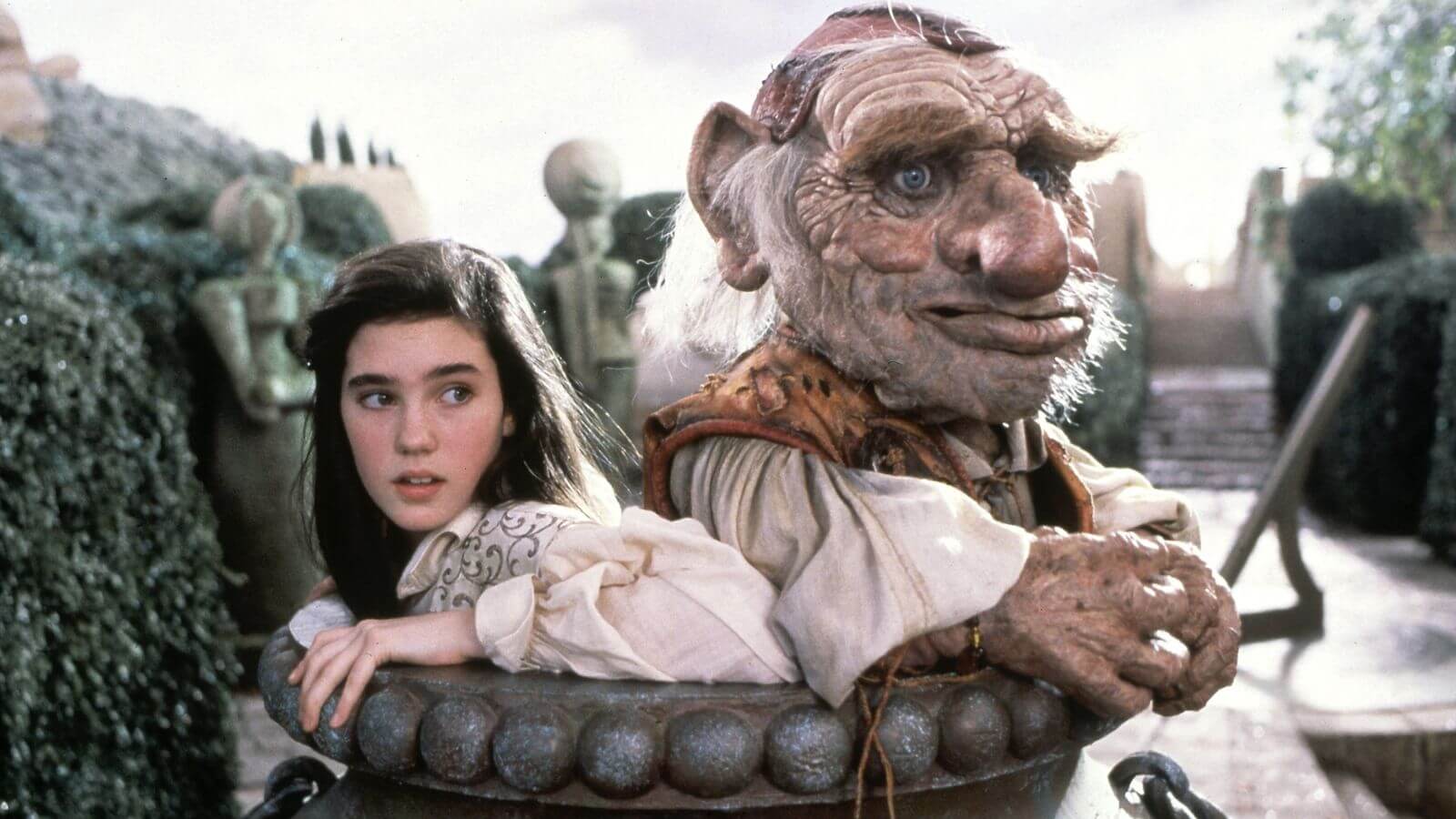
Jim Henson again brought us another cult offering – this decade does seem to be the king of cult. A young Jennifer Connolly is selfish Sarah, who is not bonding with her baby step-brother Toby. After reading a book about goblins, she wishes the crying bambino would be taken away by the creatures, which he duly is. Jared (the one and only David Bowie) is the king of the goblins, despite looking like a sex-fuelled rock star. He places Toby at the centre of the Labyrinth, so off Sarah goes on her adventure. Bowie’s villain is the strangest thing about this film, he seems to desire the 16-year old Connolly a little too much for modern tastes and is sporting one hell of a codpiece! There are many harrowing scenes as well, Sarah falling down a pit of hands and characters pulling their own limbs off, in what is a bizarre but hugely imaginative watch. Jim Henson (who was taken away from us far too soon) proves again what can be done with puppetry and his unique imagination. Despite some questionable motivations and scary moments, Labyrinth encapsulates why so many love this decade.

Fancy scaring the kids or want to rediscover the films? You can buy them at the STARBURST Amazon Storefront

THE TELEPHEMERA YEARS: 2003 – PART 3

telephemera

Ah, telephemera… those shows whose stay with us was tantalisingly brief, snatched away before their time, and sometimes with good cause. They hit the schedules alongside established shows, hoping for a long run, but it’s not always to be, and for every Knight Rider there’s two Street Hawks. But here at STARBURST we celebrate their existence and mourn their departure, drilling down into the new season’s entertainment with equal opportunities square eyes… these are The Telephemera Years!

2003-04

By the turn of the twenty-first century, the hegemony of the big three networks had well and truly been blown apart by a new, multi-channel reality. While ABC, CBS, and NBC still churned out a new season of promising hopefuls each year, they had to contend with competition from the cable networks, and while Alias, NYPD Blue, ER, and the final season of Friends were all blockbuster hits on ABC and NBC, the likes of Fox and UPN were stealing eyeballs across the schedules.

Offbeat humour from King of the Hill, Malcolm in the Middle, That 70s Show, The Simpsons, and new arrival Arrested Development ran wild on Fox, while The WB ensured teens were well catered for with Angel, Charmed, Smallvile, and their new emo show One Tree Hill, rivalled only by The OC beginning its four-season run on Fox. In response, the only new network shows to make any kind of impact were Joan of Arcadia and Two and a Half Men on CBS, but that’s not why we’re here. This is the story of the shows that didn’t make it to air, the unsold pilots of 2003…

Young MacGyver (The WB): Beloved idol of both Patty and Selma Bouvier, MacGyver ran for seven seasons from 1985 to 1991 – with a return as a pair of TV movies in 1995 – and featured the adventures of Richard Dean Anderson’s titular secret agent, whose special ability was to make treasure out of trash, except that the treasure would be a weapon or an escape device or anything needed to advance the plot.

In 2003, The WB decided that what America’s youth needed was their own MacGyver, and cast Jared Palecki as Clay, Angus MacGyver’s nephew, who quits school to join his uncle’s secret organisation – as a bit of fun. Surprisingly, Clay is very good at the things required in this very specialised role as he tries to stop an anti-American (hey aren’t we all?) terrorist group financed by blood diamonds.
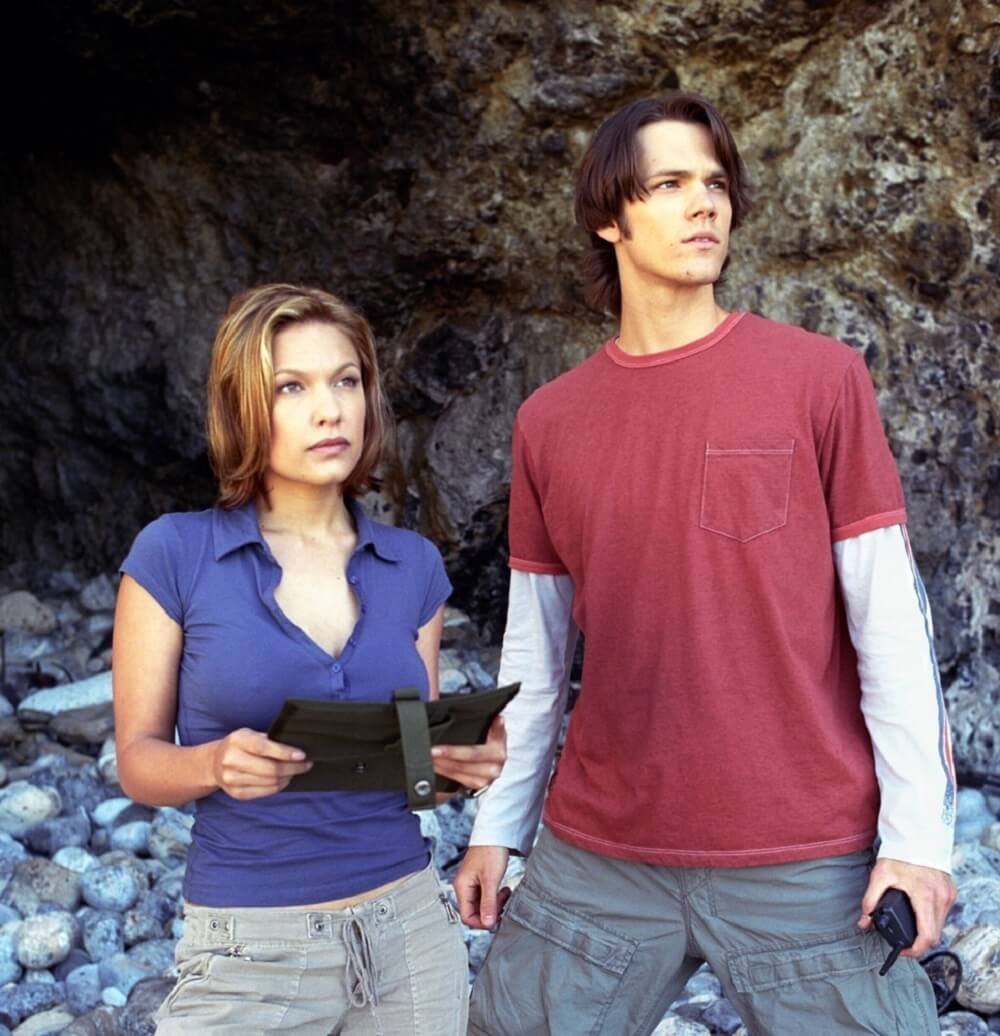
telephemera 2003 macgyver

Palecki was joined in the cast by Gilmore Girls’ Alan Loayza, with newcomer Tracy McCall as the love interest, but the script by future Lie to Me creator Sam Baum failed to ignite a spark under the target audience when the pilot aired as a TV movie in January 2003. The network declined to pick up a series, and the 2003-04 season went MacGyverless.

Palecki, of course, went on to find fame as Sam Winchester in Supernatural, and MacGyver was rebooted in 2016 on CBS with Lukas Till in the title role, as a younger version of the famous tinkerer; Young MacGyver director Stephen Herek was co-executive producer. Young MacGyver was never realised on DVD, and it doesn’t seem to be easily found on video sharing sites, so you’ll have to go without on this one – unless you make your own out of stuff you find in your shed…

Anonymous Rex (Fox): What if the dinosaurs hadn’t gone extinct millions of years ago? And what if they evolved parallel to humans and now live amongst us, hidden by clever disguises? Yes, this is the somewhat unlikely premise of Anonymous Rex, a proposed series for Fox’s 2003-04 Fall line-up that failed to progress beyond its feature-length pilot.
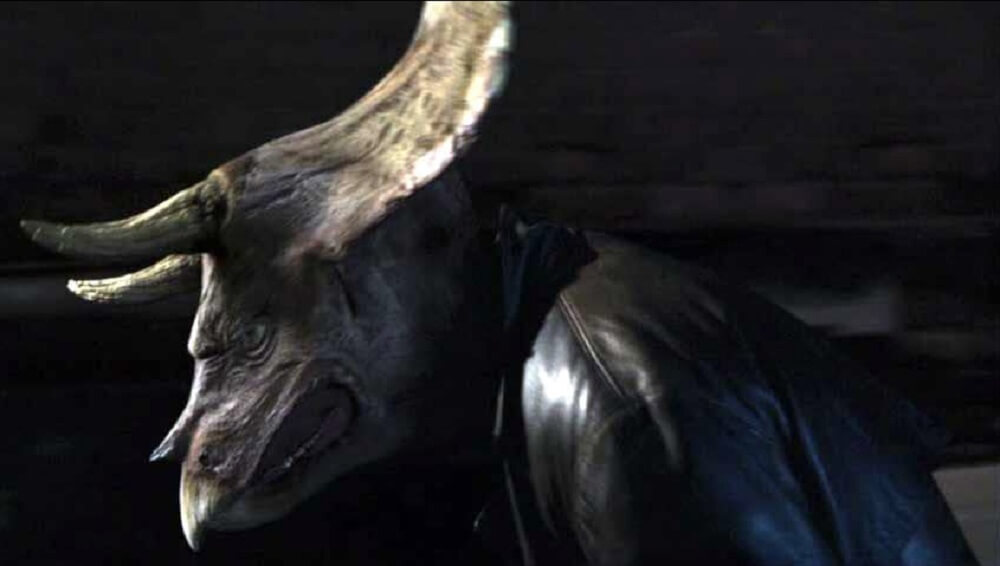
telephemera 2003 anonymous rex

Sam Trammel is Vincent Rubio, a private detective who is actually a velociraptor in disguise, working with a partner – Daniel Baldwin’s Ernie Watson – who is a triceratops. Tramell had starred in the cult hit Going to California and it was hoped he’d bring his considerable charisma to this high concept show, based on the novels of Eric Garcia, and past the ridiculous initial concept there were a bunch of cool ideas about inter- and intra-species politics and social relations.

Fox, however, passed, and although the pilot was aired on the Sci-Fi Channel in November 2004 the latter network also declined to order a full series, and although the story continued in Garcia’s later novels, the further adventures of Rubio and Watson remain unseen.

Director Julian Jarrold scored a hit a year later with Kinky Boots, but there is presumably little crossover between fans of that shoe-based musical and a saurian detective yarn, and as such Anonymous Rex remains long out of print on DVD. It is, however, on YouTube, but dubbed into Hungarian for that extra slice of weirdness to go with your man-sized dinosaur pie.

The Lone Ranger (The WB): As seen by Young MacGyver, The WB loved a youthful take on an old franchise, and couldn’t resist when they were offered a treatment for a youthful Lone Ranger by the husband and wife team of Stacy Title and Jonathan Penner, they greenlit the project before anyone could say “kemosabe.”

With Chad Michael Murray as the titular solo lawman, and Nathaniel Arcand as his (definitely not, this is 2003, what are you thinking?) sidekick Tonto, the update changed the Lone Ranger’s name from John Reed to Luke Hartman, got rid of the silver bullets, and added in a hip hop soundtrack. The cast – the assured and refreshingly agent Arcand apart – looked a hundred years out of place, although Anita Brown as Tonto’s sister Alope does add some smoulder to the story.
telephemera 2003 lone ranger chad michael murray

Reviews of the show criticised the poor quality of the acting, script, soundtrack, and comedy, and it was no surprise when The WB opted not to take it to series, robbing the 2003 Fall audience of more rap and rustling action (a genre later well served by the Insane Clown Posse’s 2010 comedy, Big Money Rustlas).

Chad Michael Murray was shifted sideways onto One Tree Hill, where he became a pin-up for pre-, post-, and post-post-adolescent girls everywhere, still without the silver bullets but with a good deal of sanitised hip hop to score his antics.

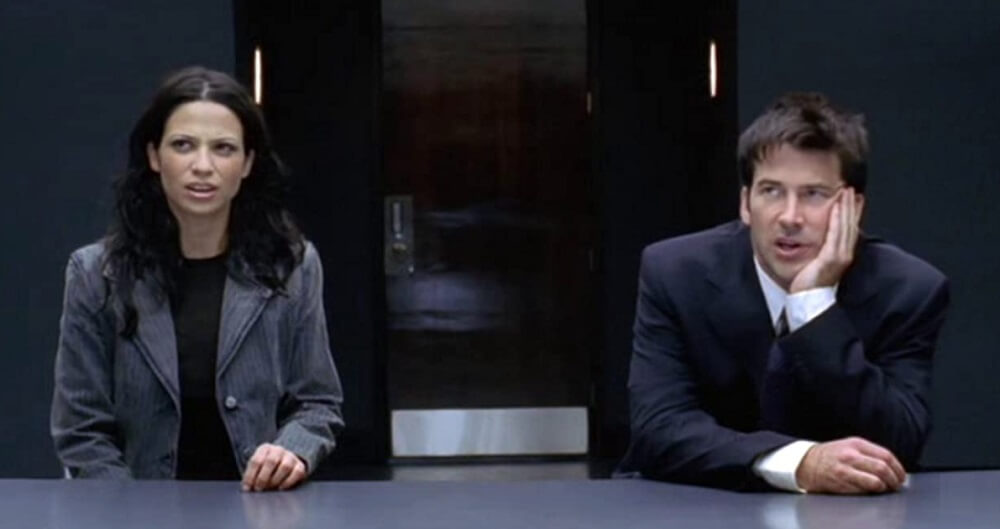
Thoughtcrimes (USA): What if the voices in your head are not a sign of mental illness but actually the broadcast thoughts of others? Well, if you’re Freya McAllister, you spend nine years in an insane asylum before a government doctor realises his mistake and recruits you for the shadowy National Security Administration. You’re then partnered with a Homeland Security agent, but forbidden to tell him you have powers, and sent off to find an assassin for hire known only as Gazal.
telephemera 2003 thoughtcrimes

That’s Thoughtcrimes in a nutshell, and Indian-American Navi Rawat is a refreshingly brown lead, especially in a post-9/11 show that deals with terrorism and other crimes of that nature. Stargate Atlantis’s Joe Flanigan and Peter Horton from Thirtysomething give decent support, and there’s a semi-decent twist when the identity of the assassin is eventually revealed.

Breck “son of Disney President Michael” Eisner is on directorial duties and he’s very obviously just seen the two Matrix sequels released around the same time, but there’s a lot to like here and there were more than a few disappointed pilot viewers when the show wasn’t picked up by USA for a full run.

Thoughtcrimes was actually released on DVD before it aired as a pilot, on a European release in 2003, and can be picked up pretty cheaply on the second-hand market. American viewers, however, have to rely on the occasional repeat on the late-night schedules, although they were able to get their fill of Navi Rawat in the five-year run of Numb3rs.

Next: An undead pharaoh and a wise-cracking man-eater are among the delights of the 2003 Saturday morning season!

Check out our other Telephemera articles:

The Telephemera Years: 1966 (part 1, 2, 3, 4)

The Telephemera Years: 1968 (part 1, 2, 3, 4)

The Telephemera Years: 1969 (part 1, 2, 3, 4)

The Telephemera Years: 1971 (part 1, 2, 3, 4)

The Telephemera Years: 1973 (part 1, 2, 3, 4)

The Telephemera Years: 1975 (part 1, 2, 3, 4)

The Telephemera Years: 1977 (part 1, 2, 3, 4)

The Telephemera Years: 1980 (part 12, 3, 4)

The Telephemera Years: 1982 (part 1, 2, 3, 4)

The Telephemera Years: 1984 (part 1, 2, 3, 4)

The Telephemera Years: 1986 (part 1, 2, 3, 4)

The Telephemera Years: 1987 (part 1, 2, 3, 4)

The Telephemera Years: 1990 (part 1, 2, 3, 4)

The Telephemera Years: 1992 (part 1, 2, 3, 4)

The Telephemera Years: 1995 (part 12, 3, 4)

The Telephemera Years: 1997 (part 1, 2, 3, 4)

The Telephemera Years: 2000 (part 1, 2, 3, 4)

The Telephemera Years: 2003 (part 1, 2, 3, 4)

The Telephemera Years: 2005 (part 1, 2, 3, 4)

The Telephemera Years: 2008 (part 1, 23, 4)

Titans of Telephemera: Irwin Allen

Titans of Telephemera: Stephen J Cannell (part 1, 2, 3, 4)

Titans of Telephemera: Hanna-Barbera (part 1, 2, 3, 4, 5)

Titans of Telephemera: Kenneth Johnson

Titans of Telephemera: Glen A Larson (part 1, 2, 3, 4)

Titans of Telephemera: Quinn Martin (part 1, 2)

These are the Best Movies about Business and Finance

movie finance

Movies can teach us a whole lot besides being fun and entertaining. Whether it is a documentary, a film about a historic event, or an interesting profession. Many movies show us the people behind big businesses and people climbing up the financial ladder. This is something that interests a lot of people. Maybe because they want to take the leap themselves, or that the life of wealth is tempting.

A general interest in different businesses and investments has become popular amongst the everyday man. We see a lot of people partaking in the international economy by investing in stocks and forex online. The interest might have come from watching films and big stars such as Leonardo DiCaprio, Christian Bale, and Ryan Gosling living life as businessmen. Where one used to think this was only for experienced investors, people are now using apps and websites for forex trading to earn some extra cash, either as their main job or on the side.

The Big Short

The movie is based on the nonfiction book The Big Short: Inside the Doomsday Machine by Michael Lewis. It tells three different stories that are somewhat connected by their actions leading up to the housing market crash in 2007. The main characters are played by Christian Bale, Brad Pitt, Ryan Gosling, and Steve Carell, and the film is especially noted for having celebrities like Margot Robbie, Selena Gomez, and Richard Thaler break-in and explaining financial terms in a more understandable way.

American Psycho

This is a classic must-see movie starring Christian Bale, also known for his performance as Batman. In American Psycho Christian Bale plays the violent investment banker Patrick Bateman. Alongside being a rich and successful man, he also finds joy in killing his lovers and other people he comes to know. American Psycho is a satirical slasher film adaption of the Bret Easton Ellis novel with the same name. Many would argue that there is not much finance in the film, however, it does show the surreal world behind the society’s elite.

Wolf of Wall Street

Leonardo DiCaprio and Margot Robbie’s impressive acting is one of the things that makes this movie so great. It is a fan favourite and everyone is mesmerized by the story of Jordan Belfort, played by DiCaprio. The movie is based on real events and follows Belfort as he goes from being a small businessman with a low income to a successful stockbroker. In the beginning, he and his friends start a company in their garage where they are taught the art of persuading and selling over the phone.

Margin Call

Many will name this the most financially accurate movie on this list as it follows a 24-hour session of life on Wall Street. Here we follow a firm on the verge of disaster. The movie includes risky trading of instruments they have little understanding for themselves, as well as the many reckless choices made by large banks right before the financial crisis in 2008.

Five Films to Check Out on Horror Channel This Week – 120721

check horror

Here are some of our picks for the next seven days on Horror Channel so you’ll never be at a loss for great things to watch.

Tuesday July 13th, 9pm – The Reef (2010)

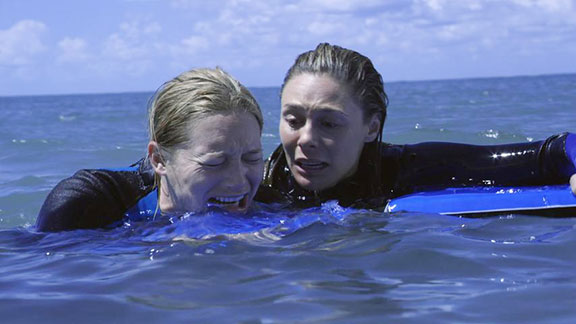
We’ve said it before, but we can’t resist a shark film. This Aussie entry into the subgenre has a group of friends fight for survival when their boat capsizes and a great white shark wants to come and play.

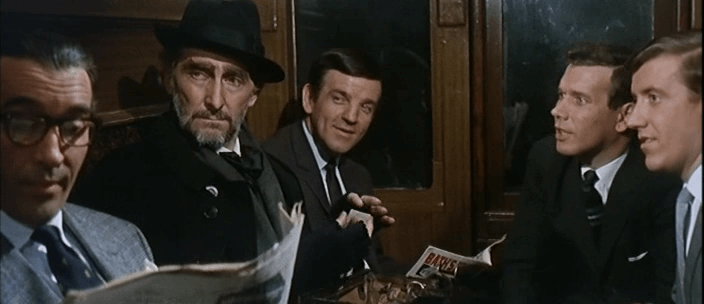
Wednesday July 14th, 10.50pm – Dr Terror’s House of Horrors (1965)

This superb portmanteau from Amicus proves why we love the Hammer rival’s anthologies so much. As well as the macabre tales, it’s full of high profile actors – Peter Cushing and Christopher Lee rub shoulders with Donald Sutherland, Michael Gough, and… err… Roy Castle, Kenny Lynch, and Alan ‘Fluff’ Freeman. Not ‘arf! [You’re showing your age – Ed]

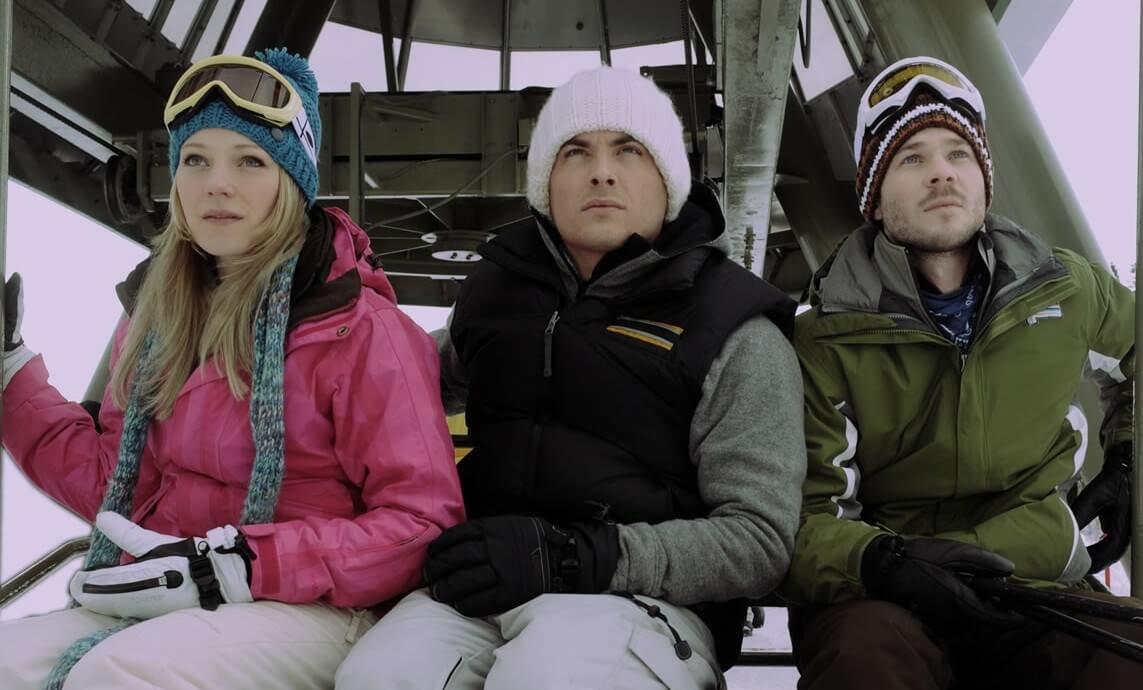
Friday July 16th, 11pm – Frozen (2010)

Hatchet director Adam Green draws blood once more with this chilly story of a trio of friends who get stuck on a ski lift. It’s tense, gory, and very suspenseful, so whatever you do, don’t confuse this with the animated musical and let the kiddies watch it.

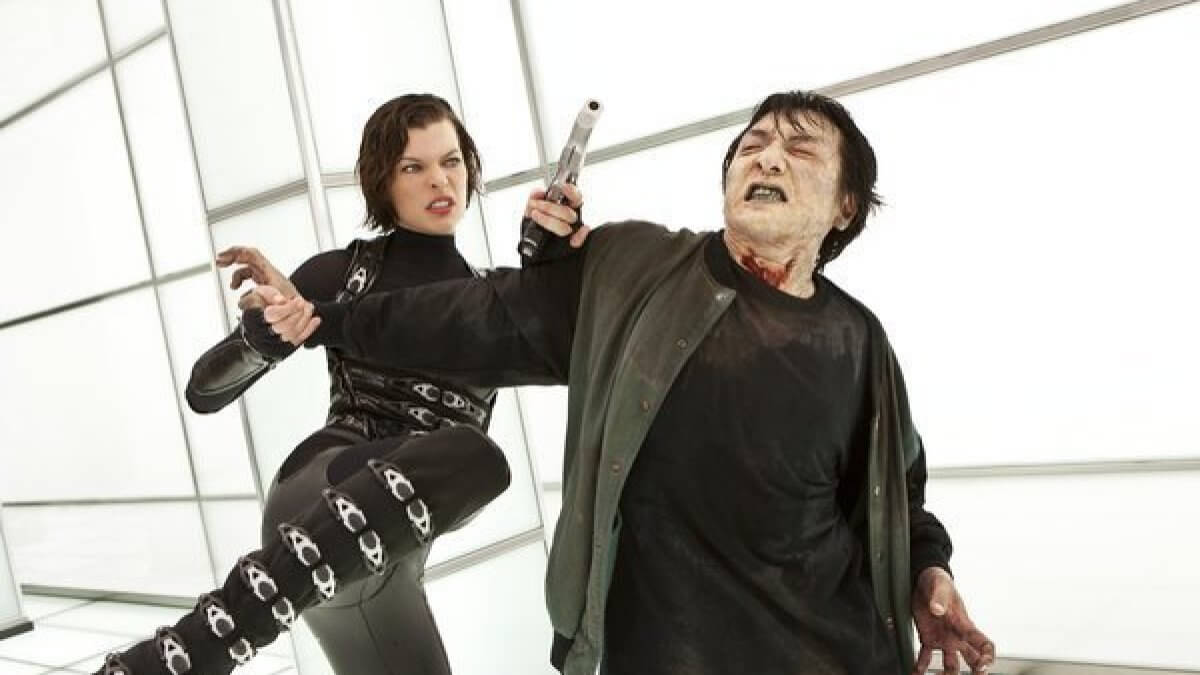
Saturday July 17th, 10.50pm – Resident Evil: Retribution (2012)

The fifth film in the franchise continues the story following Afterlife (2010), with Alice (Milla Jovoich) attempting to escape the clutches of the Umbrella Corporation. It’s big, explosive, dumb fun and there’s nothing wrong with that.

Sunday July 18th, 10.45pm – Urban Legends: Final Cut (2000)

The sequel to the popular 1998 film brings more stalking and slashing as a film student’s crew begin to meet a bloody demise while making her movie about urban legends. Directed by frequent Bryan Singer collaborator John Ottman.

Tune into Horror Channel on Sky 317, Virgin 149, Freeview 68, Freesat 138.

Andi Norris | RESIDENT EVIL VILLAGE

andi norris

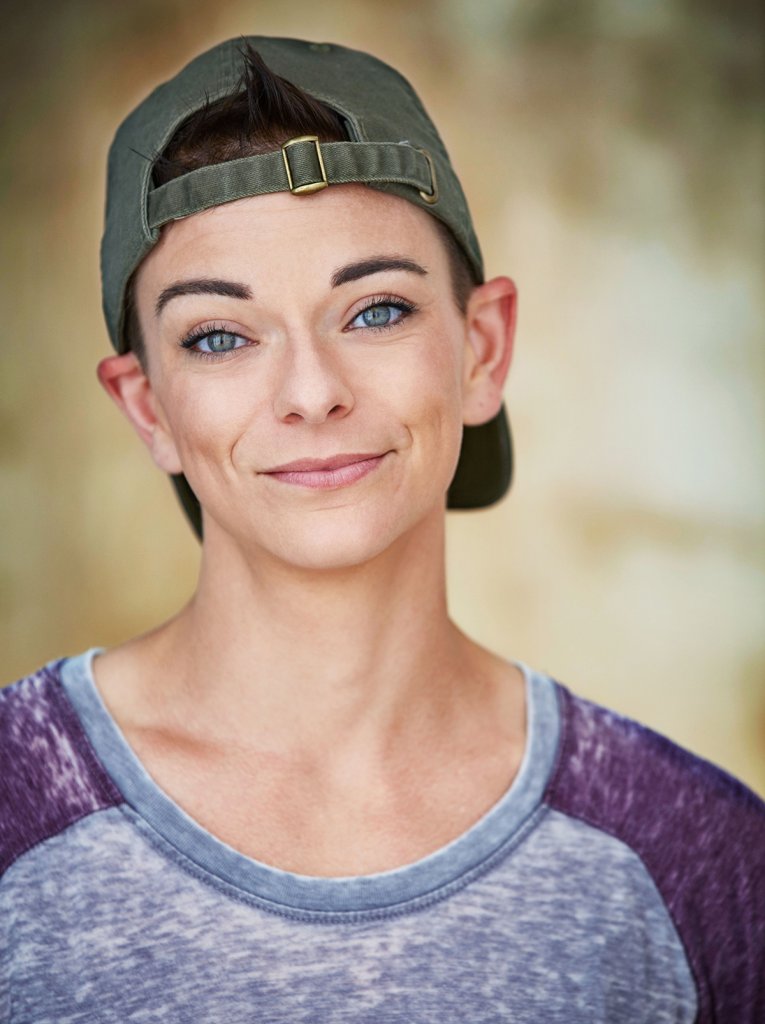
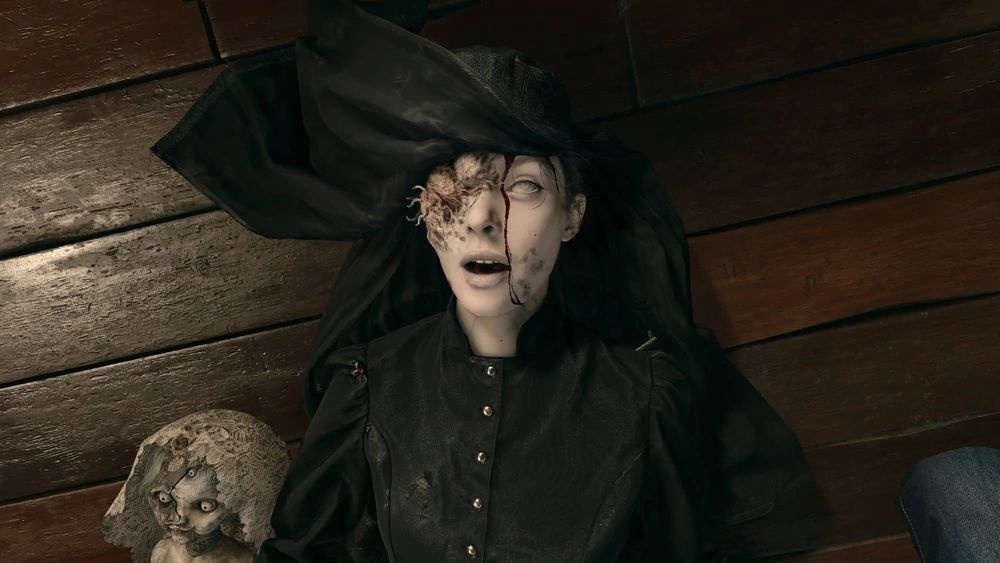
Although the early trailers for RESIDENT EVIL VILLAGE had us believe that Lady Dimitrescu was the main villain fans would have to defeat, once we played the game we quickly learned that there are actually a stack of boss fights. All of these characters add something special to the game, and without giving too much away if you haven’t played it yet, House Beneviento is possibly the most nightmare-inducing section of it all! It was a great pleasure, then, to actually get to speak to the actor responsible for bringing Donna Beneviento to life, ANDI NORRIS…

STARBURST: How did you first get involved with acting?

Andi Norris: Well, it all started when I was a child playing dress up. I kid, but also, it’s true. I knew from my first children’s theatre production when I was five that I wanted to be an actor for the rest of my life. I imagined myself in a number of other careers – and I have had a number of other careers along the way – but ultimately, I’ve always been an actor. Acting meant that I could have all of those careers for a moment in time, for a story. After children’s theatre, it was making up little plays with my friends at recess and performing them for the class – yes, I was definitely the coolest kid in school [laughs] – to auditioning and performing in the local community college plays, to being cast in every production in high school, to studying it in college, to moving to LA, and here we are!

Jumping forward a little bit, how did you then go on to get involved with Resident Evil Village?

My good friend Sara Coates – you may have heard of her? – brought me in. We knew each other when we both lived in Seattle. She was already working in the RE franchise, noticed from social media that I was working regularly in Motion Capture, and let me know about the audition. I didn’t have any clue what it was for until after the first table read!

Andi Norris

How much did you know about Resident Evil before that audition? Were you a fan of the games at all?

Honestly, before the audition, all I knew was the movies. I hadn’t played any of the games and I wasn’t familiar with the lore past that.

When you found out you were playing Donna Beneviento, was there anything in particular that excited you the most about playing her?

Her loneliness and isolation. I’m often cast as really tough or really quirky characters, so this was a great, and challenging, exploration for me. I identify a lot with Donna. I’ve been through debilitating fear of being seen, being judged. I’ve gone through long periods of time in isolation, obsessively reading, building things, talking to myself… It can be a painful place to live, but it’s often also a kind of a reassuring pain. Like pressing on a bruise.

What do you remember the most about your first day on set?

How much fun it was to play with the rest of the cast. My first day on set was the big scene with all the lords. I’d only just met everyone at the table read; no one knew what anyone else’s character was like yet. It was just a fun day of play and exploration! But through all the fun and interesting things that happened that day, I will never ever, ever forget seeing Angie’s butt wiggle for the first time. Genius.

Let’s talk Motion Capture. What was that like to do for Resident Evil Village, and is there a scene that stands out to you as being particularly rewarding to work on?

Well, I talked about the first scene with the lords. That was just such a rewarding day playing with everyone for the first time! But also the day we shot the cut scene for Chris’ Wolf Pack, and I played Tundra. That was a really fun day, too! My good friend Dove made a strong choice with his character to be kind of a bravado man, carrying his rifle over his shoulder all nonchalant like. He would swing around randomly and the rifle would be right in my face and I’d duck out of reflex. This happened All. Day. Long. By the end of the day, my quads were on fire! Obviously, none of that is in the game, it’s far too comedic, but it is a fun memory I have of that day.

Can you elaborate on what you think Motion Capture brings to a game like Resident Evil Village?

As opposed to keyframe animation for games? For the most part Motion Capture brings more realism, more relatability to the characters in a game like Resident Evil Village. We might not think about the person behind the movement of a character while we’re playing, and that’s a good thing really! The player should be so swept up in the game that it’s just real for them. That takes making the uncanny valley as small as possible. You can achieve some truly brilliant things through strictly keyframing, but capturing a human creating a character is always going to bring to life more realism.

Also, how would you say that this Motion Capture process compares to what you’ve done before in this style of work?

This is the first time I’ve also done the VO for a character in Motion Capture – for Tundra. In my experience working in this part of the industry, I’ve built the physicality of a character, performed the performance capture, sometimes some of the stunts as well, and then someone else comes in and does the voice acting. That’s really common in games, and I’m not sure that’s something a lot of people know. It can take a good handful of people to build a single character’s performance! And that’s not including all the animators, directors, technicians, and everyone else working behind the camera!

For many it seems that the Donna Beneviento section of the game was the scariest, however, for you, how would you say that part of the game compares to the rest of Resident Evil Village overall?

I’ve only just beaten the Beneviento house! No spoilers!!! BUT – shameless plug – you can find out my answer to this as you watch my gameplay over on my Twitch channel [twitch.tv/andiawesome]. End shameless plug [laughs].

For gamers that haven’t played Resident Evil Village just yet, why should they check it out, and what can they expect?

They should check it out because it’s a stunningly beautiful game with a heart wrenching story, characters that will really stick with you on a deep level, and, ya know, a jump scare here and there.

What else can we expect to see from you in 2021?

Oh boy, I wish I could really dive in and answer this question, but everything I recently worked on and am currently working on is under NDA – I will say that there are some VERY squeeable projects coming up! Rest assured that you will certainly hear about them from me online as soon as I’m able to talk about them!

For more from ANDI NORRIS, check out her Twitter @Andi_Norris, Instagram @Andi_Norris, Twitch andiawesome, and Streamily AndiNorris. RESIDENT EVIL VILLAGE is available on Xbox One, Xbox Series X, PlayStation 4, and PC.

For our interview with Maggie Robertson, the actor behind Lady Dimitrescu herself, visit our other RESIDENT EVIL VILLAGE feature here.

Gavin Rothery | ARCHIVE

Gavin Rothery

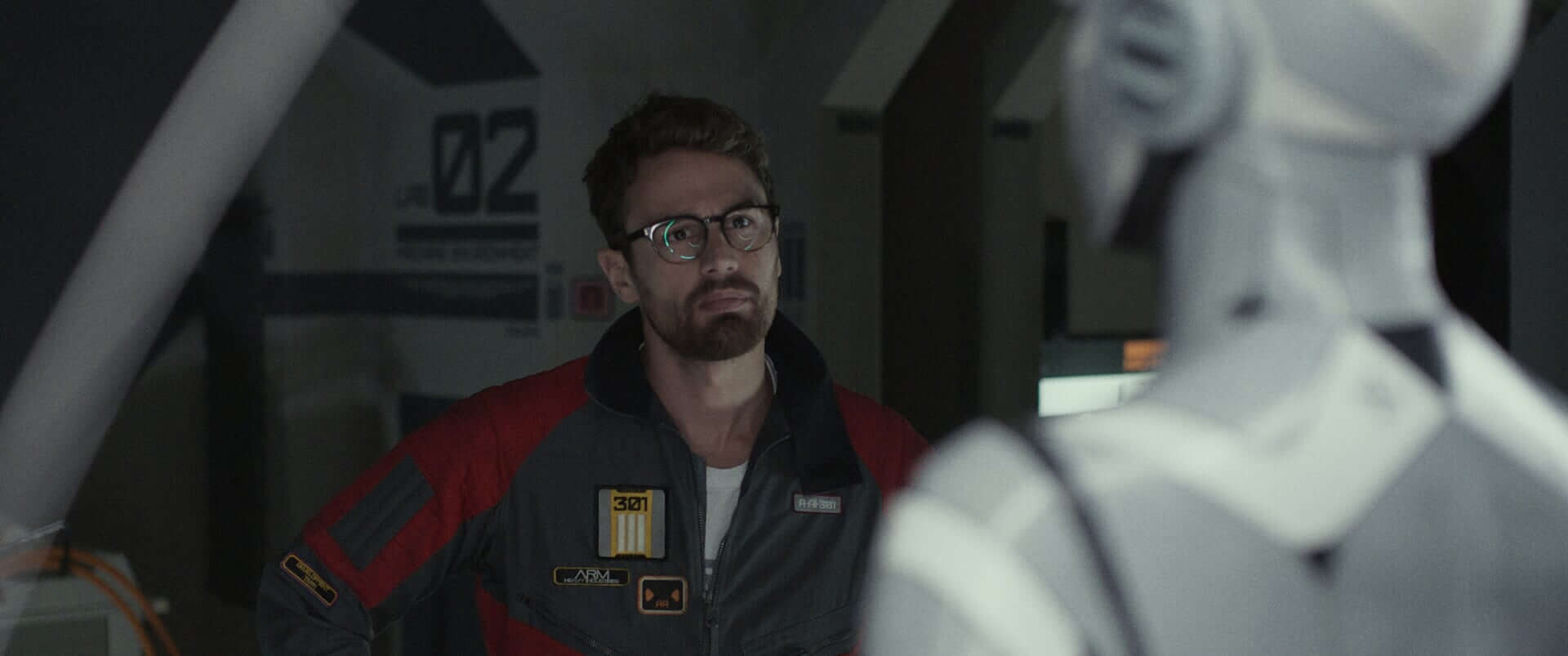
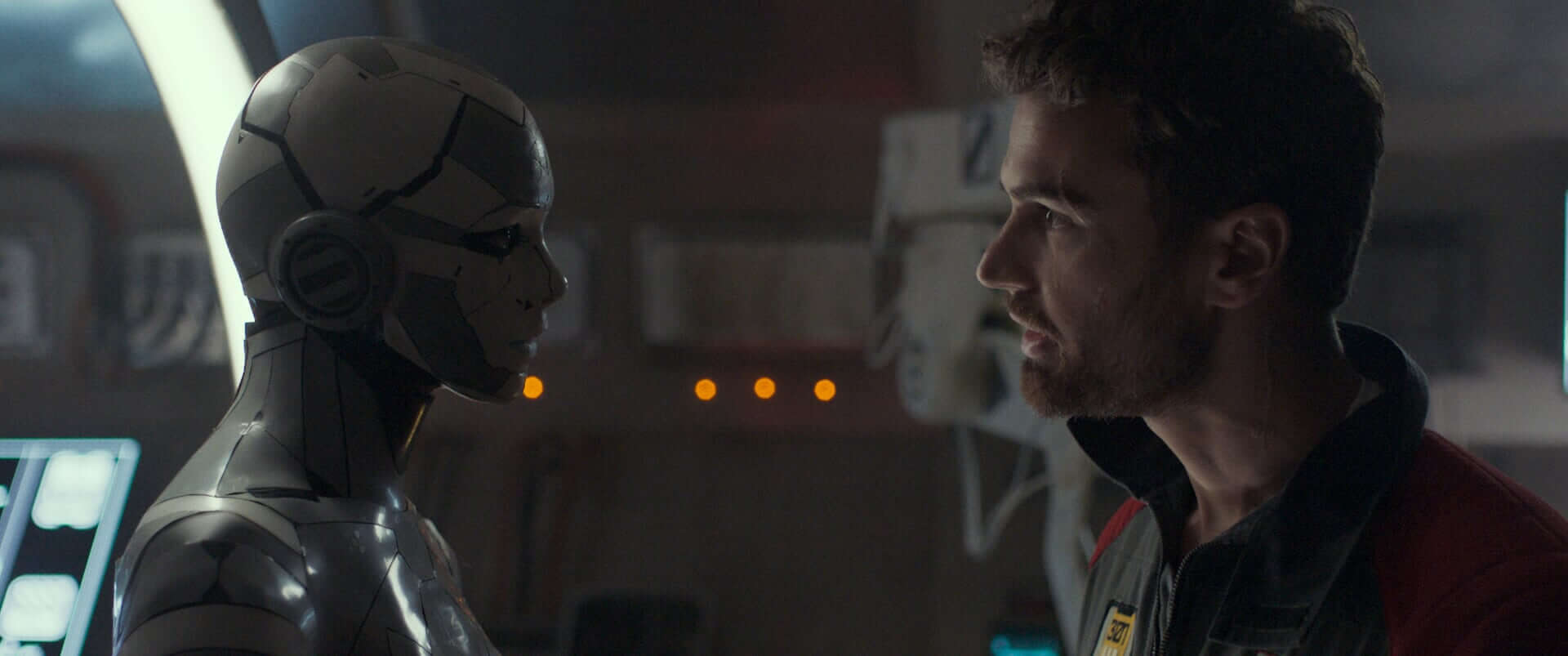
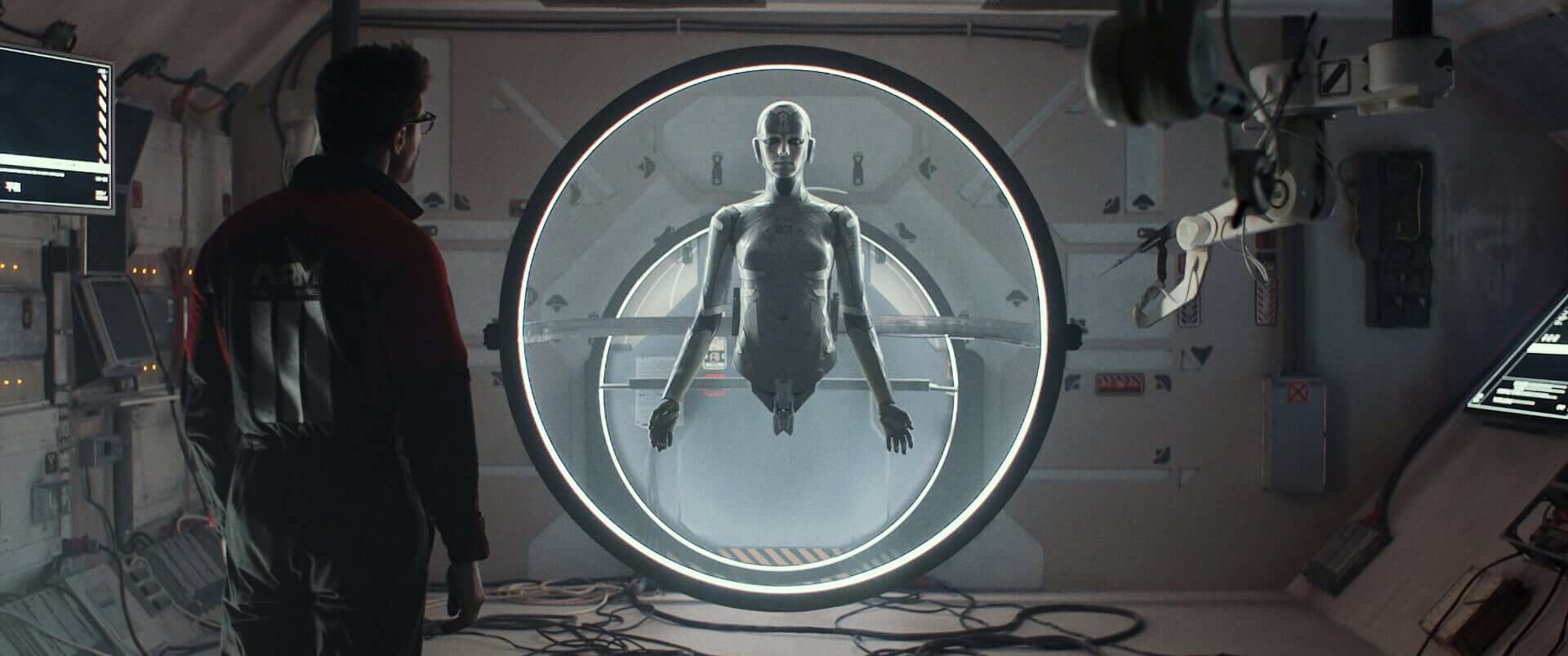
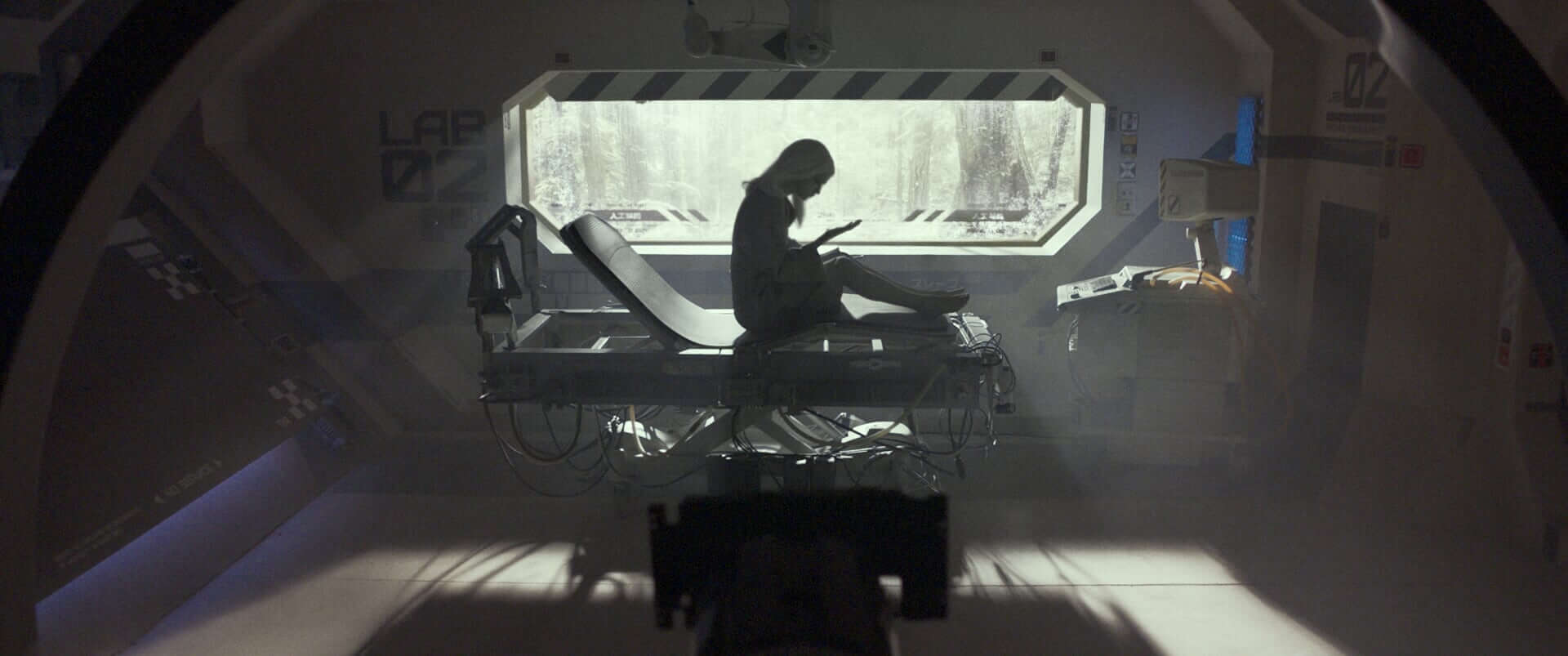
After working on the sci-fi hit Moon, director/writer Gavin Rothery went on to channel his creative experience from that into the foundations of his next idea, Archive. Based around engineer George Almore (Theo Jones), who is on his own secret mission as he tries to create a human-like robot, this isolated story located in freezing cold conditions is more emotional than you might expect. STARBURST talks with Gavin to reveal the journey behind his directorial début, and much more…

STARBURST: After you came up with the idea for Archive in 2011, how did you go about getting a team together to support it, and how long did that journey take before you could actually start filming it?

Gavin Rothery: Well it felt like it took about two-and-a-half-thousand years. It actually didn’t, but it did feel like it took a long time. When you do these things, you have your sort of key allies that you work with. I’ve been working with my producer, Philip Herd since roughly 2012. It took a long time for this film to come together because I tried not to write it. I spent about four or five years working with other writers, and it wasn’t coming out the way it needed to. So I ended up taking the reins and writing it myself. Over that period, there was a lot of meetings. Myself and Phil have production meetings every other week. So what we did was, we took it upon ourselves to find the best burger in London, every time we’d try a different place. So we hopped all over London to find the best burger, whilst we were putting the film together. We were like the core team in the middle, all the way through. It wasn’t until 2016, when we snagged Theo James, and pulled him into our orbit. That was the thing that enabled the film to happen. Once we got Theo in, it meant that we could secure finance, so we could look at a calendar and decide when we were going to shoot. We could book somewhere. It’s like climbing a mountain, you’re trying to get your axe pick in, so that you can get your second pick in, so you can climb. That first pick was Theo in 2016.

Was it always the plan to be the director on this movie?

Yeah! I wrote this film to direct it. It’s the first thing that I’ve written. I am a writer now, but not in the sense that I write scripts for other people. My background is in art, and I worked in the games industry for about 25 years. My background is concept art, and game production art, which then led to the effects.

You’re known for working on Moon, was there anything that you learnt from putting that movie together that you went on to apply to Archive?

Everything! The whole approach for Archive was me basically re-doing what I did on Moon. Moon came from myself and Duncan Jones. We lived together for ten years, and we were trying to make a sci-fi film. That whole film was just the pair of us coming up with ideas, whilst living in a flat in London, trying to think about what would be cool, and what we could do. So, when we got to make Moon, the whole process was just me and him talking about things. It manifested from that. We had a couple of false starts, and it took us ten years to get it done. The intention was always to move in together, and try to make a sci-fi film. I was on the art side, and he was on the directing side. Everything just got really mashed up when we started working together. With the production process for Moon, we had such a tight budget. It’s OK me going to design sets and stuff on the computer, but I’ve got to be able to make sure that that stuff is legit, real. Affordable for our budget. The plan that I came up with for how to approach Moon was that we’ll build a physical set, then we’ve got it, we can shoot anywhere inside that and it’s all fine. It’s a big physical space, we can move the camera anywhere, and it’s all good. A huge problem that we don’t need to worry about. It was always going to be miniatures because we couldn’t afford CGI. So we just designed a bunch of vehicles and got them built as miniatures. We’d enhance them with CGI, hoping they’d look as good as full CGI models would. Miniatures cost a fraction of the price. Just to give you an idea of that, the whole budget for Moon ended up being just under two and a half million pounds, the cheapest quote we got for the effects was nine and a half million pounds, just for the effects. So it was immediately out as an option, it had to be miniature models. The complete budget for the model build was like seventy thousand pounds.

In a similar way to Moon, Archive has that isolated feel about it, what do you love about working with characters that are living in that setting?

It just gives a really nice tone. When I look back at the sci-fi that I really love, films like Silent Running, sci-fi always takes this melancholy lonely tone, really nicely. When you’re telling human stories, there’s a bit of space to get into that kind of isolation vibe, which really suits science fiction. Especially when you’re trying to do something that’s got somewhat of a vintage vibe to it, with a close and personal character story. There’s something about people living with robots that I just find fascinating.

A lot of the sets in Archive are visually incredible, can you tell us about what they were like to put together, and of course, just how fun they were for you to work on as a director?

I just designed it all on my computer and passed it over to some chippies and they built it. Straightforward! It’s all just painted wood with vinyl graphics stuck on it. The trick is selling the illusion. I found the things that sell it for me are making it feel like it’s powered, having lights around the place, screens that have electricity in them. Also, there’ll be doors; on Archive, they were a big thing. When we did Moon it broke my heart that we couldn’t have moving doors, and so with Archive, I was like “I’m having big sliding sci-fi doors” They were a real staple. The set was designed around those doors because I knew that they’d look really cool on screen.

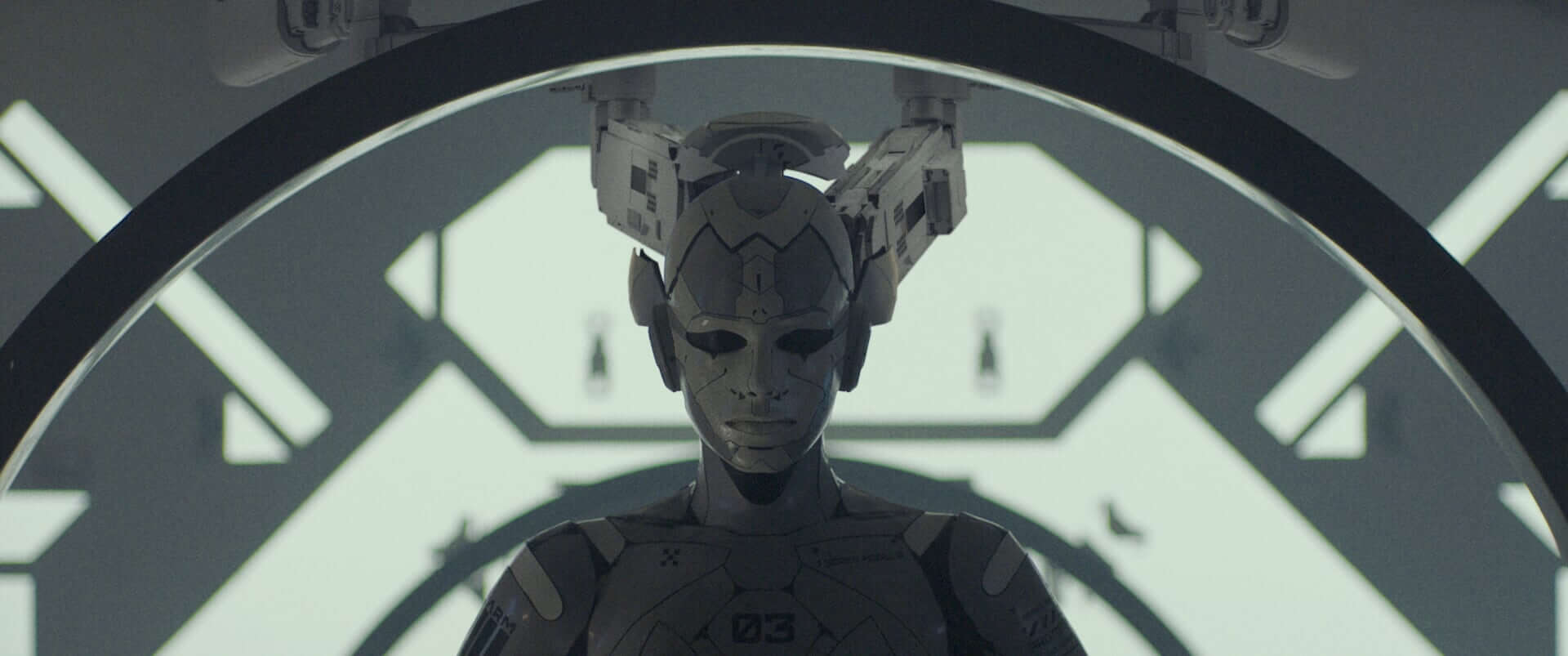
There’s a scene where one of the J units is out in the snow, and then there’s another moment where one is at the bottom of a huge waterfall. Can you tell us about what those big and bulky prototypes were like to work with, and were there any moments filming with them that were particularly challenging to do?

Yeah, those suits were hard to wear. It wasn’t particularly challenging for me as I didn’t have to put them on! We had a Hungarian performer called Timea Maday Kinga inside J2, and she was a former Cirque du Soleil performer. I’ve never seen anyone so bendy. It was incredible, she could fold her body up into a little cube. She’d be stretching out before she put the suit on, and I walked past her thinking she was a bag on the side of the set – because everyone walks onto set and drops their bag. Then she started moving when I walked past, and she spoke to me, I was like “What the hell, hi Timea!” It was really weird, you hear about people being flexible, but I’ve never seen anyone do anything quite like that. She was literally a cube. I couldn’t see any skin, her head was tucked in; she was wearing a black bodysuit, which she wore inside the costume. It was amazing. That suit weighed about three times as much as her body, so moving in that was difficult. The costumes were meant to be lighter than they were, but when we got into the practicalities of building them, they had to be built quite quickly. So we had to take a few shortcuts in the fabrication, which meant that we weren’t able to take all the measurements that we were originally hoping to have. They were hard to wear, but we got through it. As a director, it was cool to be around them; seeing them alive on set.

Talking about the prototypes, how important was it to have that sort of evolution of robots to show George’s work overall? And what do you think that that brought to the film?

When I was writing it the intention was to write a family, so I wrote it as that. I thought if I then just put a robot there after it should hopefully have a lot of character about it. So I wasn’t writing about robots. From the story, I was relying on people to take a couple of jumps along with George’s journey. The intention was that he was saving his engineering energy for J3 because she was the one that needed to look realistic. So J1 and J2 are really all about the brains, he is doing bare minimal work on them to develop the brains, to get to the next one. Until he feels like he is in a good place, and he can finally release all of his energies into the physical form of J3. So there was a little bit of a jump there, where J1 and J2 are boxy machines, and J3 is Stacy Martin! She looks a lot like Stacy Martin, it’s strange.

Going on from that, Stacy Martin’s character Jules gets to act as her past self, a prototype, and a voice in the background? So can you tell us what she was like to work with?

It was really hard for Stacy. What I found with an actor is if they engage with the material and script, they love it when the work is hard, because ultimately, actors just want to show off. They’re emotion-seeking creatures and they just want to bring it large. It was really hard for Stacy, but she just grabbed hold of it with both hands and went for it. You can see that on screen. The makeup was hard, it was four and a half hours on, and two and half hours off. The days when we were filming J3, she had a hard time, she was in a really stinky mood when she came out of makeup, but she was using that emotion to fuel her performance. You’re allowed to be angry, use that. She was creeping the crew out because she had the prosthetics on her face, and couldn’t really emote, smile, etc. – it was all with her eyes. She was just blanked face, staring at people a lot of the time. Freaking them out.

Stacy also suffered in really strange ways. The methodology of her acting, and the way that she brings her energy to the performance, is that she won’t complain. As a director, I’ve always got to make sure that everyone is OK, I’m always saying “If you’re uncomfortable with anything going on here we’ve got to talk about it”. In Hungary, where we were shooting was very cold; an hour outside of Budapest in the countryside. It was -10 Celsius outside, very, very cold. We were in a warehouse because we couldn’t find a studio, all the production studios out there are booked by Netflix and Amazon making the TV shows. They’ll block book the sets for five years, leave the sets standing and keep making shows. So everybody is shooting in warehouses! You’re lucky if you can get a good warehouse. We were in an unheated warehouse, -10 on the inside as well. We were trying to do what we could with Stacy, but it was terribly cold. When we were shooting the car crash flashback, she had loads of fake blood on her. I didn’t realise this at the time, because she didn’t tell me, but the fake blood froze her hand to the front of the car. She was only in it for like ten minutes. We were trying to get in and out of it as quick as we could because it was so cold, and that part was shot outside. She told me afterwards, and I said “You should of told me, we could of stopped it” and she was like “No, we’re here to shoot a film, and we’re going to shoot this film.” She’s a complete trooper.

How did you end up working with Theo James, and what did you enjoy the most about working with him?

It was a nightmare to work with Theo! He is a bad-tempered individual, a very violent man. Obviously, that’s not true, Theo is an absolute gem. It’s tricky because I should hate him really, he is super talented, handsome, smart, but I love him to bits. He is so cool, a really nice guy, and dead funny. I found this quite a lot with actors really, a good actor, for some reason, just tends to be really funny. When you hang around with them for a bit, and you get a repartee going with each other, they tend to be that way. Theo and Stacy were just really funny. They were cracking us up when we were shooting, which is great because it’s a tight shoot, and there was a lot of pressure. It’s good to have that. Theo brought so much to this character. I needed someone who I felt was believably smart. Putting somebody in this role, I’m expecting people to go along with him, creating these genius robots, which was one side of it. The other side was that I also needed somebody that I felt could have enough of an ego about themselves, to believe that they could pull this off. That’s the real crux of it. It’s not him being able to do it, it’s believing that he was able to do it, and you saw that with Theo.

We’ve got to ask you about that insane ending. Was that always the plan from day one, or did it just evolve over time?

No, it was always the plan. Whenever I’m putting a story together I like to know where I’m going. There are different ways of creating stories. Some people when they’re writing they’ll come up with characters, or a situation, roll with it and see where it goes. My kind of route into it, when I’m making a story, is that I’ll have some kind of compelling thing that I want the story to be about, then I’ll kind of come up with a set-up that’s going to kick things off. Then I’ll figure out where it’s going. Then once I’ve got that, I find that you can really go all over the place with the creative journey in the middle.

Finally, why should STARBURST readers check out Archive?

It’s got thrills, spills, robots, cool cars, handsome scientists. What more do you want from a film? We’ve got Red Alert sequences with loads of flashing lights, cool futuristic dropship aircraft. Metaphysical preponderance on post-death experience. Where society might be going, corporations might be going. It’s all there! Get on the train!

ARCHIVE is available on Blu-ray and DVD from July 12th. You can read our review here.

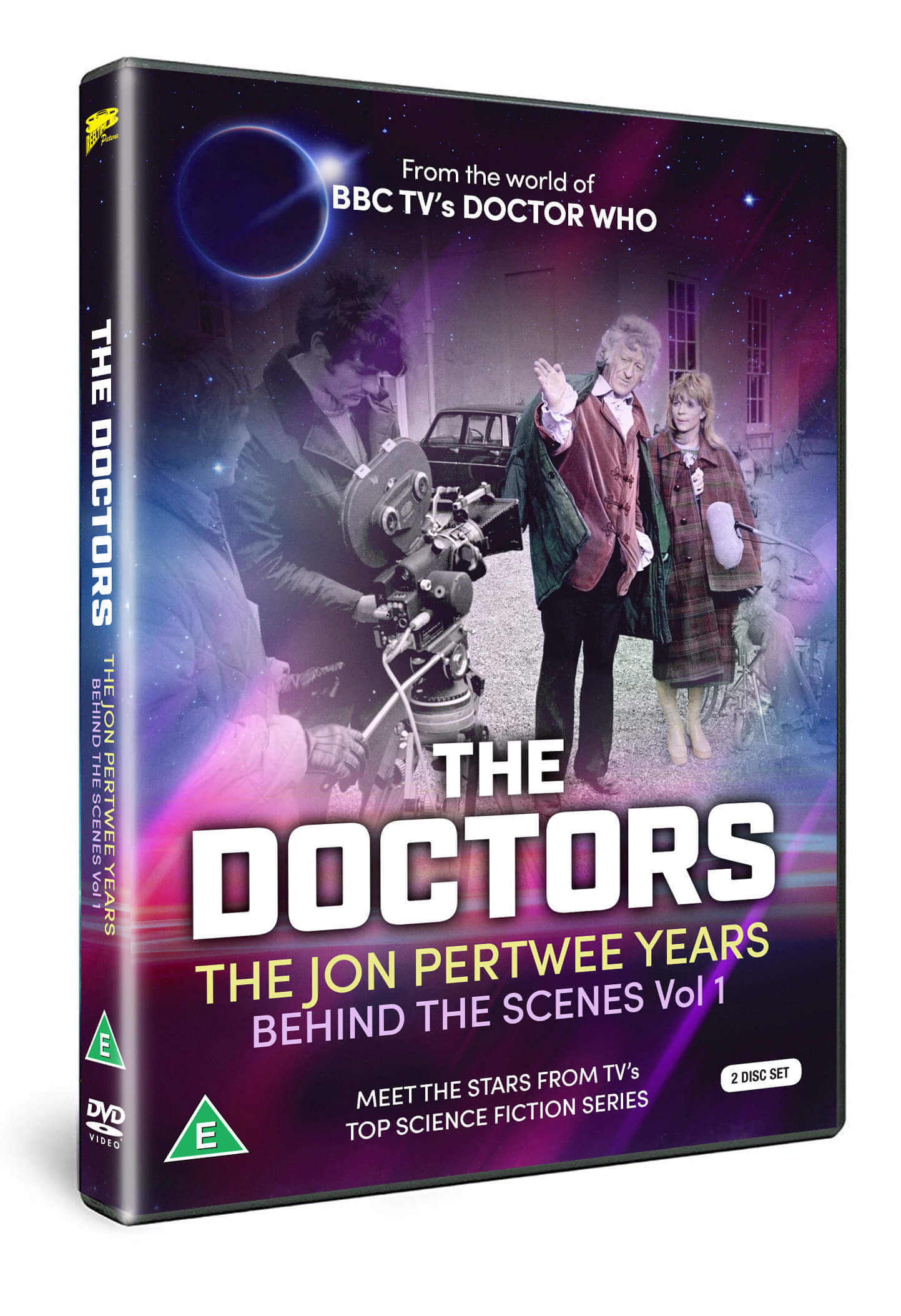
[ENDED] Win THE DOCTORS: THE JON PERTWEE YEARS – BEHIND THE SCENES on DVD

Doctor Who fans! The good folk at Time Travel TV have given us three copies of The Doctors: The Jon Pertwee Years – Behind the Scenes on DVD to giveaway! All you have to do is read on and enter below…

‘The Doctors’ compilation series of classic ‘Myth Makers’ interviews proved incredibly popular with fans of classic Doctor Who. Now, the creators of the series hope to complete issuing the entire catalogue of classic Doctor Who interviews with behind-the-scenes production staff taking centre stage (plus a few extras!).

The first in a planned series of 13 new titles, The Doctors: The Jon Pertwee Years Behind The Scenes Vol. 1, contains interviews with the men and women who brought the Jon Pertwee era of the show to life including Doctor Who legends Barry Letts (Producer), Terrance Dicks (Script Editor/Writer), Don Houghton (Writer), Christopher Barry (Director), Paul Bernhard (Director), plus bonus interviews with actors Anna Barry, Damaris Hayman, Terence Lodge, and Valentine Palmer! And presented by “voice of the Daleks” Nicholas Briggs.

For all Doctor Who fans, this special collector’s edition features over five hours of pure nostalgia, which will give you a whole new insight into the making of your favourite science fiction series!

a Rafflecopter giveaway

The Doctors: The Jon Pertwee Years – Behind the Scenes Volume 1 is available as a 2-disc DVD on July 12th, 2021.

Luke Sparke | OCCUPATION RAINFALL

luke sparke

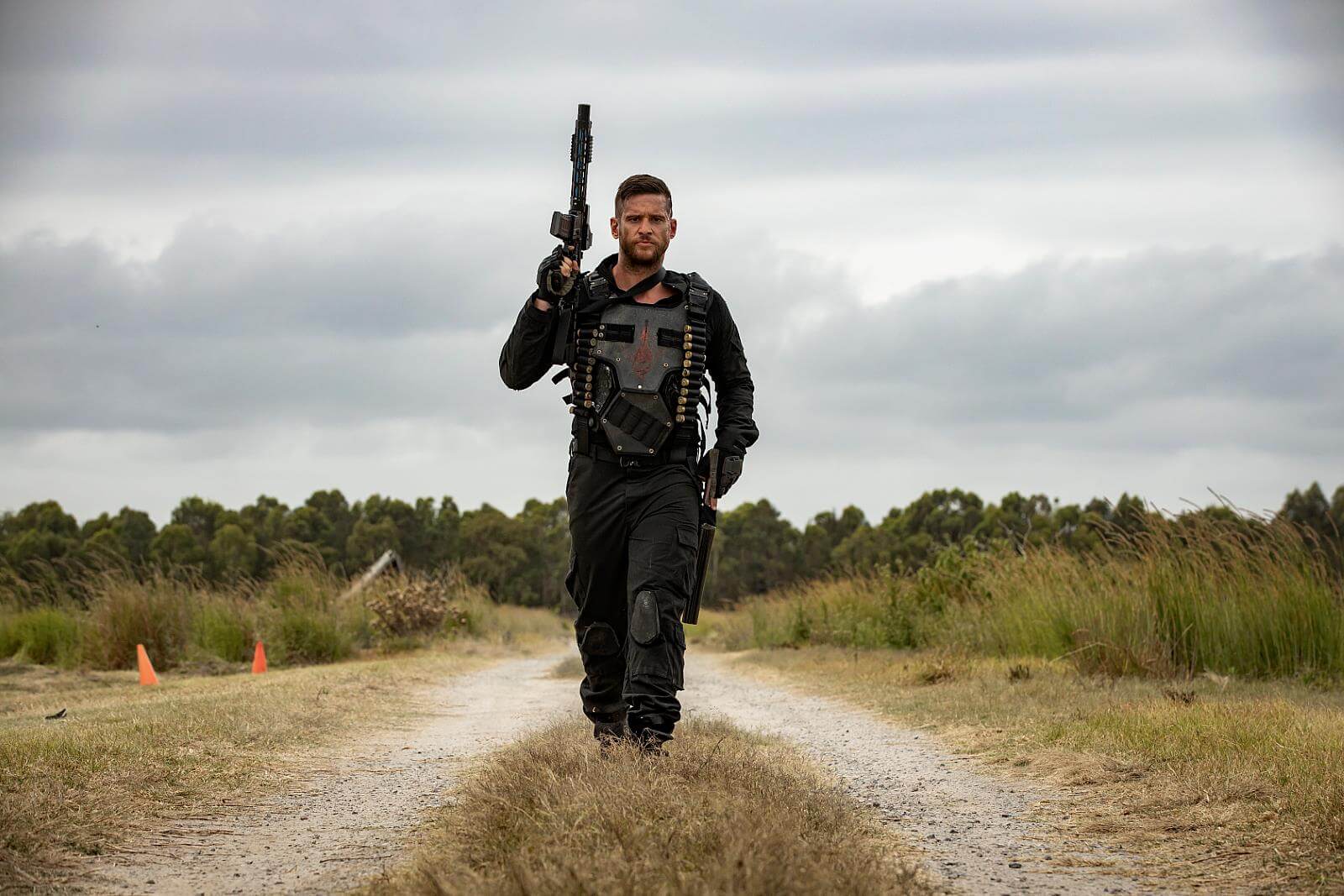
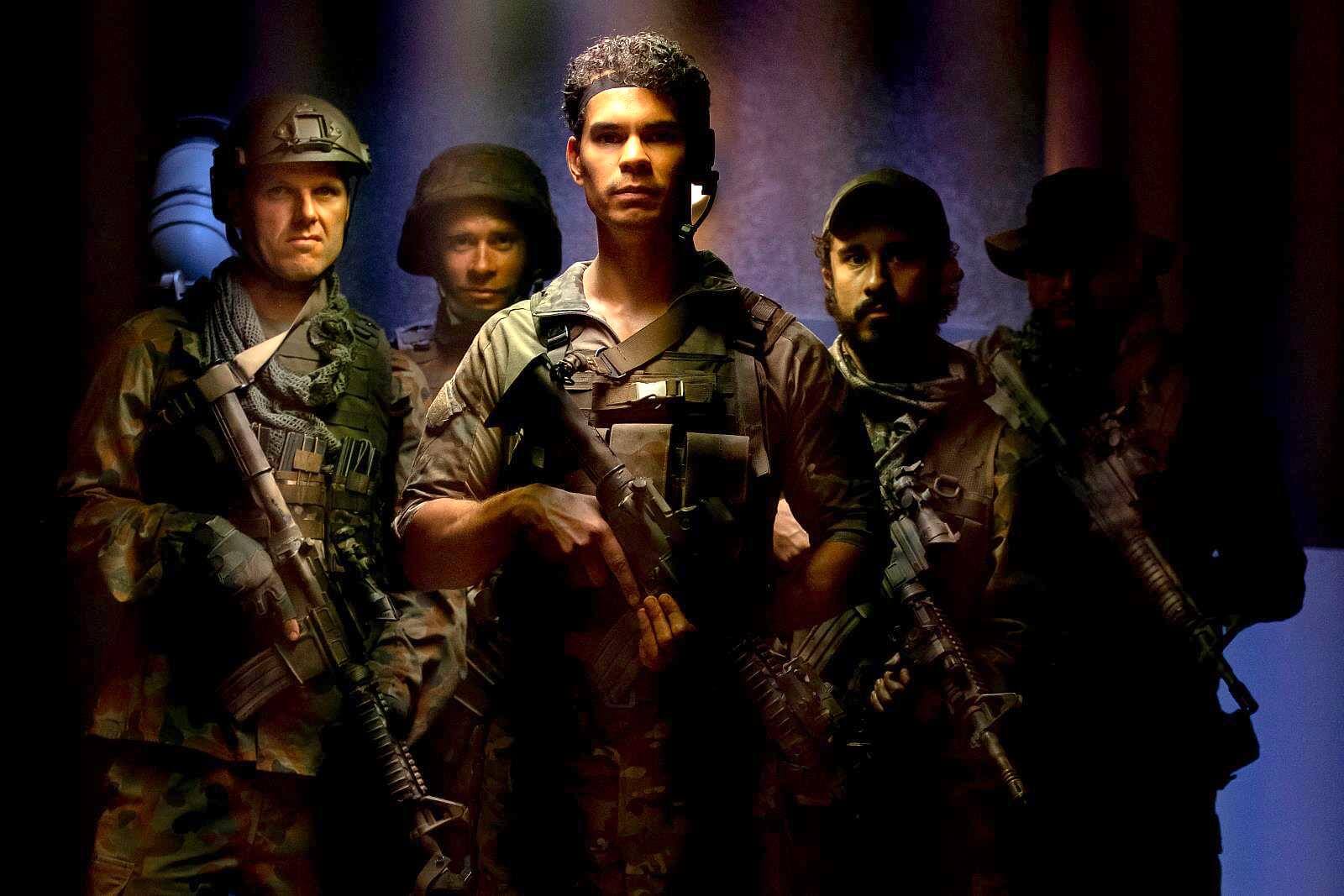
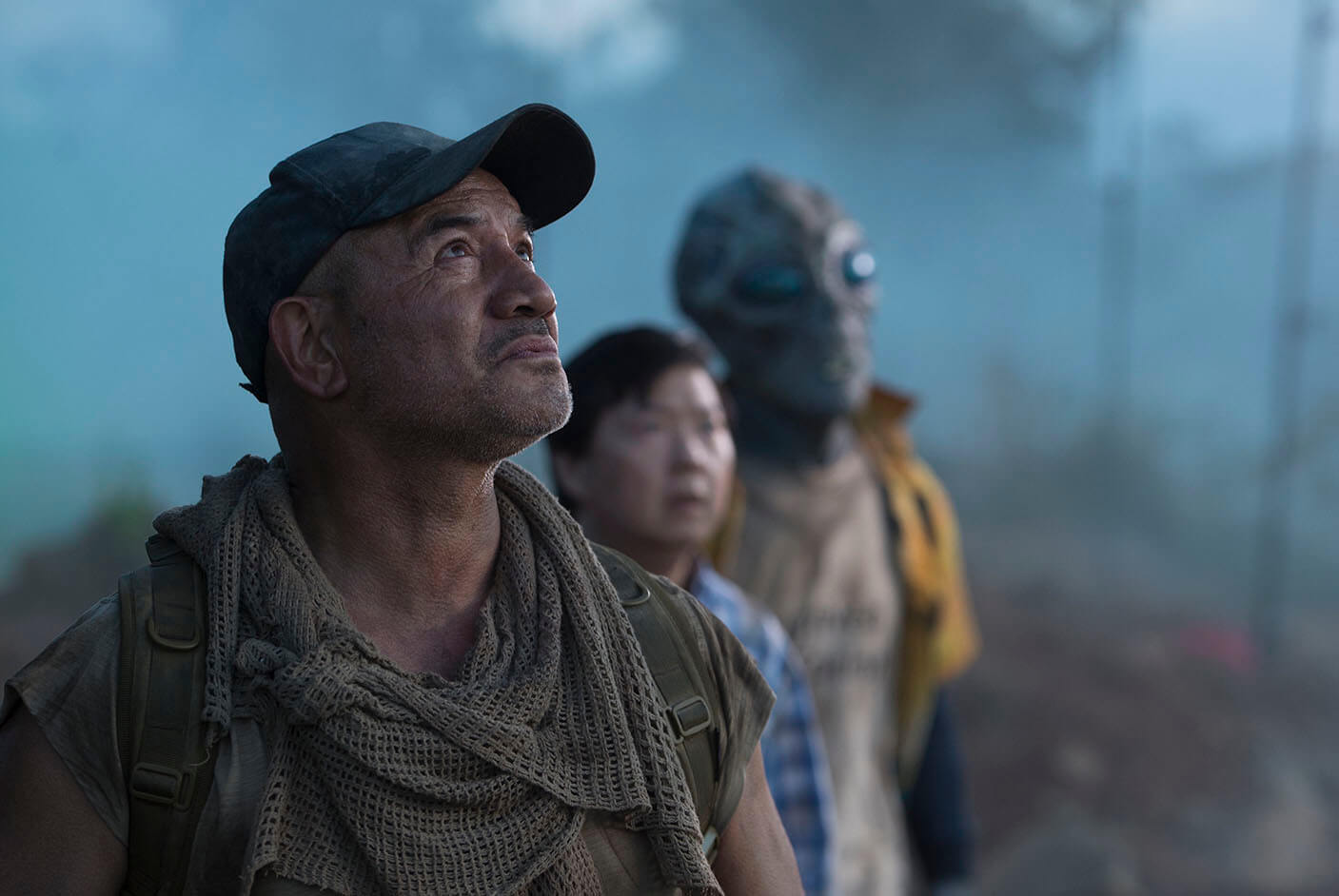
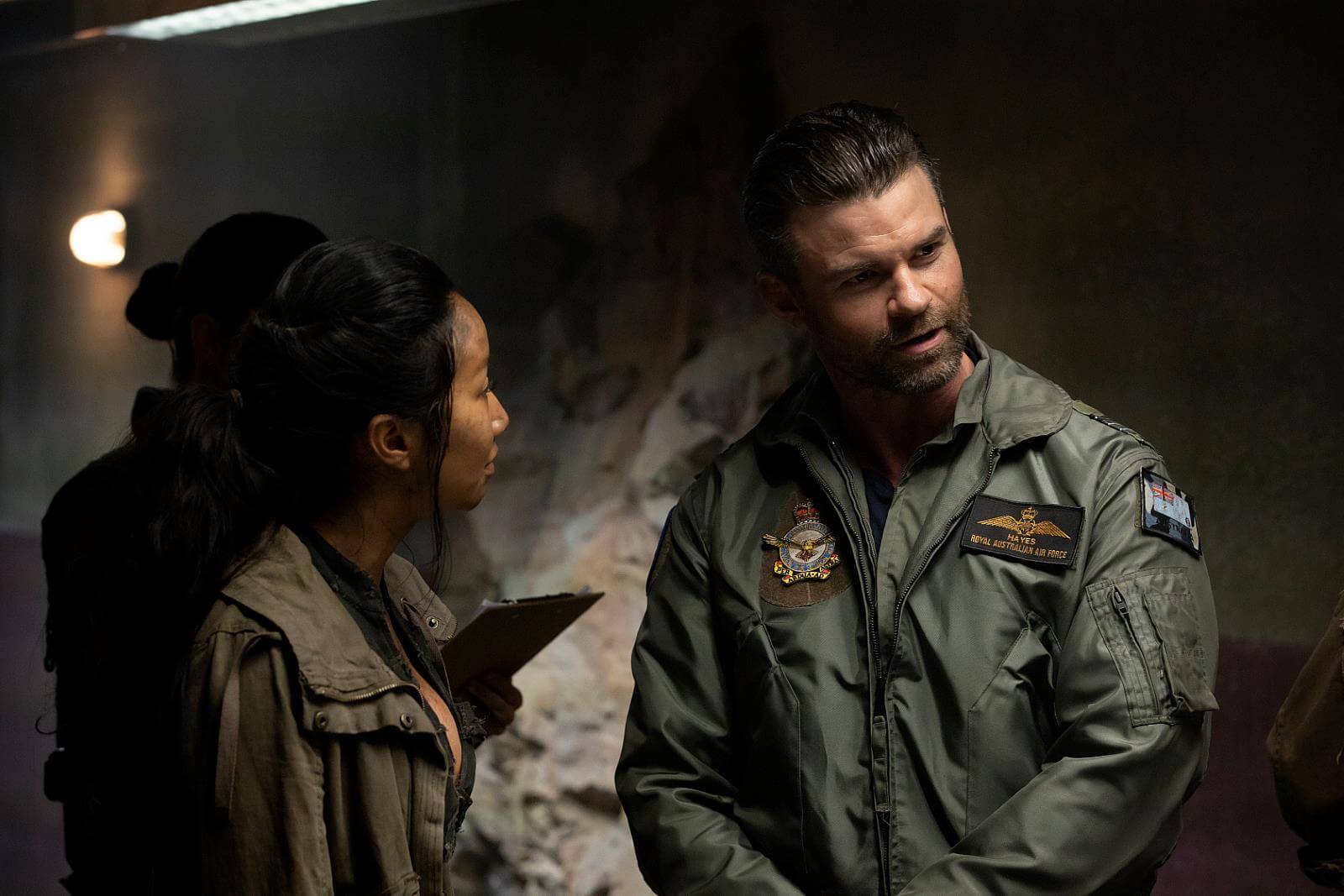
With the release of the Australian sci-fi alien invasion film Occupation Rainfall, we caught up with writer/director Luke Sparke to find out more about it…

STARBURST: When you made Occupation in 2018, was it always the plan to do a follow-up? 

Luke Sparke: Not straight away. It was supposed to be one and done for me, something to keep us busy making films in between larger projects I was working on. It wasn’t really until I got into the editing process and there were a few key scenes I was really interested in. Namely, the alien’s backstory, human interaction with them and what it means to have ‘invaders’ come looking for a new home. I thought that was all really interesting, then got to work dreaming up the sequel and had it written before the first one came out. When I wrote Rainfall, I had to deep dive into the alien culture, history, and all that which was really fun.

How would you pitch the film to STARBURST readers? 

A roller coaster ride through an alien invasion set Down Under!

 You had a much bigger budget for this film, what was your mindset going into filming? 

Yeah. On Occupation, it started out very small and grew as cast members like Temuera, Bruce Spence, Jac Mackenzie, and Charles Mesure started to join. I had to run by the seat of my pants and come up with a way to make it as big as I could on a small budget.

I sat down with the team from day one on Rainfall and said I have a story in mind that’s huge and it’s going to be big. So we got to work to come up with ways to make that happen. It took a while to get the right team together, which is a major part of something like this. One way we had to achieve it was cutting the film up into ‘filming blocks’, which means we filmed for a few weeks in 2018, then a big break, then again in 2019, then some more pick ups after that.

All the while we were working on the post-production. I was working with my pre-viz artist to come up with the action scenes and look dev of everything. I was coming up with ideas up until the very last months before delivery – adding in vistas or adding in different aliens in the background to build the word.

 What challenges did you have when making Occupation: Rainfall? 

The big challenge was just the sheer scope that I wanted in this film. Daily questions of “how can we achieve that?” People out here were convinced that it just wasn’t possible to do for an independent film. Not everything I wanted came across, the Sydney escape sequence was even bigger again, with command ships levelling buildings, but I always save ideas for down the road.

The other challenge was the filming blocks being cut up and the continuity that came with that. Some actors were only on one block but had to talk to an actor on another block, which we used green screen and VFX for. Others we had to shoot with stand-ins. There’s a scene in there where the two major shooting blocks come together and there are reserve shots of the cast that are a year apart. It’s all very much about problem-solving.

 Was it important to you to have a female character upfront in the film? 

It was. Obviously, females can be just as strong as their male counterparts, but they also bring other qualities and not just the mother or maternal instinct. I think a different mindset, a way to look at the world. But even in this post-alien invasion world, our main character comes up against, what could be perceived as, misogynist male egos.

There are lots of themes throughout the film but I’m not one to politicise my work, people have reached out to me and commented on various themes like the female characters but also themes of invasion, war crimes, and some more. If people see that in there, great. But it’s also just a fun film. The two producers are also female, so I know it was very important to them to have the characters upfront. 

Temuera Morrison returned for the second film too, was it filmed before he appeared in The Mandalorian? If so, did you know about it? As a Star Wars fan, how did you manage not to geek out? 

It was filmed before all of that, especially his part. It’s crazy to think as an indie film, I’ve slogged away at this for four years and in that time, Boba Fett has come back around. Tem is as big a Star Wars fan like most of us and we would always chat about it, Battlefront 2, action figures, etc. He actually gifted me a Mandalorian jacket from a Star Wars celebration event, signed by him, Jeremy Bulloch, and Daniel Logan – the three Fetts! It’s an amazing piece for my collection. I’ve been collecting Star Wars since I was a little kid in the ‘80s.

I heard about Season Two with him back as Boba about six months before it aired and shared some emails with him. I was super excited about it, absolutely giddy. So I knew it was coming when I saw the first episode and the sixth episode – but man, it was still awesome to watch! I was like everyone else, smiling from ear to ear – and I cried at the season finale when Luke appeared!


 The film has great production values, what was the reaction of those in the Australian film industry? Do you think it will open the doors for more ambitious sci-fi movies? 

Thanks! I remember coming out of the red carpet premiere on the Gold Coast over here, and people seemed shell shocked. It took a minute for people to have a drink then start talking about it. We played it in a huge cinema with Dolby Atmos and it was this unrelenting bombastic experience. There was lots of praise from our film industry peers, ‘how did you do that’ questions and whatnot. The American release has been great, opening in the top 10 VOD charts over there really helped and solidified the film with a fan base and also networks, distributors, and buyers. We’ve had a lot of offers come our way, which is great for the franchise.

I hope it opens the door for more ambitious films like this. We’re a small industry down here, but it would be great to see a yearly output of at least one good film in every genre and see it get the attention it deserves.

What’s next for you? 

I’m working on a TV pilot for a book series that we are going to adapt into a TV series, it’s huge and extremely exciting to be working on it.

Off the success of the rollout of Rainfall, I’m going to finish the story of these characters as well. The script is done and we’re in early development of the next chapter. I’m excited to show audiences where I’m taking this. I’ve had it all planned out since writing Rainfall. We are also in talks now with comic books and more material to expand the world, which is amazing and humbling from the worldwide rollout.

Signature Entertainment presents Occupation Rainfall in Cinemas and on Digital from July 9th.

A Blu-ray and DVD release follows on September 13th. You can read our review here.


5 Popular Video Games That Deserve Serious Films

popular video games

Video games have a rough history when it comes to film adaptation. From Tomb Raider to Mortal Kombat, to Prince Of Persia, there’s a legacy of disappointment that makes the whole genre seem plagued. Sure, some of the films (most notably where Mortal Kombat is concerned) have cult followings. But for the most part, game-to-film adaptations wind up being nothing short of bad.

As much as this has been the trend though, things don’t have to stay this way. Plenty of video games provide more than enough material to inspire engaging films, and eventually, the right writer-director duo is going to produce an adaptation that surprises us with genuine quality. There’s no telling when this will happen, nor what game it will happen for. But there are some popular games that stand out as possibilities.

1) Assassin’s Creed Valhalla


The Assassin’s Creed adaptation a few years ago went poorly, for a few reasons. One was that it was simply a little campy in its approach, with melodramatic writing and less-than-stellar action sequences and cinematography (even if some sets and costuming were beautiful). But the other was that the script strained to incorporate the details of the Assassin’s Creed concept — namely, that modern figures can more or less travel back in time through DNA to alter history through the actions of their own ancestors.

It’s an inventive concept that can be done cinematically almost in a Matrix-y way, but it also led to a convoluted film and one that seemed to think itself cleverer than it was. So, what if a production team simply ignored the central premise and adapted a recent, relevant, popular, and gorgeous Assassin’s Creed game as a historical epic? In GamesRadar’s ranking of Assassin’s Creed games, the latest edition — Valhalla — snagged the number two spot, and was praised for the fact that “story is vital” within the game. This is true purely in the historical setting of the game, which basically brings semi-mythical Viking world adventures to life in extraordinary detail. There’s more than enough material for a stunning film without any mention of the historical manipulation conceit.

2) Far Cry 4
 

There is a little-known 2008 German action film loosely based on the Far Cry game series, and at one point there was talk of Ubisoft adapting Far Cry 3 (perhaps the most popular game in the series). But we’d like to see a fresh attempt at Far Cry 4 instead. This is a series that’s largely about the massive and beautiful worlds within which its adventures take place, and Far Cry 4 has given us the most impressive one of those worlds to date. The fictional kingdom of Kyrat, nestled in the Himalayans and ruled by a crazed dictator, is a rich, action-packed, and visually stunning setting that would be wonderful to see on film. Additionally, the core plot of the game would make for a strong film: The son of Kyrati explants returns home to leave his mother’s ashes, only to be drawn into a civil conflict as an influential mercenary.

3) Street Fighter II
 

Street Fighter II is perhaps one of the most adapted games in history. It’s been remastered and rebooted numerous times and for a variety of platforms. The iOS “Capcom Arcade” tool hosts spins on the game such as Street Fighter II Turbo and Super Puzzle Fighter II Turbo. And NetEnt has used the original game as inspiration for an online slot experience, which has been highlighted in a Foxy Games post as one of the foundational examples of video game-to-slot adaptations.

It appears to be the case that Street Fighter II is so iconic and recognizable it can be continually updated, such that even in puzzle or online slot format, it reaches fans. So, it’s fair to ask, why wouldn’t a well-made film do the same thing? We wrote about the development of a Street Fighter TV series back in 2018 that has yet to materialise, and there have been past web series and film attempts leaving much to be desired. But the bottom line is that Street Fighter II is a combat-oriented game with well-known characters and minimal plot. So long as those characters are included and the action is handled well, most any plot could be crafted to give a fresh film a chance at success.

4) Super Mario RPG


The history of Super Mario adaptations in film is bleak to say the least. The 1993 live-action version is difficult to watch, numerous rumours of other adaptations have come and gone fruitlessly, and right now, we’re awaiting a ‘3D movie’ (animated, presumably) that is somewhat shrouded in mystery. It’s just a difficult game series to make a film out of for a number of reasons, and it may be that we’ll never see a good version of the idea.

That said, if narrative is the problem (most Super Mario games are light on plot, really), the old Super Nintendo game Super Mario RPG might be a viable solution. This game is a bit more fleshed out than most of its predecessors, as well as most games that came after. A mysterious villain named Smithy has taken over Mushroom Kingdom and the surrounding lands, and Mario has to go on a journey to set things right — gathering allies, collecting stars, liberating cities, and beating mini-bosses along the way. There’s a fun-filled and cohesive script to be drawn from the game, and a terrific animated film could ultimately result from the effort.

5) The Room


The Room began as an original mobile game developed by a small independent company. It was a smash success however, ultimately leading to the development of sequels. Eventually, one of those sequels even made it into the budding virtual reality category, where a review at CNET called it the best VR escape room game yet. The Room is now extremely popular, and while it has a somewhat ill-defined plot, there’s still plenty of material to support a film adaptation. Basically, this series of games concerns a never-ending series of puzzles and mysteries. The player engages in these mysteries via a series of notes and letters from a missing person, who appears to have been led into some kind of alternate dimension by a series of experiments. All of this would need to be fleshed out, but the world of The Room — Victorian mansions, ancient texts, puzzle boxes, intricate astronomy instruments, etc. — would make for a very fun setting for a sort of mysterious adventure film.


It may be that we simply won’t ever see a great film adapted from a video game. But we’d bet on one or two adaptations eventually bucking the trend, and each of these five would have a good shot.