7 Misconceptions About Gambling From Hollywood Movies

real money online casinos in USA

Your favorite movie star is playing roulette in a glitzy and popular casino club. Boom! He won the jackpot of $5000000, as luck would have it. But is this too straightforward to beat the odds while gambling? Of course, not! Casinos can be both a pure game of chance or skills. However, often Hollywood movies depict fictional stories far from reality. A plethora of casino myths and facts in movies paint a wrong picture in people’s minds.

Let’s uncover some famous Hollywood casino movie scenes that twisted the gambling facts and statistics.

1. Surveillance System Vulnerability

Blame the Ocean’s Eleven movie series that showed how easy it is to tweak the surveillance system in casinos. But again, it was just an appealing film plot.

Today’s advanced casino environment makes it almost impossible for anybody to pull the strings. Casino operators ensure to integrate state-of-the-art CCTV surveillance with features that can track every shady person or activity on the premise. Rightly called “eye in the sky” in the gambling industry, you’re always on the watch from the parking lot and dealer’s table to the bar counter.

2. Casinos Are The Mafia Haven

One of the most common gambling myths that many believe without a doubt. For instance, the storyline of the Hollywood movie Casino portrays a mafia-operated gambling club, unlike the real world.

However, gone are the days when mobs used to run the casinos. So drop this idea! Now several clubs run legitimately throughout the world only after getting a verification through local gambling regulators. Besides, some casinos even volunteer part of their revenue for various charity programs.

3. Gut Feelings Or Luck Help You Win

If you watched movies like Rainman and Casino Royale, you might have been impressed by the gut feeling of a protagonist winning a huge cash prize. But wait!

Not every casino game works on sheer luck. Unless you are reeling slots, games like poker require proper gambling skillsets and strategies to earn a payout. Usually, the gambler’s focus needs to be on the probability of winning the casino game rather than their intuitions.

4. Get Rich Quick Route With Cards Counting

Take a scene from the movie called 21. Within a year, actor Ben Affleck easily won $315,000 while his team earned nearly $3.15 million by duping the casino. Although it’s assumed to be a true story gambling movie based on the MIT blackjack team exploits, this prize figure was utterly unrealistic.

When it comes to counting cards in the real-world scenario, a gambler can roughly draw $10 per hour with $100 a hand. Here’s one more reality check – no one can win consistently by counting cards except for a hand or two.

5. No-limit Tables

The faux no-limit table is another common depiction in several casino-centered Hollywood movies. As per the storyline, high-rollers can place a million-dollar wager without a restriction while playing the no-limit table games.

One more myth busted! You will see that every table has a set limit in the actual casino setting. Don’t forget; the house edge is for real.

6. Security Guards Can Smash You

How often did you watch a scene in Hollywood gambling movies where security guards beat the cheating players? Beating players for wrong activities is another typical dramatic depiction in various films that creates a sense of fear among many viewers. But does the situation turn sour to this level?

Well, we’ll admit it sometimes happened in the past. But not anymore! Nowadays, security guards are highly professional individuals. They will politely stop shady players from an unlawful activity but won’t beat them black and blue. Instead, an operator may heavily fine or ban the culprit from the casino.

7. Dress Code Adherence in Casinos

Elegantly dressed actors in Casino Royale and many more movies give an impression to viewers that the club will deny entry to them without formal attire. It is true in some locations, but not all. You won’t find every other Las Vegas casino following a dress code.

So relax! There is no entry restriction if you aren’t wearing a formal black-tie outfit. To play even more comfortably, you can sign-up on virtual casino sites and gamble in your PJs. It is one of the top reasons online gambling is now more popular than ever.

Wrap Up

Even the best gambling movies in Hollywood falsely represent various casino aspects. From hitting the jackpot instantly to drastic gambling scams, the well-scripted films created several misconceptions about casinos for viewers.

Such fake casino scenes may offer an ideal action-packed plot to grab the audience’s attention. However, it is not how things work in the brick-and-mortar casino setting. Movies hardly show the real side of the gambling world. So next time you watch any recent gambling movies better to take them with a pinch of salt.

For more information about gambling news, visit Safest Betting Sites.

THE TELEPHEMERA YEARS: 1997 – PART 3

David Ogden Steiers as J'onn J'onzz in Justice League of America, 1997

Ah, telephemera… those shows whose stay with us was tantalisingly brief, snatched away before their time, and sometimes with good cause. They hit the schedules alongside established shows, hoping for a long run, but it’s not always to be, and for every Street Hawk there’s two Manimals. But here at STARBURST we celebrate their existence and mourn their departure, drilling down into the new season’s entertainment with equal opportunities square eyes… these are The Telephemera Years!

1997-98

NBC’s Thursday night block of “Must See TV” dominated the 1997-98 US TV season, with Seinfeld, ER, Friends, and new hit (and Kirstie Alley vehicle) Veronica’s Closet filling the top four spots. Even Union Square, which NBC cancelled after fourteen episodes for lower than expected ratings, came in at number seven, and the rest of the networks floundered in the Peacock’s wake. Outside of football and the news, only ABC’s Home Improvement and CBS schlockfest Touched By An Angel could crack the top ten, but Fox had a strong trio in the youth demographic with The X-Files, King of the Hill, and The Simpsons all making the top twenty.

Seinfeld was in its final season, as were Ellen, Dr Quinn Medicine Woman, and The Larry Sanders Show, but there were new arrivals in the shape of Ally McBeal, Dawson’s Creek, Stargate SG-1, and La Femme Nikita, while Oz began its gritty six-year run on HBO in July 1997. Fans of genre shows were also catered for by 3rd Rock from the Sun, Buffy the Vampire Slayer, Sabrina the Teenage Witch, and Star Trek: Voyager, but what about those shows that didn’t even make it to air? This is the story of four unsold pilots from the 1997-98 season…

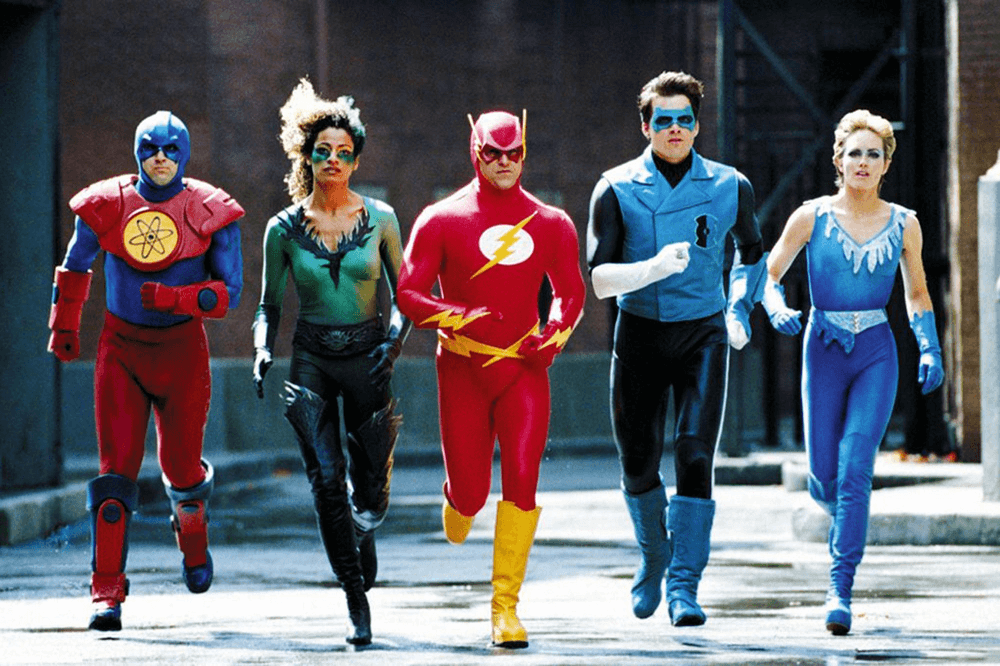
Justice League of America (CBS): Weirdly, in the wake of this 1997 pilot film, there was no clamour to “release the Alcalá cut!”, presumably because what we saw that Sunday night on CBS purported to be the Alcalá cut (Cujo director Lewis Teague was brought in to salvage things but asked to have his name taken off), and also because five hours of this thing would have been insane

In the wake of The Flash – six years later is still a wake, okay? –  Justice League of America was an attempt to bring DC Comics’ flagship group of heroes to the screen, slightly hamstrung by the lack of its Trinity (Superman, Batman, and Wonder Woman) for licensing reasons. Instead, we got a curious mix of the classic league – Flash, Martian Manhunter, The Atom – and the Giffen/De Matteis era, with the pilot telling the (altered) origin of Ice, allowing her to line-up alongside Fire and the Guy Gardner Green Lantern.

Justice League of America, 1997

David Ogden Stiers does some decent work under make-up and prosthetics as J’onn J’onzz and Miguel Ferrer is scenery-chewing great as always as the big villain of the piece – the, erm, Weatherman – but the tone of the piece is off from the start, the characters all wrong, and attempts at humour (and humanisation) clunky and ill-fitting. Alcalá had mostly directed episodes of action shows but the script by First Knight creators Lorne Cameron and David Hoselton seemed more intent on creating a super-powered version of Friends, and even an uncredited clean-up by Miami Vice and The Equalizer veteran Scott Shepherd couldn’t inject more than a touch of light peril.

The pilot was given an airing as a CBS Sunday Movie in December 1997 but by that point any plans for an ensuing series had long been abandoned (although none of the cast were so busy as to be unavailable should there have been a U-turn). Given an airing overseas (on the fledgling Channel 5 in the UK) and released on home video, you’d hope that Justice League of America would have, in time, gained something of a cult following but sadly not. Still, at least they didn’t try to shoehorn Cyborg into the thing…

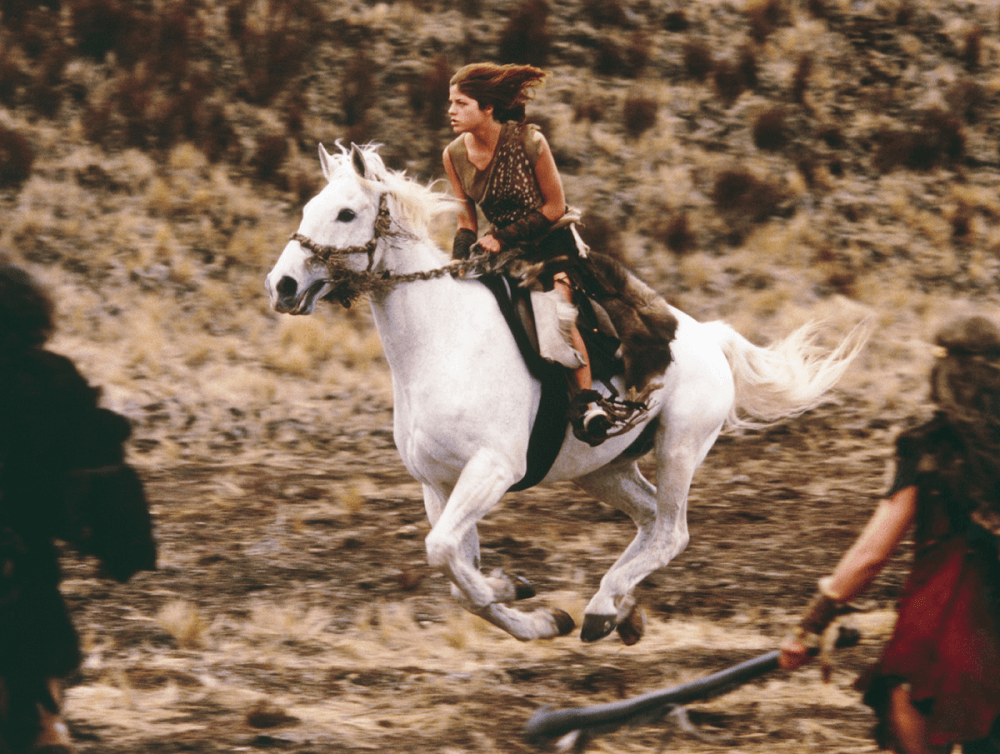
Amazon High (syndication): Selma Blair was two years away from making her big splash in Cruel Intentions when she starred in Amazon High, a badly-titled attempt to create a third show within the Hercules and Xena universe.

Not that Kevin Sorbo or Lucy Lawless actually appear in the pilot, you understand, and instead we get the story of Cyane, an orphan girl magically transported back to the time of the Amazons where she has to learn to become one of the legendary female warriors (although, you’d assume, not be required to lop off a breast). Actually, they’re not the Amazons of legend, they’re just a ferocious female tribe whose men folk were all eaten by a rival tribe of cannibals, and when Cyane falls in love with one of that tribe (a broody Karl Urban), trouble ensues.

Selma Blair in Amazon High, 1997

Blair is full of spunky promise, and is ably supported by Claudia Black as the tribe’s leader and by Danielle Cormack as her rival, but the pilot was not picked up as a series and was never aired outside of a few fan conventions. Footage from the movie was cut into the Xena: Warrior Princess episode “Lifeblood” as events that took place years before, with Shelley Edwards playing a grown-up Cyane (although Blair was still seen in flashbacks).

Amazon High writers RJ Stewart and Robert Tapert weren’t totally done with the idea of a time-displaced heroine, however, and reworked and retooled their project over the next three years until it finally emerged as Cleopatra 2525, all but unrecognisable but still retaining that strong female empowerment theme, just with less Karl Urban. The pilot itself has vanished and that eventual third slot in the Hercules universe was taken by Young Hercules a year later.

Legacy/Van Helsing Chronicles (NBC): A production of the Jim Henson Workshop, Legacy was created by Javier Grillo-Marxuach, who would later go on to write for Charmed, Lost, Medium, and Marvel Comics. Grillo-Marxuach’s concept focused on Christian van Helsing, a descendent of the great vampire hunter, living a quiet life as a Cambridge professor.

Of course, that wouldn’t be much of a show at all, and so Christian (Tour of Duty’s Dan Gauthier) took up where his ancestor left off, hunting not just vampires but monsters of all flavours, with effects provided by the Henson crew. British director Geoffrey Sax (with both The New Statesman and Bergerac on his résumé) was brought in to helm the project and a pilot film was completed in the Spring of 1997. And then quietly shelved (although Ain’t It Cool News did get to see it and excoriated it).

That would have been the end for the show had it not been for NBC’s big new genre show Sleepwalkers failing so badly to find any kind of audience, which saw the project dusted off and retooled (with some parts recast) as Van Helsing Chronicles, planned to be inserted into the Sleepwalkers slot on Saturday nights. It was reported that NBC ordered six episodes on top of the reworked pilot but it never appeared on the network, with The Pretender instead being moved to a later time (and All-Star TV Bloopers filling the empty slot).

Officially, nothing has even been seen of either pilot, and there don’t even seem to be any extant set or publicity photos on the internet. Van Helsing did make it to TV in 2016, but this was Vanessa van Helsing, a distant relative and humanity’s last hope of cleaning up a post-apocalyptic future from all manner of nasties. That lasted five series and will soon enter syndication; we can only wonder whether Legacy might have reached the same goal had it been given a chance to stake its claim.

Hawaii Five-O (CBS): Hawaii Five-O ran for twelve seasons from its debut in September 1968 until its eventual retirement in April 1980, by which point Jack Lord was sixty. In continual re-runs, and with that killer theme by The Ventures, the show was never far from the popular imagination and in 1997 it was decided to bring it back.

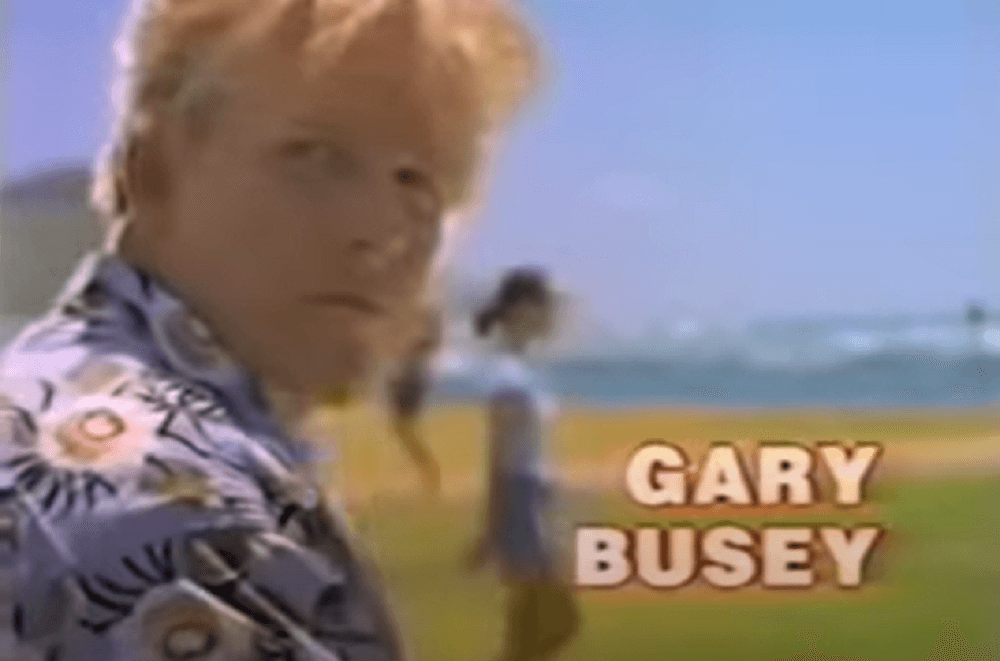
Gary Busey had starred in 1991’s Point Break, the second best surfing movie of all time, and so had some experience of hanging-ten or whatever, and seemed perfect for the role of Steve McGarrett in a rebooted pilot, what with years of drug use already beginning to give him a Lord-like rictus grin. Except Busey wasn’t McGarrett, he was Jimmy Xavier Berk (yeah, we know), the new head of the Five-O, who brings back members of the old team to help find out who tried to assassinate the Governor – and killed the beloved Danno – on his watch.

Gary Busey in Hawaii Five-0, 1997

Produced and written by Stephen J Cannell, Jack Lord was invited to appear in the pilot as Governor McGarrett, but was too ill through Alzeimer’s to take part and the script was revised to remove McGarrett altogether. Busey brought a maverick approach to his Honolulu cop, tasked with working with uptight Nick Irons (Russell Wong) to solve this most personal of cases.

The production was beset with problems, including not being able to get the rights to the original theme and the fact that one of the returning original team had actually died on-screen, and the finished product was never aired. Instead, it took another thirteen years for Hawaii Five-0 to return for another long run and all we have of the 1997 remake is a cobbled together cut on YouTube.

Next on The Telephemera Years: we take a look at what the kids were watching in 1997, including freelance police and EXTREME DINOSAURS!!!

Check out our other Telephemera articles:

The Telephemera Years: 1966 (part 1, 2, 3, 4)

The Telephemera Years: 1968 (part 1, 2, 3, 4)

The Telephemera Years: 1969 (part 1, 2, 3, 4)

The Telephemera Years: 1971 (part 1, 2, 3, 4)

The Telephemera Years: 1973 (part 1, 2, 3, 4)

The Telephemera Years: 1975 (part 1, 2, 3, 4)

The Telephemera Years: 1977 (part 1, 2, 3, 4)

The Telephemera Years: 1980 (part 12, 3, 4)

The Telephemera Years: 1982 (part 1, 2, 3, 4)

The Telephemera Years: 1984 (part 1, 2, 3, 4)

The Telephemera Years: 1986 (part 1, 2, 3, 4)

The Telephemera Years: 1987 (part 1, 2, 3, 4)

The Telephemera Years: 1990 (part 1, 2, 3, 4)

The Telephemera Years: 1992 (part 1, 2, 3, 4)

The Telephemera Years: 1995 (part 12, 3, 4)

The Telephemera Years: 1997 (part 1, 2, 3, 4)

The Telephemera Years: 2000 (part 1, 2, 3, 4)

The Telephemera Years: 2003 (part 1, 2, 3, 4)

The Telephemera Years: 2005 (part 1, 2, 3, 4)

The Telephemera Years: 2008 (part 1, 23, 4)

Titans of Telephemera: Irwin Allen

Titans of Telephemera: Stephen J Cannell (part 1, 2, 3, 4)

Titans of Telephemera: Hanna-Barbera (part 1, 2, 3, 4, 5)

Titans of Telephemera: Kenneth Johnson

Titans of Telephemera: Glen A Larson (part 1, 2, 3, 4)

Titans of Telephemera: Quinn Martin (part 1, 2)

Five Films to Check Out on Legend This Week – 150822

legend the burning

Legend has another bumper week ahead, so here are our picks you shouldn’t miss…


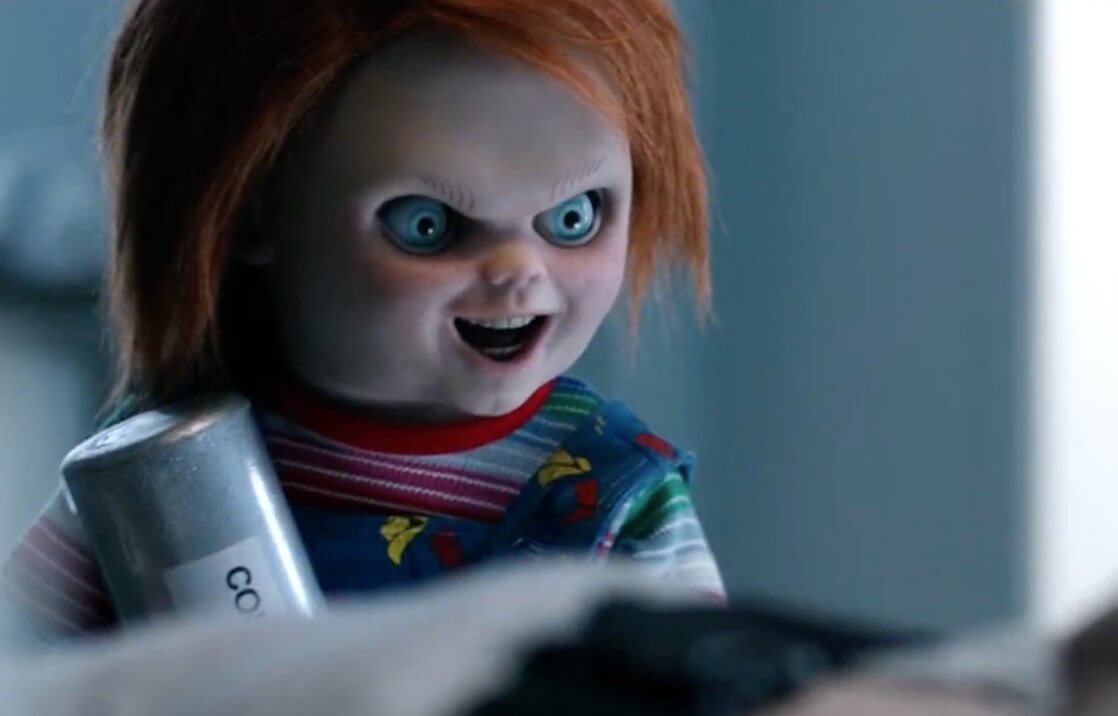
Tuesday August 16th, 11.05pm – Cult of Chucky (2019)

The seventh entry into Don Mancini’s possessed doll series sees the reinvigorated franchise go from strength to strength. Stars Fiona Dourif (alongside her father, Brad, who once again voices Chucky), Alex Vincent, and Jennifer Tilly. Fabulous fun.


Wednesday August 17th, 4pm – It Came From Beneath the Sea (1955)  

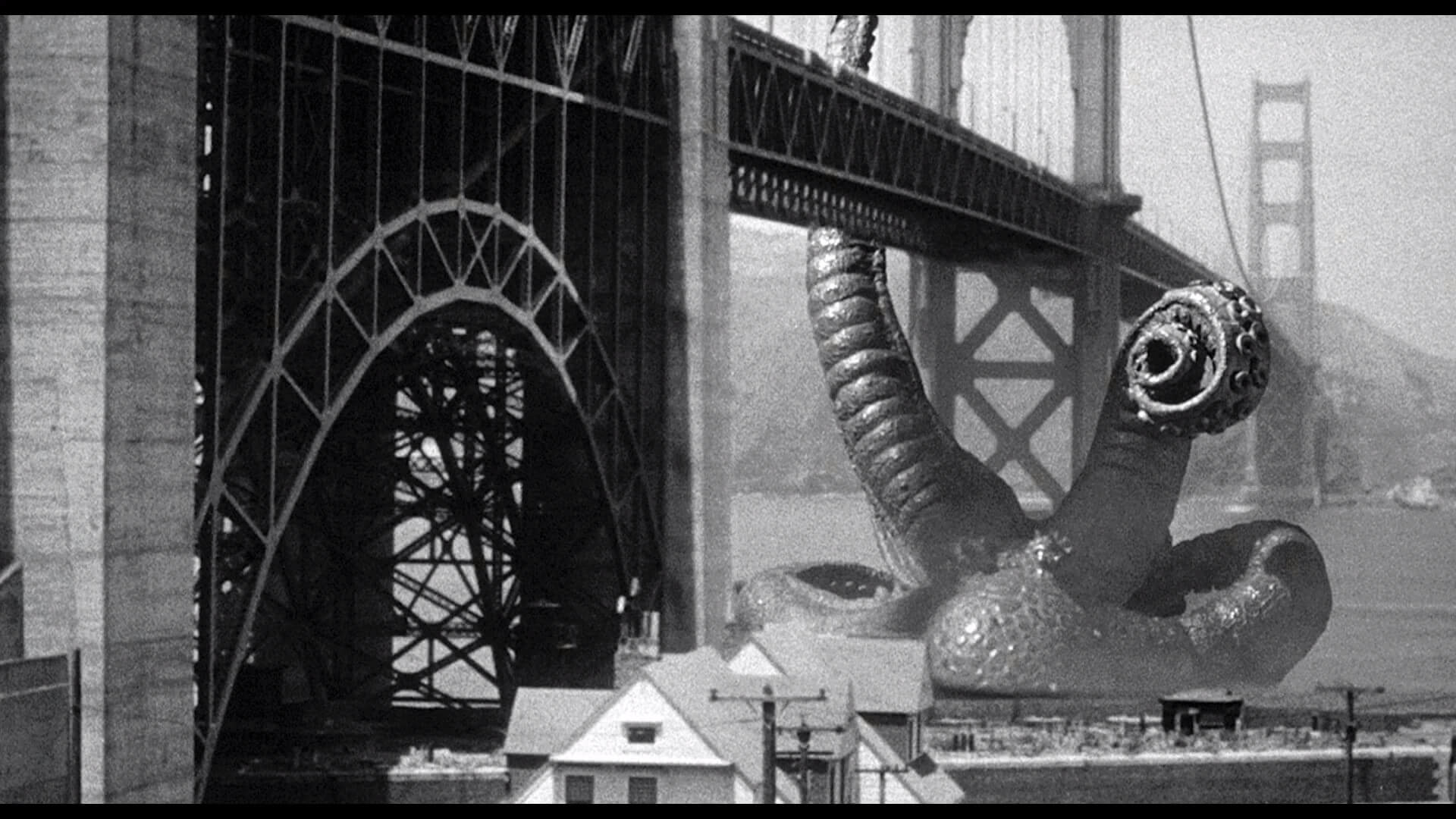
Black and white chills as a giant octopus threatens the Pacific coast. The amazing stop-motion effects of Ray Harryhausen outshine everything else in this fun creature feature.


Thursday August 18th, 11pm – Evil Dead II (1986)

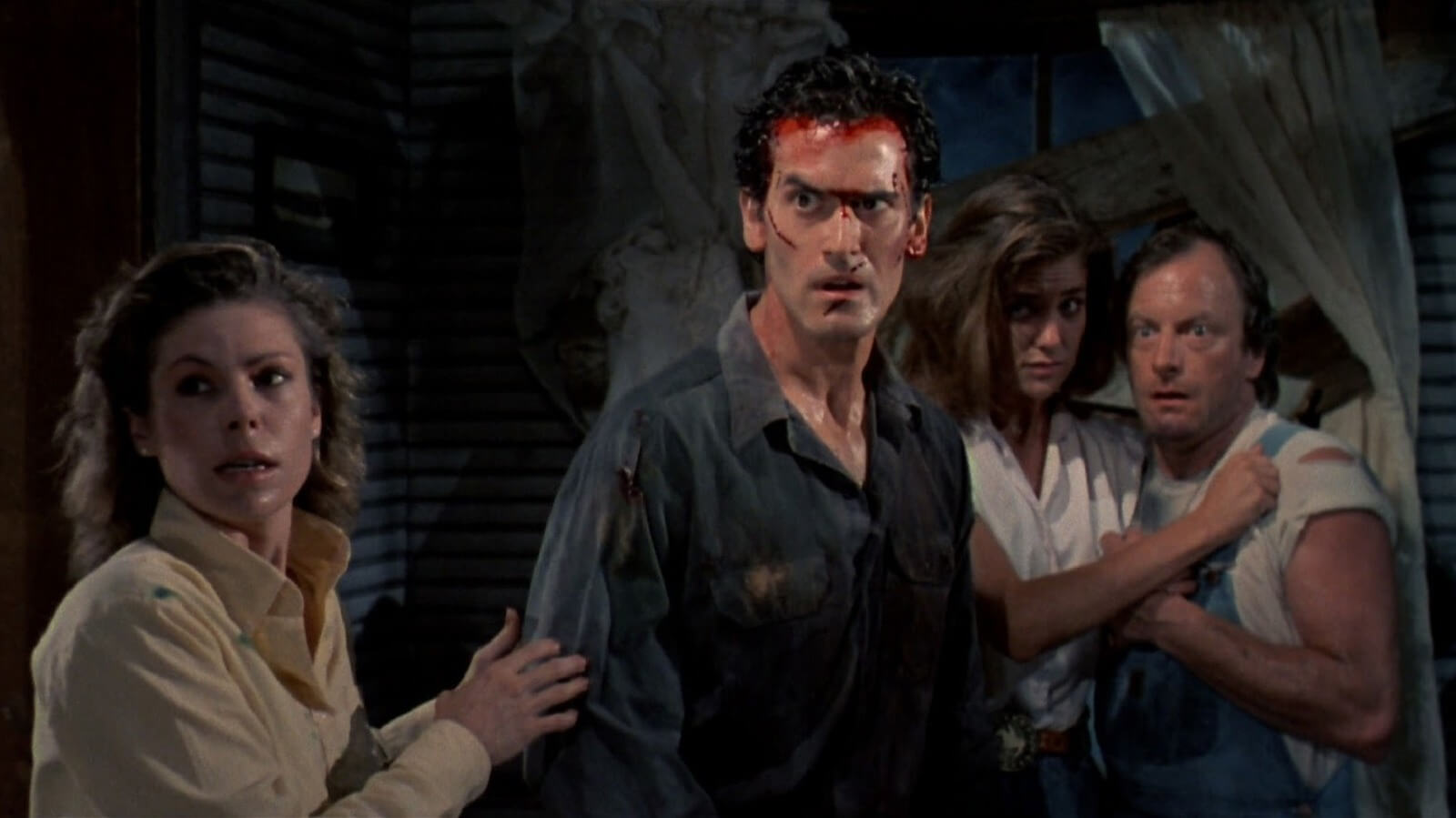
Sam Raimi’s follow-up to the 1981 classic is a rare occurrence of a sequel besting the original. It’s an all-out riotous bloodbath as Bruce Campbell returns as Ash to battle the forces of the Necronomicon in a cabin in the woods.


Saturday August 20th, 9pm – Robbery (1967)

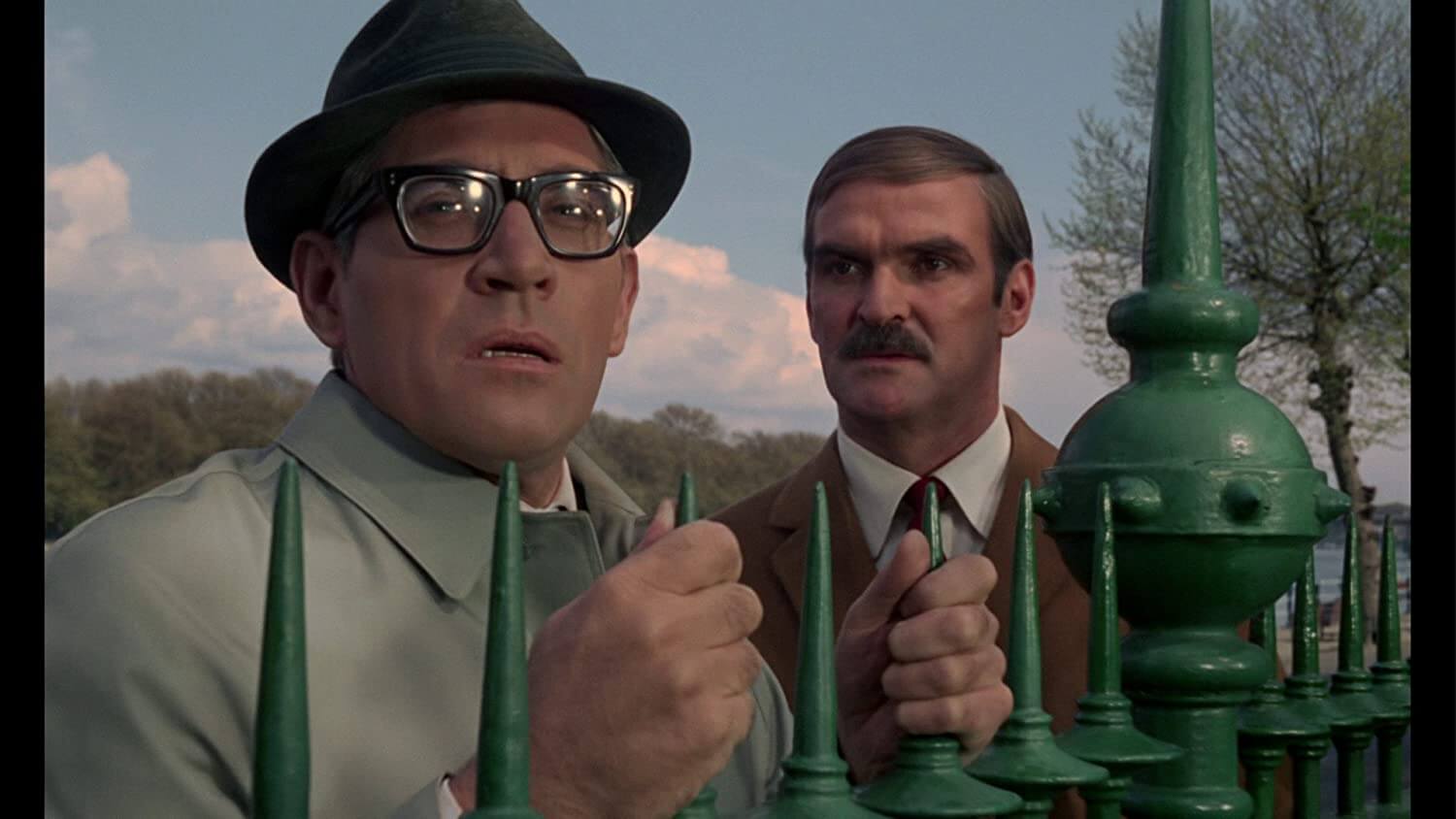
Cult crime thriller inspired by the infamous Great Train Robbery starring the brilliant Stanley Baker (Zulu) and Barry Foster (Frenzy) and directed by Peter Yates (Bullit).


Sunday August 14th, 9pm – 12.40am The Vintage Vault

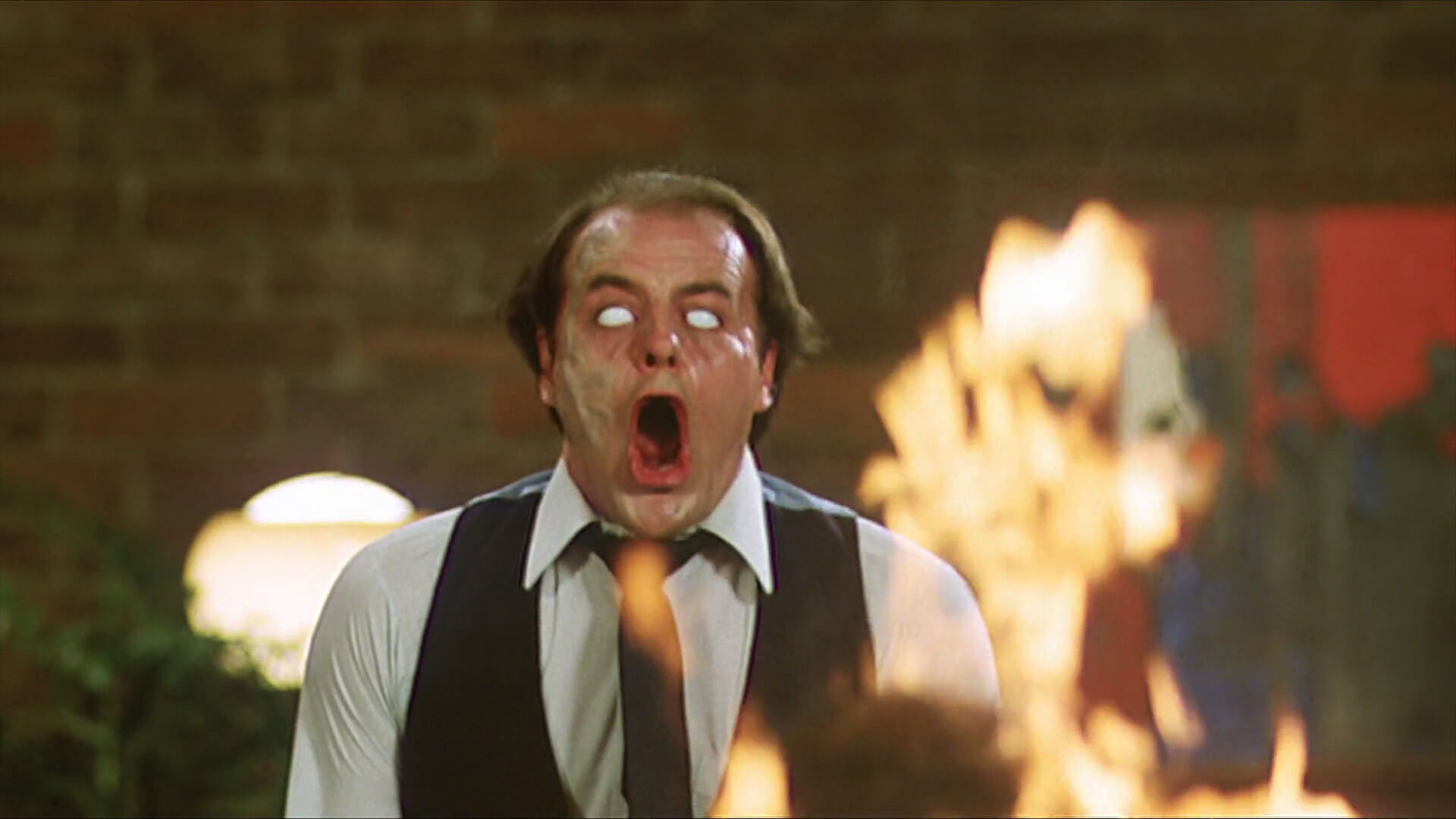
Legend continues to celebrate the Golden Age of genre cinema with a season of double bills. This week, there are a pair of shockers from 1981 starting with David Cronenberg’s head-exploding classic Scanners. This is followed by some gory shear-clipping in The Burning, the teen camp slasher that out-killed Friday the 13th.

Find out more information at https://www.legend-tv.co.uk/

Tune into Legend on Sky 317, Virgin 149, Freeview 41, Freesat 138.

THE TELEPHEMERA YEARS: 1997 – PART 2

Meego, 1997 (Bronson Pinchot)

Ah, telephemera… those shows whose stay with us was tantalisingly brief, snatched away before their time, and sometimes with good cause. They hit the schedules alongside established shows, hoping for a long run, but it’s not always to be, and for every Street Hawk there’s two Manimals. But here at STARBURST we celebrate their existence and mourn their departure, drilling down into the new season’s entertainment with equal opportunities square eyes… these are The Telephemera Years!

1997-98

NBC’s Thursday night block of “Must See TV” dominated the 1997-98 US TV season, with Seinfeld, ER, Friends, and new hit (and Kirstie Alley vehicle) Veronica’s Closet filling the top four spots. Even Union Square, which NBC cancelled after fourteen episodes for lower than expected ratings, came in at number seven, and the rest of the networks floundered in the Peacock’s wake. Outside of football and the news, only ABC’s Home Improvement and CBS schlockfest Touched By An Angel could crack the top ten, but Fox had a strong trio in the youth demographic with The X-Files, King of the Hill, and The Simpsons all making the top twenty.

Seinfeld was in its final season, as were Ellen, Dr Quinn Medicine Woman, and The Larry Sanders Show, but there were new arrivals in the shape of Ally McBeal, Dawson’s Creek, Stargate SG-1, and La Femme Nikita, while Oz began its gritty six-year run on HBO in July 1997. Fans of genre shows were also catered for by 3rd Rock from the Sun, Buffy the Vampire Slayer, Sabrina the Teenage Witch, and Star Trek: Voyager, but what about those shows that didn’t hit the TV ratings charts? This is the story of four more shows from the 1997-98 season that failed to hit their mark…

Timecop (ABC): As seems incredibly appropriate, to tell the story of Timecop necessitates not one but two jumps into the past, beyond the 1994 movie of the same name to a three-part comic book serial in a 1992 anthology…

Timecop began in Dark Horse Comics #1, lining up alongside stories set in the Predator, Robocop, and Aliens universes, perhaps betraying that the strip had already been optioned by Universal Studios for the Jean-Claude van Damme actioner. Created by Mike Richardson, the first story was written by Mark Verheiden (with art by Ron Randall), and Richardson and Verheiden teamed to write the movie, which – and this is daming with faint praise – is one of van Damme’s best.

Timecop, 1997

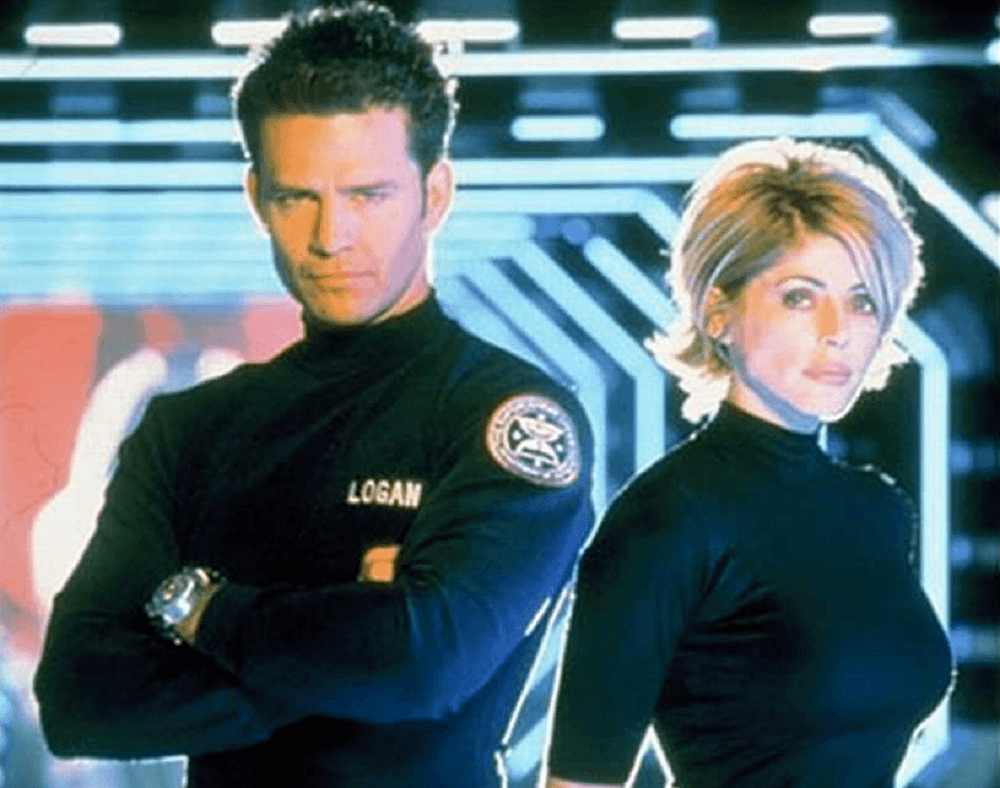
Van Damme’s Time Enforcement Commission Agent Max Walker does not return for the TV series, developed by Verheiden for ABC, and is replaced by Max Logan (Ted King). The world of Timecop saw time travel invented by the US government in 2004 and by 2007 the technology has leaked to all manner of ne’er-do-wells. Logan is tasked with tracking down those using the tech for their own selfish or nefarious means and fixing the timelines they put in danger.

Despite a decent supporting cast (with Cristi Conaway as the will they/won’t they sidekick and Don Stark as Logan’s boss), and stories from Verheiden and Smallville creators Alfred Gough and Miles Millar, audiences didn’t take to Timecop in any great number and ABC pulled the show after just nine of its thirteen episodes had aired. The other four were eventually shown in the Summer of 1998 but have disappeared since with only those first nine (minus episode two for some reason) available to stream on Tubi.

Invasion America (The WB): Prime-time animated shows were as rare as hen’s teeth in the Spring of 1998, despite the success of The Simpsons and a new show called South Park, and the prospect of an animated drama show in prime-time was unthinkable, a dream you might say…

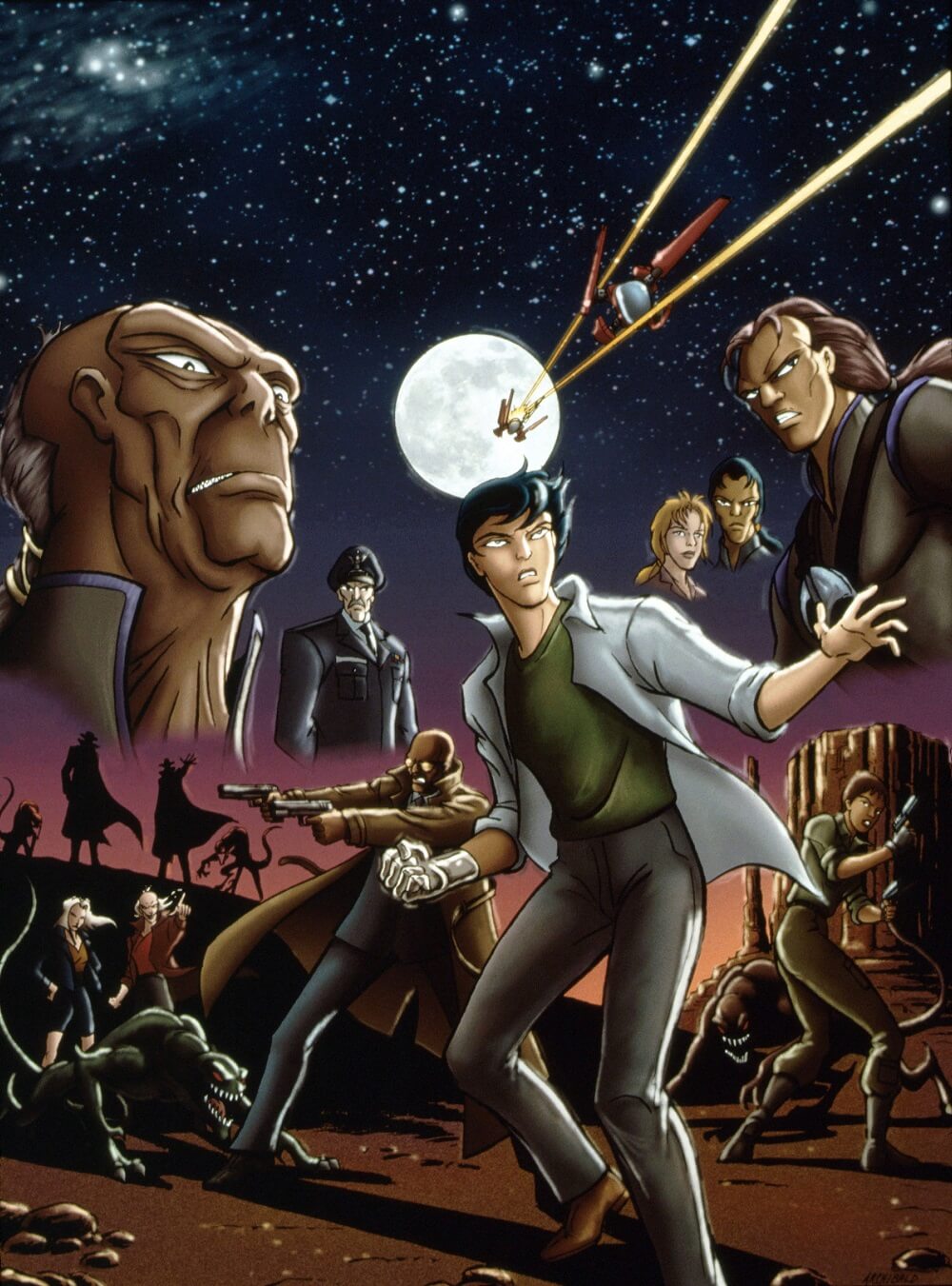
Invasion America was an ambitious ploy by Steven Spielberg’s DreamWorks Animation studio to break into the TV market, while also keeping an eye on the kids that formed their bread and butter audience. The show, which told the story of rival bands of aliens escaping the dying planet Tyrus and bringing their civil war to Earth, was presented in two versions – an edited version for younger viewers on Kids WB and the uncut episode for families in prime-time on The WB on Tuesday nights.

Invasion America, 1998 (DreamWorks)

Thirteen episodes were produced for the show’s first season, intended to be book one of a longer story arc, and The WB premiered in on June 8th 1998, a Monday night, before taking the slot recently vacated by the first season of Dawson’s Creek. Two episodes a week were aired, with the final three episodes shown as a bumper block on July 7th, and DreamWorks’ lush animation was matched with a strong voice cast that included Mikey Kelly, Lorenzo Lamas, Rider Strong, and Leonard Nimoy.

Unfortunately, the somewhat thin storylines and teen pathos failed to resonate with audiences and critics alike, with Spielberg’s co-creator Harve Bennett possibly too long in the game, and a planned second (and third, and fourth…) season was cancelled before work could even begin. Two tie-in novels were released, however, and the show has earned a cult following in recent years, despite not being officially available to view. However, if you keep looking at the stars (and YouTube), you might just find it…

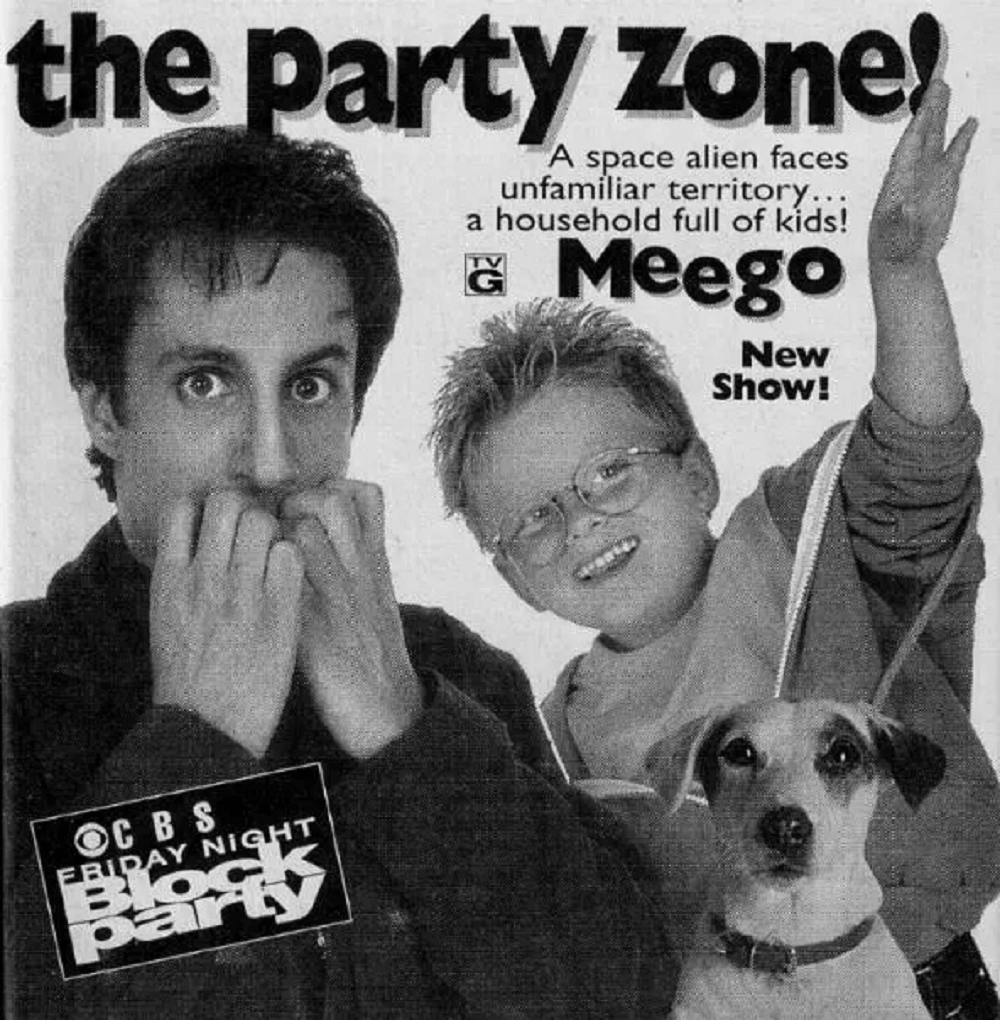
Meego (CBS): Bronson Pinchot shot to fame as Balki Bartokomous, the comical foreigner on the inexplicably long-running Perfect Strangers, but struggled to find a regular role after that show ended in 1993, largely retreating into voice work for animation, unable to find a home for his fish out of water comedy. In 1997, though, Ross Brown had a brainwave – what’s more foreign that outer space?

Brown had cut his teeth on The Facts of Life and Who’s the Boss? before taking two spin-offs of those shows to middling success in the early 1990s. Teaming with Miller-Boyett Productions, who had brought Happy Days, Full House, and so many more sitcoms to the world, Brown believed Meego would restore Pinchot to his place as America’s most beloved oddball, taking Ed Begley Jr, Jonathan Lipnicki, and a pre-Buffy Michelle Trachtenberg along for the ride.

Meego, 1997 (Bronson Pinchot)

Pinchot’s Meego is a 9,000-year-old shape-shifting alien from the planet Marmazon 4.0 who crash lands on Earth and is taken in by three children. Transforming into human shape, Meego tries to pass himself off as an ordinary human being, with the kids explaining his odd behaviour as his being from Canada. Their father – Begley Jr – is unaware that he is housing an alien (but somehow strangely fine with giving room in his home to a Canadian) and is the source of much exasperation comedy as the farce ensues.

CBS gave the show a strong lead-in on Friday nights, inheriting the audience of Family Matters (albeit a Family Matters in its final season), which had the added attraction of that show being a spin-off of Pinchot’s first big hit. Unfortunately, audiences failed to connect with this imperfect stranger and just seven of its thirteen episodes aired before the network replaced it with The Gregory Hines Show. Pinchot’s still jobbing around Hollywood, with a turn in The Chilling Adventures of Sabrina a recent highlight, but he never recaptured that Balki magic. Well, of course not, don’t be ridiculous.

You Wish (ABC): Flushed with the success of Sabrina the teenage Witch and Boy Meets World, ABC attempted to turn their Friday nights into a must-see block of teen-aimed comedy with the addition of Teen Angel (see last time on The Telephemera Years) and You Wish, an I Dream of Jeannie with a twist (and no Larry Hagman).

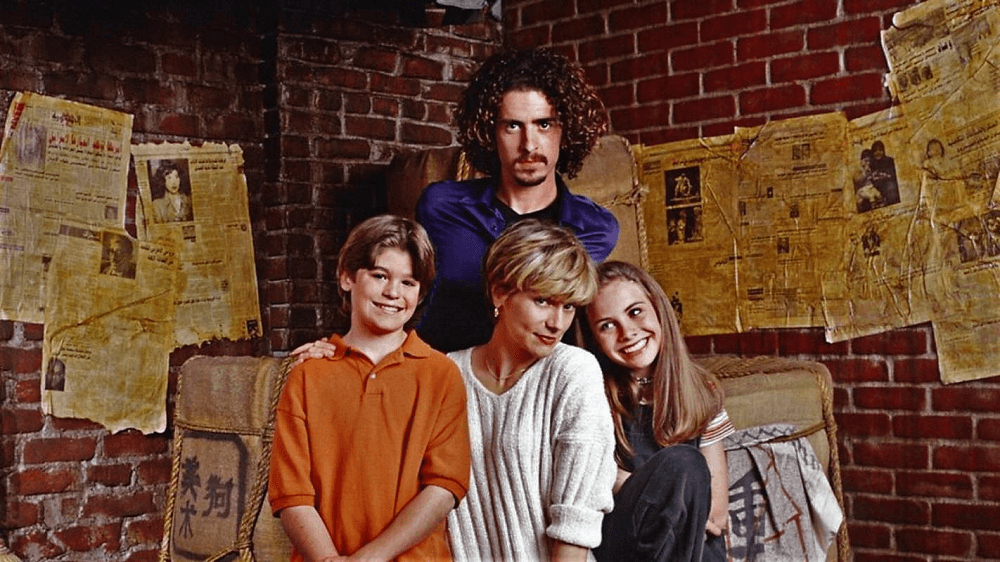
Single-mom Gillian Apple (Arachnophobia’s Harley Jane Kozak) takes her kids to a rug shop owned by Madman Mustafa – John Rhys Davies doing his funny foreigner schtick – where they buy an antique rug, unaware that it contains a genie! Imprisoned within the rug for 2,000 years, Genie (it’s his name as well as his job) joins their family, introduced by Gillian as “Steve” from Canoga Park, an area of Los Angeles notable for its high percentages of Latinx-Americans and never-married men.

You Wish, 1997

Genie is soon joined by his 50,000-year-old grandpa, played by Jerry van Dyke (who was also in Teen Angel at the same time), and hilarity was supposed to have ensued, although your mileage may vary on the degree of that merriment. For its seventh episode, You Wish was part of a crossover event which began in Sabrina and ran through the rest of the block’s shows, using Sabrina’s cat Salem and a time-travel theme as its anchor, but that would prove to be the last we saw of Genie, Gillian, and the old man.

Ratings for You Wish were less than ABC had hoped for and it was replaced by re-runs of Sabrina and Boy Meets World, before the final six episodes were eventually aired as a Spring 1998 replacement for the cancelled Teen Angel. ABC tried again the following year, with the hit Two of a Kid and non-hit Brother’s Keeper filling the other slots, but You Wish faded into obscurity, perhaps trapped in an antique rug lost in the back room of a rug shop owned by a comedy Arab…

Next on The Telephemera Years: it’s pilot season as we discover four shows that didn’t make it to series for the 1997-98 season…

Check out our other Telephemera articles:

The Telephemera Years: 1966 (part 1, 2, 3, 4)

The Telephemera Years: 1968 (part 1, 2, 3, 4)

The Telephemera Years: 1969 (part 1, 2, 3, 4)

The Telephemera Years: 1971 (part 1, 2, 3, 4)

The Telephemera Years: 1973 (part 1, 2, 3, 4)

The Telephemera Years: 1975 (part 1, 2, 3, 4)

The Telephemera Years: 1977 (part 1, 2, 3, 4)

The Telephemera Years: 1980 (part 12, 3, 4)

The Telephemera Years: 1982 (part 1, 2, 3, 4)

The Telephemera Years: 1984 (part 1, 2, 3, 4)

The Telephemera Years: 1986 (part 1, 2, 3, 4)

The Telephemera Years: 1987 (part 1, 2, 3, 4)

The Telephemera Years: 1990 (part 1, 2, 3, 4)

The Telephemera Years: 1992 (part 1, 2, 3, 4)

The Telephemera Years: 1995 (part 12, 3, 4)

The Telephemera Years: 1997 (part 1, 2, 3, 4)

The Telephemera Years: 2000 (part 1, 2, 3, 4)

The Telephemera Years: 2003 (part 1, 2, 3, 4)

The Telephemera Years: 2005 (part 1, 2, 3, 4)

The Telephemera Years: 2008 (part 1, 23, 4)

Titans of Telephemera: Irwin Allen

Titans of Telephemera: Stephen J Cannell (part 1, 2, 3, 4)

Titans of Telephemera: Hanna-Barbera (part 1, 2, 3, 4, 5)

Titans of Telephemera: Kenneth Johnson

Titans of Telephemera: Glen A Larson (part 1, 2, 3, 4)

Titans of Telephemera: Quinn Martin (part 1, 2)

Five Films to Check Out on Legend This Week – 080822

legend picks howling

There’s another bumper week ahead on Legend so here are our picks you shouldn’t miss…


Wednesday August 10th, 10.50pm – The Young Cannibals (2019)

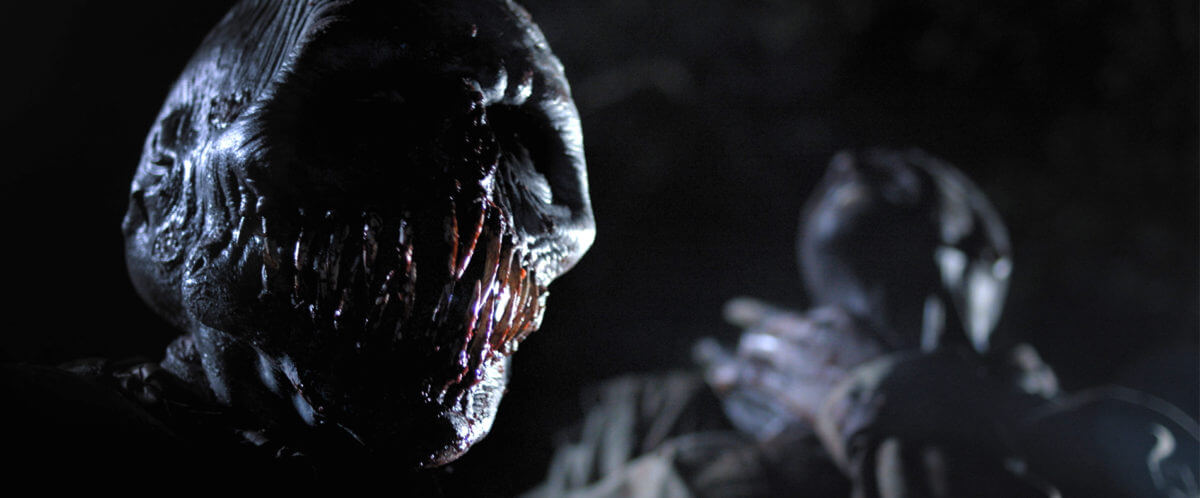
A holidaying group summon a vicious beast when they are tricked into eating human flesh. It’s easily done, we guess.


Thursday August 11th, 9pm – Mama (2013)  

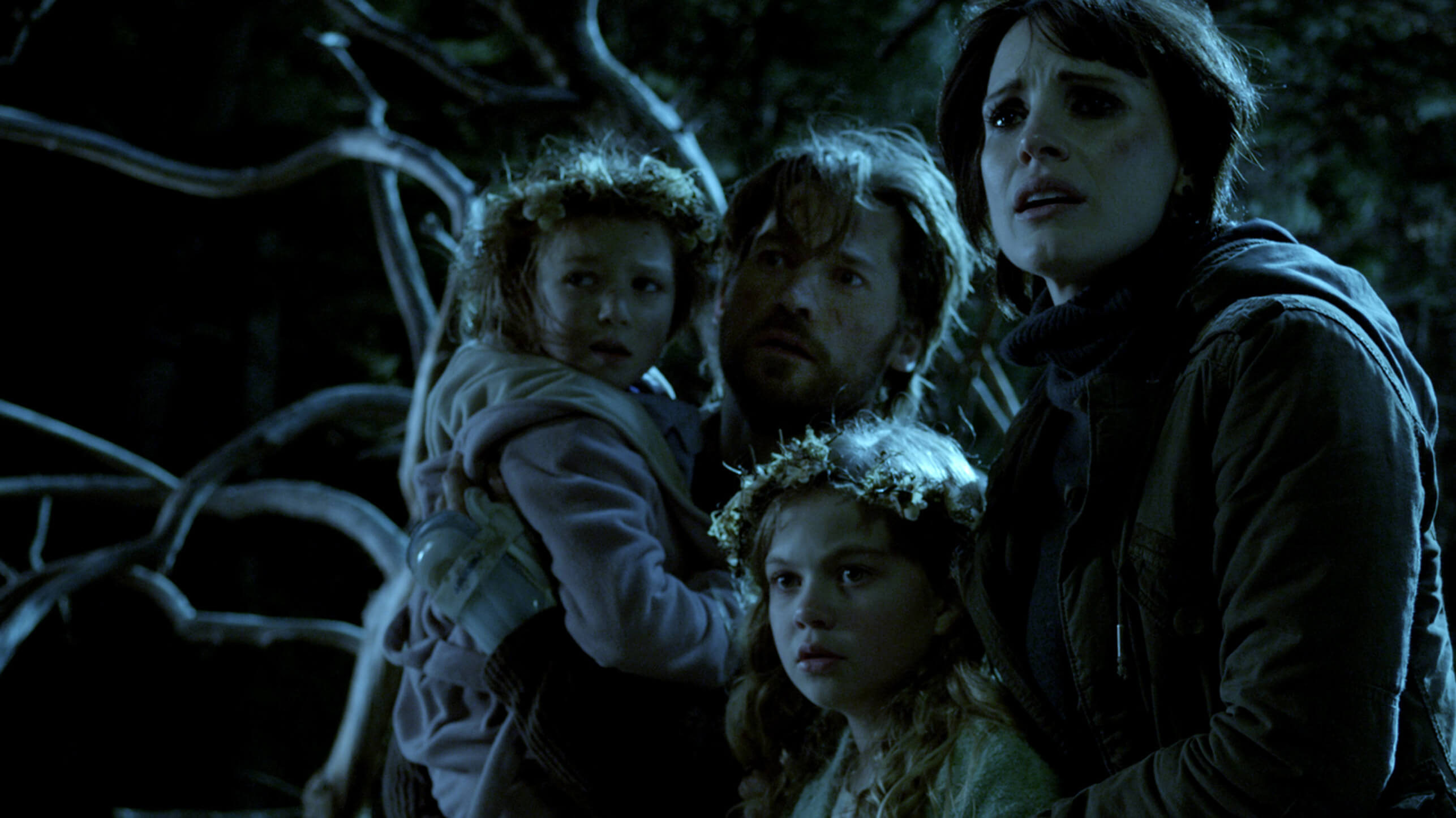
Director Andrés Muschietti expands on his brilliant short film with this story of two young children fostered by a supernatural entity, which stays with them when they are taken from their remote cabin.


Friday August 12th, 11pm – Night of the Creeps (1986)

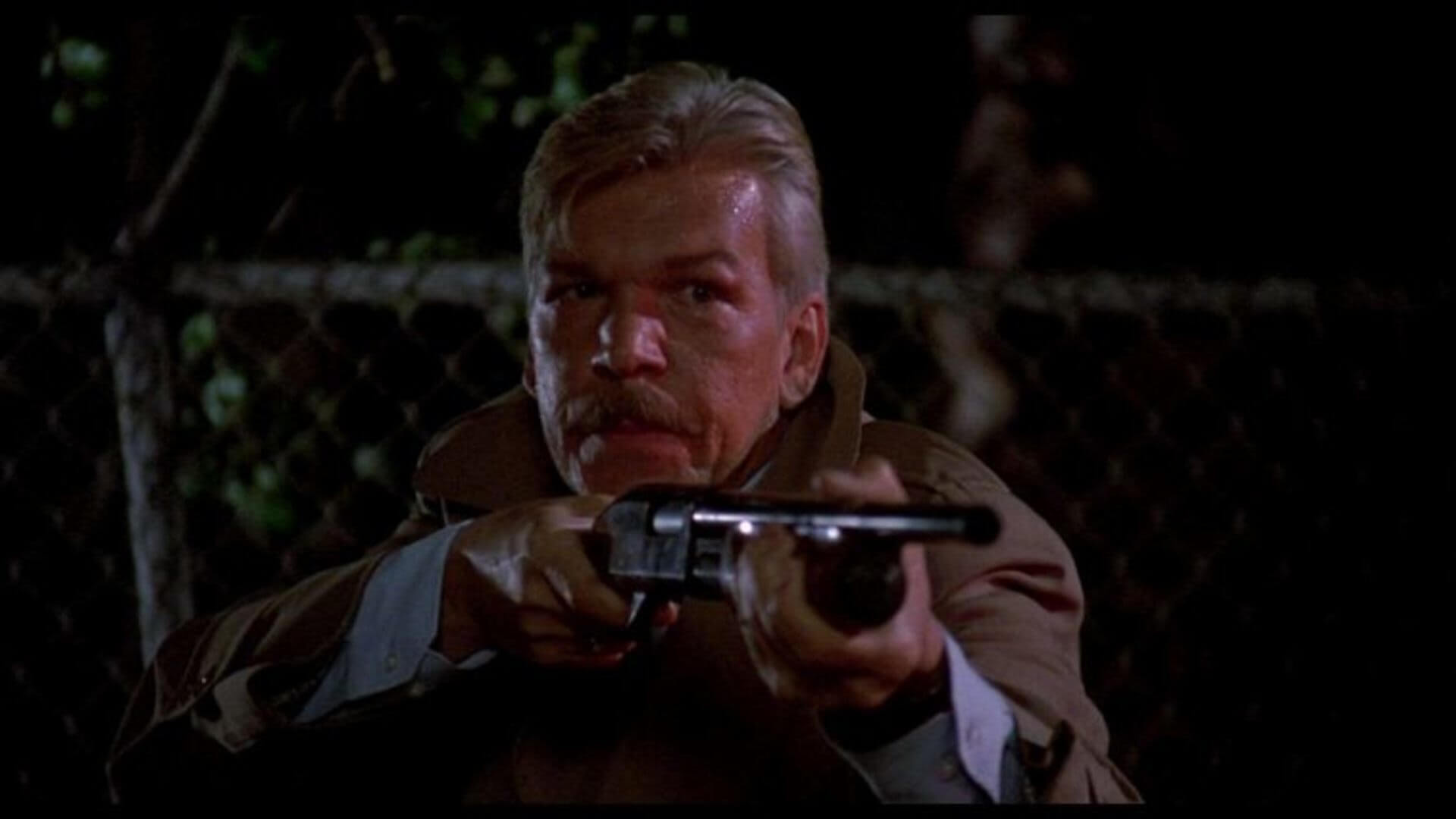
“The good news is your dates are here. The bad news is they’re dead.” Fred Dekker’s wild sorority-set alien zombie film is a riot. Stars the legendary Tom Atkins.


Saturday August 13th, 9pm – Buffalo Bill and the Indians (1976)

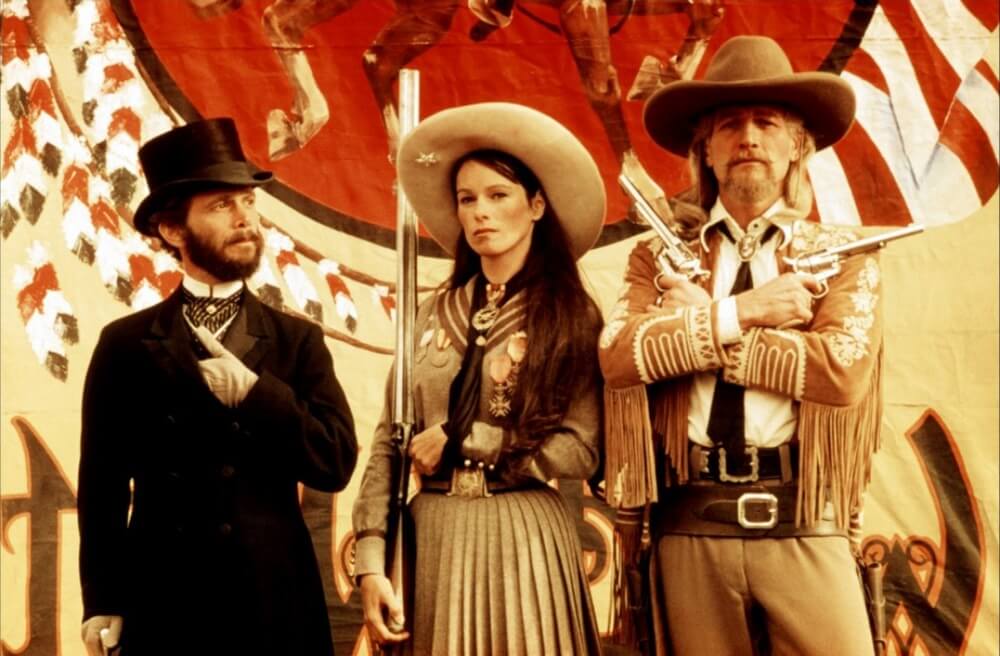
Excellent revisionist western directed by the masterful Robert Altman. Paul Newman plays the titular cavalryman running a totally erroneous Wild West show with Chief Sitting Bull (Frank Kaquitts).


Sunday August 14th, 9pm – 12.40am The Vintage Vault

Legend continues to celebrate the Golden Age of genre cinema with a season of double bills. This week, John Carpenter’s eerie classic The Fog (1980) is guaranteed to send shivers down your spine (and features that man Tom Atkins again!). This is followed by Joe Dante’s superb werewolf shocker The Howling (1981), where TV reporter Dee Wallace investigates a strange commune with hairy concequences.

Find out more information at https://www.legend-tv.co.uk/

Tune into Legend on Sky 317, Virgin 149, Freeview 41, Freesat 138.

DAGL – TWENTY SIDED TAVERN AT EDINBURGH FRINGE

David Andrew Greener Laws, a.k.a. DAGL, is the co-creator, writer, and resident Gamemaster of The Twenty-Sided Tavern. a fantasy roleplay themed improv show that combines actual play gaming with interactive technology and improvised comedy.

The Twenty-Sided Tavern can be found during the Edinburgh Fringe at the Pleasance Dome (King Dome), 4.30pm, 3-28 August (not 15) 2022. Click here to book tickets.

What is TwentySided Tavern? How would you describe it to someone who doesn’t play fantasy games?

The Twenty-Sided Tavern is where stories live. It’s a physical place that is where we gather to recount adventures, and it’s a story place where we dive into a fantasy world to play games, solve puzzles, and become heroes. Imagine if all of your best friends were hosting a party in a place where you were totally welcome and comfortable to make all sorts of decisions that determined the outcome of a mystical quest. That and maybe play some Fantasy Beer Pong.

Why fantasy?

Fantasy is really just the first stop on this proverbial adventure train. It seemed the most logical place to dive in because it’s so open and explorable; there are so many kinds of swords & sorcery stories, and we get to draw from all of them. It can be homebrewed without a lot of rules, but games like D&D have the structure that allows for focused storytelling. We’d love to develop more stories in other genres: The Twenty-Sided Saloon for our spaghetti western, The Twenty-Sided Manor for our murder mystery, The Twenty-Sided Bordello for…probably a late-night version, let’s not get into that right now.

What is Gamiotics?

Gamiotics is the magical tech that fuels our ability to tell stories in this unique way. It’s a browser-based software (so no apps, no downloads, no sketchiness) that puts the power of choice in the audience’s hands (literally). With it, the audience becomes a fourth character in the story, making decisions for the onstage heroes, competing in minigames, and ultimately determining the outcome of our story.

How is it going to change the nature of interactive comedy?

It’s fostering this shift in dynamic storytelling where the audience’s impact can be immediately registered, felt, and analyzed for future experiences.  We are constantly rewriting these quests when we feel that a decision isn’t balanced or think of a new challenge to offer or when the audience just straight up surprises us. Since the audience sees the results of the actions they take in real time, our ability to immediately communicate with them and adjust to what they’re providing is (pun only slightly intended) a game changer.

What should I expect when I come to your show?

You should expect to be welcome and for us to be excited to see you. You should expect to hear a lot of words (the Douglas Adams influence is strong) and to meet some truly wacky characters. You should expect to use about 10% of your phone’s battery and about 97% of your daily tolerance for puns. And that’s really where the expectations end. Whether you use your phone to participate or sit back and answer the riddles in your head, whether you volunteer to come onstage or giggle from the back row, you will have a truly unique experience in the fantasy land of Dagland.

How different is this from actual play streaming shows like Critical Role, Questing Time, Dimension 20 etc?

The biggest difference is TST’s interactivity. There are no limits to our storytelling, because the audience and these brilliant performers work together to create something that is truly unique every single time. We immerse you in a way that makes you partially responsible for what happens to our heroes, and that makes you an invaluable part of the experience, which few other experiences can say.

The Fringe has seen interactive fantasy shows (such as Knightmare Live) before, what makes this unique?

Gamiotics is a huge part of that. The absolute thrill that comes from simply tapping a button to see if the audience can overcome an obstacle is incredible. I have been constantly blown away by how invested and excited our audiences get when naming an NPC or at a player rolling a nat 20. Our audiences are ravenous, brilliant, hilarious, and statistically more clever than 87% of other theatregoers.

What’s been your favourite moment so far?

Hard to choose. There was the infamous “Turkey Kiss” where the Big Bad Evil Guy was defeated with the power of love. There was the time a villain’s plans were foiled when one of the players baby-birded seltzer into my mouth. There was the time a four-year-old in the audience named an evil wizard Bripey McDoogle. And of course who could forget the time that the audience decided an onstage scarf was actually a turtle named Leonardo, whom the players then protected with their lives. We still get fan art of him to this day….

What’s your favourite prop from the show so far?

Has to be The Decider. It’s our giant twenty-sided die that helps us make our most pivotal decisions. It even gets into an audience member’s hands for the first roll of the show, and the results are…dynamic.

What’s the biggest challenge facing improv comedy today?

I think the biggest challenge is the stigma attached to the word “improv”. One imagines a black box theatre and overly-enthusiastic actors in different colored t-shirts skipping onstage while clapping for themselves, soliciting suggestions from the audience followed by a series of moments that your brain identifies as jokes but your body doesn’t have the willpower to physically respond to until in a desperate attempt at validation the performers continue to try and one-up one another until it devolves into a Yes-And-fueled scene of absolute chaos.

Well, in our version, sometimes the actors wear collared shirts instead of t-shirts.

What tabletop and video games are you playing at the moment?

I’m always playing Dungeons and Dragons every moment that someone will allow me too. I’ve also been playing Gloomhaven, and am only slightly embarrassed to admit that I have a solo game ongoing in my basement.

As I prepare for a very long flight, I’m making sure my staples are all loaded up just in case – Fallout: New Vegas, Civilization VI, Disco Elysium. And we can just edit out this part here where I admit that I’ll probably spend a majority of the flight playing The Sims 4 instead.

What are your favourite fantasy tropes?

I love a good MacGuffin, specifically when it’s an egg. And obviously I’m a fan of “the NPC you fell in love with was a bad guy all along”. (Not in the campaign we’re bringing to Edinburgh though, I promise, wink)

Would you allow my druid to wildshape into an Owlbear?

Hey, I get that reference! I would allow you to roll for it, and depending on the outcome you would either become an owlbear or a bearowl or a bear who thinks it’s an owl or an owl in a t-shirt and no pants.

Is the genre world more accessible these days?

Certainly, and becoming more accessible every day, I think. As well it should be. Everyone has an imagination, everyone should be welcome, everyone should be invited and able to create and celebrate and enjoy.

Which comedians inspire you?

Early days inspirations were Robin Williams and Eddie Izzard. If I play my cards right, you’ll see those reflected in my performance onstage between the absolute manic energy and the dry, acerbic witticism. These days you’ll also catch a dash of Noel Fielding (mainly my wigs) and Dylan Moran (when my players are giving me a hard time). I have also been described as the lovechild of Bo Burnham and John Mulhaney, proving that talent isn’t genetic but having a big forehead is.

What tropes / gags do you personally avoid the most?

We definitely try to avoid the whole light = good vs dark = bad. It’s unspecific, it’s problematic, let’s find something new. Really any stereotyping, whether it’s all orc are bad or all elves are fancy, anything like that. More dainty, violinist orc bards and ungainly, yee-haw barbarian elves please!

Would You Pick:

Tolkien or Pratchett?

Pratchett, and I feel strongly that this is the most dangerous question I have ever been asked.

Game of Thrones or Doctor Who?

Doctor Who every time. Eccelston was my first, Tennant was my favorite, Whittaker’s a revelation, and Gatwa will be phenomenal.

Simpsons or Futurama?

Futurama. I cannot for the life of me think of a clever rejoinder here, that’s just my opinion.

Fringe Theatre or Audio Drama?

Fringe Theatre. And that’s not just pandering. (It’s not *just* pandering)

Truth or Beauty?

Booooooooth? I mean, they’re both subjective. I feel like this is a genie’s curse. Is this a genie’s curse? You legally have to tell me if this interview’s being conducted by a genie or else it’s entrapment.

Renato Casaro | RED SONJA

Renato Casaro RED SONJA

Italian movie poster artist Renato Casaro elevates every project he touches. Over the years, his striking style, coupled with his uncanny attention to detail, has captured the attention of some of Hollywood’s biggest names. Across his decades-spanning career, Casaro has worked with filmmaking giants such as Sergio Leone, Quentin Tarantino, Sam Raimi, and Francis Ford Coppola, among others. Studiocanal recently commissioned the artist to create brand-new art for the 4K Blu-ray re-release of Red Sonja, the 1985 action-adventure film starring Brigitte Nielsen and Arnold Schwarzenegger. Casaro’s poster for the movie’s initial release stands among his best work, but his second go at the character maybe even better.

STARBURST recently had the pleasure of catching up with Casaro, talking about everything from working with Sergio Leone and Quentin Tarantino to which of his many works was most difficult to create…

STARBURST: Is there anything specific that you wanted your original Red Sonja poster to convey?
Renato Casaro: I wanted to show the power of Red Sonja as a strong partner of Lord Kalidor/Conan.

What appealed to you about Red Sonja? What elements of her presence did you feel were most important to include in her poster?
That a strong powerful woman can be beautiful, an emancipated woman of her undefined time… presented by swords, lances, fire, and volcanos in a fantasy world.

Which of your many movie posters is your favourite?
I have a few favourites because each has its own story; Perhaps Nikita.


Do you recall any of them being more difficult or complicated to conceptualise than others?
The poster for The Sheltering Sky was extremely difficult. The contractual credits asked for three actors to be shown in the same size. It didn’t really work. After about thirty sketches and scribbles and some sleepless nights, I got the idea of the couple lost in the desert, avoiding any face. It became a cult hit…

From concept to completion, what does your artistic process look like?

I get a script or first photos from the set or see the samples of the day’s shooting or at its best see the movie either in a rough or final cut. Then I start to scribble, develop sketches, and then select two or three of them to present to the client for approval. The next step is to do the approved version of the original painting, of which the poster, and added credits, will be printed.

Working with directors such as Sergio Leone, Francis Ford Coppola and Quentin Tarantino must have been incredible. What was your experience like working with them? Did they ever give you memorable feedback?
Oh yes. The best feedback is the next order…. for example, Sergio Leone. He trusted my work as much as possible for a lifetime… and Quentin Tarantino… a dream to work for him. My earlier work is part of his collection.

Which contemporary artists do you follow or admire? There’s so much talent out there! We’re curious about who has caught your attention.
We are talking about movie poster artists? I love the work of Drew Struzan, Bob Peak, and Frank Frazetta.

What have you got next?
We are preparing the next big exhibition in the National Museum of UNESCO -at Matera in Italy starting in September 22nd. In between, we are collecting my life’s work for a publication of a general catalogue.

Red Sonja is out now in 4K from Studiocanal.

Adam Meggido – STARSHIP IMPROVISE

Adam Meggido is a Theatre Director best known for Peter Pan Goes Wrong, Showstopper! The Improvised Musical and his work with Mischief Theatre. He’s certainly no stranger to sci-fi, fantasy and horror.

We caught up with him to learn more about his new show, Starship Improvise,  a homage to everything from Star Trek to Galaxy Quest, which currently showing at the Edinburgh Festival ( Pleasance Dome (King Dome), 3pm, 6-21 August, book here.)


What is STARSHIP IMPROVISE? How would you describe it to someone who has never been to a theatre?

Imagine going to a sci-fi convention and meeting the actors from a hit show called Celestia Seven. Those actors ask the audience about their favourite episode and then the entire episode is improvised live in front of the audience! It’s funny and unpredictable!

Why retro sci-fi?

It’s a genre most people know well. Although you don’t have to know anything about sci-fi to enjoy the show. We are making everything up on the spot out of whatever the audience suggests that day.

Does it owe more to British SF, or does it have a broader, international feel?

That depends upon what the audiences want! But I think it will begin with a Star-Trekkish kind of feel and then develop from there.

Why Improv?

It’s live, dangerous, exciting and very very funny.

What’s your favourite prop from the show so far?

I’ve just taken an old Blackberry phone and sprayed it silver to look like some kind of tricorder. I’m hoping to use it in tonight’s preview.

What’s the biggest challenge facing improv comedy today?

Getting TV producers to handle it properly.

How similar is it to other shows such as The Play That Goes Wrong or Austentantious?

It’s fast and funny, but it will also be a soap opera set in space, so a very different vibe.

What are your favourite SF characters to be?

Hm, not sure. I loved most of the characters in BSG. I was especially fond of grouchy ol’ Colonel Tigh. And who doesn’t love Data from TNG? But surely nothing beats that timeless Gallifreyan known as ‘The Doctor.’

What’s the best Star Trek episode? Why? What’s the worst? Why?

I don’t like talking about the worst of things – but the best TNG ep is probably The Best Of Both Worlds. The Borg were a great enemy. You need good enemies in these shows. Very often, a story is only as good as its forces of antagonism.

Is the genre world more accessible these days?

Seems to be – superheroes are everywhere!

Which comedians inspire you?

All my dear friends in Showstopper and Mischief. They make me laugh all the time.

What tropes / gags do you personally avoid the most?

I’m tempted to say ‘the cheap stuff’, but … I know myself too well….

Would You Pick:

Picard or Discovery?

Discovery

Blakes7 or Firefly?

Blakes Seven

Simpsons or Futurama?

Simpsons

Fringe Theatre or Audio Drama?

You’re killing me – can’t decide.

Goths or Visigoths?

Shoggoths?

Borg or Cybermen?

Borg

Stargate, Star Wars or Stars In Their Eyes?

How about Starman, by Bowie?

Truth or Beauty?

I’m keeping that one secret.

THE TELEPHEMERA YEARS: 1997 – PART 1

Tenacious D

Ah, telephemera… those shows whose stay with us was tantalisingly brief, snatched away before their time, and sometimes with good cause. They hit the schedules alongside established shows, hoping for a long run, but it’s not always to be, and for every Street Hawk there’s two Manimals. But here at STARBURST we celebrate their existence and mourn their departure, drilling down into the new season’s entertainment with equal opportunities square eyes… these are The Telephemera Years!

1997-98

NBC’s Thursday night block of “Must See TV” dominated the 1997-98 US TV season, with Seinfeld, ER, Friends, and new hit (and Kirstie Alley vehicle) Veronica’s Closet filling the top four spots. Even Union Square, which NBC cancelled after fourteen episodes for lower than expected ratings, came in at number seven, and the rest of the networks floundered in the Peacock’s wake. Outside of football and the news, only ABC’s Home Improvement and CBS schlockfest Touched By An Angel could crack the top ten, but Fox had a strong trio in the youth demographic with The X-Files, King of the Hill, and The Simpsons all making the top twenty.

Seinfeld was in its final season, as were Ellen, Dr Quinn Medicine Woman, and The Larry Sanders Show, but there were new arrivals in the shape of Ally McBeal, Dawson’s Creek, Stargate SG-1, and La Femme Nikita, while Oz began its gritty six-year run on HBO in July 1997. Fans of genre shows were also catered for by 3rd Rock from the Sun, Buffy the Vampire Slayer, Sabrina the Teenage Witch, and Star Trek: Voyager, but what about those shows that didn’t hit the TV ratings charts? This is the story of four of 1997’s greatest misses…

Teen Angel (ABC): Beginning as it does with the death of a likeable teenage boy, Teen Angel promises something dark and immediately eschews it in favour of something stupid. And that’s not a bad thing…

High school student Steve Beauchamp watches his best friend Marty die after daring him to eat a six-month old hamburger they found under Steve’s bed. Rather than become a moralistic tale about the fragility of life and the recklessness of dares (and, also, CLEAN YOUR ROOM!), Marty returns to Earth as Steve’s guardian angel, guided only by a floating head named Rod who is apparently God’s cousin.
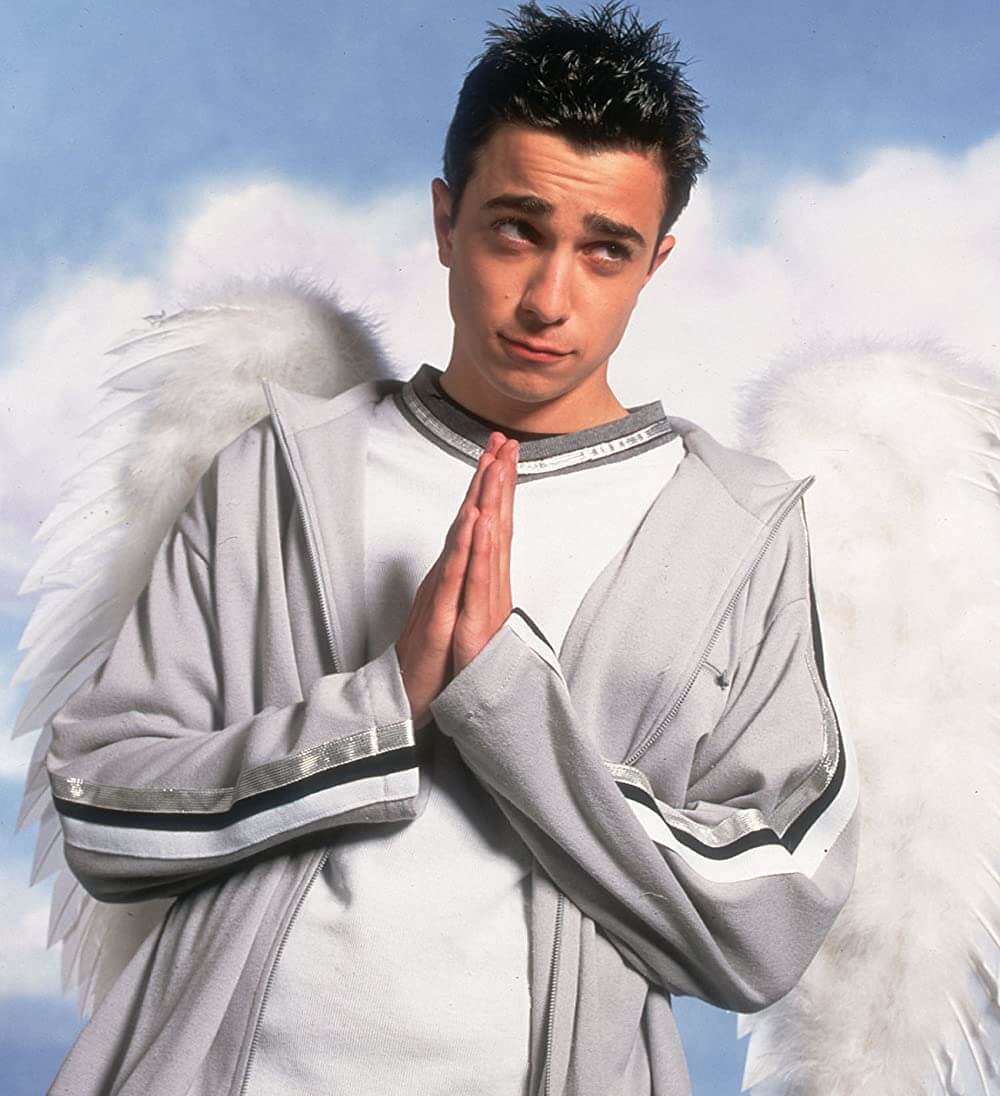
Mike Damus as Teen Angel

Yes, this is ridiculous stuff and it was ABC’s attempt to cash in on the success of Sabrina, Teenage Witch with their own supernatural teen comedy, casting Corbin Aldred (a practising Mormon) as Steve in his first feature role. Mike Damus, with an unsold pilot and a failed sitcom already filling out his brief résumé, played Marty with a touch of mischief that went far beyond Clarence Odbody, and Barney Miller’s Ron Glass is good value as Rod (who Marty assumes wants to eat him when they first meet).

There’s also a chance to see Maureen “Marcia Brady” McCormack as Steve’s mum and Jerry van Dyke as his granddad, but it’s all too brief as low ratings caused ABC to cancel the show after just seventeen episodes had aired, not even giving it a full season, despite the caché of creators Al Jean and Mike Reiss of The Simpsons fame. It’s never been released on home video but several enterprising souls have uploaded most of the episodes to YouTube, where it’s well worth at least twenty-two minutes of your time.

The Visitor (Fox): The Visitor has a place in history that often goes unrecorded and probably for good reason; it was the first TV show to have accompanying webisodes, those annoying extras that hardly anyone can be bothered to watch, even though they contain precious lore. Debuting on Fox in September 1997, The Visitor also hit at the height of fever surrounding its stablemate The X-Files and was possibly doomed to fail in such company.

The basic story has Northern Exposure’s John Corbett abducted by aliens in the Bermuda Triangle during World War II. Fifty years later, he is returned to Earth having not aged a day and blessed with fantastic powers after his captors helped him unlock the portion of his brain that goes unused by ordinary humans.
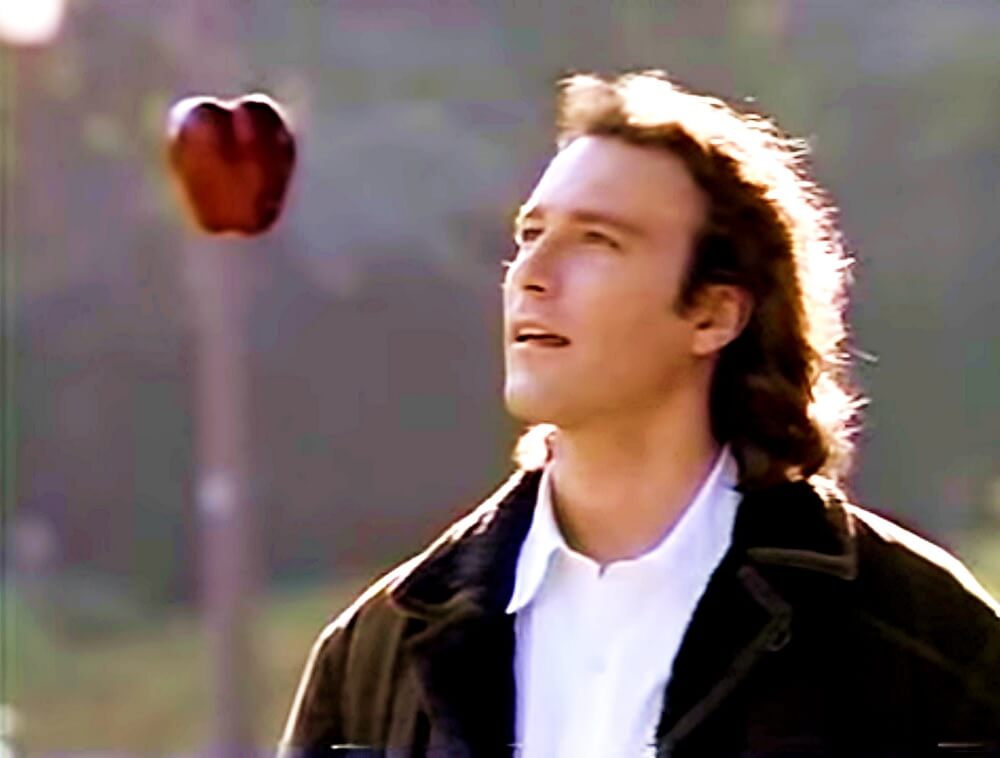
John Corbett in The Visitor

Created by Dean Devlin and Roland Emmerich, who had just enjoyed a massive hit with Independence Day, the anticipation for The Visitor was electric but despite Corbett’s usual charismatic performance, the show soon descended into an Incredible Hulk clone. A typical plot had Corbett’s Adam Macarthur on the run from the FBI, the army, and even more aliens, visiting a town in trouble and using his powers to solve the problem, before moving on to the next town and the next episode.

In more less heavy hands, and given more time, The Visitor might have turned into a small treasure but the thirteen episodes it was given just don’t allow the wider story to breathe and Corbett was reduced to becoming an object of the female gaze in Sex and the City within three years. It’s never been released on DVD but there are ways to see the whole series if you look hard enough, and the original website has been preserved by The Wayback Machine, although shorn of its innovative video content.

Sleepwalkers (NBC): Also a result of catching X-Files fever, NBC debuted its Thrillogy block in September 1996, pulling Dark Skies, The Pretender, and The Profiler together in an attempt to convince people to stay home on Saturday nights rather than drink to forget their miserable lives. When Dark Skies was shamefully cancelled after just a single season, Sleepwalkers was inserted in its place, keeping the three-show block intact but with less than spectacular results…

Created by David S Goyer (who would go on to write the Blade films, as well as the David Hasselhoff Nick Fury flop) and Stephen Kornish, Sleepwalkers focussed on the work of Dr Nathan Bradford and his team at The Morpheous Institute, a crack unit of sleep researchers who developed a way to go into dreams to help troubled souls.
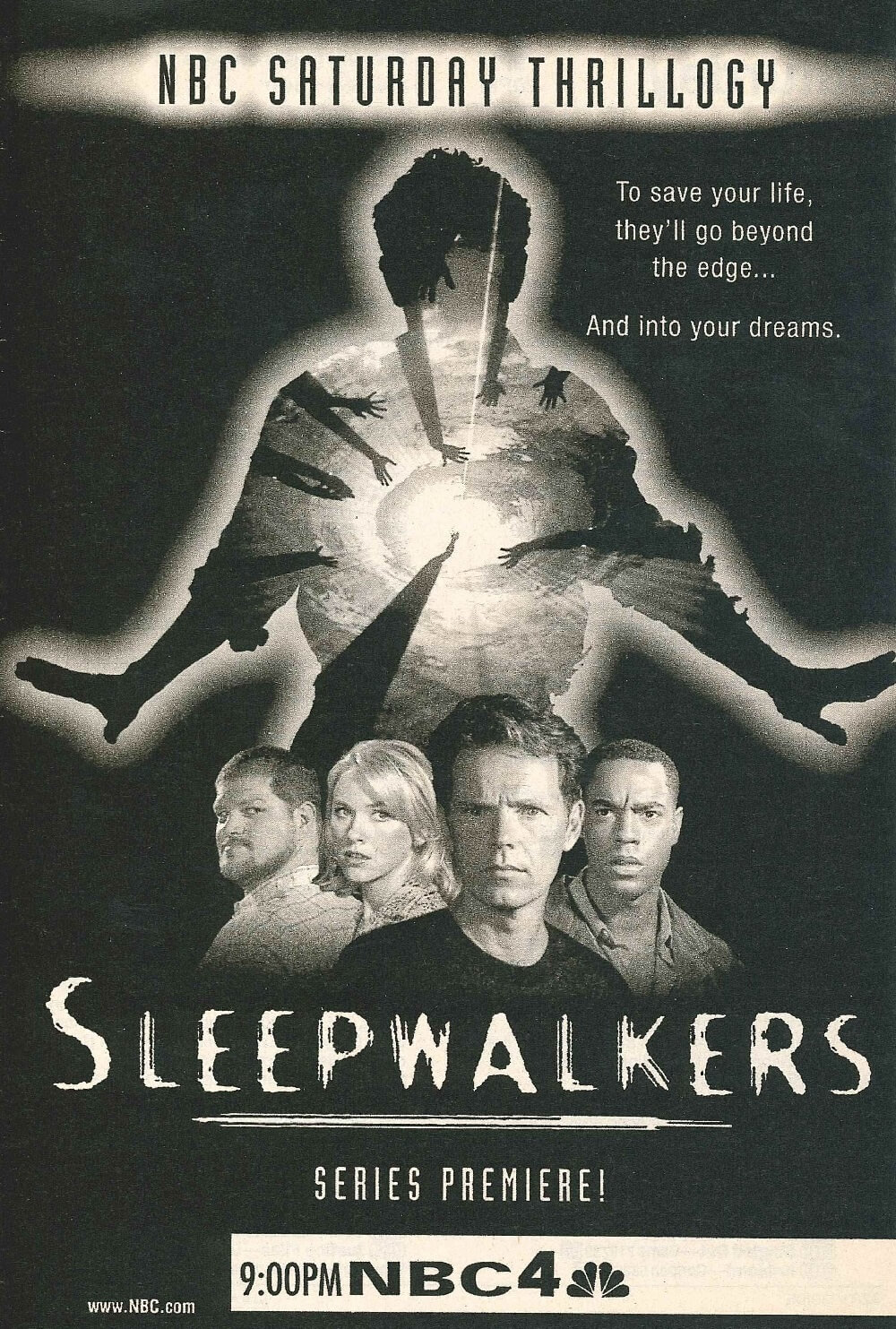
An NBC ad for Sleepwalkersan overarching conspiracy was afoot, continued in the second episode, which also set up the series’ “freak of the week” status. That was as far as most viewers got to see, however, as NBC decided to restrict the rest of the series (nine episodes had been filmed) to the West Coast only, and even gave up on that after only five of the remaining seven episodes had aired (although some foreign markets did get to see the full run, aborted as it was).

In exploring dreams and saving lives, it shares a similar premise with Satoshi Kon’s wonderful Paprika and maybe it took a man of his genius to figure out how to make it work? The truth is, of course, that people find other people’s dreams intensely boring, even if they do include succubi, serial killers, and sad dads. The show was released on DVD in Australia in 2005 but only six episodes were included, in no particular order, which sums up the way the world remembers Sleepwalkers, like a half-forgotten dream.

Tenacious D (HBO): It’s probably not too much of a stretch of the imagination to believe that Jack Black would have always have made it big, such is the power of his charisma and his ability to fill (as well as divide) a room with his larger-than-life personality. But back in the mid-1990s, he was part of a comedy band, initially named The Axe Lords Featuring Gorgazon’s Mischief, that caught the ear of David Cross, enjoying cult fame as one half of The Mr Show on HBO.

Cross loved Tenacious D, as they soon became known, as was instrumental in them touring with Tool, while Black’s old college roommate got the duo cast in the Pauly Shore vehicle Bio-Dome, their first on-screen appearance as the band. The natural chemistry between Black and Kyle Gass was enough for HBO to give them their own show, which ran for three seasons. Wait… three seasons? Yeah, but that’s just six episodes…
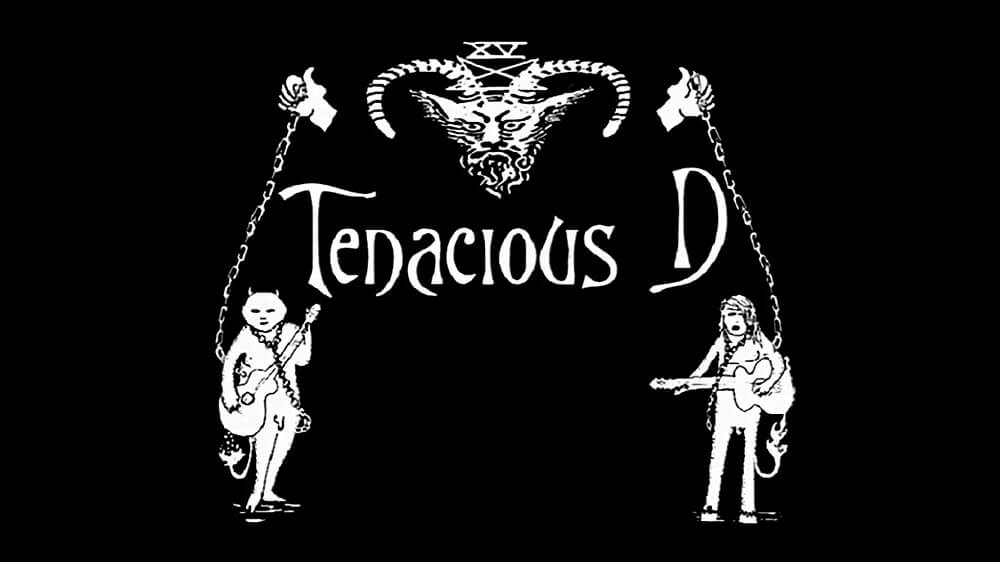
Tenacious DTenacious D starred the pair as a jobbing band, looking for their big break but confident that they rocked harder than Satan. The first two episodes – really, two half episodes at ten to twelve minutes each – aired on the same night in November 1997 and the world waited for more from this bright new comedy talent and their funny songs. Unfortunately, despite being filmed at the same time as the first two shorts, it would be two years before the next two aired, and another six months after that for a final pair. So what went wrong?

According to Gass, HBO had offered them a ten episode run but insisted halfway through the production that the pair relinquish their roles as executive producers and scriptwriters, instead just writing the band’s songs to be inserted in stories written by others. They balked at this and the project was cancelled, with Black and Gass retaining the rights to their creation, eventually releasing four albums and a feature film, 2006’s Tenacious D and the Pick of Destiny.

By 2002, relations between the two parties had been repaired to the point that the HBO episodes were included as part of Sony DVD’s The Complete Masterworks, alongside live footage from a sold out Brixton Academy and a slew of extras.

Next on The Telephemera Years: more flops from the 1997-98 season, including time-traveling 5-0 and a less than perfect stranger…

Check out our other Telephemera articles:

The Telephemera Years: 1966 (part 1, 2, 3, 4)

The Telephemera Years: 1968 (part 1, 2, 3, 4)

The Telephemera Years: 1969 (part 1, 2, 3, 4)

The Telephemera Years: 1971 (part 1, 2, 3, 4)

The Telephemera Years: 1973 (part 1, 2, 3, 4)

The Telephemera Years: 1975 (part 1, 2, 3, 4)

The Telephemera Years: 1977 (part 1, 2, 3, 4)

The Telephemera Years: 1980 (part 12, 3, 4)

The Telephemera Years: 1982 (part 1, 2, 3, 4)

The Telephemera Years: 1984 (part 1, 2, 3, 4)

The Telephemera Years: 1986 (part 1, 2, 3, 4)

The Telephemera Years: 1987 (part 1, 2, 3, 4)

The Telephemera Years: 1990 (part 1, 2, 3, 4)

The Telephemera Years: 1992 (part 1, 2, 3, 4)

The Telephemera Years: 1995 (part 12, 3, 4)

The Telephemera Years: 1997 (part 1, 2, 3, 4)

The Telephemera Years: 2000 (part 1, 2, 3, 4)

The Telephemera Years: 2003 (part 1, 2, 3, 4)

The Telephemera Years: 2005 (part 1, 2, 3, 4)

The Telephemera Years: 2008 (part 1, 23, 4)

Titans of Telephemera: Irwin Allen

Titans of Telephemera: Stephen J Cannell (part 1, 2, 3, 4)

Titans of Telephemera: Hanna-Barbera (part 1, 2, 3, 4, 5)

Titans of Telephemera: Kenneth Johnson

Titans of Telephemera: Glen A Larson (part 1, 2, 3, 4)

Titans of Telephemera: Quinn Martin (part 1, 2)

John Semper, Jr | GREEN LANTERN: BEWARE MY POWER

semper green lantern

DC’s post-Apokolips War animated efforts have been outstanding. These movies have allowed DC and Warner Bros to broaden the scope of their stories in genuinely exciting ways. Continuity plays second fiddle to quality storytelling, which has been evident in almost every animated film the studio has put out in the last two years. DC’s newest animated film, Green Lantern: Beware My Power, at last tells John Stewart’s origin story. Fans of the Justice League animated series from the early 2000s grew to love this character dearly. As far as Green Lanterns go, John Stewart is Hal Jordan’s opposite in many respects: he’s calm, rational, and humble whereas his fellow space cop is impulsive, explosive, and arrogant.

Lending his vast talent and experience to Beware My Power is John Semper, Jr., a seasoned writer and director whose credits include Static Shock, Spider-Man: The Animated Series, Rugrats, and DuckTales. We recently caught up with Semper Jr. to talk all things Green Lantern: Beware My Power

STARBURST: Can you give our readers a quick, spoiler-free synopsis of Green Lantern: Beware My Power?

John Semper, Jr: It’s an origin story! It’s how John Stewart goes from being a soldier who’s dealing with PTSD to being a Green Lantern. It’s a personal journey. He’s something of a reluctant hero. He gets dragged into the Rann/Thanagarian conflict while also trying to learn how to be a superhero. That’s pretty much the story!

We love seeing a Green Lantern origin story that for once is not centred on Hal Jordan. What makes John Stewart such a compelling character?

Obviously, the fact that he’s the first Black Green Lantern and one of DC’s first black superheroes for DC. This is the 50th anniversary of his creation. We are exactly at the fiftieth anniversary. But I also think that he’s a strong character. He genuinely wants to do the right thing. I think that what we see in this story is him realising that his need to protect people, to save lives, overrides his own personal demons and his own temporary desire to never be in battle again. That’s a very dramatic, compelling story.

For a whole generation of people, he really is their Green Lantern. They grew up with him in Justice League. We’re bringing to them something that is long overdue, which is putting him back onscreen and enjoying his personality, his humour, and his clear thinking. I think he’s a very well-written, well-created character.

In many ways, John Stewart is Hal Jordan’s antithesis, but he’s a really compelling one.

I think Hal at times is more of an adolescent and John is more of an adult! I think people have been waiting for this. I think they’ve been waiting longer than they should have. It’s going to be very cathartic to have this character back onscreen. I’m very excited about the way that we’ve done it. The animated movie arc that we’re in right now is a very dramatic one. It’s a very deep one. I think this is a great time for him to be reintroduced.


What kind of preparation or research did you do before writing the movie? 

I know the character pretty well! I actually am old enough to have picked up the first John Stewart comic book and that first arc that Denny O’Neil and Neal Adams did. I was in college when that came out. It blew me away. I was a regular comic buyer at that time, so I remember firsthand what it was like when those comics came out.

I wrote the John Stewart character once before in an episode of Static Shock. It had John Stewart and Sinestro in it. I was very anxious to dive into this. I feel very connected to it. I’ve said this before, but I’m probably the first real screenwriter who is black, maybe in the history of animation but certainly in the history of TV animation. I’ve always gravitated toward black characters as a way of bringing them to the forefront and making sure that they were fully rounded.

You co-wrote Green Lantern: Beware My Power with Ernie Alterbacker. How do you two complement each other as creators?

It’s no secret that I actually gave Ernie his first job in the business. The way that I work is that I would bring in people who were a little rough around the edges and then teach them how I would like for them to write. So it’s very easy for me to interact with Ernie because he writes the way I like other people to write. [laughs] It’s really a nice payoff. I’m very proud of the career he’s had since we all worked together on Spider-Man. The great thing about the whole situation on Spider-Man was that we all became very good friends. It was like writing with a friend. It was seamless.

Green Lantern: Beware My Power is available on Blu-ray and DVD now.