Amy Smart | STARGIRL

amy smart stargirl interview

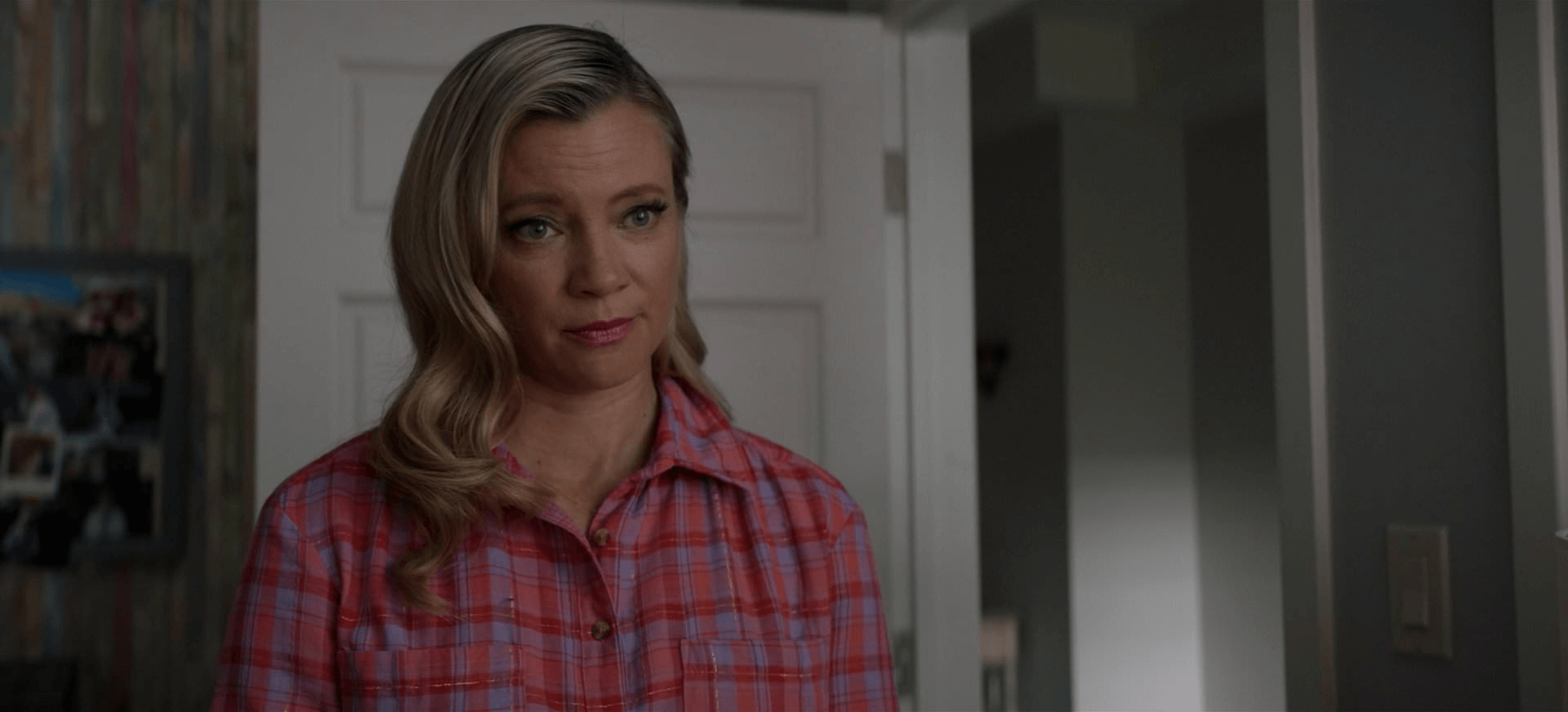
It was clear from the get-go that DC’s Stargirl had big plans for Amy Smart. The actor, perhaps best known for The Butterfly Effect, Rat Race, and Just Friends, has been with the show since its 2020 debut, but we’re only now seeing just how much she has evolved. Across two completed seasons and almost episodes, Barbara Whitmore has grown stronger both as a person and as an emotional anchor. Managing teenagers is its own feat, but managing superpowered teenagers is a different animal.

Stargirl follows teenager Courtney Whitmore as she and her family start a new life in Blue Valley, Nebraska. There, she bonds with a cosmic staff, turns a bunch of friends into superheroes, and beats back bad guys with teamwork, optimism, and a steadfast commitment to doing what’s right. Hooray for doing the right thing!

We recently got the chance to speak with Smart about Barbara’s role in Season 3, as well as her deepening friendship with Joy Osmanski’s Paula Brooks/Tigress…

STARBURST: Season 2 teased tons of unexpected dynamics that we think many fans are hoping will see more development in Season 3. The back-and-forth between your character and Paula Brooks/Tigress was especially entertaining. What can we expect from them this season?

Amy Smart: The pure setup of the two of them becoming friends this season is hilarious. They couldn’t be more opposite but then they find a lot of commonalities. They both teach each other what they know. Honestly, my scenes with Paula were the most fun I had this season. Her character is so awkward to society. I love that she comes to Barbara to teach her. On the flip side, there’s a real loyalty from Paula that we haven’t seen before. So there’s this unassuming friendship that develops and I can’t wait for you guys to see all of it because it just gets funnier.

Let’s talk about Barbara as a character. Aside from her obvious responsibilities as Courtney’s mother and Mike’s stepmother, what is Barbara’s most important function in the series? Where would you say she fits into Stargirl‘s overarching story?

I think she’s the rock of the family. She holds down the reality and the balance. Everyone else goes off on these journeys and she’s holding down the fort. She’s this matriarchal character who is the mama bear but she’s also finding her own strengths. She’s surrounded by these family members who basically have superpowers and I think her staying strong in who she is without superpowers is a challenge.

She is definitely an emotional anchor for the JSA, sometimes even more so than Pat. Pat is more in it with Courtney and everyone. But when they all come home after a hard day of being a superhero, Barbara’s there.

Yeah!

You’ve already alluded to this, but what is Barbara’s biggest challenge this season?

I think on some level she also questions what her role is. What I find so fun about this season is that her relationship with Paula grows. Her friendship with Paula gives her this independence and this feeling of power that she probably hadn’t felt before.


Tonally and thematically, Stargirl is very different from the other CW superhero shows. It really emphasises that the way we treat each other matters. Every character supports this idea in his or her own way. And we need these kinds of themes right now, especially when the world feels as dark as it does now. What are some specific ways in which Barbara reflects these themes?

You’re absolutely right. It’s about giving people second chances. Seeing the best in them. Allowing them to change. We don’t normally allow ourselves to open that trust back up. This season definitely has that positive element to it. Becoming vulnerable is definitely a way to mend that bridge. I think Barbara is about figuring out where the boundaries lie between being a mother and being a stepmother.

To be vulnerable is courageous. To open yourself up is courageous.

Absolutely. Committing to growth as a person is a hugely courageous thing. You’re essentially admitting that who you were before was not awesome and that you want to do the work to be better.

Yes!

How collaborative is Stargirl‘s on-set environment? I know that Geoff [Johns] created these characters so he’s very attached to them and very close to them. How much feedback does he want/welcome, especially when these characters are so close to his heart?

He definitely loves collaboration and loves to have input from actors. He finds inspiration in those conversations. I know that in the middle of Season 2, I went in to talk to him and through our conversation, I feel like that influenced his writing of Barbara in a deeper way. Like any creative process, it takes more than one person. This is the most collaborative I’ve been able to be, actually. In the past, I’ve always been brought scripts and I said, “Okay, this is what I’m doing.” Because this is a TV show and because these characters keep growing and evolving, he’s so open to our input, which has been wonderful.

Geoff has such a big heart. This show is so personal to him and he had so much heart from the beginning. You feel what he’s bringing to the page. It’s special.

What can you tell us about Season 4?

We’ll find out by the end of the month whether we go back for Season 4. So we’re all just crossing our fingers and toes!

STARGIRL Season 3 is currently screening on The CW in the US.

5 Fun Facts About House of The Dragon That You Ought To Know

fun facts house dragon

In case you’ve missed it, there’s a brand new Game of Thrones (GoT) spin-off called House of the Dragon that’s incredibly explosive and wowing fans of Westeros everywhere.

The series, which takes place 200 years before the first episode of GoT, centers around the Targaryen family, their reign, and eventually, their downfall. As its name suggests, viewers can expect to see many several—17, to be precise—dragons in the series and get to know their Targaryen riders.

If you’ve not started on the series, fret not; you still have plenty of time to catch up. Unlike GoT, the storyline focuses mainly on one family, so it’s still relatively linear and easy to keep up with. However, if you’re struggling to understand the various characters, here’s a quick guide on the Targaryen family tree to get a sense of who these characters are and how they relate to each other.

Before you catch the first episode of House of the Dragon, here are some incredible facts that will have you appreciating the show a bit more.

1.   Each episode costs almost USD$20 million to create

According to a source, each episode costs just under USD$20 million.

In comparison, the GoT series cost HBO about USD$100 million per season. Given the immense popularity the entire franchise has generated, the figures for House of the Dragon might not be that surprising.

That said, viewers can expect to see more beautiful animations and detailed versions of the 17 dragons that will feature throughout the 10-episode first season.

2.   Author George R.R. Martin is more involved

Fans of the Thrones Cinematic Universe can sigh of relief now; House of the Dragon will see more involvement from its author, George R.R. Martin.

The show, adapted from R.R. Martin’s book, Fire and Blood, has a more concrete example to follow, which means it’s unlikely to venture away from the source material. Despite how GoT ended three years ago, fans are still relatively upset about the ending and have made it clear how unhappy they are with showrunners David Benioff and D.B. Weiss.

With R.R. Martin at the helm, it’s likely that the storyline for House of the Dragon will be kept safe.

3.   It hopes to portray women better.

If you’ve seen GoT, you’ll know that some female characters in the series were disrespected and treated poorly. Remember that scene with Daenerys and Drogo that got everyone up in arms?

Noticing this problem, showrunners for House of the Dragon have made more of an effort to ensure that its female characters are portrayed better and given more respect. Without giving too much away, we’re happy to report that the first two episodes have avoided showing their female characters in a way that could be disrespectful.

4.   Expect better battles

With Miguel Sapochnik as director, fans can expect to see incredible battles in House of the Dragon. Sapochnik is best known for directing some of GoT’s most epic and goriest battle scenes, including Battle of the Bastards, Hardhome, and the Siege of King’s Landing.

5.   It’s separate from GoT

While there will be some references to the houses and families in GoT, House of the Dragon is still largely separate from GoT itself. That said, you’re still able to enjoy House of the Dragon, even if you’ve never seen an episode of GoT.

Currently, three episodes of House of the Dragon have been released. New episodes air every Sunday evening in the U.S. at 9 PM Eastern Time. Episodes are available to stream on HBO Max.

THE TELEPHEMERA YEARS: 1969 – PART 2

The Nanny and the Professor, 1970

Ah, telephemera… those shows whose stay with us was tantalisingly brief, snatched away before their time, and sometimes with good cause. They hit the schedules alongside established shows, hoping for a long run, but it’s not always to be, and for every Street Hawk there’s two Manimals. But here at STARBURST we celebrate their existence and mourn their departure, drilling down into the new season’s entertainment with equal opportunities square eyes… these are The Telephemera Years!

1969-70

Although the Age of Aquarius had proved to be a false dawn, with Vietnam still raging and the Summer of Love a distant memory, America was still trying to laugh away its worries, with half the top ten shows aimed at tickling the viewers’ funny bones. Top of the roost was Rowan & Martin’s Laugh-In on NBC, who otherwise only had Bonanza and Walt Disney’s Wonderful World of Color among the top rating shows that year. Bonanza wasn’t the only high-flying Western, either, and CBS’s Gunsmoke pushed Rowan and Martin all the way. The Tiffany Network dominated the ratings, enjoying another five places in the top ten, and seeing Hawaii Five-O sneak into the top twenty.

Marcus Welby, MD was the hit new show, joining The Brady Bunch on ABC’s new Fall line-up, while NBC debuted Night Gallery and The Bill Cosby Show in prime time. For genre fans, Land of the Giants was finishing its two-season run on ABC, who also offered spooky fun with Bewitched and The Ghost & Mrs Muir. Get Smart moved to CBS from NBC, who only had I Dream of Jeannie on offer in a very thin year for sci-fi and fantasy fans. But what of those shows that made their bow in 1969 and didn’t hang around? This is the story of four more failed shows…

My World and Welcome to It (NBC): James Thurber is one of America’s best-regarded cartoonists, his humorous single-panel submissions to The New Yorker forming a blueprint for that magazine’s often puzzling gag content. My World and Welcome to It was inspired by Thurber’s cartoons, and also by the life of the cartoonist himself, who had died in 1961, leaving a huge legacy behind, not least the short story The Secret Life of Walter Mitty.

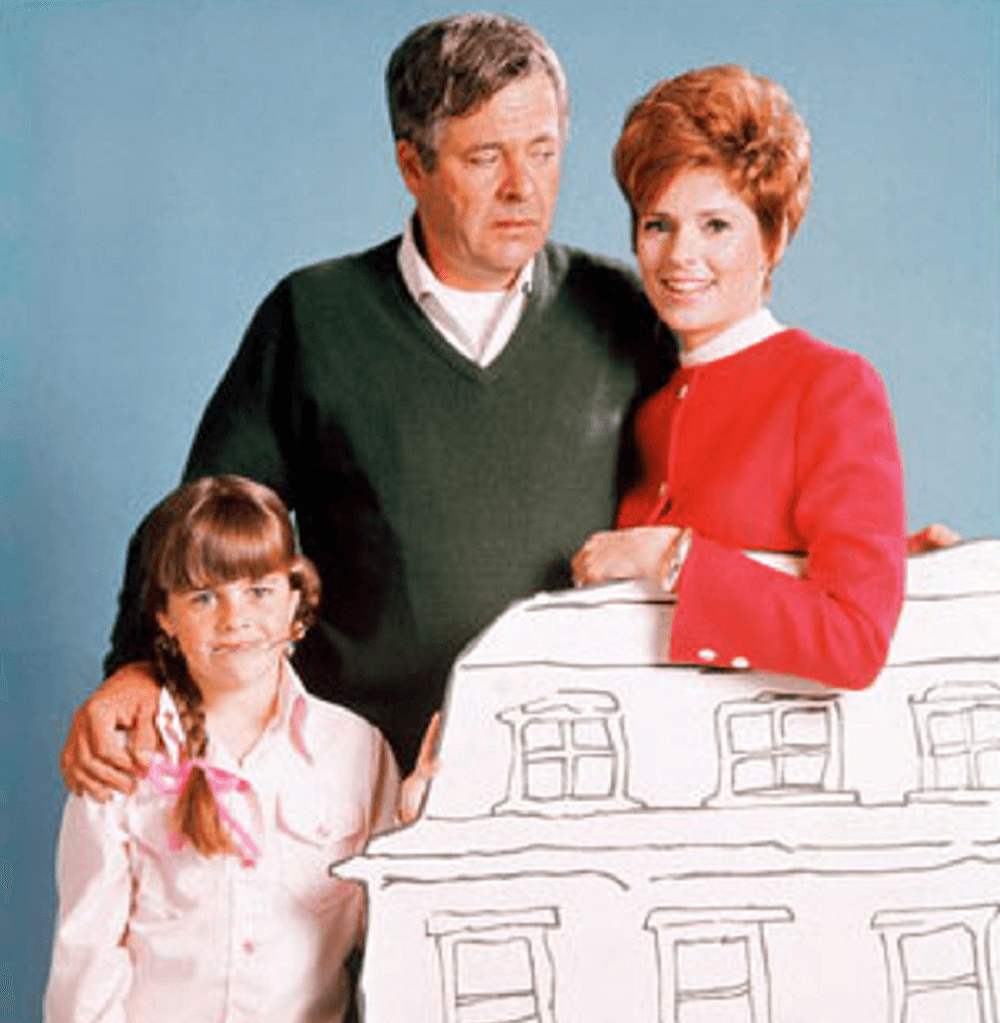
After building a career out of small parts on TV and film, William Windom played John Monroe, a cartoonist for the fictional Manhattanite magazine who is prone to spells of daydreaming, lending an air of the fantastic to the show (and also allowing some of Thurber’s more fanciful cartoons and short stories to serve as fuel).

My World and Welcome to It, 1969

Married to the sensible Ellen (Broadway star Joan Hotchkiss), with a curious pre-teen daughter, Monroe’s life and stories are depicted in a mixture of live-action and animated styles. Monroe was a Thurber creation, first appearing in the short story Mr Monroe Holds the Fort and featuring in a 1959 TV production of Thurber’s Cristabel (The Secret Life of John Monroe). My World and Welcome to It was also the title of a 1942 collection of Thurber’s writing, which didn’t contain any Monroe family stories but did feature Walter Mitty.

Despite positive reviews, the show faired poorly opposite CBS’s ratings juggernaut Gunsmoke, not even making the top sixty for the year, and a first season of twenty-seven episodes was to be all she wrote for the Monroe family. Three years later, Jack Lemmon starred in a feature film adaptation of Thurber’s work, The War Between Men and Women, which also included animated segments, and the writer was cited as an inspiration by Wes Anderson for his 2021 film The French Dispatch.

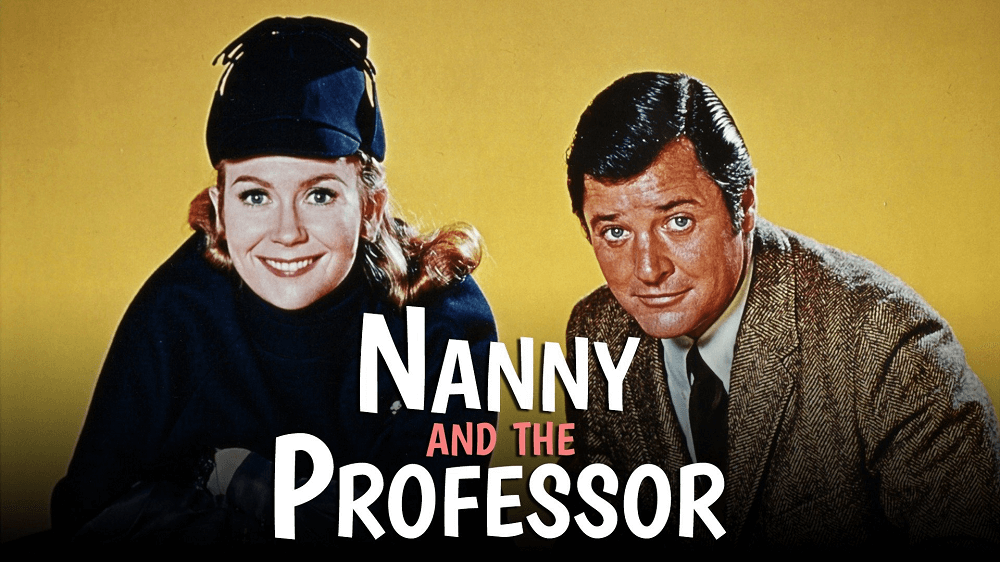
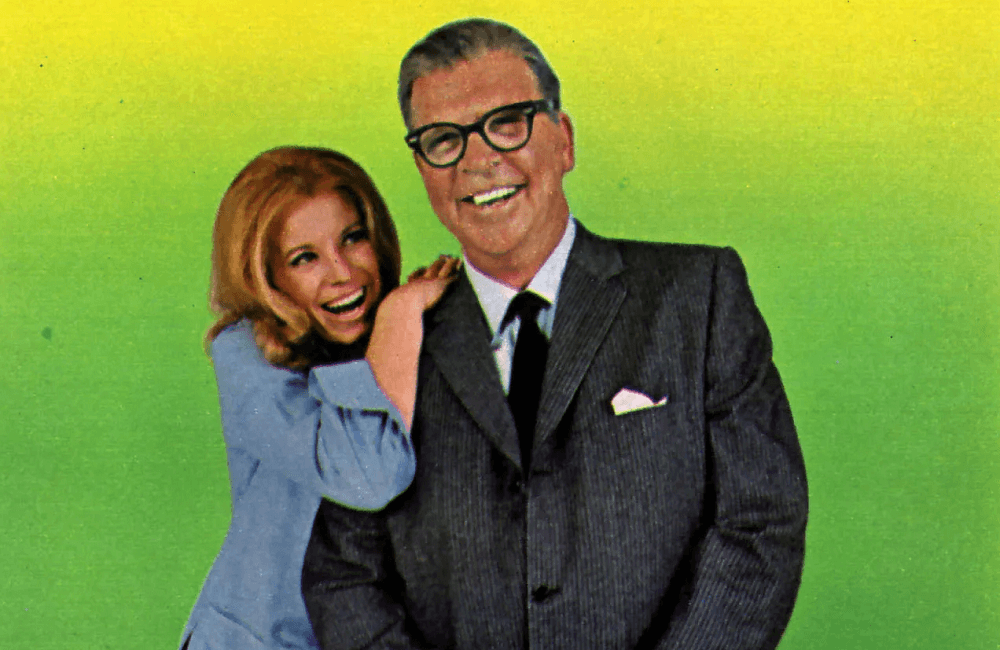
Nanny and the Professor (ABC): On the surface, Nanny and the Professor, which ran for three seasons from January 1970 to December 1971 but has been all-but forgotten since, is your average sitcom. Its premise – a widowed college professor takes on a British nanny to look after his three young children – was not new and has since been repeated countless times with tweaks applied as necessary. What makes Nanny and the Professor worth writing about, apart from the presence of John Mills’s other daughter Juliet as the Nanny, is that her Phoebe Figalilly is apparently in possession of supernatural powers and may just be hundreds of years old.

Yes, this is a contemporary Mary Poppins, except with less overt fantasy and increasing amounts of “will they/won’t they” as the show progressed. 77 Sunset Strip’s Richard Long starred opposite Mills as mathematics professor Harold Everett, with David Doremus, Trent Lehman, and Kim Richards as his offspring, and the show was created by Disney scripter AJ Carothers for Miller-Boyett Productions.

The Nanny and the Professor, 1970

The first season of fifteen episodes – a January replacement for The Flying Nun – placed fifty-fifth in the ratings for the year (one above a new show called The Brady Bunch), which was enough for ABC to greenlight a second, full season of twenty-four episodes. The show was moved to Friday nights to build a strong youth demographic with The Brady Bunch and the debuting The Partridge Family, and the result was again positive enough for a third season to debut in September 1971.

However, ABC once again moved the show, this time to Monday nights, and the resulting 12.3 million viewers left it below the threshold for cancellation and it was given the axe after just fifteen episodes had aired. The show is not available on home video but does occasionally pop up in syndication, and of course you can see some examples of its gentle paranormal humour on YouTube.

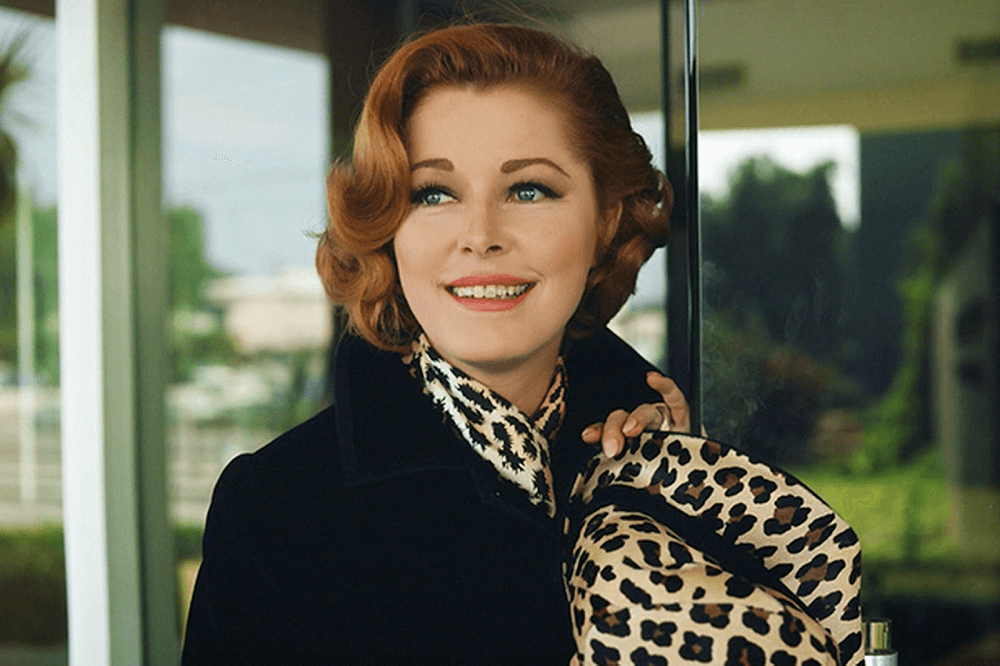
Bracken’s World (NBC): Replacing Star Trek was never going to be an easy task and filling its Friday night slot fell to Bracken’s World, a perfect example of Hollywood’s propensity to eat itself. Named for the head of its fictional Century Studios, John Bracken, Bracken’s World focused on the fortunes of a group of young starlets, guided by the unseen Bracken (voiced in season one by Warren Stevens).

The glue that held the show together was Bracken’s put-upon assistant, played by three-time Oscar nominated veteran Eleanor Parker, who would act as her boss’s agent in the world created by Seven Brides for Seven Brothers screenwriter Dorothy Kingsley, populated by unreliable and chaotic young actors getting themselves into all manner of trouble.

Bracken's World, 1969

The first season of twenty-six episodes did well enough in the ratings for a second season to be ordered, although Parker had opted out after episode sixteen, claiming her role was too limited. In her stead, the second season saw Leslie Nielsen cast as a visible John Bracken, doing his own dirty work, upping the drama and allowing for plenty of guest star appearances from the likes of Sally Field, Darren McGavin, Ricardo Montalban, and Edward G Robinson.

All those stars couldn’t sustain interest in the show, however, and Bracken’s World was cancelled just fifteen episodes into its final season, with Linda Harrison (who played Paulette Douglas, although she is best known as the mute Nova in Planet of the Apes) citing a lack of continuing, soap opera-style storylines as the prime suspect for the axe.

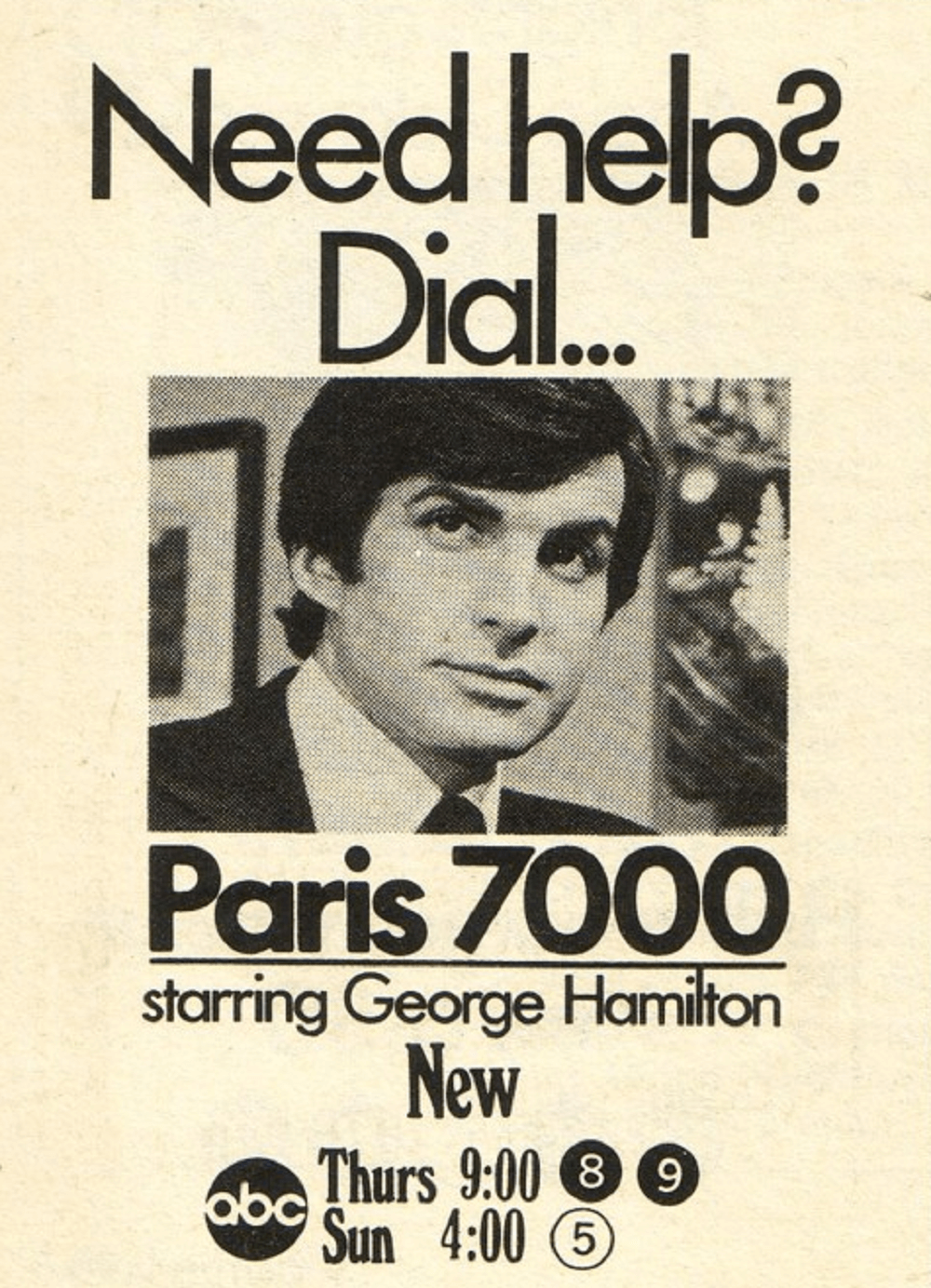
Paris 7000 (ABC): A mid-season replacement on Wednesday nights for It Takes a Thief, which had been moved to Mondays to see out its run, Paris 7000 was also a replacement for The Survivors, a ratings disaster for which ABC had nevertheless guaranteed a full season’s work to George Hamilton. Hamilton was hurriedly cast as Jack Brennan, a troubleshooter for the US State Department whose weekly task was to help out US citizens in trouble in the French capital.

Created by It Takes a Thief’s Gene L Coon and Bewitched scripter Richard Michaels, the concept was simple enough and allowed for Hamilton to be placed in all manner of situations for his Bogart-in-Casablanca-style hero to fight and scheme his way out of. The premise also allowed for plenty of guest stars, with a parade of TV veterans queuing up to be the victims (or source) of the troubles brought to Brennan’s door.

Paris 7000, 1970

Of particular note was Barbara Anderson, whose turn as Brennan’s troubled lady friend Lee in episode three was successful enough that she was brought back for episode ten as a lookalike character, sparking a mystery that Brennan just had to solve. Unfortunately, that episode satisfied the terms of Hamilton’s contract and would be the last, with Paris 7000 allowed to slip quietly away, having failed to attract viewers in any considerable amount.

Hamilton moved into production afterwards, casting himself to play Evel Knievel in the John Milius-scripted 1971 movie, but the movie was a flop, and he spent the next trading off his early fame and trying to get the world’s best suntan. There are a few clips of Paris 7000 available on YouTube but nothing in the way of a full episode; the show’s title sequence is there, though, and reveals that Paris 7000 was Brennan’s phone number. Why not give it a call next time you’re en difficulté..?

Next time on The Telephemera Years: 1969’s unsold pilots with yet another proto-Lost!

Check out our other Telephemera articles:

The Telephemera Years: 1966 (part 1, 2, 3, 4)

The Telephemera Years: 1968 (part 1, 2, 3, 4)

The Telephemera Years: 1969 (part 1, 2, 3, 4)

The Telephemera Years: 1971 (part 1, 2, 3, 4)

The Telephemera Years: 1973 (part 1, 2, 3, 4)

The Telephemera Years: 1975 (part 1, 2, 3, 4)

The Telephemera Years: 1977 (part 1, 2, 3, 4)

The Telephemera Years: 1980 (part 12, 3, 4)

The Telephemera Years: 1982 (part 1, 2, 3, 4)

The Telephemera Years: 1984 (part 1, 2, 3, 4)

The Telephemera Years: 1986 (part 1, 2, 3, 4)

The Telephemera Years: 1987 (part 1, 2, 3, 4)

The Telephemera Years: 1990 (part 1, 2, 3, 4)

The Telephemera Years: 1992 (part 1, 2, 3, 4)

The Telephemera Years: 1995 (part 12, 3, 4)

The Telephemera Years: 1997 (part 1, 2, 3, 4)

The Telephemera Years: 2000 (part 1, 2, 3, 4)

The Telephemera Years: 2003 (part 1, 2, 3, 4)

The Telephemera Years: 2005 (part 1, 2, 3, 4)

The Telephemera Years: 2008 (part 1, 23, 4)

Titans of Telephemera: Irwin Allen

Titans of Telephemera: Stephen J Cannell (part 1, 2, 3, 4)

Titans of Telephemera: Hanna-Barbera (part 1, 2, 3, 4, 5)

Titans of Telephemera: Kenneth Johnson

Titans of Telephemera: Glen A Larson (part 1, 2, 3, 4)

Titans of Telephemera: Quinn Martin (part 1, 2)

Voice of a Generation: A conversation with William Daniels

william daniels knight rider

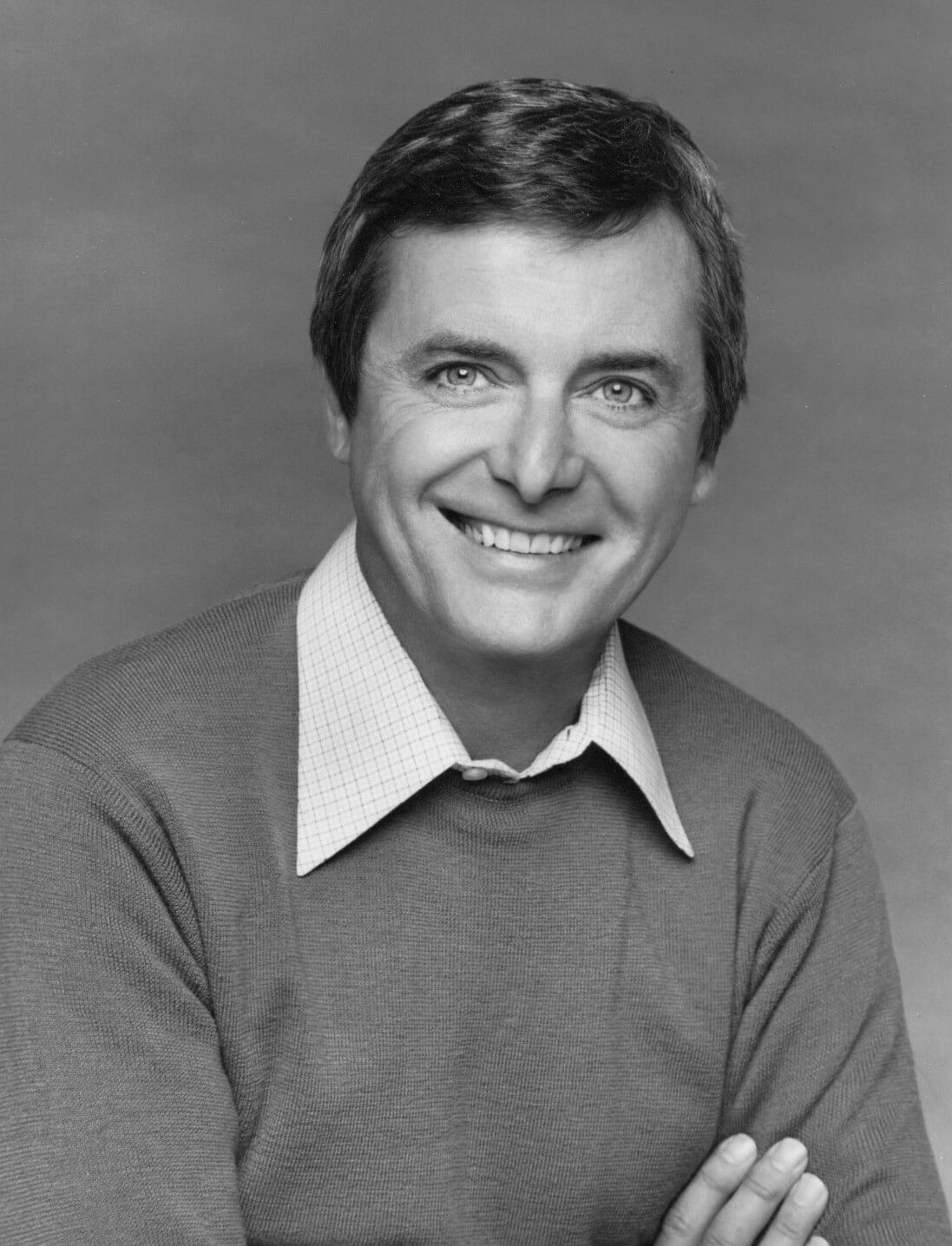
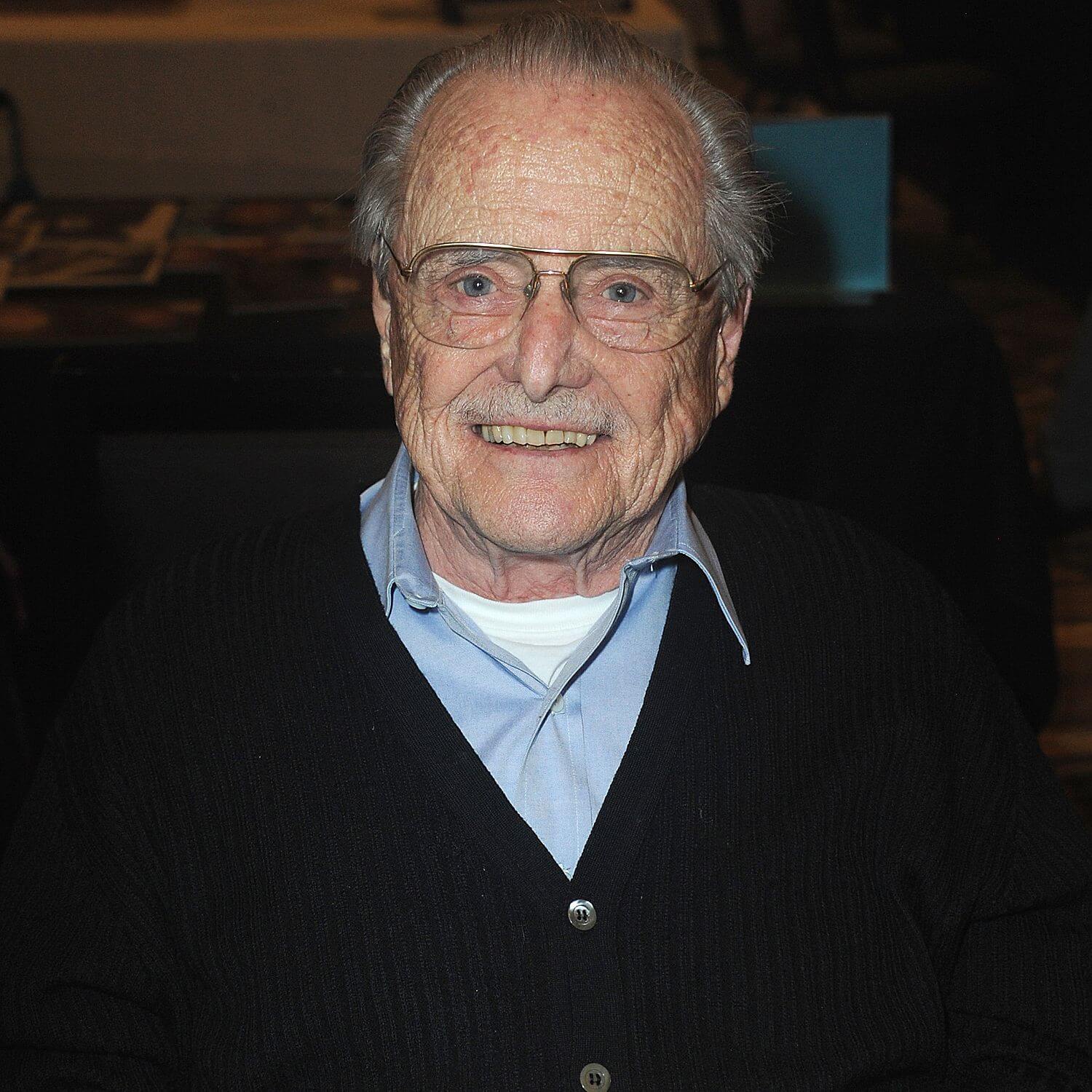
As a child of ten years old this writer, like many others of my generation, would spend countless hours camped out in my parent’s car, pretending to go on adventures as Michael Knight while mentally willing the car to talk back to me in the dulcet tones of KITT actor William Daniels. Now, 40 years on, as Knight Rider races back to screens on Legend, the iconic actor – now 95 – reminds us all that life for him at ten years old was very different…

William Daniels: My mother, Irene, started teaching me and my sister songs. She would read in the papers wherever they were auditioning and she would drag us over there. One of the shows was called The Horn and Hadart Children’s Hour and we auditioned for them and we got on. That was the beginning of my career when I was nine or ten. That was a weekly show and we learned a new song that our mother would teach us each week. Then we’d go on Saturday to rehearsals over at NBC in New York and then record the show, which would be on Sunday morning and we did that for a number of years.

STARBURST: While Horn and Hadart may have been a somewhat forced entry into showbusiness, would your consequent foray into acting in the play The Life of Father prove to be a better experience?

The Life of Father had four sons and I was playing the next to old and I was in it long enough to grow into the oldest one. I was in that for at least what two years and I came up with, without knowing it, [Howard] Lindsay’s upper-class accent. I just absorbed it, I didn’t try to do it.

Would you say that Howard Lindsay was a mentor of sorts?

Absolutely and I remember going in, knocking on his dressing room door and I said, “I’d like to study acting, should I go to the Academy that they have there for actors?” and Mr Lindsay looked at me and said, “Don’t go over there,” he said. “I’m on the board. What you do is you write to the government and recommend a school that has a good theatre department that way you pick up a college education plus a great deal of experience in the theatre”, which is what I did.

Did the war hinder your journey to college?

I was drafted and sent over to Europe and while I was in basic training they dropped the bomb on Hiroshima and that was the end of the conflict. So I was in what you would call the forces of occupation, dealing with the prisoners of war. I didn’t realise they have a number that tells them if you have a speciality and my number was entertainment specialist. They read this as we were in Italy going up north and they took me off the train in a little place called Livorno and I went into the radio station there and it was quite a lovely experience. I really enjoyed it there. The staff were leaving, having been there all during the war, so I ended up with some new people and pretty soon I was running a station and I had about seven or eight guys under me at 18 years old. We did hours of live music and commentary and that sort of thing and I enjoyed it very much. To tell you truth, it got me away from my family, which was not easy to do. I had a family that did everything together. You know, the kids, the father, the mother. If they went for a pair of shoes, we all went. So I guess I got past that stage and by the time I got out, I was a Staff Sergeant and I had enough of the GI bill to apply for college. My sisters were in a play with Walter Huston, a very famous actor at the time, they both were in that and they were in Chicago and my mother said to me, “I think one of those schools is up north.” And so I went up and there was this gorgeous campus on the lake.

It sounds like you’d made the right decision to follow Lindsay’s advice…

I loved my years at North Western, although it was such a rush with this lady I started dating because she was so anxious to get to New York that we did this for four years in 3½. I didn’t really wanna get to New York because I know what I was facing without an agent in New York, it’s pretty hard but we went and, err, we existed.

And you’ve been married for 71 years! Incredible!

When people ask me about lengthy marriage they asked me, “How did you manage that?” I say, “It’s a lack of imagination.”

So with your life in showbusiness beginning to work in your favour, how did that make you feel about the way in which your mother pushed you into it so early on?

That’s a good question. I don’t know if I blamed my mother. I was angry at her putting me in show business that’s true and yet I had to thank her later on for putting me on the road I travelled in the theatre in New York.

Was it then that you met and worked with theatre director and acting coach, Lee Strasberg?

My experience at Strasberg was absolutely fundamental in the actor I turned out to be because he was very tough on me. I had all the phoniness of a child actor and when you had an exercise where he wanted you to stand still and sing, I sat on the edge of the stage and I sang Makin’ Whoopee. He said to me, “You know something, I don’t know who you are.” In other words, his point was that I was so filled with this artifice that he didn’t really know me and I think the process with Strasberg was me getting to realise that I had to be myself as an actor and that’s where the authenticity comes from. So Lee was very instrumental in helping me with that. Bonnie [William’s wife] was a favourite of Lee’s. She was his secretary and collected the money from the students. I think we paid $30 a month or something like that and through her, we got to know the Strasberg family and we found ourselves being invited up to their place every weekend, which I looked forward to because all the stars from everywhere would drop by. He had that reputation.

So when it comes to Knight Rider, it makes sense that you would stick with your own voice and authenticity when you were asked to record an initial voiceover for the pitch meeting.

They were asking me to do some other voice. I finally said, “Look, I’m laying this down, doing a favour so that you can take this to New York, so let me just do it in my own voice.” that’s what we did which is very important. You can’t do a character without losing a certain expressivity that you have if you’re using your own voice. I instinctively knew that so I insisted on doing my own voice. Then about three weeks later they said, “We sold it!” I said, “That’s wonderful.” They said, “We want you to do the voice of KITT.” I said, “Well, you know I’m doing St Elsewhere and I’m very busy with that.” And they said, “We know you’re doing that and we’ll work around it.” And my agent said, “Bill, you can’t turn that down.” So I’d do St Elsewhere and I’d go on Friday over to Universal and in 40 minutes I’d lay down an episode of Knight Rider and then just disappear.

Did you have a process you used to record KITT’s lines?

I gave them three different readings of a line and let them pick which one they wanted. You know, one would be slow and another would be fast and then there be an intermediate one.

You’ve had some really iconic roles during your career, including Mr Feeny in Boy Meets World and Mark Craig in St Elsewhere. What’s your fondest memory of how Knight Rider has touched some of your fans?

I was doing a personal appearance and this English man came up and he wanted to know, “Could you please Sir, tell me where you were when you did the voice?” I said, “You mean was I under the hood or in the trunk?” And he said, “Yes.” I said, “No, actually I was in the studio and I recorded it.” Well, you know, he went away kind of disappointed. He really wanted me to be under the hood!

With your acting days behind you, do you miss it and how do you spend your days?  

No, I don’t miss it. I’m enjoying my retirement. I do Cameos, which is answering fans who get in touch with us who really wanna hear from me, so I record those. As a matter of fact, I think we’re gonna do some of them today.

So, how would you sum up your experience as KITT?

To me, a car that talks? What is that kind of nonsense? But there it was and that’s what I did. Now I go to conventions and I sign licence plates and they get very excited. It’s amazing. It has a life of its own.

Knight Rider returns to screens, weeknights at 7pm on Legend, with omnibus screenings on Saturday.

Find out more information at https://www.legend-tv.co.uk/

Tune into Legend on Sky 317, Virgin 149, Freeview 41, Freesat 138.


Five Films to Check Out on Legend This Week – 050922

legend vintage vault

It’s September and Legend has another bumper month ahead, but here are our picks you shouldn’t miss this week…

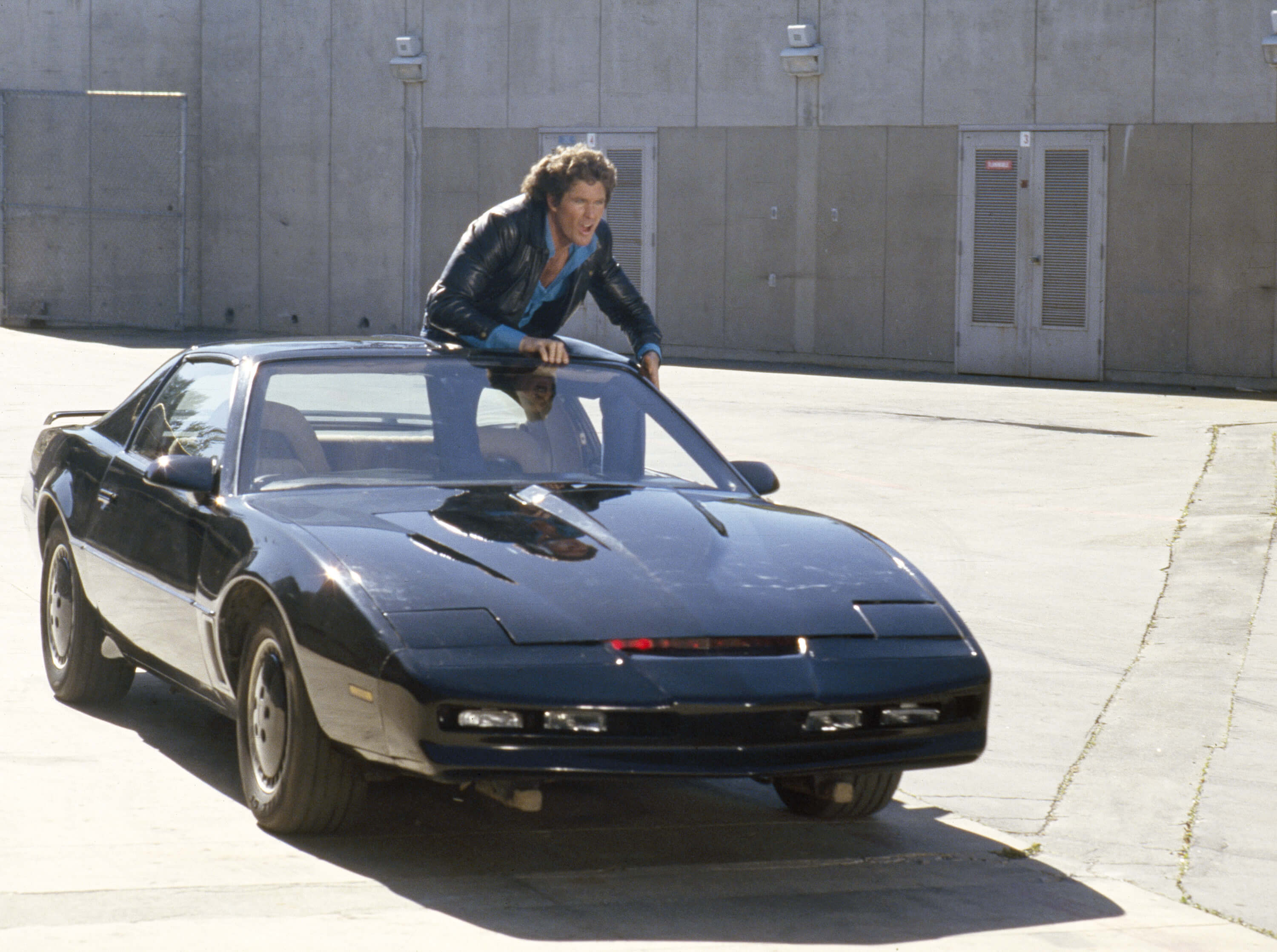
Monday September 5th, 7pm – Knight Rider

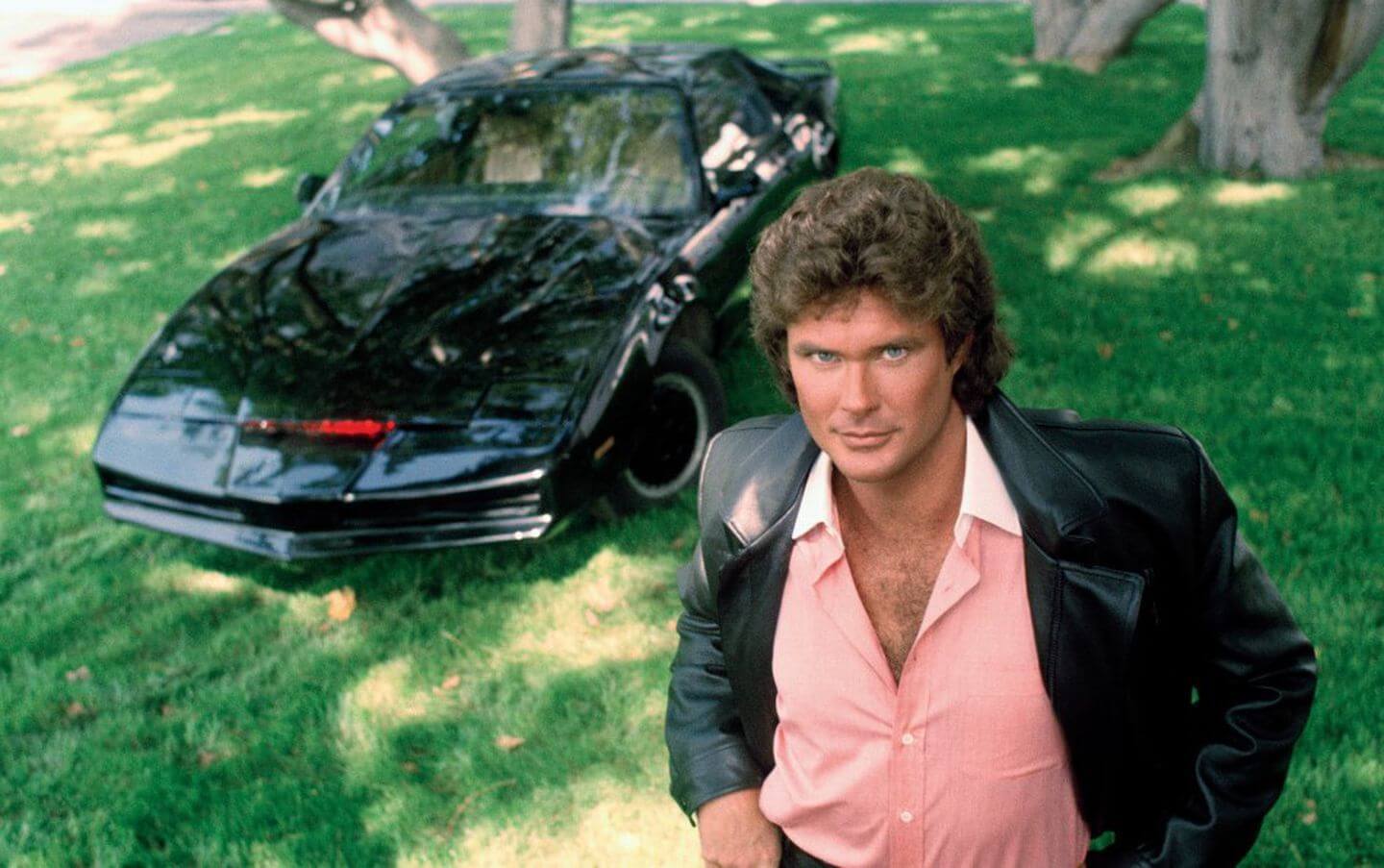
David Hasselhoff’s Michael Knight is back on our screens as Legend heads back to 1982 for the first season of the hugely popular series in which the real star is the supercar KITT.

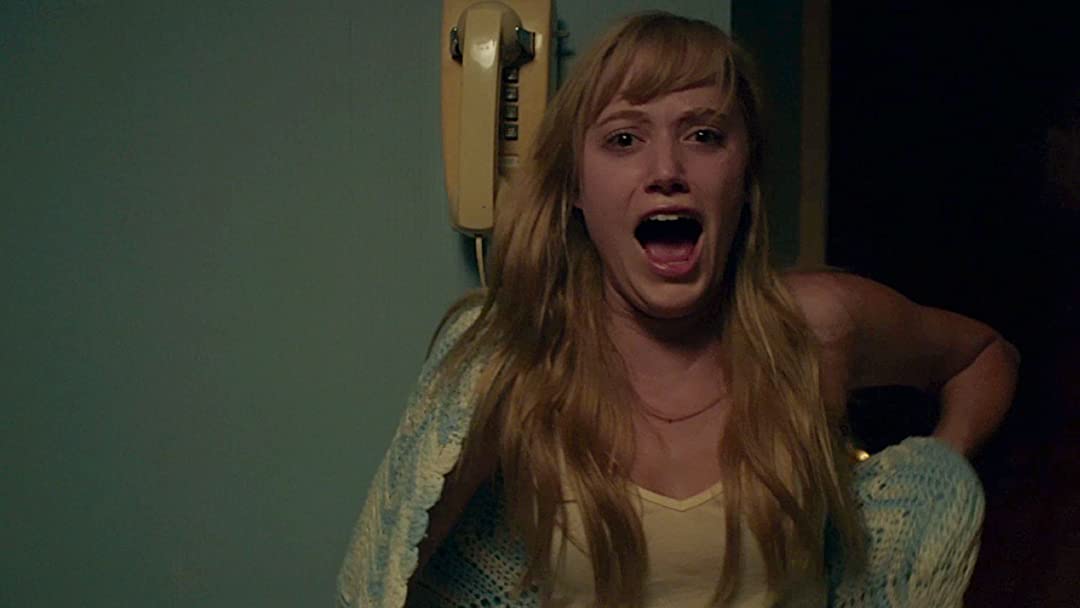
Wednesday September 7th, 10.45pm – It Follows (2014)  

An unknown force pursues a teen (Maika Monroe) after a sexual encounter in David Robert Mitchell’s modern-day classic.

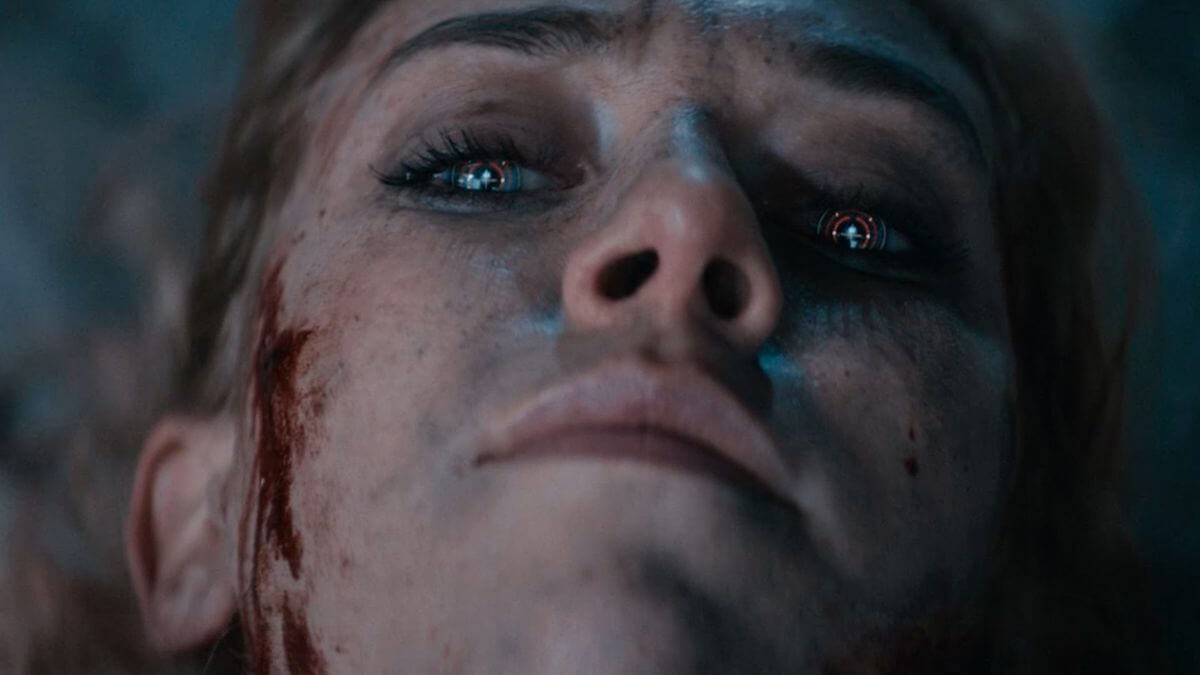
Friday September 9th, 9pm – Kill Command (2016)

Futuristic sci-fi horror action as a training mission goes wrong when a group of marines are attacked by high-powered drones. Great fun that punches well above its budget.

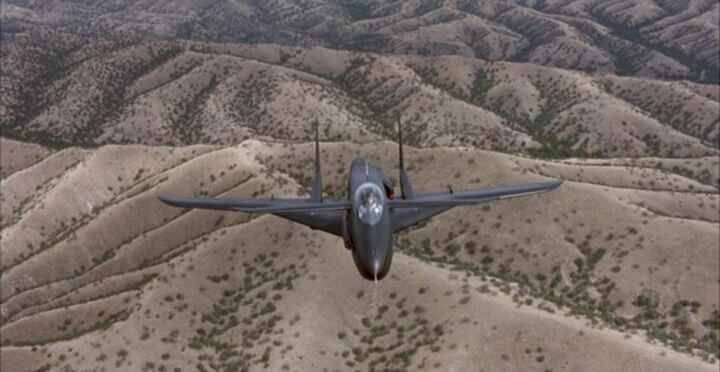
Saturday September 10th, 9pm – Iron Eagle III (1992)

Louis Gossett Jr and Sonny Chiba star in this action sequel directed by the legendary John Glen (For Your Eyes Only and numerous other James Bond films).

Sunday September 11th, 9pm – 11.55am The Vintage Vault

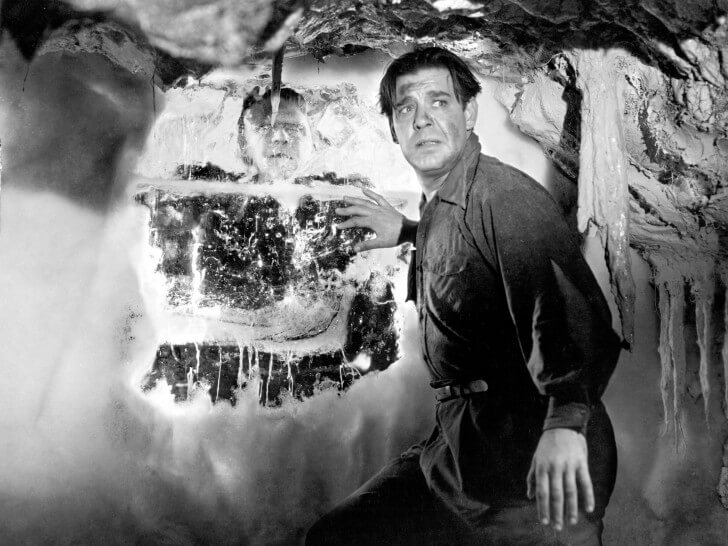
Legend continues to celebrate the Golden Age of genre cinema with a season of double bills. This week, there are a pair of Universal Horror pictures. First up is the monster mash-up Frankenstein Meets the Wolfman (1943), in which Lon Chaney, Jr’s Larry Talbot thaws out the Frankenstein monster in the hope of curing his lycanthropy. This is followed by Claude Rains being hardly seen as The Invisible Man (1933) in director James Whale’s adaptation of the H.G. Welles story.

Find out more information at https://www.legend-tv.co.uk/

Tune into Legend on Sky 317, Virgin 149, Freeview 41, Freesat 138.

Dane DiLiegro | PREY

dane predator

Based in 1719, Prey tells the story of Naru, a Comanche warrior who is just trying to prove her worth to her tribe! However, there is just one small twist, and that lands in the form of a Predator. An unknown alien species that has landed on earth to battle a suitable opponent, whilst killing anything in its way. With minimal dialogue, and a realistic setting, Prey trades that big, blockbuster, sci-fi movie approach for something much more personal, and it really does work! STARBURST catches up with the Predator himself, Dane DiLiegro, to discuss his time on the movie, and much more…

STARBURST: So, how did you get involved with the world of Prey

Dane DiLiegro: In January 2021, Alec Gillis who is part of Studio ADI, reached out and asked me to come into his shop for a design pitch on a project he was doing in Canada. I went in and there’s the Predator costume from the 2018 film, and I’m thinking “Oh wow, this is the new Predator movie!” So yeah, I put on the suit, and Alec told me to bring a balletic svelteness to this character, that he was doing. They had a 3D-printed iteration of one of the concepts of this Predator head. They put that on and I looked through two tiny holes that were drilled into the head, and I did how I felt this predator should move. I did my thing, and they were very happy with the way it looked. When I realised that they hadn’t cast anyone for this character yet, I pretty much got on my hands and knees and begged them to have me for this role. It turned out that they loved what I did, and I ended up doing all of the acting, stunts, and motion capture!

Once you were involved then, what kind of research did you do on this legendary character? Did you dive into the movies, and look back on what Kevin Peter Hall had done?

I did a little bit. Dan Trachtenberg set some boundaries and parameters of what he wanted his Predator to be, and how he wanted it to move, he specifically told me he was looking for a departure from what Kevin did, the 1987 wrestler stand-off, big brute. He was looking for a lean, dynamic, animalistic character. I was thinking feline, so I watched some panther videos. This is interesting, so leading up to this, I actually watched Mr Bean, because he’s very good at non-verbal communication, and telling a story without using words. If he does speak, it’s some mumbling or grumbling. For me, I really needed to see the design of this character, and see how that would feed into the way he moves, and everything. Showing where his shoulders are, his arms are, and how I’d be able to manipulate this character in such a way where I can tell his story, while still staying true to the way he looks.
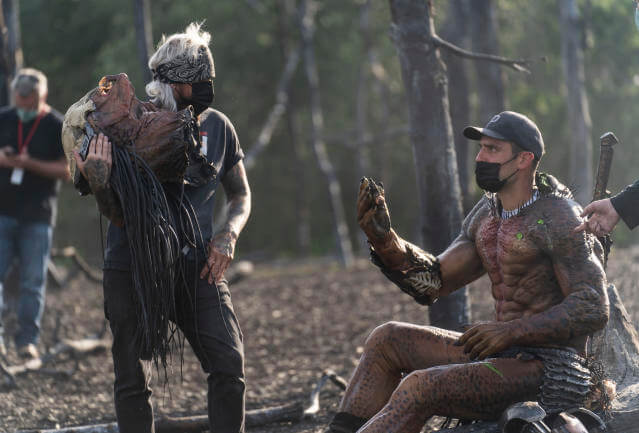
 

The training to play the Predator seemed like it was intense! Can you tell us about that process, and what it was like to take on? 

Leading up to the film, I did a few months of parkour training, I knew this Predator would be running through trees, and jumping over things. He would be one with the Force! It was very important to make his movement through the forest seem natural and effortless, and parkour or freerunners are very good at making everything look natural. So I trained in parkour for a few months, I did a bit of martial arts training, weapons handling, nunchucks, sword handling, bo staff, kali, a little bit of silat, and I just trained with my trainer in LA on a daily basis. I knew this Predator would be moving quickly, I knew it wasn’t going to be a big, slow, lumbering thing, so I wanted to get those movements down. I also knew I wouldn’t be able to see anything, so that was another factor!

Looking back, what do you remember the most about your first day on set? Is there a particular moment that really stands out to you?  

This was my first major motion picture, so that first day on set, I think they were on day fifteen or sixteen, something like that, and I didn’t realise how massive this crew was. For the first time in my life, I’m on that inner circle with 300 people around us. Dan and Jeff Cutter are there, discussing the shot, and I’m in this inner circle, taking part in that. It was a crazy experience for me, because I’m looking around seeing these highly trained professionals setting up a major motion picture, and then I look down and I’m wearing this Predator costume. I’m like “Oh my God, this is about me, I’m the guy! Responsibility, accountability, this is crazy, don’t screw it up! Don’t say anything – just do your job” It was pretty wild!

The costume itself looks huge, how long did it take to transform into the Predator, and what was it like to just do a day’s work in it? 

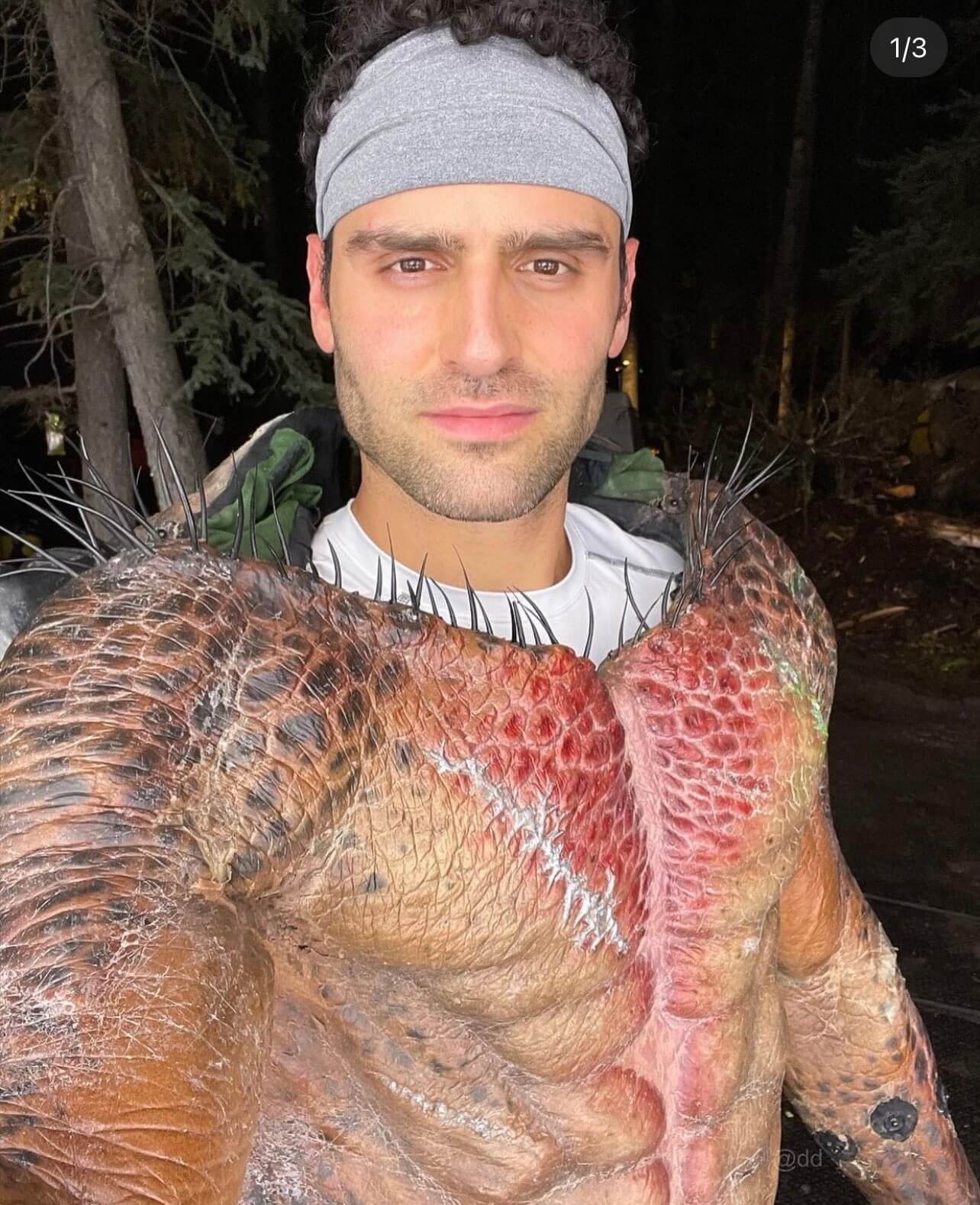
It only took about eleven minutes to get into the costume, it was a full-body suit, there were gloves and feet, that’s pretty much it. Then obviously, the head took two-three minutes to strap on, but nothing was glued to me, and there was no make-up. Once you get into the costume, and you’re feeling this foam latex on you, and you have these big giant muscles, it definitely helps with getting into character. It was crazy, not being able to see anything, and I had to tell this character’s story. It was funny, when we wrapped, I remember thinking, I can’t wait to see this movie because I haven’t seen a damn thing this whole time! You’re in this suit for sixteen hours a day, it’s hot, it’s uncomfortable. Not just the suit, but it’s hot outside, and it’s up to me to stay as fresh at the end of the day as I was at the beginning of the day. Dealing with all the sweat, the energy, and going to the bathroom, there are a lot of factors that come into play with this character, on top of the acting that I have to do to tell this character’s story.
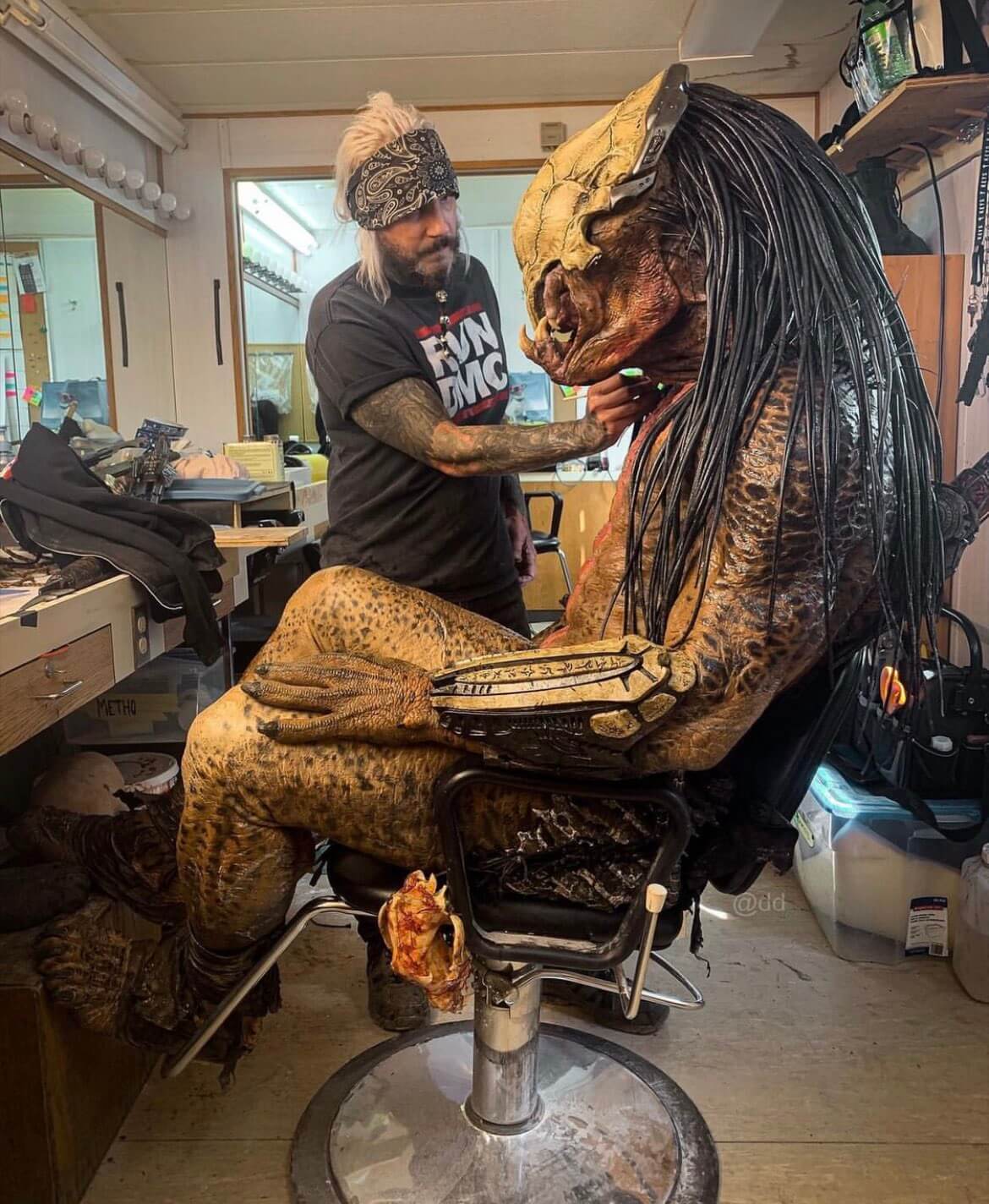


Why do you think the overall look of the Predator has gone on to be so well remembered? 

Those mandibles, that face, the dreadlocks, there are so many aspects to this character that no other movie monster really has. When I’m portraying a non-human character, the further away you got from humans, typically the harder it is. It’s very easy to just walk around like a guy and be a humanoid. You’re getting further away from humans with some of these characters, and it’s very difficult to disappear into these characters and really get away from how you would naturally move and feel. So when people say “There’s a guy in there? I didn’t realise?”, that’s the biggest testament to me because it’s my job to be unrecognisable. It’s up to me, to not let the audience know that there’s a guy in the costume. Yeah, it really was crazy, and such an iconic character. It was a huge honour, and I’m grateful for the opportunity.

There are clearly huge an amount of practical effects within Prey, how exciting was it for you to work on sets like that, and what do you think it brings to the experience for the viewer? 

There’s a sense of realism that Dan wanted. We kept it as practical as possible; we had six suits and four heads. Two of those heads were animatronic, controlled by four people. It was hyperreal, and for this film, we shot 96% on location. We only had about five stage days, where we shot inside a sound stage. The rest of it was in the middle of the woods, in Alberta. We were very in the elements. When it was cold it was cold, when it was hot, it was hot! We felt every bit of that. I think Dan wanted to draw as much realism as he could out of all of these little aspects of the practical effects, the locations, and overall production. Obviously, you can see that it comes to life on screen there. That decision paid off. It might have been more difficult to film things, but the decision ultimately paid off.

Opposite to this, you also did some motion capture! How fun was that to take on, and again, what do you think it brings to the movie? 

It’s interesting, we spent a day at a freerunning facility in Calgary where I put on an inertial suit and essentially walked around, slashed things, and moved around as the feral Predator would. Jumping off things, pretending I was leaping off trees. Hanging off walls, and then leaping off walls into foam pits. There is even an instance where I had to lift up a big giant pad over my head, which is the scene with the bear in. To show that it was really heavy up and over my head, and slam this thing down. There’s another instance where someone attacked me with one of the pads and I had to wrestle it like the bear, and throw it down on the ground. All of those things you see on screen, even when the Predator is cloaked, and he is fighting the bear, that is me. I might not be there in the water at that time, but those motions were my motions. It’s like I’m looking at that cloaked Predator, thinking holy crap, that is me! I can see me in that.

Can you tell us what that bear scene was like to work on, and how long it took to capture? 

There were three elements of that scene. Number one was we were actually there in the national park, on set, on location. They put an actual beaver dam in the middle of a flowing, very real river. Then there was a day when we were on the sound stage and they had the beaver dam in a tank with these giant jets that would create the current for that shot. That day, we had a guy in a reference bear suit there, and then there was me in a grey suit, that I was tussling with a little bit. It showed how the Predator was moving when Naru was inside the beaver dam, watching this fight transpire. Then, obviously, the third element of that was just me wearing the inertial suit, and that freerunning academy doing the Predator’s movements, that will be applied to that scene. It was pretty crazy; that scene took a long time to shoot, it was quite complicated, and it turned out really well.
 

What do you think the location and time the movie is set in does for Prey

The thing that’s amazing about this movie is, for me at least, even as the Predator, it’s not a Predator film. It’s a period-piece adventure story, with a little sci-fi and horror sprinkled on. There just happens to be a Predator in this film. It almost could have worked with another monster, if you take away some of the Predator niceties that come with that. I think the thing that makes this film so successful, is that it’s just an adventure story about Naru, and her journey, and what she’s going through. Dan just happened to put a Predator in it, and that’s what I think makes it interesting. Historically, you look at monster movies, you look at sci-fi movies, you look at that horror genre, and you go, “Ah, no one ever really takes this genre very seriously” but this is very well shot. The cinematography, the score, this is statue worthy stuff we are talking about here. So you are taking those elements of an award-winning film, and you’re sprinkling horror and sci-fi over it. I think that’s what’s interesting about the fresh take of this film. You’re dealing with 1719 and you’re looking at a film that has a wider reach, to a demographic. Whereas if you’re focusing on it being just sci-fi or horror, you can quickly turn people away without them even watching it first, and I think that’s what makes this film a breath of fresh air.

Can you elaborate on what Dan Trachtenberg was like to work with throughout the filming process, and how you think he helped bring Predator to life? 

He was a pleasure. He is a cinephile, he’s a movie nerd just like me. He gets it, he really understands the fandom, and how all of that works. He also understands filmmaking, so for me, it was interesting working with him, because you might have an older director who has been in the game for a long time, but maybe they’re not necessarily a fan of what you’re filming. You could sense Dan’s passion, and what he was bringing every day in terms of how he felt about this franchise, it was there, and it was very, very real. It’s apparent. I feel like if Dan wasn’t a fan of this, or if Dan wasn’t a nerd essentially for all things sci-fi in film, it would show. We would shoot some scenes, and he likes using references. For some scenes he would say, “Think of this scene from this other movie, as the inspiration for this” and I’d go, “Oh, I know exactly what you’re talking about” and that would inspire some of my movements. A very easy director to work with, and the way it all came together, in the end, was awesome.

Dan said that this was a ‘David and Goliath’ story, would you agree with that? 

Yeah, absolutely. Every Predator movie has operated under the umbrella that we all know the Predator could just crush its enemy in two seconds if they wanted to, but they have a code that they have to stand by. With Amber’s character and my character, it was interesting to see the dynamic between them because you’re dealing with that similar David and Goliath feel. No one in their right mind would look at the Predator and think “Oh, I can beat that!” Naru really truly believed that she could. Eventually, the Predator is a little unrefined, he is a little bit hubris, and she outfoxed him, she beat him in the end, and she outsmarted him. It was interesting to see the way that played out.

We’ve got to ask, what was Amber Midthunder like to work opposite, and how do you think that she helped in capturing that tense dynamic between you both? 

She was great, she showed up every day, and she brought it. She did as many stunts as she possibly could before production came in and said no. That final fight scene, between her and I, except for a couple of shots was very much her. She was right there, swinging things at me, being swung at, and she really brought the intensity, and it was a pleasure working with her. I would 100% work with her again.

There are some insane weapons in this movie, what were they like to work with, and was there a particular weapon that you yourself really enjoyed using? 

I think they’re all pretty cool in their own little way, I thought that the cut clamp was cool, the way the Predator threw it as an underhand frisbee, and caught Raphael’s leg to cut it off, because he was running away. I thought that was interesting. Obviously, the netball was very fun to work with! That scene was very complicated and difficult to shoot, because I was in wires, the stunt actor to my right was in wires, I had to slam him on top of his stunt actor companion, pull my blade out, grab the netball behind my back, and throw it. That was a very complicated scene to shoot. I enjoyed the weapons, the combistick was badass, obviously the bolt gun, which leads the Predator to his ultimate demise, but is still a really cool gun nonetheless.

Tough question time. If we haven’t covered it already, which scene was the most rewarding for you to work on, and why? 

The burnt glade sequence by far! It was about 39/40 celsius for you outside. It was very hot, we shot in the middle of the day. That was an extremely rehearsed scene, where just that one shot, the camera is on my left, and it’s following along with me, it’s panning to the left as I slash one guy through the chest, I smack this other guy against the tree, I take the cut clamp out, I do a little spin, I threw him like a frisbee, the other guy attacks me, and I choke him up against a tree, the other guy comes and attacks me while I’m chocking him I disarm him with his own axe and kill him, and then I cut that guys head off. Just that whole sequence to me is just so cool, it’s so badass. It was very arduous shooting that scene, because I couldn’t see any of those guys. We had to rehearse it until the cows came home. I couldn’t see anything, I had to look at the ground, and follow sticks along to make sure that I was walking in the right direction. It all worked out, which is very rewarding to see, and it made the Predator so much more badass. I’m glad that that scene worked out, and I’m glad that they kept it in the film.

Obviously, the film has become an instant hit! With new and old fans. It’s early days, but looking at the movie, why do you think that is?  

It’s interesting. I’m not surprised that the film is doing so well, but I am shocked that it would do this well. As I said before, it’s not a heavy focus on the Predator, it’s not a heavy focus on the sci-fi or horror elements, you have this fresh, period piece, an adventure story about a girl who is going against their tribe, and going after what she wants. That film in itself is for everyone, it covers the entire basis there. Now, it’s like let’s put a twist in there, let’s put Predator into the story as the main antagonist, and it really does work. Dan doesn’t shove any Predator things down anyone’s throat. Nothing is gratuitous. It was done in a very classy manner. Everything I think was delicately and intricately constructed on-screen so that it wouldn’t detract from the fact that this is a period piece, an adventure movie. There just happens to be a Predator in it. I think that’s where this film really rings true, and what makes it fresh, while still staying true to the Predator cinematic traditions.

Prey is available to watch on Disney+ right now. You can check out more from Dane DiLiegro here:  https://www.instagram.com/dd

 

Ruben Pla | THE HORROR CROWD

pla horror

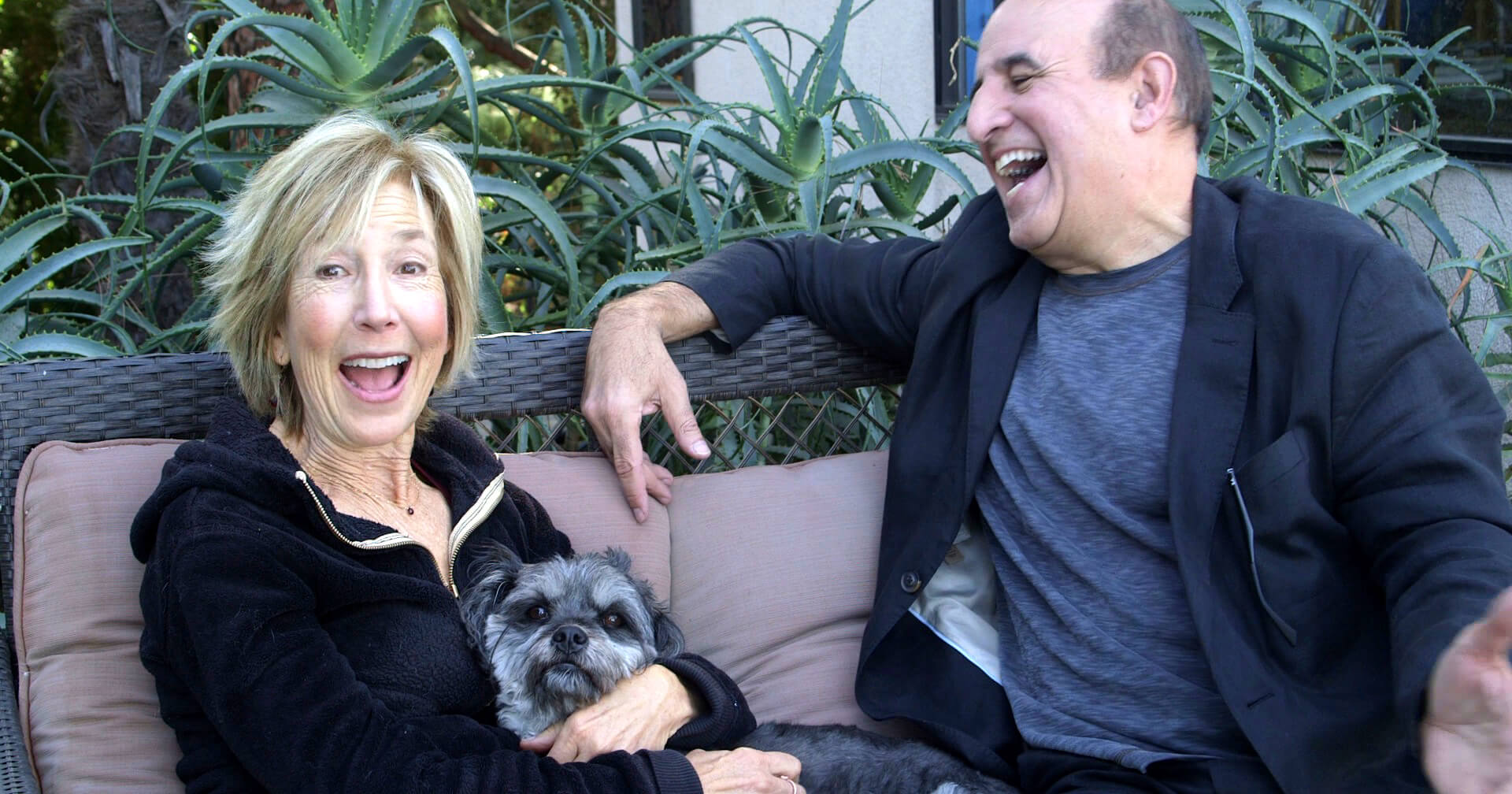
The Horror Crowd is a fantastic new documentary in which actor/director Ruben Pla talks to his close friends and associates about all aspects of horror. Among the interviewees are Lin Shaye, Greg Grunberg, Russell Mulcahy, Oren Eli, Darren Lynn Bousman, Ernest R. Dickerson, and Mike Mendez. Ruben himself is a familiar face from appearing in the likes of Insidious, Cheap Thrills, and Big Ass Spider! We caught up with him ahead of the film’s world premiere at Arrow Video FrightFest…
STARBURST: What was the idea about getting all your pals basics together and talk about their love of horror?

Ruben Pla: Basically, I started meeting these people in a trailer that I was working on for Mike Mendez. I met James Wan there. Next thing I know, he cast me in Insidious, which was a big cult hit. I was having lunch with my co-producer Hank Braxtan one day and said, ‘You know what, I’m thinking of doing a documentary, just interviewing some people, and I’ll just like do it on my phone just to see what happens’. Then he said ‘I can provide some cameras’, because he works for a production company. Then he offered lighting equipment and said we can use the studio where he works. Okay! He then said ‘my wife can produce it’. I said okay! That basically started steamrolling and I started calling people up. And I called Mike first because I thought that was the right thing to do since he’s basically my gateway into the horror crowd. He agreed and I started calling more people, and they all wanted to do it, and that’s how it happened.

It’s a very friendly film, it’s one that you can very easily get drawn into, it’s like hanging about with your mates in the pub. All the people talk about things that everybody who loves horror can relate to.

Sci-fi and fantasy, too because it goes across the board, we have people like Russell Mulcahy, who directed Highlander and Resident Evil: Extinction.

What was your earliest introduction to horror films?

I remember distinctly growing up in New York City and watching the old Creature Features, a TV show where they would show Dracula, Frankenstein, The Wolf Man – the originals -and it scared the hell out of me! And then as I got older, I started watching Alien and those kind of things.

You directed two shorts yourself before this…

I did director shorts. One was called Head, which Arielle Brachfeld, my producer on The Horror Crowd, was the lead in. along with Matt Mercer. The other was The Kill, which my daughter played the lead in. Those were me testing the waters, so to speak.

The film is playing at FrightFest…

And I’m very happy about that! The people there have all been fantastic, corresponding back and forth, answering any questions, I’m very excited about it. They’ve seen many of the people in the documentary at FrightFest because they’ve gone there over the years with their projects.

It’s very different this year being online though, which is a shame because it would be perfect to see with an audience, because it’s basically what it celebrates.

Yeah, you’re absolutely correct about that, and obviously it would have been great, I would have flown there for sure. To meet them all and be available for Q&As. But, we’ll make the best of it. Hopefully, people will see it and distributors will see it and we’ll get distribution and so forth.

What advice would you give a young filmmaker, looking to get into cinema?

Never, ever give up. And that’s the truth of the matter. I mean that so sincerely. There are too many talented people, specifically actors, which I dealt with in the early part of my career, who were super talented at these kinds of work. And little by little, they start dropping out and leaving the business because they weren’t getting enough work. There’ll be high times and low times and times when you’re like booking right and left to TV shows or movies or commercials or anything. And times where you don’t do something for a couple of months. You just can’t let it affect you. I understand that sometimes you’ve got to pay the bills, but you can find some way to wangle that around where you can do something else to pay the bills until the next job comes along.

THE HORROR CROWD is released on digital on September 2nd. You can pre-order it on AppleTV and iTunes. You can read our review here.

You can watch the full interview here: https://youtu.be/sxYRJCVvJR8

THE TELEPHEMERA YEARS: 1969 – PART 1

Then Came Bronson, 1969 2

Ah, telephemera… those shows whose stay with us was tantalisingly brief, snatched away before their time, and sometimes with good cause. They hit the schedules alongside established shows, hoping for a long run, but it’s not always to be, and for every Street Hawk there’s two Manimals. But here at STARBURST we celebrate their existence and mourn their departure, drilling down into the new season’s entertainment with equal opportunities square eyes… these are The Telephemera Years!

1969-70

Although the Age of Aquarius had proved to be a false dawn, with Vietnam still raging and the Summer of Love a distant memory, America was still trying to laugh away its worries, with half the top ten shows aimed at tickling the viewers’ funny bones. Top of the roost was Rowan & Martin’s Laugh-In on NBC, who otherwise only had Bonanza and Walt Disney’s Wonderful World of Color among the top rating shows that year. Bonanza wasn’t the only high-flying Western, either, and CBS’s Gunsmoke pushed Rowan and Martin all the way. The Tiffany Network dominated the ratings, enjoying another five places in the top ten, and seeing Hawaii Five-O sneak into the top twenty.

Marcus Welby, MD was the hit new show, joining The Brady Bunch on ABC’s new Fall line-up, while NBC debuted Night Gallery and The Bill Cosby Show in prime-time. For genre fans, Land of the Giants was finishing its two-season run on ABC, who also offered spooky fun with Bewitched and The Ghost & Mrs Muir. Get Smart moved to CBS from NBC, who only had I Dream of Jeannie on offer in a very thin year for sci-fi and fantasy fans. But what of those shows that made their bow in 1969 and didn’t hang around? This is the story of four short-lived TV ventures…

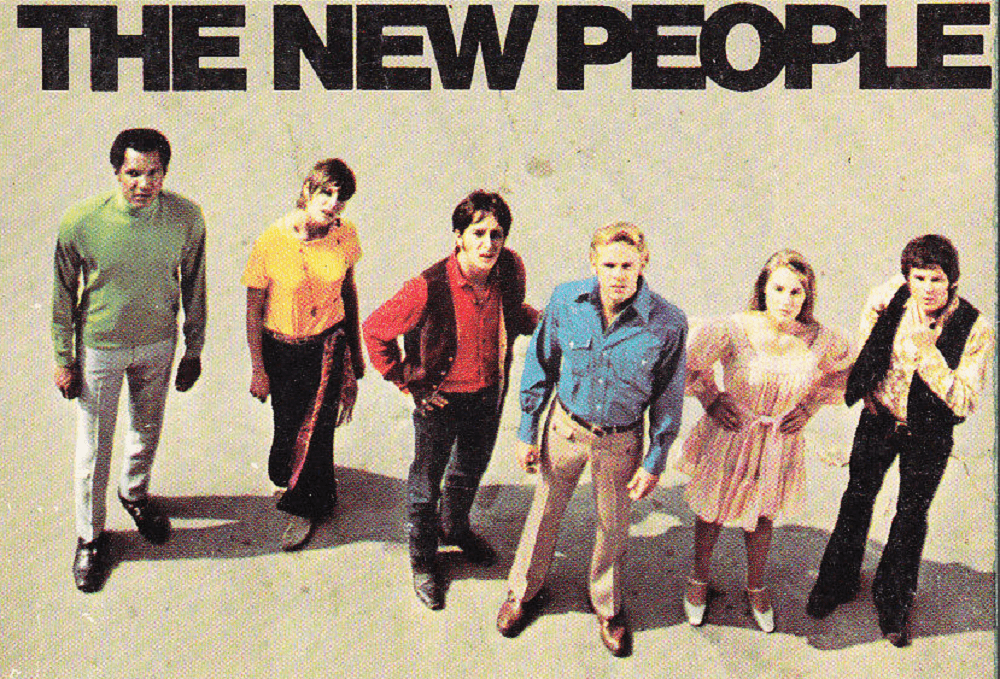
The New People (ABC): In 1969, American TV was still trying to come to terms with the youth explosion of the 1960s, walking a steady line between not wanting to alienate a whole generation of young idealists and keeping their usual audience – who just didn’t get it – placated. The New People was an attempt to show that, while these kids weren’t all bad, they still had a lot to learn about society.

Created by new kid on the block Larry Gordon, and with a pilot pseudonymously written by Rod Serling, The New People was one of Aaron Spelling’s early projects for Thomas/Spelling Productions, the company he’d formed in 1966 with comedian Danny Thomas. Contracted by ABC, The New People was Thomas/Spelling’s fourth attempt at network success, with only two-seasoner The Guns of Will Sonnett having had any kind of lasting impact, and this Lord of the Flies remix seemed to have all its pieces in the right place.

The New People, 1969

When an airplane carrying a class of college students, returning from a field trip in South Asia, crashes on a remote island, the surviving students – and one older (but still young) adult – must attempt to build their own community. Luckily, the island they crash on was set up for testing an atomic bomb but the test was abandoned, leaving a fully-functioning small town set up and ready to use. Confident of building a society without making the mistakes their parents made, the students soon find out that things are not as easy as they seem…

A cast of hot young things, and its allusions to the now commonly held opinion that things had gone badly wrong in Vietnam, was expected to bring in the youth audience but the show fell between two stools, neither edgy or hip enough to appeal to youngsters (who were no doubt too busy at love-ins) and too cynical for Mid-America. Seventeen episodes, half a dozen short of its initial order, were aired and ratings opposite Here’s Lucy and Rowan and Martin’s Laugh-In were never going to satisfy network bosses. The show was cancelled in January 1970 and has never been released on home video, although there was a tie-in novelisation of the pilot episode. Perhaps it needed more polar bears?

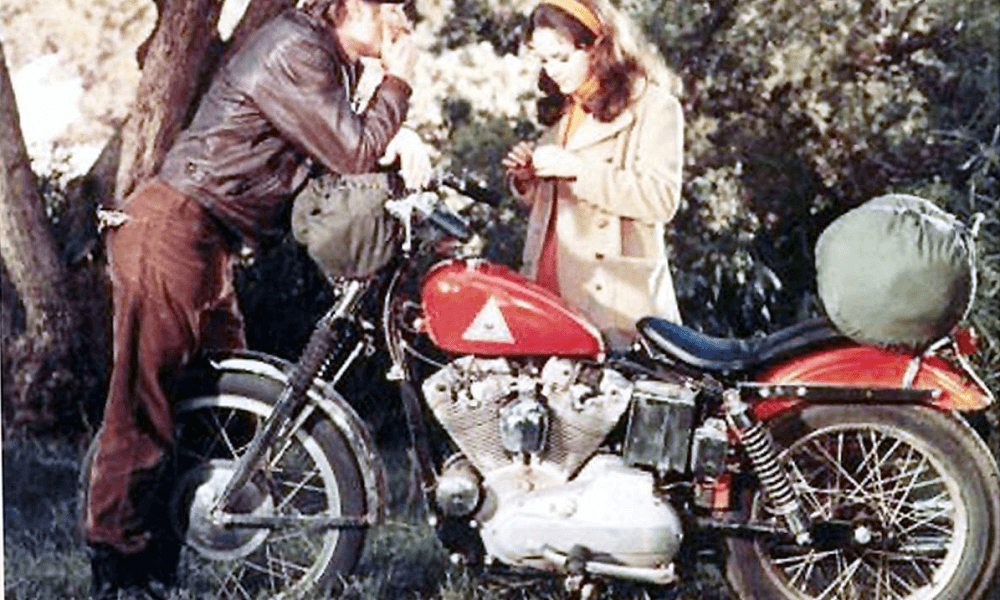
Then Came Bronson (NBC): Then Came Bronson is a story about changing for the better and made its bow as a TV movie in the Spring of 1969, later released theatrically in Europe. The pilot sees journalist Jim Bronson become disillusioned with the routine of his life after the suicide of his best friend, Nick. After an argument with his editor, Bronson quits his job and, fulfilling Nick’s last wish, reclaims the motorcycle he’d sold to a wealthy widow and decides to ride across America on a voyage of self-discovery.

Like many other “walking the Earth” shows, each week sees Bronson arrive in a place where someone is in need of help, usually a change of direction in their lives, never better illustrated than in the episode where he encounters an Amish teen having doubts about the path laid out before him. Other stories find Bronson encountering cult members, Titanic survivors, autistic children, and conflicted campaigners; he helps set them all on the right path, of course, because Jim Bronson is cool and wise.

Then Came Bronson, 1969 2

The title role went to Michael Parks, who himself had wandered the American landscape in his teens before washing up in Hollywood and becoming a jobbing actor. His big screen break came in 1965 with The Wild Seed, and he gained further notoriety with a stand-out performance as Adam in the Dino de Laurentis-produced The Bible: In the Beginning a year later. Charismatic, with something of a Newman or McQueen about him, Then Came Bronson was his show, and he even had a hit single with “Wayfarin’ Stranger” on the back of the show’s initial success.

Parks, though, was very much his own man and arguments with producers Robert H Justman and Robert Sabaroff led to him being informally blacklisted, absent from Hollywood for three years before a short-lived, low key return in the mid-1970s. After another seemingly self-inflicted debarring, Parks returned in the mid-1980s and enjoyed a good run on TV and in feature films through to his death in 2017. Kevin Smith was a big fan of Then Came Bronson and of Parks’s work, writing parts in both Tusk and Red State for the actor, and the director is currently working on a documentary about his fascinating life.

The Governor and JJ (CBS): When William Drinkwater (musical veteran Dan Dailey) is elected as Governor of an unnamed Midwestern US state, he is in need of a first lady. In lieu of his late wife, he picks his daughter Jennifer Jo (or JJ, played by Julie Sommars in her first starring role). The two rarely agree on anything but they may just find some middle ground between his conservative views and her liberal outlook.

Created by veteran sitcom writers Leonard Stern and Arne Sultan, who had worked together on Get Smart, The Governor and JJ was produced for CBS by Talent Associates, the company formed by David Susskind which had also been responsible for Supermarket Sweep and would go on to create McMillan & Wife. Given a Tuesday night slot opposite movies on ABC and NBC, and with the high-rating The Red Skelton Hour as a lead-in, it was hoped that the show’s mix of the old and new worlds would prove a hit with an America conflicted and confused by the end of the 1960s.

The Governor and JJ, 1969

The first season sneaked into the top fifty shows, with a strong female demographic, and the show was renewed for a second season, although it was moved to Wednesdays, thought to be a night with weaker opposition. However, nothing seemed to do well on Wednesdays and The Governor and JJ got the axe on December 30th 1970, with just thirteen episodes of its second season having aired. Even The Men from Shiloh (a renamed The Virginian), the night’s highest rating show, was cancelled at the end of the season.

It’s a shame because there’s some lovely, if warm and gentle, stuff on show, with Dailey and Sommars (who, ironically, is and was a supporter of and donor to the Republican Party) ably backed up by James T Callahan, Nora Marlowe, and Neva Patterson, and some funny scripts by Stern, Sultan, and future Cagney & Lacey creator Barbara Avedon. Never released on home video, you can see a smattering of the episodes on YouTube.

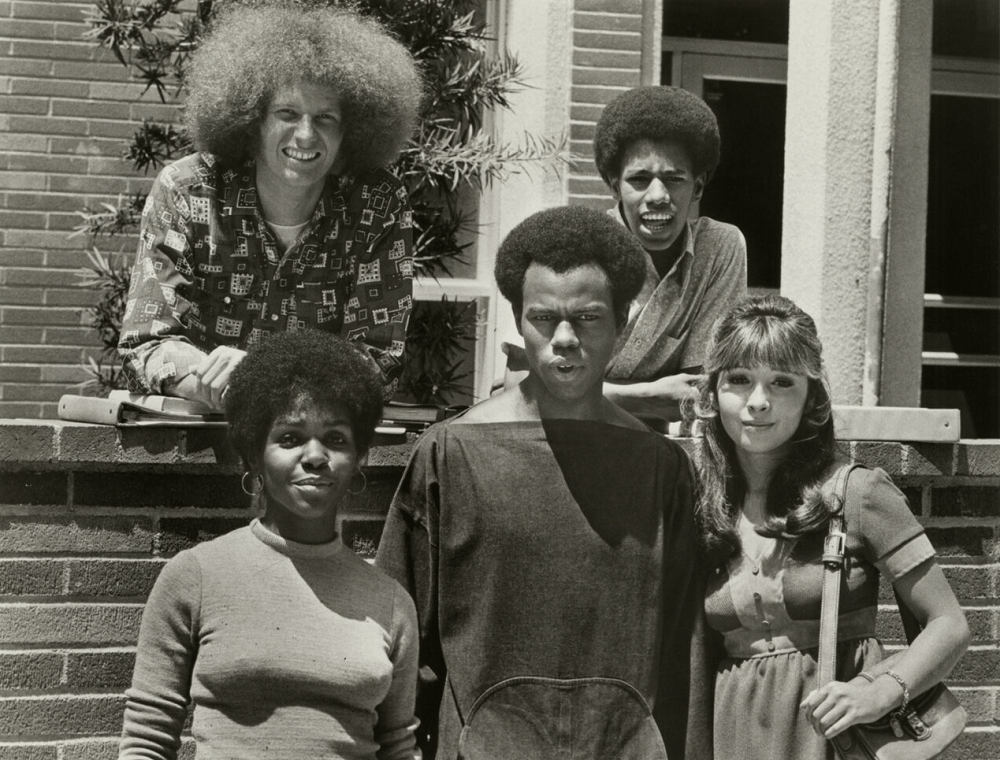
Room 222 (ABC): The shows featured in The Telephemera Years are usually short-lived affairs, gone before they’ve even had a chance to get their feet under the table. You can understand just why they’ve been forgotten, even if sometimes their quality demands more respect. Sometimes, however, you come across a show that has been all but erased from the collective memory despite enjoying a five-season run on ABC, when it broke new ground in its depiction of an inner-city education system riven with racism and other social issues.

That’s the fate of Room 222, which ran for 112 episodes between September 1969 and January 1974, and which starred Lloyd Haynes as Pete Dixon, who teaches eleventh grade American History from Room 222 of Walt Whitman High School in Los Angeles. Dixon isn’t shy to introduce contemporary interpretations into his classes, sometimes to the chagrin of Seymour Kaufman (Michael Constantine), the well-meaning but officious school principal.

The show touched on current affairs such a civil rights, Vietnam, Watergate, and more, and also led the way in dealing with some important issues surrounding discrimination and the struggles between generations. Not surprisingly, Room 222 did not perform well in the ratings in its first season (when it was programmed opposite The Beverly Hillbillies and The Virginian) but ABC decided to back it for a second year after the show won Best New Series, Best Supporting Actor, and Best Supporting Actress at the 1970 Emmy Awards.

The second season, with less competition, did much better and by season three the show had moved into the top thirty in the Nielsen ratings. However, that was to be its high point and by late 1973 ratings had fallen to the point where ABC pulled the plug, the final episode airing on January 11th 1974 (with an unaired episode still in the can). Room 222 was a truly groundbreaking series, paving the way for America to confront its issues (although your mileage may vary as to how that’s going), and creator James L Brooks would later be instrumental in the development of The Simpsons, still forcing the US to take a look at itself after thirty plus years on the air.

Next time on The Telephemera Years: More damp squibs, including class struggle love affairs!

Check out our other Telephemera articles:

The Telephemera Years: 1966 (part 1, 2, 3, 4)

The Telephemera Years: 1968 (part 1, 2, 3, 4)

The Telephemera Years: 1969 (part 1, 2, 3, 4)

The Telephemera Years: 1971 (part 1, 2, 3, 4)

The Telephemera Years: 1973 (part 1, 2, 3, 4)

The Telephemera Years: 1975 (part 1, 2, 3, 4)

The Telephemera Years: 1977 (part 1, 2, 3, 4)

The Telephemera Years: 1980 (part 12, 3, 4)

The Telephemera Years: 1982 (part 1, 2, 3, 4)

The Telephemera Years: 1984 (part 1, 2, 3, 4)

The Telephemera Years: 1986 (part 1, 2, 3, 4)

The Telephemera Years: 1987 (part 1, 2, 3, 4)

The Telephemera Years: 1990 (part 1, 2, 3, 4)

The Telephemera Years: 1992 (part 1, 2, 3, 4)

The Telephemera Years: 1995 (part 12, 3, 4)

The Telephemera Years: 1997 (part 1, 2, 3, 4)

The Telephemera Years: 2000 (part 1, 2, 3, 4)

The Telephemera Years: 2003 (part 1, 2, 3, 4)

The Telephemera Years: 2005 (part 1, 2, 3, 4)

The Telephemera Years: 2008 (part 1, 23, 4)

Titans of Telephemera: Irwin Allen

Titans of Telephemera: Stephen J Cannell (part 1, 2, 3, 4)

Titans of Telephemera: Hanna-Barbera (part 1, 2, 3, 4, 5)

Titans of Telephemera: Kenneth Johnson

Titans of Telephemera: Glen A Larson (part 1, 2, 3, 4)

Titans of Telephemera: Quinn Martin (part 1, 2)

Five Films to Check Out on Legend This Week – 290822

legend picks bride of frankenstein

Legend has another bumper week ahead, so here are our picks you shouldn’t miss…


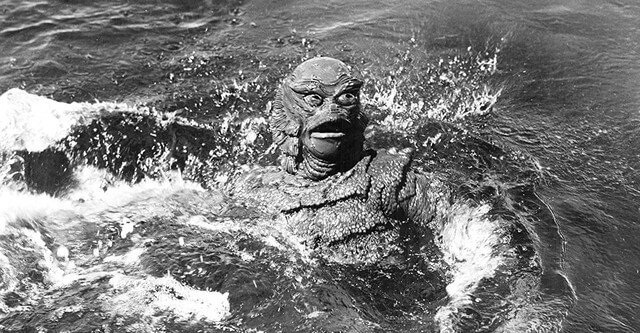
Wednesday August 31st, 4pm – Revenge of the Creature (1955)

The Gill-man is back in this sequel to Creature from the Black Lagoon. Keep an eye open for a young Clint Eastwood!


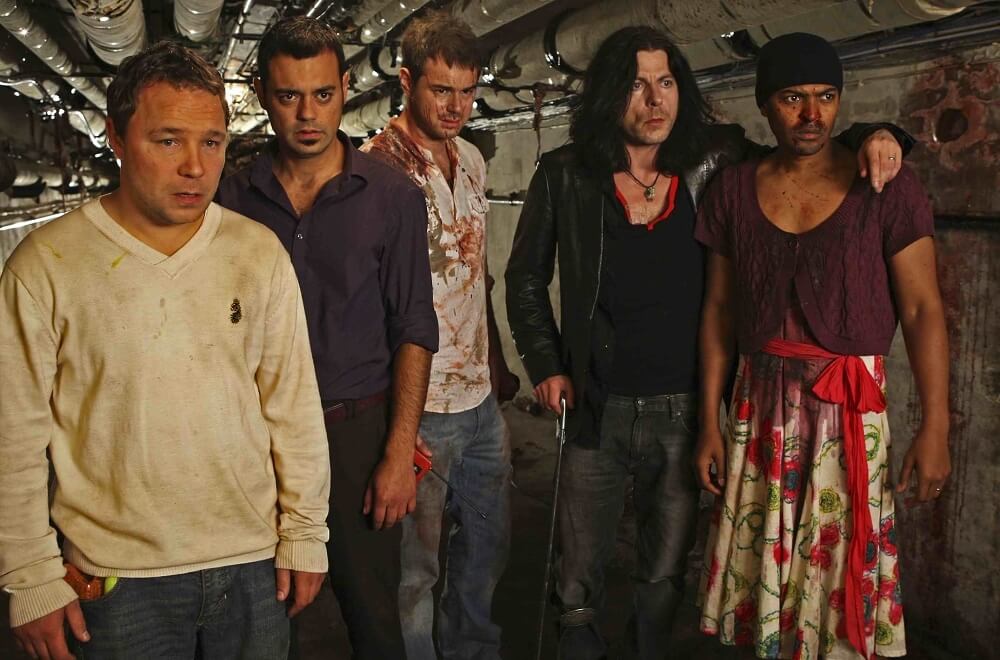
Thursday September 1st, 11pm – Doghouse (2009)  

Laddish zombie fun from director Jake West with Danny Dyer and Stephen Graham. There’s even a ghoulish appearance from Emily Booth.


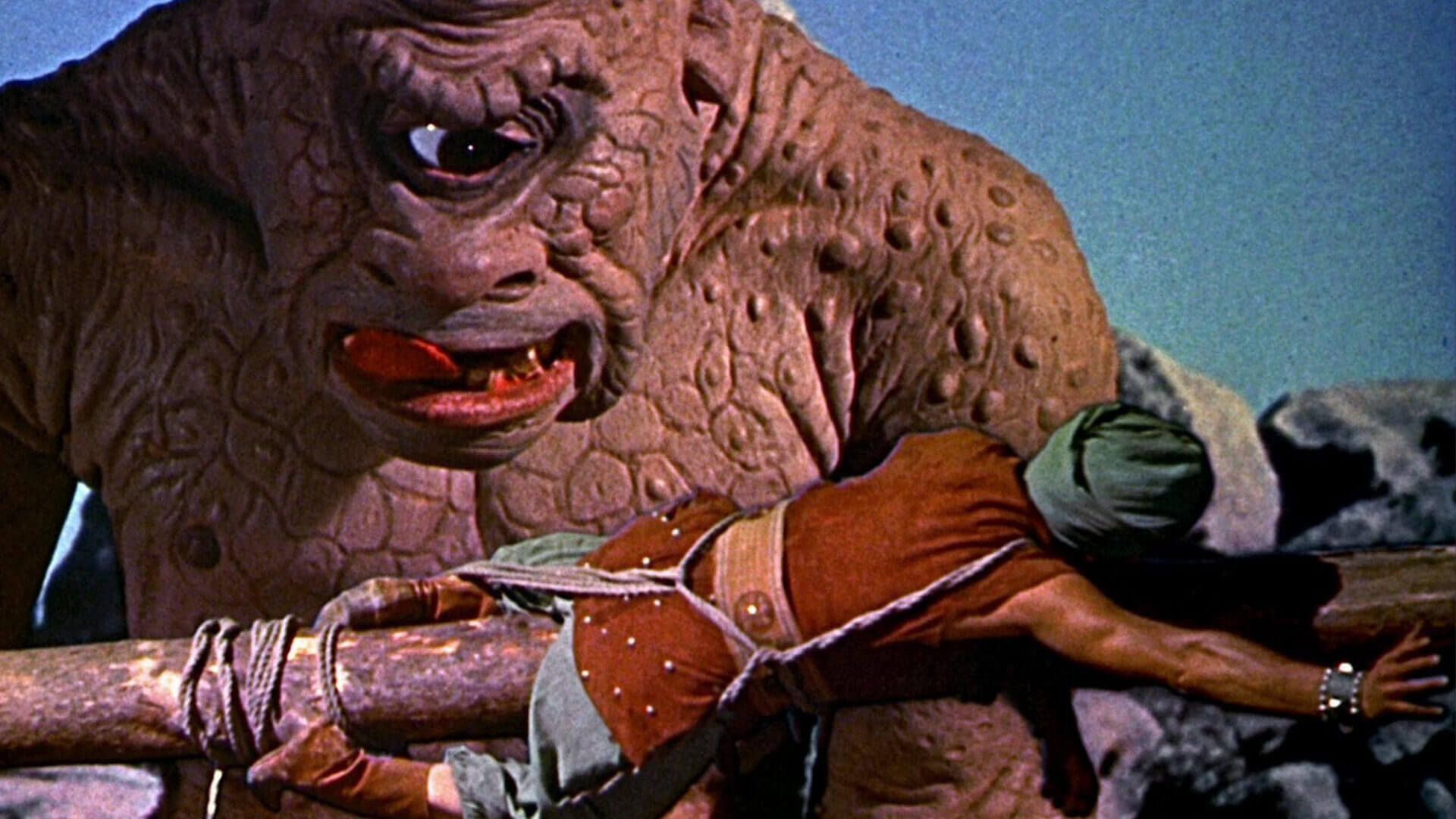
Friday September 2nd, 6pm – The 7th Voyage of Sinbad (1958)

Swashbuckling fantasy adventure with Kerwin Mathews as the sailor facing the perils of Ray Harryhausen’s creations.


Saturday September 3rd, 10am – 3.25pm – Frank Herbert’s Children of Dune

A chance to catch the full 3-part miniseries in one afternoon! Based on the best-selling books, this is a star-studded adaptation of Dune Messiah and Children of Dune.


Sunday September 14th, 9pm – 12.50am The Vintage Vault

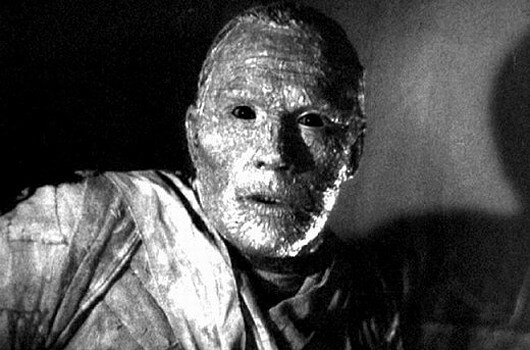
Legend continues to celebrate the Golden Age of genre cinema with a season of double bills. This week, we head back to the Universal Monsters with the brilliant Bride of Frankenstein (1935), the film in which Boris Karloff’s creature meets the blind hermit and learns how to smoke. This is followed by shuffling terror in The Mummy’s Hand (1940), featuring cult legend George Zucco.

Find out more information at https://www.legend-tv.co.uk/

Tune into Legend on Sky 317, Virgin 149, Freeview 41, Freesat 138.

THE TELEPHEMERA YEARS: 1997 – PART 4

The Adventures of Sam & Max, Freelance Police, 1997

Ah, telephemera… those shows whose stay with us was tantalisingly brief, snatched away before their time, and sometimes with good cause. They hit the schedules alongside established shows, hoping for a long run, but it’s not always to be, and for every Street Hawk there’s two Manimals. But here at STARBURST we celebrate their existence and mourn their departure, drilling down into the new season’s entertainment with equal opportunities square eyes… these are The Telephemera Years!

1997-98

NBC’s Thursday night block of “Must See TV” dominated the 1997-98 US TV season, with Seinfeld, ER, Friends, and new hit (and Kirstie Alley vehicle) Veronica’s Closet filling the top four spots. Even Union Square, which NBC cancelled after fourteen episodes for lower than expected ratings, came in at number seven, and the rest of the networks floundered in the Peacock’s wake. Outside of football and the news, only ABC’s Home Improvement and CBS schlockfest Touched By An Angel could crack the top ten, but Fox had a strong trio in the youth demographic with The X-Files, King of the Hill, and The Simpsons all making the top twenty.

Seinfeld was in its final season, as were Ellen, Dr Quinn Medicine Woman, and The Larry Sanders Show, but there were new arrivals in the shape of Ally McBeal, Dawson’s Creek, Stargate SG-1, and La Femme Nikita, while Oz began its gritty six-year run on HBO in July 1997. Fans of genre shows were also catered for by 3rd Rock from the Sun, Buffy the Vampire Slayer, Sabrina the Teenage Witch, and Star Trek: Voyager, but what about those shows that failed to tickle the fancy of younger viewers? This is the story of five animated outings from the 1997-98 season…

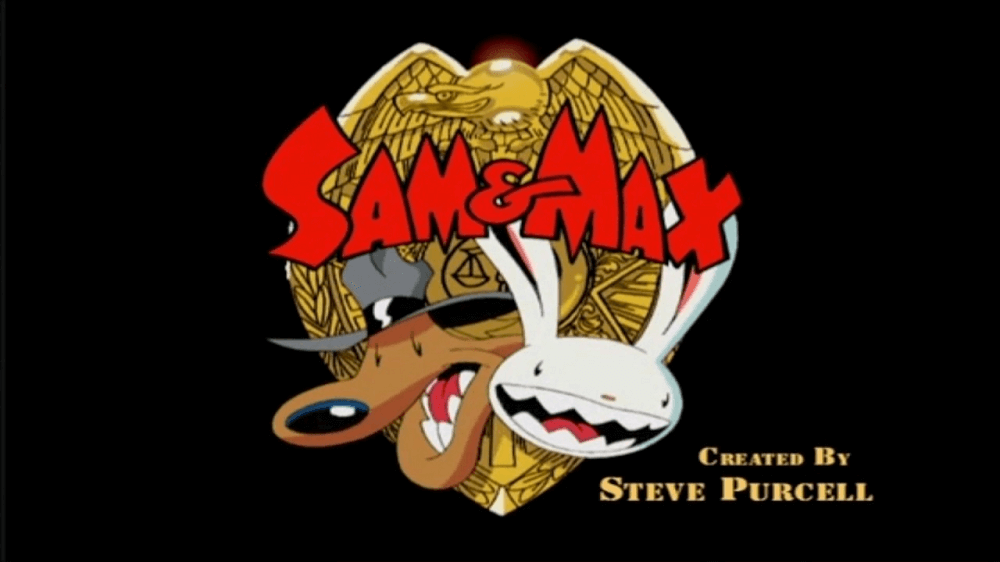
The Adventures of Sam & Max: Freelance Police (Fox): Steve Purcell’s older brother Dave used to like making comics but, like the best of us, he seldom finished them. Instead, he’d leave them lying around the house and young Steve would finish them for him, in a mocking fashion. In the mid-1970s, Dave started a story about a dog and rabbit detective duo, which Steve really took to, producing his own adventures featuring the pair to the point that Dave gave Steve the rights to the characters for his birthday one year as a cheap way of getting out of buying a real present.

In 1980, Steve began drawing weekly Sam & Max strips for his college newspaper, which eventually led to an offer from Fish Police creator Steve Moncuse to publish them in a comic book for Moncuse’s Fishwrap Productions in 1987. Subsequently picked up by Comico and Epic, Purcell also began drawing Sam & Max strips for The Adventurer, the monthly staff magazine for Lucas Arts, where he had a day job as a game designer, and in 1992 the studio offered him a chance to produce a game based on his characters, which was released as a DOS game.

The Adventures of Sam & Max, Freelance Police, 1997

Sam & Max soon gain a reputation as one of the best underutilised properties on the market and Fox Kids picked up the series for a 1997 debut, with animation produced by Canadian studio Nelvana. Twenty-four ten-minute episodes were ordered, a handful of which were written by Purcell, and the show debuted on October 4th 1997 with an episode entitled “The Thing That Wouldn’t Stop.”

Although toned down to be aimed at the children’s market, The Adventures of Sam & Max: Freelance Police retained much of the fun characterisation of the comic books, with Sam the dog a detective straight out of a film noir, and Max a bundle of hyperactive energy, while adding a twelve-year-old girl (admittedly a strange one) to be the audience’s identifying factor. Unfortunately, Fox declined to pick up the show for a second series, despite Sam & Max earning a Gemini award for Best Animated Series in 1998, and Purcell returned to producing further comic books and videogames starring the pair. The complete series, with a ton of extras, was released on DVD in 2008 and the show is currently streaming on Tubi.

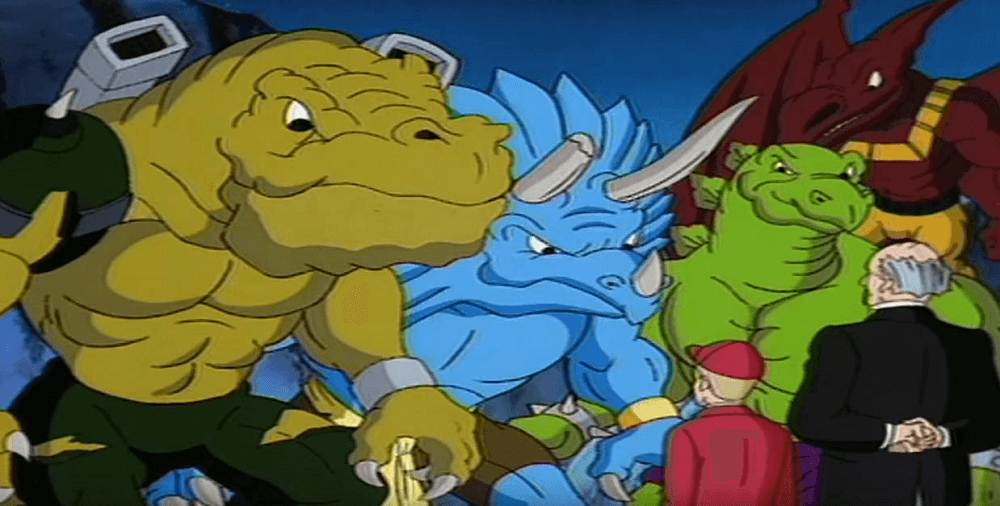
Extreme Dinosaurs (syndication): The toy to TV pipeline was well into its second decade when Mattel developed a new line of action figures spun-off from Street Sharks called Dino Vengers. Quickly renamed Extreme Dinosaurs, the toy company then trod the tried and tested trail of securing thirty minutes of prime advertising and enlisted DIC Productions – who had also produced the Street Sharks show – to bring the property to life.

Extreme Dinosaurs, 1997

Four of the prehistoric patrol had already appeared – as the Dino Vengers – in the third season of Street Sharks, which was actually retitled Dino Vengers featuring the Street Sharks for its final eight episodes, but the Extreme Dinosaurs show rebooted its continuity to remove any mention of the now dead toy line, instead focussing solely on T-Bone, Spike, Stegz, Bullseye, and new addition Hard Rock as they battled Bad Rap’s evil raptors.

The fortunes of such shows are directly tied to the toys they shill, and although the toyline received a tweak with some special features added, it was off the shelves by 1998 and there was to be no second season of the show. Still, as a show meant for syndication, fifty-two episodes were produced, subsequently released on a series of VHS tapes, although only Australia has gotten the DVD treatment, with four DVDs spanning the whole series being issued by Force Entertainment.

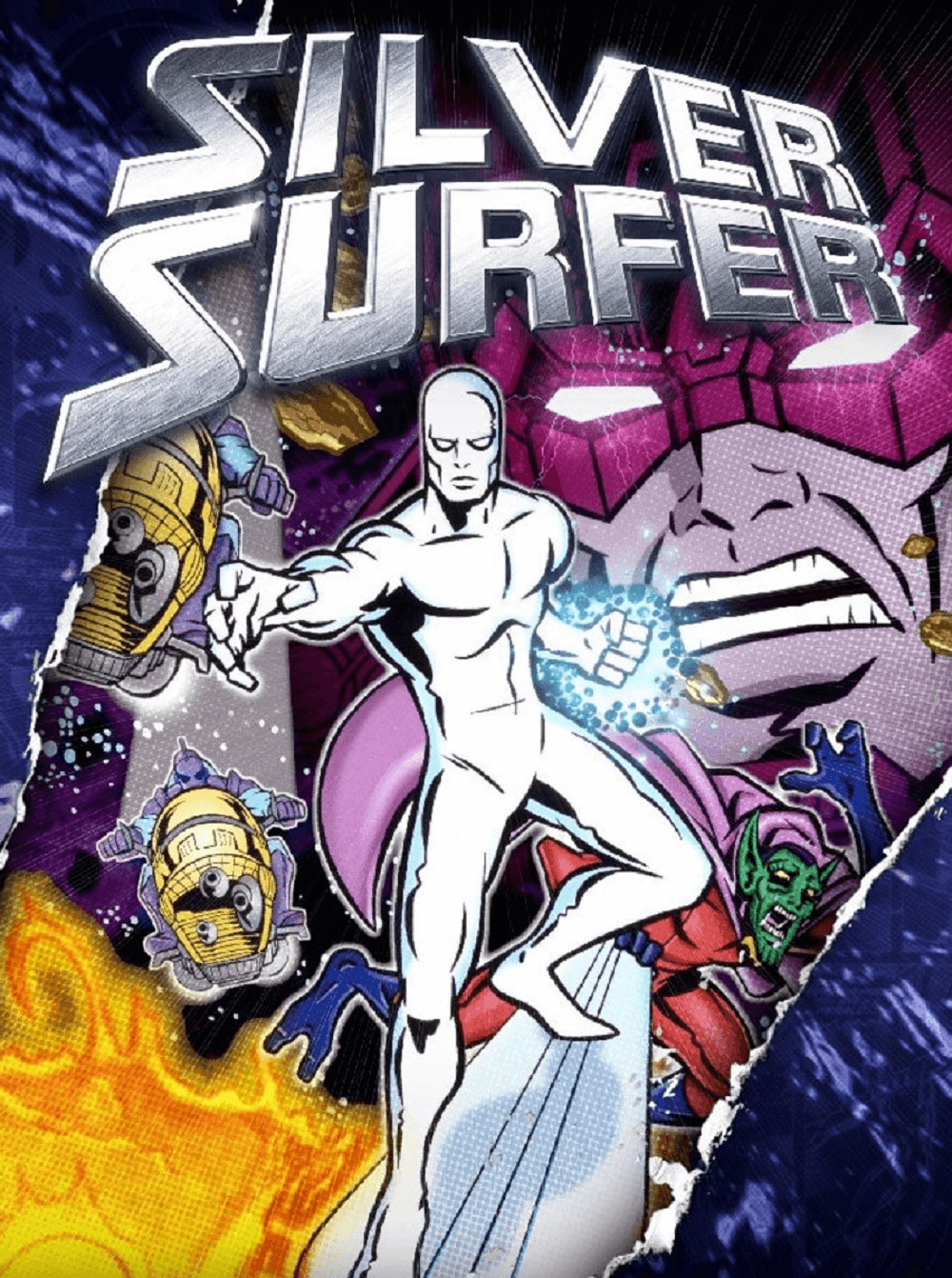
Silver Surfer (Fox): The history of Marvel Studios is a complicated thing, even more so than its parent company. Its roots lie in DePatie-Freeleng Enterprises, the animation studio responsible for The Pink Panther, which was acquired by Marvel Comics’ owners Cadence Industries in 1981 when Fritz Freleng wanted to return to Warner Bros. Renamed Marvel Animation, the studio scored big hits with the GI Joe and Transformers cartoons and was a jewel in the crown of the sale of the Marvel Entertainment Group to New World Pictures in 1986.

In 1989, New World experienced cash-flow problems and Marvel Animation was sold to the Andrews Group, and when that group also acquired the rest of New World a year later, Marvel Animation rejoined the fold, although it had been downsized considerably by that point. Under Andrews’ ownership, the studio began to focus less on licensed properties and more on taking advantage of Marvel’s massive roster of marketable characters, partnering with Saban to produce X-Men: The Animated Series in 1992, and its own shows for Iron Man, Fantastic Four, and Spider-Man in the following years.

Silver Surfer, 1998

Having adapted the coming of Galactus for Fantastic Four, which introduced the Silver Surfer to the Marvel Universe, the Surfer’s solo adventures were deemed perfect for a show of his own, and Saban was again contracted to produce the show, with thirteen episodes ordered for a February 1998 premiere. Using a mix of CGI and traditional cel animation, Saban leaned heavily on the designs of Surfer creator Jack Kirby for his aesthetic and writer Larry Brody filled the show with a cast of characters from the wider cosmic Marvel Universe, enough to please even the most hardcore Marvel Comics fan.

Unfortunately, keeping the show true to the Surfer’s roots probably made it too brooding for its intended audience on Fox Kids but it was enough of a success that eight episodes of a second season were in the early stages of production before a dispute between Marvel and Saban led to the cancellation of the show. Marvel Animation had been sold again during the production of the first season, this time to Fox, but the comics arm went to Toy Biz, and that complicated mess eventually put an end to all co-productions with Saban, even when both companies were acquired by the Walt Disney Corporation, as is the fate of all of us…

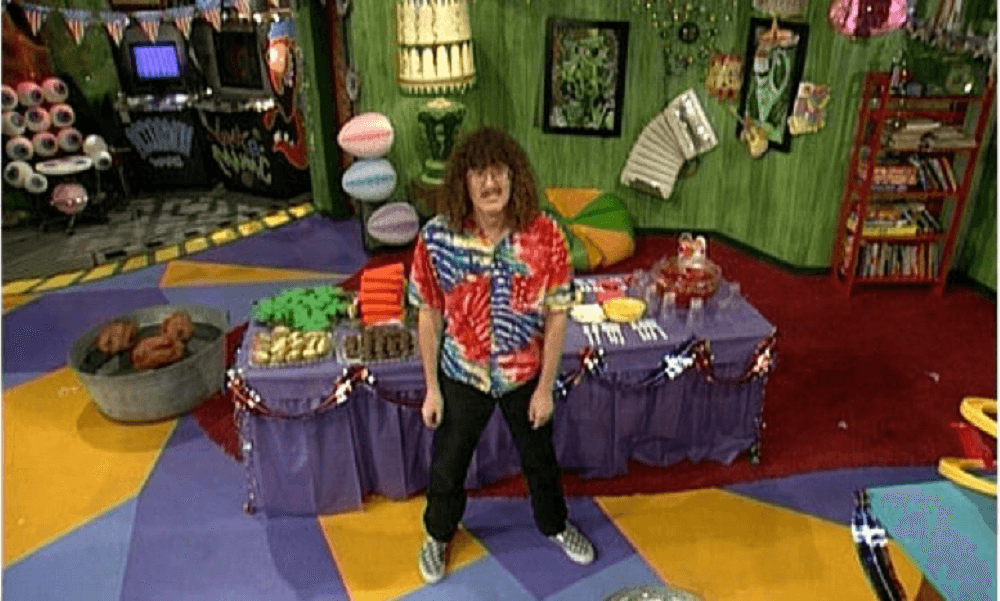
The Weird Al Show (CBS): Like oxygen and the stars, it’s difficult to imagine that there was a time before Al Yankovic, the weirdest of all Als. Supposedly, his story began in 1976 when he gave a tape of his parody songs to Dr Demento when the radio personality visited Yankovic’s high school, leading to a regular slot on Demento’s show and launching Yankovic to fame as America’s foremost musical sender-upper.

In 1989, Yankovic starred in UHF, a movie designed to showcase his talents that proved divisive to the small amount of people who saw it. The failure of the film led to a slump in his career that Weird Al only turned around in 1992 with a parody hit of Nirvana’s “Smells Like Teen Spirit.” Further successes with comedy versions of “Gangsta’s Paradise” (“Amish Paradise”) and “Lump” (“Gump”) brought Yankovic back into the mainstream once more and CBS decided to take advantage by greenlighting a Saturday morning show for Fall 1997.

The Weird Al Show, 1997

Yankovic pitched the show as being similar to Pee-Wee’s Playhouse but with a more subversive (if gently so) brand of humour that matched his parody songs. Director Peyton Reed, who would go on to helm Ant-Man, was brought in to help develop the show, and Pee-Wee designer Wayne White was hired to build the set. The tone of the material – and CBS’s refusal to license original songs for Yankovic to parody – led to some friction on set, with the crew often having to find ways to sneak material past the network’s censors and stick-in-the-mud executive producer Dick Clark.

Thirteen episodes were produced, airing at 11.30am on Saturday mornings, but a feeling that this wasn’t the Pee-Wee’s Playhouse they’d been promised – and the constant battles over risqué content – led to the show’s cancellation. It did, however, feature the first US TV performance by Barenaked Ladies and a young Patton Oswalt, and the whole thing was released on DVD, with some lovely extras, by Shout Factory in 2006 if you can track that down.

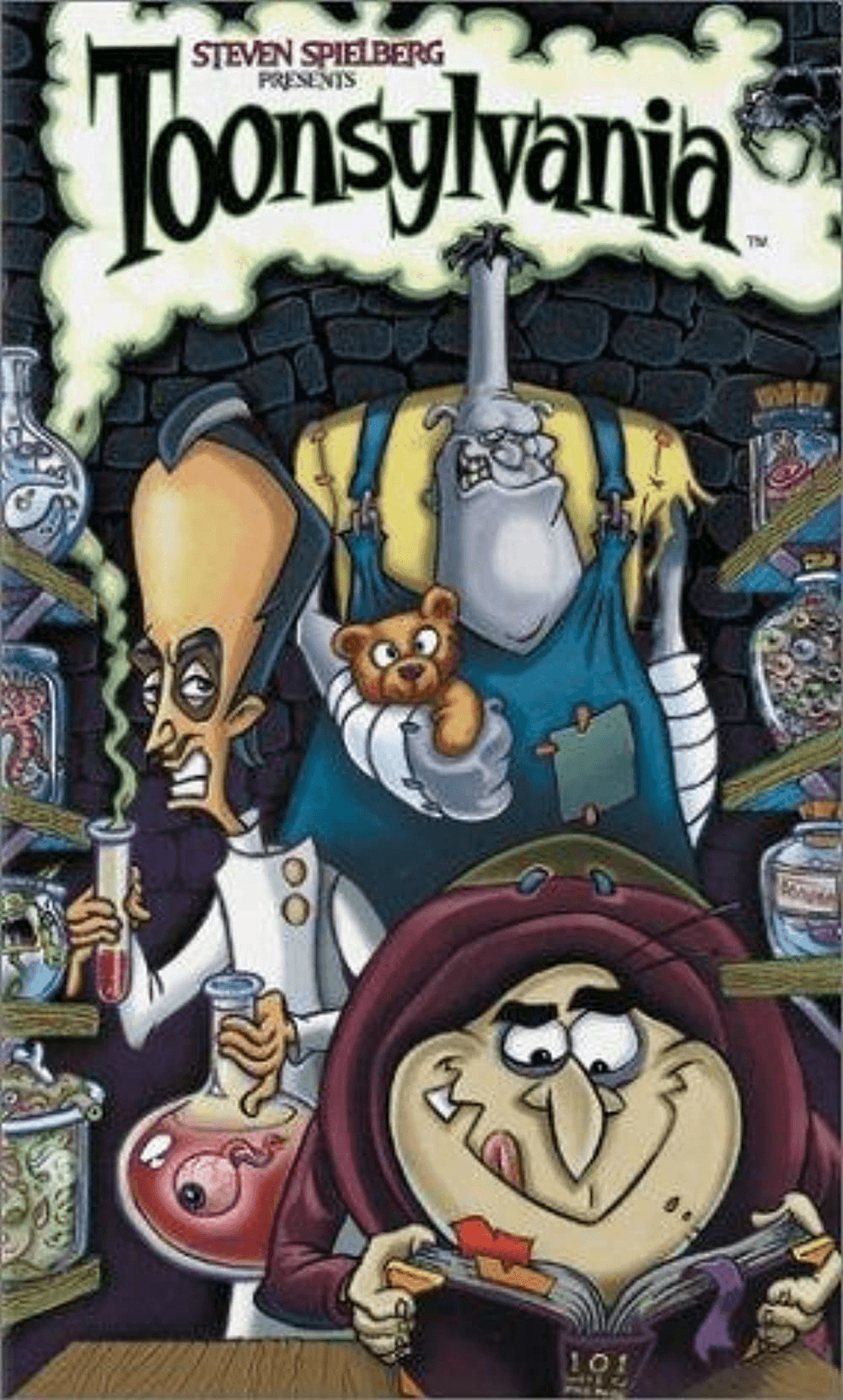
Toonsylvania (Fox): While Steven Spielberg’s DreamWorks Animation were preparing their first prime-time animated show – Invasion America ­– for June 1998, they were also working on a kids’ show, to be shown as part of Fox Kids “No Yell Motel” block, which also featured Goosebumps and Eerie, Indiana.

An anthology piece, Toonsylvania was developed by Eek! The Cat co-creator Bill Kopp and Chris Otsuki, with whom Kopp had worked on Tazmania some years previously. The two came up with a series of recurring segments, in the manner of Animaniacs, pulled together by Dr Vic Frankenstein, his assistant Igor, and their dim-witted monster Phil.

Toonsylvania, 1998

A typical episode would start with the wacky adventures of Frankenstein and company, before  Night of the Living Fred (a family of zombies created by Pulitzer Prize-winning cartoonist Mike Peters) and igor’s Science Minute, where the titular sidekick would attempt to prove he was smarter than his boss. The show was rounded off by Melissa Screech’s Morbid Morals, where Igor would teach Phil a lesson through a tale of young Melissa (voiced by Nancy Cartwright) who never listens to adults and ends up in all manner of misfortune.

Thirteen episodes were produced for the first season, debuting in February 1998, and a second season was ordered, of eight episodes, to follow in October. This time, though, the show was moved to Monday afternoons where it didn’t fare so well, and there was to be no third season. The show did receive a line of toys from Toy Island, and a videogame on the Game Boy Colour in 2000, but it had never been released on DVD, and isn’t available to stream anywhere, a truly telephemeric cartoon. Luckily, as is so often the case, YouTube rides to the rescue, and you can find some episodes there… if you dare!

Next on The Telephemera Years: it’s back to 1969 for some very groovy shows…

Check out our other Telephemera articles:

The Telephemera Years: 1966 (part 1, 2, 3, 4)

The Telephemera Years: 1968 (part 1, 2, 3, 4)

The Telephemera Years: 1969 (part 1, 2, 3, 4)

The Telephemera Years: 1971 (part 1, 2, 3, 4)

The Telephemera Years: 1973 (part 1, 2, 3, 4)

The Telephemera Years: 1975 (part 1, 2, 3, 4)

The Telephemera Years: 1977 (part 1, 2, 3, 4)

The Telephemera Years: 1980 (part 12, 3, 4)

The Telephemera Years: 1982 (part 1, 2, 3, 4)

The Telephemera Years: 1984 (part 1, 2, 3, 4)

The Telephemera Years: 1986 (part 1, 2, 3, 4)

The Telephemera Years: 1987 (part 1, 2, 3, 4)

The Telephemera Years: 1990 (part 1, 2, 3, 4)

The Telephemera Years: 1992 (part 1, 2, 3, 4)

The Telephemera Years: 1995 (part 12, 3, 4)

The Telephemera Years: 1997 (part 1, 2, 3, 4)

The Telephemera Years: 2000 (part 1, 2, 3, 4)

The Telephemera Years: 2003 (part 1, 2, 3, 4)

The Telephemera Years: 2005 (part 1, 2, 3, 4)

The Telephemera Years: 2008 (part 1, 23, 4)

Titans of Telephemera: Irwin Allen

Titans of Telephemera: Stephen J Cannell (part 1, 2, 3, 4)

Titans of Telephemera: Hanna-Barbera (part 1, 2, 3, 4, 5)

Titans of Telephemera: Kenneth Johnson

Titans of Telephemera: Glen A Larson (part 1, 2, 3, 4)

Titans of Telephemera: Quinn Martin (part 1, 2)