THE TELEPHEMERA YEARS: 1973 – PART 3

The Norliss Tapes, 1973

Ah, telephemera… those shows whose stay with us was tantalisingly brief, snatched away before their time, and sometimes with good cause. They hit the schedules alongside established shows, hoping for a long run, but it’s not always to be, and for every Street Hawk there’s two Manimals. But here at STARBURST we celebrate their existence and mourn their departure, drilling down into the new season’s entertainment with equal opportunities square eyes… these are The Telephemera Years!

1973-74

With a massive 31.2 rating, CBS’s All in the Family had no competition for the top spot as 1973’s most popular show, with over twenty million viewers tuning in weekly to see what daft old racist Archie Bunker would do next. In fact, CBS controlled the top ten shows to such an extent that only NBC’s Sanford and Son (like All in the Family, a British transplant) earned a spot on the rundown. NBC really couldn’t cope with a CBS line-up that also included The Waltons, M*A*S*H, Hawaii Five-O, and new arrival Kojak, and Police Story seemed to be their only new show to make any impact.

ABC, though, had new smash The Six Million Dollar Man at number eleven, and scored decent placings for Kung Fu, The Streets of San Francisco, and the debuting Happy Days. Although ABC would have preferred to land more blows on the Tiffany Network, they could still rely on Monday Night Football and their various movie slots to pull in viewers, although their schedules – like those of CBS and NBC – were very light on sci-fi and fantasy shows. That was what was happening in terms of shows that people watched but what about those shows that didn’t make it to air, instead only existing as one-off pilot shows? This is the story of 1973’s never-weres…

Lady Luck (NBC): Supernatural shows were thin on the ground when the Fall 1973 line-ups were announced but the arrival (and subsequent departure) of The Girl with Something Extra might have been joined by several other shows had their pilots been picked up for full series. Among their number was Lady Luck, broadcast as a TV movie on February 12th 1973 with an eye on securing that all important series order.
Lady Luck, 1973

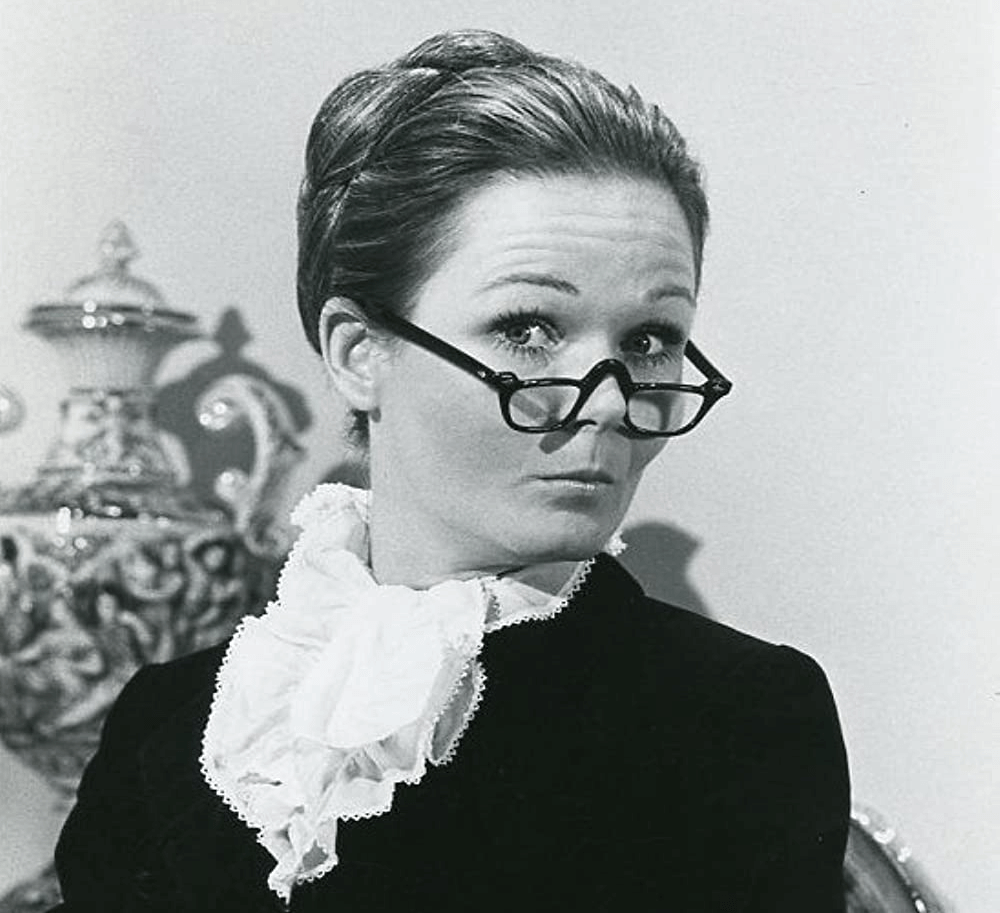
Scripted by The Man from UNCLE writer Dean Hargrove, Lady Luck starred a rookie Valerie Perrine (Eve Tessmacher in 1978’s Superman) in the prim yet beautiful title role, a woman who may or may not have supernatural powers. Known only as Laura, she dedicates her life to helping out strangers in need, whether they want her help or not!

The pilot aired as part of NBC Monday Night at the Movies but there wasn’t enough support for a full series and Hargrove went on to create both Jake and the Fatman and Matlock but will best be remembered by British audiences for producing Hex, Sea of Souls, and Demons in the wake of the return of Doctor Who to British screens.

Genesis II (CBS): After finishing up with Star Trek in 1969, Gene Roddenberry felt he’d become pigeonholed as a producer of sci-fi and decided to break out of that corner by writing and directing a sexploitation comedy. Pretty Maids All in a Row did not fare well at the box office or with critics and so Roddenberry took a break from Hollywood to appear at conventions and give lectures on college campuses.

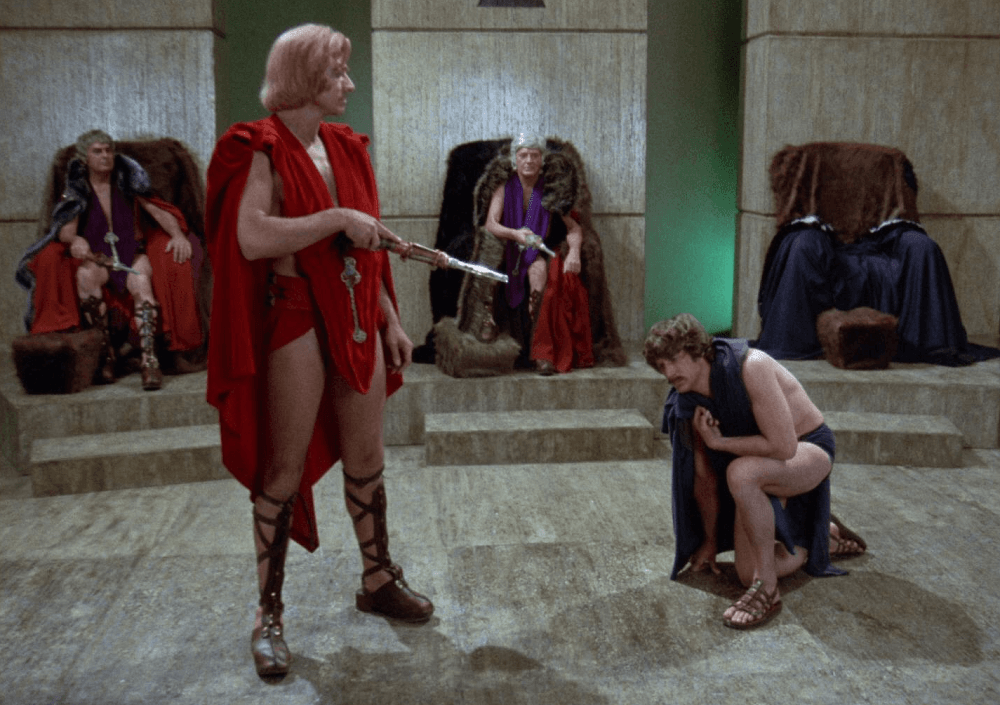
It was while he was on this break that he found he missed the work and set about writing a script for a new sci-fi series, completing the pilot script for Genesis II in just six weeks over the Summer of 1972, one of three new projects he hoped to bring to air as series the following year. Genesis II told the story of Dylan Hunt, a NASA astronaut thrown forward in time to a post-apocalyptic future, with the civilisations of Hunt’s time destroyed by The Great Conflict. New societies have sprung up in their place and, through Hunt’s eyes, the viewer explores the strange new world of 2133.
Genesis II, 1973

The pilot script was accompanied by a 45-page guide, outlining future storylines which would have seen Hunt encounter a mysterious suicide squad, visit the London of the future, be captured as a pet for a female-dominated cult, and travel to 1975 as a spectral spectator. Alex Cord, who would go on to play Archangel in Airwolf, was cast as Hunt, with back-up from Ted Cassidy, Mariette Hartley, and Percy Rodrigues, all of whom had worked with Roddenberry on Star Trek.

The pilot was scheduled for March 23rd 1973 in CBS’s Friday Night Movies slot and Roddenberry had already been asked to produce scripts for four more episodes before it aired. However, an airing of Planet of the Apes on CBS in September 1973 had done blockbuster ratings and it was decided to make a series of that instead, which eventually found a slot for the Fall 1974 season. Roddenberry reworked the pilot as Planet Earth in 1974, with John Saxon in the lead role, but this also failed to make it to series, as did the Roddenberry-less Strange New World a year later.

Questor (NBC): With Genesis II failing to earn a series (and supernatural detective drama Spectre eventually showing up four years later), Gene Roddenberry’s other 1973 project was Questor, the story of an android with incomplete memory tapes. Written with his Star Trek comrade Gene L Coon, Questor’s task was to save humanity from itself, and the eventual series would have seen him attempting to find the missing pieces needed to complete his mission.
Questor, 1973

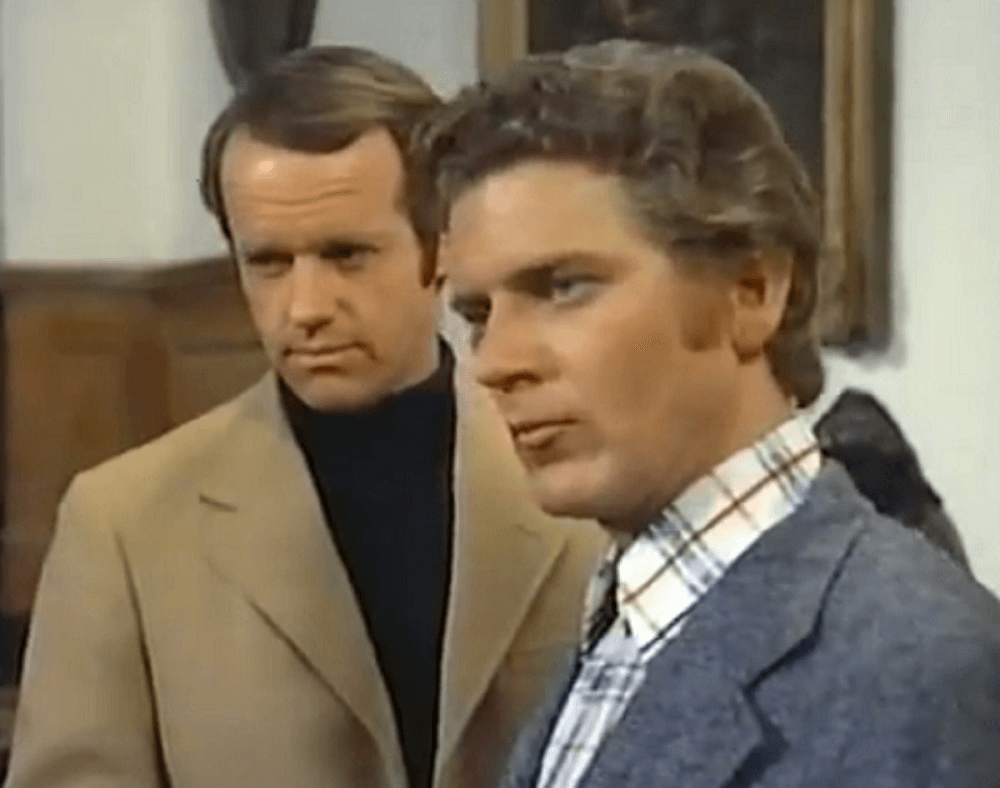
The role was written with Leonard Nimoy in mind, and he agreed to do the weekly series if it was picked up but Robert Foxworth, a stage actor trying to make the transition to TV, played Questor in the pilot. Reaction at the network to the pilot was strong enough that a series of thirteen episodes was ordered, for a Fall 1973 debut, and Roddenberry set about working on scripts for the run, with the Friday time slot that finished off Star Trek earmarked for the show.

The pilot was to be reshot with Nimoy in the role but conflict between Roddenberry and the network eventually put a halt to proceedings before a single episode had been completed, and the original pilot was shown as The Questor Tapes in January 1974 as part of NBC Wednesday Night at the Movies. Despite the abandonment of the series, the pilot was well-received and earned a Hugo Award nomination for Best Dramatic Production in 1975.

Poor Devil (NBC): Other than an appearance on a TV special by his good friend – and Las Vegas residency buddy – Elvis Presley and some sketches for Rowan and Martin’s Laugh-In, Sammy Davis Jr’s had taken a break from the screen after 1970’s One More Time, his final film with Peter Lawford. In 1973 he was tempted back to play a demon – called Sammy, naturally – who is given a chance of promotion in Hell if he can convince an accountant to sell his soul.
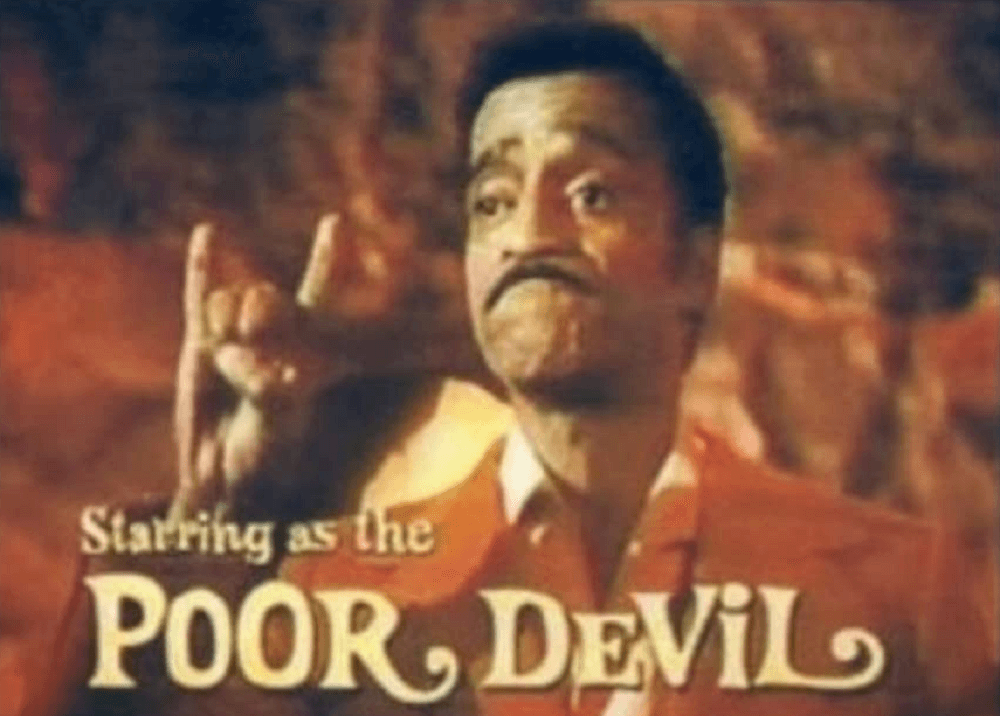
Poor Devil, 1973

A stellar cast, including Christopher Lee as Lucifer and Jack Klugman as the target of Sammy’s attentions, were assembled by producers Earl Barret and Arne Sultan, who had worked as writers and producers on such shows as Batman, Get Smart, and Bewitched. Barret and Sultan also wrote the screenplay from a story by former Bewitched and The Munsters writer Richard Baer, and it was intended that a series would see Davis Jr try – and ultimately fail, with comic results – to try and tempt a new soul each week.

The pilot as a TV movie on February 14th 1973 in the slot usually reserved for the NBC Wednesday Mystery Movie, but no series was forthcoming and Davis Jr went back to making guest appearances on various shows, usually playing himself or a thinly-veiled version of his larger than life personality. Barret and Sultan also went back to work, writing for such shows as Welcome Back, Kotter and the legendarily bad Holmes and Yoyo, their last big hit being Too Close for Comfort, a generation gap sitcom about a cartoonist which ran for six seasons from 1980.

The Stranger (NBC): Stealing the set-up from 1969’s Journey to the Far Side of the Sun, this pilot movie for a potential TV show was created by Gerald Sanford, a jobbing screenwriter who had recently worked on Rod Serling’s Twilight Zone follow-up, The Night Gallery. The project was brought to screen by Bing Crosby Productions, which had been set up to produce the crooner’s own films but had lately enjoyed TV hits with Hogan’s Heroes and Ben Casey.

Glen Corbett (Route 66) played NASA astronaut Neil Stryker who, after a routine mission goes awry, finds himself on a planet that is alarmingly like our own. Kept in quarantine for longer than he’d like, Stryker eventually escapes and discovers that the planet – which the locals call Terra – is different in some very important ways, with everyone being left handed, there are three moons in the sky, and that there is no such thing as Florida!
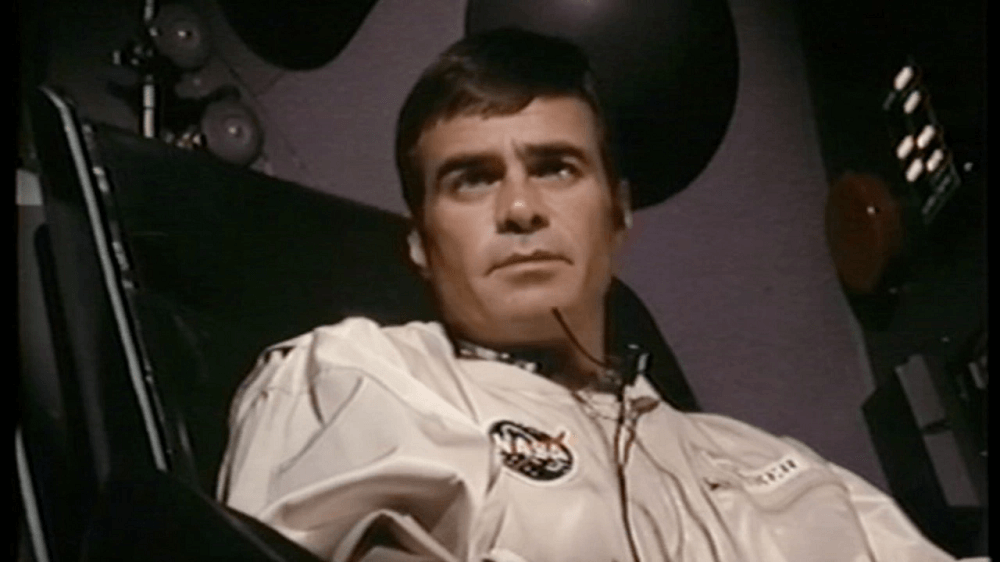
The Stranger, 1973

Stryker is hunted by the government of the planet, an organisation calling themselves The Perfect Order, and discovers that it might be possible to return home before he has to disappear into Terran society, which presumably would have formed the bulk of the ongoing series. A decent cast, including The High Chapparal’s Cameron Mitchell and the veteran Lew Ayres, gave Corbett solid backing but as a standalone piece Journey to the Far Side of the Sun did it much better.

Although a series was not forthcoming, The Stranger did have something of an afterlife, acquired by the repackaging oddballs at Film Ventures International and released on VHS in the mid-1980s as Stranded in Space, cut with footage from an entirely unrelated movie, Prisoners of the Lost Universe. It was this version that got the Mystery Science Theater 3000 treatment in 1991 and that is available to watch on YouTube if you’re curious, as is the original.

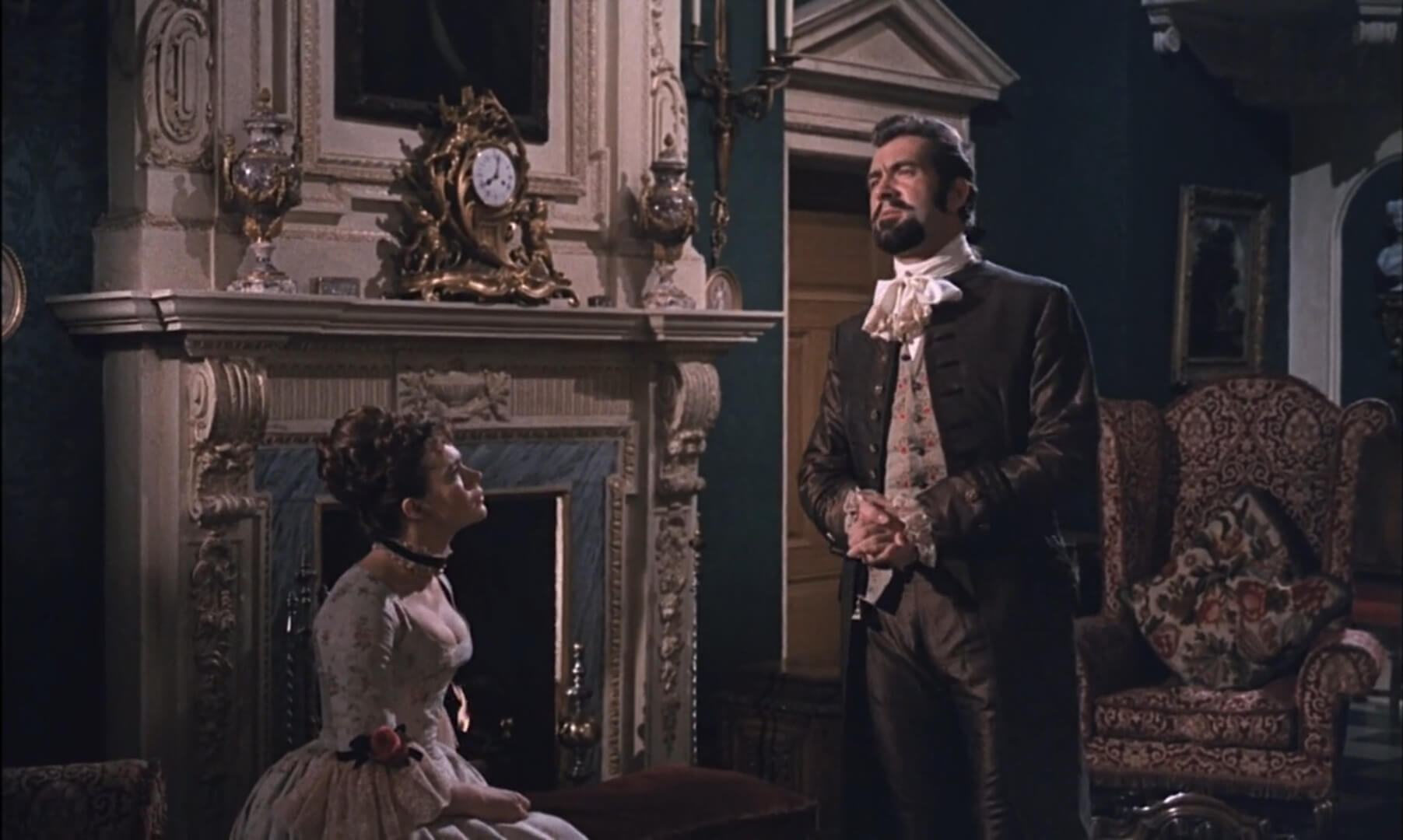
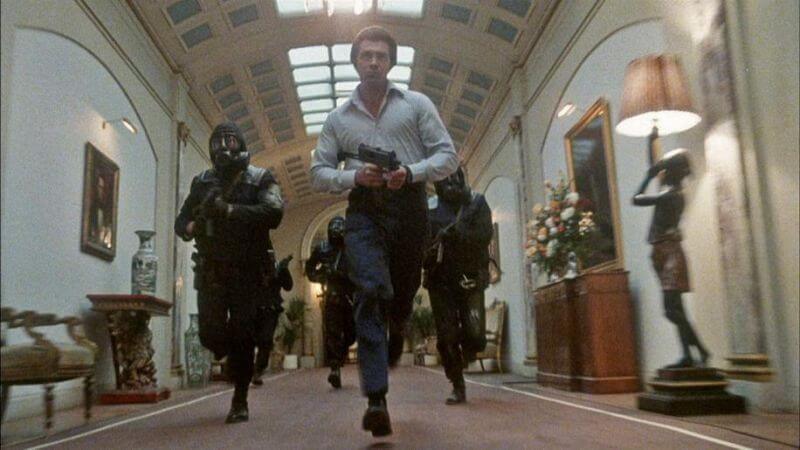
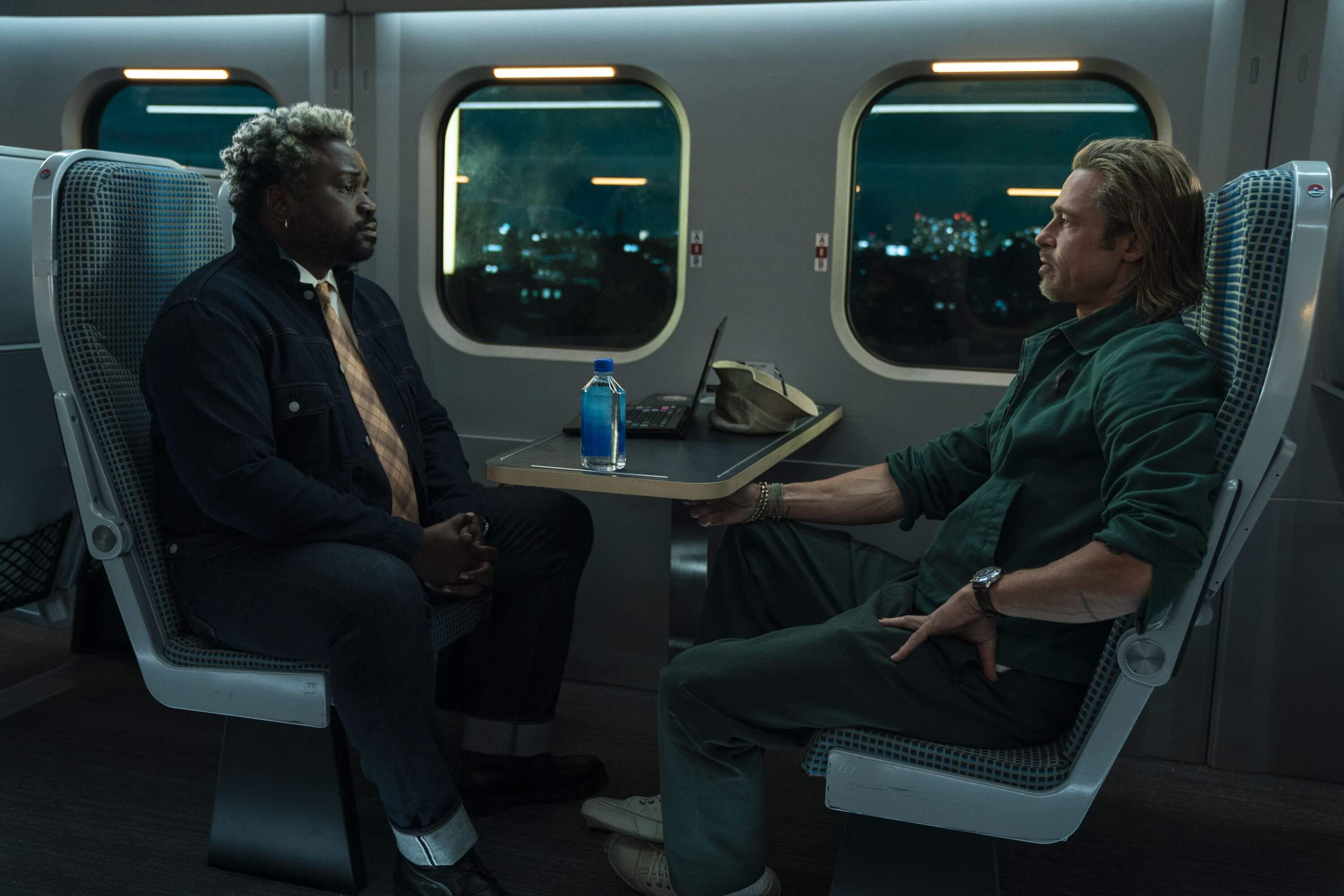
The Norliss Tapes (NBC): From a story by horror novelist Fred Mustard Stewart (whose The Mephisto Waltz had been adapted for the screen in 1971, with Alan Alda as a musician searching for a lost composition), The Norliss Tapes followed the investigations of David Norliss, told through tapes found after his disappearance.

The Invaders’ Roy Thinnes starred in the title role, a debunker of supposedly supernatural happenings who is called in to aid Angie Dickinson, who claims her recently-deceased husband is behind a recent attack on her person. The story unfolds from there to involve ghouls, ancient Egyptian deities, and the customary romantic tension, and the pilot ends with Norliss’s publisher wondering if this case had anything to do with the disappearance of his friend, before slipping another tape into the cassette player.
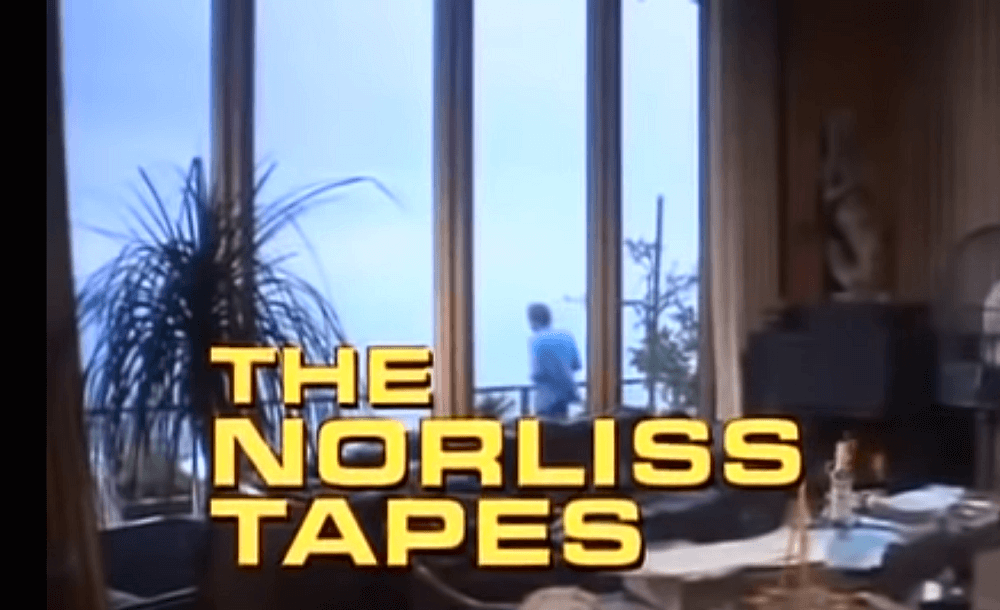
The Norliss Tapes, 1973

Writer William F Nolan (responsible for the original novel of Logan’s Run) wrote the teleplay and claims he did much of the gruntwork on the story, with director Dan Curtis earning plaudits for his tense, atmospheric film, which aired as a TV movie on February 21st 1973 as part of the NBC Wednesday Mystery Movie. Despite the critical success of the movie, no series was ordered and all involved must have eyed ABC’s decision to take The Night Stalker (which Curtis had produced) to series the following year with some envy.

Curtis, who had created Dark Shadows, was never really able to escape his TV chains but nevertheless brought some stylish tension to the small screen, delivering adaptations of classic horror texts including The Strange Case of Dr Jekyll and Mr Hyde, Frankenstein, The Picture of Dorian Gray, Dracula, and The Turn of the Screw. The Norliss Tapes was released on DVD in 2006 but is now out of print but you can find it pretty easily on the internet if you’re a curious soul like David Norliss…

Next time on The Telephemera Years: the kids are alright and they’re watching Goober and the Ghost Chasers!

Check out our other Telephemera articles:

The Telephemera Years: 1966 (part 1, 2, 3, 4)

The Telephemera Years: 1968 (part 1, 2, 3, 4)

The Telephemera Years: 1969 (part 1, 2, 3, 4)

The Telephemera Years: 1971 (part 1, 2, 3, 4)

The Telephemera Years: 1973 (part 1, 2, 3, 4)

The Telephemera Years: 1975 (part 1, 2, 3, 4)

The Telephemera Years: 1977 (part 1, 2, 3, 4)

The Telephemera Years: 1980 (part 12, 3, 4)

The Telephemera Years: 1982 (part 1, 2, 3, 4)

The Telephemera Years: 1984 (part 1, 2, 3, 4)

The Telephemera Years: 1986 (part 1, 2, 3, 4)

The Telephemera Years: 1987 (part 1, 2, 3, 4)

The Telephemera Years: 1990 (part 1, 2, 3, 4)

The Telephemera Years: 1992 (part 1, 2, 3, 4)

The Telephemera Years: 1995 (part 12, 3, 4)

The Telephemera Years: 1997 (part 1, 2, 3, 4)

The Telephemera Years: 2000 (part 1, 2, 3, 4)

The Telephemera Years: 2003 (part 1, 2, 3, 4)

The Telephemera Years: 2005 (part 1, 2, 3, 4)

The Telephemera Years: 2008 (part 1, 23, 4)

Titans of Telephemera: Irwin Allen

Titans of Telephemera: Stephen J Cannell (part 1, 2, 3, 4)

Titans of Telephemera: Hanna-Barbera (part 1, 2, 3, 4, 5)

Titans of Telephemera: Kenneth Johnson

Titans of Telephemera: Glen A Larson (part 1, 2, 3, 4)

Titans of Telephemera: Quinn Martin (part 1, 2)

How technology has improved car insurance

car insurance

Many drivers of today are continuously looking for new ways to optimize their car insurance. This means taking out a policy that’s best suited to their car and unique driving preferences.

With advancements in technology, this goal is now much easier to achieve. The answer is simple – telematics insurance.

In this article, you’ll learn what telematics insurance is and how the technology has helped improve car insurance for drivers.

Also, be sure to read more about the best car insurance telematics on the market, to make sure you’re getting the best deal, for you.

What is telematics car insurance?

Telematics insurance uses advanced technology to analyze your driving, so insurance providers can offer premiums that align with your driving behavior.

This technology operates through telecommunications (cellular networks, cable, phone lines), and informatics (computer systems used to organize data), where the insurer can receive data transmitted from your car.

To have the technology installed in your car, you often need a special chip inserted into your windshield. That being said, new technology today can allow for telematics to operate on an application designed for your cell – you simply need to keep your location services switched on.

Telematics will analyze various aspects of your driving, such as – your ability to stop safely, how well you execute maneuvers, whether you obey speed limits, and much more.

This data will be visible to your insurer, who can then gain a more accurate picture of how well you drive. In response, they can adjust your insurance premiums to match your behvaiors as a driver.

How has telematics improved car insurance?

Telematics technology has significantly improved car insurance today, in a wide variety of ways. This includes, but is not limited to:

  • Premiums tailored to your driving safety

Telematics has massively improved car insurance, since it now gives you the ability to receive premiums that are tailored specifically to your unique driving.

According to statistics, any newly passed or young drivers looking for insurance will often receive higher premiums from insurers. This is simply because of their statistical likelihood of being involved in an accident.

However, this generalization doesn’t take into account the many drivers of this category who drive with the upmost caution and safety.

With telematics, your insurer will be able to see exactly how well you drive, and give you premiums tailored to this clear data.

Thus, safer driving will reward you with discounted premiums.

  • Location-based tracking

Telematics has also improved car insurance by increasing the level of safety for many drivers, in a range of emergency scenarios.

The technology used for telematics is location-based, making use of global positioning system (GPS) to continuously track your location whilst driving.

This is extremely beneficial in the event of an accident or breakdown, where you might require roadside assistance.

Using the location-based software, you’ll have a more accurate pinpoint of your location, which will enable you to get roadside assistance sent out faster, and to a more definitive position.

This gives you confidence as a driver, that in any emergency scenario, your telematics system will help ensure your safety.

  • Analysis for your unique driving behaviors

Another major benefit telematics has for your insurance, is that as well as analyzing your driving safety, it can also analyze more unique behaviors to further improve your premiums.

For instance, most insurance providers are likely to offer increased premiums for drivers who use their car often. It’s a simple statistic – the more you use your car, your chances of being involved in an accident increase.

However, with telematics insurance using a location-based system, your insurer will be able to see exactly how often you drive your vehicle, including when it’s used and how long your journeys are.

As a result, you can receive lower premiums for when your car is used rarely, instead of paying unnecessarily for journeys you’re assumed to be making, but in reality, aren’t.

As you can clearly see, telematics insurance has drastically improved car insurance, in a variety of different ways. Therefore, ensure you choose your very own telematics policy provider now, to start benefiting from the technology yourself.

Five Films to Check Out on Legend This Week – 071122

legend dr terrors

The nights have drawn in, so what better to give you a warming feeling than settling down with Legend. Here are our picks you shouldn’t miss this week…


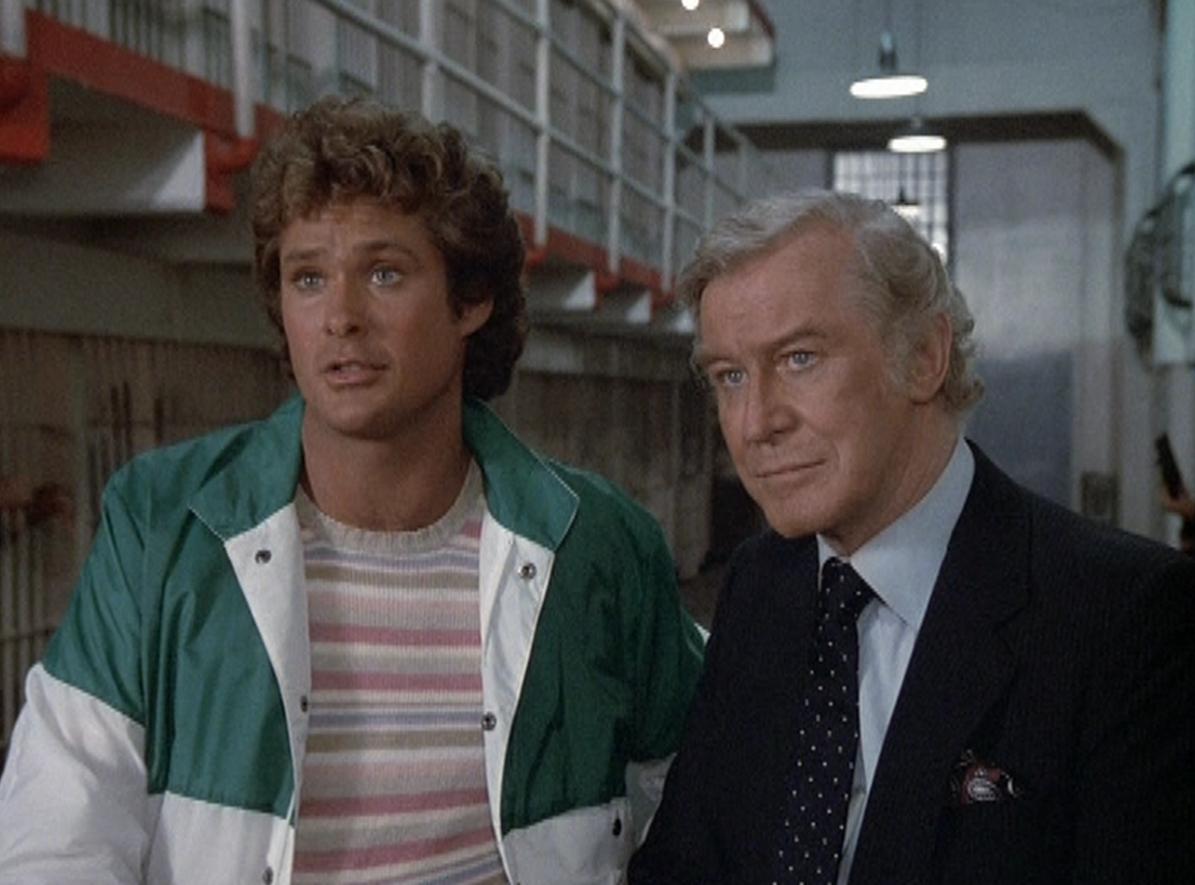
Monday November 7th, 7pm – Knight Rider Season 3

We’ve reached the third season of the show with everyone’s favourite talking car (read an interview with the voice of K.I.T.T. here). This episode is entitled Knight of the Drones, a two-part story concluded on Tuesday.


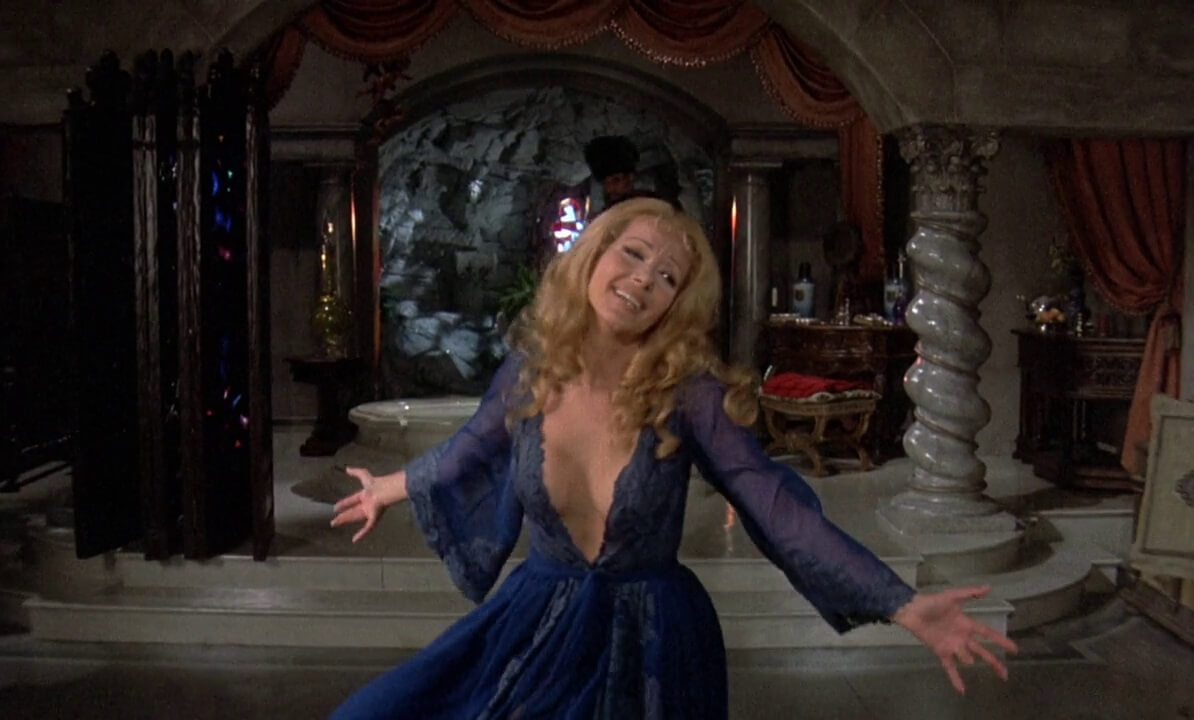
Thursday November 10th, 9pm – Countess Dracula (1971)  

The fantastic Ingrid Pitt plays Countess Bathory, who keeps a youthful complexion by bathing in the blood of virgins. Classic late period Hammer directed by Peter Sasdy.


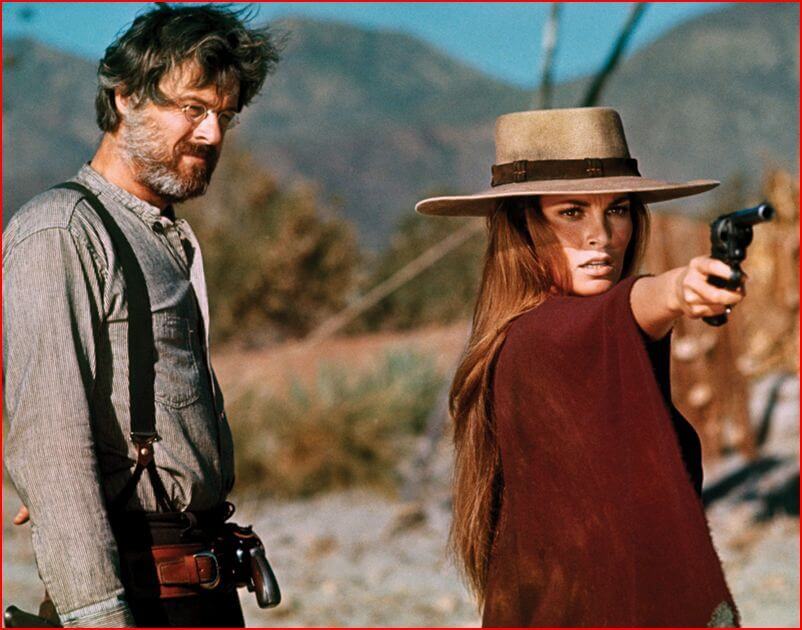
Friday November 11th, 9pm – Hannie Caulder (1971)

Vicious revenge is on the cards when Raquel Welch is assaulted and her husband killed. Ernest Borgnine is amongst the group who are in her sights. Robert Culp plays the bounty hunter who trains her to kill and watch out for Christopher Lee as a gunsmith.


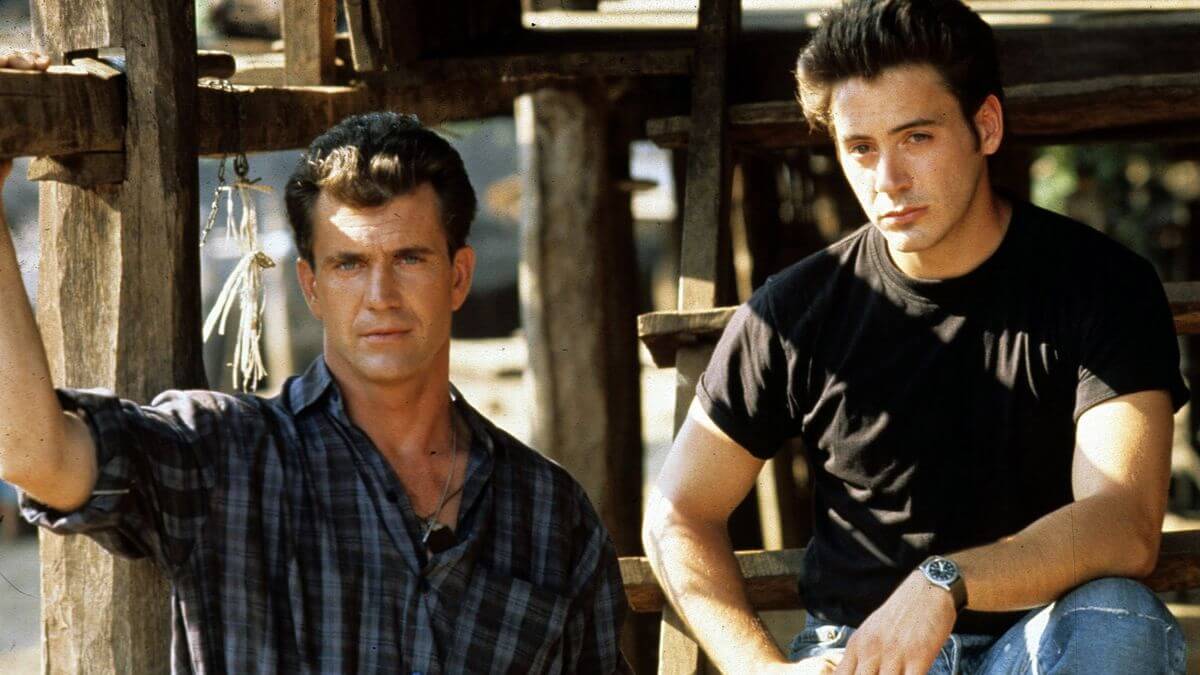
Saturday November 12th, 9pm Air America (1982)

Robert Downey Jr and Mel Gibson star as renegade pilots in this comedy action adventure set during the Vietnam War.


Sunday November 13th, 9pm – 12.40am The Vintage Vault

Legend continues to celebrate the Golden Age of genre cinema with a season of double bills. This week, the movies come from the ‘60s. 18th-century Devon is the location for the lush Gothic tale The Black Torment (1964). An all-star cast follow in the Amicus portmanteau classic Dr Terror’s House of Horrors (1965). Where else would you see Peter Cushing, Christopher Lee rub shoulders with Donald Sutherland, and – errm  – Roy Castle and DJ Alan Freeman. Alright, pop-pickers?

Find out more information at https://www.legend-tv.co.uk/

Tune into Legend on Sky 317, Virgin 149, Freeview 41, Freesat 138.

A look at some of the best films of 2022 so far

films of 2022

For the average film buff, there certainly isn’t a shortage of movies to watch these days. In fact, given the rise of on-demand streaming services, the amount of movies we can access on a typical day is quite remarkable. Alongside listening to podcasts on the genre and reading reviews from respected critics, movie lovers certainly have plenty of viewing options in the modern world.

In 2022, we have been treated to a number of memorable releases in particular, although perhaps not as many as usual given the delay in production over the last few years. Despite this, there have been a number of crowd-pleasing, electrifying cinematic moments in the last year. Alongside listening to music on Spotify and accessing popular smartphone gaming products, such as online slots, people are going to the cinema again. Thankfully, they haven’t been disappointed when looking at some of the superb productions that have come to the fore recently, too. With that in mind, let’s take a brief look at a selection of some of the best films of the year so far.

Elvis

Kicking things off with a movie based on the King, Elvis is a production well worth watching, particularly if you’re a fan of the “King of Rock and Roll”. Featuring Tom Hanks like you’ve never seen him before, the movie does a remarkable job of going through the musical history and the all-round character of one of the most talented music-makers the planet has seen. From his early days growing up to his peak years in the industry, Elvis was a fascinating man.

Jackass Forever 

One to watch when the little ones are in bed, Jackass Forever enabled a number of adults to reminisce about the early days as the familiar crew of daredevils assembled once again to serve up a strong dose of stupidness. While it probably isn’t for everyone, Jackass Forever is a masterpiece for any pain-junkies among us. Just how long the likes of Johnny Knoxville and Steve-O can keep this all up for is unknown, though. Still, for now, it’s a blast.


Licorice Pizza

Taking viewers on a ride through the San Fernando Valley in the 1970s, this nostalgia trip follows the story of a loved-up teenager who is aiming to win over the heart of a special female. With a number of twists and turns along the way, this is far more than just a typical love story, especially given its comical moments throughout. Special mention must go to Cooper Hoffman also, an up and coming actor with plenty of talent. His father, Philip Seymour, would be proud.

(Image via https://twitter.com/MoviesShotss)


Top Gun: Maverick

With a number of solid reviews and plenty of positive comments aimed its way on social media, Top Gun: Maverick is one of the best movies of 2022 and we won’t have anyone say otherwise. Given the potential for so much to go wrong, the fact it felt so right makes this action and adventure masterpiece an unmissable production. Special mention must go to Tom Cruise’s ace pilot skills, in particular.

Boiling Point

Starring the excellent Stephen Graham, this one-take drama perfectly captures the energy and vibes of a busy London restaurant, alongside the stresses and bursts of aggression on show from the chefs who make them tick. A thrilling watch where you’ll struggle to predict what’s coming, Boiling Point provides a detailed look into the hospitality industry in what is a truly gripping movie.

Other top movies of the year so far includes The Northman, Parallel Mothers, The Worst Person in the World, Happening, Everything Everywhere All at Once, and The Woman King.

(Main image via https://twitter.com/WarnerBrosIRL)

THE TELEPHEMERA YEARS: 1973 – PART 2

Tenafly, 1973

Ah, telephemera… those shows whose stay with us was tantalisingly brief, snatched away before their time, and sometimes with good cause. They hit the schedules alongside established shows, hoping for a long run, but it’s not always to be, and for every Street Hawk there’s two Manimals. But here at STARBURST we celebrate their existence and mourn their departure, drilling down into the new season’s entertainment with equal opportunities square eyes… these are The Telephemera Years!

1973-74

With a massive 31.2 rating, CBS’s All in the Family had no competition for the top spot as 1973’s most popular show, with over twenty million viewers tuning in weekly to see what daft old racist Archie Bunker would do next. In fact, CBS controlled the top ten shows to such an extent that only NBC’s Sanford and Son (like All in the Family, a British transplant) earned a spot on the rundown. NBC really couldn’t cope with a CBS line-up that also included The Waltons, M*A*S*H, Hawaii Five-O, and new arrival Kojak, and Police Story seemed to be their only new show to make any impact.

ABC, though, had new smash The Six Million Dollar Man at number eleven, and scored decent placings for Kung Fu, The Streets of San Francisco, and the debuting Happy Days. Although ABC would have preferred to land more blows on the Tiffany Network, they could still rely on Monday Night Football and their various movie slots to pull in viewers, although their schedules – like those of CBS and NBC – were very light on sci-fi and fantasy shows. That was what was happening in terms of shows that people watched but what about those shows that slipped away without gaining a foothold? This is the story of four more flops…

Chase (NBC): Produced by Jack Webb’s Mark VII Limited, who had previously brought Dragnet into the world, Chase was the first show created by titan of telephemera Stephen J Cannell. Cannell had cut his teeth on Ironside and The DA before story editing Adam-12 for Webb, and he developed Chase alongside Robert A Cinnader, Adam-12’s creator.

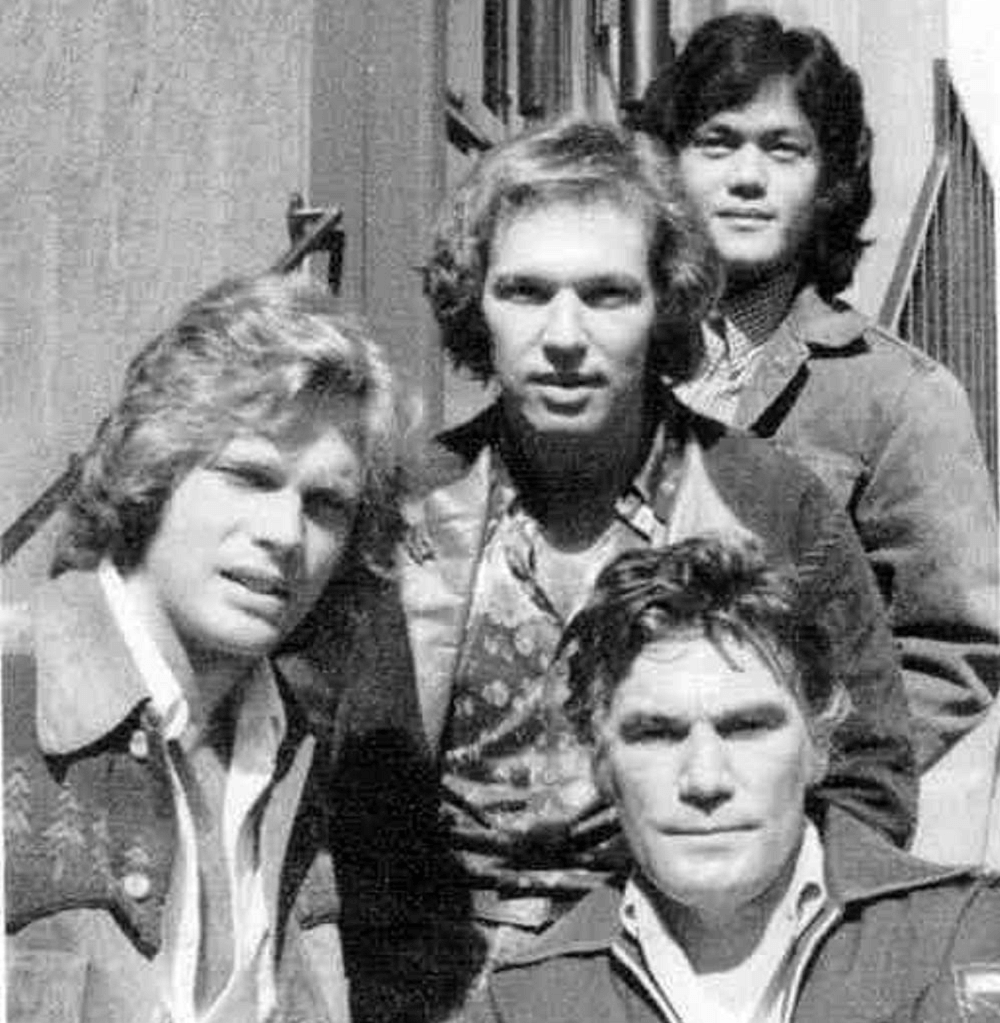
The Chase of the title was Chase Reddick, a hardened LAPD detective given his own special department to crack difficult cases, often involving undercover and surveillance work. Cast as Reddick was Mitchell Ryan, an original cast member on the gothic soap Dark Shadows until he was fired for alcoholism, with Brian Fong, Wayne Maunder, Albert Reed, and Reid Smith making up his young team of operatives.

Chase, 1973

Reddick’s team faced down cop killers, kidnappers, drug dealers, and motorcycle gangs but few were watching, especially as the show ran on Tuesdays opposite Happy Days on ABC and Hawaii Five-O on CBS. Still, it finished its run of twenty-two episodes and enjoyed identical ratings to The Brady Bunch, which was also cancelled.

Cannell, of course, would bounce back with The Rockford Files in 1974, beginning a run of shows that also included The A-Team and 21 Jump Street, often casting Ryan in guest roles. Ryan is probably best known now for his role as Greg’s father on Dharma & Greg or as John Cusack’s high school sweetheart’s dad in Grosse Point Blank and passed away in March 2022 at the age of 88. Chase was never released on home video but you can check out the odd episode on YouTube if you like your crime shows gritty and full of attractive young men.

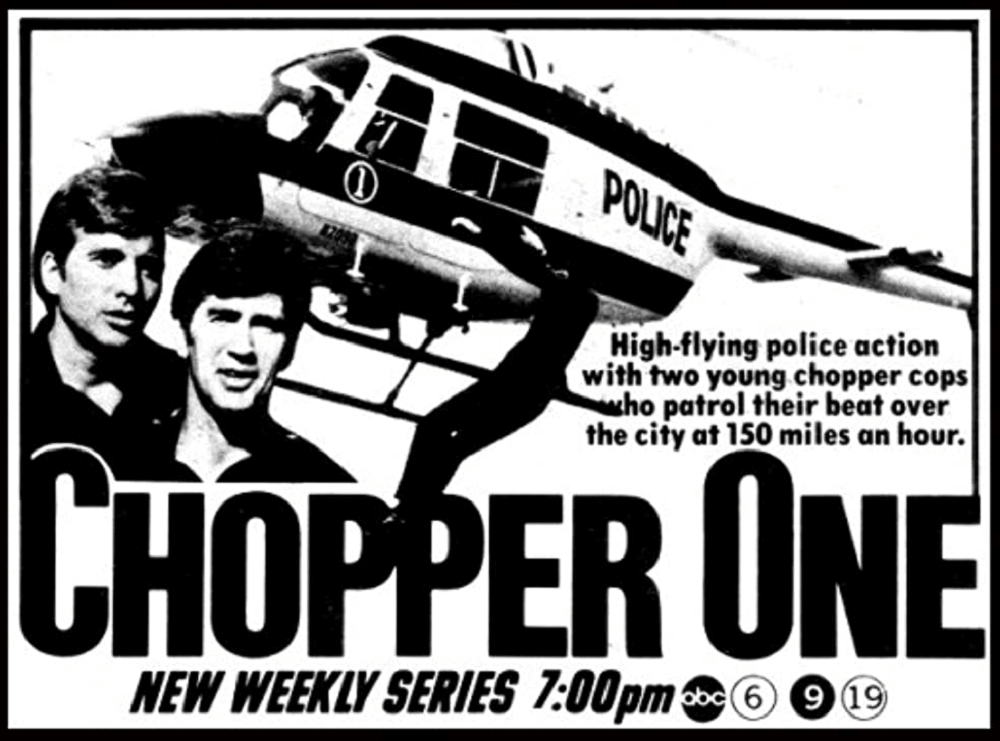
Chopper One (ABC): Cannell’s future A-Team star Dirk Benedict was just beginning his career, having earned good notices for his screen debut in an episode of Hawaii Five-O which led to a starring role in the movie Sssssss and as Officer Gil Foley in this police helicopter show. Benedict was cast alongside Ben Casey’s Jim McMullan as a pair of cops belonging to the literal flying squad, their Bell 206 JetRanger given the call sign of the title.

Chopper One was produced by Spelling-Goldberg Productions, which had been established in May 1972 and developed mainly TV movies. After the success of The Rookies that year, Chopper One was their second concept given a full series, and hopes were high that viewers would be thrilled by the high-flying action, especially as it was paired on Thursday nights with Firehouse, giving double the emergency services drama in a slot that had been vacated by Toma when it moved to Fridays.

Chopper One, 1973

The concept may have worked as part of a broader show focussing on the work of the LAPD but even twenty-two minutes a week seemed a lot to fill with helicopter drama, especially a helicopter that didn’t have the bells and whistles of Blue Thunder or Airwolf. Over thirteen episodes, Officers Foley and Burdick used their whirlybird wiles to stop hostage takers, rooftop snipers, and crooked cops, and help the pregnant victim of a hold-up get to hospital.

This kind of drama earned it nothing but an early curtailment, with Firehouse following a few weeks later as even helicopters and FIRE could not withstand the opposition of The Waltons over on CBS. The complete series was made available by Sony as a manufacture on demand DVD in 2016 but, really, all you need to get a flavour of the show is the title sequence, which features footage of Chopper One as seen through a peephole.

Tenafly (NBC): Like Faraday & Son (which we featured in the previous instalment of The Telephemera Years), Tenafly began its life as part of the NBC Wednesday Mystery Movie strand, appearing once every four weeks in rotation with Faraday, Banacek, and The Snoop Sisters. For a good show, this would be no barrier for a good show – and appointment viewing is appointment viewing – and it was under these conditions that Tenafly began its life in October 1973.

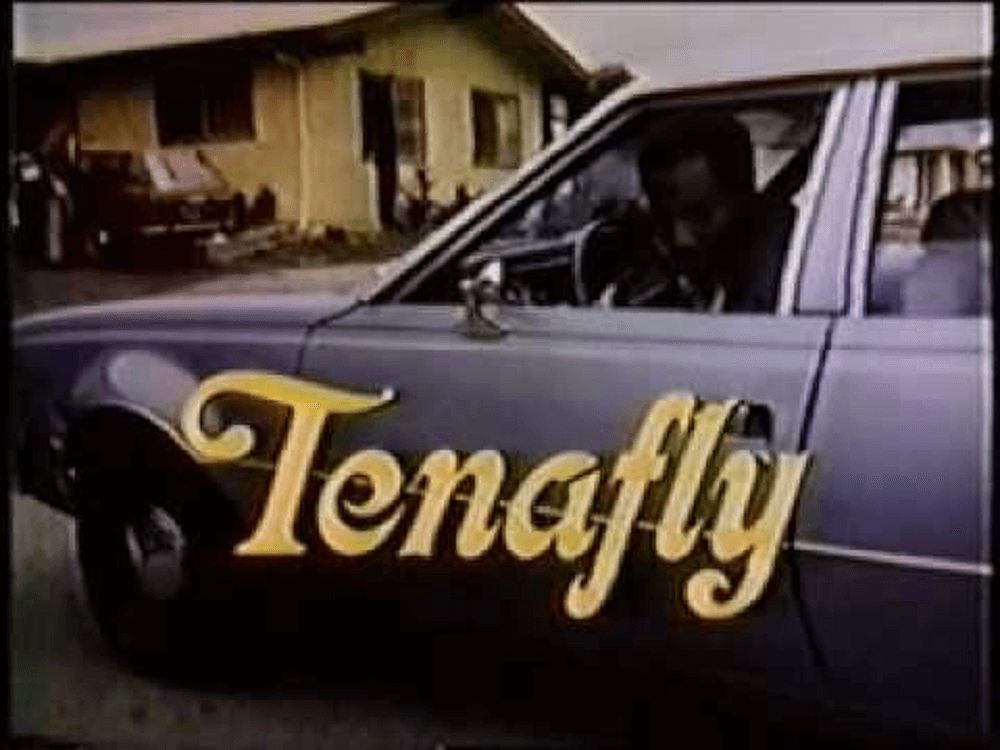
With a name that may have been intended to remind viewers of the 1972 blaxploitation hit Super Fly, Tenafly was one of the first two US TV shows to feature an African American as its title protagonist, the other being Shaft which aired on Tuesday nights over on CBS. James McEachin played Harry Tenafly, a former cop who left the LAPD for a job with a private security company, hoping for a quieter life for him and his family.

Tenafly, 1973

Of course, a quiet life wasn’t on the cards for a TV detective and despite favouring a battle of wits over a gunfight, and footwork over car chases, Harry was pitched into the middle of trouble in every episode, whether through working undercover as a taxi driver, handling security for a department store, or trying to work out whether a vital witness to a murder can be believed.

A pilot aired in February 1973 and four further episodes were shown through January 1974, when – along with Faraday & Company – it was put out to pasture. McEachin continued to act, enjoying regular roles in Matlock and Perry Mason, but later combined his time with a writing career highlighting undertold African American history. A world away, creators Richard Levinson and William Link (who were also responsible for Columbo) went on to create Murder, She Wrote

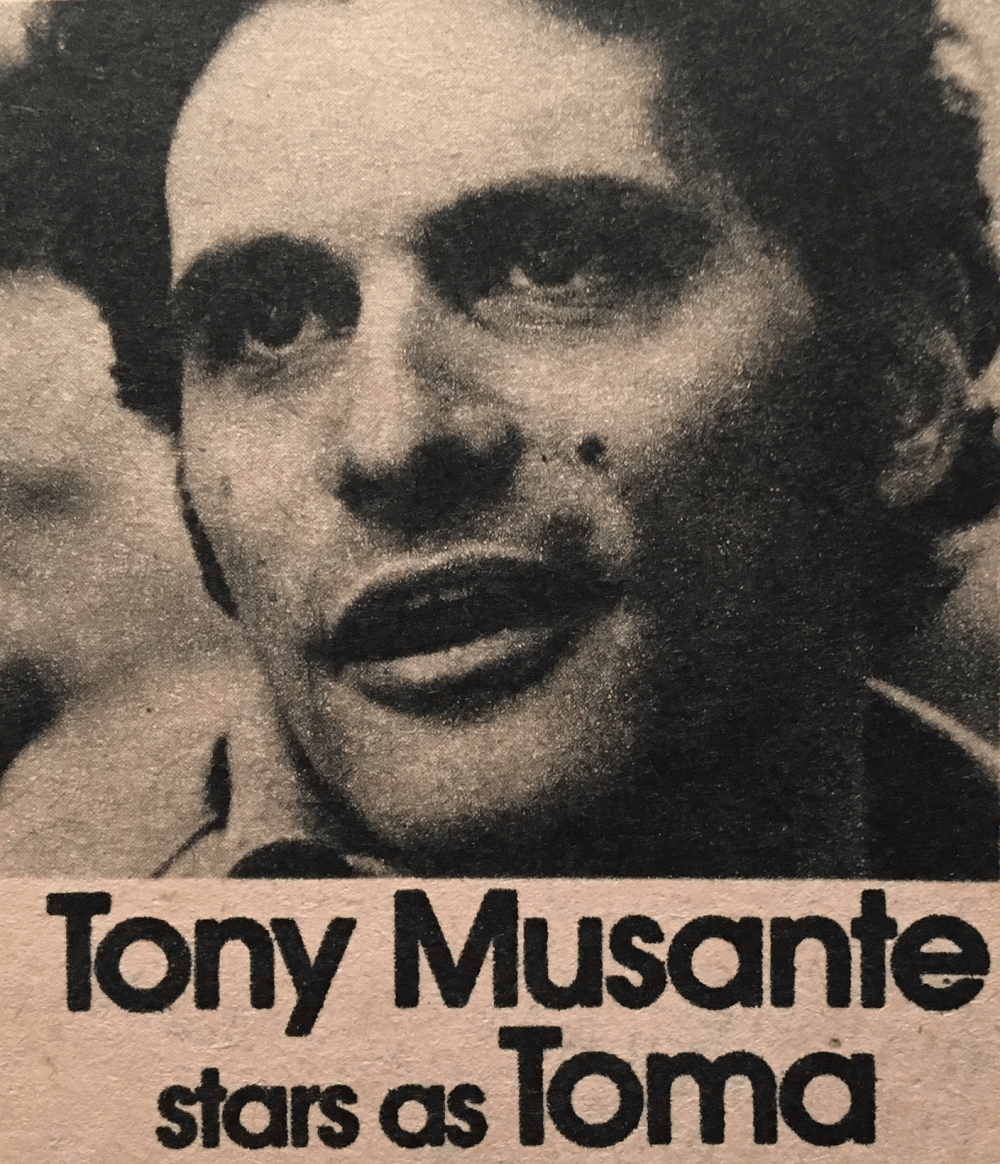
Toma (ABC): The 1970s had an obsession with larger-than-life cops, with the real-life adventures of The Super Cops and Serpico occupying different ends of a wide spectrum, and Toma falls somewhere in between. Tony Musante, in his first starring role, played Dave Toma, a master of disguise who turned his undercover work into a book.

Unable to find a publisher, Toma appeared on daytime talk show The Mike Douglas Show, where he demonstrated his quick-change disguises, and this led not only to the book being picked up but also this TV series being greenlit, produced by Stephen J Cannell for Roy Huggins/Public Arts Productions (who would shepherd The Rockford Files into being the following year).

Launched on Thursday nights, Toma had tough opposition in the shape of The Waltons but did well enough that it was moved to a better slot on Fridays, its often-humorous tone highlighted by The Odd Couple as a lead-in. It ended the 1973-74 season with a 17.7 rating and was in line for a second year of undercover action when Musante opted not to renew his contract.

He’d always maintained he would only make one season to avoid typecasting but producers thought it was a negotiating ploy. It wasn’t and there was little enthusiasm to continue the show without Musante, who never truly found a role that suited him so well again. Instead, the parts of the show that had worked were reused for Baretta, giving Robert Blake a four-season run as the titular undercover cop.

Next time on The Telephemera Years: 1973’s unsold pilots with all those fantasy shows missing from the schedules!

Check out our other Telephemera articles:

The Telephemera Years: 1966 (part 1, 2, 3, 4)

The Telephemera Years: 1968 (part 1, 2, 3, 4)

The Telephemera Years: 1969 (part 1, 2, 3, 4)

The Telephemera Years: 1971 (part 1, 2, 3, 4)

The Telephemera Years: 1973 (part 1, 2, 3, 4)

The Telephemera Years: 1975 (part 1, 2, 3, 4)

The Telephemera Years: 1977 (part 1, 2, 3, 4)

The Telephemera Years: 1980 (part 12, 3, 4)

The Telephemera Years: 1982 (part 1, 2, 3, 4)

The Telephemera Years: 1984 (part 1, 2, 3, 4)

The Telephemera Years: 1986 (part 1, 2, 3, 4)

The Telephemera Years: 1987 (part 1, 2, 3, 4)

The Telephemera Years: 1990 (part 1, 2, 3, 4)

The Telephemera Years: 1992 (part 1, 2, 3, 4)

The Telephemera Years: 1995 (part 12, 3, 4)

The Telephemera Years: 1997 (part 1, 2, 3, 4)

The Telephemera Years: 2000 (part 1, 2, 3, 4)

The Telephemera Years: 2003 (part 1, 2, 3, 4)

The Telephemera Years: 2005 (part 1, 2, 3, 4)

The Telephemera Years: 2008 (part 1, 23, 4)

Titans of Telephemera: Irwin Allen

Titans of Telephemera: Stephen J Cannell (part 1, 2, 3, 4)

Titans of Telephemera: Hanna-Barbera (part 1, 2, 3, 4, 5)

Titans of Telephemera: Kenneth Johnson

Titans of Telephemera: Glen A Larson (part 1, 2, 3, 4)

Titans of Telephemera: Quinn Martin (part 1, 2)

Five Films to Check Out on Legend This Week – 311022

legend picks the mummy

Halloween is here, but there are plenty of creepy things all week on Legend. Here are our picks you shouldn’t miss this week…


Monday October 31st, 12pm – 5.50pm Classic Universal Monsters  

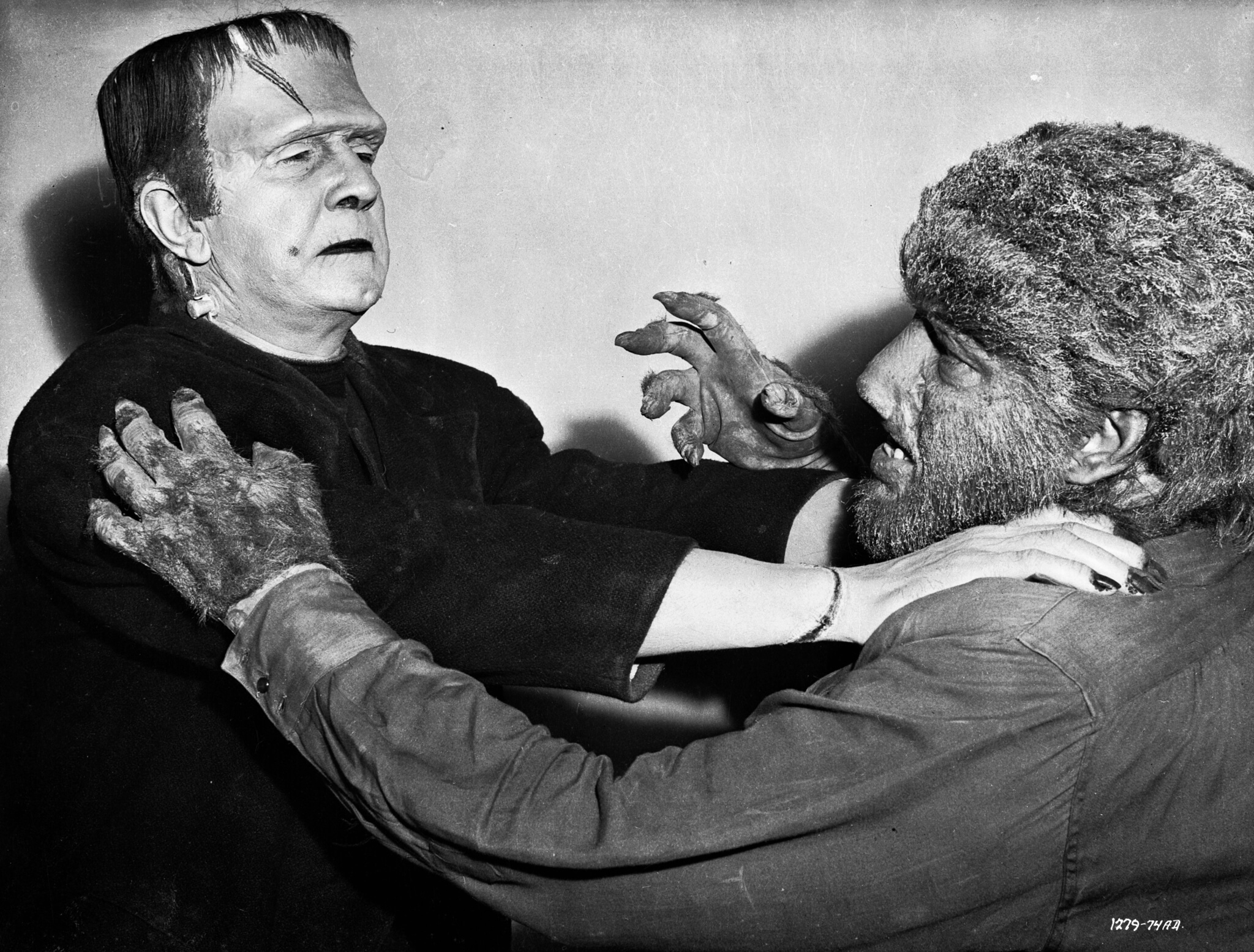
What better way to spend Halloween afternoon than sat with our favourite monsters from yesteryear. Enjoy The Invisible Man (1933), Bride of Frankenstein (1935), The Mummy’s Hand (1940), and the mash-up Frankenstein meets the Wolf Man (1943) starring the likes of Boris Karloff, Claude Rains, Lon Chaney Jr. and Bela Lugosi.


Wednesday November 2nd, 4pm – At the Earth’s Core (1976)  

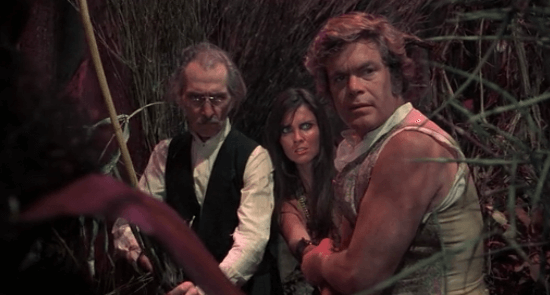
Doug McClure (you might remember him from such films as The Land that Time Forgot) stars alongside Peter Cushing and Caroline Munro in this spectacular, fun adventure romp with monsters portrayed by men in ill-fitting costumes. (Also screening on Thursday at 12pm and Saturday at 4pm.)


Thursday November 3rd, 11pm – To the Devil a Daughter (1976)

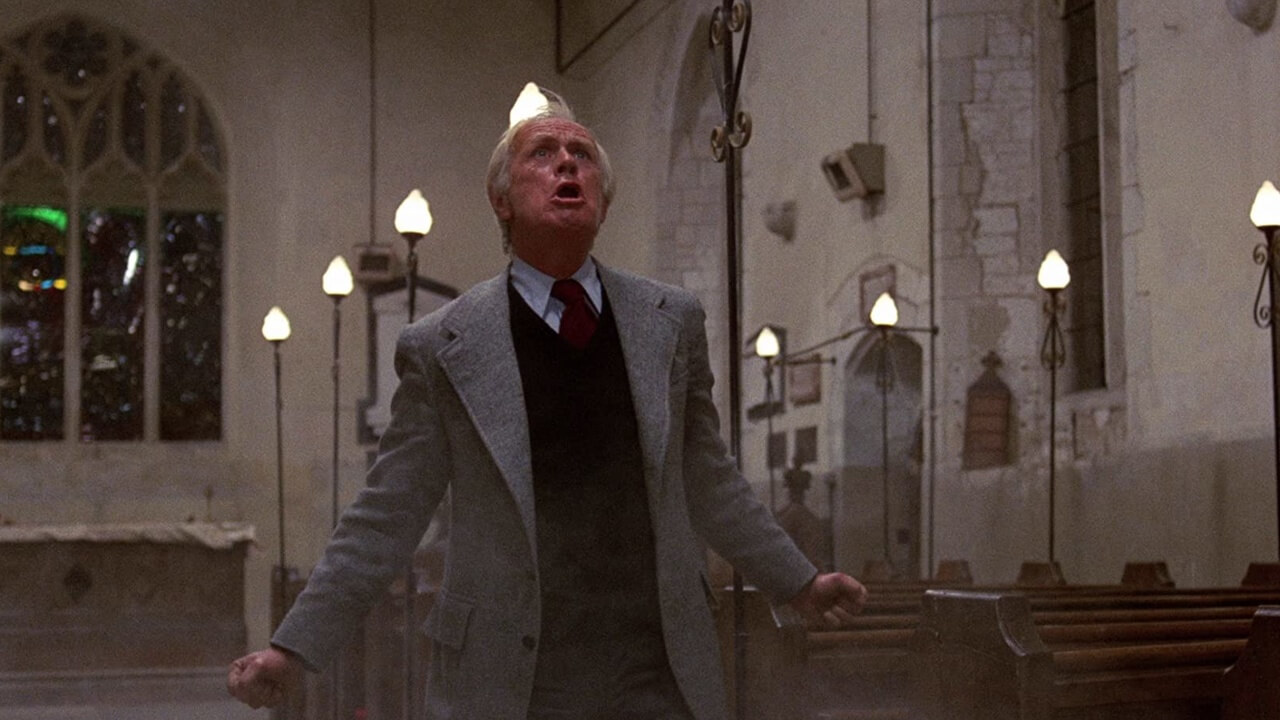
Christopher Lee stars as a satanic priest in this last hurrah from Hammer Films. Based on a story by Dennis Wheatley and co-starring Richard Widmark, Natassja Kinski, and Honor Blackman.


Saturday November 5th, 10pm Who Dares Wins (1982)

There might be fireworks going off outside, but there are also explosions on the small-screen too with this brilliant adventure in which Lewis Collins (The Professionals) plays an SAS captain who goes undercover to crack a gang of terrorists, including horror royalty Ingrid Pitt.


Sunday November 6th, 10pm – 1.25am The Vintage Vault

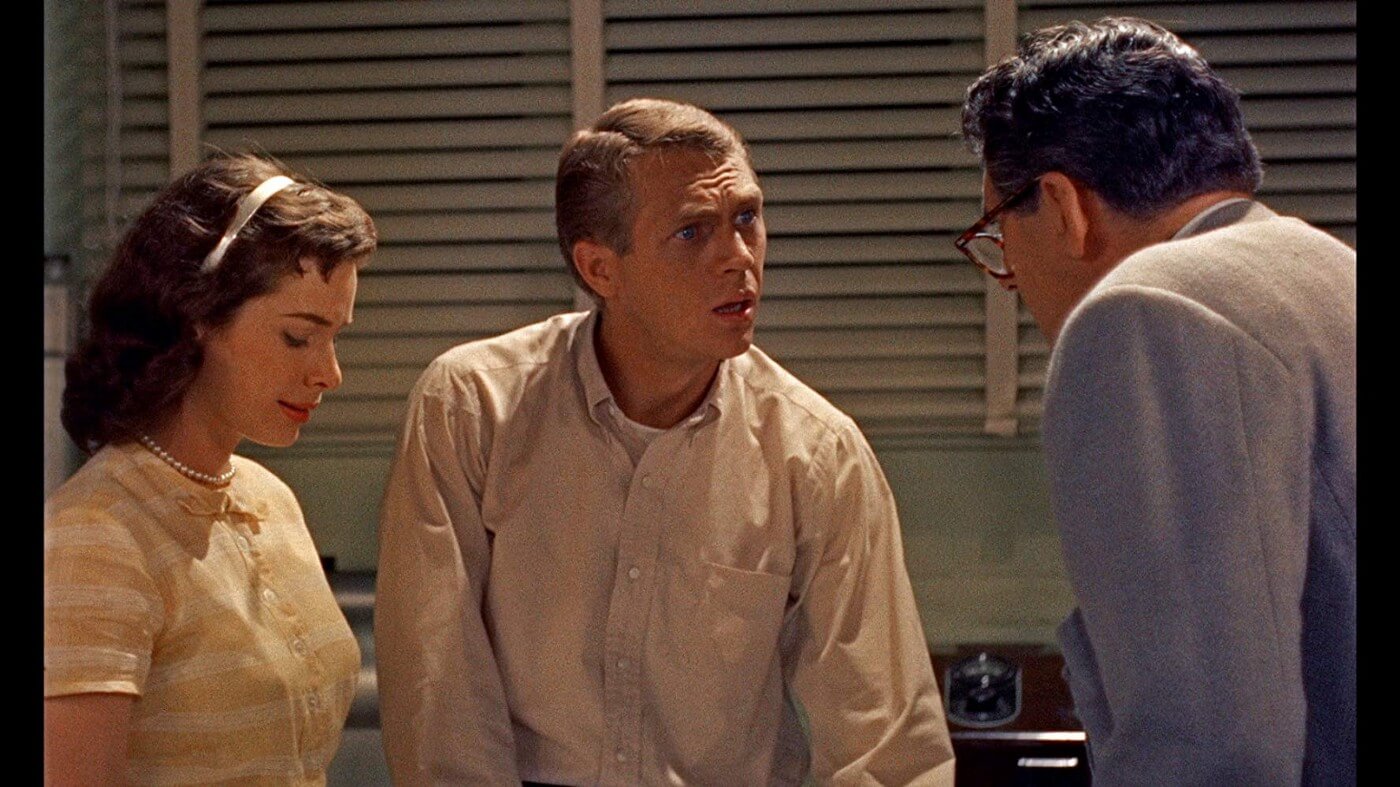
Legend continues to celebrate the Golden Age of genre cinema with a season of double bills. This week, the movies cross several decades. First up, a young Steve McQueen faces The Blob (1958), which features one of the most inappropriately jaunty theme songs in horror history. Then we go back to the Universal Monsters as Boris Karloff is The Mummy (1932).

Find out more information at https://www.legend-tv.co.uk/

Tune into Legend on Sky 317, Virgin 149, Freeview 41, Freesat 138.

Naoko Yamada | GARDEN OF REMEMBRANCE

To celebrate the World Premiere of the gorgeous short anime film Garden of Remembrance, we were honoured and delighted to be invited to speak in person with Director Naoko Yamada (K-On!, A Silent Voice) about her latest film, her career and her work with studio Science SARU.

Congratulations on the film, it truly is a beautiful piece of art. You’ve had quite the career so far, and we would say that you are one of the most exciting voices in anime today

Thank you so much! That means the world to me.

Garden of Remembrance is a short story centering around loss and moving on with life but remembering the good times. We really connected with it on multiple levels. How did the story and project come about?

There isn’t anything in life that you can say will definitely happen 100% but the ending of one’s life is something we all anticipate – not willingly of course but is something that everyone will experience. So, I thought about how I perceive that event, and how that affects everyone around you. That’s where the idea for this came from.

So, you’ve been working with Science SARU for a while now and this is your first short film with them after the series The Heike Story. We love Science SARU here at STARBURST as they are so unique and ground-breaking in so many ways. How has it been working with this amazing team?

It was lovely to work with them – every single person in the team. They are so positive about creating and very passionate about animation, so I was very touched by that, and it means a lot to me. When producer Eunyoung Choi approached me for this short story I really jumped at the opportunity because I thought that they would allow me the resources to push myself as a creator. And there are so many talented artists working at the studio and I loved every single minute that I worked on this with them.

Why do you think that animation and anime are the perfect form of filmmaking to tell these very personal and deep, human stories?

It’s difficult to say as I’m a director more than a writer so my language is primarily animation. But I do agree with you that anime is the perfect tool to tell these stories and bring out those emotions that mean so much to the audience and connect with them spiritually.

We’d like to ask you a little bit about your history in this industry. We love your previous works including A Silent Voice. What or who was it that truly inspired you to want to work in animation as a creator and filmmaker and embark on this amazing journey?

Originally, at the very beginning of my career, it didn’t have to be animation that I worked in – but I’ve always been interested in creating visual art and storytelling with moving images. I was at an art college so there was a part of me that wanted to draw and paint as well. It wasn’t clear at that point what path I wanted to go down. But then I saw the work of Jan Švankmajer, the Czech animator, and was truly touched by it as it was a breathtaking combination of live-action and animation – so it really showed me what could be possible with this art form.

Garden of Remembrance has a unique trait in that there is no dialogue in the film – just powerful visuals and gorgeous music. How did the creative process differ from your previous work?

There wasn’t as much of a difference compared to what I’d done before. When it comes to creating animation there are different layers to the process – the animation itself, adding dialogue, and then the layer of music. By not having the dialogue, you are taking out one layer so I guess you would have to add a bit more in the other layers to make up for it and help portray what the dialogue usually gives the audience. I was thinking about trying to find the right balance between addition and subtraction in the layering process.

Like most industries, Anime is still very Male dominated – but now with talents such as yourself and Eunyoung-san leading Science SARU and Anime into a Golden Age, how important is it to you that this art form, which is loved by such a diverse audience, now has a much larger diverse cast of talent creating for it, including more female filmmakers and animators?

I agree that the industry is becoming a lot more diverse and borderless. For example, Science SARU is a very international studio – animators themselves are not exclusively Japanese, there are so many talented people working from all over the world, from all walks of life, gender, and sexuality. The path of becoming an animator has changed as well – traditionally you would get a full-time job at a studio to train to become an animator or have studied to become one. Now web animators are becoming more prominent – they create and publish their own work online and then get picked up by big studios. This allows both paths to interlink allowing some truly great voices to work together from all backgrounds.

A lot of animators and filmmakers have a style or trait – recently we spoke to Masaaki Yuasa-san who as you can agree has such a distinct style yet also manages to make each of his projects feel unique. Would you agree that you are also beginning to develop a style and was that always the plan from the beginning when you became a director or has it naturally happened over time?

I think the answer is “yes” to both of those – I definitely wanted to develop a style when I became a director, but at the same time it was something that happened naturally, and I wasn’t pushing for that from day one.

How has London and the UK treated you on your visit here?

I’ve always loved London as a city as I have been a fan of lots of music that originated here – including Electronic, New Wave and Punk. I have loved being here and it is great to see this diverse place, it definitely inspires you!

It has been an honour speaking with you today Yamada-san, we wish you all the best with the Premiere of Garden of Remembrance and we hope audiences love it as much as we did. We can’t wait to see what you do next.

Thank you so much, I really appreciate the kind words and I hope the audience enjoys the film too!

Garden of Remembrance premiered at the 2022 Scotland Loves Anime festival in front of a sold-out crowd and will be available to watch later this year. Read our glowing review of the film here.

The Jigsaw Short Film: 4 Reasons It’s A Must-See

jigsaw short film

Amid the onslaught of superhero films from Disney and other behemoths, it’s easy to forget that indie filmmakers are what keeps the industry alive. The Jigsaw is one such film created by two visionary brothers (Basil and Rashad Al-Safar) and is a prime example of what can be achieved when vision and technical expertise meet. The question remains: What makes this short film such an excellent example of filmmaking and the horror genre as a whole? This post sets out to examine four reasons why horror fans (and movie lovers in general) will enjoy The Jigsaw.

Image source: https://unsplash.com/photos/NMk1Vggt2hg


Its High Production Values Belay Its Low Budget

In the film industry, there are movies with high production values and those that don’t, as well as those that attempt but fall short. The Jigsaw is a fantastic example of the former, with its outstanding cinematography keeping the audience on the edge of their seats. Part of this is due to the video production company in Dubai that enabled the Al-Safar brothers to produce their masterpiece. You can see right from the get-go that they have put their not-inconsiderable talents to use by keeping the action tight and exciting throughout the winter film.

The Acting Talent Is Superb

A film without actors is like a wedding without a cake…it simply doesn’t work (unless your Godfrey Reggio, of course!). However, what sets this short movie apart from its peers, is the quality of the acting. In fact, aside from the first few scenes in the shop, there is no spoken dialogue, a testament to the protagonist, Pedro Monteiro (who is simply credited as “Man”). Moreover, the scenes that include speech are performed with aplomb by none other than the utterly brilliant Daragh O’Malley. Having O’Malley in the film is nothing short of an honor. As a veteran actor, he brings a gravitas to the character he plays (you will have to watch the movie to understand why). Many have grown up watching Daragh throughout his stint as Regimental Sergeant Major Patrick Harper in the fantastic Sharpe series.

Or, if you are a real movie buff, you might find a partially funny scene in Withnail and I, perhaps at the start of his career! Moreover, Pedro Monteiro is perfect as the main protagonist, deftly evoking tension while retaining an air of obliviousness (until he finishes the contents of the box, that is) that maintains the viewer’s interest.

Image source: https://unsplash.com/photos/omwQmD0-N6c


The Audio Sets A The Mood Perfectly

There is no doubt that audio is one of the most criminally undervalued aspects of filmmaking, and The Jigsaw proves it. Aside from the sound quality, which is fantastic by itself, it works throughout the movie to establish the mood and builds up to the perfect crescendo by the movie’s end. Furthermore, The Jigsaw contains the classic Vera Lynn song. We’ll Meet Again to significant effect. It adds a mysterious element to proceedings that helps to build up the suspension before the final act that…well, you will just have to see it to find out!

The Composition Is Exquisite

A great deal of films fail due to poor composition, which makes sense considering how challenging it is to master. However, there is no such issue with The Jigsaw, as the Al-Safar brothers have managed to keep things tight by using a variety of shots and angles, and various locations during the production. In fact, by the end, you will be cowering behind your sofa thanks to the skillful use of close-ups, panning, and lighting throughout.

For lovers of the horror genre, The Jigsaw is a must-see for various reasons. However, this short film is about more than one particular genre. It stands as a testament to what can be achieved through directorial experience, acting talent, and a keen understanding of what it takes to create an atmosphere and evoke emotion.

[ENDED] Win BULLET TRAIN ON Blu-ray

win bullet train

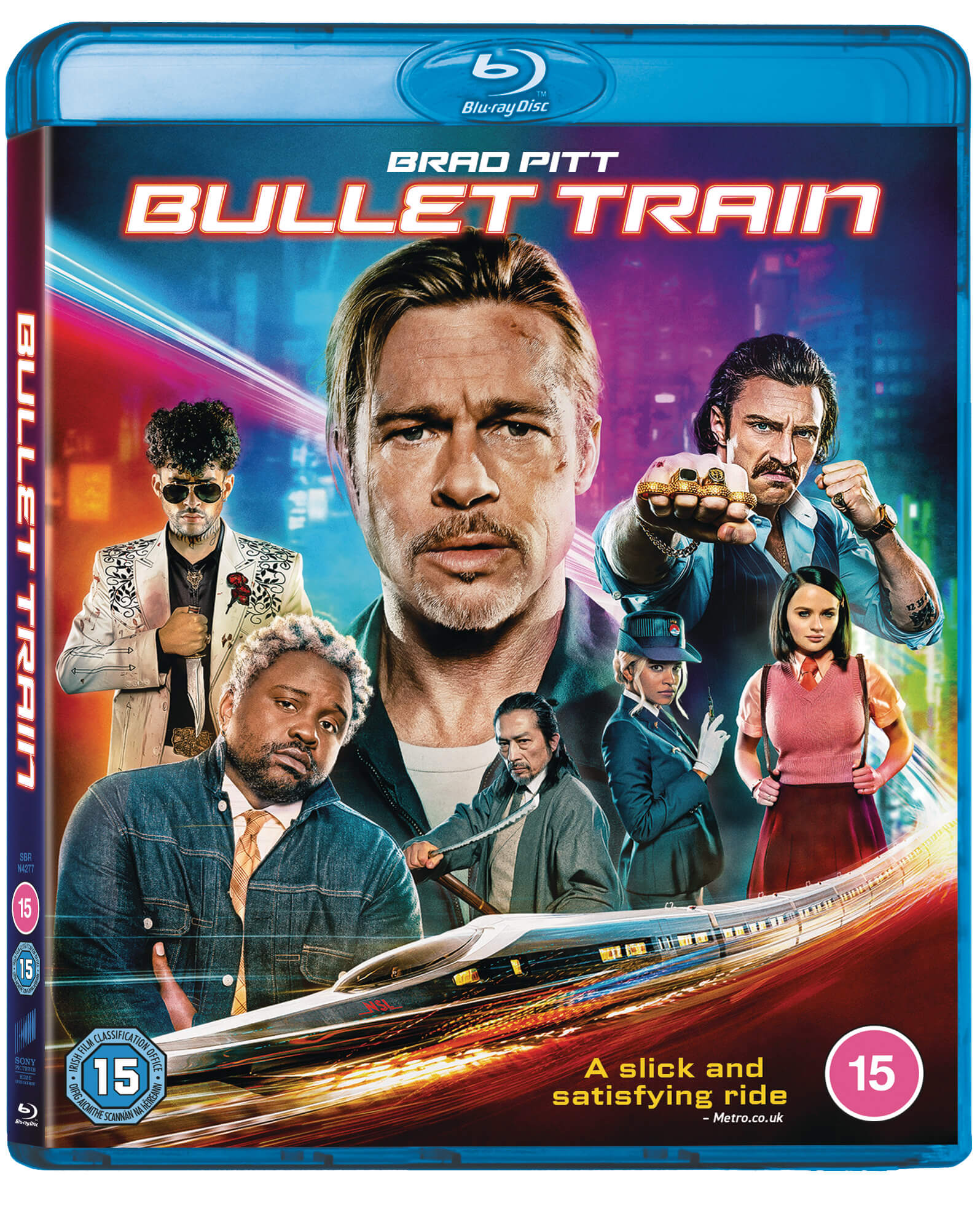
The hit action film Bullet Train, starring Brad Pitt, is out now on digital and hits 4K UHD, Blu-ray, and DVD on October 24h and we have two copies of the Blu-ray edition to give away! Just read on and enter below…


Brad Pitt stars in the non-stop thrill ride that is BULLET TRAIN available to Download & Keep on October 3rd and to Rent on Digital, 4K UHD™, Blu-ray™ and DVD on October 24th from Sony Pictures Home Entertainment.

Brad Pitt (Once Upon A Time… in Hollywood, Ad Astra) stars as Ladybug, an unlucky assassin determined to do his job peacefully after one too many gigs gone off the rails. Fate, however, may have other plans, as Ladybug’s latest mission puts him on a collision course with lethal adversaries from around the globe—all with connected, yet conflicting, objectives—on the world’s fastest train. The end of the line is just the beginning in this thrilling ride through modern-day Japan.


Based on the book by Kotaro Isaka, BULLET TRAIN is directed by David Leitch (Deadpool 2) and also staring Joey King (TV’s “The Act”), Aaron Taylor-Johnson (Kick-Ass), Brian Tyree Henry (“Atlanta”), Andrew Koji (“Warrior”), Hiroyuki Sanada (Mortal Combat), Michael Shannon (Elvis & Nixon, “Boardwalk Empire”), Benito A Martínez Ocasio (My Spy) and Sandra Bullock (Gravity).


Blu-rayBonus Materials Include:

  • Catch What You Missed: Easter Eggs
  • Trained Professionals: The Cast
  • All Aboard the Pain Train: Stunts
  • Mission Accomplished: Making of Bullet Train
  • Filmmaker Commentary with David Leitch, Kelly McCormick and Zak Olkewicz

DVD Bonus Materials Include:


  • Trained Professionals: The Cast
  • Mission Accomplished: Making of Bullet Train


a Rafflecopter giveaway

Bullet Train is available to Download & Keep now and to Rent on Digital, 4K UHD, Blu-ray and DVD on  October 24th.

A Look At The Best Sports Movies That Are Based On True Stories

sport films

Real or fictional, a plethora of blockbuster sports films have largely focused on the gambling industry (casino games, poker, etc). Over the last four years, more than half the U.S. states have launched some form of legalized gambling, making betting-related sports films all the more relevant today.

The state of Michigan is among the country’s leaders in sports betting. Residents of The Great Lakes State can enjoy the presence of mobile Michigan sports betting apps. These sportsbooks also allow you to place all sorts of different sporting wagers, including futures, point spreads, parlays and more.

Some of the best all-time sports movies required very little, if any, fiction for the storytelling and character developments.

That’s because many of the iconic favorite sports films are actually based on true stories. Some of the more notable movies in the sports world were even based on books that documented real-life sporting events and people.

With that all said, here is a look at some of the best sports movies that are based on true stories.


King Richard (2021)


Legendary tennis coach Richard Williams is the father of two all-time great tennis stars in Serena and Venus Williams.

Richard’s life and career was the focal point of the 2021 blockbuster, King Richard, which stars Will Smith as the Williams sisters’ father. Serena and Venus were actually executive producers for the film, too.

Richard Williams spent ample time and work in finding the best possible ways to train his daughters in tennis. The film details how he came to become one of the all-time great tennis coaches, and of course how his daughters rose to fame and legendary status.


Serena, whom many consider to be the greatest women’s tennis player ever, retired in 2022 with 23 Grand Slam singles to her name. Venus, a seven-time Grand Slam singles winner, is still active. Five of those Grand Slam wins came at Wimbledon.


Moneyball (2011)

The Oakland Athletics’ MLB franchise was the primary focus of the 2011 Moneyball blockbuster, directed by Bennett Miller.

Moneyball is based off of Michael Lewis’ book, Moneyball: The Art of Winning an Unfair Game, which details how the Athletics built a quality team without major financial resources that big-market teams like the New York Yankees and Los Angeles Dodgers enjoy.

Brad Pitt stars as Billy Beane, the current and longtime Athletics’ executive VP of baseball operations. Beane has built plenty of juggernaut teams in Oakland by using advanced stats, sciences and sabermetrics without having to pay top dollar for All-Star level players.

Moneyball follows the story of the 2002 Athletics, who managed to win 103 games and the AL West crown despite losing franchise stalwarts Jason Isringhausen, Jason Giambi and Johnny Damon in free agency.

The film also stars Jonah Hill as Peter Brande (inspired by former Athletics assistant Paul DePodesta), Philip Seymour Hoffman as Art Howe (Oakland’s manager from 1996 to 2002) and Robin Wright (Sharon Beane).

Miracle (2004)

This inspirational film details the story of the legendary United States men’s ice hockey team that defied all odds by winning the gold medal at the 1980 Winter Olympics in Lake Placid.

The moment, referred to as the “Miracle on Ice”, is widely considered the single biggest upset in the history of sports. Legendary commentator Al Michaels made the moment all the more memorable when he stated “Do you believe in miracles? Yes!”

The United States weren’t supposed to have a chance against the USSR when the two clubs met in final round play.

The USSR, who won four straight gold medals at the Olympic Games, was full of veteran superstar players. The U.S. were coached by Herb Brooks (played by Tombstone star Kurt Russell). The team was made up of college players who weren’t supposed to compete for gold whatsoever.

But the Americans played with plenty of heart and determination, keeping pace with the heavy favorites throughout the game. Mike Eruzione scored the go-ahead goal in the third period to help the U.S. pull off a stunning 4-3 upset win.

Many believe that this was the gold medal game, but that actually wasn’t the case. It was USA’s 4-2 win over Finland in the final round that secured them the gold medal, having finished with five points (USSR was second with four).

Sports fans who love a feel-good, emotional and inspirational underdog story, Miracle is just for you.