There Can Be Only One… Russell Mulcahy

highlander russel mulcahy

As Highlander prepares to arrive on screens in all its 4K glory, STARBURST talks to maverick film director Russell Mulcahy about how his rule-breaking approach to filmmaking helped the crazy little ‘80s fantasy movie find immortality.

STARBURST: So here we are talking about Highlander again. Do you ever feel like, ‘for God’s sake can we talk about one of my other films?’

Russell Mulcahy: [Laughs] Sometimes I do, but I guess for some reason it’s the one film that resonates more than the others. I guess Highlander has a unique quality that people respond to.

We think one of the reasons that Highlander struck such a chord was because you broke all the rules when you made it. You didn’t apply the normal film rules, you applied the rules you’d learned through making music videos. 

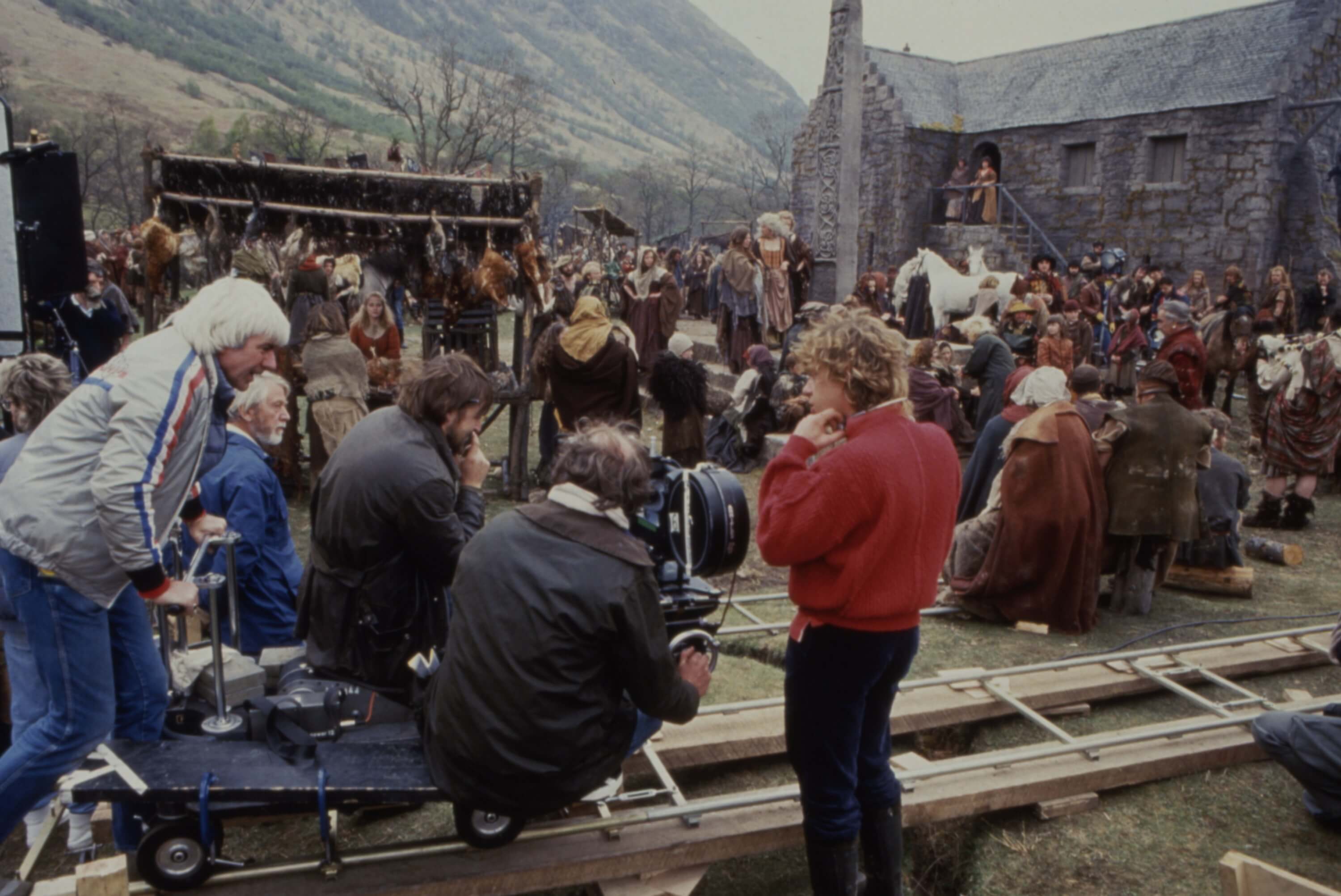
I used the terminology, I think, of the music videos. Also, I was pretty much given free rein in a good way, and I had such wonderful talent with me. I had Alan Cameron, the production designer, Jim Acheson doing costumes and Gerry Fisher the DoP, just wonderful talent behind the scenes.

The first couple of days, I didn’t like the lighting so I asked if they could turn them off and go for natural lighting and they were like ‘Oh my God!’. But when they saw the first couple of days rushes, they all joined the party. They had a great time and there was this sense of creative freedom on the set.

 

Paul Archuleta/FilmMagic


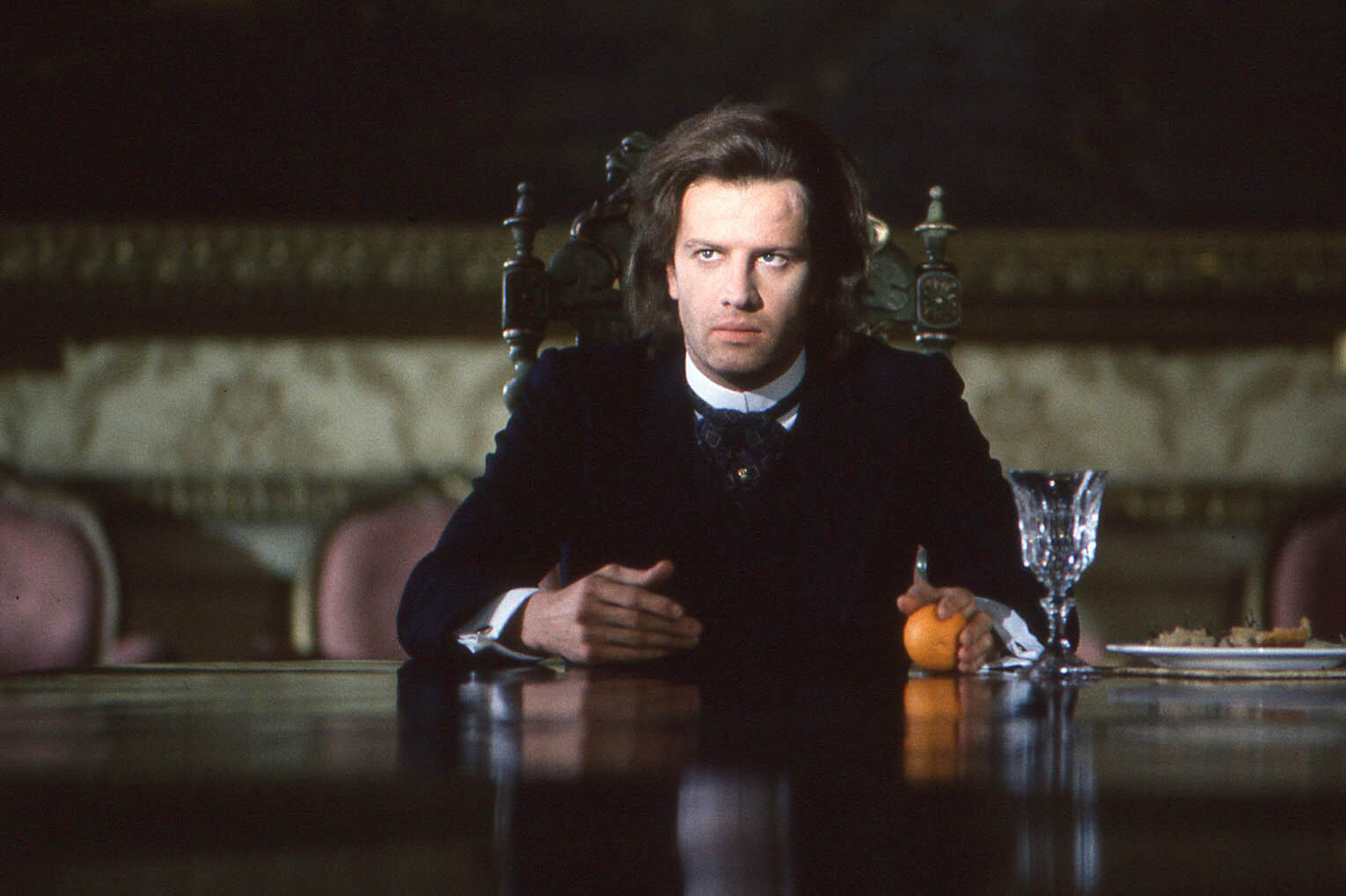
There’s a rumour that the infamous deleted ‘orange scene’ was a case you just shooting something to see if it would fit.

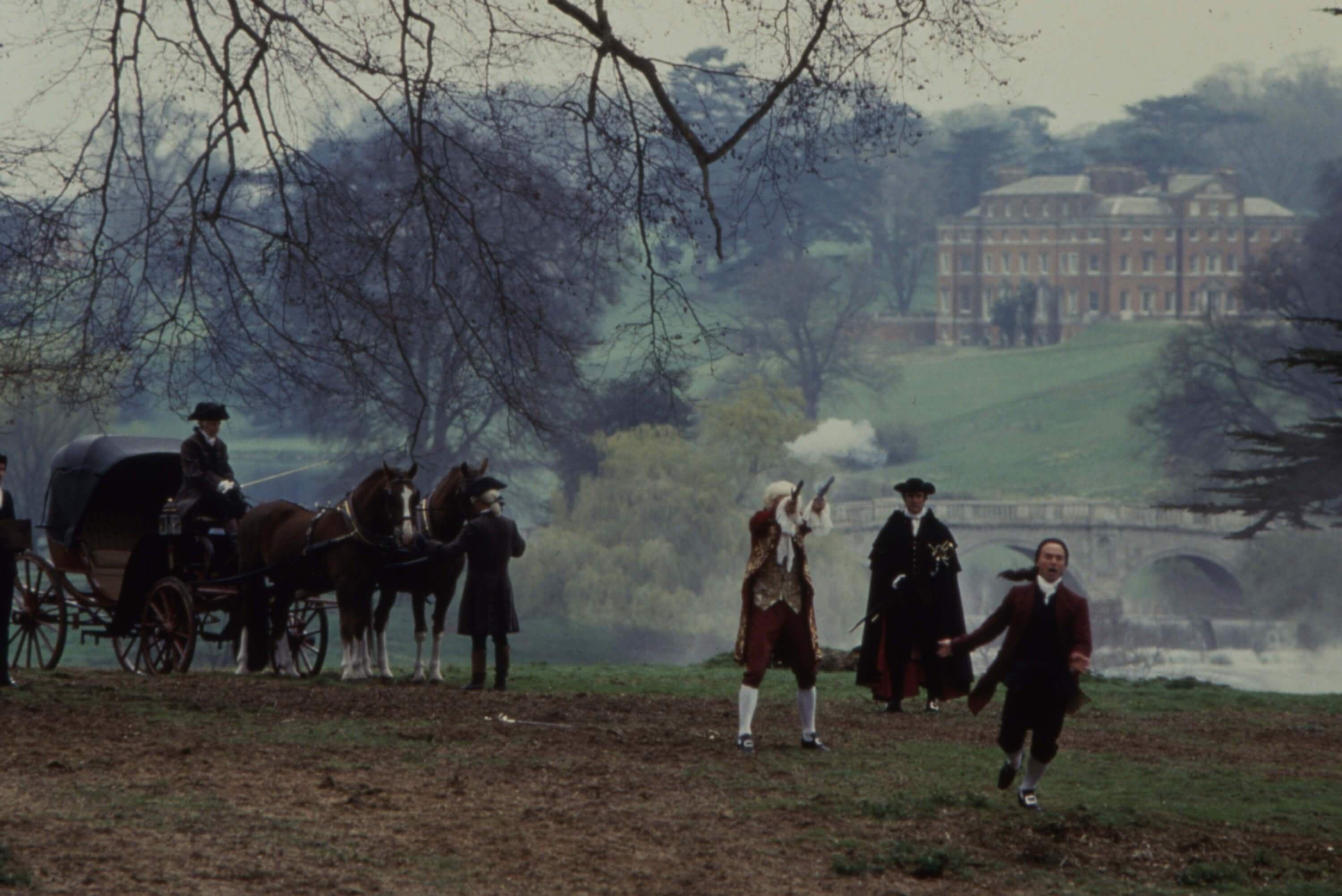
It was the first day of principal photography and we were filming the duel on Boston Common. So we filmed that and there’s this beautiful house in the background of the shot, so we went up there. It’s not in the script but we thought; ‘let’s shoot this scene and maybe if it works we can develop it into another flashback’. But it never developed. It was just an experiment.

We imagine that’s something that these days, you just can’t do.

Yeah. What also helped was that it was an EMI film and I’d done a lot of work with them and Duran Duran on Wild Boys and whatever, so there was very little intervention. It was like, ‘Okay, erm, good luck. Make something good!’

It’s such a shame that the deleted scenes are lost forever.

There was another scene that’s not in the film. It was a fight with Kurgan and another immortal amongst a load of computers. We did all of that and it was fine, but when we saw the first cut we just thought, ‘we don’t need another fight’. It was overkill. The film was already 113 minutes and in those days that was quite a long film. Now films are regularly two hours.


One of the lesser-known deleted scenes involve a lot more of Detective Bedsoe. Was there any particular reason why his role was cut down so much?

It was really just down to pacing. There was already some subplots going on and that one just wasn’t that strong. It was just this guy sniffing around and there was no real conclusion to it. I think the only bit that stayed in was the bit where he’s outside Brenda’s house and spills coffee on himself.

And that scene is only on the American Cut.

I remember being at a test screening, one of the first with an audience and they said we should lose the Boston Common duel, but luckily that didn’t go. But they did cut out the scene in Germany where Connor finds Rachel as a young girl for the American cut.

It’s crazy because that’s such a great scene and it says so much about Connor.

Right, and also the thing about that scene is that it was in the script but it was never filmed because of time and whatever. We cut the film together and I was like, ‘hang on, that bit’s missing’. So I pulled together all of my people from music videos and made a rag-tag little crew and we went out on a Sunday, rented a tank and this and that. We had Nicholas Roeg’s son, Waldo as DoP and when the actor who was going to play the German walked off because it was taking so long, Waldo stepped in and became the German. And we just shot that. It was unbelievable.


Do you have a preferred cut? There’s been a few between the US, UK and the Producers one when they painted out the wires.

I hope they painted out the wires [laughs]. They were very thick! It is an ode to the past. But I am looking forward to seeing the 4K version, I haven’t seen it yet. The artwork looks great though.

It does, it’s nice to have a change from the same artwork we’ve had for so long.

It was a travesty what happened in the US with the poster artwork. It’s very unusual.

How has the creative freedom you had while making Highlander diminished as you became more popular and the budgets got higher?

There’s still a good amount of creative freedom, you just have to sell it a bit more. When you’re dealing with big budgets you can’t go wacko you have to have a reason. Highlander was made in the crazy ‘80s and everyone was a bit more free in those days. I couldn’t do that film now.

Would you ever return to the franchise?

No, no, no. It holds a very special place in my heart but I wouldn’t want to revisit it.


How do you feel about the reboot?

They’ve been trying to make the reboot for over 10 years and I wish them all the best. Whether it ever happens, who knows? It’s a great story, it’s got romance, the lore. That’s what attracted me to it.

So what are you up to now? You’ve just come off the Teen Wolf movie, right?

We do our final mix in four weeks and then that will be released on Paramount+ in January. There’s a few other things happening but I’m not going to mention them. I’m keeping busy.

Are there any of the upcoming projects where you foresee yourself being able to break all of the rules again in the way that you did at the beginning with Highlander?

One of them, maybe.

We’d really love to see that.

To really let my hair down? I’ll try not to disappoint you.
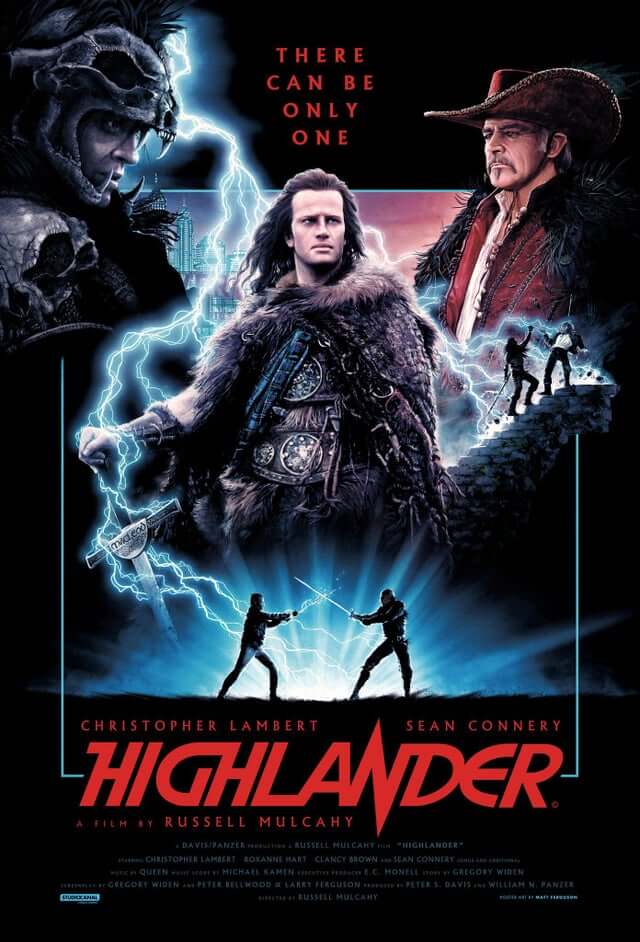


Highlander arrives on 4K UHD Blu-ray this October 31st from Studiocanal.

THE TELEPHEMERA YEARS: 1973 – PART 1

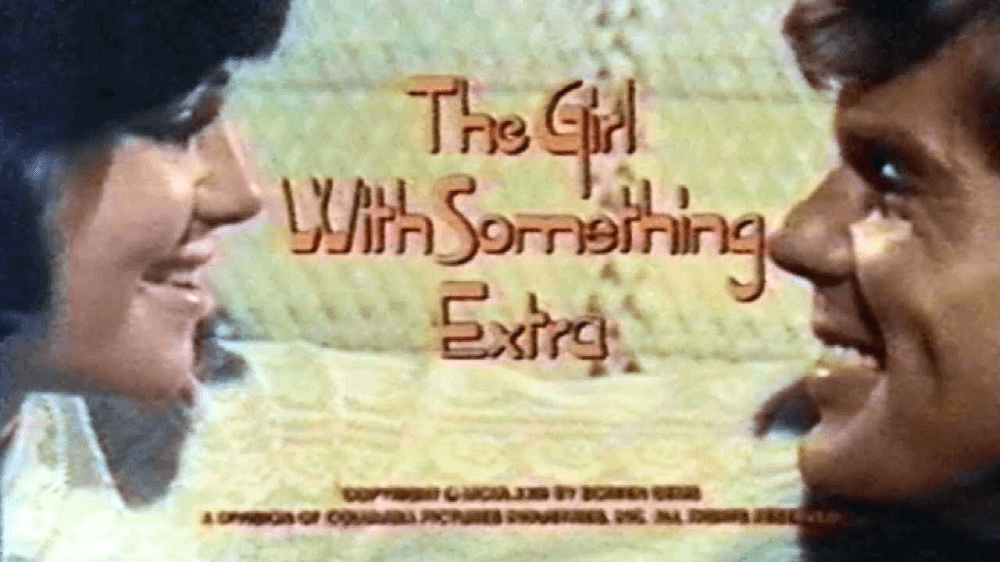
The Girl with Something Extra, 1973

Ah, telephemera… those shows whose stay with us was tantalisingly brief, snatched away before their time, and sometimes with good cause. They hit the schedules alongside established shows, hoping for a long run, but it’s not always to be, and for every Street Hawk there’s two Manimals. But here at STARBURST we celebrate their existence and mourn their departure, drilling down into the new season’s entertainment with equal opportunities square eyes… these are The Telephemera Years!

1973-74

With a massive 31.2 rating, CBS’s All in the Family had no competition for the top spot as 1973’s most popular show, with over twenty million viewers tuning in weekly to see what daft old racist Archie Bunker would do next. In fact, CBS controlled the top ten shows to such an extent that only NBC’s Sanford and Son (like All in the Family, a British transplant) earned a spot on the rundown. NBC really couldn’t cope with a CBS line-up that also included The Waltons, M*A*S*H, Hawaii Five-O, and new arrival Kojak, and Police Story seemed to be their only new show to make any impact.

ABC, though, had new smash The Six Million Dollar Man at number eleven, and scored decent placings for Kung Fu, The Streets of San Francisco, and the debuting Happy Days. Although ABC would have preferred to land more blows on the Tiffany Network, they could still rely on Monday Night Football and their various movie slots to pull in viewers, although their schedules – like those of CBS and NBC – were very light on sci-fi and fantasy shows. That was what was happening in terms of shows that people watched but what about those shows that slipped away without gaining a foothold? This is the story of four of 1973’s failed debuts…

The Girl with Something Extra (NBC): Sally Field burst onto the scene as the eponymous boy-crazy surf chick in Gidget, a 1965 sitcom on ABC which failed despite her considerable charms. Wanting to find a vehicle for her, ABC then cast her in The Flying Nun, where she played Sister Bertrille, a nun who could fly when the wind caught her habit just right. Somehow lasting for three seasons, Field didn’t enjoy her time on The Flying Nun and spent the next few years looking around for the right role, finally landing the part of The Girl with Something Extra in 1973.

Field played Sally Burton, a newlywed who reveals to her husband on their wedding night that she has ESP and can read minds. This is the basic situation for the comedy that ensues when husband John (played by John Davidson) is thinking about other women, trying to surprise her with a birthday gift, and wants to bring his mother to visit. Throw in some crazy storylines about John modelling for a nude centrefold, Sally becoming an unwitting agent of the Mob, and Sally discovering that John’s first client in his new job as a lawyer is guilty, and you have a recipe for, well, something extra.

The Girl with Something Extra, 1973

The show was created for Screen Gems by Bernard Slade, the man behind The Flying Nun and The Partridge Family, and it launched with Sanford and Son as its lead-in on NBC on Friday nights. However, audiences just weren’t spellbound as they had been with Bewitched and The Girl with Something Extra finished 59th out of 80 shows on the year-end ratings list. Needless to say, it wasn’t renewed.

Field, of course, switched tracks and became a serious actress, earning Academy Awards for her parts in Norma Rae and Places in the Heart, as well as becoming a regular co-star of Burt Reynolds in such films as Smokey and the Bandit, Smokey and the Bandit II, The End, and Hooper. Having feared she’d be typecast as a sitcom actress – if the variety of roles she played can be considered typecasting – she truly became the girl with something extra, even if playing that part was just a step along that journey.

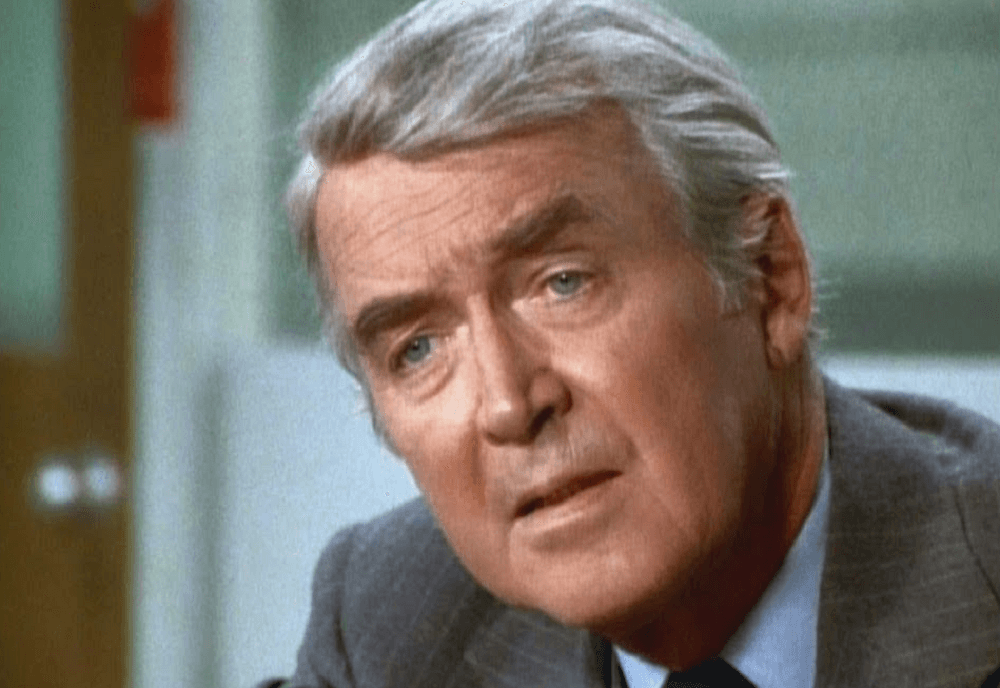
Hawkins (CBS): In 1971, James Stewart turned his back on Hollywood movies for more regular work on TV, starring in The Jimmy Stewart Show, a sitcom which had him become a small-town professor having to deal with children and grandchildren. It lasted for just a single season and it was clear that it would need something meatier for an actor like Stewart, even on TV.

That something was Hawkins, with Stewart playing Billy Jim Hawkins, a rural lawyer who becomes involved in investigating the cases he takes, much like the role he played in Anatomy of a Murder (for which he received a Best Actor nomination at the 1960 Academy Awards. A ninety-minute pilot episode aired on CBS in March of 1973 and was well-received, resulting in a season of seven further episodes – all of ninety minutes, like the pilot – arriving in October 1973.

Hawkins, 1973

Across that first season, Hawkins defended an heiress charged with a triple murder, a Hollywood star’s husband accused of taking the law into his own hands, a mercy killer, and his own cousin’s killer, with a new episode appearing every three weeks, written mostly by veteran David Karp, with assists from Star Trek‘s Gene L Coon and Irwin Allen right hand man Robert Hamner.

Rather than fail due to diminishing ratings, Stewart himself pulled the plug on the show after those seven episodes because he was concerned that they couldn’t keep up the quality of the show on a TV budget and schedule. He returned to movies in 1976 with The Shootist, by which point his hearing loss was beginning to affect his performance, going into semi-retirement a few years later. Stewart died in 1997, having lived out his final years in Beverly Hills, thankfully never in need of the services of a Billy Jim Hawkins.

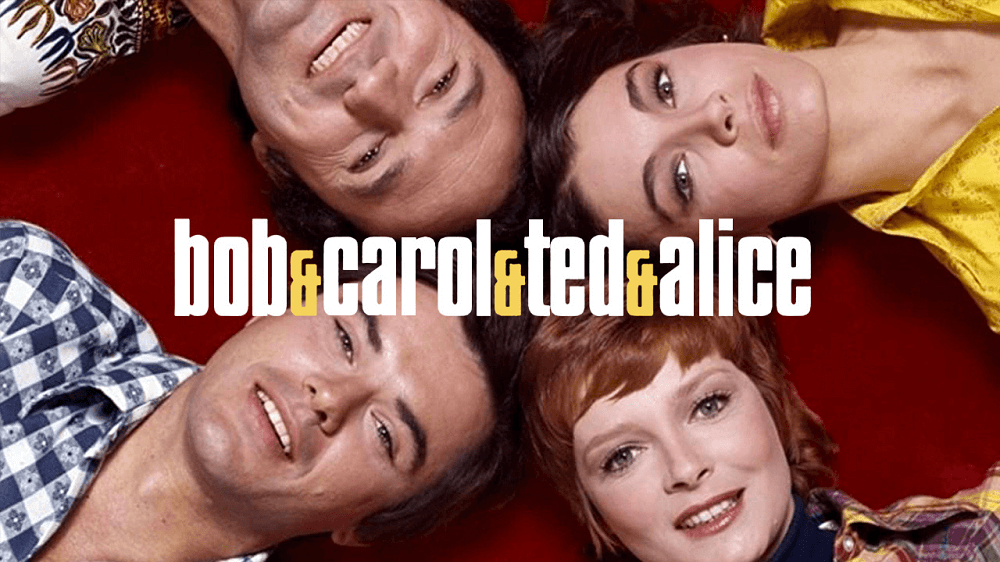
Bob & Carol & Ted & Alice (ABC): As a writer and director, Paul Mazursky was never afraid to make America take a good, long, hard look at itself, earning an Academy Award nomination for An Unmarried Woman and plaudits for his 1980s work such as Down and Out in Beverly Hills and Scenes from a Mall. It was a formula he developed right from the off, his debut movie Bob & Ted & Carol & Alice itself earning an Oscar nomination, including Supporting Actor and Actress nods for Elliot Gould and Dyan Cannon.

In the film, a married couple – Robert Kulp and Natalie Wood – share the freedoms of their newfound casual infidelity with their more conservative neighbours (Gould and Cannon), with hilarious, profound, and sometimes confusing results. It was a massive hit in an America still reckoning with itself during the Vietnam War and, somehow, the concept was brought back for a sitcom for the 1973 Fall line-up on ABC.

Bob & Carol & Ted & Alice, 1973

Of course, there was no Cannon, Culp, Gould, or Wallace, and no Mazursky, the show guided instead by Larry Rosen, a veteran producer who had just finished up on The Partridge Family. The TV version starred Robert Urich and Anne Archer as the freewheeling Bob and Carol Sanders, with David Spielberg and Anita Gillette as their uptight neighbours, but hit its first snag when the situations depicted in the film – extramarital sex, wife swapping, and group sex – fell foul of the network’s Standards and Practices division, forcing a tweak to the very thing that had made the movie such a cheeky hit.

Still, the TV version did manage to include implied nudity, casual sex, and unmarried couples living together, most of which were deemed out of bounds for network TV at the time, but any viewers attracted by the sensationalism (or by fond memories of the movie) would have been turned off by the scripts, a mixed bag with no real consistent voice.

Launched on Wednesday nights, opposite The Sonny & Cher Comedy Hour and Adam-12, the show earned very low ratings and was cancelled after just seven episodes had aired, with a further five produced but left in the can. These received an airing in 1984 on the USA cable network by which time the show was most notable for featuring a ten-year-old Jodie Foster as Ted and Alice’s daughter.

Faraday & Company (NBC): There are some for whom there is no finer period for American film than the early 1970s, the “savage cinema” era birthed by Sam Peckinpah and proliferated through hundreds of earnest, violent dramas. TV wasn’t immune to its effects, and all three networks began playing with the longer form on their schedules, with 1971 bringing the NBC Mystery Movie to the schedules on Sunday nights, where it helped launch series for McCloud, Columbo, and McMillan & Wife.

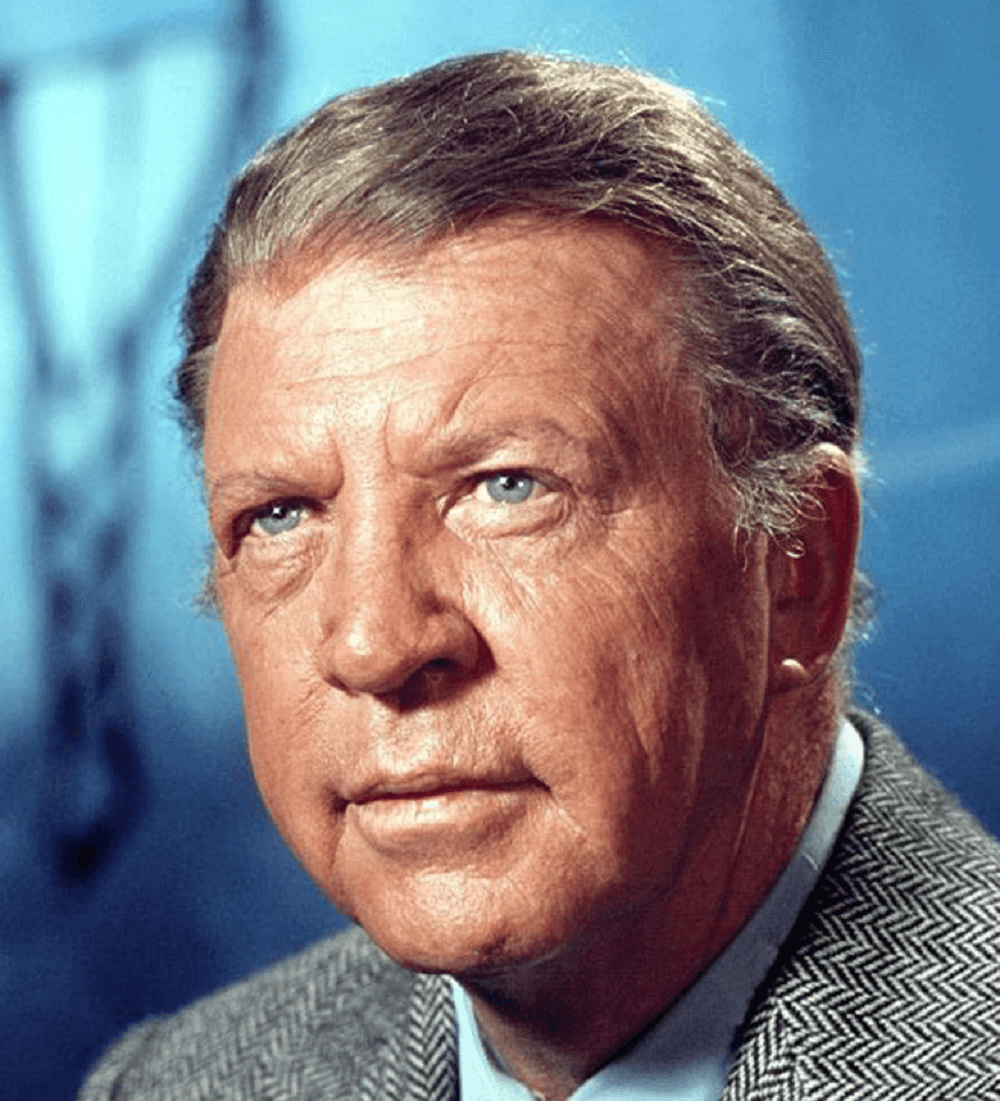
A year later, NBC also launched the NBC Wednesday Mystery Movie, earning hits with Banacek and Madigan (and the lesser-remembered Cool Million). Brought back for the 1973 season, the NBC Wednesday Mystery Movie had four revolving features as Banacek rotated with The Snoop Sisters, Tenafly, and Faraday & Company. The latter starred Dan Dailey as Frank Faraday, a private investigator wrongly convicted of murdering his partner, escaping after twenty-eight years in a South American prison to pick up his life in San Francisco.

Faraday & Company, 1973

Of course, much has changed in Frank’s absence, and he discovers that he has a grown-up son, Steve, who is also a PI, a role filled by James Naughton, a stage actor making his first steps into TV. Steve works for his mother (and Frank’s old squeeze) Lou Carson, played by Geraldine Brooks, and the cast is completed by a young Sharon Gless as the firm’s secretary.

Episodes aired from September 1973 to January 1974 but the four-week rotation didn’t enable any of the features to gain much traction and Faraday & Company disappeared after just four stories, a similar fate to all but Banacek. In 1974, the slot was dropped and Little House on the Prairie scheduled in its place, launching a decade long empire of peaceful co-existence with nature, rather than with three other crime features.

Next time on The Telephemera Years: Four more failures, although who doesn’t love a helicopter show?

Check out our other Telephemera articles:

The Telephemera Years: 1966 (part 1, 2, 3, 4)

The Telephemera Years: 1968 (part 1, 2, 3, 4)

The Telephemera Years: 1969 (part 1, 2, 3, 4)

The Telephemera Years: 1971 (part 1, 2, 3, 4)

The Telephemera Years: 1973 (part 1, 2, 3, 4)

The Telephemera Years: 1975 (part 1, 2, 3, 4)

The Telephemera Years: 1977 (part 1, 2, 3, 4)

The Telephemera Years: 1980 (part 12, 3, 4)

The Telephemera Years: 1982 (part 1, 2, 3, 4)

The Telephemera Years: 1984 (part 1, 2, 3, 4)

The Telephemera Years: 1986 (part 1, 2, 3, 4)

The Telephemera Years: 1987 (part 1, 2, 3, 4)

The Telephemera Years: 1990 (part 1, 2, 3, 4)

The Telephemera Years: 1992 (part 1, 2, 3, 4)

The Telephemera Years: 1995 (part 12, 3, 4)

The Telephemera Years: 1997 (part 1, 2, 3, 4)

The Telephemera Years: 2000 (part 1, 2, 3, 4)

The Telephemera Years: 2003 (part 1, 2, 3, 4)

The Telephemera Years: 2005 (part 1, 2, 3, 4)

The Telephemera Years: 2008 (part 1, 23, 4)

Titans of Telephemera: Irwin Allen

Titans of Telephemera: Stephen J Cannell (part 1, 2, 3, 4)

Titans of Telephemera: Hanna-Barbera (part 1, 2, 3, 4, 5)

Titans of Telephemera: Kenneth Johnson

Titans of Telephemera: Glen A Larson (part 1, 2, 3, 4)

Titans of Telephemera: Quinn Martin (part 1, 2)

[ENDED} Win THE SPINE OF NIGHT on Blu-ray

win spin of night

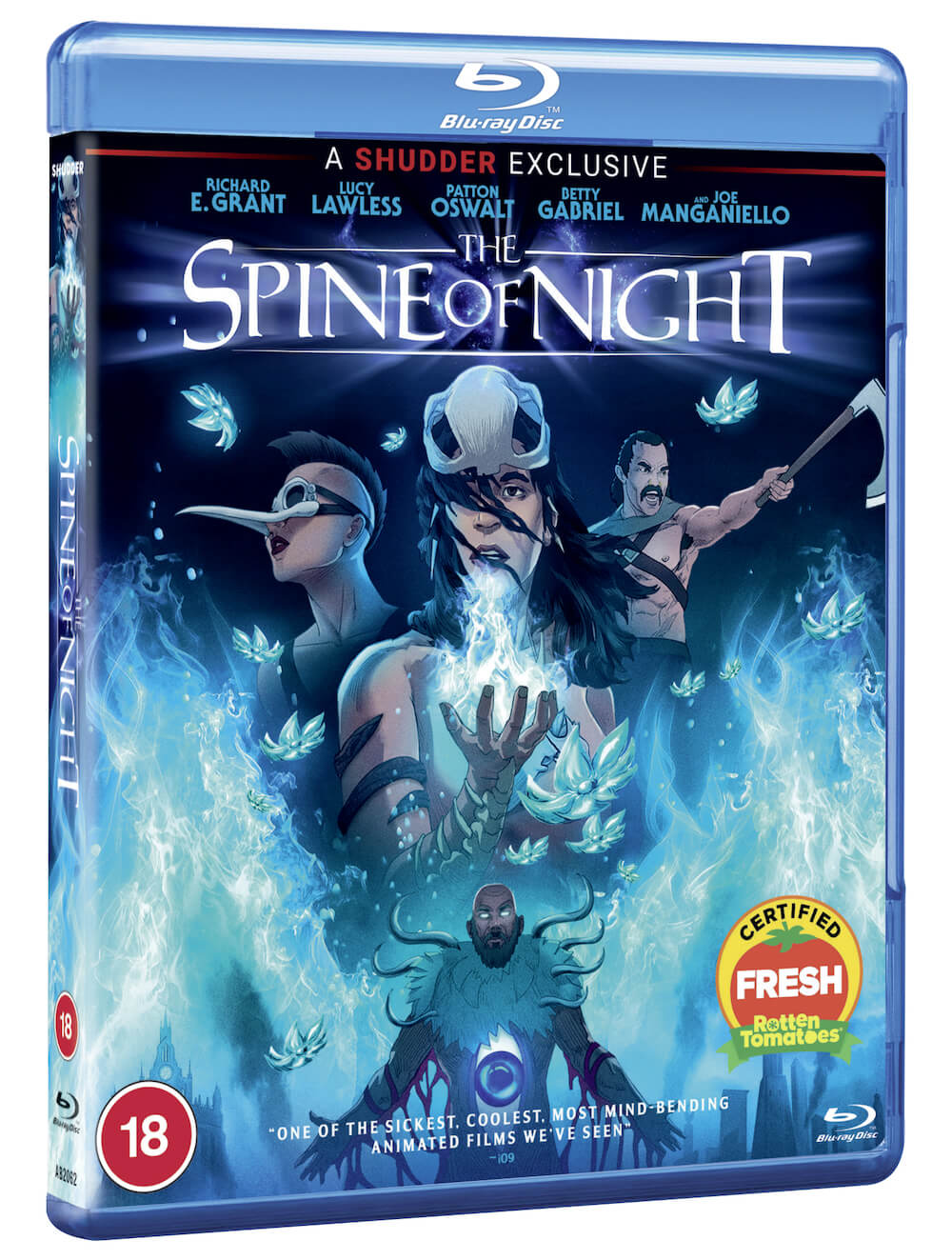
Enter the fantastically frenzied, gloriously gory and dazzlingly dark animated world of The Spine of Night, which audiences can now feast their eyes on as the psychedelic Shudder Exclusive arrives on Blu-ray, DVD, and digital courtesy of Acorn Media International. Plus we’ve got a Blu-ray copy to give away to one lucky reader! Just read on and enter below…


This dark and delirious fantasy horror epic from Philip Gelatt – the brains behind Love, Death & Robots – and renowned short-film artist Morgan Galen King features a stellar cast. With acting favourites including Richard E Grant (Gosford Park, Withnail & I, Star Wars: The Rise of Skywalker), Lucy Lawless (Spartacus, Xena: Warrior Princess), Patton Oswalt (Ratatouille, Eternals, 22 Jump Street) and Joe Manganiello (Magic Mike, Justice League), this dazzlingly unique adventure is brought to life by these familiar voices.

The story begins with an ambitious young man who steals forbidden knowledge from a sacred planet. As he succumbs to its darker temptations, he unknowingly unleashes centuries of suffering onto mankind…

Ancient, dark magic has fallen into sinister hands, and a group of heroes from different eras and cultures must unite to defeat it at all costs… Among those who stand against him are a daring tomb-robber, star-crossed lovers, a maniacal necromancer, winged assassins, and an undying guardian. Can they stop him and save the universe before it’s too late?


With oodles of gore, bucket loads of blood, old-school anime, psychedelic hand-painted backdrops, out-of-this-world neon visuals, and elements of Steampunk fantasy, this action-packed throwback is a striking visual frenzy just waiting to be discovered.

a Rafflecopter giveaway

For a unique and unforgettable thrill ride, venture into The Spine of Night. Out now on Blu-ray, DVD, and digital.

How Casinos Have Influenced the Film Industry

casinos influence movies

Casino games were included in some of the best films ever made. Gambling has always been a popular topic for movies, with some examples of them being:

  • Ocean’s Eleven from 2001
  • Casino from 1995
  • The Sting from 1973

Narimi Murayama, who is a skilled researcher and enthusiastic about the Asian gaming industry, supposes that “これは、カジノゲームをプレイすることは、ずっと前に始まった非常に人気のあるアクティビティであるためです. 当時、人々はこれらのゲームで運試しをするために陸上のカジノに行かなければなりませんでした。 しかし、最近ではオンラインカジノでしかプレイできません。 最高のカジノ サイトを見つけたいと思っていて、あなたが日本出身である場合は、オンライン カジノ 日本  ジャパンをチェックして運を試してみてください。”

With so many movies using casinos in their theme or just putting their characters to play a little on one of them, it is sure that casinos have influenced the film industry somehow. With the help of expert Narimi Murayama, let’s understand what kind of impact have they had on the film business.

A way of creating a tense scene

Directors are constantly searching for new methods to add suspense to scenes and they do that in various ways.

Playing out a high-stakes gambling scene at a casino with the main characters is another excellent technique to amp up the tension. Ideally, the outcome of the main character’s destiny will be determined by the outcome of a card or a roulette wheel spin.

While the characters are in the tension of betting everything they can to get the money needed to change their lives, those who are watching are staring at the screen, waiting for the resolution of that moment of tension.

The casino can help in revealing the character’s personality.

If you are one of those people who goes to some online casino real money Japan to test your luck, that says a few things about your personality. Like the fact that you’re not afraid to take risks. That is, casinos can also be a way for directors to present a bit of the main character’s personality.

The famous British agent James Bond, for example, always appears in luxury casinos. This shows not only his personality, as he is used to taking big risks but doesn’t let those situations take the best of him.

This is beautifully illustrated in the 2006 film Casino Royale. When playing poker, 007 finds him in a situation where the bets quickly go out of hand. While some players might have lost confidence and ended up quitting, Bond maintains his composure and takes down the entire pot without pausing.


Way of showing luxury

Unlike sites with online casino bonuses in Japan, land-based casinos usually offer a very glamorous setting, with many bright lights and high-value pieces within their physical space.

Because of this, many films like to use this luxury in their films, showing a little of the lifestyle of a certain character and giving an extra shine to the setting. It’s also an opportunity to show well-dressed characters and even make a contrast if the main character is someone simpler.

Films become part of the casino

Of course, the opposite also happened. Just as casinos inspired movies, movies ended up inspiring casinos and becoming part of them, especially online ones.

Currently, it is easy to find slots that use the theme of great blockbusters such as Superman, Batman, and also Marvel’s Super Heroes. It is even possible to find online casino bonuses in Japan on gambling sites that allow you to spin these slots for free and enjoy all the atmosphere of that great movie.

If you want to have fun with these types of slots in land-based casinos, that is also possible. However, their quantity and variety will be much smaller than those found in online casinos.

Final words

The movie and casino industries have gone hand in hand for a long time, always using each other to improve their fans’ experience. Movies with casinos are big hits and many of the great classics show these locations. On the other hand, many casinos decided to create slots inspired by successful movies, attracting fans of these titles and encouraging them to try their luck.

And you can also start having fun at casinos and you don’t even have to leave your home to do that. Just access the link we left at the beginning of this article, where they have a list of the best online casinos, choose one of the options suggested by the experts, and register.

You can even check out the online casino best bonuses and take advantage of this type of benefit to be able to bet more and try to get closer to winning the jackpot. Good luck!

Five Films to Check Out on Legend This Week – 241022

legend picks dracula

Legend continues to pack their schedules with great films and TV shows, but here are our picks you shouldn’t miss this week…


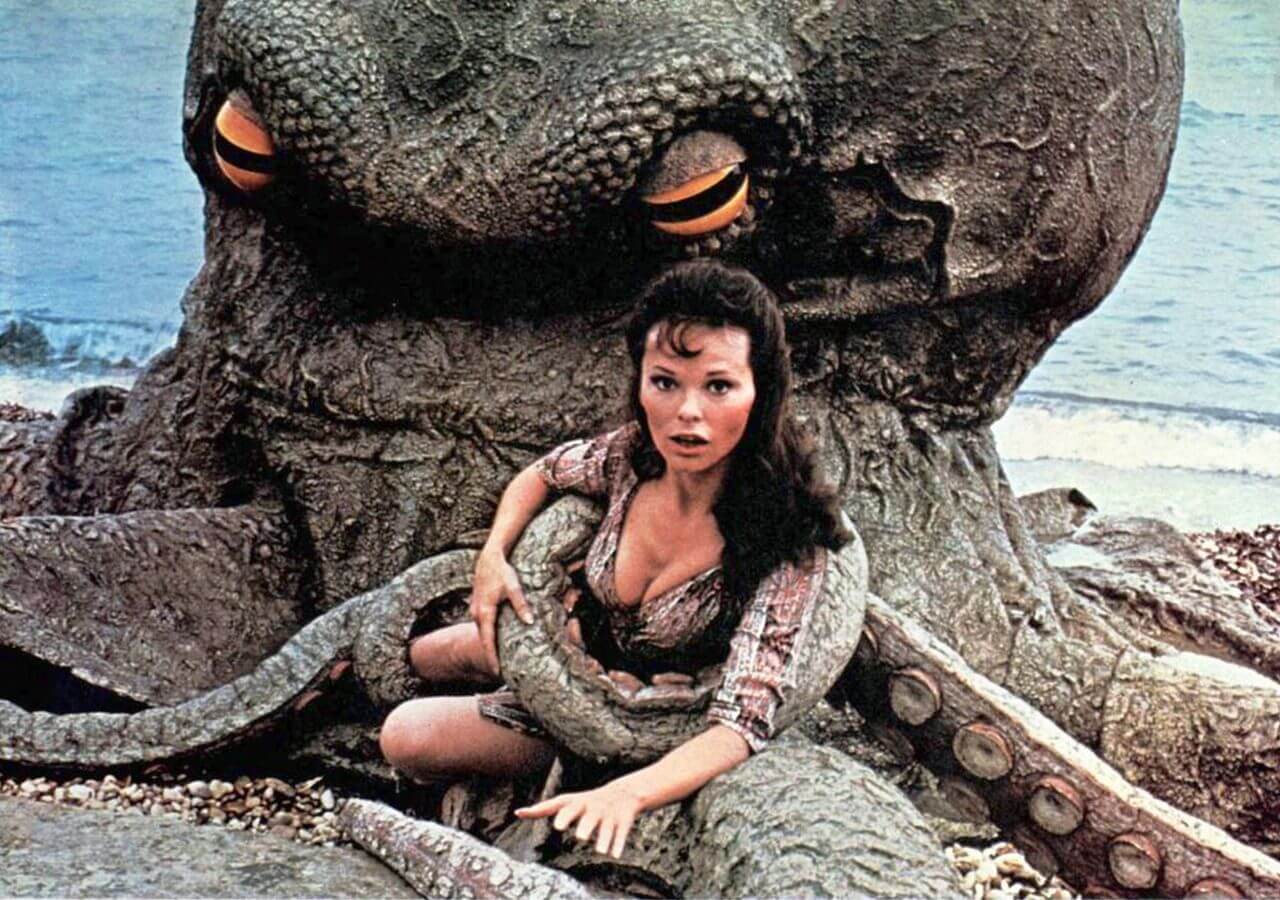
Tuesday October 25th, 11am – Warlords of Atlantis (1978)

Doug McClure (you might remember him from such films as The Land That Time Forgot) stars in this cracking adventure filled with monsters. A ship is sunk by a giant octopus and the crew discovers the lost city of Atlantis. (Also screening at 3pm on Monday and Saturday.)


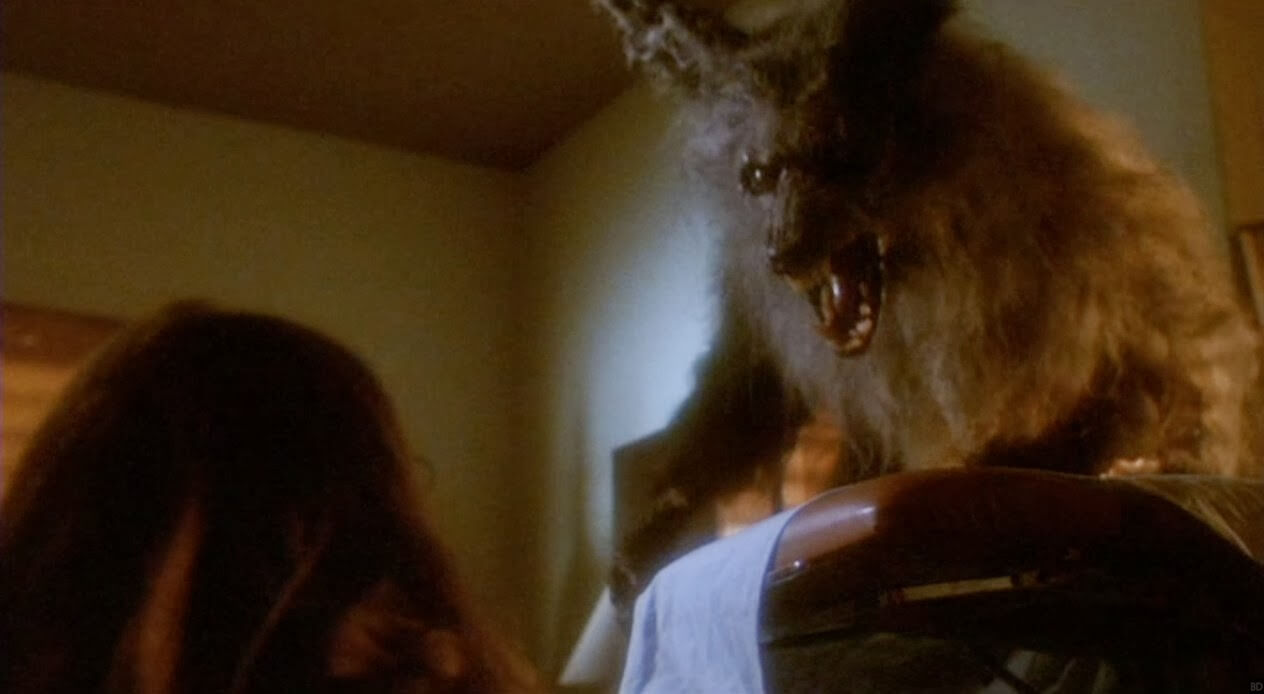
Wednesday October 26th, 10.55pm – The Howling (1981)  

Joe Dante’s tale of a lycanthrope cult hits all the right marks. Stars Dee Wallace, Patrick Mcnee, and John Carradine and Rob Bottin’s amazing special effects makeup.


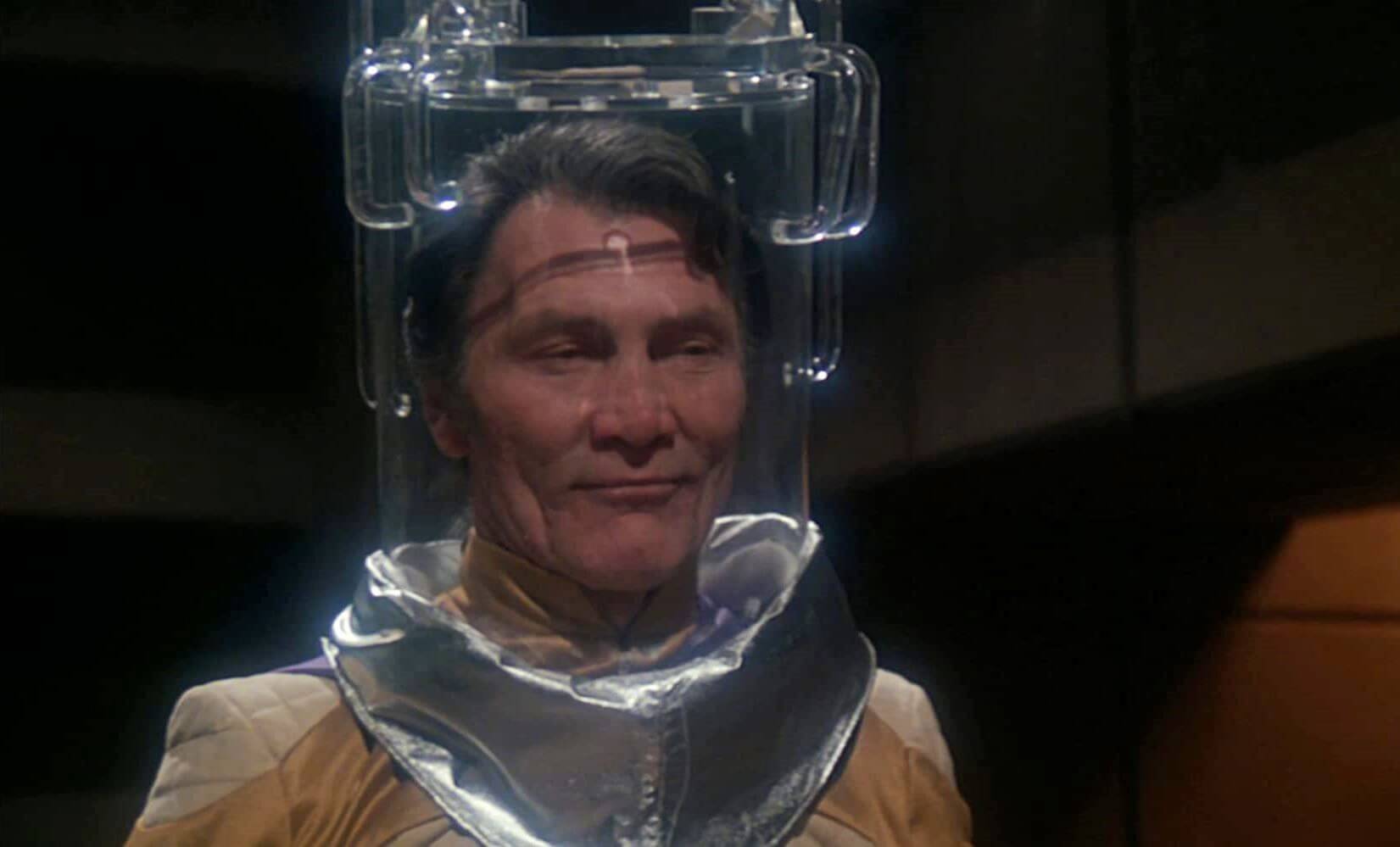
Thursday October 27th, 11am – The Shape of Things to Come (1979)

‘Adapted’ from the H.G. Wells novel (only the names remain!), this forgotten Star Wars rip-off is still a fun watch. Stars Jack Palance and Barry Morse (Space: 1999) (Also screening on Sunday at 4pm.)


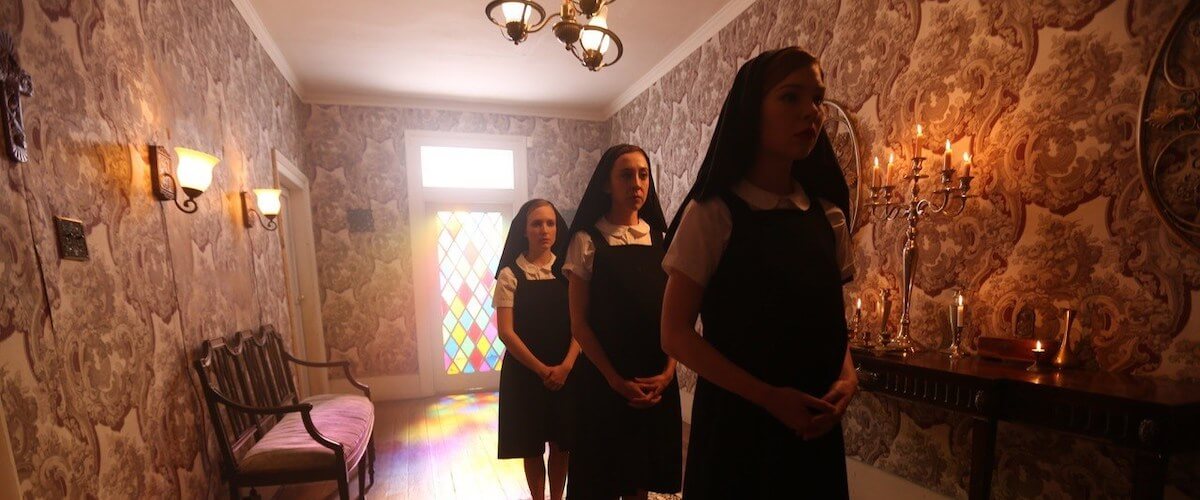
Friday October 28th, 10.45pm St Agatha (2018)
Directed by Darren Lynn Bousman (Saw), this is a solid entry into the nasty nuns genre with some suitably horrid acts of punishment!


Sunday October 30th, 10pm – 1.05am The Vintage Vault

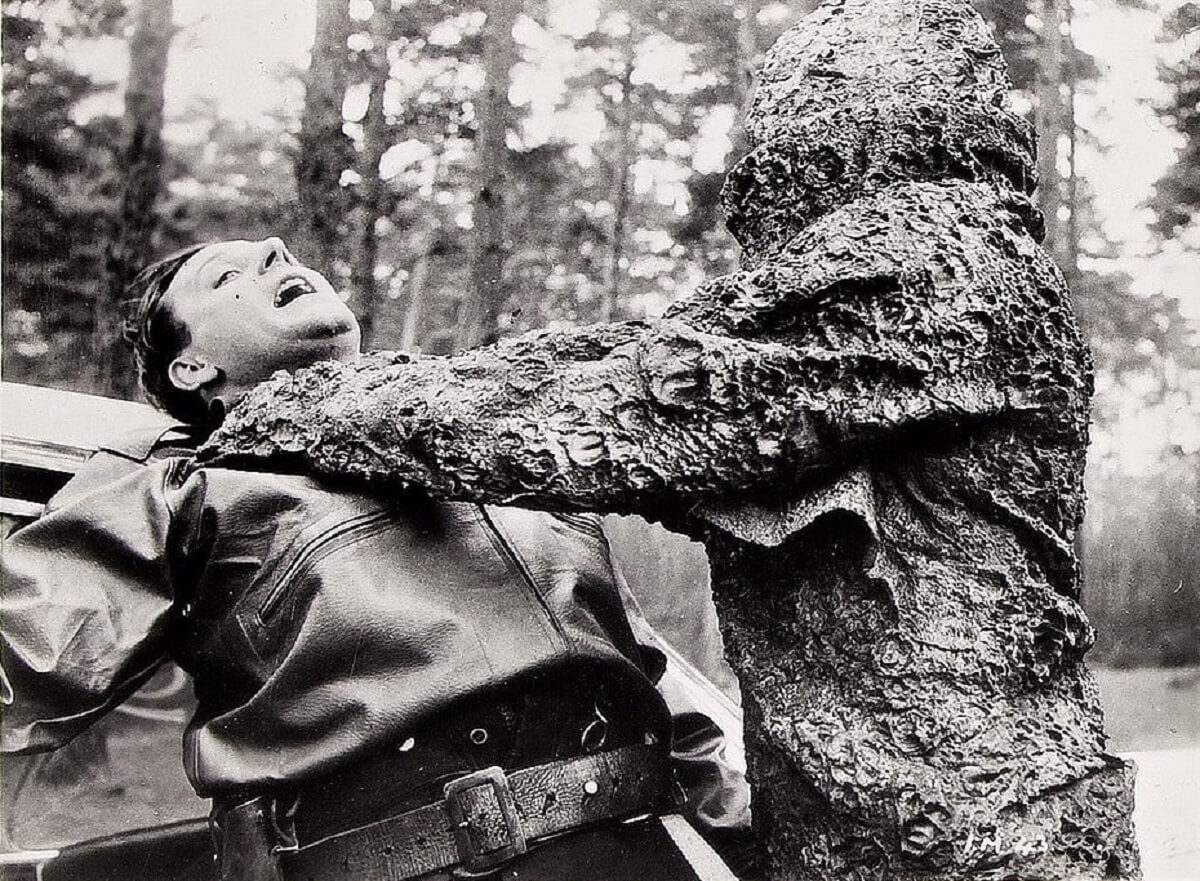
Legend continues to celebrate the Golden Age of genre cinema with a season of double bills. This week, there are a pair of fifties classics. First up the superb First Man into Space (1959), in which a hapless astronaut returns to Earth with a terrible affliction. Next, Hammer Films continue their updating of literary horrors with Dracula (1958). Christopher Lee cements himself as the definitive bloodsucker and Peter Cushing is his archenemy Van Helsing.

Find out more information at https://www.legend-tv.co.uk/

Tune into Legend on Sky 317, Virgin 149, Freeview 41, Freesat 138.

Chris Hayward | BRIAN AND CHARLES

chris wayward brian charles

Brian and Charles is a funny, heartwarming tale of a bumbling inventor who builds himself a friend. We loved it and, with the home-media release of the film, we were able to sit down with Chris Hayward (co-writer of the film and Charles, himself) for a chat about bringing these beloved characters to the big screen…

STARBURST: While David Earl’s character of Brian Gittins is something of a cult comedy icon at this point, having hosted numerous stage shows in the comedy scene, appeared in various Ricky Gervais projects and released various hit podcasts, the origins of Chris Hayward’s character, Charles Petrescu, the film’s cabbage-loving robot, are a lot harder to pin down.

Chris Hayward: I was trying to do bits of stand up so I met David through the comedy scene. He started doing a low-fi radio show on the internet where he was being Brian Gittins and it was really funny. We both knew Rupert Majendie (who’s our producer on Brian and Charles) and he would call into David’s show but he would use this voice software to type out what he wanted to say and that became the voice of Charles.

Their conversations together were really funny, so we all got talking and I had an idea of how we could do it live, where I’d be dressed in a costume, on stage with David, and then Rupert would be sat at the back of the comedy club, typing away and doing Charles’ voice. So that’s how it began, really. For two or three years we did these live gigs which were quite mad as you can imagine, but they were a lot of fun and we were trying to work out what to do with them. At one point we were trying to do a live game show – we were trying to work out what the next Shooting Stars could be – but we never worked that out. It was just always mayhem on stage and people were baffled.

The main reason that Brian and Charles made such a splash with its release was that so many people saw and loved the 2017 short film that it was based on. How did that come about?

We’d do Brian and Charles live on stage for a few years and it wasn’t really going anywhere. We had a small group of fans – David certainly did as Brian Gittins. He had a hardcore group of fans. So we got Jim Archer involved, who’s the director. We knew Jim, again, through the comedy scene and through friends. So we all got together, we went away for a weekend in Wales, shot the short film and then that led to us getting commissioned for the film. That sounds like it happened over a few weeks, but from the start of the comedy gigs to making the film, the process took at least 10 years.

We only really ever made it for fun initially. We hadn’t really put anything of Brian and Charles on YouTube and we thought, “Well, they are quite funny together, but it’s only people who come to the gigs who’ve seen them”, so we wanted to put something online. We’d already done a little sketch with them but we wanted to make something with a bit more substance – but we didn’t really think anything of it more than that: just putting something on there and then moving onto the next thing, whatever that was.

FilmFour pretty quickly got in touch with us and said, “Do you think this could work as a feature?” And that led to us talking with them and developing it from there.


The route of turning a short film into a feature is a well-trodden one. How did everyone working on Brian and Charles approach the film in order to ensure they didn’t lose what worked the first time around?

I think if people can do it, I think making a short film is the best thing you can do as a proof of concept because, whether a producer or commissioners, rather than having to read – you know everyone’s making PDFs and treatments of their ideas that they send in. Rather than having to slog through all that, a producer – whoever – can just watch a short film and instantly get if they like it or not. It’s easier to show your ideas when you can film them and show them. Like Brian and Charles, if we’d just sent that in as a script, there’s no way it would have got made. You have to get the tone across and see the dynamic. You really had to see them on screen.

What helped was we knew the characters going in there. We knew them really well having performed them live for so long. We had an advantage there, going into the film knowing what our lead characters are, because obviously that’s the main issue: “What are these characters?” So we had a headstart in that way and, from there, we knew obviously we wanted to keep it as a comedy. But then it was just trying to work out a story, work something out that would keep people’s attention, that wouldn’t be too weird that people turned off – that was a conversation we had a lot of times. I’d often be thinking let’s make this really weird and they’d think people probably won’t like it if it’s too weird.

We had a conversation at first about whether to keep the mockumentary feel or whether to lose that and go with a narrative and we kind of felt like we were losing a bit of the comedy if we lost the mockumentary feel, just because when David as Brian looked at the camera, it was always funny, and saying little asides to the camera was funny. We tried to keep the tone of the short. We tried to keep the lonely aspect of Brian. We tried to remain true to that as much as we could.

In terms of thinking, “What would this look like in a film?” and “Are people going to believe in the character?”… Because even in the short, I think some of the comments were, “You can see it’s a guy’s legs”. They wanted more of a functioning, actual robot but we quite liked that cheeky appeal that it probably was a guy in a suit. It was getting the audience to believe it was a real robot, so that was really tricky but I think there’s something with practical effects that you can relate to more than CGI.

Films that I really love – even if they’re a bit shonky, if they’re practical, I kind of buy it more. It’s real and believable, whereas CGI sometimes feels a bit cold. That gives it a charm sometimes. I mean Charles is a puppet, basically. He’s like a box and I’ve got a mannequin head that I’m operating inside. I just thought, “You can have a Muppets film and they’re obviously puppets but you believe those characters and you invest in it”. C3PO is a guy in a suit, isn’t it? But you buy into the fact that it’s an android, so I was just crossing my fingers and hoping it’d all work out.

Charles is a wonderfully designed robot. Inherently funny, charming and unique in equal measure – all just to look at him. Where did the design come from and what was the process of taking that into a feature film?

I designed the one that we used for the comedy clubs and I just had it in my mind because he sounded like a professor, so I had a “professor-y” look in my mind. I’ve always been a big fan of sci-fi, so I think a lot of that fed into my brain. When I was a kid, there was a terrible, 1980s sci-fi film called Eliminators and there’s a guy in it called Mandroid who’s got like an eye – he’s kind of like The Terminator, but he’s half man, half machine and it was so bad, but I wonder if that fed into my subconscious as a kid and Charles has come out of that in a way. He’s a low-fi construction.

We handed that over to our production department on the film and they pretty much copied it – it’s pretty much the same thing. It’s a box, a mannequin head – we just had to get some new heads, a new box and some new clothes. Other than that, the film version is pretty much made the same way that we did the comedy version. We used them all in the film and they all got quite battered. I’ve had some of them returned to me and the original just looks like he’s been crushed in a crushing machine. And we have, I think, about four heads in total – all in different states of… they all need repairing.

Part of the appeal of Charles is the deadpan delivery of his automated voice software. What are the logistics of working with that as an actor or a comedian?

We had all the lines from the script pre-recorded on a laptop and when we were indoors, Rupert could trigger those lines. At the same time, if we had time, we’d try to do an improvised version of that or try some new lines of dialogue where Rupert could type. When we were outdoors, we often couldn’t use the laptop, so I had to either remember that I say the dialogue that we had written or, again, we’d improvise scenes and I’d be improvising with David and we’d dub over those lines in post. And what was really good was that in post, we could alter whatever Charles said at any point, so even up until the very final picture lock, we could still change Charles’ dialogue. That gave us a lot of flexibility and really helped us change the tone of entire scenes sometimes. It’s a good way to work.

Is this the last we’ve seen of Brian and Charles?

Considering the state of his heads currently… Yes.

But hopefully, we’re talking about trying to bring them back maybe. In what capacity that’ll be, I don’t know. We talked… is there a TV show in there? The sequel? It’s a world that we’d like to revisit and we’re always talking about different ideas that we could come up with. And, certainly for Brian, coming up with inventions was the funnest part of writing that script and different things he can do and you could just have endless fun with that. So stay tuned – is that what they say? Stay tuned.

Brian and Charles is out on DVD & Blu-ray October 24th and is available now to rent or own on digital

Richard Brake | VESPER

richard brake vesper

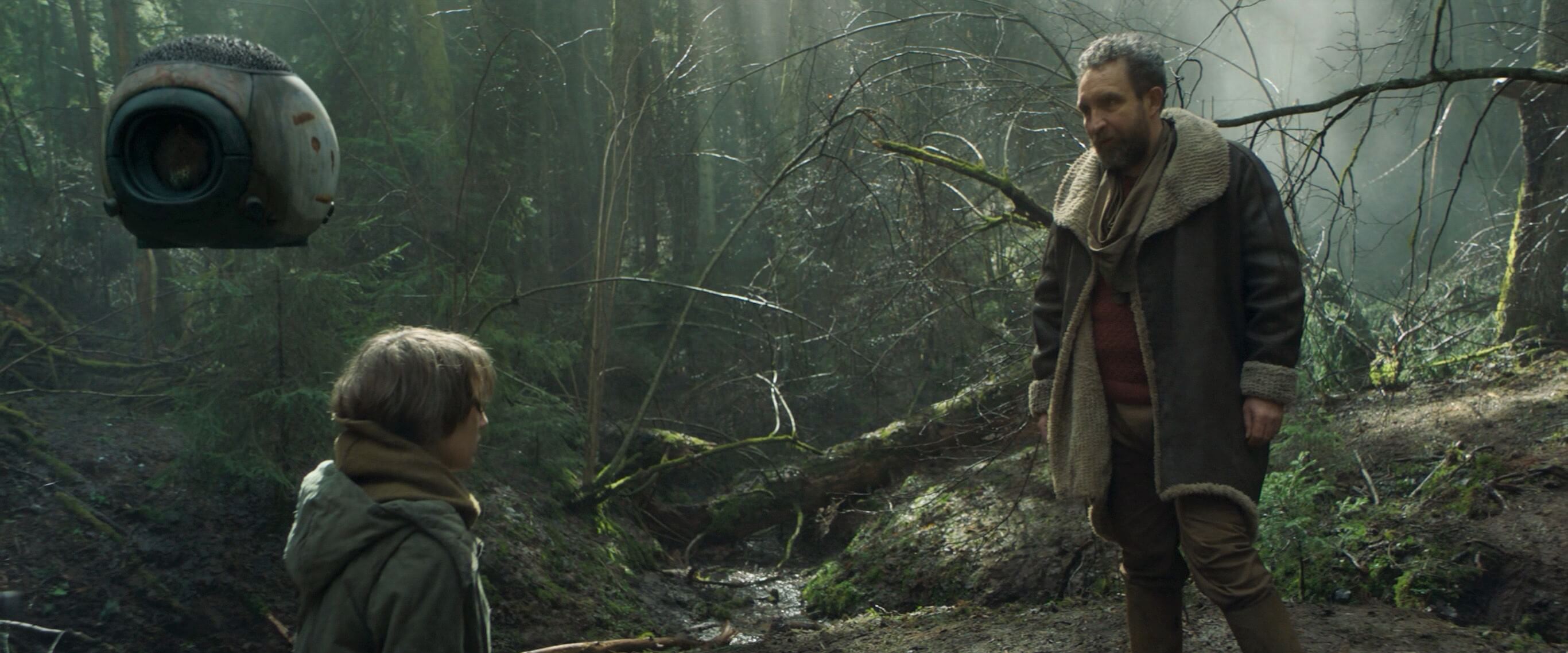
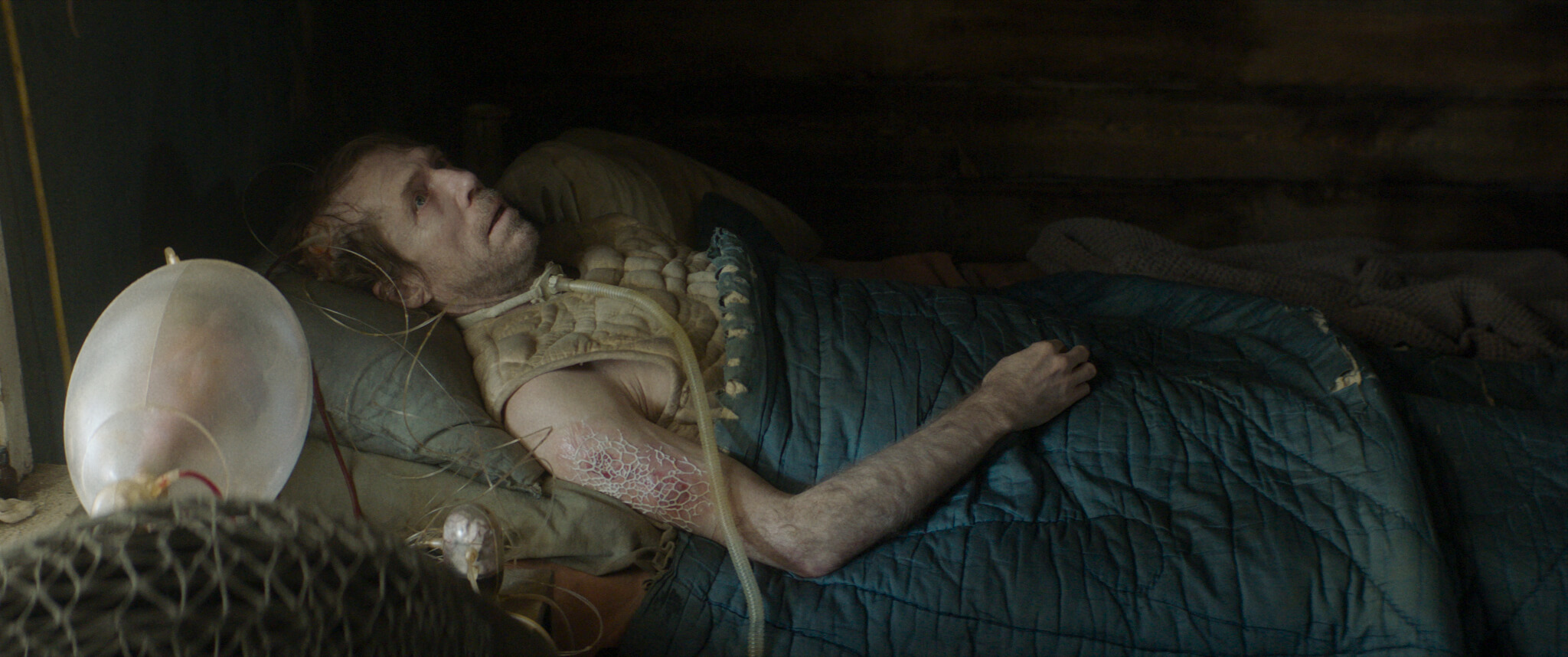
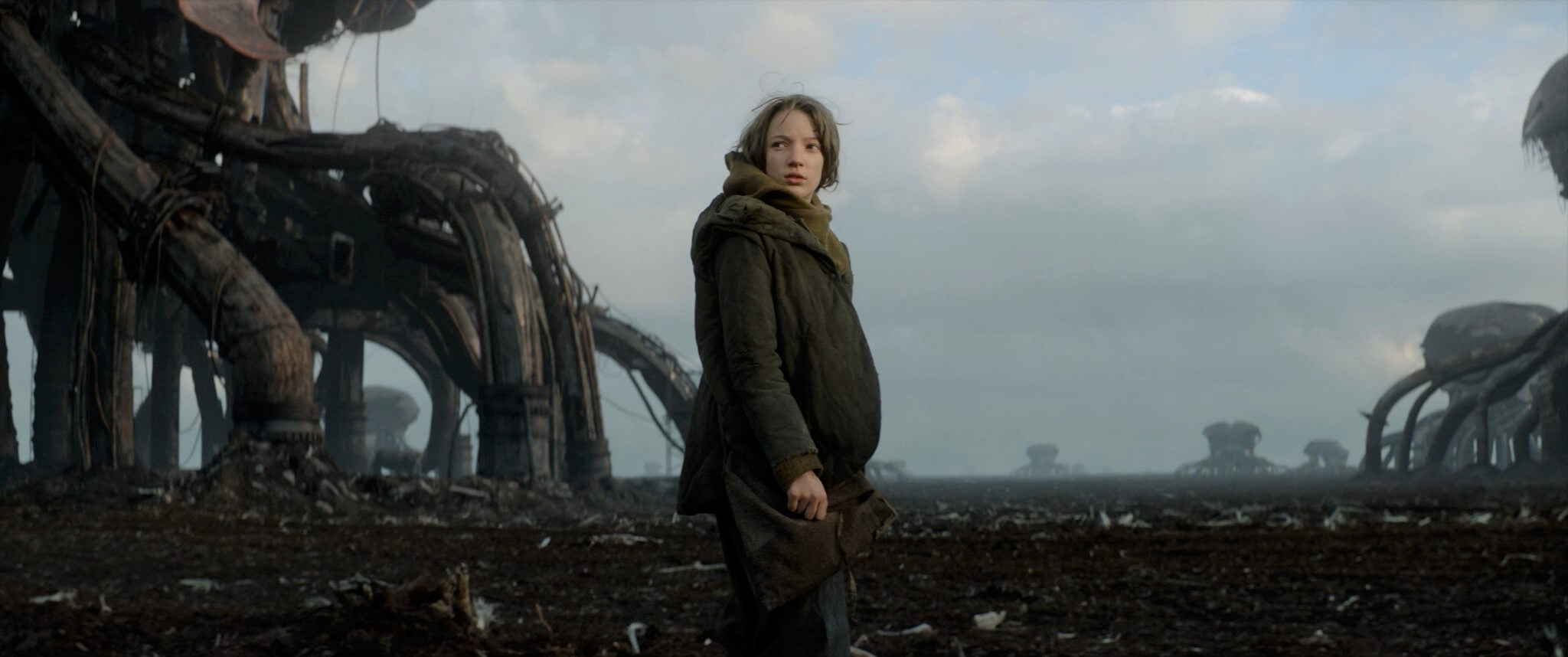
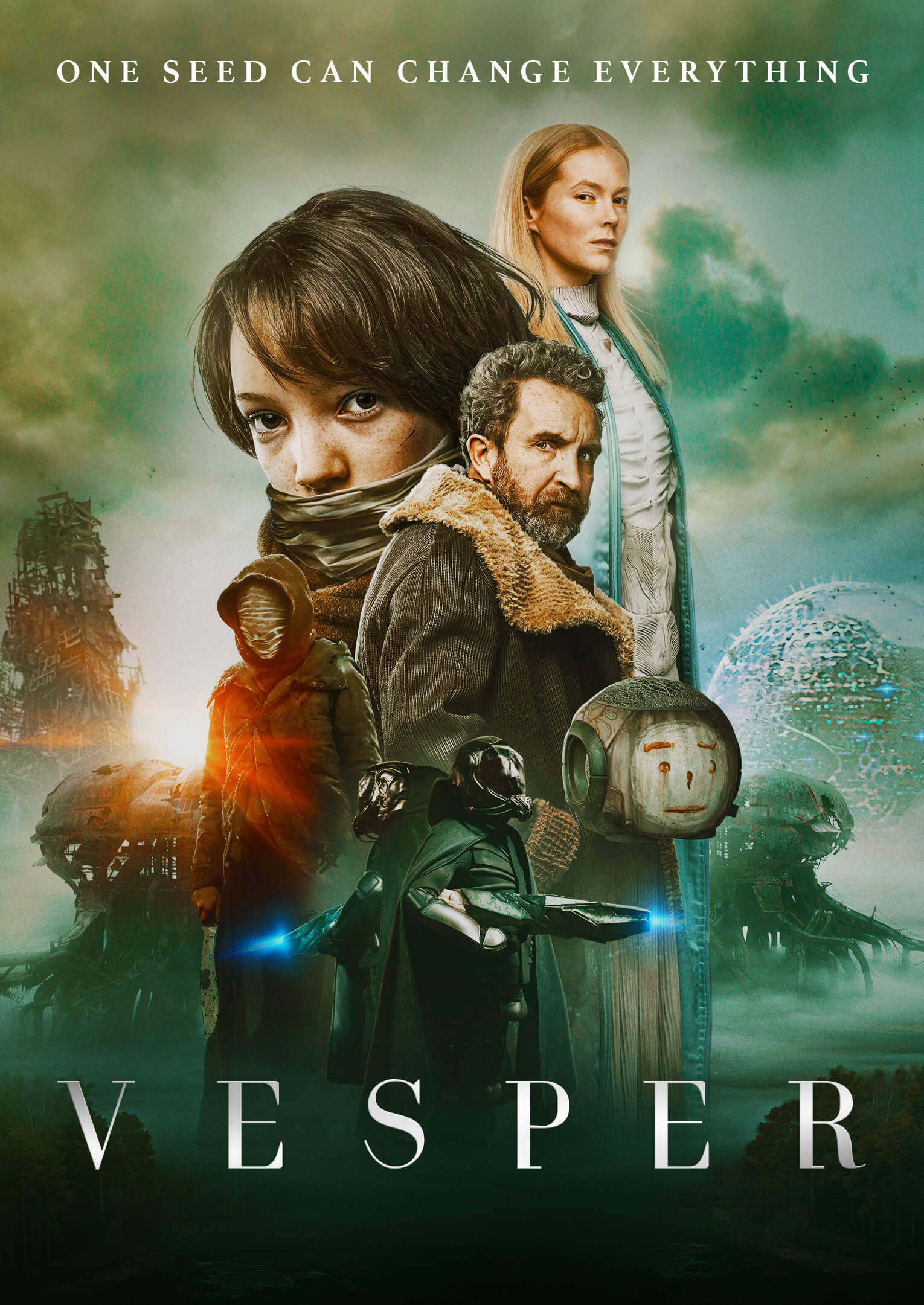
Visually epic, and thematically current, this extremely realistic sci-fi captures a hopeful story contained within a bleak setting. Submerged in this detailed sci-fi, Vesper (Raffiella Chapman) has to fight for a better tomorrow alongside her father Darius (Richard Brake); living with locked-in syndrome he is only able to communicate via his eyes and a drone. STARBURST caught up with Richard, who’s also known for Game of Thrones and The Mandalorian to discuss the challenges of being a parent in an atmosphere like this, the many metaphorical layers that Vesper has, and what it was like to work alongside Kristina Buozyte and Bruno Samper!

STARBURST: When did you first meet Kristina Buozyte, Bruno Samper and Brian Clark, and why did you initially want to work with them?

Richard Brake: I was brought on board maybe a couple of months before filming really. In fact, I didn’t meet them until I arrived in Lithuania! So I received the script through my agent, and they offered me the role of Darius. I read the script, loved it, and then I went back and I watched Kristina and Bruno’s film Vanishing Waves, and I thought they were incredible directors. So I was like “Yes! I want to be in it”. Then I met both Kristina and Bruno once I arrived in Lithuania, right before we started filming when we were preparing for the film. I don’t think I actually ever met Brian. I think Brian was more involved just with the writing of the script. Whereas Kristina and Bruno were more involved in every aspect of it. They are incredibly detailed directors.

Kristina and Bruno had been working on this idea for six years, do you know how the original concept for Vesper came about, and can you tell us about what they’re like to work with?

I can’t really speak for them on that. I think my experience from working with the two of them is that they’re incredibly visual directors, as you can see from both this film and their previous work. But also, especially with Kristina – because from my experience with working with Bruno he is very much the visual guy, very specific with setting every scene up in terms of how it’s going to look. He was moving little bits of things, here and there on the set, like “Oh no, this looks better over here” – Kristina was very detailed with the performance, in terms of what she wanted the characters to express in every scene. She’s an incredibly detailed director, which as an actor, is a wonderful gift to work with.


Leading on from that, and as your character is both voiced, and in the actual movie, we were wondering how they pitched Darius to you in the beginning, and what excited you the most about playing that part? 

My agent said that she had read the script and she said the character had locked-in syndrome, so he doesn’t move, except for his eyes, and he speaks through a drone. So I was like “OK!”, and at first I was intrigued by that breakdown, and that description, and then as I read the script, I began to do some research in terms of what locked-in syndrome actually is. Obviously, there’s a fantastic book, and movie, The Diving Bell and the Butterfly, which is a true story about a man with locked-in syndrome. It fascinated me to try and express what was going on with Darius, without having the ability to speak, and also to move. Literally, I had only my eyes, and what was going on behind my eyes in terms of my thinking, to express all of the emotions that Darius is going through, so for an actor, it was an incredible challenge, and I love a challenge. So yeah, that was thrilling.

Some may assume that there is less to do when you’re acting with just your eyes, however, it’s quite the opposite right?

Especially with Kristina going “No, do it again! We need to see more”, because as I said, she’s very demanding, which is wonderful, to really push for me to do as much as I could. Which is really what good acting is about, because with that we don’t really see anything, it’s all really what’s going on with the thinking of the actor. So it was a really fun challenge. Mind you, having said that, Eddie Marsan, who is a good buddy of mine, continued to take the mick out of me all of the time, saying that it was “The easiest job on the planet”.

There’s a really intense scene with Darius and Jonas [Eddie Marsan] where he basically nearly kills you. How fun or challenging was that particular scene to do, just through your eyes, and what was it like to put together?  

It was a lot of fun because I’ve known Eddie for thirty years, we went to drama school together, so we are very close friends. It was a coincidence that we were in this film, and we’ve been in a few films together. It’s always been a random coincidence, but it’s a great coincidence because even though we both live in London, Eddie is on the west side and I’m on the east side so we see each other rarely in London because we are either working or running around looking after our kids. But we see each other on sets, all over the world. So it’s great to work on this together, and it’s always great to do a scene with him. I love working with him. So that in itself was fun. It’s an interesting scene, and it’s one of my favourite scenes in the film. Eddie is moments – or seconds – away from killing me; it’s powerful and I had to again express all of that emotion with just my eyes. So again, it was challenging but it was incredibly fun. Especially fun doing it with my best mate.


How long did it actually take to get ready for the scenes where you’re lying down, and what was that whole make-up process like? 

It was pretty simple for that one. I had to get grungy, and dirty looking, which is never hard for me. Make-up artists don’t have much trouble with that, with a face like mine. Ironically, now I remember back, I think on one of my first few days of shooting I bent down and my back went out, which happens very rarely. I get a back spasm, so my back just freezes up, so it’s not exactly the most comfortable thing. So I was kind of glad that I wasn’t in a huge action film at the time! I could have moved around, but it’s a pretty saw back. So lying down was an advantage with this film.

Let’s talk about the voiceover work for Darius’s drone. Can you describe the process behind putting a drone sequence together, and also, where did you actually record the lines?

Yeah, good question, because that was done over COVID, because we shot this right at the beginning of 2021, so COVID had just kind of come to the end, but it was still showing its head every once in a while. So they had me record from home because the recording studios in London were closed down at that point. So I actually recorded it on my phone, with Kristina and Bruno, and the recording engineers were all on Zoom, and I recorded all of that drone dialogue on my phone. Over several times. Initially. I think eventually I went into the studio to do the final one, a bit later. I recorded those lines many, many times, for different edits. By the end, I pretty much slept with those lines going through my head.

There’s something very, almost, calming about the voice we hear from Darius’s drone. Can you tell us how they wanted you to sound, and also, was there anything you yourself wanted to bring to shaping how we hear Darius through the drone? 

We just worked it as though it was a real person speaking, and then they, of course, did a lot of editing and effects on to the voice to give it more of a drone quality. The calming sound is probably just my natural voice! With my three-year-old, I put him to sleep quite easily at night, telling him stories. I have a fairly droney voice.

The movie was filmed in Lithuania, and it looks incredible! However, for you, why do you think this location worked so well for capturing the feel of Vesper?

I think a lot of it looks incredible, because of the amazing special effects work. Done on a really tight budget, you have to remember that this film was not made on a Hollywood budget, and to make it look like it looks, real hats off to all of the special effects crew that worked on this. I believe that they were mostly based in France, and with Bruno himself, that was really his forte. I think that has a lot to do with the look of it, there’s a kind of – and I film a lot in Eastern Europe – we have these dense forests out here in Eastern Europe, I’m actually in Slovakia right now shooting a film. Lithuania has an incredible landscape, and they were able to use that as well, to give it that effect. I think one of the things that really struck me about the film, is there is a kind of merge of European and Eastern European, or even Western in terms of American storytelling a little bit. Then with Eastern, it’s like this apocalyptic film Stalker, by Andrei Tarkovsky, a Russian filmmaker in the ‘70s, who made some incredibly bleak, dark post-apocalyptic films, well one film, in particular. There’s kind of a feel of that in this movie as well, I think. I’m a huge fan of Tarkovsky. He is an amazing director, check his films out, they’re incredible!

There’s a big use of practical effects in this movie. How do you think that approach helps to create a realistic feeling?

hey did a great job at making it realistic, a lot of times you’ll notice that a sci-fi or post-apocalyptic film just doesn’t look real. I think, even though obviously a lot of the plants and flowers were created that were imaginary, is that they’re kind of based on a reality, based on what could be real. I think that this film does a fantastic job of merging where we are now to where we potentially could be. It looks like this could take place maybe not now but in the near future. It doesn’t look fake in my opinion, which is why I think it’s touched a lot of people. The film has done incredibly well on the festival circuits, it’s got amazing reviews for such a kind of small film, and I think that’s partly because it’s so grounded in reality for a science fiction film.


So, what was Raffiella Chapman like to work with, and what do you think she brought to the world of Vesper

She was fantastic, an amazing young actor. I think she was about thirteen, she was very young. Often they’ll find actors that are quite a bit older to play that age, and they didn’t here. She was the age of her character. Which for a young actor is challenging. She did amazing, her dedication to the role, and to the shoot was extraordinary. I’ve seen much older actors pull tantrums, and be angry about the fact that they have to work every day and get up early. None of that from her. She was incredibly professional, and she worked so hard. I think she was in pretty much every day of that shoot. Every day was fairly gruelling physically and emotionally. There isn’t really a scene in that that isn’t gruelling for her character. She handled it so well.

For us, the back and forth between Vesper and Camellia represents the difference between rich and poor, would you maybe agree with that, and also, what else do you think their connection does for the viewer?

Yeah I think that’s definitely in the story for sure. The class structure that’s in the film is in reality. It just adds another layer. I think it’s another reason as to why this film has been so successful, and so loved by people and critics. It has many layers. You can just dissect all kinds of different aspects of it, discuss it, and talk about it. A lot of people have left the cinema and had discussions over dinner about the various aspects of the movie. It’s great to be a part of that. I could see that when I read the initial script, there was much more to it than just a thrilling sci-fi adventure. It’s much more than that, which again is kudos to Bruno, Kristina, and Brian, because they spent so much time on the script and their vision of it. Also the shooting of it.

The movie captures so many real-life problems. Like we’ve said, the dynamics between rich and poor, the way humans put greed above anything else, and how it could be a snapshot of our own future. However, was there a certain hard-hitting real-life theme that was captured within Vesper that really resonated with you? 

Yeah, looking after children. I have three children, and I was very much struck, and one of the reasons why I really wanted to do it, was because of the relationship between Darius and Vesper, and how he just wants her to be OK. He knows he’s not going to live forever. He just wants her to be able to survive on her own, which is kind of what any parent wants. For their children to be OK once they’re gone, or even before, hopefully. That for me was really what excited me about the project. Personally, as the character I was playing, to explore that relationship between parents and child, father and daughter. Having explored that intensely and continuing to explore that intensely on a daily basis as me!

We’re also excited for Barbarian, it looks great!

Yeah, that’s exciting. I’m really pleased with how well that’s done. I actually read that script on the way to Lithuania to film Vesper. They sent me the script and when the plane touched down I was texting my agent saying “Yes! I’ll do that for sure”.

Vesper is released in UK cinemas and on-demand from October 21st.


12 years in the making: The journey to the 2022 Qatar World Cup

qatar world cup

When Qatar was announced as the host nation for the 2022 World Cup, shockwaves rippled throughout the sporting world. This tiny gulf nation had been selected to host one of the biggest sporting events on the planet and FIFA, already embroiled in allegations of corruption, came under increased scrutiny as a result of the decision.

That was December 2010. Back then, the idea of a World Cup in Qatar felt distant and unreal — a desert mirage far on the horizon. Now though, we are just a matter of weeks away, and football has had to wake up to the reality of this Qatar World Cup and all its strange accompaniments.

For the first time, the World Cup will be staged in November and December due to the extreme heat in Qatar during the summer months. Before the decision had been made to move the tournament to winter, the idea of having artificial clouds above stadiums as a way of lowering the temperature had been mooted, but eventually it was decided that there was no feasible way to safely hold the 2022 World Cup in its usual June and July slot.

The change in dates means this World Cup will be more condensed than previous tournaments. Throughout the group stage, there will be four matches on most days as teams race to reach the knockout stages. It will be interesting to see whether the frantic schedule has any bearing on the World Cup 2022 odds.

Ever since the change of dates was proposed in early 2015, this World Cup has felt like a strange outlier, and the tournament has been littered with controversies in the 12 years since winning the hosting bid. Further allegations of corruption have engulfed FIFA in recent times, casting doubts on the process of awarding Qatar hosting rights, and rendering the 2022 World Cup as something of an elephant in the room.

Controversy surrounding the treatment of migrant workers employed to build the stadiums for the tournament has also been a running theme for over a decade. There have been numerous deaths in the process of the arenas being built, and that has brought further scrutiny on Qatar’s ability to safely host an event of such scale, especially when you consider their purpose after the tournament.

It feels as though the journey to this World Cup has gone on and on, but it is nearly time for the football to do the talking. This will be the last World Cup to feature 32 teams, with the 2026 tournament in the USA, Mexico and Canada set to welcome 48 nations, and as such fans will be revelling in what many regard as the perfect format for an international tournament.

It will be interesting to see whether a compelling, entertaining World Cup on the pitch will detract from the controversies surrounding the tournament off it. The 12 years of waiting are nearly up for Qatar, but you get the sense that there is more drama to unfold — both on the pitch and off it — before this chapter of World Cup history comes to a close.

Ben Steiner | MATRIARCH

matriarch interview ben steiner

Following his successful shorts The Stomach and Urn, writer/director Ben Steiner has his feature debut with Matriarch, which lands on Hulu in the US and Disney+ in the UK. We caught up with Ben to find out more about the film…

STARBURST: Can you describe the film for our readers?

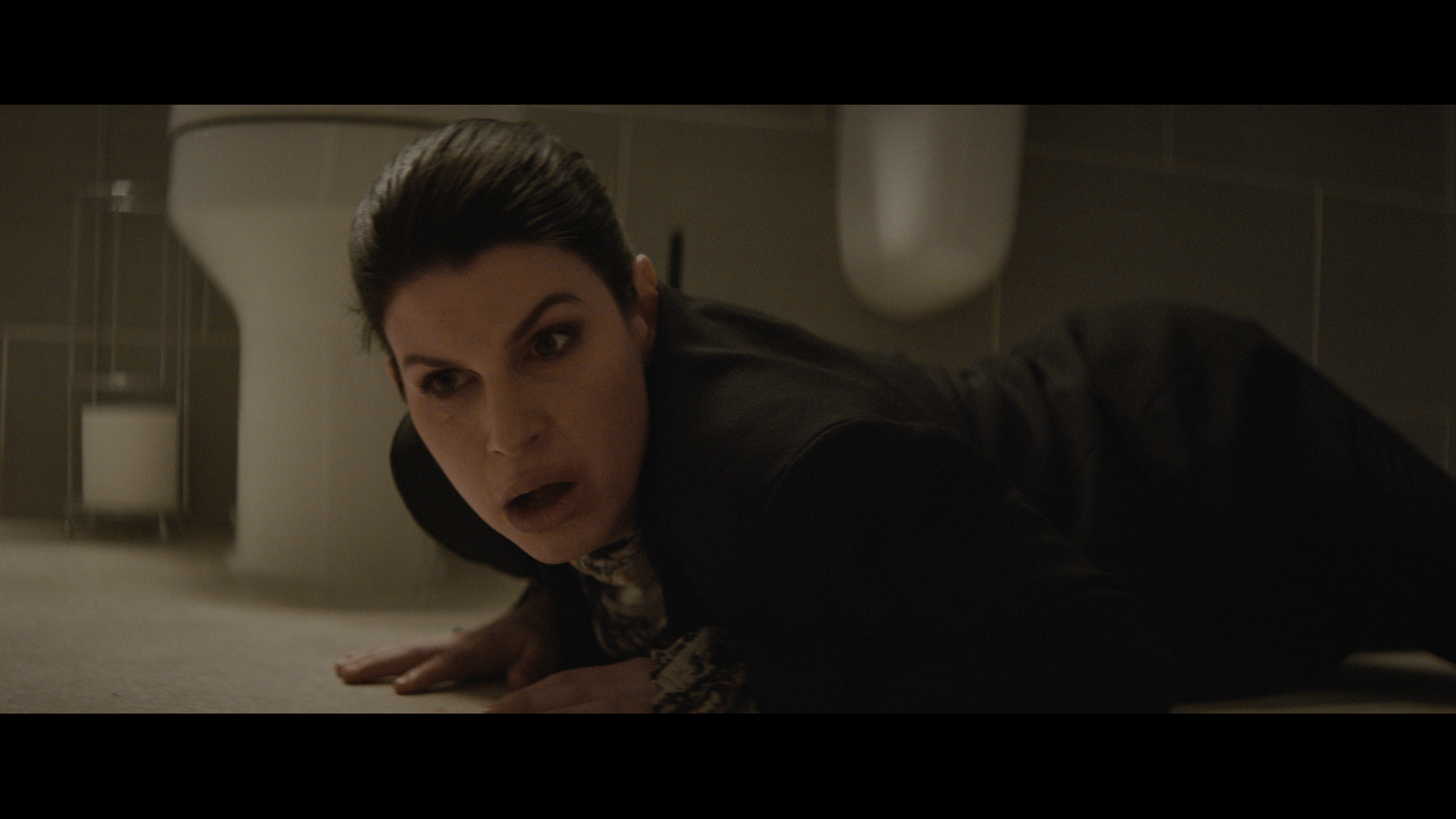
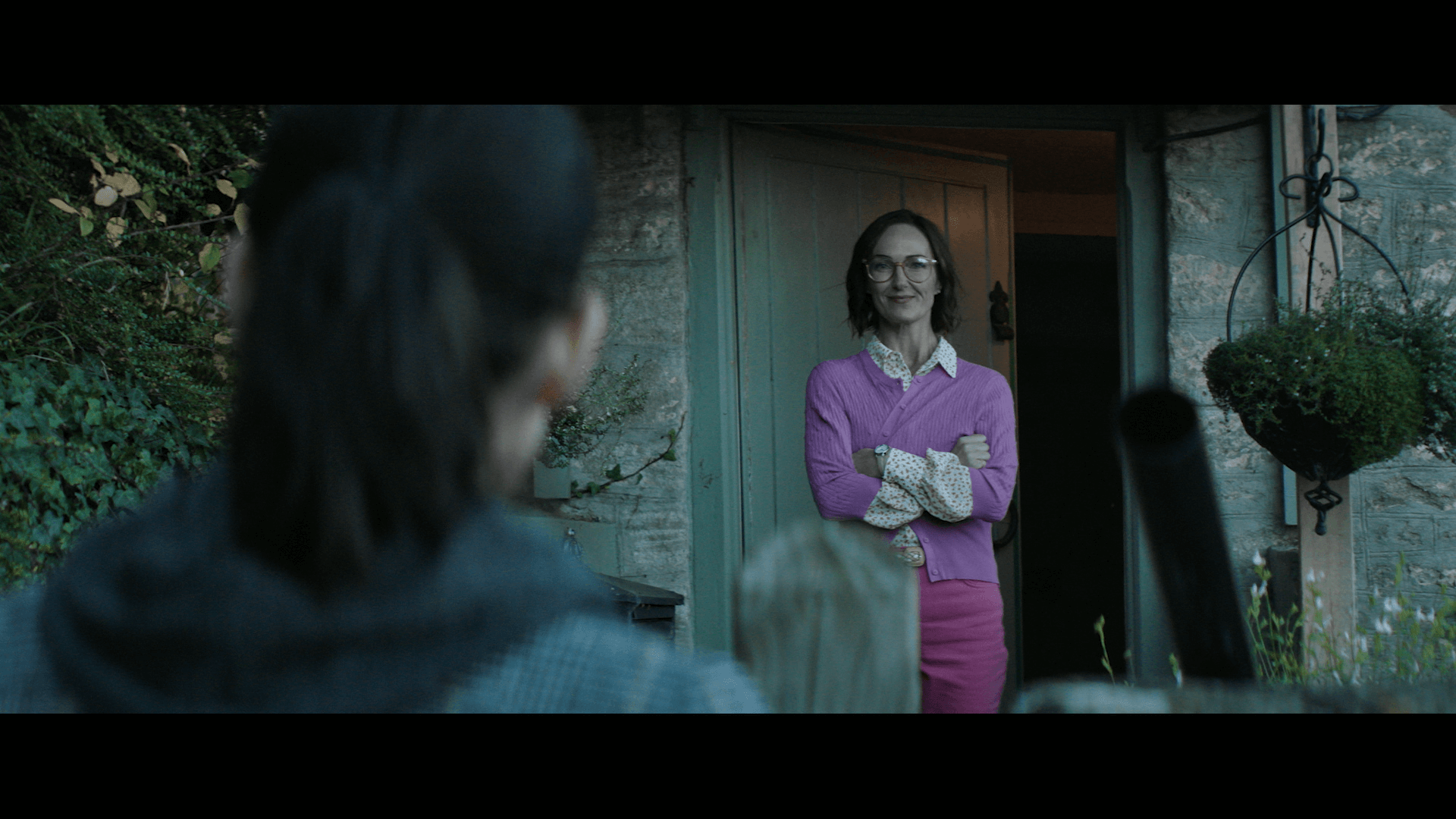
Ben Steiner: Matriarch starts off as a dark drama about an ad exec doing too much coke, then morphs into a gore, sludge, and saliva-spattered black comedy, and by the end is something like The Wicker Man meets Society. What holds it all together is the tension between the two main characters, brilliantly played by Jemima Rooper and Kate Dickie.

What was the inspiration for the story?

The main inspirations were my short film Urn, the landscape around where I live and Tlazoltéotl, the Aztec ‘goddess of filthy things’.

In 2018 I was commissioned by Hulu to make the short film URN which stars the brilliant Alex Reid (Unorthodox, The Descent) as a woman who’s escaped a toxic relationship with her mum by suffocating her with a plastic bag. That led to a commission to adapt the short into a feature, which I accepted without any idea of how I would do it, and the only thing I ended up keeping from the short was the theme of a troubled mother/daughter relationship. As I was developing the feature, the sludgy dankness of the Somerset Levels near where I live in Bristol seeped into the story and I also stumbled across an article about Tlazoltéotl. She merged with a monstrous father demon that I’d drawn several years previously called The Wormeater to form a character who pops up in the latter part of the film but is central to the whole story. The film’s title was actually Wormeater up until halfway through post-production. The original Wormeater has a mouth full of worms (obviously!), is shrouded in swirling black hair, and in a couple of my drawings, is surrounded by floating, worm-riddled turds. The character in Matriarch lost the turds but gained another nest of worms in a place that may raise a few eyebrows…


The cast is fantastic – what was the casting process like?

Thanks! Yes, I couldn’t believe my luck when Jemima and Kate accepted the roles, and I was luckier than I realised because not only were they brilliant actors, but they were also extremely kind, committed and low maintenance, which was a godsend given some of the challenges we had on the shoot.

Jemima and Kate didn’t audition but I did go through that process with the rest of the cast. I’d do a couple of scenes from the script and also an in-character Q&A, to give the actor a chance to really inhabit and own the character. I borrowed/nicked that technique off Ben Wheatley having sat in on auditions he was doing for some GoCompare adverts I co-wrote many years ago. I don’t know if he still does it, but it really works for me. Thanks, Ben!

What was the hardest part of the shoot?

My son tested positive for Covid on the evening of day one, so I had to spend the first week of my first feature directing in isolation via walkie-talkie, first from inside my car and then from inside a sealed tent! And then Jemima got Covid, so we had to totally reschedule the whole shoot. And then one of the main cast got shingles and had to be replaced at the last minute. Meanwhile, we had all kinds of basic day-to-day operational problems going on in the background. But when the team is committed you can get through those kinds of things together and you make it work and it bonds you. The only thing that seriously tested us was that, while the vast majority of the crew were really lovely, talented, and collaborative, we had a few people on board who were none of those things, to put it very diplomatically indeed.


How long was the process from writing to the final cut?

Just under three years, I think. A year to get the script signed off, a year-long Covid interlude and then a year for production from prep to completion.

Were there any films you looked at for inspiration?

The Suspiria remake was a massive influence with its predominantly female cast, grim and grey setting and occasional flashes of smutty humour. Not to mention its matriarch(s)! The cold, autumnal palette and feeling of pervasive moisture were a real touchstone for myself and DOP Alan McLaughlin, too. The Wicker Man obviously looms very large over Matriarch and I referenced it and The Devils in discussions with Hulu when suggesting that a horror film can be funny and even a bit silly without compromising the darkness. Early Cronenberg, especially The Brood, was an influence as I was writing some of the more visceral sequences. While we did struggle to get some of that from script to screen for the crew-related reasons touched upon earlier, our VFX artist Chris Clements and guest prosthetics designer Leigh Cranston did some absolutely sterling work for which I’m eternally grateful.

This is your feature debut, how differently did you approach compared to shooting shorts?

The guts of the process were virtually identical: I storyboarded the whole thing myself as before, rehearsed and blocked in the same way, and confused the actors with long, rambling notes as I always have done. Obviously, there are more people with a bigger cast and crew but that’s a matter of scaling up rather than changing anything. The one massive difference was having a First Assistant Director, the wonderful Kim Heron, to structure each day and keep us on schedule. Prior to that I’d either done it myself (badly) or relied on a resentful producer to do it. As well as doing her actual job brilliantly under very trying circumstances, Kim provided a lot of what you might call pastoral care that held the production together. She was my on-set emotional support animal, which I’d never had, or needed, before!


How does it feel to have your debut feature appear on Disney+ and Hulu?

The whole thing is a dream come true. The world premiere at Screamfest in LA went really well, so hopefully, it’ll get a similar reaction in people’s living rooms. Between them, Hulu and Disney+ have around 200m subscribers worldwide so it’s pretty amazing… and also terrifying!

What’s next for you?

Another feature, I hope! The feature version of my short The Stomach has producers and is seeking finance. I also have a J-Horror-influenced, transgressive haunted house thing called Dead Windows that’s ready to go. And then I have a horror/comedy/true-crime/bio-pic about two young men who perpetrated a vampire hoax around where I grew up in North London. It’s an amazing true story that hardly anyone knows about, and nobody knows more about it than me!

Matriarch is released on Hulu and Disney+ on October 21st. You can read our review here.


THE TELEPHEMERA YEARS: 1986 – PART 4

Ghostbusters, 1986

Ah, telephemera… those shows whose stay with us was tantalisingly brief, snatched away before their time, and sometimes with good cause. They hit the schedules alongside established shows, hoping for a long run, but it’s not always to be, and for every Street Hawk there’s two Manimals. But here at STARBURST we celebrate their existence and mourn their departure, drilling down into the new season’s entertainment with equal opportunities square eyes… these are The Telephemera Years!

1986-87

Like much of the late 1980s, the story of the 1986-87 season is one of NBC dominance. The Peacock network again enjoyed the number one show with The Cosby Show, and that ratings behemoth was joined at the top of a sitcom triple bill by Family Ties and Cheers as America decided it liked its comedy either soaked in saccharine or beer. The Golden Girls and Night Court gave NBC five of the top seven shows, with just CBS’s interfering murder magnet Jessica Fletcher and the current affairs of 60 Minutes threatening its hegemony.

ABC, which had lost The Colbys in the Summer of 1986, did have the light comedy of Growing Pains, Who’s the Boss?, and the “will they, won’t they?” tension of Moonlighting, and was probably hopeful of success with new shows Head of the Class and Sledge Hammer!, with mixed results. Fame, The A-Team, and Airwolf all also reached the end of their runs, but making their bows in the Fall of 1986 were ALF and LA Law on NBC (both of which made the top thirty in their first seasons), while Fox unveiled their debut line-up which included 21 Jump Street, Married… With Children, and The Tracey Ullman Show. That was what the adults were watching in 1986 but what about their unguarded offspring? This is the story of 1986’s Saturday morning line-up…

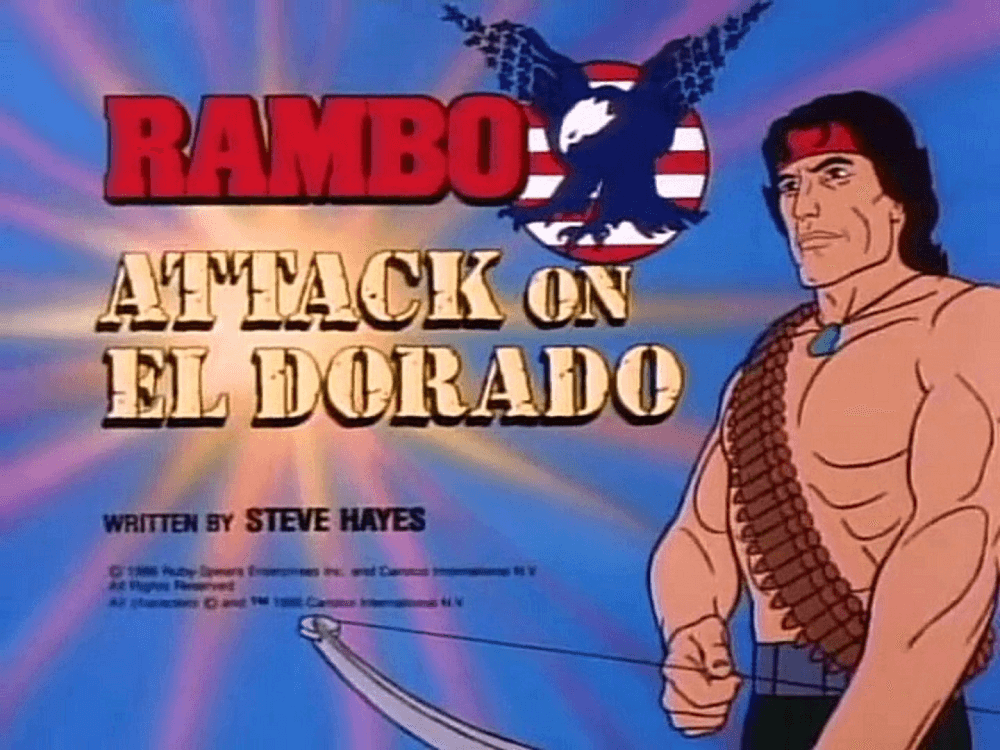
Rambo: The Force of Freedom (syndication): 1982’s First Blood was a sensitive, if sensational, portrayal of a man returning home from a war that never truly ended for him, adapted from a novel that ended the only way these things can, with his death. The film’s ending left him alive and therefore ripe to be thrown into a sequel, 1985’s Rambo: First Blood 2. The events of that film saw John Rambo become the Reagan government’s best secret weapon, heading into Vietnam to rescue soldiers left behind when the war ended.

Having played the character in those two movies, Sylvester Stallone was as synonymous with Rambo as he was with Rocky Balboa and so it was natural that, when Ruby-Spears were hired by Carolco to produce an animated series based on the character, he was nowhere to be seen, with the character of John Rambo being voiced by Neil Ross. Colonel Sam Trautman, who had brought Rambo back into active service in the second film, was on hand for the series, recruiting the PTSD-riven headband wearer into the Force of Freedom, a crack unit formed to fight the terrorist forces of General Warhawk and SAVAGE (which, of course, was a ridiculous acronym).

Rambo - The Force of Freedom, 1986

Rambo’s team included a race car driver, a female Asian martial-arts expert, an actual ninja (which might seem like it makes the other character redundant, but she was around to have a crush on Rambo, mostly), a former football player, and a Native American. Touchdown and Chief weren’t actual military men but that didn’t matter when it came to defending FREEDOM and fighting Warhawk’s equally diverse team (which included the ninja’s brother).

A five-episode mini-series in April 1986 did well enough that a full season of sixty episodes was greenlit, rolling out in September 1986, though not without controversy. The First Blood films were R-rated, and changes had to be made to win Federal Communications Commission approval, including watering down the violence shown and making any settings entirely fictional. Still, there were protests and Stallone himself hated the thought of a cartoon show based on the character but that didn’t stop a range of toys being produced by Coleco. A single season was all she wrote but these episodes were collected on DVD in 2005 and are freely available to watch on video sharing sites if you want to shed a tear for precious freedom…

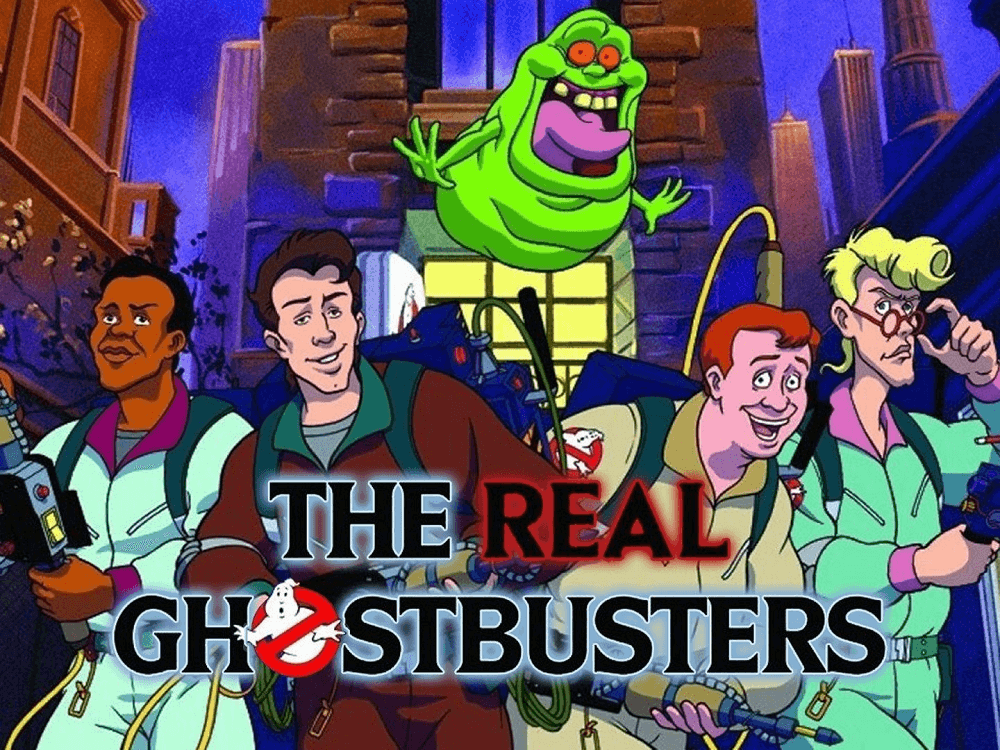
The Real Ghostbusters (ABC)/Ghostbusters (syndication): The 1984 smash hit film Ghostbusters was almost known as Ghoststoppers or Ghostsmashers until a last-minute deal was done with Universal Pictures to license the name to Columbia for the movie. Universal owned that name thanks to a 1975 live-action Filmation show called The Ghost Busters, which ran for just fifteen episodes and was quickly forgotten. Thus, when Ghostbusters became a big hit, few even mentioned that there’d been an earlier project with a similar name.

Filmation hadn’t forgotten, though, and when a deal to produce an animated shoe based on the movie fell through, they examined the legal agreement signed by Universal and Columbia and realised that there was nothing to prohibit them making their own Ghostbusters show, based on the original series. Thus it was that 1986 saw a race between Filmation and DIC Enterprises to see who could bring a Ghostbusters cartoon to air first, with DIC adding a prefix – The Real Ghostbusters – to differentiate their effort from Filmation’s (and also throw a little shade in the process).

The Real Ghostbusters, 1986

The Real Ghostbusters featured Peter, Ray, Egon, and Winston (although none of the film’s actors reprised their roles), adding in a supporting cast that included Janine and the hotel ghost from the movie, which had been nicknamed Onionhead on set because of a foul smell emanating from the puppet but which was renamed Slimer for this series. Each episode would see our heroes brought in to capture a ghost, a situation repeated over on Ghostbusters, where the sons of the original heroes joined up with Tracy the Gorilla to thwart the plans of evil ghost wizard Prime Evil. Oh, and they had a talking car.

A first season of thirteen episodes of The Real Ghostbusters was so successful on ABC that not only was it renewed for a second outing, but it was also given an order of sixty-five extra episodes to get it into syndication as quickly as possible. In all, there ended up being seven seasons (140 episodes) of the show, which went through a few changes (and was actually retitled Slimer! and the Real Ghostbusters from season four), continuing to be a fondly remembered show to this day, with modern versions of the action figure line being released by Hasbro. The Filmation show, however, had just a single season – albeit a single syndication season of sixty-five episodes – and no toys, returning to the TV graveyard, a true ghost of Saturday morning…

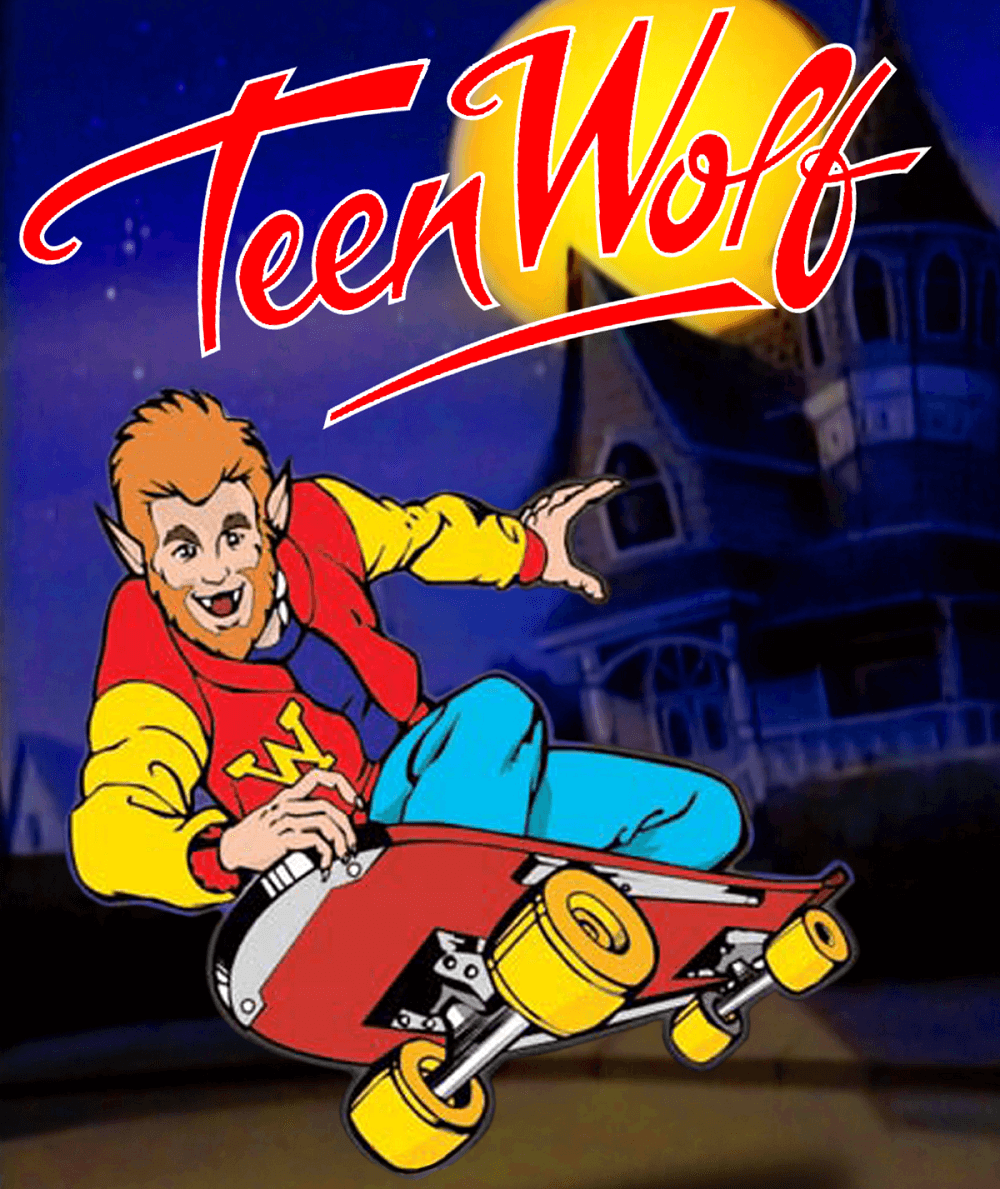
Teen Wolf (CBS): Rambo wasn’t the only character from the movies who made the jump to TV for the Fall 1986 season as hirsute High School hoops hero Scott Howard furthered his adventures with a thirteen-episode cartoon series from Hanna-Barbera. Produced by their Australian arm, Southern Star, Teen Wolf didn’t have the budget to bring in Michael J Fox to reprise his role, enlisting Townsend Coleman (who would later voice Michelangelo in Teenage Mutant Ninja Turtles) for the job, but James Hampton was back as his dad, adding in a sister and grandparents to swell the family dynamic.

The show dealt with the same issues as the movie, that difficult time in adolescence when everything is changing, especially your body, but widened out to include broader concerns about anti-werewolf feelings, a thin allegory for race relations that was no doubt wasted on its target audience of Elementary School children.

Teen Wolf, 1986

With a sequel being produced, a second season of eight episodes was scheduled for Fall 1987, opting to remain focused on Scott rather than his cousin Todd, played by Jason Bateman in Teen Wolf Too. Todd did appear in the season finale “Howlin’ Cousins” and it may have been that a third season of the show would have switched focus to his adventures at Hamilton University.

It was a moot point, however, as there was no third season, with a series of re-runs airing instead, and no further movies. In 2011, a live-action TV series featured the renamed Scott McCall and included his best friend Stiles but changed up just about every element of the show. Still, it lasted for six seasons and a hundred episodes on MTV, 79 more than the cartoon, and a generation of Teen Wolf fans now think of Tyler Posey rather than Michael J Fox when they picture a werewolf rocking out

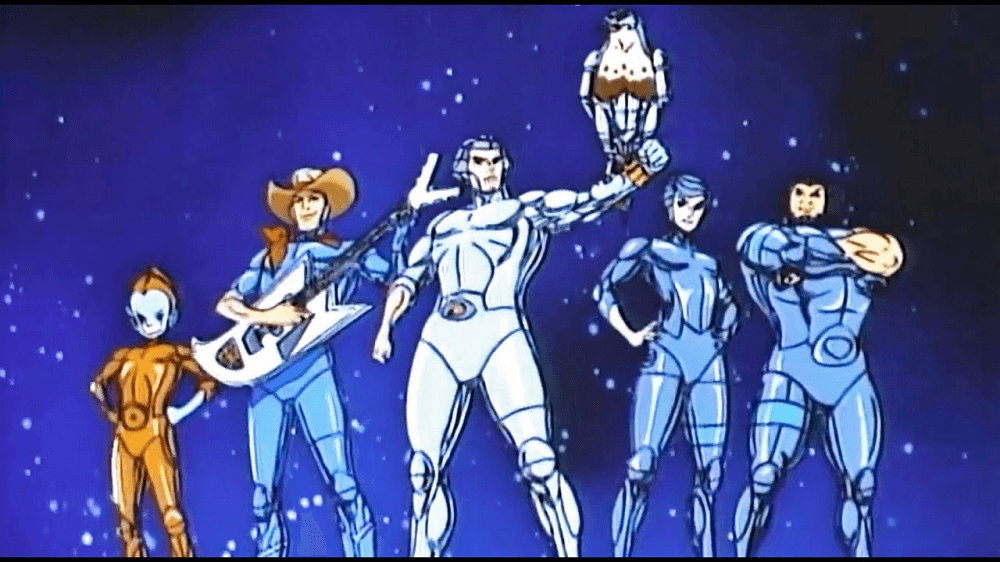
Silverhawks (syndication): Having scored a massive hit with ThunderCats the year before, Rankin/Bass sought to strike precious metal again with a series that took the obviously successful formula and launched it into space. Silverhawks were a team of “partly metal, partly real” intergalactic policemen recruited by Commander Stargazer to combat the evil forces of Mon*Star, an alien gangster with his own team of ne’er-do-wells.

The animation was provided by Japanese studio the Pacific Animation Corporation, who had also taken over the production of ThunderCats, and the two shows shared a voice cast in Larry Kenney (Bluegrass/Lion-O), Bob McFadden (Stargazer/Snarf), and Peter Newman (Quicksilver/Tygra), while Earl Hammond voiced both Mon*Star and Mumm-ra.

Silverhawks, 1986

Sixty-five episodes of the show were produced to make up a single syndication season (ThunderCats, by contrast, eventually reached double that), and there was a tie-in comic book from Marvel Comics and a line of toys produced by Kenner after LJN, who had released toys based on ThunderCats, opted to pass at the last minute.

Although Silverhawks never captured the popular imagination in the same way as its bigger brother, it retains its fans and there is talk of a revival of the concept. Somewhere out there in space, Stargazer is still marshalling his troops in The Galaxy of Limbo, and Super7 Toys – who have produced quality re-imaginings of figures from the Masters of the Universe and ThunderCats lines, amongst others – have recently released a wave of Silverhawks action figures for you to take the fight to Mon*Star all over again.

Next on The Telephemera Years: Back to 1973 for girls with something extra… and swingers!

Check out our other Telephemera articles:

The Telephemera Years: 1966 (part 1, 2, 3, 4)

The Telephemera Years: 1968 (part 1, 2, 3, 4)

The Telephemera Years: 1969 (part 1, 2, 3, 4)

The Telephemera Years: 1971 (part 1, 2, 3, 4)

The Telephemera Years: 1973 (part 1, 2, 3, 4)

The Telephemera Years: 1975 (part 1, 2, 3, 4)

The Telephemera Years: 1977 (part 1, 2, 3, 4)

The Telephemera Years: 1980 (part 12, 3, 4)

The Telephemera Years: 1982 (part 1, 2, 3, 4)

The Telephemera Years: 1984 (part 1, 2, 3, 4)

The Telephemera Years: 1986 (part 1, 2, 3, 4)

The Telephemera Years: 1987 (part 1, 2, 3, 4)

The Telephemera Years: 1990 (part 1, 2, 3, 4)

The Telephemera Years: 1992 (part 1, 2, 3, 4)

The Telephemera Years: 1995 (part 12, 3, 4)

The Telephemera Years: 1997 (part 1, 2, 3, 4)

The Telephemera Years: 2000 (part 1, 2, 3, 4)

The Telephemera Years: 2003 (part 1, 2, 3, 4)

The Telephemera Years: 2005 (part 1, 2, 3, 4)

The Telephemera Years: 2008 (part 1, 23, 4)

Titans of Telephemera: Irwin Allen

Titans of Telephemera: Stephen J Cannell (part 1, 2, 3, 4)

Titans of Telephemera: Hanna-Barbera (part 1, 2, 3, 4, 5)

Titans of Telephemera: Kenneth Johnson

Titans of Telephemera: Glen A Larson (part 1, 2, 3, 4)

Titans of Telephemera: Quinn Martin (part 1, 2)