Five Films to Check Out on Horror Channel This Week – 140621

horror picks

There are plenty of great films and TV shows on Horror Channel each week. Here are some of our picks for the next seven days:

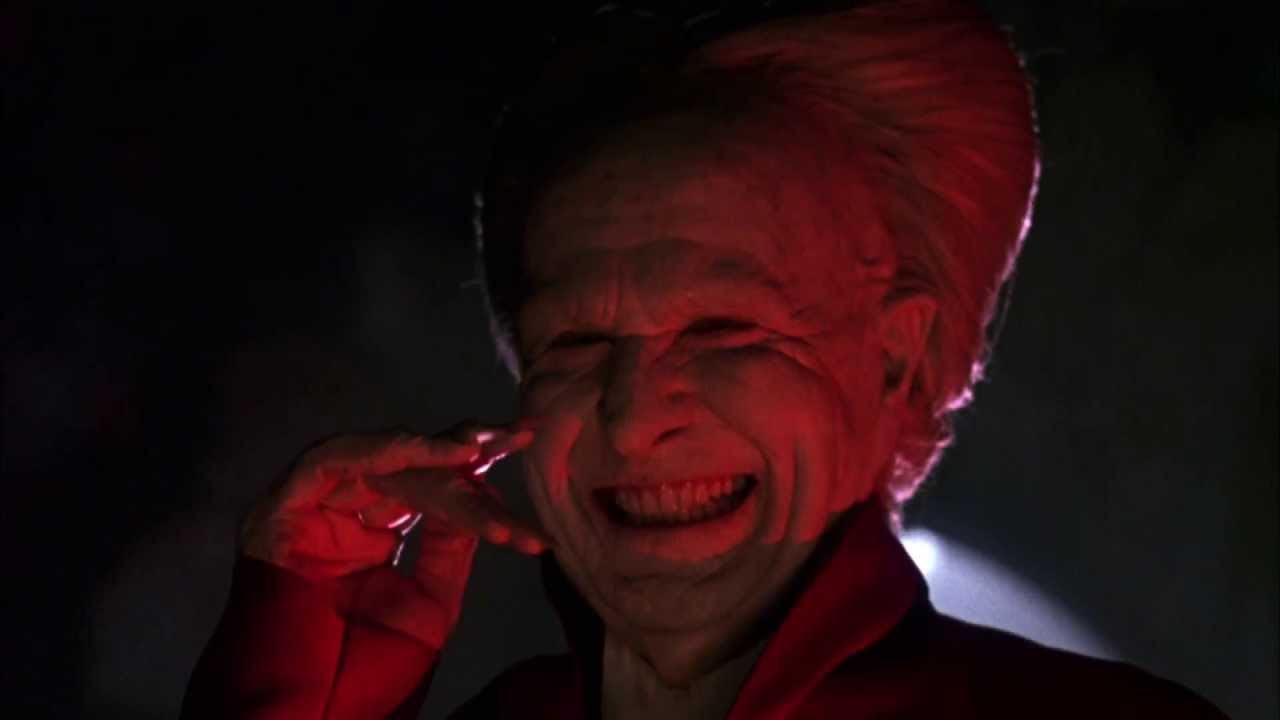
Tuesday June 15th, 10.45pm – Let Me In (2010)

A surprisingly good remake of the superb Swedish classic Let the Right One In. Chloë Grace Moretz plays a vampire, forever a youngster, who makes friends with a bullied 12-year-old (Kodi Smit-McPhee). While the English-language version of the story wasn’t particularly needed, the resurrected Hammer Films and director Matt Reeves (Cloverfield) pull off the unexpected.

Wednesday June 16th, 8pm – First Wave

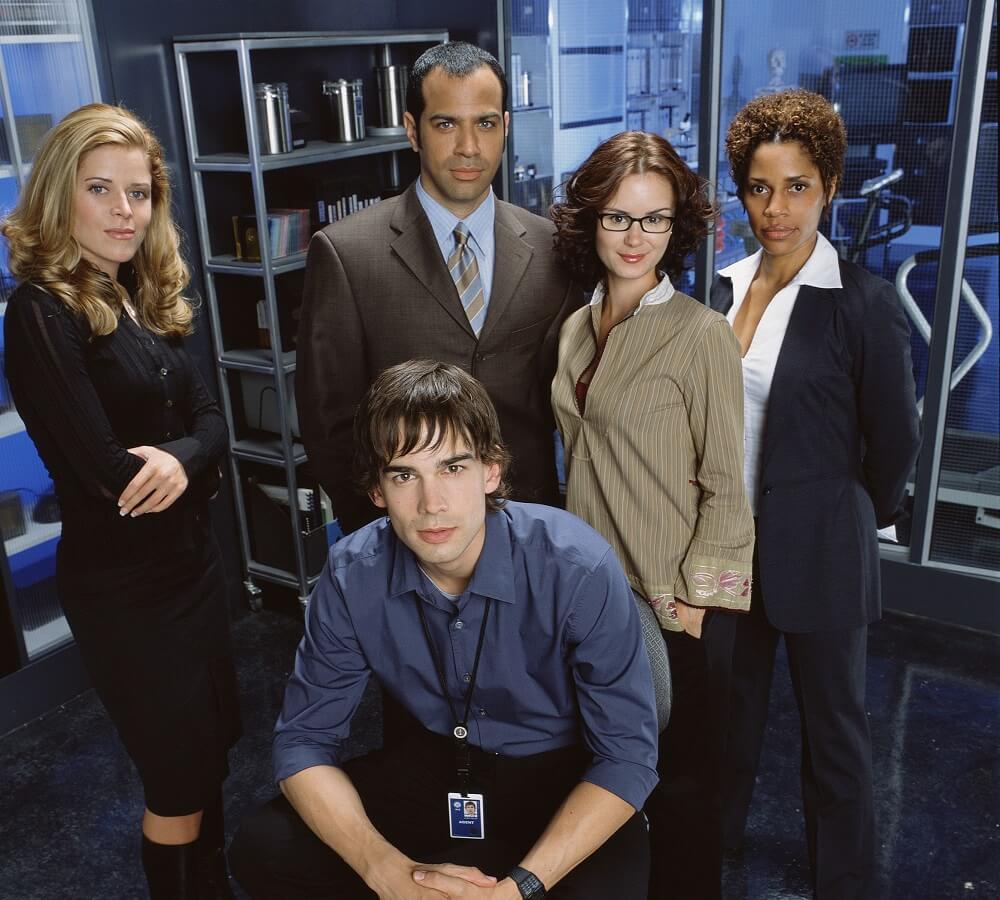
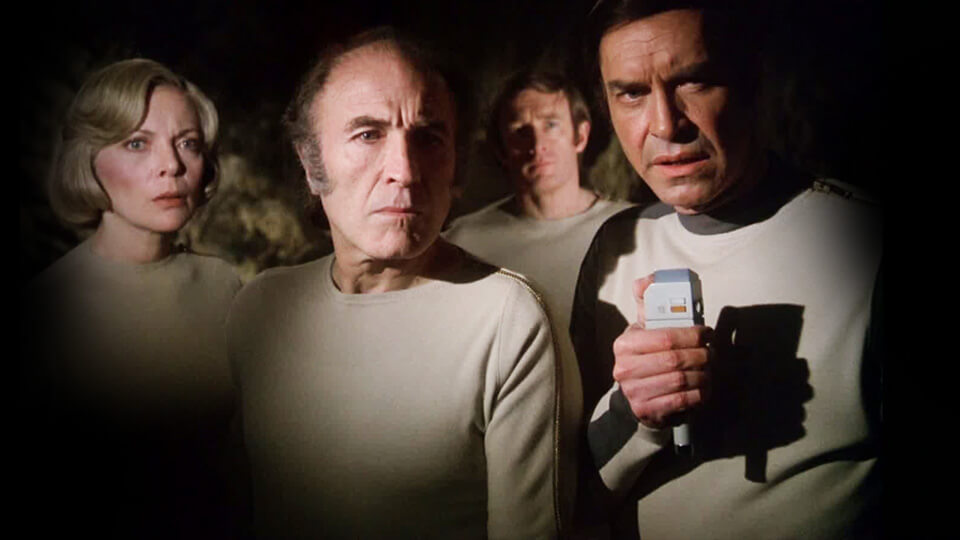
The cult series returns to Horror Channel’s Sci-Fi Zone, alongside Space: 1999 (6pm) and Star Trek: Voyager (7pm). The show is a great conspiracy style as a man is framed for a murder because he knows too much about an alien invasion.

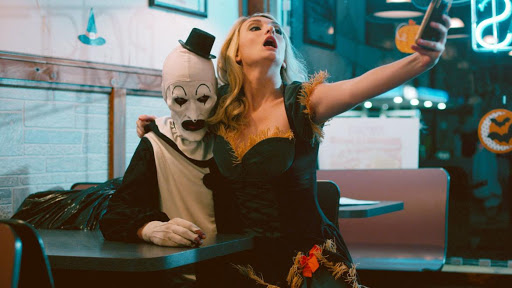
Friday June 18th, 9pm – Haunt (2019)

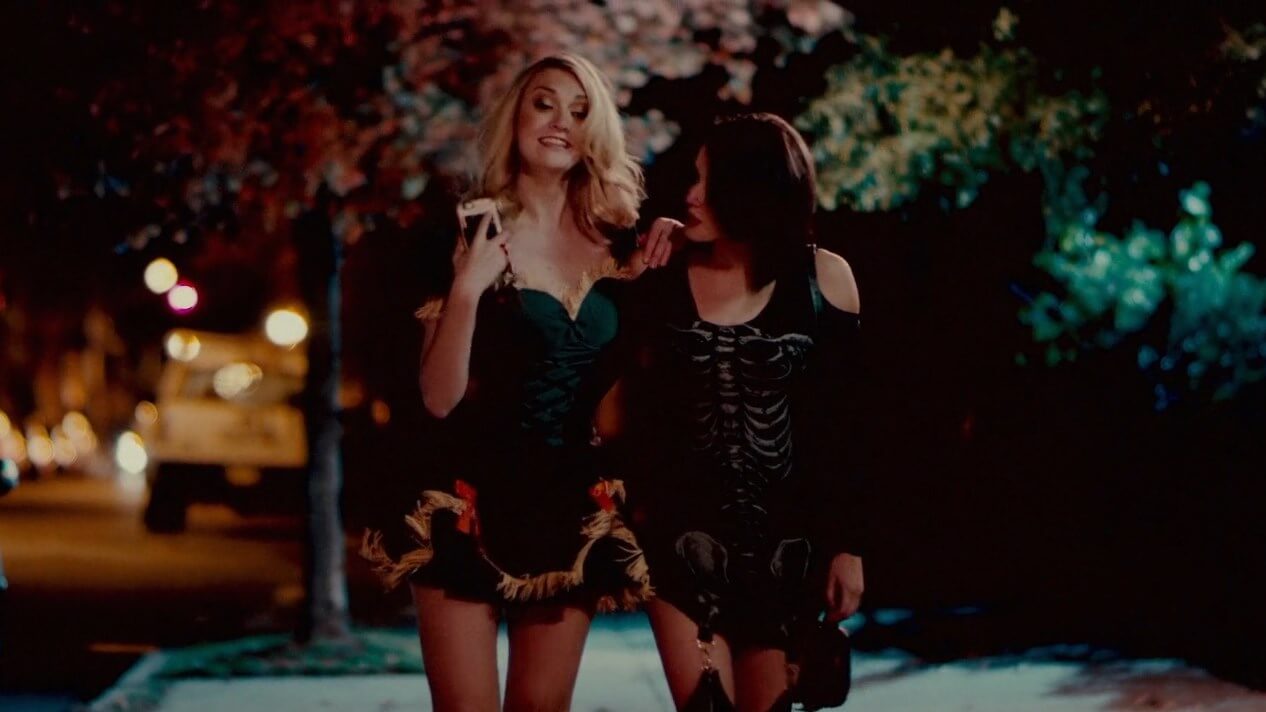
A fun haunted house-cum-slasher flick starring Katie Stevens and Lauryn McClain as friends whose decision to enter a scare house attraction with their pals proves to be a bad one. A great, fun film from directors Scott Beck and Bryan Woods, who co-wrote A Quiet Place.

Saturday June 19th, 9pm – Straw Dogs (2011)

Another remake that was much better than expectations. Updating Sam Packinpah’s 1971 classic, Rod Luries’ version transplants the action to the US, and stars James Marsden and Kate Bosworth as the terrorised couple.

Sunday June 20th, 6.40pm – Robot Overlords (2014)

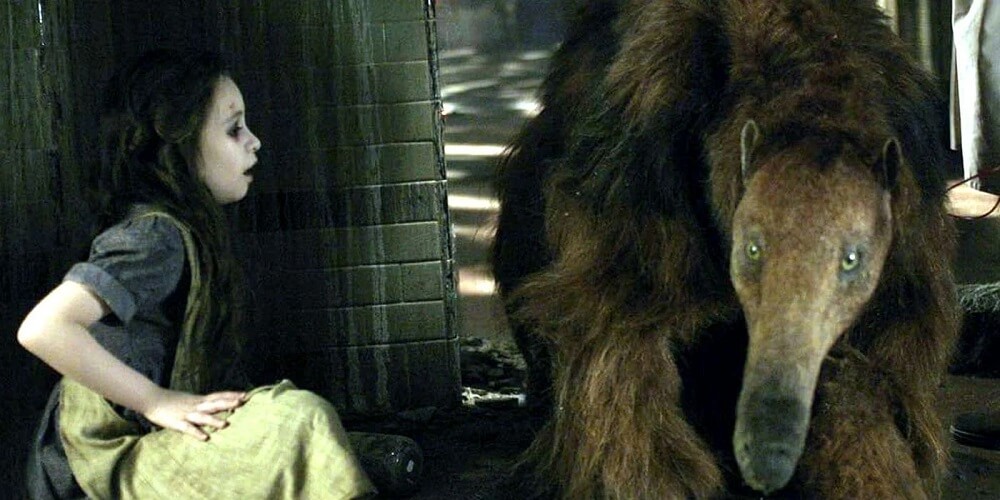
A superb family-friendly sci-fi romp starring Callan McAuliffe, Gillian Anderson, and Ben Kingsley as the big bad. The action takes place soon after an invasion, in which alien robots monitor the world and confine people to their homes. Packed with impressive effects, it’s one not to miss.

Tune into Horror Channel on Sky 317, Virgin 149, Freeview 68, Freesat 138.

Ben Wheatley and Reece Shearsmith | IN THE EARTH

in earth

The latest film from Ben Wheatley, IN THE EARTH sees a scientist and a park scout (Joel Fry and Ellora Torchia) venture deep into an unusually fertile woods. Here they encounter not only mysterious hermit Zach (Reece Shearsmith), but also the forest itself coming to life around them. Filmed last summer, the movie takes place against the familiar backdrop of a disastrous pandemic. STARBURST caught up with Wheatley and Shearsmith to find out more…

STARBURST: Several movies have shown up in the past year about the struggle of being locked inside, but In the Earth made us terrified to go outside. How did this idea for a different take on the pandemic era develop?

Ben Wheatley: I started writing within a week of the actual lockdown, to try and make some sense of what was going on. I found myself having a bit of a freak out, which I’m sure lots of people did; you know, you just kind of go, I can’t work it out, because it’s all so unique, it’s never happened before. It seemed to be getting exponentially worse every four or five days. It’s when they released that thing and went, “oh, we’re gonna be locked down for a year,” everyone went: “a year, that’s mad.” And if they’d have said in two weeks’ time, “and now we’ve organised a set of games where you have to fight for food,” you’d have gone, “oh yeah, OK, that seems reasonable, the way things are changing.”

So I sat down, and I started writing this thing, and part of it was projecting into the future to be a bit more optimistic that we were gonna get out of it. And then I started looking at stuff online, and all the VOD movies up until that point all felt suddenly really out of date. Anything that had a crowd in it seemed really bizarre. All the movies I have made have been about a reaction to the current situation – Colin Burstead’s the same, Kill List is the same. And I thought, I need to make something that encapsulates the nowness of what’s going on.

There are some familiar pandemic-era sights in the film – characters wearing masks and sanitising – and references to current events in the dialogue, but it feels like background detail rather than being overbearing. That must have been a difficult balance to hit.

Wheatley: Well, it’s to do with the idea of horror as metaphor. There’s no point making a film directly about what happened to us, because we all understand exactly what it is. The redelivering of the news of the pandemic back to the population – it’s like, we’ve just lived through it, you know, so it’s not important.

But the idea that you would ignore the fact that everyone had lived through it seemed to be strange to me. That’s a current thinking – some dramas are coming out that don’t even mention it. It’s almost like they’re in a divergent timeline where it never happened. I think that’s very, very strange. It’s infantilising – it’s all too nasty to think about, so we’ll never think about it again.

But if you look at historical events like 9/11, the Second World War, or Vietnam, you have to come to terms with these things eventually, and it has to come back into the culture. So I was like, well, this is happening, but also, other stories are happening at the same time.

And Reece, what did you think when you saw Ben’s script?

Reece Shearsmith: I was really thrilled to be asked to do it, because it got me out the house! It felt like we were going back to a great experience that we had together when we filmed A Field in England, which was all outside and we filmed it in two weeks, in order, in a field. This was in the woods, and it felt an interesting jumping off point from the pandemic, where you go somewhere where you think it’s not going to get you. Zach, my character, has gone off grid into the woods, where there’s no people, to escape it.

And yet we get this essay on science and nature and how humans tell themselves a story to convince themselves that there’s reason and meaning behind the things that are happening. Zach has got a very definite story in his head about what’s happening and why it’s happening, and then we meet the counterpoint to him, Doctor Wendle, who’s the science version. 
In the Earth Reece Shearsmith

What was the on-set experience like? Did the safety measures affect the way you told the story?

Wheatley: I’ve made four or five movies that are at this scale, so it wasn’t any different really from those productions, except for the PPE, which we were all worried about, but turned out to be nothing. I was a bit like, “I don’t want to wear a mask”, but then after a day, I didn’t even notice I’d got a mask on, it was fine. And then the rest of it was just a lot more handwashing.

Shearsmith: There’s always more people than you think – even when there’s three of us in the tent, there’s twenty-five people outside, so it did feel like normal filming in one way. But then in another way, it was sort of extraordinary that we knew no one else was doing this now – we were the first that crept out into the world and were capturing this thing.

And it was strange to be mirroring the story in the fact that all the crew had PPE on, masks and gloves and everything. It was a bit odd, a bit alien, because you didn’t have that normal connection that you have with people on set, and everyone was being careful, socially distanced. But we were tested every day and it was probably the safest it had ever been at that point, because it was low in the community in August. So we felt fine, but it was just a real thrill; it felt like a ray of hope that it was possible to make a film.

Reece, you’ve worked with Ben a few times now. What is it about his films that keeps you coming back?

Shearsmith: He always tells really great, interesting stories, and uses the palette that he has to tell a story in a way you might not have seen before. In a way, he’s similar to what we try to do with our TV show, Inside No. 9, which is to use the tools of how to tell a story, and not just tell a story, but to stretch the very medium itself to its limits in how you present your story.

A Field in England did that, at the end when he went into this psychedelic trip with the editing. And then we get this film, where again he’s using light and sound front and centre as part of your experience. I can’t wait to see it in a cinema, because I’m sure it’ll be a real onslaught on the senses.

We get some more of that psychedelic style of editing in In the Earth. How do you approach putting these sequences together, Ben?

Wheatley: A lot of that stuff is about the communication with the creature in the woods. I figure that the creature doesn’t communicate in a standard way. It doesn’t appreciate time in the same way that we do. And what would communication between an alien and a human be like?

And in the nuts and bolts of it, the creature thinks in a recursive, circular way about time, but humans don’t, so what you get within those psychedelic moments is the recursive animations that Cyriak Harris did, but also the film is kind of blitzed and reversed and passed backwards and forwards within itself, and then there’s rhythms within that which are more like music in the way of motifs. So there’s a logic to it, but it’s a kind of logic that’s not explained. So you can see there’s a pattern there, but as a human you can’t understand it… on purpose.

A large part of the experience of watching the film relates to that editing and to Clint Mansell’s score. When you’re on set, Reece, do you have any idea what the finished film will be like?

Shearsmith: Ben has got it all in his head, and it’s not by accident that anything is there. Because he’s an editor and he edits it himself, we’d film a day and he’d go back to his hotel room and edit the day’s work. He was editing as we went, so he’d be very on top of what we needed if we needed to go back and do anything else. He’s very sure of the story he wants to tell and how to tell it.

He does another great thing, which is he plays in music. So these big speakers were brought in and this big ambient music was playing. Your life is suddenly scored, and you feel like you get another level of performance that you might not get if that wasn’t there.

So there were a lot of great anchor points that give you clues into how it’s gonna actually feel watching it. It’s that weird thing of, it’s written, then it’s filmed, then you hoover up the bits you need, and it’s all reconstructed again in the edit, but he manages to blur that feeling of how it’s gonna actually be by bringing some of that end result to the actual field.

The film is set to be released in cinemas this month. With restrictions slowly easing, how confident are you about releasing your film this way?

Wheatley: If the last year and a half has taught me anything, it’s: don’t expect anything. We will see what we will see. Everything seems to be OK at the moment in terms of the release patterns, but… I just dunno.

The thing is, I haven’t seen the film yet in the cinema with an audience. It’s a very bizarre situation. It had a general release in the States, and people went out to see it there, so that was good. I hope people get the chance to see it in the cinema.

Would you be confident going to a cinema to see it, Reece?

Shearsmith: I think I would. I suspect it would still be socially distanced and there’ll be gaps in the seats, but I would happily go in with a mask on and watch a film. I’d love to think that people will be confident enough to go and see it in a full cinema. I’m not sure whether people would do that yet, but I’m very excited to see it on the big screen. But I’m daring to think it’s gonna be all right.

IN THE EARTH is in cinemas 18th June, with advanced previews on 17th June.


STANDBY FOR SPACE: 1999

space 1999 standby

We take a look back at the popular seventies live-action Gerry Anderson series that propelled the world – or at least our moon – into orbit and the (then) far-off future…

By the mid-1970s, the glory days of Gerry Anderson and Century 21 productions were long gone, a distant memory in a rapidly evolving British entertainment landscape. Throughout the 1960s, mainly from an unassuming factory unit (recently – and shamefully – demolished) on the Slough Trading Estate Gerry, his then-wife Sylvia and a crew of loyal, hard-working writers, designers, FX technicians, puppeteers, and voice artists and actors had created a slew of extraordinarily ambitious marionette adventure series (‘filmed in Supermarionation!’). The shows captivated and fired the imaginations of a generation. Stingray, Thunderbirds, and Captain Scarlet and the Mysterons are iconic landmarks in the history of the development of the British television industry. In their heyday, under the enthusiastic auspices and financial patronage of Lew Grade at ITC, the Andersons built a veritable cottage industry of spin-off merchandise such as comics (specifically the massively influential TV Century 21), die-cast action vehicles, books, annuals, records, toys, and so much more. The Anderson shows created, in so many ways, the template for the mass merchandising enjoyed by so many of today’s big bucks film and TV franchises.

Times change, though, and by the end of the 1960s, the Anderson puppet show bubble had burst, in no small part due to a couple of less enthusiastically received productions such as Joe 90 and The Secret Service. Both of these shows failed to capture the same broad appeal of their predecessors; the latter in particular cancelled by Lew Grade halfway through its production run. Grade quite rightly suspected that its quirky, parochial concept – the exploits of a puppet version of gobbledegook British character actor/comedian Stanley Unwin as a secret agent priest and his miniaturising assistant – stood even less chance of making an impression overseas than Anderson’s more explosive earlier shows. Century 21 staggered on into the 1970s and UFO – the last series to bear the spine-tingling dramatic musical ‘sting’ at the start of an Anderson show – is arguably the most sophisticated, mature, and forward-thinking show ever produced by Gerry and Sylvia. But it never stood a chance in the UK as the shadow (pardon the pun) of the Andersons’ previous productions – regarded as disposable, silly children’s science fiction adventures – loomed large over the grittier, live-action adventures of Ed Straker and the heroes of the Supreme Headquarters Alien Defence Organisation and UFO. When it was screened at all in the UK, it either ended up in random late-night regional slots or else used as Saturday morning or afternoon filler. It seemed that the cold, austere 1970s were no place for the Andersons colourful, fast-paced adventure stories and Gerry and Sylvia found themselves press-ganged into spending two years working on The Protectors, a bland, by-the-numbers action series starring Robert Vaughn and Nyree Dawn Porter.

Meanwhile, in the United States, something strange was happening. UFO had started airing and attracting both good reviews and decent audience figures. The wheels were set in motion for a putative second season, the requirement being that the show had to abandon its earthbound settings and storylines and relocate its action to the Moon, presumably with the original series’ Moonbase now established as the frontline in SHADO’s ongoing battle against hostile body-harvesting aliens. But as the Andersons worked on a new format for UFO2, the original series started to flag stateside, and enthusiasm for the new project quickly waned. Never one to waste an idea, Gerry laboured to refashion the concepts and ideas for the second run of UFO into an entirely new series. His original plan of kicking off a show with the Earth being destroyed was considered a step too far; a quick rethink led to a story in which the Moon itself is blown out of the Earth’s orbit and off into space, carrying with it a human contingent aboard the sprawling Moonbase Alpha complex. Space: 1999 was born.

If the show’s gestation had been troubled, then it’s birth and first, faltering steps were also beset by a number of teething problems. To make the new series attractive to American audiences and networks, Lew Grade insisted that the two lead roles – new Moonbase Commander John Koenig and its medical office Dr Helena Russell – had to be played by American actors despite strong objections, in particular by Sylvia Anderson. Martin Landau and Barbara Bain, something of a minor Hollywood ‘power couple’ following their run in the hit US drama Mission: Impossible, moved to the UK to star in the series. The cast also included Barry Morse as the show’s ‘voice of wisdom’, Professor Victor Bergman and hunky Australian actor Nick Tate as space pilot Alan Carter (usually seen at the helm of one of the show’s iconic Eagle Transporter space vessels, which generally served to take the action – and the characters – away from the confines of Moonbase Alpha). Regular supporting roles were given to Prentis Hancock, Zienia Merton, and Clifton Jones.

At the time it was the highest budgeted British TV series ever made, the first season alone attracted a veritable ‘who’s who’ of British acting talent with a guest list including the likes of Christopher Lee, Roy Dotrice, Joan Collins, Peter Cushing, Ian McShane, Peter Bowles, Leo McKern, Patrick Troughton and, inevitably, Brian Blessed. The show entered production in November 1973 with Brian Johnson working on the show’s vast amount of practical special effects and modern sequences, and live-action production of the first episode was hastily relocated from Elstree Studios to Pinewood in Buckinghamshire when it appeared that the latter was in danger of imminent closure. Series opener Breakaway overran its scheduled ten-day filming bock by over a fortnight and, with scripts hastily rewritten and the format continually being tweaked. The first twenty-four episodes were completed over a protracted fifteen-month period, largely thanks to a series of industrial disputes and power shortages that caused massive disruptions across the country in the mid-1970s.

space 1999

Space: 1999 – complete with a pounding, urgent score from Anderson regular Barry Gray and a genuinely exhilarating, action-packed ‘in this episode’ title sequence – eventually debuted in September 1975 and reaction was somewhat mixed. Fans adored the explosive visuals and the sheer scope and scale of the production, while being conscious that many of the stories were ponderous and pedestrian, and often had a tendency towards the metaphysical. Several episodes suggested that the Moon’s wanderings were being orchestrated and directed by some mysterious god-like superior being or power. It was not without its supporters, and when it was firing on all cylinders, it was thrilling, eye-popping spectacle of the type that hadn’t been seen on British television before.

Despite its lavish productions values, starry cast and impressive visuals, Space: 1999’s first season never quite caught fire, and the show danced with cancellation for a while. Lew Grade, in particular, was not impressed by the show’s failure to attract network attention in the US. However, there was clearly enough potential evident on screen for ITC to commission a second season when Anderson and Fred Freiberger, already drafted in to co-produce the next series (following Sylvia’s exit from the production in the wake of her acrimonious split with Gerry), pitched a second series with new characters and new storylines. Space: 1999 lived to fight another day in a second season… but maybe that’s another story for another time, another place.

The first season of Space: 1999 is a flawed but ambitious series. At its best, it’s a colourful, vibrant adventure show. Albeit one plagued by its portentousness and self-consciousness and utterly unwilling or unable to kick back and have fun with its concept and present its characters as real, believable people caught up in an unbelievable situation. Visually, however, it still stands up to the cold, merciless eye of 21st century expectation and is not only a worthy addition to the formidable Gerry Anderson canon but also, at times, a fitting postscript to the glory days of Century 21 Productions and the man who really should be acknowledged as the British Walt Disney.

Space: 1999 returns to Horror Channel as part of the Sci-Fi Zone (6pm- 9pm) from June 11th. Sky 317, Virgin 149, Freeview 68, Freesat 138.

The Soska Sisters | RABID

soskas rabid

After taking the horror world by storm, The Soska Sisters, Jen and Sylvia, have made their mark on the genre while staying staunchly independent. They’ve become a powerful force in horror as their take on the David Cronenberg classic Rabid shows. We caught up with them to discuss the remake…


STARBURST: What was it that drew you to the Cronenberg classic?

Sylvia: we got an email and it literally said ‘do you want to remake David Cronenberg’s Rabid?’ I looked at Jen and said ‘did you see this?’

Jen: It was really early in the morning and the sun was just coming up and I thought ‘this is a sign’.

Sylvia: We did an interview the next day with these guys on Skype and they say they usually do religious movies and then they did a religious horror movie. They bought this script thinking it was about rabid dogs. That is until they presented the script to David Cronenberg, who let them know it was not! They asked him to be a producer but because of the script he didn’t want to be a part of it. So they Googled Cronenberg, and our names popped up.

Jen: He’s one of our greatest influences. We said yes…

Sylvia: …but the script was a little kooky…

Jen: I never say page one rewrite but I said I’m going to change the beginning, the ending, and switch the genders. I’m going to move the kills about and tweak the dialogue. And they said, ‘that’s a page one rewrite’ and no one likes to hear that! We ended up rewriting it 29 times!

Blimey! That must have gone down well…

Silvia: [Laughs] Yeah! So they asked us to explain what Cronenberg means – and it’s very complicated, very sexual.
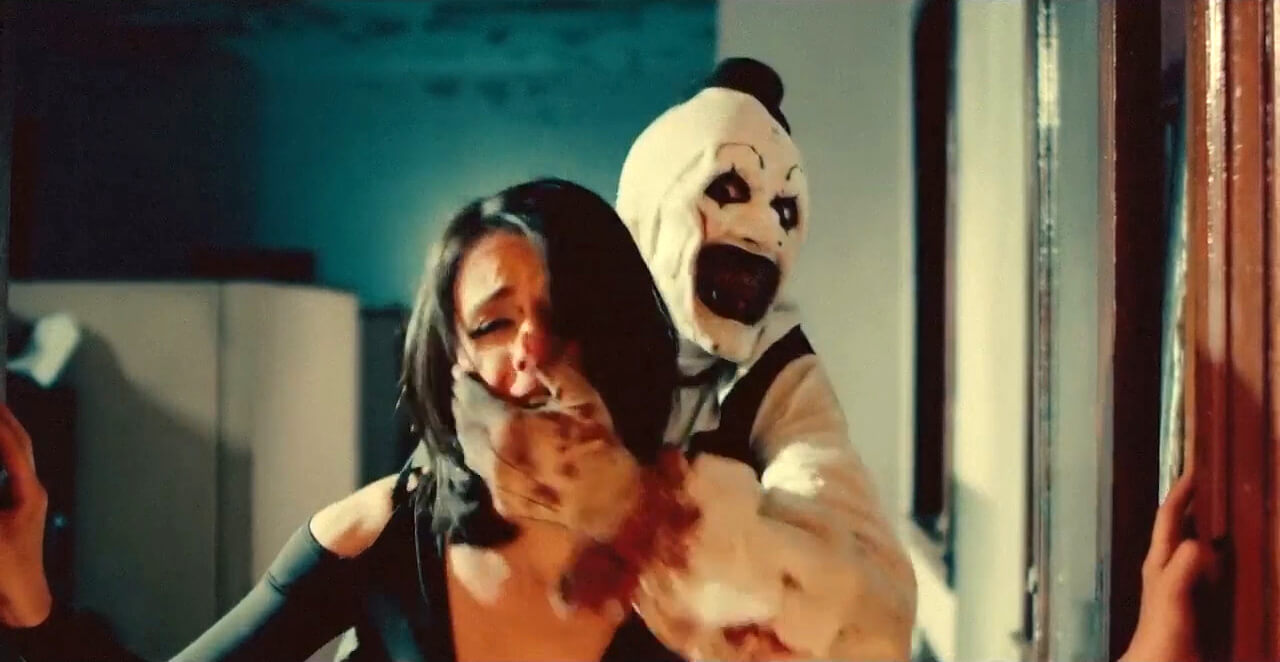
Jen: I said thank god it’s not David Lynch as I couldn’t tell you what the movie’s about! [Laughs]

Sylvia: We explained it to them, and they said ‘how about you guys handle the creative and we’ll handle the money side’, which is the only way to do it for us.

Jen: We tried to explain what Transhumanism is and their eyes glazed over!

Sylvia: I’m traditionally not a fan of remakes, so we had to do something to respect David and to try to impress him.

Jen: And a lot of the fans don’t like them either, they get turned off by the idea of it. They usually end up saying ‘you’ve disrespected the original!’

Sylvia: But some people might not have seen his films, so we had to give it a go.

They’ll miss a lot of references if they don’t know Cronenberg…

Jen: There could be an Easter egg director’s commentary track. The biggest fans will be like ‘oh – there’s that – and that…’  The film is really a celebration of Cronenberg. There’s also five years of unanswered rage since American Mary.

There’s a lot of parallels between American Mary and Rabid

Sylvia: Absolutely! But Cronenberg’s original Rabid was so advanced. He anticipated stem cell manipulation.

Another person who influences the film is William Burroughs, when did you become aware of him?

Jen: It was through watching Naked Lunch. We found out he was David’s favourite author and now he’s mine – alongside Chuck Palahniuk.

Sylvia: We even have Burroughs in the film, as a voice on the radio.

We spotted that…

Sylvia: Yay! [Laughs] And he’s talking about vampires – I was so happy when we found that. I think you’ll get it better over here, as no one reads in America!

There’s a very obvious Dead Ringers reference in there – that seems to be the perfect film for you two…

Jen: Absolutely! We want to get the rights to do a Dead Ringers TV series, but gender-switch the roles. We need to get the Olsen twins to do it if we manage it!

Sylvia: If not, we’ll have to do it [Laughs]

Watch this space, then?

Jen & Sylvia: [Laughs] Definitely!

RABID has its network premiere on Horror Channel on Saturday, June 12th at 9pm. 

Feature image: (c) Julie Edwards

[ENDED] Win German Silent Classic THE HANDS OF ORLAC on Blu-ray

win orlac

The good folks at Eureka Entertainment have given us three copies of The Hands of Orlac on Blu-ray to give away to our readers. To enter, just read on, watch the trailer, and answer the question below:

Eureka Entertainment release THE HANDS OF ORLAC, Robert Wiene’s triumphant work of sinister German Expressionism starring Conrad Veidt, on Blu-ray for the first time on home video in the UK as part of The Masters of Cinema Series from June 14th. The first print run of 2000 copies will feature a Limited-Edition O-card Slipcase.

Reuniting the star and director of Das Cabinet des Dr. CaligariThe Hands of Orlac [Orlac’s Händeis a deliciously twisted thriller that blends Grand Guignol thrills with the visual and performance styles of German Expressionism.

Based on a novel by medical-horror novelist Maurice Renard, it charts the mental disintegration of a concert pianist (Conrad Veidt) whose hands are amputated after a train crash, and replaced with the hands of an executed murderer. When Orlac’s father is murdered by the dead man’s hands, Orlac begins a steady descent towards madness.

The Masters of Cinema Series is proud to present The Hands of Orlac for the first time on home video in the UK in a special Blu-ray edition.

a Rafflecopter giveaway


THE HANDS OF ORLAC, a mesmerising expressionist thriller, is OUT NOW on Blu-ray and can be purchased here.

The Five Greatest TV Game Shows of All-Time

Game shows are a staple part of our TV consumption across the world, with many concepts having been picked up globally with their own unique twists. But what are the best? We’ve scoured some of the Western worlds very best game shows to deliver you our all-time favourite five…

Deal Or No Deal

Testament to Deal Or No Deal’s popularity is that its still a huge hit despite no longer being on our screens in a number of countries. The game has been franchised out across many different areas including board games, slot games, and even bingo apps.

The game itself originated in the Netherlands before being synonymous with Noel Edmunds on UK TV. It went to the USA and many other countries too. Despite being a completely random game with no level of skill, it proved to be one of the tensest games on television.

Pointless

Pointless is a British TV quiz show developed by Richard Osman and presented by Alexander Arnold. The game sees pairs go head-to-head answering a series of questions by guessing the most obscure correct answer. Players then earn points based upon the number of people who said each answer in a pre-conducted survey. The lower the score, the better.

The gameshow has been running in the UK since 2009 and has since seen many international versions take shape, including Australia, Denmark, Germany, and it is scheduled to be developed in the USA although a date has yet to be confirmed.

The Price Is Right

The Price Is Right is an American institution and has seen over 9,000 episodes broadcast since first hitting our screens in the 1970s. The aim of the game is to correctly predict how much various pieces of merchandise is worth with players winning cash and prizes.

Presenter Bob Barker was long associated with the show and presented from 1972 to 2007 and is often voted the greatest game show of all time. Something we’re certainly not arguing with.

Family Feud

Family Feud is another long-running game show in the USA that has been on our screens since the 1970s and has been picked up to much success globally. Named Family Fortunes in the UK, two competing families go up against each other to try and guess the top answer from a series of survey questions.

Today, it is presented by comedian Steve Harvey, while in the UK it was famously hosted by Les Dennis, who would often say, “If it’s up there I’ll give you the money myself”.

Takeshi’s Castle

This Japanese game show only ran from 1986 to 1990 but it left a lasting legacy that has made it a cult hit all around the world. Many other game shows have tried to replicate the success of it, but few have succeeded.

The game show itself sees people have to complete an obstacle course in the fastest possible time, but its barmy, hilarious, and one of the game shows that really offer up a feel good factor.


THE TELEPHEMERA YEARS: 1975 – PART 2

Ah, telephemera… those shows whose stay with us was tantalisingly brief, snatched away before their time, and sometimes with good cause. They hit the schedules alongside established shows, hoping for a long run, but it’s not always to be, and for every Knight Rider there’s two Street Hawks. But here at STARBURST we celebrate their existence and mourn their departure, drilling down into the new season’s entertainment with equal opportunities square eyes… these are The Telephemera Years!

1975-76

By 1975, American television was smack bang in the middle of a glorious age of telefantasy, and the detective show was king. Kojak, Cannon, Police Story, Police Woman, Baretta, The Streets of San Francisco, Hawaii Five-O, The Rockford Files, and Petrocelli were joined by a little show called Starsky and Hutch, as punishment was dealt out to criminals all over the prime-time network schedules.

Meanwhile, Wonder Woman and The Bionic Woman joined The Six Million Dollar Man for superpowered action, and Welcome Back Kotter added laughs to those already provided by M*A*S*H and Happy Days. But what of the new shows for the 1975-76 season that didn’t make an impact, disappearing from screens almost as soon as they were announced? After last episode’s misses of 1975, we take a look at some more shows that failed to make the grade…

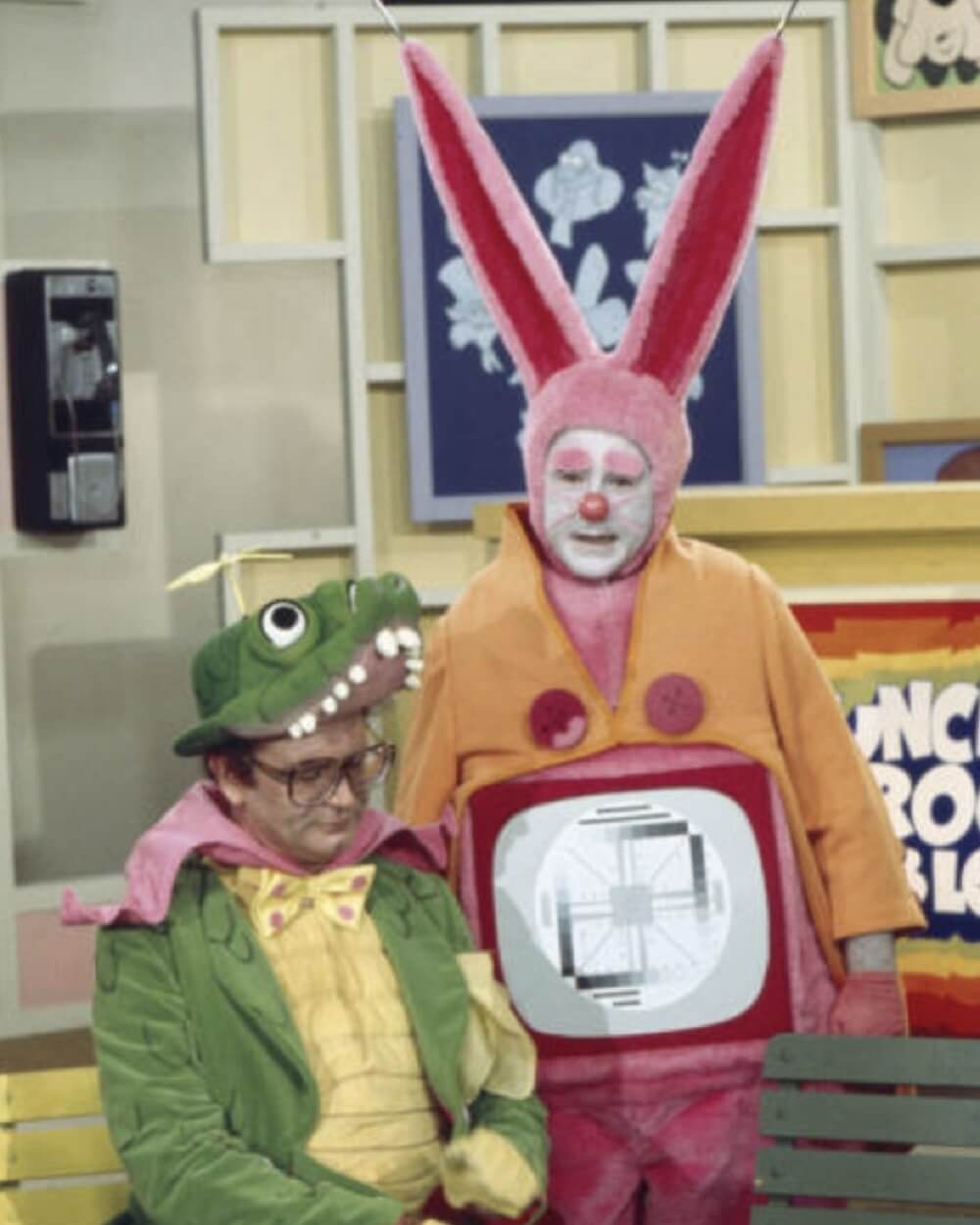
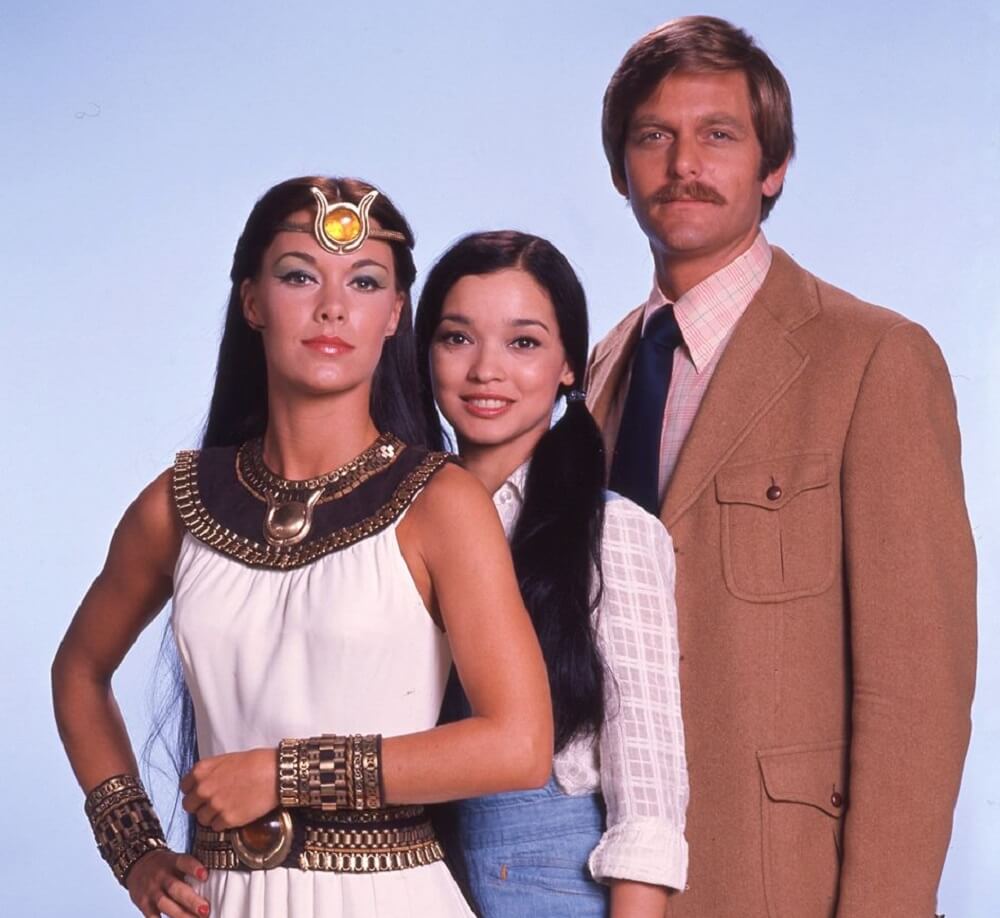
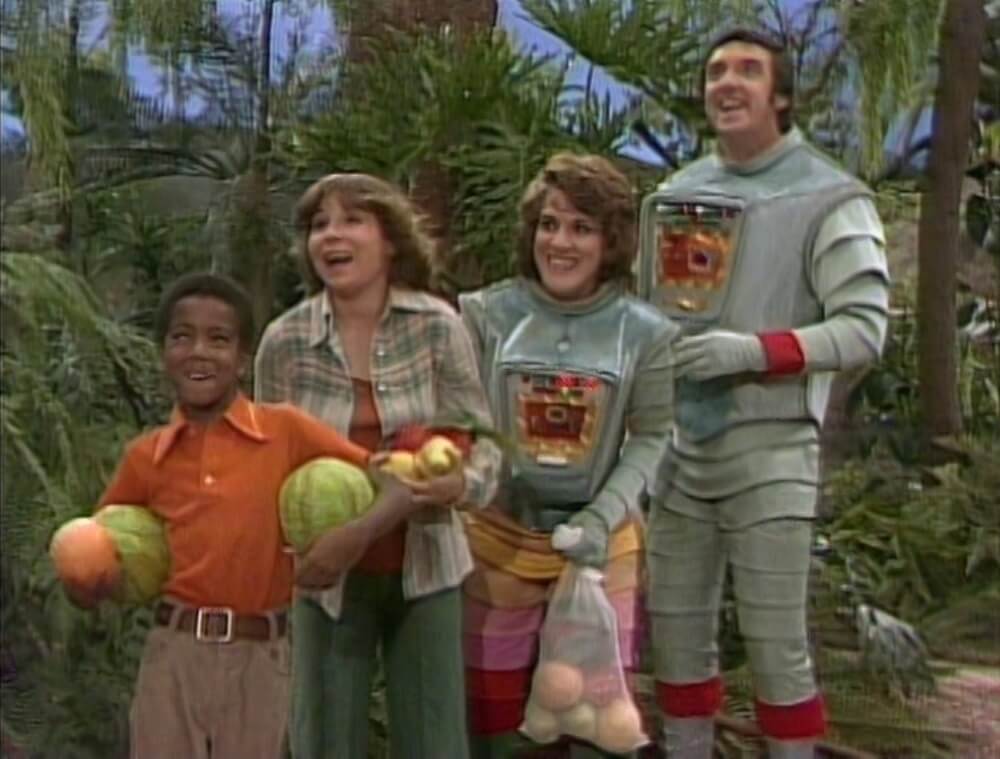
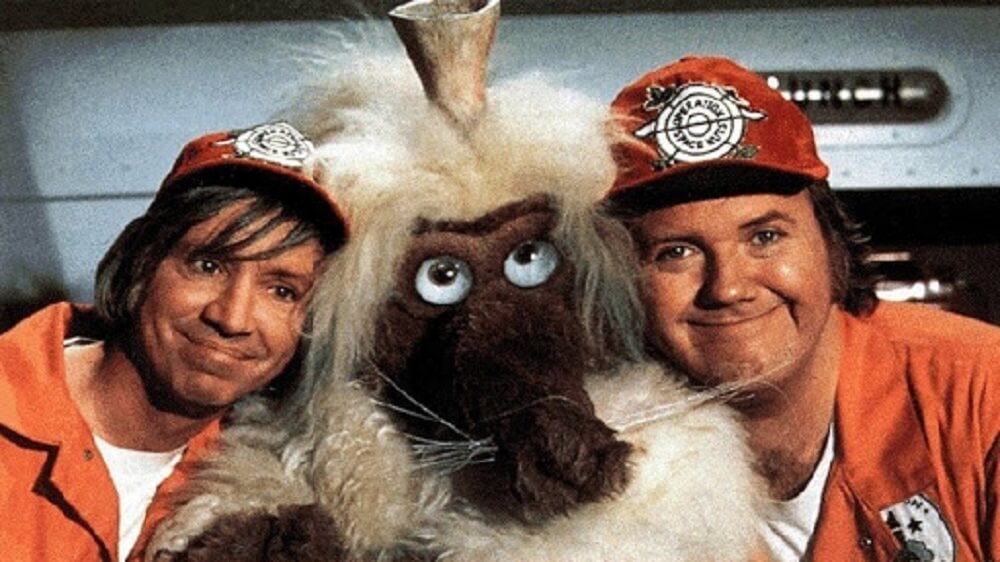
On The Rocks (ABC): From the point that The Likely Lads made them one of British comedy’s most sought-after writing pair, Dick Clement and Ian La Frenais always seemed to have an eye on breaking the US market. With the Ronnie Barker-led Porridge joining the pantheon of classic British sitcoms in 1974, the pair were offered the chance to adapt the show for an American audience, and On The Rocks was the result of their endeavours.

With some episodes directed by Clement, On The Rocks took a more gentle approach with the prison situation for its comedy, leaving out heavier characters like Harry Grout, and went for a multi-racial cast, with José Pérez’s Hector Fuentes the Norman Stanley Fletcher stand-in. Joining him in his three-man cell were first-timer Nicky Palik (Bobby Sandler) and the Godber-like Lester DeMott, played by character actor Hal Williams.

telephemera 1975 on the rocks porridge

Some of the storylines were directly transposed from the British show, with the debut episode reprising the bad feet set-up from the original, and Tom Poston as nice prison guard Mr Sullivan seems to be doing a so-so impression of Brian Wilde, but it lacked the edge of the Barker show and was not renewed for a second season.

Instead, Clement and La Frenais returned to writing for a British audience, with the Peter Sellars vehicle The Prinsoner of Zenda their only further foray in Hollywood. On The Rocks isn’t available on home video and there aren’t many clips circulating around the internet, which is a shame as the main cast has a warmth that could have developed over time. In a strange piece of synchronicity, like his British counterpart Richard Beckinsale, Bobby Sandler’s career was also cut short, but this time by apathy.

Ellery Queen (NBC): Ellery Queen, the author-turned-detective created by Frederic Dannay and Manfred Bennington Lee in 1929 with the unique touch that they wrote his adventures as pseudo-biography (Ellery Queen was the name credited as the books’ author), had received the TV treatment before, in three separate 1950s outings, with mixed levels of success.

telephemera 1975 ellery queen

In 1975, Colombo creators Richard Levinson and William Link resurrected the character for a short run on NBC, with Jim Hutton starring as the bachelor detective, Jessica Fletcher years before her first appearance. Set after the Second World War, the show featured the comically-clumsy sleuth living with his widowed father, police Inspector Richard Queen, solving crimes with the help of his father’s loyal Sergeant, Tom Velie.

In a departure from the usual detective show, Queen challenged the audience – through a fourth-wall-breaking exposition from Hutton – to find the solution before him, a gimmick that had been used successfully on previous TV and radio adaptations, and the 1975 show also added a rival, radio detective Simon Brimmer, to increase tension to the inevitable big reveal.

It was all for nought because, after a successful pilot (and despite guest appearances from Don Ameche, Tom Bosley, George Burns, Joan Collins, Larry Hagman, Roddy McDowall, Vincent Price, and Cesar Romero), the show drew poorly in the ratings, although being put up against The Six Million Dollar Man didn’t help in that regard. Although it retains its fans, Ellery Queen hasn’t received another adaptation, on big or small screen, since.

Matt Helm (ABC): Meanwhile, over on ABC, another literary adaptation was taking off, with Donald Hamilton’s Matt Helm bursting onto the small screen, six years after Dean Martin had last played the role in a series of successful feature films in the late 1960s. The ABC show tweaked the character a little, retiring him from the secret government agency he’d served in the books and films, and establishing him as a private detective in Los Angeles.

Veteran TV actor Anthony Franciosa played an older Helm, investigating the standard TV mysteries with the help of assistant Claire Kronski, a rare series role for perennial guest star Laraine Stephens. With neither the suspenseful atmosphere of the books’ government assassin, or the light-hearted tone of the Martin films, the series struggled to find its place in the hearts of America’s TV viewers.

telephemera 1975 matt helm

Aired in a 10pm Saturday night slot – when if people were watching anything they were tuned in to Mary Tyler Moore, Bob Newhart, and Carol Burnett on CBS – just fourteen episodes of Matt Helm were aired before ABC pulled the plug, replacing it with the Quinn Martin outing Bert D’Angelo/Superstar, which fared little better.

Series creator Sam Rolfe would have been better served by returning to his The Man from U.N.C.L.E. roots, but kept on the crime drama road with more failed shows like Delvecchio and Kaz in subsequent years, before entering semi-retirement in the 1980s. Like Ellery Queen, the 1975 show was the last hurrah for Donald Hamilton’s character, although he continued to write novels about the character into the 1990s.

City of Angels (NBC): 1975 was a great year for fans of detective shows, with crime drama filling the top thirty shows, and alongside Ellery Queen and Matt Helm, fans of the genre were further sated by new shows The Blue Knight, Switch, Bronk, and Jigsaw John. Inspired by Chinatown, City of Angels was another detective show, a tribute to the crime noir genre, which NBC had high hopes for as a mid-season replacement in February 1976.

An early creation of Stephen J Cannell, who developed the show with The Fugitive creator Roy Huggins, City of Angels starred Wayne Rogers as Jake Axminster, a self-centered gumshoe in the corrupt world of 1930s Los Angeles. Rogers was fresh off a run as Trapper John in M*A*S*H and brought a cynical charm to the hard-drinking private dick, aided by Elaine Joyce as his secretary (who runs an escort business on the side).

telephemera 1975 city of angels

Described by detective novelist Max Allan Collins as “the best private eye series ever,” City of Angels ran through its thirteen-episode run in the 10pm Tuesday slot vacated by Joe Forrester, but despite ending with a blockbuster finale that involved a plot to overthrow Adolf Hitler (!), the show wasn’t brought back for the 1976 season. Huggins was never happy with Rogers’ performances, and the actor was similarly displeased with the scripts he was given, but City of Angels was a genuinely decent show, and with a proper Fall start might have succeeded as a long-running show.

As it is, the show is barely-remembered, although the A&E Network did repeat it throughout the early-1990s, and isn’t currently available on DVD. It is there to watch in all its glory on YouTube, though, and while Max Allan Collins may have been a little hyperbolic, it’s still a decent watch, even through twenty-first-century eyes.

Next: the shows that didn’t make it to air for the 1975-76 season, including strange new worlds, searches for gods, and glamorous reporters…

Check out our other Telephemera articles:

The Telephemera Years: 1966 (part 1, 2, 3, 4)

The Telephemera Years: 1968 (part 1, 2, 3, 4)

The Telephemera Years: 1969 (part 1, 2, 3, 4)

The Telephemera Years: 1971 (part 1, 2, 3, 4)

The Telephemera Years: 1973 (part 1, 2, 3, 4)

The Telephemera Years: 1975 (part 1, 2, 3, 4)

The Telephemera Years: 1977 (part 1, 2, 3, 4)

The Telephemera Years: 1980 (part 12, 3, 4)

The Telephemera Years: 1982 (part 1, 2, 3, 4)

The Telephemera Years: 1984 (part 1, 2, 3, 4)

The Telephemera Years: 1986 (part 1, 2, 3, 4)

The Telephemera Years: 1987 (part 1, 2, 3, 4)

The Telephemera Years: 1990 (part 1, 2, 3, 4)

The Telephemera Years: 1992 (part 1, 2, 3, 4)

The Telephemera Years: 1995 (part 12, 3, 4)

The Telephemera Years: 1997 (part 1, 2, 3, 4)

The Telephemera Years: 2000 (part 1, 2, 3, 4)

The Telephemera Years: 2003 (part 1, 2, 3, 4)

The Telephemera Years: 2005 (part 1, 2, 3, 4)

The Telephemera Years: 2008 (part 1, 23, 4)

Titans of Telephemera: Irwin Allen

Titans of Telephemera: Stephen J Cannell (part 1, 2, 3, 4)

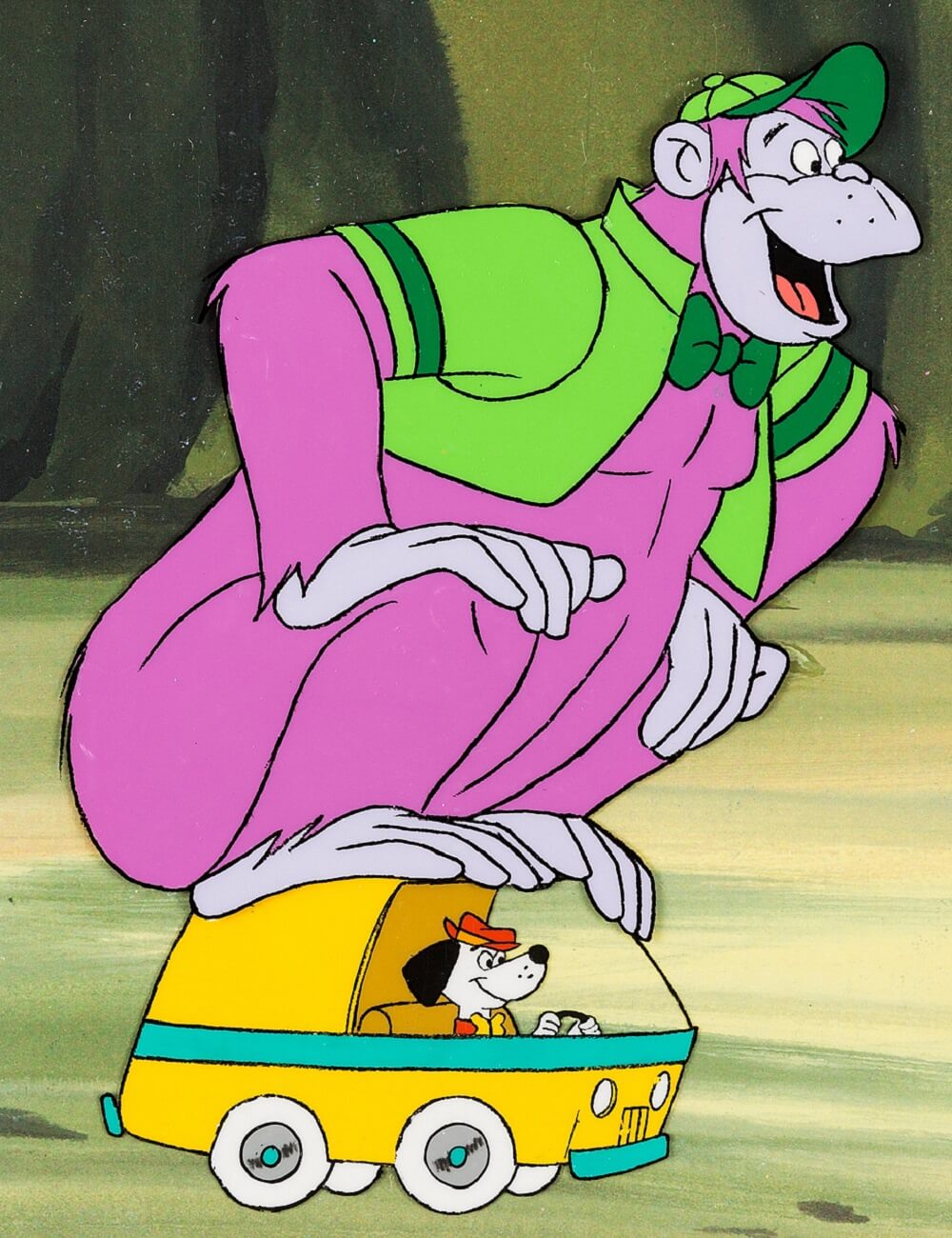
Titans of Telephemera: Hanna-Barbera (part 1, 2, 3, 4, 5)

Titans of Telephemera: Kenneth Johnson

Titans of Telephemera: Glen A Larson (part 1, 2, 3, 4)

Titans of Telephemera: Quinn Martin (part 1, 2)

Five Films to Check Out on Horror Channel This Week – 070621

horror picks

Despite the weather getting better, we still love sitting in front of the box with the great films and TV shows on Horror Channel each week. Here are some of our picks for the next seven days:

Tuesday June 8th, 9pm – Resident Evil (2002)

The adaptation of the hugely successful video game made an icon out of Milla Jovovich, solidifying her success from The Fifth Element. Directed by Paul W.S. Anderson, it brought the Umbrella Corporation and T-virus into the cinematic world and spawned five sequels.

Wednesday June 9th, 12.50am – 100 Bloody Acres (2012)

The Australians really know how to make off-beat horror comedies. This one has fertiliser manufacturers finding a new ingredient for their mix: human remains. As funny as it is gory, it’s well worth staying up for.

Thursday June 10th, 9pm – A Good Marriage (2014)

Based on a novella by Stephen King, a woman finds out the secret her husband has been keeping for 25 years and must do whatever it takes to keep her children from finding out. Directed by Peter Askin (Trumbo).

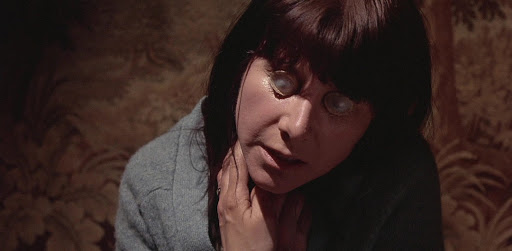
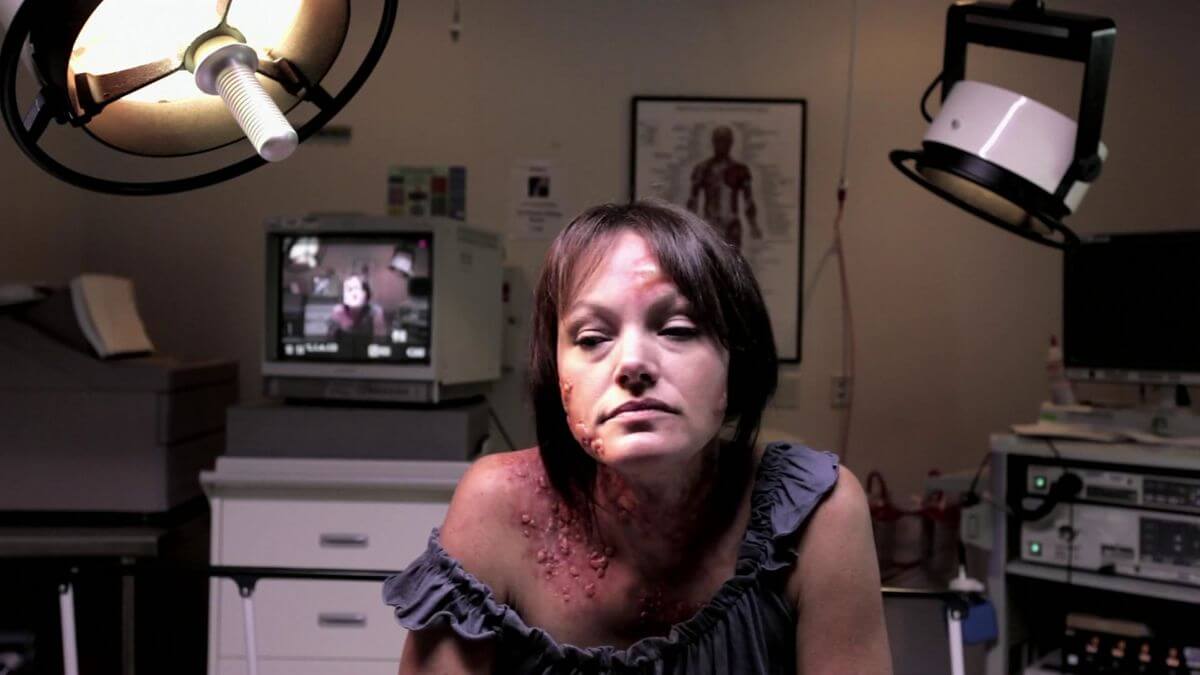
Saturday June 12th, 9pm – Rabid (2019)

Jen and Sylvia Soska – the Twisted Twins – take on fellow Canadian David Cronenberg’s classic tale of body horror. A young fashion designer finds her luck change when she undertakes an experimental stem-cell procedure following a horrific accident. Full of fun and gore, keep your eyes peeled for some more nods to Cronenberg. Read our interview with the Soska Sisters here.

Sunday June 13th, 8am – Tremors (1990)

A perfect reason to get up early (or watch hungover from the bed), this fun creature feature has Kevin Bacon and Fred Ward fighting underground monsters who threaten to wipe out Perfection, their small desert town. A true cult classic that is eminently re-watchable.

Tune into Horror Channel on Sky 317, Virgin 149, Freeview 68, Freesat 138.

[ENDED] Win Sci-Fi Multiverse Thriller PARALLEL on DVD

win parallel

We’ve teamed up with 101 Films to give three lucky readers a chance to win new sci-fi thriller Parallel on DVD. To be in with a chance, just read on and enter below…

What if you found a doorway to infinite possibilities? What would you do? How far would you go?

Thrilling new sci-fi adventure Parallel explores just that. This thrill-ride from director Isaac Ezban (The Incident, Barbarous Mexico), in his English language directorial debut, follows a group of friends who discover a parallel universe and with it the key to limitless power… but with it comes deep darkness and immorality. Premiering at Fantastic Film Festival, Belgium, and subsequently screening at FrightFest Halloween in London, this wild ride of a feature comes to DVD and digital on June 14th, 2021, courtesy of 101 Films.

With a cast including Martin Wallström (Mr Robot, Wallander), Georgia King (Devs, Vice Principals) and Kathleen Quinlan (Prison Break, How To Get Away With Murder), this slick what-if thriller sees a close-kit group of 20-somethings stumble upon a portal to the multiverse. As they come to terms with this life-changing discovery, they’re soon playing with fate as they use the knowledge to influence their lives and fortunes.

As they push the limits of possibility, the stakes get higher and higher… with dangerous consequences. Will they become victims of their own success?

This spellbinding suspense drama transcends the boundaries of sci-fi thriller and will have your heart pounding until the very last minute.

a Rafflecopter giveaway

PARALLEL is available on DVD and digital from June 14th


[ENDED] Win Horror Film DON’T LOOK BACK on DVD

dont look back win

We’ve teamed up with Dazzler Media to give three of our readers a chance to win the new horror film directed by Final Destination creator Jeffrey Reddick, Don’t Look Back. Just read on, watch the trailer and answer the question below:

When a young woman overcoming her traumatic past is among several witnesses who see a man fatally assaulted and don’t intervene, they find themselves targeted by someone, or something, out for revenge.

To be in with a chance of winning, just answer the following question:


What famous horror franchise did director Jeffrey Reddick create?


Email your answer to [email protected] labelled ‘Don’t Look Back’ to arrive before June 28th at 23:59pm.


Dazzler Media presents Don’t Look Back on DVD & Digital from June 14th.