THE TELEPHEMERA YEARS: 1992 – PART 1

telephemera years 1992 wild palms oliver stone

Ah, telephemera… those shows whose stay with us was tantalisingly brief, snatched away before their time, and sometimes with good cause. They hit the schedules alongside established shows, hoping for a long run, but it’s not always to be, and for every Street Hawk there’s two Manimals. But here at STARBURST we celebrate their existence and mourn their departure, drilling down into the new season’s entertainment with equal opportunities square eyes… these are The Telephemera Years!

1992-93

60 Minutes may have held onto the number one spot in the Nielsen ratings for the 1992-93 season but the sitcom was still the king of the schedules, with Roseanne, Home Improvement, and Murphy Brown riding high and Coach, Cheers, and Full House not far behind. The season’s biggest debut show was Hangin’ With Mr Cooper, a teen-centred sitcom focussed on a high school basketball coach, and fellow debutant Mad About You would soon join find its audience, along with a young show named Seinfeld.

More dramatic fare was on offer from Murder, She Wrote, still inexplicably popular after nine seasons, and there was a strong first season for Dr Quinn, Medicine Woman, but the appearance of Northern Exposure at number eleven in the ratings raised some cheer for those who liked their shows a little bit weird. Otherwise, it was thin gruel for genre fans with just Quantum Leap, Dinosaurs, Herman’s Head, and a limp Young Indiana Jones Chronicles on the network schedule, although Batman: The Animated Series did begin its run on Fox, joined by genre-adjacent shows Picket Fences and Walker, Texas Ranger on CBS. Not every show became an instant success, though, despite their apparent qualities, and the history books are full of near-misses and absolute flops. Here are four of 1992’s more telephemeric shows…

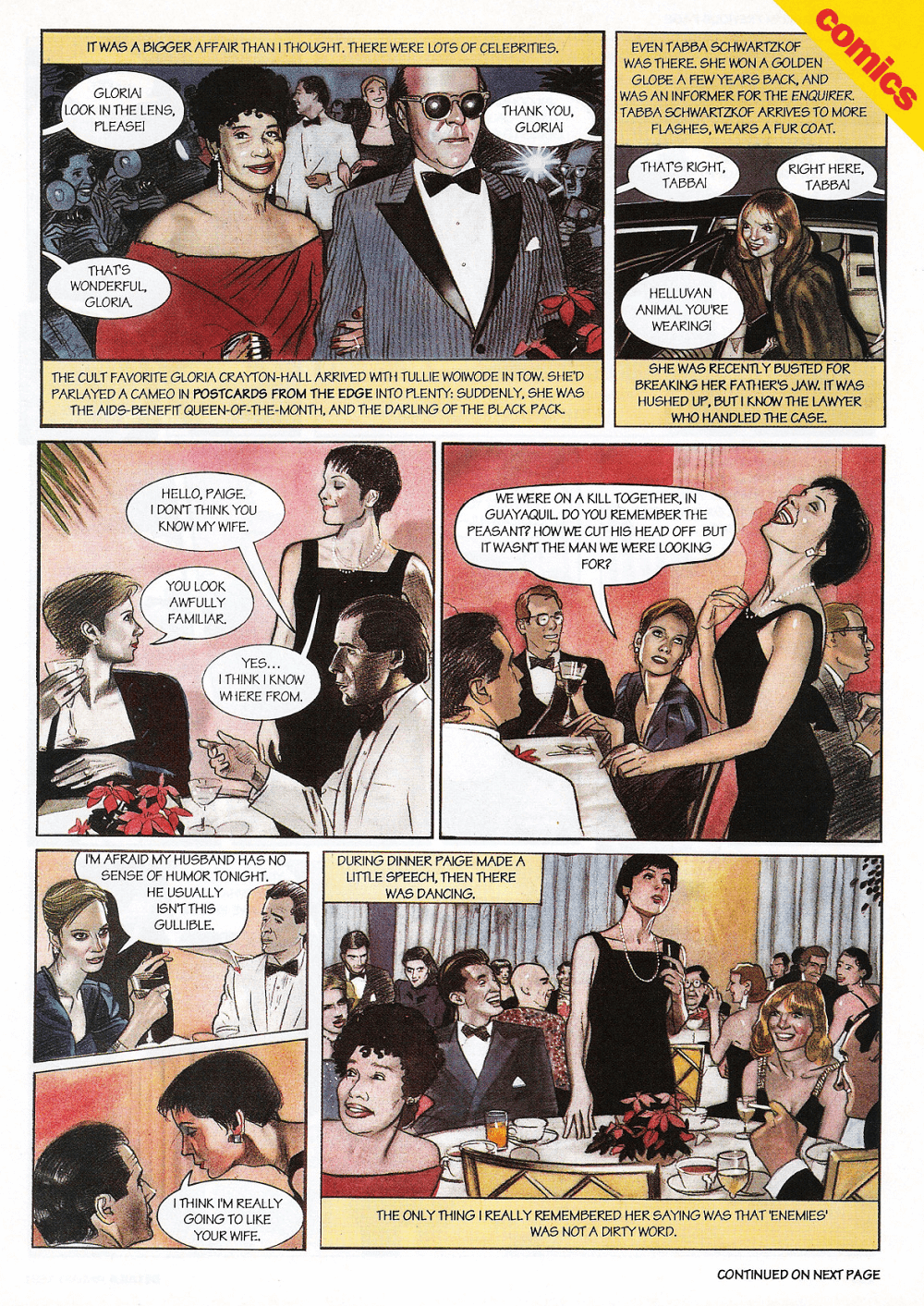
Wild Palms (ABC): Twin Peaks may not have been the blockbuster commercial success ABC was hoping but it had a tonal effect on several shows that came after it, with Northern Exposure and Picket Fences both having a touch of the strange about them. It also inspired filmmakers to dip their toes into TV, and Wild Palms was the result of Oliver Stone looking to do a David Lynch, taking as his inspiration a comic strip that had run in the pages of Details magazine.

Created by Bruce Wagner and Julian Allen, Wild Palms took place in the near future of 2007, where a right-wing group called The Fathers control much America’s politics and media. They are opposed by The Friends, a libertarian sect proving that the America of 2007 is screwed either way. The show’s protagonist, Harry Wyckoff, becomes increasingly drawn into a web of conspiracy and intrigue, centred on the Wild Palms media group headed by California Senator – and member of The Fathers – Tony Kreutzer.
telephemera years 1992 wild palms oliver stone

Stone served as executive producer for the show, which aired on five consecutive nights on ABC in May 1993. Kathryn Bigelow pitched up to direct episode three, and the cast included Jim Belushi, Dana Delany, Ben Savage, Angie Dickinson, Kim Cattrall, and Ernie Hudson, as well as TV veterans like Nick Mancuso and Brad Dourif. William Gibson made a cameo appearance as himself, anchoring the show in the world of cyberpunk, with Virtual Reality an increasing part of daily life, leaking into people’s lives through their dreams.

Still wary after the way Twin peaks ended without a definitive climax, ABC insisted Wild Palms was wrapped up by the end of the fifth episode, although the seeds were laid for future stories set in the same universe. Although the show did well during its run in May’s sweeps week, ABC showed no interest in bringing it back, but there was a spin-off book, which contained material set in the wider world of 2007. Kino International released the complete series on a two-disc DVD and Blu Ray in 2020.

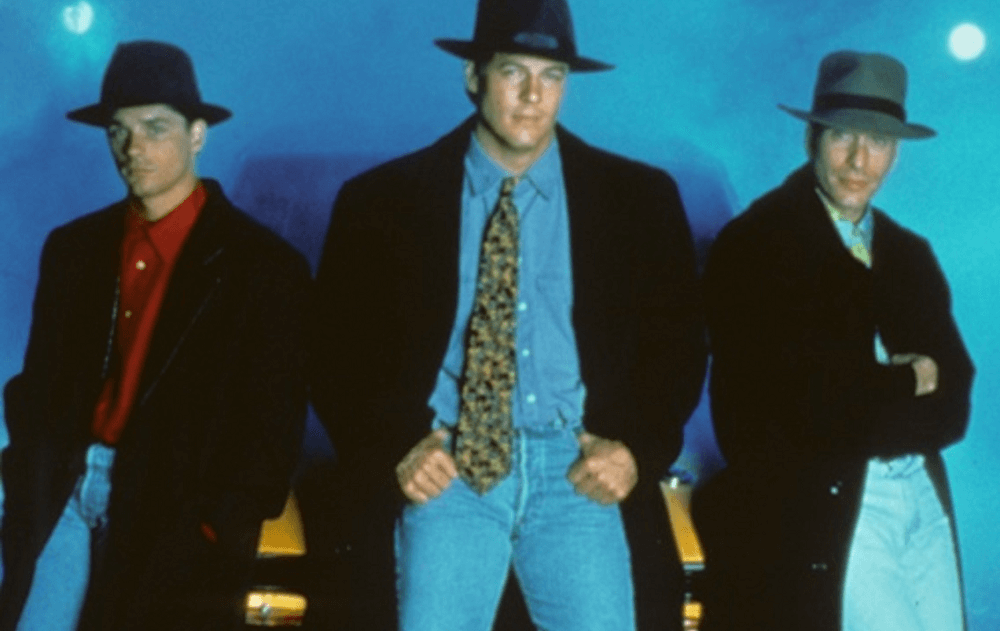
The Hat Squad (CBS): A rare miss from the desk of Stephen J Cannell, The Hat Squad nodded affectionately towards the crime shows of the 1950s, featuring a trio of brother detectives who wore distinctive fedora hats and earned the show’s titular nickname. The boys – Buddy, Matty, and Rafael – were all orphaned by criminal violence, taken in by police officer Mike Ragland and raised on stories of the cops of the past.

Cannell teamed with Bill Nuss, who had been a story editor on The A-Team and executive produced 21 Jump Street, to develop the show. James Tolkan – Mr Strickland from the Back to the Future series – was cast as Ragland, with his young charges played by Nestor Serrano, Baywatch youngster Billy Warlock, and newcomer Don Michael Paul, and the series pilot finds the boys trying to catch a murderer while protecting the only witness to the case, a young boy orphaned in the same circumstances as they had been.
telephemera years 1992 hat squad

Given an 8pm slot on Wednesdays, The hat Squad faced strong competition from The Wonder Years on ABC and NBC’s Unsolved Mysteries, as well as Fox’s teen juggernaut Beverly Hills, 90210, and it stuttered from the start, failing to find any kind of audience for its odd mix of peril and nostalgia. Going into the Christmas break, the writing was on the wall and production was shut down, with just thirteen episodes completed, although only eleven of them aired.

It’s a shame because there’s a genuine warmth between the brothers and their adoptive parents, with the unsolved mysteries of their birth parents’ deaths used as an overarching narrative, but CBS weren’t about to invest in The Hat Squad as a long term project. The show was never given a home video release but you can find episodes on YouTube, including the feature length pilot.

Woops! (Fox): You can’t move for post-apocalyptic films and TV shows these days, all made increasingly poignant by the ongoing pandemic that continues to prove that mankind does not, after all, avoid things like the plague. In 1992, however, the outlook was a little more cheery, with a new President on the horizon and the Super Nintendo Entertainment System about to blow tiny minds everywhere.

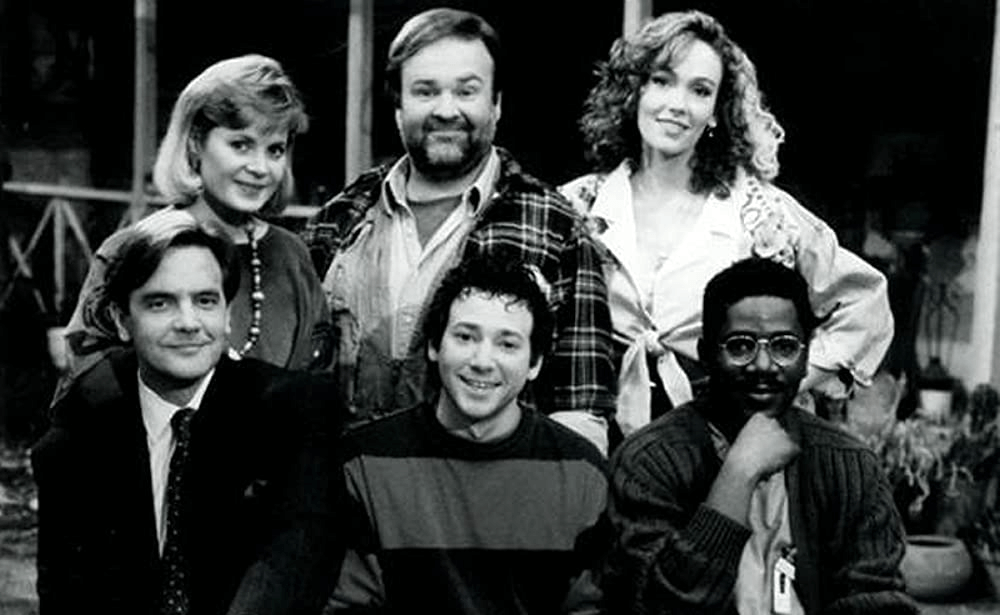
That made Fox’s new post-apocalypse sitcom all the more strange and when Woops! burst on TV screens on September 27th 1992 there were more than a few that didn’t know what to make of it. Created by Gary Jacobs, who served as executive producer on the wildly-successful Empty Nest, Woops! starred Evan Handler as Mark Braddock, an ex-schoolteacher attempting to navigate his way through what’s left of society after a nuclear attack. Having survived due to being in his ultra-safe Volvo, Braddock encounters other survivors and they eventually band together in an old farm house, trying to live as normal a life as possible.
telephemera years 1992 woops!

Handler, in his first starring role, was backed up by a solid ensemble, with Newhart‘s Fred Applegate, Meagen Fay, Cleavant Derricks, Marita Geraghty, and soap opera veteran Lane Davies forming the core six, but there was little warmth to be found in a handful of survivors, eking out a living in a nuclear wasteland, and just ten episodes aired before Fox pulled the plug in December, leaving a further three completed episodes on the shelf.

Fox returned to the premise in 2015 with Last Man on Earth, which ran for four seasons with Will Forte (who also created the show) as its star, the taste of Woops! finally washed out of the network’s mouth. Although it was a ratings failure, the show did earn one accolade – TV Guide voted it the 42nd worst show of all time in 2002. You can judge for yourself over on YouTube.

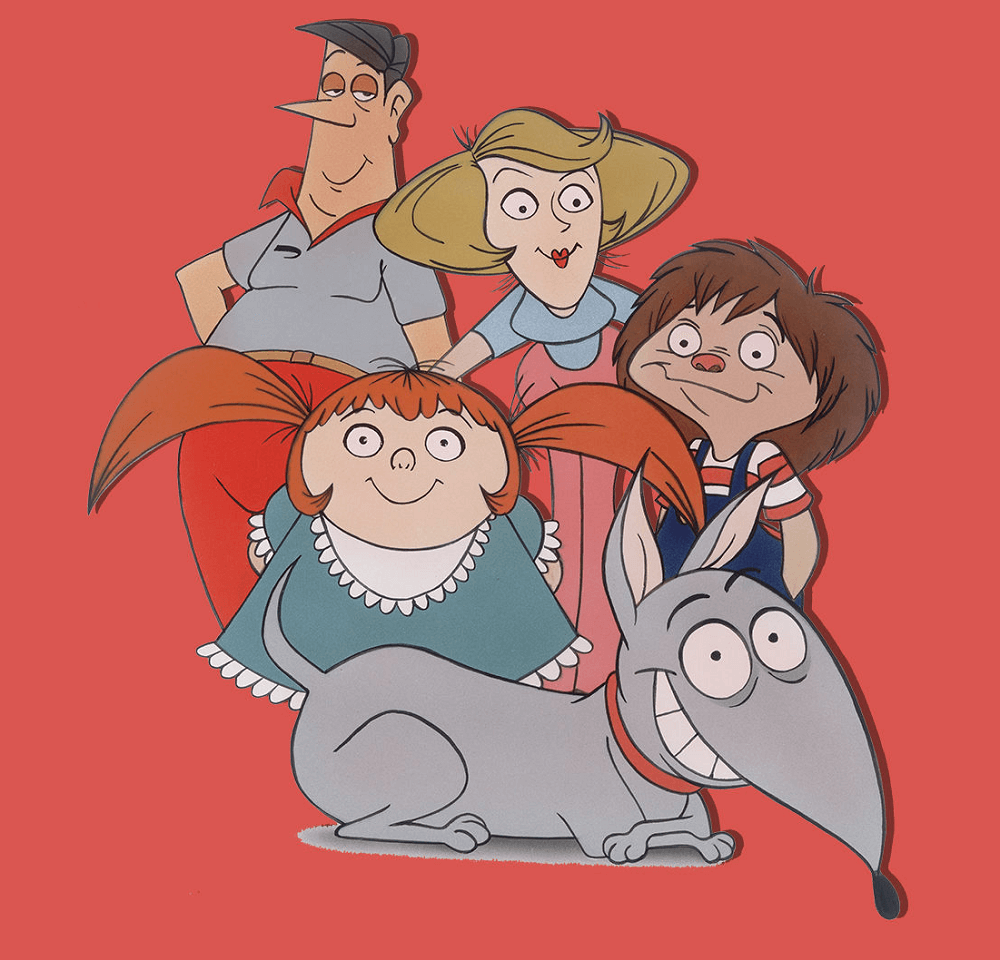
Family Dog (CBS): Airing in the second season of the Steven Spielberg-created Amazing Stories, “Family Dog” featured the animated adventures of Jonah, a bull terrier voiced by Brad Bird. Over three stories, Jonah ate a Christmas ham, attended an obedience school, and is generally mistreated by his owners, and the response to the episode rewarded the gamble of using animation for a prime-time TV show for the first time since Wait Till Your Father Gets Home in 1974.

In 1990, CBS approached Spielberg to extend the episode into a full series but Bird – who had created the characters for a demo reel after leaving Disney in 1984 – opted out, feeling that the premise would not stretch to much more than they had already put down on celluloid. Nevertheless, Tim Burton came on board as a producer, even helping with character designs, and a star-studded team of writers including Paul Dini and Sherri Stoner was hired to produce thirteen episodes, to be animated by Canadian studio Nelvana.
telephemera years 1992 family dog brad bird spielberg

None of the original cast returned for the series, with Jonah now voiced by Danny Mann, a veteran VA who would go on to play Ferdinand in the Babe films. The show was supposed to premiere in March 1991, and had been heavily trailed, but the animation wasn’t complete in time and enthusiasm for the project waned. Family Dog was finally given a slot in June 1993, long after all the other shows had finished their first run episodes and quietly disappeared after its final episode was aired on July 28th.

CBS no doubt had an eye on the success of The Simpsons, which was a top thirty hit for Fox but the unpleasantness and selfishness of the family – dog apart – did not appeal to most viewers and the reduction in quality of the animation from the lavish Amazing Stories production turned off the rest. Still, Family Dog did get a lacklustre game for the Super NES and the full series was released on Laser Disc, although good luck finding either these days.

Next on The Telephemera Years: more failures from the 1992-93 season, including rangers in space!

Check out our other Telephemera articles:

The Telephemera Years: 1966 (part 1, 2, 3, 4)

The Telephemera Years: 1968 (part 1, 2, 3, 4)

The Telephemera Years: 1969 (part 1, 2, 3, 4)

The Telephemera Years: 1971 (part 1, 2, 3, 4)

The Telephemera Years: 1973 (part 1, 2, 3, 4)

The Telephemera Years: 1975 (part 1, 2, 3, 4)

The Telephemera Years: 1977 (part 1, 2, 3, 4)

The Telephemera Years: 1980 (part 12, 3, 4)

The Telephemera Years: 1982 (part 1, 2, 3, 4)

The Telephemera Years: 1984 (part 1, 2, 3, 4)

The Telephemera Years: 1986 (part 1, 2, 3, 4)

The Telephemera Years: 1987 (part 1, 2, 3, 4)

The Telephemera Years: 1990 (part 1, 2, 3, 4)

The Telephemera Years: 1992 (part 1, 2, 3, 4)

The Telephemera Years: 1995 (part 12, 3, 4)

The Telephemera Years: 1997 (part 1, 2, 3, 4)

The Telephemera Years: 2000 (part 1, 2, 3, 4)

The Telephemera Years: 2003 (part 1, 2, 3, 4)

The Telephemera Years: 2005 (part 1, 2, 3, 4)

The Telephemera Years: 2008 (part 1, 23, 4)

Titans of Telephemera: Irwin Allen

Titans of Telephemera: Stephen J Cannell (part 1, 2, 3, 4)

Titans of Telephemera: Hanna-Barbera (part 1, 2, 3, 4, 5)

Titans of Telephemera: Kenneth Johnson

Titans of Telephemera: Glen A Larson (part 1, 2, 3, 4)

Titans of Telephemera: Quinn Martin (part 1, 2)

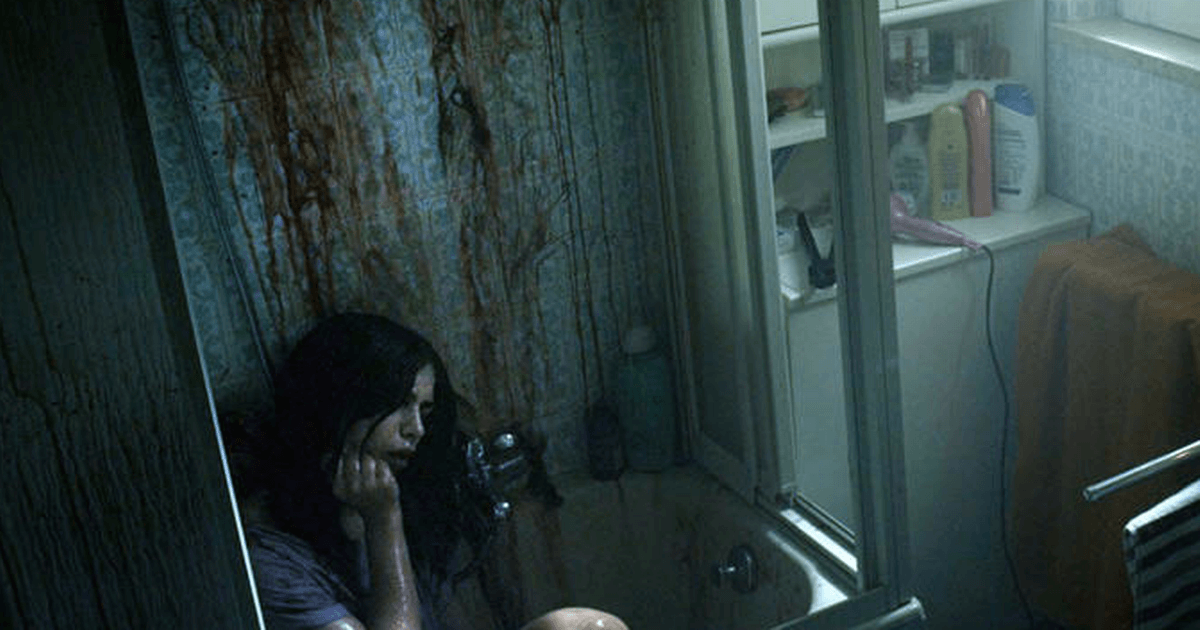
Five Films to Check Out on Horror Channel This Week – 070222

horror picks

You won’t be stuck for things to watch as we have some more great picks from what’s on Horror Channel this week….

Tuesday February 8th, 9pm – Intruders (2011)

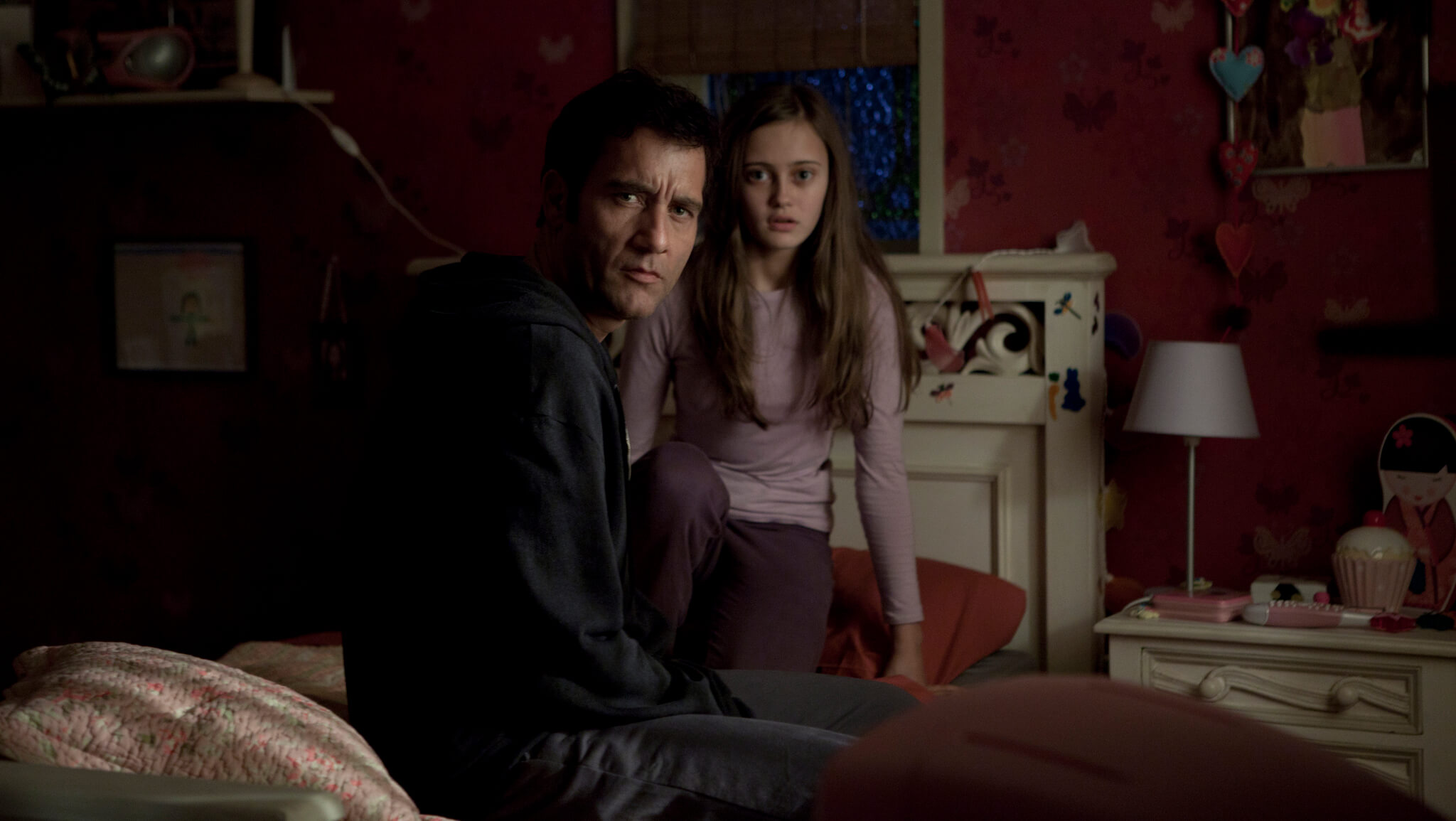
Clive Owen stars as father looking to save his children from Hollow Face, an imaginary creature, in this creepy supernatural tale. Directed by Juan Carlos Fresnadillo (28

Weeks Later).

Wednesday February 9th, 9pm – Spring (2014)

Superb body horror with a hint of romance from Justin Benson and Aaron Moorhead (The Endless). A holiday romance turns dark when a young American meets an Italian with a secret. Brilliantly haunting.

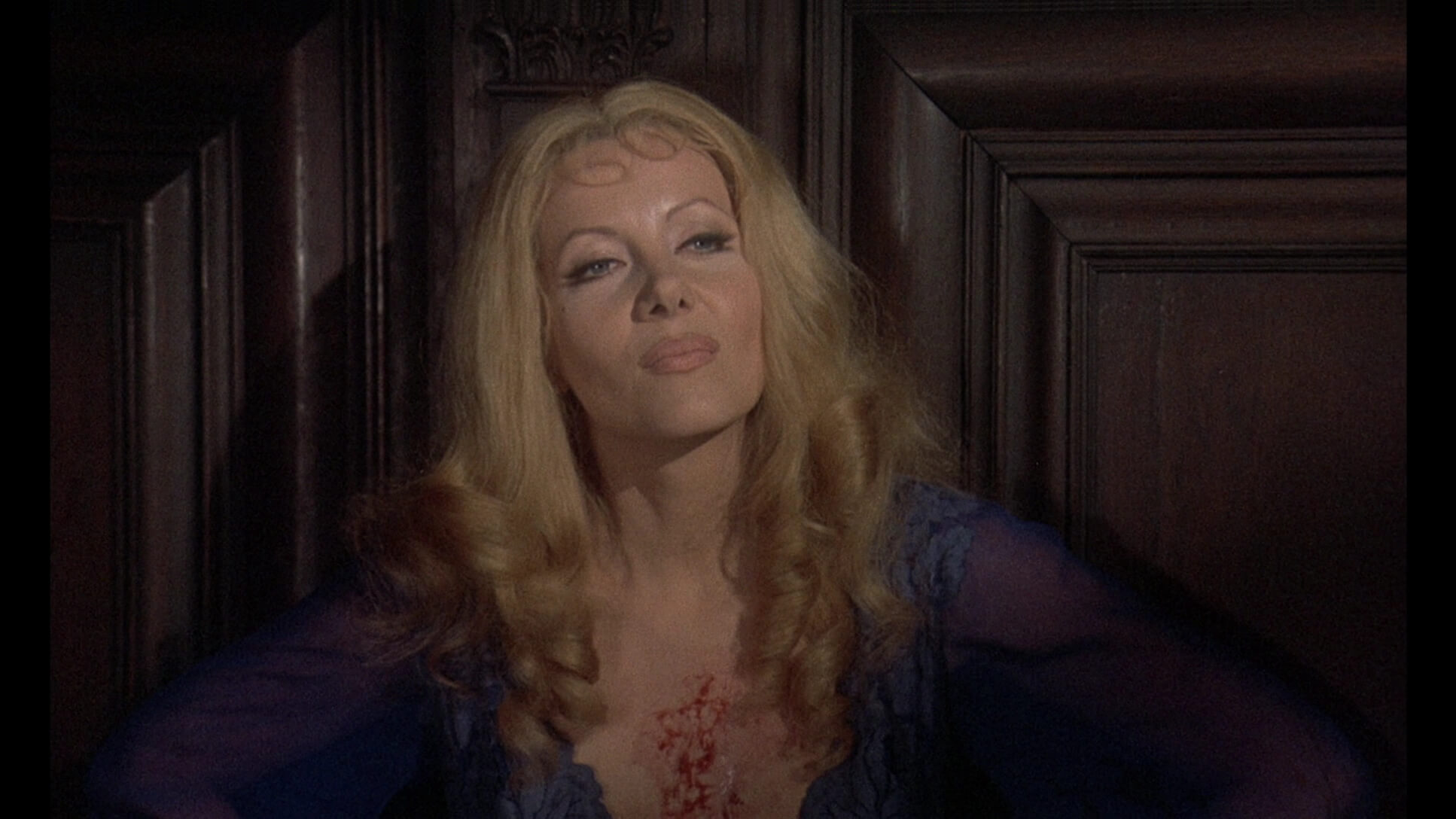
Thursday February 10th, 11pm Countess Dracula (1971)

Classic Hammer Films production based on the legend of Countess Elizabeth Báthory, who reportedly bathed in virgin’s blood to keep her youthful looks. The wonderful Ingrid Pitt is the title character in this slow but effective period shocker.

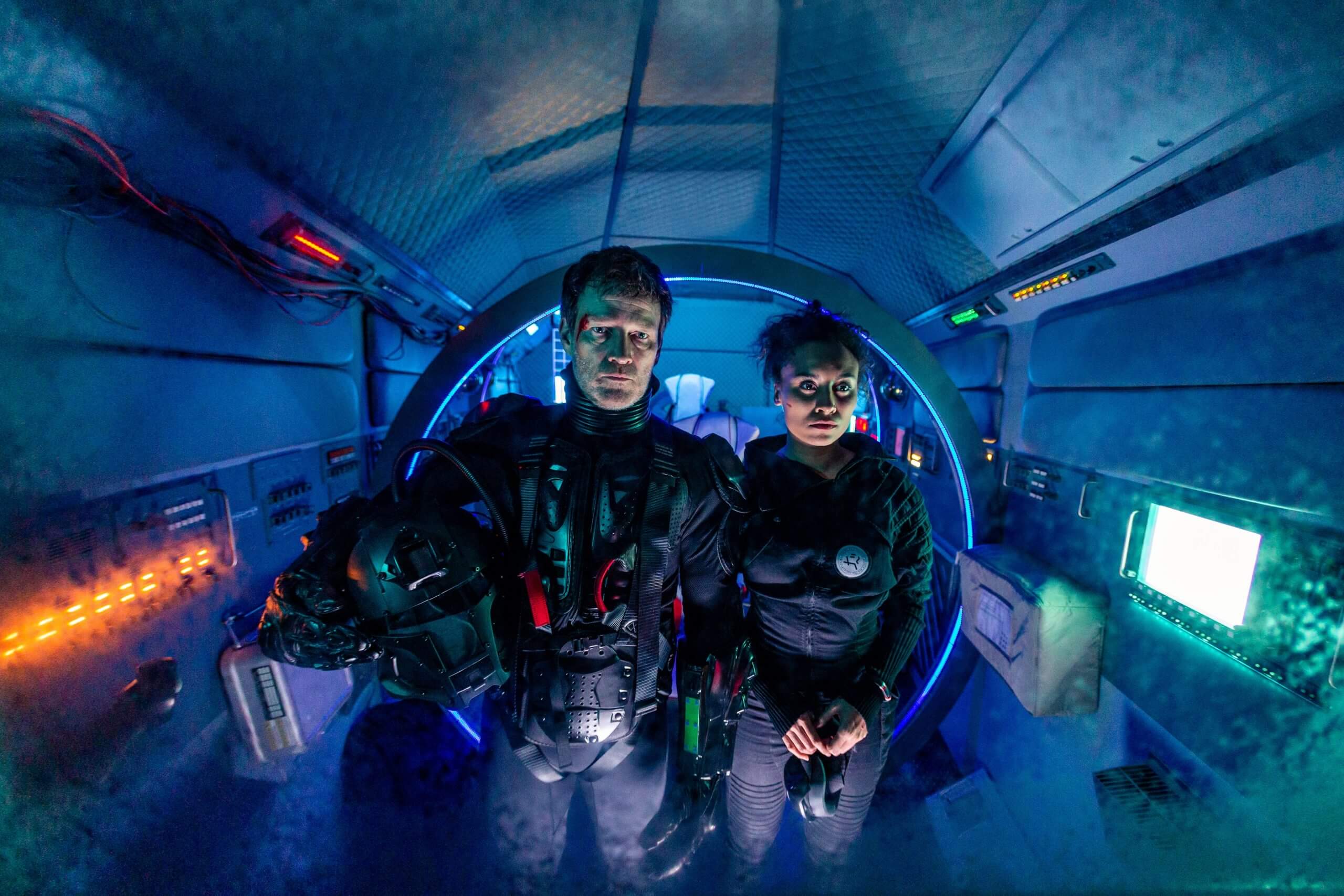
Friday February 11th, 4pm – G-LOC (2020)

Thrilling sci-fi as Stephen Moyer stars as one of the refugees from the dead Earth. Unfortunately, their destination has decided not to take any more settlers. Written and directed by Tom Paton (400 Bullets). (Also screening on Saturday at 8am.)

Saturday February 12th, 10.45pm – Death Trench (2017)

Set in the trenches of World War II, the discovery of an underground German base and find something more horrific than they could imagine.

Tune into Horror Channel on Sky 317, Virgin 149, Freeview 69, Freesat 138.

Elizabeth Gillies | CATWOMAN: HUNTED

Elizabeth Gillies voices Catwoman Hunted, still from Dynasty

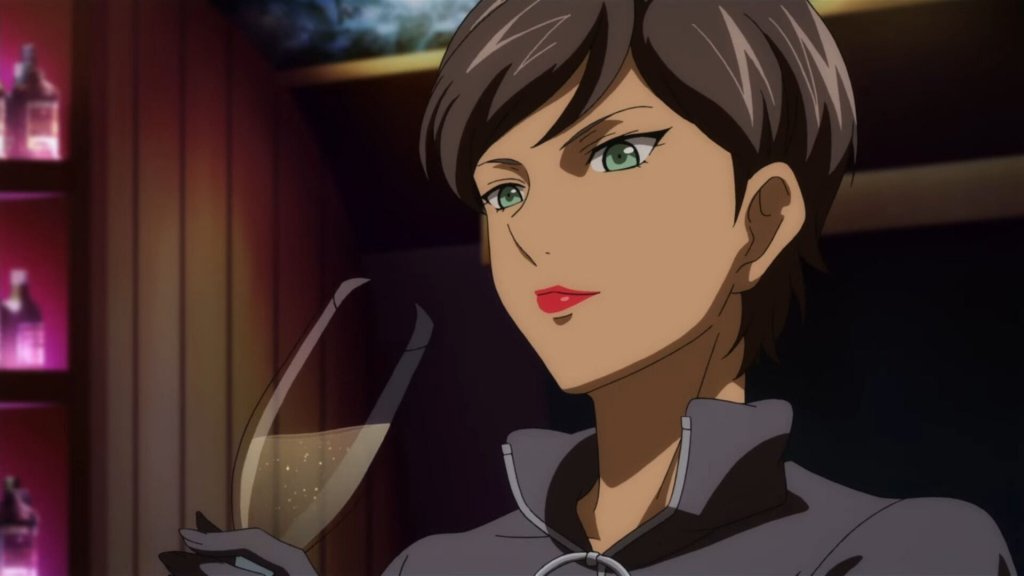
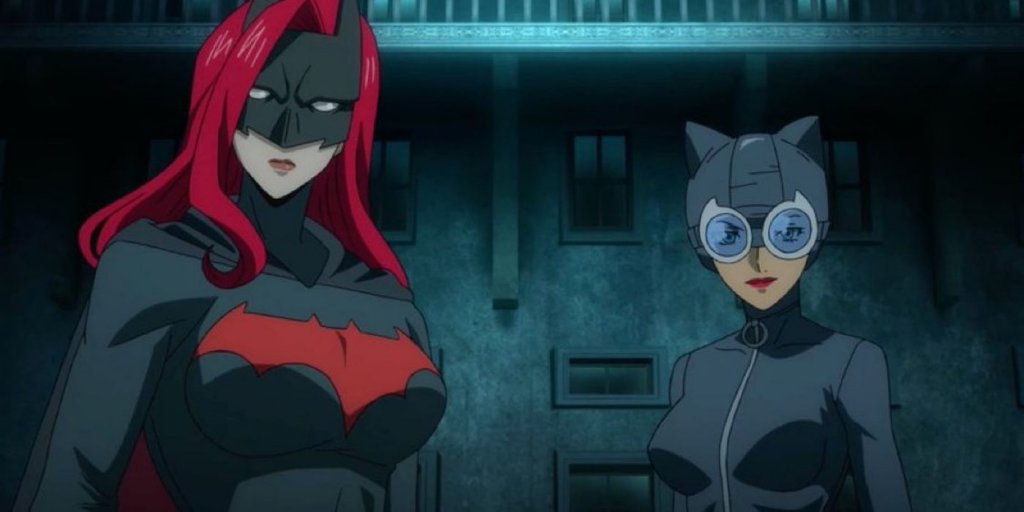
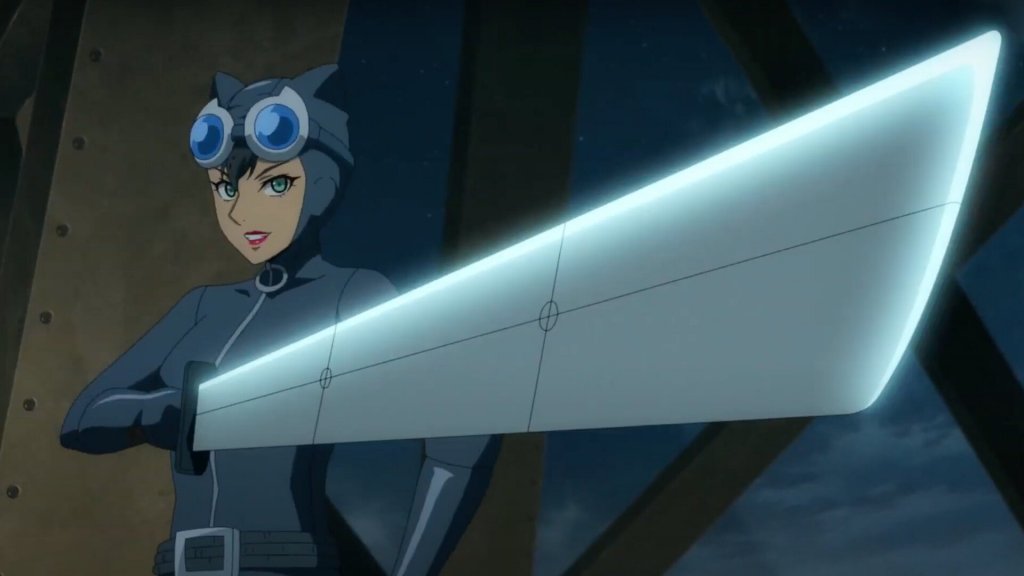
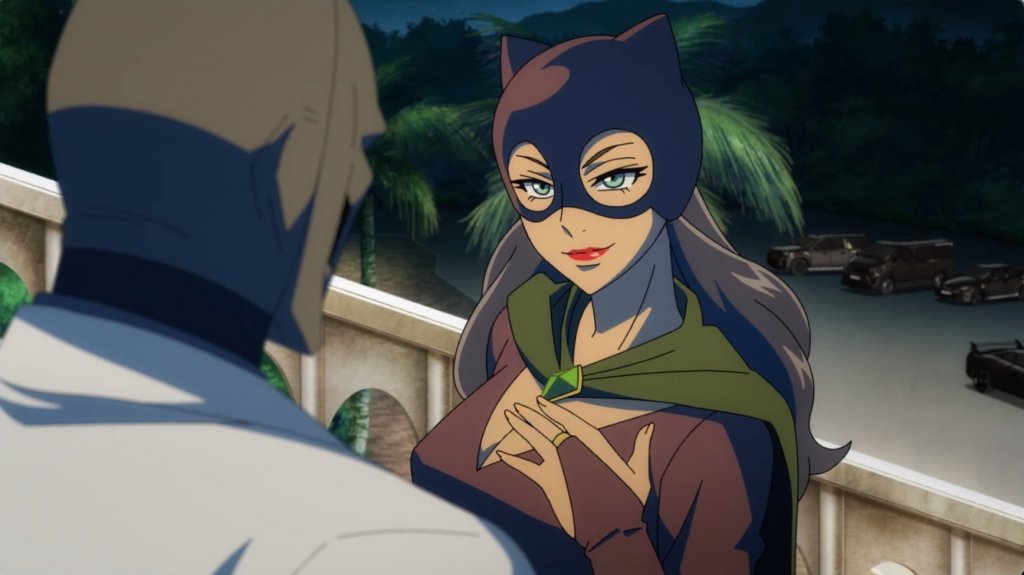
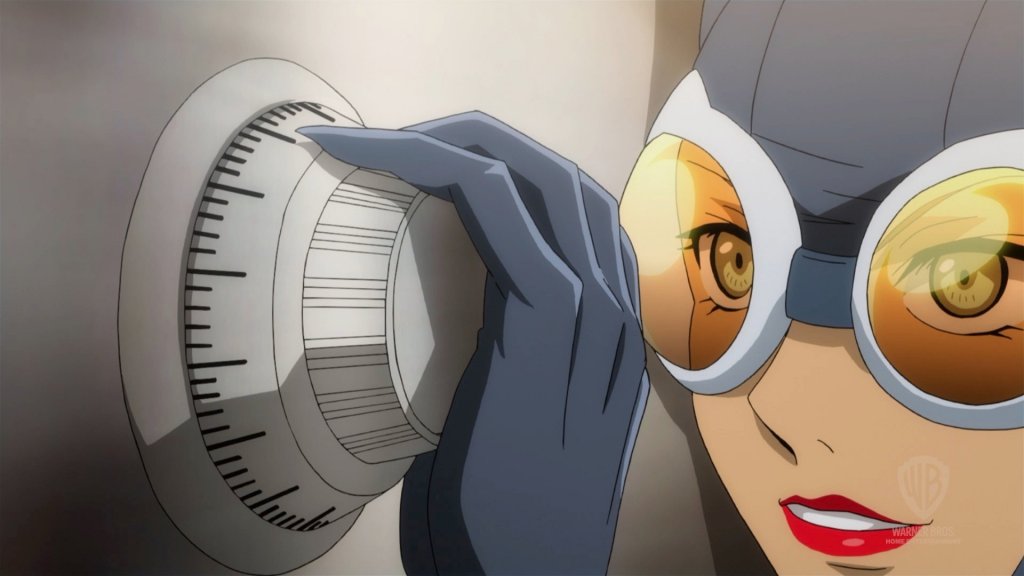
With 80 years of history at her back, Catwoman headlines her own animated movie for the very first time in Catwoman: Hunted. Directed by Shinsuke Terasawa, the anime-style film follows Selina Kyle’s attempt to steal a priceless emerald, a heist which puts her squarely in the crosshairs of a powerful consortium of villains, Interpol, and Batwoman. Starring Elizabeth Gillies in the titular role and Stephanie Beatriz as Kate Kane, Hunted is a stylish and contemporary look at one of DC’s most famous characters.

Ahead of the film’s release, STARBURST had the pleasure of speaking with Catwoman herself, Elizabeth Gillies, about putting her own stamp on such an iconic character.

What was on your mind when you first approached the role of Selina Kyle?

Elizabeth Gillies: I made sure to do my research before I started. I watched everything from Julie Newmar and Eartha Kitt from the Batman series, all the way to some of the animated 90s stuff. And then, the Catwoman that I grew up with and gravitated most towards was Michelle Pfeiffer’s Catwoman. That ended up being my biggest influence when it came to putting my stamp on it. But I did make sure to pay attention to the script and how it differs from all previous Catwoman stories. I think I put my own spin on it, and I’m happy with how it came out. It was such a fun script. I don’t think we’ve seen Catwoman quite like this before.

What was it about Michelle Pfeiffer’s iteration that resonated with you?

Elizabeth Gillies: I loved the journey that her character goes on, I loved how she was able to play so many different sides to Catwoman, and just how interesting and electric, and strong she was. And I loved her voice. I’m a big Michelle Pfeiffer fan and I just felt that movie was so fun.

To me, she really embodied who Catwoman was, even though everyone’s done their own thing. Though I have to say, watching the old ones, Eartha Kitt was pretty extraordinary. The through line between all these women is that they’re confident, strong, sexy, badass women. And funny, too, which I think is important.

It feels like that humour and the way Catwoman plays with her sexuality really defined your spin on the character.

Elizabeth Gillies: Yeah, I think that those are two things that I have played a lot with in my career, with characters that I’ve played. I identified with that side of Catwoman. This film has a noir spin on it, with a really interesting jazz score, and it’s just a story told in a different way. I’d be lying if I said that I didn’t put a little bit of Old Hollywood in there; it gave me the opportunity to play around and take it in a new direction while keeping all of Catwoman’s most famous traits.

You put on this almost Mae West-esque voice that really adds to the feel of the film.

Elizabeth Gillies: Mae West was actually one of the people I was thinking of when I was voicing her, so thank you.

Aside from the character’s iconic status, what drew you most to the script?

Elizabeth Gillies: I was so excited to do anything in the DC world. I’ve been a fan for a long time. And I was honoured that they asked me to voice Catwoman’s first feature that was entirely her own. It was a big opportunity for me in that way, just because I honour and respect this community so much, and the legacy that it holds. That immediately drew me in. Then the script was really interesting, and dynamic and fun. There are so many Easter eggs, so many villains that pop up, so many surprises that fans will be super excited for.

Interview with writer Greg Weisman about Catwoman: Hunted starring Elizabeth Gillies and Stephanie Beatriz

Another aspect of the film that feels completely new is the developing relationship between Catwoman and Batwoman. What were you most excited for in their dynamic?

Elizabeth Gillies: I was really excited when I read the script and saw how they were really delving into their relationship. The two have such an interesting dynamic; although Catwoman uses her sexuality to manipulate others in a very cavalier way, she has a thing with Batwoman. There’s something there that intrigues her, and she likes to press her buttons. There’s something more there than the usual games.

We do get a couple scenes in this film where we really see them get close and we definitely play with more mature tones, which is exciting and cool.

And Batwoman does really bring out Catwoman’s softer side, which must have been interesting for you to play.

Elizabeth Gillies: Definitely. With a character as raw and archetypal as Catwoman, it’s nice to see her have those quieter, more vulnerable moments when she lets down her walls. We get to see those different sides to her.

Greg Weissman floated the possibility of a sequel or maybe even a trilogy. If that were to happen, what aspects of the character would you really like to explore further?

Elizabeth Gillies: I’d like to see her in a whole new world, a whole new environment. I’d like to see her interact with new people, maybe even Batman. I’d be very down to do another film, I had so much fun. I love animation and the script is wonderful. Sky’s the limit, and I would love to do another one. I hope the fans love it.

You mention bringing Batman in, in the future. Why was it important that he be left out of the first film?

Elizabeth Gillies: I feel like she’s always had this connection to him, and maybe stood in his shadow. I think that giving her an animated movie of her own and letting her tell her story, and for her to be the focus was good. She didn’t need to be anybody’s sidekick, and if we did bring someone else in to be her foil, then it was going to be a woman. It’s a strong, female-led film, and I love it.

When you were first approached, were you surprised to learn that this was the first time Catwoman was getting her own animated movie?

Elizabeth Gillies: Yeah, the first in 80 years. I was very surprised and thought that maybe I’d read it wrong, so I went and checked. I don’t really understand it. She’s so beloved and such a famous character with such a huge fan based, so I was really surprised. On the other hand, I’m happy to do it!

Catwoman: Hunted releases on Blu-Ray and DVD February 7th, and on Digital Download February 8th. 

Read our interview with Catwoman: Hunted writer Greg Weisman here. 

Greg Weisman | CATWOMAN: HUNTED

Interview with writer Greg Weisman about Catwoman: Hunted starring Elizabeth Gillies and Stephanie Beatriz

Though her character’s history spans 80 years, Catwoman: Hunted is the first time that the DC antiheroine is headlining her own animated movie. Directed by Shinsuke Terasawa, the anime-style film follows Selina Kyle’s attempt to steal a priceless emerald, a heist which puts her squarely in the crosshairs of a powerful consortium of villains, Interpol, and Batwoman. Starring Elizabeth Gillies in the titular role and Stephanie Beatriz as Kate Kane, Hunted is a stylish and contemporary look at one of DC’s most iconic characters.

Ahead of the film’s release, STARBURST had the pleasure of speaking with Catwoman: Hunted writer Greg Weisman about bringing such a complex character to the screen.

What were your initial thoughts and ideas when approaching the screenplay?

Greg Weisman: I knew that Warner Brothers and DC wanted to do an anime-style film, because they’d just had success with a Batman movie in anime style. And so, I thought about what might work well in anime for Catwoman.

I’m a big fan of the Miyazaki film, Lupin III: The Castle of Cagliostro – I’d watched it many times some years ago and made sure I didn’t rewatch it prior to writing Hunted because I didn’t want it to be overwhelmed by it. I wanted to pay homage to it.

How much does the animation style influence the screenplay?

Greg Weisman: I like to think that I write visually, so I tried to visualise what would wind up on screen. And I have to say, they did a magnificent job. Things like car chases and fights work particularly well with that style. I love how it turned out, they really knocked it out of the park.

The Selina Kyle in Hunted is very much her own character, but were there any comic books or previous performances from the character that you referred to?

Greg Weisman: I think my job when I adapt any character – and I’ve adapted a lot of DC characters over the years – is to try and get down to the essence of the character. And someone like Catwoman has 80 years with a history behind her, she’s been played on screen by a bunch of different actresses… but it’s not my job to choose one previous version to work from, it’s to get down to the core of who I think Catwoman is. It’s to establish what’s essential and archetypal about her character and go from there.

With 80 years of continuity behind her, there are hundreds of artists and writers and editors, and actors who have influenced the character. Characters build up detritus, and my job is to cut through all that and get down to the essence of the character. If I do my job right, by the time this version gets on screen then people will say “this is classic Catwoman” and simultaneously think, “I’ve never seen a Catwoman like this”.

That’s the goal: to make it feel classic but contemporary, iconic but fresh. And Elizabeth Gillies just did a magnificent job bringing Selina to life. From my standpoint, Elizabeth is my forever Catwoman.

Interview with writer Greg Weisman about Catwoman: Hunted starring Elizabeth Gillies and Stephanie Beatriz

You talk about distilling the essence of Catwoman, so how would you describe her?

Greg Weisman: On the one hand, the contrast that I find fascinating in her is that she’s wearing this mask that is light-hearted, easy-going, very difficult to ruffle. Even when things get very dire, she seems to still be enjoying herself. But all of that masks of much more serious purpose, one that matters to her. And what I was trying to bring out in this film is that 90% of the time, what you’re seeing is that mask of lightness. Then every once in a while, that darkness creeps through, this deeper purpose.

And another way you seem to bring out that contrast is by pitting Selina against Kate Kane, aka Batwoman. How did you develop that relationship between the two characters?

Greg Weisman: What’s great about that Kate Kane is that, again, there’s tremendous stylistic contrast. Selina is light and airy, Kate is serious, military, and pragmatic. They’re both funny, but Selina favours that bedroom type of comedy, whereas Kate has a very dry wit.

And so stylistically, whether they’re in opposition or are working as partners, they couldn’t be further apart. Yet by the end of the film, you realise that their ultimate goals are actually quite similar. They’re not nearly as different as they would like to believe.

Meanwhile, you also decided to keep Batman at bay in this film. Was that to ensure focus was kept on Catwoman?

Greg Weisman: Right from the start, we said, “no Batman in the movie.” But we’re not going to pretend Batman didn’t exist, so you do feel his presence loom in moments here and there; but we didn’t want him in the film at all. My feeling was that he’s such a titanic character that if you put him on screen, then no matter what you do, the audience risks seeing Catwoman as his foil, or his antagonist, or his love interest.

It becomes about their relationship – which, let me just say, I’m fascinated by – but we wanted this movie to be about Selina. So, the decision was to keep him out and let her shine independently of him. This is her own story.

We heard there might be plans for a trilogy. Do you have any ideas at this stage?

Greg Weisman: I have very specific ideas. I don’t know that this trilogy is going to happen, it’s all very blue-sky thinking. We’ll see how this movie does, and if it does well then that’s a discussion we can have. I have a plan for two more films and I’d love to make them, but we’re not there yet.

Catwoman: Hunted releases on Blu-Ray and DVD February 7th, and on Digital Download February 8th.

Mamoru Hosoda | BELLE

Following on from his Academy Award Nomination for his previous film MIRAI, Mamoru Hosoda brings us a truly unique and special take on Beauty and the Beast in his latest masterpiece, BELLE. We here at STARBURST had the special privilege of sitting down with Hosoda-san to discuss the film, the importance of strong female characters and key selling points of great music in film.

STARBURST: A massive congratulations on the film. It’s a stunning story and is beautifully told. You truly deserve all the recognition that you are receiving.

MAMORU HOSODA: Thank you so much. That truly means the world to me that people are reacting this way.

You draw a lot of inspiration from the story of Beauty and the Beast in this film whilst blending it with a very relatable and emotional human narrative. When did the idea for this begin?

The idea really came about when I started wondering what would happen if I set that classic story in the online world – that was about 3 years ago. So, I’d always wanted to do my version of that story ever since I started in the industry 30 years ago, but I never knew quite how I’d do it until the online idea came to me a few years back.

The lead character Suzu is such an interesting protagonist. How important was it to have a lead that was flawed with infinite potential in order to connect with audiences?

I’ve always thought that society is unfair. With Suzu for example, she is in the corner of her classroom at high school and if you just saw her without knowing her, you may think that she was a serious, gloomy girl maybe, but inside she’s so different – people are quick to judge based on appearance. But in this online world, this is where you get to see another version of her, what’s hidden inside and it’s not until you get to that world that it reveals itself – she’s no longer that girl in the corner and I wanted to show in the film that there are a lot of people like that.

How important to you are great female characters in Anime?

The protagonists in films generally must overcome difficulties so you need a strong character in order for them to make it to the end of the film. Women’s rights are very much a big topic right now, but I’ve always preferred a strong female character and I’ve always believed that women are strong, so I think it’s normal to have independent female characters in film. I think that the way that society has treated women as being weaker or unjustly condescended, even today, is something we’re still facing so my characters don’t give up. I think that a lot of people still have a feudal mindset towards female characters. Society and values need to change and when it’s the norm to have strong female protagonists then we will have achieved equality.

Obviously, BELLE was made during a unique time in the world. How was it as a creative, pulling together with people from all over the world to bring your vision to life?

The film was obviously made during the pandemic, all the design was done too but because of the situation we were in, it was normal for remote meetings so it was easy to meet with artists from all over – Jin-Kim in LA for example. I think if it wasn’t for this situation, the resulting film may have been very different too. The restrictions somehow tallied quite nicely with the subject matter of the film – it gives it that real timely feeling.

The real world is hand-drawn animation, and the world of “U” is 3D computer animation – was that always the plan from the beginning in order to differentiate the two worlds?

That was always the plan, yes. I don’t know of any other films in Japan or the US that have done this before and split hand-drawn and CG along conceptual lines – in animation anyway. The use of the different techniques definitely works with the content.

The music in this film is absolutely spellbinding – how was the creative process of getting an important thing like music right as it is such an integral part of the film?

I always wanted music to be at the centre of the film – initially I wanted to make it a musical as Disney’s version is – but I didn’t know how to write a musical [laughs]. In the US, animation is almost instantly a musical – it’s like breathing for them. For Japanese people, it’s very difficult to do that, incorporating music. In the end, this is how we managed to do it and it is so gratifying to hear everyone say how much they loved the music. The last song in particular was so important.

Your previous film MIRAI told a fantastical story through the eyes of a child that a lot of us can relate to in our past. Would you say that BELLE is an important story for our future as technology and our reliance on it evolves?

I think you’re right; I think the film shows that we all live in the real world and online world simultaneously. I can’t think of many other films that show it that way. Usually, the internet is shown as a fantasy world with a conflict between that and the real world – but there isn’t in this. We need to be able to live in both at the same time. People often say to me that the internet is a bad place, but I don’t think that to be entirely true – so I tried to show the internet in a more positive light and that both worlds can work in harmony because we need to learn to live in both as time moves on.

BELLE is released in UK cinemas on Friday February 4th 2022. Tickets can be found here. Thanks to Anime Limited and Fetch Publicity for the opportunity to speak to Mamoru Hosoda.

Every TEXAS CHAINSAW MASSACRE Movie Ranked… From Worst to Best

texas chainsaw ranked

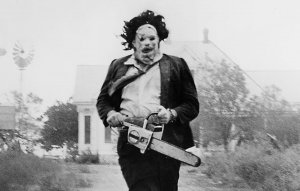
On February 18th,  Leatherface returns in Netflix’s Texas Chainsaw Massacre – a franchise  sequel which picks up almost 50 years after the original movie’s ending. The ninth movie in one of horror cinema’s most enduring franchises, fans eagerly await to see where it will sit on the spectrum of Good-To-Terrible Texas Chainsaw Massacre movies.

While we wait, join us as we reflect on the series thus far, with this deep-dive into the annals of Texas Chainsaw Massacre history, ranking the films from worst to best. Yes, we hate The Next Generation too, but hear us out.

Texas Chainsaw 3D (2013)

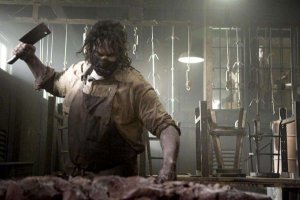
Also ignoring the five other movies which followed Tobe Hooper’s 1974 classic, John Luessenhop’s sequel hits the franchise reset button – a direct sequel to The Texas Chain Saw Massacre. Picking up decades after Hooper’s original massacre, we follow young Heather Miller (Alexandria Daddario) as she travels to rural South Texas to collect a mystery inheritance. This estranged relative of the Sawyer family discovers an aged Leatherface living in the basement of her inherited country mansion – and turns out to be surprisingly cool with that? While there’s no denying Texas Chainsaw’s ambition, the story is a mess, and Heather’s behaviour makes almost as little sense as her supposed age.

Leatherface (2017)

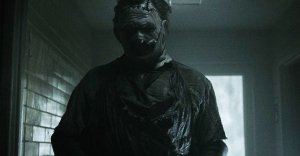
French horror extremists Alexandre Bustillo and Julien Muary tried to take Leatherface and the franchise in a new direction with this prequel, which details the childhood of a young Bubba Sawyer. Owing more to The Devil’s Rejects than it does any previous massacre, this gory road trip movie sees baby Leatherface on the run from the law after escaping from a mental institution. Hot on his trail: nasty cops Stephen Dorff and Finn Jones. Bustillo and Maury do their best, but the film seems watered down when compared to their usual output, and never feels like a proper Texas Chainsaw Massacre. The asinine twist only compounds the disappointment.

The Texas Chainsaw Massacre: The Next Generation (1995)

Widely (and not incorrectly) regarded as the worst sequel, this is also one of the most irritating movies ever made – a cacophony of shrieking, screaming, and overacting from all involved. Matthew McConaughey goes to town on the scenery, delivering one of the most annoying movie characters of all time, and making The Texas Chainsaw Massacre 2’s Bill Moseley look positively restrained in the process. Now (even more of) a squealing idiot, Leatherface is barely in it, and treated as a joke. Director – and original co-creator – Kim Henkel should have known better, but the film wins a few points for its willingness to lean into the absurdity and self-parody.

The Texas Chainsaw Massacre: The Beginning (2006)

Rather than deal with the logistics of a one-armed Leatherface (his arm having been chopped off by Jessica Biel in the previous movie), this prequel-to-the-remake goes back to where it all started… sorry, the beginning. We meet Thomas Hewitt as the idiot employee of a meat processing plant, and Hoyt (R. Lee Ermey) on the day he gets minted as Sheriff of Fuller, Texas. After capturing a young draft-dodger, his brother, and their girlfriends, a new family ritual is born. Filling in all the blanks from the previous movie – how uncle Monty lost his legs, why Leatherface does what Leatherface does, how Hoyt lost his front teeth –The Beginning suffers from a bit too much prequel-itis, but it’s an enjoyably brutal franchise entry.

The Texas Chainsaw Massacre (2004)

No remake could ever hold a candle to Tobe Hooper’s classic, but the 2003 version has a few good ideas. The casting of R. Lee Ermey as the monstrous Sheriff Hoyt is a stroke of genius, even as he threatens to overshadow the whole thing. Following the template of the ’74 original, Marcus Nispel’s remake re-imagines Leatherface as a more traditional slasher concept – hulking and silent – dialling up the gore and violence.

Leatherface: The Texas Chainsaw Massacre III (1990)

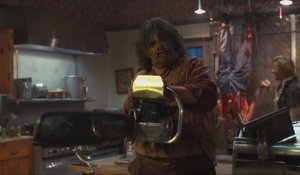
The most underrated sequel had a rough time of it during production, being cut to ribbons by censors, and emerging messy, compromised and all sorts of hacked-up. A shame, as Leatherface is a tremendously effective three-quel, featuring great performances from Viggo Mortensen and Ken Foree, duking it out as villain and hero, respectively.  Stomping about on a  squeaky old leg brace, Leatherface has rarely felt more intimidating, wielding what might be the biggest chainsaw in any Texas Chainsaw Massacre to date. Seek out the uncut edition, if you can.

The Texas Chainsaw Massacre Part 2 (1986)

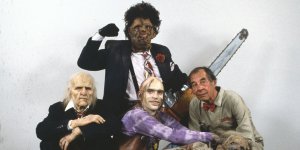
A slasher sequel which doesn’t even try to replicate the thing which came before it, Tobe Hooper revisits Leatherface and his surviving family (Jim Siedow, plus the hitherto absent Bill Moseley) as they go after a charistmatic radio DJ (Caroline Williams) and attend a series of chilli cook-offs. This time, the family have a foil of their own in Ranger Lieutenant ‘Lefty’ Enright – as played by Dennis Hopper, in one of his greatest roles. Culminating in a chainsaw duel between Enright and Leatherface, The Texas Chainsaw Massacre Part 2 is one of the most joyously demented horror sequels ever made.

The Texas Chain Saw Massacre (1974)

Few movies have been able to capture the feeling of raw terror like Tobe Hooper’s Texas Chain Saw Massacre. In its story of naïve teenagers falling foul of cannibals in rural Texas, it would provide the blueprint for generations of hillbilly horror stories – including a franchise of sequels, remakes and reboots of its own. Often imitated, never bettered, none have ever been able to recapture the lightning-in-a-bottle of Hooper’s original massacre.

From the title down, The Texas Chain Saw Massacre is the perfect horror film. Its infamous title would cause panic and uproar upon its release in the video nasty era of the 1970s, and see the film banned in the UK. And yet there’s no gore and very little actual violence to Hooper’s massacre. Heads are bashed in, bodies are impaled on meathooks, a guy in a wheelchair gets torn apart by Leatherface’s saw… but Hooper coyly hides the point of impact – the moment of piercing.

More than any other horror film ever made, it effectively encapsulates the feeling of true madness. The actors’ discomfort is palpable – trapped in a nightmare, they sweat and scream and bleed. The villains shriek and snarl and gnash their teeth – a far cry from the composed, simpering horror monsters of yore. At the bloody heart of it are Leatherface and Sally Hardesty – the final girl and her tormentor, into the film’s iconic final reel. The Texas Chain Saw Massacre is a cinematic experience like no other, the ultimate in gruelling terror.


Along Infinite Corridors… Remembering THE TIME TUNNEL

tunnel

As the show makes its way back onto UK television, we take a look at the classic US telefantasy show THE TIME TUNNEL…

It’s often said that the past is a foreign country and, in terms of your carbon footprint, taking a journey to the olden days is far better for the environment, coming as it does through less jet-setting methods such as reading a book or watching Poldark. That probably wasn’t strictly true for the unfortunate passengers of The Time Tunnel, however, who were cast adrift in time by a machine, as it can’t have been easy on the National Grid.

The Time Tunnel, which aired for just one season of thirty episodes in 1966 and 1967, retains a cult appeal, not only for fans of Irwin Allen’s Technicolor brand of telefantasy but also as the first US prime time show to tackle time travel. By 1966, Irwin Allen was on a roll. After moving from directing theatrical pictures – he adapted Arthur Conan Doyle’s The Lost World for 20th Century Fox in 1960, before bringing the Jules Verne stories Voyage to the Bottom of the Sea and Five Weeks in a Balloon to the big screen – into the booming television medium, Allen brought a TV adaptation of Voyage to the Bottom of the Sea to ABC in 1964. Using many of the sets from the 1961 movie, Allen’s show was an immediate hit, and cleverly used stock footage from other 20th Century Fox movies to pad out the adventures of Richard Basehart and David Hedison as they encountered lost civilisations on their journey into the abyss.

The success of Voyage led to Allen’s biggest hit, the ‘Space Family Robinson’ saga of Lost in Space, which began in 1965. Allen initially intended it to be a family show for prime time, and although it aired in that sought-after slot, it became something of a children’s show, centring on the adventures of young Will Robinson, his robot, and the wonderfully over the top Dr Smith.

With two hit shows in two successive years, Allen could write his own cheques, and he brought an idea based on the 1964 movie The Time Travelers to ABC, home of his other shows. The Time Travelers, written and directed by Danish B-movie auteur Ib Melchior, told of a government department who discover that their time window, built to spy on events in the past, can also be used for travelling to those times. Allen pitched a story of a government project – Project Tic-Toc – that has gone wildly over budget. In its ten years, it hasn’t produced any concrete evidence that time travel is possible, and so a US Senator arrives to demand results or the project would be shut down. Not willing to subject innocent people to an untested process, one of the project’s directors, Dr Anthony Newman, volunteers to act as a guinea pig, but he is turned down by his colleague, Dr Doug Phillips. Defying his friend’s orders, Newman sends himself hurtling into the time stream, and Phillips follows him, looking to return them both to the present day (which in the story was 1968, two years in the future).

For the part of maverick scientist Tony Newman, Allen went for an actor he’d worked with on Voyage to the Bottom of the Sea, James Darren. Darren was a reasonably big name in Hollywood at the time of his casting, having signed a seven picture deal with Universal in 1963, and was joined in the regular cast by TV journeyman Robert Colbert as Doug Phillips, and future Batman Catwoman Lee Merriweather and Whit Bissell as the project’s support staff.

Throughout the show’s run, Tony and Doug visited such notable historical events as the sinking of the Titanic, the attack on Pearl Harbor, the eruption of Krakatoa, and the Battle of Little Bighorn, and each time they tried to prevent or minimise the damage done by the event, seemingly without a care as to whether their actions might cause changes in the future. For the most part, they found that they were unable to have an effect on the past, and any steps they did take were course-corrected by the time stream, which was explained in the show as a linear narrative where the past and the future were just two stops along an already taken journey.

As with Allen’s previous hits, the show reused sets and stock footage from other productions and wasn’t altogether faithful with some of the historical facts it presented to viewers, but ratings were strong and everything pointed to the show’s renewal for a second season. Before the first season had ended, however, the team got the news that they would not be renewed for a second season; an ABC executive had his eye on their time slot for a show he was championing, The Legend of Custer, which took The Time Tunnel’s place on the schedule and did so well that it was cancelled after just seventeen episodes. The early notice of cancellation at least allowed Allen to wrap up the series in a way that few cared to do at the time. Each episode ended with Tony and Doug being transported away to another time and place, but the final episode saw them back where they started their journey in Episode One, on the deck of the Titanic, the implication being that they would never return home.

The Time Tunnel received all the trappings of a successful TV show of the time, including novelisations and comic books, board games and soundtrack album releases (the theme tune was an early work by John Williams), and Allen did attempt to bring another show with James Darren to screen – 1968’s The Man from Another Planet – but the show never sold, and the pilot aired as a TV movie. Instead, 1968 saw the boilerplate formula used for the first two hits rolled out with Land of the Giants, which stretched its premise for fifty-one episodes across two seasons.

The end of Land of the Giants in 1970 brought Irwin Allen’s brief TV empire to a close, and he moved into movie production, specialising in disaster pics like The Poseidon Adventure and The Towering Inferno. A combined ten seasons (and two TV movies) of telefantasy had ensured that his legacy would not be forgotten, however, and his work gained new fans over a series of repeat showings during the 1970s and 1980s.

The Time Tunnel was the American Doctor Who, except that they never really travelled in space, and so would only have needed a TARDI. Its approach to the big moments of world, but especially the US, satisfied an audience looking for escapism and loosely-accurate historical recreations, and the upcoming TV screenings will once again thrill fans of its heady mix of education and light peril, delivered by a charismatic cast. US TV continues to attempt the time travel TV show – Legends of Tomorrow is the best example of the genre in recent times – but you never forget your first, especially if you are doomed to live it over and over again.

You can catch THE TIME TUNNEL on Horror Channel as part of the Sci-Fi Zone.

THE TELEPHEMERA YEARS: 1980 – PART 4

telephemera 1980 thundarr

Ah, telephemera… those shows whose stay with us was tantalisingly brief, snatched away before their time, and sometimes with good cause. They hit the schedules alongside established shows, hoping for a long run, but it’s not always to be, and for every Street Hawk there’s two Manimals. But here at STARBURST we celebrate their existence and mourn their departure, drilling down into the new season’s entertainment with equal opportunities square eyes… these are The Telephemera Years!

1980-81

TV parties in 1980 were chock full of telefantasy, with Charlie’s Angels, Fantasy Island, The Dukes of Hazzard, The Incredible Hulk, and Buck Rogers in the 25th Century all riding high in the ratings. Throw in perennially successfully sitcoms like Benson, Diff’rent Strokes, Soap, and the Happy Days extended family – both Mork and Mindy and Laverne and Shirley began their existences on Fonzie’s rock ‘n’ roll show – and you have quite the feast of televisual entertainment.

Period fans were well-catered for by The Waltons and Little House on the Prairie, and Dallas ruled the soap opera waves, even creating enough of a swell for Knots Landing to spin-off in its wake. Competition would soon arrive, though, in the shape of Dynasty, one of a number of new shows for the 1980 Fall TV season which also included future hits Magnum, PI and Hill Street Blues, as well as future glancing blows Bosom Buddies and The Greatest American Hero. But what were kids sitting down to watch on Saturday mornings? This is the story of 1980’s cartoon hits…

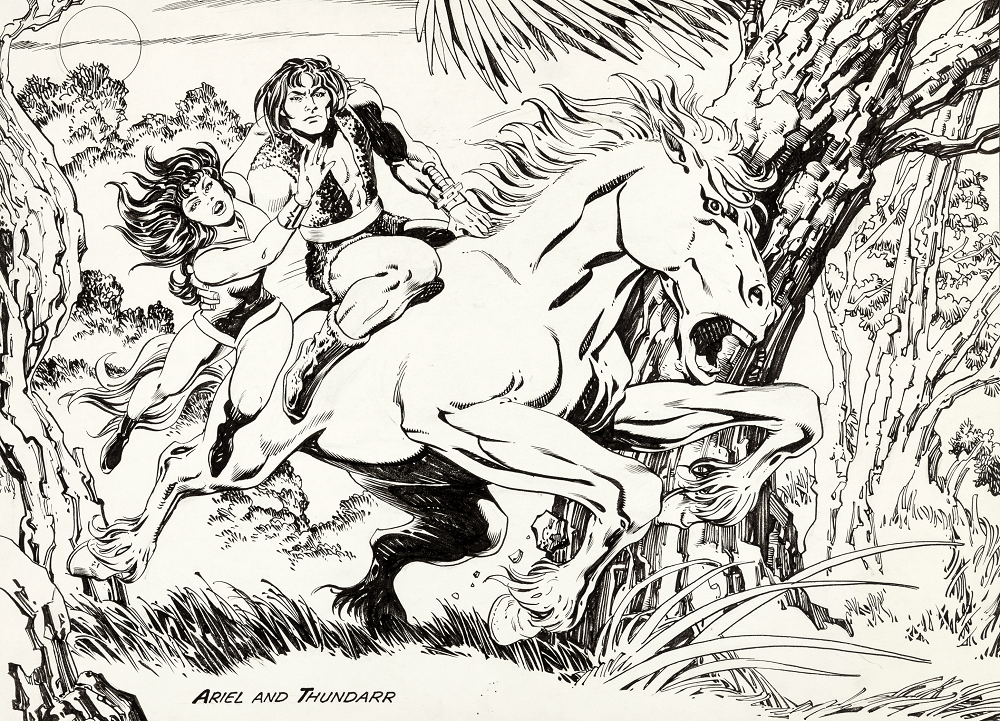
Thundarr the Barbarian (ABC): Having found the monetary rewards for surrendering his creator’s rights to Marvel Comics incompatible with his value system, Howard the Duck creator Steve Gerber decided to try his luck in Hollywood, where former comics writers and artists were making in-roads into the animation business.

Gerber pitched up at Ruby-Spears, the company formed by former Hanna-Barbera staffers Joe Ruby and Ken Spears, where he originated Thundarr the Barbarian, set in a post-apocalyptic wasteland ruled over by competing warlords. With character designs by Jack Kirby, whose Kamandi concept Thundarr closely resembles, the cartoon centred on the titular barbarian, a young sorceress named Ariel, and Ookla the Mok, a lion-man style creature, all fighting the Brotherhood of Night and other supernatural threats found lurking in the dark.

telephemera 1980 thundarr

Thundarr debuted on ABC on October 4th 1980, as part of a Saturday morning block that also included Superfriends and Scooby and Scrappy Doo, pitching the heroic trio right into the heat of battle, protecting the inhabitants of “Manhat” (a destroyed future New York) against a two-faced wizard and an army of rat people.

Two seasons of Thundarr were produced, although these numbers just thirteen and eight episodes, respectively, and a planned syndicated comic strip drawn by Kirby was cancelled before it could get off the ground. Gerber continued to work in television for a few years, eventually coming back to comic books in the 1990s and continuing to work there until his death in 2008.

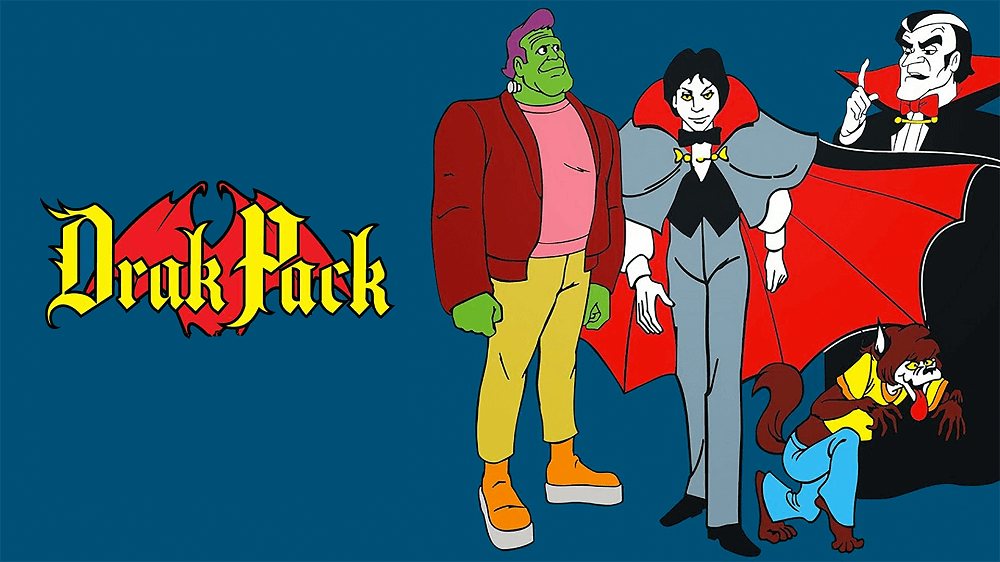
Drak Pack (CBS): Hands up who knew that there was an Australian division of Hanna-Barbera? In 1980, after having had an earlier hit with Dinky Dog in 1978, the drawers down under delivered their latest product to their parent office in Los Angeles, a rebooting of the Universal monsters as teenage superheroes.

Something similar had been done by Dell Comics in the 1960s in an attempt to cash in on the success of TV’s Batman but Drak Pack rejected the idea of traditional superhero costumes and instead had the three principals – Drac Jr, Frankie, and Howler – in more familiar garb as they try to atone for the wrongs of their more famous ancestors.

telephemera 1980 drak pack

Standing in their way is Dr Dred, head of the evil organisation OGRE (Organization for Generally Rotten Enterprises), and his minions Fly, Mummyman, Toad, and Vampira, but the intrepid young heroes – overseen by Allen Oppenheimer’s Dracula Sr – always manage to save the day.

The show debuted on CBS on September 6th 1980, following an hour of Popeye, and its sixteen episodes are a lot of fun, with some decent voice work by industry veterans including Jerry Dexter, William Callaway, and Don Messick. The entire series was released on DVD in 2011 but there are plenty of episodes available for free on YouTube for more miserly monster maniacs.

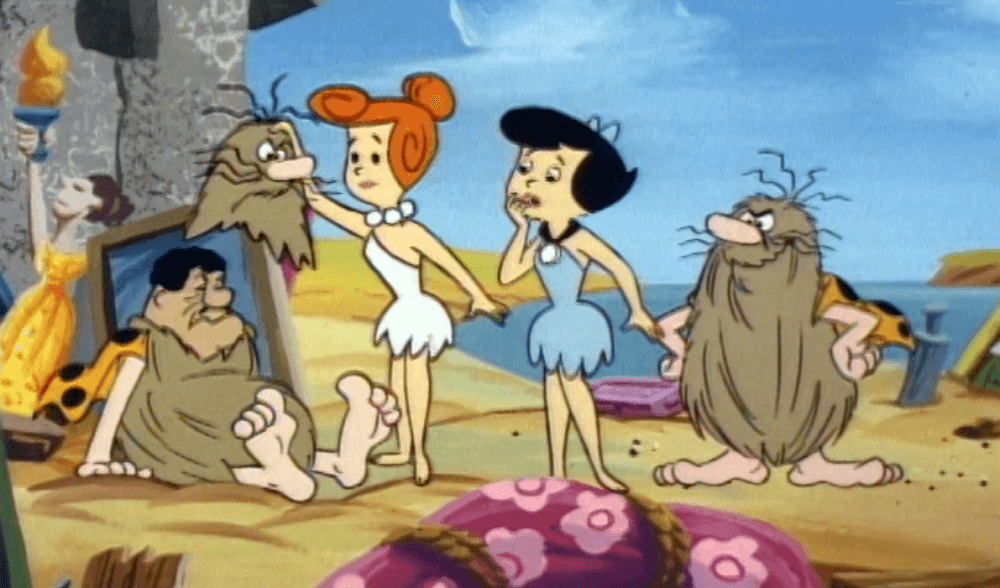
The Flintstone Comedy Show (NBC): While the Australians were beavering away on Drak Pack, there was no rest for the wicked at the main Hanna-Barbera studio in Los Angeles, where William Hanna and Joseph Barbera had put The Flintstone Comedy Show into production. A ninety-minute extravaganza, the show tied together various elements of the larger Flintstones universe into a neat little package with six separate segments, each capable of being spun off into their own show.

The Flintstone Family Adventures was traditional Flintstones stuff, with Fred and Barney and their extended families getting into all manner of hijinks, a world away from Bedrock Cops, which saw the dynamic duo join the police force, with Shmoo from 1979’s Fred and Barney meet the Shmoo as their apprentice.

telephemera 1980 flintstones

Next up was Pebbles, Dino, and Bamm-Bamm, a Scooby Doo-style teen mystery show, with the children de-aged from their appearance in 1971’s The Pebbles and Bamm-Bamm Show but still older than they appeared in the usual Flintstones episodes. This was joined by Captain Caveman, a prequel to the earlier Captain Caveman and the Teen Angels series, and Dino and Cavemouse, a Tom and Jerry-style chase comedy segment.

The show was rounded out by The Frankenstones, who had been introduced in The New Fred & Barney Show a year before, the Flintstones’ new neighbours who resembled The Munsters. After an eleven-episode run, the show was brought back in September 1981 for another seven episodes, and thereafter re-run as The Flintstone Funnies, which mixed up segments from various episodes as fitted the syndicated timeslot it had been afforded.

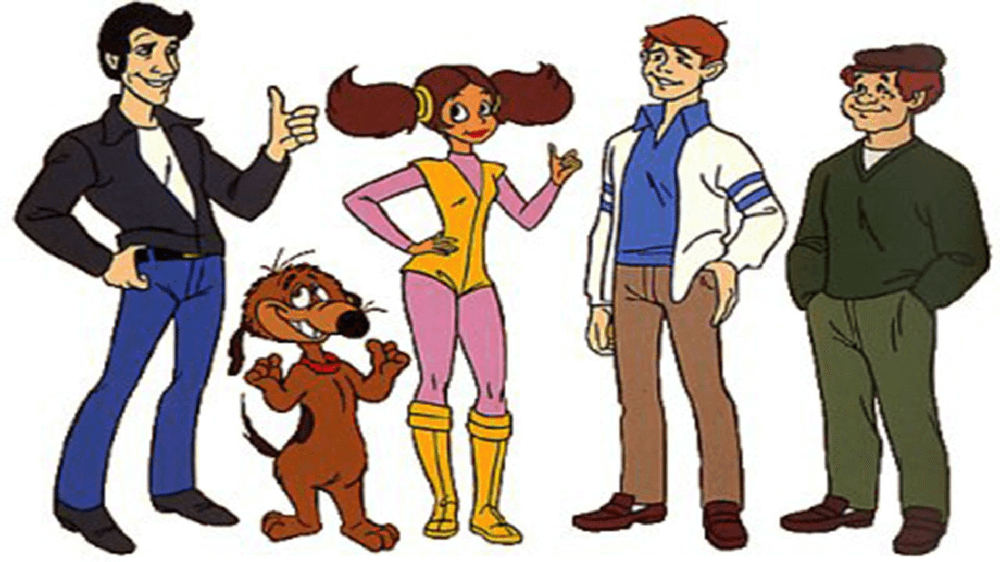
The Fonz and the Happy Days Gang (ABC): After six years as a top rating sitcom and having spun off such delights as Mork and Mindy, Laverne and Shirley, and – erm – Blansky’s Beauties, Happy Days still had some life in the old offshoot machine, spitting out a weird mix of The Fonz and the usual gang with time-travel show Doctor Who.

The Fonz and the Happy Days Gang starred the titular cool guy, the oldest swinger in town, who is hanging out with people far too young to be his friends, as usual, when they are visited by a girl from the future with a malfunctioning time machine. Safter using his mechanical nous to fix Cupcake’s machine, the Fonz and the gang – Richie, Ralph Malph, and a talking dog named Mr Cool (poor Potsy…) – are whisked off on time-travelling adventures, visiting everywhere from ancient Egypt to King Arthur’s Camelot.

telephemera 1980 fonz happy days

Henry Winkler, Ron Howard, and Donny Most reprised their sitcom roles, with Grease’s Frenchy, Didi Conn, as Cupcake and the ubiquitous Frank Welker voicing Mr Cool. Twenty-four episodes were produced by Hanna-Barbera, across two seasons, after which Fonz and Mr Cool joined the cast of Laverne & Shirley in the Army, another animated spin-off from the Happy Days universe.

Happy Days itself outlasted all of its spin-offs, animated or not, finally closing the doors of Arnold’s diner in May 1984. Ron Howard, who by then had moved into directing and scored a hit with Splash that Summer, returned for the finale, which officially wrote the Cunninghams’ third child Chuck, who had been absent since season two, out of existence. Maybe someone tinkered with the time stream, eh?

Next on The Telephemera Years: we’re going back to the 1990s – 1992 to be exact! – for the wildest palms and most dangerous theatres…

Check out our other Telephemera articles:

The Telephemera Years: 1966 (part 1, 2, 3, 4)

The Telephemera Years: 1968 (part 1, 2, 3, 4)

The Telephemera Years: 1969 (part 1, 2, 3, 4)

The Telephemera Years: 1971 (part 1, 2, 3, 4)

The Telephemera Years: 1973 (part 1, 2, 3, 4)

The Telephemera Years: 1975 (part 1, 2, 3, 4)

The Telephemera Years: 1977 (part 1, 2, 3, 4)

The Telephemera Years: 1980 (part 12, 3, 4)

The Telephemera Years: 1982 (part 1, 2, 3, 4)

The Telephemera Years: 1984 (part 1, 2, 3, 4)

The Telephemera Years: 1986 (part 1, 2, 3, 4)

The Telephemera Years: 1987 (part 1, 2, 3, 4)

The Telephemera Years: 1990 (part 1, 2, 3, 4)

The Telephemera Years: 1992 (part 1, 2, 3, 4)

The Telephemera Years: 1995 (part 12, 3, 4)

The Telephemera Years: 1997 (part 1, 2, 3, 4)

The Telephemera Years: 2000 (part 1, 2, 3, 4)

The Telephemera Years: 2003 (part 1, 2, 3, 4)

The Telephemera Years: 2005 (part 1, 2, 3, 4)

The Telephemera Years: 2008 (part 1, 23, 4)

Titans of Telephemera: Irwin Allen

Titans of Telephemera: Stephen J Cannell (part 1, 2, 3, 4)

Titans of Telephemera: Hanna-Barbera (part 1, 2, 3, 4, 5)

Titans of Telephemera: Kenneth Johnson
Titans of Telephemera: Glen A Larson (part 1, 2, 3, 4)

Titans of Telephemera: Quinn Martin (part 1, 2)

[ENDED] Win Marvel Studio’s ETERNALS on Blu-ray

win eternals

To celebrate the home entertainment release of Marvel Studio’s Eternals, we have three copies of the Blu-ray to give away. Just read on, and answer the question below…

Marvel Studios’ Eternals follows a group of ancient heroes from beyond the stars who had protected Earth since the dawn of man. When monstrous creatures called Deviants, long thought lost to history, mysteriously return, the Eternals are forced to reunite in order to defend humanity once again.

The outstanding ensemble cast includes Gemma Chan, Richard Madden, Kumail Nanjiani, Lia McHugh, Brian Tyree Henry, Lauren Ridloff, Barry Keoghan, Don Lee, Kit Harington, Salma Hayek and Angelina Jolie.

Bonus Features*

  • Audio Commentary – View the film with audio commentary by Chloé Zhao, Stephane Ceretti, Mårten Larsson
  • Immortalized – Phase 4 of the Marvel Cinematic Universe launches into the cosmos with the Eternals. In this behind-the-scenes documentary, dive deep into the reasons why Marvel wanted to immortalise these superheroes for the MCU.
  • Walks of Life – Eternals unveils Marvel’s biggest and most diverse lineup of Super Heroes in one film. Hear reactions from the cast on being involved in the film and the instant sense of camaraderie that was felt on the day they all joined each other in their costumes.
  • Gag Reel – Watch some of the hilarious mishaps of the charming cast and crew.
  • Deleted Scenes
    • Gravity – Phastos and Jack have a conversation that leads to a breakthrough.
    • Nostalgia – Sprite and Makkari reminisce about humankind while overlooking the ruins of Babylon.
    • Movies – Gligamesh and Kingo connect over movies while crossing the Amazon River with the rest of the team.
    • Small Talk – Sprite confronts Dane in the museum about his interactions with Sersi.
*bonus features vary by product and retailer


To be in with a chance of winning, answer the following question:

Which Maleficent star is in Eternals?

A) Angelina Jolie

B)     Elle Fanning

      C) Imelda Staunton

send your answer and details to [email protected] to arrive before 23:59 on February 21st, 2022.


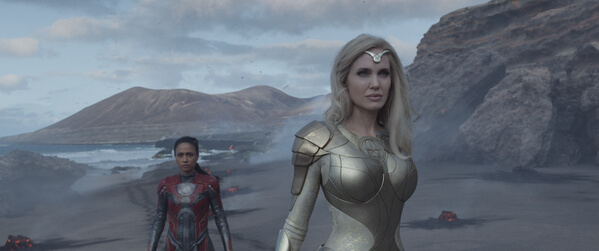
(L-R): Makkari (Lauren Ridloff) and Thena (Angelina Jolie) in Marvel Studios’ ETERNALS. Photo courtesy of Marvel Studios. ©Marvel Studios 2021. All Rights Reserved.


Marvel Studios’ Eternals Defends Humanity on Digital now and 4K Ultra HD™, Blu-ray™ and DVD February 7th


Disney and STARBURST do not accept any responsibility for late or lost entries due to the Internet or email problems. Proof of sending is not proof of receipt. Entrants must supply full details as required on the competition page, and comply with all rules to be eligible for the prizes. No responsibility is accepted for ineligible entries or entries made fraudulently. Unless otherwise stated, the Competition is not open to employees of: (a) the Company; and (b) any third party appointed by the Company to organise and/or manage the Competition; and (c) the Competition sponsor(s). This competition is a game promoted STARBURST. STARBURST’s decision is final in every situation and no correspondence will be entered into. STARBURST reserves the right to cancel the competition at any stage, if deemed necessary in its opinion, and if circumstances arise outside of its control. Entrants must be UK residents and 18 or over. Entrants will be deemed to have accepted these rules and to agree to be bound by them when entering this competition. The winners will be drawn at random from all the correct entries, and only they will be contacted personally. Prize must be taken as stated and cannot be deferred. There will be no cash alternatives. STARBURST routinely adds the email addresses of competition entrants to the regular newsletter, in order to keep entrants informed of upcoming competition opportunities. Details of how to unsubscribe are contained within each newsletter. All information held by STARBURST will not be disclosed to any third parties.

[ENDED] Win Resident Evil: Welcome to Raccoon City on Blu-ray

win raccoon city

We’ve got three copies of the new Resident Evil: Welcome to Raccoon City on Blu-ray to give away. Just read on and enter below…

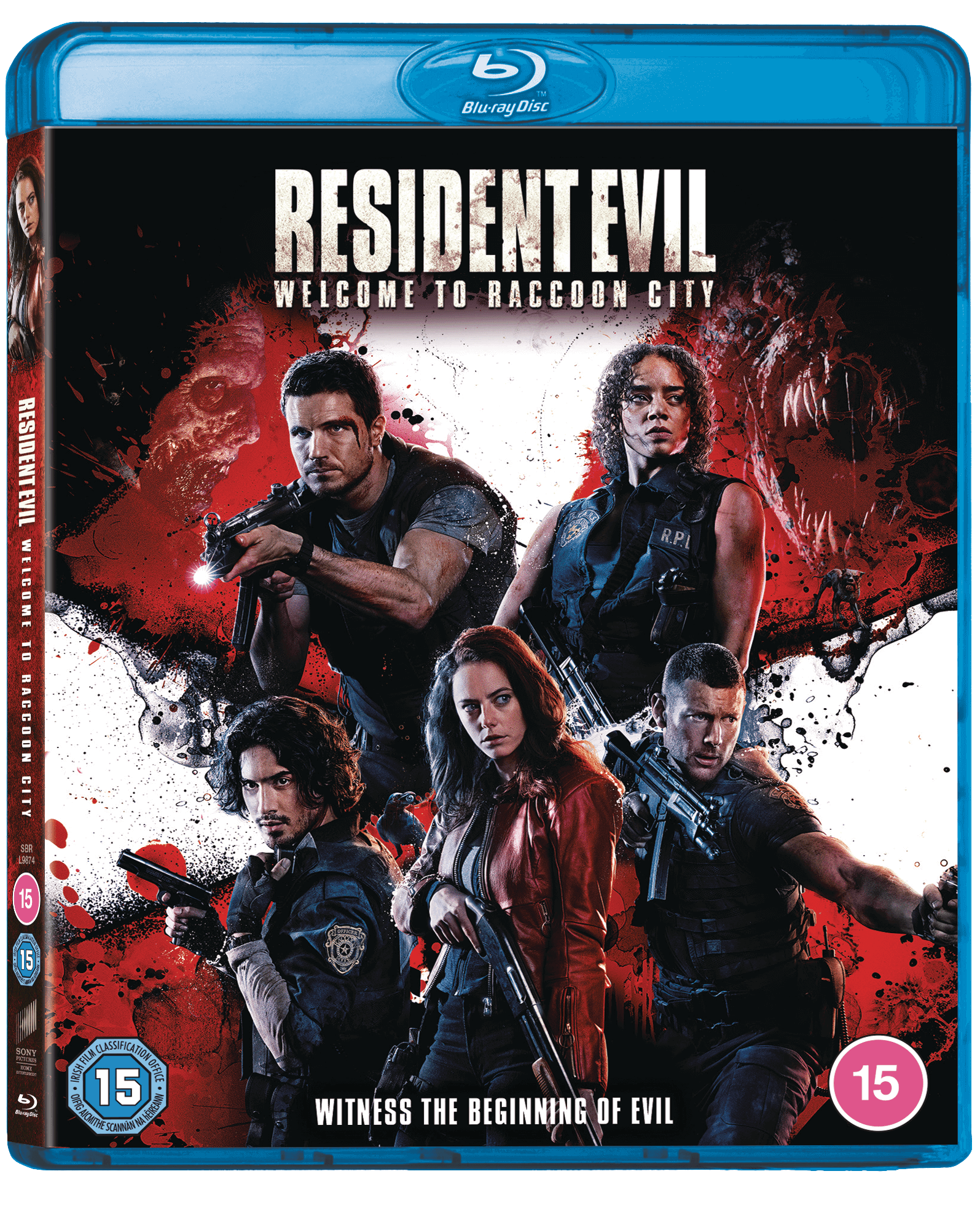
Returning to the origins of the massively popular Resident Evil franchise, fan and filmmaker Johannes Roberts brings the games to life for a whole new generation of fans. In Resident Evil: Welcome to Raccoon City, once the booming home of pharmaceutical giant Umbrella Corporation, Raccoon City is now a dying Midwestern town. The company’s exodus left the city a wasteland…with great evil brewing below the surface. When that evil is unleashed, a group of survivors must work together to uncover the truth behind Umbrella and make it through the night.

Resident Evil: Welcome to Raccoon City is written and directed by Johannes Roberts and stars Kaya Scodelario as Claire Redfield, Hannah John-Kamen as Jill Valentine, Robbie Amell as Chris Redfield, Tom Hopper as Albert Wesker and Avan Jogia as Leon S. Kennedy, with Donal Logue and Neal McDonough.

a Rafflecopter giveaway

Resident Evil: Welcome to Raccoon City will be released on digital outlets on January 31st and 4K Blu-ray, Blu-ray, and DVD on February 7th.