David Dastmalchian | COUNT CROWLEY

David Dastmalchian

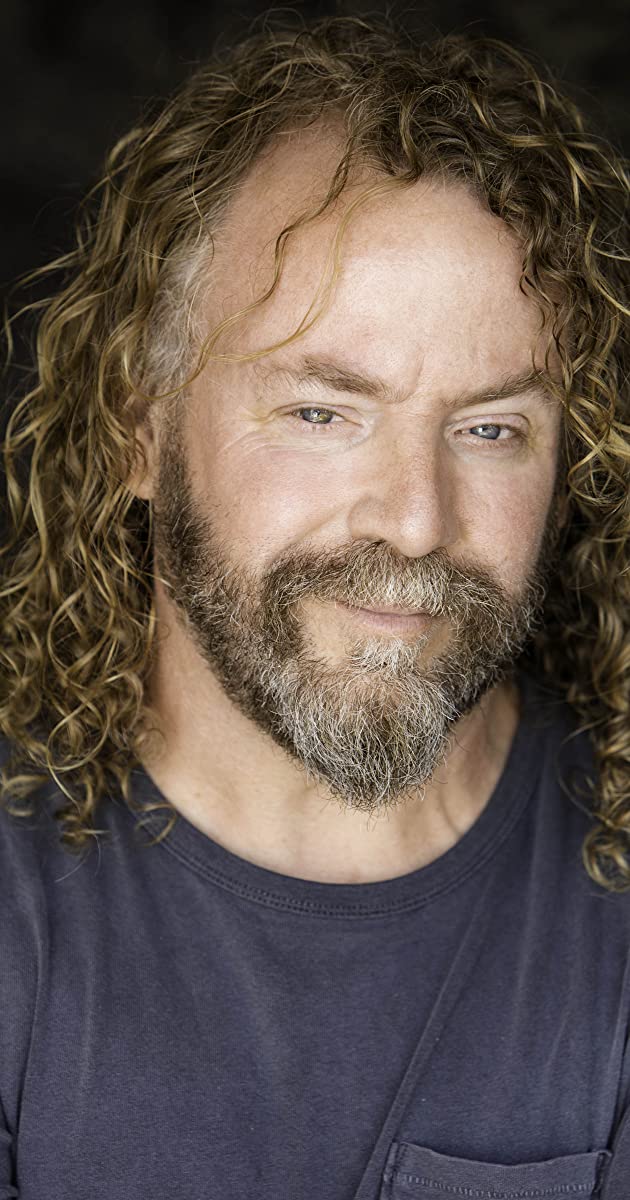
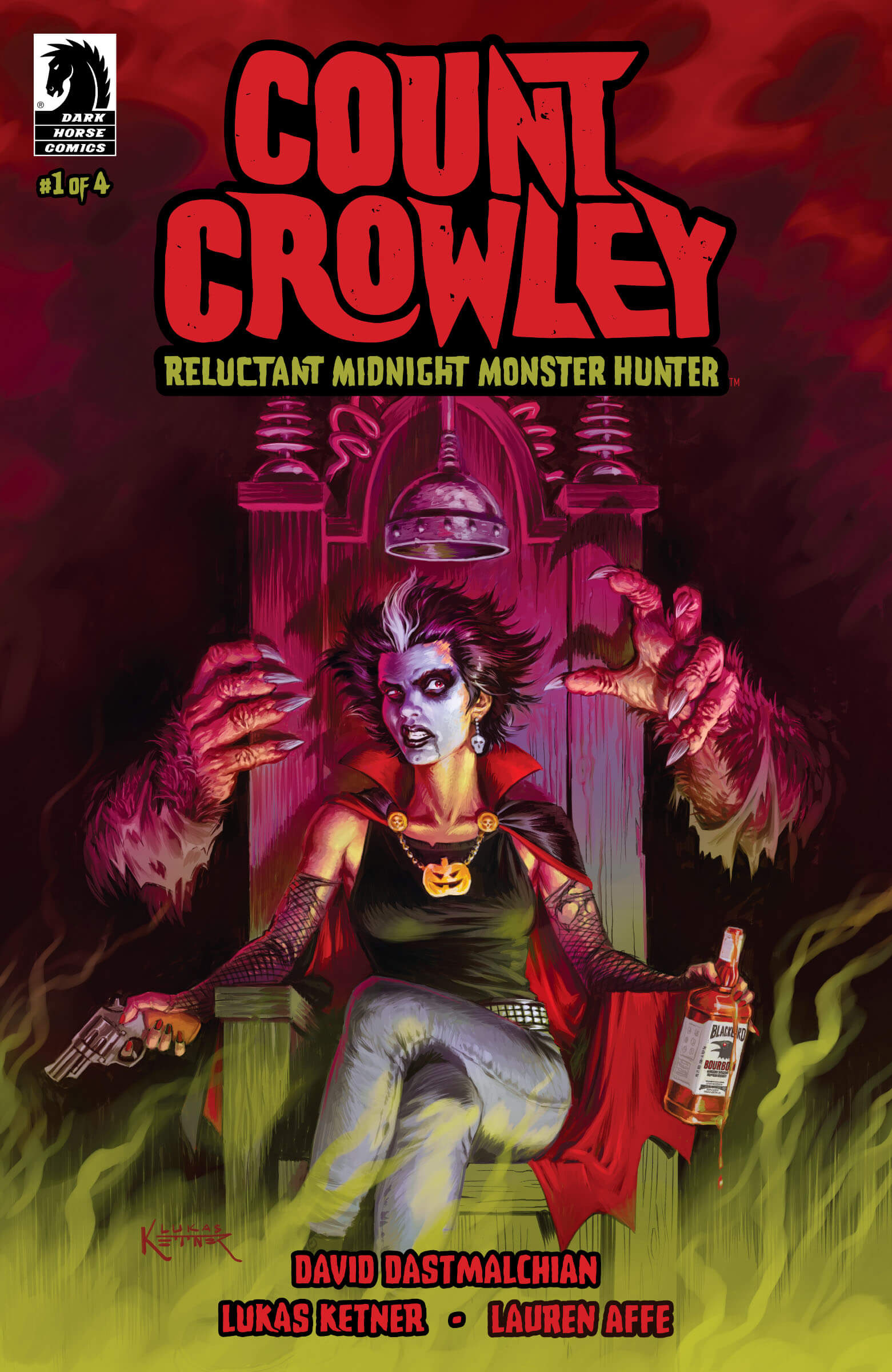
If you look at his acting résumé, then it will really come as absolutely no surprise to know that David Dastmalchian is a huge, lifelong fan of comic books. Over the last couple of years, he has shared his own comic book idea with the world under the title of Count Crowley, which sees news anchor Jerri Bartman reluctantly descend into the graphic life of a monster hunter. Count Crowley is a vibrantly gruesome and emotionally intense read that will lay its fangs on you from the very first page. STARBURST reflects on the story so far with David, whilst trying to uncover what you can expect from the highly anticipated second volume!

STARBURST: It’s well established that you are a huge fan of comic books, so could you elaborate on just how rewarding it has been to make this dream idea happen, to actually have the story of Count Crowley out there in the world, and now be at this great point where you are about to unleash a second volume?

David Dastmalchian: It is really hard for me to still wrap my head around the reality of the fact that I am now a published comic book creator who has a book that is on shelves in comic book shops that I would have devoured if I would have stumbled across it when I was younger or now that I am a grown-up. I often think back to myself in the third grade in Kansas, and bugging my dad to spare a couple of coins so that I could get my first comic book which was off of a spinner rack, at a convenient shop. That comic book was The Avengers #249, Demon-Storm vs The Avengers, and my life was changed forever. It’s so surreal that this is what I get to do now as a grown-up.

Going back a little bit, how did you initially meet Lukas Ketner, Lauren Affe, Megan Walker, and can you tell us about what they’ve been like to work with on Count Crowley?

Megan Walker is one of the most important people in my journey with the Count. Megan is the editor that I was paired with when Dark Horse agreed to produce Count Crowley. So Megan and I sat down, and she had a very thorough conversation with me pretty early on about the vision that I had for the way that I wanted the art to look and feel, and I had a lot of references to a kind of contemporary exploration of the world’s we’ve seen, ranging from the mid-century universal horror, renaissance, through to comic illustrators like Bernie Wrightson, and Megan came to me with the suggestion that we have Lukas Ketner read the comic book, so we did. Lukas responded immediately, and he started sending us sketches, and I was blown away! If you can imagine, I’d been thinking about this character, and writing this character, and developing this idea for my whole life it seemed like. Then all of a sudden, one day I get an email, I open it and there’s a PDF, and it’s Lukas Ketner’s ideas of what Count Crowley would look like. It was staring right back at me, there’s Jerri in full make up. I was really blown away. Lauren was also connected to me by Megan, and I know that Megan was a fan of Lauren’s work. When I saw Lauren’s samples, I was super impressed. I think she brings a really beautiful colour palette that is super consistent to the books. They look and feel like Count Crowley books when you turn the pages, and they really evoke a haunting, kind of pastille, autumn vibe that feels right to me. We can’t discount the importance of Frank Cvetkovic, who is our letterer, who has brought a real specific personal flare to the work. I am just so over the moon with the team that I get to have. I have the exact same team on board as we move into volume two. In fact, Megan Walker is a film and TV executive. She’s now not editing comics as much, as she’s developing projects for film and television with Dark Horse Studios. So I’m really lucky that I get to still have her as my editor.
There are some pretty emotional ideas going on, especially with Jerri. What elements from real life did you originally want to establish and push within her story arc, and how did you approach making that happen?

So here’s the thing, since I was a kid I loved – I don’t know if you remember in The Lost Boys, there’s the Frog brothers, and they have their comic shop where they talk about the lore of vampires and monsters. Then Roddy McDowall in Fright Night with the horror host who didn’t really know anything about monsters, but tried to help these kids defeat a vampire. That mashed up with my love of late night horror hosts, growing up in Kansas City, I had my own home town horror host, and she was called Crematia Mortem, and I was her biggest fan. Pretty early on, I started thinking about my love of Van Helsing-type characters and how I wanted to make a comic book or a movie about someone who is a horror host, who knows everything you can know about monsters, and then secretly is helping to protect people from monsters at night. That idea of itself is really fun, and it’s a really great exploration of genre and heroism, and monsters. But that’s not enough for me to be able to create anything compelling, or that anyone is going to find interesting. As I progressed through my journey, I’ve come to accept that I have a lifelong treatment of mental illness, and my own struggles with depression and anxiety, and other issues that have really haunted me. One of the ways that I used to treat it dangerously was through drugs and alcohol, so in my journey of getting drugs and alcohol out of my life, and then finding a path towards mental wellness, I begun to start to go through a process of what I think is self-actualisation, self-realisation, where I feel like I’m starting to become the person that I am meant to be. That to me made perfect sense when I thought about what this character Count Crowley needed to be battling, because the monsters without are terrifying, but the monsters within, they’re the ones that I think can break us.

Going on from this, how did the awesome look for Count Crowley initially come together, and what were the main influences and inspirations behind it?

1000% of the credit goes to Lukas for the development of the look of the book. Now when I wrote the comic I wrote in the panels that included classic crypt keeper frames. I definitely wanted to pay a lot of homage to early DC comics. I did a lot of vision boards, tone documents that included classic panels from books like Creepy, or Eerie. I would put together documents about that and think about how Sanjulián or John Severin or Walt Simonson, Pablo Marcos, Fred Carillo, Bernie Wrightson, all these incredible artists who shaped that look. I wanted our book to feel in line with that. Almost like a vintage vibe. If you picked up Count Crowley you might be like “Oh, is that a vintage book? No, it’s totally new” So that was kind of how we did it.

Going back to the story, we really liked the idea of monsters trying to control the world’s news and information. How did you come up with this idea, and also, how fun was it for you to work on as a writer?

It was so much fun. I’m a massive fan of horror and monsters. That ranges from Bram Stoker, Mary Shelley through to Stephen King, Edgar Allan Poe. I love a good scary story, and I love monster mythology. I love what monsters represent for us. I think that H.P. Lovecraft obviously really tapped into a lot of fears of ourselves, and mental illness when writing his books. Something that was really freaking me out in the last five years was how these powerful people would come up with this whole concept of alternative facts, and changing what truth meant in especially the news and media. You could say “You lost an election” and they could say “No I didn’t, someone cheated” then all of a sudden because they have a platform for that, people believe it. They could say “Immigrants are actually proven to not cause increases in crime” and they would say “Oh no, that’s not true, they absolutely do” and then people would believe it. It’s terrifying to me, to be living in the modern era, and seeing how people with powerful platforms were able to manipulate news and media so easily. So easily they prey upon people’s fears of one another, and their fears of themselves, and then all of a sudden, they can kind of get whatever they want. So for me, it was the perfect opportunity to explore this notion that monsters have been influencing and nudging media news mythology, stories for generations. All that we think we know about them, is a lie. So if you read Count Crowley, you’ll come to learn that a silver bullet is just a bullet to a werewolf, it doesn’t do shit. If you stab a vampire in the heart with a wooden stake, it’s not going to do much because a vampire’s heart is immortal. If you hold up a cross at a vampire, he might wear it as a necklace if he thinks it’s fashionable because sometimes those things are in. It’s just so fun for me, to get to explore all of those tropes, and then turn them on their head because it’s going to be a journey for Jerri and everybody else that wants to help her fight monsters. To learn how do we actually defeat monsters? Finally, one last thing that I think is really important. As an addict, as somebody who is twenty years into my journey of fighting my addiction. May is when we will release the fourth issue of volume two, 2.4 and that’s the conclusion of this Count Crowley story. That’ll be my twentieth sobriety birthday, which is such a full-circle moment for me. I wanted to explore in Count Crowley this idea that if there’s a monster that you and I are trying to defeat, but that monster is someone that transforms from their human form, like say a werewolf, what is to say that there isn’t a cure, that there isn’t a way to help them. Like with alcoholics or addicts, we could easily just dispose of all of them and say that there’s no redemptive journey possible. We could just kill them off, throw them away. Or we could go, well, yeah sure they’re behaving monstrously and they’re acting out of control because they’re in the throes of addiction, mental illness, alcoholism, you name it. However, is there a way we can help people? I really want to explore those themes in the book, and that’s something that’s really important to me.

Looking back on volume one, what was the most rewarding part of the story for you to work on, and why?

The most rewarding part of the story was, I wrote these books in a way that Jerri, in particular, could be as complicated as I think life really is. Where sometimes you’re a hero, sometimes you drop the ball, sometimes you hurt the people you love, even when you don’t mean to. Sometimes you beat the bad guy, and sometimes the bad guy beats you. But the complexity of all of that while facing the insecurity of Jerri’s battle with both her trauma, her alcoholism, and the way she’s let her family down, I needed to make sure that even though we were going to go on these fun adventures battling zombies and werewolves, that the audience was going to get to be cued into the complexity of her emotional journey. I tried in my scripts to give note about the way that maybe her eyes were carrying more weight than the expression on her face would. Or that the expression on her face was more complicated than a simple happy, sad, indifferent, or depressed. When I started looking through the pages of Lukas’ illustrations, and the way that he captured that. To me, I couldn’t ask for a more satisfying experience as a writer. One more, going to Clint’s Comics, in Kansas City, Clint’s Books is the institution of Kansas City comic books, it’s the oldest comic shop in Kansas City, and it’s where I went as a kid. Going to Clint’s Comics and seeing that they had covered an entire wall with issues of Count Crowley, and standing behind the counter, while people from my home town lined up to get their copies signed. That to me was it. It’s like, wow.

Let’s get on to volume two! How would you say that you’ve grown/progressed as a writer since the first volume was completed?

I think the pandemic, and the rise of fascism and intolerance have been really challenging to observe. I think that the landscape of the human experience over the last two years, really pushed my understanding, and my thoughts about what matters in this life, in a way that wouldn’t have happened if it wasn’t for this global health crisis that we faced, and the way that people faced it. The way that people rose to the occasion, and the incredible way that many people bound together, and tried to do their best to help, and the way that so many did not. All of that was like, really, it shaped all of us, and it created a great heaviness on all of our psyches, and our hearts. So I was forced to sit with my thoughts more than I ever would have had to if it hadn’t been for that. In that process, I hope, I was able to dig deeper into my fears, as a human, my fears as a man, a parent, a citizen, a friend, as an artist. The values that I hold dear, were really forged over these last couple of years, and I hope that it made me put even more blood on the page. I don’t know. These kinds of things that we’ve all been through can have such lasting effects on us. They can force us to retreat more, or they can force us out of our shells more. I hope that I can write with courage and still think about these big ideas.

When you got the go ahead for volume two, how much of the plot did you have ready? Did you know how the story was going to go say years in advance, or did you have to change content right up until the last minute?

Writing Count Crowley was part of the way that I survived. So I just kept writing, whether or not I was going to get to have them be published with Dark Horse, which was beyond my control. If I had the green light to write the next three or four years of Count Crowley on a monthly basis, I could tell you where we would go. Not to say that that won’t change with things, and partners, collaborators. I do have in my mind, a pretty strong map for where I think it should all go.

The name of the first issue in volume two clearly says ‘amateur’ instead of ‘reluctant’ monster hunter. A simple change, but a pretty important one. When did this title change idea come together, and is it fair to say that fans can expect Jerri to be fully embracing this new lifestyle now?

Hell yes! The idea came from Megan, and it was not my idea. I think she had the idea of well “We’re going to do a new volume, do you want to try a new title”, and then I was like “How great would it be, if every new volume she is a different brand of monster hunter” so she was reluctant, but now she’s an amateur, but just because she’s an amateur doesn’t mean that she’s not going to kick serious ass. She’s realised that the thing that she cares about the most which is her family, her brother Ben, and his wife and kids, her family are now living in a world that’s threatened by monsters. So, she’s not doing this for herself, she’s doing it to protect the people that she loves, which is always a worthy cause. She’s going to have to – like what I said earlier – not only have to figure out how to fight the monsters without, the creatures, and the creepy crawlies that are lurking in the shadows but there are looming, damning, painful shadows ripping around in her insides, like barbed wire in the wind. I hope she is going to be able to learn how to care about herself enough to be the monster hunter we need her to be.
In this next volume, other than Jerri taking on this new life, was there maybe another element to the story that you really loved working on in volume one that you were excited to push even further, or make more established within volume two?

The monsters! In volume one we got to see a Billy, a Bilatombia, you know that it’s kind of a zombie who is like a physic slave to his masters. He is a servant. There are werewolves, which we experienced in volume one, and coming at us in volume two, you’re going to get to see what vampires look like, and how they behave in the world of Count Crowley. I’m very excited to get into what vampires are like in this world, and what makes them so terrifying.

Great! Without giving away too many spoilers, what else would you say that fans can expect from volume two?

I would say that with each of the issues, going forward, hold on to your hats, make sure to put your seatbelts on, stay up late, get your flashlight, and your milk and cookies because this is best read in bed when you think you might hear a bump downstairs. Don’t worry, if it is a werewolf, Jerri is out there, and she will help keep you safe. These issues are going to scare the pants off of you, and with every single issue, we’re pushing the limit of what we can do, with the violence, and the gore without getting banned by the censors. Lukas has really taken this in a direction that I think is going to flip your lid.

We read that while you were working on The Suicide Squad, you received huge support from the cast and crew! What was it like to receive that kind of praise, from creative people who are just so well-loved in the comic book world?

It’s a dream. James Gunn has the best taste of anyone when it comes to comic books and sci-fi. He is somebody who I really look up to and admire when it comes to his opinion about the story, and the fact that he loves Count Crowley, you can’t ask for better praise than that. I was blown away, at one point my wife and I were out for dinner, then all of a sudden my phone was lit up with all of these notifications, and I realised that Margot had read Count Crowley, and she had tweeted about it. I was so touched and moved. I hosted a signing at a comic shop in Atlanta, and when I did the Count Crowley signing, Peter Capaldi showed up and supported me. It’s called Oxford Comics, they are an awesome comic shop. My best friend, Steve Agee, who is one of the stars of Peacemaker, he is a huge Count Crowley fan. In fact, I based the character Steven on Steve Agee. So Steve was there taking pictures, then all of a sudden Peter was there. You should have seen all of the comic geeks in Oxford freak out when Capaldi started walking around shopping for comics, with Steve and I. It was awesome.

There have been some really great comic book adaptations to TV recently, The Umbrella Academy being just one of them. If a TV version of Count Crowley did happen, what would you want to see from it, and also, who would you really want to see play Jerri?

My dream would be to find an incredible woman showrunner/writer who could help take my comics and adapt them into the best television series possible. I think that would be really important because I think we need a really strong, visionary woman who understands genre to bring this to the screen. Then incredible directors, I would want the best of the best. I’m talking the best. For Jerri, you’ve got that Margot, kind of fearless energy. I really loved what Krysten Ritter did with Jessica Jones and Nightbooks, in these roles where she’s got all of the attitude, but the vulnerability. I love the idea of it being an open casting, who knows what Jerri will look like. I just want the best actor, the actor that falls in love with this role, and understands how many layers there are to her onion.

Finally, why should STARBURST readers check out Count Crowley if they haven’t already done so?

You’re putting me on the spot! I don’t want to sound arrogant here, STARBURST readers need to get their hands on Count Crowley as soon as possible, because they have never seen a comic book scratch, bite, live, bleed, and cry the way that Count Crowley does. Every page is dripping with the magical manifestations of Lukas Ketner’s otherworldly art. There is a character unlike any you’ve seen before in Jerri Bartman, and you will not only get scared so bad you are going to leave the lights on, you will laugh so hard, you’re going to need a tissue because you’ll be crying. When I come to the UK, bring a copy of Count Crowley to me and I’ll sign it for you. I want to meet all of the Count Crowley fans that are there.

David Dastmalchian’s Count Crowley is available in all good comic stores.

FOR YOUR EYES ONLY – WHAT NEXT FOR JAMES BOND

bond what next

Wait, isn’t James Bond dead?

Well, technically yes. Or more accurately, Daniel Craig’s Bond bid an emotional and heroic farewell at the end of No Time to Die having been blown up into tiny little pieces.
Is he really dead though?

Yes. And mentioning otherwise to Mr Craig may get you in trouble.
So, what happens next?

They’ll be a reboot of some sort, although whether we’ll get another origin story similar to Casino Royale is debatable. It’s possible a new Bond will just hit the ground running, like recent incarnations of Batman. And given what’s going on in the world they’ll be plenty to keep him busy.

So, who’s going to play Bond?

We’re glad you asked. If you click on the link right here (?) you can have a look at what we think.

And what about M, Q and Moneypenny?

There’s a very good chance that everyone will be replaced as Ralph Fiennes, Naomie Harris and Ben Whishaw are intrinsically linked to Craig. For his part, Whishaw has stated he’s received no contact whatsoever. Although, given there have been no casting announcements that wouldn’t be unusual. And given what happened in the Craig films we can’t see Blofeld making an imminent return. At least, we hope not.

Has this happened before?

Not exactly. Of the six actors to have ‘formally’ played James Bond (we’re not counting David Niven here) none have actually died in service prior to No Time to Die. Although some of the supporting cast have remained the same across different Bonds, such as Lois Maxwell as Moneypenny and Bernard Lee as M (Sean Connery, George Lazenby, Roger Moore).

So, the ‘Craigiverse’ – no, we don’t like that either – could continue?

It’s possible that MI6, with Fiennes, Harries et al could continue either with Lashana Lynch’s Nomi being central to the story, and perhaps a new Bond introduced down the line, with ‘James Bond’ as more of a codename. Although, given we get his childhood introduced in Skyfall and SPECTRE that last bit seems unlikely. And the codename thing is unlikely to be popular with fans. That said, Lynch has stated previously that she has ‘…come in right at the perfect time…’ and that she’d ‘…like to see a continuation…’.

Expanding the franchise, you mean?

Perhaps. Marvel and Harry Potter have done it, so it wouldn’t be too much of a leap to think the Bondiverse – we’re not keen on that either – could be expanded. And given that Amazon now owns 50% of EON Productions through their 2021 purchase of MGM (although Barbara Broccoli and Michael G. Wilson retain full creative control) there is a distinct possibility of expanding into the streaming world. However, Broccoli and Wilson have both declared their unwillingness for this, with the former telling Total Film ‘We make films. That’s what we do.’

So, do we know anything at all?

Not really. As we said, it’s likely that a line will be drawn after the Craig films and Bond will start again with an entirely new cast. Just without the origin story. Probably. And what tone and style that film will take will depend greatly on who is on board to write and direct.

We’ll keep you posted…

THE TELEPHEMERA YEARS: 1977 – PART 3

telephemera years 1977 exo-man

Ah, telephemera… those shows whose stay with us was tantalisingly brief, snatched away before their time, and sometimes with good cause. They hit the schedules alongside established shows, hoping for a long run, but it’s not always to be, and for every Street Hawk there’s two Manimals. But here at STARBURST we celebrate their existence and mourn their departure, drilling down into the new season’s entertainment with equal opportunities square eyes… these are The Telephemera Years!

1977-78

Garry Marshall ruled the roost in 1977, with Happy Days and its spin-off Laverne & Shirley occupying the top two slots in the Nielsen ratings for ABC. The Alphabet Network also had the number three and four shows as Three’s Company and the top ten’s sole action-adventure series Charlie’s Angels completed a good year for Fred Silverman’s company. It got even better when it came to new shows – Soap, The Love Boat, and Fantasy Island were all massive hits for the group, whose only real competition came from CBS.

The Eye’s perennial ratings juggernaut 60 Minutes was still doing blockbuster business and they unveiled a new Texas oil drama named Dallas in their new season line-up, joining Marvel Comics inspired shows The Incredible Hulk and The Amazing Spider-Man. NBC could only offer CHiPs in return, continuing a dark run for the Peacock. In addition to the Marvel shows, there was no shortage of new telefantasy on the screen, even if The Six Million Dollar Man and The Bionic Woman were entering their final seasons, but little of it stuck around. At least those shows made it to air – this is the story of 1977’s unsold pilots…

Exo-Man (NBC): Jon Favreau may have kickstarted the Marvel Cinematic Universe when he brought Iron Man to the screen in 2008 but it wasn’t the first attempt to do the idea in live-action, only the first time to di it after actually bothering to acquire the license from Marvel Comics…

Exo-Man tells the story of Dr Nicholas Conrad, a brainiac who is paralysed in an attack by the mob and builds a suit of armour to regain his mobility (fight crime). Any resemblance to Tony Stark, who built a suit of armour to keep himself alive (and fight crime), is purely intentional, although the exo-cution leaves a little to be desired; Exo-Man is less Iron Man and more walking dildo.

Adapted from a book by Martin Caldin (whose Cyborg was adapted into The Six Million Dollar Man), a pilot film was made starring David Ackroyd, broadcast on NBC in June 1977. It did decent ratings for an off-season TV movie but there was no green light for an eventual series, with unsold pilot expert Lee Goldberg speculating that it was because of a lack of merchandising potential. It’s on YouTube if you want to tick a box on your Big List of Superhero Movies.

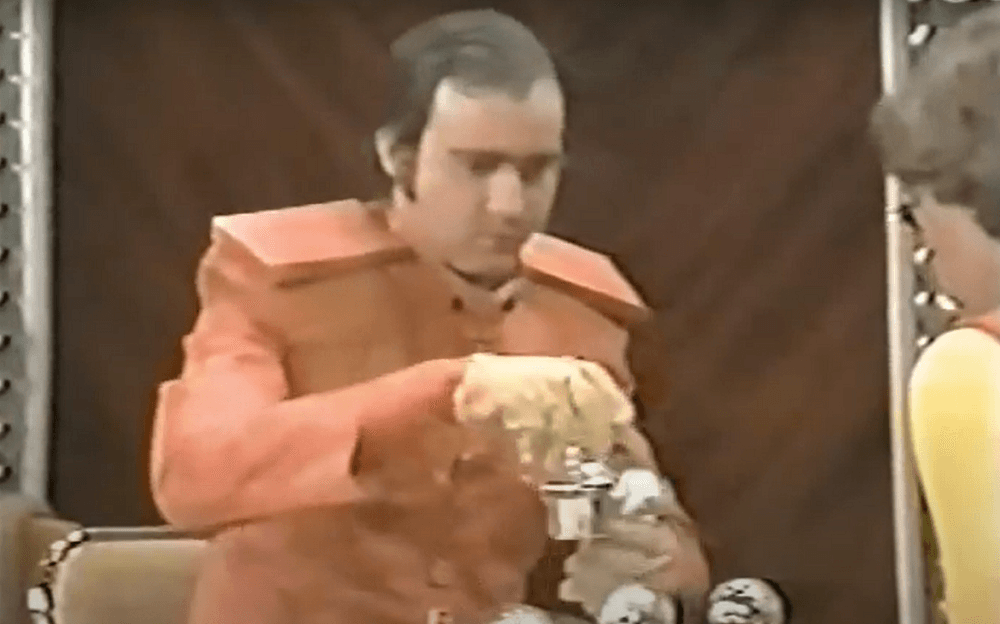
Stick Around (ABC): Andy Kaufman first performed his Foreign Man character on Saturday Night Live in 1975, during the show’s first few weeks on the air. It was a big hit in those less-enlightened times and was eventually adapted into the character of Latka Gravas on the beloved sitcom Taxi. Before that, though, Foreign Man was given his own project, with less than stellar results.

telephemera years 1977 stick around kaufman

Stick Around starred Kaufman as Andy, a robot servant in the year 2055, speaking with that distinctive voice and including many of the mannerisms that would soon have America laughing themselves off the sofa. The plot revolves around whether Andy’s owners should replace him with a newer model, but he proves his worth by helping them work out what the items in their antiques store – the “antiques” being everyday items from the 1970s – are and they decide to keep him.

ABC aired the thirty-minute pilot in May 1977 but unlike Andy’s owners, they didn’t decide to keep Stick Around and it was consigned to the dustbin of history, freeing Kaufman up for Taxi the next year. The pilot is available to watch on YouTube and you might recognise some of the material from Kaufman’s 1981 film Heartbeeps, where Kaufman and Bernadette Peters played obsolete robots.

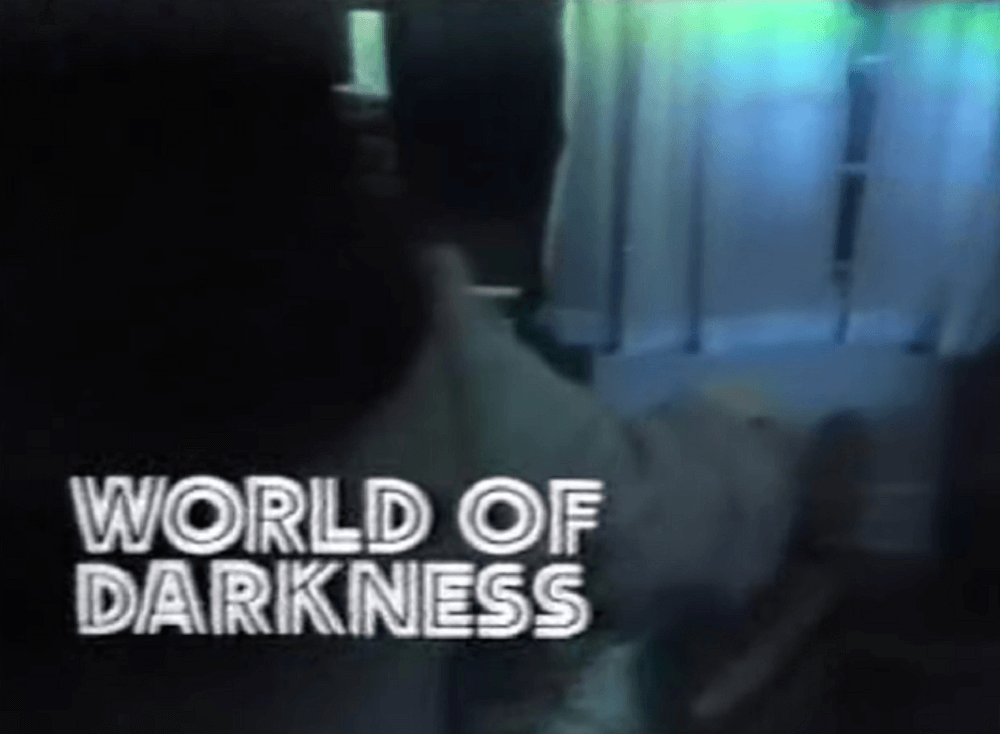
The World of Darkness (CBS): The wonderfully named Granville van Dusen was a jobbing actor who lucked into the starring role of Paul Taylor, a sports writer who dies on the operating table only to be brought back to life with the ability to hear the voices of the dead, in this proposed series for CBS.

telephemera years 1977 world of darkness

The pilot film saw Taylor drawn to a creepy New England town where the patriarch of a wealthy family has apparently committed suicide. Written by Dark Shadows creator Art Wallace and directed by Jerry London (who would be best known for helming Shogun in 1980), the film was an attempt to create a supernatural property for the network and although it wasn’t immediately taken to series, the pilot – shown in April 1977 – drew enough interest for a sequel, The World Beyond, to air in January 1978.

Unfortunately, this was the end of the road for Paul Taylor, whose conversations with the dead went unrecorded after these two adventures, and van Dusen later did his best work as the voice of Race Bannon in The New Adventures of Jonny Quest. Only the second film is available on YouTube, which you should watch if you are a fan of golems, like all reasonable people.

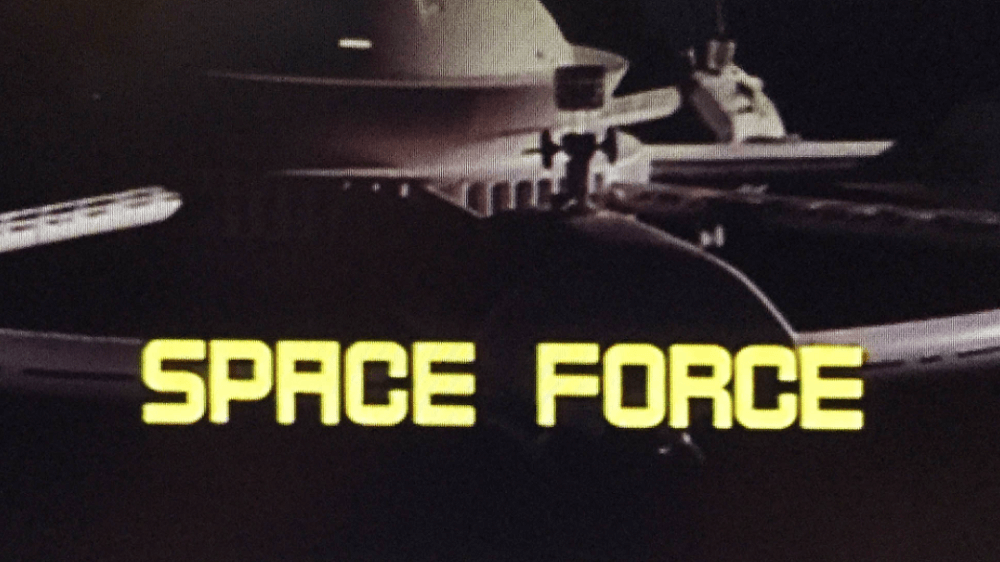
Space Force (NBC): You wait ages for a space-themed sitcom on NBC to come along and all of a sudden there’s two… Springing from the pens of Children’s Television Workshop writers John Boni and Norman Stiles, Space Force starred Fred Willard as space Captain Woods, always on the lookout for a scheme. You know, like Bilko in space?

telephemera years 1977 space force willard

In the thirty-minute pilot, Woods and his crew raise money for sick kids by organising a carnival on board their space station, Fort Leo, where they illicitly sell military equipment and give rides in their starship, while the idiot station Commander Hinkley (William Phipps) is pushed towards an interplanetary war by the hawkish Captain Stoner.

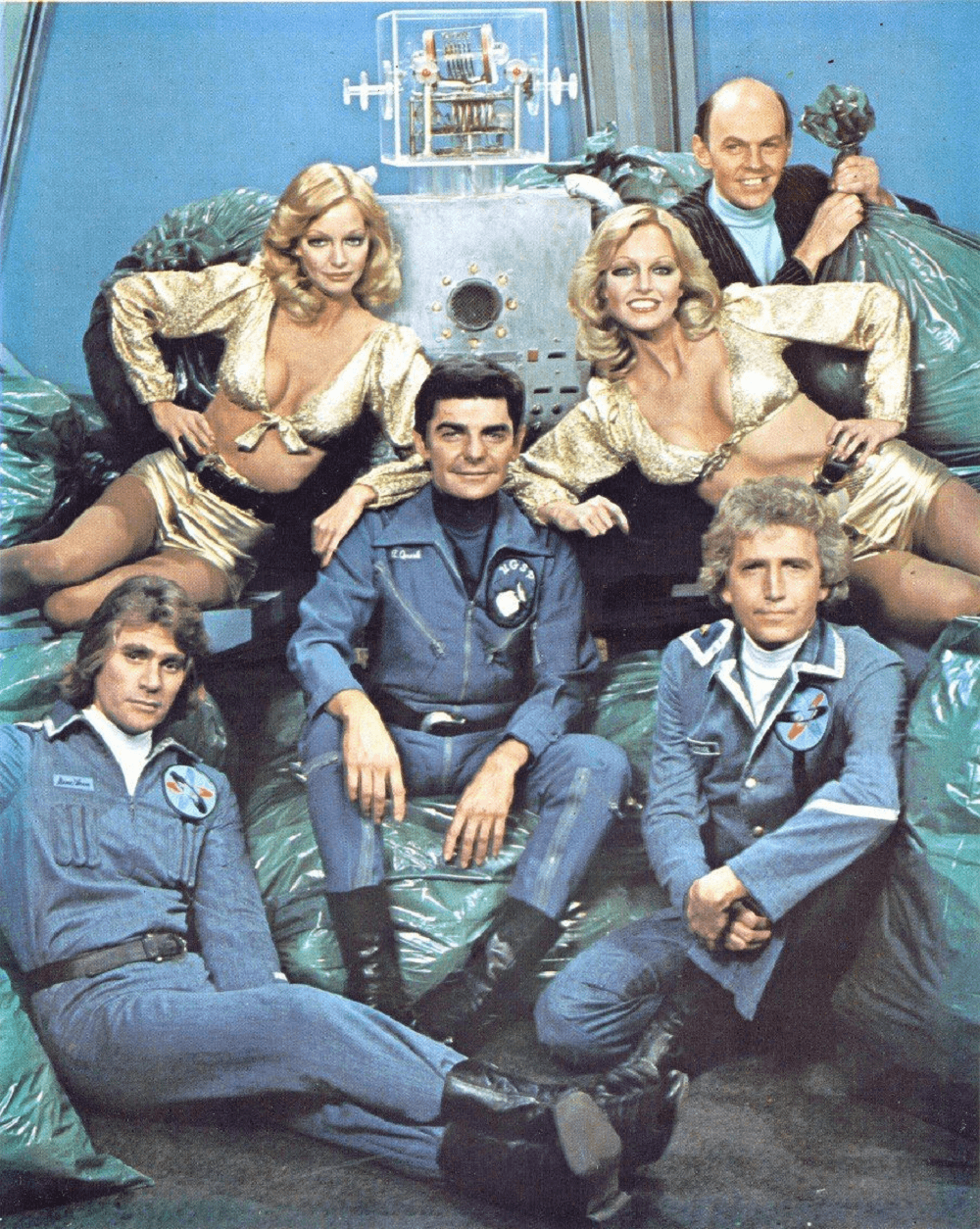
Given the choice of two space-bound properties, NBC instead greenlit Quark and eventually showed the Space Force pilot in April 1978, by which point Quark had already been cancelled. The colourful pilot is up there on YouTube and, to be honest, NBC made the right choice.

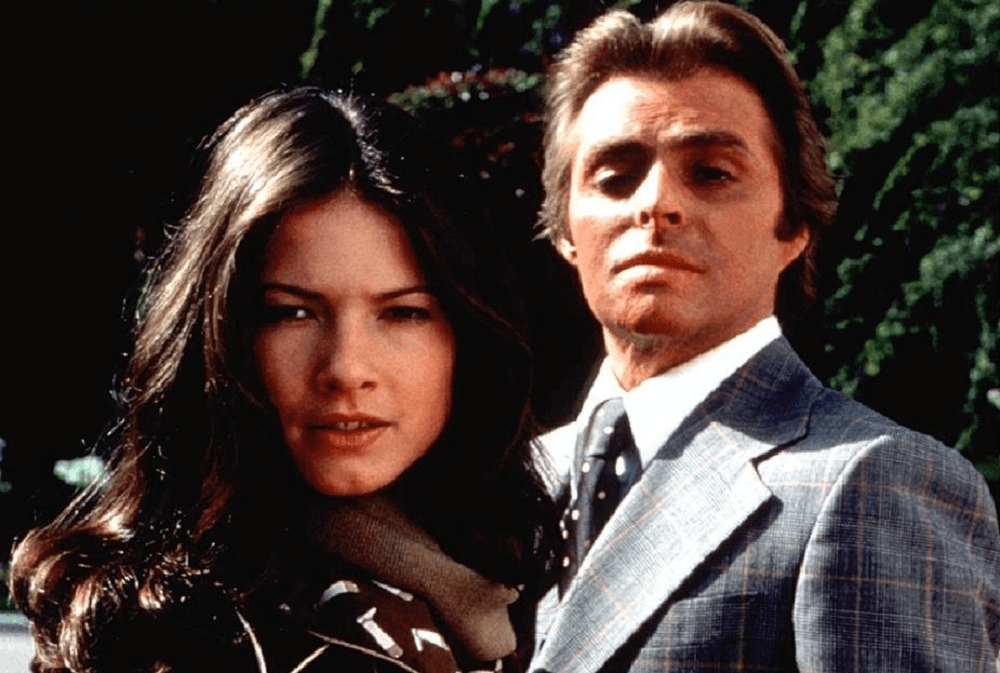
Good against Evil (ABC): By May 1977, when Good Against Evil aired as part of The ABC Sunday Night Movie slot, The Exorcist was four years old but that didn’t stop it being ripe pickings for sensational TV fare, as the pilot for this proposed series proves (and, if anything, they also take from the even older Rosemary’s Baby).

telephemera years 1977 good against evil dack rambo

Dack Rambo (real name Norman) is a writer who, if I’m honest, is a little bit too pushy in pursuing Elyssa Davalos but eventually persuades her to marry him only to find that she’s prophesised to birth the Anti-Christ. Rather than taking this as a sign that things just weren’t meant to be, they enlist the aid of an exorcist – played by Dan O’Herlihy (Whiz Kids, RoboCop, Twin Peaks) – and do battle with the forces of Satan, marshalled by Richard Lynch’s sinister Mr Rimmin.

There’s a lot going on, and Kim Cattrell appears at some point (later earning top billing in a cash-in re-release when Sex and the City propelled her to stardom), but it was just another supernatural yarn amongst a sea of them in the mid-1970s, despite the presence of Hammer veteran Jimmy Sangster behind the typewriter. It’s on YouTube, of course, and it’s worth watching for Davalos alone, who should have become one of the top scream queens of the 1980s.

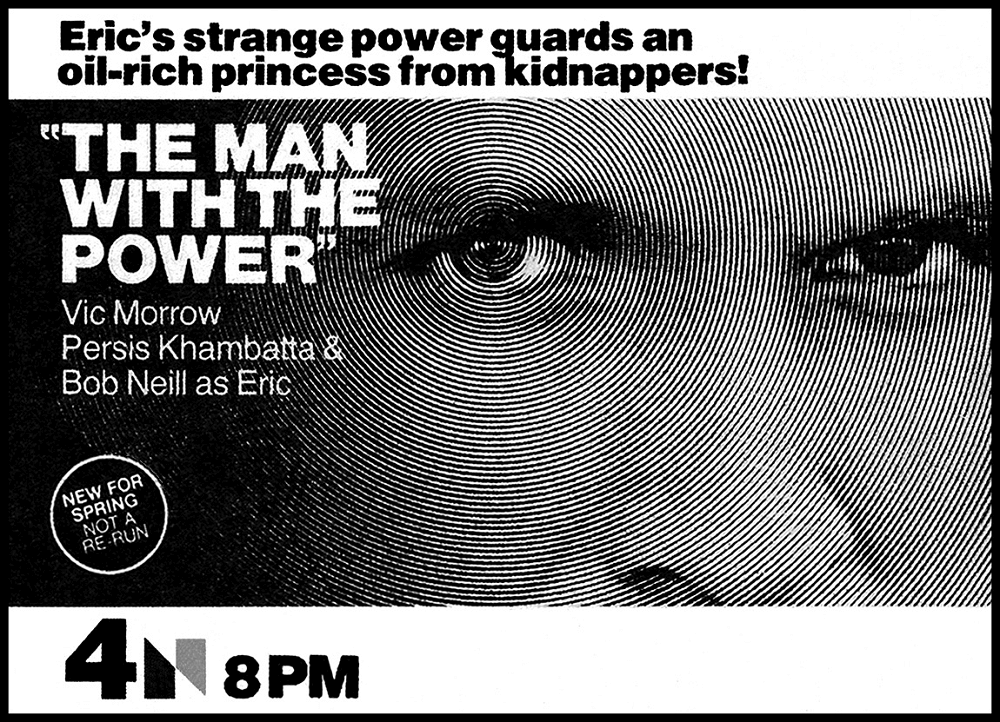
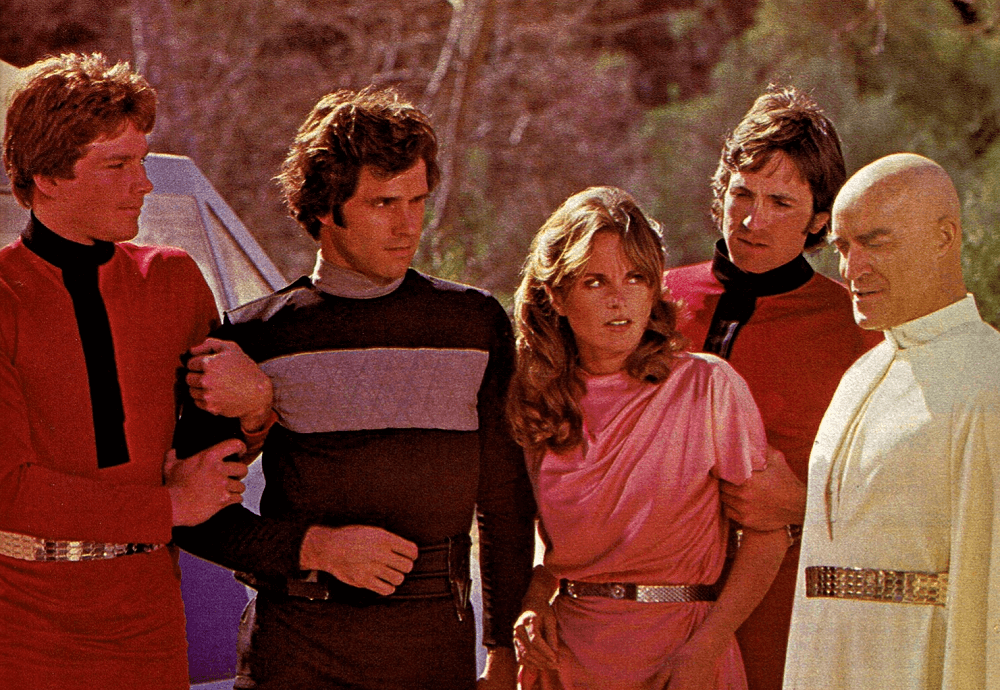
The Man with the Power (NBC): Written by Mission: Impossible staffer Allan Balter, and directed by Nicholas Sgarro (The Happy Hooker), The Man with the Power starred newcomer Bob Neill as school teacher Eric Smith, who was unknowingly gifted psychic superpowers by his alien father and is recruited to work for a government agency headed by his childhood friend.

telephemera years 1977 man with the power

Given his first assignment – to protect an exotic princess (played by former Miss India Persis Khambatta, who would go on to appear in Star Trek: The Motion Picture) – Eric fails spectacularly because he’s too busy flirting with his mark (The Bodyguard was still some years off so we can forgive him this oversight), and the princess is kidnapped by Vic Morrow. Well, not actually Vic Morrow but the cardboard cut-out bad guy played by Morrow.

With terrible effects and subpar acting (Neill’s career highlights afterwards came as “Driver” in The Six Million Dollar Man and as “Guard #2” in Tron), this fails in every conceivable way and Balter later reworked the concept into The Powers of Matthew Star, thankfully dying before it was completed. It’s on YouTube, because of course it is.

Next on The Telephemera Years: We’re caught Red Handed watching kids’ TV as 1977 continues!

Check out our other Telephemera articles:

The Telephemera Years: 1966 (part 1, 2, 3, 4)

The Telephemera Years: 1968 (part 1, 2, 3, 4)

The Telephemera Years: 1969 (part 1, 2, 3, 4)

The Telephemera Years: 1971 (part 1, 2, 3, 4)

The Telephemera Years: 1973 (part 1, 2, 3, 4)

The Telephemera Years: 1975 (part 1, 2, 3, 4)

The Telephemera Years: 1977 (part 1, 2, 3, 4)

The Telephemera Years: 1980 (part 12, 3, 4)

The Telephemera Years: 1982 (part 1, 2, 3, 4)

The Telephemera Years: 1984 (part 1, 2, 3, 4)

The Telephemera Years: 1986 (part 1, 2, 3, 4)

The Telephemera Years: 1987 (part 1, 2, 3, 4)

The Telephemera Years: 1990 (part 1, 2, 3, 4)

The Telephemera Years: 1992 (part 1, 2, 3, 4)

The Telephemera Years: 1995 (part 12, 3, 4)

The Telephemera Years: 1997 (part 1, 2, 3, 4)

The Telephemera Years: 2000 (part 1, 2, 3, 4)

The Telephemera Years: 2003 (part 1, 2, 3, 4)

The Telephemera Years: 2005 (part 1, 2, 3, 4)

The Telephemera Years: 2008 (part 1, 23, 4)

Titans of Telephemera: Irwin Allen

Titans of Telephemera: Stephen J Cannell (part 1, 2, 3, 4)

Titans of Telephemera: Hanna-Barbera (part 1, 2, 3, 4, 5)

Titans of Telephemera: Kenneth Johnson

Titans of Telephemera: Glen A Larson (part 1, 2, 3, 4)

Titans of Telephemera: Quinn Martin (part 1, 2)

WHO WILL BE THE NEXT JAMES BOND?

who be bond

It’s that time again, time for a new actor to take the keys to the Aston Martin, to get that tuxedo cleaned, and to save the world. And let’s face it: the word definitely needs saving. So, now that Daniel Craig has formally – mortally – retired from the role who’s up to the task?

We’ve taken a look at the contenders…

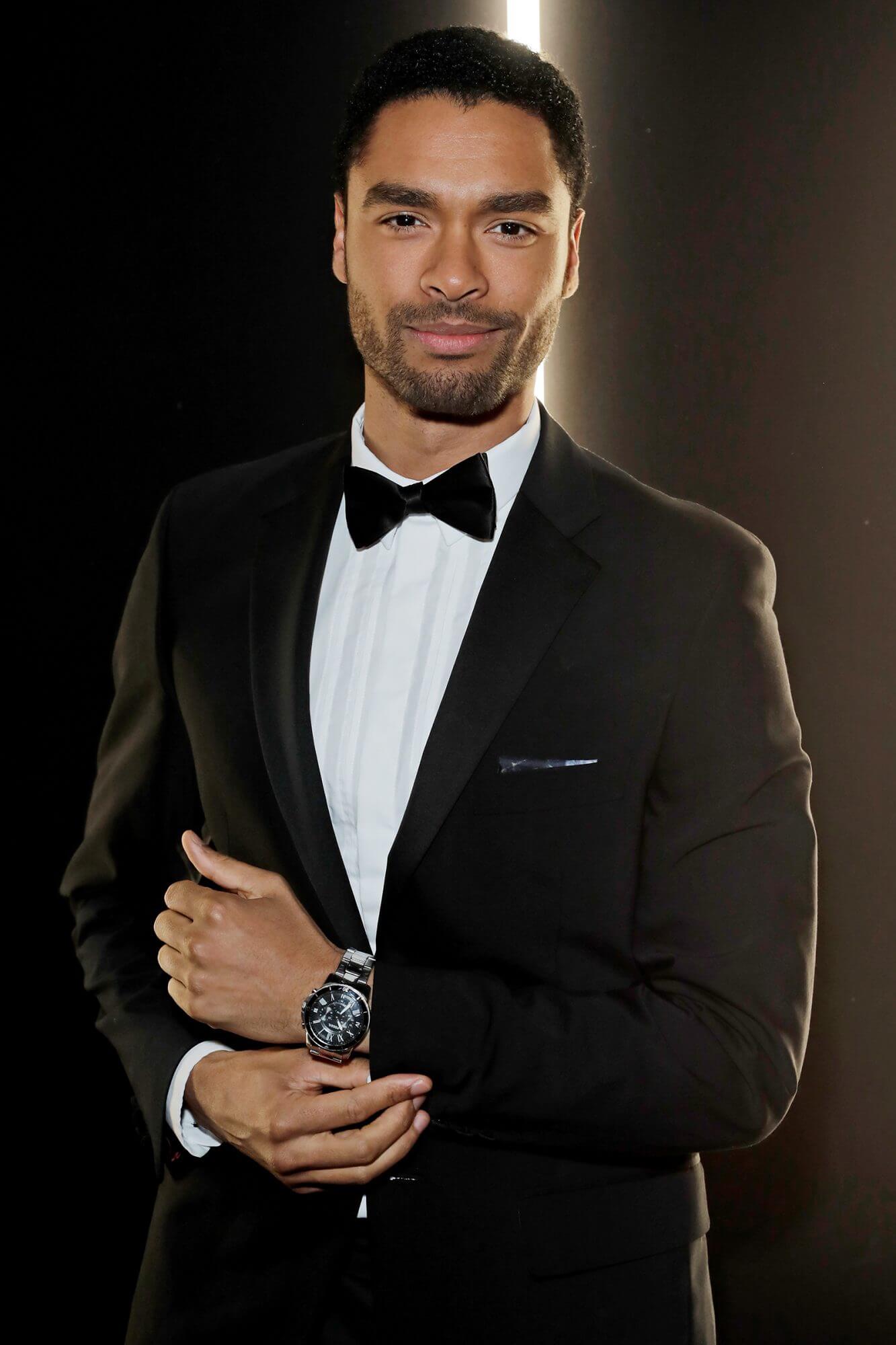
  1. Regé-Jean Page

Pros: If simply being a handsome, eligible bachelor who’s popular with the ladies is top of the list of requirements then Bridgerton’s Page could be the man. A change of direction after Craig’s gritty spy.

Cons: Little track record in looking mean, and is he tough enough to fight his way through some henchman? And he’s perhaps a little too handsome.

  1. Richard Madden

Pros: Well, Bodyguard certainly proved he has the chops when it comes to looking tough in a suit. And his role as romantic war hero Robb Stark in Game of Thrones can’t have hurt.

Cons: Not many, although he has always discredited any connection. A strong contender.

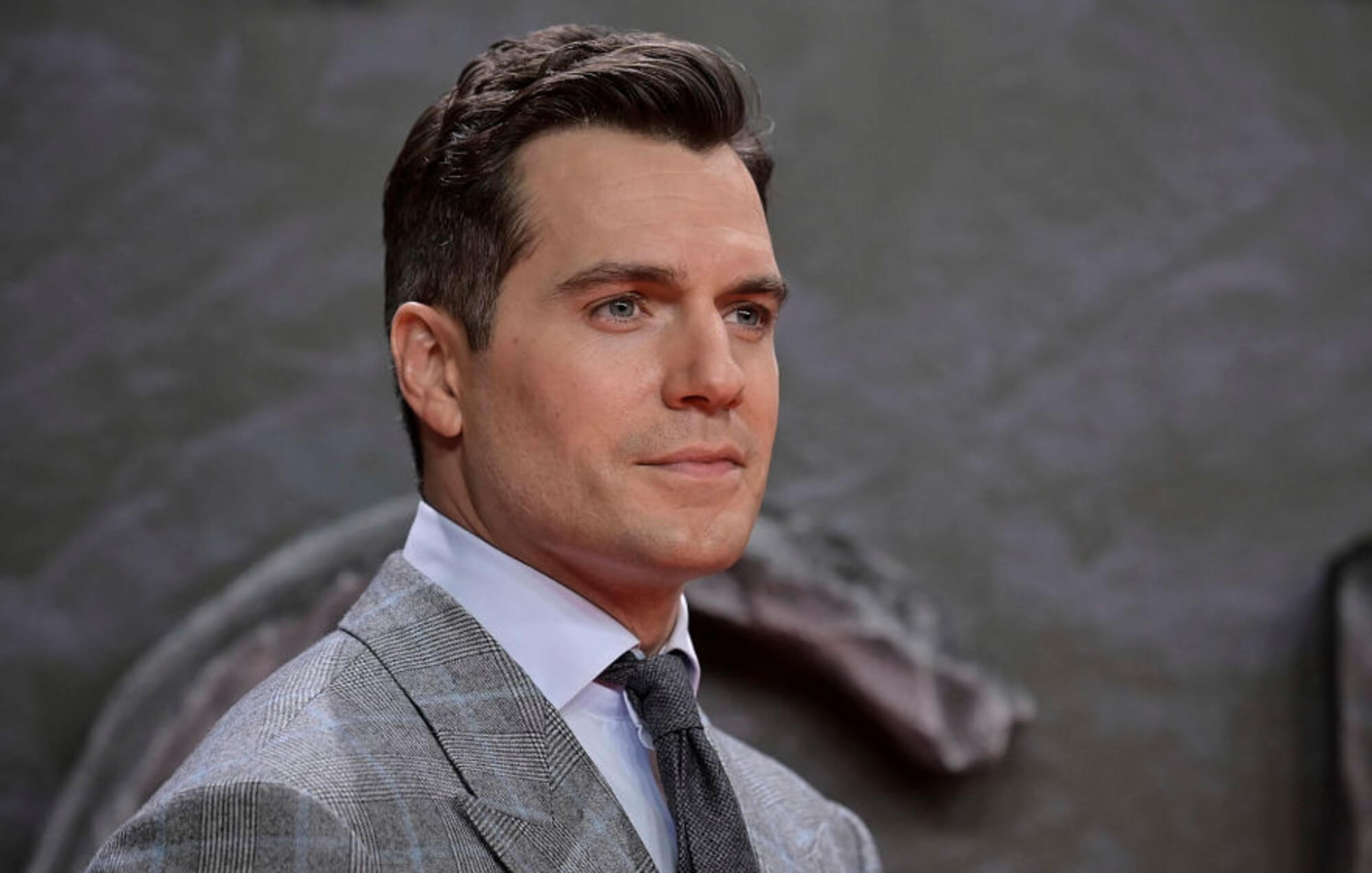
  1. Henry Cavill

Pros: Considered too young at 22-years old when Craig got the top job, Cavill could now be the perfect Bond. Ruggedly handsome, mature and experienced as an actor and you certainly wouldn’t want to fight him

Cons: Would he want to it? Bond is a commitment and Cavill has had no difficulty in securing good roles from Napoleon Solo to August Walker. And can you really be Superman and James Bond?

  1. Tom Hardy

Pros: Would continue the dark, tough edge to the character, looks good in a suit and perhaps one of the few on this list who could guarantee box-office following Craig’s success. And he brings credibility.

Cons: Similar to Cavill in many ways. Although, his venture into the Marvel Universe with Venom has shown he’s up for something different.

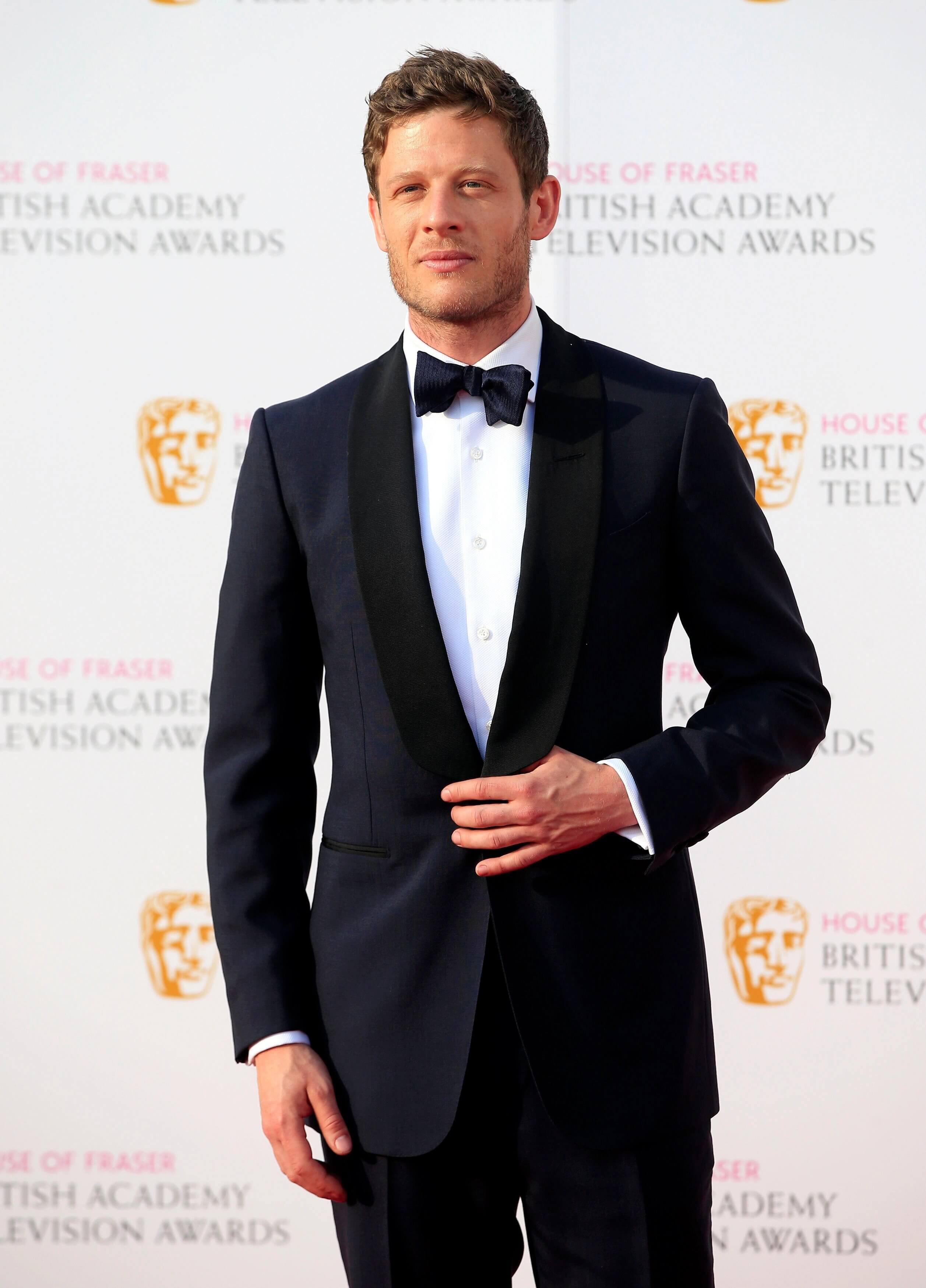
  1. James Norton

Pros: Adaptable and varied in his roles, Norton seems to have a bit of everything. He’s young enough to carry the franchise for some time, and like others on this list, would indicate a distinct change from the Craig Bond.

Cons: We just can’t see it somehow. He seems nice and all, but Bond is a big job, and one we fear too big for young James.

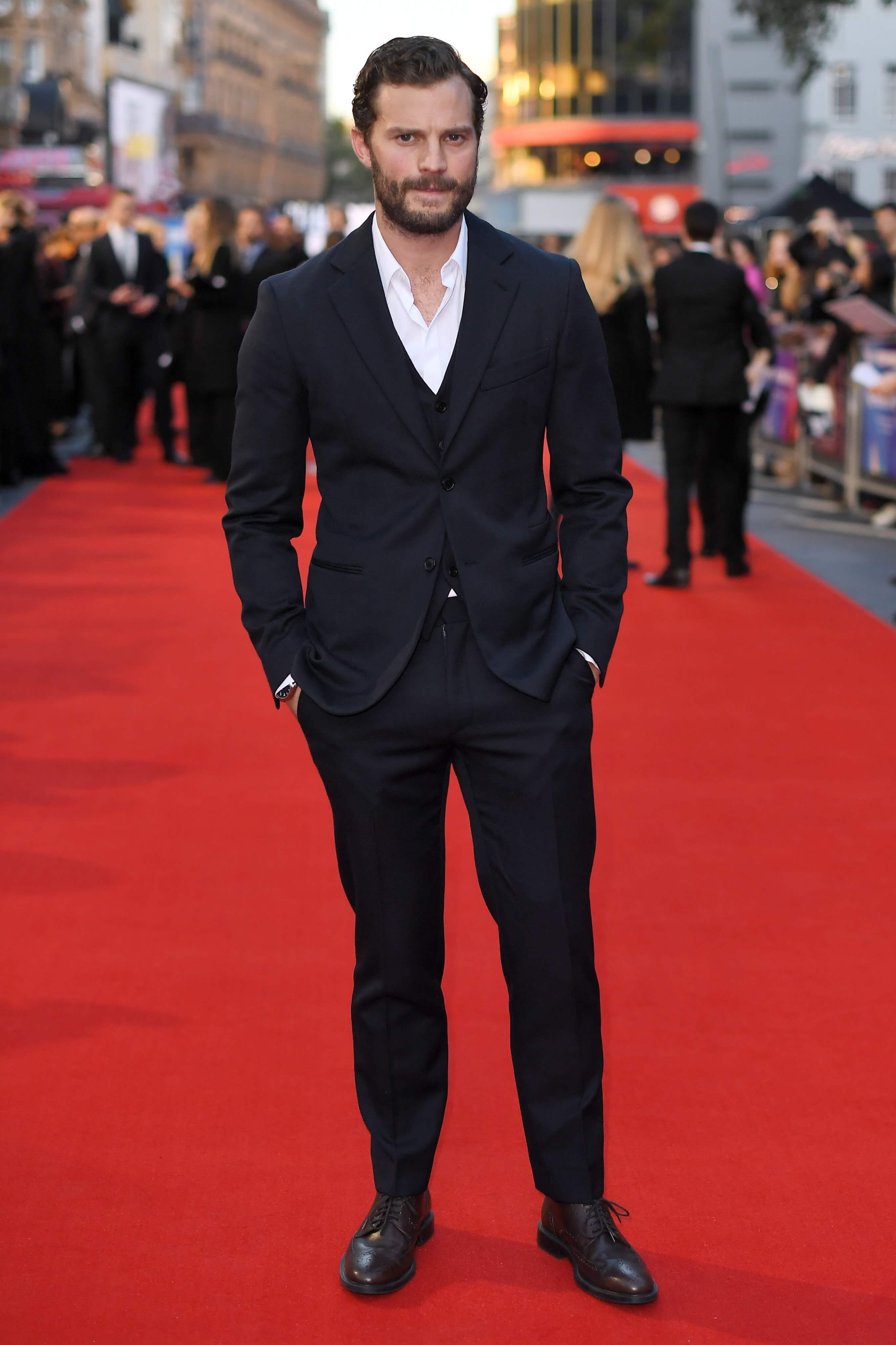
  1. Jamie Dornan

Pros: Can pull off charming (Fifty Shades – sort of) and has a darker edge (The Fall) so seems to have all the necessary attributes. Would be an interesting choice.

Cons: Does he have enough star power? And would he want it. Seems to enjoy pursuing different roles.

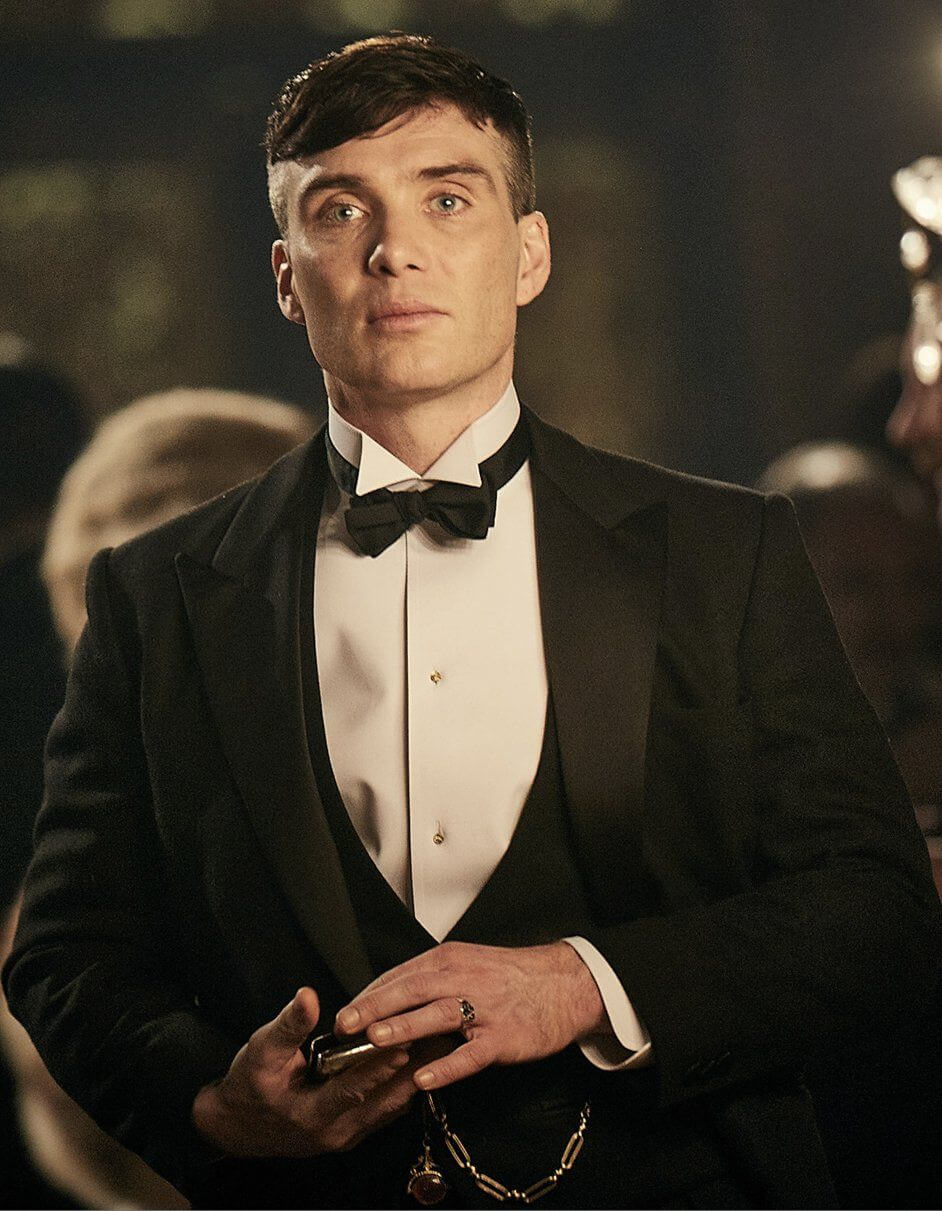
  1. Cillian Murphy

Pros: Definitely has the star power and acting chops for the role, and would bring a different slant to the character. Think less muscles and more brooding malevolence.

Cons: At 45 -years old this could be a bit late for him if the producers are looking for an actor to carry the role over several films. And does he have the physical stature?

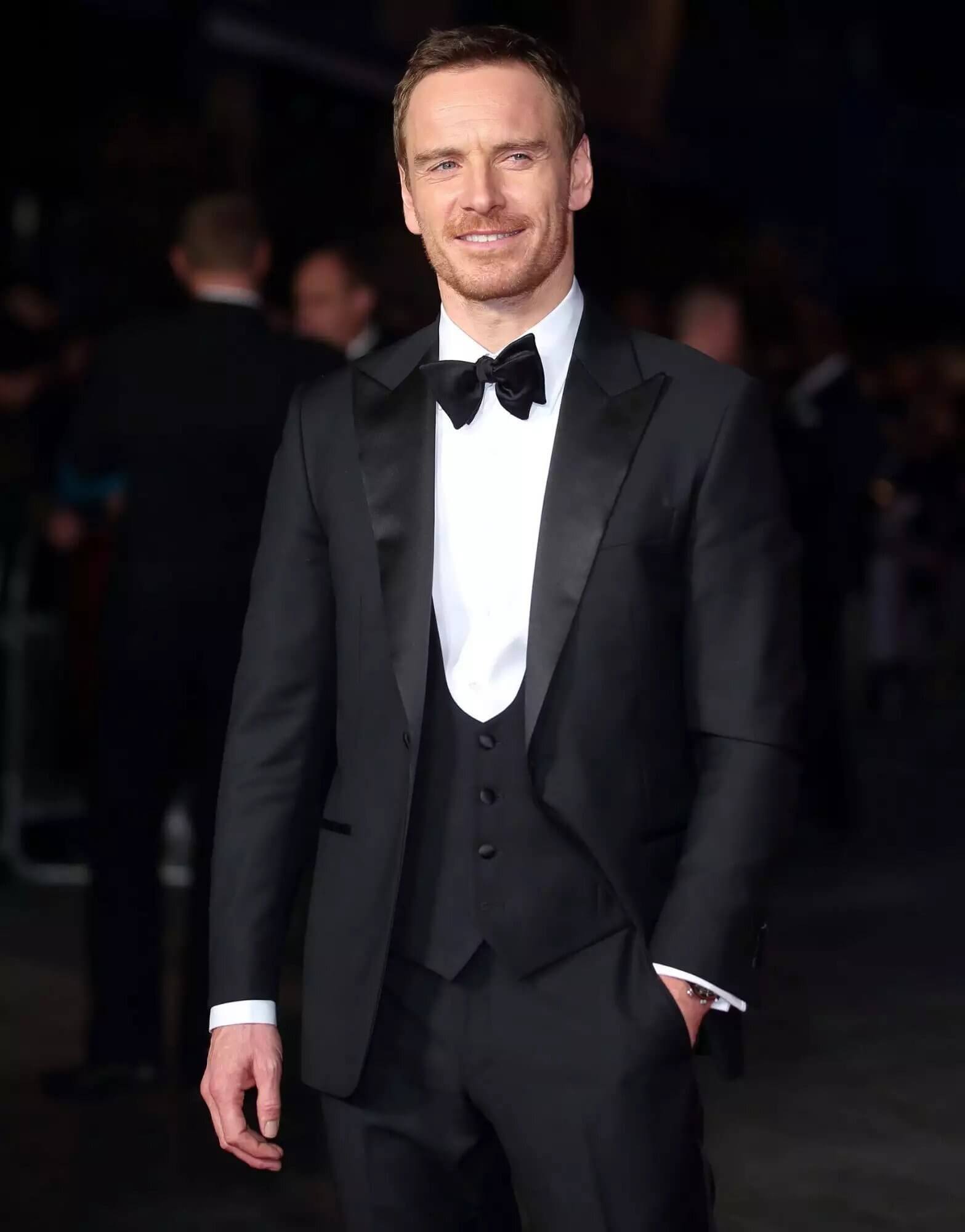
  1. Michael Fassbender

Pros: He’s Michael Fassbender

Cons: Very few. After all, he’s Michael Fassbender.

Other contenders?

  1. Sam Heughan – would be a decent, if safe choice
  2. Henry Golding – see no. 9
  3. Robert Pattinson – now, that would be interesting
  4. Lashana Lynch – more likely a spin-off
  5. Idris Elba – too old perhaps?
  6. Dan Stevens – a big outsider
  7. Tom Hiddleston – too nice?
  8. Aidan Turner – see no. 9
  9. David Oyelowo – would be a thoughtful Bond
  10. Jamie Bell – like him, but we can’t see it sadly
  11. Daniel Craig – stranger things have happened
  12. Gillian Anderson – now, who wouldn’t want to see this Bond??

Five Films to Check Out on Horror Channel This Week – 210322

check out horror

We have some more great picks from what’s on this week on Horror Channel….

Tuesday March 22nd, 9pm – The Loft (2014)

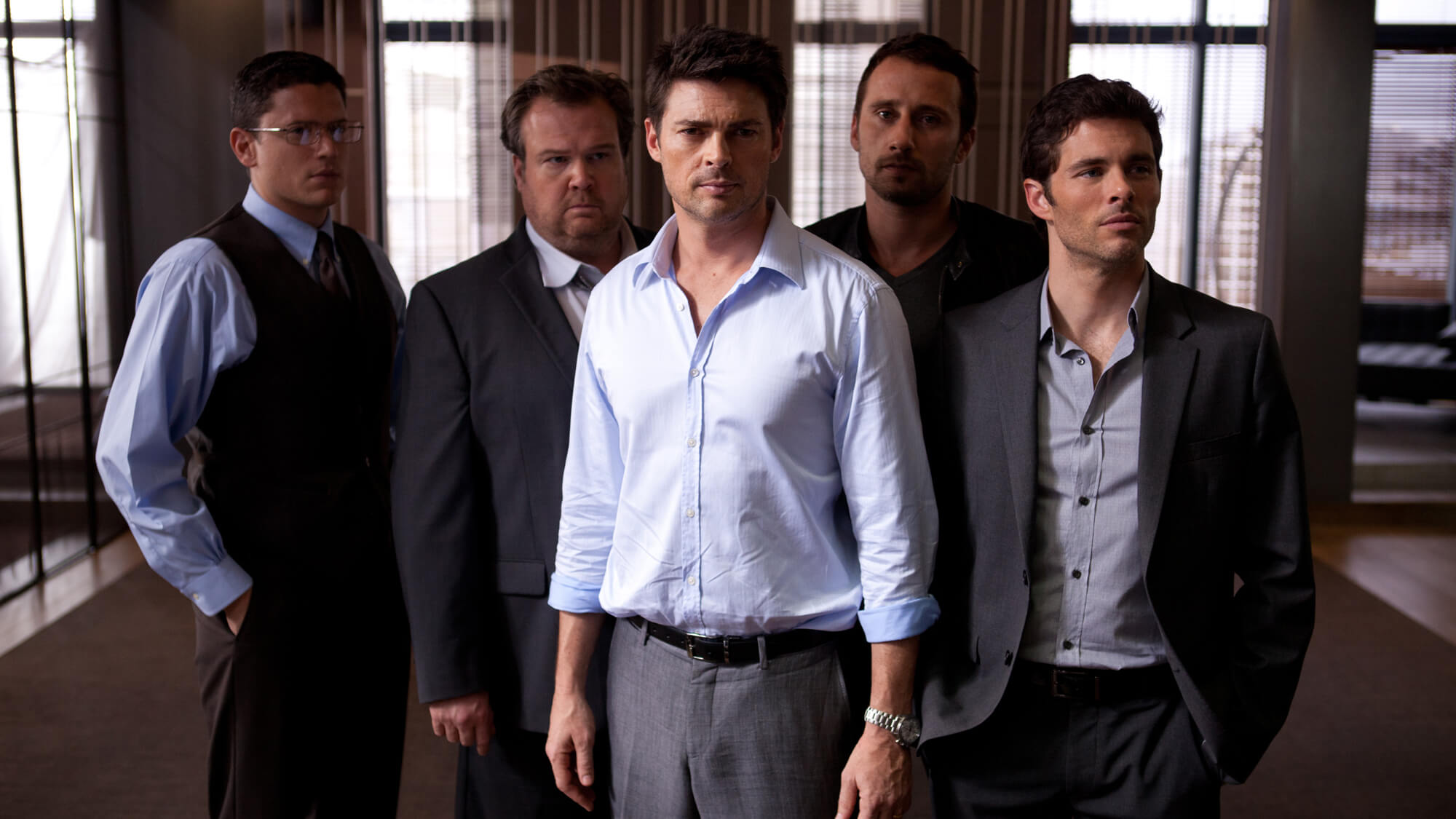
Five men (including The Boys’ Karl Urban, X-Men’s James Marsden, and Legends of Tomorrow’s Wentworth Miller) rent an apartment so they can have some ‘on the side’ fun behind their wives’ backs. Unfortunately, they find a dead woman there and one of them must be the culprit. This twisty thriller is a remake of a Belgian film.

Wednesday March 23rd, 9pm – What Keeps You Alive (2018)

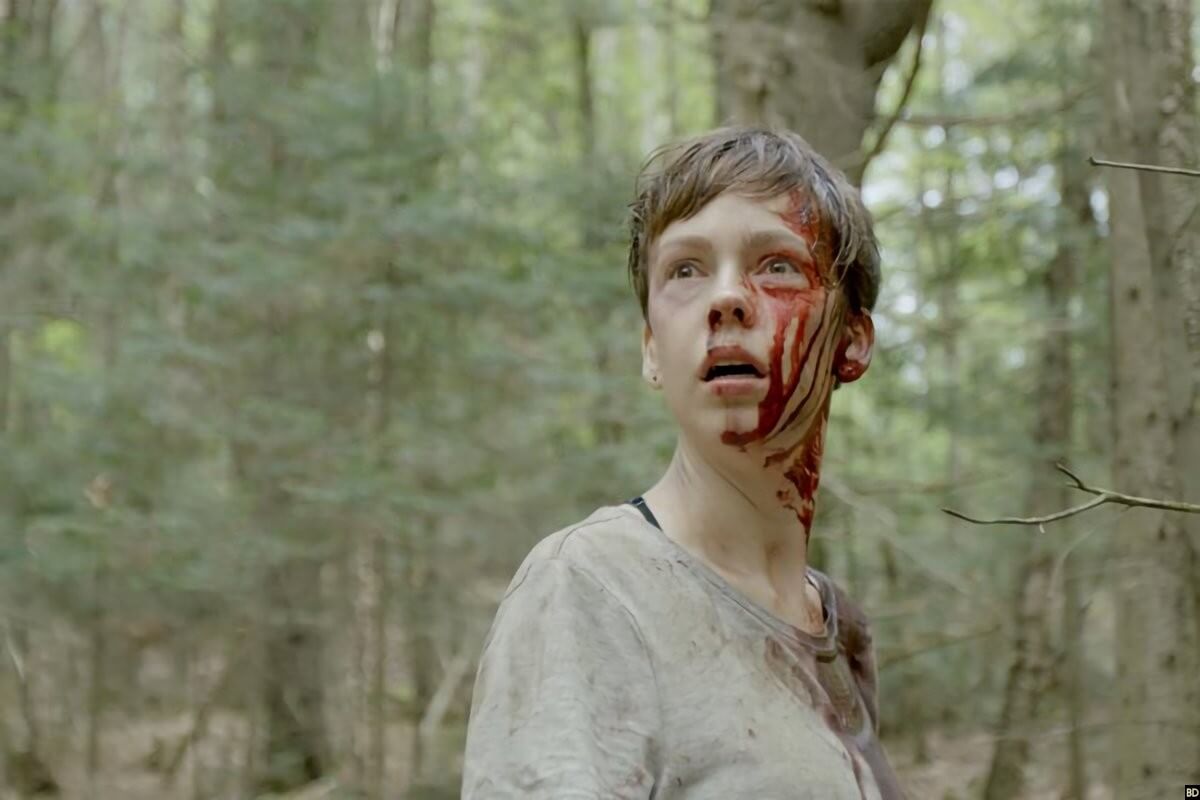
Brittany Allen’s wife, Hannah Anderson, suddenly develops a lust for murder when they go away to celebrate their first anniversary. Written and directed by Colin Minihan, one half of The Vicious Brothers (Grave Encounters).

Thursday March 24th, 11.10pm Maniac (2012)

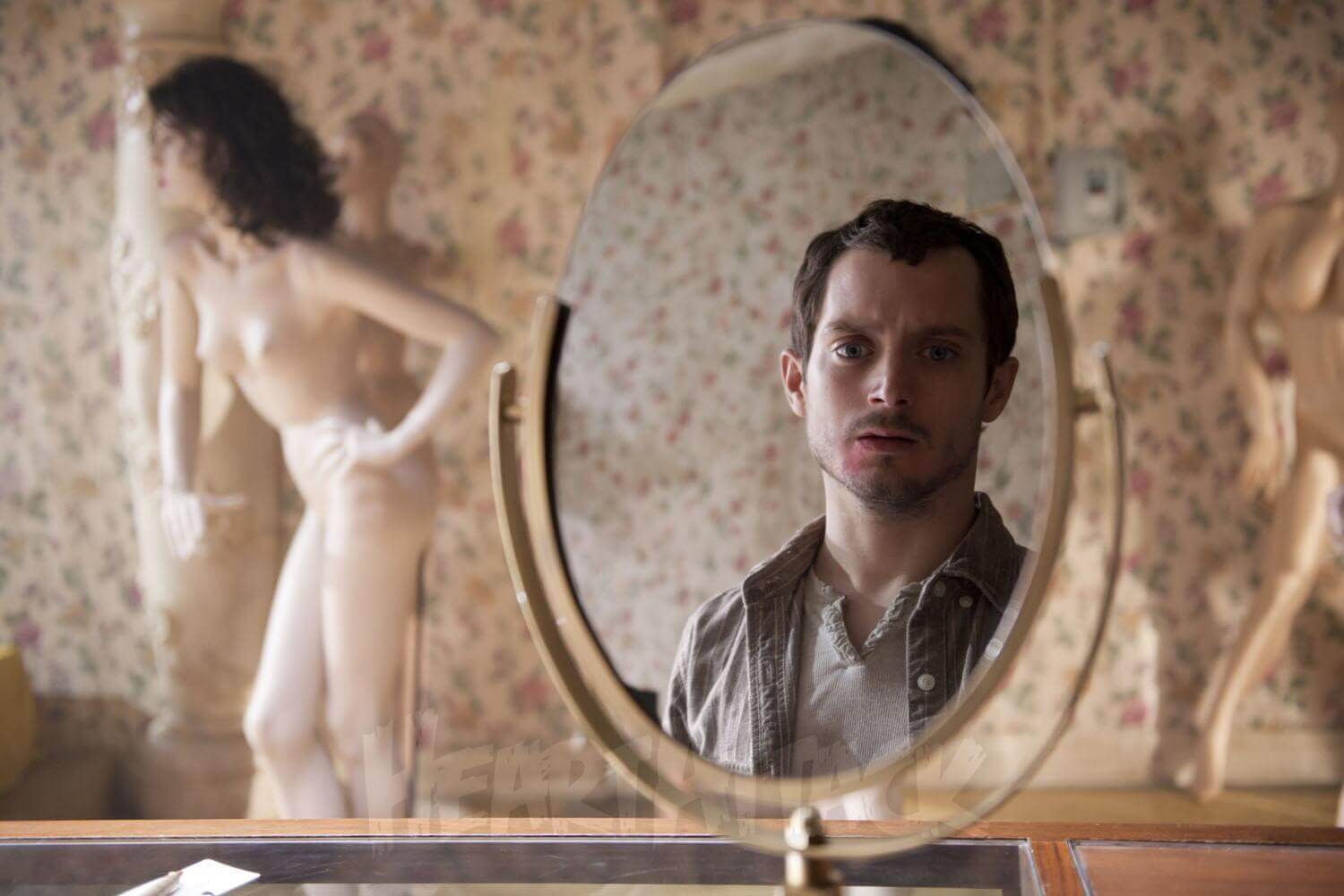
Elijah Wood stars in this superb remake of the 1980 classic. Shot almost completely from the antagonist’s point of view, it’s an immersive watch and almost as disturbing as the original.

Saturday March 26th, 9pm – Cooties (2014)

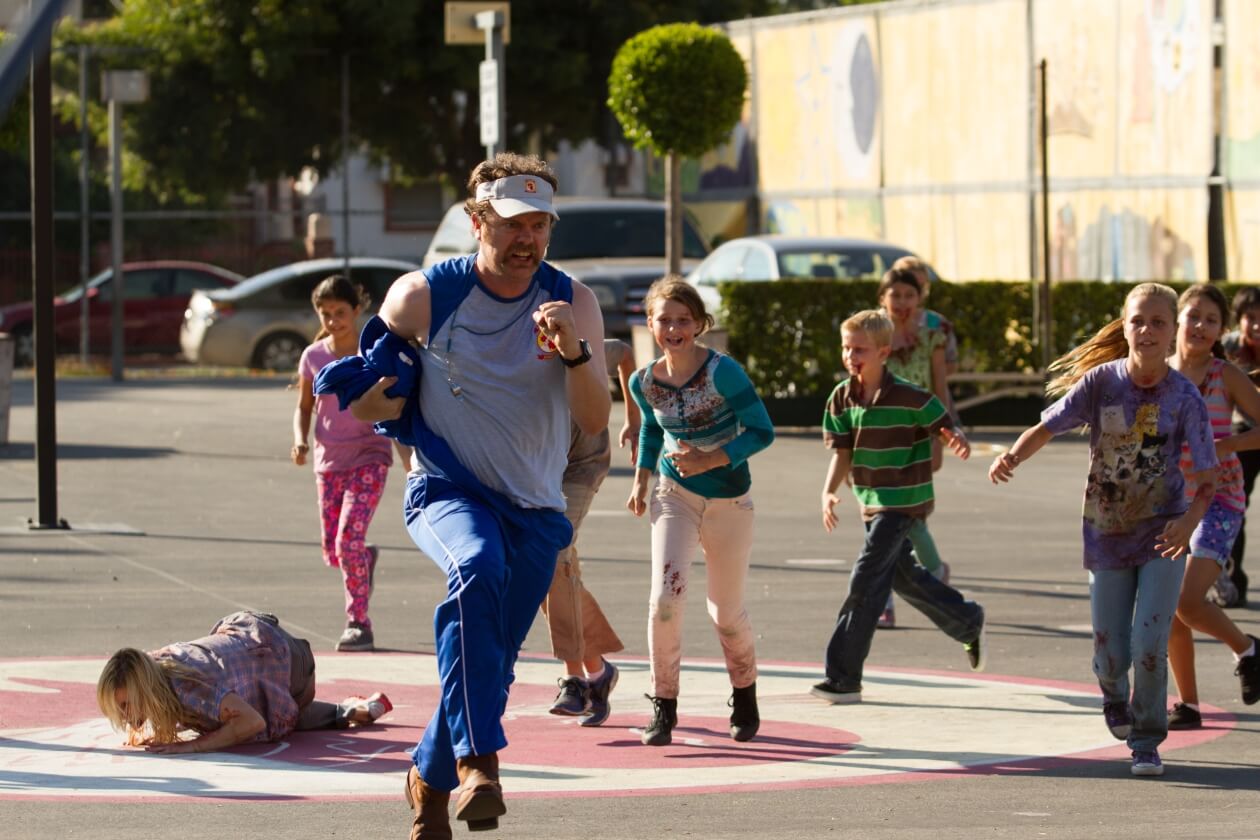
In his second appearance on this list, Elijah Wood stars as one of the teachers who have to fight of a school of raged children, zombified by a virus. Also stars Rainn Wilson (Star Trek: Discovery), Alison Pill (Star Trek: Picard), and Leigh Whannell (Insidious), who also co-wrote.

Sunday March 27th, 9.55pm – Abattoir (2016)

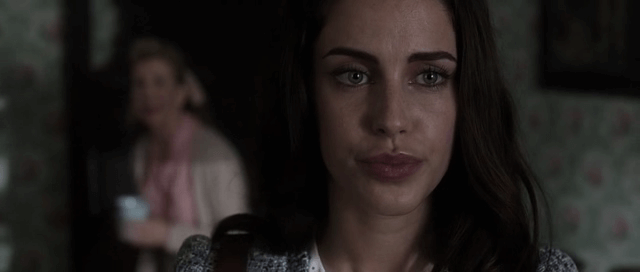
A man creates a house made up of rooms where murders have been committed. Directed by Saw’s Darren Lynn Bousman, and starring Jessica Lowndes (The Devil’s Carnival) and genre icon Lin Shaye (The Call).

Tune into Horror Channel on Sky 317, Virgin 149, Freeview 69, Freesat 138.

Joe Morton | ZACK SNYDER’S JUSTICE LEAGUE

joe morton justice league

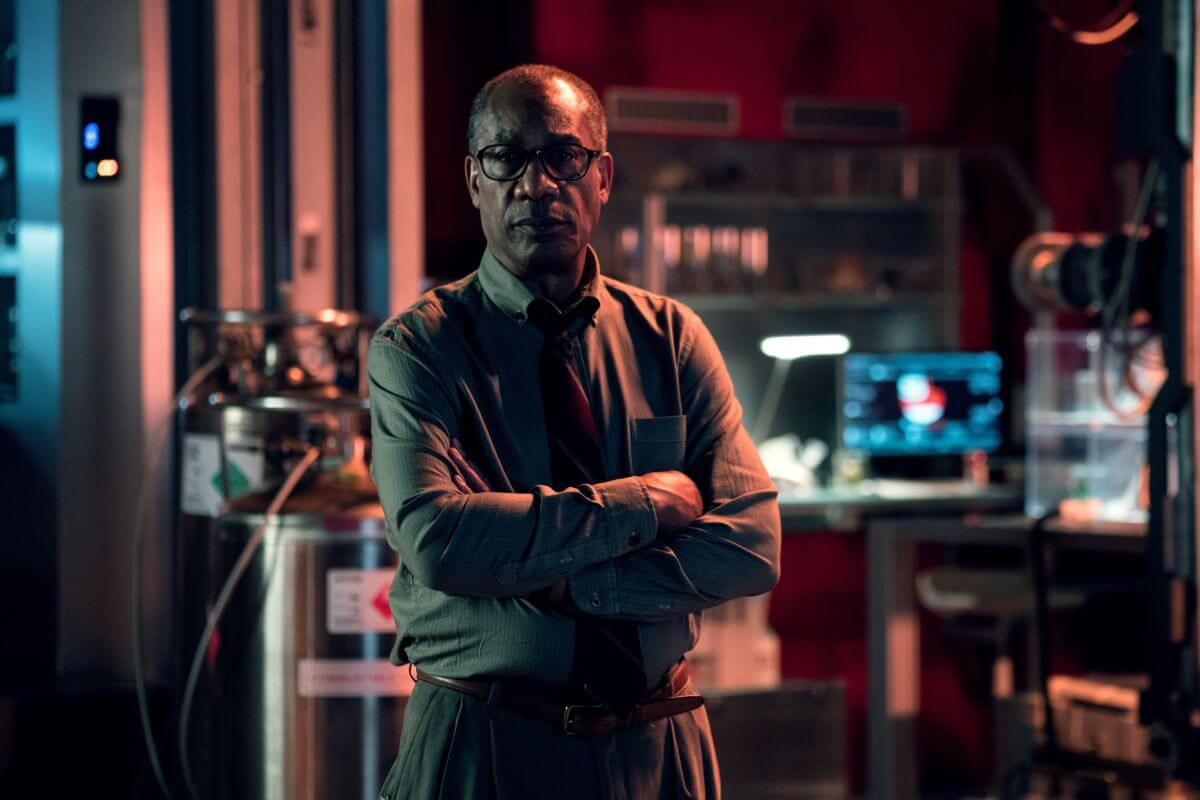
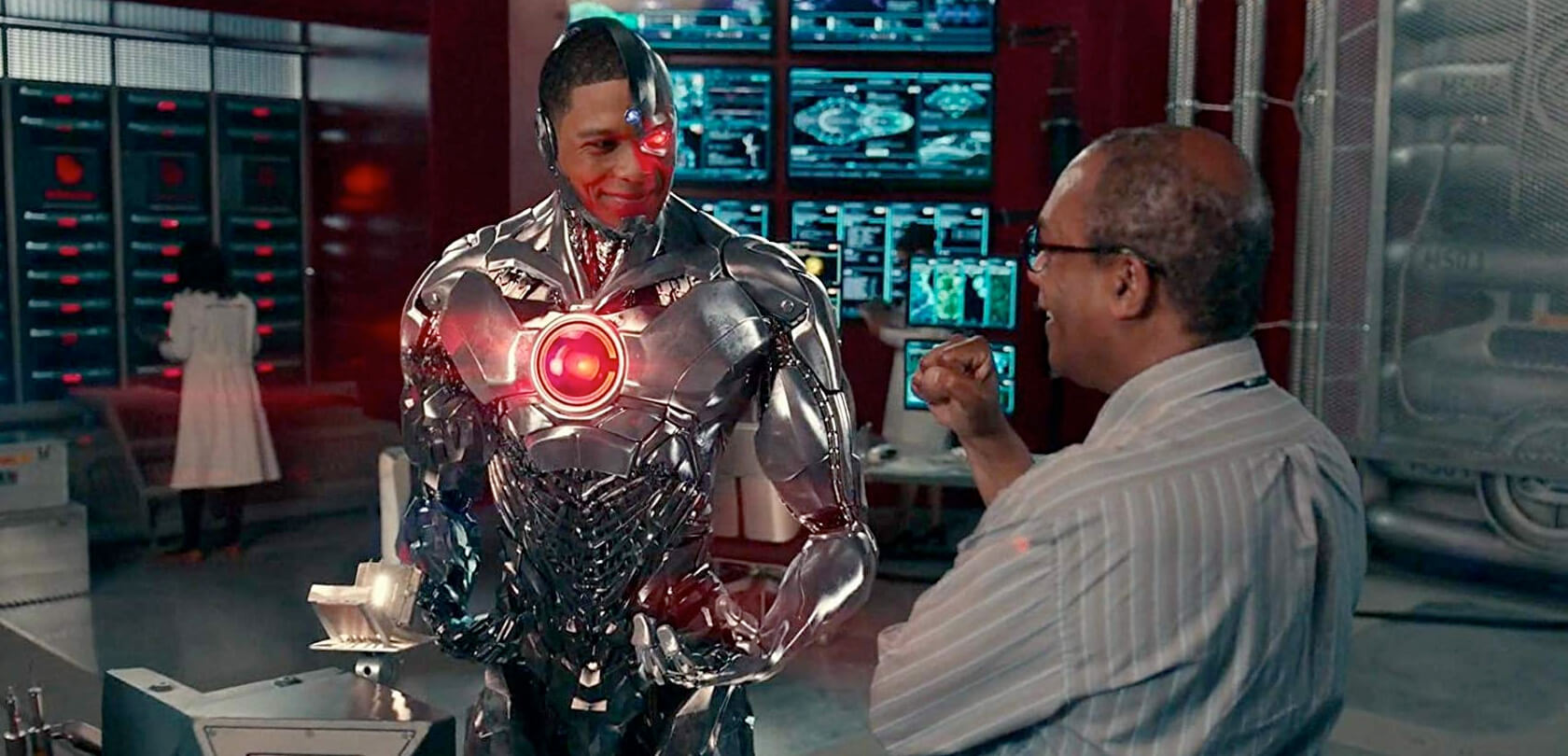
If you’ve seen Zack Snyder’s Justice League, then you’ll know that the character of Silas Stone is absolutely essential to the overall plot. His complicated relationship with his son Victor Stone – now more enhanced in this version – threads its way through the movie at key moments, not forgetting to mention that Silas is experimenting on, and using the power of a mother box, which the Justice League might need to save the planet. A year on from the release of Zack Snyder’s Justice League, STARBURST talks with actor Joe Morton (Terminator 2: Judgment Day/Eureka/Speed) to discuss the powerful story arc that Silas and Victor now have, what it was like to work alongside Ray Fisher, and much more!

STARBURST: How did you originally get involved with the character of Silas Stone?

Joe Morton: Well, the first time I got a call from Zack I was in an airport going from New York to LA, because I was doing Scandal at the time, to be told that I would get yet another phone call because he was interested in me doing Silas Stone for Batman vs Superman. That’s how he was going to introduce the characters. Then sometime later, I was home in New Jersey, and then my manager called to say that Zack was on the phone, and he wanted to talk to me about the part. At this point, I was finishing up on Scandal, so I was out in LA. I did a couple of scenes for Batman vs Superman. It was incredible, we did it all in a day and a half, and Zack is an amazing director. When we finally got to Justice League about a year or so later, it was amazing to watch him. It’s a huge cast, and it’s an enormous set. He just has the best personality, and the best disposition for all of that, just to make it feel very easy, and very fun.

Taking it right back to Batman vs Superman, what do you remember the most from working on that sequence?

We had to do a lot of green screen stuff, because the mother box wasn’t really there, so I had to just act as if it was. Ray wasn’t actually there, so all of that had to be acted without anybody else. It was also fun to be in that part of the scene where Silas is frustrated with things not working. You see boxes of pizza in the laboratory. It was just fun, and a real pleasure.

Fast-forwarding here a bit, when did you originally find out that they were going to release Zack Snyder’s version of the Justice League, and at that time, what did you yourself actually want to see from this cut?

I wasn’t quite sure what the cut was going to be. I got a call again from Zack, I guess this was sometime last year. He was saying that Warner Bros had come to him to release his cut of the movie, and apparently, he had that cut in his house, on his computer. Basically, the call was to sign waivers so that we wouldn’t get paid twice. Then when I saw the cut, my basic impression of it was, the original that came out was an action-adventure movie, and I felt like Zack’s cut was mythological. It felt like more of a myth of who these characters were. It had greater depth and complexity in terms of character. I think with Silas and Victor Stone, what’s lovely about Zack’s idea is that all of the other characters have an alternate ego. Batman is who is when he’s not Batman, etc. Victor can’t do that. He is who and what he is all of the time, just like black people in this world are who and what they are all of the time. On some level, I think that’s what Zack was talking about.

Talking of Zack Snyder, what has he been like to work with over the course of two movies, and why do you think his vision as a director has gone on to become so well known?

He really does occupy the work. When you look through his book, his storyboards, and what he wants to shoot that day, he is clear on what it is he wants to do, and how he wants to get where he wants to go. Also, his disposition on the set is just miraculous, to be working with that many actors, on sets that are that huge, with that kind of action, and just make it feel very easy, and straightforward. At the end of the day, you didn’t feel overly exhausted. I was doing a play in New York while we were shooting Justice League called Turn Me Loose, which is about Dick Gregory, who was a well-known comedian and activist here in America. It was basically a one-man show. So to go from that to the Justice League was like going from a confessional that was very deep and very complex to a very elaborate and well-functioning costume party. It was wonderful and a really nice balance. The way he runs his sets just made it very easy.

Okay, let’s dig into your character, now, as a parent yourself, what did you pull in from that when it came to playing and shaping Silas Stone?

So if we continue with the metaphor that I think Zack was after, you have a black father talking to his son about being able to accept who he is in the world. I have a son and two daughters, and that’s what I think I used in terms of talking to Victor. Especially the scene where you see him dealing with Victor after the accident. It is that moment that every parent is terrified of having to face. Where your child is on the hospital bed, and his or her life is on the line. Silas basically gets it in his head that he will do anything and everything that he can do, to not only save that child’s body but also heal that child’s mind and psyche.

It must have been tough to play a character who is so cut off and detached from having a relationship with his own son to start with?

It’s the professional dad. They don’t understand if they’re not attached to their son, they’re so attached to their work they think everything they’re doing is for the family. When a father like that hears that, it’s a surprise. “No that’s not how I saw it at all”. Understanding that from Victor’s point of view that it’s probably true. Silas spent more time in the laboratory, dealing with all of the things that he was dealing with. That became the focus of his life. Just like sometimes I think I get accused of being so involved with my work that I’m not as involved with my family as I should be.

Looking back on the key scene where you sacrificed yourself to mark the location of a mother box, why do you personally think that this scene is just so important?

It was the ultimate sacrifice. In Terminator 2: Judgment Day, the Terminator basically kills himself at the end, which is the most human sacrifice. He says “In order for this to be accomplished, I have to die as well” I think Silas is in that same set of circumstances. He understands that if he takes the mother box with him and the only way to do it is with him going with it, then it’s the most he can give not only the world but to his son.

By the time he does sacrifice himself, how would you personally say that the relationship between Silas and Victor had changed/grown?

There’s that scene in the movie where Silas says to Victor “You’re not a monster” Victor’s response to that is “It’s interesting that you assumed I was talking about myself?” What happens between the two of them is that they begin to understand that what Silas was able to do for Victor by giving him life, a brain, and a soul that can absorb so much, was in many ways a gift. Until the moment he is literally in the position to save his father’s life when he comes to save me and the other prisoners from Steppenwolf, I think that’s the moment where Victor realises what this relationship is, and what it can be, and he begins to form a relationship with the Justice League. He is kind of the outsider even in that group of individuals, and he has to figure his way in, in the same way, that he has to figure his way in terms of who his father was, and what he did and did not do for him.

It’s interesting because, even after Silas has gone there is further validation that their relationship has changed when he brings the destroyed Dictaphone back to life, playing your voice. We thought that that was such a great idea! What do you think that narrated part, in particular, brought to the movie?

What it does is cements that relationship. Victor finds the Dictaphone and hears what his father has to say and it gives him a greater understanding of his father, and actually what his father means to Victor, is in those moments.

What was it like to work so closely with Ray Fisher, and what do you think that he really brings to Cyborg?

Ray is a really nice, lovely young man. I think he brings all of that genuine love of humanity to the character, and then because of the struggles that Victor goes through, I think that he brought that out really well. In terms of being a black man in this world, you struggle with how to deal with all of the mythology that people put on you. Whether those things are real or not, I think the same thing happens with Victor. There’s this book about Grendel. At the very beginning of the book, Grendel is standing on the side of a mountain, and there’s a goat near him, the goat sees Grendel and just simply scampers away, and Grendel’s response to that is “You’re simply running away because of the way I look, not for who I am. You don’t know who I am, what I possess, and what I can even offer you” Those are the things that Victor comes to terms with. People will look at him, and make decisions about who they think he is, because of what he looks like, and he has to overcome that. Ray brought all of that to the character.

And also, could you elaborate on how Cyborg compares to the other members of the Justice League, what makes him different/stand out?

He has no alter ego, no Clark Kent, nothing to hide behind so that he can have a private life. His life is his life. I think that’s what makes him different. Even Aquaman can roam around the earth, and you would not know who he is because he lives up North somewhere. He can dive in the water, where people will know who he is, but he can walk around other humans, and look like other humans. Victor can’t do that, and that’s what makes him very different to the other members of the Justice League.

Obviously, you’ve worked on many blockbuster movie sets before, what is it actually like to work on something of this scale, and how do you approach that as an actor?

It always feels strange to me. When I was a kid, I wasn’t a real comic book kind of kid. With the Terminator, I always looked at Terminator 2: Judgment Day as a modern version of the Frankenstein story, that basically a scientist invents something that is greater than himself, and that thing that he invents, ultimately in order to become a part of humanity has to destroy himself. The same thing sort of happens with the Justice League. Here you have a man who almost loses his son, who then finds a way to keep his son alive. In doing so, he almost loses his son. So I always have to take the size of it and reduce it to something that is human, to something that I can look at in terms of what it means to be in this world.

Looking back on Zack Snyder’s Justice League, and if it hasn’t already been covered, what was the most rewarding scene for you to do, and why?

In one way the scene when Victor is on his death bed and I vow to not lose him, and then I suppose, it’s a very small little moment, but in a way, it’s very large. It’s when Victor comes to save Silas when he is down in that pit, and we recognise each other, and I realise that he is there to save me. I think in that one tiny little moment, it begins to blossom into who they will become, which is a really lovely thing.

Your character doesn’t die in the 2017 version, if it did happen, what would you like to see from him in the future?

There was talk for a while of doing a sequel with Cyborg, and I would love to see a lot more of his life before he becomes Cyborg. That family life. We did a little of that in Zack’s version. You get a sense of who we are, a bit more than in the 2017 version, and I would like to see more of that. To understand who they were as a family before we move into who he is as a superhero.

Final question, there are at this point, a couple of superhero movies out there, but for you how would you say that Zack Snyder’s Justice League stands apart from them?

Zack was not just making an action-adventure movie. He actually was putting together what feels like mythology. It’s the kind of storytelling that has great depth, where it has great metaphors about what it means to be human in this world. Striving for a peaceful and loving world, but having to deal with very large human problems.

Zack Snyder’s Justice League is available on 4K, Blu-ray, and DVD as well as on digital platforms.

Ray Porter | ZACK SNYDER’S JUSTICE LEAGUE

ray porter

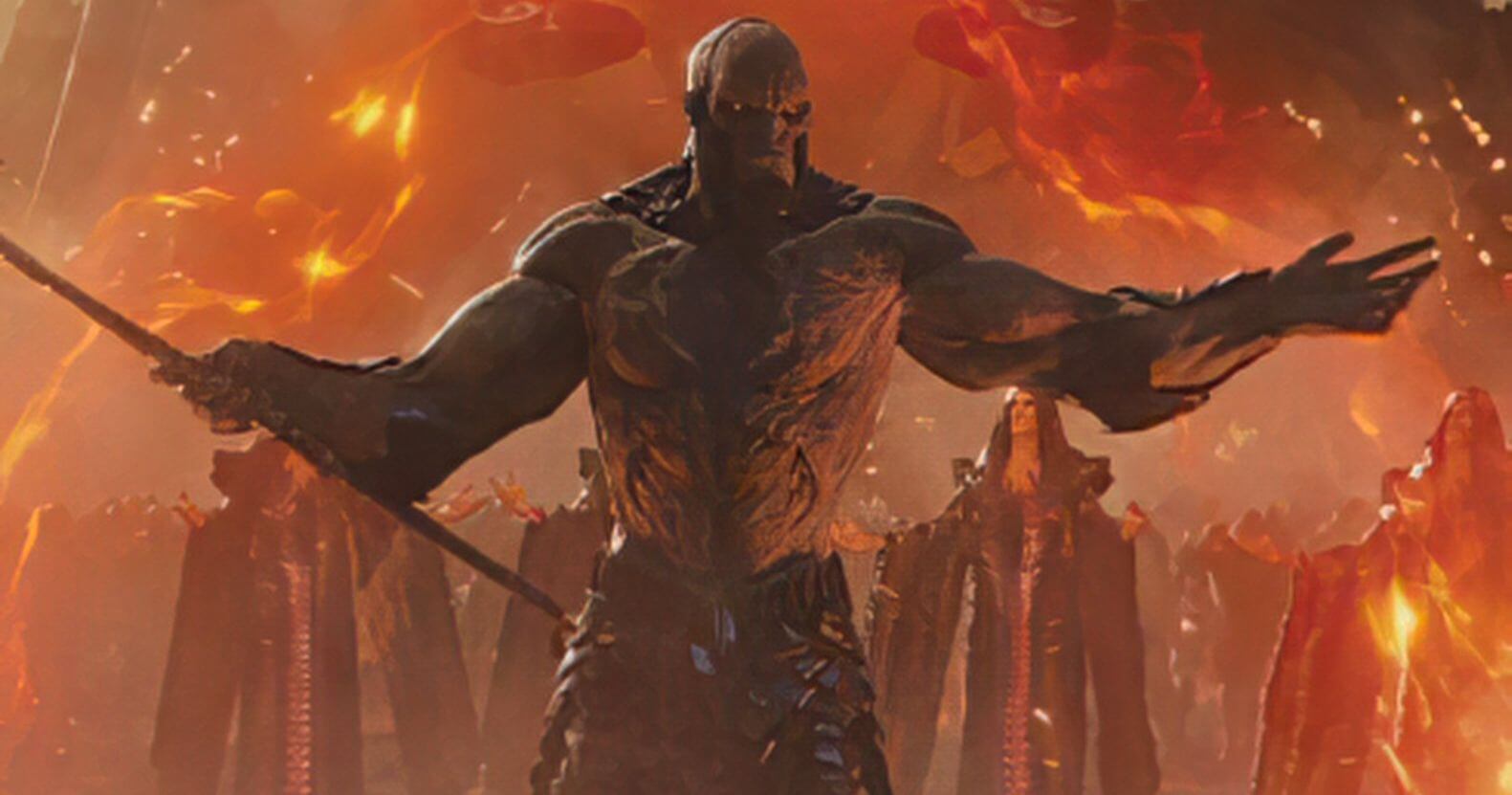
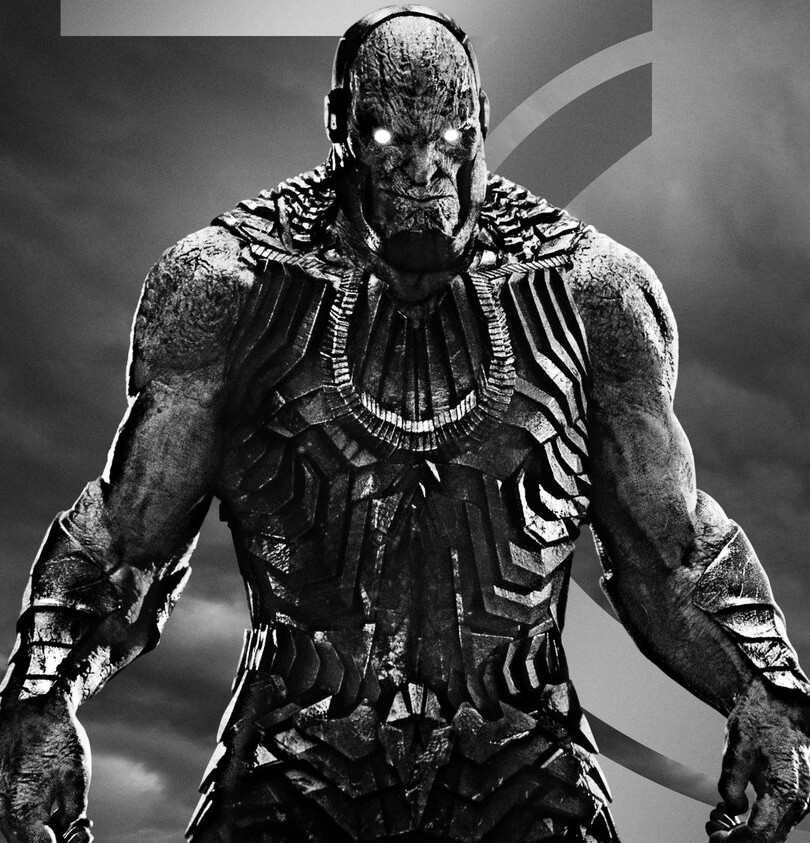
When the 2017 version of Justice League was unleashed a lot of fans felt like something major was missing from the plot, and once it was revealed that the legendary comic book villain otherwise known as Darkseid got cast aside from the movie, it was clear, that they were right to feel that way. Darkseid is indeed one of the main reasons why the hashtag #releasethesnydercut exists. STARBURST talks with voice actor and audiobook narrator Ray Porter to uncover how he ended up playing Darkseid, what it was like to keep this crucial role a secret for so long, how excited he is for Wales Comic Con (Telford Takeover), and of course, what the visionary director/writer Zack Snyder was like to work alongside…

STARBURST: How much of a DC fan were you before being getting involved with this movie, and what memories do you have from this classic superhero world?

Ray Porter: I was woefully unversed in DC lore, and that’s really what it is, it’s a whole thing. I learned very quickly, it’s like Shakespeare or Greek mythology, these vast, huge, intricate stories. As a kid growing up, I loved Batman especially, he was my favourite. I would have to say that he was my favourite out of all of them, even going over into the other church Marvel, I was always a Batman guy. However, I wasn’t too familiar with Darkseid. I had to learn pretty quickly. Mostly after filming just because fans would ask me really involved questions, and I didn’t know the answers. So I couldn’t even have an opinion, and I just thought that was kind of annoying. You don’t want somebody who gets to play this role to be like “I don’t know” but that’s kind of how I was initially. So I’ve really striven to educate myself out of respect for the fans. It’s huge. Of course, once you start delving into the story of Darkseid and into the whole pantheon of the DC characters, without getting too edgy or whatever, it’s like “We need to see more of this please!” It would be great for there to be a continuation of the Snyderverse.

Leading on from that then, how did you get involved with this version of the Justice League?

Zack and I knew each other, and I narrate a lot of audiobooks. That’s been kind of, the stock and trade mostly. He really likes hearing his scripts rather than just sitting and reading them. It’s a very different experience hearing them, obviously, when he is so involved with the writing and he is so close to the script being done to externalise it, and to hear it gives it perspective. So I’ve been reading the scripts to him, throughout the filming, when we were there in England and they were filming at Leavesden rewrites and things like that. There was basically one day, where he handed me this page and went “What do you think that this guy would sound like?” and I just did this voice, and he was like “Cool”. I didn’t think anything of it, it was two weeks later and somebody else came over to me and said “Hi, Darkseid!” and I was like “What?” and he cast me in the film.

Can you tell us about the ideas Zack had in mind for the character initially, as you got on board? Maybe, how he wanted him to sound, or even, just how he wanted him to look?

He had it clear in his mind how he wanted him to look. I had seen a 3D rendering of Darkseid and Steppenwolf long before even the CGI was done, but there was a very clear idea that he had, which was obviously informed by the comics. It wasn’t a wild departure at all. So the look was pretty well established. I knew what he looked like, but it isn’t about playing a look necessarily. Basically, Zack is an intensely collaborative director. He’ll feed you an idea, he will listen to your ideas, he’ll watch what you’re doing, he’ll expand on it, let you run with it. It’s a great process and a great experience working with him. With my Shakespeare background, I basically just approached this like I would any role sort of in that world, and it seemed to work. It’s really very simple, what Darkseid wants, and what he intends to do, who he is. But you can’t play “I am a world destroyer” the audience will be like “What?” but you can play “I want this!” and that’s something the audience can relate to, and so that’s kind of the direction that I took with it. Darkseid is a simple man, with simple goals. He just wants to destroy worlds, and sit at home and make toasties against his flaming walls. It’s a simple life really.

You did motion capture for Darkseid, can you tell us about that process, and what you enjoyed the most about working that way?

There were definitely moves in there that I did. A lot of the fight stuff was done by Zack’s go-to guy, who later played the zombie king in Army of the Dead, a wonderful, amazing stuntman and actor. I did do mocap, Ciarán Hinds and I both stood there in our black lycra suits with the little shiny balls on them, and that’s not a picture really anyone wants. Then later with Peter Guinness, we wore a kind of weird suit, it looks like a bandolier of white dots against a black background. Ray Fisher also wore it for much of the filming of Cyborg, and they do the CGI over it, and then you wear this headpiece, with a camera and this bright light right in your eyes, and then you play the scene. Then they CGI off of that, so they get the facial expressions, the way your mouth moves, and that sort of thing. I also had a session at Warner Bros in London where I was literally, for an hour or so, doing grunts and reactions for a fight scene. The scenes themselves we shot in LA, me up on a ladder yelling at Ciarán Hinds.

As an actor, what do you think that motion capture brings or adds to a movie?

The CGI in this film was absolutely astonishing and even made more so by the fact that they achieved it in such a short amount of time. It was an amazing thing to see it finally on the screen. It was like “Wow – that looks really cool!” Of course, you have no idea when you’re shooting, you’re in a room with a step ladder, just playing a scene, so you don’t get any indication of what it’s going to look like. The VFX artists on this particular film just went above and beyond, and I think it’s beautiful. It’s interesting because seeing it, and obviously seeing Darkseid’s face talking, but there were people that know me who said “I could see you in that” and also what they did with the voice, there are some effects on the voices, but it sounds like us. I in fact recorded one of the last lines right here, on this mic, where I’m speaking to you from, in my fabulous audiobook studio. I literally held an iPhone up so that they could record my face, and I did the whole, “Anti-Life is found, DeSaad” thing right into the mic.

Can you elaborate on what it was like to work opposite Ciarán Hinds as Steppenwolf?

Ciarán Hinds is one of the best actors that I’ve ever seen. I have been an admirer of his for many, many years. He does all kinds of different projects, and that’s a career that I’d love to have. You’ll see Ciarán in Game of Thrones, then you’ll see him in a brilliant small film about writers in some coastal town, then you’ll see him in Justice League, he is all over the place. I just think that he is a wonderful, incredible actor. He is also an incredibly nice man, and great fun to be with. The time that I spent with Ciarán Hinds and with Peter Guinness, who played DeSaad, was wonderful. They’re great guys. I wanted more, the time was entirely too short. Both to act with them, but also just standing around chatting. Lovely guys.

As a voice actor was there anything you personally really wanted to bring into how we hear Darkseid on screen?

It was literally Zack saying what do you think this guy sounds like, and I did this voice. He seemed to like that, so obviously, we were going to do that voice. You want to sound a little bit like the guy looks, but it wasn’t a limitation really, then it just came down to acting it. What I wanted, I think as an actor in the role, was the absolute rightness of my cause, the anger, and that it’s long overdue that I find the anti-life equation, and this is mine, and I will take it. Just unquenchable desire.

As this is, of course, promoted as Zack Snyder’s cut, we were wondering if you could elaborate on what he was like to work with, and why you think his vision stands out?

Zack is an imminently trustworthy director, first and foremost. Nobody on the set knows more about the story being told than Zack does. He has done his homework, and you can trust that. As an actor you feel very secure in that. He has very clearly and specifically designed the sandbox that you’re playing in, and then you’re free to play. He enjoys the collaborative process, and there’s nobody more excited on the set about what’s going on than Zack is. That enthusiasm is infectious. I would do any project that Zack wanted to do as a director, I would be happy to be there as an actor for him, he is that kind of a person. He and his wife Deborah are incredibly kind, unbelievably generous, and they really know the story they are telling. So already you’ve got all of the best elements that an actor could really hope for. You trust the director, and you’re excited by what the director wants to do, and you feel free to play, to bring your best to the circumstance. It’s a marvellous process, working with him, and it’s always over way too soon.

Can you tell us about the process of having to keep it a secret that you were Darkseid, and also, why do you think that it was just so important for both the fans and Zack Snyder that Darkseid featured in the movie?

When the fans saw the 2017 version, which I never saw, they knew something was missing. They started talking amongst themselves, and their voices got louder. Obviously, I had been told that the new director had removed Darkseid from his version of the film, which was sad. But it was only when I started to hear things like Kevin Smith on his podcast, talking about how he had seen the original script, and Darkseid was in it. And fans went “Woah, wait a minute, we want Darkseid? Why did you cut that” they got more and more vocal, and more impassioned, and for the most part, very, very good. I mean the amount of money raised for the American Foundation for Suicide Prevention is considerable, and that’s all generated by the fans. So this release the Snyder cut movement started. I was only peripherally aware of it, I had signed an NDA. In fact, when the 2017 version came out, I went to both Warner Bros and DC and I said “Is it OK if I say that I played Darkseid in the movie, even though he wasn’t in it?” and they said “Absolutely not” so as far as I was concerned, that was it, it was done, then all of this stuff started to bubble up about it.

I went to bed one night, and I had 250 Twitter followers, who are all loyal audiobook listeners, got up the next day, and thought that I would just check Twitter again, and then suddenly I had 3,000 followers, and an inbox filled with “Hey, we hear you played Darkseid?” and I panicked, because I didn’t want Warner Bros or DC to think that I was the one who leaked it. So I contacted them, and they said “No, we know it wasn’t you”. Great! But somebody did, and even then I didn’t really feel like I could say anything. That was when I really became aware of just how much people wanted to see this character in live-action, in film. You consider the great level of work already set by incredible actors who have played Darkseid. I think of Michael Ironside, so many other actors who played the role in animation, it’s quite a legacy, and obviously a very important character to fans. So finally, when Zack announced that it was going to be shown, I sent Zack a text saying “Can I come out of the closet now? Can I say that I played Darkseid?” and he said “Yes you can” So I went online and said “Yes, OK, I can officially say that I played Darkseid” There was never a moment with the fans where they were like “Who the hell are you? We want an A-List actor” everybody was like “Hey, welcome, you’re Darkseid! Great!” That was humbling, and pretty incredible. I have nothing but love and respect for the fans. They made this happen, they’re the reason why I’m sitting here, talking with you today. I’m eternally grateful to them for that.

Just by being aware of this movie, at the time, you could really see the fans speaking out to make this happen through social media alone. It must have been incredible to see that happen, and to have a supportive fan base, instead of a toxic one?

Yeah, truly impassioned, and for the most part, non-toxic. Which I thought was great. You get any gathering of people, there’s always going to be a few outwriters we’ll say. The majority of these fans are incredibly kind, very smart, know what they want, have schooled me amazingly on Darkseid lore, and all of that. But they also knew, when they saw the initial theatrical release, that it wasn’t right, it wasn’t a complete thing, and they decided to get very loud, and fight for what they wanted, which was for this story to be told as told by Zack Snyder. They achieved that, and I think the end result is pretty wonderful. I was blown away, I sat through all four hours, and I was like “What, wow!” Again coming down to what the VFX artists did in such a short time, to get this thing done, was incredible. And now of course, the fans want more, they’re asking for the SnyderVerse.

How would you feel if the fans indeed made a sequel to this version of the Justice League happen?

I believe so much in Zack Snyder as a storyteller, that of course I want the fullness of his story to be told. Never mind whatever personal benefit of like “Woo, I get to play Darkseid again!” I admire the man, the filmmaker enough that his story should be told.

Great! Tough question time. What was the most rewarding scene for you to work on in the movie and why?

Well, it’s funny, the most rewarding scene to act was when I first appear to Steppenwolf, when he is on earth. I’m like “Can it be that you have found it?” and I announce that I’m going to be coming. That was really rewarding to play, because I get to play that scene with Ciarán Hinds. It’s some great text, and it was really fun. Doubly rewarding when I got to see the final product with the music, and that surge of him coming through. I was like “This is so bitching!” it was so great. I wasn’t there a lot, but I loved every one of the scenes, I really did. There was great stuff between Peter and I, him as DeSaad at the end of the film, where he’s like “I told you” it’s like “haha!” In such a short amount of time, in such a small amount of space, you really get an insight into what it’s like on Apokolips. All of the power dynamics, and how treacherous it can be. I credit Zack and Chris Terrio for writing a screenplay that you get to see so much into this world with only a little bit of actual information presented on screen. So it was immensely satisfying to play all of those scenes, but in the final project, Darkseid’s first entrance when he comes through that molten steel was exceedingly cool. I wish I could enter every room like that now.

There’s also a huge fight scene where Darkseid takes on all of the heroes of earth. As an actor, and with the power of mocap, did you just get to go into full-on battle mode here?

Yeah, for sure. I jumped off a platform onto the ground, and I got to do the superhero landing, run my hand through some styrofoam, hold it up, and look all that, and then I swung a big broomstick to make the anti-life equation. Movie magic! So that was the mocap stuff that I did, then the fighting stuff was handled by a much better person than me for that sort of thing. It was a long process. There are five years between the end of one sentence and a paragraph that I say and the next sentence, because there were re-writes and things that changed. There was all of that. It was quite a long process, I did the mocap stuff, and then months later I was in an audio studio in London doing the fight sounds, and all of that. Then months later, I was shooting in LA with Ciarán and with Peter. So it was a very long process.

Leading on from that, it must have been so rewarding to watch this movie yourself?

Both so satisfying and so incredible to see. For every reason, yes for myself I was like “Oh my god, this is really cool” but on the other side of it, the achievement for Zack, Deborah, and everybody who worked on the film, for it to actually finally be seen. The achievement of the fans, from my favourite pastime, in all of the time when the previews were coming up, was I would see the preview, and then I would go on YouTube and watch the reaction of the fans to the preview, and see their excitement. It was as much revelling in, and enjoying the movie, as it was going online, interacting with the fans, and dancing around the fire, the triumph of the hunt, that they had finally achieved it. It’s been a complete honour, to be a part of that.

How excited are you for your upcoming appearance at Wales Comic Con (Telford Takeover) and what can fans expect?

I am so incredibly excited about the Wales Comic Con Telford takeover! First of all, most importantly, I’ll be back in the UK. Which is a place that I absolutely, and entirely love. I just don’t want to come back to the States after the Comic Con is over. Maybe they’ll let me post a tent in the venue or something. I’m incredibly excited, the greatest thing about cons, and that’s a new one on me as well, I’ve been to a few of them, but getting to interact with people, getting to meet people, getting to hear people’s experience of the film. Shake hands, sign stuff, all that good stuff, it’s great. To see the cosplay, good lord, I’m incredibly excited for Wales Comic Con, I can’t wait! I keep checking my calendar, like “Can I get on the plane now please?” I’ll bring one empty suitcase so when I travel back I can have all my proper sausage rolls, Yorkie bars, all the good stuff. I’m so excited about it, and I’m very much looking forward to meeting people. I’ve been to a couple Comic Cons here in the States and I’ve heard people’s reaction to the movie, answered questions and everything, and I’m looking forward to the UK perspective on it. Very excited. And what a great time to be a fan of such things, I mean, you’re spoilt for choices now, whereas many years ago, it wasn’t that obvious. So it’s very exciting to see all of the different worlds colliding at Comic Con. I’ve read into some of the other guests that are going to be at the Con and I’m desperate to meet Brian Blessed, I seriously am. He is going to think that I am some sort of weird fan, but I really want to meet him. I’m very, very excited about it. Really looking forward to it.

Finally, why should STARBURST readers check out this version of the Justice league if they haven’t done so already?

Because you’re going to get the story as it should have been told. Zack Snyder’s vision, carried through, with the trilogy. Man of Steel, Batman vs Superman, going into the Justice League. It is in many ways the culmination of some stories, it’s the beginning of other stories. It’s a massive, epic, huge, event. It’s beautiful to look at, it’s a great story, well-acted, brilliantly directed, if you’re only going on the 2017 version, you’re missing out on what the story actually was, and what the feel of it was. If anybody is seriously going “No, no, no, the original theatrical version was fine, that was enough for me – that was great” You’re missing out, you need to see this.

Ray Porter appears at Wales Comic Con (Telford Takeover) on April 2nd and 3rd, 2022. Find out more here. Zack Snyder’s Justice League is available on 4K, Blu-ray, and DVD as well as on digital platforms.

[ENDED] Win MARY SHELLEY’S FRANKENSTEIN on Arrow 4K UHD Blu-ray

win mary shelley's frankenstein

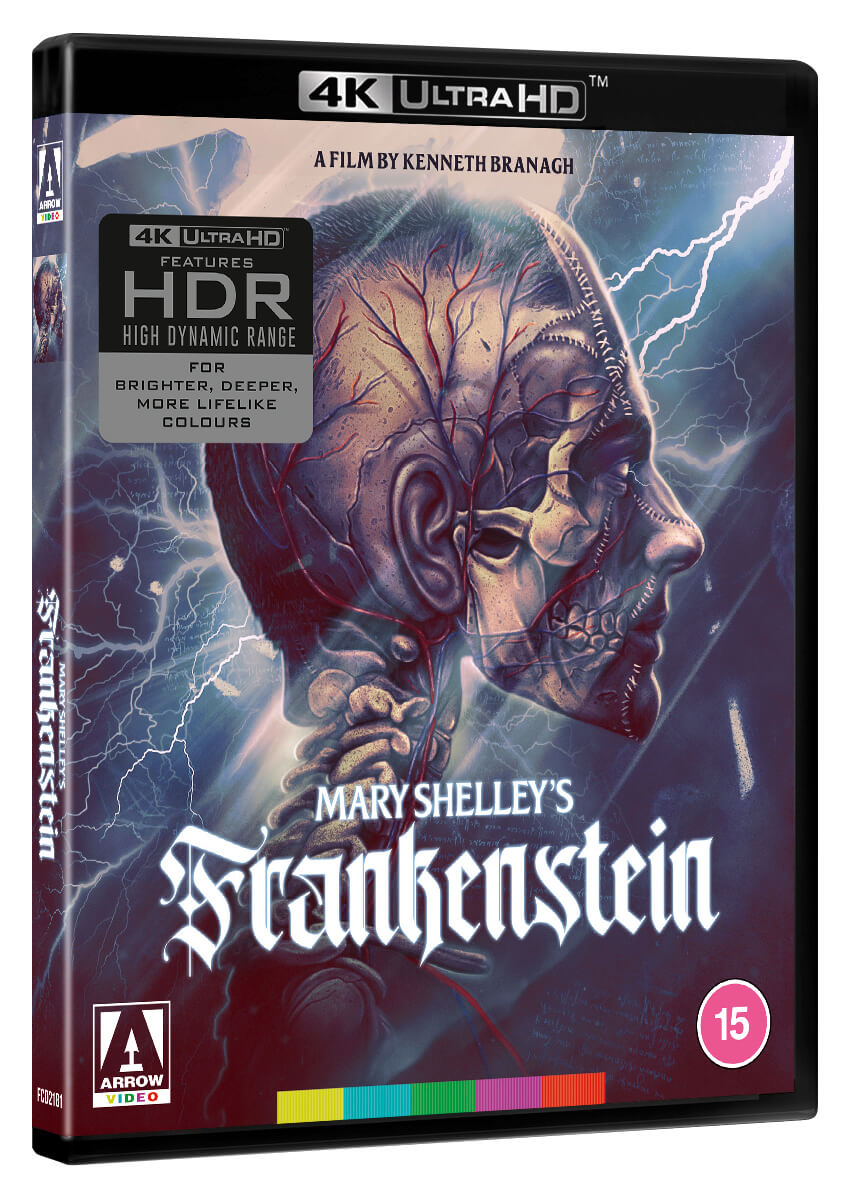
Arrow is releasing Kenneth Branagh’s adaptation of Mary Shelley’s Frankenstein in 4K UHD on March 28th and we have a copy to giveaway to one lucky reader! Read on and enter below…

Kenneth Branagh leads an all-star cast including Robert De Niro, Helena Bonham Carter, Tom Hulce, Ian Holm, John Cleese and Aidan Quinn in his definitive cinematic version of Mary Shelley’s classic tale of Gothic terror.

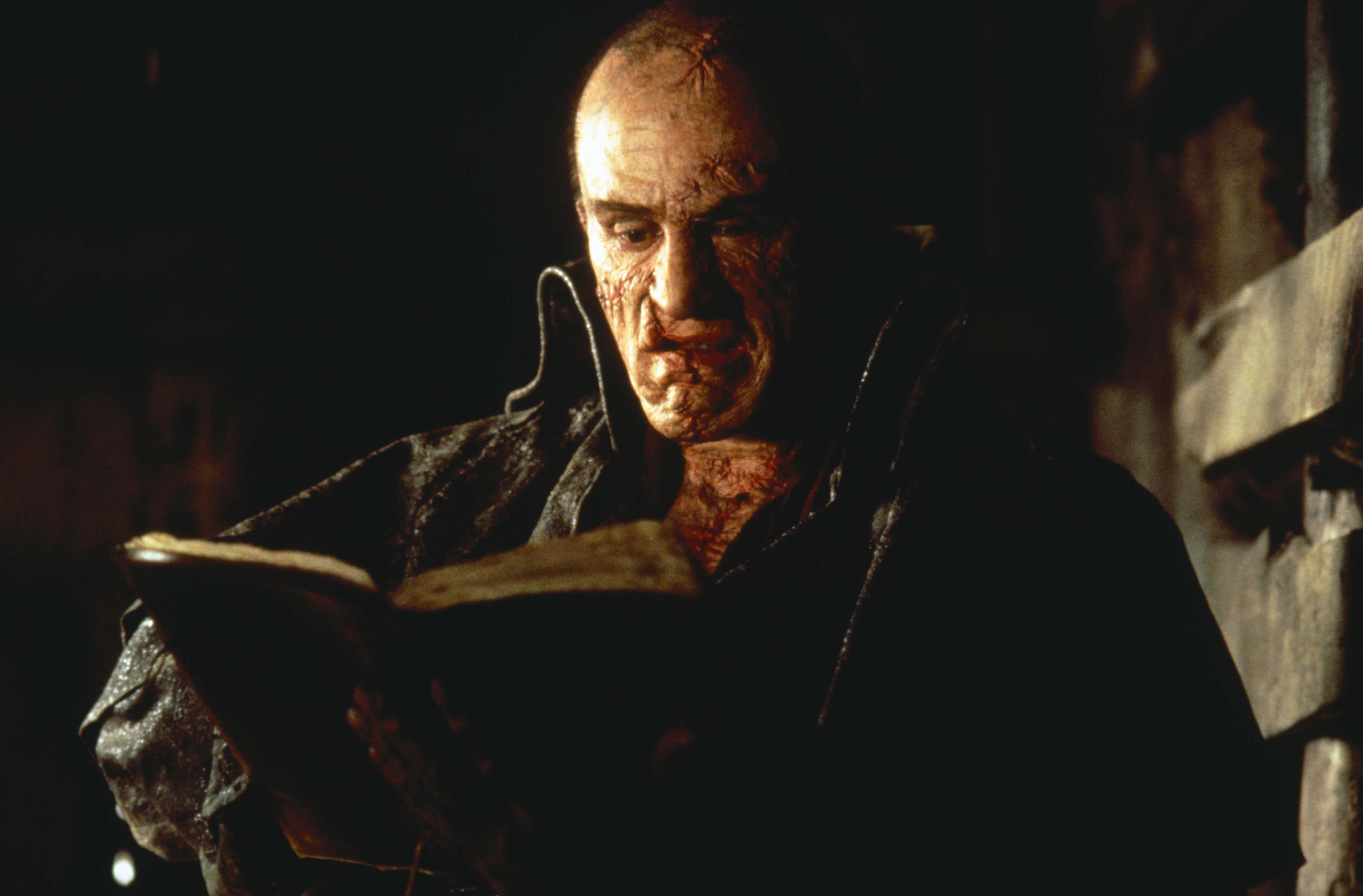
At the turn of the 19th century, visionary scientist Victor Frankenstein (Kenneth Branagh) embarks on an obsessive quest to conquer the mysteries of human mortality. But his hubristic bid to create life out of death goes hideously wrong, and succeeds only in begetting a deformed monster (Robert De Niro). Horrified by what he has wrought, the scientist attempts to destroy his creation, but fails. Rejected by his creator and shunned by the world of man, the tormented creature swears vengeance against Frankenstein and his family. As the monster begins to enact his murderous revenge, Victor must face a terrible reckoning with the tragic consequences of attempting to play God.

Mary Shelley’s seminal novel is one of the most adapted books of all time, and this retelling faithfully goes back to the original source, lushly transforming the story’s twin themes of love and death into a darkly operatic gothic romance. Unlike many versions of Shelley’s novel, Branagh’s adaptation understands that Frankenstein’s misbegotten creation is as pitiable as he is monstrous, and never loses sight of the human tragedy lying at the core of its horrific tale. Filled with sweeping, atmospheric visuals and powerfully emotional performances from an award-winning ensemble of acting talent, Mary Shelley’s Frankenstein stands as a landmark interpretation of this enduring masterpiece.

4K ULTRA HD BLU-RAY SPECIAL EDITION CONTENTS

  • New 4K restoration from the original camera negatives by Sony Pictures Entertainment
  • 4K (2160p) UHD Blu-ray presentation in Dolby Vision (HDR10 compatible)
  • Original uncompressed stereo audio and DTS-HD MA 5.1 surround audio
  • Optional English subtitles for the deaf and hard of hearing
  • Brand new audio commentary by film historians Michael Brooke and Johnny Mains
  • Brand new interview with composer Patrick Doyle
  • Brand new interview with costume designer James Acheson
  • Brand new interview with make-up designer Daniel Parker
  • Mary Shelley and The Creation of a Monster, a brand new documentary featurette on the origins and evolution of the Frankenstein story, featuring Gothic specialists David Pirie, Jonathan Rigby and Stephen Volk
  • Dissecting Mary Shelley’s Frankenstein, a brand new featurette with David Pirie, Jonathan Rigby and Stephen Volk on the differences between the novel and Kenneth Branagh’s screen adaptation
  • Frankenstein: A Liberal Adaptation from Mrs. Shelley’s Famous Story for Edison Production (1910): The first screen adaptation of Shelley’s story in a 2K restoration by the Library of Congress, with music by Donald Sosin
  • Original trailers
  • Reversible sleeve featuring original and newly commissioned artwork by Laz Marquez

FIRST PRESSING ONLY: Illustrated collector’s booklet featuring new writing by Jon Towlson and Amy C. Chambers

a Rafflecopter giveaway

You can order Mary Shelley’s Frankenstein in 4K UHD from the Arrow Store: https://www.arrowfilms.com/blu-ray/mary-shelley-s-frankenstein-4k-ultra-hd/13510129.html

English Voice Cast | JUJUTSU KAISEN 0: THE MOVIE

To celebrate the release of Jujutsu Kaisen 0: The Movie hitting UK Cinemas on Friday 18th March (with advanced previews from Wednesday 16th March), we were invited by Crunchyroll to take part in a roundtable interview with the English voice cast of the film.

(Yuta Okkotsu) Kayleigh McKee, (Rika Orimoto) Anairis Quiñones, (Satoru Gojo) Kaiji Tang, (Suguru Geto) Lex Lang, (Maki Zen’in) Allegra Clark, (Toge Inumaki) Xander Mobus, (Panda) Matthew David Rudd

STARBURST: Congratulations to you all on the film, as fans of the series, we loved the film and all of your performances were excellent.

CAST: Thank you so much!

Kayleigh and Anairis, with the film being a prequel and a lot of the characters already appearing in the series, how did that affect your prep to be the focal point of the story as a performer?

Kayleigh: To be honest, I did as much as I could to not worry about it too much. Because that is a sure-fire way of second-guessing yourself. I knew members of the cast, I had heard some of it and watched the show. I knew I was a fan, and I knew people involved and I just tried to have fun and do my best.

Anairis: I’m in a similar boat where actually my boyfriend is a huge fan of Jujutsu Kaisen, it’s his favourite anime. I’ll listen to my friends talk about it and my peers voice in it and be excited about it – so I knew about it and I kind of had some ideas about Yuta and Rika and their relationship because I’ve heard the names and then when I got the audition it was great to see that it was for Rika, a character I’d heard so much about. When I got cast, my prep is knowing where the story is going so I did read the manga and I did understand that when Gege (the author) wrote this it was originally intended to be the first draft, so I approached it very similarly to how Kayleigh did with not worrying about what the other characters were doing in the main series and just focusing on Yuta and Rika which was interesting.

Yuta’s story is something that a lot of us can relate to in regards to having a difficult childhood. What influences did you draw upon when preparing for the role?

Kayleigh: Honestly, there are definitely some parallels that I drew from that I personally went through as a child. I lost a couple of friends and I lost some from moving, so I had a lot of experience with not having people in my life but then also tying that into, well actually, was very interesting. To be perfectly honest, I drew inspiration from my peers. As an artist, the best are always constantly listening with a learning ear to help create something that I’m really proud of.

Kaiji and Lex, the quality of the series was always high, but the movie takes it one step further with even higher production values. Did that add to the pressure of revisiting your character?

Lex: It’s always incredible production value when MAPPA are involved with this IP, I think in terms of my character, he came from a different state of being in the film compared to the series. Without spoilers, you know how the story arc for Suguru Geto goes, that as a precursor to the series starts to make more sense – he’s more connected to his emotional state and to his passions in the film, and when he gets to the series, you can see the changes. He’s much more relaxed and friendlier in a sense in the series and in the film he’s much more passionate and unhinged. His beliefs are driving him through the film. The production quality was so phenomenal that makes you as an actor happy to be there. It’s a great feeling to be involved with something like this and I am blessed to be the person chosen to portray this character.

Kaiji: I will say, the more high quality the animation, the easier it is to read the lip flaps (laughs). So that was a huge bonus! When you work on anime, you have to really hit those lip flaps in the dub, a lot of times we work on shows where the animation for the flaps will be either low quality in the background where you have to squint (laughs) – fortunately, there’s none of that in Jujutsu Kaisen as it is so immaculately animated. If I was in my second or third year of voice over, and I booked this gig, I probably would’ve freaked out in the booth a bit because of the gravity of the project. Fortunately, I’ve had the privilege of doing this job for over a decade now so whenever I walk into the booth, it’s business as usual – you always give 110% no matter what the project is. I loved working on this.

Xander, Allegra and Matthew, your character’s relationships with Yuta are briefly hinted at in the first series, how much fun was it for you as an Actor to actually get to explore this story rather than just reading about it to help you develop your performances?

Allegra: It was interesting because the events of JJK0 and Maki’s first year helped inform who she is in the series. She’s lightened up a lot and she’s less mean to be honest. She’s a lot more playfully mean in the series than genuinely mean, I think we can say (laughs). She’s lost a lot of the chip on her shoulder. Getting to play and explore the moment before the series, helped me really appreciate who she’s become as well. She has such a fascinating arc through the manga (no spoilers here!) but her point zero in the series with her sister – it’s a part of this really beautiful story of her finding acceptance from her peers and within herself.

Matthew: I love Panda, he’s so much like me in real life that I love that they keep reinforcing his character in the movie – hopefully in season 2 we’ll see the same. To be reassured that he is such a genuine person that when Yuta comes to school, Panda takes it upon himself to help him feel acclimated – Panda is the big brother figure, he tries to keep the group glued together. When Gojo needs someone to take care of business – he sends Panda because he knows he can trust him. It’s great to see that the caring nature of him from the prequel film carries over into the series so I really appreciate his character and his development.

Xander: I say rice ball ingredients (everyone laughs). Obviously, my role is the best (laughs) and Toge is the greatest. As far as my process goes, try not to get hungry in the booth!

What is your favourite rice ball ingredient, Xander?

Xander: I love a good Tuna – but sometimes I love a good Salmon Roe! (laughs)

Jujutsu Kaisen 0: The Movie is released in UK Cinemas on Friday 18th March with advanced screenings in select cinemas from Wednesday 16th March.

THE TELEPHEMERA YEARS: 1977 – PART 2

telephemera years 1977 logans run

Ah, telephemera… those shows whose stay with us was tantalisingly brief, snatched away before their time, and sometimes with good cause. They hit the schedules alongside established shows, hoping for a long run, but it’s not always to be, and for every Street Hawk there’s two Manimals. But here at STARBURST we celebrate their existence and mourn their departure, drilling down into the new season’s entertainment with equal opportunities square eyes… these are The Telephemera Years!

1977-78

Garry Marshall ruled the roost in 1977, with Happy Days and its spin-off Laverne & Shirley occupying the top two slots in the Nielsen ratings for ABC. The Alphabet Network also had the number three and four shows as Three’s Company and the top ten’s sole action-adventure series Charlie’s Angels completed a good year for Fred Silverman’s company. It got even better when it came to new shows – Soap, The Love Boat, and Fantasy Island were all massive hits for the group, whose only real competition came from CBS.

The Eye’s perennial ratings juggernaut 60 Minutes was still doing blockbuster business and they unveiled a new Texas oil drama named Dallas in their new season line-up, joining Marvel Comics inspired shows The Incredible Hulk and The Amazing Spider-Man. NBC could only offer CHiPs in return, continuing a dark run for the Peacock. In addition to the Marvel shows, there was no shortage of new telefantasy on the screen, even if The Six Million Dollar Man and The Bionic Woman were entering their final seasons, but as we will soon see little of it stuck around. This is the story of four more underperforming shows from the 1977 TV schedule…

Logan’s Run (CBS): At the end of the 1976 movie Logan’s Run, the systems that controlled Logan’s world failed, allowing everyone to live a long (and no doubt miserable) life. For the TV show which followed it to work, that had to be undone and so each episode of Logan’s Run finds Logan 5 and Jessica 6 on the run from Francis 7 and the rest of the Sandmen.

Michael York and Jenny Agutter were otherwise engaged for the Tv series and so the parts of Logan and Jenny are played by Gregory Harrison and Heather Menzies, with Randy Powell replacing Richard Jordan as their hunter. They’re still on the lookout for the mythical city of Sanctuary (which was proven to be destroyed years earlier in the movie) and are aided by the android Rem, a new addition for the TV series.

telephemera years 1977 logan's run

Charlie’s Angels creators Ivan Goff and Ben Roberts were brought on board to executive produce when original (and movie) producer Saul David was fired, and although Star Trek veteran DC Fontana did some good work as script editor, the overall narrative was often jumbled and uneven. Even though the show injected added intrigue in the form of other cities and even other planets, the concept didn’t seem like it could stretch to a full season and – in the face of Star Wars – its effects looked very limited indeed.

Fourteen episodes aired before Logan’s Run was finally cancelled in February 1978 but the writing had been on the wall since a four-week break in November 1977. The show was sold overseas, including to the UK, and there was a DVD release in 2012, although the story has no ending, its final episode merely the next chapter in the ongoing story. Interest in the original film remains high and there have been mooted remakes for the last thirty years, with nothing coming to fruition. Leave it much longer and all of our life clocks will have run down.

Lucan (ABC): A modern take on Jungle Book, Lucan starred Kevin Brophy as the titular young man who was raised by wolves in the forests of northern Minnesota for the first ten years of his life. After a decade of coming to terms with civilisation at a university research centre, an accident befalls Lucan’s mentor, Dr Don Hoagland, forcing him to strike out on his own into a world he barely understands.

Blessed with special “wolfen” powers – enhanced senses of smell and hearing, amber-glowing eyes when angered, and the ability to call on his wolf family – Lucan is pursued by a bounty hunter hired by the university, all set out in a pilot episode that aired in May 1977, leading to a short series order for the Fall season. Except that just one further episode aired in September before the show was put on the back burner for two months, with four adventures airing over the Holidays and the last two arriving in March.

telephemera years 1977 lucan

Despite this, Lucan was renewed for a second season, but we never do find out why the university want him back so badly because when the show came back for four episodes in November 1978 the premise was changed so that Lucan was on the run from the police, accused of a murder he didn’t commit. After a final episode which saw a rogue government agent keen to use Lucan’s tracking skills to find a lost gold mine (!), the show was sent to a farm in the countryside, where it skipped and played with all the other dead dogs cancelled shows.

Remarkably, Lucan enjoys an active fanbase and they were rewarded with a DVD release of the full series in 2018, a third piece of merchandise to join the novelisation and board game that accompanied the show on its initial airing. The pilot movie is on YouTube if you’re interested but the idea has been done better since. However, it usually meets the same fate.

Quark (NBC): One of that rare breeds, the science fiction sitcom, Quark took a sideways look at the space craze that had been reignited by Star Wars, satirising such fare as 2001: A Space Odyssey, Star Trek, and Lost in Space during the course of its short run.

Inspired as much by Get Smart as by any of its targets, the show centred around Adam Quark, the captain of a United Galaxy Sanitation Patrol Cruiser, charged with picking up space trash with his rag-tag crew of clones, intersexuals, sentient plants, and robots. Richard Benjamin, who had made his name in big screen outings in Catch-22 and Westworld, plays a competent but accident-prone Quark, torn between identical clones and having to deal with problems not all of his own making.

telephemera years 1977 quark

The humour was surprisingly smart and included some risqué moments for a Friday at 7pm show but, despite no serious competition in its slot, it failed to gain the audience it deserved and was cancelled after just eight episodes. In that time, it managed to spoof no fewer than three Star Trek episodes and include a character named Libido but over time it has been largely forgotten.

The complete series was released on DVD back in 2008 but if you can’t track it down the full run is available to watch for free on YouTube, where you can try and choose which Betty you’d rather and decide how quickly you’d strangle Palindrome, among other dilemmas.

Young Dan’l Boone (CBS): America’s fascination with frontiersmen can never be understated. From Davy Crockett’s racoon skin hat to Jim Bowie’s knife, the real-life horror of the encroachment of the white man on lands occupied for thousands of years by a peaceful, civilised people is hidden behind a façade of a few brave souls, venturing west with nothing but their gumption (and diseases unknown to indigenous people).

Daniel Boone was one such real life intrepid soul, a New England Quaker who “discovered” Kentucky, paving the way for 200,000 of his fellow Americans to settle what had been the hunting grounds of the Shawnee peoples. Boone was fictionalised as Natty Bumpo in James Fenimore Cooper’s Leatherstocking Tales and in 1936 he was the subject of a film, Daniel Boone, which sanitised his exploits, as did the 1964-70 TV show of the same name.

telephemera years 1977 young daniel boone

Aware of growing opposition to the comfortable Manifest Destiny idea, Young Dan’l Boone sought to provide a more balanced portrayal of Boone (Rick Moses), giving airtime to the grievances of the Native Americans, who were represented by his pal, a Cherokee named Tsikawa. The pair are accompanied by a runaway slave and a twelve-year-old English boy, and Boone is depicted as a peacemaker, as much between rival Native American tribes as between the settlers and those who had the land before them.

CBS programmed the show on Mondays at 7pm, a quiet slot that was dominated by the frontier adventures of Little House on the Prairie, leaving little audience for Young Dan’l Boone in the days before VCRs and multiple TV households. Just four episodes were aired, with two filmed but left on the shelf.

Next on The Telephemera Years: 1977’s unsold pilots, including exorcists and exomen!

Check out our other Telephemera articles:

The Telephemera Years: 1966 (part 1, 2, 3, 4)

The Telephemera Years: 1968 (part 1, 2, 3, 4)

The Telephemera Years: 1969 (part 1, 2, 3, 4)

The Telephemera Years: 1971 (part 1, 2, 3, 4)

The Telephemera Years: 1973 (part 1, 2, 3, 4)

The Telephemera Years: 1975 (part 1, 2, 3, 4)

The Telephemera Years: 1977 (part 1, 2, 3, 4)

The Telephemera Years: 1980 (part 12, 3, 4)

The Telephemera Years: 1982 (part 1, 2, 3, 4)

The Telephemera Years: 1984 (part 1, 2, 3, 4)

The Telephemera Years: 1986 (part 1, 2, 3, 4)

The Telephemera Years: 1987 (part 1, 2, 3, 4)

The Telephemera Years: 1990 (part 1, 2, 3, 4)

The Telephemera Years: 1992 (part 1, 2, 3, 4)

The Telephemera Years: 1995 (part 12, 3, 4)

The Telephemera Years: 1997 (part 1, 2, 3, 4)

The Telephemera Years: 2000 (part 1, 2, 3, 4)

The Telephemera Years: 2003 (part 1, 2, 3, 4)

The Telephemera Years: 2005 (part 1, 2, 3, 4)

The Telephemera Years: 2008 (part 1, 23, 4)

Titans of Telephemera: Irwin Allen

Titans of Telephemera: Stephen J Cannell (part 1, 2, 3, 4)

Titans of Telephemera: Hanna-Barbera (part 1, 2, 3, 4, 5)

Titans of Telephemera: Kenneth Johnson

Titans of Telephemera: Glen A Larson (part 1, 2, 3, 4)

Titans of Telephemera: Quinn Martin (part 1, 2)