Gareth Coker | HALO INFINITE

Gareth Coker

Composer and two-time SXSW Gaming Award for Excellence in Score winner Gareth Coker is best known for his work on the Moon Studios games Ori and the Blind Forest and Ori and the Will of the Wisps, as well as his score for ARK: Survival Evolved, but it is with his latest work for 343 Industries that the British-born, Los Angeles-based Ivor Novello award-winning composer comes to his widest audience. With Halo Infinite, Coker’s music now reaches a massive audience.

Building on the classic music created for the long-running first-person shooter franchise by Martin O’Donnell and Michael Salvatori, Coker’s music for Halo Infinite takes familiar themes and motifs and recontextualises them within the latest instalment. It’s a big set of shoes to fill, but Coker was definitely up to the job. We spoke with him about his work on the game and how it relates to what has come before.

STARBURST: Halo Infinite is a huge deal…

Gareth Coker: Yes. I remember when I first got contacted about it. It was sometime in 2019, through email and they didn’t name the project, but then in the email signature, I’m thinking, “343 Industries? Well, they only make one game,” so I kind of knew what it was. Interestingly, the music supervisor picked me out – most people will think, “Because of this success on Ori, you’ve got picked to do Halo.” It’s actually because of my work on Ark: Survival Evolved. That’s how the music supervisor discovered my work and then became familiar with Ori. The reason why Ark came up was because it relies a lot on tribal percussion, which obviously is a big feature of Halo soundtracks past and present because it’s included in this one.

There was some overlap between Ark’s approach to percussion and then Halo. And then, of course, he went into my other work and saw that I could do emotional stuff. I do the creating worlds with music kind of thing, so I got asked to audition for it, and well, here we are, one Halo game later.

Well, the interesting thing about Ark is that you’re also working on the sequel to that. We’re curious if some of the things you learned doing Halo Infinite have let you learn how to work on Ark II. There’s a lengthy musical history for Halo that you have to kind of work within, but also create something new. Is that work similar to what you’re doing for Ark, too? How did working within these two decades of music teach you things?

There’s a fundamental difference between the two projects. I’ll get into that in a sec, but I think one thing about Halo and working on it is – I didn’t create the musical IP. I didn’t establish the musical brand, the musical sound – that’s Marty [O’Donnell] and Michael [Salvatori], and then all the other composers subsequently built on, on their work. Working on Halo, I was thinking, “All right, it’s time to go to Halo music” – whatever that means.

It’s going back and studying all of the old material, figuring out what works, what doesn’t, and – more importantly – going back and playing the old games, figuring out what works, and why it works – why do people like this so much? – and then seeing how much of that applies to Halo Infinite.

I like to think we struck a good balance between respecting all of the work that has come in the past, because here’s the thing: with Halo’s music, there are pieces of music from the older games which you just expect. You expect to hear the monk’s theme. Like if you don’t put the monk’s theme in the main menu, you’re done. You might as well stop right now. You’ve got to put it in the menu.

The famous action motif, the [sings the Halo main theme]: if you don’t put that in, what are you doing? You’ve got to put it in. And there are other fragments of themes as well that we’ve put in. I like to think what we’ve done is we’ve taken those themes, done our own spin on them, but also combined them with some of the newer themes in the game.

The best examples from my own contributions to the soundtrack – if you see the Halo presentation last year where Escharum was presented as Master Chief’s main antagonist in this game, I combined Escharum’s theme and the low basses with the Halo monk’s theme, but written for orchestra on top. That’s just a simple example of fusing two themes together. The other example is from closer to the end of the game and it’s a track called “Judgment,” and that combines my theme for the Endless – really, the Harbinger – and also the action/Master Chief motif.

We get to take the old themes, but the sound we end up with is very new. It’s all about combining those two. I was only able to do that once I studied enough of the old material and felt confident working with it.

I liken it to learning a language: at first, you have no idea what’s going on but, at least in the case of Western languages, you can read the alphabets. You can have a rough idea of what it might sound like, but you’ve got to become familiar with it for the reading, the writing, the listening and speaking. The more you do of it, the more fluent you get, and once I became fluent in what I call Halo’s musical language, it became easier to write with it.

Now, getting back to the original part of your question and how does this differentiate from Ark? Well, the difference is, I created the musical language for Ark, and I created the musical language for Ori and the Blind Forest, which meant when I did the sequel to Ori, I wanted to do what I’m doing with the sequel to Ark.

I’m already familiar with everything, so I feel like I am just building upon what I’ve already created. And especially in the case of Ark II, I definitely don’t feel like I’ve run out of places to go. Even though we’ve been to a lot of places, there’s suddenly more places I can take the music. I don’t know if they’ll ever make another Ori game, but I feel like I could probably say more in that world if I needed to, but it helps because I created the musical language.

I feel like that that’s the main difference between the two. I think it’s easier to work on something that I created. Marty and Michael did how many sequels? I mean, Halo one, two and three and ODST and Reach. It’s a lot, right? Because it’s easier to create the music language. I think one of the challenges all composers who have followed Marty and Michael is, you’ve got to learn the language. You’ve just got to.

Good luck to the composer following John Williams, when Star Wars 10 inevitably comes out. That’s what we’re talking about here. You’ve got to go and respect the original material. You’ve got to do that before you do anything else. You’ve got to learn that and once you’ve learned that, then you have the platform to expand on it because you’re building that expansion on a foundation of knowledge that is synergistic to the IP, in this case.
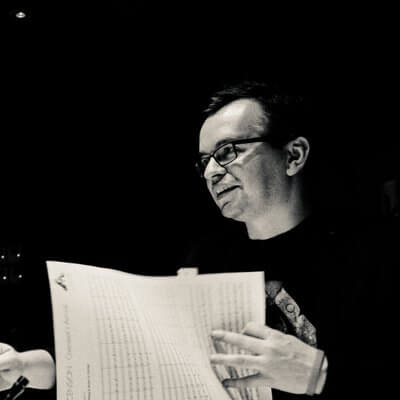
In addition to what has come before and those tribal drum elements like that, there’s a real sense, listening to the score for Halo Infinite, of Aaron Copland’s “Fanfare for the Common Man.” It just had that sort of rising dramatic brass aspect to it. What were some of the other influences that you had, in addition to the work that’s come before on the series itself?

Well, I think one thing that came up is that Halo is not a dark, gritty action game. One of the things that is common between all three composers working on the project – myself, Curtis Schweitzer, and Joel Corelitz – and this is a literal quote from the music supervisor, he said, “We are not afraid to use a major chord.”

Because there is a lot of that. A lot of action scores are very dour, very dark, minor, gritty. But the thing is – when Chief arrives on the battlefield, people look to him and it’s a moment of hope. He is a beacon of hope and we wanted to put that into music and the Copland analogy is interesting. It’s a lot of major chords in that piece. It’s not just the major chords. It really was the feeling of hope.

So, it’s less about targeting certain influences. It’s like, “What can we do to make sure that when the player is playing as Chief, you’re seeing the world through the eyes of Chief?” When you’re playing through the game, other people react to Chief in a positive way. And you know, even the Grunts and the people fighting Chief, they see him as a challenge, but it’s a fun challenge.

Here’s the thing: the enemy in the game, the Banished? They’ve been winning for a while. It’s not been a challenge for them for quite a while and they’re all a mercenary group, so they’re actually kind of excited for a real challenge. I think the game would have a very different tone if it was just one of these dour, typical action scores – which have their place, but that place is not Halo.

The rising brass figures is another common thing that comes up. I look at the famous action theme. It’s up an octave up and up a ninth, and then up a tenth. That’s a big leap for those instruments, by the way. It’s not easy to record. The Monk’s theme. What does it do first? It rises. This all goes back to a musical vocabulary that has been established. You might think that it’s just rising brass, but yeah, you’ve still got to do it and you have still got to make it work in the context of the game, because if you overdo it, it doesn’t make you feel as much. A lot of it’s not just about the content. A lot of it is also about where it’s placed and when it occurs in the game as well.

By the time this music is done, you’ve heard it dozens, if not hundreds of times, but then you also have to realise that as the player is playing through the game, they’re going to hear it dozens, if not hundreds of times, as well. We imagine there’s a certain level of work that goes into it in order to make this music as energetic and entertaining the 20th time as the second.

That’s a very interesting topic and it’s quite a deep one where there are kind of two schools of thought. But it also does depend on the game. I’m in a position where I can talk about both ends of the spectrum here. Halo has this intelligent music system that does all kinds of dynamic adaptive playback based on the threat level of the current situation that you were in. So it can kind of recompose music on the fly based on all of the recordings that we’ve got already.

This is the thing – when you’re playing a game because you’re an active participant, the brain can only process so much information, so when you’re playing through, can you actually process all of the music that is happening in addition to the sound effects, the dialogue? Oh, and the visuals, and by the way, pressing all of the controllers. It’s a lot for your brain to process.

I like to look through the comments. I know I shouldn’t, but I like to look through the comments of how people are enjoying – or not – my work. And even though Will of the Wisp doesn’t have an intelligent music playback system, it does have really long tracks. Each environment, like the shortest loop, is four minutes and you’re really not in an area for a super-long time. It’s rare that you’ll be in an environment long enough that you’ll hear something more than four or five times.

You might end before hearing another piece of music, even if that’s just a stinger, but the thing is you’re walking through the environment, you’re doing all of this other stuff, and your brain knows the music is there, but it’s not processing every single note of the melody. It might poke out at a certain moment when you’re doing nothing.

But when are you actually doing nothing in a video game? You’re not and, really, the definition of doing nothing is literally just walking from left to right. That’s a moment where yeah, you can actually have the music be more prominent, but then, when you’re fighting, your brain isn’t going to be processing all of the musical notes because you’re processing everything else that is going on on-screen.

Repetition is kind of a dirty word amongst the game music community, but I don’t believe it is. It’s only repetition if the content is bad, and the player wouldn’t want to listen to it anymore. And bad music is just bad music.

Now, how do we define the music? That’s another whole thing, which I won’t get into, but if your music is fitting for the general scene and mood of the moment, then it can work over a long period of time without much adjustment now, or is a very different game in terms of a game compared to Halo, because of scale. You might fight one Grunt, or you might be fighting a hundred and so the reason that dynamic music exists is you can’t have the same piece of combat music for one Grunt versus a hundred, so it kind of grows and expands and shrinks as the combat goes.

Whereas, Ori? We don’t actually use combat music, except when you have to kill an enemy or something to progress and that’s actually very rare in the game. You can go throughout the game, for the most part, being a pacifist. The only time in Will of the Wisp when you have actual combat music is the mini-bosses and boss fight and chases, and that’s it. The rest of it, you’re in and out of combat so quick, there wasn’t any point in having combat music. It’d be too much for the brain to process.

One day, I am going to do a PhD on brain activity during games and how music affects that. Not there yet. I’ve still got music I want to write, but I think we’ve all played games when you just feel like you’re at one with the game. Most people call it the flow state and your brain isn’t really paying attention to anything in particular, but you are so perfectly engrossed that you just feel connected.

Getting back to your question – it’s like the music can play a lot if it’s being composed with every scene in mind. It’s a very tricky one to navigate though, because it changes for every single game. Some games do need the repetition because when you return to a certain area, it’s welcoming to hear that same piece of music again, but in some games, you might never return to certain areas, and you’ve got to make the most of that music while you’re listening to it.

It depends on the needs of the game, how you reuse the music. It just needs to be done intelligently, and that just requires planning and foresight from whoever was working on it. It’s not like a film where you’re just playing from A to B the whole time, and you kind of know where the start is, where the middle is, where the end is.

I feel like when I am working on a game, I’m working on a jigsaw puzzle, but I don’t have the reference, which is obviously really hard, but the more of it you fill in, the more obvious it becomes. It’s just really hard at the beginning to map things out but, as that map gets bigger, it’s like, “Oh yeah, I can use this piece of music here and then I don’t use it here. I do use it here.”

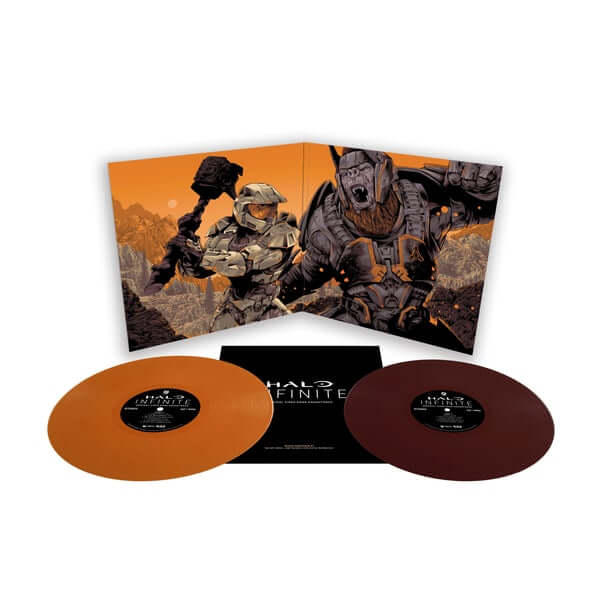
HALO INFINITE is out now, and Gareth Coker’s score is available digitally from Skill Tree Records and on double vinyl LP from Mondo.
[ENDED] Win COBRA KAI Season 3 on Blu-ray

win cobra kai

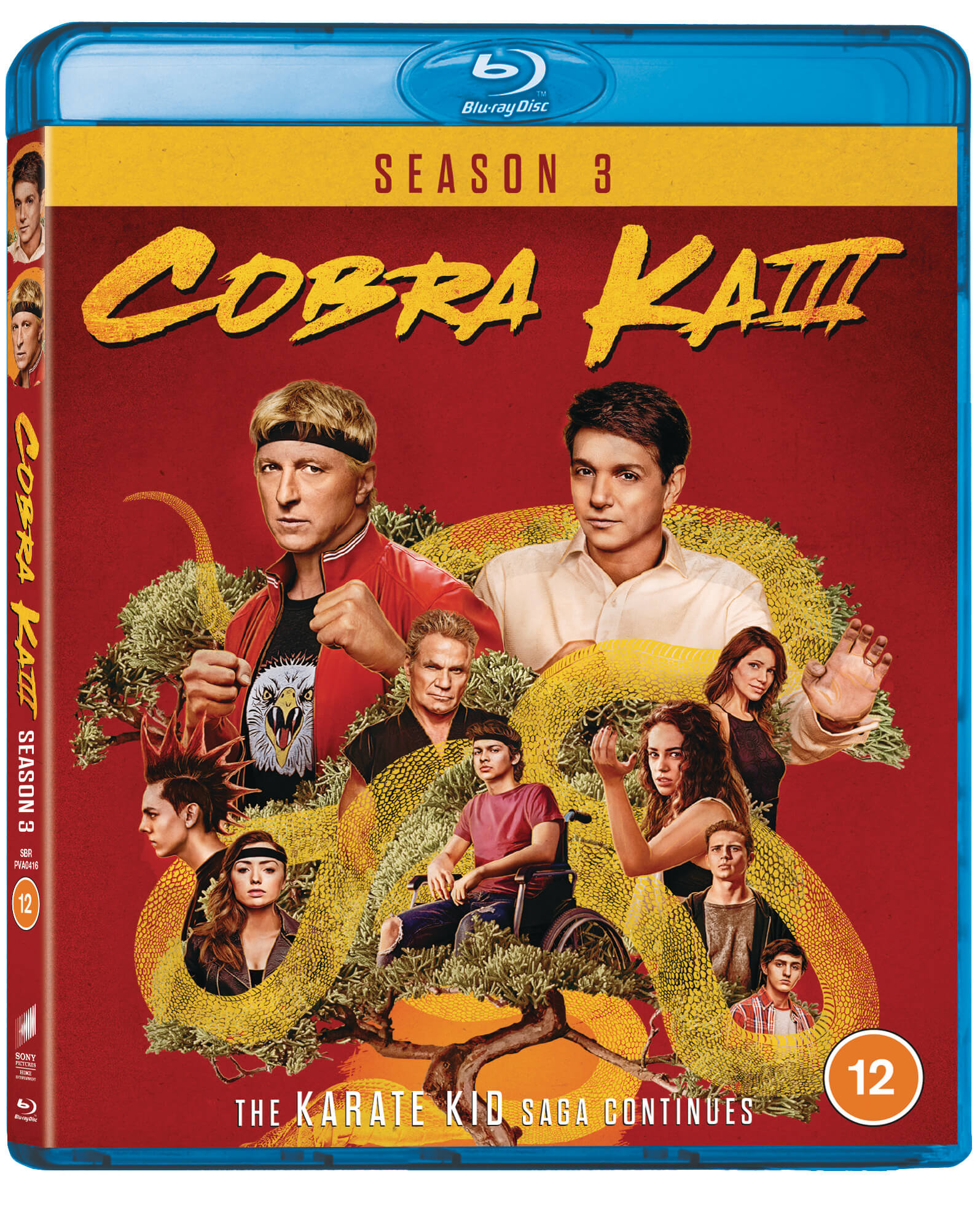
Cobra Kai, the TV sequel to the classic film The Karate Kid has been a massive success, and we’ve got two copies of Season 3 on Blu-ray to give away. Just read on and enter below…

The series continues thirty years after the events of the 1984 All Valley Karate Tournament following the lives of the original Karate Kid, Daniel LaRusso as he trains the next generation of ‘karate kids’ at his Miyagi-Do Karate Dojo and Johnny Lawrence, his former rival, now the new sensei of the infamous Cobra Kai Dojo. The LaRusso-Lawrence rivalry lives on, with the feud reverberating through the next generation leading to dire consequences. With the fate of every student and sensei hanging in the balance, Daniel and Johnny must work together to restore the soul of The Valley.

Season 3 finds everyone reeling in the aftermath of the violent high school brawl between the dojos, which has left Miguel in a precarious condition. Realising they have pushed their rivalry too far, Daniel teams up with Johnny to mend the tension between themselves and their students. Daniel returns to Okinawa, Japan, Mr. Miyagi’s hometown, in search of answers from his past, reuniting with old friends and foes along the way. Meanwhile back in The Valley, Johnny is on a journey of his own, a journey towards redemption, but with both senseis occupied, merciless sensei John Kreese seizes his chance to further his own vision of dominance.

Special Features include:

  • Deleted Scenes
  • Blooper Reel


a Rafflecopter giveaway


Cobra Kai Season 3 is out now on DVD and Blu-ray from Sony Pictures Home Entertainment.

[ENDED] Win Mario Bava’s SHOCK on Blu-ray with BEYOND THE DOOR II Slipcase!

shock comp

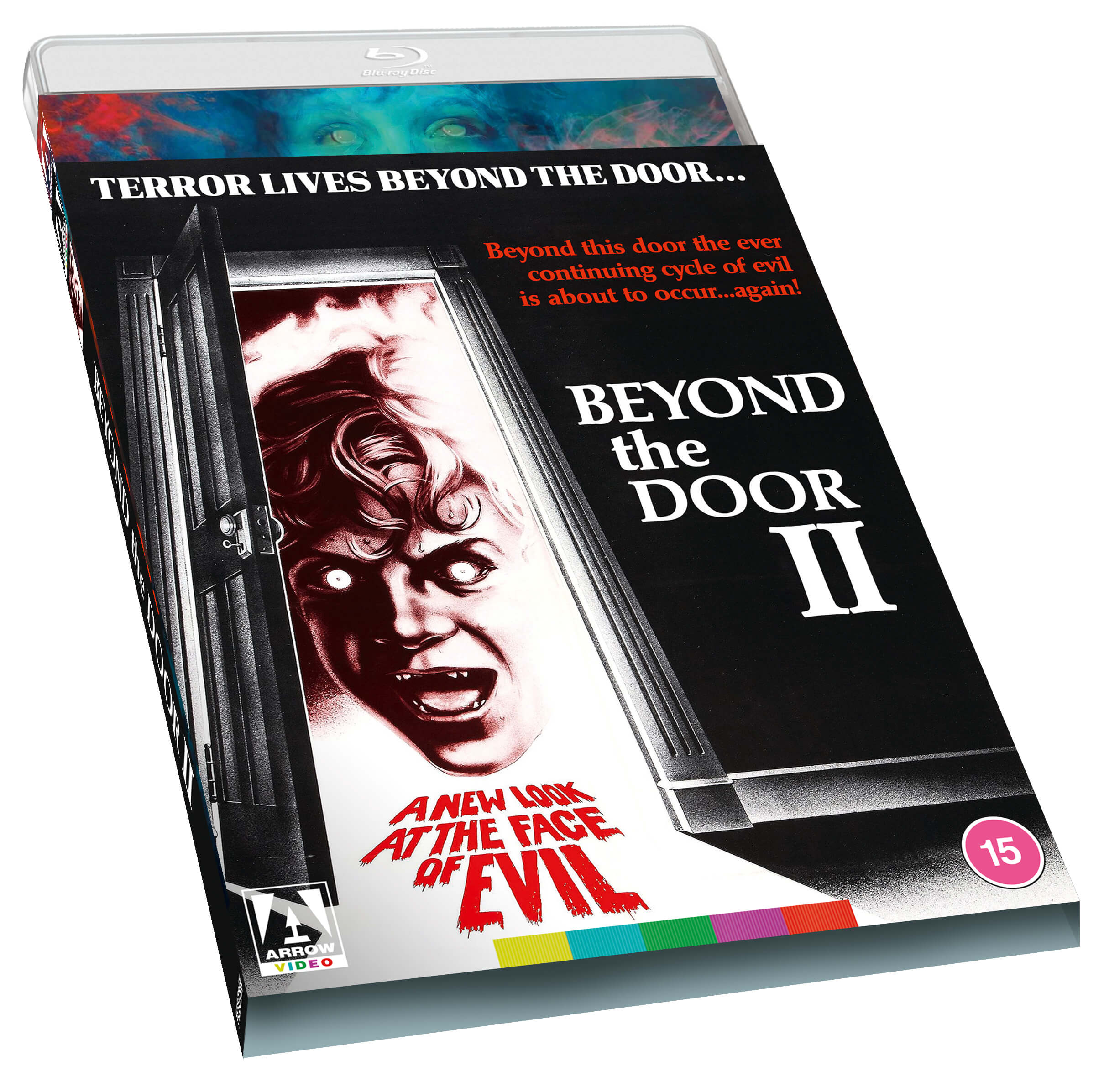
We’ve teamed up with Arrow Video to give one lucky reader a chance to win a copy of Mario Bava’s Shock on Blu-ray, with a limited edition slipcase bearing the film’s American title Beyond the Door II. Just read on and enter below for your chance…

In a career spanning four decades and encompassing virtually every genre under the sun, Mario Bava inspired multiple generations of filmmakers, from Dario Argento to Martin Scorsese and Tim Burton. Best remembered for his gothic horror movies, for his final feature, Shock, he eschewed the Grand Guignol excesses of Black Sabbath or Blood and Black Lace for a more intimate portrait of mental breakdown in which true horror comes from within.

Dora (Daria Nicolodi, Deep Red) moves back into her old family home with her husband, Bruno (John Steiner, Tenebrae), and Marco (David Colin Jr., Beyond the Door), her young son from her previous marriage. But domestic bliss proves elusive as numerous strange and disturbing occurrences transpire, while Dora is haunted by a series of nightmares and hallucinations, many of them involving her dead former husband. Is the house itself possessed? Or does Dora’s increasingly fragile grip on reality originate from somewhere far closer to home?

Released in the United States as a sequel to Ovidio G. Assonitis’ Beyond the Door, Shock more than lives up to its name, proving that, even at this late stage in his career, Bava hadn’t lost his touch for terror. Now restored in high definition for the first time, the Maestro of the Macabre’s chilling swansong disturbs like never before in this feature-laden release from Arrow Video.

SPECIAL EDITION CONTENTS

  • High Definition Blu-ray™ (1080p) presentation
    • Brand new 2K restoration from the original 35mm camera negative by Arrow Films
    • Original Italian and English front and end titles and insert shots
    • Restored original lossless mono Italian and English soundtracks
    • Newly translated English subtitles for the Italian soundtrack
    • Optional English subtitles for the deaf and hard of hearing for the English soundtrack
    • New audio commentary by Tim Lucas, author of Mario Bava: All the Colors of the Dark
    • A Ghost in the House, a new video interview with co-director and co-writer Lamberto Bava
    • Via Dell’Orologio 33, a new video interview with co-writer Dardano Sacchetti
    • The Devil Pulls the Strings, a new video essay by author and critic Alexandra Heller-Nicholas
    • Shock! Horror! – The Stylistic Diversity of Mario Bava, a new video appreciation by author and critic Stephen Thrower
    • The Most Atrocious Tortur(e), a new interview with critic Alberto Farina
    • Italian theatrical trailer
    • 4 US “Beyond the Door II” TV spots
    • Image gallery
    • Reversible sleeve featuring original and newly commissioned artwork by Christopher Shy

a Rafflecopter giveaway

FIRST PRESSING ONLY: Illustrated collector’s booklet featuring new writing on the film by Troy Howarth, author of The Haunted World of Mario Bava

Shock is available on Blu-ray from Arrow Video from January 17th.  Buy your copy here.

Five Films to Check Out on Horror Channel This Week – 170122

horror check out

We have more great picks for what to watch on Horror Channel this week….

Tuesday January 18th, 9pm – The Final Girls (2015)

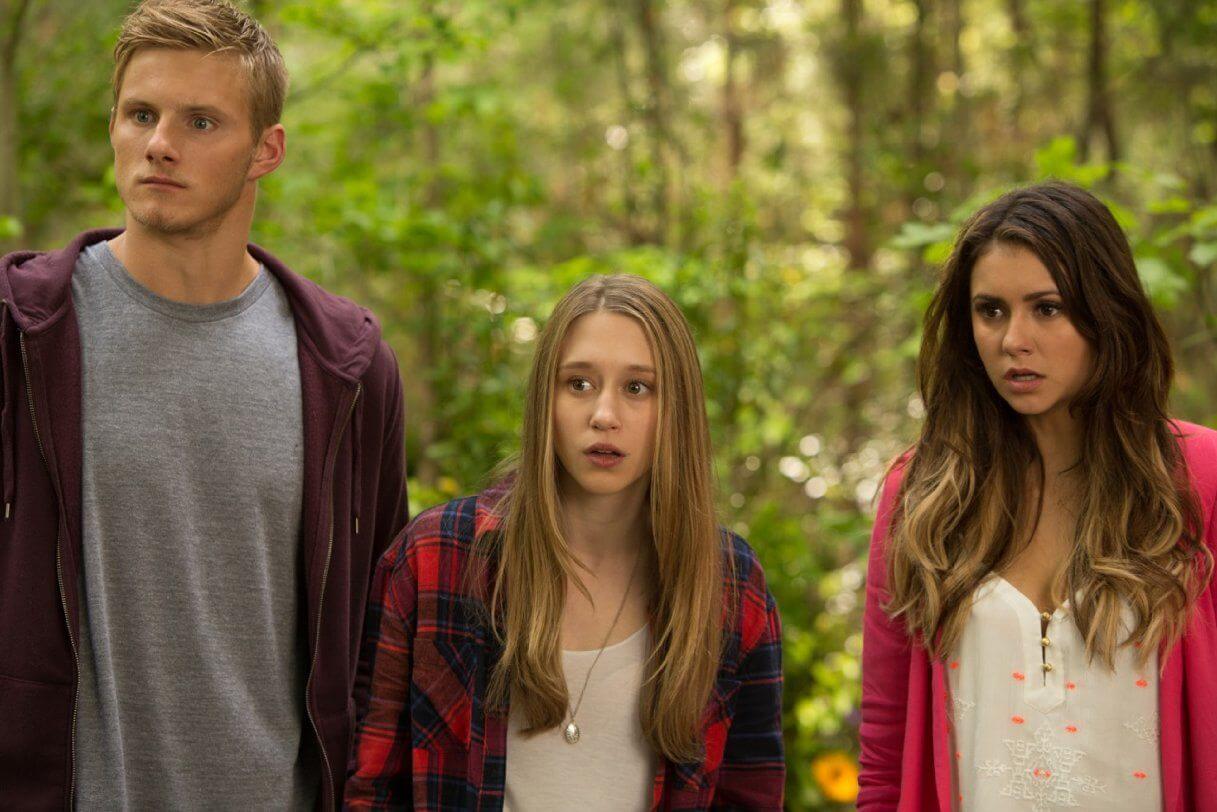
While attending a screening honouring her mother, a famous scream queen, a teenager (Taissa Farmiga) and her pals escape a fire in the cinema by cutting their way through the screen. By doing so, they become part of the movie. A cracking meta-horror with plenty of laughs along with the frights.

Wednesday January 19th, 12.40am – Hellraiser (1987)

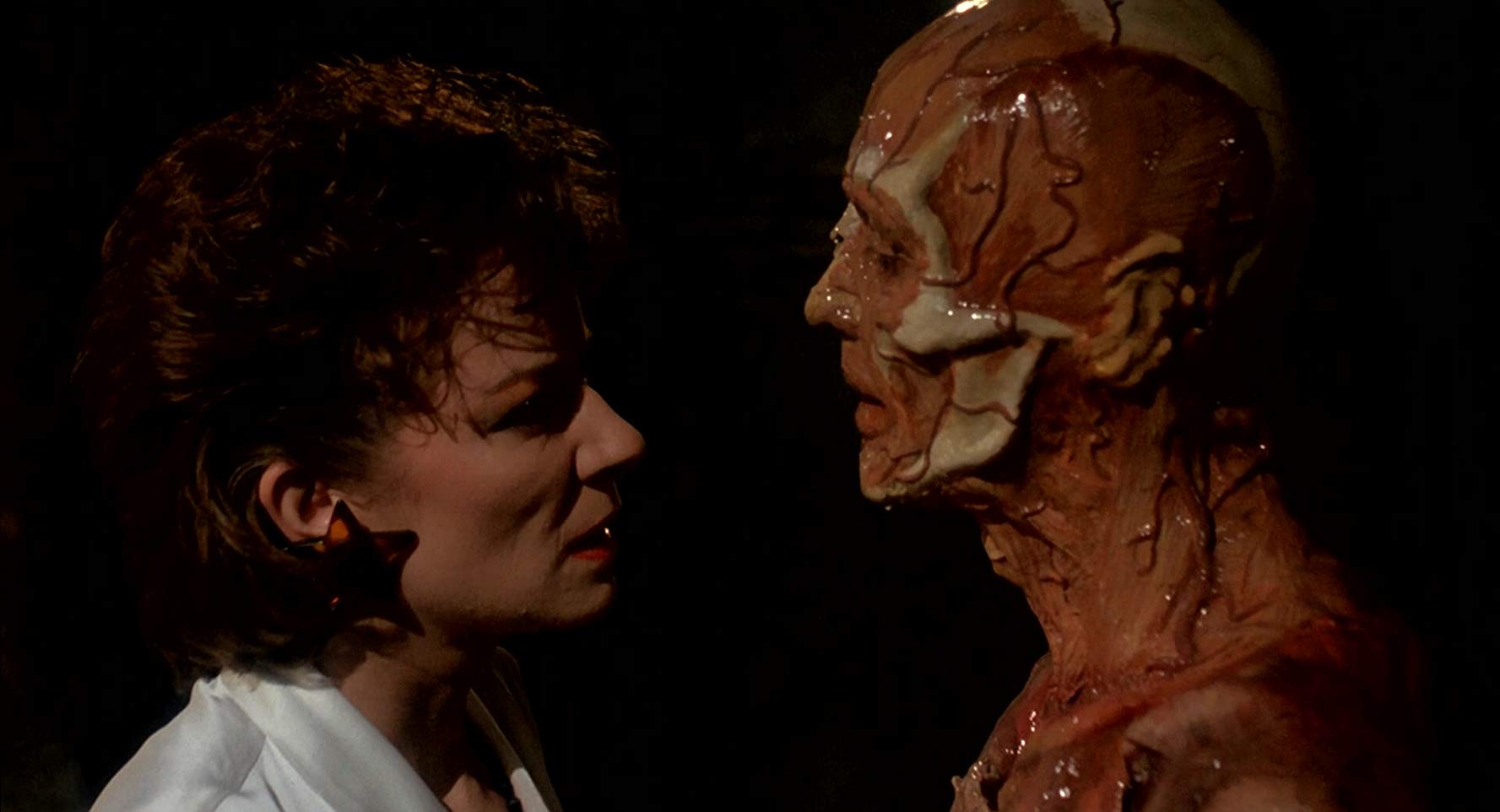
The debut feature written and directed by Clive Barker, this seminal classic features some gut-wrenching special effects and some unforgettable performances and characters. Doug Bradley’s Pinhead entered the world of classic movie monsters and the Lament Configuration puzzle box is still a must-have replica collectable.

Thursday January 20th, 9pm Itsy Bitsy (2003)

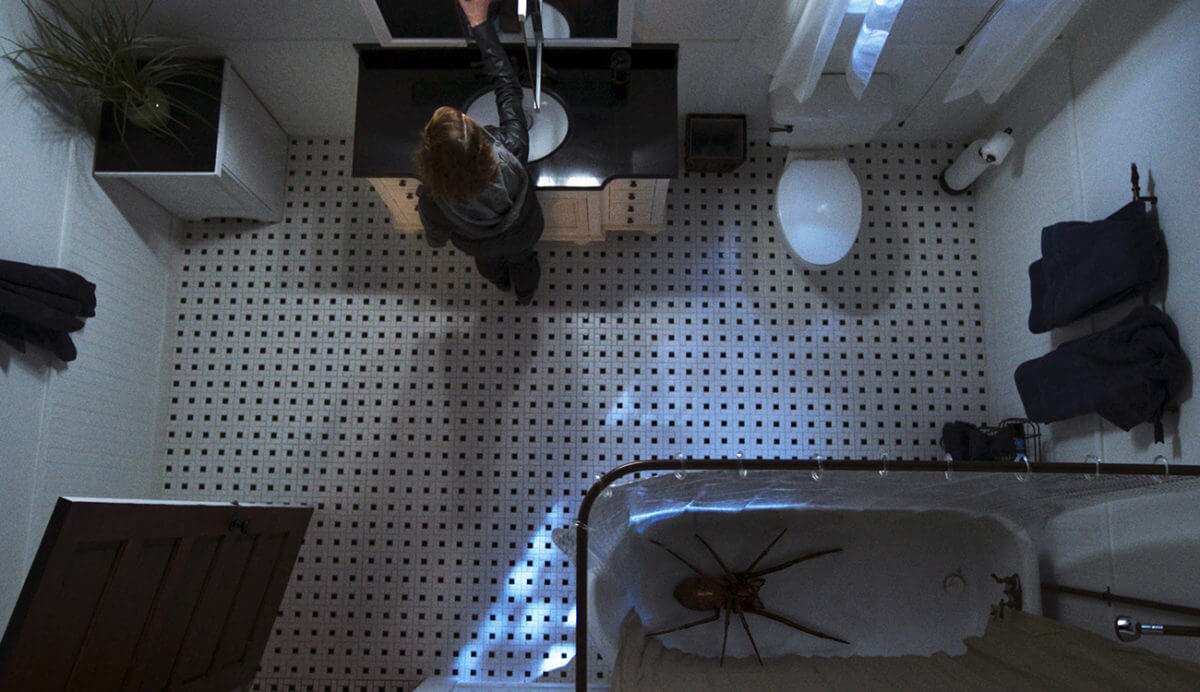
This is not your average giant spider movie, as the giant arachnid is actually the embodiment of an ancient entity. Stars Bruce Davison, Denise Crosby, and Eileen Dietz (who played the face of the demon in The Exorcist, as well as doubling for Linda Blair for the more extreme moments).

Saturday January 22nd, 9pm – The Stakelander (2016)

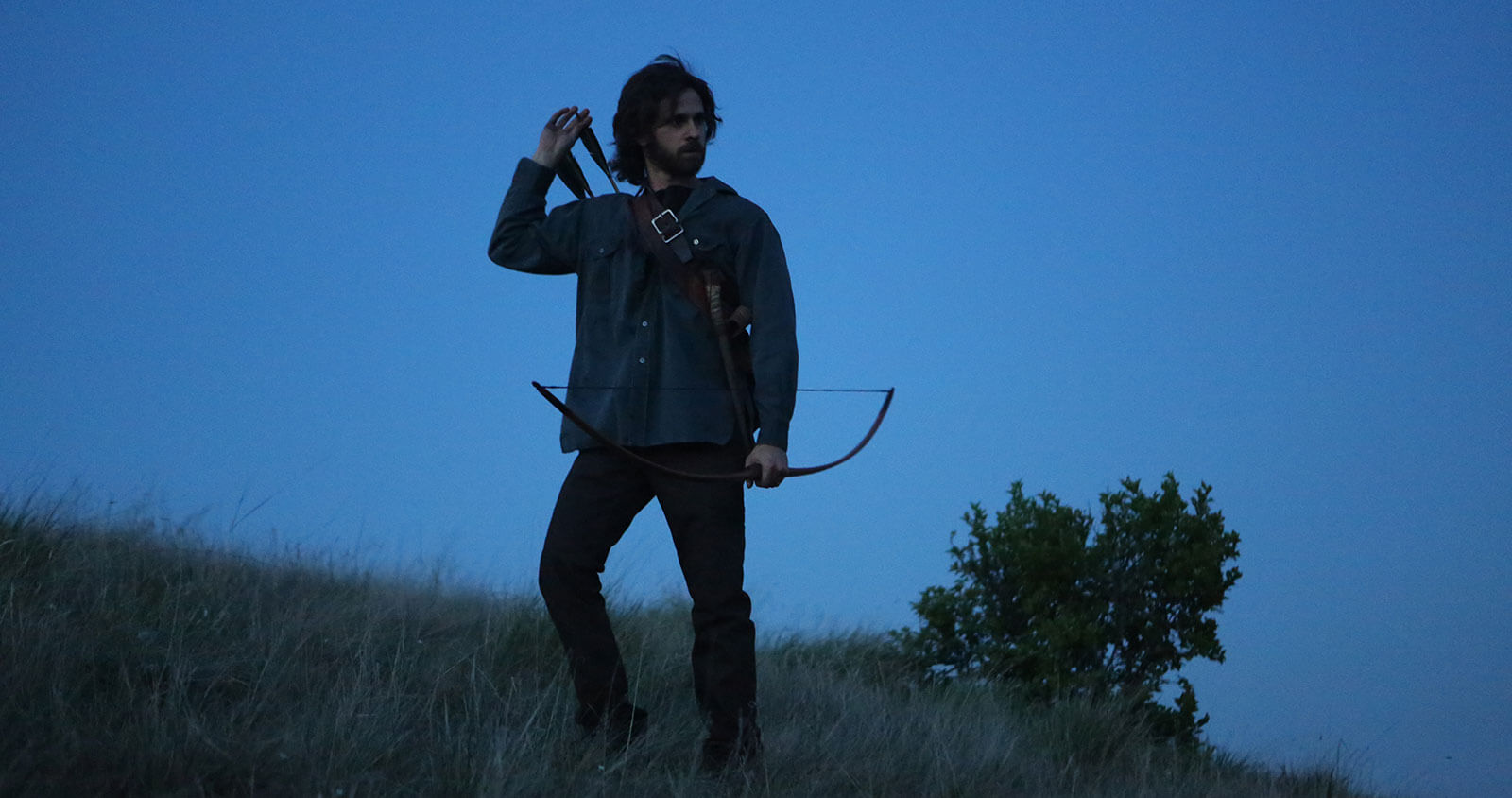
Post-apocalyptic chills in this follow-up to the fabulous Stake Land (2010), It might be a lower budget to the original, but there’s still plenty of vampire action and bleak settings.

Sunday January 23rd, 9pm – The Wretched (2019)

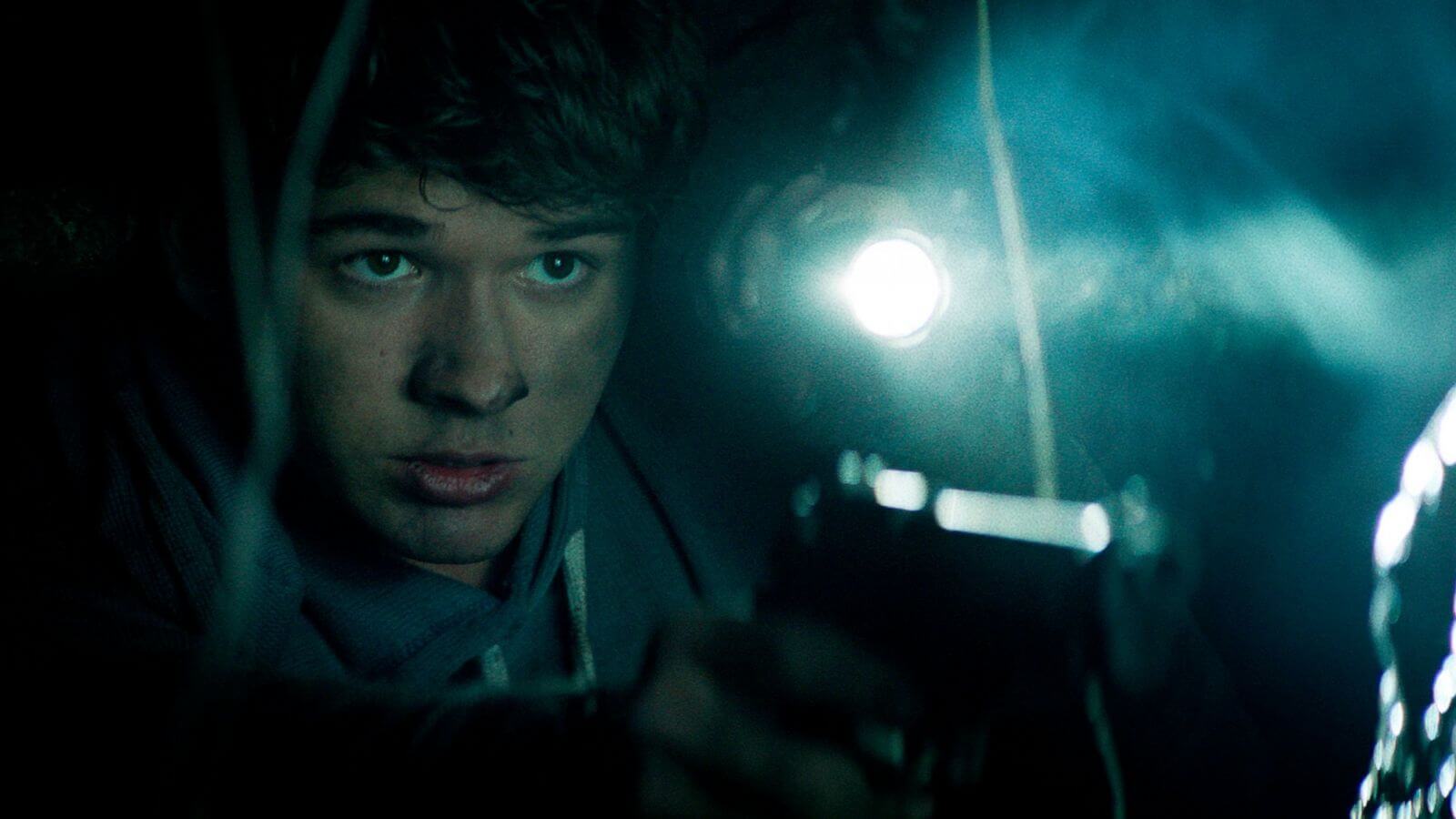
Deadheads directors the Pierce Brothers’ supernatural shocker was a big hit in the US, where it was no 1 at the box office for six weeks at the start of the pandemic. A teenager does battle with his next-door neighbour who is possessed by a witch.

Tune into Horror Channel on Sky 317, Virgin 149, Freeview 68, Freesat 138.

[ENDED] Win VAN HELSING Season Five on Blu-ray

win van helsing

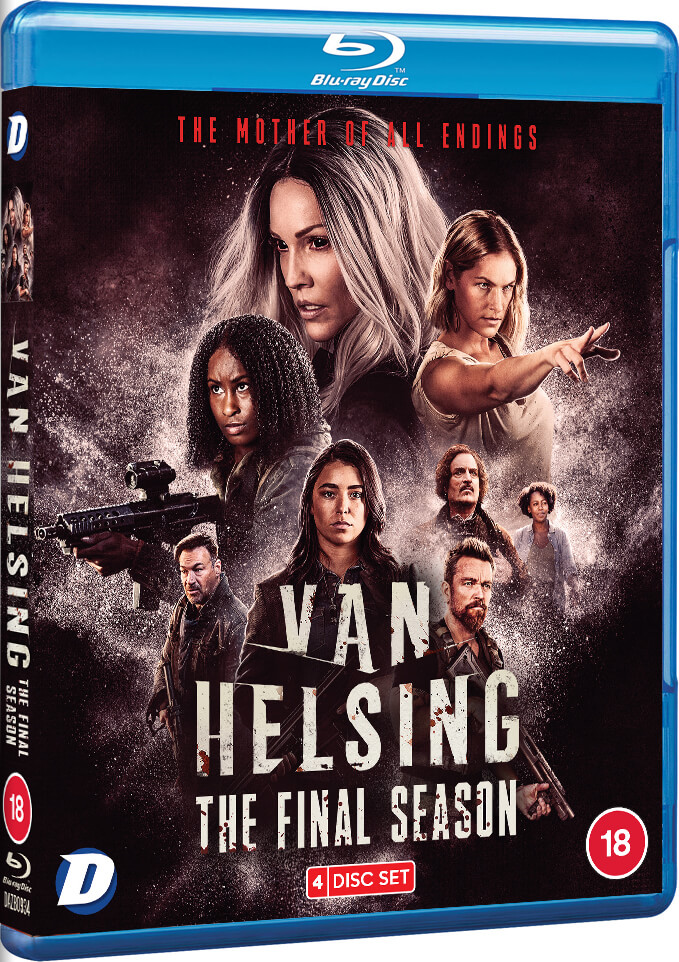
Dazzler Media has released the final season of hit fantasy-horror series Van Helsing, alongside The Complete Collection boxset. The show is available on Blu-ray, DVD, and download-to-own now. We have two copies of the Season Five Blu-ray to give away. Just read on and enter below…


Van Helsing has become one of the most exciting and entertaining fantasy-horror shows of recent times, combining brutal action with compelling storytelling and memorable characters. Inspired by the Helsing graphic novel series, the show has gone on to earn a loyal fan following worldwide.

Following an event referred to as “The Rising”, vampires now dominate the world. Vanessa Van Helsing (Kelly Overton, True Blood, Legends), the great-great-great-granddaughter of vampire hunter Abraham Van Helsing, is resurrected to lead the surviving humans in their struggle against the vampires.
a Rafflecopter giveaway

You can buy Van Helsing here.

Why Do So Many People Enjoy Casinos?

casino

We have access to all of the biggest renowned types of entertainment in a variety of ways. We can enjoy movies, video games and much more by simply searching the web. Despite this, millions of individuals choose to spend more each year for the sensation of sitting in a room full of strangers to play games with. In some ways, gambling and playing casino games differ from watching movies or enjoying a sports game. At a casino, players can win money – and that is a big reason why so many people gamble. So why do so many people enjoy winning money at a land-based or at an online casino? People surely won’t mind winning an appealing jackpot from the comfort of their own homes.

Enjoyable Benefits of Playing At Casinos

When playing at a casino, especially at any real-live casino, one can expect a welcome bonus of up to 100 euros, reload bonuses as well as VIP bonuses. It seems like a good idea to burn off some steam after a long day at work by participating in an interactive game. Casinos are jam-packed with different games, and you may have a good time playing table games, slot machines, and a variety of other activities. When you’re having a bad day, the gaming atmosphere is quite lively, and being in the midst of all that excitement is likely to make you feel better.

It may seem self-evident, but another important reason why people enjoy visiting casinos is the opportunity to win money. You build confidence in yourself after mastering the gameplay after watching professionals handle special situations. Knowing how to play the game is advantageous, and getting advice from credible websites will be really beneficial.

Casinos are for everyone – If you don’t want to place bets or develop relationships, you can make use of the many conveniences available in casinos. There is much to do without needing to place a wager, ranging from entertainment to great dining places. The stimulating atmosphere in casinos is unmistakable, whether you’re having a wonderful lunch or playing poker. People are frequently in a good mood as a result of the dopamine boost they experience from gambling. This setting is ideal for anyone looking for a place where they may soak up positive energy from the people surrounding them.

People have recognized that there’s something special about being in the companionship of others while rooting for the same goal. On a daily basis, this behavior can be seen at sports bars all around the world. What gets missed in the gambling discussion is that for some people, gambling is simply a way to fit in with the group. Every gambler in a casino is competing against the casino. It’s easy to feel like everyone is all on the same page in this way.

Gambling is widely recognized and the majority of the population partakes in it. Some young people are exposed to gambling by playing at an online casino, or simply by going to the bingo hall with friends on a Friday evening.

THE TELEPHEMERA YEARS: 1980 – PART 1

Ah, telephemera… those shows whose stay with us was tantalisingly brief, snatched away before their time, and sometimes with good cause. They hit the schedules alongside established shows, hoping for a long run, but it’s not always to be, and for every Street Hawk there’s two Manimals. But here at STARBURST we celebrate their existence and mourn their departure, drilling down into the new season’s entertainment with equal opportunities square eyes… these are The Telephemera Years!

1980-81

TV parties in 1980 were chock full of telefantasy, with Charlie’s Angels, Fantasy Island, The Dukes of Hazzard, The Incredible Hulk, and Buck Rogers in the 25th Century all riding high in the ratings. Throw in perennially successfully sitcoms like Benson, Diff’rent Strokes, Soap, and the Happy Days extended family – both Mork and Mindy and Laverne and Shirley began their existences on Fonzie’s rock ‘n’ roll show – and you have quite the feast of televisual entertainment.

Period fans were well-catered for by The Waltons and Little House on the Prairie, and Dallas ruled the soap opera waves, even creating enough of a swell for Knots Landing to spin-off in its wake. Competition would soon arrive, though, in the shape of Dynasty, one of a number of new shows for the 1980 Fall TV season which also included future hits Magnum, PI and Hill Street Blues, as well as future glancing blows Bosom Buddies and The Greatest American Hero. But what of the shows that didn’t make such an impact on their arrival? This is the story of four of 1980’s curious misses…

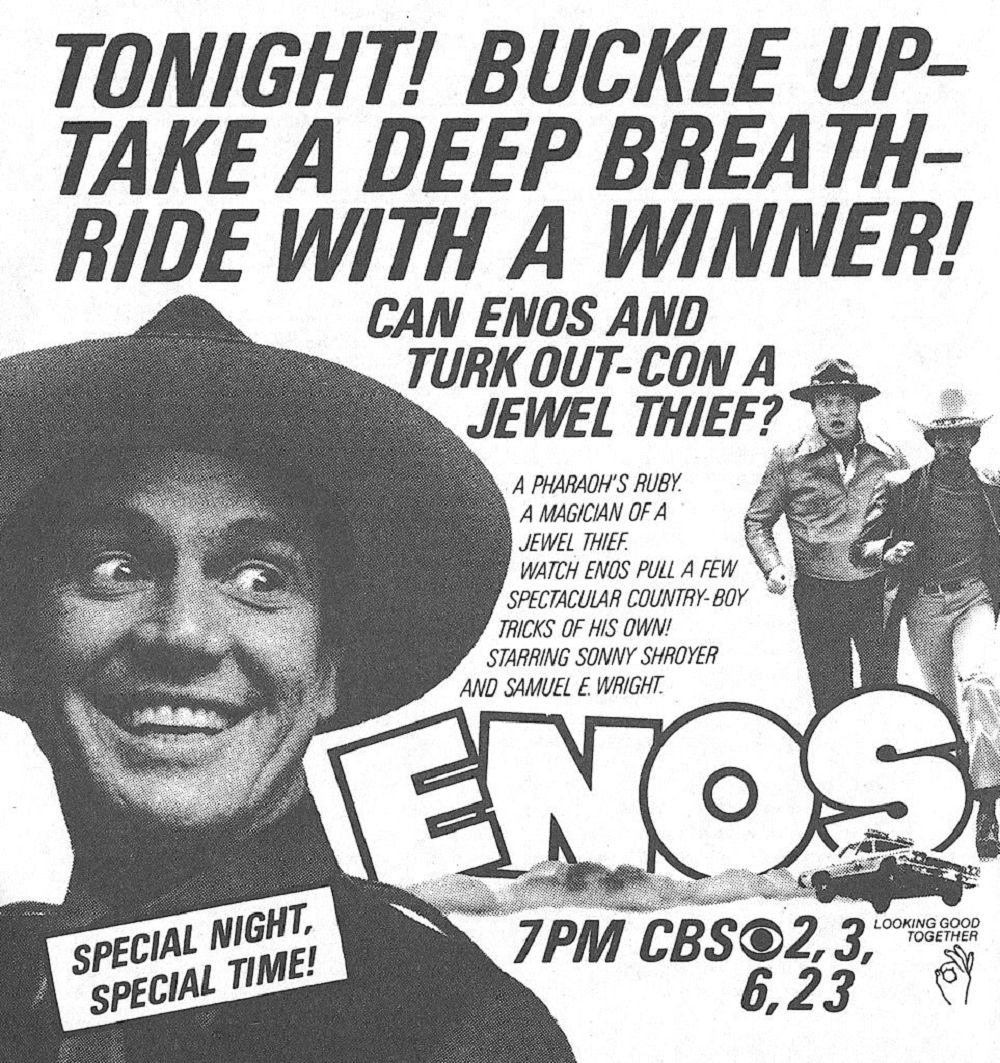
Enos (CBS): One imagines that, if pushed, most STARBURST readers would not choose Enos as the first character from The Dukes of Hazzard to receive a spin-off show and the bungling deputy would probably have come behind Bo Duke, Luke Duke, Boss Hogg, Rosco P Coltrane, Daisy Duke, Daisy Duke’s shorts, and even Uncle Jesse in any list compiled by TV producers of the time, but such are the fortunes of fate and it was Sonny Shroyer’s homespun sidekick that got the greenlight in 1980.

Each episode of Enos took the form of the lovestruck lawman writing home to Daisy, explaining his latest adventures in Los Angeles, where he has transferred to the LAPD. Partnered with black detective Turk Adams (Samuel E Wright, later to provide the voice of Sebastian in The Little Mermaid, that song and all), Enos uses his country wisdom to solve city crimes, like a less macho McCloud.

telephemera 1980 enos dukes hazaard

Guest spots from Denver Pyle, James Best, and Catherine Bach weren’t sufficient to persuade a big enough chunk of the Dukes of Hazzard audience to tune in to the spin-off, which was unluckily scheduled opposite Charlie’s Angels on Wednesdays at 8pm. With the 1980 season starting late because of an actors’ strike, just eighteen episodes were made and aired, with little prospect for a second season once the ratings came in.

Shroyer (and Enos) returned to The Dukes of Hazzard in season five, resuming his on-off romance with Daisy Duke, almost getting married twice, and the whole gang returned to LA for the 2000 reunion movie, Hazzard in Hollywood. Now in his late-eighties, Shroyer’s semi-retired but still pops up in his new specialist role, the cantankerous but kind-hearted older authority figure.

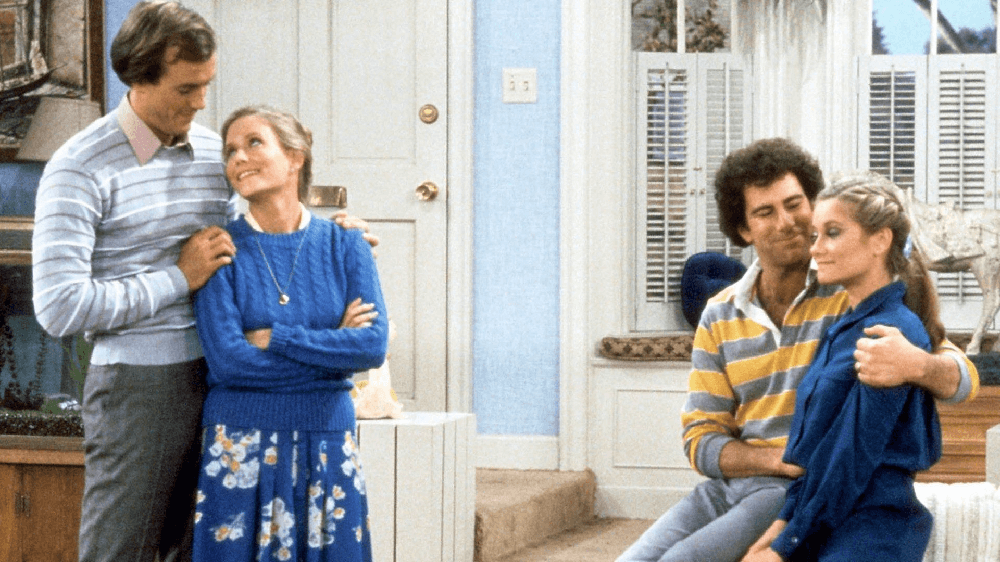
The Brady Brides (NBC): Initially pitched as a one-off reunion special called The Brady Girls Get Married, The Brady Brides was expanded to a full season when excitement grew that the original cast was getting back together for the first time since the original series ended. The proposed TV movie was cut into three episodes and shown weekly, followed the next week by a brand-new show, featuring the adventures of Jan and Marcia as married women.

Having sat out The Brady Bunch Variety Hour, Eve Plumb returned as Jan, with Maureen McCormick joining her as Marcia, and much of the comedy revolved around their choice of husbands, with Jan choosing an uptight professor and Marcia opting for a laidback toy salesman. Puzzlingly, the two couples decide to buy a house together and thus the hijinks began.

telephemera 1980 brady bunch brides

The only Brady Bunch show to be filmed in front of a live studio audience, jokes were thin on the ground, and a laugh track can only have helped. As it was, even appearances from Ann B Davis and Florence Henderson couldn’t right the sinking ship and the show was cancelled after just ten episodes had aired.

The series was released on DVD in 2019 as part of a complete Brady Bunch retrospective but it’s hardly essential viewing, even for men of a certain age for whom Marcia was their first crush. A shame, since it was the last time the complete cast were together in one production, with Susan Olsen and Maureen McCormick missing from subsequent revivals.

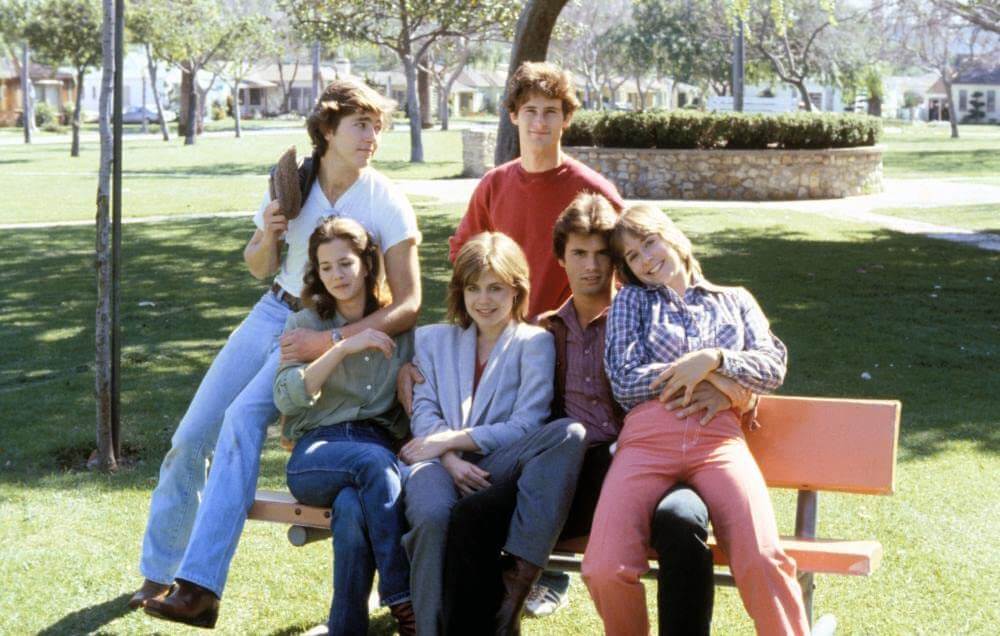
Secrets of Midland Heights (CBS): An attempt to replicate the success of Dallas, but for teenagers, Secrets of Midland Heights debuted on December 6th 1980, another victim of the actors’ strike that plagued the start of the new TV season. When it did appear, put opposite Fantasy Island and Hill Street Blues, it struggled to gain an audience, with much of its intended target audience out doing teenage stuff at 10pm on a Saturday night.

The show revolved around the lives and loves of young people in the fictional Midwestern town of Midland Heights, with secrets and trysts in abundance. Future Terminator victim Linda Hamilton and Lorenzo “Renegade” Lamas were among the teens losing their virginities, having affairs, and dropping out of school, but the various intrigues were never fully stitched together to make a compelling whole.

Secrets of Midland Heights was yanked from the air after just eight episodes had aired, with a further two completed episodes left in the can, and its producers promised its small following that the show would return in some form after being retooled. Kings Crossing, which appeared on ABC the following season, had much of the same cast and production crew and suffered much the same fate, with just seven of its ten episodes making it to air before it was cancelled.

By then Lamas was appearing on Falcon Crest as Jane Wyman’s grandson, where he enjoyed a nine-year run, interrupted only by the terrible dance movie Body Rock in 1984. There’s precious little footage of Secrets of Midland Heights on YouTube, which is probably just as well as Beverly Hills 90210 completely eclipsed its star in 1990, a teen soap produced by people who presumably knew actual teenagers.

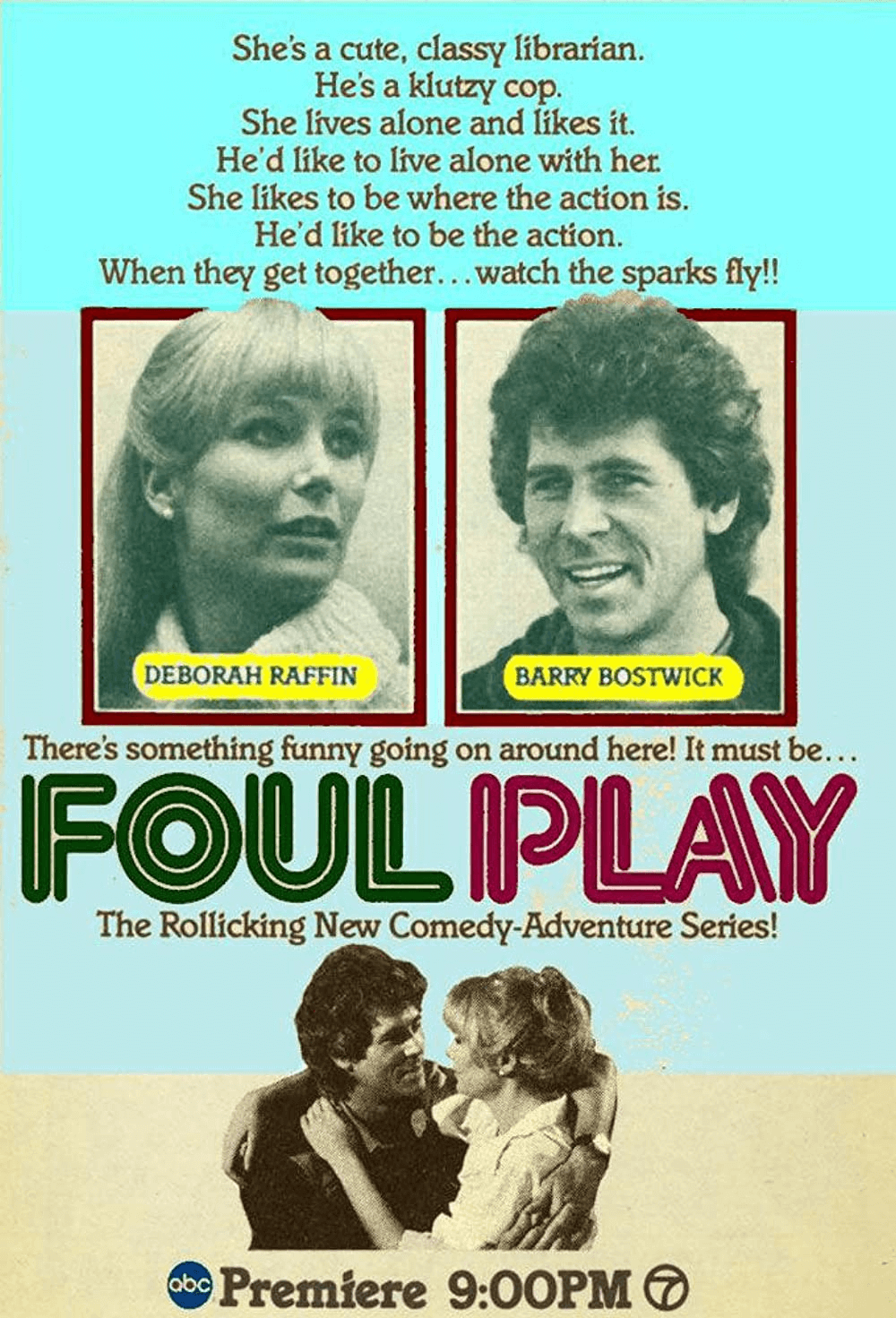
Foul Play (ABC): A spin-off from the 1978 film of the same name starring Chevy Chase and Goldie Hawn, Foul Play continued the adventures of mismatched crime-fighters Gloria Munday and Detective Tucker (renamed from the movie’s Tony) Pendleton.

After the events of the movie, bookish librarian Gloria, portrayed on TV by Deborah Raffin, is now dating Pendleton, becoming inveigled in his investigations, more often than not the result of her being in the wrong place at the wrong time. Raffin and Barry Bostwick make for a cute couple, but the premise is stretched thin by the prospect of a full series, which was produced by the same studio that brought us Happy Days.

telephemera 1980 foul play

Although the movie had been a popular hit a few years before, Foul Play failed to gain any traction in the ratings and just ten episodes were completed before the plug was pulled after its fourth episode had aired. Two further episodes were shown in late August 1981 but the remaining four have never seen the light of day and are missing, presumed rubbish.

You can watch the opening credits on YouTube, though, and imagine the rest for yourself. Don’t forget to include a ten-year-old Corey Feldman in your imaginary episode five, though…

Next on The Telephemera Years: more of 1980’s greatest misses, including portly PIs and movie spin-offs!

Check out our other Telephemera articles:

The Telephemera Years: 1966 (part 1, 2, 3, 4)

The Telephemera Years: 1968 (part 1, 2, 3, 4)

The Telephemera Years: 1969 (part 1, 2, 3, 4)

The Telephemera Years: 1971 (part 1, 2, 3, 4)

The Telephemera Years: 1973 (part 1, 2, 3, 4)

The Telephemera Years: 1975 (part 1, 2, 3, 4)

The Telephemera Years: 1977 (part 1, 2, 3, 4)

The Telephemera Years: 1980 (part 12, 3, 4)

The Telephemera Years: 1982 (part 1, 2, 3, 4)

The Telephemera Years: 1984 (part 1, 2, 3, 4)

The Telephemera Years: 1986 (part 1, 2, 3, 4)

The Telephemera Years: 1987 (part 1, 2, 3, 4)

The Telephemera Years: 1990 (part 1, 2, 3, 4)

The Telephemera Years: 1992 (part 1, 2, 3, 4)

The Telephemera Years: 1995 (part 12, 3, 4)

The Telephemera Years: 1997 (part 1, 2, 3, 4)

The Telephemera Years: 2000 (part 1, 2, 3, 4)

The Telephemera Years: 2003 (part 1, 2, 3, 4)

The Telephemera Years: 2005 (part 1, 2, 3, 4)

The Telephemera Years: 2008 (part 1, 23, 4)

Titans of Telephemera: Irwin Allen

Titans of Telephemera: Stephen J Cannell (part 1, 2, 3, 4)

Titans of Telephemera: Hanna-Barbera (part 1, 2, 3, 4, 5)

Titans of Telephemera: Kenneth Johnson

Titans of Telephemera: Glen A Larson (part 1, 2, 3, 4)

Titans of Telephemera: Quinn Martin (part 1, 2)

[ENDED] Win Shudder Shockers JAKOB’S WIFE and SÉANCE on Blu-ray

win jakob's wife

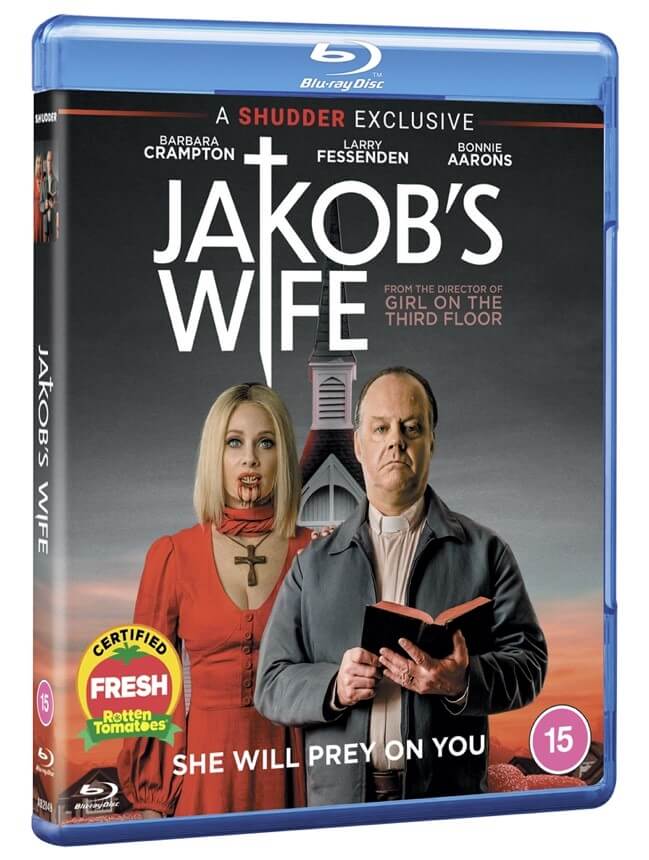
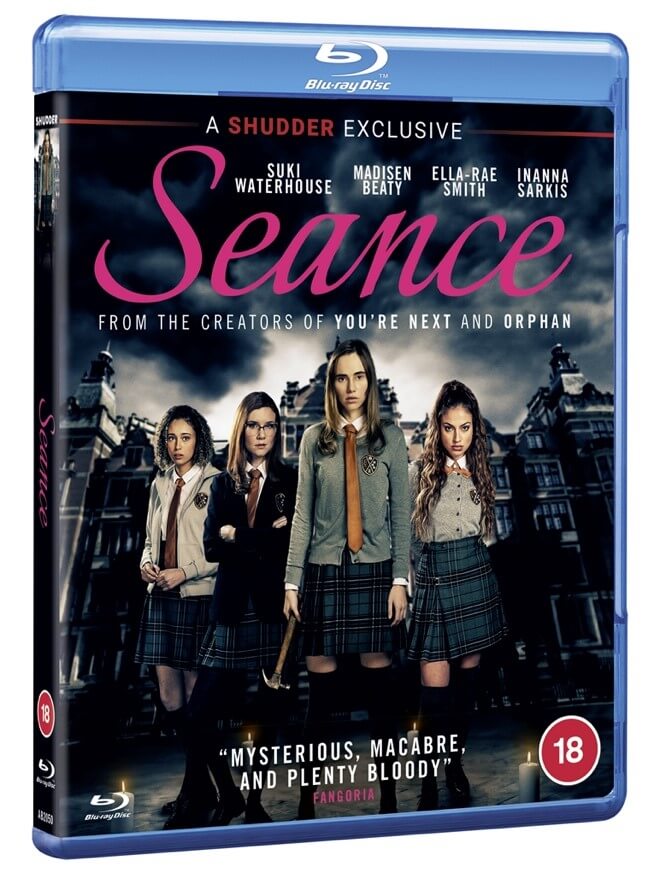
To celebrate the release of Shudder Exclusives Jakob’s Wife and Séance on DVD and Blu-ray, we have a copy of each to give away to one lucky reader. Just read on and enter below…


Jakob’s Wife

Legendary Horror star Barbara Crampton takes the lead in Travis Stevens’ (Girl on the Third Floor) bloody brilliant vampire feature Jakob’s Wife a Shudder Exclusive that’s set for its UK Blu-ray debut from Acorn Media International on 10 January 2022. It will also be available on DVD and digital.

Anne (Crampton – Re-Animator, From Beyond) lives in a small town and is married to minister Jakob (Larry Fessenden The House of the Devil) but, after 30 years, life is rather dull and she yearns for something more.

Following a chance encounter with ‘The Master’, she discovers bite marks on her neck and suddenly an overwhelming sense of power and an appetite to live bigger and bolder than before consume her.  But Anne soon discovers these changes come with a heavy burden… An ever-increasing body count and a serious toll on her marriage.

For a vampire feature with real bite take a pew and view Jakob’s Wife, a marriage made in hell.

Séance

From the creators of You’re Next and Orphan comes Séance, a twisted tale of dark and dangerous dabbling with the dead, from director Simon Barrett (co-writer of You’re Next and The Guest) in his feature film debut. Chilling audiences on its Shudder Exclusive premiere, this hair-raising horror arrives on UK Blu-ray, DVD and digital on 10 January 2022 courtesy of Acorn Media International.

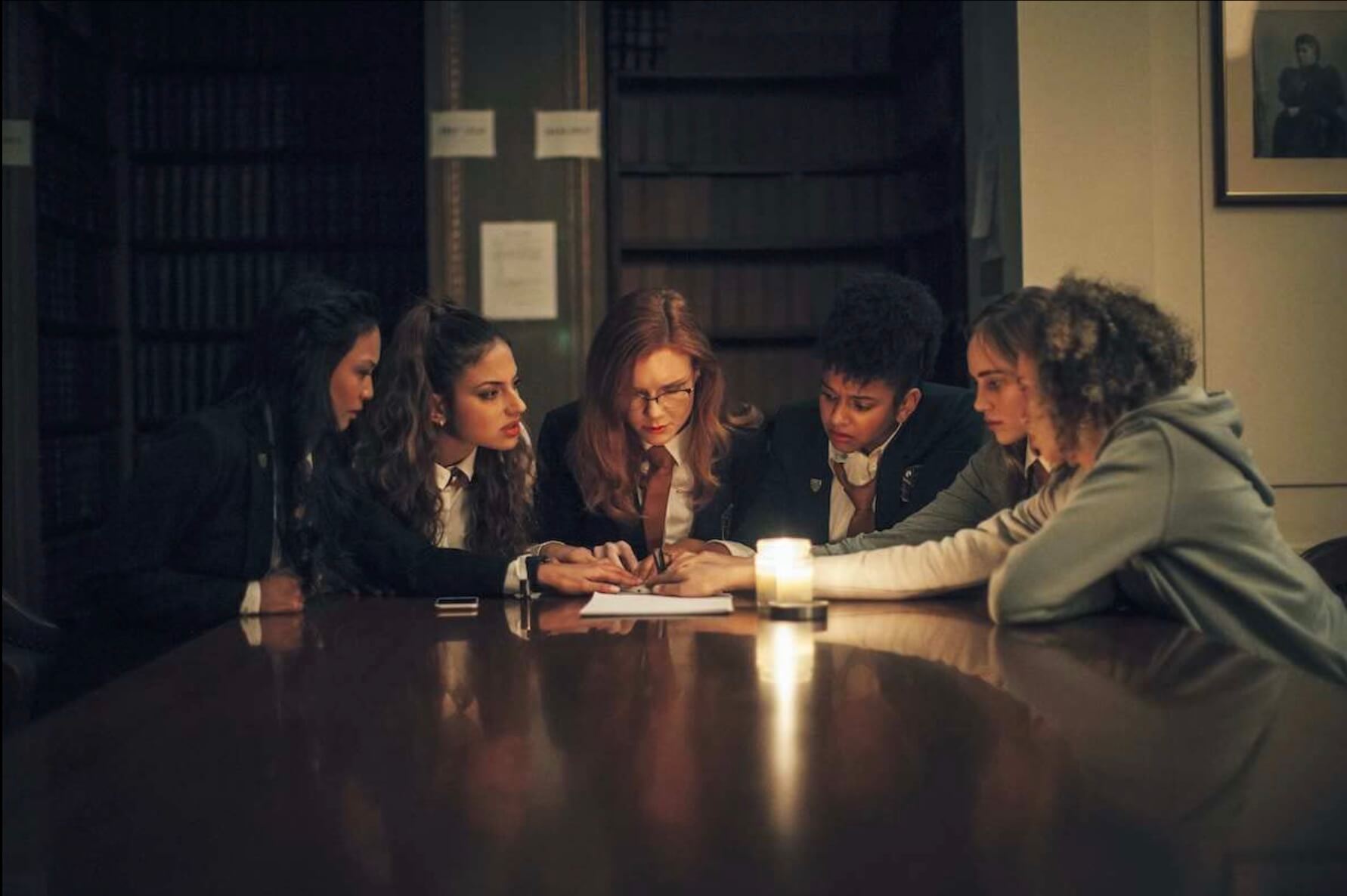
Suki Waterhouse (Assassination Nation, Insurgent) plays Camille Meadows, the new girl at the prestigious Edelvine Academy for Girls. Desperate to fit in and make new friends, when a group of girls invite her to join them in a late-night ritual, she feels obliged to join in.

They set up a séance to try and summon the spirit of a dead former student who is said to haunt the school halls, but little do they know the devastation they’re about to unleash.  Before dawn, one of the girls is dead, and the rest of them are left others wondering what they have awakened.

Also starring Madisen Beaty, Ella-Rae Smith, Inanna Sarkis and Seamus Patterson.

a Rafflecopter giveaway

Jakob’s Wife is out now on Blu-ray and DVD

Séance is released on Blu-ray and DVD on January 17th.

[ENDED] Win GHOSTBUSTERS AFTERLIFE on Blu-ray

win ghostbusters

As Ghostbusters Afterlife is now available to Download and Keep, Sony Pictures Home Entertainment has given us three copies of the Blu-ray (out January 31st) to give away! Just read on and enter below…

From director Jason Reitman and producer Ivan Reitman comes the next chapter in the original Ghostbusters universe, GHOSTBUSTERS: AFTERLIFE, available to Download and Keep on January 10th, to Rent on Digital on January 31st and also on 4K Ultra HD, Blu-rayand DVD courtesy of Sony Pictures Home Entertainment.

Starring Carrie Coon (Gone Girl, The Nest), Finn Wolfhard (“Stranger Things”, It), McKenna Grace (“Young Sheldon”, Gifted), Annie Potts (Ghostbusters, Ghostbusters II) and Paul Rudd (Ant-man, Avengers: Endgame), the film is written by Gil Kenan & Jason Reitman.

When single mum Callie (Carrie Coon) and her two children Finn (Finn Wolfhard) and Phoebe (McKenna Grace) arrive in the small town of Summerville, they begin to discover their connection to the original Ghostbusters and the secret legacy their grandfather, an original Ghostbuster, left behind.

4K Ultra, Blu-rayand Digital Bonus Materials Include:

  • We Got One! Easter Eggs Revealed
  • Ghostbusters: A Look Back
  • A Look Ahead
  • Bringing Ecto-1 Back to Life
  • The Gearhead’s Guide to Ghostbusters Gadgets
  • Special Effects: The Ghosts of Afterlife
  • Deleted Scene: Is It Ever Too Late?
  • Summoning the Spirit: Making Ghostbusters: Afterlife

DVD Bonus Materials Include:

  • Summoning the Spirit: Making Ghostbusters: Afterlife

If you’re a massive Ghostbusters fan, you’ll want to splash out on the Ultimate Collection 4K Ultra HD Set, which contains all three of the movies and tons of extra features.

Presented in collectable “ghost trap” packaging, includes a full 220-page reprint of the rare 1985 “Making GHOSTBUSTERS” book!


4K Ultra and Blu-rayBonus Materials Include:


    • GHOSTBUSTERS 4K ULTRA HD
      • Feature presented in 4K resolution with Dolby Vision
      • Dolby Atmos + 5.1 + Theatrical Stereo
    • GHOSTBUSTERS BLU-RAY
      • Feature presented in high definition, from the 4K master
      • 5.1 + Theatrical Stereo
      • Special Features:
        • Commentary Featuring Director Ivan Reitman, Star/Co-Writer Harold Ramis and Associate Producer Joe Medjuck
        • Fan Commentary Moderated by Ghost Corps’ Eric Reich
        • Slimer Mode Picture-in-Picture Track
    • GHOSTBUSTERS II 4K ULTRA HD
      • Feature presented in 4K resolution with Dolby Vision
      • Dolby Atmos + 5.1 + Theatrical Stereo
    • GHOSTBUSTERS II BLU-RAY
      • Feature presented in high definition, from the 4K master
      • 5.1 + Theatrical Stereo
      • Special Feature:
        • Commentary Featuring Director Ivan Reitman, Star/Co-Writer Dan Aykroyd and Executive Producer Joe Medjuck
    • GHOSTBUSTERS: AFTERLIFE 4K ULTRA HD
      • Feature presented in 4K resolution with Dolby Vision
      • Dolby Atmos
    • GHOSTBUSTERS: AFTERLIFE BLU-RAY
      • Feature presented in high definition
      • Includes all special features from the standalone Blu-ray
    • SPECIAL FEATURES DISC 1 – GHOSTBUSTERS (1984)
      • NEW: Rare 114-minute Preview Cut of the Film (in Standard Definition) – an unearthed early cut of the film with alternate takes, additional scenes, early effects and more. A unique must-see experience for any Ghostbusters fan!
        • With optional commentary by Associate Producer Joe Medjuck and Editor Sheldon Kahn
      • NEW: “Reitman Squared” Scene Commentary – a look at two scenes from the film with Ivan & Jason Reitman
      • NEW: Dana’s Lost Auditions – eight auditions for the role of Dana Barrett, featuring Denise Crosby, Kelly LeBrock and more!
      • NEW: Ghostbusters: Behind Closed Doors: Documentary – a 90-minute documentary about the making of Ghostbusters and the history of the franchise!
      • NEW: Ghostbusters Dailies – over an hour of raw dailies, encompassing 7 scenes from the film
      • NEW: Full TV Broadcast Version of the Film (in Standard Definition) – featuring alternate TV-safe takes
      • 16 Deleted Scenes
      • TV Commercial from the Film + Commercial Outtakes
      • 1984 ShoWest Exhibitor Reel
      • “A Moment With the Stars” Original EPK Featurette
      • 1984 Featurette
      • SFX Team Featurette
      • Cast and Crew Featurette
      • Who You Gonna Call: A Ghostbusters Retrospective
      • Ecto-1: Resurrecting the Classic Car
      • Ruth Oliver’s Library Ghost Scream Test
      • Multi-Angle Explorations
      • Storyboard Comparisons
      • Photo Galleries
      • “Ghostbusters” Music Video by Ray Parker, Jr.
      • Theatrical Trailers & Promo
    • SPECIAL FEATURES DISC 2 – GHOSTBUSTERS II & GHOSTBUSTERS: AFTERLIFE
      • GHOSTBUSTERS II
      • NEW: “Reitman Squared” Scene Commentary – a look at two scenes from the film with Ivan & Jason Reitman
      • NEW: 19 Deleted Scenes – a collection of never-before-seen deleted scenes!
      • NEW: Ghostbusters II Soundtrack Promo – a scene from the film with commentary from composer Randy Edelman
      • NEW: Full TV Broadcast Version of the Film (in Standard Definition) – featuring alternate TV-safe takes
      • 7 Additional Deleted Scenes
      • “The Oprah Winfrey Show: Cast of Ghostbusters II” – June 1989
      • Time Is But A Window: Ghostbusters II and Beyond
      • Ghostbusters II Original EPK
      • “On Our Own” Music Video by Bobby Brown
      • Theatrical Trailers
      • GHOSTBUSTERS: AFTERLIFE
      • Jason’s Sneak Peek from Set
      • Theatrical Trailers

a Rafflecopter giveaway

Ghostbusters: Afterlife is out now to Download and Keep, and to Rent on Digital, 4K, Blu-ray and DVD on Jan 31st!

Five Films to Check Out on Horror Channel This Week – 100122

horror check

How is it still only the second week of January? Let time stand still for you with more great picks for what to watch on Horror Channel this week….

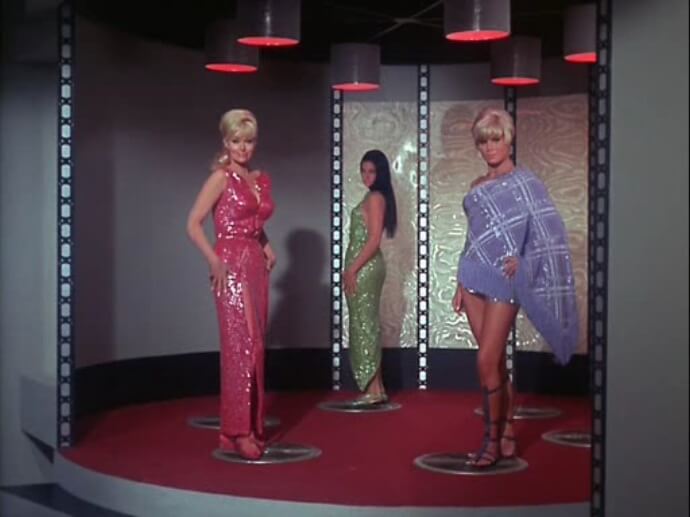
Tuesday January 11th, 8pm – Star Trek: The Original Series: Mudd’s Women (Season 1, Episode 6)

The first appearance of the popular character Harry Mudd (Roger C. Carmel), whose entourage of beautiful women distract the Enterprise crew, but not everything is as it seems.

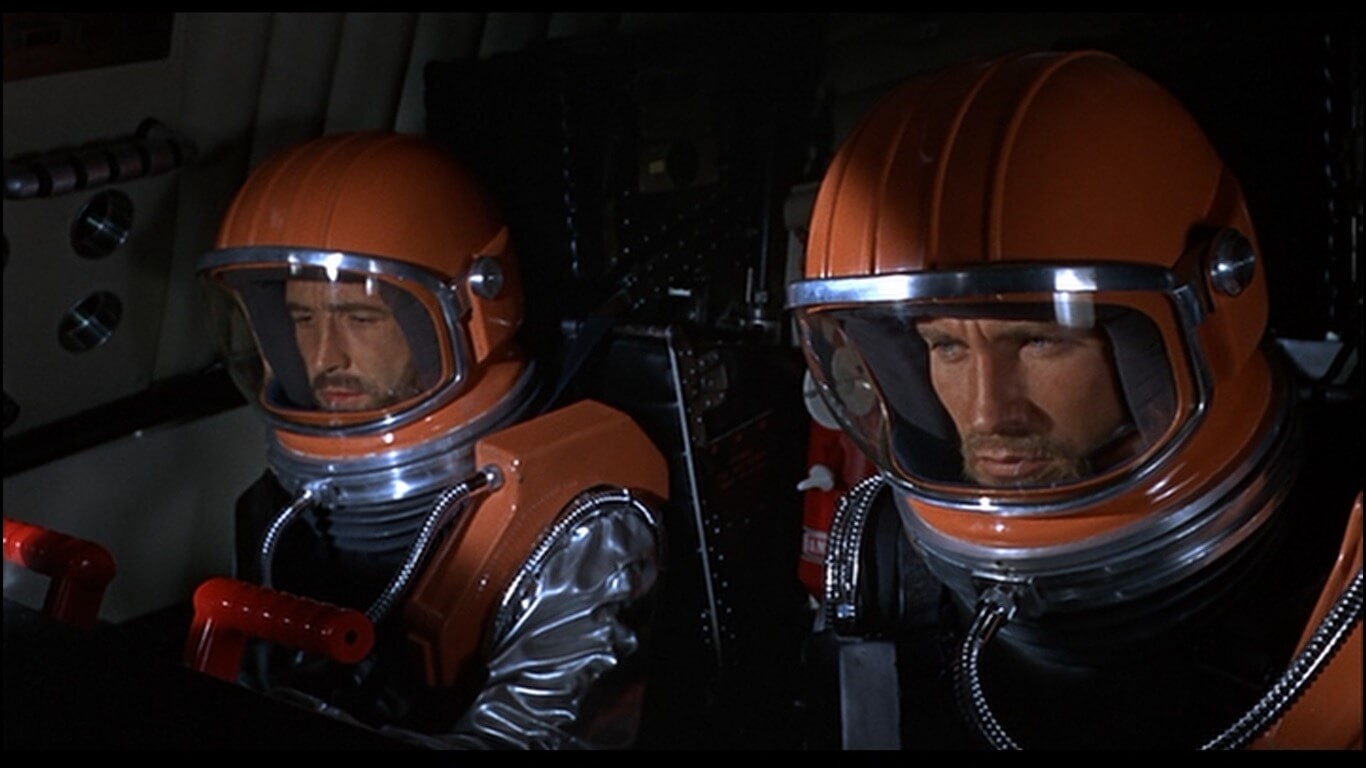
Wednesday January 12th, 4pm – Journey to the Far Side of the Sun (1969)

Also known as Doppelgänger, this is the debut live-action film from Thunderbirds creators Gerry and Sylvia Anderson. The Invaders’ Roy Thinnes heads a mission to a planet found on the same orbital path as Earth, but on the other side of the sun, where they find a society that is a mirror-image of our planet.  (Also screening Thursday at 11am.)

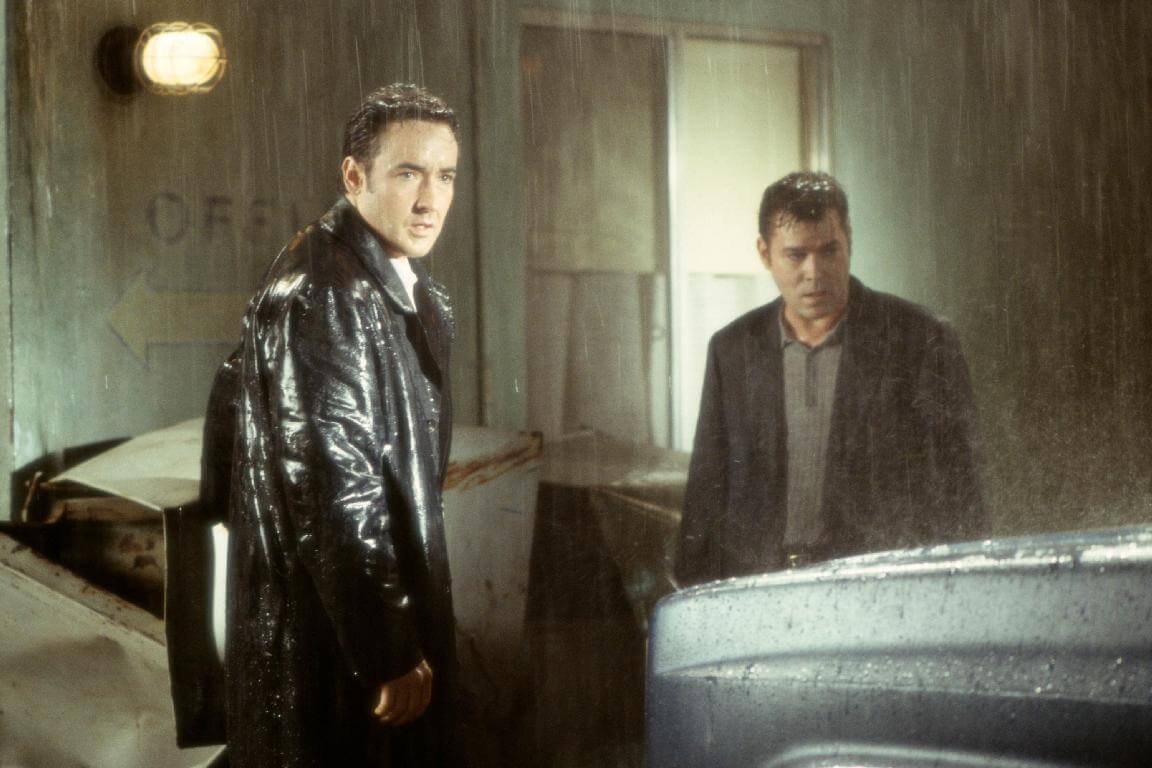
Friday January 14th, 9pm Identity (2003)

John Cusack and Ray Liotta star in this modern spin on the Agatha Christie whodunit And Then There Were None. Ten strangers are stranded at a remote motel and find that they are being murdered one by one. Directed by James Mangold (Logan).

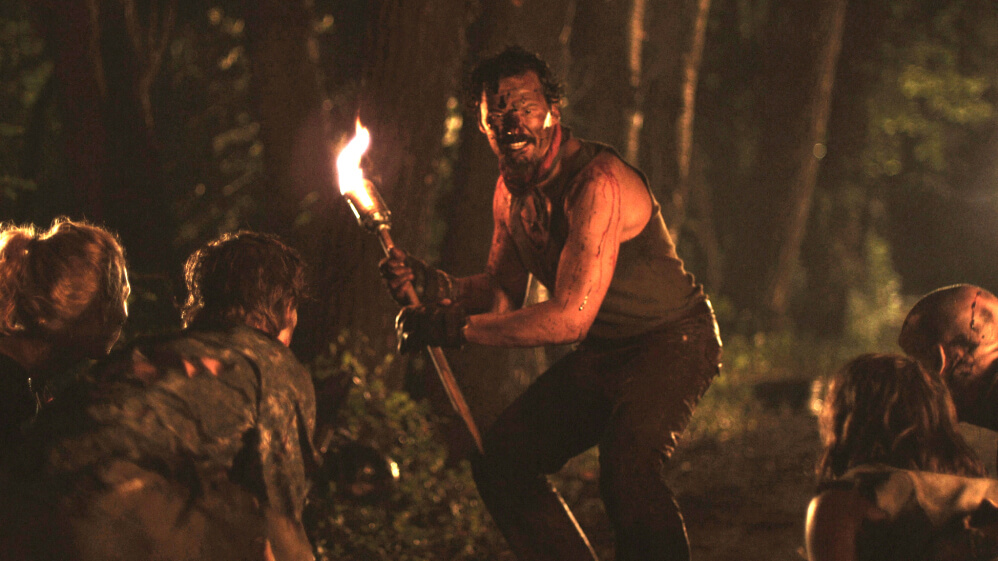
Saturday January 15th, 9pm – Stake Land  (2016)

Post-apocalyptic chills as a teenage orphan is kept safe by a vampire killer (Nick Damici).  Directed by Jim Mickle, this is a cracking mix of vampiric thrills and desolate wastelands.

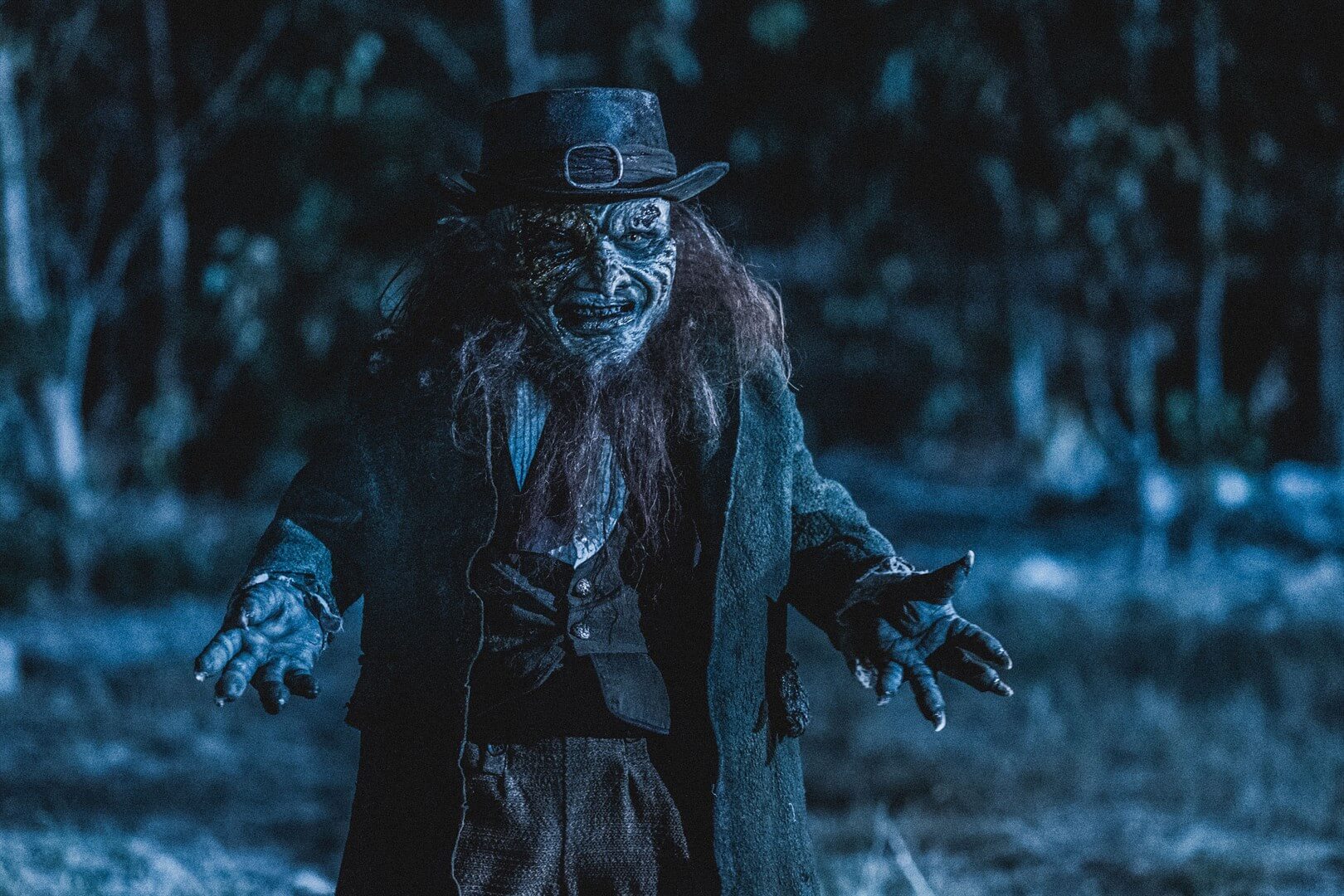
Sunday January 16th, 10.55pm – Leprechaun Returns (2018)

A direct sequel to the 1993 film, Linen Porco takes over from Warwick Davis as the angry little green man with Taylor Spreitler playing the daughter of Jennifer Aniston’s character (nope, she’s not in it either). Schlocky fun.

Tune into Horror Channel on Sky 317, Virgin 149, Freeview 68, Freesat 138.