Parker Finn | SMILE

smile interview parker

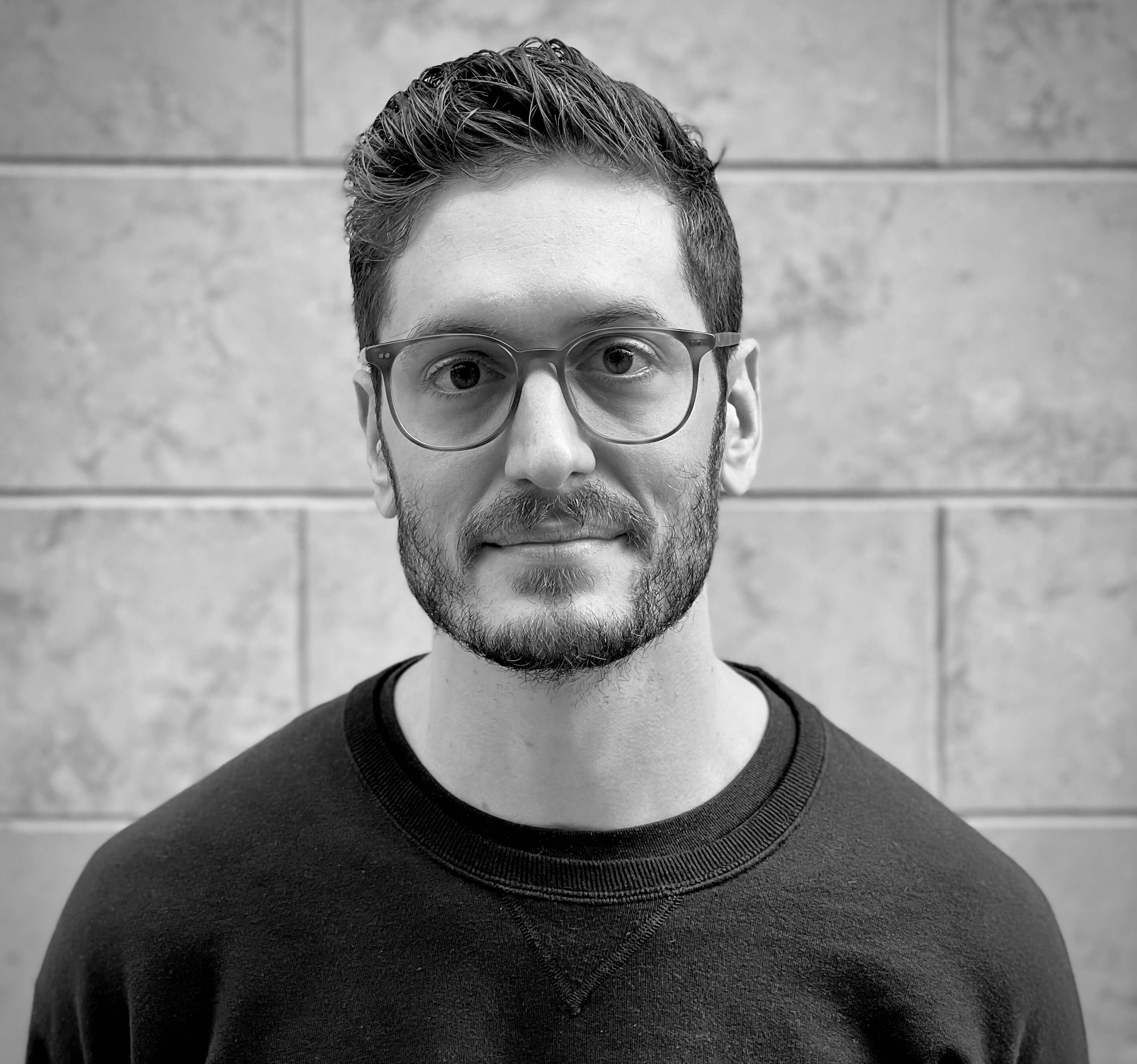
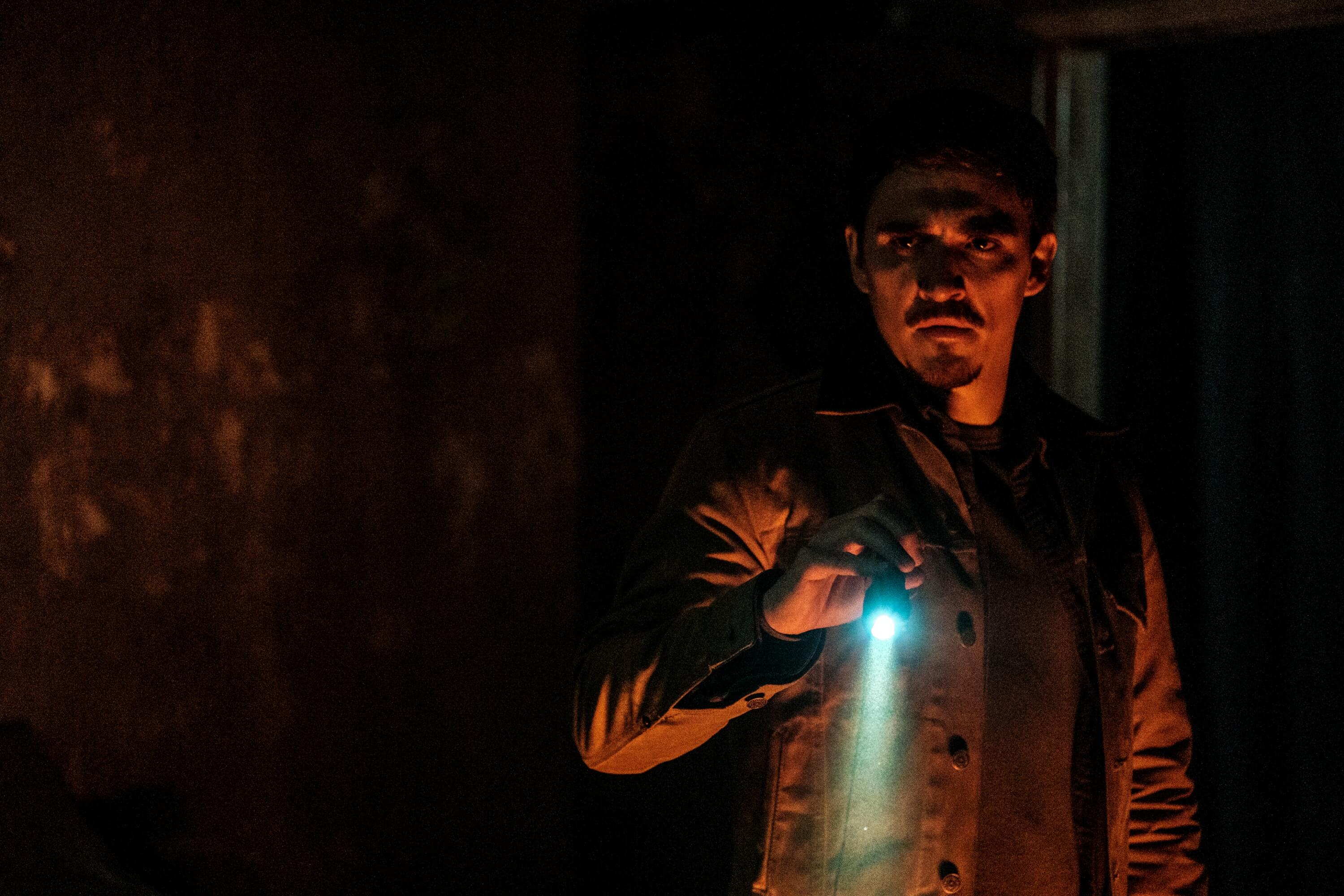
Writer/director Parker Finn has turned the DNA from his short movie Laura Hasn’t Slept into a full, studio-backed movie. Set in the heart of New Jersey, Smile tells the story of Dr Rose Cotter (Sosie Bacon) as she attempts to figure out why she is being stalked by extremely freaky and mysterious characters on a daily basis, and if the disturbing trailer is anything to go by, then we are truly in for an unsettling time. STARBURST caught up with Parker to dig into the creative process behind Smile and much more…

STARBURST: Can you tell us how the idea for Smile first came about and how it links with your short movie Laura Hasn’t Slept?

Parker Finn: When I had been in post-production on ‘Laura Hasn’t Slept’, this idea for a much larger movie started to form that was, I want to say, inspired by the short. It was not the exact same, but there were threads of DNA from the short that were running through this feature idea that became Smile. I wanted it to be something that was not just a direct adaptation, but it was also something new. It’s not a re-tread of the short, nor a simple expansion, but rather a fully formed, separate story that just used the short as a springboard. I was interested in exploring the horrors of some of the things that we carry around inside of us, and I wanted to meditate on what it might feel like to have your mind turning against you. At the same time, I wanted to lean into the fear of not being believed by the people closest to you. I think that’s a universal fear, I wanted to take all of that stuff and see if I could turn it into a film that felt like a constantly escalating nightmare.

Were there any major challenges in making that a reality?

No more challenges than what it takes to develop a full-length movie in general. As I said, it wasn’t about taking the short and expanding it, it was about taking the things from the short that really inspired me and fusing them into the DNA of the feature. I find that I can only be made to feel scared or afraid during a horror film if I truly care about the characters. I really wanted to start from a place that was character-driven, and I wanted to tell a story that succeeded first as a human character drama, which also has these incredibly frightening horror elements infused into it.
Taking it back to Laura Hasn’t Slept and your other short movie The Hidebehind; was there anything you learnt from the directing process on those two shorts, that you just really wanted to apply, or even expand upon in Smile?

For me, hopefully, you get better with every project. When you’re making shorts with either no budget or a modest budget, you’re really up against it with what you can pull off. You’re constantly trying to figure out how to punch above your budget and your schedule. I wanted to take those same things and apply it to a feature film. Even though I was working with Paramount, we were a monster-budgeted studio film, but I didn’t want to let that get in the way or dictate, what kind of film I was going to make. We really set out to stretch the budget, schedule, and everything that we could, in order to tell a story that feels much bigger than the sum of its parts. Then visually, I’m somebody who really leans into prep, I shot this, my entire script before we headed into production, I worked on it with my director of photography, and really started to hone it in so that we had this insanely strong plan going into production. Then it’s all about trying to hold on to that North Star that we’ve set for ourselves, and execute.

We did want to ask, why did the name of the movie change from Something’s Wrong with Rose to Smile? Is there a big story there, or was it just a quick decision?

Something’s Wrong with Rose was certainly a bit of a play on the original thing that started it all with Laura Hasn’t Slept. It felt very fun. I love the ‘70s, timeless feel of that. The further along we got into post-production, we started really feeling how the movie was playing, and what the people we were showing it to were gravitating towards and grabbing onto. Working with the studio, the title Smile rose to the surface. We all agreed that it was a really strong title that captured the essence of the movie.

How did Sosie Bacon end up becoming Rose, and can you tell us about what she’s been like to work with, and just what she brings to playing Rose?

I knew from the beginning that the entire film was going to hinge on the performance of Rose. When I first met Sosie, I was incredibly impressed with her as an actor, how emotionally intuitive she was, and how committed she was to her craft. We figured out that we had very similar tastes in storytelling, and the kind of characters that we were trying to bring to life. She has this amazing ability to draw an audience in through nuance, through these moments. Where a character is experiencing something extraordinary, and really, really outside the realm of normal, and yet she grounds it in this amazingly human performance. The degree of difficulty with what she had to pull off for this film is enormous. The character is in almost every scene and she’s operating at these extreme levels of anxiety, stress, and fear, and it’s this incredibly physical performance. When you’re performing, your body doesn’t know the difference between real and the performance that you are putting on. So, it’s very gruelling and exhausting, but she tackled it in this really mature, amazing way. I personally think that she’s given one of the most stunning debut lead performances in recent years, and I can’t wait for people to see it.

From Jessie T. Usher to Kal Penn to Kyle Gallner, there’s a really great cast in Smile! Could you elaborate on what the main cast members have been like to work with, and what you think they’ve brought to ‘Smile’?

I really wanted to put together a cast that was surprising for a horror film. Jessie T. Usher plays Trevor, who is Rose’s fiancé, and he has this incredible, natural charisma and coolness to him, and he’s able to lean into this sense of detachment and a looseness that was very important to the character. I’m really excited for people to see why. Kyle Gallner has been really crushing it in genre films for years, I’ve been a big fan of his for a long time. He’s done so many awesome movies. I wanted to bring him in, he has got this thing about him, where you instantly want to root for him, that was very important to his character Joel. What I really like is that he is able to use humour as a defence mechanism, which was very important for his character. I have also been such a fan of Kal Penn for a long time, I grew up on the first Harold and Kumar, I think that he’s so intelligent, but has such a great sense of humour, and he’s somebody that you just instantly want to like. He plays Rose’s boss and mentor in the film, Dr Morgan Desai, and I wanted to cast somebody who could lean into the intelligence of that character, but also be somebody that we definitely didn’t want to be disappointed in us! That was very important. Kal was such a pleasure to work with. Caitlin Stasey was in Laura Hasn’t Slept and I was so impressed with working with her the first time around. When it came to Smile, there’s a role that Caitlin plays, which is not the same, but it’s parallel to the short film, and yet it sort of turns the whole thing on its head. There’s nobody else I could have imagined in the role, I wrote the role specifically for her, she came in, and really took everyone’s breath away with her performance.
Can you tell us about the main filming process for Smile? Where was it shot, and what was it like to put together over a pandemic?

We shot in New Jersey, in some of the cities. We were in Newark, Jersey City, and Hoboken, but we also got out into some of the suburbs and some of the more rural areas as well. We shot New Jersey for New Jersey and it quietly plays a character in the film. I love that there’s both an amazing industrial feel to it, but there’s also all of this incredible greenery, old rusty bridges, these very cool rivers, and just all of this amazing landscape there. We were very lucky because when we were in prep, everything was still green but we knew that leading up to our production that we might get lucky and catch fall just beginning to start, and we did. The leaves began to turn colours, it instilled this sense of autumn into the film. I think it’s this really wonderful thing, which I was very excited to be able to capture on-screen. We were shooting during COVID, and it definitely could have been a hindrance, but we had an excellent COVID team on set, who kept us safe while also making sure it was the least intrusive it could possibly be. I’m very grateful that we had a successful shoot during the pandemic.

You’re the writer and director on Smile, what is it like to balance these two titles as you work, and by being in both of these major roles, did you feel like you had the freedom to do what you wanted?

When you’re spending other people’s money, you never really have the full freedom to do whatever you want! But my partners at Temple Hill and Paramount were wonderfully supportive, and they really got behind the film in a major way. I’m incredibly grateful, I wasn’t sure what to expect when entering the studio machine, but I got to tell this story the way I really wanted to, and we were all on the same page from the beginning. For me, writing and directing go so hand in hand, I write things the way that I want to direct them. They become different stages of the same process. There’s a really interesting element when you’re both the writer and director where you’re writing all of these things that are going to be incredibly difficult to pull off, so by the time you get into prep, you’re cursing the writer, but it’s also yourself! That knowledge of anything that you put down on the page, it’s also going to be up to me to figure out how to do it. You keep that in mind, but for me, it’s always about trying to stretch the budget, the schedule, and punch beyond our weight class. I really like trying to set impossible tasks. Trying to convince actors that they can do impossible things, but also trying to convince my department head, my crew, producers, everybody that we can do all of these things that might seem insurmountable. If we all create a really solid plan and lock arms, then we’ll figure out how to do it!

Based on the trailer alone, and looking at those haunting smiles, We’re already getting a really freaky tone! How did you want this movie to feel for the viewer overall, and how did you go about capturing it?

Smile is going to surprise audiences while also respecting their intelligence. It’s intensely psychological, but it’s also shockingly visceral and physical. It’s got these big frightening moments that are hopefully going to cause the audiences to jump out of their seats and scream. But it also leans into this creeping sense of dreadful unease that I think, if we’ve done our jobs right, then it’s going to linger with the audience long after the credits roll.

How do you go about capturing an unsettling smile? Because in the trailer, the actors have done an incredible job at creating a disturbing atmosphere. I really felt like there must have been some kind of interesting process behind it?  

I chose to use a smile to represent the evil in the film because I think of the strength of the inherent contradiction. Smiles are meant to be these warm, friendly gestures. They’re very inviting, and it’s something very primal in us as human beings. We learn how to smile as babies before we even learn how to speak, and I wanted to see if I could take that and flip it on its head, and allow the evil to wear a smile as a mask. To hide something really horrible and malevolent behind it, to use a smile as the promise of a threat. When it came to capturing them, I knew that from the beginning, I wanted them to be true human performances. I didn’t want to lean into visual effects, CGI trickery, or anything like that, I knew that if I could capture them through human performance then it would really lean into the eerie, uncanniness of it all. The way it actually began was with myself, before I showed anybody, just trying different stuff in the mirror, which felt quite silly while doing it! Then working with each of the actors, and I think somebody walking past might have found it quite humorous, we would stand a few feet away from each other and start smiling back and forth, honing in the exact smile. Once we got it right, it’s all about the unnaturally wide, way-too-toothy smile. The real trick is having these dead eyes that go along with it. Then it was really all about how we captured it, with the lenses we chose, the lighting, the colour palette, the blocking, and the stillness that was often involved with it, and really bringing in all of the other elements of sound and music, or sometimes silence. All of those things together create this really freaky alchemy that I can’t wait for audiences to experience.


How fun has it been for you to watch the reactions to the trailer?

It’s been really wild, it’s been incredible to see all of the reactions to the trailer. I’ve been in the theatre a few times myself, as a viewer to see other movies, and seeing the trailer play in front of a packed house, and nobody knows that I’m sitting in the theatre with them. Just hearing the audience physically and audibly recoil, react, and scream to parts of the trailer has been nothing short of amazing. I’m in that zone right now, where the movie is finished, but it hasn’t come out yet. It holds many mysteries that I’m excited for the audience to discover. It’s going to surprise them in ways, that I hope nobody will see coming.

Finally, why should STARBURST readers check out Smile?

Smile is a really, really intense, unique movie. It’s going to scare you, it’s going to shock you, it’s going to make you want to cover your eyes. It’s this mysterious, nightmarish, rollercoaster of an experience that as soon as the credits roll, you’re going to want to turn and discuss it with your friends and debate some of the mysteries from inside it. There’s nothing that can prepare you for what’s going to happen.

SMILE is released in cinemas on September 28th. You can follow Parker on Twitter.

Kogonada & Justin H. Min | AFTER YANG

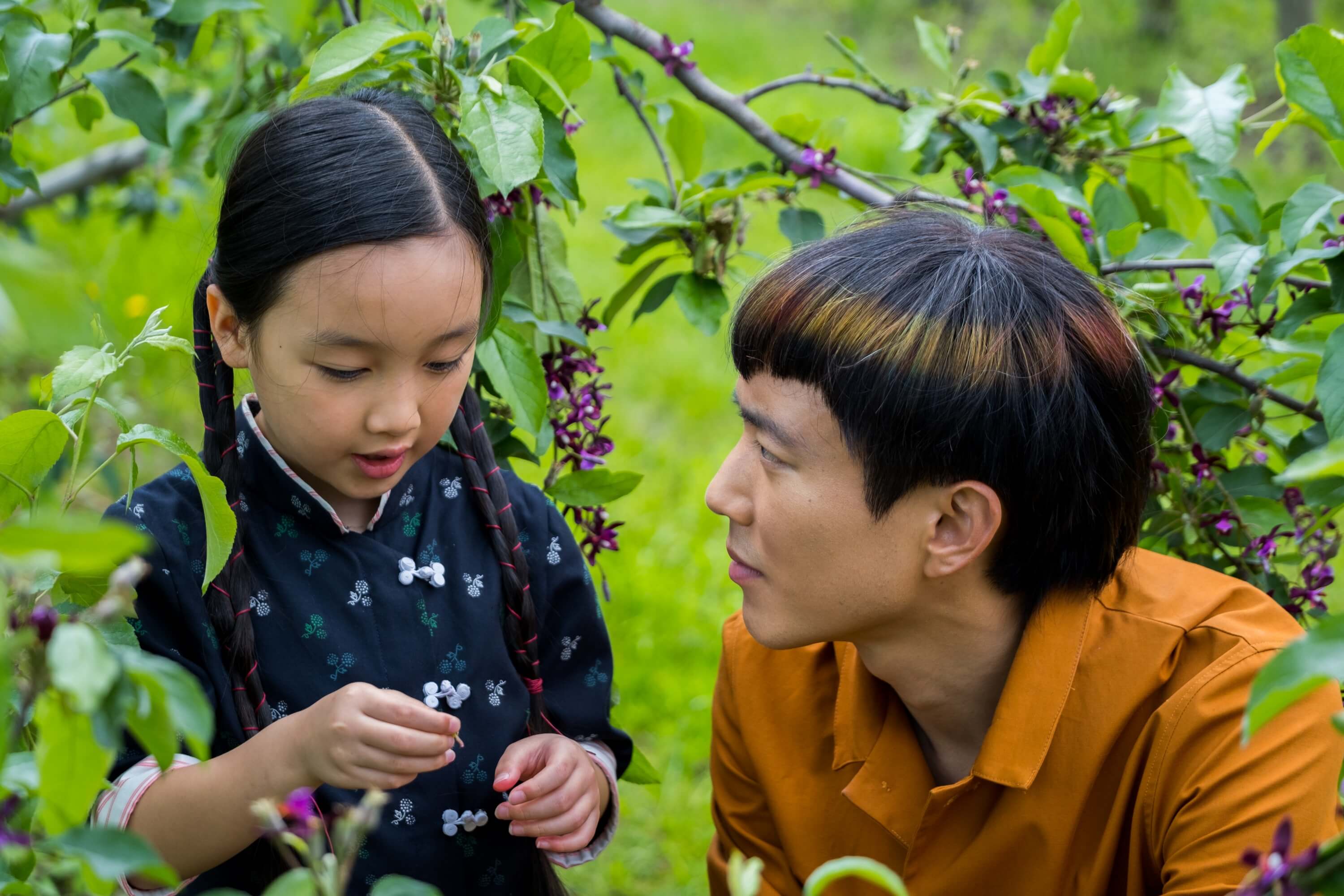
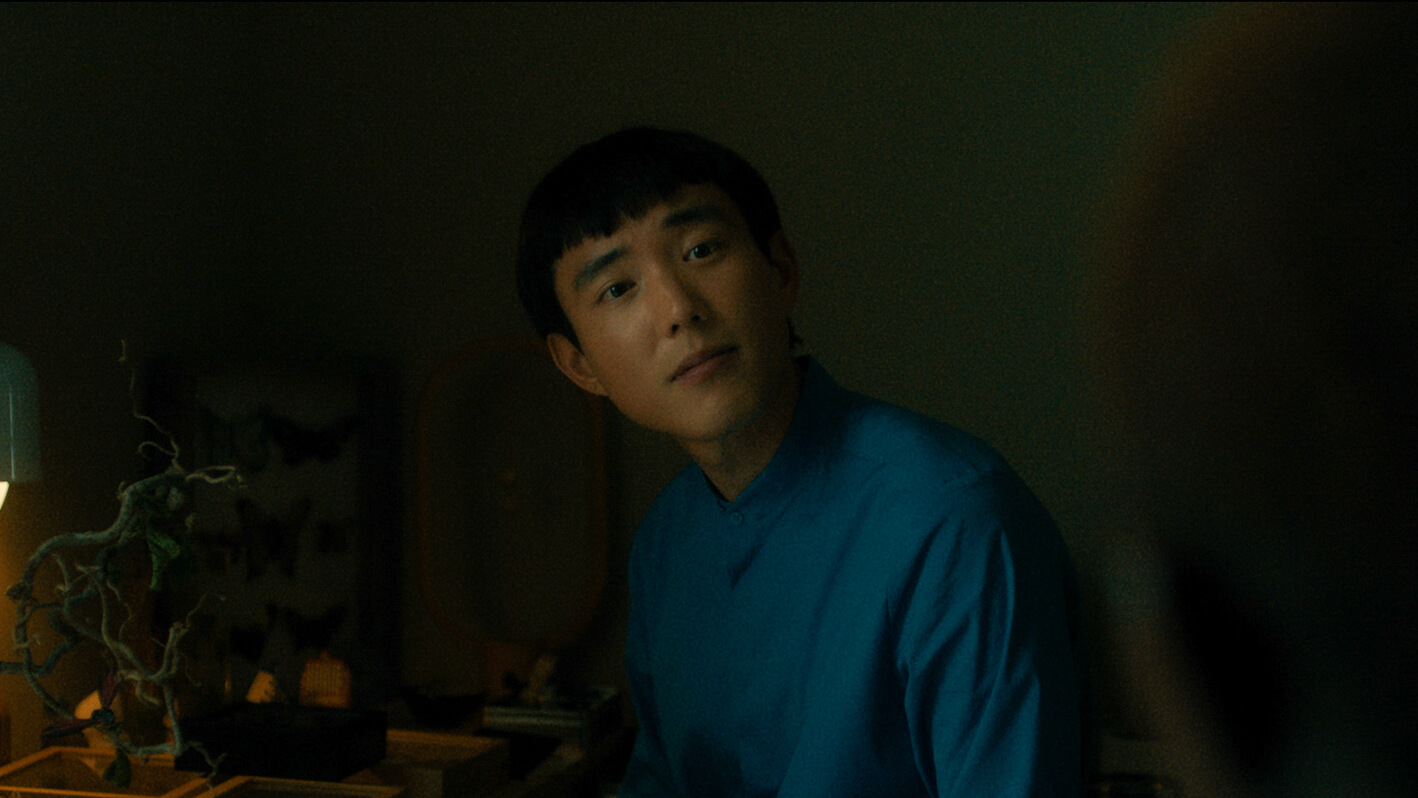
Justin H. Min as Yang in Kogonada sci-fi After Yang

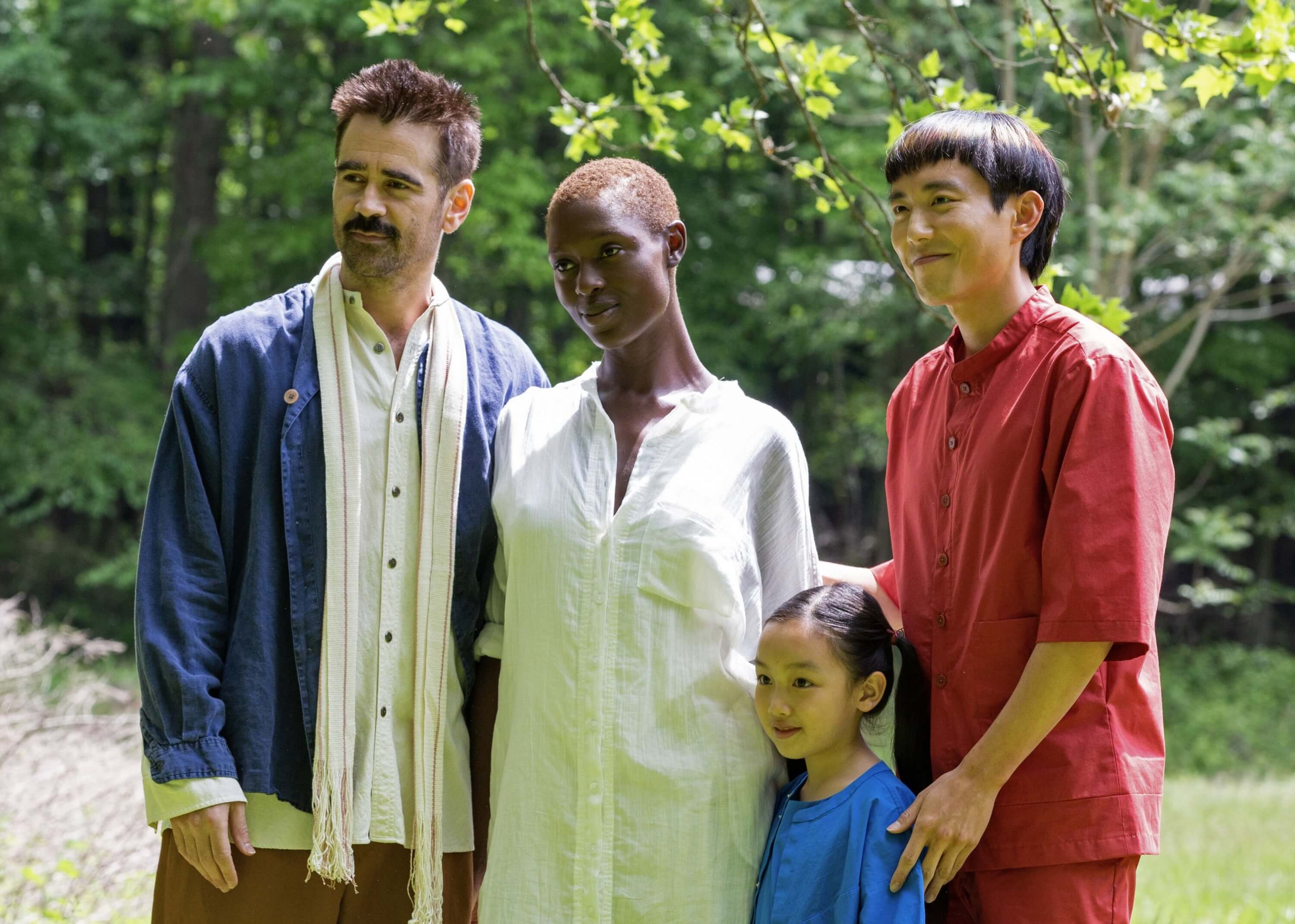
A muted, gorgeous, and thoughtful film about what it means to be alive, After Yang is Kogonada’s sophomore feature and stars The Umbrella Academy’s Justin H. Min , Colin Farrell, Jodie Turner-Smith, Haley Lu Richardson, and Malea Emma Tjandrawidjaja. Ahead of After Yang’s release, STARBURST sat down with writer-director Kogonada and actor Justin H. Min to discuss constructions of Asianness, the nature of memory, and familial connection.

STARBURST : When you first read the short story ‘Saying Goodbye to Yang’ by Alexander Weinstein, what inspired you most to develop it into a feature?

Kogonada : There was just a real, lo-fi mood about it; it took place in the future but was so deeply grounded in its scale. It wasn’t about the end of the world and some hero trying to save the city from mass destruction. It was just about a family trying to get through a day. In the short story, it really was just one day in the life of a father trying to fix this robot. And initially, he’s annoyed, but by the end of the day, he’s reminded of his own memories of Yang and that creates a grief in him that he didn’t even know he had.

I was also drawn to the fact that – and the writer wasn’t Asian – but this idea that the robot was a construct of Asianness immediately resonated with me. Justin and I have been talking about how we feel about the identity of that kind of construct of Asianness. I knew I’d get to explore that, as well as fatherhood, connection, and memory. It had all the right ingredients for a project I wanted to explore.

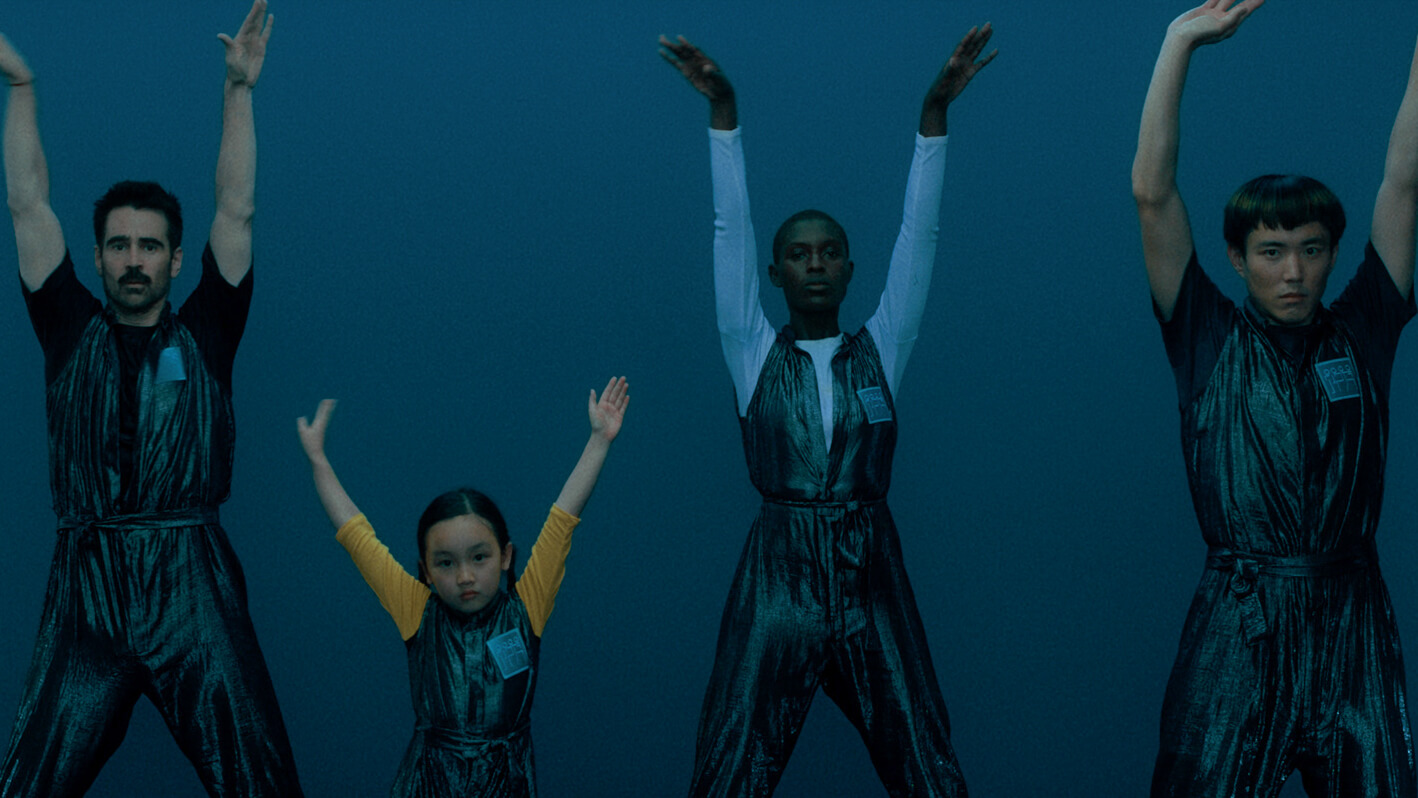
Jodie Turner-Smith, Colin Farrell and Justin H. Min in After Yang dance sequence


And for you, Justin, at which point in reading the script did you decide you wanted to be involved?

Justin H. Min : From the title page. I don’t say that in jest, because the title page had Kogonada’s name on it, and I was a huge fan of his visual essays. I had also watched Columbus immediately when it came out, and I was just such a fan of his directing work. So, to be able to see what his second feature would be was really exciting. Then as soon as I finished it, it was like – you know those fears you have when you read something by someone you admire, and you’re afraid you’re going to be let down? Well, it exceeded my expectations. I immediately told my team, “I need to audition for this.” And that’s how the process began.

What kind of conversations did the two of you have about the character of Yang and what you wanted to do with this film?

Justin H. Min : In many ways, Kogonada gave me a lot of ownership of the character, which I really appreciated. Of course, one of my first questions to him after getting the part was, how “robot” is this character? What do you need me to do? And he was like, “What do you think?” [laughs]. And I realise now, in retrospect, that it was very strategic. He wanted to keep the mystery of being for himself and the film. And so, it was just a constant exploration for me.

And in my preparation work, I think the thing I focused most on was Yang’s relationship with each of the characters. Each one I considered to be unique. I wanted the grief to feel real, and for that to happen, the connection and love between Yang and the others need to feel real – especially in the flashback scenes. So, I knew that I needed to do the work within myself of creating all these memories with each of the characters that aren’t seen in the film so that the flashbacks don’t feel like empty moments pulled from the void.


A lot of classic sci-fi feasts on Orientalism and Asian stereotypes, which often manifests as those Asian characters being denied an internal life. Justin, how did that awareness affect your acting choices and Kogonada, why did you hold back from explaining the character further?

Justin H. Min : It’s not something that I wanted to think about. I wanted to do the most accurate portrayal of this character and have that be separate from the conversation of what this film represents for Asian-Americans and the Asian-Americans that have been represented in previous sci-fi films. I just didn’t want any of that noise in my head. I just wanted to portray the character that I thought Yang was, and so much of it is written on the page; it’s such a beautifully written script, and there was so much room for me to play and to bring life to this character.

And you know, it’s so interesting because I understand the criticism – not even exclusively in the sci-fi world, but generally – about Asian-Americans in film and TV being silenced and silent characters. But it’s also interesting because, in a way, we have talked about the beauty of silence and how powerful silence is. For me, the moments of quiet and silence in Yang are some of his most powerful moments and how he takes the most agency. And so, for me, that felt like a redemptive thing: for him to be silent at times and to be the observer. Because it’s only through Yang’s eyes that Jake can have this revelation about his life.

Kogonada : I think it’s very well observed. I think the sci-fi future world is so much a kind of Orientalism and aesthetic. And we talk about us having to contend with our own construct of Asianness; when you’re separated from your homeland and lived in a largely Western world, part of what we have to navigate is the way Asianness has been represented to us. I’ve been surrounded by a kind of Orientalism – which is different when you are Asian.

I was aware of it as we were building out this world, and the fact is, Yang is a manufactured idea of Asianness, right? And that world, we see a kind of Asian aesthetic. I didn’t want to strip that away either; I certainly wanted to keep the complexity of what we have to navigate through in this future world. We see some of the influences of Asia, the conflicts of Asianness, and the allusions to war in the East.


And another thing is the perception sometimes that Asians are robotic. The thing that I trusted and thought was nicely ironic is that our Asian robot might have the richest interior life of anyone in the film. Part of the reason why I would throw those questions back to Justin is that I really trusted him. I knew in my bones that he was the right person to play Yang, just by the first audition that he gave – and that’s because he was playing him not as a robot but as this dedicated older brother. And he has this certain quality, this soulfulness, that I knew would resist any idea of a robotic Asianness.

It’s also interesting that, on paper, this is the story of Jake reconnecting with himself and his family, yet the film centres on Yang’s experiences and memories. Since that wasn’t the case in the short story, can you talk us through reframing that narrative for the film?

Kogonada : Right. The short story really is about Jake’s memory and these flashback sequences of him remembering a moment, but I love the idea of those memories functioning not just as flashbacks, which are sometimes offered as a certainty. I also wanted to play with memory so that when we experience memory through Jake, those memories feel elusive and repetitive – repetitive in the sense that it’s refining what was real and the subjectivity of that.

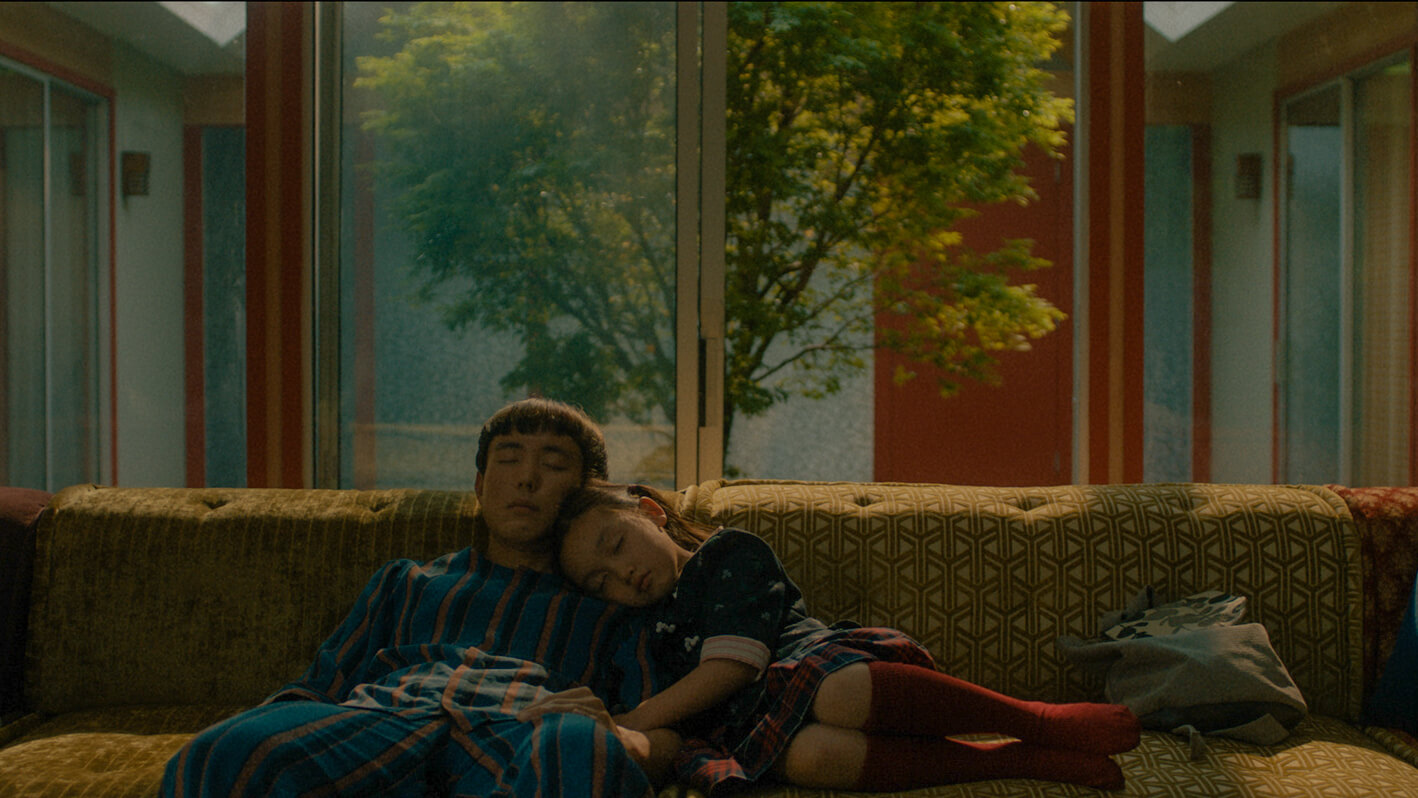
And the thing is, when the film begins, we don’t know Yang at all. So, when he malfunctions, we don’t have any feeling of loss. It has to be the work of his memories to create a presence for him where the viewer feels that absence – in much the same way as Jake has to evolve from seeing Yang as an appliance, as something that gives him time not to really parent.

It’s one of those stories where you might have imagined a typical narrative where the father is going to be heroic and save this robot for his daughter, but at the end of the day, it really is Yang saving Jake. Just by engaging with Yang’s memory, he is being challenged and awakened.


Throughout the film, you also suggest a broader socio-political context to this world, with a war in China happening on the edges of the screen. Why hint at it and then not address it head-on?

Kogonada : Originally, I was going to reveal even less because I wanted the window of the world to be presented through a family. You know, I often think that sci-fi is always about the world at large and a significant threat to it and the most heroic figures navigating that. I think I originally had written in the script that we will only feel the world through the sliver of a window, maybe in a reflection; at one point, I had it really contained within the house and maybe having the car. But then I felt we had to offer just a hint, but it was about the family.

In sci-fi, I always wish I would get to know what everyday life was like. If I’m watching the biggest blockbuster, I’ll see a background figure and wonder what it’s like for them to get through a day. So, given the opportunity to work in that sci-fi genre, I wanted to feel it from a domestic space. Because the truth is, there are wars and pandemics going on right now, but how we experience them is just very mundane. So, it’s not that the broader context was insignificant – it shaped everything we saw, but I wanted to experience the world through a domestic lens.

Is that also why you approached the design elements of this world in a much more organic manner? Usually, with a sci-fi setting, it’s grandiose backgrounds and sprawling buildings, but After Yang keeps its world very muted.

Kogonada : Yes. And it also tells us about the broader world. We had a backstory where a cataclysmic climate event had occurred, and where this family lives now is a rebuilt city. So, this future has to integrate with nature, or life will no longer be sustainable. That was very much a part of the organic construct of this one house, so its design tells you what you need to know about the broader world.

Justin H. Min : Just to piggyback off that, I will just add that as an actor, it was so refreshing to read something that took place in a potentially distant future where half of the script wasn’t explaining everything. As an actor, you are often given scripts set in a different world or universe, and sometimes half the script is expository, telling us why things are the way they are. I love how immersive this film is, from the moment you get thrown into it. It’s like, this is how it is, and it won’t be explained. What’s important here is the relationships between these characters, and I love that so much.


And on a lighter note, one of the film’s most enjoyable scenes is the dance number through the opening credits. How did you prepare and balance the dynamism of that sequence with the film’s gentle tone, ensuring the two didn’t jar?

Justin H. Min : The dance was traumatic [laughs]. We had an incredible choreographer; we had a few days before we started filming to learn the choreography in the studio. You know, dance is so vulnerable, it’s embarrassing, it’s all of these emotions – but it’s also an incredible icebreaker. And that sequence was one of the first things that we filmed, and so to have that helped jumpstart the film and create cohesion within our family unit. It was amazing because we took that and ran with it for the rest of filming. And yeah, it was just very adrenaline filled. Each group would go to their own corners, and it felt like a dance competition. It was a lot of fun, and I’m so glad it opened the film.

Kogonada : To answer your question about it potentially being jarring: it is. I think I knew when I wrote it that I wanted this hard cut. And I knew, because it was going to be part of the credit sequence, that it would already be a little bit suspended – all credits sequences are. I wanted it close to the front for that reason. I think if it were in the middle of the film, it would be jarring in a different way. Sometimes that works, but for me, it’s not only about seeing this family in sync but all these other families attempting to be in sync with each other. That’s what all families strive for, to be functional. And as we all know, there are more dysfunctional families than functional ones. There was something beautiful about seeing these families try to be in sync, only to begin then to see the dissolution of one. Though really, the choreographer had the best description of the dance’s role in the film: she said it’s like a pop of confetti, and the rest of the film is spent watching the confetti fall to the ground. I think that’s really well put.

After Yang will be released in cinemas and on Sky Cinema from 22nd September.

Joy Osmanski | STARGIRL

joy stargirl

DC’s Stargirl is now three episodes into its third season and it’s only getting better. The show’s commitment to positivity is a rarity in today’s cultural landscape, but that is part of why it’s so special. The writing, character arcs, and cast all lend themselves to Stargirl‘s feel-good themes, which only deepen in this excellent third season.

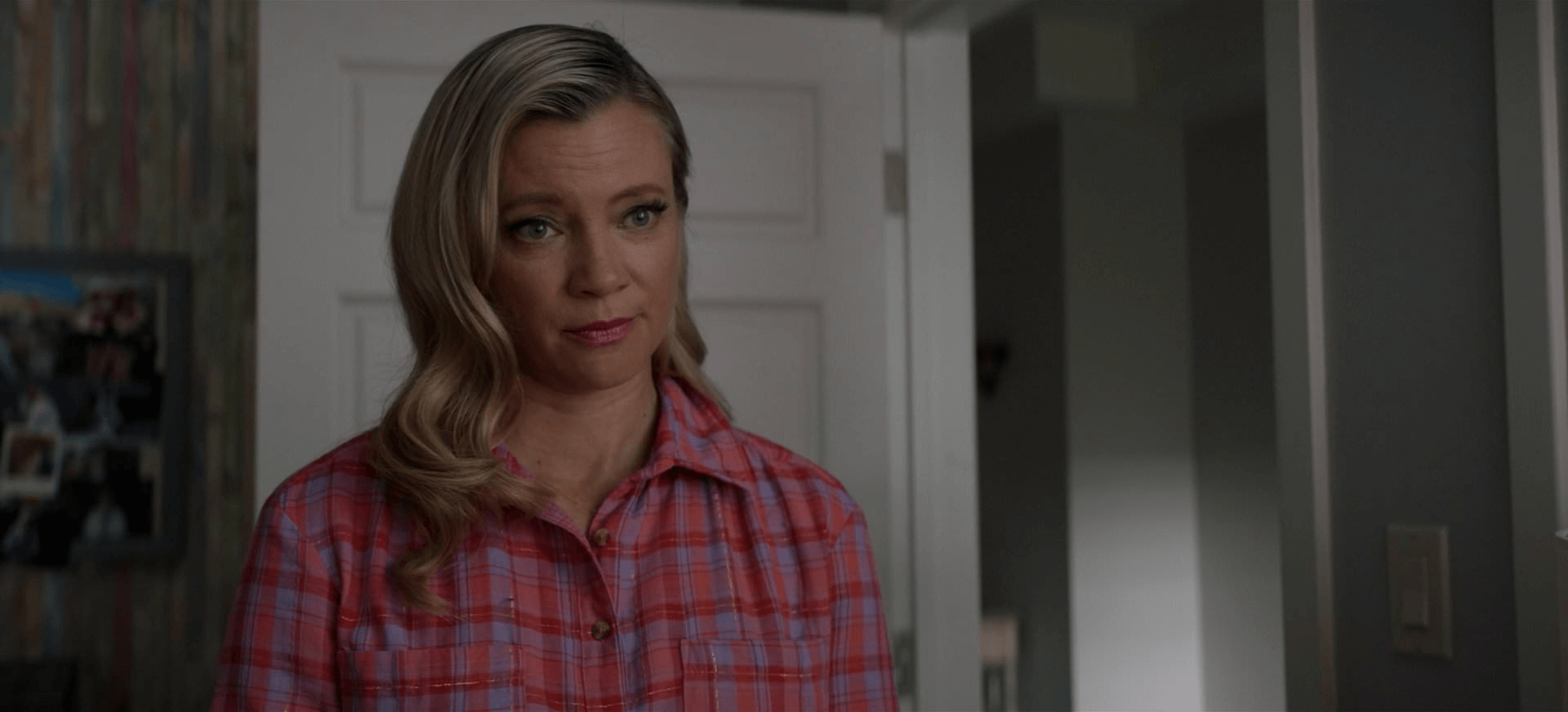
One of the standouts of the new season is Joy Osmanski, who portrays the reformed supervillain Paula Brooks/Tigress. After her release from prison, Paula, her husband Crusher, and their daughter Artemis move next door to the Whitmores, creating some fertile comedic ground that takes the story in an unexpected direction. Among the surprising developments is Paula’s budding friendship with Amy Smart’s Barbara Whitmore, which has quickly become one of the show’s best dynamics.

We had the opportunity to chat with Osmanski about all things Stargirl, including (but certainly not limited to) Paula’s transformation from ruthless criminal to awkward suburban mom.

STARBURST: Let’s start by catching people up on what Paula Brooks is up to this season.

The newest shift for them is that they’ve moved right next door to Barbara, Pat, Stargirl, and Mike. They have inserted themselves into their lives whether they want it or not and they’re fairly relentless about making their presence known. They’re kind of nightmare neighbours, I think. [Laughs]

One of the coolest aspects of where Season 3 is heading is that Paula and Barbara are no longer enemies, really. They’re more like friends now. What do you feel makes that dynamic so fun and interesting?

I loved it, if only for a chance to work with Amy! She and I are good friends and we have so much fun together. Creating this blooming friendship between our characters…we’ve just had such a good time doing it! The writing for us has been so fun and really supports the nurturing, generous part of Barbara’s character and this awkward, fish-out-of-water aspect of Paula, who is so confident in all these other situations. But she just has no idea how to behave as a human being. I certainly have been in plenty of social situations where I’m like, “How to act right now?” I think a lot of people relate to that. It has been really fun to portray that on the show and I feel a lot of empathy for Paula in that regard.

One of the things we talked about with Amy Smart was how different Paula and Barbara are but also how similar they are in how much they love their children.

Totally! As a parent, I meet plenty of other parents who I might not necessarily be friends with if not for the fact that we both have children. You very quickly realise there’s a shared vocabulary and a common desire for the health and safety and well-being of your kids. That kind of trumps everything else. I love that these two women have found each other. I think for Barbara too, I mean, you don’t see her hanging out with a lot of friends. Maybe these two were oddly supposed to be together as friends.

Your role is cool to watch because you get those comedic lines but you also get to do action set-pieces and intense stunt work. we know there’s a scene in an episode where there’s a fight in a grocery store. In a previous interview, you talked about how stunt work used to be a self-imposed limitation for you. Now that you’ve done this for three seasons now, what kinds of stunts can you do now that you couldn’t do before? How have you levelled up, so to speak?

I think what has always saved me is that I have a background in dance. What stunt work really is is a series of movements and it’s all choreographed so it demands this mind-body connection. Dance does as well. It has allowed me to adapt to movement hopefully in a more efficient way than if I didn’t have the dance training. I kind of have a sense of where I am in space. Geoff [Johns] is so great because once he finds people that he loves he works with them over and over again. When I saw that Walter [Carlos Garcia] was directing the episode as well as serving as stunt coordinator, I was like, “Well, that’s perfect. Fantastic!” Because we all trust and love Walt already. So when you have to do these very demanding things physically, you already have a high level of trust involved. That helps immensely in being able to do these really intense, involved sequences. And the stunt team…they’re the best!

It all lends itself well to those action scenes. The scene in this week’s episode where you have the Crocks shopping for food and it turns into this intense action scene with some stunning choreography.

The way Walt’s mind works is just…I love it so much! I love that they’re in a completely mundane setting and you can tell they’re just slowly going insane. They’re doing all the things they’re supposed to do and…my God, they’re putting back high sodium items! So boring! So when he comes in, they’re like, “Let’s go!”

Stargirl has been really good about delivering great action sequences in mundane, everyday spaces. Such as  Eclipso getting loose in the Blue Valley High cafeteria.

I love that sequence! It’s so great.

It’s really cool that they’re able to do these amazing things in just the most everyday settings.

I think it’s smart. It really keeps the show grounded. It’s not trying to escape its reality. It’s dealing with it and using it, which is really, really smart.

Spinning off of an earlier question, I think a lot of people hold themselves back in their own way and don’t really realize it. Has doing your own stunts translated to any fear-conquering or limitation-busting in other areas of your life? Has this given you confidence in areas you didn’t expect?

Yeah! I had to start training when I first got the role for this just in a basic physical way that I hadn’t done in a while. I just wanted to be able to endure the long days on set because I knew it was going to be an intense role. I knew there were going to be demands and I wanted to try to meet those. Getting cast in the show really transformed my life from a health and physical perspective that I would not have guessed. It has been a lasting thing for me. Now I’m in the habit of working out and being in a physical place of strength that I’ve gotten really used to.

It’s a mental health thing for me, too! Without it, I spin. If everyone could just be shown a picture of a supersuit that scared the shit out of them, they would be like, “I’m gonna be wearing that? I’m gonna start working out right now!”

When you first got the role, the nature of your character was a surprise, right?

I didn’t know it was a dual character. I didn’t know who she was. Didn’t know the context. Knew nothing. Thank God I didn’t know! I would’ve been freaked out.

Mark Ashworth, who portrayed Janitor Justin/Shining Knight in Season 1, told us something similar. When he got the part, all he knew was that he would be playing a janitor. Then Geoff was like, “Oh yeah, by the way, you also wield Excalibur.” And he was like, “Oh!”

Yeah, I wish all parts were that way! I think I was told my character was a gym teacher? That’s all I knew. It might’ve even just been like “aggressive soccer mom” or something. I didn’t know anything about her. But I wish all parts were like that. You’d be like, “Hey, I’m playing the cop…and the devil incarnate!!!” So fun to have reveals about every character.

Let’s talk Stargirl‘s future. Amy mentioned that you all would know about whether or not Season 4 is happening by the end of the month.

I hope so! I have no idea. You may know before I do. Of course, we’re all hoping! Unfortunately, I’m also a realist so I put my hope out there and let what happens happen.

STARGIRL Season 3 is currently screening on The CW in the US.

Albert Birney & Kentucker Audley | STRAWBERRY MANSION

kentucker albert strawberry mansion interview

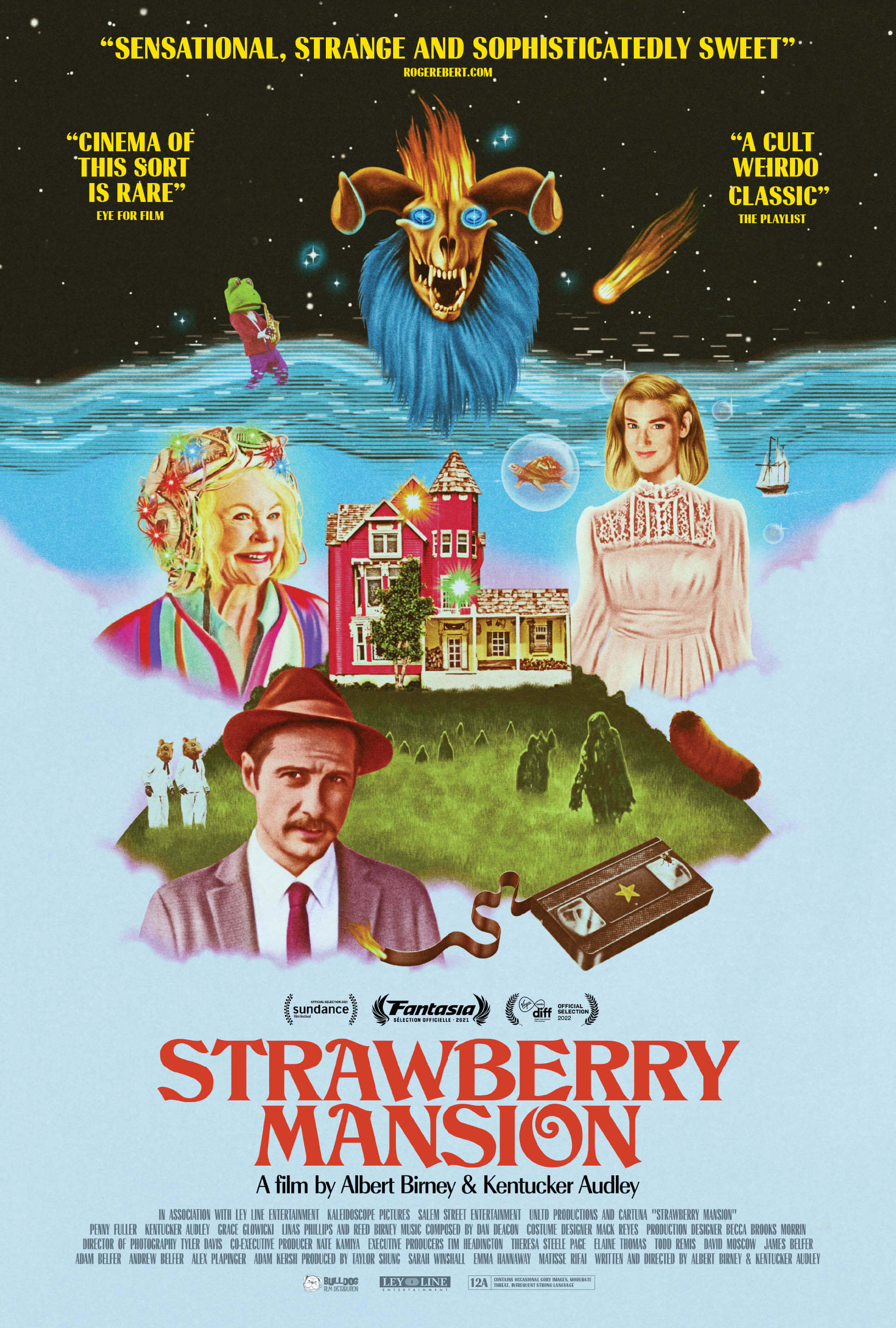
STARBURST recently caught up with Albert Birney and Kentucker Audley, the writer/directors of the hugely entertaining and inventive film Strawberry Mansion, hitting select cinemas and digital on September 16th.

In the not-too-distant future, an all-seeing surveillance state conducts “dream audits” to collect taxes on the unconscious lives of the populace. Mild-mannered government agent James Preble (Kentucker Audley) travels to a remote farmhouse to audit the dreams of Arabella “Bella” Isadora (Penny Fuller), an eccentric, aging artist. Entering Bella’s vast VHS archive, which contains a lifetime of dreams, Preble stumbles upon a secret that offers him a chance at love – and hope for escape.

You can watch the interview below…

Bulldog Film Distribution presents Strawberry Mansion in select cinemas and digital on September 16th. You can read our review here.


Brian O’Halloran & Jeff Anderson | CLERKS III

clerks III interview

STARBURST caught up with Brian O’Halloran and Jeff Anderson, the stars of Kevin Smith’s new movie Clerks III, to chat about going back to the Quickstop again, heart attacks, and much more. Watch the full interview below…


Clerks 3 is released in cinemas on September 19th. You can read our review here.

Amy Smart | STARGIRL

amy smart stargirl interview

It was clear from the get-go that DC’s Stargirl had big plans for Amy Smart. The actor, perhaps best known for The Butterfly Effect, Rat Race, and Just Friends, has been with the show since its 2020 debut, but we’re only now seeing just how much she has evolved. Across two completed seasons and almost episodes, Barbara Whitmore has grown stronger both as a person and as an emotional anchor. Managing teenagers is its own feat, but managing superpowered teenagers is a different animal.

Stargirl follows teenager Courtney Whitmore as she and her family start a new life in Blue Valley, Nebraska. There, she bonds with a cosmic staff, turns a bunch of friends into superheroes, and beats back bad guys with teamwork, optimism, and a steadfast commitment to doing what’s right. Hooray for doing the right thing!

We recently got the chance to speak with Smart about Barbara’s role in Season 3, as well as her deepening friendship with Joy Osmanski’s Paula Brooks/Tigress…

STARBURST: Season 2 teased tons of unexpected dynamics that we think many fans are hoping will see more development in Season 3. The back-and-forth between your character and Paula Brooks/Tigress was especially entertaining. What can we expect from them this season?

Amy Smart: The pure setup of the two of them becoming friends this season is hilarious. They couldn’t be more opposite but then they find a lot of commonalities. They both teach each other what they know. Honestly, my scenes with Paula were the most fun I had this season. Her character is so awkward to society. I love that she comes to Barbara to teach her. On the flip side, there’s a real loyalty from Paula that we haven’t seen before. So there’s this unassuming friendship that develops and I can’t wait for you guys to see all of it because it just gets funnier.

Let’s talk about Barbara as a character. Aside from her obvious responsibilities as Courtney’s mother and Mike’s stepmother, what is Barbara’s most important function in the series? Where would you say she fits into Stargirl‘s overarching story?

I think she’s the rock of the family. She holds down the reality and the balance. Everyone else goes off on these journeys and she’s holding down the fort. She’s this matriarchal character who is the mama bear but she’s also finding her own strengths. She’s surrounded by these family members who basically have superpowers and I think her staying strong in who she is without superpowers is a challenge.

She is definitely an emotional anchor for the JSA, sometimes even more so than Pat. Pat is more in it with Courtney and everyone. But when they all come home after a hard day of being a superhero, Barbara’s there.

Yeah!

You’ve already alluded to this, but what is Barbara’s biggest challenge this season?

I think on some level she also questions what her role is. What I find so fun about this season is that her relationship with Paula grows. Her friendship with Paula gives her this independence and this feeling of power that she probably hadn’t felt before.


Tonally and thematically, Stargirl is very different from the other CW superhero shows. It really emphasises that the way we treat each other matters. Every character supports this idea in his or her own way. And we need these kinds of themes right now, especially when the world feels as dark as it does now. What are some specific ways in which Barbara reflects these themes?

You’re absolutely right. It’s about giving people second chances. Seeing the best in them. Allowing them to change. We don’t normally allow ourselves to open that trust back up. This season definitely has that positive element to it. Becoming vulnerable is definitely a way to mend that bridge. I think Barbara is about figuring out where the boundaries lie between being a mother and being a stepmother.

To be vulnerable is courageous. To open yourself up is courageous.

Absolutely. Committing to growth as a person is a hugely courageous thing. You’re essentially admitting that who you were before was not awesome and that you want to do the work to be better.

Yes!

How collaborative is Stargirl‘s on-set environment? I know that Geoff [Johns] created these characters so he’s very attached to them and very close to them. How much feedback does he want/welcome, especially when these characters are so close to his heart?

He definitely loves collaboration and loves to have input from actors. He finds inspiration in those conversations. I know that in the middle of Season 2, I went in to talk to him and through our conversation, I feel like that influenced his writing of Barbara in a deeper way. Like any creative process, it takes more than one person. This is the most collaborative I’ve been able to be, actually. In the past, I’ve always been brought scripts and I said, “Okay, this is what I’m doing.” Because this is a TV show and because these characters keep growing and evolving, he’s so open to our input, which has been wonderful.

Geoff has such a big heart. This show is so personal to him and he had so much heart from the beginning. You feel what he’s bringing to the page. It’s special.

What can you tell us about Season 4?

We’ll find out by the end of the month whether we go back for Season 4. So we’re all just crossing our fingers and toes!

STARGIRL Season 3 is currently screening on The CW in the US.

Voice of a Generation: A conversation with William Daniels

william daniels knight rider

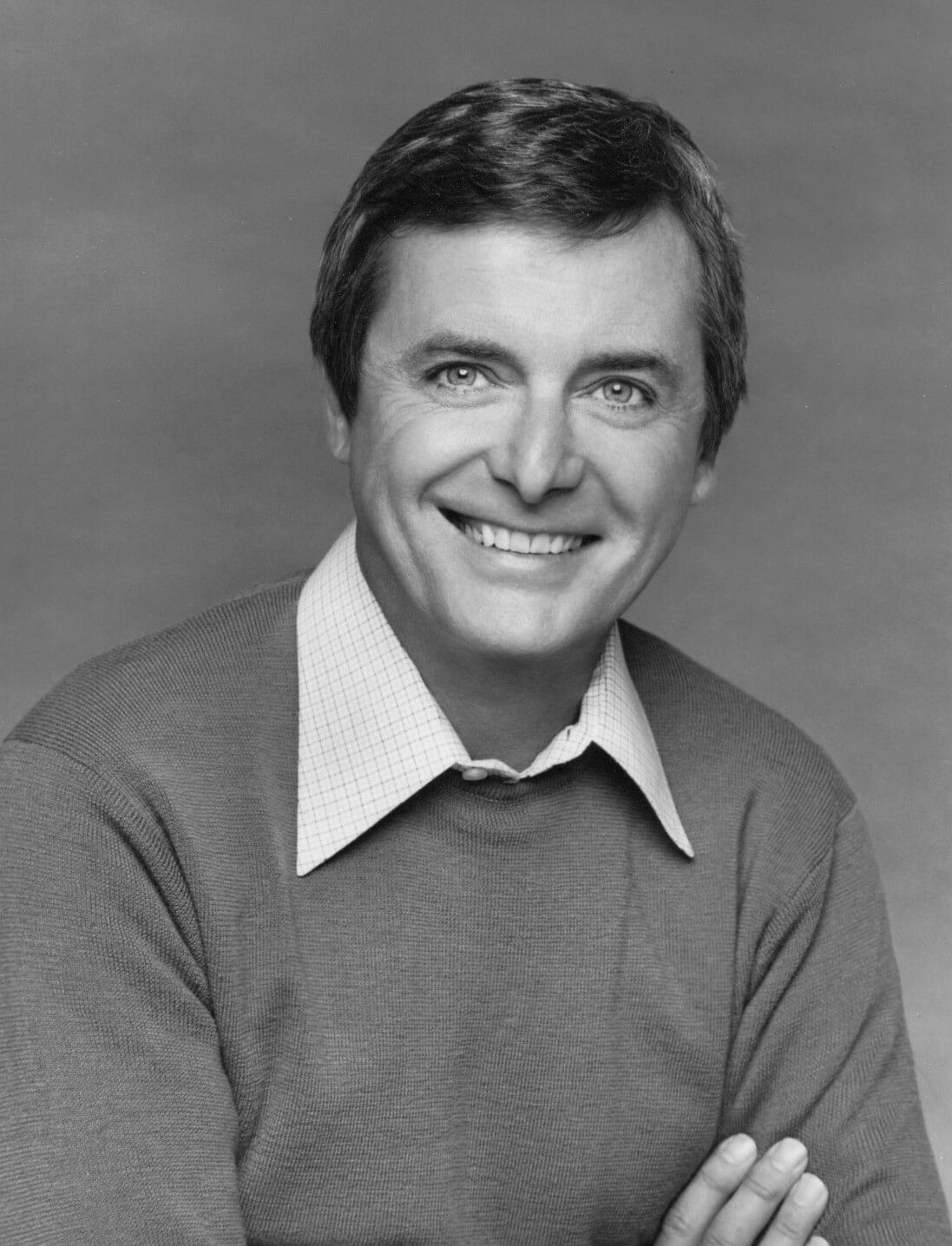
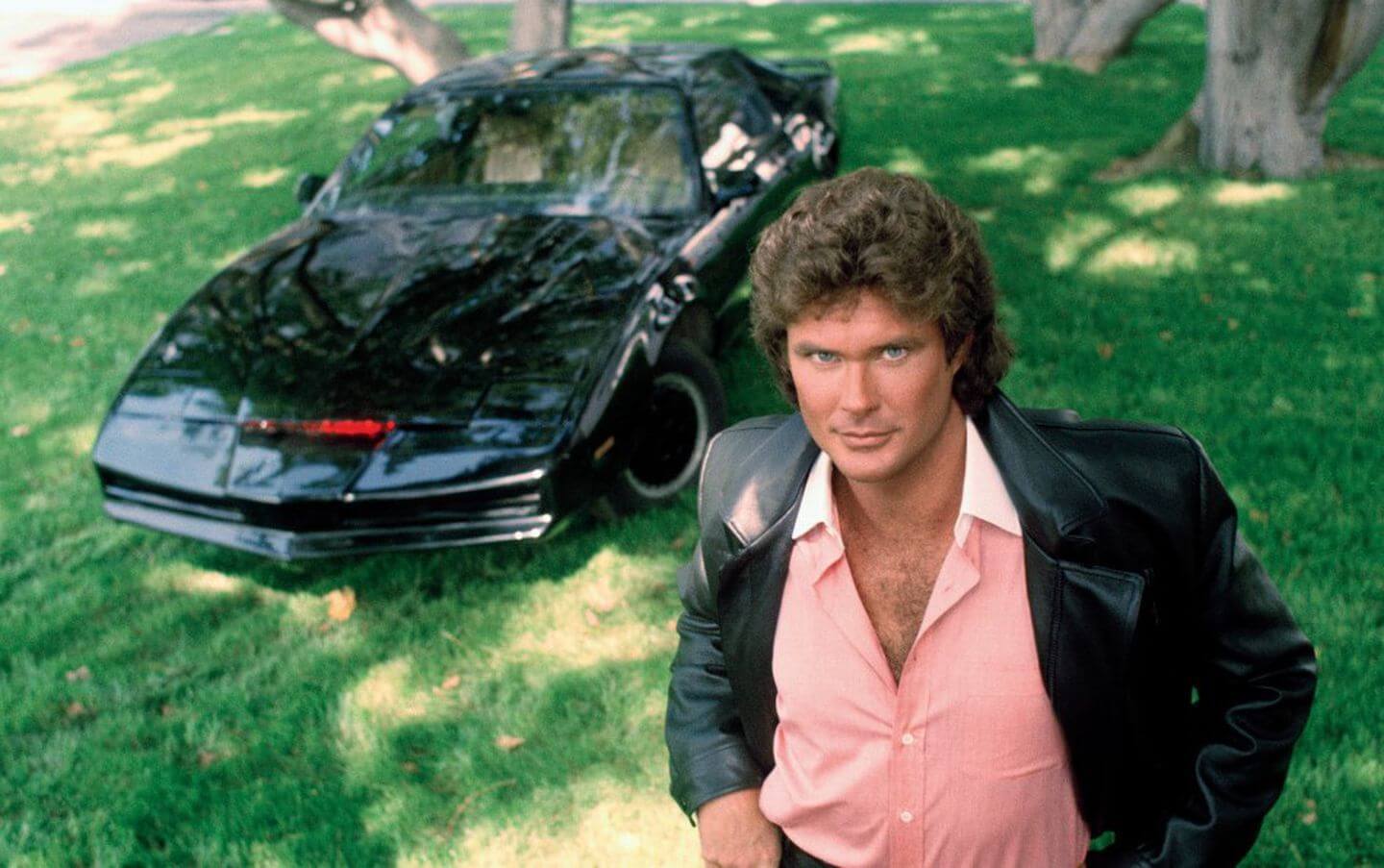
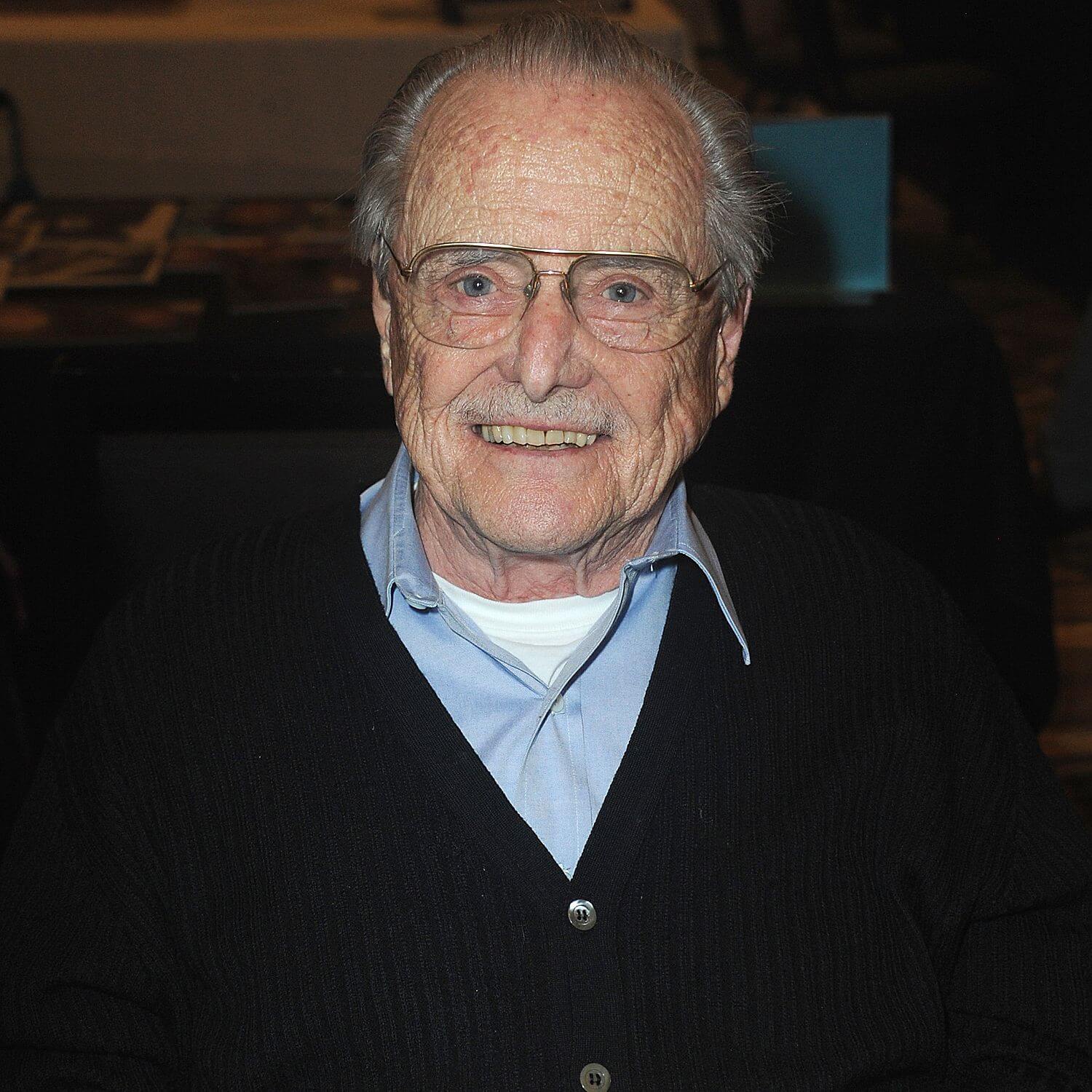
As a child of ten years old this writer, like many others of my generation, would spend countless hours camped out in my parent’s car, pretending to go on adventures as Michael Knight while mentally willing the car to talk back to me in the dulcet tones of KITT actor William Daniels. Now, 40 years on, as Knight Rider races back to screens on Legend, the iconic actor – now 95 – reminds us all that life for him at ten years old was very different…

William Daniels: My mother, Irene, started teaching me and my sister songs. She would read in the papers wherever they were auditioning and she would drag us over there. One of the shows was called The Horn and Hadart Children’s Hour and we auditioned for them and we got on. That was the beginning of my career when I was nine or ten. That was a weekly show and we learned a new song that our mother would teach us each week. Then we’d go on Saturday to rehearsals over at NBC in New York and then record the show, which would be on Sunday morning and we did that for a number of years.

STARBURST: While Horn and Hadart may have been a somewhat forced entry into showbusiness, would your consequent foray into acting in the play The Life of Father prove to be a better experience?

The Life of Father had four sons and I was playing the next to old and I was in it long enough to grow into the oldest one. I was in that for at least what two years and I came up with, without knowing it, [Howard] Lindsay’s upper-class accent. I just absorbed it, I didn’t try to do it.

Would you say that Howard Lindsay was a mentor of sorts?

Absolutely and I remember going in, knocking on his dressing room door and I said, “I’d like to study acting, should I go to the Academy that they have there for actors?” and Mr Lindsay looked at me and said, “Don’t go over there,” he said. “I’m on the board. What you do is you write to the government and recommend a school that has a good theatre department that way you pick up a college education plus a great deal of experience in the theatre”, which is what I did.

Did the war hinder your journey to college?

I was drafted and sent over to Europe and while I was in basic training they dropped the bomb on Hiroshima and that was the end of the conflict. So I was in what you would call the forces of occupation, dealing with the prisoners of war. I didn’t realise they have a number that tells them if you have a speciality and my number was entertainment specialist. They read this as we were in Italy going up north and they took me off the train in a little place called Livorno and I went into the radio station there and it was quite a lovely experience. I really enjoyed it there. The staff were leaving, having been there all during the war, so I ended up with some new people and pretty soon I was running a station and I had about seven or eight guys under me at 18 years old. We did hours of live music and commentary and that sort of thing and I enjoyed it very much. To tell you truth, it got me away from my family, which was not easy to do. I had a family that did everything together. You know, the kids, the father, the mother. If they went for a pair of shoes, we all went. So I guess I got past that stage and by the time I got out, I was a Staff Sergeant and I had enough of the GI bill to apply for college. My sisters were in a play with Walter Huston, a very famous actor at the time, they both were in that and they were in Chicago and my mother said to me, “I think one of those schools is up north.” And so I went up and there was this gorgeous campus on the lake.

It sounds like you’d made the right decision to follow Lindsay’s advice…

I loved my years at North Western, although it was such a rush with this lady I started dating because she was so anxious to get to New York that we did this for four years in 3½. I didn’t really wanna get to New York because I know what I was facing without an agent in New York, it’s pretty hard but we went and, err, we existed.

And you’ve been married for 71 years! Incredible!

When people ask me about lengthy marriage they asked me, “How did you manage that?” I say, “It’s a lack of imagination.”

So with your life in showbusiness beginning to work in your favour, how did that make you feel about the way in which your mother pushed you into it so early on?

That’s a good question. I don’t know if I blamed my mother. I was angry at her putting me in show business that’s true and yet I had to thank her later on for putting me on the road I travelled in the theatre in New York.

Was it then that you met and worked with theatre director and acting coach, Lee Strasberg?

My experience at Strasberg was absolutely fundamental in the actor I turned out to be because he was very tough on me. I had all the phoniness of a child actor and when you had an exercise where he wanted you to stand still and sing, I sat on the edge of the stage and I sang Makin’ Whoopee. He said to me, “You know something, I don’t know who you are.” In other words, his point was that I was so filled with this artifice that he didn’t really know me and I think the process with Strasberg was me getting to realise that I had to be myself as an actor and that’s where the authenticity comes from. So Lee was very instrumental in helping me with that. Bonnie [William’s wife] was a favourite of Lee’s. She was his secretary and collected the money from the students. I think we paid $30 a month or something like that and through her, we got to know the Strasberg family and we found ourselves being invited up to their place every weekend, which I looked forward to because all the stars from everywhere would drop by. He had that reputation.

So when it comes to Knight Rider, it makes sense that you would stick with your own voice and authenticity when you were asked to record an initial voiceover for the pitch meeting.

They were asking me to do some other voice. I finally said, “Look, I’m laying this down, doing a favour so that you can take this to New York, so let me just do it in my own voice.” that’s what we did which is very important. You can’t do a character without losing a certain expressivity that you have if you’re using your own voice. I instinctively knew that so I insisted on doing my own voice. Then about three weeks later they said, “We sold it!” I said, “That’s wonderful.” They said, “We want you to do the voice of KITT.” I said, “Well, you know I’m doing St Elsewhere and I’m very busy with that.” And they said, “We know you’re doing that and we’ll work around it.” And my agent said, “Bill, you can’t turn that down.” So I’d do St Elsewhere and I’d go on Friday over to Universal and in 40 minutes I’d lay down an episode of Knight Rider and then just disappear.

Did you have a process you used to record KITT’s lines?

I gave them three different readings of a line and let them pick which one they wanted. You know, one would be slow and another would be fast and then there be an intermediate one.

You’ve had some really iconic roles during your career, including Mr Feeny in Boy Meets World and Mark Craig in St Elsewhere. What’s your fondest memory of how Knight Rider has touched some of your fans?

I was doing a personal appearance and this English man came up and he wanted to know, “Could you please Sir, tell me where you were when you did the voice?” I said, “You mean was I under the hood or in the trunk?” And he said, “Yes.” I said, “No, actually I was in the studio and I recorded it.” Well, you know, he went away kind of disappointed. He really wanted me to be under the hood!

With your acting days behind you, do you miss it and how do you spend your days?  

No, I don’t miss it. I’m enjoying my retirement. I do Cameos, which is answering fans who get in touch with us who really wanna hear from me, so I record those. As a matter of fact, I think we’re gonna do some of them today.

So, how would you sum up your experience as KITT?

To me, a car that talks? What is that kind of nonsense? But there it was and that’s what I did. Now I go to conventions and I sign licence plates and they get very excited. It’s amazing. It has a life of its own.

Knight Rider returns to screens, weeknights at 7pm on Legend, with omnibus screenings on Saturday.

Find out more information at https://www.legend-tv.co.uk/

Tune into Legend on Sky 317, Virgin 149, Freeview 41, Freesat 138.


Ruben Pla | THE HORROR CROWD

pla horror

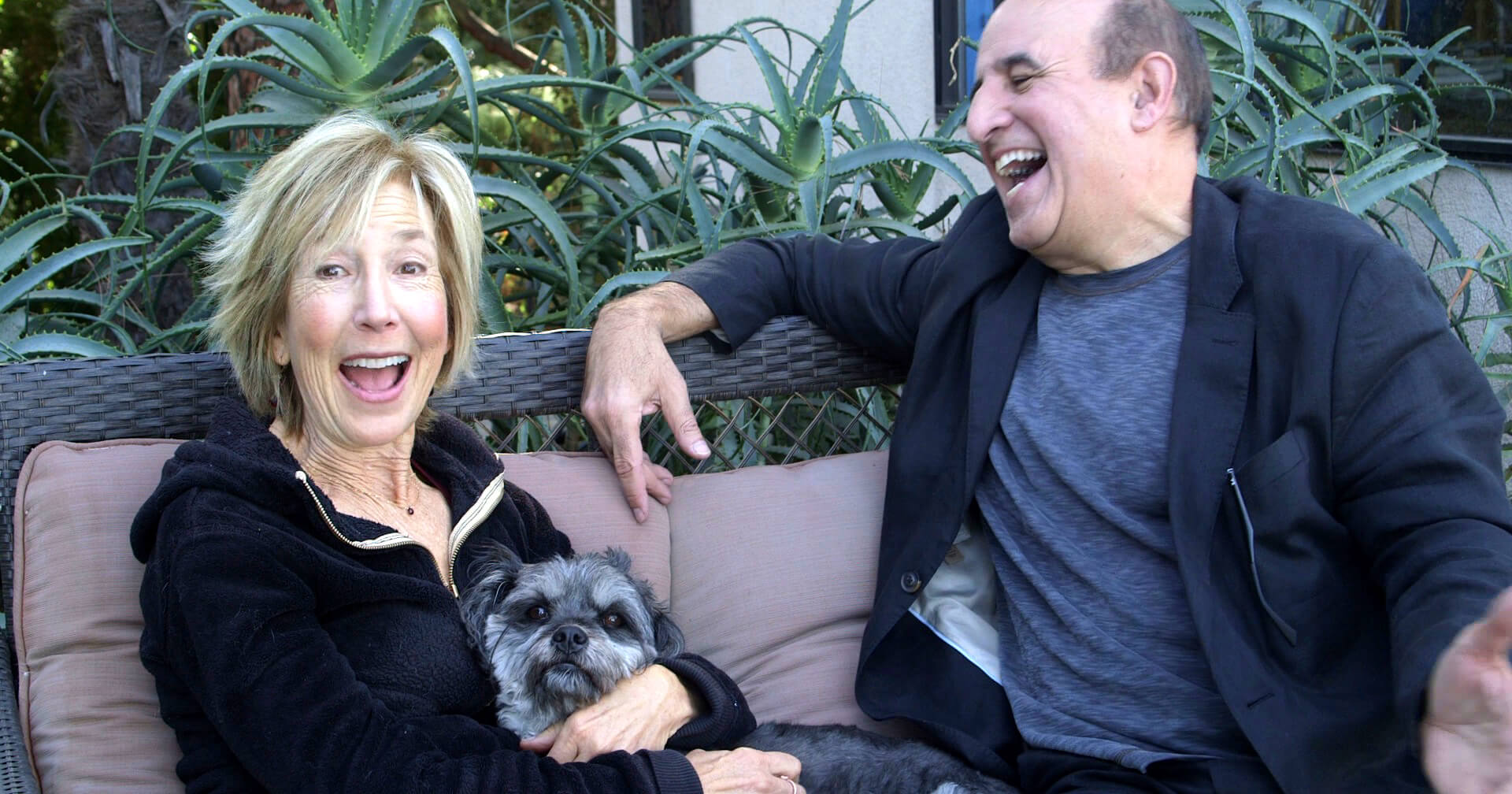
The Horror Crowd is a fantastic new documentary in which actor/director Ruben Pla talks to his close friends and associates about all aspects of horror. Among the interviewees are Lin Shaye, Greg Grunberg, Russell Mulcahy, Oren Eli, Darren Lynn Bousman, Ernest R. Dickerson, and Mike Mendez. Ruben himself is a familiar face from appearing in the likes of Insidious, Cheap Thrills, and Big Ass Spider! We caught up with him ahead of the film’s world premiere at Arrow Video FrightFest…

STARBURST: What was the idea about getting all your pals basics together and talk about their love of horror?

Ruben Pla: Basically, I started meeting these people in a trailer that I was working on for Mike Mendez. I met James Wan there. Next thing I know, he cast me in Insidious, which was a big cult hit. I was having lunch with my co-producer Hank Braxtan one day and said, ‘You know what, I’m thinking of doing a documentary, just interviewing some people, and I’ll just like do it on my phone just to see what happens’. Then he said ‘I can provide some cameras’, because he works for a production company. Then he offered lighting equipment and said we can use the studio where he works. Okay! He then said ‘my wife can produce it’. I said okay! That basically started steamrolling and I started calling people up. And I called Mike first because I thought that was the right thing to do since he’s basically my gateway into the horror crowd. He agreed and I started calling more people, and they all wanted to do it, and that’s how it happened.

It’s a very friendly film, it’s one that you can very easily get drawn into, it’s like hanging about with your mates in the pub. All the people talk about things that everybody who loves horror can relate to.

Sci-fi and fantasy, too because it goes across the board, we have people like Russell Mulcahy, who directed Highlander and Resident Evil: Extinction.

What was your earliest introduction to horror films?

I remember distinctly growing up in New York City and watching the old Creature Features, a TV show where they would show Dracula, Frankenstein, The Wolf Man – the originals -and it scared the hell out of me! And then as I got older, I started watching Alien and those kind of things.

You directed two shorts yourself before this…

I did director shorts. One was called Head, which Arielle Brachfeld, my producer on The Horror Crowd, was the lead in. along with Matt Mercer. The other was The Kill, which my daughter played the lead in. Those were me testing the waters, so to speak.

The film is playing at FrightFest…

And I’m very happy about that! The people there have all been fantastic, corresponding back and forth, answering any questions, I’m very excited about it. They’ve seen many of the people in the documentary at FrightFest because they’ve gone there over the years with their projects.

It’s very different this year being online though, which is a shame because it would be perfect to see with an audience, because it’s basically what it celebrates.

Yeah, you’re absolutely correct about that, and obviously it would have been great, I would have flown there for sure. To meet them all and be available for Q&As. But, we’ll make the best of it. Hopefully, people will see it and distributors will see it and we’ll get distribution and so forth.

What advice would you give a young filmmaker, looking to get into cinema?

Never, ever give up. And that’s the truth of the matter. I mean that so sincerely. There are too many talented people, specifically actors, which I dealt with in the early part of my career, who were super talented at these kinds of work. And little by little, they start dropping out and leaving the business because they weren’t getting enough work. There’ll be high times and low times and times when you’re like booking right and left to TV shows or movies or commercials or anything. And times where you don’t do something for a couple of months. You just can’t let it affect you. I understand that sometimes you’ve got to pay the bills, but you can find some way to wangle that around where you can do something else to pay the bills until the next job comes along.

THE HORROR CROWD is released on digital on September 2nd. You can pre-order it on AppleTV and iTunes. You can read our review here.

You can watch the full interview here: https://youtu.be/sxYRJCVvJR8

John Robertson: THE DARK ROOM – EDINBURGH FRINGE

robertson

by Anne-Louise Fortune

The Dark Room, the inter-active text-based adventure game show that emerged from the stand-up comedy of Australian John Robertson. John is a frequent fixture on our entertainment schedule here at Starburst Towers, where we’ve seen the show in every sort of venue, from comedy clubs to the vast arena of the Sci-FI Weekender, and it has made a triumphant return to this year’s Edinburgh Fringe.

John’s journey is a fascinating one. 2020 was a brutal year for the live entertainment industry. The effect on performers, many of them freelancers, was devastating. John is one of a growing number of performers who have established themselves on Twitch, the streaming platform most well-known as an outlet for gamers. We sat down with John to find out more.

How did the Pandemic change your career?

Hehehehehe, I went mad – and monetised it! I’d always thought I was kinda lazy, but around about the time we did a 48-hour marathon online stand-up show for charity I thought maybe I was wrong… then the 50 hour one we did confirmed it. Me and my audience have made some very funny, very beautiful, very strange things together. I definitely got to finally give my imagination free reign – so I’m very happy, but the house is a mess and the neighbours are surprisingly tolerant of me screaming “YA DIE! YA DIE! YA DIE!” at all hours of the night.

The Dark Room visits a lot of different venues. Is it a challenge getting an audience to attend a show that isn’t ‘traditional theatre’?

The UK has such diverse tastes in live entertainment, so I think as long as it’s good for somebody, they’ll come out. I’ve been at the end of the pier in Blackpool with comedians who I thought died in the 70s and whose material dies nightly, and in the middle of London with glittery nude acrobats. Any country that thinks pantomime is normal definitely has a huge imagination.

How did the move to online spaces change things for you?

It changed everything! I can do things I’d never imagine doing in a live show. I’m like 40 different characters these days. We’ve got in-jokes built on a solid foundation of more in-jokes. Somebody’s having a bad day in the Twitch chat? You can wish them well, and then get back to the usual carnage. It really builds a connection with a crowd – the underlying sense that everyone involved just wants everyone else to be happy. Unless you’re a troll, in which case, my God, we’ll tear you to bits.

What’s the key to your comedy?

I like to play with people. And if that means we all build some big silly idea together, that’s great. And if that means I’m shirtless and screaming and crowdsurfing, well, that’s good too.

How would you describe the Twitch Channel?

The slogans of Twitch channel Robbotron are “We are diverse, perverse, wholesome, yet awful” and “SDNS – Sex, Death, Nerd Shit”. We’re an interactive, inclusive space where one minute we’re discussing science fiction with Adrian Tchaikovsky, then I’m playing a game where I’m a shark. We do a new thing about every 10 minutes, so if my live coverage of the news isn’t tickling your pickle, you can come back for when we play the weird games I’ve built, like The Dark Room, my parody of Japanese romance games – L.A.D.S – Live-Action Dating Simulator or the sad clown text adventure
I Am Pagliacci, or literally anything else we all come up with. It’s hugely community-driven.

On the Twitch Stream, John has multiple characters. We asked him about the anime fanboy, Kevin. Where does he come from?

Super Genki Neko Kevin-Chan comes from a lifetime of going to anime conventions and meeting twelve million Super Genki Neko Kevin-Chans. Yatta! uWu etc.

Another character is called D.A.D – Divorced Aussie Dad…

Seriously the most intense show I do! Divorced Aussie Dad is a down-on-his-luck father cooking for his children – so most Sundays I stand in my kitchen as this guy, the Twitch chat are my kids, and he makes them lunch. It’s become a legitimate improv soap opera, with stepfathers going missing, suspicious friends with odd packages, and his on-again, off-again relationship with the kid’s mum. One of the greatest surprises of my life is how moving this show is. And the food is terrible.

What’s it like to be back at the fringe?

Phenomenal. I’ve done 11 of these, and this is low-key the best Fringe I’ve ever had. My team are great, the crowds have been terrific. I’ve played music and had a saw vs clothes horse duel with one of my heroes, crowdsurfed a comedian to celebrate the legalization of homosexuality in Singapore, and thrown a LOT of bread at people. I’m a very lucky man to be indulged in this manner.

How does the streaming balance with the live shows?

Usually pretty well! I’ll stream Mon – Thurs, then Fri + Sat nights I do live shows, which I’ll stream if I can. Then it’s more streams on Sundays. Been a bit hard at the Fringe, but people have enjoyed my streams of wandering the streets and having comics come up for chats, so that’s been grand.

Was it different returning to the stage after building such a following?

Let’s put it this way, when you go onstage and the crowd bellows your catchphrases out as you say them, it’s hard to feel more included. Then they crowdsurf you, and goddammit, they found a way.

John’s show The Dark Room is at the Edinburgh Fringe until the 28th of August 2022. Tickets can be found here and Kid’s show tickets here. Outwith the Edinburgh Fringe, Tour Dates can be found here.
You can join John’s Twitch channel via:  twitch.com/robbotron

Kat Coiro | SHE-HULK: ATTORNEY AT LAW

Tatiana Maslany as Jennifer Walters in silver dress in She-Hulk: Attorney At Law

Kat Coiro directs six of She-Hulk: Attorney at Law’s nine episodes (Anu Valia helms episodes 5-7) and serves as executive producer on the Disney+ Marvel series starring Tatiana Maslany. Ahead of the show’s much-anticipated premiere, STARBURST had the pleasure of speaking with Coiro about finding the series’ comedic tone, controversies surrounding She-Hulk’s physicality and design, and what the hero’s journey has to say about women’s lived experiences.

STARBURST: She-Hulk is the MCU’s first outright comedy, and it’s also the first time an MCU character has broken the fourth wall. What can you tell us about creating the show’s tone and how it differs from the rest of the MCU?

Kat Coiro: Well, the scripts lean very heavily into comedy, and I always felt like my job was finding that balance between this very new, fresh, comedic world and also ensuring it fits into the MCU visually – that it has cinematic scope. In some ways, those two things are very different from an execution point of view because, for comedy to work, you need looseness, and you need to let actors play, improvise, explore, and go off-script.

But when you’re dealing with big action sequences and CGI characters, that requires a lot of preparation and some rigidity. And so, it was always about, where can we find these big cinematic moments? And where can we find these little, intimate moments of banter and character development?

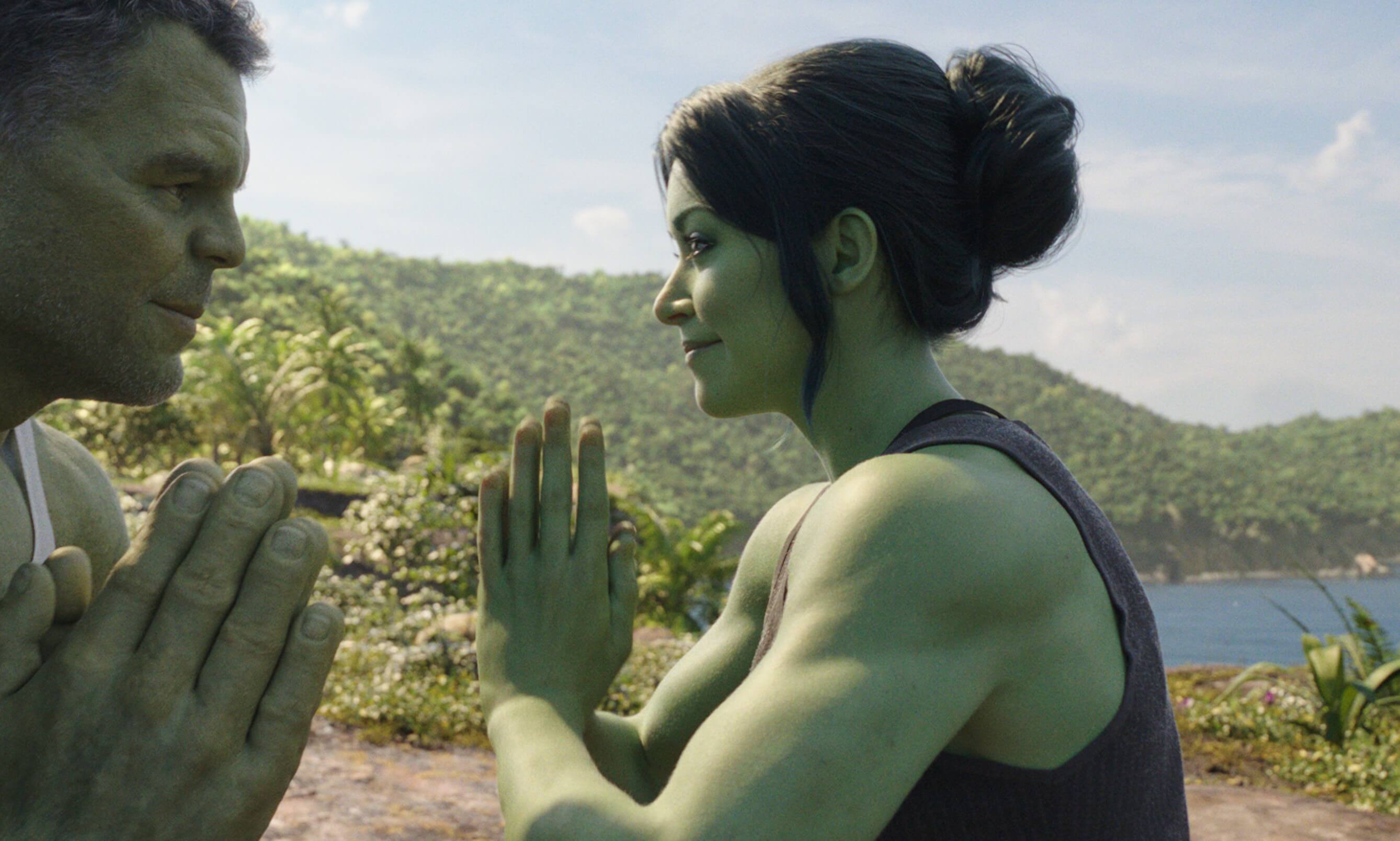
Tatiana Maslany as Jennifer Walters/ She-Hulk: Attorney at Law with Bruce Banner


An exciting aspect of Jennifer Walters’ transformation into She-Hulk is how she enjoys her sexual power in her new body. How did you ensure that her transformation and expression never played to the male gaze, which often defines her comic book portrayal?  

So much of She-Hulk’s journey is about how, unlike the Hulk, she maintains her self-consciousness, self-awareness, and a general sense of self and identity. But then you take this woman, who is very happy with her existence and lives a pretty rigid life, and suddenly she is perceived entirely differently by the outside world. There’s a moment we explored in the first episode – after she transforms inside Bruce’s machine and steps out – where she feels out this new body and this long hair and starts to enjoy the idea of being in a new form.

We questioned: what does it mean to retain your sense of identity while also being perceived in a wholly different way? Part of her journey is enjoying that, enjoying taking up space, enjoying turning all heads when she walks into a room and having people take notice of her in a way they never did when she was a regular woman.


And in your mind, what’s that saying about women at large?

I think it’s just an extreme version of what we all experience. If you put on a great outfit and do your hair, you feel very differently than you do wearing your sweatpants and having just rolled out of bed. Neither is good nor bad, but how you walk through the world is different. And so, Jen’s She-Hulk transformation is an extreme version of what we all experience on a daily basis.

There was one scene I think many women will enjoy, where a guy spends the night with She-Hulk, wakes up in the morning to Jennifer’s human form and goes, “who are you?”. Moments like that clearly telegraph women’s presence behind the camera.  

There were so many discussions about the female gaze versus the male gaze. We wanted her to be sexy and fun and to start to enjoy this liberty and this ability to live life differently. I always thought it was fascinating to see how She-Hulk affects Jennifer Walters, because you don’t need to be big and green and have long hair to feel that inner confidence and to feel like you can walk into a room and take charge. And so part of the conversation was also, how does this affect Jennifer?

In a similar vein, what would you say to people who have complained about She-Hulk being too small or not muscular enough in their eyes?

I would say it’s part of the systemic tearing apart of women’s bodies. I guarantee that if we had made her bulkier, we would have gotten complaints about that. We drew on real-life, strong women and Olympic athletes. Misty Copeland was someone we talked about a lot. We also had on our set a woman who is six-foot-seven, who was our body double and reference. We’re not used to seeing women who are that tall and take up that much space, and we wanted She-Hulk to feel like she fit into the real world.

Ginger Gonzaga as Nikki with Tatiana Maslany's Jennifer in She-Hulk: Attorney at Law


The Hulk is a monster. He’s not on a human scale. However, She-Hulk had to exist on a human scale, and we talked a lot about strength versus aesthetics. It was never about making her this or making her that; it was about, how can she still go on dates at a restaurant, sit at a regular office chair, and live a very normal life despite being a superhero? And so, it’s damned if you do, damned if you don’t. I think it’s a window into how people feel the liberty to call women too fat, too skinny, too big, too tall, too short, and I hope they watch the show and all that goes out the window. Just enjoy the ride.

One can hope. We’ve talked a lot about the representation of women and women’s bodies and how She-Hulk breaks a lot of new ground. In your opinion, what’s the most exciting thing that the show and character are adding to the broader MCU?

My goodness, there are so many. There are so many themes that are really interesting and fascinating. I love the idea that this is a superhero coming-of-age story and that she starts completely resistant, because Jennifer is someone who doesn’t want ever to feel like things were handed to her or like she received something she didn’t deserve.

We talked a lot about the idea of imposter syndrome and how many women struggle with this idea that they don’t deserve the power they have or are not worthy of this power. Watching her come into her own and accept that this has happened to her and that it’s okay to take it to great heights and use her powers for good, that’s a journey I find fascinating. So many superheroes start raring to go while she is hesitant. That’s the kind of character development that I look forward to watching unfold.

She-Hulk: Attorney at Law is available to stream on Disney+ from August 18th, with episodes releasing weekly. 

Read our review here, and check out our interview with Tatiana Maslany’s co-star Ginger Gonzaga, who plays Jennifer/She-Hulk’s best friend and confidant, Nikki Ramos.