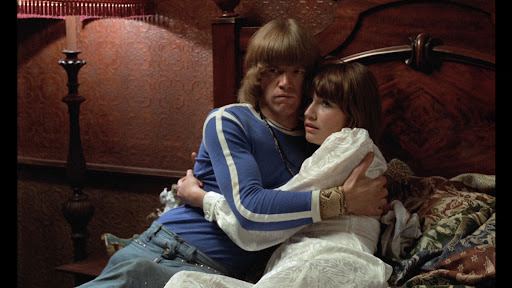
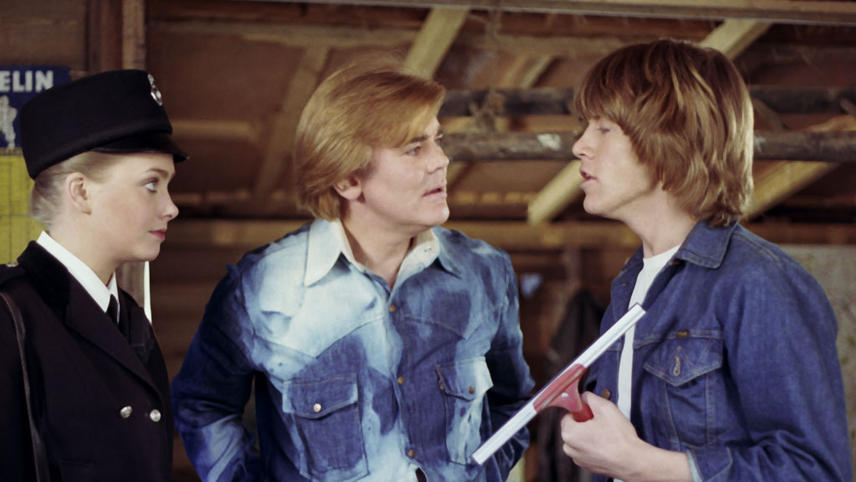
Currently enjoying a resurgence in fame with The Madame Blanc Mysteries and a cheeky appearance in the Inside No. 9 finale, cult actor ROBIN ASKWITH is set to go on the road with his one-man show, including a date at Manchester’s FAB Café. We chatted with him to find out what to expect from someone who has done it all, be it working with Pasolini, the Confessions films and STARBURST favourite Horror Hospital…
STARBURST: Your live shows have been a roaring success. How did you get involved with the promoter, Misty Moon?
Robin Askwith: I started working with Misty Moon because I was not a great fan of doing signing conventions as, emotionally, I thought I had more talent than sitting there signing a few photographs for people. I knew I could tell stories. About 12 years ago, I was asked to do a convention at Birmingham, and I didn’t really want to do it. The lady said, “Oh, there’s a guy that wants to meet you called Stuart Morriss, and he’s happy to pay extra money if you will then go to his venue and speak”. That was at the old Misty Moon venue in Ladywell. So I thought, “All right, I’ll do that”. It sold out. We did like a Q&A and I realised then that I wanted to progress it further and I went with Stuart. The real birth of it, though, came from being interviewed at the Festival of Fantastic Films. It went down a storm, so I got the interviewer, Darrell Buxton, to interview me at The Cinema Museum with Linda Hayden [Robin’s co-star in a pair of Confessions films] for a Misty Moon event. It was a great evening. I gradually built enough confidence that I wanted to do the shows on my own, and that’s what I now do.
Britannia Hospital
Now you’ve done so many, how do you choose what stories to tell?
I write a theme, I make a list of stories. I do a whole thing about dead people because I can slander them. I’ve got some set pieces. But then, you never know what happens. One night, I was telling a story about Nigel Davenport. Now you wouldn’t think Nigel Davenport was of any interest to anybody, but I do a very good impersonation of him. It took off for 20 minutes about Nigel Davenport calling everybody a fucking cunt [laughs]. I can say what I like and then sometimes it turns out they’re alive and you can feel the audience going “Hey Robin, they’re alive. You can’t say that”. One time, I was talking about George Layton, so I phoned him up. It’s all set up, obviously. I call him and say, “George! You’re still alive!” This is live on stage and he goes, “Yeah, I’m doing pretty great”. I said, “Oh, that’s a shame… I mean… that’s great! Really good. I’m so pleased you’re alive” [laughs]
That’s hilarious!
Everything can lead into different stories about different actors. I don’t like Q&As. It’s always the same questions; what was Sid James like; did you shag all those birds? So I’ve stopped the regular kind of audience questions. However, venues were getting a bit pissed off because there’s no interval – I literally go on and it’s an hour and a half of madness, I come off exhausted, sell some merch, get a bit pissed, and go home. It’s a set act, yet it builds and builds and when I’m on one, I can’t start again. Still, they would rather have an interval to sell drinks, so I came up with this idea. I was in Rymans and bought a huge piece of white card and a black marker. As I find it very difficult to come off and then build up again, what I do is about an hour of complete mayhem, then I leave this card on the stage with the marker and I say “Look, I don’t do Q&As as you’re fucking boring people, you really are. You’re all the same, you’ve no imagination. But I’m giving you a chance here. Write down questions you’d like me to answer”. And I’ve done it for about a year now, and it’s fantastic. Sometimes both sides of the board are full with questions.
Horror Hospital
What can we expect in November?
Well, the good thing about Manchester is it’s a first timer. You’re going to get the full welly. In London, we have people who come to every show; they seem to like hearing it all again. I’ll tell you what, I usually come on, and I say “Look, there’s the script. I’m putting that down there. And I promise you, I’m not going to veer off that script, right?” And then what happens is I get to about page three and two hours have gone. If people are laughing, they’re laughing. That’s the end of it. I always stay afterwards and sign stuff and whatever.
THE COMPLETE CONFESSIONS Blu-ray box set is out now. Misty Moon presents Robin Askwith on tour in November and December, starting at Manchester’s FAB Café on November 17th and then at various venues, including New Milton, Leeds, and an already-sold-out show in London. You can read more from Robin in the latest issue of STARBURST – order your copy here.
After performing his one-man show live, actor Nicholas Vince (Hellraiser) filmed an extended version, which screened at Pigeon Shrine FrightFest a couple of years ago. The Blu-ray version is set to be released soon, so we caught up with Nicholas to find out more about it…
STARBURST: Could you refreshing people’s memory about how the show came about?
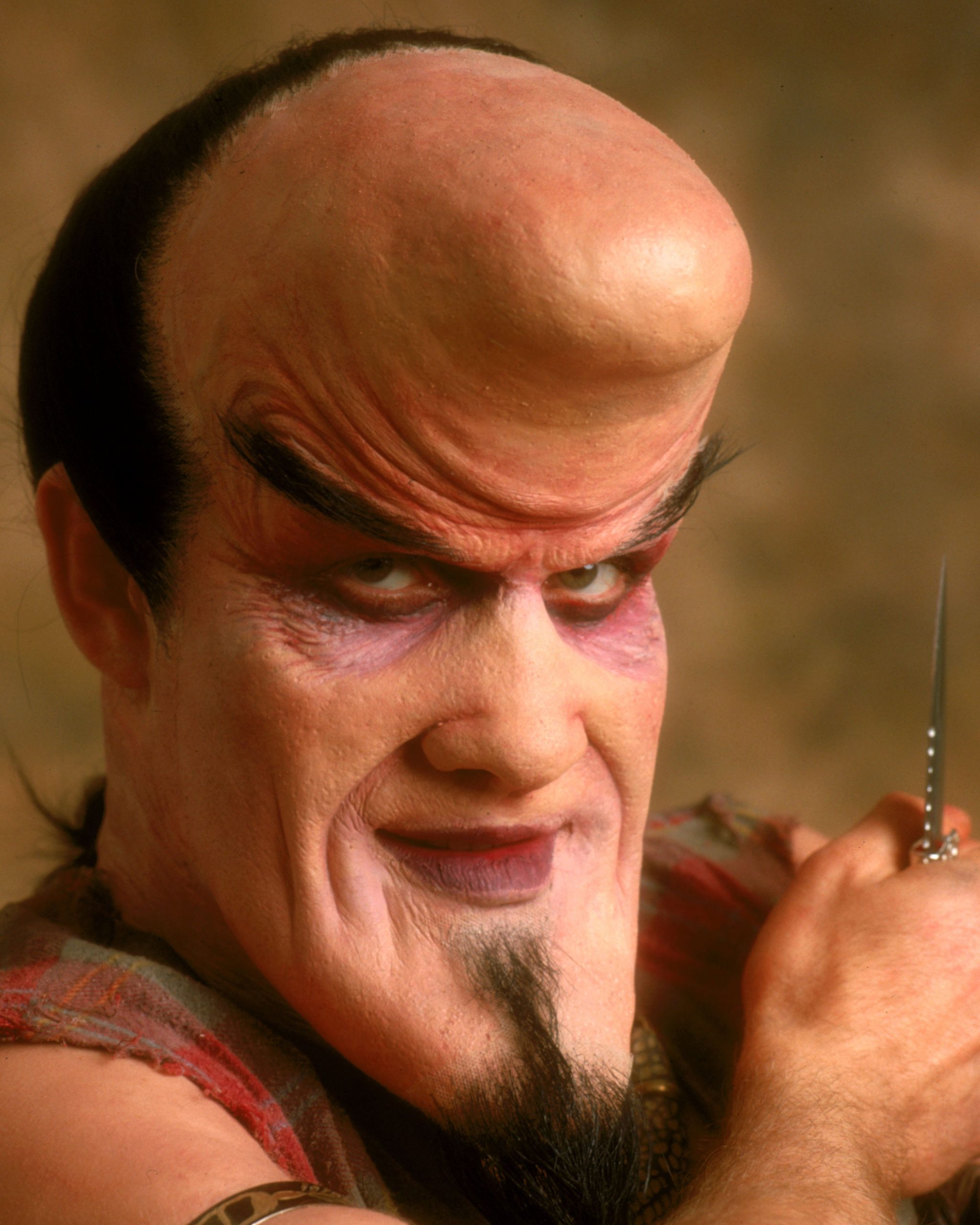
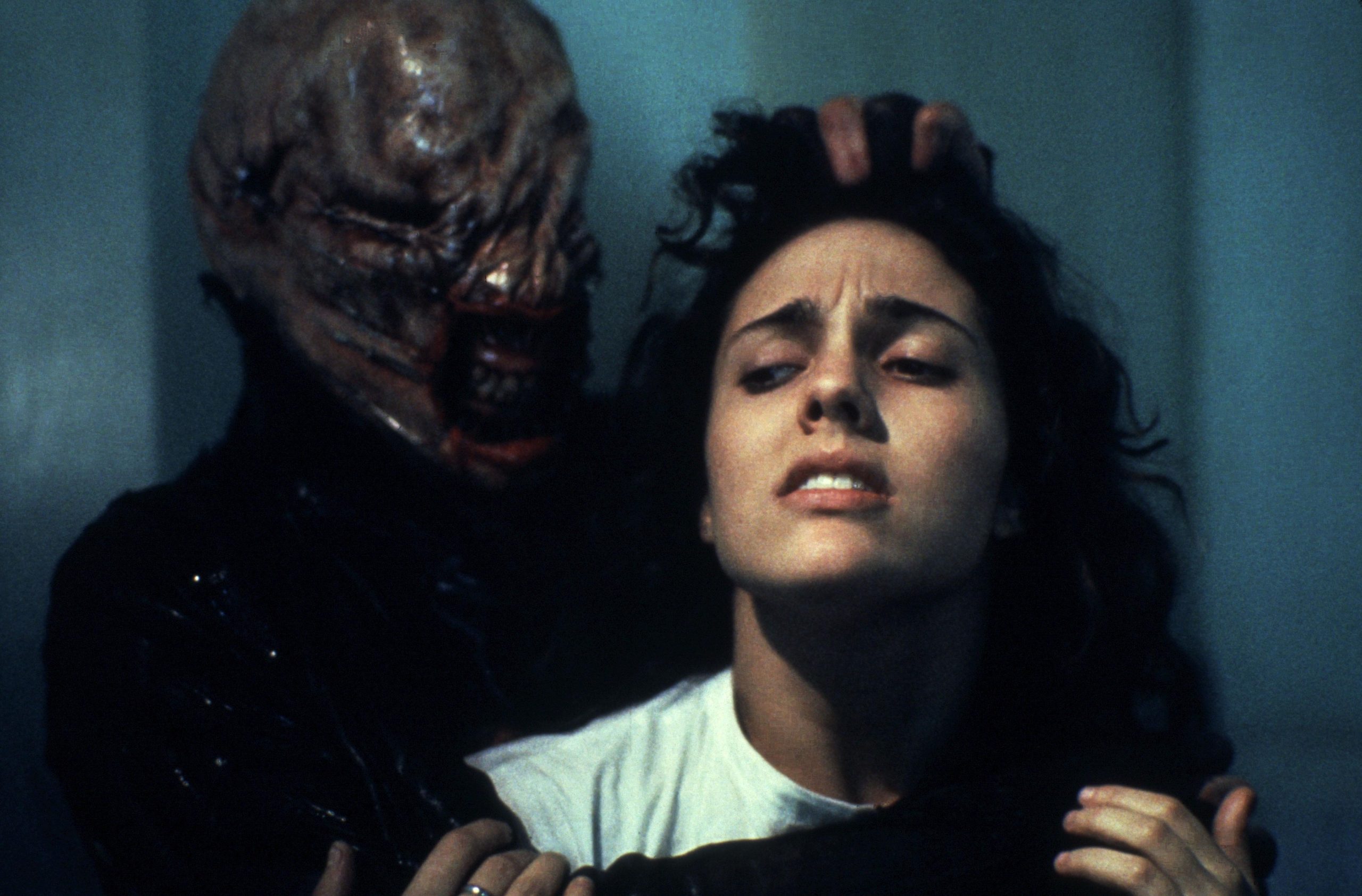
Nicholas Vince:I Am Monsters!was the one-man show that I did as part of London Horror Festival, which is the UK’s longest running and largest festival of live horror performance. The show itself is really about this weird kid who loved monsters, grew up to meet Clive Barker and underwent some dramatic transformation, and because of that, ended up by playing the Chatterer and Kinski in Nightbreed. It was a meditation on what we mean when we call someone a monster? And are we ourselves monsters to other people?
What was it that made you want film the show?
It was the suggestion of a gentleman called Mitch Harrod, who is the producer of the SoHo Horror Festival. We did the stage show in 2019 but, of course, we then had lockdown, so Mitch approached me and said, “Would you mind doing some excerpts? Filming them around the house with a phone will be fine” and I was really pleased with the result. I didn’t know if I was going to be able to take the show out on the road, so filming it allowed me to expand from 50 minutes for the stage show to 70 minutes and expand on some of the stories; to add other stories in, and then just play around with film and what that means.
How do you transfer a stage play into film?
It’s not easy. I needed to honour the fact that it’s a stage play. I think the first one of the first titles you see is I Am Monsters: A Play In Five Acts, and there are cards for each act, in order to keep that sense of it being a stage show.
There are some dramatisations in the film. Were they fun to think?
There were always readings from the three books, Dracula, The Island of Dr Moreau, and The Phantom of the Opera. We had fun setting those up. And then I thought let’s put in some animation, and then one of the stories is a quite a dramatic moment in my life, and I thought me telling it doesn’t storyteller on stage, you can there’s something about live storytelling, but when you’re in film, you need to be able to demonstrate. You need to be able to show. By using little models and stop motion, you hopefully still get the impact of the original story in the actual incident itself.
At this year’s Halloween Pigeon Shrine FrightFest, you star in a film called Advent. What can you tell us about then?
My character, Richard Hill, is very interesting because he’s a professor. I was talking to Airell Anthony Hayles [writer/director] about this, and he reminded me I had achieved what he wanted to achieve, because he starts as pompous and stilted, and rather theatrical, because he’s a professor making pronouncements. Then as the story goes on, he becomes a bit more human. And what I was aiming for is this guy’s an idiot in his arrogance. I wanted to do was by the time you come to the end of the film, you really feel the humanity of the character. I think it comes back to I Am Monsters!, and this idea of the man is a monster when you first meet him, but then you realise what’s really going on, which as an actor, is always far more interesting to play.
I AM MONSTERS! is released on October 31st and is available to pre-order on Blu-ray fromhttps://darkrifthorror.com/shop. ADVENT screens at Pigeon Shrine FrightFest Halloween on November 1st. Tickets are available here. Find out more about Nicholas and his work here.
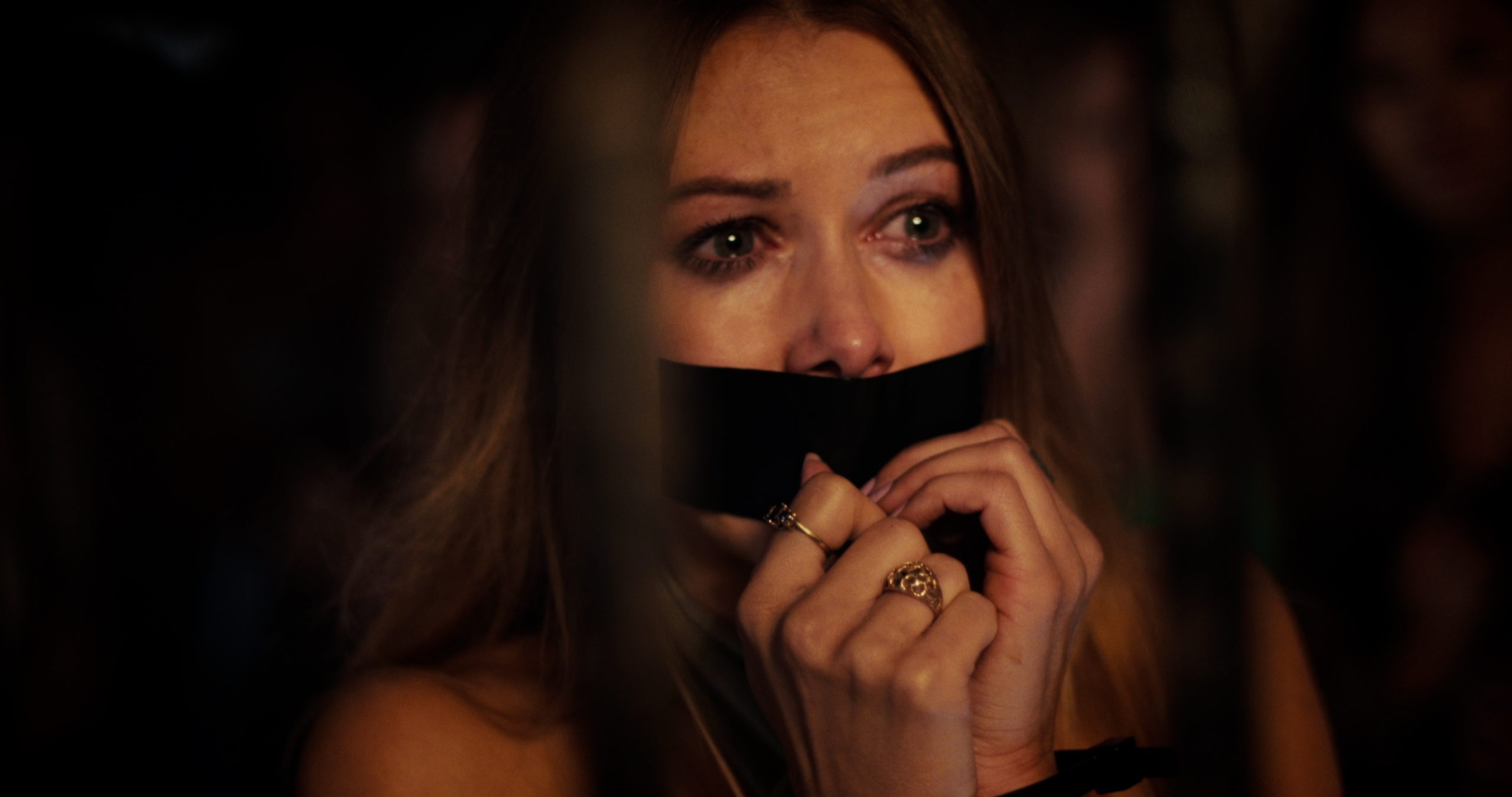
The latest film from Howard J. Ford (The Dead) comes hot on the heels of Escape, which hit digital platforms last month. DarkGame sees a twisted gameshow streamed on the dark web in which murder is the cost for the ‘losers’.
STARBURST: What brought you to the project?
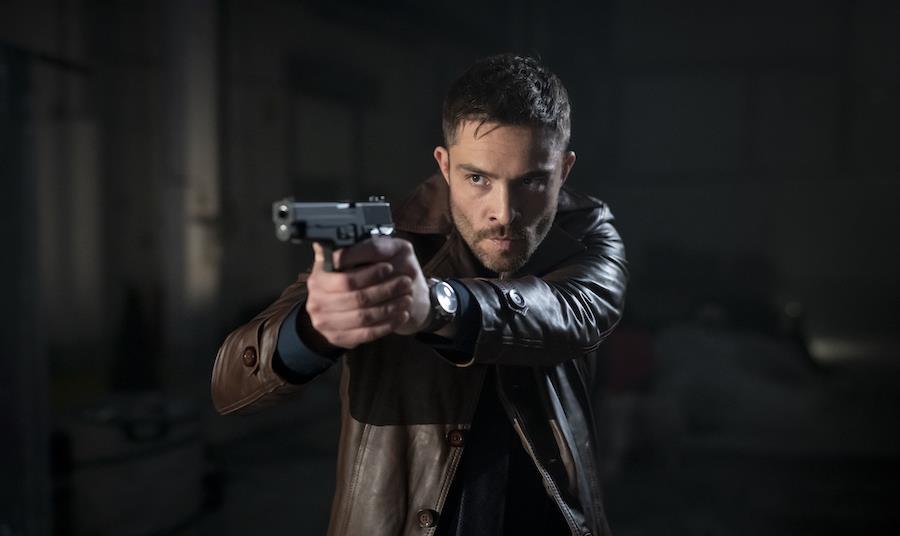
Howard J. Ford: The producer, Tom George, had been developing DarkGame before I came into the picture. I’d known Tom for years, I used to see him down at the film markets in Cannes or Berlin. We used to say we’d love to work together one day. Tom had messaged me saying, “I’ve got this script. Do you want to have a look at it?” He mentioned they had the possibility of getting Ed Westwick – he’s a brilliant actor and someone I wanted to work with. I remember seeing him in White Gold. I know he’s even more popular now as Chuck Bass in Gossip Girl. I thought that guy’s on fire, I like his energy. I read the first two pages of DarkGame and I thought, this is horrific. I’m not going to do this movie. I don’t mind doing a horror movie, and I will do more horror movies, but I don’t want to do things where it’s just getting chopped up, left, right, and centre, and there’s no great reason, or nothing intellectual happens. And I thought first two pages, this girl tied to a chair who ended up Sophie Rankin, who’s also, of course, co-star of Escape. And I was like, “how am I going to tell Tom I don’t want to do this film?” But then, after I got past that, I thought, “Okay, this is great writing”. There’s this really great detective thread, this presenter doing online murders, but using things like rock paper scissors and games like that, I thought, this has got enough of an intellectual story.
So you were conscious not to go into ‘torture porn’?
Exactly right, I don’t want to go into that. There have been a few films, like the original Saw, which is a decent movie that requires you to think. I’m not saying the others are not. I just think at some point, some of these movies became “let’s do more gore”. That’s fine. I don’t mind doing something that’s horrific and bloody, but I want to centre more on the emotions of it, rather than blood spraying everywhere. Don’t get me wrong, there’s a bit of blood spraying everywhere. But I hope I’m not going too far down that road without some sort of justification as to why and how it all unfolded. I was pleased with DarkGame. It’s this presenter being super cruel and horrific and doing some unbelievable, shocking things, but we’re not centring or lingering on the blood as such. You have to know that it’s horrific. You have to know someone’s dying and the implications of it. But I didn’t want to see the details. If you look back at Reservoir Dogs, the guy getting his ear cut off, and it’s horrific. That seemed to be the thing that people latched onto. It’s pretty nasty, but you don’t see it, The Texas Chain Saw Massacre. I’ve seen that movie a number of times. I’ve met the director and shared a burger and fries with him. It’s not full of blood; it’s implied.
Absolutely. Do you think it’s likely that something like DarkGame is happening on the dark web somewhere?
Another great question! I think it may not be as commercialised as having a presenter like our film, and it’s not in the public eye, but I sadly think so. I was interested in DarkGame because as much as the internet has an absolutely positive side – I’m able to talk to you because of the internet right now – but there are people out there misusing it. I didn’t go into the dark web because I didn’t want to delve into that, but I was aware of things that shouldn’t be happening. I don’t think it’s happening on the scale of DarkGame, but it could, right? Here’s the thing, if people knew in 25 minutes, someone’s going to be murdered, live on the internet. You click on this link, and you’re going to see this happen. The audience gets to choose, is it going to be death by chainsaw? Is it going to be death by baseball bat, lethal injection, whatever, horrific things. How many people would click on that link? Do you think everyone would say “This is so horrible. I’m not going to go on that link. I don’t want to see it. This is awful”. I think it’d get millions of views.
Yeah, we see things going so far on Twitter.
Yeah, here’s the thing: I don’t know what’s going on out there, but as a filmmaker, you spend all this effort making a movie. It takes so much energy. You compromise relationships, you do this, you do that, you really have to go out on a limb to do it. And there are a whole lot of people who can’t wait to jump on IMDb and go, “This is the worst piece of crap I’ve ever seen in my life. Don’t waste your time watching it. They’ll say, “I watched the first five minutes. It’s absolute crap. Don’t watch it”. Why do they have this urge? You said you watched the first five minutes, so you haven’t actually seen it! There’s loads of people out there with a lot of dark, negative energy I’d love to think we’re entering into a more positive world, but there’s so much of this stuff that still needs to heal, and there’s a lot of people who can’t wait. I’ll bet you, I could meet these people in the street, and they’d be as lovely as anything. I don’t understand it I’d love to sit down with some of these people and go “So what was your objective? Why did you come on and do that?” You might trace it back to some sad happening in their life. I feel very sorry for them.
They do it for attention. Luckily, there’s a lot of positivity as well.
Funnily enough, as indie movies, you need support. It’s very hard to do it. You can’t please everyone. Some people love your film. Some people hate it. Some people think it’s all right – that’s fine. My number one aim is to make it entertaining. I think the worst thing is a film that is too long, too boring, and too self-indulgent. DarkGame unfolds at a reasonable pace. It’s weird having two film released within a month of each other [Escape was released last month] and they’re both tackling very dark themes.
And tackling things that do happen or may go on in the world.
Yeah, that’s absolutely true. I make a fair few TV commercials as well, and that’s always the happy world. Happy, smiling. No one gets tied to a chair in a commercial or anything like that. But this is the funny thing, the scenes that are really dark and really disturbing, where someone’s being killed or whatever, they’re the most fun to do. The actors have the most fun. They have the most laughs. The stuff that is really tense between them is when they’re having to do something be romantic or loving or whatever, those things generally can have tension in real life. The fun stuff is people being hit by wrenches. When the effects come involved, they do love it.
What was the hardest part of filming DarkGame?
The hardest part was a scene where someone was forced to drink drain cleaner. Some of it’s done on video camera. They’re obviously life on the internet, so we’re filming with our lovely top-of-the-range Alexa camera. But then some of it, we had to film using low grade video. I have the main camera operator doing his thing, and I do the handheld video stuff on my phone. I remember watching the actor and it really did look like the guy was choking his guts out. It was horrible. I’m trying not to linger on it, but you need to see it. You need to know they get they that this, this has happened. But then you go into the emotions of the actors, but the other people who are sat there, the captives, and trying not to listen to it and hear it. I thought the performances were really amazing. So that was the most disturbing for me.
Can you talk a little bit about the struggles of being an independent filmmaker?
I have to say, being an indie filmmaker isn’t for everyone. I’ve made 11 feature films now and for everyone that gets done, there’s at least two, if not more, that you try to get done. You put a lot of energy in, and you put in a lot of hope. If you’re to survive in it, you’ve got to learn to have your heart broken and just get up with the same amount of energy the next day. It’s very hard to do. It’s incredibly tough to get people to back your movies. Sometimes that’s the reason why I choose very commercial subjects. If your films don’t make money, you don’t get to make them for very long. It’s over, you lose investors’ money. I don’t think you could do that more than twice. It’s really tough. It’s tough for actors. There’s more content out there. The budgets are being squeezed, and that goes all the way down the line to crew and cast members. It’s tough out there, streamers are paying less. The film business is not a business I recommend! I know I’m doing it, but you never know where you’re going to be. You finish one movie, you never know if you’re going to work again. It’s very uncertain. People who watch indie movies support them. Buy them legitimately, please don’t pirate a movie. It’s so tough. I’m just so grateful for people who watch our movies legitimately. They’re going to keep film alive.
DARKGAME is available on digital platforms from October 21st.
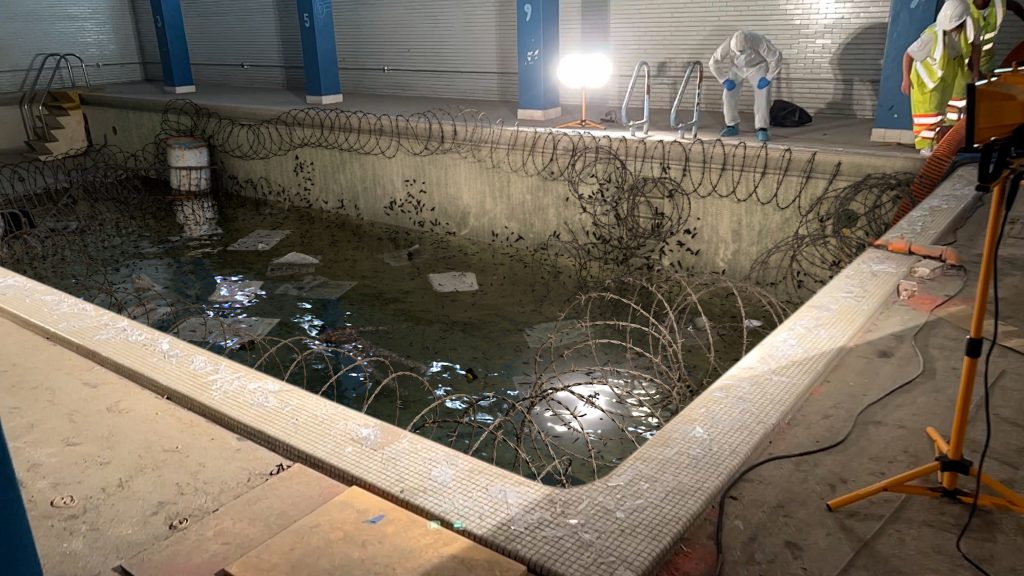
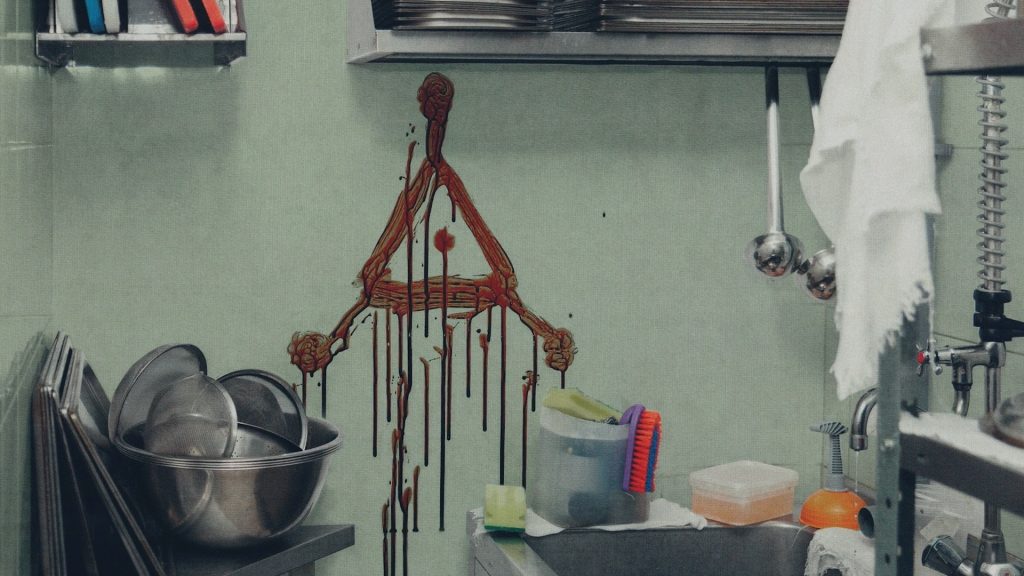
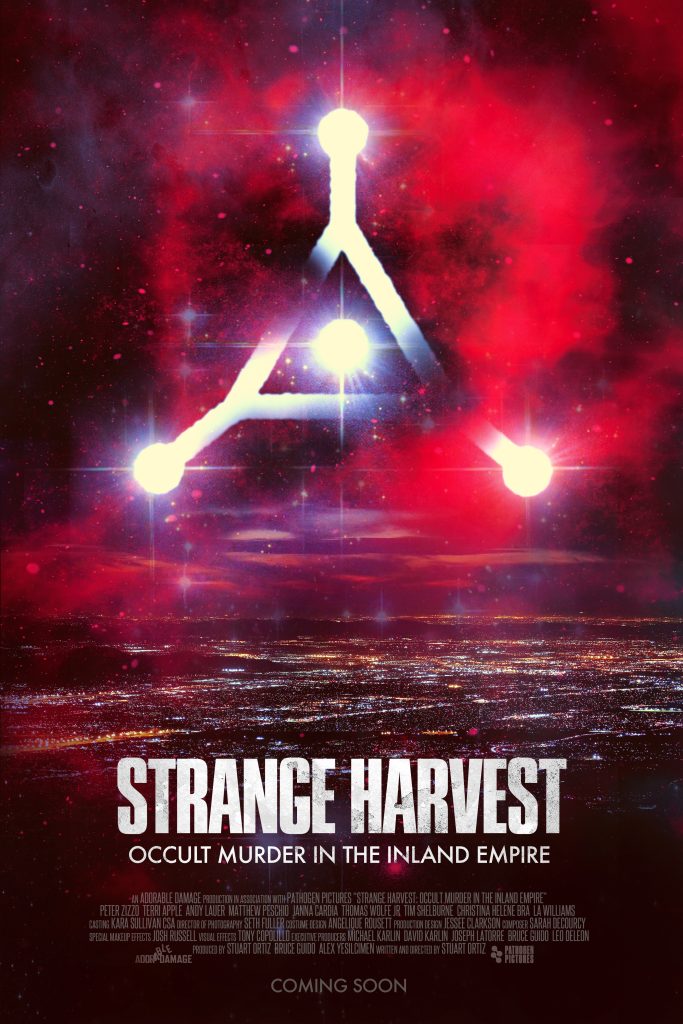
Director Stuart Ortiz’s new film, Strange Harvest: Occult Murder in the Inland Empire, had its world premiere at last month’s Fantastic Fest in Austin, Texas. The film is described as “A faux true-crime documentary about two detectives’ pursuit of an infamous serial killer named Mr. Shiny, who terrorized Southern California for almost two decades,” but that doesn’t even begin to describe the journey the viewer will take when watching the film.
Strange Harvest is perhaps the most fully-realized mockumentary we’ve ever seen, but even calling it that feels like a disservice. Within five minutes, the “faux” part of the documentary falls away, and it’s as though an untold story is playing out onscreen. It’s absolutely immersive, and creates a sense of reality not seen since the original Blair Witch Project 25 years ago.
While writer/director Stuart Ortiz has delved into found footage before with cult favorites Grave Encounters, Extraterrestrial, and Grave Encounters 2 as part of the Vicious Brothers with fellow writer/director Colin Minihan, the attention to detail in Strange Harvest is next level work. Were it to be put on a streamer alongside American Murder: The Family Next Door or I’ll Be Gone in the Dark, an unsuspecting viewer would never know that it’s fiction.
We hopped on Zoom with Strange Harvest‘s writer/director Ortiz, along with actors Peter Zizzo and Terri Apple, who play detectives Joe Kirby and Lexi Taylor, respectively.
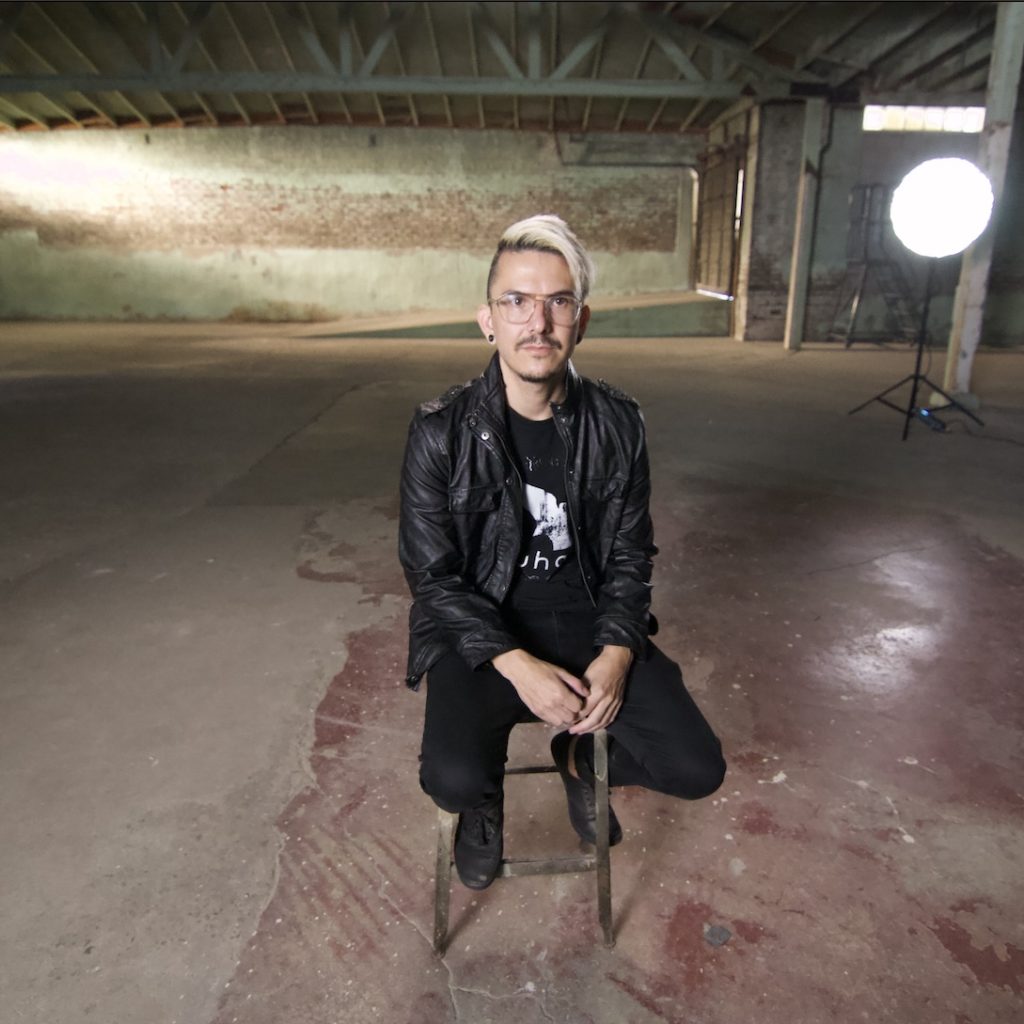
Director Stuart Ortiz
STARBURST: Stuart, what was the original impetus for this? We know you’ve worked in found footage before, but this seems like this is a much different and much bigger project.
Stuart Ortiz: Grave Encounters had a little bit of a documentary aspect. There were some interviews and stuff like that, but the idea of doing a horror movie just kind of always stuck with me. I always thought it was a cool way to tell a horror story that I hadn’t seen done that much, so it was just kind of in my brain.
For the longest time, I thought I was the only weirdo who was really into these weird true crime stories about murder and mayhem and whatnot, but then, during Covid, Tiger King came out. That was a big phenomenon and was extremely popular and Tiger King is a true crime story at its core, that’s what it is. It just occurred to me that the timing was right, that true crime had gone mainstream, and that there was an appetite for something like that. It was all swirling and then, of course, just mixed in with my love of True Detective season 1 and all of the greats, like Silence of the Lambs, all of the great serial killer stuff just swirled together into this Frankenstein monster that is Strange Harvest.
Peter and Terri, what appealed to you about the script for this that made you want to do it?
Peter Zizzo: Speaking for myself, I still don’t know how my manager had a copy of the actual script. It’s always nice to get an audition for a feature, and I love horror. It’s arguably my favourite genre. What appealed to me about the script was it was a story I couldn’t put down and something that I could visualize like, “Wow, if this works, this would be a really unique, creepy, super intense horror movie.” I also immediately knew how it approached that character. I knew I just could see him n my mind and just really hoped that I’d get the chance to to do it
Terri Apple: I saw just a couple of scenes. I loved the character and I love the script, but I didn’t read the script ’til after I got offered the role. That being said, the small things that I did read for, I just loved this character and I got her and I got the backstory and I wanted to play that character. I did not know this was gonna be a thriller/homicide Blair Witch type of thing. It’s so fantastic, but I didn’t know that it was going to play out like that. I don’t think I realized that. I just wanted to play Lexi Taylor and I loved the writing and I love the idea and I love the script.
Peter Zizzo as Detective Joe Kirby
What were the challenges in putting this together, because Peter and Terri, you’re both essentially sitting in a warehouse talking to a camera? We’re curious from Stuart’s perspective, how much he had prepared so that you two had an idea of what you were talking about. Had you seen any of the still images that open up the film of some of the past crimes or anything like that?
Stuart Ortiz: I’m trying to think. I don’t think so, because of the way we shot it. Even if we had some material, I don’t think we had the ability to really show it off yet, per se. There wasn’t anything really to show them at all. It was all just explaining, “This is what the crime scene is going to be.”
Peter Zizzo: We filmed it not chronologically, but the first official day was me saying, “My name is Detective Joe Kirby.” The very first thing was the hospital where I literally walked past the guy. Luckily, we all are fans of that genre o you can catch a vibe by watching a lot of those shows.
Stuart Ortiz: I was just always saying, “It’s going to look fucked up. It’s going to be good. It’s going to be deranged.”
Terri Apple: For me, personally, I just played her as the character and I knew that we were being interviewed as the character. I didn’t really have a subplot in my brain. I didn’t have any idea how it was going to physically play out. I knew we had days where we were going to shoot on-site of certain things.
I think it did help to already have one scene that we had done, but I didn’t think, “Oh, I’m in a warehouse being an actor with this.” In fact, Stuart, to me, wasn’t even the director. Sturt was the guy interviewing me. These people were actually part of this interview process and I’m still Lexi Taylor in this moment.
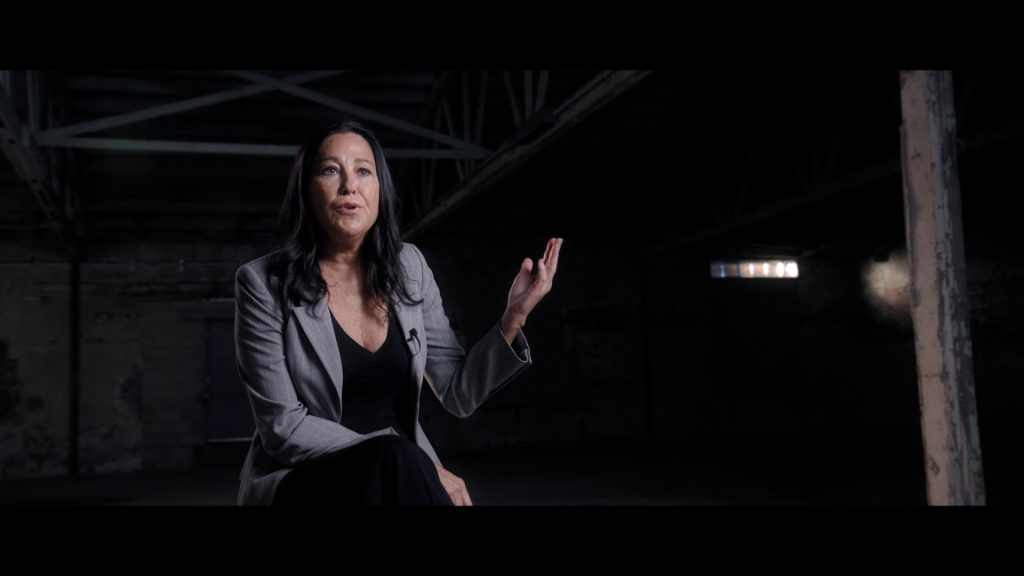
Terri Apple as Detective Lexi Taylor
How did everyone get into character for this?
Peter Zizzo: Well, for me, Stuart was very specific about micro-expressions, Even in the audition we did, it was like, “Show me those micro-expressions.” I think that literally is something [Stuart] said.
What I did was I pay a lot of attention to interviews with actual detectives in true crime stuff, and I have a therapist, and she said, “Hey, I know a retired homicide detective in New York. He’s a real character. You should talk to him.” I talked to him a couple of times and I really noticed he had a sort of stoic way of describing really horrible things that he had firsthand witnessed, and it made me think about how haunted one must be by what you’ve seen.
You’ve had to deliver also such horrible information to families of victims, and I thought there’s a lot of pain inside of Joe Kirby, and so I tried to play him in such a way that he’s looking you in the eye, but you can tell that on some level he’s very troubled by what he’s telling you but the trick is don’t play it. Don’t let him see that you’re acting when you do it.
It’s also a credit to the quality of the writing that I was able to play it the way I did and credit to that our characters are a little different. There are different harmonics with Lexi Taylor than there are with Joe Kirby, and so [Stuart] clearly cast the right actors, and we were able to just attack those and create two very different detectives. But what we have in common is the level of empathy we have and the level of horror that we, that we have at what we’ve experienced.
It could have been really boring. You know, if you just play it flat, then it’s boring, so you have to find the levels, and you have to do it in such a way that you believe that you’re really watching a detective talking about a case.
Stuart, this is not a small film. Your previous films haven’t been small at all, butStrange Harvest has many different aspects. There are the interview portions, footage from security cameras, and vintage news footage. There are body cams from the cops. How do you even go about shooting all of this and making it look appropriate for each thing that it is?
Stuart Ortiz: The best approach is usually doing things real for real. Those are real body cams that are really on their chest, you know? The news stuff, we spent a lot of time. We had a very unconventional way we shot this. The schedule was very strange. There was a couple of days where we would shoot in one location, break, and then go to a studio and literally spend the next eight hours at a studio just to shoot one of those news segments of a person just saying one line, because that stuff was really important to me to get right.
It blows my mind when I watch a 100 million dollar movie with fake-looking news footage. We know what news footage looks like. We all have the frame of reference. We see it every day, so it was just important for me to get all that stuff right. And you know, it’s just like, do it for real. I just hate it when people shoot webcam footage with an ARRI ALEXA or whatever.
It’s just like, “Shoot it with a webcam. It’s gonna look like crap. That’s what it should look like.” I don’t have any problem surrendering to what the format is. I think that that’s interesting.
Now that the film is completed and locked–Peter and Terri, what was your initial response to seeing it all the way through and seeing how all of these things weave together?
Terri Apple: I was pretty impressed. I didn’t have any preconceived notions other than like, “I hope it doesn’t look fake.” I watched the movie a lot with my hands over my eyes, I was told by my co-star Peter and by my writer/director Stuart and by my friend when we saw the director’s cut.
Stuart looked at me after and when Peter looked at me after he goes, “Terri, you just watched that film and your hands were over your eyes,” and I go, “I know, but that’s Lexi Taylor. That’s not me. I have a different reaction than her. I played her as Lexi Taylor but I didn’t say I was going to be able to handle it.”
Yeah, I have to say, there wasn’t a fake moment. I was very impressed with the lineup of scenes and the way things went down. Peter, I think you had a girlfriend there at the time that watched it and didn’t see really a speck of me or Peter, so that was a big compliment. I got to watch it very objectively to say, “Holy shit, this real.” You see the script, but it’s very different than you’re on set, but when you’re actually then watching it? Yeah. I had a hard time, actually. Yeah.
Peter Zizzo: A group of us went and I actually was sitting pretty much next to Terri. I had that feeling of guilt when you realize you’re watching something that really isn’t appropriate for the person that you brought to see it except that she’s the fucking co-star of the movie. It was hilarious to me and I felt kind of guilty.
Terri Apple: Oh, that’s hysterical. You felt guilty thinking, “Oh, I feel bad I brought her to see this film.”
Peter Zizzo: I had to remind myself, “No, don’t feel guilty. She’s the other lead in the movie.” That was really cool.
Stuart Ortiz: And we’re going like, “Should we make her leave? She should go in the other room for parts of this. We can just sort of explain what’s happening to her so she doesn’t have to watch it.”
Peter Zizzo: Stuart did some rewrites much later and I had to come back one day to just add a couple of lines and they had to recreate the whole interview environment and set it and so I hadn’t played him in a while, but I thought to myself, “Eh, I’ll get right back into it,” and it took a minute.
I had to take maybe four or five takes before I read found the voice of this guy. Ironically, it made me feel really good about that I had really created a character from this. I loved it. First time I saw it, I was like, “Okay, I know I’m close to this and I can’t stand watching myself in it, but this is a really, really, really good horror movie,” and it’s easily Stuart’s best.
Terri Apple: My cousin, Ronnie, who I did not show was going to come up to the screening, she’s pretty tough. Edgy, tough, just Boston smart. This woman does not brag about anything and she’s very honest and she just looked at me afterwards and I thought, “Oh fuck, she’s gonna hate it. What’re you gonna say to me?” She’s like, “Oh man, Terri –you did it,” so that’s a testament to the movie and the way that it plays. One of my best friends since we were 14 years old said, “Terri, I didn’t see you at all.” She knows every side of me.
It’s a movie that, within about five minutes of starting it, you forget that it is a fictional movie and you’re not watching an hour-and-a-half-long actual documentary. The film gets its official premiere this weekend as part of Fantastic Fest. What’s it like to have this playing a genre fest of such reknown?
Stuart Ortiz: It’s a dream come true, man. I’m super stoked. I think that this is like a movie that’s tailor made for like a Fantastic Fest crowd. I think they’re going to love it. I’m a fan of this stuff. This is the kind of movie that, when I was 14 or something, if I had seen it, it would have, I would have blown my own mind.
Peter Zizzo: If I saw it now, I’d be obsessed with it, honestly. That’s true.
Terri Apple: I think something that makes a film successful in my brain, just the way you’re speaking right now and saying, usually you’re drawn to a film based on that genre, right? But even in the movie theater, when we just did the cast and crew, Stuart has the sweetest, kindest parents that are so just straight-laced and cool and they’re sitting in there watching it. Oh, I mean, they were adorable. Everybody was so different from one another as far as background, ethnicity, economic status, and everybody pretty much had the same reaction on this film. I think that’s a sign of a compliment, to be honest with you.
Strange Harvest: Occult Murder In The Inland Empire has its West Coast premiere as part of Beyond Fest this Friday, October 4th. Details and tickets available at the Beyond Fest website.
STARBURST catches up with the legendary writer/director Kevin Smith, who tells us about his latest film, THE 4:30 MOVIE, Highlander, selling out, and being accepted.
Synopsis: During the summer of 1986, three 16-year-old buddies spend their Saturdays sneaking into movies at the local cineplex. When one of the guys invites the girl of his dreams to see an R-rated film, all hilarity breaks loose as a self-important theatre manager and teenage rivalries interfere with his best-laid plans. #
THE 4:30 MOVIE is out now in the US and will be released in the UK on October 21st.
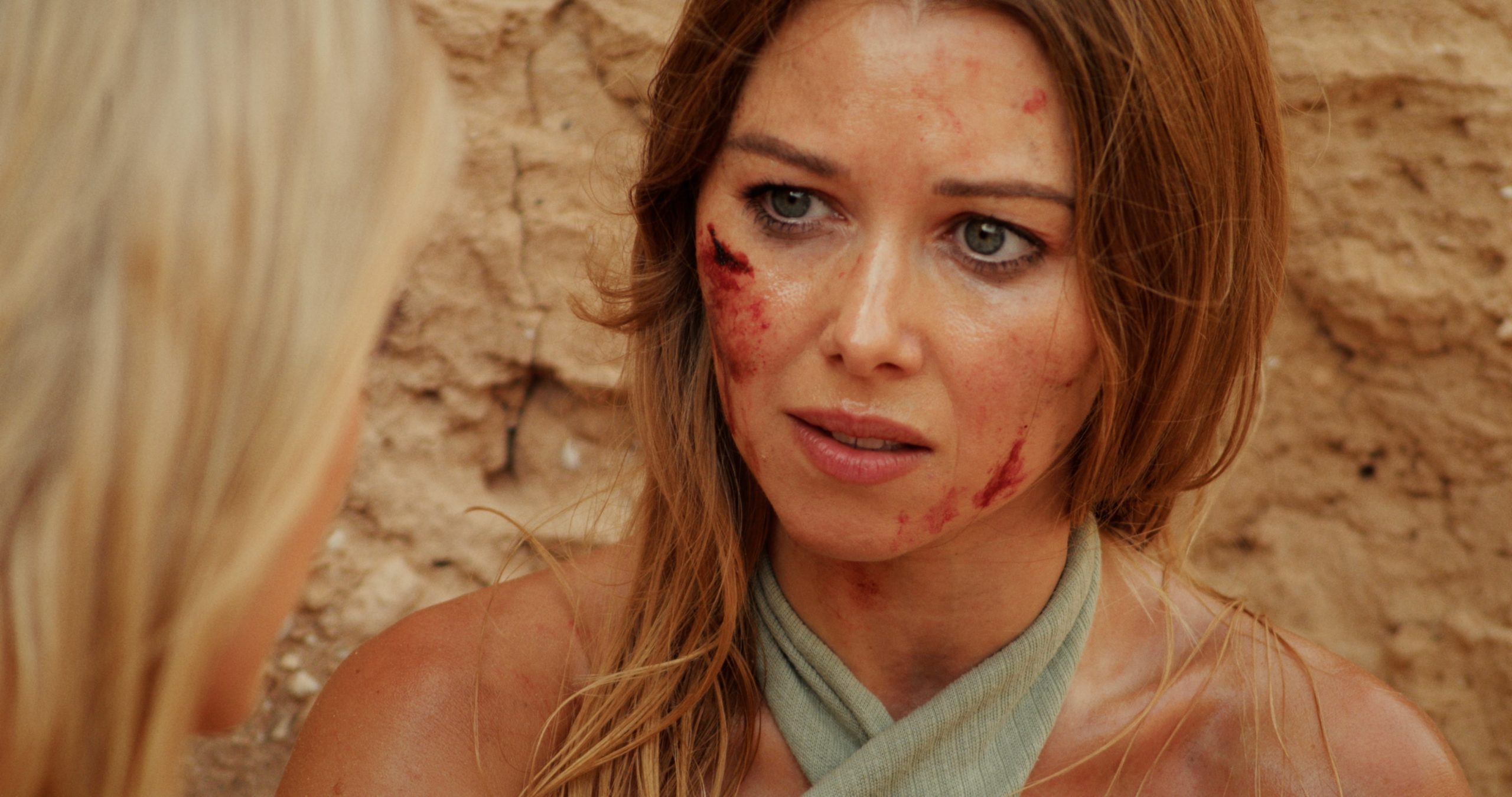
Focusing on a group of women kidnapped by a sex trafficking ring, Escape is a high-octane, tense action film from writer/director Howard J. Ford. Ford’s previous films include The Dead, Never Let Go, and The Ledge. We caught up with Howard to find out more about Escape ahead of its release…
STARBURST: What inspired you to write Escape?
Howard J. Ford: Well, it’s my tenth feature film, so I knew I wanted to do something outrageous and provocative. The sort of thing I might not be allowed ever to do again. It actually didn’t start with these ten girls getting kidnapped. During lockdown, I watched a late-night program on Quest called Aussie Gold Hunters, which I still like. There were people digging up a bit of gold. Sometimes they dig up nothing, and then they get heat stroke, but sometimes they dig up a thing worth 50 grand, 100 grand, 150… and I’m like, “Wow. I think I’ve been an idiot with my life to take on all this hard work. I could have just dig stuff out the ground and sell it”. I thought I can make this movie where a bunch of young people get together. They’re in this nice resort. They’re running out of money and decide to go gold panning. And then, by chance, one finds a big chunk of gold worth half a million. Then I started to think, they’re staying at some cabin. They get it valued, but some weird guy with an eye patch is watching them. They come at night and try to get this half a million worth of gold. Then, one of the girls gets kidnapped. Anyway, I started to think, what am I doing? I’m just writing this really complicated thing. I then saw something online where Andrew Tate said some disturbing stuff about pretty women being like jewellery, like, “She’s a 10, she’s like a diamond”. He said something like that, and I was thinking, “Why don’t I just have horrible men stealing pretty women and that I cut out all this other crap that I was trying to write”. Get straight to the point; I can still shoot it in a lovely resort, take people on, like, a holiday. Anyway, that’s how it came about. I felt like that hadn’t been done, at least not with ten women, you know, in the desert and all that kind of thing. The point was these women fighting back with whatever they can to get out of there.
Did you do any research into real people smugglers?
I did a little bit because I did it, weirdly, when I made Never Let Go a few years ago, which is another kidnapping story. I looked into it then because I had an experience when I nearly lost my son. I looked into this whole business, and it was alarming. I put some facts and figures up at the beginning of Never Let Go. I was so shocked at how much of this stuff is going on, and that was kids being taken; it’s all horrific. At the same time as researching that, I remember seeing the statistics on young women being trafficked and is absolutely horrific. So, as much as Escape isn’t a documentary, obviously, it’s complete fiction. I’m not trying to be wildly realistic, but it’s an exaggeration. Unbelievably, there’s also humour in the film. I wanted it to be larger than life because it’s the 10th feature. I thought, sorry, I’m just going to do it all! I didn’t delve into it too much this time because I knew what I was doing. It didn’t need to be wildly realistic; it needed to be entertaining. But I’m pleased if it raises this issue, because it’s a horrific thing that’s still going on everywhere.
Where did you film it? You always have some great locations!
Oh, thank you. We shot most of it in the Canary Islands. I wrote it pretty quickly because I had this window of opportunity to do it. So I was still writing bits of it as we were leading up to a production. I wrote this scene where they go to this cabin in the mountains. It’s a stone cabin surrounded by mountains. I wondered if this place existed. I went on to Google and put in ‘cabin in the mountains, blah, blah, blah…’ and a whole bunch of things came out. I scrolled down, and that’s it! It gave me goosebumps because it was literally the place I had in my brain. I’ve never seen this thing before at all. It’s in PortAventura. I said, “Hang on; you can actually book this place on Airbnb!”. I went there and said to the owner, “Hey, can I pay some more money to do some filming around your place? It’s actually shot in three countries, so we also shot a bit in France and Cannes, part of the villa, and then we shot some in the UK, this big mansion house near Hertfordshire. So essentially, the Canary Islands!
What was the casting process like, as it’s a great cast?
Thank you. Certain films I have more control over and I can use whoever, and certain ones already have financiers and you need to go through an approval system. Something like Escape, which I was kind of putting together myself, I was able to just go, “Oh, I’ve always wanted to work with them.” I wanted to do something Sean Cronin. He can play a brilliant bad guy, even though he’s actually a bit of a softy in real life. As a director, I get a lot of actors sending me show reels and sending me messages to say, “If you’re casting for something, keep me in mind”. I do try my best to keep all these people in mind. With Escape I thought, I’m just going to cast all the people I want to work with if they fit the role. Some of the cast have been in other movies I’ve already done, like Sarah Alexandra Marks and Louis James – it’s lovely to be able to use people that you want to work with, right?
ESCAPEwill be available to own or rent on digital download from September 30th on all main platforms, but it can be preordered via AppleTV now. Howard J. Ford’s 11th film, DARKGAME, will be released on October 21st. Watch out for another interview in which Howard discusses that film soon.
Jane Schoenbrun astounded genre fans with the release of 2021 surrealist hit We’re All Going to The World’s Fair, telling the story of Casey (Anna Cobb) who joins an occult online game. Jane’s unique blend of haunting Creepypasta stories and transgender narratives saw the film become an instant classic, with much anticipation surrounding their follow-up film, I Saw The TV Glow.
Starring Justice Smith and Brigitte Lundy-Pain, the 2024 film follows isolated teens Owen and Maddy, who bond over their obsession with a cult coming-of-age TV show, The Pink Opaque. As they grow and Maddy runs away from home, they return to tell Owen that the truth they think they know about the series and how it ended is not all it seems.
Following its wildly successful festival and cinema run ahead of its digital release on September 30th, Maddy actor Brigitte sat down with us to discuss the inspiration behind their character, the themes of identity and hope in the film’s narrative, and how Jane’s work speaks to the Queer community.
STARTBURST: You star as Maddy in I Saw the TV Glow. What attracted you to the project and how you got involved?
Brigitte Lundy-Paine: I got involved because my friend, who was one of the producers, Sam Intilli, was working with Jane. They’d decided to work together after seeing Jane’s first film [We’re All Going to the World’s Fair], and they introduced me to Jane. We met about a year and a half before we started shooting, and we got along really well. Jane sent me the script, and I loved it. It felt like we were creative soulmates, and we just had to do this.
We read that Jane deliberately took things slow with the project, allowing you both to develop a natural relationship.
Yeah, it was a long process. Jane and I would have meetings where they’d tell me about Maddy, their own Maddy, and how they envisioned the character. Then they sent me on my way to sit with the script before we’d come back together and I would do scenes for them, and they would tweak little bits of it, but that was very minimal. A lot of the collaboration happened on set. Jane is gentle and supportive, and most of our work together was technical. I remember a scene where Maddy is crying while watching The Pink Opaque, and Jane would come over and give me notes like, “Can you give more noise here? More breathing there?”
Where did you draw inspiration for Maddy?
Maddy comes from a lot of places. The later Maddy, for example, was inspired by Harry Dean Stanton in Paris, Texas. But for the earlier versions of Maddy, I was drawing from music. I listened to a lot of Cat Power, especially for the angrier teenage Maddy. I also tapped into a lot of lesbian punk, like Team Dresch. And, honestly, a lot of it came from my own deep anxiety, feelings of dissociation, and wanting to escape reality.
The film touches on some raw, emotional moments – loneliness, love, friendship, and hope. How did you prepare for these intense scenes?
I was totally immersed in the movie for a long time. I’d be saying the lines all the time. While we were shooting, I lived by myself in an attic in New Jersey, so I was very isolated and I didn’t really see anyone. I’d go to the train tracks, listen to Elliott Smith, and just be moody and emotional. I’m normally super social, but for this film, I kept to myself a lot.
I Saw the TV Glow tackles identity and how it evolves over time. As both you and Jane are non-binary creators, what was it like telling this story, especially with how it has resonated with LGBTQ+ viewers?
It’s really powerful. Even though I’m not on TikTok, friends have shown me videos of people reacting to the film and I’m really grateful to be part of that because I am also affected the same way by the film. It totally freed me as an individual who was constantly asking these binary questions. The film taught me it’s not about that at all, and it really isn’t even about your body or your physical presence. It’s just about finding the root of freedom in yourself and listening to that.
There’s a line in the film where Maddie says that sometimes The Pink Opaque feels more real than real life. Do you think there’s truth to that, especially in how we consume media?
Absolutely. I’m someone who’s so influenced by what I watch. My roommate makes fun of me because I’ll be watching The Sopranos and then make pasta every night. I’m so influenced by what I’m taking in. I just watched Daisies, the Czech film, and did the makeup the next day. I’m always, like, dipping into these immaterial realities because it feels real. I doubt my reality. Because I’m like, “What am I doing? Like, making a cup of coffee, scratching my leg. What is that?” It’s like, you want to feel alive, and so you go to there hot sources of life.
One of the key moments in the film is your monologue where Maddy explains their experience with The Pink Opaque. How did you approach that?
It was all about saying it again and again, It was a long lead-up to filming it, so I would memorise it and then say it every day. I’d say it when I was falling asleep, when I woke up, and when I was with my friend on a trip to a funeral. I also spent time getting into my body and finding the emotional resonance of it, and then saying, “fuck it” to all that.
The ending of I Saw the TV Glow has sparked a lot of debate about its meaning. How do you interpret it?
I think the ending is devastating but also incredibly motivating. It makes me want to save Owen and live for Owen. It’s really affecting. Like, when I find myself apologising, I think of Owen and those lost moments. There’s humour in it because this character has ripped open their chest and seen the glory of their true being, but they’re stumbling back into this false reality and apologising. But if you think of it as the facade completely revealed, then it actually is a really liberating ending.
How would you describe I Saw the TV Glow to someone who hasn’t seen it? It has a lot of elements and a bold style that makes it difficult to pin down.
I always say that it’s an existential horror that’s going to make you want to quit your job and destroy your life. But then it’s also about two teenagers who are obsessed with a fantasy TV show, and you can take it from there. I think there’s no way to prepare people for it because it’s a very personal and physical experience to watch the film. You just have to see it.
You mentioned the horror elements. What do you think it is about Jane’s style of horror that connects with audiences, especially now?
I think that trans people, specifically, and queer people have an understanding of the dissonance of what it’s like to force yourself into the reality that is prescribed to us. Jane’s films put that dissonance into physical sensation. There are so many attempts at making trans horror that are very surface-level and are all about physical and emotional transition, and those things are true and important too. But the reason that we are queer is because we know this deep truth and recognise these lies that we’ve been forced to swallow. And I think there’s a real relief in seeing the very honest way it is depicted by Jane.
I SAW THE TV GLOW is available to buy on digital on September 30th.
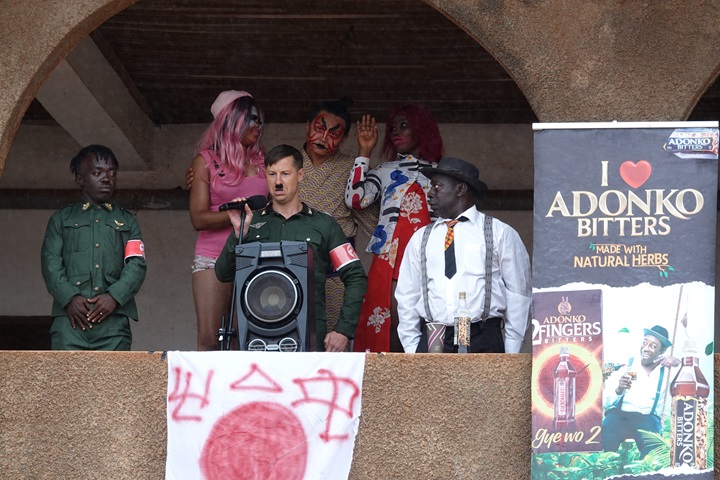
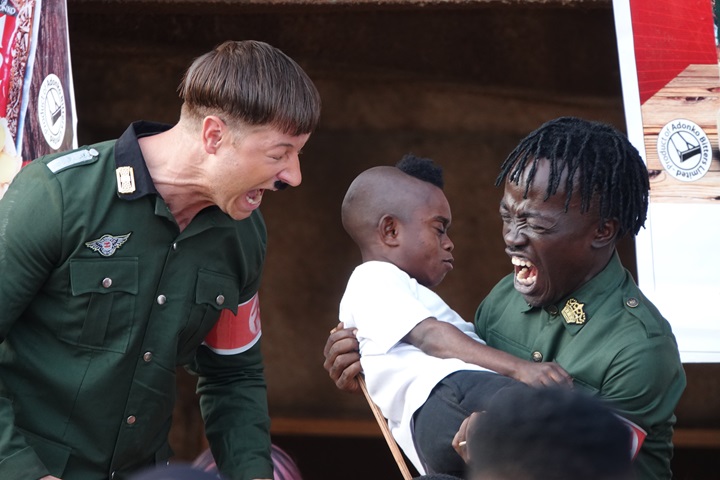
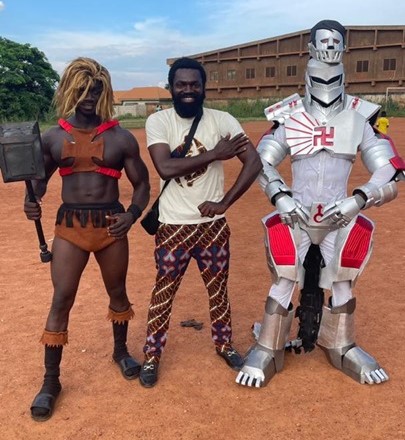
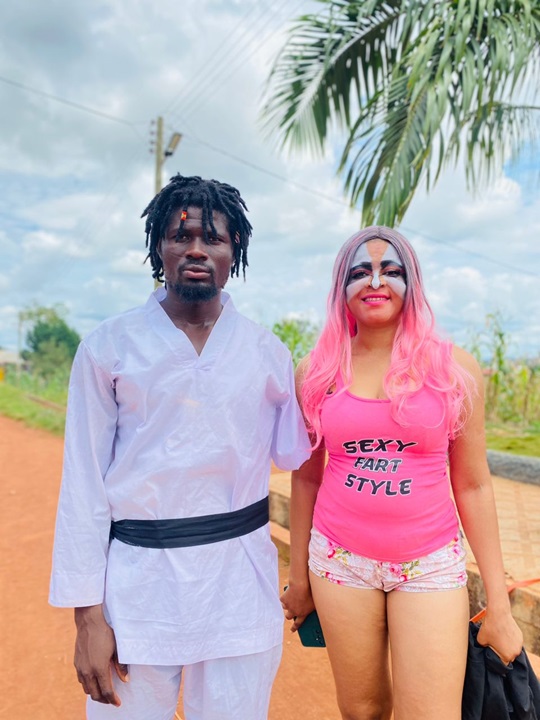
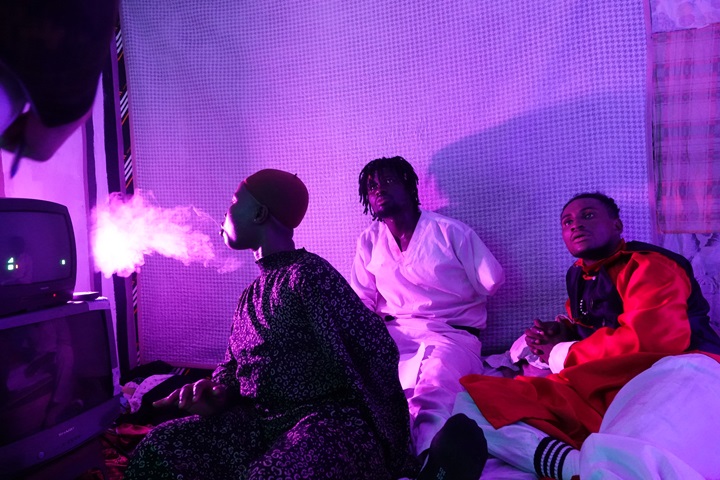
When German / Japanese / Ghanaian co-production African Kung Fu Nazis was released in 2021, Starburst described it as “90 minutes of bizarre, offbeat, goofy, low-budget madness”. The film’s success in Japan lead to fans calling for a sequel, and writer / director / actor Sebastian Stein has quickly obliged. Hitler might have been defeated at the end of the first film, but he’s back for more insanity in African Kung Fu Nazis II, and this time he’s a robot – check out the brand new trailer below, and read on for a preview of our AKFNII interview that will appear in the next print issue of Starburst!
Starburst caught up with Adolf himself for a longer feature that will appear in print in Issue 488, but here’s a sneak preview of what to expect when #488 arrives in late November.
Starburst: Where did the idea for African Kung Fu Nazis come from?
Sebastian Stein: When I was 20 I did a super-amateur movie called “The German Techno DJ Adolf Hitler”, and it was kind of underground, super stupid, Hitler in a bra and stuff and dancing naked and whatever to crappy techno music…
…When I have a hangover I usually go on very long walks. I was on one of those walks and I remembered an article about a guy who randomly appeared in a Nigerian movie, and I thought “man, I wish I could do something like that”. I don’t know why, but kung fu also came into my head, and then I thought “African kung fu Nazis, hahaha, stupid title”. I was just walking around, kind of hung over, laughing to myself and then it dawned on me, nobody’s going to do that movie, you have to do that movie. I was jobless at that point anyway and I thought yeah, why not?
Was AFKNII easier to make than Part 1?
In part 1, most of the CGI was done by Ninja-Man, and part 2 was the same story. But at some point it got really slow, so I said “what’s the problem Ninja-Man?” and he said the power was cutting out all the time… I went to Ninja’s house and we edited together, and I postponed my flight more and more because I wanted to finish the movie… Then the hard drive broke… And then I had to go home before we were finished…
There were lots of pop culture references and homages in AKFN1. Did you include similar things in Part 2?
Almost every sentence is from somewhere, it’s just changed a little bit. And everything has a meaning. There’s so much stuff in there. People who know, they know. Even if you don’t catch up on it, it’s still fine, but people who do catch up on it will think “ohh what the fuck, did they really do that?! I don’t know man, maybe they did!”
When can people expect to see AKFNII?
There’s currently a second crowdfunding campaign, but only in Japan because the main fans are there. We’ll have a pre-premiere, so we’re going to sell the pre-premiere tickets on that crowdfunding, and it’s going to be on October 27th, shortly after my birthday. And we’re going to have five showings in two days – three showings in Tokyo and two showings in Osaka a week after.
We’re looking for a distributor in the UK… For Part II we already have an existing fan base and the title alone with the right marketing will always be a winner. Love it or hate it, if you hear something like “African Kun Fu Nazis”, you will get curious and want to know what the hell this is!
African Kung Fu Nazis (Part 1) can be rented or bought on Youtube, Google TV, Apple TV and Amazon Prime. Stay tuned for further news on Part 2’s release!
Before Dawn is a bold retelling of one of Australia’s biggest military victories during World War I. Inspired by real war diaries, Jim Collins (Levi Miller, Pan), a young man from the outback, leaves his family-run sheep station to join the soldiers on the western front with hopes of making a difference. But soon, the realities of the muddy, ruthless, and entirely unforgiving war take their toll on a guilt-ridden Jim.
As the men in the battalion are whittled away and hope becomes a distant memory, a final chance at redemption arises amid one of Australia’s greatest battles. Jim must risk death, or forever carry the burden of leaving yet another man behind.
Before Dawn’s writer-director Jordon Prince-Wright (The Decadent and Depraved) tells us more about his ambitious film.
STARBURST: What inspired Before Dawn?
Jordon Prince-Wright: I first saw these real soldier diaries during a school trip to a museum and I was fascinated. These were stories by real people in extraordinary circumstances, documenting their experiences. Later on, I found that many didn’t know that Australians fought on the western front, and a huge role was played by the ANZACs [Australian and New Zealand Army Corps]. That really stuck with me. As I became a filmmaker and worked on other projects, this story always remained close to my heart.
Your film has been praised for capturing the spirit of the real ANZAC diaries. Was this something you kept in mind throughout the whole shoot?
Yes and no, I mean, of course, I was always thinking about the diaries because that’s what made such an impression on me at an early age. As a filmmaker on set, you tend to be focused on telling a story. We had some veterans there on the film, and they had a little chat with some of the cast, reminding them that these events actually happened, the sobering reality of the whole thing, and I think that triggered a switch in everyone’s collective mind. We weren’t just there making a film, we were telling a true story about people’s experiences. There’s a sense of responsibility in that.
How do you balance historical fact with storytelling?
What’s interesting is that the First World War has so many different perspectives. When you’re talking about other conflicts, you can have 10 historians in the room and they all agree on the basic facts or how an event took place. We found with WW1, you could have 10 historians all disagreeing with each other, so I think you need to have a bit of creative licence in bridging drama with history. The actual environment, the trenches for example, needed to feel real and authentic, so everything was built to scale. At the Sir John Monash Centre in France, they said they loved the film because the trenches were the most accurate they’ve seen in any film, and even mentioned some very well-known war movies. That was obviously great to hear but it’s also a testament to the team because of how much research and work went into it.
From our reading, we realised when soldiers would die, it’s quick and unexpected, so we also avoided that Hollywood gloss. In some diaries, they’d be talking about their mates for several pages, then abruptly say one of them was killed during a shelling, then talk about dinner on the next page. It’s shocking to read but I guess that’s how fast things would change and how you had to deal with it. Even people who survived the war itself would fall sick or catch diseases afterwards in the hospital, so it was a real luck of the draw. One of my producers said to me that we want to raise awareness for the ANZACs. If an audience is taken on an emotional journey, they’re much more likely to connect with the subject and leave the film wanting to learn more, so I think it’s about finding the right balance.
What do you hope audiences take away from the film?
I hope people gain an insight into the ANZACs and everything they went through, and even walk away with a newfound respect. We all worked very hard on this film and are very proud of it. This is the biggest feature ever shot in Western Australia, and we were lucky to have the largest premiere here with over 1500 people in attendance, and so much support from groups and communities across Australia. Different audiences will always take different elements from the film, some think it’s all about the western front, others think it’s about a father-son relationship, and every answer is fine by me. So long as people walk away with some kind of emotional response to what they’ve seen, that’s my only hope in telling this story.
BEFORE DAWN is out now on Blu-ray, DVD, and Digital. You can buy the film here:
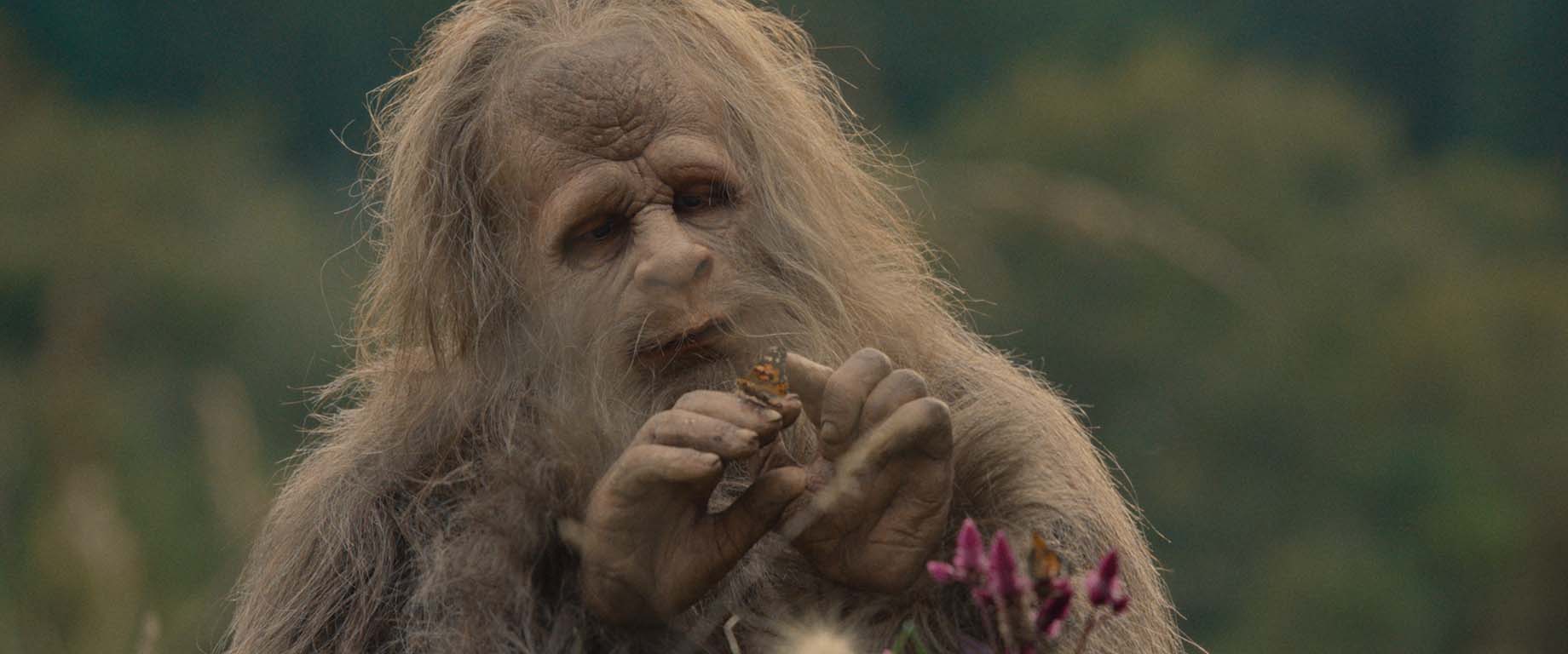
Sasquatch Sunset is one of the most original and unusual films you’re likely to ever see, we called it “profound, touching and hilarious.” Beginning in the misty forests of North America, a family of Sasquatches – possibly the last of their enigmatic kind – embark on an absurdist, epic, hilarious, and ultimately poignant journey. Over the course of a year, these shaggy and noble giants fight for survival as they find themselves on a collision course with the ever-changing world around them.
Starring Riley Keough (Mad Max: Fury Road, American Honey) and Oscar-nominee Jesse Eisenberg (Zombieland, The Social Network), acclaimed directors David and Nathan Zellner (Kumiko, the Treasure Hunter) bring audiences the greatest Bigfoot story ever told from the producers of Hereditary and Midsommar.
Scoring rave reviews after the World Premiere at the 2024 Sundance Film Festival, with screenings at the 74th Berlin International Film Festival, South by Southwest and Sundance London, this bold and daring film has become one of the most talked about movies of the summer. To celebrate the UK home release on Blu-ray and Digital (with more than 3 hours of UK exclusive extras), we caught up with co-director and actor Nathan Zellner to reflect on the film…
STARBURST: Sasquatch Sunset is such a wild film that it earned a great response worldwide. What are some of your proudest scenes or moments?
Nathan Zellner: Not wanting to give away any spoilers, but we had always planted a flag on the river scene because we knew it would be one of the hardest to shoot, technically, but also have a really heavy, emotional weight to it. We prepped for it in the storyboard, scouted the area several times and I think we took two days to shoot it. We had such a condensed shooting schedule, but we wanted to do it the right way. From the way that scene was shot by Mike Gioulakis, our director of photography, to the acting and performances, everyone brought their best. Even some of the things we figured out later in editing, which our sound editor Jack Sobo helped with, plus the music from The Octopus Project, so many people enhanced and elevated it. The scene has a sense of dread, with us witnessing the dire circumstances the Sasquatch find themselves in. It’s been an interesting scene to watch in movie theatres with different audiences because you feel the energy in the room, and people are really invested. Hopefully, it means all that hard work paid off!
That’s a really poignant scene, yet there are also a lot of fun and wacky scenes. What stands out the most for you?
With my character, the scene eating the mushrooms, getting high, and then stomping around and yelling was a lot of fun. We came up with different creative things to use when I’m foaming at the mouth or throwing up! [laughs] Anytime we got to work with animals was a big joy, too, because they’re fascinating and unpredictable. It’s almost like watching improv comedy and not knowing what to expect!
Again, it was such a tight shooting schedule because we only filmed for a little over 20 days. These days were made even shorter, factoring all the time in makeup, so we had to be pretty specific about what we were shooting each day. But there was so much joy in figuring out crazy things to do and creative ideas on the fly. We loved doing the birth scene and, of course, everybody was really looking forward to the scene on the road, we really had a lot of fun, so it’s hard to single out just one.
David Zellner and Nathan Zellner – Photo by Christopher Carroll
How was it working in the natural elements?
Yeah, working on location is always interesting. We found the weather could change at any time, so it was unpredictable. In fact, a couple of the rainiest days occurred during emotional scenes, like one of the funerals. It feels like a stereotype in movies when it rains during a funeral, but this really happened, so nature provided. Our crew was great at adapting throughout the shoot and being prepared for any change.
How was it as an actor wearing the Sasquatch costume and makeup?
Surprisingly, it wasn’t too bad because we were shooting in the fall. There was one very hot day filming in direct sunlight at the berry patch, so we were baking that day, but that was probably the roughest, temperature-wise for us. Even during scenes in the snow, we were comfortable because you’re protected from the elements, probably more comfortable than other people on set! I think the hardest part was walking up hills and things that required a lot of energy. Since the costumes were very form-fitting, we didn’t realise how exhausting yelling would be, I guess it’s something about having to get that amount of air out of your chest, so surprisingly that was more challenging than the weather.
How was it directing in Sasquatch costume, or would you leave directing duties for your brother David on certain days when you’re acting?
A little bit of both, it really depends, but we mostly share the directing. We always do a lot of prep together so we’re on the same page. By the time we arrive on set, we know exactly what the plan is and it’s usually looking at ways to enhance something, or pivot, rather than figuring things out on the day. We’ve been working together since we were kids, and we know how to direct each other, so it’s become second nature.
You’re seen acting alongside a great cast, including Jesse Eisenberg, Riley Keough, and Christophe Zajac-Denek. How was that collaboration?
It was really amazing. In the bonus material on the Blu-ray, you see the boot camp where we all had to get ourselves on the same page, in terms of learning mannerisms, and acting as though we’re in the same family, of the same species. We had to get comfortable behaving like animals, and we also found nuances in what each of us was doing, or the characters we were portraying. Then, you’re less worried about the technical part of figuring out how the sasquatch move or communicate in a certain scene, it’s just normal directing and acting discussions, because we’ve figured out how they walk and ‘talk’, in a way.
With any kind of acting, I think you need to commit to discovering characters. These were such physical roles, where you’re literally disappearing into a costume, so we needed to find our physicality. It required us all to feel comfortable with each other and totally commit because we’d be doing some fun and very crazy stuff. This wasn’t really a movie we wanted auditions for, it was about finding the right people, great actors, who wanted to go with it, but also understood the challenges of making a film like this and embracing the process. Thankfully, we lucked out with an amazing team, and that goes for our entire crew as well.
Icon Film Distribution presents Sasquatch Sunset – out now on Blu-ray and Digital. Order here: Amazon / Zavvi / HMV.
The Blu-ray includes over three hours of UK-exclusive bonus features
-Feature Audio Commentary with directors David & Nathan Zellner