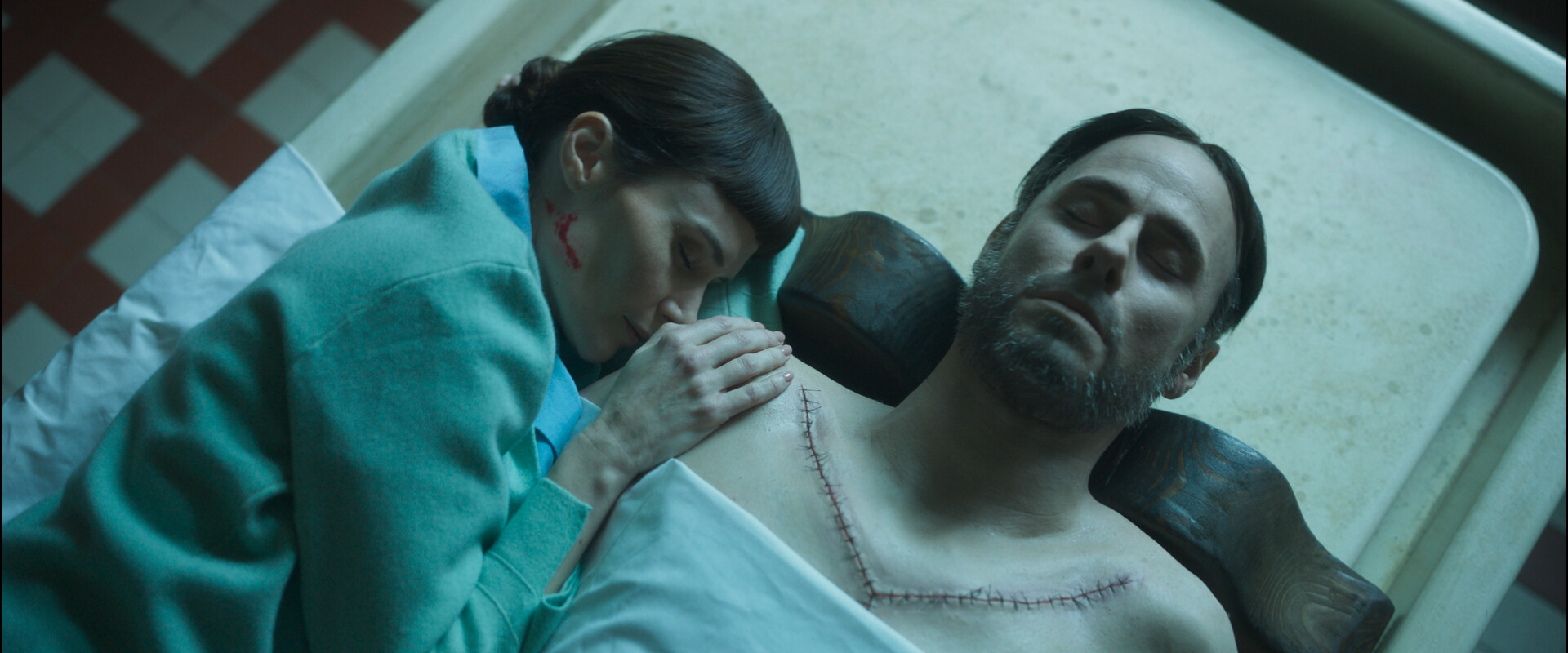
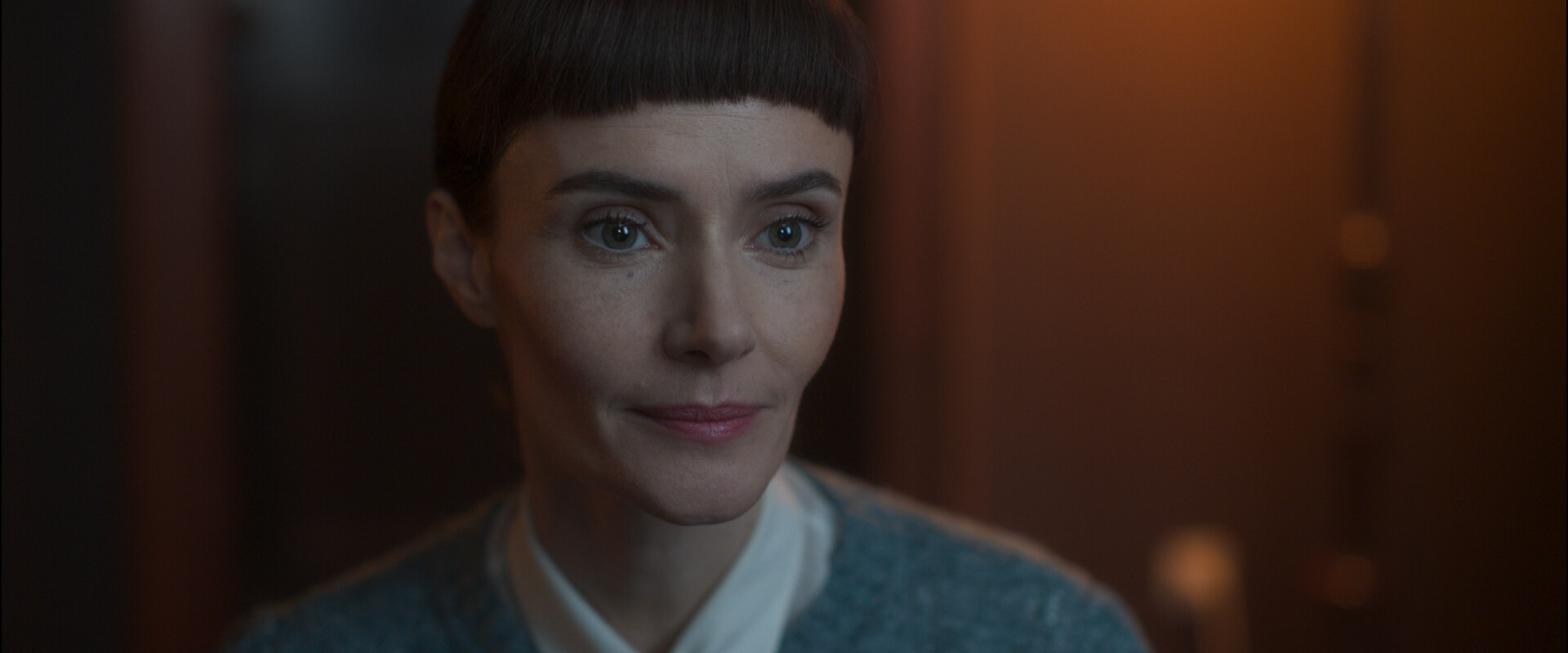
Ayvianna Snow • DERELICT / BOGIEVILLE

One of the rising stars of the UK independent film scene is Ayvianna Snow, who appeared in two movies at this year’s Pigeon Shrine FrightFest, gritty, hard-hitting revenge thriller Derelict and vampire romp Bogieville. Fans will also know Ayvianna from such films as Video Shop Tales of Terror and How to Kill Monsters. We spoke with the busy actor to find out more about the films and her role in the actor’s union, Equity…

STARBURST: Could you tell us a little bit about the two films you’re in at this year’s Pigeon Shrine FrightFest?

Ayvianna Snow: First up is Derelict. Jonathan Zaurin is a very special filmmaker; it’s a sensitive, emotionally intelligent film. Jonathan has a real he has an artistry with the camera, which you’ll see. He’s got that ability to paint with light. It’s about, without being melodramatic. It’s about broken people and broken lives. In a nutshell, the plot is that a girl goes after the man who killed her father, but it’s got so much more death than that. In the wrong hands, when there’s a redemption moment at the end, it could be very corny and cheesy, but it’s treated with great respect. He’s a great filmmaker, and I mean that sincerely. With the right budget, he could make the next Shawshank Redemption. I’m very proud and lucky to have been involved with it. After that, there’s Bogieville, which is a very vastly different, tonally different, in that it’s vampires and set in the American South. I spent some time perfecting my Georgia accent!

You can’t get any more different than Derelict!

It’s a bit rawer, a romp, and fun. Director Sean Cronin is great. He’s doing great work in British independent cinema. This is a departure for him. The last two films he made were both about working-class Northern communities, whereas these are American vampires. It’s a new direction, but I’m up for it. It was a very physical role for me, so it was outside my comfort zone because I’m not the most physical actor! I was useless at stage combat. I can’t dance, and I had to do quite a lot of stuff. I had to jump off a platform and land on Sean’s back, and then he spun me around in circles, and I was holding on for dear life! Some actors take to that quite well, and I don’t really, so most of the time, I was just trying not to break a bone because I know what I’m like! I had Sclera contact lenses, which are bigger than normal lenses and probably cover the entirety of the eyeballs. Before I was on set, this poor woman had to roll them up under my eyelid while I was prone on a sofa! There was a lot of heavy prosthetic makeup, so it was a different experience. They’re both really good filmmakers making really good stuff.
Bogieville

Did you film that in the States?

I wish! We made it in Surrey in a barn, which was done up to look like the States. It’s mostly set in a trailer park, barn, and farmyard. A barn looks like a barn no matter where you are. It was filmed on Sean’s property, actually. He lives on a big farm in Surrey, so I was literally in Sean’s living room, having things stuck in my eyeballs, and then wandering out to his farm. That’s low-budget filmmaking, and you must make it work!

This isn’t your first time at FrightFest. What does the festival mean to you?

I’m really grateful that FrightFest keeps welcoming me back. It’s important. It provides a platform for low-budget, independent filmmakers. This year, it’s at the same cinema where Beyoncé had the premiere of her film a few months ago. I know because I was here that night. I was doing something else, walking through Leicester Square, and I happened to catch it. I was here when Taylor Swift arrived. And, amazingly, we’re in the same venue that those global, international stars use, and it gives us that opportunity to have our film on the same screen. It exists to give ordinary filmmakers a chance. They’re very warm. Everyone’s always very nice to me. It’s very welcoming.

You work a lot with Equity, the actor’s union. Can you explain a bit about what you do with them?

Yes! I’m the chair of London North. So I’m in charge of everyone living in London above the Thames, which is about 6000 members, a lot of people. The UK government’s expenditure on the arts is 0.4% with our previous government. The average European country spends 1%, so we don’t even spend half of what the average European country spends. In fact, the rare statistic that the entire UK government expenditure on the arts is less than that of the city of Berlin put that into perspective. At Equity, we try to campaign, lobby the government, and show them the value of what we do, the value of actors, artists, filmmakers, writers, and directors, culturally, artistically, and financially. If you want to talk about money, we earn a lot of money for the country. Think of the money we bring; people come to London to watch the shows. Then that increases tourism, hotels, restaurants, and taxis; it’s all good for the country. We’re hoping to convince the new government to invest a bit more in us. We also look after workplace conditions and the like. For instance, if you put your film on Amazon, the filmmaker receives one penny per stream our even if you’ve spent £10 to buy a film, only two pence is going into the pocket of the person who made it and the rest is going to Amazon and its subsidiaries, and that needs to change. There are so many things like that at the moment, Equity is negotiating with PACT [Producers Alliance for Television and Cinema]. It’s our version of what SAG [Screen Actors Guild] was doing last year – to try to sort out proper residuals from these streaming companies. Every time there’s a move to a new medium, they conveniently forget to put in the legislation that would allow people that make money. The first SAG strike was in 1960, and it was because they had moved from films being screened exclusively in cinemas into TV and home movie screenings, and there was no clause in the contracts that people should get paid when they’re shown on TV. We’re seeing the same thing again. The models have changed, and films are moving to be screened on online streaming services. We must get the legislation to keep up with what’s happening. The union does a lot of work, and we’re very busy.

Fingers crossed that they listen!

I don’t doubt that we’ll succeed. I knew that SAG would succeed and we will win too. I’m hoping that the screening of Derelict opens doors for us and takes the film to a new, wider audience. And a platform for Jonathan, and maybe, we can have more resources and a bigger budget for the next one, which he so deserves. And that’s what this thing’s about, really. It’s for the younger filmmakers to open a door. You know, as much as it’s lovely to dress up, I’m not so stupid as to think that that’s the point of the event. The point is to bring the art to the audience, get filmmakers together as well, and create that community.

Derelict

That’s always a big part of FrightFest…

Jonathan, more or less, singlehandedly, made Derelict. He shot it himself. He edited himself. He didn’t do a score, but he did a lot about himself, and then, he’s sitting alone in a room a lot of the time. It’s good to build a community. We’re trying to create a film and TV network, an informal network at Equity. We have to be able to swap stories and share resources. So if something goes wrong on set in Wales, you might feel very isolated in the middle of nowhere. So you can go on your phone on a WhatsApp group and say, “This is happening”, and will realise that they’re not alone.

Derelict and Bogieville screened at Pigeon Shrine FrightFest. You can follow Ayvianna on Instagram.  

Elias Toufexis • STAR TREK: DISCOVERY

Canadian actor Elias Toufexis played L’ak, one of the two main antagonists in Star Trek: Discovery’s fifth and final season, out now on DVD, Blu-ray, and digital. A huge fan of the franchise, Toufexis originally appeared briefly in the show’s first season as a prisoner being transported alongside Michael Burnham (Sonequa Martin-Green) when she was first taken aboard Discovery.

This time around, he plays a member of the Breen – the mysterious race first seen in Deep Space Nine – and gets to make Star Trek ­history by being the first member of that race we see in the flesh, free of the masks they’ve worn in all previous appearances. As a fan, Toufexis jumped at the chance to flesh out one of Trek’s most mysterious races. Season Five sees L’ak, alongside his partner Moll (Eve Harlow) become embroiled in a deadly race with the Discovery to uncover ancient technology that could change, or end life in the galaxy. We spoke to him to mark the release of the show’s final season on DVD and Blu-ray…

STARBURST: As a huge Star Trek fan, what was it like stepping into a big role on Discovery?

Elias Toufexis: It was pretty fantastic. I had played a small role on it in the first season [in the episode Context is for Kings]. The role I was offered was a lot bigger than it turned out to be. Not through anybody’s fault, just through the natural circumstances of writing and editing. So I was really disappointed, and because I’m such a giant Star Trek fan, the first thing I did when that role ended was ask the casting director if I could come back. Not necessarily as that character, but I just really wanted to be on the show again, and I didn’t want to have that be my only role in Star Trek. They said they would think about it, kept their word, and they offered me this role. I would have taken pretty much anything, and the fact that I was offered a major character, a history-making character. I got to go on the Enterprise, I got to have my own ship, I got to have my own phaser. Every day was a mind-blowing geeking-out day for me.

Appearing in both Seasons One and Five, you bookend Discovery really. Did you notice any major differences being on set at beginning and end of the series?

It was the first Star Trek show in a decade, so I think in that first season they were trying to find their footing and trying to find what worked. And I felt that, just as an actor on set, they were not really on solid ground yet. But the one thing that didn’t change was Sonequa and her kindness and her leadership. From day one on that third episode, she was fantastic, and that’s exactly how she was later on. Granted, she has a little bit more maturity and experience in the five years, but she is all about kindness, welcoming, and leadership. For Sonequa, that never changed. But by the time the fifth season came around for the show, you could really tell they knew what they were doing, and things were working a lot more smoothly than they were in that first couple of weeks of shooting. They were a well-oiled machine by the time I got back in the fifth season.

When did you find out that you were playing a Breen, and how did you go about fleshing out the species?

When they offered me the role, I didn’t know what it was. They just said you’re going to be under prosthetics. I was excited about it, and I went into do the mould, [to create the prosthetic] where they bury you in a cast. And right before I went into the cast I asked “can you tell me what this character is? What he’s going to look like?” And they showed me some concept art, and I said, “Oh, what is it a new race?” And they said, “No, it’s a Breen.” And being a Star Trek nerd, I said, “Wait a minute, Breen, never take their helmets off. Are you telling me I’m going to be the first Breen to take his helmet off?” And they said yes, and then I freaked out even more because now I’m making Star Trek history. In terms of fleshing it out, it was a lot of discussions with the writing staff, and actually, I even reached out to some of my friends that I know who wrote on Deep Space Nine. They didn’t invent the Breen – I think you hear them first mentioned on The Next Generation – but they fleshed them out in Deep Space Nine. But I asked Robert Hewitt Wolfe [who wrote for DS9 for five seasons] and a couple of other guys. I knew those guys from other shows, and I reached out to them and asked them, and they were kind and giving. And then I mixed that in with all the new writers were giving me, and we got to where we got, and I was really happy with it.

Talking of acting under loads of prosthetics, having acted under a mask, it’s very easy for them to bring you back in a different role. Would you be up for that, and if so, what show, and ideally, what kind of character?

You know that being a fan, I’m never going to say no. The prosthetic is not easy. The first week I thought “okay, I can do this.” And by the second week, it was really a lot more difficult than I thought it was. It’s not just the sitting in the makeup chair, it was the hours on set and trying to get through, especially with a character that you’re trying to get empathy for. It’s very difficult to get through those contact lenses and the makeup. It’s a big challenge, and I would love to do it again. I love Strange New Worlds. I’m really excited about Academy, and I think they’re just going to keep going. So, I don’t have a preference, so to speak. I just would love to bring what I can bring onto any show. I love the franchise.

Discovery has been one of the more divisive Trek series. We’re talking to mark the release of the final season on DVD and Blu-ray – what would you say to people who never tried it or didn’t like the series initially?

For me, as a fan, the series has parts where it peaks and wanes, but when it’s good, it’s great. There’s some great stuff in Discovery, some really good Star Trek-y stuff. Remember what I was saying about they didn’t have their footing at first? I feel like when they find their footing, they’re really, really good, and the divisiveness I think is based mostly on political and social ideals rather than story. And I mean, maybe I’m wrong, but I feel people like to go online and complain, and they’re welcome to, but I have no time in my life for hate, so I would much rather embrace the great parts of anything, and in Discovery there are some great, great moments. And I love season five. I’d just love it all the way through, if I were in it or not.

Star Trek: Discovery is out now on Blu-ray, DVD, and digital. The Complete Series, containing Seasons One to Five is also available.

Joanne Mitchell • BROKEN BIRD

Broken Bird is the debut feature for Joanne Mitchell, who expanded her 2018 short Sybil. The film follows a meek undertaker’s assistant who hides a dark side. Ahead of the movie’s world premiere at Pigeon Shrine FrightFest, we caught up with Joanne to learn more about making the film…

STARBURST: Firstly, congratulations on the film.

Joanne Mitchell: Thank you. You make these things, and you don’t know what the reception will be, but I’m really proud of it.

Was it always the plan to expand your short Sybil into a feature?

I always felt that there was more to Sybil, her character, and her story than what you can put across in a 10 to 15-minute short film. I was fascinated by the character, and Tracy [Sheals], who brought the original story to us, felt the same. We spent would meet up to chat about it, developing the story and stuff like that. It’s always the same; I would get diverted by other work and other jobs, so it kept getting shelved. I had a bash at writing the script. And then we asked Dom [Dominic Brunt, Joanne’s husband] to write a screenplay, which he did. It was only about 50 pages, and we got approached by the studio that employed me in the end to make Broken Bird. They really liked the idea. They said it needed to be at least 100 pages, and I think it was 110 in the end. We worked with them to develop the story, but the essence was there. Dom has a great ear for dialogue and character. We really expanded her character, where she comes from, what her motivation is and then wrote the satellite characters and connected them all, and they’ve all got to have heart. There was a lot of work to do to make it hook the audience for an hour and a half. I think between the three of us, we managed to get there in the end.

How was it directing a full feature rather than shorts?

It’s different. I’ve been on film sets with Dom, producing, co-writing, producing, and acting. I know the landscape. We’ve always done micro-budget movies. There’s a stress with that – doing 15 jobs at once because we haven’t got the money to pay line producers – we’ve got to do everything ourselves. The budget for Broken Bird was a lot bigger than what we’d ever worked with. So, although it was daunting because you’ve got a big budget, there’s pressure on you to come up with the goods, not blow it, and not mess up! I felt it was much more comfortable because there was real support around you. You’ve got heads in every single department. You know, people are doing the stuff I would have normally done on the set. It felt really quite comfortable. I’m not going to say it wasn’t hard; there weren’t stresses, and there weren’t struggles and obstacles because there always are. It changes every single day, but it was nothing like what I’d experienced before. I could really focus on the directing. I knew what I wanted. My vision was very clear in how the look should be and what my shots would be. I’d done a camera plan before I even went to Serbia. And then when I saw the locations, obviously, it’s all going to change. But having a blueprint gave me a bit of confidence so that when I did need to change it, it’s fine. I worked really closely with our DOP, Igor Marovic, who’s also from Belgrade. It was great. It was nothing compared to what I’ve had to put up with.

The film deals with some very sensitive subjects, such as trauma and loss. Did that make it harder on set?

You know what, no. I think it’s a really good question because there are some really dark, serious, sensitive moments, not just with Sybil but also with Emma and her child. Everyone was really professional. The crew were very discreet. When we wanted to rehearse, and I wanted all the crew off so that I could rehearse with the actors so they didn’t feel vulnerable, the crew would go outside or whatever, and we would have that time together so that the actors felt comfortable. Unfortunately, we didn’t have the luxury of much time in rehearsal beforehand, so we grabbed what moments we could. The crew was Serbian, and a lot of them didn’t speak English, so I don’t know whether that was a help, really. They were very respectful of the actors. Everyone was friendly, but they kept their distance in the sense that they let the actors do their stuff. I remember there being quite a lot of laughter. And most of the emotional stuff was on Rebecca’s shoulders as well as Sasha’s [Sacharissa Claxton]. We talked extensively about their journeys as their characters. We got a lot of stuff out in the open, so they were prepared. Then you’ve got people like James Fleet who, well, he’s a legend. He’s a pro, and there’s not much directing needed with James. What an amazing actor! Some of the stuff that he was doing, like when he broke down and cried because he missed his wife; he was on the floor crying – he just did it.

What was the casting process like? There are a couple of returning people from your previous films. How did you find the rest of them?

Because I was obviously going to be in Belgrade, in Serbia, a country I’d never been to before, I was quite nervous. I felt like I needed to have people around me that I could trust. I knew James Fleet, Jay Taylor, and Rupert Proctor from other films before, so that was a natural strategy. However, I didn’t cast them because I wanted my friends in it, I knew that they could do it and they were right for the parts, but it worked out really well for me. I needed allies if that makes any sense. Then there was Rebecca and Sasha, who plays Emma, and Robyn [Rainsford], who plays Tina. I knew Robyn vaguely, but I didn’t know her work, but she auditioned, and I thought she was great. Obviously, Rebecca is fantastic. When I saw her tape, I didn’t know her; the same goes for Sasha. I found I was really lucky with that. I didn’t actually meet Rebecca and Sasha before they came to Serbia either because we were in Belgrade in pre-production. It was all done on Zoom, so it was a bit of a gamble. It feels a bit weird when you meet them five days before they’re about to start shooting, and the deal is done! But I was really, really happy with the casting.

Rebecca is excellent.

Oh, isn’t she? She’s otherworldly, I think. I  saw a lot of actresses for Sybil, and everyone was great. Everyone had their own thing going on. I always wanted her to be northern, and I wanted there to be something different about her. When I saw Rebecca’s tape, I just was like, “Oh yeah, that’s the one”. She had this enigmatic quality; I couldn’t put my finger on it, but I I could tell that she could go to dark places and light places. When I met her on Zoom, she was such a lovely, warm, kind person. And then I thought, yeah, she can definitely do this; I know she’s got that in her. She did the audition in a Geordie accent because her family are from the Northeast, and that’s what clinched it for me. I’d never imagined it to be from the northeast. The Geordie accent is such a friendly, kind accent, and they’re lovely people, so it’s such a great juxtaposition as to who she is and what she is capable of. She was a joy to work with.

What was the biggest challenge you had?

Well, time is always a massive challenge. We had 25 days to shoot 145 scenes in various different locations. So

it was, it was hard work. So that was one big thing, but that’s always the case in every single movie. It’s always time. I suppose the first challenge was how I was going to make this look like the north of England. When you’re driving from the airport through Belgrade, it’s very brutalist architecture. How am I going to find an English pub? I had to be adaptable and change certain locations to suit the landscape that we were filming in.

One other thing, which was a bit of a challenge at first, was the language barrier. More so when I was going on scouting, recceing and tech recces, because I was the only English person there, and I didn’t speak Serbian! Some of them speak really good English, and they’re all lovely people. But they’re going to chat in Serbian. Sometimes you feel slightly left out, and sometimes things get lost in translation. But that was all ironed out. Once you can get your head around that, it all worked out fine.

Do you have a favourite memory?

I think the memory that sticks with me was when we were doing a night shoot in the house where Sybil lived, and we had to set it on fire. We didn’t really set fire to the house, but there were pipes and flames and stuff like that. We were really up against it with time, and it felt like we couldn’t get it done. I didn’t get all the shots that I wanted. But it was so magical when I saw the two versions of that room where she dances in at the end when I saw the beautiful ballroom, and then I saw it when it’s distressed. We had to do them on two different nights, obviously. So it was all beautiful one night, and then the art department had been there for 12 hours and completely distressed it. And it was incredible. I couldn’t believe it. They’d even put vines and stuff. I was so amazed. It’s always been such a scramble on previous movies, and suddenly you’ve got this incredible art department doing everything. This is probably really normal for most big-budget movies or even some independent films. But for me, it was magic.

The film premiers at FrightFest, are you excited for that?

I’m trying not to think about it, although I keep getting slightly giddy and then going, “Oh, I feel sick!” But what an honour to open their incredible film festival on their 25th anniversary. There feels a little bit of pressure. And I hear it sold out, which is great. Nerves and excitement are two sides of the same coin, aren’t they? So I can’t tell you if I’m nervous or excited, I feel them both! I’m super grateful that they wanted the film.

At least being the first film, you can relax for the rest of the weekend.

That’s it! Normally, you’re feeling sick from most of it, and then you relax. So I’m just going to have a ball. I really want to enjoy it as well. I mean, whenever am I going to get a film at the Odeon Luxe cinema in Leicester Square, where a film festival is opening? It might never happen again, so I’m determined to have a really good time. There’s going to be a lot of cast there, and it’s going to be great. The FrightFest audience is just brilliant, and they’re so supportive. If they don’t like something, I know they’ll let you know it, because they know their genre! But I think we’re in good hands, the team, Alan, Paul, Greg and Ian have been always really supportive of myself and Dom over the years.

BROKEN BIRD screens as the opening film at Pigeon Shrine FrightFest on August 23rd at 5.30pm.

Eleanor Morton • HAUNTED HOUSE

Eleanor Morton is a Scottish comedian and writer who lives in Edinburgh and makes internet videos as well as doing stand-up. Her latest show, Haunted House, is on at the Edinburgh Fringe. You can book tickets here.

STARBURST: How would you pitch Haunted House to a mysterious relative who mostly lives in the attic?

Eleanor Morton: This is THE show for you. It’s all about spooky houses and interpersonal relationships, plus it’s in a basement, which will make a nice change.

How would you pitch it to someone who has never seen a ghost or watched the Patrick Swayze movie Ghost?

It’s a show about meeting Americans, going to Pizza Express and the dark side of the Fringe.

Is Edinburgh actually haunted?

Yes. And No.

What are the origins of this show?

I’ve always been a bit ghost-obsessed, and I wanted to combine that with my love/hate relationship with the Fringe and what it means to be from the place where your industry congregates once a year for its biggest calendar moment. So it’s about ‘real’ ghosts and whether or not they exist, and also about the emotional ghosts we made along the way.

One of your characters is Craig the disinterested tour guide. How similar are you to Craig?

I think I use Craig to channel my frustrations at the way Scotland is romanticised by tourists. But I’m also painfully enthusiastic about history and facts and Scotland, so in that sense we’re very different.

How different does Edinburgh feel before, during and after the Fringe if you both work the Fringe and live in the city?
That’s a good question that rarely gets asked because the comedy industry seems to forget Edinburgh exists all year round. Edinburgh is always busy and touristy, but it gets turned up to 11 just before the Fringe. All the maintenance work starts because the council thinks they’ll get it done in time, all the posters go up, and you start seeing ads for shows on social media. During the Fringe it sort of feels like a different city – everything is suddenly very small and immediate and intense. After the Fringe, I sort of love the mundanity of the city going back to normal-ish. I think there’s been a big increase in tourism since COVID, and so I kinda miss ‘dead’ September when you could go into town, and there would be absolutely NOTHING happening, and it was great.

What’s the biggest change you’ve had to make to the show?

Not a change, but there’s a prop in the show I’m very excited about that is nearly ready, and I think it will be one of my favourite bits. My friend Julia made it and I don’t want to say too much but I love how much passion she’s put into it.

What is the most important lesson you’ve learnt on tour?
Always assume your train will either be cancelled or delayed.

What’s your next big project after the Fringe has ended?

I’ve written a book! It’s about cool women from history, and it comes out on August 15th! It’s pop history from the perspective of a non-expert who loves listicles and wanted to tell the world more about my favourite historical women, like Bobbi Gibb, who crashed the Boston Marathon in the ’60s when women weren’t allowed to run it, Noor Inayat Khan, who spied for Britain during the war, and The Match Girls, who made history with their strike campaign. There are lots of jokes, too.

Is it bad luck to rub the nose of the Greyfriars Bobby statue?

It’s not bad luck, but it is bad if you want locals not to hate you. It’s quite interesting to see a myth develop in real-time – when I was growing up, no one touched the statue, and in the last decade or so, it’s become this tradition out of nowhere. Damaging the statue is annoying, but the real ballache is people standing about on the pavement – I’m walking here!

Where else can we find you?

All the usual places. Search for me on YouTube, Twitter, Insta, and TikTok and I should come up.

Simpsons or Futurama?
Both, but only up to their mid-seasons

Game of Thrones or Outlander?
Can I say neither?

Salt or Sauce?
Ketchup

Doctor No or Doctor Strange?

Doctor doctor

Truth or Beauty?

There is beauty in truth and truth in beauty.

Edy Hurst • EDY HURST’S WONDERFULL DISCOVERIE OF WITCHES IN THE COUNTIE OF HIMSELF

Edy Hurst’s new show is called Edy Hurst’s Wonderfull Discoverie of Witches in the Countie of Himself and is currently at the Edinburgh Festival Fringe. We caught up with him to find out more.

STARBURST: How would you pitch Edy Hurst’s Wonderfull Discoverie of Witches in the Countie of Himself to a an elderly relative who absolutely is not a witch?
Edy Hurst: Listen, you old bat, ever heard of the Pendle Witch trials? It’s local history and folklore, you’re gonna lap that up. I’ve found out that I, and as a elderly relative also you, am/are related to women accused through those infamous events. Also, I found out I have ADHD and want to share a big theory that the Vengaboys made a concept album, but quite frankly, I’m not sure how much that will land with you at your age, and the show is definitely not about those at all.
There’s also a big cauldron that I may or may not nearly fall out of every show, so as an elderly relative of mine there’s some additional jeopardy there. Yes I am happy with my life choices. PLease don’t give me that look.

And how would you pitch it to someone who someone who thinks Macbeth is a comedy?
Oh, you’re going to love this. Imagine if it was that opening bit of Macbeth with the witches, but instead, it’s one guy with a dead-on theory about the Vengaboys that, for legal reasons, he cannot talk about on a public platform. Also, there are some shamanic chants via a loop pedal. And here’s the best bit – not a damned spot in sight!

Why Witches?
My mum instilled in me a great fascination with fantasy and magic, as well as of contemporary beliefs in witchcraft, and as my previous work probably shows, I have a real interest in taking my experiences and hooking them onto high-concept ideas that I can bounce off.

I think that witches occupy a strange space in our popular culture. As one of the few gender-specific mystical antagonists, they’re also the only ones that have such a grounding in reality that there are court documents of people accused of being them. Say what you like about Dracula, but I never think he took the stand.

I’ve been really interested in making a show about shamanism, witchcraft and the role that magic has and does play in our lives, and this show, with the support of The Lowry, really let me explore it in a big way. Through huge deep dives into the folk philosophy of the 17th century to the court documents of the Lancashire Witch Trials, I think audiences are mercifully now spared a lot of extra reading I did (Bad luck, WIP audiences of 2023) but I hope through the show it’s a chance to look at how we treat otherness and those that are often the most vulnerable in society regardless of the period of time we are living in.

How different is this from your previous shows?
This is the first show where I have worked with a team and even received funding to develop it. The fantastic Joz Norris has been directing the show, as well as a number of comedians, dramaturgs and production team members, to create something that while keeping my DIY lofi vibe but stepping my work into something specific for theatre spaces.

It’s been supported by The Lowry’s ‘Developed With’ Programme and Arts Council England, and the opportunity through them to really sit and think about what we’re making as its developed has been a huge new experience and a real departure from previous work.

Would we notice if H.G. Wells’ Martians invaded?
Where do you live? If it’s outside of the 75-mile square radius of Woking and London, it’s incredibly unlikely beyond a BBC News notification. Don’t argue with me, read the book, he’s so specific to where the Martians invade, and not once does he say their effects are even felt beyond Birmingham. More like War of the Worlds and a number of Borough Councils.

Why the Edinburgh Festival Fringe?
Edinburgh is the world’s largest arts festival and a place where audiences across the world gather to watch work that challenges the formats and mediums they’re made for. My new show straddles the worlds of comedy and theatre, as well as combining Witches, Neurodivergence and the Vengaboys. So, if it doesn’t find an audience here, then I am in trouble.

What’s the biggest change you’ve had to make to the show?
Probably cutting the 10 to 15-minute bit where I talk about the socio-political climate of James I’s England, alongside the social function magic provided in 1600s Britain, and why Witch Trials didn’t really happen in Britain in the same way as mainland Europe for a couple centuries. Turns out I didn’t need it! Who knew? Definitely the Buxton Fringe audiences of 2023!

What is the most important lesson you’ve learnt on tour?

Always check for parking before you get to your destination. Even if travelling by train, it’s just good to know.

What’s your next big project after the Fringe has ended?

Edy Hurst’s Wonderfull Discoverie of Witches in the Countie of Himself will embark on a National Tour starting at The Lowry on October 31st – Autumn 2025. Other than that, I’m not sure yet. There’s a few pans on the hob, but I ain’t sharing the soup until it’s simmered.

Will we all be wearing witch hats next summer?
I hope so! I haven’t got any merchandise (yet), but they’re a great shady hat option that provides a great alternative to the ubiquitous baseball cap.

Where else can we find you?
You can find me on my occasional podcast, I Pod a Spell on You, where I use 1600s Magic to help solve guests and listeners’ problems, or in my very long titled War of the Worlds-themed podcast, Edy Hurst’s Podcast Version of.. The War of the WorldsI’m on Twitter, Insta, and some others @edyhurst.

The Simpsons or Futurama?
Simpsons was a foundation for my humour and creativity, but those first 4 seasons of Futurama are just perfect, and I think i was the perfect age for when they came out. I was so excited for the millennium, but where were the jet packs?! Where was the floaty cars? Turns out they were all in Futurama.

Star Wars or Star Trek?
I’d rather go on a Star Trek, I’d rather watch a Star War.

Badgers or Racoons?
The age-old question – Bodger or Rocket? I think I’d have to choose Badgers as they’re one of the top five exciting animals to see in the UK, but raccoons have got those lil’ fingers that are all creepy, and I’m a big fan.

Doctor No or Doctor Who?
Doctor Who! I used to have a bit in my stand-up where I would ‘remember’ every single James Bond theme tune, but there’s no way I could even think about taking on that Derbyshire jam.

Truth or Beauty?
The beauty of truth, the dignity of being wrong. The vulnerable revelations that come with the art of spectacle.

You can book tickets here.

Cyril Blake • BONDING

We spoke to the actor Cyril Blake about his show, Bonding, which is making its way to the Edinburgh Festival Fringe.

STARBURST: Who are you?

Cyril Blake. I’m an actor you’ve never heard of. I got sick of waiting for the phone to ring, so I decided to be proactive and wrote a play called Bonding. It debuted at Camden Fringe last year, and then I brought a revised version to Brighton Fringe in May. So where else to go next but the biggest cultural extravaganza of them all: Edinburgh Fringe!

So, what is Bonding?

Bonding is a one-person show where my character is a major James Bond fan and uses him as inspiration for how to live. But as he gets older and wiser he starts to question if this is a good idea. Ultimately, the show is about ideas of masculinity and how we feel we need to express ourselves because of societal pressures. Sometimes that’s positive, sometimes it’s toxic. The emotional drive of the show is the character’s relationship with his old-school working-class father and coming to terms with the differences between them. Oh, and it’s funny! That’s not just my opinion – people actually laugh when I expect them to!

What made you do a show about James Bond?

A couple of years ago, I saw a play called Yippee-Ki-Yay, which was a retelling of Die Hard as an epic poem. That’s a great concept in itself, and it was really well done, but the writer-performer Richard Marsh also interwove it with an emotional story about the character’s relationship with his wife and how his life had changed after becoming a father. It was a great way of combining a recognisable IP with a more personal story, and it worked extremely well.

That got me thinking that I hadn’t seen anyone do a fandom exploration of James Bond. That was the starting point, and as I thought about the positives and negatives of Bond, the concept of toxic masculinity kept springing up – things that were perfectly normal fifty or sixty years ago, but now we look at them and think differently. I wanted to explore that but in an even-handed way, just as I have had to in my own life.

Why do you think Bond appeals to so many people?

Glamour, action, escapism! It’s everything we want from the good old-fashioned cinema experience. The beauty of James Bond is that it is such a huge cultural phenomenon that everybody knows a little something about it. The films have been a mainstay of popular culture for over sixty years, and even if you haven’t seen them, you will still recognise a lot of the tropes. I mean, everybody can do a Sean Connery impression. I suppose I still had a stereotypical idea of Bond fans in my head because I was expecting a lot of middle-aged men to turn up, but actually, my audiences have been a diverse range of genders and ages. Everyone has given it a great response, so hopefully, I have found the right balance!

Will Bonding work for the true Bond nerds?

Yes. This is, at its heart, a celebration of that fandom and there are some more subtle references that only the hardcore will pick up on. Most of the humour comes from picking apart some of the more ridiculous aspects of the Bond franchise, but an important part of any fan culture is being able to see the silliness in it. Especially when you’re looking back over such a long history. Where would the Doctor Who fans be without a sense of humour?

I did have a bit of a secret weapon here as I am good friends with a super Bond nerd called Calvin Dyson who has a very popular YouTube channel devoted to all things Bond. We used to do a podcast together called Diminishing Returns in which we took apart all the Bond films and forced him to try and defend everything about them. I took my script to him and he gave it his seal of approval as a fan — as well as giving me some great references to drop in where appropriate.

Is anyone else involved in the production other than yourself and Calvin?

I had a director named Betsy Robertson come in and help me out when I was first putting the show together, as I really needed an outside perspective. She was someone I had worked with before so I trusted her and she confessed that she knew next to nothing about James Bond! But that was actually really good to make sure the play worked for everyone. I have also had a lot of friends helping me in one way or another, and I had photographer Ben Wulf get some great promo shots of me. But I have had to learn a lot of new skills to make this happen as I had never been a producer before. I designed the posters, wrote the press release – even had to sort out insurance. It’s been a huge learning curve, and worse than that, I’ve had to pay for everything!

I have tried to keep things as simple as possible. I had originally thought about having certain props or music cues to help bring things to life but then I saw the National Theatre recording of Phoebe Waller-Bridge’s live Fleabag one-person show. It was basically just her on stage holding everyone’s attention just by virtue of the story she’s telling and there was something very powerful about that.

Is there life for Bonding after Edinburgh?

This is a project that has been brewing for 18 months now so I feel like I’ve got the show where I want it to be from a creative point of view. The beauty of Edinburgh Fringe is that you never know who might come along and see the show and want to do more with it. I’m open to offers!

Technically speaking I am in a play called Strange Orbits that is playing at Camden Fringe in August. I say technically because all my bits are pre-recorded voice tracks. It is a sci-fi tragi-romance set in the first human colony on Mars, and I am the voice of the AI computer. In terms of actually being on a stage, my next project is a play called Going for Gold that tells the real-life story of boxer Frankie Lucas. We did it last year and it was a huge success, winning multiple awards, so now we’re bringing it back bigger and better. It’s at Park Theatre in North London throughout November.

And hopefully, I’ll be able to get back to my true love, which is talking about British sitcoms. I do a podcast called British Sitcom History, in which we discuss sitcoms from a wide range of British television networks from the 1950s to the 2020s. We break them down, have a good laugh at the weird fashion choices of the seventies, and try to put them into context of when they were made. It’s great fun and allows me to indulge in watching many hours of sitcoms as legitimate research.

Go on then, what’s the best British sitcom?

My personal favourite is Porridge. Great writing and spot-on performances. Comedy legends at the top of their game.

BONDING runs from August 2nd to the 10th at Pickle Theatre. Tickets are available here.

Barry Church-Woods • TERF

Barry Church looking hot

We caught up with theatrical producer Barry Church-Woods to find out more about their new show, TERF, currently on stage as part of the Edinburgh Festival Fringe.

STARBURST: Introduce yourself, please.
Barry Church-Woods: I’m an artist, activist, and live arts producer based in Edinburgh (most of the time). If you Google me, you’ll find loads of work I’ve been associated with or created myself. You’ll also find some writing on the art of producing, a lot of press cancelling me and my company Civil Disobedience for one reason or the other – I’m always on the right side of history – and some funny columns I wrote when I was bored and thought I should run a queer website. There will also be a lot of thirsty pics of me in various stages of undress as I build my audience for my comedy boylesque career.

But today, I’m here to talk about the fact that I’m producing TERF, Joshua Kaplan’s new play about JK Rowling and her gender-critical beliefs.

How would you pitch TERF to someone who is really into fantasy fiction and publishing?
It’s the story of a single mum who has a fantastic idea to write a book about a young boy wizard and his chums. It focuses on her meteoric rise to fame after signing her first book deal and the power and influence that comes from having a readership of half a billion. It’s not the entire focus of the narrative, but there’s some great stuff in there around her relationship with her publisher and navigating those problematic goblins. It also addresses the cult of celebrity thrust upon the franchise’s young stars. Ultimately, though, it’s storytelling. Joshua Kaplan made it all up. Well, most of it. The premise is absolutely based in fact, but of course no one knows what has gone on behind closed doors.

And how would you pitch it to someone who is a fan of RuPaul’s Drag Race UK?

Guuuuuuurl. It’s about this shady bitch who keeps coming into the ‘workroom’ claiming that only the AFAB queens should be there, despite the fact that 1. It’s not her world, and 2. No-one fucking asked her opinion. At first, she’s surprised that people respond badly to her and tries to blame it on the edit, but by the end, we all know that biiiiiiiitch… she’s the one who said it. And she probably can’t sow.

STARBURST readers love science fiction, fantasy, and horror stories and tend to enjoy groundbreaking and progressive shows such as Star Trek and Doctor Who. What is the appeal of this show to our readership?
Well, both those shows are famous for breaking ground on discussions around civil rights and have been instrumental in profiling the advancement of equality through representation. TERF is aiming to do the same, albeit through a much more obvious lens of focusing on the antagonist’s negative impact on a marginalised community and searching for resolve. But it’s also a multifaceted production with a lot of nuance, subtext and indicative allyship. I fell in love with this show because of the writing. Before we had a cast, it was just me and Joshua Kaplan and his script. He is an incredibly disciplined and observant writer – just check out his work on Tokyo Vice. Some days, he reminds me of Russell T Davies in that he has a sophisticated knack for addressing issues without ramming them down your throat and making the whole experience seem overly didactic. I’ll posit that Josh is much funnier than Russell, though Russell will always hold a very special place in my queer little heart.

What’s been the hardest part of the production so far?
I’m pretty thick-skinned and have been doing work for a long time that pisses people off for one reason or another. I’ve gotten used to people misinterpreting the intent of a project before they see it, but this is definitely on a different level and has spilt into my family life, with trolls actively pestering my relatives. The subject matter has proven controversial for sure.

As soon as we announced our intention to bring it to Edinburgh, we were bombarded with threats of protest from gender-critical groups and individuals before even understanding the concept of the show or reading the script. To them, the fact that this is about their icon, JK Rowling, meant it must also be about them, too, and as always, the unhappiest voices are the loudest. This meant that before we even got into conversations with potential venue partners about the work, we were having to address the practicality of hosting it, and the additional resource this would require the venue to provide. Understandably, a lot of the multiplex venues felt that the potential disruption to other shows would be too high a price to pay. But it’s definitely frustrating that it’s also getting in the way of the conversations about the actual work.

What is the most important lesson to learn during rehearsal?
To give it time to sit. To find the humanity in all of the characters. To honour the writing. As I’ve said before, it’s a terrifically clever script, and Josh has spent years finessing it to ensure that different perspectives of the conversation are represented. It’s also hilarious in parts. Some of the behaviour is abhorrent, and some content is quite visceral, so it’s important to provide light relief for the audience. However, having spent the last week in the rehearsal room, this is absolutely not a concern. The cast is flawless and has great chemistry, so the words are just jumping off the paper.

What has been the most ridiculous moment so far?
Having someone ask us to sign a gag order that would offer them full impunity from their terrible behaviour and leave the show fully vulnerable.

Why the Edinburgh Fringe?
Josh originally approached me as he’d already decided that he wanted to premier the show in Edinburgh, and he knew that was my stomping ground. If he’d come to me with the script and asked for ideas for development, we’d be in the exact same predicament, as I genuinely believe that the Fringe is the only place to break work of this nature. Apart from being the cultural centre of the universe in August, it also gives us a chance to represent it to an international audience willing to take risks, get it in front of hundreds of critics and, of course, court industry mods for the future development of the show.

Who are Civil Disobedience, and what’s it all about?
We’re a live arts production house whose work focuses on amplifying the voices of marginalised communities and using art as activism to challenge the current injustices in the world. We started out a very queer company focussing on issues affecting the rainbow family, but that work very quickly became intersectional. I cut my teeth making AIDS response work, with one of my earlier creative successes being directing a national tour of Larry Kramer’s The Normal Heart – a depiction of the work of ACT UP and the Gay Men Health Crisis during the early years of the epidemic – and was lucky enough to have Kramer take me under his wing for a bit during my fledgling career as an activist. It’s fair to say his politics and the work of ACT UP rubbed off on me so hard that it grazed my skin, but from that point on, I considered most of my work to be founded in the tenets of Civil Disobedience. Maybe not quite accessing the national transport grid to cause disruption, but certainly agitating the norm and shaking people out of their complacency. It’s not all presented in anger. I’m a firm believer that you catch more flies with honey, and sometimes the route to helping people understand that they’re on the wrong side of history is helping them see aspects of themselves reflected in someone else’s hubris.

How similar is this to other projects you’ve worked on?
It’s actually quite different and represents a significant step-change for Civil Disobedience in getting back into a traditional space and presenting a more conventional theatre offering. Most of our large-scale theatre projects in the past have been immersive experiences that have involved either developing apps for outdoor walking tours (thank Covid for that massive ball-ache pivot on a project) or building makeshift queer spaces and asking the audience to experience it as both observer and participant. The storytelling is still the same, though. The themes continue to be universal. It’s still about injustice, bullying, the need to protect our community, confirmation bias and the general desire for the betterment of society.

What is your favourite moment in the show?
Too many to choose from. The cast has incredible chemistry, and the play between Piers, Trelawny, and Tom, who play the film cast, is incredibly dynamic. We’re working with a wonderful trans artist in the show who provides some perspective from their community. Their work is visceral and frames the show. Due to safeguarding concerns, we are keeping their identity private while we can. But what’s really killing me right now is that Laura Kay Bailey is incredible as JK Rowling and has impeccable comic timing. Throughout the show, there are comic barbs that attest to her character’s likeability, but it’s fair to say that she manages to straddle the inherent cruelty in JK’s gender-critical beliefs with a thoughtful interpretation of character that keeps her well out of villain territory. There are moments that take my breath away throughout the show, but there’s a particularly devastating scene towards the end with her father.

Where else can we see you?
I’m currently in pre-production on another theatre show, Now I Know You’re Mine. This one I wrote is the tale of two teenage friends from West Lothian hitchhiking their way to London’s Wembley Stadium in July 1990 to see Madonna’s Blonde Ambition Tour. It’s an old-fashioned tale of friendship, fandom and self-discovery and is set against a backdrop of Section 28, the AIDS crisis and a lingering echo of the Poll Tax riots. The script was commissioned earlier this year and is drawn partially from my own violent experiences of the anti-Scottish ‘Settler Watch’ movement in Norfolk, being a teenager from Livingston’s poorest area in the late eighties and finding an ally through Madonna’s politics. The tagline says it’s a story of hope, of resilience, of falling in love… and of turning tricks in lay-bys to pay for macaroni pies.

What’s your next big project after the Fringe has ended?
I have a visual arts practice and will be going straight into the studio to finish my HIV de-stigmatization exhibition LOADED, which opens in November and includes a series of portraits made from my bodily fluids, including blood, piss and cum. The pieces are all collaborations with models where I interrogate their relationship to HIV and their understanding of advancements in medicine – usually incorporating text from either their favourite books or some of their own creative writing around the subject. I have all the drafts done and am now in the final stages of upscaling the concepts to exhibition standards. They’re on a much larger scale than I usually work, which means the bleeding aspect is both time-consuming and fatiguing, so I’m going to be spending most of the rest of the year locked away and focused on that.

Simpsons or Futurama?
I grew up on Simpsons. In fact, I’m pretty sure I had a Cowabunga t-shirt when I was going through puberty. I tried to watch some of the new series recently and felt it had maybe lost its edge a little. Maybe I was just tired and should give it another go. Futurama, however, always makes me giggle. It’s just so daft. It certainly helps matters that I’ve been obsessed with Katy Segal since Married with Children.

Ursula Le Guin or Terry Pratchett?
Pratchett. I could never get up at 5.30am every morning to work. Le Guin sounded like a psychopath. 5.30am should only be used for cheap flights, club night afterparties and the occasional Grindr visitor when you have insomnia.

Sondheim or Webber?
One of them was a flag-flying cock-sucking genius, and the other was a member of the House of Lords. I’m sure you can guess where my proclivities lie. I am a massive Madonna stan, and while Evita is definitely a masterpiece, nothing quite compares to Madonna singing Sondheim’s Sooner or Later at the Oscars in the ’90s. I recently attended And Friends, the celebration of Sondheim’s work and had the joy of witnessing Bernadette Peters sing some of his most profound work, so it’s Sondheim, hands down.

Magic Wands or Sonic Screw Drivers?
The last time I was asked that question was by my ex in the basement of a sex shop in Manchester he was working in, but I’m guessing this is not about Clonezone’s dildo marketing strategy during Comic Con. So, I’m going to have to say wands, based on a hilarious moment in TERF that acknowledges some of the less successful Potter franchise merchandise.

As a side note, if you haven’t already, you should check out Elizabeth Berkley’s Comic Con Q&A from 2023. I’m truly happy she’s finally getting her moment in the sun after Showgirls.

Doctor No or Doctor Strange?
If I say Dr No, then the Mumsnet crowd will start a board about how the producer of TERF thinks it’s ok that Sean Connery slapped his wife. If I say Dr Strange, it’ll be ingenuous because the last one was edited so choppily that it made me feel sick and all I really liked about the first one was that Tilda Swinton was in it. Dr Snuggles? I do love James Bond though, despite the inherent misogyny.

Truth or Beauty?
My school motto was honesty is the best policy, and that place was a fucking dump.

You can book for TERF here and find out more about the show here

Ben Trigger • SWAMPLESQUE

Ben+Trigger

Ben Trigger is the creative genius behind Trigger Happy Productions and the main star of Swamplesque The Burlesque Parody. Ben has been in the live theatre industry for over 15 years, both on stage and behind the scenes. He has worked with companies such as Harvest Rain, Basement Arts, Metro Arts and The Powerhouse. We caught up with him find out more about this amazing show, on at the Assembly Hall in Edinburgh as part of the Edinburgh Festival Fringe. 

STARBURST: How would you pitch Swamplesque to an ogre?
Ben Trigger: Get ready for Swamplesque, the wildest, most outrageous burlesque and drag parody you’ll ever see! Imagine all the zany fun of the original movie, cranked up with striptease, lip-sync battles, live singing, fire breathing, and even break dancing! It’s a rollercoaster of laughs, sexiness, and sheer absurdity, guaranteed to keep you roaring for more!

And how would you pitch it to someone who enjoys fairytales?
This show is a fairytale for the underdogs, a heartfelt ode to those who’ve been told they’ll never have a fairytale ending. Swamplesque celebrates the unconventional heroes and heroines, proving that everyone deserves their own magical story.

Does this ‘Parody’ have layers?
Absolutely! Swamplesque is packed with layers upon layers. Each character unveils new facets of themselves, and hidden meanings are woven throughout the show.

How similar is this to other projects you’ve worked on?
Swamplesque was my first parody production. While I’ve worked extensively on musicals and traditional theatre, blending burlesque elements like comedy, striptease, and elaborate costumes with classic theatre techniques in lighting, sound, and staging has been a thrilling, unique adventure. It’s a whole new theatrical format!

Why Shrek?
I’ve always loved the Shrek films, but as I grew older, I realised their true brilliance. Beyond the laughs, they deliver a powerful message: love everyone for who they are, not how they look. This resonates deeply with me and fits perfectly with the ethos of burlesque, where everybody is celebrated as beautiful and sexy.

What was the biggest obstacle to getting the show made?
Costuming was a massive challenge. Creating distinctive burlesque and drag outfits for over 15 characters was no small feat. Each costume needed unique elements and imaginative ways to be removed, keeping the audience engaged and entertained.

What is your favourite tune in the show, and how easy was it to write?
You can’t have an ogre parody without All-Star by Smash Mouth! It’s definitely a show-stopper and always gets the crowd going!

Why do we like laughing at fairy tales?
Fairy tales are inherently ridiculous. They paint a picture of perfection that, upon closer inspection, is delightfully absurd. Everyone deserves a fairy tale ending, but it’s the imperfections that make the journey so entertaining and relatable.

What’s the most entertaining part of the show for you?
I don’t want to spoil too much, but my absolute favourite moment is when the ogre meets Princess Number 3 in the tower. It’s such an outrageously silly scene, and the audience’s reaction is priceless every time!

Why the Edinburgh Fringe?
The Edinburgh Fringe is the ultimate arts festival, a dream stage for any performer. Bringing Swamplesque here means sharing it with some of the best audiences in the world, connecting with industry pros, and experiencing a vibrant mix of incredible shows all in one place.

Where else can we see you?
I’ll be doing a few extra spots around town including at Reuben Kaye’s – The Kaye Hole and Aiden Sadler’s – Big Gay Afterparty!

What’s next?
We are starting to plan the next instalment of Swamplesque – bringing in some characters from later movies and really developing those characters’ relationships!

Shrek or Donkey?
Shrek – only because I play him

Dungeons or Dragons?
Dragons – they’re just so campy!

Simpsons or Futurama?
Simpsons! Fun fact – the 2nd burlesque parody I worked on was called The Stripsons!

Truth or Beauty?
Truth – everyone is beautiful but not everyone is truthful.

Book for the show here.

Rik Carranza • RIK CARRANZA PRESENTS: STAR TREK VS STAR WARS

Rik-Carranza

Rik Carranza is the only Scottish/Filipino comic on the UK comedy circuit. Rik’s dual heritage gives him a wealth of funny stories from an intriguing perspective and experience. . We caught up with them to find out more about their Edinburgh Festival Fringe show, Rik Carranza Presents: Star Trek vs Star Wars….

STARBURST: How would you pitch Rik Carranza Presents: Star Trek vs Star Wars to a fan of the TV show Star Gate?
Rik Carranza: Star Trek, Star Wars, and Stargate fans. If there’s one thing that we can all agree on. Firefly deserved another series. In the meantime, while we’re waiting for that, laugh at comedians trying to justify why their franchise is better than the other. We all know you think it’s Stargate – it’s definitely better than one of them…

And how would you pitch it to someone who doesn’t know the difference between Star Trek and Star Wars?
Don’t know your Wookie from your Klingon, your Phaser from your blaster, or is it the Millennium Enterprise to you? I guarantee this show will make you laugh while you learn how an Empire was taken down by teddy bears.

Why is the rivalry between the two a thing?
The size and longevity of these two franchises. Aside from Doctor Who, there is no sci-fi franchise that is as long-running or as popular as either of them. Star Trek fans will tell you that Trek was first and is more cerebral. Star Wars fans will point out that if it wasn’t for Star Wars‘ success, there wouldn’t have been Star Trek: The Motion Picture. Not something I think Star Trek fans would consider showing off about.

How similar is this to other projects you’ve worked on?

Prior to this show, I had been doing pretty straightforward comedy shows. This was a chance for me to truly embrace that nerdy side of myself and have fun with other comedians on stage.

Why Edinburgh?
I love the Edinburgh Fringe. This will be my 11th as a performer. I get to work and play with fellow comedians that I may only see sporadically throughout the year. However, what I really love is that with so many people coming to the city to see shows, it’s a really good chance to find your audience.

Should we just ignore folk who are constantly negative about new SF shows?
Yes and no. There are definitely people who are constantly negative no matter what is done, but some criticism is valid. I personally feel that while I am happy that we’ve had four new Star Trek series and over 11 new Star Wars series as well as five movies in recent times, I sometimes think quality over quantity is key.

What is your favourite moment in the show?
The Ultimate Knowledge round at the end, where I test not just the comedian’s general knowledge of their franchise but also the audience!

What about The Orville?
I loved the early seasons of The Orville. It felt like a fun, silly homage to Star Trek, but I felt the last season took itself too seriously, and it lost a bit of what made the first two seasons so special.

Where else can we see you?
I have a kid’s show, Marvel vs DC, at 11:45 at the Counting House, and I’ll be doing various spots around the Fringe. I also have a YouTube and Twitch channel you can catch me on!

What’s next?
Star Trek vs Star Wars will be on the road to a couple of places I can’t confirm yet so keep an eye on that! I’ll also be hosting on stage at ACME Comic Con in Glasgow in September.

Simpsons or Futurama?
Futurama. Love the Simpsons but no episode comes close to Jurassic Bark for emotional impact.

Picard or Kirk?
Picard. He accepted baldness and made it look effortless.

Doctor Who or Doctor No?
Doctor Who. Allon-sy!

Truth or Beauty?
Is There in Truth No Beauty?

You can book for Rik’s show here.  Rik’s Instagram is here.

Mo Fry Pasic • WORSE THAN YOU

Mo Fry Pasic is best known for their amazing sketch comedy work. We caught up with actor Mo Fry Pasic to talk about their new Edinburgh Festival Fringe Show, Worse Than You.  You can book tickets for the show here.

STARBURST: How would you pitch Worse Than You to an elderly relative who loves to pretend they’re shocked by rude words?
I would say… Nan… you know how you don’t like that one friend of mine because she talks too much and is always panicking, and you think it’s unbecoming?

Well, this is a play that will help you understand that she’s in pain…and she’s experienced a lot of the same pain you have, even if you don’t give yourself permission to talk about it. My friend has turned it into comedy, even though I know you turned yours into perfection or order. She deals with it very differently than you, but I think you getting to see what she’s been through might help you understand her a little better and also appreciate yourself for how resilient and creative you’ve been in your own healing. Now let’s go grab a bite at The Educated Flea – I Googled good restaurants to take your grandparents in Edinburgh!

And how would you pitch it to someone who is a huge fan of Captain America?
I’m getting chills as I say this… but remember how you felt when Cap lifted Mjölnir? And not that first time when they were all having drinks, and it was like, huh? No, I’m talking THE MOMENT IN ENDGAME. My play is that moment, but it is emotionally drawn out and not like that moment at all. Also, you will see shirtless Chris Evans.

What are the origins of this show?
 The origins of the show are that I really wanted to write something. There had been quite a lull in my consistent creative output after the pandemic, and I needed to open that release valve back up. I wanted to put my energy into a project that inspired and challenged me.

I wasn’t feeling excited by writing jokes, and I was overwhelmed by the idea of writing about anything, so thankfully, my dear friend – who happens to be an amazing writer and director – held me accountable and asked me to send her a draft of anything – be it TedTalk, be it script, be it poem, and we would discover together what it would become.

She combed through a lot of starts at premises and ideas and helped me zero in on the story that felt most compelling to be told in this specific play medium. And then we were off to the races, baby!


Why do we dwell on past relationships so much?
 I will answer this one with the Rumi poem A Gift to Bring You:
You have no idea how hard I’ve looked for a gift to bring You.
Nothing seemed right.
What’s the point of bringing gold to the goldmine
or water to the ocean?
Everything I came up with was like taking spices to the Orient.
It’s no good giving my heart and my soul
because you already have these.
So I’ve brought you a mirror.
Look at yourself
and remember me.

How much emotional distance is there between yourself and the show?
 I always think this is an interesting and common question, considering I deal with deeply personal and traumatic subject matter. There is plenty of emotional distance between myself and the production.

If it succeeds, amazing, I helped people and was affirmed. If it doesn’t, amazing. I helped people and will be off to make something else or perform it in empty rooms for the rest of my life if I feel like it. As far as emotional distance between the actual subject matter and myself, I’m going to be annoying and pedantic because I understand the general idea of the question being like – have you healed enough to tell some of your most volatile pain – and sure!

I feel comfortable sharing this story and in control when the emotions arise, but there will never be emotional distance. I use my art to process and understand my experiences better, so the idea that I need to be clear or understand exactly what I’m doing emotionally 1) isn’t really discovery as I think good acting and writing should be and 2) to me is confusing considering I’m performing TO understand not because I do understand. I can tell I’ve made this answer very muddy, but it’s clear to me lol.

What’s been the hardest part of the production so far?
Taking a bow and thanking people after. I feel naked. It’s awful. As a comedian you can hide or be protected behind sarcasm. As an actor, you’re protected by the character.

As a writer by the page, etc., I wrote this, performed this, and brought myself to this. You can find all of me in it. Whether you think it’s good or not, I really leave everything on the court- my emotions, my heart, my vulnerability.

I give it all cause I love to… but I’m able to feel very private on stage because of all those veils of protection, so then all of a sudden blackout happens – lights back up for a bow, and it’s… oh shoot! You pulled back the green curtain – it’s me, the great and terrible humbug Mo. You’ve revealed it was just me the whole time! And then I gotta just be like, “What’s up y’all! Thanks for comin’! Exit to the left! Wanna grab a drink?” I have thrown up in my mouth before because of it.

What is the most important lesson to learn during rehearsal?
I think you need to release what you think rehearsal should be, i.e. blocking or just acting, getting reps. Sudi and I had sooo many rehearsals where we would feel something was off in a scene and spend the rest of the time rewriting or laughing at dumb stories from our past or maybe just decompressing from the day.

I used to worry I was bad at focusing, but every one of those moments has been so valuable. Sudi is really intuitive as a director so we never got too far off the rails. In fact, her acceptance of, say, exhaustion or one of us having a bad day led to so many creative inspirations in performance and entire scenes we added to the piece. I grew up as an athlete, so I really had to reconfigure my idea of discipline in order for creativity to flow.

What has been the most ridiculous moment so far?
I think Sudi, our producer Lauren, and I kind of expect insanity from the world in a pretty inoffensive way, so nothing really pops out as ridiculous, although I’m sure there have been moments

Why the Edinburgh Fringe?
David Mitchell is one of my biggest comedic inspirations. I started watching Peep Show, That Mitchell and Webb Look, and all the panel shows I could in college, and my goodness, does he talk quite a bit about The Fringe in his autobiography Back Story.

So it’s partly like… value what those who inspire you value, and also it is so exhilarating to perform internationally. I did a play at the Radikal Yung Festival back in 2019 in Munich, and there’s something so exciting about seeing art, comedy, and theatre from people who culturally and emotionally have such vastly different conditions, permissions and values. It’s so freeing.

Also, ‘cause Fringe is the best of the best, and if ya ain’t first, yer last! I know you guys have seen Talladega Nights… this is probably ageing me, not Americanising me!

What’s your next big project after the Fringe has ended?
I really want to go blonde.

Simpsons or Futurama?
FUTURAMA ALL DAY. I can’t believe you asked this. Huge for me. I was JUST the other day telling someone about the Da Vinci episode where, on his home planet, he’s dumb as rocks, but for Earth, he’s smart. Perfection. Also, my name is also Fry, so….there’s that.

Captain America or Batman?
 DC has never appealed to me. Now, I know this is controversial, and god forbid they cast me as Wonder Woman – DON’T DO IT! I DON’T WANT TO BE A POWERFUL LEAD IN AN INCREDIBLE AND FRUITFUL FRANCHISE. STOP IT!  DC comics has always felt a little off-brand to me. Like… we want Oreos, we don’t want Vanilla Creme Chocolate Sandwich Cookies. I am a huge Marvel head, though. I think they are modern fairy tales. I think, somehow, some of the queerest and most marginalized people’s stories have managed to become mainstream by way of Marvel, and that is nothing short of a miracle.

The Little Mermaid or Lilo & Stitch?
Neither do it for me, although I do a mean Stitch impression. I hear Stitch is on their way to Tweety Bird icon status. Good for them (claiming Stitch for the non-binary community).

Truth or Beauty?
Truth every single time. Beauty without truth is ugly. AND I DON’T MEAN that fillers or makeup or performance of self is not truth. Those can be some of the most truthful people you’ve ever met who have the guts to say, “I want to look different.” Beauty without truth usually looks to me like judgment or comparison. But truth – always truth.

Learn more about the show here. You can find the Worse Than You Show Podcast wherever you find good podcasts, and you can book for Sudi & Mo’s live show here.