Bret Hart | TALES FROM THE DEAD ZONE

Bret Hart

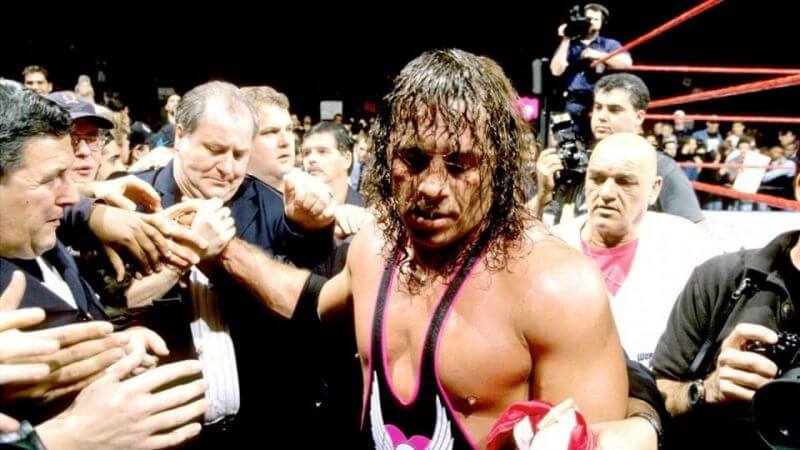
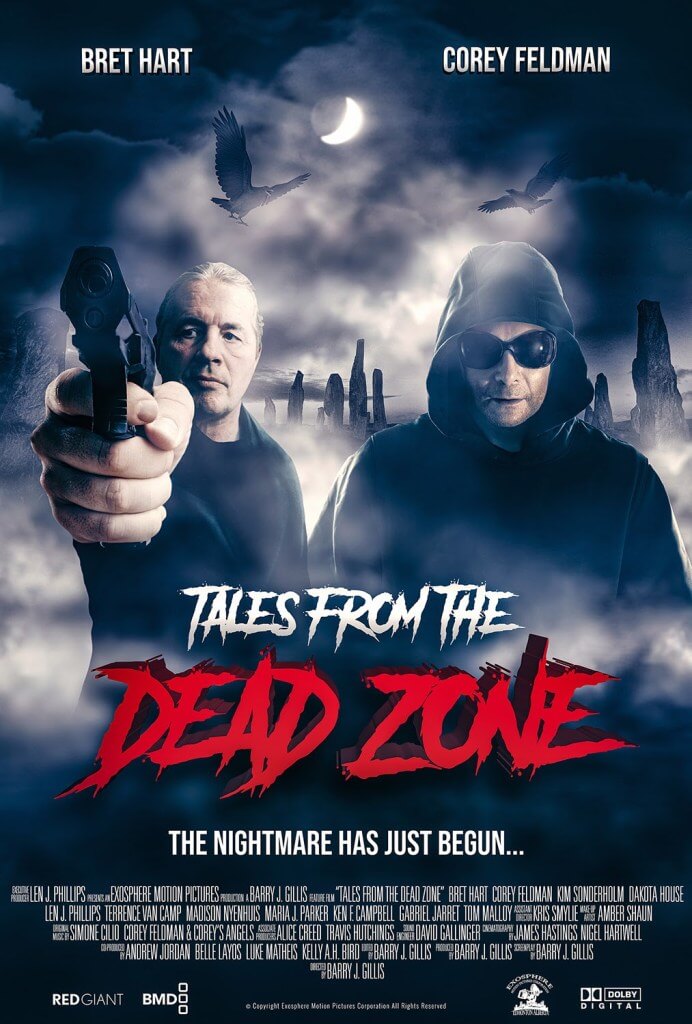
With Bret Hart recently announced to be starring in Barry J. Gillis’ horror anthology Tales from the Dead Zone, we were lucky enough to grab some time with the wrestling icon to discuss his decision to return to acting, his experience of playing a no-nonsense detective in the movie, if he’ll now be pursuing a full-time acting career, who could possibly play Bret in the story of his life, and so much more.

STARBURST: To start with, how did you end up involved in Tales from the Dead Zone?

Bret Hart: It just came at the right time, in the sense that I was looking for something to do and to challenge myself to see what was out there. It was just the challenge to play the part, to take on the role. I had gone through some hand surgery at that time, some wrist surgery, and I was in a fair bit of pain when I did the shoot. So at the time, I needed something to pick up my spirits a little bit and have some fun; not worry so much, just have some fun with the role. And I’ve never played a killer before.

How would you describe the movie to people?

I can only speak for the parts that I did, because I’m not so familiar with the full script, but it was a fun script and the role had a lot of swearing, a lot of violence, and a lot of anger. I was looking forward to that.

How much fun was it for you to get to play a private detective?

It was fun, I enjoyed it. When I did it I was thinking that this is really not a Bret Hart type of role – I’m not playing a hero or anything – but at the same time I thought I’d play a rugged Bret Hart type of private detective and to have fun with it. And that’s what I tried to do.
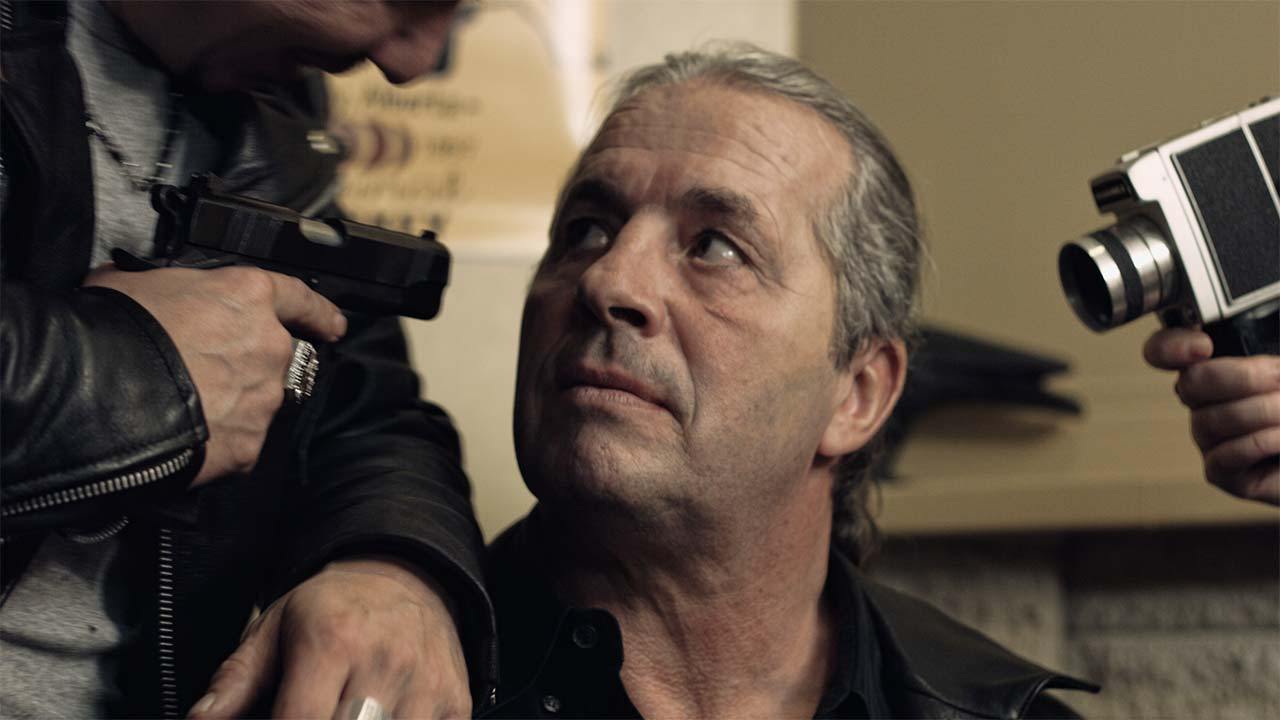
Bret Hart

Tales from the Dead Zone


Piggybacking off that comment, what would you describe as a typical Bret Hart type of role?

It’s the stereotype. For years, I was always getting movie roles where – kind of like the stuff John Cena’s done – you’re always being the hero and everybody loves you. I did that with my wrestling career, so it’s really not that interesting to play that kind of part. The detective in this particular movie was a pretty rough ‘n’ tough old cop. I got to have some fun with that, and people will be surprised to hear me go off and to see me in a situation where I do some pretty violent things.

Were there any films or specific characters that you pulled inspiration from for your role here, or did you go in with a clean state and open mind?

I think I came in with a clean slate, but I kind of think of someone like Columbo. Except for he’s a much more violent, deranged guy who is going to solve everything, just not with some thinking; maybe with some violent action.

Tales from the Dead Zone is classified as a horror movie, so are you a long-time fan of the horror genre?

I can be. I don’t really like to get scared. I don’t go to movies and want to come out all stressed out. I like more family-related movies and action movies. I’m all for happy endings. At the same time, I don’t go to a lot of horror movies or watch a lot of them, but when there’s a good one or one that captures my imagination, I really enjoy them. It’s kind of like pro wrestling. You can suspend your disbelief and go along with the storyline and have some fun and get a different kind of release like when you get really scared. I don’t know if the movie delivers that – I think it can and it should, and that’s the plan – but I liked the twists and turns that I was involved in. I thought my character was a clever character, he was smart enough to figure out what was going on. At the same time, he was somebody who believed in serving his own justice out.

So a little like a Punisher sort of character who has their own brand of justice?

Exactly. It works all the same.

When it comes to the horror genre, do you have a particular favourite movie?

My favourite horror movie? I was always a big fan of all the Hannibal Lecter movies. I used to like some of the zombie movies; I always liked Return of the Living Dead. That was one of my favourite movies, but I like that more as a comedy. Then there’s called Dawn of the Dead. I like it when I get scared. It’s funny how you can watch a scary movie 30, 40 years later and see it as corny and wonder how it scared you so much back when you were a kid.
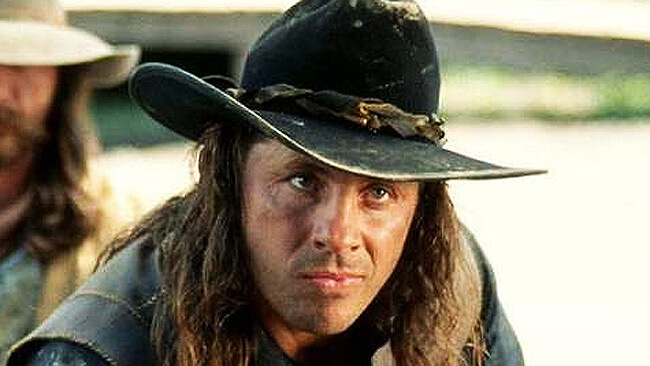
Bret Hart

Bret in Loneseome Dove


In terms of acting, back in the ‘90s and into the 2000s you did stuff such as Lonesome Dove, The Adventures of Sinbad, and then the Aladdin stage show. Was it always a plan of yours to get into acting, or was it something that just happened to come along at the right time back then?

Oh, for sure it was my next step to go in after wrestling. I had every intention of exploiting every opportunity to do what I could in film. I wanted to get out of television, I didn’t want to do any more TV. TV’s a lot of hard work and you’ve got to spend a lot of time on the road. I didn’t want to do that, but I did want to move into movies. Then I suffered my concussion injury, which was a real challenge for me. That’s why I did the Aladdin thing. I chose to do that because, even if I was not very good and it turned out to be a mistake, I would have been okay with it because I did it as a challenge. I had such trouble memorising lines at that time. That was sort of my step away from having my concussion injury. I was moving in the right direction. But then, of course, my stroke happened in 2002. That really made it hard for me. It’s not real obvious to a lot of people, but it can be a little bit obvious when you get tried; the left side of my face gets a little droopy and my walk gets a little stilted. When I get tired or if I get cold, it shows up much more obviously. And again, the sort of stereotypical movie I was getting [offered] was something for the Bret Hart wrestling character. I was always a good guy or a big hero or a guy who worked out in the gym – all of these characters and roles that played off my real wrestling career. They weren’t challenging. I had to start passing on movie projects mostly because I didn’t feel I could do justice to the parts with the limitations I had from my stroke.

In saying that, I also think that if you needed me to play the part of a guy that was injured, a Vietnam veteran or something, I could play that. I could play somebody who was hurt, who had a stilted walk, whose face was covered on one side, or I could play a monster in a Star Trek movie or something. There were certain things that I could have done, and certain things that I would’ve done if they came along. That’s where this project came in. I’d just had some surgery on my hand and was going in for my second surgery. I just wanted it to not be obvious that I was having trouble or that I was in a lot of pain at the time. Even when I had to choke somebody, it was hard for me to do it the way I would normally do it. At the same time, I saw the whole thing as a chance to challenge myself again and test my memory and the smoothness of doing my lines. On that level I was really happy. It was fun for me to work with Dakota [House – co-star] again. Him and I have become good friends and I enjoyed working with him again.

Since suffering the concussions, the in-ring retirement and then your stroke, do you think that resulted in people offering you less projects that are the usual meathead wrestler roles and instead presented you with opportunities to play other sorts of roles?

Well I’d done two seasons on Lonesome Dove. I thought I did really well, and playing that part was perfect for me. My acting roles and opportunities would’ve only gotten brighter if that had panned out for me. Instead, that series got cancelled. And I never really had a chance to pursue acting after that. I went back to the wrestling and then I got hurt, my career ended, and I had a stroke. You’re right, I had a lot of derailments. That’s where you’ve got to look further ahead and realise what kind of parts I can do. I got a lot of different offers, but usually I just turned them down as they’re not really parts I’d want to be remembered for or they’re not challenging for me. So this part, not that it was a real challenge, but it was fun. Like I say, I was just going through one surgery and then happened to be going for another hand surgery, which was quite a painful time period for me. I sought a challenge to do something for myself, to pick up my spirits and have some fun. I didn’t really worry about the script too much or how it was filmed. I just wanted to have fun. And it was fun and I enjoyed working with everybody that I worked with, and I think I did the best I could with the role.
Bret Hart

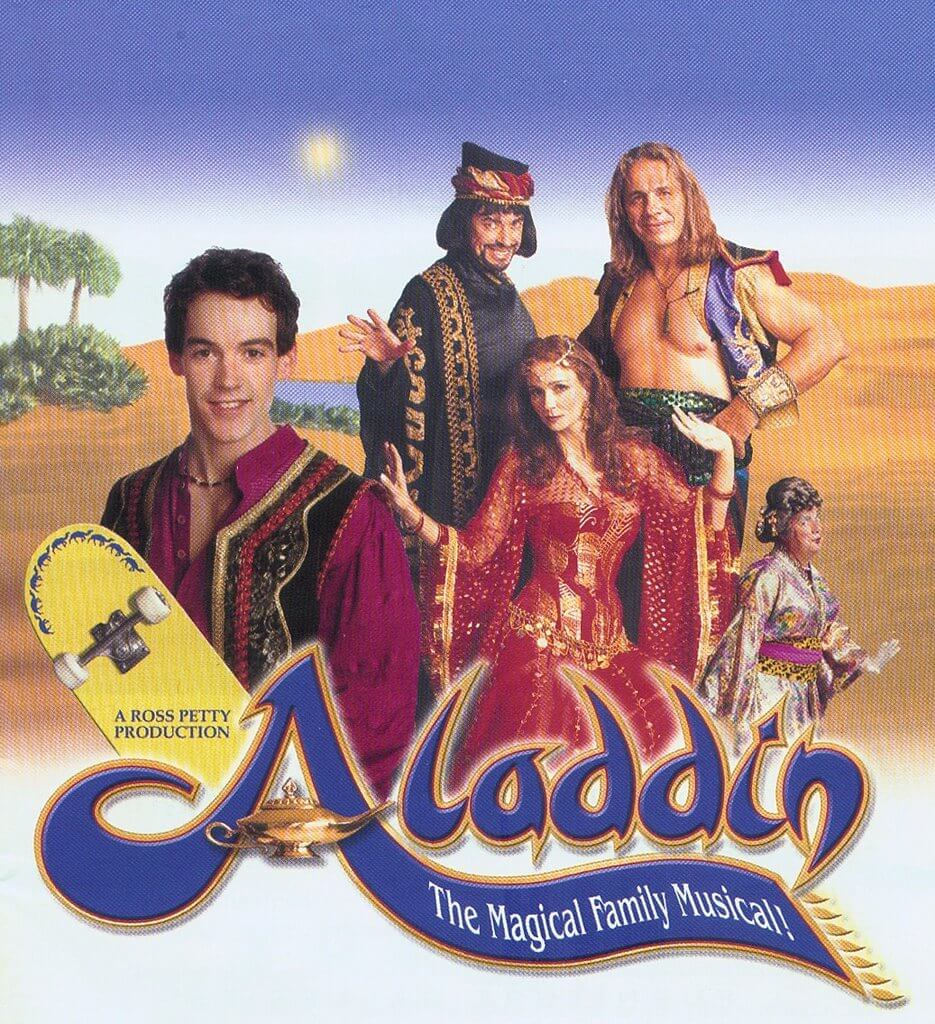
Ross Petty Productions’ Aladdin


You talked about passing on roles following your stroke. After the setbacks that you’ve had, when do you feel you really got your confidence back to want to go out and try acting again?

My plan was always to move more into acting when my wrestling career wound down. Unfortunately, my wrestling career wound down and got cut off with an injury which limited me to what I could do after that. The truth of it, I would say, is Ross Petty and the people out of Toronto that asked me to play Aladdin. That whole role, with the singing and the show and all that – I’m certainly no singer and I’m not much of a dancer either – but I appreciated that. I remember I said to them, “If you think I can do this then let me do this. But if you don’t think I can do it after all of the rehearsals, don’t let me go out there and embarrass myself.” They were like, “No, no, we’ll make sure you’re good.” They worked with me a lot and I gave 100% for them and tried my best, because it was a real challenge for me to just remember all of the lines. Even though you do it every day, it was a whole play, a whole pantomime. I expected the challenge, but I was a little fearful that I might drop the ball. That role in itself was a big role and it was a real challenge. I had so much fun with it, I enjoyed every member of the cast, and I would do it all again tomorrow – I would do it for free, it was so much fun.

It was just a real honour to be involved with such a classy production. That opened the door for me to at least accept these sorts of things as challenges and not to worry about what a critic might think of the movie or what they thought of my acting. I really didn’t care, I just wanted to have some fun. I look at everything like that today. I get a lot of your standard pro wrestler type parts, being a bouncer or bodyguard or something, and it’s always kind of the same things. You just never know what tomorrow’s going to bring. I always look at it that if something comes across my table, a) it might be fun, and b) it might be a challenge where I can prove something to myself. I’ve never tried a horror movie before, but it was the same thing: it was just kind of fun and a challenge. And I hope that people think I did a good enough job to at least believe that I wasn’t Bret Hart for a second; that I wasn’t the Hitman character that they know.

Roddy Piper is somebody who obviously opened the door, and then Dwayne “The Rock” Johnson has taken things to a whole other level, but do you think it’s now easier for wrestlers to be taken more seriously as actors and not just constantly be typecast?

I think Rock, like you said, has really opened the door for everybody, but I think there are also certain other guys – like [Dave] Bautista has done an awesome job in the movies I’ve seen him in. And even John Cena’s done a really good job. I think he’s adjusted really well to the acting. I’m really proud of him. I think it’s a real challenge. I think for every great, iconic wrestler, when your career winds down it’s a natural step to challenge yourself and try the acting. In wrestling, I think there’s a lot of similarities between that and memorising scripts for a movie; you have to remember a series of moves the same way you remember a series of words. You have to remember what order they’re in and you have to remember to duck when you’re supposed to and you know when you have to catch the guy. There’s a lot of memory in pro wrestling. That’s why I think almost any pro wrestler can be a good actor if they can relax enough to enjoy the role and just play it. I think acting and memorising lines aren’t a whole lot different to what we do in the ring wrestling, in memorising high spots and choreographed moves.
Bret Hart

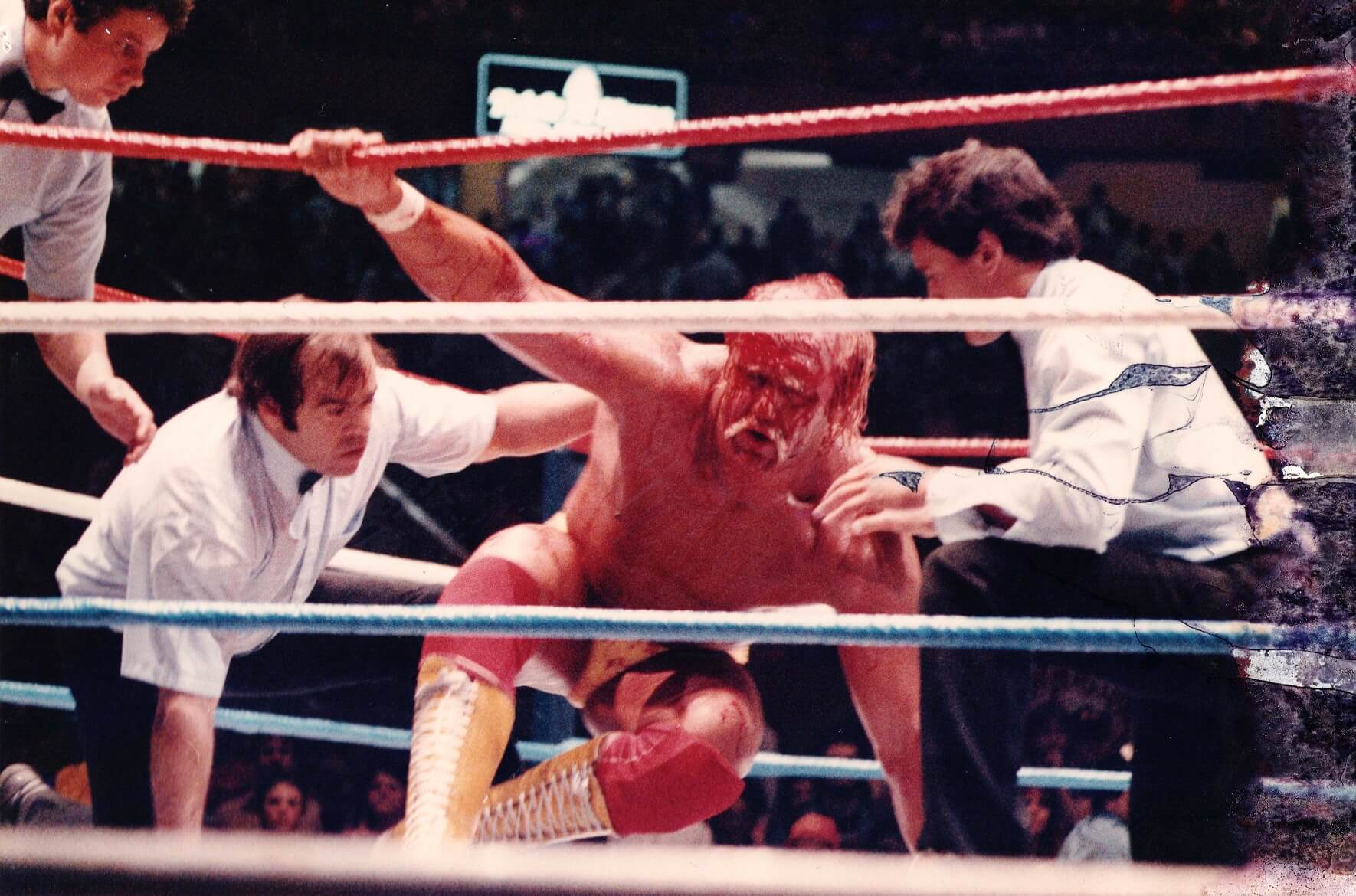
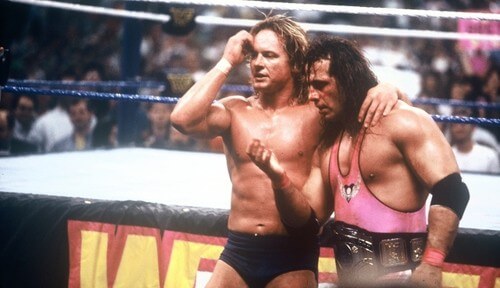
Bret Hart vs “Rowdy” Roddy Piper, WrestleMania VIII


A great wrestling match is so often about the chemistry between yourself and the person standing opposite you in the ring. With that in mind, which wrestler do you think would make a great partner for you to work opposite in a movie?

I would work with so many guys. I would be happy to work with any of the wrestlers. For some reason I’m thinking of some of the guys that are big and scary, like Undertaker or Yokozuna. It would be fun to play a role with them in a movie. Rock, of course, all of his movies are so well done and have the best of everything in them; the best camera work, the best stunt work. That would be a real thrill to work with someone of that professional, that high of a level. Again, I’m really very impressed with John Cena’s acting roles. I think he’s done an awesome job, and I’ve been quite proud of him for a long time. Bautista, I thought he was so good in Blade Runner 2049. I thought his acting was fantastic. I’ve enjoyed him as a wrestler and I especially enjoy how he seems to pick certain roles, and I really like the job he’s done. If someone said I could work with John Cena or Buatista or Rock, I would be thrilled. At the same time, if Roddy Piper was still alive and he called me to say, “Hey, I’m in a really limited B-movie that’s actually pretty good,” I would do it, just because working with Roddy would’ve been so much fun. I don’t always look at it in terms of the budget or whether this movie could launch my career, I look at it as how much fun it would be to do it.

Considering the size of the guy, if anyone was going to be typecast as the larger-than-life wrestler then it’s Dwayne Johnson. To his credit, he’s gone on to become the biggest box office draw in the movie industry.

The highest paid actor in the world. I would like to see some wrestlers take on some more dramatic roles; something with more emotion and something that could bring out their more emotional side. The more physical, Rock-sort of roles are fun, but it’s not really that much of a stretch from his ring character. And I’m sure Rock could do dramatic television or movies any time he wants to, and I’m sure that will come, but I think the world’s my oyster in that sense. I could find myself doing just about anything if I thought it was the right timing and a fun role to do.
Bret Hart

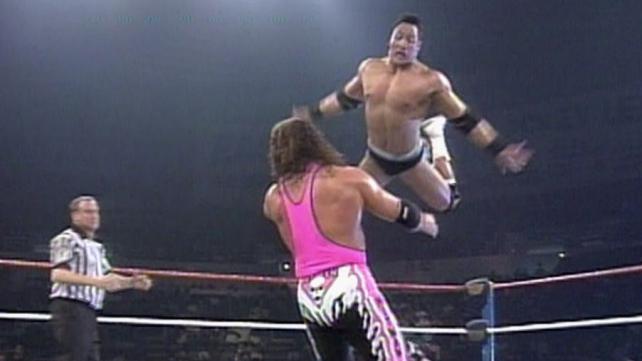
Bret Hart vs The Rock, WWF Raw, 1997


So, are you now now actively looking for roles and pursuing acting on a regular basis, or are you more just waiting to see what comes your way?

I’m not looking to make a career as an actor, mostly because acting’s a hard life. Anyone who thinks, “I’m gonna be an actor, it’s easy!”… it’s hard work, it’s long hours, a lot of time you’re away from home while you’re filming. That’s a lot of things that I’ve already done enough of and I don’t need to spend my life away from home anymore. But if the right thing came along, I’d be happy to do it. I’m not really looking, this could be the last movie I ever do, but at the same time it might be the door that opens up for something. Maybe I’ll just be in lots of horror movies because they’re fun to participate in. I would do a war movie in a second. It would be fun to play a cowboy or play a soldier. I often think about roles that would be fun for me to play. If one of them came along, I’d be happy to take a shot at it – succeed or fail!

What would be the dream role for you then?

It’s such a wide-open field. It could be anything. I could play an old boxer, I could play an old boxing promoter, I could play an old gangster. You just never know. If it comes along and I fit the part and I’ve got the time and it’s in a place where I could do it, I wouldn’t rule anything out. At the same time, I don’t know if I’ll be doing many more acting things.

You yourself have had an absolutely fascinating life, full of the highest of highs and the lowest of lows. If there was somebody to play Bret Hart in the story of your life, who would it be?

You know, I don’t know anybody that could play Bret Hart. Only because I don’t know anybody that really looks like me physically or even just above the shoulders. I can’t think of any actor that strikes me as, “Oh yeah, he could play me.” He’s out there somewhere, but I don’t know who could do it. If you’re going to do my book as a movie, who would play Vince McMahon, who would play Andre the Giant?
Bret Hart

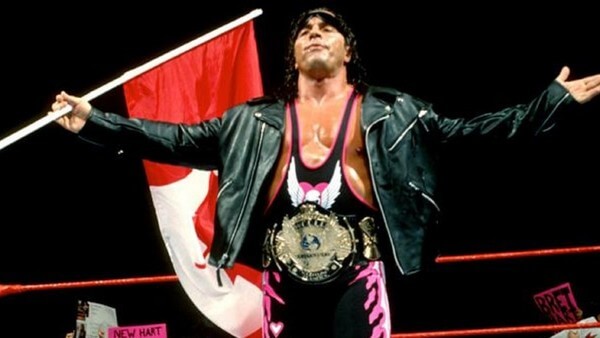
Bret as WWF Champion

Your book – Bret Hart: My Real Life in the Cartoon World of Wrestling – is an absolutely brilliant read. Is the ultimate plan to bring that to big-screen life?

Only that I hope someday that it’ll happen; that my book goes into film. There’s people out there that can figure that out. When you watch movies – you have someone playing Elton John or someone playing Freddie Mercury from Queen – it’s a challenge and it’s not easy to come off as real. I always thought Will Smith, as much as I love him, I never thought for one second that he was Muhammad Ali. I never thought he was Muhammad Ali even though he had the size and the personality. It was a really lousy attempt capturing Muhammad Ali. As hard as Will Smith tried – he tried his heart out – it was poorly cast. He was not the right guy to play Ali. I remember taking my dad to the movie and we watched the whole movie and he said to me at the end, “When does Ali come on?” He really said it in a serious way. He’d watched the whole movie and he just didn’t get it. And I always thought that whoever plays Bret Hart in a TV or movie project based on my book would have to, I hope, look like me or act like me enough that people go, “Yeah, he reminds me of Bret Hart. He captures Bret Hart.” I hope somebody can answer that question.

Is there the worry, as with so many projects based on real-life people, that liberties may be taken with the truth?

Well I’ve worked now for several years on scripts based on my book. And I’m still in the middle of it. It’s like writing my book in long form; it’s a lot more complicated than doing a book. I’d say I’ve got the equivalent of what would be one season of maybe 18 or 20 episodes. It’s written right now and I’ll keep working on it, and I’ll wait for the right people to come along and see if they want to use my script. When I wrote it, I had to get it right the first time. I’m not going to have chance to write it again. The same thing with film, if someone was going to adjust my book for a film or television series. It would be important to me that it was accurate and that it captures the truth of what I was writing about my career and my life. I’m not for fictionalising my truth with a bunch of things that never happened.

Tales from the Dead Zone will be released at a to-be-confirmed date next year. In the meantime, be sure to follow Bret on Twitter and head on over to talesfromthedeadzone.com.Tales From the Dead Zone
Out Now – Issue 462!

In the new issue of STARBURST, we head back to the decade of big hair and even bigger movies, as we celebrate the return of Stranger Things with a look at the hit Netflix series and speak to the director Shawn Levy. That’s not all, we countdown the STARBURST writers’ favourite 80 films from the decade, where will your fave be?

With Ol’ Web-head returning to the big screen in Spider-Man: Far From Home, we get under the dome of his new friend/foe Mysterio. Annabelle Comes Home and the Child’s Play remake prompt us to investigate the creepiest dolls in movies.

And that’s not all, we also take a look at how rockers KISS have crossed over into genre via comics and film, we chat to Thunderbirds are Go’s Parker, David Graham, and screenwriter David McGillivray spills the beans on his shocking autobiography.

Plus Horror Obscura looks at another overlooked shocker and in Independents Day, we talk to the director of X.

Plus all your favourite COLUMNS, NEWS, REVIEWS and much MORE from the worlds of SCI-FI, HORROR and FANTASY!

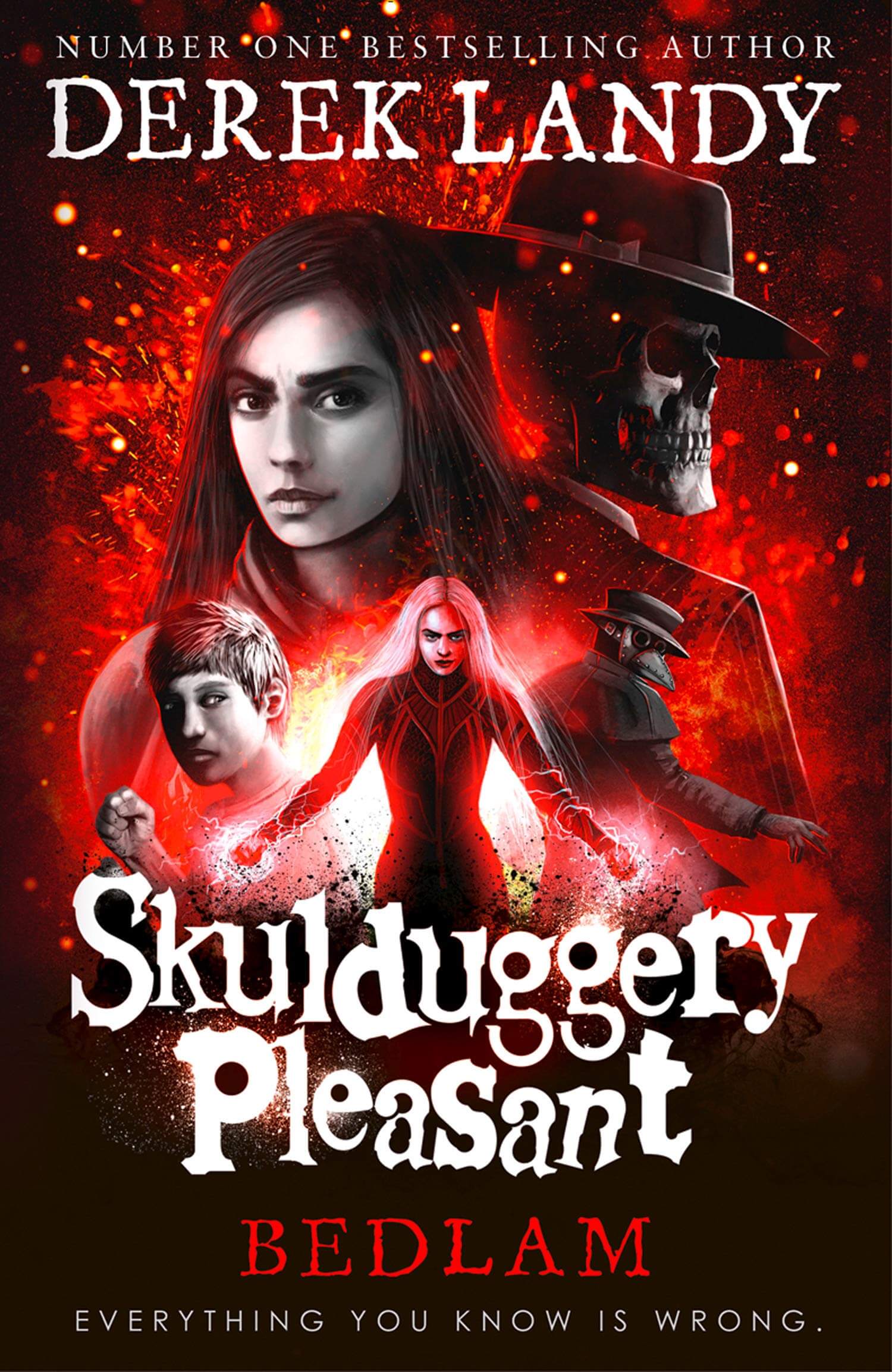
Derek Landy | BEDLAM

Derek Landy Bedlam

Derek Landy is an Irish author and screenwriter whose credits include the horror comedy movie Boy Eats Girl and the award-winning Dead Bodies. Derek is best known for his Skulduggery Pleasant series of books, and the latest book in the series, Bedlam, is out now. We caught up with him to find out more.


STARBURST: What’s the elevator pitch for Bedlam?

Derek Landy: Valkyrie Cain goes up against the High Sanctuary itself in a desperate effort to save her sister, and there’s nothing Skulduggery can do to stop her.

How would you describe the Skulduggery Pleasant series to an elderly relative?

I would sit them down in a comfy chair and tell them, very gently, that this is a series about a skeleton detective and a girl with an awesome power. I’d tell them about the bickering, the sarcasm, and the intricate plot-weaving. Then I’d take them through each of the decapitations that occur in the books and assure them that’s it’s all been done in the best possible taste.

Where do you even begin with a book like this? It’s quite a long-running series…

I get asked this all the time, so I’ve learned to smile beatifically and say “It’s all part of the plan…”

And that is mostly true. There are plot strands that go all the way back to 2005, when I wrote the first book, that are only now becoming apparent. These are secrets that I’ve been keeping from the readers, secrets that I’ve been praying wouldn’t be guessed before I got to write them.
To get to Book 12 and still be able to surprise the readership is a wonderful thing, but I’m only able to do that by sticking to the basic outline that I’ve had in my head for the last 14 years. This is all one big story, so thankfully the only time I’ve ever really faced that dreaded first blank page was way back at the beginning.
How different is writing a book from script writing?

In a lot of ways, I prefer writing books. Writing screenplays is a lot of fun, and making movies is a dream come true — but as a writer, if you want total control over your story, you need to write a book. You can’t write a film and then complain that it didn’t stay true to your vision.

I wrote two films before the first Skulduggery Pleasant book, and graduating to that level of control and responsibility was just this wonderfully addictive thing that I couldn’t get enough of.

That said, I do miss movies terribly. Being on set, watching the crew bring the script to life, watching the actors live and breathe as your characters… It’s a level of excitement you just don’t get sitting at your desk in a quiet house in your slippers.

What character is the most fun to write?

Valkyrie Cain would be my favourite character, because she’s the one the series revolves around, but Skulduggery is a blast. His origins are all those Bogart and Bacall movies I used to watch as a kid, all those Cary Grant movies, where everyone talks really fast and they’re all so impossibly witty. I grew up with a stammer, so I was never able to talk fast when I was younger, and I think my love of that rapid-fire dialogue is a direct result of that.

And if any character from your books could have their own action figure, which one would it be and how would they react?

Oh, Skulduggery. Definitely. Now that I think of it, he’s probably appalled at the fact that he doesn’t have one yet. He’d be of the opinion that if anyone deserves an action figure, it’d be the sharply-dressed skeleton with the impressive cheekbones.

Which character seriously needs to have a word with themselves?

Most of them…? But especially Valkyrie. She’s been through an awful lot, the poor girl. She was introduced to this crazy world of magic and monsters at the age of 12 and now she’s 25 and she has some serious, serious issues.

Of course, it could be argued that Valkyrie has already had a serious word with herself — and that didn’t go too well.

How long did it take to write Bedlam?

It usually takes me six months to write a book, and Bedlam was no different. That usually works out as three months of writing a few hours a day, taking time off to play video games, read, watch movies… and then another three months of frantic, obsessive work where nothing else gets done. I’ve missed plenty of deadlines over the years, but never the important ones…

What makes this book different from the others you’ve written?

We’re in what is, basically, Phase Two of the Skulduggery Pleasant series. Phase One was books 1 to 9, after which Valkyrie took a few years off before another crisis kicked into gear and she was dragged out of her self-imposed exile. In Bedlam, I’m continuing an exploration of her as an adult, coping with everything she’s been through and coming to terms with everything she’s had to do in order to beat the bad guys and win. In this book, all that trauma really takes its toll, so it’s been fascinating examining that side of her. After 14 years, she’s still surprising me.

What has been the most interesting shift in genre writing in recent years?

I’m going to take “recent” to mean the last 20-odd years, okay? Because then I can say Harry Potter. What Rowling did changed everything. By proving that adults would read books for younger readers, I reckon she’s responsible for the fact that your local bookshop now has a massive YA section filled with all manners of goodies.

What’s next?

Next is more Skulduggery. I’ve got to finish this story before I can focus on anything else. But once that’s done? Oh, I have dreams. I have dreams about books that need no sequels. Single, one-off books that are not part of a series, that tell a story and then… stop. But maybe I dream too big.

What tropes do you personally avoid the most?

I try to avoid the dumb tropes — like where a character has to die in order to spur another one on. (When my characters die, it’s either for a Very Good Reason or just because I’m in a mood.) I love the Chosen One trope just as much as I hate it. When it’s done well, it’s amazing. When it’s done badly, the plot only moves because of a prophecy, and once you notice it, it will drive you insane whenever it crops up. I’m doing my very best to subvert the Chosen One idea in the Skulduggery books with the introduction of Omen Darkly — the useless twin brother of a heroic, strong, capable Chosen One. I get to work out all my vexation there.

Describe your dream project?

I’ve had an idea for a horror novel in my head for ten years and I haven’t been able to knock it into shape yet. But I will.

If you could take one piece of art, music, movie, book, etc and ensure it would last until the sun dies out, what would it be?

This is one of those questions that threatens to overwhelm me, so I’m going to take the easy way out and point to my bookshelf and say Red Dragon, by Thomas Harris. A perfect thriller.

If you could give the 16-year-old version of yourself any advice, what would it be? Would you listen?

And risk corrupting the timeline, are you nuts?

But okay, if it was guaranteed not to impact the future in any negative way, I’d tell him that what he’s doing is right. The way he daydreams all day in class? The way he draws comics instead of doing homework? The way he’s writing stories instead of studying for exams? Keep doing that. Don’t let anyone dampen that imagination. There is no one way to success, or one route to happiness. Be prepared to work hard, but work hard on your own terms.

Also, maybe eat less.

Bedlam is out now and can be found in all good bookshops.

Skulduggery Pleasant

EDINBURGH INTERNATIONAL FILM FESTIVAL 2019 Preview

boyz in the wood

This year’s Edinburgh International Film Festival begins next week, and your favourite magazine of cult entertainment will once again be on hand to bring you our thoughts on the highs and lows of the dozens of new films on offer. If you’re thinking of making a trip to the Scottish capital for a fortnight of filmic fun, here are some of the expected highlights to watch out for.

Opening the festival is Boyz in the Wood (pictured), a black comedy about a quartet of teenage boys left in the wilderness of the Highlands as part of the Duke of Edinburgh Award, and find themselves being hunted for sport by youth-hating aristocrats.

This year the Best of British strand brings us Strange But True, a noirish thriller where a woman is convinced her pregnancy was caused by her boyfriend who died five years previously and confronts his grieving family with the possibility; and Danny Boyle’s comedy Yesterday, where after a blackout a struggling musician discovers he is the only person alive who remembers The Beatles, and appropriates their songs from himself to become a musical sensation.

American Dreams is a strand that looks at new creative works from over the Atlantic, showing The Art of Self-Defence, a comedy where an accountant joins a karate studio to learn how to defend himself; The Dead Don’t Die, a deadpan surreal comedy horror where small town cops deal with a zombie uprising; I See You, a horror where odd goings on begin to occur in a small town after a young boy goes missing; and The Vast of Night; a sci-fi mystery where strange things begin to happen in small town in 1950s New Mexico.

Family films include Ugly Dolls, where a community of friendly plush toys discover they are rejects and must prove their worth in a town where perfect toys are trained to win the love of children; and Asterix: The Secret of the Magic Potion, where the famous Gaul and his friends search for a new village druid after Getafix retires, while an evil wizard plans to steal the recipe of the magic potion that gives them superhuman strength.

European Perspectives brings new films from creatives on the continent. Aniara is a sci-fi where the crew and passengers of a colony ship heading to Mars must survive when they are knocked off course; How to Fake a War is a comedy where an arrogant rock star instructs his PR consultant to fake a war story after peace breaks out in the conflict his upcoming charity concert was to promote the end of; and We Have Always Lived in This Castle is a gothic mystery based on Shirley Jackson’s novel, where two sisters and their uncle live isolated on a country estate after a tragedy makes them pariahs in the nearby town, and the arrival of their mysterious and faintly sinister cousin disrupts their ordered lives.

World Perspectives brings us a trio of crime movies. Bodies at Rest is a martial arts movie where a morgue on Christmas Eve is taken over by gangsters looking to cover up a botched drug deal; Extreme Job is a comedy drama where incompetent police officers stake out a suspected drug den from a fried chicken shop, subsequently discovering they’re better at selling fast food than doing actual police work; and Unstoppable is an action story where a family man with a violent past hunts down the sex traffickers who kidnapped his wife.

The Night Moves strand of the festival can always be relied upon for genre fare, and this year’s assortment is distinctive from each of its new films being directed by a woman. Body at Brighton Rock sees an aspiring park ranger discover a corpse on a remote mountain trail and must guard the crime scene until help arrives while night falls and something sinister may be watching her from the forest. Ever After is a zombie apocalypse, road trip horror where a pair of mismatched twentysomethings embark upon a journey across a county ravaged by the undead. The Furies follows one of several kidnapped women being hunted through a forest by armed men in masks, and must fight back against her pursuers. The Wind is a gothic horror western where a woman living on the remote American frontier is haunted by paranoia from the expansive isolation and her own religious conviction, exacerbated by fear of something in the darkness and the appearance of some neighbours. A double bill of psychological thrillers see Polyanna McIntosh take a starring role, first in 2011’s The Woman, where a misogynist lawyer keeps a feral woman captive without realising how much danger he’s putting his family in, and its new sequel Darlin’, where the bishop and nuns of a Catholic care home attempt to tame a violent feral girl, only for the even fiercer Woman who raised her to come looking for her surrogate daughter no matter who stands in her way.

A couple of documentaries of interest are Bludgeon, about a group of medieval re-enactment enthusiasts hoping to be selected for New Zealand’s national team for competitive medieval combat and travel to Europe for an international championship; and Memory: The Origins of Alien, charting the beginnings of the classic sci-fi horror movie, looking into how the creative visions of all involved influenced the film’s development.

Each year one country is singled out for special focus, and this year is the turn of Spain, showing h0us3, a sci-fi thriller where a group of computer programmers try to alter a hacked augmented reality app, only to unleash unforeseen consequences and must work fast to save themselves. A Spanish retrospective includes Pedro Almodóvar’s psychological horror The Skin I Live In, where a surgeon experiments on a human captive; Timecrimes, a sci-fi thriller where a man becomes caught in a time loop and must prevent his numerous other selves from existing; and two films from Pablo Berger: Abracadabra, a darkly comic fantasy where a woman’s husband is possessed by a ghost, and Blancanieves, a retelling of Snow White set in 1920s Andalusia.

This year’s Special Screenings include Cage-a-Rama 3D, a Saturday night double bill starring Saint Nic and featuring two of the most demented examples of Cage Rage, Ghost Rider: Spirit of Vengeance and Drive Angry. Also showing is a screening of all six episodes of apocalyptic fantasy series Good Omens, in case you fancied reliving it on the big screen.

Jason Eisener & Evan Husney | DARK SIDE OF THE RING

Jason Eisener Evan Husney

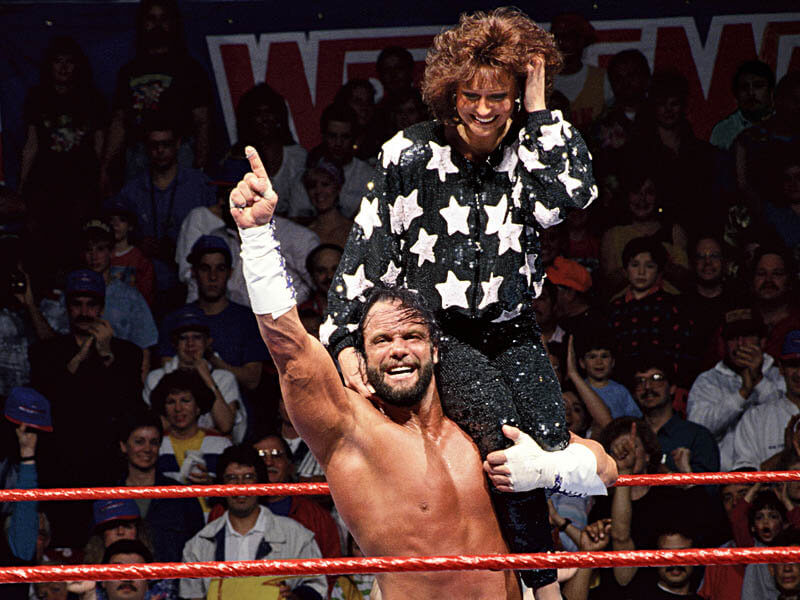
Having won a whole host of plaudits and praise from North American audiences, Dark Side of the Ring has now launched in the UK on VICE. Taking a look at some of professional wrestling’s darkest moments and tragedies, the six-part documentary series is an absolutely fascinating watch for both wrestling fans and non-wrestling fans alike. We were lucky enough to grab some time with director Jason Eisener and producer Evan Husney to discuss being wrestling fans, the real-life shocking incidents behind the curtain of the wrestling industry, how they handled having those involved in those moments revisit such tragedies, potential topics for a second season of the show, and a whole lot more.

STARBURST: Starting with the obvious question then, were you both wrestling fans growing up? And if so, when did you become a fan and who were your favourites back then?

Jason: Both Evan and I, we grew up as major wrestling fans. My very first wrestling show was really impactful for me. I went to a WWF Superstars show and I was probably 10 or 12 years old. I had a spot right next to the guardrail, where the wrestlers come out for their entrance. While I was sitting there, there was this wrestler named Skinner who was like a Southern outback sort of wrestler. I leaned over the rail and me and my cousin were screaming at him, “You suck! You suck!” He came over and locked eyes on us, then grabbed me by the collar of my shirt and pulled me up over the guardrail. Me and my cousin. He pulled us in to his face and I could smell his breath – he had this chewing tobacco – and he was all, “I’m gonna skin you!” I was so terrified. It left such a huge mark on me. I was, at that time, already a full-blown believer in the wrestling world, but that kept me as a believer all the way up until this day.

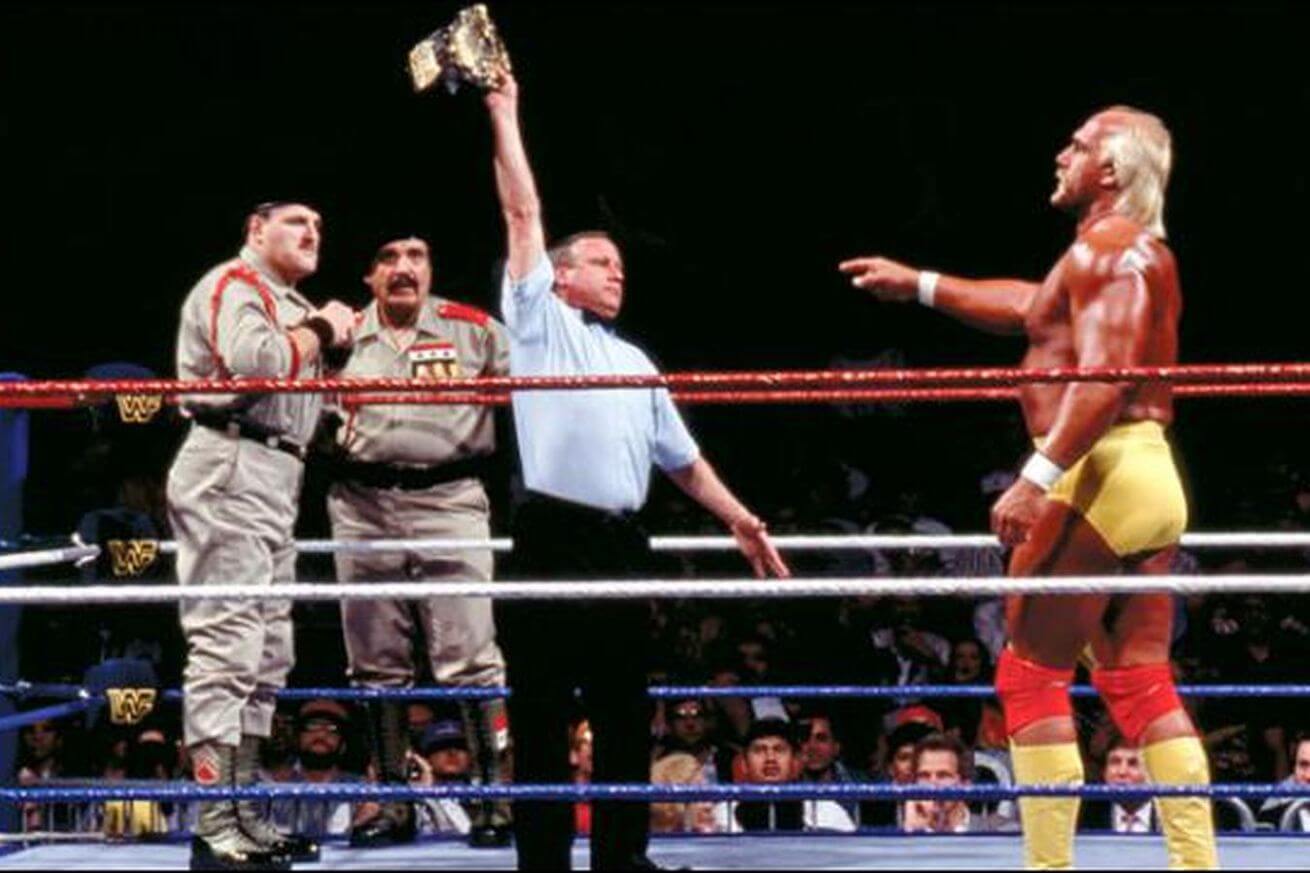
Evan: I had an opposite experience. My first wrestling match was a WrestleMania house show in, I think, 1991. It was during the Hulk Hogan/Sgt. Slaughter conflict. I had come in to wrestling as a big G.I. Joe fan and so I was, “Oh, I get to see Sgt. Slaughter live in person!” Much to my horror, I didn’t understand at the time – I didn’t know who Saddam Hussein was – that he [Slaughter] was this Iraqi sympathiser character. My parents were aghast that I’m cheering for Sgt. Slaughter. The only kid in the auditorium who was, “Who’s this bald guy with the blond skullet who’s attacking my American hero?”. I was crying. My parents were so embarrassed that I might not be altogether there. That was where my love for it started, and then it was literally opening up a Big Boss Man action figure and playing with it for a decade. After that, it was getting in to the Attitude Era. It’s always been a part of my life.

When you first decided to do Dark Side of the Ring, what was your initial aim for the series?

Evan: So Jason and I have been best friends for a long time. We both met in our filmmaking circle and we quickly discovered that we had a lot in common. Our childhoods were very similar; the movies, the action figures, wrestling and all that stuff. Jason’s a film director and he had done several different projects, and I’d been a staff employee at VICE for several years making various documentaries for online. We both kind of got in to wrestling again as lapsed fans. We got back in to it in a big way. As our fandom started with Skinner, there’s a lot of blind spots there in terms of the territory era, what happened before, Japan in the ‘80s. Thanks to the internet, a lot of that stuff people have got obsessed with in the last several years.

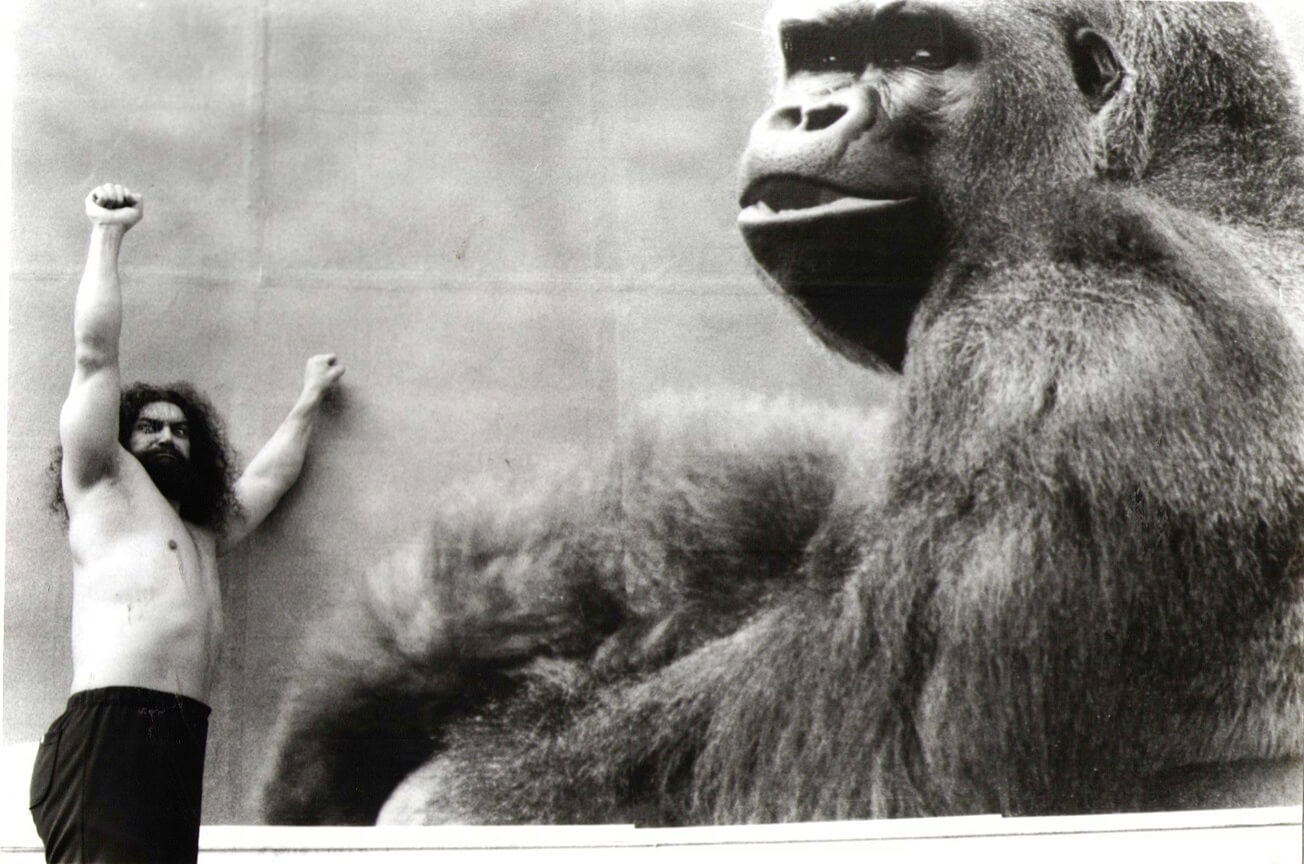
One of the things that caught our attention immediately was the Bruiser Brody story; Bruiser Brody as this mythological, incredible, unbelievable personality in wrestling, but also us being moved and outraged by his final days. We just were perplexed. If that story happens in today’s wrestling environment, it would be front-page news everywhere. The fact that it’s sort of been forgotten for several decades, it felt like it was right for a re-examination. That was the jumping-off point. Here’s this story, how do we do it? It was really when VICE the TV channel started up, it seemed like a fit for us to do the documentary for the channel. Then that sort of grew and grew – what other stories deserve a similar treatment? That was the genesis. We did the Bruiser Brody episode as sort of the ‘proof of concept’ pilot, and that allowed us to make a full series last year.

Bruiser Brody

Photo credit: Barbara Goodish


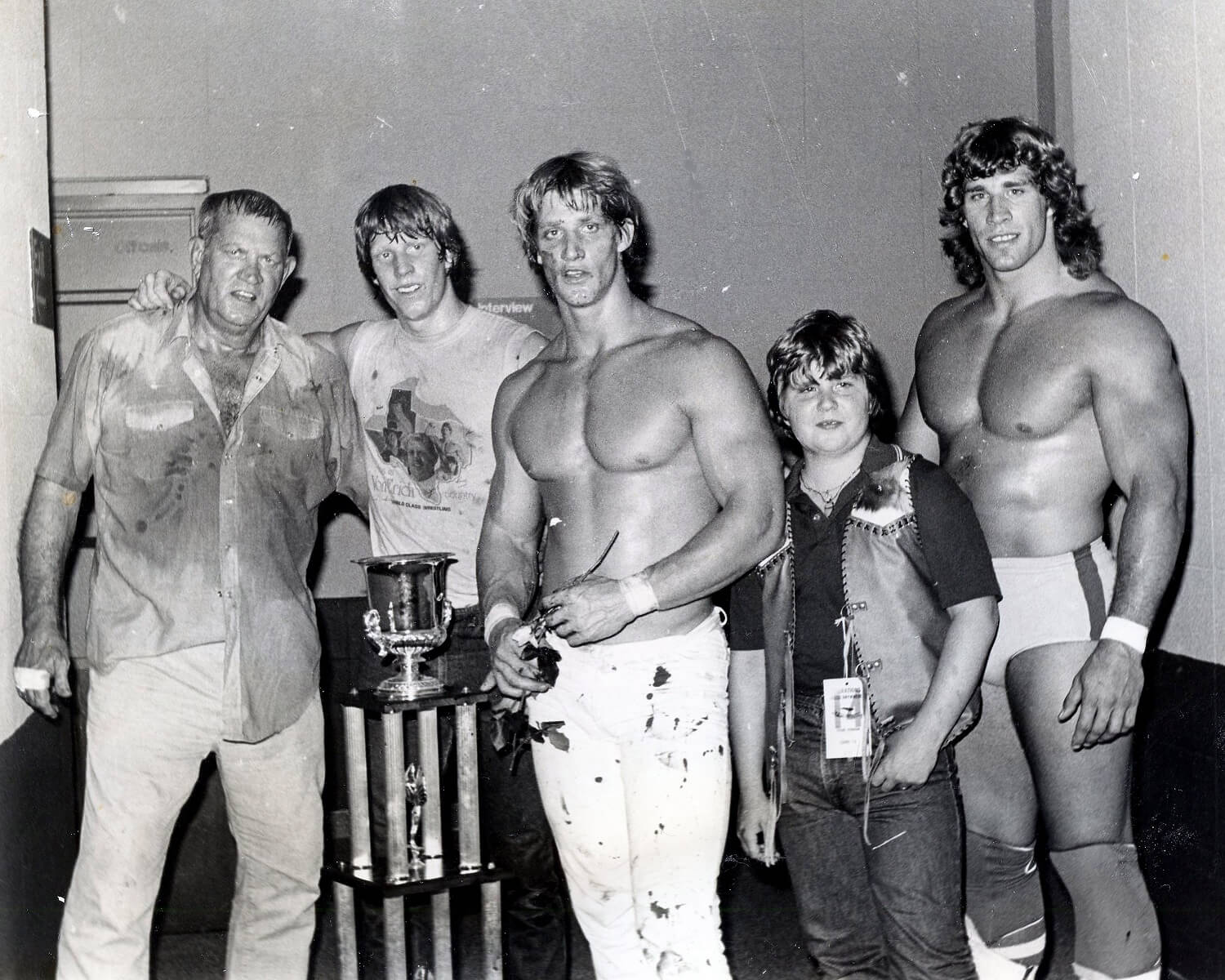
People like Lanny Poffo and Kevin Von Erich have previously spoken publicly about their own personal losses, but you then have Gino Hernandez and Bruiser Brody’s families who are not used to being in the spotlight. How was it to approach those families and assure them that you were being respectful and not exploitative?

Evan: It’s very tricky. You have to approach it very delicately because you don’t want to appear as being too much of a wrestling fan; someone who may or may not grasp the gravity of the situation that you’re dealing with, dealing with someone’s loss of a loved one. That transcends the importance of wrestling. It’s just a process of getting to really know those people and to give them the proper amount of time and respect, to earn that trust. In several cases, Gino’s family being the prime example, it was literally about going out to meet with them in person without cameras and just trying to get to know one another so they could understand where we’re coming from and how we have their best interests in mind; we really want to tell their story and just hope that they trust us. That was part of the thing. It’s just a process and getting to know somebody on a personal level so that they understand that your intentions are genuine. Where a lot of other programmes did it, it might just be the sensational stories. Here, it couldn’t be further than that. These are powerful stories that might help somebody else in their own situation, or it might help people see wrestling in a different way.

Jason: With the Von Erich story, I think that was a big part of why Kevin wanted to tell his story. They can be something that other people can learn from or find inspiration in. When you hear what he and his family have gone through, if he could make it out the other side, I think that that can be really helpful for other people who may be struggling with life. He’s been getting that a lot – you see on Twitter there’s a lot of people reaching out to him and thanking him for being so open about his story. People have been finding it really helpful.

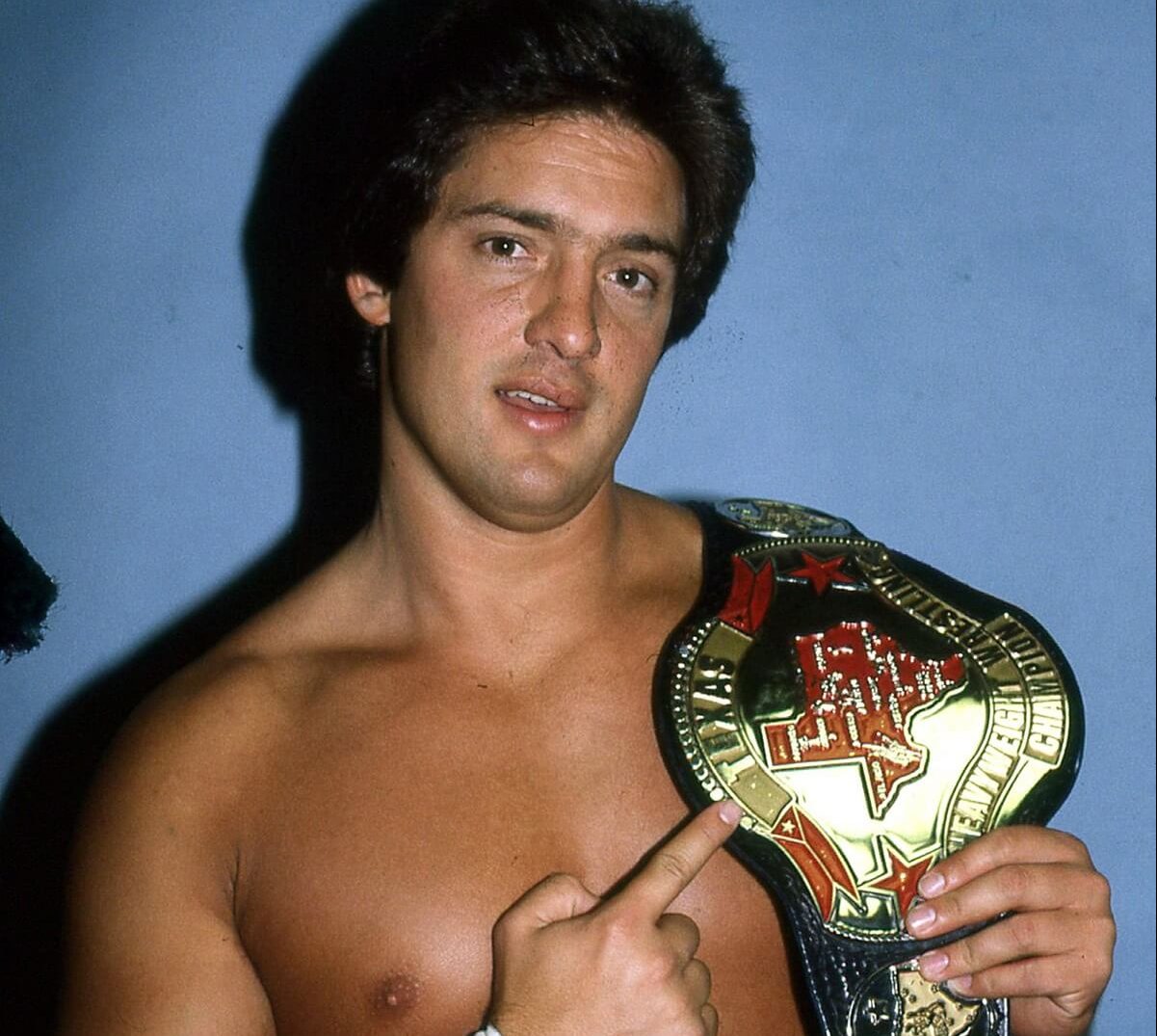
Gino Hernandez

Photo credit: Buddy Myers


For some of the six stories told in the first season, wrestling fans may already be well familiar with them. How did you approach these tales in a way that made them feel fresh or to give people something they haven’t heard before? For instance, Jim Cornette revealed a major new twist to the Montreal Screwjob.

Evan: That’s a good question.

Jason: We do so much research. We’ve seen every wrestling documentary that you could find, pretty much. We really want to tell these stories in a way that they have never been told before. We’ve been watching every shoot interview, every wrestling documentary, to try and navigate our way to tell these stories in a way that people haven’t heard before. But we also wanted to bring a very cinematic quality to it, and we wanted to make the episodes in a way so that non-wrestling fans could get introduced to the world and understand what was going on. Our biggest goal was to make the most hardcore wrestling fans respect what we’d done, but to also make somebody who doesn’t know anything about the wrestling world be able to see the episodes and see why it is that we love and respect this business so much. Our favourite comments about the show have been from other wrestling fans who said they’ve shown it to a loved one or friend who isn’t a wrestling fan, then it’s got them interested in the wrestling business. That’s probably the coolest thing.

Evan: I think of Montreal specifically. I think the purpose that the episode served it was, like Jason was saying, we wanted to make the show for a non-wrestling audience. Talking about the one big 30 for 30 moment in wrestling where everything changed – where people started to get more interested in the behind the scenes rather than what was happening in the ring – you can’t look any further than the Montreal Screwjob. I think the episode for people who aren’t as familiar as wrestling as the three of us, that episode really is the perfect primer in terms of understanding how the behind the scenes works and how it functions and what it means to be a champion. It really establishes those things for an audience going forward to see the other stories that are going to unfold as the season goes on. I think that was the main reason for doing this in the beginning. But we had no idea that Cornette was going to give us that piece of information, and how awesome was that?

You talked about wanting to make these stories cinematic, and the interviews featured in Dark Side of the Ring are interspersed with well-produced re-enactments featuring lookalikes. How tricky was it to find so many lookalikes for the fill-in scenes?

Jason: We ran the production out of Toronto, out of the VICE Toronto office. Just down the street from the VICE Toronto office was a wrestling school and a local wrestling promotion called Superkick’d. They had a lot of performers that we were able to use. We teamed up with them, they let us use their ring and use a lot of their talent, but then we also went to bodybuilder groups, we scoured Instagram for different gyms in Toronto looking for big guys, and then just local casting agencies too. We were lucky enough to find some wrestlers who had gimmicks that were very similar to our performers. So we had a fella from Montreal whose gimmick was very close to Abdullah the Butcher, and we had another wrestler whose gimmick was really close to Bruiser Brody. They already had the research done for the characters, they had been studying these wrestlers for their entire lives, so it was easy for them to step in and assume those roles.

In additions to interviews and recreations, you also have a lot of footage of these real-life wrestlers in action. Given how a lot of what you’re discussing in each episode is potentially detrimental to some of the companies involved, how did you manage to get the rights to that footage?

Evan: There are a lot of limitations in terms of the archival that’s going to be available to you to tell the story. You have to lean on the people who were there to tell these stories. That’s the way we’ve always approached these stories from the beginning. That being said, that was really the emphasis that inspired the idea of doing the re-enactments in the first place – to help bolster the story, visually. We had to come up with an interesting way to transport viewers in to the minds of the interview subjects and the memories they have, but also to be able to bring a visualisation to the moments that weren’t in the archives; the stuff that happened in the locker rooms, the stuff happening on the road, the stuff happening in hotels. That was really the reason why we wanted to do dramatic re-enactments., and because Jason and I are huge fans of Errol Morris and his film The Thin Blue Line. We really just wanted to make the Thin Blue Line version of wrestling.

Jason: Very true.

Off the people who are still alive, you managed to get input from the majority of the key players in each of these stories. Was there anybody you reached out to who either you couldn’t get hold of or they just flat-out refused?

Evan: I wouldn’t say every episode, but the majority of them maybe had one or two people that we tried to get but we were unsuccessful. One that comes to mind is Shawn Michaels for the Screwjob. We were kind of surprised, but he felt he’d said his piece on it already, and that’s fair. As you know in the Bruiser Brody episode, we mention the people that didn’t want to participate. And I think Lex Luger was one who turned us down for the Macho Man episode, which was surprising to us only in that one of the major reasons that we wanted to include his side of the story is because we were so moved by a lot of his interviews about that. He’s been able to take what’s happened to him and turn it into an experience to help others. We thought it was very inspiring and thought that was such a no-brainer for our episode in the way that we would treat it. Unfortunately, he didn’t want to be a part of it. So we had to build by the fact that we did have that story on Eric Bischoff’s podcast, and we wanted to include that because it’s very important to hear his [Luger’s] perspective.

As wrestling fans, do you remember what the first real-life shocking incident you heard about was?

Jason: I didn’t hear about the Bruiser Brody murder when I was a kid, but I definitely remember people on the schoolyard talking about the Montreal Screwjob. Being from Canada myself, and Bret Hart being just as big or bigger than Wayne Gretsky, that was a really big deal for all the Canadian kids. So that was the first time I remember. When Bret started going to the press after the Montreal Screwjob had taken place, even as a kid we thought that that was crazy. To hear that Vince McMahon, that they were admitting that they were openly talking about scripting finishes for matches, I remember that being a real shocker as a kid.

Evan: For me, it’s more recent, but I definitely remember where I was standing when I heard that Randy Savage had passed away. That was a huge one for me, because he’s always to this day been my number one in terms of who I believe is the quintessential wrestler. I remember exactly when that happened, and that one probably more-so than several others was a huge emotional loss for me. I was distraught for days after that.

Photo credit: George Napolitano


Sadly, the wrestling business is one filled with more than its fair share of tragedies, particularly with names such as Chris Benoit, Jimmy Snuka and Nancy Argentino, Dino Bravo, Adrian Adonis, Joanie Laurer and countless others. If a second season of Dark Side of the Ring is ordered, are there any particular stories that stand out to you as needing to be told?

Evan: There’s several stories. We’re still waiting to hear if we’re officially going to be renewed for another season, but if we are then unfortunately there are several, several stories that you could cover going forward. Several of them, it’s just about finding the right access, making sure you can get the right people who were there with first-hand information for these stories so that it’s not exploitive and it’s not so much of an exposé. We want it to be authentic, truthful and genuine with the stories that we tell. We were supposed to have a larger Season 1 than originally planned – it was supposed to be eight episodes, so we had to stop working and pause on two different ones – and one of them was the Dino Bravo story. That one we did a considerable amount of work on already; we’ve done several interviews and had several edits of it. We didn’t do the re-enactments yet, but we got pretty far in that story. For that one, for us, as far as looking forward, it’s really wanting to finish that. That’s always been the goal, because we did so much work on it. That one definitely is pretty eye-opening.

Photo credit: Chris Swisher


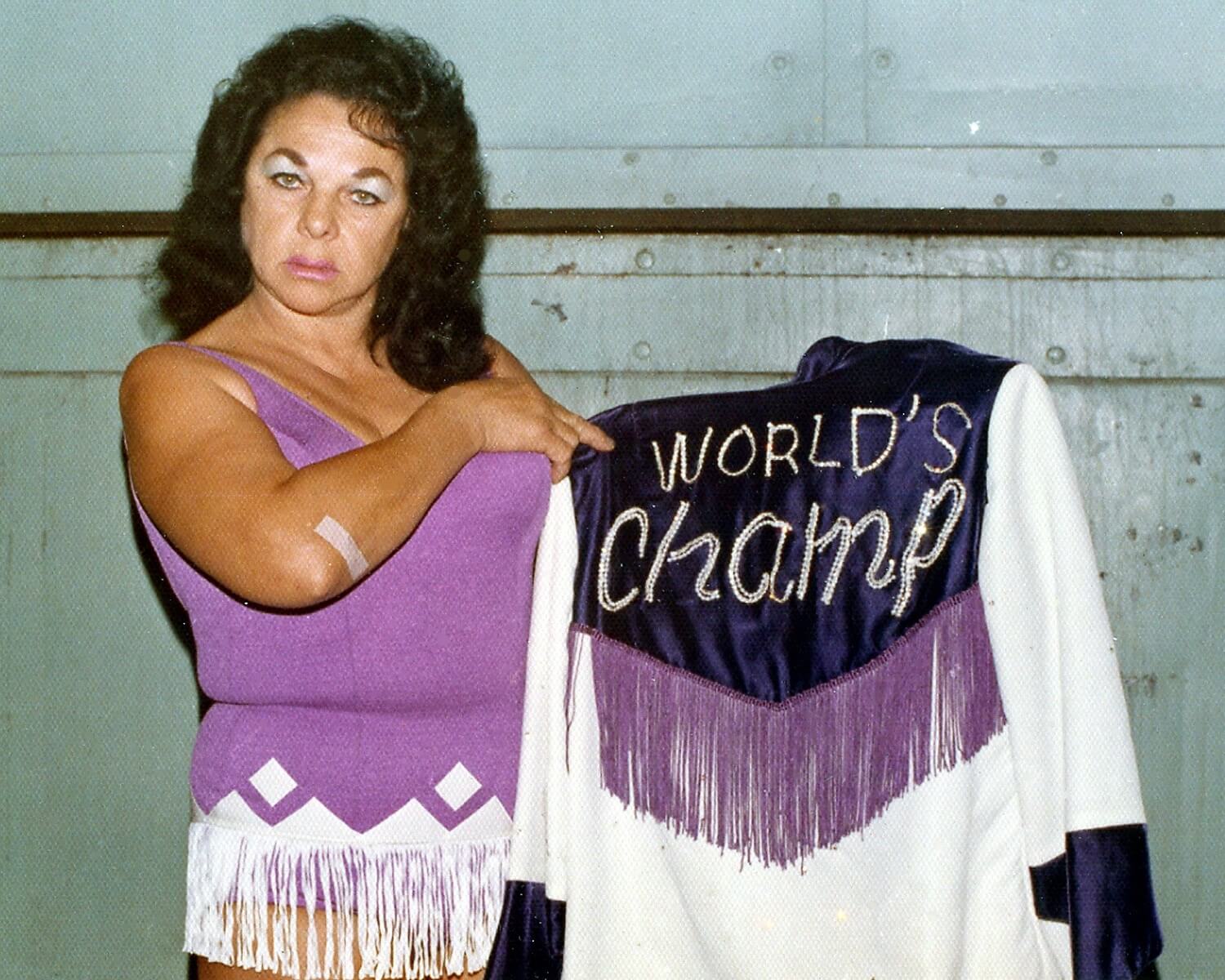
It’s to your credit that you don’t particularly drive the narrative of these stories in any specific direction. Instead, you allow input from all sides and let the audience make up their own mind. As filmmakers, how hard is it to not skew in a certain direction, such as in the case of the Fabulous Moolah episode?

Jason: In terms of the Moolah story, it is difficult to navigate what really happened. Moolah’s no longer around to speak for herself, but there are women who were really close to her who worked with her and trained with her, and so we thought it was important to hear all sides of the story and give an opportunity to the people who are down to talk to us to tell us their truth. In a lot of ways, we wanted to present both sides of the story but allow for the audience to form their own opinion on how they feel about the subject.

Evan: Since this show was literally inspired by a lot of the wrestling shoot interviews that are on YouTube, you always get such partially contrasting viewpoints from a lot of wrestlers – whether they were part of the story or not! Conspiracy and rumour are always something that’s so common in interviews with wrestlers, and so we really wanted to always show that because that in and of itself is something pretty singular to people in wrestling. A lot of these stories that we’re talking about, especially Moolah, a story that goes back 50+ years, it just shows the grey area that wrestling history really is. I think with the Moolah story specifically, what we wanted to do was show that there are two sides to the story and leave it for viewers to come up with their own thoughts, but also to show that it’s very complicated. It’s not as binary as black and white in terms of someone’s history and legacy.

Jason: Especially in the wrestling world. Someone like Moolah, you look at any of her interviews and she protected the business. She’s in character in a lot of her interviews. For someone today, if they heard the allegations about Moolah and wanted to see what this person’s like, you look at her interviews and she comes across as a heel-ish person because she’s playing the character in all of her interviews. In a lot of ways that is the thesis of the whole series. Trying to find the truth in the world of wrestling is really difficult because, unlike any other sport or any other artform, it calls for its performers to protect the mystique of wrestling. Even someone like Bruiser Brody, you can’t really find any interviews with him out of character. He did such an incredible job of protecting his character and living his character in all of his public life. But that’s what we find so fascinating and that’s what we love so much. We really love that time period in which wrestlers had to go to great lengths to protect the business and protect their characters. You can’t find that in any other sport, you can’t find that in any other artform, and that’s really what makes wrestling really special.

Photo credit: Linda Bollea


One major name who wasn’t involved in the series was Hulk Hogan, who has since taken to social media claiming that he wasn’t asked to partake in Dark Side of the Ring. Personally speaking, from seeing so many Hogan interviews over the years, you always have to take what he says with a large pinch of salt, and him being involved may have actually taken away some of the credibility of the show…

Jason: We did reach out to Hulk Hogan. Partially I would agree with you, but I would love to have gotten him in our seat and I would’ve loved for us to have been able to talk to him. I think we could get a side of Hogan that people haven’t seen before. If that opportunity ever came up, I think we could get something special out of Hogan.

Moving forward, are there are wrestling stories that would be deemed off-limits for you or is everything fair game to be put in a public forum?

Evan: I think anything’s fair game, but I do think that it largely depends on getting the right people to talk about it. There are some stories where I think we definitely wouldn’t do them just to do them. I think it largely comes down to getting the right family members, the right people who were there, and that the story is there. It really comes down to that. For any story, we would have to treat it with the most respect and it’s also not about necessarily us pointing fingers. We really want to be telling our story in the most human way possible. This is all about humanity, it’s about the lives that these people led, and I think the more that people are open about certain things, no matter how dark they are, I think it’s good to talk about them. I think that’s the way that we would try to handle stories that are of a more difficult nature.

Dark Side of the Ring airs every Wednesday at 10pm on VICE UK.

10 Greatest Performances in the X-Men Movies

X-Men: Dark Phoenix finally arrives in cinemas this week and, with Marvel Studios recently reclaiming the rights to the Children of the Atom after the Disney-Fox deal, it spells the end of the X-Men cinematic franchise that’s been unfolding for the past 19 years. The movies haven’t always been good (Lord, no) but they have been home to some incredible actors. Here are the 10 best performances in the whole series…

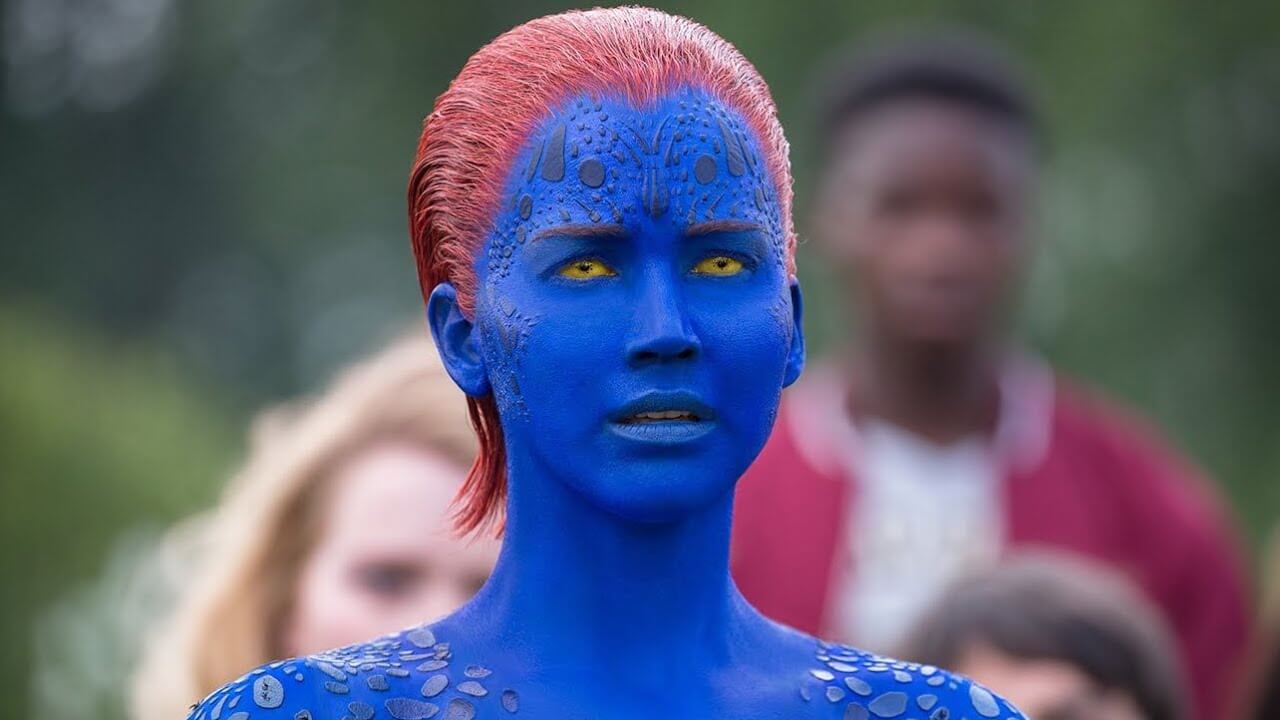
10. Jennifer Lawrence – Mystique

Yes, we all know that J-Law doesn’t give the best work of her career in this franchise, and her infamous dislike for the Mystique make-up has annoyed some fans. However, her Raven is such a major part of the franchise that she still deserves a spot on this list.

As much as fans are fond of Rebecca Romijn’s original interpretation, Lawrence’s Mystique is inarguably more fleshed out. The films haven’t always used her particularly well – Apocalypse, I’m looking at you – but the character deserves some credit for being a leading superheroine who predates both Wonder Woman and Captain Marvel on the big screen.

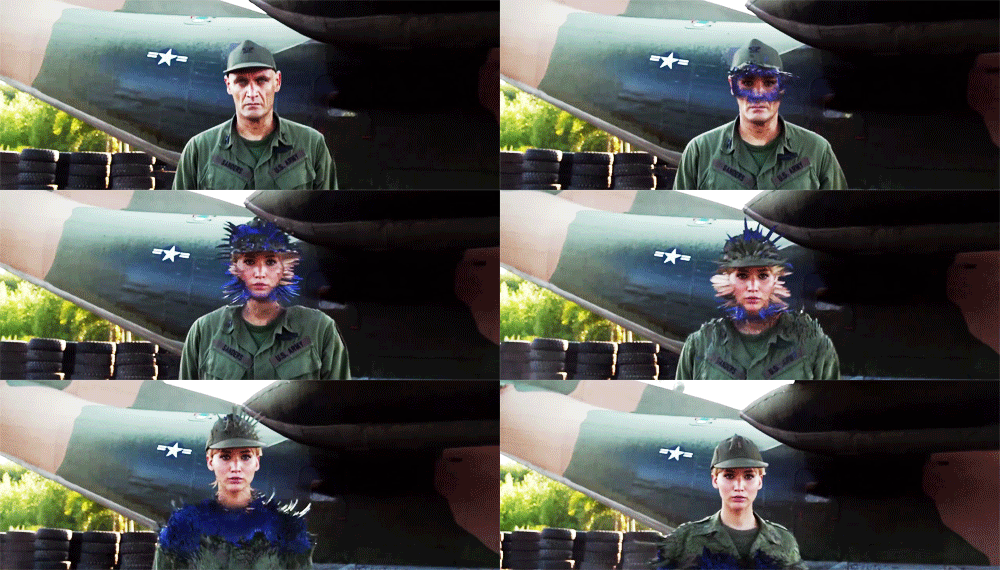
Best Single Performance: It has to be Days of Future Past. Mystique is at the centre of the story and the depiction of the character is nicely pitched at the mid-point between Lawrence’s heroic version and Romijn’s acrobatic assassin.

———-

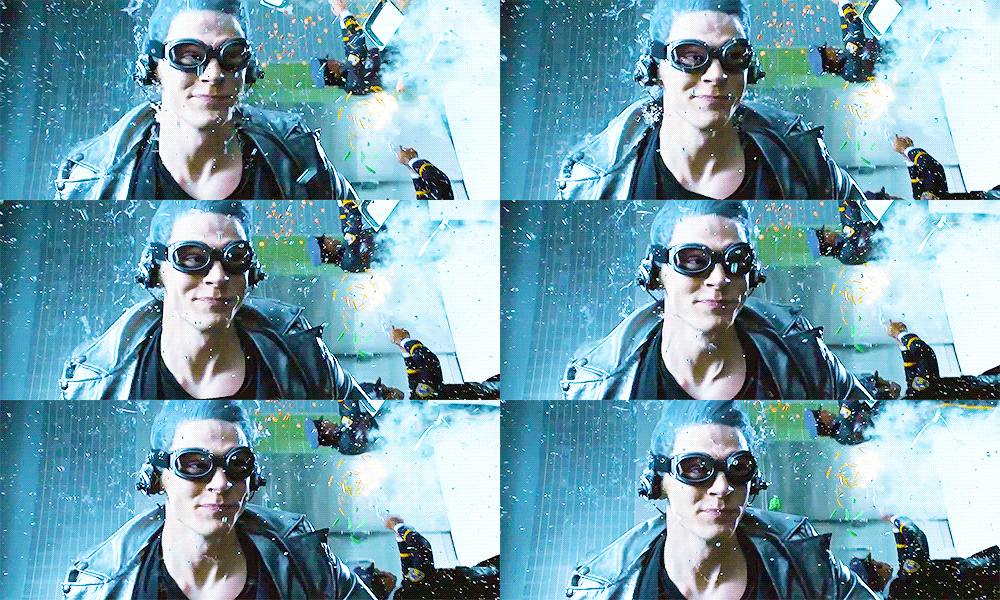
9. Evan Peters – Quicksilver

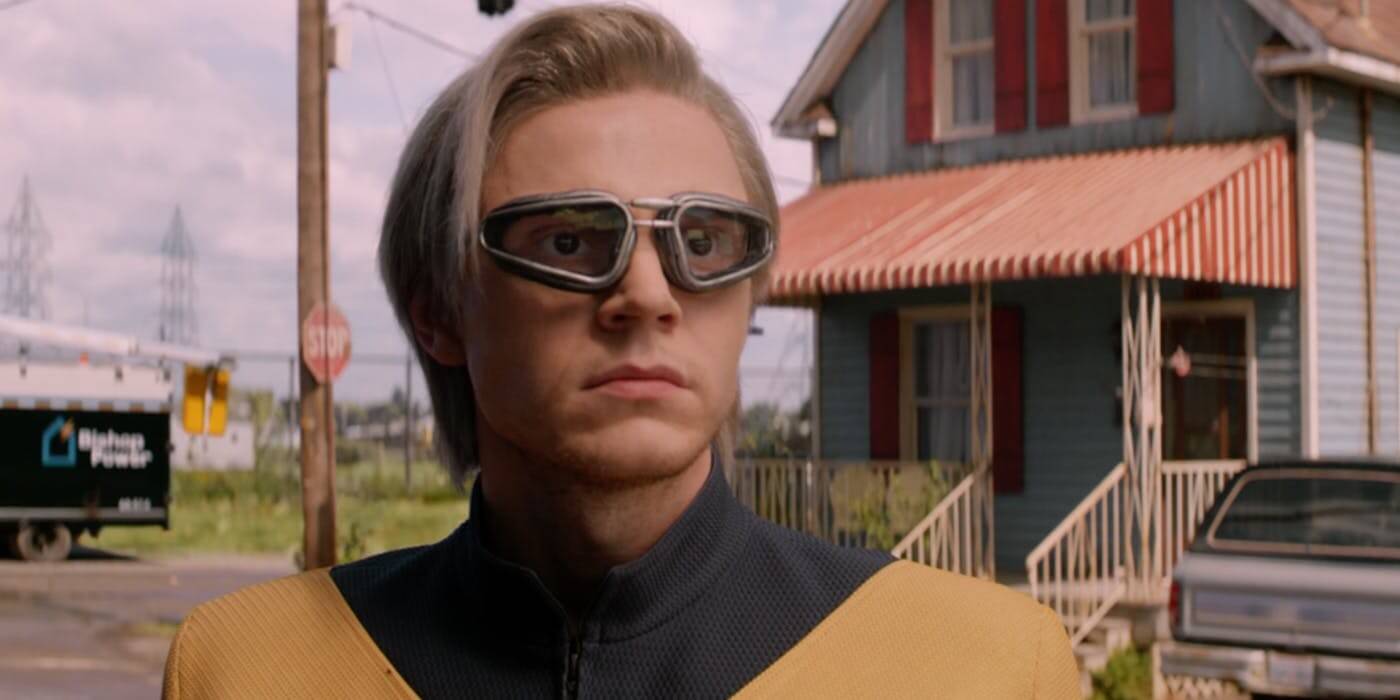
Originally, Juggernaut was supposed to be the mutant Wolverine and Co. turned to in order to break Magneto out of the Pentagon in Days of Future Past. Let’s be thankful the filmmakers ended up changing their minds and choosing Quicksilver for the scene instead, as it gave us Evan Peters’ superior take on the speedster (you didn’t see that coming, Aaron Taylor-Johnson?).

We’re used to seeing him play murderers and maniacs on American Horror Story, but Peters is hugely likeable as, er, Peter, especially in Apocalypse which digs into his realisation that Magneto is his father. Obviously, everyone loves the visualisation of his abilities but it’s Peters that makes him work as a character.

Best Single Performance: Honestly, Peters is just as good in both Days of Future Past and Apocalypse. Sadly, his role in Dark Phoenix was reduced due to his AHS commitments.

———-

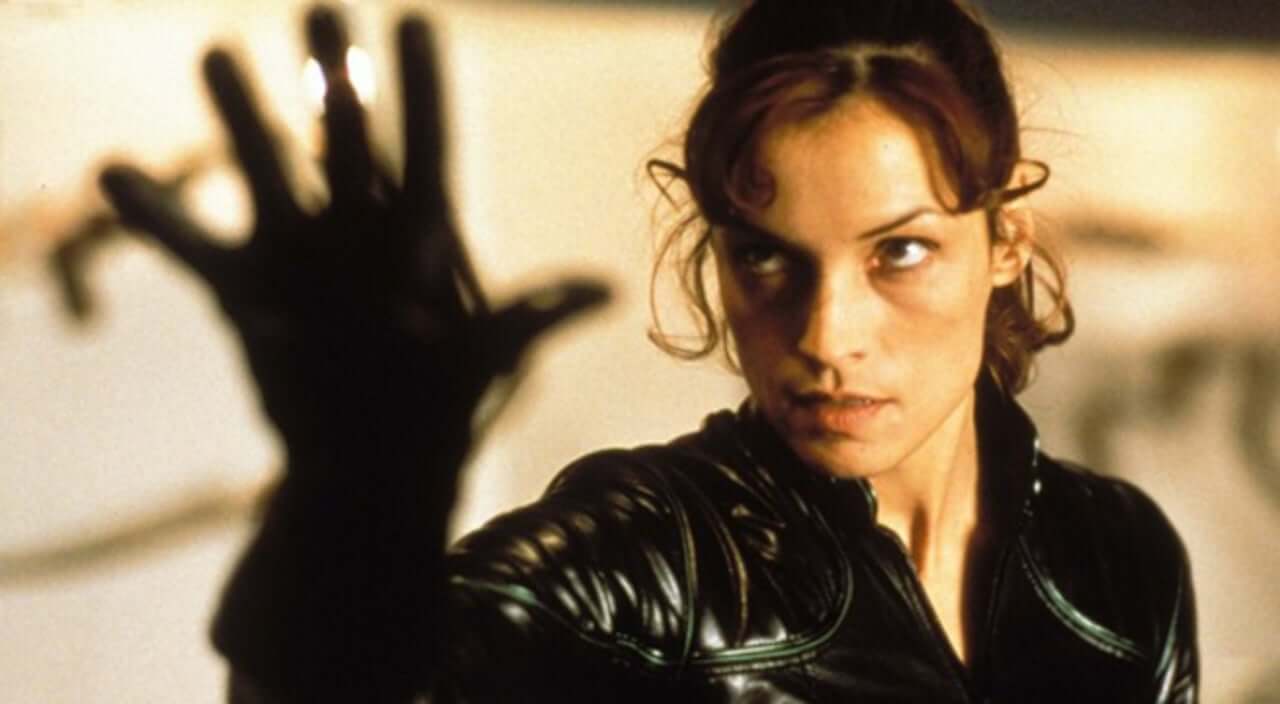
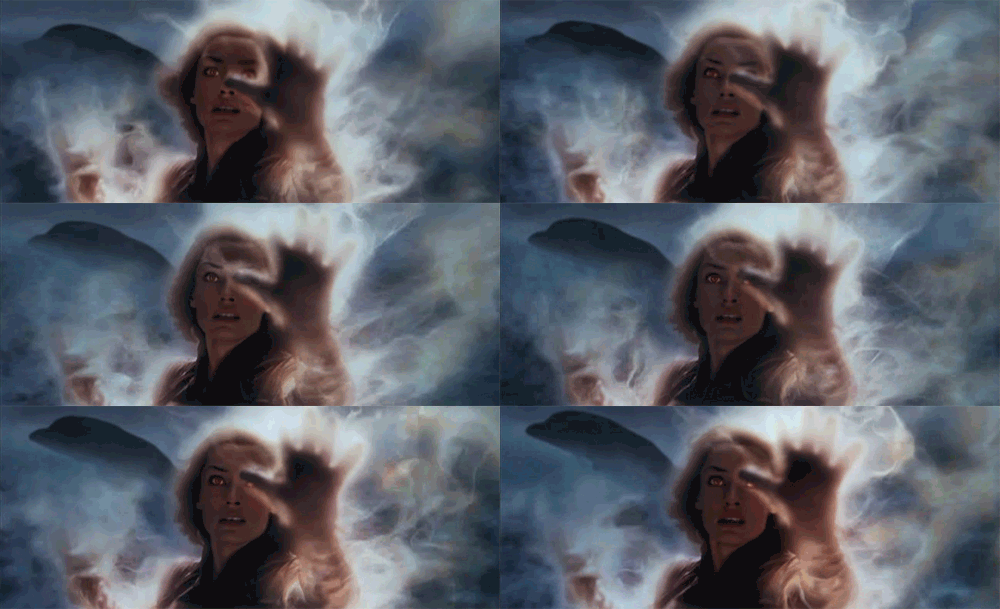
8. Famke Janssen – Jean Grey

Though most famous to film fans at the time as the OTT Xenia Onatopp in Goldeneye, Famke Janssen proved to be the best choice to bring Jean Grey to life in the original X-Men trilogy. Her Jean is a gentle, caring woman who nonetheless has an apocalyptic power within her that she can’t comprehend.

Honestly, much of Jean’s importance comes from the male characters’ relationships to her – most notably, Logan’s – but Janssen does her best to mark her out as one of the most well-rounded of the supporting X-Men in these heavily-crowded films.

Best Single Performance: Definitely X2, which gets to the heart of Jean’s struggle better than The Last Stand did. Here’s hoping Sophie Turner is given better material to work with for her version of the Dark Phoenix Saga than Janssen.

———-

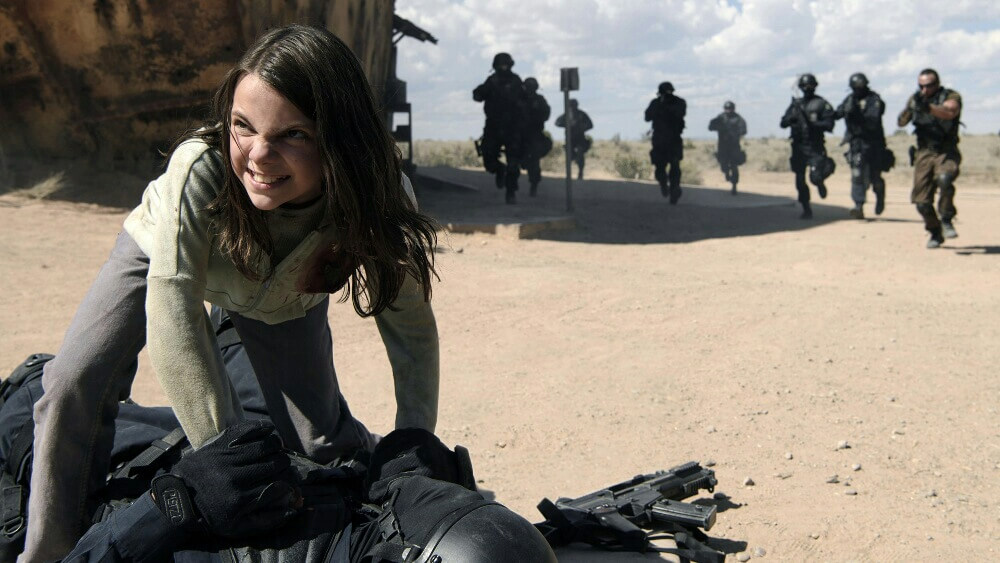
7. Dafne Keen – X-23

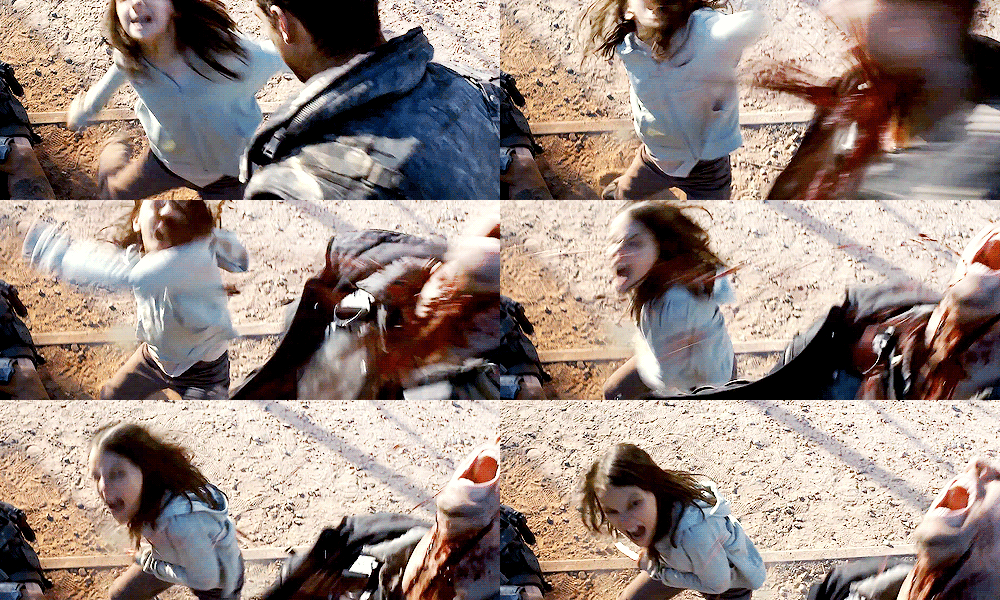
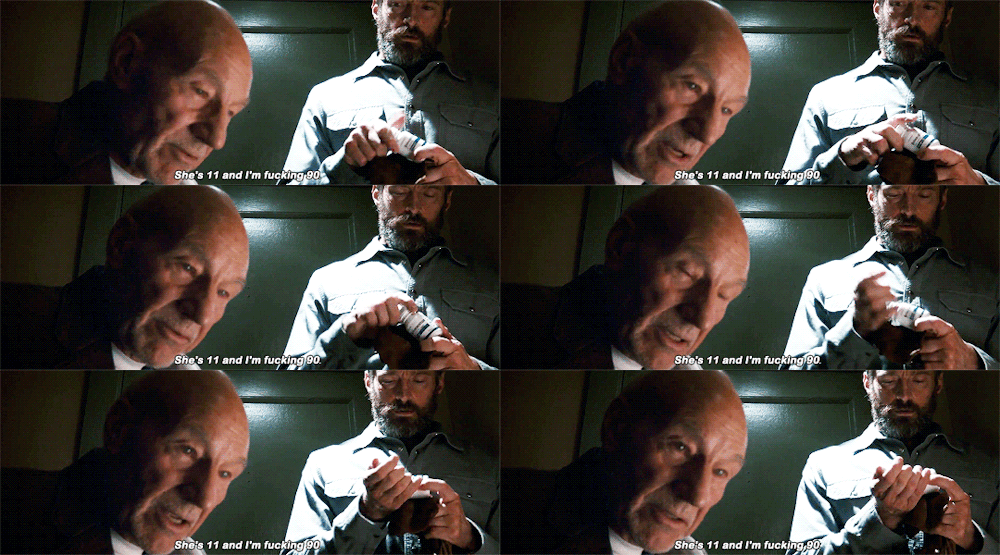
Logan is widely viewed as one of, if not the, very best X-Men films, with Hugh Jackman and Patrick Stewart’s performances being rightly praised. However, let’s not overlook the third lead of the film: Dafne Keen. Despite her young age, Keen delivered a brilliant portrayal of Laura/X-23, Logan’s clone daughter, that beautifully complimented the work of her two more experienced co-stars.

As she spends half the film refusing to speak, Keen does a lot of the heavy lifting through her physical acting and expressions, painting Laura as a chip of the ol’ block: a feral child with a lot of emotion under the surface. Her dysfunctional familial bond with both Stewart’s Xavier and Jackman’s Logan is superbly realised.

No wonder she’s the lead of the BBC’s upcoming His Dark Materials TV series. Fingers crossed Marvel brings her back in a few years for an X-23 movie. That’d be preferable to a recast Wolverine.

Best Single Performance: N/A

———-

6. James McAvoy – Professor X (Young)

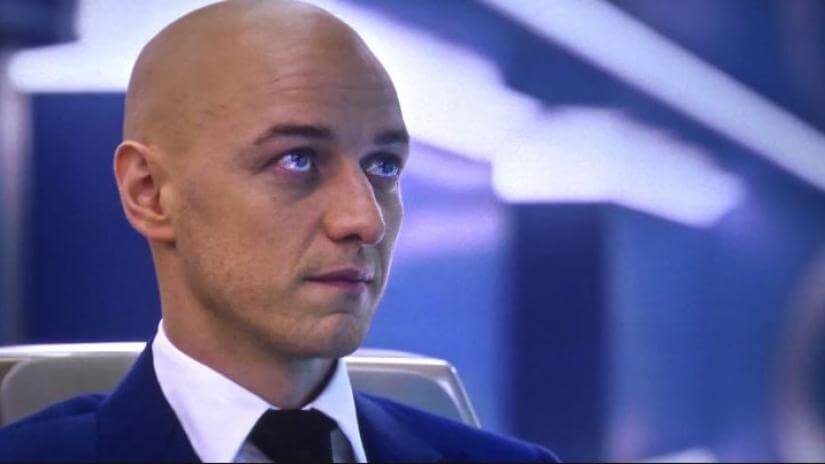
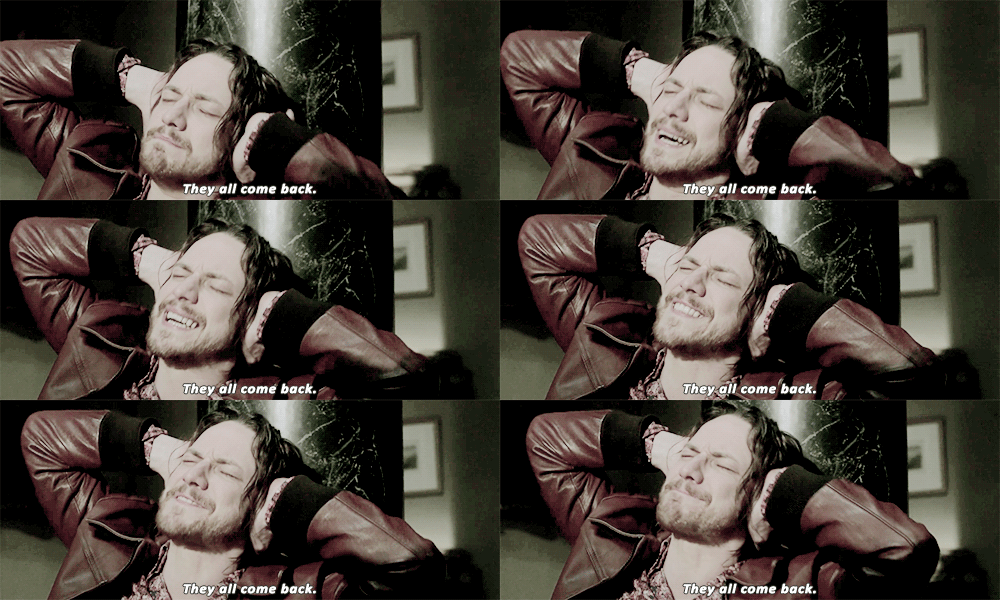
You can’t better Patrick Stewart as the wise mentor figure, so the past three mainline X-Men films have smartly called on James McAvoy to play a very different take on Professor X – or, more accurately, three different takes on the character.

In First Class, he’s a playboy who learns to use his gifts for greater things. In Days of Future Past, he’s a broken man who rediscovers the importance of hope. And in Apocalypse he loses his hair? Never mind, let’s forget about Apocalypse.

The point is that McAvoy, always a reliable actor, delivers a great performance each time as he gets to uncover new layers to Charles Xavier. Dark Phoenix promises to explore the morally-murky side of his leadership of the X-Men, so hopefully McAvoy will again get some interesting material to work with.

Best Single Performance: He’s terrific in First Class, but Days of Future Past has to be his best turn as Charles, thanks to the emotional journey it puts him through – including coming face to face with Stewart’s version.

———-

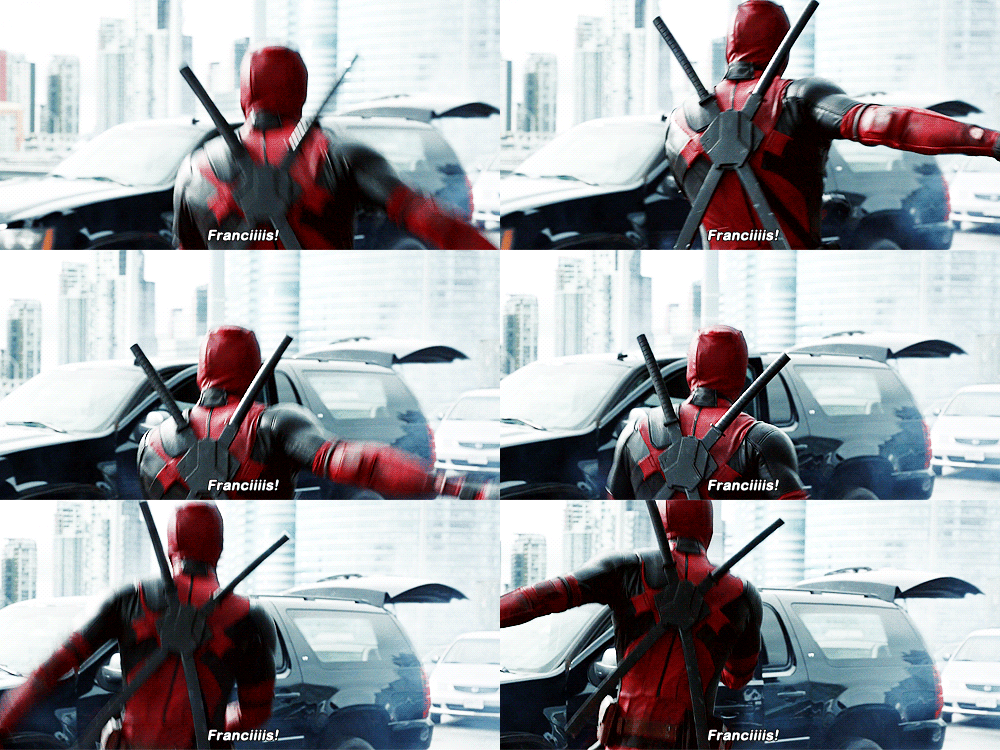
5. Ryan Reynolds – Deadpool

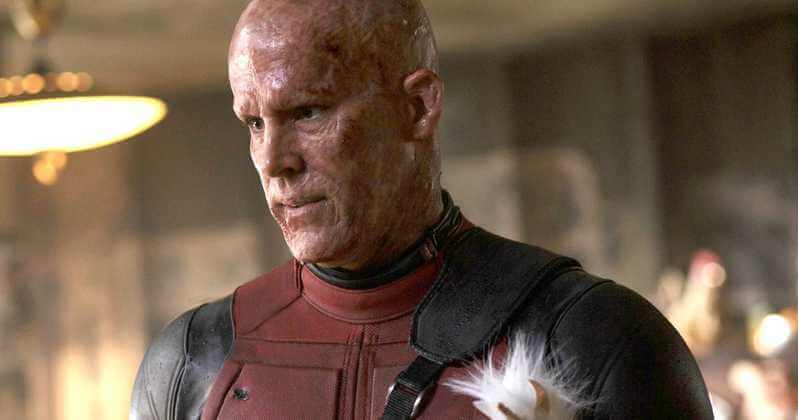
Ryan Reynolds is one lucky fella. His turn as Wade Wilson was one of the few good things about X-Men Origins: Wolverine, but it seemed that his career as Deadpool was cut short before it even began when that film flopped. Remarkably, he ended getting another shot at the role in the solo Deadpool franchise – and became one of the popular movie superheroes around!

Like Robert Downey Jr. as Iron Man and a certain Aussie actor who he has a fan favourite social media rivalry with, Reynolds’ Deadpool is just a perfect match of actor and character, with the Canadian displaying the right blend of irreverence and charm to make the Merc with the Mouth work for both comic book fans and casual moviegoers.

Best Single Performance: It has to be Deadpool, in which Reynolds first reminded us how stupid a decision it was to sew DP’s mouth shut at the end of Origins.

———-

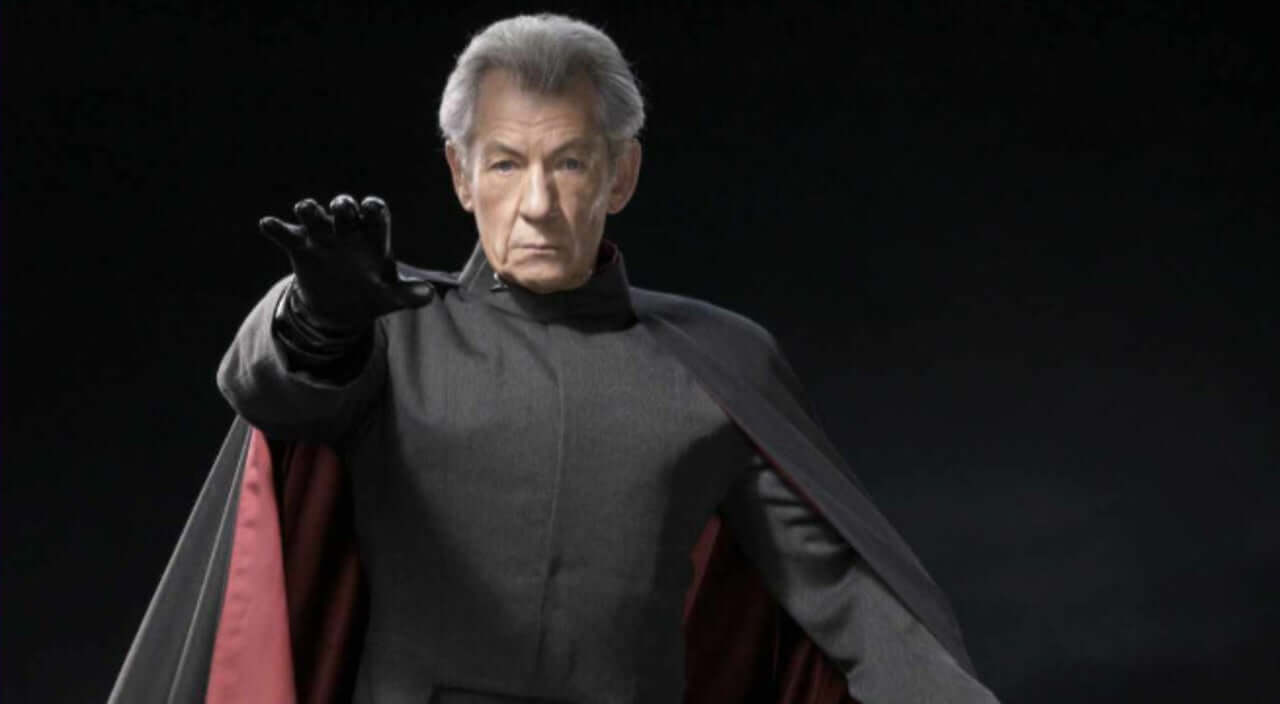
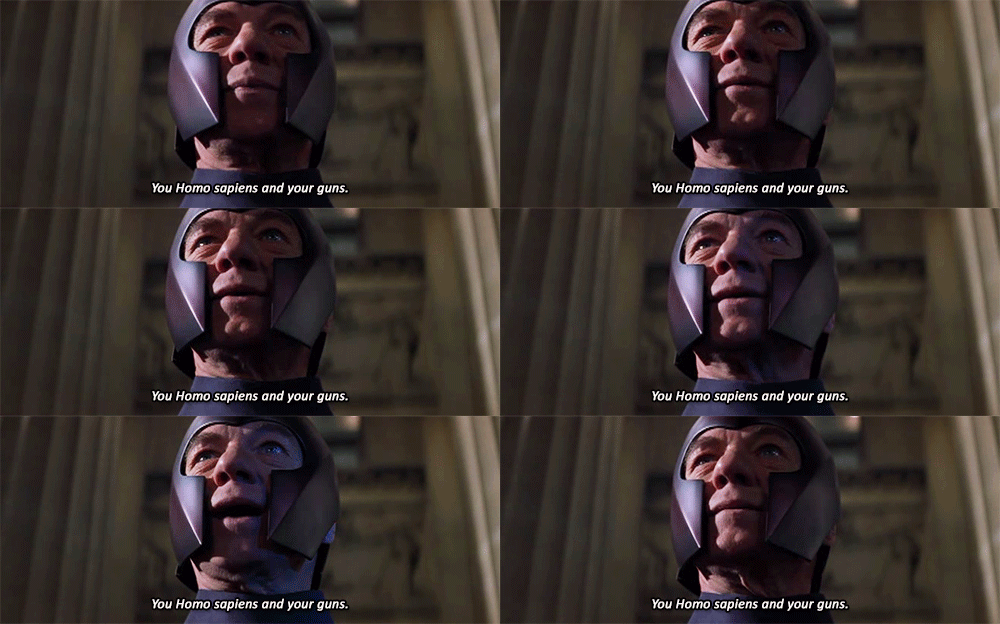
4. Ian McKellen – Magneto (Old)

2000’s X-Men needed to have a multi-layered villain to make it work, and thankfully the genius move was made to hire Sir Ian McKellen. Frankly, Magneto is as much of a crackpot comic book baddie as they come – with his evil schemes including turning politicians into watery blobs – but McKellen’s gravitas and sophistication ensure Erik Lensherr remains a compelling and very human – or should that be mutant? – antagonist.

McKellen and Stewart’s real-life friendship comes through on screen as the pair made us believe in the old enemies’ shared history long before we got to see their origins in First Class. In particular, McKellen displays a real admiration and connection to his friend-turned-foe. Even in the ridiculousness of The Last Stand, he makes us feel for Lensherr’s loss after the death of Xavier.

Best Single Performance: McKellen is the sort of talent who can make the most of whatever he’s given, so he’s fabulous in each of his four appearances – plus The Wolverine’s post-credits scene. However, X-Men is probably the movie that most belongs to him.

———-

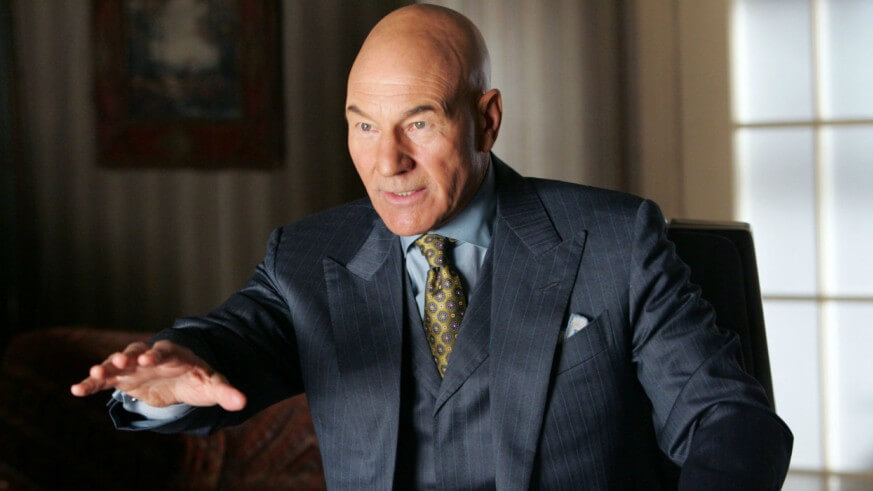
3. Patrick Stewart – Professor X (Old)

Stewart and McKellen are just as good as each other in the X-Men films, so it’s arbitrary which one comes above the other in this ranking. The characters are each others’ yin and yang, and the benevolence and moral core Stewart brings to Xavier contrasts expertly with McKellen’s wavering ethics and cruelty.

The Xavier of the original trilogy is much more of a hero than the often flawed and complicated figure from the comics, but that was the right decision to make to streamline things for the movies. Stewart’s brand of avuncular leadership was needed to hold the ever-ballooning cast together.

Best Single Performance: As good as Stewart is across the board, his best X-performance is hands down Logan. It’s heartbreaking to see the wise old man troubled with dementia, with his out-of-control powers revealed to have killed his students in the past. Stewart allowed us to see a whole other side to his Xavier.

———-

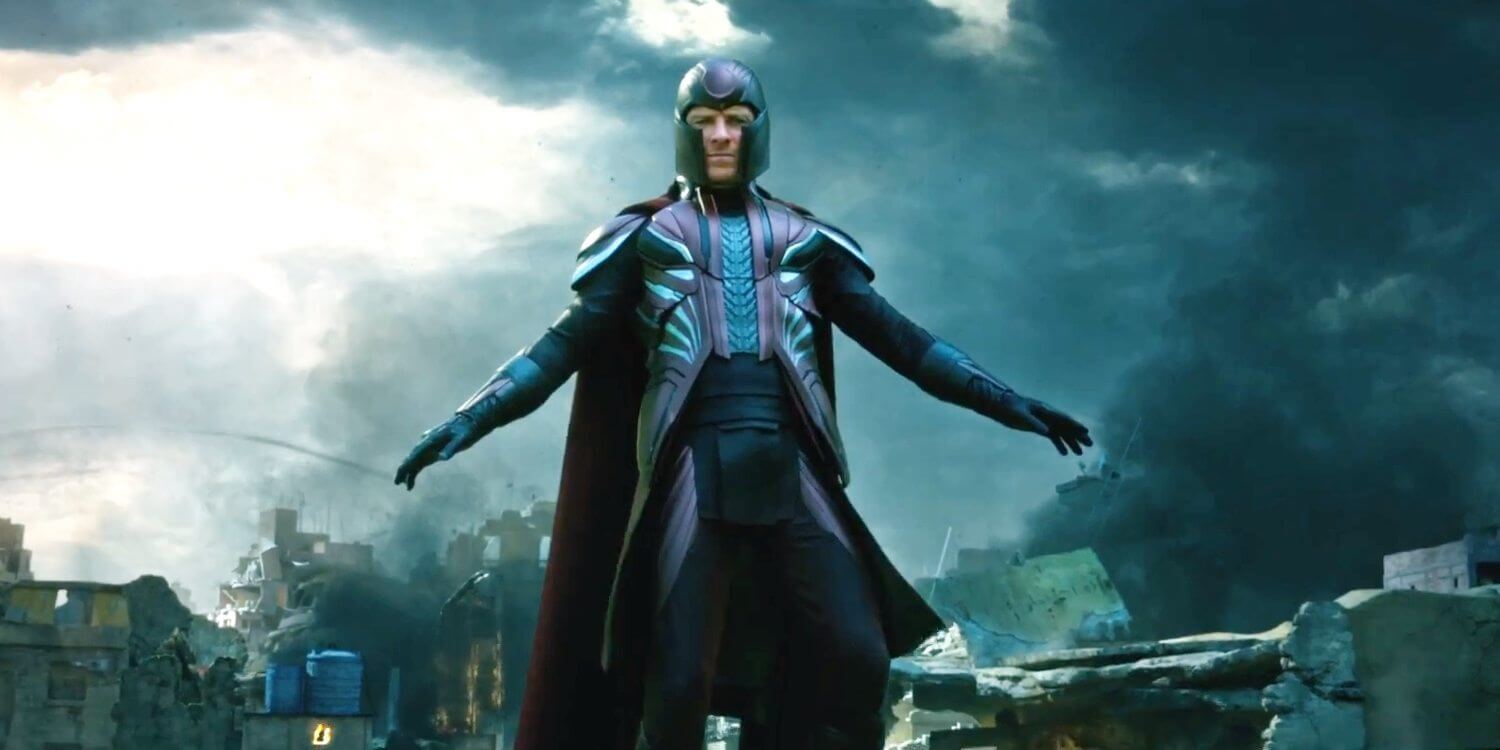
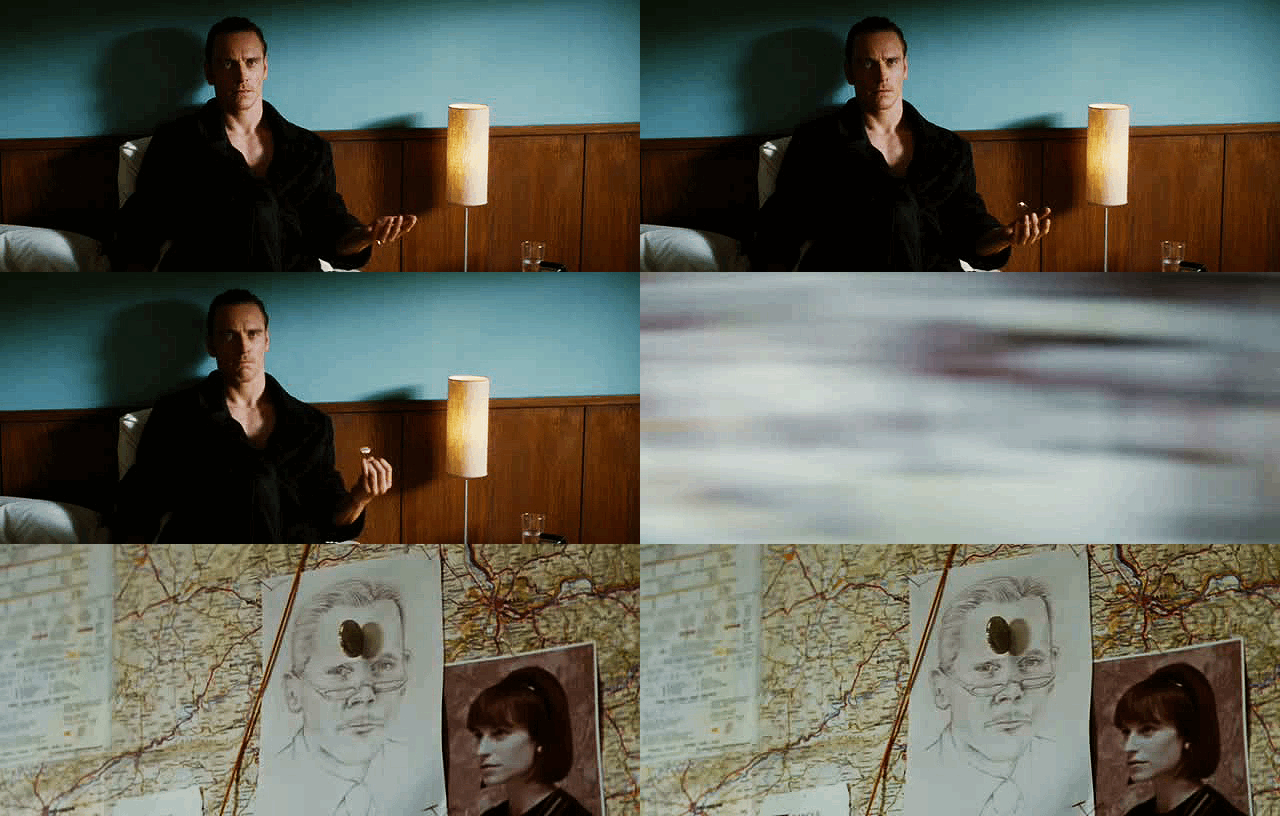
2. Michael Fassbender – Magneto (Young)

We all know McKellen is amazing as Magneto, so it might be controversial to rank Michael Fassbender’s interpretation higher, but here me out, as I’d argue that the prequel series version is a more layered character than the one from the original trilogy.

As I said, for all his sympathetic qualities, McKellen’s Magneto is clearly demarcated as the villain of the trilogy. Fassbender’s, on the other hand, is firmly an anti-hero – a man dragged into a world of killing and conflict that he never asked for, a creature sustained by vengeance after he repeatedly loses everything. Apocalypse gets so much wrong, but the scene where Erik’s wife and daughter are murdered is one of the most affecting moments in the whole series.

Best Single Performance: First Class, no question. Fassbender is simply luminous as the young Erik. The scenes where he goes around the world killing Nazis give us a taste of the best James Bond there never was.

———-

1. Hugh Jackman – Wolverine

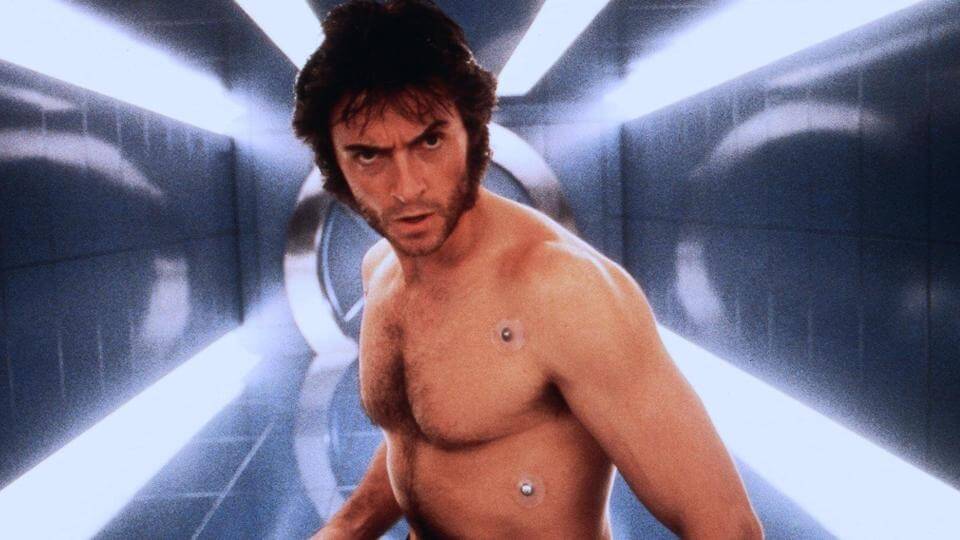
Sorry for being basic, as the kids say, but there’s no one else who can sit at the top of this list. Dougray Scott’s loss was the superhero world’s gain as Hugh Jackman proved to be the only actor we can possibly imagine as Wolverine. Even if he only got the part after Scott dropped out and the 6’3” stud muffin looks nothing like the 5’3” runt from the comics.

Some might complain that Wolverine hogs too much of the spotlight at the expense of other characters, but it’s hard to blame the filmmakers for this when Jackman is such a strong leading man. Even now, in our superhero-saturated world, his Wolverine remains unique – a reluctant hero, who struggles to control his own brutality. It’s the sort of character you don’t really get in the MCU, though he no doubt will be folded into it soon enough. Good luck to the poor sap who has to follow Jackman.

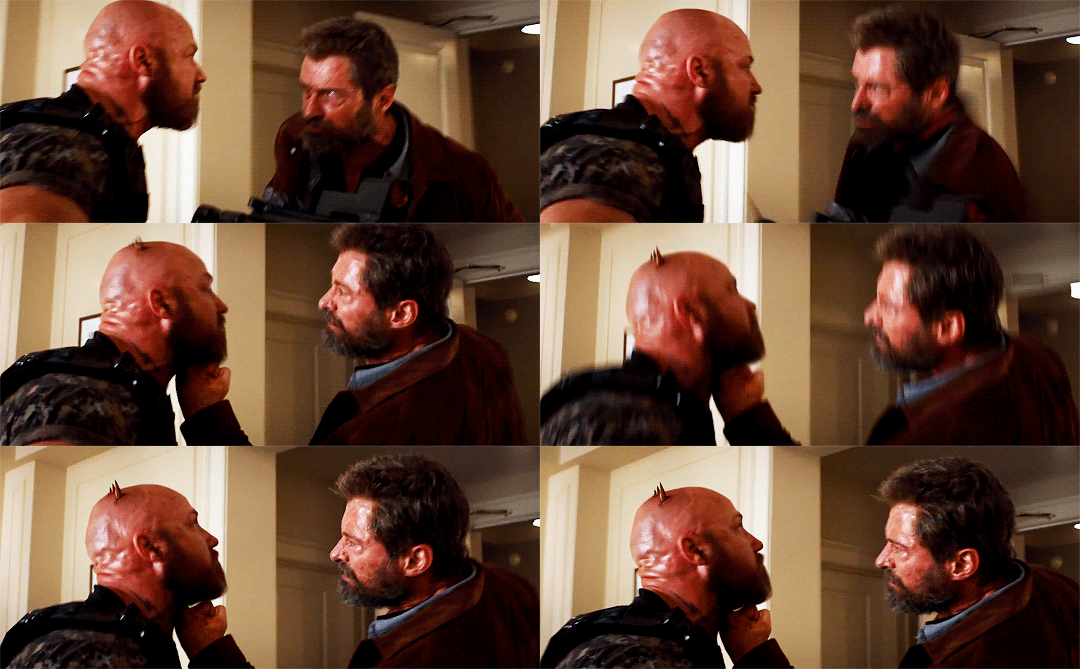
Best Single PerformanceX-2 gives it a run for its money, but it has to be his turn in Logan. After the previous two solo films didn’t quite nail the character, Logan gets it spot on by casting Wolverine as a washed-up hero, a man who’s tired of a long life full of violence. Jackman gets to deliver the sort of raw, emotive performance that’s rare to see in a superhero movie and he clearly relishes it. We’d all love him to return but there’s no better film to go out on.

———-

Honourable mentions: Alan Cumming as Nightcrawler in X2, Brian Cox as General Stryker in X2, Kelsey Grammer as Beast in The Last Stand, Rila Fukushima as Yukio in The Wolverine and Vinnie Jones as Juggernaut in The Last Stand.

Mike Mitchell | THE LEGO MOVIE 2: THE SECOND PART

To celebrate the home disc release of The Lego Movie 2: The Second Part, we were lucky enough to sit down with Director Mike Mitchell to talk about all things awesome including how he got involved in the project, what it was like to work with LEGO and his favourite song! Everything is Awesome!

STARBURST: How was the experience of sitting in the director’s chair after Phil Lord and Chris Miller? How did you become involved in the project?

MIKE MITCHELL: First off, the way I got involved is I’ve known Chris and Phil for years and we’ve always crossed paths in live action and animation. When I was at Disney one time they inherited my office when I left, and they always make fun of what a mess I left it in! So, we’ve always been friends. Whilst I was directing Trolls, Chris and Phil came in to help me come up with some jokes to include in the film and that’s when they mentioned that they were working on a sequel to the Lego Movie. I said “No, you can’t! The first one was the perfect movie, it was such a surprise especially with the ending – but then they started to explain what they wanted to do and we wanted to incorporate an image of a little sister with her older brother and the more they told me about the story I said “Well now you have to make this film and I really want to be involved with it” – so that’s how it started. I had no idea how crazy and fun it was going to be! I’ve worked on a lot of animated films, but I’ve never worked on one that was so limitless because of all the characters you can use – you can grab characters from the past, present and future. You can use characters from other movies and franchises – I always call it the “Where’s Waldo” filmmaking experience – so it was super creative but also very daunting when anything is possible.

Did your experience of adapting a licensed brand that you gained on the likes of Trolls help you out with The Lego Movie 2?

Absolutely, in fact when making Trolls I used the Lego Movie as a template because when I inherited the film it was just the dolls – there was no story and we had to come up with everything so I wanted to make sure that it can’t just be a toy commercial for the doll. I remember when I first watched The Lego Movie that everyone thought that that was just going to be a big toy commercial, but it was so much more, and it made fun of itself and I had a really great time. So using the Lego Movie as my template is really what drew me in to want to work on the sequel and not only that, with Trolls (that was Hasbro) we worked closely with them but never have I worked so closely with a company until I worked with LEGO. We were hand-in-hand designing stuff – we would design something and send it to them, then they would build it and make tweaks and send it back to us and then we would make tweaks before all getting together to come up with a final design – it was such an interesting process. And then never before have I worked on a film where all the animators are working and working on layers of characters and props and everything else and towards the end of production LEGO sent out all of the toys to our animators to see in brick form and hold in their hands and play with! Its something I can’t describe and I’ve never seen it on any other film where it was like “wow, this is real!” – it was such a rewarding feeling for everyone who had worked so hard to see their work come to life. And I think as well that the finished product of the film was as much as a reward for LEGO themselves. It was a cool combo – symbiotic creativity was going on between all parties involved.

How was the challenge of trying to capture the “lightning in a bottle” effect for a second time after the first film was such a surprise smash hit?

It was very difficult because the first film was such a surprise and I know Chris and Phil tend to this when they make such interesting films that its very hard to make a sequel from them – like Spider-Man: Into the Spider-verse, I’m sure they’re going to make a sequel to that but we already know that there are so many verses out there that we are prepared for anything. They always make it so its always hard for them to top themselves but in this case we just embraced the fact that everyone knows its animated and live action but one of the things that I thought was really interesting was the little boy was the same actor from the first movie that just happens to be the perfect age as a teenager that it makes it seem like the Richard Linklater film Boyhood because you get to see the same kid that was playing with his dad in the first film all grown up. He was the perfect age for the story we wanted to tell, and it was so interesting. And the dad (Will Ferrell) has now gone golfing as soon as the kids start fighting so it’s up to our new mum character to sort it out. That’s what a good sequel should do – you must take what was there to begin with, expand on it but also remind everyone how great the first film was. It was a challenge but a creative one at that.

If given the opportunity of working on a further sequel in this expansive and never-ending universe, would you be up for it?

Absolutely, yes! I think I must be a part of it because now I know where all the bodies are buried [laughs], I know so much about LEGO that I’m an expert. Once you’ve spent three years on these films, suddenly you know everything there is to know so whatever they do next, I’m happy to help in any way.

Could you share with us some of your favourite moments in the creative process be it on set or in the film itself?

Well unlike any other film I’ve worked on, as I mentioned previously it was fun to work with the LEGO company to come up with designs. I also really liked figuring out what Chris and Phil’s process is, they were the writers and producers on this sequel and it is a very improv style of storytelling which means you just make the film 10-15 times in total and we’re just trying to be as weird and funny and crack ourselves up as much as we can until we find the story within it. We also gave a lot of freedom to the actors, we had such a great cast in the film from Chris Pratt, to Will Arnett, to Elizabeth Banks – she’s a fantastic director herself so they were invited into the storytelling process too to come up with jokes and gags. Nick Offerman plays Metalbeard the Pirate and Tiffany Hadish had a big say in creating her character – it was more of an improv way of making a film than I’ve ever done before and that was creative. It was also so cool to play with the toys that we created too! My goal is to work with anyone who had anything to do with Dark Place or anyone and everyone who worked on The Mighty Boosh which is another favourite show of mine – our vampire was played by Noel Fielding from The Mighty Boosh so I’m almost there! [laughs]

With the success of other animated musical films and the insane popularity of the song “Everything is Awesome”, it’s no surprise that you had more songs in the sequel. The big question: Which one is your favourite?

That’s a hard question! For whatever reason I have to go with “Not Evil” because its just such a strange thing that early on we had a lot of story discussion about the fact that to the brother, his sister is evil – she wants to play her way but the boy doesn’t want to play with her or be forced to play with her – he certainly doesn’t want his favourite characters to be involved in a wedding! He’s into that Mad Max dystopian world – but at the same time we kept saying that the girl isn’t evil – she just wants to play! So there was this constant discussion that we had back and forth about “well she can’t be evil” so when we came up with the song we thought that she would sing about not being evil which seems like the evilest thing in the world [laughs]. It hit all the right notes – the same with all of the songs really – when we wanted to come up with a song that was going to get stuck inside your head, we did literally that and wrote a song about a catchy song! It was a whimsical way to go about something. But yeah, “Not Evil” is my favourite and works as an amazing introduction to this character.

If there was a spin-off movie for just one side character, who would you like it to be based on and why?

It must be the Ice Cream cone character voiced by Richard Ayoade! What I want to know is what does he do when he goes home at night? What goes on in his head? So many questions! I’d love to explore that really dry sensibility that that character has.

THE LEGO MOVIE 2: THE SECOND PART is out now on DVD, Blu-Ray and 4K Ultra HD

The Top 10 Dragons in Film and TV

With Game of Thrones, one of TV’s greatest shows ever, having come to an end with the Mother of Dragons being carried off in the talons of Drogon, we take a look back at some of the best examples of these magnificent and sadly mythical beasts in film and TV. 

The Hungarian Horntail (Harry Potter and the Goblet of Fire)

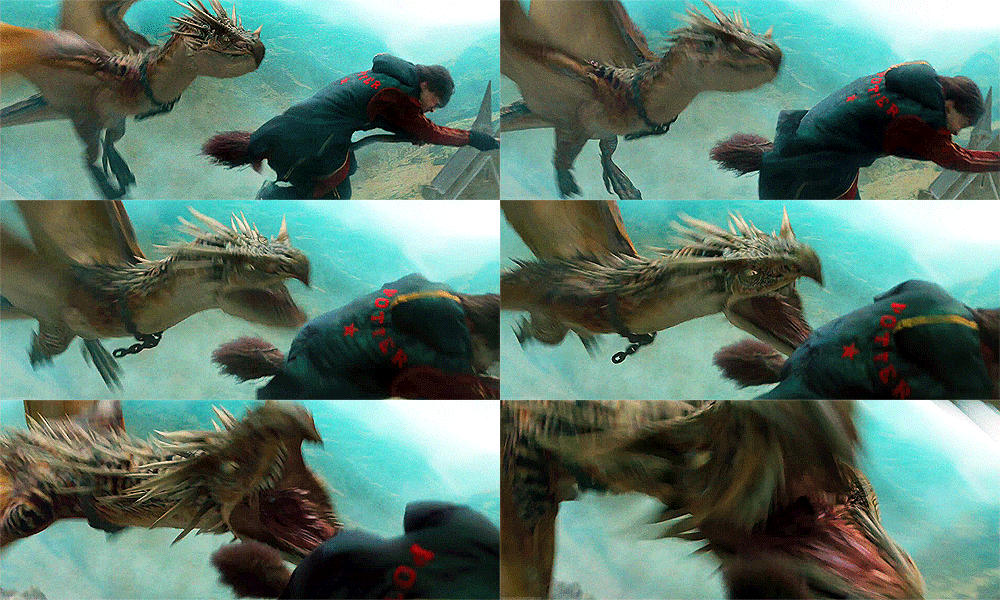
Without a huge amount of screen time, the Hungarian Horntail dragon in Goblet of Fire makes a big impression. What starts as sport becomes a deadly chase through the skies and atop Hogworts, when the beast shakes off its shackles and tries its very best to fry Harry like a drumstick.

With its beaky mouth and spines like ruffled feathers, albeit deadly ones, this dragon is more birdlike in appearance than any others on this list – but a mean, prehistoric fire-breathing bird, rather than a budgie!

The 2005 CGI holds up well and the beast flies and flames with convincing gusto, although it’s actually at its most convincing when stumbling across the rooftops of Hogwarts, Harry Potter in its sights.

Why isn’t it higher on the list? Well, as Parker famously said to Brett, “You don’t have no personality.” Whilst it looks impressive enough, we don’t really ever get under its scaly skin and it’s certainly no fun.

Unlike…

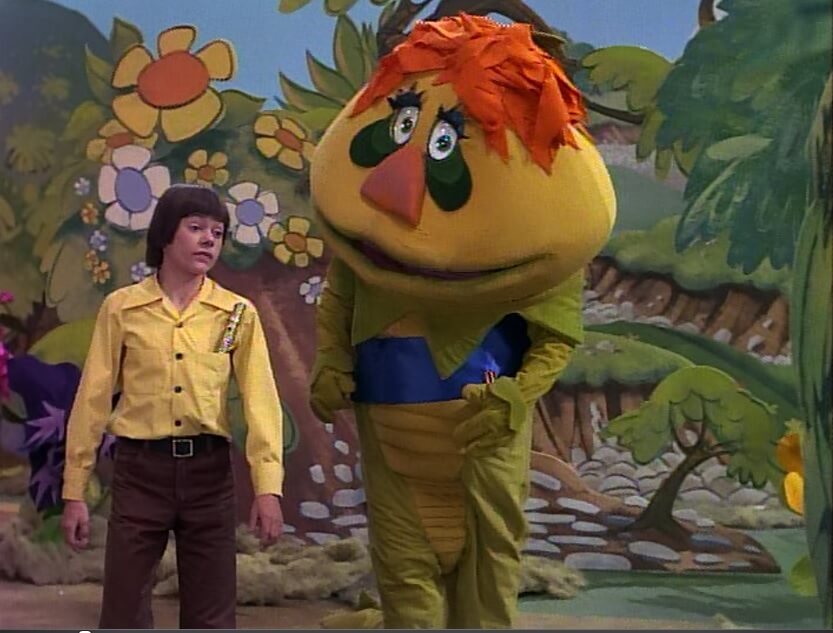
H.R. Pufnstuf (H.R. Pufnstuf)

It’s time to revive the memory of this crazy, joyous and hugely (at the time) popular dragon, Pufnstuf. Never heard of him?

In 1969, this Saturday morning kids’ TV show proved so popular that it ran for the next three years and even spawned a musical film featuring Mama Cass. Starring Oliver’s Jack Wild, H.R. Pufnstuf told the tale of a young boy with a magical golden flute, enchanted away to a fantasy land where evil is represented by the cackling, broom flying Witchiepoo, and goodness by Pufnstuf, a big friendly dragon who is the Mayor of Living Island.

With its cast of life-sized puppets – Jack Wild and Witchiepoo aside – amongst dazzling psychedelic sets, H.R. Pufnstuf comes across like an hallucinogenic cross between The Magic Roundabout, Pee Wee’s Playhouse and Where the Wild Things Are. And could there be a better compliment than that?

Pufnstuf himself, basically a huge headed cushion on legs, is a bumbling sort of fellow; all kind words and fun ideas, with a heart as well stuffed as his oversized puppet head, making H.R. one of the friendliest, craziest and most loveable dragons on this list.

Elliot (Pete’s Dragon)

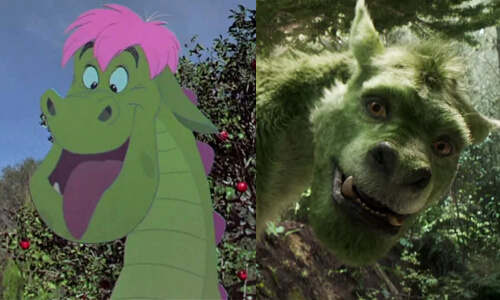
This one’s a bit of a cheat as we’re counting both the original animated Elliot and his furry CGI incarnation in the recent remake, given that, basically, they’re the same dragon.

Like Toothless (see later), Elliot is a boy’s best friend. In 1977’s version of Pete’s Dragon, the mid-century setting sees young, orphaned Pete fleeing with his ‘imaginary friend’ from his cruel adoptive family – only to find love in a new home but with a corrupt doctor sniffing after the dragon. The remake finds Pete ‘rescued’ after six years in the forest, finding a new home and proving that Eliiot isn’t imaginary, only to have hunters want to claim the dragon as their prize.

Save for the songs of the original and the ecological message of the remake, both versions of Pete’s Dragon are pretty much the same story.

What’s really interesting is how the realisation of Elliot has changed in the 40 years between the films; 1977’s Elliot is traditional animation woven nicely into the live action; 2016’s a CGI creation giving the animal fur instead of scales – Disney doesn’t want to scare the kids too much, it seems. And whilst the modern Elliot is the more ‘realistic’ and complex beast, what the films prove is that it’s the quality of the storytelling that really matters because, whether it’s a CGI marvel or a pencil and paint naive creation, we care about both.

Maleficent (Sleeping Beauty)


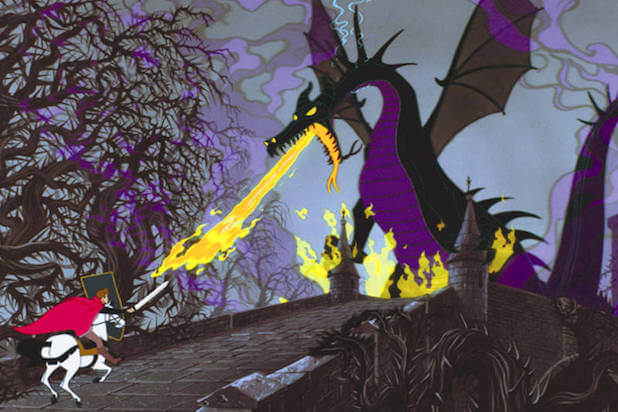
Back in the late 1950s, audiences watching Disney’s Sleeping Beauty were treated to one of the most evil villains of the studio’s canon: the wicked fairy, Maleficent. Angular, cloaked, steeped in dark magic, Maleficent cut quite the baddie, her revenge taking the form of a spell on an innocent child.

But it’s towards the end of the film when, battling to save the girl he loves, Prince Philip faces the film’s biggest baddie as Maleficent transforms into an enormous, vengeful, fire-spitting dragon; one which somehow still manages to look like its human self.

As the dragon and Prince head towards a precipice, Philip’s fate seemingly sealed as the beast prepares to fry the boy, it’s the stuff of childhood nightmares, Maleficent finally tumbling to her death having been impaled by the Prince’s sword. It’s terrifying, making Maleficent a dragon which still gives shivers to the adults first who saw it as kids.

Draco (Dragonheart)


Who could possibly fail to fall for a huge beast of a dragon with the voice of Sean Connery? And whilst this may not be the best of dragon-related films, Rob Cohen’s 1996 Dragonheart is both fun and touching, and features Oscar nominated effects.

When the world’s last dragon teams up with a washed out, redundant dragonslayer, the pair create a mutually beneficial double act where the dragon pretends to attack vulnerable villages and the slayer turns up to defeat it – all for a handsome reward, of course. For a while this all goes well, until real danger catches up with them and they have to help out for real.

Like a buddy caper where one of the buddies is a gigantic fire-breathing reptile, Dragonheart has some real charm, not least because of the excellent dragon design and effects and the genius casting of Connery – whose voicing of Draco breathes life into this early CGI creature, adding genuine chemistry to the beast/human relationships.

Toothless (the How to Train Your Dragon franchise)


The three How to Train Your Dragon films are a joyous celebration of many things. Not least, the visual splendour of animation and the understanding of what it means to love a pet, because anyone who has ever loved a dog or cat totally gets the relationship between Hiccup and Toothless.

Whilst the two successful sequels to the original (the three films have grossed over $1 billion between them) develop the relationship between the pair, it’s in the first film that this dynamic really shines; both Toothless and Hiccup, beings out of kilter with their kind, coming together, learning to trust and, ultimately, saving both the human and dragon populations.

On a scale of mean killing machines, Toothless doesn’t even come close to getting on the list, but as a lovable, man’s best friend, childhood fantasy fulfilment dragon, Toothless leads the pack; its feline qualities of grace and those big soulful eyes inciting wonder instead of fear as it soars through the skies.

Vermithrax Pejorative (Dragonslayer)

When a a King makes a pact with a dragon, offering virginal sacrifice to stop it from destroying the kingdom, a Wizard and his young apprentice vow to put a stop to things and take on the dragon’s mighty power.

Beloved by those who went to see it back in 1981, but nowadays rarely cropping up anywhere, Dragonslayer was Disney’s entry into the ‘sword and sorcery’ genre and it didn’t disappoint, at least where its hugely impressive dragon design was concerned. The combination of effects used to bring the animal to life included the brand-new go-motion technique – replacing more jerky stop-motion – plus several articulated life-size models, all coming together to make Vermithrax Pejorative one of the coolest dragons ever put to screen. Watching the dragon in flight in 1981 was seeing something more realistic than any dragon you’d seen before.

And it has the best name.

The Dragons of Reign of Fire 

2002’s underrated Reign of Fire remains a thrilling variation on dragon mythology.

Earth is a world set alight by millions of dragons, pre-historic beasts which have been lying dormant since destroying the dinosaurs, waiting for a decent food supply to come along. And the food supply is us…

With a big-name cast including Christian Bale and Matthew McConaughey, this dark, dirty and serious effort from The-X Files’ Rob Bowman pitted humans against dragons like never before and, despite sniffy reviews and poor box office, is one of the most impressively thrilling dragon films ever. It’s partly because there are plenty of dragons and they do what dragons do best: fly around setting things on fire.

The quality acting helps keep things weighty, but it’s the design of the film which stands out; the bat-like sleek beasts amongst the most beautifully animated dragons in screen history, making them the real stars of the film. You’ll believe a dinosaur can fly…

Smaug (the Hobbit trilogy)

SmaugIn 2014’s The Hobbit: The Battle of the Five Armies, this total badass of a dragon’s annihilation of Lake Town makes Drogon’s destruction of Kings Landing look like a kitten with a box of matches.

Peter Jackson’s superb realisation of one of literature’s most menacing of winged serpents comes to play in the previous film, however, The Desolation of Smaug, where this ‘most specially greedy, strong and wicked worm‘ becomes a major chapter – only seen in part in the first of the trilogy, An Unexpected Journey.

And what a dragon Smaug is! Stunningly rendered by Weta and beautifully performed and voiced by Benedict Cumberbatch.

As Smaug heads towards Lake Town with revenge on his mind he cries out, “I am fire. I am death.” No dragon before then had so convinced audiences of the truth of that…

Perhaps until…

Drogon (Game of Thrones)

Game of Thrones DrogonAt the end of Season 1 of Game of Thrones, when Daenerys Targaryen stepped from the flames as the Mother of Dragons, her three babies hatched from long dormant eggs, who knew that we’d grow to care about their fate as much as some of the human characters in the show?

Whilst the deaths of both Viserion and Rhaegal left fans screaming with horror at their TV sets, there’s no denying that it was always Drogon who was the leader of the pack, the one we cared about the most. So, not surprisingly, by the end of the final season, as Drogon carries its dead mother off in its giant talons having destroyed Kings Landing with fire, the last dragon left alive is as heartbreaking a creature as any ever put to screen.

Of all of this show’s incredible effects, few reach the astonishing heights of bringing Drogon to life. Whether a beast of majesty, soaring through the skies of Westeros, or a fire-breathing demon laying waste to armies and cities, Drogon might be the most perfectly realised dragon ever put on film.

Drogon’s destruction of the Gold Train is a breathtaking (20-minute!) moment in TV history, proving that the small screen is no barrier to cinematic experiences, making Drogon top of the list.

Dracarys, indeed.

Marina Sirtis | DARK SUBLIME

Sublime

We talk with STAR TREK: THE NEXT GENERATION legend MARINA SIRTIS as she prepares for her role in the upcoming West End production, DARK SUBLIME…

STARBURST: What made you decide that this would be the role that would finally take you on to the West End?

Marina Sirtis: Well, it started a couple of years ago. I was at Destination: Star Trek in Birmingham and Dominic Keating was one of the other guests. Our director Andrew Keates is a really good friend of his, so he came with Dominic to the convention and we hit it off immediately. Then we started thinking maybe we’d like to do a play together, so we started looking for some projects and he sent me some stuff. Some of the stuff that he sent me is actually happening in other places, but then he sent me Dark Sublime, and I read it and I immediately called him back and I said, ‘This is my life’, and he said ‘what? I said, ‘Did he know me when he wrote this?’ meaning Michael Dennis the author, and he said no. It’s as if he has been spying on me and wrote this play because not only is it kind of eerie that the character’s called Marianne, which is so close to Marina, but there are lines in the play that I have actually spoken in life.

What makes you different from Marianne?

To be honest there are only two things that are really different. One is that the character is gay, and I’m not, and two is that Dark Sublime was not a huge worldwide hit like Star Trek. I was in a huge hit and she wasn’t, but as far as personality and character and opening your mouth and putting your size tens in, it really is so much like me.  When I read it, I said I know it wasn’t really written for me, but I have to play this part because I don’t know who else could play it.

Given that you were in a massive hit that’s endured for all these years, and Marianne wasn’t, is that the attraction, to see the mirror side of it? What if you’d been in a show that hadn’t been a monster hit? Are you looking forward to exploring that?

No, because although Dark Sublime is the name of the sci-fi show she was on, the play is actually about relationships. To be honest, I wouldn’t have been interested in doing a sci-fi play, because I’ve done sci-fi now. When you’ve done the best sci-fi ever – and I know I’m biased – that wouldn’t appeal to me so much, but what I love to watch are projects about how people relate to each other and the dynamics of relationships, so to me, that’s what the play’s about. She has these very complicated relationships with people and that’s what I found interesting.

The other thing was I regard myself as a character actress. I like to disappear into a role like Green Street Hooligans 2 or Crash where I’m unrecognisable, that’s what I really like to do. This is going to be the first time that I’ve ever played a character that’s so close to me, and it’s a bit of a test for me because I’m a bit frightened of that.

Because she’s so similar to you?

Yeah, basically I have to be me. I have to be very close to who I am as a person. American actors do it all the time, they play versions of themselves, but I like to disappear into a character. When people meet me, and they’re big TNG fans, they’re like ‘Oh my god, you’re nothing like her.’ The biggest challenge to playing Deanna Troi was keeping Marina out of her because we’re very dissimilar. I’m not as sweet or as nice as her by any stretch of the imagination, and I’m far more judgemental. When people say ‘what do you have in common’, I’m like, well, we’re the same height [laughs]. That’s about it really. Even our eye colour was different because I was wearing black contact lenses.

The attraction to Dark Sublime for me was my West End debut. I’ve only ever been an understudy in the West End before and I never went on, so it’s been my dream since I was a toddler to be in the West End and it’s finally happened at the age of 64, so I’m thrilled.

Was it the case that the opportunity had never arisen, or you’d been offered stuff and you thought ‘Nah, I don’t fancy that’, or life was too busy?

I went to America, and to be honest I won’t do theatre in Los Angeles because it’s not a theatre city. They think generally that you’re doing a play because you can’t get a movie or a TV show, and I love the theatre too much to have it disrespected like that. Also, I’ve been in the business 42 years and I don’t work for free anymore. I’m not saying I want a lot of money, but I’m not going to work for $9.00 a night, which is basically your petrol money. I’ve done plays on the East Coast in places like Philadelphia and Connecticut where they do respect the theatre, they’re theatre towns, but I won’t do theatre in Los Angeles.

How are rehearsals going?

We start rehearsals on the day of the Champions League Final – Saturday, June 1st – so I can’t go to Madrid to support Spurs, which I would have done.

Has this experience so far whet your appetite for more theatre work, opening up another chapter of your career?

Well, I have to be honest, I have been thinking about moving back home for a few years now, and then I definitely made up my mind up to come home when Donald Trump was elected. That did my head in and I don’t think I can live in Trump’s America.  I don’t think that the evil and the vitriol and the vileness that he has brought out in some of the American people… I don’t think the genie’s going back in the bottle. All the evils have come out. My metaphor is a little bit more gruesome; I say pick the scab off and the pus is pouring out.

You’ve had your fill of that, and you want a fresh start?

Yeah, and also as an actress I did a panto in Bridlington at Christmas and I realised that I like to be around English people. Americans are lovely, but they’re not like us, they’re very different people, and I’ve done it for thirty years and I want to be surrounded by people who I don’t have to explain when I’m joking. The other thing is, they don’t write parts for older women in America. They just don’t.

And there’s more work in that vein here in the UK.

There is. I read an interview that Michael Dennis, who wrote Dark Sublime, and he said he had always found older actresses more interesting, so when he wrote the play he wanted to write it for older actresses. There’s only one young part in it and that’s Ollie, the young fan. If he had submitted this play in America they’d say ‘change all the ages and make them younger’. So just as an actor who has to work to keep the lights on, I need to be where the work is, and the work is not in Los Angeles.

Does it excite you to be talking about something other than Star Trek with such passion?

Yes. I will never, ever, ever say anything bad about Star Trek, because every good thing I have in my life, Star Trek gave me. I’m not going to be Leonard Nimoy and write a book saying, ‘I Am Not Deanna’. I loved my time on the show, I loved the people that I worked with, in fact, we’re all still best friends thirty years later, which is an anomaly in Hollywood, let me tell you. I wouldn’t change a minute of it, but it is nice to have something else to talk about.

Right now, Star Trek is having a huge resurgence in terms of profile, with the new shows and everything else that’s coming along. How do you feel about that? Are you enjoying it as a fan, watching this explosion of Star Trek all over again?

I’m loving it, because we all reap the benefits. When there’s new Star Trek, it ignites the franchise and gets people interested again, so it actually behoves all of us at conventions that there’s this resurgence of interest. I love Star Trek: Discovery because it’s very female-driven, which is fantastic, and of course, I can’t wait to see Patricks new show. That’s what I’m really excited about, to be honest. Sir Old Baldy is back on the scene!

Did you ever expect Trek to bounce back again like it has, or did it feel to you like it was lying in wait?

I actually thought it was done and dusted after Enterprise, I really did. The show wasn’t as big the three shows from TNG onwards and I thought ‘they’ve killed off the franchise now’, but obviously they haven’t. I think they realise now, the powers that be, that you can’t have too much Star Trek. People want it, and especially Patrick as Picard. He’s an icon isn’t he. I think it’s brilliant.

Can you believe you’re still talking about TNG after 32 years, and people are still interested and joining the fandom, and you still have stories to tell?

The thing is, I kind of took the original show as a template. They’re still out and about doing conventions. I could see from the original cast that the interest never died, and they were still in demand as far as the fans were concerned. Maybe not as far as Hollywood was concerned, but the fans still want to meet their heroes, so I’m not really surprised. I am kind of intellectually thinking ‘why are people still talking to me about Star Trek, it was so long ago’, but that’s another thing that’s similar about the play. There are scenes in the play where we talk about this – why are people interested in a show that happened 35 years ago; what’s that about? So we delve into that as well.

So when you started with Star Trek I’m assuming that even though there was that legend of the original cast going out and doing conventions, you couldn’t have expected to still be doing it to the level that you are all these years later…

No, I have to be honest, when we got cast, all of us pretty much thought we’ll do a year and then we’ll get cancelled. You tend to forget – and I’m going to blow my own trumpet now – TNG was the most successful Star Trek show ever, and that was the surprise, especially as the fans were not all that welcoming when we started. They were a bit pissed off. They were like ‘How dare you try to take the place of our heroes! We don’t want another Star Trek!’ Before we aired the first episode, I’ve never done so much press in my life, and the first questions out of every reporter’s mouth was ‘who’s the new Spock?’ and we were like’ We haven’t got a Spock.’ The fans were not happy. I remember going to conventions and there’d be thirty people there with their arms crossed scowling at me, like ‘How dare you,’ but Paramount stuck with us, even though I don’t think our numbers were great in the first season, and as people who stuck with us in the first season realised it got better and better. Once the writers had figured out who we were and what the characters were up to, and then of course when Michael Piller came on the show, God rest him, in the third season and then it really took off because the writing was so brilliant. It really kicked it up a notch.

DARK SUBLIME will be playing at London’s Trafalgar Studio from June 25th to August 3rd. For tickets and further information, visit www.trafalgarentertainment.com

Sublime

New Jersey – The State In The USA Is Not Only Known For Its Casual Gaming Laws.

The US state of New Jersey, which also includes New York, also includes the Atlantic City on the Atlantic coast. The city has the status of a so-called “historical landmark” and currently accommodates around 40,000 inhabitants.

The city is particularly known for its large number of casinos and other recreational facilities, and the beach is also one of the peculiarities of Atlantic City.

But above all the legalization of gambling in 1976 has made the city in the United States a popular destination for gambling fans.

And that’s even though the city outside the country doesn’t have the reputation of a gambling city, such as Las Vegas. But especially for the people who live in New Jersey or for vacationers from New York, a visit to the city on the Atlantic coast is always a little highlight. Because in many parts of the USA the laws regarding gambling offers are rather conservative, among other things also in the Big Apple.

Gambling in New York

The state of New Jersey, the fourth smallest in the United States, separates from New York only by the Hudson River. But while gambling has been very popular in New Jersey since 1976, the laws that apply to gambling in New York are much stricter.

This is why visitors to New York find few such offers and so far no large casinos in the classic sense, such as in Atlantic City or even in Las Vegas, the gambling stronghold in the USA.

For example, tourists can only use a few slot machines in a few well-known places in New York, such as the Empire City Casino or the Resorts World Casino New York City.

Otherwise, however, they will have to move to the other federal state, where everything has changed a little since 1976 in gambling.

 New Jersey and Online Gambling

While online gambling is banned in many parts of the United States, New Jersey dared to push for a change in the law as early as 2010.

So far the use of gambling offers in large parts of the USA is only possible in Indian reservations or simply not at all and is punished in individual cases even if one is caught with illegal gambling activities.

But that will change a lot in the near future, at least when it comes to some states like New Jersey. Because the providers in the USA have long recognized the attractiveness of gambling offers and sports betting on the Internet and want to have part of this huge cake themselves as long as this is still possible.

In New Jersey, online gambling was already legalized on February 26, 2013 due to the high level of commitment of those responsible in that state. This was intended to make Atlantic City more competitive and to help the state get more taxpayers’ money.

Since then, state casino operators have been able to apply for an online casino license, which is subject to a number of legal conditions.

And also not every citizen in the United States is able to take advantage of the offers of online casinos from New Jersey.

Who may use the online casinos?

Although the state of New Jersey has already taken the second step in the right direction with the legalization of online gambling in 2013, after the legalization of classic gambling in 1976 only the citizens resident in the state benefit from it.

Because like the casinos in Atlantic City, the online gambling games of the operators from this federal state may only be used by persons who are over 21 years old. In addition, these individuals must also be physically in the state to play for money in one of the online casinos. You do not need to be registered in New Jersey to open an account at any of these casinos.

Which games can be used online?

Among the games found in New Jersey operators’ online casinos are a number of classic casino games that have been used by players since time immemorial. Among other things among other things the well-known table games Poker, Baccarat, Blackjack or Roulette as well as besides also a whole set at video slots, which are available to the users in the Internet.

However, New Jersey law provides that other types of games may be added in the future, subject to a trial period before the game can be offered to the public.

The fight against gambling addiction

The fact that gambling is still banned in many parts of the USA has, among other things, the background that such games are able to create an enormous addiction potential among players.

In order to prevent this, New Jersey gambling operators are also obliged to actively promote the prevention of gambling addiction. Among other things, all operators have to pay an annual fee of 250,000 euros, which is also partly used for the various addiction aids.

Violations by operators, on the other hand, are punished with extreme severity in the USA and, in the worst case, can even lead to the loss of their own gaming licence. And even with big names, the authorities make no difference, as the case of Pokerstars makes clear. In April 2011, the US Department of Justice banned this provider for players from the USA.

 The Future of Gambling in the United States

Although gambling is still a sensitive issue in many US states and few are as relaxed as in New Jersey, there is currently a change in the land of unlimited possibilities.

It was only last year that the nationwide ban on sports betting was lifted with a few exceptions, and since then it has been up to the states themselves to regulate this market independently and enact laws or levy taxes on the supply of sports betting.

This is already the next step towards a much more open gambling market in the United States after the legalization of gambling in New Jersey in 1976 and the legalization of online gambling in 2013.

In terms of gambling offers and sports betting, the country of unlimited possibilities is very different from Europe, where such offers are already standard.

Conclusion on gambling in New Jersey

Unlike Europe, the market for online gambling and sports betting in the United States is still in its infancy. As in most parts of Europe, sports betting in Germany can be placed with a whole range of providers, including “Guts”, about which you will find all the information you need on openodds.com.