The Top Movies and TV Series Brought to Life By Netbet

Fans of popular TV shows and movies always love to find other ways to enjoy their favorite franchise. From Star Wars to Deadpool, there are just so many cool shows or films you could choose to follow in your spare time! Next to comic books or franchise-based merch, enjoying online casino games that use popular TV series or films for their theme is a great idea.


Although there are many online casinos to choose from, TV and movie fans would be wise to seek out those that offer the widest choice of games based on their favorite hits. This will get you more fabulous games to choose from plus the chance to play alongside the characters you love.

NetBet is an online casino that certainly hits the mark in this regard, and you can read a full review here to learn more about what it offers.

The following is a selection of the top movies and TV series that the popular online casino has brought to life:


Jurassic World


When it comes to classic Hollywood blockbusters, 2015’s Jurassic World ranks up there with the best. With casting news for Jurassic World 3 now beginning to leak out of Hollywood, it is the perfect time for fans to revisit the first Jurassic World movie. This thrilling slot from Microgaming has 243 ways to win and a maximum payout of up to 14,166 times your original stake! Of course, fans of the film will be pleased to see cool movie-inspired bonuses, such as the Indominus bonus, which beefs up any base game’s wins on random occasions. An RTP of 95.45% is decent and the graphics are very impressive. As an official, movie-themed slot, the music is faithful to the film and there are all the scary dinosaur characters you would expect.

Game of Thrones


Moving on to TV shows that really made their mark, HBO’s Game of Thrones is one that still has a massive global following. Although fans were left looking for answers to Season 8’s series finale, the tale it told of power, deception and all-out war made it a huge hit. This inspired Microgaming to base a slot game on the show – the good news is that they made a top job of it! The Free Spin bonus, for example, lets you choose from the four Houses of Westeros and shows their official banners on-screen to enjoy. The visuals are also spot-on, with the Iron Throne shown as the game background and characters from the game popping up as symbols. It also manages to make full use of the official show theme tune to capture the atmosphere of the show.

Narcos


Another simply huge TV hit that many people love is Narcos, the Netflix smasher. This epic tale of drug lord Pablo Escobar can also now be enjoyed as an online slot, thanks to developer NetEnt. With bonus games such as a Locked Up feature and Wild symbols that show drive-by shootings, it certainly captures the edgy feel of the show. It is also a game that can see big cash payouts, thanks to the innovative Walking Wilds feature. As an officially branded slot, all the characters you love from the show are here – naturally, Escobar features, and others include DEA agents Javier Pena and Steve Murphy.

Ghostbusters Triple Slime


To many fans, the Ghostbusters films are real classics. Well-known games studio IGT is behind this branded slot and makes full use of the fun yet spooky theme. Available to play on all devices, it has a massive 720 ways to win in the base game.  There is also a very cool Triple Slime bonus to help players net extra prizes. But what does it offer for fans of the movies? To start with, the classic characters of Egon, Ray and Venkman, along with Slimer, are here to enjoy. It also manages to capture the fun feel of the Ghostbusters franchise and is easy to get to grips with once you begin playing. With Bill Murray confirmed to star in the new flick Ghostbusters: Afterlife, playing this slot now is the ideal warm-up to what the new movie may offer.

Find the best TV and movie slots at NetBet


If you are a massive movie or TV fan, finding other ways to indulge your passion is a great move. Playing online slot games is a fabulous way to go about this and NetBet is certainly one of the best casinos around to play at. As the above shows, they have an amazing selection of TV and movie-themed slots to play, so you will never get bored!

8 ESSENTIAL BOTTLE EPISODES

Here at STARBURST, our minds have recently been drawn to episodes of shows where the characters are usually in a single location with very little interaction with the outside world. We can’t imagine why. Anyway, read on for our guide to the best bottle episodes on TV…

IT’S ALWAYS SUNNY IN PHILADELPHIA

‘Chardee MacDennis: The Game of Games’ (Season 7, Episode 7)

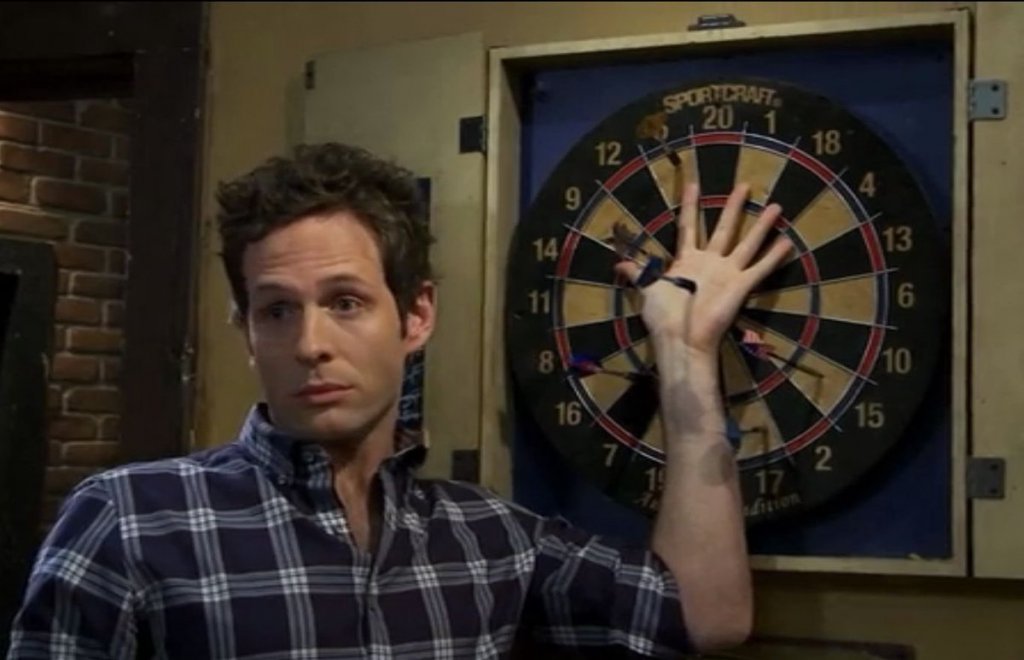
Nail the game board to the table, get the wine, beer, and hard liquor at the ready. Chardee MacDennis is about to begin.

On a boring day in the bar, the gang decide to play a brutal board game of their own creation, Chardee MacDennis, to pass the time. Because the game was made by the Paddy’s Pub gang, the rules (to get out of jail, you must eat the ingredients of a cake raw) are as disordered and chaotic as the questions (Q: What is the greatest band in the world? A: Chumbawumba), as Charlie, Dee, Dennis, Frank, and Mac try to break each other in mind, body and spirit.

RED DWARF

‘Marooned’ (Series 3, Episode 2)

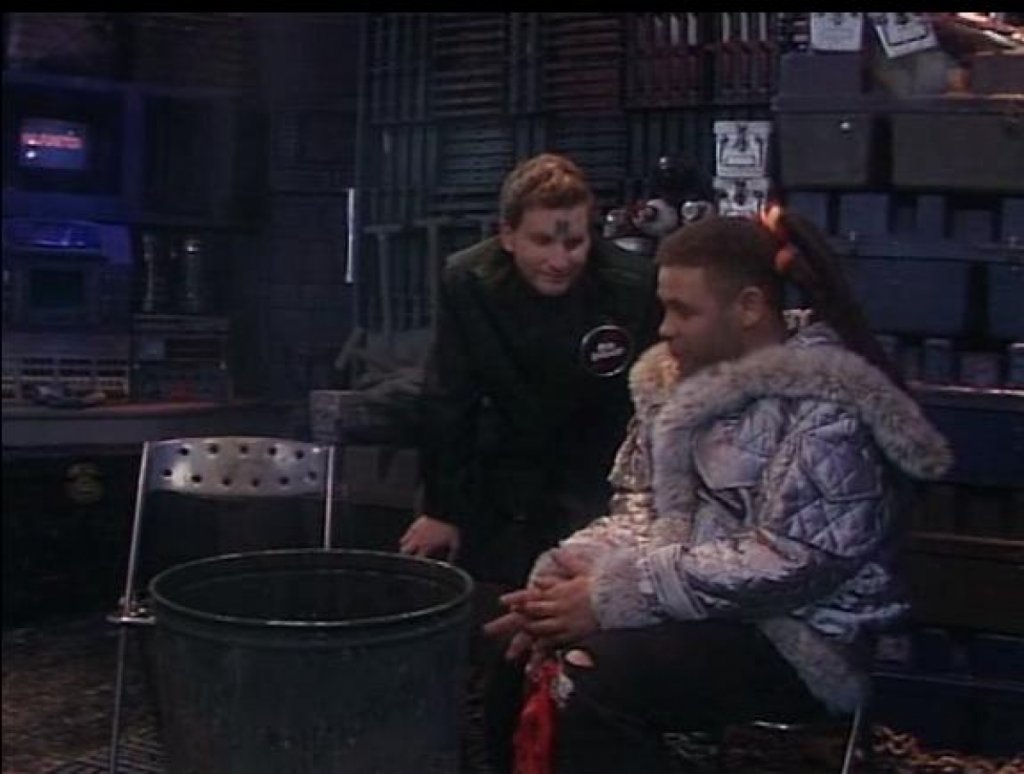
Rimmer and Lister crashland on an icy moon with only each other for company, dog food and Pot Noodle for sustenance, and the priceless contents of Rimmer’s camphor wood chest for heating.

Especially in the early years, the relationship between Lister and Rimmer was at the centre of the comedy in Red Dwarf but they usually had Cat, Holly and later Kryten to mix things up with. Marooned takes away everything else, leaving just the two former roommates to deal with each other while trying to keep Lister alive. Season 3 of Red Dwarf used its sci-fi aspect of sci-fi comedy well with “Backwards” and “Polymorph” but Marooned showed that they can also do more character-based comedy.

BUFFY THE VAMPIRE SLAYER

‘Older and Far Away’ (Season 6, Episode 14)

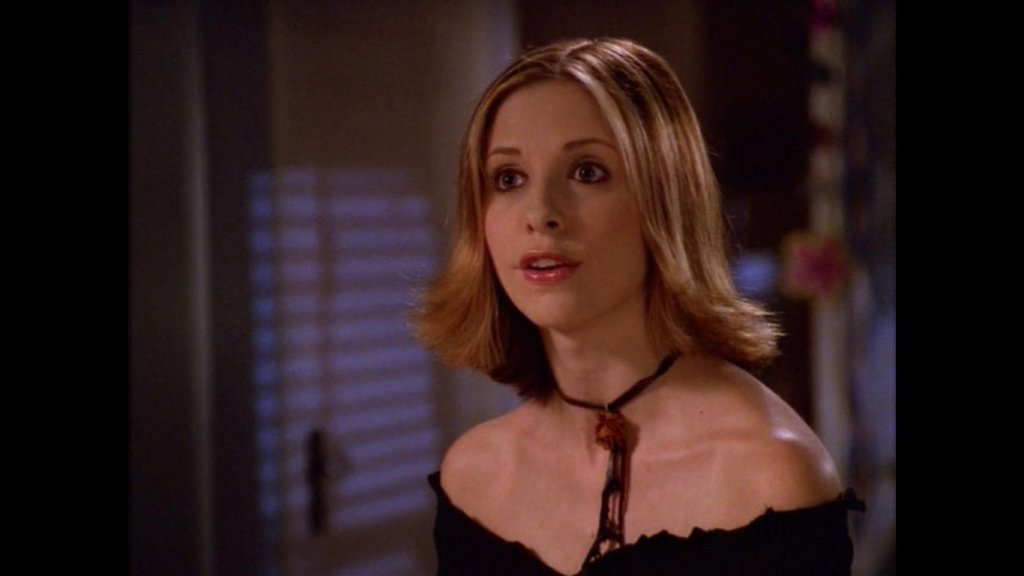
The morning after Buffy’s birthday party, the Scoobies find out they are trapped inside the Summers’ house by an unknown force. Things get worse when a demon starts hiding in the walls waiting to pick them off.

Plot threads like Buffy and Spike’s relationship, Willow’s recovery from magic addiction, Anya and Xander’s upcoming wedding, and Dawn’s shoplifting get pulled together for all that bottle-y interpersonal drama after Dawn accidentally wishes for people to stop leaving her, but the most bottle episode-y part of this Buffy bottle episode is the magic keeping them in the house. Instead of showy magic barriers, the characters all simply just stand in place and are unable to will themselves to open the front door and leave. Clever, cost-effective, and unique.

STAR TREK: DEEP SPACE NINE

‘Empok Nor’ (Season 5, Episode 24)

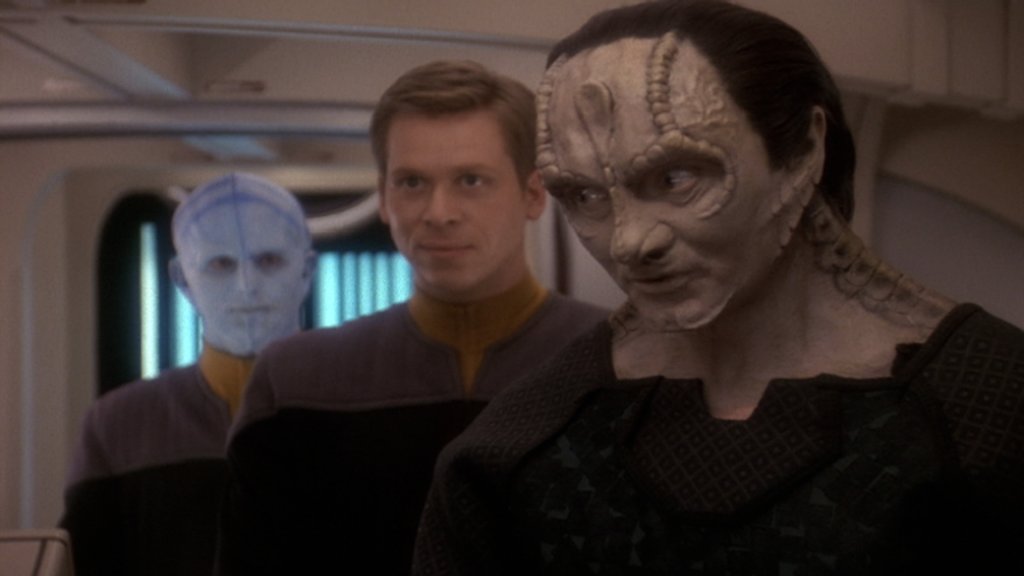
O’Brien leads an away mission to salvage vital parts on an abandoned space station when they find it’s not as abandoned as they first thought.

With them being such an ever-present part of Trek for its 50-odd years, we could have done an entire list featuring only Star Trek bottle episodes but we’ll just have one in this list. Because of the amount of extras needed for a typical promenade scene and the costs involved, Deep Space Nine wasn’t able to use the traditional Star Trek trick of setting the whole story just on the main ship or a shuttlepod when making a bottle episode. Enter: ‘Empok Nor’ DS9’s exact double except for the fact that nobody’s aboard and the lights are off. It’s a bottle episode but the bottle has a different label on it than it usually does.

BREAKING BAD

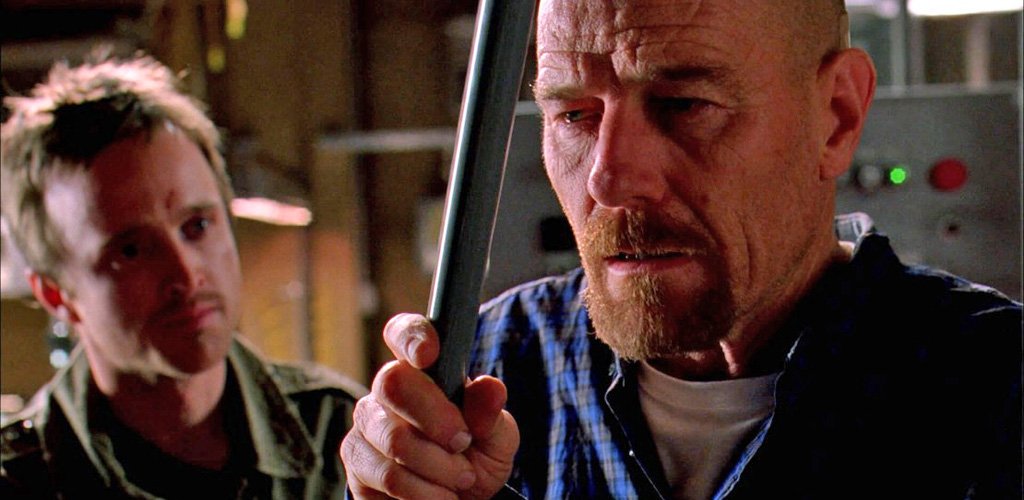
‘Fly’ (Season 3, Episode 10)

Cooking in the secret lab grinds to a halt when a housefly threatens to contaminate a batch of meth.

Rian Johnson directing an episode in the middle of something that divides a fanbase’s opinion? Surely not. Horrendously over budget in Season 3, Vince Gilligan needed a bottle episode set almost entirely in Gus Fring’s underground lab to help balance the books a bit and give the audience a break from the season’s usual pace. What happened became the series in a microcosm with Walt’s obsessiveness affecting Jesse until it ends up consuming both their lives.

GAME OF THRONES

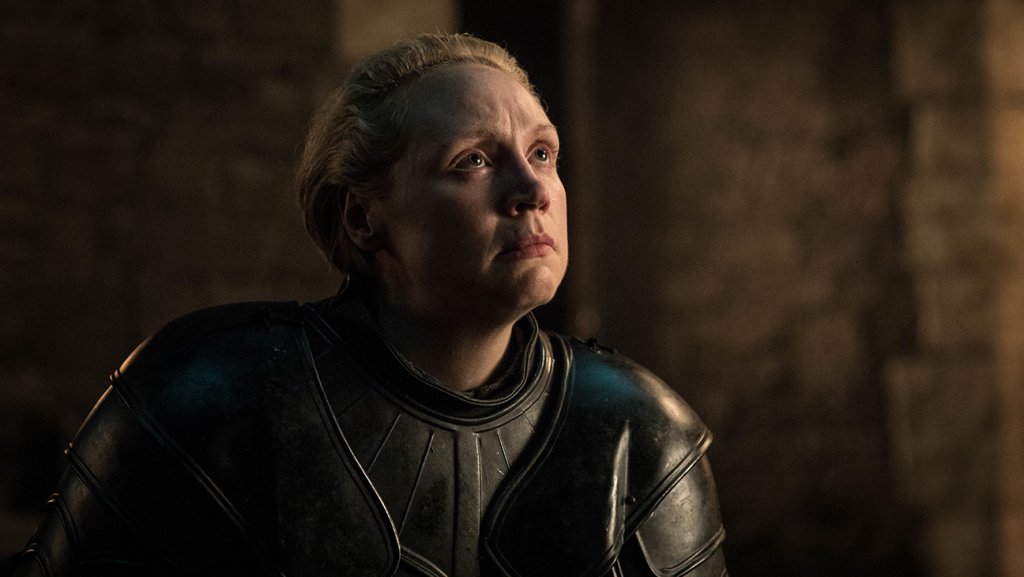
‘A Knight of the Seven Kingdoms’ (Season 8, Episode 2)

While waiting for the Night King and his white walker army to arrive, Winterfell prepares.

It may have cost the GDP of a small country to make and involved most of the humongous cast, but in Game of Thrones terms it’s a small character piece with restraint, as characters unite and reunite over a misplaced Starbucks coffee.

COMMUNITY

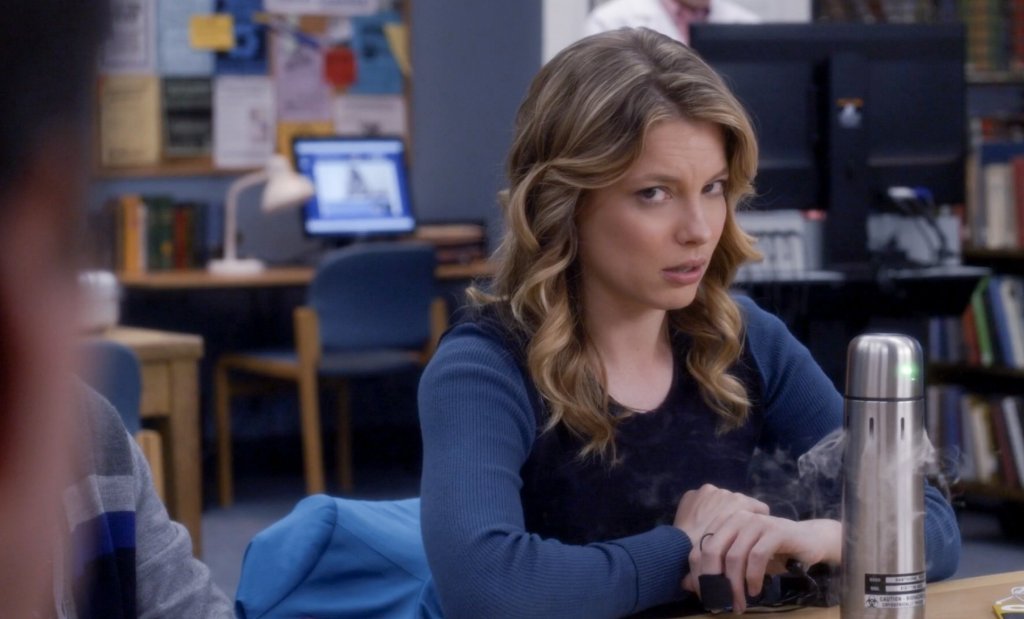
‘Cooperative Polygraphy’ (Season 5, Episode 4)

After Pierce’s funeral, the study group are tormented by him for one last time in the form of a lie detector test before they can get any bequeathments.

Season 5 of Community saw the departures of Chevy Chase and Donald Glover as well a return to form with the rehiring of Dan Harmon as the showrunner. Rolling with these upheavals, the episode tied up loose ends from Chase quitting as well as setting up Glover leaving in the next episode with aplomb. As the study group are forced to admit things about themselves they’ve kept from everyone as Pierce’s questions mess with them from beyond the grave.

DOCTOR WHO

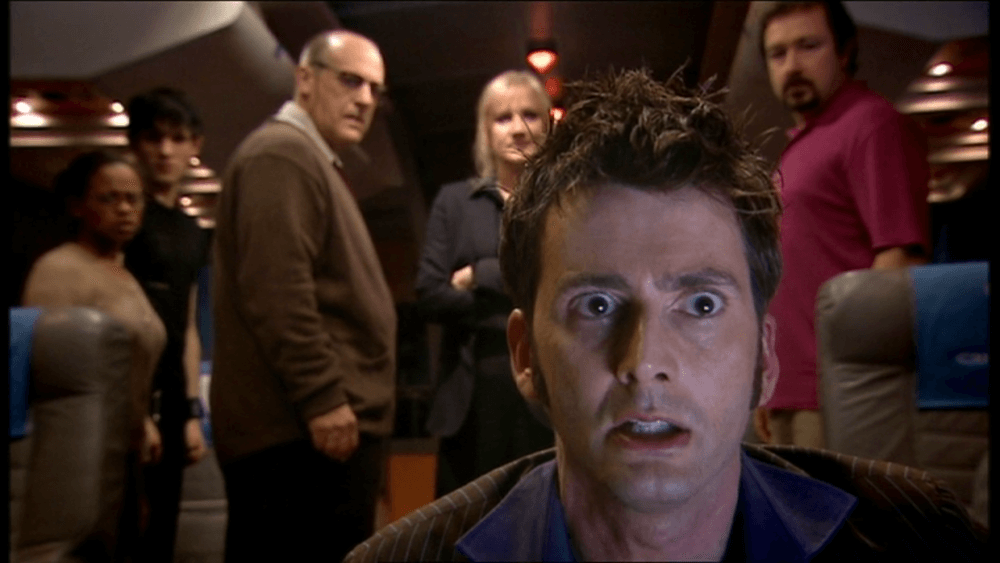
‘Midnight’ (Series 4, Episode 10)

Ah, I’ll be fine. Taking a big space truck with a bunch of strangers across a diamond planet called Midnight… What could possibly go wrong?”

A downer ending to the list. The Doctor and a small group of tourists are trapped on a transport that suddenly breaks down on a planet bathed in deadly X-tonic radiation and the ship starts getting attacked by an entity that somehow lives there.

Filmed the same time as the Donna Noble-centric episode ‘Turn Left’, Donna only appears at the start and the end of the episode as the Doctor is pitted against a monster that has the very bottle episode-friendly powers of possessing humans and repeating what they say.

Got a favourite bottle episode of your own? Hit us up @STARBURST_mag and get recommending!

10 OF THE BEST NEGLECTED HORROR FILMS

neglected horror

You know when you tell someone about a film that you love and they’ve never heard of it? Then, when you try to track them down, you can’t even find it anywhere? Horror may have had more than its fair share of trashy, easily forgotten films in its time but occasionally, absolute gems get tossed aside, never to be heard of again. So here, in no particular order, are ten neglected horrors that we think deserve a bit of love and a second chance…

DRACULA (1979)

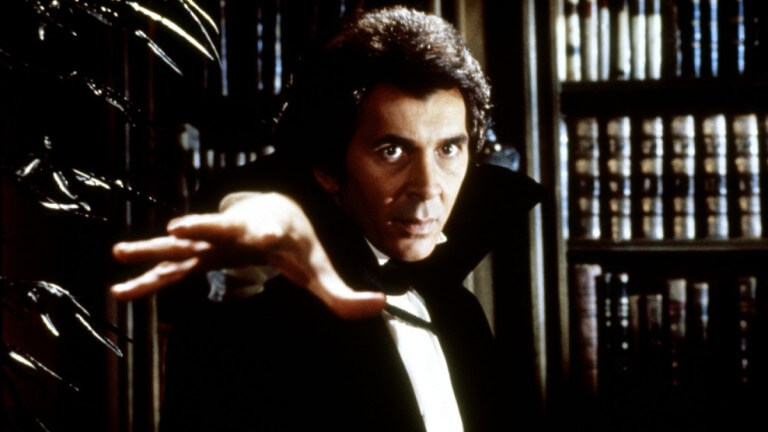
This lush, romantic take on the oft-told tale is all but forgotten today. Broodingly gothic, it was director John Badham’s follow up film after his huge success with Saturday Night Fever but failed to find its teeth at the box office. It’s a great shame because it’s one of the best versions of the story ever put to film. Unlike the ludicrous bombast of Coppola’s version, this opts for subtlety and atmosphere so it’s emotional when it needs to be and creepy as hell too. And with able support from a great cast including Laurence Olivier as Van Helsing, Frank Langella as the undead count is absolutely superb – suave, charming and utterly terrifying. And as if that wasn’t enough there’s a magnificent, overlooked score from John Williams.

Best bit: Dracula looking into camera as he crawls down the mansion’s walls towards Mina’s bedroom.

Where to Watch: Amazon, Google Play, YouTube, Chili, Apple

DEAD & BURIED (1981)

The poster proudly proclaimed that ‘The makers of ALIEN bring a new terror to Earth’ but that didn’t stop this Ron Shusett, Dan O’Bannon written film from finding itself in an early box office grave from which it never returned. And that’s a shame because this tale of corpse resurrection in a small US coastal town has chills and atmosphere in spades. Sometimes it feels a little too ‘movie of the week’, and its lead actor, James Farentino, was certainly better known to TV viewers than cinema audiences, but it still manages to creep under the skin and there are some genuinely unsettling scenes in there. The locations create an atmospheric backdrop and the supporting cast – Flash Gordon’s Melody Anderson and Freddy himself, Robert Englund, give it all some weight. And that poster? It’s great.

Best bit: Jack Albertson’s stunningly gruesome autopsy scene.

Where to Watch: Shudder, Amazon, Google Play, YouTube, Apple, Microsoft

IN THE MOUTH OF MADNESS (1994)

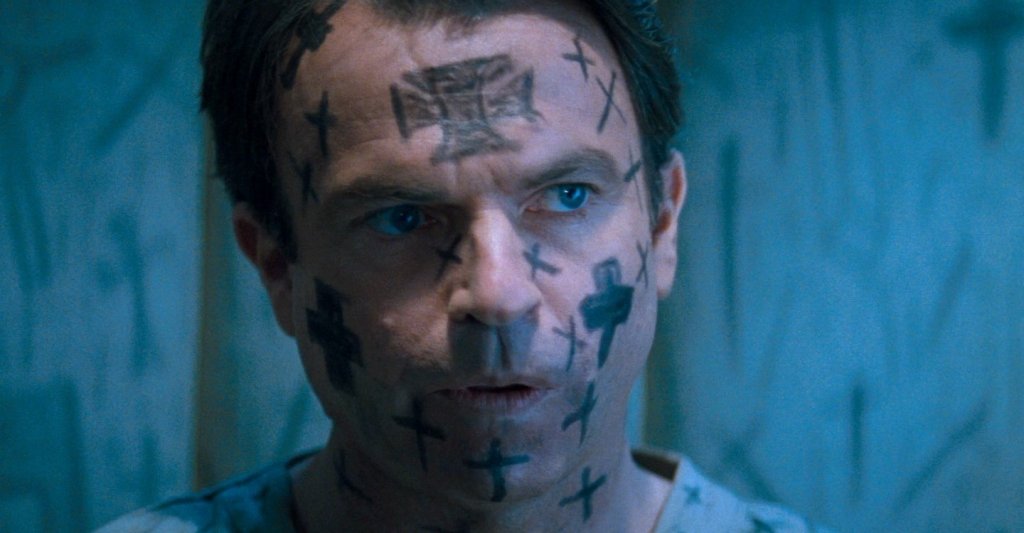
Somewhere in John Carpenter’s canon of hits (Halloween, The Thing, The Fog) and misses (Ghosts of Mars, Vampires), sits the in-between films like Prince of Darkness, They Live, and, best of all, the largely forgotten In The Mouth of Madness. Of all of Carpernter’s output, this story of a man trying to find a missing horror author whose fiction becomes fact, is the one most deserving of wider acclaim. As the lines between what is real and what is not become more and more blurred, Carpernter’s control of the material is strong, all held together by a great performance from Sam Neil. And yet, of those in-between films, it’s the inferior by far They Live that gets all the love…

Best bit: Sam Neil screaming his head off on a crowded bus.

Where to Watch: Amazon, Google Play, YouTube, Chili, Apple, Microsoft

PROPHECY (1979)

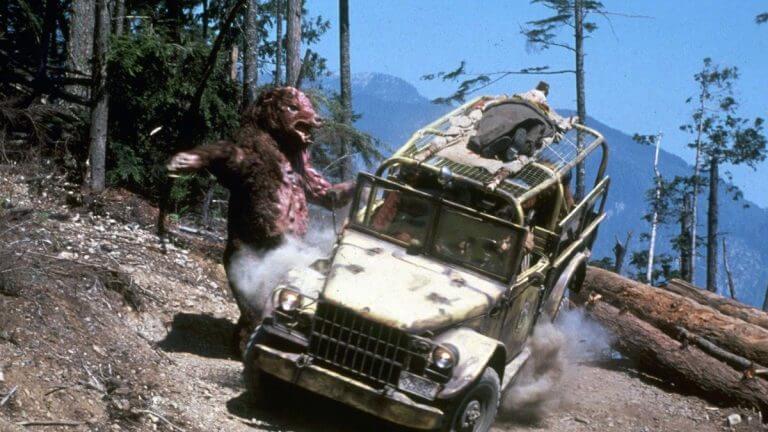
Suffering from director John Frankenheimer’s alcoholism and a release date which saw it getting unfavourable comparisons to ALIEN, there’s still something about Prophecy which gives it a deserved place on this list. Firstly, its a great looking film, the Maine locations are beautifully shot, and there’s some decent performances – whatever happened to Robert Foxworth? Plus, its subject matter – a paper plant polluting water with mercury creating mutant lifeforms which start to take revenge – was an early ecological message that mattered. It also gave voice to indigenous populations. Ultimately what lets the film down somewhat is the monster itself, but in fairness, at the time, it was constantly being compared to the Xenomorph itself and, well, which monster can win that battle? With the benefit of distance, this is a decent, fun horror.

Bets bit: the creepy night time swim across the lake. 

Where to Watch: Microsoft, Amazon

THE SENTINEL (1977)

Although the novel on which this is based was written in the early ‘70s, The Sentinel still feels like an attempt to cash in on the successes of Rosemary’s Baby, The Exorcist, and The Omen but, despite that and despite the fact that it was made by, wait for it, Michael Winner, this film has enough atmosphere and scares to get it on to this list. There’s a great cast for a start, including Jeff Goldblum, Ava Gardener, Burgess Meredith, and Christopher Walken. The story, a pretty model moves into an apartment in a building which is the gateway to hell, is second fiddle to the atmosphere and host of bizarre, unsettling characters who become increasingly disturbing. And the finale is that rare thing in horror, a genuinely horrible, authentically perverse vision of the macabre, as the underworld’s doorway opens and the house fills up with its occupants. Creepy as hell. 

Best bit: climax apart, (no pun intended), Beverly D’Angelo masturbating in front of her new neighbour. Welcome!

Where to Watch: Anybody got a VHS copy they can lend us?

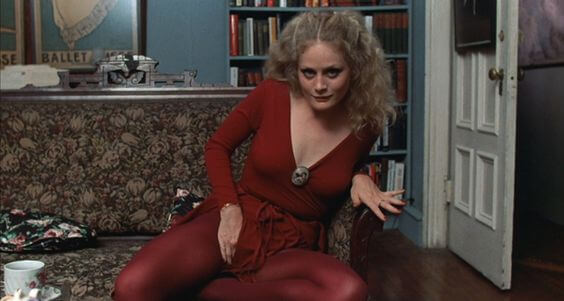
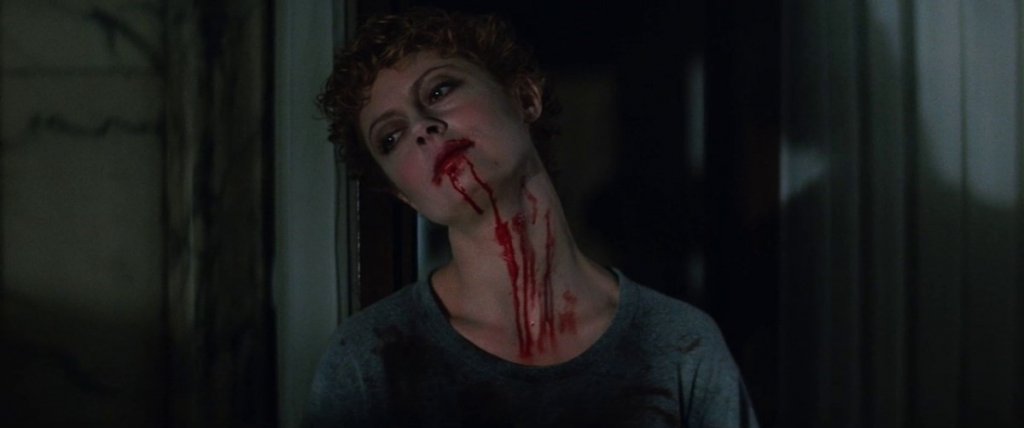
THE HUNGER (1983)

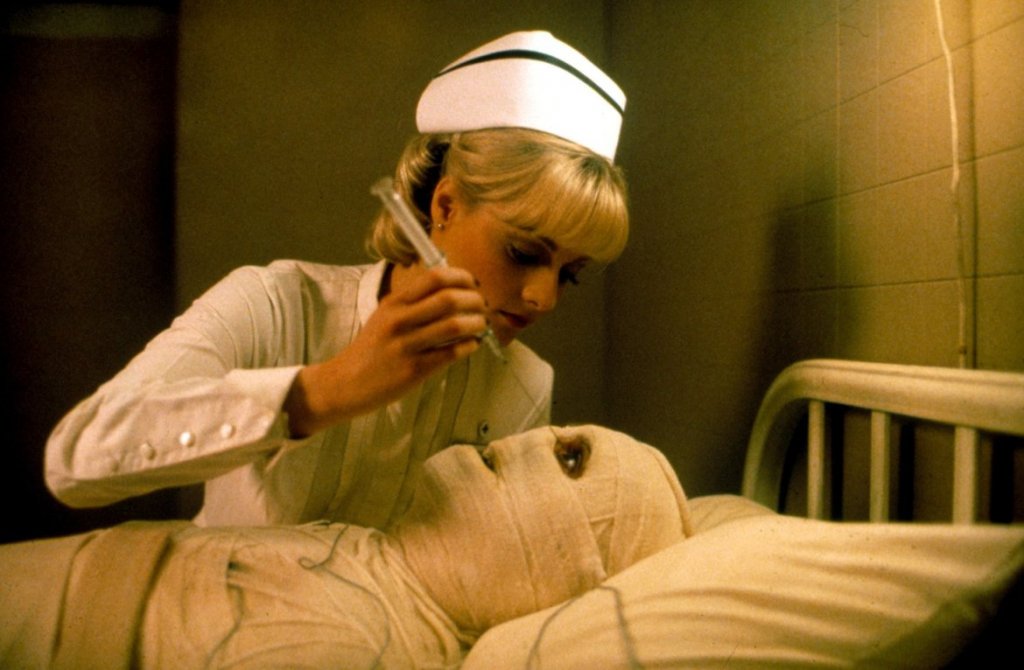
Slagged off beyond belief when it came out, The Hunger has proven its worth in the way that its visual style has influenced so much since. And whilst it’s a bold, beautiful and exquisitely made film, every frame looking like it belongs on a gallery wall, Tony Scott had the good sense to fill his painterly canvas with some great actors, adding some real bite to the story of an immortal arriving at the point when her chosen lover of the last few hundred years has started to wither. Time for a new love… The three central performances from Catherine Deneuve, Susan Sarandon and David Bowie are perfect but there’s no doubt that its style – set design, costumes, lighting, cinematography – are stunningly impactful. It should have been a hit.

Best bit: David Bowie ageing 50 years in a hospital waiting room is a compelling, wordless masterclass in filmmaking.

Where to Watch: Amazon, Google Play, YouTube, Chili, Microsoft

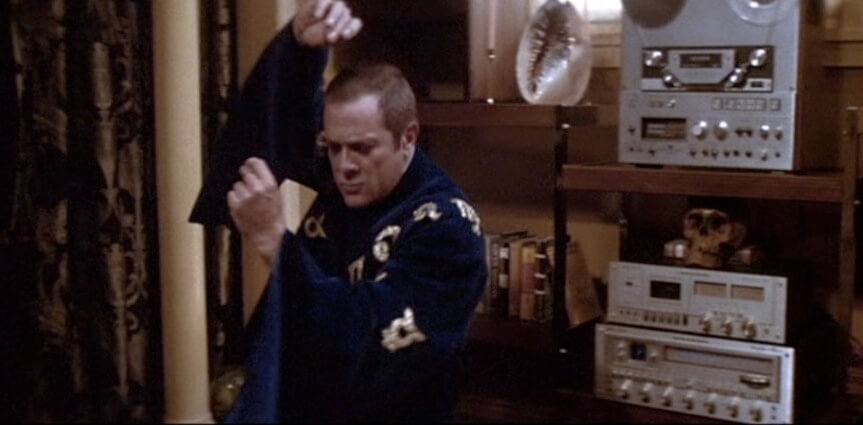
THE MANITOU (1978)

Burgess Meredith crops up again in The Manitou, a film almost completely forgotten about now despite a lead performance from Tony Curtis. He plays a hack psychic confronted with real supernatural horror when his ex girlfriend’s back tumour turns out to be the foetus of an ancient Native American demon. And it’s ready to be born again. Like Prophecy, The Manitou reveals the late ‘70s concerns about the treatment of America’s indigenous population, but that message plays second fiddle to what are largely some effects as fake as Cutis’s psychic powers. But then there’s the Manitou itself, a genuinely creepy little demon which is genuinely unnerving. It’s not a great film, it may not even be a very good one, but it doesn’t deserve to be forgotten.

Best bit: Susan Strasburg giving birth from a lump on her back.

Where to Watch: DVD

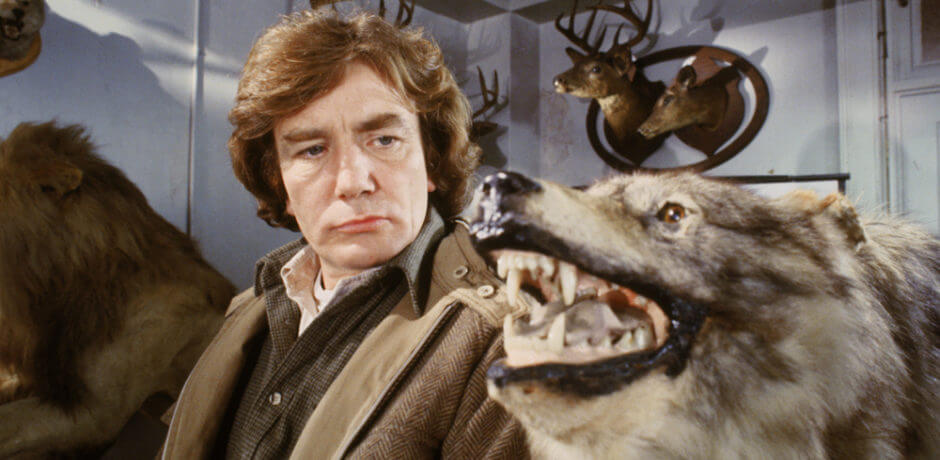
WOLFEN (1981)

Arriving in cinemas in the same year as The Howling and An American Werewolf in London, Wolfen suffered at the box office through unfavourable comparison and there’s no doubt that, of the three films, it’s the least memorable. But it’s not bad. Grounded by a wonderfully underplayed performance by the great Albert Finney, Wolfen is yet another film with a Native American thread running through it, the wolfen being ancient indigenous ‘wolf spirits’ and, as well as that socially conscious message, the film looks at the exploitation of the poor by the corrupt rich but, despite its lofty intentions and serious tone, Wolfen has some effective set pieces and, as a character driven piece, deserves to be seen.

Best bit: the decapitation.

Where to Watch: Apple, Amazon, Google Play, YouTube, Chili, Microsoft

GHOST STORY (1981)

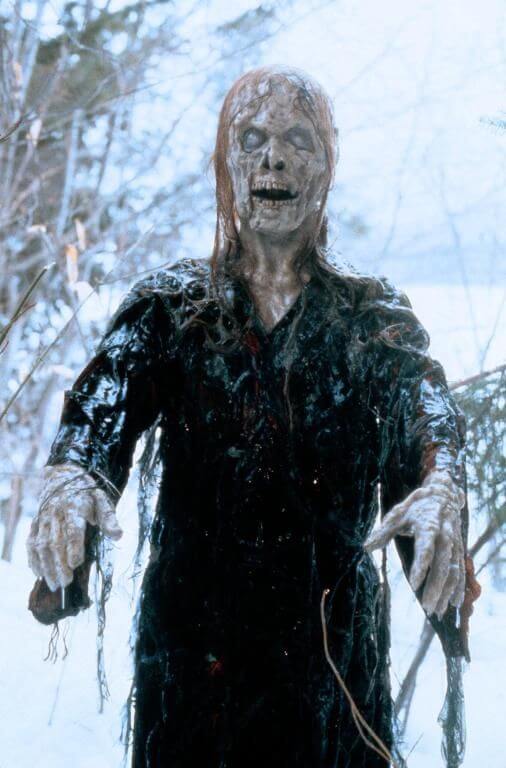
An old fashioned story told with an old fashioned cast, Ghost Story is a neglected if flawed horror in which four old men are haunted by a 50 year old secret that won’t stay dead. As played by veteran actors Fred Astaire, Melvyn Douglas, Douglas Fairbanks Jnr, and the wonderful John Houseman (The Fog), it’s a cast which brings real chops to the ghostly goings on. But it’s Alice Krige who stands out as the ghost the story is about. She’s aided in no small part by some truly wonderful Dick Smith make up effects, some of which are up there with the great artist’s best work. Atmospheric, chilly and chilling, Ghost Story is worth digging up from its grave.

Best bit: bath time screams.

Where to Watch: Amazon, Google Play, YouTube, Chili, Microsoft

LET’S SCARE JESSICA TO DEATH (1971)

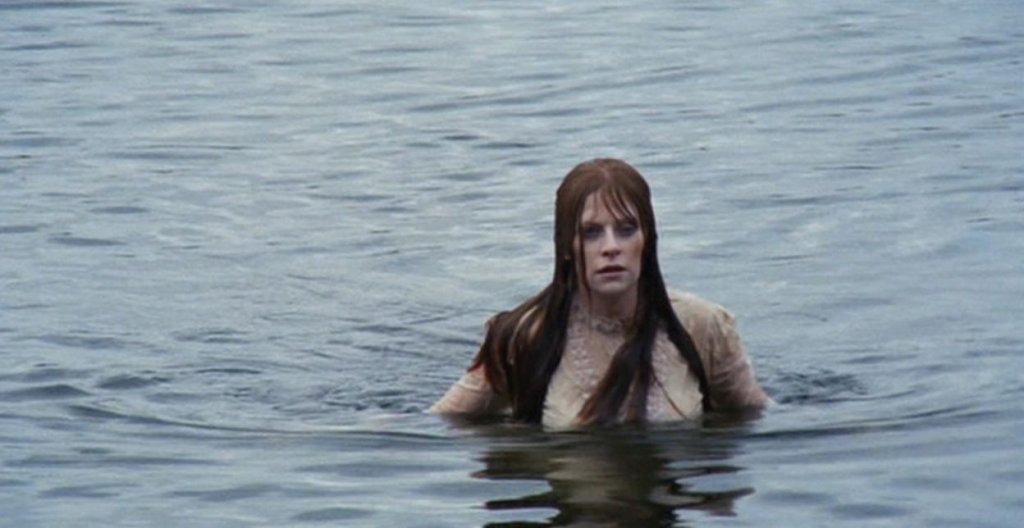
Some bloke called Stephen King reckons that this is one of the scariest films ever made. He may be onto something, as this intimate, haunting and utterly terrifying 1971 movie shows that less can definitely mean more. It tells the story of a woman with mental health issues who moves to a rural Connecticut village with her husband to seek out a calmer life. But the locals tell tall tales of a long dead woman who drowned in the lake who still visits the place, prompting Jessica to wonder if the increasingly unsettling things she’s seeing are in her mind or real. With a small budget and a minimum of fuss, Let’s Scare Jessica to Death is a masterclass in suspense, growing dread and paranoia. Not easy to find but if it’s good enough for Mr King, you should try.

Best bit: Jessica realising she’s not alone in the lake.

Where to Watch: Amazon, Apple, Google Play, YouTube

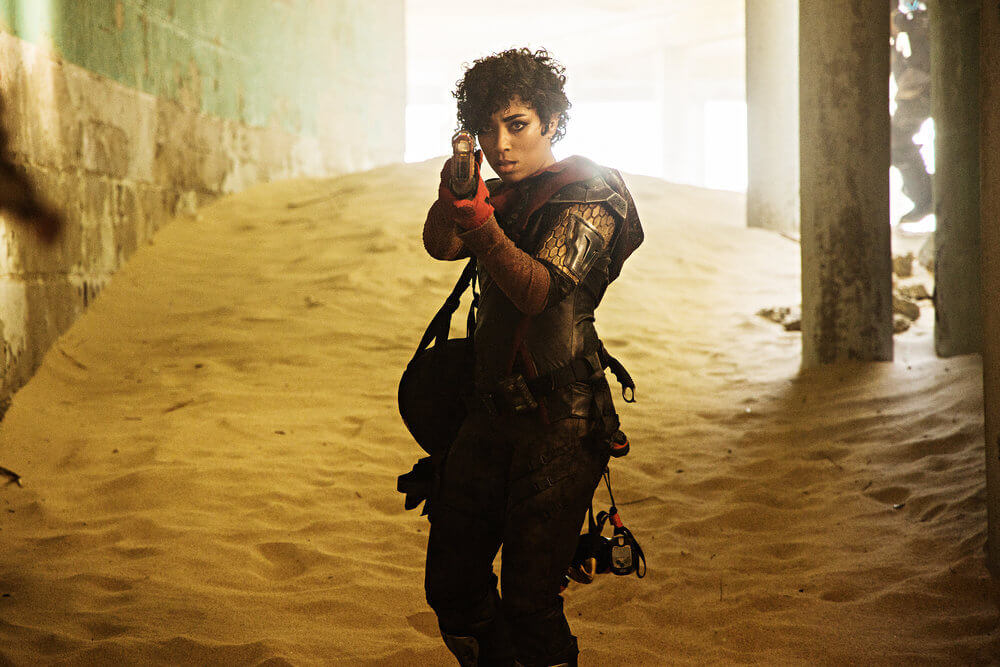
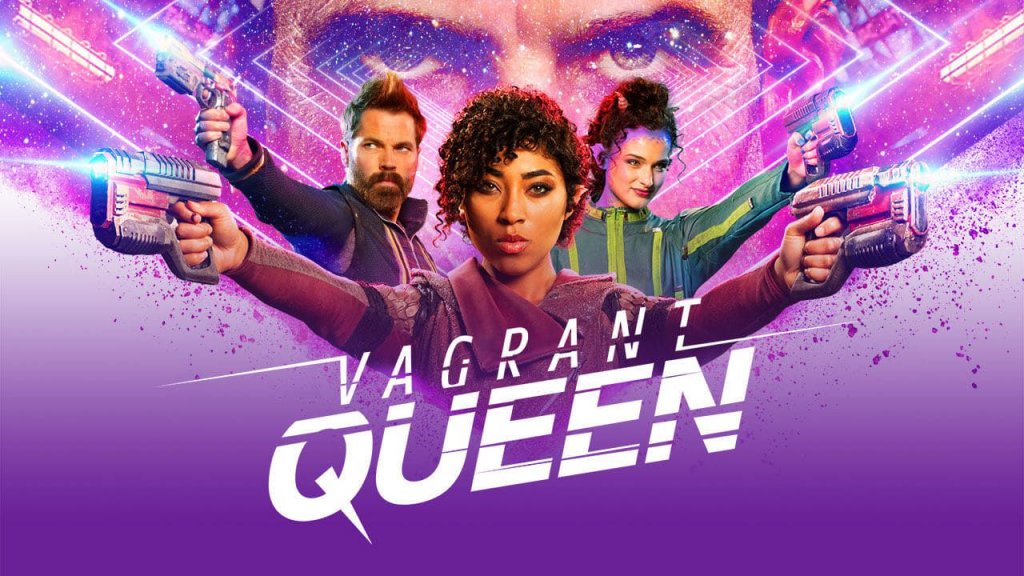
Adriyan Rae | VAGRANT QUEEN

We caught up with ADRIYAN RAE to talk about her role as the titular VAGRANT QUEEN in SyFy’s latest sci-fi action comedy show…

STARBURST: How would you describe Vagrant Queen to your grandma?

Adriyan Rae: It’s fun, it’s campy, it’s about journey and friendship. She’d be like, “Oh Okay, I think I’d love that!”.

How did you get cast in the show?

My manager received a call from their team for someone else and my manager thought that I would fit the role well and he pitched me for it. I auditioned – I just went all out because I instantly loved Elida. We sent the tape in and five or six days later I got a call from my manager asking if could speak to Elida. I just freaked out!

It’s a very physical show, how do you prepare?

I did a lot of dynamic training. As actors we’ve got to make sure we look aesthetically pleasing. I had to switch my work-out to be more athletic. More kick-boxing, MMA, weight-lifting of course. Working out and not really realising.  I did a lot of ropes, stairs, resistance bands and like actual learning fighting techniques. It was really cool to switch my workouts.

The show has some pretty ‘out there’ sets and costumes; how does that shape your performance?

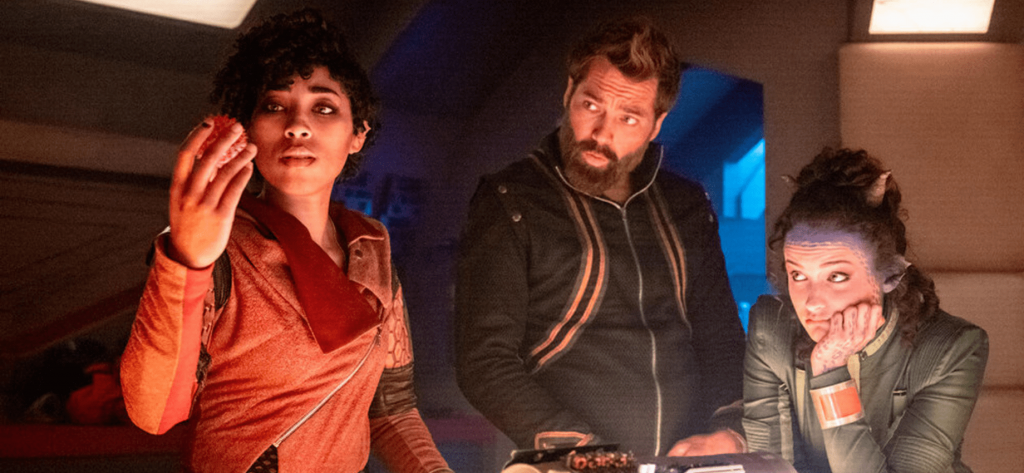
It helps that it’s so practical. It helps that when I’m talking about space I can look back behind us and ‘see’ space. It helps that I am in a cockpit and I can touch the buttons and they actually move and they do things. It helps that when I’m talking to an alien they actually look like an alien and I can see how their mouths move in a way different than a humans. It’s a really fun place where you just get to use your skills and practicalities and imagination meet. It was super fun. 

There’s some great chemistry between the cast, how much of that is the script?

There’s definitely room for improv. Sometimes we just riff. Sometimes we just add a little spice into there as long as we get to the point of the line and we get across what the scene needs. Our showrunner and our directors were pretty open to us improvising and adding a little bit of the Elida, Issac, and Amae flair to it.

Where did your love of stranger stories come from?

For me it started when I worked on Light as a Feather, because that’s like a fantasy, horror thriller. It’s not that I had no idea, it’s just when I started I was not as much into the sci-fi world as I am now. When I got the script for Vagrant Queen it was cool, and then I’m on the set and it’s very cool. I was like ‘Oh, I get it’. With Light as a Feather it was the incorporation of magic into the script. I always loved magic and different things that aren’t of this universe. Then, luckily, I was cast in Vagrant Queen and it all came together for me!

Did you get spend any time with the the creator of the comics?

I did. Magdalene Visaggio visited South Africa for a while and so did [artist] Jason Smith. I was very grateful to meet with them and just see the smiles on their faces. It was very nice to chat with them and learn where it all came from. 

How have the sci-fi fans responded to the show?

It’s a whole family that I suddenly have and I’ve been getting to know them by popping onto Instagram and Zoom and Twitter! They are absolutely amazing. They’re so supportive. It’s astonishing.

Seen any Elida cosplay yet?

I haven’t seen it yet, Comic-Con has been pushed back but I know that they’re doing an online one now and I can’t wait. A lot of people are telling me they’re going to do that though and I honestly think I might cry!

What are your favourite memories of filming Season 1? 

There’s like a top three: one would be the time that Tim [Rozon] almost cut his finger open in the middle of a scene. He was such a professional that no one even knew, and then at the end of the scene blood was dripping from his hand and he says “we might need a medic”. Another was when somebody tased herself trying to show us how to use a Taser safely [laughs]! And lastly, was my birthday. I was in South Africa and all the cast and crew there knew it was my first time being out of the country on my birthday. I was going to be working all through that day. Everyone was nice and I was just covered in love the whole day! I remember crying so much. I’m a real crybaby [laughs]!

What do you know about the future of the show?

I always believe that everything is working out for my greater good and our greater good.  I’m sure something is coming whether that’s Season 2 or another project. People can follow me for updates on my Instagram and Twitter. I love to talk to fans.

VAGRANT QUEEN – SEASON 1 is available on NowTV until July 17th, and on DVD/Blu-ray from July 13th. To read our review, head HERE.

A Review of Online Poker Site – 888 Poker

Online Poker has become a popular pastime in the UK, in which seasoned pros and newbies alike are now flocking to online sites to cash in on the opportunities available. Whilst it’s difficult to beat the atmosphere in a real-life poker venue, the development of modern technology and the convenience it offers has meant that many people, even those who wouldn’t usually have played poker, are now trying their hand at the game.

Could it be the fact that online players needn’t refine their poker face? Or perhaps the competitive landscape that has enabled so many online bonuses and promotions, which has grew the online poker industry. In the following article, we’ll take a look at one of the most popular online poker providers – 888 Poker, and give you a rundown of what’s on offer.

About 888 Poker

888 Poker was launched in 2002 by a Gobraltar-licensed online poker provider called 888 Holdings plc; a subsidiary of Cassava Enterprises Ltd. Having previously been branded as ‘Pacific Poker’ in 2005, the brand has developed significantly in the past decade and has built up quite a significant offering. What’s more, 888 Poker have delivered consistent Hold’em, Omaha and Stud action for cash games and tournaments, earning them a well-respected position within the igaming industry.

One of the main assets of 888 Poker is their brand reputation that has enabled them to become a sponsor of the World Series of Poker. This has enabled their customers to have access to numerous WSOP satellites.

Some of the main stats about 888 Poker

Name: 888 Poker

Website: www.888poker.com

US players: Nevada, Delaware and New Jersey

Online since: 2002

Online bonus: https:  $88 no-deposit bonus plus 100% up to $400

Licensed by: Gibraltar Regulatory Authority, Great Britain Gambling Commission

Owner: 888 Holdings

Location: Gibraltar

Deposits: Visa, Mastercard, PayPal, NETELLER, Skrill, EntroPay, iDebit, WebMoney, Bank Transfer, Paysafecard, Citadel, Instadebit, Boleto, EPS, Giropay, Trustly, Nordea, Multibanco, AstroPay, iCheque, Yandex.Money, Transfarencia Bancaria, Sofortuberweisung, Payr, Przelewy 24

Payouts: Visa, Mastercard, PayPal, NETELLER, Skrill, Bank Draft, EntroPay, iDebit, WebMoney

As an online Poker provider, 888 Poker are able to offer some competitive bonuses, a huge variety of games and an overall easy to use and enjoyable format. With a huge increase in the amount of online poker players on the digital market in recent years, the rate of competition has been tough and online poker providers have had to come up with some creative ways to attract new customers and retain the one’s they have. Below we’ll look at some of the ways they have done this.

Sign-up Bonus

One of the great things about 888 Poker is that they are very generous with sign-up bonuses. New members of 888 Poker who sign up for an account are eligible to receive a £20 sign up bonus. This is great news for players as it means you can start playing straight away, without needing to commit to putting cash into the game.

This enables players to get a feel for the site and see if it suits them. And if not, there are no losses!

No Deposit Bonus

Not only can players get a bonus by verifying their email address, 888 Poker players are able receive up to $88 in no deposit bonuses. Whilst a small amount of this comes from purchasing tournament tickets, the majority is remitted to your account in $8 amounts, with $1 dollar being in cash and $7 in tournament tickets.

What’s more, players are able to earn points at a rate of 2.5 points for every dollar received. Each time you collect 250 bonus points, you get some of the bonus cash released.

Free Tournament Tickets

In addition to the above bonuses on offer, first time players will also benefit from a free tournament tickets package. The packages on offer include –

  • Seven tickets to $500 First Depositors’ freerolls
  • Two tickets to$1,000 Depositors’ freerolls
  • One ticket to the First Depositors’ Challenge Tournament, which gives you a shot at winning a seat in the next Sunday Challenge Tournament

Compared to other online poker providers, 888 Poker seem to be up there in terms of the benefits for new players. The above packages provide excellent value to beginners. However, one thing to be aware of is that the whilst the above packages are great for new players, it may not be so beneficial to those looking to deposit high amounts in hopes of high bonus returns.

888 Poker Games

One of the best things about 888 Poker games is that their software supports a wide range of poker variants. However, customers should be aware that the size of the player pool could limit accessibility to some of the games.

One of the major benefits of 888 poker games is that there are a variety of tournaments to play on a near daily basis. Players can choose from the Sunday Mega Series, low buy-in Fish’n’Chips MTTs, and daily HighRollers, providing hours of entertainment and many chances to win.

Overall, 888 Poker is one of the online poker sites that sits high up in the ranks. With a huge variety of games to play and a multitude of online bonuses for new and continuing players, it’s worth checking the site out.

Issue 472 – Out Now!

In the latest issue of STARBURST, we celebrate the 40th anniversary of The Empire Strikes Back with a countdown of 40 reasons why the film is so treasured. We also look back at what the late, great thought John Brosnan thought at the time of the original release. That’s not all; we also look at how Shadows of the Empire became the stuff of Legends.

Elsewhere, we chat to Red Dwarf co-creator about the latest adventure The Promised Land and World War Z writer tells us about his new Bigfoot novel Devolution.

We look forward to the return of heading to the cinema, as we preview Christopher Nolan’s Tenet and the latest from the DC Cinematic Universe and the welcome second film for the Soldier of Truth, Wonder Woman 1984. You can also get ready for the return of Agents of S.H.I.E.L.D. with our look back to the saga so far.

If that’s not all, we meet The Flintstones as they reach the ripe old age of 60 plus much, much more.

Plus all your favourite COLUMNS, NEWS and REVIEWS from the worlds of SCI-FI, HORROR and FANTASY!

Buy online or subscribe now to receive the Collectors’ Cover variant.

Chris Bartlett | THE MANDALORIAN

We talk with THE MANDALORIAN actor CHRIS BARTLETT to learn more of his STAR WARS journey in front of the camera, from professionally performing as C-3PO to his roles as The Ferryman, Zero, and a Death Star droid (which he made himself!), and what it’s like to work with the likes of show creator JON FAVREAU, Lucasfilm legend DAVE FILONI, and Mando body double BRENDAN WAYNE….

STARBURST: How did you first get involved with the Star Wars franchise?

Chris Bartlett: I had built the suit that we use on TV. I had worked on it just as a passion project for myself. When Lucasfilm found out about it, they invited me to Lucasfilm to finish building it there, which I did. Then we went on our first event, which was in Australia. There was a voice track provided, and I performed as C-3PO in the suit. A few years later and after I’d been doing TV appearances, Disney World contracted me through Lucasfilm to come out and do an appearance with Anthony Daniels, where he would be doing a show, talking about his career as C-3PO. He would be appearing on stage for the first time in public ‘with’ C-3PO, because Anthony Daniels ‘is’ C-3PO. He is the one who really created the character that we all love, so he wouldn’t appear with C-3PO because that’s him. However, Disney wrote a story, this show, then he decided that he liked the show, and that he would do it with C-3PO. He talks about his career for about 25 minutes, then in the last 5 minutes he goes behind the curtain, you see his silhouette, the light goes down, then the light comes back up. It’s the silhouette of C-3PO. C-3PO comes out, and then Anthony comes out, and they both see each for the first time. It’s a really emotional and cool moment for the audience. You can feel the audience have that nostalgic, really special feeling. In preparation for that, we had some rehearsals, where it was just him and I. He recorded lines for it, and I did the performance in the suit, but we worked out some timings.

Was that the first time you met Anthony Daniels?

No, years before that, the very first time I had finished building the suit, just as a fan I appeared at The Boston Museum of Science, where they have the Star Wars: Where Science Meets Imagination exhibit. On the opening day, Anthony Daniels was there. I heard he was going to be there. There were stormtroopers etc, and I thought it would be fun to appear in the costume, with the other costume characters. Anyway, he was backstage with us, when we were suiting up. This was the first time I met him, and he gave me some tips, like when you move you isolate your motion. The torso sever from your legs, sever from your head, arms. That really gave me the biggest tip on moving/performing as C-3PO. That was really useful. It’s not big sweeping motions, it’s individual parts that are moving. So that was cool. He was just giving me advice as a fan. Neither of us knew that later on I’d be performing as the media C-3PO for Lucasfilm.    

How did C-3P0 lead to The Mandalorian?

I got a call to go down for a fitting, as a droid. By this time I’d been performing as C-3PO for twelve years. On TV, in commercials, etc. Not just for fun! This was performing work. They knew about that, and they called me to go down for a fitting for a droid at Legacy Effects here in Los Angeles. They only had the costume from the waist up. They gave me some spandex to put on, then I put on the suit from the waist up. When I put it on, it was way more comfortable than C-3PO. It wasn’t so restrictive. They knew that I had a lot of experience as a suit performer, as a creature performer, and in small confined helmets. So once we put it on, I got to see the concept art, that you see of the crew at the end of Chapter 6. I saw Zero in that piece of art, how he was standing. Kind of standing like Boba Fett. So, I put on the costume, and we did a screen test on a grey background. I just moved around, initially like Boba Fett mixed with C-3PO. Where you have these droid motions, but a cold calculating motion also. They gave me a pistol, it wasn’t the one I used in the show, but I did some poses, and looked around, and they said “OK.” We did that for about 20 minutes, then they took that footage and sent it to Jon Favreau. I didn’t hear anything for a while until I got this call to come down for another fitting. For what they called The Ferryman. I said, “Oh, so I guess I didn’t get the droid that I auditioned for?” and they said “No! You’re going to be doing that too!” I said “OK great, that’s awesome news, because I really like that one!” I had no idea what The Ferryman was going to be. I said, “What is that character?” as I was picturing a shirtless, half goat creature, with ears. In my mind I was like “This doesn’t sound like Star Wars!” So I asked if they could tell me some more, in which they replied by saying “You’ll be playing the flute!” So, I guess that’s what it is! Anyway I got the email confirming my appointment to go down for that fitting, and it was spelled “Ferryman”, and I was like “Oh, Ferryman!” A guy who guides someone across a river maybe? I still had no idea what that one would look like. When I got down to suit up it was a character that looked a lot like the Garindan character from A New Hope who lets the sandtroopers know where our heroes are going to go. I just thought that was so cool. Again, it’s a confined mask, but that has its whole story as well. Back to Zero, they said I’d be flying The Mandalorian’s ship! All of a sudden my whole life rewound to when I was a seven year old in 1977, pretending in cardboard boxes to fly ships! So I really couldn’t wait for that day on set. I didn’t know that that would be until four months later, I thought that every time I had a scene as Zero I was going to be flying the ship. So that day was unforgettable. 
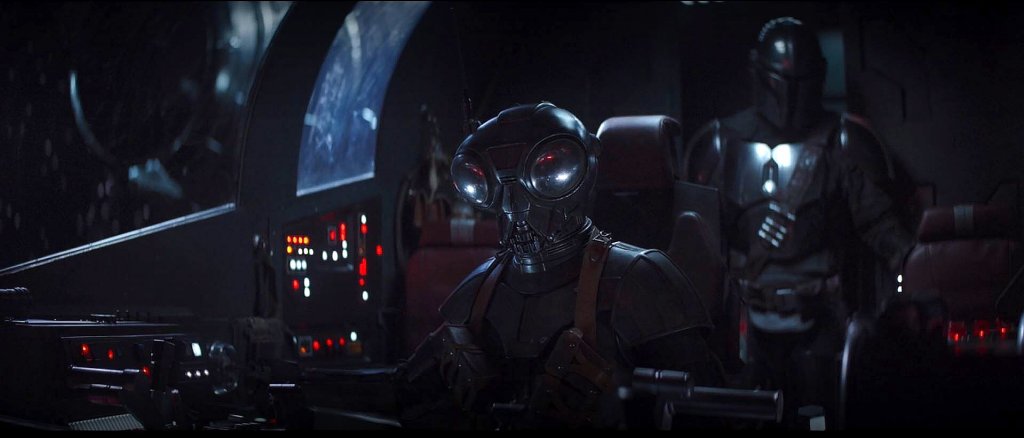
Droid mercenary Q9-0, aka ‘Zero’, pilots the Razor Crest

You act as The Ferryman in Chapter 1, alongside Brendan Wayne and Horatio Sanz, what was that particular scene like to film, and what do you remember the most from putting it together?

That was my very first day on set. Yeah, it was with Brendan Wayne who is the double for The Mandalorian. So most of my work was with Brendan, the grandson of John Wayne. It was just so cool to be able to work with him. All I’m seeing on set is his helmet. His manner – where he has to radiate through a faceless mask – was so cool! I’m a huge fan of Boba Fett, so I was in awe when I looked at this mask for the first time. Going to the moment, imagine you get the call to be in Star Wars, and you’re a huge fan of Star Wars, going all the back to your childhood. Inside you feel like there’s this massive dynamite that’s about to blow up with excitement! You can just imagine how that would feel, but you have to maintain your cool, because you need to be professional. You have a character to play, and a story to tell. You don’t have time to bubble around the set, being all excited. On the very first day they don’t give you your lines until you arrive at the set, so you only have a short amount of time to prepare. I was sitting in my room, going over my lines, which ended up being alien language anyway! They were English lines on paper. So, I was memorising them, doing them all correctly, saying them in the suit. They said “OK Chris, Dave Filoni is going to come in and go over your lines with you.” So Brendan and Dave came in, and Horatio Sanz who is the character from Chapter 1 in the first scene. They don’t give you any direction/background on this character, what his motivation is, what he sounds like, what he’s doing there. It’s just like we’re going to do the scene, and these are your lines. As an actor you have to bring something so that there’s not nothing there! I came up with the voice. I thought about how he’d be lonely, sitting out there on the ice, frozen ocean, he doesn’t get a lot of visitors, so he’s probably depressed, frustrated. I sat down with Dave – who I’d met before as C-3PO through Lucasfilm – and he was talking about what it was like to make Star Wars with George, and then Jon Favreau walks in. Now, this was the first time I knew Jon was even going to be there or that I’d ever met him. He walks in, just like a regular guy, your neighbour and says “Hey guys!”. I stand up and I’m like “Oh, hi – I’m Chris!”, I held my hand out, and Jon’s hands were full, with books, and a water bottle. He’s trying to shuffle his stuff to shake my hand, and I was thinking “Abort!” I felt like I was making a fool of myself. So I just stood there, and he did shake my hand, and we did the scene. Anyway, I thought that I’d ruined all of my chances by inconveniencing him. Then we did the reading, and again I just brought my voice. I imagined this frozen wasteland, like Siberia, maybe this guy has like a Russian/alien voice. In the scene, The Mandalorian asks for a speeder, and The Ferryman doesn’t like it, because Mando says no droids. My guy says “Well I assure you, this speeder is brand new”, and Jon goes, “That’s good, but let’s cartoon it down a little?”, and then Dave says “Would we even do an English for this?” and I was like “I don’t think so!” I talked about how fans would like it to be an alien language, then Jon was also saying the same thing, how this should be an alien language. It was cool to be able to see them make creative decisions that really affected the character you see on screen right then. It was neat. Then when it was time to go out on set, I had been anticipating this moment since I was seven. When they said “OK, it’s time to go out on the set, take your place up on the pier” literally as I was stepping up on to the pier, the whole thing flowed way down, my boot touching the pier, there was snow and wind blowing, there’s water on the pier that’s frozen. My whole life was rewound to when I was little. It was emotional. I was so excited to be there, but also scared, as I didn’t want to mess up this opportunity. We got up there, and the wind’s blowing, then The Mandalorian is walking towards me. I was like, “This is SO awesome!” I just couldn’t believe it. So I did my scene, my English lines over and over. Then we got the shot. The set was like this cylinder, from floor to ceiling, of monitors, that projects the environment all around you. It looks so realistic. There’s no green screens. The light & colour, bouncing off the characters, makes it look like they are really in that environment. It makes it so easy for the actor to feel like they are part of that real environment. It was an amazing experience. Something that I could never imagine. 

Star Wars is obviously known for its huge costume, and puppeteering workshops. So, can you tell us about what it’s like to see their epic workshops in real life, and how they’ve been applied to constructing the world of The Mandalorian? 

Legacy Effects were the ones that did the vast majority on the episodes that I worked on. The Child/Baby Yoda was there of course, everyone knows this one! I saw him on the first day, and I didn’t know that he was going to be such a central part of the story. It was more adorable than I thought any Ewok could be. Shortly after that, someone said that that was the bounty, that’s what The Mandalorian is searching for, and that’s what he is protecting through the whole season. It was a major thing that we had to keep quiet. I had seen all of the different variations of the armour for The Mandalorian, and I didn’t understand why there were so many different types until I had seen some scenes, where he was upgrading his armour. Stepping onto the set and seeing IG-11 lying on the table, which is from the last episode, where Kuiil was restoring him. That was the first time that I had seen him, laying on the table. I was going “Oh wow, that’s IG-88, he’s in this too!? That’s amazing!” Then as I was performing more on the set I realised that there were a lot of things on The Mandalorian that we recognise, that we are meant to possibly relate to because we’ve seen this character before. However, almost none of them are the real thing that we are thinking. For example, IG-11 looks almost exactly like IG-88 but he is just another one. IG-88 isn’t the only robot in the galaxy that looks like that, just like R2-D2 isn’t. I really like that about the show. There are a lot of characters, and creatures, droids, that we can relate to or remember. Like an R5 droid that appeared in The Gunslinger chapter. It could be R4 etc or just another one. It was just really neat to see it in real life. Jon and Dave have made a lot of effort. In the show they’ve dropped a lot of things that we remember from our childhood. It’s really cool, and Dave and Jon are the best people to be on this. They are just like us, lifelong Star Wars fans that just want to make more of it. You can see their love through the work. 
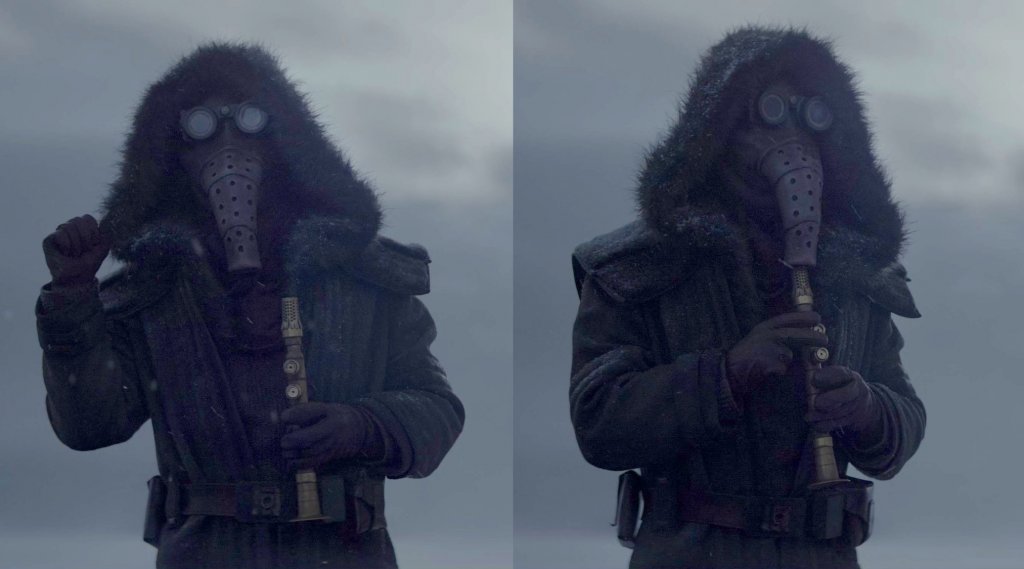
The Ferryman prepares safe passage for the Mandalorian

Which costume took the longest to get ready in?

Zero was pretty quick, because it was only the top half. The bottom half was CGI legs, so I’d be wearing spandex. I could sit down which was something that I could never do with C-3PO. The death star droid that was in the cantina in The Reckoning, I built that one. That was originally supposed to be a black protocol droid, very C-3PO looking. They knew that I built protocol droids, and wanted me to build one for this scene. I said that I do do that, but just on my own, I had just finished building my own Death Star droid. We had sculpted the head and the body, and had just finished the mould. I hadn’t painted it, or had it chromed just yet. So I said “Yes I could make you a C-3PO but I’m also making this, what do you think?” I got a note back from Colin Wilson, the Executive Producer, saying that they were really excited about the Death Star droid, and would like to use that one for the cantina. They said that they’d put me on a call tomorrow with Doug Chiang! I was like “Wow, Doug Chiang!” I had been following his work since 1999 with his concept artwork for the prequels. So I talked with Doug specifically about that one. Going back to your question, the Death Star droid took the longest. Normally my wife goes with me, she’s an actor herself, but also a character performer. She’s an expert at costuming. She worked for Disney for 13 years as a character performer. She is the one who usually travels with me, and dresses me up. She wasn’t with me on this one, but I did have Don from Legacy Effects. She helped me dress up as Zero and the Death Star droid. She did a great job putting it on, and taking it off. I was in great hands with Don as well. The Death Star droid was just more involved, as it fits together like a puzzle. All together it took about half an hour to put on, just because it was a new person. 
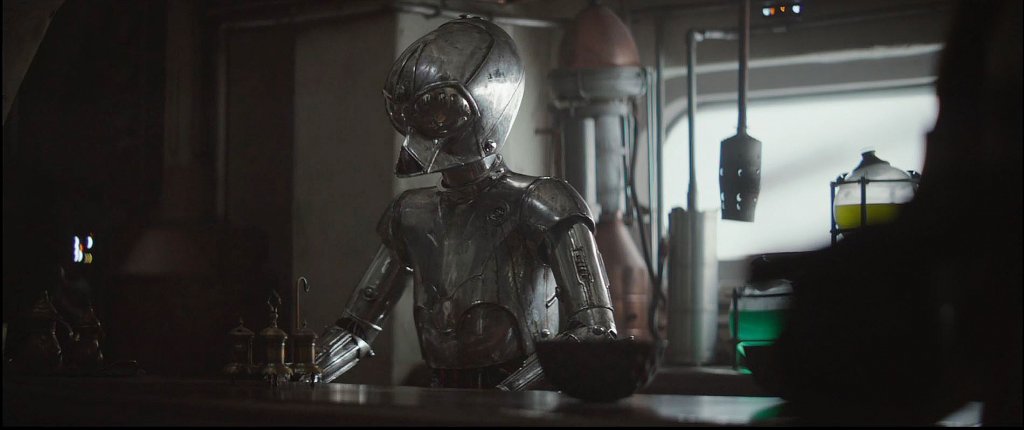
Bartlett’s home-built Death Star droid tends bar

You played Zero in Chapter 6, what was this robot like to play, and what did you enjoy the most about working on this episode in particular?

After the first sitting I went home. I was talking with my friend, Dee Tails, who is a character/actor and suit performer in The Force Awakens, The Last Jedi, Solo, Rogue One. He plays droids, and other characters. So he and I just connected on Facebook a while ago. I was talking with him, and we started talking about bugs. I was asking him for advice, on how he approaches characters, because he has done a lot of films. He was so helpful, and he was really my mentor on doing a new character. He even came out to LA, we got together, went out in the mountains and talked about acting as droids/creatures. How to approach each role. He’s an amazing individual and performer. We started talking about treating the character like a bug, because he kind of looks like a praying mantis. So I researched the praying mantis, how they moved, and how they keep their head still. They can twitch their head real fast, and look. So I looked at a bunch of praying mantis videos. You can see this when Zero walks down the ramp for the first time. When he is being introduced by the crew to The Mandalorian. When I first walked down the ramp, my eyes as a regular human are looking where I’m walking, so I don’t fall down the ramp, and ruin the scene. As I was doing that, I was thinking about how a droid wouldn’t watch where it was walking, its sensors would know where it was walking. So I made the decision to keep my head facing the crew, until I got to the bottom of the ramp, but the problem was that I couldn’t tell when I was going to get to the bottom. I was just hoping that I wouldn’t stumble. I did it once, I stumbled a little bit, and then we got it. Staring at them while my body is walking down the ramp. It made it look more robotic. You can also see when I’m looking for The Child, how I would snap my head when I look around. That came from a bug kind of approach. The eyes were really cloudy, and I could only see through these two tiny slits right in the middle of the face, that you can’t see. It made it a real challenge. Another thing that I did for the character was that I tried to come up with a voice for it. He had a lot of lines, and I learned all of the lines, performed all of the lines while I was in the suit. I also brought my own microphone and amplifier so that people could hear my voice. I mounted those. I wouldn’t drink water before I was going to go out onto the set. My idea for this character was that he was a more sinister C-3PO, maybe he’d be British – sorry! –  and have more of a gravelly voice.That’s how I did it the whole day. Then later when they got Richard Ayoade to do the voice, he did a gravelly British accent! I was so happy with his performance, he sounded great. It felt like we were on the same wavelength in regards to how this character might sound. When I was going around on set, talking to people, I tried to stay in character a little bit, not to be annoying, but just because I wanted them to feel that this was a robot. I did get a lot of comments, like “How am I doing this voice?” because people weren’t expecting a voice to come out of it. Another thing that I would do when I was walking is that I’d turn my head and stare at people, it had this real sinister feeling. I had no idea how cool this character looked until I saw it on the show, because I was inside it right, there were no mirrors on set. I was just trying to do my best.
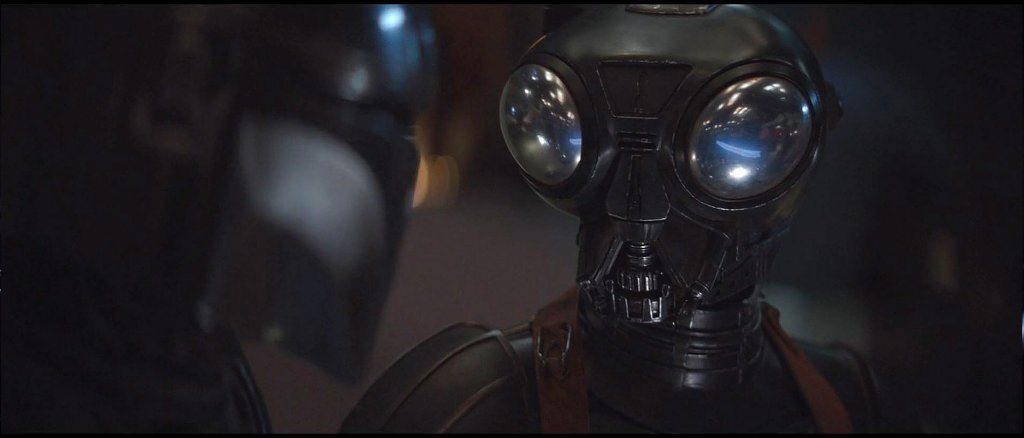
Mando interrogates Zero

You may have noticed that this costume appears in Chapter 3, it’s in a couple of fleeting shots. It’s in the scene where all of the bounty hunters are descending upon The Mandalorian. When he’s got The Child in the street. I appeared in the costume in that as well, and they gave me a different weapon. It was like a Boba Fett EE-3 carbon rifle. It was foam, really light weight. So when we filmed, during the shoot out, it was easy to carry it around, and pretend to shoot. Then, in this different episode they gave me a weapon that felt like it weighed 20 pounds. I don’t know what it was made made out of. You can see the weight of it when I’m carrying it, but it was so heavy. When I was carrying it around in the ship, we had to do some tricks. For example when I crawled down the ladder to the cargo hold to look for The Child, there’s a guy at the top of the ladder holding the rifle, so I could just pretend like I was holding it the whole time. I could just reach up and come down. There was no way I could bring it down, because I would just fall to my death. Which, eventually I did, when The Mandalorian shot me. Actually, while filming this show I died twice in one week, two different characters. You’re in shoot outs, it’s all the stuff we pretended to be when we were kids, running through the streets/neighbourhood with cardboard weapons. It was all that, but real explosions, amazing costumes, super realistic environments. It was just a dream come true. 

How would you describe The Mandalorian to someone that’s never heard of Star Wars?

It is a lot like the old Clint Eastwood-style westerns, but in Star Wars. Just like George always called Star Wars a space western or space opera. This really feels literally like how George was describing it back then. If you go and watch the High Plains Drifter or Pale Rider, these films where a loner walks into a town, where it’s been terrorised by robbers or whatever. He has a special set of skills, they realise that, and they ask for his help, and he helps them. He is so helpful that they ask him to stay. Maybe there’s a widow that likes him a bit more than everyone else, maybe he’ll stay for her, but no he just can’t because this place isn’t for him. It’s like taking a familiar story, and then putting it into Star Wars to make it totally new. This is what I was talking about before, everything is familiar but everything is new. It just makes it something that you really connect to. It’s something you feel like you’ve seen before, but it’s something that you’ve never seen before. Plus, it’s Star Wars. If you don’t know anything about Star Wars, George always described it as a morality tale for the rising generation. Star Wars was always made for 7-12 year olds, a rising generation learning the difference between right and wrong, how to make a choice, seeing good triumph over evil. Those hopeful lessons. That’s who it is for. If you are ever watching a piece of Star Wars and it feels a little too childish, just remember that that’s who it’s meant for, for young people. However, Jon and Dave have taken something that although it’s meant for young people, there’s also an adult generation that love this world as well. They have put everything in it that they can, to make it a hug to that generation as well, and say that this was made for them also. That’s what really makes it special. The other thing is that there’s droids, creatures, ships, space, explosions, shoot-outs! It’s so fun, and the cool thing about it is that you don’t have to have seen Star Wars to enjoy The Mandalorian, because it’s action as well as a message and story that people can relate to.

All episodes of THE MANDALORIAN are available exclusively on Disney+
John Harrison | CHILDREN OF DUNE

children dune

STARBURST catches up with writer/director/composer John Harrison to look back at the miniseries Children of Dune

STARBURST: We’re always curious about whether a miniseries is more akin to making a film than making television or is it still TV, in the idea that you’re filming for beats where there are commercial breaks and episode breaks and things like that, or if it is it some sort of odd hybrid of the two?

John Harrison: With miniseries, the reason that I’ve loved doing any series is because, to me, they’re novelistic television. They are extended stories. They’re like long films – in the case of Dune, in particular, but also Supernova or Children of Dune – the story may be broken up into one two three nights or however many, but it is a complete story. It’s not episodic like a lot of television. Having said that, though, there are elements of the medium that have to be accommodated. First of all, there’s the money, which is always less than a feature film, so that constraint has to be factored in. Then there is the screen on which you’re delivering it. I think that has changed over the years, as we’ve gone to bigger and bigger screens, and the technology of what we can do with that as a field, All the sound production and everything else have changed and improved so that you can be much more cinematic with television than we used to be. So, you can think of production as film as opposed to just feel I’m just doing a television episode, so I think it is a kind of a hybrid.

The thing is, Dune has the people who love the book, and then there are people who love the book and the original film adaptation, and then there are people who love the miniseries. Is there something difficult when you’re tackling something that has already had a film adaptation?

Well, I was very lucky to have a different medium to play in. As much as I admire David Lynch as a filmmaker and as much as I admire a great deal of the Dune movie visually, I did not think it captured the essence of the book. We could go into hours of discussion about why that was: the difficulties that he had making it, about the choices the producers made – all of that is relevant.

I was approached and given the opportunity to take the book and have six hours to tell the story. David Lynch had two and a half hours – or four, depending on which cut you see – so I was able to think about it in a completely different way than had I been looking at it as a film adaptation. Denis Villeneuve is already breaking the book up into two parts, but if you know the book, you know how complicated that story is and how rich a tapestry it is – of characters and plots and environments – so it’s not something that can really be watered down if you really want to honour the story. I really didn’t reference the previous film at all.

When I was adapting Children of Dune, what I struggled with was how to turn this massive book into a visual experience. Luckily, as I say, I had six hours to do it. If you recall, the original book Dune is actually broken up into three sorts of sub-chapters: there’s Arrakis, there’s Muad’dib, and there’s The Prophet. There are three different sections to it and I was able to say to the producers, “This is how one can design the miniseries, with three different nights,” and so once I had that template, I was able to go back to the book and really start organising the drama along those lines. I really approached it as a completely unique, independent production.

Anybody who has any sort of issues with a new version of something based on something has to realise that like so many of the movies that we enjoy are, themselves, new incarnations of things that have come before, and if you want to get really into it, we can talk about the hero’s journey…

What you’re looking for is a filmmaker’s vision of his approach to that film, to that material. I mean, Kubrick took Steve’s book and he had a story in mind that came out of what Steve’s book was, and then there was a miniseries of Steve’s book, which may have been closer to the book. What I tried to do with Dune and then, subsequently, with Children of Dune – although that was a tougher adaptation – was to really find a way to honour the source material, because I happen to love the book. I saw no reason to veer from that.

What I had to struggle with was how to turn it into a different medium. For example, in the book, there’s a lot of internal monologue. Characters are thinking to themselves out loud and, in particular, Paul Atreides. Although David tried to do this, you really can’t be successful with having a character on screen staring at the camera and then hearing his voice, hearing his thoughts, his voice-over. The movie kind of comes to a dead stop at that point, so I had to figure out a way to externalise those interior monologues, either into dialogue or into some kind of visual representation of what the person was thinking.

Princess Irulan was another serious adaptation that I made. In the book, she is referred to, and each chapter has a lot of quotes from her memoirs later on but, to me, there was a very difficult way of translating those into a visual medium. I had to figure out, “Well, how am I going to get this information out?” There’s some really germane information going on here that, when you’re reading, is very important. How am I going to get it so that the audience watching this gets it?

I decided that I would just create the character on screen, so that she could say what she’s saying in the book. I didn’t invent this out of whole cloth. This was all in Frank’s book – I just had to figure out a way to make it to realise it on film. Those were the adaptations I had to do. Obviously, with any adaptations, there are things like shrinking time and conflating scenes together because you have to get the information out. You can’t have 20 scenes, when you can do it in two and so forth, but those are the normal adaptations that you do anytime you’re turning a book into a movie.

FRANK HERBERT’S CHILDREN OF DUNE will be available on Amazon Prime Video from June 26th.

Jason O’Mara | JUSTICE LEAGUE DARK: APOKOLIPS WAR

jason apocolips

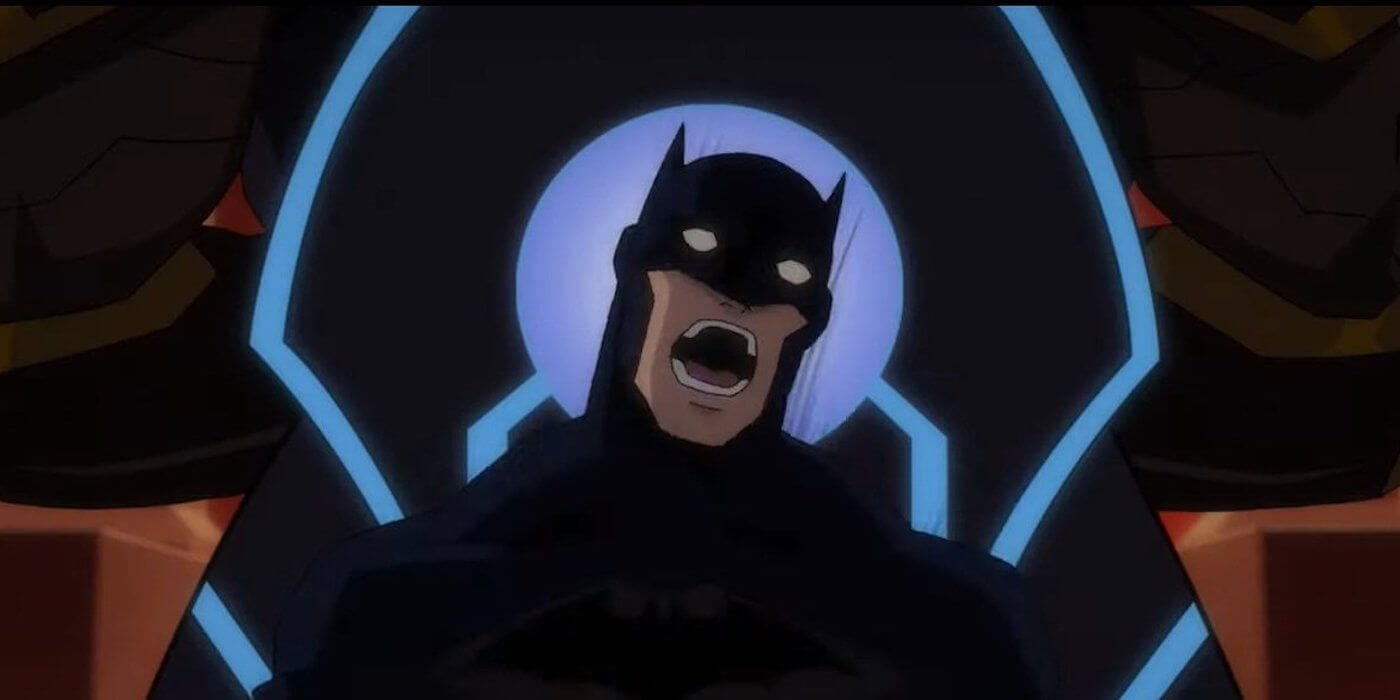
Actor Jason O’Mara has been the animated Batman for the better part of a decade, but in Justice League Dark: Apokolips War, his take on the Caped Crusader has never felt fresher. From having Batman cry (see our interview with screenwriter Ernie Altbacker for context) to expressing other emotional aspects of the character that we haven’t seen before, O’Mara stays true to Batman’s essence while playing with some fun ‘stretching’ that adds new dimension to an already complex icon.

We were lucky enough to get some time with O’Mara, who brought us up to speed on what’s shakin’ in the DCAU (DC Animated Universe).

STARBURST: Could you give a brief synopsis of the film so that readers who haven’t checked it out can tune in? What’s going down in the DC Universe?

Jason O’Mara: Suffice to say that Darkseid has become so powerful now that it’s going to take the combined strength of the Justice League, Justice League Dark, Teen Titans, and Suicide Squad to go up against him. He will be corrupting various characters from the inside. So some members of these groups and organizations will be turned against each other. For me, it is the climax of 13 films I’ve been in. You can binge watch the entire thing, almost 30 hours’ worth of story, and there is a sequential order. Of particular interest to me is Batman’s relationship with Damian Wayne. That also comes to a head. There were times when they have been working together and getting along and times when they haven’t, and Damian has kind of gone off and done his own thing.

This is the final leg of the journey, the culmination of the story. We wanted to circle back to what you said about how your Batman has interacted primarily with Damian. Mixing influence with innovation is a necessary part of creating new art or giving new voice to old art. When you first started playing this character, how difficult was it to honour and retain the essence of Batman while still putting your own stamp on the character?

It was a real challenge at first just because Batman has been played by so many great actors, so many different media over the years. I believe that Batman is a character that’s larger than any of the actors who play him. We all have our favorite Batman actors but t’s about serving the character. So I had to try to put aside any Batman I had been influenced by and find my own voice. One that spoke to me.

That sounds really challenging…

As the father of a boy myself, I was able to bring out my own experience as a father, which I think helped. As it’s gone on, I feel like the voice has become more natural to me. It has come a little closer to my own. It’s a tall order for any actor to come into that kind of role but you have to put aside everything you know about a character like that.

What makes Apokolips War so compelling? What will fans love most?

I think that the story twists will be the most engaging cinematically. The story twists, and then it twists again… and then it twists again. I think that’s what fans will find most engaging and pretty shocking.

JUSTICE LEAGUE DARK: APOKOLIPS WAR is available now on digital download and on DVD and Blu-ray.

Brea Grant | AFTER MIDNIGHT

bea grant

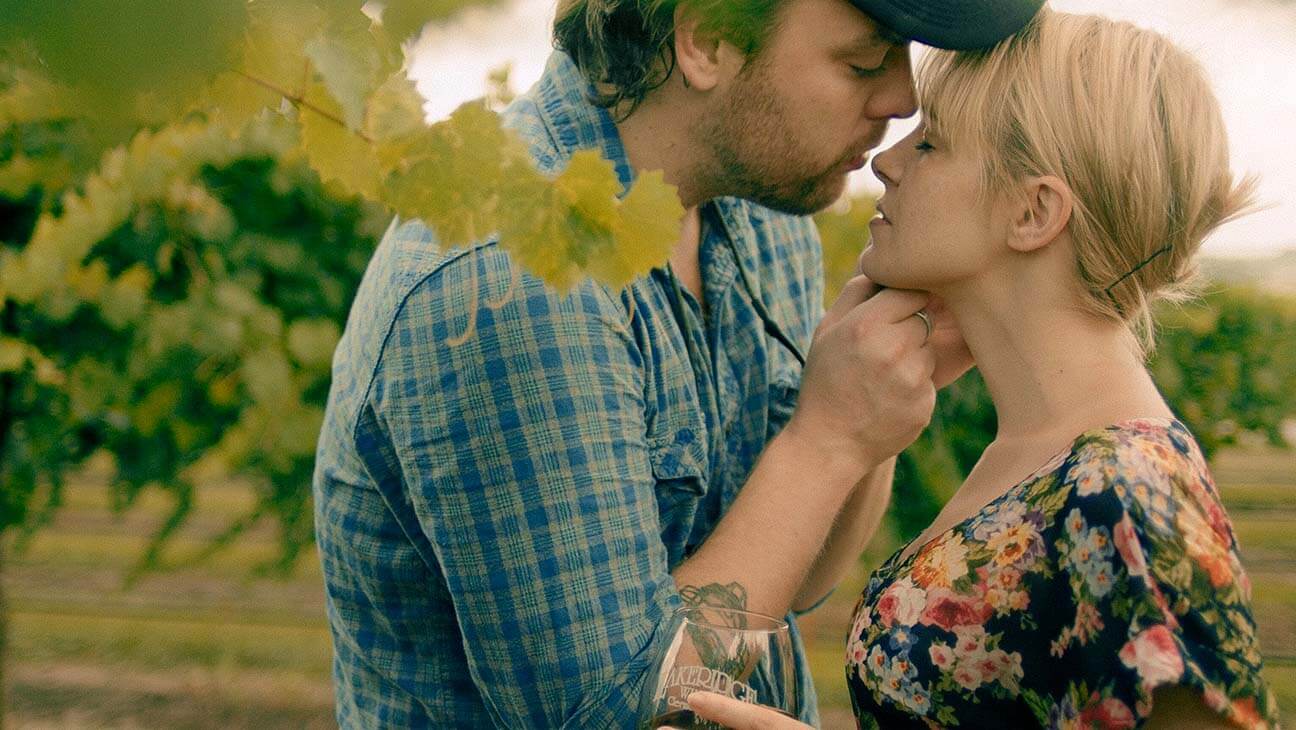
Actor, writer, director, podcaster, and producer Brea Grant has been involved with some of our favorite genre fare of the last few years, taking roles alongside other favorites like Barbara Crampton, A.J. Bowen, and more in Beyond the Gates, All the Creatures Were Stirring, and more. She’s the ultimate multi-hyphenate, and anything with which Grant is involved is worth tracking down. She recently starred in Jeremy Gardner and Christian Stella’s emotional drama meets horror film, After Midnight – out June 8th from Arrow Video), as Abby, the girlfriend of Gardner’s Hank, whose disappearance hangs over the majority of the film. We spoke with Grant about After Midnight and her vast repertoire…

STARBURST: You’re in After Midnight at the beginning, but you don’t have a lot of dialogue. Then you disappear for a large portion of it, but when you come back you’ve got something to say in the form of this massive monologue. What it’s like to be an actor in a movie where you have these intense things to do and then you have a full day of press about the thing you did a year ago?

Brea Grant: Well, on a positive note, the full day of press is something that you’re not having to memorise!

What is it: an eight-minute monologue or something like that?

Jeremy [Gardner] would correct me right now if he was here but it’s like 12 or 14. It’s quite long, although to be fair with you, I would much rather be memorising an eight page monologue than doing interviews. No offense to you, by the way – I’m very bad in interviews. I can’t ever think on my feet quickly enough, but memorising? That’s something I’m great at.

It’s not only a monologue, but it’s also that the entire scene is the emotional heart of the film. The interaction between your character, Abby, and Jeremy Gardner’s Hank: have you ever had to deliver a speech like that before? It seemed like it was coming from a place of truth.

[laughs] I don’t think people aside from Jeremy Gardner write those kind of speeches. Particularly, horror movies don’t have page after page of monologue. Although, I am very talkative, so I’ve probably done an eight-minute monologue by accident.

This film continues something we’ve noticed about your work, which is that you get to work with the best people.

I’ve been very lucky and in the last few years, I’ve been able to be a little bit more picky, which is nice –  to get to choose who I’m working with. I was a fan of Jeremy and Christian before I did After Midnight, and I had no idea I would ever get to work with them. I was hoping I would, but I didn’t know if that opportunity would ever come so, of course, when it came, I definitely jumped on it. They had seen a movie I was in that never came out [Night Sky]. Jeremy saw it and then we met at Fantastic Fest very briefly. Then, Dave Lawson – the producer – reached out and was like, “Would you read the script for Jeremy Garner’s new movie?” and I was like, “Fuck, yeah!”

Working with somebody like Jeremy Gardner – who is also an actor, writer, and director – do you find that actors who are also writers and directors and vice versa have an ease of communication when it comes to like filmmaking, since you speak the same language?

In some aspects. I think in other ways – because I also do all three things – I think we’re more respectful of the roles and the time that those jobs take. If I’m on a movie just as an actor, I feel like I’m very respectful of the director and the director’s vision, and what he or she is trying to do because I want to make sure that vision is right.

Because I have been there, and I know how frustrating it is and how difficult of a job it is to direct a movie. I think with someone like Jeremy, he’s going to let me bring a lot more myself into the character, because he respects the role of an actor and knows, once he hires someone, that they’re gonna come in and take the role that he’s written and make it their own. That’s what I hope when I hire someone: I love hiring people who do multiple things.

On the movie I just directed, 12 Hour Shift, almost every actor was also a writer or director, because it was so much easier. They know what’s happening on the set. They understand all of the inner workings, and they’re just so polite. You end up with people cleaning up crafty who are the main actors in the movie.

You work with a lot of other very strong women; you’re in the feature version of Jill Sixx’s The Stylist, you’ve done several things with Barbara Crampton, your podcast with Mallory O’Meara. It seems like the women in the genre community – everyone from writers and directors, to even the people who are covering it in the journalism sphere – have each other’s backs. Is that the case?

First of all, I would hope people would say the same as me, but I do feel like a lot of people have had my back. I think, when you are somewhat of a minority in any sort of group, you’re going to find the other people like you. What you’re talking about, obviously, is women. I think, in general, the industry pits us against each other, which is terribly unfortunate and there’s obviously room for all of us. I think what’s interesting about horror is that, in horror, there is room for all of us.

I don’t feel like one woman getting to direct a genre movie means that I won’t be able to direct a genre movie. I feel like there is enough space for all of us, and we’ve kind of all come together and try to recognise that. For me, I want to try to support other female directors and female writers in any way I can, and I try to be really open about reading things for people and giving notes or acting in things when I’m available, because I would want them to do the same for me.

I know how hard it is to get started as a writer and director. I still feel like I’m really getting started in in that sphere, and a lot of female directors have been really, really kind to me over the course of the past few years. Just giving me advice and allowing me to buy them a coffee. I even talked to a huge female showrunner about directing TV on her drive. On the way to work, she took the time to talk to me. This is crazy, because I think we all know how hard it is to break into that side of things, and we want to make sure that other people have the same opportunities that we have had.

A lot of men have supported me, as well, in the genre community. I think the genre community can be quite supportive, as many problems as I know we’ve been having. That breaks my heart, because I want everyone to feel very welcomed in this sort of group. I think we all sort of identify as outsiders and weirdos, and you shouldn’t have to feel like an outsider in your own community.

Personally, I have always found it rather curious that people are just like, “Well, I’m a guy – how would I understand a woman in a movie? How could I understand a script written by a woman?” They seem to understand scripts written about aliens without any trouble, but think a female protagonist is just bonkers. I am a 40 year old white guy, and I’ve seen enough movies with me in it.

After Midnight was written by Jeremy Gardner. I think I’m bringing it full circle right now: I think Abby is a really well-written female character. All the people women who have interviewed me for After Midnight relate to her in some way and see themselves in her. I’ve had women reach out to me to be like, “Abby’s me.” I understand her frustration. I understand where she’s at in life, and I think Jeremy did an amazing job of writing a really complicated female character. There is definitely still room for men to be writing complicated women and interesting male roles. I just think now, we’re expecting a lot more of them.

After Midnight is released on Blu-ray from Arrow Video on June 8th. The limited edition version also includes Jeremy Gardner’s film The Battery.