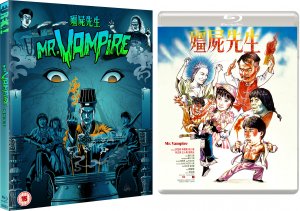
[ENDED]WIN a copy of MR VAMPIRE on Blu-ray!

mr vampire

We’ve got three Blu-ray copies of MR VAMPIRE to give away in our competition that does not suck.

Eureka Entertainment release MR. VAMPIRE, Ricky Lau’s influential and genre bending horror-comedy, presented from a brand new 2K restoration making its worldwide debut on Blu-ray as part of the Eureka Classics range from 20 July 2020. The first print-run of 2000 copies will feature a Limited Edition O-Card Slipcase and Collector’s Booklet.


To be in with a chance to win a copy, just send your answer to the question below to [email protected] with the header ‘MR VAMPIRE’ to arrive before 11:59pm on Sunday, August 10th


Which decade did MR VAMPIRE get its first release?

A) 1930s

B) 1980s

C) 2020s


MR. VAMPIRE, Ricky Lau’s influential and genre bending horror-comedy, presented from a brand new 2K restoration making its worldwide debut on Blu-ray as part of the Eureka Classics range from 20 July 2020. The first print-run of 2000 copies will feature a Limited Edition O-Card Slipcase and Collector’s Booklet.


One of the most genre-defining (not to mention genre-defying!) horror-comedies imaginable, and one of the key Hong Kong blockbuster hits of the 1980s, the popularity and influence of Mr. Vampire cannot be overstated. Spawning at least four sequels and countless spin-offs and imitations, this Hong Kong horror-comedy to end them all was an understandable crowd-pleasing sensation, and triggered a wave of jiangshi (“hopping vampire”) movies. Produced by the legendary Sammo Hung, the original Mr. Vampire is essential viewing for anyone interested in the 80s golden age of Hong Kong cinema.

In a career-making performance, the late Lam Ching-ying is Master Kau, expert on all matters of the supernatural. When Kau and his two bumbling students, Man Choi (famous comedian Ricky Hui) and Chou (Fist of Legend‘s Chin Siu-ho), exhume a corpse for reburial, things go frighteningly and hilariously awry when the cadaver is revealed to be a hopping vampire. With the undead on the loose, Master Kau is blamed for the chaos, and must work with his students to put the spirits to rest before the vampire’s own granddaughter (80s Hong Kong action icon Moon Lee) gets bitten. Fighting the vampires with everything from sticky rice to filing down the bloodsucker’s fangs, the trio must defeat an increasing number of ghoulish dangers.

Director Ricky Lau would go on to make several more Mr. Vampire successors (as well as the related Sammo Hung sequel Encounters of the Spooky Kind II, with Lam Ching-ying as another vampire-battling master), but nothing tops the original for its classic fusion of screams and laughs, and it has never looked as eye-poppingly, vampire-hoppingly beautiful as this new Blu-ray special edition.

You can buy the Blu-ray, DVD, or 4K Blu-ray here: https://amzn.to/2VvVSuk

Terms & Conditions:
STARBURST does not accept any responsibility for late or lost entries due to the Internet or email problems. Proof of sending is not proof of receipt. Entrants must supply full details as required on the competition page, and comply with all rules to be eligible for the prizes. No responsibility is accepted for ineligible entries or entries made fraudulently. Unless otherwise stated, the Competition is not open to employees of: (a) the Company; and (b) any third party appointed by the Company to organise and/or manage the Competition; and (c) the Competition sponsor(s). This competition is a game promoted STARBURST. STARBURST’s decision is final in every situation and no correspondence will be entered into. STARBURST reserves the right to cancel the competition at any stage, if deemed necessary in its opinion, and if circumstances arise outside of its control. Entrants must be UK residents and 18 or over. Entrants will be deemed to have accepted these rules and to agree to be bound by them when entering this competition. The winners will be drawn at random from all the correct entries, and only they will be contacted personally. Prize must be taken as stated and cannot be deferred. There will be no cash alternatives. STARBURST routinely adds the email addresses of competition entrants to the regular newsletter, in order to keep entrants informed of upcoming competition opportunities. Details of how to unsubscribe are contained within each newsletter. All information held by STARBURST will not be disclosed to any third parties

Classic TV Shows That Were Made Into Casino Games

There are hundreds of fun and exciting television shows out there both new and old. But what most of you don’t know is that some of these classic older television shows actually have licensed video slots that you can play online.

Friends

Friends was one of the most popular sitcom television shows of the 90s. It followed friends Rachel, Ross, Monica, Chandler, Phoebe, and Joey as they navigated through life’s various difficulties with the help of each other. The show was so successful that it ran for 10 years and sparked a video slot.

Developed by Scientific Games, the Friends slot was released in 2015 and is based on the television show. Screencaps from various episodes appear on the reels along with symbols inspired by the show including the Chick and Duck, the Central Perk logo, Phoebe’s guitar, coffee cups, and so much more. The game is also packed with special features to help you make more wins, and you can even trigger a special Ross-themed wedding bonus.

The Friends slot is available at all major online casinos, and you can place bets with as little as 0.01 coins. Casinostoplay.com has the best sites listed and reviewed so head over if you want to learn more.

Star Trek: The Next Generation

Star Trek is a long-running franchise that spans various forms of media including television shows, films, animated shows, comics, books, and games. So is it all that surprising to find out there’s a video slot too? Skywind Group released its Star Trek: The Next Generation slot back in 2019 and it is based on the show of the same name starring Sir Patrick Stewart as Captain Jean Luc Picard.

The game is heavily inspired by the show, featuring symbols based on the various characters as well as symbols based on items from the show. This includes phasers, the Enterprise herself, tricorders, and so much more. If that isn’t enough, you can trigger a Free Spins mode, and enjoy so many other special features.

Baywatch

In 2011, leading game developer Playtech released a video slot based on the hugely popular Baywatch television show. The television show followed a group of lifeguards in Los Angeles and Hawaii and quickly became the most-watched television show in the world during its original syndication in the 90s.

If you were one of the many who enjoyed the show, you can now try out its video slot! The game features various Baywatch-themed symbols including Pamela Anderson’s C.J. Parker, various people surfing or enjoying water sports, and so much more. In addition to that, you can enjoy Speed Boat symbols which help make more wins, and a fun water-themed Free Spins mode too.

Beverly Hills, 90210

Another popular drama from the 1990s was made into a video slot; Beverly Hills, 90210. The television show followed a group of teenagers and chronicled their lives as they grew up within Beverly Hills, California. The show proved to be hugely popular, as did the online slot.

The slot, which was originally released in 2013 and developed by iSoftBet, features symbols based on all of the main characters as well as the show’s logo, and a Wild car symbol. The game is also packed with numerous special features too including Wilds which substitute symbols to make wins and a Free Spins mode.

Top 3 Documentaries About Poker

Poker has been enjoyed by millions of people around the world for decades. The introduction of online poker has made it more accessible than never before and now people can play high stakes poker games from the comfort of their own home. Thanks to the incredible amount of interest in poker, it should come as no surprise to discover there are several quality documentaries available to watch about the game.

Below we take a look at the top 3 documentaries about poker, starting with Nosebleed. This poker documentary was released in 2014 and follows the story of Alex Luneau and Sebastien Sabic. The two French poker players attempt to win the World Series of Poker in Las Vegas and the film shows their journey. Nosebleed not only looks at the playing style of the two men and their techniques but also the impact of playing poker for a long period of time, much of which is intense.

If you have ever wondered what it would be like to be a professional poker player, Nosebleed is a great documentary to watch and easily falls inside the top 3 documentaries about poker.

The lifestyle of professional poker players can often look glamorous. Winning huge sums of money means the best players can splash out on the finer things in life. However, life as a professional poker player is not always as fun as it seems and that shines through in the poker documentary High Stakes: The Story of Sam Trickett.

The film follows Sam Trickett, one of the most successful poker players ever to come out of the United Kingdom. He has won huge sums of money playing poker and is well known for making risky plays in games. However, it has not always been fun and games for Trickett and the documentary highlights his struggle with depression and gambling addiction. He eventually overcomes his demons and continues to play at the highest level but the documentary shows what life can really be like on the professional poker circuit.

For those who have played or have ever been tempted to play online poker, you must watch the documentary A Kid’s Game: The Story of Online Poker. By taking advantage of poker bonuses it is possible for everyone with a computer and internet connection to enjoy a game of online poker. You should always use the bonuses available when playing online poker as you can often double the amount of money you have to bet.

The players featured in A Kid’s Game: The Story of Online Poker will all have started out by using online poker bonuses and the programme covers a great range of topics in the lives of the young online players. You can follow the ups and downs of their online poker playing careers and maybe even relate to their journey. It is an eye opening account into the world of online poker and that is why it makes our list of top 3 documentaries about poker.

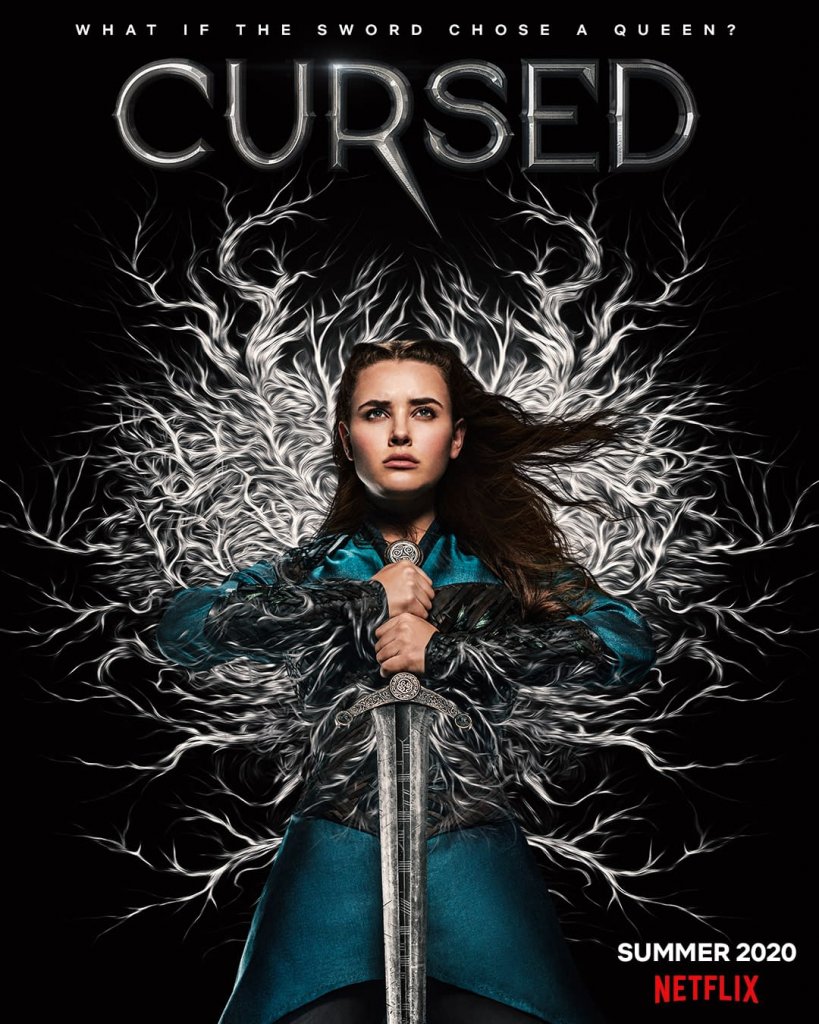
Frank Miller | CURSED

cursed

Legendary writer, director, producer, and artist FRANK MILLER talks CURSED, the latest of his celebrated works to be adapted for the screen…

STARBURST: With Netflix’s Cursed, you and co-creator Tom Wheeler are playing with perspective. It’s a retelling of Arthurian legend told from the Lady of the Lake’s point of view. What do you think exploring a story from a different angle does for both the original story and for the one spinning off of it? How does it enrich both? 

Frank Miller: To use your word, it ‘explores’. This is material that’s open to endless exploration. It’s been examined and imagined by many talents over a very long period of time, as well as by amazing illustrators. And so, there are wondrous places to go. Tom and I are just going down all the different little paths and seeing what we feel like pulling out and examining and illuminating. 

What is it about this character, about Nimue, that resonates the most with you? What was the selling point here? 

I’ve always loved the legend and everything about it. This is just stuff that had to happen. But Nimue in particular… Tom’s inspiration was his daughter. She helped him bring a perspective to the legend and to tie everything together. He used her as a way to bring the magic into all of this. She is the magic of the story. Her hero’s journey gives us a fresh take that has never been examined before. It makes this less of a boy’s story. 

There’s the concept of the hero’s journey, or the monomyth, and how humanity is essentially telling one story, describing one experience, in different voices. How does Cursed both honour that common human resonance and bring a fresh voice to the business of being alive? 

That is something that I believe is largely discovered scene by scene. A hero is not defined so much by standing in front of a lightning bolt as it is by individual decisions made, particularly in times of stress. And with a young lead character in an alien hostile world, we see someone who has to face questions of intelligence, survival, and morality all the time. And there’s romance, where is as natural of a stage in our lives as any.

cursed

How do think viewers will connect with Nimue? You touched on it when you said she grows up, finds romance… 

There’s this theme of nature being so powerful. But I think what’s really gonna sell Nimue is Katherine [Langford]. They’re gonna see all the stuff that Tom and I talk about coming through her eyes, in her voice, and you’re gonna fall in love with her. 

In both the show and the book, there’s this mix of medieval superstition, blind fanaticism on the part of the antagonists, the Red Paladins, and this family loyalty to her mother that really enriches the story. But underneath all of it is this really cool exploration of fear and how her fear and the fear others show her impacts her evolution. Can you speak a little on that? 

There’s a lot I love about that because it’s so much to do with her fear of what’s around her, obviously, but there’s also other people’s fear of her exceptionalism. That’s something I enjoy. She is not like the rest. And she’s going to learn that and know that better and her coming to know that to that extent and use it is really an integral part of the storyline. But also this is a world of fear. This is a world where demons dwell. Where ancient religions are in conflict with contemporary religions which are in conflict with internal truth. 

Season 1 of CURSED launches on Netflix July 17th. 

For more of our chat with Frank Miller, pick up issue 473, out July 30th.

Most Used Online Payments Method

We live in a digital era that provides us with convenience, ease, and simplicity. From the way we do our shopping to the way we pay for it, the internet and technology have worked hand-in-hand to achieve the easiest possible customer journey. Online payment methods have been around for a while and are used for a range of things such as shopping online, paying accounts, and even online gaming. The gaming industry is one of the biggest contributors to the success of online transactions and you can find many of the methods below that are regularly used.

Types of Payment Methods

It’s been said that variety is the spice of life. Online payment methods are no exception and this is why companies have dedicated years to perfecting their transactional tools, factoring in aspects such as safety, ease, convenience, and turnaround times. For businesses, there are even services such as mypaymentsavvy that will look after everything for you. Each online payment method will have key features, pros, and even some cons.

E-wallets

An electronic wallet or digital wallet is an online service or software program that allows you to transact at a site that accepts such payment. The money that you send or receive is represented by electronic units that move from your e-wallet to the receiver’s or merchandiser’s e-wallet.

This is the most popular online payment method used today and as such, there are many e-wallets on the market today such as PayPal, Payoneer, EcoPayz, and, most infamously, Neteller. If you’re an online player and looking for the best online casinos that accept Neteller, then you’re likely to find at least one or two other e-wallets that you can make use of on any particular site, gaming or otherwise.

Apart from this, many customers opt for e-wallets based on the convenience and low costs associated with this payment method, but the most attractive feature for most is the security it affords you. Long gone are the days where you were required to input your confidential banking details to make a purchase, and it’s a welcome change.

Credit Cards

This method may be overshadowed by more innovative technology, but there are always those who prefer the more traditional approach. If you’re an avid gamer or shopper, you may decide to make use of your credit card to transact online.  Every transaction that gets made with your credit card will require your approval especially if money will be leaving your account. It saves you the trouble of having to sign up for another service and allows you to directly make use of what your bank offers you.

There are more costs involved with a reversal that you will be liable to pay and most gamers and shoppers choose to use newer methods to ensure that their banking details are protected at all times. If you’re making use of this type of payment, always ensure that the site you are using is verified and will encrypt your information to avoid any unfortunate financial consequences.

Cryptocurrency

Cryptocurrencies are considered the height of our technological advancement when it comes to online purchases and has slowly become one of the most popular choices. It is described as a digital asset that was created to act as an exchange medium. The coins are kept in a digital ledger or computerized database that is nearly impossible to crack.  Whether you’re using Bitcoin, NEO, or Ethereum for online purchases, it means your money is extra safe.

It has often been called the future of online purchases because there is less interference from the government. It is also internationally accepted; convenient on mobile and offers low fees to those who make use of it. Some institutions might block conventional payment methods, such as credit cards but cryptocurrencies have made it possible to bypass the block to allow you to fund your accounts. This is a method that’s worth doing extensive research on and then investing in as the experts suggest that the market will continue to grow to accommodate it.

Vouchers and Prepaid Cards

Vouchers and prepaid cards have taken the online world by storm for many years. Before prepaid cards, you could head to a store and buy a voucher for yourself. One of the perks is that almost everyone knows what a voucher is and how it works, making it one of the most user-friendly methods available.

Prepaid cards came much later on. There are many prepaid cards that you can use to fund online gaming accounts or make purchases but you’d want to choose secure and trusted cards such as Neosurf or EcoCard that allows you to load money onto your card directly from your bank account and make purchases from there. It’s quick, easy, and safe, which is definitely a winning combination.

The Wolfman: How Will the New Take Differ From the Original?

Universal has given the green light to some interesting projects related to its classic line-up of monsters in the last couple of years, but the news that Ryan Gosling looks set to star in a remake of The Wolfman is particularly eye-catching.

Now, with Deadline reporting that Leigh Whannell could be in line to direct the project, it is highly likely that anticipation around the movie will only build further.

A part of our culture

It is perhaps not a major surprise to see Universal revisiting the famous beast. After all, the studio is seemingly undertaking remakes related to all of its well-known monsters, with The Hollywood Reporter confirming earlier this year that Dracula is in the pipeline as well.

In addition, werewolves have been part of our culture for many years, as History.com explains how the creatures made appearances in many ancient tales including Nordic folklore and Greek mythology. Fast forward to the present and they continue to have lots of impact, with them notably having a key role in the hugely popular Twilight series of books written by Stephenie Meyer. The creatures also feature in the upcoming Werewolf: The Apocalypse – Earthblood video game, while Mr Vegas online casino offers a werewolf-themed slot, the Wolf Hunters slot, as well. These beasts seem to be everywhere.

But while interest in werewolves in general remains very high, just what can we expect from the new take on The Wolfman and how might it differ from the original, released all the way back in 1941?

A modern take?

Whannell’s last film might be a good place to look for clues. As Rotten Tomatoes highlights, The Invisible Man starring Elisabeth Moss proved to be a huge hit with audiences and critics alike, with it successfully bringing the classic monster into the 21st century. While the first take on The Wolfman featuring Lon Chaney was set in its own time period, it would not be a surprise if the new version had a more modern feel.

Deadline added that Whannell’s movie would be based on his own original idea and “inspired” by the 1941 film, so the chances are that plenty of plot elements could differ too. For instance, as IMDB.com explains, the original features an American returning to his ancestral home in Wales, and elements of fortune-telling, while a cane plays a key role in the story as well. If the new film does go for a contemporary feel, it would probably not be a huge surprise to see elements like those tweaked.

A great time for horror fans

It is a fascinating time for horror fans at the moment, as the success of The Invisible Man has clearly inspired Universal to see how its other classic monsters can be rebooted for modern audiences.

Very little is known about the new version of The Wolfman at this point, but it is fun to speculate on how the movie could differ from what has come before. The involvement of both Whannell and Gosling means that excitement will undoubtedly be high when it finally hits cinemas.

Lead image: “Ryan Gosling” (CC BY-SA 2.0) by Gage Skidmore

Mike Hodges | BLACK RAINBOW

hodges black

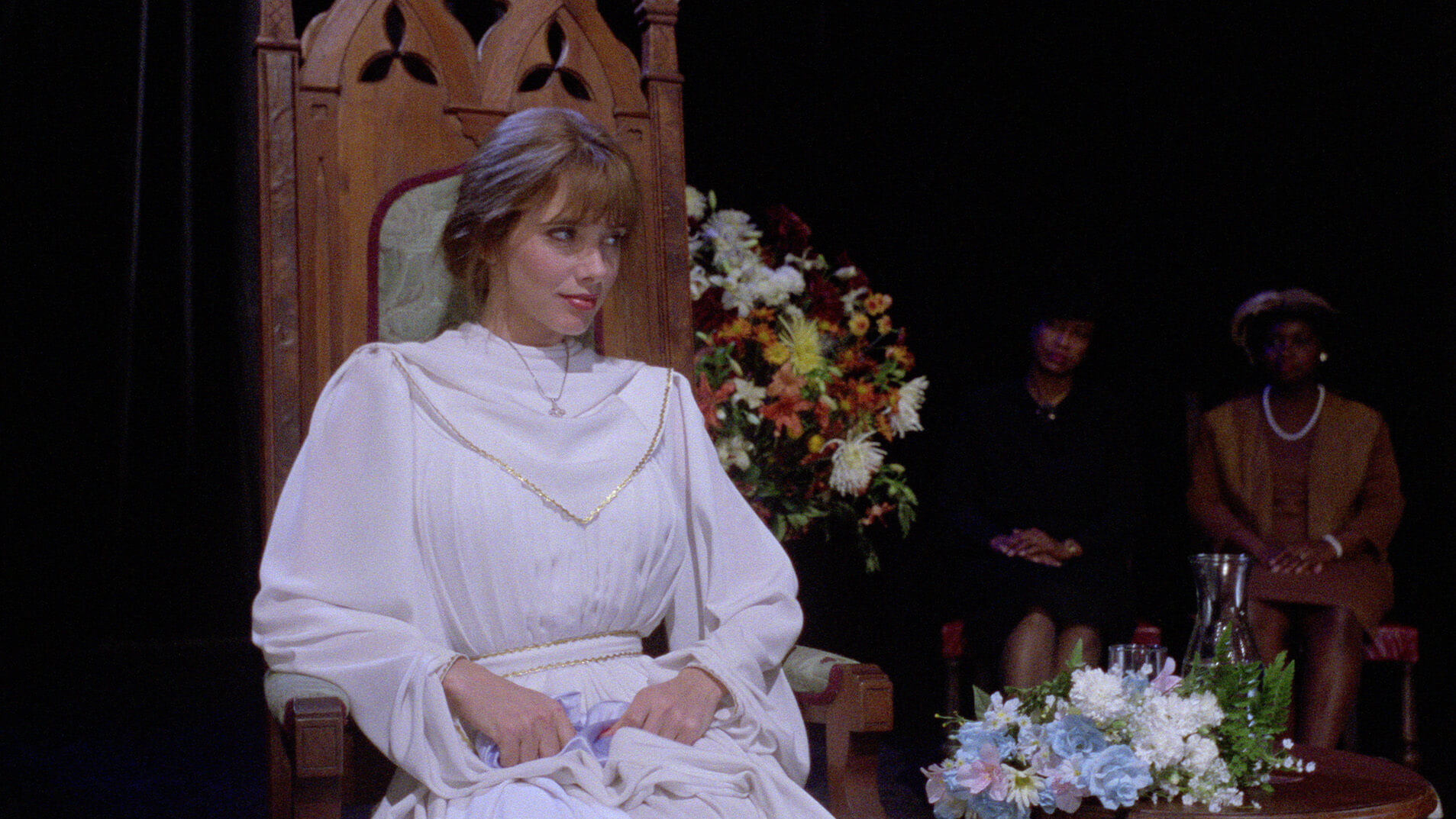
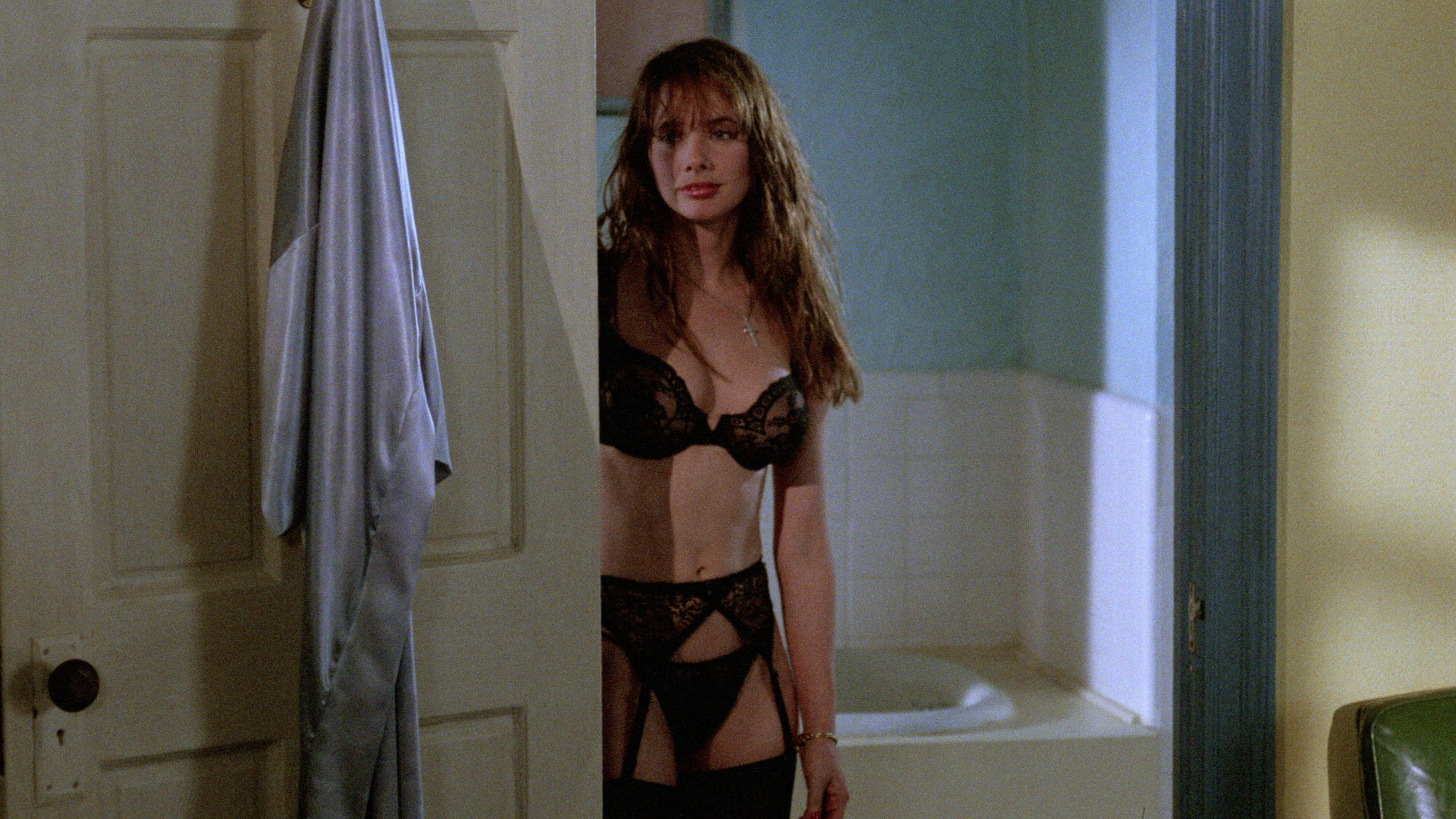
Life in lockdown hasn’t just been a strange new present, it’s also shone fascinating perspectives on the past. Black Rainbow, from acclaimed British director and screenwriter Mike Hodges (Get Carter, The Terminal Man, Flash Gordon) was barely seen on original release in 1989 due to distribution problems, but has just had a timely return on Blu-ray. Rosanna Arquette stars as Martha Travis, a medium in a touring clairvoyant show run by her alcoholic pappy (Jason Robards). But what seems a typical con act cleaning up in the God-fearing American South takes an intriguing turn into the supernatural when Martha foretells the death of a local factory worker-turned-whistle-blower…

We caught up with Hodges, now 88 and living in the splendid isolation of Dorset, to uncover the secrets of Black Rainbow before delving further back into his famous career to find out just what makes the man who made Michael Caine drink from a tall glass go tick…

STARBURST: What was the inspiration for Black Rainbow?

Mike Hodges: The strands of it were numerous. I wrote it on spec, I wasn’t commissioned to write it and its odd that it was 30 years ago and it’s been rejuvenated in the middle of a pandemic. I really became conscious of how damaging globalisation had become to the environment and I wanted to find some way of making a film that would be a thriller but touch upon this subject which really concerned me. There was a medium called Doris Stokes who was operating in this country and I saw her on TV and suddenly thought ‘that’s really interesting’ and I could have story with a medium who could foretell the future by describing what she was seeing there…

Was the small-town US setting shaped by first-hand experience?

Whenever I’d previously been working in America in my earlier career, I was going around looking for locations and went to quite a lot of small towns where the local newspapers were quite often reporting on factory workers being beaten up or even murdered – they were usually foreman or union officials. Upon investigation it would turn out that they had been whistle-blowers on health and safety, so I built that in to the script. And then back in the ‘60s when I was on World in Action [Hodges cut his teeth as a documentary filmmaker on the flagship ITV series] I’d gone to Detroit to interview the Reuther brothers, Walter and Victor, who were the mainstays of the United Automobile Workers Association. Both of them had been assaulted when they were trying to set up the union by G-men employed by the manufacturers. They’d both been shot at through their windows. Victor lost and eye and Walter lost an arm. So quite of lot of these elements started percolating into my head.

Do you believe in mediums or the paranormal?

I don’t really believe in mediums, frankly, but I watched Doris Stokes working the crowd and realised that she was gathering information to convince them that she was communicating with their loved ones. The one I’m dealing with in Black Rainbow, we never quite know if she’s for real or not but suddenly time is warped. In the beginning, you see her look at her watch and she’s a hour out. These are clumsy ways of saying that something is happening. I started playing around with time right the way through, actually, to the very end when the car is covered in this Kudzu weed, which is another thing I’d noticed when I was in the southern States, this weed climbing all over houses that had gone into decay like in Gone With the Wind. I used Kudzu as a kind of metaphor for nature fighting back because it will be there always, and long after we’re all gone and we finally self-destruct!

Black Rainbow is your least-known film. What happened to it back in 1989?

I’m grateful to Arrow for salvaging it because the film had just been totally lost. Whatever one thinks about the film, it should have been seen here. It was very successful in Europe and Japan, but here in the UK, because of distribution troubles with Palace Pictures and Miramax in America both being in financial trouble, they wanted to cash in as quickly as they could. Palace dumped it onto VHS within 4 or 5 weeks of it opening and Miramax stuck it on some obscure cable channel. By the time I got to look at it again, we were in this pandemic. Much of what the film is about is even more relevant because the pandemic has ripped the lid off society and opened a terrible can of worms, which was always there. It’s pretty grisly what we’re seeing in terms of the poverty and the deprivation people are going to have to suffer. It’s always the poor that get it.

You’ve previously described the engine that drives your work as “manipulation, exploitation and human gullibility”. Even for films as very different in tone as Get Carter and Flash Gordon, that’s the connecting thread…

I’m horrified by the things that we do to each other. It’s mind-boggling how cruel we can be to each other and I find that aspect of the human species very painful. I was brought up as a Catholic, but I soon abandoned it in my early teens. But who should teach at my school but William Golding, the novelist who wrote Lord of the Flies. So I was alerted at a very early age!

Get Carter was made in just six months, from the idea to the movie’s release. How did you pull it off?

I got Ted Lewis’ book [Jack’s Return Home, 1970] and the deal was done with me. Needless to say I only got £7,000 for writing and directing it plus residuals! Painful, but there you go, I was still grateful. I wrote the script, found the locations, cast the film, found the crew. We shot a scene in London in the flat at the beginning of the film and were filming on the train up to Newcastle. Six or seven weeks later, we’d finished shooting! It was made in such a white heat that you didn’t have time to stop to think about anything, frankly, and that does affect the experience of watching it. I thought it was going to be like that all the time but was I wrong! I did get to make another nine films but it took me 40 years…

Why does Get Carter still resonate so strongly?

It’s a very intense film, it’s like a Jacobean Tragedy, really. Caine is amazing as the star; I had a terrible fight to get all the cast around him to be British actors who had not made films, apart from Ian Hendry [then in the throes of alcoholism but brilliant as Carter’s slimy associate Eric Paice]. It was MGM money and they wanted all sorts of ridiculous people like Telly Savalas and there was an actress from Peyton Place who they wanted too. I literally resigned every time they suggested someone – I said forget it, I’m not making this. So I eventually got my way; the card I played was to include Britt Ekland who only has a small role anyway and is very good in it. But I knew with Caine in the lead role I wouldn’t need any other stars, it rooted Jack Carter having all these unknown faces. I mean Richard Attenborough, not to be rude about him, but he used to fill his films with star names so you spend the whole bloody movie going “oh look there’s whatsisname and there’s old so-and-so – hello there!” I just wanted Jack Carter away from all that.

After Get Carter you made another movie with Michael Caine called Pulp, which was a very different kettle of fish…

Pulp was a totally different film but in fact is a scream against fascism. When I made it in 1972, I couldn’t believe that the Fascist Party was winning in local elections and doing very well. I just couldn’t get my head around the idea that, after the war, the fascists were still in existence after the horrors that had been revealed. It was a comedy that got darker and darker as it went on. Eventually you realise the main character [Caine as paperback hack Mickey King] is trapped, although he’s a crap writer, in one of his own awful books. I’m not sure if I ever got quite the balance in the film between the serious elements and the comedic, but there we go.

Flash Gordon, which is celebrating its 40th Anniversary this year, was also a bit of a scramble to get made, was it not?

With that film, I didn’t have any control at all, the opposite of Get Carter really. I just improvised because there was no other way I could get through the film. But the same affect, it’s like a souffle, Flash Gordon – had to throw all the right ingredients in and luckily it rose!

Flash Gordon was produced by the legendary Italian empresario Dino De Laurentiis How did you two get along?

The joy of working with both [Get Carter producer] Michael Klinger and Dino was the fact that they just gave you an answer when you wanted something. The film industry quickly developed into being run by committees and producers who weren’t strong in that way. The people are quite rare who make a decision there and then and that was a delight with Dino because it wasn’t always like that. In the mid-‘80s I had terrible times with weak producers.

In 1974 you made The Terminal Man, based on the novel by Michael Crichton. It starred George Segal as a scientist who has computer circuitry implanted in his brain to stop his blackouts. Looking at modern medical science, it’s another concept whose time seems to have come.

It has and I’m hoping Arrow can get their hands on it. When I finished the film Warner Bros said the audience didn’t feel there was anyone to like in it, which is fine, they wanted someone in it to like. So I gave them a new scene, a pre-title sequence using photographs and I took a scene from later on and added that before the titles. I’ve always regretted doing it because it didn’t make a scrap of difference. If you didn’t sympathise with the main character, then you’re not human as far as I’m concerned. Warners inherited Get Carter from MGM and just a year after I made it they did Hit Man [1972] which was a black version [also adapted from Ted Lewis’ 1970 novel, it starred Blaxploitation mainstays Bernie Casey and Pam Grier]. And then they allowed another remake with Sylvester Stallone [in 2000]. They had the rights to do it, so they didn’t consult me or talk to me, but they used the same title and that really made me angry because people really do sometimes think I’m responsible for that piece of shit.

What are you up to these days?

I’m writing a lot [Hodges is also a novelist], including three novellas that are out Amazon – Bait, Grist, and Security. Then I’ve written about six or seven short stories which I hope will get published. Needless to say the literary world is just as bizarre as the film world. I don’t quite fit in there either. They’re satires and I think they’re very funny. But then again, I’ve got this bleak sense of humour…

Black Rainbow is out now Blu-ray from Arrow Video.

Joseph Trapanese | LADY AND THE TRAMP

Trapanese

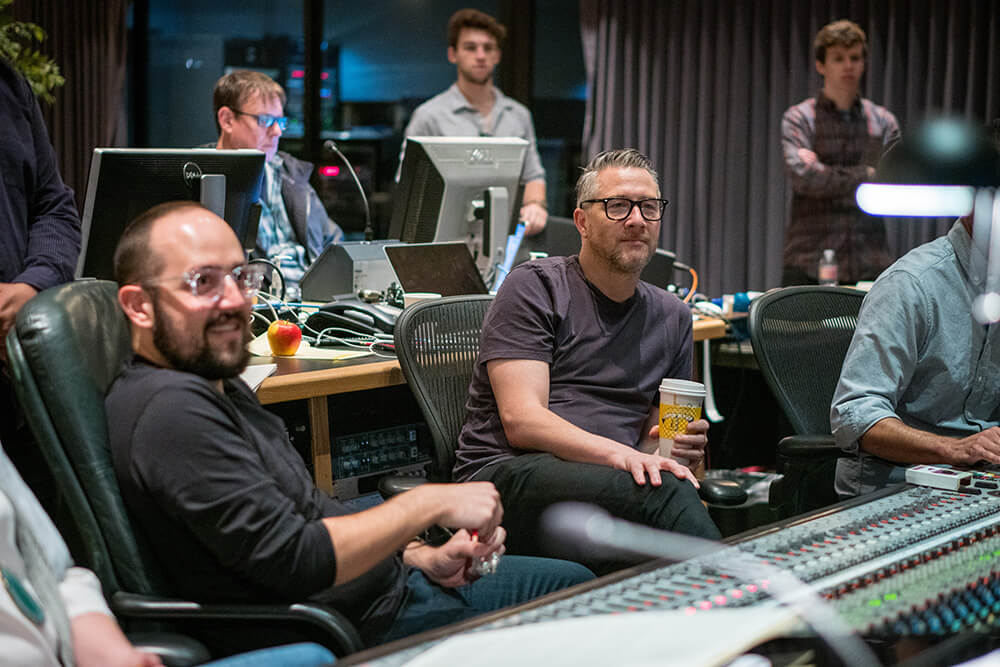
Despite hailing from Jersey City, New Jersey, and only being 35 years old, composer Joseph Trapanese has rapidly ascended to join the ranks of today’s most exciting composers. Due in no small part to the composer’s work with such musical luminaries as French electronic acts M83 and Daft Punk) the latter of which he helped compose the massively successful score for Tron: Legacy), along with his work composing scores for films as diverse as the live-action Disney remake of Lady and the Tramp or musical The Greatest Showman, Trapanese seemingly defies categorisation. It’s a fascinatingly broad selection of work in a very short time, and so we were very excited to get the chance to speak with him about his career up to now…

STARBURST: How does a musician and composer who does film scores, who grew up in New Jersey, hook up with two of the biggest electronic-inspired bands out of France?

Joseph Trapanese: Yeah, the kid from Jersey City, right? I’ve no right doing any of this but, you know – I think the funny thing is, I remember going to school and learning about music, attending music conservatory, and just really putting in all this time to try to become a musician. One of the tough things about music conservatories, for me, was that there is always this talk about style. That’s important: you have a style now, but you know, I’m 18. I don’t know what style is. I have no idea; I’m still developing a taste.

I don’t come from a musical family, so it was so exciting you to learn about music. I think that led to me just being so naturally curious about music and what I found is that style is really a development of what your loves and passions are. So, for me, my love and passion were the orchestra. I grew up watching films and listening to film music, falling in love with classic film scores, which obviously use a lot of orchestra, so I naturally wanted to learn about the orchestra.

But at the same time, when I was younger, it was kind of the advent of the home studio. All of a sudden, you could make music on your own and so, I wanted to get my hands on with music. What music could you make on your own? It’s electronic music. You could have a computer make a beat or work with the synthesizer and make electronic music. I was very into producing electronic music just by myself and my bedroom and so, when I went to the music conservatory in New York – which is very classical and classically oriented, learning about Bach and Beethoven and doing that sort of thing – I was always the black sheep.

I’d go down into the basement and play with synthesisers all night, so I think ultimately what led me to hook up with these artists was that I had a certain skillset that helped translate what they were doing to the orchestra. I had such tremendous love and respect for what they did in the studio with electronics, which naturally made me a good collaborator, because there are a lot of people who come from an orchestral background who don’t actually respect that sort of music.

Me being curious and excited is a testament to me as a person. I’m just naturally curious and eager to collaborate and that really led to these these interesting opportunities where I get put in the studio with these amazing musicians.

A kid from New Jersey? How did this happen? I just happened to have this skill set that actually works really well for exactly that type of collaboration.

These are both artists who – even prior to you working with them  – did release albums which already had a cinematic lean to them, especially in the case of M83’s Saturdays=Youth, which is very much a concept album built around the idea of John Hughes’ ’80s teen movies and pop with a really glossy sheen to it. However, in addition to working with M83 and Daft Punk, you’ve done so much work in in the action realm. Was that also because it seems like electronic music has been slowly but surely like finding its way into action orchestral scores over the last decade?

Really strongly, and that’s a great point, because one thing to remember about films – that I always tell students if I’m speaking at USC or somewhere – is that directors want their films to be unique. No director ever makes a movie saying, “Oh, this movie’s just like that other movie.” Filmmakers worth working with have these visions and these ideas and a style and aesthetic and a goal.

An important thing is if the composer’s going to be able to bring an equally unique vision to the table. We started off this interview talking about style, and another thing it took me a long time to learn, that I really enjoy doing now is when a director approaches me to talk about a film – whether the film is shot or is going to be shot in two years, it doesn’t matter – is finding their vision for the film and then figuring out how I help delineate that stylistically on my end.

A movie that comes to mind is Only the Brave. Joseph Kosinski was a visionary director I loved working with, but one of the big things he brought to the table to talk about sonically was, first of all, how important guitars are, because these guys had guitars and will play guitars and the music they love was guitar-driven. I’m not a guitarist so, all of a sudden, I had to learn all about the guitar and work with guitar players and figure out how to form textures.

Another thing is the firehouse that these firemen were in – that was a movie about firemen – was just put together with corrugated metal. The outside is these sheets of corrugated metal so the idea was, “What does that sound like musically?” We were talking about Dobros and these metal guitars. It’s interesting: not every idea you have or not every inspiration you have is going to lead you down the right path to something successful, but it’s important, nonetheless, because you’re starting from a place of creativity, rather than building on the shoulders of some other idea.

To get back to your question about why new action scores have these sounds now is exactly that: even when Michael Bay’s making the 18th Transformers, I’d think, “What is the new thing happening here that we can build upon?” I think it’s especially important when you look at sequels. Say, “Hey, we have something already successful going, but if we just did that again, how boring would that be? How do we approach this with a renewed sense of artistry?”
Pic: Dan Goldwasser

Building on the shoulders of other ideas also seems to be something that your talents lend themselves to. When I think about movies as seemingly disparate as Straight Outta Compton, which is a biopic, and then, The Greatest Showman, which – while also technically a biopic – is an out-and-out musical, the music is the message in both of those films. These are movies where there’s already a wall of music and I’m curious as to how you work within those constraints to compliment and contrast?

That kind of goes back to the original question we were talking about: collaboration. That’s something that I feel strongly about: that I bring something where I’m looking at the whole picture. I’m not just thinking, “Oh, this is where my score begins or my score ends.” It’s like, “No – it’s important to think about the entire soundtrack of it as a whole,” and I even mean sound effects. Steven Spielberg famously said that sound is 50% of a movie and he’s right. Most good movies, you could close your eyes, listen to them, and know exactly what’s going on – even without dialogue – and so, it’s really important for me, personally.

The way I work and my aesthetic is for me to be fully aware of the entire sonic picture. That means soundtrack. That means songs. Regardless of whether is there’s one song or there 50 songs, I’d like to be aware. With Straight Outta Compton, the true star of that movie is the music, so it becomes even more important for me to understand my role in a film like that. To talk about Straight Outta Compton for a second: I had some friends say to me when news broke, “Oh, great – you’re going to write a hip-hop score.” I said, “No, I’m not writing anything to do with hip-hop next to the king of hip-hop, Dr. Dre.” Or maybe the Emperor? They’re beyond king, like the important people in hip-hop ever. I’m not going to do anything to compete with that. What I’m going to do is, I’m going to compliment that. I’m going to write music that fills in the blanks. For me, hip-hop is all about bravado, and energy, excitement, and confidence. What we were able to achieve in that biopic is that we looked at the humanity of these artists as people. That’s where the score came in. The score was able to underline the moments of humanity and weakness that we all have. I was able to score the parts of the movie that just couldn’t be going to be scored with hip-hop, so to speak.

The Greatest Showman – that was so much fun for me because, I think my involvement with that film was really full circle, because I started on that film very early, before it was greenlit and helped come up with some of the earliest demos of the songs. I helped Pasek and Paul develop the language of that music, so we kind of launched the film together with those early demos. Then I came back in later in the process to help beautify the score and the songs together and do final production, kind of unifying the tone of the film, so that was really exciting for me, too.

It was a great and really rewarding experience, because I got to work with those incredible songwriters. I got to work with John Debney, one of my musical heroes, and a legend in film scoring. Michael Gracey, I think he’s incredible. I have to pinch myself that, because of the little skill set I have, at times, found myself in these really unique situations which you’d be pressed to find an ‘average film composer’. That’s not necessarily the skill set you’re told to have when you went to become a film composer. Like Liam Neeson says, “I have a very particular set of skills.”
Pic: Dan Goldwasser

The live-action Lady and the Tramp is based on a film that already has a very notable score by Oliver Wallace, with Bella Notte being one of the Disney classics. The Raid: Redemption had a score for the original release in Indonesia. What is it like to have to go through and completely re-score a movie?

I’ll answer them separately, as they’re very both obviously very different scenarios. With Lady and the Tramp, you’re right: legendary music. I mean, how do you wanna ‘rescore’ a cinematic achievement like the original Lady and the Tramp? It kind of ties into something else we spoke about earlier, which is this creative intent. What is the creative intention behind remaking Lady and the Tramp? That’s something that Charlie Bean, the director – whom I’ve known for a very long time – that’s something we spoke about right away, because we didn’t want to fall into the trap of, “We’re remaking a movie because we can.” No. All credit’s due to Charlie. Charlie wanted to establish this for everything about the film: why we are making this film now and the reason for redoing this film now, musically, was because we wanted to dig deeper into the original intention of why the story was being told.

So, for instance the 1955 version of Lady and the Tramp takes place at the same time as our newer version. Our new the story takes place in the teens – around 1910-1915. Somewhere like that. If you watch the original film and you listen to the score and you listen to the songs, the actual quality of the music is very 1950s  – and I think this is great and fantastic ’50s music – but we said, “No, if we’re going to retell this story again, let’s dive deep into the music of the actual time period.”

What that led to was looking into the music of New Orleans; black American music and early jazz. All of a sudden, something that could have been this warmed-over, microwaved Lady and the Tramp music became something that had true intent and true direction, and the same thing in the score. For instance, we’re talking about both score and songs, and both score and songs had that intent of looking at that popular music of the 1910s. Then, even for the score, we said, “Okay, so for Lady’s character, she’s this upper middle class character. She’s trained. She has a family, but she has all these things that hint at being upper middle class. Where does that music come from?” and we said, “Oh, well, classical music is very formal – very, very trained. What was the classical music like at the time?”

We went back, digging deep into classical American music – Americana, that sort of thing – and then, what’s exciting is the way these two things met in the score. What wound up happening is Tramp’s character was driven by that early American jazz, and the music of New Orleans. He improvises. He’s fast on his feet – very joyous, but he’s untrained, whereas Lady comes from a more refined school of thought – but when these two characters meet and their lives start to intertwine, it’s the same, too, for their music. All of a sudden, as they meet on this dinner date, this music starts to starts to weave together.

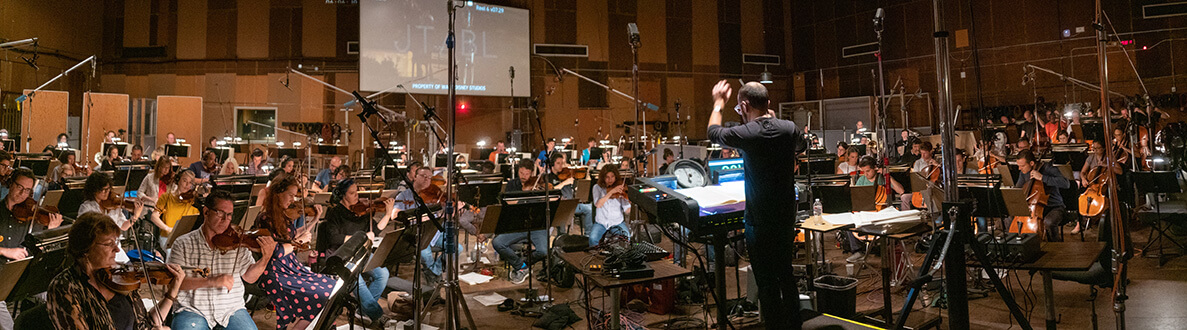
The really exciting thing about our new score is that the music is an integral part of the storytelling process and I think that, if you were to point out one thing which gets me excited about going to the studio each day, it’s exactly that: music can have true intention behind and it can be a part of the storytelling process if you set that up right. It could really enhance the movie and so, I feel really strongly that we were able to do that on Lady and the Tramp.

If I was to talk about The Raid, that’s a whole different genre. The funny thing about The Raid was when Mike Shinoda and I came in, it’s kind of a way to spruce up the movie for American audiences. The film was done, but Sony said, “Hey, we want to do something cool. We’re bringing this to the US. Let’s do a cool score idea.” It’s never a great day when you replace another composers work, because it really is a brotherhood and sisterhood and a family – the family of musicians and artists – and you want to respect each other, so it was really important for me to just say, “I’m not going to listen to the old score. I’m just going to do this from scratch on our own and just see what happens,” and it was one of the most rewarding things to happen.

First of all, I have a great friendship and relationship with Mike Shinoda now. He’s an incredible artist and we’ve worked together since and it’s been such a pleasure to do that, I actually have a great relationship with the original composers that we replaced because, at one point in Sundance, Gareth Evans – our filmmaker – was asked, “Hey, your film was scored twice. Which was your favorite?” and he said, “I love them both. I think that my perfect score would be bits and pieces of both, put together.”

Well, guess what? We get to The Raid 2 and Mike, unfortunately, is too busy working on an album and Gareth says, “Hey, Joe – would you work with my original Indonesian composers on the sequel?” I said, “That sounds fun. That sounds great.” They flew to LA, they got an Airbnb about ten minutes from my house and, every day for a month, we worked together in the score. Gareth would come over in the evening – he was editing at another Airbnb down the street – and we would have dinner. The three of us have been working together all day on the score and it was some of the most fun I’ve ever had.

A lot of times people ask me, “Joe, why do you do all these collaborations? You’re a film composer – just establish your own solo voice?” What I say to them is, “I have done that. You could listen to my solo scores.” For me, to turn down opportunity to work with these cool people and collaborate? That’s ridiculous. I love collaborating with others. Both those stories are really great stories of collaboration – of this effort of working together to make music a real part of the storytelling.

Lady and the Tramp is available to stream on Disney+

Main image by Tim Navis

7 Years Passed, Starburst Still Claims the Number 1 Slot

Starburst Slot is one of the most popular slot games available to players at online casino sites. Having been released in 2013, the game has continued to be at the top of the charts for players and does not appear to be going anywhere any time soon. What has made Starburst so popular, though? Why has it been able to stay at the top of the charts for such a long period of time? What challenges has the game had to go through and, seemingly, been able to overcome?

Before taking a look at those questions and answering them in some detail, it would be worth taking a look at the history of Starburst Slot and what the game actually is for those that have never actually had the pleasure to have enjoyed what it brings.

As mentioned, the game has been around for the last seven years and has climbed the charts to the number one spot as it remains one of the most-sought-after slots in online gaming history, remaining popular with experienced players and those that have just begun their online casino slots journey, therefore keeping it at the top of the SlotCatolog SlotRank system.

Legendary game developers, NetEnt were the brainchild behind this hugely popular game and has been considered to be one of their most lucrative and famous creations. That puts Starburst amongst some esteem company in the Swedish developer’s portfolio, as they also boast huge titles such as ‘Mega Fortune’, ‘Blood Suckers’, ‘Gonzo’s Quest’ and ‘Boom Brothers’, as well as branded ventures like ‘Narcos’, ‘Guns N’ Roses’ and ‘Jimi Hendrix’.

Perhaps one of the reasons that Starburst has managed to remain at the top of the online casino game charts is because of its rather unique combinations that were ahead of its time back in 2013.

The game entailed some top-quality graphics that was powered by some of the best modern technology, however it still incorporated the classic symbols that can create a sense of nostalgia amongst players as they felt they were able to play an old-school game as it continues to feel like an arcade classic. The space travel theme that the game incorporates is also further enhanced and brought to life by the brilliant soundtrack that accompanies the game.

Graphics and gameplay aside, though, perhaps the easiest reason as to understand why Starburst remains at the top of the charts is because of the generous wins that are available and the fact that the music gets turned up a little to pull on the player’s heartstrings when an exciting moment is about to happen.

Those generous wins are backed up by the Return to Players (RTP) rate that the game offers as well, with it standing at a supremely high 96.1%. That figure is extremely high compared to most online slot games, which can only further highlight it’s popularity amongst punters.

Another positive is the fact that it is one of the easiest games available on the market to play. The very simple rules it has for players to follow make the actual gameplay incredibly smooth and enjoyable and there is not much time needed in looking up the rules as it is almost very straightforward and easy to understand.

Talking about game rules, most online casino games seem to have a bible worth of rules that need to be followed, such as 10-page guides for players to read to just try and understand what the aim of the game is. However, Starburst broke that rule and decided that two pages would be more than enough.

Starburst might have started off as an online casino game, however it is fully compatible with mobile devices and does not look out of place as it has made a seamless transition to those particular methods of enjoyment.

Its mobile compatibility will have only further enhanced its reputation as the most popular game for users as more and more players are taking to their smartphones and tablets to play online casino games, rather than sitting at a desk with their laptops or PCs.

One negative, which might be harsh on the game, is that it does not offer players bonus rounds or regular free spins that many titles appear to offer now in the traditional video slot categories. This point of view appears to have been held by few during the game’s lifespan.

Every single game is likely to face a challenge or two during its lifetime, with some managing to go the distance, whilst others sink before they are able to float. However, clearly this game has been able to run the test of time so far and does not appear to be sinking any time soon.

Having been created way ahead of its time, there could be a number of different challenges that NetEnt would face with their number one game, some from external factors, whilst there may have also been some internal factors that could have created them some problems.

As mentioned earlier, the Swedish developers have a number of games in their portfolio available to players, which is only likely ever going to increase as the months and years gradually go by. New games can potentially take the industry by storm and take the die-hard fans of Starburst away from the product to somewhere else.

The introduction of branded games, such as the ones included above, will always be able to have a bigger pull than some of the other titles can and that will have also represented a challenge, but the game seems largely unaffected presently.

An external factor that Starburst will have had to deal with over time include the graphics, animations and sounds as each of these three different things can become seriously outdated with the rate things are improving. However, the futuristic things they use appear to have resisted any need for change.

The last thing that Starburst perhaps does not offer players, aside the lack of bonuses and free spins, is the story. Some players may like to be immersed in a story of some sort and be taken on a quest as they look to try and win with a number of NetEnt’s other titles offering that type of experience.

It must be said, it remains rather easy to see why Starburst remains the most popular online slot game for players, regardless of whether they are a beginning or an avid player. The simplicity of the game, the attractive themes and the fact that it was ahead of its time is what makes Starburst an all-time classic and favourite.

Movie Preview: OVER THE MOON

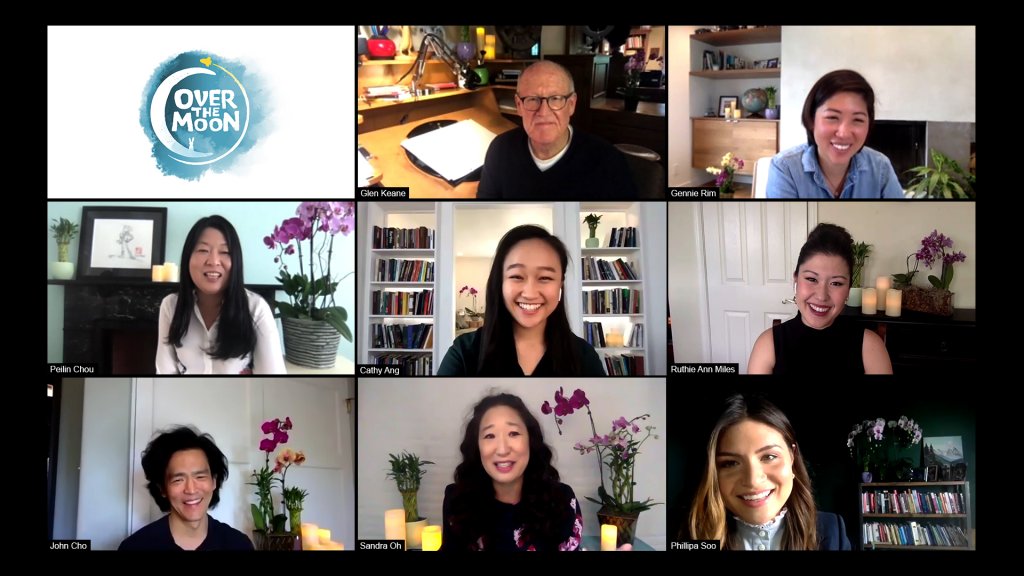
Last week, STARBURST was invited to attend a special virtual conference with the filmmakers and acting talent behind the upcoming Netflix animated film, Over The Moon, directed by legendary animator Glen Keane.

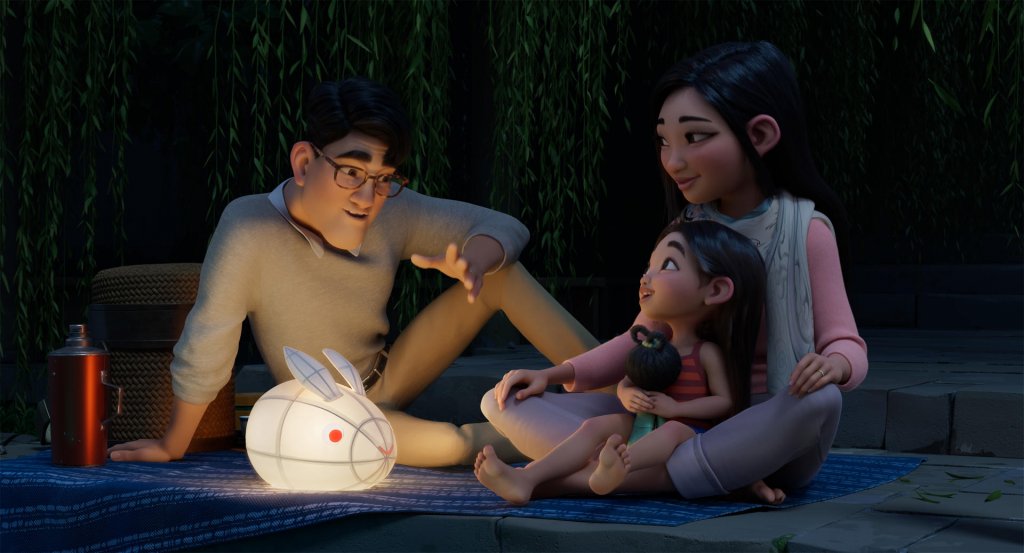
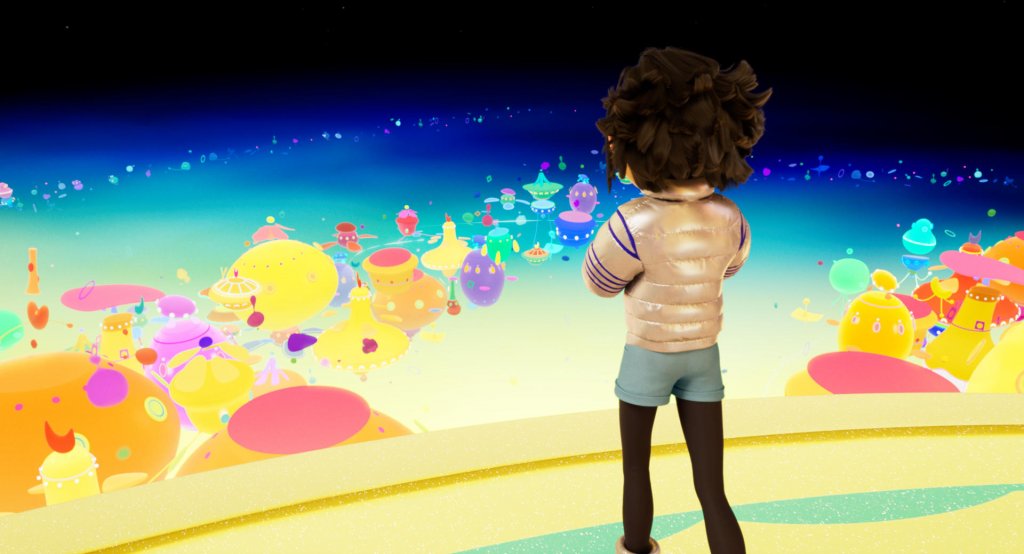
Scheduled to launch on the streaming platform later this year and penned by the late Audrey Wells, the film follows the story of Fei Fei (newcomer Cathy Ang) who wants to build a rocket to the moon in order to prove the existence of the legendary Moon Goddess, Chang’e. There, she embarks on a quest in a land full of whimsical creatures in a film that is described as “an exhilarating musical adventure about moving forward, embracing the unexpected, and the power of imagination.”

The digital conference we attended was not with only Glen Keane but also included producers Gennie Rim and Peilin Chou, and stars Cathy Ang (Fei Fei), Sandra Oh (Mrs. Zhong), John Cho (Father), Ruthie Ann Miles (Mother) and Phillipa Soo (Chang’e). Before the presentation began, we had a world exclusive first look at the debut trailer (which you can find over in our trailer park by clicking here).

During the presentation, the cast and crew answered questions submitted by the press and talked about how this wonderful little film came about.

When asked about his research trip to China, director Glen Keane had the following to say;

At the very beginning, Peilin took Gennie and myself, our production designer, and our head of story to China to visit this little wonderful water town. It’s a little mini Venice, and it’s where the story really takes place. We walked around the town. At one point, I was saying, “Oh, man, I wish we could go inside of one of their houses and just see what it’s like because this is so much part of their story.”

Lulu, who was our guide, goes up to a house, knocks on the door. “And I was like, what are you doing?” And she knocks on the door, the door opens and she says, “We have some visitors here from Hollywood. Would you mind if they came into the house and just took a look?”

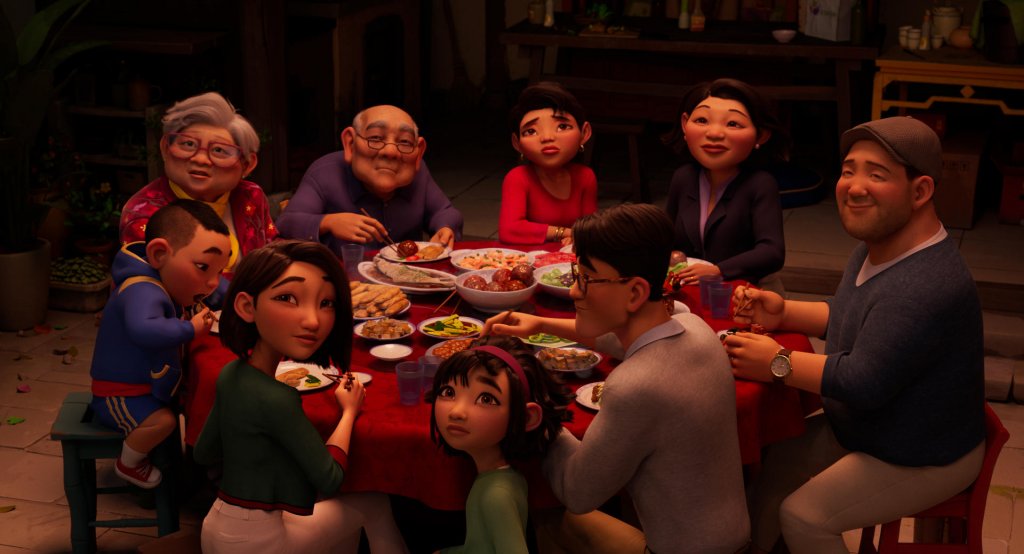
Door opens, and there’s a whole group of elderly folk playing Mahjong in there. And we all walk in. I got my sketchbook, and I’m drawing. And they were so open and free. And we discovered how life was all about the dinner table.


Fei Fei herself, Cathy Ang was then quizzed on how she got the part in the film with her rendition of the stunning song “Rocket to the Moon” (which also features in the trailer).

That was a very nerve wracking day. We were trying to record the whole movie that day, and we were running a little bit behind – my song was last to record.

All day I was just getting more nervous and waiting to get in there. I was really excited, but when it came time to go in, I couldn’t look at anyone. I was sweating and shaking. And they liked it.

It was a dream.

Sandra Oh and John Cho were asked about what it meant to them to star in a film that centres around Asian culture and has an Asian cast of characters.

Sandra Oh: It’s going to make me feel good. It’s important.

Yes, of course it’s significant and wonderful in a very kind of broad way. But what I’d like to point out right now is that this Zoom screen and what everyone is seeing right now is predominantly all Asian faces. And that’s what’s exciting to me.

And the conversation and for me to be able to reach out and even talk to other actors that were all actually in a film together, which I would say, definitely for me and maybe John, we’ve only been the only ones everywhere we go.

John Cho: Well, one thing I’ll note about this particular film and what attracted me to it is obviously I’m always going to be interested in something that is rooted in Asian culture.

This story is about an Asian family that is rooted in love. And that to me that’s what differentiates it. That’s what gives it its heart. And I love that about this film.

John Cho was also asked about drawing on his real-life experiences as a father when playing the role of Fei Fei’s dad;

I guess everyone knows there’s just a line of when you become a parent, your heart operates in a completely different way and you are completely altered and transformed for the rest of your life whether you like it or not.

And so everything is through that filter, really. So yes, when I hear in the cans a little girl talking to me and calling me Daddy, I have a reaction.


The legend of Chang’e is a well-known tale in Asian culture and actress Phillipa Soo who plays the Moon Goddess briefly talked about her experience with the story growing up;

I knew her from a beautifully illustrated children’s book by Amy Tan called “The Moon Lady”. And that was my first exposure to her and to that story.

When I first read the script, I was so excited to first be asked to approach material coming from my own experience as an Asian woman, as a Chinese woman and also to bring a little bit of a modern twist to this very traditional story.

The Writer of Over The Moon, the late, great Audrey Wells was a close friend of not only actress Sandra Oh, but also producers Peilin Chou and Gennie Rim who spoke about the importance of getting this film made in memory of Audrey and getting Sandra involved in the project;

Peilin Chou: Audrey is really the heart and soul of this film and the script. We developed the material with her at Pearl Studio for about a year before sharing it with Glen and Gennie.

And she just had such a strong connection from the first moment with the character of Fei Fei, this really strong girl that loves science and wanted to build her own rocket to go to the moon and believe she could do that.

At about a year in she shared with me that she was sick and she didn’t know how much time she had left, but that she had written this script as a love letter to her daughter and her husband and with a very wonderful message about what happens when you lose someone that the love that you share lasts forever.

She told me it was the most important script she had ever written. It was so important to her that the story got made.

And we were so fortunate to have her with us through the time of the first screening. So she got to see a version of the film and she was so thrilled. She really, really loved it. It was a wonderful, wonderful day.

Gennie Rim: [about getting Sandra to play a role in the film] We were trying to get you to become part of this group and I know that schedule was not working and I knew you were there. And I heard that you had left the [writer’s guild] building and I ran after you into the parking lot and I stopped your car.

I felt a wave of Audrey pulling me to come find you to be part of this. I think it was so important to have you and your legacy with Audrey be part of this journey.

We are grateful. Audrey is grateful. I think it was meant to be.


The presentation wrapped with a live drawing of Fei Fei by Glen Keane and then a beautiful performance of “Rocket to the Moon” by Cathy Ang.

It was such a wonderful experience to see these talented and passionate filmmakers and actors come together to talk about a project that is so special to each and every one of them for multiple different reasons and, after viewing the trailer and seeing these behind the scenes, we can honestly say that this is shaping up to be a remarkably powerful film that exudes the best of titles such as Coco and Kubo and the Two Strings.

Over The Moon, directed by Glen Keane, comes to Netflix later this year.