How Disney’s Marvel Empire Completely Changed Cinema

It still seems difficult to believe that it has been more than a decade since Disney first purchased the Marvel brand, a move that provoked outrage at the time amid fears from fans that the Marvel franchise would lose its edge and grit. However, that did not happen.

Under the stewardship of Disney, Marvel has become arguably the single most successful film franchise of all time, spawning several of the history’s highest-grossing movies and attracting an entire generation of new fans. Beyond this, Disney’s Marvel empire has changed the realm of cinema more generally, impacting on how big studios and filmmakers alike approach new productions. Here’s how.

A Whole New Meaning of the Term ‘Big Budget’

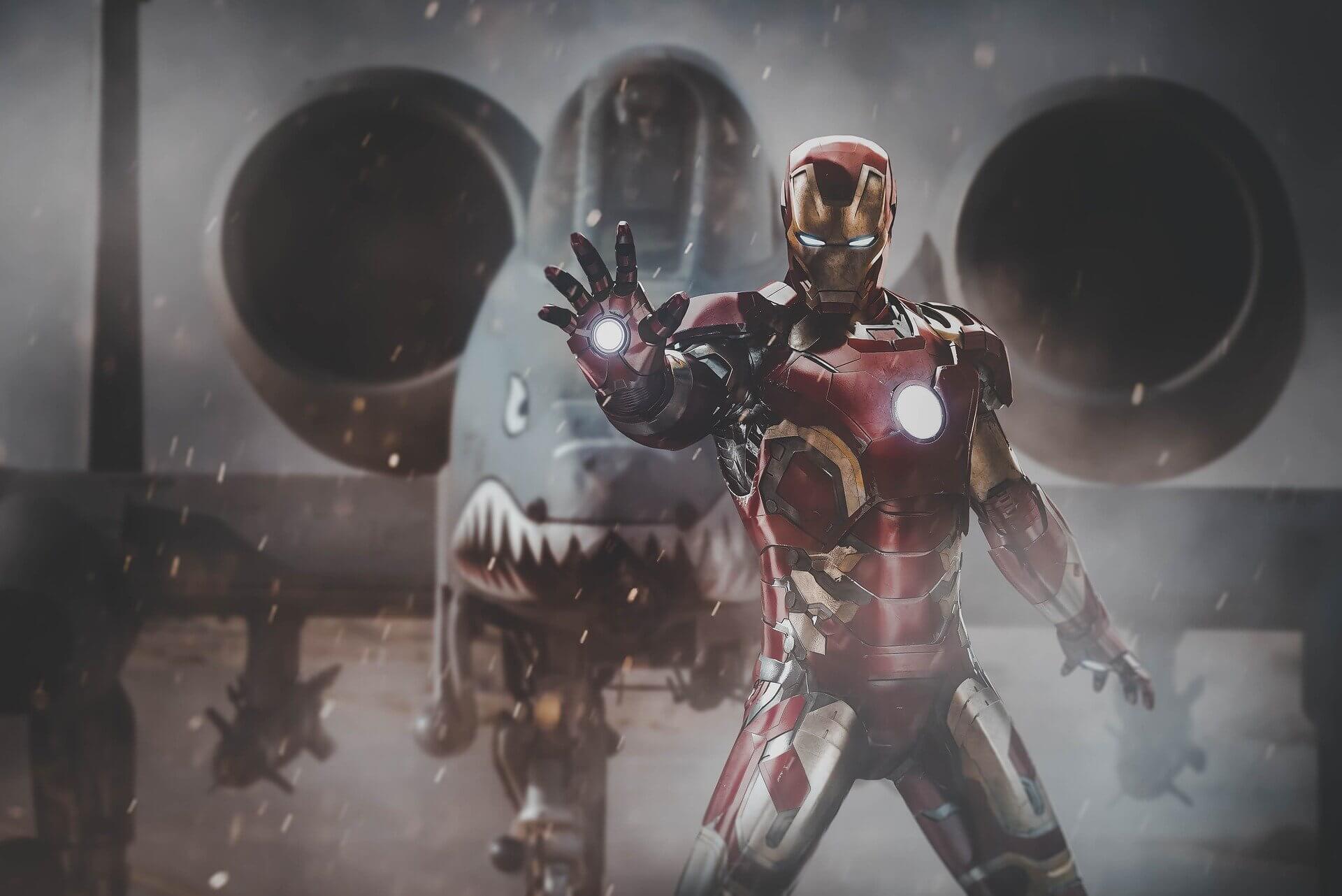
The Marvel Cinematic Universe prior to Disney was still a somewhat profitable enterprise, but nothing major. Sure, pre-Disney releases such as the first Iron Man movie were box office smashes, but among these were relative flops such as the 2003 Daredevil movie starring Ben Affleck. Since Disney took the helm, things have changed dramatically.

The MCU is by far the highest-grossing film franchise in history, grossing a total of $22.5 billion worldwide as of 2020. Each film grosses an average of just under a billion dollars, something that only a handful of films had ever achieved in history prior to Disney’s MCU.

With big profits came bigger budgets, as Disney felt encouraged to take greater risks. None of Disney’s MCU films cost under $100 million to produce, while some, such as the critically-acclaimed Avengers: Endgame movie, cost a staggering $300 million to produce. Never has so much money been concentrated in a single studio.

Source: Pixabay

Films as Merchandising Juggernauts

Film franchises have always been big merchandise revenue generators, with studios increasingly relying on merch sales to top-up box office receipts. However, no franchise has taken this to the levels that Disney did with Marvel. By some estimates, MCU merchandise has earned Disney around $41 billion by 2020, more than every single Marvel movie combined.

Part of this success lies in the sheer diversity of the merchandise on offer, which goes far beyond the typical toys and t-shirts model that other franchises stick to. As well as hugely successful console game releases, MCU has spawned an empire of immensely popular online games.

There are even popular real-money online slot games that are part of the MCU merchandise empire, such as Super Kids and Legends of Loki, which fans can even play for free at VegasSlotsOnline. Then there are the Disneyworld rides that gross millions of dollars per week, the popular Marvel Home Decor range, and Disney’s range of sought-after collectible items. Disney’s impact on how other film studios approach merchandising is undeniable.

Longer Story Arcs Than Ever

The depth and breadth that a single movie franchise can be capable of have been greatly expanded thanks to Disney’s MCU. The Marvel Cinematic Universe as we know it today is essentially one cohesive storyline told over 23 films, something that goes far beyond what other successful franchises such as Harry Potter and Lord of the Rings had ever achieved.

Such lengthy story arcs would never have previously been considered profitable by movie studios, that would generally assume that fans would lose interest after a few films. However, Disney has been able to confidently rely on the dedication of its Marvel fan base, knowing that they will keep coming back for more.

This feat was also made possible by Disney’s decision to step away from the typical ‘superhero’ story and turn each Marvel release into a genre film. You have the white-knuckle political intrigue of Captain America, the daring heist film style of Ant-Man, and the spellbinding Afrofuturism of Black Panther, to name just a few.

Few people could have predicted just how successful and culturally influence MCU would become when Disney first bought it back in 2009. Now it is impossible to deny how the decision altered cinema forever.

Main image source: Pixabay

[ENDED]WIN Terrifying new Horror The Assent on DVD

assent

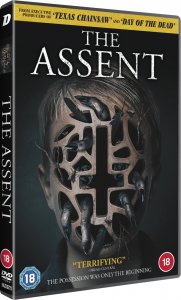
To celebrate the UK release of terrifying new horror, The Assent, we have 3 x DVDs up for grabs for you lucky STARRBURST readers. In the film, single father Joel (Robert Kazinsky, Pacific Rim, Captain Marvel) suspects his young son may be possessed. Struggling with his own mental health, he can’t be sure what’s real, and what exists in his imagination. He is aided by Father Lambert (Peter Jason, Deadwood, They Live) who seeks his own redemption after serving prison time for the death of a child during a failed exorcism. Lambert believes the boy has been marked by the Devil himself and, without intervention, Joel could lose his son forever.

From the executive producers of Texas Chainsaw and Day of the DeadThe Assent is a new tale of supernatural terror from multi award-winning writer and director Pearry Reginald Teo (The Evil Inside, The Gene Generation).

Dazzler Media presents The Assent out now on DVD & Digital Download 

 assent

To be in with a chance to win a copy, just send your answer to the question below to [email protected] with the header ‘ASSENT’ to arrive before 11:59pm on Sunday, August 20th

Peter Jason stars in this movie but in ‘They Live’ where he stars as Gilbert what does he help supply so people can combat an alien invasion ?

A) Sunglasses

B) Dido albums

C) Killer Yoghurt

iTunes: https://itunes.apple.com/gb/movie/the-assent/id1515986570

Amazon: www.amazon.co.uk/Assent-DVD-Florence-Faivre/dp/B089HYQQST

Terms & Conditions:
STARBURST does not accept any responsibility for late or lost entries due to the Internet or email problems. Proof of sending is not proof of receipt. Entrants must supply full details as required on the competition page, and comply with all rules to be eligible for the prizes. No responsibility is accepted for ineligible entries or entries made fraudulently. Unless otherwise stated, the Competition is not open to employees of: (a) the Company; and (b) any third party appointed by the Company to organise and/or manage the Competition; and (c) the Competition sponsor(s). This competition is a game promoted STARBURST. STARBURST’s decision is final in every situation and no correspondence will be entered into. STARBURST reserves the right to cancel the competition at any stage, if deemed necessary in its opinion, and if circumstances arise outside of its control. Entrants must be UK residents and 18 or over. Entrants will be deemed to have accepted these rules and to agree to be bound by them when entering this competition. The winners will be drawn at random from all the correct entries, and only they will be contacted personally. Prize must be taken as stated and cannot be deferred. There will be no cash alternatives. STARBURST routinely adds the email addresses of competition entrants to the regular newsletter, in order to keep entrants informed of upcoming competition opportunities. Details of how to unsubscribe are contained within each newsletter. All information held by STARBURST will not be disclosed to any third parties

[ENDED]Win The Woman in Black (1989) on Blu-ray and a Hidden Britain ‘Crythin Gifford’ Sign

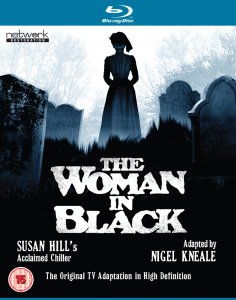
We’ve got one Blu-ray copy of THE WOMAN IN BLACK to give away in our competition and as if that wasn’t enough the prize also comes with an exclusive ‘CRYTHIN GIFFORD’ Railway Sign Limited to just 20 pieces!

Nigel Kneale’s spine-tingling adaptation of Susan Hill’s gothic novel The Woman in Black creeps onto Blu-ray for the first time ever in this restored special edition, with an audio commentary from horror experts Mark Gatiss (Sherlock, The League of Gentlemen), Kim Newman (author, Anno Dracula) and star Andy Nyman (Ghost Stories).

AVAILABLE EXCLUSIVELY FROM THE NETWORK WEBSITE 10 AUGUST

.

 WOMAN IN BLACK

To be in with a chance to win a copy, just send your answer to the question below to [email protected] with the header ‘WOMANINBLACK’ to arrive before 11:59pm on Sunday, August 9th, 2020

Which ‘Harry Potter’ actor starred in the 2012 version of The Woman In Black?

A) DANIEL RADCLIFFE

B) TWIGGY

C) RUSS ABBOT

WOMAN IN BLACK

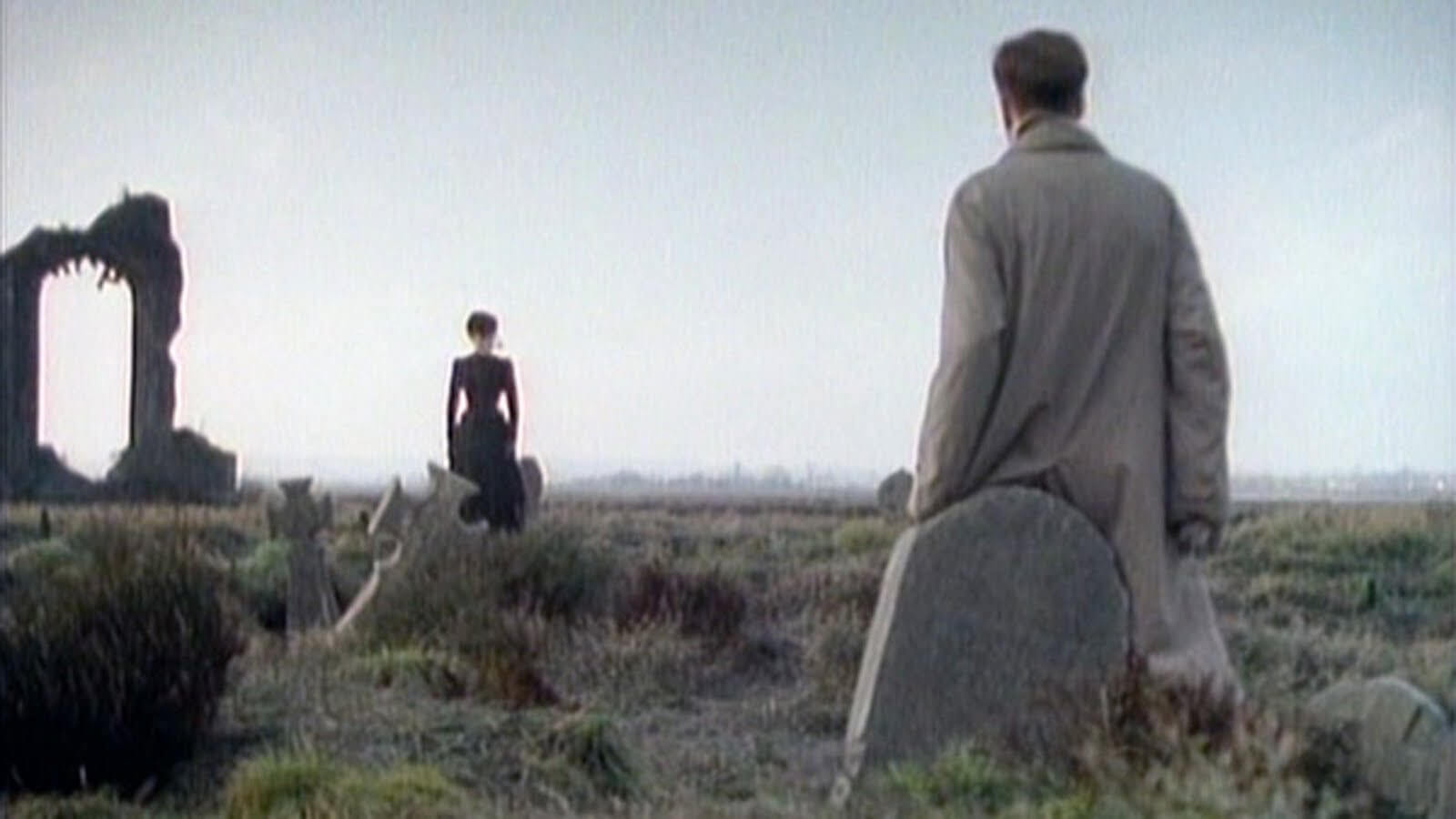
Nigel Kneale’s spine-tingling adaptation of Susan Hill’s gothic novel The Woman in Black creeps onto Blu-ray for the first time ever in this restored special edition, with an audio commentary from horror experts Mark Gatiss (Sherlock, The League of Gentlemen), Kim Newman (author, Anno Dracula) and star Andy Nyman (Ghost Stories). When a friendless old widow dies in the seaside town of Crythin Gifford, a young solicitor is sent in to settle her estate. Following cryptic warnings from the locals regarding the terrifying history of the old woman’s house, he soon begins to see visions of a menacing woman in black…
Atmospherically directed by BAFTA-nominated Herbert Wise and starring Adrian Rawlins (Harry Potter franchise, Chernobyl) as the unfortunate young solicitor and Pauline Moran as  the terrifying apparition, this unsettling drama remains a high watermark for ghost story adaptations on British television and still retains its significant potential to shock. Unseen for decades, Nigel Kneale’s chilling adaptation of Susan Hill’s best-selling novel was first broadcast on ITV in 1989 and has been painstakingly-restored by Network’s awardwinning in-house restoration team in high definition from original film elements for this longawaited release.

AVAILABLE EXCLUSIVELY FROM THE NETWORK WEBSITE 10 AUGUST
Starring Adrian Rawlins (Harry Potter franchise, Chernobyl), Pauline Moran (Byron), Bernard Hepton (Get Carter) and Andy Nyman. Written by Nigel Kneale (The Stone Tape, Quatermass and the Pit) and directed by Herbert Wise (I, Claudius, Once They Marched Through a Thousand Towns).

SPECIAL FEATURES:
• Feature version in full widescreen
• Limited edition, specially designed o-card packaging
• Audio commentary with horror experts Mark Gatiss, Kim Newman and star Andy Nyman
• Image gallery
• Booklet by Andrew Pixley

The worldwide Blu-ray debut of The Woman in Black is available exclusively from the Network website on 10 August 

Hidden Britain produce handmade signs and prints from British folk horror TV, film and literature. To purchase head to: https://hiddenbritain.bigcartel.com/

Terms & Conditions:
STARBURST does not accept any responsibility for late or lost entries due to the Internet or email problems. Proof of sending is not proof of receipt. Entrants must supply full details as required on the competition page, and comply with all rules to be eligible for the prizes. No responsibility is accepted for ineligible entries or entries made fraudulently. Unless otherwise stated, the Competition is not open to employees of: (a) the Company; and (b) any third party appointed by the Company to organise and/or manage the Competition; and (c) the Competition sponsor(s). This competition is a game promoted STARBURST. STARBURST’s decision is final in every situation and no correspondence will be entered into. STARBURST reserves the right to cancel the competition at any stage, if deemed necessary in its opinion, and if circumstances arise outside of its control. Entrants must be UK residents and 18 or over. Entrants will be deemed to have accepted these rules and to agree to be bound by them when entering this competition. The winners will be drawn at random from all the correct entries, and only they will be contacted personally. Prize must be taken as stated and cannot be deferred. There will be no cash alternatives. STARBURST routinely adds the email addresses of competition entrants to the regular newsletter, in order to keep entrants informed of upcoming competition opportunities. Details of how to unsubscribe are contained within each newsletter. All information held by STARBURST will not be disclosed to any third parties

Out Now – Issue 473

ns 473

The latest issue of STARBURST is in stores now. In a special edition, we countdown the ultimate TOP 100 SCI-FI FILMS OF ALL TIME! Will your favourite be in there? Our writers have put their heads together to come up with definitive list.

We also look forward to the impending release of THE KING’S MAN and the return to the screen of the loveable duo as BILL & TED FACE THE MUSIC.

There are exclusive interviews with FRANK MILLER, who talks about the Netflix hit CURSED and THE UMBRELLA ACADEMY showrunner JEREMY SLATER and star TOM HOPPER tell all about Season 2.

If that’s not all, we celebrate the 60th anniversary of SUPERMARIONATION, the brainchild of GERRY ANDERSON and go on the set of MARC PRICE’s sci-fi film DUNE DRIFTER. HORROR OBSCURA chats with EMILY BOOTH about the bloody hilarious SHED OF THE DEAD and INDEPENDENTS DAY profiles filmmaker KATIE BONHAM.

Our two new regular features make their debut too: TELEPHEMERA unearths forgotten TV shows and ROAD TO OTAKU will give you all you need to know to begin a journey into anime.

Plus all your favourite COLUMNS, NEWS, and REVIEWS from the worlds of SCI-FI, HORROR and FANTASY!

Jonathan Reid-Edwards & Kate Tuck | THE GOOD NEIGHBOUR

neighbour

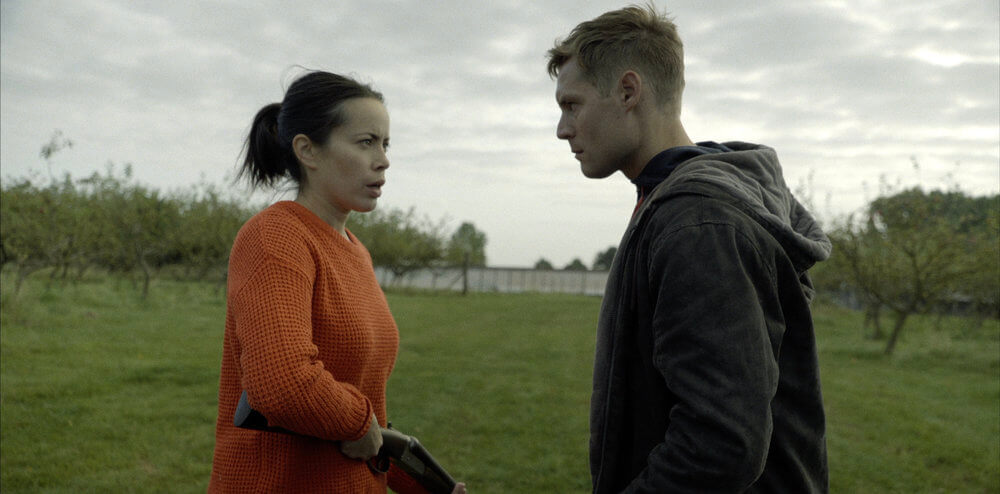
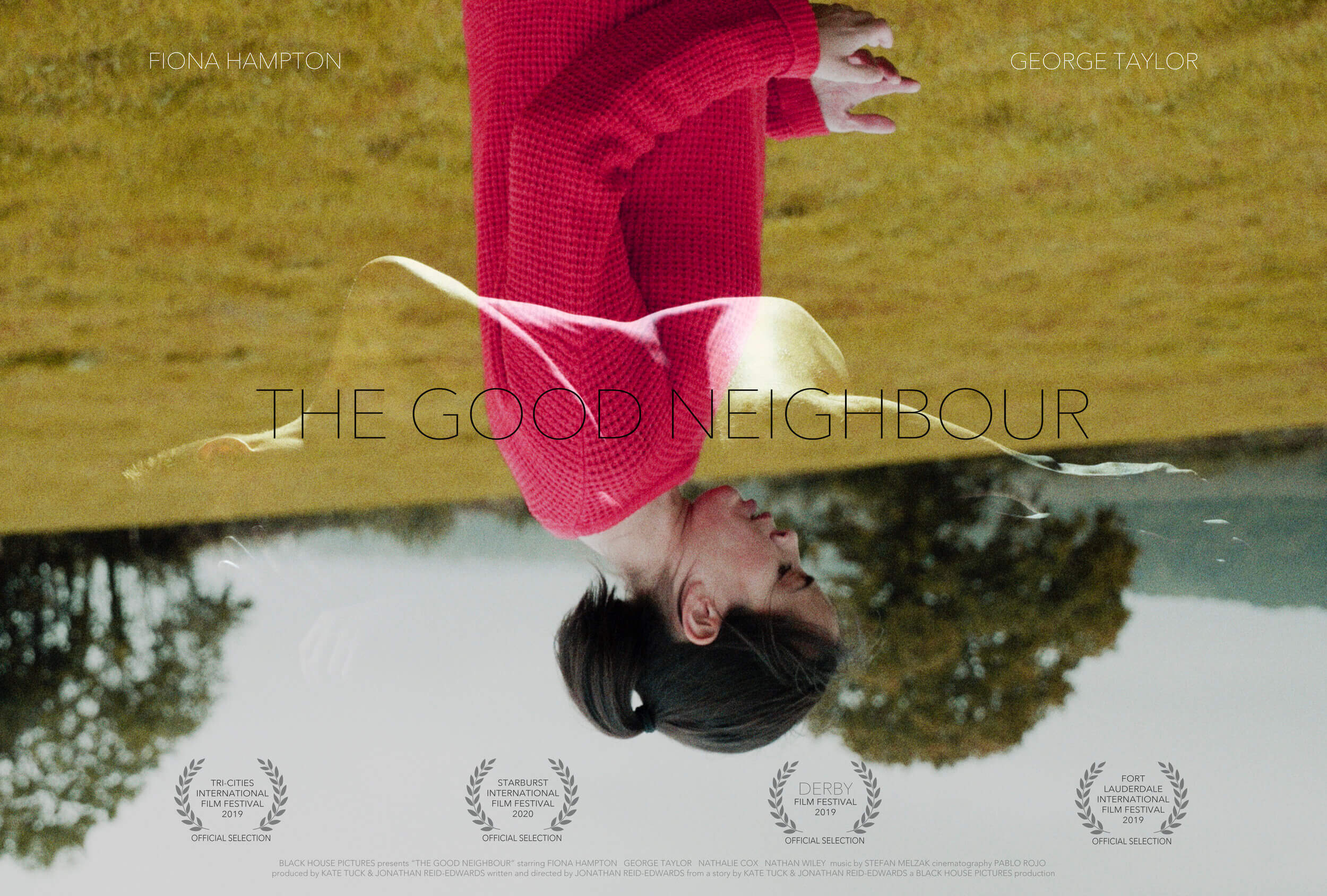
One of the standout films at this year’s STARBURST International Film Festival was The Good Neighbour. The film follows a woman struggling with a recent MS diagnosis who strikes a friendship with a man not from this world. As the film makes its way to Prime Video, we caught up with writer/director Jonathan Reid-Edwards and producer/writer Kate Tuck to find out more about the making of this engaging, very human sci-fi drama…

STARBURST: What was the genesis of the story?

Jonathan Reid-Edwards: Five years ago, I was diagnosed with Crohn’s disease during a pretty harsh relapse. I was juggling a day job and trying to get my first feature made and I couldn’t deal with the fact that I wasn’t as in control of my life as I thought I would be – I felt the disease was scuppering my chances at the life I wanted. In truth it was much simpler- I was too stubborn to ask for help.

Kate Tuck: When Jon started to feel a bit better, we went for a long walk and came up with the story for The Good Neighbour. We wanted to make something about the power found in asking for help and accepting it. It’s also important to us to tell stories from underseen points of view.

The film touches on the post-Brexit way of thinking, was it tempting to go further that way?

Jon: The initial script came about as the referendum was decided. Regardless of political opinion, it would have been impossible to not have Brexit leave a mark on the film. Yet at the same time, it was something we didn’t want to date the film, particularly as at the time of filming it was still up in the air with whether the Brexit process would actually go ahead. So we had to temper how far we went and keep the film universal.

Kate: If we were to go further into exploring the ramifications of Brexit, the film would have become about something else entirely. So as much as it was important to us to include the element of ’the fear of the other’ if we had delved too far deep into we would have lost the thrust of Jodie’s story.

You have a great cast, was it hard to find the right people?

Jon: It’s funny, we both went to drama school in our twenties and as a result a large proportion of our friends are working actors. It’s something we take for granted whenever starting a new project. In this instance, the lead roles were written with the actors in mind. From the very first round of ideas for the story, one thing was agreed: Fiona Hampton would be the lead, followed by George Taylor. Also, knowing them so well means you know the range available to them as actors – things a casting director may not be able to discern from the few roles they’ve seen them play.

Kate: The benefit of casting this way is that there is an in-built chemistry and ease of working. Jon, Fiona, and George are not only friends, but have worked together previously on several projects. Even when casting outside of our immediate circle, we were extremely lucky to be able to tap into the networks that our lead actors have developed through their own burgeoning careers. A great example of this is Fiona introducing us to Lucy Sheen, who plays her mother.

How long was the shooting schedule?

Kate: The shooting schedule was five weeks in total: four weeks on our main location – a farm in Saffron Walden – with another week shooting the remaining scenes including moving to a different location for the horse scenes. Before shooting we also had to build in time for some fight rehearsals and for Fiona to learn how to ride a horse. Shooting predominantly in one location meant that if need be, we could more flexible with the shooting schedule.

Jon: We had a lot of ambitious scenes to cram into the schedule that ultimately ended up not getting shot. As Kate said we had fight rehearsals – this was going to be for a grand action packed third act that half way through filming we realised wasn’t true to the story. So we shut down for two days and re-wrote the end of the film. As a result, fights were scrapped as well as some truly fantastic practical effects. But we did the right thing serving the story, and I still have sleepless nights imagining how bad it would have been to have kept those scenes.

You went to Indiegogo to finance the post-production – what was that experience like?

Kate: It was really successful so over all it was an overwhelmingly positive experience. It was great to connect with new fans and future collaborators. Some of the higher contributors became associate and executive producers on this project and are interested in working with us on future projects, which is really amazing. However for anyone about to undertake their own crowdfunding campaign you must always bear in mind that it takes over your whole life- you have to commit to it one hundred percent.

Jon: Considering we managed to shoot the film for £36,000, the money raised in post was a gift from the gods. To save money we do everything in house, and I edited, graded, mixed, and sound designed the film in post myself. So we were able to use that money to secure a proper soundtrack, cover VFX and more. We made it go a really long way. That said, I did kind of feel like Kubrick on Eyes Wide Shut in that the film took a much longer, more concentrated part of my life than I know any other film ever will in the future. Famous last words!

How does it feel to finally have the film out ‘in the wild’ for audiences to discover?

Jon: Having had this film such a huge part of my working life for so long, it’s a beautiful feeling handing it over. Kind of like sending the kids to university – I’m proud of it, obviously there are parts I would change if I could, but at the end of the day, it’s not mine any more. It’s about to start its life. Having seen the reaction to it at festivals both here and in the States, I’m excited by the fact that literally anyone can watch it now, that anyone can read whatever they want to into it.

Kate: The audience is the final component for any story, the element that completes the circle. So it feels great to finally put The Good Neighbour out there to see who it will connect with. We’ve been with this project for so long and it’s our first time going through the process of making and releasing a feature film. So it feels cathartic in a way, but we’re also really aware that the work isn’t over yet.

What’s next for you?

Jon: In terms of directing, I’m four drafts into what will hopefully be my second feature. It’s semi-autobiographical and with the Black Lives Matter movement, it’s suddenly become relevant. But it’s not a straight-up drama, it’s got a strong supernatural element – hence the stress on semi-autobiographical. I can’t wait to be able to talk about it.

Kate: As a filmmaking duo, I am working on the next film that we are going to make in-house, this time I’m writing and directing and Jon is producing. It’s going to be my debut feature as a director, I’m currently developing the script and we’re going to make it in the same way as The Good Neighbour. It’s written to be a low budget drama and we hope to be making it soon – but with the current pandemic, who knows?

The Good Neighbour will be available on Prime Video on August 7th.

The Good Neighbour Trailer 2 from Jonathan Reid-Edwards on Vimeo.

Taking a Dive with seaQuest DSV

seaquest

The twenty first century. Mankind has colonised the last unexplored region on Earth – the ocean. As captain of the seaQuest and its crew, we are its guardians. For beneath the surface, lies the future.” Captain Nathan Bridger

And with those stirring words began the adventures of seaQuest DSV, (the DSV standing for Deep Submergence Vessel). The series was produced from 1993-96 and was the first ongoing science fiction live action TV series to be set on board a submarine since Irwin Allen’s Voyage to the Bottom of the Sea in the sixties – as series it would inevitably be compared with.

But the intention, initially at least, was to explore plausible science fiction elements within the realms of credibility and realism. With this in mind, it’s easy to see the first series as an underwater version of Star Trek: The Next Generation. Roy Scheider’s performance as the captain echoes the gravitas of Patrick Stewart, Stephanie Beacham’s Doctor Westphalen was from the same mould as Beverly Crusher, they had a boy genius on board who’d become an Ensign Lucas Wolenczek (Jonathan Brandis). From the second season, they’d even have their own version of Data with the introduction of Dagwood!

The premise is established in the pilot film, set in the then-future of 2018 when having depleted Earth’s resources, we’re colonising the ocean depths. SeaQuest is the largest submarine ever to have travelled the seas. It was designed for the military, but is now refitted and used as a tool for exploration and research on behalf of the United Earth Oceans organisation (UEO). It’s an odd-looking vessel consisting of an arrowhead bow, with three bulbous sections and a tapering stern. For sensors, it has a series of smaller drone-like submersibles called ‘whiskers’ that swim alongside, above or below as needed. It is also capable of launching smaller craft, and has a moon pool, where Darwin, a verbose ‘talking’ dolphin can enter and leave as needed. All this piqued Steven Spielberg’s interest enough to become the show’s executive producer in the first two seasons. Also on board as a scientific advisor was famed deep sea explorer Robert Ballard to further the sense of plausibility. Ballard had discovered the wrecks of both the Titanic and the Bismark. He narrated a factual closing segment during the first season concerning the latest breakthroughs in underwater exploration. (Though it must be said he never looked comfortable wearing a seaQuest DSV baseball cap.)

The first season kept by and large to the mission statement of sticking to ‘proper’ science fiction, keeping the peace and discovering phenomena like a black smoker – a hydrothermal vent emitting noxious black clouds, which nearly sees the premature end of Darwin in the Devil’s Window. Several of the episodes involved children in peril. In Brothers and Sisters, children are discovered onboard an underwater munitions depot scheduled to be entombed. Bad Water saw the ship badly damaged by a lightning strike while searching for a crippled submarine whose passengers are all children who are running out of air. The Good Death showed the seaQuest duped into torpedoing a boatload of children. But while all these were good, strong episodes, the Voyage to the Bottom of the Sea element had begun seeping in, with stories seemingly more befitting the crew of the SSRN Seaview. Haunted sunken wrecks in Knight of Shadows, a mermaid in Abalon (which guest starred Charlton Heston), and the discovery of an alien spaceship in Such Great Patience.

The seaQuest’s tour of duty came to an end at the end of Season One with the vessel being sacrificed to save the planet. Season Two saw the launch of a new seaQuest with some new faces on board – not all of the cast wanted to relocate to Florida where the show was now being filmed. Newcomers included Michael DeLuise as Seaman Piccolo, who had genetically engineered gills and Peter DeLuise as Dagwood, a genetically engineered life form. With these embellishments, it’s not surprising that seaQuest crash-dived into a series of monsters of the week, which saw the crew struggle against an alien predator in Dream Weaver (which guest starred Mark Hamill), a paranormal being known as the Avatar, demons, a giant crocodile, time travel and, sadly, Irwin Allen’s old favourite – killer plants.

At the end of the season, the seaQuest and crew were abducted by an alien spaceship to fight a civil war on another world. Little wonder that Scheider lobbied to be released from his contract and barely appeared in the third season when the sub reappeared in the further future of 2032. Command was handed over to Captain Oliver Hudson (Michael Ironside) for a lacklustre and uneven half season of 12 episodes before the show became unsalvageable and the mighty seaQuest submerged for good, never to resurface.

You can catch the adventures of seaQuest DSV on Horror Channel from July 30th. SKY 317, Virgin 149, Freeview 70, Freesat 138.

Andy Nyman | THE WOMAN IN BLACK

nyman black

Andy Nyman is an English actor, writer and director whose work includes Ghost Stories, Peaky Blinders, Star Wars: The Last Jedi, and Something Wicked This Way Comes. He also appeared in the classic 1989 version of The Woman in Black, which is being released on Blu-ray this August. We spoke to him to talk about working on the classic adaptation.

STARBURST:  What can you tell us about the time way back when you were on the set of The Woman in Black?

Andy Nyman: Well, I mean, the first thing to say, it is absolutely amazing that it’s finally getting a proper release and people are really going to get to see in all its beauty. I saw it last week because I did the commentary on it with Mark Gatiss – it looks like it was shot yesterday. Absolutely amazing. My memories are really vivid, actually, because it was the very first TV job that I ever did. And it was my very first TV audition.

So I got to meet Herby Wise, who I was kind of in awe of because of I Claudius, which was a big deal when I was a kid. You knew going in to meet him that this was a prestige job, because at that time there were only three channels, if you remember. And this was the big Christmas Eve film with a big budget. Then, on top of all that, as If I wasn’t excited enough anyway, it was a ghost story, which, of course, for me is just heaven. So I met Herby, who was absolutely charming. We had a very nice meeting and I got the job. It was so incredibly exciting. You know, for somebody who’s a heartfelt horror fan, going onto a proper set in a proper studio – Shepperton Studios where they were filming – on film because this was before HD digital. Oh, I feel ancient now, that’s ridiculous. Iit was just fantastic being on these sets with great actors, you know: David Ryall, Steven Mackintosh, and Adrian Rawlins, and I just loved every second of it, just watching the way it was working as a whole.

What was your response at the time when you realised that it was a script adapted by Nigel Kneale?

Well, he’s a legend, so it was incredibly exciting to be in a ghost story based on this brilliant book that was already fantastic. And then knowing Nigel Kneale was adapting it! I mean, it was just an amazing thing to find yourself part of. And what’s so exciting is, you know, they’ll be this new Blu-ray that will be bought by fans of it when it first went out. Those who have been crazy for it for years. But there’s also got to be a legion of new fans coming to it. You are just not going to believe how brilliant is because, hand on heart, I think it’s one of the best stories ever made. It’s really a fantastic piece of work. You have a combination of Susan Hill’s brilliantly dark story and Nigel Kneale’s unapologetic sensibility, which is very dark and the ending is just bleak! Bleak beyond words, and you can’t quite believe that with a Christmas Eve show. It’s a very happy marriage and all of those worlds coming together.

What is it about the Victorian setting and the ghost story that worked so well?

Well, I think there’s a lot to love about it. What’s interesting about The Woman in Black is the way the movie is made is that you are at the dawn of electricity. You’re coming out of that gaslight era. So there tends to be more shadows, more darkness. There’s more naïveté to the world, but I also think that there’s a Britishness, and an emptiness and a loneliness that goes with that world because they’re still dealing with a world that was a little island as opposed to where we are now, which is this global world where we have that extraordinary mix.

You know, it’s a completely different thing of what Britishness is compared to what it was in the Victorian era. There’s something very isolated about our world. It’s easy to forget that we are this little island. And I think the writings of M.R. James and Dickens, and what Susan Hill took on, reflected that isolation, loneliness, and bleakness. 70% of our weather is drizzly and a bit grim. That’s not the same if you’re on the prairie in America. It’s a different sensibility. So there’s something that really speaks to us about our heritage that comes from ghost stories.

Do you have anything more cheerful planned for your future projects?

Well, there’s definitely brightness within the world. Myself and Jeremy Dyson are close to completing our next film script and a play. Both of which live in the world of genre. Both of which will deliver scares and humour and thrills. It’s a world that fascinates us, you know. And both of those stories are, again, uniquely British. I think it’s one of the things we set out to do with the film of Ghost Stories, in particular, but also with the play, was to make it a British thing. Put that out into the world in a way that brings together all of these things I’ve talked about, about the isolation and loneliness, this unique sort of gallows humour that we have that goes with who we are. That was something I think that most delighted us as the film of Ghost Stories played so successfully around the world. The reviews were universally wonderful. And one of the things that that was often spoken about was how classically shot it was, how it had this in the best way, harking back to ‘that world’. The sort of world that makes The Woman in Black so memorable. Those stories at Christmas on the BBC and a world that wasn’t about athletics and CGI. They’re about allowing the story to get under your skin and slowly but surely ratcheting up so that when you do deliver in the way to The Woman in Black does. My god, it’s one of the best sustained moments of horror ever on film. I believe that bedroom sequence is up there with the greatest moments of genre cinema. It’s about being brave and Herbie Wise is just brilliant at this, just slowly building over two hours. You know, my god!

The British horror genre has a beautiful back catalogue of work. If you had the opportunity to rebuild or recreate or redo one of those works, what would it be?

I wouldn’t want to rebuild it or remake it. I just wish I’d have made it originally. It’s The Omen. I just think that first film is a work of art. You know, it’s just perfect. The acting’s perfect, the mythology, and the plotting are perfect. What you can’t believe that stuff is written, it’s not real. And yet it feels real. I love the way it’s directed. I love the way it’s made. When Jeremy and I are working on something, our dream is that 30 years from now when you ask someone that question, their answer will be Ghost Stories.

We understand that your next year will be appearing in a Disney movie with the Rock as a very traditional Englishman. What are you allowed to tell us about it?

I can’t really tell you anything about it, you know I can’t! It’s directed by Jaume Collet-Serra, who I had the joy of making The Commuter with. And I loved working with him on that. And I loved working with him on Jungle Cruise. I cannot wait to see it! That’s all I can tell you. The set I was filming on probably cost more than the entire budget of Ghost Stories. There was one moment of filming that I saw that’s just a whole different scale.

Going back to the other end of the spectrum. You mentioned that you’re working on a new stage play. What can we expect to see?

Our new play? Well, I’m going to tell you even less about that! We’ll try and do what we did last time, which is to create a piece of theatre that is thrilling, exciting, and complete and will make you jump, make you laugh, and take you on a proper journey. One of the things that will attempt to do within that as well, is to give you secrets that are worth keeping. We will say: “please don’t tell any of these twists and turns to anybody”. Let them come to fear, because that’s one of the things that we are so proud of with Ghost Stories. That play’s been on around the world for over a decade. Millions and millions of people have seen the film or the play. And you still can’t really find out what it’s about. Other than that, it’s about a Professor who looks into three cases, supernatural cases. That’s it. We’ve always said to people, please, can you keep a secrets if you enjoyed it? That’s fascinating, because everything is ruined for you these days, every plot is spoiled in these trailers or reviews. And there’s nothing like going to see a rattling good yarn knowing nothing about it. And that’s what we want to do. We want to just create something that can just will run and run and run and that people will love.

What would you say to a horror fan who doesn’t think theatre is for them?

It is interesting you ask that now, because we’re in a position where the art is being neglected in this pandemic totally. One of the things that’s about is this perceived snobbery of theatre. Like it’s just some sort of thing for the posh clever elites. And it could not be further from the truth. There will be some plays that you think are bollocks and some plays or musicals that you’ll think, oh that’s not for me. And then other things that you will not believe how exciting and brilliant it could be. And that was one of the amazing things with Ghost Stories. It brought in 60% of the audience on its first drop. People who had never been to the theatre before. That’s extraordinary. And the thing that you are just seeing, that thing will never, ever, ever be replicated again in the way it just has. You experience something utterly unique on that night.

The Woman in Black is released on Blu-ray exclusively from the Network website from August 10th.

A Different Way to Wager on Sports

Betting exchanges like Smarkets are changing the way people can bet on sports.

For decades, little changed in regards to how people wagered on sports. A bettor contacted a bookmaking establishment. That person made a pick on the outcome of a sporting event and handed over a sum of cash to the sportsbook.

It really wasn’t until the internet came along in the 1990s that things would be different. And it seems like in the sports betting world, they’ve been changing ever since.

The worldwide web led to the advent of online sports betting operations that made it possible to wager with the click of a mouse. As the world changed more toward an instant gratification society, the demand for action only increased. That, plus the ability to live stream sporting matches, helped lead to the creation of live or in-play betting, allowing bettors to wager on the next outcome in the midst of competition.

The principle of how sports betting worked, though, remained relatively unaltered. Bettors still were placing wagers by contacting a sports betting service and via the odds provided by that sportsbook.

Betting exchanges are operations that are seeking to alter this process and to take betting on the world of sports into an entirely different realm. With a sports betting exchange, rather than wagering against a bookmaker, bettors contest with each other in a peer to peer format.

How Betting Exchanges Work

Betting exchanges are also commonly referred to in the industry as sports trading, or sports exchanges. They enable a bettor to take an approach to sports betting that is very similar to how someone would play the stock market.

The betting exchange is creating a marketplace that is enabling the sports bettor to wager on the fluctuation of a particular betting market, instead of making straight bets on the outcome of an event.

In the midst of this exchange, these sports traders are able to buy (called a back) or sell (referred to as a lay) the outcome of the event upon which they are making their trades. These trades take place in real time throughout the course of the event. The objective of the sports trader is to either set themselves up for a higher profit margin, if the team they invested in looking likely to be the winner, or to cut their losses down to a smaller cost if it is becoming apparent that the outcome they are wagering on clearly isn’t going to happen.

The betting exchanges make their money by clawing a percentage out of winning bets as their commission for facilitating the exchange.

The excitement in betting exchanges is as much in the rush of adrenaline as it is in the successful outcome of a wagering win. Like day trading in the stock market, sports trading can prove a stressful pursuit. Trades are continually taking place throughout the course of any event. Hesitation on the part of a player at precisely the wrong moment can prove to be the difference between cashing a winner at the end of the day, or wallowing amidst the pain of a bitter defeat.

The First Betting Exchanges

Betfair was one of the innovators that helped popularise sports exchanges

Flutter.com and Betfair were the original betting exchanges. In 2001, the two entities merged under the Betfair brand.

Betfair created the opportunity for bettors to compete against each other in a head to head wagering competition. All that was required was someone willing to wager on the opposite outcome. This sports betting company also instituted the ability for a bettor to back a losing outcome, which is commonly referred to today as a lay bet.

Another advantage to the bettor in this form of wagering is that instead of the bookmaker, it’s the players in the betting exchange who are establishing the odds. This enables bettors to get the best odds they can create via this scenario.

The constant action of the betting exchange created the environment that led to the development of live wagering. It showed bookmakers that there was still action to be created after a sporting event got underway, and that closing the betting window when the game commenced wasn’t in their best interests.

Along Came Sports Trading

In the evolutionary process of sports betting, it only made logical sense that betting exchanges would lead to sports trading. The SBK Exchange created by Smarkets and Ballstreet Trading are two of the more prominent sports trading entities.

Sports trading shares some characteristics with daily fantasy sports, since players will be battling with several other competitors to win the day.

With Ballstreet Trading, bettors buy and sell shares of teams that are playing in games that day. If one game looks like it’s going to be a blowout, then investing in many shares of the team that’s going to emerge victorious would be the winning strategy. However, if the game appears to be a tight contest, a balancing act of shares evenly distributed between both teams can prove to be the winning strategy.

Smarkets operates one of the world’s largest betting exchanges. They’ve handled some $18 million in sports trades since launching in 2010. Current prices on events are posted on the Smarkets website or mobile app. As with the stock market, these prices fluctuate, so knowing when to get in and when to get out determines ultimate success or failure.

[ENDED]WIN a copy of Three Edgar Allan Poe Adaptations Starring Bela Lugosi on Blu-ray!

BELA LUGOSI EDGAR ALLEN POE

We’ve got three Blu-ray copies of Three Edgar Allan Poe Adaptations Starring Bela Lugosi to give away in our competition.

Eureka Entertainment to release MURDERS IN THE RUE MORGUE / THE BLACK CAT / THE RAVEN: THREE EDGAR ALLAN POE ADAPTATIONS STARRING BELA LUGOSI, on Blu-ray for the first time in the UK. Presented in a 2-Disc Limited Edition Blu-ray set (2000 copies only) as part of The Masters of Cinema Series, available now.

.


 bella legosi edgar allen poe


To be in with a chance to win a copy, just send your answer to the question below to [email protected] with the header ‘BELALUGOSI’ to arrive before 11:59pm on Sunday, August 10th, 2020


Which seminal post-punk band released their first single ‘Bela Lugosi’s Dead’ in 1979?


A) BAUHAUS


B) BLACK LACE


C) BUCKS FIZZ


This trio of classic 1930s horror films—Murders in the Rue MorgueThe Black Cat, and The Raven—is also distinguished by a trio of factors regarding their production. Most notably, each film is based on a work by master of the macabre Edgar Allan Poe. Part of the legendary wave of horror films made by Universal Pictures in the 30s, all three feature dynamic performances from Dracula‘s Bela Lugosi, with two of them also enlivened by the appearance of Frankenstein‘s Boris Karloff. And finally, all three benefit from being rare examples of Pre-Code studio horror, their sometimes startling depictions of sadism and shock a result of being crafted during that brief period in Hollywood before the enforcement of the Motion Picture Production Code’s rigid guidelines for moral content.

Director Robert Florey, who gave the Marx Brothers their cinema start with The Cocoanuts in 1929, worked with Metropolis cinematographer Karl Freund to give a German Expressionism look to Murders in the Rue Morgue (1932), with Lugosi as a mad scientist running a twisted carnival sideshow in 19th-century Paris, and murdering women to find a mate for his talking ape main attraction. Lugosi and Karloff teamed forces for the first time in The Black Cat, a nightmarish psychodrama that became Universal’s biggest hit of 1934, with Detour director Edgar G. Ulmer bringing a feverish flair to the tale of a satanic, necrophiliac architect (Karloff) locked in battle with an old friend (Lugosi) in search of his family. Prolific B-movie director Lew Landers made 1935’s The Raven so grotesque that all American horror films were banned in the U.K. for two years in its wake. Specifically referencing Poe within its story, Lugosi is a plastic surgeon obsessed with the writer, who tortures fleeing murderer Karloff through monstrous medical means.

Significant and still unsettling early works of American studio horror filmmaking, these three Pre-Code chillers demonstrate the enduring power of Poe’s work, and the equally continuous appeal of classic Universal horror’s two most iconic stars.

SPECIAL TWO-DISC BLU-RAY EDITION

  • High Definition Blu-ray (1080p) presentations for all three films, with The Raven presented from a 2K scan of the original film elements
  • Uncompressed LPCM monaural audio tracks
  • Optional English SDH subtitles
  • Murders in the Rue Morgue – Audio commentary by Gregory William Mank
  • The Black Cat – Audio commentary by Gregory William Mank
  • The Black Cat – Audio commentary by Amy Simmons
  • The Raven – Audio commentary by Gary D. Rhodes
  • The Raven – Audio commentary by Samm Deighan
  • Cats In Horror – a video essay by writer and film historian Lee Gambin
  • American Gothic – a video essay by critic Kat Ellinger
  • “The Black Cat” episode of radio series Mystery In The Air, starring Peter Lorre
  • “The Tell-Tale Heart” episode of radio series Inner Sanctum Mysteries, starring Boris Karloff
  • Bela Lugosi reads “The Tell-Tale Heart”
  • Vintage footage
  • New Interview With Critic And Author Kim Newman
  • PLUS: A 48-PAGE  collector’s booklet featuring new writing by film critic and writer Jon Towlson; a new essay by film critic and writer Alexandra Heller-Nicholas; and rare archival imagery and ephemera

Available to order from:

Eureka Store  https://eurekavideo.co.uk/movie/murders-in-the-rue-morgue-the-black-cat-the-raven/

Amazon https://amzn.to/3dLwND8


Terms & Conditions:
STARBURST does not accept any responsibility for late or lost entries due to the Internet or email problems. Proof of sending is not proof of receipt. Entrants must supply full details as required on the competition page, and comply with all rules to be eligible for the prizes. No responsibility is accepted for ineligible entries or entries made fraudulently. Unless otherwise stated, the Competition is not open to employees of: (a) the Company; and (b) any third party appointed by the Company to organise and/or manage the Competition; and (c) the Competition sponsor(s). This competition is a game promoted STARBURST. STARBURST’s decision is final in every situation and no correspondence will be entered into. STARBURST reserves the right to cancel the competition at any stage, if deemed necessary in its opinion, and if circumstances arise outside of its control. Entrants must be UK residents and 18 or over. Entrants will be deemed to have accepted these rules and to agree to be bound by them when entering this competition. The winners will be drawn at random from all the correct entries, and only they will be contacted personally. Prize must be taken as stated and cannot be deferred. There will be no cash alternatives. STARBURST routinely adds the email addresses of competition entrants to the regular newsletter, in order to keep entrants informed of upcoming competition opportunities. Details of how to unsubscribe are contained within each newsletter. All information held by STARBURST will not be disclosed to any third parties

Mythic Odysseys of Theros: Interview

Mythic Odysseys of Theros Cover

We caught up with James Wyatt and F.Wesley Schneider, the two lead designers behind the latest Dungeons and Dragons supplement Mythic Odysseys of Theros. Let’s find out more about this exciting addition to the world of D&D from the creators themselves.

How is Mythic Odysseys of Theros different from other D&D games?

James Wyatt: The thing that really sets Theros apart from other D&D settings is the role of the gods. As in Greek myth, the gods are constantly meddling and scheming, and their interactions can drive a whole campaign. Player characters, regardless of class (not just clerics) might get significant magical powers from a god and undertake quests on a god’s behalf. We’ve never put so much weight on both a character’s devotion to a god (reflected in the piety system) and the gods’ role in driving adventures and campaigns (reflected in the adventures chapter) in a D&D book before.

F. Wesley Schneider: In many ways, it’s not. It’s still D&D. It’s still heroes going on fabulous adventures and facing off against incredible evils. If you know how to play D&D, Theros offers one more set of tools for your gaming workbench. That said, Theros takes its inspirations from Classical Greco-Roman mythology—stories of Perseus and Pandora, of works like The Odyssey and movies like Clash of the Titans. The setting’s focuses are more on spears and hydras than swords and dragons, providing you with everything you need to run adventures that feel like timeless myths.

What should fans of Greek Myths being looking out for?

James Wyatt: The gods of Theros, of course, are inspired by the gods of ancient Greece, though you won’t always find a one-to-one correlation between them. The pantheon of Theros was built from the ground up to suit a fantasy world, so it resonates with Greek flavor but also works really naturally in a D&D campaign.

More than the gods, though, people who are interested in myth should enjoy the mythic scope and scale of the book. We really took the name of the book to heart and tried to help DMs and players tell the stories of grand odysseys and supernatural adventures that resonate deeply with the themes and elements of Greek myth.

F. Wesley Schneider: We want to encourage players to explore and participate in their favourite scenes and plots from classic myth: endless voyages in search of home; descents into and escapes from the Underworld; bargains and contests with fickle, fallible gods. Moreover, in Theros, from character creation on, every character is considered to be a hero—a living legend. Your deeds will shape the world for all time to come. It’s just up to you to determine how.

What should fans of Magic the Gathering be looking out for?

James Wyatt: Folks who remember the original Theros card sets (2013–14), as well as those who’ve played this year’s Theros Beyond Death, will recognize the vast majority of the art in this book, though you might never have seen it at this scale before. One of the things I love about doing books about Magic settings is the chance to show off the amazing art that our artists produce for Magic, but blowing it up to a much larger size so you can see the care and detail in every painting.
You’ll also recognize a number of the named characters and monsters who appear in the book—from Taranika, the current regent of Akros, to Tromokratis, the mythic kraken—who all appeared on cards in various Theros sets.

F. Wesley Schneider: If you loved something about Theros in Magic you’ll likely find it in Mythic Odysseys. From devotion and piety being central to the storytelling to your favourite divine and mortal characters, from devastating monsters to absolutely incredible art, it’s all there. Only now, there’s a D&D spin that lets you make these stories your own.

In the Greek Myths, one of the big things is that gods have their own ‘soap opera’ going on. How did you work that in for Theros?

James Wyatt: As they’re described in the book, each of the gods of Theros has their own agenda, their own complex web of relationships with other gods, and their own values that they strive to uphold through their champions. They’re a lot more complex than just an alignment—Heliod, the sun god, for example, upholds ideals of law and good, but he’s also an arrogant jerk who doesn’t like to be overshadowed by his champions. He’s got a long-standing rivalry with his brother Erebos, the god of the dead, that’s a lot deeper than a simple “good versus evil” conflict. So there’s a lot of texture for players to explore as they go through their adventures in Theros.

There’s also a short table for each god in the adventures chapter that gives ideas for the god’s most ambitious and world-shaking schemes, which could end up shaping the course of an entire campaign. Maybe Klothys, the god of destiny, decides that mortal worship of the gods has distorted the natural order of things and needs to be stopped, so she sends her agents on a crusade to abolish religion and destroy temples across the world. Or Heliod decides that the constant squabbling of the sibling war-gods Iroas and Mogis is causing too much disruption, and he kills them both. What happens to the world in their absence? Ideas like that can help Dungeon Masters craft a campaign that feels unlike anything else that you’ve ever seen in a D&D campaign . . . and also feels very true to Greek myth.

F. Wesley Schneider: In every way. The gods of Theros are one step removed from every plot and peril. They know who the characters are and they’re watching. They’re courting these mortals to do their will or they’re opposing them for their own ends. And they’re often willing to bargain. Have a hero get in over their head? Call out to the gods! I’m sure it’ll go just great.

How much did the existing art for Theros inspire the book?

James Wyatt: A lot! Most of the book’s art was previously published on cards. The book was, first and foremost, an effort to bring the world depicted on the cards—art and text alike—to life in a D&D framework. Most of the magic items in the book are things depicted on cards, and the same is true of (I think) all of the monsters.

F. Wesley Schneider: Richly. Deeply. Fantastically. The cards from Magic’s multiple Theros-focused sets provided not just hundreds of peeks into this world, but dozens of characters, in-world quotes, rules-suggested behaviours, and ongoing plotlines. It was truly an embarrassment of riches for our work. Also, my co-lead on the project, James Wyatt—on top of being a D&D veteran—is on the Magic worldbuilding team, so his knowledge of the breadth of Theros made him the perfect expert for this project. D&D team members Ari Levitch and Adam Lee also formerly worked on designing the Theros setting for Magic, and throughout the process their insights were invaluable!

What’s your favourite part of Theros?

James Wyatt: The mythic scope and scale is the thing I’m most excited about. We really tried to give you the tools to play a D&D campaign that feels super-heroic, earth-shaking, and fantastical. From creating characters with supernatural gifts (like an Anvilwrought character, forged by the hands of a god, or someone whose devotion to another hero carries magical weight) to adventure seeds loaded with divine intrigue, all the pieces fit together to make a really epic picture.
I’m also personally very proud of the omens table(s)—a hundred entries, divided into subtables for each god, that the DM can use when the gods are trying to communicate something to the player characters. It’s just fun!

F. Wesley Schneider: Everyone says the mythic monsters, so I’m going to pass on that. (But they are pretty great; Jeremy Crawford, Ben Petrisor, Dan Dillon, Orion Black, and others all did incredible work bringing those epic confrontations to life.)

Those beasties aside, I’m going to say the myths. Something I wanted capture was the experience of opening up a book of mythology in your grade school library and flipping through story after story of heroes, monsters, and explanations of why the world is how it is. To that end, throughout Mythic Odysseys of Theros are numerous myth sidebars—little stories related to truths and legends, histories and tales about the world. If you want to pick up the book and just read about the exploits of gods and heroes and how they shaped the world, you absolutely can. And if that provides ideas for your own characters and adventures, all the better!

Why should I run a Theros campaign instead of Eberron or Forgotten Realms?

James Wyatt: You should run what makes you (and your players) happy! In the case of Theros, maybe it’s because you love Greek myths of the feel of super-heroic fantasy. Maybe you’re intrigued by the politics and infighting of the pantheon and the role that pious (or iconoclast) characters might play in it. Maybe you want to recreate the feel and flavor of The Iliad or The Odyssey or the story of Orpheus. Maybe you’re just looking for a change of pace and want to try something new and different.

F. Wesley Schneider: I mean, the plane shift spell is wild. Why choose?

What’s your next D&D project?

James Wyatt: I recently finished work on an unannounced D&D project, for which I had the great pleasure of working with Wes again. Now I’m back at work on Magic stuff, working on sets that won’t see the light of day until 2022 or so. The next thing you’ll see with my fingerprints on it is the Zendikar Rising card set, coming this fall.

F. Wesley Schneider: Something with slightly fewer shark-headed chimeras, I’m afraid. Conjecture away!

If you could bring back one D&D or campaign world that isn’t yet in fifth edition, what would it be?

James Wyatt: My nitpicky technical answer to that is that since we wrote the core rulebooks to be expansive and encompass the whole multiverse of D&D, all our old worlds already are in fifth edition. That said, I’d love to see a fresh take (and new art!) for a number of older worlds—Dragonlance and Greyhawk come to mind.

F. Wesley Schneider: My stars and garters—that’s sort of a personal question, don’t you think?!

There are loads of news ‘actual play’ D&D shows on the internet right now (Critical Role, Questing Time, Rivals of Waterdeep,etc) do you have any recommendations? Or failing that, recommendation for fantasy novels/works?

James Wyatt: I think it’s really cool that this genre has taken off in the last few years. (I can remember conversations, many years ago, where we discussed and laughingly dismissed the idea that people would find enjoyment in watching other people play D&D. How wrong we were!) As with running a campaign, you should watch what makes you happy: find a show where you enjoy the storytelling and relate to the players.

F. Wesley Schneider: At the moment, I’m reading and loving The Devourers by Indrapramit Das—it’s easily my new favourite book about werewolves in India. I’m also relishing my much belated playthrough of the Phoenix Wright: Ace Attorney trilogy, which—if folks aren’t aware—features way more wizards than you might expect!