Daeg Faerch | HALLOWEEN

Daeg Faerch

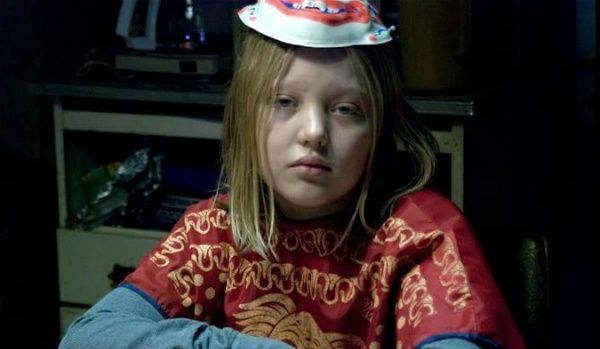
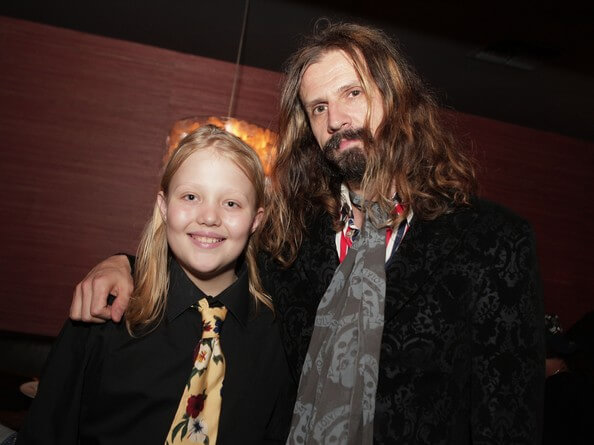
As we continue to celebrate the Halloween franchise ahead of The Shape’s return to the big screen, we caught up with Daeg Faerch to discuss his time playing the young Michael Myers in Rob Zombie’s Halloween, his memories of that movie, and just why the famed series is loved by so many.

STARBURST: How did you end up landing the role of young Michael Myers?

Daeg Faerch: After several years of acting in smaller roles, my mom got me this audition that I booked without a callback.  At the time we did not understand that this was an important role in a big movie.

Given your age at the time, were you truly familiar with how much of a big role Michael was? And if so, was there any trepidation?

I was not familiar with the franchise or any horror. I feel like that was probably a good thing.

It seems like Rob creates a family-like feel on all of his sets. How great was he in making you feel comfortable on the movie?

He is a great director and he let me improv a lot with the role. That is something I really enjoy in acting.

How much fun was it to play a kid who just snaps?

Awesome! As a kid, and even as a kid at heart, actors acting is a great opportunity to… play!

Daeg Faerch

Is there any scene that stands out as a favourite for you?

Killing the bully with Styrofoam sticks in the woods was fun for everyone.

How was it working so closely with Malcolm McDowell?

We hit that improv scene on point. Awesome!

How was it dealing with all of the attention that the movie brought you at such a young age?

I was eleven for filming, and for the release as well, and I had a ball.

From the stories out there, you were unable to return for Halloween II due to having had a growth spurt by the time that film was to start shooting. How frustrating was that at the time?

I mean, I’m chillin’, to be honest. I am blessed to have been able to deliver in 2007.

Has there been any talk of you teaming with Rob again at some point?

We are going to make a track together sometime, and I look forward to working with Rob again as an actor.

Daeg Faerch Rob Zombie Halloween

Why do you think the Halloween franchise is so special to so many people?

Michael Myers is gangster AF.

You’re currently working on an anti-bullying campaign. What can you tell us about that?

I made a movie with Noel G who is involved with anti-bullying campaigns. All the way, fuck bullies.

What projects are you currently working on or have in the pipeline that you can tell us about?

I’ve just wrapped a movie called Killer Therapy. Some modelling work. I also rap, compose and produce as GreatDaeg – available on all music streaming platforms.

Be sure to subscribe to Daeg’s YouTube channel to keep up with his work and upcoming projects.

Ellie Cornell | HALLOWEEN 4 & HALLOWEEN 5

Ellie Cornell

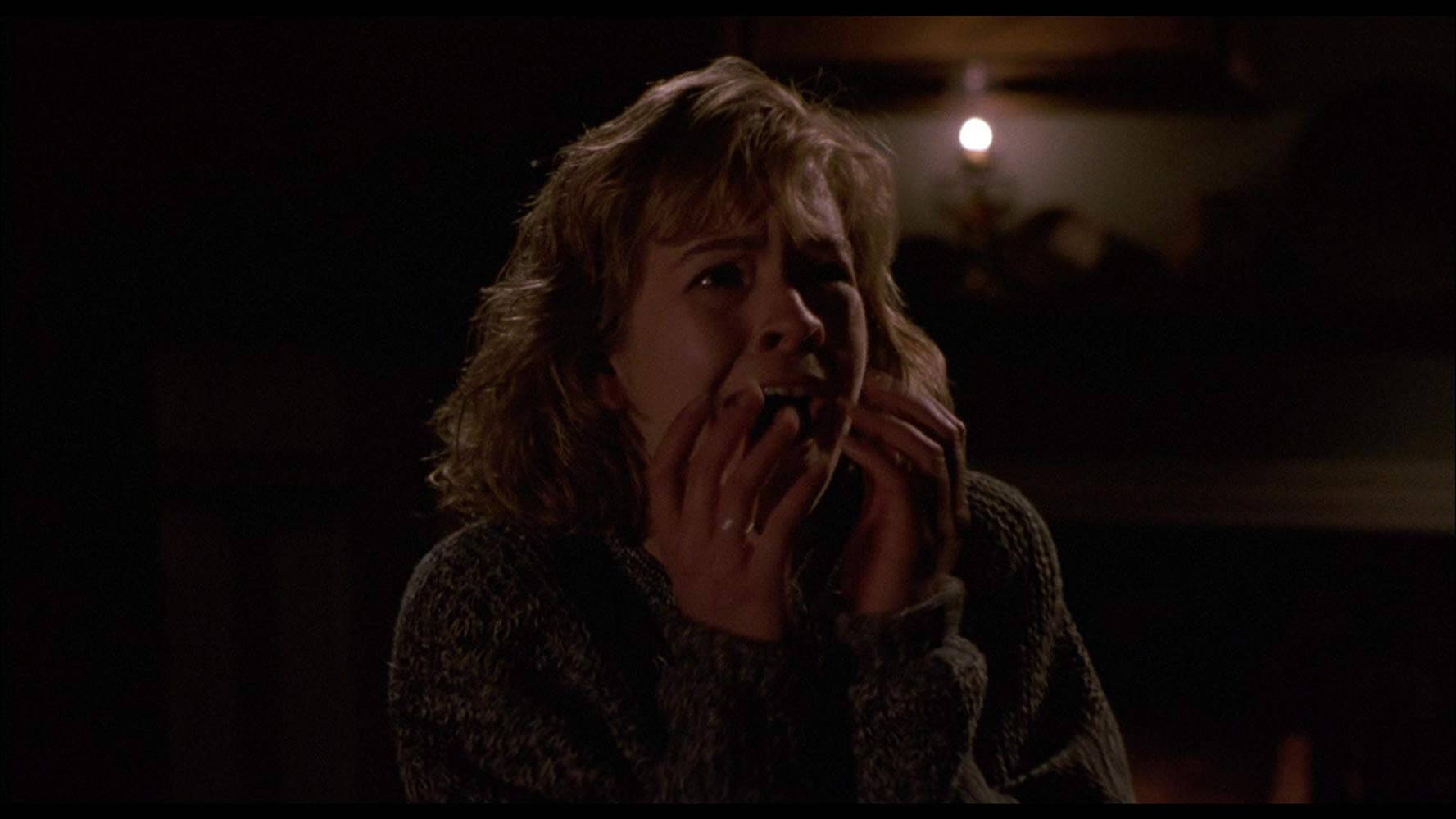
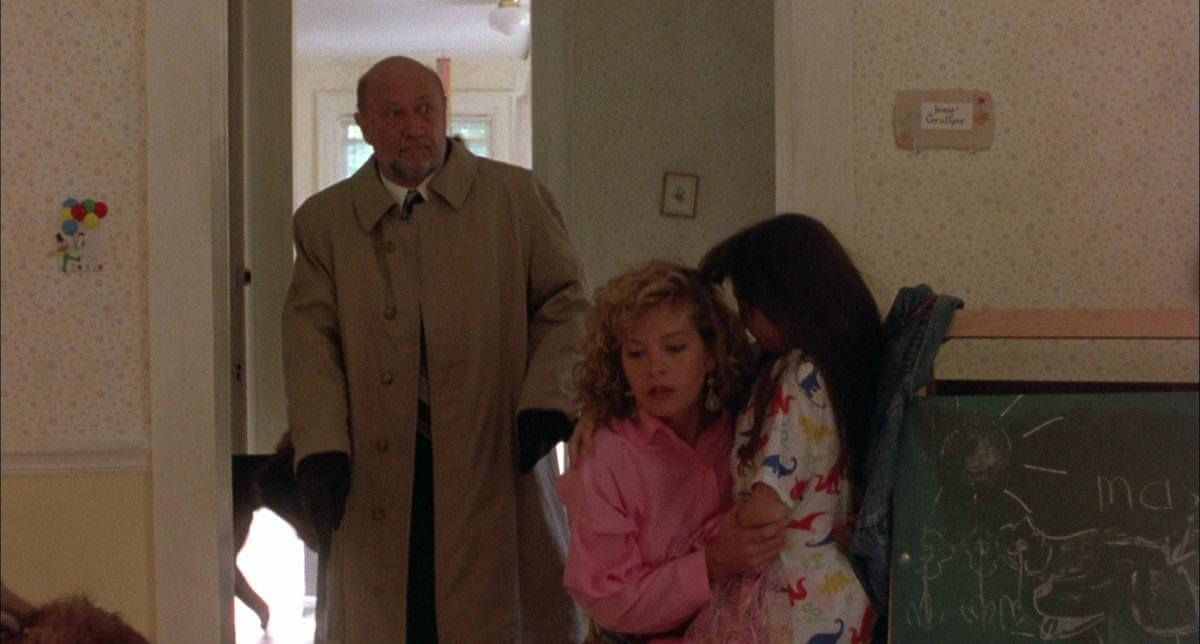
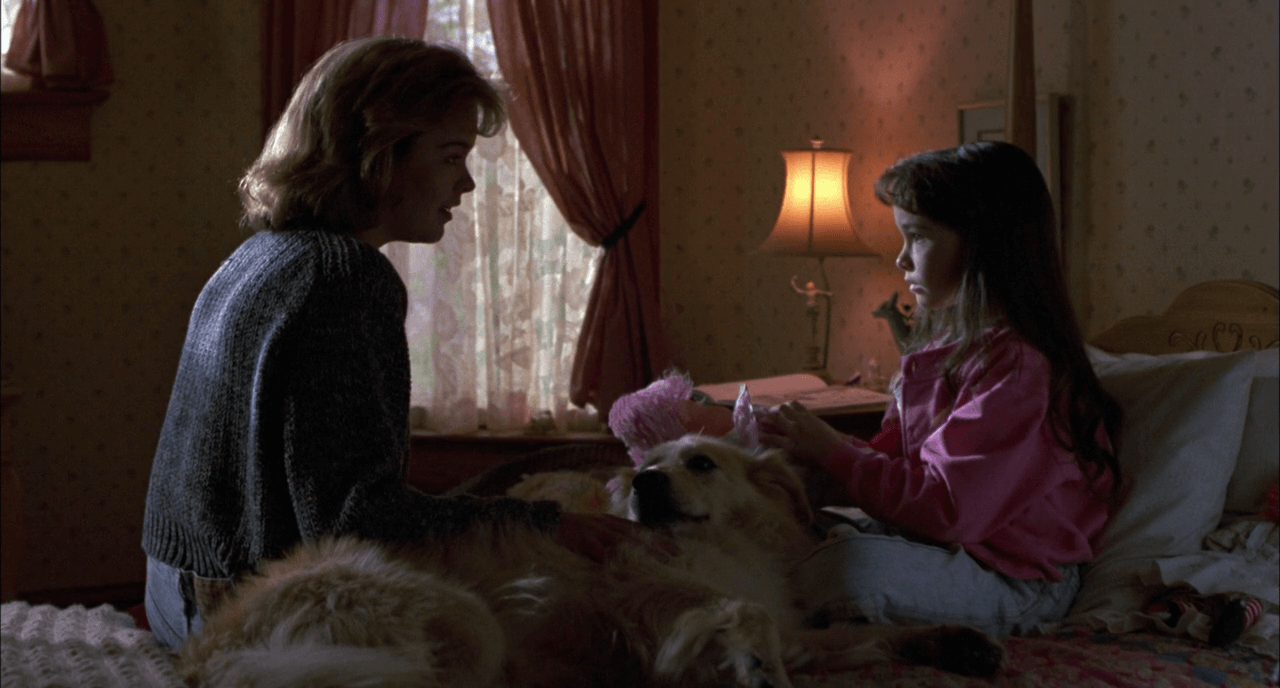
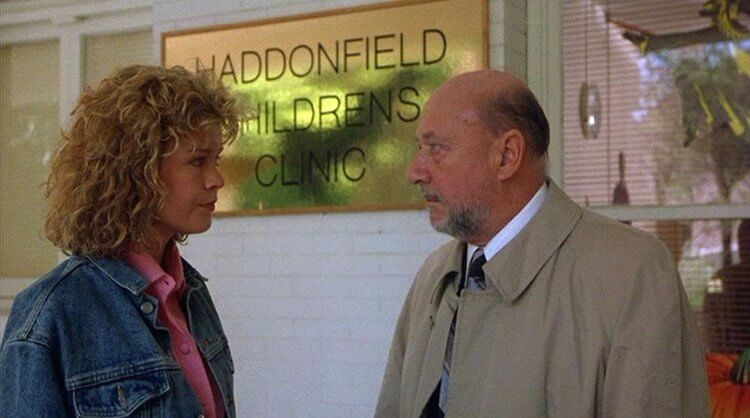
While Jamie Lee Curtis was famously stalked by The Shape in the first two Halloween movies, one of the poor souls in the crosshairs of Michael Myers upon him resurfacing in Halloween 4: The Return of Michael Myers was Ellie Cornell’s Rachel Carruthers. As part of our look back through the Halloween franchise, we caught up with Ellie to discuss her time working on the fourth and fifth Halloween movies, working with Donald Pleasance, what makes the Halloween series so special, and a whole host of other topics.

STARBURST: How did you end up involved in Halloween 4 in the first place?

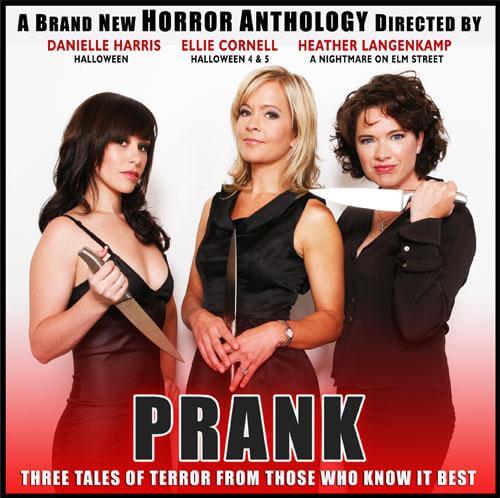
Ellie Cornell: My agent in New York sent me to Los Angeles for pilot season, and it was one of my auditions. It was at the same time that they were casting A Nightmare on Elm Street, so I actually read for the both of them. I’d read for Halloween on the Friday. So Dwight Little, the director, and Alan B. McElroy, the screenwriter, were both there. They screen-tested me on the Friday and they cast me on the Monday. Then Danielle Harris and I went to Salt Lake City for six weeks, where we worked a ridiculous amount; I think we worked 39 out of the 40 days. It was an insane amount of work, but it was a great training ground.

Back then, was there ever a chance to do A Nightmare on Elm Street as well?

No, I think they wanted someone like my type – I think at the time my type was very popular – the girl next door. I got Halloween and they went in a different direction. It definitely was not a choice between the two, but I liked the Halloween franchise more because I was much more familiar with it. I knew the Freddy Krueger series, but I’d not been to see them, whereas Halloween was much better known. And I loved my character, Rachel Carruthers. For that genre, it was well written, and she was smart, she was a fighter, and she didn’t die – that was the best part!

At that time, how familiar were you with the three Halloween movies that had preceded The Return of Michael Myers?

I saw bits and pieces of the first one. I knew it was well done, I knew it had done very well at the box office. I did not see Halloween II, but I had actually seen Halloween III kind of by accident. That was so far off base, so I could tell by the script [of Halloween 4] that they were going back to the original storyline. It was really well written, and I thought that if it interests me then it’ll interest the audience. They didn’t dumb it down. I wouldn’t have done it if I didn’t like the story, put it that way. It’s too much hard work, too much of a personal investment to do a project but not be behind the writing. And I loved, loved, loved Dwight Little. Both Danielle and I had to put a lot of faith in his corner because we were relatively inexperienced for the amount of work that we were doing. So, we trusted him and his vision. And of course, we got to work with Donald Pleasance. That was phenomenal!#

Halloween 4

Are we correct in thinking it was Dwight who was really pushing to cast you?

I just read that when he wanted to cast me – I think he really liked me – Moustapha Akkad, the late producer, wasn’t so sure. I don’t know what it was that he pictured, but it kills me that I wasn’t the producer’s first choice. So Dwight went to bat for me. I think he screen-tested two of us, and I got the part. I was so lucky.

Obviously Laurie Strode is a character synonymous with the Halloween franchise, but many people often view Rachel as their next favourite protagonist in the series. Why do you think that is?

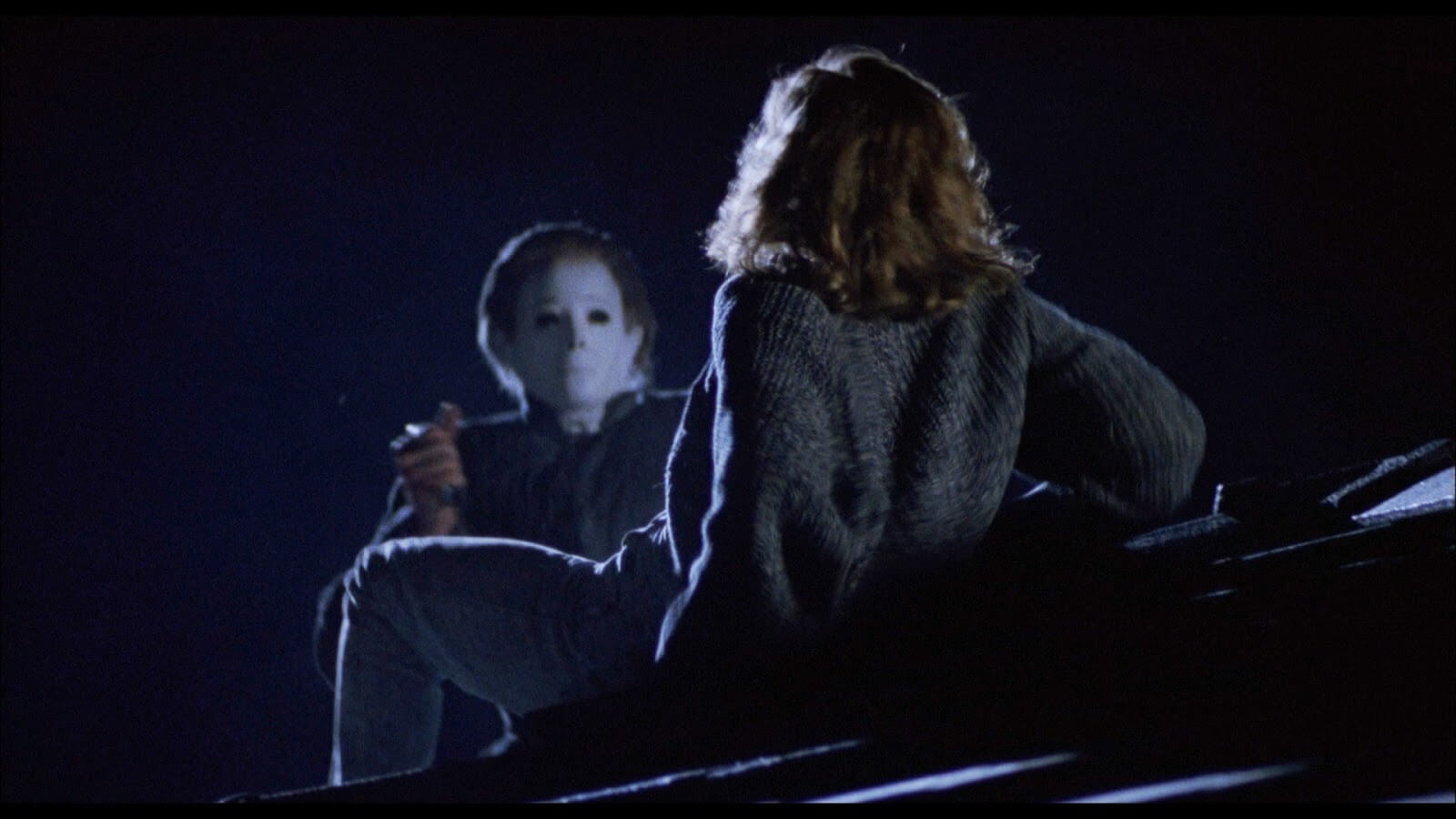
I think it’s because of her characteristics. You get behind her, you know? Kathleen Kinmont played such a good bad girl. Not to feel sorry for Rachel, but you want her to get ahead. She fights like a dog to save Jamie, and that whole rooftop scene… I mean, c’mon, that’s great stuff!

That rooftop scene is certainly one of the most famous ones in the franchise. How much of that was you, and how much was a stunt actor?

Are you kidding?! That was all us. There was only one thing that they wouldn’t let me do. That was all Danielle and I. There was the original house in Salt Lake City – which is this old ginormous house – and they went out in to the canyons outside of Salt Lake City and built this fake rooftop for us to work on. It was still really high up though, all things considered. They had medics and staff and all of that. When the leads start doing stunt work, you have to be careful. The only thing they wouldn’t let me do was the free-fall. They had a stuntwoman come in with a cable. The climbing around, sliding down, all that stuff – that was us. I have to say, it was really fun. That was my last night on the shoot. There’s this great thing that happens on every actor’s last night. It’s always “That’s a wrap for Ellie” and everyone gives you a big round of applause. I dunno, it was just such a tight set because we were all working so hard. Everybody is important, especially when you’re on location. You live, eat, and breathe these folks. It was a tight bunch and it was a hard set to leave. I made a lot of friends. We all did. Dwight and I ended up flying back to New York together, which was great as we got to come down from the whole experience. It was awesome.

It sounds like a pretty surreal experience. How is it to do an intense forty-day shoot and then just return to normal life or move on to the next job?

Especially night shoots. Night shoots are so weird because you’re getting driven to this set when everyone’s going home from their day. It’s really kind of discombobulating. You’re on a completely different schedule than the rest of the world. It doesn’t matter whether you’re a driver, a caterer, everyone is equally as important as the actors or the director.

Halloween 4

Upon the first watch, many might think that the Rachel character is there to end up as just another victim of Michael’s. Rachel surviving was so different to what other similar movies were doing at that time.

Different from the formula, I agree. I couldn’t believe it. You know what happens, after that fact. Okay, so we did Halloween 4 and then I knew, obviously as I’d lived through 4, that there was going to be a sequel. I had heard that Dwight was not going to do it, so they hired this French director [Dominique Othenin-Girard], and they sent me the script – and I knew. I was like, “What page is it on?” You know it’s coming, you know they’re going to knock her off. Screen-time, it was about twelve minutes in when they kill Rachel. I didn’t like the way she was killed, so I had them rewrite it; it was too undignified for her character. It wasn’t thought-out, and it wasn’t honourable, so they re-wrote it. Years later, I was at a show with our producer Mustapha Akkad, and he said he really regretted killing her off. I thought that was really sweet. He didn’t realise there would be a backlash. It was kind of a cheap shot. But it is what it is, and that’s the nature of the whole genre.

Where’s there ever any talk of you making it through Halloween 5: The Revenge of Michael Myers, or was it always a case of just which page you’d die on?

No, there was never a discussion with me. I think, in retrospect, I would’ve said to at least leave it open-ended; at least there’s a possibility. These things are really about the fans and how many tickets are being sold, and it’s kind of enticing to have a teaser – did see die, could she have lived? Michael Myers, you think he’s dead. Like when I hit him with the truck, there’s no way he could have survived through that, but of course he did because he’s Michael Myers. If I had been more seasoned and braver, I would’ve said, “You guys, be careful. Once she’s gone, she’s gone.”

And especially when the franchise itself often has so much ambiguity involved when it comes to the fates of Michael Myers and Sam Loomis. They had something with the Rachel character that, even if she didn’t get through to the next movie, she could’ve been better utilized in Halloween 5.

I agree. But it was nice to get that shout out from Mustapha. I’m no saying it was the Rachel Carruthers character, but that film re-lit the franchise. 4 did really well at the box office, people got back on board. I just thought with Halloween 5 it took a step backwards, I guess.

When you first got the script, what was the original plan for Rachel’s death?

Oh, the original thing was basically the same storyline – Michael Myers gets into my house, he stabs me with scissors, but he stuck them down my throat. And I’m like, “No, I’m not doing that. It’s too phallic, that’s not what we’re going to do.” It’s too graphic, it’s too ridiculous. It was undignified, it’s gross, I didn’t want to do it. So he just ends up stabbing me in the chest. The angle was fine, it wasn’t that gruesome, it was just done-and-done.

Halloween 4

The stuff you were auditioning for during pilot season before Halloween 4, were they similar roles to Rachel – as in, smart but kickass – or, given the landscape of the mid-late ‘80s horror scene, was that character a rarity?

I think so. I think it’s still pretty rare. I just did a film that hasn’t come out yet, but there’s a crazy-good fight scene in that, too. And it just cracks me up, because I’m not very big; I don’t know how I get myself in to these situations, but it sure is fun. People need to see that women aren’t victims all the time. Most of the roles I read for in the past, there was no horror at all except for the Halloween series. Afterwards, of course, I did more horror. But it was Disney, afterschool specials, it was girl-next-door, kinda smart, doesn’t get the guy but she’s nice. And that’s okay too, you know. I would much rather be in that realm than kinda the bimbo, the dumbed-down character.

At that point in your career, was there an ideal role that you were looking for, or was it a case of work is work and working as much as you can?

I got so lucky. It sounds so cliché and I have absolutely no regrets with the way my career turned out, because I actually got to be a stay-at-home mom. I started getting really, really close to huge rules. Elisabeth Shue got the role in this film called Cocktail with Tom Cruise. I was in the audition room with Jeff Daniels on my way in. Just huge stuff. I got to read for Sean Penn – he did a film called The Indian Runner – then Leonard Nemoy for the lead in a Gene Wilder movie [Funny About Love]. It was me, Kelly Preston, and Mary Stuart Masterson – and Mary Stuart Masterson got the role. There was a casting director called Amanda Mackie who just kept bringing me in. And it was such a thrill. It was a really substantial training ground. Then finally I got asked to audition for a film called A League of Our Own with Rosie O’Donnell and Madonna. They called me up and said, “We want to see you play softball in front of USC coaches.” A who’s who of young Hollywood women were playing softball on camera so they could see how they play. I don’t play softball, but I played the game of my life because I had nothing to lose. Penny Marshall, the director, and the casting people brought me in. They said, “Do you know why we’re calling you back?” I said, “Because I’m right for the role?” “No, because you play really good softball.” They ended up not making the film at that time for whatever reason – probably financial reasons – and then I started a family, so I couldn’t do it if I wanted to because I was pregnant. It was a really fun time in Los Angeles. It’s hard to explain, but it’s really fun to be getting that close to stuff. You know eventually something is going to happen, something is going to give. The high stakes were just a huge thrill. It’s so scary but it’s so exciting. I think there’s even more pressure now because there’s so much at stake in television for casting; you can’t hire an actor that’s gonna choke, that gets nervous, or doesn’t show up, or is not prepared. It’s not brain surgery, but it’s not easy either. There’s just a tremendous amount of pressure in the audition room. And the closer you get – when you have your second or third call-back, or the final call-back – you just want it so darn bad. You start to kind of own it. You have to be really disciplined, I think.

In a way, is it worse to get to the final two or three and then not get the role?

Oh, totally. But the thing is, I’ve always been taught that if you are natural and you’re good, they’ll remember you. That’s all you can do is do the best you can. If you don’t get it, it’s for any number of reasons. You have to learn to not take it personally.

You talked about how with A League of Our Own you had decided to start a family by the time that film eventually came around. Do you think that people can find it hard to just step out of the spotlight like that, even temporarily, and that at times people are left constantly chasing that next big role?

Right! For me, I was really lucky because I got to a point where I was ready to take a step out. I had just gotten married, I was just so unbelievably happy and focussed on that, and I just felt this natural shift of gears. And I was also aware of older actresses that had worked all through their children’s lives and were now slowing down in order to be with them – but their kids would be sixteen or 18 years old. You can’t go back, you’ve missed so much of the good stuff. I was lucky; my husband was happy to support me no matter what I wanted to do. It wasn’t a hard choice for me, and I’ve never regretted it. I feel like it was a blessing in disguise. I think no matter what, if it doesn’t make me happy and feed my soul, then I’m not gonna do it. I’m careful, I’m choosy. I love to do theatre. Theatre feeds my soul rather than doing commercials that feel like you’re phoning it in.

Halloween 4

You are still active to this day, but was there any time afterwards where you wanted to get back involved in the business in a big way?

I think I definitely chase it again. I remember when our second child got to a certain age, I was like, “Now I remember what I used to do!” The closest I probably got to something really big – and it was a while ago – but I was actually a zombie in a zombie movie, which was amazing because I think we had Greg Nicotero – who’s one of the best make-up guys in Hollywood, crazy good, and he worked on Halloween as well – but we had these crazy prosthetics and contacts and all this fun stuff going on, and we were shooting outside of L.A. They wrapped me at about 3am. In all my make-up, all this zombie make-up between my fingers, I’m driving home, and as soon as I got cell coverage there was a message from my agent saying, “You need to be down at the studios for a final call-back for a series at 10am.” So I had no time to prep, very little sleep, and I had grey knuckles. It was just so typical. The thing that was so cool about that was for that it was for Aaron Spelling Television – which is like the gates of heaven, it doesn’t get any better than that – and for whatever reason I had skipped over the initial process. Obviously I didn’t get it, but it is so much fun, it is such an adrenaline rush to get that close to stuff. Just even for those two minutes that you’re in the room for your audition, you own it; it’s yours, you can do whatever you want with that time.

You have appeared at certain conventions over the years. How have you found your experience of those?

I guess I’m private, I guess that’s part of it. I’ve enjoyed the ones I’ve done, I just haven’t done that many of them. You know, there’s so many actors that love, love, love doing them and do the whole circuit, and power to them. It’s just not particularly my cup of tea. It has nothing to do with the fans, it’s more to do with my time and things like that. I haven’t done many conventions, but it’s fun to share your knowledge and to be with people that appreciate what you do. It’s always such an honour. They know my lines, they’re so sweet – they’re like, “You’re my favourite babysitter!” It’s lovely to see their eyes light up. And it has nothing to do with me, it has to do with the storytelling and the writing.

You have to take some of the credit there, for how your portrayal of Rachel connected to so many people…

I think there’s a relatability to it, and I think there’s something cool that you can go to a convention and be face-to-face with people that you really enjoy watching on screen and hearing them talk about their experiences. It’s a cool thing. This one guy in particular – I think it was at the last one I did – he was mentally challenged. His brother brought him to the convention, he wanted his picture with me, we did all that, I signed his picture. He was so excited, and then the next day when I was flying back out of town, I saw him at the airport as a baggage handler and we got to wave at each other. That to me, that makes it all worth it. You kind of feel like you improved someone’s day. You just made a little bit of a difference in someone’s life, even if it was just for a couple of minutes. I felt like I was the one who had the privilege.

There are always great, and sometimes not so great, times to be had at conventions.

The people who are on the ‘business’ side of it, that creeps me out a little bit. The thing that’s fun about the Q&A is that we get to share behind-the-scenes stories. For instance, the truck scene. I’m driving in the middle of the night, Michael Myers is on our roof, Jamie’s next to me. When we were shooting that, there was the guy who got his head ripped off. He wasn’t there, that was all added later. So, you have to imagine what it’s like to be sitting next to someone who’s had their head ripped off. That’s part of the movie magic. Also, they have giant 2x4s under the truck and there were prop men jumping on them so it looked like we were bouncing around. It’s so basic, fundamental filmmaking, but it’s such a blast to go to the movies with the audiences – which I did – and there was a line around the block. I asked them, “What are you guys in line for?” and they were just, “Halloween 4!” “Oh my god!” When you see all the elements together – the music, the effects – it’s crazy. You just can’t believe what they can make out of very little.

Halloween 4

And, of course, you got to work with the legendary Donald Pleasance on the Halloween series. How was that?

Amazing, a huge honour. He could just come in, nail his scenes, then he was gone again. He stayed at a different hotel, so it wasn’t like we would go out at night for a beer together. He was kind of on his own, but he was just tremendously professional, just so supportive. I didn’t really appreciate the gravity of being on screen with him, only because I was so in my head about getting my lines and hitting my marks, and the whole thing was such a new experience. In retrospect, it was really an honour. I feel lucky all the way around for the whole experience. It was tremendously positive. And just his body of work alone, that’s phenomenal. I really respect actors that have that kind of track record; I think it’s tremendous to have made it. I have friends that have been actors their whole lives and they just plod away, and I just think that’s so admirable.

They always say never work with animals or children, but it sounds like you and Danielle Harris – who turned eleven during the Halloween 4 shoot – got on very well. Did you ever have any nerves over working so closely with someone so young?

She was very precocious, very grown-up, very centred, and her mother was there. Danielle was awesome, we got along extremely. The thing that is so weird is that over the years, a couple of times we’ve run in to each other completely randomly. One time I was at a Lakers game, I was in the middle of a crowd, and she walks by. Big hugs! It’s crazy how our paths continue to cross from time to time. She’s a lovely lady, and we try to line up appearances together whenever it’s possible. If she’s not gonna be there, there’s no chance that I’m going. That’s half the fun for me, just seeing her. But yeah, we got along famously – and boy, does that make a difference! It really is a partnership – we had so many scenes together – and she made it easy.

You got killed off early in the movie, but what did you think of the decision to make Danielle’s Jamie Lloyd character mute for Halloween 5?

[After a long pause] It wasn’t written for me, that’s for sure. Okay, here’s the deal, the cool thing about being a director is that they get to make it their vision, and that’s what Dominique did. It was a choice they made. I’ve always believed this, I think horror fans, science fiction fans, these guys are smart. And when there’s too much implausibility, something just disconnects. So why not keep it semi-plausible and keep us guessing? Who doesn’t want to hear Danielle talk? It’s like silencing someone we want to hear, so I just thought it was an odd choice. It wasn’t good or bad.

It almost felt unfair on tasking someone so young with just mumbling the majority of their lines.

There was an uncomfortability to it that wasn’t inherit in the plot. It was hard to watch.

You said you were more-or-less familiar with the Halloween franchise before, so did you feel any pressure of having such a key role in the movie that brought back Michael Myers, or as a young actor did you just see this as a great opportunity?

I was not that familiar with the series. Obviously I’d heard of it, it was really well known, and I really liked the script. I trusted Dwight’s vision of the story; there was an intelligence to it. That’s what I put my trust behind. Again, it’s the plausibility factor. If I’d have read it and thought it wasn’t ringing true, I would’ve said no, because I said no to a lot of things that I just didn’t buy. I was just glad, honestly, that they didn’t go off of Halloween III. I knew inherently that was an intelligent decision to go back to the plotline, to bring Michael back. If it’s not broken, don’t fix it. I feel like they took the storyline and improved upon it and made a really scary movie at the time. And you don’t have to see everything. Some of the gags are so silly but at the times they really worked. Like when all those Michael Myers comes out of the bushes, that’s preposterous! The whole scene where he’s in the sheriff’s house, that was just pretty cool the way he gets Sasha Jenson on the stairs. It was like an old-fashioned horror with the suspense. You know he’s there and you’re on the edge of your seat – it doesn’t have to be super, super gory.

Ellie Cornell

From the perspective of somebody who’s been directly involved in the series, why do you think that the Halloween franchise is so special to so many people?

If you think about the time that the Halloweens picked up. It was the same time as A Nightmare on Elm Street, and A Nightmare on Elm Street really raised the bar. The Freddy Krueger glove with the knives on? That was something nobody had seen. So I think about Halloween as being in line with Friday the 13th. They were kind of neck and neck. I just think it started with the original; John Carpenter, Jamie Lee Curtis, it was lightning in a bottle. If you look at her character – smart, doesn’t get the guy, but she’s not a victim – I think there’s a relatability to that whole story. I think there’s something really nostalgic about it that people remember. It’s about your babysitter, it’s on Halloween, it’s the guy that comes after his own family. How scary is that, just in and of itself? I think it’s good horror in that it’s based on suspense and so much of what you don’t see; just the fact that he could be there. That’s what makes it fun. It’s not so gruesome that you’re disturbed by it.

What are your fondest memories of being involved in the Halloween franchise?

I think it was working with Dwight and Danielle. Dwight was really, really funny. The scene where I have to kiss Sasha Jenson in the drugstore, we were starting to rehearse, and Dwight was, “This has to look real, there needs to be chemistry, so you guys go off and practice. Whatever you need to do.” He just had this really basic way of directing his actors, but it was so respectful and I feel like he got effective performances out of us without it looking too over-the-top. And the thing that was so cool about Sasha Jenson is that right after Halloween we got cast again as co-stars in an afterschool special for ABC. That doesn’t happen! That was such a treat, so we got to do two projects together. My fondest thing about the whole Halloween experience is the love and support that Danielle and I felt. It sounds crazy, but it’s not always this way. It can be an isolating experience to be on location, living in a hotel. It sounds glamorous, it can be really lonely, truly. You’re away from your family, you’re away from the things that are familiar to you, and we just become this giant family in a really cool way.

Are you still in touch with any of the cast or crew?

Yeah! I saw Dwight pretty recently, and he’s always sweet. We get together from time to time. He’s always really supportive. And I had the honour of speaking at Moustapha Akkad’s funeral. Oh my goodness, that was something. So yeah, we see each other from time to time. I’m not on the West Coast as much as I was, but yeah, we’re all such huge fans of each other. And if we do conventions, it’s fun when that happens. We have such a good time. We’re all huge fans of each other, all hugely supportive.

Moustapha Akkad was such a fundamental part of the Halloween franchise, especially in championing Michael Myers. Are there any memories you wish to share about your time working with Moustapha?

He was just always really quiet, in the background but not. He was very hands-on but quiet about it. He was important to the whole franchise, but he never pushed his weight around. He would watch things being shot, but he was always extremely respectful of the process. Even in Halloween 5, when we had a closed shot for the shower scene. He adhered to the rules like everybody else and left the room. And his kids were always around, Malek was always around. It’s like he was there a lot but he was never, ever disrespectful. He just was always really quiet and lovely, and it was great seeing him years later when he said how much he regretted killing Rachel’s character off. I don’t think he would’ve done it any differently – he was following the formula – but it was just nice to have him say that. I think Malek has taken it over, his son, and he’s a super nice guy. They’re all good people.

What are you able to tell us about the projects that you’re currently working on?

I have a film coming out. I don’t know when it’s coming out. It’s still in post-production and it’s taken forever – that’s called Altar Rock. It’s like a suspense thriller, it’s about heroism and I guess a response to the whole Boston Marathon. Andrzej Bartkowiak is a fantastic director, and again I was really, really lucky to get that call. So we’ll see, I’ll keep my fingers crossed that it comes out.

Tommy Lee Wallace | HALLOWEEN III: SEASON OF THE WITCH

Tommy Lee Wallace

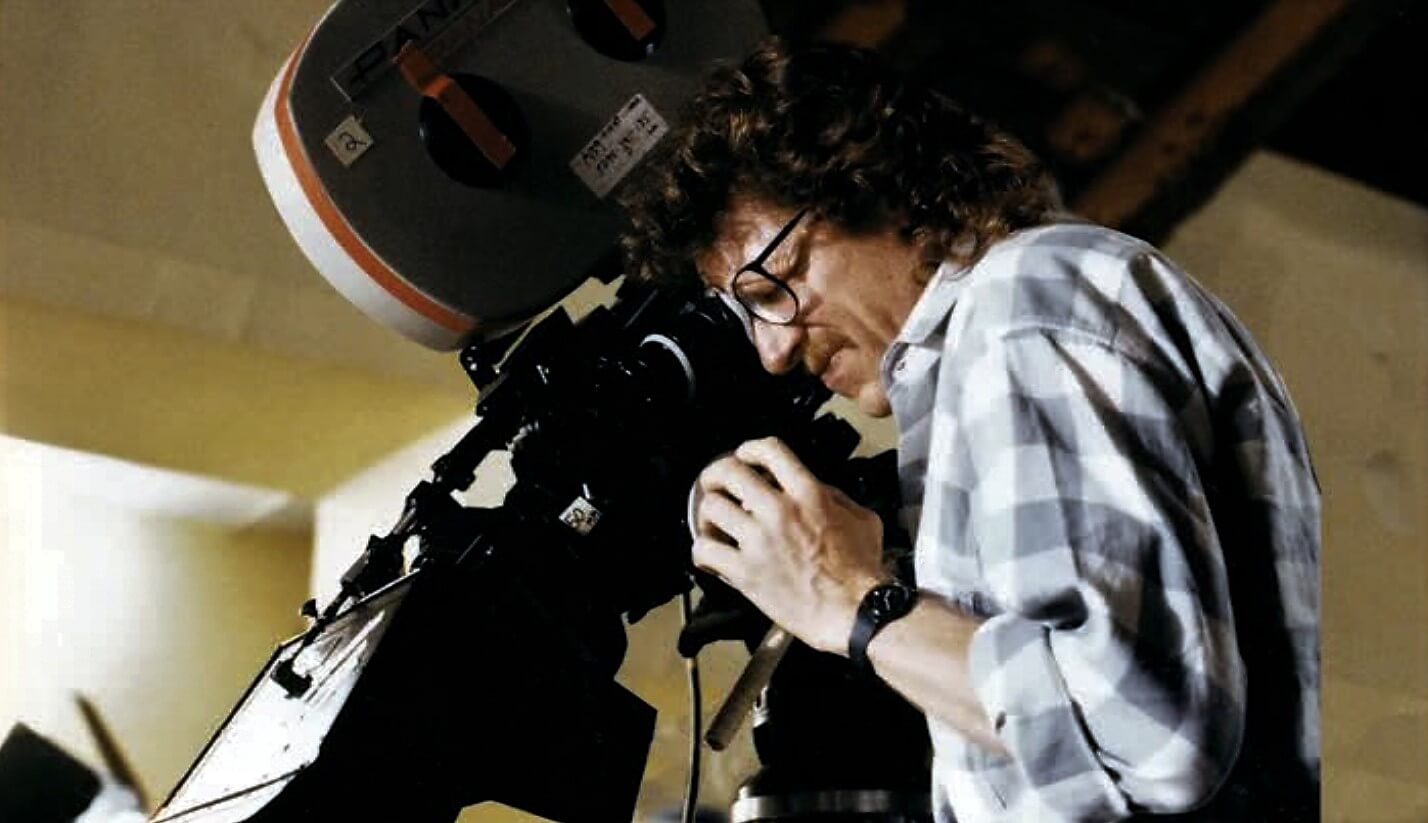
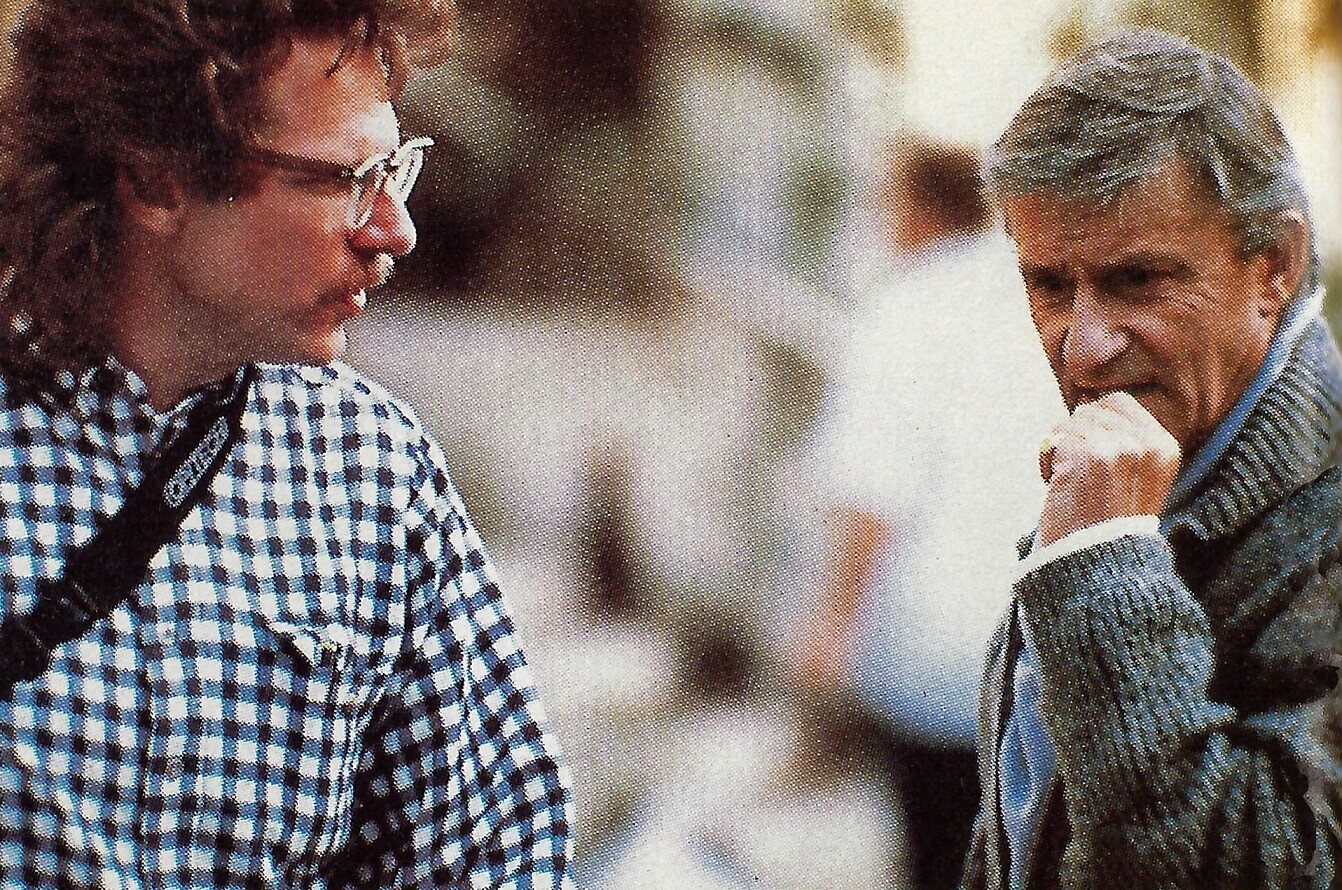
Tommy Lee Wallace is a huge favourite of many a genre fan. Having worked with childhood friend John Carpenter on Assault on Precinct 13, Halloween, and The Fog, Tommy famously made his feature film directing debut with 1982’s Halloween III: Season of the Witch. In addition to that picture, he also directed beloved efforts such as The Twilight Zone, Max Headroom, Fright Night Part 2, and the 1990 It miniseries. With the Halloween franchise now stalking back to the big screen, we caught up with Tommy to discuss this iconic series, why he turned down Halloween II, the initial negative reaction to (and redemption of!) Halloween III, and a whole host more.

STARBURST: When was it that you and John Carpenter first became friends?

Tommy Lee Wallace: John and I grew up in the same town – Bowling Green, Kentucky – and we knew of each other since childhood, became close friends as teenagers around music, our own attempts at singing and playing guitars, and certainly our appreciation of rock ‘n’ roll, particularly the British invasion – The Beatles at the top of the list. When John went west, I went north to Ohio. I went to Art School, John went to Cinema School. We remained in contact, and I went to visited him at a very critical point. I liked what I saw, so when I graduated I went west as well, and we continued our friendship.

When did you first realise there was the potential of a career in filmmaking for you?

Obviously, USC is a feeder school for the movie industry, so I couldn’t help but notice that. The people who had gone before – perhaps most vividly George Lucas – were making their way as filmmakers. It hadn’t really occurred to me until I was in film school that that might be a career path. John was deeply, highly motivated since he was a youngster. He knew exactly what a film director was and what a film director did. He had towering ambition in that direction from an early age. I was learning more all the time about that, as I took some cinema courses at Ohio University. I was getting a great grounding in the arts, the visual arts – graphic design, specifically – so I was bringing a little different perspective. It didn’t go unnoticed that everyone was referring to cinema as the art form of the century. I was seeing the creative possibilities, at first of animated film – which is what landed me at USC – but very quickly after that live filmmaking really captured my attention and I fell in love with it.

You famously turned down the chance to direct Halloween II, instead deciding to make your feature film directing debut with Halloween III: Season of the Witch. What prompted you to make that decision?

Well, I had established myself – in my own mind, at least – as a director long before that, at University of Southern California. Sequel thinking and sequel-it is, and the good and bad that went with that, hadn’t really hit yet, so immediately following Halloween came The Fog. I was really, really getting rounded as a filmmaker in general thanks to my editing experience on Assault on Precinct 13, Halloween, and The Fog, and so I was ready. It was obvious to everybody I was ready, and John and Debra [Hill] knew that I was ready. It was kind of natural for me to inherit the director’s chair for Halloween II. Unfortunately, when John and Debra turned the script in, I just hated it; I thought it was the anti-Halloween, it was everything Halloween was not. Halloween was about suggestion and shadows and ideas, whereas Halloween II was a lot more about guts and gore. I just didn’t like it, and I selfishly thought this would be a terrible way to try and start a film career – on a movie that you don’t like or respect. Moreover, it would’ve been a disservice to John and Debra to give them a director whose heart wasn’t in it. I knew I was passing up a marvellous career-starting opportunity, but it just wasn’t the right thing to do – so I said no. I was delighted when they returned to me again on Halloween III, because that was an open ticket, that was an altogether different idea that had no script at that point. [Quatermass’] Nigel Kneale was preparing a script, but I knew it would be very, very different. Knowing Nigel’s reputation, I knew it would be well written, so I jumped at that chance.

Tommy Lee Wallace

When you got offered Halloween II, how similar was it to what we ended up seeing on screen in the final film?

Exactly is too strong a word, but it was pretty much that script they went with. John’s idea was a five-minute-later kind of sequel. I had been advocating an idea that was more a five-years-later kind of sequel that actually came to fruition more-or-less if you saw H20 – the one Jamie Lee Curtis returned for. I thought that was good stuff, it was really interesting to come to a person who’d be traumatised that way years later. I can’t fault John and Debra’s choice on Halloween II because it went out there and made a tremendous amount of money. It was a success, there was an audience for it. There was a kind of an arms race that had happened in the meantime. After Halloween came out, it had several imitators – including Friday the 13th – and there was an escalation in each one as to the size of the bad guy, the size of the knife or the axe or the chainsaw or whatever weapon of choice, and the amount of blood and guts and gore. I think John had his ear close to the ground on that and was very sensitive to the fact that if Halloween II wanted to make an impression then it would have to keep up with those other guys.

To this day, Halloween II has one of the most brutal deaths in the entire franchise, when Michael scolds off the face of Pamela Susan Shoop’s character.

It was a result of that arms race I was referring to. I did movies with some pretty grizzly things happening in them, but somehow Halloween – the making of Halloween, the way it was done – it meant a lot to me, as I’m sure it did to John and Debra as well, and that film is really a classic, as it’s proven to be, and it had the kind of style to it that did not involve pandering to guts and gore. Coming on the heels of Halloween, it just rubbed me completely the wrong way. So I just held my breath and said no.

You said Halloween III: Season of the Witch was essentially a blank slate, a blank canvas. The story we actually got to see, how much influence did you have on that?

No, that was built on a script by Nigel Kneale, a writer John had admired for all of his career, notably for his work on Quatermass. It was a really interesting script, really original. I’d say 60% of what Nigel wrote is still there. Unfortunately, in my view, he took his name off of it because he felt that we’d fooled around too much, desecrated it in some way – so he didn’t want to have his name on it. John had rewritten Nigel, John did not take any credit for it. I rewrote John, and I was the man left with the credit. It’s not an accurate credit, but that’s the way these things go. I certainly wrote a lot of the movie, but I’d still say Nigel’s work was 60% of what you see.

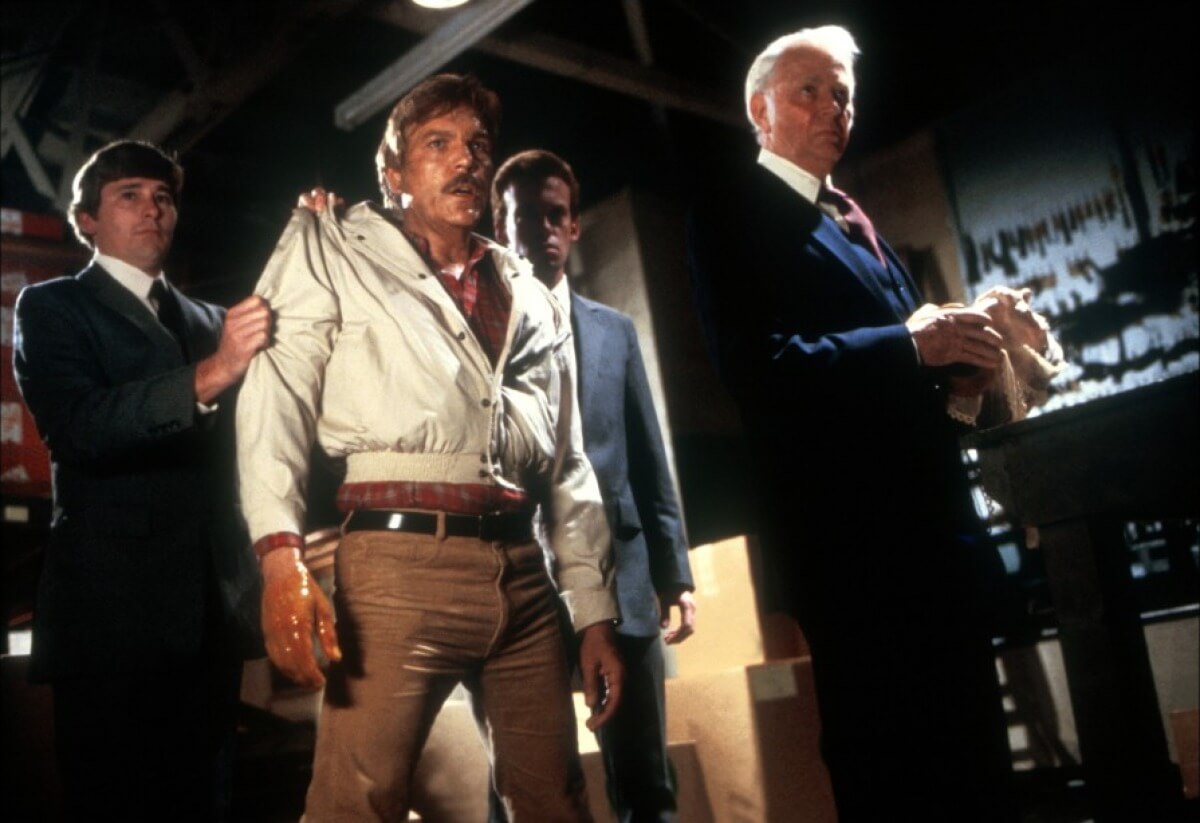
Halloween III: Season of the Witch

You and John were very keen to take the franchise in an anthology direction – a different film, a different setting each Halloween – whereas Moustapha Akkad was more about Michael Myers. Was there any time during your early involvement on Season of the Witch where there was talk of Michael being a part of the movie, or was Michael always out?

No, John and Debra were sick of Michael Myers and the Halloween legend as of Halloween III. The only reason they did it was because the agreement was it would not involve the old icons, which at that point weren’t exactly icons yet. As I said, sequel-itis hadn’t struck everyone yet. When we first heard the news, we were kind of like, “Why would we do a sequel? That was a perfect movie! What else is there to say?!” And yet, they understood that that train was leaving the station whether they were on it or not. So they agreed to do it. In hindsight, Halloween III should never have been called Halloween III. It should’ve simply been called Season of the Witch. But then, you see, it never would’ve gotten made. So it was a kind of a pact with the devil. What could’ve saved the day is if the powers-that-be – including ourselves – had had the will and the foresight and the drive to advertise it properly. To let the audience know what we had in mind, which was, as you say, an ongoing series of movies on the subject of Halloween, one per year, any of which could’ve spawned their own set of sequels. I still think it’s a great idea. There must be a thousand stories you can tell, but I don’t think Universal even got it or liked the movie. So it didn’t get any sort of support. It also developed a terrible backlash of people going into the theatre rightfully expecting The Shape and the knife and Jamie Lee [Curtis], and getting instead this whole new story. It has taken all this time to develop its own audience. It has a ferocious following of loyal people who love the movie, but many of them had to get over the fact they felt shanghaied. And at the beginning, sure, it wasn’t what it was advertised to be. That was just a fundamental error, just a mistake. But it could have been remedied simply by good advertising that set the table properly, and that just didn’t happen.

How tough was it to receive such a negative response to your feature debut?

It was crushing. I wasn’t ready for the rejection and the negativity around it. Although, as I say, I think all of us were naïve. We should’ve been able to see that coming. However, redemption is sweet, and after all these years it’s all better. I go to these festivals where they celebrate horror movies and fans come and like to chat, and it’s overwhelming – the t-shirts, the hats, the support. All the fans just love it! And they all sort of have a chip on their shoulder about it, and I say, “You can relax now. Anybody who puts it down at this point in time, all you have to do is look ‘em in the eye and say, ‘Did you not get the memo? This is a good movie. Sorry about the title.’”

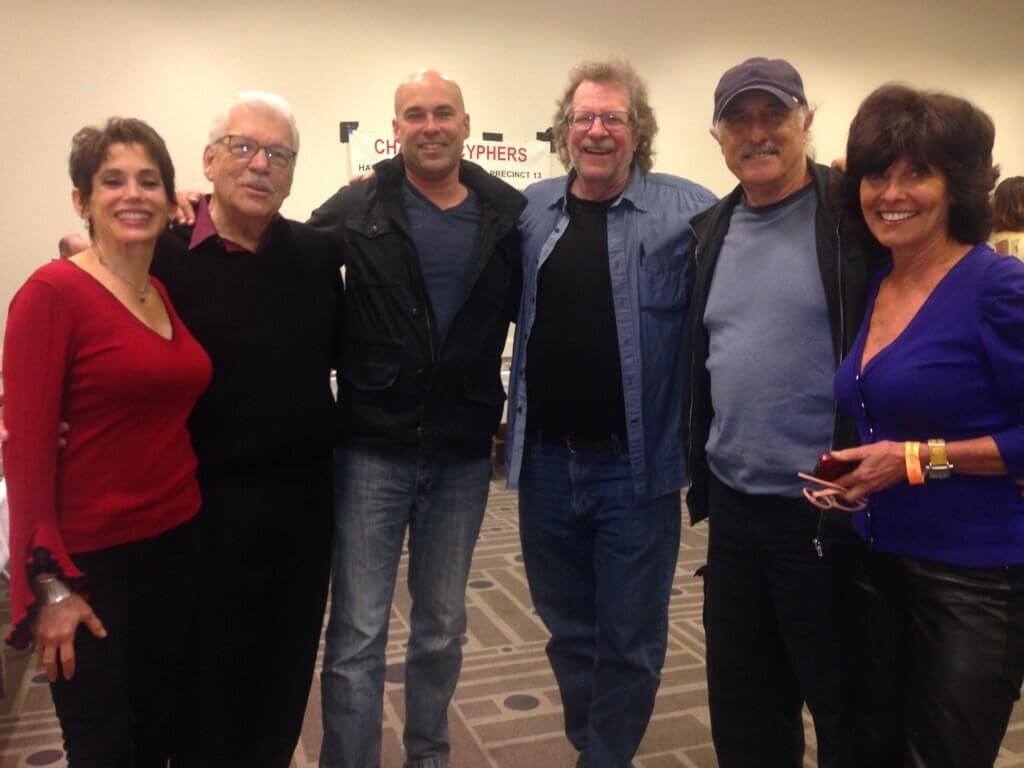
Stacey Nelkin Tom Atkins Tommy Lee Wallace Nick Castle Adrienne Barbeau

You talked about Halloween II being quite gory, but Halloween III certainly has its intense moments.

I can’t preach too much about the gore of Halloween II because I, you know, pull the guy’s head off and all this grizzly stuff. To me it was different because it wasn’t Halloween. For me, Halloween was a sacred territory that shouldn’t be messed with. John and Debra had every right do everything they wanted to, and they did and it made money – end of story – but I didn’t respect it.

Was there anything you wanted to do in Season of the Witch that was flat-out shot down?

Oh, no. Let me give a real tribute here to John and Debra. They were a director’s dream in terms of support. For a first-time director, the freedom I had was unheard of. Right down to the final cut, John respected my opinion to the degree that it was as if I had final cut on the movie. He was that permissive and lenient and trusting of my own vision. The best example I can give you is, after we had the movie put together – it was all ready to go – I got a call from John and he said the people upstairs had a problem with the ending. They wanted us to change the ending somehow and make it softer, give the world a little hope that this problem had been solved or mitigated. He said, “I’ll do whatever you want. If you want to keep it the same, keep it the same. If you want to change it, I’m with you.” Now that’s serious creative support. My hat is off to John forever and my gratitude endures. By the way, that ending was more than just the ending I wanted for Halloween III – it was the ending that Don Siegel wanted for Invasion of the Body Snatchers, but the studio made him tack on the sort of little extra ending in the police station when we learn help is on the way, it’s going to be alright. Bullshit! I hated that. I hated it on Don Siegel’s behalf. So, in my own modest way, I felt as though I was setting things right by giving Halloween III its proper ending.

With Michael or without Michael, there never tends to be a happy ending to a Halloween movie. It’s either doom ‘n’ gloom or ambiguous at best.

After the first one, for sure – which was almost accidental. The shot of Donald Pleasance looking back down at the ground and The Shape is gone, that was an afterthought. That was an editing room decision. It was, “Okay, there’s the guy dead. The end.” Just by adding a bit of bare ground after Nick Castle walked out of the frame – I shot that shot by the way, unofficial second unit while John was shooting more important stuff across the street – whimsically I got Nick to walk out of the frame so we had an empty frame if we wanted it. All of this, The Shape living on, it’s somewhat an afterthought. He’s everywhere. And by the way, all those empty streets at the end were also afterthoughts. None of those were planned shots; they were shots that we gleamed in the editing room before slates, before actors walked into frame to do the scene. They were stolen shots that we just conjured up in the cutting room to provide that extra oomph of empty streets, fear, to generate this legend. Totally an afterthought.

Halloween

And Donald Pleasance conveys that fear so well. If he’s scared, then we all should be.

Yeah, it doubles up on it and helps provide momentum. Remember, the saying is a film gets made three times; when you write it, when you shoot it, and when you edit it. And we certainly added a layer in the cutting room.

Was there every any talk – with or without Michael – of you coming back for Halloween 4?

No. I think that in Hollywood, if you have a failure then the phone does not ring. You really have to dig your way out of a hole like that. It was tough there for a while afterwards. There was no talk of another Halloween movie involving me, and not to sound like sour grapes or anything, but I wouldn’t have gone near it. You get pigeonholed so quickly in the movie business that what you want to do next, if you can, is a comedy or a mystery or a western or something – just to keep from getting hounded down into a pigeonhole. You really have to be strong and you also have to say no, if you can, to some opportunities that could pay your bills in order to wait for maybe a role or a job that expands your horizons and takes you out of the pigeonhole. That’s very difficult if you’re in it to make a living and try and pay your bills while raising a family or whatever. I found it terribly difficult. The phone would ring for me, but it would ring mostly for horror. How many times would I have to say no before something else would come along? Well, you know, after a while you say yes simply because maybe you like the project, but you’ve also got to pay some bills.

You mentioned how Halloween III really knocked your confidence. When do you feel you really got that confidence and belief back?

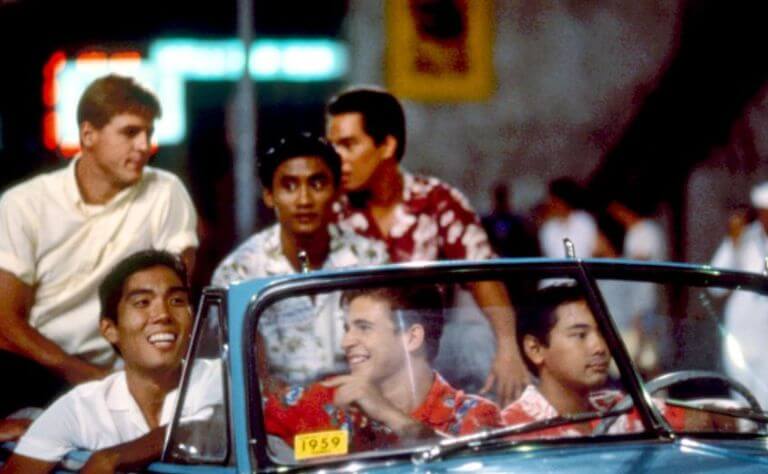
I was back on the horse immediately looking for work, but it was quite a bit of a struggle there for a while. I got a call from a guy who wanted to make a coming-of-age movie in Hawaii – that was in 1984 – and boy, rock ‘n’ roll? 1959? It was like somebody handed me a ticket to paradise, it was just great. I’d say by then I was back on the horse fully. That movie became Aloha Summer, which is still out there. Not quite a great movie, but a pretty fun and interesting picture about a culture clash in Hawaii in 1959.

On the anthology topic, you also got to work on some episodes of The Twilight Zone. How much fun was that?

It was terrific. At the time I was leaving television. It wasn’t the way it is now, where I think television is to some degree where the real goods are. It’s just golden and wonderful with so many fantastic shows, especially longer-form series. At that time, you had to be careful not to get categorised. TV sounded like a cheaper thing, like a lower creative form. So I was very reluctant to take on television in the beginning – I was a real snob, honestly – but Twilight Zone, and later Max Headroom, those were amazing television opportunities that I just jumped out. I like and respected them, and they seemed to have a real resonance to the original Twilight Zone. It was clearly people who knew what they were doing and who had some pull to get quality talent. I jumped at the chance. It was a ball, it was so fun to work on, it was a pleasure.

While TV is booming these days, do you think that the concept of anthology television has been lost a little bit over the past few decades?

It seems to me that the models have been turned inside out. You can do a true anthology, where it’s a different story every week or even two or three different stories in one week, or you can do a running series that at the other end of the spectrum attention pays. If you miss the first one you might as well not watch. Then there are in-between permutations, where it’s a running series where there’s a new story every week or the A story changes every week but the B and C stories continue. It’s thrilling for me, and I think it’s a fertile field.

Yeah, they really had the right people at the right time, and they did something original and fascinating, really hypnotic at times. In television, unlike motion pictures, the hierarchy is divided up. In stage plays, the playwright is king. In feature films, for the most part, the director is still king. In television, the writer tends to become the producer, and the producer is most certainly the king. So all of a sudden in television, you get all these productions where the writing is splendid, it’s tremendously good, and yet it doesn’t get screwed up or confused or reedited beyond comprehension, because that writer is producing their own show. That’s a good way to have it, creatively speaking. I think most people have figured out that movies that get made by committee are generally not very good. You need someone in charge whose vision is worthy of respect. If you’ve got the wrong visionary, you’re not likely to be very good. If you’ve got the right visionary and they don’t get interfered with too much by too many people or too many executives who think they know what they’re doing, you can have a good product.

Following The Twilight Zone, Max Headroom, and Aloha Summer, you’d go on to direct Fright Night Part 2 in 1988. After your experiences on Halloween III, was there any trepidation about tackling another existing property?

By then, I did feel I knew a thing or two about how you make a horror movie. It was the situation that led me to step in to it. It was with friends for a small company, and it was clear that if I jumped in to this I would have a lot of control and a lot of support. These folks knew what they were doing around film directors. By this point, I’d had some brushes with television that weren’t so much fun because you had people who treated the directors as like an island, just somebody to direct traffic. I didn’t enjoy that at all. And here was a feature experience. A sequel, if you’ve got good support, can turn out to be a good movie. I’m proud to say Fright Night Part 2 turned out to be a good movie.

Fright Night Part 2

Fright Night itself is one of the many horror movies to get the remake treatment in recent years. Are you a fan of remakes in general, or do you have to take each film on its own merit?

I think you have to take them one at a time. The phenomenon of remakes is understandable from a business point of view. The film business doesn’t like to take risks, but what business does? If you have a successful risk taker, that’s great. But then there are three or four next to them who’ve taken a risk and crashed and burned. I get it, but it still mystifies me when people remake movies that were good the first time. It just seems that the odds are that you couldn’t possibly match the first one. That seems to be what happens. Fresh faces, fresh eyes are being born every day, so the original, in a way, doesn’t matter if enough time has gone by. It’s a whole new audience getting something meaningful out of this whole new experience. Having said that, I do think that it’s gotten ridiculous to the point that Hollywood is devouring its own tail, consuming itself. There are so many worthy, interesting movies that go abegging because nobody will finance them, whereas they’ll jump at the chance to finance the next comic book movie or the next sequel or prequel or remake. It’s really got ridiculous. It just creates a wasteland for new material. That new material is the lifeblood for any business, for any genre. It’s incalculable the loss of talent from Hollywood. There aren’t enough film projects being picked up, writers have quit writing original material because nobody will buy it. You can’t just get that back. It’s very short-sighted. I think we have a dearth of visionaries in the movie industry. And where the new visionaries are going to come from, it’s clearly not the Hollywood establishment. Like I said, they’re consuming themselves. It’s not just about the film business, it’s about our culture at large. I think the hope of the movie business is in the independents. The fact that you really can take your cell phone and a couple of lights in the trunk of your car and make an interesting picture without all of the dead weight that a studio simply has to carry with it in this new century, I think the independents is where it’s at for the future.

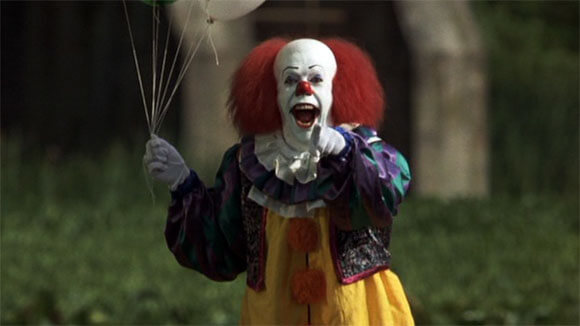
In 1990, you famously helmed the It miniseries that is so beloved by so many genre fans, which UK fans were treated to over the space of two Saturday evenings.

My experience at these festivals is people will walk up to my table and say, “Oh, you just scared the pants off of me when I saw your movie.” That’s usually Halloween III or It. I’ll ask them how old they were when they saw it. Usually it’s, “Err, about six…” and their parents weren’t aware that they’d watched it.

Were there ever any plans to have It be more than just a two-part tale?

I came in to this project rather late. I don’t know how many hours of television they were planning, but it was much, much more than two nights. It all got whittled down and an awful lot of the original budget had been taking by at least one set of producers who didn’t stick around for the movie. They were replaced by another set of producers, Green/Epstein, friends of mine, and they proved to be really supportive on the picture. But yeah, a lot of the budget had gone by them. We were working on my usual low budget scale. We had to pull it out of the air with cardboard, chewing gum, and tape.

It

Had you read Stephen King’s novel before you were involved with the feature?

Before I got the call, I had not read It. Of course, when I got the job I immediately sat down and read it. I was a Stephen King fan but not a massive one. I had read Firestarter and Carrie and enjoyed them. But just the script, it was evident this was going to be extremely special. It was extremely well written by Larry Cohen, so I jumped at the chance.

Was there anything from the novel that you wanted to include but couldn’t?

I wanted more out the second night. It seemed that Larry, and presumably Stephen, had decided to not even try for the comprehensive, colossal climax of the novel, which involved metaphysical reality and a battle in inner space. It was kind of bigger in scope than you could ever hope for, certainly on our little budget and schedule. However, they abbreviated it so early I felt readers of the novel would feel short-changed without a little bit more. Larry Cohen’s night one was just a brilliant piece of writing, with a lovely coincidence that a night of commercial television involves seven ads. You were going to have seven different chunks of storytelling interspersed with commercials. The fact that Larry very deftly turned those seven acts in to seven character points – there’s seven main protagonist characters in the book – and that really, really made it sail. My hat’s off to Larry for how he crafted that. I would’ve loved to add a bit more, to somehow tackle the good vs. evil cosmic battle. That was beyond me. What I did not care for in the book and made no attempt to include in the movie was the idea that six of the seven were boys and Beverly the only girl, and in the book they all have sex with her. I thought that was trashy, I didn’t like it at all. It didn’t click for me. I thought it was especially tasteless because the entire subtext of that book is about child molesting, it’s about unprotected kids being vulnerable to somebody taking advantage of them. It’s just sitting there under the surface. I completely accept that and think that’s a worthy subject, but then I thought Stephen King undermined it by what can only be described to me as an adolescent fantasy on his part – that all the boys have the girl. That’s a strange idea of bonding.

And was it yourself who brought Tim Curry in as Pennywise?

I can’t claim credit. Jim Green and Mark Bacino, my producers, had the most to do with that. Most of the casting for It’s adult parts were telephone casting. We didn’t need to audition Harry Anderson or John Ritter or Richard Thomas for their parts. It was clear that if they said yes then they’d be an asset to the show and do the part really well. I think Tim’s name came up, and I don’t think anybody said, “Oh, that’s a bad idea.” I think everyone was thrilled. It was a couple of phone calls to an agent, and he was on board.

Online rumour suggests Roddy McDowall and Malcolm McDowall as being other names in the frame to play Pennywise. Is there any truth in those stories?

Either of those names would’ve brought something special to the role, but I don’t really recall anyone else being considered once Tim’s name came up. That was an obvious yes.

To bring things back full circle then, what do you think makes the Halloween franchise so special to so many people?

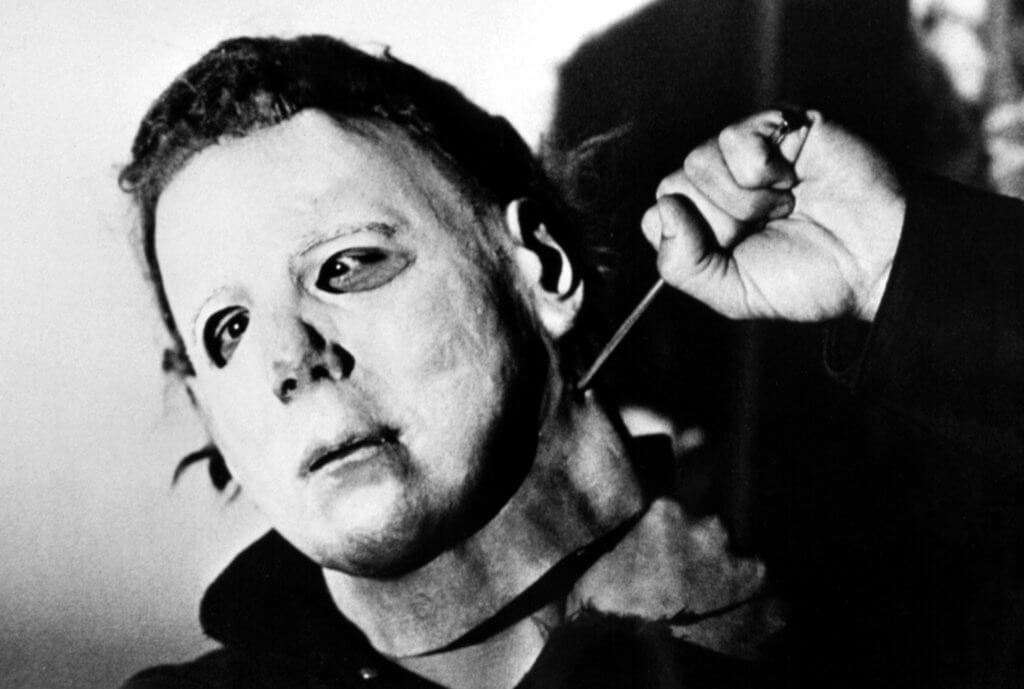
Well, John Carpenter has always insisted on simplicity; keeping things simple. He tells a simple story, and he tells it well, and it’s a really basic story. It’s not so much about Halloween as it is about fear and isolation and a helpless situation – in this case the original title of the piece was The Babysitter Murders. It’s a simple story, that’s one thing. Another thing is one of John’s favourite notions is the idea of someone, like the bad seed, who isn’t just “If you only understood this person, you’d see blah blah blah.” He doesn’t believe in that at all. He believes that it’s possible to encounter pure evil. And that’s a pretty compelling concept, considering religions are founded on it. You put a D in front of evil and you have devil, which is religion. It’s pretty fundamental and goes pretty deep. I’ll also put an Asterix in for my own creation, the look of The Shape. When we tried that mask out, none of us were ready for the power of it. Before you even come to a story or a situation, just take a picture of that look and it’s innately, deeply, tribally terrifying – and I don’t know why to this day. It has played a big, big part and I only wish I had a penny for every image of that mask.

Halloween

While it is a mask of a face – Captain Kirk – it’s so emotionless and so simplistic. Then there’s the performances over the years, the movement…

I want to put in a plug for my buddy Nick Castle. Nick is the son of a famous dance choreographer, and although Nick wasn’t a particularly vivid dancer, he certainly knew how to move and to move slowly. In subsequent films, the trend seemed to be to hire bigger and bigger stuntmen for the role, but Nick and I are both about the same size and we both knew about moving in kind of a grooved way that’s very deliberate; that’s not in itself threatening, it’s just there, it moves, it slopes. And he really, really was a tremendous asset to creating that character.

At the moment, you’ve got Helliversity in pre-production. Where are things up to with that right now?

Helliversity has been retitled The Gate, although we’ll probably retitle it again because The Gate is already an established movie that was in theatres ages ago. We’re hoping for a title with a little less grindhouse. Helliversity says what the movie’s about, but it’s also pretty grindhouse. The financing has been set up twice now, and we’re experiencing what all independent filmmakers go through – “Oh, the deal fell through” is a much bandied about phrase. I’d also ask fans to watch for Scaryland, a feature film, and a TV series which is called Midnight Motel.

Be sure to keep up to date with all of Tommy’s upcoming projects by heading over to his Facebook page.

Tommy Lee Wallace

[ENDED] Win a Fantastic HALLOWEEN Prize Bundle

halloween

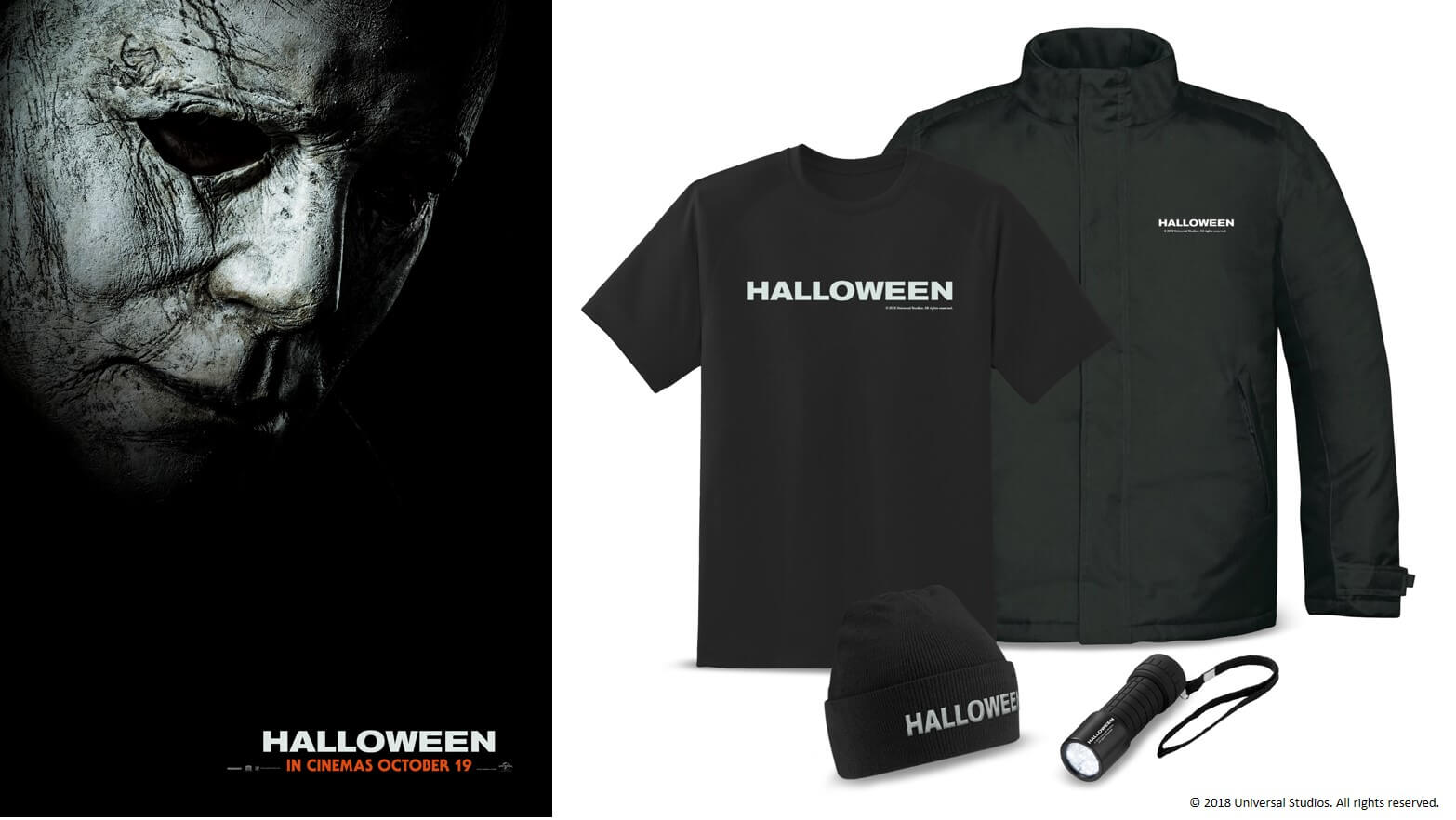
To celebrate the release of Halloween in cinemas 19 October, we are giving away an incredible prize bundle to five lucky winners.

Jamie Lee Curtis returns to her iconic role as Laurie Strode, who comes to her final confrontation with Michael Myers, the masked figure who has haunted her since she narrowly escaped his killing spree on Halloween night four decades ago.

Master of horror John Carpenter will executive produce and serve as creative consultant on this film, joining forces with cinema’s current leading producer of horror, Jason Blum (Get Out, Split, The Purge, Paranormal Activity). Inspired by Carpenter’s classic, filmmakers David Gordon Green and Danny McBride crafted a story that carves a new path from the events in the landmark 1978 film, and Green also directs.

Halloween will also be produced by Malek Akkad, whose Trancas International Films has produced the Halloween series since its inception, and Bill Block (Elysium, District 9). In addition to Carpenter and Curtis, Green and McBride will executive produce under their Rough House Pictures banner.

The prize bundle includes a film poster, T-shirt, jacket, beanie and torch.

Halloween is in cinemas 19 October.

Watch the trailer below:

To be in with a chance of winning one of these fantastic prize bundles, simply answer the below question:

What name was Michael Myers referred to in Halloween (1978)?

  1. The Shape
  2. The Grape
  3. The Tape

Email your answer, along with your address details, to [email protected] labelled Halloween before midnight on Sunday, October 28th.

Halloween Prize Bundle

Jennifer Phillips | BLOOD CHILD

jennifer phillips

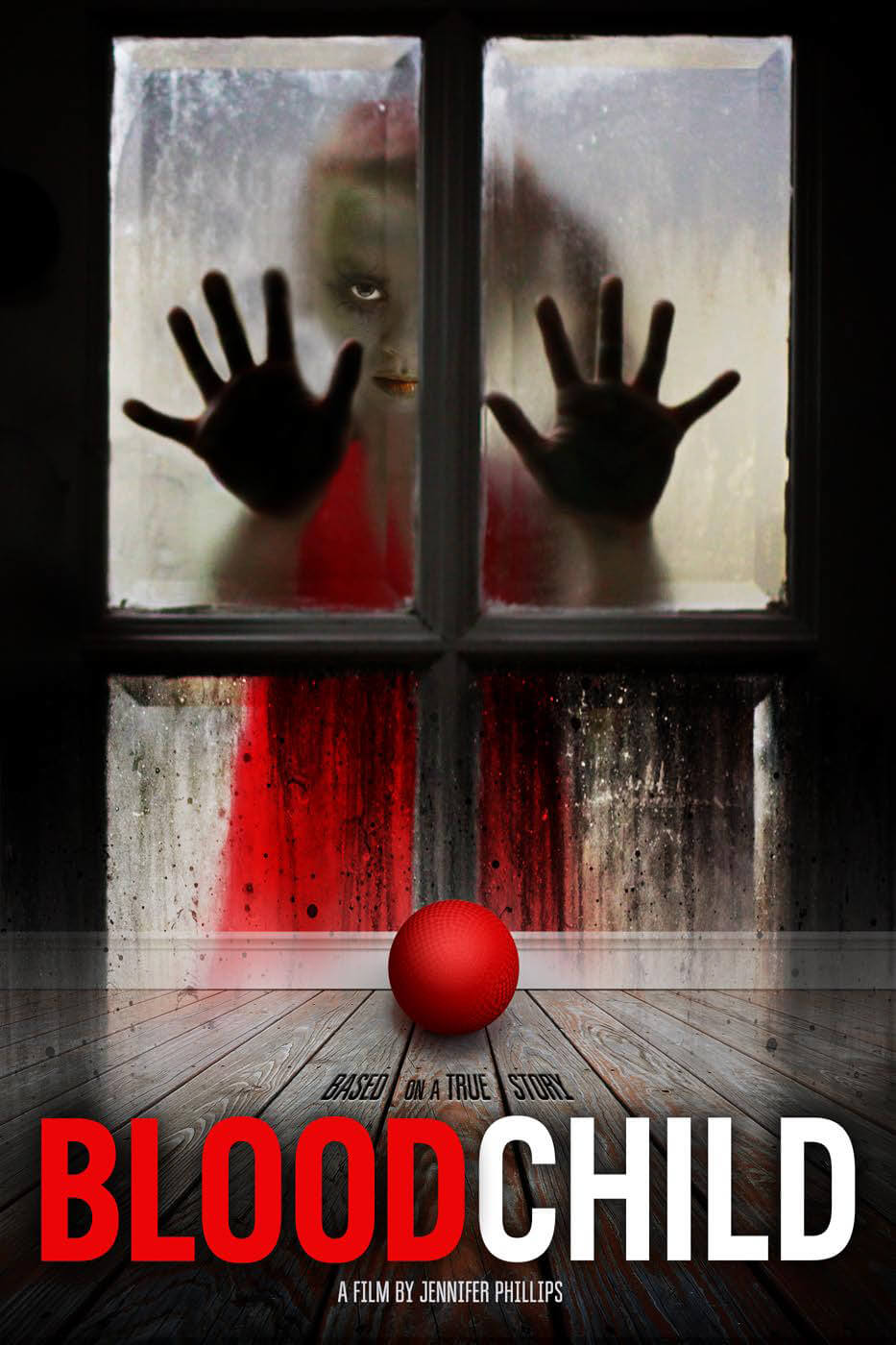
Jennifer Phillips makes her official debut as writer, producer, and director of the brand-new Supernatural horror film Blood Child. STARBURST had the pleasure of chatting with her about this brand new release…

STARBURST: Horror seems to be more orientated towards the scary and supernatural at present and is less reliant on gore. What was your objective with Blood Child?

Jennifer Phillips: Blood Child was meant to give audiences a glimpse into South East Asian mysticism.  Making horror in this day and age is challenging because everything has been done. However, there has been very few English films that have dealt with myths and folklore from the region, so I thought it would be interesting to give audiences a peek into some of the true stories that lie at the heart of these myths and folklore.

Alyx Melone was brilliant in the lead role of Ashley and deservedly won the Rising Star Award at the Blood in the Snow Festival in Toronto. Tell us about how you cast her and what would you say was the key strength of her performance and talent in the context of this film?

Alyx came in auditioning for the role of the best friend Naomi. But when I saw her on camera I just knew that she was ‘the one’ and that I needed to cast her as Ashley. I basically asked her to read for Ashley just for formality sake and cast her for the role before she even left. There is something about Alyx when she is on camera, her strongest assets are her facial expressions and body language. Those moments where she said nothing conveyed more than any lines that I could have given her. For example, you knew what she was feeling when you saw her in the bathroom during the miscarriage scene, or how she felt when she was in the forest trying to get rid of Anna.

The film mentions that it is based on a true story at the outset. When you were doing your research, how much of a challenge was it to retain the essence of the real-life case the film is based on, whilst making sure it kept the essence of a horror yarn?

I think that many will be surprised to learn that Blood Child really is a ‘true-true story’. My family grew up hearing this same story from my 94-year-old aunt. I remember that as we (cousins) all grew older, we would fact check this with each other to make sure that we all heard the same story. Before I made the film, I went back to my aunt to reconfirm some of the details, and I also checked with my mom and other aunts as well, only because the memory of someone that age can get sketchy over time.

However, being the sceptic that I am, I also pored over hundreds of other first-hand accounts, interviewed quite a few people on the subject to ensure that I gave the film as much authenticity as I could. I don’t think I had to consciously think about making sure that the film stayed within the genre because the story in and of itself is quite horrifying. Especially when you know that raising a ghost child means that the child is literally with you forever. But the most terrifying part is that when you die, the child has to be ‘passed on’ to your next of kin – so, in essence, when you ‘create’ such a child, it stays in your family and is passed on for generations. Not exactly what most people expect when they decide to raise a ghost child.

Blood Child Full Trailer from Jennifer Phillips on Vimeo.

BLOOD CHILD is available on VOD in the US.

[ENDED] Win Bryan Bertino’s THE MONSTER on DVD

The Monster

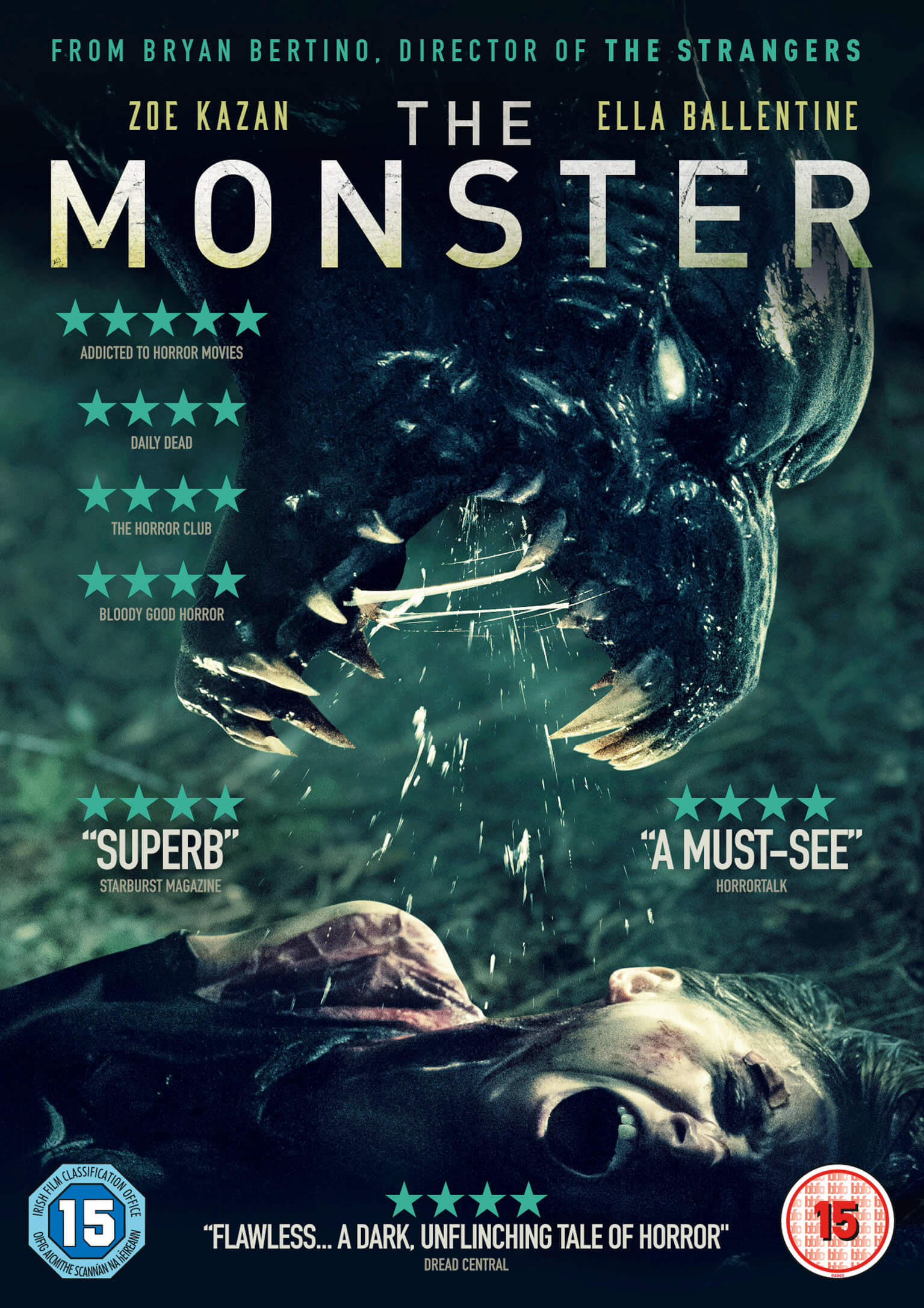
With Bryan Bertino’s impressive The Monster now available on DVD and digital download, we’ve got two DVD copies of this gripping horror to give away.

To be in with a chance of winning yourself a copy of The Monster, simply answer the below question:

Which of these names starred in Bryan Bertino’s The Strangers?

a) Liv Morgan

b) Liv Tyler

c) Tyler Bate

Email your answer, along with your address details, to [email protected] labelled The Monster before midnight on Sunday, October 21st.

The Monster

To give you an idea of what to expect from The Monster, be sure to check out the terror-tastic trailer:

The official word on The Monster reads:

From the director of horror smash-hit The Strangers comes The Monster, a terrifying new vision of claustrophobic terror.

Kathy (Zoe Kazan) and her 10-year-old daughter Lizzy (Ella Ballentine) are trapped and tormented in a pitch-black forest by a screeching creature. It is unlike anything they have heard before. Not human. Not animal. A monster.

With their relationship at breaking point, Kathy is on the edge while Lizzy is all out of faith in her mother but tries to stay brave and fearless. To survive the night, Kathy must summon her most primal instinct to protect herself and her daughter from what’s lurking in the darkness.

The Monster is available now on DVD and digital download.

[ENDED] Win Three of Eureka’s New Horror Releases

Well, how about this for a pretty stunning prize?!

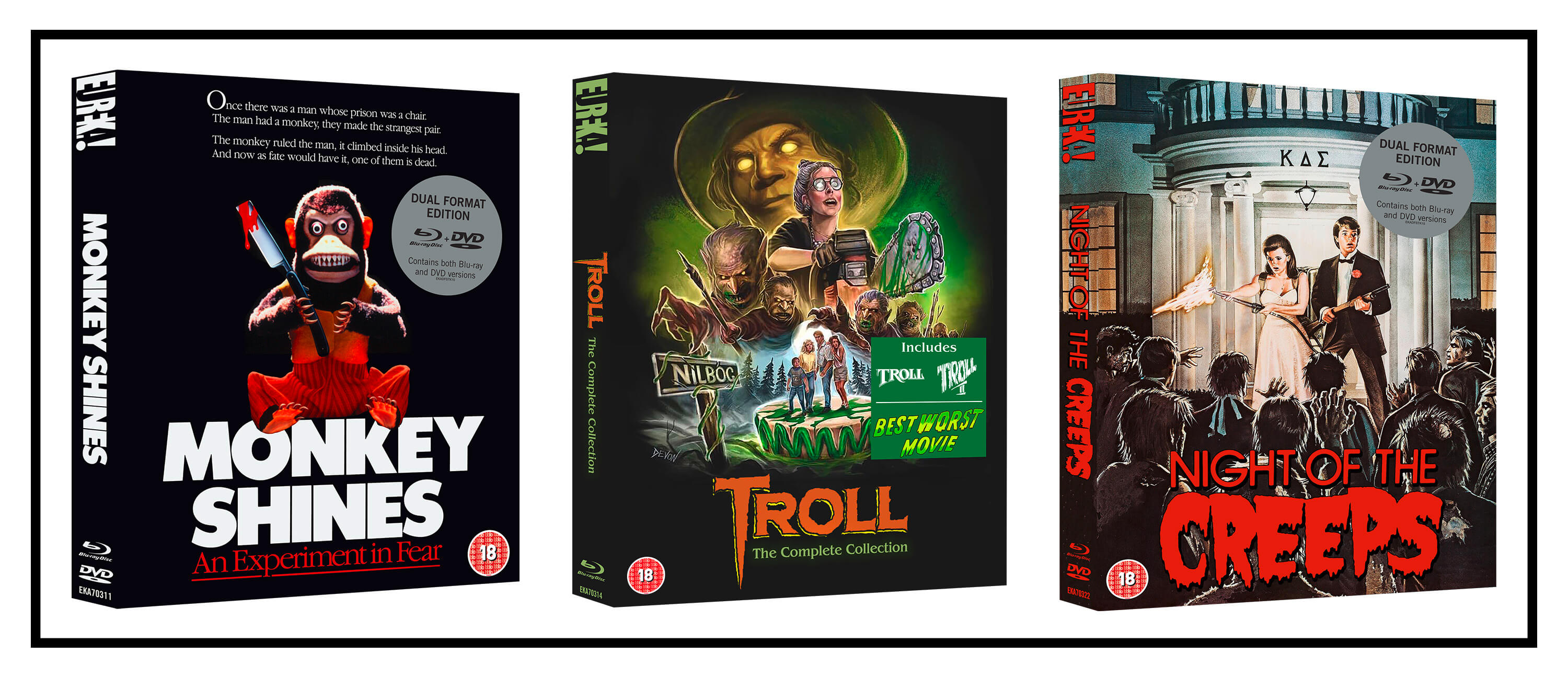
With Monkey Shines, Troll: The Complete Collection, and Night of the Creeps all getting crammed new releases from the folks at Eureka, we’ve got three sets of all three of these releases to give away.

To be in with a chance of winning a set featuring all three of these new releases, simply answer the below question:

Monkey Shines director George A. Romero famously helmed which 1968 classic?

a) Night of the Living Dead

b) Deadpool

c) The Walking Dead

Email your answer, along with your address details, to [email protected] labelled Eureka Horror before midnight on Sunday, October 21st.

To give you an idea  of what to expect from these cult favourites, be sure to check out the trailers below:

MONKEY SHINES, George A. Romero’s spellbinding and twisted thriller, is OUT NOW on Dual Format and can be purchased here.

TROLL: THE COMPLETE COLLECTION, a celebration of one of the greatest ‘bad movies’ ever made, is OUT NOW on Blu-ray and can be purchased here.

NIGHT OF THE CREEPS, a frightening, funny and essential B-movie horror, is OUT NOW on Dual Format and can be purchased here.

Jonathan Green | BEOWULF BEASTSLAYER

Jonathan Green is one of the UK’s most prolific creators of franchise fiction and adventure game books. The freelance writer’s credits include Fighting Fantasy, Warhammer 40,000, Doctor Who, and Sonic the Hedgehog. He’s also responsible for all sorts of steampunk, science fiction, and fantasy novels. His recent work has included You Are the Hero, a history of Fighting Fantasy, a Peter Pan/Lost World mash-up, and a steampunk adventure gamebook inspired by The Wizard of Oz. His latest project is the keenly anticipated Beowulf Beastslayer, and we caught up with him to find out more about this exciting Kickstarter project.

STARBURST: What’s your elevator pitch for Beowulf Beastslayer?

Jonathan Green: Beowulf Beastslayer is a brand-new take on the Anglo-Saxon epic, re-imagining the events described in the poem as an adventure gamebook. Will you follow the course of events as laid down by the scops and skalds of old, or will you choose a different path and forge your own legend? Beowulf Beastslayer! A tale of heroes… A tale of monsters… A legend reborn!

Do you think the Anglo-Saxons would have done Beowulf as an adventure book had the idea been invented back then?

I wouldn’t be surprised! Beowulf must have always been a very popular legend, otherwise it wouldn’t have survived centuries of oral tradition to make it into the written form, thereby ensuring its legacy for millennia to come. I mean, if you were an aspiring Viking warrior, wouldn’t you want to imagine yourself in the role of someone who is, effectively, a superhero?

Do we need to have studied the classics to enjoy this book?

Not at all. Everything you need to know is revealed as the adventure unfolds. However, if you have studied the original poem, you will hopefully appreciate the work that has gone into turning it into a gamebook whilst staying true to the spirit of the Anglo-Saxon epic. And even if you do know the legend inside out, that’s still no guarantee that you will successfully complete the adventure at your first attempt.

How does this compare to your other work?

The writing style is quite different, as I have tried to reflect that of the original poem in my adaptation. It’s not in Old English verse, but there is a lot of alliteration as well as frequent use of kennings. Anyone used to my adventure gamebooks, particularly my more recent ones, will recognise elements of game design as well as the high proportion of dramatic action scenes and set-pieces. So, in short, it should have a familiar feel, whilst also reading as something quite new – if that’s not a total contradiction!

Beowulf Beastslayer

This project has been in development for a while. What took so long?

I first pitched the idea five years ago, buoyed up by the success of funding my first Kickstarter, YOU ARE THE HERO – A History of Fighting Fantasy Gamebooks, but before I actually started writing it. Dave Bradley, who was editor of SFX Magazine at the time, saw my mention of it on social media and interviewed me about it, which helped raise its profile still further. However, to cut a long story short, I then set about writing YOU ARE THE HERO, took on a full-time teaching post for three years, wrote Alice’s Nightmare in Wonderland, quit teaching again, completed the quasi-trilogy of ACE Gamebooks to date (The Wicked Wizard of Oz and NEVERLAND – Here Be Monsters!), which brings us to the here and now, with Beowulf Beastslayer a third written and the Kickstarter to fund its publication launching on Monday, 1st October, at 9:00am BST.

Why are we still fascinated with the story of Beowulf?

Because Beowulf is the first superhero of the English literary tradition, but, at the same time, he is just a normal mortal man. He’s not a benevolent alien, a transhuman mutant, or even a wizard. Everything he achieves is by dint of his honour, bravery, physical prowess, and battle-hardened training. All of this means that at the back of people’s minds as they read the legend, or hear the poem recited, is the thought, “Maybe I could do that.” And Angelina Jolie redefining the popular image of Grendel’s mother didn’t do it any harm either.

It was originally told orally. Will you ever take this gamebook to the stage?

Quite possibly. Professional theatre company and audio book production house Circle of Spears is already turning Alice’s Nightmare in Wonderland into a theatrical experience, so why not do the same with Beowulf Beastslayer?

What will the art be like?

Phenomenal, because I am very fortunate to have secured the services of fantasy gamebook art legend Russ Nicholson, the man who brought the original Fighting Fantasy adventure The Warlock of Firetop Mountain to life, along with many others.

Jonathan Green

Why Kickstarter?

It’s a great way to market directly to a core of passionate fans who absolutely love gamebooks and are proud to be part of a community that helps bring such projects to life. And for me, a gamebook wouldn’t be a gamebook without the incredible illustrations, and, in these austere times of reduced publishing budgets, it’s a great way to raise the funds needed to pay for some top-notch artwork.

What’s next?

I have some other gamebook projects in the pipeline but I also want to write another of my YOU ARE THE HERO gamebook histories, but this time focusing on gamebook series other than Fighting Fantasy. I’m also writing more Scrooge and Marley (Deceased) occult detective mysteries, and I’d like to put together a new short story anthology as well.

What does the future hold for Fighting Fantasy?

That depends on whether the current generation of 9 to 12-year-olds take to the series as my generation did when we were the same age. That said, many of the original adventures have made the successful transition to the video game format, with the most recent release being Tin Man Games’ adaptation of The Warlock of Firetop Mountain, which is now available for the Nintendo Switch. What I can tell you is that Steve Jackson is currently writing his first new FF gamebook in 32 years – the last one he wrote, Creature of Havoc, having first been published back in 1986 – and that there will be another Fighting Fantasy Fest in 2019. So watch this space!

You can find out more about Beowulf Beastslayer by clicking here.

Kevin Sluder | HEARTLESS

sulder

Short film Heartless, which is a modern retelling of Edgar Allan Poe’s The Tell-Tale Heart is the latest release from the Award-Winning Sunshine Boy Production team of Kevin and Jennifer Sluder. We caught up with Kevin ahead of the film’s UK Premiere at Nottingham’s Mayhem Film Festival on October 13th.

STARBURST: Heartless is your first directing credit – how was the experience for you?

Kevin Sluder: So many adjectives come to mind. Challenging, incredible, daunting, exhausting, fulfilling, the list goes on and on. It’s seriously one of the greatest decisions I’ve ever made. For the longest time, I didn’t think I had what it took. Directing always seemed to be what someone else would do. I thought I was a writer and that was it. Then I produced a few shorts and the idea of directing didn’t seem so foreign anymore. Then I thought up the Heartless idea and I decided to just do it.  Having made that decision, the smartest thing I did was to surround myself with an incredible team of badasses. From the actors to the blood f/x people to my awesome cinematographer, Mike Testin. It really helped having such a wealth of experience around me. At any given time, I had at least 4-5 people who had directed films on set and other people who’d been a part of dozens of films to lean on for advice. This made for a great experience for me. Plus, so many of the people on the cast and crew were friends of mine… I couldn’t have asked for a better way to direct my first film.

What drew you to adapt the Poe story?

I helped out my friends on set and the lead actress was having a conversation with the sound guy about their favourite Poe stories. I piped in that The Tell-Tale Heart was my favourite and, during my drive home, I thought up this shot of a startled young exec staring at her reflection in the mirror, having done the dark things that the TTH narrator had done in the Poe story. I thought it was an arresting, cool image and formed the story from that. I’m not much on writing period pieces and the story has been told a million times in its original form, so I felt modernizing it was a cool choice.  There was something about the mix of a dark, dark murder and a shiny corporate office that I really loved.

As well as featuring some great jibes at the sexist workplace, there’s a great use of practical effects, was ‘keeping it real’ important to you?

Absolutely! Once I read the story again, I realised just how bloody and macabre it was.   I mean, the main character chops up an old man and hides his parts under the floor boards of his apartment.  Just imagining that is horrifying.  So when I started visualising just how brutal and messed up the narrator’s actions were, I was left with no choice as a filmmaker – go big or go home. Luckily, my friends Josh and Sierra Russell are, in my humble opinion, the finest makeup FX artists in indie film and they were up for the challenge.  I’m proud to say that all the blood FX in the film are practical and I think that’s going to be a trend in film going forward. There’s such a difference between the ‘real’ thing and CGI blood. I definitely wanted that for Heartless. It intensifies the experience for the viewer.

Mayhem Film Festival takes place at Nottingham’s Cinema from October 11th – October 14th. Heartless screens on October 13th. For tickets and more information, head to www.mayhemfilmfestival.com

Follow Heartless online www.HeartlessMovie.com on Facebook @HeartlessHorrorMovie on Twitter @HeartlessMovie_ and on Instagram  @heartless_movie. Read our review here.

Lowell Dean & Emersen Ziffle | ATOMIC VICTORY SQUAD

Lowell Dean Emersen Ziffle Atomic Victory Squad

Lowell Dean marked himself out as a huge talent to keep your eye on with the brilliant, bloody, boozed-up WolfCop and its sequel, and now the impressive Canadian has turned his attention to the world of comic books. Teaming with artist Javier Martin Caba and practical effects genius Emersen Ziffle to bring readers the Atomic Victory Squad – a team of superheroes with an array of very real issues ranging from addiction, to depression, to gender identity, and more – Lowell has taken to Indiegogo for some assistance in getting this project up and running. And so, we grabbed some time with the charming duo of Lowell and Emersen to get the downlow on AVS, some of the campaign’s stunning perks, discuss WolfCop, and chat about upcoming feature SuperGrid.

STARBURST: Atomic Victory Squad sounds like such a cool concept, with a lot more going on than just the usual tights ‘n’ capes. How did the first kernel of this idea come to be?

Lowell: Well I’ve been developing these characters since high school or earlier. I’ve always loved superheroes, but there’s a big difference between the heroes I love and the heroes I make. I love Superman and Batman, but whenever I would draw something it was always a little more messed up. That actually made me think I shouldn’t make comics because I was like, “Instead of Superman I’m making a cow, but I care as much about him as much as people care about Superman.” So I was always just making really weird things and I kind of forgot about it. A few years later, Emersen and I were always working on stuff, and he really wanted us to develop something that was our thing, something completely independent. He asked what I had, and I showed him some Atomic Victory Squad.

Emersen: We had been working for other people so long, but we weren’t always in control of the properties we were working on. You invest your heart and your soul into these things and they have their own legs that you can’t control. I’m not terribly creative as far as coming up with original ideas, but I’ve always been around Lowell. I get to sort of accent the work he does. I picked his brain and said, “We’ve got to do something that’s ours. Lowell, you’ve got to finish this stuff. You’ve got to make something of this stuff.” That is ultimately where we’ve come with this. It was such a crazy, brilliant concept. It’s just so cool.
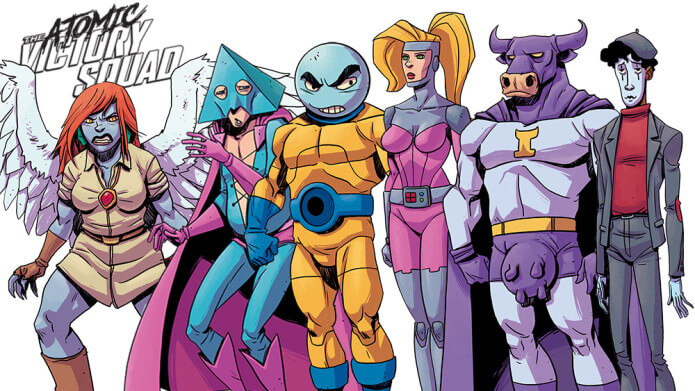
Atomic Victory Squad

While comics have undoubtedly gotten better for it over the past decade or so, was Atomic Victory Squad created as a reaction to mainstream comics not really addressing topics such as mental health and addiction?

Lowell: I guess. We’re getting a lot more fringe stuff. For me, it was more animation that made me want to do this. I’ve wanted to make these characters since I was a kid, but I never thought I could do it. You know the story where nobody thought they could make an independent film until they saw Kevin Smith make Clerks? It’s kind of like that for me, because when I saw The Venture Bros. for the first time, I was just, “What is this show?” It’s so weird, the animation is so cinematic, but it’s also not pandering. It’s very interesting and it had its own personality and sense of humour. I just thought it was so fringe, it was something I would want to make. I started pitching it as an animated series, but I didn’t get much luck because obviously I’m just a schmo who’s never made an animated series before – and I had some really bad drawings I had done. After that, I had kind of put it on the shelf. A couple of years later you get BoJack Horseman, and I was just, “This is perfect. This is a cartoon that has so much darkness in it.” It just felt there was this groundswell for mature animated characters, whether it’s a cartoon of a comic book. I think it’s a twist on it. The best comics and the ones that have lived forever have always touched on that. I mean, Marvel has created a great niche by having human flaws. Anybody who grew up with Spider-Man knows that the best part is not necessarily him fighting Doc Ock, it’s about him missing a test to do it. And then there’s the X-Men. To me, [AVS] are almost moulded on the DC ideal. But given that the disfunction is amped-up-to-11, it seems more Marvel. For me, it’s weirdness. It’s weirdness and it’s tragedy and it’s not a blanket statement about being outsiders. Each of them is facing something very specific that might not make them gel together. It’s not like they can all huddle up in a group and say, “We’re all together, we’re all the same.” No, they’re all different to each other, they all have to work out how to deal with each other first.

At the moment you have the Indiegogo campaign for the comic book, but, in an ideal world, is an animated series the perfect endgame for AVS?

Lowell: 100%, yes. When I see these characters in my head, they’re moving around in this universe. My dream would be an animated series. They constantly tell you to write and do what you can do or write what you know. I don’t just want to be sitting round for twenty years thinking I have a cartoon I want tot write. This is in our control. Emersen can create cool perks, we can afford to make a comic book and give the world a taste. It’s that age-old thing of no-one knows until you tell them. So we’re going to tell the world about these characters until they get it.
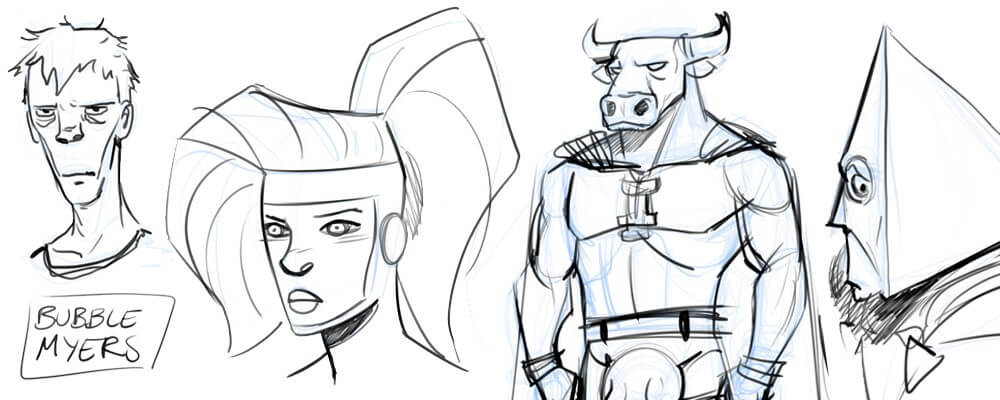
Atomic Victory Squad

Out of AVS, are there any characters that each of you lean more towards or look forward to working with more than the others?

Emersen: One of my favourites is Gary the Mime, just because he’s so unassuming and it’s a throwaway concept until you realise that whatever he mimes becomes real. That has infinite possibilities. We see a little bit of it in the first issue, but just imagining where we can go with a concept like this. We don’t know what he thinks, but it’s pretty limitless. That concept is going to be so much fun to illustrate, to draw, to figure out. And he’s silent.

Lowell: And is he actually doing it or is he just insane?

Emersen: He might just shoot a guy and his head explodes, but he’s just pointed his finger at him. I just love that character.

Lowell: For me it is kind of like picking one of your favourite kids, but I think right now, for me, it’s gotta be Invincibull because he’s the oldest. Actually, Bubble Myers I made up when I was seven-years-old. I think Invincibull because he’s got so much weight on his shoulders.

Bubble Myers is a character who’s a recovering drug addict, which we guess is something you didn’t think of when you were seven-years-old. So, when did you start to develop the personalities of these characters, the flaws, the very human traits?

Lowell: I’d say the flaws and traits started coming out in the last five years. When I was seven, Bubble Myers was an intergalactic explorer. He was a football player, but he’d always piss people off because he was too cocky. That morphed in to addiction issues later. Five years ago, I started thinking about how to push these characters further – the things that make them stand out, how can I make their weaknesses be strengths? For example, She-Girl is such a cliché. On the surface, she’s everyone’s favourite superhero. She’s oversexed, too tall, too blonde. To me, I just loved flipping that on the head. No, she’s not every character you heard of or thought of. She resents how you look at her. She resents how she’s been designed. Like Invincibull, she longs to understand humanity but she also kind of hates them.

The Atomic Victory Squad itself is made up of Invincibull, Gary the Mime, Zoozanna, Bubble Myers, She-Girl, and Triangle Master, but were there any other characters that ultimately didn’t make the final cut for the team?

Lowell: Yeah, totally. The team actually had a couple of different members that I pulled out just because they were a little too redundant. Again, I had made them up when I was eight, so there were just a couple that were too derivative of something like The Flash. So you know, if we’re going down this road, I’m pulling out anyone who feels like they’re a little too close to a real superhero. I’m letting the characters be their own archetypes. There are other characters in the world, so I didn’t have to lose them – I just moved them somewhere else – and one big change was Invincibull. His actual original name was Mega-Moo. Just as we were about to launch the comic, Emersen was Googling to double-check that nothing was out there. I honestly made him up 15 years ago, but we saw this milk product that’s Mega-Moo. Okay, so let’s come up with another funny name.
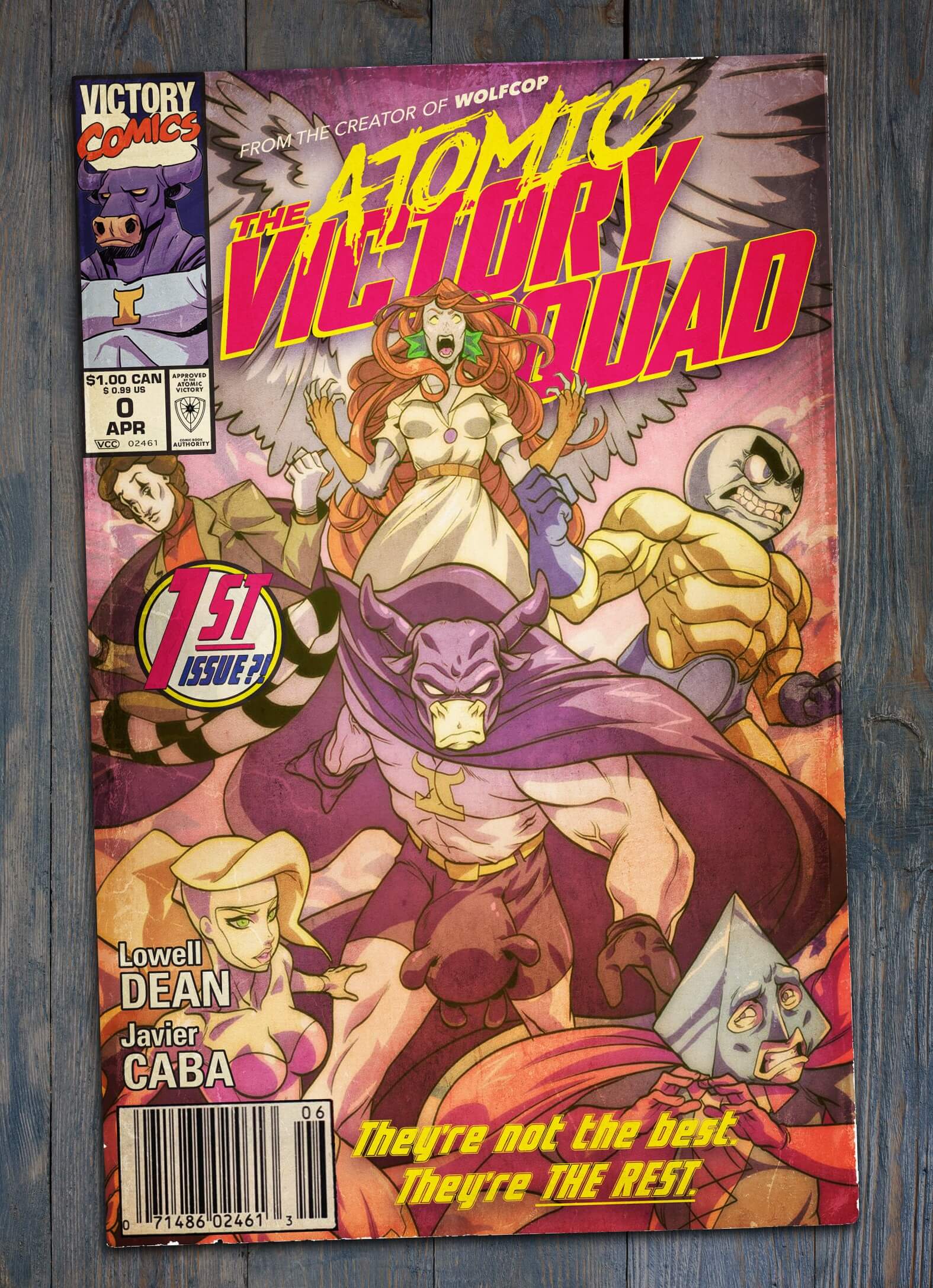
Atomic Victory Squad

When you were putting the team together and looking at the personal side of each characters, was there anything you wanted to touch on that you haven’t chance to yet or that you’ve got planned for the future?

Lowell: For sure. I just wanted to create a team of characters who each have something to say. We barely scratch the surface in issue #1, but these characters, each of them is designed to represent some kind of issue. I like to say how Spider-Man’s thing is “With great powers comes great responsibility,” these characters are the opposite. They all have genuinely cool superpowers and any superhero team would be happy to have them, it’s the emotional personality side that prevents them from being true heroes. These would all be rejected from the Justice League of our world because they don’t respect human life or they have substance abuse problems or they fly off the handle because of the way people look at them. The issue isn’t their abilities, the issue is their personalities; they keep getting in their own way.

Emersen, you guys worked together on WolfCop, but how is it for you to be coming in and playing with Lowell’s baby?

Emersen: Everything I’ve ever done with Lowell, I’ve always sort of sat in the wings. Then he just pipes up with an idea and I’m just, “Yeah, that’s so great. Fuck yeah, let’s do that!” But this specifically, I was in a slump as far as work; I was just, “I just wanna make things.” I wanted to make collectible maquettes. I can come up with something, but I wanted something that was grounded in some sort of backstory. So for me, it was all about building this thing that we could market and show the world that “We’ve got a whole world behind it, so let’s take it further.” Working with him, it’s so brilliant. There’s all these sort of seeds he plants. I have a very visual sense of style, and I can suggest things, but we just kind of bounce off each other in a very productive way. We go for coffee daily and we’ll just talk about how something can be framed or marketed or what we can do with simple concepts. I’m just passionate about what he does, and I give what I can offer from SFX and fabrication and being creative in film. That lent itself to this whole thing. And especially with how crazy this project is; it’s endless creativity that you can throw around. It’s great.

To flip it then, Lowell, how is it to hand over your characters to other people? Is there a certain sense of vulnerability to that?

Lowell: God yeah! Try doing an Indiegogo. That’s the definition of vulnerability. If we don’t hit our goal, it’s like nobody cares. It’s a weird thing making things and creating things. At a certain point you’re really insecure and you don’t want to tell people the idea – it just lives in your head – then you turn a corner and all you want to do is tell people about it, put it out there, let it be what it’s going to be. It’s the same with WolfCop. I’d tell people about this wolf that’s a cop. People would laugh but then say, “Seriously, you’ve gotta make that!” It was the same with Emersen with this. He’d say, “Seriously, you’ve gotta make this!” We were drawing it, he and I just doodling, and we realised we needed to bring in someone else. For better or for worse, this had to come to life.
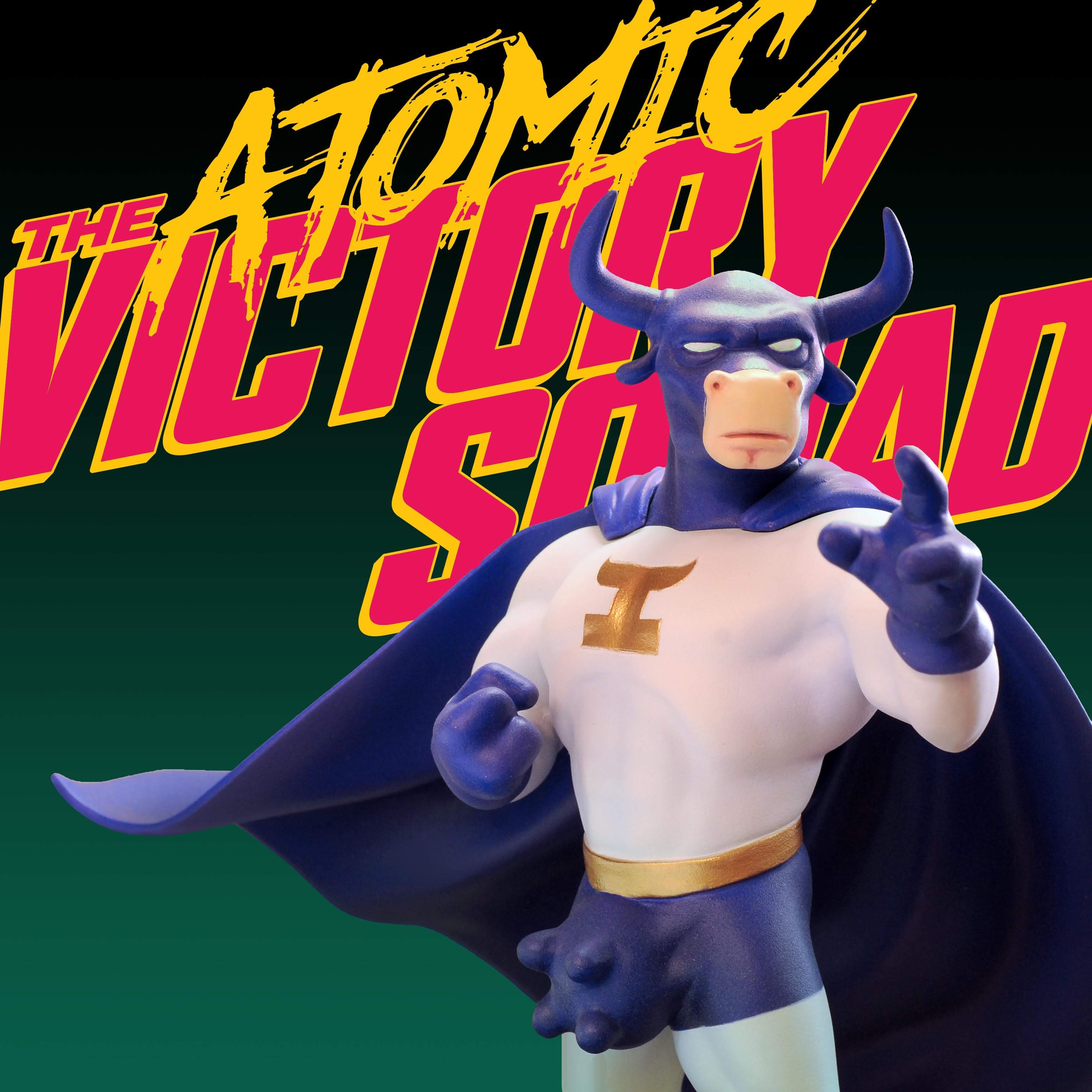
Atomic Victory Squad

How long have you guys actually known each other for then, and how did you first meet?

Emersen: I was approached years ago. I had done a few indie films – doing the make-up effects – and I remember getting a phone call in my parent’s basement from Lowell saying, “Hey, I hear you’re in to SFX.” He phoned collected, so I thought it was a prank call. I was like, “Who is this? What do you want?” And then I put a little demo reel together and he was, “Holy shit, you can do some cool stuff!” It was 2010, I think, that we started working together. Then we were inseparable after that. We obviously did our own things here and there, working for other people.

Lowell: We both like the same things, we respect each other, and we want to take on new things. We want to keep doing this. We’re addicted to this.

Emersen: It’s our passion. We just keep making things. We’ve done crazy make-up projects, and also simple love story things, very random stuff, and we just seem to draw off each other’s energy.

Even with the greatest friends and the greatest of working relationships, there are always at least some minor arguments or blow ups. Have you guys had any butting of heads, or is it always relatively smooth sailing?

Lowell: I’m sure throughout production we’ve had a few moments – when you’re making a movie it’s literally the moment you have a gun to your head – but I don’t think we’ve ever had anything serious. I don’t think we’ve ever yelled at each.

Emersen: I think we’ve been like, “What the fuck, dude?” I’m definitely the more sort of sarcastic jerk, so I’ll always try to rile Lowell up. He’ll be, “I’m so angry,” and his version of angry is sternly asking someone to move out of the way. I’ve never seen him lose his shit. I don’t think we’ve ever come to blows, which is quite cool.

Lowell: I think that’s why we continue to work together. I don’t come to blows with people, I just stop working with people when they drop the ball. And Emersen doesn’t drop the ball.

And what can you tell us about the perks involved the AVS Indiegogo campaign?

Emersen: There’s some badges, which we’ve been handing out at Fan Expos just to drum up attention, but we’re also going to be doing some goofy stuff that we haven’t even shown yet; collectibles that have some relation to what’s popular with kids but we’re going to put an old flair on it. Things called Squishies, little squishy foam things. These are just to drum up attention. And t-shirts, which were all created by myself. I love that sort of analogue artistic expression; putting my hands on something. I just love making things, so whatever I could do that’s cool and fun to people, that people respond well to, I’ll make and design. That’s my big role for this campaign.

Lowell: He’s just playing it cool!
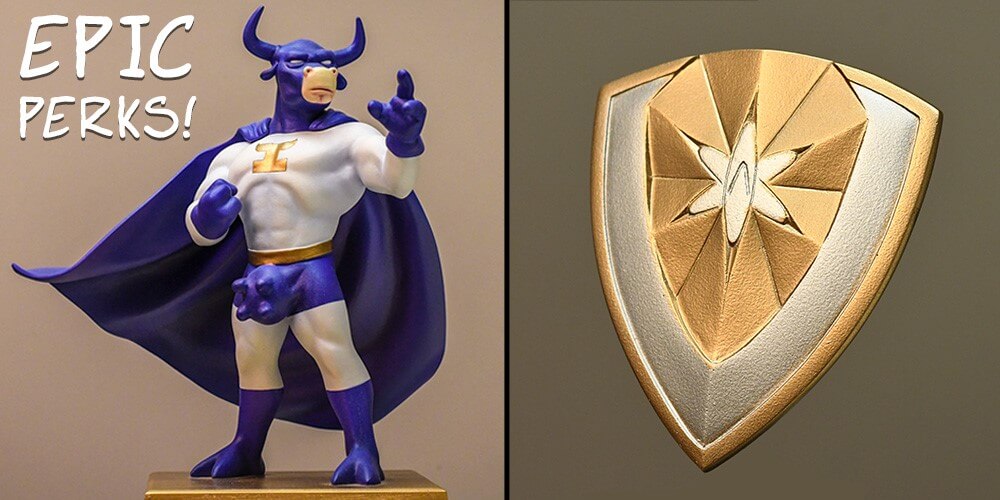
Atomic Victory Squad

From your point of view, what would say was the coolest perk on offer right now?

Emersen: I’d say the fact that you get to be drawn in the comic and featured as an actual character that’s in more than one panel. We really like the idea of interacting with our fans and the people who are passionate with this project as they discover it. We just love the idea of working with Javier [Martin Caba] and coming up with cool ways to put in characters. And it’s not just throwaway things like we’ve seen in campaigns in the past, where people get illustrated into the comic but it’s very much just a passing thought; it’s there, they’ve ordered their perk. We really wanted to make them featured. We’re so much in to fan engagement. If you get that perk, we will engage you and say, “This is what we’re thinking, this is what we’re going to do. Send us some photos of you like this and we’ll put you in there in a really cool, badass way.” A good friend of ours, Trevor, he’s already been featured in it, he’s already been drawn into the comic. It’s such a badass shot and it looks just like him. That, to me, is my personal favourite other than obviously getting to make a bunch of cool stuff.

Lowell: It’s all cool. I think the perks Emersen’s making are just so above what you’d expect for a little campaign like this. For a first-time comic book, you don’t usually have these amazing maquettes. I’ve seen them up close and they’re so good. The only downside is that nobody really knows who Invincibull really is yet. If they did, they’d be snatching it up because it’s super cool.

You mentioned him there – on art duties you have Javier Martin Caba. How did that collaboration come together?

Lowell: I don’t know if you’ve heard of the comic Namwolf – it’s about a Vietnam werewolf – that’s by a writer named Fabian Rangel Jr. He and I were discussing, around the time that came out, of doing a crossover between Namwolf and WolfCop in comic book form. We just were flirting with the pitch or developing the idea. It never really took off, but in getting to know Fabian we’d talk about making comics and I was picking his brain. He showed me some art from Blood Brothers – a comic he was working on that Javier did – and the second I saw the style of it, “Oh, this is perfect for Atomic Victory Squad.” That was a big factor to me pulling the trigger.

With the comic itself then, what’s the tone and target audience that you have in mind?

Lowell: I’d say it depends on your kids. I would put it very firmly in the category of Rick and Morty, BoJack Horseman, and The Venture Bros. Anything you see on those shows, you’d see here. There’s no coarse language, people aren’t dropping F-bombs, there’s no nudity… yet… but I’m sure you will see Invincibull nude at some point. It’s more just ridiculous, over-the-top, cartoony violence and mature themes, but I don’t think it’s anything a 12-year-old couldn’t read.
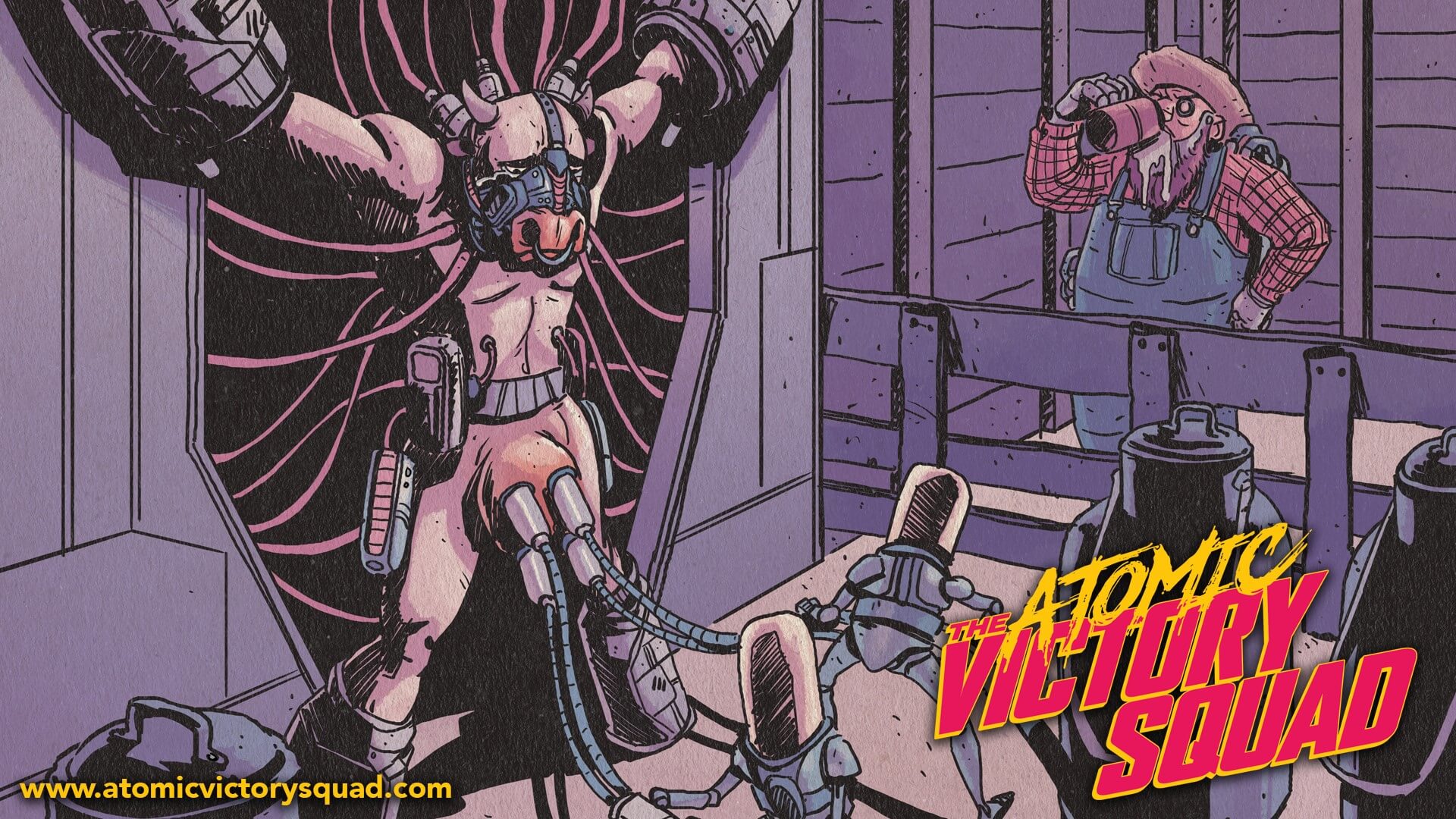
Atomic Victory Squad

At present, how many issues are you planning for the initial arc of Atomic Victory Squad should the Indiegogo campaign go well? Are we looking at a four-issue arc?

Lowell: Exactly! I think it’s between three or four. This first issue is a little supersized – it’s 24 pages plus some other written pages – so it’ll be a little bigger than a regular comic. My dream would be to either do a similar issue #2 and #3 that are also a little bigger and put those three together as a 100-page graphic novel. Or maybe it’s four parts. We’ll see. Beyond that, I think I’ll try and really tell the full origin of the team, how they come together, and show them in action in those three or four. After that, if we’re doing good and there’s interest, I’d love to keep going. If not, I’d at least know we’ve got this artefact that shows the world this team.

Are copies of the first issue available yet?

Lowell: No, we are actually just making it as we speak. Javier has already illustrated half the comic, but we have so much crowdfunding and engagement in the first issue that every second page features someone who could be in our campaign. He’s drawn every page that doesn’t feature a possible crowdfunding person, and now he’s basically just waiting to finish once we see who donates. There’s still about four or five slots yet, and once those people put their money down and send us their picture, he’ll be drawing them in it. And Javier moves fast. He’s so good. We’ve given ourselves a lot of time, but I’m sure we’re going to be done with the comic book before we said we would.

So far, how have you found the process of making a comic book? Is it harder than you thought, maybe easier, or has it been a relatively up and down process?

Lowell: It’s been all of those things. It was so long to get here. I think that was the hard part – finding Javier and finding the way to make a comic, me bumbling around with no experience in this medium – but once we got Javier on board you just felt like you were in safe hands. He immediately understood my script. I was very nervous, I’d never written a comic script. The second I saw his first pass at the pages, I was just, “Oh my god, you’re in my head.” So that was so cool.
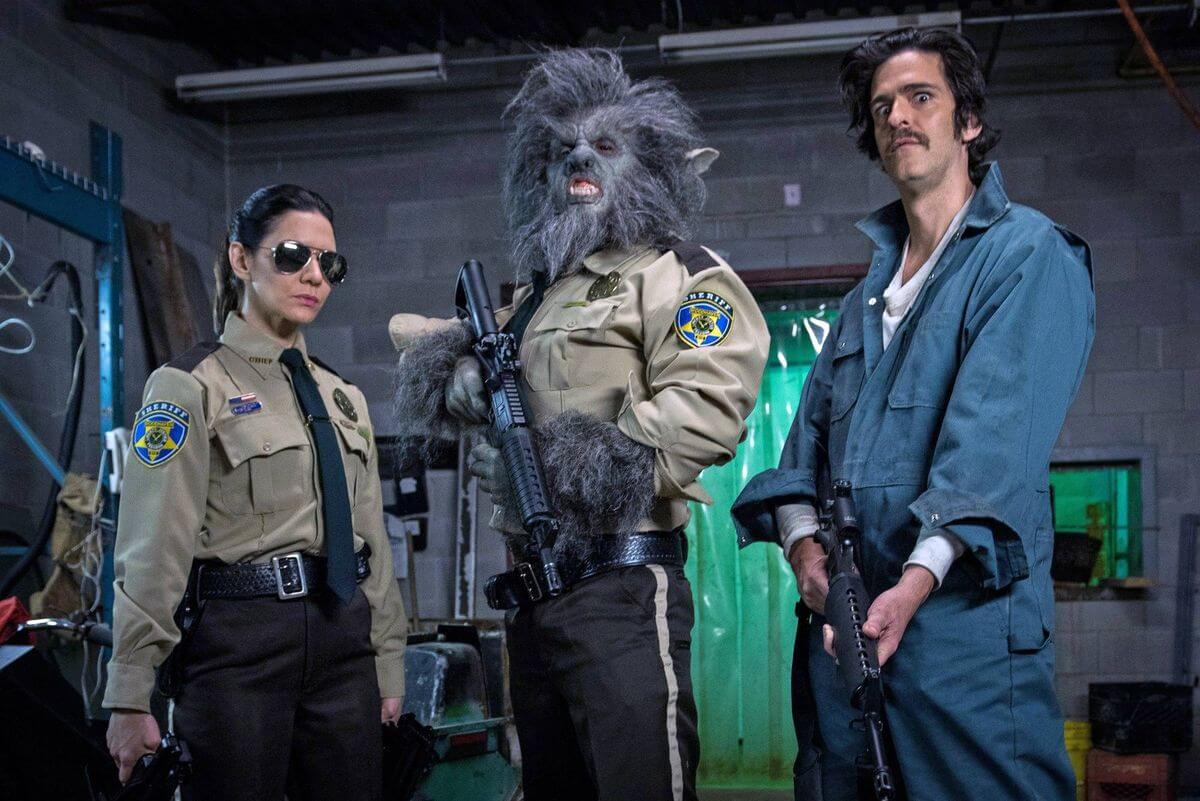
ANOTHER WOLFCOP

The last time we spoke, it was ahead of the release of the brilliant Another WolfCop. How has the reaction been to that movie in general?

Lowell: I think so far, so good. It’s hard for me to tell, because until a movie like that comes out on Netflix or whatever, I don’t really know. It’s kind of weird. The first WolfCop, I thought nobody really gave a shit about it until it hit Netflix. Then people were talking about it non-stop. It’s a bit of a thing where we’ve made WolfCop 2, it’s in the world, I’ve heard really nice things, but until we hit one of those major platforms I don’t think I’ll know for sure what the final verdict is. But I’m pretty happy with the way the sequel turned out. It’s a little sillier than I planned, but there’s just so much I love about it. The cast, the effects, the energy and the chaos. I feel good about it and I hope we have more WolfCop at some point.

Emersen: It’s crazy. Ultimately, we still had to cram it in to a seventeen-day shoot. We had to sacrifice some stuff, but I’m super, super happy with the work that my team did and that everybody did on the film. It was a joy, and the film is so much fun to watch.

Emersen, what was your first reaction when you heard about Lowell’s idea for an alcoholic werewolf lawman?

Emersen: I was sort of there from the beginning of it. Lowell just said, “We’re making this trailer for this contest.” We were at a point in our careers where something wasn’t happening, so we decided to just do some stuff. So I said, “Sure, where do you want me to do it? Let’s just go for it.” I love taking his ideas and bringing any skillset I have to the project. I remember doing three or four iterations of the look. The first one didn’t work with Leo [Fafard], the guy who plays WolfCop. He’s incredible, just one of the most resilient, tough, understandable, but also very talented actors I’ve ever worked with. Just thinking about it, reminiscing about it, it makes you miss it a lot. It was such a fun project to work on. It was such a big family affair, just a brilliant experience.

Lowell: It was just a joy. Every aspect of making that project was fun. It was not easy – it was really, really hard and part of the reason why I want to do a comic book now! – but I would never turn away from making more WolfCop. And the same thing with AVS. It’s pure creative weirdness.
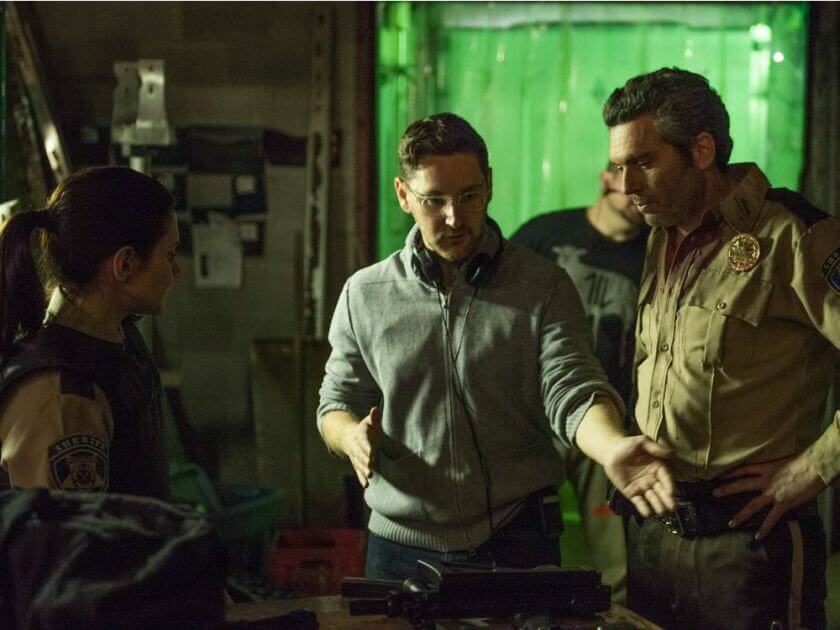
Another WolfCop Lowell Dean Amy Matysio Leo Fafard

We guess we have to ask then. Should Atomic Victory Squad prove to be a success, is there a chance that we may see Lou Garou/WolfCop turning up in that world at some point?

Lowell: That’s a really funny question. I won’t lie, it’s not like I haven’t thought about it. I would love to do a WolfCop comic. I was really sad that I didn’t get to be a part of the WolfCop comics. One of our buddies, Max Marks, wrote them because they were coming out at the same time that we were shooting the sequel. I love all things WolfCop, so it’s “No, I wanna get in on this. I wanna be writing a WolfCop comic!” To me, that’s a reward. In the real world when you’re making a movie, I have all these rules of what I’m allowed to do because of reality. I would love nothing more than to tell a WolfCop story where there are no restrictions. Just things would be blowing up left and right, he’d be surfing on jets, it’d be crazy.

And you’ve also now finished on your next feature film, SuperGrid…

Lowell: It was a great experience. We had two nice screenings last week. I’m pretty sure it’s going to come out in December, but beyond that I don’t know. I can’t wait for the world to see it. It’s a lot of the same family as WolfCop, a lot of the same cast. It’s definitely different to WolfCop, a little more serious, a little more heartfelt, but still lots of guns and actions and chaos and weirdness.
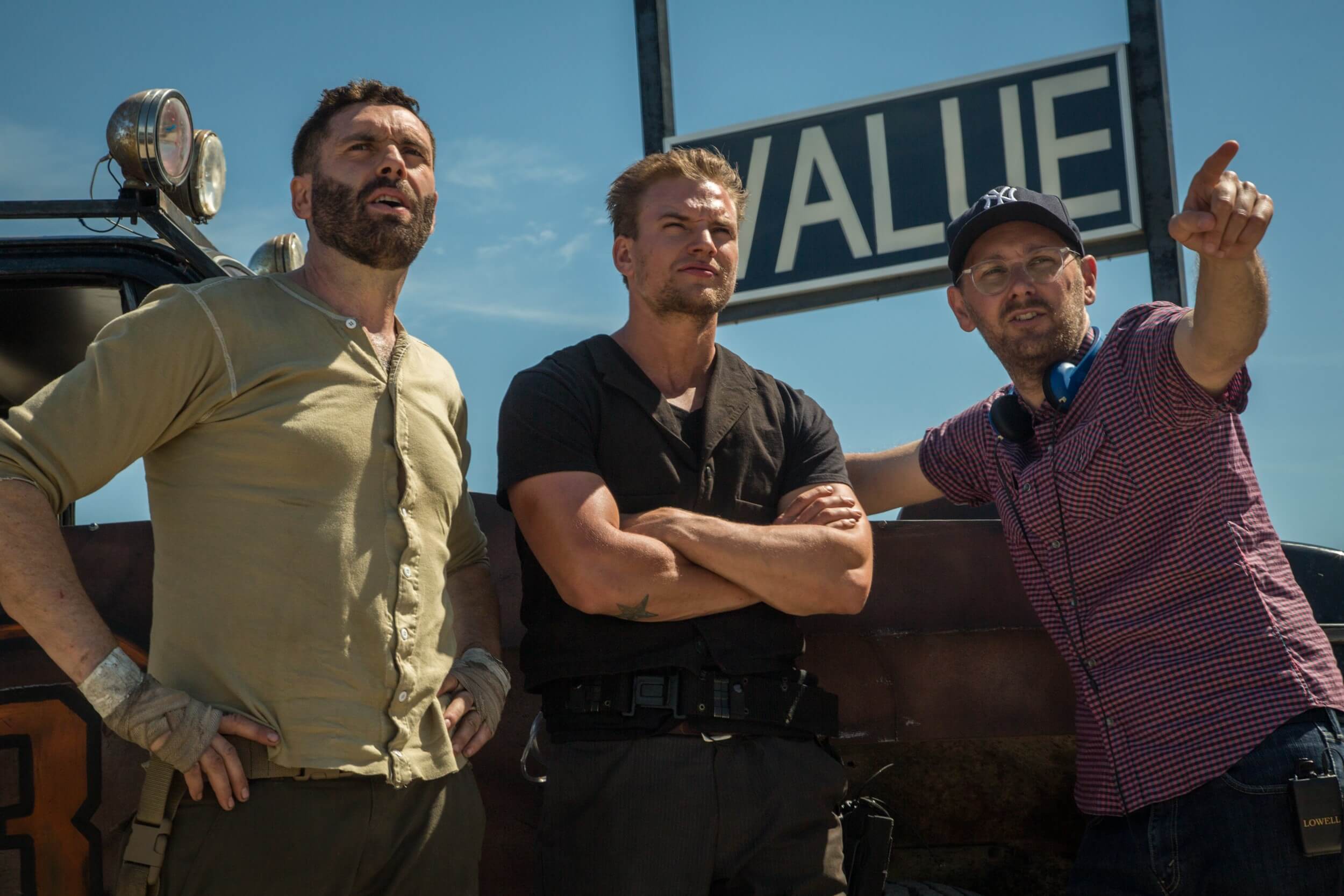
SuperGrid

And Emersen, how was it for you working on that and knowing that you didn’t have to do the make-up and effects for a drunken werewolf that likes to slice up bad guys?

Emersen: It’s interesting you say that. On that, I was on board as a production designer. I was doing everything I’d normally do on a Lowell movie, but that was my official title. It was weird having everybody asking me questions. I quite enjoyed that. I surrounded myself with a couple of really talented working artists from the film industry. For me, it was interesting not having to stay up and run moulds and do sculpting, just barely demould something that was going to go on someone’s face the next day. It was just a really fun experience for me. It was different but I really enjoyed that aspect. Usually when I work with Lowell, I just sort of turn up and go, “Do you like this?” “Well that’s really cool, but can you do more blood on it?!” Then I have to go back and build the next thing for tomorrow. Whereas this time I got to hang out, make some suggestions, and I actually got to have nice, relaxed conversations with him about how to set stuff up – which is a bit of a dream situation for us. That’s what we always want to do but I really can’t afford that when I’m constantly building a bunch of crazy shit for killing people.

For the WolfCop movies then, what was the most challenging sequence that you’ve had to put together in terms of the SFX?

Emersen: WolfCop himself was a huge challenge. Out of the seventeen days of the second film, he played thirteen of those days. So we always had to have a fresh set of appliances, claws – he destroys this stuff with our encouragement – but to chase that never-ending cycle of always having WolfCop ready was a huge challenge. All of his appliances are made of foam latex, so that has a full 24-hour turnaround period. You can’t just quickly whip one it. Bad Willy – the weird sort of phallic monster – was designed early on but then quickly got shelved. We love the way it looks on film, but it was a challenge designing it. We went through about three or four versions before we got something that vaguely resembled Jonathan Cherry. That was a big challenge, and that was delivered the day it was needed. We walked on the set, stuck it on his belly, and the rest is history.
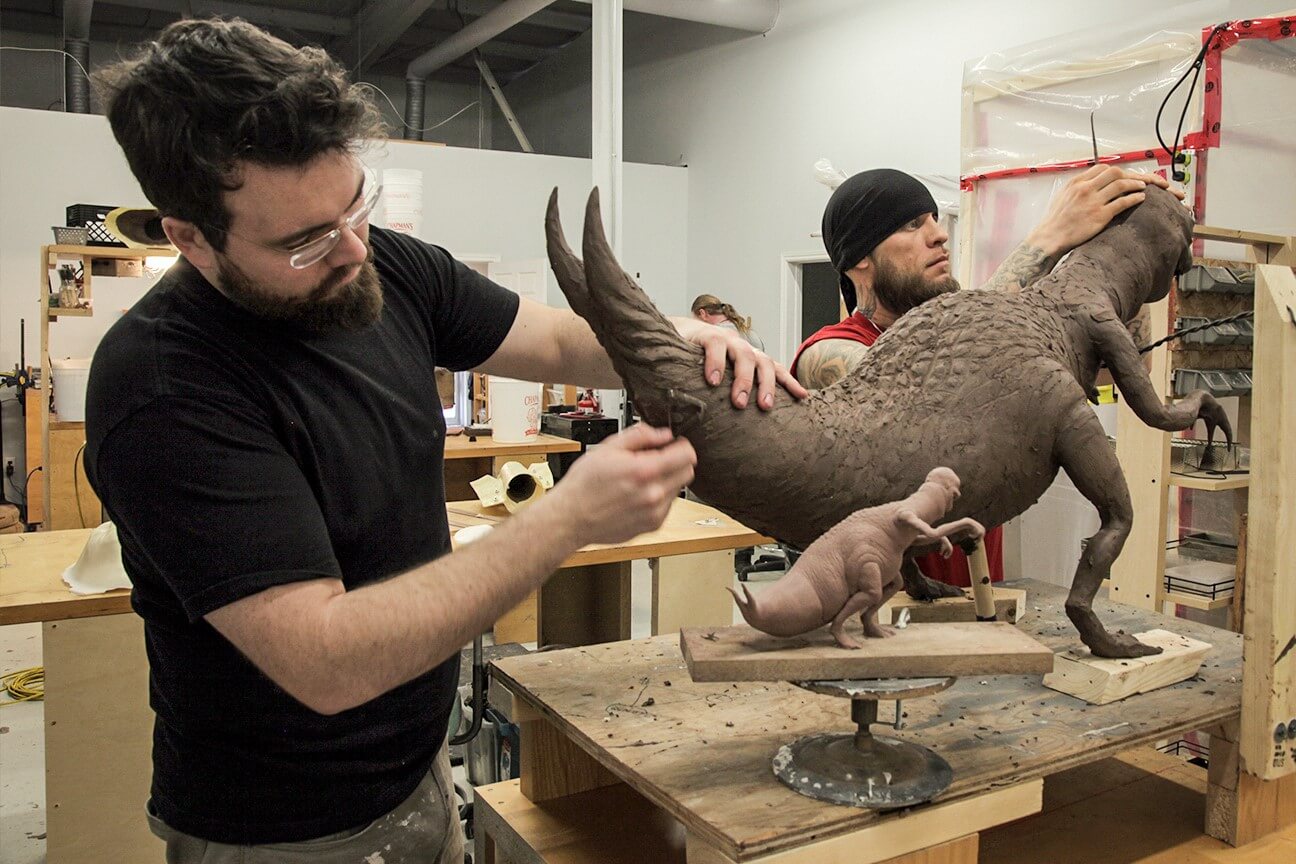
Emersen Ziffle

The last time we spoke, you said you had plans for a whole lot more WolfCop stories. How are things looking on the chances of seeing him again?

Lowell: To be honest, there’s nothing yet right now. We’ve got to see how the world reacts to WolfCop 2, but if there’s enough support I’m hopeful we have not seen the last of WolfCop. Whether it’s in a TV series or a feature film, I’d really love to bring the character back. I think his finest hour is still yet to happen.

To wrap things up, any final words on Atomic Victory Squad?

Lowell: For me, I’m just excited to do it and I hope people will give it a shot. Just know, this is a pure passion project. There’s no big corporation behind it, just a bunch of artists busting their ass to make something really cool and original.

Emersen: I just love making the cool shit Lowell comes up with. Anything I can do to make the world see his world, I’m game for.

For the full details on Atomic Victory Squad or to help out in any way, be sure to head on over to the project’s Indiegogo campaign or to www.atomicvictorysquad.com.
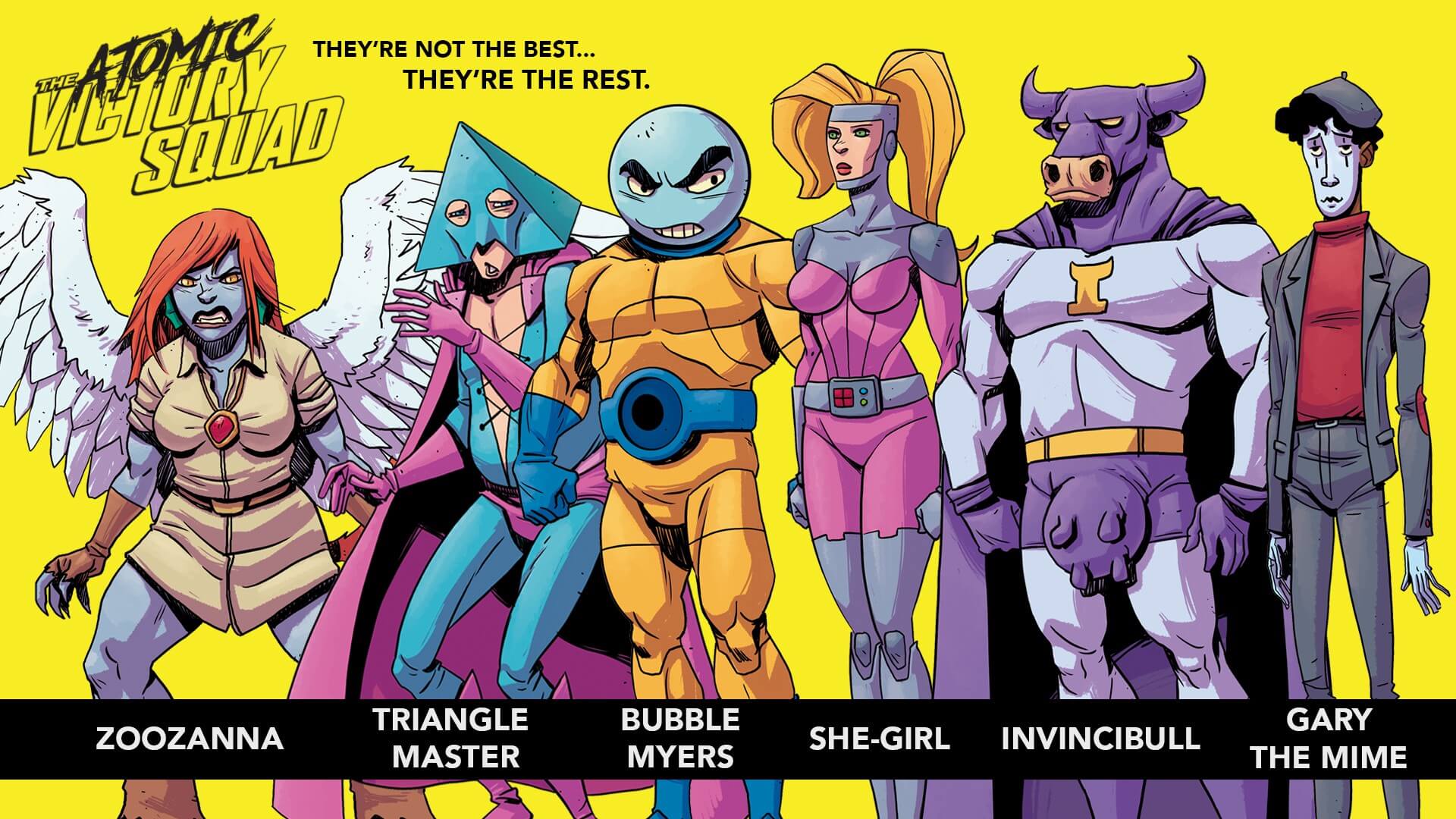
Atomic Victory Squad