When it comes to icons, Paul Dini is somebody who so many genre fans hold on the highest of pedestals. Where Batman and his world is concerned, Dini has been writing adventures for the Caped Crusader for decades now, be it for TV, for animated movies, for video games, or for comic books. If anybody knows Batman, it’s Paul Dini – and we caught up with him to discuss Gotham’s famed protector and a whole lot more ahead of the new Batman: The Complete Animated Series Blu-ray release.
STARBURST: To start right from the beginning, how did you end up getting involved in the world of animation?
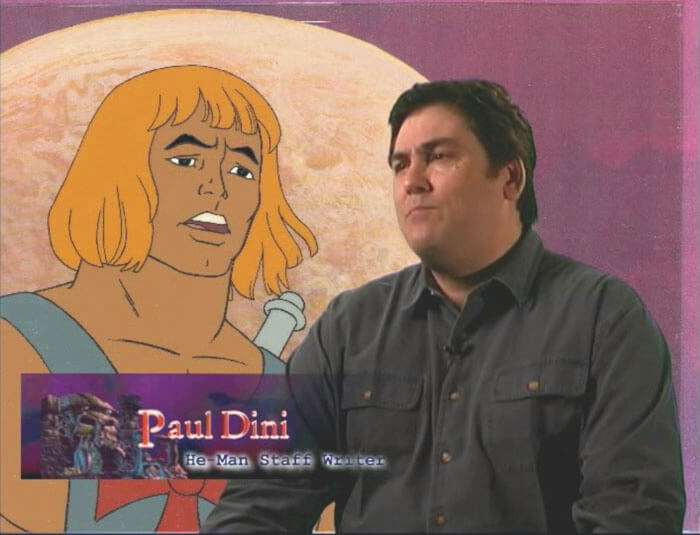
Paul Dini: Well, I’ve always been drawn towards film and television, and animation in particular. I guess I just honed in on cartoons because they were always the most intriguing and enchanting for me. I knew that animation itself took a lot of discipline and drawing talent – which I frankly felt I never had – but I always felt l was very good at coming up with stories and could supplement that with the sketches that I could do. It was something I just gravitated towards in college, and I was lucky enough to have a meeting with one of the heads of Filmation Studios, which would later produce the He-Man and the Masters of the Universe series. He liked my writing and my cartooning, and said, “It’s not the animation we do, but it shows that you can think visually, so by all means show us some stuff.” So, while I was in college, I basically deluged the studio with ideas and they wound up hiring me for about a year. I was able to get my feet wet in doing animation, and later on, when I moved down to California full time, they had a job for me helping develop the Masters of the Universe series that was just coming around at that time. I’d grown up on comic books and science fiction and Star Wars and all that, so I was able to apply that love to things like Masters of the Universe, and a year or two later I got to work on Star Wars itself; we developed the Ewoks and Droids series. I moved back up to the Bay area, which is where I was from, and went to work over in Marin County for George Lucas to do those first animated shows they did back in the ‘70s. Then, eventually I went back to Los Angeles where I met up again with Tom Ruegger, who I’d known briefly at Filmation drawing Masters of the Universe. We were all friends, and he brought me in to work on Tiny Toon Adventures, and that was the start of the Warner Brothers years. I booked Tiny Toons, that led to Batman, which led to Batman Beyond, to Justice League, to Looney Tunes and everything else.
How exciting was it getting to work with George Lucas at such a relatively early stage of your career?
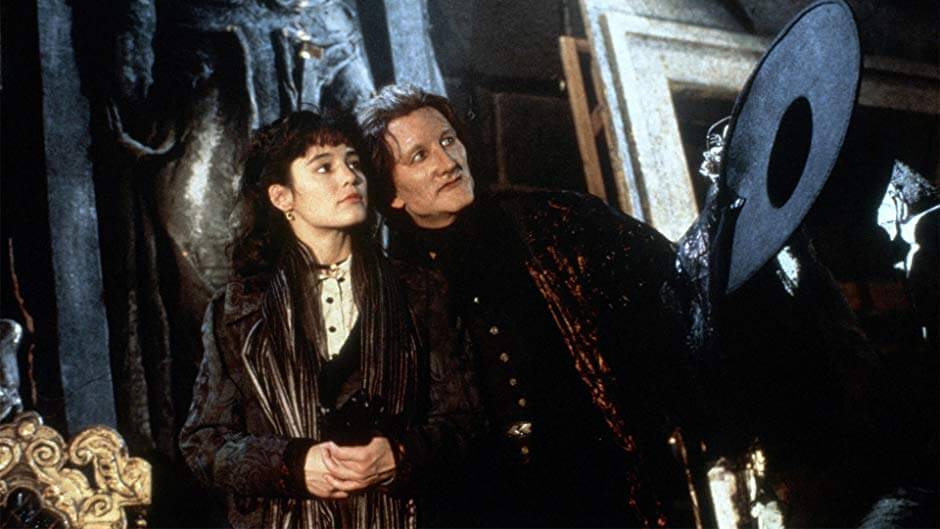
I was the ultimate fanboy, so I was dazzled by it all. I thought, “Oh man, this is really great.” Working at Skywalker Ranch back then, it was all new. He had just wrapped up doing Star Wars and the last of the Indiana Jones movies that he was going to make for a while, and so he was taking some time off to devote time to opening the ranch and to doing other projects, such as being an executive producer on movies like Labyrinth, Tucker: The Man and His Dream, the notorious Howard the Duck, and a few others at that time. The only Star Wars things happening were the Ewoks and Droids shows, and we were the ones keeping that alive. Star Wars had gone through its first and maybe only downtime. People had seen it – a generation had embraced it for their childhood – then it was sort of taking a nap for a while. It wouldn’t be revived until they did the special editions, then the prequels. So it was a good time to concentrate on other things, to work on new projects. He was around if we needed him, and he certainly was there during the development stage, but mostly he let it be known that as far as the other companies that Lucasfilm was creating at that time – which included his games’ division, the animation division, and a little upstart cartoon division called Pixar – they were running their selves. It was a very interesting time, because Pixar was its own unit there, and even though we did not really work together on the Ewoks and Droids series, we were aware of each other. Pixar was just getting up and running, so they couldn’t be doing anything on a regular basis for the animation we were doing. I would go over there and watch them making those first Pixar shorts, and I just knew that it was going to skyrocket, it was going to take off in probably ten years – which it absolutely did. And then, years later when George began series like The Clone Wars, he got even more involved with the animation and the stories and he would work very closely with a lot of the story writers on developing stories that were set in the Star Wars universe. I think at that time animation had broken free of the shackles of Saturday morning. When we were doing Ewoks and Droids, we were definitely part of the Saturday morning line-up and subject to a lot of the thoughts and theories about children’s programming at that time. The shows were fun to work on and it was a great way to get my feet wet, but later on when I got the chance to write some of The Clone Wars episodes, I found it much more creatively fulfilling because I could be, “Yes, finally real Star Wars! The real action, life and death stakes!” And that’s really what Star Wars is all about.
Batman: The Animated Series managed to work brilliantly for both children and adults. Would you agree that the show is one of the founding fathers when it comes to having cartoons viewed as not being purely for kids?
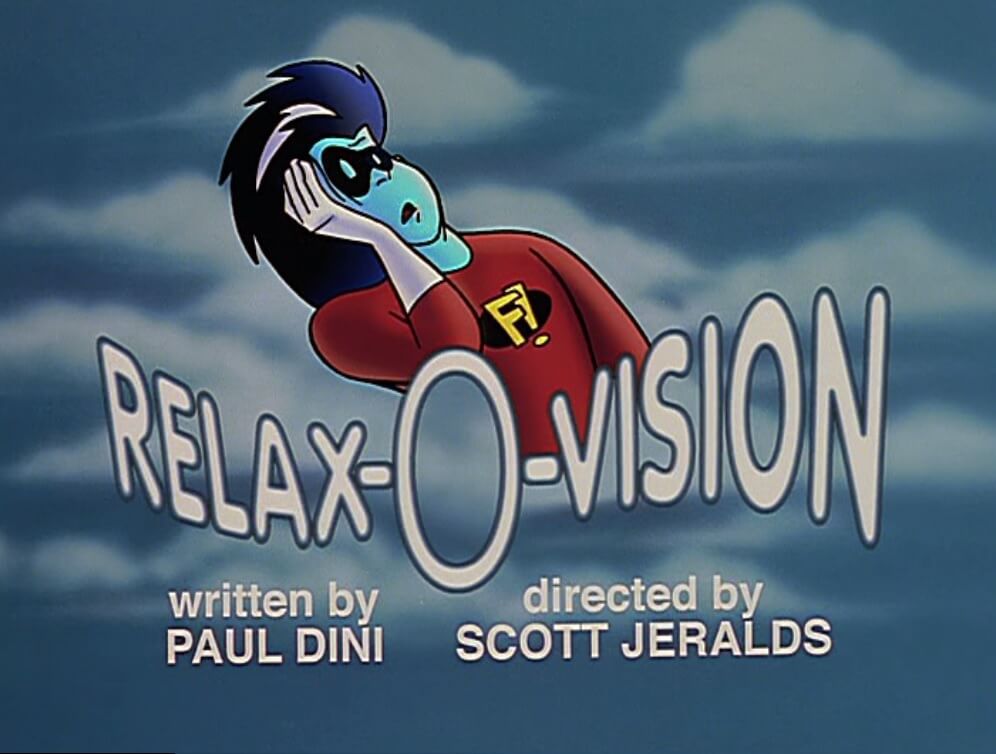
100% I agree with you as far as that goes. It really was not just a show for kids. It was a show that took quite a lot of people by surprise. I think there were a lot of things going on at that time that really made cartoons take a step forward. It wasn’t just Warner Brothers, although I’d say they were a key part of it, but there were other superhero shows like X-Men and the ‘90s Spider-Man. One thing that gave Batman a bit of an edge was that there was such a cinematic feel to it. The directors and the storytellers were encouraged to take a very filmmaker-like approach to the creation of the stories. You’d see things that other action shows weren’t doing. There wasn’t wall-to-wall music – the music was always composed differently per episode – and occasionally the soundtrack would drop out all music and sound to let a sequence play silently, with more drama; reminiscent of a Hitchcock movie or a thriller. And tonally, we were encouraged to tell stories from different places. Not every story began and ended with Bruce Wayne becoming Batman. Some stories began and ended with villains, some stories began with side-line characters or one-shot characters you’d never see again, but they all – we felt – were an honest depiction of elements of Batman’s world. It created this identity of Gotham City that was very unique. As long as we felt we were being true to Batman and his world and what he is, we had this liberty to tell stories in a different way, to reconfigure the rules of what makes a superhero show. You can throw those rules out the window and just tell interesting and amusing stories. And I’d say it was also something that they did all over Warner Brothers – shows like Animaniacs, Tiny Toons, Freakazoid!, the Looney Tunes cartoons. Most of them at that time were affectionate call-backs to what had worked before. I just think you had an amazingly talented group of people working on a variety of different characters and series, and the corporate line at the time was, “There are the toys you loved all your life, now’s your chance to have fun with them.” That really was the only rule: treat the characters well, have some fun, stay on budget, and will stand by you with what you want to do. Like I said, it was a very creatively stimulating and encouraging time.
Do you think we would’ve seen the same tone and style to Batman: The Animated Series if it wasn’t for Tim Burton’s Batman movie in 1989?
It’s interesting. I think things would’ve definitely been different. I think Tim’s movie really changed, in a very positive way, the perception of Batman. Up until his movie, even when they’d seen trailers for the coming movie with Michael Keaton and Jack Nicholson, I think 80% of the audience were expecting at some point to hear the Batman theme from the ‘60s show or to see call-backs to it or for it to have some sort of goofy element from the series. I don’t think they were expecting Tim to make a really serious movie about Batman, and I think that because it was cool and it was dark and it was very much his artistic vision – and yet very true to the comics at that time – I think that a lot of people embraced it as almost something new. And we did have to step up in a way. We had to repeat what Tim had done, but also, “Okay, he had his chance to do his vision of Batman – here’s ours! We hope you accept it as a true vision.” And they did. I think the two coexisted very comfortably together, and I do think that the fact that he had made that artistic statement worked well for us. I also think one of the things that worked in our favour was the effect Steven Spielberg had with shows like Animaniacs and Tiny Toons. He came in and said, “This is how I always imagined cartoons.” He’d just made Who Framed Roger Rabbit, and he liked his cartoons to be zany and to stretch reality. With a creator like Mr Spielberg, he demands a higher quality. That’s why the fuller animation came back, that’s why the jokes worked on both levels for adults and kids, and that was also why the music was so lush and so important to the animation process. He’s really a director who gets it and he knows how music can move a scene, how it can affect it, how it can work with the visuals to really carry the emotion of the scene. Very, very few Saturday morning television producers know or fully realise why music plays in a scene or they just don’t care or they just see it as another expense; something they’d rather not pay for. “Yeah, you know what, we can just do track music. Here’s the funny cue. Here’s the action cue. And here’s the music you just place in from wall-to-wall.” The cartoon begins, we hear music, it’s like carpet you just lay down. I worked on some shows where I’d say, “Hey, wouldn’t it be fun to do this type of riff? We have this character in this new location, why don’t we do music that’s more evocative of this scene?” and they’d just stare at me and say how expensive it was. Good music is always a participant in the scene.
There’s a strong argument to be made that the music is just as important, if not more so, than the action that you see on screen. The FOX X-Men and Spider-Man shows of the time were great in their own ways, but the music of BTAS was just one of several factors as to why that series stood out above the rest.
Forgive me for sounding a little cranky here, but I feel like within animated adventure shows, a lot of them are not making such a commitment to enduring quality. I feel like it’s an entertainment form that only requires the average, and a lot of people feel that if you do something superior no one will notice, or you’ll go over budget, or what difference does it make. And that was something I would run in to in my career at other studios at various times. It’s like, “We made a deal with a guy to do sound effects and Foley and he’s also doing the music.” “Well, does he have an orchestra?” “No, but he’s good on the electric keyboard so he’ll give you whatever you want.” You’re just pasting it in there. But then again, they didn’t have what we had on Batman, which was a unit that really worked well together and really brought every element. It’s the difference between bringing a lot of elements of your own creative personality and artistic passion to something as opposed to just doing a job. A lot of places just do a job, and they do a fine job and their stuff gets on TV and kids watch it – mission accomplished. With Batman, we just wanted to make something that we ourselves would enjoy watching from year to year and showing our kids and our grandkids and just saying, “Boy, did we have a lot of fun making that!”
And that’s part of the reason why Batman: The Animated Series is so beloved to this day and that the show has a whole host of Emmy Awards to its name.
I feel very blessed to have been a part of that. The work endures, the people enjoy it, and we were able to make something that – so far – has stood the test of time as something that people have embraced and grown up with.
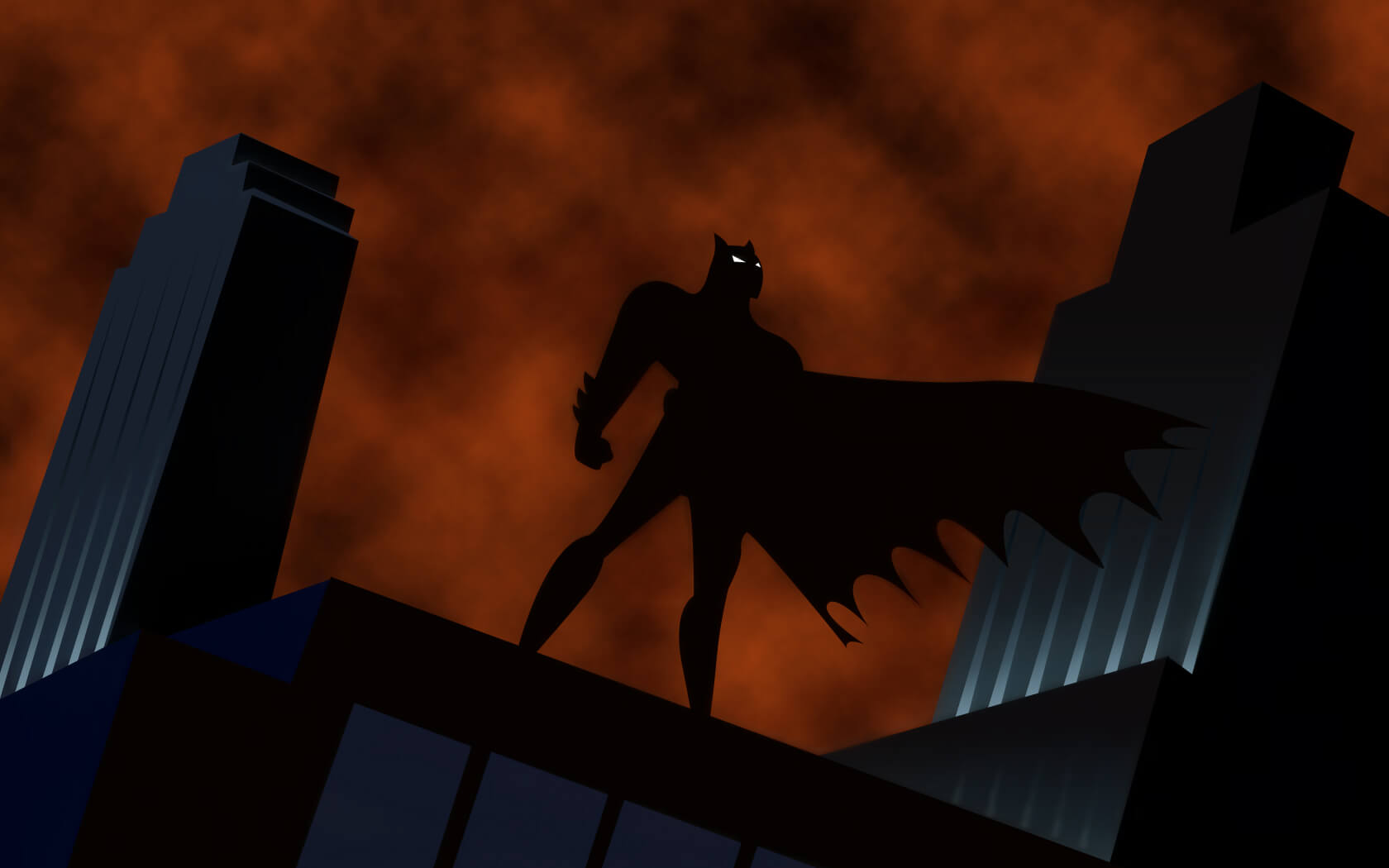
One thing that the X-Men and Spider-Man shows of the day had that BTAS didn’t, was they both had overarching, season-long arcs, whereas BTAS was, for the most part, standalone episodes. Did you ever have any talk of stringing out longer arcs on BTAS, or was the plan always to keep the majority of the stories as one-shot deals?
At the time, there wasn’t. I don’t exactly know why, although I would hazard to guess that part of the reason was that the shows, especially the first couple of seasons, were very labour intensive. Occasionally things would go wrong. I don’t think we ever started over, but occasionally episodes needed more attention in animation or they might have a lot of reshoots, and certain episodes were a little more elaborate with set pieces. So, I think that they worked better as standalone episodes because if you’ve got a big three-parter or a week-long story or you’re doing a story that does an overarching story, then there are two episodes in that batch that are just not coming together, you don’t want to run anything out of sequence, so it actually helps if they are standalone episodes. However, there is a loose character continuity where the characters all know each other, have interacted, and they’re not strangers to each other, where you can see it’s all part of an extended world. I think that when they got it down a little bit more than they had been doing, the idea of an overarching season of continuity became more of a reality. I remember them weaving it into the Justice League shows. They could have a bit more of a theme with Luthor and Darkseid, and carry that through the season and do a big two-part finale. So yeah, I think with time they got it down – the production hazards went away because they figured out the more effective way of doing it – whereas with Batman everything was new and it just worked out better to do standalones.
Whether it was on Batman, The New Batman Adventures, or Batman Beyond, was there a particular favourite character that you loved to write for?
I liked them all. I really liked writing the Joker stories. I thought he was a fascinating character because so little is known about him. It’s always fun getting a little window in to his weird and twisted psyche. I think I kind of took him over because I didn’t want him just as a gagster. He’s a character that’s very easy to get wrong. When you write him, the jokes – the best ones – are funny in a morbid, ironic way instead of him just spouting catchphrases or telling gags out of a joke book or something. There’s a bitter, dark, humourous quality to him that you laugh at almost because it’s naughty; because he said something about killing somebody or he made a double entendre. He was a challenge, but he was also fun to write. Then we added Harley to the mix and that continued the merriment in a deeply bizarre way. Suddenly in the world of Batman, we had this weird sort of newlywed couple doing wildly dysfunctional, outrageous things. And I felt that that gave The Joker a shot in the arm as a character; it stretched him in other ways, because he’s not only a gang leader he’s also in this weird one-sided relationship. It was fun putting that on him and seeing how far we could go. With The Joker, you don’t know a lot about his history or his origins. Whereas somebody like Mr Freeze or Two-Face, originally they were very sympathetic people. Joker, you don’t know anything about. That’s what gives him this magic; that he’s so unknowable, so unredeemable. But giving him the relationship with Harley – who certainly is a sympathetic character – brought out things in him that I thought were amusing or that made the world new in a different way.
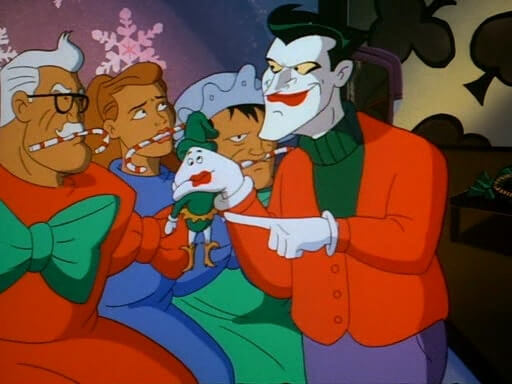
To many, one of the very best episodes of BTAS is the ‘Christmas with the Joker’ episode.
It was a lot of fun. Something like that, he recognises Christmas for what it is. In a lot of ways, it’s a sham. And he is poking his finger in the eye of the tradition and twisting it gleefully.
And how impressed were you with what Mark Hamill brought to the Clown Prince of Crime?
Oh man, where do I begin! I just felt that he had a knowledge and an understanding of that character in an intuitive way that I think only an incredibly gifted actor has. I think he could explain it pretty well, but I think once he performs the character that all comes out. Once he’s got the character’s lines in front of him, he knows instinctively where that character is inside him. He captures him so well. It’s the insanity, the craziness, the cruelty, and just a little bit of – I don’t even want to say humanity – this twisted sadness. Every clown has that little bit of sadness to him, and I think The Joker has this tiny little bit of a lost soul in him, and Mark brings that out in his dialogue and his laughter in all the ways he plays him.
You and Bruce Timm famously created the character of Harley Quinn for Batman: The Animated Series. Obviously, Harley is a hugely popular figure these days, but when did you realise that you had lightning in a bottle with her?
I think when the footage came back and we saw how well she worked with The Joker. The voice was fun and it was a call-back to the tradition of the 1960s show where The Joker or The Riddler or the villain-of-the-week would have a colourful group of henchpeople and one of them was usually a girl-gone-wrong. Also, Arleen Sorkin gave her a kind of classic, old style gun moll voice. It was fluttery and a bit airy, but underneath there was this tough, gun-cracking broad. The fact that she would get laughs from the gang and The Joker wouldn’t, then he’d get upset over that, “Why are you laughing at her? She’s just a girl we brought in for one caper?!” We didn’t really think beyond that point other than The Joker needed a henchwoman and she fit the costume and was willing to be a part of it. She was a good lieutenant and respectful of him. I wanted to bring her back because Arleen’s a friend of mine, she’s fun to work with, she brought a lot to the part, and a henchperson is always fun for The Joker to act off of and to help set up some plot points. Also, we had some really gruesome story where Joker is trying to poison people one after another. You needed a little bit of comedy to offset the menace of that, to give some lighter moments. There were these grotesque moments where he’s trying to kill someone, then he puts a giant fish head on Harley and you get the laugh there. Bruce Timm and I started to talk about her, who she was, where she came from, and we got this twisted idea that she’s actually his therapist and he had turned her to this. That gave us a whole new spin on her. With any new character you’ve taken a shine to, you want to do a little bit more with them. We ended up pairing her with Poison Ivy and, before you knew it, she was as part of the Batman mythos as Robin, as Batgirl, as Alfred, and now she’s around to stay. [DC Comics Chief Creative Officer and Publisher] Jim Lee talked recently about there were three pillars of the DC Universe – Superman, Batman, and Wonder Woman – and he said now there’s a fourth and that’s Harley. And that might not be too far off. Anybody could be Harley. I always think of her like Peter Pan; there’s a bit of Harley Quinn in all of us and that’s where our goofy side resides.
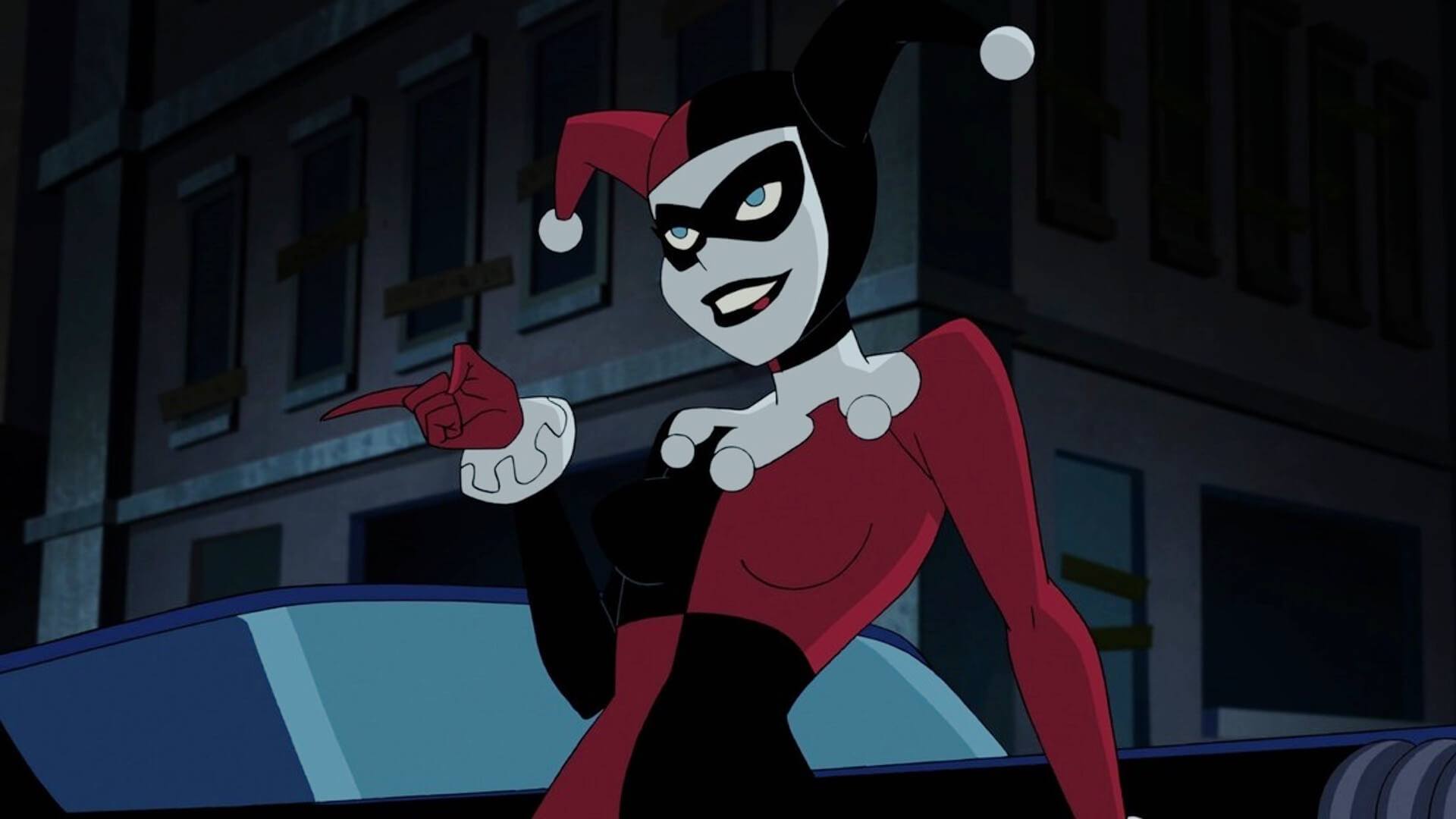
Wherever you turn at conventions these days, there’s literally hundreds of Harley Quinns to be seen – whether that’s girls, boys, young, old.
I think she’s an incredibly liberating character for everybody to embrace – male or female. I always give triple candy out on Halloween to anybody dressed like Harley. I’ve seen little girls dressed as Harley with their dads dressed like Harley. That’s, “Here you go, you get the whole bag. You win!” A few years ago, I was at the Paris Comic Expo at one end of this big hall. I was there for Urban Books. And Bruce Timm was there. So I’m able to see him at his booth way at the other end of the hall, and between us is a sea of baseball bats and mallets sticking up in the air, and there’s a Harley under each one of them. So there’s Steampunk Harley and Bombshells Harley and traditional Harley and Suicide Squad Harley. It was amazing, it was like Harley Con or something! I hope she’s around for a while. I hope people find stuff to do with her and they enjoy her, that she doesn’t wear out her welcome. I just wrote a novel [Harley Quinn: Mad Love] about her and about her origins where I get a little more in to what her childhood was like and what her family was like. I wrote that with Pad Cadigan, who’s a very renowned Hugo Award-winning science fiction writer. I had a lot of fun doing that.
Given how certain parts of any fan base are often very vocal these days about any and all changes, how do you think fans would’ve reacted if social media was around when you created Harley Quinn and gave The Joker a sidekick?
Well, everybody has an opinion, and everybody has preconceived notions about what they like. A lot of people have the attitude of taking a negative attitude until you convince them otherwise. I don’t think that’s the majority of fandom, but I definitely think people have that attitude. But I also think that people can embrace change or they can find something to like. It’s hard to say, because I don’t think that would have stopped us from doing anything. I think the only negative really is when a creative person is stopped from doing something out of fear that maybe somebody won’t like it. Well you know what, not everyone’s going to like it no matter what you do. So you might as well go out and do your best and just not pay attention to the chatter. If they like it, they’ll like it. If not, sooner or later you’ll hear about it. But I think, for the most part, I’m extremely grateful to the fans and I really love talking to them and seeing them when I do an event, but I’m not somebody who spends a lot of time on the forums other than just to announce things I’m working on that they might be interested in. Because that’s really for them, for them to debate and to talk about and express opinion. Had we been around, I probably wouldn’t have paid that much attention to it, because my attitude is that I have a job, I have to do this, and I’m going to do it to the best of my ability. People will either like it or they won’t.
Even the greatest of movies or TV shows these days end up with some sort of vocal backlash, which is a little sad to see.
I don’t like most of the movies I see. I go and see them, and if I’m entertained by them then that’s one thing. Am I going to buy the movie and watch it again? Likely not. I might buy the animated movie where I liked the technique or I liked the art design. I might study that or go back and watch certain segments again. Overall, I’ll see a movie once. It has to be a really special movie for me to buy it, take it home, and watch it several times a year like a favourite book. On the other hand, I’m not going to be out bellyaching about my opinion on something. If you have that much time to devote to the analysis of someone else’s work, you probably have the time and the passion to create something on your own. That’s where I’d rather be.
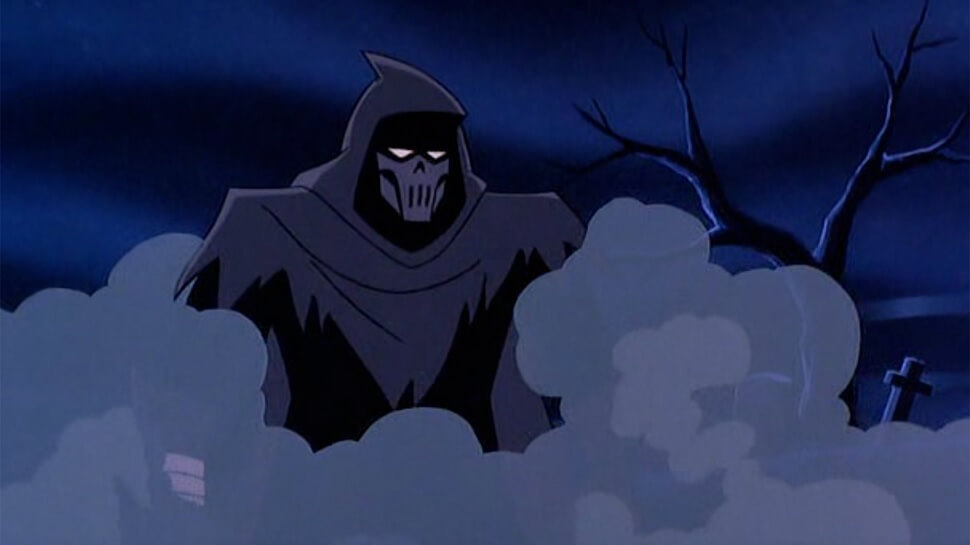
On the topic of movies, how much fun was it to sink your teeth into a full Batman feature with the stunning Mask of the Phantasm?
This is speaking strictly personally, but it was a lot more fun when my involvement was over and I could see the elements coming together, to see the footage come in. I did open up on the time I worked on the movie – I wrote a book, A Dark Knight: True Batman Story – and that details what was going on in my head. I’d gone through surgery to have my face reconstructed. I was almost agoraphobic after that. Alan Burnett was calling me all the time to see if my pages were in yet. “Maybe tomorrow…” as I’m firing up a video game and playing that. “Here’s a scene where Bruce starts a mugging then gets beaten up.” “Really? Do I have to write that? Can Martin Pasko take that?” But I kind of worked through it, and writing on Phantasm really helped. More than that, Alan Burnett was such a supportive leader as being the head of the writers. He was very supportive to all of us, and he in particular knew what I was going through and was getting me inspired to work on the series again. I probably wouldn’t have done it without him. I wouldn’t have done the series originally unless he had encouraged me to come back and do a few episodes. At that time, he was rather stern but in a very kind way to getting me focussed back on writing my segment. Once I had done that I wanted to come back full-time and do more episodes. Once I was over that hump, the storyboards started coming in and I started getting really excited. And Alan was very insistent that it be a Bruce Wayne story and a strong one about him. It was probably the best one we could’ve done, because the villains are fun but they’re all so easy. You can eat up a lot of time with The Joker or Mad Hatter or Bane or somebody like that and make the story about them, but with Phantasm the emphasis was on Bruce, the choices he made, and how those choices continued to haunt him to the present day. And I think that’s the strongest type of Batman story you can tell. Once you have that figured out, then you can have all of the fun you want with the gangsters and the villains and the criminals.
What are your memories of the transition from Batman: The Animated Series to The New Batman Adventures in 1997, and was that simply a case of Warner Brothers wanting to freshen up the feel of Batman?
That’s always the case. You always have new executives coming in – whether it’s at the studio or the network – they’ll come in and say, “You’ve got a great show here now. What’s new? What can we do to change?” “You know, we don’t want to change it.” “No, no, no. What’s new? What can we do to change it?” With The New Batman Adventures, I think what had happened was we hadn’t done Batman: The Animated Series in a couple of years. I think it was a good decision to freshen it up a little bit, especially as Bruce and his crew had done the Superman series. Superman was designed with a deliberately lighter palette than the early Batman episodes. It was more traditional, the backgrounds were not painting on black paper like Eric Radomski had done originally, and the designs were a little more streamlined. It was a brighter world and we knew that we wanted to incorporate Batman into part of that world to bring Superman and Batman together as characters. So Bruce and his crew redesigned the characters with that in mind and gave them a more streamlined look. You could see that there were call-backs to Batman: The Animated Series. They were essentially the same characters, but this is something that’s done traditionally in animation for years. The Bugs Bunny of 1938 is not the Bugs Bunny of 1948. Animators throughout the years would refine them or streamline them or maybe there’d be a little less budget next year for The Loony Tunes, so let’s give Bugs and Daffy a makeover and don’t have them do as many big, elaborate music numbers. It can still be fun and engaging, but you look at something like the early Bob Clampett Bugs Bunny cartoons compared to the late-‘50s Chuck Jones cartoons. They’re radically different in terms of direction and design, but they’re both a lot of fun. With Batman, we had done the Superman series, we had gone in a different direction with design and sometimes with story, and the series reflected a lot of that. It was still Batman and we were still having a good time with it, we were still experimenting with different ideas, but you know, in some instances things change for the better. Bruce Wayne got more cut, the design was a little trimmer, yet the stories were still challenging to tell. We had, for the most part, the same cast back, and it was just telling more interesting stories within that world. And also I think we had built up a little bit of cred between the first couple of years of Batman and the later adventures, so people were interested in the stories and the character dynamics. We were able to deepen the relationship between Batman and Nightwing now that there was a new Robin and there was some old ground to cover, some old wounds to heal. It made it interesting to go back and take the characters on again at that point.
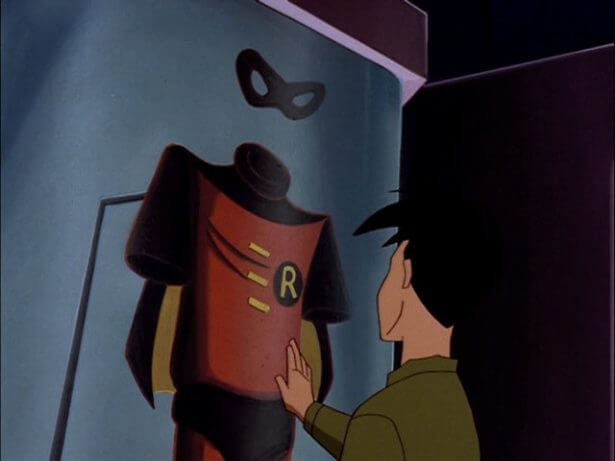
As alluded to there, you brought in the Tim Drake version of Robin as Dick Grayson transitioned to Nightwing. Was there ever any talk at any point of including Jason Todd in the series?
Not really. Where we were at the time, I don’t know if the crew liked Jason Todd all that much. I think we looked upon him as the Robin that didn’t work out too well when they did that whole Death in the Family thing in 1988. When we did The Animated Series in ’92, Jason kind of spoke to us as the Robin who didn’t work out and who got himself killed, so let’s not do him. So Tim came along, and there were elements of Jason. They hadn’t done the redo on Jason yet or figured out the Red Hood. We looked at Jason, he’s a circus performer also, and Dick Grayson done over again with a different name. So when Tim came along, we said, “Let’s do Tim instead. He seems to be brighter, younger, a more engaging character.” It just seemed to work out better for us.
The Tim Drake character would be key to bringing The Joker back when you did the Batman Beyond: Return of the Joker movie in 2000. That’s a pretty brutal picture in certain places, particularly during the flashbacks to Tim being tortured by Joker and Harley. How was that experience?
An odd thing to happen with that is that when we were given the go-ahead to make Return of the Joker, there was a company-wide edict that this movie was going to be a major release for Warner Brothers, it was going to be a big step for them in video and home entertainment. There were several very public meetings where we were encouraged by the heads of the company at that time to make the Batman movie we’ve always wanted to make; to treat this as if it’s a theatrical feature. If you want to take it to a dark place, take it to a dark place. Basically, the limitations are off. Don’t go bloody or grotesque with it but, on the other hand, if you want to tell a dark and intense and moving story by all means do. So we proceeded with that in mind. And, as sometimes happens in the entertainment business, a lot of things changed in the subsequent year that we were making the movie. It came to be seen internally as more of a kids’ movie, which meant it had to be made appropriate to promote and show on kids TV. Consequently, that brought us under the scrutiny of the kids TV censors, who insisted we had to make significant changes to the finished film. Ultimately, we released the cut with the changed sequences. Then they came out with the one that was the original uncut version, which I always felt was the best one as that was what we were all working for. I don’t think it hurt the overall story that much because it’s a story of Terry McGinnis and his role as Batman. It was just one of those things we had to do at the time, and we got through it as best we could. I think the movie’s still a pretty good effort.
You would go on to work on the first two Batman: Arkham games. How enjoyable was that, and how much freedom did you have with the story you chose to tell?
The first two were terrific because the whole thing was brand new. With Arkham Asylum it was a chance to take some elements of the Batman world and the animated world and play them a lot darker, a lot more serious, and a lot more realistic in the terms of the stylisation of the characters. To me it feels like the same world, but the look is radically different and the intensity of some of the action is much different. We had Kevin [Conroy], we had Mark [Hamill], and we had a lot of the cast members back to do the voices, so I felt it was a very easy fit to flip back into that world and to work with the game designers to come up with a take on Batman that felt very naturally. Not only is it an extension perhaps of the animated series, but also the better elements of Batman’s world from the comics and the movies and the mythos in general. Arkham City I felt was a change from that as far as “Okay, now we’re making things bigger. We’re doing a whole outside world and we’re taking Batman off the Asylum, off the island, and into the city itself.” And I just felt the scope got bigger, a lot more dangerous, a lot more interesting with the places we could take him and move him around. The idea that they would actually wall off part of Gotham and give it over to the criminals, I thought that was a bold choice to make as far as story goes because that really shows the affect of crime on Gotham City. Basically, half the city is just giving up and saying “Okay, we’re just going to live behind closed doors here, and the villains get to destroy each other.” Again, it was fun, it was great playing in that arena with those toys.
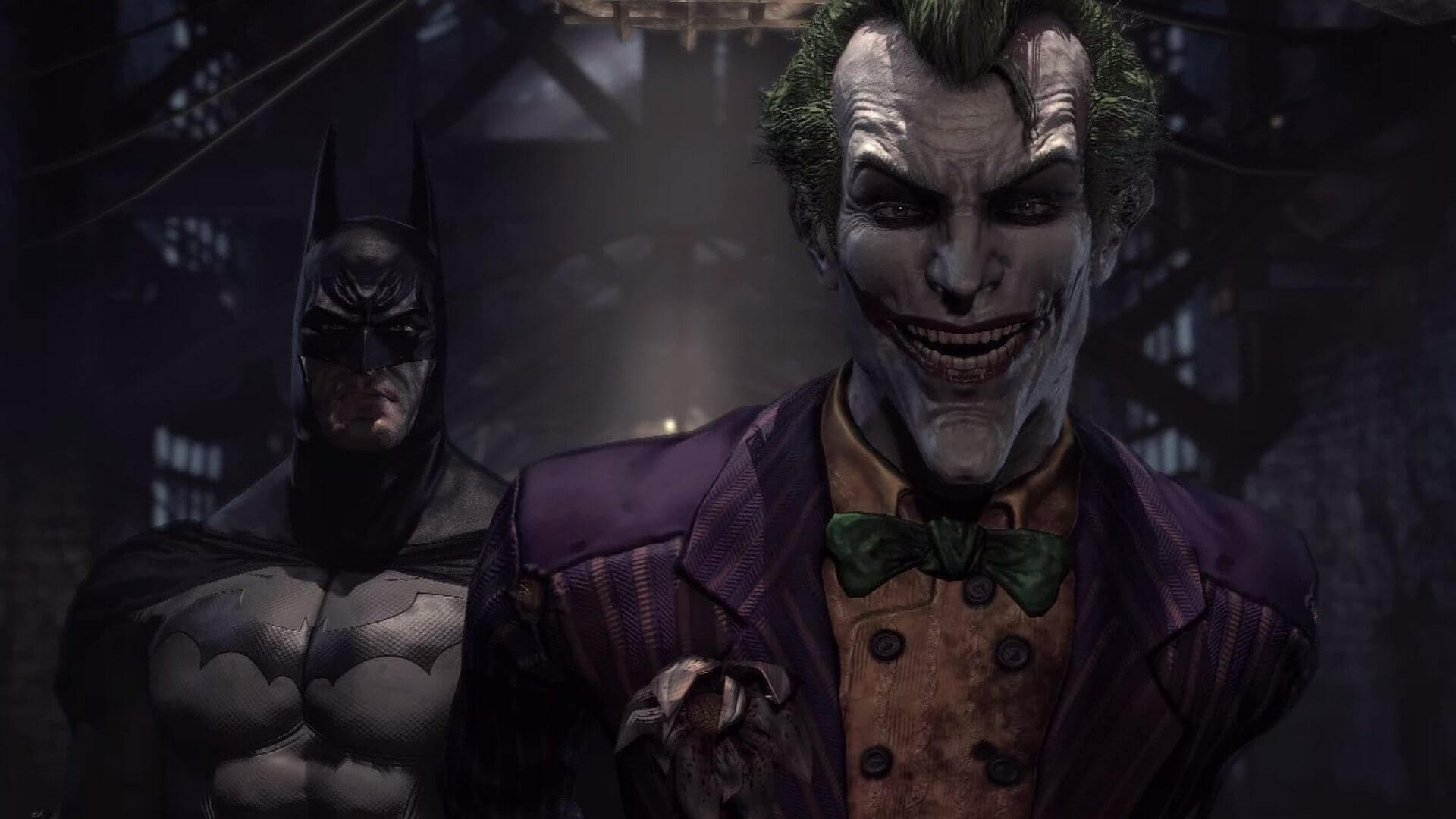
Those Arkham games, particularly the first two, are just absolutely beautiful games that are so well paced and played out. You mentioned that there were several of the key voice talent of Batman: The Animated Series involved in those. Is it almost like a second family when you all get together again?
Yeah, it’s always nice to see them again and it’s always fun to work on a new project. A couple of years ago, we did a VR game – it was a cross between a game and a toy – where you got these VR goggles and it basically put you in the middle of an Animated Series episode. It was something that I recall working on – my last stint over at Warner Brothers – about four years ago. They were going to do this VR walk through the Batcave, and Bruce Timm and I were working together on what that would be like. I wrote Batman’s dialogue. You’re his guest in the Batcave for whatever reason – we came up with a reason why that worked – and you could go over and investigate the crime lab or go over and see the Batmobile, walk around it, see it from all different angles. And you could hear Batman talking from a remote location because he could check in on you from time to time. It didn’t go much farther than that and then I left to take another project. A couple of years later, this was still in the works and I worked with a company called OTOY, which were developing it for View-Master. They were adding a lot of animation to it, so I worked with them to add sequences with Joker and Harley and Batman talking directly to the camera. Then they did a CG confrontation between Batman and The Joker at the end. It was fascinating to work on that as a first step in to VR, and we brought back the original cast – as many as we could – to record voices. It was great. We were working with Kevin and Loren [Lester] and Tara [Strong]. I was out the day Mark came in, but he came in and did The Joker. It was terrific, it was fun being in the recordings. And Andrea [Romano], of course, was directing it all. I thought, “Boy, it was fun to do this. It’d be good to do this again on a regular basis with these people.” But it’s always like that. That summer, Kevin and Loren and I did some promotion for the game and we were all on a panel together talking about it, and we did that just this last year at Comic Con – talking with the cast and the crew. It’s always fun to see them, to hang out a bit. You never say never. Maybe we’ll do some more at some point.
You’d eventually leave Warners and work on Marvel properties such as Ultimate Spider-Man and Hulk and the Agents of S.M.A.S.H. Had you always wanted to work with some of Marvel’s finest characters, or was it more a case of feeling like this was a natural time to move on?
Well, Warners was a very unique place to work in the ‘90s and the early 2000s. After that, there were some changes in management and changes in vision, and then it just became a job the same as any place else. People came and went, the business of kids TV changed, and for writers it became more about what the company needed at that moment. That was sort of the attitude. It was a pretty solid unit of people for about ten to 15 years, the reality of business got in and it was more, “Okay, this show’s ending, this group goes. This show’s starting, we’re hiring all new people.” In my case, when I left initially there was a lot of that attitude and I’d been offered a position on the show Lost, which had not been officially greenlit. I was going over and developing the show and also working on a couple of projects for Warner Brothers at the same time, and when Lost went into full production I went over there full-time. It had become much more interchangeable as far as most of the talent went. And it was like, “Stay or go, whatever you wanna do.” Then I would come back occasionally to work on projects, freelance or to do things here and there. The Marvel shows came around that time. It was great fun working with Eric Radomski again, and many of the writers and crew people I had worked with on the DC shows. Also the Marvel characters bring a whole different energy to it. Spider-Man, Hulk, Dr. Doom, all those great characters I had down on my personal bucket list to write someday. It was very cool being at that new iteration of Marvel Animation as it was starting up. The last time I worked at WB was on Justice League Action, then some other opportunities came up and I decided to go with those.
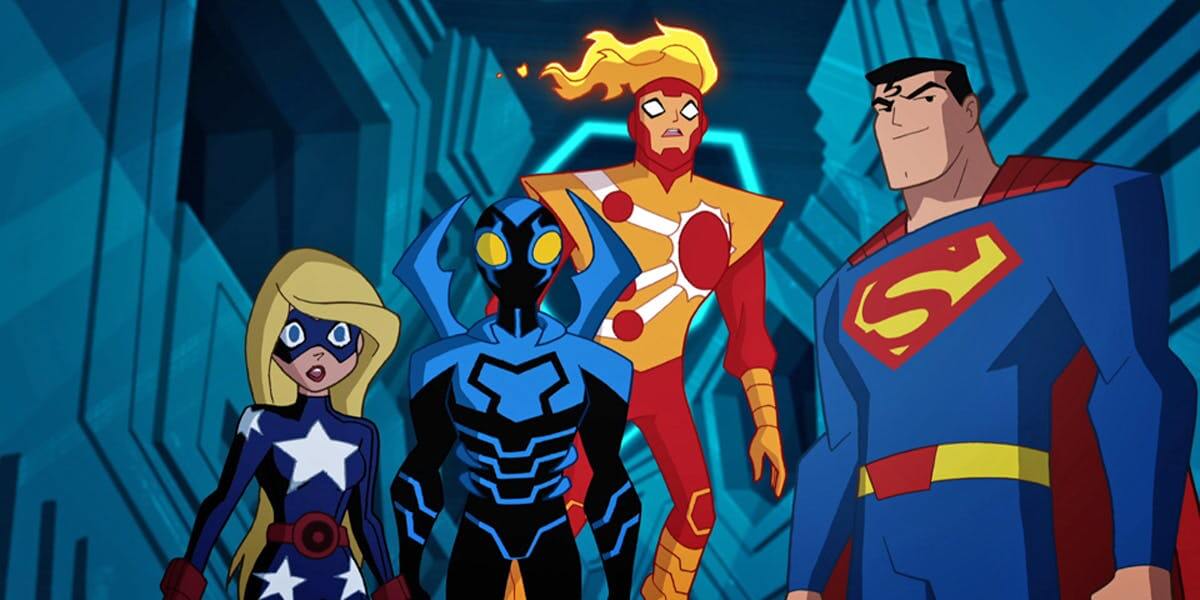
From working with Batman and his supporting world for so long, how was it tackle a larger ensemble group of heroes with something like Justice League Action?
Oh, it was a lot of fun. Initially with Justice League Action, I was developing the show with Alan Burnett early on and nobody was sure if the show was going to sell or not. It was sort of like, “We think we’re going to be doing another superhero show. We think we’re going to go in this direction. We think we’re going to do shorter episodes and really focus on sharper stories that have a funnier skew.” I think the DC characters can lend themselves to that very well, so it was challenging not to think in the 22-minute format. It was also kind of liberating that you could basically take an incident between Superman and Wonder Woman, or Joker and Luthor, or Batman and Zatanna, and just mine that for a lot of comedy, a lot of character, a lot of action, and just see where that led you. And also, there were no restrictions to who we could or couldn’t use. Suddenly, characters who had been off limits – like Swamp Thing – it was more, “Sure, use him, make him part of the group. You wanna bring in Firestorm? Great! He’s kind of a wise-ass, he’d work well with Batman.” Most of the episodes were tremendously fun to do as we had that access to the entire DC world and you could bring in literally any character, even the most obscure ones, and write something interesting for them. I just thought the show was very refreshing, and it was fun working with Kevin and Mark again. Creatively it was very stimulating. It actually felt like The Animated Series again because I could go into Alan Burnett’s office and be, “You know what would be really funny? Let’s do Ferris Bueller’s Day Off with Joker and Luthor. Joker’s gonna take his pal Luthor out for the best day ever and they’d just have a day off.” And Alan was just, “If we can have it by next Tuesday, great!” Then we’d spend a few minutes discussing the plot, what’s the story, and then we’d go off and write it. It was just fun. We wrote fast and fun, and we did a bunch of those. Then at some point in the production I just sort of felt, “I’m having some fun, but it’s time to go.” And then I left to take another project.
Over the years, are there any particular characters or stories you wanted to do on Batman or Justice League that you ultimately never got the chance to?
Yeah, there were a few that I wanted to do. There are a couple I’d like to do now, that if we ever go back in to production I’d love to do. I’m not going to be specific because I feel that if I talk about specific ideas then I diffuse the energy. But yeah, there were other characters I’d like to work with, other villains that I don’t think we got everything we could out of them. If I could go back, if I could do more, I’d probably do a lot more Catwoman stories. I would probably do some more Mad Hatter stories. I can think of a couple of good Riddler stories that have occurred to me over the years. Although it’s fun to see how other creators have built, not only on The Animated Series, but in terms of other stories that have come in to existence since Batman 26 years ago. Other creative writers and artists have taken characters that might have been sideline characters or old favourites, and they’ve redeveloped them in new ways. And you look at that now and you go, “Oh man, I hadn’t thought of going that way with The Penguin. I’d sure like to do an animated story like that.” It’s a medium that really builds on itself; we’re always inspired by what goes on or what other creators are doing with the characters.
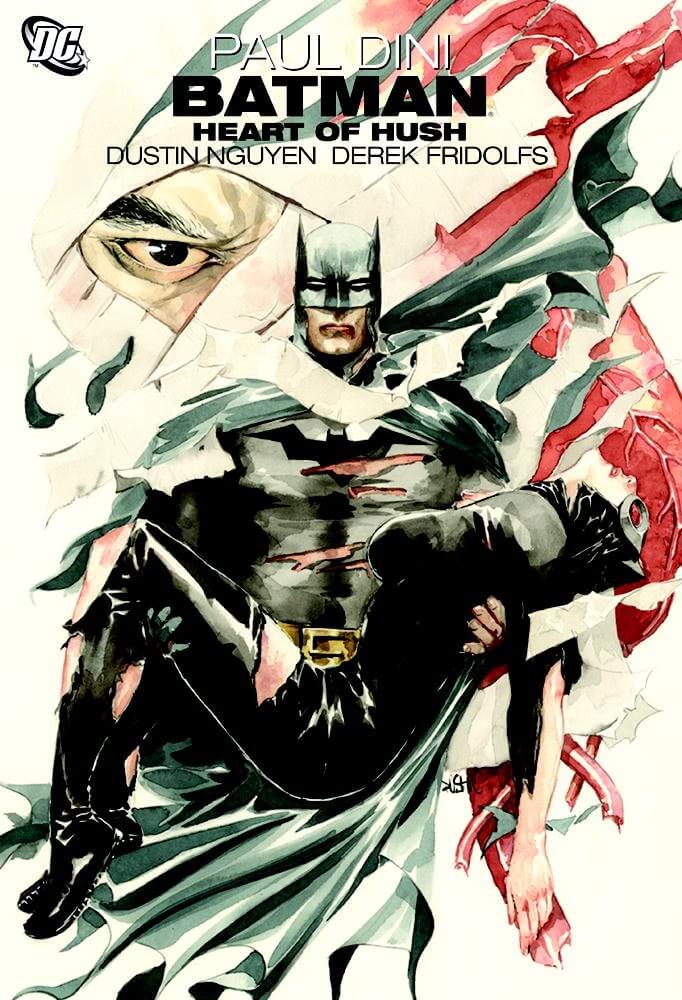
One new character who wasn’t around during BTAS is Hush, but that’s someone you’ve gotten to write in the comics. How different an experience is it from writing for an animated series to writing for a comic book?
It’s a bit different. You have to be the entire director when you’re writing a comic book. You have to do a lot of the staging and plot it out. It’s more on the writer to describe the location, the setting, the tone that you and the artist might be working towards. So I find it’s a lot more labour intensive to write a comic book strip than in animation, but it’s also very satisfying to see it come out months later in printed form. It’s exciting to have that regular job to go to where you’re continuing the story for twelve to 24 months. Like when I did Heart of Hush and some of the other Batman stories I did in the comics, I knew that I was plotting a big story so I’d map it out on a board or on legal pads. I’d make sure all of the pieces fit. Some weeks were spent just plotting out an outline, the others were spent scripting. It’s always thrilling to see the artist’s roughs, the pencils. Ultimately the inks come in and you get to see the whole process of it. I’d say comics are a bit more labour intensive, but they’re still a lot of fun to do. And the good news is, when they collect them as a volume, you’re able to have it all together and put it on your bookshelf. I think in regards to Hush in particular, if I was going to develop that character I would probably do it differently to how it was in the comics. It’s a classic Batman story and everything, but it’s a mystery almost without any mystery. The second they bring the character in and polish him off – Tommy Elliot – you know he’s the bad guy. Why would you make such a big whoop-de-do about this new character? Here’s Bruce Wayne’s best friend from childhood, never heard of him before. I guess if I was doing it in animation, I would put out that Tommy Elliot is out in the world. It’s like when we did Two-Face, we put him in a few episodes before he became Two-Face. So I’d at least establish that Tommy Elliot exists and not make any mention of Hush for at least a year, then gradually give Bruce a reason to like the character and warm to this character other than the fact that he appeared and died in one issue. Right away you know that Hush is Tommy Elliot. If I was doing that, I’d stack the deck in my favour. I would do a Batman story that has nothing to do with Hush or Tommy Elliot or anything, but I would have some sort of flashback to Bruce as a kid or going through a photo album. I’d use some flashback scene to show Bruce as a kid with Tommy Elliot over at his house. I did that in the books where it’s Christmas morning, Tommy Elliot’s coming over, oh and Zatanna’s there too. All the kids are there and Tommy hates everybody and is being rude to Zatanna. Now, thirty years later, that pays off. If I was doing that, I would make sure that he existed in that world to some degree and then two years later we do Hush.
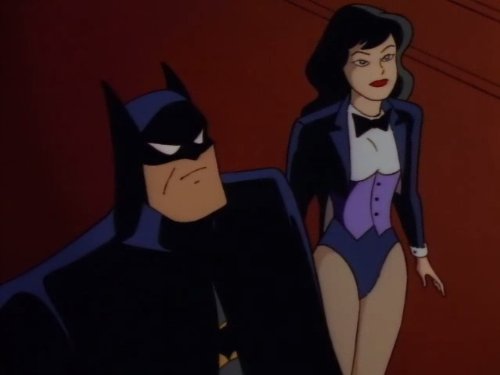
On Zatanna, do you feel that that’s a character who often gets a little short-changed in terms of mainstream popularly, given how she’s such a key part of some huge stories in the comics?
I think she’s a very hard character for a lot of people to write or to wrap their heads around. Talking to other creators, they’re never sure how to play her or what the limits of her magic are – what can and what can’t she do, and how does that properly fit in to a bigger story? If she can literally do anything by speaking backwards, is she more powerful that Superman? She does have to talk backwards and that takes a lot of focus and will and concentration to do that correctly, and it’s not always the best solution. There are times she has to rely more on her wits and her fists than the magic. That’s what I worked hard on, developing her as a person and a person with some flaws, then adding the magic on top of that. And also, she’s easy for me to write because I’ve always had performers in my family. It was easy for me to see their point of view – whether they were acting or singing or whatever – and to give me a little bit of a window into the performer’s psyche and to see why they’re out performing. My wife’s a magician and I get to see what she goes through. It does not involve a wand or snapping her fingers – it’s all hard work. There were elements of that I could bring to it, so I think I have this unique perspective I can bring to her that other creators don’t have. There’s just some characters that are easy for me to write for whatever reason. She’s a character that I always find something interesting to say about her. Whenever I’m able to use her in a story, I’m always able to think of something fun for her to do. Whereas, at one point, I laboured over a Green Lantern script that I was given to write. I just sort of threw my hands up in frustration, “I can’t make this work, I’m sorry.” It was developing a direct-to-video with the Green Lantern character in it, but after I while I just said, “I’ve got nothing, I’m sorry. It’s too big for me to wrap my mind around. The whole cosmos thing, it’s beyond me.” He’s a character that I don’t have it for. If it’s John Stewart in a bar with Hawk Girl, having a barfight, yeah, I can do that because it brings it down to a very personal level. But this was another character as Green Lantern, it was this cosmos-spanning adventure, and – it was my fault – I didn’t have anything for it. I couldn’t find the person I wanted in Green Lantern. He’s just not a character I’m suited for.
Given your success with writing so many of these characters over the years, did you ever find yourself becoming one of the go-to guys for some of the big-screen superhero projects that have been in development?
No. At one point Warner Features asked Alan Burnett and myself to work on a Batman Beyond project but it didn’t go far. My connections to that world have always been fleeting. They don’t need me. They’ve got their own people who they’re paying to write scripts. I’d rather put that passion and energy in to writing something of my own.
Is there still an ultimate passion project out there for you, that great white whale?
Oh man, the ocean is full of white whales. But I’m not going to talk about them because I’m spending all of my energy out hunting them. I’m not going to talk about anything I’ve got in the works – whether or not it’s a set thing or it’s something I’m developing – because there’s nothing really to talk about at this point. When the deal is made and when the cast is set and when we’re actually in production, at that point I think I’ll be ready to announce something. I’ve learnt through painful experience that if you talk of something long in advance of it coming it, it will either go away, vanish to nothing, or people will take it and blow it out of context. All I can say is I’m working on a lot of stuff. All I can say is I’m working and I’m happy and I’m very creatively inspired and excited about what’s coming next on a lot of different levels. I’m busy and I’m happy.
You have been a key part of the Gotham City Sirens books over the years. Has anyone reached out to you about the upcoming Sirens movie at all?
As I said, that’s a world that I have no connection to and people that I don’t know, and I think it’s best I don’t knock on those doors because I don’t want to be perceived to be a pest. I don’t think there’s any reason for me to do that.
Not so much you knocking on their door, but it would just seem logical for them to knock on your door given your past with these characters.
I’m certainly not hard to find, but they have their talent in place.
To bring things full circle then, what do you think makes Batman: The Animated Series, The New Batman Adventures, and Batman Beyond so special to so many people still to this day?
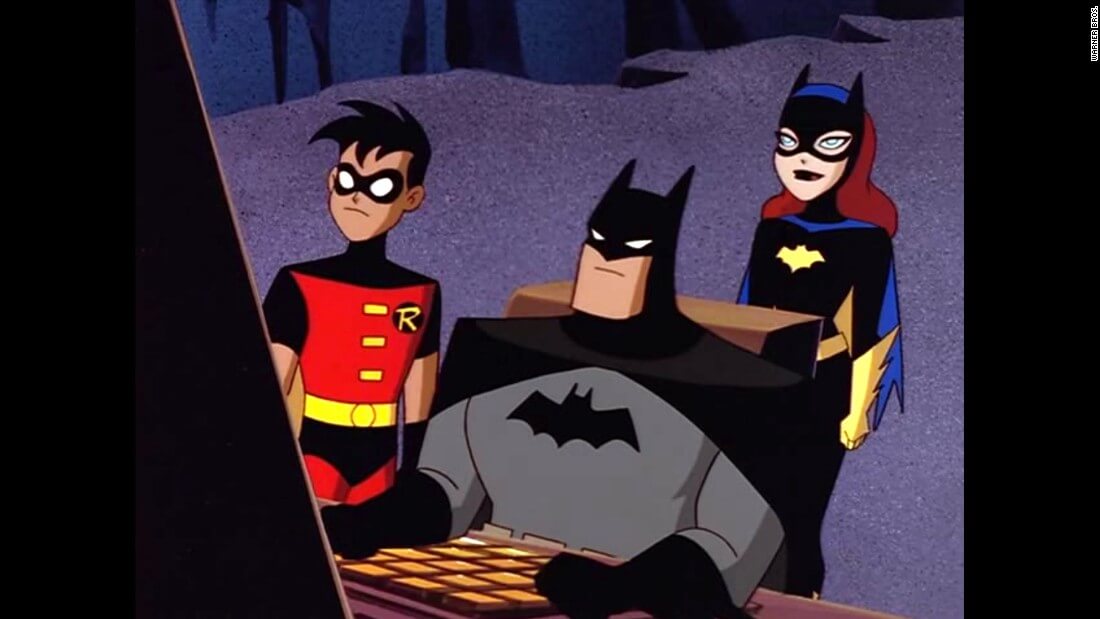
Because it doesn’t speak down. It is something that by the nature of it being a cartoon, by being an animated series, it has a lighter feel to it or lighter look to it than a Tim Burton or Christopher Nolan movie. I think people see the deceptively simple style and think it’s for kids. Once they watch it, they realise this is all-ages entertainment that appeals to you on a level both as an adult and as a kid. I think that a lot of it goes over a kid’s head on first viewing. They just know that it’s Batman and there’s a lot of Robin and Batgirl, and a lot of colourful villains, and they’re really intrigued by the world that they see. I think the tone of the series is such that it just lends itself to a lot of that fan appeal, and they’re willing to embrace it for that reason. It’s the same as why really good comic book stories get embraced from one generation to another; there’s something they can reach for beyond the age they read it. And with The Animated Series, a little kid can reach up to it as far as something that they’re maybe not ready to understand but something they’re intrigued by. The stuff that’s been around for a while – like the Disney classic movies, the Looney Tunes, the best Hanna-Barbera cartoons – those will always be there. And hopefully Batman will always be there, too.
It feels like an impossible ask, but if we had to pin you down, is there an episode, a movie, a scene, or a certain moment that stands out as your favourite during your time involved with the Caped Crusader?
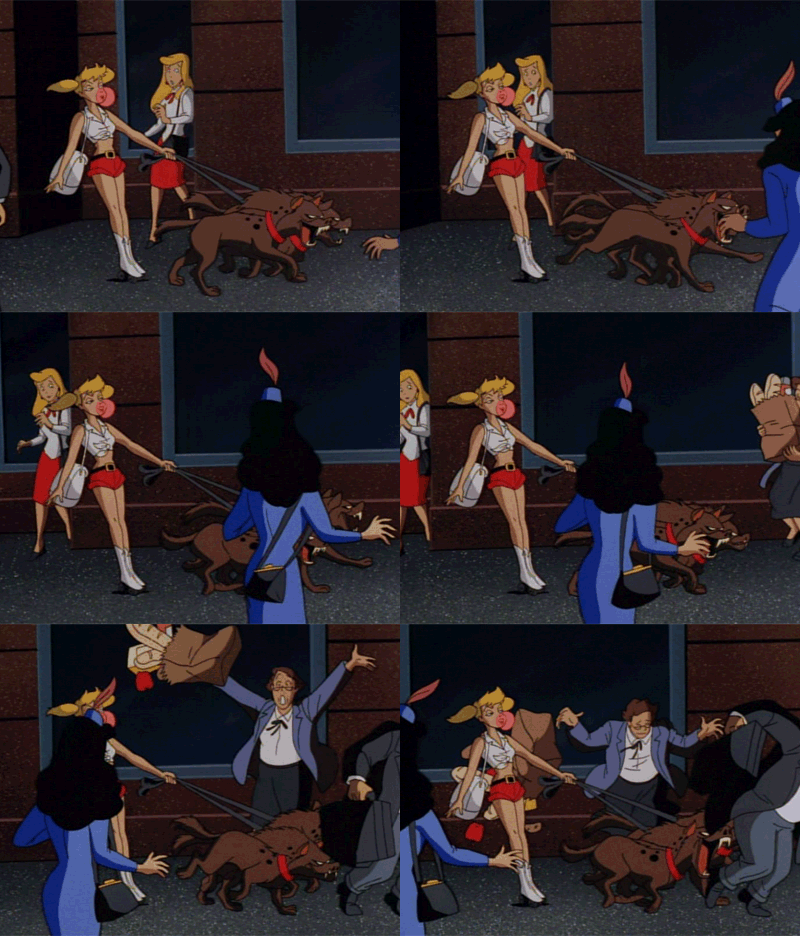
Oh, I couldn’t pick one. I’ve had so much fun and I’ve enjoyed them all so much over the years. It’s hard for me to select just that one key moment. There are a lot of them. I would have to spend a day reviewing little snippets of what I thought were the best Batman moments or the ones that mean the most to me. It’s like an embarrassment of riches. Ultimately, I’d say it’s either the final moment between Batman and Catwoman on the rooftop at the end of Almost Got ‘Im, or, I don’t know, Harley skating down the street with the hyenas and blowing bubble-gum. Your choice.
To keep up to date on all of Paul’s current and upcoming projects, be sure to follow him on Twitter. And be sure to check back here over the next week or so as we talk to some of the other key figures involved in Batman: The Animated Series.
Batman: The Complete Animated Series is out now on Blu-ray.






 The Crawling Hand (1963)
 Confessions of an Opium Eater (1962)
 Street Trash (1987)