TITANS OF TELEPHEMERA: GLEN A LARSON – PART 3

Ah, telephemera… those shows whose stay with us was tantalisingly brief, snatched away before their time, and sometimes with good cause. Dedicated miners of this fecund seam begin to notice the same names cropping up, again and again, as if their whole career was based on a principle of throwing stuff at the wall and seeing what sticks. What’s more, it isn’t all one-season failures and unsold pilots, there’s genuine gold to be found amongst their hoards; these men are surely the Titans of Telephemera!

GLEN A LARSON

Glen A Larson will always be known for the massive hits he scored in the 1970s and 1980s, with shows like Knight Rider and Magnum PI becoming genuine cultural touchstones, but he also had more than his fair share of shows which didn’t even see out their first season. Moreover, there were times when, as fantastic as they might have been, his shows didn’t even make it to series. This is the story of his unsold pilots…

PART 3: LEFT ON THE SHELF

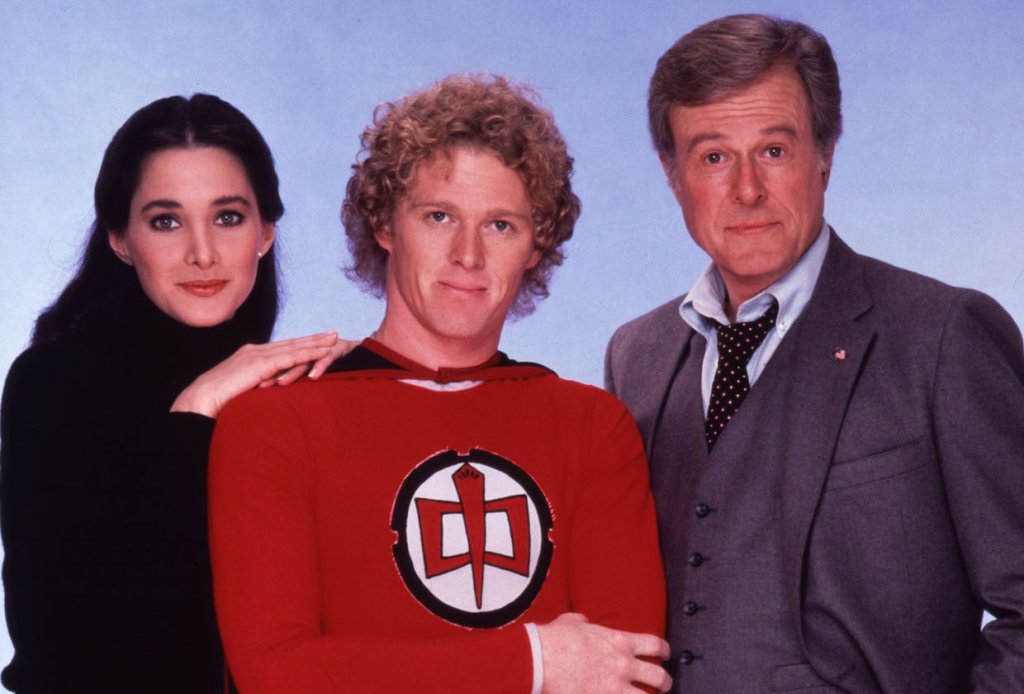
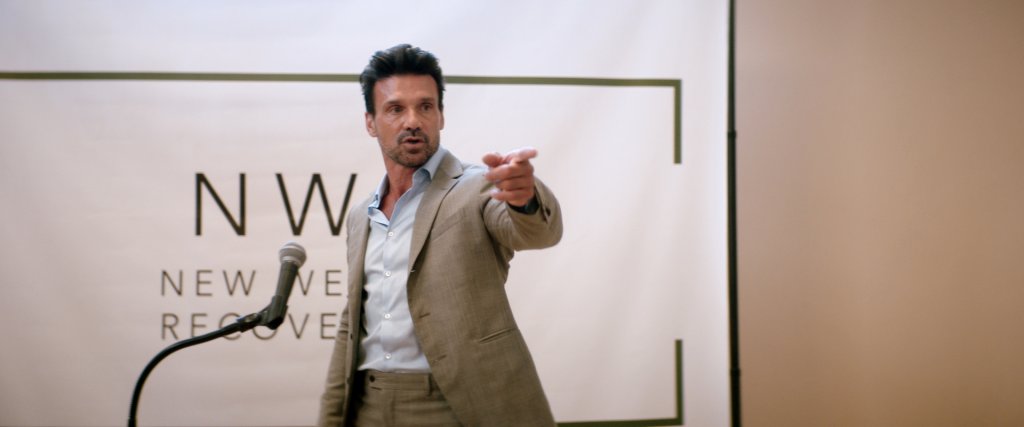
Battles: The Murder That Wouldn’t Die (1980): Co-created with Michael Sloan, who would go on to create The Equalizer in 1985, Battles sees former LAPD detective Bill Battles retiring from the force and being hired by Hawaii State University to become their head of security (and in a twist that is something that definitely happens in the real world, coach their football team). Battles is reunited on the island with his brother, but he’s not there a week before his brother dies in a mysterious car accident.

Battles discovers that his brother was trying to solve a forty-year-old mystery and vows to solve the case, and who better to enlist than his student niece and her star quarterback boyfriend? William Conrad starred as Bill Battles, with back-up from General Hospital’s Robin Mattson and singer-songwriter Lane Caudell, who would soon find fame on Days of our Lives.

If the show had run to series – and six more episodes were written before NBC eventually passed – Battles and his unlikely crew were to have solved more cold cases, but although the pilot was aired as a TV movie in March 1980, the network passed. At the time, Larson had The Misadventures of Sherriff Lobo, Buck Rogers in the 25th Century, and BJ and the Bear on the air, and was developing Nightside, Galactica 1980, and Magnum PI, a show about a detective solving crimes on Hawaii with an unlikely crew.

It’s not difficult to see why NBC passed on Battles, but William Conrad puts in some good work, looking for another regular gig after Cannon ended in 1976, but that wouldn’t come along until Jake and the Fatman in 1987.

Rooster (1982): You remember Smokey and the Bandit, right? How funny were Paul Williams and Pat McCormick as Little Enos Burdette and Big Enos Burdette? I know, right? Glen A Larson was also a fan, and in 1982 he created a show especially for the duo, playing on their comical size difference as a police psychologist and an insurance investigator trying to solve an arson case.

Larson co-created the show with Williams, a songwriter who had transitioned into acting after writing hit songs like Three Dog Night’s “Out in the Country,” The Carpenters’ “Rainy Days and Mondays,” and “The Rainbow Connection” from The Muppet Movie. If picked up for series, it would have seen the mismatched pair attempt to solve all manner of confounding mysteries, presumably related to false insurance claims, but ABC passed on the project before airing the ninety-minute pilot as a TV movie in August 1982.

Despite Williams and McCormick’s undoubted chemistry, the wacky plot – which also saw William “KITT” Daniels turn up as the head of a sex clinic, and Green Acres’s Eddie Albert as a flamboyant television evangelist – was just a little too wacky, and it’s hard to imagine how a full series could have kept up the intensity of the zany pilot.

Larson moved on to Knight Rider while Williams returned to the third instalment of the Smokey films, before settling into a career that combined acting and songwriting, providing the voice for The Penguin on Batman: The Animated Series and writing the soundtracks to A Muppet Christmas Carol and notorious flop Ishtar.

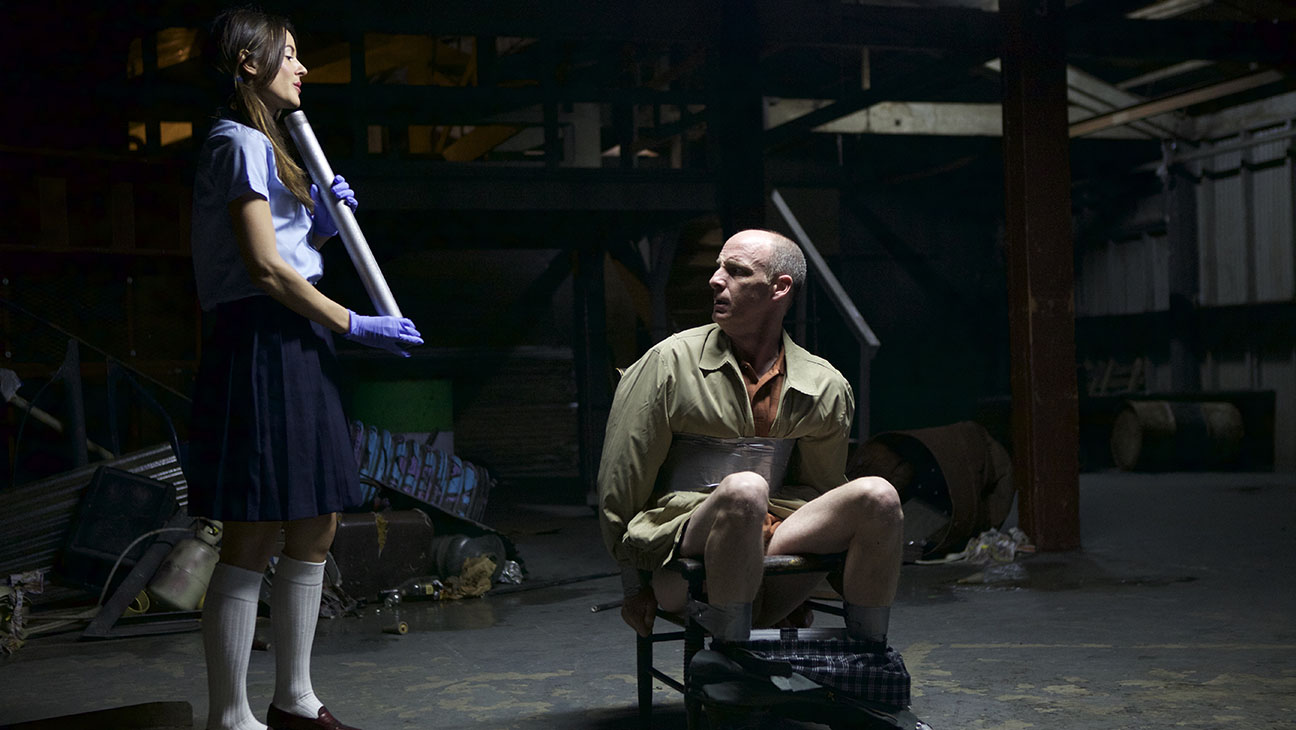
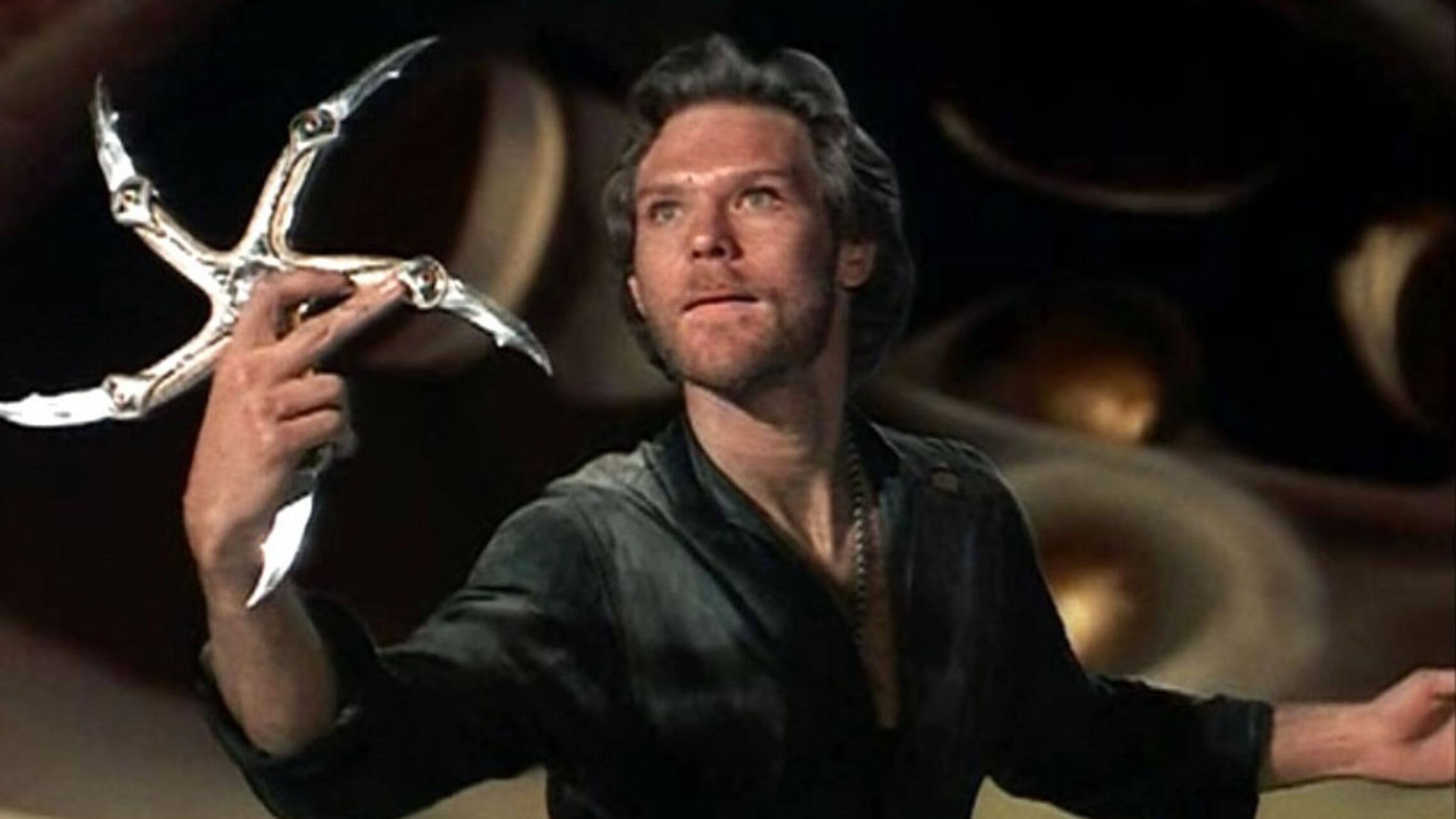
In Like Flynn (1985): A curious mix of Murder She Wrote and Larson’s own Magnum PI, In Like Flynn starred Jenny Seagrove as Terri McLane, a researcher for reclusive author Darryl F Raymond, who is sent to exotic locations where she invariably becomes involved in the situations that inspire the author’s stories of his adventurer, Jason Flynn.

The twist is that Seagrove is the mysterious author, and on a trip to the Caribbean she comes across William Gray Espy’s Beattie Woodstock, a Vietnam veteran who is kidnapped as part of some shady government plot. Rescuing him, she inveigles him into her schemes as a cypher for Jason Flynn, and the pair travel the world having wild adventures.

At least that’s how it would have gone if the series had been picked up by ABC, who instead aired the ninety-minute pilot as a TV movie in August 1985. Seagrove, who had made her name in a series of TV mini-series and who would go on to become a regular in Judge John Deed, is sparky and fun as McLane, and this is one of those rare occasions where you know that ABC got it wrong about a Larson project, with plenty of material and a likeable cast that could have been a very watchable series.

As it is, it’s available on YouTube in its entirety, and worth a watch, if only to see Larson regulars William Conrad and Eddie Albert chewing the scenery and having a great time doing it. In Like Flynn was one of a series of failures from Larson in the mid-1980s, and with The Fall Guy and Knight Rider coming to the end of their runs, he needed a hit…

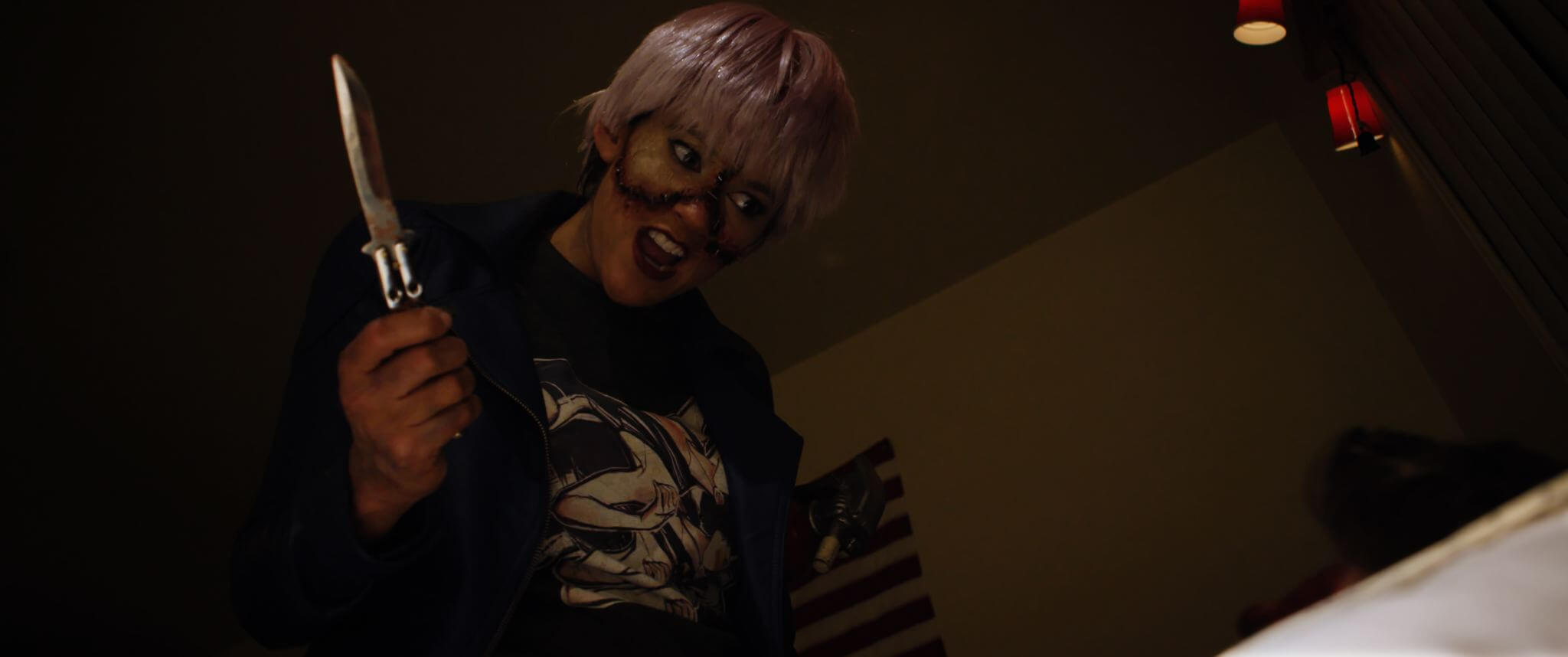
Chameleons (1989): After The Highwayman had failed to set television screens alight, Larson turned to Stephen A Miller, a producer who’d worked on Airwolf, and Larson’s own Simon and Simon and Magnum, PI, and the two created a show about an eccentric millionaire who fights crime in his spare time.

As the show opens, wealthy Jason “Captain Chameleon” Carr has been killed, and his niece inherits his estate, discovering his side hustle as a superhero, and teaming up with his former sidekick – the Paraclete of Justice! – to solve her uncle’s murder.

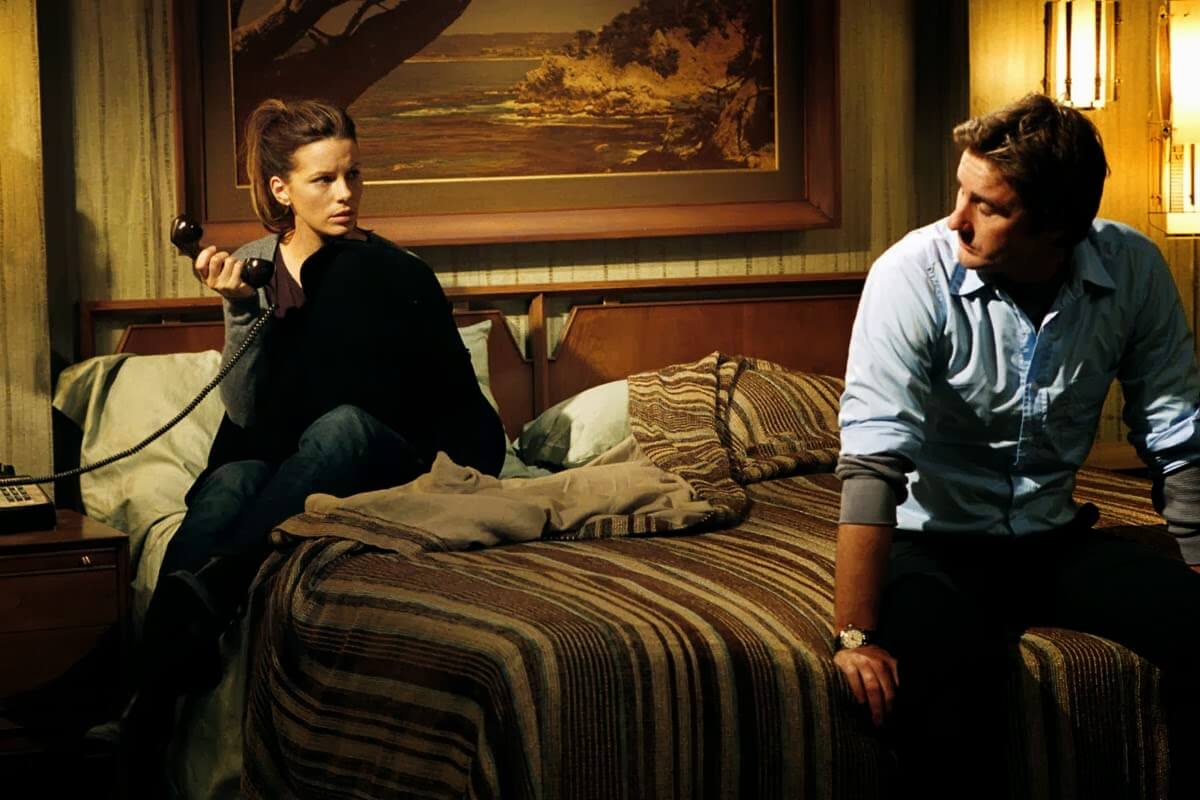
Crystal Bernard, soon to become a regular on Wings, stars as Shelly Carr, with English actor Marcus Gilbert as the luckily-hunky sidekick, Ryan Delaney, and together the pair go undercover – chameleons, get it? – in search of justice. The introduction of a talking vehicle – the Carr-meleon – can’t save this far too wacky plot, and it’s hard to see where the series might have gone after the pilot, which aired over Christmas 1989 on NBC.

Like In Like Flynn, it’s available for your enjoyment on YouTube, but it was clear that the end of the 1980s also saw the end of Larson’s prime creative period, and it would be five years before he had anything even resembling a hit with One West Waikiki. His career saw more misses than hits, but his hits were huge, and that’s a tribute to his creativity; before we leave that behind, we have one more stop to make on the Glen A Larson express…

Further Reading from STARBURST:

TITANS OF TELEPHEMERA: GLEN A LARSON – PART 1

TITANS OF TELEPHEMERA: GLEN A LARSON – PART 2

TITANS OF TELEPHEMERA: GLEN A LARSON – PART 4

TITANS OF TELEPHEMERA: STEPHEN J CANNELL – PART 1

[ENDED] Win Season One of LOVECRAFT COUNTRY on Blu-ray

win lovecraft

We’ve got two copies of Lovecraft Country Season One to giveaway on Blu-ray! Just read on and enter below…

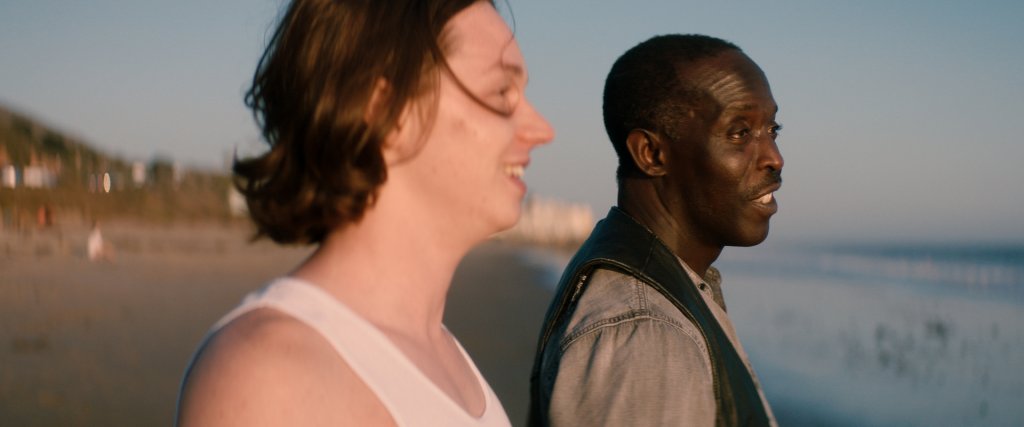
Based on the 2016 novel by Matt Ruff, Lovecraft Country follows Atticus Freeman (Jonathan Majors) as he joins up with his childhood friend Leti Lewis (Jurnee Smollett) and his Uncle George (Courtney B. Vance) to embark on a road trip from Chicago across 1950s Jim Crow America in search of his missing father, Montrose Freeman (Michael K. Williams). Their search-and-rescue turns into a struggle to survive and overcome both the racist terrors of white America and monstrous creatures that could be ripped from an H.P. Lovecraft paperback.

Lovecraft Country stars Jurnee Smollett (Birds of Prey, Underground), Jonathan Majors (Da 5 Bloods, The Last Black Man in San Francisco), Aunjanue Ellis (When They See Us), Wunmi Mosaku (Fantastic Beasts and Where to Find Them), Abbey Lee (Mad Max: Fury Road), Jamie Chung (Once Upon a Time), Jada Harris (The Resident), and Michael K. Williams (HBO’s The Wire and Boardwalk Empire). Recurring guest stars include Courtney B. Vance (HBO’s The Immortal Life of Henrietta Lacks, American Crime Story), Jamie Neumann (HBO’s The Deuce), Jordan Patrick Smith (Vikings) and Tony Goldwyn (Scandal).

The series is executive produced by Misha Green, J.J. Abrams, Jordan Peele, Bill Carraro, Yann Demange (who also directed the first episode), Daniel Sackheim (who also directed Episodes 2 and 3), David Knoller and Ben Stephenson.  Based on the novel by Matt Ruff, the drama series is produced by afemme, Inc., Bad Robot Productions and Monkeypaw Productions in association with Warner Bros. Television.

a Rafflecopter giveaway

Things to do while on a (short) break from bingeing movies

Everybody loves a good movie, and probably a few pretty awful ones as well. Even those for whom movies go way beyond a hobby, the unrivaled opportunity to binge watch recently will have left most people reaching the bottom of the list of things they want to watch.

When this happens, there are two choices. You can either start trawling the depths of the streaming services, down among the ones that got two and a half stars and the ‘big name’ is some past it 90’s action movie star – or you can take a break for a while, and come back refreshed and not nearly as desperate.

If you’ve gone for the second option, here are few ideas for other activities that will give you a breather from that movie binge.

#1 Go for a walk

It might not seem the perfect time for it, but if you’ve been inside watching movies for a while, a bit of fresh air, vitamin D, and some exercise might be almost literally what the doctor ordered. The benefits of all three are well documented, and the lift that a change of scenery can give you cannot be underestimated, as well as being an excellent head clearer.

#2 Play online games

If, for some reason (usually the weather), a walk isn’t on your do list, and you want to stay on the sofa, then playing a game might be the thing to do. You don’t have to have the latest console or a thirst for COD, as there are plenty of games you can play, from matching shapes to running your own island. If that doesn’t float your boat and fancy something a bit more old school, you can play popular classic slots games or board games like Monopoly or Scrabble.

#3 Cook a big meal

The chances are, if you’ve been sat there binge-watching movies, that what you’ve been eating won’t have been on too many healthy eating guides. Your break from the movies could be accompanied by a break from the junk food and a trip to the kitchen to cook something healthy(ish).

This one might take some planning if you want to go for the ‘full Nigella’, or if you only have what’s in your cupboards, then a visit to the Bootstrap Cook’s website might lead you to a new favourite recipe.

#4 Odd DIY jobs

You’re bound to have a couple of odd DIY jobs you’ve been putting off due to lack of motivation. Now might be the time to do them as not only will it give you a break from the movies for an hour or so (especially if you need to pop out for supplies), but the sense of achievement of knocking a couple of long-standing items off of your to-do list cannot be underestimated.

Besides, if things don’t quite go to plan and it turns out to be a bit more trouble than you thought – what better way to relax after completing the job than to sit down and relax while watching a movie!

Is the Sports Movie Genre Full of Classics?

People love to watch sports, at home with snacks and friends, or in huge stadiums surrounded by fellow fans shouting their support and anguish. But we also love to watch movies about sports, following the highs and lows of teams and their journeys from the bottom to the top, or sometimes vice versa. That said, are there true classics of the genre?

Soccer


The British game of ‘football’ has a long and illustrious history. The game that we recognise dates back as far as 1863, with regional versions being played around the country before national standards were put in place. There are many great movies that depict the high-end world of top-tier football, however, one of the films that best depicts the spirit of football is 2002’s Bend It Like Beckham, a comedy featuring a young Keira Knightly and Parminder Nagra whose friendship and passion for the game often leads them into conflict with their families and their traditional values. It focuses on how the girls navigate these conflicts and how playing sport can bring people together, as well as breaking a couple of stereotypes along the way.

Ice Hockey


For this one, the top spot has to be given to the 1999 comedy Mystery, Alaska. It isn’t the most famous ice hockey film, but is great for fans of the sport, with a classic plot that gives the audience a real ‘locker-room’ feeling, as we follow our main characters’ journey through a publicity stunt gone wrong to a face-off against the NHL’s New York Rangers. A lot has changed since the 90s, and it’s interesting to see a team that is now rank outsiders at 30/1 in the hockey betting for the Stanley Cup appearing as the stars of a movie. At the time, they were just five years on from their last win. So, for hockey fans, it’s perhaps an interesting chance to cast back and experience a different period of fortunes in the NHL.

Wrestling


There are hundreds of fantastic movies about this sport thanks to its showmanship and the personal story that almost every wrestler has behind their passion. Classics like The Wrestler (2008), and documentaries like The True Story of WrestleMania (2011) are fantastic pieces that will give any wrestling fan a lot of pleasure. However, for the casual viewer who might not be involved in this world, the title has to go to Wrestling with My Family, a 2019 drama starring Florence Pugh that takes us from the living room to the stadium as we follow the journey of the infamous WWE Superstar, Paige. This film is not only hilarious, but it also depicts a family whose shared passion brings them both joy and pain, as siblings struggle for the same success but ultimately have to make sacrifices for their ambition.

Ice Skating


This one might be an obvious choice, but it has to be given its due – I, Tonya (2017). This biographical black comedy starring Margot Robbie tells the story of Tonya Harding, possibly the most famous figure skater of all time, as she grows into her success, as well as navigating her troubled personal life and family relationships. Its fourth-wall-breaking ‘mockumentary’ interviews provide dark laughs whilst also getting to the heart of the sport and the pressures that athletes face to reach the top, and remain there. It’s a painful journey that may require some tissues, but it is worth the watch purely for the depiction of Harding’s mother, LaVona Fay Golden, in a performance by Alison Janney that won awards for supporting actress at the 90th Academy Awards, the 75th Golden Globes, the 71st British Academy Film Awards and the 24th Screen Actors Guild Awards.

There are many more that could make this list, but those are the ones that fans find themselves going back to time and time again, as well as being fantastic introductory pieces for those who aren’t huge sports enthusiasts. So, if you’ve got some time on your hands, make sure to check these out.

Emile Mosseri | MINARI

emile

Composer Emile Mosseri has, in his short career scoring feature films, worked on some very notable productions. He scored director/producer Joe Talbot’s debut, The Last Black Man in San Francisco, has worked with Miranda July on Kajillionaire, and also tackled the second season of the Amazon series, Homecoming. His latest score is for Lee Isaac Chung’s Minari, a drama about a Korean American family trying to make their way as farmers in rural Arkansas.

All of these might be very different films, but Mosseri’s scores for each help define the world in which they take place through superb use of melody and pop sensibilities. We spoke with the composer about his process.

STARBURST: It seems like your career as a composer has really jumped up very quickly.

Emile Mosseri: Yeah, it’s been sort of a strange time right now to have this kind of experience during this lockdown. What would already feel surreal feels even less real because it’s all virtual. It’s a strange time to be busy in this way, but I’m really grateful for everything, as well.

Was the score finished before lockdown or did you have to deal with trying to set up groups to play this music remotely?

Luckily, I didn’t have to deal with that. I know a lot of other composers that did but thankfully, I actually finished two scores right before. In January and February, I turned in a few projects and we recorded an orchestra for the TV show in February, so it was really right by down to the wire. Trent [Reznor] and Atticus [Ross] and a bunch of other composers miraculously recorded during lockdown in really inventive and exciting ways, but it seems like one challenge that I wouldn’t want.

It seems as though almost everything you’ve done has been with directors who are, essentially, peers of yours in terms of age. Is that just happenstance or because you are in the same sort of circles?

I think that I have gotten been very lucky to be connected with amazing directors that I admire. I got lucky to work with directors that are making really pure and honest works. That I’ve been able to collaborate with them and try to lend my thing to their vision and try to be part of the team. Each film and each director are very different in all kinds of ways, so what’s exciting about this job is that it’s constantly changing.

We’re glad that you said the films and directors are all different because your scores are also all quite different. It also seems they’re all – and we apologize for using this word, but we couldn’t think of a better descriptor – they all seem very pretty.

Thank you. That’s a great. I’ll take it.

Is there a specific root from which you’re working when you start on a score?

I think I’m mainly trying to internalise and absorb the film – and the spirit of the film – emotionally and then, I just write a bunch of music from that place and then send it to the director or play different things for the director and then we find our score from inside-out. I think that’s the thread.

We’ve talked with a bunch of different composers and some get to start with a script or when the script is just finished and others come in and they’re scoring to what is a mostly-edited film. What’s been your experience? Have you gotten to start early on or later or has it been a combination of the two?

It depends, project-to-project. Some films I get involved with, they bring me on board once there’s an early cut of the film – when they’ve already shot it, but they haven’t finished the edit. With Kajillionaire, it was a locked cut before I got my hands on it and then Minari was the complete opposite: I’d written from the script stage before they started shooting. Each film in each process has been very different and I think that shapes the score, in a way.

We have noticed that you do have a few through-lines in your scores: sweeping strings, choral accents and, obviously, piano seems to be a big part of your work. Are those intentional things? You’re not using them like throughout every score, obviously, but we noticed – especially in The Last Black Man in San Francisco and Minari – these little choral accents that really grab the ear.

Yeah, I think that there’s certain things that I gravitate toward. I think the human voice is one of them. I like to have some sort of singing in my scores. I think there’s just a way to breathe life into the score – literally, if in different ways, sometimes. Most of the time, I use other vocalists sort of snuck into the mix – even if it’s a subtle way – to bring some character to the tapestry and to the fabric of the score.

Piano is another one, just because I compose using the piano, so that ends up in a lot of the scores in one way or another. Strings and woodwinds and other orchestral elements – I think it’s case-by-case. It’s always a dream to be able to use an orchestra if the film calls for it.

Speaking of vocals: Minari marks the third time you’ve collaborated with another artist to record a song for a film. You’ve done it previously for Kajillionaire and The Last Black Man in San Francisco, but this song is very interesting because it’s got Yeri Han singing it and these lyrics had to be translated from your English into Korean so it seems like that’s a very involved process because there’s translation involved, on multiple levels.

That was a dream. That was a very cool process for me that I’d never experienced before. I’d never written a song in English and had it translated into another language before. I’d had the idea to write a song for the end credits of the film. Then, this amazing lyricist – Stefanie Hong – had translated my song into Korean and sent it to Yeri. She would then send us these tracks from Korea and we pieced it together here.

The song also became this kind of lullaby, because of Yeri’s part in the film. It was amazing to have her sing: it took on a whole new meaning. It was just a really cool thing to have a song that was inspired by a film and then be sung by somebody that was such a huge part of the film. It was like a nice full-circle. When a piece of music gets touched by hands and it has a progression like that – that was really rewarding.

Does having pop songs in a film come out of your indie rock background or is this more a director’s choice?

I think it’s something that is both. The director needs to be on board and sometimes it depends on the film. Sometimes it’s the director’s choice but I do think that I try to make a point to have a song on each record or something in each film, but also have – even within the score itself – to try to write song-based music or melodic music or lyrical music, even when it’s instrumental. I think that just comes from being a songwriter first, then a composer.

With every composer, I think they take their experience and their background, and their natural instincts will be shaped by their experiences musically, so that’ll bleed through in their work. I’d like to think that’s why that’s happening in the films that I’m scoring.

Last year, your music was twice released on vinyl by Mondo, with the music for the second season of Homecoming, and also Kajillionaire. Is it cool to get to be embraced by this very hot, hip vinyl soundtrack label?

Absolutely. Mondo’s amazing. They did incredible work with the packaging on both Kajillionaire and Homecoming and I was very shocked to work with them and with Lakeshore and BackLot and now, Milan Records and Sacred Bones for Minari. It’s great to work with these labels that are championing soundtrack music. It’s a very cool thing. I feel lucky to be in the mix. It’s such a wide-ranging group of labels, but I feel like Sacred Bones has a very different aesthetic than Mondo, but each brings something else to it, which is cool.

Are you a physical product person? Is it cool to have your scores exist somewhere other than digitally?

Very much. I love vinyl and there’s nothing like holding the record in your hands, you know? That’s the most rewarding part for me. That the record ends up in some people’s houses, if we’re lucky: there’s something really special about that experience that can’t be replaced digitally.

The soundtrack for Minari is available now.

[Ended] Win a SCHOOL’S OUT FOREVER Merch Bundle

school's out win

SCHOOL’S OUT FOREVER is available on digital download now and to celebrate the release, we have two competition bundles up for grabs.

Each bundle includes a special SCHOOL’S OUT FOREVER rucksack and T-shirt.

SYNOPSIS

No sooner has 15-year-old Lee Keegan been expelled from his private school than a pandemic spreads like wildfire around the globe. With his father dead and mother trapped abroad, Lee is given one instruction: go back to school. But safety and security at St. Mark’s School for Boys is in short supply. Its high walls can’t stop the local parish council from forming a militia and imposing marshal law, while inside the dorms the end of the world is having a dangerous effect on his best friend and his unrequited crush on the school nurse isn’t helping him concentrate on staying alive.

Written and Directed by Oliver Milburn Starring: Oscar Kennedy, Liam Lau Fernandez, Alex Macqueen, Samantha Bond, Jasmine Blackborow with Steve Oram and Anthony Head

WATCH THE OFFICIAL TRAILER


To be in with the chance of winning, simply answer the question below!

What is the name of Lee’s school?

A) St. Andrews

B) St. Christopher

C) St. Mark’s School for Boys


Send your answer labelled ‘School’s Out Forever’ to [email protected] to arrive before 23:59pm on March 7th.


SCHOOL’S OUT FOREVER AVAILABLE NOW TO BUY OR RENT ALSO COMING TO DVD & BLU-RAY ON APRIL 12TH

Five Films to Check Out on Horror Channel This Week – 150221

horror 150221

To save you getting lockdown blues, we’re going to be giving you our picks of what to watch on Horror Channel each week. Here are some of our favourites this week:

Tuesday February 16th, 10.45pm – Hostel (2005)

Eli Roth’s gruelling modern classic that became synonymous with the term torture porn. A group of tourists in Slovakia are kidnapped and become the victims of a secret society that tortures and kills its victims.

Wednesday February 17th, 1pm – Sharknado: The Second One (2014)

The second of the wonderfully ridiculous films came with the strapline “Shark Happens!” The action moves to New York, with Tara Reid’s character planning to promote a book she wrote about the first airborne attack of sharks. Among the amusing in-joke are characters named after those in Jaws, such as Martin and Ellen Brody, Doctor Quint, Vaughn (the mayor), and Chrissie (the first shark victim).

Thursday February 18th, 9pm – Splice (2009)

Creepy and even more prescient, a pair of scientists experimenting in genetic engineering add human DNA with one of their animals creating a monstrous hybrid.

Saturday February 20th, 10.40pm – Redcon-1 (2018)

A zombie apocalypse is order of the day in this impressive British film, getting its first UK TV screening. Mark Strange, Katarina Waters, and Carlos Gallardo star, as a Special Forces team attempt to save a scientist.

Sunday February 21st, 10.55pm – It Came From the Desert (2017)

Based on the lo-fi video game of the same name, this is a fun monster movie that harkens back to the atomic chillers of the ‘50s. A group of motocross riders hold a celebration in the desert but stumble upon a secret underground military base where giant ants have become weaponised. Because that can’t possibly go wrong, can it?


[ENDED] Win Silent Classic THE LAST WARNING on Blu-ray

win last warning

We’ve teamed up with Eureka! Entertainment to giveaway three copies of the silent classic The Last Warning on Blu-ray. Just read on, watch the trailer, and enter the competition below.

The Last Warning was Paul Leni’s final film before his untimely death, and a prime showcase for Universal’s leading lady of the era, Laura La Plante (The Cat and the Canary, Skinner’s Dress Suit). A visual artist at the peak of his career, Leni’s camera never stops shifting, offering cutaways and trick shots involving nervous could-be culprits, a highly suspicious sleuth, and cast members who suddenly disappear in the darkened theatre. The result is a cinematic funhouse that restlessly cross-examines the suspense of the story’s stage play against the “real” murder mystery saga, all unfolding amid the outstanding production design of Charles D. Hall.

Part of Universal’s ongoing silent restoration initiative, The Last Warning honours the studio’s rich film history that has spanned more than a century. Universal’s team of restoration experts conducted a worldwide search for The Last Warning’s available elements, ultimately working with materials from the Cinémathèque française and the Packard Humanities Institute Collection in the UCLA Film & Television Archive. The Masters of Cinema series is proud to present the completed 4K restoration on Blu-ray, the first time the film has ever been available on home video in the UK.

a Rafflecopter giveaway

THE LAST WARNING, the final film from one of German cinema’s great filmmakers, is released on February 15th on Blu-ray and can be purchased here: https://amzn.to/2Wm6i0E

TITANS OF TELEPHEMERA: GLEN A LARSON – PART 2

larson

Ah, telephemera… those shows whose stay with us was tantalisingly brief, snatched away before their time, and sometimes with good cause. Dedicated miners of this fecund seam begin to notice the same names cropping up, again and again, as if their whole career was based on a principle of throwing stuff at the wall and seeing what sticks. What’s more, it isn’t all one-season failures and unsold pilots, there’s genuine gold to be found amongst their hoards; these men are surely the Titans of Telephemera!

GLEN A LARSON

Glen A Larson had an array of hits in the 1970s and 1980s, but also more than his fair share of failures, shows that just didn’t find their audience, which isn’t always a mark of their quality. Shows like Manimal, Automan, Galactica 1980, andTeam Knight Rider are fondly remembered, but what about those shows that were greenlit but didn’t see out their first season..?

PART 2: BRIEF LIVES

Get Christie Love! (1975, ABC): Although Get Christie Love! isn’t a pure Glen A Larson product (he “only” acted as writer, director, and producer for the series), his fingerprints are all over this attempt to capitalise on the Blaxploitation craze of the early-1970s. Based on the novel The Ledger by Dorothy Ulnak, Get Christie Love! saw the titular hero – played by Teresa Graves – try to make her way through the trials of a black female detective on the NYPD.

Taking inspiration from Cleopatra Jones and Foxy Brown, Get Christie Love! was initially developed as a TV movie, and the success of the standalone feature saw ABC greenlight the series for the Fall 1975 season. Between the movie and the series, Graves became a Jehovah’s Witness, and the show shifted in tone, with the actress refusing plots that were too immoral, effectively hamstringing the series before it had a chance to find an audience.

Graves had made her name on Rowan & Martin’s Laugh-In, and she became only the second black lead in an American TV show, seven years after the first, Diahann Carroll in Julia. Although ratings were initially strong, the limitations placed on storylines by Graves’s faith – she retired after the show was axed to concentrate on spreading the word – saw it fall behind NBC’s new procedural Petricelli, and although it completed its first season of twenty-two episodes, it did not return for the 1975 season, and was replaced in the schedules by a new show by the name of Starsky & Hutch.

A pilot for a rebooted Get Christie Love (no exclamation mark) was filmed in 2017, but ABC declined to send it to series, and its most lasting cultural impact came in Reservoir Dogs, where the show is discussed by Nice Guy Eddie and Misters Orange, Pink, and White

Masquerade (1983, ABC): When ABC unveiled their 1983 Fall line-up, expectations were high for the two new Glen A Larson shows, joining the producer’s The Fall Guy on the network, as well as Knight Rider on NBC, and Magnum PI on CBS. The proto-ER, Trauma Center, was done by Christmas, and replaced – as we saw last time out – by Automan, but there was another Larson show that followed it on Thursday nights, a curious mix of Mission: Impossible and Fantasy Island called Masquerade.

Masquerade saw Rod Taylor as Mr Lavender, the head of a secret branch of the American intelligence services, who each week would dispatch two of his agents – Kirstie Alley and Greg Evigan – to guide ordinary civilians through secret missions to save the world!

Alley had just starred in Star Trek II: The Wrath of Khan, while Evigan had cut his teeth on Larson’s BJ & The Bear, and the pair made for an engaging duo, despite the ridiculous premise which hinged on the disposable agents having certain necessary skills for each mission. Oliver Reed popped up as the villain in the pilot movie, and the likes of Susan George, John Saxon, Ernest Borgnine, and Rene Enriquez did secret national service.

Already up against it against Simon & Simon on CBS, and then killed when it was moved to Fridays, opposite Dallas (and Manimal), Masquerade lasted just thirteen episodes before the axe fell in April 1984. Kirstie Alley and Greg Evigan moved into the comfortable world of sitcom, and Larson moved on to another wacky espionage drama, this time for CBS

Cover Up (1984): After a disastrous 1983-84 season, which saw all four of his new shows fail to last a full season, Larson only brought one new product to market for the Fall 1984 line-up, this time at CBS. Cover Up starred former CoverGirl cosmetics model Jennifer O’Neill as Dani Reynolds, a fashion photographer who discovers that her late husband was actually a CIA agent. Finding out her husband was murdered, she teams up with former Green Beret Mac Harper to solve the crime.

So far, so fantastic, but after Reynolds solves the murder, her husband’s old boss offers her his job, and thus Reynolds and Harper become undercover agents, posing as a photographer and her assistant, sent all over the world to help Americans in trouble.

Mac Harper was played by Jon-Erik Hexum, who had made his name in the short-lived sci-fi show Voyagers, and while filming was delayed on the show’s seventh episode, he began fooling around with a prop gun, loaded with blanks. Hexum removed all except one blank round and played Russian roulette, not realising that the impact of the dummy bullet on his skull would cause a fatal injury.

After Hexum’s death, he was replaced by Anthony Hamilton as Jack Striker, and Mac Harper’s absence is explained by his being on another mission, which they later announce he was killed on. The end of the episode announcing the character’s death featured a poem written by Larson, which misspelled the actor’s name.

Cover Up ran for twenty episodes, airing at 10pm on a Saturday evening, and unusually all the shows airing on network TV in that slot that year were cancelled before their first season had been completed. While Larson was still enjoying success with some long-running properties, it was clear he was having trouble coming up with new hits.

The Highwayman (1988, NBC): After a series of unsold pilots (see next week’s instalment for those stories), Larson succeeded in getting a new series to air for the 1988 Spring season on NBC. He needed it, with only Magnum PI still around from his previous hits, and even that was entering its final season.

The new show starred Sam “Flash Gordon” Jones as a man known only as The Highwayman (or “Highway”, but not because he resembled Harry Secombe in any way), a mysterious US marshall patrolling the badlands of the far future of 1992, where law and order has broken down on the fringes of society. Working alongside a team of agents, and driving a high-tech truck that shares a lot of aesthetics with KITT from Knight Rider, Highway travels the US solving bizarre mysteries and helping out towns in trouble.

Unashamedly genre in flavour, Highway got involved with UFO crashes, Native American curses, time travels, clones, and telepathic machines, and the pilot – which aired in September 1987 – was well-received. A short first season of nine episodes, plus the pilot, was scheduled for March 1988, but by the end of its run ratings had faded away and a move opposite Miami Vice did it no favours at all.

Larson had written the series as a self-contained unit, with the possibility of a continuation, but the episodes were shown out of order. The show was very much of its time, which did a sci-fi show no favours as RoboCop and Predator were redefining the genre on the big screen, but there’s a certain charm to the premise and its cast, which includes a former Australian Rules Football player known only as “Jacko.”

The show was sold overseas, with UK viewers getting to see it in the nascent through-the-night block on IT

V in 1989, but was the last Larson series on network TV for three years, with only a TV movie and an unsold pilot to show for his efforts over that time. The 1990s would not be kind to this titan of telephemera…

Further Reading from STARBURST:

TITANS OF TELEPHEMERA: GLEN A LARSON – PART 1

TITANS OF TELEPHEMERA: GLEN A LARSON – PART 3

TITANS OF TELEPHEMERA: GLEN A LARSON – PART 4

TITANS OF TELEPHEMERA: STEPHEN J CANNELL – PART 1

How Does The Film Industry Optimise SEO For Movies

Having an online presence has become crucial no matter which industry you are in. The search engines rank your website changes constantly which means you need to keep up with the latest SEO developments to compete with other businesses and practices. Everytime a movie is released by Hollywood, there is a lot of promotion. You need to market your movies well so that people around the world will find you. Some estimates have stated that over a $100 million of dollars are spent in advertising on some of the biggest blockbuster movies. Advertising has become a key strategy to increase marketing sales even before the movie is released. 

(How Does The Film Industry Optimize SEO For Movies. Credit: Unsplash)

The movie industry is not new to marketing and advertising but with the help of Search Engine Optimisation (SEO). They are able to reach a wider audience by implementing specific strategies and this has been working really well for the film industry. Movie production companies would be lost without the help of SEO.

By optimising SEO practices efficiently in promoting a movie, you will be able to rank higher on search engines and draw in more traffic from across the globe if done right. You can gain additional traffic from ticket hubs, film critics and other sites to gain conversions in ticket and merchandise sales. As marketing practices keep changing, it is important to stay flexible and up to date with the latest trends and tools.

Understanding SEO

For those who are new to this strategy, SEO is a process of creating and marketing a website, in order to rank higher in search engine result pages such as Google, Bing, etc. This is primarily done by optimizing keywords, and it’s crucial to modern marketing. By doing so, your site will be able to gain higher website rankings which will garner more attraction to your pages online. Having a reliable and excellent web hosting provider is essential for SEO practices. MangoMatter reviews and compares the best hosting provider in several countries, including Australia.

One of the most important aspects of SEO is targeting keywords, which the movie industry is using extremely well. By allowing individual pages to rank for keywords that people are typing in. They are able to generate a huge amount of interest in their movie trailers and also being able to direct them to articles on their movies.

SEO and Movie Marketing

Movie studios have a strong arsenal of resources at their disposal, which is why this works so well. People are constantly searching for information online through their cell phone. Movie studios have understood the importance of presenting content on all devices such as computers, laptops, smartphones and tablets so that people can see the images and videos related to the movie on all platforms. By hiring SEO experts they are able to produce these websites so people are able to see. They build on anchor text in ways that it not only attracts traffic to conversion pages but also increases those page’s rankings for certain keywords on search engines. They generate a lot of interest by linking the keywords to movies by including the name of the actors and the movie.

(How Does The Film Industry Optimize SEO For Movies. Credit: Unsplash)

SEO and Social Media

People across the whole spend a huge portion of time consuming content on social media. Building online presence is essential for any company and social media is a huge advantage in digital marketing. Film industry has learned to tap into the digital space and make things go viral. Combining SEO and social media marketing is a great way to generate sales and gain free viral traffic from platforms such as Facebook and Twitter. When people watch a trailer for a movie, they will share it immediately and their followers might do the same. This is why advertising on social media is one of the most important ways for film companies to benefit from. By doing so, they will be able to save millions of dollars of money in advertising fees. Additionally, the tens of thousands of links that are generated by a single post on a Facebook page can serve as backlinks to boost the position of their movie website. Trailers, images, and multimedia all can be shared with the press of a button — and thus, keyword buzz around a movie can also spread across all platforms.

This strategy has proven to be very successful in driving people to the theatre and also saves a lot of money on traditional advertising. Advertising on television and radio has been the most effective form of advertising. Even though computers, tablets and smartphones are drawing people to the theatre, TV ads tend to bring in more people than any other type of promotion. The world is progressing daily and new technology is released every other day. It won’t be long that smartphones too will provide the same interest as television spots and draw in more people to the theatres.

(How Does The Film Industry Optimize SEO For Movies. Credit: Unsplash)


Conclusion

Search engine optimisation is a vital tool in digital marketing and is important for all types of business or industry. In order to have a strong online presence, implementing SEO tactics will make you and your business successful. Affiliate marketing is a great strategy and highly lucrative, if you are looking to break into affiliate programs. Diggity Marketing has some really good affiliate programs whether you are a beginner or a professional. The film industry has been using these practices to boost sales by increasing traffic on their pages and increasing visibility of those pages. This modern marketing tactic has shown a lot of success and will continue to do so.