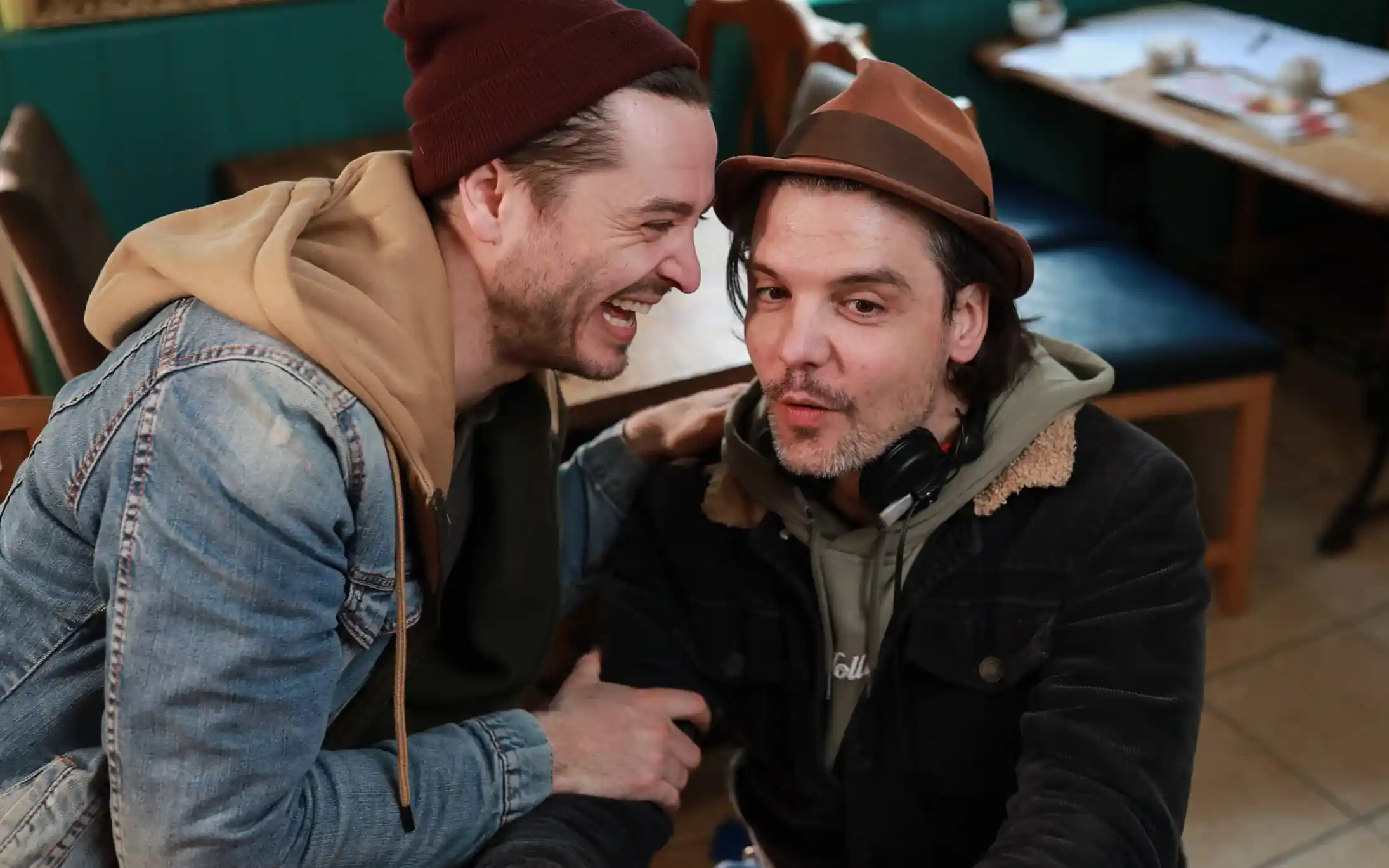
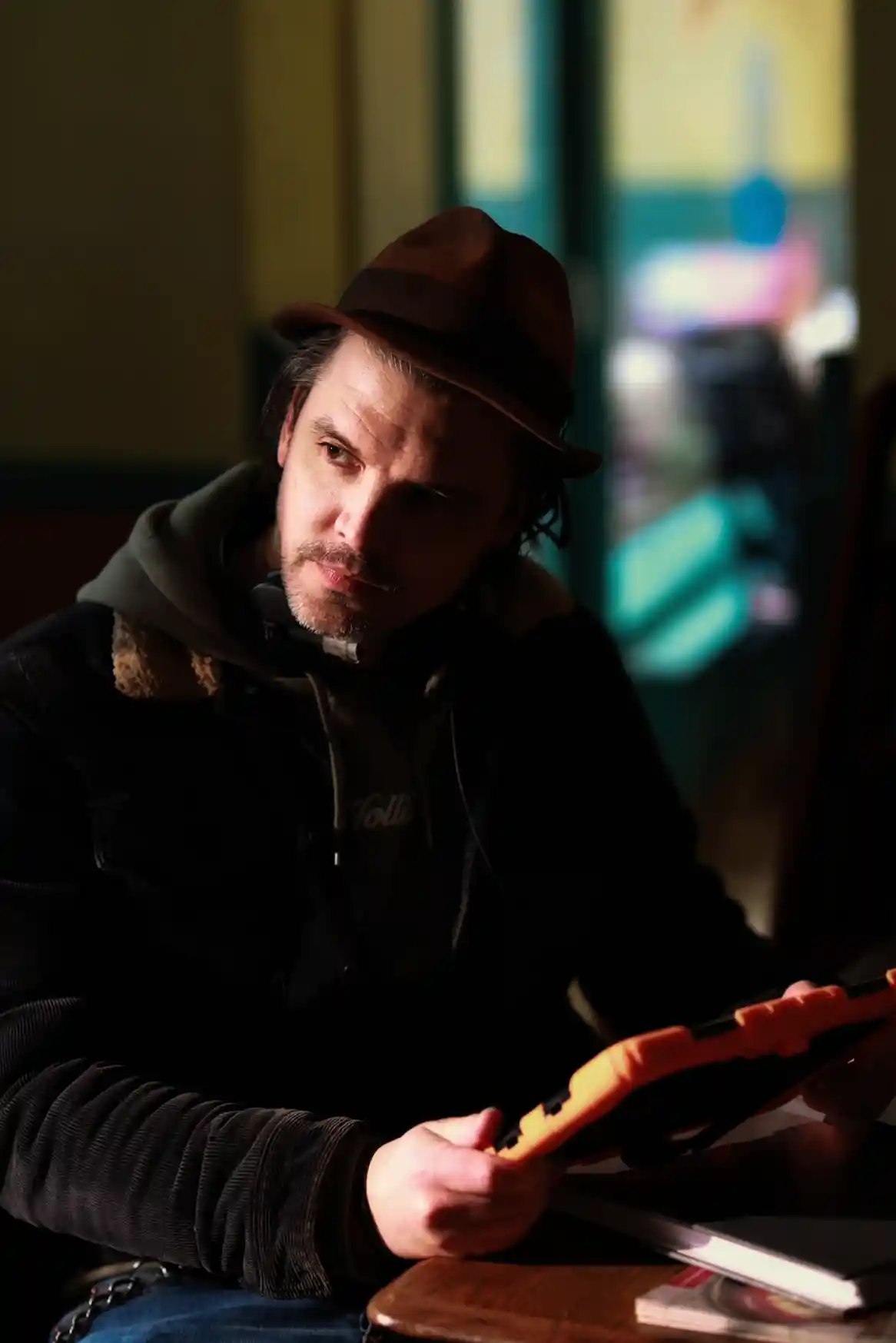
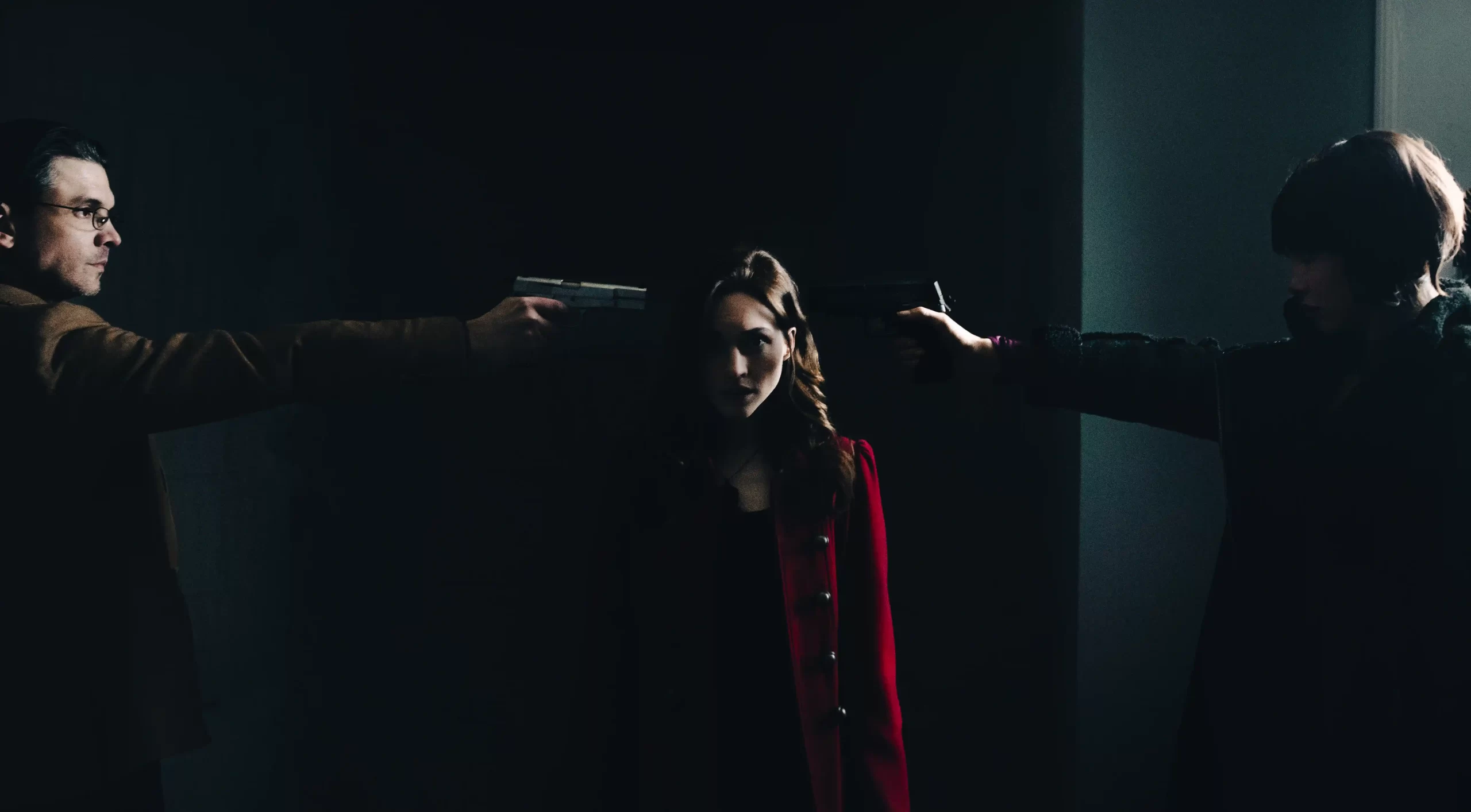
Fabio Frizzi • CITY OF THE LIVING DEAD

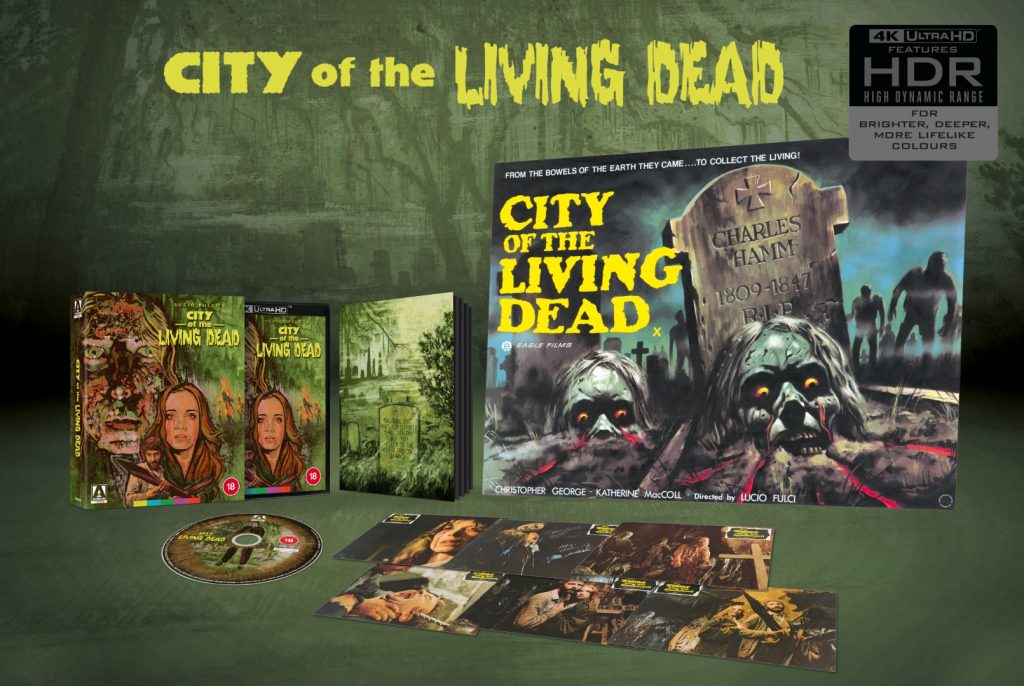
Out this week on 4K UltraHD Blu-ray  from Arrow Video is Lucio Fulci’s 1980 film, City of the Living Dead. The first entry in the Italian director’s Gates of Hell trilogy was followed by The Beyond and The House by the Cemetery in 1981, and all three films stand as masterpieces of Italian splatter horror. In addition to Fulci’s imaginative, skilful filmmaking and eye for colour, the trilogy also owes much of its success to the masterful scores composed for each. While Walter Rizzati and Alessandro Blonksteiner scored The House by the Cemetery, the first two films saw the director partnering with his frequent collaborator, composer Fabio Frizzi.

While Frizzi took a break from scoring films for most of the early ’00s, in recent years, he’s come roaring back with work for films such as Puppet Master: The Littlest Reich and the Castle Freak remake. Additionally, he’s revisited two of his Fulci scores, The Beyond and Zombie Flesh Eaters, in expanded Composer’s Cuts, which see him taking the musical ideas from 40 years prior and making them even bigger than they once were.

We spoke with composer Fabio Frizzi about his work with Lucio Fulci and his current plans.

STARBURST: In recent years, you’ve returned to and expanded the scores for Zombie and The Beyond. What appeals to you about revisiting your past work?

Fabio Frizzi: Let’s say that every time you pick up an older score written a long time ago, it’s always a confrontation with yourself. For example, I wrote Zombie in ’79. I was 28, now I’m a little older [laughs], so the first very interesting thing is the relationship with yourself, trying to understand how you were then, your ideas on music, but not only on music. This is a great psychological encounter with yourself, and obviously, there are many things that have changed. And even the movies. when you see a movie from Fulci, it’s always alive. It’s as if it’s done the year before.

When I, for example, redid The Beyond for the first time we did it in concert, Antonella Fulci, his daughter, was there. She’s a great friend of mine, and I’ve known her since she was a baby. She told me she thought this was a new way of seeing that movie, and I was so happy.

Bob Murawski is an editor from Los Angeles and the boss of Grindhouse Releasing. He had a copy of The Beyond without music, so I could work from scratch. There’s now a version called The Beyond: The Composer’s Cut with the new music, which is very similar to the old, obviously, but there’s something absolutely new.
Speaking of seeing things in a new way, how does it feel for you to see the deluxe restorations for these films?

I’m always in love with the older things. I love old cars. I love old guitars and things like this. So, obviously, when you see a movie in 35mm projected, it’s something great, but I think that these restorations can, first of all, keep the market alive. I know people, friends, and fans that have every single release of that movie and the other movies, so the market goes. But I can tell you that I’ve seen The Beyond recently, and with the 4K restoration, you see details that you haven’t ever seen before. It’s like two situations, but I think it’s it’s cool. It’s really cool.

Why was your working relationship with Lucio Fulci so long and fruitful, do you think?

Yeah, but you know, after so long, we often use the term legend, not just saying Lucio was a legend or Fabio was a legend. It’s something that the story in a moment that’s almost unknown: I went to the editing room, and Lucio was there, and then the editor. This happened some time ago, but it happened.

Lucio was the age of my mom, for example. he was like a parent for me. I think that I had a great respect for him. Maybe he could see a young composer with a great future in me. We were far in age, but I think we were near in passion because Lucio always – until the last time I saw him – was crazy for cinema, crazy for telling stories. I think that we catch each other’s quality in the best way.

After Lucio was gone, I met Antonella Fulci again because of the request to do another tour in America. We met again after a long time. So we hugged, it was a fantastic moment. She told me, “You cannot imagine how my dad was speaking about you. He loved your way so much.” And,  as many fathers don’t, he never told me. I said, “Well, it’s absolutely beautiful, more beautiful than I could suppose.”

Are there differences in making scores these days versus 40-plus years ago, and if so, what are they?

Practically everything has changed. Basically, from the technical view, I started – and it seems to me five years ago, but it was 50 years ago -with four tracks, a maximum of eight tracks. The Beatles did the first record with four tracks. Nowadays, we don’t have a limit. You open Pro Tools or Sibelius, and you can write on hundreds of tracks. But the way of doing musical commentary has changed a lot because we are, nowadays, fast in using things. We’ll take a look at the reels on the telephone, ta ta ta, and there is a receipt, and so everything changed, but I think that there is one thing that never changed. Basically, the white piece of paper is always there.

When you need to have an idea, you are just by yourself. Even if it is a great computer with many possibilities, the idea must come from here [points to head], despite the AI, but I don’t believe that it will substitute us. But my philosophy is always the same: if you want to do the best you can for a job, the only real secret is to let you go into the story, understand what the people around you – the producer, the director – want you to do and go. And this is absolutely the same 50 years before.

Given that you’ve toured extensively in recent years and released various albums and collections, what does 2024 offer you?

Well, let’s say that enthusiasm is the basis for feeling the many windows that you have on the table. It’s like a mosaic, our lifestyle. Let’s say that I discovered touring very late because I was just a musician in a recording studio. Then, exactly 10 years ago, I did Frizzi 2 Fulci in London. That has brought us – me and my musicians – really everywhere with great enthusiasm also from fans. We had our 10th anniversary in the Union Chapel on October 28th last year. It’s really something important.

When we did the Zombie Composer’s Cut, American friends would say “Please come and do it,” so I think that maybe in September, possibly in London, too. We are trying to build a good story going deeper into the movies. Every morning, I wake up, and I feel I will do it. The curiosity is my gasoline, and we’ll go ahead.

CITY OF THE LIVING DEAD is out now on 4K UltraHD Blu-ray from Arrow Video and is available to stream on ARROW

Tom Payne • IMAGINARY

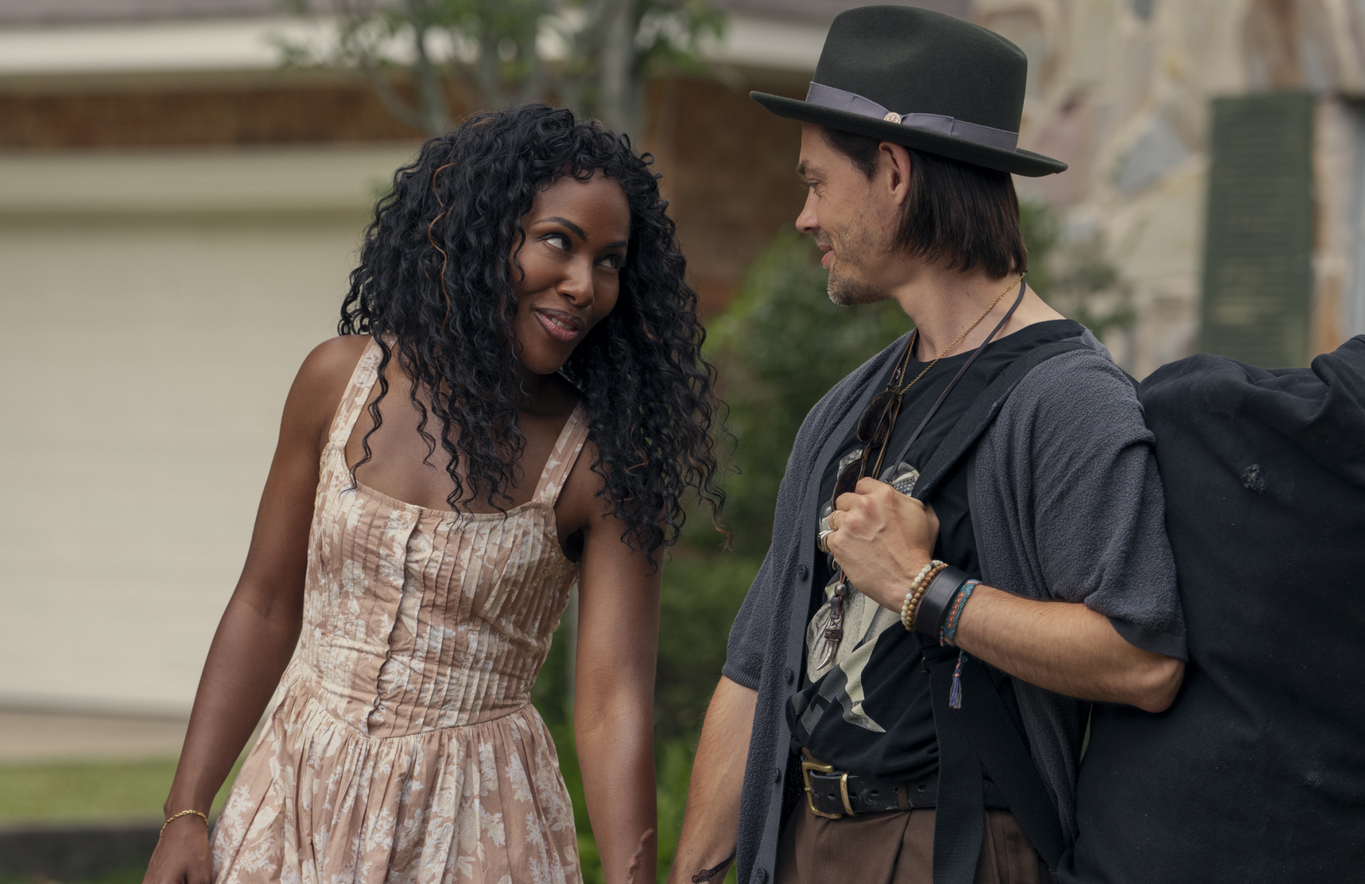
In new film Imaginary, Jessica and her family return to her childhood home, but events escalate quickly when a mysteriously disjointed bear called Chauncey latches on to the mind of her daughter Alice. Maintaining a sense of stability in the movie is partner and father, Max, played by Tom Payne. STARBURST caught up with Tom to discuss what it was like to play a parent on screen for the first time, practical effects, and the terrifying possibilities of imagination…

STARBURST: What do you remember the most from reading the script for the first time? What stood out to you?

Tom Payne: There’s a moment in the script, and in the film, about two-thirds in that made me audibly gasp. Which I don’t remember ever happening, reading a script. Sometimes I’ve been like “Oh, that’s cool! Or, oh, that’s exciting!” But, literally, when it came to reading this script, there was a moment where I gasped. Which is awesome. That’s when I’m like, “Oh, this is cool! If it made that happen to me, while reading it, then it should translate really well on-screen.” That made me excited to be a part of the movie. Then, lots of things on top of that, I wanted to work with Blumhouse for a while, I was very excited to get into business with them. Then DeWanda Wise was the lead, and I think she’s awesome. I was very excited to work with her. And, to be a dad on-screen! I hadn’t done that before, so I had to jump into that side of my career, and this was a great way to do it.

As a parent yourself, did that add any kind of perspective to the process?

Yeah, I would say that it actually worked the other way around. When I shot the movie, he was eighteen months old, and his kind of imaginary world hadn’t quite established itself yet. But now he’s two, I can definitely see his imagination running wild. When you tell him a story, you can tell that he is there, in the story. He is not just thinking about it, he gets this faraway look in his eyes, and he’s absolutely in the story that you’re telling. Which is so cool, but it shows you how strong a child’s imagination is, and how present they are in that. This movie is called Imaginary, and it’s all about that. The imaginary world of a child and how strong that can be.

Max provides a level of comfort and safety for the other characters, can you elaborate on that, and maybe what you wanted to see from Max?

Yeah, I think Max is the most stable character in the movie. For all of the other characters to kind of, pivot around. I talked to Jeff [Wadlow, director] about that at the beginning when I joined, I was like “OK, fundamentally, what is his function in the movie? What role does he serve?” And it’s that solid stability for his daughters. He broke up with his ex-wife to protect them, and move away and do the best for everyone involved. Then, he found a partner in Jessica who he fell in love with, and he thinks is also a good step Mum for his daughters. They move into the home, and start a new life. He is making decisions always based around what’s best for his family. Then, Jessica and he obviously have a great relationship, and she’s like “You should go and do this for yourself” he says “I can stay, I don’t have to go” and she pushes him to go. Then, when he leaves, everything takes a turn, and I hope that the audience is like “No, Max come back!” as much as the characters are, it’s just nice to be that source of stability in the picture.

Everyone is dealing with a tough backstory. Can you tell us about what that family dynamic was like to work on, and build upon as a whole with your cast?

It was wonderful. I have a teenage daughter in the movie, which is a big step for me, because I had never played a dad on screen before, and suddenly I have like a grown up daughter, and a slightly younger one. I had experience in my life, of being in a relationship that I probably shouldn’t have been in for as long as I was. I was able to easily step into what it would be for Max in the story. But I didn’t have children with my previous partner. So, in this situation he had had children, and then another child maybe, thinking, “Oh this’ll make things better!” Then I’m sure they all as a family went through this crushing realisation that it’s not going to get any better. You have to make that really tough decision. Even tougher than I had to make in my life. Max has two kids, but this is still the best thing for them, and for their mother. To separate. So yeah, that is a tough backstory for them. Pyper’s character Alice has a scar on her arm, which is obviously reminiscent of a difficult history. Yeah, everyone is carrying their own personal issues in the film.

What was Jeff Wadlow like to work with, and what did he bring to the creative process for yourself?

On set, Jeff is very egalitarian and ‘best idea wins’, and even though he wrote and directed it, he is very much “Okay! How can we make this better? What do you think? Let’s try and make the best film we can!” Which is great. I don’t particularly want to work with anyone who is very dictatorial, “do what I say, or get out” kind of thing. First of all, I don’t think that that atmosphere should exist on set. In this movie, Jeff and DeWanda are also both incredibly collaborative, and it’s “let’s work together to make this the best product that we can” and that’s just a very nice atmosphere to have on set. It makes everyone feel very empowered, and excited to do that.

Jeff confirmed that practical effects were really important for Imaginary. As an actor, what did you see from the practical effects within Imaginary, and how fun were they for you to work on?

I grew up in the ‘80s and ‘90s watching a lot of movies with a lot of practical effects. In the modern day there’s a lot more CGI, and as much as we have strong imaginations as actors, it still requires extra effort to imagine something in front of you and then react to it, so when you actually have the physical thing in front of you, it takes away a lot of that effort. All you have to do is just react, which is amazing. We had such a great team on this movie making these wonderful effects. I was so excited about that! Like “Wow, these are actual things in front of us that we can react to.” It helps the actors, but it also translates to the audience as well, because you can tell. There is an artistry to it. Not that there isn’t an artistry to CGI, but when you’re seeing it in front of you, and you know that someone has made it with their hands. Like, if you watch a Guillermo del Toro movie, it has a very different feel to something where the monsters are CGI, and it just makes it more grounded, and rooted in something real. Which makes it scarier, I think.

Finally, what do you remember the most from seeing Chauncey for the first time?

There are a few different types of Chauncey. I think I saw all of them, we were just very excited. When Chauncey first came to set in his special case, we were all just really excited to meet him. It’s so funny when you think about what happens in the movie. Like I said, to work with something practical like that, it’s so useful, and creepy. You’re actually like “Oh that’s creepy that he can do those things” and he can actually do them. It’s not like stop-motion, like, someone is coming in and moving him. He is moving. And that’s just amazing. It just adds something to the movie.

IMAGINARY is in cinemas now. You can read our review here.


W.D. Richter • INVASION OF THE BODY SNATCHERS

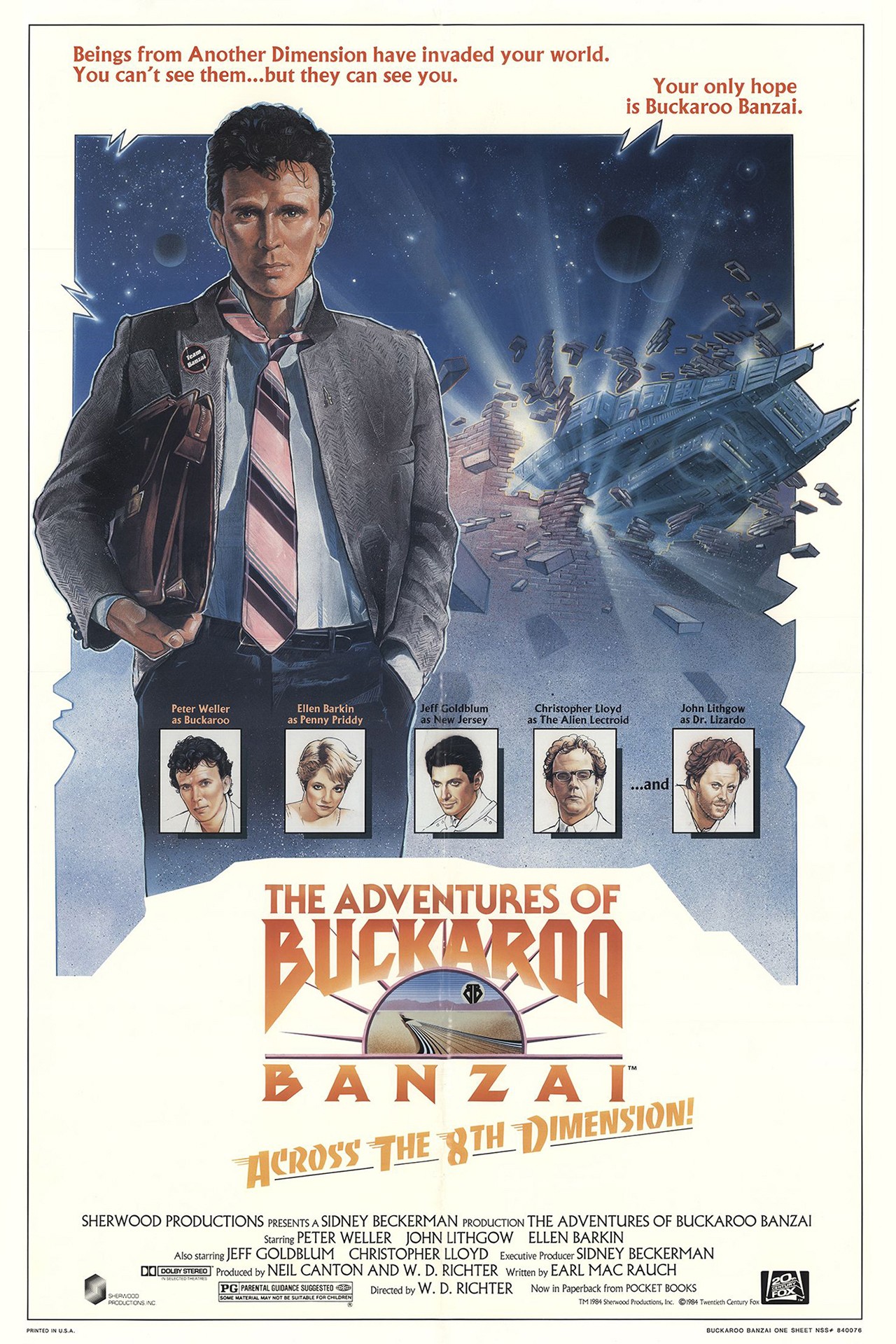
The 1978 adaptation of Invasion of the Body Snatchers is widely regarded as one of the best remakes ever. It kept the essence of the story while adding so much more. With the Arrow Video 4K edition in stores now, we caught up with acclaimed screenwriter W.D. Richter (also known for Big Trouble in Little China, the 1979 version of Dracula, and as director of The Adventures of Buckaroo Banzai Across the Eight Dimension) to chat about his work… 

STARBURST: How did you come to adapt Invasion of the Body Snatchers?
W.D. Richter: Producer Bob Solo liked my work and approached me to adapt it. He was simultaneously wooing Phil Kaufman to direct. Phil and I knew and liked each other, but the way I remember it, Bob didn’t know that, and I wasn’t aware that Bob was talking to each of us at the same time. That was a risky move on Bob’s part. It’s always best to get either a writer or director set first and then work with that person to find a compatible partner as writer or director.

Were you on set for the production?
I was there in San Francisco for both preproduction and production, going on location scouts with Phil and, in a hotel all during production, doing a major rewrite of my first draft script. That version had been set in a small town like the original movie. Once we decided, at the last possible minute, to move it into San Francisco proper, I was writing nonstop, often only days ahead of a scene’s being shot. The set was fun, and full of really talented people. I met the terrific and profane costume designer Aggie Rodgers there, and also Jeff Goldblum. That’s why they both came aboard Buckaroo Banzai.

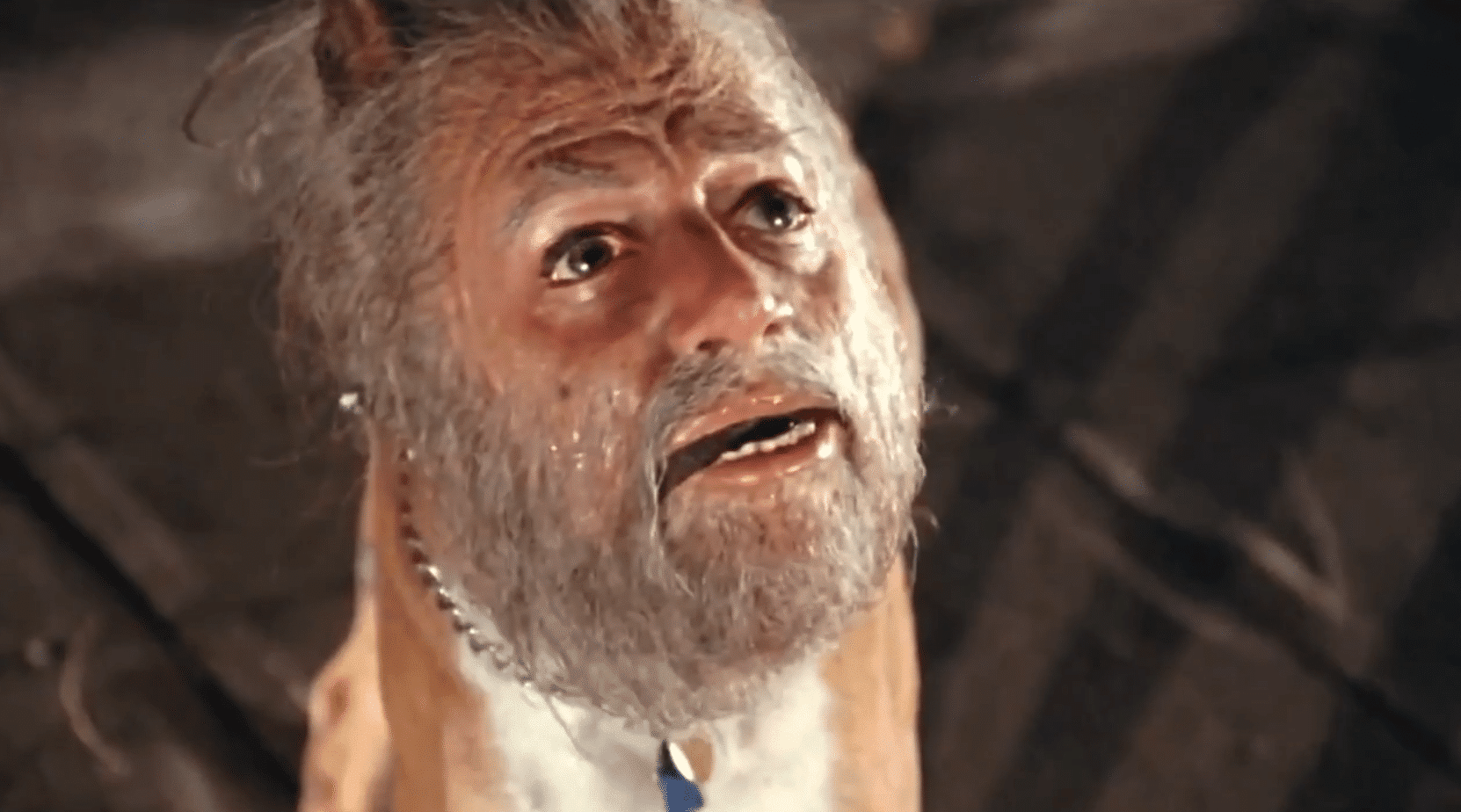
One of the most terrifying moments is the dog with a human face. How did that come about?
Phil and I discussed it before it was put into the script. I loved the idea because it graphically demonstrated that nobody anywhere is perfect, not even the fearsome alien invaders. They wanted to snatch the form and the stature of the apex predators on our planet — humans — but sometimes you just can’t get between a guy and his dog.


The climax of Body Snatchers is wonderfully bleak; can you talk a little about how that came together?
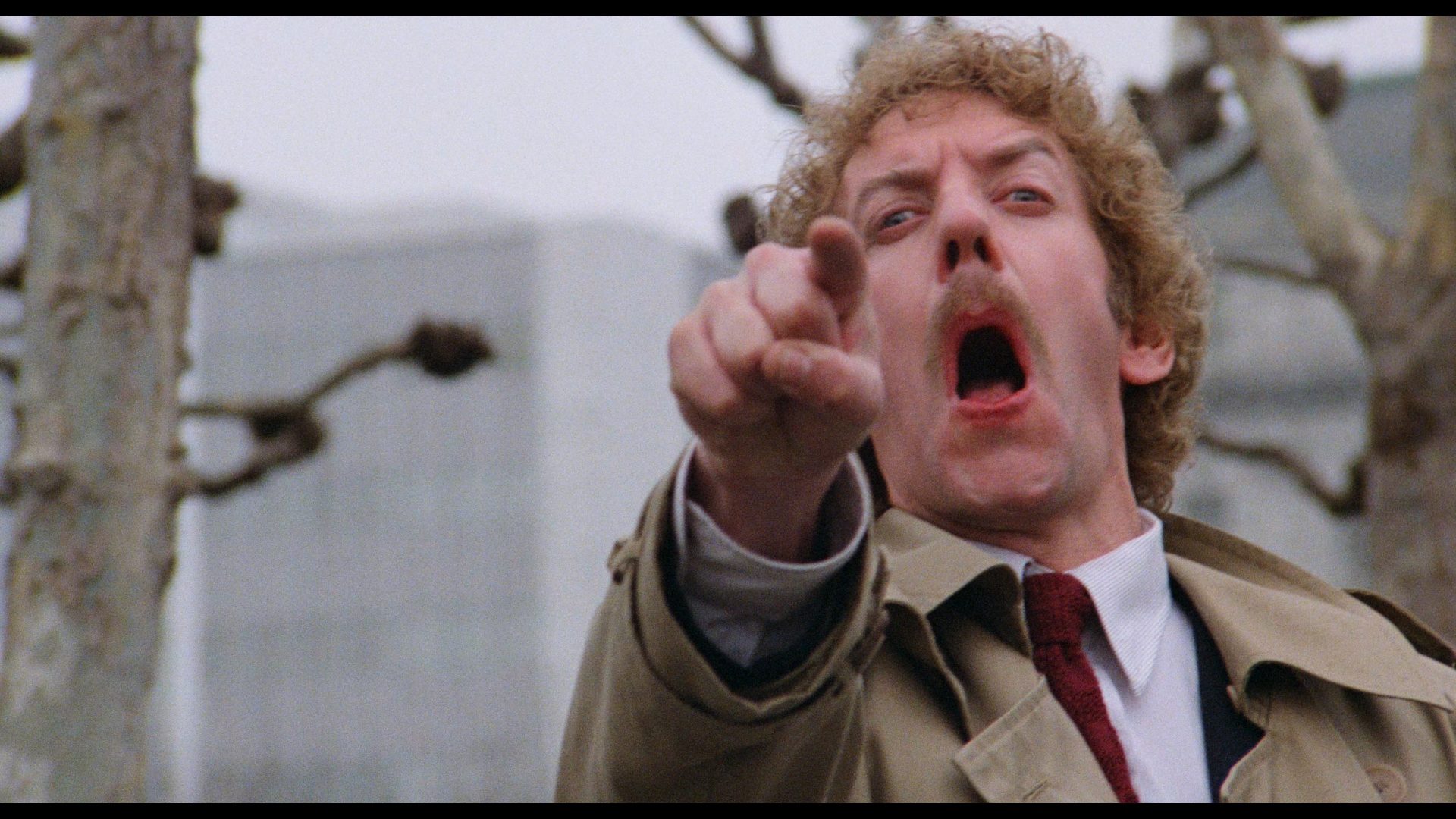
Phil and I wanted to make a movie about the consequences of complacency in the face of a mindless mob bent on relentlessly and mercilessly crowding out diversity, tolerating only conformity… sort of like today’s white Christian nationalists or Don’s Terrified Base. I live in the Vermont countryside now, on a farm at the end of a dirt road at the forest’s edge, so through my bodysnatcher radar that’s developed over the years, I watch all the invasive plant species in our woodlands similarly crowding out diversity, oppressing ‘the other’, if you will, acting blindly in their own worst interests as they try to establish a fragile monoculture that would eventually collapse in on itself and kill them off, as well. I recall Donald Sutherland’s line in the movie about Brooke Adam’s boyfriend: “Maybe Jeffrey’s turned into a Republican”.

Don Siegel’s original ending was just as dark as ours, but a cowardly studio forced him to tack on a hopeful final scene. Fearing the same reaction, we kept the last few minutes of our story a secret during the entire shoot. I wrote a different, more upbeat ending for the same location, and all production copies of the script had only those pages in them. Just Donald and Veronica knew the real ending, and I think Phil only told them toward the end of the shoot just what was coming on the last day. Miraculously, Mike Medavoy, the studio chief, thought it was a great idea.

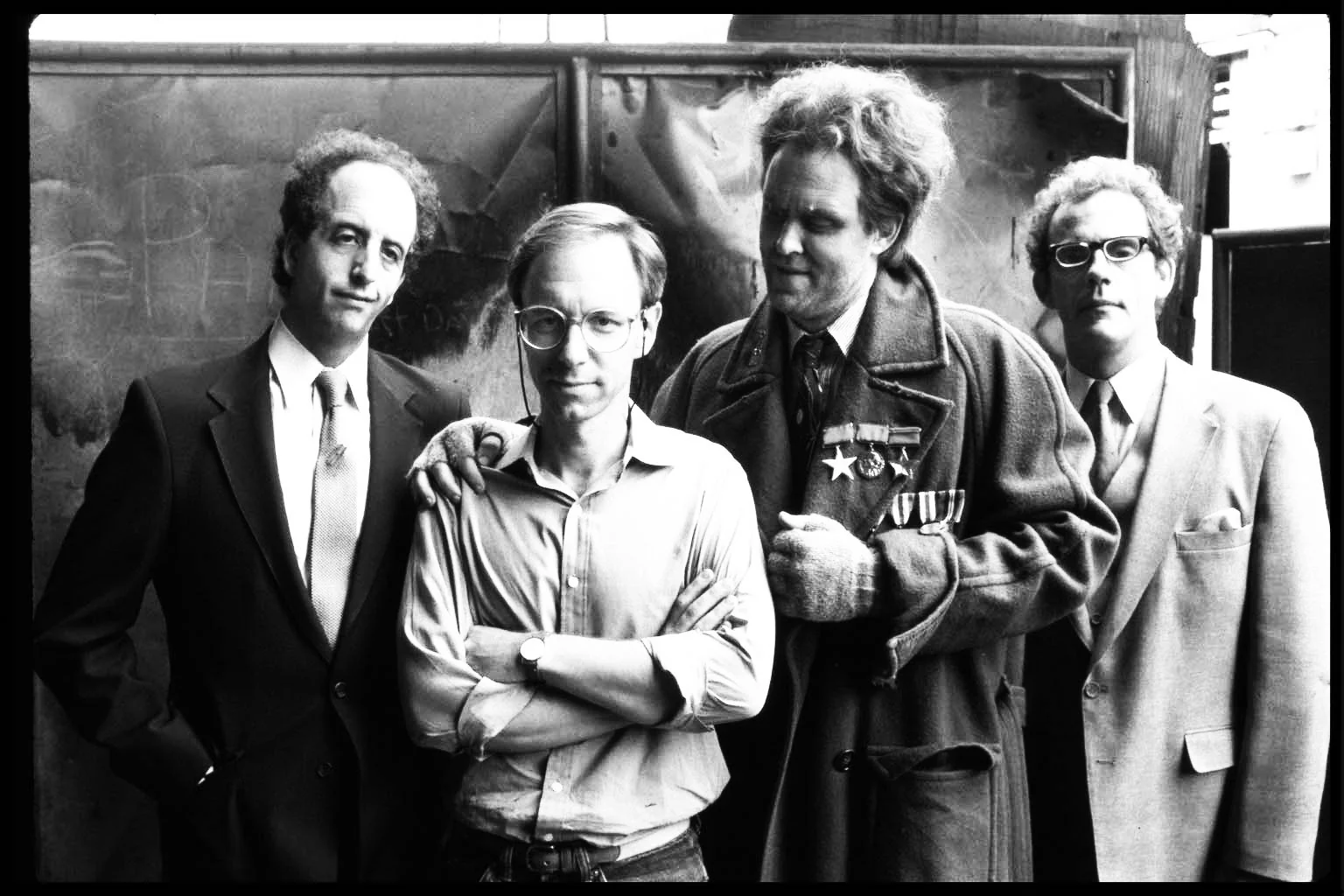
W.D. Richter (second left) with the cast of Buckeroo Banzai.

When adapting a story, what is your process?
Oh, god! Pretty much improvisation because all adaptations are different. Some books are hundreds and hundreds of pages long — Stephen King’s Needful Things was a backbreaker — and others are too internal for easy visual translation — Dracula fits that category. I always start by reading the book, a hard copy back then, with pencil in hand, marking sections I feel the movie needs. I might or might not do a rough outline. I worked closely on a lengthy treatment for Dracula with both John Badham and the great producer Walter Mirisch. With Big Trouble In Little China, I wrote it before John Carpenter even came aboard. It was a page-one ‘adaptation’ — I prefer ‘transformation’ — of a period western into a contemporary, mystical, action extravaganza. I wrote that first draft in about four furious weeks under a deadline of, I believe, a looming writers’ strike. No real notes or outline. Just a stack of books on Chinese mythology piled alongside my computer — I’d gone digital by then. I just tried to put the hero Jack Burton and his motormouth into corners I didn’t know how to get them out of when I wrote them in. I thought if I could figure out the next morning how to get Jack out, I’d surprise myself and the audience, too.

Which was the easiest to adapt – Body Snatchers or Dracula?
That’s a hard question to answer. Each presented different, tricky challenges. There was certainly more pressure to produce quality work quickly on Body Snatchers for reasons I’ve mentioned, but just before I started my adaptation of Dracula, Walter Mirisch let slip that they already had a start and release date!

Could you tell us how you came to work on Big Trouble in Little China – were you around on set for that one?
That was a strange experience. The script that existed was a late-19th-century western — cowboys and horses. It was a spec script that Fox had recently bought.  he original writers did a second draft for the studio, but that disappointed, so Fox and the producers, Keith Barish and Paul Monash, decided to replace them. The spec script was submitted to several writers who were asked to come in and talk about a new take, if the project interested them. I was one of those writers. I thought the problem was conceptual: having a mystical underground kingdom in a period western. It seemed twice removed from a modern audience’s reality. Why do that? So, I just said I’d make the story contemporary, then the only unusual thing about the setting was what lurked beneath ‘little China’… essentially play the movie off our world, not the 19th century’s. That notion immediately got everyone excited — studio execs are often a desperate, impressionable lot — and they hired me on only that thin proposal. Luckily, I stumbled upon Jack Burton’s voice as soon as I started writing. It was like he was real and couldn’t be shut up. That doesn’t always happen, at least not to me.

I did a polish for John when he first came on, but my work was done before principal photography began, and John, whom I knew from USC film school, shot the script pretty much as written. I only visited the production once, just to meet everyone and see the sets.

Have you had any input on the Big Trouble remake?
None. I was never approached. Do you mean the one with The Rock as Jack Burton? Is that still alive?


What made you turn to directing with Buckaroo Banzai? And what was that experience like?
Mac Rauch, who created and wrote Buckaroo’, was a good friend. My wife, Susan, and I paid him a small stipend to develop his idea. When we pitched it to David Begelman and he hired Mac to write a full script, with me and Neil Canton producing, He asked me if I wanted to direct it. I did because nobody else writes like Mac.

Directing it with crazy, suicidal David Begelman looking over my shoulder had its hellish aspects. But the cast and production team were great, and we were all determined to get the job done, especially after Begelman fired my first cinematographer, the peerless Jordan Cronenweth, out from under us because the operating room and nightclub scenes that Jordan shot looked to Begelman “like Blade Runner“. No shit, Dave. I’ve done dozens of interviews over the years about this. Begelman was a sad, late 1950s Beverly-Hills’ throwback who still had a manicurist lacquer his toenails because going sockless in Gucci loafers was his crowd’s gold standard in the ‘80s and who knew when you might have to remove your Guccis in public?! Not very Buckaroo.

How does it feel to know the films you’ve worked on are still being discussed and still finding new audiences?
Strange, for sure. Buckaroo is almost 40 years old. When we shot it, Gone With the Wind and The Philadelphia Story were 40 years old and seemed to have come from another world. That people are still passionate about Buckaroo and new folks are still stumbling enthusiastically upon both it and some of the other stuff I wrote is gratifying, of course. And in many ways baffling. No complaints, though. Take chances, that’s what I’ve learned. Never look over your shoulder. Just make movies that you want to see and let time sort things out.

INVASION OF THE BODY SNATCHERS is out now in 4K from Arrow Video.


Ben DeVere • LONE WOLF: THE HUNTRESS – MARKED FOR DEATH

Lone Wolf: The Huntress - Marked For Death

Ben DeVere is the son of fantasy gamebook legend, Joe Dever. Joe passed away back in  2016 and Ben has been carrying on Joe’s legacy, carrying on his father’s wish to complete the Lone Wolf series.  This includes a new trilogy, The Huntress series, written by Jonathan Stark. The first book in the series is Lone Wolf: The Huntress – Marked For Death. We caught up with Ben to find out more…

STARBURST: How would you describe The Huntress to a fan of Dungeons & Dragons?

Ben DeVere: For D&D fans, I’d describe it as a solo campaign. The book is the Dungeon Master. That doesn’t mean you can’t play it with friends. In fact, we hosted a teaser campaign on the Lone Wolf fan group on Facebook and had hundreds of people involved in voting for the choices.  

What’s the elevator pitch?

Think Castlevania meets Indian Jones, written by Mary Shelley. Exploring the haunted underbelly of a magical city. Tracking a witch’s moving castle through a serpent-infested swamp… all that good stuff!

It’s been quite a journey. Why more books?

It has! But a journey of looking after a legacy. Looking after the legacy is important, of course, but I’m a creative person and so I can’t just republish old books. I had to ask myself, is this just a legacy project, or does it have a future? Are we going to build on what my dad created?

How much of your father do you see in the series?

It’s impossible not to hear his voice when I read it. The themes of self-reliance and being forced to grow up too fast chime with dad losing his own father very young. He was a very private person, loving and funny, but sometimes very insular. The series is called Lone Wolf, after all. 

What was your introduction to gaming as an adult like?

Intense. I first met the fans at Lucca, a gaming festival with upwards of a quarter of a million people and queues of Lone Wolf fans wanting books signed and photos taken. I hadn’t even read most of the books I was signing. It was weird. 

Why is fantasy so big now?

I’d argue that it’s always popular. What’s new is the way the fandom can engage with creators and with each other. The fantasy fandom is just more online than other genres. There’s a highfalutin argument that we need fantasy more when times are tough, but I’m not going to go there. 

What do you make of Critical Role and the like?

I haven’t spent enough time watching their stuff, but it’s a phenomenon. It just proves the appetite for fantasy roleplaying.

What’s next for you?

I’m right in the middle of writing the final book of the Lone Wolf saga. Book #32: Light of the Kai. And this June is Lone Wolf’s 40th Anniversary, so we have a lot of projects in the pipeline for this summer. I’m busy getting those ready, too.

Doctor Who or Doctor No?

Doctor No. I was a huge Bond fan. Goldfinger is the best film, obviously, but I grew up in the Roger Moore era, so hell always be Bond for me.   

Dragons or Death Stars? 

Death Stars. Dragons is too much like work. 

Truth or Beauty?

At 42, I’m precisely middle-aged. So, I’m in the process of turning from Beauty towards Truth, which is a wonderful process.

You can find out more about the Lone Wolf books here.


Jeff Wadlow • IMAGINARY

After the success of Truth or Dare and Fantasy Island, writer/director Jeff Wadlow has returned to the horror spectrum through his new movie Imaginary! Daring to create a horror character that could sit alongside the likes of Chucky and Annabelle, STARBURST discovers everything you need to know about the mysteriously off-putting bear that is Chauncey, and much more…

STARBURST: Where did the idea for Imaginary come from? As someone who has already created a couple of horror movies, how excited were you to be working on an idea like this?

Jeff Wadlow: It came from Jason Blum, who signed me to a first look deal, after Truth or Dare and Fantasy Island. He challenged me to make a classic Blumhouse film that dealt with the iconography that is in a lot of his movies. A family, in a house, at night, there’s a bump that they hear. That kind of cadence. He wanted to know what my version of that would be. The second point of inspiration honestly came from somewhere inside of me. I wanted to make a movie about an imaginary friend, and I thought it was really fertile. I enjoy playing with subjectivity in filmmaking, asking the audience, “Do you think this is real, or is this not real? If it’s not real, does it still have real consequences?” and I thought an imaginary friend movie would be the perfect opportunity to explore some of those notions cinematically. Then the third point of inspiration was my co-writers Greg Erb and Jason Oremland, these guys are two of my close friends. They are really talented screenwriters, who had been working within the family film space, and they wanted to make a scary movie about an evil teddy bear. I had asked them to come and talk about ideas at Blumhouse, and so, you take those three things and combine them, and you have the movie Imaginary.

Jessica and Max both have quite tough backstories. What were these like to create, and what did you want them to bring to the movie?

Well, Jessica and Max are the two main adult characters in the film, and they’re dealing with pasts that were problematic, and I think that that is totally relatable. It’s not like they’re particularly special in that sense. We all have trauma and unfortunate things that have happened to us. We’ve had to decide how we want to process and deal with them as we move through our lives. That created the emotional underpinnings of the film. Fortunately, I was lucky to have two incredible actors DeWanda Wise [Jessica] and Tom Payne [Max] play those parts, and bring them to life in a manner that I couldn’t have even imagined myself.

DeWanda Wise is brilliant as Jessica! Can you elaborate on what DeWanda was like to work with and what else did you really want to see from her character?

Working with DeWanda is a pleasure. She is such a pro; I’ve never worked with an actor who is so prepared. She is also an executive producer on the film, so she was really my creative partner in every decision we were making while we were shooting the film. Not just decisions around her character, but, she was helping when it came to picking the costumes that the paramedics were wearing when they show up for that one scene. She was very much my right-hand creative consultant through the whole production process. I love her, she is so talented as an actress, I just enjoy watching her do her thing, and would absolutely kill to work with her again.

What was it like to design and bring Jessica’s childhood home to life, and how did you want the home to feel and come across for the audience?

I really wanted to make sure that the home was not a classic horror movie house. We’ve all seen that scene where the family moves into the Gothic, old, dilapidated, haunted house, and you’re like “Why! Why are you doing this! This is not going to go well for you or these children you’re bringing here!” It doesn’t make any sense. We were shooting in New Orleans, and it was a challenge to avoid that Southern Gothic theme that’s everywhere. I just wanted a house that honestly looked like the suburban dream. This idyllic, middle class place, where you could raise your kids, protect them, and they could have a wonderful childhood. Despite the few things that happened to Jessica when she was young, she pretty much has good feelings about her childhood, which we put on the screen in the credit montage with the home movies, and I just wanted to have that feeling when we saw the house for the first time. From a production standpoint, it was very challenging because we shot all of the first floor stuff on location but then we had to build the second story of the house on a sound stage. We had to match the staircase to make it look like it’s seamless. There are sequences in the movie where Jessica starts upstairs and she walks down the stairs, and we do a real time cut, and we pick her up on the stairs and she walks into the first floor. Then we do another cut and she’s in the basement. We are going from a set to a location to a set in just those three shots. Often probably, stretched out over multiple weeks, and so, keeping all of that straight in your mind is certainly a challenge for a filmmaker.

Alice is pretty much the backbone of the story for the entire film, as she talks with Chauncey throughout. What was that like to work on, and how did you go about threading that key narrative through the movie?

Well that was a creative debate. Like “What does Chauncey sound like? What is it like for Alice to be talking with Chauncey?” There are versions of the script where Chauncey’s voice was a unique thing, but I had this idea in the middle of development that Chauncey’s voice should be Alice’s voice. If a kid has an imaginary friend, the kid would do the imaginary friend’s voice. So then, as it becomes clear throughout the film that Chauncey might be more than just your normal, imaginary friend, it was important for me, for him to keep Alice’s voice. But also for that voice to change. I think that it’s an interesting idea, that continues to evolve throughout the story, and I don’t want to give away any spoilers, but the audience will see that it starts with Alice, and then it changes, but then it also ends with Alice.

Betty Buckley has been in some really awesome horror movies herself! How did she end up becoming the sitter/neighbour Gloria, and what does she bring to the character?

Betty Buckley is an icon! It was beyond a privilege to be working with her. Not only was she in Carrie, but she was also in Split, which is a fantastic horror film, and Jason Blum produced it. She emailed Jason and said “Hey Jason! Do you have any horror movies for me to be in?” and of course, Jason Blum being the savvy producer that he is said “Of course I do Betty!” Then he turned to his team and said “Do we have a movie for Betty Buckley?” Jason then emailed me and said “Can Betty play Gloria?” and I was like “Can she? Will she!? I would love to have Betty Buckley play Gloria” We were really lucky to have her, and it’s not just exciting because she’s such an icon. She’s an icon for a reason, she brings her A-game, and she lights up the screen every time she’s in a scene.

Can you tell us how the look of Chauncey came to be? What was that like to create, whilst also finding a balance where the character can come across as both sinister and innocent?

Designing Chauncey was tricky, because we knew we were trying to make a horror movie icon, like something that people would remember, and would be worthy of being thought of in the same moment as like Chucky, M3GAN or Annabelle. I knew that he couldn’t look as creepy as Annabelle or like a scarred messed up Chucky, because why would any kid want to play with a teddy bear that looks that demonic? But at the same time, we looked at some designs, where he just looked too much like Paddington, or Winnie-the-Pooh, and you’re like “Well, there’s nothing really off putting about this design”. It really just came down to asymmetry, if you look at Chauncey, his ears are off, his eyes are off, and he can still be cute, but that asymmetry creates a feeling of unease. It makes you realise, on some subconscious level that things are not right.


In the trailer, we see Chauncey move by itself up the corridor! So, how important are practical effects to you, and how much can we expect from that approach in Imaginary?

Practical effects could not be more important to me. I always embrace what I call a ‘practical CG hybrid’ approach, which means if we can do the gag practically, if we can create the monster in the real world, if we can do the gag on set, then we should, and then we should use CG to clean it up, augment it, elevate it. Try to fool the audience a little bit more. Audiences are savvy; you can’t just put a guy in a rubber suit and think that they’re going to think that’s exciting, so you have to find ways to support and supplement the practical element. It should be practical because then the actors have something to react to. It gives the thing a real weight in reality. That the audience can feel. Light is interacting with it in an authentic way, and it gives the visual effects artists a reference, so when they augment it, they can make it look like the real thing.

Horror soundtracks are iconic, and for you got to work with the awesome Bear McCreary again. Is there anything you can tell us about that collaboration, and maybe how he helped shape the movie’s soundtrack?

Well, if I can toot my own horn for a second. One of the smartest things I did when making this movie was very early on, and I knew I wanted to work with Bear again. I contacted him well before you would ever talk to your composer, and I said “Hey Bear I need the Chauncey jingle! I want it before we start shooting” and he wrote it months before we started shooting. I hadn’t even cast the whole movie yet. And the first time I heard it, I was blown away. It’s such an earworm. Once you hear it, you cannot get it out of your head. It has almost this Sgt Pepper, Lennon/McCartney thing to it, which is inexplicable, but I think it’s just a fantastic piece of composition. It’s become a part of the film in a way that I just can’t even really explain. I would hum it into the microphone on set when it’s supposed to be playing through the bear, which changed how we edited the movie. I’m so glad I had that thought because you often don’t really get into the music until the movie is done. But it was an important piece of music for the film. I’m so glad that Bear wrote it before we started shooting,

IMAGINARY is in cinemas now. You can read our review here.

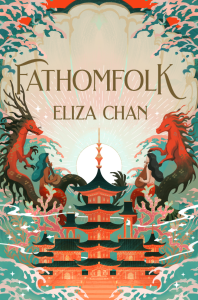
Eliza Chan | FATHOMFOLK

Eliza Chan is a Scottish-born Chinese diaspora writer who thinks a lot about intergenerational relationships, diaspora identity, and immigration. Her latest book, Fathomfolk is not only an amazing fantasy novel, it also explores the joys and complications of modern cityscapes and depict multiculturalism based more on East and Southeast Asian cities such as Hong Kong and Singapore rather than London or New York.  We caught up with her to find out more.

STARBURST: How would you pitch Fathomfolk to an old friend who really likes Disney?
Eliza Chan: Rather than giving up her home and culture for a man she hasn’t even had a conversation with, what if the little mermaid was an immigrant? How would she adjust to the culture shock and the different way of life above water? Would she be mocked and discriminated against because she tried to brush her hair with a fork? Where does she fit in?

Why should we read this book?
Fathomfolk is the story of a modern cityscape, divided between the generally prosperous humans at the top, looking down on the underclass fathomfolk – kelpies, kappas, mermaids and more – who live in the slums below. It is a book for people who like it when fantasy asks real-life questions and for those who argue with their GM that goblins can’t be born inherently evil as everyone is an individual. It follows three points of view characters: a privileged water dragon, newly arrived in the city; a tired half-siren who has been trying to chip away at the system; and a scheming seawitch, in it for herself; all dealing with discrimination, diaspora identity, and the cost of change. You should also read it for mythology mash-ups, messy, eclectic cities, and delicious depictions of food!

Why Sirens?
I like reading different mythologies from across the world and was getting more and more frustrated at women depicted as the seductress or damsel. Sirens, in particular, just seem to lounge on rocks waiting to drown men and have no other ambitions or life beyond this. It reminded me of the common rhetoric that women were asking for it. I started to envisage a siren who couldn’t switch ‘it’ off and how she would respond to being discriminated against and treated with hostility.

If you could sit one of the characters from the books down and have a word with them, who would it be, and what would you say?
I would sit Nami, the newly arrived water dragon, down with a nice cup of seaweed tea and tell her not jump to conclusions about a city she has only just arrived in. Knowing Nami, however, she would roll her eyes at me and do the exact opposite.

What was the funniest part of getting Fathomfolk published?
I’m not sure it’s funny, but it’s certainly been fun going from polite, professional emails with my editor and team at the beginning and slowly descending into the realms of antler gaps, kelpie butts, and cabbage man references as we got a feel for each other. It’s been brilliant to work with fellow science fiction and fantasy geeks and know they are your people.

Why are we so fascinated with dragons?
For right or wrong, we’ve labelled all reptilian flying monsters as dragons, and that means there are so many varieties to read and write about. What’s not to love about giant magical beasts that can either be your mount, lover or burn you to a crisp on a whim? Seeing my toddler in his dinosaur era at the moment, I also think it harks back to that childhood fascination that many of us never grew out of. There is a duality in my mind between the water and weather-controlling Asian dragons and the fiery-breathing Western dragons, but we can contain multitudes. Mostly, however, I just want to be able to fly.

What’s your favourite piece of folklore to write about?
I like them all, which is probably why I wrote such a mash-up of mythologies and folklore! Researching Fathomfolk made me really aware of how folklore stories are ever-evolving and that there is no one true narrative. For example, growing up, I asked my mother about the Asian dragon and the dragon pearl ubiquitous in Chinese restaurants, traditional decorations and the like. Years later, when researching, I realised everything she’d told me was different from what I was reading. She told me the dragon pearl was its soul; in the most well-known story, it is a source of wealth and prosperity. We treat the written form as the authority on the matter when often it is just one version that happens to be written down. To this day, I do not know if my mother’s stories are from her own childhood or her own flights of fancy. Either way, does it matter? Writing and reimagining folklore as writers do is another evolution in this process, and I loved reimagining dragons and dragon pearls in a new way.

What’s the toughest part of the writing process for you?
Initial drafting is tough for me. I’ve given up on so many novels over the years and never got past about 30,000 words. There’s a really tough point about two-thirds in where you can’t see the wood for the trees, and that’s usually when I throw in the towel. It’s so important to me to have writer friends to support me, to set myself achievable goals and just push through. It’s definitely worth it when I write ‘The End’.

What other projects would you like to work on?
I am drawn to the darkness of the original fairytales before they were sanitised and would love to do a retelling one day. I’d also like to do something akin to Rivers of London or American Gods with a contemporary real-life city setting with the supernatural, but I’d probably take it north to Manchester or Glasgow. On the flipside, I’d equally love to do something with nods to anime and manga, such as Studio Ghibli or Fullmetal Alchemist: Brotherhood. Too many ideas, not enough time!

What’s next for you?
I’m working on the sequel to Fathomfolk at the moment and also tinkering with my next project, Buffy the Vampire Slayer in Opium War-era Hong Kong.

Doctor Who or Doctor No?
Doctor Who, I’m still in my David Tennant-era mind.

The Little Mermaid or Aquaman?
The Little Mermaid. I particularly buy into Norton’s theory that The Little Mermaid was symbolic of an unrequited homosexual love that Hans Christian Andersen felt for his friend. It makes the othering, inability to speak, pain of transforming to fit in. and the ending so much more poignant.   

Selkies or Kelpies?
Oh that’s really hard! I’ve written a few selkie stories back in my day, but I find kelpies more intriguing these days. They are much more unpredictable, the antithesis of the docile unicorn. I love the image of galloping horses as crashing waves, and I was also the sixer of the Scottish Kelpies in Brownies as a kid.

Truth or Beauty?
Truth, every time! My Chinese name 真 literally means real or truth, and whilst I envied the other girls with their beautiful names, I’ve definitely grown into it.

FATHOMFOLK is out now and can be ordered here.

Emma Vieceli | BREAKS

Emma Vieceli is a highly talented and critically acclaimed British comic book artist, and writer.  Her work includes BREAKS, Vampire Academy, and Life Is Strange. We caught up with her to learn more about the new edition of BREAKS.

STARBURST: How would you pitch BREAKS to someone who’s only just discovered comic books via Heartstopper?

Emma Vieceli: Firstly, I’d tell that person, Welcome to comics! It’s a big and exciting world of stories, and you chose a great way in.’

For BREAKS, specifically… hmmm. If you’ve been enjoying Heartstopper and are perhaps also keen on reading something sitting a little older and a little darker, BREAKS is a good choice! Whilst still a love story at its core, BREAKS is also a mystery. The characters have their burdens to bear, fears to conquer and choices to make, but they’re discovering themselves alongside a twisting, woven story as they slowly unravel the mystery that connects their families. At times brutal, at times raw, the action is emotionally driven and emotionally complicated. Recommended for older YA readers and beyond, especially as we get into book two in June, I’d say it’s a layered story that moves beyond being pure romance and turns up the drama dial.

BREAKS has been around since 2014; what advice would you have loved to have given yourself back then?

Oh, younger me: Trust that you’re not wrong. This sort of story will find an audience. They’re out there. The time will come when people talk excitedly about LGBT comics and love stories and will watch them adapted on TV and will find it hard to fathom that it was such a struggle when you started. You’ll work hard and give over a decade to making sure this story gets told and seen, but you’ll be so proud when it is. Not rich. But proud. And, by the end of that decade, trust that the world will have changed a lot. 

 Also, maybe work in black and white and save yourself the trouble of having to convert the whole series down the line? 

Why do we keep falling for enemies to lovers stories?

Gawd, I don’t know, but there’s just something delicious about that thin line between love and hate, where emotions are turned up to eleven and can suddenly morph into a new form. In Ian and Cortland’s case, while we don’t get to see a lot of it before the story kicks in, we can assume that the entire rivalry was based on what was so obviously lurking beneath the surface. Tension is a powerful thing. 

If you could sit one of the characters from the books down and have a word with them, who would it be, and what would you say?

Oh blimey. They could all use a few words. Except Amilah, maybe. That girl has it all worked out, and I could use her sitting down to give me a few words. But yes, only one of them? Gah. I mean…I guess I’ll have to go for Cortland. Because, for all his faults, Ian sort of tunes into himself a little faster than Cortland does in some ways. 

Look, Cort… I know you seem to think that the world rests on your shoulders and that your mistakes are worse than anyone else’s mistakes, but look around you. Everyone makes mistakes. Closing yourself off from people who actually seem to care about you is not the path to making anything better. You are not your anger; not everyone is out to get you, and leaning into feeling good sometimes doesn’t make you a bad person. And hell, sometimes you’re allowed to be angry. It’s what you do with it that matters. You are on the road to recovery, even if you don’t realise it yet. And that tall ginger goof over there… yeah, he’s going to matter quite a lot. He’s going to make a few mistakes of his own, but try not to punish him too much for those. He’s on his own road, but you’re both heading to the same destination.

Why is life so difficult for the characters in BREAKS?

A big theme of BREAKS is about living with legacy. Living in the shadow of what has come before and walking the path you’ve been placed on. All of the young adults in this story are in some way emerging from the past (aren’t we all, in some ways): from having divorced parents or growing up an immigrant to coping with family loss or coming to terms with their own worst actions…it’s why their ambitions, passions, and their ability to find and accept love become so worth celebrating. 

How different is creating something like BREAKS compared to Hamlet or Life is Strange?

From Hamlet – immensely! I was working on a ‘very’ known story with an adapter. It was all about how to best illustrate the script and bring out the full meaning of the words. 

From Life is Strange – actually, not all that different! Aside from the fact that obviously, I didn’t draw Life is Strange – a big shout out to Claudia Leonardi, who is wonderful! But the themes and emotions in Life is Stange often overlap with what Malin [Rydén] and I had been doing for years with BREAKS. Emotionally, for me, the comics sit in a similar place. Self-discovery. Courage. Accepting past mistakes and learning to live with who they make you. Process-wise, of course, it’s different. I was the writer of a licensed title on LiS – and paid, to boot! – whereas with BREAKS, Malin and I co-wrote the story, each bringing our own characters to the table. Then she did the first pass of the scripts, and I would come in to edit those and move on to creating pages. Sometimes, I’d add scenes; sometimes, she would. It was a fluid process and very much our own. And done in our own time. So, I have a lot more ownership over BREAKS. It’s our baby. But yeah, those emotional beats aren’t all that far apart.

What other projects would you like to work on? 

It’s getting harder to answer this as I get older, you know? Partly because I have been lucky enough to work on some of my favourite characters and worlds over the years – Jem/Back to the Future/LiS/Nightwing, etc – but also because our priorities shift. I’ve still never gotten my hands on Gambit, but beyond that, I like being surprised by projects these days. I don’t so much crave specific titles anymore. It’s more about the types of stories I want to tell. A mood. And a big dream for me is to tell more of my own stories too! 

What’s next for you?

My next big personal story is called Gods & Graces, and I’m so excited to tell it. It’s going to be a hell of a ride. As it’s me, you can imagine it has similar themes and emotional checkpoints to BREAKS, LiS and the rest… because complicated human emotion and moral dilemma is what I do… but this time, it’s also a historical fantasy fiction. 18th century, so glorious fashion, of course. Set twenty years before the French Revolution proper; it’s part celebration of the birth of queer culture in London’s molly house scene and part epic fantasy as mortals race to become gods… I’m excited! There’s already a subscription button for it up on Tapas, and I’m hoping to launch it there this year. 

I’ll also be working on more illustrations for the amazing Juno Dawson, who continues to grow her powerful world of powerful witches. I’m so happy to be a part of it! And I’ll be teaming up again later in the year with friend and multiple-time collaborator Paul Cornell, this time with added Lizbeth Myles joining him on writing duty. We’ll be creating a four-part original story for Magma Comix, and it’s going to be something to really…get your teeth into.

Beyond comics, I’m also – um – writing a musical. So, let it never be said I’m not up for a challenge.

Dragons or Drag Queens?

Do I have to choose?? Can’t the drag queens be riding dragons??

Pop Music or Opera?

Something between the two. I’m a musical theatre baby, after all. 

Vampires or Werewolves?

Vampires. That one’s easy for me.

Truth or Beauty?

There is beauty in the truth, and truth can cast beauty.

BREAKS is out now.


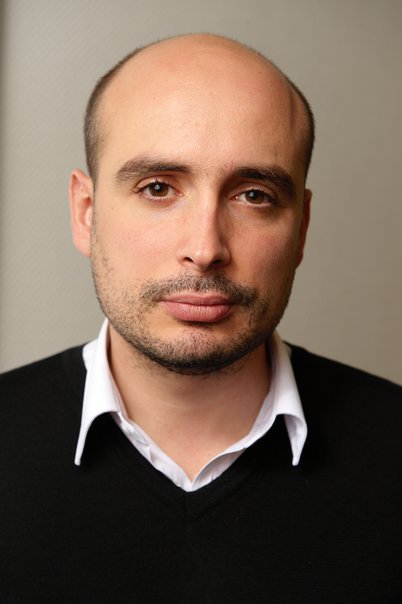
Peter Strickland | FLUX GOURMET

Director Peter Strickland’s films explore texture of all varieties – physical, sonic, epicurean – and his 2022 film Flux Gourmet manages to mix all three to a level of heightened madness even longtime fans of the director’s films might be surprised by. That said, the mixture of gastronomic delights and auditory experimentation makes for a fascinating viewing and listening experience, allowing for a near-complete immersion in the world of “a dysfunctional group of performance artists.”

We spoke with director Strickland about the score for Flux Gourmet, which saw a physical release from Ba Da Bing Records in January and features Strickland returning to the world of sonic adventures with his former creative in The Sonic Catering Band.

Peter Strickland

STARBURST: As a director, what attracts you to the idea of some of these very interesting professions that you’ve explored in your films?

Peter Strickland: Well, I think it depends on the film. Some films, such as Barbarian Sound Studio, were. I think so many films have been done about actors or directors. You just want to look at the more invisible jobs, really. And there’s a film just out now called Jill Uncredited, which is about an extra, and you always wonder about those people, so there’s an element of that.

Flux Gourmet was a lot more straightforward because I actually was in a band like that. I was a bit of a narcissist to make a film about that. It was the same as if you’re in Queen doing a Queen biopic or an Elton John biopic, just slightly different music. The impulse was kind of similar.

We love the attention that you have to sound in Flux Gourmet and Berbarian. What was your musical history? What was that band that led you to integrate sonics so well into your films?

Well, when we started in 1996, there were many years of working a certain way. I think the way we worked was quite naïve, really. How most people start: you get a tape delay, you get a bit of reverb, and you just drench everything through these units. But I think the way we’re using the word, the way we were taking sonics down from everyday sources, like cooking and recontextualising it, chopping it up, and treating it like a raw material to mix and layer and process – I took that way of working into my feature films, but not as a gimmick, really.

It was just that’s all I knew. I never really worked. I was a naïve thing. And it was weird because when we did the band, mostly in the 1990s and early 2000s, we were lucky if we could get a review in The Wire magazine. We could never sell many records, so most of the time, we were just invisible. We were not attracting attention. It was weird; when you put that same process to filmmaking, it did attract attention.

The idea of Flux Gourmet feels very real. It would not surprise us if there were a place such as this, and we think that the thing that we enjoy about your movies is that while they do seem somewhat outrageous, they’re rooted in reality. Is that a process that you consciously go for?

I wouldn’t say consciously. I mean, it depends on each film. But if I look back on them, they’re all rooted in very real situations or emotions, group dynamics, couple dynamics. I mean, the way you do the window dressing, it can be out of time somewhat. Sometimes, it’s best, just due to budget and circumstances, but I think if you strip the surface weirdness away, to me, they’re dramas. They’re all about anything, but I’m just fascinated by different characters, really, and I think the whole band dynamic is incredibly rich for exploring egos and rivalries. That’s the place to go to if you want to explore that.

How did you assemble all of the folks for the Flux Gourmet soundtrack?

Well, it was a mixture. It was mostly people I knew. Some of them were people from my band. Colin Fletcher and Tim Kirby, the three of us had that band together, the Sonic Catering Band. That was very easy. I just called them. I said, “Do you want to get back together for a couple of weekends and do some stuff?” I worked with the others before.

Roj, he used to be in Broadcast, he did some stuff for my first film, actually, Katalin Varga. I worked with Jeremy Barnes and Heather Trost before. I did a music video for them, and they did a soundtrack for a short film I did. Tim Gane from Cavern of Anti-Matter did my previous film, In Fabric, so yeah, I guess it was not really anything to it. I just knew these people anyway. Just picking up a telephone and seeing if they’re interested. I’m obviously thinking about who is going to work for which scene.

It wasn’t a sort of a casual pick up the phone, it was a lot of thought beforehand because I think I knew going into it, it could not be like my other films in terms of most of my films had just one main composer or main band, and that was it. There was a kind of cohesiveness to it all, whereas I knew Flux couldn’t really function like that.

It was a bit of umming and ahhing, “How is this going to work? And “Who’s going to go where?”

That’s an interesting idea that you reached out to a lot of people with whom you’ve worked before, because your work has a recurring series of folk who pop up here and there, like Fatma Mohamed or Gwendoline Christie. Is it comforting, or is it just that you like working with these people to have a regular cohort of people whom you can bring into your films?

I think it depends. I mean, there’s definitely, as a film fan, an appeal to certain directors who always bring back the same acting troupe. I used to love when you’d watch a John Waters film, “What’s Divine going to do now?” I love that. It’s the element of both continuity and the element of surprise because you know that actor’s going to do something very, very different. Not just John Waters, but Fassbinder and Bergman. I didn’t go into this thinking I’d have that kind of relationship because obviously, when you start, you have no idea.

When I worked with Fatma on my first film, I had no idea we’d still be working together. She was almost like an extra. She only had, I think, one or two lines. She was in it for like a few seconds. But there was something there. I could recognise this intensity, and I asked her if she wanted to work with me on Berberian, and it just kind of grew from that, really.

By the time we finished The Duke of Burgundy, I realised, “Okay, this is someone who can really transform with each role,” but not just that, but there was a comfort there. Someone I feel comfortable with. I hope the feeling is mutual. Maybe not off the Flux score, because I kind of put us through quite a bit, but yeah, there was a shorthand there.

When you get someone new, you never know how it will work out. If you get someone who’s good and he’s easy to work with, why would you pass on that, really?

This score is coming out on multiple formats, and several other of your scores have received very nice releases as well. What’s it feel like for you? Are you a record person? Is there an appeal to you to have a nice double vinyl release of the soundtrack or score to your film?

Not really. I mean, I do like physical, but I’d say these days, I prefer compact discs. It’s a space issue, not just the space of the actual discs, but also a record player takes up a lot of space compared to a compact disc system, or even you can put it into a computer. I mean, I like vinyl, but the reason we did vinyl was because there’s just no demand for compact discs.

It’s not in my hands. If I had my way, I would have done a compact disc release, but the same with In Fabric: vinyl sells, and it’s kind of interesting how I’ve heard somebody buy it that didn’t even have a record player. I do have quite a bit of vinyl, and I do prefer it, especially the older I get; my eyesight is not as good as it used to be, and I can actually read the liner notes, and it’s great that kind of format. I have a few Martin Denny vinyl sleeves on my wall, but I’m not obsessive over the whole thing.

Really, whatever works for each person works. I would never be dismissive of someone who just listens to streaming. I’d be dismissive of some of the businesses that run those companies in terms of how they pay the smaller artists. I’m dismissive of that, but not someone who hasn’t got any money, who gets paid peanuts as a nurse or a teacher and wants to listen to music. That’s completely an appropriate, egalitarian way of listening. It’s not their fault. It’s the whole system that is just lopsided and benefits the bigger artists.

The soundtrack to Peter Strickland’s Flux Gourmet is available now from Ba Da Bing Records.

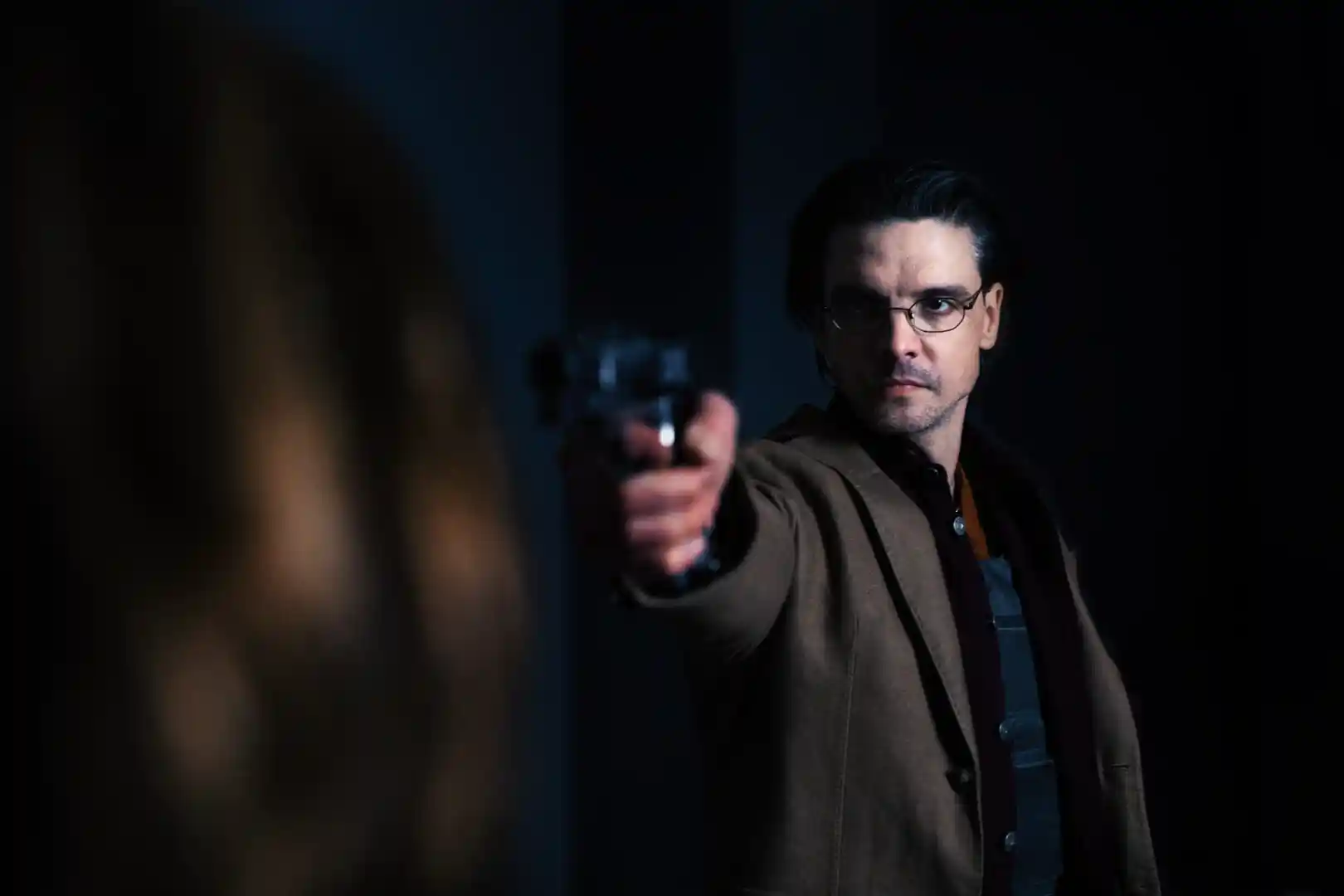
Andrew Lee Potts | FIRECRACKER

Much-loved actor Andrew Lee Potts – best known for Primeval and the recent action film 400 Bullets – has stepped behind the camera for Firecracker. The film, set on Bonfire Night, follows a pair of hardened criminals who take an estate agent hostage while attempting to find an important piece of evidence against their boss. We caught up with the always-busy star to chat about his feature directorial debut…  

STARBURST: Congratulations on the film; how do you feel now it’s been released?

Andrew Lee Potts: I’m proud of the whole film, obviously, being my first film and stuff. I know it sounds cheesy, but I really wanted to tell a story that was interesting enough to keep people’s attention, with enough action. There’s a tiny peppering of humour in there, but I was very cautious not to do that too much, you know, especially with what people know from me. I know this sounds ridiculous, but it’s really funny that I’ve just remembered that I’m in it, if you know what I mean. When Vertical did the poster and sent it over, I thought, ‘oh god, that’s me! I was so focused on the directing side of it, getting it across the line, and delivering it. That’s been my main thing. It was the same on set. Because it was such a small budget and was such a tiny crew of people mostly helping me out. I’m so unbelievably grateful for the friends I’ve made over the years. I guess they have the belief in me and want to support and help me take that next step, really. But yeah, I’m proud of it.

How did the story come about?

I had bought a new house, so this big house I was renting would be empty for a month because I couldn’t get out of my contract. So I had an empty big house, and literally, that’s how it came about. I thought, ‘what can I do with space?’ You know, I’m an opportunist! How can I contain the story in this house and use every area of it in an entertaining way? I always wanted to make a film by the time I was 40 – that was my goal. But around that time, obviously, COVID hit, so that kind of scuppered my plans a little bit. So I had to have a rethink. People around me were always going you should do it. Just do it. Just do it. And I thought, you know what, I’m going to do it. Once I had that idea in my head, I wouldn’t stop for anything. And believe me, things tried to stop me! I talked to other filmmakers, and they’d say you can’t do it for the budget. I was like, “Watch me”. I that’s what I think I’m the most proud of; that I actually I saw it through from start to finish.

There’s something that happens to me when I start directing onset and step into that role that seems right for me. I seem totally at home. I may be stressed and maybe worried about certain things, like how we are going to pull things off, but my focus doesn’t falter. I have to look at that and take confidence in that, knowing that I will see something through. Hopefully I have that kind of aura around me, like ‘it’s going to be okay, we’ll push through this. Will you trust me? I will make it work’. And you know, everyone on the film said yes, they do. And now I get to go, ‘I’m glad you did because here it is’. Vertical picking it up was just phenomenal. They are such a big distribution company in America, and picking up my little British independent film – my very first feature – was just nuts! I didn’t even have to take it festivals; I didn’t have to try and slug it. They saw it, and they really liked it.

Images: VERTICAL / RIHARDS LASIS

Your character’s quite a nasty piece of work, but as a viewer, you end up liking him…

That was so important. I worked so hard with Katie [Sheridan] and Eloise [Lovell Anderson], thinking about how we would come towards the role. I just need it to be authentic. Through my acting over the years, I’ve played many baddies, I’ve played many goodies. But one thing I think I’ve always strived to do is to have some sort of audience connection with that character. Whether it’s through vulnerability and their flaws. There’s something within these people. You might not understand their decision-making or why they’re doing that, or think, ‘I would never do that, but I kind of feel for that dude in that situation. I can see why he’s convinced himself it’s the right thing to do’. That empathy from an audience is so important when you’re telling a story. I’ve seen so many films where they’re all bells and whistles and it looks fantastic and sounds amazing, and it’s technically flawless, but I don’t connect. That’s why I want to make films I do. I’m honing in on my way of telling a story and my style. Firecracker has really helped me to do that.

What was the transition from directing shorts to a full feature?

In my head, I thought, ‘I’ve done a 20-minute short, so it’s just like doing a bunch of those back-to-back’. It’s not at all! It was a whole different ballgame. But I loved it. Editing that much material was epic. The technical stuff that I learned on this was insane. It was a baptism by fire for me. There was there was a lot of stuff that I had to learn. There was a lot of checking YouTube on how I do stuff! [Laughs]

I do need to say how grateful I am to every single person who helped me make Firecracker become what it is. I really couldn’t have done any of it without them. It was their belief in me as a filmmaker and their belief in my vision that got me through it. When I was doubting myself, they reminded me that I can do this and I will do this. I want to make the best story I can with the resources I have. But obviously, those resources were small. But can you imagine if that pot was a bit bigger and resources were bigger? That bit excites me about what I might be capable of in the future.

Images: VERTICAL / RIHARDS LASIS

We all do it! We guess you were almost edited in your head as you were filming?

Kind of, yeah. I know when I’ve got something; I know when I’ve got enough of something. So if someone’s done a performance and I know I’ve got this bit from that take, this bit from that take. Saying that we didn’t have the luxury of having loads of takes. We had to snap through this at pace, so I had to be uber-decisive. Luckily, I think that’s one of my strengths. And that really comes into play with filmmaking because I can go, “Okay, we’ve got that move on”. I also don’t have to be precious about anything. It’s a collaborative thing on set, if someone comes up with a suggestion that’s better than what I was thinking about, I’m like, “let’s do that”.

Did you have specific people in mind for characters when you were writing?

Yeah, Jason Flemying and Nick Moran were completely who I wanted. Obviously, I’m a lot closer to Jason because of Primeval and stuff; we’ve been in and out of each other’s lives for years. We did a movie together when I was 18 or something and I’ve got such a soft spot for him, he’s such a gentle, kind man and is so good on screen. He looks brilliant, and he’s such a pleasure to work with. The tricky thing with Jason was getting him in the room. He wanted to do it, but he’s just super busy. Once we worked that out, he came and was a superstar. I’ve known Nick for ages and have also done a bunch of jobs with him and he was exactly in my head is The Connect. So when he said he’d do it, I was super chuffed. really works. Also with Alex Vlahos, we come from similar backgrounds; we were both younger actors, and we both did a sci-fi show, he was in Merlin. We’d meet at comic cons over the years but never worked together. I needed someone who could make such a big impact in such a small space of time in the film for you to feel for him, and he’s got that versatility I needed.

Images: VERTICAL / RIHARDS LASIS

Did you film it around Bonfire Night?

No! Those shots weren’t even B-roll. Luckily enough, Katie’s brother is a visual effects artist. He’s super busy, working on huge stuff. But I obviously managed to talk to him. There’s a shot in the film where Lena [Eloise Lovell Anderson] looks up, and there are all the fireworks in the sky, and it pans down to her – that was in my head from the beginning. And I was lucky enough to have Robert in the family kind of to pull that off for me because I think that makes a massive difference. Like I say, it was literally me pulling every thread that I knew to try and pull this off!

What was the hardest part of the production?

With any independent filmmaker, you’re going to come up against it. Loads of things were going wrong on set. It wasn’t going well with technical stuff. It looked like we were going to lose two days of filming, but we shot it in nine days, which is insane. I remember a moment in the bedroom where we were filming, I was talking to two of the actors and so unbelievably stressed thinking, ‘how are we going to even finish this? Am I in above my head?’ My partner Katie, who’s also in the film and is amazing, took a picture of me and above my head is a sign on my wall and it says don’t give up. It was blood, sweat, and tears 100% with this. I was wearing so many different hats that I just thought I was going loopy sometimes.

There are so many different stages. Getting a bit of money together at the start to try and get it on its feet. That was difficult. Getting the people to have the belief in you to push forward that you can actually do it. That was difficult, you know? The filming schedule was insane. I’d never scheduled anything on that scale before. Dealing with the actors, dealing with their travel arrangements and all that kind of stuff. I was pretty much doing everything, and so that was difficult in itself, and then you get on set, and then suddenly I’m thinking about a million things. Jason Flemyng said to me – because he’s directed a movie – it’s like being pecked to death by 1000 chickens. Everybody has questions for you. Your head’s all over the place. And then I call action, and I step onto set as an actor, and I have to try to forget all that. Then I’m in a scene with somebody and I’m also thinking about the direction, her reactions, and whether that’s a good take or whether we want to go over that bit again. My brain had to go in so many different channels all the time. That bit was difficult. But I like a challenge. It’s been two years of my life, obviously working as an actor at the same time, but constantly doing this. I think I live for the challenge, really. So I think as much as I might moan about it and go, ‘this is mental, I’m not doing this again’, it starts to come out, and you start to get the feedback, and then you start to go “Okay, cool. What are we doing next?”

So what are you doing next?

Divided is in development now. I won’t say what stage it’s at, but it’s coming together. It’s a heist film set in 2045, so the not-too-distant future. It’s an ensemble cast, which I love. It’s kind of a Guy Ritchie high jinks mixed with Black Mirror. It’s got more of the actor that people might enjoy me being, you know, the sarcasm, the British humour, and the stuff that I got known for. There’s more of that in Divided. Half the characters are like that, and half of the characters are more serious. It mixes really well. I’m super proud the script. We’ve got a full cast attached already, just off the back of the script. So yeah, it’s exciting times. In my head, I’m like, ‘why am I doing it again?’ I’m addicted to filmmaking, obviously! I like telling the story; then, you put your baby out there to be judged. When I started doing short films, they were really small and just for me, just to prove to myself that I could do it. That’s why I started. I wanted to play the drums at 12 years old, so I sat in the drum room every lunchtime and break at school and taught myself how to play the drums, because I’ve got an idea in my head and I wanted to do it. Then a year later, they came to my high school looking for an actor who could play the drums for a show called Children’s Ward. And I was like, “I can play the drums”. So there have been a lot of those kinds of weird twists in my life that have kind of led me on a path forward. So, let’s see where Firecracker takes me!

FIRECRACKER is out now to buy or rent on digital platforms, including Amazon, Sky Store, YouTube, and Apple TV. You can read our review here.

Images: VERTICAL / RIHARDS LASIS

Lily Sullivan | MONOLITH

Lily Sullivan

Lily Sullivan is an Australian actor best known for her role in Evil Dead Rise. And now she stars in Monolith, a brooding, intense mystery about one woman’s search for the truth. Before its release, Lily sat down with us for a chat.

STARBURST: One of the main themes in Monolith is isolation, and it looks like it was an intense filming experience as you’re pretty much on your own. How was the process for you?

Lily Sullivan: From an intensity point of view, carrying the film somewhat, it was definitely a big fear. Once you get into that level of immersion, once they call rolling, not having a partner is actually one of the most psychedelic experiences, where you just strip out the body language of another person. So when it comes to carbonating the energy of a film, it was so internal and heavy. The director Matt Vesely, because we’re in this giant house, would ask all the crew to step out so whoever didn’t need to be in the room wasn’t, and then we waited a large chunk of time, sitting in silence before going into the scene. It was really quite bizarre. It was amazing how much the intensity of the imagery is in your mind, which just takes over. Once you strip out a person in front of you, it’s up to you and your thoughts and the vivid imagination that we all have. But yeah, it was the most intense form of immersion I’ve felt as an actor. I was descending into this weird manic madness, and as we shot 12 hours a day, not turning around and there being another actor, yeah, it was quite psychedelic.

You mentioned the house there, and it does feel like it bleeds into your performance.

Yeah, finding the house was a key element to it. It was a lot of open spaces, and there were a lot of windows and things, so it did affect things. There was a coldness to the location, as it’s all made of concrete. There were reflections and moving walls, and everything was automatic. You could absolutely get lost in it. There was a whole underground as well that we didn’t shoot, with a theatre room and a wine cellar. It was quite bizarre as you could disappear at the other end of the house and sit in silence. It did feel like another character. And when we were in the house, shooting on such a tight schedule and budget, it elevated everyone’s performance. It was such a fun element to play with, and it lent itself to the spookiness and the eeriness of the world that we were creating. It was great, but when I was offered the chance to stay there, I couldn’t do it. I wanted to leave and go back to my cute little country cottage! It was 15 days of just absolute adrenaline-fuelled shooting. I had to hit a rhythm as soon as we hit the ground. We shot mostly in chronological order, and it just evolved and became this race to the finish line.

That’s interesting, as there’s no brevity in the film at all, so getting out to decompress must have been important.

Yeah, playing someone with this vision of their life, wanting to seek something that would validate them, like just having this real kind of ugliness. It was always nice to block it out. You need to refresh, and I think for any actor staying where you’re shooting, it’s quite a lot.

It’s interesting to film in chronological order, as the character is quite flawed, and more is revealed as time progresses. Did you draw on any particular influences for the role?

There’s a nauseating energy and desire to exist with an online presence, to have this public persona, to be doing something you see as important, to put your opinion out there. So, I was like pulling on that, trying to feel like you just have this idea of self-worth relating to public image, and trying to do something that’s noteworthy. That kind of clickbait podcast culture and the idea of misinformation. She’s a woman of immense privilege, claiming to seek the truth. It’s interesting.


MONOLITH will be on digital platforms from February 26th.