Six Most Favourite Slot Machine Themes of All Time

With so many slot games now available online, and the popularity of slots in land-based casinos continuing to thrive, there seem to be slot game themes to cater to almost every taste. But which slot machine themes have been the most popular over the years? Let’s take a look.

Image source: https://pixabay.com/photos/casino-game-of-chance-slot-machines-3260372/


Fruit-themed Slots


Slot machines are also called fruit machines for a reason. Early machines displayed fruits like cherries, lemons, and berries, and those sorts of fruit machines are still incredibly popular today. The origins of fruits being used as symbols on slot machines come from the very first machines that cropped up in the early 20th century in the US. Rather than paying out cash prizes, early slots gave winners chewing gum. So, if you got three cherries in a row, you would win cherry-flavoured chewing gum, and if you matched lemon symbols, you would win lemon gum.

Egyptian-themed Slots


Walk into any brick-and-mortar casino or visit any online casino, and you are sure to find slot machines with an Egyptian theme. When slots began to become popular in the early 20th century, Ancient Egypt was all the rage in popular culture. Egyptian artefacts were starting to be displayed in museums around the world, and numerous Egyptian-themed films were produced by Hollywood, such as multiple mummy horror films and epic Biblical pictures. The magic and mystery surrounding Egyptian icons like mummies, pyramids, and gold have continued to make its mark on popular culture over the years, and the themes perfectly match the feelings of wonder you get playing slot games. Of course, gold is also associated with wealth, so it is no wonder it is used to promote slot jackpots. If you are looking for the best Egyptian-themed slot games or slots of any other theme, check out a site where you can compare different online slots and read reviews.

Movie-themed Slots


Tying-in slot games with things from popular-culture has been all the rage for decades, and movies are no exception. You will find a variety of slot machines with specific film themes that use symbols based on key elements of the film as well as soundtracks and dialogue. Video slot machines sometimes take things even further by showing scenes from the movie it is based on. You will find numerous film-themed slot machines online and in land-based casinos. Popular slots include ones based on Jumanji, The Hulk, and Planet of the Apes.

Band-themed Slots


Just like movie-themed slots, there are numerous slot games available that are based on popular bands. Many come from rock and heavy metal. For instance, you can play slots that are based on the likes of Guns N’ Roses, Spinal Tap, and Jimi Hendrix. By playing band-themed slot games, players get to listen to some of their favourite artists’ songs while feeling like a rock star, so it is no wonder such games continue to be incredibly popular.

Horror-themed Slots


For decades, slot machines have been designed with horror themes. With the genre being popular with movie-goers since the early days of cinema, and the present-day popularity of vampires, werewolves and gothic themes, horror slot games are some of the most enticing games available. Horror slots like Gothic, and Blood Suckers II are guaranteed to get your heart racing.

Fantasy-themed Slots 


Vampires, ghosts, and things that go bump in the night are no longer only popular in the horror genre. They are also loved by fantasy fans. And with popular culture phenomena like Harry Potter, Twilight, and The Lord of the Rings, it is only natural that many of today’s most successful slot machine games are fantasy inspired.

So, whatever theme floats your boat, you will be able to find a slot machine game to suit your taste.


Five Films to Check Out on Horror Channel This Week – 161120

horror week

To save you getting lockdown blues, we’re going to be giving you our picks of what to watch on Horror Channel each week. Here’s some of our favourites this week:

Tuesday, November 17th 11.20pm – Night of the Creeps (1986)

Fred Dekker’s feature debut is a doozie – a mix of alien invasion, slasher, fraternity romp, and B-movie homage. Tom Atkins is superb as always as the police detective and keep an eye open for a cameo from Dick Miller! Note also, many of the characters are named after horror directors!

Thursday, November 19th 9pm – The Tall Man (2012)

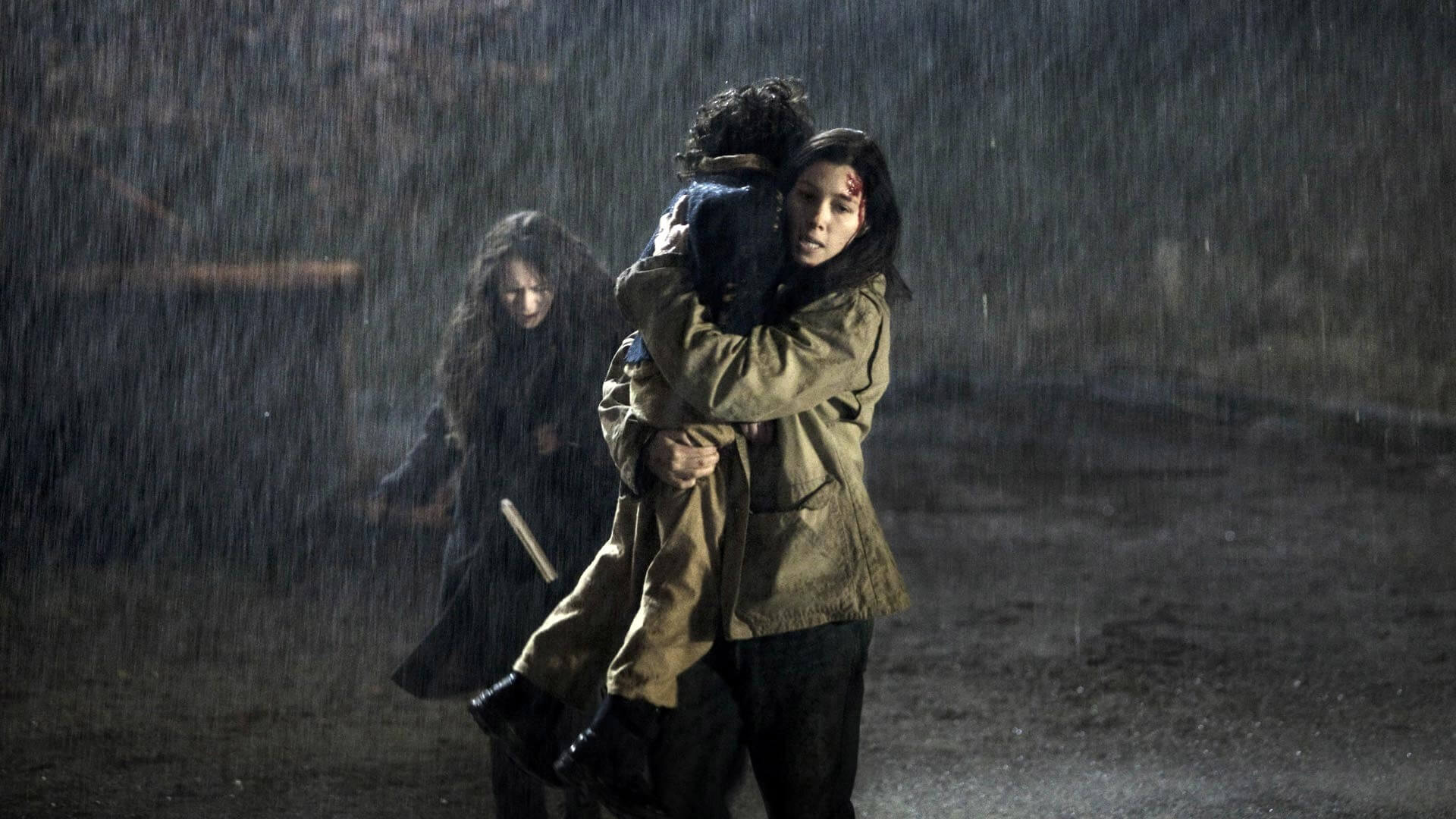
Following the success of Martyrs, director Pascal Laugier made this, his first English-language film. Starring Jessica Biel, it’s a terrifying mix of folk legend and disturbing child abductions. Contains a hell of a curveball!

Friday, November 20th 9pm – The Arrival (1996)

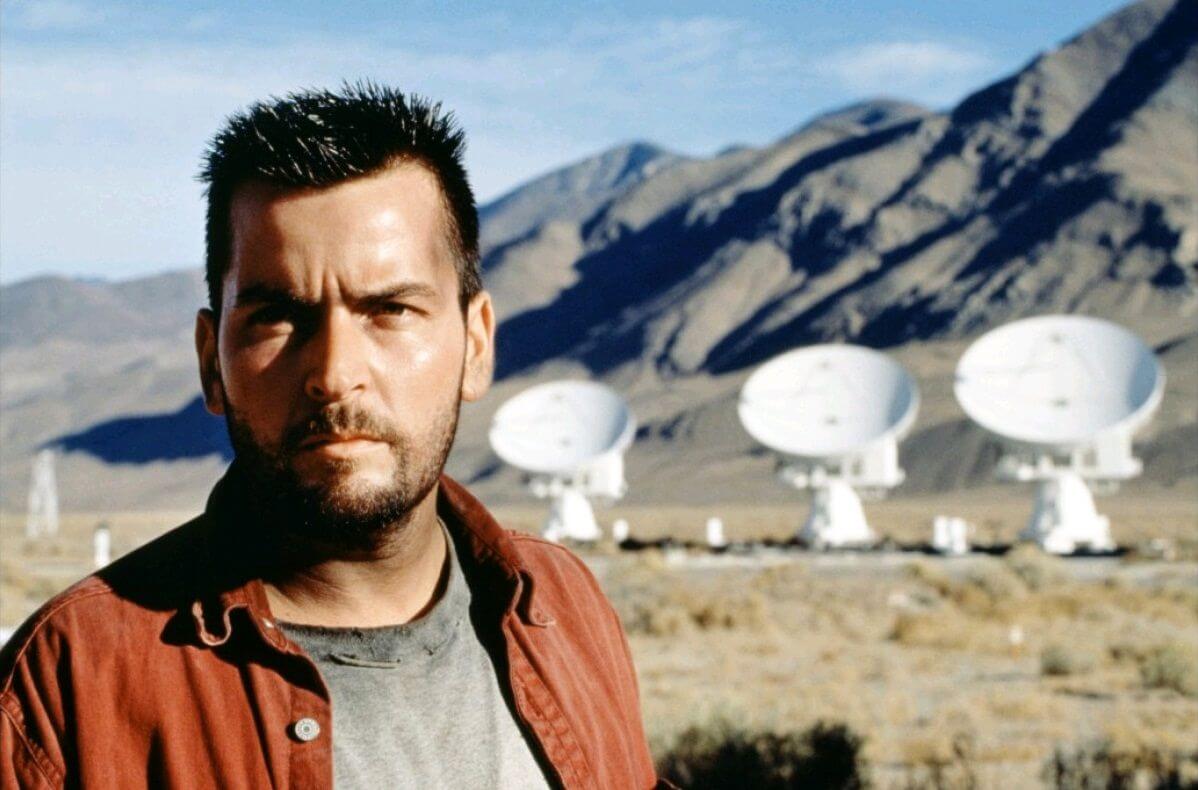
Charlie Sheen is an astronomer who discovers a radio signal that he thinks is proof of intelligent alien life. This leads him into a rabbit hole of conspiracies and strange occurrences. Director David Twohy (Pitch Black) includes plenty to enjoy and think about (climate change is one of the subjects), although the story has aged better than the effects.

Saturday, November 21st 9pm – The Heretics (2017)

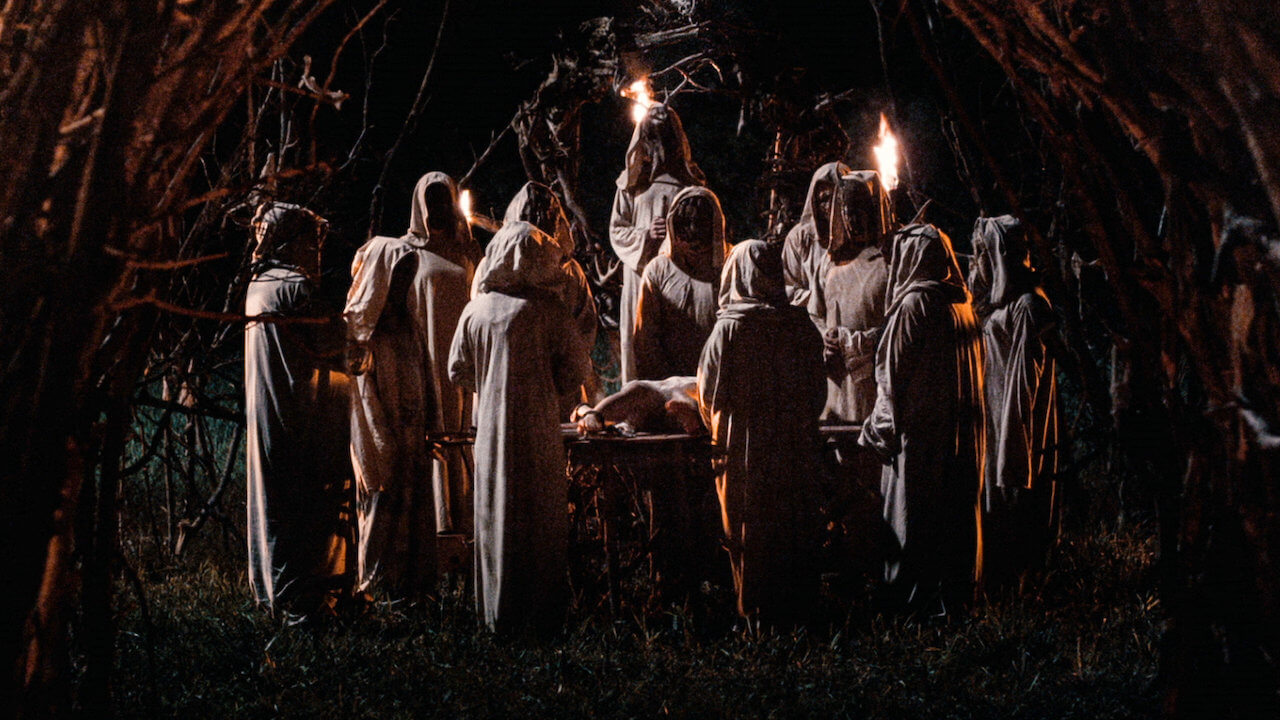
The Possessed season continues with this mix of body horror, demons, and secret cults. A young woman, who escaped a satanic suicide cult when younger, is abducted once more and begins to transform into something terrifying. Directed by Chad Archibold (I’ll Take Your Dead).

Sunday, November 22nd 11pm – The Grudge (2004)

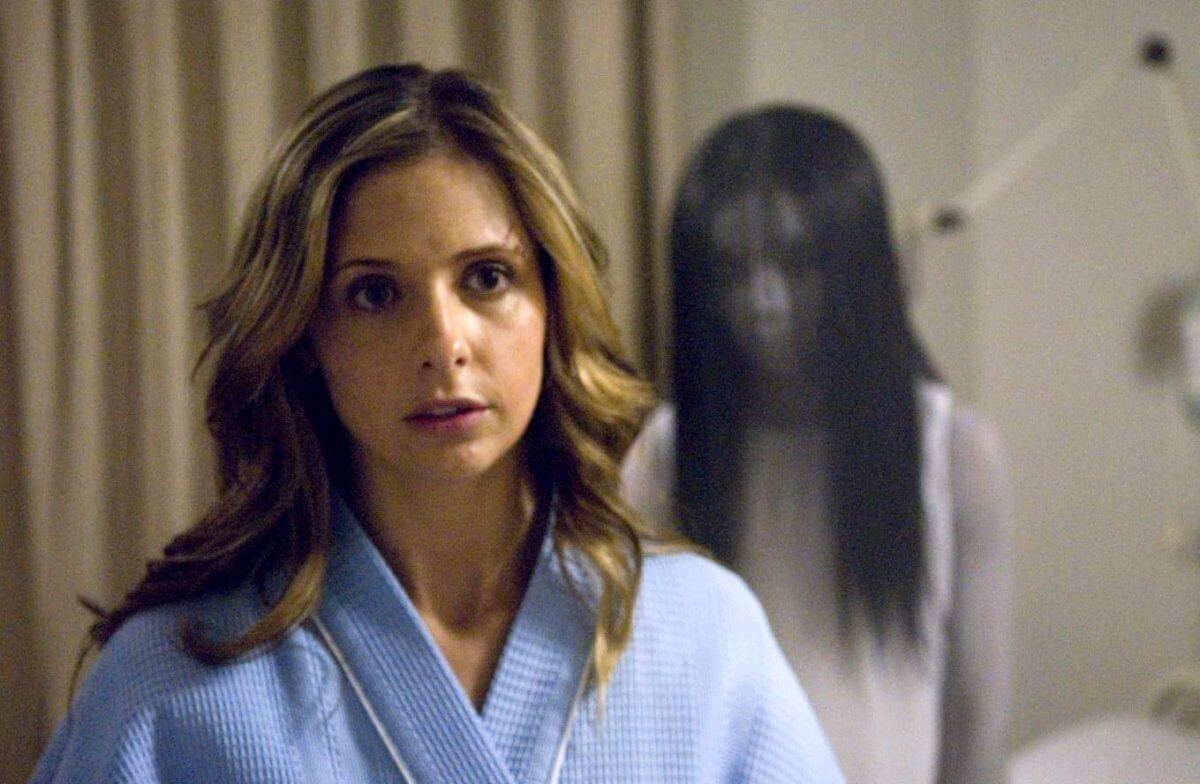
The creator of the original J-horror, Takashi Schimizu, remakes his story for the western market and perfectly transposes the terror to the English-speaking world. Starring Sarah Michelle Gellar and Bill Pullman, it’s just as creepy as the original.

Tune into Horror Channel on Sky 317, Virgin 149, Freeview 68, Freesat 138.

[ENDED] Win a Copy of SHORT SHARP SHOCKS on Blu-ray!

bfi shorts

We’ve teamed up with BFI Flipside to bring you a chance of winning one of five Blu-ray copies of their latest release – the short horror film collection Short Sharp Shocks.

To be in with a chance of winning a copy, simply answer the following question:

Which American writer authored the short story The Tell-Tale Heart?


A) Ray Bradbury

B) Stephen King

C) Edgar Allan Poe

Email your answer to [email protected] with the header ‘FLIPSIDE’ by 11:59pm on Sunday, November 29th, 2020.


Synopsis:

The latest in the critically acclaimed BFI Flipside series – continuing its ongoing mission to curate an alternative Brit-screen history of overlooked rarities in deluxe home-entertainment editions – Short Sharp Shocks is a compelling compendium of strange, striking, thrilling, horrific, eerie and eccentric short subjects from the heyday of the British cinematic supporting programme.

This carefully-curated collection – the first of its kind anywhere – includes a plethora of sought-after titles, some newly remastered in HD for the very first time – and showcases an eclectic range of delights spanning the second half of the 20th century from the 1940s right through to the 1980s.

A lavish double-disc limited edition set, it comes complete with over two hours of newly recorded interviews and an illustrated booklet with full credits and new contextual writing on the films by devotees of the field. Expect strange, spooky stories, odd twists in the tale, imaginative low-budget weirdness and oodles of atmosphere in these juicy bite-size morsels of cult film delight from decades gone by.

Featuring the following films:

  • Lock Your Door (Anthony Gilkison, 1949)
  • The Reformation of St Jules (Anthony Gilkison, 1949)
  • The Tell-Tale Heart (J B Williams, 1953)
  • Death Was a Passenger (Theodore Zichy, 1958)
  • Portrait of a Matador (Theodore Zichy, 1958)
  • Twenty Nine (Brian Cummins, 1969)
  • The Sex Victims (Derek Robbins, 1973)
  • The Lake (Lindsey C Vickers, 1978)
  • The Errand (Nigel Finch, 1980)

Short Sharp Shocks is released on BFI Blu-ray on Monday November 23rd and can be ordered now via the BFI Shop https://bit.ly/35mTXgG

Terms & Conditions:
STARBURST does not accept any responsibility for late or lost entries due to the Internet or email problems. Proof of sending is not proof of receipt. Entrants must supply full details as required on the competition page, and comply with all rules to be eligible for the prizes. No responsibility is accepted for ineligible entries or entries made fraudulently. Unless otherwise stated, the Competition is not open to employees of: (a) the Company; and (b) any third party appointed by the Company to organise and/or manage the Competition; and (c) the Competition sponsor(s). This competition is a game promoted STARBURST. STARBURST’s decision is final in every situation and no correspondence will be entered into. STARBURST reserves the right to cancel the competition at any stage, if deemed necessary in its opinion, and if circumstances arise outside of its control. Entrants must be UK residents and 18 or over. Entrants will be deemed to have accepted these rules and to agree to be bound by them when entering this competition. The winners will be drawn at random from all the correct entries, and only they will be contacted personally. Prize must be taken as stated and cannot be deferred. There will be no cash alternatives. STARBURST routinely adds the email addresses of competition entrants to the regular newsletter, in order to keep entrants informed of upcoming competition opportunities. Details of how to unsubscribe are contained within each newsletter. All information held by STARBURST will not be disclosed to any third parties

The Second Book Problem

Legacy of Steel Matt Ward

Matthew Ward is a fantasy author who impressed pretty much everyone with his debut fantasy novel, Legacy of Ash. With the sequel, Legacy of Steel out now, we asked Matthew to write a piece about the difficult second novel, which we are delighted to share.

Rightly or wrongly, middle books in trilogies have a reputation for being detours on the way to the finale. Once a trilogy is done and dusted, it’s easy to look at the story as a whole and break it down into ‘exciting start’, ‘rousing finish’ and the ‘bit in the middle’. It’s an old idea. It’s also not entirely without merit.

Patient Zero for this, as in so much of Fantasy, is probably The Lord of the Rings. The Two Towers, while containing memorable stuff, never really feels like its own book. The fact that Minas Morgul, Cirith Ungol and Barad-dûr all have worthy claim to being the second of the titular towers (the first is clearly Saruman’s Orthanc) gives some idea of the structural issues. Fair enough, given that The Lord of the Rings was originally intended to be a single volume. But a trilogy is how it’s most commonly sold, and The Two Towers is forever to be known as the ‘bit in the middle’.

That said, when we’re talking about middle books, human nature skews things a little. Psychologically – he said, with all the authority of a man without any qualifications or background in the field – I suspect we’re instinctively drawn to beginnings and endings.

For all the talk of the journey being the important bit, we love promise and payoff more. If we love something enough to dissect its component parts, it’s because the start of the tale enraptured us and its conclusion rewarded our dedication. The ‘bit in the middle’ often does a lot of heavy lifting, but it’s never quite going to outshine its bookends.
(Yes, yes, yes. Empire Strikes Back. But let’s just accept it’s forever going to be the exception that proves the rule.)

Start at The Beginning, Unless You Can’t
This was all very much in my mind going into the writing of Legacy of Steel – the middle book in the Legacy Trilogy (and yes, the third book, Legacy of Light, is now also complete). However, the curse of being ‘the bit in the middle’ wasn’t the only issue I wanted to tackle. In fact, it wasn’t even the main thing I wanted to tackle.

You see, when I was finally stretching my literary legs as a teenager, my main resources were the local library and W H Smiths – neither of them allies to reading a series in order. The library, in particular, seemed drawn to carrying only the middle book of a trilogy (maybe book three as well, for quadrilogies). Sure, you could try to order books in at either venue, but that meant wrestling with an archive of microfiches, putting in a request and waiting to see whether the book was available at all.
(For anyone under the age of forty reading this, a microfiche is essentially a sheet of film containing miniaturised photographs you can read with a bright light, a magnifying lens and, before long, a splitting headache. It’s the same principle as behind microdots in a certain era of spy thrillers, only much less sexy.)

Eventually I learned that anything labelled with a 6-8 week availability in W H Smiths was essentially a lie, and the library was no better. No surprise that I seem to remember reading plenty of series from the middle outwards. (I think I started reading Shannara with The Elf Queen of Shannara.) Not something I’d recommend.

A Pact with Past Me
The internet has largely done away with the mercurial and deceitful horror of microfiche catalogues, and a quick Google can get you caught up to speed with the plot of even the densest series. However, the memories (the scars?) linger. From the very start of writing Legacy of Steel, I had my younger self in my mind’s eye. Wouldn’t it be nice if you didn’t need Book One to fall in love with Book Two?
Happily, the solution to this and the ‘bit in the middle’ problem was pretty much the same: make Legacy of Steel stand by itself.

Now, I’m not going to pretend that this is some magical revelation. It’s been done plenty of times before … but it is something that’s easy to overlook when you’re slaving over a hot keyboard. Point of fact, it’s something that I was tempted to overlook through talk of recap pages and ‘the story so far’ content at the beginning of the book. But my younger self wouldn’t have read those (to this day, I don’t think I’ve ever read ‘Concerning Hobbits’ at the start of The Lord of the Rings) so I didn’t want to rely on them.

What does that mean in practical terms?

Containment Protocols
Well, first and foremost, it means that Legacy of Steel’s core narrative is its own. No setting up of grand plotlines to be resolved only in Legacy of Light. No story threads that come out of nowhere from Legacy of Ash, pop their heads up for a couple of chapters, and then vanish again, their importance reserved for Book Three. Plot lines and cliff-hangers that do arise out of Legacy of Ash are reintroduced early on, getting readers up to speed in plenty of time for the denouement … but they’re always impactful and relevant to Legacy of Steel’s story.

Sounds like a lot of work, doesn’t it? Well, it was. But the joy of a character-led story is that those characters can do a lot of the heavy lifting, if you let ‘em. And the characters are the story of Legacy of Steel, just as they were Legacy of Ash before them.

Luckily, I realised that very early, and was able to focus on ensuring each of the protagonists and their core supporting casts had arcs that begin, develop and conclude within Legacy of Steel, while building towards larger arcs across the trilogy.

Every character gets re-established as if we’re meeting them for the first time, offering a refresher not just on them, but on their place in the world. That, in turn, leads to the characters’ ongoing stories rising organically out of Legacy of Ash’s events, strengthening the bridge between the two books for those reading them in sequence, if they’ve been lucky enough to escape the time-distorting library loan paradox.

This meant making a few changes along the way. I practically cut one new character from Legacy of Steel altogether. Another had their ultimate fate pulled forward from Legacy of Light because I realised just in time that I otherwise risked undermining the satisfaction I was trying to build. I turned up the fires under other bits and bobs of drama that I’d originally intended to leave bubbling through Legacy of Steel’s conclusion, which had the happy side-effect of accentuating the crisis points.
Am I happy with the result? I really am.

Standalone & Saga
Legacy of Steel is its own story while still being (an important) part of its trilogy. I’m not saying I want you to read it as a standalone. Skip over Legacy of Ash, and you will miss out on character beats, story points and the like. But the important thing is that having read Legacy of Ash enhances Legacy of Steel, rather than not having read it detracting from your experience.
Promise and payoff all in the same book. Everything ‘past me’ would have wanted from a second volume, and hopefully enough to spare Legacy of Steel the curse of being the ‘bit in the middle’.
And it’s all down to W H Smiths and their tantalising lies about 6-8 week availability.
So … thanks, I guess?

Cat-servant and owner of more musical instruments than he can actually play (and considerably more than he can play well), MATTHEW WARD is also the author of LEGACY OF ASH, architect of COLDHARBOUR, and Creative Consultant on VERMINTIDE 2. He’s afflicted with an obsession for old places – castles, historic cities and the London Underground chief amongst them – and should probably cultivate more interests to help expand out his author biography.

After a decade serving as a principal architect for Games Workshop’s Warhammer and Warhammer 40,000 properties, Matthew embarked on an adventure to tell stories set in worlds of his own design. He lives near Nottingham with his extremely patient wife – as well as a pride of attention-seeking cats – and writes to entertain anyone who feels there’s not enough magic in the world.


Legacy of Steel is out now and can be pre-ordered here.

Paul Hartnoll | CONCRETE PLANS

hartnoll

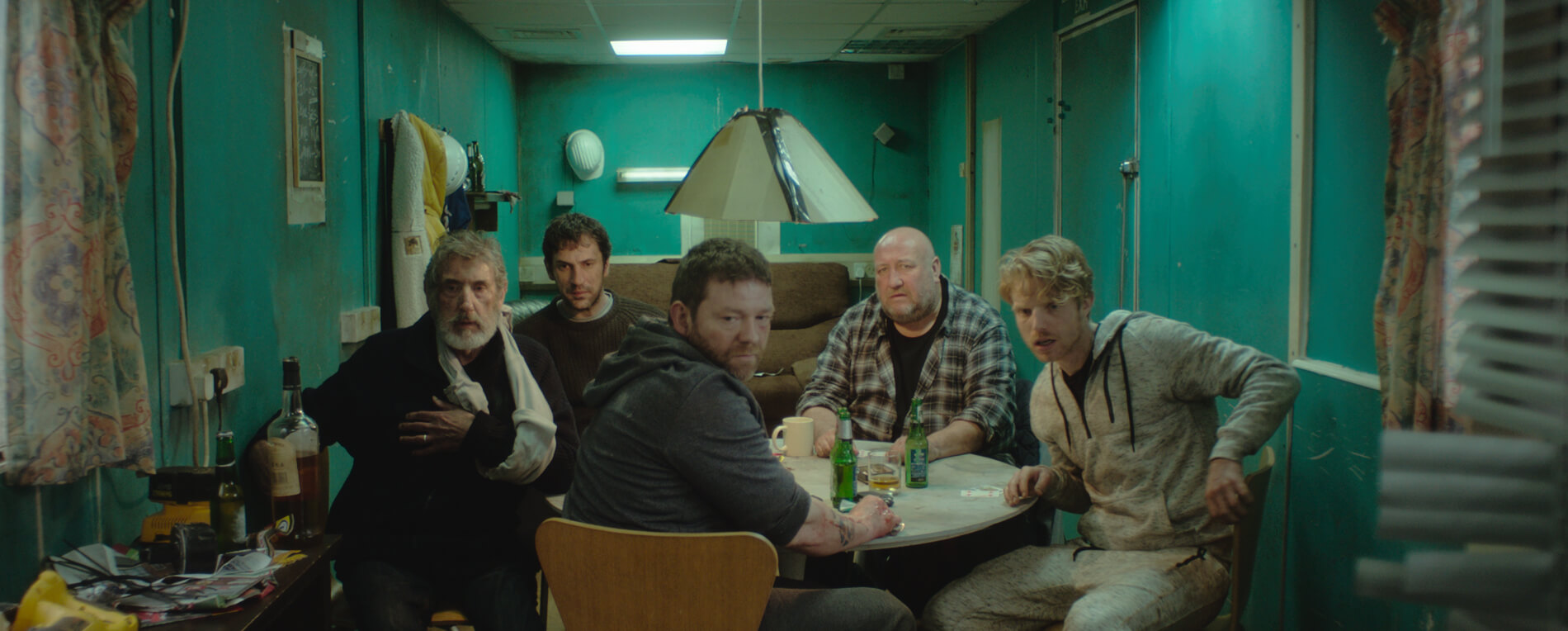
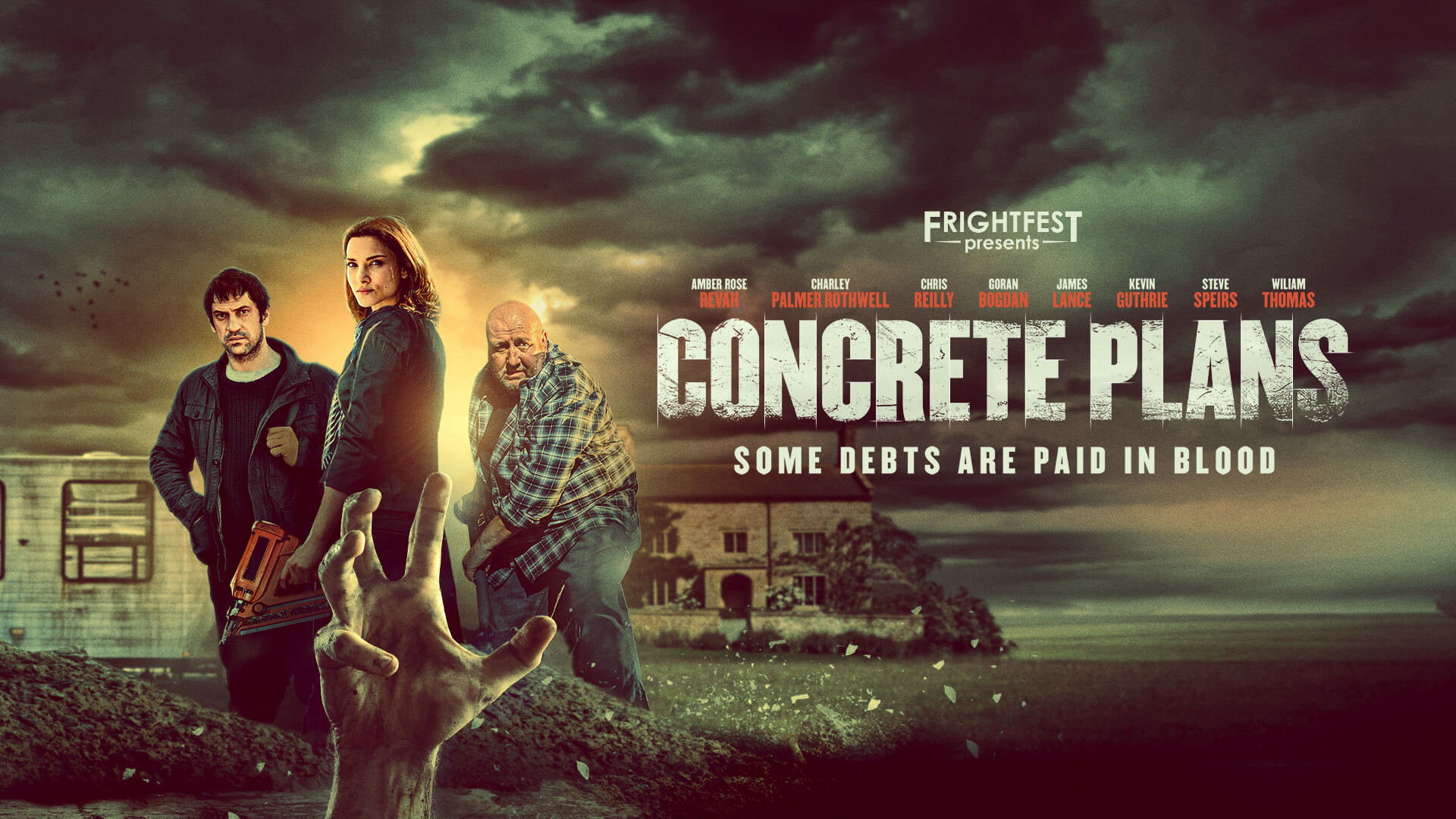
From 1989-2004, musician Paul Hartnoll was one half of the legendary electronic music duo, Orbital, along with his brother, Phil. While the pair have reunited several times in the intervening years, since that time, Paul Hartnoll has released a pair of solo albums – The Ideal Condition and 8:58 – and has begun scoring various films, documentaries, shorts, and even the second season of Peaky Blinders. His latest work is the score for the Welsh crime thriller, Concrete Plans, directed by Will Jewell. STARBURST’s Nick Spacek spoke with Hartnoll about his scoring work and how Orbital’s music found its way into many, many different areas of entertainment.

STARBURST: We’re curious as to how you got in contact and came to work with Will Jewell on Concrete Plans because it is a fascinating movie.

Paul Hartnoll: It came about through a mutual friend of ours – a guy called Iestyn George who used to be a music journalist that works with the Welsh tourist board, I think. He was somehow involved with some of the Welsh people involved with the funding of the film. He lives in Brighton and he bumped into me and said, “Do you think you’d be interested in doing a score? A local Brighton guy’s working on a film and I think you’d be a great person to score it,” and I said, “Yeah, I would,” and we just went from there, really.

Will got in touch at one point. I think it was a good year or so after we got in touch, before the film even got made, but we just kept in touch. We’d go meet up for coffee and that kind of thing and discuss what was going on and just kept in touch. So often, with lower-budget films, so much of it’s spent trying to get the funding together and that kind of thing but I just hung in there, patiently, and waited for it to happen. Lo and behold, it did – which was great.

We always find it fascinating when composers come on before a film has even started lensing anything because it seems like it allows you to start a little more ephemerally in that you get to read the script early on?

Yeah, you get to think about it. It’s kind of there in your head so, when you do finally start, you hit the ground running because you’ve already got an idea. Sometimes, you might have built a few sort of themes or ideas in the background that you may or may not play to the director, but you can build it up like that.

I’m trying to think if I had started kind of collecting sounds and things like that with this one – just little bits and pieces that I thought, “Oh, if we get a moment that that’s like this that this kind of sound will work well,” and just kind of thinking it through a little bit.

How did it change once you saw how it looked and it came out like on-screen?

I don’t know if it did change that much because I knew Will was quite keen for some kind of guitar element, which I was really happy to do. I’m not much of a guitar player, but I do like guitar-led scores, which are quite unusual and quite different because, normally, it’s keyboard players writing scores.

For me, it was that I like a lot of folk music and that kind of thing and so I was thinking things like guitars and flute-like sounds to try to capture an element of the countryside – of the remoteness and that folksy feel that’s quite comforting around all the sort of bloodshed and horror that goes on – just to bed in with the landscape.

One of the interesting things about Concrete Plans is that it’s set in in the countryside and it has a working man, physical labour feel going on to it and yet, it gets progressively more violent, which seems to stand in stark contrast to the imagery that’s going on. Were you trying to not lean into the more physical aspects of it, and more the visual ones?

I can’t say I thought about it in that kind of way. I just watch it and I tend to react to scenes and films when I’m writing. It’s just a gut feeling: “Oh, this is the right thing. Oh, that’s the right thing.” It just sort of happens but I find also the idea is leapfrogged. Generally, I work from beginning to end so, by the time you’re halfway through, you’ve got a palette and a set of sounds that are working.

In this film, the whole atmosphere changes halfway through so then, you’ve got your palette, so you try to turn that on its head as you add new colours and sounds to it, to develop the horror aspect and the frightening, nasty stuff while still trying to keep and retain aspects of the earlier parts of your storytelling. You keep plucking bits out of it and use it. I don’t know if that answers your question, but that’s how it worked for me!

How do you approach a feature versus a short subject or television show?

That’s an interesting point, but I’m not sure because each job feels different. Having only ever done one six-part series – scoring Peaky Blinders – with six hours of scoring, that’s much more of a marathon and it feels like it’s a funny one because I would imagine a lot of the time you fall back on repeated themes and that kind of thing but we had quite a good visionary director on Peaky Blinders and he kept saying, “No, I’m bored of that. I don’t want to hear that again. I want to hear something new,” and he kept everybody on their toes developing themes and that kind of thing as it went along, which meant you could use repeated themes, but you had to kind of disguise it a bit from him and it was a bit of a game of cat-and-mouse.

With something like Concrete Plans, you’re just definitely seeing the whole thing in one go and it feels more akin to sort of scoring a long episode of a TV show. I mean, each TV show – even though you’ve got six episodes and you are thinking ahead, you have to really stay in the moment of the episode you’re on and then, hopefully, that will spin out into the next one.

With really short things – I just did a thing called One Last Dance and that’s essentially one, two pieces of music. It’s because it just feels like one theme is all it needs and I just extrapolated from it. It’s got a central kind of piece of music and then everything else is a ghost of that, spreading out in either direction, and that was for me was the concept: that’s the solid piece of music. Everything else needed to be a ghosty kind of thing because it’s a ghosty kind of film.

With Concrete Plans, it starts gentle and just gets brutal in the middle. How do you reconcile those two halves?

I know the film isn’t a folk horror film but, because of the countryside aspect, and because of my love of The Wicker Man and folk horror things, I tried to treat it with a little aspect of that, to give the landscape some air of mystery to it all. That also means when you get into the horror stuff, you can still conjure the landscape with your folk horror atmosphere and ideas. That’s how I thought of it. As long as it works, I don’t mind how it translates from the screen, but that’s the starting point in my head.

It’s quite interesting that you mentioned folk horror because the really notable films in that subgenre, like The Wicker Man or The Blood on Satan’s Claw have this element wherein the group drives every individual into this horrible thing that happens at the end of the film, and that’s very definitely Concrete Plans.

Well, yeah – they had to make a blood sacrifice in the name of money. I didn’t even think of that at the time.

Your work with Orbital has been featured in many, many films and television programs and, as Orbital, you and your brother have reworked two very notable themes. You reworked the theme for The Saint for that film in 1997 and you also reworked the theme for Doctor Who. What was it like, tackling these very well-known pieces of music: did working on those particular elements of score affect what you did when you started scoring things yourself?

I don’t think they did really affect how I score things because they’re themes. They’re very different. That Doctor Who was easy for me because it’s like, “Wouldn’t it be fun to do a sort of rave-y, dance music version of the Doctor Who theme tune?” and change its time signature, so that it’s absolutely a different thing but yet, really familiar and so, giving it a different swagger and making it very much almost like a happy hardcore version of the track? It was just great fun.

The Saint: that was a funny one because they said, “Oh, we don’t want the theme tune. We don’t like it – we don’t think it’s cool,” so that was the challenge. It was like, “Okay, I’ve got to make it cool,” so I thought, “Well, what’s cool from that era?” It’s people like Lalo Schiffrin, so we’ve got to lay low, shifting it up a bit. It’s not that far from the original, but then it’s like, “If you’re going to go for that, what else is it you could do?” and it was trying to channel that whole kind of drum and bass kind of thing that was going on at the time, as well – which I loved – so it’s got elements of those kind of things, while trying to keep true to a version of the same theme tune that, to this day I don’t know (and I don’t really care, actually) if it was the original version. It was a version that I liked that I had on a record that I’d had since I was a kid and so that was the one that I imitated and tried to do my own way.

To be fair, tackling those two tracks was so much fun because the hard work was done. Someone had already written the fantastic tunes so, all I had to do was produce it and re-purpose it for what people wanted. In terms of The Saint, it was to give a bunch of Hollywood people the feeling that it was cool again and for Doctor Who, it was to revive the Doctor Who theme tune, which was dead in the water at that time.

In the mid-’90s, everyone had forgotten Doctor Who. It finished and it was a thing of the past. No one knew it was coming back with a vengeance or anything like that. It was like, “I don’t want the Doctor Who theme tune to finish!” I want to play it – it’s trippy, it’s about space and time, and what a great way to end a rave. That was my reckoning for that, so that was good fun, really.

I ask every musician who has had their music featured in in television and in film what it’s like having hearing your music in a visual context, removed from how you originally put it together?

The track Halcyon + On + On has ended three different films, right, and it started another one. How about that? Do you know what I mean? You think it was this great ending piece and all of a sudden, someone goes and puts it at the start of a film and it works there, as well. For me, it’s a collaborative sort of thing and it’s really interesting to see what a director does with it when they decide, “I want this piece of music and I want it here in my film,” and you watch it and you go, “Wow! I wouldn’t have thought of that,” or you think, “Oh, that works. That’s really nice.”

It’s an interesting collaboration because it’s once-removed. You’re not actually involved in the collaborative process: someone else is doing it out of time. You’ve done your bit and then they’re taking it, running with it. That’s more like a relay race of collaboration, rather than actual working with someone. I always find it fascinating and interesting. Nine times out of ten, it works really well because, if a director has decided they want your piece of music rather than a piece of score, they’ve made their mind up. They’ve got a very strong idea and that’s that it’s going to work well.

Because Orbital and you, solo, have played so many raves and festivals and things like that, we have this idea that composing is similar to responding to the crowd, wherein you’re making music that responds to a thing, as opposed to working just in a vacuum.

Yeah, absolutely. When you work on a film it could be akin to that, but the intention is already set. The thing that is there has happened and it’s your job to then say what hasn’t been said by the actors or the visual content. For example, if it needs to be scary, it might not be scary on-screen and nobody might be saying anything so, it’s your job to surround the audience with some scary chords that conjure up that feeling or to make people cry. How many times have you cried in a film, where if you didn’t have the music, you wouldn’t have cried?

It’s the tipping point: the music just shoved you over the edge beyond where the actor and the director can. It’s just that little extra push and it’s a weird thing. Why should it even work? Why should music be playing in the background of some drama? It’s a really odd thing that comes from the silent movie era and it’s still there and we love it and it’s become a cultural composite that’s happened. I think it was Bernard Herrmann that said it’s the job of the composer to say what the actors can’t and that says it all, really.

Concrete Plans is out on digital release from Signature Entertainment from November 23rd. Read our review here.

Alex Churchyard & Michael Holiday, Directors of I SCREAM ON THE BEACH!

A love-letter to the dodgy old-school slasher flicks that you’d find in the darkest corners of your local video store, I SCREAM ON THE BEACH! has been delighting audiences since its arrival on the festival scene earlier this year. We recently spoke to the madmen behind the movie about the road to making their debut feature; gateway horror; advice to aspiring filmmakers; and much more…

STARBURST: You bump into super-producer Jason Blum in a lift, you’ve got a captive audience until he gets out at floor 13, how do you pitch him I Scream on the Beach?

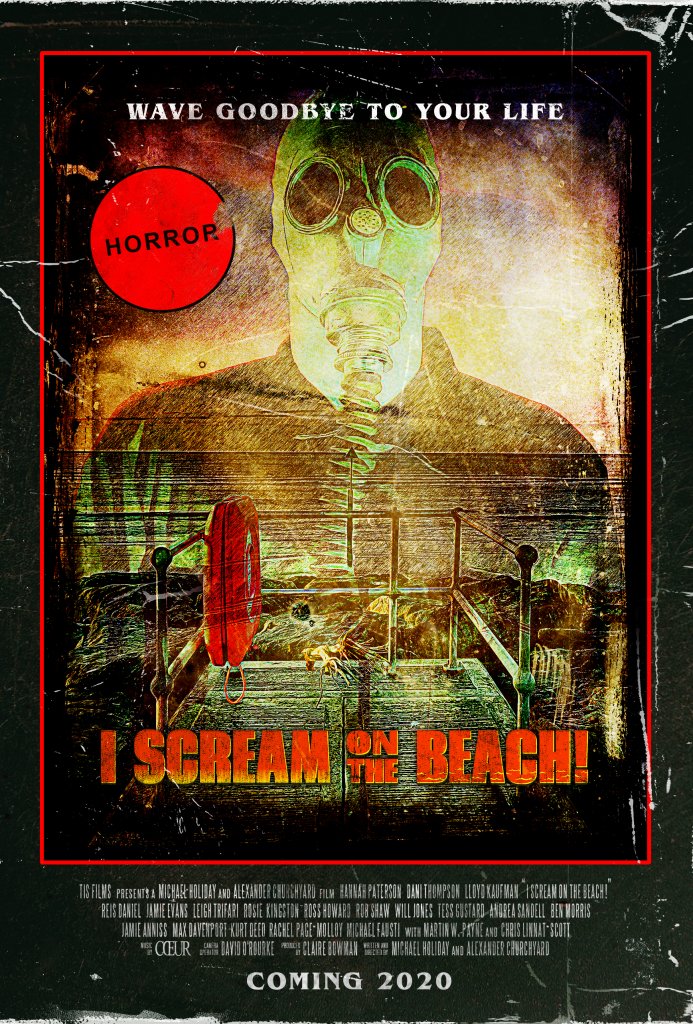
Alex Churchyard: Okay, so it’s an ‘80s horror film set in a UK coastal town, and it’s made to look as if you’re watching a VHS tape, deliberately playing into being a low-budget slasher.

Michael Holiday: The story follows a young girl called Emily who saw her father murdered when she was a child, but his body was never found, and no one believes her…

Alex Churchyard: …Ten or so years later that’s still the case, but as she investigates what happened to her Dad, people start dying again…

Michael Holiday: …At the hands of a gasmask-wearing killer who’s on the loose! Think seagulls, conspiracies, a banging synth soundtrack, lots of decapitations, and Lloyd Kaufman’s floating head. Who are we kidding, Jason Blum is calling security if we ever try to pitch this.
scream

How did the idea for ISOTB come about?

AC: Essentially, when I was about twelve, my brother and I would make these short films on our Tyco Video-Cam based around this central idea of an unseen killer that turns out to be something quite unexpected. I met Mike when I was about 17, and I roped him into making a few more of these shorts. Years later, I wrote a feature-length version; it was more of a ‘90s-style slasher set in the present day that revolved around college students. Mike and I then decided to turn that idea into I Scream…

MH: The script ended up being almost unrecognisable from how I Scream turned out. But without giving too much away, that initial draft gave us a clear idea of how we wanted the film to end, so we worked backwards from there. We knew we would be working with a tiny budget for this, so we decided to think about what assets we had available. In terms of location, we both happen to live in a seaside town, which for whatever reason is a location we’d never properly utilised before. We are also both huge lovers of ‘70s and ‘80s horror, which obviously ended up being the direction we went with in terms of period and style for the film. We had this basic concept of an American-style slasher film set in such a quintessentially British location, and it kind of snowballed from there.
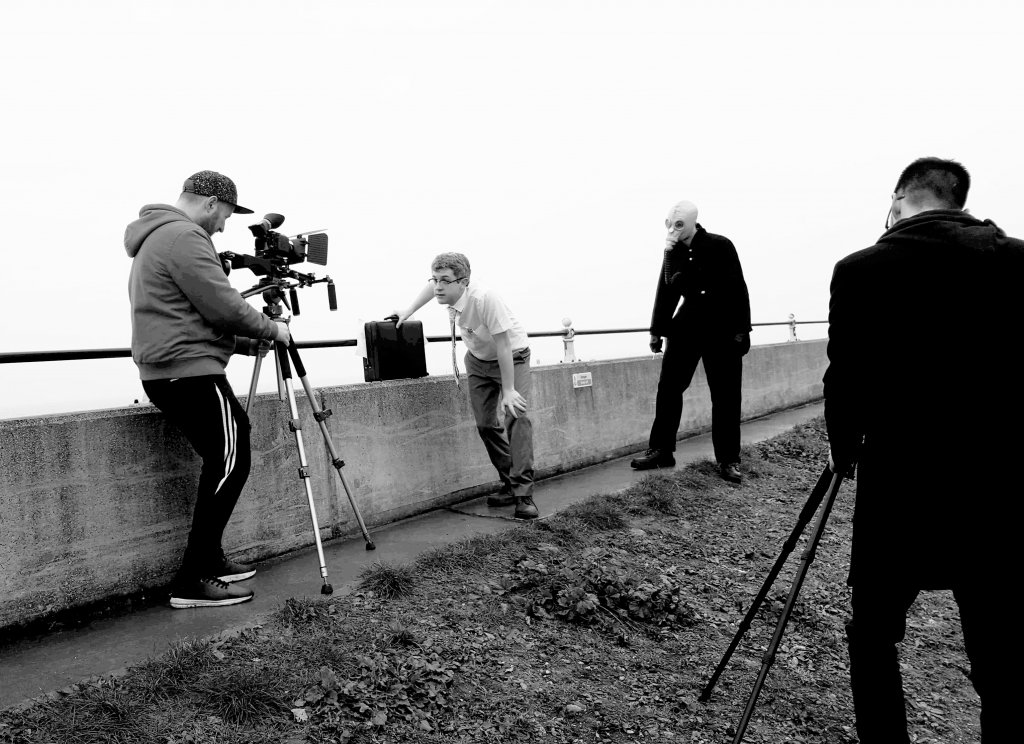
Behind the scenes on I SCREAM ON THE BEACH!

You mentioned that it was a tiny budget you were working with – could we ask how small exactly?

MH: Whatever you think it is, it’s probably lower. Honestly, I’m not sure I could even tell you. We started the initial shooting of this film back in 2016, then life got in the way and we didn’t start again until 2019.

AC: We never set an exact budget, but we filmed in blocks for several weekends over a three-month period – so half the time it was just figuring out how much money we had that weekend to feed people and pay for travel, etc. Charity shops were our friends for costumes; we figured out most of the FX ourselves – and if not, then one of our makeup artists did – and we just kept everything very small behind the scenes.

MH: A fair bit of the equipment was either stuff we’d put together over the years or went on my credit card. Luckily, both being editors by trade we’ve made quite a few friends who are filmmakers who happily lent us a few bits and pieces – shout out to our camera operator David O’Rourke for a lot of that!

AC: Yeah, we just used what we had at the time money-wise, so the budget basically came from Mike and I’s earnings. Hill Burton did come on as an Executive Producer towards the end of the shoot and some of that money was vital in helping us finish.

Not only was the film co-written by yourselves, but you co-directed it too. Bearing in mind that this is still somehow considered unorthodox – unless the directors happen to be brothers, in which case it’s totally normal for some reason – how did you arrive at the decision to tackle ISOTB this way?

MH: I don’t ever remember this being a big discussion, we just kind of immediately fell into it. When it came to the writing, Alex had written that very early draft by himself, and then we just started meeting up together to hash out ideas from then onwards. We were both working together full-time as Editors, and when we’d finish up for the day we’d often head to the local pub and start writing with Alex typing on a keyboard and me shouting stupid ideas while having a beer.

AC: I think there’s a sense that we’d done quite a lot of stuff together, so it didn’t feel too strange to direct our first feature together. We felt that it needed to be both of our visions.

MH: When it came to actually directing, we tried to split the role into different areas. The idea was that Alex would deal directly with actors and I would handle the technical side of filming. This didn’t mean we were solely responsible for those areas, but it just helped make things clear on set. If Alex wanted to do something different in terms of how a shot looked, he would talk to me and I’d control the crew for that side of things. If I had notes for an actor, I’d talk to Alex about that and he’d talk to them. It sounds a little convoluted, but it meant each person on set knew who to talk to, so there was no confusion on that side of things.

AC: There were definitely times making it where if I’d been alone, I really don’t know what I’d have done.
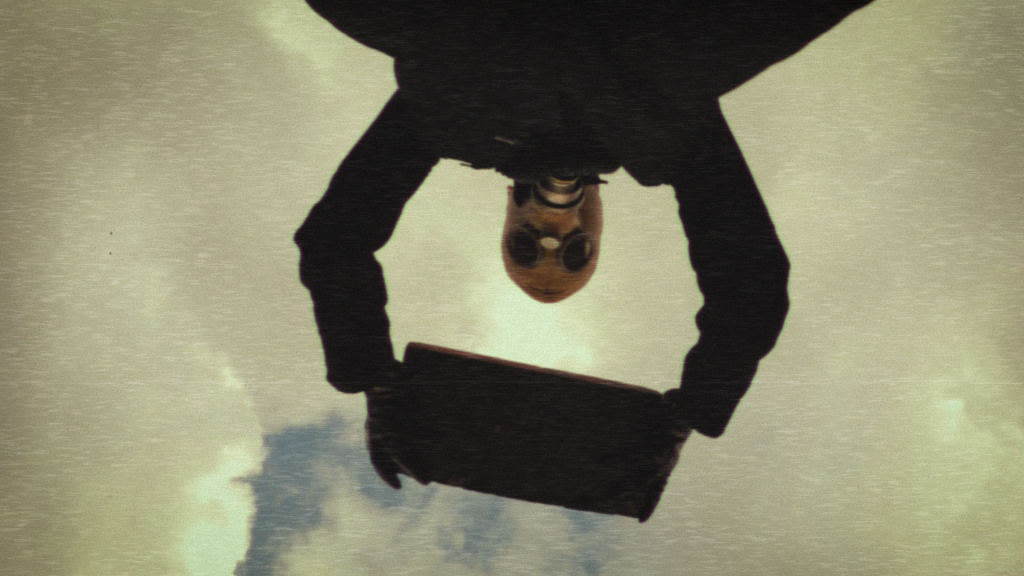
As you were telling Jason Blum earlier, the film has a delightful aesthetic that pays loving homage to low budget filmmaking, warts and all – was this as creatively freeing as it looks?

MH: Yes and no. Creating the aesthetic was by far my favourite part of the film. I think the fun creative side of it was actually how specific it was. We weren’t trying to create Halloween or A Nightmare on Elm Street, we were trying to create the weird bargain bin VHS tape you might have found back then that no one had ever heard of. So I think that gave us a lot of freedom to make the whole thing look a bit chaotic and messy; to be creative and just have fun with it. Adding in surreal dream sequences, floating ghostly heads, murders that on a physical level probably don’t make any sense. However, the flip side of that was that because we set it in the ‘80s, it was important to us that everything felt authentic to that period. But trying to do that on an extremely limited budget is very challenging!

AC: Yeah, the VHS look allowed us to let our mistakes appear like deliberate decisions, which was handy! And for me, I liked the idea that we just couldn’t have enough crash zooms on characters looking shady. With effects, you can be less precious if they don’t come off quite how you wanted as well. However, sometimes you’d get shots that looked really nice in the raw footage, and to some degree you’d feel sad about having to make them look like grainy VHS.

In replicating these imperfections were there any aspects that proved surprisingly tricky to pull off? 

MH: Initially, to get that feeling of authenticity we were actually planning to run the entire film through an actual VHS player. We’d seen so many films do the ‘old film’ look where everything still felt so digital and we didn’t want I Scream to suffer from that. However, the technical process behind this ended up getting increasingly complicated and we ended up having to abandon it. We did end up using VHS scans to create the effect in post though, so – we hope – it still feels like the real deal.

AC: I think it’s also tricky with the actors to some degree, as some performances need to come off a certain way that might not be instinctively the way an actor would want to go. I think our first instinct was that everyone in the film should be very wooden, but intimately I think we have an interesting melody of characters and actors which might be truer to the films we’re referencing in a way.

MH: We tried to make all of the effects as practical as possible too, which, while great fun, produced its own challenges. Especially when trying to film on an English beach in winter. Did you know blood bags can turn into a weird jelly when they get too cold? Because we didn’t until we were trying to slit someone’s throat on a windy beach.
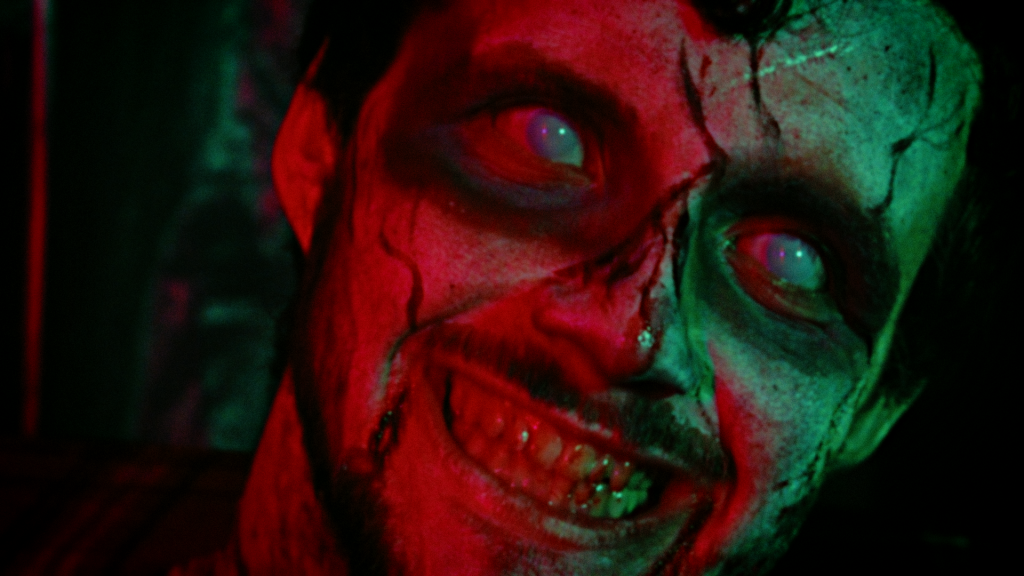
This is your first feature, but what kind of film projects came before it?

MH: During our time in university we made quite a few shorts. Alex had a bit of attention from a documentary he made towards the end of uni, but after that we both kind of stepped away from it for a long time. As we mentioned before, we both started working as editors for a company but that was focused on educational content, so wasn’t really the same thing. I Scream ended up being this dream project we had on the back burner; the thing we had on a laptop somewhere that we kept saying one day we’d actually make. I think for the longest time it just kind of felt like something to daydream about but wasn’t ever going to happen. We’d go to film festivals together occasionally, and one in particular was in our hometown, called ‘Horror-on-Sea’. Each year we’d go and say next year we’ll enter something of our own into it. As the 2019 festival approached, I was fed up of not doing anything creatively to contribute to it. So, I made a short film called The Ratman of Southend. It was just a little local ghost story and I made a simple short that I could shoot in a day and edit during my lunch breaks. I didn’t expect it to get into the festival; I just did it as an outlet to be honest. That was the first time in nearly 10 years I’d made something that was shown to any kind of audience and I think that was one of the things that made us both say ‘right, screw it – let’s stop being wimps about this and just give it a go’. I think a month after the premiere of Ratman we were sat on set for I Scream.
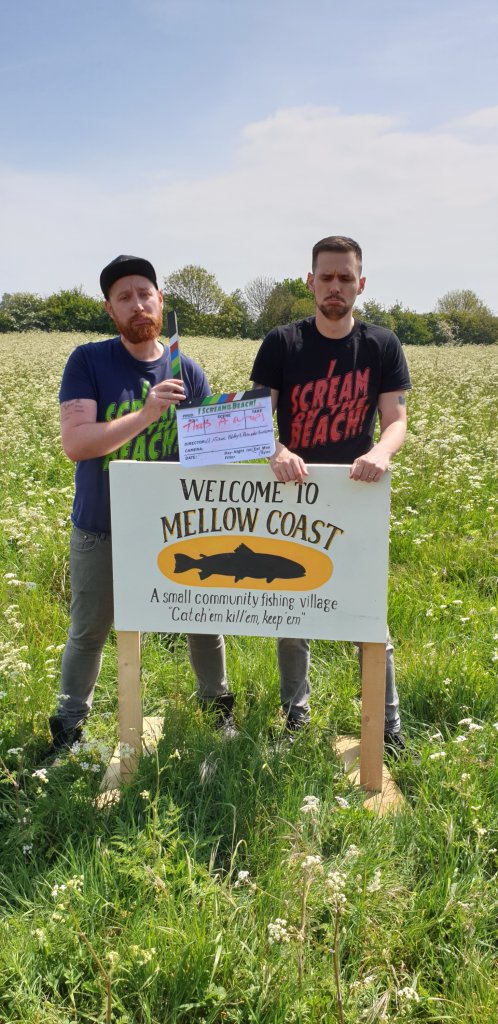
Alex & Michael on the set of I SCREAM ON THE BEACH!

Have you both always wanted to be involved in the industry?

AC: I’ve wanted to be involved in film since I was very young, maybe 10 or 11. I used to do faux radio shows with my cousin which we’d record on his Talkboy – as seen in Home Alone 2 – which I think was one of my earliest avenues for creating stories.

MH: I distinctly remember being about 10-years-old in school, me and my two best friends would always talk about horror films – even though I was never allowed to see any! Scream had just come out and we decided we were going to make our own ‘Scream film’; we had no camera so it was just three children running around a playground pretending to stab each other while I shouted out things I thought a director would say. Then in high school, in our final year, as a project, our drama teacher let me and a group of friends make a film. They didn’t give us any real restraints beyond it being about the school, so we made a mockumentary about a film crew coming to the school who don’t realise that all the teachers are actually killing off the pupils. I’m surprised we got away with that, but apparently they still show it to students occasionally, so that’s nice.

We’ve touched on the Scream series being an early influence on you, Michael – how about you, Alex?

AC: Buffy the Vampire Slayer. I was obsessed by it and wished I could write on it. Similarly,Scream also. I think with both I reacted to how self-aware they were and I loved that. Scream was my gateway into discovering a lot of the horror films it referenced and ignited by own love for horror.

MH: My mum was super strict about letting me watch horror films when I was younger, but she did let me have a TV in my room, and I mostly just stayed up watching comedy shows on Channel 4. But, quite often, they’d run programmes about films some nights. Then around the late ‘90s, early 2000s, there was this sudden surge of previously banned or censored films being re-released. I distinctly remember stumbling across a programme on film censorship, that I think maybe Mark Kermode presented, so I was suddenly flooded with all these images from the likes of The Exorcist, A Clockwork Orange, Funny Games, A Nightmare on Elm Street. Which was all pretty traumatising! But the one that really stuck with me was seeing Leatherface appearing from behind that metal door, hammer in hand, in The Texas Chain Saw Massacre. I don’t think I slept for a while. That film just felt like something I’d never experienced before. It felt so real. It felt dangerous. Like people shouldn’t be allowed to watch the film. It took me years to finally pluck up the courage to watch it – I even had to watch the remake first because it felt ‘safer’! But I think that film cemented filmmaking for me as a passion. To this day it’s still one of my favourite films and shows off how powerful and impactful cinema can be, regardless of its budget or who stars in it.

Independents Day is very popular with readers who aspire to get their own projects off the ground and on to our screens so, as established award-winning filmmakers yourselves, we’d like to get your quick thoughts on an age-old question: should they go to film school?

MH: I think this is a tricky question to answer. Neither of us went to film school specifically, but we did study film production at both College and university. In terms of me getting a job, I think having that degree helped me get a foot in the door as an in-house video editor. But I really didn’t enjoy my experience at university. I was possibly a little too immature at the time to make the most of it. Either way, I felt I learned more in six-months of filming and editing professionally after uni than I had done in my four-years of education. This is going back about ten years now, so things have obviously changed a lot. There are just so many free resources online! The amount of times I think I’ve used YouTube to learn how to do something in both my day job and while making I Scream is ridiculous.

AC: Uni was fun at times, we made some stuff that was alright, but I think we could have made ISOTB without degrees. And people are now growing up with Adobe Creative Suite on their PCs and phones that are more capable than the entry-level cameras I had access to at their age.

MH: You don’t have to put yourself in debt anymore to learn how to make films.

I know it’s such a cliché to say now, but it’s a fact that you can make a film on your phone which is just mind-blowing to me. So personally, I’d just say get out there and start making films, make anything! You don’t even have to show anyone if you don’t want, just start making things and you’ll learn the basics pretty damn fast. If, after a couple of years of doing that, you feel like you’re still missing out on something, then sure, maybe look into film school. But to begin with, I’d personally weigh up if it’s worth the cost anymore.

Great advice. So, once they’ve made their first project and are looking for an audience, film festivals can be very costly to enter, especially at such an early career stage when, let’s face it, everybody’s skint. Conversely, the straight-to-YouTube route is free, but prohibits filmmakers from entering the majority of events. Drawing on your own experiences, where do you stand on the festival vs online debate?

AC: I love festivals; coming together with like-minded people, viewing other people’s awesome projects and seeing an audience react to yours. I think online content is great too, but I’d prefer to try and get into festivals – you can’t beat seeing your film on a big screen with an audience. It can be costly though, as you say, so speak to other filmmakers, do some research – I like to look at their social channels and see how much promotion they do, and how much interaction with the filmmakers they have as well.

MH: Personally, for us, I think online was never an option we seriously considered. We made I Scream on the Beach specifically for a horror film festival audience. I wasn’t sure how well it would translate to an audience outside of genre fans when we first put it out there. Plus, it’s so damn stupid that I think it’s best enjoyed with an audience, ideally one that’s had a few drinks. Putting a film out online isn’t just a case of uploading it and that’s it. It can become a full-time job trying to get the word out there, pushing people towards the film. Especially if you don’t have an advertising budget to work with. But on the flipside, the potential audience is basically limitless. So, I think it depends on your project, but it didn’t feel right for us for this. But that doesn’t mean we wouldn’t go that route in the future.

What can you tell us about your next projects? 

MH: COVID-19 has been a massive spanner in the works in terms of getting the ball rolling too much on projects at the moment, but we do have a bunch of things in the works…

AC: The imminent future for our company – TIS Films – is shorts. Up first are Miaow with actor/filmmaker Martin W. Payne that we hope to shoot later this year, and we’ve recently shot a horror short called The Allotment, which is currently in post-production. With regards to features, we’ve got a horror anthology titled Mosiac, and we have plans to spin-off The Decorator – which is the film-within-a-film in ISOTB – and an idea for a sequel to ISOTB itself, I Scream Parlour.

Great title!

MH: I’m also on a second draft of a feature called The Wolf Will Hunt, which is going to be drastically different to ISOTB.

We’re back in the lift, Blum loves your pitch for ISOTB and agrees to check out the screener. That night, your phone rings and it’s Jason. He loved it and you’re on first name terms now. He offers you a gig remaking or rebooting a genre film or franchise of your choice, because in this timeline Blumhouse now owns everything. What project do you pick and why?

MH: Hellraiser. I would make a batshit insane Hellraiser film. The world is really lacking sexy hell films these days.

AC: Personally, I love A Nightmare on Elm St, and I feel like that has the most scope to do something visually different – nightmares can be literally anything, right! I still love the premise of Freddy vs. Jason, and the idea of some crazy team-up with Freddy, Jason, Pinhead, Chucky, etc, would be way too tempting in a world where one studio owns all that IP! Fuck it. All those characters vs. the classic Universal Monsters!

To keep up to date on where you can see I SCREAM ON THE BEACH! and their many other upcoming projects – including the IndieGoGo campaign for the anthology feature, MOSIAC – follow them on social media @ISCREAMBEACH, or head to WWW.TISFILM.COM

[This article originally appeared in Issue 474 of STARBURST Magazine. If you missed it, you can still get it through us while stocks last – grab one HERE.]

8 Great Fantasy Movies to Watch Right Now

Many people live in a harsh reality where they constantly meet challenges and deal with various stress factors, so it is not surprising they want to escape at least for a while. In such a moment, a fantasy world with all its magic and fairy-tail plots becomes a shelter. They help them become care-free kids again and come up with fascinating and exciting scenarios. When people get tired of reading essay services reviews and struggling with numerous issues, they turn on a TV set and immerse themselves in a completely different dimension. Nowadays, top fantasy movies are created with computer graphics. A person gets a unique opportunity to enjoy a brilliant performance of actors and atmosphere created by skillful specialists.

El laberinto del fauno    

A young girl arrives with her mom in a military camp to her stepfather. While walking, the heroine runs into the ruins of a mysterious labyrinth and meets its owner, the Faun. He tells the girl that she is a princess from a magic kingdom, but she must complete 3 tasks to see her true family again.

This movie has got its place in pop culture thanks to the Pale Man, a monster that eats children. This gothic fantasy uses the historical trauma of the Spanish Civil War and a young girl’s attempts to make sense of the dark world that is beyond belief. And if writing an essay is beyond comprehension, it is worth getting essay writer help to get the best result possible.

The Golden Compass

Have you noticed that young kids are fearless and brave? They are ready to take on even the hardest missions to save the world. Thus, the main character’s best friend mysteriously disappears along with many other kids in the country. You can guess that a heroine decides to do her best to find out what’s going on. She finds out where the disappeared kids are, and she is ready to struggle with the enemies to free her friend. She has great helpers – gypsies, an armored bear, northern witches, and an object that tells the truth about unfamiliar things.

Imaginaerum

What are you afraid of most of all? Some people will say that the worst thing is to forget who you are. However, many people face this horrible reality when they reach a certain age. Thus, an amazing musician forgets his family, music, and even the happy moments because of Alzheimer’s disease. Childhood remains the only thing he remembers, so he starts behaving like a kid. Dreams help him travel in the past, where he wants to find lost memories. However, childhood fears and frightening visions start chasing him as well. And if you feel anxiety because of your assignments, read speedypaper reviews to find a way out.

King Arthur: Legend of the Sword

It is rightly considered one of the best fantasy movies worth watching. The antagonist kills the royal family to grab power, but the king’s son manages to escape. Nobody would call the boy’s life easy since he has to live in a brothel and sometimes steal to earn his living. The key moment here is that he remembers nothing about the royal origin. The magic sword Excalibur helps bring back memories, but the antagonist doesn’t want to give up and reject the power gained that easily, so he decides to use dark forces.

The Spiderwick Chronicles

The family moves to a new house where one of the kids finds a walled-up room and an amazing book in it. Arthur Spiderwick, the author of the book, described the wizarding world in detail, and kids get into it. They will meet magical creatures and start struggling with evil ogres and goblins who want to steal knowledge from Arthur’s book. Will the heroes manage to win the battle? Study the best essay writing service reviews to have enough free time to find out the answer.

Oz the Great and Powerful

The main character is a skillful conjurer who tries to hide from the husband of the girl he seduced. A hot air balloon becomes salvation, but the hero gets into a powerful tornado that takes him to a magical land.

There, the witch takes the conjurer for the magician who was prophesied in ancient times. Everyone expects the main hero to expel the wicked witch, who killed the king and illegally seized power.

Jack the Giant Slayer

When they were kids, Jack and Princess Isabella read tales of frightening giants who descend from heaven along beanstalks that grew from small seeds overnight. One day, a wanderer gave Jack some bean seeds and told him to keep them out of the water. However, the hero does not fulfill the old man’s request, and the seeds get wet. So, children’s fairy tales turn into reality, and the protagonist has to fight the giants to save his significant other.

Inkheart

Many people don’t like to read books because they don’t have a vivid imagination. A young girl doesn’t know that her father is endowed with an amazing ability to bring characters to life. However, this coin has a downside. If the hero of the work comes to life, their place in the book is taken by a person from the real world. Many years later, the main protagonist meets the characters he released and finds the very book in which his wife is imprisoned, Ink Heart.

Five Films to Check Out on Horror Channel This Week – 091120

To save you getting lockdown blues, we’re going to be giving you our picks of what to watch on Horror Channel each week. Here’s some of our favourites this week:

Tuesday November 10th, 2.40am – 100 Bloody Acres (2012)

One for the night owls, this Australian horror-comedy should be better known than it is. It revolves around brothers Reg and Lindsay, who run blood and bone fertiliser company. No prizes for guessing what eventually goes into their mixture. It’s a little like an Antipodean Tucker & Dale vs. Evil at times, and is plenty of fun.

Thursday November 12th, 9pm – Tremors (1990)

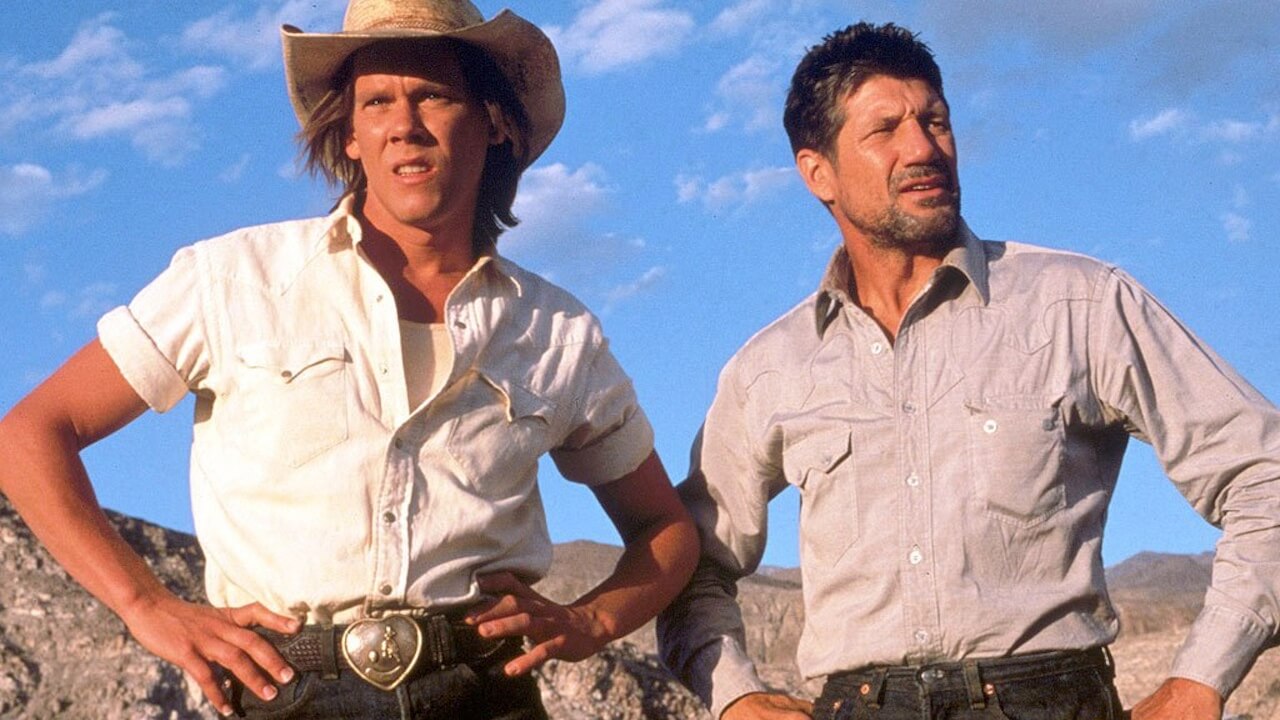
Ron Underwood’s comedic monster film has become a classic amongst film fans, and rightfully so. Kevin Bacon and Fred Ward fight giant subterranean, sharp-toothed worms that have started terrorising their small town of Perfection, Nevada. It spawned plenty of sequels, but the original is the best and always worth a watch.

Friday November 13th, 10.35pm – Hollow Man (2000)

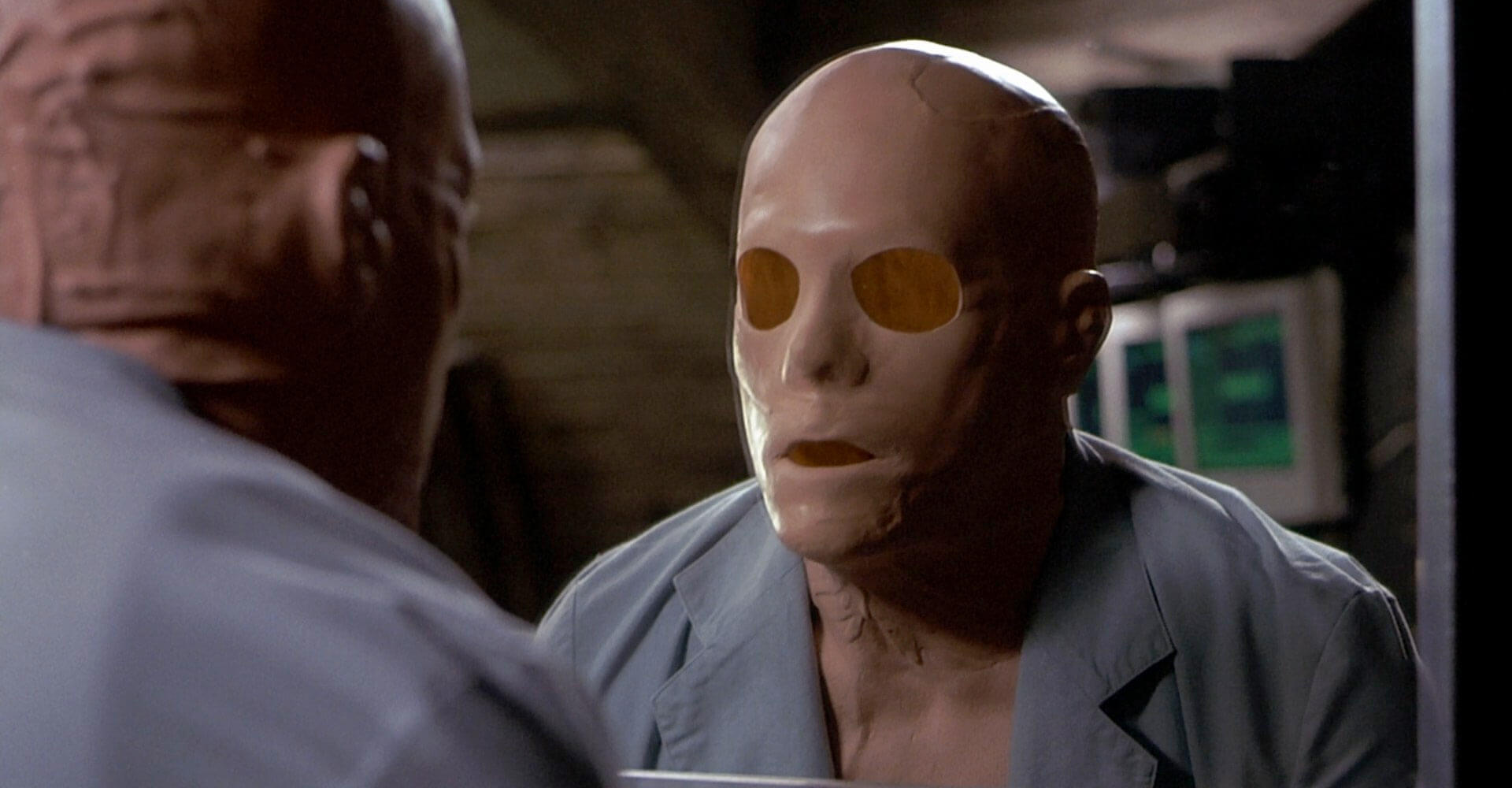
Celebrated action director Paul Verhoeven’s updating of The Invisible Man stars that man Kevin Bacon again, as Sebastian, the test subject of a new formula that renders the subject invisible. It does go to horrendous level at times but Sebastian’s descent into madness is both exciting and terrifying.

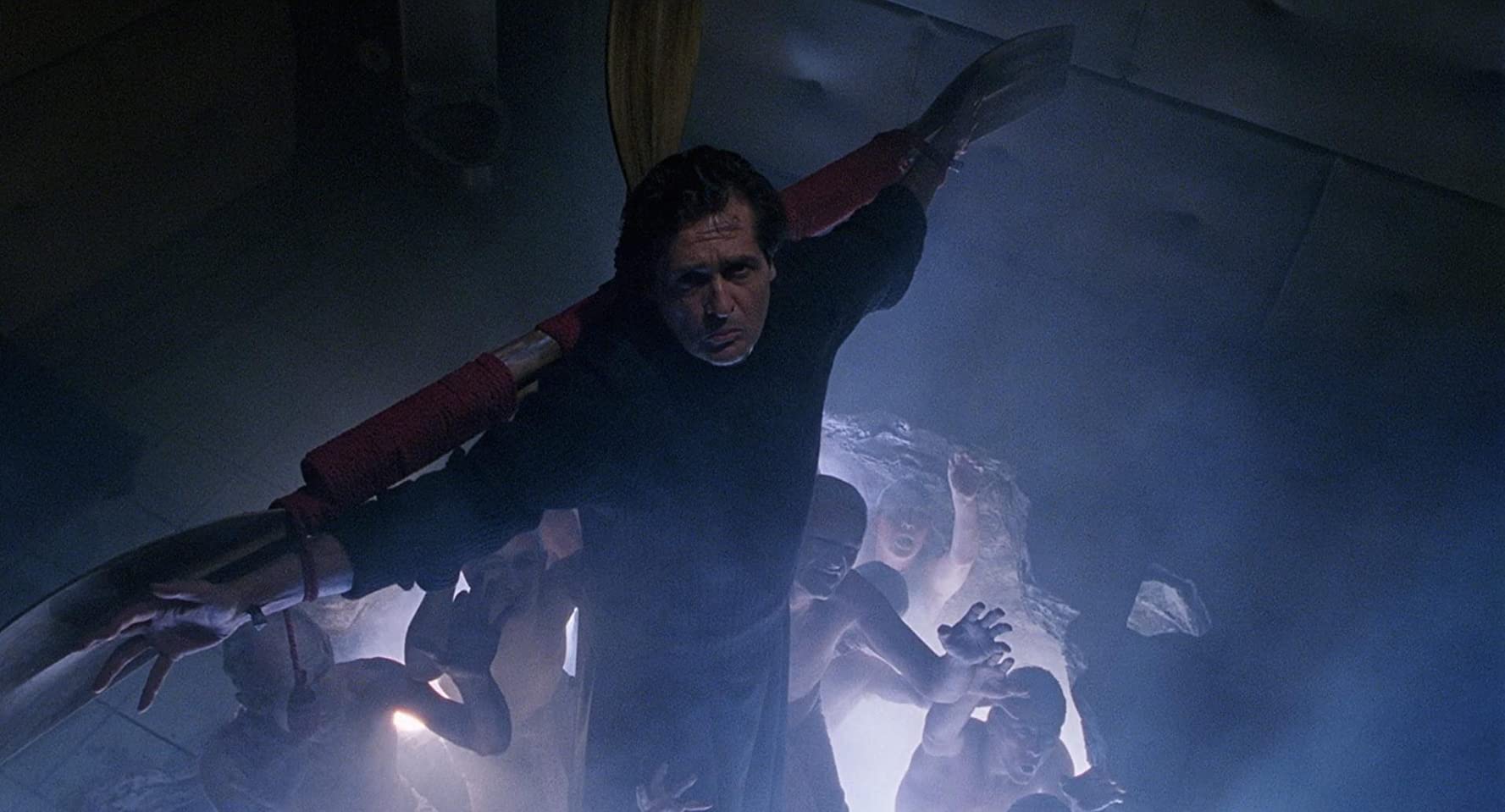
Saturday November 14th, 9pm – The Exorcist III (1990)

The original writer of The Exorcist, William Peter Blatty, goes behind the camera to direct this sequel to his tale of possession. Part police procedural and part demon-fighting, as the evil spirit of a serial killer has taken over the body of Damien Karras (Jason Miller), the priest from the first film. Overblown it may be, but it does contain one of the best scares in modern cinema.

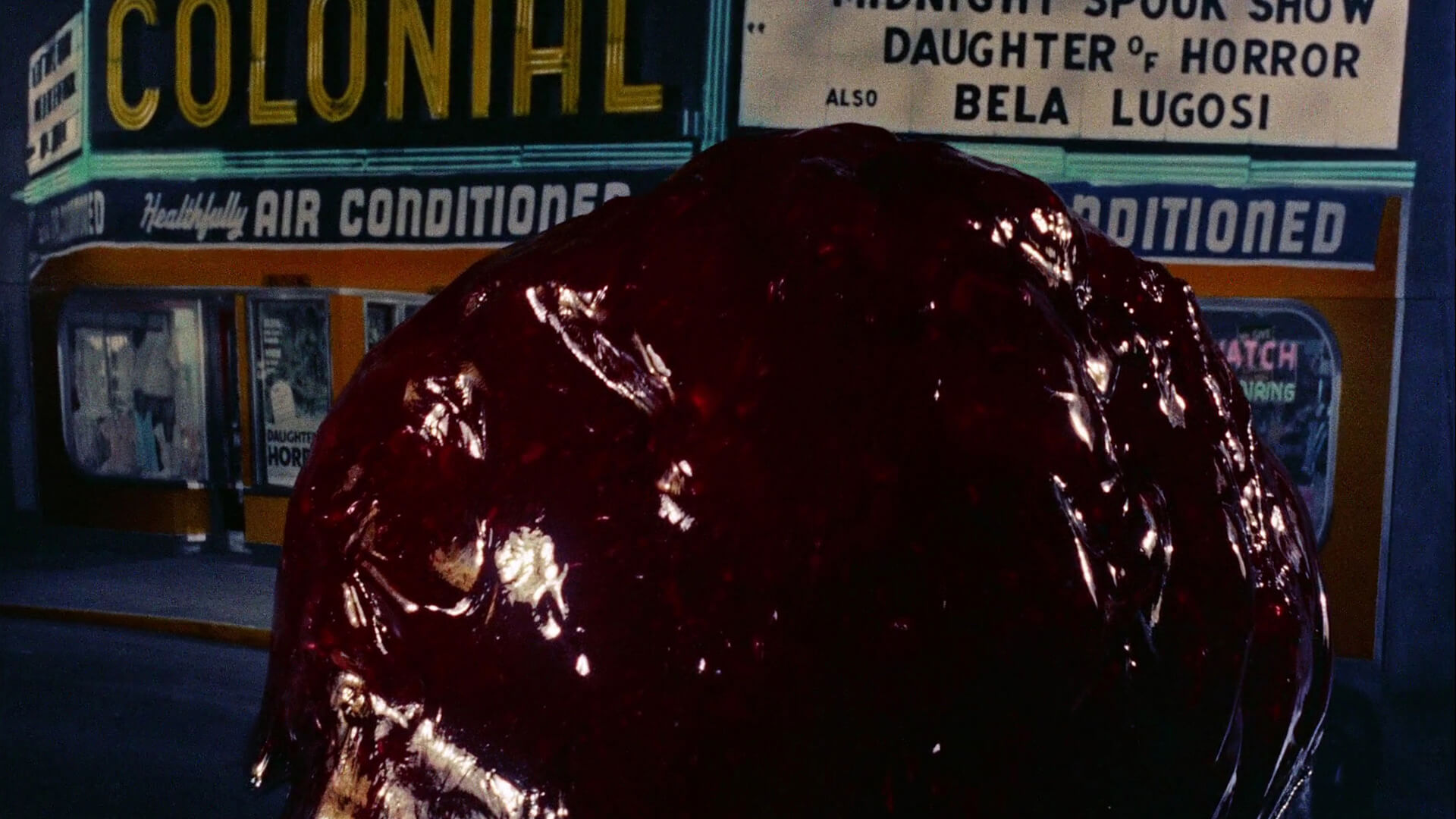
Sunday November 15th, 6.50pm – The Blob (1958)

The original icky terror starring a pre-fame Steve McQueen and a creeping, gloopy mess from outer space that consumes everything in its path. It also includes one of the grooviest theme tunes to come out of the ‘50s sci-fi boom. The famous sequence in the cinema is not to be missed!

Tune into Horror Channel on Sky 317, Virgin 149, Freeview 68, Freesat 138.

[ENDED] WIN a GHOULIES Bundle inc Vinyl!

ghoulies win

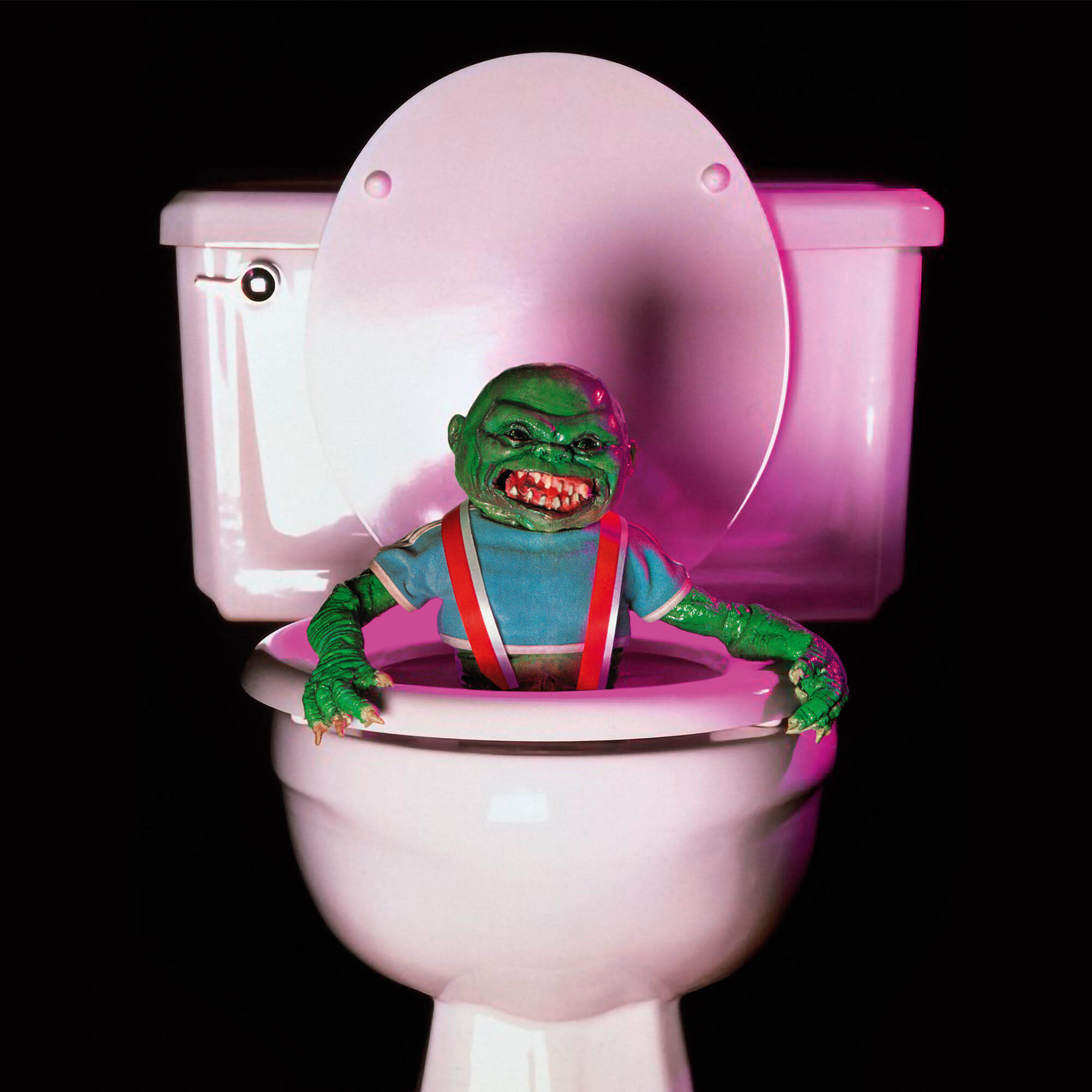
We’ve teamed up with WRWTFWW Records to bring you an awesome prize giveaway! You could WIN a fantastic Ghoulies bundle that includes a copy of the soundtrack on pink vinyl and a fab T-shirt. To be in with a chance, read on…

As well as Ghoulies (1985), WRWTFWW is releasing the scores of two more ‘80s cult classics from Empire Pictures, namely Troll (1986) and TerrorVision (1986), available in lovingly crafted packages and on limited edition coloured vinyl for the very first time!

To win a copy a Ghoulies bundle, just answer the question below:

Who is the brains behind Empire Pictures, who released the cult classic Ghoulies and much more?


A) Charles Manson

B) Charles Band

C) Charles Aznavour


Email your answer labelled ‘Ghoulies’ to [email protected] to arrive before 11:59pm on November 20th.


WRWTFWW Records presents Ghoulies OST on pink vinyl, Troll OST on yellow vinyl and Terrorvision OST blue vinyl in stores worldwide November 20th.
Order direct from WRWTFWW Records now: https://wrwtfww.com/


ghoulies win


More about the releases:

Established by producer and director Charles Band in 1986, Empire Pictures quickly became notorious for the horror-comedy classics made during its brief but legendary lifespan. With wild special effects, outrageous humour and over-the-top horror action Ghoulies, Troll and TerrorVision were three of Empire Pictures finest works, and each movie featured an unforgettable score by Charles’ award-winning composer brother Richard Band.

Now, these scores have been carefully remastered and are presented for the very first time on half-speed mastered, Limited Edition 180g coloured vinyl in stunning packaging with liner notes from composer and master of the horror and science-fiction soundtrack Richard Brand.

Ghoulies features the full uncut original soundtrack, available for the first time ever, pressed on Limited edition 180g pink coloured vinyl, and including a bonus 7” featuring Fela Johnson’s Dancing with a Monster and Surrender as heard in the movie.

Troll features the complete soundtrack pressed on Limited edition 180g yellow coloured vinyl.

TerrorVision features the special director’s cut soundtrack pressed on Limited edition 180g blue coloured vinyl.

Each release is housed in a gatefold sleeve with full movie gallery, OBI belt, and random video store stickers, plus full liner notes by Richard Band.

In addition, high-quality and limited edition WRWTFWW x Empire Pictures collab merchandise is available, including Empire Pictures, Ghoulies and TerrorVision sweatshirts and T-shirts featuring unique, original designs.

About WRWTFWW Records:

WRWTFWW is a record label specializing in vinyl, CD, cassette and digital reissues of highly sought-after, rare, and sometimes unreleased albums, EPs, and singles. Priding themselves on delivering the highest quality in audio (from mastering to manufacturing), art direction and packaging, each release is tailor-made, presented with the utmost care and distributed worldwide in specialised independent record shops as well as chain stores.

Their catalogue encompasses revered movie soundtracks, cult Japanese albums, archival recordings from celebrated music pioneers, and timeless oddities. Flagship releases at WRWTFWW include the original 1995 Ghost in the Shell anime soundtrack and John Carpenter’s Dark Star soundtrack.

Terms & Conditions:
STARBURST does not accept any responsibility for late or lost entries due to the Internet or email problems. Proof of sending is not proof of receipt. Entrants must supply full details as required on the competition page, and comply with all rules to be eligible for the prizes. No responsibility is accepted for ineligible entries or entries made fraudulently. Unless otherwise stated, the Competition is not open to employees of: (a) the Company; and (b) any third party appointed by the Company to organise and/or manage the Competition; and (c) the Competition sponsor(s). This competition is a game promoted STARBURST. STARBURST’s decision is final in every situation and no correspondence will be entered into. STARBURST reserves the right to cancel the competition at any stage, if deemed necessary in its opinion, and if circumstances arise outside of its control. Entrants must be UK residents and 18 or over. Entrants will be deemed to have accepted these rules and to agree to be bound by them when entering this competition. The winners will be drawn at random from all the correct entries, and only they will be contacted personally. Prize must be taken as stated and cannot be deferred. There will be no cash alternatives. STARBURST routinely adds the email addresses of competition entrants to the regular newsletter, in order to keep entrants informed of upcoming competition opportunities. Details of how to unsubscribe are contained within each newsletter. All information held by STARBURST will not be disclosed to any third parties

Going Down… A Look at THE ASCENT

ascent

Writer/director Tom Paton has been making a name for himself over the years. His latest project, G-Loc is featured within these very pages. But we want to take you back to his production of 2019, The Ascent. Originally premiered at FrightFest as Stairs, it’s also gone by the name of Black Ops in some territories. None of the titles really depict how much of a mind-fuck the film is, however.

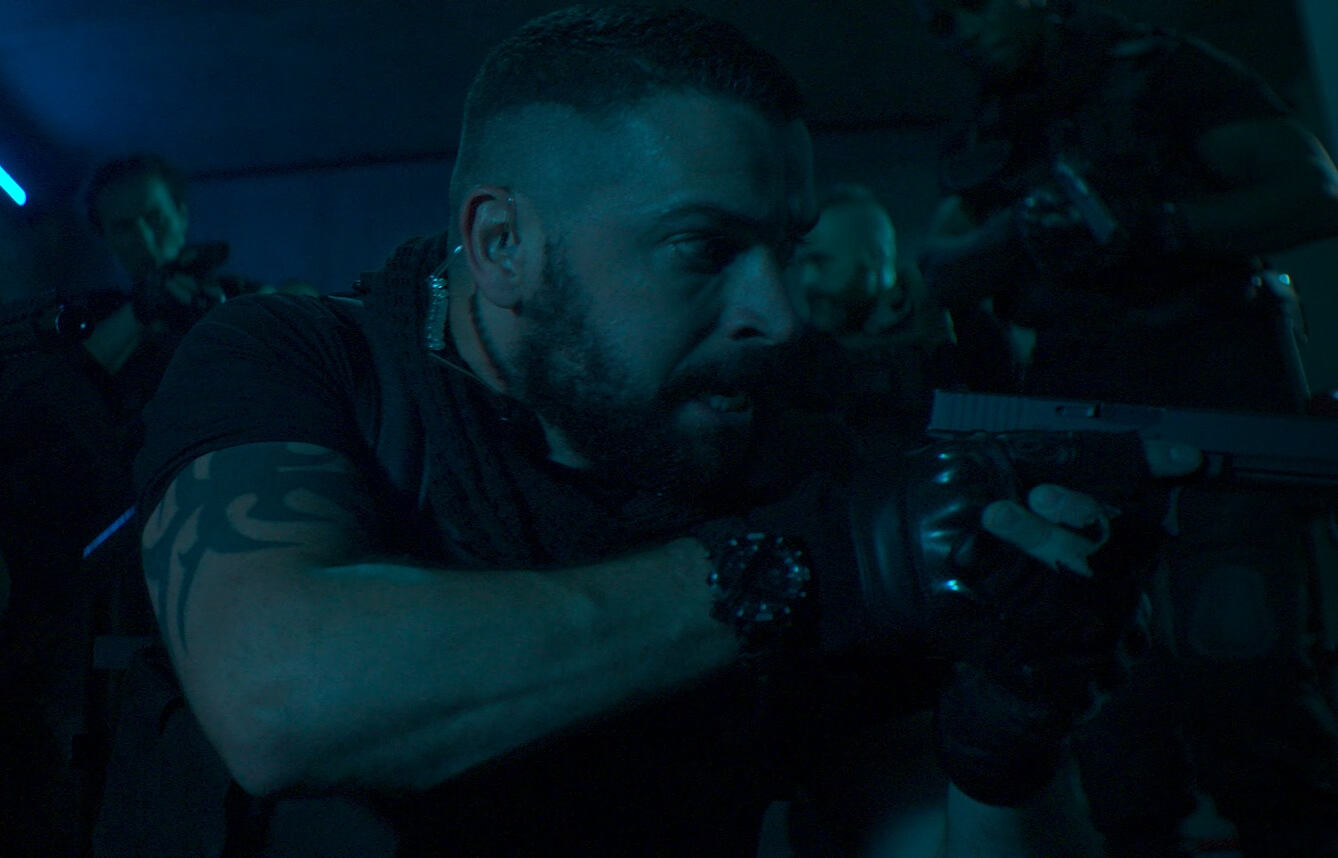
The action begins with a group of eight special ops mercenaries, dubbed the Hell’s Bastards, tasked with recovering intelligence from an undisclosed camp in the midst of a foreign civil war. Something that they should not be interfering with. Their orders are to kill everyone in the camp, but Jack (Toby Osmond) and Kia (Samantha Schnitzler) discover that there’s a bound and gagged civilian (Julia Szamalek) in one of the tents. Obviously scared, she bites off the tip of Jack’s finger (there’s no big special effects required here since Osmond misses that digit already). Enraged that there’s someone is still living, the highest ranking officer, Will (former winner of The X-Factor and Coronation Street star Shayne Ward), plagued by regrets of a past mission where he made the wrong decision, pulls his gun on her and orders her to execute her. Against her better judgment and compassion, Kia obliges. Not before the Polish prisoner can utter ominously, “Don’t go down”.

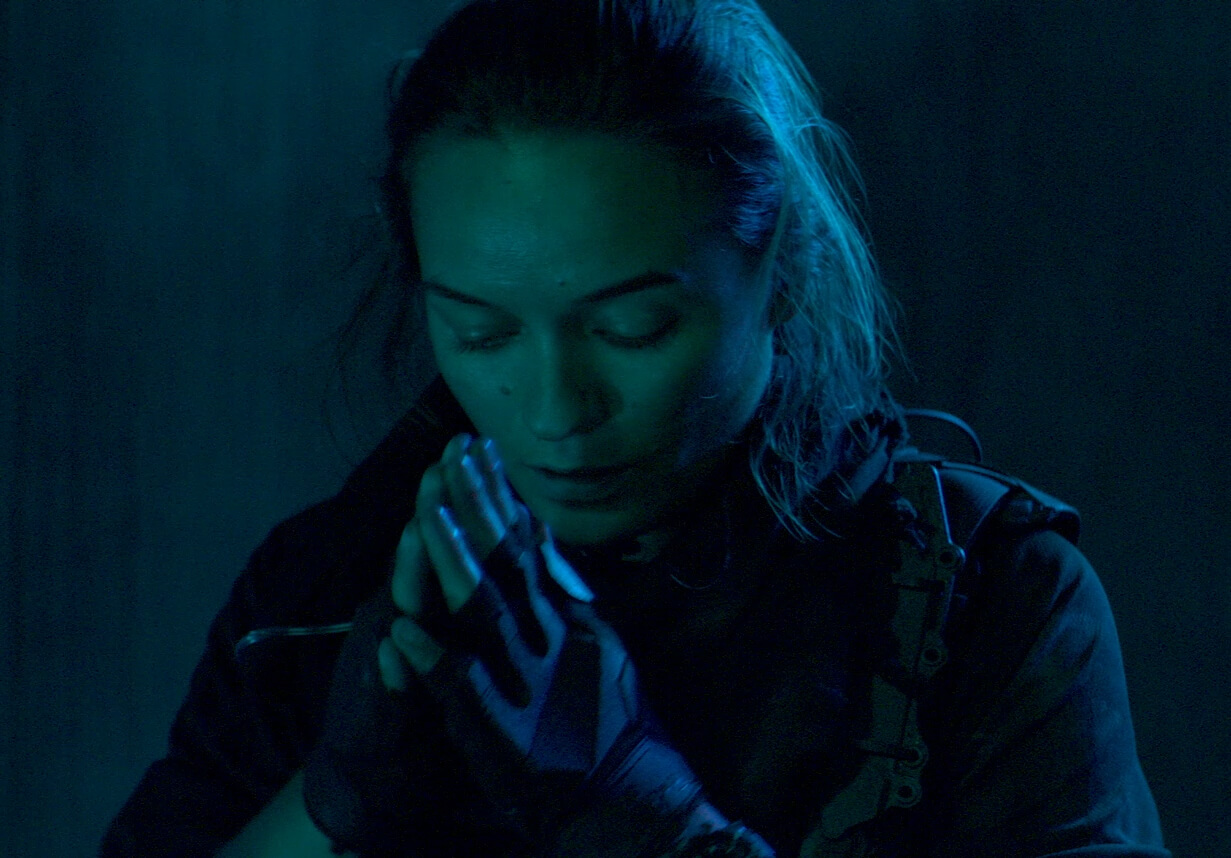
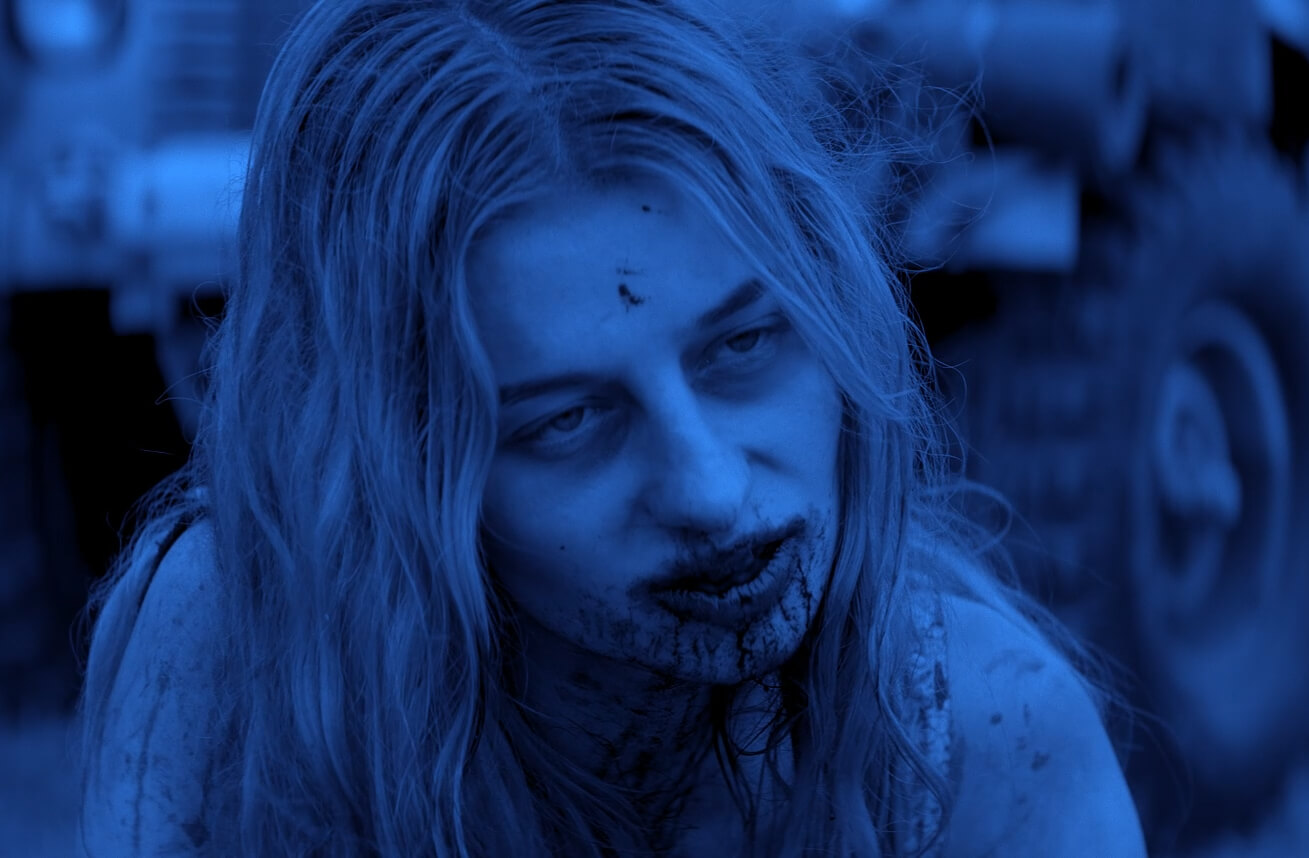
Back in the UK, the group head over to their HQ to debrief, only to find the lift out of order. Begrudgingly, they take the stairs. The stairwell is cold, concrete, and uninviting; worse than any multi-storey you could imagine. The only thing that’s lacking is the human faeces in the corner and discarded syringes. As they’re partway up, they stop to take a breather since the stairs appear to be never-ending. One of the team, Hayley (Alana Wallace) was shot during their mission, but Will won’t let her stay where she is. She must continue with them. Suddenly, the place is swamped in red light, with alarms ringing. The whole building shakes as if hit by a massive earthquake – or worse. Their pilot, Shaun (Simon Meacock), offers to go down to check if he can see what’s happened. A scream cries out and Shaun reappears, slumping down, using his last breath, he spits out a warning to the rest: “Run…

Climbing more flights, they come across a door. Weapons raised, they enter only to find themselves back in the blue-tinged camp where their mission took place. Everything playing out just as it had done before. Only this time, instead of taking the camp themselves, they are observing it all taking place. Retreating back to the stairwell, they have to make a decision: do they risk going back down and face the spectre of the civilian killed under Will’s orders. They can’t beat the supernatural, so they have to head back out into the camp. Reading the documents recovered from their mission, they find that the prisoner was held at the camp for some time, and there were orders that she was not to be killed. The enemy noted that she was nicknamed ‘the prophet of death’. As in-fighting breaks out between the Hell’s Bastards, it becomes clear that they have been given a chance to alter the chain of events: they must do what they can to stop the prisoner from being killed.

When STARBURST visited the set of The Ascent back in 2018, writer/director Tom Paton told us his idea for the nightmarish stairwell was, “A bit like an Escher painting and they can’t get off”. There are certainly moments that feel like that. The solid cast – bolstered by the superb Bentley Kalu (who must have been feeling a slight sense of déjà vu following his appearance in Edge of Tomorrow) – sell the concept well.

The film makes use of Call of Duty-style shooter POV shots to great effect during the numerous attempts to correct the mistake of shooting the prisoner. As we see the raid from different viewpoints, we get a glimpse into the enemy side. They execute innocent villagers using the same excuse Will does for killing the prophet: “Orders are orders”. It’s a poignant indictment about the futility of war as the team must re-tread their steps; the stairwell acting as their purgatory.

While we were on set, actor Alana Wallace told us how excited she was about playing the role of a mercenary: “I fell in love with the script and I was really drawn to Haley. I did stunt training for Fast and Furious live and I got the taste for it. When I read the script for this I was impressed by the opportunity to play an action-orientated character. I had to do a lot of training for the film because it’s very physical.” Even though her character is wounded during the initial raid, she still takes an active role in the mind-twisting activity the ever-dwindling crew must undertake to get their freedom.

The message The Ascent gives us is powerful and clear. The decisions people make have consequences, and if you don’t do the right thing the first time – even if it means disobeying orders – you won’t have the option of repeating until you do. Regret can build up and cause even bigger mistakes. Make the right choice first time as you never know what hell you will bring upon yourself.

THE ASCENT is screening on Horror Channel. Sky 317, Virgin 149, Freeview 68, Freesat 138.