COMING HOME IN THE DARK

COMING HOME DARK

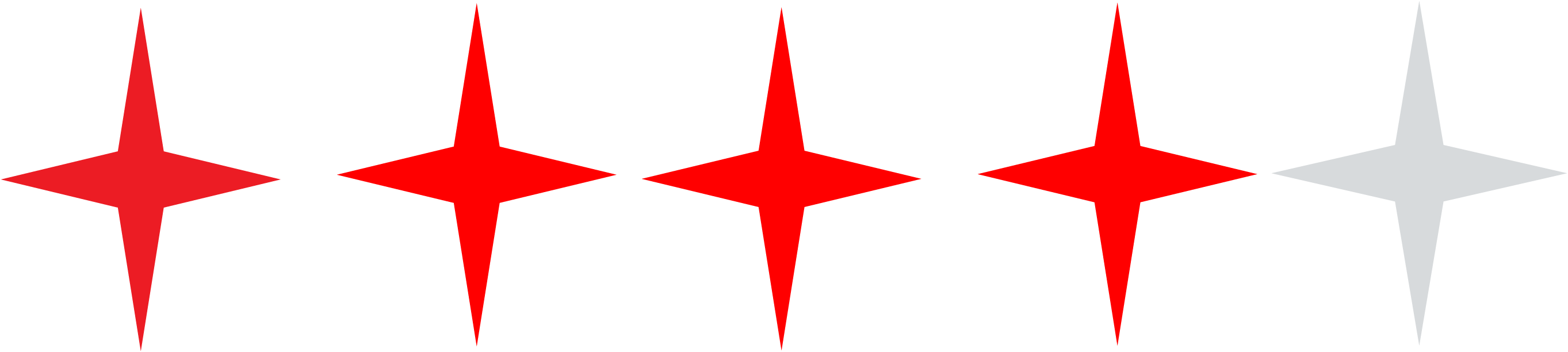
A family day out turns into a nightmare in this New Zealand thriller.

School teachers Alan (Erik Thomson) and Jill (Miriama McDowell) have taken their two sons for a picnic in an idyllic lakeside location, but their peace is shattered when a pair of vagrants stumble upon them. Calm-talking Mandrake (Daniel Gillies) and Tubs (Matthias Luafutu) pull a shotgun and are just about to leave after robbing them when one of the boys calls their father by his nickname, Hoaggie. Mandrake is convinced he’s heard the name before, and over the course of the night, he makes a connection between the oppressive institution that he and Tubs attended and somewhere Alan taught for a while. Alan and Jill are forced to endure a tortuous night as the thugs drive them home.

Coming Home in the Dark explores the thoughts of nature and nurture, with the assumption that the brutal juvenile systems that Mandrake and Tubs were placed helped shape their delinquent future. Director/co-writer James Ashcroft piles on the tension as the married couple are forced to endure a horrific overnight car journey. As revelations are uncovered, their relationship becomes fraught and Mandrake manipulates everything to maximise their horror.

Early into the abduction, another vehicle appears, perhaps offering salvation. As they are too scared to act, Mandrake comments, “When you look back, this will be the moment you’ll wish you’d done something.” It’s a statement that will come back to haunt Alan when he realises the connection the past has to his predicament. All the leads deliver powerhouse performances and the situation is presented in a matter-of-fact, believable way, save, perhaps, for the coincidence of Alan being a teacher at their Borstal-type school.

Coming Home in the Dark is an unrelenting nightmare that will have you not wanting to be in any remote places on your own.

stars

COMING HOME IN THE DARK is available on digital platforms from July 15th.

I SAW THE TV GLOW

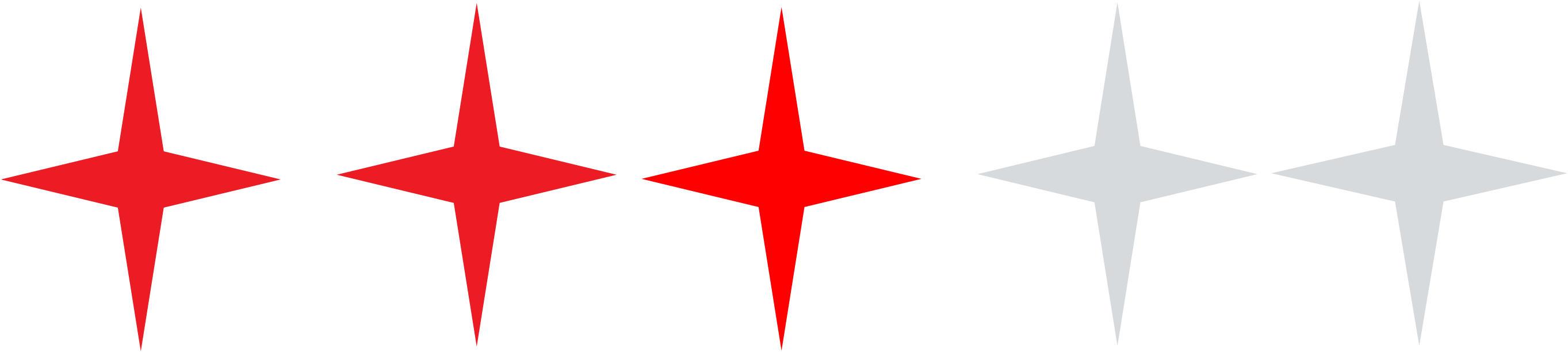
I Saw the TV Glow is one of the greatest films of the 2020s thus far and perhaps the most guttural cry of those living through the decade. It’s a generation that defines themselves by what they see on a screen, whether it be a comparison game to their friends on Instagram or a quiz asking which Hogwarts house they should call home. The windows that Conan Gray’s Generation Why escape through aren’t the opening kind; they’re illuminated screens where they can be their true selves.

Jane Schoenbrun’s sophomore horror film follows Justice Smith’s Owen through his extended time growing up in the suburbs. The only thing that seems to keep him going through his dreary high school and young adult existence is The Pink Opaque, a TV show in the vein of Buffy the Vampire Slayer and his only friend, Maddy (Brigette Lundy-Paine). His relationship with both is called into question when they both mysteriously disappear on the same night.

A beautifully rendered vision of disconnection from one’s core self, I Saw the TV Glow functions more like the creepypasta stories that inspired it than typical A24 horror fare. Its scares are existential and nearly cosmic, while its aesthetics defy conventions in a way that would make David Lynch proud. The performances are similarly heightened. Lundy-Paine, in particular, deserves awards for a third-act monologue alone, in which Maddy relays the journey toward realising their true self.

The metaphor TV Glow most closely adheres to is one personal to non-binary writer/director Jane Schoenbrun. Owen’s self-discovery is a queer narrative analogous to a trans person discovering the emotional truth of their gender identity deep within. A handful of critics have even bashed the film for being too simplistic and overt about its intentions as a queer narrative. They’re missing the brilliance of making this movie for those closeted kids who most need it. It’s no coincidence that it’s rated PG-13, features lore delivered via Easter egg hunting, and rocks a soundtrack loaded with devastating indie pop that makes you want to curl up in your room and feel numb. Schoenbrun is reaching, luring, trying to conjure their younger self from the past with the promise of all the things a young Jane would love. This makes the film a perfect fly paper for any other young trans kid out there looking for the kind of art they already love and elevated this beyond any simplicity in that queer core.

Although a trans journey is inextricably the film’s thematic core, what elevates TV Glow is the capturing of an entire generation’s identity. Schoenbrun expresses the patches of light in the suburbs’ darkness with neon pinks, purples, blues, and greens that evoke a childish kind of nightlife: carnivals, arcades, and fluorescent supermarkets. This is a story of a generation that feels lost in the excess of these spaces but couldn’t do without it. They are lost between the dimensions of code they must bury themselves in to feel anything. Their identities feel malleable and unrealised. They seek the relief of being whoever themselves is. Are we so disconnected from the present that we disassociate from our interiority?

In one scene, Maddy sobs silently while viewing The Pink Opaque, overwhelmed simply by feeling so seen by a piece of art made for children. This is who so many children are in the 21st century; they care that the art sees them almost more than they see the art. Misunderstood by everyone around them, they look to the media to validate their feelings and choose bonds with others based on who feels similarly validated. They always have that sickening edge-of-a-party gut feeling of being on the outside of themselves looking in.

Later, Maddy monologues about how time passes differently for her and for Owen. “And then I was 19. And then I was 20.” Time slips away faster when you find yourself living between worlds. We are caught straddling the digital world and the real world. Are we on the STARBURST website reading the latest film review of an interesting movie? Or are we wherever we lay, inhaling, as we endlessly doomscroll on our screen of choice? This is what the film asks us to question about our reality as daily screen surfers.

Schoenbrun is certainly a filmmaker to watch for their iconic, original voice going forward. TV Glow has created a coda for the television age and a dogma for the iPhone era. The cure proposed here for the latter’s disconnection is to use these tools we call art to understand ourselves better and uncover our deepest identity to bring it to the surface. Only by being our truest selves can we be really happy on a level of reality that matters. Otherwise, as Owen is slow to discover, we will age into discontented nothingness, interrupted only by moments of our self-discovery forcefully interrupting the humdrum of our everyday. In a year full of other films like Ghostlight and Sing Sing about the power of art to heal our scars, I Saw the TV Glow is an ode to all the kids who couldn’t see their reflection in their external reality and found who they wanted to be in the glow of a TV.

stars

I SAW THE TV GLOW is out now in the US and released in the UK on July 27th. 

SLAY

Want to know how to take down a vampire and still look fierce doing it? Well, sit down with the House of Sue Flay and see how you can take down any bloodsucking creature simply with a six-inch stiletto and a snatched wig. A silly B-movie action horror that will have you screaming “Yass Queen!”, Slay comes out with a vampires vs drag queen narrative that is incredibly fun from start to finish.

Starring our favourite Ru-Girls, Cara Melle, Crystal Methyd, Heidi in Closet, and Trinity the Tuck, who slayed the runway and are now here to slay some vampires as part of the House of Sue Flay. After wrongly booking a gig at a rough biker bar in the middle of nowhere, the bar is invaded by bloodsucking vampires hellbent on feeding and turning. Facing both bigoted bikers and vampires, who is the real villain here? It becomes a story of coming together during adversity and putting aside intolerant views to take down the common enemy but filled with glitter, blood, and fierce fights.

Slay isn’t just a campy film; it explores important topics like closeted identity and the fears faced by queer people in conservative areas. Pairing queer characters against vampires is one of the smartest plots we’ve seen. Vampires are inherently queer-coded. Vampires give off this fear of the ‘other’, and today with anti-LGBTQIA+ bills being passed, queer people are that other and are seen as the evil who will turn your children. Which is, of course, as believable as vampires actually existing. Pairing these together was an ingenious move by writer-director Jem Garrard.

It’s a perfectly fun and camp film; silly, action-packed, and a nice easy watch that packs in important themes with ease. It references classic vampire tropes and films, with nods to Twilight, The Lost Boys, and From Dusk Till Dawn, battling with varying vampire lore. Filled with hilarious moments, creative kills, and strong narrative, there is only one way to describe it… it was a slay. The House of Sue Flay came to serve face, and they end up serving vampire hunter realness as well.

stars

SLAY is available on digital now.


NOBODY IS CRAZY

Writer-director Federico J. Arioni uses the motifs of sci-fi storytelling as a device to support his intimate study of the personal challenges facing one troubled neurodiverse adolescent. A low-budget, independent Argentinian film, Nobody is Crazy (aka Nadie Está Loco) distinguishes itself through its atmosphere of introspection and its sympathetic treatment of its central characters.

To the frustration of his adoptive mother, teenager Rafa has become disconnected from his peers and has quit secondary school. Struggling with the effects of his OCD, Rafa avoids social contact and lives a solitary life. Compelled to attend group therapy, he meets a masked stranger on his way to the first session. This confident twentysomething, who goes by the name of Nobody, insists he is a time traveller who will only intersect with Rafa’s timeline for a few days. Rafa believes that Nobody is in fact a resident of a mental health facility who has absconded. But after Nobody introduces him to the carefree Daria, he begins to feel the psychological benefits of these unexpectedly rewarding human connections. Rafa also starts to wonder if Nobody’s absurd claim about his identity might in fact be true.

This is a thoughtful and considered work that takes great care to frame its recognition of cognitive differences positively. Manuel Guitierrez impresses as Rafa, especially when the youngster moves beyond bewilderment at the world to asserting his own agency within it. Taking on the role of the mysterious Nobody could have been a step too far for Arioni. But he manages to be suitably enigmatic as a character who is either the story’s champion or a deluded charlatan. Some of the dialogue is overcooked, but the film’s immersion in the themes of predestination, fatalism, and particularly the limits of free will, ensure the viewer is kept guessing right up until the final act. While the pacing meanders occasionally, this remains interesting, unformulaic filmmaking, told from an often neglected narrative perspective.

stars

NOBODY IS CRAZY is available now in the UK on streaming platforms

THE LAST BREATH

In the ever-changing film landscape, we will never escape from killer sharks. This year alone, we have seen a cocaine shark story in Netflix’s Deep Fear, and lurking in the streamer’s waters, we have Under Paris coming this summer, and in the cinema, we get ready for July’s Something in the Water. We are never out swimming sharks, folks, and if we have movies like The Last Breath to look forward to, we, for one, welcome these shark-infested movie waters to come! 

Joachim Hedén’s The Last Breath plays out as 47 Meters Down crossed with Ghosts of the Abyss, as independent seafaring duo Levi (the late Julian Sands in his final film role) and Noah (Jack Parr) finally pinpoint the shipwreck of a WWII battleship they have searched endlessly for. But when Noah’s old college pals rock up for a reunion, they push for an impromptu scuba diving trip to this uncharted shipwreck, finding far more than rusted metal awaits them in these Caribbean waters.

Certainly no stranger to the odd convention of the genre (the rich d-bag of the friend group, the blood in water stalking, the logic leaps at times), The Last Breath distinguishes itself with an atmospheric underwater setting and a roster of good characters. 

Its breathless thrills play out well, with the shipwreck setting being effectively capitalised on with air pockets, winding corridors and rooms, and sharks almost enclosing the group like a survival video game scenario. It makes for a thrilling approach to this toothy subgenre. The underwater cinematography is well shot, and the audio is remarkably unmarred, giving this a prestige reserved for a lot of bigger budgeted fare that lands on the big screen. The sharks themselves also look menacing and impressive, with the filmmakers never allowing any effects to look false, and the energy of the movie is kept up thanks to the ratcheting suspense that comes with the plot’s escalating dire situations, including dwindling oxygen, injuries and persistent deep sea predators at every exit.

The performances are also rather good, with Sands’ grizzled, knitting, rebellious sailor being a particular highlight. This cinematic send-off is one rather appropriate for the sure-to-be dearly missed English actor in a genre film with a great supporting part that steals the show and with a rather old-school antihero vibe attached to it that Sands gives real-life to. There is also a great lead part by Parr, who is likeable as Noah, a character doing his best despite the desperation that has put him and his friends beneath the waves. Another standout is Kim Spearman as his former girlfriend Kim, who puts her medical training to more use than she ever expected on this dive!

Well-paced and constructed, if not free entirely of some of the setbacks of the genre, The Last Breath is a compelling viewing that keeps you watching, never taking things too far, and delivering a few potential setups, making for some unpredictable directions the film could head. The Last Breath effectively strands you in the rusted vessel on the sea bed, with these characters, as they try and evade their ef(fin)’ deadly captors, and it might just make you savour every gulp of air that bit more.

A shark movie well worth diving into, just keep an eye on that breathing…

stars

THE LAST BREATH is on Digital Platforms and DVD and Blu-ray on June 24th.

INSPECTOR SUN AND THE CURSE OF THE BLACK WIDOW

This Spanish-to-English family animation, which seems to combine Agatha Christie, by way of A Bug’s Life, has a lot going for it. Even though it gets a bit too tangled in its own narrative webbing to fully buzz to the same degree as films like A Monster in Paris.

Inspector Sun (also known as Inspector Sun and the Curse of the Black Widow) sees the eponymous arachnid detective (think Poirot with eight – sorry – seven legs!) falling afoul of the police force that he assists and being forced to think whether he is really as brilliant as everyone thinks, or whether his deductions and achievements are down to luck. Well, he’ll get the chance to prove it, as a plane journey soon turns into a murder mystery that he must solve.

Initially, this film hits a fine stride. The animation is obviously not on the level of some of the higher name competition but is punchy, colourful and well assembled (until an all-out messy final act pushes the limits a bit), and the jazzy soundtrack is very in-keeping with the chosen ‘30s era. The actual core murder mystery is rather twisty and compelling, too, and had the film not scurried off point to become more of a monster movie action tale. Inspector Sun would have benefitted a lot more from sticking to the one plot concept rather than trying to connect several all at once.

This also creates a tonal issue, as some of the more child-friendly comedy does, at times, clash fiercely with a few dark detours that come out of nowhere (a dog being killed, for instance – off-screen, of course).

Still, when the film is riffing on an insect roster Murder On The Orient Express-style romp, it is most certainly at its best, and despite losing its grasp of the plot in the final third, the eccentric characters and energy ensure that kids will likely be along for the ride. While some grown-ups will appreciate the moustache-twirling whodunnitery while it lasts.

A good effort overall, though if Inspector Sun returns, hopefully, next time, we’ll stick to the sleuthing rather than the tacked-on monster mashing.

stars

Dazzler Media presents INSPECTOR SUN AND THE CURSE OF THE BLACK WIDOW in cinemas from  June 21st.

HUNDREDS OF BEAVERS

What a title! And thankfully, the film delivers; if it were called “This Movie Will Give You $1,000,000” we’d be writing this review from a yacht. Greenhorn director Mike Cheslik introduces us to an alcoholic cider manufacturer in pioneer-time America who must learn to survive in the wilderness by fighting off rabbits, raccoons, and, of course, beavers, as played by cast members in Disneyland-style costumes. Although on the surface, it may seem like a parodic B-movie oddity, it is, instead, a cannot-be-ignored rip-roaring comedy that will stand the test of time for its classic elements alongside its timeliness. The trick Cheslik and his team have pulled off is to create a fresh-feeling, original film with the familiarity of an old sweater.

Rather than creating new aesthetics whole cloth, the filmmakers lifted a combination of ideas from other art in an original way. This is ‘Influenced Cinema’. Cheslik joins the ranks of Quentin Tarantino and Edgar Wright in constructing works so strongly indebted to their creators’ influences that they are inextricable until a generation decides only to remember the influenced work. Audiences are hailing Hundreds of Beavers as the return of early cinema, and indeed, the almost completely dialogue-free black and white movie brings to mind Chaplin’s slapstick or, in talkies, W.C. Field’s absurd games. But Cheslik has layered upon it so much more. The Looney Tunes logic, a Silver Age Disney animated musical number, charming Muppets-like expression, and most prominently, a Legend of Zelda video game shop system, inventory tracker, overworld map, and use of sound effects are all in service of a wholly original story.

While certainly frenetic, the collage feels so natural in execution. Watching our fur trapper friend set traps like comedic setups with ten-minute later punchline payoffs is genuinely engrossing. The experience of seeing the film isn’t a nostalgic one we hold at a distance but a raw, immersive laughter powerhouse that could only come to us now. This child of the ’00s and ’10s American Midwest Internet video sketch scene doesn’t adopt its parent’s propensity for parody. The “going out in the woods to film a thing with friends” could easily turn into something derivative. Instead, these filmmakers set out to make something fun and original from the media that made them. In a world where Hollywood comedy movies are relegated to the Apatow-style of improvisational awkwardness, it’s incredibly refreshing to explore other avenues of movie comedy that are not reliant on references to pop culture even as they adopt their look.

If you seek to be surprised with genuine movie magic, the kind of delights where a younger version of yourself would wonder how a certain effect, stunt, or gag has been achieved or how a script seems to know exactly how your mind works, then there’s no better recommendation this year. Through a combination of costuming, animation, green screen environments, and a sprinkle of puppetry, the world of Hundreds of Beavers feels as tangible as Hyrule, as brimming with laughter as the Muppet theatre, and as full of imagination as the woods behind your own suburban house.

stars

HUNDREDS OF BEAVERS is screening in selected UK cinemas July 9th, and will be released on Blu-ray August 5th


ARCADIAN

The world has ended (for unclear reasons), and life goes on (for all the usual human-motivated reasons) as Nic Cage raises two teenage boys on the verge of manhood. It’s a world where doors must be bolted and windows shuttered after sundown, no matter how powerful the romantic lures of the nearby Rose Farm are to Thomas (Maxwell Jenkins) or how tiresome it all is to thoughtful genius Joseph (Jaeden Martell). Arcadian opens in a bleak apocalypse, which soon gives way to a kind of survivalist cosy catastrophe, but one with an ever-present lurking sense of threat, which feels all the more menacing for seeing the fragile human community which could be destroyed.

It’s nice to see Cage playing the kind, if strict, dad role, which seems to come naturally to him, although if you only want to see him in films where he is ‘doing a Nic Cage’ you will be disappointed. But really, this film belongs to the teen leads, who are engaging and likeable almost in spite of themselves since they spend a good chunk of the run time being… well, teenage boys (and we all know how annoying they can be).

Sadly, the slow build of tension and the unseen sense of menace is aggressively jettisoned out of the nearest window as soon as the menace is fully seen, and what was a slow burn contemplation of life after the end of everything becomes something a lot more akin to Tremors 2, but without the laughs (no shade on Tremors 2 intended, but they are very different films). In spite of the pivot, this is still a nice post-apocalypse to visit, but we definitely wouldn’t want to stay forever.

stars

ARCADIAN is in UK cinemas from June 14th.          

WHAT REMAINS

Based on a true story about a Scandinavian man who falsely confessed to heinous crimes in the 1990s, What Remains is the feature film debut from director Ran Huang and is a Chinese-Scandinavian co-production led by incredible performances from father/son duo Stellan and Gustaf Skarsgård, and the iconic Andrea Riseborough.

Mads Lake (Gustaf Skarsgård), formerly known as Sigge Storm, is a troubled man who has spent time in an experimental psychiatric hospital. As he approaches his release, he reveals to his new therapist, Anna Rudbeck (Riseborough), that he may be involved in a long-unsolved murder case amongst other crimes – but something in Anna just doesn’t sit right. She explores whether Mads’ confessions are real along with police officer Soren Rank (Stellan Skarsgård).

This slow-burning crime thriller is a gripping and emotionally driven deep-dive into the human psyche, covering difficult topics such as childhood trauma, which we can all understand at a mortal level. Gustaf’s reserved yet powerful performance as someone battling demons from his past and allowing them to bleed into his future and present a false reality is, we believe, his best acting to date. This narrative subject matters that co-writers Huang and Megan Everett-Megan Everett-Skarsgård tackle in What Remains will always present them with a challenge to make Mads a flawed but interesting character for the audience to see the world through. Riseborough and Stellan Skarsgård’s performances round off a captivating trio of lead talent, allowing the story to stay strong until the climax, even when it lags slightly towards the back end of the second act.

Christopher Blauvelt’s stunning cinematography shows us a gorgeous cold vista of ’90s Scandinavia, with frozen landscapes, post-Cold War environments and a simplistic yet masterful execution of making a dialogue-heavy film utterly enthralling.

Although the film falters slightly with its pacing in the latter half, and the ending is slightly rushed, leaving a few unanswered threads, What Remains is still a brilliant debut feature from Huang and gives us Gustaf Skarsgård’s best performance to date. The cinematography is stunning, and the simple accompanying score subtly adds so much overall, making this a worthy watch.

stars

WHAT REMAINS premieres exclusively on the Icon Film Channel on June 3rd. Sign up for a 7-day free trial at iconfilmchannel.uk or via the Icon Film Amazon Prime Video channel.

THE MOOR

Missing children and bodies buried on moorland is perhaps a little too close to reality, but Chris Cronin’s film of Paul Thomas’ script is a brooding nightmare of obsession that leads to some shocking supernatural occurrences.

Claire (Sophia La Porta) had a friend go missing when she was young, and the person who went to prison for his murder is due for release. The father (David Edward-Robertson) is desperate to find his son’s remains and, since Claire now has a podcast, thinks that she can help. They head out onto the moors to attempt to get some closure.

The first part of The Moor could easily pass for an ITV drama, but things get creepier as they get closer to what is out in the remote, foreboding wilderness. Bernard Hill is a great addition to the cast, helping them plot out where to look. As the search continues, they get help from a young psychic (Elizabeth Dormer-Phillips), who goes with them to cover more ground. They are so far out that they are forced to spend a night out in the barren land, which ramps up the tension and takes the story into folk horror territory.

The Moor is dripping with malevolent atmosphere and by occasionally using first-person ‘found footage’ techniques, puts us in the middle of the terror. There are flaws – the opening scene of the boy going missing has contemporary magazines on the newsagent’s shelves despite it being set years earlier, and it’s a little too long – but it’s well-acted and has enough surprises to draw you into its world.

stars

THE MOOR will be in UK Cinemas from June 14th and then on Digital Download from July 1st.