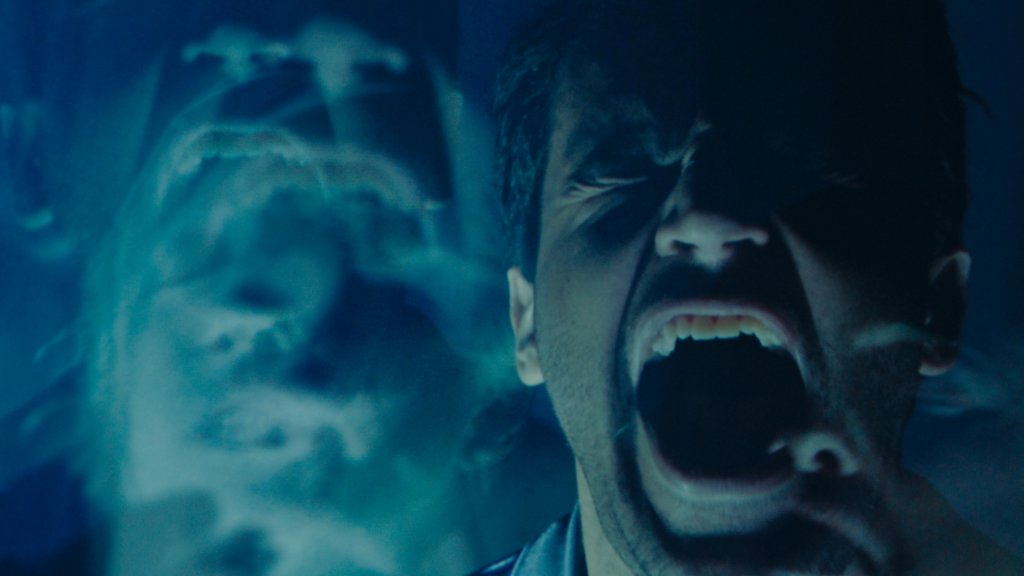
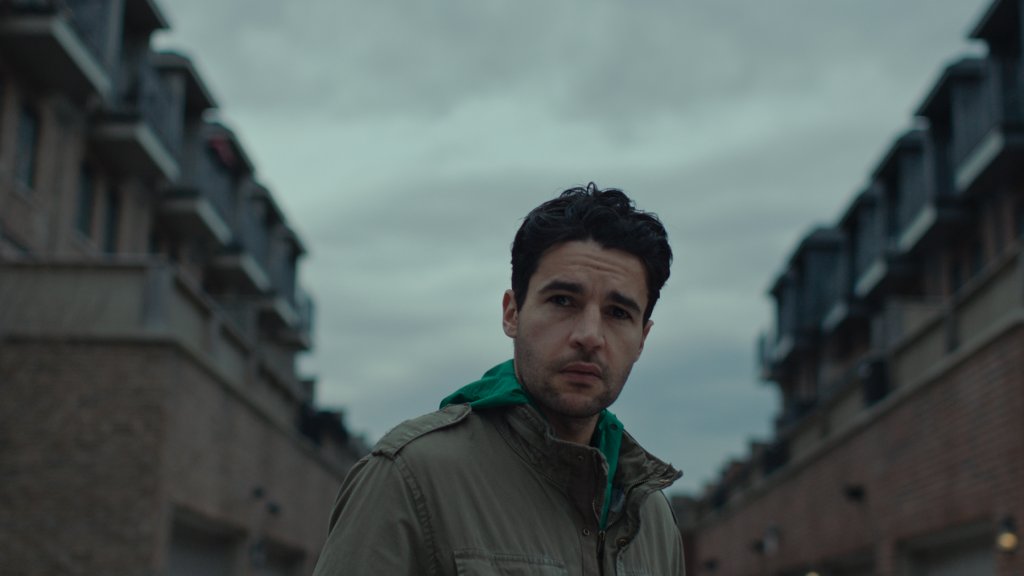
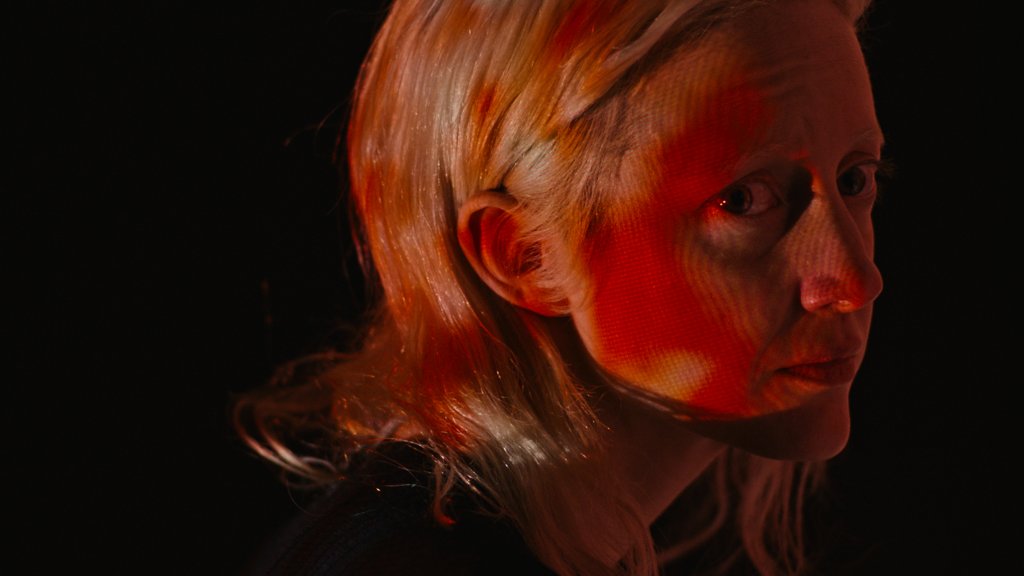
Paul Hartnoll | CONCRETE PLANS

hartnoll

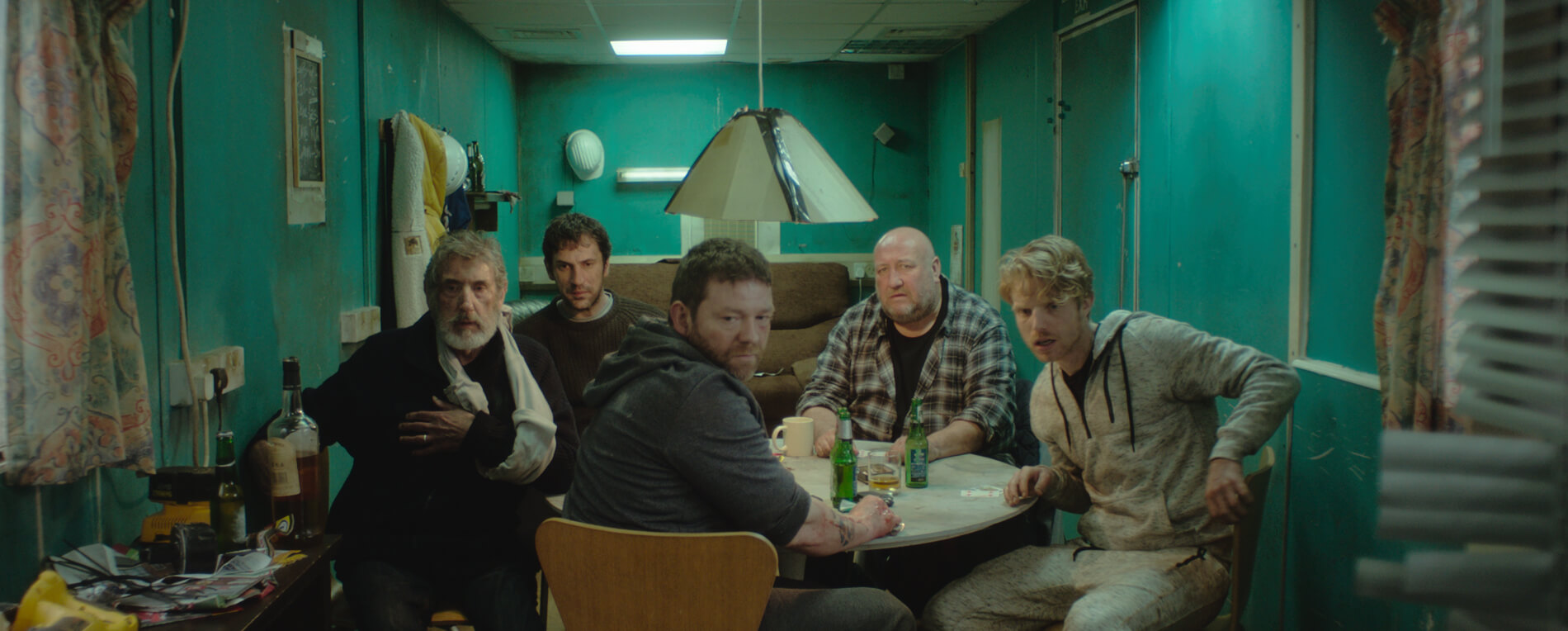
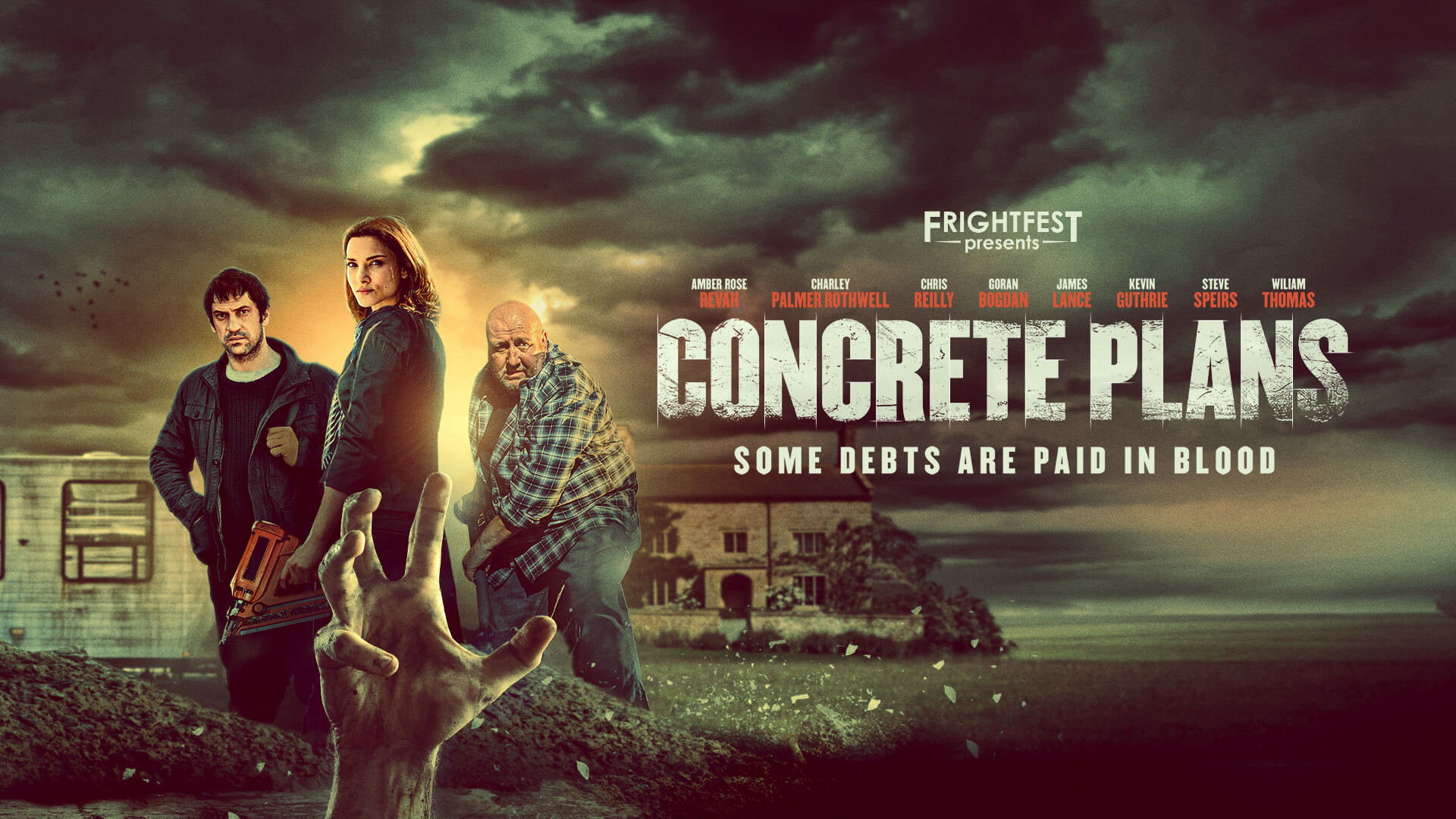
From 1989-2004, musician Paul Hartnoll was one half of the legendary electronic music duo, Orbital, along with his brother, Phil. While the pair have reunited several times in the intervening years, since that time, Paul Hartnoll has released a pair of solo albums – The Ideal Condition and 8:58 – and has begun scoring various films, documentaries, shorts, and even the second season of Peaky Blinders. His latest work is the score for the Welsh crime thriller, Concrete Plans, directed by Will Jewell. STARBURST’s Nick Spacek spoke with Hartnoll about his scoring work and how Orbital’s music found its way into many, many different areas of entertainment.

STARBURST: We’re curious as to how you got in contact and came to work with Will Jewell on Concrete Plans because it is a fascinating movie.

Paul Hartnoll: It came about through a mutual friend of ours – a guy called Iestyn George who used to be a music journalist that works with the Welsh tourist board, I think. He was somehow involved with some of the Welsh people involved with the funding of the film. He lives in Brighton and he bumped into me and said, “Do you think you’d be interested in doing a score? A local Brighton guy’s working on a film and I think you’d be a great person to score it,” and I said, “Yeah, I would,” and we just went from there, really.

Will got in touch at one point. I think it was a good year or so after we got in touch, before the film even got made, but we just kept in touch. We’d go meet up for coffee and that kind of thing and discuss what was going on and just kept in touch. So often, with lower-budget films, so much of it’s spent trying to get the funding together and that kind of thing but I just hung in there, patiently, and waited for it to happen. Lo and behold, it did – which was great.

We always find it fascinating when composers come on before a film has even started lensing anything because it seems like it allows you to start a little more ephemerally in that you get to read the script early on?

Yeah, you get to think about it. It’s kind of there in your head so, when you do finally start, you hit the ground running because you’ve already got an idea. Sometimes, you might have built a few sort of themes or ideas in the background that you may or may not play to the director, but you can build it up like that.

I’m trying to think if I had started kind of collecting sounds and things like that with this one – just little bits and pieces that I thought, “Oh, if we get a moment that that’s like this that this kind of sound will work well,” and just kind of thinking it through a little bit.

How did it change once you saw how it looked and it came out like on-screen?

I don’t know if it did change that much because I knew Will was quite keen for some kind of guitar element, which I was really happy to do. I’m not much of a guitar player, but I do like guitar-led scores, which are quite unusual and quite different because, normally, it’s keyboard players writing scores.

For me, it was that I like a lot of folk music and that kind of thing and so I was thinking things like guitars and flute-like sounds to try to capture an element of the countryside – of the remoteness and that folksy feel that’s quite comforting around all the sort of bloodshed and horror that goes on – just to bed in with the landscape.

One of the interesting things about Concrete Plans is that it’s set in in the countryside and it has a working man, physical labour feel going on to it and yet, it gets progressively more violent, which seems to stand in stark contrast to the imagery that’s going on. Were you trying to not lean into the more physical aspects of it, and more the visual ones?

I can’t say I thought about it in that kind of way. I just watch it and I tend to react to scenes and films when I’m writing. It’s just a gut feeling: “Oh, this is the right thing. Oh, that’s the right thing.” It just sort of happens but I find also the idea is leapfrogged. Generally, I work from beginning to end so, by the time you’re halfway through, you’ve got a palette and a set of sounds that are working.

In this film, the whole atmosphere changes halfway through so then, you’ve got your palette, so you try to turn that on its head as you add new colours and sounds to it, to develop the horror aspect and the frightening, nasty stuff while still trying to keep and retain aspects of the earlier parts of your storytelling. You keep plucking bits out of it and use it. I don’t know if that answers your question, but that’s how it worked for me!
How do you approach a feature versus a short subject or television show?

That’s an interesting point, but I’m not sure because each job feels different. Having only ever done one six-part series – scoring Peaky Blinders – with six hours of scoring, that’s much more of a marathon and it feels like it’s a funny one because I would imagine a lot of the time you fall back on repeated themes and that kind of thing but we had quite a good visionary director on Peaky Blinders and he kept saying, “No, I’m bored of that. I don’t want to hear that again. I want to hear something new,” and he kept everybody on their toes developing themes and that kind of thing as it went along, which meant you could use repeated themes, but you had to kind of disguise it a bit from him and it was a bit of a game of cat-and-mouse.

With something like Concrete Plans, you’re just definitely seeing the whole thing in one go and it feels more akin to sort of scoring a long episode of a TV show. I mean, each TV show – even though you’ve got six episodes and you are thinking ahead, you have to really stay in the moment of the episode you’re on and then, hopefully, that will spin out into the next one.

With really short things – I just did a thing called One Last Dance and that’s essentially one, two pieces of music. It’s because it just feels like one theme is all it needs and I just extrapolated from it. It’s got a central kind of piece of music and then everything else is a ghost of that, spreading out in either direction, and that was for me was the concept: that’s the solid piece of music. Everything else needed to be a ghosty kind of thing because it’s a ghosty kind of film.

With Concrete Plans, it starts gentle and just gets brutal in the middle. How do you reconcile those two halves?

I know the film isn’t a folk horror film but, because of the countryside aspect, and because of my love of The Wicker Man and folk horror things, I tried to treat it with a little aspect of that, to give the landscape some air of mystery to it all. That also means when you get into the horror stuff, you can still conjure the landscape with your folk horror atmosphere and ideas. That’s how I thought of it. As long as it works, I don’t mind how it translates from the screen, but that’s the starting point in my head.

It’s quite interesting that you mentioned folk horror because the really notable films in that subgenre, like The Wicker Man or The Blood on Satan’s Claw have this element wherein the group drives every individual into this horrible thing that happens at the end of the film, and that’s very definitely Concrete Plans.

Well, yeah – they had to make a blood sacrifice in the name of money. I didn’t even think of that at the time.
Your work with Orbital has been featured in many, many films and television programs and, as Orbital, you and your brother have reworked two very notable themes. You reworked the theme for The Saint for that film in 1997 and you also reworked the theme for Doctor Who. What was it like, tackling these very well-known pieces of music: did working on those particular elements of score affect what you did when you started scoring things yourself?

I don’t think they did really affect how I score things because they’re themes. They’re very different. That Doctor Who was easy for me because it’s like, “Wouldn’t it be fun to do a sort of rave-y, dance music version of the Doctor Who theme tune?” and change its time signature, so that it’s absolutely a different thing but yet, really familiar and so, giving it a different swagger and making it very much almost like a happy hardcore version of the track? It was just great fun.

The Saint: that was a funny one because they said, “Oh, we don’t want the theme tune. We don’t like it – we don’t think it’s cool,” so that was the challenge. It was like, “Okay, I’ve got to make it cool,” so I thought, “Well, what’s cool from that era?” It’s people like Lalo Schiffrin, so we’ve got to lay low, shifting it up a bit. It’s not that far from the original, but then it’s like, “If you’re going to go for that, what else is it you could do?” and it was trying to channel that whole kind of drum and bass kind of thing that was going on at the time, as well – which I loved – so it’s got elements of those kind of things, while trying to keep true to a version of the same theme tune that, to this day I don’t know (and I don’t really care, actually) if it was the original version. It was a version that I liked that I had on a record that I’d had since I was a kid and so that was the one that I imitated and tried to do my own way.

To be fair, tackling those two tracks was so much fun because the hard work was done. Someone had already written the fantastic tunes so, all I had to do was produce it and re-purpose it for what people wanted. In terms of The Saint, it was to give a bunch of Hollywood people the feeling that it was cool again and for Doctor Who, it was to revive the Doctor Who theme tune, which was dead in the water at that time.

In the mid-’90s, everyone had forgotten Doctor Who. It finished and it was a thing of the past. No one knew it was coming back with a vengeance or anything like that. It was like, “I don’t want the Doctor Who theme tune to finish!” I want to play it – it’s trippy, it’s about space and time, and what a great way to end a rave. That was my reckoning for that, so that was good fun, really.

I ask every musician who has had their music featured in in television and in film what it’s like having hearing your music in a visual context, removed from how you originally put it together?

The track Halcyon + On + On has ended three different films, right, and it started another one. How about that? Do you know what I mean? You think it was this great ending piece and all of a sudden, someone goes and puts it at the start of a film and it works there, as well. For me, it’s a collaborative sort of thing and it’s really interesting to see what a director does with it when they decide, “I want this piece of music and I want it here in my film,” and you watch it and you go, “Wow! I wouldn’t have thought of that,” or you think, “Oh, that works. That’s really nice.”

It’s an interesting collaboration because it’s once-removed. You’re not actually involved in the collaborative process: someone else is doing it out of time. You’ve done your bit and then they’re taking it, running with it. That’s more like a relay race of collaboration, rather than actual working with someone. I always find it fascinating and interesting. Nine times out of ten, it works really well because, if a director has decided they want your piece of music rather than a piece of score, they’ve made their mind up. They’ve got a very strong idea and that’s that it’s going to work well.

Because Orbital and you, solo, have played so many raves and festivals and things like that, we have this idea that composing is similar to responding to the crowd, wherein you’re making music that responds to a thing, as opposed to working just in a vacuum.

Yeah, absolutely. When you work on a film it could be akin to that, but the intention is already set. The thing that is there has happened and it’s your job to then say what hasn’t been said by the actors or the visual content. For example, if it needs to be scary, it might not be scary on-screen and nobody might be saying anything so, it’s your job to surround the audience with some scary chords that conjure up that feeling or to make people cry. How many times have you cried in a film, where if you didn’t have the music, you wouldn’t have cried?

It’s the tipping point: the music just shoved you over the edge beyond where the actor and the director can. It’s just that little extra push and it’s a weird thing. Why should it even work? Why should music be playing in the background of some drama? It’s a really odd thing that comes from the silent movie era and it’s still there and we love it and it’s become a cultural composite that’s happened. I think it was Bernard Herrmann that said it’s the job of the composer to say what the actors can’t and that says it all, really.

Concrete Plans is out on digital release from Signature Entertainment from November 23rd. Read our review here.

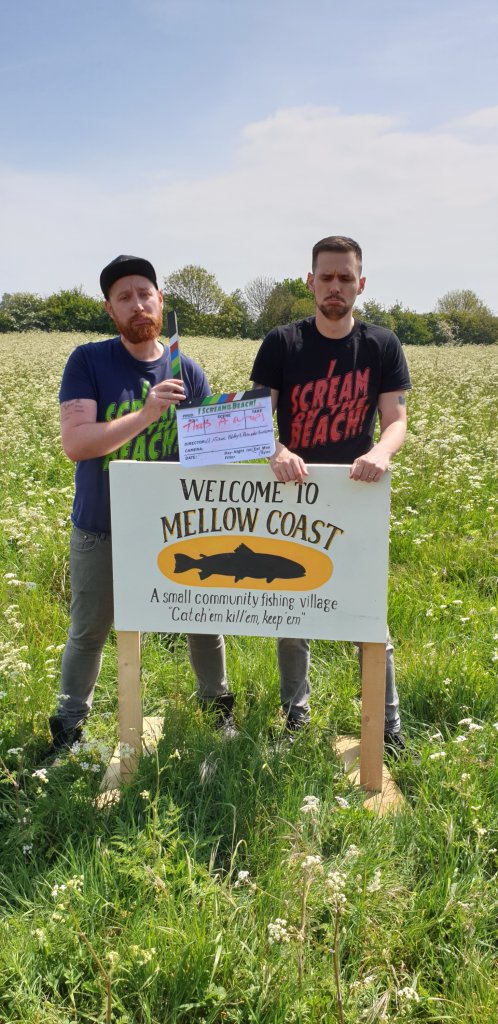
Alex Churchyard & Michael Holiday, Directors of I SCREAM ON THE BEACH!

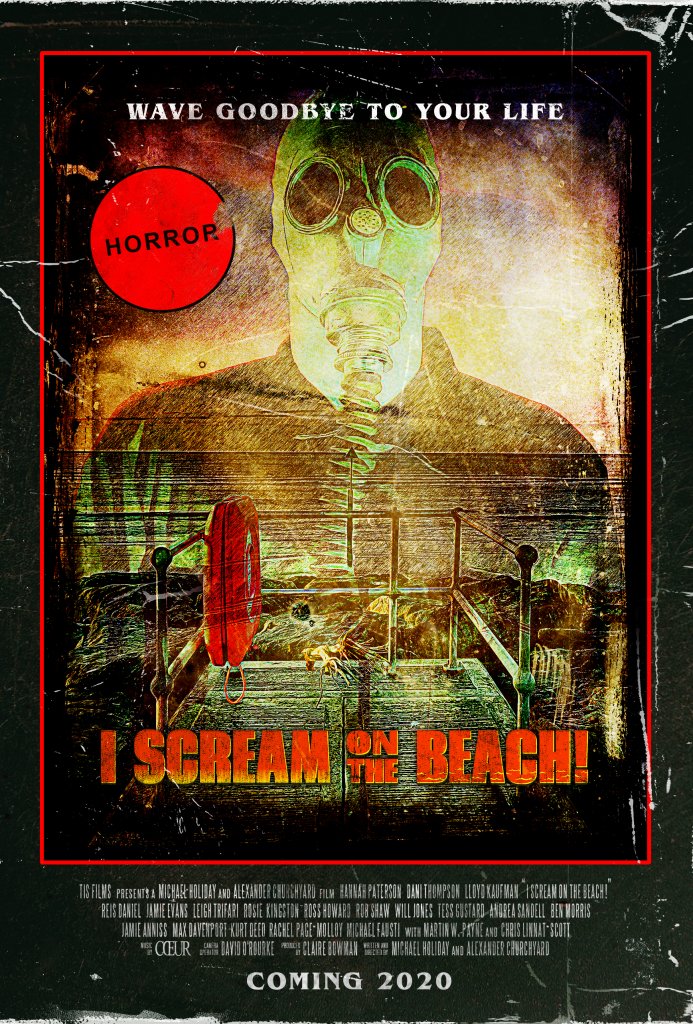
A love-letter to the dodgy old-school slasher flicks that you’d find in the darkest corners of your local video store, I SCREAM ON THE BEACH! has been delighting audiences since its arrival on the festival scene earlier this year. We recently spoke to the madmen behind the movie about the road to making their debut feature; gateway horror; advice to aspiring filmmakers; and much more…

STARBURST: You bump into super-producer Jason Blum in a lift, you’ve got a captive audience until he gets out at floor 13, how do you pitch him I Scream on the Beach?

Alex Churchyard: Okay, so it’s an ‘80s horror film set in a UK coastal town, and it’s made to look as if you’re watching a VHS tape, deliberately playing into being a low-budget slasher.

Michael Holiday: The story follows a young girl called Emily who saw her father murdered when she was a child, but his body was never found, and no one believes her…

Alex Churchyard: …Ten or so years later that’s still the case, but as she investigates what happened to her Dad, people start dying again…

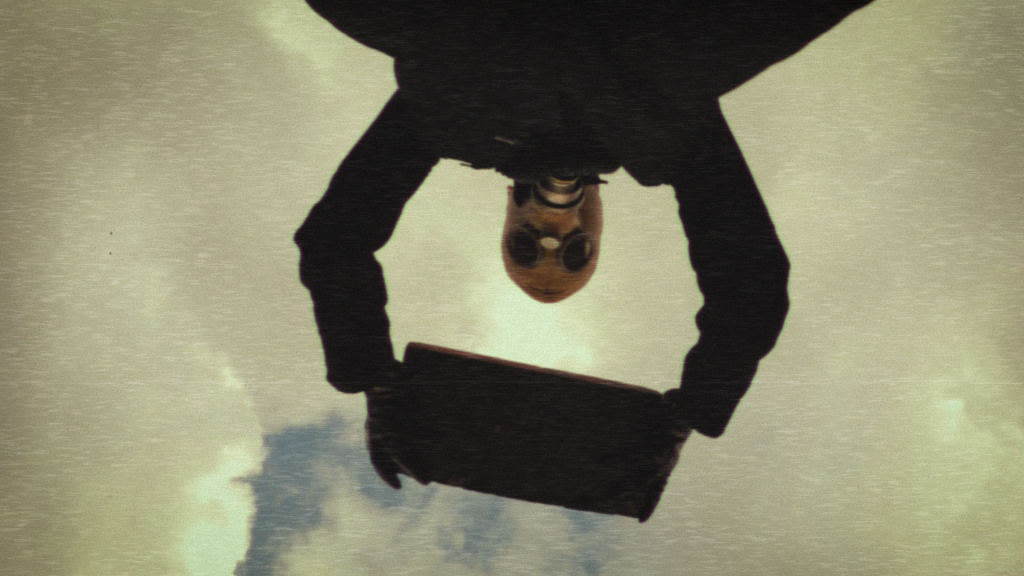
Michael Holiday: …At the hands of a gasmask-wearing killer who’s on the loose! Think seagulls, conspiracies, a banging synth soundtrack, lots of decapitations, and Lloyd Kaufman’s floating head. Who are we kidding, Jason Blum is calling security if we ever try to pitch this.

scream

How did the idea for ISOTB come about?

AC: Essentially, when I was about twelve, my brother and I would make these short films on our Tyco Video-Cam based around this central idea of an unseen killer that turns out to be something quite unexpected. I met Mike when I was about 17, and I roped him into making a few more of these shorts. Years later, I wrote a feature-length version; it was more of a ‘90s-style slasher set in the present day that revolved around college students. Mike and I then decided to turn that idea into I Scream…

MH: The script ended up being almost unrecognisable from how I Scream turned out. But without giving too much away, that initial draft gave us a clear idea of how we wanted the film to end, so we worked backwards from there. We knew we would be working with a tiny budget for this, so we decided to think about what assets we had available. In terms of location, we both happen to live in a seaside town, which for whatever reason is a location we’d never properly utilised before. We are also both huge lovers of ‘70s and ‘80s horror, which obviously ended up being the direction we went with in terms of period and style for the film. We had this basic concept of an American-style slasher film set in such a quintessentially British location, and it kind of snowballed from there.

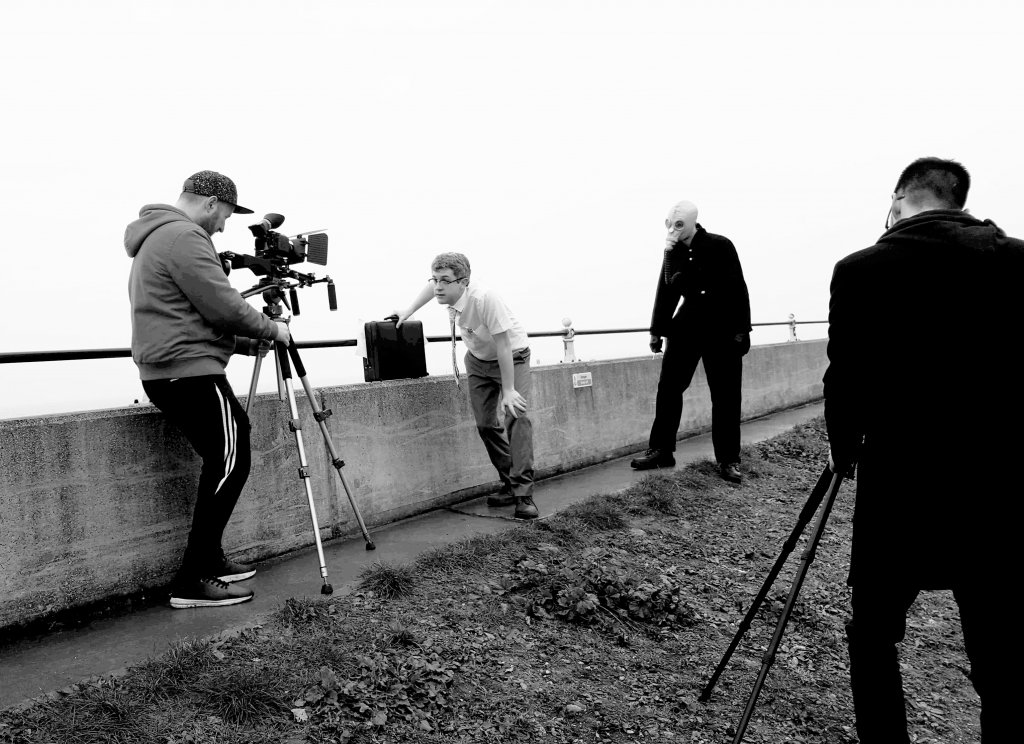
Behind the scenes on I SCREAM ON THE BEACH!

You mentioned that it was a tiny budget you were working with – could we ask how small exactly?

MH: Whatever you think it is, it’s probably lower. Honestly, I’m not sure I could even tell you. We started the initial shooting of this film back in 2016, then life got in the way and we didn’t start again until 2019.

AC: We never set an exact budget, but we filmed in blocks for several weekends over a three-month period – so half the time it was just figuring out how much money we had that weekend to feed people and pay for travel, etc. Charity shops were our friends for costumes; we figured out most of the FX ourselves – and if not, then one of our makeup artists did – and we just kept everything very small behind the scenes.

MH: A fair bit of the equipment was either stuff we’d put together over the years or went on my credit card. Luckily, both being editors by trade we’ve made quite a few friends who are filmmakers who happily lent us a few bits and pieces – shout out to our camera operator David O’Rourke for a lot of that!

AC: Yeah, we just used what we had at the time money-wise, so the budget basically came from Mike and I’s earnings. Hill Burton did come on as an Executive Producer towards the end of the shoot and some of that money was vital in helping us finish.

Not only was the film co-written by yourselves, but you co-directed it too. Bearing in mind that this is still somehow considered unorthodox – unless the directors happen to be brothers, in which case it’s totally normal for some reason – how did you arrive at the decision to tackle ISOTB this way?

MH: I don’t ever remember this being a big discussion, we just kind of immediately fell into it. When it came to the writing, Alex had written that very early draft by himself, and then we just started meeting up together to hash out ideas from then onwards. We were both working together full-time as Editors, and when we’d finish up for the day we’d often head to the local pub and start writing with Alex typing on a keyboard and me shouting stupid ideas while having a beer.

AC: I think there’s a sense that we’d done quite a lot of stuff together, so it didn’t feel too strange to direct our first feature together. We felt that it needed to be both of our visions.

MH: When it came to actually directing, we tried to split the role into different areas. The idea was that Alex would deal directly with actors and I would handle the technical side of filming. This didn’t mean we were solely responsible for those areas, but it just helped make things clear on set. If Alex wanted to do something different in terms of how a shot looked, he would talk to me and I’d control the crew for that side of things. If I had notes for an actor, I’d talk to Alex about that and he’d talk to them. It sounds a little convoluted, but it meant each person on set knew who to talk to, so there was no confusion on that side of things.

AC: There were definitely times making it where if I’d been alone, I really don’t know what I’d have done.

As you were telling Jason Blum earlier, the film has a delightful aesthetic that pays loving homage to low budget filmmaking, warts and all – was this as creatively freeing as it looks?

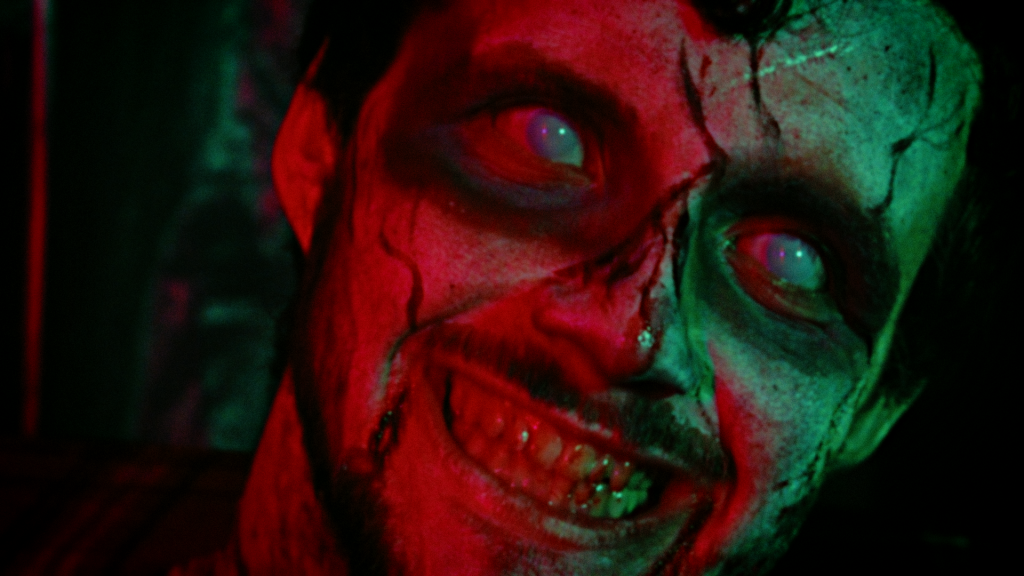
MH: Yes and no. Creating the aesthetic was by far my favourite part of the film. I think the fun creative side of it was actually how specific it was. We weren’t trying to create Halloween or A Nightmare on Elm Street, we were trying to create the weird bargain bin VHS tape you might have found back then that no one had ever heard of. So I think that gave us a lot of freedom to make the whole thing look a bit chaotic and messy; to be creative and just have fun with it. Adding in surreal dream sequences, floating ghostly heads, murders that on a physical level probably don’t make any sense. However, the flip side of that was that because we set it in the ‘80s, it was important to us that everything felt authentic to that period. But trying to do that on an extremely limited budget is very challenging!

AC: Yeah, the VHS look allowed us to let our mistakes appear like deliberate decisions, which was handy! And for me, I liked the idea that we just couldn’t have enough crash zooms on characters looking shady. With effects, you can be less precious if they don’t come off quite how you wanted as well. However, sometimes you’d get shots that looked really nice in the raw footage, and to some degree you’d feel sad about having to make them look like grainy VHS.

In replicating these imperfections were there any aspects that proved surprisingly tricky to pull off? 

MH: Initially, to get that feeling of authenticity we were actually planning to run the entire film through an actual VHS player. We’d seen so many films do the ‘old film’ look where everything still felt so digital and we didn’t want I Scream to suffer from that. However, the technical process behind this ended up getting increasingly complicated and we ended up having to abandon it. We did end up using VHS scans to create the effect in post though, so – we hope – it still feels like the real deal.

AC: I think it’s also tricky with the actors to some degree, as some performances need to come off a certain way that might not be instinctively the way an actor would want to go. I think our first instinct was that everyone in the film should be very wooden, but intimately I think we have an interesting melody of characters and actors which might be truer to the films we’re referencing in a way.

MH: We tried to make all of the effects as practical as possible too, which, while great fun, produced its own challenges. Especially when trying to film on an English beach in winter. Did you know blood bags can turn into a weird jelly when they get too cold? Because we didn’t until we were trying to slit someone’s throat on a windy beach.

This is your first feature, but what kind of film projects came before it?

MH: During our time in university we made quite a few shorts. Alex had a bit of attention from a documentary he made towards the end of uni, but after that we both kind of stepped away from it for a long time. As we mentioned before, we both started working as editors for a company but that was focused on educational content, so wasn’t really the same thing. I Scream ended up being this dream project we had on the back burner; the thing we had on a laptop somewhere that we kept saying one day we’d actually make. I think for the longest time it just kind of felt like something to daydream about but wasn’t ever going to happen. We’d go to film festivals together occasionally, and one in particular was in our hometown, called ‘Horror-on-Sea’. Each year we’d go and say next year we’ll enter something of our own into it. As the 2019 festival approached, I was fed up of not doing anything creatively to contribute to it. So, I made a short film called The Ratman of Southend. It was just a little local ghost story and I made a simple short that I could shoot in a day and edit during my lunch breaks. I didn’t expect it to get into the festival; I just did it as an outlet to be honest. That was the first time in nearly 10 years I’d made something that was shown to any kind of audience and I think that was one of the things that made us both say ‘right, screw it – let’s stop being wimps about this and just give it a go’. I think a month after the premiere of Ratman we were sat on set for I Scream.

Alex & Michael on the set of I SCREAM ON THE BEACH!

Have you both always wanted to be involved in the industry?

AC: I’ve wanted to be involved in film since I was very young, maybe 10 or 11. I used to do faux radio shows with my cousin which we’d record on his Talkboy – as seen in Home Alone 2 – which I think was one of my earliest avenues for creating stories.

MH: I distinctly remember being about 10-years-old in school, me and my two best friends would always talk about horror films – even though I was never allowed to see any! Scream had just come out and we decided we were going to make our own ‘Scream film’; we had no camera so it was just three children running around a playground pretending to stab each other while I shouted out things I thought a director would say. Then in high school, in our final year, as a project, our drama teacher let me and a group of friends make a film. They didn’t give us any real restraints beyond it being about the school, so we made a mockumentary about a film crew coming to the school who don’t realise that all the teachers are actually killing off the pupils. I’m surprised we got away with that, but apparently they still show it to students occasionally, so that’s nice.

We’ve touched on the Scream series being an early influence on you, Michael – how about you, Alex?

AC: Buffy the Vampire Slayer. I was obsessed by it and wished I could write on it. Similarly,Scream also. I think with both I reacted to how self-aware they were and I loved that. Scream was my gateway into discovering a lot of the horror films it referenced and ignited by own love for horror.

MH: My mum was super strict about letting me watch horror films when I was younger, but she did let me have a TV in my room, and I mostly just stayed up watching comedy shows on Channel 4. But, quite often, they’d run programmes about films some nights. Then around the late ‘90s, early 2000s, there was this sudden surge of previously banned or censored films being re-released. I distinctly remember stumbling across a programme on film censorship, that I think maybe Mark Kermode presented, so I was suddenly flooded with all these images from the likes of The Exorcist, A Clockwork Orange, Funny Games, A Nightmare on Elm Street. Which was all pretty traumatising! But the one that really stuck with me was seeing Leatherface appearing from behind that metal door, hammer in hand, in The Texas Chain Saw Massacre. I don’t think I slept for a while. That film just felt like something I’d never experienced before. It felt so real. It felt dangerous. Like people shouldn’t be allowed to watch the film. It took me years to finally pluck up the courage to watch it – I even had to watch the remake first because it felt ‘safer’! But I think that film cemented filmmaking for me as a passion. To this day it’s still one of my favourite films and shows off how powerful and impactful cinema can be, regardless of its budget or who stars in it.

Independents Day is very popular with readers who aspire to get their own projects off the ground and on to our screens so, as established award-winning filmmakers yourselves, we’d like to get your quick thoughts on an age-old question: should they go to film school?

MH: I think this is a tricky question to answer. Neither of us went to film school specifically, but we did study film production at both College and university. In terms of me getting a job, I think having that degree helped me get a foot in the door as an in-house video editor. But I really didn’t enjoy my experience at university. I was possibly a little too immature at the time to make the most of it. Either way, I felt I learned more in six-months of filming and editing professionally after uni than I had done in my four-years of education. This is going back about ten years now, so things have obviously changed a lot. There are just so many free resources online! The amount of times I think I’ve used YouTube to learn how to do something in both my day job and while making I Scream is ridiculous.

AC: Uni was fun at times, we made some stuff that was alright, but I think we could have made ISOTB without degrees. And people are now growing up with Adobe Creative Suite on their PCs and phones that are more capable than the entry-level cameras I had access to at their age.

MH: You don’t have to put yourself in debt anymore to learn how to make films.

I know it’s such a cliché to say now, but it’s a fact that you can make a film on your phone which is just mind-blowing to me. So personally, I’d just say get out there and start making films, make anything! You don’t even have to show anyone if you don’t want, just start making things and you’ll learn the basics pretty damn fast. If, after a couple of years of doing that, you feel like you’re still missing out on something, then sure, maybe look into film school. But to begin with, I’d personally weigh up if it’s worth the cost anymore.

Great advice. So, once they’ve made their first project and are looking for an audience, film festivals can be very costly to enter, especially at such an early career stage when, let’s face it, everybody’s skint. Conversely, the straight-to-YouTube route is free, but prohibits filmmakers from entering the majority of events. Drawing on your own experiences, where do you stand on the festival vs online debate?

AC: I love festivals; coming together with like-minded people, viewing other people’s awesome projects and seeing an audience react to yours. I think online content is great too, but I’d prefer to try and get into festivals – you can’t beat seeing your film on a big screen with an audience. It can be costly though, as you say, so speak to other filmmakers, do some research – I like to look at their social channels and see how much promotion they do, and how much interaction with the filmmakers they have as well.

MH: Personally, for us, I think online was never an option we seriously considered. We made I Scream on the Beach specifically for a horror film festival audience. I wasn’t sure how well it would translate to an audience outside of genre fans when we first put it out there. Plus, it’s so damn stupid that I think it’s best enjoyed with an audience, ideally one that’s had a few drinks. Putting a film out online isn’t just a case of uploading it and that’s it. It can become a full-time job trying to get the word out there, pushing people towards the film. Especially if you don’t have an advertising budget to work with. But on the flipside, the potential audience is basically limitless. So, I think it depends on your project, but it didn’t feel right for us for this. But that doesn’t mean we wouldn’t go that route in the future.

What can you tell us about your next projects? 

MH: COVID-19 has been a massive spanner in the works in terms of getting the ball rolling too much on projects at the moment, but we do have a bunch of things in the works…

AC: The imminent future for our company – TIS Films – is shorts. Up first are Miaow with actor/filmmaker Martin W. Payne that we hope to shoot later this year, and we’ve recently shot a horror short called The Allotment, which is currently in post-production. With regards to features, we’ve got a horror anthology titled Mosiac, and we have plans to spin-off The Decorator – which is the film-within-a-film in ISOTB – and an idea for a sequel to ISOTB itself, I Scream Parlour.

Great title!

MH: I’m also on a second draft of a feature called The Wolf Will Hunt, which is going to be drastically different to ISOTB.

We’re back in the lift, Blum loves your pitch for ISOTB and agrees to check out the screener. That night, your phone rings and it’s Jason. He loved it and you’re on first name terms now. He offers you a gig remaking or rebooting a genre film or franchise of your choice, because in this timeline Blumhouse now owns everything. What project do you pick and why?

MH: Hellraiser. I would make a batshit insane Hellraiser film. The world is really lacking sexy hell films these days.

AC: Personally, I love A Nightmare on Elm St, and I feel like that has the most scope to do something visually different – nightmares can be literally anything, right! I still love the premise of Freddy vs. Jason, and the idea of some crazy team-up with Freddy, Jason, Pinhead, Chucky, etc, would be way too tempting in a world where one studio owns all that IP! Fuck it. All those characters vs. the classic Universal Monsters!

To keep up to date on where you can see I SCREAM ON THE BEACH! and their many other upcoming projects – including the IndieGoGo campaign for the anthology feature, MOSIAC – follow them on social media @ISCREAMBEACH, or head to WWW.TISFILM.COM

[This article originally appeared in Issue 474 of STARBURST Magazine. If you missed it, you can still get it through us while stocks last – grab one HERE.]

Jason Blum | THE CRAFT: LEGACY

the craft legacy blumhouse

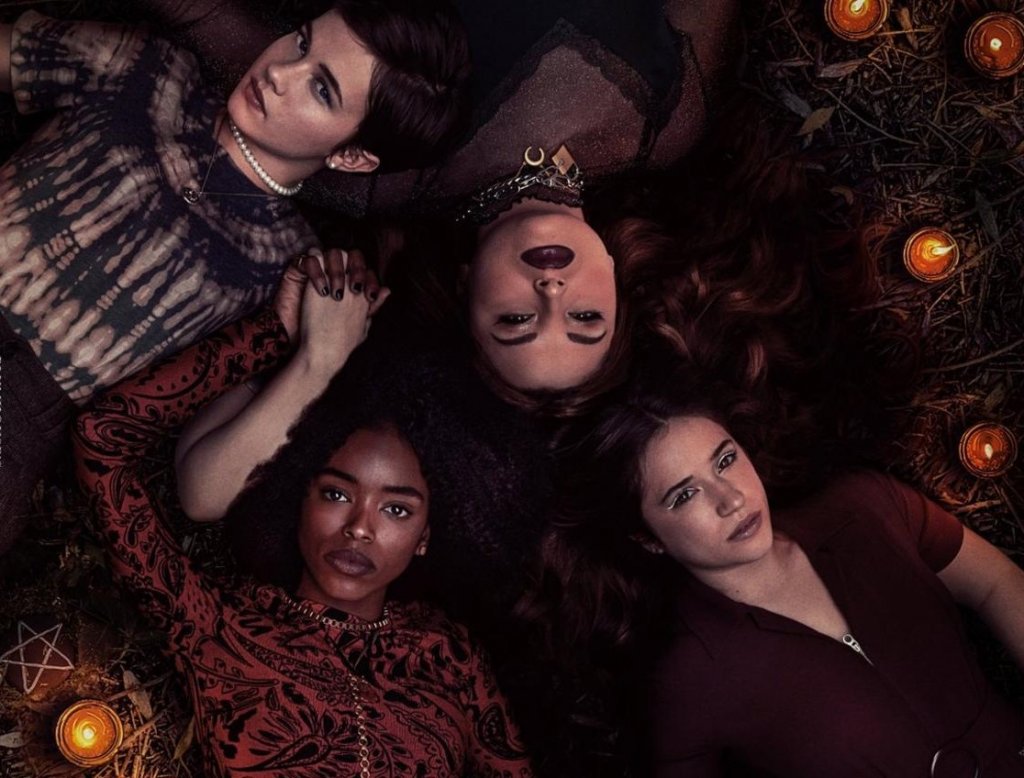
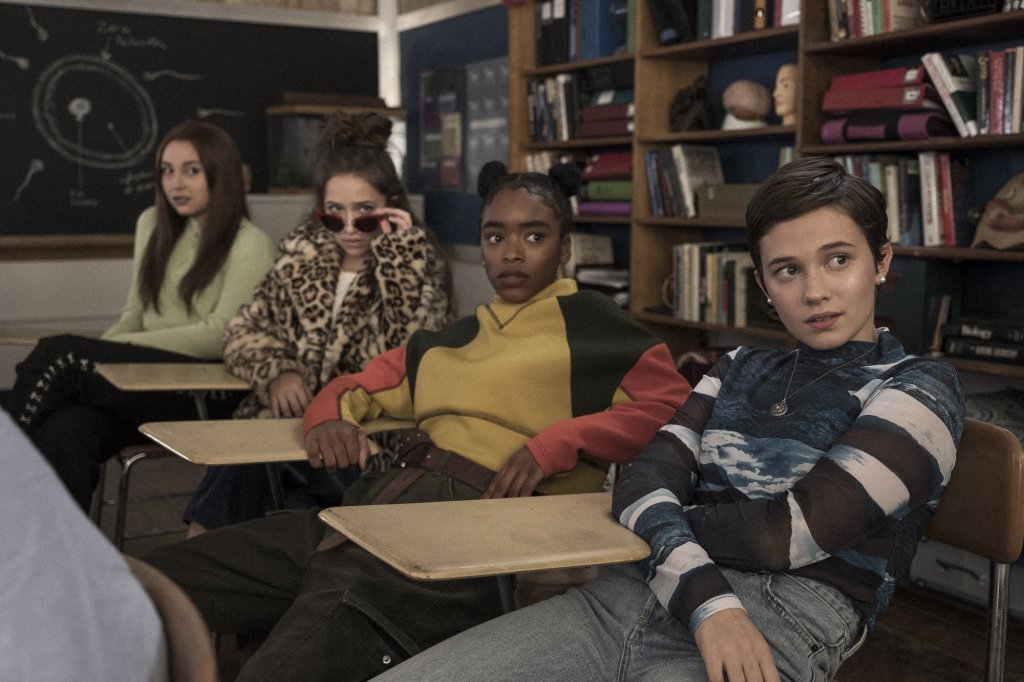
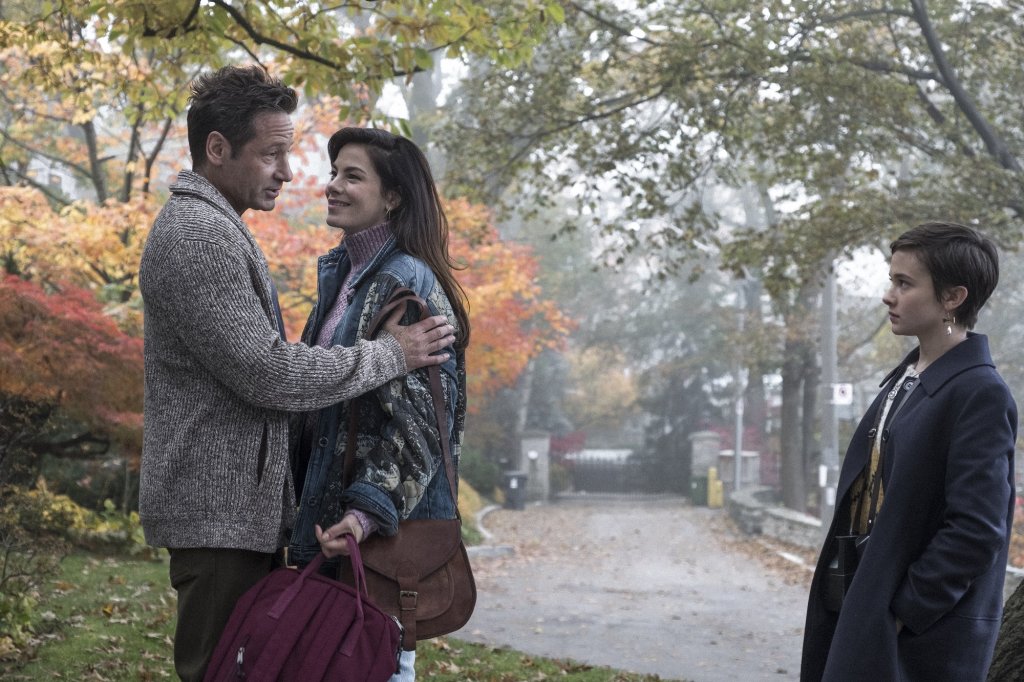
Ahead of the release of The Craft: Legacy, a standalone sequel to the 1996 cult classic, STARBURST spoke with legendary producer and Blumhouse Productions founder Jason Blum about this latest feature, his company’s rich body of work, and his thoughts on the changing horror and cinematic landscapes.

STARBURST: Why was now the right time for a sequel to The Craft?

Jason Blum: The Craft is about women having power, and I think what a lot of people are talking about right now is the changing role of women in society and the role of the #MeToo movement, and empowering women and hearing women’s voices getting louder. And I think to a certain degree, The Craft is about all of those things.

the craft legacy

What would you say to fans who might have reservations about this sequel?

You know, every time you reinvent an existing movie, you know not everyone’s going to be happy. You always have people who’ll be mad it got remade at all, and then there are people who might not like our version… you walk a really fine line because you want to call back to the first movie so that those who liked the original are not disappointed, but you don’t want to copy it either, because then why bother doing it? Hopefully most people will feel good about it, but I promise it’s never unanimous. Some people will be upset no matter what.

Legacy is very much in conversation with current feminist discourse, as you’ve said. As someone who with a lot of leverage in the film industry, do you feel you have a responsibility to drive diversity in which projects you produce?  

Yeah, I feel that we’re responsible. We try and do things that are responsible, and I’m attracted to projects that have something to say. We have a TV show airing right now called The Good Lord Bird about John Brown and slavery in the United States. I do feel like I have a responsibility not to be reckless about the stories that we tell.

You’ve recently been picking up a lot more of pre-existing intellectual properties, such as The Invisible Man or Halloween. Why is that?

It’s always been kind of 50/50 between originals and existing IPs. I don’t have a hard and fast rule, but I like to try and do both. With existing IP, the marketing is easier because people know it, but you also run the risk of pissing off a lot of fans. So there’s a blessing and a curse in doing pre-existing IP. And then with originals, you don’t have fans to put off but it’s much harder to get the audience to come and see it. I really love telling stories and how I tell them, whether it’s existing IP or originals, TV or movies, has never been as important to me as the ability to tell them.

the craft legacy

Speaking of, Blumhouse has been doing a lot more TV recently and hiring first-time directors, which is something you’ve previously avoided doing.

Yeah, I don’t think it’s fair to young people to stick them behind the camera of a wide-release theatrical movie, which is most of our horror movies. A first-time director is still learning, and they might make mistakes or they might just get unlucky, and if you release a movie and it doesn’t make any money, it then makes it really tough for that person to work again when it’s their first movie. You don’t have those metrics on streaming movies or TV, you’re not subject to opening weekend stats. It’s more forgiving, you can take more risks in the storytelling. And so on our streaming movies, I think we work with a disproportionate number of young, first-time directors because I think that’s a much better place to start.

There’s currently a real saturation of the entertainment landscape when it comes to genre and horror movies. Does that worry you or do you welcome the fact that they’re getting more recognition, particularly from critical circles?

The influx of horror doesn’t really bother me. Good horror rises to the top, and there’s a lot of bad horror that people don’t pay attention to. And it’s cyclical; there’ll be a few hit horror movies, then all the companies make horror movies, then a lot of them don’t work, and the pendulum swings back. I try to stay focused on what we’re doing. And then for the critics, I think Jordan [Peele] really opened doors for horror movies as a genre to be appreciated and accepted. Personally, I kind of liked when horror movies were more in the ghetto, but ultimately it’s a good thing.

Even before Covid-19, we were seeing cinema attendance slowly decrease. Does that long-term trend concern you?

I don’t know if it’s a concern, but it’s going to change. I think as a result, theatrical windows are going to get shorter and more movies will play in cinemas for shorter amounts of time. I’m not concerned about that. It’s just going to be different than how it was.

The Craft: Legacy

So, what do you expect the film industry will look like in a decade’s time?

I think that instead of four or five movies, there’ll be 1000 or 1500 movies released in theatres, I think you’ll go to the movie theatre on your corner with ten screens that will have ten different movies playing. They’ll play in the theatre for two weeks, and then you’ll have the opportunity to see them at home. There’ll still be these big tentpole movies that play in the theatre for a longer time, but there’ll be fewer of them. And I ultimately think that may make movies more relevant again; I think TV and serialised storytelling has kind of taken the limelight from movies.

Lastly, The Craft: Legacy releases in time for Halloween. What are some three other movies you recommend people watch to celebrate?

They should get ready to watch Freaky [releasing November 13th]. They should watch Happy Death Day. They should watch Split if they haven’t seen it, it’s a terrific film. And a lot of younger people haven’t seen Sinister because it was a while ago, so they should see that as well.

This interview has been edited and condensed. Find the full interview on our YouTube channel, and our review of THE CRAFT: LEGACY here, which releases October 28th.

Sean Pertwee | DOG SOLDIERS

sean pertwee

Best known for his roles as Alfred Pennyworth in Fox’s Gotham and ‘Pilot Smith’ in Event Horizon, Sean Pertwee is as prolific as he is versatile. One of Britain’s most popular actors he took some time to talk to STARBURST about spanning the television and film divide, and more specifically Dog Soldiers.

STARBURST: Does it feel strange to be talking about a film you made almost 20 years ago?

Sean Pertwee: Yes, and no. I’m proud of the film but I’m a little surprised about the longevity of its success. And also across the pond in America. I mean, I don’t understand what half the cast are talking about as they’re all northerners so god knows what the Americans think. People think they’ve discovered it over there and it’s become a sort of stalwart lycanthrope yarn.

Did it feel like you making something different and a bit special at the time?

Very much so. I remember I was working with some highbrow, serious actors at the time and they’d be off doing some gritty drama somewhere. And I’d be off doing a werewolf film. Everyone was more excited about that. It was a very exciting time. There’s been countless British horror films since then but it felt like Neil [Marshall] was the one who brought it all back to life.

We wanted to specifically ask you about the scenes from when you were attacked to when you were knocked out. What direction did Neil give you as we understand you’d also had a drink or two?

It’s well known now but wasn’t at the time! Things were going so well I suggested we experiment with brandy. Everyone knew. I wanted to be totally chaotic and I wanted to avoid it becoming like torture porn. I wanted it to be a mess, as I’m supposed to high on copious amounts of morphine and alcohol. Neil just said go for it. We did it and it was a joy to see it at the premiere as I didn’t remember exactly what happened.

It comes across so intuitive and spontaneous, which is a tribute to everyone in the scene.

We were so confident with what we’d achieved so far. With the location and the yomping to get there, we were just in it. There was an energy we wanted to continue once we made it to the house. It was important we kept it going and I think it’s a good scene and very funny. And also painful.

It looks like it was an intense filming process.

It was all shot chronological. That’s what gives the impetus and sense of urgency. It’s a real surprise when people die. And when they died they were flown off set that day and they were off, which created a real sense of loss.

You’ve worked with the same directors on several occasions, Neil in particular.

I love working with Neil and have done so again recently. After being away for several years in the states working on a massive production it always feels like going back to my routes working with Neil as you’re flying by the seat of your pants. He trusts me and I trust him. I know when he’s happy and I’ve always admired the fact that he knows the world he’s trying to create inside and out. And I greatly admire his conviction to the end product.

You touched on it there that you’ve been away making Gotham. Is it difficult to span the two worlds, coming back to make a low budget horror like The Reckoning or is it something of a palate cleanser?

It’s smelling salts. It’s what it’s all about. I’ve never under appreciated being able to work. Initially, when you’re going over to the States and you’re asked to sign a seven-year contract, it just fills with you with fear and abhorrence as the whole thing about being an actor was the excitement of never quite knowing what you’re going to do next. But then you get to work with some amazing people and it’s great. And it’s sad when it ends, but then to come back and go straight off to do The Reckoning with Neil is fantastic and it’s cleansing and what it’s all about. It’s a different world but makes you feel very alive, for good or for ill.

In television, it seems like you’re been quite mainstream but in film you seem drawn to small, interesting projects, such as The Seasoning House for example.

That’s a good movie and I enjoy working with Paul [Hyett – special effects, make-up artist and director] and it was his first feature. That’s what it’s about for me. I’m lucky enough to pick and choose but I probably make some strange decisions. After Event Horizon, I could have stayed in America but it didn’t interest me at the time. I like doing small, weird stuff which I’ve been lucky enough to be able to do.

Dog Soldiers is re-released in 4K at cinemas from Friday, October 23rd. You can read our interview with director Neil Marshall here.

Neil Marshall | DOG SOLDIERS

neil marshall

Neil Marshall is an English film and television director responsible for some of the most significant horror films of the past 20 years. Notable for The Descent and his work on shows such as Game of Thrones and Lost in Space, Neil took some time to speak to us about Dog Soldiers ahead of its 4K Remastered release.

STARBURST: We’re here to talk about Dog Soldiers. So, you’re a young filmmaker looking to make your first feature. Why werewolves?

Neil Marshall: Because they were always my favourite monsters, of the classic monsters. And I also felt they were woefully underrepresented given the slew of vampire films at the time, and you can’t move for zombie films now. Werewolf films are still few and far between and part of the reason for that is that werewolves are not easy to do and are not cheap. Given that horror films are largely a low budget medium that makes things tricky, and it made things tricky for us. The first thing everyone said to us was that it was too ambitious for a first-time feature, but we persisted.

Were there certain tropes you were keen to avoid?

This was never going to be a curse of the werewolf movie, which so many are about. The werewolves here were going to be the enemy and that was that. But I was determined they should be practical and they should walk on two legs. I almost got into a bit of a ruck with Rick Baker [won the Academy Award for Best Makeup for An American Werewolf in London] about that one. An American Werewolf in London had and always will have the best transformation sequence in but I was always slightly disappointed that the werewolf didn’t walk on two legs. I think Rick took a little issue with that and when I bumped into him a few years later he picked me up on it, but after a long, painful pause he actually agreed. I suppose it does differentiate that werewolf from the ones in The Howling that walked on two legs and in Dog Soldiers, and it is an amazing werewolf, but for me they should always walk on two legs.

There is a similarity between the creature in The Howling and yours…

Yes, if I had to choose they’re more inspired by The Howling. And I knew going in we were never going to try and do a transformation sequence if we couldn’t do it right so rather than try and imitate An American Werewolf in London or The Howling. And we didn’t want to go down the CG route as even though it was a few years after Jurassic Park it was still relatively new and not capable of the quality needed. So, I decided to take Carry On Screaming as my inspiration and do the old ‘fall behind the furniture’ ploy! Do the sound effects then all of a sudden the werewolf pops up! I hoped no-one would notice.

That’s brilliant! And there are a lot of other film references from Zulu to Aliens.

There are a lot, a lot!

Was that key for you? As rather than out-and-out horror you have a siege movie in essence?

It was always pitched as a soldier movie with werewolves and not the other way around. It was focussed on the siege with the werewolves outside and I’d always wanted to do a siege movie like Rio Bravo, Zulu and Assault on Precinct 13; I love a great siege movie. And Zulu is a British movie with a lot of British humour so I threw a lot of that in there.

There is a lot of humour and I wanted to ask if that was all scripted or did it evolve through production with the actors and certain scenes?

The foundation of the humour was definitely on the page, getting that trench humour in there was important to me to make it authentic. At no point are they ever going to mock the situation, but they find humour in themselves and we find it in the characters, but I never wanted it to undermine the situation. As the terror mounts and the more ridiculous the situation the more humorous it is. When the actors came in they brought a lot to it too; they really got into it. With Sean, he improvised the ‘hit me properly you pussy’ scene and it was so good. They just got it.

On that Sean Pertwee scene, we wondered what direction you gave him, from when he’s first attacked to when he’s knocked out. It’s a hell of a performance.

It’s phenomenal. It’s a combination of several things. A lot was in the script, on how you deal with it when your guts are hanging out and you’re trying to shove them back in. Sean had this bag of sausages around his waist for half the film. He came to be before we did the operation sequences and asked if I minded if he had a couple of drinks, just to loosen up. Not drunk but enough to feel it. I said go for it. I think it lent some real authenticity to the scene, with Kevin [McKidd] and Emma [Cleasby] working against him as he starts to blither.

Did you film chronologically as you do trash the rooms and sets as you go along?

Yes. We shot all the exteriors first and then went into the studio, and we shot all that stuff in linear order from them on. We had to as we literally when from room to room trashing each one. It helped with continuity and it meant that when each actor was killed off they wrapped and left set. We did the same thing on The Descent too. It serves a practical purpose but it’s heart-breaking to see each character go.

In that short period you made two of the most significant horror films in recent times. You’ve wrapped Dog Soldiers and are planning your next movie The Descent. There are similarities between the two but there is a distinctly different tone. There’s more story.

That’s exactly right. In The Descent the big difference is that everyone is not in it together. If Dog Soldiers is about a group of people who bond and will fight and die for each other The Descent is the opposite. This is group who think they’re all friends but fractures appear and it all falls apart.

So was it a conscious decision to have an entirely different dynamic and a full on horror movie?

Originally, I was going to do a zombie film but it was considered too ambitious and too expensive. I left a meeting in London with Celador who wanted something cheaper, got on a train to go home to Newcastle and by the time I got off I had the idea for The Descent.

Must have been some journey…

[Laughs] It was mainly about how I could keep things contained. Could I do something in the darkness and in caves and also somehow affordable? I’d just done a macho movie so the flip side was an all-female horror movie. There was also a review somewhere for Dog Soldiers that I read, which asked when a British filmmaker was going to make a truly scary horror film so I thought let’s give it a go. The whole agenda for The Descent was to make the scariest film I could possibly make.

We won’t ask about the Dog Soldiers sequel as you’ve spoken on that before but there’s always the feeling that there’s a larger world out there in your films, whether it’s Centurion or Doomsday. You’ve spent a lot of the past ten years in television. Is there something you’d look to expand on in the future?

I would love to. A few years back someone mentioned the notion of a Doomsday television series, which I would be keen to expand on, especially now! I’m not sure about The Descent but Dog Soldiers certainly.

You’re recently gone back to films from television.

Ideally, I’d like to do both. Being part of the television world and the revolution that has happened has been amazing. Being involved in Game of Thrones and such like is great, I don’t want to lose that but I’d like to have more creative input. I’m developing my own shows but I’d also like to do more movies.

Having done those large budget productions on television, and recently Hellboy, do you still crave that earlier way of filmmaking; in camera effects and working a budget to fit the film?

Definitely. No matter what I’d done I would always want to do in camera effects. And with my next film, The Reckoning, I’ve gone back to working with no money but with complete creative control. It was really was a case of coming up with creative solutions. I like to be paid but there’s also a real pleasure figuring your way through things. I need a halfway solution where I get paid and can also be creative!

Dog Soldiers in re-released in cinemas on October 23rd and The Reckoning screens at Arrow Video FrightFest on Friday, October 23rd at 9pm.

Tomm Moore & Ross Stewart | WOLFWALKERS

wolfwalkers

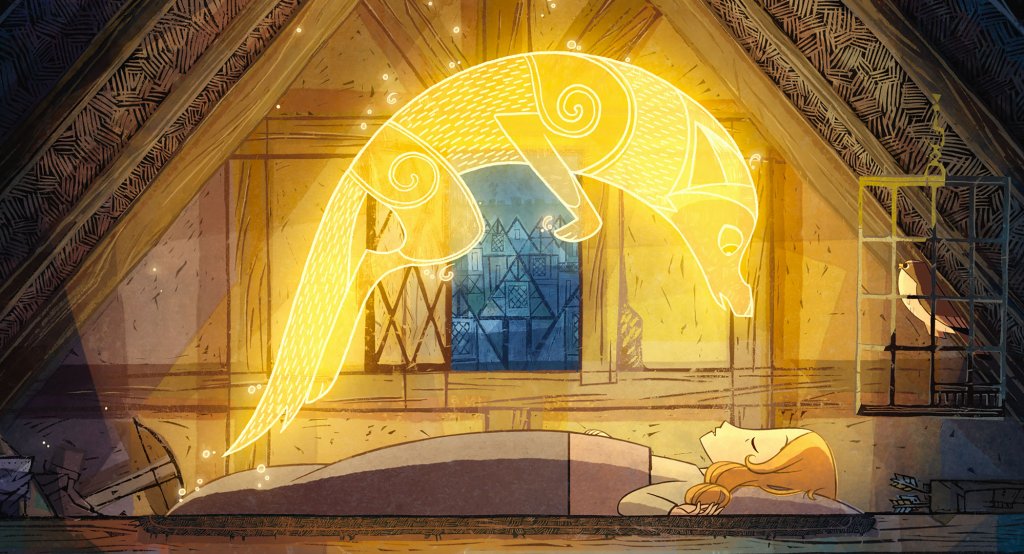
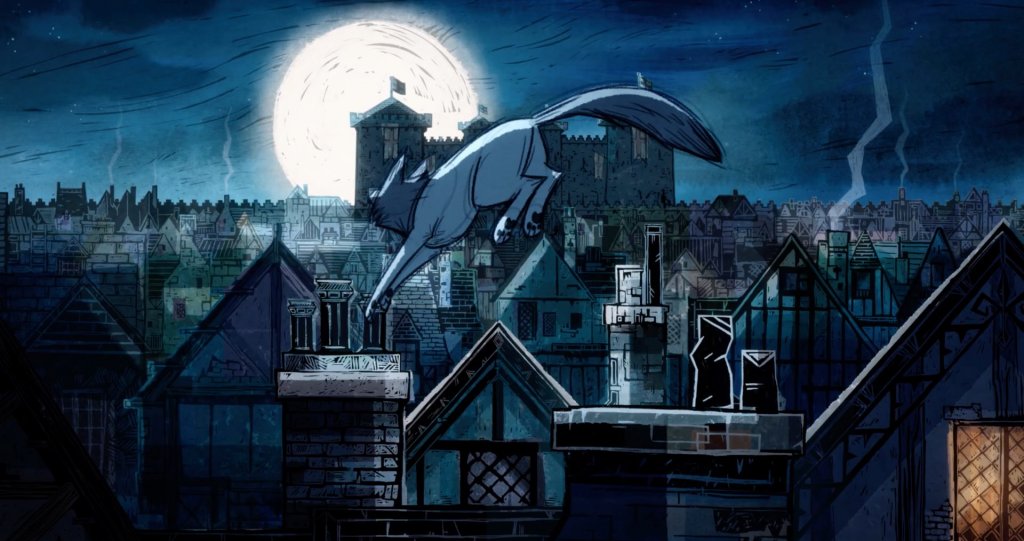
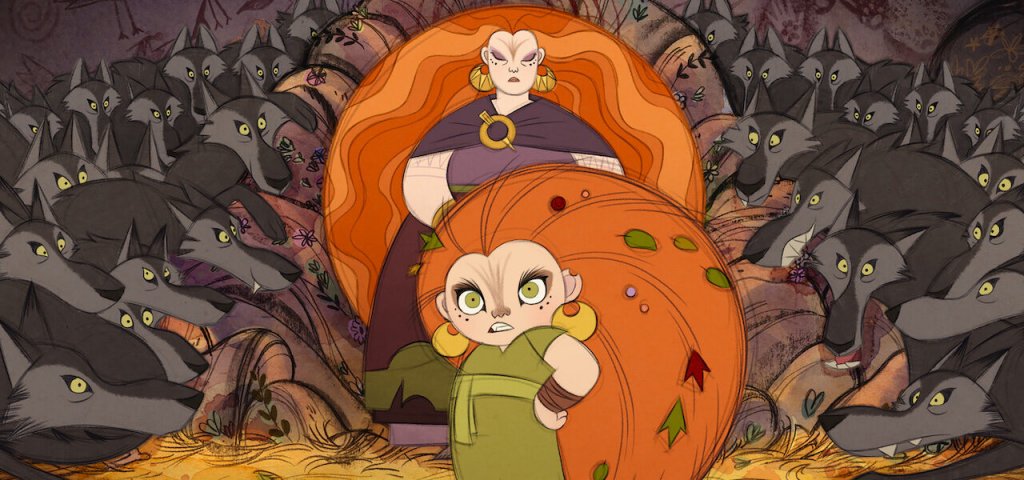
Renowned Irish animation studio Cartoon Saloon is back with Wolfwalkers, the third and final film in their informal ‘Irish folklore trilogy’. With their latest set to release theatrically in late October and premiere on Apple TV+ in December, Wolfwalkers has already become one of the top critically-acclaimed releases of 2020 and established itself as a strong contender come awards season. STARBURST spoke with directors Tomm Moore (also co-founder of Cartoon Saloon) and Ross Stewart about Wolfwalkers’ themes of environmentalism, colonialism and humans’ relationship to nature, as well as their artistic choices and inspirations.

wolfwalkers cartoon saloon

STARBURST: What inspired the story for Wolfwalkers, and what sort of research did you get into?

Tomm Moore: We were talking about species extinction, and the worldviews that the world was getting locked into, more and more. We kind of thought about Irish history during that period when the wolves were being made extinct – even though Ireland had once been called Wolf Land – and how significant that was for the culture, what was lost beyond just the wolves. And we see that happening all over the world today. So that was the inspiration, and so was this kind of Irish version of the werewolf mythology from where we grew up, here in Kilkenny. That was the folkloric and historic inspiration, but it was more the fact that it spoke to stuff that is so relevant today which drew us to it. And of course, we wanted to tell a story that spoke to modern children and modern audiences. So the focus always has to be the emotional journey of the characters; that’s the universal thing. The research that we did was all like a shopping trip to find the parts of history and folklore that would help boost that central story, that heart of the movie, which is the two girls.

Ross Stewart: And the research also involved understanding what life was like at the time. The attitude that the Irish people had towards wolves was really interesting in that they didn’t see this species as an enemy or as a species to be wiped out. That was a newer way of thinking brought by the English. The Irish were able to live in harmony or in some kind of symbiotic relationship with this megafauna.

Could you elaborate on how this period of history and the story you tell in Wolfwalkers are relevant today?

TM: I think it’s sadly so relevant. And this idea that there’s something instinctual about a society that fearfully gathers around this strongman type of ruler, which kids need to be able to see past if we’re going to survive into the next generation. You know these strongmen, tribal rulers who just tell everybody what to do to be safe – we have to go beyond that and face whatever fear it is that’s holding us back from seeing things from the point of view of the other. What is it that’s making us shelter behind tribal walls? Kids need to be able to think beyond that, because it’s really sad to see the world collapsing back into this sort of strongman authoritarianism that existed back in the 1600s.

wolfwalkers

RS: And also, what’s really bizarre is that at a time when the entire planet is under threat, our collective home, we still have factions of humans fighting against each other instead of all working together to try and save our world. Hopefully people get some sense of that from our film.

TM: You just have to be a small part of chipping away at that block. I think storytellers can’t expect to convert anybody, but they can work to influence their audience so that they start to slowly see things from another point of view. Then at some point, there will hopefully be some breakthrough in consciousness for the next generation. We all need that.

RS: Become a ripple in the sea that eventually becomes a wave. You know?

And another way you seem to put that across is in the animation and stylistic differences between the town and the forest, or the townspeople and the animals. Can you speak a little more on those decisions?

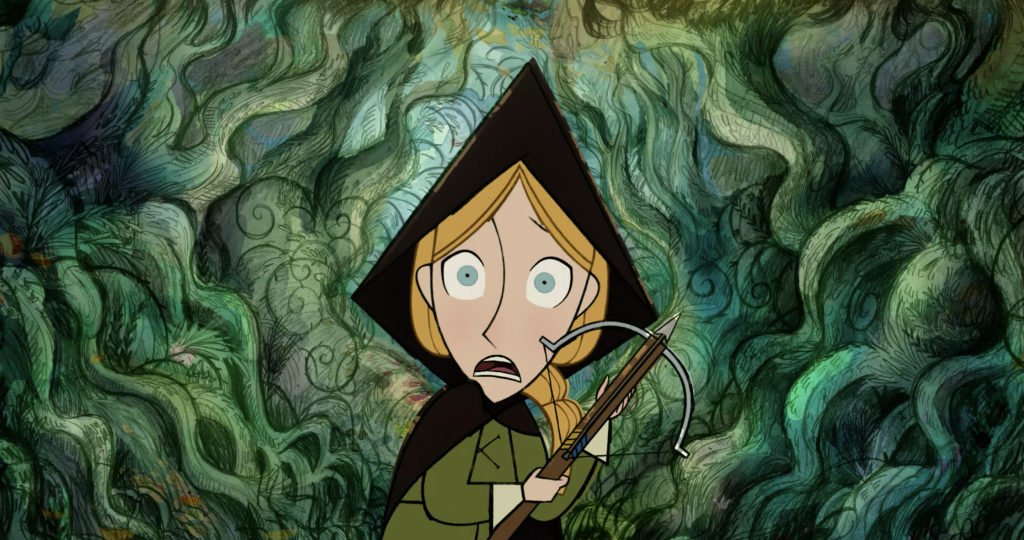
RS: Well, from the initial concept of the story that Tomm and myself had, we had two contrasting worlds: the townspeople’s where, especially following the puritanical invasion, everything was ordered and ruled over. It became like a cage for the people, and especially for Robyn. Then in contrast to that you have the forest where the wolves live, and the way they and the wolfwalkers interact with their world is based on instinct. There’s a freedom there and a kind of a chaos. The visual styles of both worlds have to reinforce what they’re about. That way, everything in the town is about horizontals and verticals, with very angular and quite aggressive mark-making and very oppressive areas of black. By contrast, the forest is based on curves, you know, domineering areas of black. The forest, by contrast, is based on curves, it’s very free and loose, and the compositions lead off the screen. Everything is very impressionistically painted, very free and wild. The styles very much serve the idea that there are two contrasting worlds within the story.

wolfwalkers

And you kept some of the sketch lines in the design, which is really interesting.

TM: Yeah, and it’s something which I think hand-drawn animation has lost, that sense that there’s an artist behind there. We have to keep that human element to it.

RS: And traditionally, clean-up departments would have been in charge of getting rid of the rough underdrawings and putting this perfectly clean line over it. We thought, let’s try and keep some of that rough underdrawing, because they’re beautiful. They’re part of the whole exploration of the characters.

The fact that those underdrawings appear much more in the wolf and forest scenes also emphasises that naturalism.

RS: Yes, totally. And it suggests this inner energy and inner life in them as well.

Another very interesting aspect, visually, happens when we see the world through wolfwalkers’ eyes. What influences or imagery did you draw upon to design those sequences?

TM: There was some research there into the way canines see the world with less colour but with much more powerful scent and hearing – we tried to represent that. And the wolf-vision was probably the most technically challenging. We worked with a small team that was led by Evan McNamara, who is a director and animator from Dublin that we worked with. We kind of combined a CG way of flying through the forest, and then everything after that was done hand drawn on paper. I think it gives a really unique look; it was a lot of work for just three minutes of movie, but it makes you feel like you’re completely immersed in the drawing. That wildness that we wanted to show is all around you, and we wanted to make it feel as exciting for the audience as it would be for Robyn to suddenly see the world through new eyes.

wolfwalkers

And lastly, what projects are you working on that we might look forward to?

TM: We’re deep in production on a new feature film. Nora Twomey, one of the partners in Cartoon Saloon, she directed The Breadwinner – she’s making a movie called My Father’s Dragon for Netflix. And that’s epic on a bigger scale than we’ve ever done before. I think it’s going to knock people out when it comes out. I’ve just finished a short film for Greenpeace about the destruction of the Amazon, so you’ll see that soon in late October, early November. Those are two immediate things, but we’ve got so much in the works in terms of series, and then another movie based on Puffin Rock. There’s a lot coming, so watch out for that.

WOLFWALKERS releases in cinemas October 30th, and on Apple TV + December 11th. 


Dominic Monaghan | PET

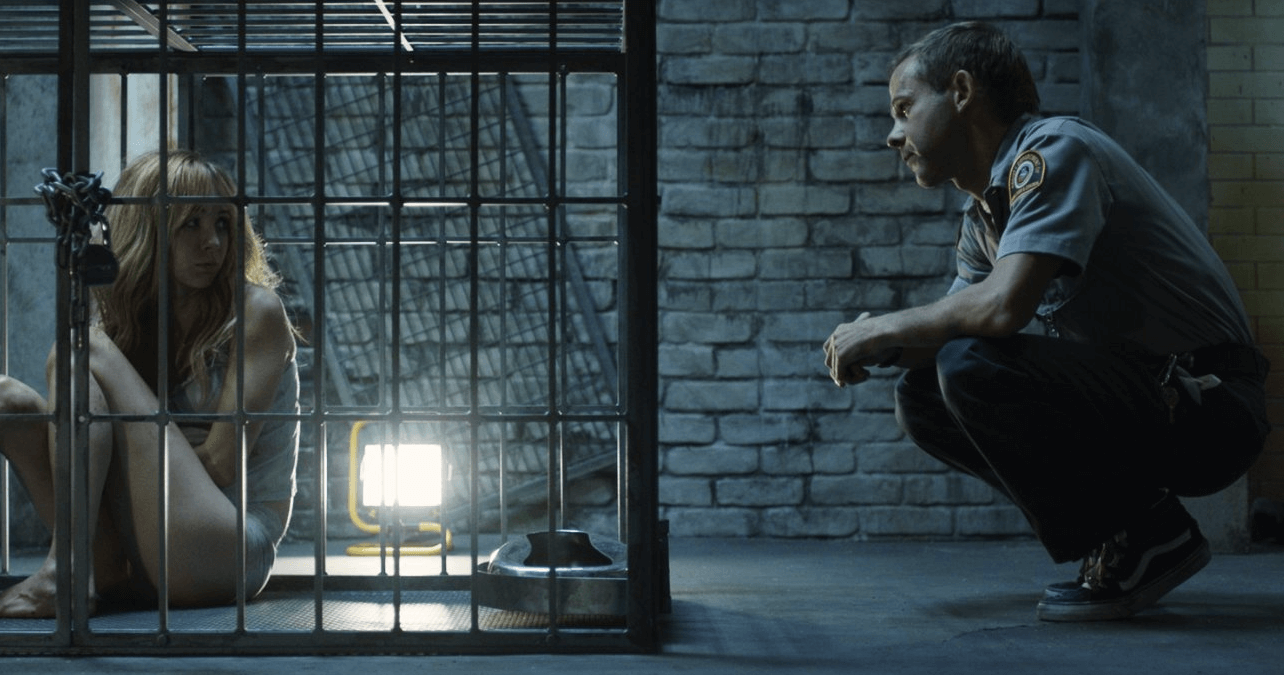
Dominic Monaghan is one of England’s most versatile and best loved actors. With roles in The Lord of Rings Trilogy and Lost he has established himself as one of the leading actors of his generation. Dominic took some time to talk with STARBURST about recent project Pet in which he stars with Ksenia Solo.

STARBURST: The film we’re talking about, Pet, has been around for a little while now. Is it interesting to be talking about it again?

Dominic Monaghan: That’s kind of how it is in my business, but thankfully this is a project I liked being involved in. There have been films and television shows over the years I’ve been less inclined to talk about. Pet is a project I really like and am really happy with how it turned out. It makes it much easier.

We understand you were involved quite a long time before production began?

I was attached to Pet in between Seasons One and Two of Lost but because of the writer’s strike and certain actresses we liked either getting pregnant or cold feet, it kept getting pushed. We needed an actress who could bring the necessary intensity to the role, so we waited and waited. Thankfully, we waited enough time for Ksenia to be involved.

Your character Seth is quite complex; introverted and a loner. When you approached the role what did you hope the audience would get from him?

I’ve probably spent a little more time alone than normal trying to explore that character. What I’m always trying to do with any character I play is have them move from the page to the screen. You have to make them as believable and real as possible. I’m always trying to think if this is a character someone could meet in the street or in a bar and for them to be real. With Seth, even though he is antisocial, and he does have his own behavioural issues, I’m trying to make him seem like someone you could meet and have a conversation with. And because the script is so well-written a lot of the hard work is done for you.

And then with what happens, he doesn’t think he’s doing anything wrong.

I think there are a lot of people who live their life justifying their actions whether it’s online or in real life, where they behave in various ways most elements of society would disapprove of. They feel justified by whatever injustices they’ve been through. We all have our own freaky things we shield from most people.

Did you work on the dynamic between Seth and Ksenia’s character Holly?

It’s not difficult for you to become beguiled Ksenia. She’s hugely charismatic, a very talented and beautiful woman. We allowed my natural inclination to be interested in her to keep going. She kept me at a nice arm’s length distance, both on and off camera which worked for the film. It’s a very well-written piece and once Ksenia got into her Holly outfit it’s easy to think she could be her.

There’s no real message in the film, and little guidance given to the audience as to how they should feel about the characters and what happens. Was that a conscious decision?

I think so. It was key to try and paint a bleak depiction of humanity, where everyone is struggling with their own demons. Perhaps initially the audience will feel sorry for Seth but then you realise he’s making decisions that could be morally wrong. Then you could feel sympathy for Holly but then that changes. We’re not one dimensional as human beings.

Your career has been varied in the roles you’ve had. Is there something that guides your decisions as you haven’t been pigeon-holed into one style or character?

I am passionate about not being so. It would have been easy to have taken several Hobbit-y type roles as I was constantly being offered them. Leprechauns, pixies, elves and all that stuff. Then when I played Charlie in Lost, I was offered lots of rock stars and drug addicts. That’s what motivates me; to consistently do what the audience doesn’t expect. Outside of that it’s the roles. I’m lucky enough to read 75-100 scripts a year and maybe passionately like six or eight, and out of those films maybe 3 or 4 are interested in me. It’s a very small pool.

Having been involved in Lost which was ground-breaking television, and as we’re now in what’s called a Golden Age, are you keen to explore the longer form more or do you prefer the film process?

Both mediums have great qualities. The great thing about film is that in 6 to 8 weeks you can be done, finished with a rounded character and move on. With television, you spend more time with the character which is more like life. You can watch the character evolve. I try not to let money dictate what I do now. Ultimately it all starts with the script.

Pet is now available on Prime Video.

Sam Ewing | THE SHED

Sam Ewing

Composer Sam Ewing has slowly but steadily made a name for himself over the last few years, thanks to his work with the massive talent that is composer Bear McCreary on shows like The Walking Dead and films like the Happy Death Day series. However, Ewing has also started doing work on his own, and the composer’s first solo score, for director Frank Sabatella’s vampiric horror, The Shed, was just released on vinyl from the folks at Enjoy the Ride Records. We spoke with the composer  about his career.


STARBURST: How did you come to be connected with the Enjoy the Ride folks?

Sam Ewing: All through Bear. I don’t know how much you know about my background – I will assume you and readers know nothing. I started working with Bear McCreary, who’s a well-established film composer, back in 2014, and I was his intern turned assistant. I just kind of got in at a really good time with him. Fast forward like five or six years five years and Adam Green had approached Bear to score his movie, Victor Crowley, which was his surprise release of this movie that he made in total secret.

Bear said, “I can’t do it, but my guys Sam and Jason can,” so I co-scored this movie with Jason Akers, who was also in a similar position as me with Bear. Since then, we’ve kind of been doing our own things. The producer from Victor Crowley, Corey Neal basically approached Bear again and said, “Hey man, I’ve got this movie called The Shed. Do you want to do a similar arrangement?” Bear basically hooked me up. It’s all Bear. That’s how it happened. It was a fun ride.

Is the fact that you do a lot of horror/other genre type stuff: is that because you are involved with Bear or is that also something that appeals to you as a composer and musician?

It’s kind of like chicken or the egg, you know? I think I’ve always had an interest in horror music. So, this is actually going back a little bit further – it’s pretty funny. I was at school at Berklee College of Music Writing. Even back then, I was kind of writing horror music and doing mock-ups and little orchestral recording sessions for Aleatoric music, which is really modern and scary-sounding and whatnot.

My professor at the time, Michael Sweet – I ran into him at a burger joint and he was like, “You should work for Bear McCreary. I feel like you guys would have a good musical connection,” so he recommended me to the person who was hiring interns at the time. It all started with that. So, honestly, I think I had that sort of interest to begin with, but it’s also one of those things that once you start doing something – pigeonholed is a strong word and I would never use that for my situation or Bear’s situation – but just one of those things you do a lot and I think people recognize you for that.

I co-scored The Walking Dead season 10 with Bear and it’s just another thing that kind of perpetuates the kind of guy that you are. Fortunately, I really like that kind of music. I think Bear does, too. Like, Bernard Herrman’s Psycho is one of my favorite scores of all time, so there you go.

One of the things I’ve noticed about your work is that a lot of the horror stuff that you work on has a very humorous or playful element to it and it seems like that lets your music do the same thing. Is that just the work that comes to you? Is that something that you appreciate? Because it does seem like it lets you be a little lighter. I’m thinking specifically of stuff like the Happy Death Day movies or Hulu’s Into the Dark – Pooka!, specifically.

That was so much fun. Pooka!, yeah – let me talk about that. First of all, the appreciation part of it: I so appreciate some lightness in all the horror. I also just think that’s a modern way of making horror films. I think Blumhouse is a really good example of that. Jordan Peele, I think he’s just setting the tone for Hollywood horror films.

You watch these movies and it’s like this ride: you get this thrill, but there are these buoys of lightness and humor that that make it a really fun ride. I just totally appreciate as a viewer – having having some lightness and some humor in the movies, so Happy Death Day and Pooka! were so fun. They’re just so fun and musically, I think there are two ways to look at it.

I think, on one hand, you wanna be careful as the composer and as the filmmaker, because when the music gets too comedic, then it kind of underplays the dark stuff and then somehow it’s not as funny. I’ve imagined test screenings of a comedy beat in a horror film where in one version, you’ve got funny music and in another, you’ve got really scary music. I think somehow the one that’s playing scary is always going to be funnier.

That’s all to say that I never like to step on the funny stuff and bring it out too much because underneath, there’s usually a guy with a knife who’s trying to kill our main character or something, so I think playing that and having the score really, functionally be attached to that is the most important thing, bottom line, always.

There’s something about these movies – and maybe it’s just the filmmakers. They bring this energy with them. On Happy Death Day, for example, we did stuff that was more traditional orchestration so there were these flavors of Alan Silvestri and Bernard Herrmann that are just so fun and I think, for a movie that might take itself too seriously, you might not get to go there, so it’s just a win-win. It’s all super fun.

What, for you as a composer is the difference between doing film and television? I guess Pooka! counts as a made-for-TV movie kind of thing, but you’ve also done these series where, in the case of Walking Dead, it’s been running forever. You’ve also done Agents of S.H.I.E.L.D., which is very hardcore tied into a cinematic property, while also doing Fantasy Island, which is a movie based on a TV show. You have all of this very interesting cross-platform stuff.

That’s really true. It’s tough to draw the line anywhere other than simply the deadlines. I hate to like go there, but with a movie, you spend months making a score for 60 minutes of music. On TV, you’ll crank out 60 minutes of music in two weeks, easily, so that creates differences in the music.

With TV, usually you need some help. Things are usually more broad strokes. You create some themes for the entire season and then you reuse them and develop them. Bottom line, I think that, no matter what – this goes for TV or movies, and especially with Bear, and this is something I have always appreciated about him – is we just like to keep everything cinematic, no matter what.

You’re watching and scoring into a vacuum and you ask yourself, “How can we make this as awesome as possible?”, whether it’s getting an orchestra or doing synths. You figure out the logistics later. S.H.I.E.L.D., for example: that show had seven seasons of almost 22 episodes for every season and we had an orchestra on every single one of them, but we made it work, so it sounds cinematic and awesome. I think, ultimately, it’s like the lines are really starting to blur and especially today, where people say we’re in the golden age of TV.

I think that’s true. I think TV is incredible right now. Tthe bar just keeps going higher and higher. The budgets become higher and the music gets carried along with that so they should all be treated the same, no matter what.

The Shed is getting a vinyl release from Enjoy the Ride. Are you a vinyl person?

I would be lying if I said I was a vinyl person. I’ve always appreciated vinyl and in my house, my dad had vinyl and an amp and crazy-good speakers growing up, and he would play The B-52’s and classic rock albums and stuff like that, but beyond that, it’s simply, for me – and maybe this is just an age thing, but I grew up in the ’90. I see vinyl as this really cool collector’s item that is more significant as a thing you hold in your hand than a listening experience. That’s just me. Maybe I’m just showing my age here, but that’s what it is to me: it’s this thing that you hold and it’s beautiful and in a way, it’s a relic of where music has come from and the fact that we can still make these things is like just so cool.

Will this be the first time you’ve had a physical release of any of your music?

It sure is. I’ve worked on a a bunch of things with Bear, of course, but my name is not on there as a sole composer, so this is absolutely the first physical release I’ve ever had. I’m so stoked. Huge shout out, by the way, to Frank Sabatella, who’s the director of The Shed. He was just pushing for this and pushing for vinyl, specifically. I was just kind of like, “Okay, yeah. We’ll see,” but he pushed me and pushed Bear and we made it happen and Joe Augustine helped coordinate everything so I’m so stoked.

The Shed can be ordered from Enjoy the Ride Records on either Vampire Sunrise (limited to 150 copies) or Shotgun Brain Blast (350 copies) vinyl. Each copy also includes a free 14 day trial to Shudder, a horror, thriller & supernatural Video On Demand service from AMC Networks.

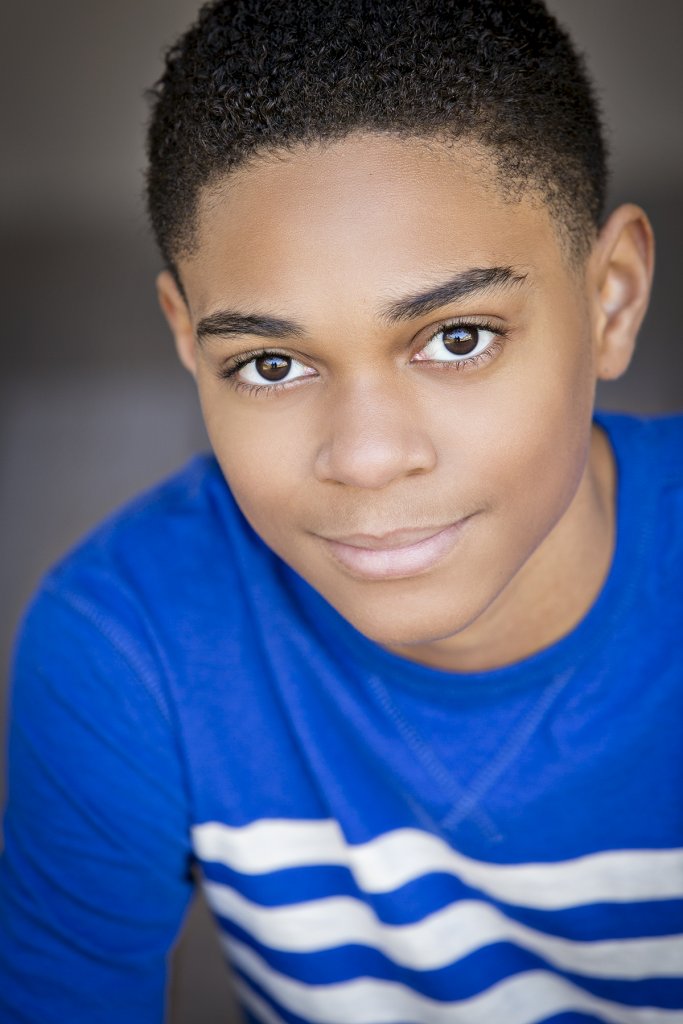
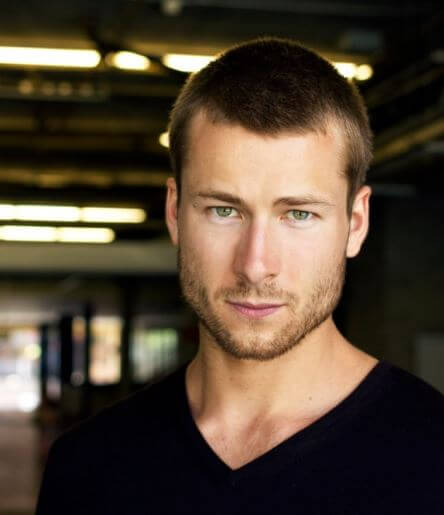
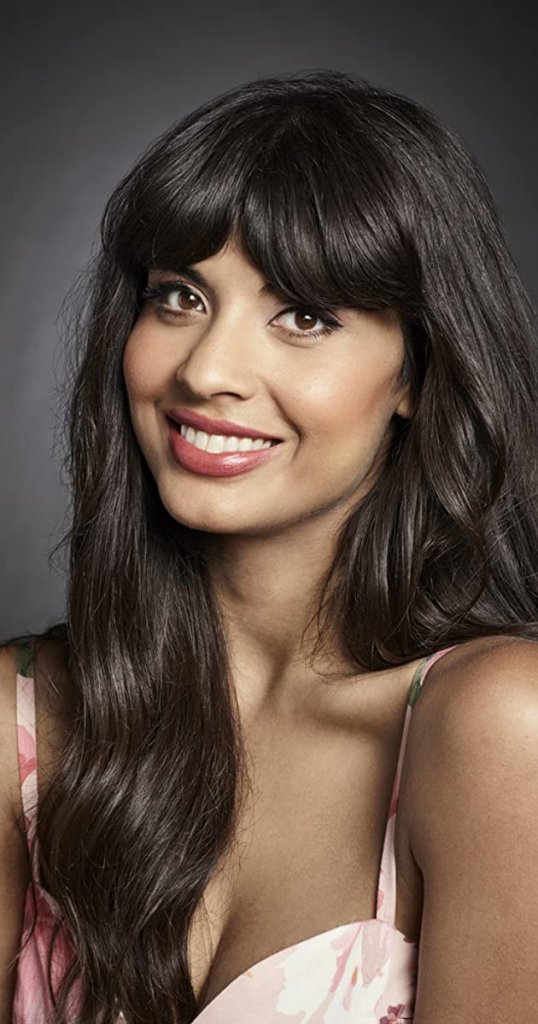
Paul-Mikél Williams, Glen Powell, and Jameela Jamil | JURASSIC WORLD: CAMP CRETACEOUS

jurassic

With Netflix recently debuting the animated spin-off JURASSIC WORLD: CAMP CRETACEOUS to much acclaim (read our review HERE), we were delighted to sit down with three of its stars – PAUL-MIKÉL WILLIAMS (who voices Darius), GLEN POWELL (Dave), and JAMEELA JAMIL (Roxie) – to talk about its reception, what lies ahead, the anxiety of the recording booth, massive tails, and more…

The story of Camp Cretaceous overlaps with the event of Jurassic World. How would these characters fair against Claire Deering or Ian Malcolm?

Paul-Mikél Williams: I would say that the main franchise is a big part of how this series is currently going. If it wasn’t in the main setting it would still be on the same path of a bunch of stuff breaking out, because the Jurassic franchise has a lot of adults making bad decisions, so I don’t think it would make that much of a change in storyline.

Glen Powell: Yeah, I would say Jameela’s way more responsible, her character. I have no responsibility; I assume I would be the first one to be eaten if I got on that side of the island.

Jameela Jamil: Yeah, and if anything, my character would eat him, if a dinosaur didn’t [laughs], for survival.

PAUL-MIKÉL WILLIAMS

Even though this is an animated show from such a beloved franchise, how do you all feel about coming in and joining it now. Obviously, it’s exciting, but is it also quite daunting for you?

JJ: I’m the biggest Jurassic Park freak, I have been since I was a child. I still think the original movie holds up, and I loved the reboot, which I was afraid I wouldn’t because of how much I enjoyed the original, so to be able to participate in just the legacy of Jurassic Park feels massive, especially to my inner kid, and to know that if I go on to have kids one day, that they’d be able to watch this means the world to me. I’m so glad to see how much people love it, I can’t believe how extraordinary it looks. When we’re doing it, we’re doing it to these very basic line drawings, so I think we were all so amazed to see how it turned out. It’s a massive honour, that I don’t think any of us take for granted.

GP: Also, when you take a beloved piece of IP or something that we all have a strong emotional connection to, it’s more often in Hollywood that it gets screwed up than it’s done right. Obviously having Steven Spielberg, Colin [Trevorrow], and Frank [Marshall], these amazing brains behind it to make sure that we don’t screw up what I consider to be holy ground in a cinematic world, I’m really glad we didn’t ruin it, because there’s a lot of people in my life that would tell me if we ruined it. And I didn’t have to answer to them, so that’s nice.

PMW: Joining this wonderful franchise was really a dream come true, because I loved the Jurassic World movies. The Jurassic Park movies got me enticed into the series, they gave me a newfound love for dinosaurs that I never thought I would have. Then, I got the surprise that these two would be joining me and I freaked out even more. This franchise just skyrocketed my love for it, and being a part of this show with these amazing people and their voice acting – they were some of my favourite characters I’ve ever seen in an animated series – I would say that I was very nervous in the beginning, but the more I got to know them, the more I listened to their recordings, the more I felt right at home.

JJ: Also, please make it known that the other cool thing of being a part of this franchise is just being able to ride Paul’s coattails, because he’s going to be a massive star.

GP: I don’t know how often you all came in for recordings but Paul, you must have been living in there. I feel like I came in there occasionally every once in a while and made some Dad jokes, but you run the show, man!

PMW: You guys got some amazing screen-time – you guys were iconic! I feel like you guys will be made into Funko Pops at some point because of how funny and amazing and creative your scenes were.

GP: It’s all I’ve ever wanted, man.

GLEN POWELL

It’s animation, so it’s a vocal performance, but how into it do you get inside that sound booth?

GP: Watching it, I realised how into it I really was [laughs], maybe a little too enthusiastic sometimes.  They kept telling me to bump up the energy and I was like “really?”. I’d go on drives home and I was light-headed from that amount of energy. I’d have to take a pre-workout before I went in for a voiceover, they really wanted the energy. I hope Dave isn’t annoyingly energetic, but I was sweating every time I left that booth.

Paul, how do you expect your character to develop moving forward in Season 2?

PMW: I feel like the campers are going to go through some crazy things, there are probably going to be a lot of things that I haven’t seen yet. Scott, the producer, I’m loving what he’s doing on the show, what the writers are doing, I’m a huge fan of them right now, but development-wise I want to say there’s going to be more than just dinosaurs; they’re going to dive into the lore of everything that we missed in the ‘quote unquote’ gaping hole of Jurassic World through Jurassic World: Fallen Kingdom. There are going to be a lot of things said that people didn’t think were going to be said, and I feel that development-wise Season 2 is going to be one heck of a ride!

There’s some quite dark moments in the show, so was there any apprehension from your side how the young audiences watching it would receive it?

JJ: I personally advocate telling kids the truth and not trying to keep them overly sheltered, and I think we did it in this really relatable way. I know kids as young as six or seven who are watching it who don’t feel too overwhelmed. I think we managed the balance correctly but, also, I think kids can handle more than we think, and it’s great for preparing them for big emotions. So, I like that it sets us apart from the rest of the franchise. Even though it’s animation it feels so human and so full of heart and I really like that.

GP: I think also when you look at Steven Spielberg’s Amblin work, the way he treats the kids, it’s usually through their point of view, and he always treats them with an adult perspective and responsibility. They’re the ones who save the world in all the early movies, and because he doesn’t treat them like an adult looking down at the kids, it’s kids lookingup at adults. He’s the master at that and he’s done it better than anyone, and I think that’s why a lot of young people are responding to the show. It doesn’t feel like they’re being talked down to, it’s like they’re saving the world because they know better than the adults.

PMW: I love how they’re idolising the kids in this series because the Jurassic franchise has really  been based on the adults and how they do things, and I love that they’re showing a kids side, even if it’s dinosaurs eating people they’re showing that kids have a voice. I like what Jameela said about not having it filtered towards a younger audience. It has so many morals that kids can learn, but it still has that action aspect, so it doesn’t feel too childish or too youthful. It explains friendship, teamwork, all of those things you need as a kid, but it also explains some of the other things you might be going through as a kid, like losing a parent or a family member. It’s good for awareness, not only for the kids but for the parents also.

JAMEELA JAMIL

Did you realise when you came aboard the show that the story would overlap so neatly with Jurassic World?

JJ: I didn’t, and I wonder if they didn’t tell me that so I wouldn’t get too intimidated, because I think you can get in your head and the whole joy of animation is being completely lost, no inhibitions.  We’re English, we know how difficult it is to let loose and be free, so I had to really throw myself in and go to a place I didn’t even know existed in me in order to pull out these big screaming performances, and I think I wouldn’t have been able to do that if I’d felt intimidated by what was ahead.

GP: Did you ever feel intimidated when you did one of those emotional scenes and people are just silently watching?

JJ: Yeah, but also I was shouting and screaming and I had to use my arms to get into it, so I was very physical pretending to fall backwards, and then you see a bunch of very well-dressed executives blankly looking at you through the glass [laughs]. You feel like such a fool!

GP: It’s that silent moment right after you finish it. You realise how silent that booth is. You do all this crazy stuff, and then it’s the silence of your own insecurity. I’m glad that isn’t on film.

JJ: Oh my god, career ending.

GP: Totally.

PMW: I definitely agree with both of you on that one; this is one of the most crazy roles that I have ever gotten into. I’ve never run from dinosaurs in my life, I’m sure none of us have ever run from dinosaurs in our lives, and then I really relate to screaming in the booth. You’re chilling in the booth to see if they want you to do it again, and it really shows how much time goes into this because there are so many aspects of animation and also voice. The studio director and Scott were in there the whole time, and they put all of their time and effort into showing us how to do what we do and giving us things to relate to. They helped us so much with these roles.

Which dinosaur do you think you relate to the most?

JJ: Oh, I’m a T-Rex. Look at me on Twitter! [NB: This was recorded on a day where Jameela was trending worldwide on Twitter] Massive destruction, flailing around [laughs], just a big loud monster. I’ve always identified with the Tyrannosaurus Rex.

PMW: I would have to go with Ankylosaurus. Huge tail gentle giant, herbivore, I would never eat a person, I’m not a cannibal. Also, the gentle giant aspect of an Ankylosaurus, you have the power to do something, but you only use it when it’s really needed. With great power comes great responsibility.

JJ: Also, he has a massive tail [laughing when she realises that could be misconstrued]. Oh, no, I didn’t mean that! Look at me, T-Rexing around again!

JURASSIC WORLD: CAMP CRETACEOUS Season 1 is out now on Netflix, while Season 2 is due in 2021.

Brandon Cronenberg | POSSESSOR

possessor brandon cronenberg

Possessor is a thrilling sophomore feature from writer-director Brandon Cronenberg (son of the legendary David Cronenberg) and stars Mandy’s Andrea Riseborough, Christopher Abbott, Jennifer Jason Leigh, Tuppence Middleton, and Sean Bean. This sci-fi horror follows Tasya Vos (Riseborough), a corporate assassin who uses brain-implant technology to take control of others’ bodies in order to kill her assigned targets. Her latest excursion sees Vos inhabit the body of Colin Tate (Abbott) for a seemingly routine assignment. However, it’s not long until things go awry and she begins to lose control, and her life threatens to unravel around her.

Screening at London Film Festival ahead of its UK release on November 27th, STARBURST spoke with Possessor’s writer-director Brandon Cronenberg about his original concept for the film and its ideas surrounding identity, selfhood, and control.

STARBURST: We wanted to start by asking, where did the concept for Possessor originate from?

Brandon Cronenberg: I think it initially came from a trivial, personal place. I was on the press tour for my first feature Antiviral and travelling with a film for the first time was a very surreal experience. You’re constructing this public persona, in a sense, you’re performing a version of yourself, this kind of media-self that then runs off and has its own strange life online without you. So because of that and a couple of other things, I was having a difficult time seeing myself in my own life; I was waking up in the mornings feeling like I was sitting up into someone else’s life and having to madly construct a character who could operate in that context. So I initially wanted to write a film about a character who may or may not be an imposter in their own life, and do that as a way of talking about how we create characters and narratives in order to function as people. And then the thriller and sci-fi elements kind of built up from there. The seed of the film was actually in those more dramatic scenes, the relationship and family scenes.

So would you say that Possessor is essentially about constructions of the self, and finding a unified sense of self?

I mean, I think it ended up becoming about a number of things. That was really where it started, about those characters that we perform not only for other people but also for ourselves, that self-image and those personal narratives we build. But other things also crept into it. For instance, the Snowden leaks happened as I was writing, and I was becoming very angry and depressed about the death of privacy through technology. And so that surveillance element also ended up in there.

It’s interesting that the Snowden leaks influenced that exploration of privacy, because conversations around that have found even more traction in recent years. Do you think it has found renewed relevance with concerns around the US elections and accusations of foreign intervention?

I would say so, definitely. Less in terms of surveillance – although there is that – but I think depressingly, it has become more relevant from a kind of mind-control perspective, I think. It’s interesting because, as people, we have this idea that we are coherent selves with our own wills and desires, and that we’re somehow unified entities. But actually, all human beings are this chorus of conflicted impulses and ideas, some of which come from our own brains, but some of which don’t. I mean, there’s incredibly interesting science for instance, about the ways that our microbiomes affect our personality, just the fact that we have micro-organisms in our bodies that are partly dictating our behaviour.

And, of course, we are also affected by what could be considered psychological infections, ideas that we pick up from other people and which end up defining us. And right now, I think we’re really seeing the beginnings of how the construction of our online society will dictate the next era of human behaviour – foreign interference in elections being just one example. I mean, there are many people who feel that they are operating as motivated by their own ideas, but their own ideas have actually been carefully crafted by foreign governments… which in another era would have sounded like a completely insane conspiracy theory! But that’s actually just daily life right now, and I think we’re only just starting to understand the repercussions of being in an online society.

How would you then define this idea of ‘the self’ in modern society?

I think it is a vague concept. I was looking into the neuroscience behind the kind of brain control aspects of the film, and although I don’t think this technology is actually around the corner, it is rooted in real neuroscience. In particular I was looking at this Dr. Jose Delgado who was a Spanish doctor working in the US in the 50s, and 60s, and he was doing experiments where he would put actual wires into people’s brains and then stimulate parts of their brains electrically, and found he could control a very wide range of behaviour and emotion. Alarmingly, not only motor function but also emotional and other behavioural functions. There is one experiment he described in his book, where he would press a button to activate the brain implant in a particular subject and, because of that trigger, the subject would get up from his chair, walk around it and then sit down. And every time the button was pressed, he would go through the same motions, but every time he did it, he would decide after the fact that he had done it of his own free will, and come up with an explanation for it. For instance, he would say, “I was looking for my shoes,” or “I heard a sound from the other room”.

And so it was like the subject’s brain had decided, after the action was performed, that it had been generated internally rather than by this implant. I think that that function of the human brain, the one that allows someone to claim ownership over certain ideas and certain actions is, first of all, very philosophically interesting, but I also think it’s at the heart of what we’re seeing with a lot of social media. People are deciding something came from them, even though it didn’t, because that’s just how we generate our ideas of ourselves.

You’ve touched on this already, but how do you think modern technologies are transforming our ideas of humanity?

Absolutely. I mean, again, I think it really comes from being online constantly. We’re constantly exposed to information through our phones – not to sound like an old person! But we’re carrying around these devices all the time which are, for one, plugging us into a constant stream of information, but are also being used to tailor that information in order to affect our behaviour. And so who we are is this process of push and pull, where we’re contributing to this online community but we’re also being very, very affected by it in some very nuanced ways. The part of the film where they’re looking through people’s webcams to see what kinds of curtains and blinds they own, and to then use that for commercial data mining purposes, that’s a joke in the film. Yet it’s only kind of a joke because we really are having our privacy violated in incredibly invasive ways, all for incredibly mundane reasons. So much of it is just about money and selling us things.

Possessor works as commentary on modernity and technology, but it also explores more organic ideas of the self – for instance there’s a fascinating scene in which Vos, in her otherwise female-presenting body, is seen with an erect penis instead of a vagina. Can you talk a little about exploring that relationship between gender and identity?

I think that if you’re someone who jumps into other people’s bodies, gender becomes incredibly complicated and fascinating. And sex becomes incredibly complicated and fascinating, because who we are is so rooted in our bodies, and not just our ideas of self but also in a basic, physical way. So of course, if you’re jumping into the body of someone who’s of a different biological sex, you’re going to be having a complicated relationship with that body; you’re experiencing a very different kind of physicality, but you’re also experiencing all of the cultural elements of gender that come with it. And I think Chris’s performance was very interesting because he was playing with those moments of being more female or more male, depending on how much of Tasya’s personality was coming through. And the shot with the penis was because I wanted to find a point in that scene where Vos was losing herself in Colin, not just physically but psychologically. She was Colin in that moment, and then suddenly also having this sense of her own self; that kind of disconnect between who she was, who she is within him and who he is, in this very physically intimate moment, that’s fascinating.

Possessor has an R-rated version and an unrated, uncut version. That was partially because of those sex scenes we’ve just mentioned, but also because the film features its fair share of graphic violence. Why was it important for you to keep that violence in the film, even as it meant a higher rating?

For the most part, the uncut version is fortunately the lead version of the film; I think the violence in the film is very narrative. So much of Vos’ character is about her relationship with violence, and the evolution of that relationship. So, for me, part of that is the need to communicate her experience of violence in a visceral way, because it has so much to do with her emotional and psychological state. I think the audience needs to connect with her on that level; and if they’re horrified, that’s important too. That’s part of her character, part of her relationship with her work. And the violence also really tracks with her psychology: sometimes it’s more observational, sometimes it’s more tactile, sometimes it’s a memory that’s very stylized because she’s looking back at it. That violence is so essential to the film that I didn’t want to tone that down for the sake of ratings.

And similarly, what inspired the use of body horror to visualise Vos’ consciousness taking over Colin’s?

I mean, when you have a scene where someone’s consciousness is remotely invading another person’s body, how do you communicate that in a way that allows the audience to feel it? Those scenes were in many ways about trying to visualise something that’s very hard to imagine. Not only because the technology is imagined, but because the concept itself is something that’s so abstract. Those scenes were an attempt to make it more concrete.

We just wanted to finish by asking you about what future projects you might have in the works?

I have two films that are fairly far along in development right now. One is called Infinity Pool, which is a kind of tourist resort satire with some sci-fi horror elements, and the other is a trippy space horror film called Dragon. I hope to shoot them back-to-back as soon as I get a chance.

You’re definitely speaking our language there. Thank you so much for your time.

POSSESSOR releases in cinemas from November 27th, courtesy of Signature Entertainment, or catch it as part of the BFI’s London Film Festival on October 16th, 9pm.