STARBURST: How would you pitch Star Trek Video Games: An Unofficial Guide to the Final Frontier to a younger relative who really likes Halo? Mat Bradley-Tschirg: A long time ago, therewere video games based on movies and TV shows. Star Trek had more video games than just about any movie or TV franchise, barring Star Wars. In fact, Halo takes a lot of inspiration from Star Trek, so by reading my book Star Trek Video Games, you can see how the older games inspired some of the plots and game mechanics later found in Halo, so it could be fun to connect the dots.
And how would you pitch it to a die-hard fan ofStar Trek The Animated Series? Star Trek: The Animated Series is a kind of underdog of all the Star Trek series. In my book, you can read about all sorts of video games based on Star Trek video games and movies, even the underdogs! While there hasn’t been a game solely based on The Animated Series, a few of the more modern games make reference to it.
Why Star Trek Video Games? A while back, the site Good Old Games made a handful of classic Star Trek PC games for sale. They must have done well because another wave of them were made available the next year or so. As I pondered their available catalogue, I wondered why so many of the Star Trek games went unreleased, which led me in a roundabout way to pitching Star Trek Video Games to White Owl Books.
What one thing defines a good Star Trek video game? A good Star Trek video game focuses on the ship’s crew working together to achieve a common goal. It isn’t about sending swarms of ships to attack the Borg or shooting phasers at Klingons; it’s about the crew helping each other as a whole to complete a common goal and, ideally, having ethical dilemmas along the way.
Why are there so many Star Trek-themed games? What about games that don’t have the license but feel very Star Trek? Why are they so popular? Star Trek is a series with a large variety of characters (human and alien), planets, and storylines, so there are a lot of rich scenarios that can be explored in video games.A lot of games that don’t have the licence can still feel very Star Trek – Mass Effect or Masters of Orion come to mind – because of the focus on exploration combined with quirky characters.
What is the appeal of Star Trek? Why does it keep coming back? Star Trek has so many different personalities among its crew members that it’s easy for everyone to have a favourite Star Trek character they can latch onto.The storylines tend to mirror the culture shifts and politics of when they were originally written, so they tend to be a product of their time, which is a large part of why fans keep coming back to the franchise.
Are all Trekkies also video game fans? Not all Trekkies are video game fans, although most are probably aware of the video games in some fashion because of how long they’ve been around for!
What does your ideal Star Trek game look like? The ideal Star Trek game is pretty close to one of the newer ones, Star Trek: Resurgence, because it combines piloting a ship in space, making ethical choices, solving puzzles, and interacting with your crew on the bridge.They did a great job balancing the action and stealth sequences to not be too difficult for those wanting to focus on the story!
What book are you working on next? I’m under non-disclosure agreements, so I can’t specifically reveal what I’m working on next. That being said, one of the books I am working on is focused on a popular video game franchise that mixes elements of fantasy and science fiction.
Simpsons or Futurama? I think The Simpsons is consistently a better show than Futurama, although Futuramais often more clever with its plots.
Picard or Kirk? Kirk, but he was my first. It’s a bit like Saturday Night Live, yourfavourite crew tends to be whichever one you watched to begin with.
Truth or Beauty? Truth, although it can be difficult to ascertain at times. The late producer Robert Evans put it best: “There are three sides to every story: Your side, my side, and the truth!”
Paul Foxcroft is one of UK’s finest improv comedians and on-stage Dungeons and Dragons Dungeon Masters. He’s best known for the show Questing Time, a comedy show that throws working comedians into a game of Dungeons & Dragons live on stage. It returns to the stage this year, starting at the Cultplex, Manchester from 17:00 on the 16th of February.
STARBURST: How would you pitch Questing Time to an elderly relative who really likes Taskmaster? Paul Foxcroft: Hello! I’d start with “hello” because older people seem to respect that kind of thing. We take a panel of comedians and give them each a character to control in a story that we’re all making up at the same time. So it’s like the whole cast is on a team task, but the task is something like “Rescue a pig from goblins” – then the goblins, pig and almost everyone else are played by the host, who is me.
I’m only asking this because you’re “elderly”, but did you vote for Brexit? Because if you did, you probably won’t like the show.
And how would you pitch it to a fan of Critical Role? It’s exactly* Critical Role; if Critical Role had fewer people who knew what they were doing and a fraction of the operational budget – we would make it work. We’re a comedy show first, so our stuff tends to sillier and dumber expressions of the game – from magic items like The Unstoppable Rod to the players misunderstanding some details and accidentally granting godhood to their pet owlbear.
Oh, and I’m not Matt Mercer. I’m Paul Foxcroft. We’re profoundly different guys.
*This is a lie.
How did Questing Time happen? I was in a critically acclaimed double act with the magnificent Cariad Lloyd, who needed a break in order to have a baby, but we had a lovely venue, and so Cariad suggested I try “That D&D thing I kept going on about”. So, the first Questing Time happened in the Summer of 2016 in a basement in London, and people liked it enough that we did it right up until the plague. Then we hopped online for two years, but in the immediate aftermath of COVID, the live comedy industry was not well… that and a lot of people who helped make the show happen had just moved on to other things. So, a break happened.
How much has changed since that initial Edinburgh Fringe show? Two main things. Three if you count the two Trump presidencies.
First, so many more people are aware of D&D as a thing now. Even if they’re never played it. I put that down to things like Critical Role, and my good friends over at The Adventure Zone; but also shows like Stranger Things, the D&D Movie, and shows like Game of Thrones or Rings of Power – which have made a bunch of folks who didn’t think they liked fantasy… like fantasy.
Secondly, my approach to the show has evolved. I prepare a lot less for specific games but spend more time fleshing out the world. I sketch out an idea of what happens if the players don’t get involved, how things escalate… but then I largely wing it. That leaves more space for the players to do cool, interesting, weird stuff. Plus, when I did have a tight script, I wound up throwing most of it away – especially if we had Steve McNeil on the show.
Why Dungeons and Dragons and not,Pathfinder or Fighting Fantasy? have the most hours as both a DM and a player with D&D, so it’s probably the system and lore I’m most fluent with. It’s also the game that people who don’t play TTRPGs know, at least as a reference. In the same sense that people who don’t like sci-fi still know Star Trek and its tropes. They’re the Hoover of the industry.
The other main reason? Advantage and Disadvantage. Eliminating the swarm of positive and negative modifiers that still pervade other systems and reducing them to “Just roll twice and ignore one of the dice” is such a game changer when you’re onboarding new folks. While it’s not the easiestsystem to teach, that takes a load off.
With that in mind, I’ve been playing a lot of the Alien RPG recently, and it is very good and really intuitive. So we might add that into the mix along with some other games I want to try with live audiences, things like; Monster of the Week, Slugblaster, Draw Steel (which I’ve done a bit of work on), Tales of the Valiant and literally anything by Rowan, Rook & Deckard.
You’ve ran D&D for some of finest folk in both Comedy and TTRPGs; what’s next? Well, I moved to Manchester. So tricking the finest folks in comedy and TTRPGs tomove to Manchester is top of the list. But we’re not shy of excellent comics up north, so we’ve a great cast booked for our first shows in our new venue – Cultplex, which is a really cool space.
Plus, we’ve got a bunch of podcast episodes in the edit at the moment, so getting that up and running is next. But I’m balancing that with teaching improv classes, doing a little work on and a very cool job in video games that I’m desperate to talk about, but literally can’t’.
Is there such a thing as the ‘best edition of Dungeons and Dragons’? Almost certainly, but I think for most people, it’s the edition that they started with. So I’ve got very fond memories of 3rd and 3.5 – which were my introduction to D&D, with all their weird modifiers and sprawling third party sourcebooks. Those games shaped my understanding of TTRPGs along with 2nd Edition World of Darkness stuff and the early Legend of the Five Rings books. I really like 5th for being more accessible and for letting me make a living; it’s a better system than 3rd Edition. But 3rd Edition Ravenloft was my first home.
How different is this from watching D&D on a livestream? Well, heckles work better if you’re in the room. But also, there’s a different vibe when you’re all together in the room. As a show, we get a clear and immediate response from the crowd: laughter, gasps, applause, people shouting out rules suggestions… which hits less online because it comes in text form. Plus, if we’re live, we can do stuff that wouldn’t work online for any number of reasons. The biggest advantage as a performer is that we can make eye contact – which is so fundamental to my understanding of improvisation, theatre, and communication… that’s the thing that online play can’t replicate.
As a downside, you can’t really do live shows in your pyjamas. We have to get dressed and go to a place, and that’s a hassle.
What would your ideal line-up of players be? A ludicrously difficult question to answer. I taped a pilot episode that got swallowed up by COVID and shelved indefinitely but that had a cast I’d have loved to play with for a season: Nish Kumar, Rachel Parris, James Acaster and Emma Sidi. They were such wonderful goofs. That said, I can’t really imagine Questing Time without Briony Redman & Richard Soames, who’ve done the show more than anyone other than me.
Where else can we see you? Nota whole lot of places these days, I’m writing a lot at the minute. But I’m working on a secret thing that we’re absolutely talking about when the NDA lapses: teaching improv classes over at Improv North, trying to edit a podcast and setting up more shows up north. Oh, I’m in episode 7 of Ted Lasso. They can’t take that away from me. Unless they use AI.
Simpsons or Futurama? Futurama.
Picard or Kirk? Of those two? Picard. Kirk seems like he’d be fun to have a drink with, but the man’s a liability. Free choice? Sisko.
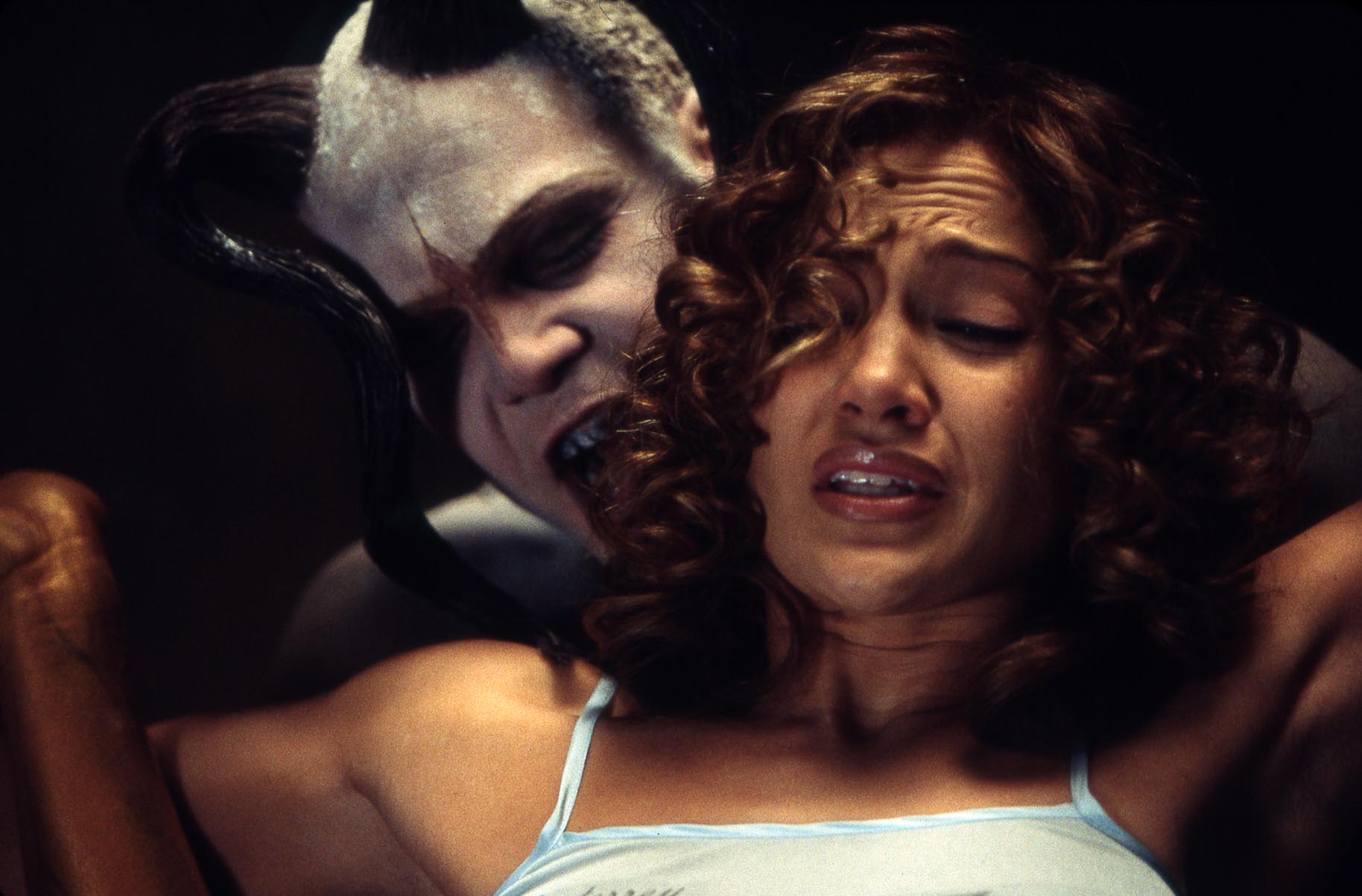
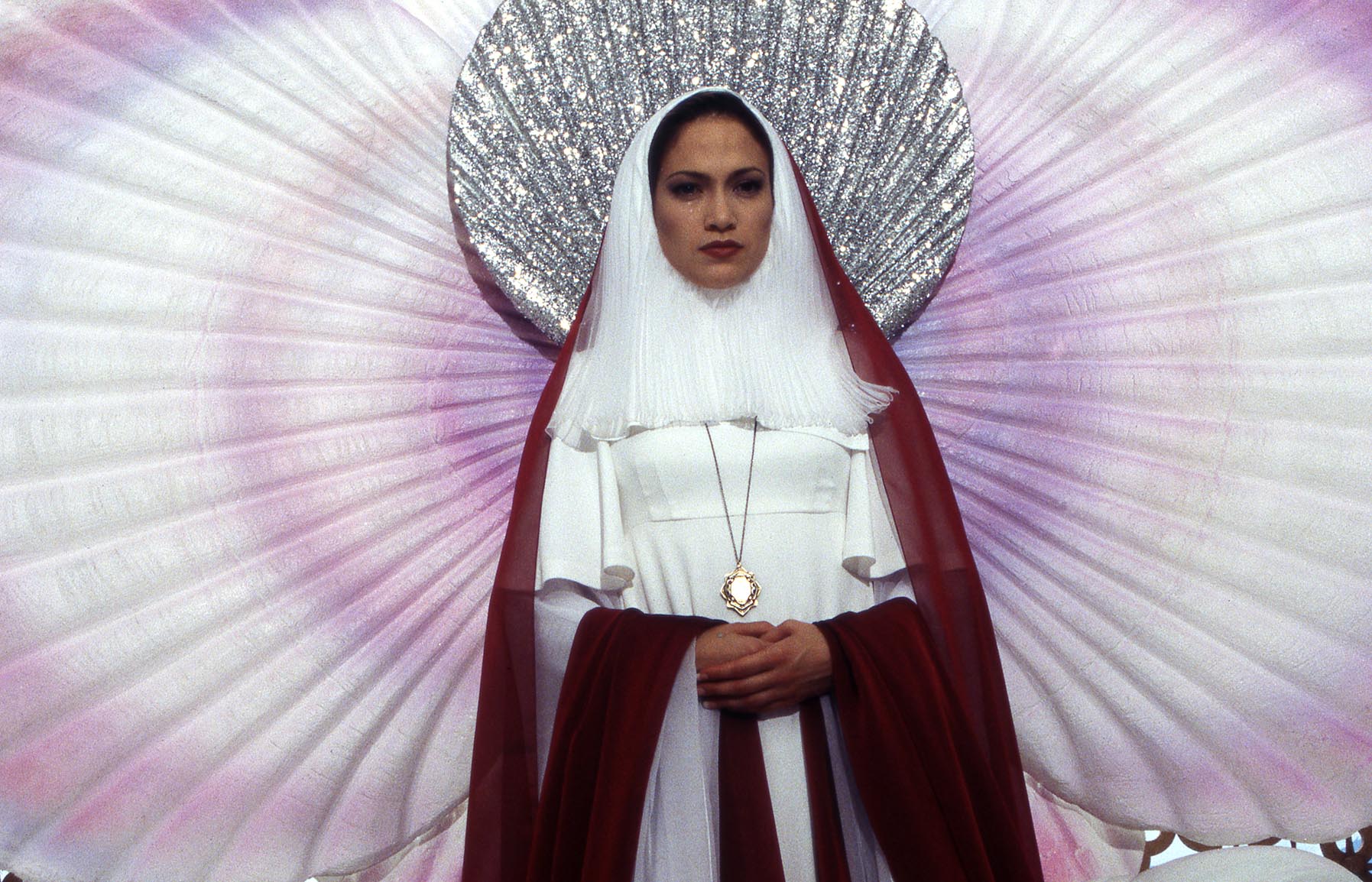
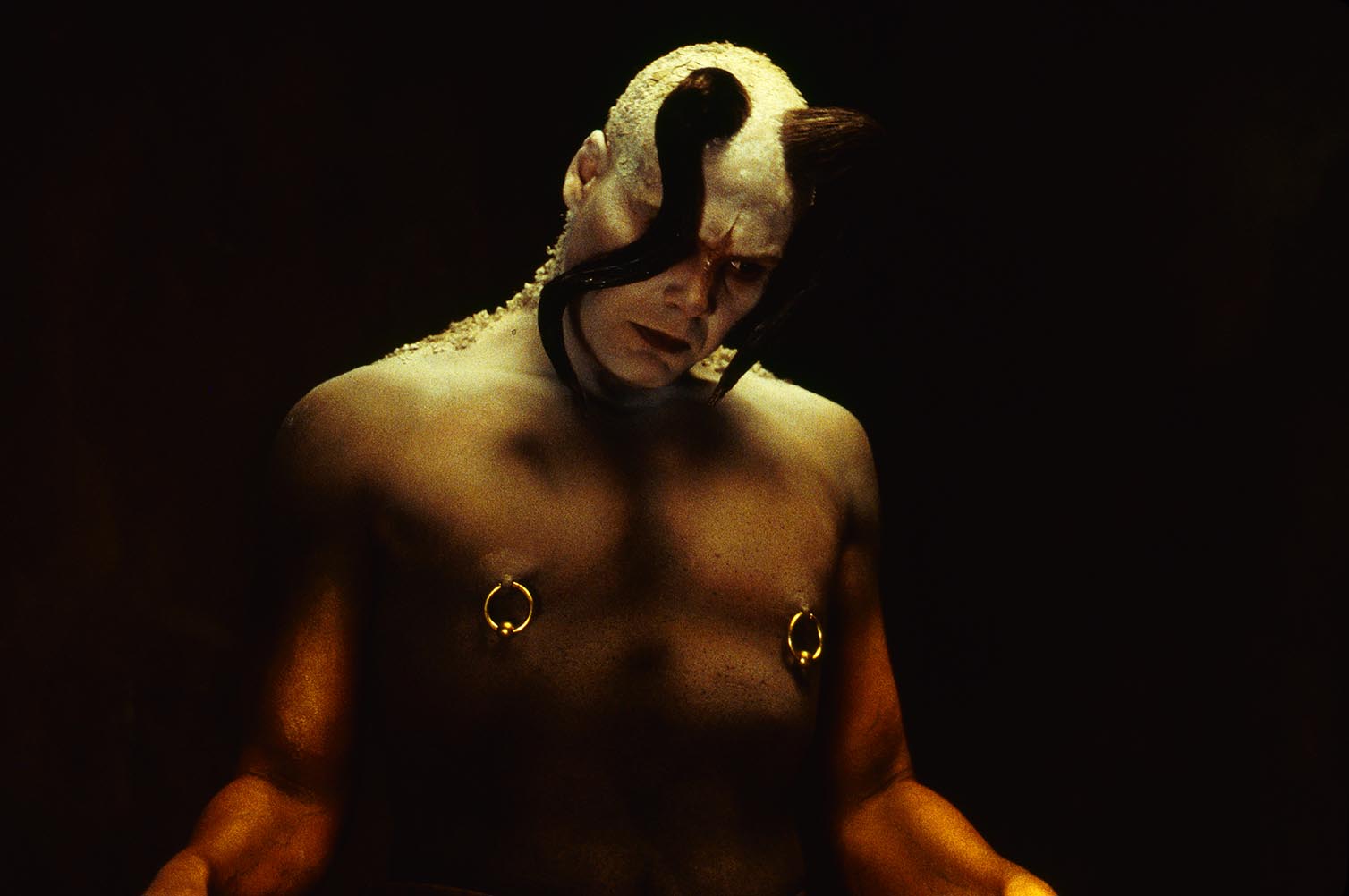
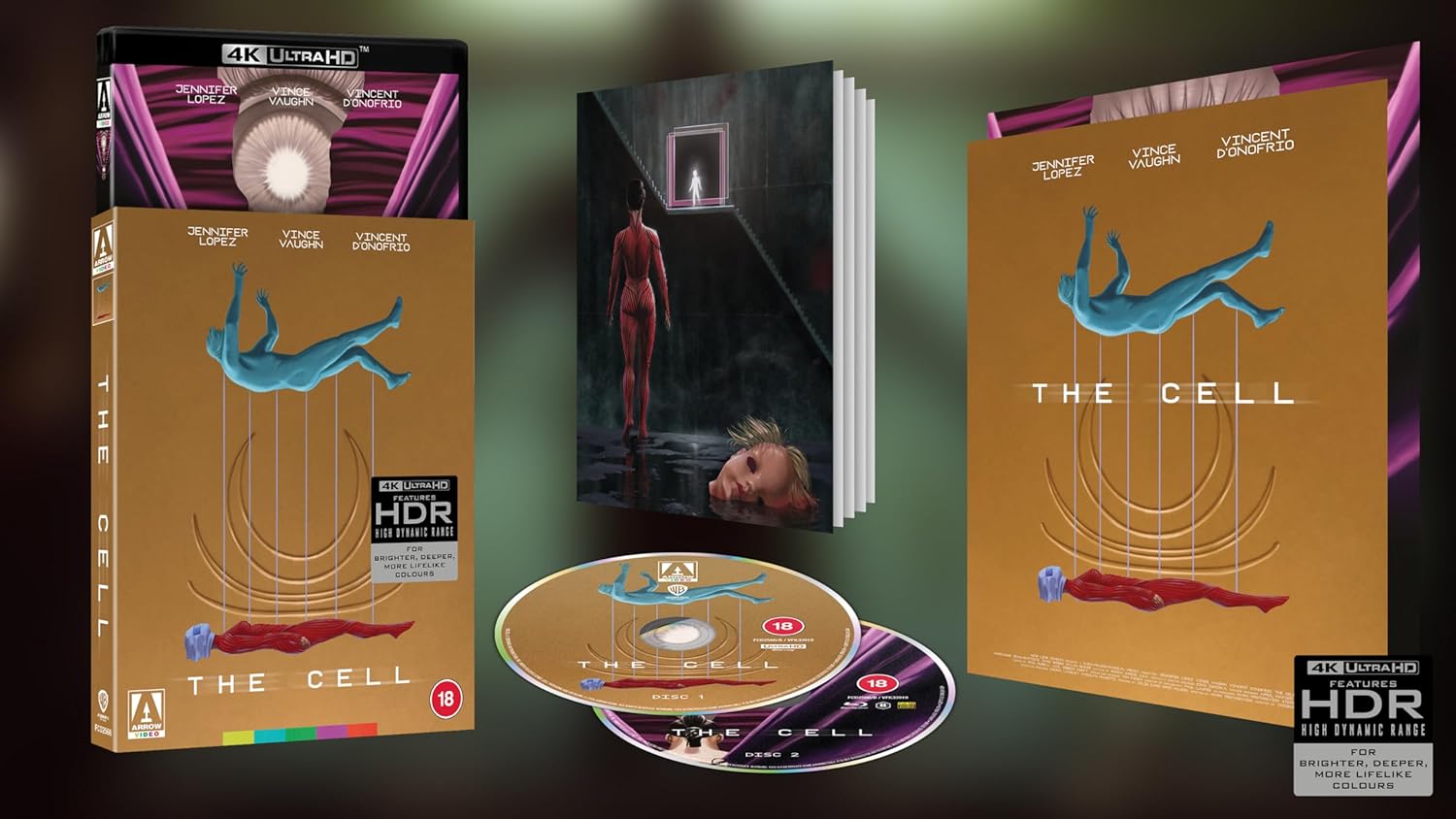
STARBURST caught up with Tarsem Singh, director of The Fall, Immortals, Self/Less, Dear Jassi and numerous iconic music videos and ads, as his first feature film, The Cell gets a 4K UHD release.We also spoke about a wide range of topics, including Americans’ tolerance for horror, a possible director’s cut, art, Damien Hirst, Eiko Ishioka, Vincent D’Onofrio, Jennifer Lopez, Vince Vaughn, Mark Romanec Nico Soultanakis, Tarsem’s classmates Michael Bay and Zack Snyder, making a visual film, Rotten Tomatoes, serial killers, David Fincher, The Fall, Dear Jassi and what’s next for Tarsem…
STARBURST: It’s been 25 years since The Cell; what made you revisit it?
Tarsem Singh: I saw it again recently and I found it absolutely hilarious. I’m a bit sad, after 25 years, it’s something I don’t own. When the Blu-ray was released, there was always a version of this that was finished in HD. They didn’t care, they took the DVD and said, ‘here is the Blu-ray’. The director of photography Paul Laufer spent his own money to do an HD version, so I asked for that, and never really got an answer. They just called it a Blu-ray. It’s great that Arrow came along! Paul has an acquired taste. He followed up with them and then they came out with this.
What can we expect from it? We hear there’s a new cut?
It looks much cooler. It was always a visual piece that didn’t require dialogue. This is as close to it as you can get. It’s a visual treat. There’s a scene that was removed for the American market, but I had them put that back. Somebody told me they called it the director’s cut but that’s not true. This is the ‘German cut’. The Americans wanted to take a part out but I fought for it.
In the first act there is a scene where the guy comes out dressed – I wanted opera – like Francis Ford Coppola’s version of Dracula, but that’s what they didn’t want. When I said opera, they said that never works. Bram Stoker’s Dracula (1992) made £30 million in an opening week, but didn’t reach 100 million. They saw that as people not wanting it. I had to do something quite shocking and disturbing in the first act, so they won’t laugh when Stargher [Vincent D’Onofrio] comes out wearing a sari and a tutu. They asked what, so I made a list: he kills girls, he masturbates on them… they were like “Woah! That’s over the top!” But if you remove that, which they tried, then in the third act people will laugh. Every culture has a different level of what that shock factor is. The Americans were traumatised by it but when I sent it to the Germans they asked, “Do you have any more of that shit?”
The thing that changed the film completely for me was when Howard Shore did the score. The temp track was a completely different style that was not what I wanted, but what he did was so amazing, I was aware my film was so disjointed, and it needed a common paintbrush and that was what Howard provided.
For ten grand, I said that I’d do a director’s cut, and they said “No, this was it”. They weren’t expecting it to be as successful as it was. I wanted to take out all the dialogue and just have a few cue cards and Howard Shore’s score and the sound effects. I wanted it to play like a silent film. No subtitles, just a few cue cards explaining the plot. That would have been my director’s cut!
Do you think that will ever happen?
No. I’ve moved on with my life. I think people like this the way it is.
You could be like George Lucas and keep revisiting and tinkering with it…
Like my friend Zack Snyder! He’s done a wonderful job and made a career out of it! For me, it was like, this is it. I did a cut for a few different countries, and you can take one that’s close to it.
You mentioned this is a visual treat. The Cell has artistic references – Odd Nerdrum, Damien Hirst, Eiko Ishioka’s beautiful costumer design, same as The Fall, there was also an Oscar nomination for Best Makeup and Hairstyling as well for Michèle Burke and Edouard F. Henriques…
That’s right! They had done Dracula together.
The costumes when Lopez, D’Onofrio ‘go under’ is very similar to Dracula as well.
I was trying not to go there, because Dracula was so iconic. I realised that costume was closer to what I needed from a film to what Dracula needed. I told Eiko… it’s like these bodies have been fileted, and I realised Dracula’s costume is literally that. Just make them skinless.
How important do you think it is to have a visual identity? You have a strong unique aesthetic in your films.
I do now, but that was my first film. Originally, I was thinking I should have done something else, but it was too late. I thought why don’t we go ‘Vegas’, which would have been cool and crazy, but I went with the arthouse references. Everyone has a different plate they were breaking. Don’t do that one, don’t do this one… The cameraman hated the end scene with the flames, he said it looked kitsch, but I loved it. He said it looked like a Moroccan serial killer. Now I love it more! I said people won’t laugh because of what we’ve done to them in the first act. The writer [Mark Protosevich] said do anything but don’t use a horse. I went to see him to take some notes, and I realised he lived on a farm – he was close to horses. I’m doing this to a child! People have children. Those are their trigger points. So I left it. The lawyer came and said ‘Damien Hirst’. He has an army of lawyers whose job is to make money by suing people. I said “Ok, what if I show you where Damien Hirst got it from?” They said “What do you mean?” I sent them a 1920s dissection of a human body exactly in that style. They said they’d love for Damien Hirst to sue us! I wish I could’ve honoured Odd Nerdrum a bit more, because I love his stuff, but I never heard back from anyone on his side. I can’t afford his art but I love his stuff!
Did you get anything from Damien Hirst when it came out?
No, I actually met Damien Hirst with Dave Stewart from the Eurythmics. I didn’t realise the restaurant we were in was his. I thought he was going to throw us out!
Has he seen the movie?
I didn’t ask. This would’ve been five or six years later. I knew Dave Stewart had as we were talking about a project long ago. I don’t know if Hirst was aware of who I was or what I’d done.
Hopefully he’ll see it one day. Maybe the new version?
I say bring the lawyers! [Laughs]
This was your first feature film. How did you approach it after doing commercials and music videos?
If you can put yourself, and your DNA, into the film, and it’s successful, then you’re ok. You just carry on. I always say Michael Bay, my former classmate, is an auteur. As are David Fincher and Spike Jonze. You can see any frame of Michael Bay’s and say “That’s a Michael Bay film”. It might not be the artistic or critics’ point of view. But a billion other people beg to differ. Can you find your stamp and go forward with it? I’ve done music videos, and it came with a visual background. A guy like me wants to put that on the screen. Mark Romanek [One Hour Photo, Never Let Me Go], who I find incredible, was the most visual out of all of us. He never did a visual film, and never got a chance. He burnt a few bridges at the wrong time and when he was ready, the studios wouldn’t let him. I hope one day he does. No one gave him the carte blanche he wanted earlier and he got shat on. It’s not like writing, it takes an army of people to do it.
Over the last 25 years, you’ve had a good working relationship with Nico Soultanakis, who’s produced all of your films. How have you maintained that?
Nico’s a classmate. For me, he’s also a director. He’s a renaissance man, he knows everything. The reason he couldn’t work as a director is because he doesn’t have an asshole bone in his body. He’s a complete gentleman. When it comes down to having to bypass everyone to make a decision, he was not that guy. I can recognise talented people. I say come on in, all I want is money and credit! I love Nico. When we were at school, we were obsessed with Eiko Ishioka, her commercials and what she was doing in Japan. When she did Dracula, we were obsessed. When The Cell came along, I said “We want Eiko Ishioka”. They said, “She’s difficult to get”. I said “I want Eiko Ishioka!” Once they introduced us, I fell in love with her. When we were doing the movie, my girlfriend said, “I think Nico and Eiko are going out”. I said, “Don’t be silly, she’s older than him and it’ll never happen”. Of course, when the film was finished, they were in love.
They got married, didn’t they?
Yep. Any project that I had, at ground zero, I had Nico and Eiko. We would get our DNA in a project before we got close to it. If it didn’t happen, walk away, keep the research and put it into the next one. And it exploded like that. Nico I’m still very much in touch with. I love him. I only have two phenomenal friends from school and he’s one of them. He married Eiko. The thing with Eiko that people get wrong is when you want people to exceed, you say, “Think about the box”. With Eiko, she had no idea what a fucking box was. She went so into a different world that you had to reign her in. That’s always easier than getting someone sane and say, “Go be edgy”. Eiko would create something, and I’d be like, “I can’t relate with that at all”. I’d pull it in such a way that it’d work in a film. For me, Nico and Eiko were brilliant. I never cared about the references; I always trusted her. She’d come up to me and say “Look, I found this bug from the Natural History Museum. Look at its skin. If we take that skin, and put it on this monster, does that work for you?”, and I’d say yes. Photographs from another movie or play – Eiko never had a reference like that! It was always plants or things like that. I was so lucky to have that relationship with Nico, and that Eiko fell in love with him, and they were together for the last decade. That’s why we worked back-to-back. I would never have worked with anybody else. Until she passed away.
You talk about talented people, you had Vincent D’Onofrio, an established actor still going strong today. As well as Jennifer Lopez and Vince Vaughn, famous but relatively new to feature films. Jennifer was in Anaconda and Out of Sight…
Out of Sight was the film! I saw that film and I saw the girl can act. She might not be your thing. Any differences that we had was water under the bridge. But she did exactly what I wanted in the end. It’s a very consistent performance. If there’s any fault, blame me. She did everything right. D’Onofrio – any project that I get, if it’s an animal, a woman, a child, I ask if D’Onofrio’s available! He is so – and I don’t use this word lightly – serious. The only person that I’ve never worked with, who I think is the greatest actor of all time, is Philip Seymour Hoffman. I look at those two and that’s just about as fearless as you can get.
Vince Vaughn as well, probably known more as a comedic actor but also started as a dramatic actor…
I thought he is so wrong that he’s right for it! A ‘50s kind of detective in a ‘90s movie.
Like film noir?
Yeah, he’s so aesthetic. And everybody’s dialogue – D’Onofrio can dial that in and dial that out – is effective dialogue. Those things, when they come out, people can be like “This is not real at all” and they can’t relate, but all I can tell you, I call those movies ‘pre-dated’. They look dated when they come out but 30 years later, things that came out then look dated, but this looks the same. Kubrick’s’ films are not naturalistic. Vince Vaughn was effective. Peter Sarsgaard, who’s big now in the arthouse world, had a really small role. He did this line, and I was like “Brilliant, but wrong film”. So I gave him a different role. D’Onofrio could do opera, and then naturalistic. That scene when he’s cutting the girl in the bathroom, he’s at one level, then *click* he comes down to another. Like ‘do you really know me?’ It’s freaky. It’s usually something people don’t accept in a film, but with him, it just works. He knew how to freak you out with it, and I loved that.
Also, I find it unheralded, usually when someone does an arthouse masterpiece, it’s also a thing that you copy. I remember 10 years later – in a film that I love, The Coen Brothers’ No Country for Old Men, Javier Bardem looks like D’Onofrio from this film. He has the exact same clothes, he’s a little feminine, he has the same hair. I thought ‘brilliantly done’. No one gives D’Onofrio the credit that he deserves.
When the film came out, critics had mixed reviews. Roger Ebert named it one of his favourite films of the year. Others were less favourable…
I’ve never done a film recommended by Rotten Tomatoes. I do polarising things. That’s the scariest thing about Rotten Tomatoes, the standard of judging. The greatest film ever made is a ‘good’ film. Like The Shawshank Redemption. It’s not offensive. If every critic gives the movie a six (out of 10), it becomes 100%. A movie like Jonathan Glazer’s Birth, which is one of my favourite films, is at 40%. At 50%, you’ll find some incredible films. With The Fall, a lot of younger reviewers are liking it, and a lot of the older ones who gave negative reviews are dead. Hopefully after suffering a lot (laughs)! Now, it’s recommended by Rotten Tomatoes and I’m not sure if I like that. The great thing about Ebert is he wrote a note asking if he’d seen the same film as the other critics. Actually, he hadn’t! The studio sent a lot of critics a rough cut, which didn’t even have Howard Shore’s score in it. The film was a lot more disjointed. A lot of people have seen it and hate it, and that’s fine. Ebert saw the finished version and he embraced it. He put it in his top ten films of the year. It’s good that people say it’s shit and not, that’s what gets you hired again. If it’s comme ci, comme ça, you’ll never get a job because everyone had a brother or someone who has a drone and knows how to make a film on their phone. People who say its shit won’t hire you but the people who thought it was brilliant, if they get into power again, they’ll hire you. Polarising? OK by me.
You mention younger viewers and people going back and revisiting things. Sometimes, a film becomes a cult classic. 25 years and more ago, you had The Cell, The Bone Collector, The Silence of the Lambs, Se7en…
Se7en and The Silence of the Lambs were accepted critically, and everything; the others weren’t. It’s a serial killer thing. That’s what got the film made. I have no interest in serial killers. I had all this visual stuff I wanted to get out, and I just had to find the right vehicle. Movies that were greenlit in the ‘70s were disaster movies. It’d be about a burning building. The reason I’d make it would have been because the guy on the 87th floor was having a dream. I get to improvise; studios get the burning building – done. So, in the ‘90s; ‘got a serial killer’? Fucking yes!’ The thing was in The Cell, you’re going to go into his head, and I had a blank slate.
Today, we still see horror movies, serial killer movies, why do you think it’s so attractive to an audience?
Well, you’re looking for extreme reactions. People think they’ve found something new, but this gene has been around forever. Then science caught up and recognised a select few people were doing this again and again. There were always kids disappearing and you never knew what happened to them in history. In the Crusades or whatever, you have a psycho brother, they join the Crusades, and they rape, plunder, and suddenly become king of the place. In the last 100 years, science has realised there’s a group of people who do love it and do it. It’s a discovered thing. But it’s not new, it’s been around forever.
David Fincher lived opposite me, and he was doing this stuff. He was our guru when we were at school. I remember when Jonathan Demme came out with The Silence of the Lambs. I was like, wow you’ve pre-empted all of us! And then people were asking, “Why is Fincher doing Se7en?” and I said, “I bet you he has a take that’s different to Silence of the Lambs”. When people asked me why I’m doing The Cell, it’s because I have a take. It doesn’t look like Se7en, it doesn’t look like that. It’s a genre. If you go against it, you won’t see the subtleties in it. You can say all rap is shit, but Massive Attack use rap. All classical is shit, maybe a lot of it is, but there are nuances in it. You better have your stamp to put on it.
You talked about new ways of filming, how do you think filmmaking has changed in the last 25 years, for better or worse?
I never say for worse or better, I say it’s evolved. Evolution doesn’t give a damn who survives. Circumstances change, a certain group or a certain gene got an advantage. When we were doing films, it was a magician’s art form. You show it to people, and they go “wow, that looks amazing” because nobody could see what you were doing. You have to learn how to make the film. But now anybody who has a phone is a director. Anyone who has a cousin who can fly a drone. Everybody’s got a computer so they can edit. The joke used to be everybody’s a writer, but now everybody’s a director. The problem now becomes how do you get eyeballs on this thing? How do you get people to see it? It’s become much more about the distribution. How do you separate the shit from the Shinola? Maybe it’ll become a thing that you can download yourself into, I don’t know.
There’s a big question mark over AI and automation, and what counts as creativity, and how are you an auteur anymore in a world of AI…
You will be! I’m so computer illiterate, if it wasn’t for porn or chess, I never would have discovered the internet! I wouldn’t know what I was looking at. My niece knows in two seconds if it’s an ad. It’s a tool right now, but it’s writing brilliant shit. But how do you take from it and make it yours? That’s going to be the fight. I don’t know!
What’s next on the horizon, do you have plans for another film?
I wish people would see Dear Jassi, the last film I did. The same thing happened as with The Fall and The Cell. Very polarising. But it’s the only film the critics have ever loved. The producer had a falling out, so they haven’t released it yet. It’s very hardcore. But I hope it doesn’t take 20 years like The Fall for people to see it! It’s only been screened at the Toronto Film Festival. It’s the second most personal film I’ve done after The Fall. In the meantime, there are three or four films right now.
One was supposed to go but the actor pushed the schedule to next year and I said I’m out as I don’t know what I’ll be doing next year. One might go by this summer. In the meantime, I do music videos very rarely, I love doing adverts, because they allow me to use new tools and new things to figure out, with the best budgets, so I look at ways of incorporating things. I don’t know which one will go first. If I can’t have my DNA in it, I don’t want to do it. Unfortunately, even though The Fall drove me close to bankrupt, I’d do it again in two seconds. Because that’s the only way I know how to function. I’ll see what comes along and if I get that passion.
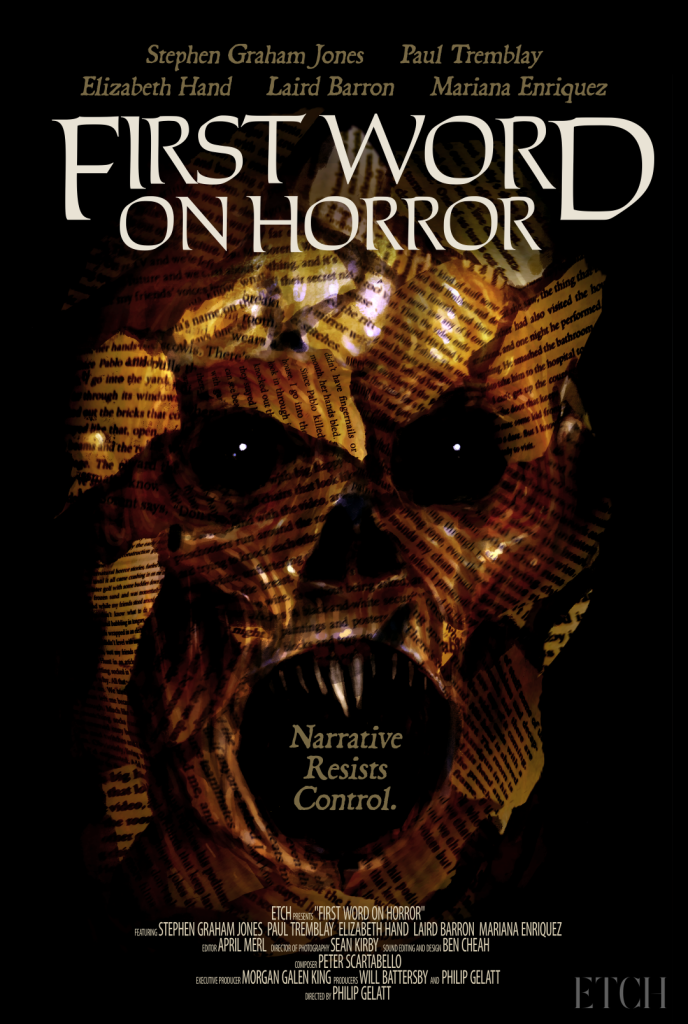
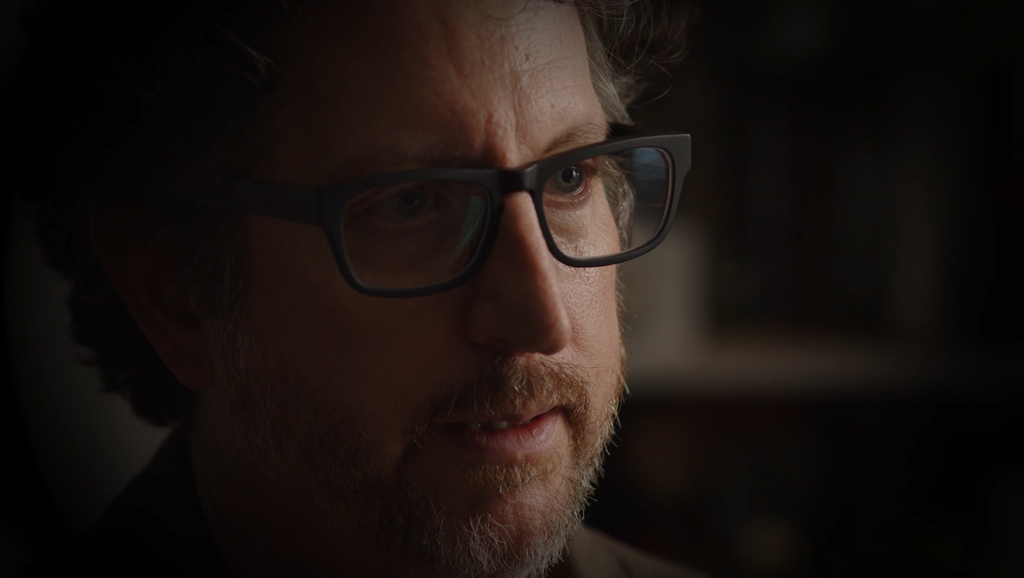
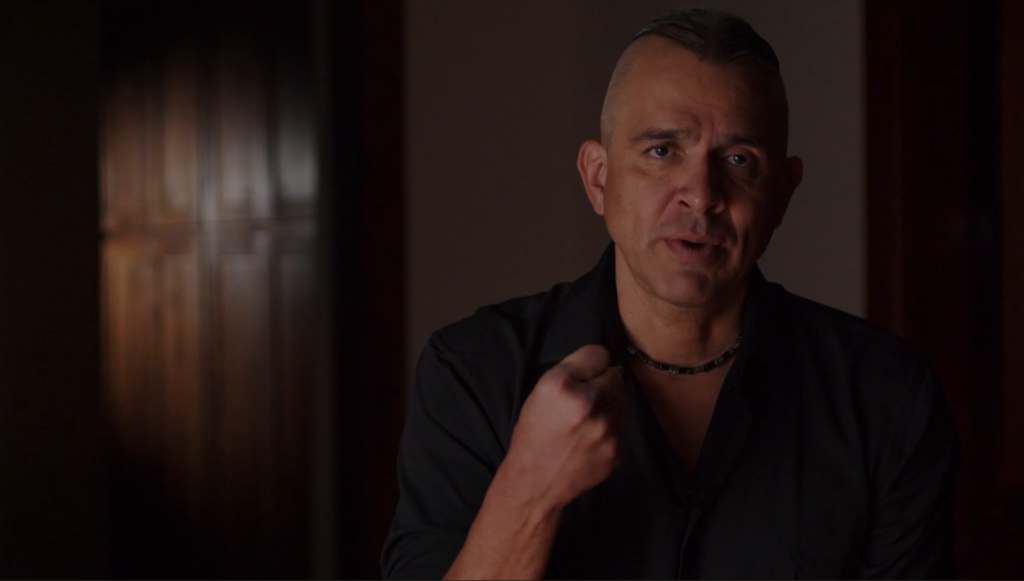
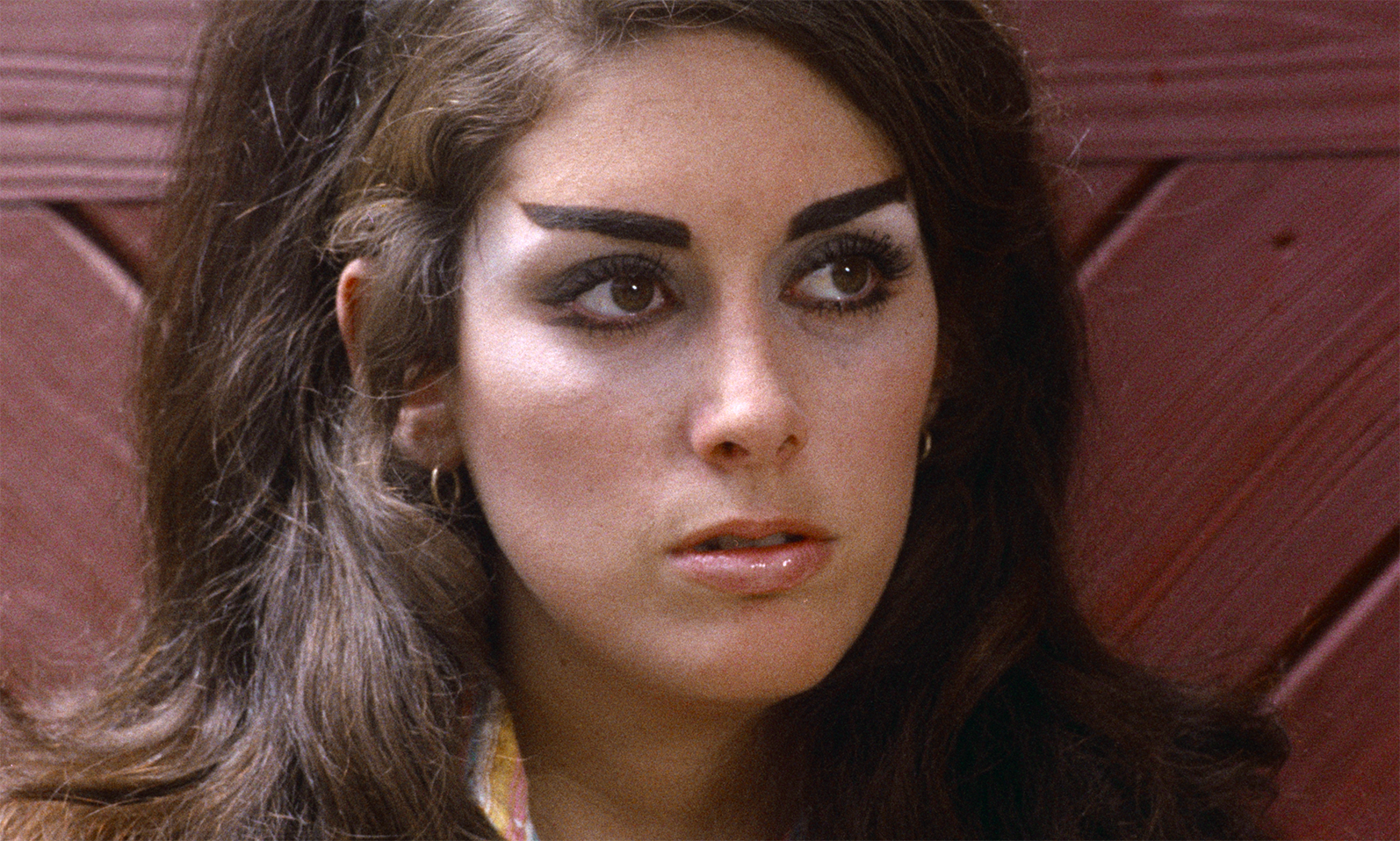
The new project from filmmaker Philip Gelatt (Spine Of Night, Love Death + Robots), First Word on Horror, is unique in several respects. The fifteen-part documentary series profiles five of the finest horror writers working today, including New York Times best sellers, multi-award winners, and cult favorites: Stephen Graham Jones, Paul Tremblay, Elizabeth Hand, Laird Barron and Mariana Enriquez. The series will be available exclusively via Substack starting on February 7, and in the episodes, “each author discusses their life, their inspirations, their philosophies, and their writing techniques while reading one of their short stories. As fact and fiction blend, secrets are revealed and the delicate alchemy that turns human experience into creative expression begins to emerge.”
It’s a fascinating watch for fans of horror, books, and all of the places where those intersect. With a visual style which goes far beyond the usual talking head documentary style, First Word on Horror is a look into the creative process which is equally informative and wildly entertaining. We caught up with Philip Gelatt to discuss how it all came together.
STARBURST: You’re bringing more to First Word on Horror than just the standard talking head aspect of any sort of documentary. Did the interviews determine what the final product was going to look like?
Philip Gelatt: No, not really, but then also, we each approached each sort of as its own unique little thing. They all happened organically. When we started Steven Graham Jones to start that episode, I didn’t know what he was going to say, but I knew what I was going to ask him. I actually thought he was going to read a different story than the story he ended up reading, so all of those visuals basically were created after the fact, right? We did the interview, we cut it together, and I was like, “Oh, this actually isn’t what I thought it was going to be, so now we have to go figure out a different set of visuals to put with his story.”
Whereas the Elizabeth Hand one, I always knew I wanted to do one that had animation in it, but the type of animation shifted. I thought we were going to do it one way, and then we started that way. They all evolved into their final form over the process, basically.
We love the fact that there is a little bit of rotoscoping animation in that, nodding back to Spine Of Night. How did you choose the authors? You’ve done work with Laird Barron, having adapted his story, “-30-,” into They Remain back in 2018, but it’s a very good mix of authors and the way they approach horror. How did you come down to these five?
I’ll say again, sort of organically. We kept it at five just because we wanted to get it out there and see people respond to it. I say that by way of saying there are so many other authors that I would love to do this with. These five ended up being the first five.
We started with Laird. As you point out, I’ve known Laird for a long time, and I’ve known that his life has been a very interesting one, to say the least. A couple of years ago, he got very sick and almost died. When he recovered, I was like, “Okay, I need I need to sit down and do this interview with you because if you if you go off and die on me, I’ll be sad if I don’t if I haven’t done this.”
So we did. We started with Laird. Then that one turned out interesting enough that my producing partner on it said, “I don’t know what we’re going to do with just Laird. Why don’t we go get other authors and try to turn this into a series?” So it evolved from there. We knew Stephen Graham Jones beforehand, so it was easy to ask him, and I knew that his life had been interesting.
I would say that the first criteria for each of them was a little bit like, “Is there something unique and interesting and potentially in their biography?” Definitely for Stephen Graham Jones, definitely for Laird, definitely for Elizabeth Hand, and definitely for Mariana [Enriquez], which leaves Paul [Tremblay].
I’m gonna tell this ridiculous story about Paul, where I asked Paul Tremblay if he wanted to be interviewed. And he was like, “Yeah, I will do it. But I gotta ask, are you asking me because I’m going to be the boring one?” And I was like, “Well, I mean, that’s not why I’m asking you. That might be what happens,” but it’s not what happened. I think his episode is as compelling as the rest, even though he doesn’t have stories of violence in West Texas, such as being assaulted, etc.
Anyway, I’m not really answering your question other than to say it happened organically. We would finish one interview and then think a little bit about what we wanted to try to get out of the next one, then, as we were editing, look at all the interviews together and think about how to edit them properly to create a kind of coherent whole.
Author Paul Tremblay. // image courtesy EG PR
What’s super fascinating about the Paul Tremblay part is that, while his story isn’t as out there as some of the other authors, it is a fascinating story in the fact that he started writing later. He started writing as a teacher. All of the stories are absolutely fascinating in the way you put it together. In terms of being a writer yourself, how did that inform the questions you asked?
In every interview, about half of it is me asking biographical questions, and the other half is me asking process questions and philosophical questions about what is the horror genre and why we make it. All those questions really come from questions I’ve asked myself, honestly, about my own process. In the back half of the interview, I asked them all basically the same questions, with some slight variations, but they’re basically all being asked the same questions because I was curious to hear the differences in answers.
A lot of those are about trying to ask the question, “Where do ideas come from?” without asking that question? Because who hates being asked that question? Anybody who’s ever written a story hates that question, right? But we all ask it, so it’s me trying not to ask that question, but also by asking it in a different way.
Then a lot of them were on just the writing process in general: “Do you have rituals? Is there a thing you have to do before you can write?” Another one was about – again, because the question of how biography flows into creativity is a question that underlies the whole series – human creativity and where it comes from, et cetera, et cetera. I would ask each of them also, “Where do you stop and the story start?” another way of saying, “Are you in control of your characters, or are they in control themselves?” I am trying to ask the question, “Where does the story come from? How does it happen?”
I think there are things that most people wonder about writers, but they also come from my writing experience.
The tags at the end of each episode – be it a video game, a song, or something like that – where did your inspiration for that come from, to ask you the question that I shouldn’t be asking?
No, people should still ask all these questions that people hate being asked. It’s important. In terms of the form of it, that also arose organically. I’m a big fan of Errol Morris interviews. I think that probably a lot of people who sit down to make a documentary are like, “I’m going to make a documentary like Errol Morris makes one.” That was definitely my first thought – like, “Okay, how does he do it?” Then, once we started to think about different distribution models – because we’re putting the show up on Substack, which is not a thing that people do a lot or ever – that was an incredibly exciting moment for me creatively because once you make a decision like that, it means that you can make it however you want to make it.
A lot of those tags and little like weird – if you re-watch the episodes, I’ve tried to put a bunch of visual in-jokes and weird little things for people to notice in there. All of that almost came after the Substack decision because I was like, “Well, if this is 100% ours and we’re doing it our own way, then we can make this form however we want it to be and we can do whatever we want to do with it.”
Author Stephen Graham Jones. // image courtesy EG PR
Are there authors that you would like to have featured but are just unapproachable in this medium? I’m thinking of someone like Thomas Ligotti or something like that would be absolutely fascinating for this, but there’s no way he would do it.
So, I’m going to tell you something: I tried to get Thomas Ligotti. I did my best, and I couldn’t get him. So I guess the answer to your question is, “Yes, Thomas Ligotti is ungettable,” but there aren’t any other than him that we tried to get who said no. I’m not even sure that Ligotti ever had the opportunity to say no.
It’s a long story to get into, but we couldn’t get to him. Basically, there are a lot of authors who I would like to approach, and hopefully, they would say yes. I think he’s probably the most unapproachable. I would also say this – no shade on Stephen King – there’s no point in doing something like this about Stephen King because everybody already knows that story.
Authors of that enormous stature? It almost wouldn’t be interesting to me to talk to. I’m much more interested in finding authors like the ones we found that are big authors in the genre, but they’re not enormous Stephen King-style authors.
Who would be the author no longer living you would die to approach?
There are a lot of them. The most honest answer is probably like years ago before I started with the Laird episode, the actual original idea for this was to try to get Peter Straub to sit down and talk about his work because I think he’s such a monumental writer of a similar class and was friends with Stephen King. I was like, “Oh, somebody should do something about Peter Straub.”
Peter Straub died, of course, so that won’t happen. Somebody could still make a documentary about him, but he wouldn’t be in it, so Peter Straub comes to mind. I mean, there’s a bunch, like Carl Edward Wagner comes to mind, as well. He died a long time ago. Somebody should do Ramsey Campbell before Ramsey Campbell dies.
Somebody should do Clive Barker, but Clive Barker is almost on that King line for me, but I also feel like I don’t think I’ll have the opportunity. There’s just so many. Sorry, I veered off your question. The answer to your question is Peter Straub.
First Word on Horror premieres Friday, February 7th, via Substack. You can subscribe here.
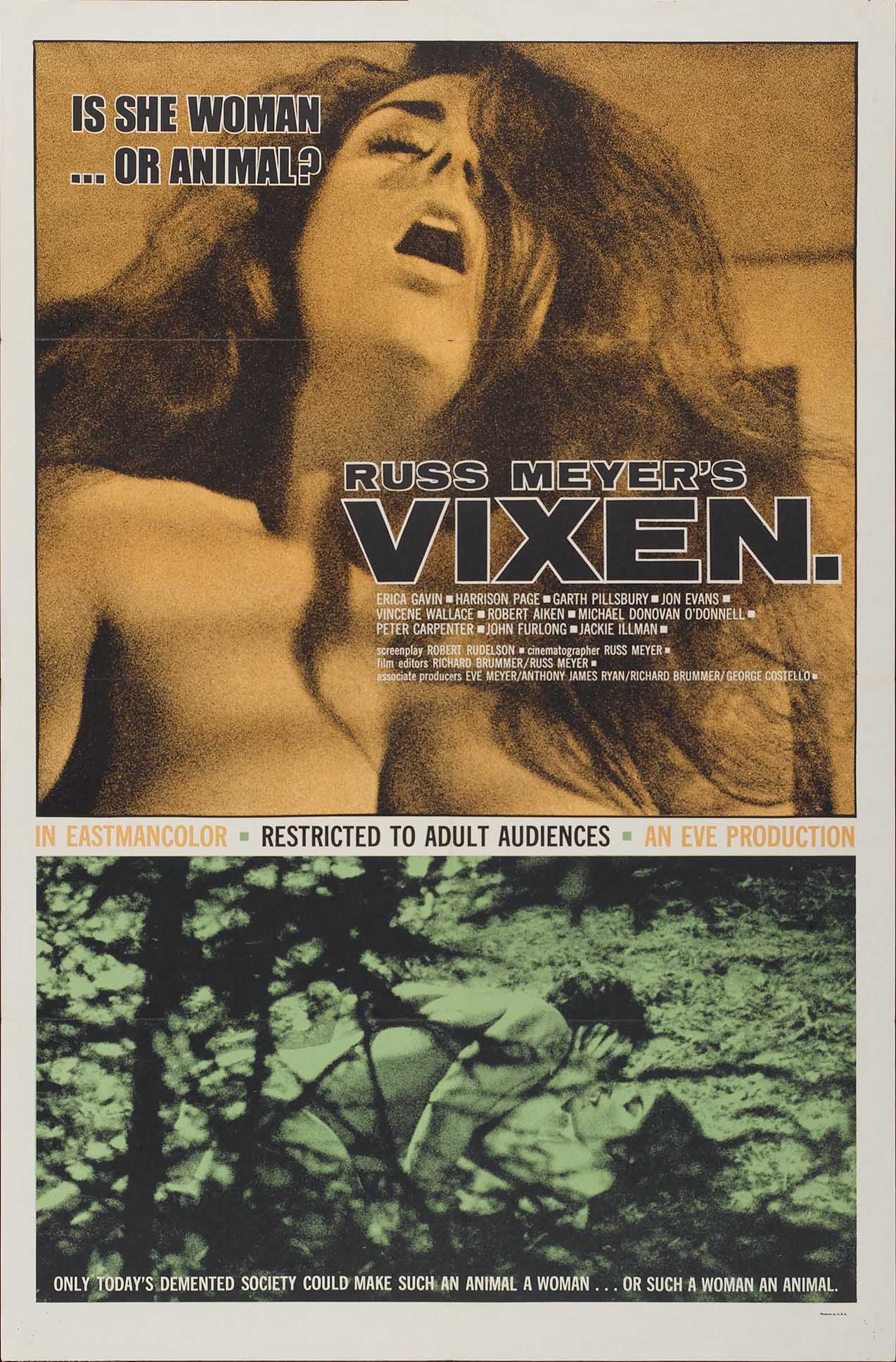
To celebrate the first release of revolutionary director Russ Meyer’s Vixen trilogy on Blu-ray thanks to Severin Films brokering a deal with the late filmmaker’s trust, we spoke with the star of Vixen, Erica Gavin…
STARBURST: What was Russ like to work with?
Erica Gavin: He was a taskmaster. For Russ, the worse the conditions, the harder everything was to manage as far as the weather, as far as the geographical, the more fuel he was. And it was a really great experience. It was different because Russ was not after me physically. He didn’t want to get me into bed; he only wanted an amazing performance. We stayed there at the cabin that’s in the film. Russ had a bedroom. I had a bedroom, and then whichever actor was on location at that time, they had a bedroom. All the crew and everybody else slept in tents outside. He ran it like an army camp, and everybody ate together. We were up north in Marin County, and Russ didn’t allow any sexual relations with anybody in the cast. That was not an option for anybody, and it was just different, you know, not being sexually lusted after, I guess. He yelled at me a lot but the first night we filmed was the fish dance, and I think he fell in love with me that night. He was so thrilled with what I did, and he was just in seventh heaven. It was a lot of fun. It was four weeks shooting the whole thing. We went out there and he’d be hauling all the camera equipment. I’d be doing the clapperboard and keeping track of everything. I was the only actor that stayed on location. Everyone else just came and went as there as we like. It wasn’t done how the script goes. It was done by actor. They would shoot all their scenes, and then the next person would come. And it was it was an experience.
How do you feel now that Vixen and the other films are finally getting re-released after all these years?
It’s so exciting. Technology has come so far, and films are really bright and clear, but the Vixen print was not in good shape. The fact that Severin and David Gregory got a hold of it and were able to master it. It’s everything that Russ would have wanted. The colours pop, and the lines are so clear. It’s so well done, it’s beautiful. He was a bit of a perfectionist, so this would be the ideal.
What advice would you give anybody picking these discs up who hasn’t seen any Russ Meyer films before? How would you ease them into it?
There’s no easing… once you’re in the door, you’re there! I would say don’t consider it porn, people think that’s what his work was, it’s not. He liked getting an X rating. Vixen was the first film to receive an X rating by the MPAA. He thought that was the best. 20th Century Fox wasn’t so thrilled. [Laughs] I would say go and see them, as it’s certainly a lesson that can’t be missed if you’re going into the film business.
The VIXEN trilogy – Vixen, Supervixens, and Beneath the Valley of the Ultravixens – are available on 4K UHD and Blu-ray from Severin Films now. You can read an in-depth interview with Erica in the next issue of STARBURST, on sale February 28th.
Sarah Bromberg, VP of Music Supervision & Library at Raedio, curated the soundtrack for the new buddy comedy One of Them Days, starring Keke Palmer and SZA. Featuring a mix of timeless soul, hip-hop, and R&B, the music showcases selections from artists including Doechii, Thee Sacred Souls, Ray Vaughn, and 310 Baby. With over 1.1 million views on YouTube on the trailer alone, the soundtrack has sparked conversations across generations, cementing its place as a cultural moment. The soundtrack reflects Sarah’s meticulous approach to creating a timeless yet fresh mix, blending female-forward representation with diverse voices and a deep connection to LA’s vibrant music scene. Her close collaboration with producer Issa Rae and director Lawrence Lamont ensured that every song was a perfect match for the story’s energy, highlighting both local gems and national acts in a way that elevates the film’s narrative. We spoke with Sarah Bromberg about her work on One of Them Days, Justified: City Primeval, and more, along with how her career began.
Zack Ryan, the composer behind the score for Steven Soderbergh’s Presence, brings a refreshing approach to the supernatural thriller genre. In a film where the camera represents the point of view of a ghost, Ryan’s score steers away from typical genre conventions like jump-scare music and instead focuses on the emotional depth of the story – grief, loss, and familial dysfunction. The result is a melodic, traditional orchestral score that enhances the film’s emotional journey, offering a unique contrast to the usual ambient sound design. We spoke with Zack Ryan about his continued collaboration with Steven Soderbergh, which began with Full Circle, along with his work on such diverse projects as STARZ’s Leavenworth, the Fraggle Rock: Back to the Rock series from Apple TV+, and Netflix’s A Christmas Prince series.
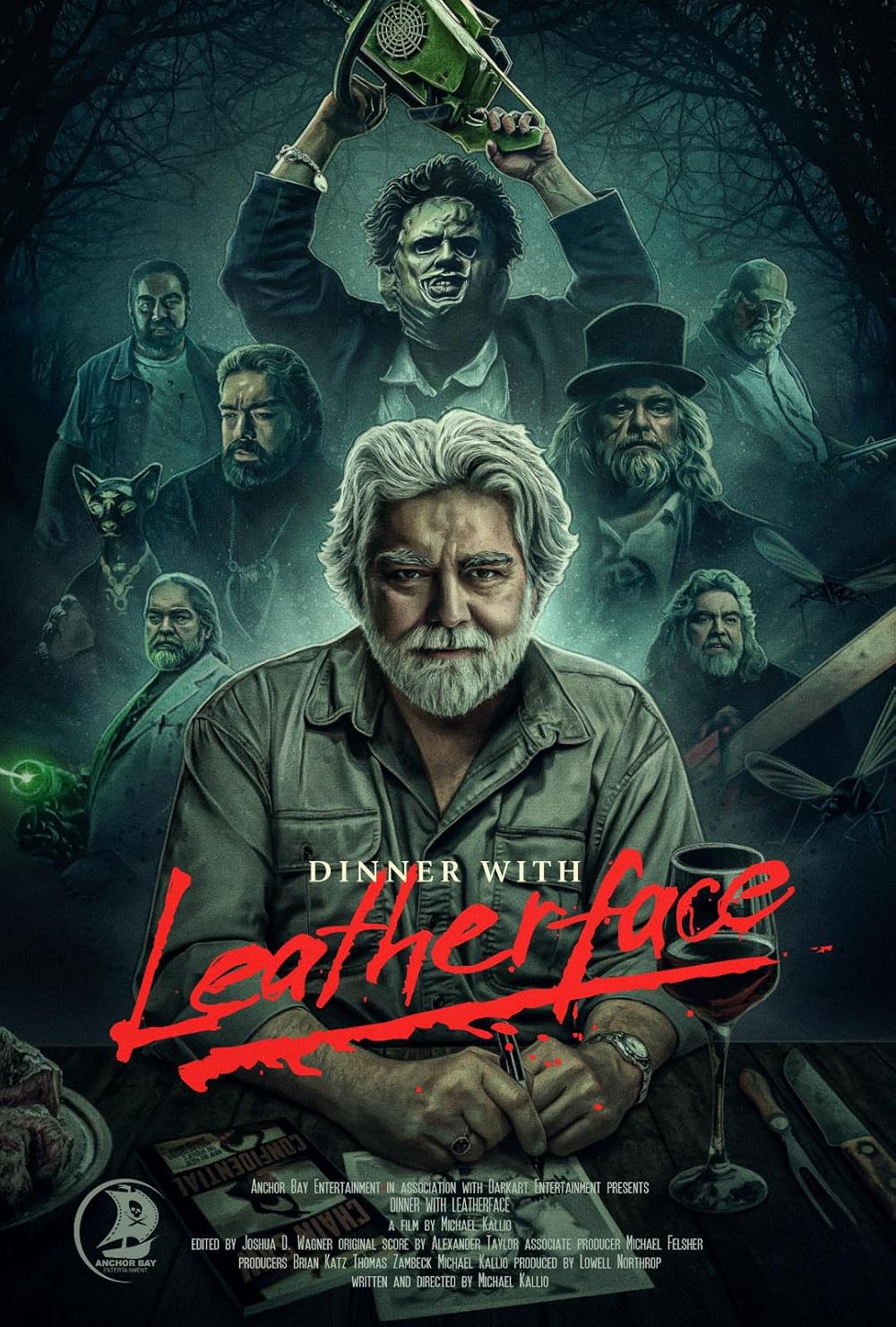
The horror icon that burst onto screens in the 1974 shocker THE TEXAS CHAIN SAW MASSACRE was realised by the talented actor GUNNAR HANSEN. Now, ten years after his death, the documentary DINNER WITH LEATHERFACE gets us a little closer to the man who was more than a dead-skin-mask-wearing maniac. We spoke with the film’s director Michael Kallio to find out more about the project…
Was this your first dip into documentary filmmaking?
No, actually. I consider things like behind the scenes stuff documentary. Bruce Campbell did a movie back in 2006 called My Name Is Bruce and he hired me and my buddy Mark Elliott to come and do all the behind the scenes stuff. It ended up being an hour long, called Heart of Dorkness, The Making of My Name Is Bruce. Certain reviewers said it was better than the movie. Am I a good documentary filmmaker? I guess so, but I don’t know. Only time will tell. But I hope people enjoy the stuff I do as a documentarian.
Was this a passion project for you?
I joked with Gunnar every time we were together, because as Mike Felsher says in the documentary, Gunnar never told the same story twice. He always had something interesting to say, or he had always been somewhere or he met ‘that’ person. I always said, “Dude you’re a walking documentary. You play the most notorious serial killer on film, the most vicious, visceral serial killer on film ever. And then you do all of these other things and you’re so well-faceted, well-read, smart, worldly, and a wonderful, nice person. We gotta make a documentary about you”. But he always used to reply, “who the fuck wants to see that?” People like me and everyone else! Firstly, because The Texas Chain Saw Massacre is a classic and a masterpiece, but also because he touched so many people’s lives. I never heard anything negative said about Gunnar or anything spiteful. He had his moments, he had his days, he was not a perfect person, he was human. The only thing that he focused a little bit more on than I think he should have was money. But we all need money, we all need to survive. Other than that, he was just a sweetheart and so amazing.
When Gunnar passed, it only took me a week until I thought I guess this is it. I was going to be unfortunately making the documentary without him, but I’m gonna do it! I called Bruce and explained that I wanted to do a documentary about Gunnar Hansen and asked if I could interview him. I figured if I interviewed him, everyone down the board would realise that I was legit because I had Bruce Campbell! He agreed to do it. Bruce had been living in Toluca Lake in California at that time, so on January 10th, 2016, I went over and shot the inaugural interview for the documentary. I then went to Del Howison, who owns a horror bookstore in Burbank called Dark Delicacies, and it snowballed from there. It took eight years because I wanted to do it right; I didn’t want to do a couple months of interviews and spit out something that was a cash grab, because some people said this! It wasn’t a cash grab for me, it was the last thing I ever thought of doing as far as this documentary. Now, if it makes millions of dollars, I’m not going to be sad about it, but that was never my focus and still isn’t. I wanted to share my and other peoples experiences of being around Gunnar, being his friend, being his colleague. Obviously, the pandemic was in the middle of that. It wasn’t a constant eight years of work, but I was always working on it. I was always finding people who would be good for the documentar. And that led to connecting with others; like Marcus Nispel [who made the Texas Chainsaw remake in 2003]. He had only met Gunnar once or twice very briefly, but said I should talk to Daniel Pearl, who was the cinematographer of not only the remake, but the original movie. It was unfortunate that his passing was the trigger for me to realise it was the right time to make the documentary.
What was the most interesting thing that you learnt about Gunnar while making the film?
There are so many things that I was bombarded with when we were editing the film because I listened to these interviews, I didn’t conduct them. This documentary was partially – I call it crowdsourced – because I couldn’t fly. I started this with no money and no money was really spent through most of the production. Instead, I would have to throw a camera guy a hundred bucks or a team a couple of hundred bucks to film Gunnar at conventions in Ohio. Mike Felsher did a lot of the filming at Cinema Wasteland with most of the remaining Texas Chain Saw Massacre cast and crew. In short, I wasn’t there, but I watched the interviews and I listened. There were so many interesting facets to him. The main thing was he was a sailor and I didn’t know that; I knew he did it, but I didn’t know to what extent. To find out that he did regattas and thing like that. I was amazed. Gunnar was the chainsaw-wielding maniac in one of cinema’s masterpieces but he also loved boats and making movies about people who make boats!
Are there any films that Gunnar did that you’d urge our readers to watch immediately?
Brutal Massacre, for sure, because he was hilarious in it. Mosquito because it’s just a fun, dumb monster movie. Hatred of a Minute because it was one of the movies where he didn’t play the usual character. He’s not in Murder-Set-Pieces a lot, but he played a Nazi in it and he spoke German for it – I had no idea he could speak German! That character was worse than Leatherface, but he did it very convincingly. It was one of those weird guys who works on his car, doesn’t talk to his neighbours and he’s a suspect; you’re questioning whether this guy is safe. That’s a good watch, too.
What’s the one thing you want people to take away from the documentary?
Inspiration, hope, to act a little kinder to each other, simply because that’s the way he was. I want people to be inspired by Gunnar; to be better people because he was such a great person and he’s missed. I hope it’s an uplifting documentary because I feel like that’s what he would want people to get from it. Mike Felsher says in the documentary, “I want to be a ‘why not’ guy”. Life is short as we all know and I think we all have to be better to each other, and I think that’s something Gunnar would agree with.
DINNER WITH LEATHERFACE is available on Blu-ray and digital in the US from February 25th.
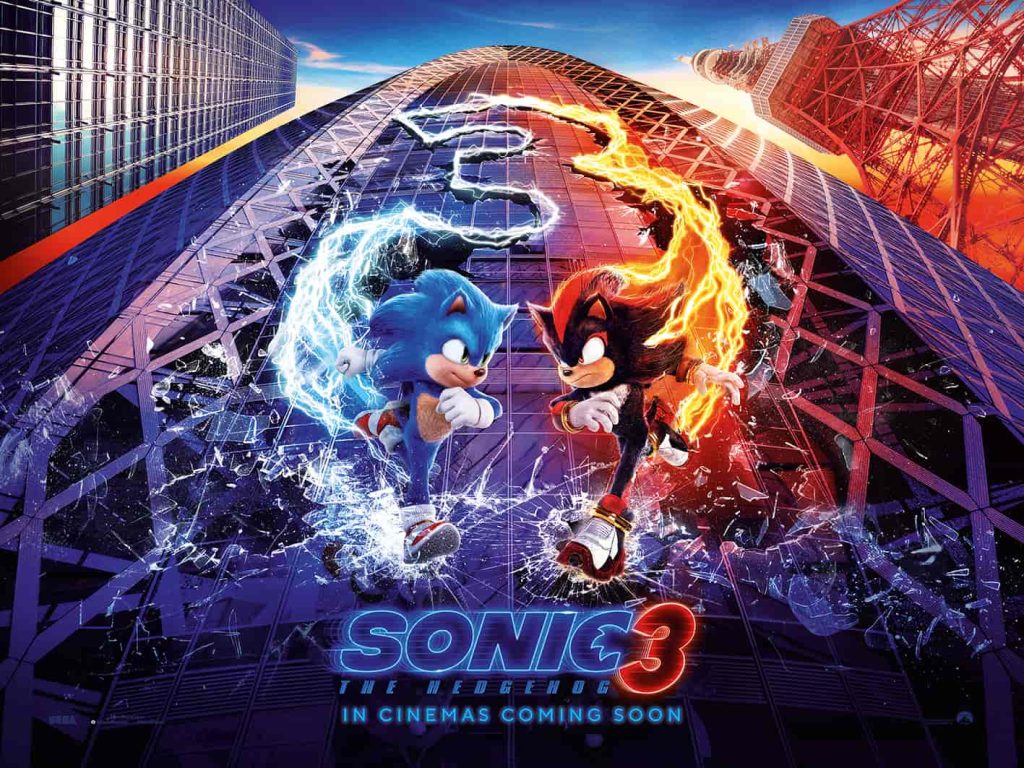
After living a lonely life on Earth at the beginning of the first movie, Sonic eventually stumbled upon the Wachowski family. They took him in and gave him the life he always dreamed of having. He finally found his place. Along with the dreaded arrival of Shadow in Green Hills, SONIC THE HEDGEHOG 3 is set to test that family dynamic more than ever before, and TIKA SUMPTER (Maddie Wachowski) is here to discuss that element with us…
STARBURST: What were your initial thoughts on doing a third Sonic the Hedgehog movie, and just how exciting is it to be part of such a great franchise?
It’s a joy to be part of this franchise, because not only did I grow up on Sonic, it’s exciting to be a part of a world that we’ve expanded so much. So when we got the call to tell me that we were doing Sonic the Hedgehog 3 in London and beyond, I was thrilled! It’s exciting to be involved with it because of the fans as well; they’re probably the biggest reason as to why we’re so successful!
You also worked on the spin-off series Knuckles; how did that open up the creative process for Sonic the Hedgehog 3? Did it open the world up a bit more maybe?
Yeah! It did open up the world, because I feel like even my relationship with Knuckles is different than it is with Sonic and Tails. Knuckles is… a knucklehead! He doesn’t quite understand certain things, but I love him. He’s like a loveable character with a very strong personality. So I had to put my mum hat on a little bit more and try to give it to him straight. So yeah, the depth and the connection that Maddie has with all of the characters just expanded when they asked me to go and do the episode of Knuckles. I feel a deep connection with these characters. I feel very protective of them. I feel like they’re my own!
Maddie has put up with a lot: she got pushed off a roof in Sonic the Hedgehog, and she had her sister’s wedding ruined by Sonic in the sequel! However, she still remains calm overall. Can you elaborate on the evolution of Maddie and where we’ll find her in part 3?
Yeah, I think Maddie has grown in the sense of, first of all not understanding what Sonic was in the beginning, and being like “What are you doing? What’s happening? I need to help a hedgehog right now!” What I love about Maddie’s character is she’s evolved from being that person on the outside to really being inside of the family unit and the team. She’s down to go and stand up for all three of them at this point, and get her hands dirty a bit, really be a part of the plan. Like she’d say “Wait a second, let’s put our thinking caps on. Can we really execute this plan?” Or, “Guys sit down and stop messing up the house.” She can do two things, she’s amazing at home, but she’s also really cool when getting into the action. I love the duality of who she is. She’s a veterinarian really, that’s what she does, that’s what she went to school for, and she’s that in Green Hills. But she’s also part of this family unit of creatures that get into lots of trouble trying to save the world.
Yourself and James Marsden have captured a great back-and-forth over the two movies, is the chemistry similar off screen? What’s he like to work with?
I can’t say enough about James. I could say, “Meh, it was fine, it was okay”, or, “Yeah, no, it was cool.” But he was ‘so’ awesome to work with! Literally, with our relationship, as soon as we see each other, it just jumps back. We bicker with each other; we poke at each other. Who’s the Sonic or the Knuckles of the two? Who will get to lead, kind of thing. We just have a really good relationship with each other. We talk about everything, and we joke around a lot, and I think that comes off on-screen. Our bickering, our love, our heart. I just think that chemistry has shown because we just really ‘do’ get along.
Sonic goes from feeling alone in the first movie, to having a family by the second movie. So how fun was that progression to capture, and what do you think family means for Sonic in this third outing? Does it continue to shape the story?
I think we become like the parents who aren’t cool! And I do know how that feels in real life. With my eight-year-old, sometimes I’ll do a little dance, and she’s like “Stop, please!” I think Sonic has found his stride. He’s found his people. As parents we’re trying to figure out where we fit in anymore. We’ve got to do our own thing. So, I think Sonic feels like he’s got this, but his team isn’t so sure yet. So I think he’s figuring a lot of stuff out. He’s a cool kid. He’s happy, he has his siblings, as I like to call them, and so it’ll be fun to watch the world expand even more, in the sense of where they get to go, and what they get to do in this one.
When it comes to capturing scenes as an actress with Sonic, how has the technology evolved over the years with that? Has director Jeff Fowler changed that process much?
Jeff is amazing. I know this a really big film, but when I shoot with him, it almost feels like an indie movie when we’e there, because he makes everybody feel so included. Everybody is important; no matter what you do on that set everybody is important, and it feels that way. He doesn’t yell as a director. On set, I kept saying, “Do you hear that? It’s quiet! Nobody’s yelling at each other!” So with the progression of feeling like it was real, it went from a tennis ball to a 3D cutout of these characters. They made it feel real. But then it went to these amazing puppeteers, who had these huge heads of each character, their mouths moved, and they sounded like Sonic, and they sounded like Knuckles, and Tails, and Shadow, and so it felt even more real. So as every movie came, not only did you see the greatness on-screen, but because there were so many good technical situations happening behind the scenes, that made us feel even more real, you got much more out of what you saw. So, yeah, shout out to Jeff, and the whole production team for making it even better for us actors every time!
With these movies, they can jump from a comedic atmosphere to a serious moment quite easily, it’s very clever. What kind of tone and feel can fans expect from Sonic the Hedgehog 3?
You’re always going to get the heart and the humour. Sonic has cultural references, and that’s what makes it funny; there will be some things that’ll go over kids heads. Some people are older now, in the sense of how they grew with the franchise, so they’ll get some of the references. That’s where the goodness comes in on this film; it’s big and action-worthy, and it’s got adventure, but you have to have heart, and you have to have humour within it, it can’t just be one thing. That’s what makes it fun, and that’s what makes it for everybody. It’s ingredients that are perfectly formulated, to make this the success that it’s been!
SONIC THE HEDGEHOG 3 zooms into cinemas on December 21st
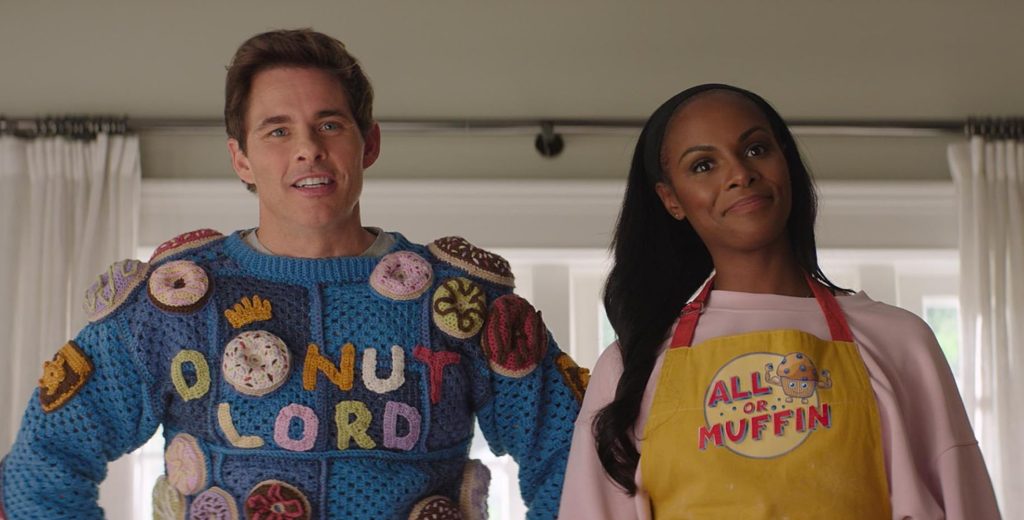
From his quiet life as a sheriff in Green Hills to a battle-filled one after meeting Sonic, that also saw him become a fatherly figure, it’s been quite the journey for JAMES MARSDEN’s Tom Wachowski over the course of the last two movies. Ahead of the release of SONIC THE HEDGEHOG 3, we caught up with James to dig into the evolution of the family dynamic between the Wachowskis and Sonic, along with uncovering just some of the high-stake elements of the third instalment…
STARBURST: By the end of Sonic the Hedgehog 2, Tom and Sonic become a family; they really are like a father and son. What can you tell us about the dynamic between Tom, Maddie, and Sonic within this third chapter, and how it compares to what’s come before it?
James Marsden: In the first film Tom and Sonic are on a road trip, and it’s kind of a buddy action comedy. By the end of that movie, you see a father and son thing start to evolve. You remind the audience that this character, who has all of these great superpowers is still a kid, in an environment and in a world that is very foreign to him. He needs guidance, and support, and love. In the second film, you see some flavours of Superman in his Earth father dynamic there. I always found that interesting, because here’s this character that is capable of such great and incredible things who still has self-doubt. The normal things that any kid going through adolescence would be experiencing, and the need for a calming presence, and a support figure in Tom and Maddie. So, it’s evolved into a family, where Tom and Maddie are essentially his parents, and now they also become parents to an echidna and a fox! As playful and fun as it can be on paper, where you see these two parents that are parenting three colourful, animated creatures, you never get the sense that you just have to play it silly. There’s a human component to all of this, and a human element that shines through, and I think that’s one of the reasons why these movies have more depth. Not in a heavy-handed way, but I think there’s more dimension to them. In the third film, Sonic is really starting to build his confidence. He’s got his core group of friends, and he’s now met with a new adversary through Shadow, who’s quite a bit more powerful than he is. He’s having to learn to allow other people to come in and help as well. “You can’t do everything alone!” It’s almost like you’re witnessing him turn into a fully realised adult, with the constant support of love and guidance from his family.
Was there any new aspects that you really wanted to bring to the portrayal of Tom in this movie?
I never wanted to have Tom lose his sense of playfulness either. It’s fun to play the father who’s guiding Sonic and giving him sage advice about life and the world, but you don’t want the whole thing to be a lecture. You want to remind people of the first film as well, where these guys were just two buddies who were enjoying each other’s company. So you get to see some of that with Tom this time around. I think Sonic brought out the kid in Tom, and Tom is helping Sonic grow up into an adult. You get to see a little bit of that playfulness in the third film, with Tom again. There’s a moment where Tom and Maddie are starting to feel a little bit like “Alright, Sonic is good now, he’s on his own.” It’s a little bit empty nest, and they’re wondering, “What’s our purpose now?” But maybe they get to join forces and help out a little bit with some of the fun action pieces…
Talking a bit more about these movies as a trilogy, what else do you think Sonic the Hedgehog 3 contributes to the overall arc of the series?
With each film the scope grows. The scale of these movies continues to just multiply and become really universal with the places we travel. But I think the most important difference between this film and the last two, is that there’s a level of darkness to it; not to say that we’re going full on Batman Begins here, but the threat is more dangerous and it’s a lot more advanced. I think there are moments in this one where there maybe aren’t as many jokes being thrown out when the battle sequences begin; it’s like “Oh, there’s real peril here! This is real danger!” You’re dealing with a character who has a severe chip on his shoulder, and a sense of vengeance, and anger. Shadow is dealing with a loss from his past, and he’s let the sense of revenge and anger kind of drive him. Whereas Sonic had a similar occurrence when he was young, but he didn’t let that overtake him or define who he was. So, you have this character of Shadow who is very powerful, even more powerful than Sonic, who is driven with ill intent and real, extreme negative emotions. It’s a recipe for some trouble. The threat level is much higher, and much more real this time around, but I think the audience is ready for it!
SONIC THE HEDGEHOG 3 zooms into cinemas on December 21st