[ENDED] Win Seven Awesome Fantasy, SF And Horror Books With Edge-Lit 7!

Edge Lit

Derby’s annual fantasy, sci-fi, horror and crime day returns to QUAD for its biggest year yet, with Edge-Lit 7 taking place on the 14th July, and we’ve got a mega stack of books to give away from just some of the authors taking part in the event!

This year’s Edge-Lit features one of its best line-ups ever, with Guests of Honour Frances Hardinge, Conn Iggulden, Paul Tremblay (heading from the US for his first ever UK event) and Adrian J Walker joined by a host of superb writing talent including RJ Barker, Rod Duncan, Zoe Gilbert, Vic James, Paul Kane, Mark A Latham, Laura Purcell, Anna Smith-Spark, Anna Stephens, GX Todd, Jen Williams and many more!

To check out all the latest information on this packed one-day event, or to book your tickets, just drop by the QUAD website at https://www.derbyquad.co.uk/events/edge-lit-7.aspx.

To celebrate the event, STARBURST has teamed up with Edge Lit to offer a fantastic book bundle from just some of the awesome authors taking part! If you fancied landing yourself the bundle below, all you need to do is answer one simple question…

Age of Assassins by RJ Barker (Paperback)
Unseemly Science by Rod Duncan (Paperback)
Sherlock Holmes and The Servants of Hell by Paul Kane (Paperback)
The Court of Broken Knives by Anna Smith-Spark (Hardback)
Godblind by Anna Stephens (Hardback)
Defender by GX Todd (Paperback)
The Ninth Rain by Jen Williams (Paperback)

Which Derby venue will be hosting Edge-Lit 7?

A) QUAD

B) PYRAMID

C) PARALLELOGRAM

The competition closes at 5pm on Thursday, July 6th.

Email your answer, along with your address details, to [email protected], and put “Book Me!” in the title.

Terms & Conditions:

Edge Lit and STARBURST do not accept any responsibility for late or lost entries due to the Internet or email problems. Proof of sending is not proof of receipt. Entrants must supply full details as required on the competition page, and comply with all rules to be eligible for the prizes. No responsibility is accepted for ineligible entries or entries made fraudulently. Unless otherwise stated, the Competition is not open to employees of: (a) the Company; and (b) any third party appointed by the Company to organise and/or manage the Competition; and (c) the Competition sponsor(s). This competition is a game promoted STARBURST. STARBURST’s decision is final in every situation and no correspondence will be entered into. STARBURST reserves the right to cancel the competition at any stage, if deemed necessary in its opinion, and if circumstances arise outside of its control. Entrants must be UK residents and 18 or over. Entrants will be deemed to have accepted these rules and to agree to be bound by them when entering this competition. The winners will be drawn at random from all the correct entries, and only they will be contacted personally. Prize must be taken as stated and cannot be deferred. There will be no cash alternatives. STARBURST routinely adds the email addresses of competition entrants to the regular newsletter, in order to keep entrants informed of upcoming competition opportunities. Details of how to unsubscribe are contained within each newsletter. All information held by STARBURST will not be disclosed to any third parties

<

Alfie Dennen | EVIL CORP

evil corp

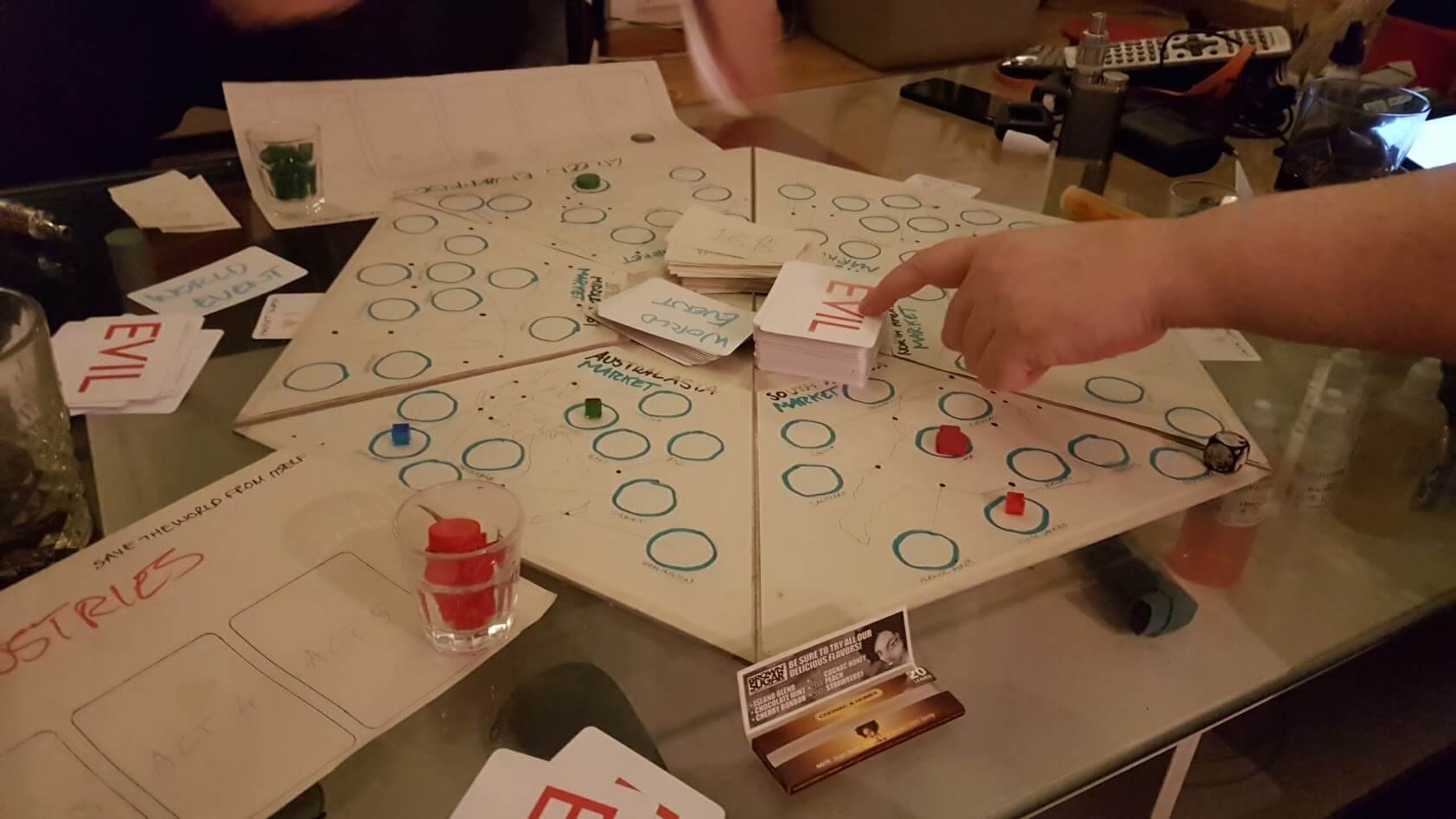
Alfie Dennen is the co-founder of mobile blogging platform Moblog, and is responsible for various projects that fuse art and technology. His latest project is Evil Corp, a board game that allows you to imagine a world where billionaires plot to take over the world. We caught up with him to find out more.

STARBURST: Where did the idea for Evil Corp come from?

Alfie Dennen: My co-designer Allix and I were playing character sheet RPG with our table-top group. We were all really shit superheroes in 1908’s NY – the conceit was that our fatal flaws were so bad that none of the major superhero teams of the time would accept us. We were only two sessions into the campaign when in some moment or another we were chatting and the trope of Evil Corp came up (yes, we’re both film and TV nerds) and Allix said something to the effect of “Evil Corp… now that would make a good game.”

The next session the four of us thought about that game would look like instead of continuing the campaign. 2 sessions later it looked like this:

evil corp

It doesn’t look that different today to be honest.

Why a board game?

Because we’re talking about the actual world here, just a less nuanced Black Mirror type of version of it. We knew we had to have world events which would be out of a player’s control. We knew players would have characters that had to have agency in that world in-line with being Billionaires. Allix and I spent about 6 months making a video game about ten years ago. Its nature was defined by our idea for it (it was a mobile game). It’s the same thing with Evil Corp – it had to be a representation of the world.

Are we living in an age where Bond villains are plausible?

If only it was so romantic an age. Of course not. Our world has been made clearly visible to anyone who wants to understand it and it is chilling in its pedestrian murder and our own quiet complicity in the fact of it. I’m still not sure about Elon though.

What inspired Evil Corp?

I can’t speak for Allix but for me – my life. I don’t know if you Googled me but I’ve been doing mad shit for years: https://en.wikipedia.org/wiki/Alfie_Dennen; from start-ups in the early noughties to global activism against terrorism and art projects about how to make people feel connected to cities it’s always felt to me at least as though sure, the world is fucked, but it’s fucked in a way that’s sort of understandable and manageable. A couple of years ago neither of tat stopped being true. Post-capitalism isn’t a book it’s a street I cycle down on my way to work.

How would you pitch Evil Corp to non-gaming friends?

“Did you see Elon Musk sent a car into space?”

“yeah that was rad!”

“I know right!” I’ve got the game of it.”

Why do you think board gaming suddenly become so big?

I’m not qualified to answer that, I now f’all about board games. The only thing I know is something someone said to me recently: “There’s no such thing as the mainstream anymore”. And when you think about it that sort of explains everything. It explains why fake news is true to some people and it explains why clickbait about a 4k video of the moon unreservedly disproves the Fake Moon Landing conspiracy for others. Maybe the mainstream we’re in where board games are super fun and interesting has just met one or two others where caring about the environment and wondering how the world got so fucked up collide.

What’s your favourite mechanic in the game?

This is going to be controversial – in our endgame you have to use Agent cards to 1) infiltrate the startup 2) undermine the prototype and 3) destroy the ‘Killer App’. It is predicated on d6 rolls which are tactically offset by having spent assets in the preceding round on re-rolls and the chance to get as many agents as possible. As a group of players against the player who has just launched their Secret Plan suddenly you are thrown together in a romp where because of the chance aspect and your hope for your assets to work for you everyone’s excitement just dials up to 11. Because we are complete dickheads though, the chance of winning against someone who has managed to get to end game is about 1 in 12. It’s not the movies yo, the dashing super-agent doesn’t win, she dies.

Our game is low-medium strategic so min/max players often feel taken aback at this point in the game since it feels as though everything you’ve worked so hard for and literally spent Billions on is for nothing. Or at least very little. We’re also not *complete* dickheads though, we’re currently playtesting 2 ways to make the endgame what we want it to be while making it satisfying for players who want to use their work to its nth.

The game is very pretty. Where does the idea for the stark design come from?

It feels stark because it’s the world in front of us as we went through design. It basically couldn’t have been anything else. When I was first looking at design approaches I came across the work of Liam Brazier.

What I was looking for was a way to represent these Masters of the Universe type characters without giving them the dignity of humanity. I didn’t want people playing the game to genuinely connect with them. Liam’s low polygonal treatment of his subjects just jumped out at me the minute I saw this image as how to do that. Luckily a friend was his friend and after Liam saw an early prototype (and at least 5 beers later) he was signed up.

When it comes to the map that started with Allix and was refined by Michal like crazy. I would say the thing we are most proud of as a design team though are the cards. There are beasts, they contain so much information. Not in a game way but in an information architecture way.

If you were a billionaire, what would your world domination plan be?

To replace Government with something that works. Pretty Evil sounding right?

Why Kickstarter?

We invested probably about £25k of our money to make it good enough to put in front of people. Super happy to do that because it was fun and we learned loads and we’re not here to amuse people for one game.

The Kickstarter is currently running till the July 14th, 2018 and can be found here.

Where in the World Cup is the DOCTOR WHO Trailer?

world cup

With just one match of England’s World Cup campaign played at the time of writing, perhaps the biggest talking point outside of Tunisian attempts to drag Harry Kane into a spot of on-pitch wrestling came off the field of play when the much-rumoured trailer for Series 11 of Doctor Who failed to materialise at either half or full time during BBC Sport’s coverage from Volgograd.

Of course, anyone who saw last year’s men’s Wimbledon final will know Jodie Whittaker is no stranger to such things – the short scene confirming her casting was broadcast following Roger Federer’s win on Centre Court, a spectacle beyond even the machine mind of K-9 going by the events of The Stones Of Blood when he takes an instruction from the first incarnation of his mistress all too literally after she herself struggles with the most English of idioms spewed forth from the mouth of the man she’s been thrown together with by the White Guardian.

DOCTOR: Anyone for tennis?

ROMANA: Tennis?

DOCTOR: Yes, it’s an English expression. It means, is anyone coming outdoors to get soaked?

For her part, she knows nothing of the solid thwack of racquet on ball. Nor will the tin dog soon enough! “Forget. Erase memory banks concerning tennis. Memory erased.” The whole business, though, does raise a fair few questions. Firstly, when are we actually going to get a trailer? Secondly, would splicing a trailer into the coverage of the Three Lions really have been such a bad idea?

Consider the facts. Viewing figures released in the aftermath of the nervy 2-1 win for Gareth Southgate’s men suggest an average 13.7 million people fought the urge to put their feet through the screen and/or watched through their hands. Particularly as Kyle Walker’s elbow made contact with Fakhredine Ben Youssef and the resulting penalty was tucked away to make it all square, when it had earlier seemed there could only be one winner…

If we cross the pond just for a second we also have perhaps the most convincing argument for such a placement. Swapping the round ball for one of a more oval variety, the traditional NFL season finale- to use a spot of American telly parlance-brings with it a chance for the enterprising television network or film studio to muscle in on the popularity of the Super Bowl with the wider viewing public of the land of the free and home of the brave.

Trailers for several of the bigger cinematic and televisual releases, some of which went on to be reviewed in these hallowed pages, formed part of the spectacle as the Philadelphia Eagles stunned the New England Patriots 41-33 in this year’s showpiece, the most recent example of a long and productive relationship between the medium and one of the highlights of the US sporting calendar.

In light of which it seems almost an oversight to think that we got nothing of the sort during any similar event on these shores pre-Whittaker at Wimbledon. Not even a sniff of Who as an England then led by Steve McClaren kicked off 2006’s World Cup in Germany with a 1-0 win over Paraguay, part two of the Impossible Planet/Satan Pit doubleheader getting underway after a Carlos Gamarra own goal ensured a decent start for the Wally with the Brolly (as he was later dubbed by the tabloids) in the hottest seat in the country.

Fast forward to 2010 and we’d actually get a Doctor with aspirations of playing the beautiful game himself- on a far grander stage than Sunday League for the Kings’ Arms. Only a back injury stopped Matt Smith from pursuing the beautiful game as a career, though it took a Desert Island Discs appearance for him to really open up.

It was a tough time because I just felt unfulfilled, to be honest, I felt like I was so certain that that is what I was going to do. Fortuitously there was a drama teacher, Terry Hardingham, who said, ‘you were never meant to be a footballer, I always thought you were really great at acting’.”

He was, he later confirmed, also banned from taking part in a weekly kickabout for cast and crew in case he injured himself! ‘I’d love to play football now. Everyone at work plays on Tuesdays, but they won’t let me. I guess it’s the insurance companies and, realistically, if I turn my ankle over and we can’t shoot, then we’re screwed, aren’t we? You just can’t. It’s a small price to pay.’

Unless you count a solid 90 minutes alongside Craig Owens?

DOCTOR: Pub league. A drinking competition?

CRAIG: No, football. Play football.

DOCTOR: Football. Football. Yes, blokes play football. I’m good at football, I think.

Wearing the number 11 shirt he goes on to prove that indeed he is – BBC Sport tying in a special mini-episode of Football Focus as part of Doctor Who Confidential showing highlights of a win over the Rising Sun.

Though we never see the outcome of the following weekend’s game with the Crown and Anchor. Perhaps Smith and everyone else involved had one eye on preserving themselves for the bigger match on the Tuesday?

Or simply like most of the rest of the country wanted to nurse a pint and watch another English World Cup campaign get underway in South Africa with a 1-1 draw against the United States following a goalkeeping blunder by Robert Green over on ITV, kick off immediately following the final whistle of the Kings Arms match.

Disappointing perhaps, but better overall than the previous such meeting between the two in Brazil in 1950, a then part-time US team beating the Three Lions 1-0 well before their country’s turn to host the tournament and a Diana Ross missed penalty during the opening ceremony.

And yes, you did read that right! Whether the BBC will be left with its head in its hands ruing the missed opportunity to get a little more exposure for our newest Doctor minus of course the spot kicks (though Jodie doing a Diana might have been a more entertaining spectacle in itself than what we got instead, a 5-0 Russian whitewash of poor hapless Saudi Arabia) remains to be seen in lieu of an actual preview – but for now, they think it’s all over…

Joseph Willis | FEAR ITSELF

Willis

Sheffield born Joseph Willis is known for his love of horror theatre and a habit of carrying too much fake blood. He’s one of the minds behind horror theatre production company Danse Macabre. We caught up with him to find out more about their latest show, Fear Itself, which is heading to both The Edinburgh Fringe and the London Horror Festival. We caught up with him to find out more about the show.

STARBURST: Tell us a bit about Fear Itself?

Joseph Willis: Fear Itself is our brand new one-woman horror show that follows Dr. Amelia Greenwood, a former psychologist turned motivational speaker as she tries to conquer the audience of their fear. However, in doing so, she must confront the ghosts of her past both metaphorically and literally, awakening truths she thought had long been buried. It’s what would happen if you crossed a TED Talk with an MR James ghost story and then had Clive Barker do the rewrites.

What are the challenges in doing theatre on the stage?

The main challenge that has presented itself when producing horror theatre for the stage is the limitations on spectacle that the medium can create. For example, we are not able to use CGI like films do and have say someone turns into a giant pineapple and crush someone’s face in (as much as we would love to). However, whilst it is a limitation, it is also a huge benefit as it requires us to think more psychologically when devising our shows. For example, one of the best audience reactions we’ve had was through a very simple but terrifyingly effective piece of stagecraft. In our show Every Breath You Take, we had a scene where the main character’s flat had a blackout.

In this blackout, we played heavy breathing over the speakers and had members of our company touch various audience members on the shoulder. This leads to much screaming and was excellent evidence of how the intimacy of the theatre can be just as scary as a big CGI budget. The same goes for good old-fashioned storytelling as the lack of spectacle also makes you focus on telling stories that are much more insidious in their terrifying ideas. Stories which plant seeds of doubt in the audience minds, worming there way in so that they spring up from their bed at night to check under the covers. (I promise we’re nice people, honest!) These can be just as effective, if not more so, than the spectacle and so are also key weapons in horror theatre’s arsenal; further showing how these challenges are benefits.

What inspired Fear Itself?

The idea for Fear Itself came initially from our social media accounts being clogged up with various inspirational posts, quotes and videos telling us how to achieve, believe and grow. Which is all fine and good until we started fact-checking for fun some of these posts (we really need to get out more). Many of the quotes were mislabelled or videos falsified, and so we began to think about how often people believe what they want to believe. Creating their own narratives, often through this type of inspirational media to help them make sense of themselves and their lives.

Whilst not always a bad thing, it can sometimes cause people to overlook or ignore more negative aspects of their personalities, rather than making them address the problem. This then leads us to motivational speakers and how the bad ones use this to exploit the audience much like how a fake medium does with a show or séance, by giving false comfort. However, unlike the idea of a fake medium, where the horror potential of a show going wrong is both obvious and has been done numerous times, there had never been a horror piece about motivational speakers, even though the parallel between them both is quite significant. Thus, we thought a) why not and b) wouldn’t it be scarier? For it is often the terror within the mundane that is scarier than the terror of say a giant clown from space. For it’s closer to home, and much more likely to happen, especially for an audience member thinking about it as they walk home at night. Also, we really really wanted to buy a new microphone and the show allowed us to do that (it has multiple inputs and a lovely rich sound quality and everything!).

How would you pitch it to your grandmother?

A lovely heart-warming inspirational drama of a young psychologist getting over her ex-husband by confronting the metaphorical ghosts of her past. She abhors horror, so I think describing it as a Channel 5 afternoon movie might be the best bet to get her to come to see it. All it would need is Jennifer Grey from Dirty Dancing in the main role, and she would probably bring her whole coffee group. Love you, Shirley.

How did Lovecraft change horror?

For us, Lovecraft is king (or Shoggoth) as he removed resolution from the genre; or at least the need for it. For in all other classic pieces of horror before it, Frankenstein, Dracula etc. there was always a form of resolution, a sense that the monster or horror was dead and buried. This allowed the reader to sleep better at night, knowing that the monster could not come for them (unless it was a zombie or succubus because then things get a bit trickier, however both these terms weren’t really coined until the 20th Century, so we’re probably just invalidating our argument, but on the other hand steampunk zombies would be incredible, right?).

The genius of Lovecraft was that he brought in the idea of the horror having no end, that the old gods would always return whatever, and that there was nothing that we could do to stop it. There was no resolution, no safety net, just a terrifying existential dread that it was only a matter of time before that thing or sea creature appeared at your doorstep. This has obviously been used throughout horror ever since, from Halloween to It Follows (spoilers, sorry!), but its significance cannot be overlooked. So thank you, Lovecraft for this gift that keeps on giving and hail Cthulhu as the old ones will come for us eventually.

Does the stage make horror stories more intimate?

Definitely. Not only from a spatial point of view as the actor is only a few metres from your face, but also again in the sense of the stories that you can tell. As previously mentioned, theatre limits you in scope and scale, but this becomes beneficial, as it makes you come up with smaller more insidious scary ideas that you feed into the audience’s brain rather than spectacle. Thus, you can draw the audience in with effective storytelling and keep them up at night not with a shocking image but a shocking idea that makes them think twice before checking under the bed at night.

This is why I think people are repeatedly drawn to theatrical horror, because of this intimacy. It’s how Dickens used to go about telling A Christmas Carol and it’s the reason that The Woman in Black has been going on at the West End for more years than I’ve been alive (and probably will long after I’m gone or have returned as a flesh-eating immortal; god I hope that blood sacrifice wasn’t for nothing). It is a way of telling stories that no other medium has and a way of being scared that no other experience can give you.

Many horror fans are not regular theatregoers. What should they expect?

They should not expect to go in seeing gore and the effects budget of a blockbuster. However, they will get to see something much more quietly effective in chilling you to the bone. Something that will stick with you long after the applause has ended and bows have finished (and we’re not just talking about the chewing gum on the theatre floor; remember to pick up your rubbish on the way out).

As well as this, they shouldn’t expect to be safe in an auditorium. For whilst in a cinema or at home, the movie can end, or the film can be paused, in the theatre, the show is live and in your face. Anything could be behind you, or next to you in the dark, people could be hanging from the ceiling or even be under your seats (always remember to check under your seats). In the theatre, all rules are off and anything could happen, both good, bad, and horrifying. It’s what make horror theatre so great, but viewers of a nervous disposition should be warned (or if they want to ignore this warning at least bring a lid for your drink.)

What is the future of horror?

The future of horror hopefully lies in three different areas if all goes well (if not, well I’m already building my nuclear bunker in Sheffield, from VHS copies of the Leprechaun movies so I’ll be fine). Firstly, pieces which use the genre to heavily criticise and discuss social, political, and cultural issues will take precedent over quicker easy to make but exploitative media like Hostel or The Human Centipede.

Metaphor is nothing new to the genre, having been used since its inception (vampires were initially a way of talking about syphilis, Twilight fans!) but more frequently now it is being used in a more important and vital context, giving voice to ideas and thoughts that would be overlooked or ignored due to their political, social, or cultural content. By placing them in a horror context, they are more likely to slip under the radar and allow the piece to get made, whilst still being able to disseminate their ideas and create discussion.

An amazing example of this, of course, was the incredible Get Out and hopefully, more horror media follows it example. Secondly, pieces which are schlock but fun schlock will continue to survive and thrive and hopefully not be thrown out with the dirty dirty bathwater that is pieces like Hostel or The Human Centipede (if you haven’t gathered I really dislike this stuff and believe it ought to be fired into the moon or Mars, I have no preference on planet). For sometimes we, as horror audiences, don’t want to think and instead just want to see five teens go out to a cabin and things go awry.

But if this is the case, we still want it to be enjoyable or have interesting characters or a decent plot. If we make the blood splatter matter (yes it did take at least five hours and seven coffees to come up with that pun) as in pieces like IT or The Evil Dead, then we can still have our axe-wielding murders but without all the upsetting sadism and weird obsessions with sowing people together (though I would go to see the human pineapple any day of the week). Thirdly and finally, hopefully, horror theatre will continue to grow in its legitimacy to the point where it is on par with the cinematic medium. It is already beginning to do so thanks to the incredible work of London Horror Festival, its producer the amazing Katy Danbury, as well as the never-ending ghost train that is The Woman in Black but hopefully it will continue to go from strength to strength. If not, as I said, the bunker is starting to look sturdy right now.

Where do you draw your inspiration from?

From an artistic point of view, it is the usual touchstone of such greats as Rod Serling, Richard Matheson, Mary Shelley, Stephen King, Lovecraft, and George A. Romero as well as comedically the League of Gentleman, Dave Allen, and Peter Cook, but in all honesty, it mostly comes down to one person, my mum. From making me watch Alien when I was four to buying me a fake decapitated hand, she has always allowed and supported us in my passion for all things macabre (though sometimes she heavily hints that I should really get on writing something happy like a musical). She was the person who introduced me to all those touchstones above and who kept saying yes when others said no. So, in a way, I draw much of my inspiration from her, through her likes, recommendations, and support. Also, a lot of my ideas, have come from asking myself what would really scare my mum, as she is one of the hardest people to scare! Thus, she provides a great sounding board, as if I can manage to even get a sense of dread out of her, then I’m on the right track!

If you could ask one person, alive or dead, one question, who would it be and what’s the question?

Apart from asking Rod Serling what the actual postcode of The Twilight Zone is, I would love to know where Washington Irving got the idea of the Headless Horseman from. As a long-time love of mine, The Legend of Sleepy Hollow has been another constant inspiration in my work and it was a dream come true when last year we were able to perform a site-specific version of the story in some Yorkshire woods at night. However, whilst many other inspirations for ideas have been well-documented, the mental ticking’s of Irving has not really been discussed too much length (or I need to read more). Therefore, I would love to find out how he came up with one of the most prominent and brilliantly twisted characters of all time.

Why the Edinburgh and London Horror Festivals?

Having worked at the Edinburgh Festival multiple times before, I have always resisted taking a show up there as I have seen numerous companies come out the other end beaten, heartbroken and broke. However as 2018 has already done that to me, I thought what’s not to lose? Joking, of course. In all honesty, having been up their multiple times, I believe that we have enough know how that we can really appeal to audiences, especially in a time when horror theatre and experiences are beginning to gain huge traction.

Also getting to perform horror at the world’s largest arts festival will be an incredible experience, as well as allow us to do our part in providing the genre with a bit more legitimacy in the theatre. Some of my favourite shows and horror of all time have been from going to the Ed Fringe, and the ability to see work that you would never normally get to see is one of the festival’s biggest appeals. Thus, hopefully, people will be more open to seeing horror and come and discover us at Mint Studio at 8.50pm at Greenside Infirmary Street (sorry had to get the plug in somewhere!).

Regarding the London Horror Festival, it has always been an incredibly supportive platform and at the forefront of promoting theatrical horror. The team at the Old Red Lion led by Katy Danbury have always been helpful to new horror companies and especially ourselves, promoting, supporting us, and providing a home away from home in our work. Thus, there was no debate, we had to go! Also, because once again, Cthulhu commands it. All hail the elder lord.

What other shows would you recommend?

There are so many it’s unreal, but we’ll keep it to a small group so as not to take up all the space!

Firstly, horror shows that must be seen at Edinburgh are the wonderful horror comedy group Kill the Beast, who’s new show Director’s Cut, is terrifying and hilarious in equal measure. Imagine a physical theatre League of Gentleman and you’re halfway there! Another brilliant terrifying and funny show is Providence, which is a collaborative project by Simon Maeder of Superbolt Theatre and Dominic Allen of the Flanagan Collective telling a very Lovecraftian version of Lovecraft’s life.

Not to be missed. Also, not to be missed is Cast Iron Theatre’s One-Woman Alien, which is as it says on the tin, a one-woman version of the film Alien and just as good, if not better than the original. (Shush don’t tell Ridley!)

In the non-horror boat there are a number of incredible shows that should be seen Electrolyte by Wildcard Theatre, an electrifying piece of gig theatre looking at mental health, Orange Skies Theatre In Addition, which uses torchlight to tell a very possible future of a dismantled NHS, Hitchhiker Collective’s Pig Circus which makes Brexit seem fresh and funny and Not Cricket Productions A Gallant Life, which shines a light on First World War Female Ambulance Drivers.

Also, if you can’t make it to Edinburgh go see Out of the Forest Theatre’s Bury the Hatchet at the Hope Theatre from July 24 – August 11th, which a brilliant new re-examination of Lizzie Borden’s life is and recently won awards at the Vault Festival.

The London Horror Festival programme is still being fully decided but check back in on their website on the July 1st for more info!

Is the field of horror theatre growing?

Yes, not at a vast rate like The Blob or The Stuff but at a creeping rate like the monster from It Follows. In a couple of years, we have been going we’ve seen more companies come out of the woodwork and from out of the shadows to utilise the advantages of theatre in horror. Also, as already mentioned London Horror Festival has been huge in promoting horror theatre and showing that it is a legitimate part of the Art Scene. There’s still a long way to go, but in the next couple of years, it is going to hopefully grow and grow. This also partly comes down to a change in the way audiences are viewing the shows, not just as exploitation and gore, but stories with heart, humour, and soul, which also just happen to want to scare the living daylights out of you.

Why do we love scary stories so much?

I used to be pretty much terrified of everything. However, despite that I would keep watching scenes from The Thing and Halloween or reading Edgar Allan Poe even though I knew they would keep me up later that night. This was because I loved the feeling of my heart-rate going faster, the adrenaline pumping in my veins, and so would continue, as nothing else would give me an experience like it. This is why I initially loved scary stories and why I think many people get into scary stories also. For the kicks, the fun, the ‘I can’t believe you watched the whole thing’ conversations in the playground.  However, as I got older and like any junkie became more accustomed to the terrors and frights, this love transformed.

It no longer became about jumps and bumps but about how watching, reading, and listening to horror allowed me to confront my fears about the world. This is why scary stories have remained around so long, and why I think people have and will continue to enjoy them. That by telling these tales, we become less scared of the world around us. For it shows you that the scariest thing in the world is your imagination and that whilst you can come up with 14 horrific ways of dying in the 5 minutes that you are sat on the bus, the chance of any of them happening is extremely unlikely. In a way scary stories are therapy, making us feel safe and sleep better as we know in the end, that the demon under the bed is just the one we’ve come up with (unless there is a real demon there, then you’re really in trouble.

You can catch the Fear Itself at The Edinburgh Fringe at Venue 236 from August 3rd, 2018 until the August 18th. Check the programme for details.

It will also be at the London Horror Festival this October.

Don’t Stand So Close to Me – Keep a RADIUS

Hitting the Horror channel is the sublime flick Radius, and let’s say from the very off that what it lacks in budget, it makes up for in concepts and twists that’ll leave you feeling like you’ve been sack-tapped by Le Chiffre. The film is the second collaboration for directing duo Steeve Léonard and Caroline Labrèche – the latter of whom also takes on head writing duties. Since little can be found regarding the pairs previous credits, Radius can surely be classed as the cinematic birth of these two very talented folks.

Radius was premiered in July last year at the Fantasia film festival where it garnered critical acclaim and an award, before going on to show at further fests and continuing its gong-winning streak at places such as FrightFest. The premise of the film was reputedly the bolting together of two very separate ideas, one previously seen on screen and the other from a comic book. To cite the two sources would be to blow open the meatier elements of the plot, so we’ll just leave you to decide what they were after you’ve seen it.

That’s not to say the film is derivative or at all unoriginal; far from it. It takes a very simple notion and pulls at it until it nearly snaps. In the finest tradition of high concept ideas, you are left constantly asking ‘what if it were me?’ and the perennial pub favourite ‘would I use that power for good or evil?’ Answer: you can’t use it for good.

We need to decide whether this is horror in the truest sense, or merely (for want of a better expression) horrific. The deaths, while plentiful, are never more than the whiting of eyes and a flop to the floor like a shopping bag full of shit. And yet, while we say ‘nevermore’, the effect is so simple in its execution that it makes each death all the more powerful, laying out quite how short and ineffectual a life can be. Nihilism at its very bleakest. There are no bombastic explosions, just cars sliding off the road, another corpse found at the wheel. Coffee shops are filled with punters slumped over their still warm coffee and streets are littered with people caught in the middle of everyday life before summarily losing it with the click of a finger. It is this that places the film squarely in the jaws of horror rather than teetering on the harder edge of a horrific thriller.

The look of the film would seem to owe a lot to The Walking Dead, but don’t let that great show’s deathly drop (and perhaps demise?) let you think that the comparison is in any way an insult. The locales are reminiscent of TWD, as is the grainy effect on the film stock, though one suspects this is an artistic choice rather through conversion of celluloid to digital. The lighting hits the mark; nothing is too dark, or too light in a way that would give a feeling of the artificial. It’s that wonderful sweet spot, and like good editing, you simply don’t notice it. Speaking of the editing, handled by one of the directors, the pace trips along nicely, giving time where needed and skipping past what could have been the slower parts.

The cast is minimal, with the two leads doing most of the heavy lifting. One notable exception to this is the policewoman appearing near to the beginning of the film played by Alicia Johnston. Her two scenes end almost heartbreakingly and add a sense of the real to the whole piece. And as for that tone, this is a serious film; don’t expect any laughs or levity to lighten the mood. It starts dark and ends darkest. Dark in a good way, though, like what the term meant before Christopher Nolan stamped his boot into it, chewed it up and spat it out repeatedly.

You’ll have seen Diego Klattenhoff in something before, having Pacific Rim, After Earth, and Homeland to his name. Klattenhoff plays Liam, who starts the film as an amnesiac in an overturned car, and nails the performance. By far the strongest thing in a cast of very strong actors, it’s a shame we don’t see him in more or at least in bigger parts when we do get to see him. He does brooding without being all frowns and forehead and brings a touch of Michael C. Hall in looks and demeanour.

Klattenhoff (we like saying his name) is joined by Charlotte Sullivan as Jane (prizes for guessing what her surname might be, answers on a postcard please). Sullivan is something of a veteran when it comes to fire/police department based US TV shows, with her only real genre effort being an episode of Goosebumps way back in the olden days (1996). Sullivan’s’ Jane also starts amnesiac and if we are honest, a little bit weak. Thankfully, this subsides after the first ten minutes and while her dialogue is often relegated to plot exposition, the actor quickly stands shoulder to shoulder with her co-star. That plot exposition, it has to be said, is deftly done. There are intricate little nuggets of information that really do pay off, even as insignificant as they may seem, a line about pizza, in particular, being a good example.

So after all that teasing, let’s take a gander at the plot. The central premise of the film is explored very early on, so that’s safe to mention, but there are a couple of real curveballs thrown in that we will do our best to avoid.

Radius opens with that massively overused shot of an eye opening before the camera pulls back to reveal a rather battered and bruised Liam, having flipped his car on the outskirts of a small town. Bumbling his way into town, He is nearly run over by a car nonchalantly sliding off the road and crashing down the embankment. Inside the car, Liam discovers a young woman, her eyes whited out as though she’s spent the night tooting on the good stuff. Realising he has lost his memories, our man checks his wallet to discover his name is Liam Hartwell and starts to wend his merry way home. Entering a coffee shop he passes, Liam discovers all the punters are dead and begins to suspect this is all the result of some airborne virus.

At this point, there comes a couple of flora based shots that make your stomach lurch into The Happening territory. Fear not, for it ain’t the trees wot killed ‘em. This must have been a purposeful nod on the part of the filmmakers, it is just too knowing for it to have been happenstance. Liam makes it home and begins taping up the windows, handkerchief to his mouth as he goes, trying to piece together who he might be from the artefacts around his home. Sometime later, a farmer approaches Liam’s home and promptly drops dead.

It is here that we learn one half of the films’ central idea. Anyone who gets within a certain range of Liam drops dead. Having worked this out, he ensconces himself in the shed for a bit of bourbon-based thinking time.

Our other amnesiac, Jane, comes to find Liam at his home, finds him in the shed and explains that (shock!) she was with him in the car crash. What’s surprising about this is that she seems to be able to approach him without popping her clogs. Saying nothing of the deaths, Liam presses Jane on what she knows about the crash, which, as we’re sure you’ve guessed, is precious little. The pair goes off to investigate the crash site.

It is here that they discover a charred circle and work out that having been thrown from the car, they both landed on opposite sides of said circle. Using a poor unsuspecting pigeon, Liam demonstrates his theory to Jane, that it is his proximity that causes death. What did the poor pigeon do to deserve that? Flying-Rat lovers beware, there is a lot of birdicide (not a real word), which perhaps belies a hatred for our winged friends on the part of the scriptwriter?

Jane freaks out, as you would, and starts to walk off. A passing cop see’s the altercation and stops to ask if they are ok. Jane continues to walk away and the policewoman hits the dirt. It is now that the pair realises that, for some reason, Janes proximity to Liam stops the death effect he emits.

To continue further would really spoil the rest of the film. With one simple conceit, the movie layers up questions and themes with a nuance lacking in so many other flicks, let alone a ‘horror’ film. We use the word horror there in annoyed reference to the way most mainstream critics view horror, as nothing more sadomasochistic slashers, unable to make us think. Scantily clad girls running down corridors or leering bogeymen in the shadows. A medium for titillation, rather than insight to the human condition. Radius does make us think.

A good chunk of the first part of the film essays what it would be like to be stuck with a stranger, possibly for life, and the consequences of being pulled apart. It posits the notion of meeting, falling in love and knowing that no matter how south the relationship goes, you can absolutely never part. A couple of nights in the spare room maybe, but when separation causes the deaths of hundreds and possibly thousands, divorce would simply not be an option. It’s a bleak view, sure, but in its own way it asks us a question many of us would fear to entertain ‘what if I do stop loving you?’ That’s not to say there is a romance between the pair, but the allegory in their plight is plain as day.

Throughout, there are flashbacks and some flash-forwards; this is, after all, a film about discovering the secrets of the past. But in no way are these ever obvious or trite, instead, they give the often missing sense of what it must be like to pick up the pieces; to work out who you were and more importantly, what you were. This involves rediscovering relationships lost to the characters; relationships still very much in the moment to the loved ones they find along the way.

It’s safe to say that Radius keeps one guessing all the way, but there are answers and a very definite ending. Some twists are obvious, some very much less so. Around the start of act three, the pieces start to fall into place and with that comes the realisation that the proximity/radius/MacGuffin is exactly that – a MacGuffin. You’ll reach the end of the movie slack-jawed, having had the rug pulled firmly from under your edge of the seat placed buttocks, and for the realisation that Radius is much more than a horror thriller. It is about people, it is about life.

While it is a wonder to live in a time when horror is finally getting the true mainstream critical appraisal it deserves, that appraisal still seems reserved for the bigger budget Cineplex stompers. Little is said of the smaller guys trying to dip their toe in the pool. Those guys are still left to champion their work at film festivals around the world, spending their own hard earned cash pushing these little, but by no means lesser, works of art. It is not hyperbole to use that phrase in the case of Radius. Catch it on the telly box when it’s on. Then make someone’s day by tweeting the makers and telling them just how damn fine it is (tell ‘em STARBURST sent you).

Radius deserves to be seen by as many people as it can. It is that rarest of things: thought-provoking popcorn fun that will leave you blindsided; like getting a wet kipper to the kisser. And, oh boy, what an ending.

Make sure within fifty feet of Horror Channel when RADIUS screens on June 26th. Sky 317, Freeview 70, Virgin 149, Freesat 138.

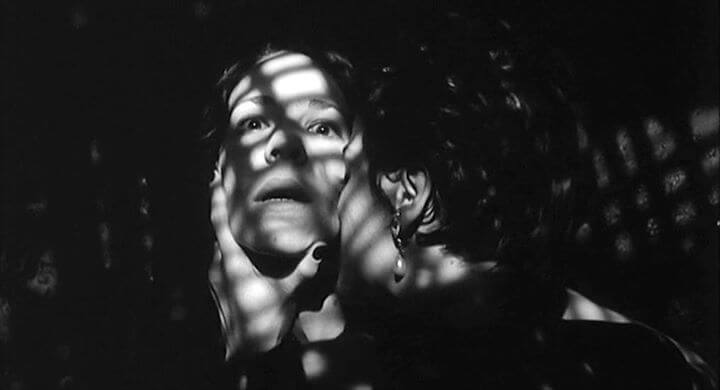
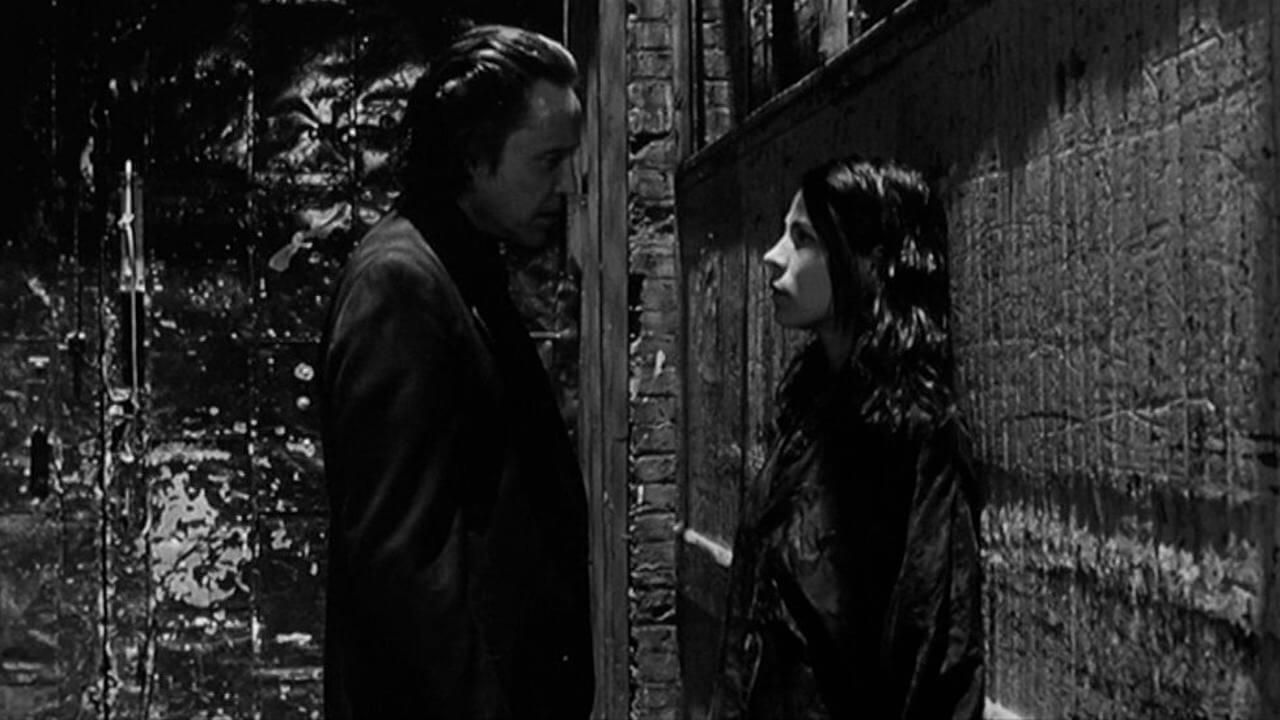
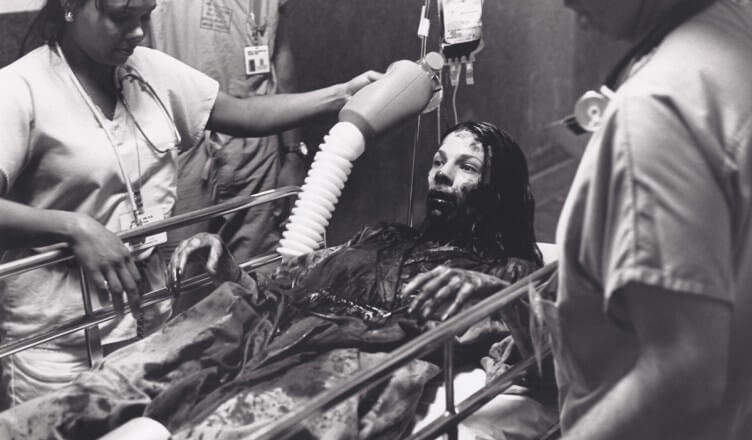
Abel Ferrara | THE ADDICTION

Abel Ferrara

Abel Ferrara is a huge favourite of many a genre fan, and we were lucky enough to catch up with him a year or two ago when Arrow Video gave his notorious Driller Killer a 4K Ultra HD release. With Arrow now giving Ferrara’s 1995 The Addiction the same treatment, we sat down with the fascinating filmmaker to discuss what many view as arguably his finest movie to date.

STARBURST: When you first received the screenplay for The Addiction from longtime partner Nicholas St John, did you instantly think you could make that story work?

Abel Ferrara: The script is great. I’d worked with Nicky all my life; it wasn’t like I got a script from a stranger, this was my homeboy. We grew up together, we’d been working together since we were twelve years old. So we had a long, long, long relationship. I thought the script was great. It made me really want to do the film, but it wasn’t an easy film to get made.

Is it correct that you managed to convince the cast and crew to postpone their salary until after the movie was released?

Yeah, it was a case where we used the budget to finance the film and then we owned it as a group, the cast and the crew. That was a radical way.

The black and white shooting style works brilliantly for the movie, but was there ever any talk of doing the picture in full colour?

Well, it was one of those things that I figured if we didn’t do it then, we’d never do it – make a black and white movie. Obviously, we wanted to make a black and white movie. Woody [Allen] when he was working with Gordon Willis, and Raging Bull with [Michael] Chapman and [Martin] Scorsese. We’re from that tradition of New York. The relationship between a DP and a director is special, and it was kind of now or never.

Your style of filmmaking, especially early on, is guerrilla making. How do you feel that films like this and Driller Killer have now been given a 4K release?

It’s not going to be the same. The ultimate definition of these films is a 35mm negative. They’re just trying to reflect the negative as close as possible, so they have a lot more leeway and they work from the original negative. And they worked with [The Addiction cinematographer] Kenny Kelsch. You’re seeing a digital fucking thing as oppose to watching a print of the movie, but it’s as close as you’re gonna get.

THE ADDICTION

When you did The Addiction, that was on the back of two Hollywood studio pictures – Body Snatchers and Dangerous Game. Was it refreshing to get back to independent filmmaking after those two movies?

It was cool being back in New York, but we did some of Dangerous Game in New York. Even though we had a big budget, that was done guerrilla style, you know? Body Snatchers was another kind of film altogether. I think it’s just a continuation of the raw style of filmmaking. It’s a budget film. We do our thing whether there’s a lot of money and a lot of executives or there’s no money and just us; we have one way of shooting a film, man.

A lot of your films are very much engrained in New York. How important is that place to you?

It was New York for a specific period. This is obviously shot in the streets in New York in the 1990s. That was the way it was that week or that month that we shot it, and it was never like that before and was never like it again. That’s what we got. When you’re shooting on the street with real people, you’re going to see what was there.

You’ve lived in Italy for several years now. Do you miss New York?

Nah, not really, man. I go back, I’m not crazy about Manhattan. I’m from Manhattan. I could move to Brooklyn or I could move to here. I was born in the Bronx, but I came to Manhattan at a young age and made films. I lived there for quite a long time. I’m not crazy about how my city has changed. I’m just not comfortable there. I don’t like the prices, I don’t like the people, I don’t like the intent on the life scale, what the cost of living is which reflects every aspect of somebody’s life, what it takes to be there, who is there, why they’re there.

That’s a shame…

Why? Why is it a shame?

It’s a shame that this place that was so special to you for such a long time has lost its appeal to you.

I had an opportunity to live somewhere else, experience a whole other kind of life. I’m Italian-American, so Rome, Italy? I’ve always been coming back here. I have family here. It’s not that foreign to me.

To many, The Addiction really put Lili Taylor on people’s radar in a major way. Some may have known her for Mystic Pizza, but this really put her on the map in a totally different role. She’s phenomenal in the film, but was she always your top choice to play Kathleen?

During the auditions, somebody brought her in and said we should meet her, that she was really special. We met her, and when you meet her you know it. She had read the script and had a real deep connection to it. It was a marriage made in heaven.

You and Christopher Walken go way back, and his role in The Addiction is a relatively small one. Was there ever any talk of expanding the Peina role once Walken came on board?

The funniest thing is, that role was originally written for a woman. We gave him the script for the opening scene that Annabelle [Sciorra] played; that was a male role, at least in our restricted minds. Walken doesn’t have these kinds of boundaries, you know? He thinks outside the box. He’s not looking at anything apart from the role he wants to play. It wasn’t so much about the gender.

The Addiction

Do you think a movie like this could get made today, or do you think people might get offended too easily by the tone and drug-driven nature of how the narrative unfolds?

Why not? Absolutely, as long as the filmmakers don’t get offended. Everything is going to offend somebody. There’s billions of people on Earth, man. You’re gonna offend someone.

What keeps your creative juices stimulated these days?

Just still shooting, man. Just doing the same thing. We’re starting to shoot a film next month.

The last time we spoke in late-2016, you were working away on Siberia. How’s that coming along at the moment?

We’re still working away, but I think we’re gonna start shooting in February. We’re doing another movie before.

And what are you able to tell us about this next picture?

It’s kind of like, did you see 4:44 Last Day on Earth? Check it out. [My film] is kind of like the Roman version of that.

You and Nicky St John worked together on so many movies and have known each other since childhood. You haven’t worked together since The Addiction and 1996’s The Funeral, but are you and Nicky still in touch?

No, we went our separate ways.

How is it to see your movies released for a new audience twenty, thirty, or forty years after their initial release?

Well, it’s been around. It’s not like it hasn’t been around. They play these films here and there, it’s on YouTube. People know about the films. Different audience, meaning what?

Like a new generation of people might discover them once they’re released on DVD, Blu-ray, or in this case on 4K Ultra UD.

I’m sure people 60 years old are going to be getting this video, too. Not just the younger generation.

The Addiction

What were the main things that you took away from your experience on The Addiction?

A lot! I learned a lot making this film. It’s hard to say one thing. You go through the process of making a film, it’s such a learning experience. That’s why you do it, to get to another place and an understanding of things: the process of learning. It was written, but it was reading it and putting it together; the shooting of it, shooting a film without paying people, the dedication of it, working with the people who were on it, the music that was on it, the editing process, seeing it in front of audiences, seeing different audiences, watching how different people related to it. It’s a universal learning.

The fact that people were prepared to change the perception of how things work in the movie business by postponing their salaries on the film, was that a humbling experience of sorts for you?

It’s not humbling, it’s a miracle! I watched a miracle happen. Most films, you find the financing, put the money together for the film. We didn’t. It was one guy, it was old school shit. A thousand people will say no, one guy will say yes. Then you’ve got the movie. The humbling? It’s how close this film came to never being made. And I’m grateful that it did get made. It got made and it got made for the right reasons, and that’s why it’s a fucking cool film.

Where would you rank it amongst your other pictures, or is it too hard to choose between them all?

I love them all. I’ve loved them all. They’re all like one long movie to me. I can’t look at this any different.

Do you think that there aren’t enough filmmakers like you around these days? As in, people seem to be afraid to look outside the box, to take risks, to break the mould.

There might be one too many [laughs]. There’s so many people on Earth and so many filmmakers, especially now. I just want to be one of the people that are not afraid. If you’re afraid, you shouldn’t be making films. And there’s nothing to be afraid about. What are you afraid about? I mean, I guess if you’re making a film in Iran or North Korea or some place like that, you’ve gotta be afraid. But I think I’m still a member of the free world. I think, but I’d better check the New York Times to see.

The Addiction is out on 4K Blu-ray from Arrow Video on June 25th – and you can find our review of this impressive new release here.

[ENDED] Win I KILL GIANTS on DVD

I Kill Giants

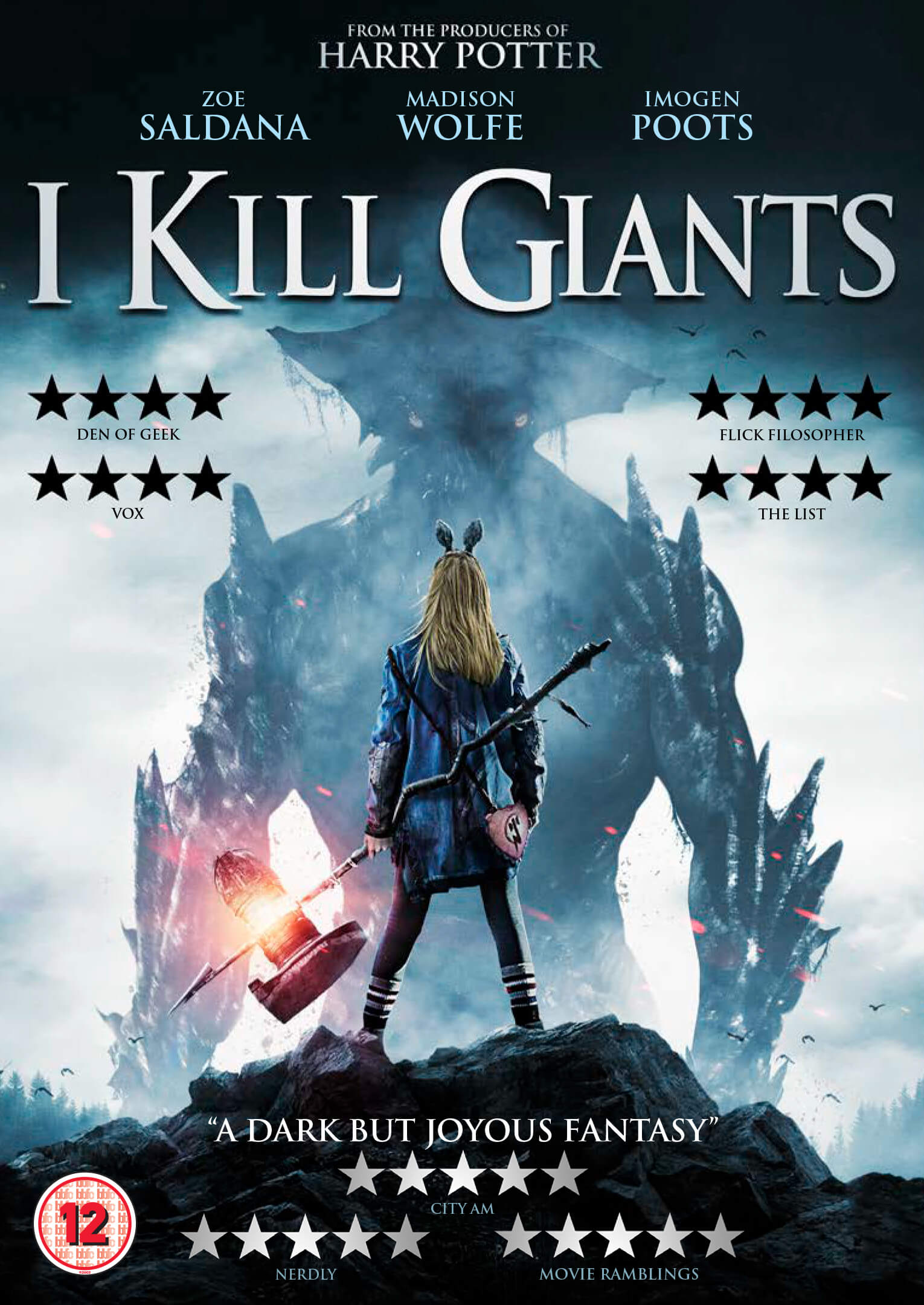
With the impressive adaptation of Joe Kelly and Ken Niimura’s I Kill Giants set to be released on DVD next month, we’ve managed to get hold of two DVD copies to give away to some lucky readers.

To be in with a chance of winning one of these fantastic prizes, simply answer the following question:

I Kill Giants’ Zoe Saldana plays which character in the Marvel Cinematic Universe?

a) Maria Hill

b) Gamora

c) Natasha Romanoff

Email your answer, along with your address details, to [email protected] labelled I Kill Giants before midnight on Sunday, July 1st.

I Kill Giants DVD

To give you an idea what to expect from the movie, be sure to check out the below trailer:

The official synopsis for I Kill Giants reads:

Barbara Thorson (Madison Wolfe) is a teenage girl who escapes the realities of school and a troubled family life by retreating into her magical world of fighting evil giants. With the help of her new friend Sophia (Sydney Wade) and her school counsellor (Zoe Saldana), Barbara learns to face her fears and battle the giants that threaten her world. From the producers of Harry Potter Based on the critically acclaimed graphic novel

I Kill Giants is released on DVD July 2nd by Kaleidoscope Home Entertainment.

The Five Best Video Games Based on Movie Franchises

alien isolation

Hollywood draws inspiration from everywhere – true stories, bestselling novels, mythology and, of course, video games. We’ve seen Angelina Jolie take on the role of sultry tomb raider Lara Croft, we’ve seen Jack Gyllenhaal star in the Prince of Persia, and not too long ago we saw Duncan Jones adapt World of Warcraft for the cinema.

In other words, there’s no shortage of movie adaptations of popular video games. But what can be said for the reverse? No, we’re not referring to movies themes in arcade machine games or various types of online casino slots. We’re talking about those times when video game studios team up with Hollywood to deliver a title that successfully combines great gameplay elements with a recreation of the stylistic atmosphere which saw the movie franchise succeed.

Well, there’s a good deal of those too – and you’ve probably been playing a bunch of them since your childhood. Here’s our round-up of the top video game adaptations of movies!

Alien

The Alien franchise has spawned (pun intended) a number of memorable video games over the years. From the arcade shooters in the 90s to the nerve-wracking terror of Alien: Isolation in 2014, the games are characterised by the same eerie atmosphere as the movies. With the incorporation of the Predator franchise, there have also been a number of Alien vs. Predator video games which achieved success upon release – particularly the first one in 2010 which was available for both Xbox and PS3. However the aforementioned Alien: Isolation was perhaps the first Alien game with such a huge focus on stealth, as opposed to combat, as a survival technique. The game expertly incorporated a great number of themes from the films and sees you play as the daughter of Ellen Ripley. The clever use of sound and echoes on board the spaceship goes a long way in creating tense vibes. This is a game that will have you playing with the lights switched on.

Indiana Jones

Arguably there have not been as many memorable Indiana Jones video games compared to some other franchises – but there are nonetheless a few titles that stand out, some of which gained something of a cult audience as opposed to wide mainstream success. The Lego Indiana Jones game will induce great nostalgia for a lot of gamers, however the most critically acclaimed of titles were the older games from the 90s. The Fate of Atlantis from 1992 is perhaps the most well-received video game from the franchise and remains a gem to this day. The point-and-click adventure game still holds out and has overwhelmingly positive reviews from most major game critics.

Star Wars

The Star Wars universe has, unsurprisingly, inspired a massive number of video games. There have been so many incredible games released over the last three decades that at least one Star Wars game is part of every gamer’s childhood. But the franchise has not just seen single game adaptations but game series – each of which having several different game titles. Some of the most popular series include Jedi Knight, X-Wing, Force Unleashed, Battlefront and of course the Lego Star Wars games, which interestingly was the first Lego video game based on a movie and its success led to subsequent Lego video game adaptations.

It’s not surprising that Star Wars of all franchises has allowed for some of the most successful video games. The vast universe of the space fantasy has appealed to generations for its heroic and epic tales of good vs evil. Together with its fantasy elements and classic sci-fi motifs, Star Wars is simply the perfect recipe, not just blockbuster films but for video games too. It’s hard to pick only one title from the vast number of games, but perhaps the most memorable was Star Wars Battlefront 2 from 2005.

James Bond

For a great many of us, Bond video games made for the centerpiece of our childhood gaming experience. Released in 1997 on Nintendo 64, GoldenEye 007 is widely regarded as one of the best and most influential video games ever created. Many levels in the game were based on locations from the GoldenEye movie. It had a multiplayer mode which allowed for competitive split-screen play, and the game was therefore hugely popular as a game to enjoy with friends. In fact, it’s probably this social aspect of the game which most people remember so fondly, as it was one of the earliest examples of competitive couch gaming. This four-player split screen feature was consequently replicated in subsequent Bond games such as 007 Agent Under Fire in 2001.

Lord of the Rings

In 2006, The Battle for Middle Earth II was released, which was the sequel in an RTS video game series which received massive praise. It helped bring to life the universe we knew from the films and incorporated all of the major characters from the franchise. More recently, in 2014, Shadow of Mordor was released which featured its unique nemesis system, where enemies would remember their encounters with you. The game was received very well and got exceptional feedback and is a must-play for any fans of Middle Earth.

So far, these are the movie franchises that come to mind in the context of video games – but there’s a lot of potential success on the horizon for the likes of Jurassic Park, with Jurassic World: Apatosaurus VR coming out later this year. Meanwhile, Paranormal Activity has also proven a hit franchise for VR with the spooky title Paranormal Activity: The Lost Soul. With increasingly sophisticated virtual reality technology, it’s reasonable to think game developers might see great opportunities in bringing other cinematic worlds to life – perhaps allowing us to play alongside our favourite characters of the screen someday soon. In any case, it doesn’t look like the relationship between video games and Hollywood is likely to dwindle anytime soon.

Scout Taylor-Compton | GHOST HOUSE

Scout Taylor-Compton

For over a decade now, Scout Taylor-Compton has been a huge favourite of many a genre fan. With her latest movie Ghost House having just been released, we were lucky enough to grab some time with the truly charming Scout to discuss this Bangkok-set terror ride, fellow new release Feral, her upcoming new podcast show, getting to hang out with Joan Jett on the set of The Runaways, her wish to tackle the Resident Evil franchise, her time working on Rob Zombie’s Halloween movies, the term Scream Queen, and a whole, whole lot more.

STARBURST: For those who have yet to see Ghost House, how would you best describe the movie?

Scout Taylor-Compton: Ghost House is about a young couple that goes on a vacation to Thailand and end up getting tricked. They find themselves haunted by a spirit because they disrespect one of their ghost houses.

Director Rich Ragsdale makes the movie look like it’s got a much bigger budget than it does, and part of that is in how he utilizes the stunning Bangkok location. How was it to be shooting in such a beautiful place?

Oh, it was absolutely wonderful. I was there before for the Bangkok Film Festival and I had such a great time. So, when I did hear about this project and I heard that it was in Bangkok, honestly, Thailand is one of my favourite places. The people are amazing, the culture I’m just obsessed with. I just have such a great time when I go to Bangkok.

Apart from Thailand, what caught your eye about the project initially?

Actually, it was a straight offer. Obviously going to Thailand was a big kicker, but I really like Julie. I thought there were a lot of moments, she was going through a roller coaster of emotions. I need a character that has ups and downs. Then when I met Rich Ragsdale, I was like, “Dude, you’re amazing!” He’s one of my closest friends now. It just kind of all worked and we moulded well together. I was just on board from the beginning.
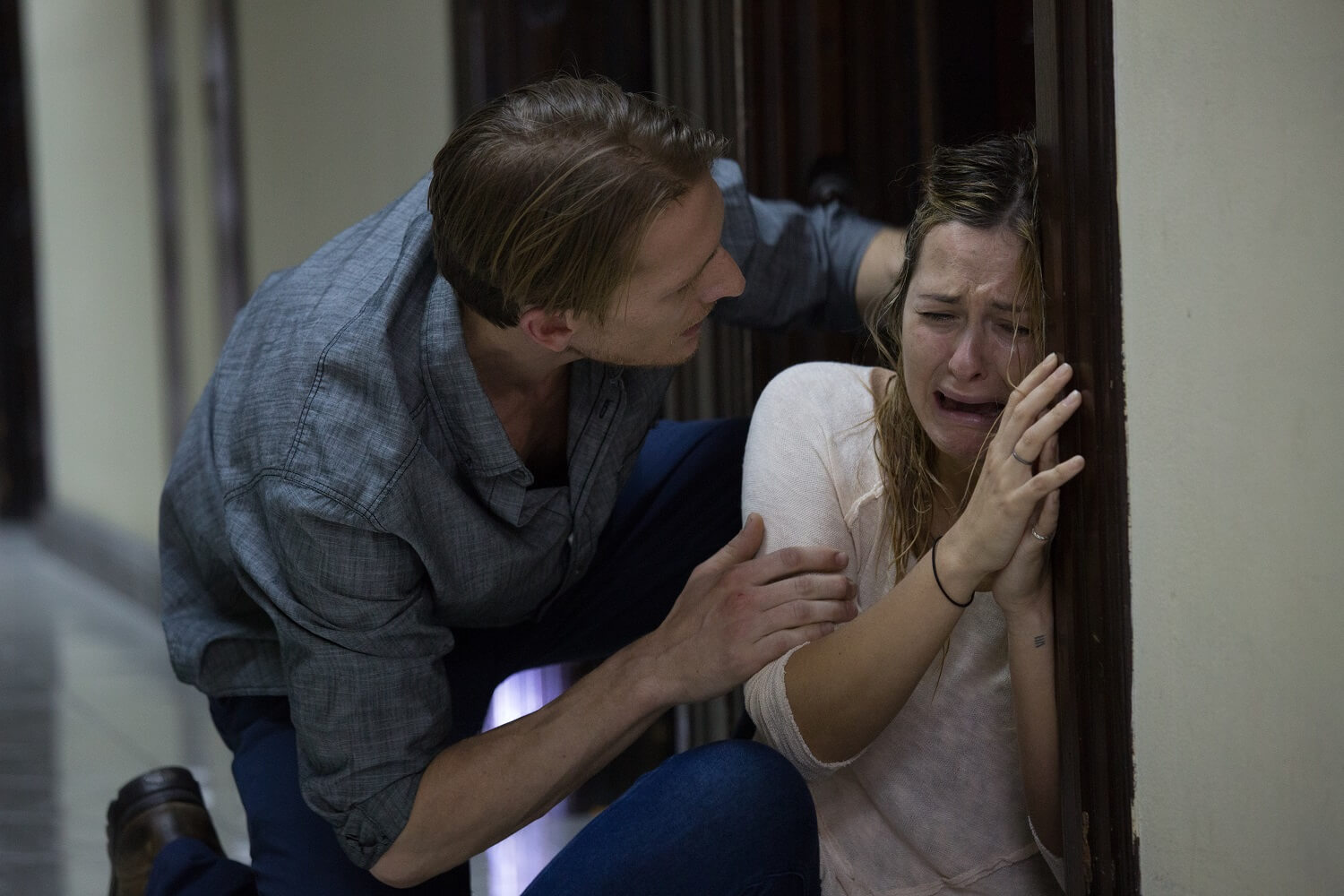
Ghost House

With the character of Julie, she really does go through a gamut of emotions along with James Landry Hebert’s Jim. And those emotional beats feel natural and unforced, with yourself and James working so well together. Was the chemistry you had with James instant or did you have to purposely work on that a little?

Okay, this is what happened. Me and James worked on a movie together, Get the Girl. We both played the bad guys, and I just really connected with James. We actually had someone that played my husband in Ghost House, but he fell out. I think it was four or five days before we were going to leave for Thailand, and I just threw James’ name out there because I thought he would be absolutely perfect. I spoke to James and said, “Do you want to come to Thailand and play my fiancé?” James is just always on board and he’s a really good actor to work with. We’ve only done two movies together but I feel like I’ve done so many movies with James because we have that chemistry that just works.

With the title of Ghost House, people might just chalk this off as just another generic ghost story, but there’s a whole lot more to the picture. Given how it’s steeped in Thai traditions and embracing another culture, is that something that also jumped out to you?

Completely! To be able to go to Thailand and find out their culture and beliefs, and to find out that they actually believe in their ghost houses, to the extent that they believe that something like this can happen to them. And I think that’s why it did so well overseas, because they believe this stuff. They absolutely believe this. I learned more about it as I was in Thailand filming, and it just added to it for sure.

What’s the response been to the movie in Thailand then?

Oh my god, huge! Absolutely huge! It was such a massive deal. It opened at #1. It was so big over there, it was everywhere. People who where in Thailand were texting me, “You are everywhere. It’s crazy!” So yeah, they loved it over there. And that makes me completely happy; going to Thailand, filming in their country, and then they loved our product.
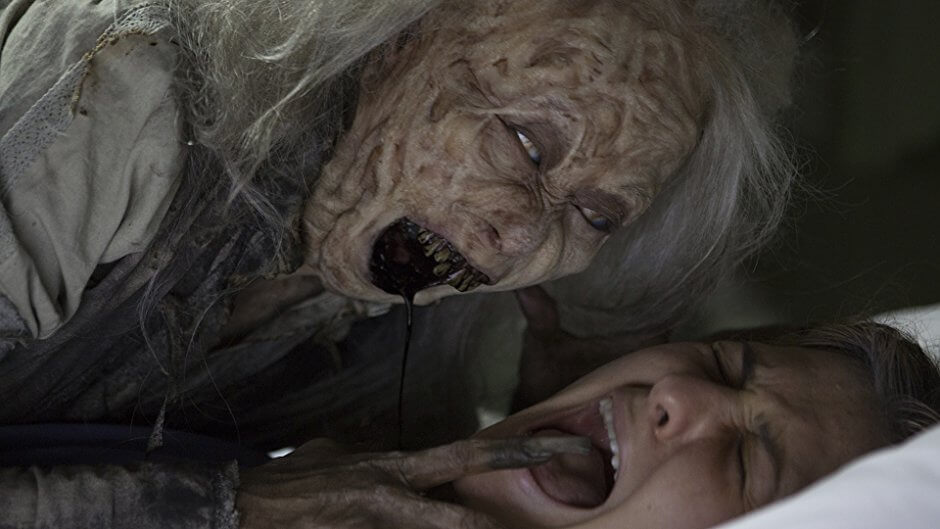
Ghost House

This might be a really stupid, obvious question, but were you always a horror fan?

You know, I was. My dad was a mortician and I grew up in a mortuary, so it was kind of introduced to me at a young age. I never realised how much of a horror fan I was. I guess I was raised on it.

What would be your favourites and go-to horrors that go you on board with the genre in the first place?

The Exorcist, for sure, was one of my top ones. Then this little indie movie called May I really digged. And I was a huge fan of the Chucky franchise. I was obsessed with Chucky. I don’t know what it is.

Do you ever feel that because you do such a lot of horror, you maybe get a little pigeonholed with the roles you get approached for?

Completely. It’s a huge thing, even for any category that any actor gets in to. Like comedians. You’ll never see them in any drama films. It’s the same thing with horror. Once you get in to it, it’s really hard to get out of it. And not get out as in get out, but to be able to do other roles. It is a struggle, but I do love the genre so I always have a fun time. I definitely have reached the age and the point in my career that whenever I am going to do another horror, I don’t want to do the same character over and over and over again. That’s one thing that I’m looking at – to be stimulated. To do that over and over, it doesn’t serve you very much.

Is it about keeping it fresh and interesting, and not just letting it become another movie that ticks the same boxes as the previous horrors you’ve worked on?

Exactly! And people ask me, “Oh, is horror really hard? It must be so hard for you to cry and act scared!” Yeah, maybe it was at one point, but now that I’ve done it so much it’s like writing. It’s like writing or reading, learning how to write and read. Now you know it, it’s second nature. How to drive a car. You do it so much that it’s easy.
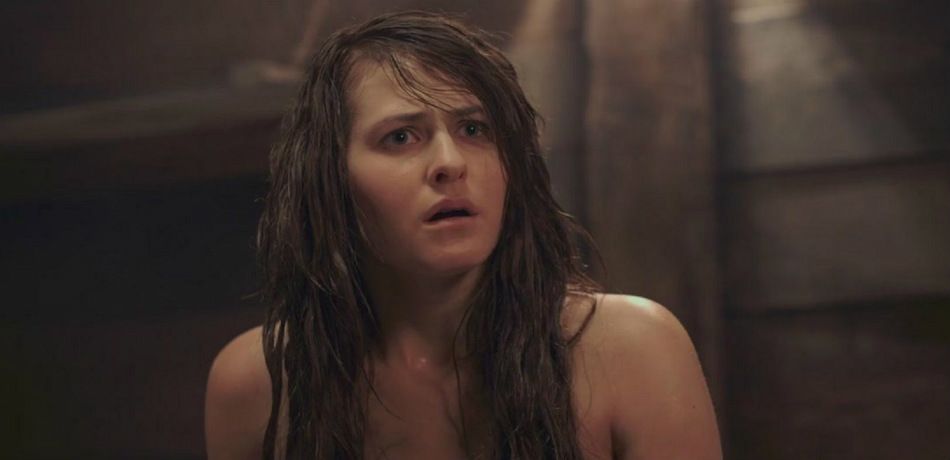
Scout Taylor-Compton Halloween

Was there a certain point or trigger moment where you just wanted people to start offering you more than those roles?

You know, the thing is, getting in to being Laurie Strode. That’s such an iconic role. Definitely, from that point there was just so much horror. So much. It’s always been a struggle for my career since I’ve done Halloween, but it’s okay, it’s something I do enjoy. But yeah, there’s much more that I can do. One day would be good to do an indie role in something and then people will go, “Oh, she can do this and this and this.” I wouldn’t change it, though. I’ve loved my career and what I’ve done. But it’s tough. It’s tough for everyone in this business.

With Halloween, many would argue that Laurie Strode is the most iconic character in horror if you discount the killers and monsters. Did you feel the pressure that came with that role at the time?

Yeah, it was an incredible experience for me. I was seventeen when I got it. At seventeen you don’t realise how much there’s a horror family. It means so much to a lot of people. The originals mean so much to a lot of people. So, I was instantly getting compared at seventeen, and people were just being completely vicious. I was just, “What am I getting in to?” At 29, now I understand it, I get it. For me, I like Dirty Dancing, so if anyone was to take that I’d be all, “Hey, no!”

Whether you loved or hated Rob Zombie’s Halloween movies, that doesn’t mean you can’t still enjoy what you used to enjoy about John Carpenter’s Halloween. Sometimes, people need to maybe learn to disconnect those things a little. Just because there’s something new you don’t like, that doesn’t stop you enjoying what you enjoyed about the original.

Exactly! It’s hard. I’d never go into a movie, if it is a remake, I never go in comparing. It’s two different generations, you know? I dunno, it’s crazy. I don’t see the disrespect in doing a remake. We have been doing a lot of remakes, though. We’re remaking everything.

Given the ending of Halloween II, what happened to the talked-about third movie?

Yeah, there was a third. There was talk of doing a third. I remember Dimension had called myself and Tyler [Mane – the Michael Myers of Zombie’s Halloween movies] about doing a third. They gave us a tentative date, and they were, like, “We don’t have a script and we don’t have a director yet, but we’re doing it.” And it was just so wacky at that point. Then it ended up not happening. I think it was probably for the best that it didn’t end up happening. It would have been so difficult for me to do a Halloween film without Rob. If it would’ve actually happened, I don’t know if I would have gone through with it. They probably would have just changed so much of what Rob had done, and I wouldn’t really want to do that.
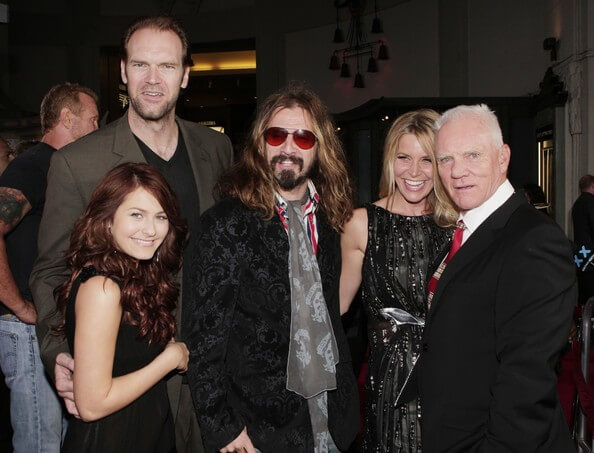
Scout Taylor-Compton, Tyler Mane, Rob Zombie, Sheri Moon Zombie, Malcolm McDowell Halloween

From briefly meeting Tyler at Wales Comic Con over here, he seems like just the nicest guy.

I absolutely adore him. He’s kind of like a dad to me, for sure. How is the UK with horror?

We’ve always been very passionate about horror, whether it’s the Hammer Horror stuff, the Christopher Lee movies, The Wicker Man. All of the stuff from the ‘60s and ‘70s, it’s kind of been ingrained in us over here that we naturally embrace horror. Plus, a lot of the more rural locations and towns lend themselves well to horror. As in, you could easily see yourself being butchered in a field or the woods. So yeah, we love our horror.

I’m doing a convention out there in Birmingham. I’m very excited to go out there and meet people. I just like talking to people. Every time I go to conventions, I just end up buying everything. I come home with so many things that I think are so rad. I’ve never been to an England one, so I’m excited. I’m going to be there for Halloween. I’m going to plan my day so that I can just have a good time in England for actual Halloween. It should be fun.

Moving away from horror for a moment, how much fun was it for you to be involved in The Runaways?

Oh, it was amazing. It was probably one of the best experiences of my life. I mean, Joan Jett was there every day on set, so that was just awesome. That was just incredible. We’d have band practice and then we’d go film, then we’d have band practice again. It was just one of the best experiences of my life, for sure. I like to sing. I enjoy it. I enjoy music in general and that whole world just interests me a lot, so it’s fun to incorporate that into movies. It was amazing. I would do a music biopic again because it was such a great time.
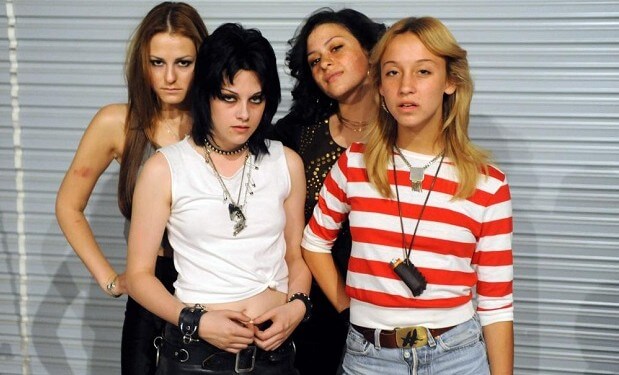
The Runaways

On that topic, if you could play any musician or artist in just such a biopic, who would it be?

You know, I actually went up for this role that I wanted so bad, but I don’t even think that they ended up doing it: Janis Joplin. When I was going up for this movie to play her, I just went in to like a Janis Joplin hole. I just absolutely love her. I got her mannerisms down, I could play this woman. So, I’d love to play her, and I’d love to play Lita Ford [Scout’s Runaways role] in a Lita Ford story.

Is that your ultimate passion project then, or is there something non-music based that tops that?

There’s two. I would love to do a Resident Evil kind of movie. I would love to do that. Action is my thing, I absolutely would love to do that. And then obviously I’d love to do a movie like The Notebook. What girl wouldn’t?

That’s two vastly different movies right there…

I know, I know. But I could do both. Those are my goals in my future.

Well, we believe that the Resident Evil franchise is being rebooted right now.

I know! Just an audition, man, let me in there [laughs].

Were you familiar with the Resident Evil games, or is it just the movies that grabbed you?

You know, I just love a powerful woman like that. I’m obsessed. Probably my favourite genre of film is action. I love it. Like Atomic Blonde, I was obsessed. I just want to be that woman so bad. And Kill Bill, that too. Quentin Tarantino is the one director I really wanna work with.

You’ve just had Feral released in the United States. What can you tell us about that?

I’m really stoked about Feral, I’m really proud of it. IFC picked it up, Lew Temple’s in it with me. It’s definitely a rough ride. I play Alice, a character that I’ve been wanting to play that kind of goes towards the whole Resident Evil kind of thing. She’s a strong character who is just in the wrong situation and doesn’t stop to think. She’s just a really strong character. I’m really excited about Feral. It seems like it’s been getting really good reviews and people have been liking it. It’s on in selected theatres, then it’s going to be on demand and all that good stuff. Hopefully, it will get over there for the UK. I’m pretty stoked about it.
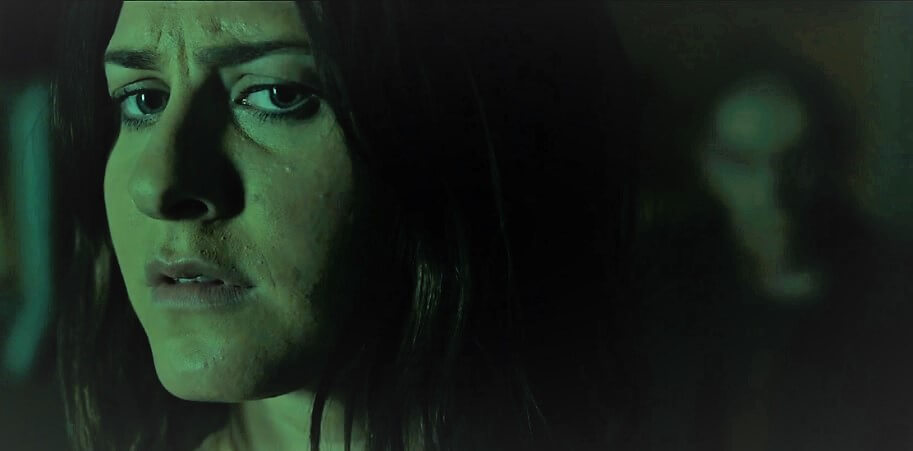
Feral Scout Taylor-Compton

You’ve talked about how you enjoyed playing Alice, but what’s your favorite character that you’ve played to date in anything you’ve done?

That’s a tough question! I don’t know, I find good things in all the characters that I play. I have noticed that in the beginning of my career I played very vulnerable characters, and now that I’m getting older I’m playing a lot of stronger female roles. But I think probably Lita Ford and Laurie Strode are probably my two very favourite characters, for sure.

As you touched upon earlier, you were seventeen when you took on that Laurie Strode role. Do you think being so young almost gave you a sense of no fear when tackling that role?

Actually, I owe it all to Mr. Zombie. It really was his doing. My first day on set, he could tell that I was a little bit nervous because of what was going on and I was at such a young age. He kind of just like, “Hey, just play her like you would play her. Don’t even think about anything else. Forget about what people are saying, just play her as you would play her.” So, I definitely owe it to him for sure.

Rob’s recently wrapped on 3 from Hell and that’s due for a release next year. Have you and he had talks about maybe working together again at some point?

You know, I would love to do something with Rob. Any time that he called me, I would absolutely love to work with him. I called him recently about a project that I’m doing, and we talked about him hopefully directing an episode of something of mine. But yeah, anything that he would want me to do I would totally do. And vice-versa.

So, if all goes to plan, we’re going to get the Rob Zombie-directed, Scout Taylor-Compton-starring Resident Evil remake then, yeah?

That would be sick [laughs]! If I had the rights, that would be so badass.
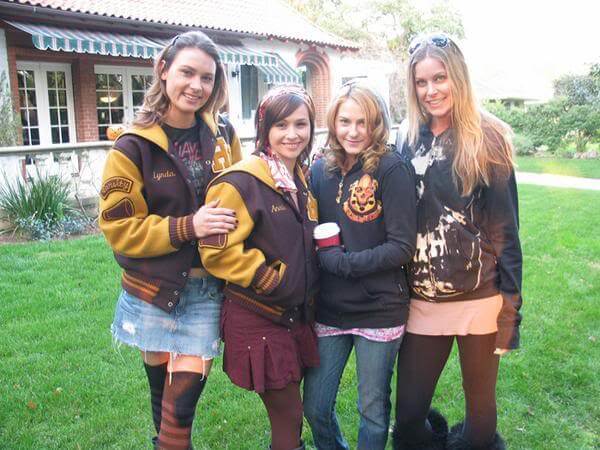
Halloween Rob Zombie Scout Taylor-Compton

You’ve said how Rob Zombie made you feel at ease from the very first day on Halloween, you’ve discussed how nice and friendly Tyler Mane was, and you’ve discussed in interviews how close you and [Halloween co-star] Danielle Harris are. It seems as if the horror community is just a big old family! Is it right to assume that, that it’s likely a second family?

It is. It’s not even what franchise you’re in, it’s just the whole horror community of actors is just a family. And it’s definitely like a big thing when you do conventions. You meet all these people and you just become like this odd family. It’s kind of like the Addams Family in a sense. It’s cool. I love it, I love them a lot. I’ve met such incredible people in the horror genre. Everyone’s normal, you know? I know horror’s crazy, but everyone’s just a normal person. It’s a community.

Do you feel that we’re now at a stage where females in horror aren’t necessarily there just to be the victims anymore?

Yeah, I was talking to my friend Trevor last night. We’re creating a podcast together. We were talking about how women are not used as bait anymore. Women are not bait, we’re stronger characters now. I feel like the audience don’t want to see that, they don’t want to see women used. It’s like, “Oh, the blonde naked girl over there? Yeah, she’s going to go first.” You don’t see that now as often.

Do you think that’s down to a change in society or do you think it’s that more women are involved in the industry as directors, screenwriters, and creative forces now?

Yeah, I think that has something to do with it, as well as just how we’re growing in the industry with women now and how we see them. I think it’s about everything; I think it’s everyone’s doing, from male to female. We’re all working together, that’s what it is.

And it would be cool to see a female-fronted franchise in terms of the killer. You’ve got Michael, you’ve got Jason, you’ve got Freddy, you’ve got Chucky, you’ve got Pinhead. The people that front the franchises in that sense, it seems as if horror’s been lacking a truly great female representative in that way. There’s Sheri Moon Zombie in Rob Zombie’s Firefly Family pictures, but even then she’s only one of a three.

You know, I’ve been toying with that idea. I’ve been really, really thinking about that, and I kind of want to write it and create something like that. It’s always men, you know? Then you get, “Well, a woman couldn’t do any of what a man could do when it comes to a horror icon.” But I think it would be really cool to have a woman horror icon.

There’s plenty of one-off movies with a female killer, but when it comes to a full franchise it’s something we’d like to think would’ve been explored by now.

Just having Freddy, Jason, Michael Myers, they’re all single people, they’re all by themselves. So, I think it would be cool to just see a female by herself. I think that would be really cool.
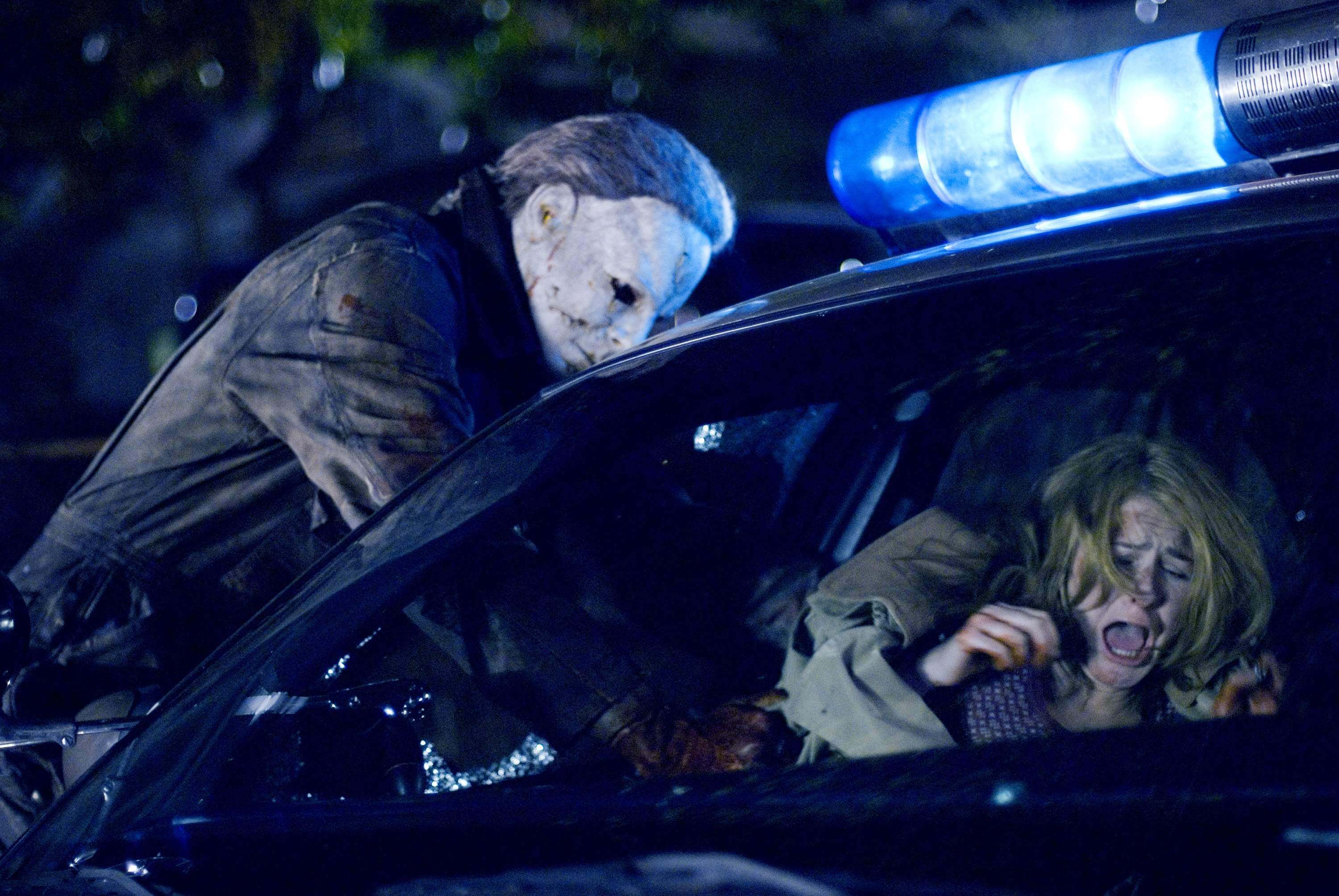
Halloween Rob Zombie Scout Taylor-Compton

Do you think there’s still a market for franchise killers, or do you see the days of a marketable franchise killer as an outdated concept in a way by this point?

I don’t think so. I feel like it hasn’t lost its touch. There’s Saw, even The Purge, The Strangers. I feel like they need to happen, because once you can be fearful of one monster and then build off of that fear and make multiple movies, I think it’s such a brilliant idea. I think it’s so good. And I hope it never dies, I really hope it doesn’t, because those movies are so good because of the success of not just one but how many you can do and have success with.

Speaking of The Strangers, have you had chance to see The Strangers: Prey at Night yet?

I have, I have. Bailee Maddison, she’s a friend of a friend, so I always support her. I think she’s great. I did like it, I liked it. There were parts in there that were really crazy, really intense. The first movie was so brilliant because it was just one place. When you try to do a sequel and you try to make it bigger, I think that it doesn’t always go well. There was just too much. I think what was so brilliant about the first one is that it was at one place.

We absolutely loved that first Strangers movie, but it seemed to turn off some audiences because the ending wasn’t all sunshine and rainbows…

That’s what pisses me off so much. There is so much shit in the world but we don’t want to ever see it. This stuff happens. When she turns up at their door, “Why are you doing this to us?” “Because you were home…” People do this shit, people do this stuff. Growing up with a dad who was a coroner, I’ve been obsessed with forensic files and all of this stuff, and I’ve definitely watched all of these stories. And this stuff happens. Daily. It just brings to light what rough shit actually happens. I don’t to want hide things and mask things to see good all the time, because it just isn’t. But then I also like Disneyland and fairy-tales, too. When there’s a rape scene and people walk out of a theatre? This stuff happens. We’re trying to show you what people are going through, and it’s really sad. It’s a tough thing. It’s a terrible part of the world that we don’t like to acknowledge so much. It’s like even in Halloween II, with Danielle [Harris]. She dies and I find her. Oh my god, that is nuts. It’s my favourite scene because it was so real, so raw. It’s so telling. It’s crazy.

Do you think that having a mortician as a father ever had a particular influence on your career or on the projects you’ve chosen over the years?

I think the only thing that it structured me as is it made me grow up a lot faster than normal kids. It made me become an adult a lot faster, and I think that’s why when I started at 10, most kids at my age were doing Disney Channel, I was doing all of the CSI stuff because I could handle adult content a lot easier than other kids. I grew up around adult content, so it just made me grow up a little bit faster.

Is it fair to say that you have a big interest in all things forensic then?

If you look at my queue on Hulu or Netflix, it’s all forensics or Dexter. It’s all just like that. I’m so in to all that stuff. I literally binge-watched all of the seasons just recently [of Dexter]. I got around to watching it and just couldn’t stop watching. The series finale sucked, but the whole show is great. That’s another one where I’m curious if they’re going to bring it back.
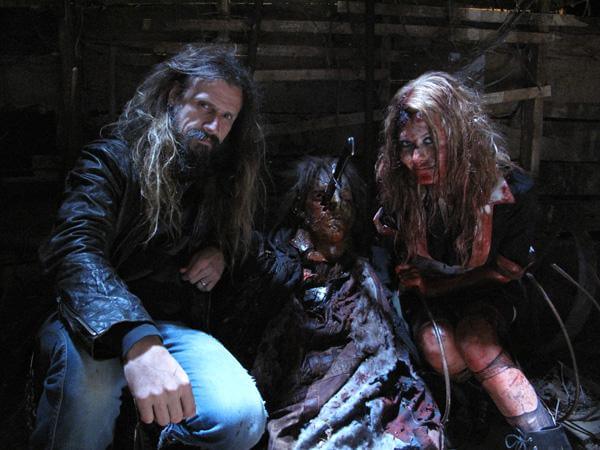
Halloween Rob Zombie Scout Taylor-Compton

Before we wrap things up, what are your thoughts on the whole Scream Queen tag? That’s something that’s been thrown around for decades, and you’ve been called that yourself over the years. Is that something that you see as a disrespectful term or do you embrace it?

I think it’s cool, I think it’s really rad. I never thought of myself as a Scream Queen, but then whenever I do interviews or meet people they’re, “You’re my favourite Scream Queen!” For me, it’s just, “Oh my god! I’m in that category with all those women!” I think it’s rad. I really love it, I really do dig it. I never think of it as anything negative at all. I embrace it, for sure.

What are you working on right now, and what have you got coming up?

Right now, I’m about to do a couple of films. I did a film called Star Light that’s going to be coming out. It’s so crazy, because people are looking at my IMDb and I forget what I’ve just done. It’s hard to remember them all. I’m doing a film called The Grooming that I’m going to start doing in July. But the focus right now is I’m going to be launching a podcast pretty soon with by friend Trevor. It’s called Behind the Mask, and I’m really dedicated to that. I also wrote a project, so I’m dedicated on getting that out and picked up by a studio or network. Those are my two focusses right now.

What’s the content of the podcast planned to be at this stage?

I have actors, directors, anybody in the entertainment business that I’ve worked with or my co-partner has worked with. It’s talking about what they’ve done that people are familiar with, but then I’m more interested in getting to the core of what makes them them. The stuff that people might not possibly know. Like Dee Wallace. She’s a healer. It’s interesting to learn other facts about them and not just their career. So it’s behind their mask, in a sense. We’re going to launch probably next month. So, I’m really excited to get that going. I love podcasts and radio. And Trevor, I was a guest on one of his shows a long time ago. We just hit it off. We just get along, so I came to him with this idea and now we’re creating it. It’s really rad.

Ghost House is out now, and be sure to follow Scout on Twitter and Instagram.

Jeff Russo | LEGION

Jeff Russo

In just a few short years, composer Jeff Russo has become the go-to person for genre scores. Beginning with the first season of Fargo in 2014, Russo has since scored the likes of serial killer drama American Gothic, Discovery, the latest instalment of the Star Trek franchise, all three series of creepypasta anthology Channel Zero, and the psychedelic FX superhero series, Legion. We took the time to speak with the composer about how he works and swaps between so many different tones.

STARBURST: Especially with the likes of Fargo and Channel Zero being linked thematically, but not necessarily plot wise, how do you make everything work? I assume it has to be a big production, in terms of everything being different each year, but trying to maintain a consistent vibe.

Jeff Russo: You know, it’s interesting; I try to think of each individual season as another chapter in the same book. The thoughts behind my choices are the same, but the choices need to feel unique to each season. With Fargo, it was a matter of finding the same melodic motifs for the new characters. We never really reuse any of the previous themes from the other seasons, so each season can have its own identity.

I treat Channel Zero the same way, which is to create a new palette, but to approach it in the same way every year, because the vibe of each of those individual seasons is similar, but the story for each is different, and the way the stories are told are different, so I have to think of it in a unique way for each season.

Was it tempting – especially with Fargo‘s second season – to maybe use some of the thematic elements for Alison Tolman’s character, Molly, when you were composing for Patrick Wilson’s character, which was her father, Lou?

Well, they’re very different characters, but the main through-line is the tone. The other through-line is the main show’s theme, which I would bring back into each season. But, I needed to treat them each as discreet character pieces. I tried to look to see if I gave them each a little bit of that theme, and it didn’t work. It just felt wrong, so I went back and had to rewrite new themes for everything.

It seems like shows such as Fargo or LegionFargo, more so – use quite a bit of pop music in them. Are you aware of all of this when you go in to compose?

I work closely with our music supervisor and our show runner to figure out how I’m going to get in and out of ‘score goes into song’ or ‘song goes into score’ and how that might work, so I am part of that conversation. I do need to be a part of that conversation in order to figure out how to deal with that, but that’s about the extent of my involvement.

Between the most recent season of Channel Zero, along with obviously Legion, you’ve become quite good at scoring madness. What’s the inspiration for that?

That sort of happened accidentally. I’m not quite sure how I came to channel that, as I don’t consider myself to be completely mad – although there are days that I have where I feel like I’ve gone completely mad. The idea is to approach it from the perspective that I am not aware of. I’ve read a lot about madness and what that can mean, from an aural perspective. I’ve done a little bit of research.

When I went to do Legion, Season One, I read a book called Hallucinations, and it described how audio hallucinations can be just as profound as visual hallucinations, and I try to incorporate that into how I construct a soundscape for a score that relates to that sort of idea, and I apply that same sort of knowledge to Channel Zero, as well.

When the score for Legion was released, we were obsessed with Seeing Things/Hearing Things, and put it on a lot of Halloween mixtapes, because that piece is just terrifying.

I wrote a lot of that music based on that first script – which is a lot of how I approach writing music for a story, which is to take the story and sort of apply how it makes me feel when I read it and apply that to what I’m writing. That particular piece of music was one of those things where we talked a lot about not wanting to give away whether or not our main character was in reality or in a hallucination.

I wanted to be able to slip back and forth between reality and non-reality, and in that particular piece of music, I was envisioning how I was writing it as I was writing it, and trying to flip back and forth between what it be like to not know the difference between reality and a hallucination. That was kind of the basis for the entire score: how do I make the score in a way that is not telling you what is real and not real, and let you slip back and forth between the two.

That’s a pretty fascinating idea: trying to not tip the plot via the music?

Well, our thought was, if the main character doesn’t know what’s real and what’s not real, we wanted to invite the viewer to also experience it in the same way.

You’ve gotten a couple of high-profile, straight sci-fi gigs recently – most notably, Star Trek: Discovery and Altered Carbon. In terms of Discovery, what is the approach one has to take with a 50-year-plus franchise?

That’s definitely standing in the shadow of giants. It was terrifying when I first thought about writing music for that franchise: wanting to live up to those predecessors and also wanting to create something that was unique to our version of the show. It’s a really tall task, but in the end, I felt like what I needed to concentrate on was music.

Like, what’s the melody for this character? What’s the motif, here? How do I make this feel classic and yet, new, in our show? It was a terrifying task, and I got more and more comfortable as the first season went on. Certainly, in Chapter Two of the first season – Episodes Ten through Fifteen – where I got to spread the musical wings, so to speak, with the Terran Mirror Universe themes.

It was really difficult and really terrifying, yet thrilling at the same time, because I’ve been a Star Trek fan since I was a kid. Never in a billion years did I ever imagine myself writing music for anything that had the words Star Trek in it. It’s still something that I look at and I listen to the music for it, as we put together the music for Chapter Two, and I’m still totally blow away that I’ve gotten to write music for this franchise. It’s just unbelievable.

Legion is currently airing Tuesdays at 9pm on Fox UK.