BOOK WORMHOLE: DO ANDROIDS DREAM OF ELECTRIC SHEEP?

Blade Runner is my dad’s favourite film. All the while I was growing up, not a month wouldn’t go by that it wasn’t on the television, be it because he put in the VHS (and later, DVD), or because he had found one of the stations playing it and couldn’t resist even having it on in the background. It has been a nigh-constant presence in my life, always hovering, but I never actually sat down to watch it. As a kid, the dark cinematography was unappealing. Reading books and wearing out my tape of The Wizard of Oz seemed a better use of my time. Later, Japanese anime and Victorian fiction and spending time with my friends overcame any desire I had to watch my dad’s film.

Teenagers…

Now, as an adult (or as adult as I’ll ever get), my tastes have changed—widened—and my foray into science fiction has led me to a classic not just of the genre, but also of film itself. Imagine my surprise to discover it was first a book?

I’m not sure why Ridley Scott et al changed the title, aside from it being a bit of a mouthful, but Blade Runner was first penned as Do Androids Dream of Electric Sheep? by Philip K Dick in 1968. Said title is a question that never gets answered, but the rest of the book more than makes up for it. Rick Deckard is a bounty hunter, tasked with ‘retiring’ six androids. With the money he makes, he hopes to buy a real sheep, to replace the electric one that sits on the roof of his apartment building amongst everyone else’s real animals. Because in this post-World War Terminus Earth, those who hadn’t packed up and headed for Mars are obsessed with owning real animals, with the hope they can feed them and breed them and, someday, make Earth like it was before birds started dropping out of sky. Of course, androids and toxic nuclear fallout don’t make it easy.

The book is vastly different from the film, and not just in the change of the title and the tweaking of names (the Rosen Association of the book becoming the Tyrell Corporation, for example). Many of the primary themes of the novel are absent from the film, and while it makes the film no less entertaining, I believe the novel is far richer for their presence. And it is a rich book; Dick’s use of language is fantastic, and I could go on and on about his lovely turns of phrase like “despotic force of time” and the way language works with character and his vivid, almost cinematic imagery. There are a number of plotlines within the book as well that aren’t fully fleshed out within the film, such as John Isidore’s, a “special” (those with “distorted genes” and a low IQ courtesy of the nuclear fallout) and the sole occupant of an apartment building who makes friends with androids, a character who is sweet and painfully human. But the novel’s complexity isn’t overwhelming, and it’s a surprisingly quick read. Which, I think, is the best way to do it, because it’s a bleak book; not only in action, but also in how many of the themes of the novel play out.

Nature is one of the big themes—if not the biggest—of the novel. The toxic state of the planet affects everyone’s daily lives, from their having to dress in protective gear such as an “Ajax model Mountibank Lead Codpiece” to living in nigh-constant fear that the nuclear fallout will erode their brain and twist their DNA until they’re labeled “special”—defective. But it is in animal ownership that this theme is strongly and unceasingly displayed, starting first with Deckard’s electric sheep. Owning an animal is a status symbol, more so in the novel than it is for us now, with celebrities carting around doll-like dogs in their designer handbags, like the dog was something that came with their piece of Prada. But it isn’t just status that has people keeping horses and goats on the roofs of their apartments—it’s necessity. It’s unheard of, in the novel’s alternate 1990s, to find an animal in the wild, and because of their scarcity, they dominate most of the dialogue. Deckard keeps a well-thumbed catalogue with him at all times, called “Sidney’s Animal & Fowl”, and his thoughts are consumed with replacing his electric sheep with a real animal. It is, I think, the driving force behind everything he does. Oh, sure, he questions other things (his feelings towards androids, for example) and he needs the money he makes for supporting himself and his wife, Iran, but those are always passing thoughts. It’s the animals he dwells on. It’s like being back in the 19th Century, or any time before technology and urban sprawl reduced our reliance on, and subsequently the importance of, animals. In many cultures, animals were traded, used as a form of currency, and in fact a conversation between Deckard and one of his neighbours, Bill Barbour, sounds very much like one that might have happened between farmers years ago, when having prime livestock was the focus of their lives.

The psychological aspect of pet ownership has been a frequent focus in twentieth century psychology. Pets provide companionship and security, but within the novel, the way characters cling to animal ownership demonstrates just how important animals are to human life. Not just having a pet—a dog or cat or rabbit—but having nature present in our lives. The environmental message in the book is huge, and one that, as an environmentalist, I eagerly devoured. As previously stated, the world of the novel is one almost bereft of nature. The air is toxic, the flora brittle and contaminated, and the fauna almost non-existent. It’s the very definition of a wasteland, one that it is obvious humans can’t sanely inhabit. With so many people living in cities, you might think that you would get on fine without pigeons dirtying your car windscreen and flies invading your home. Ants and mosquitoes and spiders, hell, life would be perfect without insects ruining picnics and the clothes you forgot to stuff full of mothballs. But imagine walking down a street, with a shining sun and wind in the trees and there is…silence. Imagine strolling through the country with only the sound of your footsteps, with only your footsteps, because there are no squirrels on branches or sparrows in trees. Imagine barely being able to recall what a sparrow even looks like.

There are reasons why green spaces in cities are so important. Not just for human physical wellbeing, but for emotional and psychological wellbeing too. It’s not purely for estheticism that there are trees and hedges decorating carparks and that there’s always one potted plant in every home. People need nature in their lives, need the sense of connection it gives us to our evolutionary and historical past when we weren’t so removed from it. We need the sense of calm it brings, the joy, and we need it to remind us that no matter how advanced we become, no matter how much we construct and how much we take, nature is always the superior force. So much of what happens on our planet is outside of our control, and while acts of natural disaster can be taken at face value—as disaster—they can also been taken as a reminder of our own insignificance. At the heart of it, we are animals, and like animals we are subject to and reliant on the planet we inhabit. Because like I said, we need nature; it’s why groups like Greenpeace and World Wildlife Fun exist, and it’s something everyone in the novel has come to learn, in a way hopefully we don’t have to. The fate of the environment (both earth and animals) always hovers in the background of the novel, a desperate, didn’t-know-what-you-had-until-you-lost-it hope that it will recover and be like it once was.

Unfortunately for Deckard and everyone else, it seems to be a useless hope.

The film’s primary focus is the androids, and while I saw the environmental message as something greater, I also found it constantly at war with the presence of the artificial within the novel. And it’s not just Deckard vs. the androids, it’s other things as well. In a world so consumed by a desire for the natural—who believe its superiority over those manmade androids and pets—it is perfectly all right for humans to fabricate their emotions. The first glimpse of Deckard and Iran that we get is of them being awoken by their “Penfield Mood Organ”, a piece of technology that allows them to “dial” specific emotions, even “a setting that stimulates [their] cerebral cortex[es] into wanting to dial”. The only way of identifying an android is even through emotions, as they cannot feel empathy, and yet this supposedly highly-held hallmark is being willingly degraded. And I say degraded, because while alone in their apartment, Iran says she “heard the…[e]mpty apartments” and felt nothing, and “realized how unhealthy it was, sensing the absence of life, not just in [the] building but everywhere and not reacting”. This moment is a jumping off point for everything else in the novel, as for every question Deckard has about androids, every doubt, every time he looks within himself and wonders at his feelings towards androids, is because if he can figure that out—if he can find a definitive difference that is more than just biological—then he can be safe knowing that for all that he is chipping away at his own humanity, he is still separate from androids. But of course, that isn’t an easy quest, and Deckard frequently finds himself in existential crises concerning the androids. “‘Do you think androids have souls?’” Deckard asks, at one point, gun still hot from ‘retiring’ one; “Empathy towards an artificial construct? he asked himself. Something that only pretends to be alive? But [the android] had seemed genuinely alive; it had not worn the aspect of simulation.” He desperately tries to find a way to explain his sudden, naturally-occurring feeling, to find some sort of truth. If something is man-made, it isn’t alive. It may have the skin of a living thing—a talking doll or toy dog that can walk or electric sheep—but it’s a machine. It doesn’t feel. It’s no better than your toaster. But when does it get to the point that technology has replicated life? Is life personality? Unprompted speech? Independent movement? Is it taking up an occupation or owning an animal or, even, having a relationship? When does a machine stop being a machine, and start being…something else entirely?

There is a definitive difference between humans and androids that is made clear in the novel: belief. The easiest way this is shown is through Mercerism, the religion that greatly resembles Christianity, from the animal symbolism (important animals are “[t]he donkey and especially the toad”) to miraculous healing (making “the dead return[ed] to life”) to the promise of a Second Coming for the Christ-like Mercer (“He had sunk down into the tomb world. He could not get out until the bones strewn around him grew back into living creatures; he had become joined to the metabolism of other lives and until they rose he could not rise either.”). In itself, it’s fascinating to see that the human ability to believe in a godly figure doesn’t appear to have faded even after nuclear disaster. The religions we know may have died, but another took their place, and while Wilbur Mercer’s religion is interesting on its own, the notion that just like humans can’t live without nature neither can they live without the ability (and the option) of believing in something far greater than themselves is far more fascinating.

That’s what the entire novel comes down to, in the end: belief. If there is one overarching theme throughout this book, it is the question for reality—for truth. The whole book is filled with lies, fictions within a work of fiction; everything is questioned, from the androids to the animals, even the veracity of Mercerism is called into question, and there is a desperation, so poignant that as a reader you can feel it, to find something that is truthful.

Belief is the truth of the novel.

The human ability to believe, in a concept or a person or a religion, to believe that things will get better, is something that cannot be replicated. The characters in the novel spend massive amounts of money on animals, feed them and care for them, firmly believing that it makes a difference. People remain on a planet that is slowly killing them, because they believe that there is a chance that it may get better. Androids operate on facts, on things that are tangible, and while they have an academic understanding of belief, they don’t understand it. Towards the end of the novel, a climax of action although there is, I think, a second much more internal one for Deckard’s character, there is a revelation, but it doesn’t lead to the victory the androids were hoping for. “‘They will have trouble understanding why nothing has changed,’” one character remarks, because for we humans, sometimes the facts don’t matter. Sometimes, it’s not the messenger that’s important but rather the message itself. One of the trademarks of humanity is that we hold on to hope even in the bleakest of situations, and that is a truth put on brilliant display here, even if that hope appears to be rather hopeless.

Do Android’s Dream of Electric Sheep? is a beautiful novel and, I think, a great companion to Blade Runner. As I read and watched, I didn’t find myself preferring one over the other, rather I found that they acted as compliments (and from what I’ve read, Dick agrees with me).  Of course, it’s not perfect; there is a trope used in the novel, albeit briefly, that I’m sure for its time was innovative. But it’s become such a science fiction cliché that for all the action, I found myself somewhat bored with it. Luckily, as I said, the use of the trope is brief, and I’m not about to condemn a forty-year-old book for twelve pages. It does, of course, speak for the power of the book that such a trope has continued to be used in fiction for decades. There is a timelessness to the novel, for all that it is set in a 1992 that (thankfully) never came to pass. Its message is just as relevant now as it was then, and in fact, even more so. It’s a warning of what our future could be, if we don’t do something to change it.

We just have to believe we can.

Originally published in June 2011

ESSENTIAL HONG KONG CINEMA TOP 5: COP DRAMAS

hard boiled

It’s never a bad time to celebrate the golden age of Hong Kong cinema (running roughly between 1980 and the early 2000s) but the festive season is fitting, due to Channel 4’s Asian season of films, which ran late into the night, over Christmas and New Year in the early ‘90s. Luckily the below titles are now available on Blu-ray or on various streaming services, to watch at your leisure, with Eggnog and a mince pie in hand! We start with the exploits of the Royal Hong Kong Police…

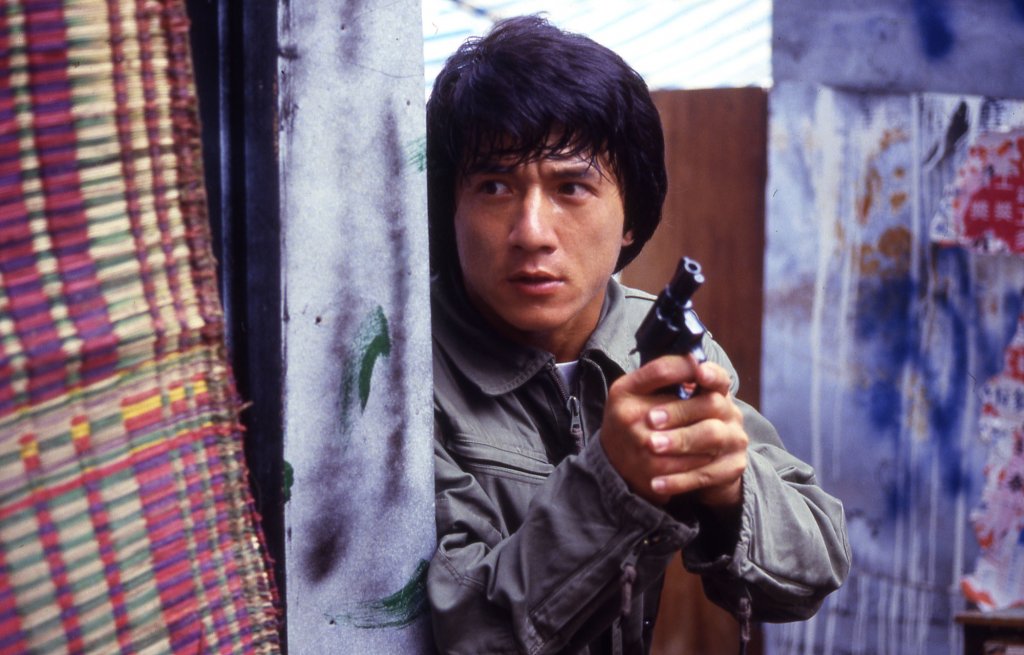
POLICE STORY (Dir. Jackie Chan, 1985)

The one film to rule them all! Jackie Chan’s magnum opus is a reactionary picture, to show James Glickenhaus (who directed Chan in the lacklustre The Protector, released 6 months earlier) how to make a police procedural. The story of Inspector Chan Ka-Kui being framed for murder by the drug dealers he helped bust, is surprisingly poignant, illuminating the price of fame and vanity. But you are here for the action, and boy does it deliver, with two bone-crunching set pieces in the opening scene. The shantytown dash and Chan hanging from a bus, merely warm you up for the glass-soaked finale, set in a Hong Kong shopping mall, it is one of the finest action montages ever committed to celluloid.

TIGER CAGE (Dir. Yuen Woo Ping, 1988)

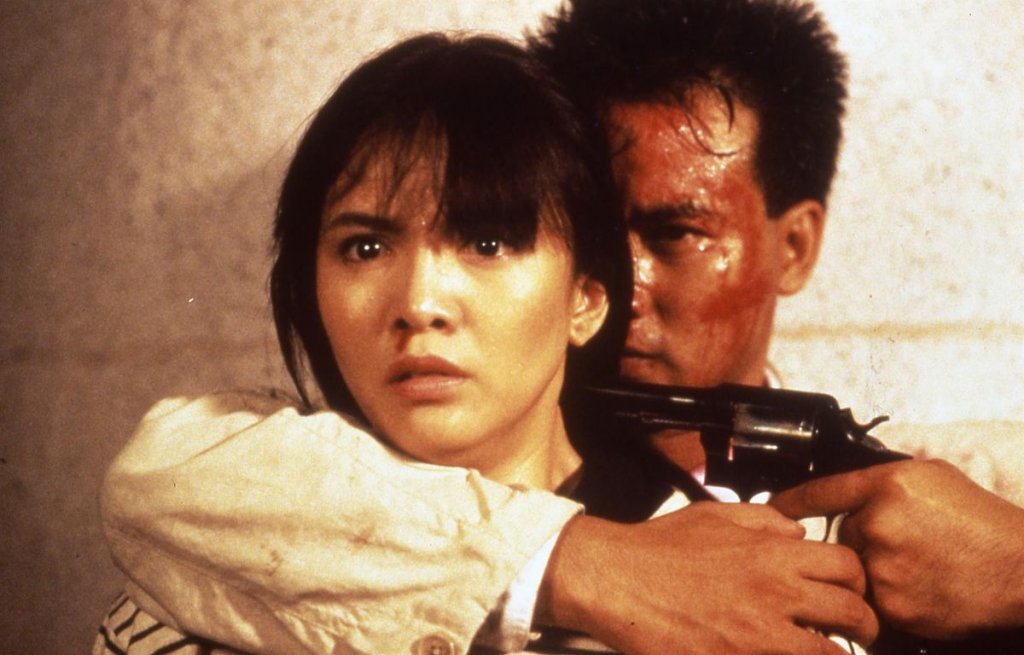
A surprisingly gritty movie from veteran Yuen Woo Ping. It concerns the classic theme, to be found in so many HK Cop Dramas; corruption in the force. Featuring great performances by Jacky Cheung, Simon Yam, and a brief role for a young Donnie Yen, the police battle a nasty group of drug kingpins, who have bent coppers hiding behind every corner. It perfectly captures the zeitgeist of the time; neon lights, food stalls, and corruption. It’s filled with shoot-outs, bombastic car chases, and plenty of murder. The other two films in the series are lighter with more martial arts action but don’t contain the realism and sense of danger that this hidden gem exhibits.

TIGER ON THE BEAT (Dir Lau Kar-Leung, 1988)

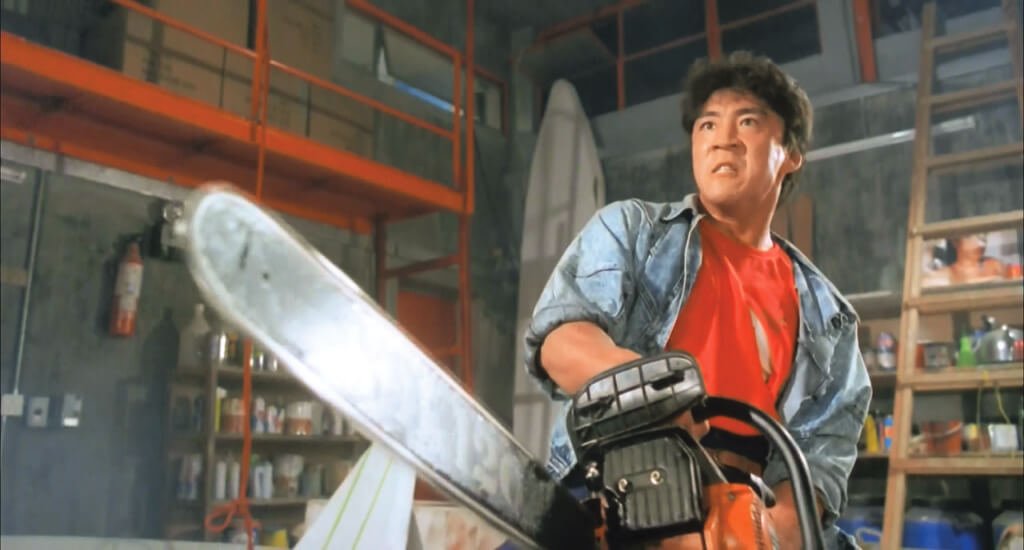
Even though a Tiger is also featured in the title, this is a much lighter affair than Tiger Cage. Chow Yun Fat is a womanising detective, who likes to drink raw eggs for breakfast. He is teamed up with Conan Lee’s straight-laced Kung-Fu cop, to take down some drug dealers (drugs really were the hot issue of the 1980s). So, we get a liberal sprinkling of shoot-outs, hand-to-hand combat, and a car chase for good measure. The two mismatched leads bounce off each other beautifully and look like they are having as much fun as the audience. All the action is first class, especially the concluding chainsaw fight between Conan and Gordon Liu. If that doesn’t sell the movie, then nothing will!

HARD BOILED (Dir John Woo, 1992)

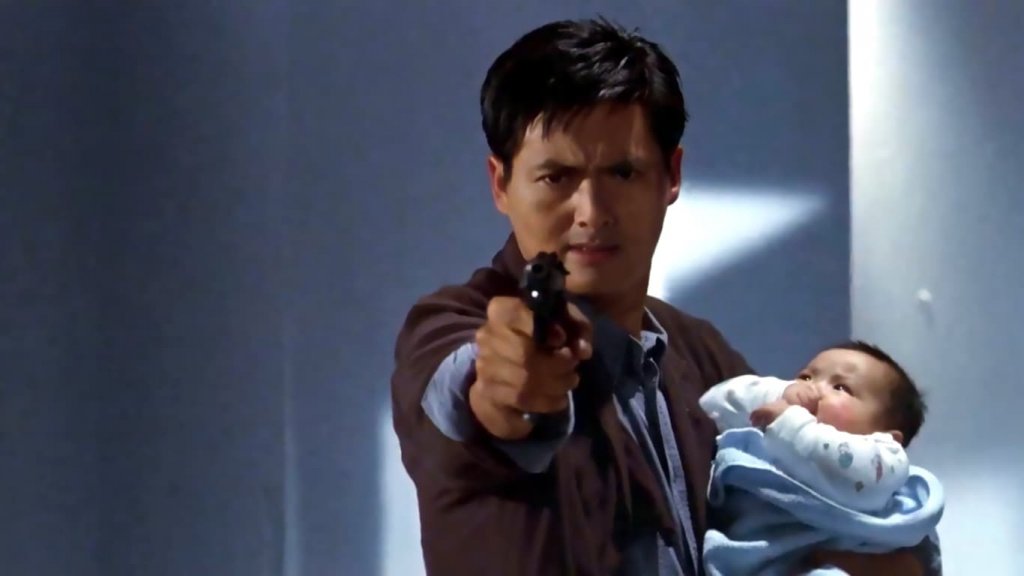
Chow Yun Fat and John Woo were a match made in heaven, producing a plethora of films together. Hard Boiled (famous for its cover featuring Chow, a baby, and a shotgun) is one of the most polished, featuring some outrageous action scenes, which made Hollywood truly take notice. The fabulously named Inspector Tequila Yuen (Chow Yun Fat) is your standard tough-as-nails cop who teams up with an undercover agent (Tony Leung) to take down a triad boss. The gunplay on show is exemplary, starting off in a claustrophobic tea house, birdcages littering the scene, while multiple handguns are drawn to inflict chaos. The film never lets up, skilfully walking a tightrope between fun and serious. We end up in a hospital with said baby and shotgun, in one final, spectacular shoot-out. Simply great filmmaking.

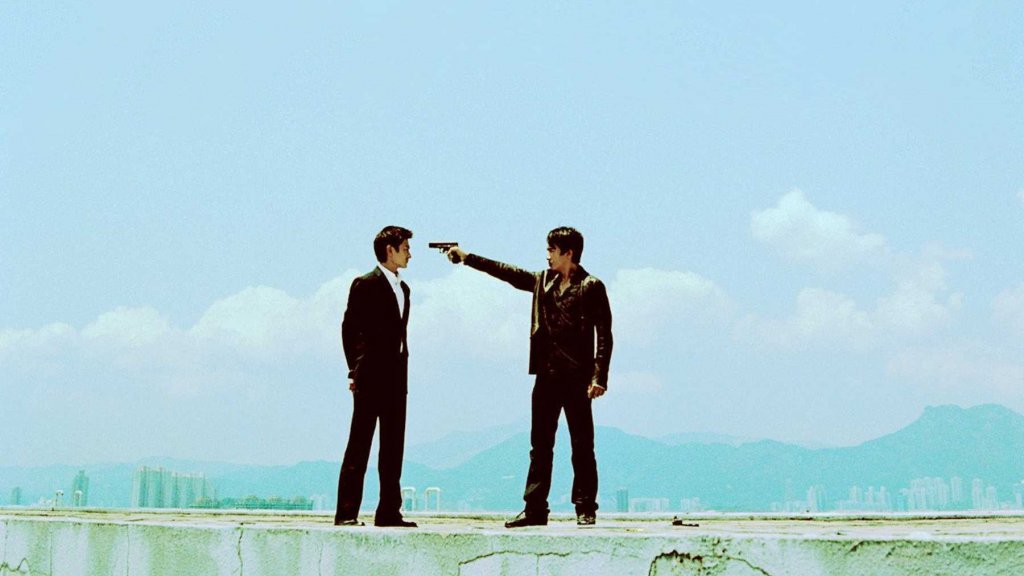
INFERNAL AFFAIRS (Dir. Andrew Lau, Alan Mak, 2002)

As we come to the end of the golden era, The Unceasing Path (the literal Chinese and far superior title) is an example of how far the industry had come. Hong Kong cinema was known, more for its action than its storytelling. However, this film concentrates on the latter in a taut and twisting thriller. Tony Leung plays a police officer who is placed undercover in a triad organisation, whereas Andy Lau is a triad, hidden in the police force. Each of them must gain as much information as possible over a ten-year period. An all-star cast, which also features Eric Tsang, brilliantly playing against type as the mob boss, really delivers. The emotional stress of the assignment is conveyed to aplomb here, and as an audience, you are on the edge of your seat to see who comes out on top, no real heroes here. It is no coincidence that Martin Scorsese won his only Best Picture Oscar for The Departed, a remake, which diverges very little from this masterpiece. For an industry obsessed with police corruption, this is the finest example.

Click here for ESSENTIAL HONG KONG TOP 5: SUPERNATURAL KUNG-FU

Click here for ESSENTIAL HONG KONG TOP 5: MARTIAL HEROES

For more from author Jacob Walker, visit his website www.jakeonfilm.com

[ENDED] Win ONCE UPON A TIME IN CHINA Trilogy on Blu-ray

once upon china win

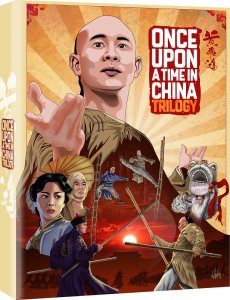
We’ve teamed up with Eureka! Entertainment to give three lucky readers a chance to win Tsui Hark’s Once Upon a Time in China Trilogy on Blu-ray.

Starring Jet Li as the real life Cantonese folk hero, Wong Fei-hung, a physical embodiment of traditional Chinese values and moral incorruptibility, the Once Upon a Time in China series is a martial arts epic that charts China s transition into the modern-world as it gradually abandons its old traditions and begins to accept the inevitable encroach of Western cultures.


Once Upon a Time in China In 19th century Canton, Wong Fei-hung battles ruthless imperialist forces determined to subjugate his country and enslave his people, leading to a climactic fight sequence still regarded as one of the best ever filmed.

Once Upon a Time in China II Wong Fei-hung faces off against the White Lotus Cult, a dangerous xenophobic group seeking to drive all European influence out of China, as well as a corrupt military officer, played by Donnie Yen in his breakthrough role.

Once Upon a Time in China III Wong Fei-hung travels to Peking and is forced to enter a martial-arts contest in order to prevent an assassination attempt against a prominent Chinese diplomat who wants to showcase traditional Chinese martial-arts, and restore national pride.

With action sequences choreographed by the legendary Yuen Woo-ping, the Once Upon a Time in China series is a glorious high-point in martial-arts filmmaking, and Eureka Classics is proud to present Tsui Hark s original trilogy, as well as Once Upon a Time in China and America (which saw Jet Li return to the Wong Fei-hung role after a four-year gap).

The discs are also packed with fantastic extras.

ONCE UPON A TIME IN CHINA TRILOGY, Tsui Hark’s dazzling kung-fu trilogy starring Jet Li, is OUT NOW on Blu-ray and can be purchased here https://amzn.to/349kP48

To be in with a chance of winning, just enter the competition below:

 a Rafflecopter giveaway


Rachel Nichols | BREACH

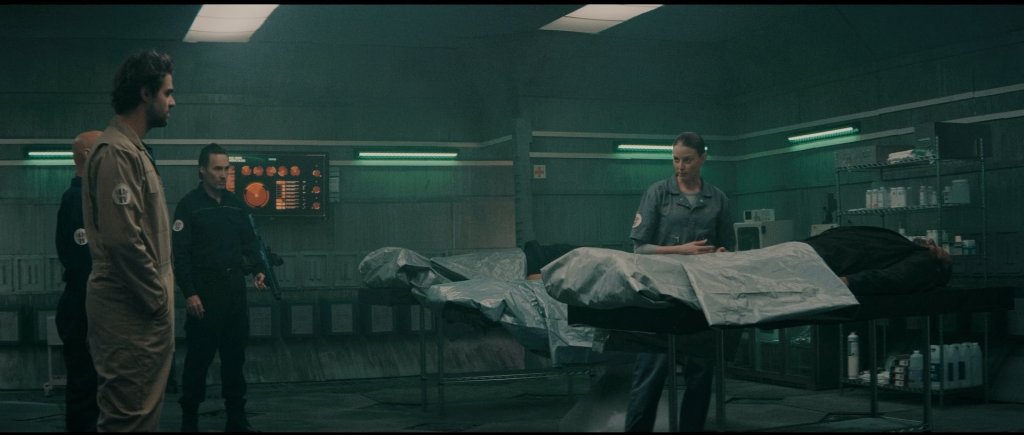
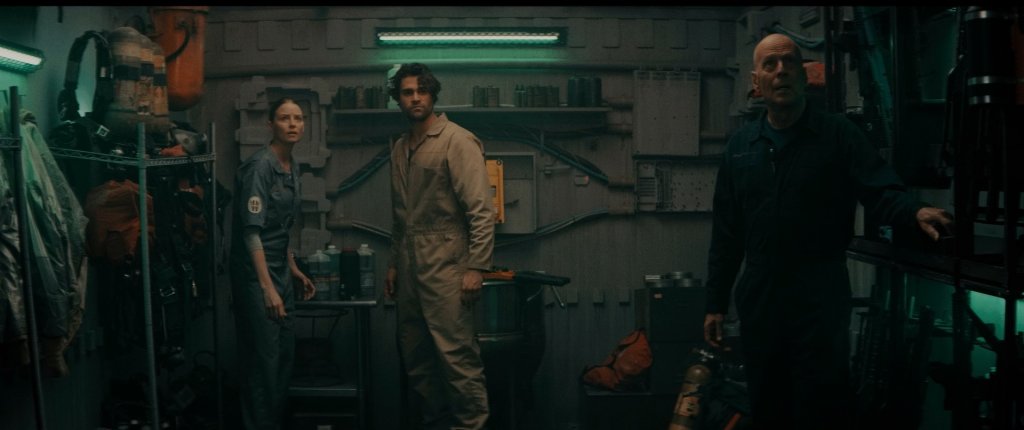
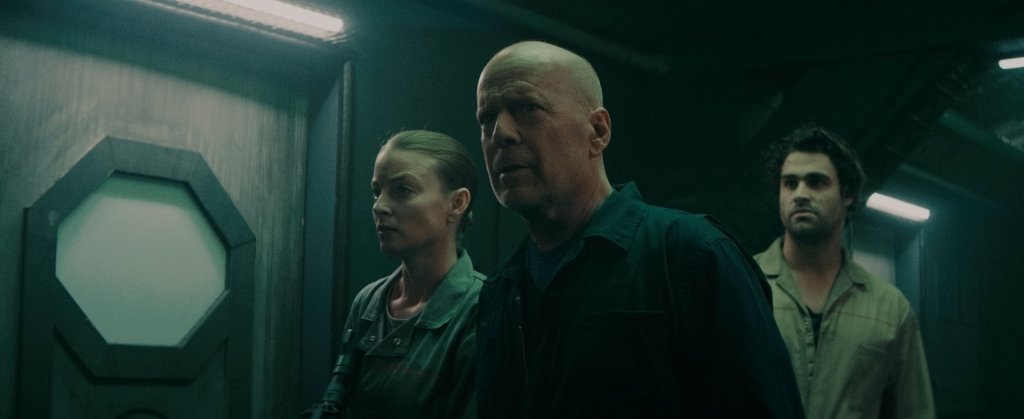
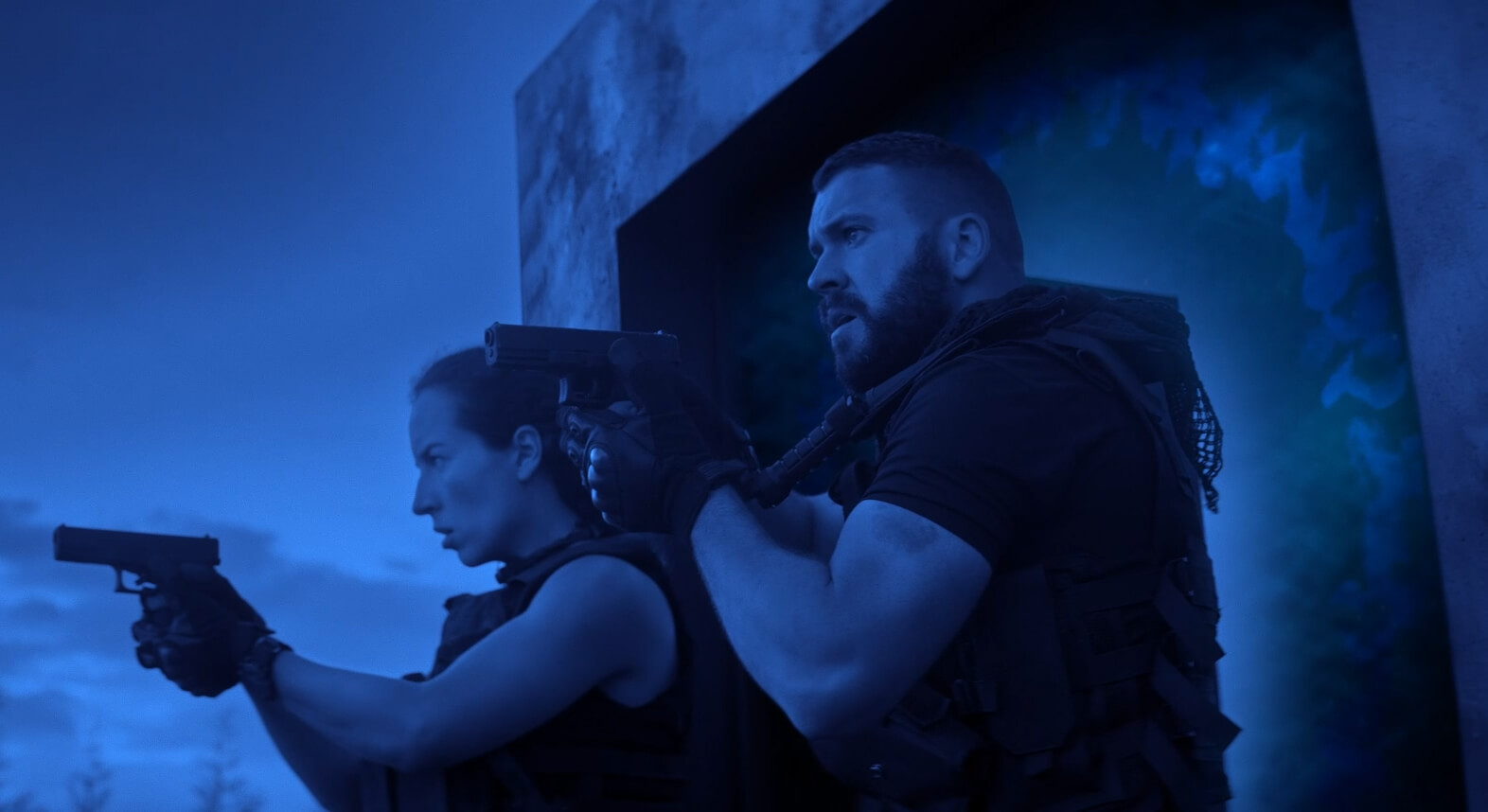
Breach is an alien invasion thriller directed by John Suits, and which stars Bruce Willis, Rachel Nichols, Cody Kearsley, and Timothy V. Murphy as the crew aboard a spaceship carrying precious cargo, which they must protect from a malevolent cosmic force intent on their destruction. Ahead of the movie’s releases on December 18th, STARBURST spoke with genre icon Rachel Nichols (Continuum, G.I. Joe, Star Trek) about her turn as ship medic Chambers.

STARBURST: As always, it’s great to see you in an action sci-fi role! What attracted you to this film, and more specifically to the character of Chambers?

Rachel Nichols: The first thing that attracted me to the film was John Suits. He directed it, and I had done a movie with him a couple years ago – I say a couple, I think it was about five years – called Pandemic. We did it on a tiny budget, but the cast was great, we had Missi Pyle, Mekhi Phifer, and Alfie Allen, and John had such a vision for it. The whole experience was very special and different, and interesting. It’s a movie that I’m very proud of. And so John was the reason that I wanted to do Breach, I saw his name on the script and I went, “Oh my gosh, of course I want to work with him!”. And I sent him a text saying, “Hey dude, I just saw your script, I’m so excited” and he went, “I’ve been trying to text you, you weren’t responding!”. And I asked like, “What number do you have for me?” and it turns out he had my old Canadian number. I don’t know who this person was that was at the receiving end of his texts, but we got it all straightened out. And it was also an interesting character who was a doctor, it was sci-fi, Bruce Willis and Timothy V. Murphy were going to be in it, it all just came together.

That sounds really lucky though, because had you not then seen the script you might not have heard from him again!

Oh, 100%. I actually texted him yesterday because I’m filming in the depths of Mississippi right now, and we were having such issues with the connection here. And I texted him, like, “John, I don’t want you to think I’m not doing interviews for Breach, I’m having a really hard time getting connected and wanted to reach out to you specifically, because I didn’t want to lose connection with you!”. And he was just laughing via text, like “I know, they told me things may or may not work!” but I needed to make sure that the misconnection didn’t happen again.

Of course. And you mentioned working on Pandemic, which was another end-of-the-world apocalyptic movie just like Breach. What do you like most about this kind of sci-fi sub-genre?

You know, I love sci-fi because it’s a genre that you can have fun with, and it allows you to escape reality. But also, there are a lot of rules and regulations that go along with sci-fi and how it works; whether you’re talking about time travel, or whether you’re talking about New Earth, or a zombie apocalypse, you’ve got to abide by a certain set of guidelines for sci-fi fans, because they’re very particular. And if you do something right, they love you; if you do something wrong, they’ll come for you. And I’ve always been drawn to that because, like I said, you can have fun with it or you can think about it and pick it apart. And you know, I shot a movie called Pandemic and look where we are now! And now we have Breach where we’re shipping people off to a different planet because we’ve ruined Earth – and I don’t think that’s so far out of the realm of possibility. There’s a part of me that believes that could happen, and that’s what’s super interesting about the genre.

As well as sci-fi roles, you tend to pick ones like GI Joe and Continuum that are also very action-heavy. What keeps you coming back to these?

I love them. I love action. I mean, first fight scene I ever did in my entire career was on Alias, and I was playing a Russian hooker. I had a red wig, a very short Dolce Gabbana dress, and I loved it. It was just so cool, and there was such a great team of people. Funnily enough, Zoë Bell was in that fight scene doubling Amy Acker in my coverage, and I ducked a punch but came up too soon. And Zoë clocked me, and she felt terrible! She’d never hit anyone ever before, and it was totally my fault but she felt so bad. And years later we did a film together called Raze and we have a massive fight scene in which she totally kicks my ass. But we were laughing because I’m the only person she’s ever hit and she still felt bad about it after all these years! I love action stuff. I will do fight scenes until I’m too old and my body starts breaking down.

Zoë Bell is of course a huge action star, but you also work with Bruce Willis in this one, and he’s pretty much synonymous with the action movie genre. What was it like working with him?

He’s such a badass, but he’s also kind of a teddy bear. He’s super nice to everyone, and everyone on set. And I asked him questions about the films he’d made, and I also told him I had watched the Comedy Central Roast of Bruce Willis before I came to do the movie, and I was more excited to meet Bruce in person than I was to meet Bruce, the actor. And he totally lived up to expectations. He’s a goof, he’s funny. He tells these amazing stories, hilarious stories about when he was doing Tears of the Sun. Or one of my favourite movies of all time is Moonrise Kingdom, so I got to ask questions about that. And he’s very open and very honest, and just fun to be around. He’s amazing.

Sounds like a great atmosphere on set.

It really was, between him and John, and all the other people involved. It was a really great experience, even though we were in a small town in Georgia where I also got no service! We made it work and had a great time.

They’re just picking these shoot locations to keep you focused.

I think so. Like no internet, no cell service, no Netflix. Sorry!

The film is being called Breach or Anti-Life, depending on territories. Which do you think best represents the movie?

I definitely prefer Breach. It makes more sense to me given the plot-line of the film.

What was your favourite scene to shoot?

The cafeteria scene was certainly one of my favourites. We just laughed a ton! And I think Johnny Messner ate his weight in pancakes that day.

So what is it that you’re filming in Mississippi right now?

It’s a sci-fi, thriller type movie called Demigod. There is a character in this movie that reminds me of the Crone from Robin Hood, Prince of Thieves.

Do you have other upcoming projects you’d like to share with us?

I also have two films, Climbing Life and Night at the Carriage House which are slated for next year. They are all very different kinds of roles and stories, so I am very excited. It is really nice just to be back at work!

And lastly, what do you think your odds are of surviving an alien attack?

I think I stand a pretty good chance. I would grab my husband, my pup Lolo and go into hiding at my dad’s secluded cabin in northern Maine. Aliens would never find us!

BREACH releases in select theatres, on demand and digital on December 18th. 

Alexander Siddig | SKYLINES

siddig skylines

The sci-fi sequel Skylines is in select cinemas from December 18th, so we caught up with some of the talent behind the film. In this video, we talk to actor Alexander Siddig.

Don’t forget to subscribe to our YouTube channel for more exclusive interviews and content.

Lindsey Morgan | SKYLINES

morgan skylines

The sci-fi sequel Skylines is in select cinemas from December 18th, so we caught up with some of the talent behind the film. In this video, we talk to actor Lindsey Morgan.

Don’t forget to subscribe to our YouTube channel for more exclusive interviews and content.

Liam O’Donnell | SKYLINES

liam skylines

The sci-fi sequel Skylines is in select cinemas from December 18th, so we caught up with some of the talent behind the film. In this video, we talk to director Liam O’Donnell.

Don’t forget to subscribe to our YouTube channel for more exclusive interviews and content.

David Oyelowo | COME AWAY

David Oyelowo

In his new film, Come Away, David Oyelowo adds another instance of the great British literary canon to his illustrious career. While the actor is equally known for his roles in historically-based dramas, wherein he portrays real people – such as Dr. Martin Luther King, Jr. in the Oscar-winning 2014 film, Selma – Oyelowo has acted in Shakespearean plays, voiced James Bond, and next year sees him joining up with Peter Rabbit.

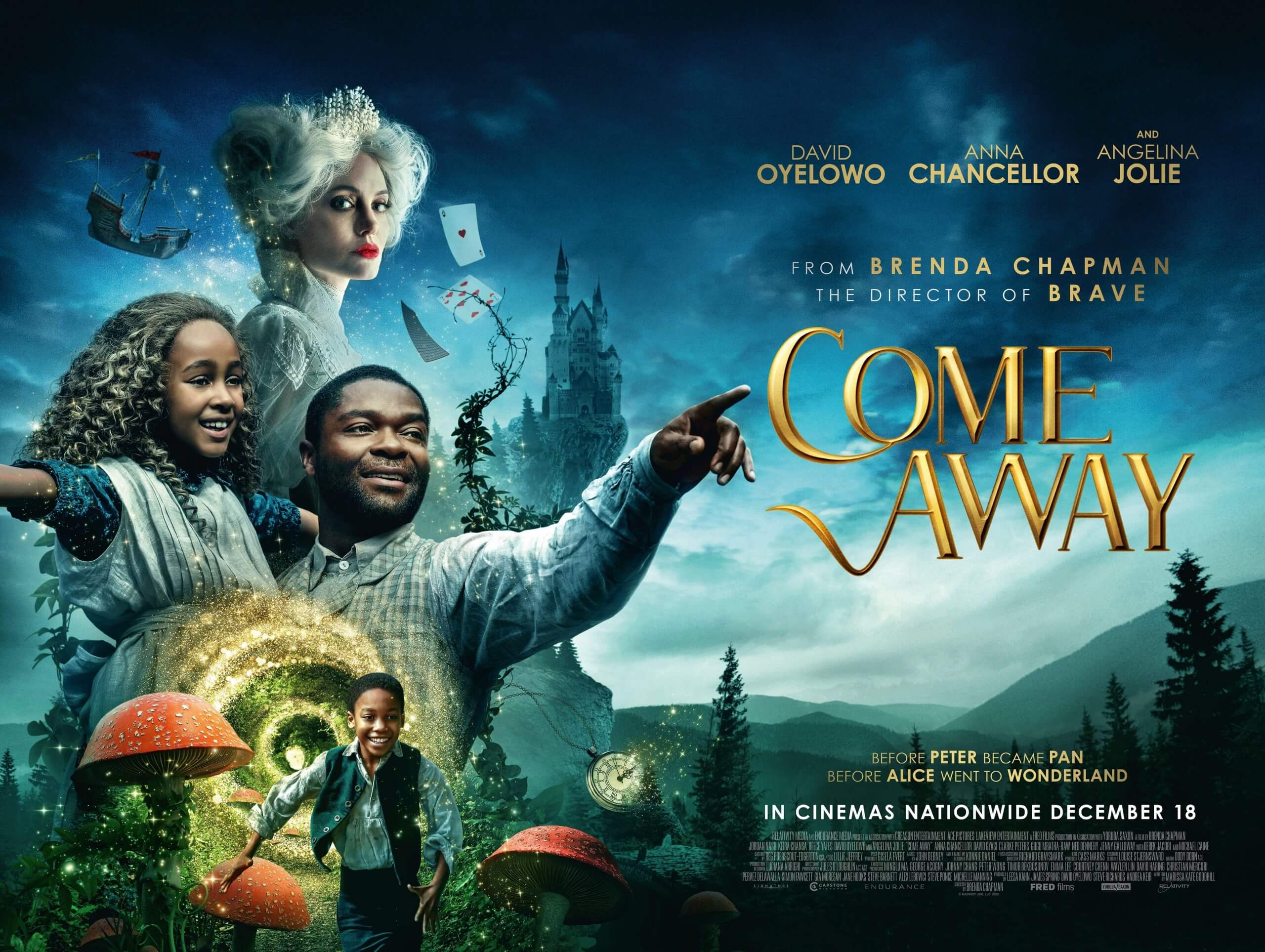
However, in the conceit of Come Away, the actor plays Jack Littleton, the father to Alice and Peter, who will soon come to be better known by the appellations of Alice in Wonderland and Peter Pan, respectively. It’s an intriguing concept, made all the more interesting by the fact that the film was directed by longtime Disney, Pixar, and DreamWorks filmmaker Brenda Chapman, in her live-action directorial debut. There’s a lot to take in when discussing his career, but it was a joy to speak with David Oyelowo and see how the actor connects historical fact with literary fancy, and what it means to him as an actor.

STARBURST: It seems as though Come Away is a further example of your work wherein you get to be part of this grand literary tradition, as well as one that’s specifically British. You’ve done many adaptations of classic works: you got to be James Bond for the audiobook of Anthony Horowitz’s Trigger Mortis, you’ve done Shakespeare, you’re tied into both Peter Pan and Alice in Wonderland with this film, and you’ve got Peter Rabbit 2 coming out next year. What’s it like, getting to be a part of this historical literary tradition?

David Oyelowo: I think it’s born out of my love of literature – my love of the classics, whether it be plays or stories – so I gravitate to those. They’re tried and tested. They are beloved, and with good reason. Sometimes it’s because you get to play dress up as well. [laughs] These period dramas – which I definitely grew up on, being from the UK – there’s something elevated about them, as well. You can either be a superhero and wear a costume or you can play Javert and wear a costume so, yeah, I probably gravitate towards them partly for those superficial reasons but mainly because the stories are just really good and the characters are wonderfully complex. They’re great challenges to try and conquer.

We imagine that was part of what attracted you to Come Away, as well as probably the possibility of working with Brenda Chapman in her live-action feature directing debut?

It really was. Brenda’s work has been a fan favourite of ours in our house with The Lion King. Prince of Egypt is a big film in our house. I have a daughter who adores the film Brave and so, again – a tried and tested filmmaker and storyteller. Also, the concept behind this story was just really imaginative. The idea of putting Peter Pan and Alice from Alice in Wonderland together as brother and sister sort of feels like an idea that should have been had a long time ago, but when Brenda approached me with the script, I realised that someone like me was now going to be reflected in a story that I had loved growing up, but never really seen anyone who looked like me within.

Not only was that going to be something for me, but something for my kids – something for kids all over. Partly why I gravitate towards these kind of roles is, I would love to see them normalised. I would love to see it normalised that someone like me gets to be in those stories, because the truth of the matter is black people didn’t pop up in the middle of slavery or the civil rights movement or the Windrush in the UK. We’ve been on this planet for a very long time and participating in its well-being in ways that transcend struggle and racial issues and so that should, therefore, be reflected in storytelling.

It is such a wonderful thing to see representation in adaptations of classic literature, rather than simply going with the flow of, “Well, this is the way it’s always been done.” Now, this is sort of apropos of nothing we’ve been discussing but, whenever I see Michael Caine in a film, I have a bit of joy, no matter how briefly he’s in it, such as in this picture. Did you know that you would be working with him when you signed on and if so, was that also part of the appeal?

No, I did not at all. It was a complete surprise. We approached him almost as a bet to each other and, lo and behold, it happened really quickly. It happened within a week of us going out to him and suddenly, he was on set with us. It was a really discombobulating thing because it’s Michael Caine with that voice and that face and I now had to do scenes opposite him, which really threw me because I felt like, “Why is Michael Caine doing an impersonation of Michael Caine?”

It just felt so odd having that voice come at me in the midst of a scene but, again, just one of the joys of being an actor is getting to work with your heroes. For me, to get to work with Angelina Jolie and Derek Jacobi and Clarke Peters, and a friend of mine, David Gyasi – let alone these wonderful young actors – it was just a just a complete dream.

You are best known for your work in historical drama and we were really intrigued by the idea that you’ve done all of these literary works, but you’ve also done so many things where you’re playing real people. How does that process differ or how is it the same? We assume that, in both cases, you’re having to work based on already extant presuppositions of how people might think these people should be.

It’s an added layer of challenge. Any role you’re playing is exposing, especially when it comes to film. You’re putting yourself out there, so to speak, but historical characters – or, I should say, even just characters who people have, like you say, a presupposition, with their own assumption of what they should be – I would almost put historical figures and literary figures in the same bucket, because whether it’s Dr. King or Javert, people are coming at it with their own baggage.

You have to just accept that you are not going to please everyone and so therefore, the thing to fastidiously do is to figure out what your best three-dimensional interpretation of that character is and to do it unapologetically, because the temptation is to half do it and sort of fall somewhere in the middle or do an impersonation of someone else or even the character you’re playing and then that feels surface, rather than revelatory. I just think you go full ball and just accept you’re not going to please everyone. Tell the truth. That tends to be the guiding principle for me.

You mentioned your family. Can we assume that possibly some of the roles you take are so that your children can see you in films? We know some actors have this thing of taking roles because they’re like, “Oh, my kids are going to like this.” Does that happen with you at all?

Absolutely, it does. Earlier on in your career, you take these roles that appeal to you and your sensibility and your journey and maturation as a human being. Then, you have children and you suddenly turn around and your kids are 10, 12, and 13 or whatever and you go, “They don’t know what I do because they haven’t seen anything I’ve done,” because it’s just inappropriate for them.

Peter Rabbit 2, which I did not long ago and will be coming out sometime next year, was a film I actually turned it down quite a few times because I was about to direct a film – my directorial debut, called The Waterman. I was understandably nervous about directing a film and wanted to give myself all the preparation possible and then, Peter Rabbit 2 came at a time where it would bleed into my prep time, but my daughter heard me over the phone turning down Peter Rabbit 2 and said, “Daddy, what are you doing?!” She loved the first one so much and so literally, Zoe is the reason I am in Peter Rabbit 2, but the byproduct of that is just getting to do a breadth of things, which is what I want. I want to appeal to the whole family, not just a certain demographic and so, getting to mix it up is not a bad thing.

Your career has been something that we think any actor would be like immensely satisfied to do. You seem to get these parts that allow you to have something in which to sink your teeth. Would that be an accurate description?

Yeah. It’s partly by design. I once heard someone say the greatest power an actor has is to say, “No,” which is a very privileged thing to be able to say. Most actors are just trying to make them nuts and enough to live. You’re doing incredibly well to make an actual living from being an actor but I’ve been very blessed with opportunities and thankfully, blessed enough that I can be a bit more judicious with my choices.

Every time you say, “No,” rather than panicking about whether you’re gonna work again – my approach has been, every time I say, “No,” it’s to create room for the thing I really want to say “Yes” to and the things I say “Yes” to are the kind of roles that you allude to: they have a bit more meat on the bone. They have something to say. They are holding a mirror up to humanity. I like films that have both magic and meaning but, most of all, I want to be thoughtful. I don’t particularly want to be in things that are pure entertainment with no real substance. Nothing is more satisfying to me when I watch a TV show or a film then if it stays with me – if it has me thinking or if it has me ruminating on it.

You don’t always succeed! Don’t get me wrong: there are definitely choices I’ve made that didn’t go as well as I would like, but the intent has always been to do something that has some substance to it.

In terms of substance, your role in Come Away is a father and you are a father and the heartbreak at the core of this film – we can’t imagine what it’s like, as a parent, having to work with material such as that, where you’re dealing with the loss of a child. Is it a little difficult or a little too close to the bone at times, when you’re having to deal with something like that?

Inevitably, one of the things you do as an actor in a given situation that you have to play is you think about what that would mean for you as a husband, as a father, as a friend – in any given circumstance, how would this impact you? Of course, some of what my character and Angelina Jolie’s character go through in the film is the worst thing you could have to deal with as a parent – or, indeed, a human being – and it’s very uncomfortable to have to entertain those thoughts, but that’s the job. The job is to reflect the reality of humanity as best as you can and I would much rather play those circumstances than experience them myself, in my own personal life.

Sometimes, the portrayal of those difficult circumstances can be incredibly healing for an audience, some of whom have been through some of that stuff. I lost my dad this September. He lived with us for the last four years and I’ve had to watch my kids go through the challenges of losing their grandfather and in our film, we are trying to balance fantasy and reality and trying not to patronise kids and trying to equip them to deal with the challenges that we will all inevitably face in one way or another, and especially now, in the middle of this pandemic. There is something cathartic about watching it played out in films that, hopefully, can help people deal with this stuff in life.

We can’t imagine what it’s like to have to have something such as that in the back of your mind while you’re promoting a movie about a family. Without giving too much away for folks who’ve not yet seen Come Away, in the film, you are not only the father to Peter Pan and Alice of Alice in Wonderland but, essentially, you are the grandfather to another set of literary characters. How does it feel to be such a grand patriarch?

That’s a great way of putting it. What I love about that side of things is the fact that, for people who will see this film in years to come, I just love the idea that we can start to normalise stories like this that have beloved literary characters, where we’re seeing those characters through many different lenses in many different forms and guises from different cultures and backgrounds and ethnicities. The thing about Alice in Wonderland, Peter Pan, and a myriad of fairy tales is the reason they endure – the reason they stick around for such a long time – is because they are universal in their relatability they speak to all of humanity.

Whether you’re black, white, African, Asian, American, South American, Russian: they go to the heart of humanity, much like Shakespeare does and if any piece of literature does that, then I think it behooves us to tell and retell those stories through the guise and eyes of different kinds of people to allow them ownership of those stories. So, for me to play the “grand patriarch,” as you call it, of these literary characters: of course, it’s a great thing for me, but I hope it’s going to be very meaningful to audiences of all shades who will watch this film as the years go.

Come Away is in cinemas from December 18th.

WIN the HOWL’S MOVING CASTLE and a Studio Ghibli Bundle!

win castle

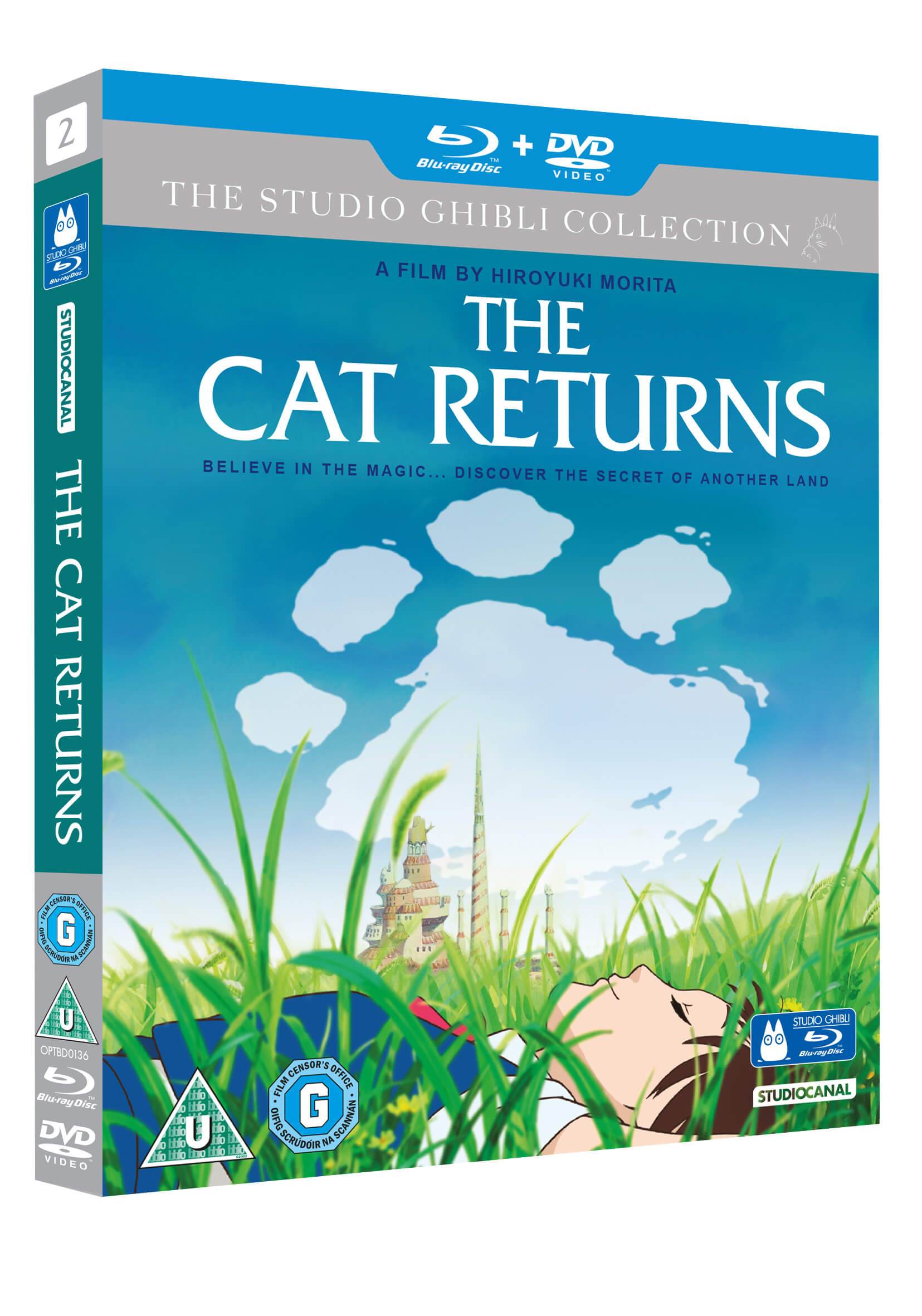
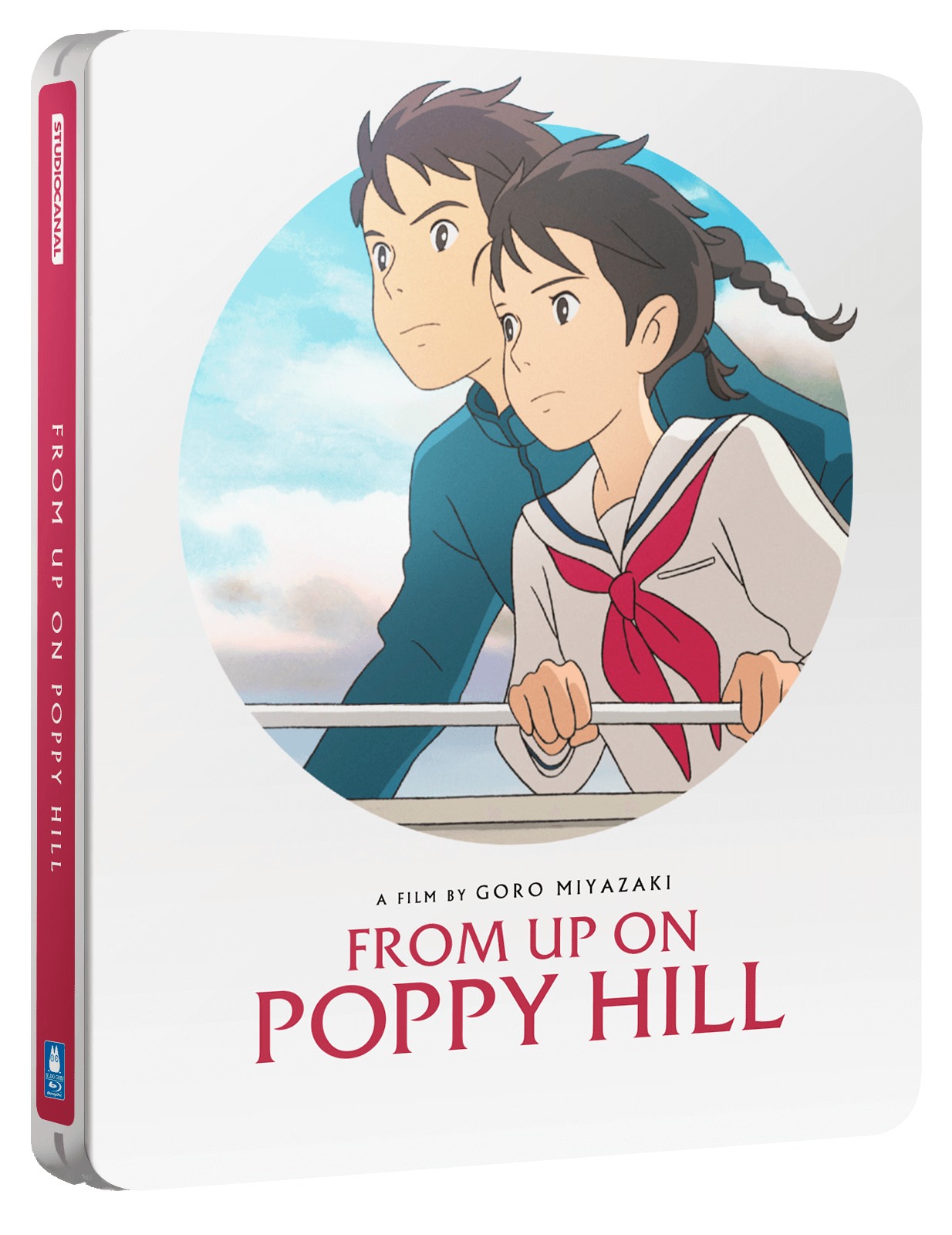
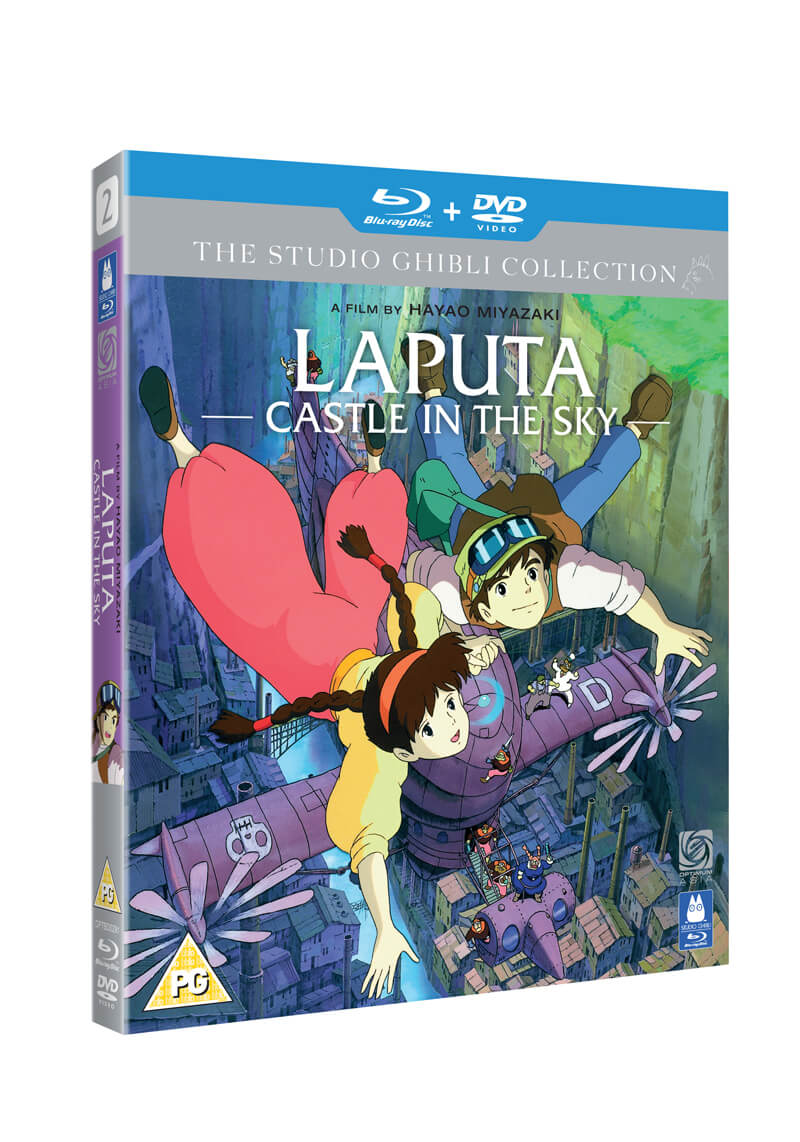
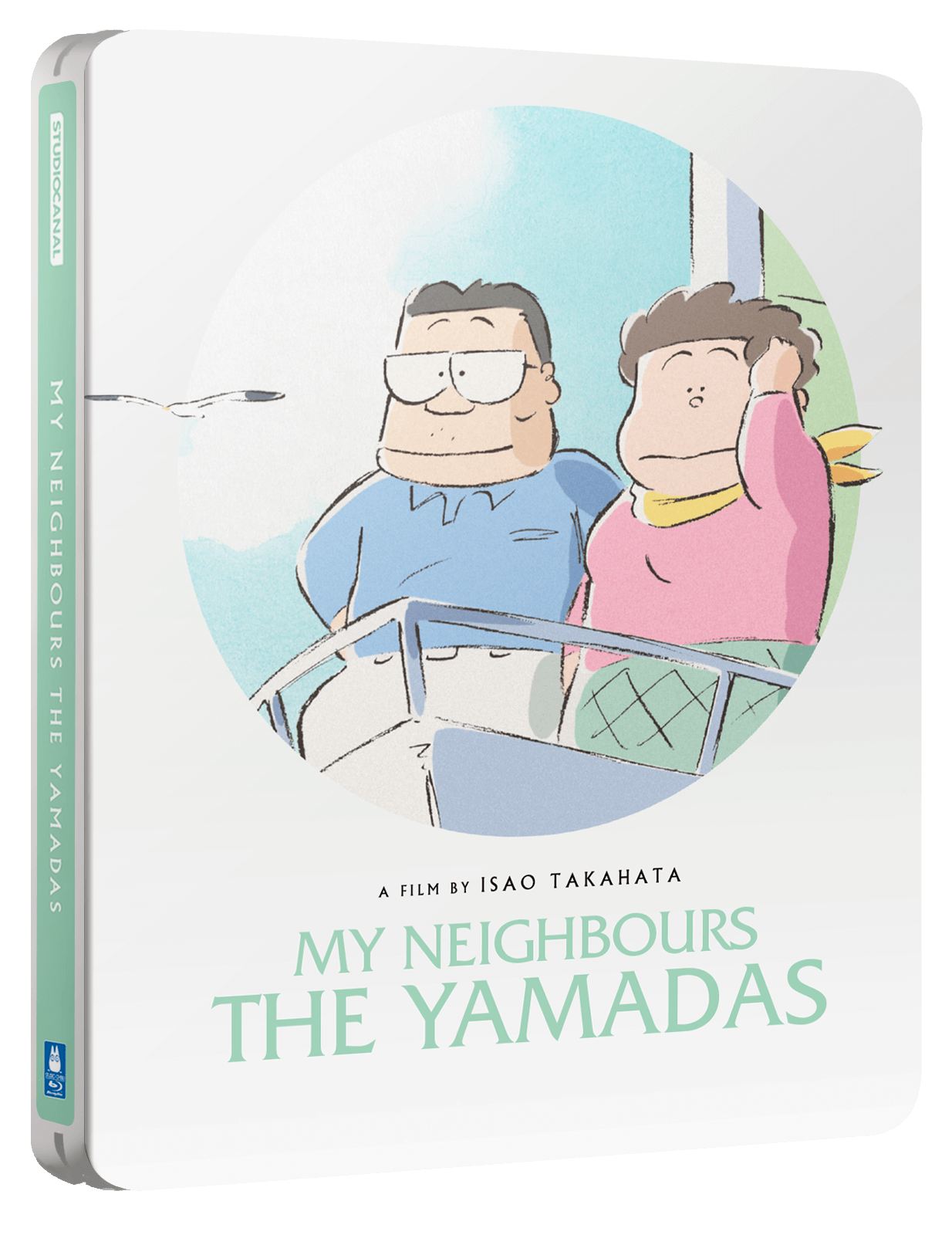
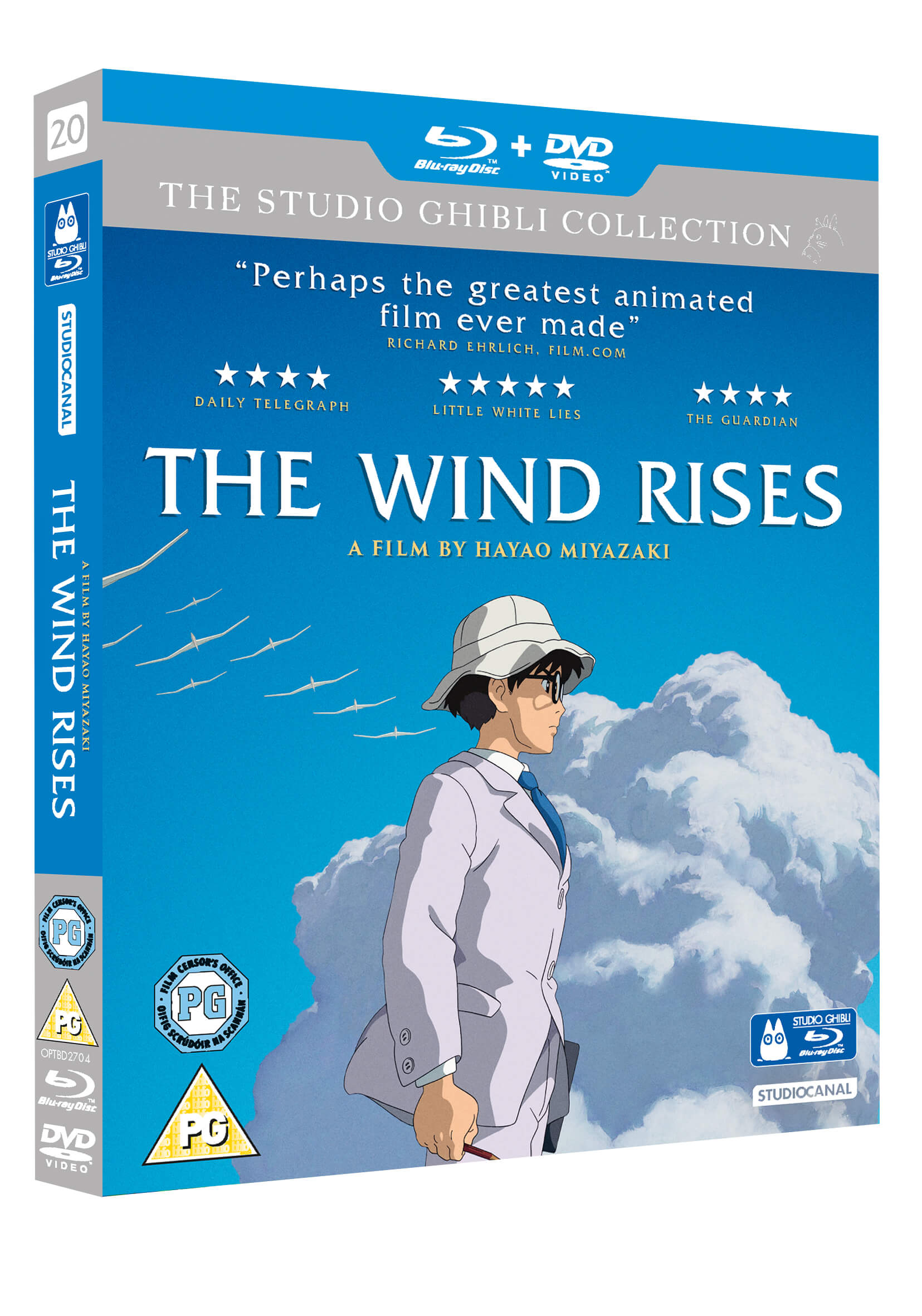
To celebrate the release of the 15th Anniversary Special Collector’s Boxset of HOWL’S MOVING CASTLE on December 21st, we are giving away one special Christmas Studio Ghibli bundle, with four stunning Steelbook releases of From Up On Poppy Hill, My Neighbours the Yamadas, When Marnie Was There, Only Yesterday and Blu-ray editions of Howl’s Moving Castle, The Wind Rises, Laputa: Castle in the Sky, The Cat Returns.

You can now pre-order the Special Collector’s Boxset of HOWL’S MOVING CASTLE here.

To be in with a chance of winning the Studio Ghibli bundle, just fill in the details below:

a Rafflecopter giveaway

Five Films to Check Out on Horror Channel This Week – 141220

horror 141220

To save you getting lockdown blues, we’re going to be giving you our picks of what to watch on Horror Channel each week. Here are some of our favourites this week:

Tuesday December 15th, 9pm – The Ascent (2019)

Director Tom Paton (G-Loc) is one of the bright young things of British genre, and this war-action-fantasy sees a black ops unit having to relive a botched mission over and over. Fantastically acted, this is a mind-bending treat.

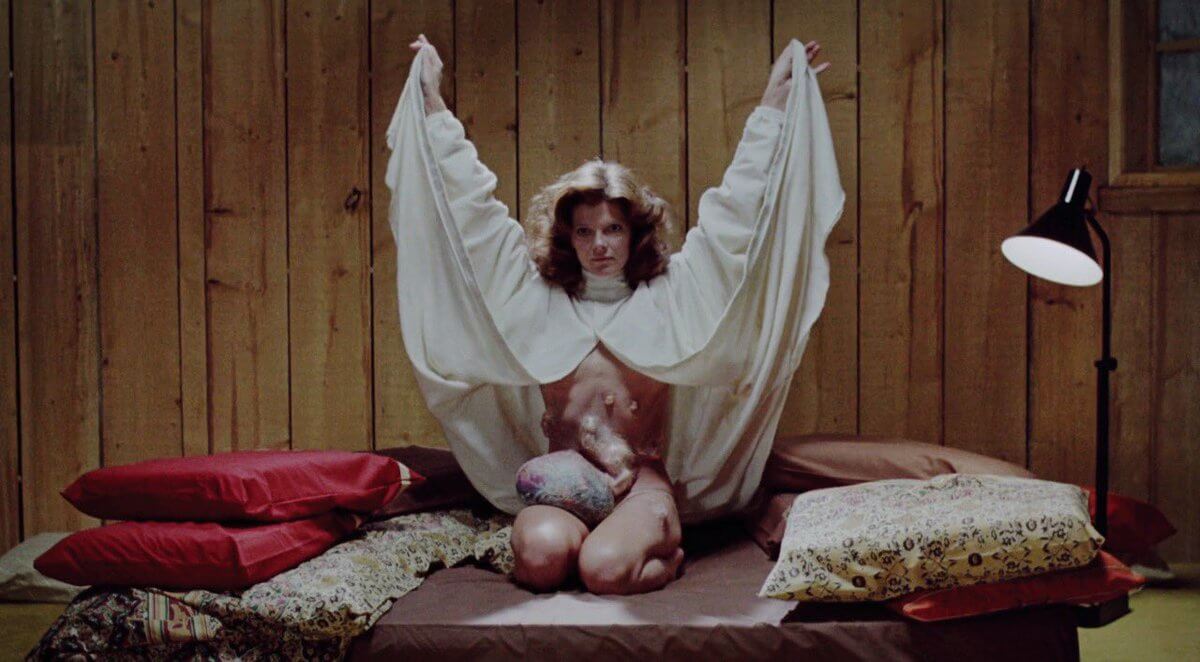
Wednesday December 16th, 10.45pm – The Brood (1979)

David Cronenberg – the king of body horror – directs this fantastic tale of terror in which a psychotherapist’s unorthodox methods leads to disturbing changes in the bodies of his patients. Starring Oliver Reed, Samantha Eggar, and Art Hindle.

Thursday December 17th, 10.50pm – Schizo (1976)

A fun, ‘of its day’ slasher directed by Pete Walker (Frightmare) and written by David McGillivray (Satan’s Slave). A figure skater (played by Lynne Frederick) is stalked by an ex-convict, but is the reign of terror all that it seems?

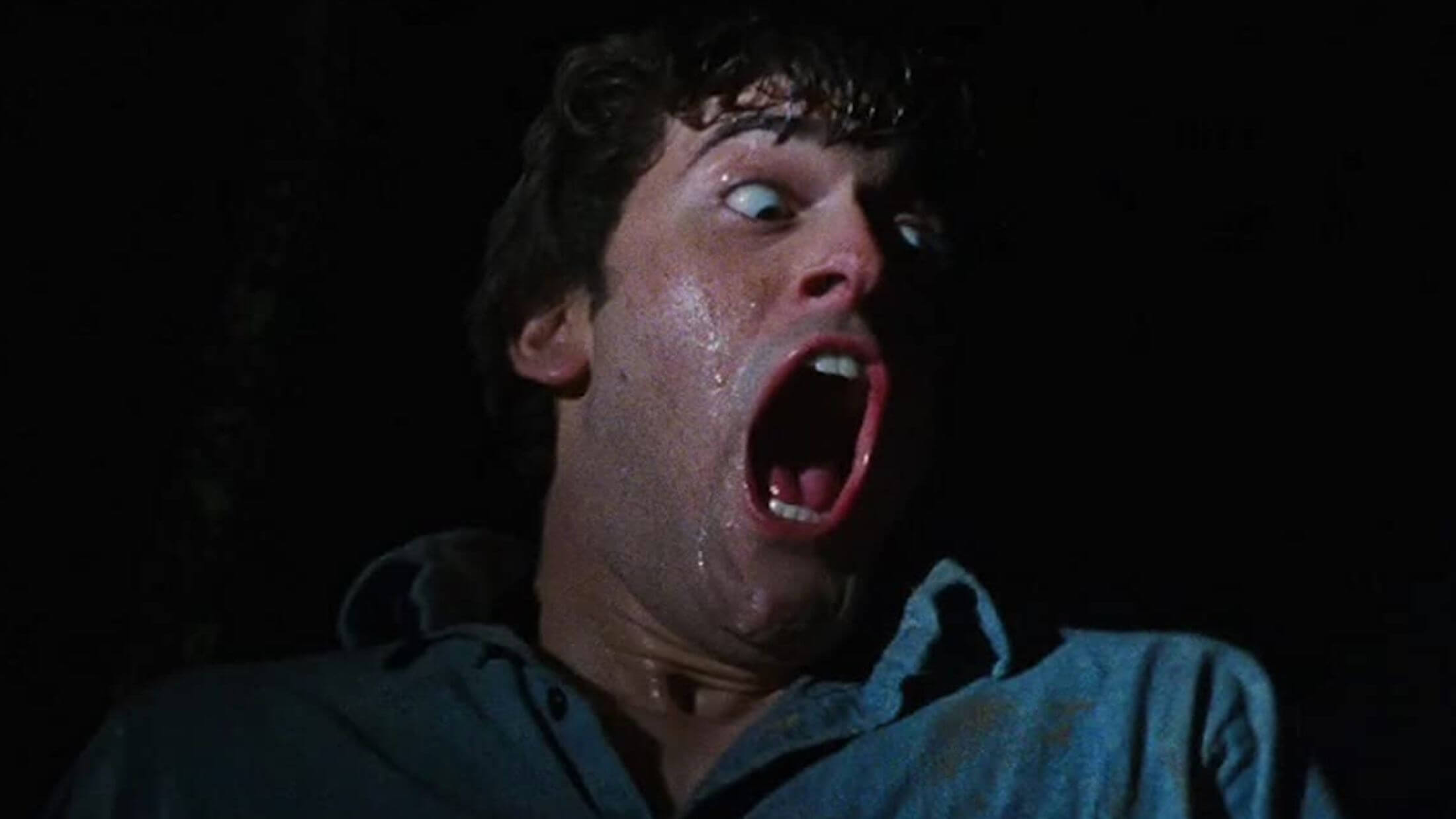
Saturday December 19th, 11.10pm – The Evil Dead (1981)

Sam Raimi’s gore-filled classic established the cabin in the woods trope and influenced hundreds of filmmakers as well as outraging public standards when it hit VHS back in the dawn of the ‘video nasty’ era. It also made a legend out of actor Bruce Campbell. Unmissable.

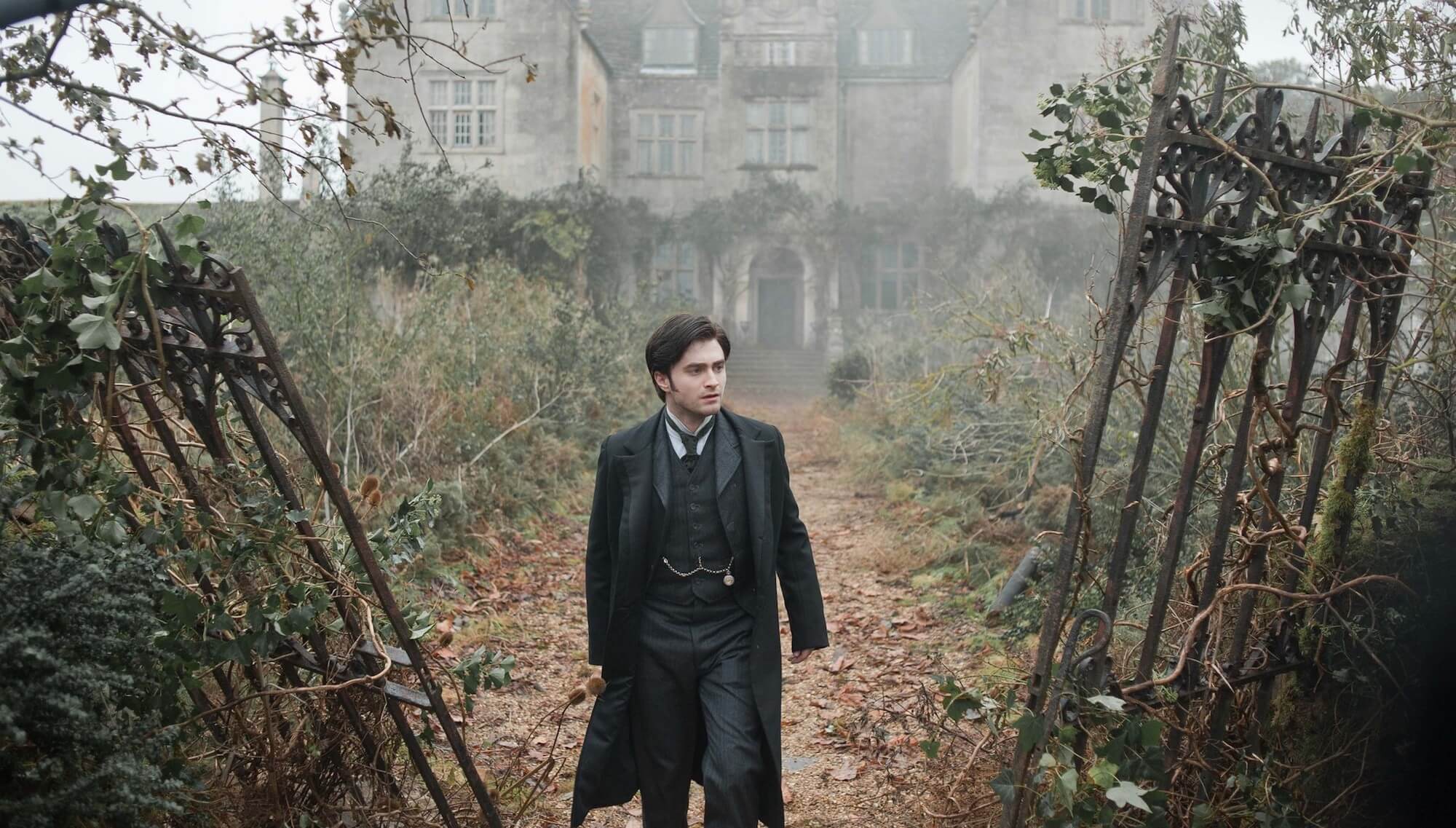
Sunday December 20th, 9pm – The Woman in Black (2012)

The film that proved there was more to Daniel Radcliffe than Harry Potter. Directed by James Watkins and adapted by Jane Goldman from Susan Hill’s hit novel, this partly produced by the reborn Hammer Films. It’s full of more jump scares than the subtle but effective stage show and the 1989 TV version, but it still packs an impressive punch.

Tune into Horror Channel on Sky 317, Virgin 149, Freeview 68, Freesat 138.