[ENDED] WIN Sci-Fi Drama LX 2048 on Blu-ray

lx win

We’ve teamed up with Dazzler Media to giveaway three copies of the new sci-fi drama LX 2048.

Synopsis:

In the near future, the sun has become so toxic that people can no longer leave their houses in daytime, and normal life is conducted mostly inside the virtual realm. Against this dystopian backdrop, a dying man seeks to ensure the future wellbeing of his family, while coping with what it means to be human in this new reality.

From writer-director Guy Moshe (Bunraku, Holly), LX 2048 is a powerful, thought-provoking sci-fi starring James D’Arcy (Dunkirk, Agent Carter), Anna Brewster (Star Wars: Episode VII – The Force Awakens, Versaille), Gina McKee (Catherine the Great, Bodyguard) and Delroy Lindo (Da 5 Bloods, The Good Fight).

To be in with a chance of winning, just watch the trailer and enter via the widget below…

 a Rafflecopter giveaway


Dazzler Media presents LX 2048 on Blu-ray, DVD & Digital Download January 25th

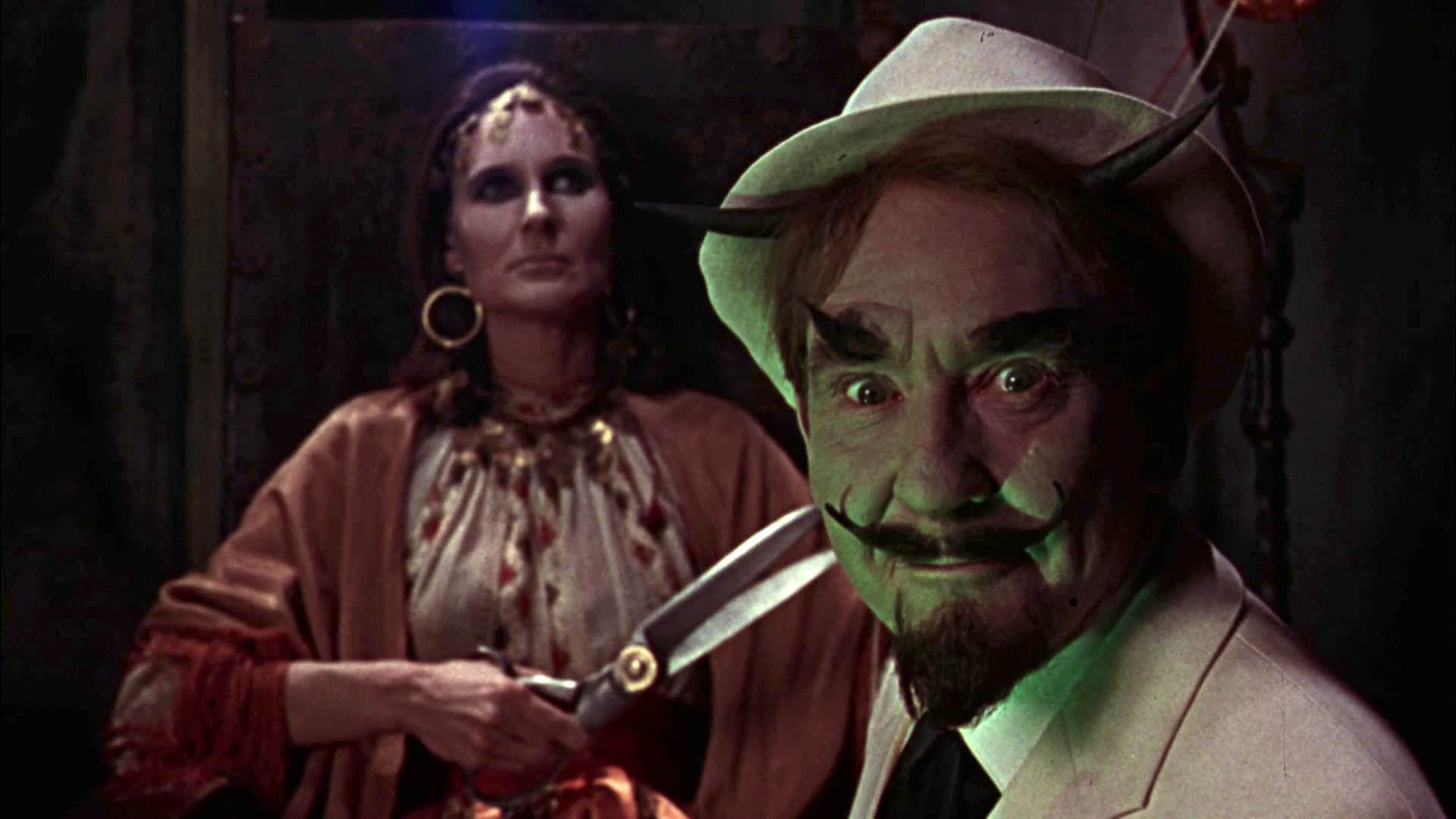
Five Films to Check Out on Horror Channel This Week – 030121

horror 030121

To save you getting lockdown blues, we’re going to be giving you our picks of what to watch on Horror Channel each week. Here are some of our favourites this week:

Tuesday January 5th, 4pm – 6-Headed Shark Attack (2018)

C’mon, admit it; we’re all suckers for The Asylum films. The epitome of the guilty pleasure, they are perfect for vegging out to. This classic ups the ante on its predecessors by giving the mutant shark yet another head. Forget subtlety, this is pure, brainless fun.

Thursday January 7th, 9pm – Knuckleball (2018)

Legendary actor Michael Ironside is a grumpy old grandad who pops off far too soon in this terrifying tale that has a young lad (Luca Villacis from Channel Zero) having to fend off a murderous neighbour during his weekend away.

Friday January 8th, 4pm – Mysterious Island (1961)

A story by Jules Verne and the special effects mastery of Ray Harryhausen? What’s not to love? This tale has a group of Civil War soldiers, led by Michael Craig, marooned and having to face the likes of giant crabs, enormous bees, and prehistoric chickens. Herbert Lom appears as Captain Nemo in spectacular fashion.

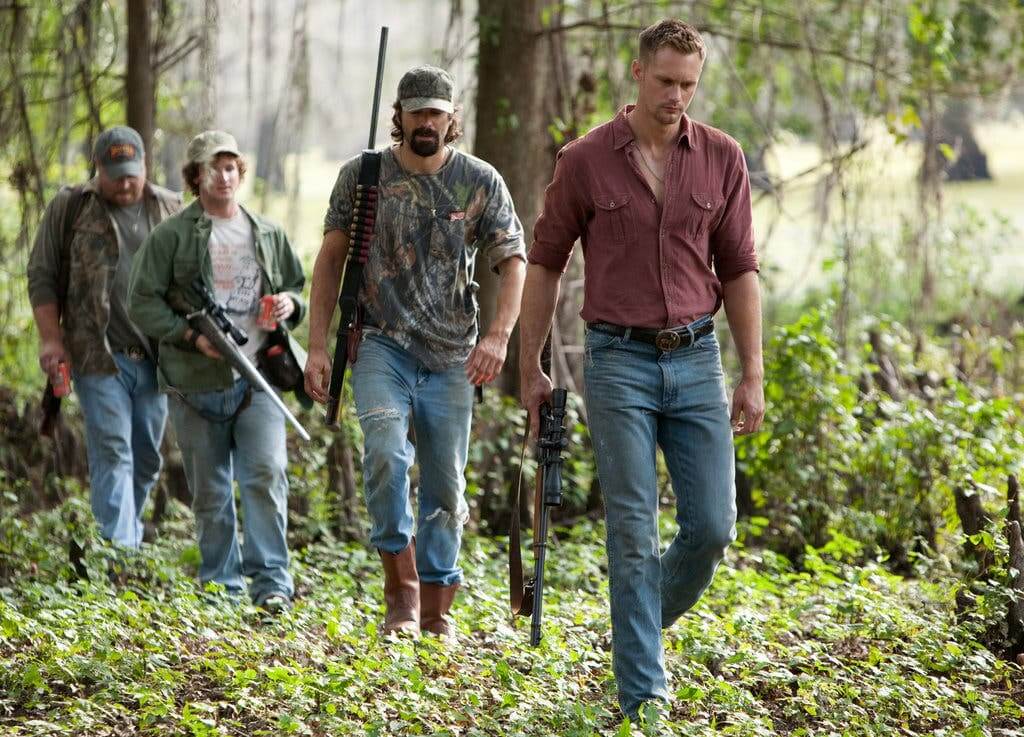
Saturday January 9th, 11pm – Doghouse (2009)

Great British ‘lad’ comedy horror directed by Jake West (Razor Blade Smile) and starring a host of famous faces, including Stephen Graham, Danny Dyer, Noel Clarke and a brief appearance from Emily Booth. A boys’ weekend away, meant to cheer one of them after a divorce, ends in carnage when they face a village of zombies.

Sunday January 10th, 9pm – Frankenstein (2015)

Bernard Rose, director of the original Candyman, takes a crack at Mary Shelley’s classic story, updating it and making the monster even more sympathetic. Cast includes Xavier Samuel as Adam, the creation, Danny Huston as the misguided doctor, Carrie Anne Moss as his wife and co-creator, and Tony Todd as the blind man the creature meets during his terrifying travels.

Tune into Horror Channel on Sky 317, Virgin 149, Freeview 68, Freesat 138.

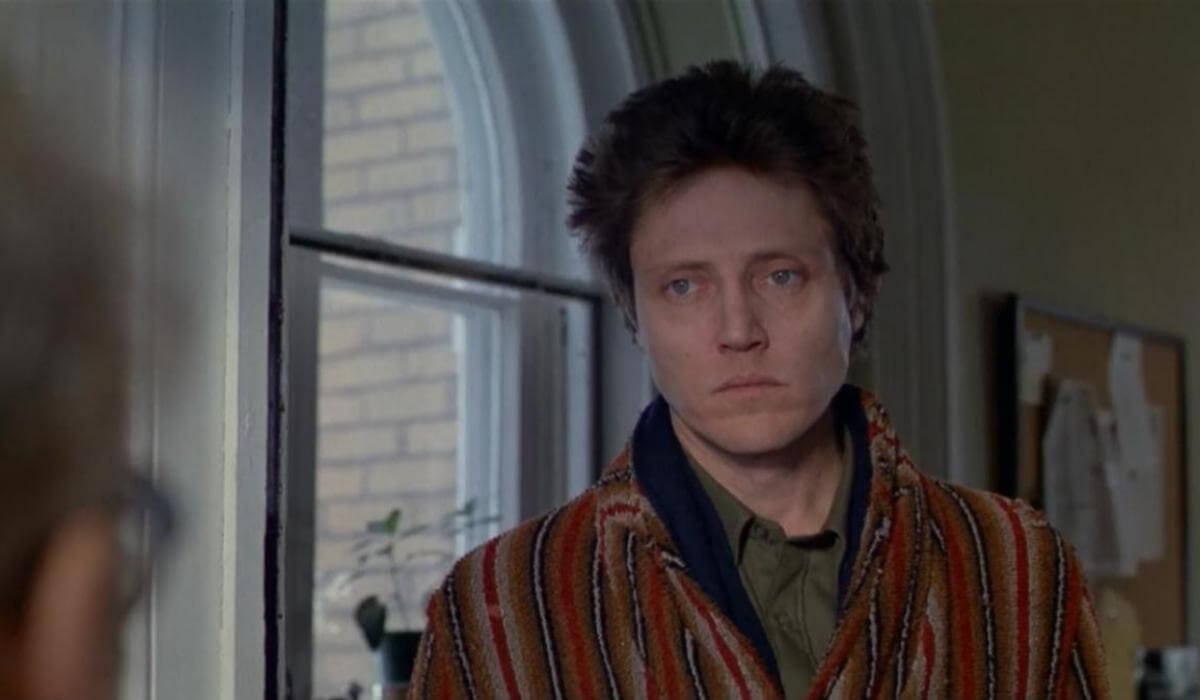
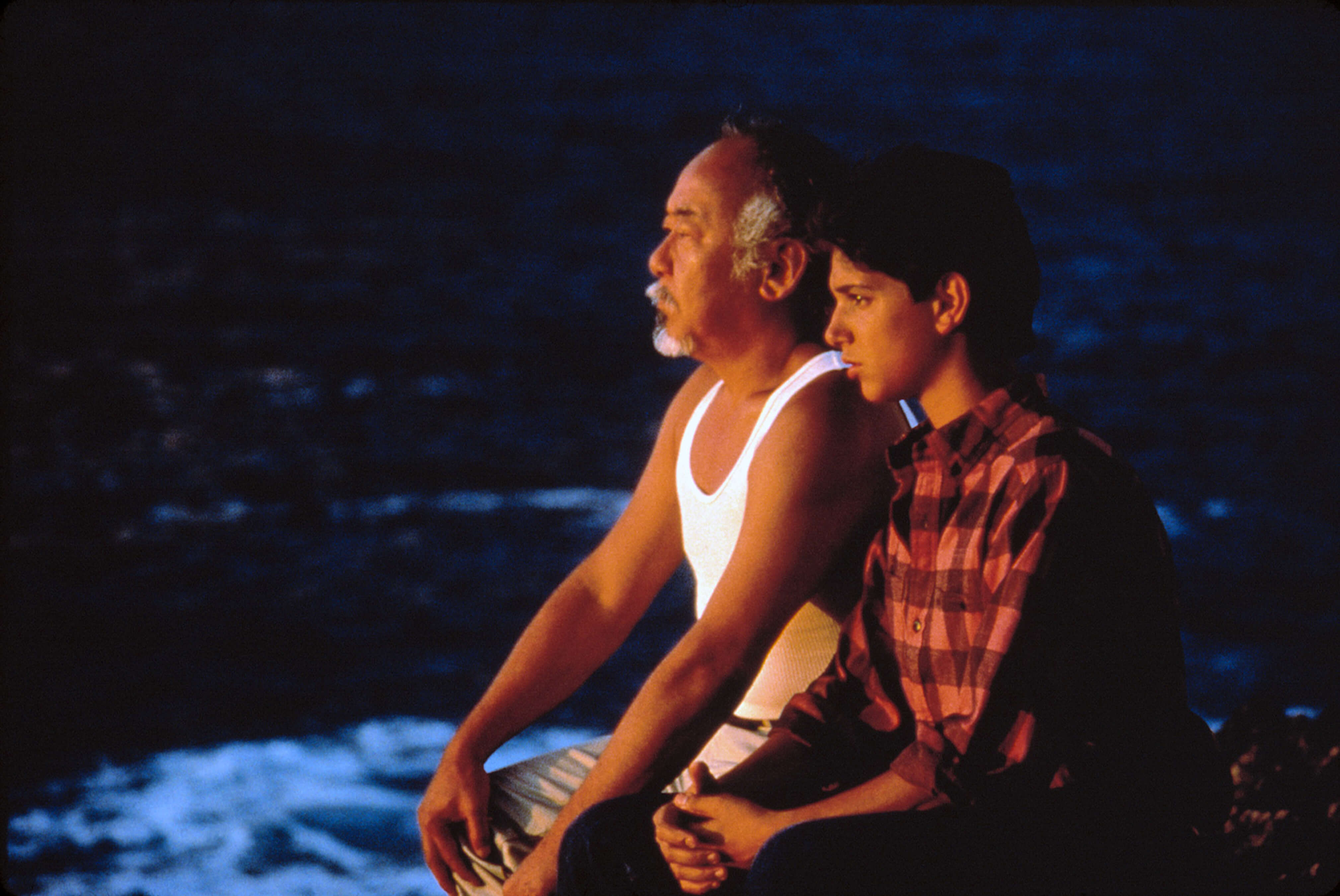
Michael Ironside | TOTAL RECALL

ironside

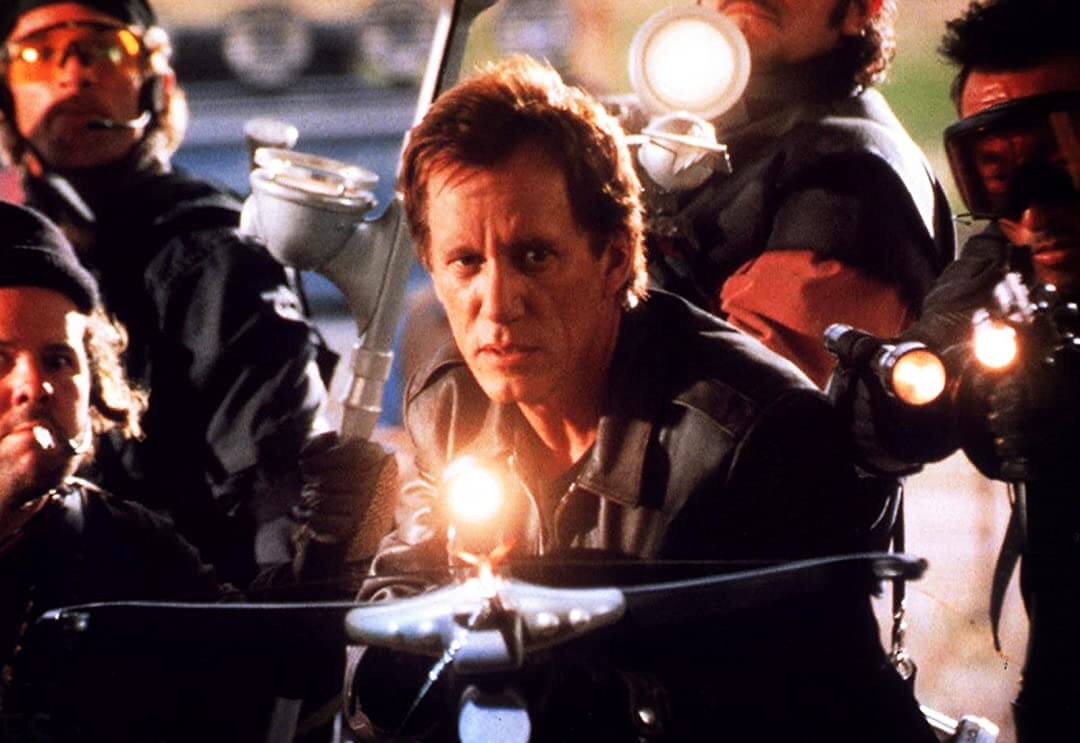
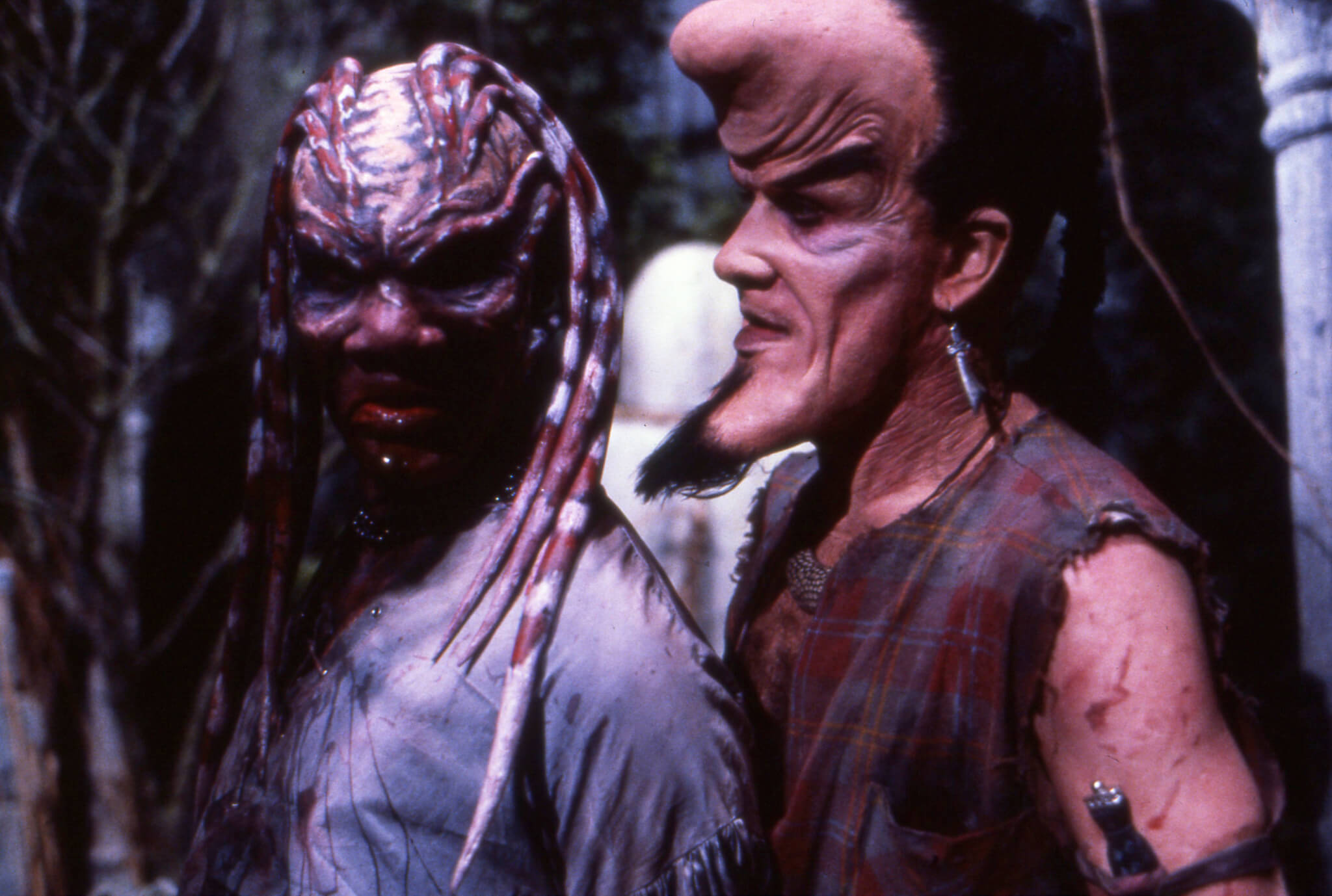
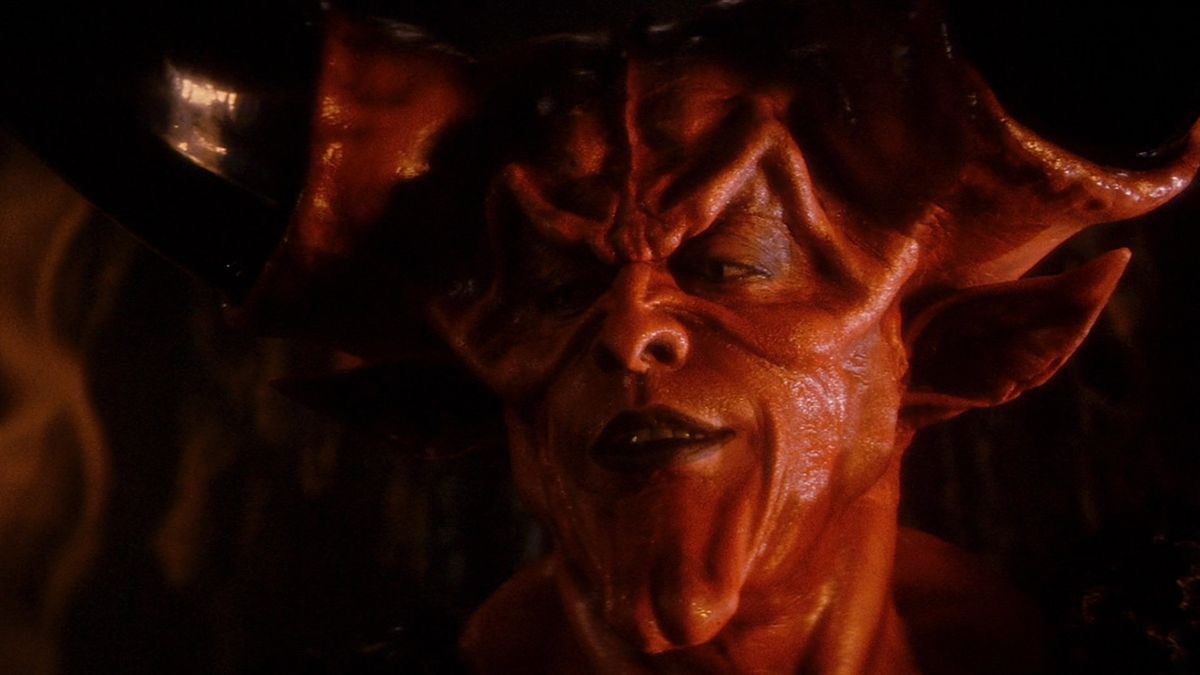
When making a genre movie in the ‘80s and ‘90s, there were a clear set rules that had to be adhered to in order to make it a success: hire Arnold Schwarzenegger as the hero, cast Sharon Stone as the femme-fatale and as for the bad guy? Well, there was only one guy you needed to call and it seemed that back then, everyone had one particular actor on speed dial… Michael Ironside.

Total Recall was one of those great gifts that was given to me,” Ironside says with a warm smile, speaking from his home. “I’d just come off V, which had garnered a lot of heat and there’s a lot of crossover between Richter and my character in V. In V, I constructed someone that couldn’t give affection and couldn’t receive affection and that character actually helped build the foundation for the character of Richter. Paul, I think wanted a much more in-depth, much more specific emotional character and we worked on that. I worked on that very hard.”

While 1990’s mega-budget sci-fi blockbuster Total Recall was arguably Ironside’s biggest mainstream exposure, it certainly wasn’t his first foray into the genre, or for that matter, the hearts of sci-fi fans around the world. It was in 1981 that the Canadian-born actor exploded onto the scene (literally) in David Cronenberg’s Scanners, followed by a string of appearances in film and TV, predominantly as the bad guy.

“It’s my experience that you don’t pick your type,” Ironside says when asked about the uniformity of his on-screen roles. “It’s an old story that if you hit an old lady with a shovel and people make money off it, then that’s what they want you to do. I’ve used this metaphor the last 23 years; the shovel may become gold plated and the lady may turn out to be Diana Rigg, Sophia Loren or whoever, or the shovel may become an Uzi or a stick of dynamite. Millions of dollars are invested in this, people take risks on you. It’s very hard to get hired if you haven’t shown what you can do. And once they’ve made money off you it’s very hard to get somebody to say, ‘Well why would I get you to do this when that guy over there does it and I make money off of him doing that. He kisses the ladies and you kill them’. So what I do is I make a lot of money playing ‘heavies’. I’ve done it over my career and actually still do quite a bit.”

The life of a well-paid film actor is as far removed as you could imagine from Ironside’s humble beginnings. Hailing from east of the Don river in Toronto, Ironside was the eldest of six siblings and lived in a house just twelve and a half feet wide that he also shared with his grandfather and various pets. “Where I grew up there was no privacy,” Ironside explains, “There was always somebody from the neighbourhood in the house so it was always very crowded. So privacy was in reading and writing and I would create my own things when I was writing.”

It would be Michael’s escapism through literature that would prove to be the stepping stone towards his later career, although it would take the intervention of someone that believed in him to kick start it. “I was writing my autobiography when I was 13 years old. And this student teacher named Judy Millen saw what I was doing and she said, ‘What are you doing?’ and I said, ‘I’m writing my life story’. She didn’t laugh and she asked if she could take a look and I let her take it home. She came back and she said, ‘Your dialogue and your characters are absolutely brilliant but your descriptive narrative is shite’. So I asked what she meant and she said, ‘Have you ever thought about writing plays?’ At that time all I knew was basically Shakespeare and the stuff they touch on at High School in a working class background and she gave me Ibson and Strindberg. Strindberg would go on for two or three pages with description, he was such a control freak. So I asked, ‘Why would I do this? I can’t do my whole life’, and she said, ‘No, take one episode’.”

“There was an episode that had happened to me when I was 13, before I started writing this, where there’d been a fight at home and I basically ran away for two days. I stayed at a Salvation Army shelter downtown. I was big enough and old enough that they let me stay and I saw some stuff there. There was an old fella who was trying to get me to kill him, he had me almost convinced that he could give me super powers if I killed him. Because he was crippled and he couldn’t get out and he didn’t want to live anymore. We tried to convince me to suffocate him. There was a guy who got beaten to death in the shower and the attendants didn’t give a shit because they didn’t want any trouble. There was 180 guys sleeping in three different dormitories. So she says, ‘Take that, it’s one set, maybe two acts, maybe three’. So I did it, she gave me some editorial choices and stuff and I handed it in after the summer and she said, ‘Wonderful’ and I went away and carried on writing. She went ahead and entered it into a Canada-wide contest for University students and I knew nothing about it. She was a bit of a champion in the sense that she wanted more money spent at a grass-roots level in education. She was from a fairly literate family, she and her sister moved into the neighbourhood because they believed if you’re gonna teach in the neighbourhood you have to live in the neighbourhood. She thought money should spent on children in education not on the finished product in Universities. So to make a point she didn’t tell anyone I was in Grade 9 or 10 at the time, she entered it and it won first prize.”

The incredible win would wind up setting Ironside on a path towards the arts, which was as far removed from the life his family knew at the time as he could possibly imagine. He just didn’t know it yet! “I had a full time job at night as a young teenager, I was painting factories at night and then going to school in the daytime. I came home one day and there were all these suits in the kitchen with their hats on so I thought it was the police. They were all talking to my Mom and I remember hiding thinking, ‘Fuck, what have I done? I haven’t done anything wrong’. And I heard my Mom say, ‘We can’t send our kids anywhere physically but we can send them there in books’, and I thought, ‘What’s she telling that to the police for?’ So I buggered off, went to work and came home later that night about 12 (I worked about 5.30-12/12.30, if I skipped lunch I could come home early). Now my father always went to bed at 11.30 as soon as the news was over. That man worked three jobs for us to make ends meet. He’d come home, dinner was at 5/5.30, sit at the table and talk until 6 and then he would go doing what he did, fixing things in the basement and things until 11, watch the news and then go to bed at 11.30. I came home at 12.30, the light was still on in the kitchen and he was still awake. I thought, ‘What the fuck’. So I go in and I said, ‘Dad I didn’t do anything’, he said, ‘What are you talking about?’ I said, ‘I saw the cops were here’, he said, ‘No, no they weren’t cops they were reporters. Evidently you won some contest. Who’s this Judy Millen?’ I said, ‘She’s my teacher in school, she’s been helping me with my writing,’ and he said, ‘Ah. Well she went ahead and entered this in a Canada-wide University contest and it won first prize so you get a chunk of money (either $5,500 or $7,500) and you get to have your play produced anywhere in Canada. But there’s a huge stink because you’re not in University, she’s making some political statement’. He said, ‘They’re trying to figure this out and I’ve got an idea for you’.”

In retrospect, Michael admits that it wasn’t just Miss Millen that helped make the right choices for him. “I get emotional when I tell this because I didn’t realise until I was well into my 40s what my Dad did”, Ironside says. “He said, ‘If you give up the money, they can split the money half and half between second and third place and you get to see your play produced.’ So I said, ‘Okay’ and he wrote it up and I signed it. They agreed to it, they got the money and I got my play produced. It didn’t hit me until I was in my 40s, that my Dad had never seen that kind of money in his whole life. This is a man who’s worked three jobs to make ends meet and he says, ‘Give away the money and you get the chance to see something you wrote’. The gift of parenting, when parents understand stuff.”

Winning the competition and seeing his play produced (by a small Canadian company called Factory Lab) gave Michael the boost he needed to find his feet in the creative arts. His second play, East of the River was picked up by the Toronto Workshop and while he was writing, he began taking acting roles to help enhance his understanding of the process from their perspective.

“There’s an old saying,” Ironside explains. “If a dog shows up in the same place enough times, they’re going to give it a screen test. It’s not whether you get the screen test, it’s what you follow it up with. You have to be constantly moving forward. There’s no standing still in this industry. You’re either going backwards or you’re going forwards. You’re either learning and progressing or you’re going backwards and then you’re forgotten. So it’s not getting a break, it’s what you do with the bloody break. What you follow it up with.”

As time would tell, Michael Ironside followed up his successes with a string of TV and film appearances. But while it would be Scanners that would put his face on the map (literally all over it in little pieces) it was roles in successful shows such as The A-Team, Hill Street Blues and most importantly, the alien drama V that would begin to make him a household name.

“The original story, I’m told, was that that was a lot like the Man in the High Tower,” Ironside reveals. “What if America had lost the war. And the Networks were like, ‘This is bullshit, who’s gonna watch this?’ so he went off and made all the Nazis aliens.” V would be the springboard that propelled Michael to more mainstream fair, including the likes of Top Gun, while it would be the role of Richter in Total Recall that would firmly cement him as a genre favourite. His follow up, as General Katana in the often-lamented sequel Highlander II would be no exception. In fact, no sooner had we begun chatting than Ironside spotted my replica Masamune samurai sword from the first Highlander film sitting behind me. “Hold on a second”, Ironside says with a grin before disappearing off camera. When he returns, he’s waving his screen-used sword from The Quickening. “You wanna go?” It’s a moment that would make any fan of either Highlander or Ironside grin from ear to ear. “I’m a huge fan of Japanese history and storytelling,” Michael expounds. “My father took me to see The Seven Samurai. I was very, very young. I actually got to show that to my daughter about 10 years ago – she’s now 24 – and that’s the basis of The Magnificent Seven. I remember in an interview with Kurosawa they asked, ‘do you feel abused or feel like you’ve been stolen from when people take your material?’, he said, ‘No, it’s not what you steal it’s how you steal’. It’s that whole thing of how all movies are about six or seven plots. I think it was D.W. Griffith who said ‘There are only really eight storylines out there and six of them are Westerns’.”

Today, Ironside continues to both act and write, “I’m a morning writer, I’m writing right now,” although these days he has the luxury of being able to pick and choose his roles. “I do large films where I get to affect distribution and I have a bit of say in things,” Michael explains. “And then I’ll go out and do small independent films where I’ll play the father, grandfather, damaged son or someone who has a certain amount of empathy about them. I do things that make me stretch. I got offered a job last year to do a film in Chicago and it was another psychopath, ageing paedophile motherfucker that they’re hunting down. They offered me a lot of money for it and I just told them that I’m not interested. I told my agent that the little boy in me just wants to go home after three days if there’s nothing there for me to reach for. Instead, I went and did this little independent film with no money in Upstate New York and had an absolute ball. The larger films allow me to put my daughters through college and make sure they’ve got a car and can pay for their vet bills and stuff. Then the smaller films I get to experience growth and learning. I don’t need the profile. Some work and some don’t.”

As we wrap up our chat, we turn our attention back to Total Recall and his time working with director Paul Verhoeven, not once but twice. “Of all the directors I’ve worked with, Paul is in the top five of what I would call true directors,” Ironside elates. “He’s in absolute charge of everything, he knows exactly where he wants everything and where he wants it. He’s a true craftsman. He said about a year ago, ‘We should do a third one’. Quite a few years back he said, ‘I’m going to do Speer, Hitler’s architect, I would like you to play him as an older Speer, the man who gets out of prison’. So he sent me over a book on Speer and I read all this stuff and this sociopathic character, such an amazing character, despicable human being. But he couldn’t get money for it. But he does say he wants to do a third one.”

And for that, we wait eagerly.

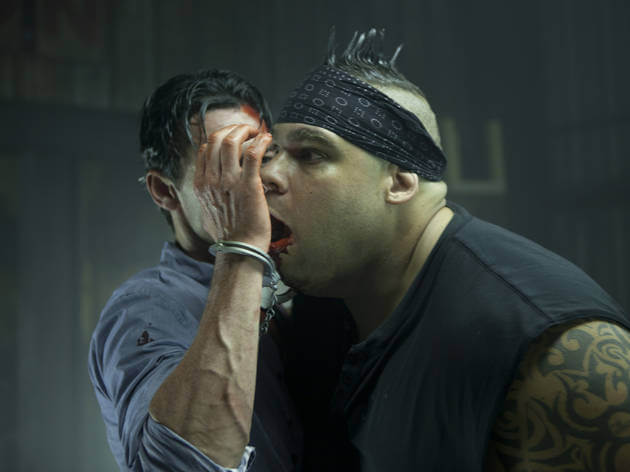
Natalie Erika James | RELIC

Natalie Erika James RELIC

One of Hollywood’s best emerging talents, writer/director Natalie Erika James has proven herself an empathetic storyteller capable of delivering studies of life’s most harrowing interpersonal challenges. Her debut feature, Relic, takes the painful business of contending with dementia and crafts a wholly original, relentlessly raw story that will endure and endear itself to audiences long after the credits roll. STARBURST was fortunate enough to nab some time with the director, who is hard at work on her next feature and graciously offered up insights into the making of the film and what it all means to her…

STARBURST: Forgetting can be a really terrifying thing, as can watching a loved one deteriorate. What kinds of things were you drawing from when you were writing this script?

Natalie Erika James: It really did come from a very personal place. My grandmother had Alzheimer’s for quite some time before she passed. I guess a lot of it came from, to be honest, guilt. She lived in Japan and I actually started writing Relic when I went to go see her. But she couldn’t remember who I was on that trip. So I felt guilt about not having gone and seen her more often. A lot of it was also trying to capture the uncanny sense of someone who, for all intents and purposes, looks the same but it feels like they’re becoming someone different. Something other than who they are. And it was also observing the heartbreak for them going through the experience. It is hard for the people around them but it’s a really devastating process for them, especially in the beginning when they are really lucid about what’s happening. They start to blame themselves, get really upset, and… yeah, all of those things fed into the writing of the film.

Do you think the best movie monsters are the ones we know or the ones we don’t know? Like, something that’s familiar and close to home or something more otherworldly and Lovecraftian?

I’m a massive fan of Gothic horror and Asian horror and both of those genres really play on psychological horror, which is a lot to do with the terror within ourselves and within our homes and our family dynamics. So I think there’s something more potent about that genre and that approach compared to something like a monster that’s kind of invading from the outside. I guess I draw from what I’m actually scared of, and that’s just what interests me. If I watch a slasher film, I always feel like I can just lock my doors and I’m fine. But if the menace is already inside the house, there’s not a lot you can do.

As a horror filmmaker, do you think your topic or your subject matter should scare you more than it should scare the audience?

The writer/director is the best gauge of what is going to be scary and, to a certain degree, you have to use that as your compass for what you write. If I write something and I can’t put myself in the character’s shoes and imagine being scared, then I’m probably not going to shoot it because I can’t imagine anyone else being scared in that position. I think you try your best to write stuff that scares you because you hope that there’s commonality in your audience.

Circling back to the guilt you were discussing earlier, that seemed like a pretty prominent aspect of the film. The guilt Kay feels is really potent.

Right! The things that we owe our parents. The simmering resentments and how your dynamics can change… yeah. It’s a really emotional time for people and you have to constantly negotiate the power balance in your relationship because, effectively, you have to start parenting your parent. And there can be a real resistance to that.

What are you tackling next? Any details you can share?

I’ve got a few things but the one I’ve been writing the longest is a folk horror set in Japan. Relic is about mortality and death and this one is more about creation and birth… motherhood, really. A folk horror using Japanese mythology.

RELIC is available in the UK digitally from Jan 8th, and on DVD/Blu-ray from Jan 18th. Check out our review here.

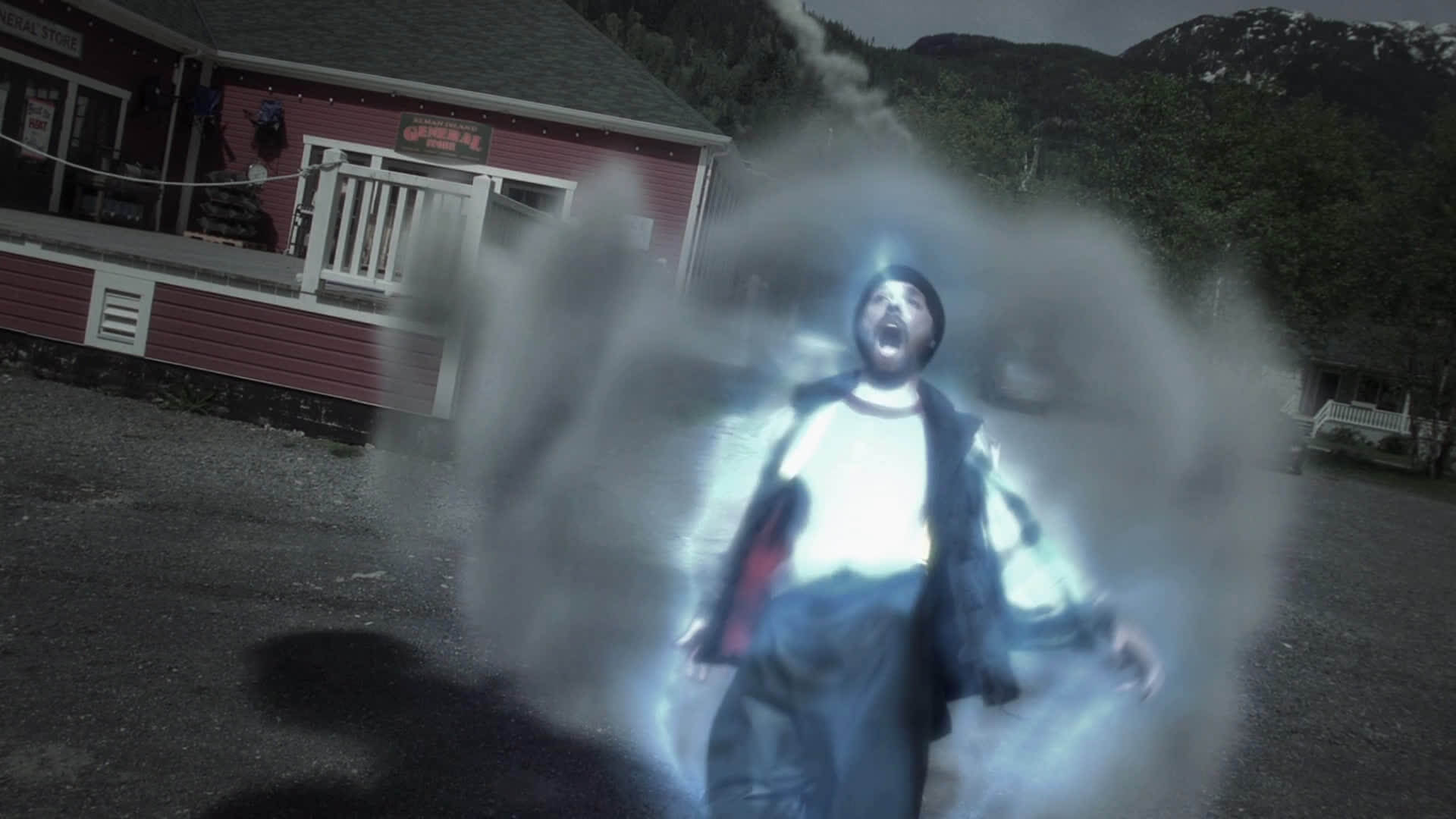
ESSENTIAL HONG KONG TOP 5: MARTIAL HEROES

martial heroes

We all need someone to revere when times are tough, and with superheroes dominating at the box office the world over, the genre has never been more popular. Hong Kong cinema has always venerated their own heroes, Wong Fei Hung (a real-life martial artist and healer who lived in Southern China at the end of the 19th century) is the most well-known, appearing in multiple black and white films and a TV series throughout the ‘50s and ‘60s. He is righteous, patriotic and renowned for his Kung-Fu ability, something he has in common with most Chinese heroes. The golden era was a playground for the defenders of the weak, defeating tyranny with an iron fist and a shadow-less kick.

DRUNKEN MASTER (Dir. Yuen Woo Ping, 1978)

Jackie Chan’s breakout film sees him playing a younger more rambunctious version of Wong Fei Hung, who is trained in the Drunken Fist by Beggar So (also a classic folk character and part of the Chinese version of the Avengers – The Ten Tigers of Canton). Chan’s energy and acrobatic ability ignite the screen, and his chemistry with So (played by Simon Yuen, the director’s father) is genuine. Select the original Cantonese version, which fleshes out Hwang Jang Lee’s villain, and sees the protagonists reciting drunk poetry. It will enhance what is already a stone-cold classic.

Available on Blu-ray through Eureka

THE PRODIGAL SON (Dir. Sammo Hung, 1981)

Yuen Biao plays a fictionalised version of real-life Wing Chun practitioner Leung Jun, whose rich parents pay martial artists to lose to him, so he doesn’t get hurt. When he is humiliated by an effeminate opera performer played by Lam Ching Ying, he strives to learn the art for real. Wing Chun, which is more of a close-quarter art, made famous by Bruce Lee, had rarely been seen on screen. As director, Sammo uses this innovative style mixed with brutal violence to create a visceral and pioneering from of action. With a homage to the cast’s Peking Opera past, the film is a turning point, introducing a form of action that would colour the decade to come.

ONCE UPON A TIME IN CHINA (Dir. Tsui Hark, 1991)

Traditionally the character of Wong Fei Hung was used as a side character, considered too strong and powerful to encounter any real threat. Tsui Hark cleverly makes history itself the enemy, with Jet Li’s stoic hero becoming the protagonist in tumultuous turn of the century Foshan. Western powers are dominating the land, with little left for the Chinese. Wong helps opera dogsbody and wannabe student Foon (Yuen Biao on impressive form as usual) in a quarrel with gangsters, only to discover a greater plot concerning an American captain using Chinese labourers as slaves. This film has gravitas, with fleshed-out characters, impressive sets, a wonderful soundtrack, and of course impressive set pieces, featuring Jet at the top of his game. The magic created here has been replicated many times but never improved.

Available on Amazon Prime. The full trilogy is available on Blu-ray through Eureka

IRON MONKEY (Dir. Yuen Woo Ping, 1993)

Donnie Yen plays Wong Fei Hung’s father; Wong Kei-ying (another member of The Ten Tigers) who arrives at a small village with his son in tow, only to encounter a corrupt general and a masked vigilante called Iron Monkey. Naturally, the two must join forces to fight for the rights of the people. There is a good analogy made between ingredients in a soup and how individuals get caught up in a given situation. Luckily for the citizens in this situation, they have two awesome heroes on hand to dispatch the villain in an unforgettable fight on wooden poles above a raging fire. Hot stuff!

Available on Blu-ray through Eureka

THE LEGEND OF FONG SAI YUK (Dir. Cory Yuen, 1993)

Jet Li plays another folk hero, one which probably didn’t exist, but his prestige is almost equal to Wong Fei Hung. He is younger and unrulier than the martial artist and healer, with an overbearing mother who is also a martial arts expert. Fong is introduced to us as a great athlete, easily winning a tournament as his pigtail floats in the air, an odd concept but one that masterfully shows the power of the young man. He soon comes to the aid of The Red Flower Society, an organisation looking to overthrow the government, of which his Dad is a key member. This sets him on a collision course with Vincent Zhao’s governor (Vincent would go on to replace Jet in the Once Upon a Time in China series) with two excellent fights that capture the energy of this period. There is an odd subplot featuring a woman falling in love with Fong’s Mum dressed as a man, strange to western eyes, however you watch these films not only for the action but the unique cultural perspective. Again, Jet is the master of the personable but stern hero, something we can all look up to.

Available on Blu-ray through Cine-Asia


Click here for ESSENTIAL HONG KONG TOP 5: SUPERNATURAL KUNG-FU

Click here for ESSENTIAL HONG KONG TOP 5: COP DRAMAS

For more from author Jacob Walker, visit his website www.jakeonfilm.com

THE TOP 100 SCI-FI FILMS OF ALL TIME (AND SPACE)

To mark our milestone 100th issue as a team earlier in 2020, we made the decision to undertake our most ambitious poll yet, and set about sorting through thousands of titles in order to bring you the definitive countdown of the best science fiction film has to offer! Ever wondered which decade produced the most hits? (It’s the ‘80s.) Curious as to what the greatest Star Trek movie is? (Khan, of course.) Or what filmmaker was instrumental in defining the genre? [Okay, enough with the spoilers! – Ed] Then you’re in for a treat!  Take a trip with us, as STARBURST returns to its roots for the ultimate tribute to sci-fi cinema…

100. DALEKS’ INVASION EARTH 2150 A.D. (1966)

This second big-screen adventure based on the TV series sees Peter Cushing return as the inventor ‘Dr Who’, as he and his granddaughter Susan, niece Louise, and passing policeman Tom arrive in a future England devastated by deadly Daleks. More colourful and action-packed than its predecessor Dr. Who and the Daleks in 1965, this ambitious sequel is unassuming, uncomplicated, bright and breezy fun. | PM

99. GATTACA (1997)

Gattaca was more than just a homage to ‘70s sci-fi, it turned out to be a seminal examination of eugenics and an attempt to answer the thorny question of what makes someone human. A beautiful piece of hard sci-fi that seems to have provided a prescient road map for modern-day America. | JR

98. THEY LIVE (1988)

Roddy Piper excels as the everyman who sees through the façade put up by our controllers in John Carpenter’s satire on conformity and consumerism, which is just as notable for becoming more relevant the deeper we dive into late-stage capitalism as it is for that fight in the alleyway. | AB

97. EDGE OF TOMORROW (2014)

Trapped in a hellish time-loop on an alien battlefield, the woefully under-trained Major William Cage (Tom Cruise) enlists the help of military legend Rita Vrataski (Emily Blunt) to tirelessly uncover exactly why this has happened. Doug Liman’s adaptation of the novel All You Need is Kill plunges its viewer into satisfying mayhem, while proving that there’s still very much an appetite for well written and forward-thinking sci-fi movies outside of existing franchises. | AD

96. DARK CITY (1998)

Rich and elegantly sinister, Alex Proyas’ follow-up feature to The Crow is a dreamscape like no other. It’s The Matrix meets Metropolis in a Gilliam-esque nightmare city, where human lives are ‘tuned’ each night by the Strangers: a powerful dying race of pale, floating, trenchcoated aliens. | RK

95. STRANGE DAYS (1995)

Strange Days holds the odd honour of being one of Hollywood’s few ‘cyberpunk’ movies that nails the genre, making it a spiritual sequel to Blade Runner. With a banging soundtrack and some dated cultural references, this uncomfortable and gritty tale of technology and the abuse of power is sadly still very relevant today. | EF

94. THE MAN WHO FELL TO EARTH (1976)

Inspired by documentary footage of David Bowie touring America, looking lost and disconnected from humanity, Nicolas Roeg cast the rock legend as the star of this surreal and sad take on the alien visitor trope; Bowie’s alien, seeking water for his drought-ridden planet, is doomed to succumb to human vices. | KM

93. CUBE (1997)

A group of strangers traverse a three-dimensional labyrinth of eerily-lit cubic rooms with only a door on each side, having merely the most oblique of clues available to aid them in finding an exit and avoiding the deadly dangers awaiting them. Including the variable trustworthiness of each other… | AM

92. TRON (1982)

Steven Lisberger’s computer crusade has grown in the collective consciousness of cinephiles ever since it was released. Ground-breaking for its contribution to the development of visual effects in movies and influential among many filmmaking greats to come, Tron is the ultimate celebration of what certain films can accomplish and inspire. | JB

91. THOR: RAGNAROK (2017)

Taika Waititi’s debut outing for the Marvel Cinematic Universe split the loyalists down the middle. For some it’s too light, too concerned with being funny, but for others it’s a colourful interpretation of one of Marvel’s classic stories, twisted to include Asgard and set up Infinity War. We’re the latter, obv. | AB

90. THE DAY THE EARTH CAUGHT FIRE (1961)

Miscommunication causes two simultaneous nuclear tests to tilt the Earth off its normal orbit, spinning toward the sun. As the world burns and civilisation crumbles, will the proposed plan of correcting with more nuclear blasts save us? Extensive filming at the Daily Express offices adds authenticity to this downbeat classic. | RP


89. EVENT HORIZON (1997)

The idea that hyperspace drives on spaceships could open a portal to hell is not a terribly new one, but Event Horizon nails it perfectly. Sam Neill is always perfect as the reasonable-sounding madman, and he’s brilliantly cast in this. Terrifying and mesmerising, this is both a horror and sci-fi classic. | EF

88. CAPRICORN ONE (1977)

Playing on both the hoaxed Moon landings theory and the emerging truth that governments don’t always act in the best interests of their people, Peter Hyams’ tight thriller was a rare hit from ITC Entertainment’s ill-fated foray into movie production. Elliott Gould is compelling as a journalist determined to discover the truth. | AB

87. STAR TREK: FIRST CONTACT (1996)

Star Trek movies learned the hard way that they need to be short, high-budget blends of everything the fans crave. First Contact nails it: Picard quoting literary classics, Ryker being heroic, Worf punching stuff, Data chewing the scenery and, of course, The Borg. Sprinkle in time travel for taste. Delicious. | EF

86. THE FLY (1958)

Based on a short story published just a year earlier, The Fly sees screen legend Vincent Price star as scientist François Delambre, who undergoes a horrifying transformation when a common house fly enters a molecular transporter he’s experimenting on. Help meeee! | SP


85. SUPERMAN (1978)

We believed a man could fly, but more importantly we believed a Superman could be more human than the rest of us in Richard Donner’s picture-perfect tale. Christopher Reeve set a high bar as both Kal-El and his human alter-ego, and both Krypton and Metropolis never looked so real. | AB

84. GODZILLA (1954)

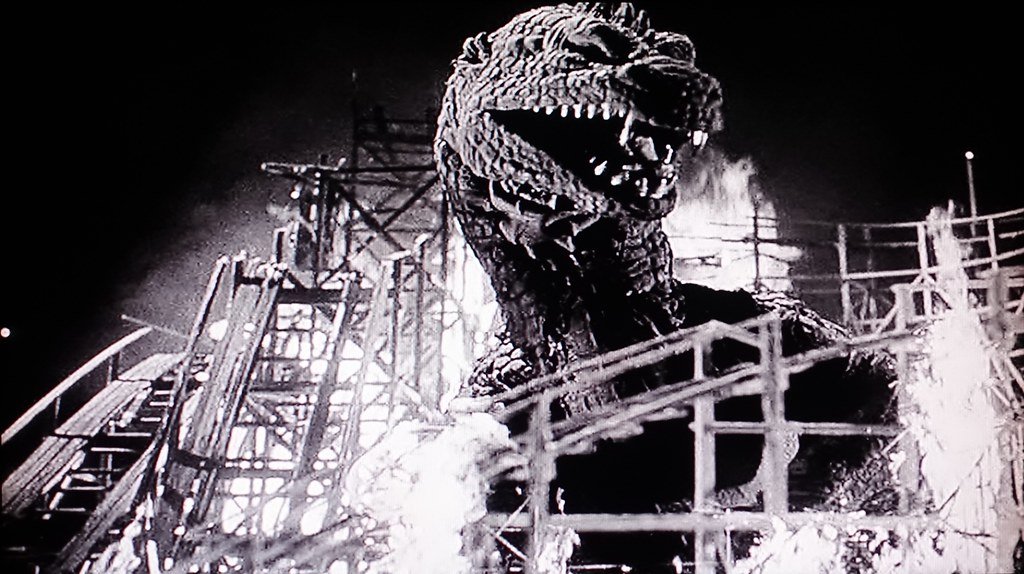
The Godzilla movies may have leaned more heavily into their sci-fi elements as the franchise became weirder and more adventurous, but sci-fi has always been about exploring human psyches and capabilities. With that in mind, the original Gojira is right up there as a classic of the genre. | JH

83. SUNSHINE (2007)

A rare box office misfire from Danny Boyle, this ambitious sci-fi adventure sends Cillian Murphy, Chris Evans, and a sturdy crew of astronauts out into space on a mission to reignite the dying Sun. A descent into slasher movie territory scuppers the last act somewhat, but this is generally a big, bold space movie. | PM

82. WESTWORLD (1973)

The original Westworld is a blend of western and sci-fi written and directed by a pre-Jurassic Park Michael Crichton. Three men (amongst them James Brolin) live out their machismo fantasies in a futuristic western theme park. However, their fantasy becomes grim reality as they are stalked by malfunctioning android (Yul Brynner). This film would later inspire sequel Futureworld, 1981’s long-forgotten Beyond Westworld TV series, as well as HBO’s acclaimed show of the same name. | NB

81. THE TIME MACHINE (1960)

Rod Taylor stars as George, a Victorian scientist who travels across time into the far future where humanity has devolved into the passive Eloi and the degenerate, cannibalistic Morlocks in George Pal’s colourful, visually arresting adaptation of the H.G. Wells classic. Still essential viewing fifty years on. | PM

80. THINGS TO COME (1936)

From a time when sci-fi meant futurism rather than today’s world but a bit shitter, this H.G. Wells adaptation nevertheless makes some bold predictions about modern life that turned out to be prescient. William Cameron Menzies was one of cinema’s first true artists, and this film is his magnum opus. | AB

79. MAD MAX 2 (1982)

A thrill ride featuring one of the best car chases ever, Mad Max 2 sees George Miller perfect his post-apocalyptic hybrid of the western genre. A lucid and violent adventure slams its foot to the floor relentlessly. Only with Fury Road has Miller topped this phenomenal effort. | JH

78. BRAZIL (1985)

In the world of Brazil, even calling out a plumber is an act of rebellion. Indeed, Robert De Niro plays the renegade repairman. Brazil is easily one of Terry Gilliam’s odder films. Set in a highly bureaucratic dystopian world filled with delicate and decaying things, Jonathan Pryce plays the doomed dreamer at the centre of the story. | EF

77. STARSHIP TROOPERS (1997)

Still director Paul Verhoeven’s most accomplished feature, Starship Troopers is a crackling combination of sci-fi spectacle, gruesome body horror, and subtle social commentary. Robert Heinlein’s 1959 novel hits the screen in an astonishing headrush of battle action and blood-letting, and the screeching alien ‘bugs’ are sci-fi cinema’s most relentless and hideous killing machines. | PM

76. THE FLY (1986)

David Cronenberg’s incredible take on The Fly saw the legendary filmmaker bring body horror shocks and heart-wrenching heft to this tragic tale of science gone horribly wrong. Starring a sensational Jeff Goldblum, The Fly has much to say about the inevitability of fate and the rampancy of disease. | JB

75. CONQUEST OF THE PLANET OF THE APES (1972)

Eighteen years after the heart-stopping events depicted in Escape, a worldwide pandemic (sounds familiar) has wiped out all domestic pets, and apes have taken their place and been forced into slave labour. Caesar (Roddy McDowall) leads an ape uprising in this surprisingly brutal and powerful entry into the series, which at least attempts to return to the allegorical spirit of the original. | PM

74. AVENGERS: INFINITY WAR (2018)

The Marvel Cinematic Universe delivered everything its fans could have hoped for – and so much more – in this extraordinary action-packed jamboree, which brought together virtually every superhero Marvel had carefully curated to the screen over the past decade to battle the unstoppable space tyrant, Thanos. Textbook superhero cinema with a genuine “What just happened!” cliffhanger finale. | PM

73. SHORT CIRCUIT (1986)

Long before WALL-E, Johnny 5 was alive! This army robot on a mission to get input and avoid being disassembled (after accidentally becoming sentient) is still an ‘80s kids’ classic, with Steve Guttenberg and Ally Sheedy starring alongside the main remote-controlled character. Anyone for some delicious nun soup? | JG

72. STAR TREK V: THE FINAL FRONTIER (1989)

Sometimes Star Trek likes to remind us that despite its message of universal fellowship, it’s still very much an American show, hence this tale about the search for the planet God lives on. This story features Captain Kirk getting all the best lines… due to it being directed by Shatner himself. | EF

71. THE RUNNING MAN (1987)

Loosely based on a Stephen King novel, The Running Man may be pure camp, but it features an eerily prescient warning. Its dystopian take on 2017 is sadly incredibly accurate, highlighting a widening class divide and an ever-growing obsession with sensational, violent television. It’s well-worth a second viewing if you haven’t seen this gem in a while. | VB

70. THE OMEGA MAN (1971)

Charlton Heston is at the height of his alpha-male cinematic powers in this second (and best yet) reworking of Richard Matheson’s classic post-plague dystopia I Am Legend. Heston is a brooding, self-regarding anti-hero, under siege by countless infected night-creatures. Reflecting numerous seventies’ cultural touchstones, this is brash, bombastic and brilliant. | RC

69. GALAXY QUEST (1999)

Galaxy Quest is easily the best Star Trek movie that Star Trek never made. This sci-fi parable about actors trapped in their roles is unforgettably good. You can’t make a parody this funny without feeling very strongly about the source material you’re satirising, and as such, this is a love letter to Star Trek and its fandom that has never been equalled in terms of scope and fun. Its casting is perfect, the effects are very strong, and plot, though now well-trodden, is still hilarious. | EF

68. DONNIE DARKO (2001)

Richard Kelly’s cult classic meshes time travel, mystery, and comedy into something dreamlike and mesmerising. Imagine John Hughes having an existential crisis, and you might come close to this ‘80s set-film following troubled teen Donnie as he has dark visions of giant rabbits and the end of the world. | JA

67. GRAVITY (2013)

Alfonso Cuarón’s Gravity is a spectacular technical motion picture achievement but also a soulful story of not just survival in the harshest possible atmosphere, but escaping the grasp of depression and being reborn, as Sandra Bullock shines as astronaut Ryan Stone. One of the best films about space ever made. | JB

66. IT CAME FROM OUTER SPACE (1953)

Based on a story by the legendary Ray Bradbury, this story of aliens landing on the outskirts of a small desert community, replacing some of the townspeople with vacant, zombie-like duplicates, might seem like a paranoid ‘red under the bed’ fantasy, typical of its time. But there’s more going on… The aliens didn’t even want to be here – their craft broke down, and they want to repair it so they can be on their way. They know we’re not ready to meet them. The missing people are helping them fix their ship. | RP

65. STAR TREK IV: THE VOYAGE HOME (1986)

In an alternate timeline somewhere, Star Trek: The Voyage Home stars Eddie Murphy as a wise-cracking Marine biologist. Luckily for us, this ridiculous tale of Captain Kirk and his crew going back in time to rescue slash abduct a whale still works very well without the SNL A-lister. Quotable, funny, and wry. A classic. | EF

64. STAR WARS: EPISODE VII – THE FORCE AWAKENS (2015)

The most anticipated film in decades, The Force Awakens re-united characters from the original trilogy and placed them in a story with new faces that kicked off the wildly divisive Disney era of Star Wars cinema. Exciting, nostalgic, and sweeping, this was co-written by director J.J. Abrams, Michael Arndt, and the mighty Lawrence Kasdan, who retraced some old steps as they harnessed our love of the past to progress to the future. | JB

63. SOLARIS (1972)

Stanisław Lem’s novel Solaris is a meditation on how humanity could never hope to understand a truly extra-terrestrial intelligence and as such is impossible to film. That hasn’t stopped them trying three times, four if you count a recently recorded stage version. The original movie is the source of a whole subgenre, specifically ‘haunted’ space stations that draw upon science and human condition rather than the supernatural as its source. The result is always mesmerising. | EF

62. TRANSFORMERS: THE MOVIE (1986)

For those of us of a certain vintage, a present-day re-watch of Transformers: The Movie still never fails to bring a tear to the eye. Brimming with sleek, groundbreaking animation, a fist-pumping soundtrack, carnage the likes of which a ’kids’ movie’ had never before seen, and shocking moments that shook the future of the IP to its very core, iconic doesn’t even come close to cutting it for Nelson Shin’s masterpiece of a movie. | AP

61. STAR TREK III: THE SEARCH FOR SPOCK (1984)

This isn’t the best Star Trek movie, but it’s worth watching for Christopher Lloyd’s performance alone, the actor playing a power-mad Klingon keen to steal the Genesis device from the previous film. Though the stakes are huge, it’s a pleasingly small-scale movie, with only about ten Klingons for the heroes to defeat. The film’s highlights include a brutal fight between a Klingon and Kirk’s son David, and finally seeing the restored Spock back among his friends. | SV

60. ESCAPE FROM THE PLANET OF THE APES (1971)

With the Earth blown up at the end of Beneath, this third entry into the popular simian series sees a capsule containing three articulate chimpanzees from the future arriving in 1970s Los Angeles. Here they attract the attention of a curious media and a suspicious public and when they explain about their own culture where humans are mute slaves routinely experimented upon, and that the Earth is ultimately destroyed by human folly, the surviving chimps are forced to go on the run. A welcome change of pace that sets up a new arc for the final two entries in the series. | PM

59. GUARDIANS OF THE GALAXY (2014)

It seems unlikely that Dan Abnett’s comic book version of The Guardians of the Galaxy would become a blockbuster, but here we are. James Gunn’s high-energy and frenetic space opera proved the point that ‘Superhero Movie’ is a meaningless label by delivering this high-camp sci-fi fantasy classic that redefined a genre. | EF

58. PREDATOR (1987)

An alien goes hunting for human prey in the heart of a South American jungle. Meanwhile, Arnie and his troop are undertaking a rescue mission under false pretences. Inevitably, they both clash, leading to a showdown between leading man and “one ugly muthafucker”, before an atomic finale. Infinitely quotable, lots of fun, still a classic today, and one of Arnie’s best. | JG

57. ANNIHILATION (2018)

Alex Garland’s second directorial feature proves as clever and thought-provoking as one can expect from the maker of Ex Machina. As a deeply philosophical film with fantastic performances by Natalie Portman and Gina Rodriguez, it also features enough visual horror to keep the story from stagnating or feeling overstuffed. There’s something refreshingly uncompromising about Annihilation, in that it never compromises its smarts for accessibility – instead, it leaves its audience to contemplate what they’ve seen long after the screen goes dark. | LP

56. CONTACT (1997)

One of the most intelligent sci-fi films of the nineties was based on a story by Carl Sagan and follows the quest of SETI scientist Ellie Arroway to establish contact with extra-terrestrials who have hidden a code in a signal originating from a system 25 light-years away. Robert Zemeckis’ movie is both visually and emotionally stunning as Arroway finds herself manipulated by politicians and religious leaders who need to quash the truth to maintain their power. | RP

55. DREDD (2012)

Judge Dredd has not had the easiest transition to celluloid – thank you, Sly – but this gritty depiction of the lawman hit all the right nails squarely on the head. Alongside Judge Anderson, Dredd has to battle through a whole apartment block of bad guys to get to Ma-Ma at the top. Played deadpan (with helmet on) by Karl Urban, this is the best live-action Dredd yet! [Hardly difficult. – Ed] | JG

54. SNOWPIERCER (2013)

Snowpiercer launched the now renowned Bong Joon-Ho into western cinema, despite being buried upon release by the Weinstein company. Dark, stylish, and unapologetically bizarre, this apocalyptic allegory uses the train’s geography to both propel the action forward at great speed and to ponder ideas of class warfare and systemic inequality. It’s also surprisingly brutal and features one of Chris Evans’ best performances to date as a dark Captain America. | LP

53. THE IRON GIANT (1999)

The Iron Giant is Vin Diesel’s greatest work that most people don’t realise he’s in. Director Brad Bird tapped Diesel to voice the titular character, believing he was perfect given his ability to sound both strong and gentle – often at the same time. The result is a poignant, thought-provoking film about a deadly weapon choosing to save lives rather than end them. Its message, “You are who you choose to be,” continues to resonate to this day. | VB

52. THE ABYSS (1989)

James Cameron knows how to make a compelling sci-fi movie. He’s also obsessed with the sea and what lies beneath. Despite being way too long, The Abyss is an incredible tale of alien life lurking at the bottom of the ocean, one that somehow doesn’t go for the usual clichés of squid monsters or unknowable horrors. It’s the quintessential James Cameron movie, bundling all of that director’s obsessions into one technically brilliant and breathtaking feature. | EF

51. SERENITY (2015)

A good old-fashioned space-western brimming with starship chases, gunfights, and outlaws. Joss Whedon brings his beloved TV show Firefly back from the dead for a delightfully rough-around-the-edges movie outing, aptly named after Mal’s beloved ship Serenity. It’s the closest thing to Star Wars’ spirit since the original trilogy, blending witty humour and badass action scenes with its meditations on order versus chaos and its quiet, underlying nostalgia. | LP

50. LOGAN’S RUN (1976)

In addition to being the film that gave us a very scantily clad Michael York and Jenny Agutter, Logan’s Run is also a movie that always seems topical, despite being made in 1976. It’s set in a distant future where humanity has hidden itself away in a sealed city and lives in a near-perfect, hedonistic paradise. Except for one small problem… as soon as you get to the age of 30, they kill you in an elaborate (and extremely psychedelic) ritual. The all too relatable, nightmarish notion that one could live a life, achieve little, and have it cut short has made this feature timeless. | EF

49. THIS ISLAND EARTH (1955)

Not every alien in the fifties was out to invade, some were just here to recruit help in resolving issues on their own planet. Such was the case when a couple of scouts from Metaluna recruit a pair of Earth scientists to repair the planetary shield protecting their home planet from the Zahgons. As if their suspiciously high foreheads aren’t enough of a clue, the aliens even have a spaceship on hand to whisk the likely candidates off to Metaluna for on-site repairs. Sadly, it’s a bit too late, and the planet is destroyed practically as soon as they arrive. | RP

48. 12 MONKEYS (1995)

Terry Gilliam’s feature-length homage to La Jetée features a ‘90s renaissance Bruce Willis travelling through time to try and stop a deadly virus that wipes out most of humanity. An intelligent script, Brad Pitt proving he can act, and a subplot question mark over the protagonist’s sanity make for an enthralling sci-fi classic that stays inside your head long after the credits roll. | JA

47. AVENGERS: ENDGAME (2019)

Less surprising and inventive than its Infinity War predecessor, perhaps, Avengers: Endgame still had some tricks up its sleeve as it disposed of uber-bad guy Thanos in the first reel and then concentrated on Tony Stark and co.’s convoluted scheme to undo the devastating effects of his fatal finger-snap. Endgame delivers all the spectacle and action we’ve come to expect from the Marvel Cinematic Universe by indulging in ingenious time-travel shenanigans before bringing down the final curtain on several of the series’ most popular and beloved characters. An exhilarating, heartbreaking, and unforgettable assemblage of superhero star power. | PM


46. THE WAR OF THE WORLDS (1953)

Despite relocating Wells’ late Victorian English setting to contemporary Southern California and dropping the Imperialistic overtone of the source material, George Pal’s vividly colourful adaptation of the Martian invasion is an irresistible and bombastic slice of fifties sci-fi. The Martians, envious of our planet’s fertility, lay waste to Earth’s greatest monuments. They’re impervious to even the atom bomb, but are undone by a common cold. Who could ever forget the cobra-like head of the manta ray-styled war machine disintegrating three hapless townsfolk with their makeshift white flag, or the poor soldier momentarily turned transparent in a blast of green ray! | RP

45. STAR WARS: EPISODE VI – RETURN OF THE JEDI (1983)

The original trilogy comes to a close in director Richard Marquand’s rather underrated Return of the Jedi. From the Jabba’s palace opening to the all-out battle of Endor, this film has heartbreaking developments as well as rousing action, and some truly wild edges. Evil is vanquished here, not by violence but by hope and trust, and it brings things to a satisfying close (at least at the time!) for the Skywalker saga, with Anakin redeemed by the love of his family, finally escaping the horror of being Vader. | JB

44. THE MARTIAN (2015)

A rare example of a film adaptation of a popular novel doing justice to its source material, Ridley Scott vividly brought to life Andy Weir’s terrific tale of Matt Damon’s ingenious and surprisingly good-humoured astronaut stranded on the hostile surface of the red planet. Scott deftly slices away some of the book’s fascinating flab and focuses on Damon’s determination to overcome his terrible circumstances and the apparently hopeless rescue missions being mounted from Earth. Thrilling and spectacular, The Martian reaffirmed Scott’s reputation as a director of style and vision and reminded us of Damon’s effortlessly likeable everyman movie persona. | PM

43. THE THING FROM ANOTHER WORLD (1951)

Reputedly, Howard Hawks had an uncredited hand in directing this paranoia-laden tale of the accidental discovery and thawing of a hostile alien in an Arctic military base, cut off from all contact with the outside world. We don’t know where the Thing is from or why he’s here – he could be an advance scout – but he’s certainly not here to make friends. He begins to pick off the base personnel at will, barely seen but always lethal, before being cooked like the “intellectual carrot” he actually is. As they say in the film, “keep watching the skies”. Sage advice. | RP

42. INVASION OF THE BODY SNATCHERS (1956)

What if someone you know intimately wasn’t… well, themselves? Oh, they have the mannerisms of that person, and the memories, but something just isn’t right about them. Check that there isn’t a giant seedpod under your bed tonight, or you too might end up being replaced by a pod person. Don Siegel’s Invasion of the Body Snatchers, based on Jack Finney’s 1955 novel The Body Snatchers, has been described as an attack on both McCarthyism and Communism. Star of the film, the late, great Kevin McCarthy and Finney both denied this, saying it was just a thriller. Director Siegel, however, thought differently. However you view the film, it raises an interesting dilemma. Is a world without anger, hatred, and war worth giving up what it is that makes us human? Kevin McCarthy would later reprise the film’s final scene in Philip Kaufman’s excellent 1979 remake. “You fools! They’re coming for you! They’re here already! You’re next!” | CJ

41. STAR TREK VI: THE UNDISCOVERED COUNTRY (1991)

Klingons quoting Shakespeare. Captain Kirk fighting his own doppelgänger. David Warner chewing all the scenery as a Klingon Ambassador. This tale of a peace conference with the Klingons is an admittedly messy but immensely fun story. It’s also about as close to topical as Star Trek is ever going to get; the story was inspired by the Cold War, with the Klingons as the Russians. At the time it also looked like it might be the last Star Trek movie and they went all out with the performances and production. The special effects and sound are memorable too, both receiving Oscar nominations. | EF

40. WALL-E (2008)

Wall-E, particularly in its first half, is an animated masterpiece. Towering landscapes of rubbish fill the horizon, nature utterly decimated, and the planet abandoned except for one lonely robot, who is learning about humanity and love by sifting through its accumulated garbage. As a haunting, completely stunning sci-fi, it delivers one of the saddest critiques of consumerist capitalism and yet, through the eyes of a trash-compacting robot, also offers up a heart-warming message of hope and perseverance. | LP

39. STAR WARS: EPISODE VIII – THE LAST JEDI (2017)

After The Force Awakens’ whistle-stop tour of beloved Star Wars tropes reignited the franchise’s spark, Rian Johnson’s Episode VIII takes that Star Wars charm and pushes it in exciting new directions. As with The Empire Strikes Back, the sequel trilogy’s central act is also its darkest, as the First Order close in and Luke Skywalker isn’t the hero everyone expected. But it’s not all so cynical; Luke single-handedly holds off an army, and a new hope for the galaxy emerges. It’s also the most thoughtful instalment, probing into the hearts of characters old and new, not to forget the most visually stunning. | KM

38. AVATAR (2009)

Avatar permanently changed cinematic history. Audiences were profoundly moved, and a new era in entertainment was born. This film uses tried and true storytelling devices to celebrate an alien world where beings live in harmony with their environment. Avatar also focuses on important issues such as disability, identity, and good stewardship of relations with other peoples. Many new cinematic techniques were invented for the movie, and it brought about the advent of modern 3D cinema, and changed the world of theme parks forever. It has even affected the world of religion and philosophy. With Avatar, we can look towards the stars, conscious of the world around us, and say “Oel Ngati Kameie”. | AF

37. EX MACHINA (2014)

Billed as a psychological thriller, Alex Garland’s directorial debut Ex Machina is as absorbing as it is terrifying. Expertly crafted, it unsettles its audience from the very beginning, adding discomfort throughout. Much of this comes from the performances of Domhnall Gleeson, Alicia Vikander, and Oscar Isaac, who to varying degrees demand empathy and abhorrence – and for Gleeson sympathy (or is it pity?) – as the true motivations of each character are slowly revealed. As a parable on the dangers of artificial intelligence, Ex Machina argues a strong enough case to make you never want to touch a computer again. | JT

36. THE FIFTH ELEMENT (1997)

Sci-fi fans seem to either love or hate The Fifth Element, there is no in-between. Even the stars are divided – while Bruce Willis, Milla Jovovich, and Chris Tucker have all reflected favourably on their roles, co-star Gary Oldman once said he “can’t bear” to watch himself. Luc Besson’s film about love and war in a dystopian future also divided audiences and critics when it premiered in 1997. Featuring spectacular, BAFTA award-winning visual effects by Mark Mangini and unforgettable costumes designed by the legendary Jean-Paul Gaultier, there’s no denying it remains one of the most visually striking films of all time. | VB

35. METROPOLIS (1927)

One of the first sci-fi movies, the influence of Metropolis can be seen across the past century of the genre; Blade Runner’s dystopian cityscape and Star Wars’ droids both trace their designs back to the 1927 film. But don’t just appreciate it for what it inspired, as the film itself more than holds up today. As you watch hordes of extras toil away at massive machines on the extravagant set that is the eponymous city’s underbelly, you can’t not be amazed. The scale and ambition of Fritz Lang’s filmmaking is breathtaking; it’s pure sci-fi parable, as full of political punch as it is visual grandeur. | KM

34. BLADE RUNNER 2049 (2017)

A sequel to Blade Runner? It can’t be done. Impossible. No way. But Denis Villeneuve proved us all wrong. 2049 picks up 30 years after the original, as Ryan Gosling’s detective K searches for a child supposedly born to a replicant mother. It’s clear from every element of 2049 – story, worldbuilding, visuals, sound – that this is a sequel crafted with the perfect balance of reverence for the original and a desire to expand upon it. As well as the world, it develops the original’s themes, asking even deeper questions about human identity – all while managing not to definitely state whether Deckard’s a replicant. | KM

33. MOON (2009)

The surface of the moon has been well-mined by sci-fi moviemakers over the years. But the sublime, thoughtful character study at the heart of Nathan Parker and Duncan Jones’ Moon presents an entirely different perspective on that celestial body. Built around an extraordinary performance by Sam Rockwell, the film tells the story of solitary mining supervisor Sam Bell, who only has an AI named GERTY for company. Bell discovers the shocking hidden truth of the company’s treatment of their employees and, outraged and in disbelief, seeks to expose their crimes. Insightful and heart-rending, this is high-concept indie sci-fi at its finest. | RC

32. FLIGHT OF THE NAVIGATOR (1986)

Flight of the Navigator is one of the very best family-friendly sci-fi films. Sure, the special effects (which were considered groundbreaking at the time) may not hold up to a more discerning, modern eye, but nevertheless, it remains one of those rare gems that perfectly nails the combination of fantasy and adventure while delivering important messages about the value of family and the strength of friendship. Ultimately, this isn’t a movie about time travelling with an alien spaceship hilariously voiced by Paul Reubens – it’s about a family that realises just how much they love and need each other. | VB

31. FLASH GORDON (1980)

We have no idea how this film might have turned out if George Lucas had made it (as he wanted to pre-Star Wars), but what we ended up with was a colourful, camp, and consistently fun experience. With amazing performances from a star-studded cast (especially the late Max von Sydow as Ming the Merciless) and an incredible soundtrack supplied by Queen, the movie perfectly captures the spirit of the old Flash Gordon serials and comics that inspired it. | SV

30. DISTRICT 9 (2009)

It isn’t unfounded to call District 9 one of the most original sci-fi films of the 21st century so far. Shunning the atypical American setting, Neill Blomkamp’s best work to date is a metaphor for the systematic discrimination that has historically plagued South Africa, the backbone of an electric story told through a mixture of traditional and mockumentary-style camerawork. In Wikus van de Merwe, you find one of the most successfully pulled off character transformations – both inside and out – that you will likely ever see. District 9 is a politically-charged explosion of a film that stays with you for a very long time. | JH

29. INTERSTELLAR (2014)

Interstellar stands firmly as one of the greatest space epics of all time. Christopher Nolan builds a work of art colossal in both its physical beauty and in the depth of its philosophical ideas. It would be easy for this film to be cold, beautiful in an untouchable way, so otherworldly that the audience becomes lost in it. Yet for all its grand ideas and set designs, Interstellar is firmly rooted in a very earthly idea: the relationship between a father and daughter. As a journey through space and time, it’s time whose impact is most heart-wrenching; time as experienced by parents, who watch their children grow up at speeds far greater than how they experience the rest of the world. | LP

28. STAR WARS EPISODE III: REVENGE OF THE SITH (2005)

Revenge of the Sith is not only the best of George Lucas’ prequel trilogy but one of the best Star Wars movies ever made. Often under-appreciated, this spectacle was a space opera on the grandest possible scale. Lucas used pioneering special effects technology (that still looks great even 15 years on) to help tell the spectacular story of Anakin Skywalker’s descent into the Dark Side, Palpatine’s ascension to power, and the downfall of the Jedi Order. Chock full of action, emotion, and some of John Williams’ most incredible scoring, this was epic blockbuster entertainment in every sense of the word. | JB

27. INCEPTION (2010)

Director Christopher Nolan’s towering, subconscious-tunnelling, modern classic is often called a benchmark for what blockbusters can accomplish, both in scale and intelligent storytelling. Leonardo DiCaprio heads up an impressive ensemble cast, in this tale of corporate espionage through dream infiltration. The set pieces are breathtaking, the acting is roundly incredible, and the perplexing scale is unmatched, as Hans Zimmer’s spellbinding score further transplants your undivided attention into this exciting and thematically rich cinematic Rubik’s Cube. Inception asks many thoroughly engaging questions but none more important than, what is real and whether it matters in the pursuit of happiness? | JB

26. SILENT RUNNING (1972)

Douglas Trumbull’s directorial debut has endured as a revered and influential piece of science fiction among many, that is as lingeringly powerful as it is disciplined in its approach. Considering a future where all plant life on Earth is extinct, Silent Running stars Bruce Dern as astronaut botanist Freeman Lowell, who increasingly questions and rebels against controversial orders his crew has received to jettison their animal/plant life that was to be used to replenish and reforest the planet. A story about isolation and the ineluctable reality of our past and future, this is a sci-fi that has possibly even grown in its relevance, and remains a thought-provoking exploration of a number of issues both environmental and human in nature. | JB

25. UNDER THE SKIN (2013)

Under the Skin is the tale of a weird alien infiltrator who takes the form of a beautiful woman (Scarlett Johansson) in order to prey on men. Director Jonathan Glazer took this cheesy concept and turned it into a superb and tense piece of sci-fi horror, one that stays with the viewer long after the end credits roll. | EF

24. STAR TREK II: THE WRATH OF KHAN (1982)

This sequel arguably marked the birth of the modern Star Trek franchise, embracing its high fidelity, dramatic feel. This is a work of art, a classic tale of retribution, in the same vein as the quoted Moby Dick. It contains a smart link to the original series in the character of Khan Noonien Singh, Ricardo Montalbán’s genetically engineered madman, seeking vengeance upon our favourite Captain, James T. Kirk. Wrath of Khan also contains smart lessons about ageing, legacy, and life and death. | AF

23. AKIRA (1988)

Akira is a pretty weird movie. For a start, it’s named after a common Japanese name, and ‘Akira’ isn’t even a central character. Imagine if The Terminator was called ‘Peter’ instead. This animated cyberpunk feature is filled with cool motorcycles, strange technology, psychic powers, and even weirder characters. It’s also the movie that properly introduced Japanese animation into popular culture for western audiences. Before Akira, anime in the west belonged mostly to the hardcore fans. Set in the hyper-violent, futuristic Neo-Tokyo, Akira is about a chap called Tetsuo Shima, who begins to turn into a powerful mutant with wild psychic powers. His best friend Shōtarō Kaneda tries to deal with the inevitable fall-out. Combined with an incredible soundtrack, gorgeous animation, and incredibly violent set pieces, this odd film conquered the world. | EF


22. ROGUE ONE: A STAR WARS STORY (2016)

Director Gareth Edwards doubled down on the ‘War’ in Star Wars, telling the tale of the Rebels whose ‘no guts, no glory’ exploits will eventually lead to the destruction of the Death Star in A New Hope. Rogue One neatly tied in, but also enriched, aspects of the franchise, with a throwback quality to it that felt just right, depicting the grittiness of conflict and its costs. The action sequences are superb, especially in the final third, and it creates more new successful Star Wars characters, while tipping its hat to a few legends (in staggering technological advancement and fun cameos – Vader is scary again!). Commendably tragic yet inspiringly hopeful, Rogue One captures the true spirit of rebellion. It also has maybe the greatest closing sequence in Star Wars history. | JB

21. TOTAL RECALL (1990)

Get ready for a surprise!” Another sci-fi classic that features that Austrian bloke, Total Recall is an adaptation of Philip K. Dick’s strange identity crisis short We Can Remember It for You Wholesale. Like all of Dick’s adaptations, the movie barely resembles the source material. The change in tone from ‘paranoid fantasy thriller with added Martians’ to ‘Raiders of the Lost Ark Goes to Mars’ made the movie very memorable. This means we get Arnold Schwarzenegger wise-cracking his way to Mars, attempting to seduce beautiful women, and bumping into utterly weird mutants. If you stripped away any of the sci-fi elements, we’d simply have another Arnie action movie about spies and betrayal. Instead, we get so much more, and an awful lot of incredibly memorable special effects. | EF

20. FORBIDDEN PLANET (1956)

This loose and updated version of Shakespeare’s The Tempest is one of the most innovative films of the fifties. Cruiser C-57D is on a mission to seek survivors of an earlier expedition to Altair IV, but they find only Morbius, a scientist who lives with his daughter Altaira, and Robby, a robot manservant. Morbius has discovered the technology of the Krell, the extinct inhabitants of the planet, whose intellects were superior to ours, but in using technology to boost their brainpower, they released their own subconscious demons. And now it’s happening again, as Altaira shows a romantic interest in the captain of the cruiser. Morbius’ jealousy releases his id monster, vividly brought to life by Disney animators, to kill and destroy. | RP

19. JURASSIC PARK (1993)

Clawing its way into cinemas back in the early nineties, no one could have foreseen the influential bite that Jurassic Park would go on to grasp. For those fortunate enough to have seen this theme park trip through time on the big screen upon its release, then this was an unforgettable experience to say the least. Directed by the master of the blockbuster Steven Spielberg and featuring an all-star cast including Sam Neill, Laura Dern, Jeff Goldblum, and Samuel L. Jackson to name just a few, the edge of your seat plot was backed up with a stunning score from John Williams (you’re singing the theme tune right now, aren’t you?). From the second a stunned Grant and Ellie look into the distance and see Brachiosauruses going about their day, you just know that you’re in for something very, very special. | AD

18. THE TERMINATOR (1984)

Skynet has sent back a Terminator from the future to kill the mother of the leader of the Resistance. In response, the Resistance has sent back Kyle Reese to protect her. A noir proto-slasher thinly veiled within a sci-fi storyline, this is the film that truly propelled Arnie into the stars. Most of the special effects still hold up pretty well today, and the chase element throughout absolutely does not let up, barely allowing you to catch your breath as the killer and prey lurch from one set-piece to another. Enjoy the ride and try not to think too hard about the time travel loopholes. | JG

17. PLANET OF THE APES (1968)

One of the great science fiction movie classics, 1968’s Planet of the Apes was directed by Franklin J. Schaffner and based on Pierre Boulle’s witty, allegorical 1963 novel often known as Monkey Planet. Charlton Heston plays Taylor, leader of a trio of astronauts whose ship crash-lands on a strange and savage planet in the year 3978. The planet is ruled by talking apes in a strict caste system, and the humanoid species are mute, primitive slaves. Taylor is befriended by two chimpanzee scientists (Roddy McDowall and Kim Hunter), and when they discover that Taylor can talk, they begin to question everything they know about their society. Intelligent and thought-provoking, and with a final sequence that still resonates and shocks, Planet of the Apes launched a five-film franchise that would run until 1973 and return as a thrilling new trilogy in the 21st century. | PM

16. E.T. THE EXTRA-TERRESTRIAL (1982)

Steven Spielberg was in his absolute element here, as he gave us a bonding adventure between human and alien that has definitely stood the test of time. From E.T. eating everything in Elliott’s fridge, to bike-riding journeys through the streets of suburban California scored by the legendary John Williams, every scene remains firmly imprinted in the memory. Bringing emotion to the forefront, audiences witnessed something that completely tore at the viewer’s heartstrings, while daring to push the family film genre to a new level. May the phrase “phone home!” continue to be randomly said out loud with a nostalgic acceptance for decades to come. | AD

15. ROBOCOP (1987)

A biting political satire, a thoughtful reflection on the nature of identity and personality, and a brilliant sci-fi crime caper – the original RoboCop had to reach the screen in the 1980s: a time when neo-con ideology was ascendant. In crime-ridden Detroit, police officer Murphy is fatally shot while on duty. Megacorporation OCP reconstructs his body as a crime-fighting cyborg. A spearhead for the technology-driven privatisation of the police, RoboCop tackles a crimewave and pursues the criminal gang led by Boddicker. RoboCop’s human side begins to reassert itself through his yearning for restorative justice, while director Paul Verhoeven foregrounds the script’s clever and acerbic social commentary. It’s only in retrospect that it becomes clear that the masterful RoboCop will be Verhoeven’s most intelligent and perceptive film. | RC

14. ARRIVAL (2016)

Many sci-fi stories brush over the language barrier with a universal translator or Babel fish, but here it’s front and centre as we follow Louise Banks, a linguist figuring out how to talk to an alien race whose ships have appeared across Earth. It’s sci-fi that takes its science seriously – that science being linguistics – but it’s also a poignant drama, with a heartbreaking performance from Amy Adams as Banks struggles with dreams about her daughter’s death. Eric Heisserer’s script intricately ties together that intelligent, geeky angle and that emotional, human side, so that they complement and build on each other; when you watch Arrival a second time, the jaw drops at how perfectly the big twist is set up. It’s ultimately optimistic about humanity and science’s ability to overcome staggering odds, and Denis Villeneuve’s visuals are gorgeous; the introduction of the Magritte-like floating spaceship lingers long in the mind. | KM

13. MAD MAX: FURY ROAD (2015)

Director George Miller revives his iconic series with one of the best action films of all time. Delivering something close to a two-hour car chase, the incredible thrill ride still makes time to reflect on contemporary anxieties – scarcity of natural resources, the climate crisis, class conflict, and general fears about the end of civilisation as we know it – in no small part thanks to incredible performances by Charlize Theron as the slave-liberator Imperator Furiosa and Tom Hardy as the titular Mad Max. Interestingly, given the film’s title, Max takes a backseat to Furiosa and the wives’ call to arms and liberation, which makes Mad Max: Fury Road an unexpectedly progressive action thriller without being tokenistic. Besides its feminist overtones, it’s also some straight-up, kinetic fun. Besides, any movie where a guy plays a flame-throwing electric guitar while strapped to a war rig has got to make this list. | LP

12. THE MATRIX (1999)

Rewatching The Matrix, it’s staggering how much it both feels like a product of its time and yet somehow has aged perfectly all the same. Capturing everything from Internet paranoia to complex philosophy and an enviable cyberpunk style, there remains nothing else quite like The Matrix. A brilliantly told story and aesthetic are lifted to legendary status by eye-popping visuals and groundbreaking camera work, ‘bullet time’ merely the highlight of all these. At the centre of it all is a great cast led by the one and only Keanu Reeves, arguably his best role to date. No other film has used his look and played to his strengths quite like this – only the John Wick films even come close. The Matrix has inspired a whole franchise and endless debate over its meaning and legacy. Perhaps the true moral of the story is this: always accept pills from strangers… | JH

11. THE DAY THE EARTH STOOD STILL (1951)

Gort! Klaatu barada nikto!” It’s hard to conceive that even those who haven’t seen Robert Wise’s classic science fiction masterpiece will not have at least heard the immortal phrase. It’s a stalwart of popular culture, after all. Based on Farewell to the Master by Harry Bates, The Day the Earth Stood Still tells the story of Klaatu, who visits Earth with an ultimatum: the human race must cease hostilities between itself or be destroyed. Hollywood A-listers Spencer Tracy and Claude Rains were both originally considered for the role of Klaatu before Michael Rennie was cast. It was believed that audiences would more readily accept Rennie as an alien due to him being relatively unknown. The realistic portrayal of an alien amongst us has lost none of its impact during the intervening decades. If anything, the film is more relevant now as it was seventy years ago. | CJ

10. STAR WARS: EPISODE V – THE EMPIRE STRIKES BACK (1980)

How does one follow a film that changed the very landscape of cinema? Well, it heightens every aspect of that game and delivers something new, unexpected, and legendary. Director Irvin Kershner’s The Empire Strikes Back did just that and enjoys a reputation as one of the best sci-fi films and greatest sequels ever made. Lucas’ story grew in its reach and was fine-tuned by Lawrence Kasdan and Leigh Brackett’s screenplay, which took daring dark turns on the way to a soul-shaking twist that is one of the most influential and memorable in cinema history. Mark Hamill, Harrison Ford, Carrie Fisher, and Billy Dee Williams (alongside many returning and new actors) delivered top-drawer performances, as the franchise lore grew, creating characters and moments that have stood the test of time on the silver screen. Empire is the film all sequels are compared to. | JB

9. CLOSE ENCOUNTERS OF THE THIRD KIND (1977)

In 1964, a 17-year-old Steven Spielberg made his first feature film Firelight. Now lost, the plot revolved around the investigation into several disappearances connected to strange lights in the skies over Arizona. In his 1972 book, The UFO Experience: A Scientific Enquiry, astronomer and researcher J. Allen Hynek defined a classification system for UFO encounters, with the third category involving contact with an actual entity. Then, in 1977, Spielberg released Close Encounters of the Third Kind and presented aliens to the world. In truth, it wasn’t just the ‘realistic’ depiction of alien encounters but the manner in which he did it. Straight-faced, both horrific and enthralling, Spielberg gave credence to a niche subgenre combining awe-inspiring visuals with a truly glorious soundtrack. Close Encounters is the realisation of a dream; of a teenage filmmaker coming of age. And doing so in career-defining style. | JT

8. 2001: A SPACE ODYSSEY (1968)

Stanley Kubrick’s epic, co-written with Arthur C. Clarke, takes the hypothesis that alien life would be so unlike anything we recognise that an encounter would be indescribable, then visually describes that encounter. It begins with prehistoric hominids encountering an alien monolith, then, via the most famous cut in cinema, skips forward millions of years. Astronaut David Bowman must deal with his ship’s haywire AI before his own seriously trippy monolith meeting. A masterpiece upon its release, it’s still a masterpiece fifty years later. 2001’s science holds up (the astronauts use what seems to be an iPad), HAL’s breakdown is tense and terrifying, and it explores timeless themes and bold scientific ideas through pure cinematic imagery; dialogue may be sparse but almost every shot is iconic. Kubrick’s film is not as cold as his critics suggest; moments of emotion, not least Dave’s despair as HAL spirals out of control, show human players within this vast backdrop. | KM

7. BACK TO THE FUTURE (1985)

Every aspect of Robert Zemeckis’ time-travel tale is just perfect, from its tight screenplay to the wonderful dynamic between its stars Michael J. Fox and Christopher Lloyd. Alan Silvestri’s score balances beautiful love melodies with adrenaline-fuelled horn numbers, and every scene has something to like about it, adding up to a film that is so much more than the sum of its parts. Given this, it also managed to spawn two great sequels, which is a rare achievement in filmmaking. Back to the Future turns 35 this year, so it’s the perfect time to revisit this classic. | SV

6. TERMINATOR 2: JUDGMENT DAY (1991)

Thanks to the special effects heralded by his previous film, The Abyss, T2 became one of the few films to prove that sequels can be better than the original. Arnie’s killer cyborg has now switched sides, with events taking place ten years after the original, and the Terminator Skynet has sent back this time is superior in nearly every way, to the point of it even being able to mimic humans to lure our heroes out, causing the T-800, Sarah, and John to be smarter in their choices. The set pieces are bigger, characters and the film universe are expanded, and seeing the original killer now become the saviour and trying to learn human emotions puts a very different spin on the film in comparison to the first. The ending may be the perfect swansong for the franchise. Forget any of the sequels that followed; this is the quintessential Terminator movie. | JG

5. THE THING (1982)

Alien parasite that can take the form of anyone you know? Check. Claustrophobic Antarctic research station setting? Check. Kurt Russell with a flamethrower? Oh, hell yes. John Carpenter’s adaptation of John W. Campbell’s novella Who Goes There? was, unbelievably, a critical and commercial failure upon release. Justifiably, it has since been revised as not just one of the best sci-fi films ever made, but also one of the best horrors, and another addition to John Carpenter’s ridiculously impressive resume. Not only is it intense and nihilistic, there’s also an element of a ‘whodunnit’ genre in here. Or rather, a ‘who is it’, with the audience (and characters) constantly questioning who may have been infected as their anxiety rises. And let’s not forget the innovative, gory special effects that would make David Cronenberg squirm. Norris head spider anyone? Once viewed, you’ll never look at a blood test the same way again. | JA

4. STAR WARS: EPISODE IV – A NEW HOPE (1977)

The film that started it all and transported us to a galaxy far, far away. George Lucas’ Star Wars was a huge risk and one that almost all but a select few saw as a sure-fire failure and the movie that would destroy his reputation. However, in a triumphant story befitting one of its characters, Star Wars not only succeeded, it changed the face of the industry. Since Star Wars, movies have opened out into more than just cinema, their stories bleeding into other media and even further than that. This simple tale of hope and heroism has become a modern myth and its iconic characters, visuals, and score have become ingrained in our culture, as have all the films and shows that have followed since. Star Wars is an acclaimed work of classic sci-fi fantasy that shook the genre like a Death Star blast, dominating pop culture ever since. As much a movement as a film, Star Wars and the franchise it created will live forever. | JB

3. ALIEN (1979)

A seminal classic of sci-fi horror, Alien bucked the trend to phenomenal effect. Coming in the wake of Star Wars and Close Encounters, Alien toned it down from a grand scale adventure to something more human and claustrophobic, not to mention nightmarish. The crew of the Nostromo (and their cat) stumble across an alien life form and the rest, as they say, is history. We may prefer James Cameron’s gung-ho, guns-a-blazing sequel (just), but the horror show that Ridley Scott perfected still stands unparalleled in its quality and depth. Anyone who caught last year’s documentary Memory: The Origins of Alien will know just how much detail and thought went into making this the iconic film that it is. It made a star of Sigourney Weaver, not to mention giving us one of the most ingenious movie posters and taglines ever devised. Its most iconic ingredients have been recreated and referenced in everything from Red Dwarf to The Muppets. Alien birthed a cult-classic phenomenon that has forged an iconic place in movie history. | JH

2. ALIENS (1986)

Scott’s Alien influenced countless filmmakers in and out of the genre, so in following one of cinema’s most respected classics, writer/director James Cameron decided to shake up the formula and birthed a new classic himself. Aliens takes the suspense and building dread of the original film and raises the action stakes, as it furthered Sigourney Weaver’s character, elevating Ellen Ripley to one the biggest badasses in all of cinema history. Boasting a cavalcade of dynamite supporting turns, incredible special effects, a riveting James Horner score and still quotable dialogue, Aliens is a perfect example of what a sequel can and should achieve, and is an engrossing piece of science-fiction craftsmanship that advances the lore of its franchise and brings audiences into its fight for survival against “the perfect organism”. Dramatic, intense, brutal, and exciting, with much to say about corporate greed and facing fear, Aliens – like its predecessor – is a titan in filmmaking, one that the franchise has struggled to match ever since. | JB

1. BLADE RUNNER (1982)

What makes a film influential? Jaws heralded an age of the summer blockbuster and like King Kong and Psycho before it has entered the cultural mindset. Lawrence of Arabia and 2001: A Space Odyssey demonstrated the true power and scope of cinema, while the latter changed forever how we view science fiction. We could go on. But what if a film has encompassed all this, left an indelible mark on cinema itself and influenced some of today’s most visionary filmmakers? There is one, and that film is Blade Runner. Ridley Scott’s cyberpunk masterpiece is as bold as it is brilliant. Presenting a bleak, strangely nostalgic view of the future glazed in neon and rain, Blade Runner tackles moral quandaries, explores forbidden love, and questions mortality. It is absorbingly atmospheric, and Scott’s use of light is revolutionary. And it has an addictive soundtrack by Vangelis. There are many reasons why Blade Runner is our number one, but above all, it is simply an astonishing piece of filmmaking. But don’t just take our word for it. To quote Guillermo del Toro, “…when I first saw it, I never saw the world the same way again”. Precisely. | JT

THE TOP 100 SCI-FI FILMS OF ALL TIME (AND SPACE) was voted for by STARBURST’s entire team, and as such the results are final, making resistance futile. That said, should you really want to argue your case for the inclusion of WATERWORLD or whatever you think we’ve unfairly omitted, head over to our social channels!

You can buy the films in this list by heading over to the STARBURST Amazon Storefront

WORDS: ED FORTUNE | PAUL MOUNT | KIERON MOORE | ROBIN PIERCE | LAURA POTIER | JAMES HANTON JD GILLAM | VANESSA BERBEN | JOHN TOWNSEND | RICH CROSS | SCOTT VARNHAM | CHRISTIAN JONES JONATHAN ANDERSON | ALAN BOON | ANDREW DEX | ALEC FAZIER | KRIS HEYS | ANDREW POLLARD | NICK BLACKSHAW | JORDAN ROYCE | ANDREW MARSHALL | RACHEL KNIGHTLEY | STEPHEN PIERCE

This article was originally published in issue 473, September 2020.

Five Films to Check Out on Horror Channel This Week – 281220

horror 291220

To save you getting lockdown blues, we’re going to be giving you our picks of what to watch on Horror Channel each week. Here are some of our favourites this week:

Tuesday December 29th, 11pm – Thir13een Ghosts (2001)

Remakes tend to be a something to avoid, but this updating of William Castle’s 1960 film takes a totally different approach so is very welcome. Rather than hanging the action on a cheap 3D-type gimmick, Steve Beck’s remake (produced by big shots Robert Zemeckis, Joel Silver, and Gilbert Adler) is full of fun gore and genuine scares and well worth a look.

Thursday December 31st, 11.05pm – You’re Next (2011)

What better way to say goodbye to one of the worst years ever than a home invasion film? See in 2021 with Adam Wingard’s fantastic hit movie that sees a family become under siege from animal-masked intruders.

Friday January 1st, 8am – Space: 1999 (Series 2, Episode 1, The Metamorph)

If you weren’t celebrating the New Year too heavily with your bubble, then there’s an early morning treat as Gerry Anderson’s live-action space opera moves to its much-maligned second season. Although purists disagree, the increase in monsters and introduction of Maya (Catherine Schell), the beautiful alien who can chance her form at will.

Saturday January 2nd, 6.30pm – The ‘Burbs (1989)

Gremlins director Joe Dante brought us this twisted comedy, which built up a huge cult following on video and has become to be recognised as a true classic in recent years. Stars Tom Hanks, Bruce Dern, Carrie Fisher, and Corey Feldman. Great fun.

Sunday January 3rd, 11.10pm – Terrifier (2016)

Expanding on the sinister, twisted Art the Clown, who appeared in the anthology All Hallows’ Eve, this is gloriously gory fun and genuinely terrifying. Art has become a horror icon and a sequel is due in 2021. The stuff of nightmares.

Tune into Horror Channel on Sky 317, Virgin 149, Freeview 68, Freesat 138

ESSENTIAL HONG KONG CINEMA TOP 5: SUPERNATURAL KUNG-FU

white hair

Every country has its own folklore and China is no exception, heavily influenced by Taoism, the most famous collection of stories that deal with the supernatural are Pu Songling’s Strange Tales from a Chinese studio, published in the 18th century (a piece of work akin to the Grimm Fairy tales, as the author took traditionally oral stories and wrote them down for the first time). These tales of ghosts, fox spirits and hopping vampires only enjoyed passing mention in the Hong Kong movie industry of the 1970s. It would take the mind of Sammo Hung to bring them to life on screen, kickstarting a spate of fabulous films concerning the supernatural…


ENCOUNTERS OF THE SPOOKY KIND (Dir. Sammo Hung, 1980)

Sammo’s pioneering film displays everything great about the big man, a loveable but foolish protagonist, creativity to burn, and hard-hitting Kung-Fu action. Sammo is Bold Cheung, a naïve rickshaw driver who wears his heart on his sleeve. After declaring ghosts don’t exist, he gets caught up in a diabolical scheme hatched by his boss, who is having an affair with Cheung’s wife. His employer plans to kill Cheung by betting he won’t stay in a haunted temple, using a Taoist priest to animate a corpse to kill him. Unfortunately for the Bold one, everything you can imagine exists in this universe, so he must employ the brother of the hired priest to fight back. A fantastically original premise treats us to voodoo dolls, bodily possession, and ‘Zombie Kung-Fu’. Some of the action and ideas in this film simply haven’t been bettered.


ZU: WARRIORS FROM THE MAGIC MOUNTAIN (Dir. Tsui Hark, 1983)

Based on the novel, Legends of the Swordsmen of the Mountains of Shu, this innovative movie used state of the art special effects that although appear dated, still hold a magical charm. The film opens with a brilliant scene, where two rival soldiers, caught up in an ancient civil war; played by Yuen Biao and Sammo Hung, pretend to fight each other, so they can survive the battle. Zu then changes tact completely, as Biao is caught up in a larger battle to save the world from evil, guided by a large eyebrowed priest, also played by Sammo – destined to become one of the titular warriors, able to use a variety of powers to restore balance to the universe. You may become a little lost in places, but with such a fine cast and concepts you won’t find anywhere else, Zu is truly unique.

Available on Blu-ray through Eureka


MR VAMPIRE (Dir. Ricky Lau, 1985)

The film that kicked off the Jiangshi (Chinese Vampire) genre, introducing the world to the idea of vampires as animated corpses that must hop with their arms outstretched, due to their stiff nature. The tale of a grumpy but wise Taoist priest/undertaker, who must battle a Jiangshi in a small town, accompanied by two foolish apprentices has been repeated many times, yet has failed to match the tone of this mid-‘80s classic. The film delights in its own mythos, Uncle Kau (Lam Ching-Ying) tells us exactly what these vampires are and how to defeat them, then proceeds to practice what he preaches. The balance between comedy and horror is seamless and a subplot featuring a lustful ghost is spot-on. Featuring silly moments and a host of magical techniques, Mr Vampire doesn’t forget to make the Kung-Fu genuine and the antagonists threatening. Spellbinding.

Available on Blu-ray through Eureka


A CHINESE GHOST STORY 2 (Dir. Ching Siu-tung, 1990)

Although the original film is a delightful romantic tale, about a debt collector falling in love with a ghost, while trying to free her from a tree demoness (not your average love story), the sequel is bigger, barmier and brilliant. Debt collector Ning, played again by the fantastic Leslie Cheung, is imprisoned, but manages to escape and hide in an abandoned temple. He gets entangled in a mission to free a rebel leader, led by two women, one of which resembles the ghost from the first film. When the supremely named Autumn Leaf (Jacky Cheung), a benevolent Taoist priest, turns up to help, the film kicks into overdrive. Rarely have so many crazy and fantastic ideas been thrown into one film, from a giant demon who has haunted the temple, to an evil cult who have infiltrated the government, building up to a fight with a giant flying centipede! This is what fantasy filmmaking is all about.

Available to stream on Amazon Prime


THE BRIDE WITH WHITE HAIR (Dir. Ronny Yu, 1993)

Ronny Yu’s fantastical adaptation of the novel Baifa Monü Zhuan, stands out due to its strong female protagonist. Bridgette Lin’s Lian Nichang, who was raised by wolves (what a character trait) is beautiful and deadly, but ultimately misunderstood by all but Leslie Cheung’s Wudang sect member. This tragic love story doesn’t feature ghosts or vampires; however, the film is dream-like, with a foot firmly in the spiritual realm. This era of Hong Kong cinema managed to create a world where the supernatural was a part of everyday life, without necessarily being malevolent. Something rarely found in Hollywood.

Available on Blu-ray through Eureka – a full review of The Bride with White Hair can be found HERE

Click here for ESSENTIAL HONG KONG TOP 5: COP DRAMAS

Click here for ESSENTIAL HONG KONG TOP 5: MARTIAL HEROES

For more from author Jacob Walker, visit his website www.jakeonfilm.com

WIN a copy of ATTACK ON TITAN: ROAR OF AWAKENING Collector’s Edition

To celebrate the Fourth and Final Season of Attack on Titan recently debuting on Crunchyroll and FUNimation, we are giving away a copy of the stunning collector’s edition for Attack on Titan: Roar of Awakening.

Roar of Awakening is the feature-length version of the events of the hit anime’s second season where Eren, Mikasa and Armin are faced with a new threat as they learn more about Humanity and the Titans. It’s the perfect addition to any AoT fans collection and should not be missed! All you have to do to enter is answer the question below – it’s that simple!

Be sure to check out the fourth and final season of Attack on Titan (one of our favourite anime of all time) via Crunchyroll and FUNimation as they air brand new episodes every Sunday night.

Good luck!

a Rafflecopter giveaway

Road to WANDAVISION: The Story of Scarlet Witch & Vision

While we decode and speculate the small teases we’ve seen so far on the marriage between mutant and synthetic in Disney+’s imminent MCU series WandaVision, we’re taking a look at the unlikely duo Scarlet Witch and Vision and their often-weird, sometimes sad history in Marvel Comics…

Wanda-who?

The characters and their relationship on paper are very different to that which we’ve seen so far on screen. For starters, Wanda hasn’t actually been referred to as the red-caped Scarlet Witch yet following her introduction to the MCU with twin brother Quicksilver in Avengers: Age of Ultron. Created by Stan Lee and Jack Kirby, Scarlet Witch aka Wanda Maximoff first appeared in 1964 in Uncanny X-Men #4, and while in film she’s become a key member of the Avengers troupe and therefore, one of the good guys, in the comics, it wasn’t always that way.

Wanda is a mutant who can tap into the cosmic powers of the universe. She possesses magic abilities, can alter reality and manipulate probabilities to use against her foes. Both Wanda and Quicksilver entered the series as members of the Brotherhood of Mutants under the wing of Magneto, who, depending on who you ask, is revealed to be their father – stay with us, thanks to a lot of retcons, their lineage gets complicated.

Their mother Magda is said to have fled from Magneto to Wundagore Mountain where she gave birth with the help of an anthropomorphic cow named Bova – comics, ladies and gentlemen. Leaving nothing but a note, Magda disappears and the new-borns are left in the care of the midwife cow who calls on her boss, the High Evolutionary, to help. The twins are placed with a Roma gypsy couple Django and Marya Maximoff and after some pretty traumatic events that see the accidental slaying of their adopted mother, they are forced to leave their home town. Wandering through Europe, Wanda is spotted using her powers and chased by an angry mob but Magneto saves and recruits them for his mutant supergroup to go up against the X-Men. Wanda, unaware of the paternal connection, obliges, feeling she owes Magneto a debt for their rescue. Time passes and Wanda and Quicksilver’s motives don’t exactly sit well with that of the Brotherhood, so the reluctant villains ask the Avengers – in a handwritten letter, no less – if they can join their squad.

Synthetics in the Suburbs

Wanda had already joined the Avengers crew (and left and joined again) when Vision made his debut as the super powerful synthezoid with feelings in Avengers #57. Created by Hank Pym’s rebellious Ultron by combining the brain scan of Wonder Man with the android body of the Human Torch, Vision is manipulated to be a villain in a bid to kill The Avengers, earning his moniker when the Wasp labels him an “unearthly, inhuman Vision”. The red, solar power-absorbing android ends up turning against Ultron and trying out for the Avengers himself. It’s here where Wanda and Vision start their romance…

In 1975, Wanda and Vision got married in Giant-Size Avengers #4, tying the knot in a joint ceremony with Mantis and Swordsman (well, an alien in the form of his body at least but one storied union at a time, please). They briefly retired to seek out a normal existence in the suburbs of New Jersey, documented in two limited series featuring four and 12 issues, both titled Vision and the Scarlet Witch. But it’s not the quiet wedded bliss they’d hoped for. Their suburban life leads to conflicts, not least with their new neighbours who protest to having their ‘kind’ living on their doorstep. In a commentary on cultural prejudices at the time, The Avengers #113 sees an image of Vision and Wanda kissing, aggravating a group of bigoted extremists who attempt to attack Stark Industries and destroy the Vision.

Inside the relationship, there are more struggles, heightened when the couple discover they can’t have children. However, with the assistance of a Dr Stephen Strange, Wanda is able to leverage her powers to make herself pregnant and gives birth to twins Thomas and William. Wanda and Vision decide to rejoin the Avengers on the West Coast, where Vision winds up being kidnapped by rogue government agents and dismantled, deleting his memories in the process. He gets put back together by Pym but after a jealous Wonder Man refuses to donate his brainwaves again, is left a white, cold, emotionless shell of the being he once was. Tragedy struck again when their twins were zapped out of existence by the Master Pandemonium. It’s later revealed that Wanda’s magic miracles were, in fact, fragments of the demon Mephisto who had been using Pandemonium to regain the lost shards of his soul. In a twist of fate many years later, the twins resurface in the form of Teen Avengers Wiccan and Speed in Avengers: The Children’s Crusade.

A distraught Wanda has her memories of the children blocked by her old mentor Agatha Harkness, she and Vision part ways and things start to spiral. In Avengers Disassembled, when some of those painful memories come back, Wanda has a mental breakdown and attacks the Avengers, killing Ant-Man, Hawkeye, and the Vision before Dr Strange halts her tirade with a trance. These traumatic events cause Wanda to dream up a new House of M reality where mutants are the majority. But, things are no better in this universe and Wanda ends up nearly killing off the entire mutant population with the immortal words “No more mutants” before going into hiding in Wundergore.

Both characters have continued to appear throughout the comics with and without each other at their side. In The Children’s Crusade, Scarlet Witch is linked with Doctor Doom before taking him down, and meeting with her supposed reincarnated young superhero son. In a more recent solo series, Vision even dreamt up a wholly different life in suburbia by building an entirely synthetic family complete with pet dog. But like all his attempts for normalcy, the dream was short-lived as his wife and son were dismantled for harming humans, leaving just his daughter Viv. Though, like father like daughter, Viv did go on to become a hero herself by joining the teen group, the Champions.

What does this all mean for WandaVision?

There are many rebirths, time jumps and team-ups to contend with in Wanda and Vision’s complex histories, and given their altered backstory in the MCU, we’re still in the dark about how the pieces will fit together in WandaVision. Details on the series have been limited and save for the footage that debuted recently, we’ve heard very little about what the series might actually entail.

The footage shows Wanda in what looks to be a number of alternate realities, taking on the guise of sitcoms throughout the decades. The first promotional poster centred on a 1950s style with Wanda and Vision sat holding hands in a suburban living room with a shadow looming in the background appearing to depict both characters in their superhero attire. We even catch a glimpse of Wanda in a sort of Halloween costume take on the classic red Scarlet Witch suit and crown.

The show, written by Captain Marvel and Black Widow co-writer Jac Schaeffer, will be set after the events of Avengers: Endgame and tie into the MCU going forward. How Vision gets brought back to life in his 1980s jeans and plaid shirt finery is yet to be explained seeing as he suffered a definitive Avengers: Endgame death that left his fate unaltered by the events of ‘the snap’. But how dead is any character in a comic book universe, really? And given that Vision is an artificial being, there’s a good chance he could be brought back to life somehow without the need for another ‘time heist’. They’ve rebuilt him once before and surely this time one of those geniuses thought to back up his memories on a cloud somewhere?

WANDAVISION is expected to debut on Disney+ January 15th.

[This article was originally published in STARBURST issue 475, released November 2020]