INSIDIOUS: THE RED DOOR

by Jack Bottomley

Ever since James Wan’s 2011 supernatural chiller Insidious tiptoed through the tulips to drag us into the spiritual netherworld that is ‘The Further’, we have seen the story go backwards, forwards and sideways, across some bad (Chapter 2), good (Chapter 3) and ok (The Last Key) sequels. But as we head back towards that menacing red door, star-turned-debut-director Patrick Wilson looks to round off the journey in a satisfying way…and he manages it.

Set nine years after the events of the original and its sequel, The Red Door sees the Lambert family somewhat divided, as a now grown up Dalton (Ty Simpkins) heads to college, as his strained relationship with his now divorced dad Josh (Wilson) – who is trying to uncover the result of his foggy memories – is further tested. But, when Dalton is encouraged in an art class to look within himself, he unexpectedly goes knocking in places long since buried, and the Lamberts are face-to-face once again with a terrifying familiar presence.

Insidious: The Red Door is a worthy finale to the series, taking things back to its roots in many ways. Admittedly this sees the film rehashing same old hits in the process, as the final act especially treads a very increasingly familiar foggy path. However its story benefits from the themes it taps into, namely the dark ensnaring power of suppressed grief and our memories (both good and bad).

The art lesson plot hook, which gets us back into The Further was a novel way of doing it, and along the way there are some good set pieces, including a genuinely alarming hospital scan scare and memory game window smash chase. While Darth Maul’s doppelgänger makes a fierce return to the fray, after the series has for years moved somewhat away from him.

Fans will admire the nods, winks and familiar faces that enter this conclusion, and there is a very good new face in Dalton’s campus friend Chris (Sinclair Daniel). The story may suffer from some of the second film’s more convoluted directions, and you can’t help feeling this would perhaps have been a better, more rewarding, experience had this been the first follow up rather than the fourth, but Wilson shows he can conjure (tee hee) some worthwhile bumps in the night as a filmmaker, and it will be interesting to see what he tackles next.

The Red Door may not be the series’ best but it is far far from its worst, and this trip back to The Further with the Lamberts was a good time at the movies, with an unexpected way of getting us back to that Red Door, for one last fright! 

For now…

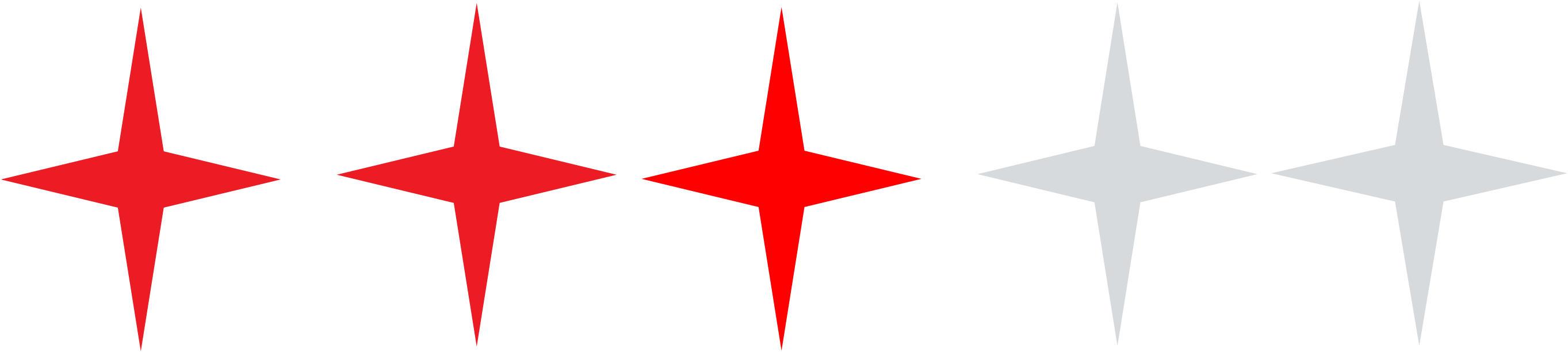
stars

Insidious: The Red Door is in cinemas now.

THE VANCE INSTITUTE

vance institute

by Martin Unsworth

A group of people are selected for a mysterious, controversial therapy retreat led by Tobin Vance (co-writer Tom Malloy), a self-help guru who has been forced to flee the US. Suffering from various mental health issues, the five strangers are subjected to the most outrageous techniques that become more shockingly drastic as the week goes on.

In a departure from what we’ve come to expect from director Lawrie Brewster (Lord of Tears, Automata), The Vance Institute leaves behind the Gothic brand he and his production company Hex Media have established so well. A concession, perhaps, is presenting the film in desaturated monochrome, which gives the movie a gritty, bleak feel that matches the mood of the characters and the extreme nastiness on display. One trippy sequence effectively flashes into garish colour, however.

Working as a sequel to the obscure 2019 indie Trauma Therapy, it’s an often brutal experience, once again highlighted by the stark black-and-white visuals. The illnesses depicted are as exaggerated as the methods the institute dishes out.

There are a number of Hex regulars in the mix, including Jamie Scott Gordon and Megan Tremethick, who excel in their performances, alongside Hannah New (Black Sails) and co-writers/directors David Josh Lawrence and Tom Malloy.

The Vance Institute doesn’t attempt to reinvent the wheel when it comes to the type of film it is, and rather than having lofty psychological pretences, appears to revel in its luridness. Worth checking out if you’re not squeamish about mental health issues.

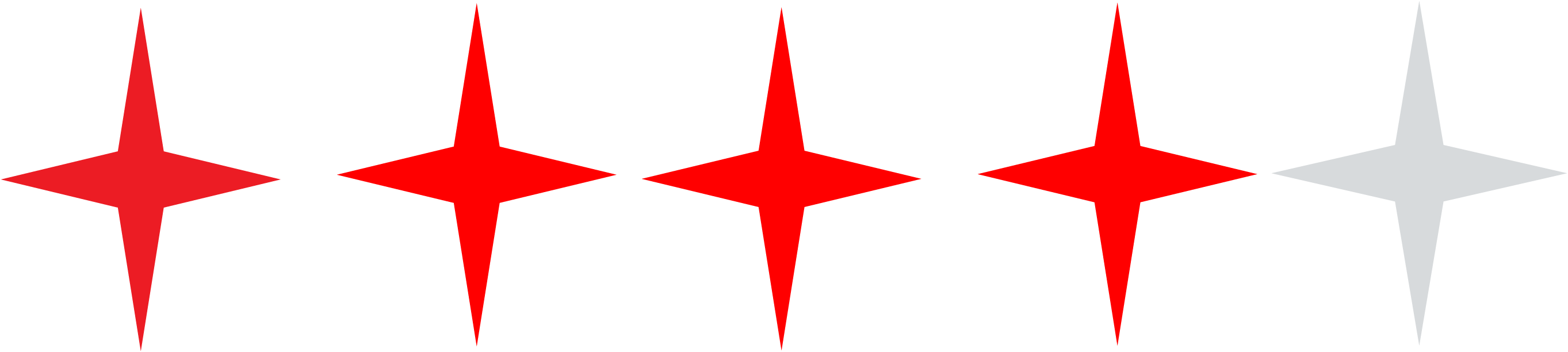
stars

The Vance Institute is out now and available to purchase from https://www.hexstudios.shop/product-page/the-vance-institute


THE WENDIGO

by Paul Mount

Just when you thought it was safe to go back to watching straight-to-streaming (or DVD if you’re so inclined) genre movies, the grim spectre of the found footage film, hugely popular a few years ago, starts to raise its grisly head again. In truth, it’s a subgenre that’s never really gone away, and it can be a useful tool to allow nascent filmmakers without a lot of cash to flash the chance to get something on screen. At their best – Andrew Legge’s recent Lola being a fine example – found footage movies can be thrilling and clever, and innovative. At their worst…well, here comes The Wendigo

This is dispiritingly familiar stuff, the sorry tale of a bunch of irritating YouTube ‘influencers’ who venture into the woods of North Carolina in search of their friend who disappeared some time earlier, having opted to spend the night in the woods in an attempt to find out the truth about the Wendigo, the legendary spirit-creature whose delightful habits including possessing its victims and, via acts of cannibalism, turning them into gruesome monstrosities. Poor acting aside, the first few minutes of The Wendigo are fairly encouraging, with YouTuber Logan live-streaming his experiences in the woods, and there’s some fun to be had watching the comments from his viewers scrolling up the screen and reflecting the grim reality of unfiltered anonymous social media interaction and subsequent scenes of other YouTubers ‘reacting’ to the edited found footage of his apparent demise are a nod towards the peculiar YouTube phenomenon of people gawping at films and TV episodes and occasionally commenting on them.

Sadly, it’s downhill after this. Logan’s hugely unlikeable friends voyage into the woods, and we quickly tumble into all the usual found footage clichés with shaky cameras, shots of running feet, and people screaming, “Oh my God, oh my God”, with only the final quick reveal of the Wendigo creature offering any relief from the dread familiarity of it all. Director Jake Robinson (who also appears in the film) clearly has an eye for the conventions and peculiarities of social media and understands the tropes of the genre he’s working in; it’s just a shame that he couldn’t have crafted a slightly less cliched horror romp than this wearying effort that, to its credit, won’t tax your patience for much more than an hour.

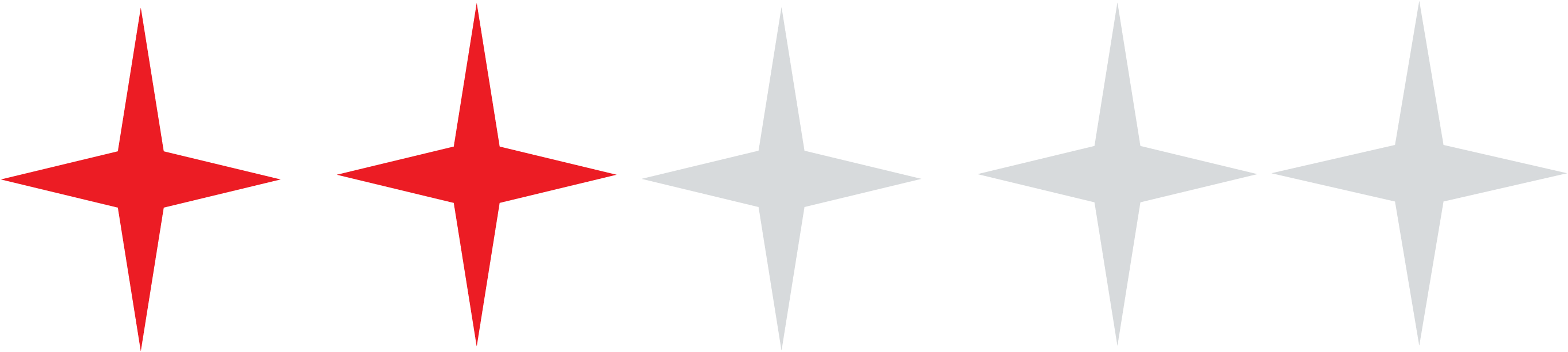
stars

The Wendigo is released digitally in the US on August 4th.


MAVKA: THE FOREST SONG

By Jack Bottomley

Often when an independent, english-dubbed, animation comes our way, many recoil in trepidation but in a very crowded market, Mavka: The Forest Song offers something incredibly pure and heartfelt.

Inspired by folk mythology of Slavic and Ukrainian origin, this film adapts Lesya Ukrainka’s 1911 play “The Forest Song”, rather beautifully to animated form, as it tells the tale of good hearted nymph Mavka (Laurie Hymes), who dwells in the forest. A realm full of life and wonder and isolated from the greedy, cruel hearts of man. But when Mavka meets human Lukas (Eddy Lee), her feelings begin to grow, as she is forced to balance duty with love.

Mavka is likely nothing you haven’t seen before in some ways. There are the lovely animal sidekicks, dashes of Avatar’s environmental themes, a bit of The Boxtrolls, a bit of Tangled and touches of so many romantic animated tales and literary fables. However, what still makes this very much worth the discovery, is the enticing way with which it brings all this to the screen.

The animation is colourful, varied and interesting, creating many astonishing sequences and some memorable characters, which really feel fitting to its folklorish roots, as well as having their own unique eccentricities and appeal. While the english speaking voice cast actually do a great job and sound very invested in the story and script. The music is occasionally rather stirring too, as you would hope from a film with ‘song’ in the title, and adds a further branch to this healthy tree of cinematic life.

Environmentally speaking, it is a worthwhile ode to the beauty of nature and its importance, as well as – politically speaking – a passionate call to the power of love over hate, and peace over carnage, and as an animated story has all that you would want. There are dark turns, bright and breezy comic moments, strong characters, and a heart that beats ever so strongly. Chances are most kids and parents won’t have heard of this film but we’d certainly recommend giving it a try, because there is something here to connect with a viewer of any age. Kids should be swept away and adults won’t mind letting this blossom in their soul either.

Any of the script missteps or familiarity are overpowered by the love with which it treats its lore, heritage and characters. It’s a film proud of them, and that warm feeling spreads to you while watching. Mavka: The Forest Song sings a charming, fulfilling, tune and is a melody you will quite happily allow into your heart. A beautiful, unexpected, treat from Ukraine.

stars

Mavka: The Forest Song is showing in cinemas now

KNIGHTS OF THE ZODIAC

by Ed Fortune

A big-budget live-action adaptation of the anime classic Knights of the Zodiac should be a sure thing on paper. It’s an established franchise with plenty of action-packed moments, story hooks and ideas to blend into a thrilling movie. But, alas, what we get instead is a bit of a lack-lustre origin story that barely scratches the lore.

Knights of the Zodiac is a rich world of duelling martial artists, magical powers, teen drama and angry gods that have delighted fans for decades. But, rather than attempt to bring new audiences to the world of St Seiya, this movie covers the first few pages of the classic manga.  


Highlights include Sean Bean as the dodgy mentor figure and Famke Janssen as the over-the-top villain. Mark Dacascos is on hand to lend an amount of ‘action movie credibility’ to the entire affair. Still, no amount of martial arts choreography or special effects can compensate for a weak script.


One of the reasons many superhero movies work is because, on some level, there’s a love and appreciation for the source material; creators go the extra mile to put their favourite four-colour heroes on the screen. 
Knights of the Zodiac is a franchise that deserves this level of attention; instead, we get an over-long origin story that fails on many levels. As a result, fans will barely recognise their heroes, and those new to the world will be quickly lost and then bored. 


Taken as a straight fantasy/action-adventure feature, this is roughly two hours of harmless fun with some nice explosions and plenty of characters behaving in over-the-top ways. But it could have been so much more.

stars

KNIGHTS OF THE ZODIAC is released in UK cinemas on July 28th.

TALK TO ME

talk to me

by Joel Harley

Ouija boards and American teenagers are old hat – A24’s latest trendy new acquisition concerns disembodied porcelain hands and young Aussies. The results, however, are much the same.

In a viral craze which involves shaking hands with the dead – thanks to the mummified paw of a dead psychic – a group of friends, hangers-on and frenemies commune with the deceased for shits and giggles.

Weird, trauma-ridden Mia (Sophie Wilde) is almost instantly smitten with the ritual. When she becomes convinced that her dead mum is waiting for her on the other side, it takes only the slightest push to become obsessed. This spells trouble for her best friend (Alexandra Jensen), ex-boyfriend (Otis Dhanji) and doofy tween Riley (Joe Bird). When one night’s ritual-making goes too far, Mia and her friends are set to learn what happens when you get too friendly with the dead.

This supernatural horror film by Danny and Michael Philippou slickly re-animates old formulas. Although the dialogue and aggressive teenage behaviour initially grate (and who exactly is going around with a Crazy Frog ringtone in the year of our Babadook 2023?), it quickly settles into its rhythm. After all, some things are ageless, and mortal dread gets to us all, no matter how old we may be. And if you are missing the sensible adult presence, then there’s Miranda Otto too, impressing as the no-nonsense single mum. If only we could say the same for Mia’s dad (Marcus Johnson); sidelined until it’s too late to care.

Like last year’s Smile, it’s less scary than it is deeply unsettling, featuring upsetting depictions of self-harm, bodily mutilation and, uh, late-night toe-sucking. Reminiscent of The Evil Dead’s Deadites, its shit-talking dead give the appropriate chills and are well-supported by some gnarly gore and brutal effects.

Not so much jump scares, more gets-under-your-skin-and-stays-there scary.

stars

TALK TO ME is released in UK cinemas on July 28th

SYMPATHY FOR THE DEVIL

sympathy for the devil

by Joel Harley

On course for the worst night of his life, the Driver (Joel Kinnaman) is diverted from attending the birth of his child when an uninvited passenger hops into the back of the car, demanding a ride at gunpoint. The hitch? Said passenger is Nicolas Cage, going full throttle.

The one-of-a-kind star gives great Cage as the film’s sinister villain – a cross between Tom Cruise in Collateral and Al Pacino in The Devil’s Advocate. Cage freak-outs are to be expected at this point, but what the naysayers and the meme-makers fail to understand is that no two Cage rages are the same. The Passenger is an enjoyably nutty addition to the canon, ranting about tuna melts and shooting up an unsuspecting diner. But there’s an air of menace there, too, one which was lacking from, say, his Castor Troy or his Dracula. There are layers in his subtle Boston accent – and a tearful monologue which ends with an unexpected take on Hannibal Lecter’s ‘screaming lambs’ speech.

Director Yuval Adler keeps a firm hand on the wheel as Cage and Kinnaman gamely go at it, with writer Luke Paradise giving both stars plenty to chew on. Between them, the pair are well-matched, Kinnaman giving the same straight man bemusement as his Suicide Squad tough guy. Around them, the streets of Las Vegas throb with an apocalyptic sense of dread, all smoke and neon lights. It’s unexpectedly light on its feet, resisting the urge to give in to big action sequences or scene after scene of Cage making funny noises while wearing a fancy suit.

Sympathy For the Devil often zigs where one might expect a zag, bearing more in common with the star’s Bringing Out the Dead than his Drive Angry. Neither Cage’s fans nor his detractors will be shocked by this film or his performance in it, but the man’s talents are both devilishly employed and sneakily subverted.

stars

Sympathy for the Devil is released in US cinemas on July 28th and screens at Pigeon Shrine FrightFest on August 27th.

BIRD BOX BARCELONA

bird box barcelona

by Paul Mount

This belated sequel to 2018’s Sandra Bullock-starring Bird Box – the first proper sit-up-and-take-notice feature film smash hit of the streaming age – is surprisingly accomplished, even if it’s unlikely to repeat the success of its predecessor. Written and directed by Alex and David Pastor, Bird Box Barcelona is a powerful, knotty movie that asks bold and blunt questions about religious zealotry but sweetens the pill with several well-realised set pieces and some stunning visuals depicting a battered, silent Barcelona occupied only by ragged groups of survivors and the unseen ‘creatures’ that prowl the streets.

Bird Box offered a world overrun by strange creatures who entice those who see them to commit suicide (often in the most grisly manner). Those immune from their baleful gaze become ‘seers’, dedicated to forcing those who blindfold their eyes or look away to accept the ‘blessing’ that the creatures deliver. The driving character dynamic of Bird Box is neatly reversed as Sebastian (Mario Casas) has already been visited by personal tragedy, and he too has become a seer, infiltrating survivor groups and forcing them to accept their fate, surrender their humanity to go to ‘a beautiful place’  – at the moment of death, we see a light that represents the soul flying free from their mortal remains.

Clearly intended to bolster Netflix’s Spanish audience (Barbarian’s Georgina Campbell plays the main English-speaking character), Bird Box Barcelona is a tough and bleak movie, but it offers spectacle and action for those looking for pure entertainment and something a little more thought-provoking and challenging for an audience that likes its genre fare more multi-layered. It’s been a long time coming, but Bird Box Barcelona is a worthwhile sequel; let’s hope we don’t have to wait another five years for the third entry that’s clearly being set up here.

stars

Bird Box Barcelona is streaming now on Netflix.

BARBIE

Ryan Gosling and Margot Robbie as Ken and Stereotypical Barbie in Greta Gerwig's Barbie

Is it possible for a film to be transgressive and critical if said film also comes with a multinational corporation’s stamp of approval? It’s a conflict that was always going to be at the heart of Greta Gerwig’s Barbie, which finds itself in a tug-of-war between its desire to challenge the doll’s relationship with women and its status as a Mattel, Inc. toy movie.

Helen Mirren’s cheeky narration sets the scene with satirical sparkle. As the camera sweeps across the hot pink tones of Barbieland, she’s on hand to introduce Barbie – in the much-discussed homage to Kubrick’s 2001 – and to congratulate the doll on single-handedly solving sexism in the real world.

We’re introduced to the hero of our tale, “Stereotypical Barbie”, played by the only actress who could ever pull off this role, Margot Robbie. She’s pretty, confident, adored by Ken (Ryan Gosling), surrounded by accomplished friends, hangs out at the beach all day and celebrates all night. In short, everything is perfect. At least, until she interrupts a whirlwind dance number under a disco ball with an innocuous: “Do you guys ever think about dying?”.

margot robbie in opening sequence of barbie reference to 2001 a space odyssey

Thus begins an existential quest into the real world, as Barbie (Ken in tow) ventures to find her human and fix whatever is wrong with her. The reprieve from the pastel-toned landscapes of Barbieland serves a dual purpose: for Barbie to be confronted with her complicated legacy, and for Ken to be introduced to the patriarchy’s intoxicating allure – horses, brewskis, and mink coats included. The idea that men should rule the world proves a particularly potent export for the Kens living within the implicit matriarchy of Barbieland. Chaos, hilarity, and a peerless comedic and musical performance from Gosling ensue.

The casting is undoubtedly one of Barbie’s most decisive assets. Robbie flawlessly portrays Stereotypical Barbie’s deepening humanity and balances her arc’s laughter, angst, and heart with conviction. Still, it’s bleach-blond Gosling who proves the ultimate scene-stealer, providing the film’s biggest laughs and most memorable moments – even as Robbie gets its most emotionally and thematically meaningful scenes.

The production and costume design are intelligently rendered and enjoyably bizarre – the Dreamhouse shower doesn’t produce water, Barbie floats to the ground rather than using stairs, and ocean waves are solid plastic. It’s also why Barbie and Ken’s detour into the real world feels like a (thankfully short-lived) loss of momentum before the action returns to Barb– correction, Kendom.

ryan gosling and the kens in barbie film

Unfortunately, however, Barbie is also a film plagued by contradictions. On one hand, it’s an earnest take on the nuances of womanhood and the constraints society places on women. It’s also a sharp dissection of how, while Barbie promised young girls that they could be anything, it also contributed to the unattainable expectation that women be everything, all at once. On the other hand, it can’t quite shake the oily sheen of a Mattel advertising campaign, especially when companies have long since caught onto the idea that a self-aware, in-on-the-joke attitude is good business practice.

Barbie pokes fun at its sponsor without ever cutting too deep. It lays out the hopeless impossibility of being a modern woman: to be a girl boss but people-please; a homemaker and mother who is also ambitious and career-driven; be attractive, but never look like you’re trying too hard – all wrapped up in a grand speech delivered by America Ferrera that’s reminiscent of Laura Dern’s Marriage Story tirade. The thing is, it’s just the same old virgin, mother, whore paradox of womanhood that’s been at the centre of feminist discourse for decades but repackaged in a pretty box with a big ‘Girl Power’ sticker slapped on.

margot robbie as barbie

Perhaps reconciling the conflicting imperatives of a 2023 Barbie movie was always a hopeless task. Perhaps it was silly to expect a transgressive, boundary-pushing film from a major Hollywood studio. And perhaps Gerwig is just a little too in love with the iconic doll to meaningfully interrogate its cultural legacy.

But if it’s not the uncompromising bastion of feminist cinema we might have wished for, then Barbie still leaves plenty to commend as a laugh-out-loud, amiable, endearingly sincere, and extremely entertaining summer blockbuster, complete with snappy dance numbers and pitch-perfect performances. And maybe that’s Kenough.

Barbie releases in cinemas from July 21st.

By Laura Potier


stars

COBWEB

cobweb

by Joel Harley

At the intersection of Coraline and The Babadook sits Samuel Bodin’s adult fairytale, the story of a young boy (Peter, played by Woody Norman) who comes to suspect that something might be up with Mom and Dad after he hears a voice whispering to him in the dark.

Wildly imaginative and bullied at school, Peter’s misery is exacerbated when kindly teacher Miss Devine (Cleopatra Coleman) takes an interest in his well-being. Parents Carol and Mark (Lizzy Caplan and Antony Starr) are not best pleased when the well-meaning educator shows up on their doorstep, spelling further trouble for the youth.

Bodin and screenwriter Chris Thomas Devlin (2022’s Texas Chainsaw Massacre) let the moody atmospherics do much of the talking, stranding their young star in a waking nightmare. There’s something clearly off about Mom and Dad from the start, with Starr apparently carrying on with the Homelander school of parenting here. Caplan also impresses, with good utilisation of the doe-eyed mania, which served her so well as Annie Wilkes in Castle Rock and Alex Forrest in Fatal Attraction. No one is pushing themselves out of their comfort zone here (it’s just Homelander in a sweater), but it’s a thoroughly effective use of both stars and their specific brand of energy.

Bodin and Devlin do fine work in keeping the audience guessing throughout, leaving just enough lingering doubt that all this could be but a figment of Peter’s imagination. It doesn’t lay on its themes quite as thick as The Babadook, and it isn’t as obscure about it as Skinamarink, telling a relatively straightforward story with some canny twists and unsettling imagery.

All of this hews closer to creepy than it is truly scary, but that fits the dark fairy tale vibe the film aims for. This gamely, menacing cast, sympathetic young star and energetic final act all come together to ensure that audiences will be left hoping to see more from its fledgling director – a first feature to remember.

stars

Cobweb is released in the US on July 21st and will be in UK cinemas on September 1st.