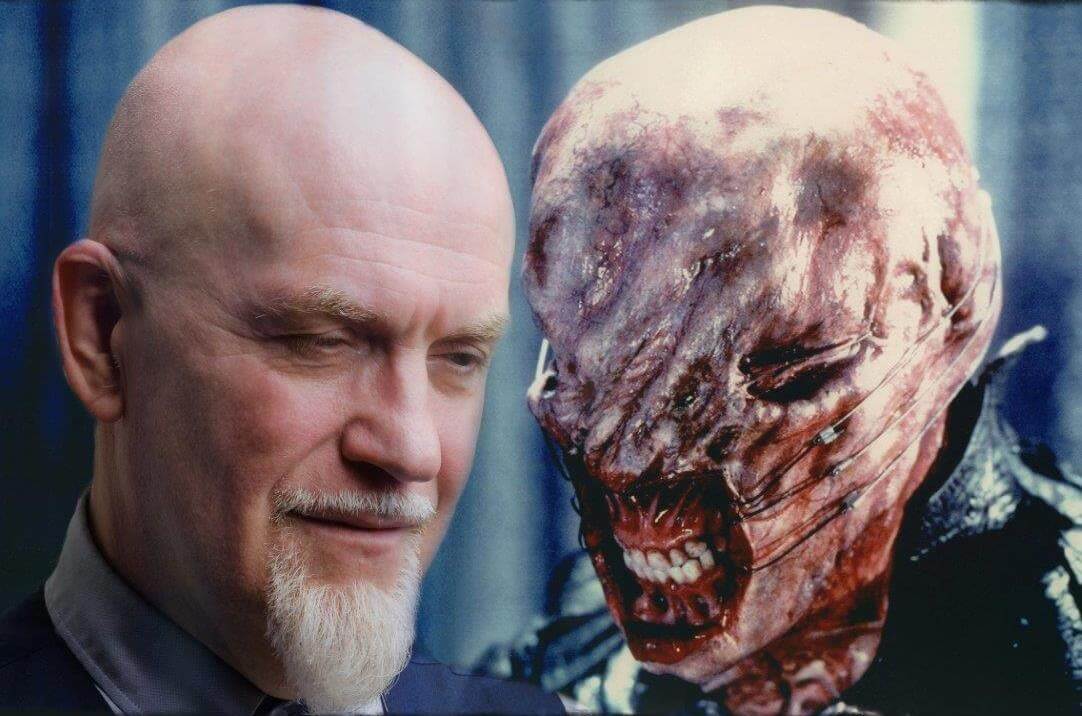
Petri Alanko | CONTROL

petri

Finnish composer Petri Alanko was nominated for a BAFTA for his work on the 2010 game Alan Wake, and since then, his music for games such as the sequel, Alan Wake’s American Nightmare, as well as Quantum Wake. His latest work is for the supernatural thriller game, Control. We were pleased to speak with him about his career and how music for video games has been receiving more critical appraisal in recent years…

STARBURST: Your website boasts ‘no missed deadlines since 1990’. How’d you come by that work ethic?

Petri Alanko: Well, I’d like to put it this way: I hate slackers myself, and the best way to tell a client you respect their work is to deliver your stuff on time. Back when I was doing daily pop, in the early 1990s, I ran into a bunch of both highly efficient individuals as well as a motley crew of incredible rock star wannabees who were stuck in their teenage years. Early on, I made the decision to join the posse who seemed to deliver time and time again. Also, it helps that my father has a tech/engineering background and my mom’s really good with numbers and had an accounting company. Which means I’m really bad with mechanical stuff and even worse with money – but I try my best to be on time all the time.

Fortunately, my clientele is a set of seasoned pros and they are really sharp at getting everything done at their end well before a project lands into my hands. As soon as I get any information about a project, I start by doing what I call a ‘tool preparation’, be that hardware, sounds or the plugins and algorithms. Also, before putting down anything else, I’ll do a lengthy planning session to hone out the concept and the details, so that when I start actually laying down the tracks/music, I’ll start running through a bucket list. It is a process, to save time, to keep the schedules – and the budgets – and this process has been defined during the past many years. It seems the more years pass, the more effective I am… I hope.

What was the missed deadline that made you change your ways?

I’ll take the project and the client into my grave with me, but it was outside the gaming business, naturally; the gaming companies usually are very, very efficient and seem to reach towards a much further away future than, say, ‘regular tech companies’. I’m much more selective on whom I work with these days. I believe the client benefits much, much more from a longer relationship, as the base work – and the foundation/legacy research – is done after the first gig, and you can start building what will become their future. I sometimes have said ‘no’ to a gig that doesn’t really feel right for me – I mean, I’m not your average My Little Pony composer. Nothing against the brand, but, well, I dress mostly in black and have my NIN/Nitzer Ebb/Front 242 past, so… Heck, if a client hasn’t done their homework and hasn’t found out about Alan Wake, Quantum Break and now Control – not to mention my Lowland tracks and remixes – and asks for ‘cute melodies’, it’d be almost criminal from my side to do something just for the money – and slice off a part of my wellbeing whilst doing so. In short, I have never done, and never will do, anything solely for the money – but I’m not doing any freebies either.

That one’s for the newcomers, too: never do a freebie. Your job will not become a foot in the doorway, you’re just a stepping stone for the next freebie wannabee.

Aside from composing, what’s your involvement with video games – are you a gamer, yourself?

Oh most definitely I am. I’m not exaggerating at all, and I tend to use games as an escape, to clear out the noise and the music in my head. Sometimes, when entering a project, I tend to ‘listen to radio’ in my head while thinking about the new project, the scenery, the environments etc., playing with the ideas inside my brain, and it really feels like listening to some soundtrack radio station, but with music I have never heard before. Sometimes I need to ‘visit’ something else to detach myself from the ideas and to let some fresh air in. I used to watch movies, but it requires a serious piece of entertainment to ‘attach’ to a movie, and it usually works only once or twice per movie, after that it’s ‘worn out’. With games, due to their continuous dynamic state, it’s different.

I tend to enjoy open-world games, and to some extent I’d love to think of myself as an expert: since PlayStation 1, it’s been open-world and open-world only. Okay, some great tube/on rail runs as well – but even those need to have at least a feel of free choice in them. I’ve got quite a few consoles in my stack, more than I actually need or have time to deal with, and I’ve already made some space for the upcoming new consoles.

One thing is sure, though: I’ll never ever use a PS VR visor again, not after I almost had a cardiac arrest during Resident Evil 7. Horribly good, even with mediocre graphics (of the visor that is).

In an interview with Roland, you said, “Sometimes, music leads, and sometimes it’s reacting to your actions.” For Control, which was the more dominant aspect?

Reacting, definitely. The integrators and audio programmers managed to pull together a marvelous AI rule set within WWise [3rd party music software that plays the music in-game], and, after seeing and scratching the surface of it, I’m willing to pray for that to become the present and the future of gameplay music – but with a twist. In my opinion, a full AI requires some human splicing here and there to seriously deliver, as emotions aren’t mathematics. Having said that, the exploration/combat music system is doing a proper job based on the amount of opponents and their nature, as well as how your progress or health is being affected. But the cinematic/thematic music has a few leads here and there, for instance the leitmotif will basically reveal the outcome of the game, if you are aware. I wouldn’t use a major chord unless there was a positive – or suitably positive – conclusion. All the themes I’ve ever composed seem to somehow connect to the protagonist and his/her fate as well as the conclusion of the story in question: Alan Wake’s theme ends up ‘in the air’ – and he gets stuck in the deep. Quantum Break has an ‘outsider with a determination’ feel – and Jack is affected by the time disease, while sort-of-kicking into action just when the game ends… and now Control’s theme leads to a major third interval, with a concentrating, self-confident feel after a very ambivalent descend, just like the six-note leitmotif does. The same applies to, actually, everything I’ve ever done.

So, in short, I’m basically a walking game plot spoiler, if you’re listening carefully enough.

A lot of your work has been for games which are supernatural in nature. Are there any genres you’d like to explore which you haven’t yet?

I’d love to score a psycho thriller, be that a movie or a game. Also, some deep sci-fi, or intelligent sci-fi, would be in my top list, and I’ve always loved to flirt with horror stuff, as, like someone once said, ‘caressing feels better after a slap and vice versa’. One thing is for sure though: it’ll take some time before I’ll ever do another project with modular synth only. There are a few cues for Control that were done on my modular almost solely, as a performance, and although the results were stellar sonically, the planning and the one-off style – and how you can actually never return to where you started from – is frightening due to the nature of gaming development cycles: maybe the cinematic you used the gear on had to be lengthened or shortened? That, too, had to be taken into account.

But yeah, I loved Interstellar, which, thanks to its math side, I’m willing to count as deep sci-fi, and I loved the movie’s long cues. It reminded me of 2001: A Space Odyssey.

I’m not sure if Alan Wake counts as a psycho thriller, but back in the day I found it really easy to draw something from my personal experiences – nothing supernatural there, not even close, but the environment and the setting was really pleasing for creating that uneasy twist and borderline horror here and there. As a Finn, I’d say “I let the forest speak“, but it would probably sound too new age-ish. I’ve heard people speculating about an Alan Wake sequel pretty much on a yearly basis ever since Alan Wake was released, but… here’s to hoping they one day will return to it. If so, I would love to compose some music for it.

You were nominated for a BAFTA for composing Alan Wake. Do you feel like game music is getting more notice and recognition these days?

Well, international organizations are already recognizing some aspects of gaming music, but it seems the press and the magazine publishers are lacking music specialists or even hobbyists – and that is even more serious here in Finland: I can’t remember when music was mentioned in the local gaming news lately. Even in major gaming news the music is sometimes omitted or bypassed when reviewing the game, despite the quality of in-game music, which has, for years, been in stellar heights.

What surprised me thoroughly was some ‘normal music tech press’ magazines  approaching me for an interview or some comments regarding some aspects not widely known among ‘regular’ musicians, and I found their questions to be rather intriguing, as the philosophical approach is different from gaming press. I wholeheartedly enjoyed an article in Sound On Sound, where Horizon Dawn Zero’s composers were discussing the development of the music and the technical issues. I’d love to see more of that happen, as I enjoy hearing the thoughts of my colleagues.

Luckily, it’s getting much better overall, and the journalists are very knowledgeable and most of the questions can be rather tricky (well, at least these have been). I feel we, as a group of enthusiasts, are approaching an era where game music is no longer game music, and at least I’ve been very careful in trying to achieve a stage where music works by itself, even without the mother product: the game. The same applies to every track I count as classics, such as Final Fantasy soundtrack and so on: it’s a good piece of music, not “a good piece of game music”, and that’s important.

Do you have any upcoming projects you can share?

Yes, there will be stuff coming. Both as a performer and a composer. I guess the performer might strike first. We did have a nice little concert in Helsinki Arena almost a year ago; 9,000 people in the audience, some well over 130+ people on stage, a choir and a whole symphonic orchestra, and something like that would be nice to do again, but elsewhere. I also released a solo album We’ve Been Here Before under my Lowland moniker about a year or so ago, and that, too, will have a sequel one day.

Find out more at https://petrialanko.net/

Featute image: Ville_Juurikkala

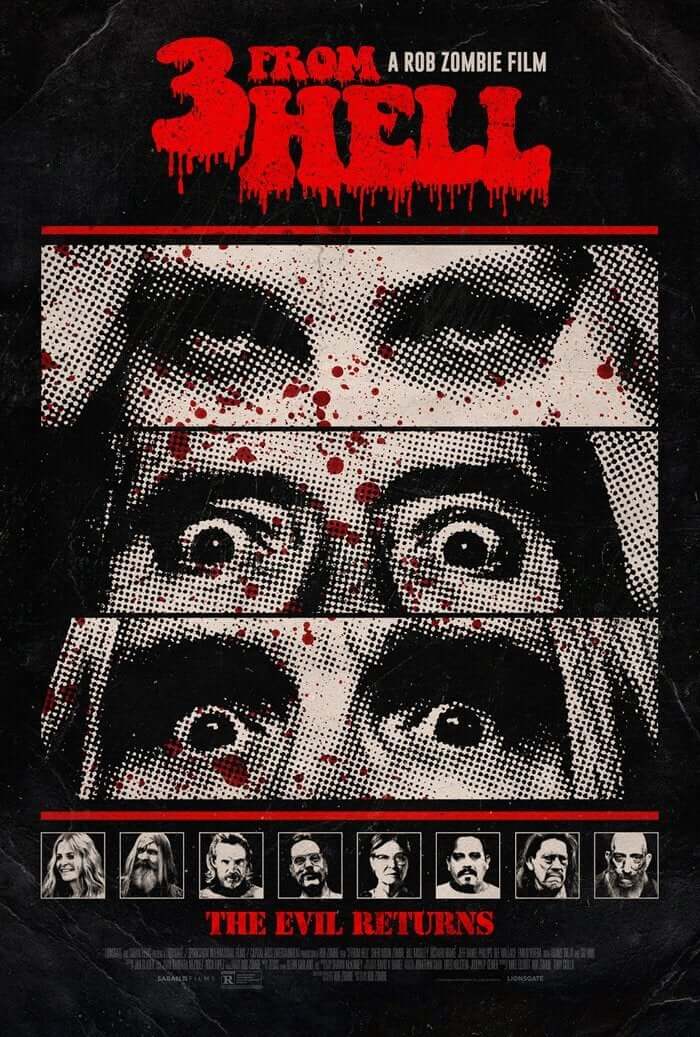
Rob Zombie | 3 FROM HELL

Rob Zombie - 3 from Hell

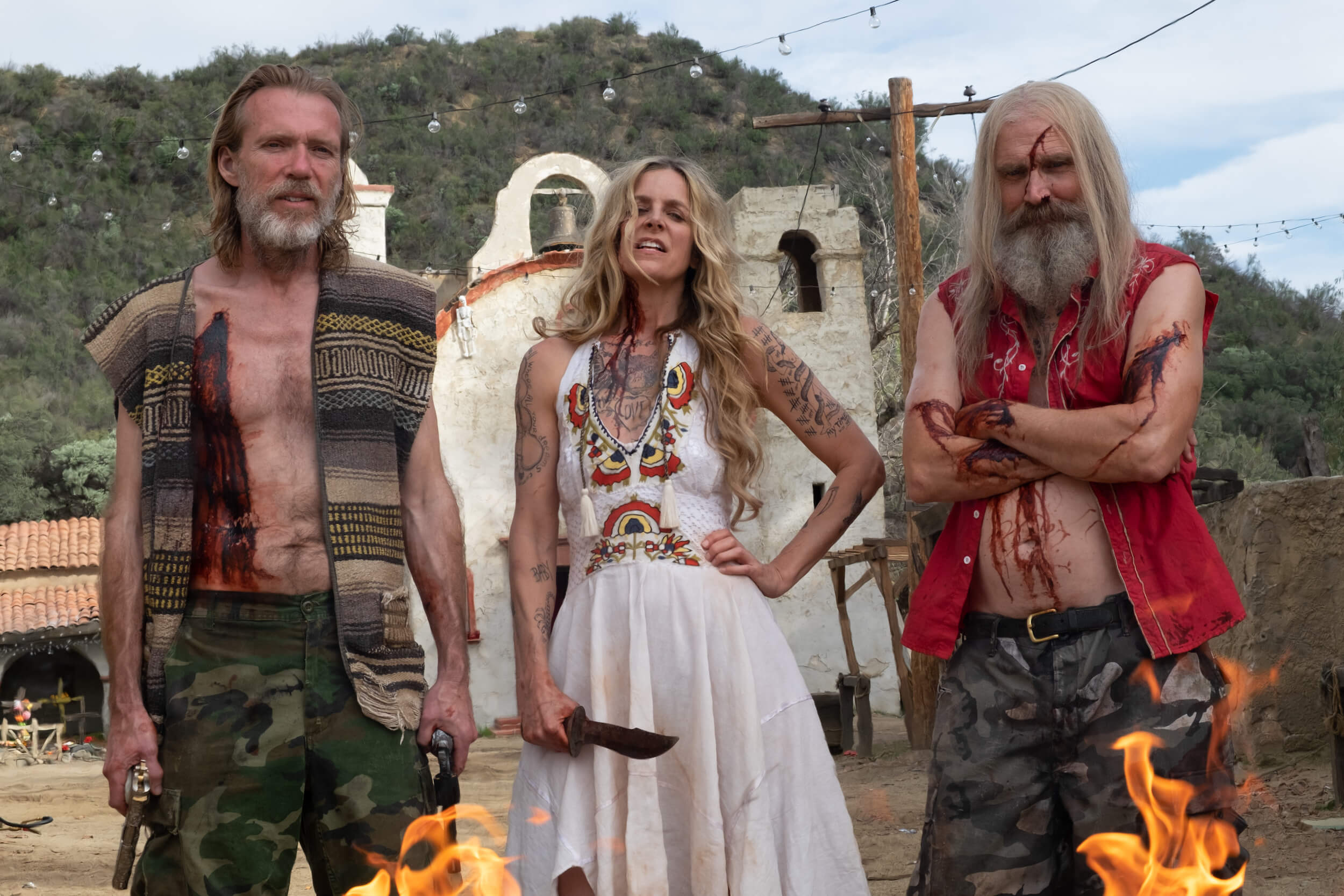
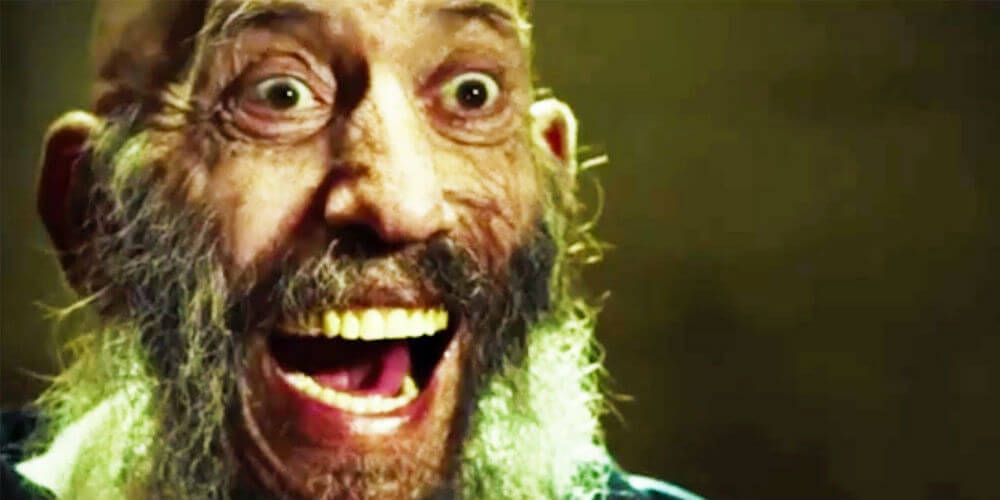
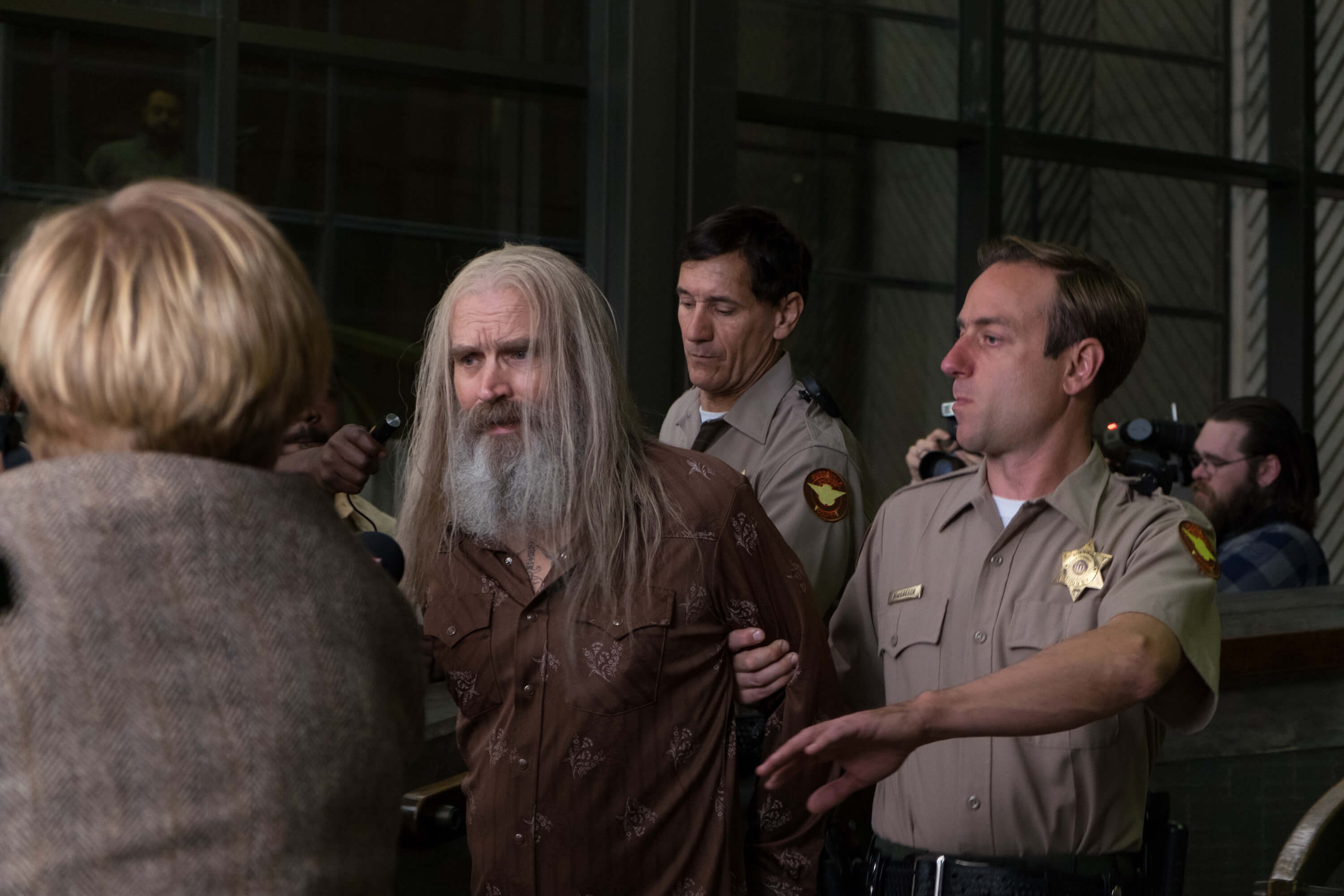
In the pantheon of modern horror, few characters have gathered as impressive a following as the famed Firefly family of Rob Zombie’s HOUSE OF 1000 CORPSES and THE DEVIL’S REJECTS. With those nefarious sorts now returning for a third outing with 3 FROM HELL, we caught up with the writer/director to chew the fat…

STARBURST: It’s been 14 years since we last saw the Firefly family in 2005’s The Devil’s Rejects, so why was now finally the right time to give these characters a third feature outing?

Rob Zombie: I’m not exactly sure. I’ve always thought about the characters. Over the years, they keep getting more popular and they’re always present in my life, but I never thought I would make another movie. Then, about three years ago, I got the idea that I really wanted to do this. I went to Lionsgate, who made the other movies, and said, “I’m thinking about doing this”. I had to get their approval, and they were on board with doing it. From there, I began working on the script and working on ideas – and here we are.

3 from Hell

Many hold the Firefly family on the same pedestal as a Michael Myers, a Jason Voorhees, a Freddy Krueger, and the classic Universal monsters. Being such a big horror fan yourself, what’s it like to have created a group of characters who are such big favourites of modern horror?

It’s pretty weird. I’ve always been a fan of these things, I always wanted to make movies, but you never know if you’re going to get to do these things. Once you get to do them, you don’t know if anyone’s going to care. To have these crazy characters that 20 years ago I thought-up and made a movie that people still care about, it’s amazing. It’s the best thing you could hope for. You want to make things that people remember and want to revisit and come back to, that another generation finds. The fact that that’s the way it’s gone, it’s awesome.

One thing that will catch many off-guard in 3 from Hell is that Captain Spaulding is only in the first act. Was that always the plan, or did you ever have Spaulding having a larger role in the film?

No. All that was just due to real-life situations, unfortunately. The original version of the script that I was getting ready to shoot, it had Captain Spaulding in the movie all the way through, right to the last scene. There was no other character – the character that Richard Brake plays, Foxy, he wasn’t in there – it was just the original three. Then, three weeks before we were beginning to shoot the movie, I got a call from Sid [Haig] and he told me that he had been in the hospital, that he was out of the hospital now but he was still recovering from what put him in the hospital. That’s all he said. So I went to visit him, and he had changed a lot. I mean, he’s 80 years old, but he had lost a lot of weight and now was super skinny, he was really frail, he was still ill. That’s when I started rewriting the movie because I was like, “He can’t do the whole movie. It’s too much. It’s way too much.” It’s hard enough making movies when you’re young and healthy, but to expect him to do it at that age was ridiculous. I kept changing it, little by little, changing it for him as time went on. Then another week would go by and he didn’t seem like he was getting any better at the time, so I was getting more nervous and I kept changing the part. Eventually, right before shooting, the studio demands that, because he’s 80 years old and he’s just got out of the hospital, we have to get him cleared to work by the insurance company and go through all this red tape. Once that happened, they wouldn’t clear him to work. At that point, they wouldn’t even let him be in the movie. They were just, “He can’t work.” So I begin to freak out, I start rewriting the script, I come up with the idea for this other character to fill in the blank where Spaulding is now missing, and then I get Lionsgate to finally agree to let me bring Sid in for one morning to film as much with as I could so that I could at least get him in the movie. All those creative choices were based on real life problems.

3 From Hell

You’d previously worked with Richard Brake on 31 – in which he was phenomenal – so was Richard instantly the first person who came to mind once Sid’s role was reduced?

He was my first thought once I knew I was going to create a new character. There was a short time where I thought, “Well, maybe I’ll just have the two characters – Baby and Otis – and we’ll just carry on with the two of them.” But I pretty much structured the whole script with three people, and by that point it was so close to the beginning of shooting and I couldn’t move any of the dates because we were locked in. Once I decided to make a new character, I wanted Richard but I didn’t know if Richard was available either. I called Richard and he was, “Oh, I’m in Spain shooting a movie,” so I was just, “Oh fuck.” Luckily, he was getting ready to wrap that movie, so he flew from Spain and jumped right in instantly. The three of them [Richard Brake, Sheri Moon Zombie, Bill Moseley] have great chemistry, he fit right in, and we just kept working.

3 from Hell

What’s in the pipeline at the moment, and are you still touring?

There’s a couple of movies that are in the early stages, trying to figure out what’s next. I still have more tour dates until December, and then early next year I’ll put out a new record and start shooting the music videos. Hopefully by then I’ll know what the next movie is.

3 from Hell is out now on Digital Download, Blu-ray and DVD, and you can find our review of the movie here.

Michael Dougherty | GODZILLA: KING OF THE MONSTERS

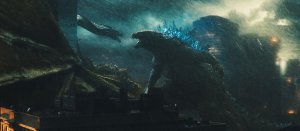
Fresh off the tail of one of the biggest movies of this Summer, we here at STARBURST had the honour of sitting down with Director Michael Dougherty to talk about the big-screen return of the King of the Monsters, his life-long love of the character and the challenge of building upon the foundations of the Monsterverse.

STARBURST: Firstly, congratulations on the film, it’s an absolute roaring success.

MICHAEL DOUGHERTY: Thank you so much, it’s been an incredible experience.

Could you please talk us through your reaction, as a life-long Godzilla fan when Warner Bros. and Legendary approached you to direct the film?

When that happened, it was an absolute dream come true. It was like that birthday wish you made all those years ago finally manifesting, you know?

How was the challenge of balancing your own unique take on the character and world whilst also having to stay within and develop the boundaries of the Monsterverse set up by Gareth Edwards’ 2014 film?

That was less of a challenge and more something that I embraced and loved. I loved what Gareth had established – even since I was a kid watching Godzilla movies with my toys, I always wanted a modern-day Godzilla film with today’s up to date visual effects and cinematography – and I truly felt that’s what Gareth’s film delivered.

It felt like something you would see if you looked outside your window and I often love really great sequels especially those that continue to build out the world and the mythology, so it was kind of second nature. It was obviously a challenge to accomplish but it was a joy to roll up my sleeves and get into it and explore all the “what if” scenarios.

What I wanted to do was follow the path of the original Godzilla. The 1954 film, much like Gareth’s, is very serious and at times grim, and I also really like that his film almost feels black and white at times – he kept the colour pallet very muted. What I wanted to do is follow the path of the Japanese sequels that got more colourful and vibrant and they got more fantastical by bringing in other creatures from mythology for Godzilla to face – so the moment you decide you’re going to bring in a three-headed-dragon and a giant moth, you have to be willing to embrace a more fantastical approach, so that was a challenge but a lot of fun.

Out of three classic Toho monsters that you had the rights to (Mothra, Rodan and King Ghidorah), which was the most testing and/or enjoyable to modernise?

Mothra was definitely the most challenging on a conceptual level – I have to admit at the very beginning of the process, I wasn’t quite sure if or how to do her. Of the Toho creatures, she’s sort of, and I use this in a very endearing way, she’s the most ludicrous. It’s a giant moth! (laughs) A giant moth that’s worshipped by two tiny little women and I was racking my brains thinking “how do you apply that realistic brush to something like this?”. But then I realised that there has been a long history of giant insect movies – Tarantula, Starship Troopers, etc – so there is a way to make her cool. So, she was definitely the hardest in that aspect. Rodan and King Ghidorah were easier because they’re natural cooler in terms of their presence. But I love them all, that’s the thing, even talking about them now I get super excited! (laughs)

If given the opportunity to officially add one more classic Toho Kaiju into the film, which one would it be and why?

It probably would be Biollante because she is a tragic figure in that she is a Frankenstein creature. She’s not a traditional titan that has existed for thousands of years – she’s genetically created. And it’s an amalgamation of a load of different elements – I love the fact that she’s a combination of Godzilla DNA, Human DNA and a plant. We don’t see a lot of plant-based creatures these days. And she also kind of reminds me of the creature from The Thing which is one of my all-time favourites. I just love that she is so unique and at the same she carries that very potent message about man messing with nature.

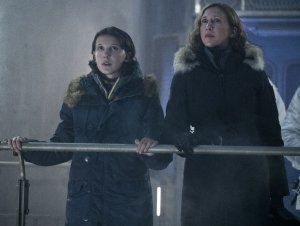
From the behind-the-scenes footage, you had a wonderful working relationship with the supremely talented Millie Bobby Brown. Was she always your first choice for the role even before pre-vis as I know you used a model of her for that?

Yeah, absolutely (laughs) that’s exactly how it panned out. Legendary have a cool way of the way they want you to work – they let me do visual development while we were writing the script – so we were doing concept art, pre-vis and we had to have some kind of model for Madison and this is when Stranger Things Season 1 had just dropped. On a whim, I said, “that girl from Stranger Things is kind of the perfect archetype for Madison so why don’t we base her model on her?” before we were considering her, we just needed a face. And then as we did more and more pre-vis with her face the idea naturally evolved and I turned to the executives and I said “why don’t we just made the offer to Millie” and we sat down and had lunch and really connected especially over our love of animals.

When deciding on the music for the film, just how important was it to get not only the rights to Akira Ifukube’s legendary score but to also have Bear McCreary, who is easily one of the top composers working in film today, join in on the Godzilla journey?

Both were hugely important to me. I’ve been listening to Bear’s music regularly since I first heard it in the Battlestar Galactica reboot. There was a very particular piece called “The Shape of Things to Come” which jumped out at me so strongly when I first heard it because I’d never heard music like that before in a traditional space opera, a lot of space music tends to mimic John Williams or Jerry Goldsmith and Bear’s scores were completely different and fresh. There was something kind of mystical and ancient about them. And I never forgot that, so I stalked him until we sat down and had dinner in LA about a decade ago and I was obsessed with the idea of working with him.

It’s kind of fitting that the track that drew me to him was called “The Shape of Things to Come” as I knew we were going to work together. As soon as Legendary came to me then I knew he was the guy for the job – he loved the idea of using classic music and modernising it. As Godzilla fans know, the music is an essential part of the DNA of a really great Godzilla film. There are certain titles that you can’t separate from their scenes – for example, James Bond or Jaws – and Godzilla is right in there with them. So thankfully Toho agreed, and they were really behind bringing this music back to the Godzilla franchise.

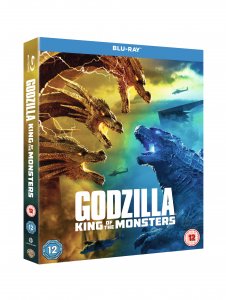
GODZILLA: KING OF THE MONSTERS is available on Digital Download now and on DVD, Blu-ray™, 3D Blu-ray™ and 4K Ultra HD October 14th 2019.

Lowell Dean | ATOMIC VICTORY SQUAD

Atomic Victory Squad Lowell Dean

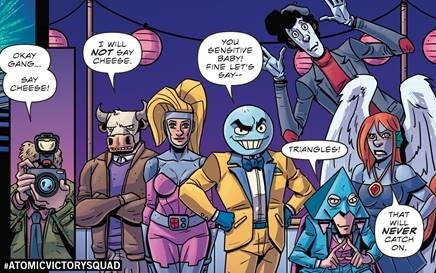
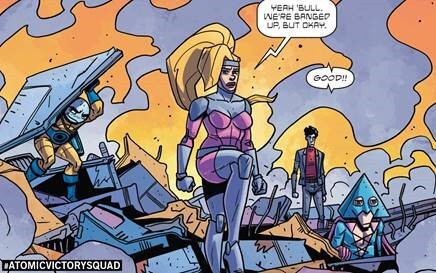
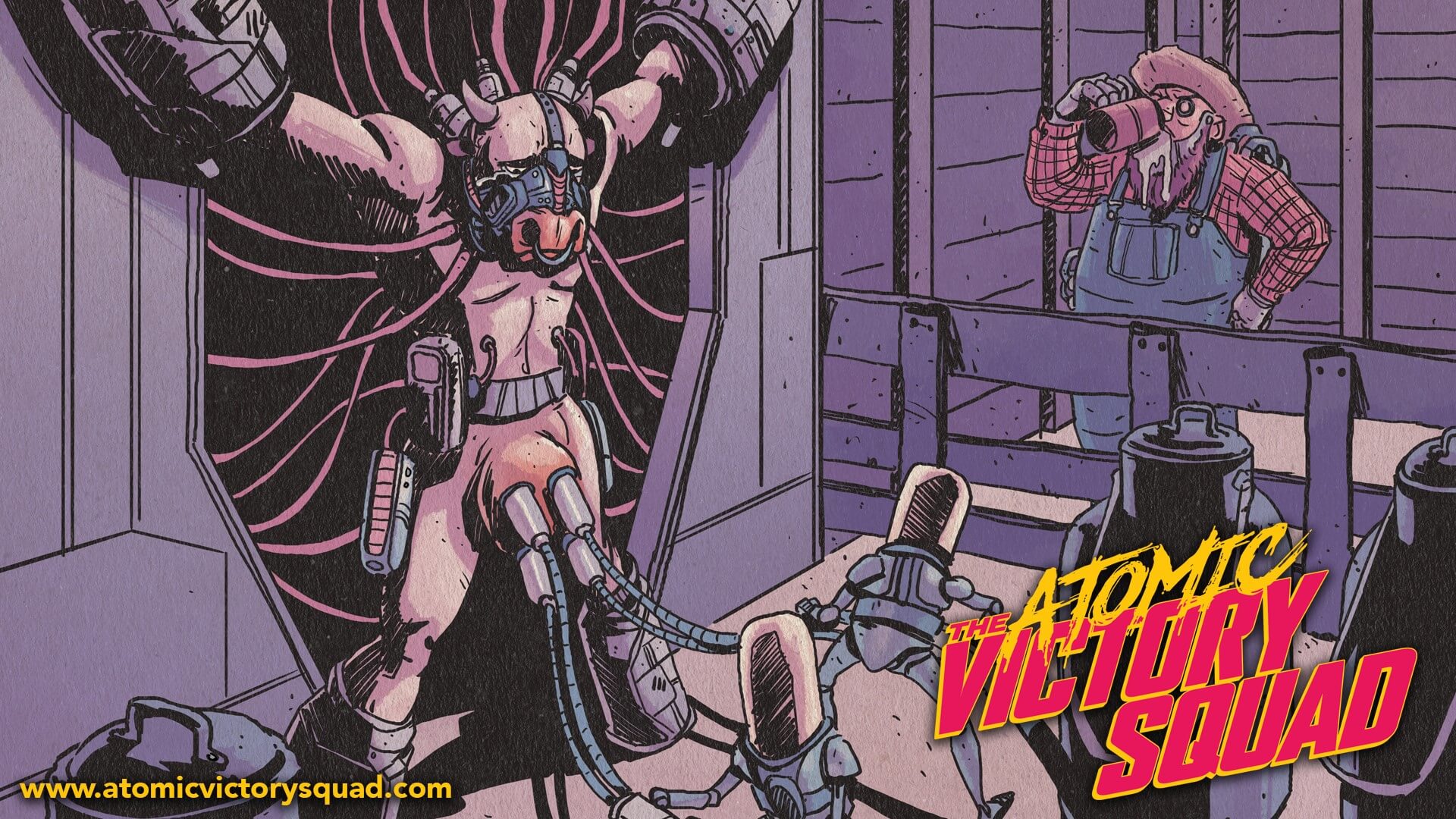
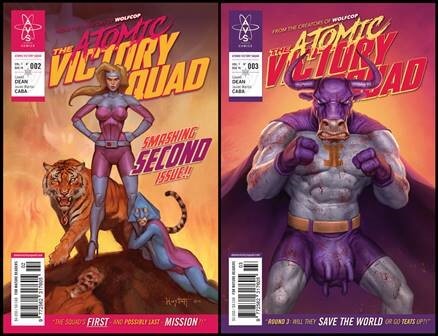
With the second and third issues of his debut comic book title, Atomic Victory Squad, now out in the world for all to see, we caught up with the ever-engaging Lowell Dean to discuss the experience of bringing childhood creations AVS to life, the continuation of the team’s origin, his ultimate endgame for this group of misfit superheroes, the differences between funding a movie and funding a comic book, what could be next for him, and even the possibility of a WolfCop animated series.

STARBURST: With AVS #2 and #3 having been successfully funded on Indiegogo, is the current plan still to push forward and round this origin story out as a five-issue tale?

Lowell Dean: I think it’s a good entry into comic books for me. I like to have a milestone that I can work towards. Obviously these characters have more life in them and more story, but the origin itself is five issues. I think once I get those five done, I can stop, I can assess, I can say, “Do I wanna do more comics? Do I wanna try something different? Is there even a great enough response to these? Do I need to find a new way to push these characters into the world?” It’s completely a huge learning curve. Every time you enter a new medium, it’s a learning curve. For me, being such a small little group, I’m just trying to figure out making a comic. If I do the five, I might be able to turn my attention to selling the comic or having it on shelves.

When I finish five, then I can take that break because I feel that’s a nice, natural point. Even with film, when you finish the film you promote the film. That’s the natural cycle of things. It feels almost a little weird for me to even promote Atomic Victory Squad when there’s just the three issues – it’s kind of like promoting the rough cut of a film. I’ve got to break that mentality.

How have you found the crowdfunding route for this project, and what about the differences between financing a movie compared to comics – it’s two very different budgets, but how’s the comparison been?

It’s been interesting. I would say there’s some very immediate pros and cons both ways. With film, the crowdfunding is never going to actually finance the project itself, at least at the budget levels I’m trying to work at. The crowdfunding aspect for film is more for marketing and promotion. The things I’ve done it for, like WolfCop there was already a built-in fanbase. With comics, it’s weirdly more stressful because it’s like, “Hey, if you don’t support this, we can’t make it!” Also, the bar is so much lower that if we do hit our reasonable ask, we can have a whole comic made – which is really cool. If I could finance a feature as quickly as you can crowdfund a comic, I’d have made 20 films by now. It’s been nice and it’s been really heartening to see that we’ve hit our goal both times. We’ve done two crowdfunding runs, and I don’t think I’m going to do another one as now I think it’s time to take off the training wheels, just do issues 4 and 5 and sell them at fan expos and comic shops. The training wheels we did get from our support system has been really cool, and what’s really interesting, for me at least, is the difference between the first and the second crowdfunding campaign. The first was mostly friends – it was all people who were like, “Oh god, Lowell’s asking for money, we better help.” By the second campaign, a lot of my friends had bowed out and were just, “Save me an issue, you owe me.” There were so many people, as I was stuffing envelopes and shipping them off, I didn’t recognise half of the names that I was sending them off to. It was crazy but really cool.

atomic victory squad

No matter how confident you are, there’s always that risk that you might not hit your target, so what are the nerves like when doing a crowdfunding campaign?

You have to be a certain kind of delusional, I think. You can psyche yourself up, but it’s unpredictable and you have to be some level of lunatic. Ignorance is bliss, right? I put the first one out and I remember being, “Okay, deep breath. The universe will tell you if you should even take this on.” Within a week, we made our money. I was just, “Oh my god, we did it.” It was almost like I’d done it on a dare, before the realisation hit that we actually had to make this now – we really had to make a comic. I’m really good at protecting my excitement levels and people always tease me for not getting too excited, but on the second one it was the opposite and I was maybe a little too cocky. I was like, “Oh, we’ll make our money in a couple of weeks…” but we didn’t make our goal until the last day. That was way more stressful. I spent three weeks or a month, every day online just being all, “C’mon, people, we need you!”

There’s the prospect of a knock to your confidence if something doesn’t get funded…

For sure! I talked to the team before and we had basically all agreed, even if we don’t hit our goal – with Indiegogo versus some other platforms, you get whatever money you make anyway –  myself and Emerson basically said that even if we don’t make our goal, we’ll make up the difference and we’ll finance it. That said, if we don’t hit our goal, maybe I’ll abridge or abbreviate the story and have the origin wrap up in three issues as a condensed version. I never wanted that, so I’m happy now that the gamble we’re going to do on ourselves will be on issues 4 and 5, and we’ll get to tell the origins in a non-rushed way.

How have you found trying to balance the core group of characters and giving each of them adequate ‘panel time’?

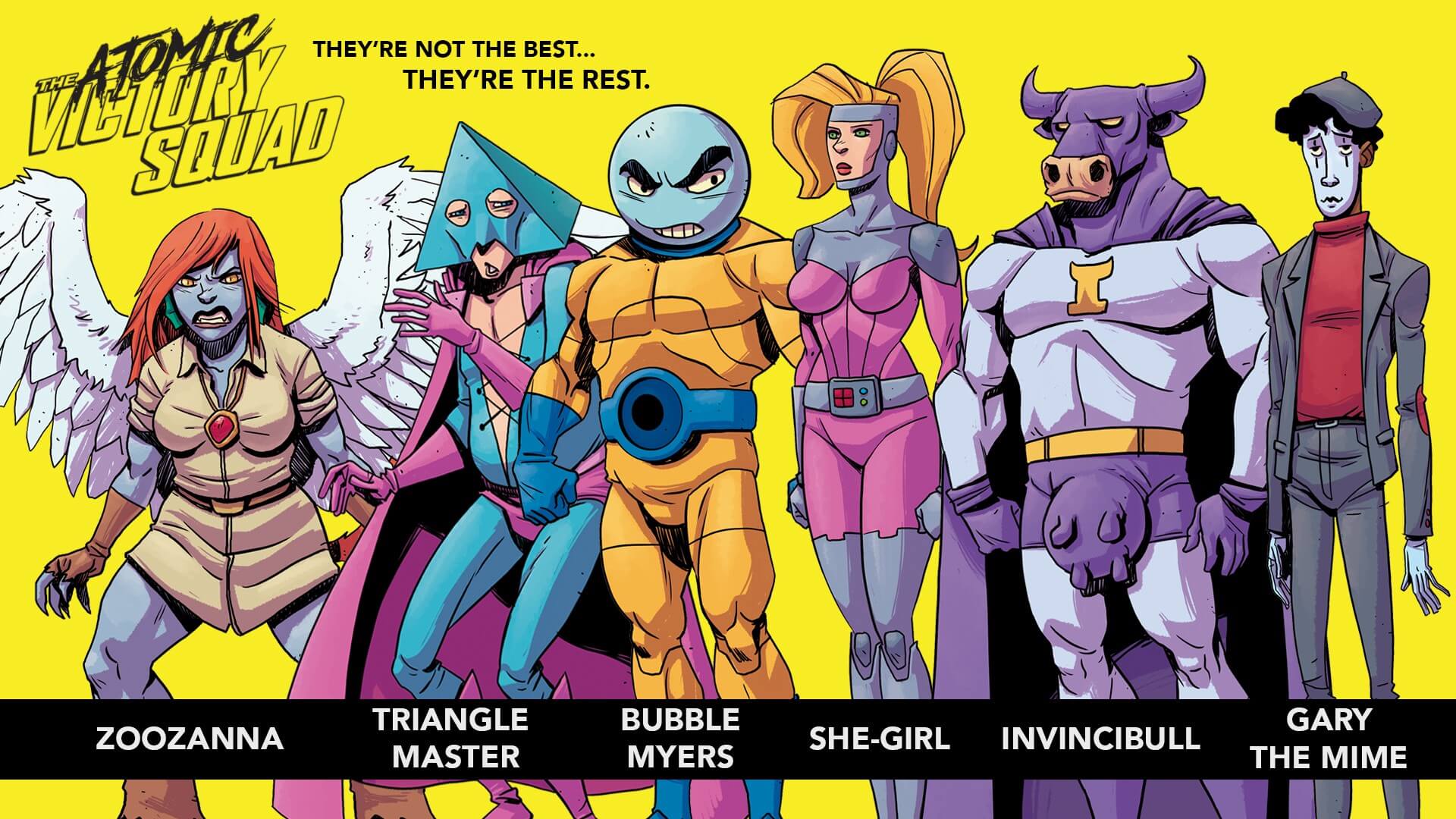
It’s been fun, it’s been exciting. It’s easy to fall into your old habits, so very often when I’m writing or talking to the artist, I’m, “Oh no, let’s do this, let’s do that.” Javier [Martin Caba] is very talented and sometimes will offer up an alternative. I’ll have five panels to do something, then he’ll say, “Y’know, you can do this in two.” He’ll do a mock-up and I’ll have a bonus three panels to do something else interesting. I would say definitely issue 1 was just a race to get done, and I was cramming in probably way too much, but by the time we hit #2 and #3 it was a fun experiment for me. Even when we had an outline, I would go back and balance the panel time and say, “Man, Zoozanna hasn’t appeared for six pages. I think I wanna steal a couple of panels away from Invincibull.” It became a really fun compromise because, for me, the more I even think about filmmaking, when you go to a movie you can love a movie and appreciate it, but in reality movies are kind of like a dream. You don’t remember every moment, and a week later you might only remember three or four shots. So I’ve tried to do comics in a way that’s more liberating. I can literally have a whole scene that plays out in one square if it’s the right square.

How important has Javier and his experience been in helping you get your footing and offering advice throughout the process?

Oh, he’s been crucial. I don’t think the comic would’ve turned out or maybe even happened without Javier. It was finding that person that had the right style, that right experience level, and I would 100% say he did guide me. I would say, “This is what I want, but you’re the one who has to physically do it, so what do you think is the best?” Nine times out of ten, if he said to do it a certain way, I’d say let’s do it. Honestly, my hard work is the writing and coming up with what I think should happened in the panels, then the editing after the fact and making sure I didn’t do anything too stupid, but with him it’s just like Christmas. When I send him a script, then it’s just every week I get to see some awesome art. My notes are only ever practical things, like, “This character wouldn’t smile, or this character should be in this spot, or this character should be bigger or smaller.” His choices are always just perfect.

From reading the most recent issues, is that yourself and Emersen Ziffle popping up as cameos in AVS #3?

Yeah, you caught us. That’s funny. That was actually Javier. I didn’t ask him to put us in, but I asked him to put himself in. So he actually appears on that same page, as a journalist, and then he took it upon himself to put the rest of our team in – there’s his colouring assistant, there’s a letterer, there’s Emersen and myself. That was kind of fun, because we already were doing Indiegogo cameos anyway and there was just one extra panel around.

In addition to cameos from backers, there are also several, err, ‘dog people’ throughout AVS. We have to ask, were those dogs based on family pets or was it just a cool idea for this skewed setting?

That is Indiegogo crowdfunding. In the first issue, I had X amount of characters that we were going to do for Indiegogo, and it never even occurred to me that someone would say, “I’m going to buy a cameo for my cat.” So I just thought like, “Okay, so this will be this person”. And you know, I was flexible on is it a male or a female, but yeah, on issue 1 someone said, “Can I make the secret agent my cat instead of me?” I thought about it, and I almost was going to say no, but then I remembered one of the biggest inspirations for this is BoJack Horseman. And you know what, one of the main characters in AVS is already an alien, male cow – I shouldn’t be too strenuous with the rules, right? So I said, “Sure.” That just opened the floodgates, and by the time the second crowdfunding came along, honestly, like a third of the people were like, “I’m going to buy this cameo for my dog.” It’s basically informed this universe now, and because of the kinds of people supporting us who love their pets, this world in now full of talking, walking pets.

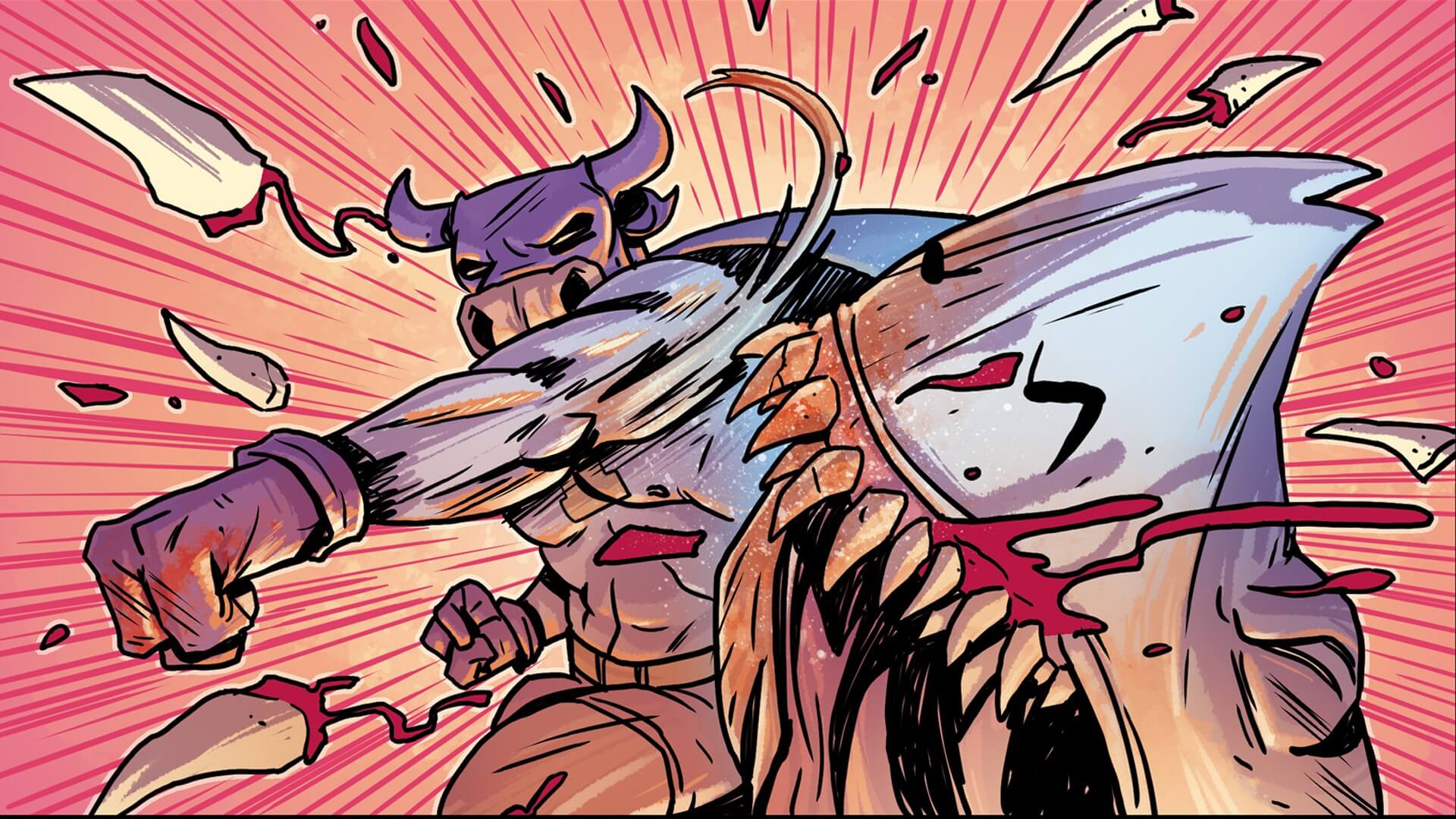
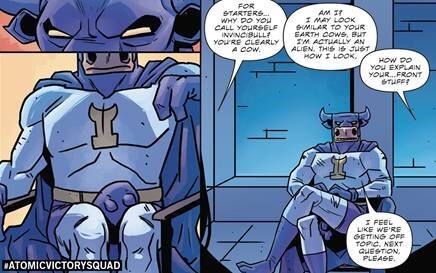
You mentioned the alien, male cow Invincibull there. Given that he’s such an eye-catching character and essentially this world’s Batman and Superman, did you have to make a conscious effort to pull back on him a little and not focus on him more than the rest of the AVS team?

Yeah, I would say he is my probably my favourite character, at least visually. I’m not a very good artist, but he’s my favourite one to draw, hands down. Being the Batman and Superman, he seems like the go-to for every situation. But no, I think it kind of became a conscious effort to make it a team comic. And then I try to think, “Okay, well, I know what he offers us – the moral compass and the disdain for humanity.” Once I started figuring out the attributes of each character and putting them in a nutshell, then it becomes actually really easy whenever I enter a new situation in the story to know who should be there, you know, because you never want the person who’s perfect for the situation. If they’re entering a situation that requires tact or saying something in a very precise way, I’m like, “Well, Bubble Myers should be here, because he says the worst thing every time, or Gary the Mime because he doesn’t speak, period.” That kind of becomes my approach moving forward – what does the situation need, and then what character or what partnership is wrong for it.

One interesting thing that we see in issue 2 is that these characters become contracted, paid heroes – and then they instantly spend all of this cash partying too hard or making silly purchases. Had you always planned for these heroes to collect a paycheck?

I would say ever since I was first hoping to make this comic as a kid, I always thought that if you really were so important and you can protect the planet, I imagine the government would want to lock you down so that you fought for them. Then it gets into the whole thing of what country do you really represent, whose justice really is justice, and if they were going to lock you down then they have to pay you a shit-ton of money. Even when I was a teen, it seemed like a really interesting approach to being a superhero. You know, Batman, they kind of just solved the problem by saying he’s rich. He doesn’t have any powers, but like they say in the Justice League movie, his power is that he’s rich – basically, all bad situations can be solved by that! That rationalises all the fantasy of it, but I just love the idea of the carte blanche of having all that money and what it actually means and what it could mean for the worse.

Atomic Victory Squad

You’ve talked about how you first created these characters back when you were a child. Is there any of the more prominent characters in the comic that were maybe a little more recent of a creation?

I would say the actual character who is the newest addition is Zoozanna. She’s actually only a few years old, because originally I had a character called Mysteria – she was one of the original team members who actually died in the first few pages [of issue 1] – but when I was adapting these childhood characters to something a little more mature, she didn’t offer enough uniqueness to me. She was actually very similar to Gary the Mime, because she created illusions. She was also kind of like Mysterio – one letter away from Mysterio, in fact – and her power was very similar to him. That’s what happens when you make up superheroes when you’re a kid, right? Half the time you’re like, “How about his name is Wolveroon… ?” I had a new mandate that the characters actually be original, and so she didn’t make the cut. I gave her a cool cameo, killing her, and then said, “Okay, what is missing from this team? What was Mysteria meant to represent?” I really wanted to do a split personality character, and so the animal kingdom is perfect for that.

From the first three issues, Gary the Mime quickly became a personal favourite for us…

What’s really been fun is seeing who likes which characters. We’ve done a few fan expos, and I’ve had people tell me they hated Invincibull, but then they read the issues and understood him. That was really fun – that their first reaction was literally discrimination, and then they really liked him. I’ve had someone tell me they were going to do cosplay as She-Girl, which I thought was really cool. The number one thing is that most people tell me they like Gary and Triangle Master, which I find really fun because those characters felt like almost ripped-off to me in the first issue. The fact that now people are coming up to me saying like, “By far, Triangle Master’s my favourite, and I love Gary’s powers.” It’s so cool that people are starting to see them like that.

Have you experienced anybody doing AVS cosplay yet, or is it still a little too early for that?

I don’t think it’s at that stage yet. It would blow my mind if I saw someone do cosplay at this point. Well, other than Emersen. Emersen really wants to make an Invincibull costume. But that’s my long-term goal, maybe in two years from now, once I’ve actually got the graphic novel done, maybe pushing it out there as an animated series, if I could walk into a fan expo and see somebody dressed as one of these characters. I would be blown away.

There have been a fair few people dressed up as another one of your creations, WolfCop, over the past few years. That must be a little weird but so, so cool?

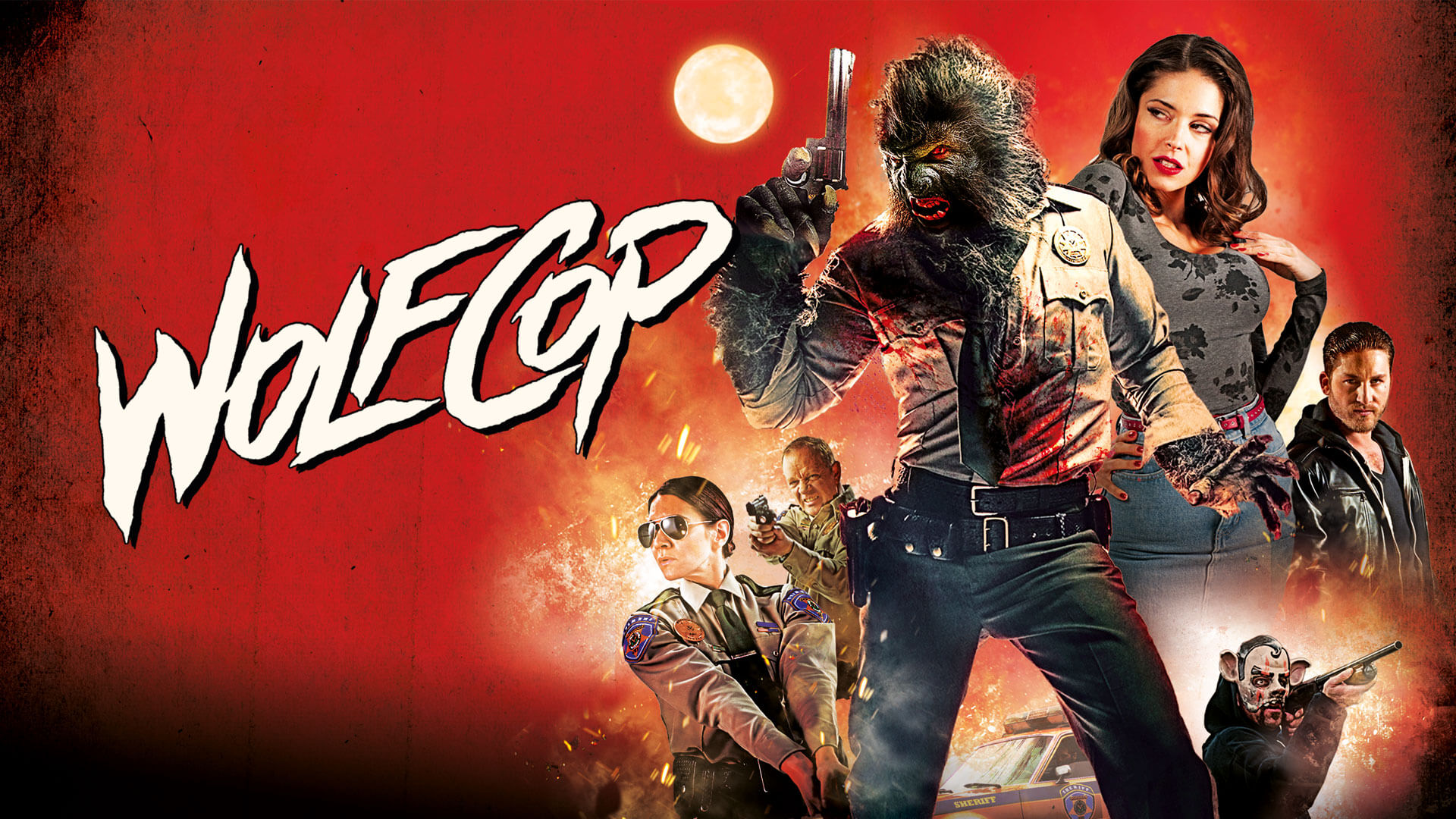
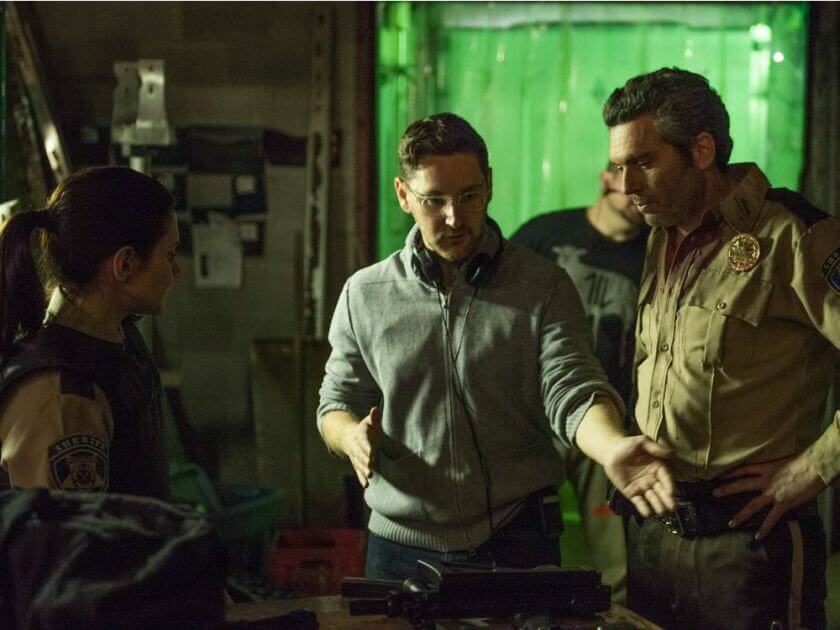
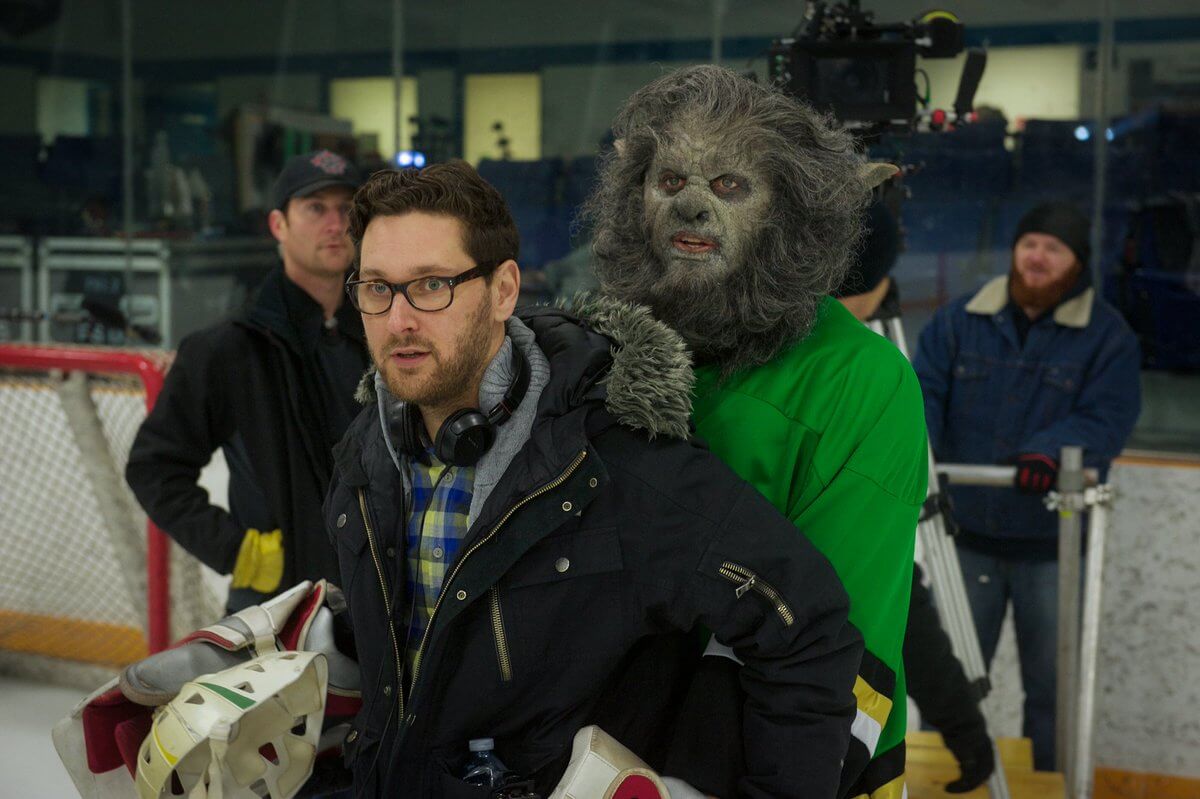
Yeah, it’s both weird and cool. Every time I see someone dressed as WolfCop or some WolfCop fan art, it blows my mind that it’s still happening to this day. That first movie is more than five years ago now. It’s literally nothing but positive when I see that, as it means I’ve connected with people and it gives me hope. It’s easy to get down when you’re an “artist” making stuff, it’s hard to get the word out, it’s hard to get people to buy in, so when you make something and see that kind of reaction it makes you think, “Maybe I’m not crazy, maybe I can do this.”

You’ve talked about the endgame being to take AVS to an animated series. Have you thought about that approach for WolfCop?

Oh, I would love to do a WolfCop animated series. It’s kind of lying dormant right now as we figure out what the next stage can possibly be for the character. I would love to see more animated WolfCop as a cartoon or as a comic book. I think it would really unleash the character in an interesting way. I did love making the films, but you definitely felt constricted. I felt like I had such big ideas in my head, and then I was given a little bit of money and 17 days to turn it into reality. It’s hard not to feel like you’re never quite hitting the mark, because you don’t have the resources.

With WolfCop, it’s such a recognisable character and such a unique premise that people will always call back to it. Has it got to the point yet where it’s a little bit of a hindrance, that people will refer to you as the guy behind WolfCop, or is that always going to be something you embrace?

I go back and forth. I think it’s a hindrance sometimes when I’m trying to do something new and different. Maybe some people just want to make the same movie over and over again, but I’m at the stage now where I’d love to do a serious horror film or a drama or straight comedy. And it drives me crazy when people pigeonhole you and immediately say, “Well, it’s not silly. Can you do this?” Humans are more than one thing. It’s not like I just walk around angry all the time or laughing all the time. If you’ve made any kind of movie, it shows that you’ve got the fortitude or stupidity to follow through on something – so I think you should be given the opportunity to test other waters, right? But that said, all that bitching aside, I love that I made something that connected to people in a certain way and I love that I got to make a sequel to something. I hope all that really shows is that I am capable of finding an audience, and I’d love to try it in different mediums and styles, too.

Another WolfCop Lowell Dean Amy Matysio Leo Fafard

You’ve recently made the big move to Toronto as you look to immerse yourself in one of the industry’s busiest locations. Is there a particular dream project out there that you have in mind?

I would just like to be working in film and TV. I’ve got a handful of projects that have spent the last year or two developing, so I would love to move those up the mountain a bit further. I’d love to partner with other people and just start working in TV. I feel like indie film has been a long, punishing road. I’ve still got more scripts that are ready to go, so my hope is that in the next six months I’m directing a film that I wrote last year that we’re working on right now. I really hope that happens. It’s looking optimistic. Beyond that, I’d like to start getting experience in television because that’s where I hope to end up soon with an Atomic Victory Squad animated series or something else.

With the TV side of things, is there a preference where you’d rather get into writing or directing television?

It’s a tough one. I think the dilemma I’m dealing with right now, coming from indie film is, I’m used to doing both – and I know that in TV, sometimes it’s going to be more of one over the other. So I’m just kind of walking in open, seeing what experience I can get. I think directing comes very natural to me, but that said, half of what I love about doing anything is the idea part. One of my favourite things is sitting in a room and brainstorming, so I would love to actually try being in a writers room where you really develop a show, but I would direct in a heartbeat, too. I want to do it all.

TV definitely seems like a more collective process these days, with showrunners, writers, and directors all having a key part to play in creating a certain vision.

Yeah, it’s a team sport. I’ve been so solo for so long, I think I’d love to try being a team player. It’s just figuring out where I would fit best. If it’s something that’s high concept genre, I think I would have a lot to offer in terms of storytelling and writing. If it’s something more conventional or out of my wheelhouse, I would maybe love to try directing it. One of my biggest joys in life is being on a set and working with actors, the rush of making your day, finding the cool little accidents that happen on set. It’s so fun. It’s like a drug.

lowell dean

Even better is how much money is invested into TV these days and how stories are allowed to breathe in that formant – particularly in the world of genre television.

I think that’s why I want to get into it, because that’s where the risks and stronger storytelling are happening. There are still good movies in the theatre, but the things that are bouncing around in my head are things like The Boys and Russian Doll. They approach things from a conventional genre trope, where you’re like, “This is high concept and you know where we’re going”, but then they go much deeper and richer, and sometimes darker and weirder, where I’m just, “I can’t believe I’m getting to watch this.”

It might be a tough ask, but do you see a precise show as being the one to kickstart the change that we’ve been seeing?

I think most people will have the usual list of suspects. For me, it happened slower and it kind of crept up on me. I’ve always been obsessed with film and cinema and going to the theatre, but honestly the first milestone for me was The Sopranos. It was interesting to me, as that show kind of came out while I was in film school. So I was learning at the time and devouring books about structure, how this is how you tell a story, and these are the rules. I just really remember in the day researching and studying and obsessing over how to write a story, but then watching The Sopranos, which basically broke every rule. They’d set up Tony’s mission for the “episode”, he’d accomplish it in the first ten minutes, and there’d be five minutes of him watching TV, almost sad, you know? In a movie, you’d cut that scene because it’s not doing anything for the plot. But the show was so much more about character, and character mattered more than plot. I just never forgot that. I remember my fun game was I would watch The Sopranos and pause it occasionally just to see where we’re at in the episode – like, “Okay, these five things have happened and we’re only six minutes in, and I’ve got another 45 minutes left.” I just would be blown away by that.

Atomic Victory Squad

To circle back to Atomic Victory Squad, then, when can fans expect to see issues 4 and 5?

We did issues 2 and 3 kind of back-to-back, and I think that worked really well. Javier’s on another title right now, so I’m hoping that before the year is done we’ll have finished issue 4. Then we can be finished with issue 5 in early 2020. My dream would be that before the spring of 2020 we’ve got all five issues and a nice graphic novel package ready to start going out to the spring fan expos and say, “Here’s the complete origin story!”

With this being your first time making a comic, how have you found the overall experience and will you be looking to do it again once the five-issue AVS origin is finished?

100%! So many of my ideas for pilots and TV shows are genre or high concept, so my brain is already doing the thing where I’m taking pilots that I haven’t pitched or sold yet and thinking, “Hmm, what would this look like as a graphic novel?” Obviously you have to figure out how to finance it, but again, it’s not as hard as financing a feature. So yeah, I would love to do more comic books. And I think it’s just so much easier to sell people on an idea. If you give someone a five-paragraph synopsis for a show, they’re like, “Okay, cool”, but I think if you put a comic down in front of them, they’re more like, “Alright, what is this?!”

And what about the non-AVS projects that you’re working on right now. Is there anything you can tell us about those, or is it all a little hush-hush still on what you can say?

It’s kind of all hush-hush now. I’ve got three TV pilots that I’ve spent the last year developing that I’m now just ready to start going out and looking for partners on. As for the features, one already has some financing in place, so hopefully we’ll be shooting in the next few months. The other two, we’ll see, but they’re all variations of my wheelhouse. But what’s been fun is mixing and matching. I have one that’s very much in the tone of the first WolfCop – that’s a straight horror – and one that’s not even that genre at all. So it’s been really fun to explore different shades.

Now that you’ve made the move from Saskatchewan, what are the chances of maybe seeing a Leo Fafard, Amy Matysio or Jonathan Cherry making an appearance in one of these projects?

I think it would be weird if they didn’t show up somewhere. So never say never. I don’t know to what level they’ll show up in upcoming projects, but I would I would love to have them play roles or cameos in the next few things I do, for sure. They’re my family.

For more on Atomic Victory Squad and all of Lowell’s other work, be sure to follow him on Twitter or head on over to atomicvictorysquad.com.

Jill Gevargizian | THE STYLIST

The Stylist

Right now, the world of modern horror has so many fantastic talents looking to stamp their mark on the genre – and one particular standout talent is the brilliant Jill “Sixx” Gevargizian. Having impressed many a horror hound with her short films, Jill’s The Stylist is a short that went on to win a slew of awards across the globe and well and truly put Jill on the horror map. As Jill gets set to take the concept of The Stylist and extend it to make her feature-film directing debut, we caught up with the ridiculously talented filmmaker to discuss the process of developing a short film into a feature-length movie, her plans for Najarra Townsend’s scalping-taking Claire, her influences within the genre, how the ’80s hindered horror, her love of Idle Hands, and a ridiculous amount more in what truly was one of the most fun interviews we’ve ever done here at Starburst.

STARBURST: Why was now the right time for you to take the jump and go the crowdfunding route for a feature-length take on The Stylist?

Jill Gevargizian: Well, we’ve been trying to get it made for a couple of years, but clearly it has not landed yet. We’ve been trying to make it for a much bigger budget than this Kickstarter budget. It’s really not written to be a micro-budget – which is what this Kickstarter budget reflects – so we were trying to get it made “the real way”, which was sending it out to potential investors and producers. We just weren’t getting anywhere. I’ve got multiple projects in that stage, and I’ve learned that that’s the kind of thing that you’re just lucky if it ever hits the right person at the right moment. I was just like, “I’m done doing this. We’ve been doing this for two years. Are we going to wait another five years to never make this movie?” I feel like I get the vibe that a lot of people who are potentially interested in my work are still thinking that they wish I had that experience of a feature already. It’s like this Catch 22, where everybody wants me to have the experience, yet nobody is giving me the opportunity – so I’ve got to figure it out myself.

Considering that the short itself has such a cinematic feel to it, you’d like to think that that would be enough for an investor to see the potential for you to helm a feature.

That’s what we hoped. There’s hundreds and hundreds, thousands upon thousands of filmmakers in my position every day, just sitting with features that they’re trying to get made. It’s just so much luck that it ends up happening where someone hands you $500,000 or more to make a movie. I just got fed up. I’ve been through a lot in life that teaches me that you can’t wait for stuff like this. If you want to do it, you need to figure it out.
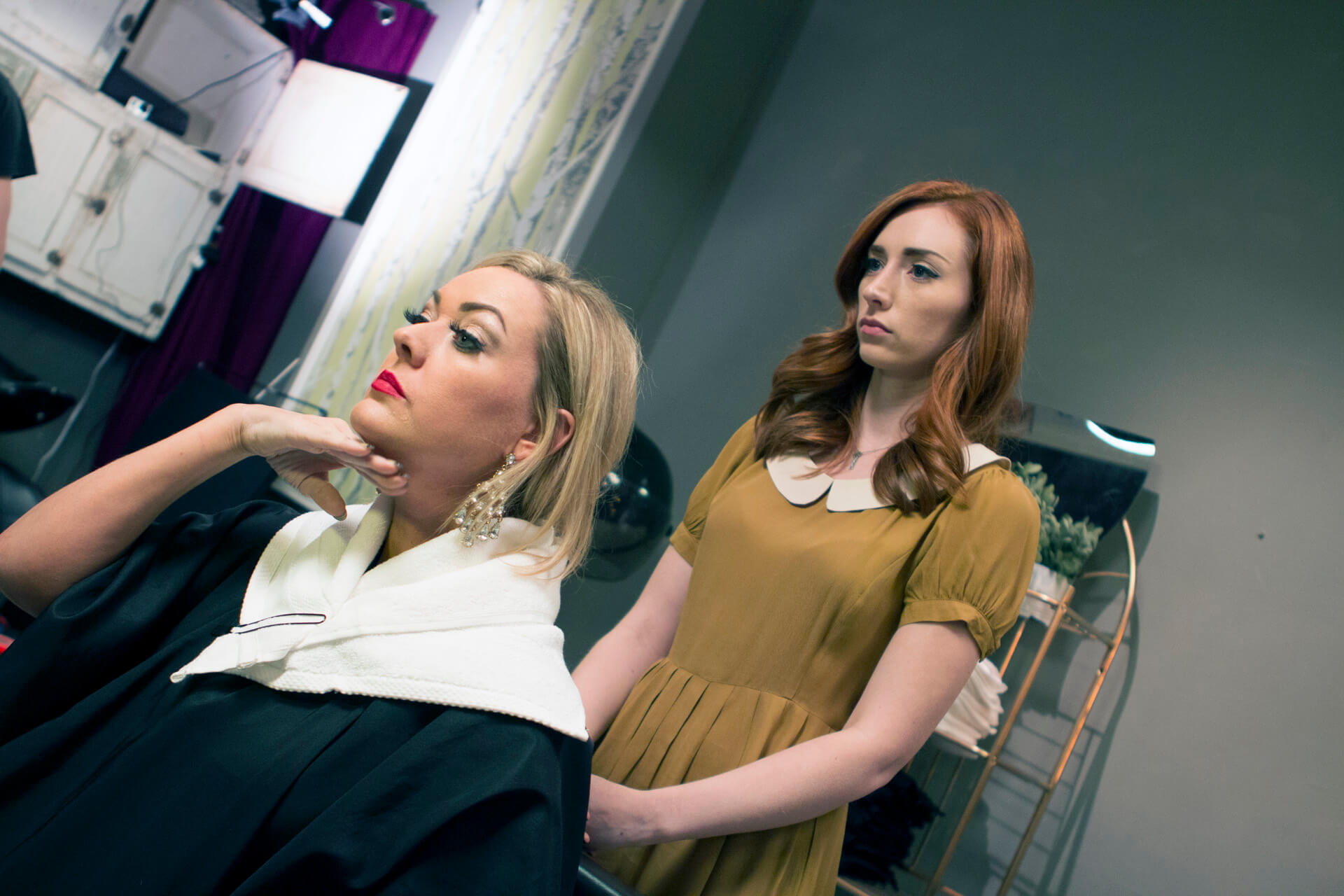
The Stylist

So far, we’ve obviously seen Claire’s story in a 15-minute short. Is it a daunting or more exciting prospect to look at fleshing this character and her world out for a 90-minute feature film?

Yeah, I was excited to do it. Really, the biggest question or challenge was what part of her life are we tackling here, how much are we showing. So many people wanted to know how did she become this way – that was the reaction we got so much from the short – and everyone wants everything to be explained. I’m not a big fan of that in movies. They need to leave you with stuff to think about, not just lay everything out for you. That’s really what led me to how we’ve structured the film. I was always wanting this to be a feature, so I’m so excited. It’s really a character piece that’s super-focussed on the character of Claire. You’ll all get to see and learn a lot more about her.

As you touched on there, it’s so often a fine balancing act between giving a peak behind the curtain as to what makes a character tick, while not wanting to give everything away.

I think there’s the kind of people that only think in such a practical way, the type of people who relate to movies and say, “Well, that would never happen.” It’s a movie, that’s the point, that’s what we’re trying to say as filmmakers. I struggled with how I would be able to tell her background without doing the flashback thing. The films I was really looking to as some of my biggest inspirations, they do that, but I really don’t want to do that. How can we do this without that? It just seems like a cheap way to give exposition about what’s happening or why.

And there’s also the notion of holding things back for any further Stylist movies that you do. Who’s to say that this won’t spin-off to become a thirteen-film franchise?!

That’s the dream. I’ve joked about The Stylist 10, where she’s in space with Jason.
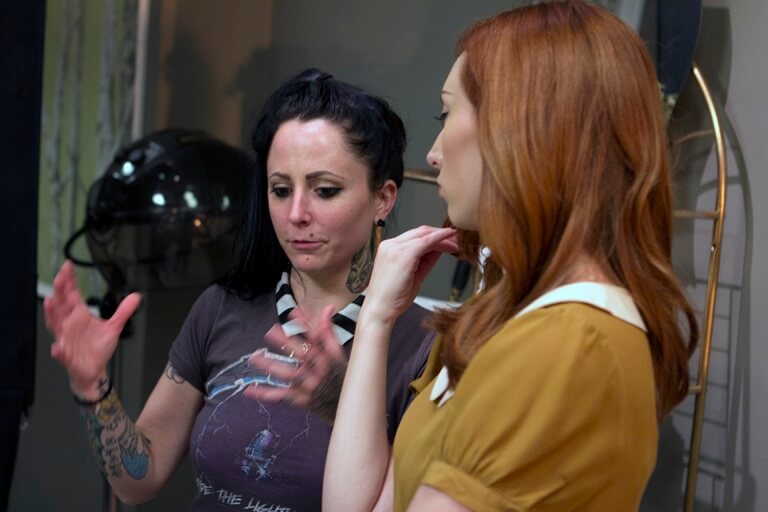
The Stylist is extremely minimalistic in terms of its characters, as in two people and a Chihuahua. We imagine that there’s more characters and more victims for a feature film, so have you got this world and new characters planned out?

We have! We’ve actually been working on the script since the second we finished the short – which was almost five years ago – so we’ve had a solid version of it that we’ve been in love with for the last year. I’ve been trying to make it tighter due to making it for almost no money at this point, but that has been interesting. It is still a very intimate story with Claire, but like you said, in an hour-and-a-half we’re going to go to more places than her salon and her home. It is a much bigger world, and there is one other character that is pretty large. It’s a client of hers that’s about to get married, and Claire’s doing her hair for the wedding. Through all of the preparation leading up to it, she’s really involved in it and included. This is a client that she’s had for years, but she views it as a much different thing than what’s really happening. She thinks they’re developing this really deep friendship, and this is something she’s never really had in her life – so she’s trying to be a better person and change for this person. When she realises it’s not what she perceives it to be, she just totally spirals out of control. In that way, it’s very similar to something like Single White Female. It has a lot of that thriller vibe, mixed with a slasher, but not nearly as slasher-y as Maniac or Friday the 13th. We’re not killing, like, ten people – spoiler alert! It really is more a psychological thriller to me, but I’m also a huge fan of gore so I’ve got to get that in there, too. It is a much bigger world. I would say that it’s not written for small budget. Normally when you do that, you really contain everything – maybe have one or two locations, a few characters – but this is over 15 locations, a lot of characters, and all the leads are female. So, it’s a big thing to tackle on a Kickstarter budget, but we can do it.

When you first envisioned adapting one of your shorts as a feature, was it always The Stylist or was it ever one of your other shorts, such as Call Girl?

It was always The Stylist. It wasn’t even that it just worked well, but, before I even made the short, it was a feature to me. I knew that I couldn’t make a feature yet, so I made the short. None of the other ones are features to me. I feel like some of them could be turned into that, but a lot of shorts that have done well are forced into a feature, and the features aren’t good for that reason because it was never that intention. Like Lights Out. This viral short film. I guarantee that filmmaker, it was never their intention to expand this one-minute thing to a feature film. It was always my intention with this one. Really though, we should have been prepared as soon as the short came out. We had a lot of interest back then from exciting people, exciting companies. They just approached me with, “This is a feature, right?” I was just, “Yeah, but not even close to being written.” I was really down on myself for a while about that, about not being prepared. Then I was, “Well, I’ve gotta do something about it.”
The Stylist

The Stylist was only the second short that you’d done, and it received universal praise from fans and critics across the board. Was it a little surreal or just outright awesome to get such great feedback?

It was. It was both of those things. I’m so excited and proud about it, and I’m not ashamed to be proud about it. It was so exciting, but I also think that affected my progress in getting the feature written, because I couldn’t stop focussing on why I didn’t already have it ready now, that I was missing my moment. All that gave us the confidence of doing a Kickstarter, though. We did it for the short, but that was a significantly less amount of money, and I was real nervous about raising so much. From talking to the team about the film, everybody thought that we could do it with how well the short did and how many people have seen it. It’s such a great thing to have when promoting the Kickstarter – we have all this imagery, we basically have a 15-minute trailer for you to watch.

It’s the perfect proof of concept!

People don’t realise that there’ll shoot proof of concepts that no one will ever see for films all the time. I’ve made a trailer like that for another feature we’ve got in development. It makes me sad that I can’t post it online, because we spent a lot of time on it. But if anything, I was just, “Well, we have this short to help us make the feature.” A lot of people ask whether this short exists in this feature, whether it’s in the beginning or the end. It doesn’t exist in the same story – it’s just capturing the same moment of her life in a shorter time span – and my intention for the short was to feel that she was spiralling out of control, because she was making a lot of bad decisions that would lead to her getting caught.

With Claire, in the short she comes across as this tragic, almost sympathetic villain. For the feature, is then plan to follow that sympathetic route or is there the urge to just make her into some crazed, bloodthirsty character?

No, I definitely want her to be sympathetic. My favourite kind of characters are the tragic characters, such as the classic monsters like Frankenstein’s monster or Dracula. A lot of these characters are presented like they are damned to their existence. They didn’t have a choice and they don’t necessarily like what they are or what they do, but they can’t control it. All the Frankenstein films have been very sad, they’re all tragedies. To me, Leatherface is kind of tragic – only in the original – and Candyman is tragic to me. A lot of those types of characters are scary, but it’s confrontational as a viewer because you get to know them more. A villain like Jason, for instance, is way more flat and more comedic, so it’s different. We don’t get to know a lot about those villains, so we don’t have any feelings about them. I like to get to know the people who are technically the “bad” person. I’m even sympathetic to things that I shouldn’t be in real life. My most recent short film is set in prison, which made me go on this crazy dive of only watching things about prison or only reading things about prison. That opened my eyes to whether these worst people in the world should be treated as less than human. Everyone came from something, everyone is traumatised and have a reason for why they became the way they are. I’m just really interested in that.
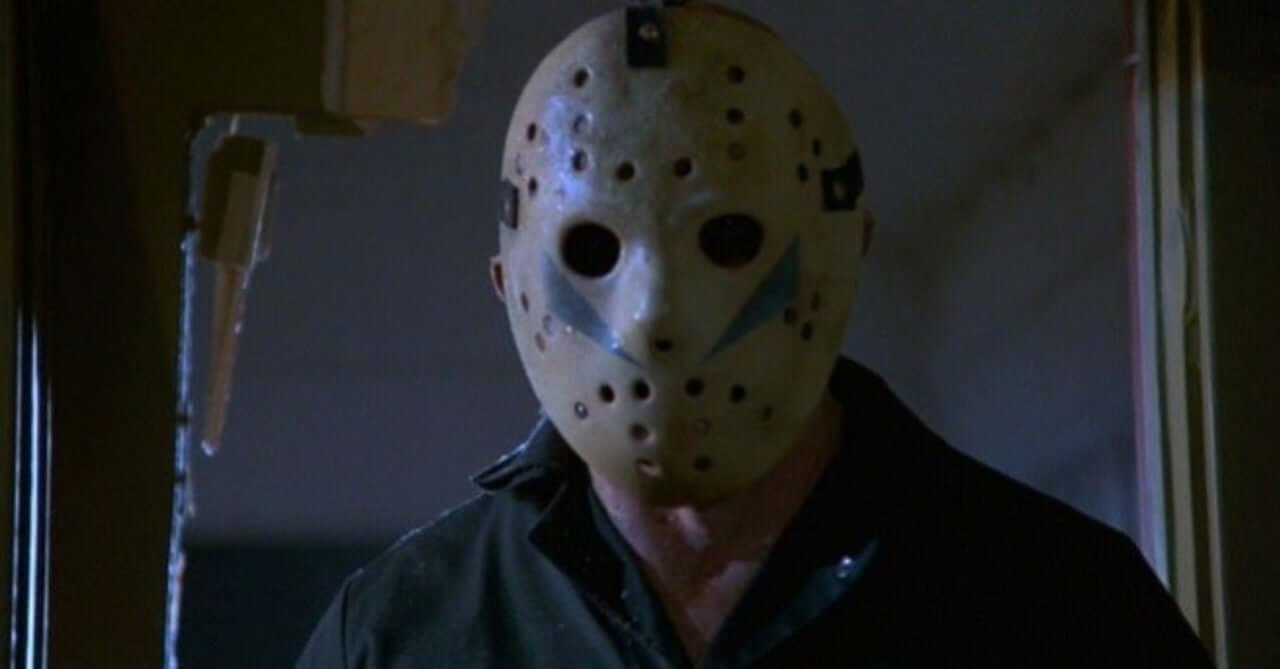
You mentioned Jason there, and there was certainly a spell in the ‘80s where the horror genre became all about body counts and relentless killers.

That’s definitely the ‘80s faults! I will say this – and horror fans hate me for it – but the ‘80s, as much as people love it, it’s also what made the genre a joke. The genre was respected before the ‘80s, then it turned into this blood ‘n’ boobs and low-quality filmmaking. I even like some characters, though. Take something as extreme a Henry: Portrait of a Serial Killer. That’s a film that really messes with you; that movie is like a gut punch. Sorry for anyone who hasn’t seen it, but the ending really fooled me. I really thought there was something good in this guy. Maybe the relationship with the female character, I believed that was real. And then he just kills her at the end! It was a really interesting point to make. I love films that end on a devastating moment.

You could even argue that that shocking, gut punch ending is a little bit of a lost art these days.

Hollywood and the more mainstream people want you to tie movies up a little nicer. Even at the end of the feature of The Stylist, I feel that a big-time person would convince me to add a scene on where it ends better.

Away from the financial side of things, what do you see as being the biggest challenge of taking The Stylist to a feature?

I can’t think about anything but the producer stuff. That’s so challenging. As a director, it really is related all to that. We’re trying to problem solve, like, “How can we shoot this in this many days?” The reality has been setting in only recently that once this Kickstarter is done, I’ve got a lot of work to do. We’re shooting this in January, so I need to storyboard the whole script. It’s going to be just such a huge project for me because I’ve only done short film. I’m an immaculate planner type. I spend four months planning out a short film, and I feel I only have that much time to plan out a feature. It’s not as if I can do that full-time, as I’ll be working a full-time job while preparing for this. But that’s kind of been my love. I joke that I really don’t have a social life outside of stuff that has to do with film. If you’re going to do something like this, you really need to put all of your time in it. It’s honestly a bit terrifying to realise that we’re actually going to be making this movie. It’s still just this exciting idea in my head. I’m always switching hats between being the producer and the director. On a budget this small, you have to be thinking in both ways. You have to think about how can you pull things off with the time that we have and the resources.
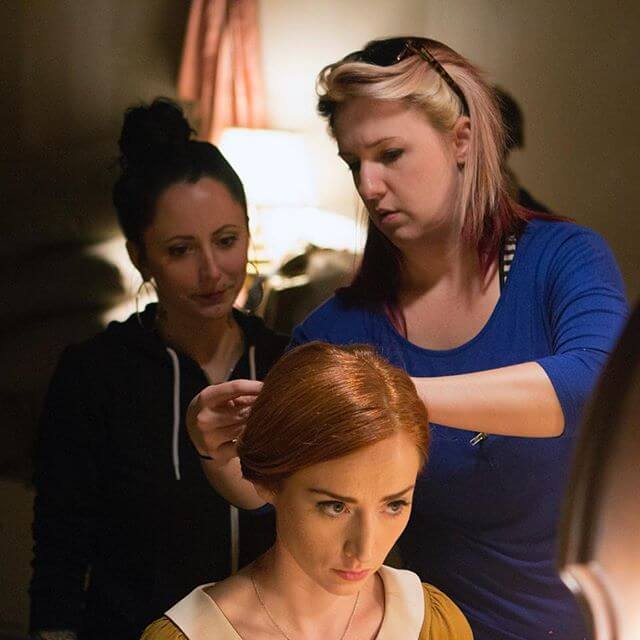
You’ve got Najarra Townsend returning as Claire, but will the rest of the core crew from the short be involved?

Most of the team from the short film will be returning. We haven’t approached every single position just yet because it’s a little too early, and we also need to know what our budget will be so that we know what we can offer people. The cinematographer Robert Patrick Stern and the production designer Sarah Sharp, the also helped produce the short with me and they’re both on this. They’re helping me produce this and they’ll do those crew positions as well. They’re the reason the short looks so good, and they really chaperoned me through making that short. They’re in Chicago but they’ve already come down to Kansas City twice in the last month to do location scouting. Then we really look to work with the same editor, same composer, same colourist, everyone. As far as writers, I wrote the short film with my friend Eric Havens, who also wrote Call Girl. We wrote it as a feature together for a few years, then I brought on another Eric to make it really confusing – Eric Stolze who wrote Late Phases, a werewolf film, and he also wrote my most recent short, One Last Meal. For a lot of things, we have to wait until we’re closer. We can’t expect people to commit to something six months down the line when we can’t offer them their professional rate. We have cast Brea Grant, though, and have cast a local actress, Sarah McGuire, who I’ve worked with a lot on music videos and shorts but haven’t yet had a juicy role for her – and now we finally do, so I’m excited about that. A lot of the other casting, we’re just waiting until we’re closer and we know exactly how much money we have.

Brea was phenomenal in John Schneider’s Smothered. How did you guys end up meeting?

Brea and I met on another project, another feature that we have in development called Permanent Address, written by Eric Stolze. It’s a supernatural film and we’ve been trying to get that made for a couple of years. I’m attached to direct it, Brea is the star of it, and I’m dying to make that. The idea is that if The Stylist does well, then we can right away make that one. Again, it’s another character piece. It’s about a woman in her mid-late 30s who’s just kind of starting over. I really love it.

As Jill the horror fan, what makes you tick? Is there a go-to movie or two that you have?

That’s a great question. What’s funny is right now I really want to see Hustlers, that movie about the strippers. Everyone’s saying it’s great, but I already wanted to see it before that. I feel like I haven’t really been watching movies lately because I’ve been so involved in this Kickstarter. I guess the first one that comes to mind for some reason is Final Destination. That’s one of my original comfort movies. All of the stuff at that time. Idle Hands starring Devon Sawa, I’m a huge fan of. I’m saying I like all of those heavy, serious sad characters, but I grew up in the ‘90s and so I loved all those ‘90s horror films like Scream and I Know What You Did Last Summer.
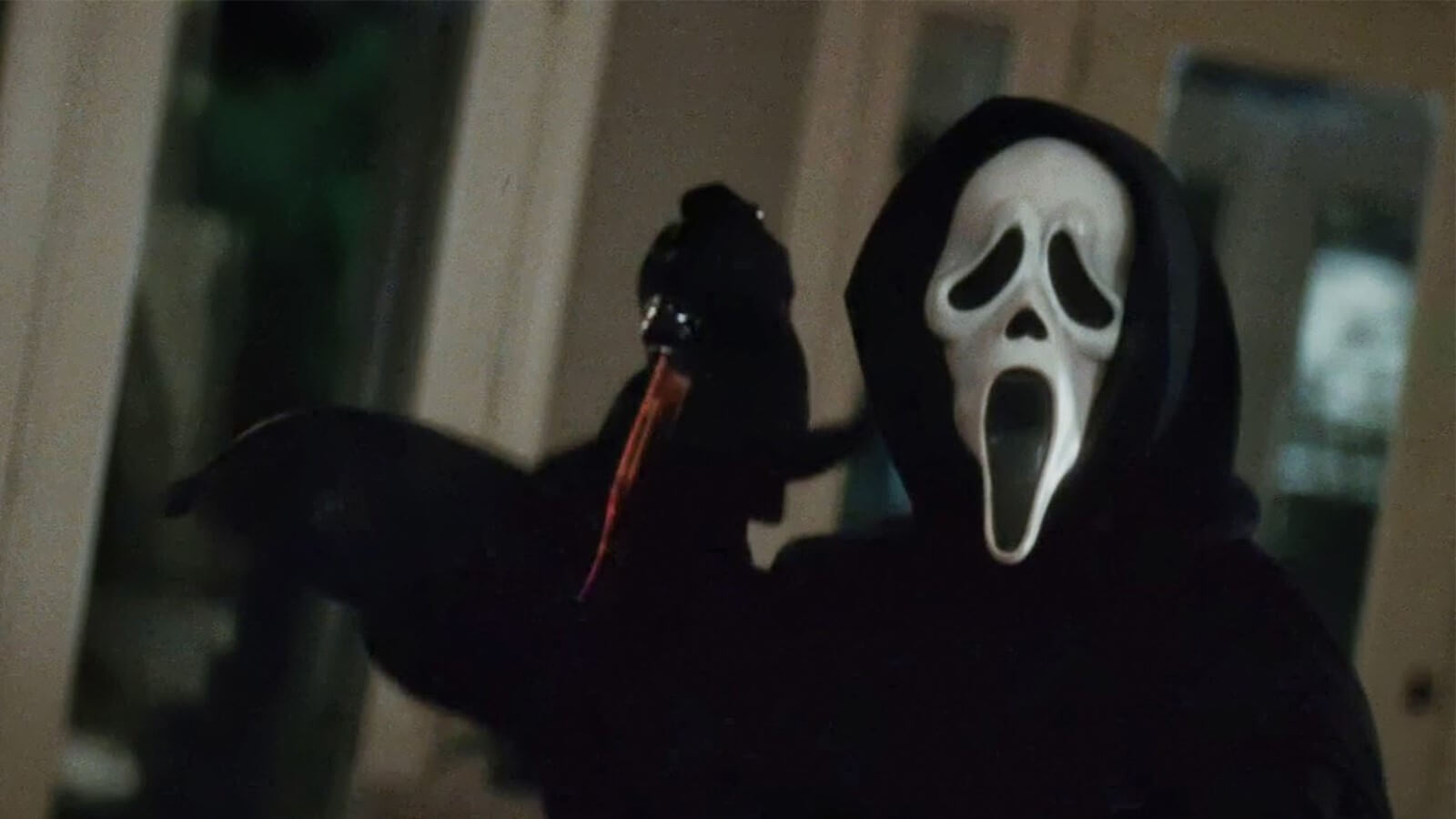
scream

Scream totally changed the game, and it could well be the movie that got horror out of that ‘80s funk once and for all by forcing the genre to change by poking fun at it – while still being scary!

I was hardcore obsessed with that film. It’s the kind of movie that, when I still watch it now, I’m just, “Oh my god, this movie is so good.” The way that Wes Craven managed to make fun at horror while making a scary horror movie, it’s some kind of magic. Whatever age I was when it came out, I remember finding this website when the Internet was barely working and was very slow, where they had listed out all these references or nods to other films within Scream. I used that list as, “This is how I’m going to become a knowledgeable horror fan. I’m going to watch all these movies.”

The first two were great moves, the third is a bit of a guilty pleasure, but then the fourth…?

It just didn’t have the same magic. People die hard about Scream 4. Every few weeks I’ll see someone on Twitter say Scream 4 is second in the franchise. It’s like, “You guys are fucking crazy!” Nothing’s better than the original cast. I don’t care if Neve [Campbell] or Courteney [Cox] are back for it, the original cast is so good. They were so good that I was so upset when Randy died in Scream 2. That was horrific. Even Courteney Cox – I also grew up a huge fan of Friends – to see her playing this psycho bitch, I just loved her in that film. The one thing that does make me sad, though, is that her and David Arquette didn’t work out. We all like to think that these movies brought them together.

To circle back to The Stylist, the obvious question that you’ve likely been asked a million times is, as a hair stylist, how much inspiration is there from you wanting pull someone’s scalp off?

None. Everyone asks that, though. I must have just been at work and been like, “How is there not a slasher movie about a hair stylist?” Especially in the early ‘90s, when they were making things like The Dentist and The Landlady. How does a version with a hair stylist not exist? There’s just so many weapons and devices that could be used as weapons within a salon. I thought that that would be a fun movie, but I’m more interested in characters and the psychological stuff. I just love brainstorming. The first time I wrote anything down about it – what could she be, what does she do – I just pictured this person twirling around in a room covered in scalps, like trophies on a wall, while wearing one of them. I pictured her as a Leatherface-type character at that point. It was also spawned from the teaching of indie, no-budget filmmaking. The idea behind it of writing backwards. You write for the things that you have access to or that you know a lot about, versus just writing any creative idea that comes to your mind. Setting the movie in space? Yeah, but how the hell are you going to do that. Instead, you look at all of the things you have at your disposal, like cool locations or a cool car – anything – and then you write about that. So I was also inspired by that way of thinking. I have access to salons, I am a hair stylist, I know how to write this from a perspective that I know what I’m talking about rather than people who write movies about professions that they don’t know anything about. We really used that to our benefit. Mostly it’s shot through mirrors, or the camera’s acting like it is the mirror, and we just used that to our advantage in every way we could. It was just all inspired from like, “How does this not exist? I’m going to do it somehow, and I can do it right. And a hair stylist can watch it and know that a hair stylist must have made this movie.” That was important to me.

Maybe it’s in The Stylist 7 that you decide to go all out with the weapons and the gimmicks…

That’s exactly what I’ve been saying [laughs] – even as far as Part 2. I’m a super fan of The Texas Chain Saw Massacre, so I’ll follow Tobe Hooper’s vision entirely and make Part 2 in ten years’ time and just go completely go over the top.
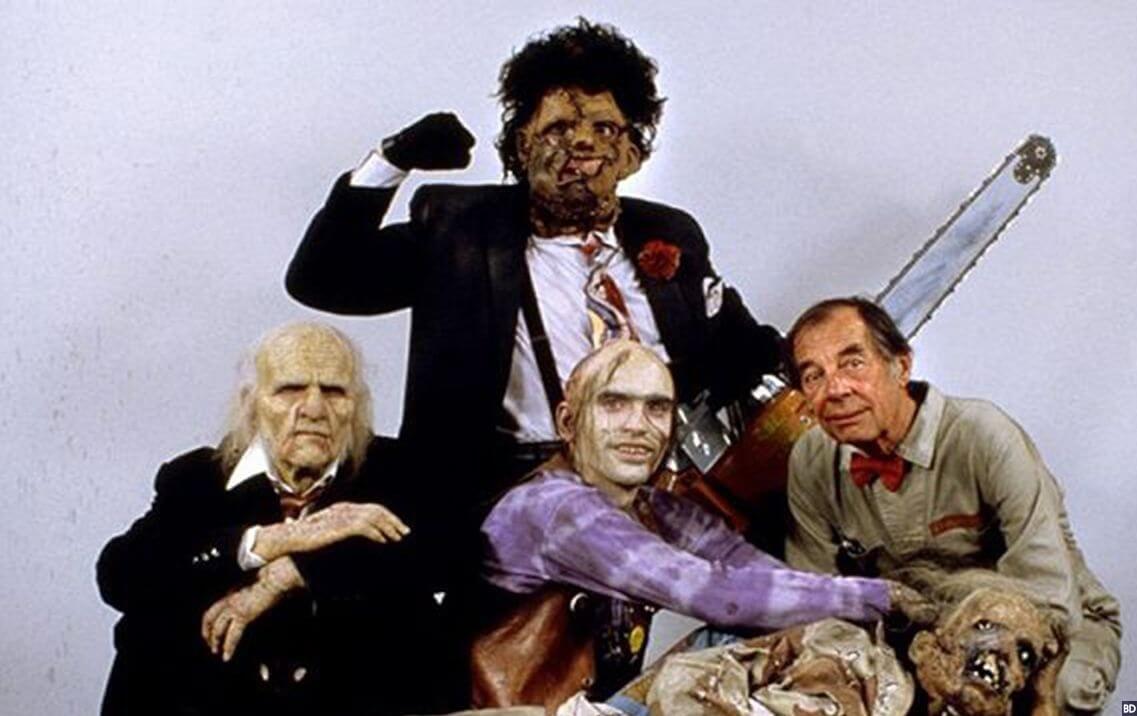
Texas Chain Saw Massacre 2 - Chop-Top

Maybe even get Bill Moseley involved?

He’ll play Chop-Top for no reason in The Stylist 2. That would be the dream.

You’ve directed, produced, written, and even acted at times. When you embarked on this journey into film, what was the endgame for you?

To direct. My first short was written by Eric Havens. I run a screening series here in Kansas City called Slaughter Movie House, which we do the first Monday of every month. I was doing that for a little over a year, meeting all these filmmakers, and I was so inspired. I didn’t realise that people just decided to make movies and then made them. It never dawned on me that it was a thing I could do. I remember I was in a friend’s film locally – House of Forbidden Secrets by Todd Sheets – and I wanted to go on the set and just see what it was like. Then my friend Eric had the script for Call Girl. I was going to kind of help produce it – which I didn’t even know what it meant at the time, but I was good at organising things – and then John Pata decided that he couldn’t direct it for a while, so I asked Eric whether I could direct it. I had no idea what I was doing or what I was really asking, but he said yes. I just started figuring it out from there. I’ve always worked both as a director and producer, though, but I still don’t think of myself as a writer. Whenever I write, I always write with people and I do like directing other people’s writing so long as I can be involved in it and feel connected to it. I’ve read plenty of scripts and just thought, “There’s no way that I can direct this movie.” If you don’t love this, it’s just not going to work. You need that passion. I grew up doing photography, so I’ve always had a love for the visual arts. Filmmaking is like a combination of all art forms, which is what I love about it. With The Stylist, I had an idea and I wrote it out, then I asked Eric to help me flesh it out and write a script. I really like to be involved in the writing, but I know it’s not my passion as I don’t sit around and write for hours every day

Of all the roles you’ve taken on so far, what brings the most pressure for you?

I’m really not an actor at all. I’m not trying to be, so no one think that I am [laughs]. I think the pressure is harder as a director. It’s different in different stages. On set, as a director I’m the end of the line. I don’t mean I’m a dictator and no one gets to say anything, but I have lots of pep talks in my head on my way to set every day. You need to make a decision, get on with it, be confident and move on. That is all it is all day, like, “What are we doing next? Where do you want this? What are we doing with this?” You can’t sit there and ponder over each question, otherwise you’ll be there for three days when it should’ve just been one day. So it is a lot of pressure, as ultimately everyone is going to look to you to have an answer for everything – so you better have one! Everyone needs a leader who they can be confident in or who has the vision for whatever’s happening.
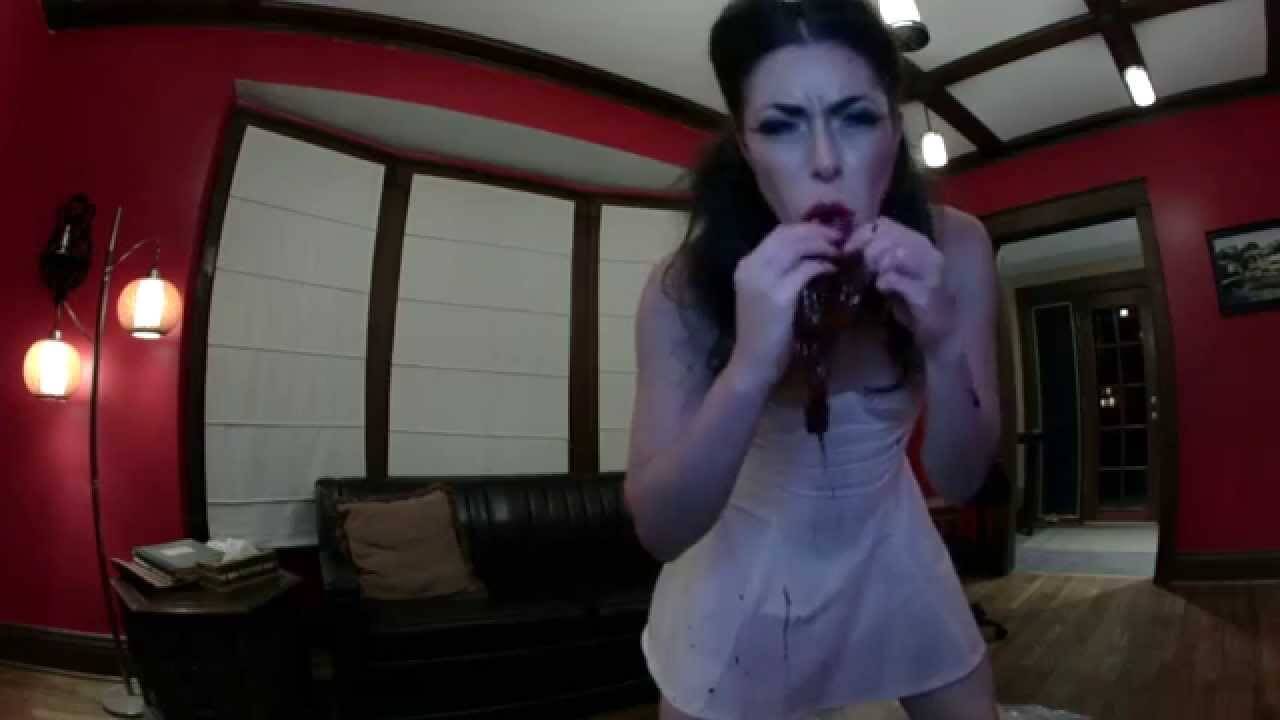
Tristan Risk Jill Sixx

From Call Girl to where you are now, how do you think you’ve changed as a filmmaker?

With Call Girl, it was a small project in some ways, but big because we had these genre actors who really intimidated me as a first-time director – both Tristan [Risk] and Laurence [Harvey], because of their experience compared to my zero. I’m always working with people I’m intimidated by. I want to be working with people that I look up to, which kind of makes me nervous in a way. Najarra still does that, and I’ve known her now for four years [laughs]. I guess what I’ve learned over the years – and I’m sure the people I’ve worked with are going to roll their eyes at this – is how to collaborate with people better. I think it’s natural for a director that you have a very specific idea in your head of what this is going to be, and you can get sensitive about that and appear crazy and controlling; you don’t let anyone else have input, and that’s not the way to be and that’s not how films work. For me, I just naturally react real sensitively. I have this very specific idea of how something is going to be or look or playout. When someone suggested something different, at first I was really thrown off by it. But I’ve learned that you just have to think clearly. Every single person on this project is here to make it the best it can possibly be – no one is here to sabotage it – so there’s no reason to believe that someone is here to mess it up. Let’s hear them out and hear they’re idea – and it’s probably freakin’ awesome. I’ve really learnt this in the editing process, when you’re in post-production. I storyboard, so I have essentially edited in my head before we shoot,  but editors will always have these crazy ideas to rearrange things or completely remove a line of dialogue that changes how the whole film feels. At first, those ideas give me a mini meltdown in my head, but we try the idea and it’s often amazing. If you have mapped out plan that you know is going to work, you might as well try the other things because you can always fall back on the original plan.

With your movies, do you feel that you pull particular influence from certain directors and certain movies?

Yeah, I do that for each movie, I make a watchlist of films I’m inspired by in different ways. Some of them will reflect a connection to a character or a story itself – nothing that is visually similar – but I seem to always, with every film, visually go to David Fincher’s work. He’s my biggest inspiration in many ways. His stories are a little different from what I’ve done so far, but I’m really obsessed with crime thrillers. He’s one of those psychotically meticulous filmmakers where every shot, everything that is happening within it, is so planned out. Everything you see in the background – the framing of it, the actor’s face, where they’re looking – everything has intention and reason, and it’s never just because it looks cool. That’s what makes me believe that the greats are the kind of people who take that time – that every little thing has a reason. A viewer might not know why every little thing is there or even perceive all of that, and I think that’s what makes those films better. We don’t necessarily know all of that, but somehow all of that is being absorbed into us. It makes me feel like a sell-out in some way that I don’t have some weird avantgarde filmmaker, but it’s him and someone like Martin Scorsese – who I think is the same type in terms of being meticulous. And both of their cinematography is similar, that they’re both the type who really never do handheld. It’s very controlled, beautiful cinematography that’s always operated by a thing, not a human. I’m really anti-handheld in my stuff, except when you can use it very sparingly and it can have an impact. I do see that there’s a place for it in filmmaking and that it’s a style choice, but it’s just not mine.

With Fincher and Scorsese, they’re two filmmakers who always seem to make every detail of every frame matter.

Scorsese, he’s made so many movies that so many people don’t even know half of them. He has the ten to 20 that are huge and everyone’s heard of, and they’re so often about these really bad male characters that are completely destroyed by their own fame and greed. I like that about his work, that there’s a clear theme in so much of it – these bad people that you feel for in a way.
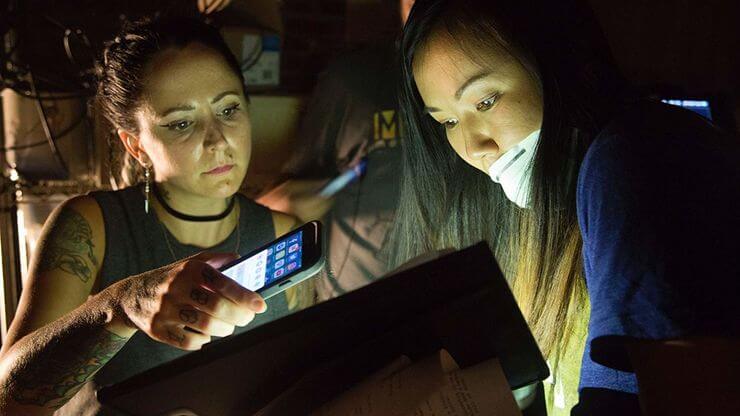
Jill Sixx Gevargizian

For The Stylist in particular, was there anything you used as direct inspiration?

I was really inspired by May, Lucky McKee’s film. Visually, the final scene in May when she’s at her vanity unit, we shot it exactly like that for the end of The Stylist. I was watching May over and over again, and David Fincher’s Zodiac, which isn’t anything like this story – it was the production design in that movie that I was focussed on, and the use of colour. I’ve became obsessed with colour, and every film since The Stylist we’ve picked out a very specific colour palette. Zodiac, to me, it looks hyper-stylised and there are certain shots that are almost like a comic book. There’s such bright yellow, with everything else just muted. It just opened my eyes to making a film just really artistic and not just like real life.

What are the pressures that you’ve found of going the crowdfunding route?

It’s been good. It’s very stressful, honestly. Every day I’m texting one of my producers, so he sees my emotional rollercoaster every day. At one point in the day I’m like, “Why did we do this?!”, then the next moment I’m, “We’re gonna make it, we’re almost there, we just got another huge donation!” But really, it’s stressful as hell. It’s an amazing feeling to see that we’ve got 311 backers so far, and that that many people are so excited about the project. It’s comforting because it can feel lonely for me at times, that I’m the only one who is really super stressed out about it actually making the goal.
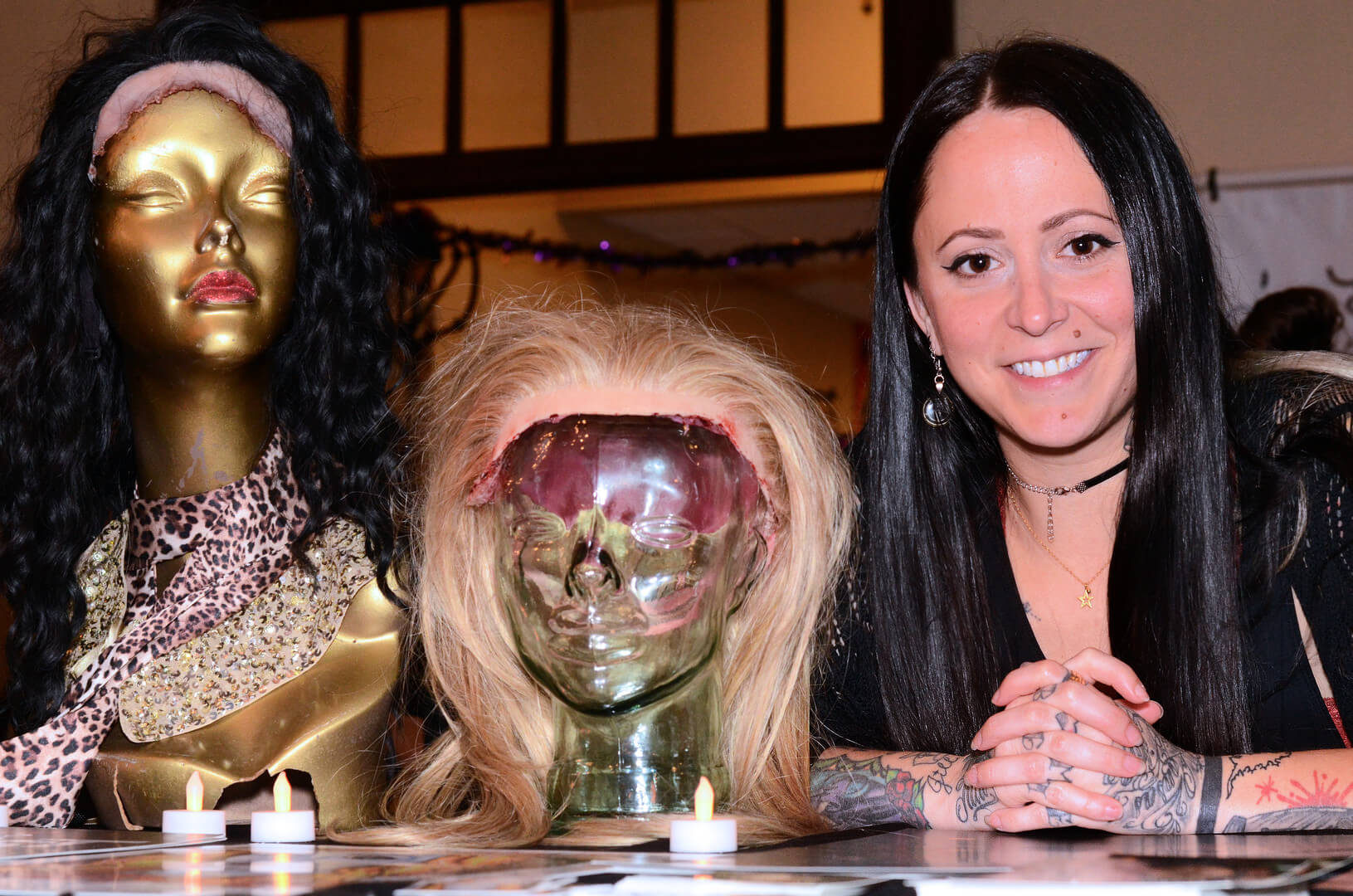
The Stylist

If all goes well, in an ideal world, when should people be expecting to see the feature film version of The Stylist?

We plan to shoot it in the beginning of next year, so ideally we would play a festival the following year. Huge films spend a couple of years in post-production, but we hope to have it done within a year; we hope to be playing somewhere in early 2021. As far as it being distributed, that’s something we have no way of knowing yet. We want to aim for the biggest possibility, so we can’t promise a date yet because, for all we know, we could get picked up by a big company. Because of that, our lowest rewards option of $25 means you get to watch the film through a private link straight after showing at said festival so that you won’t have to wait until the proper release to see it.

To wrap things up, as a horror fan and as someone working within the genre, why do you think horror is so special to so many people?

The genre itself, a lot of the films are exciting and it’s almost like challenging yourself to watch something. I just think that anyone who likes it is obsessed with it, clearly. It’s the same sort of fandom that spawns off comic books and other things. I think it’s the same sort of people who like an adrenaline rush, who like to push themselves and jump out of planes or bungee jumps. It’s a way of controlling anxiety [laughs].

The Stylist is funding on Kickstarter until September 26th and you can support the project by clicking here – and be sure to check out the award-winning The Stylist short below:

Radio Silence | READY OR NOT

ready or not

STARBURST spoke with co-directors MATT BETTINELLI-OLPIN & TYLER GILLETT and producer CHAD VILLELLA (otherwise known as the filmmaking collective RADIO SILENCE) about their latest movie, the critically acclaimed comedy-horror READY OR NOT…

STARBURST: We found Ready or Not hard to describe or classify genre-wise. What would be your elevator pitch of the film?

Matt Bettinelli-Olpin: You know, that difficulty is one of the things we really talked about. That tonally it’s a bit of a dance, and that it’s a mash-up of so many genres that we love. Typically, what we say is that this film is about a young woman who is marrying into this very wealthy and eccentric family. And on her wedding night, she realises that to be truly accepted into the family, she has to sit down with them and play a family game. And she happens to draw Hide and Seek, and Hide and Seek is the one game that you can’t win. And she spends the rest of her wedding night fighting for her life!

And despite the film defying pigeonholing, would you say that your film belongs to ‘social issue horror’ genre that’s been making noise recently?

Chad Villella: I definitely think there’s elements of that in all genre movies, and this one’s no exception. We love the way that Grace [Samara Weaving] came from a very underprivileged background, and now she’s married into this wealthy family, and how she sees the lengths the rich will go to in order to keep what they have. So yeah, I would say it fits into that category.

And what do you think makes horror the ideal vehicle for this kind of social commentary?

Matt Bettinelli-Olpin: I think it works well because it gives you context to talk about something you might not otherwise want to talk about. You have to create the language to talk about it. When things are uncomfortable, it might be hard to have a straightforward conversation, but a horror context gives you the jumping-off point. And all of a sudden, we’re having a discussion as a society! Horror’s always done that, but it’s especially true right now. It’s exciting to see people tap into it who aren’t strictly genre fans, and to see that hit the mainstream.

Yeah, it’s definitely a genre that’s previously been relegated to the fringes, or lacked the respect afforded to dramas and the like.

Matt Bettinelli-Olpin: Yeah, exactly. Like all of a sudden, it’s cool.

Oh, it’s cool. It’s getting Oscars! And would you say that your tendency to blend comedy and horror, something that’s prevalent in your filmography, is also to ease those conversations?

Tyler Gillett: That’s certainly part of it. And it’s also about letting the audience in and allowing them to relate to something that feels more emotionally grounded. The stories we love to tell are about normal characters that you see yourself in, walking into a heightened situation that they’re totally unprepared to deal with. It’s often that people think that comedy and horror are very separate, but that isn’t how real life is. They’re really compatible genres.

I think Samara Weaving’s portrayal of Grace does a huge amount to ground the film. What was it that sold you on her as the lead?

Chad Villella: She just got it right from the beginning. We knew that we needed to find a very strong Grace and base everything off her, and after our very first meeting with Samara, she was like, “I don’t want you to be scared the entire time, I want you to receive a little bit of lightness through me.” We knew that Grace had to have this punk rock image to show that rebellion, and Samara got it right from the start. She’s fantastic, and we can’t imagine having made the movie without her.

To be honest, the whole cast is amazing. How did that ensemble come together?

Matt Bettinelli-Olpin:  I don’t think we ever envisioned the cast we ended up getting, and we also can’t imagine what the movie would have been without them. We feel so lucky to have gotten everyone, especially since it was such a rush process. I think we got Adam Brody maybe two weeks before shooting, maybe a week and a half? We were really lucky that everybody vibed, and everybody understood the tone and their character – which goes back to your last question about grounding it. Samara is our ‘in’ for us, the audience, but then you also need each family member to have their unique point of view. It can’t be a nebulous body of bad people. And I think everybody brought their best and went beyond anything we’d hoped for.

Did the cast have any input in creating their characters?

Matt Bettinelli-Olpin: The characters were incredibly well drawn on the page, and a big part of what we loved about the script. But at the same time, as we got to know the actors, we had to give them room to create their own version of it. We wanted it to have dynamism, and everybody really brought something that I think we weren’t expecting.

It’s interesting that you resist making the family uniformly bad, to the point that you start sympathising with some of them.

Chad Villella: Yeah, that’s something we talked about very early on with Guy [Busick] and Ryan [Christopher Murphy], the writers. Their approach to it was that by giving the audience an inside look at those ‘bad’ characters, you get an insight into the effects of wealth and family tradition on people. And just talking about how privilege and wealth make people complacent in where they are in life, and ask what they’re willing to do to maintain that life. And you kind of feel for them because you see that they’re doing it for their family; Andie McDowell in particular really brought a maternal instinct that inspires sympathy.

This movie is obviously a satire on wealth and privilege, was there an element of catharsis to making this film, considering the current socio-political climate?

Tyler Gillett: Yeah, that was part of what interested us from the start creatively, and to have something fanatically dense to continue to draw from throughout the process was very, very valuable. And honestly, it gave us something to keep returning. It’s a well that never runs dry! And our first meeting with the studio [Fox] was the day after Trump got elected. That certainly did light a different fire under the project, because that theme became more of a megaphone to explore something that felt very urgent and vital. We really want it to resonate with people, but we also want the movie to be, first and foremost, a fun and exciting thrill ride. But that’s what the genre does, this great magic trick of entertaining you whilst also pushing you to think more deeply and to find the commentary.

As we finish, for the horror fans reading this, what would you recommend they go watch after they’ve seen Ready or Not?

Matt Bettinelli-Olpin: We talked about so many different movies, everything from like, Gosford Park to Seven, Alien, to inspire different elements, from the tone to the look. We also talked a lot about those movies where you just have to make it through the night. Like After Hours, The Most Dangerous Game, Adventures in Babysitting, Into the Night. Those keep the action going. Then there’s fun ones, like The People Under the Stairs, Clue. And ones that have a sense of humour without being comedies, like The Lost Boys, Nightmare on Elm Street, the Ghostbusters films. Also Joyride! A very underrated movie from 2001, and it’s one we go to all the time. It got written off because it came out right after 9/11 so it wasn’t really the tone, but it’s a really good, thrilling type of movie that’s also very funny. So quite a list!

UK audiences can seek out READY OR NOT when it sneaks into cinemas on September 25th. You can also read our review HERE.

Nicholas Vince | I AM MONSTERS!

vince monsters

Writer and actor Nicholas Vince is famous for his portrayal of the Chatterer Cenobite in Hellraiser and Kinski in Nightbreed. He is about to head onto the stage for a one-man show entitled I Am Monsters!, which will be premiering at the London Horror Festival. We caught up with him to find out more…

STARBURST: Where did you fascination with monsters come from?

Nicholas Vince: Two sources: Doctor Who, I was four years old when the TV series started so I watched it from behind the sofa particularly Daleks but I knew by the age of five and a half, I was really entranced by the monsters on the programme, like the Zarbi, the giant ants. I can’t remember anything about the plot, but I remember making Zarbis out of cut offs of the pastry that because my mother was making. Then there was a book, the Golden Treasury of Myths and Legends that I read as an eight-year-old; I was fascinated with things like the Minotaur, Medusa, and the Sphinx; I vaguely remember the heroes’ names, but knew which monster they killed.

So what was the impetus to put this together into a stage show?

I’ve been telling all the stories about the makeup and so on, and the experience of making the films, which was a huge amount of fun. I just wanted to flesh out the background, and put it in a bit of social context. It’s also my personal story about being fascinated with monsters. I realised I was gay when I was 18 years old in the late ‘70s, and it wasn’t the easiest time to be gay. It got more challenging in the ‘80s with Thatcher; they were interesting times. I just wanted to share my love of monsters, I think that monsters are fun.

And they do say a lot about society today, there’s a lot of there’s a lot of a correlation there.

Yeah, absolutely.

So how did you manage to condense your whole life in to an hour?

[Laughs] With huge difficulty! There’s going to be a Q&A at the end, so I’ve got to learn about 50 minutes of me talking. When I did the first read-through, it was about an hour and 20 minutes, so it needs working on! I think it’s just concentrating on the points; I want it be about bringing home what’s important to me and make it an entertaining evening. I’m incredibly fortunate that Clive [Barker] asked me to be in Hellraiser, and then Hellbound and Nightbreed. It’s not going to be my long life! [Laughs] That would be a very long show!

Is there a structure to the show or is it more free flowing?

We’re still working on that at the moment. I’m working with a director and they keep coming up with good ideas: let’s try this, let’s do it like this. We started off kind of: ‘I was born, I fell in love with monsters, etc…’ We said that’s ok, but it’s not as interesting, so now it’s more weaving the story of making Hellraiser and then in flashback relating that to growing up and the monsters I’ve encountered and so on. There are a couple of biographical pieces in there as well. There have been times in my life when I’ve been made up to be a monster, but I’ve done things wrong in my life. Things I regret. It’s not all isn’t life lovely… there is fun, but there’s a little bit of darkness in there as well.

You have to have the light and shade.

Yeah, and I think I want to say to anybody who’s going through what I went through that it’s okay. It does get better, it’s true. There have been times in my life when I have been completely lost and not known what the hell was going on and I look back now and think ‘yeah, I’m okay’. I’ve been very lucky. From difficult times really interesting fruits can grow.

You did a couple of storybooks about monsters, did that influence you to to do this?

There’s been a couple of things. I’ve been the patron of the London Horror Festival since 2016, and I’ve been involved in it since 2013. I’ve watched a lot of their shows. I love horror theatre; there’s something very immediate it; it’s a completely different experience to being in a cinema. I was inspired by watching these people, but I’m not intending to terrify people as much as I have been in these shows! [Laughs] In terms of the books, you’re right. I’ve written short stories, and Hellraiser and Nightbreed comics back in the ‘90s. I was lucky enough to bring Clive’s characters from Nightbreed bring them back into the comics that Marvel did. The title of my first collection of short stories is What Monsters Do – the subtitle was ‘it is not our flesh but our acts which make us monsters’. Clive’s Nightbreed is about people who are strange, who are wonderful and human beings want to destroy that, because they’re different.

And very similar to the way homosexuals were treated; they were treated as monsters at one time…

Oh god, yes! When I was doing the research, a part of the show was very difficult to write – I went back to the Thatcher years, with Section 28, and there were horrible, horrible things said about gays that I found really distressing reading and listening to what politicians were prepared to say. You can see today that gay rights has come on leaps and bounds but the price of freedom is eternal vigilance.

A lot of what is wrong in the world is because people are scared. We saw it in the financial crash. Horrendous things were done to people in terms of losing their homes, jobs and job security. We’ve now got it that profit is everything and zero hour contracts. People are treated appallingly in the workplace. This is because power is moving towards the few rather than the many. We’ve got some tough times at the moment. You can see what happened during the last war that my parents were part of, a lot was being fought for, and you can see what was done then and how easy it is to exploit people’s fear of a group. The people who scare me the most are the bombasts who create monsters for their followers to fear.

Absolutely.

I was talking to Clive Barker about the show and he said, “It’s not that the demon’s different. It’s that difference is the demon”. We don’t handle different well. It seems we can only feel safe by oppressing another group. Those are the things that worry me.

Will there be any performances elsewhere?

We’re talking about that, I’m really hoping there will be. Either in this country or in the US. There are conversations already taking place. So Yeah, so if all goes well, that is the definite plan. It won’t just end as part of the London Horror Festival, I hope to take the show out on tour to various parts of the country and abroad.

So could it be performed at conventions and the like then?

Yes – I deliberately designed it so that it doesn’t require technical things. At the end of the day is making on stage telling stories and chatting with people. I was talking to an actor friend of mine and he said, “You’ll be fine, you’ve just got some people in your front room and you’re telling stories – that’s all it is”. I like that idea!

Nicholas Vince will be performing I Am Monsters! at the Pleasance Theatre in London as part of the London Horror Festival on October 8th to 10th at 7pm. For more information and to book tickets, head here.

Arvin Kananian | ANIARA

We here at STARBURST recently had the privilege of taking a journey to the end of the world with Swedish Actor Arvin Kananian to talk about his lead role in the new Sci-Fi epic, ANIARA.

STARBURST: Congratulations on the film, its a really interesting story and your performance along with your fellow cast members is stunning.

Arvin Kananian: Thank you so much, I really appreciate it.

What was it about the story that made you interested in taking part in the project?

Well many things but mainly because it’s a Swedish classic but in a very contemporary way. It was originally written in 1957 but it still holds up today and is so current. It was great to feel like I was apart of a classic piece of literature in a new medium. The film was also one of Sweden’s first Sci-Fi films and it was something I just had to be part of – something to tell the grandchildren, you know? [laughs]. Also, it was a really good script – when I first read it I was hooked from the first page.

You’ve worked with Pella and Hugo before, how great was it getting to work with them again?

When I first got the call from them saying I got the part I cried and screamed at the same time and then partied for three days straight [laughs]. It was huge to me, the best thing that’s happened in my career. Getting that dream part and being able to do so with friends who you’ve worked with before is just perfect especially for my first big role. It has a real family feeling.

How was the passion and attitude on set amongst the cast and crew?

It was 100% passion mixed with 100% stress. It was great, super fun, super stressful – everyone cared so much about making the best film possible.

You play the Captain of the ANIARA, a very stern individual who must make difficult choices for the greater good and wellbeing of the passengers. How hard was it preparing for the role knowing it was such an important part?

So, preparing for the role was a lot of fun – I got to go deep into the background of the character. I did military training by getting in contact with a Lieutenant in the Swedish Military Forces and I got to train with them for several weeks which was great for the character – it helped me get the stance, the authority and the language down to a tee. He makes all of his choices based on the ships wellbeing which in real life is tough to do so I wanted to capture that in my performance.

Had you read the source material before?

I had heard about it before but had never read it. So, this was the first time I was introduced to the source material. The first thing I read was the script and I read it twice – and I was just blown away that this story came from something written in 1957 and not within the past few years. It felt huge to be a part of it. There were so many sub-stories that take place within this world that could be explored in the future if they wanted to.

Could you share with us your favourite moment or theme that is presented in the story?

One of my favourite things about the approach to the story was that Pella and Hugo were under pressure with the budget but decided to make the technology as if we had it today – the Aniara is like a luxury cruise ship. I really respected that. They didn’t want to give humans an excuse for why this is happening – a respectable and clever way of making the film, in my opinion.

If given the opportunity to work with Pella, Hugo and/or Emelie again, would you?

Hell yes! [laughs] – any day, any time.

Pella Kågerman & Hugo Lilja | ANIARA

We here at STARBURST recently had the privilege of taking a journey to the end of the world with Swedish Directors Pella Kågerman & Hugo Lilja to talk about their new Sci-Fi epic, ANIARA.

STARBURST: Congratulations on the film, its a really interesting story and the presentation is simply remarkable.

Pella Kågerman & Hugo Lilja: Thank you so much, I’m blushing [laughs].

What was it about the source material that made you want to adapt it into a film?

Pella: In Sweden, Aniara the poem is one of the most famous pieces of literature to come out of our country – everybody knows about it. It’s written in verses and the language isn’t easy to understand but both me and Hugo understood the story beats but my love for it really came after my grandmother had a stroke and in whilst she was in hospital we read it together – as she got better we started to roleplay the poem and that’s when I got to really understand the true meaning.

From my research, I can see that this incredible journey you have been on has taken over 4 years. Just how pleased are you to finally have out in the world for people to experience?

Pella: I feel happy but also embarrassed [laughs].

Hugo: I’m so happy that people in the UK and US can now experience the film and also learn about a piece of Swedish culture as well. We both worked really hard for many years – and it’s a story that deserves to reach a bigger audience too. It’s such an important and topical story and extremely relevant.

Pella: It’s surprising how true it is to real-life today – it’s very much needed.

There are a lot of themes in the film with the most predominant one being about our place in the Universe. How do you think audiences are going to resonate with that theme?

Pella: We were living in a different world when we started to write the film and then shoot it – when we were in our hotel room this morning we were watching BBC News and really saw that the film has come at a really interesting time in human history with the climate crisis and everything like that. It’s scary how crazy that was to us. After a test screening about a year ago, the audience didn’t quite understand it but now audiences are much more aware of these themes and real-life events.

The use of lighting and close up shots give the narrative a sense of claustrophobia, was this a stylistic choice from the very beginning?

Hugo: Yes, and I think we wanted to have a sort of naturalistic feel to it and we wanted to make it contemporary as well. Instead of trying to build a future that we cant visualise, we used contemporary buildings such as shopping malls to get a real-world and current-day feel. We also wanted to have a visual style that had a claustrophobic feel but having a nice setting with that vastness of space just outside the window.

Pella: We did shoot a lot with macro lenses, in the visual effects there are so many layers and a lot of close-ups too.

You’ve both worked with Emelie and Arvin on some of your previous short films. Was it their performance in those and the existing working relationship that made you cast them in the two lead roles?

Hugo: Yes definitely. When we were writing the script, we always had Emelie in mind for the Mima role so we based that around her. And with Arvin, we love him as an actor but at first, we thought he was maybe too young to play the captain, so we tried older actors. But then we realised he was much better at it and thought that it was better for the character as a whole if he was a lot younger and inexperienced when tasked with what happens in the film.

Can you share with us any details of the next journey you two are setting off on?

Pella: We both agree this is the biggest project that we have done in our career – we also have a lot of ideas for more Sci-Fi films so we both want to stay in this genre so that’s what we are going to be continuing to do.

Adrienne Young | THE GIRL THE SEA GAVE BACK

adrienne young

Texas-born author Adrienne Young is best known for her New York Times bestselling novel Sky in the Deep. Her new book, The Girl the Sea Gave Back, comes out September 3rd. We caught up with her to find out more about it…


STARBURST: What’s the elevator pitch for The Girl the Sea Gave Back?

Adrienne Young: A girl with a gift to read the rune stones and see the future holds the fate of her world in her hands.


What inspired the story?

After the events of Sky in the Deep, I really wanted to explore what the evolution of this world would look like. In Sky, two warring clans are forced to find peace. But that doesn’t mean peace is permanent. We also know that those two clans aren’t the only ones that exist in this world. So I wanted to look at how this newfound peace affects the greater society outside of the mountain and the fjord that Sky focused on.


How is it different from Sky in the Deep?

The heroine in The Girl the Sea Gave Back, Tova, is really different than Eelyn was. She’s not a warrior, but she has a quiet inner strength that has kept her alive. She’s really smart and strategic, and has a deeper understanding of what’s happening around her. We also dive deep into Halvard’s story and his doubts about his own ability to lead. Where Sky was so sure and determined, Sea is much more questioning in the nature of its characters and its plot.


Now you’ve finished The Girl the Sea Gave Back, would you have done anything differently?

I don’t think so. The process for writing this book didn’t come as easily to me as Sky did. I had to dig really deep and be a better writer in order to pull it off. It’s also different than anything I’ve attempted before, in that it’s dual POV and it’s a companion novel. There was a definite learning curve there and I’m really proud of the work I did.


Which character from the novel would you most like to meet in real life? And why?

I would love to meet Halvard. I just see him as this strong, quiet, sensitive being  – I feel like he loves so fiercely and is so dedicated to his community.


What approach do you take when writing fantastic elements such as predicting the future?

I really love approaching the fantastical with a heavy dose of reality. I love that in-between place of wondering if it’s real or not real. It’s the same in Sky, when we are looking at their gods and their superstitions. There’s nothing so overtly supernatural that you couldn’t imagine it in our own world and it’s the same with the idea of fate in Sea. I feel like it keeps the fantasy elements accessible and feeling as if they could be true.


How do you approach your writing?

The most important thing to me in writing is feeling connected to what I’m working on. If I don’t feel that gut connection, then it’s probably not what I should be writing. I’m an all-in type of person, and my work is no different.


Why do you think fantasy so popular now?

I think it’s kind of a timeless genre. There’s no expiration date on fantasy so it stays relevant across generations and time periods. There’s also the overarching truth about humans that we love to escape and there’s no better way to do that than to transport to a completely different world. I think fantasy will continue to stay steady in the market for both of those reasons.


When Sky in the Deep came out, what response delighted or surprised you the most?

I was totally blown away by the reader response to Sky. I had no idea that it would strike such a chord and although every author hopes for the best, it definitely surpassed my expectations. To hear from so many people who resonated with the book was really special and I feel so fortunate to have such amazing readers.


Is it easier to get published these days?

I think it is, but only because of the amount of information that’s out there. Anyone can figure out the steps to publication with a quick google search, which means more people than ever are trying to get their work published. Publishing houses are bigger, they have bigger lists, and with the trend of books getting turned into movies and TV shows, there’s a lot of demand for content. But that’s not to say that it’s easy. Getting published is an incredibly difficult, tedious process that usually takes years. I don’t think that part is likely to change.


What’s next for you?

I just finished revisions on my next novel, Fable. It’s the first book in a two-book series and it’s coming next year!


What authors are you reading? And why?

I’ve been reading a lot of poetry this last year, probably because I’ve been drafting so much and haven’t been able to really commit to reading novels. My current favourite that I keep coming back to is Mary Oliver.

The Girl the Sea Gave Back is published by Titan Books on September 3rd.