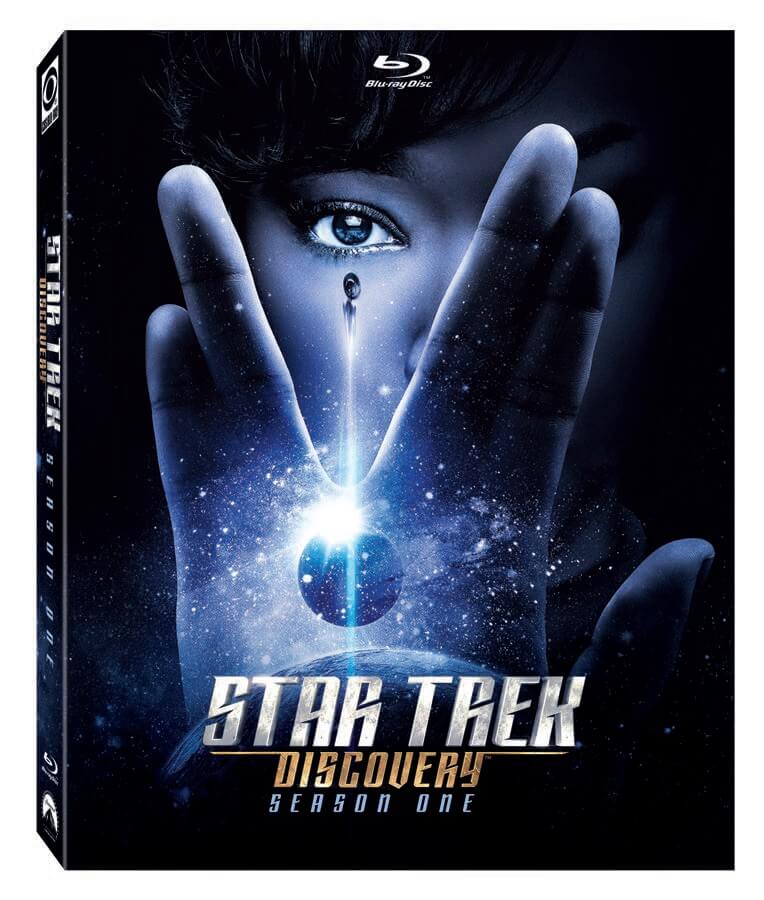
ENDED] Win STAR TREK: DISCOVERY on Blu-ray!

Star Trek: Discovery

Star Trek: Discovery, the latest instalment in one of the most iconic and influential television franchises in history, is available on DVD & Blu-ray from 19th November. To celebrate Universal Pictures Home Entertainment are delighted to offer three lucky winners a copy of series one on Blu-Ray including a trove of compelling featurettes and other special features

To be in with a chance of winning this fantastic prize, simply answer the below question:

In the original Star Trek series, William Shatner famously played which character?

a) Captain America

b) Captain Kirk

c) Captain Planet

Email your answer, along with your address details, to [email protected] labelled Star Trek: Discovery before midnight on Sunday, December 2nd.

Star Trek: Discovery

To give you an idea of what to expect from the Star Trek: Discovery’s hugely impressive debut season, be sure to check out the below trailer:

STAR TREK: DISCOVERY follows the voyages of Starfleet on their missions to discover new worlds and new life forms, and one Starfleet officer who must learn that to truly understand all things alien, you must first understand yourself. The series features a new ship and new characters while embracing the same ideology and hope for the future that inspired a generation of dreamers and doers.  STAR TREK: DISCOVERY stars Sonequa Martin-Green (“First Officer Michael Burnham”), Jason Isaacs (“Captain Gabriel Lorca”), Doug Jones (“Lt. Commander Saru”), Shazad Latif (“Lt. Ash Tyler”), Mary Wiseman (“Cadet Sylvia Tilly”), Anthony Rapp (“Lt. Paul Stamets”) along with guest stars James Frain (“Ambassador Sarek”), Rainn Wilson (Harry Mudd) and Michelle Yeoh (Captain Philippa Georgiou).

Season One of Star Trek: Discovery is out now on Blu-ray and DVD.

Stan Lee: A Personal Tribute

STARBURST writer Ryan Pollard opens his heart about the late great Stan Lee…

When I was a child, I never had any particular interest in anything or wasn’t generally open to anything I came across be it film, TV and so forth. That all changed when I first encountered Spider-Man on the big screen in 2002, which then compelled me to track down the various comics I could get my hands on. There I discovered the name Stan Lee. Stan “The Man” had such an impact on my life and helped define who I am now as a person. After Spider-Man, I discovered the various colourful characters that Stan had a hand in creating, like the Incredible Hulk, Daredevil, the Fantastic Four, the X-Men, and the list goes on. This became my springboard into the world of cinema, TV and comics, which would later inspire me to become a writer on film and media, becoming a part of STARBURST Magazine. Everything Stan Lee did blew my mind as a nine-year-old child, and frankly, I wouldn’t be the person I am now if it weren’t for him. But, it’s wasn’t just me he inspired, it was other people as well. All of the stories and characters he helped create, inspired fellow creators to go off and continue what he started, whether it be in comics or on film. He left such a huge mark on the world of pop culture and media that it’s hard to imagine how such a genius like him can now no longer be amongst us.

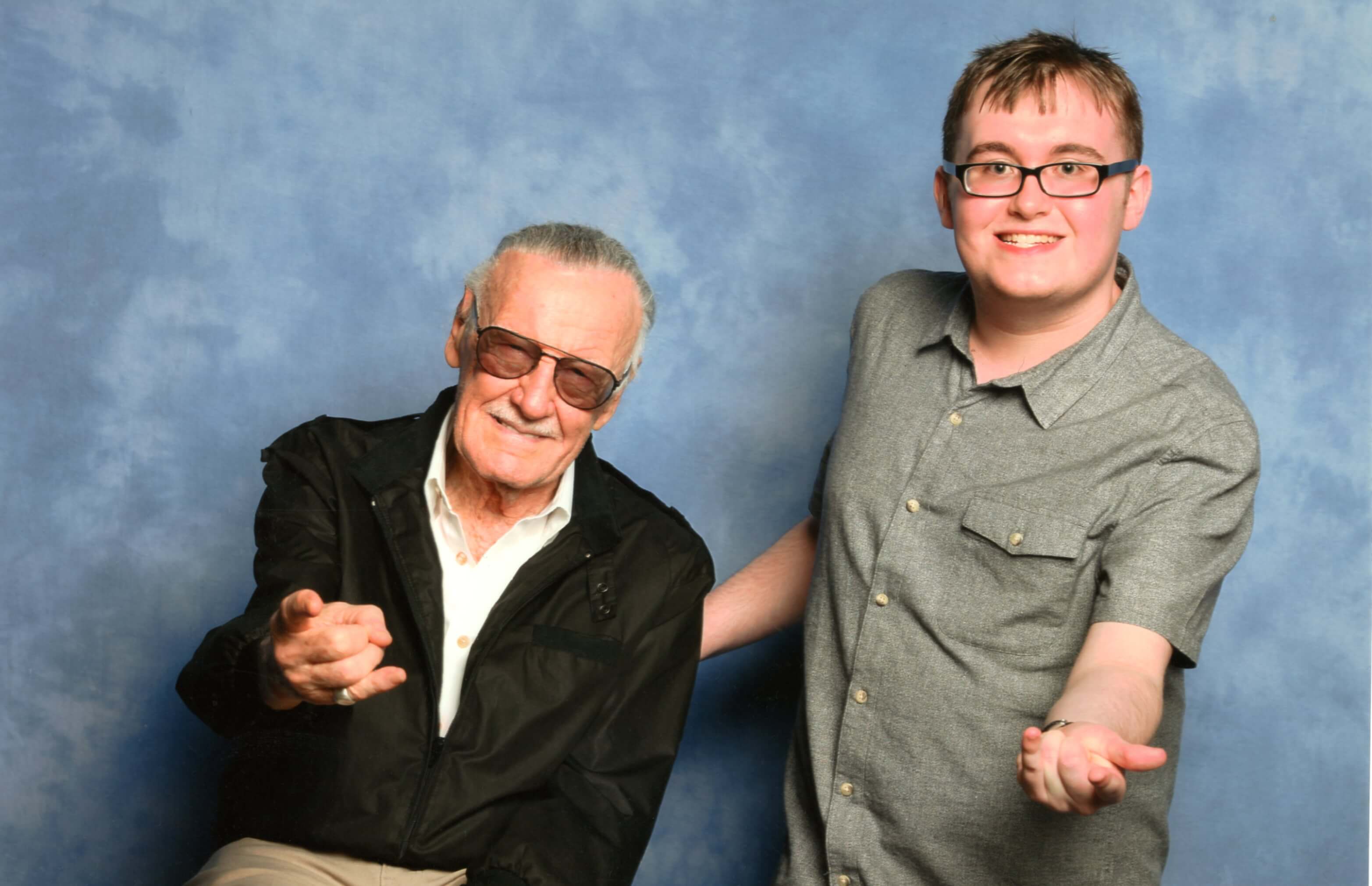
I was fortunate enough to have meet him briefly at London Film and Comic Con in 2014, and he was just the life and soul of the event. He was kind enough to take a photo with me, and afterwards, I thanked him enormously, and he was incredibly gracious, shaking my hand and wishing me a fantastic day. That was something that has stayed with me for a long time afterwards, which makes it all the more tragic that he’s now passed, which seemed impossible to me. The fact that this legendary man could traverse all these decades and be important to people like me speaks volumes about how many lives he impacted through his extraordinary body of work, how important he was to so many people, and how he will forever be remembered by my generation, the present generation, and no doubt by generations to come. Thanks for the ride Stan. It has been a great one. Excelsior!

Stuart Braithwaite | KIN

Stuart Braithwaite Mogwai Kin

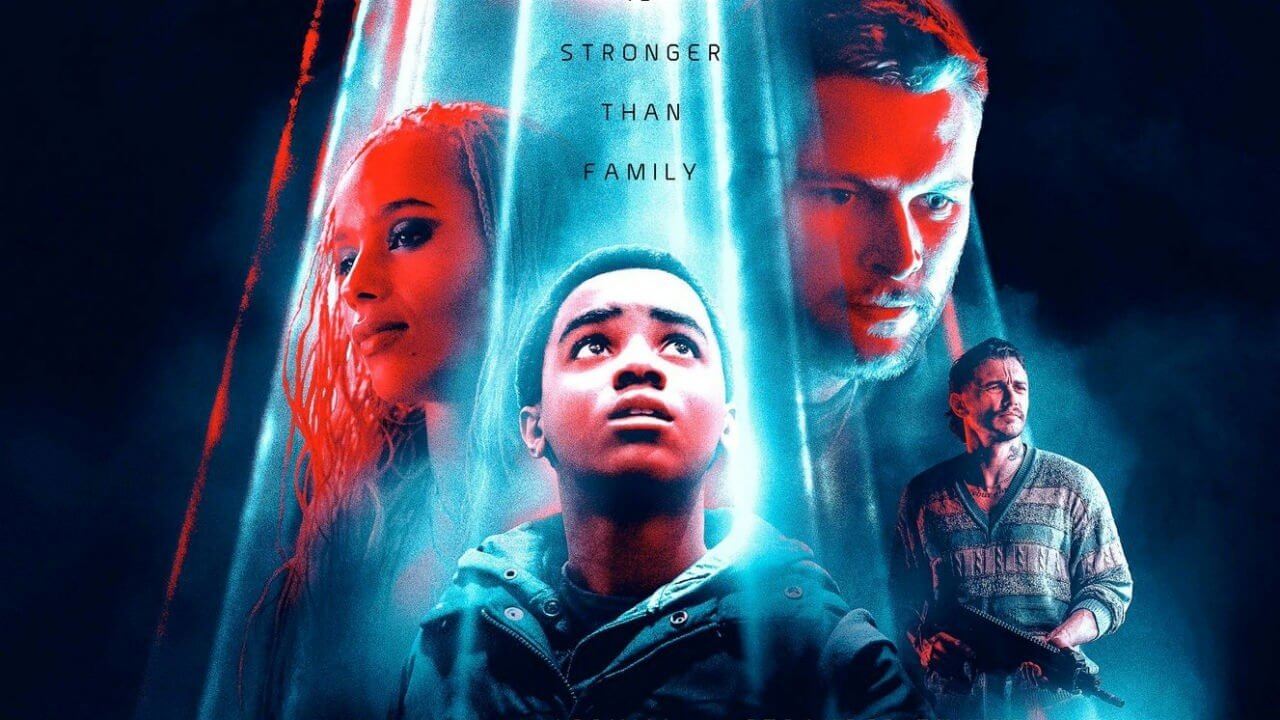
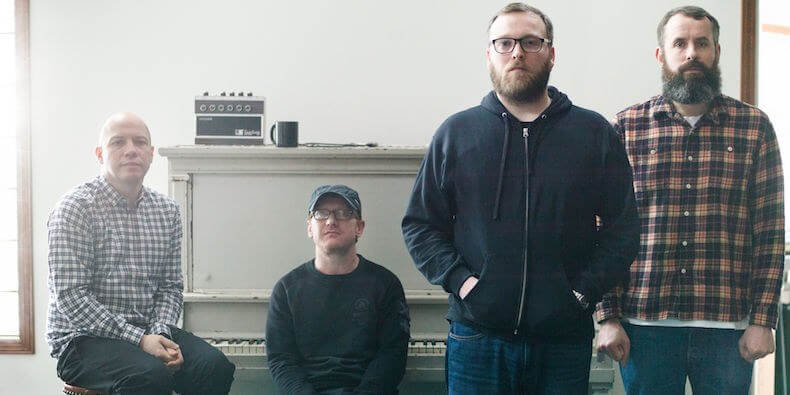
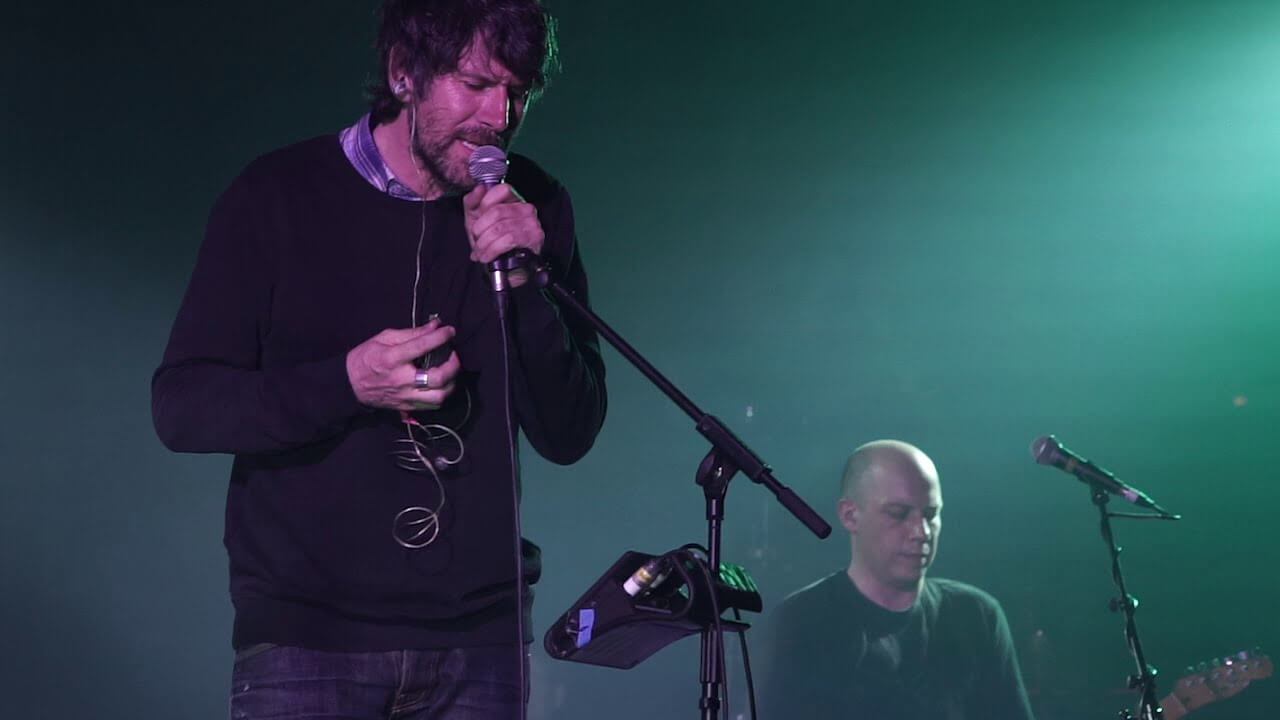
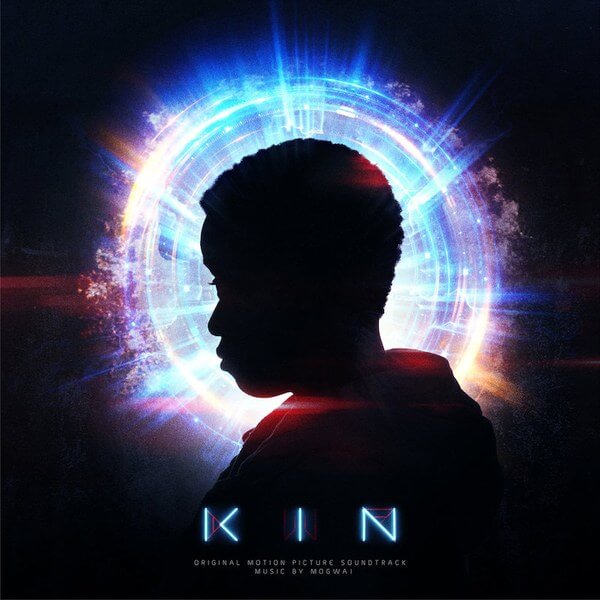
Mogwai are a huge favourite of many a music fan, with their dreamy, powerful, and mesmerising sound often making them stand out as something truly different in an industry that can so often be formulaic. Having dipped their toe into the waters of soundtracks over the years, the group have most recently constructed the music for Jonathan and Josh Barker’s Kin. With Kin currently in cinemas ahead of a December home release, we caught up with Mogwai’s Stuart Braithwaite to discuss the film, his movie tastes, the influence of cinema on Mogwai, the changing landscape of the music industry since Mogwai came together in the ‘90s, supporting The Cure next year, and a whole lot more.

STARBURST: Kin was your first movie score, in terms of a feature film. You’ve done plentiful documentaries over the years, so was there a difference in your approach this time out?

Stuart Braithwaite: There were a lot of opinions flying around, but we’d been involved in a big film before; we’d worked with Clint Mansell to do the music on The Fountain. It wasn’t our score, but we got to see how things worked on that level. But yeah, it was an interesting, nice one to do.

How much freedom did directors Jonathan and Josh Baker give you on the Kin soundtrack?

They gave us freedom. They had a lot of interest, but it wasn’t intrusive in any way. They had a playlist of our songs and a few others, and they really knew what they wanted. Even though they did pretty much leave it alone, it was all handy input.

Is there any added pressure in knowing that your work is going to have an impact on what people think of someone else’s work?

I think that’s just part of what it is. It’s nice being part of a bigger jigsaw. I’ve noticed, though, not just from this film, that reviews of films are a lot harsher than reviews of records.

Stuart Braithwaite Mogwai Kin

Growing up as a film fan, was there a particular genre that you found yourself leaning towards?

I liked a lot of different films, but sci-fi and horror would be my personal favourites.

To many, music can be just as vital a part of a movie as the visuals on display. How important do you feel that music is in getting the right emotions across in a film?

I think it’s really important. I don’t think music can make a bad film great, but it can make a decent film bad. When something’s really good and the music’s really good, it can really elevate it. The music for Hereditary, I think that’s incredible; it just adds so much more to the film. Then you think of iconic stuff, like John Carpenter, the Hellraiser music, just things that are so evocative. A lot of the old Danny Elfman scores, that as soon as you hear them you know it will add to the story. I think it is important, and I think people are now paying it more attention than they did in the past. It’s certainly something we’ve enjoyed doing.

How much of an influence do you think your early movie tastes had on your musical career?

If you think about something like John Carpenter, he’s directly an influence on us. There’s no doubt at all about that. A lot of our music is quite dramatic, and a lot of the films we grew up with are quite dramatic, so I think there’s a link there.

Each Mogwai album tends to flow as an album as a whole, with you essentially telling a story across the overall album. Is that something that’s proved helpful with constructing a soundtrack?

Yeah, I think the fact our music is really dramatic and quite emotional probably gives us a bit of a headstart. Maybe some other bands, and this is not a criticism, they do other things with their music. So, if you were to ask them to do something really tense or really emotional, they’d have to unlearn what they know. But for us, that’s absolutely what we know. So yeah, it’s definitely a good thing.

Stuart Braithwaite Mogwai Kin

From the Kin soundtrack, you put out two singles – Donuts, and We’re Not Done – which is something that doesn’t often happen with a movie soundtrack or score. Was it always the plan to put out singles from this soundtrack?

Through our own records, we’ve got a record label and we just kind of know how to let as many people know as possible. Releasing a “single” is just a way of letting people know we’ve got a record. A lot of people still listen to an album from start to finish, but it’s just a way to let people know that we’ve got a record out.

These days, physical sales aren’t what they once were in the music industry. In terms of a release strategy and spreading the word, do you think the move towards digital music has helped Mogwai out over the years?

I don’t know. I think the availability of music has helped us. That’s allowed us to go and play all over the world in a way I don’t think we could’ve done 20 years ago. Like all change, some of it’s good and some of it’s not.

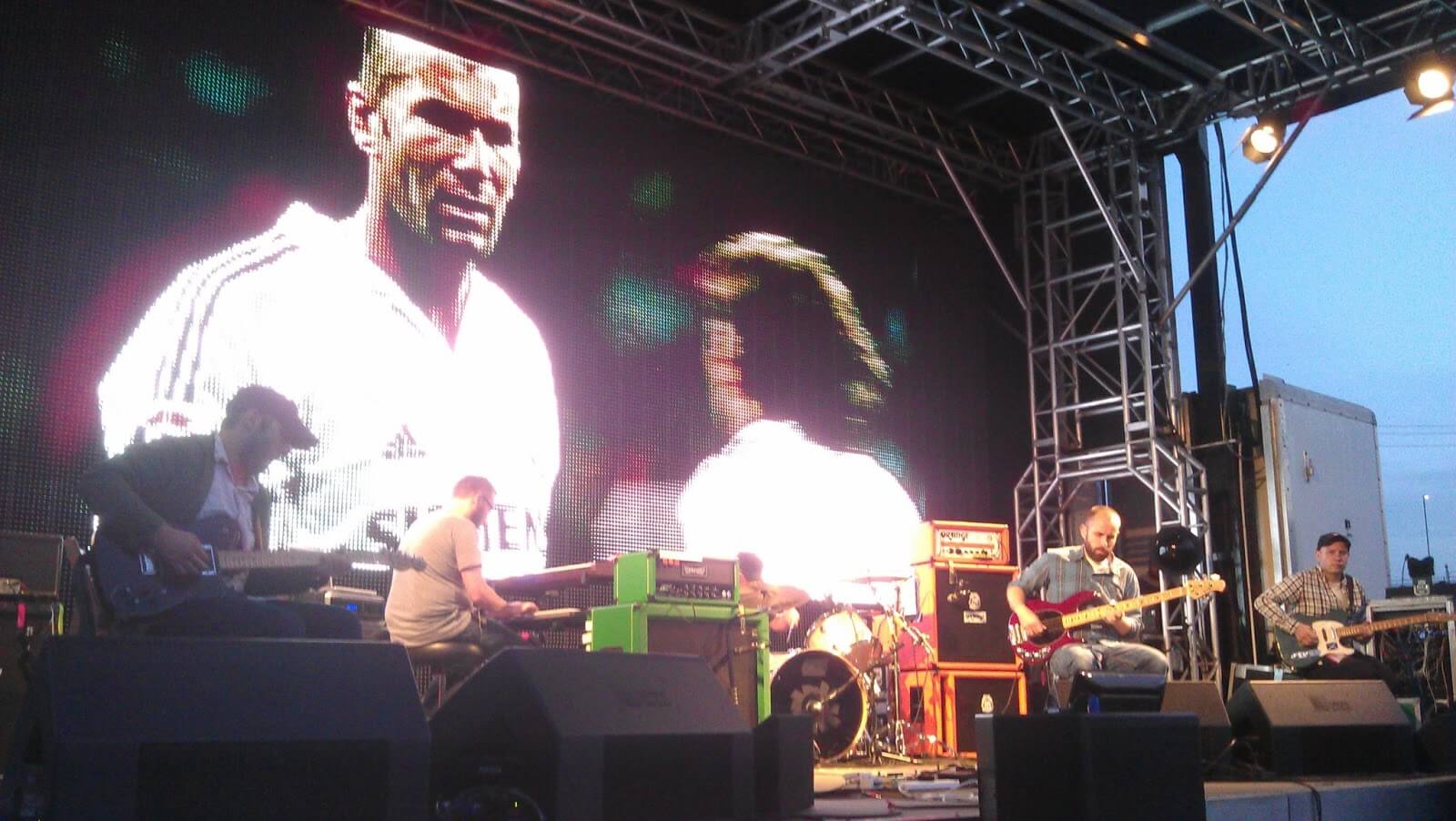
The first time Mogwai had been involved with a score directly was on Zidane: A 21s Century Portrait. Before being approached for that, had you guys given much thought to working on soundtracks or scores?

We always wanted to do it. I guess because movies are such expensive propositions, people are quite nervous about getting people for the first time that hadn’t done it before. So, it took us a while before Douglas [Gordon] took the leap on Zidane. And that was more of an art film than a mainstream movie. It was really good to get given the chance, and it’s kind of built incrementally since then.

Stuart Braithwaite Mogwai Kin

The music industry often likes to label a band or place them in a certain genre. Do you feel that that’s something that’s changed over the past decade or so, or do you think people still have a tendency to label an act?

I think there can be, but I think genres and the tribalism of music, that’s one thing that the internet has done away with. You don’t really hear people saying that this band or that band are uncool anymore, because I think people realise that bands wouldn’t get anywhere unless there was something cool about them. You find a lot of people with really eclectic taste, so I taste think genres aren’t as big an issue as they were back in the day.

When Mogwai first came to the fore in the ‘90s, the musical landscape was very much made up of Indie and Britpop acts. With your sound being so different to those artists, was it harder to get noticed, or did that different sound work to your benefit?

We were pretty different, and we were also lucky to get a lot of great champions. John Peel really helped us a lot, and there was also a really good scene in Glasgow. That meant a lot of good bands to tour with and to play with. I think there’s just a lot of luck involved in being at the right place at the right time.

As somebody who adores Super Furry Animals, I couldn’t not ask about working with Gruff Rhys on Dial: Revenge.

I’m sure you’ll agree, Gruff is an insanely talented guy and also a really lovely person. He’s a good guy, and we’ve stayed in touch. We do quite a lot socially, and yeah, I’ve got all the time in the world for him.

Stuart Braithwaite Mogwai Kin

Gruff was a guest vocalist for you, but, for the most part, Mogwai has produced songs without vocals or lyrics. When did you realise that you could get by largely without vocals?

I think it was early on. We probably had about half and half songs with vocals and without, and it just became obvious that the ones without were probably a bit better. So, we stuck to those more and more. We’ve had a few [songs with lyrics] over the years, but it just seemed to make sense.

Next August sees you supporting The Cure in Glasgow. As a longtime fan of Robert Smith and Co., how cool is that for you?

It’s great. They’re still one of my favourite bands, but I was pretty much obsessive as a teenager. It is very much a dream come true, to get to tour with them and play with them. So yeah, I’m really looking forward to this gig next year – it’s going to be a blast.

Is there a particular period or album from The Cure that stands out as a particular favourite?

Disintegration was the first record I bought, so I’ve got a real soft spot for that. I think, over the years, some of the early ones are the ones that are maybe my favourites now – either Pornography or Faith – but I’m pretty big on all periods of The Cure.

To wrap things up, then, are there any plans for soundtracks to become a semi-permanent thing for yourself and Mogwai moving forward?

I think it will be. I think it’s something that we’ll definitely be doing when we’ve got time. We’re working on one now that I can’t talk about, it’s another TV thing, and that’s pretty exciting. It’s a good position to be in, because if no one ever asks us again we’d be okay. We don’t need to rely on doing them, but we’re definitely enjoying doing them.

Kin is in Showcase Cinemas until November 15th, available on Digital Download from November 12th, and on Blu-ray and DVD December 26th.

Stuart Braithwaite Mogwai Kin

Beating the Typecasting Trap

typecasting

Many actors find themselves in something of a dilemma. Do they want a role in a long-running TV series or film franchise and forever become associated with that character? Or would it be better to take each job as it comes along, risking the long periods of unemployment that all but the best-known actors must endure? Then there’s the question of the public forever associating you with a particular catchphrase and shouting it after you wherever you go.

Nevertheless, a considerable number of actors do seem to be willing to tie themselves to a particular character and have varying levels of success in escaping it, as these eight examples show.

Robert Pattinson as Edward Cullen


Although Pattinson was initially reluctant to even audition for as the male hero in the Twilight series he soon settled into a role that he reprised no less than five times. And, while he may have grown tired of being recognised in the street, it seems to have done him no real lasting harm as he’s subsequently gone on to even greater success.

James Van Der Beek as Dawson 


Given that his name means “from the creek” in Dutch, Van Der Beek was a natural to play the lead in the teen drama that ran from 1998 to 2003. It certainly took him some time to shake off the clean-cut image and this included taking on a role as a film-maker in One Tree Hill who was the complete opposite to his Dawson’s Creek character.

Kristian Nairn as Hodor


One of TV’s most recognisable stars, the gigantic Nairn will forever be associated with the Hodor character he’s played in Game of Thrones. But, rather than veering away from the character, he’s recently played with the plight of typecasting in an ad for eToro called HODL. It might not mean he’ll escape from the role – but it does show he can laugh about it.


Robert Englund as Freddy Krueger


It’s a little known fact that Englund was originally considered for the role of Han Solo in the original Star Wars movie in 1977 but it wasn’t until 1984 that he shot to fame as the monster who comes for you in your dreams in Nightmare on Elm Street. He may forever be associated with the stripy jumper and trilby hat, but at least he has amassed a reported $16 million fortune to go with it.

Elijah Wood as Frodo Baggins


With his elfin face and diminutive frame Elijah Wood was always a shoo-in for the role of the cheeky hobbit who appeared throughout Peter Jackson’s Lord of the Rings trilogy. And, even though he said that he was done with blockbuster movies after the experience, he was lured back into the furry feet for the Hobbit film series that began in 2011.


The Friends Cast


For many it was the era defining comedy of the 90s and, to this day, the cast have striven to put their roles behind them. For Jennifer Aniston this has meant a series of rom-coms, Matt Le Blanc has got behind the wheel in Top Gear  while David Schwimmer has recently found new fame as the alleged robber in a Blackpool liquor store.

Daniel Radcliffe as Harry Potter


Another actor who has no complaints, financially at least, about being stuck in the same role is Daniel Radcliffe.  With a personal fortune estimated to be $110 million he certainly won’t be regretting the years he spent avoiding the clutches of Lord Voldemort and the dementors.

Tobey Maguire as Peter Parker


You’d think after three very successful outings as Spiderman/Peter Parker Maguire might have been locked into the superhero world, but not a bit of it. Since he last hung up the Spidey suit in 2007 he’s appeared in everything from The Great Gatsby to The Boss Baby.

So, as you can see, there’s no reason that actors have to get trapped into roles and there’s usually an escape route of sorts – it’s just a question of the right scripts coming your way!

[ENDED] Win a Bundle of Goodies for the Film POSSUM Now In Cinemas and On Demand

possum comp

To mark the release of the film POSSUM now playing in select cinemas nationwide and on demand, we have a limited edition signed poster, official cd soundtrack, t-shirt and book featuring the original short story.  To find out where you can watch POSSUM, visit https://www.possumfilm.com

POSSUM is the debut feature film from writer/director Matthew Holness, co-creator and writer/star of the cult TV series Garth Marenghi’s Darkplace. Starring Sean Harris (Mission: Impossible, Southcliffe) and Alun Armstrong (Frontier, Get Carter), POSSUM is a distinctive psychological thriller which pays homage to the British horror films of the ‘70s. The film’s unique and stylish exploration of a man’s isolation and abandonment is accompanied by a compelling soundtrack from the legendary electronic BBC music studio The Radiophonic Workshop. The film is based on the short story Possum written by Matthew Holness and published in ‘The New Uncanny’ anthology.

The story follows disgraced children’s puppeteer Philip (Sean Harris), returning to his childhood home of Fallmarsh, Norfolk, intent on destroying Possum, a hideous puppet he keeps hidden inside a brown leather bag. When his attempts fail, Philip is forced to confront his sinister stepfather Maurice (Alun Armstrong) in an effort to escape the dark horrors of his past.  See the trailer here:

 To be in with the chance of winning, just answer this question:

Sean Harris played cult musician Ian Curtis in which biopic?

A) Velvet Goldmine

B) 24-Hour Party People

C) Still Crazy

Send your answer, marked ‘Possum’ to [email protected] to arrive before 23:59 on December 2nd.

(UK residents only)  Please state whether you want the T-shirt in either large or small.


Terms & Conditions:
Bulldog Film Distributors and STARBURST do not accept any responsibility for late or lost entries due to the Internet or email problems. Proof of sending is not proof of receipt. Entrants must supply full details as required on the competition page, and comply with all rules to be eligible for the prizes. No responsibility is accepted for ineligible entries or entries made fraudulently. Unless otherwise stated, the Competition is not open to employees of: (a) the Company; and (b) any third party appointed by the Company to organise and/or manage the Competition; and (c) the Competition sponsor(s). This competition is a game promoted STARBURST. STARBURST’s decision is final in every situation and no correspondence will be entered into. STARBURST reserves the right to cancel the competition at any stage, if deemed necessary in its opinion, and if circumstances arise outside of its control. Entrants must be UK residents and 18 or over. Entrants will be deemed to have accepted these rules and to agree to be bound by them when entering this competition. The winners will be drawn at random from all the correct entries, and only they will be contacted personally. Prize must be taken as stated and cannot be deferred. There will be no cash alternatives. STARBURST routinely adds the email addresses of competition entrants to the regular newsletter, in order to keep entrants informed of upcoming competition opportunities. Details of how to unsubscribe are contained within each newsletter. All information held by STARBURST will not be disclosed to any third parties.

[ENDED] Win THE TIME TUNNEL on Blu-ray

The Time Tunnel

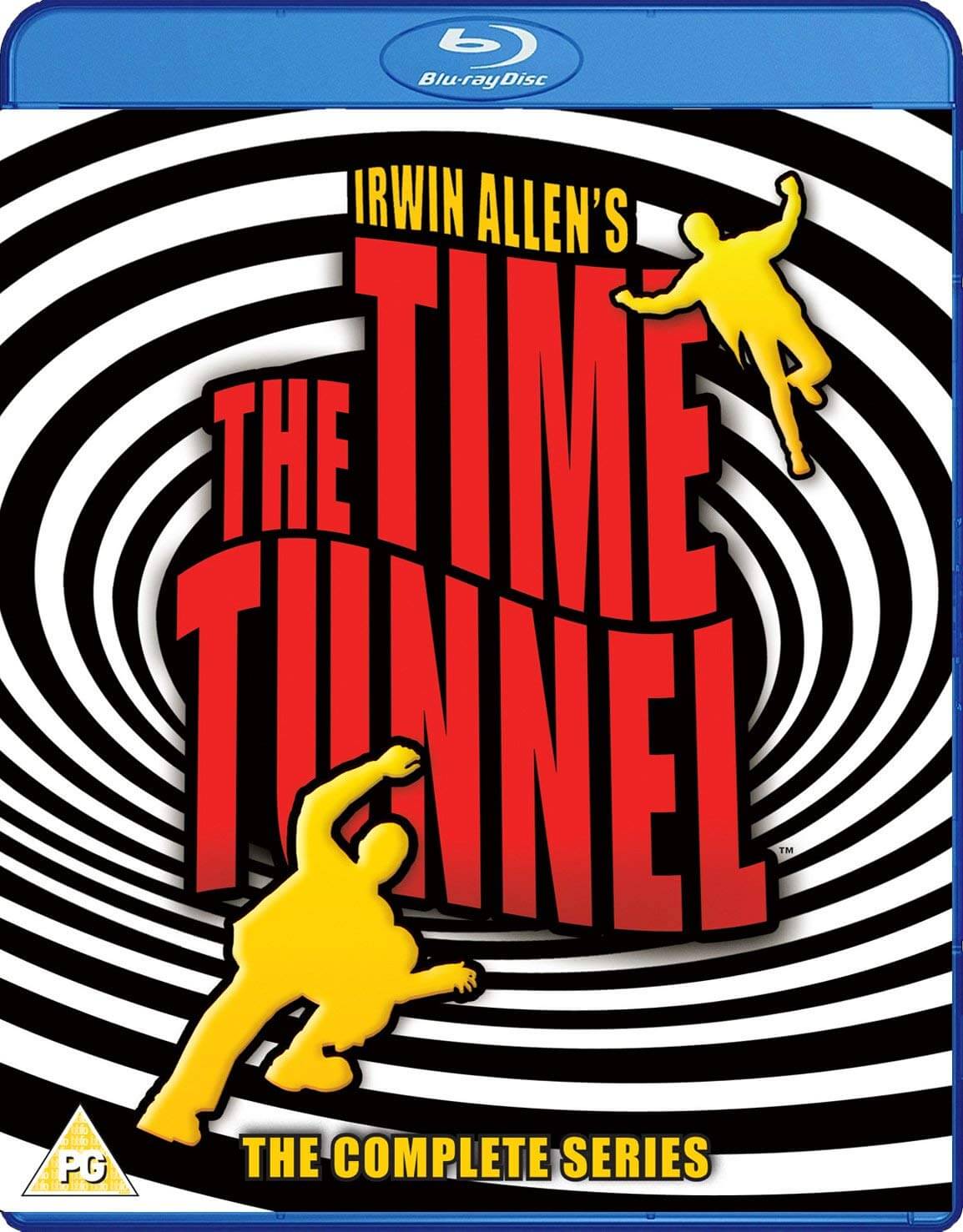
With Koch Media and Revelation Films now giving a stunning new Blu-ray release to Irwin Allen’s iconic The Time Tunnel, we’ve got a copy of this fantastic boxset to give away.

To be in with a chance of winning this brilliant prize, simply answer the below question:

The Time Tunnel’s Lee Meriwether famously played which character in 1966’s Batman: The Movie?

a) Bat-Mite

b) Catwoman

c) Robin

Email your answer, along with your address details, to [email protected] labelled Time Tunnel before midnight on Sunday, November 18th.

The Time Tunnel

The official word on this new release of an old favourite reads:

This stunning new release of The Time Tunnel is produced from HD digital restoration masters created from the original negatives to ensure the best visual experience available. The seven-disc collector’s Blu-ray edition comes packed with special features and a brand new 5.1 surround sound mix, alongside the original mono audio.

From the creative genius of Irwin Allen comes one of the most popular and original sci-fi shows of the 1960s, starring James Darren and Robert Colbert! “The control of time is potentially the most valuable treasure that man will ever find.” Or so believe the scientists of Project Tic Toc.

Located beneath the Arizona desert, the ten-year project’s focus is the feasibility of time travel. But when the government reconsiders the project, the scientists have only 24 hours to prove their untested ‘Time Tunnel’ will actually work. Determined to save the project, Dr. Tony Newman and Dr. Doug Phillips go through the tunnel – and quickly find themselves catapulted from one historical event to another, barely escaping with their lives as their colleagues back in Arizona race to figure out a way to bring them back home.

SPECIAL FEATURES

  • Original Unaired Pilot Episode (HD Version)
  • 2002 Unaired TV Pilot
  • Time Travelers TV Movie
  • Cast Interviews
  • Irwin Allen’s Behind-The-Scenes Home Movies – UK Edit (No Audio)
  • Promotional TV & Radio Spots
  • Visual Effects
  • Camera Test (No Audio)
  • Stills Galleries
  • New 5.1 surround sound mix and original mono audio

The Time Tunnel: The Complete Series is out now from Koch Media.

Terms & Conditions:
Koch Media and STARBURST do not accept any responsibility for late or lost entries due to the Internet or email problems. Proof of sending is not proof of receipt. Entrants must supply full details as required on the competition page, and comply with all rules to be eligible for the prizes. No responsibility is accepted for ineligible entries or entries made fraudulently. Unless otherwise stated, the Competition is not open to employees of: (a) the Company; and (b) any third party appointed by the Company to organise and/or manage the Competition; and (c) the Competition sponsor(s). This competition is a game promoted STARBURST. STARBURST’s decision is final in every situation and no correspondence will be entered into. STARBURST reserves the right to cancel the competition at any stage, if deemed necessary in its opinion, and if circumstances arise outside of its control. Entrants must be UK residents and 18 or over. Entrants will be deemed to have accepted these rules and to agree to be bound by them when entering this competition. The winners will be drawn at random from all the correct entries, and only they will be contacted personally. Prize must be taken as stated and cannot be deferred. There will be no cash alternatives. STARBURST routinely adds the email addresses of competition entrants to the regular newsletter, in order to keep entrants informed of upcoming competition opportunities. Details of how to unsubscribe are contained within each newsletter. All information held by STARBURST will not be disclosed to any third parties.

Dynamic Music Partners | BATMAN: THE COMPLETE ANIMATED SERIES

Dynamic Music Partners

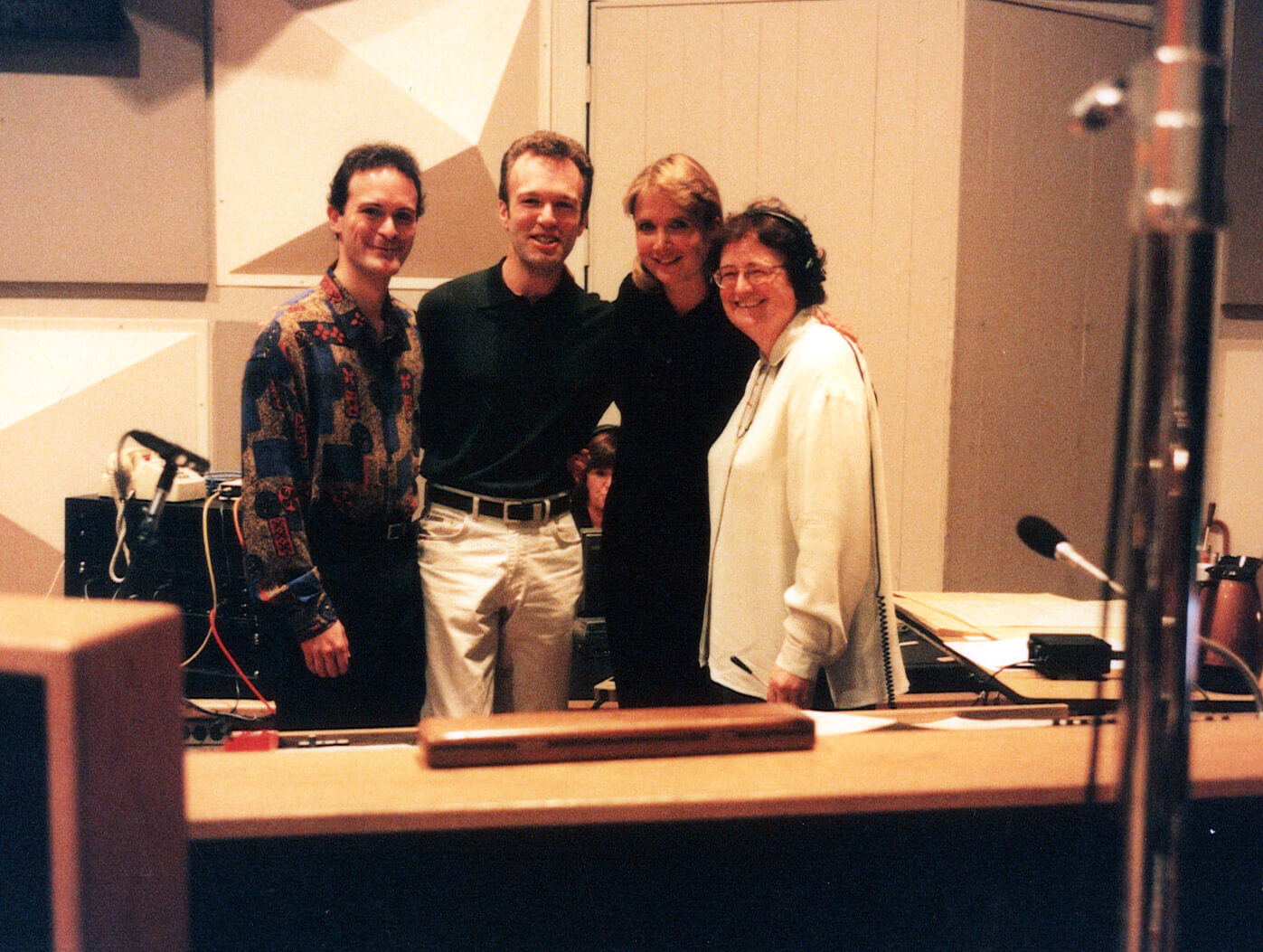
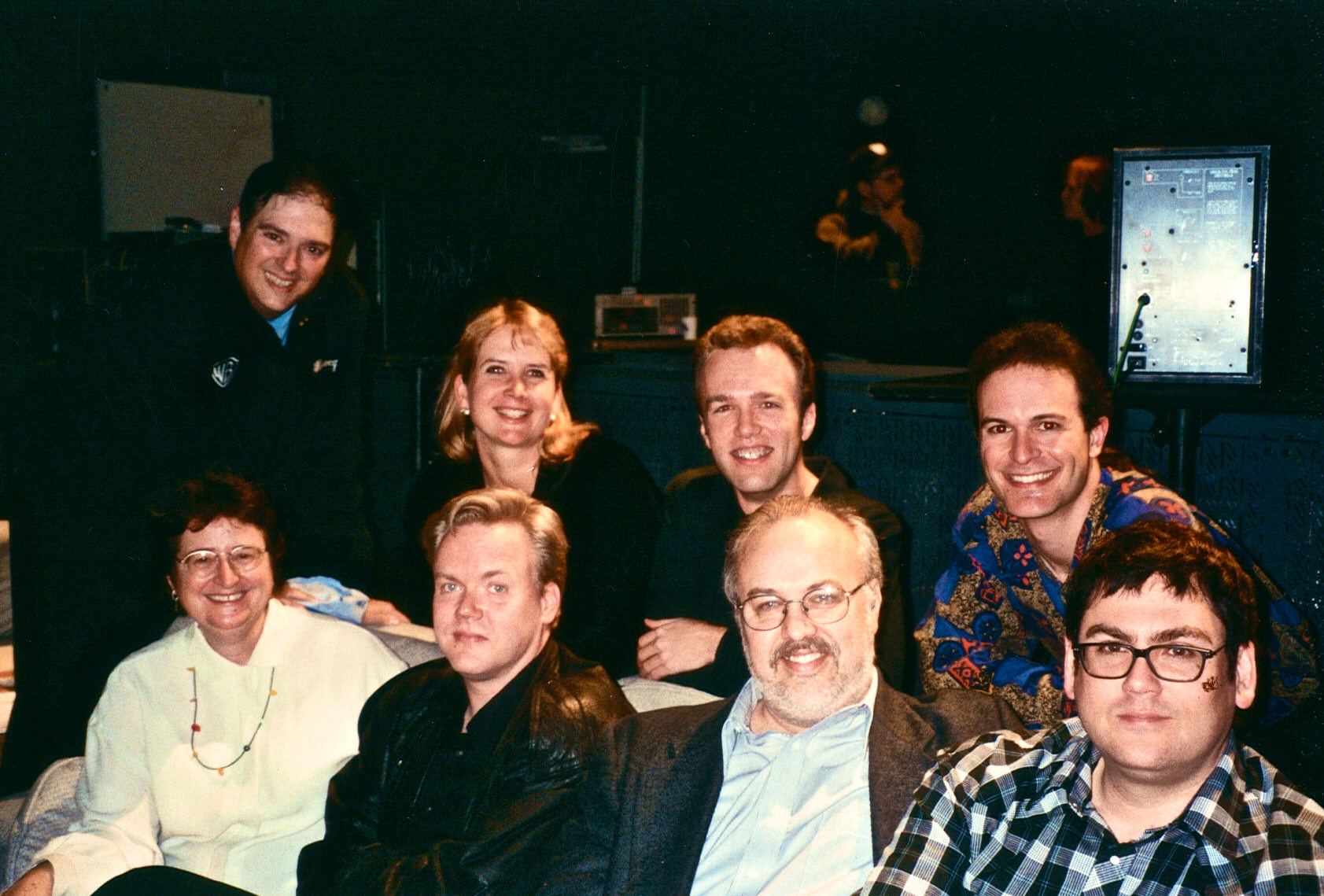
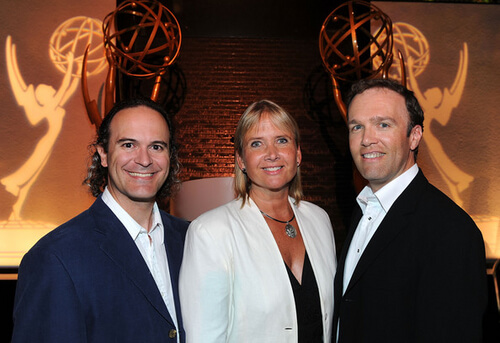
One of the many spectacular facets of Batman: The Animated Series is undoubtedly the absolutely stunning musical beats that accompany the adventures of the Dark Knight. These days collectively known as Dynamic Music Partners, Michael McCuistion, Lolita Ritmanis, and Kristopher Carter were three of those involved in producing these magical, tone-setting notes, often under the stewardship of the legendary Shirley Walker. We were lucky enough to grab some time with Michael,  Lolita, and Kristopher to discuss all things Batman, working work Shirley, their coming together as DMP, striking a work/life balance, and a whole host more.

STARBURST: Starting from the beginning, then, how did you each end up involved in the world of Batman: The Animated Series?

Lolita: It actually started with the brilliant Shirley Walker contacting industry professionals about the idea of her starting a sort of apprenticeship, mentor program for Batman: The Animated Series. She was looking to hire emerging composers to work with her, work for her on that project. To get recommended to her first of all was just a thrill within itself, but to then actually receive a phone call from her to ask if I’m interested in working on something called Batman: The Animated Series… it pretty much floored me to get that phone call! Michael and I were two of the first ones that participated in her grand experiment, which ultimately led to a long, flourishing collaboration working for her, with her, and then Kris also joined in towards the end of Batman: The Animated Series, because he’s a little bit younger than us. That’s basically how the story goes. There’s a lot of details, but that was the basic start of it.

How early on did you realise just how special the show was?

Michael: Gosh, I think from the beginning we knew it was something special. The interesting thing is that it was one of the very first projects that each of us ever did. So, we got spoiled very early on because we thought, “Wow, this is our first real composing gig and getting credit,” because Shirley was adamant that we should get screen credit for everything we did. It felt very professional. Nobody knew it was going to become the phenomenon it became. When we were doing it, it was pretty obvious to us that the show itself just had so much depth, and the characters were just so likeable and interesting and really lent themselves terrifically to the music. There was such personality to each of the villains and the heroes, so it was pretty obvious early on that we had a lot to draw from. It was very inspiring to work on something that had so much depth.

Kristopher: I can actually say from my end – because my experience with the show was watching it, I was still in college when it debuted – I can say from the fans and viewers perspective that this was a tremendous hit, that we loved it. So, to get to join it near the end of the run was a real privilege.

Dynamic Music Partners

Given that the music was tailored individually to each episode and scene, how much fun was that to tackle?

Lolita: I’d been orchestrating for other composers and writing music outside of film music, but just the idea that each episode was a little gem with scenes, light motifs – some that Shirley came up with, some that she entrusted us to develop – it just felt like they were little masterpieces, little paintings. I mean, the artwork was fabulous, the voice acting was amazing, the writing was brilliant. Everybody involved, it was just a real golden era to be involved in something so unique, and it was never, “Oh, we’ve got an order for this many episodes. Crank ‘em out, get ‘em done!” Every minute of music I was privileged to write, it was just so precious, and I wanted to make the most out of it. Right across the board, the artists, the voice actors, everybody knew that this was something really unique.

How was it to be taken under Shirley’s wing back then?

Michael: It was an amazing experience, probably more amazing than we realised at the time. I say that, because years later I’m still using so many things that I learned from her. It’s remarkable how much I absorbed just being around her and working within her system of dealing with orchestrators and composers. She had a very interesting way of going about working with people on the series, in that she would first hire somebody to maybe orchestrate one of her cues or a couple of her cues. And then, if that went well she might ask them to write a cue or two on a show or maybe split a show with her or another composer. Then, if that went well, we might get our own show eventually. And that’s what ended up happening for all three of us. We went through that entire process and ended up with a show of our own to do, so that the whole episode was our music. Then of course we would use her themes and everything. My first show was Be a Clown, which was a Joker show, so I used her Joker theme a lot. It was kind of intimidating to have my first show being a Joker one, but hey, it got me going, it got my blood pumping that’s for sure. In the process of doing all of this, she kind of imparted her years and years of experience working with Danny Elfman and Hans Zimmer, and she was pretty much their right-hand gal for all the things that they were doing at the beginning of their careers, and she was an amazing orchestral conductor in the studio and knew how to run a session like nobody’s business. All these little things that we just absorbed by osmosis, it was so fantastic. She was really tough in terms of her standards – they were very high – and I always had this feeling after I finished a project with her, whether it was a cue or a split show or my own show, I always had this feeling that I was a miserable failure and I’d never work in this town again, because I always felt like, “Oh my god, she’s so brilliant! I don’t think I’ve even come close to matching her standards.” But then she would call me back and I’d feel like, “Okay, so there was something there, so I guess I did a good job.” I just always felt propelled by her and her standards and her encouragement, and I think we all felt the same way.

With such high standards and you being relatively new to the business, did you feel the pressure of working on such a project?

Kristopher: I think Shirley kind of shielded us from the greater scheme of things. We were really working for her, so there really wasn’t the pressure of the comparisons to anything else. But, like Michael said, she had her own very, very tough standards. We had our hands full trying to meet the standards that she set herself.

Could you run us through an average day’s recording session?

Lolita: For Batman: The Animated Series, Shirley would pick who was doing which episode, or it would sometimes be shared – sometimes two composers on one episode – but the first thing that happens is that when the picture is locked, meaning hopefully there’s no more changing in the timings, there’s something called a spotting session that happens where you sit with the producer – and it was Bruce Timm – and sometimes others were present as well. But Shirley was in charge. Whoever was composing was present, but she was basically taking the lead in terms of where the music would go, what the purpose of the music would be, what emotion was needed to be evoked, when to start and stop the music. It was really, really her show to what the music was doing, what the purpose of it was. I have to say, in this era, if you have a 22-minute of content for a half-hour episode with commercials, often producers want to have music wall to wall. In The Animated Series it was often twelve minutes, 15 minutes, because when it came in it really had a purpose and a real specific purpose. So, we spotted the episodes to see where music would go. Back then, there wasn’t an actual music preview for the producer. After we would write the music, we would show it to Shirley. She would then make some changes or finesse things. Then you have the wonderful thing where you have the recording session. We were privileged to work with Los Angeles’ finest musicians, amazing studio musicians that brought each score to life. And a recording session is just very much like many of you have seen on pictures – a big screen, you have musicians, and there’s a booth. At that point, sometimes the producers would show up. Often times not, just leaving Shirley to make the final decision on things that would have to be changed or altered. Usually once the music left her, it usually ended up being the final music that would be in the picture.

In your careers to date, what do you find to be the hardest emotion to convey with music?

Michael: Gosh, that’s a really interesting question. I’m gonna twist it around a little bit just because I think it depends on the scenario, it depends on the film, it depends on the director and producer and what they’re asking of you, whether that makes sense, whether you’re connecting to the material. So there’s lots of variables involved in that. But I think one of the most interesting ways that music can add something to a project that might not already be obvious is when the music is actually playing against picture. A lot of times what you’re hearing in the music is what’s on screen. If you see a fight, you hear fight music. If you see somebody who’s sad, the music is sad. But I think one of the most challenging ways of using film music in a project is to have the music say something that’s not on the screen. So, if somebody’s walking through a dark alley and the music is kind of happy or it doesn’t feel like a dark alley, if feels more like you’re in a nursey with babies, then all of a sudden you don’t feel happy and you don’t feel dark. You feel scared. There are ways that music can add something more to this picture than what’s already there, and I feel that that’s the most challenging and most rewarding way of using music in a picture; when it really has a voice that’s adding another dimension that’s not even present to begin with.

How did you guys come together as Dynamic Music Partners?

Michael: We’d all got to know each other as part of Shirley’s team. At a certain point – for the Justice League animated series – Shirley wanted to focus not on animated television anymore, but the feature films. She was developing that part of her career. So she told Warner Brothers that these three people have been writing all of this music for you for years. She gave her endorsement of us, so Warner Brothers said, “Okay, we can work with you.” But we didn’t really have a formal partnership. So, one of us could be working, but the other two of us could be sitting idle. At a certain point we realised this could be better, we could work together and combine our forces and get us to a goal of a better work/life balance. That’s really one of our founding ideas, that we’ve got to have a balance between the work that we do and the life that we’re leaving. The industry – the film industry, in particular – is one that can suck up all of your mental resources if you allow it. We thought a more formalised partnership could allow us to help each other, to support each other, to make great music, and to hopefully live a better quality of life that we could all enjoy.

Dynamic Music Partners

Was it a constructed effort with The New Batman Adventures to take a different musical approach given the slightly lighter tone of that revamp?

Kristopher: The New Batman Adventures and Batman Beyond were still under Shirley’s supervision.

Lolita: Pretty much Justice League was our main first solo venture. It wasn’t like Shirley was standing with a ruler over her fingers and saying, “You will write this!” We were given a great amount of creative freedom in the sense that she wanted us to use our creativity because of who we were as composers. Each episode really evolved us. Each show had a uniform, but different sounds from episode to episode. She very much embraced the creativity of all the composers involved. And it wasn’t just that, there were 25 composers that filtered through for that – for the original series.

The résumés that you guys have are ridiculous, with shows such as Justice League, Justice League Unlimited, Teen Titans, and Spectacular Spider-Man just a few of your non-Batman credits. It’s a tough ask, but you have a favourite project that you’ve worked on to date?

Lolita: Oh gosh, no. That’s an impossible question. You’re correct in your assumption. We probably have favourite moments, I would think. I know that, for me, my favourite moments have much more to do with where I am in my own creative development and in my life. Certain things that just meant the world to me writing them or getting recognition for something that I really, really embraced and really, really worked especially hard on. Maybe to be recognised, an award or a nomination, those moments are really special. When you really work hard on something and then it’s recognised, it means a lot. We’ve really had the great fortune to work with quite a few really brilliant, brilliant artists that have stories to tell and that allow us to contribute to their storytelling and encourage our creativity. We’re very fortunate in that sense.

How is it to tackle the tone, the tongue-in-cheek humour of something like Batman vs. Two-Face, where you got to embrace that whole ‘60s Adam West and Burt Ward era?

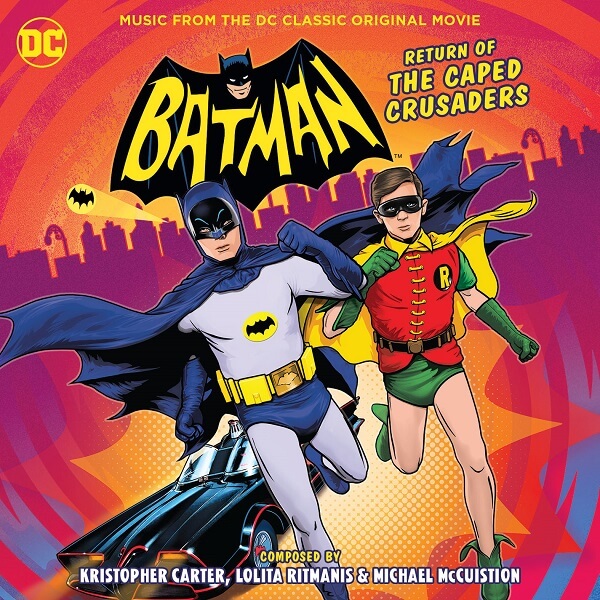
Michael: That was crazy. We had such a good time with that. We’d done Batman: The Brave and the Bold, so we’d already got our feet wet with that series – having that other take on Batman, the non-serious take on Batman. Well, he was serious, but the show wasn’t that serious. He’s always serious. We tried some things out with that series and had such a ball. We had the opportunity to do Batman vs. Two-Face and Batman: Return of the Caped Crusaders. It was great. We decided to hire some live musicians for that, because we just really felt the style was so rooted in the ‘60s and with the original live-action show with Adam West and Burt Ward. One of my teachers was Neal Hefti, so he was somebody that I studied with back in the ‘80s. I felt like I had this lineage to that whole sound, and we all love Nelson Riddle and all of those orchestrations and arrangements. So, we just had a blast. We fully committed to the sound and the style, then with the help of these wonderful studio musicians in Los Angeles we were able to record some pretty great stuff.

Dynamic Music Partners

Young Justice is coming back for a third season as part of the streaming DC Universe service. Having worked on that show previously, are you going to be involved in the return?

Kristopher: We are, yes. Brandon Vietti and Greg Weisman, the producers, have got the band back together.

Michael: That’s a great way of putting it.

Kristopher: The original team, we’re all back. The artists, the music, the same voice cast. We couldn’t be more excited. The tremendous support of the fans is getting the show to continue. It seems so often when these shows end they’re kind of done, and this is one of the very rare times that the fans said they wanted more and the studio went with it. So, we’re thrilled to be on board.

So, you’ll be back for Young Justice: Outsiders, but are there any other upcoming projects that you can tell us about?

Lolita: We’ve been working on Marvel’s Avengers Assemble, which has a new incarnation – Black Panther’s Quest – which should be starting to air soon. We are also very thrilled about working on Marvel’s women empowerment series, Marvel Rising, which is some long forms and some shorts, which is really, really wonderful. And then we’re working with Warner Brothers on quite a few things, but we can’t really discuss them because they haven’t been announced officially. But I think people will be kind of excited. I’m excited, we’re excited!

Michael: We want to have a big shout-out to our fans that are listening to the music. It’s wonderful to know it’s connecting people. In this genre, in television, it’s not like you get to hear the reactions of everybody watching the show. So, it’s just wonderful to be connected people who are involved and listening to what we’re doing.

For more on Dynamic Music Partners and their upcoming projects, be sure to follow them on Facebook and Twitter, and head on over to www.dynamicmusicpartners.comAnd be sure to check back here over the next week or so as we talk to some of the other key figures involved in Batman: The Animated Series.

Batman: The Complete Animated Series is out now on Blu-ray.

Tara Strong | BATMAN: THE ANIMATED ADVENTURES

Tara Strong

Undoubtedly, Tara Strong is voice-acting royalty thanks to her stunning work on a ridiculous array of favourites such as The Powerpuff Girls, My Little Pony, Rugrats, Fillmore!, Ben 10, Drawn Together, and of course several different roles in the world of the Dark Knight. The voice of Barbara Gordon/Batgirl, not to mention a certain Harleen Quinzel from Batman: Arkham City onwards, we were lucky enough to grab some time with Tara ahead of the Blu-ray release of Batman: The Complete Animated Series.

STARBURST: Having been involved in the industry since your teenage years, when did you first realise that this could be your career and that you had such range?

Tara Strong: Well, I definitely always did silly voices as a child. I had a fake radio station with my sister. I always copied people, I was this sponge. I knew from the age of three or four that I wanted to be a performer. I would perform in front of my kindergarten class. I always knew that I wanted to perform, but I didn’t realise it was primarily going to be voiceover. I grew up in Toronto and my family got me an agent when I was thirteen. One of my first auditions was for the voice of Hello Kitty, for the title role, and the rest is history. My parents were really supportive. They encouraged me no matter what. They were at every audition, every show. They were just the greatest.

That’s very different to your normal thirteen-year-old. How was it to grow up and balance that burgeoning career with normal teenage school life?

It was a little challenging in regard to education. I was very conscientious about being docked grades and losing marks just because I was away. I kept my grades up, so that was frustrating. Sometimes schools were accommodating, but often they weren’t. Finishing high school was really challenging because I was acting pretty much full-time from the age of thirteen. In Toronto, I had a very well rounded career doing TV, film, theater, I had my own sitcom. Everyone would tell me, “You don’t need to go to high school!” It was such a fun environment. It wasn’t the easiest thing to do, but I did know that I wanted to finish high school. I would have a lot of on-set tutors. I graduated at the same time as everyone else, thankfully, but I did switch schools several times.

You’d then move to Los Angeles in the early ‘90s. Was that move prompted by a specific job, or was it a case of just moving to LA to see what was out there?

From the time I was very little, I always wanted to move to Los Angeles; I always wanted to move to the United States, to California. I loved the idea of being in the hub of Hollywood. Often for on-camera parts, the large parts would be cast there. I remember thinking, “I just want to go to LA and do a ‘movie of the week’.” I just wanted to go and do other productions. I would’ve moved earlier except that I really wanted to finish high school. Right when I finished high school, I got into a few colleges for performing arts. One was in New York, one was in Toronto, and I chose Toronto because I’d booked a few films. I would’ve lost them if I left at that time, and they were good films. One was with Anjelica Huston and Sam Neill. I just didn’t want to give up those opportunities. The first day of school in Toronto, I ended up teaching there! I was like, “I think if I go to school it’s to be educating myself about things I don’t know about it.” I decided that I was going to make the big, scary move. I didn’t know that many people very well. The guy who played my dad in the sitcom that I did invited me to stay with him and his wife. He was very sweet. He’s actually just passed away this year. I stayed with them through the ’94 earthquake, so it was lucky that I had someone. My mom was like, “You’ve gotta come home! There’s no food, there’s no water!” That was all based on the news.
Tara Strong Batgirl

When The New Batman Adventures came around, you landed the role of Barbara Gordon/Batgirl. How was that process?

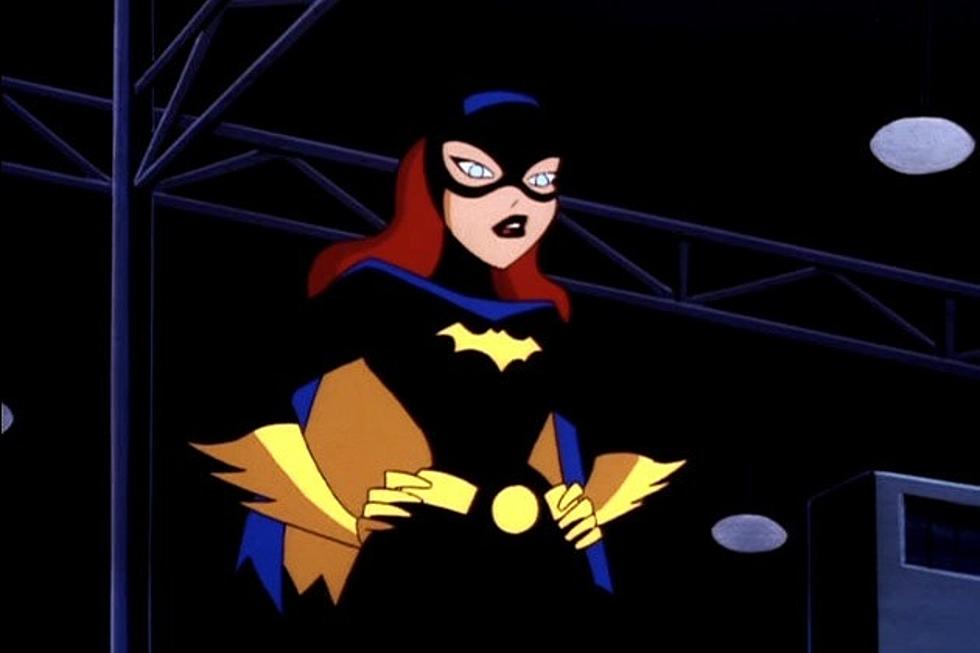
When I first moved to town, it was actually quite challenging to get my footing. I had had a very successful career in Toronto, so that helped me, but I was still the new girl on the block. They like to stick to the people that they know, and I remember literally crying in my apartment going, “I don’t know if I can do this.” I’d had two eviction notices, I was broke, my parents were trying to help me but I was feeling guilty. I really didn’t know what I was going to do. I got a call from Marsha Goodman, who said, “Would you come and play my Heather in the new Gadget Boy and Heather?” I burst into tears! And ironically enough, Marsha Goodman was the person who gave me Hello Kitty. So, she started my career and she saved my career; because of her I could afford to eat. Not shortly after that, I switched agencies and I booked one hundred episodes of 101 Dalmatians, which is unheard of. Then Powerpuff Girls and Batgirl all in the same year. People were like, “Who is this girl?!” That was me putting myself on the map. When I walked into the audition for Batman it was full of top tier voice talent as well as celebrities. A-list, D-list, you name it, everybody wanted to be Batgirl. It was quite an intimidating room. I went in and just did my best. I remember Andrea [Romano] and Bruce [Timm] saying something about how much they liked my natural personality and how I just seemed to be Batgirl. When I walked in, it was just very natural to me. In truth, Batgirl is the only job I do that’s really my own voice. When I got the call that I’d booked it, my agent left a voicemail on my answering machine at the time, and he goes, “Oh my god, you’re her! You’re the girl with the Bat, you’re Batgirl!” He was freaking out. Let’s just say that was a very good day.

When you get the chance to reprise that role, is it a little easier to do given that it’s your natural voice, or does that make it even more difficult?

I love every time I get to go back to it. I get really excited every time I look at a script and see Batgirl. It’s just a wonderful, exciting, nostalgic thing. When I first booked the job, I was sitting between Mark Hamill and Kevin Conroy – and I pinched myself! Whenever you get the opportunity to revisit that, it’s pretty extraordinary. I get excited every time. Not that it’s easy because it’s my voice, because truthfully, it’s quite challenging from an acting perspective Any time you’re taking on a new role, as the actor you really envision yourself in all of these scenarios. You do some very deep stuff when you do Batman. My favourite iteration of Batman is always the darker ones. They take you to very dark places. So, I never go, “Oh, it’s gonna be easy.” I go, “Wow, I’m excited to take this on!”

Were you a fan of Batgirl or the Batman mythos before you got involved in The New Batman Adventures?

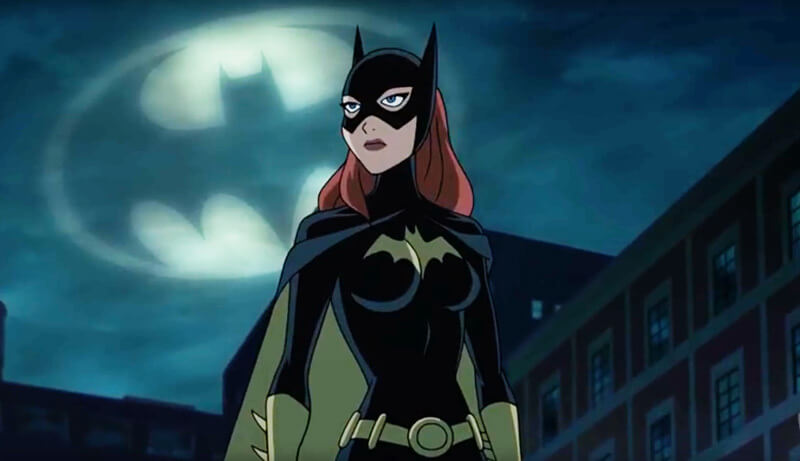
My father collected World War II memorabilia – he’s a big collector – and we grew up going to antique markets. My sister began collecting Wonder Woman and I wanted to collect something, too. I didn’t want to do what she did, so I chose Batgirl. Very young, I wanted everything that I could find that was Batgirl. And my father had the early editions of almost every comic you could think of. So, I definitely grew up in that world and was familiar with it. I haven’t read every single comic – certainly, fans know a lot more about every single story than I do. In fact, when we started The Killing Joke, I hadn’t read it before I saw that we were doing it. When I found out we were doing it I bought it and I found it so fascinating, even afterwards, to watch The Killing Joke and have the comic in front of it. You see how similar they are. You look like you’re watching the comic. There was the additional scene, which I was grateful that they gave to me. It was quite exciting.
Tara Strong Batgirl

How is it to tackle something as dark as The Killing Joke or Batman Beyond: Return of The Joker, in comparison to the more balanced tone of The New Batman Adventures?

It was shocking and interesting, and I figured there’d be some backlash but not to the degree that I saw. People freaked out. I just remember thinking, “Just relax. She’s a grown woman making a grown decision. She’s not Batman’s sister or daughter or anything.” I just loved how beautifully it was done. I thought the acting was extraordinary. When you watch those moments with Mark Hamill and the origin story in The Killing Joke, there’s some really incredible moments.

With some of the scenes added to the animated take on The Killing Joke, there was a backlash amongst some fans. Given how so much of what you’ve done throughout your career has had a hugely positive fanbase, what was it like for you in the aftermath of The Killing Joke?

It was really hard, because you put your heart and soul into something and you hope that people like it. Any time you hear negative stuff about anything you’ve done as a performer, it’s not a good day. You try to ignore it and not let it affect you. I think more people need to teach their children about how to not attack people online. When my son was maybe four or five years old, he really hated Justin Bieber. He just had an aversion to him. He put out a new video and he goes, “Oh my god! Mom, watch this.” He was very young and he was basically saying how terrible it was. I said, “Well, it is what it is. Some people like that.” And he said, “I’m gonna write something.” He was writing underneath the video what a piece of garbage this video was, and it was poop. “You know what? That’s not a good idea to do, and I’ll tell you why. Just because you don’t like it doesn’t mean other people won’t like it. I guarantee that this performer really likes it. He wouldn’t put it out if he wasn’t proud of it. So rather than bang on it and bash it, that’s not good karma. Put your energy to someone and something else. If you want to create your own music, do that. But if you don’t like it, you don’t have to say something negative.” And I taught my son that and he’s never done that. He’s sixteen now. I think people need to teach their children more about doing that, other than to keep going in to your adult years thinking it’s okay behind a computer to say something totally nasty about someone.

When you first landed the Batgirl role, when did it dawn on you that you were playing such a huge role model of a character?

Oh, I always knew that. I knew the second I booked it that it was going to be a huge, important role and a huge, important role for young girls everywhere to have a female role model to look up to. I take the responsibility pretty strongly, about strong female characters that can inspire other girls to be strong and stand up for themselves and do the right thing. It was always something I knew was important and I felt very blessed to be playing her.

Tara Strong Raven

You’ve played so many characters over the years, so many of which have meant so much to different people. Which one do people lean towards the most in terms of which has meant the most to them?

I hear a lot of Raven at cons, I hear a lot of Batgirl, too. Mostly at cons I hear that Raven helped people through depression or she’s someone people can relate to. Harley, people are always happy about. And Powerpuff Girls. Yeah, I’ve been really lucky. All of the roles have been quite iconic roles. I mean, not many people get to say that they’ve played these characters like Batgirl and Harley and Poison Ivy and Raven. Over my career, I’ve had the opportunity to play such extraordinary characters.

Drawn Together was risqué at time, but was there ever anything over the years that you’ve been offered but turned down due to it being too out there?

Oh, I loved Drawn Together so much. I miss that show. I said no to a cartoon that was basically an anti-Jihad cartoon. It was a weird sort of ISIS comedy. It was kind of at the height of the beheadings and everything, and I just said, “You know, Charlie Hebdo was really serious and devastating, and we need to be conscious of what we’re putting out there. I’m not going to do a Jihad cartoon.” I just passed, I didn’t even submit an audition.

And was there anything on Drawn Together that maybe went a bit too far for your liking?

There was one thing that I told the guys I was not going to do. There was an Anne Frank joke, and it was really harsh. I was just, “Guys, I think we can do this without going here.” The truth is, on a show like Drawn Together – similar to South Park – there’s a racist element making fun of racists. Basically, showing how ridiculous racism is. From that viewpoint, I’m completely fine with it. And if they asked me to do that show again I would be back in a heartbeat.

You’ve mentioned Harley Quinn, and that was a role you took on originally in Batman: Arkham City. Taking over that role from Arleen Sorkin, was that a nervous moment or was it just seen as another challenge?

Definitely very nervous. I used to work in the studio alongside Arleen Sorkin, and she’s just the loveliest human ever and incredibly bright, beautiful, intelligent. When they said they were going in a new direction, it scared me. People love their signature voices, and I was terrified that people wouldn’t like what I did. When I came in and they were trying to explain the different area that they wanted to go, I understood it and I wanted to make sure it wasn’t a money thing. Once I knew it was a creative choice, they told me that they wanted it based on her but with my own spin on it and to be completely out of control crazy. We were definitely just jumping in, and I hoped people liked my version very much. It was scary!
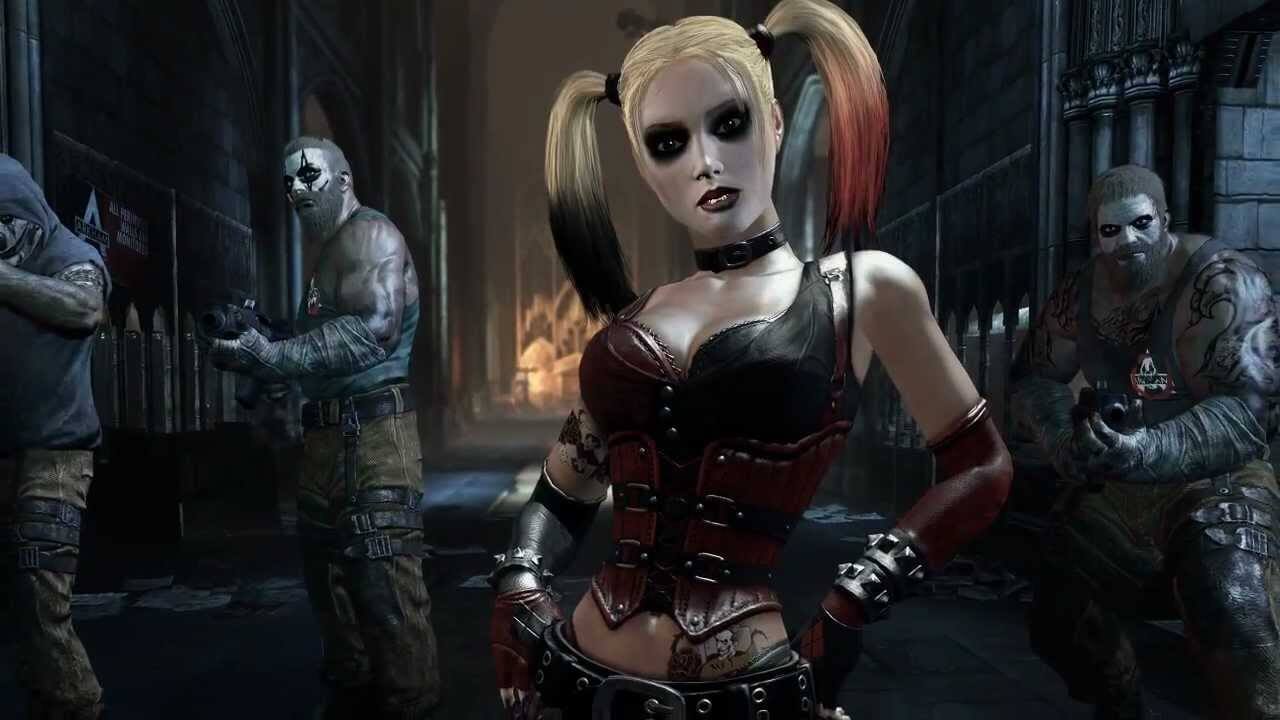
Tara Strong Harley Quinn

Batgirl is this strong symbol of hope and fighting the good fight, and then you’ve got Harley Quinn who’s on the other side of that. Is there a favourite side of the fence for you?

No, they’re both really fun. I mean, it’s always fun to play the bad girl. But like I said before, it’s very special to play Batgirl. Harley kind of becomes my therapy when I get in the studio – to scream and shout – but they’re both equally fun. It’s always fun to play the bad girl but there’s something very special in my heart about Batgirl.

Across the board, which is the role you find yourself getting most animated about in the studio?

Probably the craziest right now is Unikitty. She’s pretty crazy, she’s all over the place.

In Rugrats, how much of a challenge was it to voice a literal infant in Dil Pickles?

It was really fun, but it was challenging. All of my lines would be stage directions, like, “Baby Dil grabs Tommy’s toy and throws it at Angelica’s head, throws up and poops, then goes to sleep.”

How great is it to see the Bronies fan movement involved in My Little Family?

It’s extremely rewarding. I love the My Little Pony fans, they’re the cutest fans ever. They’re the first to give to charity and be there for each other. They’re very strong on anti-bullying stuff, and I just love them so much. I call them my Army of Kindness. I had no idea that Pony was going to have that level of fandom, so it was sort of this unexpected, brilliant, extraordinary world of people just being there for each other all over the world.
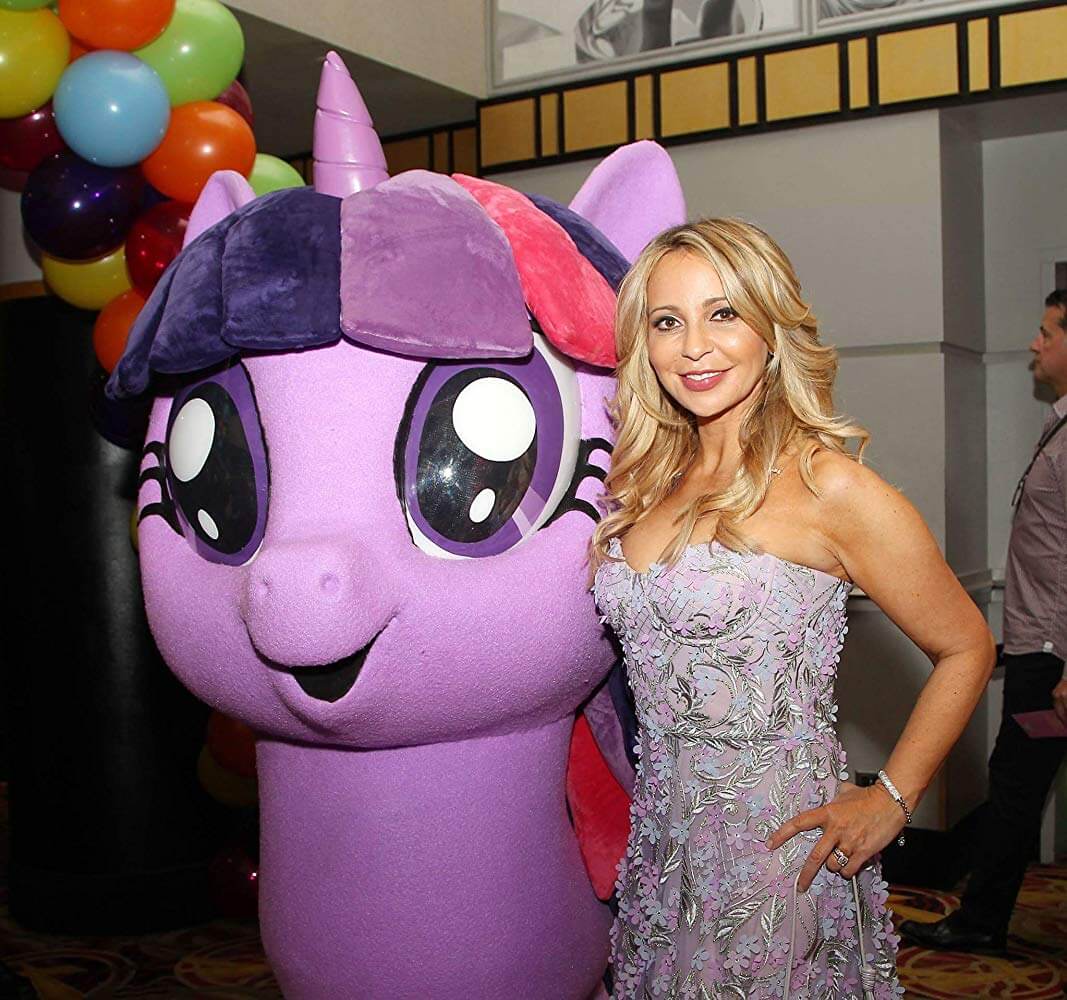
Tara Strong My Little Pony

What are you working on at the moment that you’re able to tell us about?

Well, I’m working on a lot of stuff. A lot of the DC Super Hero Girls, still doing some Rocky and Bullwinkle. I love that so much, and I encourage people to check in for this new season; it’s really, really fun. And more Ben 10, more Teen Titans. Yeah, I work every single day. Just follow me @tarastrong and I usually post career stuff along with my frustration with politics.

Be sure to check back here over the next week or so as we talk to some of the other key figures involved in Batman: The Animated Series.

Batman: The Complete Animated Series is out now on Blu-ray.

The Marvel Shows We Want To See On Netflix

netflix

With both Iron Fist and Luke Cage being cancelled in a double-whammy this month, there’s a big hole in the Marvel Netflix Universe. Obviously, Daredevil, Punisher, and Jessica Jones will continue, but what heroes could join them in the gritty corner of the Marvel Cinematic Universe that Netflix has carved out? STARBURST takes a look at some of the contenders…


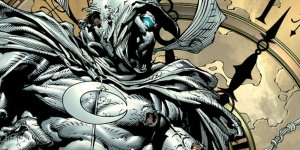
Moon Knight

There’s been talk of a Moon Knight TV series for a while, but nothing ever comes of it. James Gunn tweeted in 2016 that he’d pitched a Moon Knight movie to Marvel but we all know how things have turned out for him lately. Moon Knight is Marc Spector, a former mercenary left to die and saved by the Egyptian god of the moon, Khonshu. He becomes an avenging angel, a creature of the night, using the billions he’s accumulated to fight crime. As well as Spector, he poses as wealthy philanthropist Steven Grant and streetwise cabbie Jake Lockley. He’s Batman, basically, only more openly psychologically damaged. Perfect Netflix fodder, especially the Warren Ellis version of the character from the 2014 reboot.

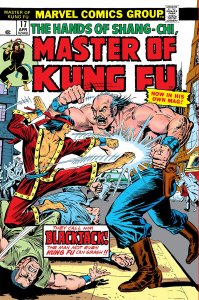
Shang Chi, Master of Kung-Fu

The son of legendary Chinese superbad Fu Manchu (although the Sax Rohmer estate would say otherwise), Shang Chi was trained to be an assassin but rejected his father’s evil ways and became an agent of MI6. A master of his own chi – or life energy – Shang Chi has used his considerable martial arts skills to fight numerous superpowered threats, always thwarting his father’s master plans. A Shang Chi movie was one of the proposed features that was part of the deal between Marvel and Paramount in 2006, but that deal ended in 2012 as Marvel took control of their own cinematic destiny. Like Iron Fist but, you know, actually Chinese, Shang Chi could scratch that Marvel Netflix kung-fu itch.

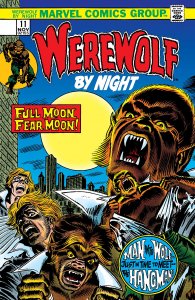
Werewolf by Night

Jack Russell (quiet at the back!) is struck by his family curse to become a werewolf on the three nights of the full moon, and travels the US in search of the mystical Darkhold, a book of chaos magic (as seen in the Agents of SHIELD TV show) linked to his Transylvanian ancestors. Although Jack can transform into a werewolf at will – with full control of his actions – the full moon transformations cause him to lose his human intellect, with rampaging repercussions. With a comic book history tied up with Moon Knight, Dracula, and the Jessica Drew Spiderwoman, there’s plenty of scope for an action-packed series full of superheroics and horror.

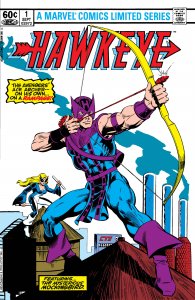
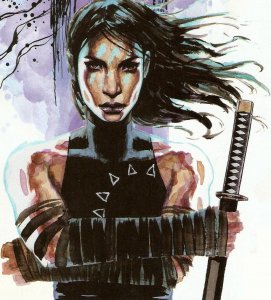
Hawkeye

But Hawkeye’s one of The Avengers and there’s no way Jeremy Renner would do a TV show, right? Well, yes, but Renner’s Clint Barton isn’t the only Hawkeye in town these days, with Kate Bishop – a disenfranchised heiress – also running around shooting arrows in a purple costume. Barely out of her teens, Bishop is not quite the archer that Barton is, but also has martial arts and other weapons skills to make up for it. Her most recent comics run saw her setting up as a private eye in Los Angeles, with an intriguing subplot featuring Madame Masque, the head of the Maggia, Marvel’s thinly-veiled version of the Mafia. Think Jessica Jones but more glamorous, less gritty, and maybe with some smiling.

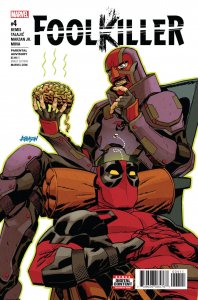
Foolkiller

The success of The Punisher proves that there’s an audience thirsty for an anti-hero. They don’t come more anti of a hero than Foolkiller, whose mission is – simply – to kill fools. The original incarnation of the character would leave his targets a message, reading “”You have 24 hours to live. Use them to repent or be forever damned to the pits of hell where goeth all fools. Today is the last day of the rest of your life. Use it wisely or die a fool.” He was killed by Man Thing but since when did that stop a decent character? Being a Steve Gerber creation, the next Foolkiller targeted people without a poetic nature, but the most recent man to wear the costume is an extreme Punisher, taking down not only violent criminals but also those guilty of neglect, such a drug-addicted mothers and slumlords. Walking that fine line between insanity and righteousness, it’s perfect recommended for mature audiences material.

Son of Satan

The offspring of a mortal woman and, well, Satan, Daimon Hellstrom was trained by his (undercover!) father in the dark mystic arts, alongside his sister Satana. When his mother discovered who her husband really was (honestly, their daughter’s name should have been a huge clue), she was driven mad and Satan was banished back to Hell. Satana became her father’s daughter but Daimon took the side of good, becoming an occult investigator and defending humanity against devilish threats. He later joined the original Defenders and married Hellcat (aka Pasty “Trish” Walker, from Jessica Jones), and his recent history has been one of subtle greys rather than the black and white of good and evil. Providing an overtly mystic twist to the street-level Marvel Netflix Universe would go further than Iron Fist and Defenders did, but not so far as to not be recognisably in the same world. And he has a sweet inverted pentagram branded into his chest!

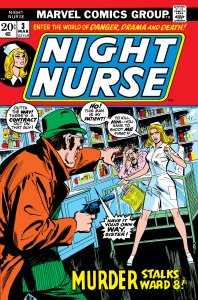
Night Nurse

Yeah, you’ve got that Gregory Isaacs song in your head now, haven’t you? For that I’m sorry, but Night Nurse occupies an intriguing little corner of Marvel’s New York that – when you think about it – is actually really very important. The Night Nurse is where you go when you’re a costumed vigilante and you get hurt. You can’t go to a hospital, because paperwork, so you go to the Night Nurse. In the comics, her role is taken by Linda Carter (no, not that one), whose history is entwined with Daredevil and Doctor Strange, but we’ve already seen a perfect candidate in the Marvel Netflix Universe in Claire Temple, the thread that tied the first half dozen Marvel Netflix series together. Just imagine ER but with superheroes and less helicopter crashes…

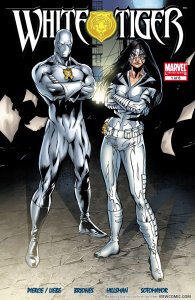
White Tiger

There have been two White Tigers, and the current occupant of the costume – and owner of the Jade Tiger amulet which grants enhanced strength, agility, reactions, and stamina to its wearer – is Angela Del Toro, an FBI agent who inherited the totem from her murdered uncle, Hector Ayala, the first White Tiger. In her short comic book history, Del Toro took up as a costumed vigilante, teamed with Daredevil, fought the Yakuza, was killed and resurrected by The Hand, and then was freed from their control by Hector’s daughter. It’s a story that neatly fills a Netflix arc, and brings in the considerable Latin American flavour of the New York setting of these shows. Plus you could also feature the Sons of the Tiger, the original owners of the Jade Tiger, who rather coincidentally resembled Bruce Lee, John Saxon, and Jim Kelly from Enter the Dragon, and thus were COOL.

Echo

John Krasinski’s A Quiet Place not only made silence suspenseful, it also made it marketable. Echo is a woman who lives in silence, profoundly deaf since birth. Echo has ‘photographic reflexes’, and is able to copy any action she observes, making her the equal of anyone whose fights she’s been able to study. She was also raised by Wilson Fisk after the death of her gangster father, and sent away to a school for gifted prodigies. Sent to spy on Daredevil by The Kingpin, Echo fell in love with Matt Murdoch, and turned against Fisk, blinding him in an ironic twist. With a half-Japanese, half-Native American background, Echo is ripe for cultural exploration, and a deaf protagonist would be a novel, but welcome addition to the Marvel Netflix Universe.

The Shroud (and the Night Shift)

After witnessing his parents being killed as a child, The Shroud decided to dedicate his life to fighting crime. So far, so Batman. But the man who would become The Shroud took a different path to crimefighting, joining the Cult of Kali (the Hindu goddess of destruction), spending seven years studying various styles of martial arts. Upon graduating from the temple, he was branded with the Kiss of Kali, an imprint of the goddess on his face, which also blinded him. However, he discovered that his sight had been replaced by a mystical extrasensory perception and he had been granted access to the darkforce dimension. Fighting organised crime in Los Angeles, The Shroud often posed as a villain, and recruited a team of misfits into doing good under the auspices of committing crimes. These included the telekinetic Gypsy Moth, 60-second precog Tick Tock, twin conjurors the Brothers Grimm, hypnotic exotic dancer Dansen Macabre, and the money-dissolving Tatterdemalion. Less Defenders, more offenders, but with an offbeat flavour that appeals to a Netflix subscriber base thrilled by Stranger Things and Breaking Bad.

JD Fennell | SLEEPER: THE RED STORM

fennell

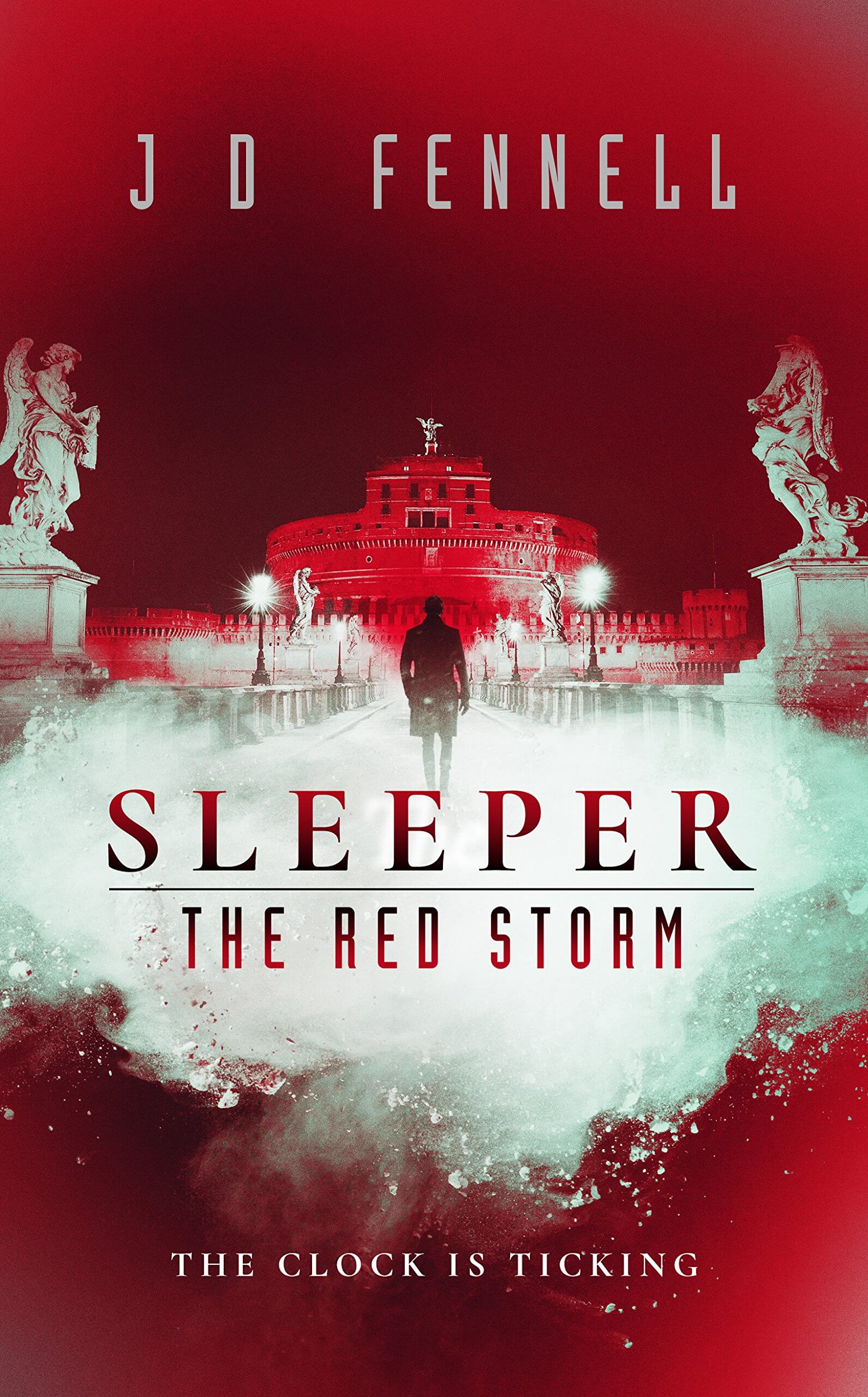
Brighton-based JD Fennell is the author responsible for Sleeper and its sequel Sleeper: The Red Storm. We caught up with him to find out more about these fast paced spy thrillers with fantastical elements set during the Second World War.


STARBURST: How would you describe Sleeper: The Red Storm?

JD Fennell: It is the second part of a spy thriller trilogy set in Europe during the Second World War. The series follows the correct historical timeline yet in this world mysticism, the supernatural and sophisticated period technology exist on the fringes of reality. Will Starling and Anna Wilder are MI5 agents who are tasked with infiltrating VIPER, a wealthy criminal organisation, to prevent the development of a super-weapon. Will is the last remaining member of his family, who were murdered by VIPER. He is focused on his mission and wants revenge at whatever cost, however, things don’t quite go to plan.

Why 1943?

Without giving away any spoilers I wanted Red Storm to climax in Rome, when the allies bombed the city. As with the first in the series, Sleeper, which is set in 1941 London during the Blitz, the adding of fantastical elements to the dramatic backdrop of a city mid destruction was fun to write.

How would you pitch it to a beloved elderly relative?

I’m thinking of my granny here in this instance, who’d have no interest in reading it, or any books for that matter, but would like to know what it is about, at least. Here goes – “So granny, remember we watched The 39 Steps together? We saw a few different versions of it, you might recall. And then there’s James Bond. I know you don’t like him but… and that Indiana Jones fella. I know you like his movies. Well, the Sleeper books are bit like a combination of them all. Sort of…”

How does this compare to the previous Sleeper book?

The Will Starling in the first book is uncertain of who or what he is. As the story unfolds we discover he is a damaged young man with a head injury, memory loss and a rage burning inside him that he cannot explain. In Sleeper: The Red Storm, Will has a clearer understanding of who he is. His rage has a focus and he does not hold back. Prepare for a darker ride.

Why do spies and special powers mix so well?

For me there is something just so appealing about fantastical elements crossing over into reality. Add in the murky world of spying, deception and revenge and you get quite a heady combination.


Why do you torture your characters so?

My characters face jeopardy from all four corners in the race to achieve their goals. It would be remiss of me to not make them suffer, or indeed, kill one or two off. It would be a very boring book if no one got hurt, or died.

If you weren’t writing, what else would you be doing?

I already have a full-time job, so that would not change. In my spare time, if I wasn’t writing, I might take on another degree. Who knows?

How have you found the journey into print?

That road has been twisty and bumpy with lots of stops at red traffic lights. You need to hold your nerve, believe in yourself and just keep going. It has taken some time to get here, but it was worth the wait. I’ll never forget the moment I held my first book. It was an eye-welling moment.

What would you do differently?

I would have done more networking. Despite not being a natural I have come to appreciate how important it is. Getting out and meeting other writers, agents and publishers at events is crucial for getting ahead these days. For example, agents want to put a name and manuscript to a face. They want to meet you and ensure they can work with you.

Would you describe it as a thriller?

Both books in the Sleeper series are thrillers. They have been described as ‘fast paced, breathless actions thrillers’, which I’d say was about right.

How useful do you find genre classifications?

I’m not a fan for the simple reason that people are quick to judge, myself included. Classifications stop people from exploring titles out of their comfort zone, which is a real shame. Who cares if a book has been categorised as Crime, Horror, Romance or Science Fiction. If it is a well told story that keeps you turning the page then why would you want to miss out?

Where’s the best place to start with your work?
You could start with Sleeper: The Red Storm, as I have drip fed small amounts of back story to explain certain things. However, I’d probably recommend starting with Sleeper to get the full impact of the twists in the second book. Also, Sleeper is a short book and a very fast read.

What’s next?

I’m currently writing a dark detective novel set in Central London. When that is done I will complete the third in the Sleeper series. Before that (possibly summer next year) I will release a one off short ebook featuring a new character in book two.

Is the genre publishing community more accessible these days?

I believe it is. Go into any bookshop and library and it is filled with genre titles. Agents and publishers are hungry for more genre books. Crime is always in demand. There also seems to be trend at the moment for ghost stories, which I am very happy about because I love them.


Sleeper: The Red Storm is out now (£8.99, Dome Press)