Is the Sports Movie Genre Full of Classics?

People love to watch sports, at home with snacks and friends, or in huge stadiums surrounded by fellow fans shouting their support and anguish. But we also love to watch movies about sports, following the highs and lows of teams and their journeys from the bottom to the top, or sometimes vice versa. That said, are there true classics of the genre?

Soccer


The British game of ‘football’ has a long and illustrious history. The game that we recognise dates back as far as 1863, with regional versions being played around the country before national standards were put in place. There are many great movies that depict the high-end world of top-tier football, however, one of the films that best depicts the spirit of football is 2002’s Bend It Like Beckham, a comedy featuring a young Keira Knightly and Parminder Nagra whose friendship and passion for the game often leads them into conflict with their families and their traditional values. It focuses on how the girls navigate these conflicts and how playing sport can bring people together, as well as breaking a couple of stereotypes along the way.

Ice Hockey


For this one, the top spot has to be given to the 1999 comedy Mystery, Alaska. It isn’t the most famous ice hockey film, but is great for fans of the sport, with a classic plot that gives the audience a real ‘locker-room’ feeling, as we follow our main characters’ journey through a publicity stunt gone wrong to a face-off against the NHL’s New York Rangers. A lot has changed since the 90s, and it’s interesting to see a team that is now rank outsiders at 30/1 in the hockey betting for the Stanley Cup appearing as the stars of a movie. At the time, they were just five years on from their last win. So, for hockey fans, it’s perhaps an interesting chance to cast back and experience a different period of fortunes in the NHL.

Wrestling


There are hundreds of fantastic movies about this sport thanks to its showmanship and the personal story that almost every wrestler has behind their passion. Classics like The Wrestler (2008), and documentaries like The True Story of WrestleMania (2011) are fantastic pieces that will give any wrestling fan a lot of pleasure. However, for the casual viewer who might not be involved in this world, the title has to go to Wrestling with My Family, a 2019 drama starring Florence Pugh that takes us from the living room to the stadium as we follow the journey of the infamous WWE Superstar, Paige. This film is not only hilarious, but it also depicts a family whose shared passion brings them both joy and pain, as siblings struggle for the same success but ultimately have to make sacrifices for their ambition.

Ice Skating


This one might be an obvious choice, but it has to be given its due – I, Tonya (2017). This biographical black comedy starring Margot Robbie tells the story of Tonya Harding, possibly the most famous figure skater of all time, as she grows into her success, as well as navigating her troubled personal life and family relationships. Its fourth-wall-breaking ‘mockumentary’ interviews provide dark laughs whilst also getting to the heart of the sport and the pressures that athletes face to reach the top, and remain there. It’s a painful journey that may require some tissues, but it is worth the watch purely for the depiction of Harding’s mother, LaVona Fay Golden, in a performance by Alison Janney that won awards for supporting actress at the 90th Academy Awards, the 75th Golden Globes, the 71st British Academy Film Awards and the 24th Screen Actors Guild Awards.

There are many more that could make this list, but those are the ones that fans find themselves going back to time and time again, as well as being fantastic introductory pieces for those who aren’t huge sports enthusiasts. So, if you’ve got some time on your hands, make sure to check these out.

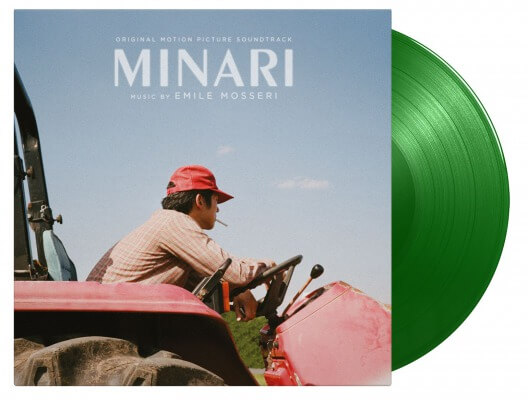
Emile Mosseri | MINARI

emile

Composer Emile Mosseri has, in his short career scoring feature films, worked on some very notable productions. He scored director/producer Joe Talbot’s debut, The Last Black Man in San Francisco, has worked with Miranda July on Kajillionaire, and also tackled the second season of the Amazon series, Homecoming. His latest score is for Lee Isaac Chung’s Minari, a drama about a Korean American family trying to make their way as farmers in rural Arkansas.

All of these might be very different films, but Mosseri’s scores for each help define the world in which they take place through superb use of melody and pop sensibilities. We spoke with the composer about his process.

STARBURST: It seems like your career as a composer has really jumped up very quickly.

Emile Mosseri: Yeah, it’s been sort of a strange time right now to have this kind of experience during this lockdown. What would already feel surreal feels even less real because it’s all virtual. It’s a strange time to be busy in this way, but I’m really grateful for everything, as well.

Was the score finished before lockdown or did you have to deal with trying to set up groups to play this music remotely?

Luckily, I didn’t have to deal with that. I know a lot of other composers that did but thankfully, I actually finished two scores right before. In January and February, I turned in a few projects and we recorded an orchestra for the TV show in February, so it was really right by down to the wire. Trent [Reznor] and Atticus [Ross] and a bunch of other composers miraculously recorded during lockdown in really inventive and exciting ways, but it seems like one challenge that I wouldn’t want.

It seems as though almost everything you’ve done has been with directors who are, essentially, peers of yours in terms of age. Is that just happenstance or because you are in the same sort of circles?

I think that I have gotten been very lucky to be connected with amazing directors that I admire. I got lucky to work with directors that are making really pure and honest works. That I’ve been able to collaborate with them and try to lend my thing to their vision and try to be part of the team. Each film and each director are very different in all kinds of ways, so what’s exciting about this job is that it’s constantly changing.

We’re glad that you said the films and directors are all different because your scores are also all quite different. It also seems they’re all – and we apologize for using this word, but we couldn’t think of a better descriptor – they all seem very pretty.

Thank you. That’s a great. I’ll take it.

Is there a specific root from which you’re working when you start on a score?

I think I’m mainly trying to internalise and absorb the film – and the spirit of the film – emotionally and then, I just write a bunch of music from that place and then send it to the director or play different things for the director and then we find our score from inside-out. I think that’s the thread.

We’ve talked with a bunch of different composers and some get to start with a script or when the script is just finished and others come in and they’re scoring to what is a mostly-edited film. What’s been your experience? Have you gotten to start early on or later or has it been a combination of the two?

It depends, project-to-project. Some films I get involved with, they bring me on board once there’s an early cut of the film – when they’ve already shot it, but they haven’t finished the edit. With Kajillionaire, it was a locked cut before I got my hands on it and then Minari was the complete opposite: I’d written from the script stage before they started shooting. Each film in each process has been very different and I think that shapes the score, in a way.

We have noticed that you do have a few through-lines in your scores: sweeping strings, choral accents and, obviously, piano seems to be a big part of your work. Are those intentional things? You’re not using them like throughout every score, obviously, but we noticed – especially in The Last Black Man in San Francisco and Minari – these little choral accents that really grab the ear.

Yeah, I think that there’s certain things that I gravitate toward. I think the human voice is one of them. I like to have some sort of singing in my scores. I think there’s just a way to breathe life into the score – literally, if in different ways, sometimes. Most of the time, I use other vocalists sort of snuck into the mix – even if it’s a subtle way – to bring some character to the tapestry and to the fabric of the score.

Piano is another one, just because I compose using the piano, so that ends up in a lot of the scores in one way or another. Strings and woodwinds and other orchestral elements – I think it’s case-by-case. It’s always a dream to be able to use an orchestra if the film calls for it.

Speaking of vocals: Minari marks the third time you’ve collaborated with another artist to record a song for a film. You’ve done it previously for Kajillionaire and The Last Black Man in San Francisco, but this song is very interesting because it’s got Yeri Han singing it and these lyrics had to be translated from your English into Korean so it seems like that’s a very involved process because there’s translation involved, on multiple levels.

That was a dream. That was a very cool process for me that I’d never experienced before. I’d never written a song in English and had it translated into another language before. I’d had the idea to write a song for the end credits of the film. Then, this amazing lyricist – Stefanie Hong – had translated my song into Korean and sent it to Yeri. She would then send us these tracks from Korea and we pieced it together here.

The song also became this kind of lullaby, because of Yeri’s part in the film. It was amazing to have her sing: it took on a whole new meaning. It was just a really cool thing to have a song that was inspired by a film and then be sung by somebody that was such a huge part of the film. It was like a nice full-circle. When a piece of music gets touched by hands and it has a progression like that – that was really rewarding.

Does having pop songs in a film come out of your indie rock background or is this more a director’s choice?

I think it’s something that is both. The director needs to be on board and sometimes it depends on the film. Sometimes it’s the director’s choice but I do think that I try to make a point to have a song on each record or something in each film, but also have – even within the score itself – to try to write song-based music or melodic music or lyrical music, even when it’s instrumental. I think that just comes from being a songwriter first, then a composer.

With every composer, I think they take their experience and their background, and their natural instincts will be shaped by their experiences musically, so that’ll bleed through in their work. I’d like to think that’s why that’s happening in the films that I’m scoring.

Last year, your music was twice released on vinyl by Mondo, with the music for the second season of Homecoming, and also Kajillionaire. Is it cool to get to be embraced by this very hot, hip vinyl soundtrack label?

Absolutely. Mondo’s amazing. They did incredible work with the packaging on both Kajillionaire and Homecoming and I was very shocked to work with them and with Lakeshore and BackLot and now, Milan Records and Sacred Bones for Minari. It’s great to work with these labels that are championing soundtrack music. It’s a very cool thing. I feel lucky to be in the mix. It’s such a wide-ranging group of labels, but I feel like Sacred Bones has a very different aesthetic than Mondo, but each brings something else to it, which is cool.

Are you a physical product person? Is it cool to have your scores exist somewhere other than digitally?

Very much. I love vinyl and there’s nothing like holding the record in your hands, you know? That’s the most rewarding part for me. That the record ends up in some people’s houses, if we’re lucky: there’s something really special about that experience that can’t be replaced digitally.

The soundtrack for Minari is available now.

[Ended] Win a SCHOOL’S OUT FOREVER Merch Bundle

school's out win

SCHOOL’S OUT FOREVER is available on digital download now and to celebrate the release, we have two competition bundles up for grabs.

Each bundle includes a special SCHOOL’S OUT FOREVER rucksack and T-shirt.

SYNOPSIS

No sooner has 15-year-old Lee Keegan been expelled from his private school than a pandemic spreads like wildfire around the globe. With his father dead and mother trapped abroad, Lee is given one instruction: go back to school. But safety and security at St. Mark’s School for Boys is in short supply. Its high walls can’t stop the local parish council from forming a militia and imposing marshal law, while inside the dorms the end of the world is having a dangerous effect on his best friend and his unrequited crush on the school nurse isn’t helping him concentrate on staying alive.

Written and Directed by Oliver Milburn Starring: Oscar Kennedy, Liam Lau Fernandez, Alex Macqueen, Samantha Bond, Jasmine Blackborow with Steve Oram and Anthony Head

WATCH THE OFFICIAL TRAILER


To be in with the chance of winning, simply answer the question below!

What is the name of Lee’s school?

A) St. Andrews

B) St. Christopher

C) St. Mark’s School for Boys


Send your answer labelled ‘School’s Out Forever’ to [email protected] to arrive before 23:59pm on March 7th.


SCHOOL’S OUT FOREVER AVAILABLE NOW TO BUY OR RENT ALSO COMING TO DVD & BLU-RAY ON APRIL 12TH

Five Films to Check Out on Horror Channel This Week – 150221

horror 150221

To save you getting lockdown blues, we’re going to be giving you our picks of what to watch on Horror Channel each week. Here are some of our favourites this week:

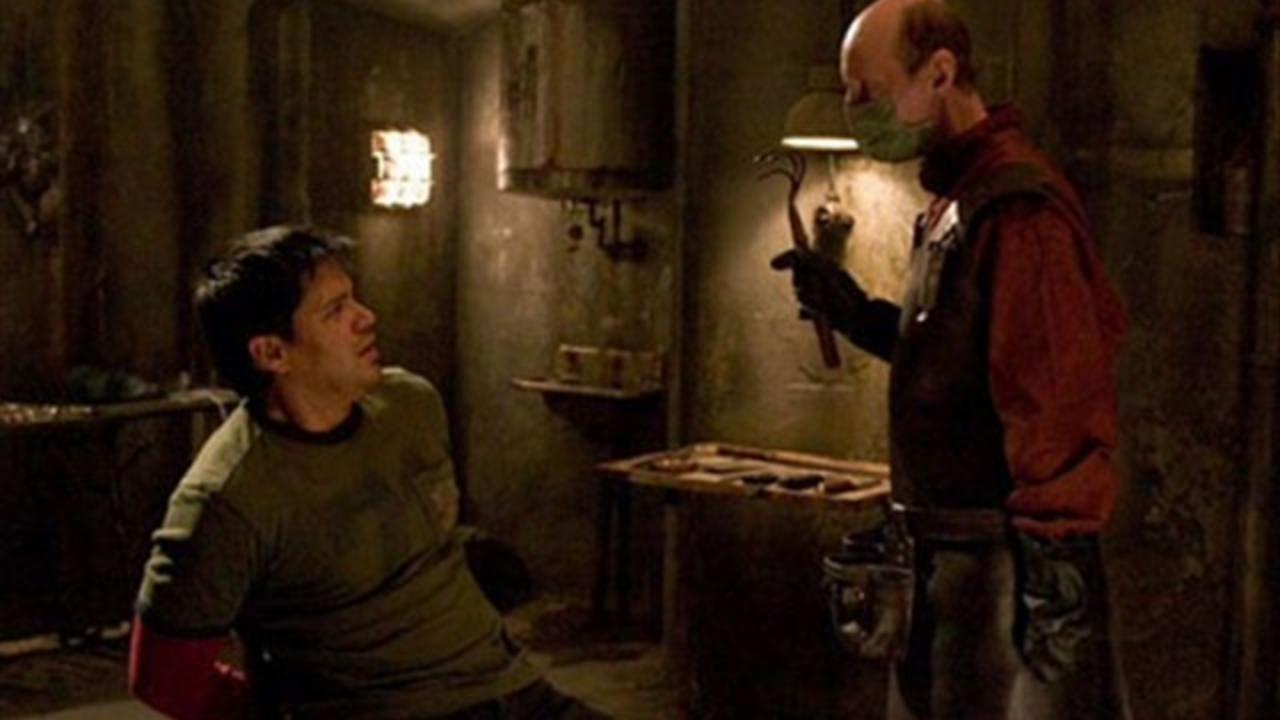
Tuesday February 16th, 10.45pm – Hostel (2005)

Eli Roth’s gruelling modern classic that became synonymous with the term torture porn. A group of tourists in Slovakia are kidnapped and become the victims of a secret society that tortures and kills its victims.

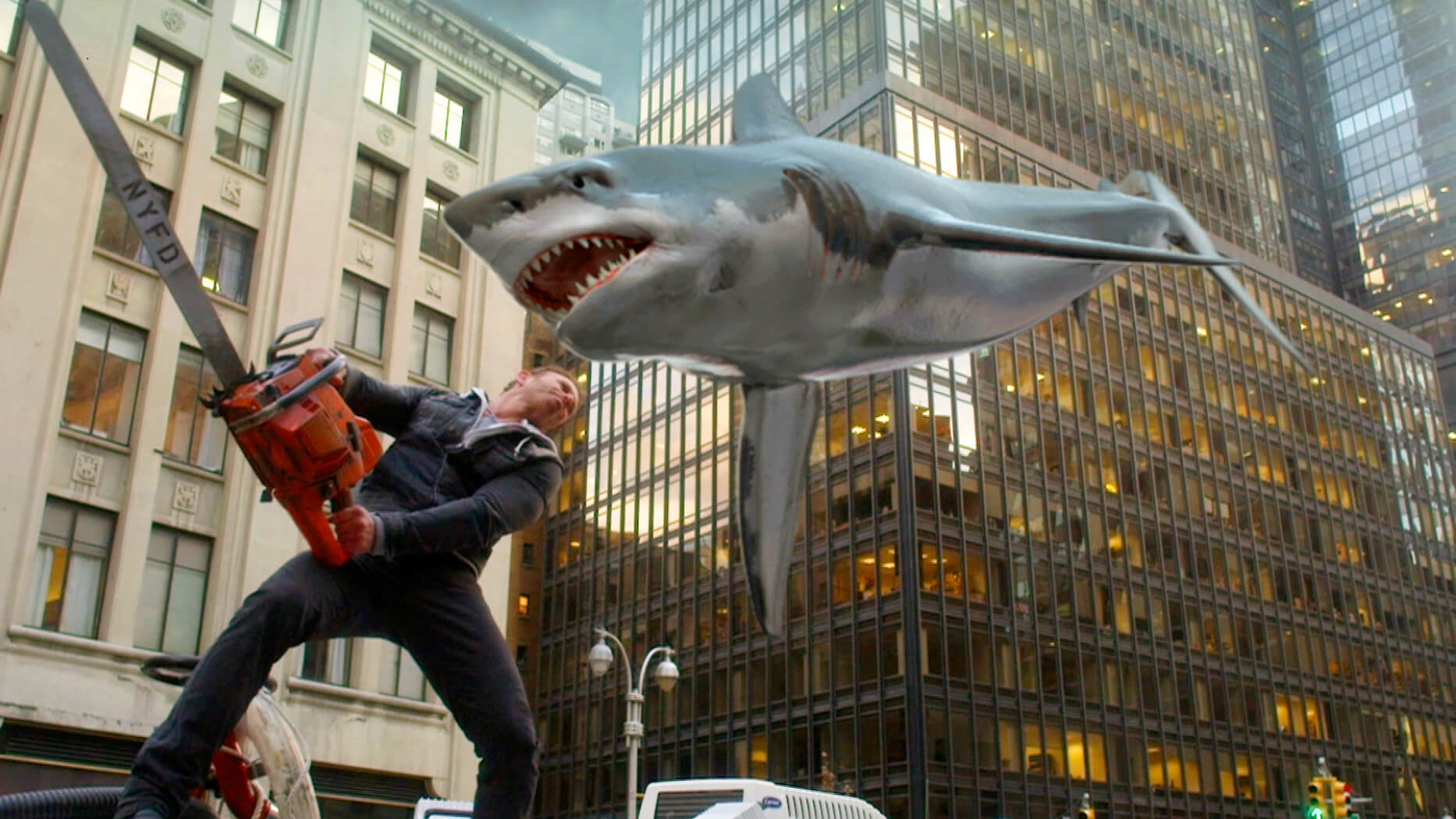
Wednesday February 17th, 1pm – Sharknado: The Second One (2014)

The second of the wonderfully ridiculous films came with the strapline “Shark Happens!” The action moves to New York, with Tara Reid’s character planning to promote a book she wrote about the first airborne attack of sharks. Among the amusing in-joke are characters named after those in Jaws, such as Martin and Ellen Brody, Doctor Quint, Vaughn (the mayor), and Chrissie (the first shark victim).

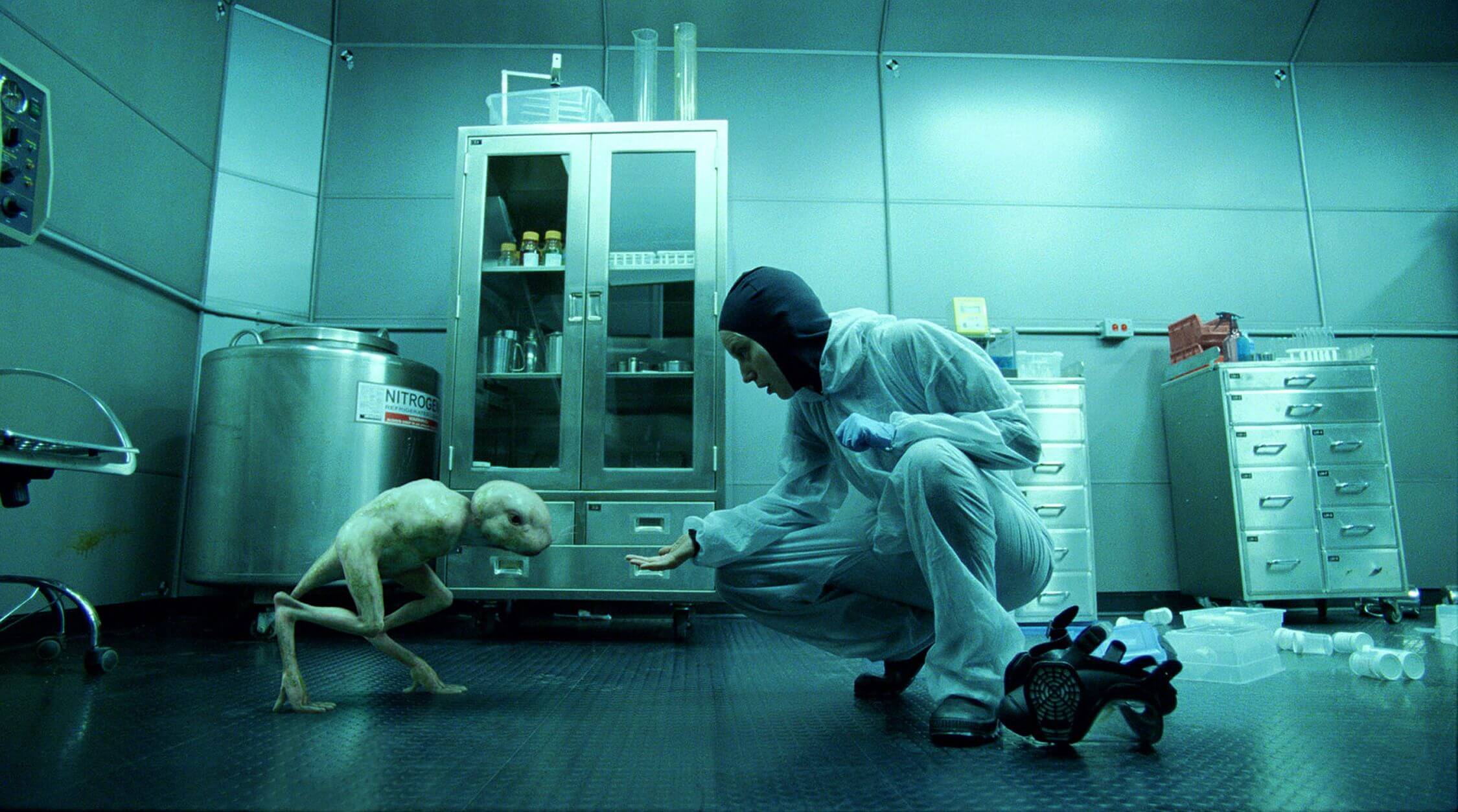
Thursday February 18th, 9pm – Splice (2009)

Creepy and even more prescient, a pair of scientists experimenting in genetic engineering add human DNA with one of their animals creating a monstrous hybrid.

Saturday February 20th, 10.40pm – Redcon-1 (2018)

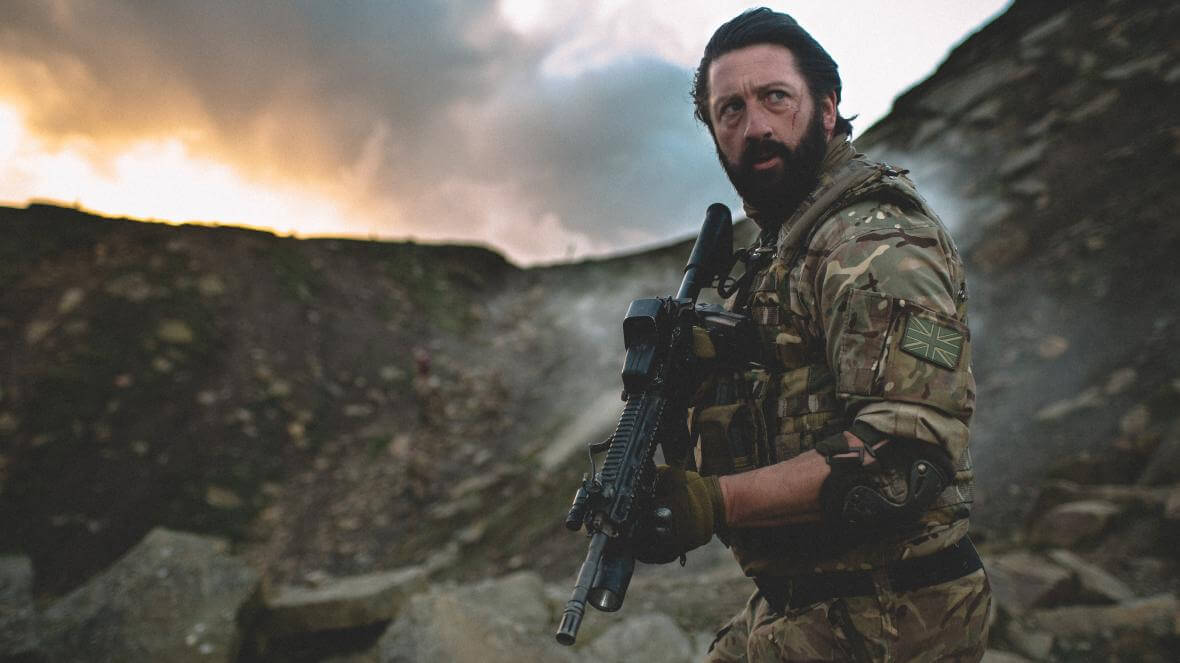
A zombie apocalypse is order of the day in this impressive British film, getting its first UK TV screening. Mark Strange, Katarina Waters, and Carlos Gallardo star, as a Special Forces team attempt to save a scientist.

Sunday February 21st, 10.55pm – It Came From the Desert (2017)

Based on the lo-fi video game of the same name, this is a fun monster movie that harkens back to the atomic chillers of the ‘50s. A group of motocross riders hold a celebration in the desert but stumble upon a secret underground military base where giant ants have become weaponised. Because that can’t possibly go wrong, can it?


[ENDED] Win Silent Classic THE LAST WARNING on Blu-ray

win last warning

We’ve teamed up with Eureka! Entertainment to giveaway three copies of the silent classic The Last Warning on Blu-ray. Just read on, watch the trailer, and enter the competition below.

The Last Warning was Paul Leni’s final film before his untimely death, and a prime showcase for Universal’s leading lady of the era, Laura La Plante (The Cat and the Canary, Skinner’s Dress Suit). A visual artist at the peak of his career, Leni’s camera never stops shifting, offering cutaways and trick shots involving nervous could-be culprits, a highly suspicious sleuth, and cast members who suddenly disappear in the darkened theatre. The result is a cinematic funhouse that restlessly cross-examines the suspense of the story’s stage play against the “real” murder mystery saga, all unfolding amid the outstanding production design of Charles D. Hall.

Part of Universal’s ongoing silent restoration initiative, The Last Warning honours the studio’s rich film history that has spanned more than a century. Universal’s team of restoration experts conducted a worldwide search for The Last Warning’s available elements, ultimately working with materials from the Cinémathèque française and the Packard Humanities Institute Collection in the UCLA Film & Television Archive. The Masters of Cinema series is proud to present the completed 4K restoration on Blu-ray, the first time the film has ever been available on home video in the UK.

a Rafflecopter giveaway

THE LAST WARNING, the final film from one of German cinema’s great filmmakers, is released on February 15th on Blu-ray and can be purchased here: https://amzn.to/2Wm6i0E

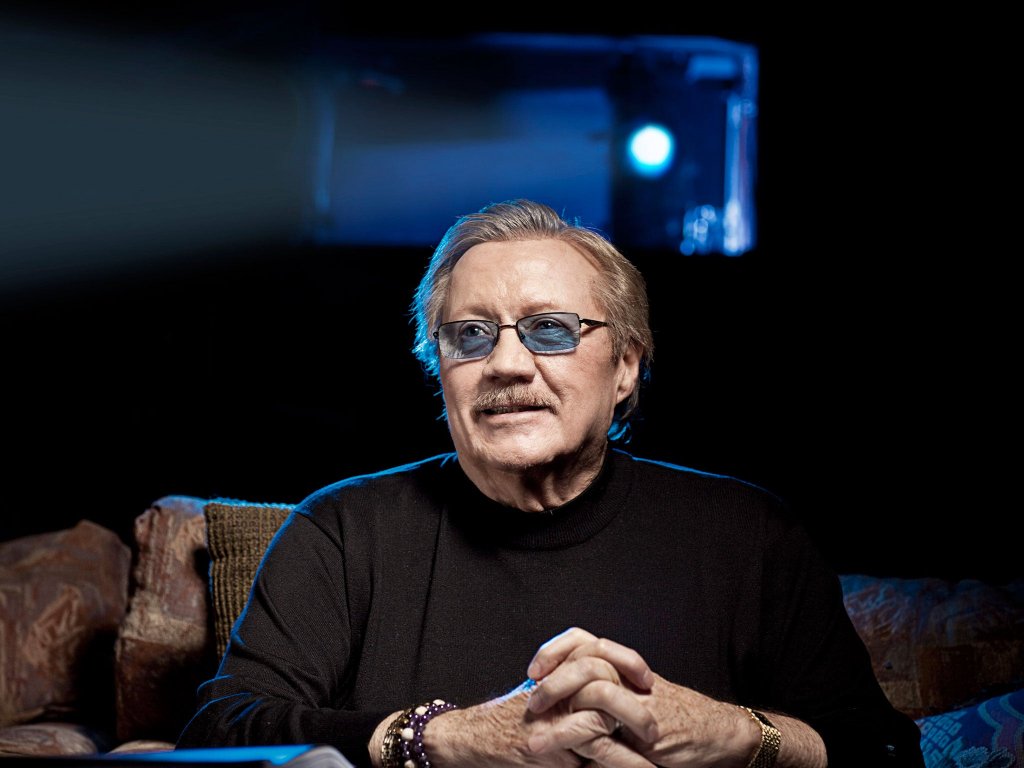
TITANS OF TELEPHEMERA: GLEN A LARSON – PART 2

larson

Ah, telephemera… those shows whose stay with us was tantalisingly brief, snatched away before their time, and sometimes with good cause. Dedicated miners of this fecund seam begin to notice the same names cropping up, again and again, as if their whole career was based on a principle of throwing stuff at the wall and seeing what sticks. What’s more, it isn’t all one-season failures and unsold pilots, there’s genuine gold to be found amongst their hoards; these men are surely the Titans of Telephemera!

GLEN A LARSON

Glen A Larson had an array of hits in the 1970s and 1980s, but also more than his fair share of failures, shows that just didn’t find their audience, which isn’t always a mark of their quality. Shows like Manimal, Automan, Galactica 1980, andTeam Knight Rider are fondly remembered, but what about those shows that were greenlit but didn’t see out their first season..?

PART 2: BRIEF LIVES

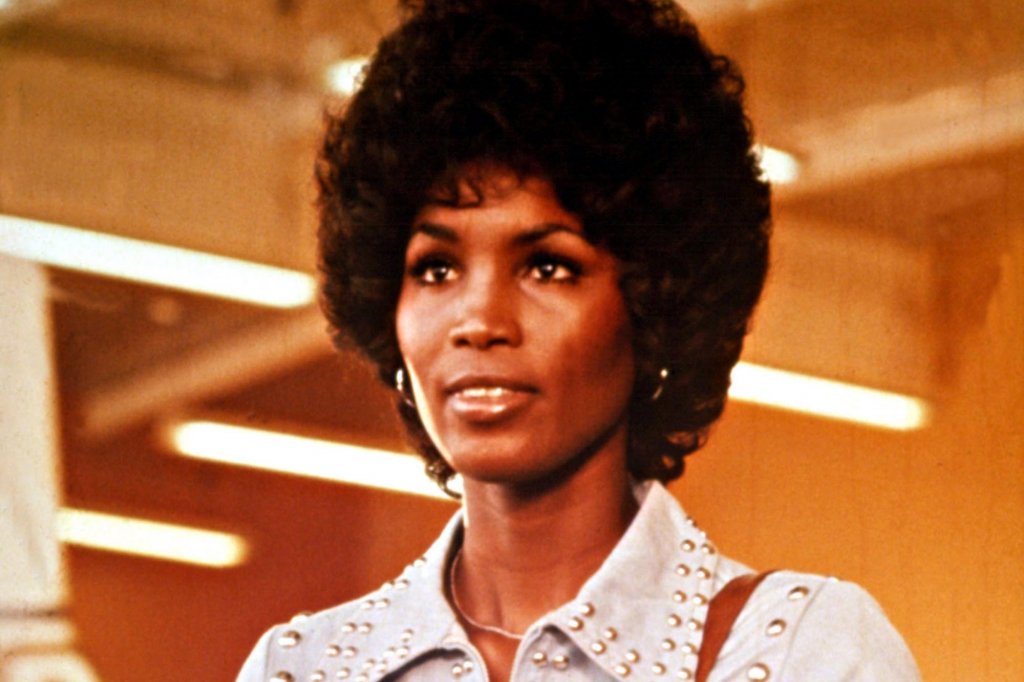
Get Christie Love! (1975, ABC): Although Get Christie Love! isn’t a pure Glen A Larson product (he “only” acted as writer, director, and producer for the series), his fingerprints are all over this attempt to capitalise on the Blaxploitation craze of the early-1970s. Based on the novel The Ledger by Dorothy Ulnak, Get Christie Love! saw the titular hero – played by Teresa Graves – try to make her way through the trials of a black female detective on the NYPD.

Taking inspiration from Cleopatra Jones and Foxy Brown, Get Christie Love! was initially developed as a TV movie, and the success of the standalone feature saw ABC greenlight the series for the Fall 1975 season. Between the movie and the series, Graves became a Jehovah’s Witness, and the show shifted in tone, with the actress refusing plots that were too immoral, effectively hamstringing the series before it had a chance to find an audience.

Graves had made her name on Rowan & Martin’s Laugh-In, and she became only the second black lead in an American TV show, seven years after the first, Diahann Carroll in Julia. Although ratings were initially strong, the limitations placed on storylines by Graves’s faith – she retired after the show was axed to concentrate on spreading the word – saw it fall behind NBC’s new procedural Petricelli, and although it completed its first season of twenty-two episodes, it did not return for the 1975 season, and was replaced in the schedules by a new show by the name of Starsky & Hutch.

A pilot for a rebooted Get Christie Love (no exclamation mark) was filmed in 2017, but ABC declined to send it to series, and its most lasting cultural impact came in Reservoir Dogs, where the show is discussed by Nice Guy Eddie and Misters Orange, Pink, and White

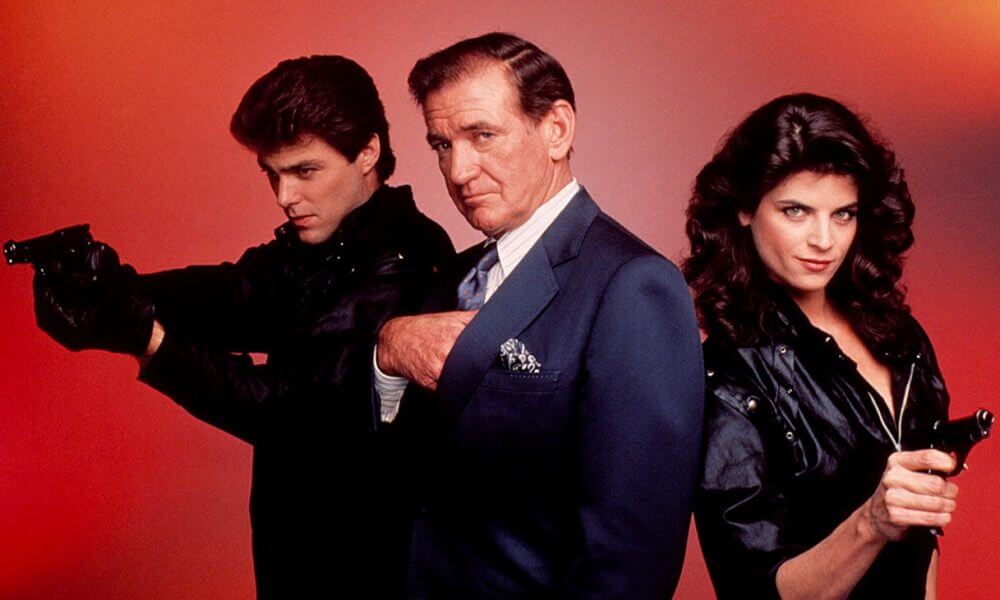
Masquerade (1983, ABC): When ABC unveiled their 1983 Fall line-up, expectations were high for the two new Glen A Larson shows, joining the producer’s The Fall Guy on the network, as well as Knight Rider on NBC, and Magnum PI on CBS. The proto-ER, Trauma Center, was done by Christmas, and replaced – as we saw last time out – by Automan, but there was another Larson show that followed it on Thursday nights, a curious mix of Mission: Impossible and Fantasy Island called Masquerade.

Masquerade saw Rod Taylor as Mr Lavender, the head of a secret branch of the American intelligence services, who each week would dispatch two of his agents – Kirstie Alley and Greg Evigan – to guide ordinary civilians through secret missions to save the world!

Alley had just starred in Star Trek II: The Wrath of Khan, while Evigan had cut his teeth on Larson’s BJ & The Bear, and the pair made for an engaging duo, despite the ridiculous premise which hinged on the disposable agents having certain necessary skills for each mission. Oliver Reed popped up as the villain in the pilot movie, and the likes of Susan George, John Saxon, Ernest Borgnine, and Rene Enriquez did secret national service.

Already up against it against Simon & Simon on CBS, and then killed when it was moved to Fridays, opposite Dallas (and Manimal), Masquerade lasted just thirteen episodes before the axe fell in April 1984. Kirstie Alley and Greg Evigan moved into the comfortable world of sitcom, and Larson moved on to another wacky espionage drama, this time for CBS

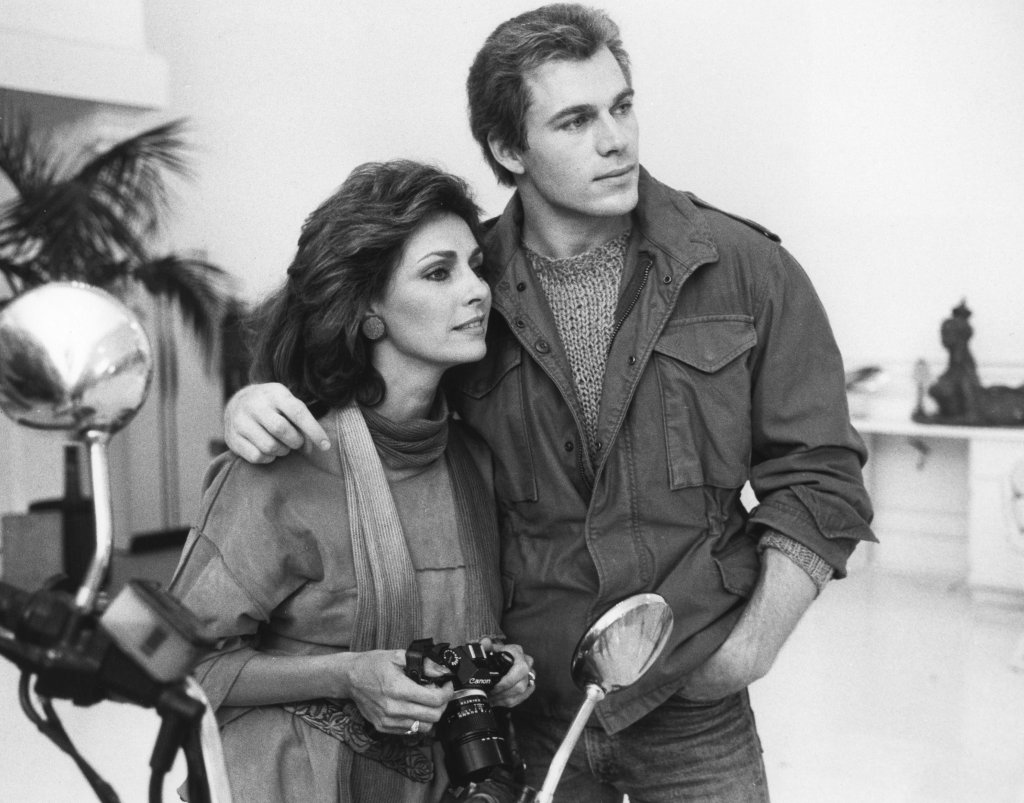
Cover Up (1984): After a disastrous 1983-84 season, which saw all four of his new shows fail to last a full season, Larson only brought one new product to market for the Fall 1984 line-up, this time at CBS. Cover Up starred former CoverGirl cosmetics model Jennifer O’Neill as Dani Reynolds, a fashion photographer who discovers that her late husband was actually a CIA agent. Finding out her husband was murdered, she teams up with former Green Beret Mac Harper to solve the crime.

So far, so fantastic, but after Reynolds solves the murder, her husband’s old boss offers her his job, and thus Reynolds and Harper become undercover agents, posing as a photographer and her assistant, sent all over the world to help Americans in trouble.

Mac Harper was played by Jon-Erik Hexum, who had made his name in the short-lived sci-fi show Voyagers, and while filming was delayed on the show’s seventh episode, he began fooling around with a prop gun, loaded with blanks. Hexum removed all except one blank round and played Russian roulette, not realising that the impact of the dummy bullet on his skull would cause a fatal injury.

After Hexum’s death, he was replaced by Anthony Hamilton as Jack Striker, and Mac Harper’s absence is explained by his being on another mission, which they later announce he was killed on. The end of the episode announcing the character’s death featured a poem written by Larson, which misspelled the actor’s name.

Cover Up ran for twenty episodes, airing at 10pm on a Saturday evening, and unusually all the shows airing on network TV in that slot that year were cancelled before their first season had been completed. While Larson was still enjoying success with some long-running properties, it was clear he was having trouble coming up with new hits.

The Highwayman (1988, NBC): After a series of unsold pilots (see next week’s instalment for those stories), Larson succeeded in getting a new series to air for the 1988 Spring season on NBC. He needed it, with only Magnum PI still around from his previous hits, and even that was entering its final season.

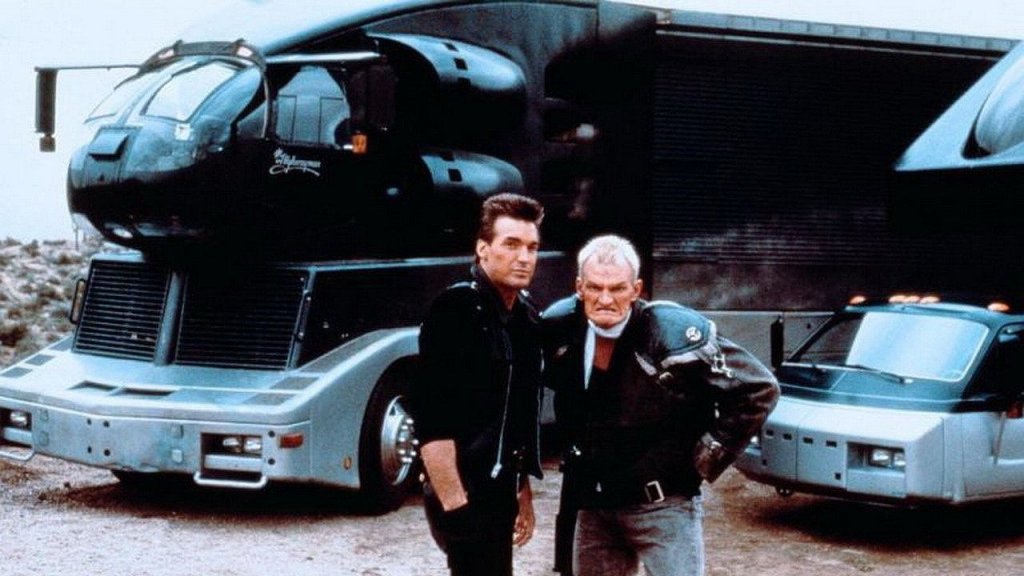
The new show starred Sam “Flash Gordon” Jones as a man known only as The Highwayman (or “Highway”, but not because he resembled Harry Secombe in any way), a mysterious US marshall patrolling the badlands of the far future of 1992, where law and order has broken down on the fringes of society. Working alongside a team of agents, and driving a high-tech truck that shares a lot of aesthetics with KITT from Knight Rider, Highway travels the US solving bizarre mysteries and helping out towns in trouble.

Unashamedly genre in flavour, Highway got involved with UFO crashes, Native American curses, time travels, clones, and telepathic machines, and the pilot – which aired in September 1987 – was well-received. A short first season of nine episodes, plus the pilot, was scheduled for March 1988, but by the end of its run ratings had faded away and a move opposite Miami Vice did it no favours at all.

Larson had written the series as a self-contained unit, with the possibility of a continuation, but the episodes were shown out of order. The show was very much of its time, which did a sci-fi show no favours as RoboCop and Predator were redefining the genre on the big screen, but there’s a certain charm to the premise and its cast, which includes a former Australian Rules Football player known only as “Jacko.”

The show was sold overseas, with UK viewers getting to see it in the nascent through-the-night block on IT

V in 1989, but was the last Larson series on network TV for three years, with only a TV movie and an unsold pilot to show for his efforts over that time. The 1990s would not be kind to this titan of telephemera…

Further Reading from STARBURST:

TITANS OF TELEPHEMERA: GLEN A LARSON – PART 1

TITANS OF TELEPHEMERA: GLEN A LARSON – PART 3

TITANS OF TELEPHEMERA: GLEN A LARSON – PART 4

TITANS OF TELEPHEMERA: STEPHEN J CANNELL – PART 1

How Does The Film Industry Optimise SEO For Movies

Having an online presence has become crucial no matter which industry you are in. The search engines rank your website changes constantly which means you need to keep up with the latest SEO developments to compete with other businesses and practices. Everytime a movie is released by Hollywood, there is a lot of promotion. You need to market your movies well so that people around the world will find you. Some estimates have stated that over a $100 million of dollars are spent in advertising on some of the biggest blockbuster movies. Advertising has become a key strategy to increase marketing sales even before the movie is released. 

(How Does The Film Industry Optimize SEO For Movies. Credit: Unsplash)

The movie industry is not new to marketing and advertising but with the help of Search Engine Optimisation (SEO). They are able to reach a wider audience by implementing specific strategies and this has been working really well for the film industry. Movie production companies would be lost without the help of SEO.

By optimising SEO practices efficiently in promoting a movie, you will be able to rank higher on search engines and draw in more traffic from across the globe if done right. You can gain additional traffic from ticket hubs, film critics and other sites to gain conversions in ticket and merchandise sales. As marketing practices keep changing, it is important to stay flexible and up to date with the latest trends and tools.

Understanding SEO

For those who are new to this strategy, SEO is a process of creating and marketing a website, in order to rank higher in search engine result pages such as Google, Bing, etc. This is primarily done by optimizing keywords, and it’s crucial to modern marketing. By doing so, your site will be able to gain higher website rankings which will garner more attraction to your pages online. Having a reliable and excellent web hosting provider is essential for SEO practices. MangoMatter reviews and compares the best hosting provider in several countries, including Australia.

One of the most important aspects of SEO is targeting keywords, which the movie industry is using extremely well. By allowing individual pages to rank for keywords that people are typing in. They are able to generate a huge amount of interest in their movie trailers and also being able to direct them to articles on their movies.

SEO and Movie Marketing

Movie studios have a strong arsenal of resources at their disposal, which is why this works so well. People are constantly searching for information online through their cell phone. Movie studios have understood the importance of presenting content on all devices such as computers, laptops, smartphones and tablets so that people can see the images and videos related to the movie on all platforms. By hiring SEO experts they are able to produce these websites so people are able to see. They build on anchor text in ways that it not only attracts traffic to conversion pages but also increases those page’s rankings for certain keywords on search engines. They generate a lot of interest by linking the keywords to movies by including the name of the actors and the movie.

(How Does The Film Industry Optimize SEO For Movies. Credit: Unsplash)

SEO and Social Media

People across the whole spend a huge portion of time consuming content on social media. Building online presence is essential for any company and social media is a huge advantage in digital marketing. Film industry has learned to tap into the digital space and make things go viral. Combining SEO and social media marketing is a great way to generate sales and gain free viral traffic from platforms such as Facebook and Twitter. When people watch a trailer for a movie, they will share it immediately and their followers might do the same. This is why advertising on social media is one of the most important ways for film companies to benefit from. By doing so, they will be able to save millions of dollars of money in advertising fees. Additionally, the tens of thousands of links that are generated by a single post on a Facebook page can serve as backlinks to boost the position of their movie website. Trailers, images, and multimedia all can be shared with the press of a button — and thus, keyword buzz around a movie can also spread across all platforms.

This strategy has proven to be very successful in driving people to the theatre and also saves a lot of money on traditional advertising. Advertising on television and radio has been the most effective form of advertising. Even though computers, tablets and smartphones are drawing people to the theatre, TV ads tend to bring in more people than any other type of promotion. The world is progressing daily and new technology is released every other day. It won’t be long that smartphones too will provide the same interest as television spots and draw in more people to the theatres.

(How Does The Film Industry Optimize SEO For Movies. Credit: Unsplash)


Conclusion

Search engine optimisation is a vital tool in digital marketing and is important for all types of business or industry. In order to have a strong online presence, implementing SEO tactics will make you and your business successful. Affiliate marketing is a great strategy and highly lucrative, if you are looking to break into affiliate programs. Diggity Marketing has some really good affiliate programs whether you are a beginner or a professional. The film industry has been using these practices to boost sales by increasing traffic on their pages and increasing visibility of those pages. This modern marketing tactic has shown a lot of success and will continue to do so.


Phil Hopkins | Fandor

phil fandor

In the middle of January, it was announced that video-streaming company Cinedigm had acquired the indie streaming service Fandor, which hasn’t acquired any new content since late 2019. In addition to the impending relaunch of the service with new content, it was announced that the Film Detective’s Phil Hopkins would be helping to run Fandor. The Film Detective – a site devoted to finding and restoring lost and forgotten films, many of which are public domain and only available in terrible transfers – was itself acquired by Cinedigm in October of last year.

Also, Fandor will relaunch its Keyframe site, which offered content and writing which did an amazing job of finding film historians, aficionados, and more to really dive deep into the films the service offered and put them into context for viewers. It’s a very exciting prospect, so we were equally excited to discuss what this new partnership will offer film fans by speaking with Hopkins…


STARBURST: How did you start the Film Detective? It’s always been such a fascinating thing, because what has always really been appealing about it is the idea that you’re taking a lot of these movies that are public domain, have been floating around, and popped up on Mystery Science Theater 3000 and things like that or appeared in any of the number of bargain DVD sets at Walmart and you’re making them into something watchable.

Phil Hopkins: Absolutely, and that’s the technology and the ability to get good material. You know, there was a wasteland of junky film prints for so long in the market and it’s wrong, because people got this weird perception about movies in terms of what was good and what was not good. Ultimately, a studio made every film. There was always a director, so it’s not like these movies just came out of the abyss and ended up in the wasteland, but the care and the love and the appreciation was hard to manage.

Back years ago, when I was collecting film prints – or even collecting movies that were not readily available – you’d have to go to shows like Chiller or you’d have to go to like flea markets and I remember spending probably $ 25 or $30 for a VHS copy of a Coffin Joe film because you just couldn’t get it. I spent a small fortune building up a VHS library of rare movies that I thought I’d never see, that I’ve read about in either Famous Monsters of Filmland or Fangoria or any of the publications that I used to get when I was a kid, going to the newsstand to absorb all this stuff.

It was a big deal to find any copy of anything back then and then when the home video explosion with DVD took place, nobody really bothered to make a huge effort to upgrade from your bootleg-quality VHS and to me it was sort of like, “Well, why wouldn’t you?” If you have the movies, why wouldn’t you try to make a better version, since DVD is supposed to look better than VHS? And then, when Blu-ray came out, everyone was sort of like, “Well, why do you want to spend the money on a PD [public domain] movie?”

I’m like, “Because it’s a great movie. It doesn’t matter if it’s PD or not. It’s still a famous movie that is probably more famous because of things like Mystery Science Theater or the fact that, in the case of Night of the Living Dead, there’s a hundred copies out there and it’s famous because it’s so circulated. It’s a strange proposition, but at the end of the day you’re still chasing the best material and trying to come up with something that’s going to look like the original and that, to me, is the best part of what I do, which is chasing down elements and trying to find an 80 or 90-year-old film and make it look great.

Seeing the restoration of Eegah on the big screen when they used it for the MST3K live tour was one of those cases. It was like, this movie looks great! It’s still a terrible movie, but it doesn’t look like it.” It wasn’t filmed poorly – it is a good looking movie – which is what you’re alluding to: the idea that so many of these movies like are downgraded simply because the only way you’ve been able to see them is from a copy where it looks like it was filmed in the dark or over-saturated or something like that. Is being able to put them out in a version like this, where you can actually see what’s going on, allowing folks to re-contextualise and re-evaluate their opinion of the film?

You’re spot on. Joel [Hodgson] – who’s a friend of mine – when I talked to him, he even said, “I gotta tell you: it was like seeing it for the first time,” because with the junky film print that they used when they did the original broadcast, it’s washed out and so you miss all of this information: you miss how cool the cars look or Arch Hall Jr.’s hair or his guitar even just sort of how insane Richard Kiel looks.

Everything just takes a different shape and form when you’re seeing it the way it was meant to be seen. I went to a couple of the live events and it was amazing, watching a theater full of people appreciate how good the movie looked and how much more they were able to enjoy it because of the quality.

If not for people like Mike Vraney over at Something Weird, who actually spent the better part of his life tracking down material and preserving and taking care of the stuff – these people are the custodians of all the genre and cult movies, who saved them, literally. Some of these people, including myself, have saved some film negatives out of going into the dumps.

That’s absurd, but when the movie labs closed, a lot of these films were orphaned. They were sitting there for years and people just didn’t know what to do with them and they were junking film negatives, in some cases. When Movie Lab closed, there’s a rumour about a lot of them getting dumped into the East River.

Cinedigm acquired the Film Detective towards the end of last year and now they’ve announced that they’re going to relaunch the streaming sevice Fandor. We know that the Film Detective and Fandor are going to be separate but we see them as dovetailing very nicely, considering that Fandor was known for being the one place where you could go to find all of these movies that nobody else was streaming – which ties in nicely with what the Film Detective does, because every time a new streaming service launches, one of the things that’s brought up is the fact that it really lacks historical depth, in terms of what’s available. Once you start getting past the ’90s, the amount of titles trails off precipitously.

The thing with Fandor is that it came out so early and the concept of editorialising and contextualising the films was so perfect but the reality was that it was still an early adopter, when even Hulu and Amazon Prime Video and whatnot were still looking to get studio titles and most of the studios wouldn’t give streaming companies content because none of them paid. It was all a matter of “Who’s going to participate and wait for your revenue?” so that was the big challenge, in terms of the entry point.

The studios were unwilling to participate early on in the on-demand game, so Fandor was in a great position to get cinephiles editorially and build something that really spoke to the genre and cinephile audience. Sadly, as a lot of these streaming platforms exploded, all of a sudden they’re owned by major media companies. They didn’t want content like this: they were making their own content. They were the new Hollywood studio, so we became nomadic. All of our indie friends that had shit up on Hulu and other platforms needed to go someplace.

Then, a couple years ago, my friend and mentor Sam Sherman reached out to me and said, “Listen: Fandor’s going under. They’re in receivership right now. They’ve got a transitional company. You should reach out to them. You should try to run Fandor. We can’t let them close: it’s one of the few places to go.”

So, I started talking to them two years ago and I spent the better part of the last two years trying to find investors and trying to roll up this whole concept of Film Detective managing Fandor and building a whole kind of indie coalition. Of course, all the major companies were just looking at Fandor as a liability asset that didn’t really have any growth potential but Cinedigm, thankfully, is really forward-thinking and they totally understood what the opportunity could be if it was handled with a little TLC and given some life support.

They agreed when they purchased Film Detective and I told them about what I’ve been trying to do with Fandor. They were very supportive and it was great timing. It was really a perfect situation. We’re really optimistic in terms of getting back to market as it’s been in limbo for two years, so there hasn’t been content added to it. There has been really no marketing and promotion, but there’s still a very impassioned group of people that want to see it continue, so we’re psyched.

It seems as though like a big part of this is – as you mentioned earlier – the contextualising of everything. A key part of that is the fact that Keyframe will also be returning and that is so crucial to older or international films: to be able to put it into context of the time or the place where it was made, and also where it fits in terms of a grander cinematic history. So many people, it seems, watch old movies and have that reaction of, “Oh, they’re doing that? That’s such a cliché!” because they don’t understand that was the first movie to do it and it had never been done: this is where it all came from and you have to look at it in that context.

Oh, absolutely. We did a restoration for Turner for Flash Gordon Conquers the Universe three or four years ago and I’m telling the kids at work, “Now, this is where Star Wars got the scrolling concept” and they’re like, “Oh, my god: you’re right! That’s so amazing!” so, immediately, you get 20-year-old millennial kids excited to watch a 1930’s serial because now they have a connection to it, opposed to, “Oh, it’s black and white.”

So many people are just like, “Well, but it’s black and white!” and you kind of have to be like, “You lost your mind over The Lighthouse! Why is something like Kiss Me Deadly all of a sudden a turn-off?”

Right? Why would you want to colourise something like Kiss Me Deadly? Why would you want to make it look like what you’re accustomed to seeing and not appreciate what film noir is and understand it. I appreciate the whole deliberate side of making something look interesting artistically, opposed to, “It’s in black and white and my brain is going to shut off.”

Looking at the success of something like the chrome edition of Mad Max: Fury Road or Logan Noir – when you take a colour movie and you put it out in black and white, it’s going to make you focus on all kinds of stuff that you didn’t know.

I think that’s not what the directors necessarily had in mind. With noir, it was all about light and shadow and kind of atmosphere and creating an anonymous feel for the movie. I think that the education and once you engage people and you come up with a clever way of introducing something, sky’s the limit.

It seems that you’re very excited about this, and it also seems that folks are going to be very excited about the fact that Fandor – much like the Film Detective – will have an ad-supported way to watch it.

I think so. I am, certainly, and I know that a lot of other fans of the platform will be – once we start getting out to all the producers and the rights holders in terms of making sure that they know now that they’ve got an alternative. They’re not beholden to Netflix or Hulu or Amazon to get an audience for their movies. We’re going to try to be a voice in the landscape to support the stuff that it will have.

It’s all about the curation because there’s so many platforms where you just have a sea of titles and nothing makes sense. You go onto the site and it’s just like, “How do you even navigate this stuff?” so I think the curation, the editorial – those are critical. Even more so now, because there’s so much competition and so much content and so much crappy content. Just because you can you can make something doesn’t necessarily mean it’s worth making. I would rather watch like the worst Ed Wood movie than watch a superficial romantic comedy that’s formulaic that doesn’t have any meat to it. It has no depth.

Fandor will relaunch sometime this spring, and more information will be found at the service’s website.

Five Films to Check Out on Horror Channel This Week – 080221

horror 080221

To save you getting lockdown blues, we’re going to be giving you our picks of what to watch on Horror Channel each week. Here are some of our favourites this week:

Tuesday February 9th, 10.50pm – Ibiza Undead (2006)

We know most people are zombied out now, but since many of us haven’t had a holiday for so long, why not watch a bunch of obnoxious youngsters face off with the undead?

Wednesday February 10th, 9pm – When a Stranger Calls (2006)

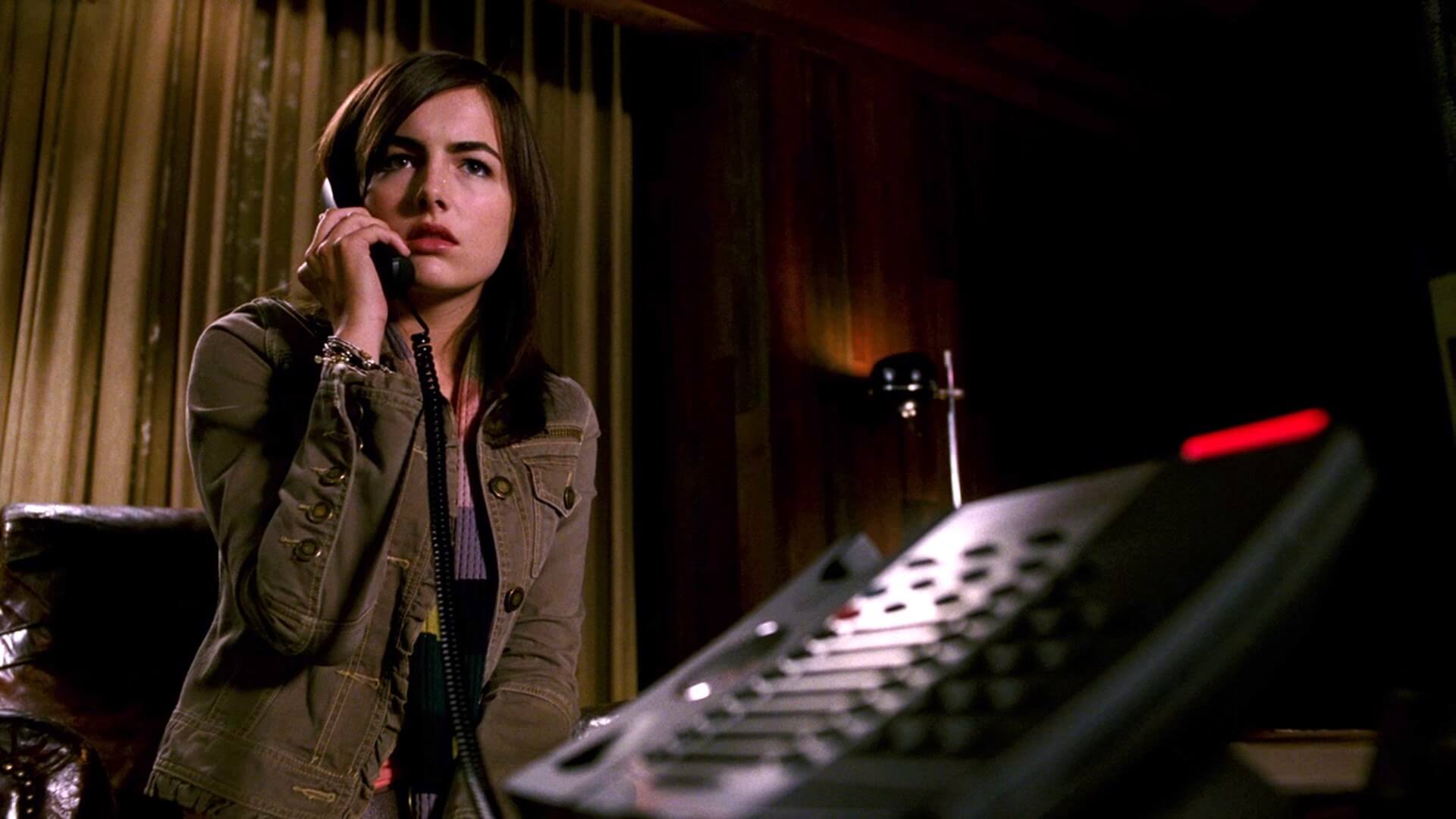
A remake of the 1979 movie, or at least of the classic first 20mins. It’s cute to see all the old mobiles, but the phone-phobic of us will still have palpations with every ring. Spoilerific trivia: Lance Henriksen plays the voice on the end of the call, but not when we see him in person!

Thursday February 11th, 9am – The Bay (2012)

Noted ‘serious’ director Barry Levinson (Good Morning, Vietnam) turns his hand to found footage horror with this tale of a small seaside town whose water supply is having disturbing and horrific effects on them. One of the better shaky-cam films

Saturday February 13th, 9pm – The One (2001)

Jet Li travels through parallel universes to do away with other versions of himself in order to be the titular ‘One’ – a super-powered being. It’s got crazy, high velocity action and Jason Statham. What more do you want?

Sunday February 14th, 9pm – Village of the Damned (1995)
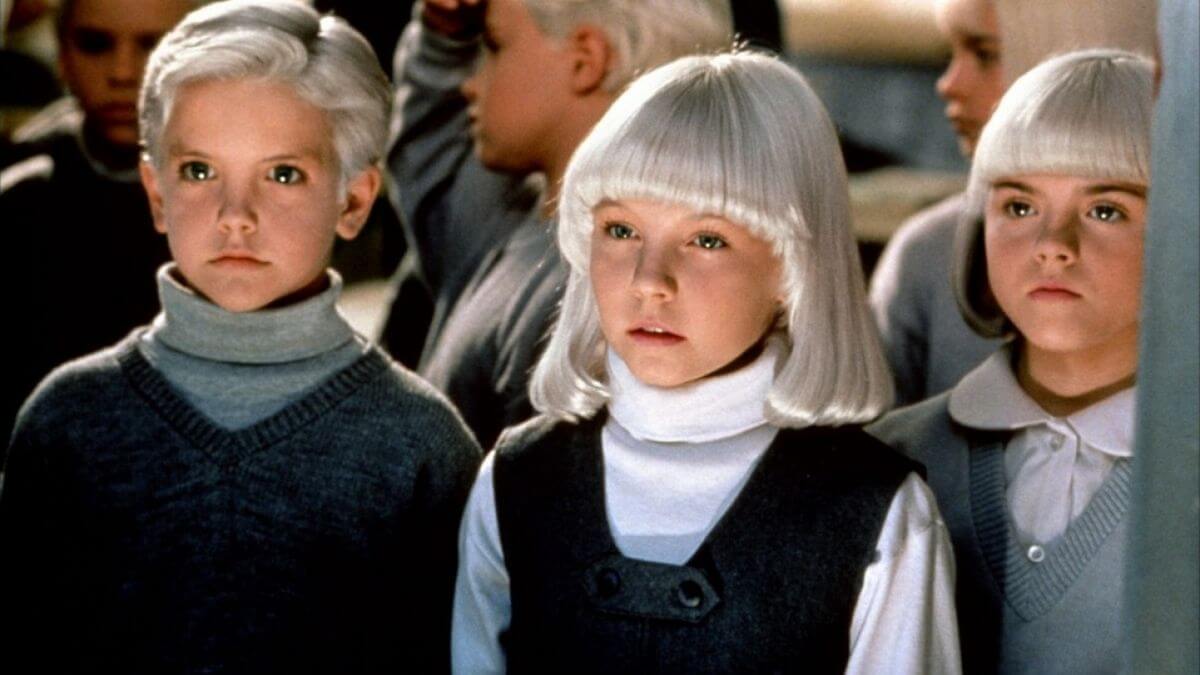
John Carpenter take on the classic John Wyndham tale The Midwich Cuckoos (previously filmed in 1960) may not pack as much of a punch as his take on The Thing, but is still a chilling watch. It stars Christopher Reeve (in his last role before his tragic accident), Kirstie Alley, and Mark Hamill and was made in the same town that Carpenter filmed The Fog.

Tune into Horror Channel on Sky 317, Virgin 149, Freeview 68, Freesat 138.

Five Japanese Live Action Fantasy Movies You Need to Watch

Godzilla may be the most famous Japanese fantasy film, but there are plenty of other live-action fantasy movies from Japan that you should check out. Here are five of the best you need to watch.


Image source: https://unsplash.com/photos/evlkOfkQ5rE


Daimajin

When the feudal lord of a village dies, an evil chamberlain seizes control and forces all of the village’s men into slavery. Some of the former lord’s children have survived, though, and the lord’s daughter offers her life in exchange for the help of a deity called Daimajin. A statue of Daimajin rests half-buried in the mountainside, but after the lord’s daughter’s plea for help, the statue comes to life and descends upon the tyrannical chamberlain and his men. There are three Daimajin movies, but the first from 1966 is the best.

Death Note

デスノート, which translates as Death Note, is a 2006 supernatural film based on the popular manga series of the same name. You may be more familiar with the 2017 American production, but the original Japanese picture is the best. The plot involves a Tokyo college student attempting to change the world into a utopian society by massacring the world’s criminals with the help of a supernatural notebook that kills everyone who is listed in its pages. After watching the Death Note movie, check out the sequel that came out in the same year, Death Note 2: The Last Name. But the Death Note action does not have to stop there. You can also watch the Japanese 2006 to 2007 Death Note anime series. And if you are looking for more Japanese anime adventure, check out the Koi Princess slot game, which is available at カスモ (Casumo) online casino.

Bakko Yokaiden Kibakichi

Set during the Edo period of Japan, the plot of the 2004 movie Bakko Yokaiden Kibakichi involves a werewolf wanderer called Kibakichi arriving at a gambling town that is run by the demons of Japanese folklore known as the yokai. The demons have made a deal with a local feudal lord to kill and eat criminals who arrive in the town in return for being able to gamble in peace. When Kibakichi arrives in town, a full-on battle between supernatural entities and humans unfolds.

The War of the Gargantuas

The sequel to Frankenstein Conquers the World, this Japanese and American co-production is one of the best creature-features ever made. The 1966 film begins with a trawler being attacked by a giant octopus. Another massive creature then rises from the ocean to fight the octopus. It is not long before the two monsters are battling it out on the mainland, in Tokyo, as scientists try to discover the origins of the creatures. Released in 1966, The War of the Gargantuas has since become a cult classic and is admired by such great directors as Tim Burton, Guillermo del Toro, and Quentin Tarantino.

Ugetsu

This 1953 romantic fantasy film is based on the stories in the 1776 book of the same name by Ueda Akinari. It is directed by seminal Japanese director Kenji Mizoguchi and is one of his most celebrated movies. In fact, most critics consider Ugetsu to be a masterpiece of Japanese cinema. Set in Japan’s Azuchi–Momoyama period of the sixteenth and seventeenth centuries, the plot involves a peasant farmer who leaves his wife and young child during the civil war. He is soon seduced by a spirit, who threatens his life. Meanwhile, the man’s friend chases his dream of becoming a great samurai warrior. Ugetsu helped to popularize Japanese films in the West and influenced many Japanese movies. It won various honours upon its release, including the Silver Lion Award at the Venice Film Festival.