ORION AND THE DARK

Orion and the Dark

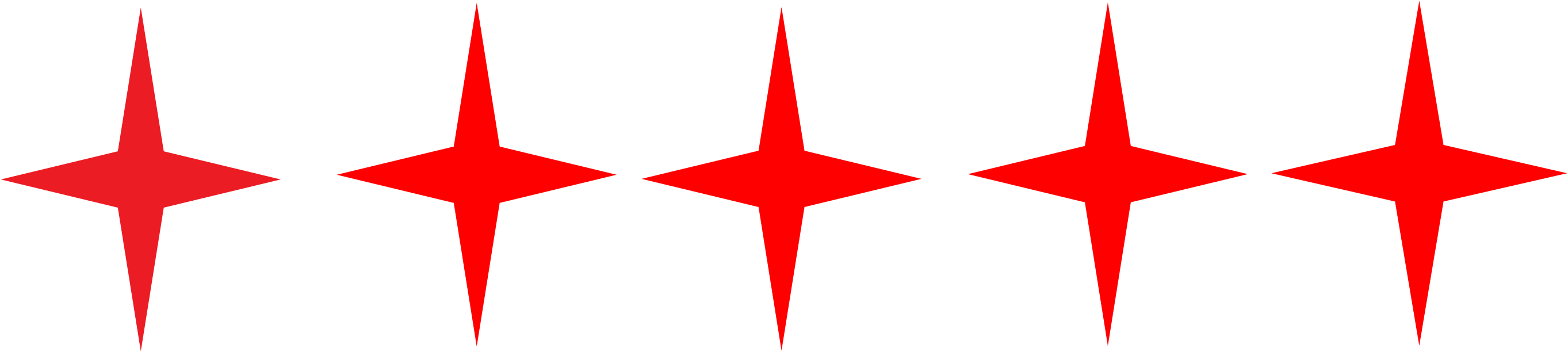
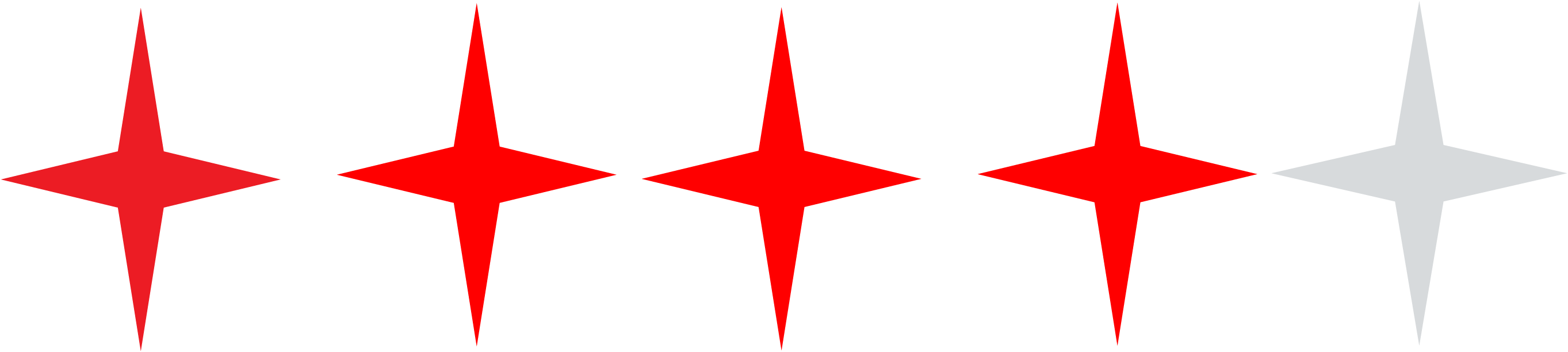
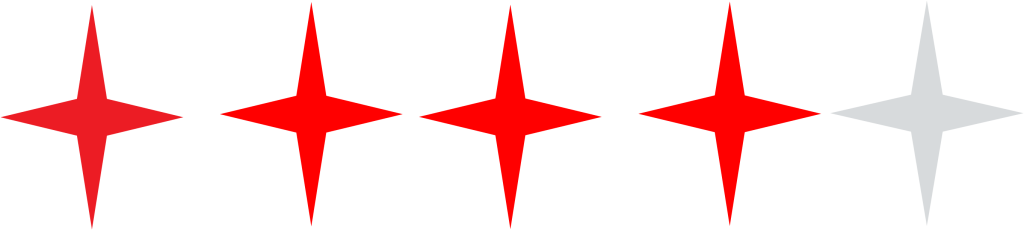
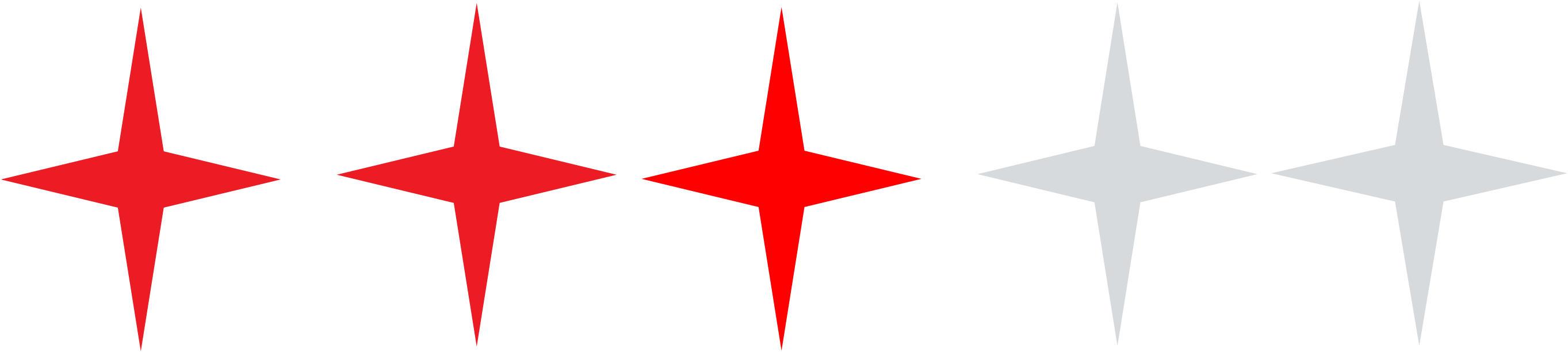
Already a candidate for 2024’s surprise hit, Orion and the Dark turns what could easily have been a sweet but simple family-friendly muck and transforms it into a moving tale about insecurity, dependency, and time. This is largely thanks to Charlie Kaufman, who gives director Sean Charmatz a wonderful story to work with, and the pair work together to generate that most rare of treasures: a child-friendly film that deals with the heavy stuff well. 

On paper, this is the story of eleven-year-old Orion meeting the spiritual embodiment of darkness, who then takes him on a journey to help him beat his fear of the dark. Yet the film manages to offer so much more than this, deftly presenting fear as something that you grow around rather than grow out of. This message is brought to life with colourful blends of 2D and 3D animation that, while not rivalling the best in the business, are still wonderfully expressive. That Orion and the Dark has so much to offer both visually and emotionally belies its source material: the 40-page preschool book of the same name by Emma Yarlett. 

Jacob Tremblay effortlessly makes young Orion a likeable hero, but Paul Walter Hauser steals the show with a larger-than-life performance as Dark. At once able to swap from infectious excitement to feeling like he has the weight of the world on his shoulders, Hauser makes Dark the story’s highlight. Meanwhile, Kaufman has crafted a world for Orion and Dark, which has nuance and detail in spades, an amazing change of pace for those who agree that kids deserve great stories, too. 

stars

ORION AND THE DARK is available on Netflix. 

DEEP FEAR

Filmmakers and filmgoers alike haven’t lost their fascination for shark movies since Jaws rewrote the summer cinema rule book back in 1975. But this curious subgenre has often sailed into choppy waters – Sharknado, Ghost Shark, Amityville Shark, for god’s sake – and some real atrocities have been brought to the screen in the name of galeophobia. The latest to join an often not-especially-illustrious list of epics is Deep Fear. Although, in fairness, it’s not just a shark movie, but our apex predator friends do play a significant part in this choppily enjoyable seaborne romp directed by Marcus “I’ve got a drone camera, and I’m going to use it” Adams.

Madalina Ghenea (think Angelina Jolie if she wasn’t a very good actor) plays Naomi, a yachtswoman working in the Bahamas and still suffering from PTSD following the death of her parents at sea when she was a child. While her fiancé Jackson (Ed Westwick) heads back to the mainland on business, Naomi sets out to sea. But her journey comes to a halt when she finds a couple of survivors of a shipwreck adrift at sea. She helps them aboard her vessel, but they quickly turn on her. Their ship was transporting a huge stash of cocaine, and they violently press-gang Naomi into helping them recover it. Meanwhile, a group of hungry sharks are circling, and if they had lips, they’d probably be licking them in anticipation of a few tasty fresh meat meals.

Despite some iffy acting, Deep Fear is enlivened by some well-staged action scenes, intermittent bloody shark attacks and some proper tension during the diving sequences. It’s forgettable finny fun, but there are a lot worse shark-based movies waiting out there in the deep waters of low-budget moviemaking.

stars

DEEP FEAR is available on Netflix now.

INSIDE (2007)

Inside

Four months after a car crash in which her husband and father of her unborn child died, Sarah is understandably still struggling to come to terms with her loss and imminent motherhood. Settling in the evening before the day of the birth, she receives a visit from a mysterious woman who seems intent on entry. What follows is part home invasion, part sensory assault as Inside burrows into your brain and deposits a stream of imagery that may never leave you.

A classic entry into the French Extremity movement, Alexandre Bustillo and Julien Maury’s film is a brutal, uncompromising, and savage exploration of grief and violence. Sarah (Alysson Paradis) is nonchalant, to say the least, about her unborn child, withdrawing from those attempting to aid her. Béatrice Dalle as ‘La Femme’ is driven to the point of insanity, repellent in pursuit of her prey, but with her true motive hidden. With the prize at stake slowly dawning on the viewer, their contest is unbearably engaging, with you unable to take your eyes from the screen yet simultaneously trying to draw your gaze away. It is a film designed to provoke a response, and whether you find Inside one of the most audacious films of all time or simply a horrific indulgence, your opinion will undoubtedly be a strong one.

It’s a film not for the faint of heart or soon-to-be parents.

Accompanying the film, Second Sight has again compiled an impressive collection of extras. Interviews, documentaries, video essays, and a 70-page book are all included with the limited-edition Blu-ray, while the standard version contains all but the text.

stars

INSIDE is out now on Limited Edition Blu-ray and standard Blu-ray


I.S.S.

It’s not hard to work out why I.S.S. – that’s International Space Station to you – belly-flopped at the US box office. Given the world’s current geopolitical situation, this isn’t really the time to ask a cinema audience – especially an American one – to engage with a film in which Russians and Americans are working together and are actually quite pally. It’s a shame because I.S.S. is a decent, taut space adventure thriller that uses its unusual and claustrophobic setting to ask simple questions about who we can trust when the chips are down and, in this case, the world is burning.

NASA astronaut/former marine Kira Foster (Ariana DeBose) arrives at the ISS to join her two fellow Americans and the three Russians already aboard conducting scientific experiments. Despite their cultural and language differences, they seem to rub along together well. Everything changes when Kira notices several huge and clearly nuclear explosions flowering across the world’s surface down below. America has suffered a devastating Russian attack, and both sides on the station receive instructions to secure the ISS – also in a low orbit and in danger of plunging from the skies – “by any means necessary”.

It’s quite a dilemma – and one that plays out rather well across the film’s tight 95 minutes. Attempts to maintain a status quo aboard the ISS quickly fall away, and before long, Kira is fighting to maintain order as crew members on both sides act on the instructions they’ve received.  Tense and compelling – one scene in which an American on an EVA discusses his and Kira’s love lives as the world turns bright red beneath them is an unnecessary and misjudged attempt to give the characters some emotional heft – ISS is a superior slice of sci-fi drama that definitely doesn’t deserve to be lost in space.

stars

I.S.S. is still on general release in the USA and is awaiting a UK release.

THE END WE START FROM

Jodie Comer delivers a powerful performance as a young mother who will do anything to protect her newborn child as a terrible ecological disaster sends her on a dispiriting journey through a grey, desolate, rain-sodden landscape in Mahalia Belo’s gripping adaptation of Megan Hunter’s brief but haunting 2017 novel. Comer plays a character we know only as Woman, patiently waiting to give birth in the London home she shares with her husband R (the excellent Joel Fry). Biblical storms are battering the country, and when the house is flooded, the pair rush to the hospital, and it’s not long before Mother’s own waters are breaking and the baby is born. The pair flee the beleaguered city for the apparent safety of the farm owned by R’s parents (Mark Strong and Nina Sosanya), but soon, events overtake them, and they’re forced to take to the road again in search of sanctuary and safety.

The End We Start From is a gruelling watch at times, often disorientating as it relies heavily on striking visuals rather than heavy dialogue. The countryside through which Mother travels is cold and unwelcoming, and sometimes the people she meets are less than kind – human nature at its basest – but when she meets up with Benedict Cumberbatch’s grieving AB, the real themes of the film emerge like the sun peeking out from constant rainclouds. This is a film about family, survival, the importance of home, and fighting to save everything you believe in. The film’s budget undermines its attempts to depict the rain-lashed country, but ultimately, The End We Start From is about so much more than the disaster; it’s about living through it and prevailing. An interesting contemporary companion piece to Cornel Wilde’s gritty, distressing 1970 dystopia No Blade of Grass.

stars

THE END WE START FROM is still in UK cinemas.

OUT OF DARKNESS

Out of Darkness (originally titled The Origin) has a lineage that dates back to the likes of Quest For Fire and Hammer’s 1960s prehistoric monster fantasies like One Million Years BC and When Dinosaurs Ruled the Earth. Out of Darkness is, though, an entirely different and grittier proposition; the Stone Age family here are well acquainted with fire, and mercifully, there’s no sign of immaculately-coiffed cavemen anachronistically fighting off Ray Harryhausen-style dinosaurs.

It’s about 80,000 BC (possibly a Wednesday), and our little group of grunters (they actually speak a usefully subtitled ‘Tola’ language created for the film) – a family unit and a stray they’ve picked up along the way – are searching for a new ‘promised land’ they can call home. We don’t know where they’ve come from and what’s driven them to leave. But when they arrive, they find the land inhospitable and the terrain bare and unwelcoming. “There’s fuck all here,” as one of them apparently says – which seems like an unusually 21st-century response to their environment. They opt not to travel on through a nearby forest for fear of ‘demons’ and suchlike – but when one of their number is snatched in the night by something that emits unholy screeches and shrieks, they’re forced to venture into the darkness to face an enemy that might be unspeakable and unearthly.

Andrew Cumming’s first directorial effort is impressively realised thanks to evocative location filming in some of the wildest wilds of Scotland, evoking a genuinely bleak and gloomy Stone Age world where life is nasty, brutish and short. An unusual and oddly gripping tale with a striking percussive soundtrack by Adam Janota Bzowski, Out of Darkness is something very different carved from the dark, harsh, misty realities of humankind’s distant past. Striking – in every sense.

stars

OUT OF DARKNESS is released in selected UK cinemas on February 23rd.

DAGR

When it comes to found footage films there is always a knack to standing out, as there are a great many out there, and in this Welsh-shot chiller, we have past and present meet in very interesting ways. In this superbly made folk horror from director Matthew Butler-Hart (The Isle). Which was backed by one Ian McKellen, and shot entirely on iPhones. 

On the winding country roads of Wales…evil awaits two young women constantly seeking internet fame, via their controversial YouTube channel. In which they steal luxury items from the wealthiest people and businesses in a middle finger to the elite. However, in this current stunt, posing as caterers at a fashion shoot at a house in rural Wales, they find something far more frightening than dislikes awaits them! 

The Kill List touches and The Blair Witch homages are felt in this age old cautionary tale of heeding local warnings, traditions and superstitions, which is brought very appropriately up to date in our current moral tightrope culture of subscriber-hunting and internet clout chasing. Like Bobcat Goldthwait’s Willow Creek, Dagr takes its time to carefully get to where it needs to and when it does the results are atmospheric and well orchestrated, with a welcome darkly comic streak.

Starting with Thea (Ellie Duckles) and Louise (Riz Moritz) past YouTube triumphs, we soon head on the road with these two, as we also see the advert shoot playing out at the reclusive location in which they are heading. These two narrative chapters eventually meet in gruesome fashion, with some much-appreciated ghostly subtlety along the way. 

The film is at its best when delivering these shadowy glimpses and “did you see that?” moments but even in its more full-on moments of supernatural attack, it retains an edge of authenticity, no doubt via its believable dialogue (some of which was improvised) and characters, with an impressive cast who help bring the story to life (so to speak). The commendable handheld filming techniques and great uses of budget also help bring that real feel to the proceedings.  

Taking the defiantly durable found footage sub-genre to the extremities of contemporary influencer culture, while conjuring the most old school of evils in the process. Dagr is a tense, slow-burning, slice of British folk horror.

stars

Dagr is out now in select cinemas, and releases on Digital 8th April.

DON’T GET IN THE CAR

Waitress Tara (Jennimay Walker) has made an attempt to leave her shady past behind. However, her former ‘boss’ Vince (Noel Gugliemi) has taken her daughter hostage and is insisting she tracks down her wayward sister who wasn’t lucky enough to escape the same syndicate. Rather than head to work, she is forced to spend the night as a driver for various seedy, nasty, and corrupt characters.

By setting most of the film in Tara’s car, director Clarice Paris creates a tense, claustrophobic atmosphere, making the most of the simple premise. Walker is great as the frustrated driver whose unwanted passengers cause her untold misery, which is heaped onto the stress she’s experiencing about her daughter. Each miscreant hanger-on brings her closer to her sister, which results in a fiery confrontation and satisfying pay-off.

It’s a brief movie, running just over an hour, but that means it’s also fairly lean, with little to no padding. It’s co-written by the director and Staci Layne Wilson (Shevenge) and it doesn’t pull any punches.

stars

ALL OF US STRANGERS

It’s rare that remembering a moment from a film a few days after having seen it can bring you to tears. Such is the power of memory, of emotions strongly felt, and such is the power and emotion of the extraordinary All of Us Strangers.

What if you had the chance to revisit lost loved ones years later and forge a new relationship with them as the authentic you, not the child they left behind? What if this started to unlock your ability to truly, genuinely, love?

Lonely Adam is a writer, trying to evoke memories of his childhood for a script, so he spends his days emerging himself in old Top of the Pops re-runs and photographs of his family. He has only one neighbour, Harry, in a tower block where they’re the first residents. Later, Adam decides to visit his childhood home where, with no sense whatsoever of the fantastical, he is welcomed by the parents he lost to an accident 30 years ago. As Adam’s several visits to them progress, so does his relationship with Harry.

This film is remarkable on every level, as a (gay) love story, a possible ghost story, and a meditation on loss, grief, and memory. Andrew Haigh has crafted something special, brought achingly to life via four brilliant performances. Claire Foy and Jamie Bell are tremendous, but Paul Mescal and Andrew Scott give us the two best performances of the year.

In the controversy over award-nomination snubs, the biggest mystery of all is that Scott won’t be walking away with all of them. There are heartbreaking moments here that will live in your memory, perhaps forever.

stars

ALL OF US STRANGERS is in cinemas now.

THE LODGE

The Lodge

Snowbound cabin-at-the-lake chiller The Lodge, first released in US cinemas back in 2019, is now finding a new, bigger audience and greater critical acclaim in the UK on Netflix. Although it carries the Hammer name, this slow-burn psychological terror offers none of the glorious operatic excesses of that studio’s heyday. It is, however, a completely compelling horror, which blends a disturbing ghost story with the devastating fallout from a family broken by personal tragedy.

Aidan and his young sister Mia are devastated by the suicide of their mother, Laura, following their parents’ separation. Their father, Richard, plans a lakeside Xmas break for the three of them and Grace, his new fiancée and the sole survivor of a doomsday cult. His hopes that this new family will connect over the holiday break are interrupted when he has to return to the city. Left alone together in the wilderness, Grace must try to win over two resentful children who are far from ready to see their mother replaced.

The film is delivered by an excellent small ensemble, but as recovering cult escapee Grace, Riley Keough delivers a standout performance as a woman pushed beyond the edge. The cinematography and sound design are both superb. The claustrophobic cabin interiors and the endless bleakness of the snowy wildernesses outside are both rendered with atmospheric precision. It’s an extraordinarily bleak and deeply unsettling foray into human beings’ reaction to profound loss or abuse – especially when that response loses all moral and mental tethering. The Lodge’s haunting final scene confirms that the filmmakers have no interest in teasing a sequel. With deserved confidence, this salutary tale takes its characters well beyond the point of no return.

stars

THE LODGE is available in the UK now on Netflix